


Abstract
Positive Leadership in Higher Education is a key process; however, its connection to the mental health and quality of life of women in leadership roles at universities has been explored only to a limited extent. This study aimed to analyze the structural relationships between positive leadership, positive mental health, and quality of life in women university leaders, and to explore the lived experiences and coping strategies that explain these associations. A mixed-methods explanatory sequential design (QUAN → qual) was employed. 45 women holding senior administrative positions in Peruvian universities completed three standardized scales. The quantitative results reveal that positive leadership significantly predicted positive mental health, which in turn strongly explained quality of life, confirming a partial mediation model. The qualitative results highlighted persistent psychosocial and structural challenges—gender bias, the glass ceiling, role overload, institutional pressure, impostor syndrome, and isolation—alongside coping strategies focused on self-care, emotional regulation, purpose-driven leadership, empowerment, sorority, and organizational transformation with a gender perspective. Positive leadership emerges as a key organizational resource that enhances women’s mental health and quality of life. Institutional cultures grounded in inclusion, care, and relational leadership are essential for sustainable and transformative women’s leadership in higher education. The WISE: Women Integrated for Sustainable Empowerment is presented as a practical action guide for positive female leadership.
1. Introduction
Women’s mental health in university settings has become a critical focus of research due to the convergence of structural inequalities, role overload, and institutional pressures that differentially impact their psychological well-being. Recent studies show that, in student, academic, and management settings, women exhibit higher levels of emotional vulnerability in contexts of high demands, precariousness, and gender discrimination, especially in crisis scenarios [1,2]. At the educational level, it has been observed that female university students, even in traditionally male-dominated fields such as engineering, report significantly higher levels of positive mental health than their male counterparts, suggesting the presence of differentiated protective resources that coexist with persistent psychosocial risks [3,4]. At the same time, qualitative research has shown that factors such as migration, social isolation, cultural discrimination, and academic precariousness increase the emotional burden on women in university, generating experiences of suffering, exclusion, and exhaustion, but also processes of emancipation and resilience [2,5].
In the professional and leadership sphere, it has been documented that women in positions within university and mental health systems face ethical, organizational, and symbolic challenges associated with the constant need to demonstrate legitimacy, manage institutional tensions, and open spaces for other women, creating a scenario where female leadership is intertwined with mental health as a strategic resource for organizational sustainability [6]. Likewise, evidence from female college athletes shows that flourishing and protective factors—such as positive connections, self-regulation, and sense of purpose—act as buffers against stress, reinforcing the need for integrated models that articulate psychological well-being, performance, and institutional context [7]. These findings confirm that women’s mental health at university cannot be understood in isolation, but rather as a relational and structural phenomenon, influenced by gender, leadership, working conditions, and opportunities for human development.
In this sense, women’s mental health at university is explained not only by individual factors, but also by the organizational and relational dynamics in which women operate. Among these factors, leadership style emerges as a key element, capable of amplifying psychological resources, modulating institutional stress, and shaping climates that favor—or undermine—subjective well-being.
Thus, female leadership in the university setting is a complex phenomenon, shaped by masculinized organizational structures, persistent sociocultural barriers, and inequalities in access to power, as well as by emerging processes of agency, transformation, and empowerment. International evidence shows that, despite the sustained increase in women in higher education, their representation in senior management positions remains limited, conditioned by gender stereotypes, work-family conflicts, lack of support networks, absence of mentoring, and institutional policies that are not very inclusive [8,9,10,11].
Studies conducted in various contexts—such as Australia, Uganda, Ghana, India, Malaysia, and Jordan—confirm that universities reproduce hierarchical power relations that restrict women’s advancement, reinforcing the so-called glass ceiling and creating more precarious and emotionally demanding career paths [12,13,14,15]. However, qualitative research from feminist and decolonial perspectives reveals that women leaders deploy strategies of resistance, transformational leadership, and solidarity network building, challenging hegemonic narratives and expanding spaces for participation and legitimacy [16,17].
At the same time, educational experiences at women-only universities and in leadership programs focused on equality have demonstrated their potential to reduce gender gaps, strengthen self-confidence, promote digital skills, and transform professional identity, particularly in contexts of technological transformation and digital leadership [18,19,20].
Likewise, the literature shows that women in leadership positions do not uniformly reproduce exclusionary hierarchical patterns but rather exhibit greater identification with their peers, greater commitment to affirmative action policies, and more collaborative styles, challenging the so-called queen bee phenomenon [21,22]. Taken together, these findings confirm that female leadership in universities not only faces structural barriers but is also a key agent of organizational change, with direct implications for equity, innovation, and institutional well-being.
Along the same lines, women’s leadership trajectories are shaped throughout their life cycle, influenced by early experiences, role models, and educational contexts that strengthen self-confidence and agency [23]. University leadership development programs have shown that mentoring, intentional training, and strengthening networks increase professional visibility and willingness to take on leadership roles [24]. Likewise, intersectionality intensifies emotional burdens but also promotes holistic leadership and coping strategies in response to discrimination [25]. From a psychosocial perspective, it has been shown that perceptions of the environment and social comparison processes influence women’s mental health and quality of life in university settings [26], confirming that female leadership is a relational process closely linked to psychological well-being.
From a contemporary perspective, leadership is conceived as a moral and relational practice oriented toward collective well-being, redefined as virtuous leadership grounded in eudaimonism, the recognition of human dignity, and the amplification of positive effects in communities, thereby allowing change to be addressed through an inclusive and sustainable organizational ethic [27]. This concept transcends traditional dichotomies through the Competing Values Framework, which integrates complementary values—commitment, trust, teamwork, innovation, creativity, competitiveness, efficiency, and order—to address organizational complexity with a contextual and strategic balance [28,29]. In this context, emotional awareness and understanding of others are key competencies for building authentic relationships and mobilizing commitment to a shared vision [30].
For our study, we adopt Kim Cameron’s concept, which posits that positive leadership rests on five theoretical dimensions that interact to create exceptional organizational environments: a positive climate, positive relationships, positive communication, positive meaning, and positive strengths. These dimensions aim to enhance well-being and resilience in organizations and facilitate the creation of collaborative, high-performance environments [31,32].
However, the impact of leadership is not limited to the emotional or symbolic realm but extends to the objective and subjective conditions that structure women’s daily lives. Thus, positive leadership is directly linked to quality of life, as it influences perceptions of support, work–life balance, safety, social relationships, and the sense of a healthy environment in university settings.
The quality of life of women is a topic that has been widely addressed in scientific literature; however, this production focuses predominantly on clinical populations and disease contexts, while studies on women university leaders remain scarce and fragmented. Recent research has examined health-related quality of life among pregnant women, demonstrating that social determinants—such as income, education, support networks, and marital status—significantly influence perceptions of health, well-being, and participation in physical activity, thereby shaping differential profiles of quality of life [33]. Similarly, studies of women in early motherhood in Japan show that coping with stress, optimistic thinking, and access to institutional services explain significant variations in the physical, mental, and social components of quality of life, with scores below population norms [34]. In the university setting, it has been documented that psychosocial factors such as body dissatisfaction, distorted self-image, and eating disorders are associated with a lower perception of quality of life in young women, revealing the influence of the academic context on overall well-being [35].
Evidence has also focused on women facing highly vulnerable conditions, such as cancer, pelvic floor disorders, urinary incontinence, and endometriosis, where it has been shown that quality of life is profoundly affected by pain, infertility, economic burden, loss of productivity, and emotional impact, leading to the development of multiple specific instruments for its assessment [36,37,38,39,40,41]. However, these clinical approaches have obscured other female realities, such as those of women leaders, whose challenges are not exclusively associated with illness, but rather with role overload, structural precariousness, job insecurity, and lack of institutional support. In this vein, studies of women social and political leaders in Colombia show average quality-of-life levels, conditioned by the lack of stable work, formal education, and social support, indicating that exercising leadership in adverse contexts is a risk factor for well-being [42].
Based on these gaps, there is a recognized need to broaden the approach to quality of life to include organizational contexts and female leadership, and to move beyond the predominant clinical and biomedical emphasis. In line with this integrative approach, this study adopts the model proposed by the World Health Organization, operationalized through the WHOQOL-BREF, which conceives quality of life as a multidimensional subjective perception organized into four interrelated domains: physical, psychological, social relationships, and environment [43,44], which provide a holistic understanding of the well-being of female university leaders in their personal, professional, and sociocultural contexts.
1.1. Study Gap
Although there is extensive literature on mental health, leadership, and quality of life, these constructs have been analyzed in a fragmented manner. Studies that simultaneously integrate positive mental health, quality of life, and positive leadership in women are extremely rare, and virtually non-existent in female university executives. Likewise, there are no explanatory models that allow us to understand how leadership influences quality of life and through which psychological mechanisms, nor are there any mixed approaches that integrate quantitative data with leaders’ subjective experiences.
1.2. Objective of the Study
To analyze the structural relationships between positive leadership, positive mental health, and quality of life in female university managers, and to explore the experiences, meanings, and coping strategies that explain these relationships to understand the underlying psychosocial processes.
2. Materials and Methods
The STROBE reporting guidelines were employed for this cross-sectional study [45,46]. For this section, the methodological guidelines for writing a good scientific article [47] were considered, organized into the following subsections: Methodological approach, Variables, Sample and sampling, Instruments for obtaining information, Fieldwork, and Data analysis.
2.1. Methodological Approach
The study adopted a mixed-methods approach using a sequential explanatory design (QUAN → qual), following the procedural framework proposed by Ivankova, Creswell, and Stick [47]. Following these authors, the study was structured around the three core procedural dimensions of a sequential explanatory design—priority, implementation, and integration—which guided the weighting of the quantitative strand, the sequential organization of data collection, and the connection and interpretation of both datasets. This design was considered appropriate because it allows a comprehensive understanding of complex phenomena by combining the breadth of quantitative evidence with the depth of qualitative inquiry.
First, priority was assigned to the quantitative strand, which served as the principal analytical component, employing descriptive statistics, correlation analysis, principal component analysis, multiple correspondence analysis, and structural equation modeling.
Second, implementation followed a sequential process in which the quantitative phase preceded the qualitative phase, allowing the statistical findings to guide the subsequent exploration of participants’ lived experiences.
Third, integration was achieved by connecting both phases through the development of interview questions grounded in the quantitative results and by merging quantitative and qualitative evidence during interpretation, enabling the interviews to explain, contextualize, and deepen the statistical findings. This methodological integration provided a more comprehensive and robust understanding of the relationships among positive leadership, positive mental health, and quality of life in female university leaders.
In the first stage, a non-experimental, cross-sectional, and correlational-explanatory quantitative design was used to test a structural mediation model. Subsequently, a qualitative phenomenological-interpretative phase was conducted through in-depth interviews, which allowed for the broadening of the meaning of the statistical results, the exploration of subjective experiences, and the understanding of the underlying psychosocial processes. The integration of both approaches strengthened the study’s internal, external, and interpretative validity, offering a holistic and contextualized view of female well-being and leadership in higher education.
2.2. Variables
2.2.1. Positive Mental Health (PMH)
It is conceived as a unidimensional construct of psychological well-being that integrates hedonic components (positive emotions, life satisfaction) and eudaimonic components (sense of meaning in life, self-acceptance, and optimal functioning). It represents a positive state of mental functioning that goes beyond the absence of psychopathology, reflecting a person’s ability to enjoy life, cope with difficulties, and maintain emotional balance [48].
2.2.2. Positive Leadership
This is conceptualized as a leadership style grounded in organizational practices oriented toward virtue, meaning, and human empowerment, thereby promoting positive, high-performance work environments. It is based on five interrelated dimensions: positive climate, positive relationships, positive communication, positive meaning, and positive strengths, which generate well-being, resilience, and extraordinary performance [29].
2.2.3. Quality of Life
It is defined as a person’s subjective perception of their position in life, in relation to their cultural context, value system, goals, expectations, and concerns. It is a multidimensional construct that integrates physical, psychological, social, and environmental dimensions and expresses the level of well-being and satisfaction with living and working conditions [43,44].
2.3. Sample and Sampling
Forty-five women in senior management positions at Peruvian universities participated, 56% of whom held the position of director, 49% had been in the position for two years or less, 40% were between 41 and 50 years old, 78% were of mixed race, and 49% held a master’s degree (see Table 1).
Table 1.
Sample characteristics.
It is important to highlight a noteworthy pattern regarding women’s representation in higher education leadership within the study context. Although women have increasingly held administrative and middle-management positions, their representation in senior executive roles (e.g., rectors, vice-rectors, and deans) remains substantially lower. Consistent with this structural imbalance, only 20% of the participants in the present study occupied top executive positions, whereas 80% served as directors or coordinators. This pattern reflects the persistent underrepresentation of women in the highest levels of university governance. In Peru, many higher education institutions continue to be led predominantly by men, with male representation exceeding 70% in senior leadership positions, and some universities have never appointed a woman as rector throughout their institutional history.
In Peru, the National University Superintendency (SUNEDU) publishes reports on the state of higher education, which help us understand leadership patterns. In 2020, it released its Second Biennial Report on the State of Higher Education in Peru [49]. The percentage of current university administrators, by gender and position, for 2019 was as follows: Rector: 91.1% men, 8.9% women; Vice Rector: 71% men, 29% women; and Dean: 78.7% men, 21.3% women. Years later, in its fourth biennial report on the state of higher education in Peru [50], the data were as follows: Rector, 80.3% men, 19.7% women; Vice Rector, 76.8% men, 23.2% women; Dean, 76.6% men, 23.4% women. These findings suggest that, despite gradual improvements, the gender gap in university leadership remains a persistent structural challenge in Peruvian higher education, reinforcing the relevance and timeliness of the present study. This enduring leadership gap underscores the relevance of examining the factors that promote women’s well-being and leadership effectiveness, as strengthening positive leadership and mental health may contribute not only to improving individual quality of life but also to fostering more equitable and inclusive leadership within higher education institutions.
2.4. Instruments for Obtaining Information
2.4.1. Positive Mental Health Scale (PMH-Scale)
Positive mental health was assessed using the Positive Mental Health Scale (PMH-Scale) [48] by Lukat et al., a brief, unidimensional, self-report instrument designed to measure psychological well-being from a salutogenic perspective, integrating hedonic and eudaimonic components.
The scale consists of nine items that reflect global and transitional judgments about one’s own state of well-being (e.g., “I often feel carefree and in good spirits,” “I enjoy my life,” “I am a calm and balanced person”). The items are rated on a Likert-type scale, which, in its original version, ranges from 1 (not true) to 4 (true); in the present study, it was adapted to a 7-point scale (1 = strongly disagree to 7 = strongly agree) to maintain consistency with the other instruments used.
Validation studies of the PMH-Scale confirm its unidimensional structure, metric and scalar invariance across different population groups and over time, as well as high internal consistency (α between 0.82 and 0.93 in multiple samples), adequate test–retest reliability (r = 0.74 to 0.81) and convergent and discriminant validity with measures of life satisfaction, subjective happiness, depression, anxiety, stress, and social support [48],. Furthermore, the scale has demonstrated sensitivity to therapeutic change, making it an ideal tool for evaluating interventions aimed at psychological well-being.
In the present study, the PMH-Scale demonstrated excellent internal consistency (α = 0.913; ωh = 0.920), confirming its suitability for assessing positive mental health among female university leaders.
2.4.2. Positive Leadership Scale
Positive leadership was assessed using a five-item unidimensional scale, designed specifically for this study and based on Kim Cameron’s theoretical model. This model conceptualizes positive leadership as a set of practices that create exceptionally healthy, high-performing organizational environments by integrating five interrelated dimensions: positive climate, positive relationships, positive communication, positive meaning, and positive strengths [32].
According to Kim Cameron, these dimensions constitute the pillars that enable leaders to promote an affirmative orientation, strengthen interpersonal bonds, generate meaning in work, and enhance individual and collective capabilities. In the original text, these strategies are organized as mechanisms that enable “positive deviation” in organizations, integrating human well-being with organizational performance.
Each dimension was operationalized through a representative item:
- Positive climate: optimistic and constructive environment.
- Positive relationships: trust, support, and high-quality human connections.
- Positive communication: open dialog, recognition, and constructive feedback.
- Positive meaning: alignment with a transcendent purpose and sense of fulfillment.
- Positive strengths: identification and empowerment of individual and collective capabilities.
The items were rated on a seven-point Likert scale (1 = Strongly Disagree to 7 = Strongly Agree), with higher scores indicating a greater perception of positive leadership in the organizational environment.
This instrument showed high internal consistency in the analyzed sample (α = 0.836; θ = 0.840; ωh = 0.843), indicating adequate precision for measuring the construct.
2.4.3. Quality of Life Scale (WHOQOL-BREF)
Quality of life was assessed using the WHOQOL-BREF, an abbreviated version of the WHOQOL-100 instrument developed by the World Health Organization [43,44]. This instrument is a generic, multidimensional, and cross-cultural measure designed to assess people’s subjective perceptions of their position in life, taking into account their cultural context, value systems, goals, expectations, and concerns. The WHOQOL-BREF consists of 26 items, selected from the original 100 items, representing 24 universal facets of quality of life, plus two global items that assess overall quality of life and health perception (not included in the domain calculation). The items are grouped into four domains:
- Physical health (7 items): pain and discomfort, energy and fatigue, sleep and rest, mobility, activities of daily living, dependence on treatments, and work capacity.
- Psychological domain (6 items): positive and negative feelings, self-esteem, body image, cognitive functions, and spirituality/personal beliefs.
- Social relationships (3 items): personal relationships, social support, and satisfaction with sex life.
- Environment (8 items): safety, home, financial resources, access to health services, opportunities for information, recreation, physical environment, and transportation.
In terms of reliability, the total quality of life scale showed high internal consistency (α = 0.896; θ = 0.923; ωh = 0.918). Adequate coefficients were obtained for each domain: physical health (α = 0.853; ωh = 0.867), psychological health (α = 0.651; ωh = 0.781), social relationships (α = 0.793; ωh = 0.802), and environment (α = 0.772; ωh = 0.816).
Overall, the reliability analysis results fall within the good-to-excellent range, confirming that the instrument has sufficient precision to measure quality of life among female university leaders.
Reliability of the Study Scales
The following summary shows that the reliability analysis of the scales indicates high internal consistency, with coefficients mostly ranging from good to excellent, confirming that the instruments have sufficient precision to measure the constructs studied (Table 2).
Table 2.
Reliability of the study scales.
2.4.4. Qualitative Instrument: In-Depth Interview
To deepen and interpret the quantitative findings, an explanatory qualitative phase was developed using semi-structured, in-depth interviews, which were subsequently administered alongside standardized questionnaires. This strategy enabled a broader understanding of the statistical results by exploring the experiences, meanings, and subjective strategies associated with positive leadership, mental health, and quality of life among female university executives. The interview was designed based on two central themes, derived from the theoretical model and the preliminary results of the quantitative phase:
- Psychosocial and structural challenges in the exercise of female leadership, aimed at identifying barriers, tensions, and perceived gaps in senior management positions.
- Personal and organizational strategies for mental health care and quality of life, focusing on coping practices, self-care, and leadership sustainability.
Each axis was addressed through open-ended questions, such as:
- “From your perspective, what are the main challenges faced by women in senior management roles such as yours?”
- “What advice would you give to other women in senior management positions to improve their quality of life and mental health?”
The responses allowed us to identify recurring narrative patterns, organized into emerging categories such as gender bias, underestimation of abilities, role overload, wage gap, performance pressure, work-family balance, self-care, setting boundaries, delegation, support networks, and empowerment. Reflective discourses of a high ethical and transformative nature were also collected, linking female leadership with sisterhood, equity, and the humanization of organizations.
The interviews were recorded in text format, preserving the anonymity, confidentiality, and voluntariness of the participants. The analysis was carried out using thematic coding, following an inductive process of identifying, grouping, and refining categories, which enabled the results to be contrasted with and integrated into the quantitative model.
2.5. Fieldwork
The fieldwork was carried out over a period of nine months (March–December 2025). It was characterized by a gradual, carefully planned process due to the high administrative burden and limited participant availability, which posed significant challenges to access and coordination of contact.
The female executives were contacted individually via personal invitations that explained the study’s objectives, the voluntary nature of participation, and the confidentiality guarantees. Before data collection, all participants gave their informed consent, ensuring anonymity, privacy, and the exclusive use of the information for scientific purposes, given the sensitivity of the topics addressed.
2.5.1. Quantitative Phase
In the first stage, the three standardized scales (positive leadership, positive mental health, and quality of life) were administered virtually. Participants completed the instruments independently, at flexible times according to their work responsibilities. This phase provided the data necessary for descriptive, correlational, and structural analysis.
2.5.2. Qualitative Phase
Subsequently, the qualitative explanatory phase was developed through in-depth interviews with the same participants. These interviews were conducted after the quantitative phase was completed to deepen and interpret the results obtained, exploring their experiences, perceptions, and coping strategies in the exercise of leadership.
2.6. Data Analysis
Given the moderate sample size (n = 45) and the fact that the analyzed variables did not satisfy the assumption of normality, as assessed using the Shapiro–Wilk test, nonparametric statistical methods were employed. Nonparametric analyses are recommended when the assumption of normal data distribution cannot be met, particularly for small to moderate sample sizes and ordinal variables, as they require fewer distributional assumptions and provide more robust statistical inferences [51,52,53]. In this regard, a recent study points out the following:
“Nonparametric statistics are useful for studies with small sample sizes, nominal- or ordinal-level data, and non-normally distributed variables. These statistical tests make no assumptions about the sampled population.” [54] (p. 1).
This methodological decision is consistent with the broader statistical literature, which emphasizes that nonparametric approaches are not only alternatives to parametric tests but also robust analytical strategies when distributional assumptions are violated. Within this framework, previous authors have further elaborated on the applicability and advantages of these procedures in empirical research contexts.
“When data cannot reasonably be assumed to be normally distributed and/or have equal variances, a nonparametric test may be useful. For example, the Wilcoxon rank sum test (also known as the Mann–Whitney test) and the Kruskal–Wallis test are nonparametric analogs to the t-test and ANOVA, respectively, and do not require normality.” [55] (p. 1874).
In addition, Morgan [55] notes that although nonparametric tests generally require fewer assumptions than parametric methods, they still rely on specific conditions for their valid application, particularly the assumption of homoscedasticity in tests such as the Wilcoxon and Kruskal–Wallis. In the present study, this assumption was met, thereby supporting the appropriateness of the selected analytical procedures. However, it is also important to acknowledge that studies with reduced sample sizes may have limitations, particularly lower statistical power, which can reduce the sensitivity of the analyses to detect true effects.
2.6.1. Quantitative Phase
The statistical analysis began with a descriptive exploration of the data to characterize the sample. Frequencies and percentages were calculated for the sociodemographic variables (position, length of service, age, race, and academic degree), and the mean and standard deviation were calculated for the study variables. Before selecting the inferential tests, the assumption of univariate normality was evaluated using the Shapiro–Wilk test; given that one of the study variables and one domain did not follow a normal distribution, nonparametric tests and estimation methods were used. To evaluate differences in Positive Mental Health across age groups, the Kruskal–Wallis H test was applied, supplemented with Mann–Whitney post hoc comparisons with Holm correction to identify specific differences between pairs of groups. Likewise, the relationships between the study variables were examined using Spearman’s rank correlation coefficient.
In addition, a multiple correspondence analysis was performed to identify sociodemographic profiles associated with the levels of the study variables, thereby enabling visualization of clusters such as the success profile. At the same time, principal component analysis (PCA) was used to visualize the geometric proximity among the constructs and to confirm the distinction among the components studied. Finally, a structural equation model was estimated using the asymptotic free-distribution estimation method to test the relationships among the study variables, and the model’s goodness of fit was assessed using absolute, incremental, and parsimony indices.
Structural Equation Modeling (SEM) was employed in this study to test the hypothesized relationships among positive leadership, positive mental health, and quality of life. Although SEM is traditionally associated with larger sample sizes, the methodological literature indicates that there is no fixed minimum requirement, as statistical performance depends on model complexity, the number of parameters, and measurement quality rather than on sample size alone [56,57].
We considered the sample size requirements for structural equation models, as proposed by Wolf and contributors [58] who provide guidelines for evaluating the power, bias, and suitability of the solution. Although the present study included a relatively small sample (n = 45), recent methodological evidence indicates that SEM does not require a universal minimum sample size. Instead, sample size requirements depend on model characteristics, including model complexity, factor loadings, path coefficients, and measurement quality [58], through extensive Monte Carlo simulations, demonstrated that required sample sizes may range from 30 to 460 observations depending on these characteristics, concluding that “one size does not fit all.”
2.6.2. Qualitative Phase
The qualitative analysis was conducted using an inductive thematic approach to identify emerging patterns of meaning in participants’ discourses. In the first stage, the transcripts were read thoroughly and repeatedly to gain a comprehensive understanding of the content. Subsequently, open coding was performed to identify units of meaning related to the two thematic axes of the interview: challenges of female leadership and strategies for mental health care and quality of life. In a second phase, the initial codes were grouped into emerging categories and subcategories, based on conceptual and semantic similarities, giving rise to thematic nuclei such as: gender bias, underestimation of abilities, role overload, wage gap, performance pressure, work-family balance, self-care, setting boundaries, delegation, support networks, empowerment, and sisterhood. Finally, an interpretive integration phase was conducted, in which the qualitative results were contrasted and integrated with the quantitative findings, enabling a holistic understanding of the phenomenon under study and strengthening the explanatory validity of the proposed model.
3. Results
3.1. Quantitative Phase
Table 3 shows that 71% have a high level of positive leadership, 80% have a high level of positive mental health, and 73% have a high level of quality of life. In comparison, the physical (56%), psychological (76%), social relationship (78%), and environmental (60%) domains have a high level. Likewise, positive mental health has the highest average (6.0) among the scale averages, while the lowest average is for quality of life (5.5); within this, the lowest average is for the physical domain (5.2). The highest average is for the social relationship domain (5.9).
Table 3.
Descriptive statistics of the study variables.
On the other hand, according to the normality test, the positive leadership variable (p-value < 0.001) and the social relationship domain of quality of life (p-value = 0.002) do not approximate a normal distribution. The remaining variables and dimensions approximate a normal distribution in their data (p-value > 0.05).
Figure 1 shows that, in general, the sample has a very favorable perception of positive leadership, positive mental health, and quality of life. The distribution of the data shows a consistent positive bias, with the vast majority of participants scoring at the upper levels of the scales evaluated (5 = Somewhat agree and 6 = Agree for positive leadership and positive mental health, while for quality of life and its domains 5 = Often and 6 = Almost always in the recoded codes), resulting in asymmetric distributions in all study variables (and domains of quality of life).
Figure 1.
Distribution of scores for the study variables (Quality of Life domains). Note: The points represent the data.
Figure 2 shows that, overall, there is a significant difference between age groups in positive mental health (Kruskal–Wallis test: H = 12.987, p = 0.0047). This non-parametric approach is strongly supported by the Brown-Forsythe test, which demonstrated that the groups satisfy the assumption of homogeneity of variances (W = 0.894, p = 0.452), thereby validating the direct comparison of medians. Consequently, the data indicate that not all age groups have the same positive mental health, with a tendency for positive mental health to improve from the 30s to the 40s and 50s but then falling slightly or stabilizing in the 61–70 age group. On the other hand, when looking at the p-values of the Mann–Whitney post hoc comparisons (Holm-corrected), it is evident that the real difference is marked by the blue line with a p-value of 0.020, indicating that the 41–50 age group has significantly higher positive mental health than the 30–40 age group.
Figure 2.
Kruskal–Wallis test results for Positive Mental Health across age categories. Note: The triangle green represents the average level of positive mental health in each age group. The dots represent the data points (the respondent’s positive mental health score in each age group).
Figure 3 shows that positive mental health is the strongest predictor of quality of life (ρ = 0.74, p-value < 0.001). Positive leadership correlates significantly with positive mental health (ρ = 0.44, p = 0.003) and with the psychological (ρ = 0.43, p = 0.003) and environmental (ρ = 0.50, p < 0.001) domains of quality of life. However, leadership is not significantly related to the physical domain (ρ = 0.24, p-value = 0.112) or the social relationship domain (ρ = 0.25, p-value = 0.098) of quality of life. Likewise, the environmental domain is a determining factor for quality of life among all other domains, as it has the strongest correlation with quality of life (ρ = 0.82 and p-value < 0.001).
Figure 3.
Bivariate relationships between Positive Leadership, Positive Mental Health, and Quality of Life (and domains). Note: The orange lines indicate the trend in the relationship between two specific variables (all of them show a positive trend).
From Figure 4, the success profile (red circle) shows a clear grouping that associates high levels of positive leadership, positive mental health, and quality of life with directors aged between 41 and 50 years, with a master’s degree, and of white race. On the other hand, younger women (30–40 years) with lower academic ranks (bachelor’s degree or higher) tend to be farther from the success profile. Likewise, those over 51 years old represent the profile of Authorities–Deans, vice-rectors, and rectors—with a Doctorate (the ‘High Hierarchy/Status’ profile), although they are not within the central red circle, they remain on the right side of the X-axis (Dimension 1), which means they are not associated with low scores (the ‘low’ scores are clearly on the left).
Figure 4.
Multiple correspondence analysis modality map for sociodemographic and study variables.
Figure 5 shows that quality of life (QL) is extremely close to the psychological domain (QL2: d = 0.088) and positive mental health (PMH: d = 0.089), thus confirming that the perception of quality of life is almost indistinguishable from psychological state and mental health. On the other hand, the physical domain (QoL1) behaves very differently from the rest, as it appears isolated in the upper left, with a large distance from quality of life (d = 0.353), suggesting that this second axis could be capturing the specific variance of “physical health” versus “psychosocial health.” Likewise, the positive leadership (PL) variable is located in the lower left corner, far from the core of quality of life (d = 0.348), indicating that it does not share the same variance structure as quality of life or mental health due to its low position in both components, suggesting that it is an exogenous construct.
Figure 5.
Principal component analysis map of the study variables.
Figure 6 and Table 4 show a positive and significant influence of positive leadership on positive mental health (β = 0.43, p < 0.001), indicating that greater perceived positive leadership moderately predicts better positive mental health in the female participants. Likewise, positive mental health has a significant effect on quality of life (β = 0.78, p < 0.001), indicating that perceived quality of life depends largely on positive mental health (almost 78% of the variance explained). In addition, there is a significant direct effect of positive leadership on quality of life (β = 0.20, p = 0.036). However, it is smaller in magnitude than the indirect pathway (0.43 × 0.78 = 0.33). This means there is partial mediation: positive leadership improves quality of life directly, but mainly by first improving positive mental health. On the other hand, the psychological (λ = 0.82) and environmental (λ = 0.82) domains have the highest factor loadings, indicating that, for these participants, quality of life is primarily defined by their psychological well-being and environmental surroundings. In contrast, the physical domain (λ = 0.60) has the lowest loading, consistent with the previous principal component analysis, in which this variable was distant from the core of quality of life.
Figure 6.
Path diagram of the structural model with standardized asymptotically distribution-free estimates.
Table 4.
Unstandardized and standardized regression weight estimates of the structural model.
Table 5 shows that the proposed theoretical model fits the empirical data well, as evidenced primarily by a non-significant Chi-square value (p = 0.955) and an X2/df ratio of 0.330, indicating minimal discrepancy between the observed and estimated covariance matrices. The absolute and comparative indices reinforce this conclusion, achieving ideal values: a GFI of 0.987, a perfect CFI of 1.000, and an approximation error (RMSEA) of 0.000, all exceeding the required acceptance thresholds. However, values below the threshold are observed for parsimony indices such as PGFI (0.376) and PNFI (0.482), which are common in small-sample models. Likewise, the convergence of the main indicators (RMSEA, CFI, TLI) confirms the validity and statistical robustness of the structural model analyzed.
Table 5.
Goodness-of-fit indices for the proposed structural model.
3.2. Qualitative Phase
The purpose of the qualitative phase was to deepen and interpret the findings from the quantitative analysis, exploring the experiences, meanings, and subjective strategies of female university managers regarding their leadership, mental health, and quality of life. Based on the thematic analysis of the in-depth interviews, two major interrelated themes emerged: (1) the psychosocial and structural challenges faced by women in leadership roles in university contexts, and (2) the coping and self-care strategies that participants employ to maintain their well-being, quality of life, and performance. These themes were organized into categories and subcategories that reflect both the tensions of the institutional environment and the processes of agency, resilience, and personal transformation, which are presented below.
- Gender bias and delegitimization
- Stereotypes of female weakness: “They often feel that I need to be ‘tougher’ to earn their respect, as if being a woman were synonymous with fragility.”
- Underestimation of abilities: “Sometimes I explain something, and they ask a male colleague again, as if my word were not enough.”
- Lack of institutional trust: ”I feel that they always doubt my decisions, even though I have more experience than others.”
- Invisibility of authority”: They introduce me as ‘the coordinator,’ but they omit that I am the one who makes the decisions.”
- Constant need to prove competence: “I work twice as hard because I know that any mistake I make will be judged more harshly.”
- Glass ceiling and structural inequality
- Wage gap: “I discovered that I earned less than a colleague in the same position.”
- Unequal access to opportunities: “They are nominated, we have to ask for it.”
- Male-dominated power groups: “Decisions are made in spaces where we are not invited.”
- Lack of inclusive policies: “There are no clear rules protecting women in senior positions.”
- Institutional machismo: “The system still thinks that leadership has a male face.”
- Role Overload and Work-Family Conflict
- Extended professional demands: “Work never ends, not even on weekends.”
- Unshared domestic responsibilities: “At home, I’m also the one who organizes everything.”
- Lack of personal time: “I can’t remember the last time I did something just for myself.”
- Chronic exhaustion: “I’m always tired, even when I sleep.”
- Guilt for not fulfilling all roles: “I always feel like I’m failing somewhere.”
- Workplace Pressure and Surveillance
- Extreme self-demand: “I never feel like it’s enough.”
- Institutional hypervigilance: “Everything I do seems to be under scrutiny.”
- Fear of failure: “One mistake I make weighs more than ten successes.”
- Constant comparison: “I am always compared to my male colleagues.”
- Impostor syndrome: “Sometimes I feel like I don’t deserve to be here.”
- Isolation and Loneliness in the Workplace for Women
- Managerial isolation: “I have no one to share my doubts with.”
- Lack of internal support networks: “Everyone goes their own way.”
- Competition among women: “Sometimes they pit us against each other.”
- Lack of mentoring: “I never had a mentor.”
- Organizational mistrust: “I don’t feel like the system supports me.”
- Self-Care and Emotional Regulation
- Setting boundaries: “I learned to say no.”
- Work–life balance: “I turn off my email after a certain time.”
- Stress management: “I breathe, I walk, I pause.”
- Mindful breaks: “I need moments of silence.”
- Self-compassion: “I learned not to punish myself.”
- Positive Reappropriation of the Meaning of Leadership
- Redefining success: “I no longer measure it solely by achievements.”
- Purposeful leadership: “I want to leave my mark.”
- Ethics of care: “Leading also means caring.”
- Sense of transcendence: “My work has a greater meaning.”
- Personal coherence: “I don’t want to lead against my values.”
- Support Networks and Sisterhood
- Family support: “Without my family, I couldn’t do it.”
- Alliances between women: “We support each other.”
- Mentoring: “I learned from other women.”
- Listening spaces: “Being able to talk is liberating.”
- Communities of practice: “Sharing experiences makes us stronger.”
- Personal Empowerment
- Recognition of strengths: “Now I value what I know.”
- Celebration of achievements: “I learned to celebrate my progress.”
- Development of self-efficacy: “I trust myself more.”
- Continuing education: “Continuing to learn sustains me.”
- Building professional identity: “I no longer doubt who I am.”
- Organizational Strategies
- Delegation: “I can’t do it all alone.”
- Distribution of responsibilities: “Sharing the load is key.”
- Promotion of positive climates: “The atmosphere changes when there is respect.”
- Transformation of institutional cultures: “We need to change the rules.”
- Impact on internal policies: “We have to leave a structural mark.”
4. Discussion
Although the sample size of this study is small, this is not an isolated limitation but rather part of a broader trend in recent research on women’s health, well-being, and experiences in complex contexts, where access to specific, highly sought-after populations is inherently restricted. Qualitative and exploratory studies with small samples have proven particularly valuable in highlighting deep-rooted and structural issues, as in research involving 36 Australian women from different social strata [59], 20 patients operated on for gynecological conditions [60], 14 Canadian women who experienced early pregnancy loss [61], and seven women survivors of intimate partner violence from migrant or minority backgrounds [62]. Along the same lines, the pilot validation of instruments in related populations [63] supports the methodological relevance of studies with targeted samples, especially when addressing sensitive, under-explored, or difficult-to-access phenomena, such as female leadership in universities.
This section deepens the academic debate by interpreting the qualitative findings that underlie the quantitative results, providing an integrated understanding of the psychosocial and structural processes shaping women’s leadership in higher education.
4.1. Gender Bias
The qualitative findings of this study, particularly in the category of gender bias and delegitimization, are consistent with extensive international evidence confirming the structural, persistent, and multifaceted nature of gender bias in academic and professional contexts. Ref. [64] argues that equity policies in universities have led to regulatory advances but little substantive cultural change, noting that transformation accelerates only in the face of institutional crises that highlight inequality. Similarly, other authors [65] document that female professors in different countries continue to experience both overt and covert discrimination, especially when disciplinary and gender identities converge, reinforcing symbolic hierarchies that erode their legitimacy. At the organizational level, the review in [56] shows that gender stereotypes operate through two critical mechanisms: the perception of lower competence in “agentive” roles and social punishment for counter-stereotypical behavior, which together explain the participants’ reported need to constantly “prove” their abilities. This bias is not limited to human interactions, but is even reproduced in algorithmic systems: Ref. [66] show that artificial intelligence amplifies occupational and representational stereotypes, reinforcing visual narratives of female subordination. In the STEM field, [67] authors confirm that sexism, heteronormative roles, and structural power relations continue to hinder the professional development of female academics, even in formally egalitarian educational systems. Finally, other researchers [68] show that biases are internalized, as women tend to underestimate their own abilities even when their performance is equivalent to men’s. This phenomenon reinforces cycles of self-delegitimization. These studies support the interpretation that gender bias is not an isolated event, but rather an interconnected system of practices, beliefs, and institutions that conditions the mental health, leadership, and quality of life of women in higher education.
4.2. Glass Ceiling
The findings of this study confirm that the glass ceiling continues to operate as a structural and symbolic barrier that restricts women’s access to, permanence in, and recognition within leadership positions, in line with international evidence from organizational, health, technological, and academic contexts. Recent studies show that gender stereotypes weaken self-efficacy, erode professional identity, and reduce the likelihood of emergence in management roles, acting as psychosocial mechanisms of exclusion [69]. Converging qualitative research in the health sector reveals that these obstacles are sustained by patriarchal cultures, uninclusive work environments, and tensions between professional and family life [70], whereas in highly hierarchical contexts, such as academic surgery, wage gaps, slower progression, covert discrimination, and lack of mentoring are evident as factors that perpetuate vertical segregation [71]. Even when women manage to reach the highest levels, they are often promoted to high-risk positions with less institutional support and shorter career paths, reinforcing the precarious nature of female leadership [72]. From a structural perspective, these patterns are replicated in global academia, where cultural norms, work organization, and masculinized power systems continue to limit women’s advancement, despite regulatory advances [73,74,75]. This evidence reinforces the study’s findings, demonstrating that the glass ceiling is not a residual phenomenon but rather a persistent system of inequality that affects mental health, quality of life, and the sustainability of female leadership in university settings.
4.3. Role Overload and Work-Family Conflict
The overrepresentation of role overload and work-family conflict in the narratives of female university managers in this study aligns with a robust body of international evidence showing how the simultaneous demands of professional, domestic, and caregiving spheres generate persistent structural tensions in women’s careers. From pioneering studies [76,77], it has been documented that even in universities with equality policies, women continue to postpone or abandon their professional careers due to family responsibilities and promotion systems based on productivity metrics. This tension is reproduced in populations with multiple roles, where the intensity of academic, work, and family demands significantly predicts conflict, overload, and emotional exhaustion [78], as well as in women who move into executive positions and experience identity discontinuity and role conflict [79]. In contemporary contexts, the burden of informal care amplifies these conflicts, leading to physical and emotional exhaustion, especially in cultures with traditional gender roles and low social support [80]. Recent literature confirms that work–family conflict systematically undermines women’s well-being and is modulated by personal and relational factors such as self-esteem, resilience, and social support [81]. In turn, social reactions toward those who experience family–work interference reinforce stigmas of incompetence and reduce job opportunities [82], which perpetuates a cycle of exclusion. However, evidence of change is emerging: belief in the malleability of gender roles significantly reduces work-family conflict and improves women’s life and job satisfaction [83]. These findings support the view that role overload is not an individual phenomenon, but rather a structural problem that requires organizational, cultural, and psychosocial interventions consistent with the results of this study.
4.4. Work Pressure and Surveillance
The pressure to perform and constant surveillance identified among female university managers in this study are consistent with a wide range of literature demonstrating that work stress does not stem solely from workload but, above all, from relational and organizational dynamics and institutional control. In highly demanding, feminized contexts, chronic pressure is primarily associated with dysfunctional hierarchical relationships and adverse organizational climates, rather than with the volume of tasks themselves [84]. This pressure is amplified by the normalization of technological and social surveillance and performance-monitoring systems, which foster a culture of constant control that undermines well-being, creativity, motivation, and professional identity [85,86]. From a sociological perspective, these dynamics are part of processes of “gender construction,” in which women are evaluated more strictly and are constantly symbolically forced to prove their legitimacy [87]. In contexts of neoliberal restructuring and precariousness, this surveillance is intensified by the logic of permanent availability, hyperconnectivity, and self-imposed demands, disproportionately affecting women in management positions [88]. Subjectively, the perception of chronic time pressure has been linked to unhealthy behaviors, deterioration in self-care, and reduced well-being [89,90]. This reinforces the idea that pressure is not only an organizational condition, but also a structural psychosocial determinant that erodes mental health and quality of life. All the above confirms that pressure and surveillance are control mechanisms that reproduce gender inequalities and deepen emotional vulnerability in women leaders, as evidenced by the results of this study.
4.5. Impostor Syndrome
Impostor syndrome is not an individual phenomenon, but rather a psychosocial effect produced by organizational contexts that reinforce implicit discourses of exclusion about who “belongs” in leadership and academia. Feminist relational studies show that this narrative individualizes discomfort and obscures structural power relations based on gender and class [91]. Empirically, it has been shown that the phenomenon is associated with greater awareness of stigmatization, lower academic self-concept, and lower performance in women [92], as well as low motivation and sense of belonging in academics [93]. Among women who are underrepresented in higher education, imposter syndrome limits identity development and leadership assumption, although it can be mitigated through diversified mentoring networks [94]. Evidence in highly male-dominated professional fields confirms its structural impact: in neurology, it contributes to promotion gaps [95], In library science, it is linked to processes of professional invisibility [96], and in surgery, it reduces the willingness to lead and take on complex tasks, even leading to professional abandonment [97]. These findings support their role as a mechanism for reproducing gender inequality, consistent with the present study’s results. Consequently, institutions must transform their organizational cultures through inclusive policies, positive leadership, and support networks that legitimize women’s career paths and strengthen women’s confidence, sense of belonging, and professional agency.
4.6. Isolation and Loneliness in the Workplace for Women
International evidence confirms that loneliness and isolation in the workplace are not peripheral phenomena, but rather critical psychosocial determinants of women’s well-being. Recent studies show that loneliness is strongly associated with higher levels of stress, adjustment difficulties, and psychological distress in women who simultaneously hold multiple roles [98], and that the work–family conflict intensifies the experience of loneliness at work, directly affecting the intention to remain in the organization [99]. This vulnerability not only impacts mental health, but also physical health: loneliness predicts a higher risk of coronary heart disease in women, even after controlling for sociodemographic and clinical factors [100]. At the organizational level, research shows that workplace isolation impairs well-being, and that only supportive behaviors—not mere task interdependence—can mitigate this effect [101]. For women who are marginalized in science, isolation reinforces institutional gaslighting processes. It exacerbates the psychological impact of discrimination, while social support allows these experiences to be reframed and protects mental health [102].
Concurrently, inclusive organizational climates function as key workplace resources that reduce anxiety, stereotype threat, and turnover among women, especially in crisis contexts [103]. Management recognizes that workplace loneliness increases cynicism, mistrust, and absenteeism, and requires deliberate interventions focused on relational connection, contextual support, and humanized organizational cultures [104]. Organizational literature also shows that loneliness decreases work performance by reducing emotional commitment and affiliation, creating a self-reinforcing cycle of disconnection [105]. These findings are linked to theoretical models that explain loneliness as a regulatory loop characterized by social hypervigilance, cognitive biases, and physiological deterioration [106], and with clinical reviews that identify it as a central marker of relational deficit with a cross-cutting impact on mental health [107]. Finally, the operationalization of the construct in the workplace confirms that loneliness is structured into two dimensions: emotional deprivation and lack of social companionship, thereby allowing for its systematic assessment in organizational contexts [108]. All of this reinforces the idea that female loneliness in the workplace is not an individual experience, but rather a relational and structural condition that demands organizational transformations focused on care, inclusion, and sustained social support.
4.7. Amplifying the Positive, Coping Strategies, and Well-Being
There is a light that helps women cope effectively with the complex dynamics outlined above. This is possible through coping strategies that have enabled these women to achieve a better quality of life and mental health in their positive leadership activities. These strategies include (1) self-care and emotional regulation, (2) reappropriation of the meaning of leadership, (3) support networks and sisterhood, (4) personal empowerment, and (5) organizational strategies.
The coping strategies identified in this study align with the prevailing trend in the literature on women’s mental health, which focuses primarily on contexts of illness and clinical vulnerability. Studies mainly address conditions such as cancer, diabetes, cardiovascular disorders, metabolic and endocrine diseases, gynecological and reproductive disorders, complications of pregnancy and the postpartum period, musculoskeletal, respiratory, infectious, urological, and neurological diseases, mental health disorders, immunological disorders, sexuality and fertility disorders, as well as complex chronic diseases. However, there is still little research on female university executives, and even less that explores their psychological resources from a non-pathological perspective. In this sense, the literature continues to give limited weight to positive factors and growth potential, making it necessary to broaden the focus toward positive psychology, recognizing that well-being, resilience, and happiness can also be promoted and learned [109,110].
4.8. Self-Care and Emotional Regulation: A Real Path to Transformation
The findings of this study align with an emerging line of research that, although still in the minority relative to the dominant clinical-pathological approach, is beginning to highlight self-care and emotional regulation as active strategies for resilience, sustainability, and transformation among women in highly demanding academic contexts [111,112]. Female academics develop psychological mechanisms to sustain structural multitasking, even at the cost of normalizing pain and personal neglect, confirming that self-care does not arise as a spontaneous practice, but rather as a response to unequal institutional environments [111]. Along the same critical lines, self-care has been conceptualized as a technology of the self in neoliberal academia, where practices such as craftwork allow women to preserve their identity, regulate stress, and redefine their professional place, while also functioning as mechanisms for adapting to oppressive structures [112].
During the COVID-19 crisis, female university leaders mobilized emotional and relational strategies to sustain multiple roles, demonstrating that self-care becomes an ethical and political resource rather than an individual act [113]. Complementarily, the emotional labor and caregiving practices undertaken by female academics during the pandemic, far from being institutionally recognized, intensified their overload, reinforcing the urgency of organizational approaches to well-being [114].
In the student environment, emotional regulation is inversely associated with academic stress and indicators of physical deterioration, confirming its role as an integral protective factor [115]. In racialized populations, emotional resilience and self-care strategies are essential for resisting academic racism and redefining leadership from a relational ethics perspective [116].
At the organizational level, female leadership reduces surface acting and promotes genuine emotions in teams, demonstrating that emotional regulation not only protects leaders but also transforms the institutional climate [117]. In family and community contexts, emotional intelligence is strengthened in collaborative power structures, reinforcing the relational dimension of well-being [118]. Even from a clinical perspective, it is well established that the emotional component is inseparable from bodily experience, underscoring that emotional regulation is a cross-cutting axis of human functioning [119].
Studies confirm that self-care and emotional regulation are not incidental practices, but rather structural strategies for sustaining female leadership, capable of protecting mental health, reframing work, and activating processes of personal and organizational transformation.
4.9. Reappropriating the Meaning of Female Leadership: Activating Positivity as a Transformative Practice
The results indicate that women redefine their leadership when they stop conceiving it solely as an administrative function and experience it as an ethical, relational, and meaningful practice. This transformation is based on activating the five dimensions of positive leadership—climate, relationships, communication, meaning, and strengths—which enable the creation of healthy environments, strengthen bonds, and align work with a transcendent purpose. Thus, positive leadership not only improves performance but also reconfigures the subjective experience of power, turning it into a source of well-being, resilience, and personal and organizational coherence [31,32].
Positive leadership has been shown to generate healthy organizational changes by integrating managerial and emotional dimensions that strengthen decision-making oriented toward collective well-being [120], empower teams, and activate innovation processes [121,122]. In higher education, its development requires programs that foster positive emotions, a sense of purpose, relational energizers, and high-quality connections [123]. Based on practices such as a culture of abundance, positive energy networks, constructive feedback, and challenging goals [124]. This approach integrates transformational, authentic, service-oriented, spiritual, and ethical styles, consolidating a resilient and humanized leadership model, operationalized in instruments such as the Positive Leadership Questionnaire [125].
4.10. Support Networks and Solidarity/Sorority: A Relational Axis of Sustainability for Female Leadership
The results of this study confirm that support networks, solidarity, and sorority are not only emotional resources but also psychosocial mechanisms of belonging, persistence, and transformation for women in highly demanding educational and organizational contexts. Empirical evidence shows that social support strengthens the sense of identity compatibility and institutional belonging, especially in masculinized fields, sustaining women’s trajectories in environments where their legitimacy is questioned [126]. Concurrently, longitudinal research on female college students shows that social support is the main predictor of academic persistence, even above personal beliefs or institutional comfort [127], and acts as a protective factor against psychological distress in young women [128].
In the professional sphere, mentoring networks, collaborative writing groups, and inter-university communities mobilize social capital, reinforce academic identity, and reduce the structural isolation of women at critical stages of their careers [129,130]. In adverse educational and work contexts, support from colleagues, supervisors, and external networks predicts higher self-esteem, job satisfaction, and fewer depressive symptoms [131], as well as lower stress levels in female teachers [132].
From critical and intersectional perspectives, sisterhood emerges as a political practice of resistance and co-construction of identity. The experiences of Black women in academia show that “sisterhood” and collective co-reflexivity allow for the reinterpretation of trajectories marked by racism and structural sexism [133]. Similarly, women-led solidarity economies show that cooperation, trust, and mutual support generate autonomy, agency, and social transformation [134].
Finally, mutual mentoring models grounded in well-being, purpose, and meaningful relationships demonstrate that supporting one another as women strengthens not only performance but also mental health, a sense of community, and professional sustainability [135]. Taken together, these findings support the idea that support networks and female solidarity constitute a structural resource for protection and empowerment, consistent with the results of this study, where sisterhood emerges as a pillar for transforming isolation into connection and vulnerability into collective strength.
4.11. Personal Empowerment: Agency, Self-Efficacy, and Identity Transformation
The findings of this study confirm that personal empowerment is a central psychosocial process through which women reconfigure their identities, strengthen their agency, and transform their leadership trajectories in structurally unequal contexts. This process is not limited to the acquisition of formal power, but involves the development of internal capacities—self-efficacy, autonomy, perceived control, and sense of agency—that enable women to challenge norms, negotiate spaces, and redefine their professional possibilities [136].
From a macro-structural perspective, regulatory and educational reforms can expand women’s opportunities for decision-making and participation, as demonstrated by the impact of empowerment policies in Saudi Arabia, where legislation, digitization, and affirmative action have reshaped women’s academic and professional trajectories, albeit with persistent territorial and cultural gaps [137]. At the educational level, university programs in sustainable leadership strengthen self-confidence, perceived competence, and career prospects, helping to break down historical barriers such as a lack of training and low self-efficacy [20].
In the university setting, empowerment is articulated through culturally situated networks and agency strategies. Women leaders develop forms of resistance that combine formal and informal networks, professional identity, and collective action, allowing them to “pressure” oppressive structures from within [16]. This process also manifests as the active negotiation of patriarchy, in which women exercise strategic agency to reconfigure power relations within hierarchical university systems [138].
From a psychosocial perspective, self-efficacy serves as a mediating mechanism between leadership practices and the emergence of leadership, especially in masculinized contexts such as STEM, where academic experience and task performance progressively strengthen female leadership identity [139]. At the same time, research on sexual health reveals that perceived control and body acceptance strengthen behavioral self-efficacy, confirming that personal agency is built at the intersection between body, emotion, and power [140].
Thus, empowerment takes on a collective dimension when it is promoted institutionally. Through outreach and sustainable development programs, universities can become agents of social transformation by creating ecosystems that foster inclusion, autonomy, and the active participation of women in science, leadership, and community [141]. This evidence supports the idea that empowerment is a relational and structural process that enables personal and organizational transformation, as revealed by this study’s results.
4.12. Organizational Transformation with a Gender Focus: From Individual Overload to Structural Change
Organizational strategies emerge in this study as the deepest level of coping, as they are no longer aimed solely at protecting the leader, but at reconfiguring the rules of the system that produce overload, burnout, and exclusion. Conscious delegation, equitable distribution of responsibilities, promotion of positive climates, transformation of institutional cultures, and advocacy for internal policies represent a transition from individual adaptation to transformative collective action.
This finding aligns with evidence that leadership programs with an organizational focus—which integrate skills development, cultural redesign, and institutional projects—generate sustained impacts on the promotion, retention, and legitimization of women in management positions, demonstrating that female leadership is consolidated when both the individual and the organization are transformed simultaneously [142]. Convergingly, the voices of women leaders in European contexts reveal that individual strategies are sustainable only when articulated alongside institutional recognition, mentoring, and structural inclusion, thereby shaping frameworks for organizational resilience [143].
From a cultural perspective, the impact of the work environment on well-being, belonging, and professional retention has been widely documented. In highly demanding contexts, such as cardiothoracic surgery, it has been shown that leadership style, collaborative relationships, and channels of participation directly influence the decision to stay or leave the organization, confirming that change is not only individual but systemic [144]. This logic had already been anticipated by institutional transformation models, which demonstrate that sustainable inclusion requires dismantling structural barriers, redesigning policies, and creating equitable organizational climates [145].
In the field of organizational development, it has been shown that women’s leadership aspirations do not depend on their individual motivation, but rather on differential access to opportunities, feedback, training, and challenging tasks, confirming that organizational culture can either enhance or block leadership trajectories [146]. Along the same lines, recent studies show that more horizontal, collaborative, and emotionally secure work cultures—such as those observed in certain alternative organizational contexts—promote satisfaction, agency, and a sense of belonging among women [147]. At the same time, gender-focused organizational change processes in sectors such as health have shown that transformation is only possible when networks of actors, distributed leadership, and structural reforms aimed at equity and institutional sustainability are activated [148]. These findings confirm that the organizational strategies identified in this study are not complementary, but rather structural conditions for positive female leadership to transcend individual resilience and become a driver of cultural, institutional, and political transformation.
4.13. The WISE: Women Integrated for Sustainable Empowerment
Positive leadership is activated through small, daily, and conscious actions that: protect mental health, sustain quality of life, and transform the organizational environment. The WISE: Women Integrated for Sustainable Empowerment is presented as a practical action guide for positive female leadership. This acronym reflects an integrative approach that links leadership development with the sustainability of women’s empowerment, bringing together psychological well-being, quality of life, and organizational impact from an applied perspective. The guide translates the principles of positive leadership into concrete, daily, and directly implementable actions for women university leaders, aimed at strengthening their mental health, optimizing their quality of life, and promoting the transformation of institutional environments.
- Self-Management of leadershipTrack your energy, stress, and well-being daily.Use micro-breaks for emotional regulation (breathing, pausing, cognitive reframing).Weekly review whether your leadership practice is strengthening or draining you.Reconnect daily with your personal leadership purpose.
- Relationships and communicationMaintain at least three active supportive professional relationships (e.g., trusted colleagues or peers with whom you regularly share advice, challenges, and emotional or professional support).Actively collaborate with other women leaders.Provide intentional positive feedback every week.Say “no” when demands compromise your well-being.Avoid permanent availability to work-related messages.
- Work and environmental managementDelegate tasks consciously (do not assume everything yourself).Review and adjust workload weekly when excessive.Prioritize solution-oriented meetings over control-oriented ones.Identify and document sources of institutional stress.
- Mental health protectionEstablish clear boundaries for work disconnection time.Detect early signs of overload (fatigue, irritability, mental blockage).Acknowledge personal achievements weekly.Replace excessive self-demand with realistic self-evaluation.
- Support networks and sisterhoodActively participate in women’s leadership networks.Share challenging experiences with trusted colleagues.Seek or maintain professional mentoring relationships.Ask for help before reaching burnout.
- Organizational action through leadershipIdentify institutional practices that generate overload or inequality.Propose concrete improvements in management or leadership spaces.Promote at least one organizational change initiative per academic cycle.Integrate well-being into decision-making processes.
- Work–family balance managementDefine work-free time blocks (protected family time).Share domestic responsibilities equitably.Disconnect from work during key family moments.Avoid guilt related to imperfect role fulfillment.Integrate the family into the well-being system, not as an additional burden.
- 8.
- Direct WHOQOL-based quality of life actionsPhysical
- Prioritize sleep and rest as non-negotiable.
- Avoid weekly work overload.
- Include real breaks during the workday.
- Integrate regular physical activity, such as walking, stretching, or light exercise, into your weekly routine to support energy recovery and stress regulation.
Psychological- Regulate emotions before making key decisions.
- Strengthen self-efficacy beliefs (“I am capable and competent”).
- Reduce self-demand and guilt.
Social- Maintain active, supportive professional relationships.
- Avoid managerial isolation.
- Communicate needs openly and confidently.
Environmental- Protect workspaces from excessive control.
- Seek autonomy in daily decision-making.
- Ensure clarity and order in the work environment.
5. Conclusions
This study empirically confirms that positive leadership, positive mental health, and quality of life constitute an interdependent psychosocial system in female university managers. The results of the structural model showed that positive leadership has a significant effect on quality of life, both directly and mainly indirectly, through the partial mediation of positive mental health. These findings position mental health not only as a result of leadership but also as the central mechanism of translation through which organizational practices are converted into subjective and functional well-being.
Participants’ quality of life was defined primarily by their psychological and environmental domains. In contrast, the physical domain functioned as an independent dimension, confirming that the well-being of women university leaders is essentially psychosocial and relational rather than biomedical. Principal component analysis reinforced this interpretation by showing an almost indistinguishable proximity between quality of life and positive mental health.
From a qualitative perspective, the findings revealed that, despite the high levels of well-being reported, women continue to face persistent structural challenges: gender bias, glass ceilings, role overload, pressure and surveillance, imposter syndrome, and organizational loneliness. These experiences are not isolated events, but systemic mechanisms that reproduce inequality, simultaneously affecting professional identity, mental health, and leadership sustainability.
However, the participants deployed transformative strategies—self-care, redefinition of leadership, support networks, empowerment, and organizational action—that shape a process of personal-social transformation, in which female leadership not only resists adverse structures but also reconfigures them through an ethic of care, sisterhood, and transcendent meaning.
Overall, the study broadens the field of research by integrating these three constructs among female university executives for the first time and proposing an explanatory model that articulates leadership, mental health, and quality of life as inseparable dimensions of human, sustainable, and transformative leadership.
This study has some limitations that should be considered. First, the small sample size limits the generalizability of the results and may have affected the structural model’s parsimony indices. However, this feature is consistent with research on highly sought-after and hard-to-reach populations, such as women in management positions. Second, the cross-sectional design precludes establishing definitive causal relationships among variables, so the results should be interpreted as structural associations. Likewise, the use of self-reports may be influenced by social desirability biases and subjective perception. Finally, the study is limited to the Peruvian university context; future research should explore the model’s cross-cultural validity in other higher education systems.
Future research should further explore the dynamic, developmental relationships among positive leadership, positive mental health, and quality of life using longitudinal and cross-lagged designs to clarify how these constructs evolve and interact over time across women’s academic managerial trajectories. It is also necessary to expand this line of inquiry with larger, more diverse cross-cultural samples, enabling multigroup analyses to test the stability of the proposed structural model across different institutional, governance, and gender-equity contexts.
Future studies should integrate subjective indicators with objective organizational metrics—such as turnover, absenteeism, workload distribution, promotion patterns, and institutional climate data—to strengthen the model’s ecological validity. In addition, intervention-based research grounded in positive leadership is needed, particularly using quasi-experimental or experimental designs to evaluate the impact of leadership development programs, mentoring systems, and sorority-based networks on mental health and quality-of-life outcomes. An intersectional perspective is also essential for examining how gender interacts with variables such as age, academic rank, motherhood, ethnicity, and socioeconomic background, enabling more nuanced profiles of leadership and well-being.
Finally, future research could deepen the theoretical model by incorporating psychosocial mechanisms, such as organizational meaning-making, ethical leadership identity, and cultures of care, as mediators or moderators, thereby advancing positive leadership not only as an individual resource but also as a transformative organizational and systemic force in higher education.
The findings of this study highlight the need for a structural transformation of university policies toward well-being-focused models, in which positive leadership is recognized as a strategic resource for organizational sustainability. This involves the design of formal leadership development programs with a gender focus, the institutionalization of mentoring systems and sorority networks, and the implementation of clear policies on work–life balance, shared responsibility, and care.
In addition, universities must establish explicit protocols to prevent and punish gender bias, symbolic delegitimization, and institutional gaslighting, and to integrate organizational well-being indicators into their evaluation and quality systems. These actions will not only protect the mental health of women leaders but also promote more inclusive, humane, and sustainable organizational cultures.
The results confirm that sustainable female leadership is not based on adaptation to oppressive structures, but on their ethical, relational, and transformative reconfiguration. In this sense, leadership practices should be oriented toward self-care as an organizational strategy, the construction of leadership with purpose and transcendent meaning, and the strengthening of affirmative communication that promotes climates of trust and recognition.
Likewise, it is essential to promote inter-institutional support networks and political advocacy processes from within management circles themselves, aimed at transforming the rules that reproduce inequality. In this way, female leadership is consolidated not only as a path toward equity but also as a pillar for organizational sustainability and collective health in higher education.
Author Contributions
A.D.-A.: Conceptualization, Data curation, Formal analysis, Software, Investigation, Methodology, Project administration, Resources, Software, Supervision, Validation, Writing—original draft, Writing—review & editing. L.d.C.E.-R.: Investigation, Methodology, Validation, Writing—original draft, Writing—review & editing. R.P.N.-F.: Data curation, Formal analysis, Software, Investigation, Methodology, Validation, Writing—original draft. J.E.M.-V.: Investigation, Methodology, Validation, Writing—original draft, Writing—review & editing. P.N.D.B.: Investigation, Methodology, Validation, Writing—original draft, Writing—review & editing. I.J.M.-C.: Investigation, Methodology, Validation, Writing—original draft, Writing—review & editing. All authors have read and agreed to the published version of the manuscript.
Funding
This research received no external funding.
Institutional Review Board Statement
Approved by the EDUSIL group, code EDUSIL-2026-L4-ODS4-OR-03.
Informed Consent Statement
Written, informed consent was obtained from all subjects involved in the study. Written informed consent has been obtained from the subjects to publish this paper.
Data Availability Statement
The data on the women who participated in this study are strictly confidential.
Acknowledgments
We would like to thank every woman who participated in this study for their valuable contributions, for taking the time to participate, and for opening their hearts to us and sharing their experiences, thereby helping other women around the world.
Conflicts of Interest
The authors declare no conflicts of interest.
References
- Docka-Filipek, D.; Stone, L.B. Twice a “housewife”: On academic precarity, “hysterical” women, faculty mental health, and service as gendered care work for the “university family” in pandemic times. Gend. Work Organ. 2021, 28, 2158–2179. [Google Scholar] [CrossRef] [Scilit]
- Misca, G.; Thornton, G. Navigating the Same Storm but Not in the Same Boat: Mental Health Vulnerability and Coping in Women University Students During the First COVID-19 Lockdown in the UK. Front. Psychol. 2021, 12, 648533. [Google Scholar] [CrossRef] [Scilit] [PubMed]
- de Jesús Hernández Garza, M.; Lucía Aguilar Fraustro, D. Women in engineering and positive mental health, a comparative gender analysis with university students. In Proceedings of the 23rd LACCEI International Multi-Conference for Engineering, Education and Technology: Engineering, Artificial Intelligence, and Sustainable Technologies in Service of Society, Mexico City, Mexico, 16–18 July 2025; Latin American and Caribbean Consortium of Engineering Institutions (LACCEI): Boca Raton, FL, USA, 2025. [Google Scholar]
- De la Hoz, E.J.; Navarro, J.E.; Martínez, I. Comparative analysis of positive mental health between men and women university students under COVID-19 social isolation. Form. Univ. 2022, 15, 93–102. [Google Scholar] [CrossRef] [Scilit]
- Ferreira, A.V.S.; do Nascimento, V.N.; Borges, L.M. Mental health of immigrant women at the university. Interacao Psicol. 2022, 26, 209–220. [Google Scholar] [CrossRef] [Scilit]
- Armstrong, N.; Hunt, E. The Positive Impact of Women Leadership in Public Sector Settings: A Case Example in Virginia’s State Mental Health System. Psychol. Serv. 2024, 21, 748–757. [Google Scholar] [CrossRef] [Scilit] [PubMed]
- Pankow, K.; McHugh, T.-L.F.; Mosewich, A.D.; Holt, N.L. Mental health protective factors among flourishing Canadian women university student-athletes. Psychol. Sport Exerc. 2021, 52, 101847. [Google Scholar] [CrossRef] [Scilit]
- Alshdiefat, A.S.; Lee, A.; Sharif, A.A.; Rana, M.Q.; Abu Ghunmi, N.A. Women in leadership of higher education: Critical barriers in Jordanian universities. Cogent Educ. 2024, 11, 2357900. [Google Scholar] [CrossRef] [Scilit]
- Gandhi, M.; Sen, K. Missing women in Indian university leadership: Barriers and facilitators. Educ. Manag. Adm. Leadersh. 2021, 49, 352–369. [Google Scholar] [CrossRef] [Scilit]
- Islam, M.A.; Jantan, A.H.; Hunt, A.; Hashim, H.; Chong, C.W. Exploring barriers faced by women leaders in accessing and holding leadership positions in public universities in an emerging country. Int. J. Bus. Innov. Res. 2022, 27, 121–142. [Google Scholar] [CrossRef] [Scilit]
- Kyambade, M.; Tushabe, M.; Namatovu, A.; Oyella, S. Bridging the gender gap: Analyzing women’s participation and leadership representation in university governance. Cogent Soc. Sci. 2024, 10, 2432519. [Google Scholar] [CrossRef] [Scilit]
- Anderson, E.A.; Nonterah, N.K.; Tayviah, M.M.; Agyeman, S.O.; Mahami, R. It seems the women are taking over”: Stereotyping around women in top-level leadership positions in Ghana’s universities. Agenda 2023, 37, 74–88. [Google Scholar] [CrossRef] [Scilit]
- Burkinshaw, P.; White, K. Fixing the women or fixing universities: Women in he leadership. Adm. Sci. 2017, 7, 30. [Google Scholar] [CrossRef] [Scilit]
- Kloot, L. Women and leadership in universities: A case study of women academic managers. Int. J. Public Sect. Manag. 2004, 17, 470–485. [Google Scholar] [CrossRef] [Scilit]
- Thomas, J.; Thomas, C.; Smith, K. The challenges for gender equity and women in leadership in a distributed University in Regional Australia. Soc. Sci. 2019, 8, 165. [Google Scholar] [CrossRef] [Scilit]
- McNae, R.; Vali, K. Diverse experiences of women leading in higher education: Locating networks and agency for leadership within a university context in Papua New Guinea. Gend. Educ. 2015, 27, 288–303. [Google Scholar] [CrossRef] [Scilit]
- Safadi, N.S. Feminist Leadership and Social Work: The Experience of Women Leaders in Palestinian Universities. In The Routledge International Handbook of Feminisms in Social Work; Noble, C., Rasool, S., Harms-Smith, L., Muñoz-Arce, G., Baines, D., Eds.; Taylor and Francis: Abingdon, UK, 2024; pp. 317–327. ISBN 978-1-040-03000-4. [Google Scholar]
- Hanzah, S.R. Pedagogy of All-Women Universities in AI-Powered Digital Leadership. In Studies in Systems, Decision and Control; Springer: Berlin/Heidelberg, Germany, 2026; Volume 642, pp. 895–903. [Google Scholar]
- Laguna-Sánchez, P.; Segovia-Pérez, M.; de la Fuente-Cabrero, C.; Vargas-Pérez, A.M. A collaborative model for leadership education in high-potential university women students. J. Open Innov. Technol. Mark. Complex. 2021, 7, 138. [Google Scholar] [CrossRef] [Scilit]
- Segovia-Pérez, M.; Laguna-Sánchez, P.; de la Fuente-Cabrero, C. Education for sustainable leadership: Fostering women’s empowerment at the University Level. Sustainability 2019, 11, 5555. [Google Scholar] [CrossRef] [Scilit]
- da Rocha Grangeiro, R.; Bastos Gomes Neto, M.; Esnard, C. Women in leadership positions in universities: Are they really queen bees? Manag. Res. Rev. 2023, 46, 739–754. [Google Scholar] [CrossRef] [Scilit]
- Wolverton, M.; Bower, B.L.; Hyle, A.E. (Eds.) Women at the Top: What Women University and College Presidents Say About Effective Leadership; Taylor and Francis: Abingdon, UK, 2023; ISBN 978-1-000-97664-9. [Google Scholar]
- Madsen, S.R. Developing leadership: Exploring childhoods of women university presidents. J. Educ. Adm. 2007, 45, 99–118. [Google Scholar] [CrossRef] [Scilit]
- Harris, C.A.; Leberman, S.I. Leadership development for women in New Zealand universities: Learning from the New Zealand women in leadership program. Adv. Dev. Hum. Resour. 2012, 14, 28–44. [Google Scholar] [CrossRef] [Scilit]
- Hotchkins, B. Black Women Students at Predominantly White Universities: Narratives of Identity Politics, Well-Being and Leadership Mobility. NASPA J. About. Women. High. Educ. 2017, 10, 144–155. [Google Scholar] [CrossRef] [Scilit]
- Arigo, D.; Cavanaugh, J. Social perceptions predict change in women’s mental health and health-related quality of life during the first semester of college. J. Soc. Clin. Psychol. 2016, 35, 643–663. [Google Scholar] [CrossRef] [Scilit]
- Cameron, K. Responsible Leadership as Virtuous Leadership. J. Bus. Ethics 2011, 98, 25–35. [Google Scholar] [CrossRef] [Scilit]
- Cameron, K.S.; Quinn, R.E.; DeGraff, J.; Thakor, A.V. Competing Values Leadership: Creating Value in Organizations; Edward Elgar Publishing: Cheltenham, UK, 2006. [Google Scholar]
- Cameron, K.S.; Quinn, R.E.; DeGraff, J.; Thakor, A.V. Competing Values Leadership: Creating Value in Organizations, 3rd ed.; Edward Elgar Publishing: Cheltenham, UK, 2022; p. 223. [Google Scholar]
- Boniwell, I.; Smith, W.-A. Positive psychology coaching for positive leadership. In Positive Psychology Coaching in Practice; Routledge: Abingdon, UK, 2018; pp. 159–177. [Google Scholar]
- Antino, M.; Gil-Rodríguez, F.; Rodríguez-Muñoz, A.; Borzillo, S. Evaluating positive leadership: Pilot study on the psychometric properties of a reduced version of the Positive Leadership Assessment Scale. Rev. De Psicol. Soc. 2014, 29, 589–608. [Google Scholar] [CrossRef] [Scilit]
- Cameron, K. Positive Leadership: Strategies for Extraordinary Performance, 2nd ed.; Berrett-Koehler Publishers: San Francisco, CA, USA, 2012; ISBN 978-1-60994-567-1. [Google Scholar]
- Nowell, K.; Dlugonski, D.; DeFranco, E.; May, L.; Hawk, G.S.; Hoch, J.M. Relationship between social determinants of health, health-related quality of life, health perceptions, and physical activity during pregnancy. Women’s Health 2025, 21, 17455057251407854. [Google Scholar] [CrossRef] [Scilit] [PubMed]
- Ishibashi, H.; Honda, S.; Fujita, W. Factors associated with health-related quality of life and physical health of women raising infants and toddlers in Japan. Women’s Health 2025, 21, 17455057251347082. [Google Scholar] [CrossRef] [Scilit] [PubMed]
- Londoño Valencia, A.M.; Rincón Bejarano, L.L.; Cubillos Lizcano, Y.; Acevedo Osorio, G.O.; Roman-Acosta, D. Body perception, dissatisfaction and quality of life in university women in Pereira, Colombia. Health Leadersh. Qual. Life 2022, 1, 84. [Google Scholar] [CrossRef] [Scilit]
- Barber, M.D.; Walters, M.D.; Bump, R.C. Short forms of two condition-specific quality-of-life questionnaires for women with pelvic floor disorders (PFDI-20 and PFIQ-7). Am. J. Obstet. Gynecol. 2005, 193, 103–113. [Google Scholar] [CrossRef] [Scilit] [PubMed]
- Ghasemi, B.; Riazi, H.; Alamolhoda, S.H.; Montazeri, A. Social Support, Mental Health, and Quality of Life in Women Experiencing Infertility: A Systematic Review. Health Soc. Care Community 2025, 2025, 6848207. [Google Scholar] [CrossRef] [Scilit]
- Kelleher, C.J.; Cardozo, L.D.; Khullar, V.; Salvatore, S. A new questionnaire to assess the quality of life of urinary incontinent women. BJOG Int. J. Obstet. Gynaecol. 1997, 104, 1374–1379. [Google Scholar] [CrossRef] [Scilit] [PubMed]
- Letourneau, J.M.; Ebbel, E.E.; Katz, P.P.; Katz, A.; Ai, W.Z.; Chien, A.J.; Melisko, M.E.; Cedars, M.I.; Rosen, M.P. Pretreatment fertility counseling and fertility preservation improve quality of life in reproductive age women with cancer. Cancer 2012, 118, 1710–1717. [Google Scholar] [CrossRef] [Scilit] [PubMed]
- Shumaker, S.A.; Wyman, J.F.; Uebersax, J.S.; McClish, D.; Fantl, J.A. Health-related quality of life measures for women with urinary incontinence: The Incontinence Impact Questionnaire and the Urogenital Distress Inventory. Qual. Life Res. 1994, 3, 291–306. [Google Scholar] [CrossRef] [Scilit] [PubMed]
- Simoens, S.; Dunselman, G.; Dirksen, C.; Hummelshoj, L.; Bokor, A.; Brandes, I.; Brodszky, V.; Canis, M.; Colombo, G.L.; Deleire, T.; et al. The burden of endometriosis: Costs and quality of life of women with endometriosis and treated in referral centres. Hum. Reprod. 2012, 27, 1292–1299. [Google Scholar] [CrossRef] [Scilit] [PubMed]
- Lasso Quintero, M.I.; Galeano Trilleras, H. Challenges in the health-related quality of life of women political and social leaders in the department of Cauca (Colombia). Eur. Public Soc. Innov. Rev. 2024, 9, 511. [Google Scholar] [CrossRef] [Scilit]
- Harper, A.; Power, M.; Orley, J.; Herrman, H.; Schofield, H.; Murphy, B.; Metelko, Z.; Szabo, S.; Pibernik-Okanovic, M.; Quemada, N.; et al. Development of the World Health Organization WHOQOL-BREF Quality of Life Assessment. Psychol. Med. 1998, 28, 551–558. [Google Scholar] [CrossRef] [Scilit] [PubMed]
- Skevington, S.M.; Lotfy, M.; O’Connell, K.A. The World Health Organization’s WHOQOL-BREF quality of life assessment: Psychometric properties and results of the international field trial a Report from the WHOQOL Group. Qual. Life Res. 2004, 13, 299–310. [Google Scholar] [CrossRef] [Scilit] [PubMed]
- von Elm, E.; Altman, D.G.; Egger, M.; Pocock, S.J.; Gøtzsche, P.C.; Vandenbroucke, J.P. STROBE Initiative The Strengthening the Reporting of Observational Studies in Epidemiology (STROBE) statement: Guidelines for reporting observational studies. PLoS Med. 2007, 4, e296. [Google Scholar] [CrossRef] [Scilit] [PubMed]
- von Elm, E.; Altman, D.G.; Egger, M.; Pocock, S.J.; Gøtzsche, P.C.; Vandenbroucke, J.P. The Strengthening the Reporting of Observational Studies in Epidemiology (STROBE) statement: Guidelines for reporting observational studies. Lancet 2007, 370, 1453–1457. [Google Scholar] [CrossRef] [Scilit] [PubMed]
- Ivankova, N.V.; Creswell, J.W.; Stick, S.L. Using Mixed-Methods Sequential Explanatory Design: From Theory to Practice. Field Methods 2006, 18, 3–20. [Google Scholar] [CrossRef] [Scilit]
- Lukat, J.; Margraf, J.; Lutz, R.; Der Veld, W.M.; Becker, E.S. Psychometric properties of the positive mental health scale (PMH-scale). BMC Psychol. 2016, 4, 8. [Google Scholar] [CrossRef] [Scilit] [PubMed]
- SUNEDU. II Informe Bienal Sobre la Realidad Universitaria en el Perú; Superintendencia Nacional de Educación Superior Universitaria: Lima, Peru, 2020; ISBN 978-612-47125-1-7. [Google Scholar]
- SUNEDU. IV Informe Bienal Sobre la Realidad Universitaria de Perú; Superintendencia Nacional de Educación Superior Universitaria: Lima, Peru, 2025; ISBN 978-612-47125-6-2. [Google Scholar]
- Siegel, S. Nonparametric Statistics. Am. Stat. 1957, 11, 13–19. [Google Scholar] [CrossRef] [Scilit]
- Conover, W.J.; Iman, R.L. Rank transformations as a bridge between parametric and nonparametric statistics. Am. Stat. 1981, 35, 124–128. [Google Scholar] [CrossRef] [Scilit]
- Kraska-Miller, M. Nonparametric Statistics for Social and Behavioral Sciences; CRC Press: Boca Raton, FL, USA, 2013; ISBN 978-1-4665-0762-3. [Google Scholar]
- Garrocho-Rangel, A.; Aranda-Romo, S.; Martínez-Martínez, R.; Zavala-Alonso, V.; Flores-Arriaga, J.C.; Pozos-Guillén, A. Fundamentals of Nonparametric Statistical Tests for Dental Clinical Research. Dent. J. 2024, 12, 314. [Google Scholar] [CrossRef] [Scilit] [PubMed]
- Morgan, C.J. Use of proper statistical techniques for research studies with small samples. Am. J. Physiol. Lung Cell. Mol. Physiol. 2017, 313, L873–L877. [Google Scholar] [CrossRef] [Scilit] [PubMed]
- Kline, R.B. Response to Leslie Hayduk’s review of principles and practice of structural equation modeling,14th edition. Can. Stud. Popul. 2018, 45, 188–195. [Google Scholar] [CrossRef] [Scilit]
- Martynova, E.; West, S.G.; Liu, Y. Review of Principles and Practice of Structural Equation Modeling. Struct. Equ. Model. 2018, 25, 325–329. [Google Scholar] [CrossRef] [Scilit]
- Wolf, E.J.; Harrington, K.M.; Clark, S.L.; Miller, M.W. Sample Size Requirements for Structural Equation Models: An Evaluation of Power, Bias, and Solution Propriety. Educ. Psychol. Meas. 2013, 73, 913–934. [Google Scholar] [CrossRef] [Scilit] [PubMed]
- Batchelor, S.; Lunnay, B.; Macdonald, S.; Ward, P.R. Informed choices for some, but not for others: An exploration of Australian midlife women’s participation in mammography screening by social class. Women’s Health 2025, 21, 17455057241305730. [Google Scholar] [CrossRef] [Scilit] [PubMed]
- Anagani, M.; Ganga, R.S.; Paritala, S. Robotics-assisted surgery in gynecology: A single-center experience with the HugoTM RAS system in India. Women’s Health 2025, 21, 17455057241302581. [Google Scholar] [CrossRef] [Scilit] [PubMed]
- Flynn, B.; Sergeant, A.; Tam, G.; Gomes, M.; Gill, R. Interest in digital health tools for miscarriage support: A qualitative assessment of Canadian women facing early pregnancy loss. Women’s Health 2025, 21, 17455057241311424. [Google Scholar] [CrossRef] [Scilit] [PubMed]
- Sanhueza-Morales, T.; Michaelsen, S.; Touati, N.; Barrio, L.R.D. Barriers in accessing intimate partner violence services: Intersecting views of immigrant and minority ethnic survivors and community organization workers. Women’s Health 2025, 21, 17455057251323091. [Google Scholar] [CrossRef] [Scilit] [PubMed]
- Nshutiyukuri, C.; Uwingabire, F.; Musabwasoni, M.G.S.; Rutayisire, J.B.; Rutayisire, R.; Benimana, I.; Kaberuka, G.; Bazakare Ishimwe, L.; Kyame, K.B.; Mutabazi, L.; et al. Perceived factors contributing to teenage pregnancy and their perceived effects on teenage females health in eastern province of Rwanda. Women’s Health 2025, 21, 17455057251325044. [Google Scholar] [CrossRef] [Scilit] [PubMed]
- Schmidt, B.; Thege, B.; Popescu-Willigmann, S.; Pioch, R.; Badri-Höher, S. Women, research and universities: Excellence without gender bias without crisis no change and no change without crisis. In Paths to Career and Success for Women in Science: Findings from International Research; Thege, B., Popescu-Willigmann, S., Pioch, R., Badri-Höher, S., Wanka, J., Eds.; Springer Fachmedien: Wiesbaden, Germany, 2014; pp. 93–116. ISBN 978-3-658-04061-1. [Google Scholar]
- Mercer, S.; Gregersen, T.; Thompson, A.S.; Yim, S.Y. It’s Not You, It’s the System: Women Professors in TESOL and the Persistence of Gender Bias. TESOL Q. 2026, 1–27. [Google Scholar] [CrossRef] [Scilit]
- Sun, L.; Wei, M.; Sun, Y.; Suh, Y.J.; Shen, L.; Yang, S. Smiling women pitching down: Auditing representational and presentational gender biases in image-generative AI. J. Comput.-Mediat. Commun. 2024, 29, zmad045. [Google Scholar] [CrossRef] [Scilit]
- Kube, D.; Weidlich, J.; Kreijns, K.; Drachsler, H. Addressing gender in STEM classrooms: The impact of gender bias on women scientists’ experiences in higher education careers in Germany. Educ. Inf. Technol. 2024, 29, 20135–20162. [Google Scholar] [CrossRef] [Scilit]
- Hofer, G.; Hünninghaus, M.; Platzer, J.; Grinschgl, S.; Neubauer, A. Women’s Humility and Men’s Lack of Hubris: Gender Biases in Self-Estimated Spatial Intelligence. Sex Roles 2025, 91, 1–18. [Google Scholar] [CrossRef] [Scilit]
- Irshad, S.; Khan, R.A.A. Breaking the Glass Ceiling: The Role of Organizational Identity, Gender Self-Efficacy, and Stereotypes in Women’s Rise to Leadership Positions. Gend. Issues 2026, 43, 13. [Google Scholar] [CrossRef] [Scilit]
- Khan, K.I.; Jamil, B.; Muhammad, M.; Mohsin, S.; Khan, A.H.; Javed, M.Q. Gender inequality in healthcare leadership: The challenges women face in breaking through the glass ceiling. BMC Health Serv. Res. 2025, 25, 710. [Google Scholar] [CrossRef] [Scilit] [PubMed]
- Zhuge, Y.; Kaufman, J.; Simeone, D.M.; Chen, H.; Velazquez, O.C. Is there still a glass ceiling for women in academic surgery? Ann. Surg. 2011, 253, 637–643. [Google Scholar] [CrossRef] [Scilit] [PubMed]
- Glass, C.; Cook, A. Leading at the top: Understanding women’s challenges above the glass ceiling. Leadersh. Q. 2016, 27, 51–63. [Google Scholar] [CrossRef] [Scilit]
- Chacha, B. Persistence of the Glass Ceiling in Academia Globally with a Focus on Women Academics in Kenyan Universities. J. Int. Women’s Stud. 2021, 22, 215–225. [Google Scholar]
- Ramezani, G.; Pourbairamian, G.; Goharinezhad, S.; Norouzi, A.; Keshavarzi, M.; Sohrabi, Z. The role of glass ceiling in women’s promotion to managerial positions from the perspective of faculty members at Iran University of Medical Sciences. J. Edu. Health Promot. 2021, 10, 339. [Google Scholar] [CrossRef] [Scilit] [PubMed]
- Rosser, S.V. The Science Glass Ceiling: Academic Women Scientist and the Struggle to Succeed; Routledge: New York, NY, USA, 2004; ISBN 978-0-203-33775-2. [Google Scholar]
- Forster, N. A case study of women academics’ views on equal opportunities, career prospects and work-family conflicts in a British university. Women Manag. Rev. 2000, 15, 316–330. [Google Scholar] [CrossRef] [Scilit]
- Forster, N. A case study of women academics’ views on equal opportunities, career prospects and work-family conflicts in a UK university. Career Dev. Int. 2001, 6, 28–38. [Google Scholar] [CrossRef] [Scilit]
- Home, A.M. Predicting role conflict, overload and contagion in adult women university students with families and jobs. Ad. Educ. Q. 1998, 48, 85–97. [Google Scholar] [CrossRef] [Scilit]
- Loder, T.L.; Spillane, J.P. Is a principal still a teacher?: US women administrators’ accounts of role conflict and role discontinuity. Sch. Leadersh. Manag. 2005, 25, 263–279. [Google Scholar] [CrossRef] [Scilit]
- Bayrakçı, E.; Uzunbacak, H.H.; Erhan, T.; Eryılmaz, İ.; Akçakanat, T. Understanding Work-Family Conflict Among Women Who Provide Informal Care: An Exploratory Research. Gend. Issues 2026, 43, 6. [Google Scholar] [CrossRef] [Scilit]
- Cavagnis, L.; Russo, C.; Danioni, F.; Barni, D. Promoting Women’s Well-Being: A Systematic Review of Protective Factors for Work-Family Conflict. Int. J. Env. Res. Public Health 2023, 20, 6992. [Google Scholar] [CrossRef] [Scilit]
- Steiner, R.S.; Krings, F.; Allen, T.D. Not up to the task: Perceptions of women and men with work-family conflicts. Eur. J. Work Organ. Psychol. 2023, 32, 317–332. [Google Scholar] [CrossRef] [Scilit]
- Townsend, C.H.; Kray, L.J.; Russell, A.G. Holding the Belief That Gender Roles Can Change Reduces Women’s Work–Family Conflict. Pers. Soc. Psychol. Bull. 2024, 50, 1613–1632. [Google Scholar] [CrossRef] [Scilit] [PubMed]
- Loh, S.Y.; Than, W.; Quek, K.F. Occupational pressure-targeting organisational factors to ameliorate occupational dysfunction. J. Occup. Rehabil. 2011, 21, 493–500. [Google Scholar] [CrossRef] [Scilit] [PubMed]
- Ball, K. Workplace surveillance: An overview. Labor Hist. 2010, 51, 87–106. [Google Scholar] [CrossRef] [Scilit]
- Stanton, J.M. Reactions to Employee Performance Monitoring: Framework, Review, and Research Directions. Hum. Perform. 2000, 13, 85–113. [Google Scholar] [CrossRef] [Scilit] [PubMed]
- West, C.; Zimmerman, D.H. Doing gender. Gend. Soc. 1987, 1, 125–151. [Google Scholar] [CrossRef] [Scilit]
- Farrell, C.; Hassard, J.; Morris, J. Organizational restructuring, precarious employment and work intensification: Women managers’ experience of work under neoliberalism. Econ. Ind. Democr. 2026, 47, 119–149. [Google Scholar] [CrossRef] [Scilit]
- Roxburgh, S. “I wish we had more time to spend together…”: The distribution and predictors of perceived family time pressures among married men and women in the paid labor force. J. Fam. Issues 2006, 27, 529–553. [Google Scholar] [CrossRef] [Scilit]
- Welch, N.; McNaughton, S.A.; Hunter, W.; Hume, C.; Crawford, D. Is the perception of time pressure a barrier to healthy eating and physical activity among women? Public Health Nutr. 2009, 12, 888–895. [Google Scholar] [CrossRef] [Scilit]
- Rickett, B.; Thompson, L. Beyond the academic imposter syndrome: A feminist relational discourse analysis of accounts of (un)belonging from UK working-class women academics. Qual. Res. Psychol. 2026, 23, 87–117. [Google Scholar] [CrossRef] [Scilit]
- Cokley, K.; Awad, G.; Smith, L.; Jackson, S.; Awosogba, O.; Hurst, A.; Stone, S.; Blondeau, L.; Roberts, D. The Roles of Gender Stigma Consciousness, Impostor Phenomenon and Academic Self-Concept in the Academic Outcomes of Women and Men. Sex. Roles 2015, 73, 414–426. [Google Scholar] [CrossRef] [Scilit]
- Vaughn, A.R.; Taasoobshirazi, G.; Johnson, M.L. Impostor phenomenon and motivation: Women in higher education. Stud. High. Educ. 2020, 45, 780–795. [Google Scholar] [CrossRef] [Scilit]
- Manongsong, A.M.; Ghosh, R. Developing the Positive Identity of Minoritized Women Leaders in Higher Education: How can Multiple and Diverse Developers Help with Overcoming the Impostor Phenomenon? Hum. Resour. Dev. Rev. 2021, 20, 436–485. [Google Scholar] [CrossRef] [Scilit]
- Armstrong, M.J.; Shulman, L.M. Tackling the imposter phenomenon to advance women in neurology. Neurol. Clin. Pract. 2019, 9, 155–159. [Google Scholar] [CrossRef] [Scilit] [PubMed]
- Lee, E.; Morfitt, P. Imposter Syndrome, Women in Technical Services, and Minority Librarians: The Shared Experience of Two Librarians of Color. Tech. Ser. Q. 2020, 37, 136–147. [Google Scholar] [CrossRef] [Scilit]
- McCall, J.; Pudwell, J.; Pyper, J.S.; Nitsch, R. Impostor Phenomenon and Impact on Women Surgeons: A Canadian Cross-Sectional Survey. J. Am. Coll. Surg. 2024, 239, 298–308. [Google Scholar] [CrossRef] [Scilit] [PubMed]
- Jain, S.; Ahmad, M.; Singh, G. Relationship of Loneliness with Stress and Adjustment in Working and Homemaker Women. Ann. Neurosci. 2025. [Google Scholar] [CrossRef] [Scilit] [PubMed]
- Febriani, R.; Hasanah, S.N.; Roz, K.; Hakim, A.R. The Impact of Workplace Spirituality, Work-Family Conflict, and Loneliness in Work on Intention to Stay: Case Study on Women Employees in Indonesia. Int. J. Prof. Bus. Rev. 2023, 8, e01473. [Google Scholar] [CrossRef] [Scilit]
- Thurston, R.C.; Kubzansky, L.D. Women, loneliness, and incident coronary heart disease. Psychosom. Med. 2009, 71, 836–842. [Google Scholar] [CrossRef] [Scilit]
- D’Oliveira, T.C.; Persico, L. Workplace isolation, loneliness and wellbeing at work: The mediating role of task interdependence and supportive behaviours. Appl. Ergon. 2023, 106, 103894. [Google Scholar] [CrossRef] [Scilit] [PubMed]
- Rodrigues, M.A.; Mendenhall, R.; Clancy, K.B.H. Theres realizing, and then there’s realizing”: How social support can counter gaslighting of women of color scientists. J. Women Minor. Sci. Eng. 2021, 27, 1–23. [Google Scholar] [CrossRef] [Scilit]
- Lacerenza, C.N.; Johnson, S.K.; Lambert, B.; Van Wagoner, H.P. The benefits of inclusive organizational behavior: Why diversity climate improves mental health and retention among women during a crisis. J. Organ. Behav. 2024, 45, 1344–1363. [Google Scholar] [CrossRef] [Scilit]
- Sullivan, D.M.; Bendell, B.L. Help! Lonely at work: Managerial interventions to combat employee loneliness. Bus. Horiz. 2023, 66, 655–666. [Google Scholar] [CrossRef] [Scilit]
- Ozcelik, H.; Barsade, S.G. No employee an island: Workplace loneliness and job performance. Acad. Manag. J. 2018, 61, 2343–2366. [Google Scholar] [CrossRef] [Scilit]
- Hawkley, L.C.; Cacioppo, J.T. Loneliness matters: A theoretical and empirical review of consequences and mechanisms. Ann. Behav. Med. 2010, 40, 218–227. [Google Scholar] [CrossRef] [Scilit] [PubMed]
- Heinrich, L.M.; Gullone, E. The clinical significance of loneliness: A literature review. Clin. Psychol. Rev. 2006, 26, 695–718. [Google Scholar] [CrossRef] [Scilit]
- Wright, S.L.; Burt, C.D.B.; Strongman, K.T. Loneliness in the workplace: Construct definition and scale development. N. Z. J. Psychol. 2006, 35, 59–68. [Google Scholar]
- Seligman, M.E.; Csikszentmihalyi, M. Positive psychology. An introduction. Am. Psychol. 2000, 55, 5–14. [Google Scholar] [CrossRef] [PubMed]
- Seligman, M.E.P. Can Happiness Be Taught? In The Emotions: A Cultural Reader; Wulff, H., Ed.; Taylor and Francis: Abingdon, UK, 2024; pp. 77–81. ISBN 978-1-040-29270-9. [Google Scholar]
- Del Rocío Guzmán Benavente, M.; Hernández, G.P.; Varga, K.M.R.; Rivera, C.F.M. Gender, health and self-care in university women professors. Generos 2018, 7, 1657–1680. [Google Scholar] [CrossRef] [Scilit]
- Rodriguez, J.K.; Ridgway, M.; Oldridge, L.; Edwards, M. Technologies of Self-Care in Precarious Neoliberal Academia: Women Academics’ Craftwork as Strategies of Coping and Complicity. Work Employ. Soc. 2025, 39, 836–858. [Google Scholar] [CrossRef] [Scilit]
- Puliatte, A. Women Academic Leaders and Self-Care During a Crisis. In Women and Leadership in Higher Education During Global Crises; Schnackenberg, H.L., Simard, D.A., Eds.; IGI Global: Hershey, PA, USA, 2021; pp. 175–189. ISBN 978-1-7998-6493-6. [Google Scholar]
- França, T.; Vicente, M.; Godinho, F.; Padilla, B.; Amâncio, L.; Alexandre, A.F. The cost of ‘care’ in neoliberal academia during the COVID-19 pandemic: Women academics, teaching and emotional labour. Eur. J. Women’s Stud. 2023, 30, 470–485. [Google Scholar] [CrossRef] [Scilit]
- Varela, E.A.; Azofeifa-Mora, C.; Morera-Castro, M.; Rojas-Valverde, D. Association between academic stress, body composition, physical activity and emotional skill in college women. MHSalud 2020, 17, 1–27. [Google Scholar] [CrossRef] [Scilit]
- Essed, P.; Carberry, K. In the Name of Our Humanity: Challenging Academic Racism and its Effects on the Emotional Wellbeing of Women of Colour Professors. In The International Handbook of Black Community Mental Health; Majors, R., Carberry, K., Ransaw, T.S., Eds.; Emerald Group Publishing Ltd.: Bingley, UK, 2020; pp. 61–81. ISBN 978-1-83909-964-9. [Google Scholar]
- Şahin, M. Women leadership and its effect on teachers’ emotional labor in Turkish high schools. Qual. Quant. 2018, 52, 1445–1454. [Google Scholar] [CrossRef] [Scilit]
- Hosseini, S.H.; Sayadi, Y.; Samimi, M.; Darikandeh, A. Women’s emotional intelligence and power structure in family (case study: School teachers of Khoy City). Int. J. Serv. Oper. Manag. 2020, 35, 172–188. [Google Scholar] [CrossRef] [Scilit]
- Li, L.; Huangfu, L.; Chai, H.; He, W.; Song, H.; Zou, X.; Wang, W. Development of a Functional and Emotional Measure of Dysmenorrhea (FEMD) in Chinese University Women. Health Care Woman Int. 2012, 33, 97–108. [Google Scholar] [CrossRef] [Scilit] [PubMed]
- Sánchez Montero, I.K.; Ríos Mariño, M.J.; Cajas Cajas, V.E.; Tanqueño Colcha, O.P. Positive leadership in healthy organizational. Rev. Venez. De Gerenc. 2021, 26, 544–563. [Google Scholar] [CrossRef] [Scilit]
- MacGregor, S.; Brown, C.; Flood, J. Exploring the role of positive leadership for mobilizing innovative practices: A social network approach. Stud. Paedagog. 2021, 26, 31–48. [Google Scholar] [CrossRef] [Scilit]
- Wymer, J.A. Positive Leadership Behaviors Empower Teams and Effect Change. J. Healthc. Manag. 2023, 68, 307–311. [Google Scholar] [CrossRef] [Scilit]
- Sherick, H.M.; Johnson, V.N.; Wagenschutz, H. Positive Leadership: An Intentional Approach to Faculty Leadership Development. In Proceedings of the 2024 American Society for Engineering Education (ASEE) Annual Conference & Exposition, Portland, OR, USA, 23–26 June 2024. [Google Scholar]
- Schimschal, S.E.; Lomas, T. Gritty Leaders: The Impact of Grit on Positive Leadership Capacity. Psychol. Rep. 2019, 122, 1449–1470. [Google Scholar] [CrossRef] [Scilit]
- Barua, B.; Burgess, J.; Muenjohn, N. Integrating leadership styles to assess positive resilient leaders: Positive leadership questionnaire. In Resilience of Multicultural and Multigenerational Leadership and Workplace Experience; IGI Global Scientific Publishing: Hershey, PA, USA, 2024; pp. 283–301. [Google Scholar]
- Rosenthal, L.; London, B.; Levy, S.R.; Lobel, M. The Roles of Perceived Identity Compatibility and Social Support for Women in a Single-Sex STEM Program at a Co-educational University. Sex Roles 2011, 65, 725–736. [Google Scholar] [CrossRef] [Scilit]
- Rayle, A.D.; Robinson Kurpius, S.E.; Arredondo, P. Relationship of self-beliefs, social support, and university comfort with the academic success of freshman college women. J. Coll. Stud. Retent. Res. Theory Pract. 2006, 8, 325–343. [Google Scholar] [CrossRef] [Scilit]
- Verger, P.; Combes, J.-B.; Kovess-Masfety, V.; Choquet, M.; Guagliardo, V.; Rouillon, F.; Peretti-Wattel, P. Psychological distress in first year university students: Socioeconomic and academic stressors, mastery and social support in young men and women. Soc. Psychiatry Psychiatr. Epidemiol. 2009, 44, 643–650. [Google Scholar] [CrossRef] [Scilit] [PubMed]
- Erlich, D.R.; Cohen-Osher, M.B.; Goodell, K.H. “We rise by lifting others”: Peer support and professional development for women in academic medicine. Educ. Prim. Care 2017, 28, 291–294. [Google Scholar] [CrossRef] [Scilit] [PubMed]
- Shaver, L.J.; Alexander, K.P. Mobilizing Women Associate Professors through Investment Mentoring, Cross-University Networking, and Social Support in a Faculty Write-on-Site Group. Coll. Engl. 2022, 84, 266–290. [Google Scholar] [CrossRef] [Scilit]
- Schonfeld, I.S. Stress in 1st-Year Women Teachers: The Context of Social Support and Coping. Gen. Soc. Gen. Psychol. Monogr. 2001, 127, 133–168. [Google Scholar]
- Riaz, M.; Abid, M.; Ullah, N.; Khalid, S. A study on social support and stress among married women school teachers. Int. J. Emerg. Ment. Health 2016, 18, 348. [Google Scholar] [CrossRef]
- Sobande, F.; Wells, J.R. The poetic identity work and sisterhood of Black women becoming academics. Gend. Work Organ. 2023, 30, 469–484. [Google Scholar] [CrossRef] [Scilit]
- Ruiz, J.d.S.G.; Wolters, J.M.; Gaete-Sepulveda, M.A.; Morais, L.P. Women Empowering Women: Solidarity Economy and Feminine Autonomy in Araraquara, Brazil. In The Entrepreneurial Narratives of Women Driving Economic and Social Transformation in Latin America; Jahanshahi, A.A., Ed.; IGI Global: Hershey, PA, USA, 2025; pp. 221–250. ISBN 979-8-3373-3513-1. [Google Scholar]
- Morgan, A.M.; Lynn, L.K. Women supporting women: A collaborative autoethnography exploring mutual mentoring for wellbeing at work. In Mentoring for Wellbeing Across the Professions and Disciplines; Kutsyuruba, B., Walker, K.D., Eds.; Emerald Publishing: Bingley, UK, 2025; pp. 355–376. ISBN 978-1-80592-216-2. [Google Scholar]
- Kabeer, N. Gender equality and women’s empowerment: A critical analysis of the third Millennium Development Goal. Gend. Dev. 2005, 13, 13–24. [Google Scholar] [CrossRef] [Scilit]
- Aldossari, A.S. Women’s empowerment: New paradigm shift in Saudi women’s decision-making and choice of university majors. Hum. Soc. Sci. Comm. 2025, 12, 387. [Google Scholar] [CrossRef] [Scilit]
- Okeke-Ihejirika, P.E. Asserting agency by negotiating patriarchy: Nigerian women’s experiences within university administrative structures. J. Glob. South Stud. 2017, 34, 1–21. [Google Scholar] [CrossRef] [Scilit]
- Coluccio, G.; Muñoz-Herrera, S.; Adriasola, E.; Escobar, E. Leadership Development in Women STEM Students: The Interplay of Task Behaviors, Self-Efficacy, and University Training. Behav. Sci. 2024, 14, 1087. [Google Scholar] [CrossRef] [Scilit] [PubMed]
- Parent, M.C.; Moradi, B. Self-Objectification and Condom Use Self-Efficacy in Women University Students. Arch. Sex. Behav. 2015, 44, 971–981. [Google Scholar] [CrossRef] [Scilit] [PubMed]
- Finatto, C.P.; da Silva, C.G.; Carpejani, G.; de Andrade Guerra, J.B.S.O. Women’s empowerment initiatives in Brazilian universities: Cases of extension programs to promote sustainable development. In Universities as Living Labs for Sustainable Development; World Sustainability Series; Springer: Cham, Switzerland, 2021; pp. 435–449. [Google Scholar]
- Williams, W.E.; Baker, M.K.; Denton, L.; Andreski, P.; Jacobs, S.R.; Wooten, L.P.; Singer, K. A Framework for Leadership in Organizational Development: A Novel Approach for Advancing Women Administrative and Faculty Leaders in Academic Medicine. J. Healthc. Leadersh. 2025, 17, 355–364. [Google Scholar] [CrossRef] [Scilit] [PubMed]
- Tragantzopoulou, P.; Kourantzinou, K.; Rizou, E.; Tragantzopoulou, A. Leadership, Gender, and Organizational Change: Voices of Women Leaders in Greece. Adm. Sci. 2025, 15, 445. [Google Scholar] [CrossRef] [Scilit]
- Mott, N.M.; Baskin, A.S.; Taylor, C.; Niba, V.; Owens, K.; Rove, J.; Cleveland, J.; Meguid, R.A.; Mitchell, J.D.; Reddy, R.M.; et al. Qualitative Exploration of the Impact of Workplace Culture on Belonging, Burnout, and Career Exit for Women in Cardiothoracic Surgery. J. Am. Coll. Surg. 2026, 242, 422–431. [Google Scholar] [CrossRef] [Scilit] [PubMed]
- Bilimoria, D.; Joy, S.; Liang, X. Breaking barriers and creating inclusiveness: Lessons of organizational transformation to advance women faculty in academic science and engineering. Hum. Resour. Manag. 2008, 47, 423–441. [Google Scholar] [CrossRef] [Scilit]
- Hoobler, J.M.; Lemmon, G.; Wayne, S.J. Women’s Managerial Aspirations: An Organizational Development Perspective. J. Manag. 2014, 40, 703–730. [Google Scholar] [CrossRef] [Scilit]
- Topić-Rutherford, M.; Vollum-Dix, K.; Glaister, C. Women, masculinities and workplace culture in small and medium-size businesses in the Leeds City Region. Int. J. Organ. Theory behav. 2025, 29, 129–145. [Google Scholar] [CrossRef] [Scilit]
- Mousa, M.; Riach, K.; Skouteris, H.; Proimos, J.; Boyle, J.; Teede, H. Organisational change for advancing women in healthcare leadership: Role of stakeholders in attaining gender equity. In Research Handbook on Leadership in Healthcare; Chambers, N., Ed.; Edward Elgar Publishing Ltd.: Cheltenham, UK, 2023; pp. 320–349. ISBN 978-1-80088-625-4. [Google Scholar]
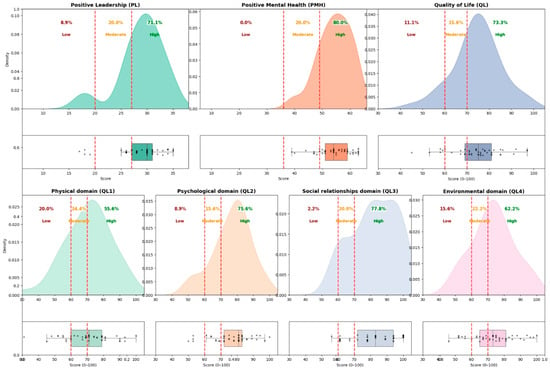
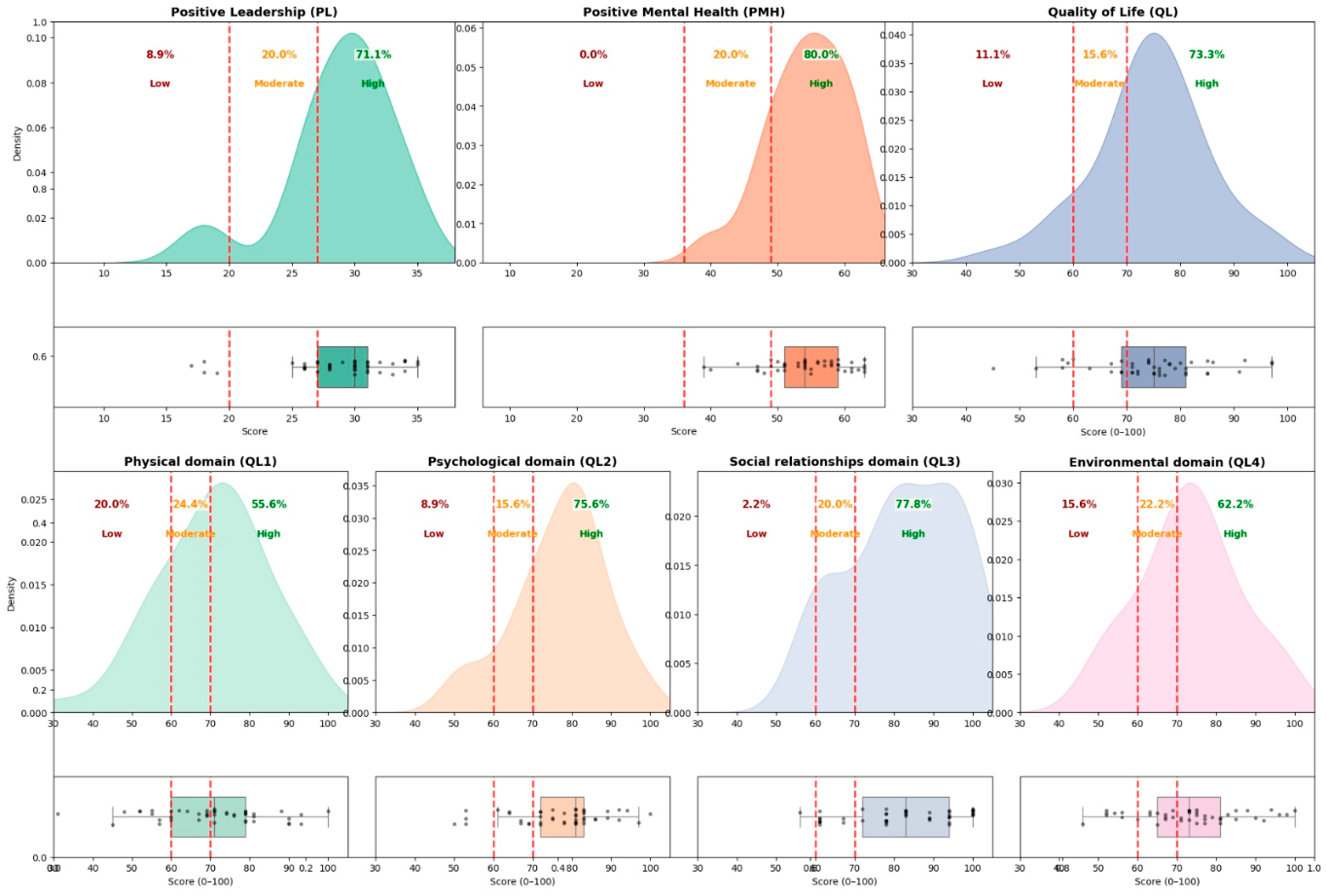
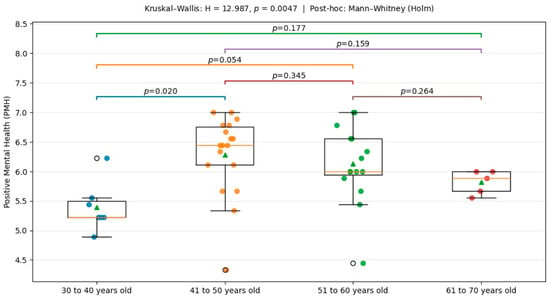
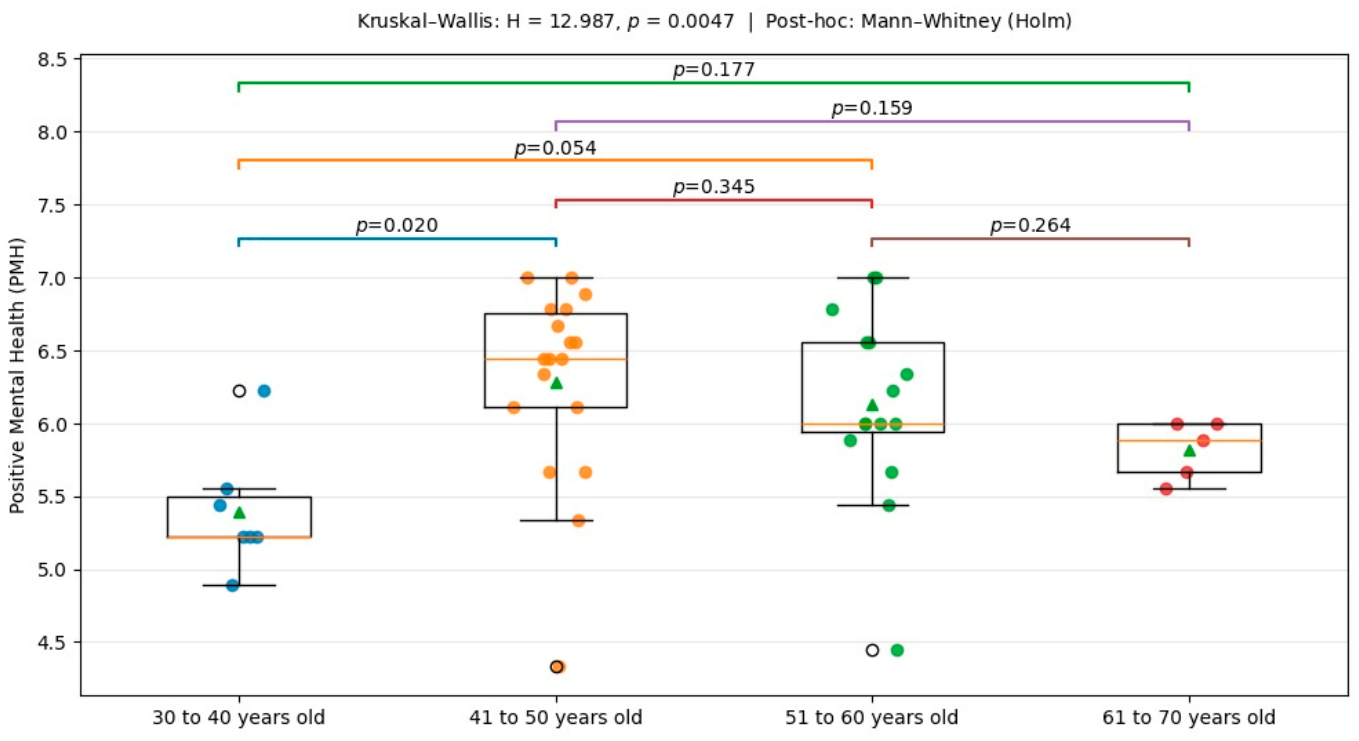
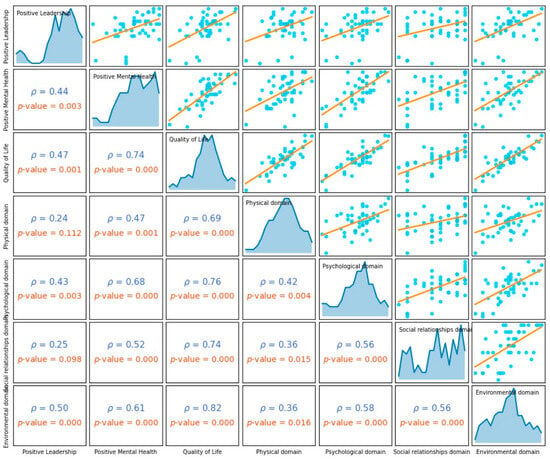
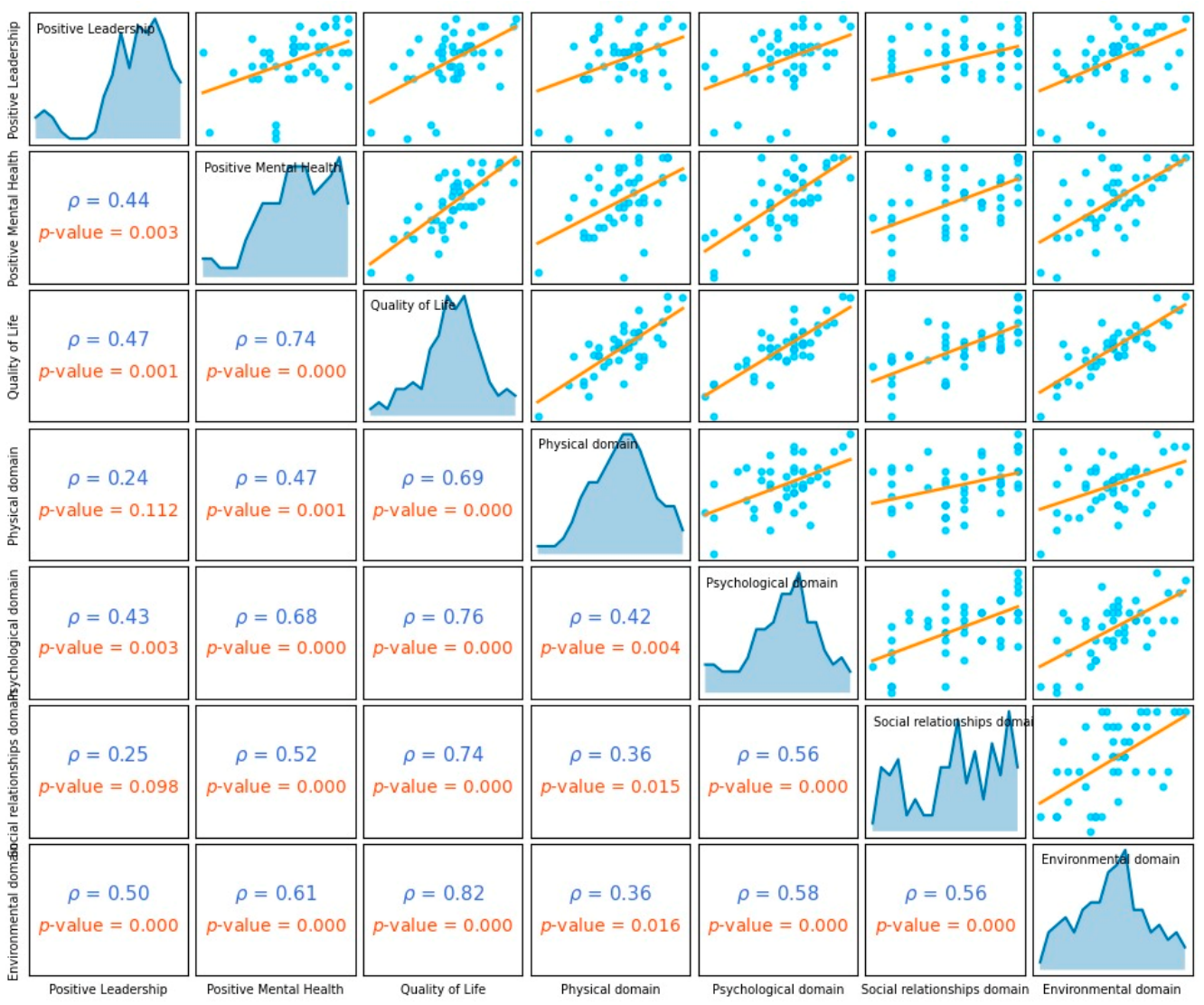
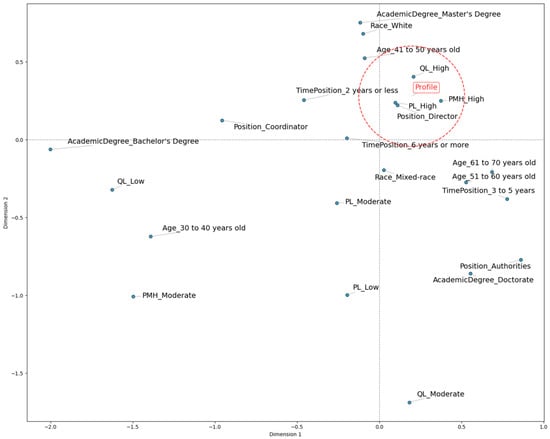
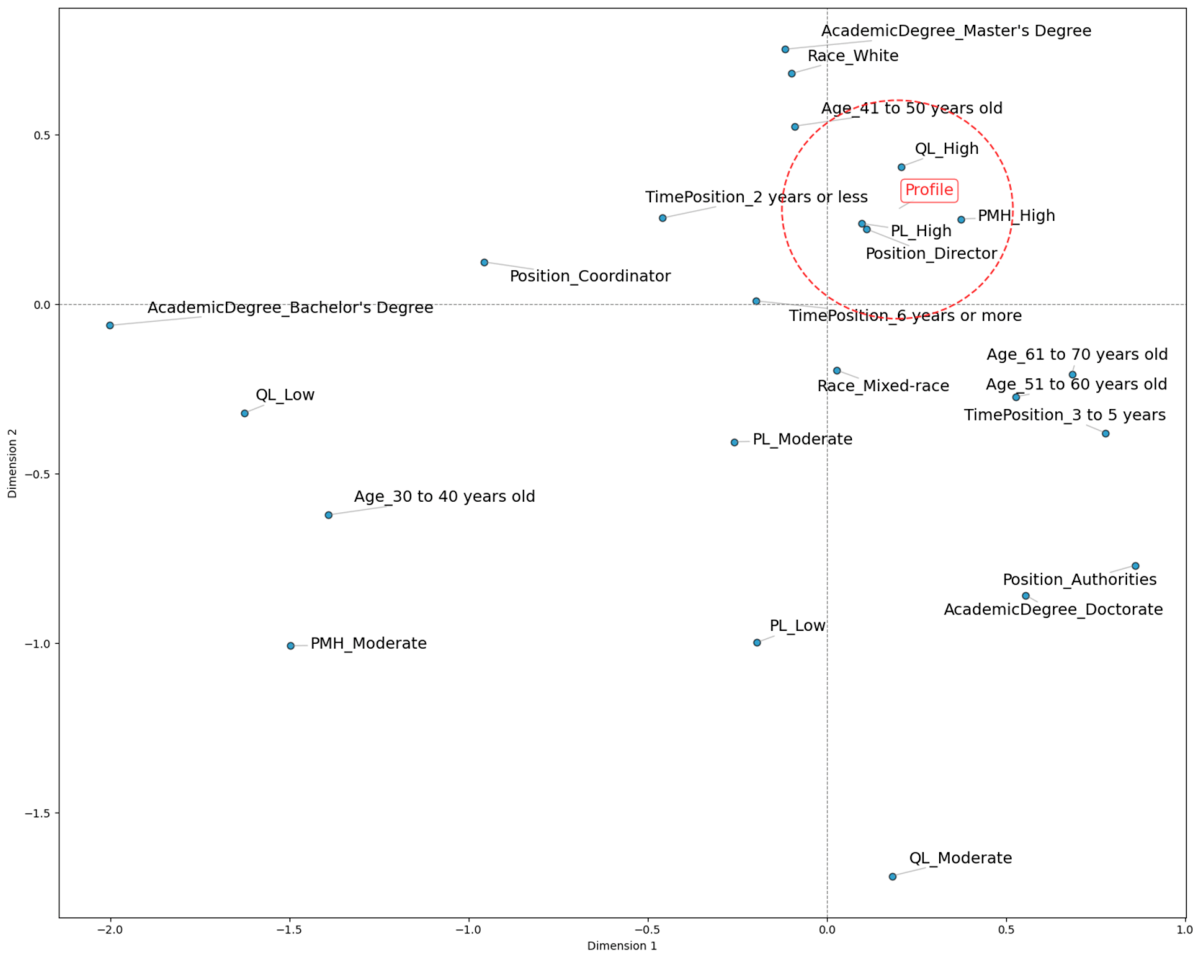
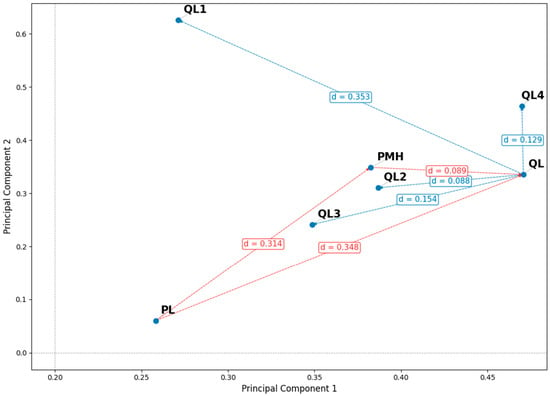
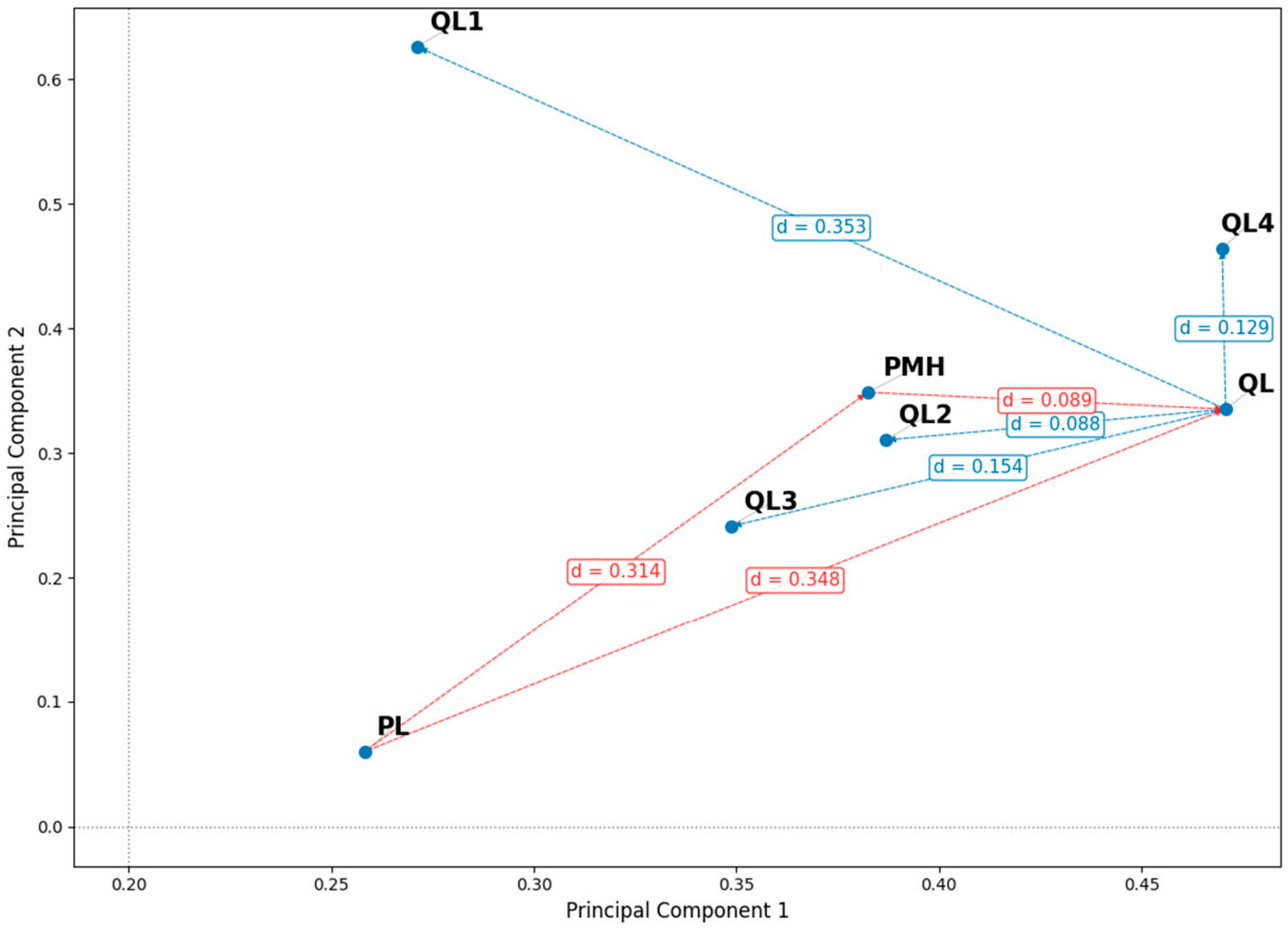
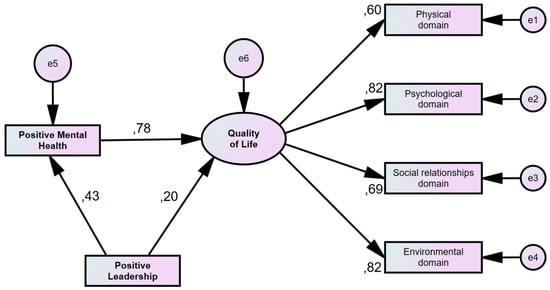
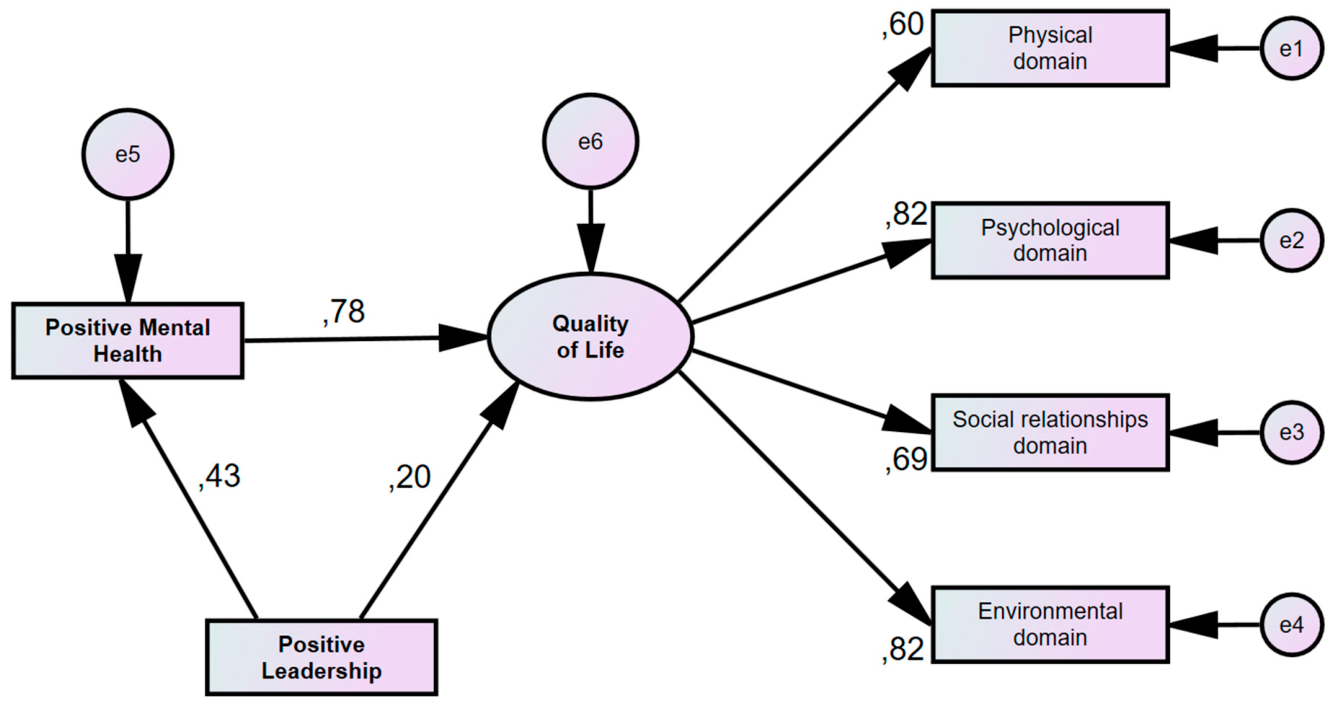

Disclaimer/Publisher’s Note: The statements, opinions and data contained in all publications are solely those of the individual author(s) and contributor(s) and not of MDPI and/or the editor(s). MDPI and/or the editor(s) disclaim responsibility for any injury to people or property resulting from any ideas, methods, instructions or products referred to in the content. |
© 2026 by the authors. Licensee MDPI, Basel, Switzerland. This article is an open access article distributed under the terms and conditions of the Creative Commons Attribution (CC BY) license.