


Simple Summary
Hantaan virus (HTNV) strain 76-118 is a zoonotic virus that can cause severe illness in humans, including hemorrhagic fever with renal syndrome. This infection remains a public health concern, particularly in Asia, where effective and widely available vaccines are still limited. This study aimed to develop a potential vaccine candidate by identifying important viral components that may help the immune system recognize and respond to HTNV. Using a computational approach, we designed a multi-epitope vaccine candidate specifically targeting HTNV strain 76-118. The designed vaccine showed computationally predicted characteristics relevant to immune-response potential and structural behavior. These findings provide valuable information for future experimental studies and may support the development of improved vaccine strategies against HTNV infection.
Abstract
HTNV remains a cause of hemorrhagic fever with renal syndrome, particularly in Asia, while broadly available vaccines remain limited. This study developed an Asian HLA-targeted multi-epitope vaccine candidate against HTNV strain 76-118 using reverse vaccinology and immunoinformatics. RdRp, GPC, and N proteins were screened for cytotoxic T-lymphocyte (CTL), helper T-lymphocyte (HTL), and linear B-cell epitopes using 42 representative Asian HLA alleles. Selected epitopes were evaluated for immunological and safety properties, followed by population coverage analysis, vaccine construction, immune simulation, structural modeling, molecular docking, 300 ns molecular dynamics simulation, MM-GBSA analysis, and in silico cloning. Twenty-five epitopes, comprising 10 CTL, 10 HTL, and 5 B-cell epitopes, were retained. Combined MHC class I and II predicted coverage averaged 95.15% across five regions and reached 99.29% in East Asia. Among four adjuvant-based constructs, the HBHA-containing vaccine was prioritized based on combined physicochemical and comparative immune-simulation characteristics. Docking with TLR4 yielded a predicted ΔG of −27.6 kcal mol−1, while trajectory-based MM-GBSA analysis produced a ΔGbind of −136.17 ± 3.14 kcal mol−1. Codon optimization achieved a CAI of 0.9640 and GC content of 52.27%. Collectively, these computational analyses identify the HBHA-based construct as a population-oriented HTNV vaccine candidate prioritized for subsequent experimental evaluation.
1. Introduction
Hantaan virus (HTNV; Orthohantavirus hantanense) is a rodent-borne zoonotic virus belonging to the genus Orthohantavirus, family Hantaviridae, and order Elliovirales that can cause severe disease in humans [1]. HTNV was first isolated in 1978 from the striped field mouse Apodemus agrarius captured near the Hantan River in Korea, following investigations of more than 3000 cases of hemorrhagic fever reported among United Nations troops during the Korean War period (1951–1953) [2,3]. The virus was subsequently named after the Hantan River. In 1981, HTNV strain 76-118 was established as a member of the family Hantaviridae associated with hemorrhagic fever with renal syndrome (HFRS) and was successfully propagated from A. agrarius-derived material [4,5]. HTNV infection remains an important public health concern, particularly in East Asia, parts of Southeast Asia, and several regions of Europe, with case-fatality rates of up to approximately 15% reported for severe HFRS [6]. Transmission to humans primarily occurs through exposure to urine, feces, or saliva from infected rodents, including through inhalation, bites, or contact with compromised skin.
The HTNV genome consists of three negative-sense single-stranded RNA segments enclosed within the viral envelope. The small (S) segment encodes the nucleocapsid protein (N), the medium (M) segment encodes a glycoprotein precursor that is processed into the Gn and Gc glycoproteins, and the large (L) segment encodes the RNA-dependent RNA polymerase (RdRp) [7]. Gn and Gc are major envelope glycoproteins involved in viral attachment and entry into host cells through interactions with cellular surface receptors [8]. Because these glycoproteins are exposed on the viral surface, they are directly accessible to antibody recognition before viral entry into susceptible host cells. In contrast, internal viral proteins, including N and RdRp, are primarily enclosed within the virion or expressed intracellularly after infection, thereby limiting their direct accessibility to antibodies [9]. Nevertheless, these structural and non-structural viral proteins provide distinct antigenic determinants that may contribute to cellular and humoral immune responses, supporting their consideration in epitope-based vaccine development.
Despite the considerable disease burden associated with HTNV infection, a broadly available vaccine against HTNV has not yet been established globally, and current clinical management primarily relies on supportive treatment and antiviral approaches aimed at reducing disease severity [10]. The potential emergence and circulation of more pathogenic viral variants further emphasize the need for effective preventive strategies. Advances in genomic and proteomic data availability, together with an improved understanding of pathogen biology, have enabled reverse vaccinology and immunoinformatics to accelerate the identification of potential vaccine targets and facilitate the rational development of multi-epitope vaccine candidates [11,12]. Multi-epitope vaccine design enables the incorporation of multiple immunologically relevant antigenic regions within a single construct, thereby facilitating simultaneous stimulation of B-cell- and T-cell-mediated immune responses [13,14,15]. This strategy offers several advantages, including rapid computational screening, relatively low development costs, favorable safety profiles, and enhanced immunological specificity toward selected epitopes. Moreover, several computationally designed multi-epitope vaccine candidates have subsequently demonstrated promising immunogenicity in experimental in vitro and in vivo studies, supporting the utility of computational vaccinology as an initial platform for vaccine development [16,17,18].
The increasing application of immunoinformatics has enabled the systematic identification of epitopes with favorable antigenicity, non-allergenicity, and strong binding affinity toward human leukocyte antigen (HLA) molecules, potentially improving vaccine responsiveness within defined populations [19,20]. The effectiveness of epitope-based vaccines is strongly influenced by peptide presentation through HLA molecules, which exhibit extensive genetic polymorphism and consequently determine the repertoire of epitopes that can be recognized by T cells [21]. Importantly, HLA allele frequencies vary considerably among geographic and ethnic populations, meaning that an epitope with high immunogenic potential in one population may not provide equivalent immune coverage in another [22,23]. Therefore, incorporating HLA distribution into epitope selection represents an important strategy for improving population coverage and optimizing the potential effectiveness of multi-epitope vaccines, particularly in Asian regions where HTNV is endemic.
Previous computational studies have demonstrated the feasibility of multi-epitope vaccine development against HTNV and other hantaviruses using immunoinformatics and structural-vaccinology approaches [20]. Ghafoor et al. further developed an HTNV-specific multi-epitope construct derived from nucleoprotein, envelope protein, and RdRp, demonstrating that multi-protein computational vaccine design is feasible for this virus [24]. More recent studies have expanded HTNV epitope characterization through pan-HLA and immunogenetic analyses of nucleocapsid- and glycoprotein-derived epitopes [25,26]. Nevertheless, an important gap remains between these approaches: HTNV-specific multi-protein vaccine design has not been systematically integrated with a population-oriented HLA framework specifically tailored to Asian regional diversity.
Accordingly, the present study was designed as a strain-focused and population-oriented vaccine-prioritization framework for HTNV strain 76-118. Rather than introducing new prediction algorithms, its principal distinction lies in integrating antigenic determinants from RdRp, GPC, and N with 42 AFND-informed HLA class I and II alleles, segment-specific conservancy assessment, combined population-coverage analysis across five Asian regions, and comparative evaluation of four molecular-adjuvant constructs before downstream structural and dynamic characterization. This framework was intended to prioritize a vaccine candidate that reflects both the antigenic composition of HTNV strain 76-118 and the immunogenetic diversity of Asian populations.
2. Materials and Methods
2.1. Protein Retrieval
The amino acid sequences of three HTNV proteins were retrieved from the UniProt Knowledgebase (UniProtKB): RNA-dependent RNA polymerase (RdRp; UniProt accession P23456), glycoprotein precursor (GPC; UniProt accession P08668), and nucleocapsid protein (N; UniProt accession P05133). The strain annotations of all retrieved sequences were verified to correspond to HTNV strain 76-118, ensuring a consistent viral genetic background throughout the subsequent immunoinformatics analyses. The use of proteins derived exclusively from the same prototype strain was intended to prevent sequence inconsistencies that could arise from combining proteins originating from genetically distinct HTNV isolates. Strain 76-118 represents a well-characterized HTNV isolate that has been extensively used in molecular and virological investigations of the virus [23].
2.2. Segment-Specific Phylogenetic Reconstruction and Cophylogenetic Analysis
We downloaded 250 HTNV nucleotide sequences from the NCBI Virus database, complete accession identifiers, isolate metadata, host information, and dataset inclusion criteria are provided in Supplementary Table S1. Because HTNV contains a tripartite RNA genome, sequences were partitioned by genomic segment and aligned separately against standard NCBI RefSeq reference genomes: NC_005222.1 (L segment, RdRp), NC_005219.1 (M segment, GPC), and NC_005218.1 (S segment, N) for prototype strain 76-118. Filtering for complete or near-complete coding sequences yielded 86 L-segment, 73 M-segment, and 91 S-segment sequences in the respective datasets. These complete filtered datasets were retained for subsequent epitope conservancy analysis. For phylogenetic reconstruction, representative subsampling was subsequently conducted to reduce sequence redundancy while preserving temporal and geographical diversity, resulting in 19 L-segment, 17 M-segment, and 19 S-segment sequences.
The analytical workflow was managed in Conda (Miniforge3 v26.5.3) and automated via Snakemake (v9.23.1). Multiple sequence alignments were aligned using MAFFT (v7.526). Maximum-likelihood phylogenies were reconstructed in IQ-TREE 2 (v3.1.3) under the GTR + F + I + G4 nucleotide substitution model with 1000 ultrafast bootstrap replicates [27,28]. Metadata integration, isolate matching across segments, and tree manipulation were performed using Pandas (v2.3.3) and Biopython (v1.87) [29]. Final phylogenetic trees and cophylogenetic tanglegrams were rendered and annotated using R packages ape (v5.0) and phytools (v2.5) [30].
2.3. HLA Allele Frequency Analysis
The geographical distribution and population-specific frequencies of human leukocyte antigen (HLA) alleles were systematically assessed using the Allele Frequency Net Database (AFND) [31], with reference to its “Frequency Distribution of Most Common Alleles by Geographical Region” dataset. HLA-A, HLA-B, and HLA-C were considered for MHC class I, whereas HLA-DRB1 was considered for MHC class II. Alleles were prioritized according to their reported frequency distributions in Asian populations, resulting in a panel of 42 alleles comprising 10 HLA-A, 10 HLA-B, 10 HLA-C, and 12 HLA-DRB1 alleles. The selected alleles and the corresponding AFND-reported frequency values used to support their inclusion are provided in Table S2.
2.4. Epitope Prediction
Potential cytotoxic T-lymphocyte (CTL) and helper T-lymphocyte (HTL) epitopes were identified from the RdRp, GPC, and N sequences using the Immune Epitope Database (IEDB) Next-Generation T-cell prediction platform [32]. For CTL epitope prediction, peptide binding to the 30 selected HLA class I alleles from the HLA-A, HLA-B, and HLA-C loci was evaluated using the NetMHCpan 4.1 binding affinity (BA) method. Candidate 9-mer peptides showing predicted binding affinities of IC50 < 500 nM were retained and subsequently examined using the IEDB MHC class I immunogenicity prediction module. Only peptides with positive immunogenicity scores were considered for further screening [33]. HTL epitopes were predicted against the 12 selected HLA-DRB1 alleles using the NetMHCIIpan 4.1 BA method. Fifteen-mer peptides with predicted IC50 values < 500 nM were retained. Their potential to induce interferon-gamma (IFN-γ), interleukin-4 (IL-4), and interleukin-10 (IL-10) responses was subsequently evaluated using the IFNepitope and ILpred tools available through the Raghava web portal [34].
Linear B-cell epitopes were independently predicted from the same three HTNV proteins using BepiPred 3.0 provided by DTU Health Tech Bioinformatic Services [35]. Continuous peptide regions with prediction scores exceeding the applied classification threshold of 0.1512 were extracted as candidate linear B-cell epitopes. The sequence conservancy of the predicted CTL, HTL, and linear B-cell epitopes was additionally evaluated using the IEDB Epitope Conservancy Analysis tool [36]. The analysis was performed against the complete filtered HTNV protein sequence datasets corresponding to the three genomic segments, comprising 86 RdRp sequences derived from the L segment, 73 GPC sequences derived from the M segment, and 91 N sequences derived from the S segment.
2.5. Antigenicity, Allergenicity, and Toxicity Assessment
Predicted CTL, HTL, and linear B-cell epitopes were further screened according to their antigenic potential and predicted safety characteristics. Antigenicity was evaluated using VaxiJen v2.0 under the viral model, and peptides with scores > 0.4 were considered potentially antigenic [37]. Allergenicity was assessed using AllerTOP v2.1, with only peptides classified as non-allergenic retained for subsequent analysis [38]. Potential peptide toxicity was independently examined using ToxinPred 3.0, and candidates predicted to be toxic were excluded [39]. Accordingly, only epitopes that simultaneously fulfilled the antigenicity threshold and were predicted to be non-allergenic and non-toxic were retained as candidates for subsequent population coverage analysis and multi-epitope vaccine construction.
2.6. Population Coverage
Population coverage was estimated using the IEDB Population Coverage tool https://tools.iedb.org/population/ (accessed on 11 May 2026) [40] based on the final CTL–HLA class I and HTL–HLA class II restriction pairs. The analysis was performed for East Asia, Northeast Asia, South Asia, Southeast Asia, and Southwest Asia using the HLA frequency reference data implemented in the IEDB population-coverage framework. The ‘Class I and Class II combined’ calculation mode was used, rather than manually summing or averaging the separate class I and class II coverage values. In this mode, the final epitope–HLA restriction pairs are evaluated together against population-specific HLA genotypic frequencies to estimate the proportion of individuals predicted to be covered by at least one relevant epitope–HLA combination. In addition to projected population coverage, the average number of epitope–HLA hits and PC90 were recorded. PC90 represents the minimum number of epitope–HLA hits recognized by 90% of the evaluated population. These estimates represent theoretical HLA-based population coverage and should not be interpreted as predicted vaccine efficacy or protection.
2.7. Vaccine Construction and Physicochemical Properties
The selected CTL, HTL, and linear B-cell epitopes were assembled into multi-epitope vaccine constructs using a modular arrangement designed to maintain separation among the individual immunological components. Four molecular adjuvants were independently evaluated, including cholera toxin B subunit (CTB), Human β-defensin-3 (HBD-3), 50S ribosomal protein L7/L12 (L7/L12), and heparin-binding hemagglutinin adhesin (HBHA), which have previously been explored as immunostimulatory components in computational and experimental vaccine-development strategies [41,42,43,44]. Each adjuvant was positioned at the N-terminus and separated from the pan HLA-DR-binding epitope (PADRE) by an EAAAK linker. The CTL epitopes were interconnected using AAY linkers, whereas GPGPG and KK linkers were used to separate HTL and B-cell epitopes, respectively. An EGGE linker was incorporated between the final B-cell epitope and the C-terminal invasin sequence. This modular organization was applied consistently across all four constructs, with the molecular adjuvant sequence representing the principal variable among the candidate vaccine designs [45].
The physicochemical characteristics of each construct were evaluated using the ExPASy ProtParam server https://web.expasy.org/protparam/ (accessed on 12 May 2026) [46]. The calculated parameters included amino acid length, molecular weight, theoretical isoelectric point (pI), estimated half-life, instability index, aliphatic index, and grand average of hydropathicity (GRAVY). Following comparative evaluation of the four candidate constructs, the selected vaccine sequence was carried forward for downstream analyses.
2.8. Immune Simulation
The potential immune-response profiles of the four multi-epitope vaccine constructs incorporating CTB, HBD-3, L7/L12, or HBHA were comparatively modeled using the C-ImmSim server https://cimmsim.iac.rm.cnr.it/ (accessed on 12 May 2026) [47]. Four independent simulation runs were performed, one for each construct, using the same simulation settings to enable direct comparison of their predicted immune-response profiles. The simulation parameters included a random seed of 12345, a simulation volume of 20 µL, and the representative host HLA set A02:01/A02:01, B07:02/B07:02, and DRB101:01/DRB101:01.
For each construct, three simulated vaccine administrations were introduced at time steps 1, 84, and 170, corresponding approximately to four-week intervals between successive doses, consistent with previous multi-epitope vaccine simulation studies [48]. The simulation was extended to 1050 time steps to qualitatively examine temporal patterns of primary and secondary immune responses over an approximately 350-day period. Antibody, B-cell, CD4+ T-cell, CD8+ T-cell, cytokine, and natural killer (NK) cell responses were compared across the four constructs. Unless explicitly stated above, the remaining run settings followed the server configuration used for each simulation. The C-ImmSim outputs were interpreted qualitatively as model-based immune-response trends rather than as experimental measures of immunogenicity or protection.
2.9. Secondary and Tertiary Structure Prediction
The secondary structural characteristics of the selected multi-epitope vaccine construct were predicted using the PSIPRED Protein Analysis Workbench https://bioinf.cs.ucl.ac.uk/psipred/ (accessed on 15 May 2026) to determine the distribution of α-helices, β-strands, and coil regions throughout the amino acid sequence [49,50]. The three-dimensional (3D) structure of the vaccine construct was subsequently modeled using the AlphaFold Server https://alphafoldserver.com/ (accessed on 15 May 2026). Model confidence was evaluated from the AlphaFold output using the predicted Local Distance Difference Test (pLDDT) score and Predicted Aligned Error (PAE) map. The mean pLDDT was calculated across all residues, while residue-level pLDDT values were examined to identify regions of comparatively low structural confidence, particularly around linker-containing regions [51]. The PAE map was used to assess confidence in the relative positioning of different regions of the chimeric construct. The predicted structure was further subjected to refinement using GalaxyRefine https://galaxy.seoklab.org/refine/ (accessed on 15 May 2026) to improve local structural geometry and overall model quality [52].
Structural validation was performed using complementary quality-assessment approaches. The ERRAT module available through the SAVES v6.1 server https://saves.mbi.ucla.edu/ (accessed on 15 May 2026) was used to evaluate the quality of non-bonded atomic interactions within the refined model. Overall structural compatibility was independently assessed using ProSA-web https://prosa.services.came.sbg.ac.at/prosa.php (accessed on 15 May 2026), based on the calculated Z-score relative to experimentally resolved protein structures [53]. In addition, backbone stereochemical quality was examined through Ramachandran plot analysis using the RamPlot server https://www.ramplot.in/ (accessed on 15 May 2026), which classifies residues according to their backbone φ and ψ dihedral angles into favored, allowed, and disallowed conformational regions [54].
2.10. Molecular Docking and Interaction Analysis
Protein–protein molecular docking was performed to investigate the potential interaction between the designed HTNV multi-epitope vaccine construct and Toll-like receptor 4 (TLR4). The TLR4 structure was obtained from the Protein Data Bank (PDB ID: 3FXI). TLR4 was selected as a representative innate immune receptor because TLR4-dependent signaling has been implicated in host innate immune responses to HTNV infection [55]. Docking was performed using the ClusPro 2.0 server https://cluspro.org/ (accessed on 20 May 2026) with the balanced coefficient set. Among the generated clusters, the representative docking pose was selected based on cluster population and center score, where the largest cluster with favorable energy characteristics was considered the most representative interaction model [56].
The selected vaccine–TLR4 complex was subsequently evaluated using the PRODIGY web server https://wenmr.science.uu.nl/prodigy/ (accessed on 20 May 2026) to estimate the predicted binding free energy (ΔG, kcal mol−1) of the protein–protein association based on intermolecular contact properties [57]. Interfacial interactions within the selected complex were further characterized using the PDBsum1 standalone implementation https://www.ebi.ac.uk/thornton-srv/software/PDBsum1/ (accessed on 20 May 2026), allowing identification of relevant intermolecular contacts, including hydrogen bonds and salt bridges, together with the participating residues and interaction distances [58].
2.11. Molecular Dynamics Simulation
Molecular dynamics (MD) simulations were conducted using GROMACS 2023.3 with the CHARMM36 force field to investigate the conformational behavior and structural stability of the designed vaccine construct in both its unbound and receptor-associated states [59,60,61]. Two systems were independently simulated: the unbound vaccine construct and the vaccine–TLR4 complex obtained from molecular docking. Each system was solvated in an explicit TIP3P water environment and electrically neutralized by the addition of appropriate counterions. The solvated systems were subsequently subjected to energy minimization to remove unfavorable atomic contacts, followed by sequential equilibration under constant number of particles, volume, and temperature (NVT) and constant number of particles, pressure, and temperature (NPT) ensembles. Equilibration was performed at 310 K and 1 atm prior to the production simulation.
Following equilibration, each system was subjected to a 300 ns production MD simulation. The resulting trajectories were analyzed using complementary structural descriptors, including root mean square deviation (RMSD) of the complete protein and backbone atoms, root mean square fluctuation (RMSF), radius of gyration (RoG), solvent-accessible surface area (SASA), and intermolecular hydrogen-bond formation [62]. Hydrogen bonds at the vaccine–TLR4 interface were evaluated using a distance cutoff of 3.5 Å and an angular criterion of 120°. In addition, trajectory superposition was performed to visualize time-dependent conformational rearrangements and compare the structural behavior of the vaccine in its unbound and TLR4-bound states over the simulation period.
2.12. MM-GBSA Binding Free-Energy Analysis
The energetic favorability of the vaccine–TLR4 interaction was further evaluated from the MD trajectory using the Molecular Mechanics–Generalized Born Surface Area (MM-GBSA) approach implemented in the gmx_MMPBSA package [59]. Binding free energy () was calculated over the 300 ns vaccine–TLR4 trajectory to provide a trajectory-based estimate of the interaction between the vaccine construct and TLR4. The overall was determined according to:
where represents the calculated free energy of the vaccine–TLR4 complex, while and represent the corresponding free energies of the isolated receptor and vaccine components [63]. The calculated energetic components were summarized as mean values with their associated standard error of the mean.
To further characterize the energetic determinants of receptor binding, pairwise residue-based MM-GBSA decomposition was performed across the vaccine–TLR4 interface. Residue pairs exhibiting favorable energetic contributions of ≤−1.00 kcal mol−1 were prioritized for structural interpretation and visualization, allowing identification of interfacial residues contributing most strongly to the predicted vaccine–TLR4 association [64,65].
2.13. Codon Optimization and In Silico Cloning
The amino acid sequence of the selected HTNV multi-epitope vaccine construct was reverse-translated and optimized for heterologous expression using the Java Codon Adaptation Tool JCat; https://www.jcat.de/ (accessed on 26 May 2026) [66]. The quality of the optimized coding sequence was evaluated based on the codon adaptation index (CAI) and GC content, which were used as indicators of codon-usage compatibility and nucleotide composition, respectively. The resulting codon-optimized nucleotide sequence was subsequently prepared for in silico cloning.
Virtual cloning was performed using SnapGene software version 8.2 with the pET-28a(+) expression vector. NdeI and XhoI restriction sites were incorporated at the appropriate termini of the optimized vaccine-encoding sequence to facilitate directional insertion into the vector [67]. The recombinant plasmid was computationally assembled and inspected to verify the position and orientation of the inserted vaccine gene within the pET-28a(+) backbone. Finally, simulated 1.0% agarose gel electrophoresis was performed to visualize the expected restriction fragment pattern and confirm the predicted size of the recombinant vaccine insert [68]. These analyses were intended to assess sequence-design and cloning feasibility only and were not considered evidence of successful transcription, translation, or recombinant protein expression.
The overall computational workflow employed for the Asian HLA-targeted reverse vaccinology-based design and evaluation of the HTNV multi-epitope vaccine is summarized in Figure 1, encompassing protein sequence retrieval, multiple sequence alignment and phylogenetic analysis, HLA allele selection, epitope prediction and screening, population coverage assessment, vaccine construction, physicochemical and immune-response evaluation, structural modeling, molecular docking, molecular dynamics simulation, MM-GBSA analysis, and codon optimization with in silico cloning.
Figure 1.
Overall computational workflow for the Asian HLA-targeted reverse vaccinology approach used to design and evaluate a multi-epitope vaccine against HTNV strain 76-118.
3. Results
3.1. Segment-Specific Phylogenetic Reconstruction and Cophylogenetic Analysis
Phylogenetic reconstruction across the tripartite genome placed the prototype reference strain 76-118 (NC_005222.1, NC_005219.1, and NC_005218.1) consistently within the South Korean lineage across all three genomic segments. Across the L, M, and S segments, regional isolates from South Korea clustered tightly according to their geographic origins, while isolates from China and Russia formed distinct, well-supported clades (Figure 2). This topological consistency confirms that strain 76-118 reliably represents the prototypical genetic diversity of circulating HTNV in endemic regions.
Figure 2.
Segment-specific maximum-likelihood phylogenetic trees of Orthohantavirus hantanense. Phylogenetic trees reconstructed for the tripartite viral genome: (A) L-segment encoding RdRp, (B) M-segment encoding the Gn/Gc glycoprotein precursor, and (C) S-segment encoding the nucleocapsid protein. Node labels indicate ultrafast bootstrap support values (≥70%). Color-coded tip circles represent country of isolate origin (blue: South Korea, yellow: China, green: Russia). The prototype reference strain (Strain 76-118, NCBI RefSeq) is highlighted with orange diamond nodes and highlighted label boxes.
3.2. HLA Allele Frequency Analysis
A total of 42 representative HLA alleles were included in the Asian population-oriented panel for subsequent T-cell epitope prediction. The panel comprised 30 HLA class I alleles, consisting of 10 alleles each from the HLA-A, HLA-B, and HLA-C loci, together with 12 HLA class II alleles from the HLA-DRB1 locus. The complete HLA panel used for the subsequent CTL and HTL epitope-binding analyses is provided in Table S2.
3.3. Epitope Prediction
Epitope prediction and sequential immunological screening identified 10 CTL, 10 HTL, and 5 linear B-cell epitopes from RdRp, GPC, and N. The selected CTL set comprised four RdRp-, three GPC-, and three N-derived epitopes, all of which exhibited IC50 values < 500 nM, positive immunogenicity scores, antigenicity values > 0.4, and were predicted to be non-allergenic and non-toxic. Among these candidates, SIPAVIGYK showed the lowest average IC50 value (28.91 nM), whereas TTAWHIGHL exhibited the highest immunogenicity score (0.43987). The selected CTL epitopes showed high sequence conservancy across the analyzed HTNV datasets, ranging from 86.30% to 100%. The four RdRp-derived epitopes were particularly conserved, with values of 98.84–100%, while the GPC- and N-derived CTL epitopes showed conservancy ranging from 86.30 to 89.04% and 86.81–94.50%, respectively (Table 1). For HTL epitopes, sequence conservancy ranged from 87.20% to 100%. Three epitopes exhibited complete conservation, whereas the remaining epitopes retained conservancy values above 87% across their corresponding protein datasets (Table 2). These results indicate that all selected T-cell epitopes were preserved in the majority of the HTNV sequences included in the conservancy analysis. Detailed CTL–HLA class I binding profiles are provided in Table S3.
Table 1.
Selected CTL epitopes derived from HTNV RdRp, GPC, and N and their predicted HLA class I binding, immunogenicity, antigenicity, allergenicity, and toxicity profiles.
Table 2.
Selected HTL epitopes derived from HTNV RdRp, GPC, and N and their predicted HLA class II binding, antigenicity, allergenicity, toxicity, and cytokine-inducing profiles.
For HTLs, four epitopes originated from RdRp, four from GPC, and two from N. All 10 selected epitopes met the predefined binding, antigenicity, allergenicity, and toxicity criteria and were predicted as IFN-γ inducers. Seven epitopes were additionally predicted to induce IL-4, while five showed predicted IL-10-inducing potential (Table 2). DKAICYGAESVTLTR displayed the lowest average IC50 value (78.52 nM), whereas LLGSIKISPKKTTVS showed the highest antigenicity score (1.2526). Their corresponding HLA-DRB1 binding profiles are presented in Table S4.
Five linear B-cell epitopes were retained after screening, comprising three from RdRp, one from GPC, and one from N. All candidates were predicted to be antigenic, non-allergenic, and non-toxic and showed high sequence conservancy ranging from 94.19% to 100%. Among them, KKTVTPQNFTPGC exhibited the highest antigenicity score (1.3632) (Table 3).
Table 3.
Selected linear B-cell epitopes derived from HTNV RdRp, GPC, and N and their predicted antigenicity, allergenicity, and toxicity profiles.
3.4. Population Coverage
The selected CTL-HLA class I and HTL-HLA class II combinations showed broad predicted coverage across all five Asian regions evaluated (Figure 3). The highest combined coverage was observed in East Asia (99.29%), followed by Northeast Asia (96.17%), Southeast Asia (95.92%), South Asia (93.03%), and Southwest Asia (91.33%). Across the five regions, the mean combined population coverage reached 95.15%, with an average of 8.35 epitope–HLA hits and a mean PC90 value of 2.34. Here, PC90 indicates the minimum number of epitope–HLA hits recognized by 90% of the evaluated population. Detailed class I, class II, and combined coverage metrics are provided in Table S5. These values represent theoretical population coverage based on HLA frequency and epitope–HLA restriction data and do not predict protective vaccine efficacy.
Figure 3.
Predicted combined MHC class I and class II population coverage of the selected HTNV T-cell epitopes across five Asian regions.
3.5. Vaccine Construction and Physicochemical Properties
Four multi-epitope vaccine constructs were generated by combining the selected CTL, HTL, and B-cell epitopes with different molecular adjuvants while maintaining an identical linker and epitope arrangement (Figure 4).
Figure 4.
Schematic organization of the designed HTNV multi-epitope vaccine construct.
The resulting constructs ranged from 505 to 644 amino acids in length, with predicted molecular weights of 54.35–68.96 kDa and instability indices below 40 (Table 4).
Table 4.
Predicted physicochemical properties of HTNV multi-epitope vaccine constructs incorporating different molecular adjuvants.
Among the four candidates, all constructs showed predicted instability indices below 40 according to the applied ProtParam criterion. The HBHA-based construct consisted of 644 amino acids, with a molecular weight of 68.96 kDa, theoretical pI of 9.62, aliphatic index of 83.63, and instability index of 29.77. HBHA was the only construct showing a negative GRAVY value (−0.084) and also exhibited the highest predicted solubility score (0.530), indicating a comparatively more hydrophilic physicochemical profile. Because no single construct was superior across all physicochemical parameters, construct prioritization was further informed by comparative immune simulation and the reported immunostimulatory association of HBHA with TLR4. The complete sequence organization of the four candidate constructs is provided in Figure S1.
3.6. Immune Simulation
Comparative immune simulation of the four adjuvant-based vaccine constructs showed broadly similar temporal response patterns following three simulated antigen administrations, but differences were observed in the magnitude of several humoral and cellular immune parameters (Figure 5). All constructs showed rapid antigen clearance following each administration and induced secondary increases in total antibody, IgM, IgG1, and IgG2 levels. Among the four constructs, the HBHA-based vaccine produced the highest peak total antibody response (355,100), IgM response (188,272), and IgG1 response (156,588), whereas the highest IgG2 response was observed for the CTB-based construct (18,876).
Figure 5.
Comparative simulated immune-response profiles of the four HTNV multi-epitope vaccine constructs incorporating CTB, HBD-3, L7/L12, or HBHA. C-ImmSim simulations were performed following three antigen administrations over a total simulation period of approximately 350 days. (A) Antigen and immunoglobulin responses, including total antibody, IgM, IgG1, and IgG2; (B) total, memory, non-memory, and activated B-cell responses; (C) total, memory, activated CD4+ T-cell, and Th1-cell responses; (D) total, memory, resting, and activated CD8+ T-cell responses; (E) cytokine responses, including IFN-γ, IL-2, IL-4, and IL-10; and (F) natural killer (NK) cell dynamics.
B-cell responses were also broadly comparable among the four constructs, although the HBHA-based construct generated the highest peak memory B-cell population (9711). For CD4+ T-cell responses, HBHA produced the highest peak activated CD4+ T-cell level (137,135), followed by CTB (127,850), L7/L12 (120,034), and HBD-3 (116,307). In contrast, the strongest activated CD8+ T-cell response was predicted for the HBD-3 construct (256,847), followed by L7/L12 (234,320), CTB (197,781), and HBHA (187,212). All four constructs also produced comparable transient cytokine responses involving IFN-γ, IL-2, IL-4, and IL-10 and showed fluctuating NK-cell dynamics throughout the simulation period. Collectively, the simulations indicated that no single construct dominated all modeled immune parameters; however, the HBHA-based construct showed the strongest overall modeled humoral response together with the highest memory B-cell and activated CD4+ T-cell peaks.
3.7. Secondary and Tertiary Structure Prediction
Secondary structure prediction of the selected HTNV multi-epitope vaccine construct showed a heterogeneous distribution of α-helices, β-strands, and coil regions throughout the sequence (Figure 6).
Figure 6.
Predicted secondary structure of the designed HTNV multi-epitope vaccine construct. The predicted structural elements comprise α-helical, β-strand, and coil regions distributed throughout the vaccine sequence.
The refined 3D model was subsequently evaluated using complementary structural validation metrics. The AlphaFold confidence assessment indicated heterogeneous structural confidence across the vaccine construct. The AlphaFold model showed a low global predicted template modeling score (pTM = 0.20) and a fraction_disordered value of 0.55, indicating substantial predicted conformational flexibility within the engineered construct. The PAE map showed variable uncertainty in the relative positioning of different regions, particularly among modular segments connected by artificial linkers. Following refinement using GalaxyRefine, the model achieved an ERRAT score of 94.45, a ProSA Z-score of −7.86, and 97.97% of residues located within favored Ramachandran regions (Figure 7).
Figure 7.
Three-dimensional structure prediction and structural validation of the designed HTNV multi-epitope vaccine construct. (A) Refined 3D structure of the vaccine construct, (B) ERRAT analysis, (C) ProSA-web analysis, and (D) Ramachandran plot analysis. In panel B, yellow bars indicate regions exceeding the 95% rejection threshold, while red bars indicate regions exceeding the 99% threshold. The asterisk (*) denotes the ERRAT error-value indicator. In panel C, the black dot represents the vaccine model (Z-score = −7.86).
3.8. Molecular Docking and Interaction Analysis
Molecular docking predicted an association between the designed HTNV multi-epitope vaccine construct and TLR4 (Figure 8). Evaluation of the selected complex using PRODIGY yielded a predicted binding free energy (ΔG) of −27.6 kcal mol−1. Interface analysis further identified 11 salt-bridge contacts and 40 hydrogen-bond contacts distributed across multiple residues of the vaccine–TLR4 interface. Detailed interacting residue pairs and their corresponding distances are provided in Table S6.
Figure 8.
Molecular docking and interaction analysis of the designed HTNV multi-epitope vaccine construct with TLR4. The selected vaccineTLR4 docking complex showed a PRODIGY-predicted binding free energy (ΔG) of −27.6 kcal mol−1, with intermolecular contacts distributed across the predicted binding interface. Residue colors indicate their physicochemical properties, while connecting lines represent salt bridges (red), hydrogen bonds (blue), and non-bonded contacts (orange). The dashed outline and arrows indicate the enlarged interaction region.
3.9. Molecular Dynamics Simulation
The 300 ns MD simulations revealed distinct conformational behavior between the unbound vaccine and the TLR4-bound state (Figure 9). The average protein RMSD values were 2.325 ± 0.228 nm for the unbound vaccine and 2.164 ± 0.283 nm for the TLR4-bound vaccine. Additionally, the backbone RMSD values were 2.284 ± 0.230 nm, and 2.156 ± 0.289 nm, respectively.
Figure 9.
Molecular dynamics profiles of the designed HTNV multi-epitope vaccine in the unbound and TLR4-bound states over 300 ns. (A) Protein RMSD, (B) backbone RMSD, (C) residue-level RMSF, (D) radius of gyration (RoG), (E) solvent-accessible surface area (SASA), and (F) intermolecular hydro-gen-bond profile of the vaccine–TLR4 complex.
Residue-level analysis showed average RMSF values of 0.804 ± 0.419 nm for the unbound vaccine and 0.730 ± 0.586 nm for the TLR4-bound state. The bound vaccine also exhibited a lower average RoG (3.837 ± 0.241 nm) than the unbound vaccine (3.955 ± 0.156 nm), whereas its average SASA increased from 356.142 ± 36.806 nm2 to 383.564 ± 40.648 nm2. The vaccine–TLR4 complex maintained an average of 39.663 ± 8.360 intermolecular hydrogen bonds, with at least one hydrogen bond present in 100% of the analyzed trajectory frames.
Trajectory superposition further showed different conformational distributions between the unbound and receptor-bound vaccine states throughout the simulation, while the vaccine–TLR4 association remained visually retained across the analyzed trajectory (Figure S2).
3.10. MM-GBSA Binding Free-Energy Analysis
MM-GBSA analysis of the vaccine–TLR4 complex over the 300 ns trajectory yielded an overall ΔGbind of −136.17 ± 3.14 kcal mol−1. Residue-wise energy decomposition identified the top five residues from TLR4 with the most favorable (negative) energy contributions as Arg234 (−8.937 kcal mol−1), Asp60 (−3.875 kcal mol−1), Asp428 (−2.862 kcal mol−1), Phe75 (−2.477 kcal mol−1), and Tyr451 (−2.115 kcal mol−1). In contrast, the top five residues with the most unfavorable (positive) energy contributions were Glu286 (+8.208 kcal mol−1), Glu425 (+5.115 kcal mol−1), Glu376 (+4.403 kcal mol−1), Asn309 (+3.573 kcal mol−1), and Lys354 (+3.106 kcal mol−1) (Figure 10). Furthermore, pairwise residue decomposition identified several residue pairs with favorable energetic contributions at the vaccine–TLR4 interface. The five most favorable residue pairs were TLR4 Arg234–vaccine Asp428 (−14.763 kcal mol−1), TLR4 Asp60–vaccine Lys413 (−13.765 kcal mol−1), TLR4 Asp428–vaccine Arg502 (−13.324 kcal mol−1), TLR4 Glu474–vaccine Arg579 (−9.155 kcal mol−1), and TLR4 Asp84–vaccine Lys413 (−9.040 kcal mol−1). In contrast, the most positive contributions were observed for TLR4 Asp209–vaccine Asp428 (+1.160 kcal mol−1), TLR4 Glu474–vaccine Asp575 (+0.983 kcal mol−1), TLR4 Arg87–vaccine Gly388 (+0.559 kcal mol−1), TLR4 Ser86–vaccine Lys413 (+0.466 kcal mol−1), and TLR4 Gln39–vaccine Lys413 (+0.279 kcal mol−1).
Figure 10.
MM-GBSA binding free-energy analysis of the HTNV multi-epitope vaccine–TLR4 complex over the 300 ns MD simulation. Pairwise residue decomposition highlights interfacial residue pairs with favorable energetic contributions of ≤−1.00 kcal mol−1, with residues mapped according to their cumulative interaction energies.
3.11. Codon Optimization and In Silico Cloning
Codon optimization of the selected HTNV multi-epitope vaccine construct yielded a CAI of 0.9640 and a GC content of 52.27%. The complete codon-optimized nucleotide sequence is provided in Figure S3. The optimized sequence was subsequently inserted in silico into the pET-28a(+) expression vector using the NdeI and XhoI restriction sites. The resulting recombinant plasmid architecture and simulated restriction-fragment profile are presented in Figure 11. These results support the computational feasibility of codon adaptation and vector insertion but do not demonstrate successful recombinant expression.
Figure 11.
In silico cloning of the codon-optimized HTNV multi-epitope vaccine construct into the pET-28a(+) expression vector. (A) Schematic representation of the recombinant pET-28a(+) plasmid containing the optimized vaccine-encoding sequence inserted between the NdeI and XhoI restriction sites, and (B) Simulated 1.0% agarose gel electrophoresis using SnapGene v.8.0.1, showing the predicted restriction fragment profile.
4. Discussion
A multi-epitope vaccine candidate targeting HLA molecules for HTNV strain 76-118 was developed through the integration of phylogenetic analysis, population-based HLA selection, epitope screening from multiple proteins, structural modeling, and molecular simulation. Previous computational studies have demonstrated the feasibility of multi-epitope vaccine development against hantaviruses using immunoinformatics and structural vaccinology [63,69]. More recently, Fontes et al. [70] introduced a broad-spectrum approach based on conserved hantavirus Gn/Gc epitopes. In contrast, the current study adopts a strain-focused strategy tailored to Asian HLA types, incorporating 42 representative HLA alleles, regional population coverage analysis, and downstream structural and dynamic assessment. The consistent placement of strain 76-118 within the South Korean HTNV lineage across the L, M, and S segments supports its phylogenetic association with South Korean isolates. However, because the three genomic segments were analyzed independently, this concordant phylogenetic placement should not be interpreted as evidence of genome-wide evolutionary stability or the absence of reassortment, particularly given the documented occurrence of reassortment among HTNV genomic segments [71].
The final epitope set comprised 10 CTL epitopes, 10 HTL epitopes, and 5 linear B-cell epitopes derived from RdRp, GPC, and N, thus encompassing antigenic determinants from both envelope and internal proteins. Experimental studies on HTNV have established the significance of both N- and GPC-derived T-cell determinants. Ma et al. [72] identified several HLA-restricted N epitopes recognized by CD8+ T cells from patients with HFRS, with stronger responses to certain HLA-A2- and HLA-B35-restricted epitopes correlating with milder disease. Tang et al. [73] showed that specific GPC epitopes from HTNV strain 76-118, restricted by HLA-A*0201, induced IFN-γ-producing CTLs and reduced viral antigen and RNA levels in challenged HLA-A2.1/Kᵇ transgenic mice. These findings provide experimental justification for combining T-cell determinants from both internal and envelope proteins, aligning with broader multi-antigen strategies previously employed in hantavirus vaccine design [63,69].
The selected epitopes showed consistently high sequence conservation across the analyzed HTNV datasets, with conservancy ranging from 86.30 to 100% for CTL epitopes, 87.20–100% for HTL epitopes, and 94.19–100% for linear B-cell epitopes. In particular, the RdRp-derived CTL epitopes were nearly completely conserved, whereas the GPC- and N-derived T-cell epitopes showed slightly greater sequence variability while remaining conserved in more than 85% of the corresponding sequences. These findings support the representation of the selected antigenic regions across the analyzed HTNV sequence diversity, although none of the non-100% conserved epitopes should be regarded as universally conserved.
Because HTNV possesses a tripartite RNA genome, conservation within a single protein or genomic segment should not be extrapolated to genome-wide evolutionary stability. The L, M, and S segments may have partially independent evolutionary histories due to reassortment, which has been documented in naturally circulating HTNV [71]. Accordingly, epitope conservation in the present study was evaluated independently within the RdRp/L-, GPC/M-, and N/S-segment datasets. Moreover, high sequence conservation alone does not establish equivalent antigen processing, HLA presentation, immune recognition, or protective efficacy, and these aspects require experimental validation.
These findings indicate that several of the selected antigenic regions are relatively preserved within the analyzed HTNV sequence diversity. However, sequence conservation and predicted HLA binding should not be interpreted as evidence that the corresponding peptides are necessarily generated through endogenous antigen processing or presented on the cell surface. The present study was designed to prioritize candidate epitopes within an HLA-binding-oriented immunoinformatics framework and did not explicitly model the complete class I antigen-processing pathway, including proteasomal cleavage, TAP transport, peptide trimming, intracellular antigen abundance, and competition during HLA loading. Accordingly, the selected CTL epitopes should be regarded as computationally prioritized HLA-binding candidates whose natural processing and presentation require experimental validation.
The HTL sequence VPILLKALYMLTTRG includes the N-derived HLA-B35-restricted epitope VPILLKALY, as reported by Ma et al. [72]. Several predicted CTL and HTL sequences also overlapped within the same viral regions, such as the GPC-derived FGWVLIPAI/FCFGWVLIPAITFII and the N-derived MSVIGFLAL–SVIGFLALA/SVIGFLALAKDWSDR sequences. These overlapping predictions may indicate antigenically enriched regions, although experimental validation remains necessary due to the complexities of natural processing and HLA presentation. All selected HTL epitopes were predicted to induce IFN-γ release, with some also predicted to stimulate IL-4 and IL-10 production. This cytokine profile aligns with evidence that HTNV infection elicits robust virus-specific Th1 and cytotoxic T-cell responses associated with viral control and clinical outcomes [74]. Additionally, Sun et al. [22] experimentally validated several computationally predicted HTNV GPC-derived MHC II epitope regions, further supporting immunoinformatics as a valuable tool for initial HTL prioritization.
The inclusion of selected B-cell epitopes enhanced the predicted humoral response of the vaccine construct. Among these, the GPC-derived epitope KKTVTPQNFTPGC demonstrated the highest predicted antigenicity. This finding is biologically relevant, as Gn/Gc proteins are exposed on the viral envelope and serve as primary targets for antibody recognition. Rissanen et al. [75] showed that recombinant HTNV Gn can elicit neutralizing antibodies and provided structural insights into glycoprotein-antibody interactions. In contrast, the predicted N- and particularly RdRp-derived linear B-cell epitopes should be interpreted with caution, since sequence-based predictions do not guarantee structural accessibility or neutralizing potential. These candidates represent computationally prioritized antibody-reactive regions rather than experimentally validated neutralizing epitopes.
A key finding of this study was the 95.15% mean combined MHC class I and II population coverage across five Asian regions, with coverage reaching 99.29% in East Asia. This high theoretical coverage is attributable to the use of multiple epitope–HLA combinations from a 42-allele, population-oriented panel. This approach is significant given the extensive HLA polymorphism and geographic variation in allele frequencies, which can markedly affect T-cell epitope presentation [21,31]. Ismail et al. [63] reported a combined population coverage of 98.55% for a hantavirus multi-epitope candidate, although their estimate reflected global coverage, whereas the present analysis specifically addresses Asian populations. Therefore, these numerical values should not be directly compared as indicators of vaccine performance. The lower coverage observed in Southwest Asia (91.33%) highlights residual regional variation in HLA representation. Population coverage should therefore be interpreted as a theoretical estimate of the proportion of individuals expected to be covered by at least one selected epitope–HLA combination based on population HLA-frequency distributions, rather than as a measure of vaccine immunogenicity or protective efficacy [21,40]. The estimates are inherently dependent on the reference HLA-frequency data and the geographic populations represented in the database. Although a formal perturbation-based sensitivity analysis of individual HLA frequencies was not performed, the analysis was stratified across five Asian regions with distinct HLA-frequency distributions, providing an assessment of geographic variation in predicted coverage. The observed range from 91.33% in Southwest Asia to 99.29% in East Asia illustrates this population-dependent variability. Experimental studies in appropriately characterized populations remain necessary to determine whether the predicted HLA coverage translates into measurable T-cell responses or protective immunity.
Of the four molecular-adjuvant constructs evaluated, the HBHA-based vaccine was prioritized for subsequent analyses based on an integrated consideration of its physicochemical characteristics and comparative immune-simulation profile. All constructs exhibited instability indices below 40, while HBHA was the only construct with a negative GRAVY value (−0.084) and showed the highest predicted solubility score, indicating a comparatively hydrophilic profile (Table 4). Comparative C-ImmSim analysis further differentiated the four constructs, with HBHA producing the highest modeled peak total antibody, IgM, IgG1, memory B-cell, and activated CD4+ T-cell responses (Figure 5). However, HBHA did not show the highest response across all immune parameters, as CTB generated the highest IgG2 response and HBD-3 produced the strongest activated CD8+ T-cell response. Thus, the prioritization of HBHA was based on its overall balance of physicochemical properties and modeled humoral and CD4+ T-cell responses rather than superiority in every evaluated parameter. This selection is also supported by previous evidence that Mycobacterium tuberculosis HBHA can promote TLR4-dependent dendritic-cell activation and enhance downstream T-cell responses [43], providing additional biological relevance for its subsequent evaluation against TLR4. Nevertheless, the differences observed in C-ImmSim remain model-based predictions and should not be interpreted as evidence that the HBHA-containing construct will elicit superior immunogenicity in vivo. Similar computational immune-response patterns following repeated antigen exposure have been reported for other hantavirus multi-epitope vaccine constructs [69]. However, these results are model-based predictions and do not constitute experimental evidence of immunogenicity or immune memory.
The HBHA-based construct exhibited post-refinement structural-quality metrics including an ERRAT score of 94.45, a ProSA Z-score of −7.86, and 97.97% of residues in favored Ramachandran regions. These results indicate that the refined coordinates possess acceptable local geometric and stereochemical characteristics. However, they should be distinguished from confidence in the global fold. The low AlphaFold pTM score (0.20), substantial predicted disordered fraction (0.55), and high PAE values indicate considerable uncertainty in the relative spatial organization of the full-length construct. Such uncertainty is not unexpected for a 644-residue engineered multi-epitope chimera containing multiple immunological modules and artificial linkers that may confer substantial conformational flexibility. Accordingly, the refined model was retained as a structurally plausible working model for exploratory docking and molecular-dynamics analyses rather than as a definitive representation of the native vaccine fold [76].
Molecular docking generated a vaccine–TLR4 interaction model with a PRODIGY-estimated ΔG of −27.6 kcal mol−1, accompanied by 11 salt bridges and 40 hydrogen-bond contacts. TLR4 is a biologically relevant receptor in the context of HTNV, as HTNV has been experimentally shown to induce TLR4-dependent innate immune signaling [55]. Additionally, HBHA has been identified as a TLR4-associated immunostimulatory molecule [43]. Ismail et al. [63] also evaluated hantavirus multi-epitope vaccine constructs against TLR4 and reported favorable receptor interactions, while Ali et al. [69] assessed constructs against TLR3. Collectively, these studies support the broader use of innate immune receptors for structural evaluation of computational vaccine constructs. However, given the uncertainty associated with the global vaccine conformation, the docking results should be interpreted as model-dependent evidence of predicted receptor compatibility rather than as proof of a unique binding mode or receptor activation.
A molecular dynamics simulation revealed substantial conformational adaptation of the vaccine construct. Protein RMSD averaged 2.325 ± 0.228 nm in the unbound state and 2.164 ± 0.283 nm in the TLR4-bound state. These relatively large values should not be interpreted using a universal numerical stability threshold, as RMSD is strongly influenced by protein size, reference conformation, and structural flexibility [77,78]. This consideration is particularly relevant for the present 644-residue modular vaccine. Receptor association was accompanied by slightly lower RMSD and RMSF values and a reduction in RoG from 3.955 to 3.837 nm, while the interface maintained an average of 39.663 intermolecular hydrogen bonds and at least one hydrogen bond throughout all analyzed frames. Together with trajectory superposition, these observations indicate that the vaccine underwent extensive conformational rearrangement while retaining its modeled association with TLR4, rather than remaining structurally rigid.
Trajectory-based MM-GBSA analysis yielded a favorable ΔGbind of −136.17 ± 3.14 kcal mol−1. The strongest pairwise contributions TLR4 Arg234–vaccine Asp428 (−14.763 kcal mol−1), TLR4 Asp60–vaccine Lys413 (−13.765 kcal mol−1), with the predominance of oppositely charged residue pairs indicating a significant contribution from electrostatic interactions. This result is consistent with the salt-bridge and hydrogen-bond network identified in the docking analysis. Previous hantavirus multi-epitope studies have also employed binding free-energy calculations to characterize vaccine–TLR interactions, although substantial differences in calculated energies have been reported among different constructs [63]. Therefore, the present MM-GBSA result should be interpreted as supporting energetically favorable receptor association within the applied simulation framework, rather than as an experimentally measurable binding affinity.
Codon optimization resulted in a CAI of 0.9640 and a GC content of 52.27%, followed by in silico insertion into pET-28a(+). Ali et al. [69] similarly reported CAI values of approximately 0.95 for computational hantavirus multi-epitope constructs, supporting the feasibility of generating highly adapted coding sequences for bacterial expression. Nevertheless, computational codon optimization and virtual cloning do not guarantee successful protein production, correct folding, or solubility. Recombinant expression and purification, HLA-restricted T-cell assays, cytokine profiling, antibody-binding and neutralization assays, TLR4 functional studies, and subsequent in vivo evaluation will be required to validate the computational predictions.
The advancement of the present study should be distinguished from the mere sequential application of established immunoinformatics tools. HTNV-specific multi-epitope vaccine design has previously been reported by Ghafoor et al. [24], who combined epitopes from nucleoprotein, envelope protein, and RdRp with structural modeling, TLR4 docking, immune simulation, and in silico cloning. Broader hantavirus-focused computational vaccine studies have likewise incorporated experimentally reported epitopes, molecular adjuvants, receptor docking, and molecular simulation [63,69]. More recently, HTNV epitope research has increasingly emphasized population-level HLA immunoreactivity, including pan-MHC-I analysis of nucleocapsid epitopes and immunogenetic evaluation of glycoprotein-derived T- and B-cell epitopes [25,26]. In parallel, Fontes et al. [70] adopted a broad-spectrum strategy based on conserved Gn/Gc determinants from multiple Old- and New-World hantaviruses.
Against this background, the present study occupies a distinct design space. Rather than pursuing either a generalized hantavirus vaccine or a single-protein pan-HLA epitope analysis, we focused specifically on HTNV strain 76-118 while combining antigenic determinants from RdRp, GPC, and N within a 42-allele Asian HLA framework. Population coverage was evaluated separately across five Asian regions, and construct prioritization was further informed by direct comparison of four molecular adjuvants under identical physicochemical and C-ImmSim conditions. Thus, the principal contribution of this study lies in linking strain-specific multi-protein antigen selection with regional Asian immunogenetics and comparative construct-level prioritization, providing a more population-oriented computational basis for subsequent experimental evaluation.
This study has several limitations that should be acknowledged. The proposed vaccine construct was evaluated entirely through computational approaches and has not yet been experimentally validated. In addition, the predicted HLA population coverage, C-ImmSim responses, structural model, docking, molecular dynamics, and MM-GBSA results remain model-dependent estimates and should not be interpreted as direct evidence of immunogenicity, receptor activation, binding affinity, or protective efficacy. The present workflow also did not directly evaluate endogenous antigen processing and HLA presentation, and the codon-optimization and in silico cloning results do not demonstrate successful recombinant expression. Therefore, experimental validation through recombinant expression, immune-response assays, receptor-functional studies, and in vivo evaluation remains necessary.
5. Conclusions
This study computationally prioritized an Asian HLA-targeted multi-epitope vaccine candidate against HTNV strain 76-118 through an integrated reverse vaccinology and immunoinformatics framework. A total of 25 epitopes, comprising 10 CTL, 10 HTL, and 5 linear B-cell epitopes derived from RdRp, GPC, and N, were selected based on predicted HLA binding, immunogenicity, antigenicity, cytokine-inducing potential, allergenicity, and toxicity profiles. Using the selected 42-allele Asian HLA panel, the prioritized epitopes achieved a mean predicted population coverage of 95.15% across the five evaluated Asian regions. Among the four adjuvant-containing constructs, the HBHA-based construct was prioritized based on an integrated assessment of its physicochemical characteristics and comparative C-ImmSim profile. The HBHA construct showed the highest modeled total antibody, IgM, IgG1, memory B-cell, and activated CD4+ T-cell responses, although other constructs showed higher responses for selected immune parameters. Subsequent structural modeling, molecular docking, and 300 ns molecular-dynamics simulations provided model-dependent characterization of the HBHA construct and its predicted interaction with TLR4, while MM-GBSA analysis yielded a calculated ΔGbind of −136.17 ± 3.14 kcal mol−1. Codon optimization resulted in a CAI of 0.9640 and a GC content of 52.27%, providing a computational basis for subsequent recombinant-expression studies. Overall, the HBHA-based construct represents a computationally prioritized candidate that requires experimental validation through recombinant expression and purification, HLA-restricted T-cell assays, cytokine and antibody-response characterization, TLR4 functional studies, and subsequent in vivo assessment of immunogenicity, safety, and protective efficacy.
Supplementary Materials
The following supporting information can be downloaded at https://www.mdpi.com/article/10.3390/zoonoticdis6040052/s1. Figure S1: Complete amino acid sequences and component organization of the designed HTNV multi-epitope vaccine constructs incorporating different molecular adjuvants; Figure S2: Superposition of molecular dynamics trajectories over the 300 ns simulation; Figure S3: Codon-optimized nucleotide sequence of the designed HTNV multi-epitope vaccine construct; Table S1: Metadata and NCBI GenBank accession numbers of 250 Hantaan virus (HTNV) genomic sequences across the tripartite genome (L, M, and S segments) utilized for phylogenetic and cophylogenetic analyses; Table S2: Representative HLA class I and class II alleles included in Asian population-oriented T-cell epitope prediction; Table S3: Predicted binding profiles of the selected CTL epitopes against representative HLA class I alleles included in the Asian population-oriented panel; Table S4: Predicted binding profiles of the selected HTL epitopes against representative HLA-DRB1 alleles included in the Asian population-oriented panel; Table S5: Predicted population coverage, average epitope–HLA hits, and PC90 values of the selected HTNV T-cell epitopes across Asian regions; Table S6: Intermolecular interactions between the designed HTNV multi-epitope vaccine construct and TLR4 in the selected docked complex.
Author Contributions
Conceptualization, M.R.A., A.R.S. and A.N.M.A.; methodology, M.R.A., M.F.A.S., R.A.P., E.N., A.R.S. and A.N.M.A.; software, M.R.A., E.N. and A.N.M.A.; validation, H.K.N., V.K.S., I.M.D.M.A., F.D.D., A.A.P., A.R.S. and A.N.M.A.; formal analysis, M.R.A., M.F.A.S., R.A.P. and A.N.M.A.; investigation, M.R.A., M.F.A.S. and R.A.P.; data curation, M.R.A., M.F.A.S. and R.A.P.; writing—original draft preparation, M.R.A. and M.F.A.S.; writing—review and editing, M.R.A., M.F.A.S., R.A.P., H.K.N., V.K.S., S.S., A.R.K., A.A.P., A.R.S. and A.N.M.A.; visualization, M.R.A., M.F.A.S., R.A.P. and E.N.; supervision, A.R.S. and A.N.M.A.; project administration, M.R.A., A.R.S. and A.N.M.A. All authors have read and agreed to the published version of the manuscript.
Funding
Virtual Research Center for Bioinformatics and Biotechnology (VRCBB), Indonesia (https://jalantengah.site/vrcbb/), for financial support through Research Grant No. RG/26/09/03.
Institutional Review Board Statement
Not applicable.
Informed Consent Statement
Not applicable.
Data Availability Statement
The original contributions presented in this study are included in the article/Supplementary Materials. Further inquiries can be directed to the corresponding authors.
Acknowledgments
The authors gratefully acknowledge the High-Performance Computing (HPC) Mahameru facility of the National Research and Innovation Agency (BRIN), Indonesia (https://brin.go.id/), for providing the computational resources used in this study. During manuscript preparation, Grammarly (https://www.grammarly.com/, accessed on 22 September 2026) was used for language editing and to improve the clarity and readability of selected sections. The authors subsequently reviewed, verified, and revised all AI-assisted content and take full responsibility for the accuracy, integrity, and final content of the manuscript.
Conflicts of Interest
The authors declare no conflicts of interest.
Abbreviations
The following abbreviations are used in this manuscript:
| AFND | Allele Frequency Net Database |
| CAI | Codon Adaptation Index |
| CTB | Cholera Toxin B Subunit |
| CTL | Cytotoxic T Lymphocyte |
| GPC | Glycoprotein Precursor |
| GRAVY | Grand Average of Hydropathicity |
| HBHA | Heparin-Binding Hemagglutinin Adhesin |
| HBD-3 | Human β-Defensin-3 |
| HFRS | Hemorrhagic Fever with Renal Syndrome |
| HLA | Human Leukocyte Antigen |
| HPC | High-Performance Computing |
| HTL | Helper T Lymphocyte |
| HTNV | Hantaan virus |
| IEDB | Immune Epitope Database |
| IFN-γ | Interferon Gamma |
| IL | Interleukin |
| JCat | Java Codon Adaptation Tool |
| L7/L12 | 50S Ribosomal Protein L7/L12 |
| MD | Molecular Dynamics |
| MHC | Major Histocompatibility Complex |
| MM-GBSA | Molecular Mechanics–Generalized Born Surface Area |
| N | Nucleocapsid Protein |
| NPT | Constant Number of Particles, Pressure, and Temperature |
| NVT | Constant Number of Particles, Volume, and Temperature |
| PADRE | Pan HLA-DR-Binding Epitope |
| PAE | Predicted Aligned Error |
| PDB | Protein Data Bank |
| pI | Isoelectric Point |
| pLDDT | Predicted Local Distance Difference Test |
| RdRp | RNA-Dependent RNA Polymerase |
| Rg | Radius of Gyration |
| RMSD | Root Mean Square Deviation |
| RMSF | Root Mean Square Fluctuation |
| SASA | Solvent-Accessible Surface Area |
| TLR4 | Toll-Like Receptor 4 |
References
- Cai, Y.; Wei, Y.; Du, G.; Zhang, X.; Wang, Z.; Wang, Z.; Han, Z.; Zhang, Y.; Xu, Y.; Han, X.; et al. Identification and Genetic Characterization of a Distinct Genotype of Puumala orthohantavirus in Hebei Province, China. PLoS Negl. Trop. Dis. 2026, 20, e0014250. [Google Scholar] [CrossRef] [Scilit] [PubMed]
- Iheukwumere, I.H.; Iheukwumere, C.M.; Unaeze, B.C.; Ike, V.E.; Nnadozie, H.C.; Onyema, S.O. Hantaviruses, Transmission Dynamics, Clinical Outcomes, and Preventive Approaches: A Review. IPS J. Basic Clin. Med. 2023, 2, 115–121. [Google Scholar] [CrossRef] [Scilit]
- Mir, M.A. Hantaviruses. Clin. Lab. Med. 2010, 30, 67–91. [Google Scholar] [CrossRef] [Scilit] [PubMed]
- French, G.R.; Foulke, R.S.; Brand, O.A.; Eddy, G.A.; Lee, H.W.; Lee, P.W. Korean Hemorrhagic Fever: Propagation of the Etiologic Agent in a Cell Line of Human Origin. Science 1981, 211, 1046–1048. [Google Scholar] [CrossRef] [Scilit] [PubMed]
- Kuhn, J.H.; Schmaljohn, C.S. A Brief History of Bunyaviral Family Hantaviridae. Diseases 2023, 11, 38. [Google Scholar] [CrossRef] [Scilit] [PubMed]
- Song, D.H.; Kim, W.-K.; Gu, S.H.; Lee, D.; Kim, J.-A.; No, J.S.; Lee, S.-H.; Wiley, M.R.; Palacios, G.; Song, J.-W.; et al. Sequence-Independent, Single-Primer Amplification Next-Generation Sequencing of Hantaan Virus Cell Culture–Based Isolates. Am. J. Trop. Med. Hyg. 2017, 96, 389–394. [Google Scholar] [CrossRef] [Scilit] [PubMed]
- Kabwe, E.; Davidyuk, Y.; Shamsutdinov, A.; Garanina, E.; Martynova, E.; Kitaeva, K.; Malisheni, M.; Isaeva, G.; Savitskaya, T.; Urbanowicz, R.A.; et al. Orthohantaviruses, Emerging Zoonotic Pathogens. Pathogens 2020, 9, 775. [Google Scholar] [CrossRef] [Scilit] [PubMed]
- Hulswit, R.J.G.; Paesen, G.C.; Bowden, T.A.; Shi, X. Recent Advances in Bunyavirus Glycoprotein Research: Precursor Processing, Receptor Binding and Structure. Viruses 2021, 13, 353. [Google Scholar] [CrossRef] [Scilit] [PubMed]
- Šantak, M.; Matić, Z. The Role of Nucleoprotein in Immunity to Human Negative-Stranded RNA Viruses—Not Just Another Brick in the Viral Nucleocapsid. Viruses 2022, 14, 521. [Google Scholar] [CrossRef] [Scilit] [PubMed]
- Liu, R.; Ma, H.; Shu, J.; Zhang, Q.; Han, M.; Liu, Z.; Jin, X.; Zhang, F.; Wu, X. Vaccines and Therapeutics Against Hantaviruses. Front. Microbiol. 2020, 10, 2989. [Google Scholar] [CrossRef] [Scilit] [PubMed]
- Basmenj, E.R.; Pajhouh, S.R.; Ebrahimi Fallah, A.; Naijian, R.; Rahimi, E.; Atighy, H.; Ghiabi, S.; Ghiabi, S. Computational Epitope-Based Vaccine Design with Bioinformatics Approach; a Review. Heliyon 2025, 11, e41714. [Google Scholar] [CrossRef] [Scilit] [PubMed]
- Rawal, K.; Sinha, R.; Abbasi, B.A.; Chaudhary, A.; Nath, S.K.; Kumari, P.; Preeti, P.; Saraf, D.; Singh, S.; Mishra, K.; et al. Identification of Vaccine Targets in Pathogens and Design of a Vaccine Using Computational Approaches. Sci. Rep. 2021, 11, 17626. [Google Scholar] [CrossRef] [Scilit] [PubMed]
- Mortazavi, B.; Molaei, A.; Fard, N.A. Multi-Epitope Vaccines, from Design to Expression; an in silico Approach. Hum. Immunol. 2024, 85, 110804. [Google Scholar] [CrossRef] [Scilit] [PubMed]
- Singh, A.; Thakur, M.; Sharma, L.K.; Chandra, K. Designing a Multi-Epitope Peptide Based Vaccine against SARS-CoV-2. Sci. Rep. 2020, 10, 16219. [Google Scholar] [CrossRef] [Scilit] [PubMed]
- Zhang, L. Multi-Epitope Vaccines: A Promising Strategy against Tumors and Viral Infections. Cell. Mol. Immunol. 2018, 15, 182–184. [Google Scholar] [CrossRef] [Scilit] [PubMed]
- Invenção, M.D.C.V.; Macêdo, L.S.D.; Moura, I.A.D.; Santos, L.A.B.D.O.; Espinoza, B.C.F.; Pinho, S.S.D.; Leal, L.R.S.; Santos, D.L.D.; São Marcos, B.D.F.; Elsztein, C.; et al. Design and Immune Profile of Multi-Epitope Synthetic Antigen Vaccine Against SARS-CoV-2: An In Silico and In Vivo Approach. Vaccines 2025, 13, 149. [Google Scholar] [CrossRef] [Scilit] [PubMed]
- Kaushik, V.; G, S.K.; Gupta, L.R.; Kalra, U.; Shaikh, A.R.; Cavallo, L.; Chawla, M. Immunoinformatics Aided Design and In-Vivo Validation of a Cross-Reactive Peptide Based Multi-Epitope Vaccine Targeting Multiple Serotypes of Dengue Virus. Front. Immunol. 2022, 13, 865180. [Google Scholar] [CrossRef] [Scilit] [PubMed]
- Qiu, J.; Wei, Y.; Shu, J.; Zheng, W.; Zhang, Y.; Xie, J.; Zhang, D.; Luo, X.; Sun, X.; Wang, X.; et al. Integrated In-Silico Design and In Vivo Validation of Multi-Epitope Vaccines for Norovirus. Virol. J. 2025, 22, 166. [Google Scholar] [CrossRef] [Scilit] [PubMed]
- Afnani, M.R.; Emilia, N.F.; Nurlaili, E.; Rovik, A.; Ansori, A.N.; Parikesit, A.A.; Chatterjee, S.; Mahata, J.; Firdous, A.; Sahadewa, S.; et al. In Silico Design of a Multi-Epitope Rabies Vaccine Candidate Incorporating African HLA Diversity: A Reverse Vaccinology Approach. Narra X 2026, 4, e263. [Google Scholar] [CrossRef] [Scilit]
- Almanaa, T.N.; Mubarak, A.; Sajjad, M.; Ullah, A.; Hassan, M.; Waheed, Y.; Irfan, M.; Khan, S.; Ahmad, S. Design and Validation of a Novel Multi-Epitopes Vaccine against Hantavirus. J. Biomol. Struct. Dyn. 2024, 42, 4185–4195. [Google Scholar] [CrossRef] [Scilit] [PubMed]
- Oyarzun, P.; Kashyap, M.; Fica, V.; Salas-Burgos, A.; Gonzalez-Galarza, F.F.; McCabe, A.; Jones, A.R.; Middleton, D.; Kobe, B. A Proteome-Wide Immunoinformatics Tool to Accelerate T-Cell Epitope Discovery and Vaccine Design in the Context of Emerging Infectious Diseases: An Ethnicity-Oriented Approach. Front. Immunol. 2021, 12, 598778. [Google Scholar] [CrossRef] [Scilit] [PubMed]
- Sun, H.; Lu, Z.; Xuan, G.; Liu, N.; Wang, T.; Liu, Y.; Lan, M.; Xu, J.; Feng, Y.; Xu, S.; et al. Integrative Analysis of HTNV Glycoprotein Derived MHC II Epitopes by In Silico Prediction and Experimental Validation. Front. Cell. Infect. Microbiol. 2021, 11, 671694. [Google Scholar] [CrossRef] [Scilit] [PubMed]
- Schmaljohn, C.S.; Hasty, S.E.; Harrison, S.A.; Dalrymple, J.M. Characterization of Hantaan Virions, the Prototype Virus of Hemorrhagic Fever with Renal Syndrome. J. Infect. Dis. 1983, 148, 1005–1012. [Google Scholar] [CrossRef] [Scilit] [PubMed]
- Ghafoor, D.; Kousar, A.; Ahmed, W.; Khan, S.; Ullah, Z.; Ullah, N.; Khan, S.; Ahmed, S.; Khan, Z.; Riaz, R. Computational Vaccinology Guided Design of Multi-Epitopes Subunit Vaccine Designing against Hantaan virus and Its Validation through Immune Simulations. Infect. Genet. Evol. 2021, 93, 104950. [Google Scholar] [CrossRef] [Scilit] [PubMed]
- Li, Z.; Ding, W.; Sun, Y.; Tian, C.; Fu, S.; Shi, F.; Fang, Z.; Li, Y.; Li, J.; Cai, S.; et al. Comparative Analysis of Pan MHC-I Epitopes Immunoreactivity on Hantaan virus Nucleocapsid Protein. Int. J. Mol. Med. 2026, 57, 23. [Google Scholar] [CrossRef] [Scilit] [PubMed]
- Liu, L.; Jia, Y.; Zhang, Y.; Li, J.; Fang, Z.; Guan, E.; Mu, W.; Wang, P.; Kang, J.; Yue, A.; et al. Integrated Analysis on Immunoreactivity and Immunogenetics of Hantaan virus Glycoprotein Epitopes. Microb. Pathog. 2026, 218, 108637. [Google Scholar] [CrossRef] [Scilit] [PubMed]
- Katoh, K.; Standley, D.M. MAFFT Multiple Sequence Alignment Software Version 7: Improvements in Performance and Usability. Mol. Biol. Evol. 2013, 30, 772–780. [Google Scholar] [CrossRef] [Scilit] [PubMed]
- Minh, B.Q.; Schmidt, H.A.; Chernomor, O.; Schrempf, D.; Woodhams, M.D.; von Haeseler, A.; Lanfear, R. IQ-TREE 2: New Models and Efficient Methods for Phylogenetic Inference in the Genomic Era. Mol. Biol. Evol. 2020, 37, 1530–1534, Corrigendum in Mol. Biol. Evol. 2020, 37, 2461. https://doi.org/10.1093/molbev/msaa131. [Google Scholar] [CrossRef] [Scilit] [PubMed]
- Talevich, E.; Invergo, B.M.; Cock, P.J.; Chapman, B.A. Bio.Phylo: A Unified Toolkit for Processing, Analyzing and Visualizing Phylogenetic Trees in Biopython. BMC Bioinform. 2012, 13, 209. [Google Scholar] [CrossRef] [Scilit] [PubMed]
- Paradis, E.; Schliep, K. Ape 5.0: An Environment for Modern Phylogenetics and Evolutionary Analyses in R. Bioinformatics 2019, 35, 526–528. [Google Scholar] [CrossRef] [Scilit] [PubMed]
- Gonzalez-Galarza, F.F.; McCabe, A.; Santos, E.J.M.D.; Jones, J.; Takeshita, L.; Ortega-Rivera, N.D.; Cid-Pavon, G.M.D.; Ramsbottom, K.; Ghattaoraya, G.; Alfirevic, A.; et al. Allele Frequency Net Database (AFND) 2020 Update: Gold-Standard Data Classification, Open Access Genotype Data and New Query Tools. Nucleic Acids Res. 2020, 48, D783–D788. [Google Scholar] [CrossRef] [Scilit] [PubMed]
- Yan, Z.; Kim, K.; Kim, H.; Ha, B.; Gambiez, A.; Bennett, J.; de Almeida Mendes, M.F.; Trevizani, R.; Mahita, J.; Richardson, E.; et al. Next-Generation IEDB Tools: A Platform for Epitope Prediction and Analysis. Nucleic Acids Res. 2024, 52, W526–W532. [Google Scholar] [CrossRef] [Scilit] [PubMed]
- Afnani, M.R.; Kharisma, V.D.; Khairullah, A.R.; Abdurasulov, A.; Abdyldayeva, R.; Rebezov, M.; Parikesit, A.A.; Jakhmola, V.; Rollando, R.; Ansori, A.N.M. Multi-Epitope Vaccine Design against Nipah Virus: An Immunoinformatics Approach Targeting South and Southeast Asia Populations. In Silico Pharmacol. 2026, 14, 133. [Google Scholar] [CrossRef] [Scilit] [PubMed]
- Dhanda, S.K.; Vir, P.; Raghava, G.P. Designing of Interferon-Gamma Inducing MHC Class-II Binders. Biol. Direct 2013, 8, 30. [Google Scholar] [CrossRef] [Scilit] [PubMed]
- Clifford, J.N.; Høie, M.H.; Deleuran, S.; Peters, B.; Nielsen, M.; Marcatili, P. BepiPred-3.0: Improved B-cell Epitope Prediction Using Protein Language Models. Protein Sci. 2022, 31, e4497. [Google Scholar] [CrossRef] [Scilit] [PubMed]
- Bui, H.-H.; Sidney, J.; Li, W.; Fusseder, N.; Sette, A. Development of an Epitope Conservancy Analysis Tool to Facilitate the Design of Epitope-Based Diagnostics and Vaccines. BMC Bioinform. 2007, 8, 361. [Google Scholar] [CrossRef] [Scilit] [PubMed]
- Doytchinova, I.A.; Flower, D.R. VaxiJen: A Server for Prediction of Protective Antigens, Tumour Antigens and Subunit Vaccines. BMC Bioinform. 2007, 8, 4. [Google Scholar] [CrossRef] [Scilit] [PubMed]
- Dimitrov, I.; Bangov, I.; Flower, D.R.; Doytchinova, I. AllerTOP v.2—A Server for in Silico Prediction of Allergens. J. Mol. Model. 2014, 20, 2278. [Google Scholar] [CrossRef] [Scilit] [PubMed]
- Rathore, A.S.; Choudhury, S.; Arora, A.; Tijare, P.; Raghava, G.P.S. ToxinPred 3.0: An Improved Method for Predicting the Toxicity of Peptides. Comput. Biol. Med. 2024, 179, 108926. [Google Scholar] [CrossRef] [Scilit] [PubMed]
- Bui, H.-H.; Sidney, J.; Dinh, K.; Southwood, S.; Newman, M.J.; Sette, A. Predicting Population Coverage of T-Cell Epitope-Based Diagnostics and Vaccines. BMC Bioinform. 2006, 7, 153. [Google Scholar] [CrossRef] [Scilit] [PubMed]
- Gurao, A.; Kashyap, S.K.; Singh, R. β-Defensins: An Innate Defense for Bovine Mastitis. Vet. World 2017, 10, 990–998. [Google Scholar] [CrossRef] [Scilit] [PubMed]
- Hou, J.; Liu, Y.; Hsi, J.; Wang, H.; Tao, R.; Shao, Y. Cholera Toxin B Subunit Acts as a Potent Systemic Adjuvant for HIV-1 DNA Vaccination Intramuscularly in Mice. Hum. Vaccines Immunother. 2014, 10, 1274–1283. [Google Scholar] [CrossRef] [Scilit] [PubMed]
- Jung, I.D.; Jeong, S.K.; Lee, C.-M.; Noh, K.T.; Heo, D.R.; Shin, Y.K.; Yun, C.-H.; Koh, W.-J.; Akira, S.; Whang, J.; et al. Enhanced Efficacy of Therapeutic Cancer Vaccines Produced by Co-Treatment with Mycobacterium tuberculosis Heparin-Binding Hemagglutinin, a Novel TLR4 Agonist. Cancer Res. 2011, 71, 2858–2870. [Google Scholar] [CrossRef] [Scilit] [PubMed]
- Tabynov, K.; Kydyrbayev, Z.; Ryskeldinova, S.; Yespembetov, B.; Zinina, N.; Assanzhanova, N.; Kozhamkulov, Y.; Inkarbekov, D.; Gotskina, T.; Sansyzbay, A. Novel Influenza Virus Vectors Expressing Brucella L7/L12 or Omp16 Proteins in Cattle Induced a Strong T-Cell Immune Response, as Well as High Protectiveness against B. Abortus Infection. Vaccine 2014, 32, 2034–2041. [Google Scholar] [CrossRef] [Scilit] [PubMed]
- Afnani, M.R.; Setiawan, V.K.; Rovik, A. Expression-Guided Immunoinformatics Design of a Recombinant Multi-Epitope Vaccine Candidate for Triple-Negative Breast Cancer Incorporating a MyD88-Derived Immunomodulatory Domain. Nat. Life Sci. Commun. 2026, 25, e2026091. [Google Scholar] [CrossRef] [Scilit]
- Gasteiger, E.; Hoogland, C.; Gattiker, A.; Duvaud, S.; Wilkins, M.R.; Appel, R.D.; Bairoch, A. Protein Identification and Analysis Tools on the ExPASy Server. In The Proteomics Protocols Handbook; Walker, J.M., Ed.; Humana Press: Totowa, NJ, USA, 2005; pp. 571–607. ISBN 978-1-58829-343-5. [Google Scholar]
- Rapin, N.; Lund, O.; Bernaschi, M.; Castiglione, F. Computational Immunology Meets Bioinformatics: The Use of Prediction Tools for Molecular Binding in the Simulation of the Immune System. PLoS ONE 2010, 5, e9862. [Google Scholar] [CrossRef] [Scilit] [PubMed]
- Chandra, N.; Herdiansyah, M.A.; Kharisma, V.D.; Nur, A.; Ansori, M.; Arli, A.; Parikesit, A. Development of a Multi-Epitope Peptide Vaccine Against Monkeypox Virus: Immunoinformatics Analysis for South East Asian HLA Alleles. Makara J. Sci. 2025, 29, 6. [Google Scholar] [CrossRef] [Scilit]
- Buchan, D.W.A.; Jones, D.T. The PSIPRED Protein Analysis Workbench: 20 Years On. Nucleic Acids Res. 2019, 47, W402–W407. [Google Scholar] [CrossRef] [Scilit] [PubMed]
- Buchan, D.W.A.; Moffat, L.; Lau, A.; Kandathil, S.M.; Jones, D.T. Deep Learning for the PSIPRED Protein Analysis Workbench. Nucleic Acids Res. 2024, 52, W287–W293. [Google Scholar] [CrossRef] [Scilit] [PubMed]
- Varadi, M.; Anyango, S.; Deshpande, M.; Nair, S.; Natassia, C.; Yordanova, G.; Yuan, D.; Stroe, O.; Wood, G.; Laydon, A.; et al. AlphaFold Protein Structure Database: Massively Expanding the Structural Coverage of Protein-Sequence Space with High-Accuracy Models. Nucleic Acids Res. 2022, 50, D439–D444. [Google Scholar] [CrossRef] [Scilit] [PubMed]
- Ko, J.; Park, H.; Heo, L.; Seok, C. GalaxyWEB Server for Protein Structure Prediction and Refinement. Nucleic Acids Res. 2012, 40, W294–W297. [Google Scholar] [CrossRef] [Scilit] [PubMed]
- Wiederstein, M.; Sippl, M.J. ProSA-Web: Interactive Web Service for the Recognition of Errors in Three-Dimensional Structures of Proteins. Nucleic Acids Res. 2007, 35, W407–W410. [Google Scholar] [CrossRef] [Scilit] [PubMed]
- Kumar, A.; Shahvej, S.; Yadav, P.; Modi, U.; Yadav, A.K.; Solanki, R.; Bhatia, D. Clinical Applications of Targeted Nanomaterials. Pharmaceutics 2025, 17, 379. [Google Scholar] [CrossRef] [Scilit] [PubMed]
- Yu, H.-T.; Jiang, H.; Zhang, Y.; Nan, X.-P.; Li, Y.; Wang, W.; Jiang, W.; Yang, D.-Q.; Su, W.-J.; Wang, J.-P.; et al. Hantaan Virus Triggers TLR4-Dependent Innate Immune Responses. Viral Immunol. 2012, 25, 387–393. [Google Scholar] [CrossRef] [Scilit] [PubMed]
- Kozakov, D.; Hall, D.R.; Xia, B.; Porter, K.A.; Padhorny, D.; Yueh, C.; Beglov, D.; Vajda, S. The ClusPro Web Server for Protein–Protein Docking. Nat. Protoc. 2017, 12, 255–278. [Google Scholar] [CrossRef] [Scilit] [PubMed]
- Xue, L.C.; Rodrigues, J.P.; Kastritis, P.L.; Bonvin, A.M.; Vangone, A. PRODIGY: A Web Server for Predicting the Binding Affinity of Protein–Protein Complexes. Bioinformatics 2016, 32, 3676–3678. [Google Scholar] [CrossRef] [Scilit] [PubMed]
- Laskowski, R.A.; Thornton, J.M. PDBsum Extras: SARS-CoV-2 and AlphaFold Models. Protein Sci. 2022, 31, 283–289. [Google Scholar] [CrossRef] [Scilit] [PubMed]
- Karimzadeh, F.; Heidari, R.; Lamooki, F.M.; Soureshjani, E.H.; Aziz, S.; Mirzaei, S.A. Design of a Multi-Epitope Vaccine against Intestinal Parasites Associated with Colorectal Cancer Using Immunoinformatics Approaches. Sci. Rep. 2025, 16, 1487. [Google Scholar] [CrossRef] [Scilit] [PubMed]
- Shang, S.; Lin, Y.; Zhao, X.; Li, X.; Wang, H.; Lu, X. Suppression of TLR4 Dimerization by Terahertz Irradiation Inhibits LPS-Induced Inflammation: A Molecular Dynamics Study. J. Struct. Biol. 2026, 218, 108330. [Google Scholar] [CrossRef] [Scilit] [PubMed]
- Syahputra, M.F.A.; Afnani, M.R.; Setiawan, V.K.; Naw, S.W.; Singh, A.; Jakhmola, V.; Rebezov, M.; Ansori, A.N.M. Molecular Insights into Volatile Compounds from Cocoa (Theobroma cacao L.) as Potential Multi-Target Therapeutic Candidates for Insulin Resistance. Bioma 2026, 28, 127–145. [Google Scholar] [CrossRef] [Scilit]
- Prastika, R.A.; Putra, A.P.E.; Fadhana, M.A.; Setiawan, V.K.; Afnani, M.R.; Sahadewa, S.; Durry, F.D.; Khairullah, A.R.; Adnyana, I.M.D.M.; Singh, A.; et al. In Silico Identification of Organosulfur Compounds from Allium ascalonicum L. as Potential Inhibitors of Influenza A (H5N1): Integrated DFT, Docking, and Molecular Dynamics Analysis. Front. Virol. 2026, 6, 1857484. [Google Scholar] [CrossRef] [Scilit]
- Ismail, S.; Abbasi, S.W.; Yousaf, M.; Ahmad, S.; Muhammad, K.; Waheed, Y. Design of a Multi-Epitopes Vaccine against Hantaviruses: An Immunoinformatics and Molecular Modelling Approach. Vaccines 2022, 10, 378. [Google Scholar] [CrossRef] [Scilit] [PubMed]
- Alshahrani, M.; Parikh, V.; Foley, B.; Raisinghani, N.; Verkhivker, G. Mutational Scanning and Binding Free Energy Computations of the SARS-CoV-2 Spike Complexes with Distinct Groups of Neutralizing Antibodies: Energetic Drivers of Convergent Evolution of Binding Affinity and Immune Escape Hotspots. Int. J. Mol. Sci. 2025, 26, 1507. [Google Scholar] [CrossRef] [Scilit] [PubMed]
- Pyasi, S.; Jonniya, N.A.; Sk, M.F.; Nayak, D.; Kar, P. Finding Potential Inhibitors against RNA-Dependent RNA Polymerase (RdRp) of Bovine Ephemeral Fever Virus (BEFV): An in-silico Study. J. Biomol. Struct. Dyn. 2022, 40, 10403–10421. [Google Scholar] [CrossRef] [Scilit] [PubMed]
- Grote, A.; Hiller, K.; Scheer, M.; Munch, R.; Nortemann, B.; Hempel, D.C.; Jahn, D. JCat: A Novel Tool to Adapt Codon Usage of a Target Gene to Its Potential Expression Host. Nucleic Acids Res. 2005, 33, W526–W531. [Google Scholar] [CrossRef] [Scilit] [PubMed]
- Naveed, M.; Asim, M.; Aziz, T.; Athar, A.; Majeed, M.N.; Tombozara, N.; Al-zaban, M.I.; Shami, A.; Alwethaynani, M.S.; Al-Joufi, F.A. In Silico Design and Immunoinformatics Assessment of a Multiepitope Vaccine Targeting Borealpox Virus. Sci. Rep. 2026, 16, 3885. [Google Scholar] [CrossRef] [Scilit] [PubMed]
- Li, G.; Zhang, Q.; Chen, X.; Li, H.; Wang, R.; Zhang, K.; Ye, Y.; Zhao, M. Establishment of an Indirect ELISA Detection Method for Porcine Reproductive and Respiratory Syndrome Virus NSP10. Vet. Sci. 2026, 13, 793. [Google Scholar] [CrossRef] [Scilit] [PubMed]
- Ali, L.; Rauf, S.; Khan, A.; Rasool, S.; Raza, R.Z.; Alshabrmi, F.M.; Khan, T.; Suleman, M.; Waheed, Y.; Mohammad, A.; et al. In Silico Design of Multi-Epitope Vaccines against the Hantaviruses by Integrated Structural Vaccinology and Molecular Modeling Approaches. PLoS ONE 2024, 19, e0305417. [Google Scholar] [CrossRef] [Scilit] [PubMed]
- Fontes, S.D.S.; Conte, F.P.; Fernandes, J.; Lemos, E.R.S.D.; Lima-Junior, J.D.C.; Oliveira, R.C.D.; Rodrigues-da-Silva, R.N. Broad-Spectrum Multi-Epitope Design Targeting Conserved Hantavirus Glycoproteins (Gn/Gc): Chimeric Antigen Engineering and Structural Mapping. Int. J. Mol. Sci. 2026, 27, 7021. [Google Scholar] [CrossRef] [Scilit] [PubMed]
- Kim, J.-A.; Kim, W.; No, J.S.; Lee, S.-H.; Lee, S.-Y.; Kim, J.H.; Kho, J.H.; Lee, D.; Song, D.H.; Gu, S.H.; et al. Genetic Diversity and Reassortment of Hantaan virus Tripartite RNA Genomes in Nature, the Republic of Korea. PLoS Negl. Trop. Dis. 2016, 10, e0004650. [Google Scholar] [CrossRef] [Scilit] [PubMed]
- Ma, Y.; Wang, J.; Yuan, B.; Wang, M.; Zhang, Y.; Xu, Z.; Zhang, C.; Zhang, Y.; Liu, B.; Yi, J.; et al. HLA-A2 and B35 Restricted Hantaan virus Nucleoprotein CD8+ T-Cell Epitope-Specific Immune Response Correlates with Milder Disease in Hemorrhagic Fever with Renal Syndrome. PLoS Negl. Trop. Dis. 2013, 7, e2076. [Google Scholar] [CrossRef] [Scilit] [PubMed]
- Tang, K.; Cheng, L.; Zhang, C.; Zhang, Y.; Zheng, X.; Zhang, Y.; Zhuang, R.; Jin, B.; Zhang, F.; Ma, Y. Novel Identified HLA-A*0201-Restricted Hantaan virus Glycoprotein Cytotoxic T-Cell Epitopes Could Effectively Induce Protective Responses in HLA-A2.1/Kb Transgenic Mice May Associate with the Severity of Hemorrhagic Fever with Renal Syndrome. Front. Immunol. 2017, 8, 1797. [Google Scholar] [CrossRef] [Scilit] [PubMed]
- Ma, Y.; Yuan, B.; Zhuang, R.; Zhang, Y.; Liu, B.; Zhang, C.; Zhang, Y.; Yu, H.; Yi, J.; Yang, A.; et al. Hantaan virus Infection Induces Both Th1 and ThGranzyme B+ Cell Immune Responses That Associated with Viral Control and Clinical Outcome in Humans. PLoS Pathog. 2015, 11, e1004788. [Google Scholar] [CrossRef] [Scilit] [PubMed]
- Rissanen, I.; Krumm, S.A.; Stass, R.; Whitaker, A.; Voss, J.E.; Bruce, E.A.; Rothenberger, S.; Kunz, S.; Burton, D.R.; Huiskonen, J.T.; et al. Structural Basis for a Neutralizing Antibody Response Elicited by a Recombinant Hantaan virus Gn Immunogen. mBio 2021, 12, e02531-20. [Google Scholar] [CrossRef] [Scilit] [PubMed]
- Terwilliger, T.C.; Liebschner, D.; Croll, T.I.; Williams, C.J.; McCoy, A.J.; Poon, B.K.; Afonine, P.V.; Oeffner, R.D.; Richardson, J.S.; Read, R.J.; et al. AlphaFold Predictions Are Valuable Hypotheses and Accelerate but Do Not Replace Experimental Structure Determination. Nat. Methods 2024, 21, 110–116. [Google Scholar] [CrossRef] [Scilit] [PubMed]
- Ormeño, F.; General, I.J. Convergence and Equilibrium in Molecular Dynamics Simulations. Commun. Chem. 2024, 7, 26. [Google Scholar] [CrossRef] [Scilit] [PubMed]
- Vander Meersche, Y.; Cretin, G.; Gheeraert, A.; Gelly, J.-C.; Galochkina, T. ATLAS: Protein Flexibility Description from Atomistic Molecular Dynamics Simulations. Nucleic Acids Res. 2024, 52, D384–D392. [Google Scholar] [CrossRef] [Scilit] [PubMed]
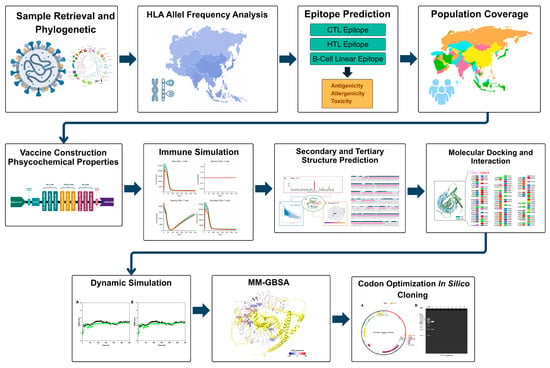
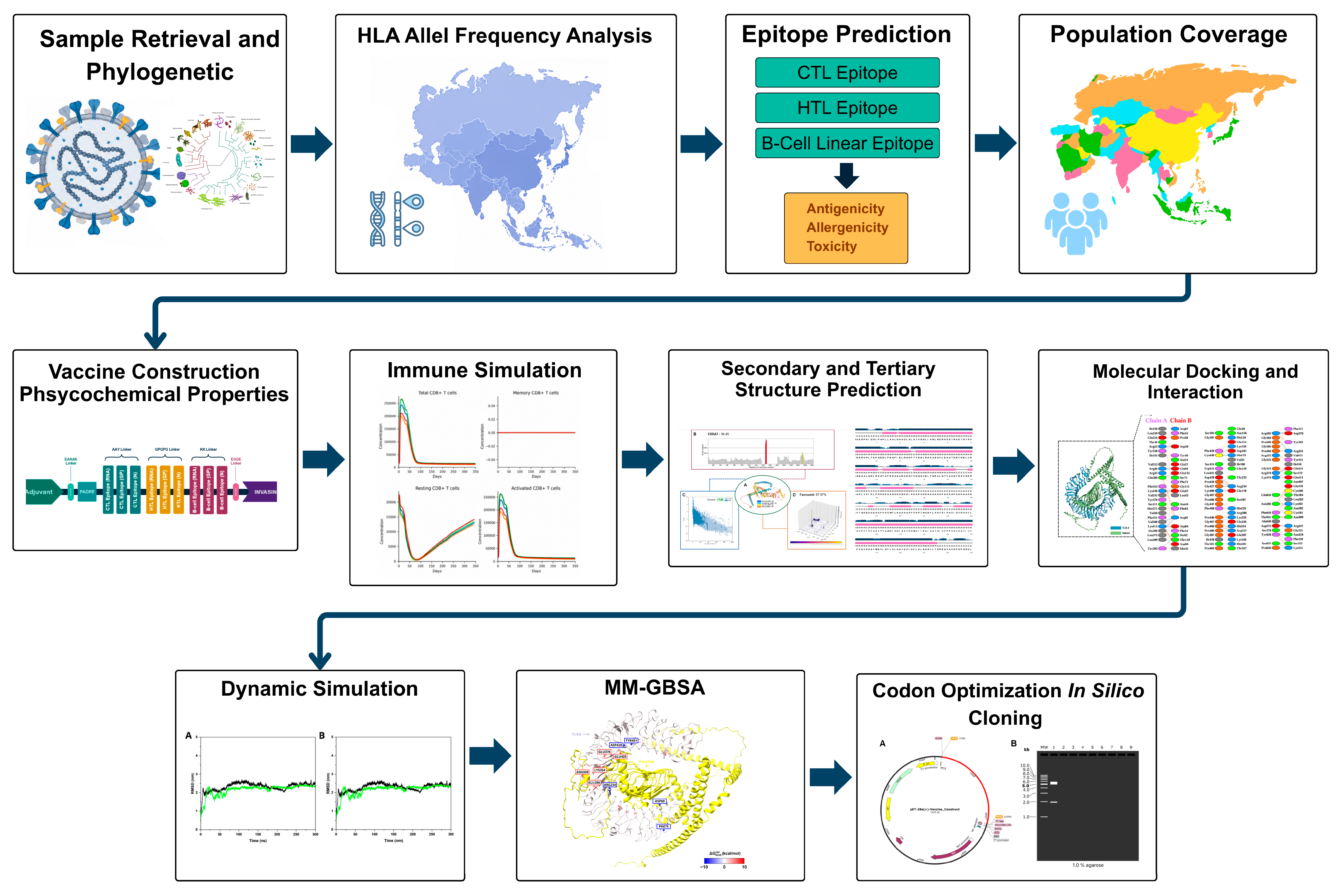
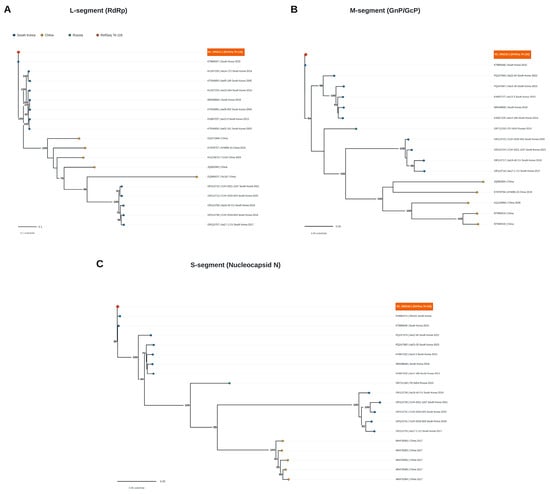
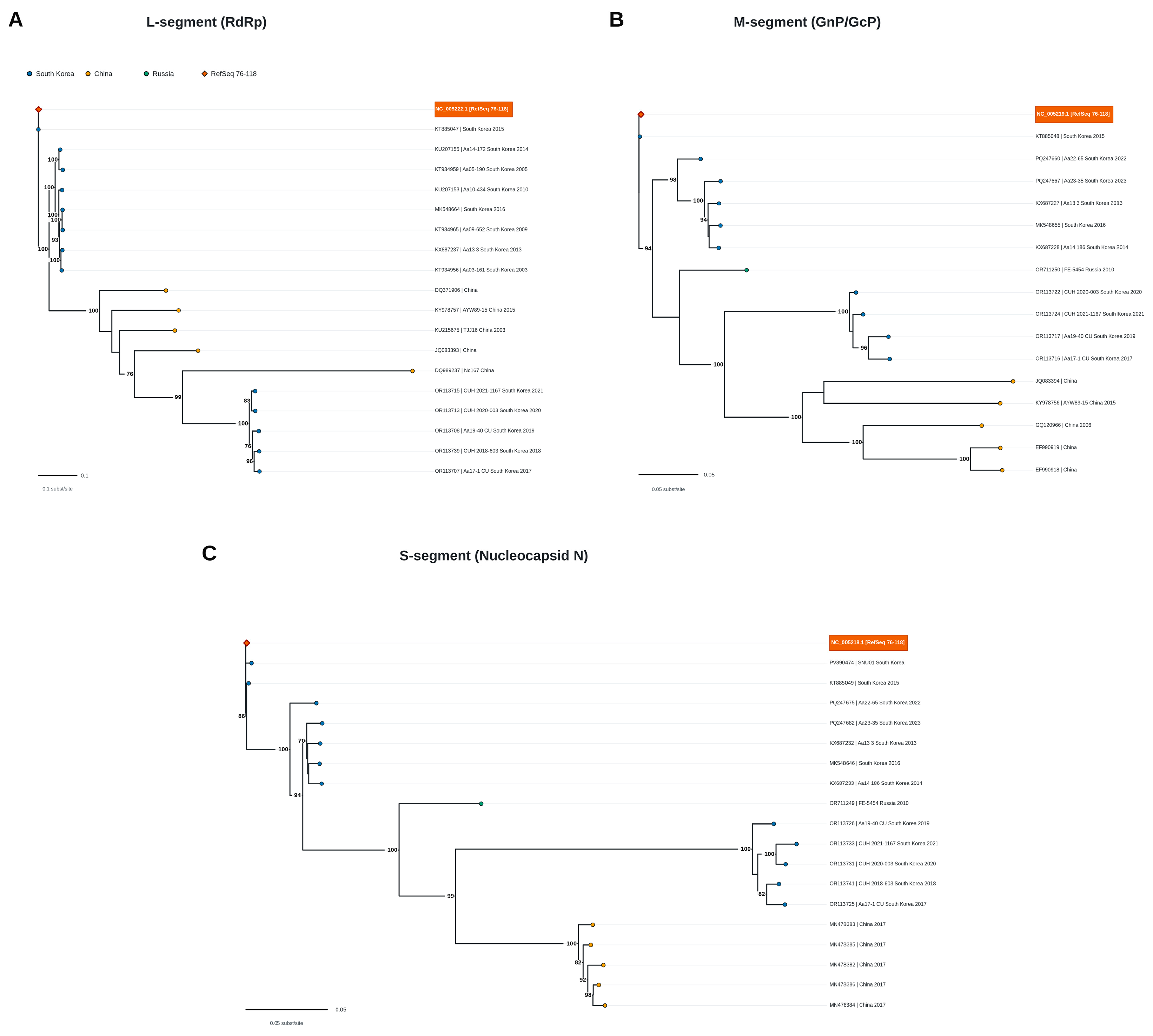
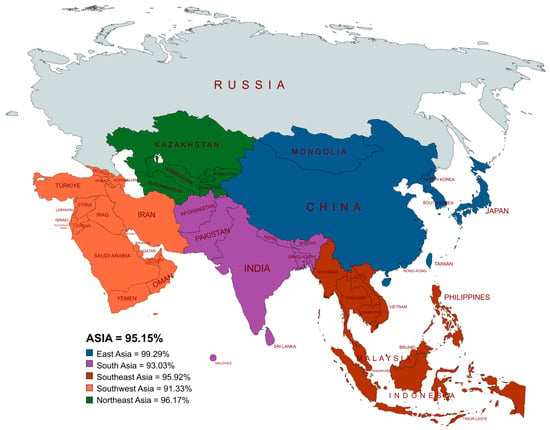
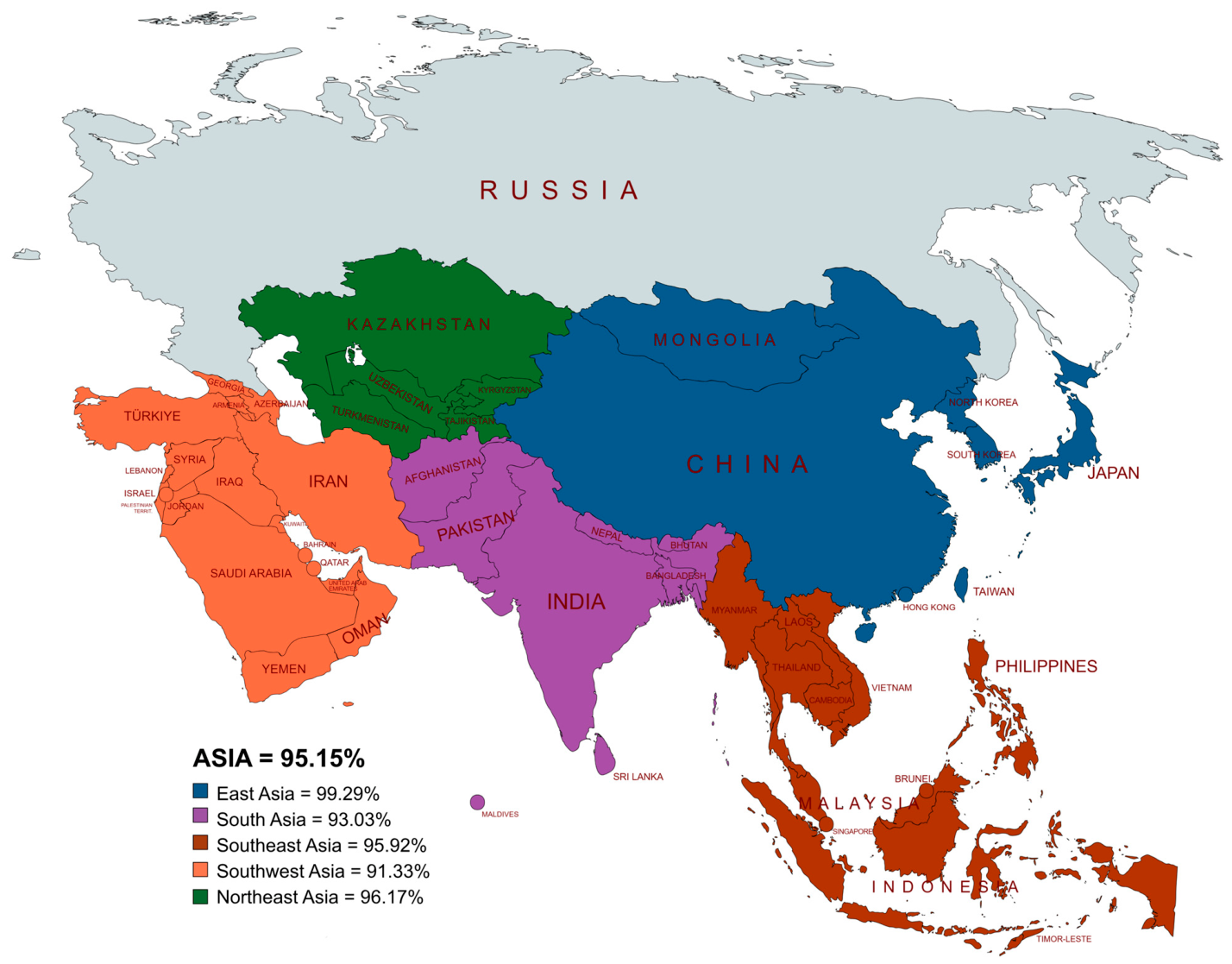
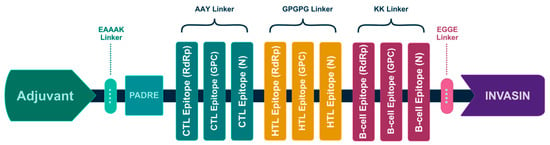
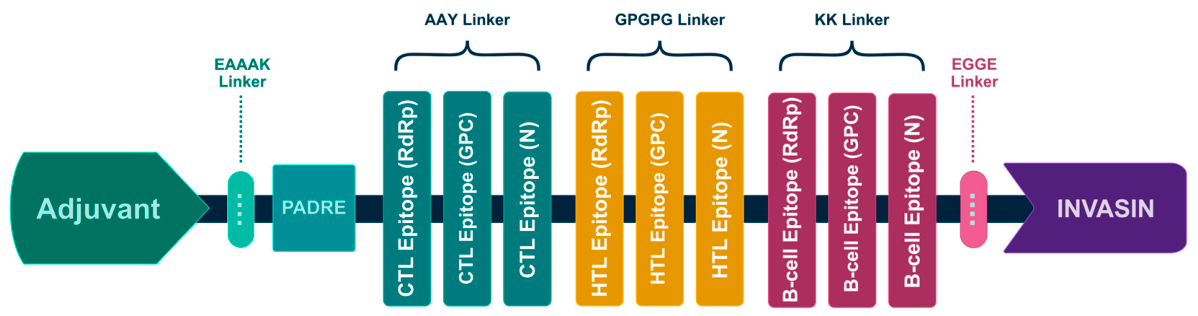
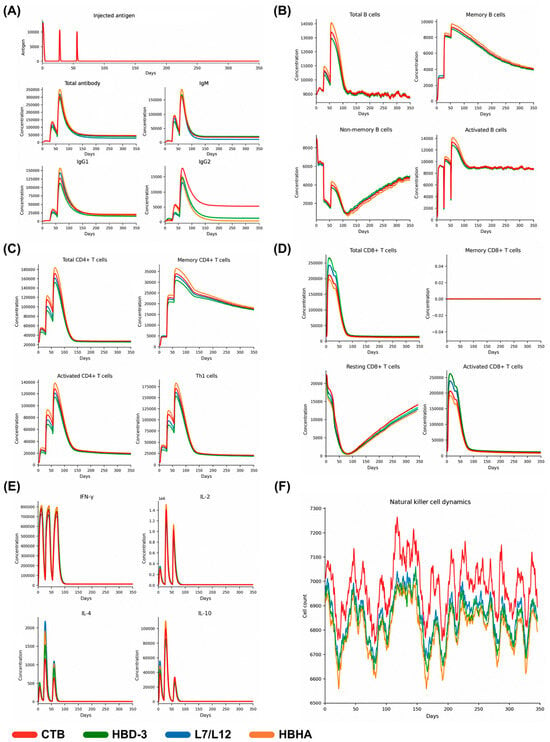
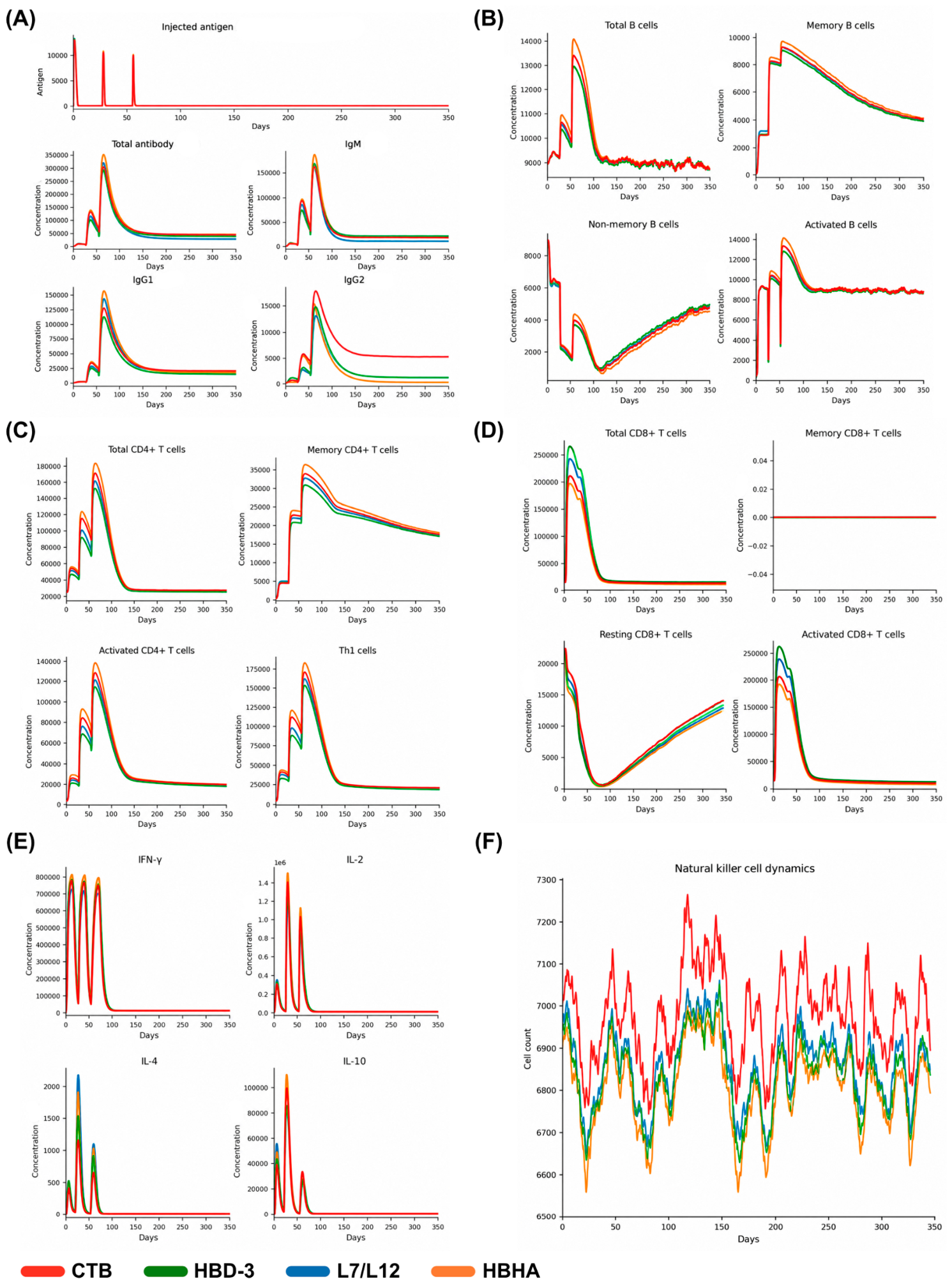
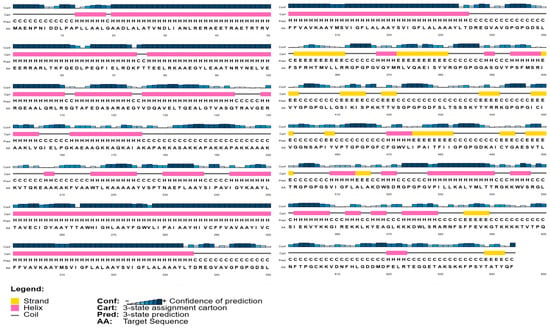
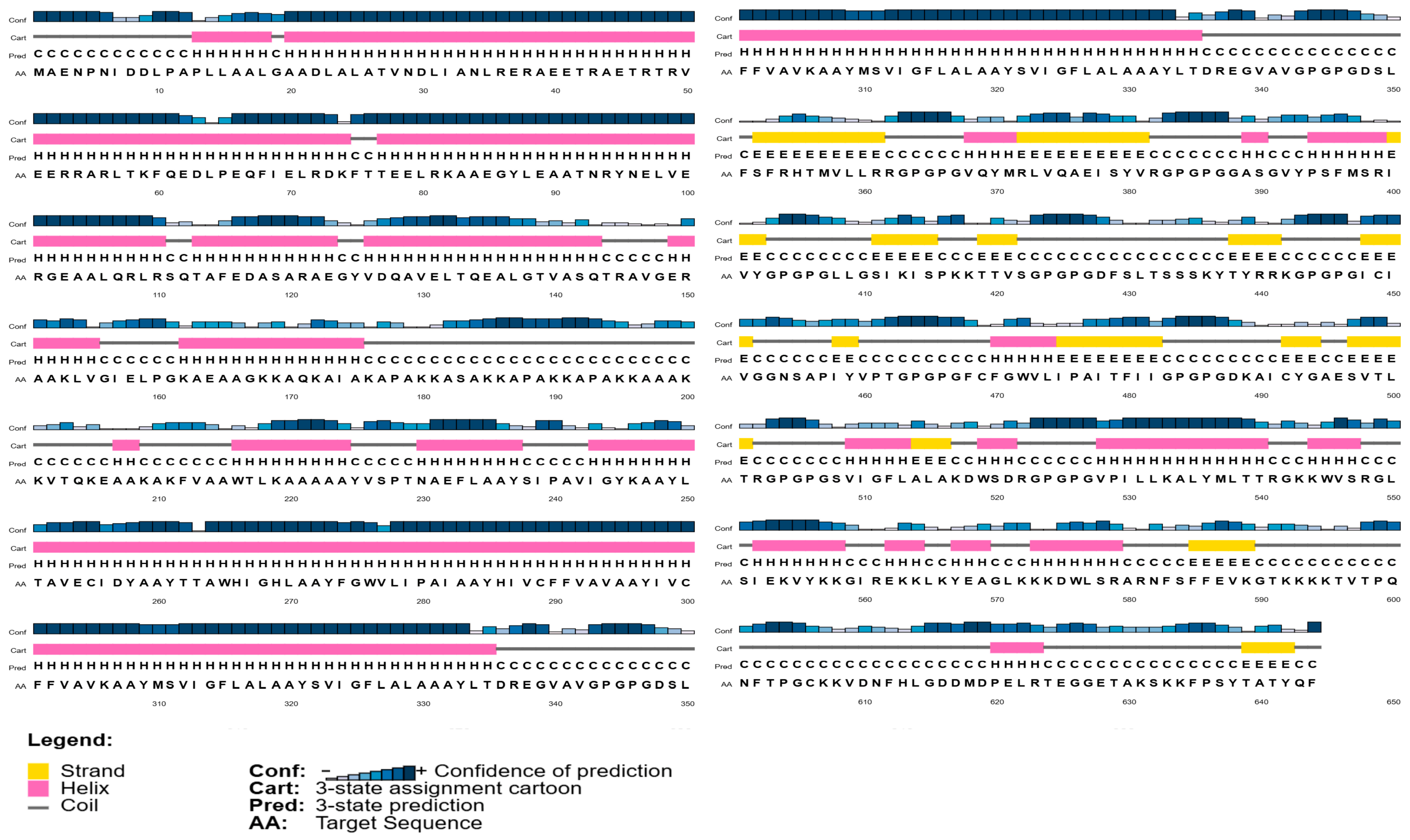
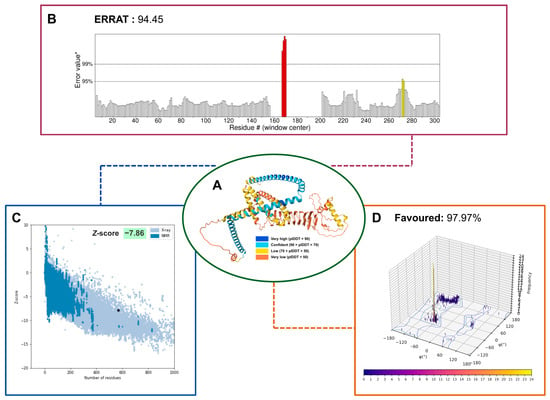
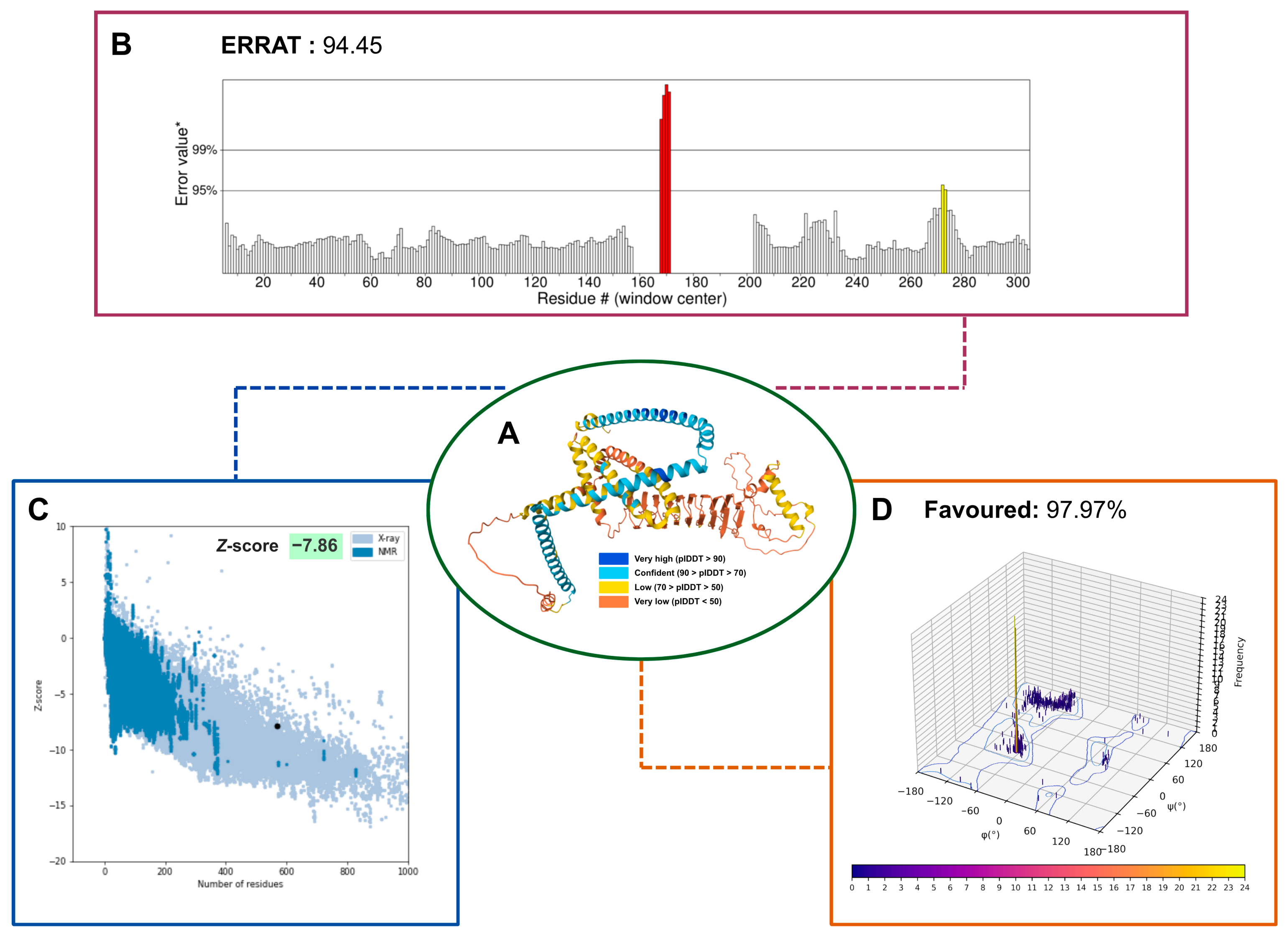
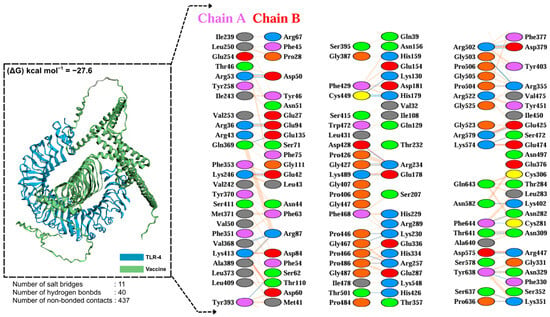
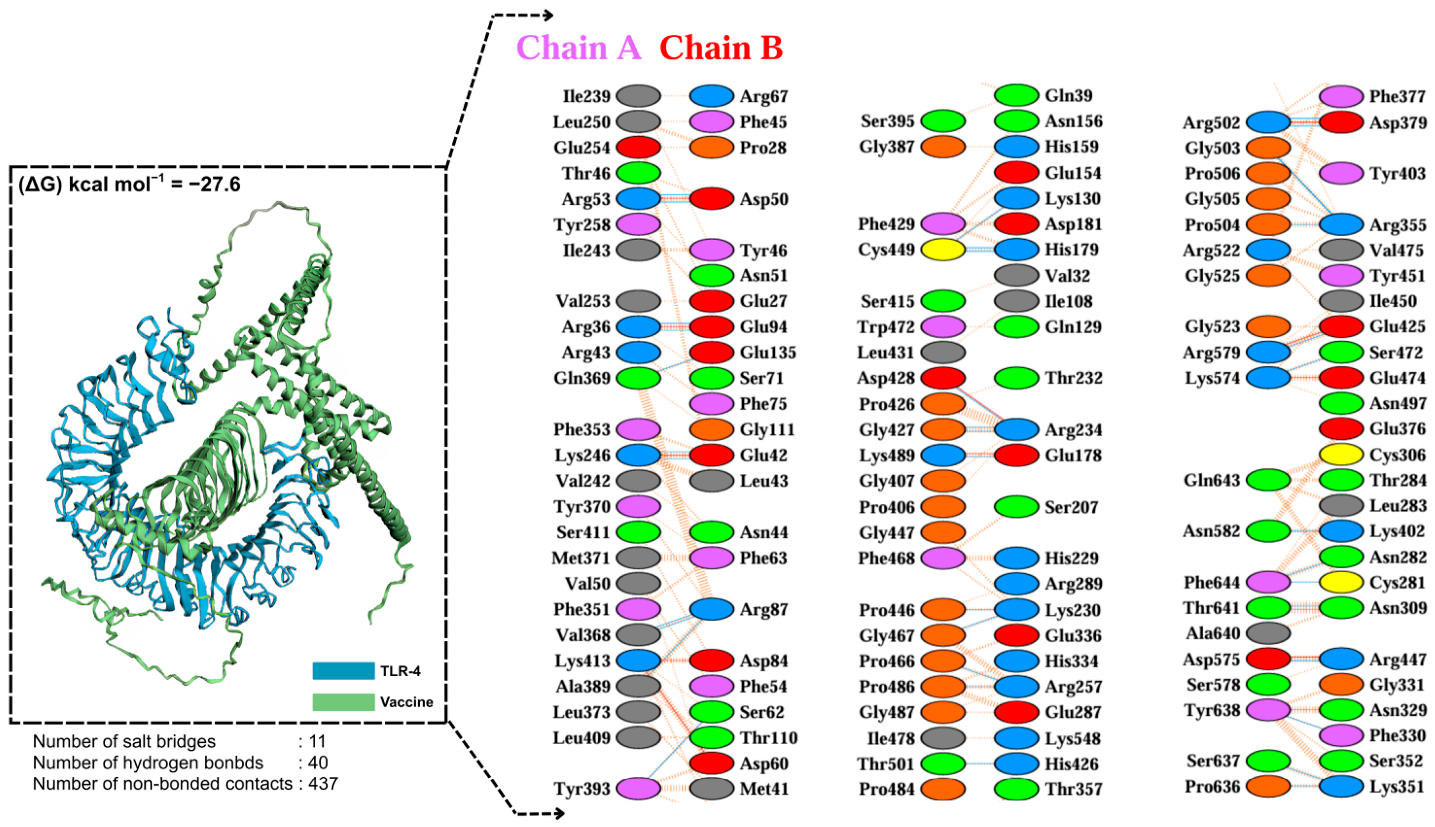
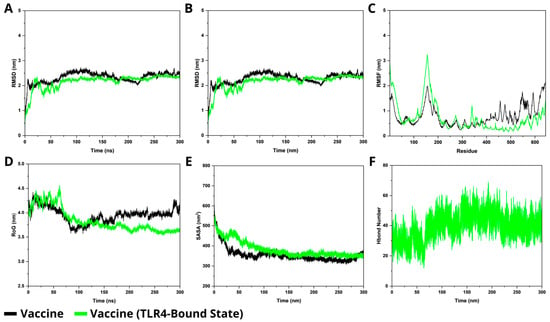
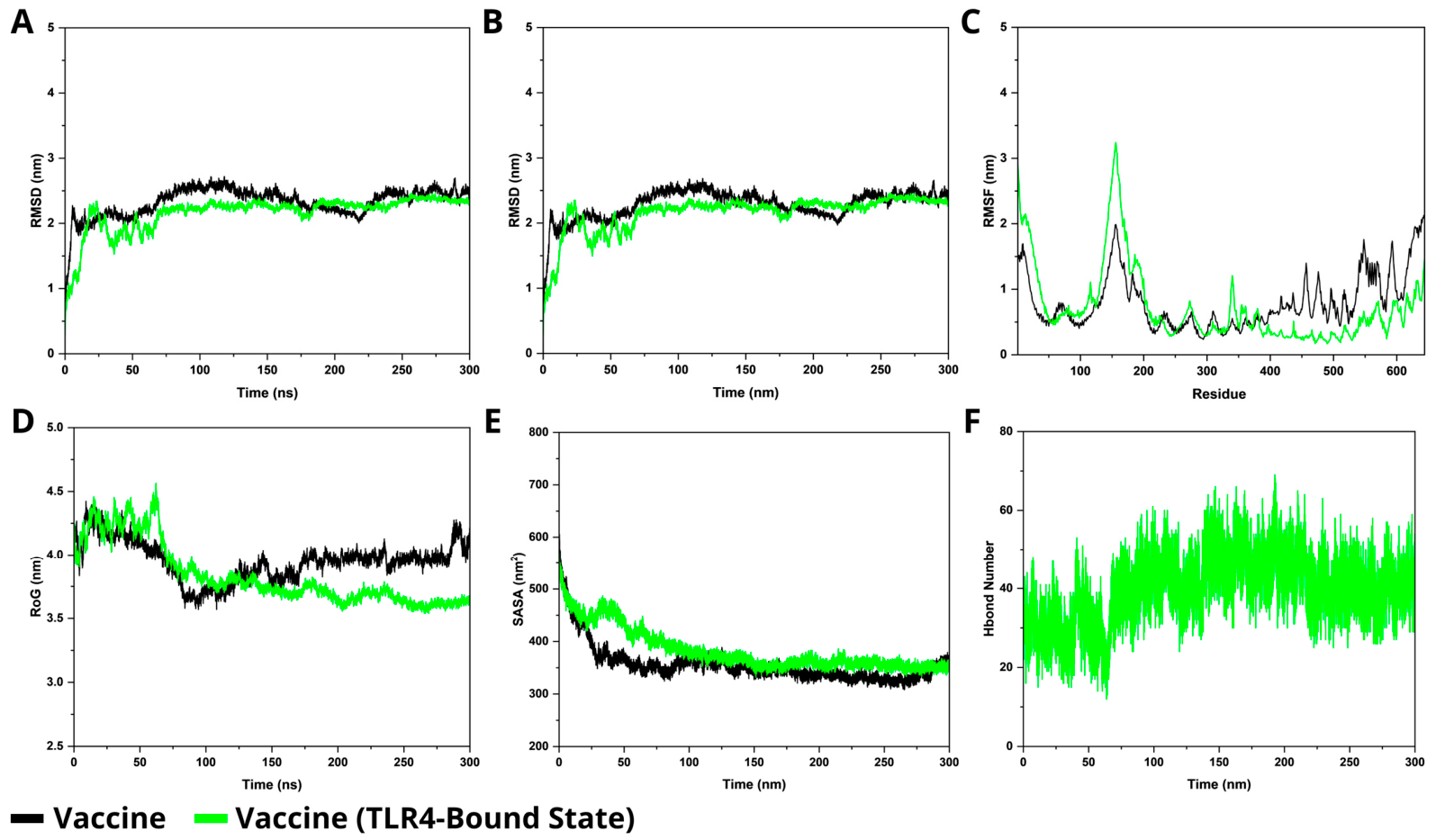
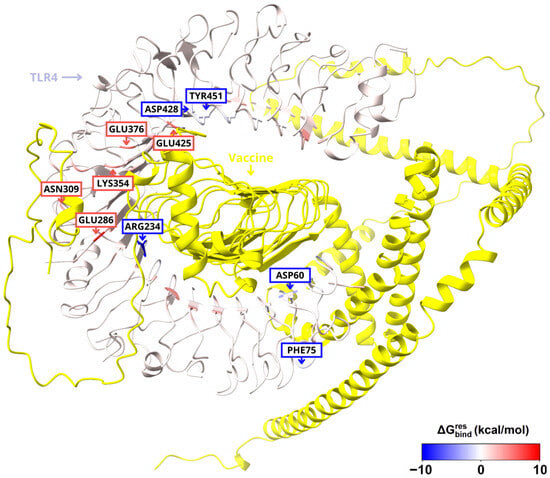
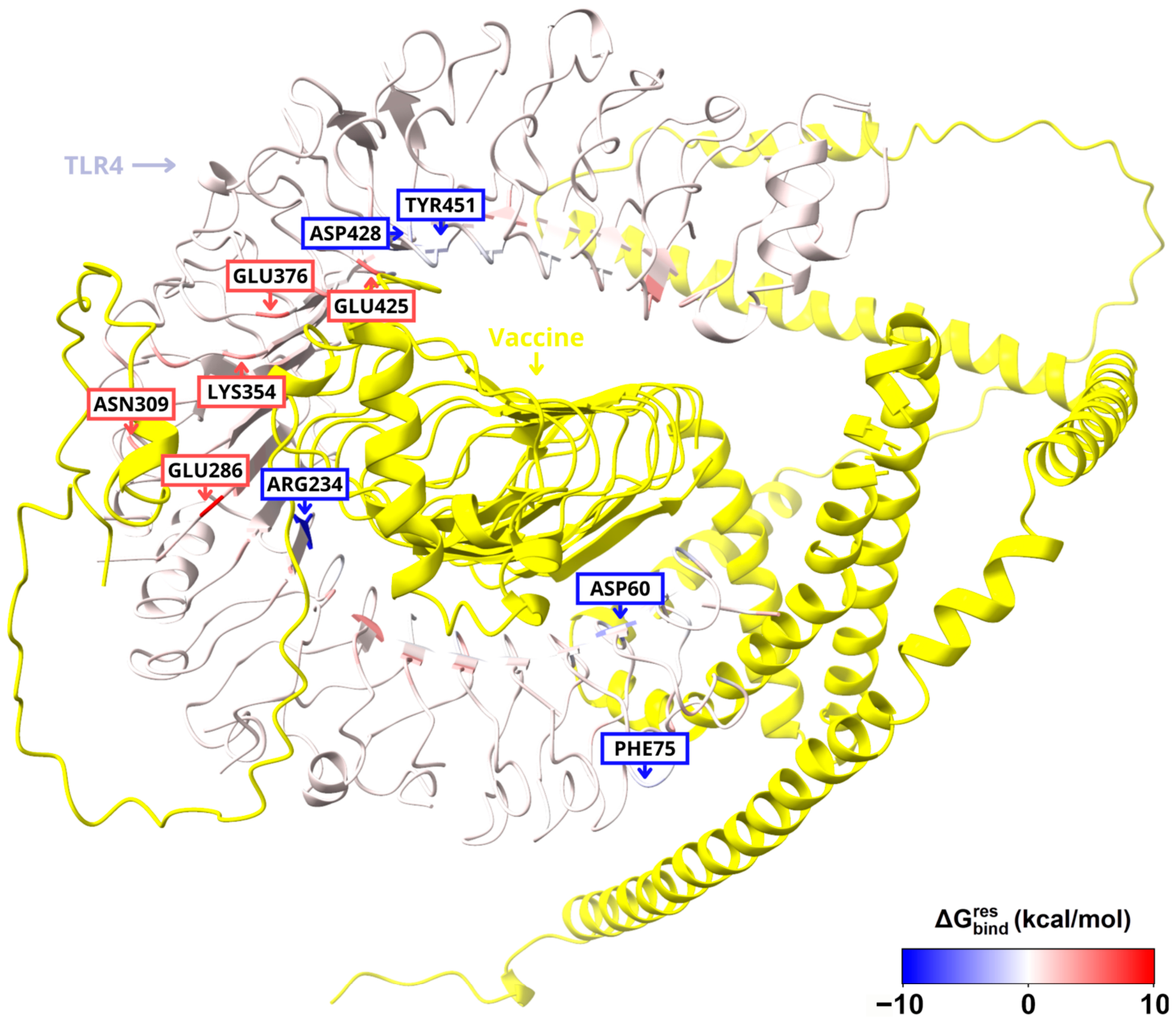
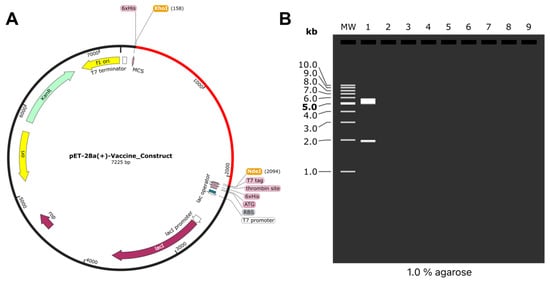
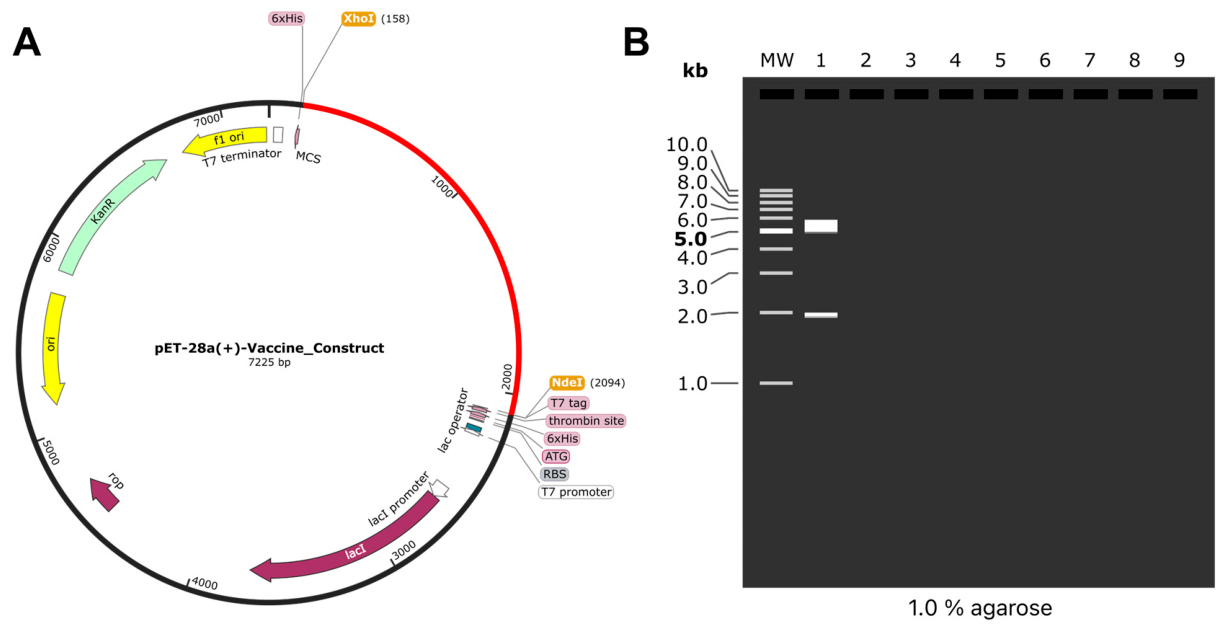

Disclaimer/Publisher’s Note: The statements, opinions and data contained in all publications are solely those of the individual author(s) and contributor(s) and not of MDPI and/or the editor(s). MDPI and/or the editor(s) disclaim responsibility for any injury to people or property resulting from any ideas, methods, instructions or products referred to in the content. |
© 2026 by the authors. Licensee MDPI, Basel, Switzerland. This article is an open access article distributed under the terms and conditions of the Creative Commons Attribution (CC BY) license.