


Abstract
Digital solutions are increasingly used in government payment systems, but their effects depend on the institutional and interpersonal work through which payments are completed. This bounded qualitative case examines social security benefit (SSB) payment practices reported in interviews conducted in 2021 with 29 insured persons and public officers across four regions of Thailand. Using the moneywork lifecycle, the analysis follows three stages (pre-claim, at-claim, and post-claim) and five phases: finding information, submitting documents, assessing claims, transferring payments, and receiving payments. Participants associated digital transfers with convenience, reduced cash handling, transaction visibility, and the ability to verify receipt. They also described account mismatches, failed transfers, and the communication and manual repair these failures required. Officers’ accounts indicated that analog channels remained necessary in some reported cases involving claimants without a usable bank account or mobile phone, with limited ability to use digital payments, or needing immediate access to cash; the study did not obtain direct evidence from the most digitally or financially excluded recipients. Taken together, these accounts indicate that digitization redistributed work across claimants, officers, administrative procedures, and payment infrastructures rather than removing it. The interview design did not independently measure fraud, processing speed, workload reduction, or the frequency of face-to-face interaction. The study extends moneywork to conditional public disbursement by showing how entitlement decisions create an additional evidential burden before payment and repair work after transfer failure.
Keywords:
collaborative work; digital payments; digital transformation; e-government services; financial inclusion; financial services; government-to-person payments; institutional trust; moneywork; social benefits JEL Classification:
E42; H55; O33; G21
1. Introduction
Over the past two decades, many developing countries have introduced programs to extend social security to economically vulnerable citizens. As the International Social Security Association [1] reports, a growing number of these countries have broadened universal health coverage and social pension provision by adopting digital payment transfers built on modern ICT platforms. Yet vulnerable and marginalized groups often struggle to access these systems because of financial constraints, limited digital literacy, or disability. Managing the rising volume of transactional data and safeguarding personal information pose further challenges [1]. As information and operational platforms expand, it therefore becomes increasingly important to design payment systems around the needs of the multiple actors who depend on them.
One such program is Thailand’s Social Security System, which had deployed electronic transfer of social assistance and social security benefits to beneficiaries’ bank accounts before the study period [2]. This direction followed the “Thailand 4.0” and “Thailand’s National e-Payment” policies, which sought to build electronic payment infrastructure, enhance financial inclusion, and move the country toward a less-cash society [3,4]. At the time of the 2021 interviews, participants described the SSO as expanding bank-based delivery while still relying on the proprietary Sapiens system and a mixture of digital and paper procedures. The present study therefore examines how these reforms were experienced in provincial offices during March–April 2021; it does not treat the reported service configuration as a description of current SSO practice.
Building on this context, research on digital payment has concentrated on commercial exchange, and the HCI and CSCW studies that examine payment practices in situ have dealt mainly with person-to-business payments for goods and services. The interplay between cash and digital money is, however, more complex than these studies suggest: many people continue to prefer cash (e.g., [5,6,7]) even where digital alternatives are readily available (e.g., [8,9]). Despite the rapid growth of digital transfers, payment options may need to remain flexible, since a “one size fits all” approach is often unsuitable across the wide range of settings and circumstances in which money is used, each with its own benefits and drawbacks [10]. Beyond its personal impact, the shift from cash to digital payment also affects organizations. On London buses, for example, cashless ticketing was intended to reduce staff workloads, yet it generated additional “hidden” labor in its maintenance and use and increased the pressure on drivers [11]. Although prior work illuminates how money functions in commercial contexts, empirical research specifically examining the situated practices of government-to-person (G2P) money transfers in the receipt and spending of SSB payments remains limited. It therefore remains underexplored how public officers and benefit recipients work through and interact around payment channels, how the parties coordinate during the claim process, and how government institutions constrain computer-mediated payments.
Accordingly, this article contributes to the FinTech literature on government-to-person (G2P) payment infrastructures by examining the process between an application for benefit and the receipt of money. Part of the study draws on material originally developed in the first author’s doctoral thesis [12], which is further examined and extended here. We address two research questions: RQ1, how do insured persons and public officers jointly establish entitlement and complete SSB payments across pre-claim, at-claim, and post-claim work? RQ2, how do institutional rules, evidential requirements, and access conditions constrain the use of digital and analog payment channels, and how is work redistributed when a transfer fails? These questions shift attention from adoption or channel preference alone to the mechanisms through which a conditional public payment is accomplished. The study makes three linked contributions. Theoretically, it extends moneywork from commercial exchange to conditional public disbursement by placing entitlement decisions and evidential burden inside the transaction lifecycle. Empirically, it identifies constrained channel negotiation, work redistribution, and repair after transfer failure. Practically, officers’ accounts show how analog channels functioned as fallback routes in the 2021 case for claimants whom officers described as unable to use digital transfer, rather than establishing the necessity of analog channels for all digitally or financially excluded groups.
2. Related Work
2.1. The Practice of Using Money and Moneywork
Research on digital payment has been dominated by questions of adoption: which users take up a payment technology, and which attitudes, perceptions and demographic characteristics predict take-up. Such accounts explain why people are willing to use a payment channel, but say less about how a particular transaction is brought to completion, whose effort that requires, and what happens when it fails and has to be put right. These questions call for a practice-based lens. To understand the everyday financial activities carried out in a hybrid digital–physical environment, we draw on the notion of ‘moneywork’, the term Perry and Ferreira [9] use for the interactional work surrounding the use of money in making financial transactions (see also [13,14,15]). Their moneywork lifecycle accounts for the effort this work demands of users across the full span of a payment, from the point at which a transaction is initiated to its completion and the subsequent checking of what took place [9]. In their study of the Bristol Pound, Perry and Ferreira [9] examined the interactional work surrounding money, focusing on patterns of user behavior, the technologies people employ, and the social resources they draw on to complete transactions. Their analysis characterizes how people accomplish transactions by describing the activities and artifacts involved, which they group into pre-, at-, and post-transactional work [9,10]. We extend this line of work into the public sector by identifying three stages in the process of making benefit payments—pre-claim (preparing documents), at-claim (processing), and post-claim (receipt of money)—in order to show how financial transactional work operates within regional bureaucracies.
Prior research on moneywork has examined the interactions and experiences associated with both analog and digital money, showing that the design and representation of money shape its situated social meanings and everyday uses [9,10,16]. Studies of analog (i.e., non-digital) money have revealed several limitations, such as the difficulty of providing change [17]. Although coins and notes are easy to spend, users frequently worry about fraud and the safety of carrying them [10,18]. Governments are therefore often keen to encourage digital payments [19], which promise fast and secure transactions [10,18,20], easier transaction tracking [15,21,22], and a reduced need to carry cash [11,22,23], while also helping to limit corruption and money laundering [4,22]. Reducing the circulation of unrecorded, illegally earned funds and strengthening transaction monitoring is thus widely regarded as a way to increase the transparency and accountability of the financial system [22,24].
However, several studies show that digital payment methods have not been widely adopted by vulnerable groups, most notably older people and those in remote or rural areas. In their study of payments among older people in the UK, Vines et al. [20] found that cheques were valued as more flexible than other payment forms. Similarly, Keates et al. [25] describe how post offices have played a central role in delivering government benefits to customers over the age of 65, particularly as many rural banks and local businesses close. A thorough understanding of how financial services interact with diverse users and activities across digital money and payment is therefore essential. Rather than claiming to represent all potential users, this article examines two stakeholder groups—insured persons and public officers—drawn from four Thai regions. Their accounts can reveal how particular payment forms are embedded in situated practices while also making visible the limits of the sample for people with more severe digital or financial exclusion. Understanding these process conditions is important for designing financial systems that respond to varied needs and vulnerabilities.
2.2. Digital Government Payments and Financial Inclusion
Government-to-person (G2P) payments have become a central instrument of digital financial inclusion policy. Reviewing the migration from cash to electronic G2P payments, Klapper and Singer [26] report that moving government wages and social transfers into accounts can reduce costs, increase efficiency and transparency, limit leakage and ghost recipients, and give recipients a first account in their own name. They also show that these gains are not automatic: digitization requires payment infrastructure, identification, consumer protection, and education, while recipients may still need to travel to convert an electronic payment into usable cash. Allen et al. [27] similarly find that payment through an account is associated with more frequent account use, but that cost and proximity to branches and ATMs condition use. Recent cross-country work reports positive associations between digital G2P welfare and formal account ownership, saving, and borrowing across 155 economies [28], while evidence from India shows that use of government remittances and digital financial services varies with age, income, education, employment, residence, and access to digital infrastructure [29]. These studies establish important population-level outcomes and determinants, but they primarily observe whether an account exists, a digital receipt occurs, or formal services are used; they say less about the situated work required to produce and complete an individual payment.
For clarity, this article treats four related concepts as distinct. Digital receipt means that a government transfer is delivered electronically to an account or payment instrument. Account access means that the recipient has a usable account; effective account use additionally requires the ability to retain, withdraw, transfer, or spend the funds under workable cost and access conditions. Cash-out describes conversion of the electronic balance into physical currency and may still require travel, fees, identification, or assistance. Financial inclusion is broader than any single digital receipt: it concerns sustained, meaningful access to and use of appropriate formal financial services. A digital G2P payment may contribute to inclusion, but receipt alone does not demonstrate it [26,27,28,29,30,31].
E-government, as a field of research, is concerned with the delivery of government services through information and communication technology (ICT), which enables governments to provide better services while promoting transparency and accountability [32]. E-government payment services, for example, can enhance transparency and democratic accountability by making information visible within the payment channel itself [33] and by supporting complaint mechanisms—such as hotlines, social media, and case-management systems—that help measure organizational and individual performance [34].
Research on e-government has tended to concentrate on three concerns: access, efficiency, and education. Work on access seeks to design and evaluate new service channels that improve citizens’ and businesses’ access to government services [35,36]. Work on efficiency aims to make government more streamlined and cost-effective through cost-cutting measures [36]. Education, in turn, provides citizens with information about government procedures and services [37] so as to improve understanding and reduce confusion during participation [36]. Because these concerns intersect, the effect of e-government on everyday life is difficult to predict, shaped as it is by complex interactions among the varied expectations, concerns, and viewpoints of diverse stakeholders. Csáki et al. [35], for instance, examined the daily experience of receiving social welfare through e-payment in Ireland and identified limited access to financial services—such as bank accounts and cashless payment options—as a significant issue in e-government research. In a similar vein, Choudrie et al. [38] show that older people in the UK struggled to access financial services through online government channels because their areas lacked bank branches and they had little experience of using computers or the internet.
Specific to e-payment, government agencies have tended to promote this option because moving from paper to electronic forms is expected to raise efficiency by cutting costs [35] and to improve service quality and transactional speed [39]. Studies suggest that adoption can be supported by ensuring that the payment system works reliably from the first transaction and that information on data security is easy to find [40]; by keeping several payment options open, including offline channels, so that e-payment does not further widen the digital divide [40]—offline provision may attract a broader section of the population than online channels [33], and a wider range of options supports financial and e-inclusion [35]; and by raising awareness through education, training, and promotion [35,38]. Post-2021 G2P case evidence reinforces this qualification: Ubah et al. [31] report that incomplete digital access and underdeveloped financial ecosystems continued to produce exclusion during COVID-response programs and recommend flexible, hybrid delivery arrangements rather than digital-only provision.
Taken together, the two bodies of work reviewed above share a process-level blind spot. Moneywork research [9,10] shows that transactions are accomplished through situated social and material work, but has largely examined commercial settings in which the parties transact voluntarily and the amount is settled before payment. Research on e-government and digital financial inclusion [26,27,28,29,31,32,35,41] demonstrates potential effects on efficiency, transparency, access, account use, and exclusion, but commonly observes G2P payment through endpoints or population-level outcomes and says less about the officers and claimants who move an individual payment between them. Social security payment differs because the recipient, amount, and timing must first be produced through an institutional entitlement decision. This creates an evidential burden before transfer; rules and access conditions constrain the feasible channel; and a failed transfer can generate repair work after issuance. The analytic gap is therefore not simply whether digital or analog payment is preferred, but how entitlement, evidence, channel constraint, work redistribution, and repair interact across the payment lifecycle. We use moneywork to examine that mechanism chain in the bounded 2021 case.
3. Materials and Methods
Online interviews were conducted with 29 participants between March and April 2021 using the LINE videoconferencing application (LINE Corporation, Tokyo, Japan; exact version not recorded; https://line.me). We treat these interviews as a temporally bounded qualitative case of payment and claim practices during that period, rather than as an evaluation of current SSO operations. To capture a range of geographical and administrative contexts, participants across both groups were purposively drawn from four major regions of Thailand: Northern (n = 7), Northeastern (n = 6), Central (n = 7), and Southern (n = 9). This geographical distribution aligned with the official regional administrative zones established by Thailand’s Social Security Office (SSO). The research team photographed the document-submission and payment setting during an authorized site visit; no interviews or data collection occurred, and the images were not analyzed. Ethical approval (Brunel University London, reference 25258-LR-Oct/2020-28056-2) and informed consent were obtained before the interviews. Sessions lasted between 45 and 90 min and were audio-recorded and manually transcribed for analysis. Participants fell into two distinct groups (described below), each interviewed using a semi-structured, open-ended format. Throughout the paper, participant codes follow the convention used in Table 1 and Table 2: <IP> denotes an insured person and <PO> denotes a public officer, with a running number serving as a unique identifier.
Table 1.
Insured persons’ codes and details.
Table 2.
Public officer codes and details.
The first group comprised insured persons with experience of claiming SSB in Thailand (n = 15), recruited through personal contacts (n = 4) and snowballing (n = 11). They were aged between 26 and 66 years and included 6 men and 9 women. Participants held a range of occupations and received different monthly salaries. All Thai baht figures reported in this article are converted at the average exchange rate for the data collection period (USD$1 = 31.02 baht), calculated as the mean of the daily buying and selling rates published by the Bank of Thailand for 1 March–30 April 2021 [42], with no adjustment for subsequent currency fluctuations; most were employed, while 2 were unemployed and 2 were retired (see Table 1 for details). Four of the 15 insured participants held explicitly IT-related occupations (IT consultant, programmer, software engineer, or web developer). This concentration may have increased the sample’s familiarity and comfort with digital services, so reported channel preferences should not be generalized to insured persons with less technical experience. Participants were asked about (1) how they searched for SSB information; (2) how they learned about claiming benefits from others; (3) their interactions with public officers; (4) the media channels they used to find information about making claims; (5) their use of documents; (6) the problems they encountered when making a claim; (7) their motivations for using online or offline payment; (8) the advantages and disadvantages of receiving digital or analog money; and (9) the improvements they would like to see.
The second group comprised 14 social security officers, identified by gatekeepers at each participating office who assisted with selection. They were drawn from the Benefits and the Financial and Accounting Departments of these offices on the basis of their detailed knowledge of the claims process and decision-making around payments, together with their experience of problem identification and claims resolution (see Table 2). Participants were aged between 44 and 58 years and included 2 men and 12 women. This gender distribution is consistent with the composition of the participating offices as described by the gatekeepers, who characterized the role as demanding patience and thoroughness and considered these qualities to be more typical of female staff. We report this account as a gatekeeper perception rather than as an explanation of the workforce composition, and note that it may have shaped which officers were put forward for interview. Officers were asked about (1) how they responded to insured persons’ questions about SSB information; (2) their use of digital technology to disseminate SSB information; (3) problems in receiving evidence of claims; (4) how the receipt of claims evidence might be improved; (5) problems in the diagnosis of benefit claims; (6) the role and limitations of the Sapiens system; (7) communication with insured persons; (8) suggestions for improving claims diagnosis; (9) their experience of digital and cash SSB payments; and (10) how different payment methods had affected their work. These topics formed the interview guide; the semi-structured format allowed the interviewer to follow up on issues raised by participants, and not all topics were pursued with every officer.
The first author conducted all transcript coding and led a hybrid deductive–inductive thematic analysis, following the documented Study 1 procedure in the doctoral thesis from which part of this material was developed [12]. Analysis began deductively by organizing the interview material under three broad stages derived from the moneywork lifecycle: pre-, at-, and post-transactional work. Within these broad categories, inductive coding was then used to develop more detailed, data-driven codes from participants’ accounts. Across the two participant groups, the codes and supporting excerpts were subsequently examined in relation to five analytical phases: (1) finding social security benefit (SSB) information, (2) submitting claim documents, (3) claims assessment and diagnosis, (4) transferring benefit payments, and (5) receiving benefit payments. This sequence is reported as framework-guided deductive organization followed by inductive elaboration. The manuscript does not characterize the analysis as pattern coding or report a fixed total number of codes because a count at a clearly defined level of the coding hierarchy could not be verified from the retained records.
Sample adequacy was assessed in terms of information power rather than data saturation [43], an approach in which the amount of relevant information a sample holds, rather than a fixed participant count, informs adequacy. The study addresses a narrowly specified aim—how a benefit claim is accomplished between officers and recipients—and draws on participants selected for direct experience of that process, including officers whose daily work involved claim assessment and payment execution. The analysis used an established framework and compared two stakeholder groups across four regions. Under these conditions, 29 interviews were judged sufficient to describe the transactional work reported at each stage of the claim process; no claim of code saturation or late-stage absence of new codes is made. All audio recordings were transcribed verbatim in Thai. Coding was conducted in Thai by the first author, whose native language is Thai, to retain the meanings expressed in the source material. The full transcripts were not translated into English. Only the participant quotations and theme labels selected for presentation in the English-language manuscript were translated by the first author. Following initial coding, the developing thematic structure and interpretations were discussed among S.S., K.S., and M.P. Interpretive differences were examined through discussion, and the final themes and interpretations were agreed collectively. Consensus was therefore reached at the level of theme development and interpretation, not through independent coding or calculation of inter-coder agreement. Table 3 makes the documented analytic hierarchy and evidence-to-interpretation links explicit without presenting them as a reconstruction of the original code lists.
Table 3.
Documented analytic structure and illustrative evidence-to-interpretation trace.
4. Results
Figure 1 presents the reported transaction process as three stages that map onto the moneywork lifecycle. The swimlanes distinguish the responsibilities of insured persons, SSO officers, and the payment infrastructure; arrows show handoffs of evidence and payment information, the return of incomplete evidence, and routes through transfer repair. The figure also separates claimant-related, administrative, and technological or infrastructural sources of difficulty. It is an analytic representation of sequences reported in the interviews, not a measurement of how often or how long each route occurred. The sections that follow provide the evidence for each activity and dependency.
Figure 1.
Process flow for SSB payments. Arrow colors: blue, main flow; grey, evidence return; red, failure; orange, repair/retry/fallback.
Because the analysis concerns how entitlement is established and payment is completed, rather than the underlying events that give rise to a claim, it begins where participants entered the social security claim process. Figure 1 follows the reported work from information seeking and evidence preparation through institutional assessment, transfer, receipt checking, and any repair needed after failure.
4.1. Finding SSB Information
Several citizen participants reported carrying out preliminary research on SSB information before submitting their documents. Given the detail and complexity of official SSB information, their search strategies centered on identifying credible, concise, and easily understood sources. These sources included people close to them who had experience of a claim, direct enquiries to public officers, and searches for reliable information on the internet.
4.1.1. Social Information Seeking
Participants entered the process of exploring SSB information from a variety of starting points shaped by different resources and social contexts, and social relationships strongly influenced how they initiated their claims. Some began by asking family members about the claim procedure, feeling more comfortable doing so than consulting outsiders. In some cases, relatives advised potential claimants out of concern, even when no help had been requested. IP08, for example, received assistance with healthcare reimbursement information after his elder brother noticed his recurrent dental problems: “My brother wishes [me] to save money on this expense. Even if none of these things have ever got my attention.” IP01, acutely aware of the need to protect a claimant’s rights and determined not to forfeit them through his younger brother’s unfamiliarity with the system, not only shared his own claims experience with his family but also drew on the knowledge of other relatives: “I enquired of my relative who was familiar with maternity and child allowance benefits. I asked about document preparation till I understood, as I had to submit all the documents on behalf of my wife.”
Some participants noted that human resources (HR) staff helped them understand how to claim benefits and what they were entitled to. Where colleagues had relevant experience, however, some participants preferred to consult them, rather than HR specialists, when preparing evidence for a claim:
“If it’s an old-age pension, I’ll ask retired seniors how to obtain money as soon as possible. […] I submitted my documents a year in advance. For example, if I become 60 next year, I must submit documents from this year, which is 59 years old, because I will already be receiving money when I turn 60.”—IP14
When a claim was complicated and participants found it hard to identify someone who could answer their questions, they usually approached social security officials directly. Some who did so, however, described this contact as difficult, which helps explain a further pattern in our data: a turn to self-directed internet searches as a way of avoiding errors in document submission—a process we document in the following section.
4.1.2. Dealing with Diverse Online Information
Several interviewees favored self-reliance, researching the application process online because they believed that word-of-mouth advice could be unreliable. They valued digital content as quick and easy to access, noting that it saved time otherwise spent contacting staff and allowed them to judge reliability from who had posted the information and when it had last been updated. The main difficulty, however, lay in determining whether the information retrieved was accurate or relevant to their particular case. IP10 described her search strategy and the problems it raised: “I have compared information at least three data sources before making the decision by primarily searching for information from search engines like Google”. Notably, the participant explored information through a search engine rather than linking directly to an official website; although we do not know which sites she consulted or how reliable they were, her use of three sources suggests a form of triangulation to cross-check what she found. Establishing the trustworthiness of online information was likewise reported by IP11 as an ongoing challenge requiring careful research: “When I search with Google, I look first at the results shown at the top, but I do not believe all the information. […] I look at multiple links and consider how credible each source is […]. I also use Google to view comments on social media before making a decision”. Here, a general search engine also served as an entry point to social-media content. The participant evaluated the information by consulting multiple links and considering the credibility of their sources.
Social media posts were themselves a rich and valued source of information about the claims process, its difficulties, and how problems might be resolved. Participants often used online communities (e.g., Pantip.com, a major Thai forum) and platforms such as Facebook and YouTube to corroborate what others had told them about making SSB claims. When they needed a definitive or application-specific answer, some then compared this information against the SSO’s website which, despite being difficult to navigate, was regarded as the authoritative source on the SSO application process:
“The Social Security Handbook took me a long time and effort to read […] the best thing is [about social media] that I can receive more specific information and apply what I’ve learned into practice. But it doesn’t say how long did you pay social security contributions? How long did you work? How much money did you receive? and what proof is required? The SSO manual, while difficult to read in detail, offers all the information you need.”—IP09
This excerpt illustrates how social media and official channels served different purposes for claimants. Social media was described as accessible and motivating but not always comprehensive or accurate; participants therefore extended and checked their understanding against sources they regarded as more authoritative, including official social security information. This cross-referencing constituted pre-claim evidential work: before submitting a claim, participants had to determine which information could support an entitlement decision.
4.2. Submitting Claim Documents
Participants described the usual 2021 process as beginning when an insured person submitted the required documents to a public officer at the service desk, who checked the evidence of the claim (see the pre-assessment described in Section 4.3.1). Officers reported entering complete submissions into the SSO database and calculating the payout, with benefit payments generally expected within about three working days. If documents were missing, they described notifying the insured person by letter and setting a deadline for resubmission. Participants also reported using mail, fax, email, or the LINE app when in-person submission was not possible:
“During the COVID-19 pandemic, I submitted documentation to the SSO directly to receive sickness benefits. However, the public officer stated that her work was extremely busy at the time. Because she works in shifts, she doesn’t have a lot of free time. So, she requested me to take a photo and upload my evidence via the LINE app […].”—IP04
Officers described access to technology as allowing some documentation to be submitted more quickly and flexibly, although the interviews did not compare processing times across channels. They also noted a drawback: the absence of in-person support during remote interactions. As PO21 observed, “the insured persons always wait for the staff to help because they feel familiar and confident when they send and talk with us.” Other reasons for delivering documents in person included death, sickness, and invalidity. In such circumstances, officers described the diagnostic process as requiring more detailed questioning than usual, as in the following account from an insured person who had experienced a serious medical problem:
“By appointment, I call first before walking in at noon […] the public officers need to check up on my health and treatment frequently since I was in the hospital until now. […] they asked me about my current health difficulties and the suggestions of preparing important documents for future claims.”—IP13
IP13’s account illustrates how close communication with government officials shaped this participant’s confidence in handling claim documentation: “I was impressed and relieved to get good advice, and I thought my problem would be resolved”. When claimants are asked to provide further evidence, however, the lengthy treatment can mean repeated visits and long, slow queues (see Figure 2a). For this reason, many public officers proposed that the SSO adopt electronic submission so that claimant documentation could be processed online.
Figure 2.
The document submission and processing environment at the SSO: (a) queuing environment; (b) receiving documents; (c) copying claim evidence; (d) confirming a fax document.
At the time of the interviews, participants described the web-based “SSO e-service” as recording benefit information but not supporting upload of claim evidence, which they said still had to be submitted and processed through other channels. Insured persons reported retaining copies in case evidence was lost, while officers described photocopying documents and waiting for faxed evidence when claimants were remote (see Figure 2b–d). The submission channel therefore affected where the evidential burden fell: claimants retained and resent evidence, while officers copied and assembled it for assessment. These statements describe the 2021 case and should not be read as an account of the platform’s current functionality.
4.3. Claims Assessment and Diagnosis
Officers described pre-assessment validation in 2021 as a preliminary review conducted after the required documents were submitted. Their accounts indicated that this step combined documentary evidence with information gathered through personal interaction. Cases without identified problems then proceeded to diagnosis, where officers drew on the submitted evidence, their experience, SSO regulations, and claimant records held in the Sapiens system.
4.3.1. Pre-Assessment Validation
Officers described beginning the 2021 assessment by verifying the insured person’s identity—including their ID card number, phone number, and SSO account number—while processing documents at the service desk. They compared these details with the person’s registration record in the Sapiens system and manually matched digital and physical documentation. PO17 regarded this cross-checking as a safeguard against payments being linked to an incorrect account and against improper claims; the study did not independently test its effect on payment error or fraud.
Assuming no problems are found, the benefits officer must then establish whether the insured person is entitled to compensation by matching the claim against the claimant’s record of social security contributions in the Sapiens system, which must be paid monthly for benefits eligibility to be maintained. As PO27 explained, officers not only consult the system but also verify details with the claimant, asking, for example, “Are you a member of this company’s staff? Is the salary correct?” to confirm that the person’s account is consistent with the system’s records and that they are genuinely employed and have paid the correct monthly contributions. If the claimant is found not to be an employee, or not to have paid contributions in full, the officer must formally “reject in writing that you can’t get the benefit payments” (PO21) and explain the reasons for the decision.
4.3.2. Information Integration
Officers reported that, after a claimant passed these validation checks, the benefits officer began a diagnostic process to assess the merits of the claim and calculate any payment due. Their accounts described examining both the person’s evidence and the record of prior claims held in the Sapiens system:
“[…] in case of illness, I have to look at the past medical history to see whether it is an ongoing treatment case. If so, the insured person only brings a medical certificate […] I will not create a new case but will continue diagnosing in the current one. If the sickness is a new occurrence, I will gather the new proofs.”—PO23
These decisions were often complex, because the documentation had not been produced with a social security claim in mind, and some officers were concerned about making inappropriate compensation judgments given their lack of medical expertise in interpreting such evidence. Beyond checking medical records to assess eligibility, officers dealing with hospitalized claimants also had to establish whether treatment had taken place at an eligible hospital. PO19 and PO25, for instance, described manually comparing a patient’s hospital documents with the Sapiens system, which showed the hospital to be ineligible, meaning the person would not be reimbursed unless the case involved an accident or emergency. In such cases, as PO27 noted, “officials must write a memo of a factual transcript explaining why this insured person wasn’t admitted to an eligible hospital”. To pursue a claim in these situations, the insured person would need to submit additional medical documentation and answer further questions satisfactorily. If a claim is rejected, the benefits officer sends a clarification letter explaining why the claimant is not eligible for compensation.
Officers attributed the long processing delays they encountered to growth in system use and increases in the volume and size of submitted data, which they described the Sapiens database as not designed to handle. PO18 also reported that simultaneous access to a client’s records was not possible: “I was unable to access the insured persons’ data when the head office of SSO was retrieving the reports from the Sapiens system”. Officers further reported that many routine functions, such as calculating the number of months of contributions paid by employers, were not automated and required manual workarounds. PO19, for example, described counting the months on her fingers. Officers expressed concern about the scope for human error in this process.
Participants attributed diagnostic delays not only to limitations in the computer system but also to missing employer contributions and to incomplete, inaccurate, or allegedly fabricated claimant information. These accounts show that data quality was not a separate technical issue: it shaped whether entitlement could be established and what additional checking work officers and claimants had to perform.
4.4. Transferring Benefit Payments
In participants’ accounts of the 2021 process, once an SSB payment was approved, a benefits officer submitted a case-diagnosis memo to an SSO financial officer, who checked the link between the insured person’s identification record and payment details before authorizing the transaction. Participants described four payment forms—online banking, cash, cheque, and postal order—whose use depended on institutional requirements and the insured person’s circumstances.
4.4.1. Digital Payments
Officers reported that, for a first benefit payment in the 2021 case, they generally attempted an online bank transfer regardless of the payment amount. The 5000-baht threshold did not restrict digital transfers; it applied only when an analog payment was used. In those cases, benefits of 5001 baht or more were paid by cheque, while cash could be paid up to and including 5000 baht and had to be collected at an SSO office. This payment stage could reveal problems such as an incorrectly recorded bank account number. Participants described claimants then contacting the SSO to identify and resolve the problem or, in some cases, collecting the money in person.
Most insured persons interviewed described online banking as faster and more convenient for them, particularly because it could avoid travel and queues, and they perceived it as more secure than cash. Officers reported that digital transfer reduced some cash-holding and cheque-preparation tasks. They also viewed the electronic record as a safeguard against improper payment and disputes about handling. These are participant assessments; the study did not collect comparative timing, workload, or fraud data:
“Having a digital payment method will help to decrease the financial and accounting division’s workload. […] We don’t have to waste time preparing cash, cheque, or postal order at our office. […] payment is a delicate task. In contrast, our division has a small number of workers. So, we may be in trouble if there isn’t digital payment option.”—PO18
Nonetheless, problems with incorrect bank-book numbers occurred regularly, most often because account numbers were out of date, and these resulted in failed transfers. Each had to be resolved manually and, as noted, required communication between officers and claimants—delicate collaborative work undertaken to ensure that no breaches of security or confidentiality occurred:
“Some SSB is already transferred from the SSO’s payment system, but it doesn’t go through the insured person’s account. Thus, this money will be returned to the SSO. […] I have to request a new account from the insured person, who can send the account number via LINE app or Fax on whatever channel is convenient for repayment.”—PO22
Participants described failed transfers as arising from claimant data-entry errors, outdated accounts, or bank branches that had closed. Officers then requested revised account details and attempted repayment; if the digital route remained unusable, the payment reverted to a paper-based medium. Failure therefore opened a repair loop after the initial transfer attempt, redistributing work to both the officer and the claimant and sometimes changing the payment channel.
4.4.2. Analog Payments
SSB payments in paper form include cash, cheques, and postal orders. Making payments through these media, however, added further layers of complexity, owing to anti-corruption protocols and the communication required to ensure that recipients actually received their money. This often entailed a delicate back-and-forth of checking and rechecking between different SSO offices, individual officers, and the insured persons themselves.
For cash and cheque payments, insured persons collected money from their provincial SSO office. Officers reported offering postal orders when a claimant could not travel, using a post office near the beneficiary’s home. They described the 5000-baht threshold as governing only the choice between cash and cheque when an analog route was used; it did not limit the amount eligible for digital transfer. Cash was available for benefit payments up to and including 5000 baht (approximately USD$161), whereas benefits of 5001 baht or more were paid by cheque. Officers also described cash as necessary in some cases when a claimant could not conveniently use digital payment or urgently needed funds and could not wait for a digital transfer, which they described as taking roughly three days. Participants associated cash with risks of loss, error, or improper handling, as well as the practical work of carrying, handing over, and receipting physical currency. Officers described cheque payments as requiring a multi-stage approval process. Although more time-consuming, they viewed this procedure as providing a documented review trail should questions about a payment arise later:
“I feel more confident than paying with cash because cheque payments are verifiable […] in the SSO, two staff have nominated to sign a cheque and then propose to the head of the provincial SSO to confirm again.”—PO24
Cheques offer an alternative to cash with additional verification, since only the payee named on the cheque can receive the money (see also [20]). Officers described the multi-stage approval process as a safeguard against incorrect or improper payment; the interviews did not measure fraud incidence. They also described cheques as more time- and labor-intensive to prepare, print, and post. Officers reported that postal-order use had declined as bank branches expanded into rural areas. More broadly, they described analog payment routes as necessary in some cases involving claimants who lacked a usable bank account or mobile phone or had limited ability to use digital payments. Their examples included migrant workers, older people, and people with access disabilities who might live near a post office. These statements are officers’ accounts rather than direct testimony from the most digitally or financially excluded recipients. Some participants described occasions when mail was lost and an insured person did not receive diagnostic information or a postal order. These cases prompted telephone calls to identify the problem, manual cancellation of the postal order, and either reissue or a switch to another payment method, adding further work for officers.
4.5. Receiving Benefit Payments
Among the insured persons interviewed, most reported preferring to receive money through online banking. They valued the availability of online transaction records and perceived these records as safeguards against theft or improper handling. These accounts show how perceived security and the ability to verify a transfer contributed to the credibility of the payment process. The following sections examine the moneywork involved in receiving benefit payments.
4.5.1. Trust in Receiving Digital Money
Although the SSO offered several payment methods, online banking was the most frequently reported option among the insured persons interviewed, and confidence in bank-based verification shaped this preference. IP09, for example, explained, “I trust large and reputable banks.” This statement indicates confidence in the bank used to receive payment, but it does not by itself establish a general comparison between trust in banks and trust in government systems. Van Esterik-Plasmeijer and van Raaij [44] identify integrity, transparency, customer orientation and competence as determinants of trust in a bank. The following participant account illustrates the importance of transaction visibility:
“If the public officer makes a mistake in transferring the social security benefit, I can notice any irregularities using my smartphone […] to follow the repayment of my benefit.”—IP01
Similarly, IP04 and IP14 explained that online access allowed them to monitor transactions and gave them a sense of comfort and security. IP07 also associated online banking with savings in travel and communication, as described in the following account:
“I think the advantages of receiving benefit payment via the online system are convenience, speed, the ability to track the money movement, and also saving on travel time and money because I don’t have to pay for phone calls to ask the public officer when the benefits would be deposited to my account”—IP07
Participants also described digital payments as offering safeguards against improper handling because the Sapiens system transferred benefits directly from the social security fund to the named recipient. Officers did not need to carry cash or draw money in advance. PO27 explained that a transfer could proceed only when the insured person’s name matched the SSO’s records, which the officer viewed as limiting opportunities to divert a payment. Other participants worried about transfer errors, payments to the wrong account, or hacking. IP08 contrasted these risks with the relatively small value of some analog payments: “If a theft occurs, the thief wouldn’t focus on a small amount of money. So, I think there is a low risk of losing money to compare with cash or cheque” (IP08). These accounts concern perceived safeguards and risks; the study did not measure fraud or cybersecurity outcomes.
4.5.2. Payments in Analog Forms of Money
Participants described the SSO’s 2021 policy direction as favoring digital payment and reported declining use of cash, cheques, and postal orders. They nevertheless described non-digital options as remaining available for insured persons with differing needs and access to digital services. This is a historical account of the study period, not a claim about the present payment mix.
For participants who had received SSB in cash, analog media ensured that they could obtain their money and use it immediately, with no difficulty in spending the funds and no need to visit a bank to process them. Yet cash had clear disadvantages: both IP04 and IP07 worried that it could be stolen or lost on the journey home from the SSO, on top of the inconvenience of traveling there to collect it.
“I was informed by the public officers to pick up the cash at the SSO which was far from my home and workplace. […] I got lost because I was unfamiliar with the route. […] Even if getting real cash, this method is tricky.”—IP14
Analog media were not regarded as interchangeable, and participants trusted them to differing degrees. Comparing cash and cheques, a cheque was seen as more secure because cashing it required the recipient’s full name. Yet, while IP05 described cheques as ‘safer’ than cash, she noted that she lacked the time to cash them, which made them problematic in another way: the recipient may have to make two trips—one to the SSO to collect the cheque and another to a bank to cash it—leaving some participants anxious about receiving them. Similarly, when benefits arrived by postal order, participants were reluctant to travel to the post office to cash them out:
“In fact, I preferred not to receive benefit payments via the post office, but I had a necessary condition that I really couldn’t find my bank book. As a result, I had to wait several days to receive my postal order and take it to the post office, which I’m not comfortable traveling there.”—IP10
Participants’ accounts show that channel use was negotiated within constraints rather than selected as an unrestricted preference. Trust and convenience mattered, but so did institutional rules, account usability, urgency, travel, and the success or failure of an earlier transfer attempt. Digital and analog media therefore formed a conditional repertoire: the feasible channel depended on the claimant’s circumstances and on the work required to complete the payment.
5. Discussion
The findings answer the two research questions through five connected mechanisms. Entitlement decisions generated an evidential burden before payment; institutional rules and access conditions constrained which channels were feasible; digitization redistributed rather than removed work; transfer failure opened a repair loop; and transaction records provided a limited means of verification after payment. These mechanisms organize the discussion below and connect the reported activities in Section 4.1, Section 4.2, Section 4.3, Section 4.4 and Section 4.5 to the extension of moneywork proposed in this article.
5.1. Entitlement Decisions and Evidential Burden
In the commercial settings from which moneywork was developed, the parties generally enter a transaction voluntarily and the object and amount of payment are settled before exchange [9,10]. The 2021 SSB case began differently. Before money could be transferred, the institution had to establish who was entitled, for what event, in what amount, and through which supporting record. Section 4.1, Section 4.2 and Section 4.3 showed claimants locating rules, assembling documents, and correcting missing information, while officers matched identity and contribution records, interpreted medical evidence, and applied eligibility rules. Entitlement was therefore not background administration surrounding payment; it was a constitutive part of the transaction.
This entitlement decision created an evidential burden distributed across claimants and officers but not equally controlled by them. Claimants had to identify relevant information, produce evidence, retain copies, and respond when a submission was incomplete. Officers had authority to determine sufficiency and eligibility, but they also had to reconcile paper documents, system records, claimant explanations, and institutional rules. The repeated movement of evidence between these parties explains why collaboration was necessary without implying an equal partnership: decision authority remained institutional. The theoretical extension is thus to place evidential judgment inside the moneywork lifecycle and to show how it shapes pre-claim and at-claim work.
Information quality connected these stages. Participants cross-checked online and social sources before submitting a claim, and officers described additional work when contribution records, medical evidence, identity details, or claimant information were incomplete or inconsistent. Digital access could assist communication and evidence transmission, but it did not remove the need to decide which evidence was credible and sufficient. In this sense, digitization mediated evidential work rather than automating the entitlement judgment.
This mechanism answers RQ1: SSB payment was jointly accomplished through a sequence of evidence production, institutional assessment, transfer, and checking. The joint character lay in the interdependence of claimant and officer tasks, while the conditional character distinguished the case from commercial exchange. Moneywork in public disbursement therefore begins before a payable transaction exists, because the work itself helps produce the entitlement and amount to be paid.
5.2. Constrained Channel Negotiation and Work Redistribution
The Results do not support treating payment form as an unrestricted consumer choice. Participants described preferences for the convenience and visibility of online banking, but the feasible channel also depended on institutional policy, payment rules, account usability, urgency, travel, and whether a previous transfer had succeeded. Channel selection was therefore negotiated within constraints. Here, negotiation refers to the practical adjustment of a payment route among claimants, officers, rules, and infrastructures—not to equal bargaining power or unlimited choice.
These constraints redistributed work. Officers associated digital transfer with fewer cash-holding, cheque-preparation, and postal-order tasks, while insured persons valued avoiding travel and being able to check receipt. Yet digital transfer introduced or relocated other tasks: validating account details, resolving name or account mismatches, communicating after failed transfers, and arranging repayment. Officers described analog channels as requiring manual preparation and travel but remaining available as fallbacks when claimants lacked a usable bank account or mobile phone, had limited ability to use digital payments, needed immediate cash, or encountered a failed digital transfer. Because the most digitally or financially excluded recipients were not directly sampled, these accounts identify reported exception conditions rather than establish their prevalence across the insured population. The case therefore shows a change in the location and form of work rather than an independently measured reduction in workload or processing time.
This process account qualifies outcome-oriented claims in the G2P literature. Digital payment can be associated with efficiency, transparency, and account use [26,27,35], but these outcomes depend on the work required to connect a valid entitlement record to a usable payment destination. The finding also parallels evidence that cashless systems can generate hidden labor even where they remove cash handling [11]. The contribution here is to identify where that redistribution occurred across a public-payment lifecycle and why a fallback channel could remain operationally necessary.
This mechanism answers the first part of RQ2. Digital and analog channels formed a conditional repertoire rather than a simple binary transition. Retaining an analog route need not indicate resistance to innovation; within the reported cases, it provided an exception path when the institutional or infrastructural conditions for digital transfer were not met. Conversely, using a digital route did not imply that the transaction had become wholly digital, because documentary, diagnostic, and repair work could remain paper-based or interpersonal.
5.3. Transfer Failure, Verification, and Repair Work
The second part of RQ2 concerns what happened when the intended route failed. Section 4.4.1 located a recurring failure point at the connection between an SSO identity or entitlement record and the recipient’s bank-account details. Participants described discovering the problem only after an attempted transfer, after which officers contacted claimants, obtained updated account information through available communication channels, attempted repayment, or reverted to an analog medium. Repair was therefore post-transfer moneywork generated by a breach between institutional and banking records.
This repair loop extends the post-transactional component of moneywork. Checking that a payment had arrived was not merely retrospective confirmation: it could trigger diagnosis, renewed evidence exchange, and a change of channel. Failed digital payment consequently generated additional collaboration across the SSO, the claimant, and the banking infrastructure. The interview design did not measure the frequency or duration of these failures, but it documents the sequence of work through which reported cases were put right.
Verification also explains the limited trust-related finding. Several insured persons used bank notifications or account records to check that a public payment had arrived and to inspect its amount and timing. Such records provided an additional point of assurance separate from the authorizing officer, comparable to the role of bank verification discussed by Kemal [45]. We treat this as possible borrowed assurance, not as evidence that recipients generally trusted banks more than the SSO. Across these sections, the process can be summarized as follows: institutional entitlement created an evidential burden; evidence and access conditions constrained the feasible channel; channel use redistributed work; record mismatch triggered repair; and a transaction record helped some recipients verify completion.
5.4. Implications
The principal theoretical contribution is a mechanism-based extension of moneywork from commercial exchange to conditional public disbursement. In this setting, a payable transaction had to be institutionally produced through entitlement and evidential judgment before funds could move. The lifecycle therefore comprises not only preparation, exchange, and checking, but also the distributed work of establishing a recipient and amount under public rules. This explains why digitization could alter the medium of payment without eliminating the institutional and interpersonal work on which payment depended.
For system design, the reported repair sequence suggests moving account-detail verification earlier, when claim evidence is first assembled, and providing an explicit exception path when a transfer cannot be completed. Interfaces should make the status of evidence, entitlement, payment authorization, transfer, and repair distinguishable to both officers and recipients. These are bounded design propositions derived from participant accounts; because the study did not collect process-time or system-performance data, they require operational evaluation before implementation.
For policy, the 2021 case suggests evaluating payment channels as a connected repertoire rather than assuming a uniform digital transition. Officers’ accounts suggest that retaining an accessible fallback may support claimants whom they described as lacking a usable bank account or mobile phone, having limited ability to use digital payments, needing immediate cash, or encountering a failed transfer. Allen et al. [27] associate such conditions with lower formal-account use, while Klapper and Singer [26] note that electronic-payment recipients may still need to travel to a cash-out point. Because the study did not directly sample the most digitally or financially excluded recipients, this proposition requires evaluation with those groups. The interviews cannot estimate prevalence across the insured population, but they show how withdrawing a fallback without assessing access and repair conditions could shift work and cost to some recipients.
6. Limitations and Future Research
Although this qualitative study captures diverse perspectives by sampling participants across the Northern, Northeastern, Central, and Southern regions of Thailand, the findings are drawn from a purposive sample of 29 individuals. Consequently, the research prioritizes contextual depth and transferability over statistical generalizability.
Several features of the design further bound the findings. Most insured persons were recruited through snowballing (n = 11), a route that tends to produce participants connected by shared networks and may therefore understate the diversity of claim experiences. Officers were identified by gatekeepers within their offices, so the accounts collected may favor staff whom the organization considered willing or able to speak about the claims process, and officers describing their own agency’s systems may be subject to social desirability. Because ethical approval permitted remote research only, all interviews were conducted by video call. This excluded anyone unable to use a videoconferencing application—a consequential restriction in a study concerned with digital inclusion—and removed the possibility of observing the work of claiming as it took place. The process reported here therefore rests on participants’ retrospective accounts rather than direct observation. Such self-report evidence can document perceived safeguards, convenience, delays, and work practices, but it cannot establish objective effects on fraud incidence, processing time, workload, system performance, or encounter frequency.
The temporal boundary is substantive. The interviews captured March–April 2021, during COVID-era remote-service conditions and before subsequent payment-policy developments. In 2022, the Bank of Thailand set a 2022–2024 direction organized around openness, inclusivity, and resiliency, including shared infrastructures, links between payment and government data, and broader access to digital services [46]. Post-2021 international G2P guidance likewise situated payment within a wider digital public infrastructure and emphasized responsible, inclusive digitization [30]. These developments may have altered channel availability and operating conditions since the interviews. Accordingly, the evidence in this article is used to identify mechanisms visible in the 2021 case—entitlement, evidential burden, channel constraint, work redistribution, and repair—not to describe current SSO service configuration or estimate current performance.
Building on the practices reported by participants in relation to digital tools and online Social Security Office (SSO) channels, future research should examine structural and personal barriers to digital inclusion. Studies could include groups underrepresented in the present sample, such as people unable to use videoconferencing, people without usable bank accounts, older or retired claimants, people with low incomes, and people with disabilities. Observational, qualitative, and mixed-methods research could also examine how these groups navigate connected public infrastructures, including healthcare facilities, postal services, and banking institutions.
7. Conclusions
This bounded qualitative case examined how social security benefit payments were accomplished through participants’ accounts of pre-claim, at-claim, and post-claim work in Thailand’s SSO during March–April 2021. In answer to RQ1, claimants and officers described jointly completing a sequence of information seeking, evidence production, entitlement assessment, transfer, and receipt checking. Their tasks were interdependent, but decision authority remained with the institution. In answer to RQ2, their accounts showed channel use constrained by rules, evidential requirements, account usability, urgency, travel, and transfer success. Officers associated digital transfer with fewer cash-handling and preparation tasks but described added or relocated verification, communication, and repair work. According to their accounts, analog media remained fallback routes in reported cases involving claimants who could not conveniently use digital transfer; the study did not directly establish their necessity for the most digitally or financially excluded recipients. The interview design did not independently measure processing time, workload reduction, fraud incidence, or encounter frequency.
The contribution is a five-part mechanism chain: institutional entitlement creates an evidential burden; evidence and access conditions constrain the feasible channel; channel use redistributes work; record mismatch can trigger repair after transfer; and transaction records can provide limited additional assurance. This extends moneywork by showing that, in conditional public disbursement, the work of producing a payable entitlement is part of the transaction itself. The trust interpretation remains cautious: bank-generated records enabled some participants to verify payment but do not establish a general hierarchy between banks and the SSO. The policy implication is likewise bounded to the 2021 case—design should support verification, visible exception handling, and accessible fallback routes where digital transfer cannot be completed, while current need for those routes should be evaluated directly with the intended recipients.
Author Contributions
Conceptualization, S.S. and M.P.; methodology, S.S.; formal analysis, S.S., K.S. and M.P.; investigation, S.S.; data curation, S.S.; writing—original draft preparation, S.S.; writing—review and editing, S.S., K.S. and M.P.; supervision, M.P.; project administration, K.S. All authors have read and agreed to the published version of the manuscript.
Funding
This research received no external funding.
Institutional Review Board Statement
The study was approved by the College of Engineering, Design and Physical Sciences Research Ethics Committee, Brunel University London (reference 25258-LR-Oct/2020-28056-2; approval date: 2 October 2020). The approval covered remote (online/telephone) research activity conducted between 9 October 2020 and 30 September 2024.
Informed Consent Statement
Informed consent was obtained from all participants involved in the study prior to data collection.
Data Availability Statement
The data presented in this study are not available for public disclosure in order to protect participant confidentiality. The interviews contain sensitive personal information—including participants’ medical and treatment records, complaints made against government agencies, and matters related to ongoing legal proceedings—and participants took part on the explicit understanding that their information would remain confidential. For these ethical and privacy reasons, and in line with the conditions of the ethics approval, the data cannot be shared.
Acknowledgments
We would like to thank the Social Security Office in Thailand for their help in this project and all our interviewees for their time and support with this research.
Conflicts of Interest
We received cooperation from the Social Security Office in conducting interviews with its staff; however, the authors declare no conflict of interest and the Office had no influence on the writing of this paper.
References
- International Social Security Association. Ten Global Challenges for Social Security—2016. Available online: https://socialprotection.org/discover/publications/ten-global-challenges-social-security (accessed on 18 April 2020).
- United Nations Thailand. Social Impact Assessment of COVID-19 in Thailand. Available online: https://thailand.un.org/en/91973-social-impact-assessment-covid-19-thailand (accessed on 10 January 2021).
- Sagarik, D. Rethinking and reshaping Thailand’s national e-payment in the post-covid era. Int. J. Ebus. Egov. Stud. 2021, 13, 240–262. [Google Scholar]
- Yakean, S. Advantages and Disadvantages of a Cashless System in Thailand during the COVID-19 Pandemic. J. Asian Financ. Econ. Bus. 2020, 7, 385–388. [Google Scholar] [CrossRef] [Scilit]
- Arango-Arango, C.A.; Suárez-Ariza, N. Digital payments adoption and the demand for cash: New international evidence. J. Paym. Strategy Syst. 2020, 14, 392–410. [Google Scholar] [CrossRef] [Scilit]
- Ghosh, M. Empirical study on consumers’ reluctance to mobile payments in a developing economy. J. Sci. Technol. Policy Manag. 2024, 15, 67–92. [Google Scholar] [CrossRef] [Scilit]
- Kumar, R. Achieving Sustainability in India Through Modern Payment System: An Empirical Study. Am. J. Econ. Bus. Innov. 2024, 3, 92–99. [Google Scholar] [CrossRef] [Scilit]
- O’Neill, J.; Dhareshwar, A.; Muralidhar, S.H. Working digital money into a cash economy: The collaborative work of loan payment. Comput. Support. Coop. Work (CSCW) 2017, 26, 733–768. [Google Scholar] [CrossRef] [Scilit]
- Perry, M.; Ferreira, J. Moneywork: Practices of use and social interaction around digital and analog money. ACM Trans. Comput.-Hum. Interact. 2018, 24, 41. [Google Scholar] [CrossRef] [Scilit]
- Kameswaran, V.; Muralidhar, S.H. Cash, Digital Payments and Accessibility: A Case Study from Metropolitan India. Proc. ACM Hum.-Comput. Interact. 2019, 3, 97. [Google Scholar] [CrossRef] [Scilit]
- Pritchard, G.; Vines, J.; Olivier, P. Your money’s no good here: The elimination of cash payment on London buses. In Proceedings of the 33rd Annual ACM Conference on Human Factors in Computing Systems, Seoul, Republic of Korea, 18–23 April 2015. [Google Scholar]
- Satjawisate, S. Transparency and Accountability in Government Payment Systems: Financial Transfers in the Social Security Office of Thailand. Ph.D. Thesis, Brunel University London, London, UK, 2025. Available online: https://bura.brunel.ac.uk/handle/2438/31897 (accessed on 6 September 2026).
- Barros Pena, B.; Kursar, B.; Clarke, R.E.; Alpin, K.; Holkar, M.; Vines, J. Financial technologies in the cycle of poor mental health and financial hardship: Towards financial citizenship. In Proceedings of the 2021 CHI Conference on Human Factors in Computing Systems, Yokohama, Japan, 8–13 May 2021. [Google Scholar]
- Barros Pena, B.; Kursar, B.; Clarke, R.E.; Alpin, K.; Holkar, M.; Vines, J. “Pick Someone Who Can Kick Your Ass”—Moneywork in Financial Third Party Access. Proc. ACM Hum.-Comput. Interact. 2021, 4, 218. [Google Scholar] [CrossRef] [Scilit]
- Lewis, M.; Perry, M. Follow the money: Managing personal finance digitally. In Proceedings of the 2019 CHI Conference on Human Factors in Computing Systems, Glasgow, UK, 4–9 May 2019. [Google Scholar]
- Ferreira, J.; Perry, M. Building an alternative social currency: Dematerialising and rematerialising digital money across media. In Proceedings of the HCI Korea 2015, Seoul, Republic of Korea, 10–12 December 2014; Available online: https://dl.acm.org/doi/10.5555/2729485.2729505 (accessed on 6 September 2026).
- Kumar, D.; Martin, D.; O’Neill, J. The times they are a-changin’: Mobile payments in India. In Proceedings of the SIGCHI Conference on Human Factors in Computing Systems, Vancouver, BC, Canada, 7–12 May 2011. [Google Scholar]
- Balan, R.K.; Ramasubbu, N.; Prakobphol, K.; Christin, N.; Hong, J. mFerio: The design and evaluation of a peer-to-peer mobile payment system. In Proceedings of the 7th International Conference on Mobile Systems, Applications, and Services, Kraków, Poland, 22–25 June 2009. [Google Scholar]
- Krishnan, N.K.; Johri, A.; Chandrasekaran, R.; Pal, J. Cashing out: Digital payments and resilience post-demonetization. In Proceedings of the Tenth International Conference on Information and Communication Technologies and Development, Ahmedabad, India, 4–7 January 2019. [Google Scholar]
- Vines, J.; Dunphy, P.; Blythe, M.; Lindsay, S.; Monk, A.; Olivier, P. The joy of cheques: Trust, paper and eighty somethings. In Proceedings of the ACM 2012 Conference on Computer Supported Cooperative Work, Seattle, WA, USA, 11–15 February 2012. [Google Scholar]
- Kaye, J.J.; McCuistion, M.; Gulotta, R.; Shamma, D.A. Money talks: Tracking personal finances. In Proceedings of the SIGCHI Conference on Human Factors in Computing Systems, Toronto, ON, Canada, 26 April–1 May 2014. [Google Scholar]
- Kumari, N.; Khanna, J. Cashless payment: A behaviourial change to economic growth. Qual. Quant. Res. Rev. 2017, 2, 84–90. [Google Scholar]
- Yakean, S. e-Payment system drive Thailand to be a cashless society. Rev. Econ. Financ. 2020, 18, 87–91. [Google Scholar] [CrossRef] [Scilit]
- Jatau, V.S.; Dung, K.L. The Central Bank of Nigeria’s cashless policy: A major panacea for eliminating corruption and enhancing sustainable development in Nigeria. Afr. Res. Rev. 2014, 8, 198–206. [Google Scholar] [CrossRef] [Scilit]
- Keates, S.; Clarkson, P.J.; Harrison, L.-A.; Robinson, P. Towards a practical inclusive design approach. In Proceedings of the 2000 Conference on Universal Usability, Arlington, VA, USA, 16–17 November 2000. [Google Scholar]
- Klapper, L.; Singer, D. The opportunities and challenges of digitizing government-to-person payments. World Bank Res. Obs. 2017, 32, 211–226. [Google Scholar] [CrossRef] [Scilit]
- Allen, F.; Demirgüç-Kunt, A.; Klapper, L.; Martinez Peria, M.S. The foundations of financial inclusion: Understanding ownership and use of formal accounts. J. Financ. Intermediat. 2016, 27, 1–30. [Google Scholar] [CrossRef] [Scilit]
- Niankara, I.; Islam, A.R.M. The impact of B2P electronic payroll and G2P digital welfare on formal financial inclusion in the global open economy. J. Open Innov. Technol. Mark. Complex. 2023, 9, 100034. [Google Scholar] [CrossRef] [Scilit]
- Nandru, P.; Chendragiri, M.; Arulmurugan, V. Socioeconomic determinants of ownership of payment cards, mobile money account, and government remittances of digital financial services: Evidence from India. J. Financ. Econ. Policy 2024, 16, 247–271. [Google Scholar] [CrossRef] [Scilit]
- World Bank. Next Generation G2P Payments: Building Blocks of a Modern G2P Architecture; World Bank: Washington, DC, USA, 2022; Available online: https://documents.worldbank.org/en/publication/documents-reports/documentdetail/099600110202238143 (accessed on 19 October 2026).
- Ubah, T.U.; Mukherjee, A.; Webster, B.; Cunningham, W.; Marin, G. Delivering Digital G2P Payments to Urban Informal Populations: Lessons and Future Policy Implications from COVID-19 Responses; World Bank: Washington, DC, USA, 2023. [Google Scholar] [CrossRef] [Scilit]
- Cordella, A.; Iannacci, F. Information systems in the public sector: The e-Government enactment framework. J. Strateg. Inf. Syst. 2010, 19, 52–66. [Google Scholar] [CrossRef] [Scilit]
- Russo, C.; Ghezzi, C.M.; Fiamengo, G.; Benedetti, M. Benefits sought by citizens in multichannel e-government payment services: Evidence from Italy. Procedia-Soc. Behav. Sci. 2014, 109, 1261–1276. [Google Scholar] [CrossRef] [Scilit]
- Joshi, A. Do they work? Assessing the impact of transparency and accountability initiatives in service delivery. Dev. Policy Rev. 2013, 31, s29–s48. [Google Scholar] [CrossRef] [Scilit]
- Csáki, C.; O’Brien, L.; Giller, K.; McCarthy, J.B.; Tan, K.T.; Adam, F. The use of E-Payment in the distribution of social welfare in Ireland: Charting the daily experience of recipients. Transform. Gov. People Process Policy 2013, 7, 6–26. [Google Scholar] [CrossRef] [Scilit]
- Voida, A.; Dombrowski, L.; Hayes, G.R.; Mazmanian, M. Shared values/conflicting logics: Working around e-government systems. In Proceedings of the SIGCHI Conference on Human Factors in Computing Systems, Toronto, ON, Canada, 26 April–1 May 2014. [Google Scholar]
- Norris, D.F.; Reddick, C.G. Local e-government in the United States: Transformation or incremental change? Public Adm. Rev. 2013, 73, 165–175. [Google Scholar] [CrossRef] [Scilit]
- Choudrie, J.; Brinkman, W.-P.; Pathania, R. Using diffusion theory to determine the digital divide in e-services: Two UK local-area perspectives. Electron. Gov. Int. J. 2007, 4, 345–359. [Google Scholar] [CrossRef] [Scilit]
- Schwester, R.W. Examining the barriers to e-government adoption. Electron. J. E-Gov. 2009, 7, 113–122. [Google Scholar]
- Treiblmaier, H.; Pinterits, A.; Floh, A. The adoption of public e-payment services. J. E-Gov. 2006, 3, 33–51. [Google Scholar] [CrossRef] [Scilit]
- Kamboj, V.; Sharma, D. Mapping the landscape of digital financial inclusion and proposing integrative framework: Trends, influential works, and future directions. Humanit. Soc. Sci. Commun. 2025, 12, 1082. [Google Scholar] [CrossRef] [Scilit]
- Bank of Thailand. Foreign Exchange Rates. Available online: https://www.bot.or.th/en/statistics/exchange-rate.html (accessed on 6 September 2026).
- Malterud, K.; Siersma, V.D.; Guassora, A.D. Sample size in qualitative interview studies: Guided by information power. Qual. Health Res. 2016, 26, 1753–1760. [Google Scholar] [CrossRef] [Scilit] [PubMed]
- van Esterik-Plasmeijer, P.W.; van Raaij, W.F. Banking system trust, bank trust, and bank loyalty. Int. J. Bank. Mark. 2017, 35, 97–111. [Google Scholar] [CrossRef] [Scilit]
- Kemal, A.A. Mobile banking in the government-to-person payment sector for financial inclusion in Pakistan. Inf. Technol. Dev. 2019, 25, 475–502. [Google Scholar] [CrossRef] [Scilit]
- Bank of Thailand. Directions for Development of Payment Systems Under the New Financial Sector Landscape of Thailand. Press Release No. 48/2022. 15 September 2022. Available online: https://www.bot.or.th/en/news-and-media/news/news-20220915.html (accessed on 19 October 2026).
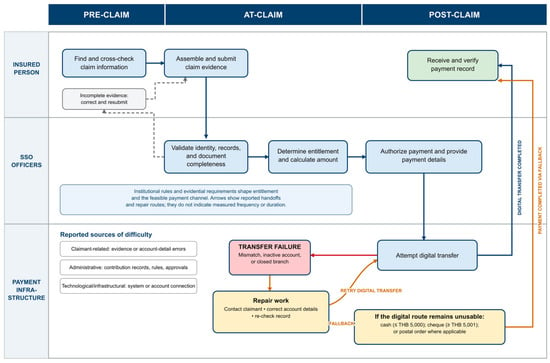
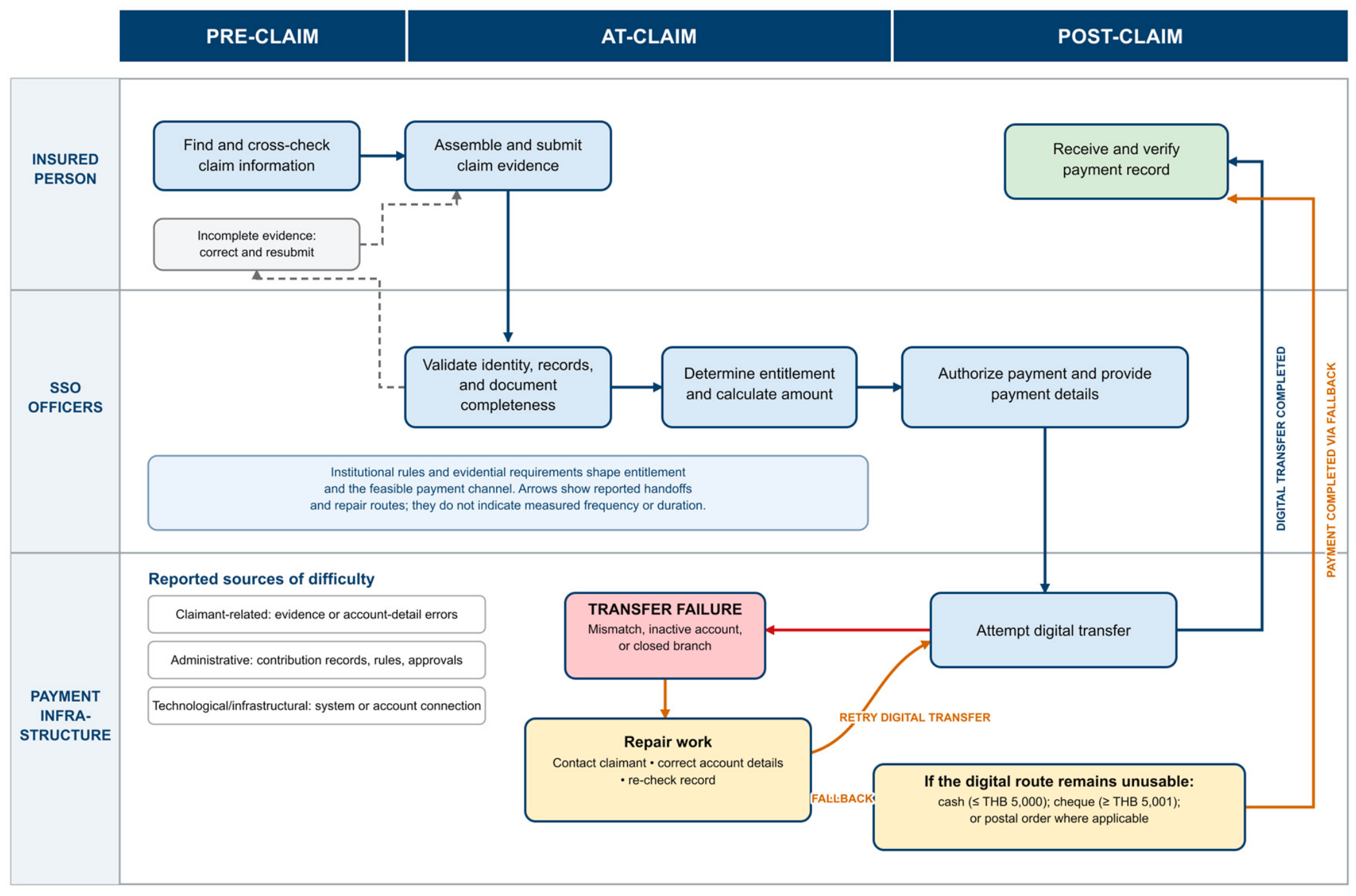
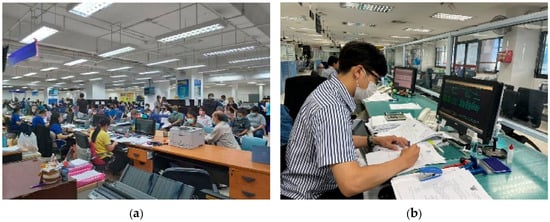
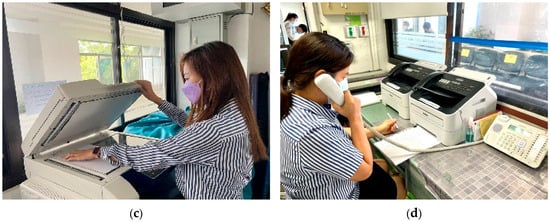
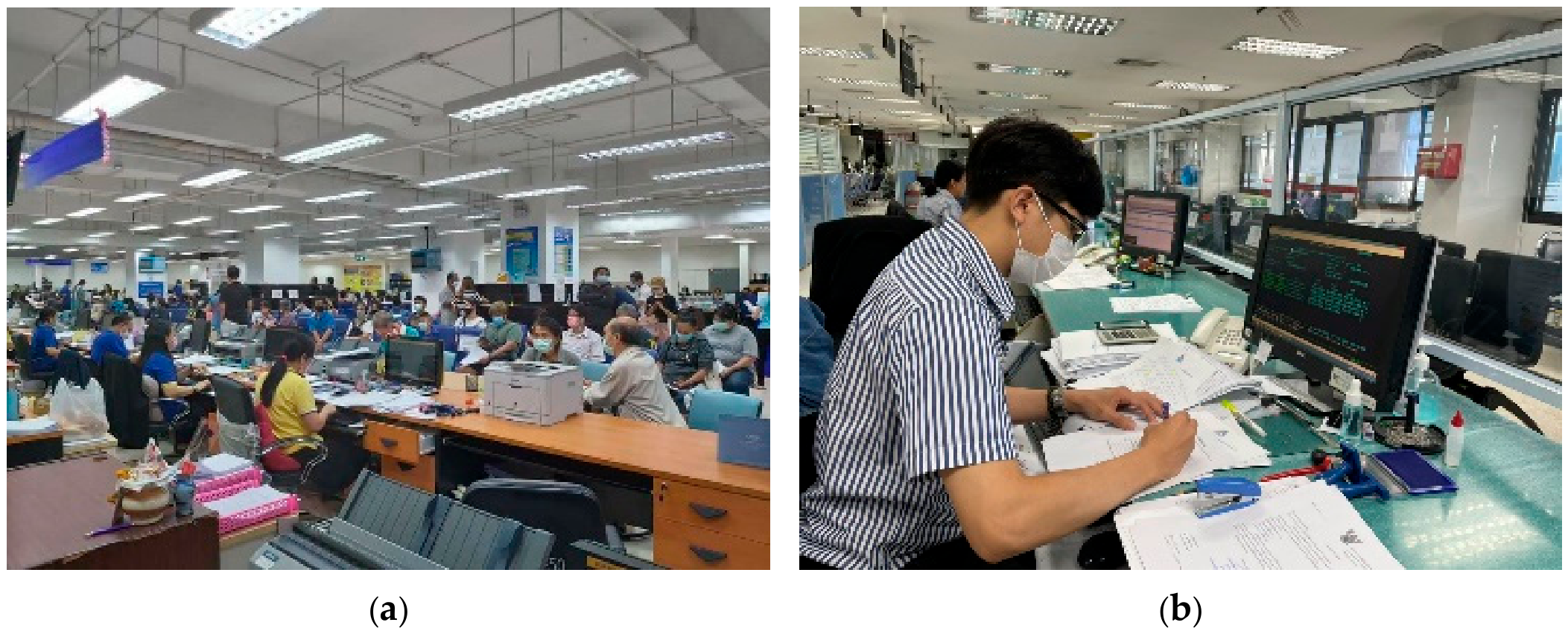
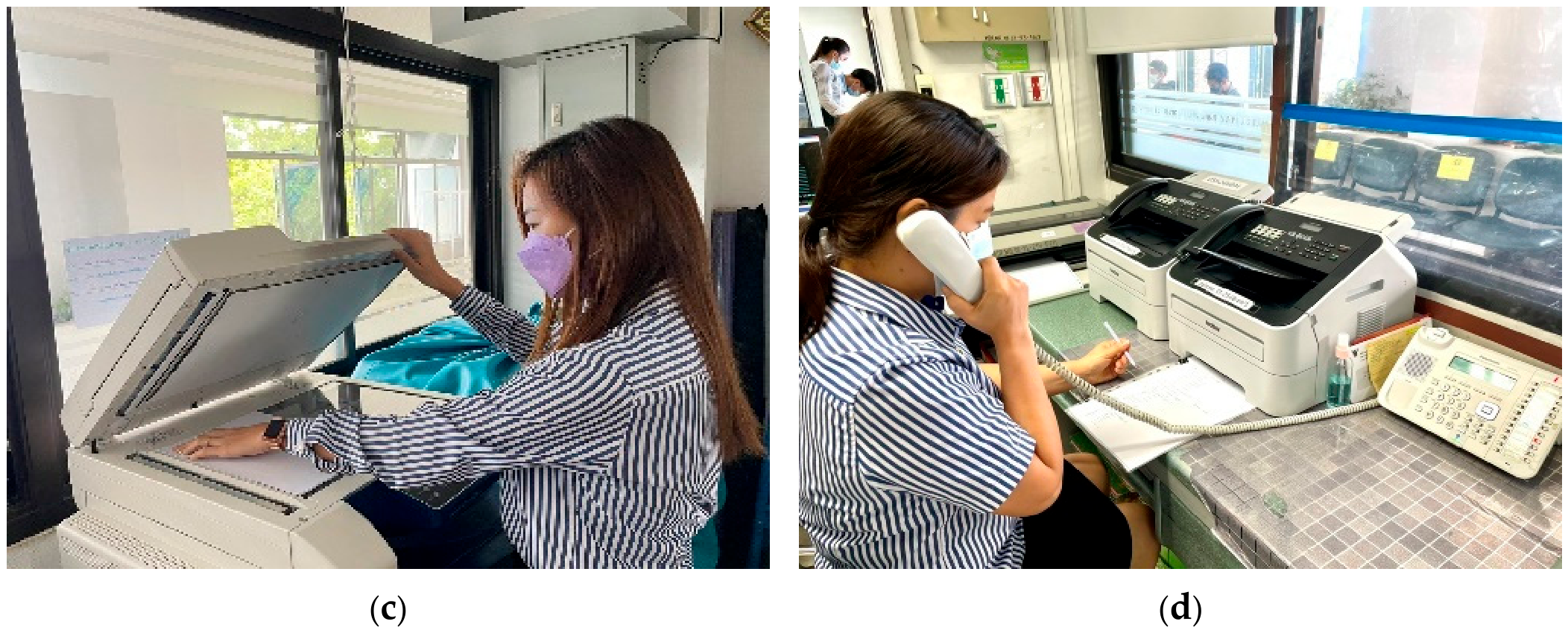

Disclaimer/Publisher’s Note: The statements, opinions and data contained in all publications are solely those of the individual author(s) and contributor(s) and not of MDPI and/or the editor(s). MDPI and/or the editor(s) disclaim responsibility for any injury to people or property resulting from any ideas, methods, instructions or products referred to in the content. |
© 2026 by the authors. Licensee MDPI, Basel, Switzerland. This article is an open access article distributed under the terms and conditions of the Creative Commons Attribution (CC BY) license.