


Abstract
Sexually transmitted diseases (STDs) continue to represent a substantial burden on public health and society worldwide. With significant implications for social, economic, and public health, STDsare a major global health concern. Despite advances in treatment, the global control of STDs is increasingly threatened by high prevalence of asymptomatic infections, delayed diagnosis and the rapid emergence of antimicrobial resistance (AMR). This emergence includes the value of asymptomatic screeningand the ensuing collateral damage resulting from the overuse of our declining potent antimicrobial resources. This review article critically examines current trends in the epidemiology, clinical significance, and laboratory diagnosis of major sexually transmitted pathogens, including Treponema pallidum, Chlamydia trachomatis, Trichomonas vaginalis, human papillomavirus, herpes simplex virus, and emerging sexually transmissible infections. Major emphasis is focused on contemporary diagnostic technologies and strategies, with a major focus on nucleic acid-based and point-of-care testing and their applicability in routine testing. The review also highlights evolving AMR patterns, resistance-guided therapy, and the role of global and national surveillance systems in informing treatment guidelines, with the integration of diagnostic strategies with resistance-guided therapy and surveillance systems. Strengthening diagnostic capacity, antimicrobial stewardship, and integrated surveillance is essential to mitigate resistance, improve patient outcomes, and advance effective STD management in venereology practice.
1. Introduction
Sexually transmitted diseases (STDs) are induced by an array of bacterial, viral, and parasitic agents and are primarily passed on through intercourse. In addition to that, they can also spread through vertical transmission or by infected needles and blood components. Collectively, STDs represent a major global public health challenge. The most common of these diseases is the human immunodeficiency virus (HIV)/AIDS, which affects more than 38 million people, and continues to exert a profound impact on morbidity and mortality [1]. Persons having sexually transmitted infections (STIs) are more prone to spreading HIV to other people. Even those without HIV, STIs enhance the probability of HIV infection [2].
The advancements in laboratory diagnosis for STDs have transformed the detection. Nucleic acid-basedassays provide strong sensitivity (86.1–100%) and precision (97.1–100%) for the detection of some STDs like Chlamydia, Gonorrhea, Trichomoniasis, M. genitalium, and Herpes simplex virus type 1 and Herpes simplex virus type 2 (HSV-1 and HSV-2), while immunology testing is doneto diagnose syphilis [3]. The impact of STDs goes well beyond the physical well-being of the people, encompassing economic and societal ramifications. Critical sexual health problems, such as impotency, abnormal pregnancies, and unfavorable maternity outcomes, can be caused by STDs. Treatment for STDs and their consequences is quite expensive [4].
Healthcare systems are heavily burdened by direct medical costs, which include diagnosis, treatment, and follow-up care. Particularly in environments with limited resources, the indirect costs associated with decreased quality of life and missed productivity are significant [5]. Effective antimicrobial therapies are available for the treatment of STDs like Gonorrhea (Ceftriaxone), Chlamydia (doxycycline), trichomoniasis (nitroimidazoles), and Syphilis (penicillin), while antimicrobial resilience constraints give the least oral treatment options for Gonorrhea and M. genitalium. There is no recognized treatment for HSV-2 infection. The use of barrier contraceptives, systematic tracing of sexual partners, and regular screening are key measures that effectively reduce the transmission of STIs [6].
Women and their newborns are disproportionately affected by undetected illnesses that can cause severe harm if left untreated. Premature birth and spontaneous abortion are two consequences of congenital syphilis. In addition to causing endometritis and pelvic floor dysfunction in women, Chlamydia and Gonorrheae can also cause abnormal conception and pregnancy termination, premature birth, a higher threat of HIV transfer from mother to child, red eye, and respiratory infection in newborns [7]. The national and local governments have put in place a number of preventative and control measures, such as expanding access to testing and treatment, promoting condom usage, and implementing sexual education programs [8].
In particular, successful STDtreatment and prevention programs depend on early detection and screening for asymptomatic carriers. Specifically, the modern cutting-edge innovations have enabled the improvement and use of point-of-care (POC) validation [9]. This review provides an updated overview of current laboratory diagnostic approaches for major STDs, highlighting their advantages, limitations, and applicability to POC testing. It further emphasizes the need for continued innovation, integrated surveillance, and sustained global commitment to reduce the burden of STDs and promote sexual and reproductive health worldwide.
2. Review Methodology
A narrative literature search was performed in PubMed, Scopus, Web of Science, and Google Scholar (for gray literature), along with official sources from the World Health Organization (WHO), the Centers for Disease Control and Prevention (CDC), the United Nations Programme on HIV/AIDS (UNAIDS), and the National AIDS Control Organization(NACO), covering publications from 2000 to March 2025. Search terms included STIs, emerging STIs, diagnostics, point-of-care testing, surveillance, antimicrobial resistance, vaccines, and pathogen-specific keywords. Eligible studies included peer-reviewed articles, systematic reviews, surveillance reports, and clinical guidelines focusing on human STIs and reported data on epidemiology, diagnostics, antimicrobial resistance, surveillance systems, or vaccine development. Case reports, animal studies, and non-peer-reviewed literature were excluded. Titles and abstracts were screened, followed by full-text evaluation for relevance. Data were extracted on epidemiology, diagnostics, surveillance frameworks, resistance patterns, and vaccine development. Due to heterogeneity across study designs, findings were synthesized qualitatively. Methodological rigor and consistency across authoritative sources were prioritized.
3. Epidemiology and Recent Trends
In recent years, oral and anal sexual practices have been increasingly reported, notably in young adults and youth in developed countries [10]. These patterns have been estimated at typically 70% and above for oral sex and significant percentages in anal sex among the population aged between 15 and 44 yrs, according to national surveys conducted. Also, these behaviors are mainly associated with multiple partners and no or low condom use, associated with increased risk of STI acquisition. For example, according to U.S data from the National Survey of Family Growth, approximatelythree-quarters of men and women between the ages of 15 and 44 years had oral sex, and one-third had anal sex.
These patterns are linked with adverse health consequences because both oral and anal sex are known to serve as STI transmission routes, and these may represent under-recognized transmission pathways of transmission for a variety of pathogens, such as Syphilis, Herpes simplex virus, Chlamydia trachomatis, Nisseria gonorrheae and human papillomavirus (HPV), especially when protection is weak, contributing to secondary transmission. This onward transmission contributed to extragenital infections of the oropharynx and rectum, which are often asymptomatic but are linked to increased risk behaviors, according to a systematic review of studies [10] and require greater awareness in sexual health education and other screening programs.
Oral and anal STIs can lead to several clinical complications, including pain, anal discharge, superficial ulceration, bleeding, and mucous exudates, which are all symptoms of proctitis caused mainly by bacteria like Neisseria gonorrheae and Chlamydia trachomatis that affect the rectal region, causing STIs. Perianal pain and ulcerative sores are HPV-related precancerous changes as well as cancers. If not screened and properly evaluated, these symptoms may result in a non-specific clinical presentation [11]. While non-vaginal sexual practices are fully effective in preventing pregnancy and may be chosen for a variety of personal, relational and cultural reasons, research indicates that perceptions of STI risk associated with these practices can differ from epidemiological evidence. Such differences in risk appraisal are shaped by subjective perceptions and behavioral beliefs, underscoring the need for comprehensive sexual health education and screening strategies [12,13]. Consequently, condom use during these practices is frequently inconsistent; for example, according to observational studies conducted, about two-thirds of men who have sex with men reported inconsistent condom use during intercourse, increasing susceptibility to HIV and other STIs [9,14]. The risk of acquiring HIV is greater during condomless anal sex and vaginal sex compared with oral sex. Among these, receptive anal sex carries a higher per-act risk of HIV transmission, followed by insertive anal sex, while the risk associated with oral sex is lower or near zero in the absence of specific cofactors [15]. Observational evidence and risk estimates consistently show this hierarchy of transmission probabilities [16].
Such differences in risk appraisal are shaped by subjective perceptions and behavioral beliefs, underscoring the need for comprehensive sexual health education and screening strategies.
A study from India (2009–2010) found that 12.3% of female sex workers (FSWs) aged 18–60 had been involved in receptive anal intercourse in the previous six months, and only 48.4% reported consistent condom use [17]. In the Netherlands (2016), 20.0% of FSWs aged 18 and above had anal sex in the last six months, but just 31.0% utilized contraception with clients at all times [10]. Similarly, a systematic review conducted in the United States, published between 1987 and 2013, showed that the incidence of anal sex among FSWs varied widely, from 0 to 18.0%, and consistent condom use during anal sex ranged from 14.0% to 82.0% [18] (Figure 1).
Figure 1.
Representation of anal sex and condom use among female sex workers in different regions.
These findings emphasize how important it is to distinguish subjective risk perceptions from objective biological risk probabilities while analyzing epidemiological information.
4. Targeted STI Prevention and Care
Sexually transmitted diseases remain a major challenge to general well-being universally, with men who have sex with men (MSM) disproportionately affected. MSM populations experience a higher load of several STIs—comprising HIV, Syphilis, and Gonorrhea—and are also at increased risk of psychological wellness issues and element use. Several factors contribute to this elevated risk, such as higher frequency of unsafe sex, diverse partners, and the impact of stereotypes, which often discourages individuals from routine evaluation and timely treatment. MSM are also more susceptible to anal health concerns like fissures, fistulas, and lesions, as well as genital or oral ulcers, warts, and abnormal discharges, which may facilitate STI acquisition and transmission. In India, identification and outreach to MSM always remain challenging due to social stigma and cultural norms, which may lead them to conceal their sexual orientation and enter heterosexual marriages [19]. Therefore, men, particularly MSM, play a crucial role in the dynamics of HIV transmissionand also make a significant contribution to new infections through male-to-male sexual contact. Addressing prevention and care strategies specifically for men is therefore essential to effectively control HIV spread within this population.
Men who are engaged in sexual activity with other men belong to an overlooked category of the population that requires immediate attention. For this effective intervention, like comprehensive sexual health education, counseling, screening, routine STD testing and timely treatment, partner notification and linkage to HIV prevention services are included (Figure 2). According to UNAIDS, there are five important demographic groups that are mainly susceptible to HIV, including sex workers, transgender people, gay men and other MSM, injecting drug users, andprisoners and other incarcerated people, andthey also lack proper access to services very frequently [20].
Figure 2.
STD Prevention Concept Note.
STI prevention and care extend beyond diagnosis and treatment to include comprehensive public health strategies such as partner notification and treatment (partner services), routine screening of asymptomatic individuals, and risk-reduction counseling. Integrating these components into STI control programs enhances early detection, improves treatment outcomes, and supports overall disease prevention efforts.
5. Pathogen of Focus
Due to changing epidemiological and behavioral patterns, the spectrum of both long-established pathogens and those that have recently emerged or re-emerged infections in sexually transmitted infections (STIs) has been encompassed. However, not all STIs contribute equally to the global disease burden or require the same level of clinical and public health attention. Therefore, from a practical standpoint, it is necessary to distinguish between high-prevalence infections such as Chlamydia, Gonorrhea, Syphilis, and HIV—that drive the majority of morbidity and transmission—from those that are emerging and less prevalent, or context-specific (Figure 3 & Table 1). This distinction allows healthcare systems to prioritize screening, diagnosis, and intervention strategies more effectively while still acknowledging the broader diversity of pathogens. In this section, we therefore categorize STIs based on their clinical relevance and prevalence to provide a clearer framework for understanding their impact and management (Figure 4 & Table 2).
Figure 3.
Global STI incidence intensity (per 1 lakh population).
Figure 4.
Sexually transmitted diseases.
5.1. Treponema pallidum
T. pallidum is the etiological agent of syphilis, a sexually transmitted disease with diverse clinical manifestations. Because of its small genome and restricted outer membrane proteins, it can evade host immunity and poses diagnostic challenges. Syphilis remained a significant worldwide health problem at the beginning of the 20th century, with about six million novel instances reported annually among individuals aged between 15 and 49 years, until penicillin was introduced [21]. Primary, secondary, and latent stages comprise the untreated phase of syphilis; in the beginning, it appears with a painless ulcerfollowed by systemic dissemination and rash [22]. Treponemal and nontreponemal tests are two types of serological tests for syphilis that detect specific antibodies and antibodies to lipoidal antigens for disease monitoring [23]. Because of its small genome and restricted outer membrane proteins, it can evade host immunity and poses diagnostic challenges.
5.2. Neisseria gonorrheae
Neisseria gonorrheae belongs to the Gram-negative diplococci group that are capable of adhering to the epithelial part of the urethra, cervical mucosa and conjunctiva because they have fimbriae (pili) [24]. A significant percentage of gonorrhealinfections are silent in both men and women, leading to misdiagnosis, repeated infections and ongoing transmission [25]. The average duration of incubation for urogenital gonorrhea is 2–8 days, with clinical manifestations of gonorrhea between males and females. When evaluating symptoms in men with symptomatic urethritis, a Gram stain can be effective. However, gonorrhea in males without symptoms, females, and those with extragenital (pharyngeal and rectal) infections—which are frequently asymptomatic or exhibit nonspecific symptoms—all require the use of laboratory-based diagnostic tests [26]. Nucleic acid amplification tests (NAAT)that identify N. gonorrheae RNA or DNA, culture morphology, and microscopy in stained smears can all be used, with an urgent need for rapid and accurate point-of-care diagnostics (POCT) for gonorrhea.
5.3. Chlamydia trachomatis
Chlamydia trachomatis is the most common sexually transmitted infection, generally impacting young women between the ages of 14 and 25 years. Since 70–90% of chlamydia infections are asymptomatic, the germs can persist for several years [24]. According to ompA genotyping, this Gram-negative bacterium is linked to 19 serovars (A–C, D–K, L1–L3) and variations. Different clinical indications of illness may result from this range of traits and variations in genes [27]. Chlamydia infections can be treated with antibiotics, butif left without treatment, they can cause long-term significant damage to the generative organs, including abnormal pregnancies, injuries to newborns, and infertility, and epididymitis, urethritis, proctitis, prostatitis, and reactive arthritis in men [28].
The cell culture approach was initially used to diagnose chlamydia, but it did not give accurate resultsand waschallenging to standardize. To achieve the best outcomes, additional methods incorporating serological testing have been developed [29]. However, certain researchers argue that seropositivity was not linked to active infection, and these serological methods are linked to low specificity. At the moment, NAAT is the most effective technique for detecting Chlamydia trachomatis [30].
5.4. Trichomonas vaginalis
Trichomonas vaginalis is the most pervasive non-viral STI leading to conditions like urethritis, vaginitis, cervicitis, and prostatitis [31]. Trichomonas vaginalis is an extracellular protozoan with flagella that is responsible for causing Trichomoniasis, a sexually transmitted disease that infests the human genital and urinary systems [32]. It is also associated with HIV and HPV infections, and causes infertility in men by decreasing the quality of semen, cervical cancer in women and pelvic inflammatory disease, along with infertility [33].
Traditionally, point-of-caretechniques—wet mount microscopy and culture method of vaginal secretions being the most popular—have been used to diagnose trichomoniasis before the advancement of extremely reactive and precise NAATs. Nucleic acid amplification tests now provide superior sensitivity and specificity and represent the current diagnostic gold standard for trichomoniasis [34]. Traditional methods, such as wet mount microscopy and culture, have limitations in sensitivity and may fail to detect infections, necessitating the use of more advanced diagnostic approaches.
5.5. Human Papillomaviruses
More than 90% of genital wart cases are caused by HPV-6 and HPV-11, the most common nononcogenic subtypes of HPV [35]. Cervical, vaginal, vulvar, oropharyngeal, penile, and anal cancers can be induced by the carcinogenic subtypes HPV16, HPV-33, HPV-35, HPV-18, HPV-45, and HPV-58. About 70% of instances of cervical cancer are caused by both HPV-16 and HPV-18 [36]. Human papillomaviruses are very small double-stranded DNA viruses belonging to the Papillomaviridae family, which affect the mucous membranes or the skin’s squamous epithelium. Majorly, the virus is eliminated by the immune response; however, persistence of the virus can eventually develop cancer, condylomas, and other precancerous diseases [37].
Due to difficulty in the cultivation of HPV viruses, molecular techniques are mainly used for the diagnosis of HPV DNA. These techniques include nucleic acid amplification test and immune-biochemical-based methods, which may limit applicability in low-resource settings and pose challenges in widespread screening [38].
5.6. Herpes Simplex Viruses
Herpes simplex viruses (HSV-1 and HSV-2) are common sexually transmitted pathogens transmitted through direct skin or mucosal contact during oral or genital sexual activity. There are different HSVs, which include cytomegalovirus, varicella-zoster virus, and HSV-1 and HSV-2. Viral transmission can also happen in the absence of clinical signs and approximately 50% of infections show no symptoms [39]. An edema of the vulva with several tiny blisters on inflamed skin following an incubation period of three to eight days is a typical medical diagnosis. Painful ulcerations result from the blisters eroding over time [24].
To detect herpetic infections, a variety of laboratory tests are available. Morphological, immune-related, serologic, virus-related, and molecular are the five primary categories into which they can be divided. Diagnosis using a variety of laboratory methods, including PCR, direct immunofluorescence (IF), HSV culture, and Tzanck smear. Molecular biological methods are preferred for diagnosis due to their high reactivity, dependability, and convenience of use [40]. The absence of symptoms and variability in clinical presentation pose challenges for accurate and timely diagnosis.
5.7. Mycoplasma genitalium
The prevalence of M. genitalium infestation differs significantly amongst populations, ages, and geographical areas [41]. The infection is asymptomatic but recognized as a cause of non-gonococcal urethritis in men and cervicitis and infertility in females. Therefore, nucleic acid tests and detecting resistance-associated mutations are the method of choice for diagnosis. Among self-replicating prokaryotic cells, Mycoplasma genitalium has the smallest genome and no cell wall, making beta-lactam antibiotics ineffective. The resistance towards antibiotics like macrolides and fluoroquinolones is rising, making treatment complicated and, therefore, making resistance-guided therapy and accurate diagnosis essential.
5.8. Candida albicans
Candida albicans is not considered a classical sexually transmitted pathogen; rather, vulvovaginal candidiasis is typically an endogenous opportunistic infection, although sexual transmission may occur in some cases. Vulvovaginal candidiasis is a common contagious fungal infection that affects millions of women worldwide, and is mostly caused by Candida albicans. Over the past 20 years, there has been a significant global increase in the number of cases of candidiasis. Candida species are present in the normal flora of every woman, and the most common vaginal colonizer species is Candida albicans, which is present in the lumen of the vagina and typically has no symptoms of infection. When Candida spp. pierces the vaginal mucosal linings, it causes an inflammatory reaction due to its pseudohyphae and hyphae, which results in vulvovaginal candidiasis [42]. Vaginal irritation, edema, burning, erythema, and an irregular discharge are common symptoms of candida.
The topical antifungals used in the treatment of candidiasis are azoles. Systemic and triazoles are mainly used, including fluconazole, voriconazole, itraconazole and clotrimazole, being the most commonly prescribed ones for simple infections. The choice of medication is highly influenced by the individual factor that depends on the severity and persistence of the infection [43]. It has been shown that non-albicans Candida species are gradually becoming more resistant to antifungal medications. Consequently, the use of antifungal drugs in clinical treatment has become difficult [44].
5.9. Trichophyton mentagrophytes Genotype VII
A recently discovered genotype of the fungus Trichophyton mentagrophytes isgenotype VII (TMVII), whichis a zoophilic dermatophyte that is closely linked to sexual transmission, especially among men who have sex with men [45]. In 2001, tinea genitalis was first reported in female sex workers in Spain. Cases have since been documented in Europe, Asia, and, more recently, the United States. The first case of TMVII was detected in 2023, in a young boy in the US with Tinea genitalis and glutealis, presumed to be sexually transmitted [46]. Tinea does not cause life-threatening conditions, but it may include moderate to severe substantial inflammation and many lesions, creating significant patient discomfort [45]. Appropriately distinguishing between Trichophyton species is crucial, especially considering the introduction of TMVII and T. indotineae. Accurate identification now depends on molecular methods, especially sequencing of the internal transcribed spacer (ITS) region infungi [47].
During the identification phase, a delay in appropriate therapy is observed in some patients, who may have been first misdiagnosed and treated for inflammatory skin disorders or bacterial infections.
5.10. Entameba histolytica
Entameba histolytica is a parasitic protozoan that causes intestinal amebiasis and liver abscesses. Consumption of fecally contaminated food and water can lead to ingestion of infective cysts of E. histolytica, which causes amoebic dysentery and is associated with an increase in sexual transmission, mostly in males who have sex with males [48]. Infective cysts reach the large intestine after ingestion and release pathogenic trophozoites. These trophozoites adhere to the cells and invade epithelium, forming characteristic flask-shaped ulcers. This causes diarrhea with abdominal pain. Liver abscesses are caused when these trophozoites enter the portal circulation [49].
Serology or stool microscopy is used for the diagnosis, and CT imaging shows the right-lobe liver abscesses. However, microscopy is unable to consistently distinguish pathogenic E. histolytica from nonpathogenic species, including Entameba dispar and Entameba moshkovskii, and the molecular techniques involving PCR amplification facilitate distinguishing them [50]. Treatment of E. histolytica requires sequential courses of antimicrobials, usually a nitroimidazole (e.g., tinidazole) followed by a luminal agent (e.g., paromomycin) to ensure clearance of both active trophozoites and cysts [51].
5.11. Giardia duodenalis
Giardia duodenalis is a unicellular and flagellated protozoan and a non-invasive parasite. It is also referred to as Giardia intestinalis and Giardia lamblia. It causes an estimated 280 million instances of diarrheal sickness worldwide [52]. Sexually transmissible G. duodenalis was originally identified in New York in 1968, where four men who had sex with men and had no history of travel were diagnosed with both G. duodenalis and Entameba histolytica at the same time [53]. Among the eight subtypes of G. duodenalis, only subtypes A and B cause diseases in humans. The infection occurs in two stages. The cysts can enter the human body by consuming contaminated food or water or directly through oral–fecal contact. When cysts excyst into trophozoites in the proximal small intestine, it causes enteritis. The infection cycle is completed when these trophozoites form cysts in the jejunum and travel into the feces [54].
The diagnosis can be done through microscopy, serology, and molecular tests. While microscopy can be an appropriate option for the visualization of cysts, or in rare cases the trophozoites, the sensitivity of molecular tests is the most preferred method for diagnosis. Among them, the serological test is not considered accurate for clinical diagnosis. The treatment is done using antibiotics like paromomycin, nitazoxanide, or nitroimidazoles; however, antibiotic resistance is leading to higher treatment failure [51].
Table 1.
Global burden of sexually transmitted diseases.
Table 2.
Major STIs: pathogen, diagnostic methods, and point-of-care (POC) availability.
6. Newly Emerging Sexually Transmitted Infections (STIs)
Due to globalization, increased international traveling, unprecedented accessibility, and social networking have contributed to the worldwide dissemination of existing and newly emerging STIs. As a result of these factors and changes in sexual and behavioral practices, several diseases are found to be sexually transmitted, including Shigella flexneri, Mycoplasma genitalium, Neisseria meningitidis, methicillin-resistant Staphylococcus aureus (MRSA), hepatitis C, Ebola, Zika, dengue, etc. [67] (Table 3). The major reservoir for microorganisms responsible for dissemination is genital secretions and approximately 29 viral agents have been found in human semen, highlighting the potential for future STI emergence [68].
Table 3.
Emerging and re-emerging infections with evidence of sexual transmission.
6.1. Re-Emergence of Syphilis
Among all STDs, it was formerly believed that syphilis had vanished in the late 1990s, but years later, this stealth pathogen reappeared as a public health issue, particularly among vulnerable groups of populations like MSM, people living with HIV (PLWH), female sex workers (FSWs), male sex workers (MSWs), people deprived of liberty, and pregnant women. According to the Health Data Organization, the estimated worldwide prevalence is 49.7% (95%CI 38.3–66) per million cases. The estimated prevalence was 18.7% (95%CI 14.9–24.1) for women and 31% (95%CI 23.1–41.8) per million cases for men [69].
Around 2020, the World Health Organization (WHO) estimated new cases of syphilis, which was approx. 7 million annually, and also the utilization of macrolides and tetracycline as an alternative treatment for syphilis has also increased [70], leading mainly to antimicrobial resistance (AMR), reinforcing the need for epidemiological surveillance.
6.2. Neisseria meningitidis
Although Neisseria meningitidis is a nasopharyngeal commensal, urogenital tract infections are also increasing, causing capsule loss, rendering the species untypable by standard diagnostic methods. Transmission of bacteria occurs mainly through oral intercourse, during which the bacteria get transferred from the normal microbiota present in the upper respiratory system of the sexual partner to the person who gets urethritis. Mainly, the disease is symptomatic, exhibiting symptoms such as dysuria and urethral discharge [71].
In particular, the “Neisseria meningitidis urethritis clade” (US NmUC) or “Neisseria meningitidis, non-groupable” (NmNG) primarily impacts heterosexual men, with a substantial majority indicating oral sex as the main mode of dissemination. These strains had no effect on MSM, but they acquired infection with a highly virulent serogroup C (ST-11 clonal complex) that has been linked to several outbreaks of invasive meningococcal disease (IMD), particularly in HIV-positive individuals (four times more susceptible) [71].
6.3. Genital Tuberculosis
Genital tuberculosis, another sexually transmitted infection, occurs rarely, but has been recorded, usually resulting from sexual intercourse with epididymal TB in the male partner. The identification of asymptomatic female genital TB was done using complete sequencing of the genome and targeted screening, even if asymptomatic. Male genital tuberculosis most often shows up as swelling of the epididymis, and may be coupled with other symptoms such as fever, malaise, and weight loss. Despite these clinical signs, actual shedding of tubercle bacilli from epididymal TB is considered exceptionally uncommon.
Particularly in India, genital TB is more prevalent in women and commonly involves the infection in the fallopian tubes, endometrium, and ovaries. Most cases are asymptomatic, with infertility often being the initial clinical presentation. A meta-analyses study done recently suggests a higher prevalence among infertile women, underscoring the importance of molecular diagnostics and targeted screening [72].
6.4. Monkeypox, or mPox
Monkeypox, or mPox, is a zoonotic viral infection caused by the monkeypox virus, first identified in monkeys in 1958 and later in humans in 1970 in the DRC. Although once limited to Central and West Africa, the disease drew global attention during the 2022 outbreak, when cases appeared in several non-endemic countries, largely among MSM. This surge led the WHO to declare it a Public Health Emergency of International Concern. Genetic studies from the outbreak identified a new lineage, B.1 (Clade IIb). mPox spreads through close physical contact, respiratory droplets, and contaminated objects, and increased human–animal contact, along with waning smallpox immunity, have contributed to its rise. While the classic illness begins with fever, headache, and swollen lymph nodes before a widespread rash appears, recent cases have shown fewer lesions confined mainly to the anogenital and perioral areas. Complications such as proctitis and tonsillitis have become more common, adding to diagnostic difficulty [73].
6.5. Zika Virus
Zika virus, a flavivirus spread mainly through the bite of infected Aedes mosquitoes, is also capable of sexual transmission due to prolonged viral persistence in semen and genital secretions. First detected in 1947 in monkeys and soon after in humans in East Africa, it has since become a global health concern. Besides mosquito bites, Zika can be passed through blood transfusion, sexual contact, and from an infected pregnant woman to her fetus, sometimes resulting in congenital Zika syndrome. Most infections go unnoticed or cause only mild symptoms like fever, rash, conjunctivitis, and joint pain, usually resolving within a week. Serious complications are rare but can include Guillain–Barré syndrome in adults and severe birth defects such as microcephaly and eye abnormalities in infants exposed during pregnancy. Diagnosis relies on nucleic acid amplification testing, and preventive strategies focus on sexual abstinence or barrier protection following exposure, especially for individuals planning pregnancy [74].
6.6. Ebola Virus
Ebola virus disease, severe zoonotic infection with documented sexual transmission, particularly from male survivors in whom viral RNA may persist in semen for over a year. Although transmission is primarily associated with direct contact with infected body fluids, sexual transmission has been implicated in post-outbreak flare-ups. Diagnosis requires RT-PCR, and management is largely supportive, complemented by monoclonal antibody therapy and vaccination. WHO guidelines recommend routine semen testing and safe-sex practices until confirmed viral clearance [75].
7. Antimicrobial Resistance (AMR) Among STDs
Antimicrobial Resistance (AMR) occurs when microorganisms and parasites do not show any response to the medicines that are meant to affect them or evolve mechanisms that render them ineffective. Due to this, it becomes difficult to treat them and illnesses continue to persist, which can finally cause complications. The dissemination and emergence of AMR represent the most serious threat to public health worldwide. Major reasons for this include the overuse and misuse of antibiotics—such as taking them without need, not completing the full course, or using them in livestock and agriculture. This growing problem threatens global health because treatments that once worked may no longer be effective, making even minor infections potentially dangerous. Preventing AMR effectively requires coordinated strategies like responsible antibiotic use, infection control practices, vaccination, good hygiene and awareness among the public.
Antimicrobial resistance (AMR) in sexually transmitted diseases (STDs) is becoming a major concern because many common infections are no longer responding well to standard treatments. Neisseria gonorrheae, in particular, has shown rapidly rising resistance to multiple antibiotics, making it harder to cure and increasing the risk of complications [76]. Resistance is also emerging in infections like Mycoplasma genitalium, while early warning signals have also emerged for Chlamydia trachomatis and Treponema pallidum. When STDs become resistant, treatment options become limited, infections last longer, and the chances of transmission increase (Table 4).
Table 4.
Antimicrobial resistance (AMR) trends among major STI pathogens.
According to WHO estimates, more than 80 million new cases of gonorrhea, chlamydia, syphilis, and trichomoniasis were reported globally in 2020. Global surveillance data through the Gonococcal Antimicrobial Surveillance Programme (GASP) has revealed the increasing resistance among antibiotics previously used for treatment. Drugs such as ciprofloxacin, tetracycline, gentamicin, and others have shown declining effectiveness, leaving fewer reliable options for care [77]. As treatment becomes more difficult, complications like infertility, ectopic pregnancy, and higher HIV transmission risk are becoming more alarming. Our meta-analysis, therefore, focused on global AMR trends in Neisseria gonorrheae across seven antibiotics, highlighting their emerging resistance patterns, excluding ceftriaxone and azithromycin due to their critical status as last-line agents and emerging resistance concerns [78].
The first instance of failure due to cefixime treatment to cure gonorrhea was reported in Japan, marking it as a turning point in gonococcal AMR. Additionally, instances were also reported from Australia, France, Japan, Slovenia, Sweden and the United Kingdomof Great Britain and Northern Ireland with ceftriaxone alone or in combination with azithromycin or doxycycline. Also, in 2016, the UK also experienced the same failure for the first time in curing pharyngeal gonorrhea, where dual therapy (ceftriaxone 500 mg plus azithromycin 1 g) was used. Further, ceftriaxone-resistant gonococcal strains have been found in Denmark, France, Japan and the United Kingdom. Further, in 2018, in the UK, a worldwide gonococcal strain with strong ceftriaxone and azithromycin resistance was reported. According to the WHO’sEnhanced Gonococcal Antimicrobial Surveillance Programme (EGASP), many gonococcal species phylogenies have developed ceftriaxone resistance mainly as a result of the dissemination of resistant strains. This highlights the importance of gonococcal surveillance [79].
There are several factorsthatcontribute to the rapid evolution of AMR, including unfettered availability of antimicrobials, improper antibiotic selection and usage, and subpar antibiotics. Also, drug resistance is mainly due to genetic mutations within the organism and infections in thegenital area (throat and rectum),mainly affecting key populations. Therefore, to control the spread and impact of antimicrobial resistance in N. gonorrheae, WHO is implementing the worldwide plan in order to facilitate effective actions against the dissemination of multidrug-resistant N. gonorrheae. Also, this plan helps in STI surveillance involving early detection of new upcoming resistant strains, in combination with public health response so that the prevention and treatment of gonococcal infections and its reduction on sexual and reproductive health can be achieved [79].
Another newly emerging sexually transmitted pathogen among female patients and non-gonococcal urethritis (NGU) in male patients, causing cervicitis, is Mycoplasma genitalium. In this pathogen, trends of antimicrobial resistance to first-line treatments worldwide are also increasing. Mainly, the patients infected with M. genitalium have no symptoms, but with non-gonococcalurogenital infection (urethritis), it has become the leading etiology. Diagnosis of mycobacteriaincludes nucleicacid amplification tests; the most commonly used method enablesclinicians to start necessary treatments on time. Treatments include the use of antibiotics, either doxycycline or azithromycin, but the response remains poor to doxycycline and, therefore, persistence after treatment remains [80].
Moreover, associated infections with other STIs like Neisseria spor C. trachomatis also make the therapy complicated and outcome evaluation becomes more difficult. Because of the rising trends in resistance towards antibiotics, resistance-guided sequential therapy, which involves sequential combination treatment based on the identification of resistance-associated mutations (RAMs) to other antibiotics [81]. During a two-year surveillance study, the prevalence of M. genitalium infection and itsantimicrobial resistance towards macrolides, fluoroquinolones and tetracycline was investigated in Taiwan, and the M. genitalium infection prevalence and its RAMs among high-risk populations wereobserved [82].
The rising challenge of resistance among antimicrobial compounds in STDs has pushed global health agencies to strengthen how they monitor changing resistance patterns, and two major efforts by the World Health Organization—the Global Antimicrobial Resistance and Use Surveillance System (GLASS) and the GASP—now play a central role in this work. The GLASS brings together data from different countries around the world on how often bacterial pathogens, including those responsible for STDs, fail to respond to commonly used antibiotics. Its purpose is to create a clearer, more comparable picture of resistance trends so that treatment guidelines can be based on real-time evidence rather than assumptions. Complementing this, the GASP focuses specifically on Neisseria gonorrheae, a pathogen notorious for its ability to rapidly develop resistance.
Over the last decade, the GASP has revealed a steady rise in resistance to azithromycin, and in many countries, the proportion of resistant isolates has crossed the 5% threshold at which the WHO recommends reconsidering routine treatment. Even more worrying are the reports of reduced vulnerability to ceftriaxone—the last dependable first-line drug available for gonorrhea—raising concerns that truly untreatable infections may soon emerge. Together, theGLASS and GASP documents growing global dependence on a shrinking pool of effective antibiotics, and this trend is especially troubling for STDs, which spread easily, often remain asymptomatic, and can cause serious reproductive health complications if left untreated [83].
The data coming from these surveillance networks also highlight the uneven capacity for laboratory diagnosis across countries, where many low- and middle-income regions lack systematic culture-based testing or molecular tools, leading to gaps in understanding how resistance spreads. Despite these challenges, the integration of GASP data into the broader GLASS framework has helped create more consistent reporting standards and has encouraged countries to strengthen routine monitoring. For clinicians and publichealth professionals, these findings reinforce the need for ongoing stewardship: antibiotics must be prescribed carefully, diagnostics should be used more routinely, and patients need to be made aware that incomplete or improper treatments contribute to growing resistance.
From a research perspective, the GLASS and GASP provide essential baseline information to guide vaccine development, novel antimicrobial discovery, and genomic studies aimed at tracking resistant strains. As the threat of multidrug-resistant gonorrhea intensifies, thesesurveillance systems stand as crucial early-warning tools, reminding us that STD control depends not only on treatment but also on sustained investment in surveillance infrastructure, community education, safe-sex awareness, and timely publichealth action. Without these coordinated efforts, the world risks facing a future where common infections become significantly harder to cure [84].
Factors Responsible for Antimicrobial Resistance (AMR)
There is a growing global menace of the emergence of multidrug-resistant STIs.
- Much patient behavior directly worsens the AMR burden in STI treatment. Self-medication, using leftover antibiotics, taking incorrect doses, irregular frequencies, or stopping treatment early all reduce drug effectiveness and promote resistant strains. Such practices undermine proper medical management and accelerate the spread of antimicrobial resistance.
- Drug circulation systems in many regions are weak, allowing easy access to antimicrobials without proper prescriptions. In several developing countries, including parts of Africa, drug hawkers and poorly regulated retailers sell antibiotics with little knowledge of correct use. Studies also show that many antimicrobials in circulation are substandard, fake, or counterfeit. When drug quality is poor or uncertain, patients may receive the wrong dose, wrong formulation, or no active ingredient at all. Such sub-therapeutic or unsafe exposures accelerate antimicrobial resistance and compromise effective STI treatment.
- Healthcare providers play a key role in antimicrobial use for STIs, yet prescribing practices are not always appropriate. Reports show cases where clinicians chose the wrong drug, used incorrect doses, or prescribed antibiotics unnecessarily. One study found that 63.7% of clinicians used the wrong treatment duration, and over half prescribed incorrect doses. Empiric use of broad-spectrum antibiotics is common while waiting for lab results, but these drugs also disrupt normal flora, increasing the risk of resistance. Such prescribing habits, though often well-intentioned, can inadvertently fuel the rise in antimicrobial resistance [85].
- Antimicrobials used in animals, agriculture and aquaculture contribute significantly to resistance. Their routine use in livestock can create resistant microbes that reach humans through meat, animal products, or environmental contamination from waste. In farming, manure containing antibiotic residues is often applied to crops, adding further selection pressure. These practices allow resistant strains to persist and spread, increasing the overall AMR burden.
Because of all the above factors, rising antimicrobial resistance has shifted the diagnostic paradigm, making resistance-guided therapy the primary driver for the development of advanced, rapid, and mutation-detecting diagnostic tools to ensure effective and targeted treatment.
8. Diagnostics—Present and Emerging
In some cases, STIs are asymptomatic, representing a substantial load for the healthcare system and complicating surveillance and control efforts. Because of no symptoms, they remain undetected and untreated, leading to critical concerns, which inadequately impact women and their infants, contributing to spontaneous abortion, premature delivery and increased fatality risk. Because of these challenges, WHO (2016) launched its global strategy for tackling STIs surveillance, with main cornerstones including development and implementation of new and better diagnosis of infection and also identification of asymptomatic carriers [86].
The advancement of molecular and analytical tools hasmodernized the clinical microbiology laboratory and haspaved the way for the implementation of point-of-care (POC) testing [76]. Another approach of STI management depends on the set of symptomsthathas been observed (called syndromic management) among patients and allows the immediate treatment even in poor and remote areas, making it efficient and cost-effective, including the cases of CT and NG infections. In the syndromic approach, because of poor predictive value, antibiotics are prescribed, contributing to AMR and distress, and in later cases, no antibiotic is given, even potentially increasing the risk of spread of STIs among the population [87]. Therefore, not only does the clinical presentation allow for the specific STI to be identified, but etiological diagnosis and lab confirmation arealso essential. So, the answer to this problem is to set point-of-care (POC) tests to reach diagnosis rapidly, whichcan be performed anywhere, either the patient’s home, the physician’s office or in the field, etc. POC tests are mainly based on nucleic acid detection, antigen or antibodydetection.
8.1. Point-of-Care Diagnostics
The POC test provides rapid results at or near the site of patient care, including clinics, outreach settings and even home-based testing. Among STIs, POC tests are available for Chlamydia trachomatis (CT), Neisseria gonorrheae (NG), and Trichomonas vaginalis (TV) and can be carried out directly with more sensitivity and specificity, and are mainly based on nucleic acid detection or antigen–antibody interactions. A point-of-care (POC) test should ideally follow the WHO ASSURED standards. This means it should be affordable, accurate, user-friendly, quick, and reliable, not require special equipment, and easily delivered to people who need it. Because of their importance, the WHO considers developing POC tests for STIs a key priority and has created target product profiles (TPPs) to guide what these tests should look like [88].
8.2. Pathogen-Specific Diagnostic Approaches
8.2.1. Chlamydia trachomatis
In Chlamydia trachomatis infections, diagnosis includes molecular biology techniques (nucleic acid amplification test) and can be performed on urine samples, urethral swabs or tissue samples. Other techniques, which are old ones, include the identification of chlamydia sp. by direct fluorescence assays (DFA) and have lower sensitivity [11]. Sensitivity of the assessment can be enhanced by the use of magnetic beads coated with nucleic acid, which can be automated and detect genes like cryptic plasmid X06707 and 16S ADNr. Recent innovations, including NAAT platforms and chromatographic tests based on lateral flow technology and LPS detection, Xpert assay of Cepheid CT/NG, a PCR-based method, isothermal amplification, loop-mediated isothermal amplification (LAMP) orrecombinasepolymeraseamplification (RPA) have been developed with high diagnostic accuracy [89].
8.2.2. Neisseria gonorrheae
Diagnosis of NG infections primarily includes the visualization of diplococci in stained genital tract smear within polymorphonuclear leukocytes as a rapid diagnostic test in symptomatic patients. But in patients showing no symptoms, this protocol has poor reactivity. NAATS are therefore the preferred method for diagnosis across all patient groups and anatomical sites, including extragenital infections [90].
8.2.3. Treponema pallidum (Syphilis)
Clinical infection symptoms vary with each stage of development and sometimes symptoms do not occur, which therefore necessitates laboratory-based presumptive diagnosis. Methods which involve direct detection include dark field microscopy (DFM) and directfluorescent antibodystaining to visualize spirochetein lesion exudates from patients. Also, sometimes nucleic acid amplificationtests, such as thepolymerase chain reaction (PCR), and serological testing (NTTs and TTs) to confirm the infection and its activeness, can be used for syphilis diagnosis. NTTs detect IgM and IgG antibodies to lipoidal antigens and TTs use native or recombinant antigens, including fluorescent treponemal antibodyabsorption assay (FTA-ABS), the T. pallidum particle agglutination assay (TPPA), enzyme-linked immunoassays (EIAs),chemiluminescence immunoassays (CIAs), and immunochromatographic assays (ICs) [91].
8.2.4. Trichomonas vaginalis
Infections caused by Trichomonas vaginalis (TV) can be diagnosed in both symptomatic and asymptomatic patients. Diagnosis is based on microscopic examination of vaginal, urethral and prostatic secretions. Rapid detection includes the latex agglutination test, immunochromatographic capillary flow assay, One-StepOmmuno-chromatographicMethod (OSOM) rapid test kit (a dipstick assay), and NAATs. Another important test includes affirm VPIII based onnucleic acid hybridization, with a reactivity of 46%. AmpliVue assay using isothermal helicase-dependent amplification (HDA) and targeting a conserved repeatDNA sequenceof TV. Finally, the GeneXpert TV assay has been approved by the Food and Drug Administration (FDA) for use with male urine [92].
8.2.5. Human Papillomavirus (HPV)
HPV diagnostics focus on genotype detection for screening and risk assessment. The infection prevalence varies by age group and associated risk factors. HPV genotypes have been identified as non-oncogenic and oncogenic. Testing of HPV genotypes includes screening and management algorithms, recent advances in molecular biology, such as hybrid capture and polymerase chain reaction (PCR), and is differentiated into four types: DNA detection, RNA detection, in situhybridization and serological techniques [93].
8.2.6. Herpes Simplex Virus
NAATs, particularly PCR, are the most sensitive and specific methods for diagnosing genital herpes and have largely replaced viral culture. Serological assays detecting type-specific IgG and IgM antibodies are useful for epidemiological studies and selected clinical scenarios.
8.2.7. Mycoplasma genitalium
The infections caused are diagnosed by molecular assays, DNA amplificationmodalities, single or multiplex PCR assay, and PCR microarray (STDetect chip, Lab Genomics). Other assays include CE marking (Bio-rad DX CT/NG/MG, Biorad) (Hyplex STD Mycoplasma test, AmplexBioystems), and the latter has shown a sensitivity and specificity of 87% and 96% for detection. Recently, Plex Zyme and PlexPrime in 23s RNA gene mutations associated withresistance by PCR and melt curve analysiswith sensitivity and specificity of 99.1% and 98.5% fordetection and 97.4% and 100% for resistance [94].
8.2.8. HIV
At present, HIV infection surveillance data suggest that detecting HIV in the eclipse period is not possible, as diagnostic tests are not available. The diagnosis occurs by initial screening and confirming results by POC tests, including FDA-approved antibody tests detecting IgM/IgG. In contrast, automated laboratory-based platforms, lateral flow and flow-through are sequentially applied withHIV antigens.
9. Programmatic Responses: Surveillance andPublic Health
Implementing an STD surveillance program in a large, varied population is a challenging undertaking that offers unique opportunities and challenges. One enduring and widespread global public health concern is STDs. Studying the epidemiology of STDs, monitoring their frequency and trends, defining high-risk populations, and assessing the efficacy of therapies are all made possible by surveillance programs [95]. The Integrated and Enhanced Surveillance and Epidemiology (IESE) framework was created by the National AIDS Control Organization (NACO) to track the prevalence and trends of HIV, STDs, and associated co-morbidities. This framework provides vital information to support evidence-based planning and execution [96]. In comparison to the 2010 baseline, the Government of India and the National AIDS and STD Control Programme-Phase V (NACP-V) seek to bring down annual new HIV infections and AIDS-related fatalities by 80% [97].
The IESE framework prioritizes surveillance of syphilis, Neisseria gonorrheae, and Chlamydia trachomatis; however, STI surveillance faces substantial challenges, particularly for chlamydia and gonorrhea. These include stringent laboratory requirements, difficulties in specimen transport and storage, limited availability of validated diagnostic kits, and high testing costs. The syndromic approach, involving symptom-based diagnosis and treatment of STIs, is useful in resource-limited settings for immediate care, but it lacks precision in identifying specific pathogens like ulcer or discharge-producing STIs. Etiological management employs laboratory testing to accurately identify pathogens, facilitating targeted treatment and enhancing data for public health programs [98].
10. Vaccines andPrevention of STDs
Vaccination is a key tool for preventing STIs and the WHO has also highlighted vaccine development as a key research priority. Although gonorrhea, chlamydia, and syphilis are all treatable, several biological-, behavioral-, and system-level obstacles continue to limit effective control. A large proportion of infections remain asymptomatic, making timely detection difficult. In many low-resource settings, reliable and affordable diagnostic tools for gonorrhea and chlamydia are still lacking. Declining condom use, rapid rise in antimicrobial resistance in gonococcal strains, and fragmented national STI programs further undermine current control strategies. Taken together, these challenges suggest that long-term control of these infections may ultimately depend on the development of effective vaccines. At present, licensed vaccines exist for HPV, hepatitis A, hepatitis B, and mpox, and several others—such as those for HIV, HSV, and chlamydia—are showing promising progress (Table 5).
Successful STI vaccines must prevent latency, persistence, and repeated infections, helping to lower overall transmission and worldwide disease load. Vaccines with therapeutic benefits, not just preventive effects, could further reduce complications, including congenital and neonatal infections. A major challenge, however, is identifying which populations should be prioritized for STI vaccination programs [99].
The urgency of vaccine development is most evident for gonorrhea. Gonorrhea rates are likely comparable to chlamydia globally and may be even higher in low- and middle-income countries where access to diagnostics and treatment remains limited. The most urgent challenge in controlling gonorrhea is rising antimicrobial resistance, particularly to third-generation cephalosporins, the last dependable first-line therapy, which raises concern that new antibiotics may provide only short-lived benefits, reinforcing the need for a gonococcal vaccine (Figure 5).
Figure 5.
Guide with respect to clinical trials and vaccine development.
Progress has been slow because N. gonorrheae undergoes rapid antigenic variation and does not induce durable natural immunity. Interest increased after countries using MenB vaccines observed reductions in gonorrhea cases. Studies of OMV-containing MenB vaccines reported 30–35% protection, with up to 42% short-term protection in one program. Ongoing trials of 4CMenB may confirm efficacy, and modeling suggests even modestly effective vaccines could meaningfully reduce disease burden and resistance [100]. In August 2025, the UK introduced 4CMenB vaccination for high-risk MSM, while most LMICs lack access due to cost and low MenB disease rates. Demonstrated protection—especially in high-burden regions—could support wider use. Trial data will also guide future gonorrhea-specific vaccines, as current candidates remain limited [101].
Genital Chlamydia trachomatis remains the most common bacterial STI and a major preventable cause of infertility, making vaccine development a long-standing priority. Asymptomatic infections and frequent reinfections sustain transmission, and population-level control has proven difficult even in countries with established screening programs. The only candidate to reach human testing in the past decade—CTH522—showed safety and strong immune responses in Phase 1 trials but has not advanced further. A new mRNA-based chlamydia vaccine, developed by Sanofi, received FDA fast-track status and entered Phase 1/2 trials in 2025, marking renewed momentum [102]. Regarding clinical trials and the creation of vaccinations against STDs, Gottlieb and Johnston offer a very useful manual [103].
Issues Related to Development of Vaccines Against STIs
Vaccine development for STIs involves a complex, multi-step pathway, in which each stage presents its own challenges. The first stages begin with pathogen identification, involving accurate strain differentiation between harmful and harmless ones and also identification of conserved targets despite genetic diversity. Antigen discovery is the next stage, requiring selected components that can trigger strong protection without mimicking human proteins or causing autoimmunity. The next stage involves preclinical testing, selecting suitable animal models to reflect immune responses and disease behavior. Further clinical trials assess safety and effectiveness, recruiting high-risk participants and ensuring rigorous trials. Finally, the last stage involves regulatory approval, publichealth value, and ethical consideration before any vaccine can be introduced.
The sequence of events outlines the major milestones in the evolution of STI vaccine development over the last 40 years. Initial attempts to develop an HIV vaccine occurred in the 1980s, marking the first significant push to combat viral STIs through immunization. The 1990s marked the beginning of HPV vaccine development, setting the basis for one of the most successful STI vaccines to date. In the early 2000s, large-scale clinical studies for HIV vaccines began, although licensed vaccines remain elusive. A major breakthrough was marked in 2006 with the introduction and approval of the first HPV vaccine, significantly advancing the prevention of cervical- and other HPV-related malignancies. The 2010s focused on exploring broad-spectrum STI vaccine strategies, reflecting a shift toward multi-pathogen prevention. By the 2020s, developments in mRNA technology—accelerated by the COVID-19 pandemic—had created new potential for integrating innovative technologies into STI vaccine research. Taken together, these milestones reflect gradual technological achievement, punctuated by periods of substantial innovation, and demonstrate increasing worldwide commitment toward developing effective STI vaccines.
Technological obstacles—such as sophisticated investigation requirements and technical limitations—form the framework of these issues and frequently stymie progress along the pipeline. Funding limitations further limit the scope of research and study and the capacity to broaden intriguing avenues. Regulatory hurdles add another layer, as stringent compliance requirements can delay approvals and reduce opportunities for collaboration. Public acceptance is also very critical, as stigma around STIs and vaccine reluctance influence the adoption of policy and their decisions. On the manufacturing costs, concerns with scalability affect cost, timelines, and production uniformity. Finally, global cooperation remains essential, as coordinated worldwide efforts decide whether research, manufacturing, and deployment can fulfill the global health demands. Together, these linked constraints illustrate why STI vaccine development always remains a challenging and diverse endeavor.
Table 5.
Vaccines for STIs: current status and pipeline.
11. Global Outlook for STI Diagnostics
STI diagnostics demand is growing continuously, mainly driven by rising cases, expanded screening programs and public awareness. Also, there is an improvement in early detection and treatment outcomes due to advances in molecular diagnostics, genotyping, and viral load testing. Although laboratory-based diagnostics currently remain the backbone of STI diagnosis due to their accuracy and capacity for complex testing, point-of-care (POC) technologies are also gaining importance. When POC testing is integrated with laboratory confirmation, it is expected to enhance surveillance, improve access to care, and support STI control strategies globally. Recent surveillance reports suggest modest declines in a few STIs in high-income countries; however, persistent transmission and continued rise in congenital syphilis underscore the continued need for robust diagnostic infrastructure and early screening initiatives.
12. Conclusions
Despite all advances in diagnosis, treatment, challenges and recent improvements in the management of STIs, there is a continued rise globally, with congenital syphilis emerging as a concerning indicator of persistent health inequalities. This trend highlights the significant gaps in prenatal screening, care and active treatment availability, mainly among underprivileged populations. Therefore, future efforts should focus on expanding all-encompassing surveillance systems and screening initiatives. Low- and middle-income countries have demonstrated progressive implementation of surveillance systems through phased, resource-adapted approaches. For instance, participation in the GLASS has expanded to include multiple low-income countries (≥13 in early phases), supported by standardized protocols, capacity-building, and laboratory strengthening initiatives. Similarly, programs like the GASP (via enhanced modules such as the EGASP) demonstrate successful sentinel-site surveillance models, with training and quality assurance enabling implementation even in resource-limited settings. Furthermore, discrepancies between research, especially in behavioral reporting, methods of diagnosis, and demographic stratification, highlight the need for more uniform and thorough monitoring approaches. Future strategies must be prioritized for expansion, surveillance and screening. For this, parallel innovative preventive measures, such as long-acting prophylactics, doxycycline PEP, and vaccines against major STIs, must be developed and put into practice. Also, early prevention and intervention can be further incorporated by raising public awareness, expanding healthcare, and incorporating digital health tools. However, this review shows limitations that can impact the general ability of findings, such as behavioral data, heterogeneity among populations and differences in study design. Accelerating progress, lowering the burden of STIs, and safeguarding vulnerable populations globally will require international cooperation in research, policy, and resource sharing as well as a balanced integration of biomedical innovation with structural and social interventions. When incorporating evidence into clinical practice and public health policy, it is imperative to acknowledge these limitations.
Author Contributions
Conceptualization, S.S.; methodology, S.S.; validation, S.S. and S.K.S.; resources, A.P.; data curation, S.S. and A.P.; writing—original draft preparation, S.S. and A.P.; writing—review and editing, S.S. and A.P.; visualization, S.S.; supervision, S.S. All authors have read and agreed to the published version of the manuscript.
Funding
This research received no external funding.
Institutional Review Board Statement
Not applicable.
Informed Consent Statement
Not applicable.
Data Availability Statement
Not applicable.
Conflicts of Interest
Author Sandeep K. Shrivastava is employed by the Centre for Innovation, Research & Development, Dr. B. Lal Clinical laboratory Pvt Ltd. Jaipur, Rajasthan India. The remaining authors declare that the research was conducted in the absence of any commercial or financial relationships that could be construed as a potential conflict of interest.
Abbreviations
The following abbreviations are used in this manuscript:
| AIDS | Acquired Immunodeficiency Virus |
| AMR | Antimicrobial Resistance |
| CDC | Centers for Disease Control and Prevention |
| CIAs | Chemiluminescence immunoassays |
| DFA | Direct fluorescence assays |
| DFM | Dark field microscopy |
| EGASP | Enhanced Gonococcal Antimicrobial Surveillance Programme |
| EIA | Enzyme immunoassay |
| EIA | Enzyme-linked immunoassays |
| FSWs | Female sex workers |
| FTA-ABS | Fluorescent Treponemal Antibody Absorption |
| FTA-ABS | Fluorescent treponemal antibodyabsorption assay |
| GASP | Gonococcal Antimicrobial Surveillance Programme |
| GLASS | Global Antimicrobial Resistance and Use Surveillance System |
| HIV | Human Immunodeficiency Virus |
| HPV | Human Papillomavirus |
| HSV | Herpes Simplex Virus |
| ICs | Immunochromatographic assays |
| IESE | Integrated and Enhanced Surveillance and Epidemiology (IESE) framework |
| LAMP | Loop-mediated isothermal amplification |
| MSM | Men who have sex with men |
| NAAT | Nucleic acid amplification test |
| NACO | National AIDS Control Organization |
| NACP-V | National AIDS and STD Control Programme-Phase V |
| NGU | Non-gonococcal urethritis |
| PCR | Polymerase Chain Reaction |
| PLWH | People living with HIV |
| POC | Point of care |
| RAMs | Resistance-associated mutations |
| RPA | Recombinase polymerase amplification |
| RPR | Rapid Plasma Regain |
| STD | Sexually Transmitted Disease |
| STIs | Sexually Transmitted Infection |
| TPPA | Trponema pallidum particle agglutination |
| TPPA | T. pallidum particle agglutination nassay |
| UNAIDS | United Nations Programme on HIV/AIDS |
| VDRL | Venereal Disease Research Laboratory |
| WHO | World Health Organization |
References
- Elendu, C.; Amaechi, D.C.; Elendu, I.D.; Elendu, T.C.; Amaechi, E.C.; Usoro, E.U.; Chima-Ogbuiyi, N.L.; Agbor, D.B.A.; Onwuegbule, C.J.; Afolayan, E.F.; et al. Global perspectives on the burden of sexually transmitted diseases: A narrative review. Medicine 2024, 103, e38199. [Google Scholar] [CrossRef] [Scilit] [PubMed]
- Malekinejad, M.; Barker, E.K.; Merai, R.; Lyles, C.M.; Bernstein, K.T.; Sipe, T.A.; DeLuca, J.B.; Ridpath, A.D.; Gift, T.L.; Tailor, A.; et al. Risk of HIV acquisition among men who have sex with men infected with bacterial sexually transmitted infections: A systematic review and meta-analysis. Sex. Transm. Dis. 2021, 48, e138–e148. [Google Scholar] [CrossRef] [Scilit]
- Tuddenham, S.; Hamill, M.M.; Ghanem, K.G. Diagnosis and treatment of sexually transmitted infections: A review. JAMA 2022, 327, 161–172. [Google Scholar] [CrossRef] [Scilit]
- Aral, S.O.; Blanchard, J.F. The Program Science initiative: Improving the planning, implementation and evaluation of HIV/STI prevention programs. Sex. Transm. Infect. 2012, 88, 157–159. [Google Scholar] [CrossRef] [Scilit]
- Aral, S.O.; Ward, H. Behavioral convergence: Implications for mathematical models of sexually transmitted infection transmission. J. Infect. Dis. 2014, 210, S600–S604. [Google Scholar] [CrossRef] [Scilit] [PubMed]
- World Health Organization. Global Action Plan to Control the Spread and Impact of Antimicrobial Resistance in Neisseria gonorrhoeae; WHO: Geneva, Switzerland, 2012; Available online: https://www.who.int/publications/i/item/9789241503501 (accessed on 1 November 2022).
- Caruso, G.; Giammanco, A.; Virruso, R.; Fasciana, T. Current and future trends in the laboratory diagnosis of sexually transmitted infections. Int. J. Environ. Res. Public Health 2021, 18, 1038. [Google Scholar] [CrossRef] [Scilit]
- Baeten, J.M.; Donnell, D.; Ndase, P.; Mugo, N.R.; Campbell, J.D.; Wangisi, J.; Tappero, J.W.; Bukusi, E.A.; Cohen, C.R.; Katabira, E.; et al. Antiretroviral prophylaxis for HIV prevention in heterosexual men and women. N. Engl. J. Med. 2012, 367, 399–410. [Google Scholar] [CrossRef] [Scilit]
- Chancellor, J.A.; Ioannides, S.J.; Elwood, J.M. Oral and oropharyngeal cancer and the role of sexual behaviour: A systematic review. Community Dent. Oral Epidemiol. 2017, 45, 20–34. [Google Scholar] [CrossRef] [Scilit]
- Morhason, B.; Kabakama, I.O.; Baisley, S.K. Reported oral and anal sex among adolescents and adults reporting heterosexual sex in sub-Saharan Africa: A systematic review. Reprod. Health 2019, 16, 48. [Google Scholar] [CrossRef] [Scilit] [PubMed]
- Workowski, K.A.; Bachmann, L.H.; Chan, P.A. Sexually transmitted Infections Treatment Guidelines. MMWR Recomm. Rep. 2021, 70, 1–187. [Google Scholar] [CrossRef] [Scilit]
- Khreizat, S.; Cordova, D.; Bauermeister, J.; Delva, J.; Neilands, T.B.; Warner, S.; Cano, M.Á.; Boyer, C.B. The Association of Substance Use before Sex and Condomless Sex: The Moderating Effects of Sexual Risk Behaviors, Perceived Sex Approval, and HIV/STI Risk Perception among Youth. Youth Soc. 2025, 57, 490–514. [Google Scholar] [CrossRef] [Scilit]
- Shiferaw, W.; Mills, D.; Koh, K.; Dean, J.A.; Khoo, S.; Rutherford, D.; Tooth, M.; Visser, J.; Lau, C.; Furuya Kanamori, L. Risk Perception, Intended Sexual Behaviors, and Potential Associated Risks for Sexually Transmissible Infections Acquisition Among Australian Travelers: A Cross-Sectional Study. Sex. Transm. Dis. 2025, 52, 762–768. [Google Scholar] [CrossRef] [Scilit]
- Zhang, P.; Li, J.; Chen, W.; Fu, Y.; Wang, F.; Wang, X.; Yang, Z. Factors associated with inconsistent condom use among men who have sex with men engaging in anal intercourse: A cross-sectional online survey. BMJ Open 2025, 15, e097453. [Google Scholar] [CrossRef] [Scilit] [PubMed]
- O’Leary, A.; DiNenno, E.; Honeycutt, A.; Allaire, B.; Neuwahl, S.; Hicks, K.; Sansom, S. Contribution of anal sex to HIV prevalence among heterosexuals: A modeling analysis. AIDS Behav. 2017, 21, 2895–2903. [Google Scholar] [CrossRef] [Scilit] [PubMed]
- Stannah, J.; Silhol, R.; Elmes, J. Increases in HIV Incidence Following Receptive Anal Intercourse among Women: A Systematic Review and Meta-analysis. AIDS Behav. 2020, 24, 667–681. [Google Scholar] [CrossRef] [Scilit] [PubMed]
- Alexander, M.; Mainkar, M.; Deshpande, S.; Chidrawar, S.; Sane, S.; Mehendale, S. Heterosexual anal sex among female sex workers in high HIV prevalence states of India: Need for comprehensive intervention. PLoS ONE 2014, 9, e88858. [Google Scholar] [CrossRef] [Scilit]
- Gabriela, P.B.; Meredith, N.; Kathryn, S.; Stephen, T. Prevalence of HIV among U.S. Female Sex Workers: Systematic Review and Meta-analysis. AIDS Behav. 2016, 20, 2318–2331. [Google Scholar] [CrossRef] [Scilit]
- National AIDS Control Organization. HIV Sentinel Surveillance: Technical Brief, India 2016–2017; NACO: New Delhi, India, 2017.
- Key Populations. Available online: https://www.unaids.org/en/topic/key-populations (accessed on 1 November 2022).
- Rosset, F.; Celoria, V.; Delmonte, S.; Mastorino, L.; Sciamarrelli, N.; Boskovic, S.; Ribero, S.; Quaglino, P. The epidemiology of syphilis worldwide in the last decade. J. Clin. Med. 2025, 14, 5308. [Google Scholar] [CrossRef] [Scilit]
- Satyaputra, F.; Hendry, S.; Braddick, M.; Sivabalan, P.; Norton, R. The laboratory diagnosis of syphilis. J. Clin. Microbiol. 2021, 59, e00112-21. [Google Scholar] [CrossRef] [Scilit]
- Aguero-Seña, A.C.; Pillay, A.; Radolf, J.D. Treponema and Brachyspira. In Manual of Clinical Microbiology, 12th ed.; Carroll, K.C., Pfaller, M.A., Landry, M.L., McAdam, A.J., Patel, R., Richter, S.S., Warnock, D.W., Eds.; ASM Press: Washington, DC, USA, 2019; pp. 1083–1108. [Google Scholar]
- Wihlfahrt, K.; Günther, V.; Mendling, W.; Westermann, A.; Willer, D.; Gitas, G.; Ruchay, Z.; Maass, N.; Allahqoli, L.; Alkatout, I. Sexually transmitted diseases—An update and overview of current research. Diagnostics 2023, 13, 1656. [Google Scholar] [CrossRef] [Scilit]
- Whelan, J.; Abbing-Karahagopian, V.; Serino, L.; Unemo, M. Gonorrhoea: A systematic review of prevalence reporting globally. BMC Infect. Dis. 2021, 21, 1152. [Google Scholar] [CrossRef] [Scilit] [PubMed]
- Mahapure, K.; Singh, A. A review of recent advances in our understanding of Neisseria gonorrhoeae. Cureus 2023, 15, e43112. [Google Scholar] [CrossRef] [Scilit] [PubMed]
- Rodrigues, R.; Sousa, C.; Vale, N. Chlamydia trachomatis as a current health problem: Challenges and opportunities. Diagnostics 2022, 12, 1795. [Google Scholar] [CrossRef] [Scilit]
- Mohseni, M.; Sung, S.; Takov, V. Chlamydia. In StatPearls; StatPearls Publishing: Treasure Island, FL, USA, 2022. [Google Scholar]
- Tosic-Pajic, J.; Sazdanovic, P.; Sorak, M.; Cukic, J.; Arsovic, A.; Milovanovic, D.; Baskic, D. Chlamydia trachomatis screening in resource-limited countries—Comparison of diagnostic accuracy of three assays. J. Infect. Dev. Ctries. 2018, 12, 733–740. [Google Scholar] [CrossRef] [Scilit] [PubMed]
- Bianchi, S.; Frati, E.R.; Canuti, M.; Colzani, D.; Fasoli, E.; Amendola, A.; Tanzi, E. Molecular epidemiology and genotyping of Chlamydia trachomatis infection in young asymptomatic women in Milan, Italy. J. Prev. Med. Hyg. 2016, 57, E128–E134. [Google Scholar]
- Van Gerwen, O.T.; Opsteen, S.A.; Graves, K.J.; Muzny, C.A. Trichomoniasis. Infect. Dis. Clin. N. Am. 2023, 37, 245–260. [Google Scholar] [CrossRef] [Scilit]
- Tian, W.; Li, Y.; Zhang, Y.; Qin, Y.; Han, Y.; Li, D.; Wang, S.; Yang, Z.; Tian, X.; Mei, X.; et al. Global prevalence and infection risk factors of Trichomonas vaginalis: A systematic review and meta-analysis. Parasite 2025, 32, 56. [Google Scholar] [CrossRef] [Scilit]
- Yasin, J.; Ayalew, G.; Dagnaw, M.; Shiferaw, G.; Mekonnen, F. Vulvovaginitis prevalence among women in Gondar, Ethiopia. Infect. Drug Resist. 2021, 14, 4567–4580. [Google Scholar] [CrossRef] [Scilit]
- Hobbs, M.M.; Seña, A.C. Modern diagnosis of Trichomonas vaginalis infection. Sex. Transm. Infect. 2013, 89, 434–438. [Google Scholar] [CrossRef] [Scilit]
- Crosbie, E.J.; Einstein, M.H.; Franceschi, S.; Kitchener, H.C. Human papillomavirus and cervical cancer. Lancet 2013, 382, 889–899. [Google Scholar] [CrossRef] [Scilit]
- Wiley, D.J.; Douglas, J.; Beutner, K.; Cox, T.; Fife, K.; Moscicki, A.; Fukumoto, L. External genital warts: Diagnosis, treatment, and prevention. Clin. Infect. Dis. 2002, 35, S210–S224. [Google Scholar] [CrossRef] [Scilit]
- Illah, O.; Olaitan, A. Updates on HPV vaccination. Diagnostics 2023, 13, 243. [Google Scholar] [CrossRef] [Scilit]
- Soheili, M.; Keyvani, H.; Soheili, M.; Nasseri, S. Human papillomavirus: A review study of epidemiology, carcinogenesis, diagnostic methods, and treatment of all HPV-related cancers. Med. J. Islam. Repub. Iran. 2021, 35, 35–36. [Google Scholar] [CrossRef] [Scilit]
- Zhu, S.; Viejo-Borbolla, A. Pathogenesis and virulence of herpes simplex virus. Virulence 2021, 12, 2670–2702. [Google Scholar] [CrossRef] [Scilit]
- Mehrmal, S.; Mojica, R.; Guo, A.M.; Missall, T.A. Diagnostic methods and management strategies of herpes simplex and herpes zoster infections. Clin. Geriatr. Med. 2024, 40, 147–175. [Google Scholar] [CrossRef] [Scilit]
- Yu, J.; Zhou, Y.; Luo, H.; Su, X.; Gan, T.; Wang, J.; Ye, Z.; Deng, Z.; He, J. Mycoplasma genitalium infection in the female reproductive system. Front. Microbiol. 2023, 14, 1098276. [Google Scholar] [CrossRef] [Scilit]
- Srb, N.; Talapko, J.; Meštrović, T.; Fureš, R.; Stupnišek, M.; Srb, A.M.; Škrlec, I. A comprehensive overview of Candida albicans as the leading pathogen in vulvovaginal candidiasis. J. Fungi 2025, 11, 632. [Google Scholar] [CrossRef] [Scilit]
- Barantsevich, N.; Barantsevich, E. Diagnosis and treatment of invasive candidiasis. Antibiotics 2022, 11, 718. [Google Scholar] [CrossRef] [Scilit] [PubMed]
- Choi, J.E.; Jeon, J.S.; Kim, J.K. Distribution analysis of Candida albicans according to sex and age in clinical specimen testing for sexually transmitted diseases. J. Microbiol. Biotechnol. 2022, 33, 123–126. [Google Scholar] [CrossRef] [Scilit] [PubMed]
- Lapa, T.; Banerji, A.; Kus, J.; Billick, K. First reported Canadian case of Trichophyton mentagrophytes genotype VII infection among men who havesex with men. Can. Commun. Dis. Rep. 2025, 51, 359–363. [Google Scholar] [CrossRef] [Scilit]
- Caplan, A.S.; Sikora, M.; Strome, A.; Akoh, C.C.; Otto, C.; Chaturvedi, S.; Zampella, J.G. Potential sexual transmission of Tinea pubogenitalis from Trichophyton mentagrophytes genotype VII. JAMA Dermatol. 2024, 160, 783–785. [Google Scholar] [CrossRef] [Scilit]
- Descalzo, V.; Martín, M.T.; Álvarez-López, P.; García-Pérez, J.N.; Alcázar-Fuoli, L.; López-Pérez, L.; Téllez-Velasco, D.; Carrillo, A.; Sulleiro, E.; Falcó, V.; et al. Trichophyton mentagrophytes genotype VII and sexually transmitted tinea: An observational study in Spain. Mycoses 2025, 68, e70049. [Google Scholar] [CrossRef] [Scilit]
- Farraj, K.; Diaz-Marty, C.; Lannom, M.; Delshad, J.; Koumas, P., III; Smielewski, M., III; Schneider, Z., III; Verley, J.; Rankov, L. A case of Entamoeba histolytica infection among men who have sex with men. J. Investig. Med. High Impact Case Rep. 2022, 10, 23247096221078711. [Google Scholar] [CrossRef] [Scilit]
- Chou, A.; Austin, R.L. Entamoeba histolytica. In Stat Pearls; Stat Pearls Publishing: Treasure Island, FL, USA, 2021. Available online: https://www.ncbi.nlm.nih.gov/books/NBK557718/ (accessed on 1 November 2022).
- Hughes, R.; Richardson, D.; Fitzpatrick, C. Factors associated with Entamoeba histolytica proctocolitis in men who have sex with men: A systematic review. Frontline Gastroenterol. 2024, 15, 321–327. [Google Scholar] [CrossRef] [Scilit]
- Richardson, D.; Pakianathan, M.; Ewens, M.; Mitchell, H.; Mohammed, H.; Wiseman, E.; Tweed, M.; Nichols, K.; Rawdah, W.; Cooper, R.; et al. British Association of Sexual Health and HIV national guideline for the management of sexually transmitted enteric infections 2023. Int. J. STD AIDS 2023, 34, 588–602. [Google Scholar] [CrossRef] [Scilit]
- Dubey, V.; Sivachandran, V.; Wahab, N.; Llewellyn, C.; Richardson, D. Giardia duodenalis in men who have sex with men: A systematic review. Front. Line Gastroenterol. 2024, 15, 417–423. [Google Scholar] [CrossRef] [Scilit]
- Most, H. Manhattan: A tropic isle? Am. J. Trop. Med. Hyg. 1968, 17, 333–354. [Google Scholar] [CrossRef] [Scilit]
- Einarsson, E.; Ma’ayeh, S.; Svärd, S.G. An update on Giardia and giardiasis. Curr. Opin. Microbiol. 2016, 34, 47–52. [Google Scholar] [CrossRef] [Scilit]
- World Health Organization. Sexually Transmitted Infections (STIs): Global Estimates and Trends. Available online: https://www.who.int/news-room/fact-sheets/detail/sexually-transmitted-infections-(stis) (accessed on 1 November 2022).
- World Health Organization. Global and Regional Estimates of Sexually Transmitted Infections. Global Health Observatory Data. Available online: https://www.who.int/data/gho/data/themes/topics/global-and-regional-sti-estimates (accessed on 1 November 2022).
- Rowley, J.; Vander Hoorn, S.; Korenromp, E.; Low, N.; Unemo, M.; Abu-Raddad, L.J.; Chico, R.M.; Smolak, A.; Newman, L.; Gottlieb, S.; et al. Chlamydia, gonorrhoea, trichomoniasis and syphilis: Global prevalence and incidence estimates 2016. Bull. World Health Organ. 2019, 97, 548–562. [Google Scholar] [CrossRef] [Scilit] [PubMed]
- World Health Organization. Human Papillomavirus (HPV) and Cervical Cancer. Available online: https://www.who.int/news-room/fact-sheets/detail/human-papillomavirus-(hpv)-and-cervical-cancer (accessed on 1 November 2022).
- Bruni, L.; Diaz, M.; Castellsagué, X.; Ferrer, E.; Bosch, F.X.; de Sanjosé, S. Cervical human papillomavirus prevalence in 5 continents: Meta-analysis of 1 million women with normal cytological findings. J. Infect. Dis. 2010, 202, 1789–1799. [Google Scholar] [CrossRef] [Scilit] [PubMed]
- World Health Organization. Herpes Simplex Virus. Available online: https://www.who.int/news-room/fact-sheets/detail/herpes-simplex-virus (accessed on 1 November 2022).
- Joint United Nations Programme on HIV/AIDS (UNAIDS). Global HIV & AIDS Statistics—2024 Fact Sheet. Available online: https://www.unaids.org/en/resources/fact-sheet (accessed on 1 November 2022).
- Baumann, L.; Cina, M.; Egli-Gany, D.; Goutaki, M.; Halbeisen, F.S.; Lohrer, G.R.; Ali, H.; Scott, P.; Low, N. Prevalence of Mycoplasma genitalium in different population groups: A systematic review and meta-analysis. Sex. Transm. Infect. 2018, 94, 255–262. [Google Scholar] [CrossRef] [Scilit]
- Denning, D.W.; Kneale, M.; Sobel, J.D.; Rautemaa-Richardson, R. Global burden of recurrent vulvovaginal candidiasis. Lancet Infect. Dis. 2018, 18, e339–e347. [Google Scholar] [CrossRef] [Scilit]
- Centers for Disease Control and Prevention. Sexually transmitted tinea caused by Trichophyton mentagrophytes genotype VII. Morb. Mortal. Wkly. Rep. 2024, 73, 985–988. [Google Scholar]
- World Health Organization. Amoebiasis = Amibiase. Weekly Epidemiological Record = Relevé Épidémiologique Hebdomadaire. Available online: https://iris.who.int/handle/10665/230092 (accessed on 1 November 2022).
- World Health Organization. Available online: https://iris.who.int/handle/10665/61296 (accessed on 1 November 2022).
- Williamson, D.A.; Chen, M.Y. Emerging and reemerging sexually transmitted infections. N. Engl. J. Med. 2020, 382, 2023–2032. [Google Scholar] [CrossRef] [Scilit]
- Salam, A.P.; Horby, P.W. The breadth of viruses in human semen. Emerg. Infect. Dis. 2017, 23, 1922–1924. [Google Scholar] [CrossRef] [Scilit]
- Syphilis—Level 4 Cause. Available online: https://www.thelancet.com/pb-assets/Lancet/gbd/summaries/diseases/syphilis.pdf (accessed on 1 November 2022).
- World Health Organization Regional Office for the Western Pacific. Review of National Treatment Guidelines for Sexually Transmitted Infections in the Western Pacific Region; WHO: Manila, Philippines, 2018. [Google Scholar]
- Folaranmi, T.A.; Kretz, C.B.; Kamiya, H.; MacNeil, J.R.; Whaley, M.J.; Blain, A.; Antwi, M.; Dorsinville, M.; Pacilli, M.; Smith, S.; et al. Increased risk for meningococcal disease among men who have sex with men in the United States, 2012–2015. Clin. Infect. Dis. 2017, 65, 756–763. [Google Scholar] [CrossRef] [Scilit]
- Vijay, A.; Tiwari, N.; Sharma, A.; Pandey, G. Correlation of female genital tuberculosis and infertility: A comprehensive systematic review and meta-analysis. J. Midlife Health 2023, 14, 165–169. [Google Scholar] [CrossRef] [Scilit] [PubMed]
- Sharma, A.; Dudani, P.; Gupta, S. Patterns of sexual transmission of monkey pox in the current outbreak: An international survey of physicians. J. Eur. Acad. Dermatol. Venereol. 2023, 37, e651–e653. [Google Scholar] [CrossRef] [Scilit]
- Petersen, E.E.; Polen, K.N.; Meaney-Delman, D.; Ellington, S.R.; Oduyebo, T.; Cohn, A.; Oster, A.M.; Russell, K.; Kawwass, J.F.; Karwowski, M.P.; et al. Update: Interim guidance for health care providers caring for women of reproductive age with possible Zika virus exposure—United States, 2016. MMWR Morb. Mortal. Wkly. Rep. 2016, 65, 315–322. [Google Scholar] [CrossRef] [Scilit] [PubMed]
- Persistent Virus in People Recovering from Ebola Virus Disease. Available online: https://www.who.int/news-room/feature-stories/detail/persistent-virus-in-people-recovering-from-ebola-virus-disease (accessed on 1 November 2022).
- Centers for Disease Control and Prevention. Antibiotic Resistance Threats in the United States; CDC: Atlanta, GA, USA, 2013.
- Whelan, J.; Eeuwijk, J.; Bunge, E.; Beck, E. Systematic literature review and quantitative analysis of health problems associated with sexually transmitted Neisseria gonorrhoeae infection. Infect. Dis. Ther. 2021, 10, 1887–1905. [Google Scholar] [CrossRef] [Scilit] [PubMed]
- Unemo, M.; Lahra, M.M.; Cole, M.; Galarza, P.; Ndowa, F.; Martin, I.; Dillon, J.R.; Ramon-Pardo, P.; Bolan, G.; Wi, T. WHO Global Gonococcal Antimicrobial Surveillance Program (GASP): Review of new data. Sex. Health 2019, 16, 412–425. [Google Scholar] [CrossRef] [Scilit]
- Lu, Z.; Tadi, D.A.; Fu, J.; Azizian, K.; Kouhsari, E. Global status of azithromycin and erythromycin resistance in Neisseria gonorrhoeae: A systematic review and meta-analysis. Yale J. Biol. Med. 2022, 95, 465–478. [Google Scholar]
- Multi-Drug-Resistant Gonorrhoea. Available online: https://www.who.int/news-room/fact-sheets/detail/multi-drug-resistant-gonorrhoea (accessed on 1 November 2022).
- Manhart, L.E.; Leipertz, G.; Soge, O.O.; Jordan, S.J.; McNeil, C.; Pathela, P.; Reno, H.; Wendel, K.; Parker, A.; Geisler, W.M.; et al. Mycoplasma genitalium in the US (MyGeniUS): Surveillance data from sexual health clinics. Clin. Infect. Dis. 2023, 77, 1449–1459. [Google Scholar] [CrossRef] [Scilit]
- Waites, K.B.; Crabb, D.M.; Ratliff, A.E.; Geisler, W.M.; Atkinson, T.P.; Xiao, L. Latest advances in laboratory detection of Mycoplasma genitalium. J. Clin. Microbiol. 2023, 61, e00790-21. [Google Scholar] [CrossRef] [Scilit]
- Jensen, J.S.; Cusini, M.; Gomberg, M.; Moi, H.; Wilson, J.; Unemo, M. European guideline on the management of Mycoplasma genitalium infections. J. Eur. Acad. Dermatol. Venereol. 2021, 36, 641–650. [Google Scholar] [CrossRef] [Scilit] [PubMed]
- WHO Guidelines for STI Management. Available online: https://wkc.who.int/resources/publications/i/item/9789241513449 (accessed on 1 November 2022).
- Global Antibiotic Resistance Surveillance Report; WHO: Geneva, Switzerland, 2025; Available online: https://www.who.int/publications/i/item/9789240116337 (accessed on 1 November 2022).
- Ayukekbong, J.A.; Ntemgwa, M.; Atabe, A.N. The threat of antimicrobial resistance in developing countries. Antimicrob. Resist. Infect. Control 2017, 6, 47. [Google Scholar] [CrossRef] [Scilit]
- Pinto, V.M.; Basso, C.R.; Barros, C.R.S.; Gutierrez, E.B. Factors associated with sexually transmitted infections in São Paulo, Brazil. Cienc. Saude Coletiva 2018, 23, 2423–2432. [Google Scholar] [CrossRef] [Scilit] [PubMed]
- World Health Organization. Global Progress Report on HIV, Viral Hepatitis and Sexually Transmitted Infections; WHO: Geneva, Switzerland, 2021; Available online: https://www.who.int/publications/i/item/9789240027077 (accessed on 1 November 2022).
- Dombrowski, J.C.; Wierzbicki, M.R.; Newman, L.M.; Powell, J.A.; Miller, A.; Dithmer, D.; Soge, O.O.; Mayer, K.H. Doxycycline versus azithromycin for rectal chlamydia. Clin. Infect. Dis. 2021, 73, 824–831. [Google Scholar] [CrossRef] [Scilit]
- Ramchandani, M.S.; Litvack, J.R.; Marra, C.M. Otosyphilis: A review. Sex. Transm. Dis. 2020, 47, 296–300. [Google Scholar] [CrossRef] [Scilit] [PubMed]
- Butler, T. The Jarisch–Herxheimer reaction after antibiotic treatment of spirochetal infections. Am. J. Trop. Med. Hyg. 2017, 96, 46–52. [Google Scholar] [CrossRef] [Scilit]
- Centers for Disease Control and Prevention. Recommendations for laboratory-based detection of Chlamydia trachomatis and Neisseria gonorrhoeae. MMWR Recomm. Rep. 2014, 63, 1–19. [Google Scholar]
- Williams, J.; Kostiuk, M.; Biron, V.L. Molecular detection methods in HPV-related cancers. Front. Oncol. 2022, 12, 864820. [Google Scholar] [CrossRef] [Scilit] [PubMed]
- Jensen, J.S.; Cusini, M.; Gomberg, M.; Moi, H. European guideline on Mycoplasma genitalium infections. J. Eur. Acad. Dermatol. Venereol. 2016, 30, 1650–1656. [Google Scholar] [CrossRef] [Scilit]
- Muralidhar, S.; Verma, P.; Lachyan, A.; Gupta, P.; Sambyal, S.; Anveshi, A.; Khunger, N. Lessons learned from implementing a surveillance program for sexually transmitted infections (STI) in a large population. Majmaah J. Health Sci. 2025, 13, 156. [Google Scholar] [CrossRef] [Scilit]
- National AIDS Control Organization. Integrated and Enhanced Surveillance and Epidemiology of HIV, STI and Related Co-Morbidities: Strategic Framework; NACO: New Delhi, India, 2022. Available online: https://naco.mohfw.gov.in/sites/default/files/Stretegic_Framework_On_IESE_of_HIV_STD_and_Related_Co_Morbidities.pdf (accessed on 1 November 2022).
- Das, C.; Kumar, P. Integrated and enhanced surveillance in India. Indian J. Public Health 2025, 69, S1–S2. [Google Scholar] [CrossRef] [Scilit] [PubMed]
- National AIDS Control Organization. ANC HSS Plus 2023: Technical Report; NACO: New Delhi, India, 2024. Available online: https://naco.mohfw.gov.in/sites/default/files/ANC%20technical%20report%202023-Printable%20Version.pdf (accessed on 1 November 2024).
- World Health Organization. Implementing the Global Health Sector Strategies on HIV, Viral Hepatitis and Sexually Transmitted Infections, 2022–2030; WHO: Geneva, Switzerland, 2024; Available online: https://www.who.int/publications/i/item/9789240094925 (accessed on 1 November 2024).
- Wang, B.; Giles, L.; Andraweera, P.; McMillan, M.; Beazley, R.; Almond, S.; Lally, N.; Bell, C.; Flood, L.; Ward, J.; et al. Long-term protection against meningococcal B disease and gonococcal infection. Clin. Infect. Dis. 2025, 81, e202–e210. [Google Scholar] [CrossRef] [Scilit] [PubMed]
- Ladhani, S.N.; Mandal, S.; Mohammed, H.; Saunders, J.; Andrews, N.; Ramsay, M.E.; Fifer, H. United Kingdom meningococcal B vaccine programme against gonorrhoea. J. Infect. 2025, 91, 106582. [Google Scholar] [CrossRef] [Scilit]
- Abraham, S.; Juel, H.B.; Bang, P.; Cheeseman, H.M.; Dohn, R.B.; Cole, T.; Kristiansen, M.P.; Korsholm, K.S.; Lewis, D.; Olsen, A.W.; et al. Safety and immunogenicity of a chlamydia vaccine candidate (CTH522). Lancet Infect. Dis. 2019, 19, 1091–1100. [Google Scholar] [CrossRef] [Scilit]
- Gottlieb, S.L.; Johnston, C. Future prospects for new vaccines against sexually transmitted infections. Curr. Opin. Infect. Dis. 2017, 30, 77–86. [Google Scholar] [CrossRef] [Scilit]
- Stanley, M. Chapter 18. Immune Responses to Human Papillomavirus and the Development of Human Papillomavirus Vaccines. Human Papillomavirus. In Human Papillomavirus: Proving and Using a Viral Cause for Cancer; Academic Press: Cambridge, MA, USA, 2020; pp. 283–298. [Google Scholar] [CrossRef] [Scilit]
- Vesikari, T.; Finn, A.; van Damme, P.; Leroux-Roels, I.; Leroux-Roels, G.; Segall, N.; Toma, A.; Vallieres, G.; Aronson, R.; Reich, D.; et al. Immunogenicity and Safety of a 3-Antigen Hepatitis B Vaccine vs a Single-Antigen Hepatitis B Vaccine: A Phase 3 Randomized Clinical Trial. JAMA Netw. Open 2021, 4, e2128652. [Google Scholar] [CrossRef] [Scilit]
- Lemon, S.M. Inactivated Hepatitis A Vaccines. JAMA 1994, 271, 1363–1364. [Google Scholar] [CrossRef] [Scilit] [PubMed]
- Rao, A.K.; Petersen, B.W.; Whitehill, F.; Razeq, J.H.; Isaacs, S.N.; Merchlinsky, M.J.; Campos-Outcalt, D.; Morgan, R.L.; Damon, I.; Sánchez, P.J.; et al. Use of JYNNEOS (Modified Vaccinia Ankara) Vaccine for Prevention of Monkeypox During the 2022 U.S. Outbreak: Interim Clinical Considerations. Morb. Mortal. Wkly. Rep. (MMWR) 2022, 71, 734–742. [Google Scholar] [CrossRef] [Scilit] [PubMed]
- Jerse, A.E.; Bash, M.C.; Russell, M.W. Vaccines against gonorrhea: Current status and future challenges. Vaccine 2014, 32, 1579–1587. [Google Scholar] [CrossRef] [Scilit]
- Abraham, S.; Jerse, A.E.; Balin, B.J. Immunization with a Chlamydia trachomatis major outer membrane protein vaccine induces protective Th1-biased immune responses. Vaccine 2019, 37, 4206–4216. [Google Scholar]
- Johnston, C.; Gottlieb, S.L.; Wald, A. Status of vaccine research and development of vaccines for herpes simplex virus. Vaccine 2016, 34, 2948–2952. [Google Scholar] [CrossRef] [Scilit] [PubMed]
- Corey, L.; Gilbert, P.B.; Juraska, M.; David, C.M.; Lynn, M.; Shelly, T.K.; Srilatha, E.; Nyaradzo, M.M.; Allan, C.; Erika, R.; et al. Two randomized trials of neutralizing antibodies to prevent HIV-1 acquisition. N. Engl. J. Med. 2021, 384, 1003–1014. [Google Scholar] [CrossRef] [Scilit]
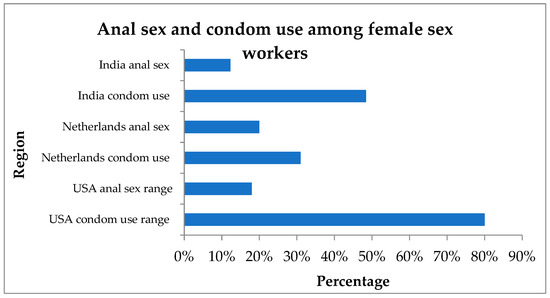
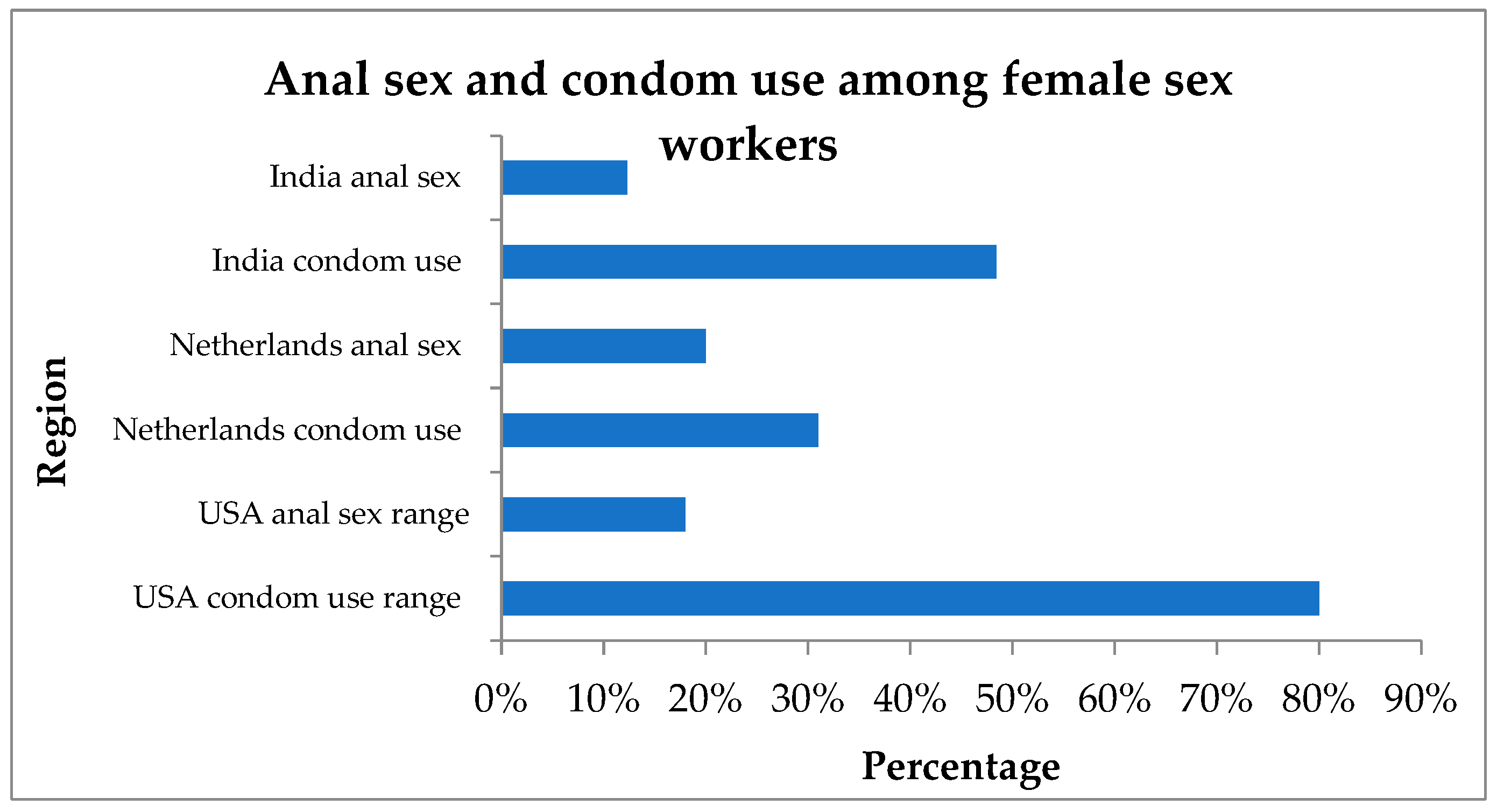
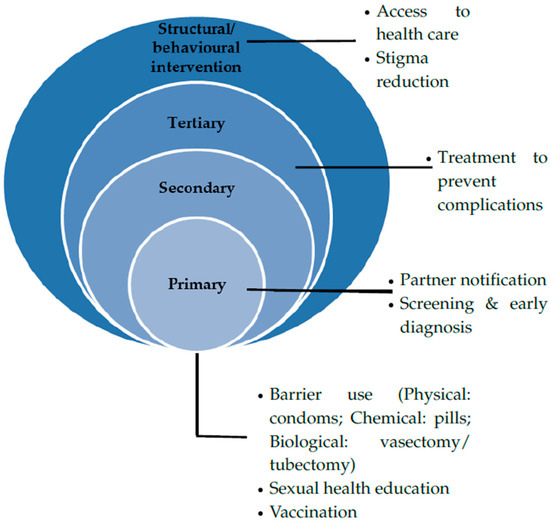
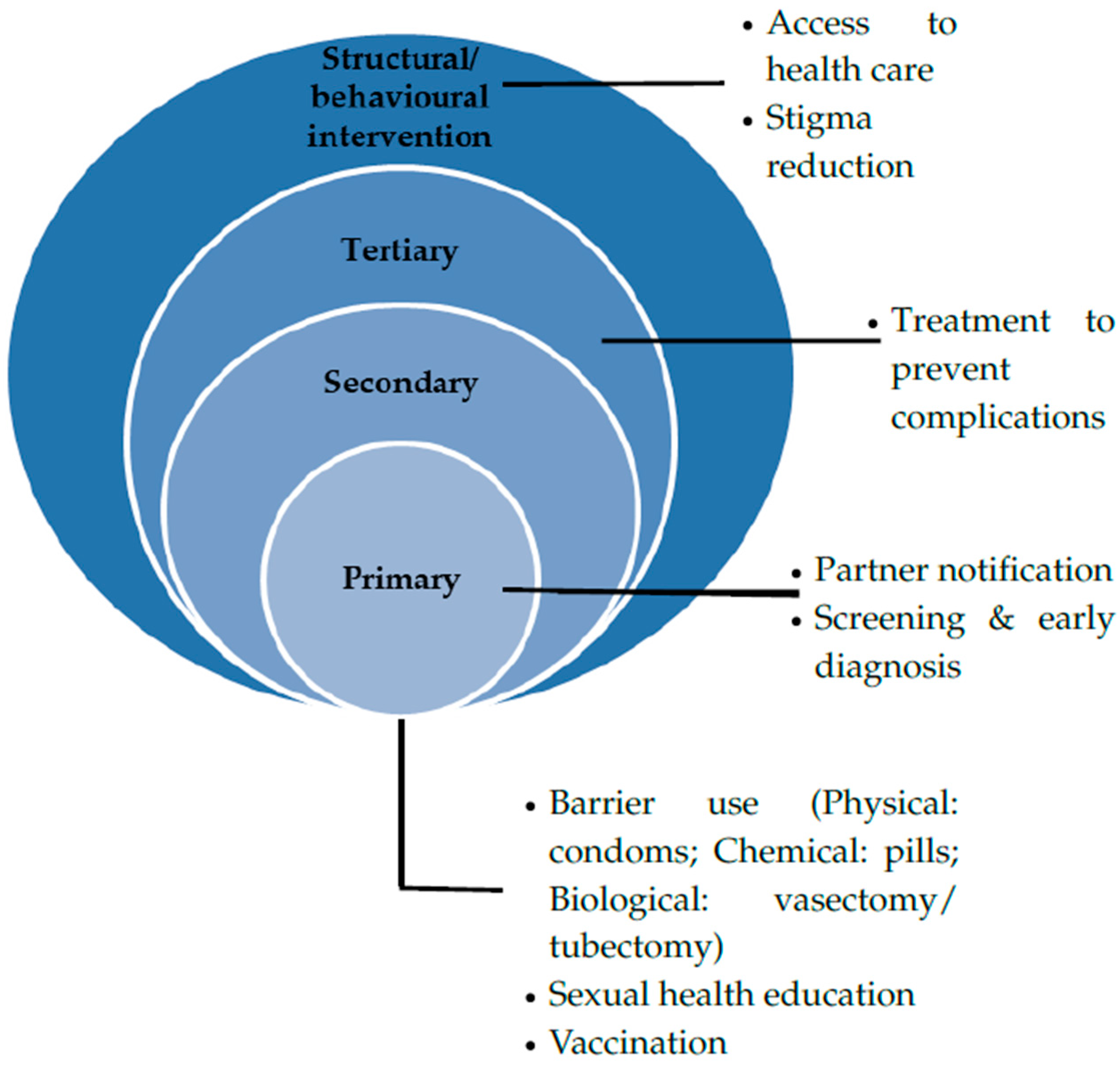
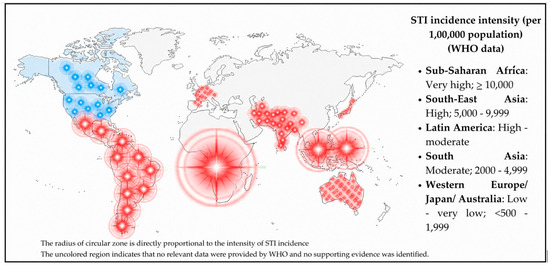
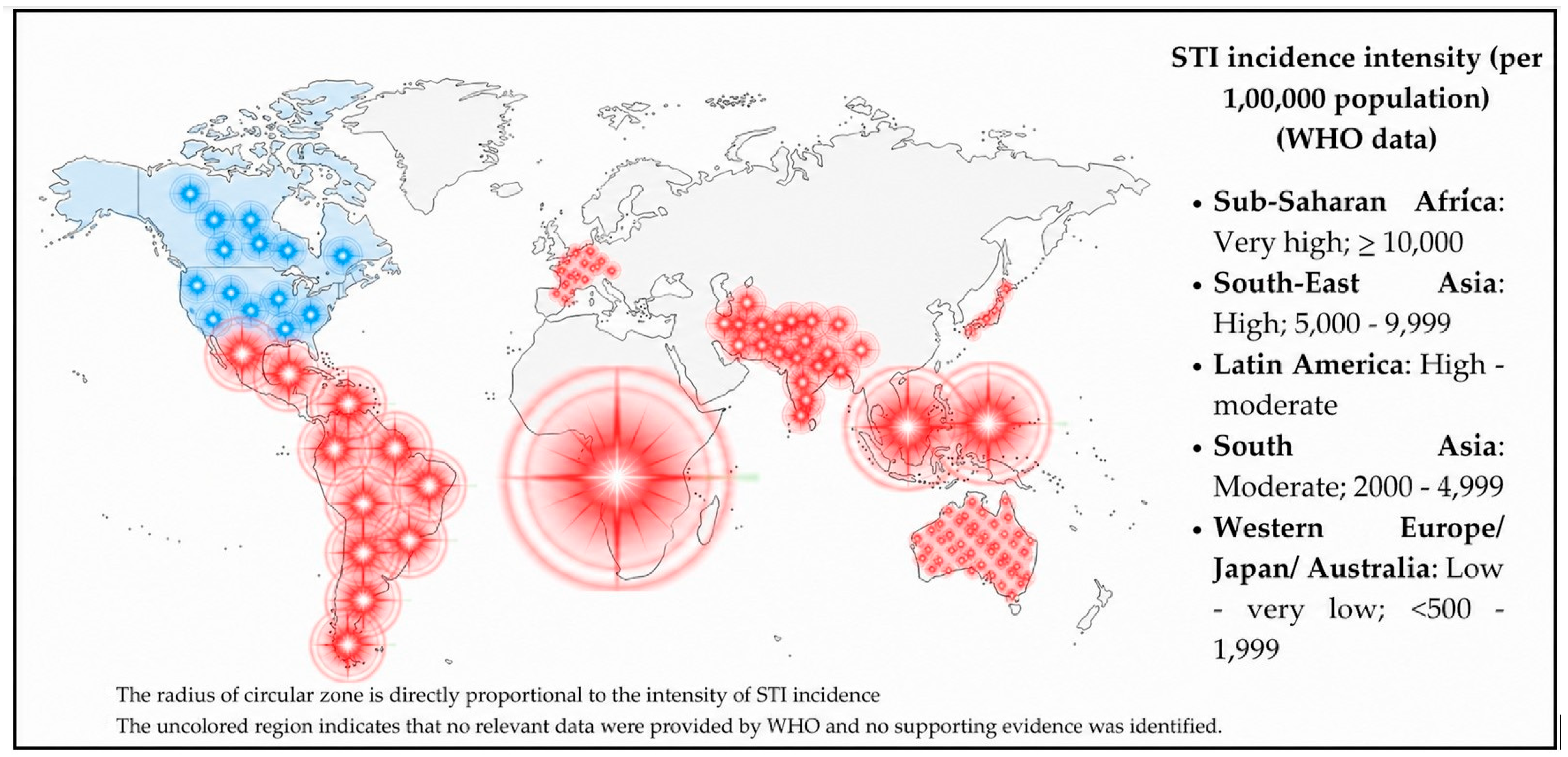
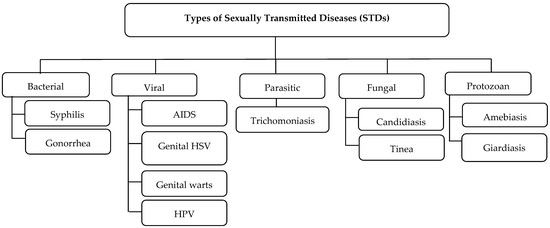
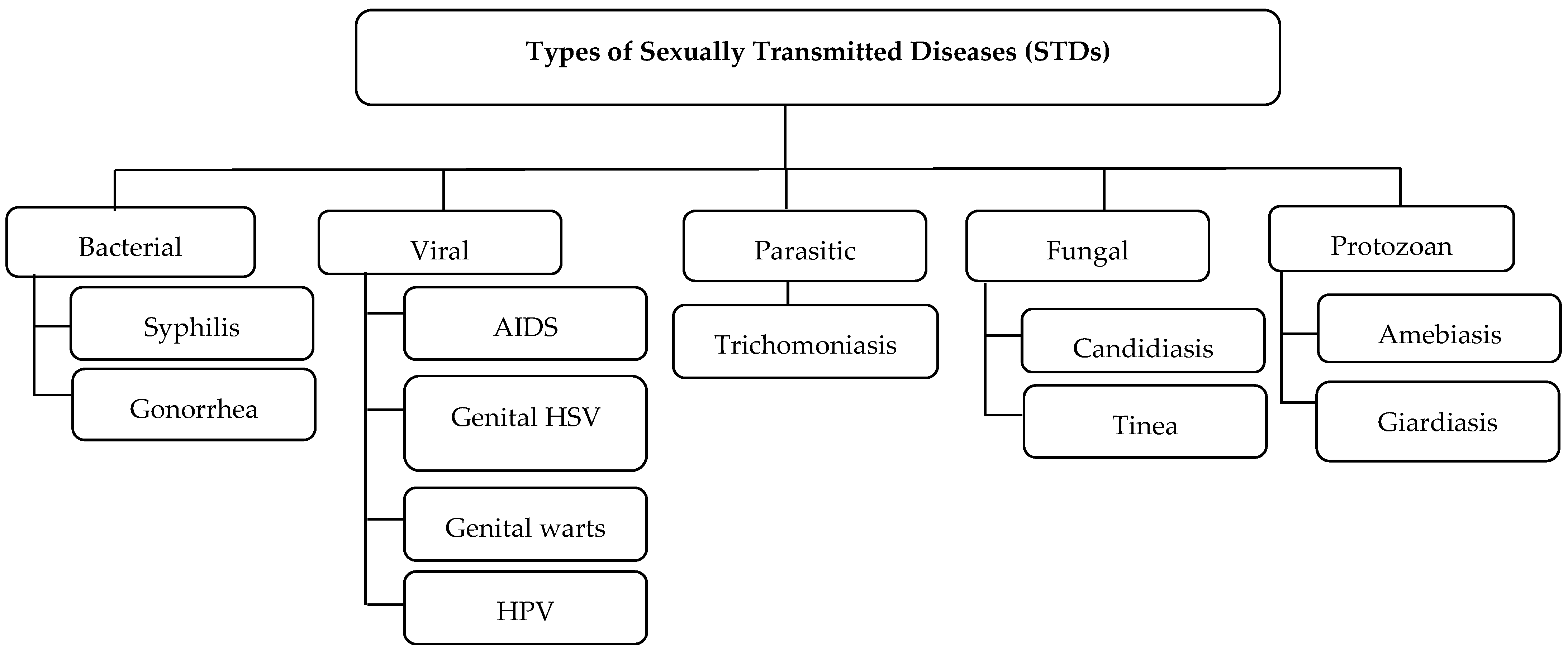
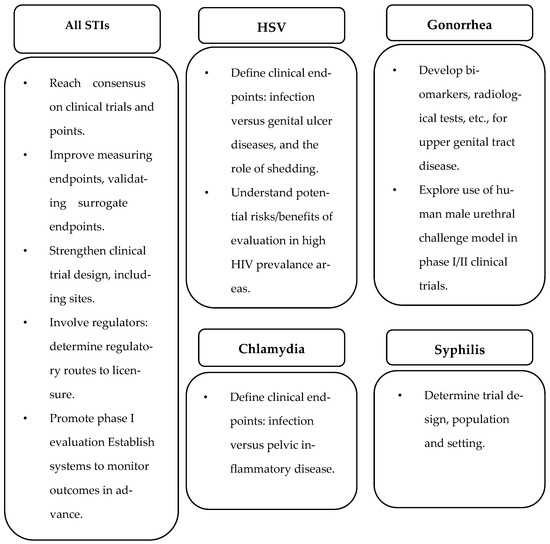
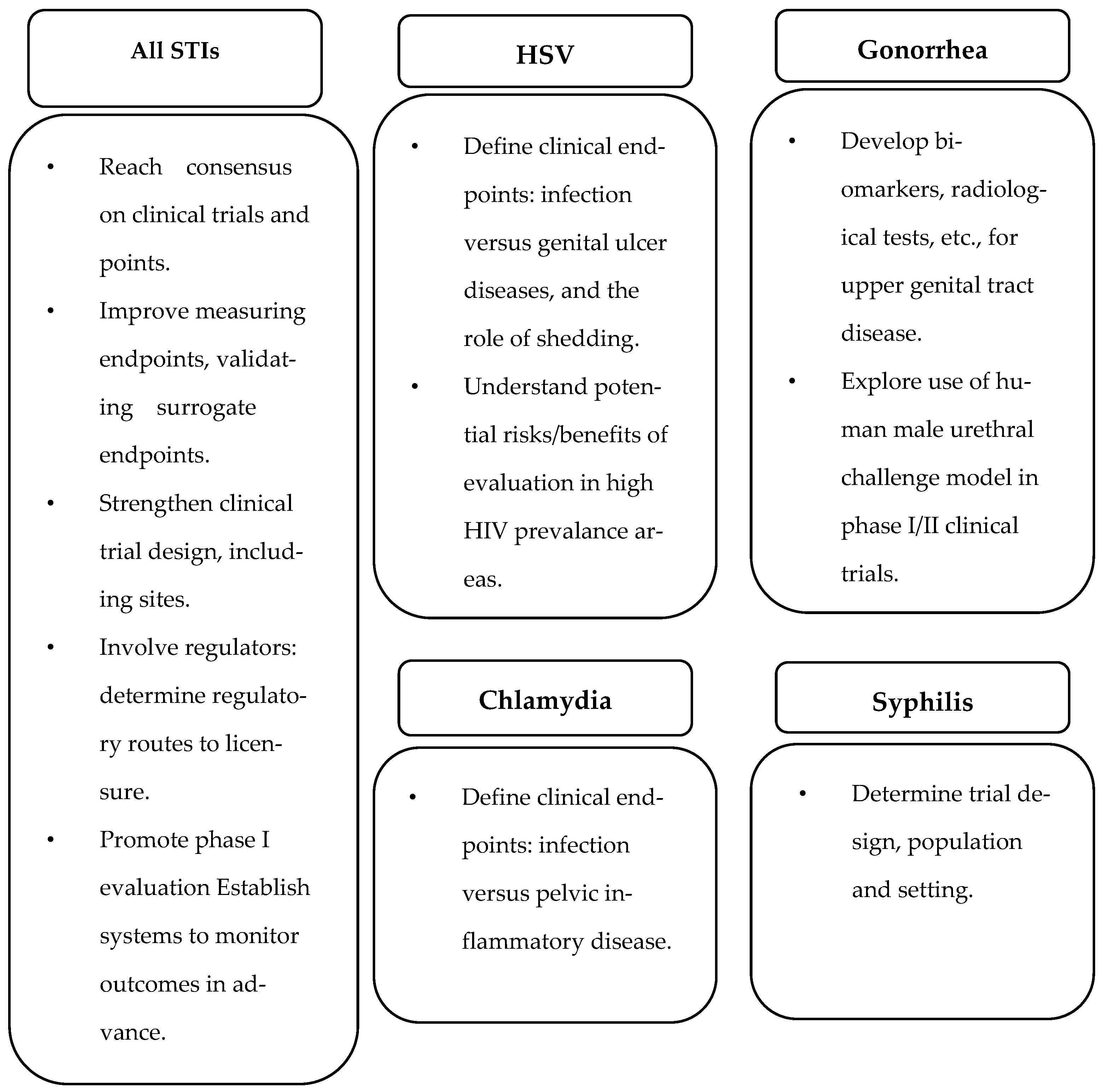

Disclaimer/Publisher’s Note: The statements, opinions and data contained in all publications are solely those of the individual author(s) and contributor(s) and not of MDPI and/or the editor(s). MDPI and/or the editor(s) disclaim responsibility for any injury to people or property resulting from any ideas, methods, instructions or products referred to in the content. |
© 2026 by the authors. Licensee MDPI, Basel, Switzerland. This article is an open access article distributed under the terms and conditions of the Creative Commons Attribution (CC BY) license.