


Abstract
Artificial intelligence is increasingly applied to crab research, yet no prior review has mapped this work or its progress toward real-world use. This scoping review maps artificial intelligence applications in true crabs (Brachyura) across aquaculture, fisheries, ecology, and processing. Following the PRISMA extension for Scoping Reviews, five databases were searched for records published from 2016 to 14 June 2026, yielding 11,172 records, most from databases whose broad field coverage returned papers mentioning crabs or artificial intelligence only in passing. Of these, 88 peer-reviewed English-language primary studies applying artificial intelligence to brachyuran data and reporting at least one quantitative performance metric were included. Each study was charted for species, task domain, model architecture, dataset, performance, and deployment maturity (Technology Readiness Level). The literature is young and expanding rapidly, with nearly half published since 2025, and heavily concentrated, with China contributing most affiliations and three species accounting for more than two-thirds of studies. Twelve task domains were identified, dominated by quality assessment and sex classification. The field has converged on object detectors with attention modules, but accuracy is rarely comparable because datasets and protocols are proprietary. Most systems remain at laboratory validation. Reported accuracy has therefore advanced faster than demonstrated deployment.
1. Introduction
1.1. The Economic and Ecological Significance of Crabs
Crabs occupy a uniquely dual role in the global bioeconomy and in coastal ecosystem function. Commercially, brachyuran crustaceans support one of the fastest-growing segments of world aquaculture and capture fisheries, with the Chinese mitten crab (Eriocheir sinensis), mud crabs (Scylla spp.), swimming crabs (Portunus spp.), blue crabs (Callinectes sapidus), snow crabs (Chionoecetes opilio), and giant crabs (Pseudocarcinus gigas) together accounting for several million tons of annual production and tens of billions of US dollars in farm-gate and capture-fishery value [1]. Soft-shell crab production, concentrated in Southeast Asia, has emerged as a high-value premium market with stringent time of harvest requirements that traditional husbandry struggles to meet [2,3,4]. The mud crab trade illustrates this commercial weight, with graded male and female crabs commanding premium per-kilogram prices in domestic and international markets and sustaining a profitable, largely export-oriented value chain [5]. Capture fisheries for snow crab, blue crab, Dungeness crab, and Tasmanian giant crab remain economically critical for coastal communities in Canada, the United States, Japan, and Australia [1,6,7].
Ecologically, crabs function as keystone bioturbators and ecosystem engineers. Sesarmid and fiddler crabs within mangrove and intertidal wetlands recycle leaf litter, oxygenate sediments, and structure microtopography. These activities directly influence carbon sequestration and shoreline resilience [8]. Furthermore, ghost crabs (Ocypode spp.) serve as critical bioindicators of sandy-beach ecological health [9]. Several species are also of major conservation or biosecurity concern. For instance, the Tasmanian giant crab is subject to strict size and sex regulations to ensure sustainable harvesting [10,11]. Conversely, the Asian paddle crab (Charybdis japonica) is designated as a high-priority invasive species in New Zealand and various other global regions [12]. Additionally, parasite-mediated population declines in Scylla olivacea directly threaten coastal livelihoods across Southeast Asia [13]. Finally, predictive range-shift modeling indicates that climate change will fundamentally reorganize the distributions of multiple commercially and ecologically significant species over the coming decades [14,15].
1.2. Why Conventional Methods Fall Short
Across the production-to-conservation continuum, brachyuran-related operations share a recurring structural limitation. These tasks are simultaneously labor-intensive, expert-dependent, and time-critical, yet the underlying decisions must frequently be executed at scale. Manual sex identification, size grading, and quality classification on processing lines depend on trained graders whose judgments are subjective, slow, and difficult to standardize across sites or seasons [10,16,17,18,19]. Soft-shell harvest windows are critically brief, as the newly emerged exoskeleton calcifies within a few hours post-ecdysis [3]. Consequently, continuous human surveillance of single-basket rearing systems becomes economically unviable at commercial scales [20,21,22,23]. Furthermore, behavioral and welfare studies are increasingly mandated by regulatory and certifying authorities. These assessments traditionally rely upon hand-coded ethograms, a methodology that severely restricts sample sizes and compromises experimental reproducibility [24,25,26]. In ecological contexts, population surveys of cryptic intertidal and mangrove species require low-tide field campaigns. The data throughput of these operations is inherently constrained by the availability of trained survey personnel [8,9]. Internal quality grading encompasses parameters such as meat yield, ovarian fullness, roe distribution, freshness, and biogenic amine content. Historically, measuring these metrics has necessitated destructive sampling, thereby sacrificing the specific organisms under evaluation [18,27,28,29,30]. Finally, the taxonomic identification of morphologically analogous species, particularly within the genera Scylla and Charybdis, poses significant challenges even for experienced taxonomists [12].
These operational bottlenecks translate directly into substantial systemic costs. Delayed harvesting and agonistic stress within high-density environments severely compromise animal welfare. Additionally, mis-grading high-value specimens generates tangible economic deficits. Capture fisheries experience ongoing regulatory friction regarding sex and size compliance. Furthermore, under-sampled biodiversity in mangrove and intertidal habitats creates critical ecological data gaps. Each of these structural limitations has independently catalyzed the adoption of computational monitoring technologies.
1.3. The Rise in Artificial Intelligence in Aquaculture and Aquatic Ecology
Over the past decade, artificial intelligence, and particularly deep learning, has rapidly matured into a foundational operational capability for biological and aquaculture applications [31]. Three converging trends have driven this progression. First, high-capacity deep-learning architectures are now broadly accessible. These encompass YOLO variants, Mask R-CNN, U-Net, EfficientNet, transformer-based models, and specialized frameworks such as DeepLabCut for animal pose estimation. Second, significant cost reductions have occurred across both advanced imaging hardware and edge-computing platforms. This hardware proliferation includes RGB, near-infrared, multispectral, hyperspectral, unmanned aerial vehicle, and underwater camera systems, alongside compact, deployment-ready processors. Third, domain-specific datasets have steadily proliferated, although the majority remain proprietary [32,33,34]. Together, these foundational developments have substantially reduced the barrier between methodological innovation and field deployment. This contemporary landscape contrasts sharply with the earliest studies evaluated in this review, which relied heavily upon classical machine-learning algorithms and small neural networks applied to constrained tabular datasets [35,36,37].
These technological advancements have been most extensively documented within finfish research, particularly concerning salmonid and tilapia aquaculture. Within these sectors, vision-based biomass estimation, behavioral monitoring, and disease detection constitute well-established research domains [38,39,40]. True crabs, however, present a distinct set of computational challenges that cannot be directly addressed using finfish-optimized methodologies. The reviewed literature demonstrates how each of these biological and environmental constraints has shaped a corresponding trajectory of research. Periodic exoskeleton molting induces profound visual alterations across developmental cycles, a phenomenon that has motivated a dedicated body of research concerning molt-stage and developmental-stage classification [21,22,23]. Furthermore, benthic and burrowing behaviors severely constrain the efficacy of conventional top-down imaging, thereby necessitating the transition of a substantial proportion of detection tasks to underwater environments [41,42,43]. Pronounced sexual dimorphism, primarily localized to the ventral abdomen, underlies an active trajectory of sex and precocity classification research [17,44,45]. Additionally, the minute, species-specific morphological cues that differentiate close congeners present a significant taxonomic challenge. This specific difficulty is exceptionally well documented within the mud crab genus Scylla [46]. Consequently, resolving these subtle visual variations has required the development of fine-grained visual recognition architectures [12,47,48]. Moreover, high rates of intraspecific predation necessitate isolated single-basket rearing environments. This behavioral phenomenon has been characterized in detail concerning the larval stages of Eriocheir sinensis [49]. Accordingly, this spatial rearing constraint has directly shaped the development of individual-level monitoring and re-identification approaches [50,51,52]. Finally, the highly specialized post-harvest pipeline, which involves steaming, debacking, and meat extraction, has catalyzed a dedicated line of vision-guided robotics research [53,54,55,56]. Taken together, these distinct operational and biological demands render a focused synthesis dedicated exclusively to brachyuran applications methodologically essential.
1.4. Gaps in Prior Reviews and Contributions of This Study
No prior review has comprehensively mapped artificial-intelligence applications across brachyuran research. The most proximate existing literature addresses adjacent disciplines, leaving the crab-specific methodological landscape entirely uncharted. PRISMA-based reviews concerning artificial intelligence in aquatic biodiversity primarily address ecological and conservation use cases without engaging the methodological challenges unique to brachyurans [57]. Broader reviews of artificial intelligence in aquaculture cover crabs only peripherally. Furthermore, these reviews typically organize the literature by model architecture rather than by task domain, a structure that obscures the operational insights required by practitioners [32,34]. Similarly, reviews of computer vision in fisheries science concentrate almost exclusively on finfish detection and enumeration [58]. Reviews examining food-quality grading via machine learning include isolated crab-related examples without situating them within a broader brachyuran-focused technological context [59,60,61]. Finally, reviews of precision aquaculture focus heavily on environmental sensing and recirculating-system control rather than on organism-level vision and behavioral analysis [62,63,64].
The absence of a dedicated synthesis carries significant consequences for the progression of the field. Researchers entering this domain lack a consolidated map of previously addressed task domains, utilized model architectures, and applied dataset scales. Most critically, the literature lacks a clear delineation of the factors separating the small number of deployed systems from the vast majority of laboratory-confined studies. Consequently, practitioners lack actionable guidance on which methodological results are ready for operational translation. Furthermore, reviewers and funding agencies lack an established baseline for evaluating scientific novelty, leaving the field without a rigorous quantitative account of its own deployment readiness.
This review addresses these systemic deficits through four primary contributions. First, the study provides the first PRISMA-ScR-compliant synthesis of artificial-intelligence applications across the entirety of crab research, mapping the 88 included studies onto a newly structured taxonomy of twelve distinct task domains. Second, the analysis characterizes the field through rigorous bibliometric evaluation, documenting its rapid recent expansion alongside its profound concentration within a limited number of countries and target species. Third, the study executes a cross-cutting analysis encompassing model architectures, dataset characteristics, evaluation metrics, and deployment maturity. This maturity is assessed utilizing the Technology Readiness Level framework, a methodology that exposes the disparity between laboratory accuracy and field deployment as the central translational challenge currently facing the discipline [65]. Fourth, this review delineates a forward-looking research agenda founded upon shared benchmark datasets and standardized evaluation protocols. This agenda advocates for federated and deployment-first architectures, including digital twins and multimodal foundation models, to achieve cross-species generalization and ensure broader taxonomic, geographic, and welfare-oriented coverage.
1.5. Scope, Objectives, and Research Questions
This review synthesizes the published literature concerning artificial intelligence applied to true crabs (infraorder Brachyura) across the domains of aquaculture, fisheries, ecology, and post-harvest processing. For this analysis, artificial intelligence is defined broadly to encompass classical machine learning, deep learning, computer vision, and biologically inspired or computational-intelligence methodologies, including fuzzy logic and evolutionary computation. Non-brachyuran taxa sharing the “crab” vernacular, such as hermit crabs, king crabs, and horseshoe crabs, are strictly excluded from this scope. The search strategy, comprehensive eligibility criteria, and selection protocol are detailed in Section 2.
A scoping-review design was selected in preference to a systematic review of effectiveness. The body of work addressed here is heterogeneous in species, task, model architecture, dataset, and evaluation metric, and it contains no common comparator against which a pooled effect could be estimated. The governing objective is therefore to map the extent, range, and nature of the available evidence and to identify where evidence is absent, which is the purpose for which the scoping-review framework was developed [66,67]. Framed in population, concept, and context terms, the population comprises true crabs of the infraorder Brachyura, the concept comprises artificial intelligence methods applied to data concerning those organisms, and the context comprises aquaculture, capture fisheries, ecological and conservation research, and post-harvest processing.
The overarching objective is to characterize the current methodological landscape, focusing particularly on the pronounced disparity between reported model accuracy and demonstrated real-world deployment. Consequently, this review maps the distribution of research effort across specific task domains while identifying taxonomic and geographic concentrations alongside their corresponding research deficits. Furthermore, the analysis systematically evaluates the underlying computational architectures, dataset characteristics, and reported performance metrics. Finally, operational deployment maturity is appraised utilizing the Technology Readiness Level framework. These overarching objectives are addressed through four primary research questions:
- RQ1. What artificial-intelligence task domains in crab research have been addressed, and how is research effort distributed across them?
- RQ2. Which crab species and geographic regions dominate the literature, and where are the principal coverage gaps?
- RQ3. Which model architectures and datasets have been applied within each task domain, and what performance has been reported, given the limited comparability of results across studies?
- RQ4. On the Technology Readiness Level scale, what is the deployment maturity of crab artificial-intelligence systems, what proportion has advanced beyond laboratory proof-of-concept toward validation in relevant or operational settings, and what distinguishes the most mature systems?
The remainder of this review is structured as follows. Section 2 details the methodology, including the PRISMA-ScR search and screening protocol, the data charting parameters, and the structured synthesis approach. Section 3 provides a bibliometric and descriptive overview of the 88 included studies, analyzing publication volume, citation trends, and the geographic distribution of research effort. Section 4 presents the core synthesis of the reviewed literature, beginning with the taxonomic and task-domain profile before proceeding to a cross-cutting analysis of model architectures, benchmarking practices, generalization capabilities, and operational deployment readiness. Section 5 articulates the principal methodological challenges identified and delineates the future research directions derived from these analyses. Section 6 sets out the limitations of the review process. Finally, Section 7 provides concluding remarks.
2. Methods
This scoping review was conducted and reported in accordance with the Preferred Reporting Items for Systematic Reviews and Meta-Analyses extension for Scoping Reviews (PRISMA-ScR) [66,67]. The completed PRISMA-ScR checklist is provided in Table S3. The PRISMA family of reporting guidelines provides a transparent, reproducible structure for evidence synthesis and has been applied to recent reviews of artificial intelligence applications in adjacent domains, including aquaculture [32] and aquatic biodiversity [57]. A review protocol comprising the eligibility criteria, search strategy, and charting form was developed by the review team in advance of screening and is reported in full in this section. The protocol was not lodged in a public registry. The procedures are reported in the detail that PRISMA-ScR requires because every count in Section 3 and Section 4 depends on which studies entered the corpus; stating them in full allows the search to be reproduced and the selection of studies to be audited. The complete record-flow diagram is presented in Figure 1.
Figure 1.
PRISMA-ScR flow diagram of the identification, screening, eligibility assessment, and inclusion of studies across the five databases searched.
2.1. Eligibility Criteria and Study Selection
Five bibliographic databases were searched. Scopus, IEEE Xplore, and ScienceDirect were searched on 14 June 2026. To extend coverage, The Lens and PubMed were searched on 3 October 2026 and 8 October 2026, respectively, because the Web of Science Core Collection was not available through the authors’ institutional subscriptions. The Lens aggregates scholarly records from Crossref, PubMed, CORE, and other open sources, and its coverage overlaps substantially with that of the Web of Science Core Collection, while PubMed indexes the biological and veterinary literature. All five searches were restricted to records published from 1 January 2016 to 14 June 2026, so that the corpus is bounded by a single terminal date and 2026 is represented by a partial year. The search string (“crab”) AND (“artificial intelligence” OR “machine learning” OR “machine vision” OR “deep learning” OR “image processing” OR “neural network” OR “computer vision”) was entered without modification into the default search field of each database, and the results were exported directly. The field scope therefore differed by source: Scopus searched article title, abstract, and keywords; IEEE Xplore searched document metadata, comprising title, abstract, index terms, and bibliographic fields; ScienceDirect searched all fields, including the full text of indexed articles; and The Lens and PubMed searched their default all-field indexes, which for The Lens include full text where it is indexed. The searches returned 533 records from Scopus, 101 from IEEE Xplore, 4822 from ScienceDirect, 5611 from The Lens, and 105 from PubMed, for a total of 11,172 identified records (Figure 1). The much larger yields from ScienceDirect and The Lens reflect their broader field scope rather than broader subject coverage, and account for most of the records removed at identification and screening. Beyond the direct requests to corresponding authors for unobtainable full texts described below, no additional records were sought through reference-list hand-searching, forward citation tracking, or grey-literature sources.
Studies were eligible for inclusion only when all of the following criteria were satisfied. With respect to the subject organism, the primary biological subject, or one of several biological subjects, was required to be a true crab (infraorder Brachyura). Studies whose biological subject was a non-brachyuran crustacean, including lobsters, shrimps, crayfish, hermit crabs, king crabs, squat lobsters, mantis shrimps, and horseshoe crabs, were excluded. With respect to the artificial-intelligence (AI) method, the study was required to apply an AI method to data about crabs. Consistent with the umbrella definition adopted for this review, AI was interpreted broadly to span its principal subfields, namely classical machine learning (e.g., support vector machines, random forest, k-nearest neighbors, gradient boosting, naive Bayes, and linear and quadratic discriminant analysis), artificial neural networks and deep learning of any architecture (feed-forward, convolutional, recurrent, transformer-based, autoencoder, and generative), computer-vision and image-processing pipelines that pair feature extraction with learned classifiers, and computational-intelligence and other biologically inspired methods (fuzzy logic, genetic algorithms, particle-swarm and ant-colony optimization, and evolutionary computation). A study qualified when any one of these AI methods, including a computational-intelligence approach, was applied to crab data and evaluated quantitatively.
With respect to empirical quantitative evaluation, the study was required to report at least one quantitative performance metric of the kind routinely used to evaluate AI and machine-learning models (e.g., accuracy, precision, recall, F1, mAP, R2, RMSE, MAE, AUC, TSS, or a domain-equivalent measure), assessed against ground-truth data. Eligible publication types were restricted to peer-reviewed journal articles and conference papers, and only studies published in English were retained. The publication window was restricted to the period from 2016 to the search date. This start year corresponds to the point at which deep convolutional architectures became broadly accessible through open frameworks and pretrained backbones, after which applied artificial-intelligence work on aquatic organisms expanded rapidly. The restriction to peer-reviewed journal articles and conference papers ensures that all charted performance values have undergone external review, and the restriction to English reflects the language coverage available to the review team.
Exclusion criteria were grouped by publication type, methodological scope, and taxonomic relevance. By publication type, non-primary documents (review articles, conference reviews, editorials, letters, data papers lacking methodology, theses, patents, and grey literature) were removed. Methodologically, studies that reported only descriptive statistics, without applying any qualifying artificial-intelligence method as defined above, were excluded. Taxonomically, records were omitted when no true brachyuran served as a focal subject, or when a brachyuran appeared only incidentally, and no crab-specific results could be isolated. This taxonomic criterion primarily eliminated lobsters, crayfish, and hermit crabs erroneously indexed under crab terminology.
All identified records were imported into Zotero (version 9.0.4) for reference management and deduplication. Source-level filters were then applied at the identification stage, removing records published before 2016 and document types other than journal articles and conference papers, together with, for Scopus, non-English publications, review articles, conference reviews, data papers, and letters. These filters removed 5689 records and retained 5483; the counts for each source are given in Figure 1.
Deduplication was performed in Zotero, followed by manual verification of borderline matches, with the sources taken in a fixed order of precedence (Scopus, IEEE Xplore, ScienceDirect, The Lens, PubMed), so that a record retrieved from more than one database was retained only under the earliest source. Deduplication removed 545 records, and 4938 proceeded to screening. All 64 records retained from PubMed after filtering duplicated records already retrieved from Scopus or The Lens, so PubMed contributed no unique records.
Screening was conducted in two stages by the review team using an independent dual-screening design with third-reviewer adjudication. At the title-and-abstract stage, each record was independently assessed by two investigators, and disagreements were resolved by the third reviewer acting as adjudicator. Records were excluded if the title or abstract indicated that the study did not concern a true crab (Brachyura) or did not employ an artificial-intelligence method as defined in the eligibility criteria. In total, 4751 records were excluded at this stage (Figure 1).
During the full-text eligibility stage, the remaining 187 reports were retrieved and evaluated against the previously established criteria. When full texts could not be retrieved despite institutional access and direct contact with corresponding authors, the abstract served as the primary evidence source, provided it had not been excluded during the initial screening. This methodological accommodation prevented the systematic exclusion of studies from journals with restricted access while preserving analytical transparency. An additional 99 reports were excluded at this stage upon full-text or abstract assessment, resulting in the final 88 studies included in the review.
2.2. Data Charting
A structured data-charting matrix was developed in Microsoft Excel and populated by the three reviewers, with the included studies divided into three charting blocks of 30, 29, and 29 studies. As a quality-control step, a second reviewer re-examined the source report for a 20 percent random sample of each block and confirmed or corrected the entries against the full text. Several fields were charted for every included study. Bibliographic metadata comprised the author or authors and the publication year. The biological subject was recorded as the crab species, by scientific name where reported and by common name otherwise. The task domain captured the specific AI task addressed by the study, such as species classification, sex determination, molt-stage classification, morphometric estimation, quality or freshness assessment, or underwater detection, and each task was recorded as a short, standardized descriptor and then assigned to one of the twelve task domains used in the synthesis (Table 1). The model architecture field documented the specific model or models used. For deep-learning approaches, this covered backbone networks, attention modules, loss functions, optimization strategies, and architectural modifications, whereas for classical machine-learning approaches, the algorithm and key hyperparameters were recorded. For computational-intelligence and hybrid approaches, the governing scheme was recorded, such as the fuzzy or evolutionary configuration or the pairing of feature extractor and classifier.
Table 1.
Summary of the 88 included studies by artificial-intelligence task domain. For each domain, the table reports the number of studies, the principal species, the dominant AI approaches, the range and modal value of assigned Technology Readiness Levels (TRL), and the references. Per-study species, architectures, datasets, metrics, settings and TRL assignments are given in Table S1.
Dataset characteristics comprised the total sample size, the train, validation, and test split, public or private status, augmentation strategy, and source (laboratory, field, public benchmark, or web-scraped). Reported metrics and performance values comprised all headline metrics as reported, with units and conditions. The setting was recorded as laboratory, controlled field, real-world field, or purely computational, with the specific facility or site noted where possible. Deployment readiness captured the operational maturity of the reported system, scored on the nine-level Technology Readiness Level (TRL) scale [65], which ranges from the demonstration of basic principles (Level 1) through validation in laboratory and relevant settings to operation in an operational environment (Level 9). Each study was assigned the single TRL, or the transitional range, best supported by the reported evidence, and the level was recorded as not stated where the report provided insufficient operational detail.
Technology Readiness Level assignment requires interpretive judgment, because the included reports were not written with reference to that scale, and its reliability was therefore assessed separately from the quality-control step. Thirty of the 86 studies with an assignable level (34.9 percent) were independently re-coded, ten from each charting block. Within the third block, which contained the five studies added through the supplementary search of The Lens, these five were included in full, and the remaining five were drawn at random; in the first two blocks, all ten were drawn at random. Each sampled study was re-coded from the full text by a reviewer who had not charted it originally and who worked from a sheet listing only the study identifier and citation, without access to the original assignment. Because charting was divided among three reviewers, the second coder varied across studies, and agreement is therefore reported between first and second charters rather than between two fixed individuals. Transitional assignments were mapped to the lower level for this calculation, while Table S1 continues to report them as transitional. Agreement was quantified using quadratic-weighted Cohen’s kappa, appropriate to the ordinal scale. Reviewers agreed exactly on 25 of the 30 studies (83.3 percent) and to within one level on all 30; no disagreement exceeded a single level. Quadratic-weighted kappa was 0.918 (95 percent confidence interval 0.859 to 0.978), indicating almost perfect agreement, and the unweighted coefficient, which treats all disagreements as equivalent regardless of distance, was 0.746. Under an alternative mapping that treated transitional assignments as midpoints, the weighted coefficient was 0.924, confirming that the reported agreement is not a byproduct of the mapping rule. The five discrepancies were resolved by the third reviewer, who had neither charted nor re-coded the study and who re-read the full text rather than deferring to either prior assignment; the adjudicated values are those reported throughout. The paired assignments, together with the final assignment for every included study, are given in Table S2.
2.3. Synthesis Approach
Given the heterogeneity of species, task domains, model architectures, evaluation metrics, and reporting conventions across the included studies, a quantitative meta-analysis was precluded, necessitating a structured narrative synthesis. This synthesis proceeded along five complementary analytical axes corresponding to the structure of the results.
First, the taxonomic profile of the included studies was characterized by tabulating the frequency of each crab species and grouping the studies by family, thereby revealing the distribution of research effort across brachyuran diversity. Second, each study was assigned to one of twelve artificial-intelligence task domains, and the resulting thematic distribution was summarized in Table 1 and analyzed for proportional imbalances. Third, the methodological landscape was synthesized by documenting model families, attention mechanisms, optimization strategies, and architectural lineages, as well as by ordering the studies chronologically to trace the progression from classical machine learning algorithms to deep detectors and, ultimately, to transformer and language-model systems. Fourth, the reliability of the reported results was evaluated based on benchmarking and reproducibility, with specific attention given to the reliance on proprietary datasets, the absence of standardized evaluation protocols, and the rarity of public data or code availability. Fifth, deployment readiness was assessed by cross-tabulating the assigned Technology Readiness Level (TRL) against publication year, highlighting the stark disparity between reported accuracy and operational maturity that frames this review. Consistent with scoping-review methodology, no formal critical appraisal of individual sources of evidence was undertaken. The objective of this review is to map the extent, range, and nature of the available evidence rather than to adjudicate the strength or internal validity of individual findings, and no pooled estimate is derived to which appraisal weights could be applied. Reported performance values were therefore charted as published. The reliability of those values is addressed at the level of the corpus in Section 4, through the analysis of benchmarking, dataset availability, and reproducibility practices, rather than through study-level appraisal. Complete per-study dataset characteristics, evaluation metrics, environmental settings, and TRL classifications are provided in Table S1.
3. Bibliometric and Descriptive Overview
This section profiles the 88 included studies along two descriptive dimensions that situate the scale and distribution of the field. The first is temporal, covering the trajectory of annual publication output and the citations those publications have accumulated. The second is geographic, covering the distribution of author affiliations across countries and world regions. Together, these establish the bibliometric context within which the methodological and task-level findings of the synthesis should be read. Section 3.2 answers the geographic part of RQ2, and Section 3.1 provides the temporal context needed to interpret the deployment trends examined under RQ4: because nearly half of the studies are recent, readiness and citation patterns must be read against a literature that is still accumulating.
3.1. Publication Trajectory and Citation Patterns
The included studies span the period from 2018 to 2026, with no eligible records identified from 2016 or 2017 (Figure 2a). Annual publication output remained in the single digits from 2018 through 2022 and rose modestly across 2023 and 2024. Output then increased sharply to 23 studies in 2025, the highest volume of any year, followed by 17 studies in 2026. The 2026 figure covers only the period to 14 June 2026, the end of the search window, and so represents slightly less than half of that calendar year; in that period, 2026 had already reached 74 percent of the 2025 total. The two most recent years together account for 40 of the 88 included studies, or 45.5 percent of the corpus. This temporal concentration characterizes a nascent and rapidly expanding field rather than a mature one, with nearly half of the available evidence published since the start of 2025.
Figure 2.
Annual publication and citation trends of the included studies, 2016–2026. (a) Number of included publications per year. (b) Total Scopus citations accrued by each publication cohort. (c) Citations per publication per year since publication, assuming mid-year publication on average. Citation counts are those recorded up to 14 June 2026; hatched bars mark 2026, which covers only the period to that date. No eligible studies were published in 2016 or 2017.
Citation accumulation follows a different temporal pattern from publication output. Citation counts for all included studies, including the five identified through The Lens, were taken from Scopus as recorded up to 14 June 2026 and represent a single snapshot rather than settled totals. Because older publications have had longer to accrue citations, absolute counts are reported alongside a normalized measure, citations per publication per year since publication, which assumes that the publications in each cohort appeared at mid-year on average (Figure 2c). On absolute counts, the 2020 cohort leads by a wide margin with 248 citations, followed by 2023 (115) and 2022 (72), whereas the high-output 2025 and 2026 cohorts accrued 22 and 3 citations, respectively (Figure 2b). Normalization narrows this gap but does not remove it. The 2020 cohort accrued 6.95 citations per publication per year, followed by 2023 (4.33) and 2022 (3.65), while the 2018 cohort, second only to 2020 in citations per publication, falls to fourth (2.10). The 2020 peak is not attributable to a single study: its six publications received between 9 and 99 citations (median 33), and with its most-cited study excluded, the cohort still accrued 5.01 citations per publication per year, above every other cohort. The 2024 to 2026 cohorts accrued between 0.79 and 1.12 citations per publication per year. Citations typically accumulate slowly in the first years after publication, and per-year normalization is not fully correct for that lag, so these recent values should be read as lower bounds.
Taken together, these trends describe a field whose publication volume is accelerating rapidly while its measurable scholarly influence remains anchored in a small number of studies published between 2020 and 2023. The impact of the recent surge in output cannot yet be assessed and will become measurable only as the 2025 and 2026 cohorts mature.
3.2. Geographic Distribution of Research Effort
Author affiliations across the 88 studies were evaluated using a whole-counting method, in which each contributing nation is credited once per study, yielding 104 country-level contributions from 22 nations (Figure 3). This geographic distribution is highly concentrated. China alone accounts for 54 of the 104 contributions, more than the rest of the world combined, and remains well ahead of the next contributors, the Philippines (7) and Japan (6). Australia, the United States, and Indonesia contribute four each and Malaysia three, while all other countries produced two or fewer.
Figure 3.
Geographic distribution of author affiliations across the included studies. The bubble area is proportional to the number of studies contributed by each country, and the color denotes the region.
When aggregated regionally, East Asia provides 63 of the 104 contributions and South and Southeast Asia a further 18, for a combined Asian total of 81. North America, Europe, and Oceania each supply six contributions, and the combined Africa and Middle East region supplies five. South America is entirely unrepresented, and African representation is limited to South Africa and Mauritius.
This geographic concentration directly mirrors the taxonomic focus reported in Section 4. The research dominance of China corresponds to the prominence of the Chinese mitten crab (Eriocheir sinensis), which serves as both the most frequently studied species and a major product of Chinese aquaculture. Furthermore, the Southeast Asian research cluster correlates with regional mud crab (Scylla spp.) farming operations. Similarly, broader East Asian contributions align closely with the commercial swimming crab (Portunus trituberculatus) fishery. The distribution of research effort, therefore, strictly tracks the global geography of commercial crab aquaculture and fisheries. This geographic alignment reinforces the commercially driven development pattern previously identified across both target species and artificial-intelligence task domains. Consequently, the near-total absence of South American and broader African contributions constitutes a profound geographic disparity, one that directly parallels the narrow taxonomic and methodological coverage currently defining the field.
4. Synthesis of the Reviewed Literature Set
The 88 studies are restricted to true crabs (Brachyura) and focus on a limited set of species. In order of study frequency, the Chinese mitten crab (Eriocheir sinensis) dominates with 32 studies, followed by the mud crab complex (Scylla spp., comprising S. paramamosain, S. serrata, and S. olivacea) with 16 studies and the swimming crab (Portunus trituberculatus) with 13, so that these three taxa alone account for 61 of the 88 studies, more than two-thirds of the corpus. A further seven studies addressed multiple species in a cross-taxa framing, three used a public dataset described only as “mud crabs” from the Boston area, outside the range of Scylla, and one did not identify its species. The remainder describe a long tail of sparsely represented organisms, with four taxa appearing in two studies each (Callinectes sapidus, Portunus pelagicus, Pseudocarcinus gigas, and Chionoecetes opilio) and eight represented by a single study each: the freshwater genus Potamon (covering eight congeners), Erimacrus isenbeckii, Mictyris spp., Ocypode spp., Leptograpsus sp., the toxic Zosimus aeneus, the fiddler-crab genus Austruca (three congeners), and the spider crab Maja brachydactyla. This distribution indicates that the research base is heavily skewed toward a few high-value aquaculture and fishery species of the families Varunidae and Portunidae, leaving the great majority of brachyuran diversity either unrepresented or addressed only incidentally.
Table 1 summarizes the 88 included studies by task domain, with per-study detail, including dataset characteristics and Technology Readiness Level (TRL) assessments, given in Table S1. The twelve task domains are not evenly distributed, and this imbalance reveals a distinct pattern. The most active domains are quality and freshness assessment (13 studies) and sex and precocity classification (10 studies). Both areas support rapid grading and sorting operations, where labor savings are immediate, and the economic benefits of automation are highly visible. Conversely, the least represented domains, namely individual re-identification (three studies), traceability and processing automation (four each), and health, disease, physiology, and microbiome (five), address problems that are technologically complex and yield slower returns on investment. Tasks central to a conservation- or welfare-oriented framework, such as continuous early warning systems for disease, population-scale welfare monitoring, and the stock assessment of wild and non-commercial species, remain underexplored or entirely absent. The distribution of research effort, therefore, follows commercial demand rather than ecological or scientific need. This distribution aligns with the narrow taxonomic focus noted earlier, as the most prominent task domains are dominated by the same commercially farmed species. Consequently, the apparent breadth of the thematic classification should not be interpreted as comprehensive coverage of the field.
Methodologically, the reviewed work has converged on a narrow paradigm. Computer vision serves as the primary approach, and object detectors of the YOLO family appear repeatedly as the dominant architecture, typically integrated with an attention module such as CBAM, squeeze-and-excitation, SimAM, or coordinate attention, and with a light backbone or a pruning step to minimize computational overhead. Across the years covered, successive methods tend to replace previous ones sequentially rather than the field branching out to foster methodological diversity. Traditional machine-learning algorithms, among them support vector machines, random forests, k-nearest neighbors, discriminant analysis, and small artificial neural networks, are common in the earlier studies and remain in use for tabular prediction of body measurements, age, and weight. Deep detectors became the standard through the early 2020s, while transformer backbones, self-supervised systems, and language-model systems appeared only near the end of the period. Recent examples include a Swin Transformer pose network [84], a robot controller driven by a large language model [54], and self-supervised behavior encoders trained by contrastive learning [70,71]. The price of this homogeneity is that much of the work yields only incremental advancements. A substantial proportion of the vision studies pair one detector variant with a single attention block and a modified loss function, tested for a marginal gain in mean average precision on a private dataset. Because the designs are largely alike, progress in the field relies heavily on advances borrowed from general computer vision rather than on novel approaches rooted in crab biology or the operational constraints of aquaculture.
Critically, the most pronounced methodological weakness across the reviewed studies is the near-total absence of standardized benchmarking. The vast majority of studies construct proprietary datasets, define isolated training and testing splits, and evaluate results against disparate reference labels. Consequently, headline accuracy scores are fundamentally incomparable from one study to the next. A reported mean average precision of 95 percent in one study and 99 percent in another lacks any empirical equivalence, as the evaluation parameters differ substantially in species, imaging conditions, sample size, and task complexity. No shared benchmark, public test dataset, or common evaluation protocol spans the included work. Given this structural limitation, the abundance of near-perfect scores, with several studies reporting between 99 and 100 percent accuracy on classification or detection tasks, should be interpreted as symptomatic of small, highly curated, and possibly leak-prone testing environments rather than as conclusive evidence that the task is solved. The limits noted in the original reports support this reading, as uneven class distributions, reliance on single-event data collection, and the absence of independent external validation sets appear repeatedly. The problem of reproducibility compounds this issue, because the public release of data or code is reported only rarely [50]. The reviewed work is therefore strong in reported in-sample accuracy but critically weak in the ability to compare results across studies and to confirm those results from the outside, the two prerequisites required to establish reliable and ranked performance metrics.
Two further patterns limit the generalizability and reliability of the reported results. First, the capacity of these models to transfer to novel environments is mostly untested. Models are typically trained and evaluated on a single species and, in most cases, on data derived from a single sampling event. Whether performance is maintained across other species, geographical sites, seasons, and imaging conditions remains an open question. Given the narrow taxonomic set already noted, the models have essentially been tuned repeatedly for a few farmed species under controlled data acquisition, and none of the studies has shown that the methods carry over to the wider range of brachyurans. Second, robustness to field conditions is typically addressed through image preprocessing rather than intrinsic model architecture, because underwater and low-light work leans heavily on steps such as dark-channel defogging and contrast correction to make degraded images workable. These steps represent pragmatic interventions that assume the very field conditions that formal evaluation rarely reaches. This last point links the methodological profile to the question of real-world readiness, because the reviewed work continually prioritizes speed and compact, edge-ready designs while stopping short of demonstrating the systems operating actively in the settings those designs are meant for.
Finally, Figure 4 cross-tabulates technology readiness against publication year, revealing the stark disparity between reported accuracy and operational deployment. Technology Readiness Level 4 represents the most common classification, encompassing 48 of the 88 studies. When proof-of-concept research at Level 3 and the transitional Level 3-to-4 and 4-to-5 cases are added, approximately four-fifths of the literature (71 of 88 studies) remains confined to conceptual validation and controlled representative testing. Evaluation in a relevant setting at Level 5 characterizes seven studies, frequently involving underwater feeding-boat detectors. Work at Level 6 or higher comprises only eight studies, with all but one published in 2025 or 2026. The sole exception is an integrated IoT nursery-monitoring system from 2019 [99]. The single Level 7 record [111] and the lone transitional Level 6-to-7 record [110] are both dated 2026. Publication volume also accelerates significantly near the end of the analyzed period, rising from between three and eleven records annually through 2024 to 23 in 2025 and 17 in the partial year of 2026, the latter covering only the period to 14 June 2026, the end of the search window. Taken together, this pattern corroborates the central thesis of this review. Reported accuracy has progressed significantly faster than real deployment, the field remains centered on laboratory and representative testing, and the first moves toward real-world readiness are recent and sparse rather than established.
Figure 4.
Technology Readiness Level of the 86 studies with an assignable level, by year of publication. Each cell gives the number of studies, with darker shading indicating more studies; row totals are given at the right and column totals below, and the dashed line separates Levels 6 and above. Two abstract-only studies published in 2025 were exclud-ed because their level could not be assigned. 2026* covers the period to 14 June 2026.
5. Challenges and Future Directions
The preceding synthesis highlights several recurring constraints within the reviewed literature: a narrow taxonomic and methodological scope, convergence upon a single detection paradigm, the near-total absence of standardized benchmarking, insufficient evidence of cross-setting generalization, and a substantial disparity between reported accuracy and operational deployment. Each of these constraints can now be addressed, at least in part, through recent advancements in the broader artificial-intelligence domain, many of which emerged subsequent to the majority of the reviewed work. The following recommendations align each identified limitation with a concrete and contemporary class of solution.
The restricted taxonomic baseline and the prevailing reliance on large, single-species labeled datasets are the constraints most effectively mitigated by vision foundation models. General-purpose segmentation architectures of the Segment Anything lineage [117,118], alongside self-supervised representation models such as DINOv2 [119] and its 2025 successor DINOv3 [120], provide transferable visual features and promptable, class-agnostic segmentation capabilities that operate effectively in zero-shot and few-shot paradigms. Within brachyuran research, such models offer a robust alternative to the dominant practice of training a separate detector for each species under controlled data acquisition. A single pretrained backbone, adapted with only a minimal number of labeled examples, could extend recognition, carapace segmentation, and keypoint estimation to rarely studied and wild taxa for which large annotated datasets will never be practically feasible to compile. The early appearance of contrastive self-supervised encoders within the reviewed work [70,71], alongside the integration of a transformer backbone for carapace measurement [84], indicates an initial trajectory toward this paradigm, although current adoption remains nascent and fragmented.
The inability to directly compare performance across studies necessitates the development of a shared evaluation infrastructure rather than the continued proliferation of architectural variants. A community benchmark for brachyuran imagery, incorporating public datasets, fixed training and testing splits, and a standardized evaluation protocol, would convert the present collection of incomparable single-site results into a quantifiable baseline of progress. Furthermore, the open release of data and source code would directly address the reproducibility deficits identified earlier. When commercial sensitivity or biosecurity concerns preclude the pooling of raw images, federated learning offers a viable decentralized alternative. This paradigm enables a shared model to be trained across multiple aquaculture facilities while each proprietary dataset remains localized. Recent precision-aquaculture systems already integrate federated learning with edge-cloud processing for this exact purpose [121]. However, this technological trajectory raises critical questions of data ownership, data sovereignty, and the equitable distribution of value derived from shared datasets. The reviewed studies do not address these ethical and legal dimensions. Consequently, these governance questions will require explicit regulatory frameworks before multi-farm collaboration can scale effectively.
Bridging the disparity between reported accuracy and field deployment constitutes the central imperative identified in the readiness analysis. Recent technological advancements are specifically engineered to address this transition. The latest object detectors have shifted from accuracy-driven complexity toward deployment-first architectures. For instance, the 2026 iterations of the YOLO family eliminate post-processing steps and adopt end-to-end, edge-optimized inference suitable for embedded and low-power hardware [122]. This trajectory aligns with the lightweight engineering principles already prevalent in the reviewed literature and significantly reduces the computational threshold for on-device operation. Moving beyond basic object detection, the integration of vision models with Internet of Things sensing, edge-cloud processing, and digital-twin simulation [123] provides the structural framework for closed-loop systems capable of observing, predicting, and responding to farm conditions in real time. The highest-readiness records within the current literature exemplify early instances of this architecture. Notable examples include an integrated IoT nursery-monitoring system [99], a cloud-linked feeding platform [110], and a predictive water-quality and disease-risk system [111]. Furthermore, the language-model-driven control demonstrated for industrial sorting [54] indicates a progression toward the multimodal large-model systems currently proposed as the next enabling technology for aquaculture [124].
These two directions are, however, in tension. Full-size foundation models such as the original Segment Anything model are too large for the low-power embedded hardware on which the most deployment-ready systems in this corpus operate, and the same constraint applies to most of the settings that precision aquaculture demands. The tension is better resolved by assigning the two families of models to different stages of a single pipeline than by choosing between them. Foundation models can operate offline to accelerate annotation, supply pretrained features, and act as teachers for knowledge distillation, while compact student models run on the device. Distilled variants already demonstrate this route: MobileSAM replaces the original image encoder with a lightweight one suited to mobile applications [125], EdgeSAM runs at more than 30 frames per second on a smartphone on which the original model could not run [126], and DINOv3 is released with smaller distilled backbones [120]. For brachyuran applications, the practical question is therefore how much of a foundation model’s generality survives distillation into a detector small enough for a feeding boat or a crab-house controller, which none of the reviewed studies has yet examined.
Research effort within the reviewed literature is predominantly driven by commercial demand, leaving welfare, disease, and ecological monitoring underdeveloped. However, the aforementioned technological advancements render these neglected domains increasingly tractable. Few-shot foundation models reduce the extensive data requirements that have historically discouraged research on wild and non-commercial species. Concurrently, generative models can synthesize training data for rare pathological conditions and elusive life stages. Furthermore, multimodal architectures can integrate computer vision with environmental, acoustic, and physiological signals, thereby enabling continuous disease early-warning systems and population-scale welfare assessments. An additional operational frontier extends beyond aquaculture facilities into post-harvest processing and food-safety assurance. Within these sectors, vision-guided automation can converge with emerging non-thermal technologies, such as cold plasma treatments. This convergence provides novel mechanisms to ensure microbial safety and optimize shell-waste valorization. However, the integration of these advanced systems remains at a nascent stage for brachyuran matrices [127]. Directing future research toward these diverse challenges would broaden a methodological base that remains heavily concentrated on a few high-value farmed species. This realignment would simultaneously harmonize brachyuran informatics with the welfare and sustainability objectives increasingly prioritized across global aquaculture.
Taken together, these trajectories delineate a unified shift in research emphasis, although they differ in how soon they can be realized. The existing literature demonstrates that high predictive accuracy is readily achievable on narrow, highly controlled tasks; future efforts must make these systems generalizable, rigorously comparable, operationally deployable, and broadly scoped. In the near term, shared benchmark datasets, fixed evaluation splits, and the open release of data and code require coordination within the research community but no new technology. In the medium term, distilled foundation models and deployment-first detectors already exist and require engineering effort to adapt them to crab imagery and on-farm hardware. In the longer term, federated learning across farms and digital-twin systems depend on data-governance arrangements that do not yet exist, although the highest-readiness systems in the corpus already show early elements of this architecture. Progress along these axes will advance brachyuran informatics from a collection of isolated, high-scoring demonstrations toward an integrated, field-ready body of literature, consistent with the transition from theoretical accuracy to operational deployment that frames this review.
6. Limitations of This Review
Several constraints qualify the findings reported above. Coverage was restricted to five bibliographic databases. The Web of Science Core Collection could not be searched, and although The Lens overlaps substantially with it, the two are not equivalent; Google Scholar and the China National Knowledge Infrastructure were also not searched. The last omission is consequential, because China accounts for 54 of the 104 country-level contributions identified here, and a substantial body of Chinese-language work on brachyuran artificial intelligence is indexed only domestically. The restriction to English-language publications compounds this constraint. The geographic distribution reported in Section 3.2 should therefore be read as the distribution observable within the internationally indexed English-language literature rather than as a complete account of global research effort.
The field scope of the search also differed across sources: Scopus and IEEE Xplore searched titles, abstracts, keywords, and indexing fields, whereas ScienceDirect and The Lens extended to wider fields, including full text. Records in which a brachyuran subject or an artificial-intelligence method appears only in the body of a paper were therefore recoverable from those two databases alone. Where full texts could not be obtained despite direct author contact, assessment proceeded from the abstract, which limits the depth of charting for a small number of included studies.
Consistent with scoping-review methodology, no critical appraisal of individual sources was undertaken, and reported performance figures are reproduced as published without assessment of internal validity. Technology Readiness Level assignment required interpretive judgment applied to reports that were not written with reference to that scale. Levels were assigned conservatively on the operational evidence stated in each report, and studies providing insufficient detail were recorded as not stated. Independent re-coding of 30 studies indicated almost perfect agreement, with no disagreement exceeding a single level (Section 2.2), but the assignment remains interpretive and a degree of classification uncertainty persists. Finally, all five searches were restricted to records published by 14 June 2026, so the corpus is a snapshot bounded by that date. The 2026 records cover less than half a calendar year, the terminal point of every temporal trend reported here will shift as the year completes, and the citation counts reported in Section 3.1 will continue to accumulate after publication.
7. Conclusions
Artificial intelligence has rapidly emerged as a highly active methodological capability across brachyuran research. However, this review reveals a discipline characterized predominantly by reported accuracy rather than demonstrated operational readiness. Research efforts remain disproportionately concentrated on a limited number of commercially significant species, a restricted geographic subset, and a narrow array of detection architectures. Furthermore, reported performance metrics are rarely comparable, as the underlying datasets and evaluation protocols remain proprietary. The majority of evaluated studies remain confined to laboratory or representative validation environments. Notably, only eight of the 88 reviewed investigations achieved a Technology Readiness Level of 6 or higher. This pronounced disparity between theoretical accuracy and field deployment constitutes the defining limitation of the current methodological landscape. Bridging this divide requires the establishment of shared benchmarks and open data repositories. It further necessitates the adoption of generalizable foundations and multimodal models, the implementation of deployment-first edge architectures, and a deliberate expansion of taxonomic, geographic, and welfare-oriented coverage. Progress along these strategic trajectories will advance brachyuran research beyond isolated demonstrations toward integrated systems capable of reliable performance within complex operational environments.
Supplementary Materials
The following supporting information can be downloaded at: https://www.mdpi.com/article/10.3390/aquacj6040058/s1. Table S1: Full charting of the 88 included studies, organized by the twelve artificial-intelligence task domains and reporting, for each study, the author and year, species, task domain, model or architecture, dataset size, evaluation metric and reported value, study setting, and assigned Technology Readiness Level. Table S2: Technology Readiness Level assignments for the 88 included studies, including the paired assignments of the 30 studies in the inter-rater reliability sample. Table S3: Completed Preferred Reporting Items for Systematic Reviews and Meta-Analyses extension for Scoping Reviews (PRISMA-ScR) checklist, giving the page and section at which each item is reported.
Author Contributions
Conceptualization, C.L.C.B.; methodology, C.L.C.B. and R.C.B.; validation, C.L.C.B.; writing—original draft preparation, C.L.C.B., R.C.B. and R.R.P.V.; writing—review and editing, C.L.C.B., R.C.B. and R.R.P.V.; visualization, R.C.B. and R.R.P.V.; supervision, R.R.P.V. All authors have read and agreed to the published version of the manuscript.
Funding
The APC was funded by De La Salle University. The funder had no role in the design of the review, in the collection, charting, analysis, or interpretation of the evidence, in the writing of the manuscript, or in the decision to publish. Funding sources of the individual studies included in this review were not charted.
Institutional Review Board Statement
As this manuscript is a review and does not involve any research on animals or human subjects, ethical approval from an Institutional Review Board was not required.
Informed Consent Statement
Not applicable.
Data Availability Statement
No new data were created or analyzed in this study. Data sharing is not applicable to this article.
Acknowledgments
C.L.B. gratefully acknowledges the Southeast Asian Regional Center for Graduate Study and Research in Agriculture (SEARCA) for the doctoral scholarship support. The authors also thank De La Salle University and Bulacan State University for their administrative and technical support throughout this study. During the preparation of this manuscript, the authors used Gemini Pro (version 3.1) by Google for the purposes of improving the readability and language. The authors have reviewed and edited the output and take full responsibility for the content of this publication.
Conflicts of Interest
The authors declare no conflicts of interest.
References
- FAO. The State of World Fisheries and Aquaculture 2024; FAO: Rome, Italy, 2024; ISBN 978-92-5-138763-4. [Google Scholar]
- Haque, M.M.; Sarker, A.; Saha, S.; Islam, A.M.R.; Islam, S.N.; Baki, M.A. Assessment of Soft-Shell Mud Crab (Scylla olivacea) Farming Trend in the Southwest Coastal Region of Bangladesh. Aquac. Fish Fish. 2025, 5, e70045. [Google Scholar] [CrossRef] [Scilit]
- Gao, W.; Yuan, Y.; Huang, Z.; Chen, Y.; Cui, W.; Zhang, Y.; Saqib, H.S.A.; Ye, S.; Li, S.; Zheng, H.; et al. Evaluation of the Feasibility of Harvest Optimisation of Soft-Shell Mud Crab (Scylla paramamosain) from the Perspective of Nutritional Values. Foods 2023, 12, 583. [Google Scholar] [CrossRef] [Scilit] [PubMed]
- Waiho, K.; Fazhan, H.; Quinitio, E.T.; Baylon, J.C.; Fujaya, Y.; Azmie, G.; Wu, Q.; Shi, X.; Ikhwanuddin, M.; Ma, H. Larval Rearing of Mud Crab (Scylla): What Lies Ahead. Aquaculture 2018, 493, 37–50. [Google Scholar] [CrossRef] [Scilit]
- Bhuiyan, M.S.; Shamsuzzaman, M.M.; Hossain, M.M.; Mitu, S.J.; Mozumder, M.M.H. Mud Crab (Scylla Serrata Forsskal 1775) Value Chain Analysis in the Khulna Region of Bangladesh. Aquac. Fish. 2021, 6, 330–336. [Google Scholar] [CrossRef] [Scilit]
- Magel, C.L.; Lee, E.M.J.; Strawn, A.M.; Swieca, K.; Jensen, A.D. Connecting Crabs, Currents, and Coastal Communities: Examining the Impacts of Changing Ocean Conditions on the Distribution of U.S. West Coast Dungeness Crab Commercial Catch. Front. Mar. Sci. 2020, 7, 401. [Google Scholar] [CrossRef] [Scilit]
- Mullowney, D.R.J.; Baker, K.D.; Pedersen, E.J. Harvesting Strategies during a Forecasted Decline in the Newfoundland and Labrador Snow Crab Fishery. Fish. Res. 2020, 232, 105707. [Google Scholar] [CrossRef] [Scilit]
- Gu, X.; Chen, G.; Capinha, C.; Wang, W.; Lu, X.; Wang, M. Automating Coastal Bioindicator Acquisition with Deep Learning: Crab Community Monitoring for Enhanced Wetland Management. Ecol. Indic. 2026, 182, 114577. [Google Scholar] [CrossRef] [Scilit]
- Bycroft, R.; Leon, J.X.; Schoeman, D. Comparing Random Forests and Convoluted Neural Networks for Mapping Ghost Crab Burrows Using Imagery from an Unmanned Aerial Vehicle. Estuar. Coast. Shelf Sci. 2019, 224, 84–93. [Google Scholar] [CrossRef] [Scilit]
- Chen, Y.; Yang, W.; Hadley, S.; Leiva, R.L.; Bai, Q.; Kang, B.H. A Self-Learning Based Explainable AI Framework for Giant Crab Sex Classification. Comput. Electron. Agric. 2025, 239, 110989. [Google Scholar] [CrossRef] [Scilit]
- Yao, J.; Tran, S.N.; Zhang, L.; Ye, J.; Maiti, A.; Hadley, S. Deep Learning for Effective Gender Classification of Tasmania Giant Crabs. In Proceedings of the 2023 International Joint Conference on Neural Networks (IJCNN), Gold Coast, Australia, 18–23 June 2023; IEEE: Piscataway, NJ, USA, 2023; pp. 1–8. [Google Scholar]
- Guo, X.; Zhao, J.; Casanovas, P.; Graham, S.; Hopkins, G.; Xue, B.; Zhang, M. Deep Learning Based Crab Classification for Marine Pest Monitoring. In Proceedings of the 2025 40th International Conference on Image and Vision Computing New Zealand (IVCNZ), Wellington, New Zealand, 19–21 November 2025; IEEE: Piscataway, NJ, USA, 2025; pp. 1–6. [Google Scholar]
- Ali, R.; Yusro, M.M.; Hitam, M.S.; Abdullah, M.I. Machine Learning with Multistage Classifiers for Identification of of Ectoparasite Infected Mud Crab Genus Scylla. TELKOMNIKA 2021, 19, 406. [Google Scholar] [CrossRef] [Scilit]
- Chen, J.; Shao, X.; Li, F.; Zhang, X. Habitat Distribution and Driving Mechanisms of Portunus Trituberculatus across Different Life History Stages in the Southern Bohai Sea. Mar. Environ. Res. 2025, 210, 107347. [Google Scholar] [CrossRef] [Scilit] [PubMed]
- Yousefi, M.; Naderloo, R.; Keikhosravi, A. Freshwater Crabs of the Near East: Increased Extinction Risk from Climate Change and Underrepresented within Protected Areas. Glob. Ecol. Conserv. 2022, 38, e02266. [Google Scholar] [CrossRef] [Scilit]
- Alonzo, J.A.E.; Brian, P.; Ratonel, K.; Feguerra, R.F.; Amiel, E.; Malicsi, A. Quality Grading Approaches for Mud Crabs (Scylla Olivacea) Based on Morphological Features: A Comparison of Fuzzy Logic and KNN Classifier. In Proceedings of the 2025 International Conference on Computing and Applied Informatics (ICCAI), Medan, Indonesia, 16–17 September 2025; IEEE: Piscataway, NJ, USA, 2025; pp. 1–6. [Google Scholar]
- Cui, Y.; Pan, T.; Chen, S.; Zou, X. A Gender Classification Method for Chinese Mitten Crab Using Deep Convolutional Neural Network. Multimed. Tools Appl. 2020, 79, 7669–7684. [Google Scholar] [CrossRef] [Scilit]
- Wang, H.; Zhu, H.; Bi, L.; Xu, W.; Song, N.; Zhou, Z.; Ding, L.; Xiao, M. Quality Grading of River Crabs Based on Machine Vision and GA-BPNN. Sensors 2023, 23, 5317. [Google Scholar] [CrossRef] [Scilit] [PubMed]
- Zhang, J.; Pei, Z.; He, P.; Shi, J. Effect of Escape Vents on Retention and Size Selectivity of Crab Pots for Swimming Crab Portunus Trituberculatus in the East China Sea. Aquac. Fish. 2021, 6, 340–347. [Google Scholar] [CrossRef] [Scilit]
- Aini, M.A.B.; Leong, S.H.; Yong, Y.T.; Lee, B.Y.; Zhao, X.; Manaf, S.R.; Abdullah, F.; Khong, H.Y. Image Enhancement for Detection of Underwater Moulted Crabs in Greenhouse Soft-Shell Crab Farming Using Deep Learning. Smart Agric. Technol. 2025, 12, 101223. [Google Scholar] [CrossRef] [Scilit]
- Baharuddin, R.R.; Niswar, M.; Ilham, A.A.; Kashihara, S. Crab Molting Identification Using Machine Learning Classifiers. In Proceedings of the 2021 International Seminar on Machine Learning, Optimization, and Data Science (ISMODE), Jakarta, Indonesia, 29–30 January 2022; IEEE: Piscataway, NJ, USA, 2022; pp. 295–300. [Google Scholar]
- Hu, K.; Shi, C.; Gao, G.; Zhu, J. A Detection Systems For Molting Scylla paramamosain Based On YOLO V4. In Proceedings of the 2021 3rd International Academic Exchange Conference on Science and Technology Innovation (IAECST), Guangzhou, China, 10–12 December 2021; IEEE: Piscataway, NJ, USA, 2021; pp. 635–639. [Google Scholar]
- Tang, C.; Zhang, G.; Hu, H.; Wei, P.; Duan, Z.; Qian, Y. An Improved YOLOv3 Algorithm to Detect Molting in Swimming Crabs against a Complex Background. Aquac. Eng. 2020, 91, 102115. [Google Scholar] [CrossRef] [Scilit]
- Li, L.; Ren, Z.; Tang, C.; Lu, S.; Liang, Y. A Deep Learning-Based Detection Model and Illumination-Adaptive Behavioral Analysis for Soldier Crabs in the Intertidal Zone. Ecol. Inform. 2025, 90, 103338. [Google Scholar] [CrossRef] [Scilit]
- Sun, Y.; Wu, Q.; Audira, G.; Kaewman, N.; Hsiao, C.-D. A DeepLabCut-Based Method to Study Fighting Behavior Alterations in Chinese Mitten Crab (Eriocheir Sinensis) Exposed to Different Ammonia Levels. Aquaculture 2026, 615, 743623. [Google Scholar] [CrossRef] [Scilit]
- Yang, C.; Su, X.; Liu, D.; Guo, Z.; Wang, F.; Lu, Y. A New Method of Aquatic Animal Personality Analysis Based on Machine Learning (PAML): Taking Swimming Crab Portunus Trituberculatus as an Example. Front. Mar. Sci. 2020, 7, 32. [Google Scholar] [CrossRef] [Scilit]
- Han, Q.; Lu, J.; Song, Y.; Wang, Y.; Lin, L.; Zheng, Z.; Jiang, S.; Miao, W.; Wang, C. Nondestructive Detection of Biogenic Amines in Muscle of Chinese Mitten Crab (Eriocheir Sinensis): A Basis for Quality Assessment Using Infrared Spectroscopy and Deep Learning. Food Chem. 2025, 495, 146354. [Google Scholar] [CrossRef] [Scilit] [PubMed]
- Lu, M.; Zhang, C.; Jiang, S.; Yi, J.; Gu, X.; Wang, C.; Zhu, D.; Chen, T. A Non-Destructive Detection Method for Crab Roe within Live Chinese Mitten Crabs (Eriocheir Sinensis) via near-Infrared Transmittance Spectroscopy. LWT 2025, 235, 118632. [Google Scholar] [CrossRef] [Scilit]
- Vo, H.-D.; Tran, N.-T.; Fukuzawa, M. Non-Destructive Detection of Ovary Regions in Live Female Mud Crabs by Machine-Learning Assisted Multispectral Imaging. CTU J. Innov. Sustain. Dev. 2025, 17, 47–56. [Google Scholar] [CrossRef] [Scilit]
- Vo, H.-D.; Tran, N.-T.; Fukuzawa, M. Spectrometric Feature Analysis of Mud Crab Portions for Automatic Internal Quality Grading. SN Comput. Sci. 2025, 6, 881. [Google Scholar] [CrossRef] [Scilit]
- LeCun, Y.; Bengio, Y.; Hinton, G. Deep Learning. Nature 2015, 521, 436–444. [Google Scholar] [CrossRef] [Scilit] [PubMed]
- Aung, T.; Abdul Razak, R.; Rahiman Bin Md Nor, A. Artificial Intelligence Methods Used in Various Aquaculture Applications: A Systematic Literature Review. J. World Aquac. Soc. 2025, 56, e13107. [Google Scholar] [CrossRef] [Scilit]
- Saberioon, M.; Gholizadeh, A.; Cisar, P.; Pautsina, A.; Urban, J. Application of Machine Vision Systems in Aquaculture with Emphasis on Fish: State-of-the-art and Key Issues. Rev. Aquac. 2017, 9, 369–387. [Google Scholar] [CrossRef] [Scilit]
- Yang, L.; Liu, Y.; Yu, H.; Fang, X.; Song, L.; Li, D.; Chen, Y. Computer Vision Models in Intelligent Aquaculture with Emphasis on Fish Detection and Behavior Analysis: A Review. Arch. Comput. Methods Eng. 2021, 28, 2785–2816. [Google Scholar] [CrossRef] [Scilit]
- Luan, J.; Zhang, C.; Xu, B.; Xue, Y.; Ren, Y. Modelling the Spatial Distribution of Three Portunidae Crabs in Haizhou Bay, China. PLoS ONE 2018, 13, e0207457. [Google Scholar] [CrossRef] [Scilit] [PubMed]
- Zhu, P.; Zhang, Y.; Chou, Y.; Gu, Y. Recognition of the Storage Life of Mitten Crab by a Machine Olfactory System with Deep Learning. J. Food Process Eng. 2019, 42, e13095. [Google Scholar] [CrossRef] [Scilit]
- Zhu, P.; Zhang, Y.; Ding, L. Rapid Freshness Prediction of Crab Based on a Portable Electronic Nose System. Int. J. Comput. Appl. 2019, 61, 241. [Google Scholar] [CrossRef] [Scilit]
- Li, D.; Hao, Y.; Duan, Y. Nonintrusive Methods for Biomass Estimation in Aquaculture with Emphasis on Fish: A Review. Rev. Aquac. 2020, 12, 1390–1411. [Google Scholar] [CrossRef] [Scilit]
- Li, D.; Wang, Z.; Wu, S.; Miao, Z.; Du, L.; Duan, Y. Automatic Recognition Methods of Fish Feeding Behavior in Aquaculture: A Review. Aquaculture 2020, 528, 735508. [Google Scholar] [CrossRef] [Scilit]
- Li, D.; Li, X.; Wang, Q.; Hao, Y. Advanced Techniques for the Intelligent Diagnosis of Fish Diseases: A Review. Animals 2022, 12, 2938. [Google Scholar] [CrossRef] [Scilit] [PubMed]
- Cao, S.; Zhao, D.; Liu, X.; Sun, Y. Real-Time Robust Detector for Underwater Live Crabs Based on Deep Learning. Comput. Electron. Agric. 2020, 172, 105339. [Google Scholar] [CrossRef] [Scilit]
- Cao, S.; Zhao, D.; Sun, Y.; Liu, X.; Ruan, C. Automatic Coarse-to-Fine Joint Detection and Segmentation of Underwater Non-Structural Live Crabs for Precise Feeding. Comput. Electron. Agric. 2021, 180, 105905. [Google Scholar] [CrossRef] [Scilit]
- Cao, S.; Zhao, D.; Sun, Y.; Ruan, C. Learning-Based Low-Illumination Image Enhancer for Underwater Live Crab Detection. ICES J. Mar. Sci. 2021, 78, 979–993. [Google Scholar] [CrossRef] [Scilit]
- Baluran, C.I.A.; Arboleda, E.R.; Dizon, M.G.; Dellosa, R.M. Crab Gender Classification Using Image Processing, Fuzzy Logic And K Nearest Neighbor (KNN) Classifier. Int. J. Sci. Technol. Res. 2019, 8, 1458–1462. [Google Scholar]
- Tian, J.; Guo, Y.; Liu, Y.; Zhang, J.; Jiang, Y. A Gender Recognition Method for Chinese Mitten Crab in Low Light Environment Based on Machine Vision. In Proceedings of the 2024 China Automation Congress (CAC), Qingdao, China, 1–3 November 2024; IEEE: Piscataway, NJ, USA, 2024; pp. 4671–4675. [Google Scholar]
- Asaduzzaman, M.; Jahan, I.; Noor, A.R.; Islam, M.M.; Rahman, M.M. Multivariate Morphometric Investigation to Delineate Species Diversity and Stock Structure of Mud Crab Scylla sp. along the Coastal Regions of Bangladesh. Aquac. Fish. 2021, 6, 84–95. [Google Scholar] [CrossRef] [Scilit]
- Ali, R.; Fauzi, M.S.M. The Use of Local Binary Pattern (LBP) Feature Extraction Members of the Mud Crab Genus Scylla. In Proceedings of the 2019 3rd International Conference on Advances in Artificial Intelligence, Istanbul, Turkey, 26–28 October 2019; ACM: New York, NY, USA, 2019; pp. 202–206. [Google Scholar]
- Gu, Y.-X.; Chiu, Y.-J.; Shih, Y.-J. Application of Convolutional Block Attention Module in Marine Biodiversity Research Using Convolutional Blocks: A Deep Learning Method for Swimming Crab Recognition. J. Netw. Intell. 2024, 9, 2438–2458. [Google Scholar]
- Weng, C.; Zheng, C.; Xiang, A.; Sun, J.; You, Y.; Zhao, M.; Chen, Y.; Cheng, Y.; Yang, X. Unraveling the Mystery of Cannibalism in the Larvae of the Chinese Mitten Crab (Eriocheir Sinensis). Aquac. Fish. 2026, 11, 783–789. [Google Scholar] [CrossRef] [Scilit]
- Wu, C.; Xie, Z.; Chen, K.; Shi, C.; Ye, Y.; Xin, Y.; Zarei, R.; Huang, G. A Part-Based Deep Learning Network for Identifying Individual Crabs Using Abdomen Images. Front. Mar. Sci. 2023, 10, 1093542. [Google Scholar] [CrossRef] [Scilit]
- Zhang, K.; Xin, Y.; Shi, C.; Xie, Z.; Ren, Z. A Pyramidal Feature Fusion Model on Swimming Crab Portunus Trituberculatus Re-Identification. Front. Mar. Sci. 2022, 9, 845112. [Google Scholar] [CrossRef] [Scilit]
- Zhang, K.; Xin, Y.; Xie, Z.; Shi, C. A Swimming Crab Portunus Trituberculatus Re-Identification Method Based on RNN Encoding of Striped Key Regions. Eng. Appl. Artif. Intell. 2023, 120, 105900. [Google Scholar] [CrossRef] [Scilit]
- Fang, G.; Zhao, Y. Detection of Critical Parts of River Crab Based on Lightweight YOLOv7-SPSD. Sensors 2024, 24, 7593. [Google Scholar] [CrossRef] [Scilit] [PubMed]
- Kadri, I.; Selouani, S.A.; Ghribi, M.; Ghali, R.; Mekhoukh, S. LLM-Driven Agent for Speech-Enabled Control of Industrial Robots: A Case Study in Snow-Crab Quality Inspection. Results Eng. 2025, 27, 106660. [Google Scholar] [CrossRef] [Scilit]
- Wang, D.; Holmes, M.; Vinson, R.; Seibel, G.; Tao, Y. Machine Vision Guided Robotics for Blue Crab Disassembly—Deep Learning Based Crab Morphology Segmentation. In Proceedings of the 2018 ASABE Annual International Meeting, Detroit, MI, USA, 29 July–1 August 2018; American Society of Agricultural and Biological Engineers: St. Joseph, MI, USA, 2018. [Google Scholar]
- Wang, D.; Vinson, R.; Holmes, M.; Seibel, G. Convolutional Neural Network Guided Blue Crab Knuckle Detection for Autonomous Crab Meat Picking Machine. Opt. Eng. 2018, 57, 043103. [Google Scholar] [CrossRef] [Scilit]
- Miller, T.; Michoński, G.; Durlik, I.; Kozlovska, P.; Biczak, P. Artificial Intelligence in Aquatic Biodiversity Research: A PRISMA-Based Systematic Review. Biology 2025, 14, 520. [Google Scholar] [CrossRef] [Scilit] [PubMed]
- Zhao, Y.; Qin, H.; Xu, L.; Yu, H.; Chen, Y. A Review of Deep Learning-Based Stereo Vision Techniques for Phenotype Feature and Behavioral Analysis of Fish in Aquaculture. Artif. Intell. Rev. 2024, 58, 7. [Google Scholar] [CrossRef] [Scilit]
- Cheng, J.-H.; Sun, D.-W. Hyperspectral Imaging as an Effective Tool for Quality Analysis and Control of Fish and Other Seafoods: Current Research and Potential Applications. Trends Food Sci. Technol. 2014, 37, 78–91. [Google Scholar] [CrossRef] [Scilit]
- Huang, G.; Thongkaew, K.; Chaiprapat, S. A Review of Non-Destructive Technologies for Quality Assessment in Aquaculture. Aquac. J. 2026, 6, 3. [Google Scholar] [CrossRef] [Scilit]
- Liakos, K.G.; Athanasiadis, V.; Bozinou, E.; Lalas, S.I. Machine Learning for Quality Control in the Food Industry: A Review. Foods 2025, 14, 3424. [Google Scholar] [CrossRef] [Scilit] [PubMed]
- Flores-Iwasaki, M.; Guadalupe, G.A.; Pachas-Caycho, M.; Chapa-Gonza, S.; Mori-Zabarburú, R.C.; Guerrero-Abad, J.C. Internet of Things (IoT) Sensors for Water Quality Monitoring in Aquaculture Systems: A Systematic Review and Bibliometric Analysis. AgriEngineering 2025, 7, 78. [Google Scholar] [CrossRef] [Scilit]
- Føre, M.; Frank, K.; Norton, T.; Svendsen, E.; Alfredsen, J.A.; Dempster, T.; Eguiraun, H.; Watson, W.; Stahl, A.; Sunde, L.M.; et al. Precision Fish Farming: A New Framework to Improve Production in Aquaculture. Biosyst. Eng. 2018, 173, 176–193. [Google Scholar] [CrossRef] [Scilit]
- Gupta, S.; Makridis, P.; Henry, I.; Velle-George, M.; Ribicic, D.; Bhatnagar, A.; Skalska-Tuomi, K.; Daneshvar, E.; Ciani, E.; Persson, D.; et al. Recent Developments in Recirculating Aquaculture Systems: A Review. Aquac. Res. 2024, 2024, 6096671. [Google Scholar] [CrossRef] [Scilit]
- Mankins, J.C. Technology Readiness Assessments: A Retrospective. Acta Astronaut. 2009, 65, 1216–1223. [Google Scholar] [CrossRef] [Scilit]
- Page, M.J.; Moher, D.; Bossuyt, P.M.; Boutron, I.; Hoffmann, T.C.; Mulrow, C.D.; Shamseer, L.; Tetzlaff, J.M.; Akl, E.A.; Brennan, S.E.; et al. PRISMA 2020 Explanation and Elaboration: Updated Guidance and Exemplars for Reporting Systematic Reviews. BMJ 2021, 372, n160. [Google Scholar] [CrossRef] [PubMed]
- Tricco, A.C.; Lillie, E.; Zarin, W.; O’Brien, K.K.; Colquhoun, H.; Levac, D.; Moher, D.; Peters, M.D.J.; Horsley, T.; Weeks, L.; et al. PRISMA Extension for Scoping Reviews (PRISMA-ScR): Checklist and Explanation. Ann. Intern. Med. 2018, 169, 467–473. [Google Scholar] [CrossRef] [Scilit] [PubMed]
- Liang, Q.; Liu, D.; Zhang, D.; Wang, X.; Zhu, B.; Wang, F. Machine Learning-Based Aggressiveness Assessment Model Construction for Crabs: A Case Study of Swimming Crab Portunus Trituberculatus. Aquaculture 2024, 593, 741304. [Google Scholar] [CrossRef] [Scilit]
- Ding, C.; Fu, Y.; Zhou, Z.; Chen, T.; Xia, W.; Huang, W.; Zhou, B.; Chen, J.; Zheng, C.; Wang, C.; et al. A Machine Learning Framework Integrating DeepLabCut and SimBA for Quantifying Aggressive Behavior in Swimming Crab Portunus Trituberculatus. Animals 2026, 16, 1555. [Google Scholar] [CrossRef] [Scilit] [PubMed]
- Yang, C.; Liang, Q.; Guo, Z.; Wang, F.; Liu, D. Classifying before Screening: A Data-Driven Aggressiveness Analysis Framework for Swimming Crabs (Portunus Trituberculatus). Inf. Process. Agric. 2026, S2214317326000466. [Google Scholar] [CrossRef] [Scilit]
- Huang, X.; Liu, D.; Liang, Q.; Guo, Z.; Wang, F.; Yang, C. Aggressiveness Trait Identification in Portunus Trituberculatus via a Self-Supervised Computational Ethology Framework. Smart Agric. Technol. 2026, 14, 102195. [Google Scholar] [CrossRef] [Scilit]
- Zhang, X.; Yang, C.; Liu, D.; Wang, F.; Zhu, B. Beyond Behavioral Frequency: Environmental Enrichment Reshapes Behavioral Transitions and Reduces High-Contact Interactions in the Swimming Crab (Portunus trituberculatus). Aquaculture 2026, 624, 744235. [Google Scholar] [CrossRef] [Scilit]
- Khatib, H.; Abrams, D.M.; Amichay, G. Tracking Tool for Fiddler Crabs in Natural Settings to Promote a Model Organism for Synchrony. Ann. N. Y. Acad. Sci. 2026, 1557, e70213. [Google Scholar] [CrossRef] [Scilit] [PubMed]
- Sun, D.; Li, J.; Li, Z.; Zhou, C.; Lu, Y.; Ye, H. Grading Related Feature Extraction of Chinese Mitten Crab Based on Machine Vision. BIO Web Conf. 2024, 142, 02016. [Google Scholar] [CrossRef] [Scilit]
- Gu, H.; Gan, D.; Chen, M.; Feng, G. One-Year-Old Precocious Chinese Mitten Crab Identification Algorithm Based on Task Alignment. Animals 2024, 14, 2128. [Google Scholar] [CrossRef] [Scilit] [PubMed]
- Ueki, Y.; Toyota, K.; Ohira, T.; Takeuchi, K.; Satake, S. Gender Identification of the Horsehair Crab, Erimacrus Isenbeckii (Brandt, 1848), by Image Recognition with a Deep Neural Network. Sci. Rep. 2023, 13, 19190. [Google Scholar] [CrossRef] [Scilit] [PubMed]
- Chen, X.; Zhang, Y.; Li, D.; Duan, Q. Chinese Mitten Crab Detection and Gender Classification Method Based on GMNet-YOLOv4. Comput. Electron. Agric. 2023, 214, 108318. [Google Scholar] [CrossRef] [Scilit]
- Guha, P.; Bhowmik, A.; Chaki, R. A Gender Classification for Scylla Olivacea (Indian Crabs) Using Deep Convolution Neural Network. In Smart Systems and Wireless Communication; Chaki, R., Cortesi, A., DasGupta, S., Saha, S., Eds.; Smart Innovation, Systems and Technologies; Springer Nature: Singapore, 2025; Volume 433, pp. 95–105. ISBN 978-981-96-1347-2. [Google Scholar]
- Lee, B.B.; Schott, E.J.; Behringer, D.C.; Bojko, J.; Kough, A.; Plough, L.V. Rapid Genetic Identification of the Blue Crab Callinectes Sapidus and Other Callinectes Spp. Using Restriction Enzyme Digestion and High Resolution Melt (HRM) Assays. Front. Mar. Sci. 2020, 7, 633. [Google Scholar] [CrossRef] [Scilit]
- Rangkuti, A.H.; Hidayat, N.; Afuan, L.; Kurniawan, A.; Gabrielae, M.; Tandianto, A. Deep Learning-Based Image Retrieval of Crab Species Through Analysis of Shape Characteristics. In Proceedings of the 2025 Tenth International Conference on Informatics and Computing (ICIC), Lampung, Indonesia, 9–10 October 2025; IEEE: New York, NY, USA, 2025; pp. 1–6. [Google Scholar]
- Malik, U.; Malik, M.; Malik, A. Leveraging Deep Learning for Accurate Classification of Leptograpsus Crabs Based on Morphological Measurements. In Intelligent Computing Systems; Safi, A., Martin-Gonzalez, A., Brito-Loeza, C., Castañeda-Zeman, V., Eds.; Communications in Computer and Information Science; Springer Nature: Cham, Switzerland, 2025; Volume 2381, pp. 161–175. ISBN 978-3-031-82930-7. [Google Scholar]
- Manoguid, A.A.B.; Caya, M.V.C.; Villaverde, J.F. Detection and Identification of Poisonous Devil Reef Crab (Zosimus Aeneus) Using Deep CNN. In Proceedings of the 2026 International Seminar on Intelligent Business and Edge-Computing Research (ISIBER), Jakarta, Indonesia, 26 February 2026; IEEE: New York, NY, USA, 2026; pp. 482–487. [Google Scholar]
- Shi, T.; Meng, L.; Deng, L.; Li, J. Explainable Models for Predicting Crab Weight Based on Genetic Programming. Ecol. Inform. 2025, 88, 103131. [Google Scholar] [CrossRef] [Scilit]
- Chen, K.; Chen, Z.; Wang, C.; Zhou, Z.; Xiao, M.; Zhu, H.; Li, D.; Liu, W. Improved YOLOv8-Based Method for the Carapace Keypoint Detection and Size Measurement of Chinese Mitten Crabs. Animals 2025, 15, 941. [Google Scholar] [CrossRef] [Scilit] [PubMed]
- Wu, C.; Wang, S.; Zhang, S.; Zheng, H.; Wang, W.; Yang, S. Enhancing Landmark Point Detection in Eriocheir Sinensis Carapace with Differentiable End-to-End Networks. Animals 2025, 15, 836. [Google Scholar] [CrossRef] [Scilit] [PubMed]
- Jin, Y.; Meng, L.; Shi, T. An Effective Feature Learning Approach Using Genetic Programming for Crab Age Classification. Fish. Res. 2025, 281, 107197. [Google Scholar] [CrossRef] [Scilit]
- Gopinath, A.; Nair, S.S.; Gawande, A.R.; Jothi, J.A.A. Crab Age Prediction Using Machine Learning for Sustainable Crab Farming. In Proceedings of the 2024 8th International Symposium on Innovative Approaches in Smart Technologies (ISAS), İstanbul, Turkiye, 6–7 December 2024; IEEE: New York, NY, USA, 2024; pp. 1–7. [Google Scholar]
- Wu, C.; Zhang, S.; Wang, W.; Wu, Z.; Yang, S.; Chen, W. Computation and Analysis of Phenotypic Parameters of Scylla paramamosain Based on YOLOv11-DYPF Keypoint Detection. Aquac. Eng. 2025, 111, 102571. [Google Scholar] [CrossRef] [Scilit]
- Fernandez, S.M.B.; Pagayonan, S.M.S.; Guillergan, G.; Cerna, P.D. AI-Driven Image Analysis for Automated Size and Weight Estimation of Fishpond Mud Crab. In Proceedings of the 2025 International Conference on Intelligent Computing, Information and Control Systems (ICOIICS), Lalitpur, Nepal, 19–21 November 2025; IEEE: New York, NY, USA, 2025; pp. 1769–1774. [Google Scholar]
- Cao, P.; Duan, T.; Sun, H.; Wang, X.; Li, L. A Novel Vision-Based Method for Measuring the Weight of Crabs. Measurement 2026, 283, 122114. [Google Scholar] [CrossRef] [Scilit]
- Li, J.; Ye, H.; Zhou, C.; Yang, X.; Li, Z.; Wei, Q.; Li, C.; Sun, D. Efficient and Non-Invasive Grading of Chinese Mitten Crab Based on Fatness Estimated by Combing Machine Vision and Deep Learning. Foods 2025, 14, 1989. [Google Scholar] [CrossRef] [Scilit] [PubMed]
- Ding, W.; Lu, Q.; Fan, L.; Yin, M.; Xiao, T.; Guo, X.; Zhang, L.; Wang, X. Correlation of Taste Components with Consumer Preferences and Emotions in Chinese Mitten Crabs (Eriocheir Sinensis): The Use of Artificial Neural Network Model. Foods 2022, 11, 4106. [Google Scholar] [CrossRef] [Scilit] [PubMed]
- Zhang, L.; Saeed, R.; Gao, Q.; Hu, J. Information Fusion Enabled System for Monitoring the Vitality of Live Crabs during Transportation. Biosyst. Eng. 2023, 235, 50–68. [Google Scholar] [CrossRef] [Scilit]
- Fan, L.; Xian, C.; Tang, S.; Ding, W.; Xu, C.-H.; Wang, X.-C. Effect of Frozen Storage Temperature on Lipid Stability of Hepatopancreas of Eriocheir Sinensis. LWT 2022, 154, 112513. [Google Scholar] [CrossRef] [Scilit]
- Kim, J.; Kwon, D.; Lee, S. Estimation of the Length at First Maturity of the Swimming Crab (Portunus Trituberculatus) in the Yellow Sea of Korea Using Machine Learning. J. Mar. Sci. Eng. 2026, 14, 335. [Google Scholar] [CrossRef] [Scilit]
- Kadri, I.; Surette, T.; Ahmed Selouani, S.; Ghribi, M.; LeBlanc, R. Automated Classification of Snow Crab Shell Condition Using Analysis of Field Images. IEEE Access 2025, 13, 113438–113448. [Google Scholar] [CrossRef] [Scilit]
- Nurlaela, N.; Niswar, M.; Nurtanio, I.; Fujaya, Y.; Kashihara, S.; Fall, D. Detection of Megalopa Phase Crab Larvae Using Digital Image Processing. In Proceedings of the 2019 International Seminar on Research of Information Technology and Intelligent Systems (ISRITI), Yogyakarta, Indonesia, 5–6 December 2019; IEEE: New York, NY, USA, 2019; pp. 269–272. [Google Scholar]
- Almarinez, J.; Hernandez, A. Classifying Mangrove Crub Images for Growth Stages Detection and Monitoring. In Proceedings of the 2019 International Conference on Sensing, Diagnostics, Prognostics, and Control (SDPC), Beijing, China, 15–17 August 2019; IEEE: New York, NY, USA, 2019; pp. 710–713. [Google Scholar]
- Almarinez, J.H.; Hernandez, A. Evaluation of Mangrove Crab Classification System. Int. J. Recent Technol. Eng. (IJRTE) 2019, 7, 830–834. [Google Scholar]
- Perdana, D.; Fadlilah, U.; Handaga, B.; Taslihan, A.; Naryaningsih, A.; Soetanti, E. DMRI-Net: A Federated Multimodal Explainable Intelligence Framework for Dynamic Molting Risk Assessment and Predictive Water Quality Analytics in Smart Vertical Crab House Aquaculture. Jidmis 2026, 3, 1475–1500. [Google Scholar] [CrossRef] [Scilit]
- Wang, D.; Yao, C.; Lu, Y.; Huang, D.; Li, Y.; Wu, X.; Song, W.; Rao, Q. Origin Traceability of Chinese Mitten Crab (Eriocheir Sinensis) Using Multi-Stable Isotopes and Explainable Machine Learning. Foods 2025, 14, 2458. [Google Scholar] [CrossRef] [Scilit] [PubMed]
- Liu, R.; Li, Q.; Zhang, H. Rapid Identification of the Geographical Origin of the Chinese Mitten Crab (Eriocheir Sinensis) Using Near-Infrared Spectroscopy. Foods 2024, 13, 3226. [Google Scholar] [CrossRef] [Scilit] [PubMed]
- Zheng, C.; Jiang, T.; Luo, R.; Chen, X.; Liu, H.; Yang, J. Geometric Morphometric Analysis of the Chinese Mitten Crab Eriocheir sinensis: A Potential Approach for Geographical Origin Authentication. N. Am. J. Fish. Manag. 2021, 41, 891–903. [Google Scholar] [CrossRef] [Scilit]
- Ma, X.; Huang, Z.; Huang, J.; Ma, X. Parallel CNN for Accurate Classification of Aquatic Crab Species. In Proceedings of the 2026 11th International Conference on Intelligent Computing and Signal Processing (ICSP), Hefei, China, 17–19 April 2026; IEEE: New York, NY, USA, 2026; pp. 2251–2254. [Google Scholar]
- Li, X.; Wang, J.; Liu, Y.; Wang, Y. Spatial and Temporal Distribution of Portunus Trituberculatus in the Northern East China Sea Based on Different Modelling Approaches. Indian J. Anim. Res. 2021, 55, 1364–1370. [Google Scholar] [CrossRef] [Scilit]
- Zhang, Z.; Mammola, S.; McLay, C.L.; Capinha, C.; Yokota, M. To Invade or Not to Invade? Exploring the Niche-Based Processes Underlying the Failure of a Biological Invasion Using the Invasive Chinese Mitten Crab. Sci. Total Environ. 2020, 728, 138815. [Google Scholar] [CrossRef] [Scilit] [PubMed]
- Sun, Y.; Yuan, B.; Li, Z.; Liu, Y.; Zhao, D. Rethinking Underwater Crab Detection via Defogging and Channel Compensation. Fishes 2024, 9, 60. [Google Scholar] [CrossRef] [Scilit]
- Ji, W.; Peng, J.; Xu, B.; Zhang, T. Real-Time Detection of Underwater River Crab Based on Multi-Scale Pyramid Fusion Image Enhancement and MobileCenterNet Model. Comput. Electron. Agric. 2023, 204, 107522. [Google Scholar] [CrossRef] [Scilit]
- Tian, C.; Che, X.; Ge, L.; Qu, Z.; Han, M. Design and Performance Verification of Crab Seedling Automatic Counting Equipment Based on Improved YOLOv11+DeepSORT. Aquac. Eng. 2026, 113, 102680. [Google Scholar] [CrossRef] [Scilit]
- Sun, Y.; Li, Z.; Yang, Z.; Yuan, B.; Zhao, D.; Ren, N.; Cheng, Y. Design of Monitoring System for River Crab Feeding Platform Based on Machine Vision. Fishes 2026, 11, 88. [Google Scholar] [CrossRef] [Scilit]
- Chadun, A.; Moloo, R.K. IoT-Based Crab Aquaculture Monitoring System. In Proceedings of the 2026 International Conference on Intelligent and Innovative Technologies in Computing, Electrical and Electronics (IITCEE), Bangalore, India, 22–23 January 2026; IEEE: New York, NY, USA, 2026; pp. 1–6. [Google Scholar]
- He, Z.; Miao, X.; Li, X.; Sun, N.; Zhang, Y.; Liu, M.; Shan, J.; Sun, H. Robust Rice-Crab Detection via Receptive-Field Attention and Feature Reassembly in Unstructured Agricultural Scenes. Sci. Rep. 2026, 16, 26536. [Google Scholar] [CrossRef] [Scilit] [PubMed]
- Fu, Y.; Cheng, Y.; Ma, L.; Zhou, Q. Longitudinal Microbiome Investigations Reveal Core and Growth-Associated Bacteria During Early Life Stages of Scylla paramamosain. Microorganisms 2024, 12, 2457. [Google Scholar] [CrossRef] [Scilit] [PubMed]
- Huang, Q.; Li, M.; Zhang, J.; Hu, L.; Wang, J.; Xue, Q.; Wu, B.; Li, C. The Epizootic Modeling of Parasitic Dinoflagellate Hematodinium in Cultured Chinese Swimming Crab Portunus Trituberculatus. Aquaculture 2026, 622, 744088. [Google Scholar] [CrossRef] [Scilit]
- Rodríguez-Pena, E.; Suárez, D.; Estévez-Pérez, G.; Verísimo, P.; Barreira, N.; Fernández, L.; González-Tizón, A.; Martínez-Lage, A. Influence of Storage Time on the DNA Integrity and Viability of Spermatozoa of the Spider Crab Maja Brachydactyla. Animals 2023, 13, 3555. [Google Scholar] [CrossRef] [Scilit] [PubMed]
- Hao, T.; Zhang, M.; Song, Z.; Gou, Y.; Wang, B.; Sun, J. Reconstruction of Eriocheir Sinensis Protein–Protein Interaction Network Based on DGO-SVM Method. Curr. Issues Mol. Biol. 2024, 46, 7353–7372. [Google Scholar] [CrossRef] [Scilit] [PubMed]
- Kirillov, A.; Mintun, E.; Ravi, N.; Mao, H.; Rolland, C.; Gustafson, L.; Xiao, T.; Whitehead, S.; Berg, A.C.; Lo, W.-Y.; et al. Segment Anything. In Proceedings of the 2023 IEEE/CVF International Conference on Computer Vision (ICCV), Paris, France, 1–6 October 2023; IEEE: New York, NY, USA, 2023; pp. 3992–4003. [Google Scholar]
- Ravi, N.; Gabeur, V.; Hu, Y.-T.; Hu, R.; Ryali, C.; Ma, T.; Khedr, H.; Rädle, R.; Rolland, C.; Gustafson, L.; et al. SAM 2: Segment Anything in Images and Videos. arXiv 2024, arXiv:2408.00714. [Google Scholar]
- Oquab, M.; Darcet, T.; Moutakanni, T.; Vo, H.; Szafraniec, M.; Khalidov, V.; Fernandez, P.; Haziza, D.; Massa, F.; El-Nouby, A.; et al. DINOv2: Learning Robust Visual Features without Supervision. arXiv 2023, arXiv:2304.07193. [Google Scholar]
- Siméoni, O.; Vo, H.V.; Seitzer, M.; Baldassarre, F.; Oquab, M.; Jose, C.; Khalidov, V.; Szafraniec, M.; Yi, S.; Ramamonjisoa, M.; et al. DINOv3. arXiv 2025, arXiv:2508.10104. [Google Scholar]
- Khuen Cheng, W.; Cheng Khor, J.; Zheng Liew, W.; Thye Bea, K.; Chen, Y.-L. Integration of Federated Learning and Edge-Cloud Platform for Precision Aquaculture. IEEE Access 2024, 12, 124974–124989. [Google Scholar] [CrossRef] [Scilit]
- Sapkota, R.; Karkee, M. Ultralytics YOLO Evolution: An Overview of YOLO26, YOLO11, YOLOv8 and YOLOv5 Object Detectors for Computer Vision and Pattern Recognition. arXiv 2025, arXiv:2510.09653. [Google Scholar]
- Chen, J.; Xu, Y.; Li, H.; Zhao, X.; Su, Y.; Qi, C.; Qu, K.; Cui, Z. The Application of Digital Twin Technology in the Development of Intelligent Aquaculture: Status and Opportunities. Fishes 2025, 10, 363. [Google Scholar] [CrossRef] [Scilit]
- Liu, S.; Du, Z.; Wang, G.; Zhang, P.; Xu, W.; Yu, J.; Li, D. From Traditional Machine Learning Models to Multimodal Large Models: A Review of Aquaculture. Rev. Aquac. 2026, 18, e70111. [Google Scholar] [CrossRef] [Scilit]
- Zhang, C.; Han, D.; Qiao, Y.; Kim, J.U.; Bae, S.-H.; Lee, S.; Hong, C.S. Faster Segment Anything: Towards Lightweight SAM for Mobile Applications. arXiv 2023, arXiv:2304.11823. [Google Scholar]
- Zhou, C.; Li, X.; Loy, C.C.; Dai, B. EdgeSAM: Prompt-In-the-Loop Distillation for SAM. Int. J. Comput. Vis. 2025, 133, 8452–8468. [Google Scholar] [CrossRef] [Scilit]
- Cai, Z.; Lu, J.; Wang, M.; Yang, M.; Song, Y.; Li, Q.; Lin, L.; Wang, C.; Zheng, B.; Mao, X.; et al. The Potential of Cold Plasma in Crab Processing: A Review Based on Applications in Aquatic Foods. Aquac. Fish. 2026, S2468550X26000511. [Google Scholar] [CrossRef] [Scilit]
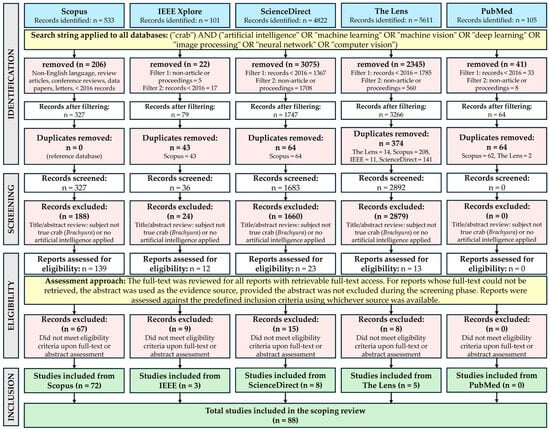
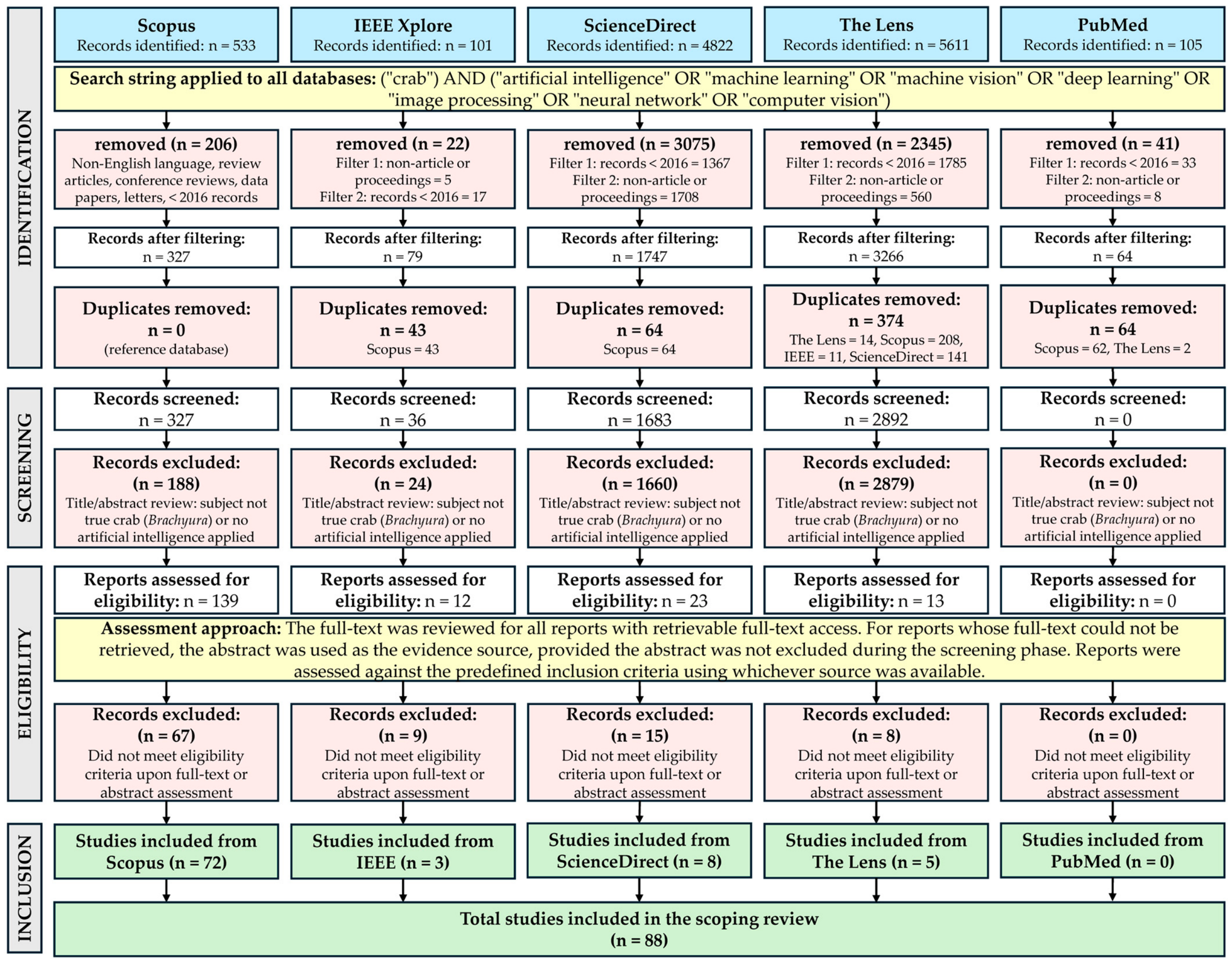
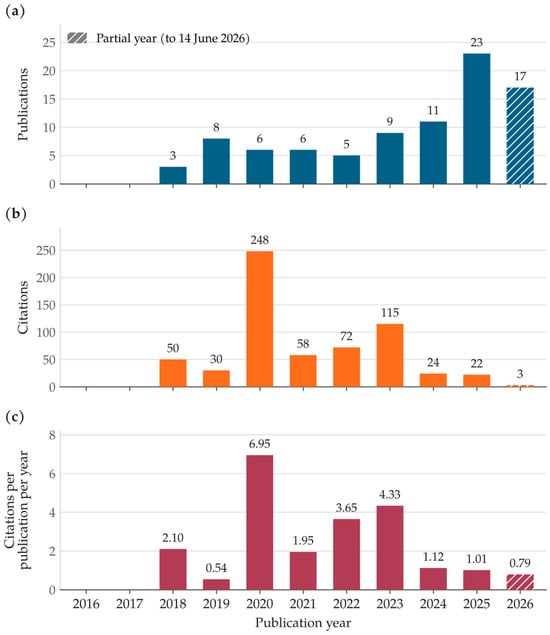
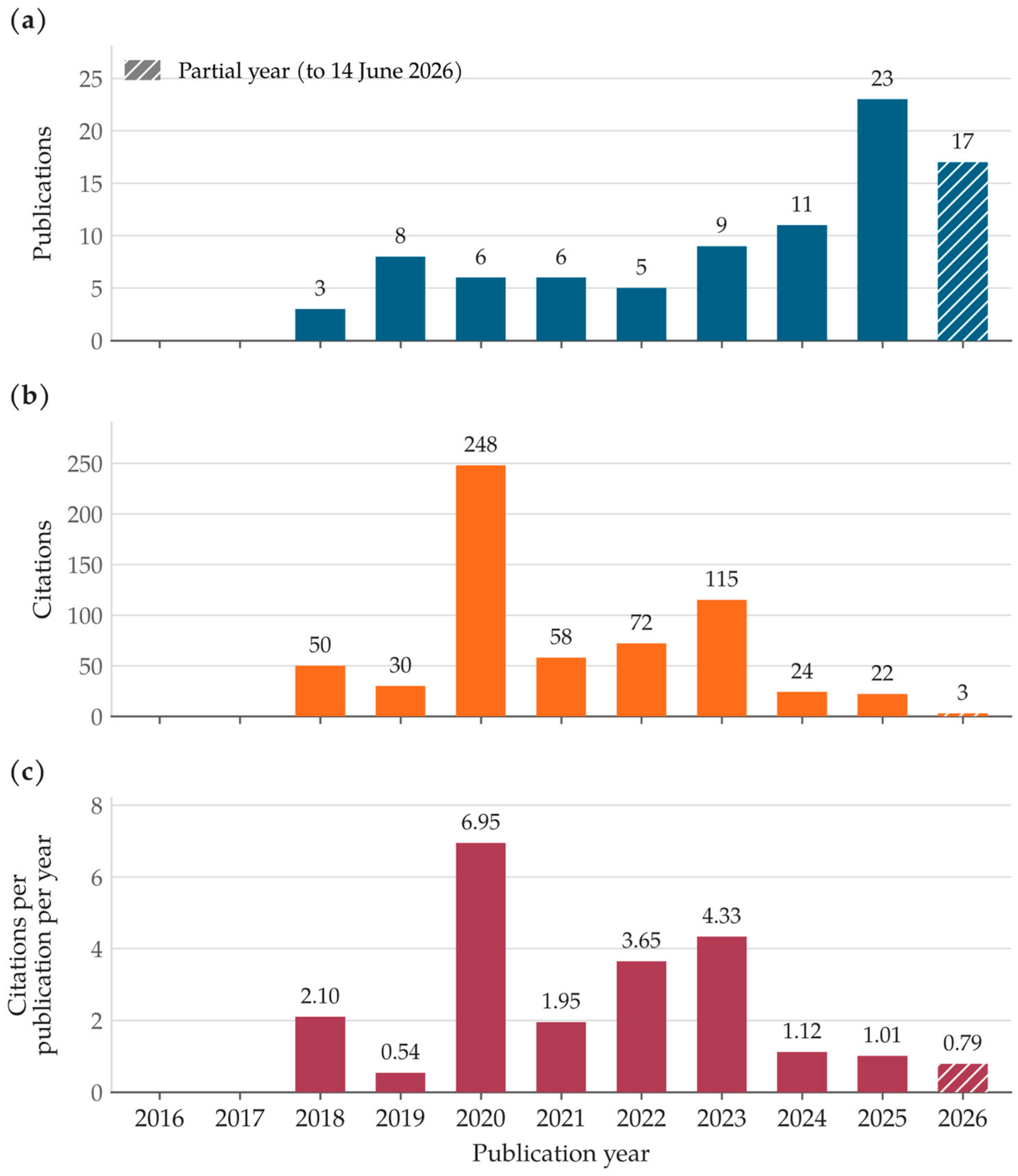
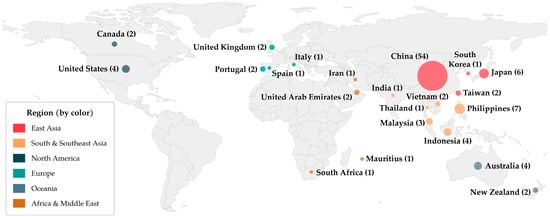
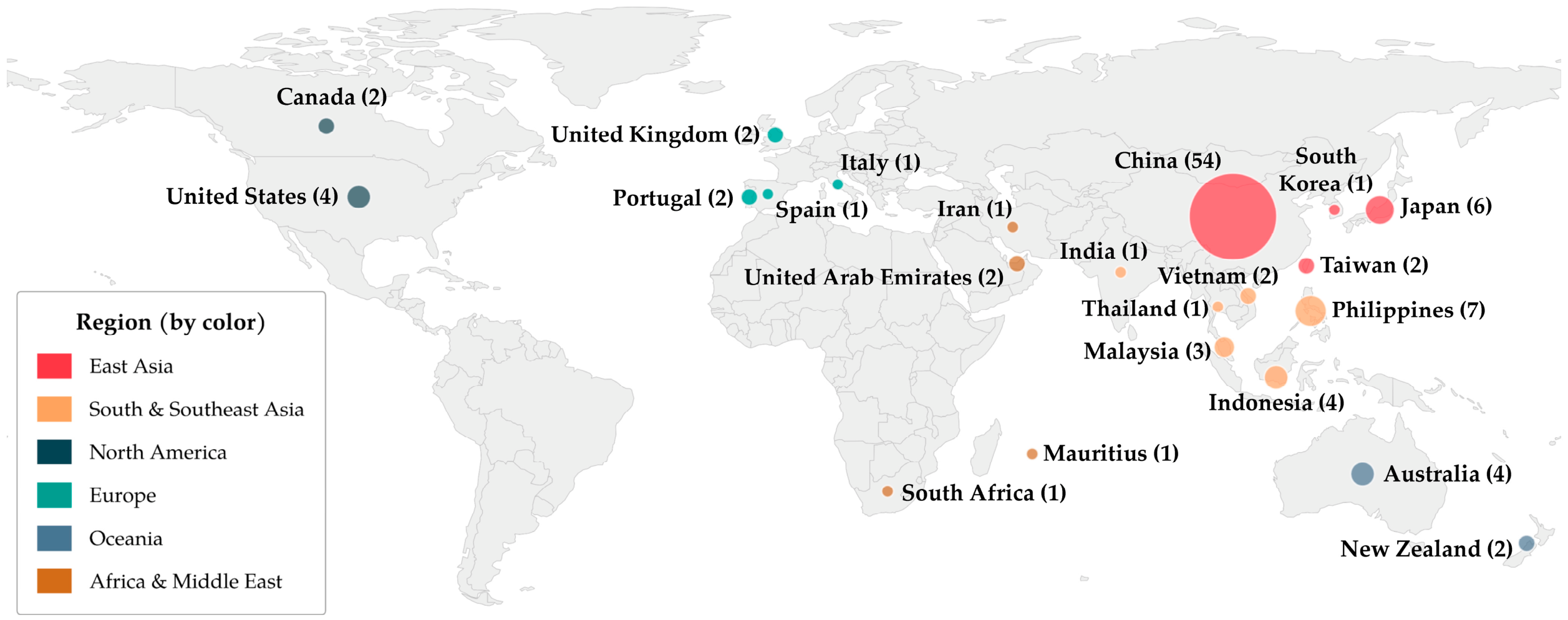
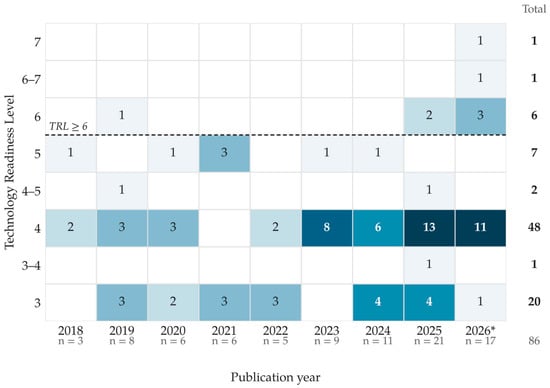
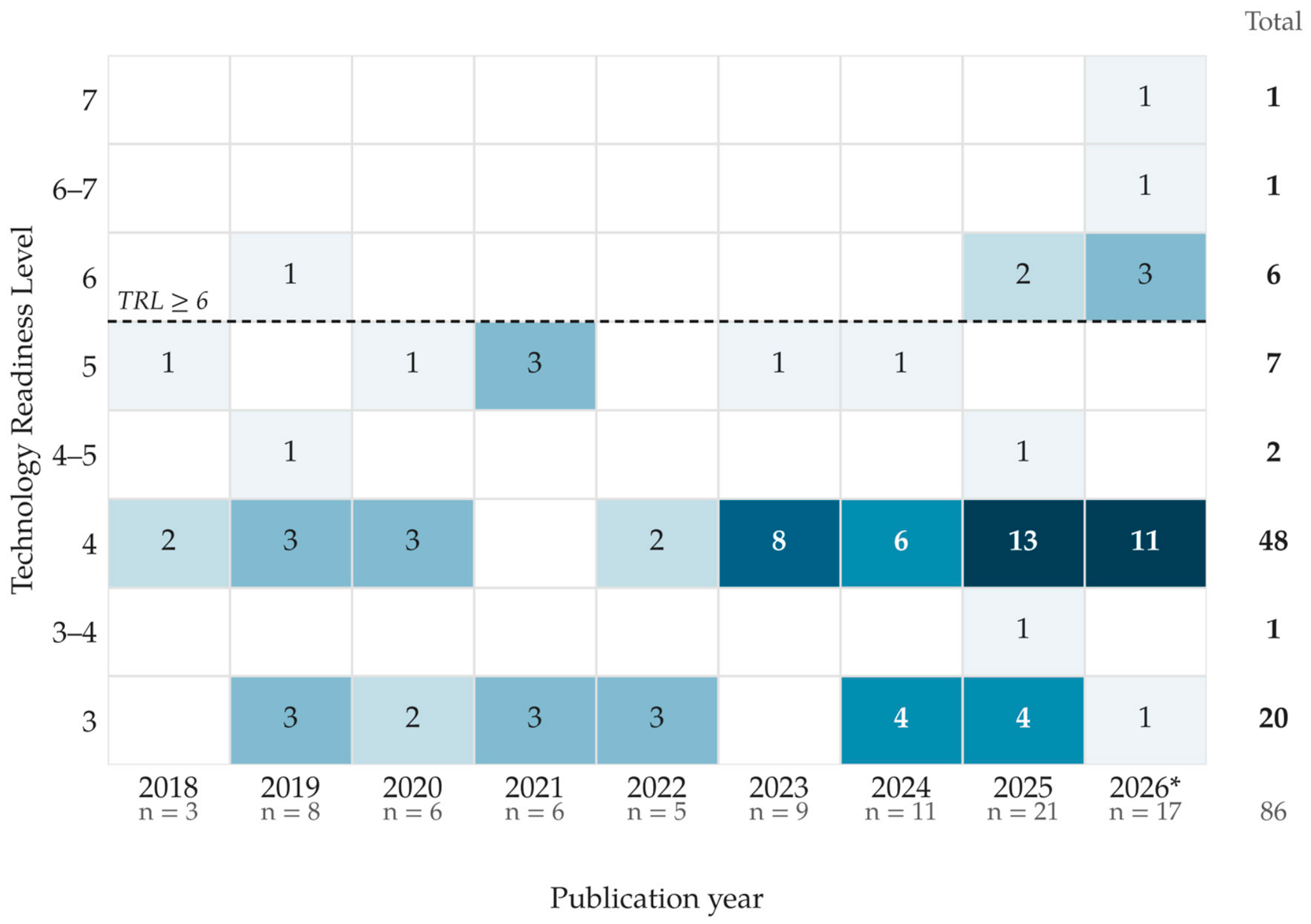

Disclaimer/Publisher’s Note: The statements, opinions and data contained in all publications are solely those of the individual author(s) and contributor(s) and not of MDPI and/or the editor(s). MDPI and/or the editor(s) disclaim responsibility for any injury to people or property resulting from any ideas, methods, instructions or products referred to in the content. |
© 2026 by the authors. Licensee MDPI, Basel, Switzerland. This article is an open access article distributed under the terms and conditions of the Creative Commons Attribution (CC BY) license.