


Abstract
Healthy aging depends on preserving the capacity to adapt to physiological stress. Physical exercise is a prototypical hormetic stimulus that transiently perturbs redox, energetic, mechanical, and inflammatory homeostasis, activating pathways involved in mitochondrial remodeling, metabolic flexibility, cellular repair, and stress resistance. The Mediterranean diet may shape the context in which these responses occur through polyphenols, unsaturated fatty acids, fermentable fibers, micronutrients, and microbiota-derived metabolites. This review develops a hormetic framework for the molecular convergence between Mediterranean dietary exposure and exercise in healthy aging while distinguishing mechanistic plausibility from demonstrated biological interaction. Particular attention is given to Nrf2–Keap1, AMPK–SIRT1–PGC-1α, mTOR–autophagy, NF-κB/NLRP3, and eNOS/NO networks, with mitochondrial quality control considered a candidate integrative hub. The gut–muscle–mitochondria axis and microbial polyphenol metabotypes are discussed as potential contributors to interindividual variability. The antioxidant paradox is framed through a proposed adaptive redox window in which physiological stress and nutritional modulation support adaptation without exceeding or suppressing compensatory capacity. Current human evidence supports molecular convergence and biological complementarity more strongly than formally demonstrated diet × exercise interaction, while evidence of true synergy remains particularly limited; the framework is therefore hypothesis-generating and requires factorial and mechanistic testing in older adults.
1. Introduction
Population aging is one of the major biomedical and societal challenges of the twenty-first century. Although life expectancy has increased substantially, gains in lifespan have not always been accompanied by equivalent gains in healthspan, contributing to a growing burden of multimorbidity, frailty, disability, and loss of functional independence. Aging is now understood as a multidimensional biological process driven by interacting alterations in genomic stability, proteostasis, nutrient sensing, mitochondrial function, cellular senescence, intercellular communication, inflammation, and the gut microbiome [1].
A common feature linking these processes is the progressive decline in the capacity to maintain homeostasis and respond effectively to physiological stress. Healthy aging may therefore depend not only on limiting molecular damage, but also on preserving adaptive capacity and biological resilience [1,2]. Within this perspective, hormesis provides a useful framework: low or moderate stress activates adaptive and protective mechanisms, whereas insufficient stimulation may fail to induce adaptation and excessive exposure may exceed compensatory capacity [2,3,4].
Physical exercise represents a prototypical hormetic stimulus. Acute exercise transiently perturbs energetic, redox, calcium, mechanical, and inflammatory homeostasis, activating signaling networks that support mitochondrial remodeling, metabolic adaptation, endogenous cytoprotection, vascular function, and tissue repair [3,5]. The long-term benefits of training therefore arise in part from repeated cycles of physiological challenge and recovery rather than from the suppression of exercise-induced stress.
The Mediterranean diet may influence adaptive capacity through a complementary but mechanistically distinct route. Beyond its macronutrient and micronutrient composition, this dietary pattern provides polyphenols, unsaturated fatty acids, fermentable fibers, and other bioactive compounds that can modulate redox-sensitive, inflammatory, metabolic, endothelial, mitochondrial, and microbiota-dependent pathways [4,6,7]. These effects extend beyond direct antioxidant activity and include modulation of endogenous stress-response systems.
Indeed, physiological reactive oxygen species (ROS) are now recognized as signaling molecules rather than exclusively as damaging by-products of metabolism [8]. Several Mediterranean diet-derived polyphenols and their metabolites can modulate endogenous stress-response pathways through mild redox or electrophilic mechanisms, with biological effects that depend on dose, bioavailability, food matrix, metabolic context, and microbial transformation [4,9,10,11]. This is particularly relevant to exercise because transient redox signaling contributes directly to training-induced adaptation.
The intersection between these lifestyle exposures therefore raises a key question: does Mediterranean dietary exposure merely provide independent health benefits alongside exercise, or can it modify the biological response to exercise itself? Several pathways influenced by exercise—including redox-sensitive defense systems, energy-sensing networks, mitochondrial quality-control mechanisms, inflammatory signaling, endothelial regulation, and gut-derived metabolites—are also modulated by components of the Mediterranean dietary pattern [4,5,7]. This overlap supports molecular convergence but does not, by itself, demonstrate biological interaction. In this review, interaction refers to a combined effect that departs from that expected from the independent effects of diet and exercise on a defined analytical scale, whereas synergy denotes a beneficial interaction in which the combined effect exceeds that expectation.
A particularly relevant example is the antioxidant paradox. Because exercise-derived reactive species participate in adaptive signaling, indiscriminate suppression of these signals may attenuate selected training responses. Conversely, reducing chronic oxidative distress and inflammatory burden could improve the physiological environment in which acute exercise signals are generated and resolved [8,9,11]. Mediterranean foods may differ from high-dose isolated antioxidant supplements because they provide lower, repeated, matrix-dependent exposures together with nutrients and microbial substrates that influence recovery and cellular homeostasis.
Within this framework, mitochondrial quality control and the gut–muscle–mitochondria axis emerge as candidate integrative mechanisms. Exercise directly stimulates mitochondrial remodeling and turnover, whereas Mediterranean dietary exposure may modify the redox, metabolic, inflammatory, and microbial environment in which these adaptations occur. Interindividual differences in fitness, frailty, nutritional status, medication use, microbiota composition, and microbial metabotypes may further determine whether a given exposure falls within an adaptive or maladaptive range [7,10].
This review therefore critically examines the potential biological convergence between Mediterranean dietary exposure and exercise in healthy aging. Rather than inferring interaction or synergy from shared molecular targets or combined intervention effects, we distinguish molecular convergence, biological complementarity, formal interaction, and synergy according to the level of evidence available. Particular attention is given to hormetic and redox signaling, adaptive molecular networks, mitochondrial quality control, the gut–muscle–mitochondria axis, and the antioxidant paradox. The proposed framework integrates these mechanisms within an adaptive redox window and identifies testable hypotheses for determining when Mediterranean dietary exposure may modify exercise adaptation in older adults.
2. Literature Search Strategy and Review Framework
This review was designed as a critical narrative synthesis of the current evidence on the biological interplay between Mediterranean dietary patterns and physical exercise in the context of healthy aging. The literature search focused on four main areas: (i) exercise-induced hormetic and redox signaling; (ii) Mediterranean diet-derived bioactives and their effects on metabolic, inflammatory, vascular and mitochondrial pathways; (iii) molecular mechanisms potentially shared by diet and exercise, including Nrf2–Keap1, AMPK–SIRT1–PGC-1α, mTOR–autophagy, NF-κB/NLRP3 and eNOS/NO signaling; and (iv) human intervention studies evaluating Mediterranean dietary strategies together with physical activity or structured exercise.
Relevant articles were identified through searches of PubMed, Scopus, Web of Science and Google Scholar. The literature search was last updated in August 2026. No predefined publication-date restriction was applied, and the search was limited to articles published in English. Searches combined terms related to Mediterranean dietary exposure and exercise with mechanistic and aging-related terms addressing hormesis, redox signaling, mitochondrial quality control, inflammation, vascular function, gut microbiota, microbial metabolites, frailty, and exercise responsiveness. Reference lists of relevant reviews and primary studies were also screened. The complete search framework and representative search combinations are provided in Supplementary Table S1.
Priority was given to controlled human interventions, systematic reviews and meta-analyses, together with mechanistic studies directly relevant to the proposed framework. Evidence from isolated bioactive compounds, cellular systems, or animal models was used to support mechanistic plausibility but was not considered equivalent to evidence obtained from whole dietary patterns or controlled human interventions. Particular attention was given to study designs capable of distinguishing combined intervention effects from formal diet × exercise interaction.
Because this is a narrative rather than a systematic review, no formal risk-of-bias assessment or quantitative evidence grading was performed, and residual selection bias cannot be excluded. Throughout the review, molecular convergence and biological complementarity are therefore distinguished from formally demonstrated interaction and synergy, rather than inferred solely from shared molecular targets or favorable outcomes of multicomponent interventions. Operational definitions of these terms are provided in Box 1.
Box 1. Operational definitions used to distinguish Mediterranean diet–exercise convergence, complementarity, interaction, and synergy.
| Concept | Operational definition |
| Molecular convergence | Mediterranean dietary exposure and exercise influence one or more shared molecular pathways, signaling nodes, or biological targets. Convergence indicates mechanistic overlap but does not demonstrate that the effect of one intervention depends on the other. |
| Biological complementarity | Diet and exercise exert distinct or partially overlapping beneficial effects that may jointly contribute to an outcome, without evidence that their combined effect departs from that expected from their independent effects. |
| Interaction | The joint effect of diet and exercise differs from that expected from their independent effects on a prespecified analytical scale. Interaction may be beneficial or adverse and may differ depending on whether an additive or multiplicative scale is used. |
| Synergy | A beneficial interaction in which the combined effect of diet and exercise is greater than expected from their independent effects. Robust demonstration ideally requires appropriate comparator groups—control, diet alone, exercise alone, and combined diet plus exercise—and formal interaction testing. |
| Interpretative note. Statistical interaction is endpoint- and scale-dependent. An interaction detected for one outcome (e.g., VO2max) does not imply interaction for another (e.g., mitochondrial respiration, Nrf2 activity, or inflammatory biomarkers), and statistical interaction does not by itself establish a shared biological mechanism. | |
3. Hormesis as a Framework for Healthy Aging
3.1. Hormesis and Adaptive Homeostasis
Hormesis describes a biphasic dose–response relationship in which low or moderate exposure to a stressor activates adaptive responses, whereas excessive or prolonged exposure may lead to dysfunction and damage [2,12]. Accordingly, a hormetic response should not be regarded as an intrinsically beneficial property of a given stimulus, but rather as the outcome of the interaction among stimulus intensity, duration, and the capacity of the biological system to activate appropriate defense and repair mechanisms [2,4].
The hormetic curve therefore defines an adaptive window between insufficient stimulation and stress that exceeds compensatory capacity. This concept is closely related to adaptive homeostasis, the transient and reversible expansion of the homeostatic range that enables cells to strengthen defense, repair, and quality-control mechanisms in response to perturbation [13].
Exercise, energy restriction, fasting, thermal stress, and food-derived bioactives can transiently perturb energetic, redox, or proteostatic balance and activate conserved pathways involving Nrf2, AMPK, sirtuins, FOXO proteins, autophagy, and mitophagy [3,4,14]. Their biological benefit derives primarily from the adaptive response elicited rather than from the stress itself.
The adaptive window is dynamic and varies with age, fitness, nutritional and inflammatory status, mitochondrial function, medication use, and other determinants of physiological reserve [14]. Hormesis should therefore be regarded as a context-dependent biological response rather than as evidence that stress exposure is intrinsically beneficial.
3.2. From Oxidative Stress to Redox Signaling
Redox biology provides one of the clearest examples of how the concept of hormesis has evolved. Reactive oxygen species (ROS) were traditionally regarded mainly as toxic by-products of aerobic metabolism responsible for oxidative damage to lipids, proteins, and nucleic acids. They are now also recognized as physiological signaling molecules whose effects depend on chemical identity, concentration, localization, and duration of exposure [8,15].
Transient and compartmentalized ROS generation, particularly involving hydrogen peroxide, can reversibly modify redox-sensitive proteins and regulate metabolic, inflammatory, vascular, mitochondrial, and cytoprotective pathways [8,15]. This distinction underlies the concepts of oxidative eustress, in which controlled oxidant generation supports signaling, and oxidative distress, in which reactive species exceed regulatory and repair capacity [15].
The Nrf2-Keap1 pathway represents a major component of this adaptive response. Under basal conditions, Keap1 promotes Nrf2 ubiquitination and proteasomal degradation. Oxidative or electrophilic modification of redox-sensitive Keap1 cysteine residues reduces this repression, allowing Nrf2 stabilization and nuclear translocation. Nrf2 subsequently induces genes involved in glutathione metabolism, quinone reduction, detoxification, iron homeostasis, and proteostasis [16]. Thus, adaptive redox regulation depends on activation of endogenous cytoprotective systems rather than simply on direct ROS scavenging.
Mitochondrial ROS can likewise act as retrograde signals that promote antioxidant defense, mitochondrial turnover, and metabolic adaptation, a process commonly described as mitohormesis [12,14]. When mitochondrial dysfunction becomes persistent or excessive, however, the response may shift from adaptation toward damage.
This framework is particularly relevant to Mediterranean diet–exercise convergence. Exercise generates transient redox signals required for adaptation, whereas several dietary polyphenols can modulate redox-sensitive and electrophile-responsive pathways [4]. Their combined biological effects should therefore be interpreted in terms of modulation of adaptive signaling rather than as simple additive antioxidant activity.
3.3. Age-Related Impairment of Hormetic Capacity
The capacity to mount an effective hormetic response declines with age. Aging is associated with progressive impairment of adaptive homeostasis, including reduced inducibility of cytoprotective defenses, mitochondrial dysfunction, impaired autophagy, loss of proteostasis, and persistent low-grade inflammation [1,13,16]. Consequently, a stimulus that elicits an efficient compensatory response in a young organism may generate a weaker, delayed, or incomplete adaptation in older individuals.
Reduced Nrf2 responsiveness provides one example of this decline: despite greater oxidative burden, the induction of Nrf2-dependent defenses may become less efficient with aging [16]. Concurrent impairment of mitochondrial quality control, proteostasis, and autophagic clearance further reduces the capacity to resolve stress and remove damaged cellular components [1,14].
These alterations may narrow the hormetic window, particularly in individuals with frailty, sarcopenia, malnutrition, chronic disease, low fitness, or persistent inflammatory burden. Increasing stimulus intensity or frequency therefore does not necessarily produce greater adaptation in older adults; the response depends on the balance among stimulus dose, recovery, and residual adaptive capacity [14].
Hormesis consequently provides a useful framework for healthy aging only when physiological challenge is considered relative to individual adaptive reserve. This principle is relevant to both exercise prescription and nutritional modulation and provides the basis for the precision perspective developed later in this review.
The proposed adaptive redox window and the distinction between excessive physiological stress and excessive antioxidant suppression are summarized in Figure 1.
Figure 1.
Proposed adaptive redox window in healthy aging. An appropriate range of exercise-induced physiological stress supports adaptive signaling and cellular resilience, whereas excessive stress may exceed adaptive capacity. Excessive antioxidant suppression represents a distinct mechanism that may blunt exercise-derived redox signaling and selected adaptive responses.
4. Exercise as a Prototypical Hormetic Stimulus
Physical exercise represents one of the most compelling physiological models of hormesis. A single bout of exercise transiently perturbs energetic, redox, ionic, and mechanical homeostasis, whereas repeated exposure to these perturbations, with adequate recovery, promotes adaptations that increase resilience to subsequent challenges [3,17]. The magnitude of this response depends on exercise dose, training status, and recovery, consistent with the context-dependent nature of hormesis.
4.1. Exercise-Induced Stress Signals
Muscle contraction induces a transient increase in reactive oxygen and nitrogen species (RONS) generated by several cellular sources, including NADPH oxidases, xanthine oxidase, and mitochondria [17,18]. Whereas excessive or sustained RONS production may contribute to damage, moderate and spatially regulated RONS generation participates in exercise-induced signaling. RONS-sensitive pathways involving AMPK, MAPKs, Nrf2, and PGC-1α contribute to mitochondrial biogenesis, metabolic remodeling, and endogenous antioxidant defense [17,18]. Repeated exposure to these transient signals can therefore enhance cellular redox control and stress resistance [18,19].
In parallel, muscle contraction rapidly increases ATP demand. Changes in cellular energy charge and AMP- and ADP-to-ATP ratios activate AMPK, which promotes ATP-generating pathways, regulates substrate utilization, and contributes to mitochondrial remodeling [5,20].
Each muscle contraction is also accompanied by transient changes in intracellular Ca2+ concentration. Beyond excitation-contraction coupling, Ca2+ activates Ca2+/calmodulin-dependent kinases and calcineurin, which interact with AMPK, p38 MAPK, and PGC-1α to regulate transcriptional and metabolic adaptation [5,21]. Signal amplitude, frequency, and duration contribute to the specificity of responses to different exercise modalities.
Mechanical loading represents another important component of exercise-induced signaling, particularly during resistance exercise. Muscle tension, fiber deformation, and cytoskeletal mechanotransduction regulate protein turnover and tissue remodeling, complementing redox, energetic, and calcium-dependent signals [5]. This pathway is particularly relevant in aging, when resistance exercise provides a major stimulus for preserving muscle mass, strength, and functional capacity [22].
4.2. Adaptive Molecular Responses
Exercise-induced redox, energetic, calcium-dependent, and mechanical signals converge on interconnected molecular networks rather than acting independently. Among the most relevant is the AMPK-SIRT1-PGC-1α axis. AMPK responds primarily to energetic perturbation, whereas SIRT1 activity is influenced by cellular NAD+ availability; both can modulate PGC-1α, a transcriptional coactivator with a central role in oxidative metabolism and mitochondrial biogenesis [5,20].
PGC-1α integrates signals from AMPK, SIRT1, p38 MAPK, calcium-dependent pathways, and redox-sensitive mechanisms to coordinate oxidative metabolism and mitochondrial adaptation [5,17,21]. Nrf2 provides a complementary redox-sensitive node by promoting transcription of genes involved in glutathione metabolism, detoxification, and protection against oxidative and electrophilic stress [16,17].
FOXO transcription factors provide an additional link between cellular energy status, nutrient sensing, stress resistance, and protein turnover. Their activity is regulated by Akt, AMPK, and sirtuins and contributes to cellular maintenance in a context-dependent manner [3,20].
Autophagy and mitophagy complete this adaptive program by removing damaged proteins and dysfunctional organelles. Exercise-induced mitochondrial adaptation should therefore be regarded as coordinated quality control involving biogenesis, remodeling, selective turnover, and metabolic reprogramming rather than as increased mitochondrial biogenesis alone [3,20].
4.3. Exercise Responsiveness Across Aging
The capacity to respond to exercise is not determined by chronological age alone. Older adults constitute a highly heterogeneous population with respect to baseline fitness, body composition, nutritional status, frailty, comorbidities, and habitual physical activity. Aging-related mitochondrial dysfunction, chronic inflammation, impaired proteostasis, and reduced physiological reserve may attenuate or delay adaptation, but substantial responsiveness can be preserved when exercise is appropriately matched to individual capacity [16,22].
Exercise modality also determines the predominant adaptive stimulus: endurance exercise primarily challenges oxidative metabolism and cardiorespiratory function, whereas resistance exercise provides stronger mechanical and anabolic signaling; combined programs can target multiple functional domains [22].
Within a hormetic framework, the relevant issue is therefore not chronological age per se but the relationship between exercise dose, recovery, and residual adaptive reserve. This heterogeneity provides the mechanistic basis for asking whether nutritional exposure can modify the magnitude or quality of exercise-induced adaptation in older adults.
5. Mediterranean Diet as a Source of Hormetic Signals
The Mediterranean diet is characterized by a high intake of plant foods, extra virgin olive oil (EVOO), whole grains, legumes and nuts, moderate consumption of fish and other animal-derived foods, and a relatively low intake of highly processed products. Beyond its nutritional composition, this dietary pattern provides a complex mixture of polyphenols, unsaturated fatty acids, fiber, micronutrients, and microbial substrates capable of influencing redox regulation, inflammation, mitochondrial function, and gut microbial metabolism [6,7,23].
Within a hormetic framework, its relevance extends beyond exogenous antioxidant supply. Specific dietary components and their metabolites may modulate endogenous stress-response pathways through repeated, low-intensity, matrix-dependent signals [4,23], thereby shaping the biological context in which adaptive responses occur.
5.1. Beyond the Antioxidant Paradigm
The Mediterranean diet has traditionally been described as an antioxidant-rich dietary pattern because EVOO, fruits, vegetables, legumes, nuts, herbs, and whole grains provide numerous polyphenols, carotenoids, vitamins, and other redox-active compounds [6,24]. Its clinical relevance is supported by intervention evidence, including PREDIMED, in which Mediterranean dietary patterns supplemented with EVOO or nuts reduced major cardiovascular events in high-risk individuals [25].
Direct radical scavenging, however, is unlikely to explain the biological effects of Mediterranean bioactives. Dietary polyphenols undergo extensive host metabolism, while a proportion reaches the colon and is transformed by the gut microbiota into metabolites whose biological activities may differ from those of the parent compounds [7,10].
Accordingly, current interpretation emphasizes modulation of redox-sensitive, inflammatory, mitochondrial, and nutrient-sensing pathways rather than simple ROS neutralization [4,8,15]. This distinction is particularly relevant to exercise, because physiological redox signaling contributes to training adaptation. Mediterranean dietary exposure may therefore support redox homeostasis without necessarily suppressing the transient signals required for adaptation.
The Mediterranean diet has previously been interpreted within the hormesis paradigm. Martucci et al. proposed that Mediterranean dietary exposure may provide mild biological challenges capable of interacting with adaptive pathways involved in inflammaging and Nrf2 regulation [23]. This concept applies primarily to specific bioactive components and their metabolites rather than to the dietary pattern as a uniform hormetic stressor.
5.2. Polyphenols as Hormetic Modulators
Polyphenols constitute one of the most extensively investigated groups of Mediterranean dietary bioactives. They include phenolic alcohols, secoiridoids, flavonoids, anthocyanins, phenolic acids, lignans, stilbenes, and tannins derived from EVOO and a wide range of plant foods [24].
At nutritionally relevant exposures, polyphenols are increasingly regarded not only as chemical antioxidants but also as modulators of cellular signaling. Polyphenols and their metabolites can influence redox-sensitive proteins, transcription factors, inflammatory mediators, and mitochondrial pathways, and some may exert mild electrophilic or pro-oxidant effects capable of activating adaptive responses such as Nrf2 signaling [16,26,27].
These effects are strongly context-dependent and vary with dose, chemical structure, metabolism, tissue exposure, baseline redox status, food matrix, and microbial transformation [4,9,10]. This helps explain why responses to purified or concentrated compounds cannot be assumed to reproduce those produced by habitual dietary exposure.
EVOO phenolics provide a relevant example. Hydroxytyrosol, tyrosol, secoiridoid derivatives, and oleocanthal have been associated with modulation of pathways related to Nrf2, NF-κB, mitochondrial function, inflammation, and endothelial homeostasis [26,28]. These pathways overlap with several components of exercise adaptation, providing mechanistic plausibility for convergence, although direct evidence that habitual EVOO consumption modifies exercise-induced signaling in humans remains limited.
Polyphenols are therefore better considered context-dependent modulators of endogenous signaling than uniformly acting antioxidants.
5.3. Mediterranean Food Matrices and Physiological Exposure
A defining feature of the Mediterranean diet is that bioactive compounds are consumed within complex food matrices rather than as isolated molecules. Lipids, proteins, fiber, micronutrients, and phytochemicals interact during digestion and metabolism and thereby influence bioaccessibility, absorption, microbial transformation, circulating metabolites, and tissue exposure [7,10,24,29]. This matrix effect limits direct extrapolation from experiments using purified compounds at pharmacological concentrations to habitual food consumption.
Different Mediterranean foods contribute complementary exposures: EVOO provides oleic acid and phenolic compounds; plant foods, legumes, and whole grains supply polyphenols, micronutrients, and fermentable substrates; nuts contribute unsaturated fatty acids, fiber, minerals, tocopherols, and phytochemicals; and fish provides high-quality protein and long-chain omega-3 fatty acids [6,24,25,26,27,28,29]. Not all of these components should be classified as hormetic signals; collectively, however, they shape the metabolic, inflammatory, redox, and microbial environment in which adaptive responses occur.
The gut microbiota adds a further layer of variability by converting dietary substrates and polyphenols into distinct metabolite profiles. Interindividual differences in these transformations may contribute to heterogeneous biological responses to the same dietary pattern [7,10], a concept developed further in the gut–muscle–mitochondria framework below.
The Mediterranean diet is therefore best viewed as a complex dietary matrix that modulates the physiological context of adaptation rather than as a collection of exogenous antioxidants. This distinction provides the mechanistic basis for evaluating whether dietary exposure modifies exercise responses rather than merely producing parallel health benefits.
6. Adaptive Signaling Networks Underlying Mediterranean Diet–Exercise Convergence
The biological plausibility of Mediterranean diet–exercise convergence derives from the observation that both interventions influence partially overlapping adaptive signaling networks. Exercise generates acute redox, energetic, calcium-dependent, mechanical, inflammatory, and vascular stimuli, whereas Mediterranean dietary exposure may modify the cellular environment in which these signals are generated and resolved [4,5,7,17].
The principal points of convergence considered here are Nrf2–Keap1, AMPK–SIRT1–PGC-1α, mTOR–autophagy, NF-κB/NLRP3, and eNOS/NO signaling [16,20,30,31]. Their shared modulation establishes mechanistic overlap, but direct evidence that Mediterranean dietary exposure alters exercise-induced activation of these pathways in humans remains limited.
6.1. Redox and Energy-Sensing Networks
Nrf2–Keap1 and AMPK–SIRT1–PGC-1α provide complementary interfaces between redox, energetic, and mitochondrial adaptation. Exercise-derived RONS activate redox-sensitive signaling, including Nrf2-dependent cytoprotective responses, whereas energetic stress activates AMPK and related pathways that converge on PGC-1α and mitochondrial remodeling [16,17,18,20,30].
Mediterranean diet-derived bioactives can influence the same redox-sensitive machinery. EVOO phenolics and other plant polyphenols have been associated with modulation of Nrf2-related signaling and may act as mild electrophilic or redox modulators rather than exclusively as radical scavengers [4,26,27,28]. Similarly, experimental evidence indicates that dietary bioactives can influence AMPK-, SIRT1-, and PGC-1α-related signaling, although these observations derive largely from mechanistic models rather than physiological whole-diet interventions [4,28,30].
FOXO signaling intersects with these networks through Akt, AMPK, and sirtuins and contributes to stress resistance, autophagy, and protein turnover [32]. Its context-dependent regulation further illustrates why shared pathway activation cannot be interpreted simply as greater biological benefit.
Overall, Nrf2 and AMPK–SIRT1–PGC-1α represent well-supported sites of molecular convergence, but whether Mediterranean dietary exposure changes the amplitude, kinetics, or resolution of their exercise-induced activation in older humans remains unresolved.
6.2. mTOR, Autophagy, and Proteostatic Balance
The mTOR network integrates nutrient availability, growth factors, energy status, and mechanical loading to regulate protein synthesis, cellular growth, and autophagy [31]. During exercise adaptation, mechanical loading can promote transient mTORC1-dependent anabolic signaling, whereas energetic stress and AMPK activation may favor autophagic processes. Effective remodeling therefore requires temporal coordination between synthesis and cellular clearance rather than persistent activation or inhibition of either pathway [20,31].
Mediterranean dietary exposure may influence this balance through nutrient availability and bioactive modulation of AMPK, SIRT1, PI3K/Akt/mTOR, FOXO, and autophagy-related signaling [4,33]. Evidence combining polyphenols with exercise suggests mechanistic plausibility, but remains dominated by isolated compounds, preclinical models, or disease-oriented contexts [34].
This distinction is particularly important in aging, where preservation of anabolic responsiveness must coexist with efficient proteostasis. Whether habitual Mediterranean dietary exposure modifies exercise-induced mTOR signaling or autophagic flux in humans has not yet been established.
6.3. Inflammatory Signaling and Inflammaging
Chronic low-grade inflammation is a major feature of aging and is associated with mitochondrial dysfunction, cellular senescence, metabolic dysregulation, and declining physiological reserve. NF-κB and the NLRP3 inflammasome are important components of this network [35,36].
Exercise produces transient inflammatory signals involved in remodeling and recovery, whereas regular training generally reduces basal inflammatory burden. Mediterranean dietary exposure may act primarily on this chronic background through polyphenols, unsaturated fatty acids, fermentable substrates, and microbiota-derived metabolites capable of modulating NF-κB- and NLRP3-related signaling [23,35,36].
Microbial transformation of dietary polyphenols adds a further layer of regulation. Candidate metabolites, including urolithins, phenolic derivatives, and short-chain fatty acids, may participate in gut–immune signaling relevant to NLRP3 activity and systemic inflammation [37]. The proposed convergence is therefore not simple suppression of exercise-induced inflammation, but potential reduction in chronic inflammatory burden while preserving transient adaptive signaling. Direct evidence for this mechanism in older humans remains limited.
6.4. eNOS/NO and Vascular–Metabolic Integration
The eNOS/NO pathway links endothelial function, tissue perfusion, skeletal muscle metabolism, and systemic adaptation. Exercise-induced shear stress stimulates eNOS-dependent NO production, supporting vasodilation, substrate delivery, and metabolic regulation [38].
Mediterranean dietary exposure may influence the same vascular environment through effects on redox balance, inflammation, membrane composition, and NO bioavailability. Human studies support improved endothelial function with Mediterranean dietary interventions [39,40], while mechanistic evidence implicates EVOO phenolics and other dietary components in pathways relevant to vascular redox homeostasis [26,28].
A plausible form of convergence is therefore preservation of endothelial and metabolic conditions that favor exercise responsiveness. However, controlled human evidence demonstrating that a Mediterranean dietary pattern specifically modifies the endothelial response to exercise remains scarce.
Taken together, these pathways support a model of molecular convergence rather than demonstrated interaction. Mediterranean dietary exposure may shape redox, metabolic, inflammatory, and vascular conditions in which exercise-induced signals operate, but whether this changes the biological response to exercise must be established experimentally. These networks converge particularly strongly on mitochondrial biogenesis, turnover, proteostasis, and quality control, providing the rationale for considering mitochondrial quality control as a candidate integrative hub in the following section.
The principal molecular nodes potentially involved in Mediterranean diet–exercise convergence, together with their mechanistic rationale, current level of evidence, and major knowledge gaps, are summarized in Table 1.
Table 1.
Candidate molecular nodes of Mediterranean diet–exercise convergence: evidence and knowledge gaps.
The proposed integration of Mediterranean dietary exposure and exercise-induced adaptive signaling, with mitochondrial quality control as a candidate integrative hub linking molecular convergence to cellular resilience, is summarized in Figure 2.
Figure 2.
Proposed Mediterranean diet–exercise convergence from adaptive signaling to mitochondrial quality control and cellular resilience. Dietary and exercise-related signals may converge on shared molecular networks. Solid arrows indicate established human and/or mechanistic relationships, whereas dashed arrows indicate proposed or emerging connections. The framework does not imply proven causality or synergy.
7. Mitochondrial Quality Control as the Integrative Hub of Cellular Resilience
Mitochondria are dynamic organelles that integrate energy production, redox signaling, calcium homeostasis, innate immune responses, apoptosis, and cellular stress adaptation. Their contribution to healthy aging therefore extends beyond ATP synthesis. Mitochondrial quality control (MQC) encompasses coordinated mechanisms of biogenesis, fusion–fission dynamics, mitophagy, proteostasis, and stress signaling that preserve organelle integrity and adaptability [1,42,43].
Within the proposed Mediterranean diet–exercise framework, MQC is considered a candidate integrative hub. Exercise directly challenges mitochondrial energetic and redox homeostasis, whereas Mediterranean dietary exposure may modify the metabolic, inflammatory, redox, and microbial environment in which remodeling occurs [4,28,44]. The relevant outcome is therefore preservation of a functional and efficiently renewed mitochondrial network rather than mitochondrial abundance alone.
7.1. Mitochondrial Biogenesis and Network Dynamics
Mitochondrial biogenesis requires coordinated expression of nuclear and mitochondrial genes, mitochondrial DNA replication, protein import, membrane synthesis, and integration of newly generated components into the existing network. PGC-1α is a major transcriptional coactivator of this process and interacts with nuclear respiratory factors and other regulators of oxidative metabolism and mitochondrial gene expression [5,30].
Exercise activates mitochondrial remodeling through convergent energetic, calcium-dependent, redox, and p38 MAPK signaling involving AMPK, SIRT1, and PGC-1α [5,17,18]. Biogenesis, however, must remain coordinated with fusion, fission, and selective turnover to maintain mitochondrial quality.
Mitochondrial fusion, primarily regulated by MFN1/2 and OPA1, enables exchange of mitochondrial contents and maintenance of network integrity, whereas DRP1-dependent fission facilitates redistribution of mitochondria and segregation of dysfunctional regions for subsequent removal [42,43]. Aging can disrupt this dynamic balance, while exercise may partially restore mitochondrial plasticity in skeletal muscle [42,45].
Mediterranean diet-derived bioactives may influence mitochondrial remodeling through AMPK-, SIRT1-, Nrf2-, and redox-sensitive mechanisms [4,28,44]. Direct evidence that habitual Mediterranean dietary exposure modifies PGC-1α, MFN1/2, OPA1, or DRP1 responses to exercise in humans, however, remains limited.
7.2. Mitophagy, Mitochondrial Proteostasis, and Stress Recovery
Mitochondrial quality depends not only on the generation and remodeling of organelles but also on the efficient removal or repair of dysfunctional components. Mitophagy selectively eliminates damaged mitochondria, with PINK1–Parkin representing one of the best-characterized pathways, alongside receptor-mediated mechanisms involving BNIP3, NIX, and FUNDC1 [46,47,48].
In skeletal muscle, AMPK and mitochondrial dynamics contribute to the coordination of energetic stress, fission, and selective mitochondrial clearance. Exercise can promote mitochondrial turnover, although the relative contribution of individual mitophagy pathways depends on tissue, exercise modality, and physiological context [47,48,49].
Mitochondrial proteostasis provides an additional layer of surveillance through chaperones, proteases, and stress-responsive pathways such as the mitochondrial unfolded protein response (UPRmt). Mitophagy and proteostatic repair therefore operate as complementary quality-control mechanisms: damaged components may first be repaired, whereas irreversibly dysfunctional organelles are selectively removed [49].
Proteostatic quality control also extends beyond mitochondria. Ribophagy, the selective autophagic turnover of ribosomes, contributes to ribosome turnover and translational homeostasis under cellular stress [50]. Although direct evidence linking Mediterranean dietary exposure or exercise to ribophagy in older humans is currently lacking, this mechanism broadens the proteostasis dimension of adaptive resilience beyond mitochondrial turnover.
This broader proteostatic perspective is also relevant to aging-related disease biology. Aging and cancer share several dysregulated processes, including impaired proteostasis, mitochondrial dysfunction, cellular senescence, genomic instability, and chronic inflammation [51]. These connections provide biological context for the importance of quality-control systems during aging but should not be interpreted as evidence that Mediterranean diet–exercise convergence directly modifies cancer risk or progression.
As a limited example of preclinical evidence relevant to cellular senescence, polyphenol-rich Annurca apple extracts have been reported to modulate oxidative stress-induced senescence in human dermal fibroblasts [52]. These cellular findings support mechanistic plausibility for redox-sensitive senescence pathways but should not be extrapolated to exercise adaptation or whole-diet effects in older adults.
Aging impairs coordination among mitochondrial repair, proteostasis, and selective turnover, whereas exercise may improve this coupling [42,49]. Dietary polyphenols may influence related signaling through AMPK, SIRT1, mTOR, Nrf2, and inflammatory pathways [33,44], but enhancement of exercise-induced mitophagy or UPRmt by Mediterranean foods has not been demonstrated in humans.
7.3. Mitokines and Interorgan Mitochondrial Signaling
Mitochondrial adaptation also extends beyond the individual cell. Mitochondrial stress can induce endocrine and paracrine signals, collectively referred to as mitokines, including FGF21, GDF15, humanin, and MOTS-c, which have been implicated in systemic metabolic and stress responses [53].
Exercise provides a physiologically relevant context for this form of communication. Skeletal muscle mitochondrial perturbations may contribute to interorgan signaling, although interpretation of circulating mitokines remains complex because transient increases may reflect adaptive stress responses whereas chronically elevated levels may accompany mitochondrial dysfunction or disease [53].
Evidence that Mediterranean dietary exposure modifies exercise-induced mitokine responses is currently insufficient. Mitokines should therefore be regarded as candidate mediators of interorgan communication rather than established biomarkers of successful diet–exercise adaptation.
7.4. Mitochondrial Quality Control Within the Proposed Mediterranean Diet–Exercise Framework
Taken together, mitochondrial biogenesis, network dynamics, mitophagy, proteostasis, and interorgan signaling constitute an integrated quality-control continuum rather than independent processes. Exercise directly engages this continuum through repeated energetic and redox perturbations, whereas Mediterranean dietary exposure may modify the conditions under which mitochondrial adaptation occurs by influencing nutrient sensing, chronic inflammatory tone, redox homeostasis, membrane composition, and microbial metabolism [4,41,44].
A plausible form of convergence is therefore not simply greater mitochondrial abundance, but more efficient coordination among biogenesis, remodeling, repair, selective removal, and stress communication [41,44].
Direct human evidence remains limited. Few studies have simultaneously standardized Mediterranean dietary exposure and exercise while assessing mitochondrial respiration, network dynamics, mitophagic flux, proteostasis, or mitokine responses. Current evidence therefore supports exercise-induced mitochondrial remodeling much more strongly than diet-dependent modification of that remodeling [41,44].
Mitochondrial quality control is consequently proposed here as a hypothesis-generating integrative hub through which dietary context may influence the translation of exercise-induced stress into cellular resilience. This model requires direct mechanistic testing in humans, particularly in older adults.
8. The Gut–Muscle–Mitochondria Axis: From Microbial Metabolism to Precision Geroscience
The gut microbiota provides a dynamic interface between dietary exposure, host metabolism, immune regulation, and exercise adaptation. Its relevance extends beyond the gastrointestinal tract because microbial metabolites can enter the circulation and influence skeletal muscle metabolism, mitochondrial function, vascular homeostasis, and systemic inflammatory tone [7,10]. The gut–muscle–mitochondria axis therefore describes a potential route through which microbial metabolism may influence physical function and adaptive capacity.
Within the proposed framework, Mediterranean dietary exposure provides microbial substrates, whereas exercise can modify intestinal physiology and microbial ecology [7,54,55,56]. In turn, microbial metabolites may alter the metabolic and inflammatory environment surrounding muscle adaptation. These relationships remain difficult to isolate in humans because diet, age, adiposity, medications, fitness, and other host factors simultaneously shape the gut ecosystem [54,55,56].
8.1. Mediterranean Diet and Microbial Metabolism
The Mediterranean dietary pattern provides a broad range of substrates for microbial metabolism. Whole grains, legumes, fruits, vegetables, and nuts supply fermentable fibers and resistant starches, whereas EVOO, fruits, vegetables, and herbs provide structurally diverse polyphenols [7]. Their effects are better interpreted at the dietary-pattern level because microbial metabolism depends on substrate diversity and interactions among microbial communities.
Fermentation of complex carbohydrates generates short-chain fatty acids (SCFAs), principally acetate, propionate, and butyrate. These metabolites contribute to intestinal barrier integrity, epithelial metabolism, immune regulation, and host energy homeostasis [57,58]. Because most SCFAs are absorbed and metabolized before excretion, fecal concentrations do not directly represent production or systemic exposure [57,58].
Polyphenols undergo similarly extensive microbial transformation. Poorly absorbed parent compounds may be converted into metabolites including urolithins, phenolic acids, phenyl-γ-valerolactones, enterolignans, and equol, which can differ substantially from their precursors in bioavailability and biological activity [7,10]. Consequently, dietary intake alone cannot predict systemic exposure to bioactive microbial metabolites.
Microbial function is therefore more informative than taxonomic composition alone. Integration of compositional data with metagenomic and metabolomic measurements, particularly circulating microbial products, is needed to define biologically relevant diet–microbiota interactions [7,10].
8.2. Exercise as a Modulator of the Gut Ecosystem
Exercise may influence intestinal motility, bile acid metabolism, perfusion, immune regulation, barrier function, and microbial metabolism. A meta-analysis of 25 intervention studies involving 1044 adults reported a modest increase in microbial alpha diversity, but with substantial heterogeneity across exercise protocols and populations [54]. Evidence in older adults remains less consistent, with relatively few reproducible changes in overall diversity [55,56].
Interpretation is complicated by differences in habitual diet, adiposity, medication use, cardiometabolic status, and analytical methodology. Moreover, 16S rRNA sequencing primarily characterizes taxonomy and may not capture functionally relevant changes in microbial genes or metabolite production [54,55,56].
Exercise effects on intestinal homeostasis are also dose- and context-dependent: regular training may support barrier and microbial function, whereas prolonged strenuous exercise combined with heat, dehydration, or inadequate energy availability may transiently compromise intestinal integrity [54].
8.3. Microbial Metabolites as Mediators of Muscle–Mitochondrial Adaptation
SCFAs provide a plausible mechanistic link between microbial metabolism and skeletal muscle. Acetate, propionate, and butyrate may influence insulin sensitivity, glucose metabolism, inflammatory signaling, protein turnover, and mitochondrial function [57,58]. Their relevance is likely to derive primarily from signaling and systemic metabolic regulation rather than from a major quantitative contribution as skeletal-muscle fuels. Experimental evidence showing limited SCFA-supported mitochondrial respiration despite training-induced increases in overall mitochondrial capacity supports this interpretation [59].
Other microbial products, including polyphenol metabolites, indoles, and secondary bile acids, may influence redox, inflammatory, vascular, and mitochondrial signaling [10,37]. These effects intersect with NF-κB/NLRP3 activity and mitochondrial quality-control pathways, linking microbial metabolism to mechanisms already discussed above.
In aging, altered microbial metabolism and barrier function may contribute to inflammatory and metabolic conditions associated with sarcopenia [60]. However, direct evidence that specific microbial metabolites causally enhance exercise-induced muscle or mitochondrial adaptation in older adults remains limited.
These relationships are summarized in Figure 3, which distinguishes established associations from proposed or emerging links within the gut–muscle–mitochondria axis.
Figure 3.
Gut–muscle–mitochondria axis within the proposed Mediterranean diet–exercise framework. Mediterranean dietary substrates and exercise may influence microbial function and circulating metabolites, with downstream effects on muscle metabolism, mitochondrial quality control, and inflammation. Solid arrows indicate established relationships; dashed arrows indicate proposed or emerging connections. The framework does not imply proven causality or synergy.
8.4. Microbial Metabotypes and Emerging Human Evidence
The concept of microbial metabotypes offers a particularly relevant framework for explaining variability in the biological response to Mediterranean foods. Metabotypes classify individuals according to their capacity to convert dietary precursors into specific microbial metabolites. Established examples include urolithin, equol, and enterolignan metabotypes [10]. Thus, comparable dietary exposure may generate markedly different circulating metabolite profiles among individuals.
Such variability could theoretically modify the redox, inflammatory, vascular, or mitochondrial environment in which exercise adaptation occurs. However, microbial metabotypes are not yet validated predictors of exercise responsiveness, and current clinical evidence is concentrated largely outside musculoskeletal and exercise outcomes [10,61].
A 2026 scoping review identified 70 clinical studies examining microbial-derived polyphenol metabolites but reported substantial heterogeneity in analytical methods, metabolite assessment, study design, and clinical outcomes [61]. Standardized metabotype definitions and prospective validation are therefore required before these markers can be incorporated into precision interventions.
Emerging intervention data nevertheless provide preliminary support for the broader hypothesis. A 12-week randomized study in competitive endurance athletes compared a Mediterranean diet with a control dietary condition during a common training program. Both groups followed the same periodized endurance training, while dietary adherence increased substantially in the Mediterranean diet group and energy intake remained comparable between groups. The Mediterranean diet group showed increased plasma propionate and butyrate and a greater improvement in VO2max, with mediation analysis suggesting a possible contribution of propionate [62].
The design is informative because training exposure was standardized while dietary exposure differed, but it does not constitute a formal test of diet × exercise interaction. The absence of untrained comparison groups means that an independent dietary effect cannot be excluded. In addition, the small sample of competitive athletes, reliance on 16S sequencing, and mediation analysis limit causal inference and generalizability to older adults [62].
Overall, the gut–muscle–mitochondria axis provides a biologically plausible extension of the Mediterranean diet–exercise framework, but microbial function and metabotypes should currently be regarded as candidate modifiers rather than established determinants of exercise adaptation. Their translational value will depend on prospective evidence showing that they predict or mediate clinically meaningful responses and can be manipulated to improve outcomes.
9. The Antioxidant Paradox and the Adaptive Redox Window
Exercise-derived reactive oxygen and nitrogen species (RONS) participate in redox-sensitive signaling involved in metabolic regulation, mitochondrial remodeling, endogenous antioxidant defense, vascular adaptation, and inflammatory responses [15,17,18]. Conversely, persistent or excessive oxidant production can contribute to molecular damage and dysfunction [8,15]. The relevant biological objective is therefore not maximal suppression of reactive species, but preservation of redox signaling while limiting sustained oxidative distress.
This dual role underlies the antioxidant paradox. High-dose antioxidant exposure may attenuate selected exercise-induced signaling responses, but available evidence is heterogeneous and does not support a universal inhibitory effect [63,64,65,66,67,68]. Outcomes depend on compound, dose, timing, exercise modality, training status, and physiological context. Importantly, these findings should not be extrapolated directly to Mediterranean dietary patterns, in which redox-active compounds are consumed at nutritional doses within complex food matrices [29,66].
9.1. Exercise Redox Signaling and High-Dose Antioxidants
Exercise-derived RONS function as spatially and temporally regulated signals. Hydrogen peroxide can reversibly modify redox-sensitive proteins and contribute to activation of Nrf2, AMPK, p38 MAPK, and PGC-1α-related pathways [15,17,18].
Human supplementation studies provide evidence that high doses of vitamins C and E can attenuate selected molecular responses to training. Ristow et al. reported attenuation of exercise-associated improvements in insulin sensitivity and endogenous antioxidant responses, while Paulsen et al. observed reduced cellular adaptations despite limited effects on performance outcomes [67,68]. Reviews indicate that effects on VO2max, strength, recovery, and performance are less consistent than effects on selected molecular markers [63,64,65,69].
Thus, chronic or peri-exercise exposure to non-physiological doses of isolated antioxidants may blunt some redox-sensitive adaptations, but the effect is neither universal nor equivalent across nutritional contexts [66,70].
9.2. Polyphenol Hormesis and Food-Matrix Effects
Polyphenols illustrate why the antioxidant label is biologically incomplete. Their in vivo effects depend on concentration, metabolism, tissue distribution, microbial transformation, and redox context [4,9,11]. At nutritional exposures, some polyphenols may modulate endogenous defense pathways through mild redox or electrophilic signaling, including Nrf2-dependent responses, rather than through stoichiometric radical scavenging [4,16].
The food matrix is therefore critical. Whole Mediterranean foods provide multiple phytochemicals at relatively modest concentrations and alter their absorption, metabolism, and microbial transformation [7,10,29]. Their biological exposure differs fundamentally from that generated by concentrated extracts or pharmacological antioxidant supplements.
Accordingly, Mediterranean dietary exposure should not be assumed either to enhance or to suppress exercise adaptation simply because it is rich in antioxidant compounds. The relevant question is how habitual food-based exposure modifies the physiological context in which exercise-induced redox signaling occurs [66,71].
9.3. Dose, Timing, and the Adaptive Redox Window
The effects of nutritional bioactives depend on dose, chemical form, and timing relative to exercise. This consideration is particularly relevant to concentrated supplements, for which peri-exercise exposure may influence adaptation-relevant redox signaling [66,70]. Current evidence does not justify restricting polyphenol-rich Mediterranean foods around exercise.
These observations can be integrated into an adaptive redox window in which physiological exercise stress is sufficient to activate adaptive signaling without exceeding repair and recovery capacity [2,3,4,15]. Excessive physiological stress and excessive antioxidant suppression should be considered two distinct mechanisms: the former exceeds adaptive capacity, whereas the latter may attenuate an otherwise appropriate redox signal. This distinction is summarized in Figure 1.
The adaptive window varies with age, frailty, fitness, nutritional status, mitochondrial function, inflammatory burden, medications, and baseline redox state [1,4,9,10]. This context dependence is illustrated by a randomized trial in older women with sarcopenia in which vitamins C and E combined with resistance training improved selected muscle mass and strength outcomes [72]. Such findings caution against extrapolating results from young or trained populations to older or frail individuals.
9.4. Implications for the Mediterranean Diet–Exercise Framework
The antioxidant paradox supports a model in which Mediterranean dietary exposure modifies the background redox and inflammatory environment rather than simply adding antioxidant capacity to exercise-induced stress. By supporting metabolic, vascular, microbial, and redox homeostasis, the diet may influence how transient exercise signals are generated and resolved [4,26,28,37,38].
This provides mechanistic plausibility for molecular convergence but does not establish diet × exercise interaction. Demonstrating interaction requires an observed combined effect that differs from that expected from the independent interventions on a defined analytical scale; synergy would represent a beneficial interaction exceeding that expectation.
The most defensible current interpretation is therefore that Mediterranean dietary exposure may modify the quality of exercise adaptation in a context-dependent manner. Whether this modulation is beneficial, neutral, or occasionally inhibitory will depend on dose, matrix, timing, baseline physiology, and adaptive reserve and requires direct testing in appropriately designed human studies.
10. Human Evidence: What Is Actually Demonstrated?
The mechanistic framework developed in the previous sections suggests that Mediterranean dietary exposure and exercise may converge on redox regulation, nutrient sensing, mitochondrial quality control, inflammatory signaling, endothelial function, and microbiota-derived metabolites. Biological plausibility, however, does not establish biological interaction or synergy in humans. Human evidence should therefore be interpreted according to the level of inference permitted by each study design: joint association, combined intervention effectiveness, or formal diet × exercise interaction [73,74].
At present, evidence is strongest for cardiometabolic risk, body composition, and selected functional outcomes, whereas direct evidence for molecular convergence, microbiota-mediated adaptation, cognition, and bone health is more limited [62,74,75,76,77,78,79]. Most studies assess clinical or functional outcomes rather than exercise-responsive molecular pathways; accordingly, current human data support biological complementarity more strongly than demonstrated interaction.
10.1. Observational Evidence: Joint Association, Not Causality
Observational studies consistently associate higher Mediterranean diet adherence and greater physical activity with favorable aging-related outcomes, including lower frailty, functional impairment, and cardiometabolic risk [73,80,81,82]. Such findings support joint association but cannot establish that Mediterranean dietary exposure modifies the biological response to exercise.
A meta-analysis including five prospective cohorts and 10,210 older participants reported a lower subsequent risk of frailty among individuals with the highest Mediterranean diet adherence compared with those with the lowest adherence [80]. A separate systematic review of 12 studies involving 20,518 community-dwelling older adults similarly found inverse associations between Mediterranean diet adherence and frailty or functional disability, whereas evidence for sarcopenia was less consistent [81]. Heterogeneity in dietary assessment, frailty definitions, populations, and geographical settings limits direct comparison across studies.
Cross-sectional data provide additional support but are particularly vulnerable to reverse causality. In an NHANES analysis of more than 7000 adults aged over 60 years, Mediterranean diet adherence was associated with frailty status, but the study design could not determine directionality [82]. This limitation is particularly relevant in older populations because frailty itself may influence mobility, appetite, food preparation, and dietary quality.
Evidence examining diet and physical activity simultaneously is particularly informative. In the prospective SUN cohort, low Mediterranean diet adherence combined with low physical activity was associated with greater all-cause mortality risk [73]. Additive interaction analyses suggested a possible joint effect, although estimates were imprecise and compatible with no interaction, whereas multiplicative interaction was not detected [73]. This illustrates the distinction between joint association and interaction: a favorable combined association does not by itself demonstrate biological synergy.
Residual confounding by smoking, sleep, adiposity, socioeconomic status, education, medication use, healthcare access, and other health behaviors remains unavoidable in observational research [73,80,81,82]. Observational studies therefore support complementarity but cannot establish causal modification of exercise adaptation by Mediterranean dietary exposure.
10.2. Combined Lifestyle Interventions: Clinical Effectiveness and Emerging Mechanistic Evidence
Controlled intervention studies provide stronger evidence that Mediterranean diet-based lifestyle programs can improve outcomes relevant to healthy aging. However, most combine dietary counseling with physical-activity promotion, energy restriction, behavioral support, and weight-loss goals, making it difficult to isolate the independent contribution of diet, exercise, or their interaction [74,75,76,77,78,83,84,85,86].
PREDIMED-Plus provides the largest dataset in this area. The trial enrolled 6874 adults with overweight or obesity and metabolic syndrome and compared an intensive intervention based on an energy-restricted Mediterranean diet, physical-activity promotion, behavioral support, and weight-loss goals with advice to follow an ad libitum Mediterranean diet without a specific weight-loss or physical-activity program [86]. In a 626-participant analysis at one year, the intensive intervention produced greater weight loss and improvements in waist circumference and several cardiovascular risk factors [75].
Longer-term analyses extended these findings to body composition. In 1521 participants with serial DXA assessments over three years, the intervention reduced total and visceral adiposity and attenuated loss of lean mass [76]. A secondary analysis also reported favorable effects on bone mineral density, particularly at the lumbar spine in women [77]. These outcomes are relevant to healthy aging, but the multicomponent design does not separate the effects of Mediterranean diet, physical activity, energy restriction, weight loss, and behavioral support.
Smaller interventions provide evidence for improvements in physical function. A 12-week Mediterranean diet-based intervention combined with multicomponent exercise improved body composition, strength, balance, and flexibility in older adults [83]. A randomized study combining a Mediterranean diet program with yoga similarly reported improvements in balance, gait, flexibility, and selected strength measures [84]. In physically inactive middle-aged adults, an intervention combining Mediterranean diet adherence with supervised endurance and resistance exercise improved adiposity, blood pressure, glucose, lipid profile, and lean mass [85].
These studies demonstrate combined intervention effectiveness rather than interaction. Sampaio et al. provide greater component resolution because diet-only, exercise-only, combined, and control groups were included; however, non-randomized group allocation and the absence of formal interaction testing prevent a definitive diet × exercise inference [83].
Cognitive outcomes are less established. The MedEx-UK trial demonstrated the feasibility and acceptability of a multidomain intervention targeting Mediterranean diet adherence and physical activity in older adults at increased risk of dementia. Mediterranean diet adherence improved, whereas objectively measured physical activity did not change significantly; preliminary cognitive improvements were observed in the Mediterranean diet intervention groups [78]. A recent scoping review likewise suggested potential complementarity between Mediterranean diet and physical activity for cognitive aging but found insufficient evidence for synergy [79].
At the broader evidence level, a 2025 systematic review of 22 randomized trials involving 11,478 adults concluded that interventions combining Mediterranean-style dietary patterns with physical activity generally improved body weight, waist circumference, blood pressure, lipid profiles, and insulin sensitivity [74]. Substantial heterogeneity in energy restriction, exercise prescription, intervention duration, populations, and behavioral support limits mechanistic interpretation.
A particularly relevant development is the emergence of studies in which exercise exposure is standardized while dietary assignment differs. In a 12-week randomized study of 60 competitive endurance athletes, participants followed a common training program while receiving either a Mediterranean or control diet. The Mediterranean diet group showed increases in microbial alpha diversity, Faecalibacterium and Roseburia, higher plasma propionate and butyrate concentrations, and a greater improvement in VO2max [62]. Mediation analysis suggested that changes in propionate accounted for part of the association between dietary intervention and aerobic adaptation.
This design is more informative than conventional multicomponent interventions because training exposure was standardized while dietary exposure differed. However, the absence of untrained comparison groups means that an independent dietary effect cannot be excluded and a formal diet × exercise interaction cannot be established. The small athletic sample, reliance on 16S sequencing, mediation analysis, and limited generalizability to older adults further constrain causal inference [62].
Direct human assessment of the proposed molecular pathways remains uncommon. Few studies have measured exercise-induced changes in Nrf2 signaling, AMPK–SIRT1–PGC-1α activity, mitochondrial respiration, mitophagic flux, NF-κB/NLRP3 signaling, mitokines, or circulating microbial metabolites within a controlled Mediterranean diet–exercise design. Functional improvements therefore cannot be assigned to these mechanisms without direct measurement.
Representative human intervention studies and the level of inference permitted by their designs are summarized in Table 2.
Table 2.
Representative human studies evaluating Mediterranean diet and exercise: study design, main findings, and level of inference regarding potential diet–exercise interaction.
Table 2 deliberately distinguishes what each study actually demonstrates from what may be mechanistically inferred. Most studies establish combined intervention effectiveness, whereas Lu et al. provide preliminary evidence of diet-related differences during a standardized training program without formally demonstrating a diet × exercise interaction [62].
10.3. From Combined Effectiveness to Demonstrated Interaction
Combined intervention effectiveness should not be equated with biological interaction or synergy. Interaction occurs when the joint effect of diet and exercise differs from that expected from their independent effects on a specified analytical scale, whereas synergy refers specifically to an interaction in which the combined effect is more beneficial than expected [73,74].
The most informative experimental design therefore includes control, Mediterranean diet alone, exercise alone, and combined diet–exercise groups, together with formal interaction testing. Because statistical interaction is scale-dependent, additive and multiplicative models may yield different conclusions depending on the endpoint considered.
PREDIMED-Plus and similar multicomponent programs provide strong evidence that Mediterranean lifestyle interventions improve clinically meaningful outcomes [75,76,77,86], but their designs cannot establish whether Mediterranean dietary exposure specifically modifies exercise-induced molecular or functional responses.
Current human evidence can therefore be summarized at three levels. Combined lifestyle benefits for cardiometabolic risk, body composition, and selected functional outcomes are well supported [74,75,76,83,84]. Diet-related modification of selected responses, including microbiota-associated aerobic adaptation, remains emerging [62,76,77,78,79]. Formal diet × exercise interaction at the level of Nrf2 signaling, mitochondrial quality control, mitophagy, or microbial metabotypes has not yet been demonstrated.
Overall, current evidence supports biological complementarity more strongly than interaction or synergy. The critical experimental question is whether Mediterranean dietary exposure modifies the acute or chronic response to a defined exercise stimulus and whether such modification translates into clinically meaningful benefits in older adults.
11. Precision Lifestyle Geroscience: Why One Size Does Not Fit All
The biological effects of exercise and Mediterranean dietary exposure are generally reported as average group responses, yet these averages conceal substantial interindividual variability. Individuals exposed to the same exercise program may differ markedly in aerobic capacity, muscle strength, lean mass, insulin sensitivity, and physical function [87,88,89]. Similarly, comparable adherence to a Mediterranean dietary pattern does not necessarily produce equivalent biological exposure because digestion, absorption, host metabolism, and microbial transformation vary among individuals [7,10].
This heterogeneity is especially relevant in aging, because chronological age poorly reflects physiological reserve. Frailty, fitness, nutritional status, body composition, multimorbidity, medication use, and inflammatory burden can substantially modify responsiveness [88,90,91]. Precision lifestyle geroscience therefore aims to adapt exercise dose, nutritional adequacy, progression, and recovery to measurable determinants of individual adaptive capacity rather than to chronological age alone [88,92].
11.1. Heterogeneity and Adaptive Reserve
Interindividual variability in exercise adaptation is well documented. In older adults, supervised aerobic and resistance training generally produce favorable average outcomes, but the magnitude of individual responses can vary considerably [87,88]. Limited improvement after a given protocol should not be interpreted as a fixed “non-responder” phenotype, because exercise dose, duration, adherence, recovery, measurement error, and outcome selection can all contribute to apparent non-response [87,88].
Frailty is particularly relevant because reduced physiological reserve may limit tolerance to exercise stress and delay recovery [88,90]. Exercise prescription should therefore remain progressive and adaptable, with reassessment of intensity, volume, modality, nutritional adequacy, and recovery when responses are suboptimal.
11.2. Clinical and Biological Modifiers of Responsiveness
Several readily measurable factors can modify the safety and effectiveness of Mediterranean diet–exercise interventions, including nutritional status, body composition, biological sex, comorbidities, medication use, fitness, and frailty [88,90,91,93].
Nutritional status deserves particular attention. Energy restriction may be appropriate in older adults with obesity and preserved muscle reserve but potentially detrimental in frail, sarcopenic, or undernourished individuals. PREDIMED-Plus demonstrated that an energy-reduced Mediterranean diet combined with physical-activity promotion can reduce visceral adiposity while attenuating lean-mass loss in adults with overweight or obesity [76], but these findings should not be extrapolated to individuals with inadequate nutritional reserves. Mediterranean diet adherence should therefore not be equated with caloric restriction.
Biological sex and hormonal status may influence substrate utilization, vascular responses, muscle remodeling, inflammation, and gut microbial metabolism, although many trials remain insufficiently powered for sex-specific interaction analyses [93].
Medication use is another clinically actionable modifier. Polypharmacy may alter exercise tolerance, heart-rate response, glucose regulation, muscle symptoms, intestinal function, and nutrient metabolism [91]. Such effects are immediately relevant to intervention safety and adherence and should be considered before more experimental precision markers.
Microbiome composition and microbial metabotypes represent a less mature level of personalization. Although individuals can differ markedly in their production of urolithins, equol, enterolignans, and other microbial metabolites [7,10], these profiles are not yet validated tools for prescribing exercise or specific Mediterranean foods.
Environmental stressors, including heat, dehydration, inadequate sleep, and psychological stress, can further modify physiological load and recovery [88,94]. Collectively, current evidence supports a practical hierarchy in which frailty, fitness, nutritional status, body composition, comorbidities, and medication use are more immediately actionable than microbiome or multi-omics profiling.
11.3. From Stratification to Testable Precision Interventions
Precision lifestyle geroscience should not become an unstructured catalogue of individual differences. A useful precision variable should be measurable with acceptable reliability, predict a clinically meaningful response, lead to a specific modification of the intervention, and ultimately improve outcomes compared with standard recommendations [88,92].
A pragmatic framework can distinguish three levels of personalization. First, clinical and functional variables, including frailty, strength, mobility, fitness, nutritional status, body composition, comorbidities, and medication use, are immediately actionable. Second, targeted biomarkers such as glucose and lipid profiles, body composition, selected inflammatory markers, renal and hepatic function, and micronutrient status may improve safety monitoring and identify correctable constraints. Third, advanced approaches including microbiome profiling, metabotypes, metabolomics, epigenetic measures, mitochondrial respiration, and molecular signatures of exercise responsiveness remain primarily investigative [10,88,92].
Future studies should determine whether these variables truly modify the response to Mediterranean diet, exercise, or their combination. Factorial designs with repeated measurements would allow formal interaction testing while assessing effect modification by frailty, sex, fitness, metabolic status, medication use, and dietary adherence. Standardized acute exercise challenges before and after dietary intervention may be particularly informative for detecting changes in the magnitude or recovery kinetics of adaptive responses.
At present, precision lifestyle geroscience should therefore prioritize clinically actionable determinants of adaptive reserve, while microbiome, metabotype, and multi-omics approaches remain promising but unvalidated tools for intervention selection [10,88,90,91,92].
12. Conclusions and Future Directions
12.1. Conclusions
The Mediterranean diet and physical exercise are among the most consistently supported non-pharmacological strategies for promoting healthy aging. The evidence reviewed here indicates that they influence partially overlapping networks involved in redox regulation, nutrient sensing, mitochondrial quality control, inflammation, endothelial function, and cellular stress resistance [1,4,17,18]. This overlap supports molecular convergence, but does not by itself demonstrate biological interaction.
Exercise represents a prototypical hormetic stimulus: transient energetic, redox, mechanical, and metabolic perturbations activate adaptive responses that, when appropriately dosed and followed by sufficient recovery, increase physiological resilience. Mediterranean dietary exposure may modify the biological context in which these signals are generated and resolved through polyphenols, unsaturated fatty acids, fermentable substrates, micronutrients, and microbiota-derived metabolites [4,7,10].
Within this framework, mitochondrial quality control is proposed as a candidate integrative hub linking redox, energetic, proteostatic, and inflammatory signaling to cellular resilience [30,42,44]. The gut microbiota may provide an additional layer of modulation by transforming dietary substrates into circulating metabolites, while microbial metabotypes may contribute to interindividual variability [7,10,37]. Both concepts remain mechanistically plausible but incompletely validated in humans.
The antioxidant paradox further emphasizes that successful adaptation cannot be reduced to maximal suppression of oxidative stress. Exercise-derived RONS participate in physiological signaling, whereas excessive oxidative distress is damaging; high-dose isolated antioxidants may attenuate selected exercise responses under some conditions, while Mediterranean whole foods generate substantially different, matrix-dependent exposures [63,64,65,66,67,68,69,70].
These observations support the proposed adaptive redox window, in which physiological challenge is sufficient to activate protective signaling without exceeding adaptive capacity or being excessively suppressed. The position of this window is likely to vary with age, fitness, frailty, nutritional status, medication use, inflammatory burden, and other determinants of adaptive reserve.
Human evidence, however, currently supports combined effectiveness and biological complementarity more strongly than true synergy. Multicomponent Mediterranean lifestyle interventions improve body composition, cardiometabolic risk, and selected measures of physical function and healthy aging [74,75,76,77,78,83,84,85,86]. Emerging studies suggest that dietary exposure may modify selected training-associated outcomes, but formal diet × exercise interaction remains insufficiently tested [62].
Accordingly, molecular convergence, biological complementarity, interaction, and synergy should remain conceptually distinct. Interaction requires departure from the expected independent effects of diet and exercise on a defined analytical scale, whereas synergy denotes an interaction in which the combined effect is more beneficial than expected. Current evidence supports the first two levels of inference far more strongly than the latter two.
The central hypothesis emerging from this review is therefore that Mediterranean dietary exposure may support healthy aging by shaping the physiological environment in which exercise-induced stress is sensed, resolved, and translated into adaptation, rather than by simply suppressing that stress.
12.2. Future Directions
The next generation of studies should move beyond demonstrating that Mediterranean diet and exercise are independently beneficial. The central experimental question is whether Mediterranean dietary exposure modifies the acute or chronic biological response to a standardized exercise stimulus and whether this modification improves clinically meaningful outcomes in older adults.
Factorial randomized trials including control, Mediterranean diet alone, exercise alone, and combined diet–exercise groups are needed, together with formal interaction testing. Exercise dose and modality, dietary exposure, adherence, energy intake, recovery, and relevant co-interventions should be standardized or objectively monitored.
Study designs should also capture the temporal dynamics of adaptation. Serial measurements surrounding standardized exercise bouts could determine whether Mediterranean dietary exposure alters the magnitude, duration, or resolution of redox, metabolic, inflammatory, vascular, or mitochondrial responses. Mechanistic measurements should be integrated with clinically meaningful endpoints such as aerobic capacity, muscle strength, mobility, body composition, frailty, cognition, and quality of life.
Three testable hypotheses follow directly from the proposed framework:
- Mediterranean dietary exposure modifies the amplitude or recovery kinetics of acute exercise-induced redox and inflammatory signaling rather than simply lowering basal oxidative stress.
- The magnitude and direction of this modification depend on adaptive reserve, with greater potential benefit in individuals with elevated chronic inflammatory or metabolic burden than in already well-adapted individuals.
- Microbial metabolite profiles and polyphenol metabotypes contribute to interindividual variability in training adaptation, but provide additional predictive value only if they improve response prediction beyond conventional clinical and functional variables.
Older adults should therefore be stratified prospectively according to clinically relevant modifiers such as frailty, baseline fitness, nutritional status, body composition, multimorbidity, medication use, and biological sex [88,90,91]. Microbiome, metabotype, and multi-omics approaches should be evaluated as additional research tools rather than assumed to be clinically useful predictors [10].
Future work should also distinguish habitual Mediterranean food exposure from concentrated extracts and pharmacological antioxidant supplementation. Such comparisons will be necessary to determine whether redox-active nutritional exposures support, leave unchanged, or interfere with exercise-sensitive signaling under different physiological conditions.
The adaptive redox window, mitochondrial quality-control hub, and gut–muscle–mitochondria axis should therefore be considered testable conceptual models rather than established mechanisms of diet × exercise synergy. Their value will depend on whether future factorial and mechanistic studies show that they predict reproducible variation in exercise adaptation and clinically meaningful outcomes.
Current evidence thus supports molecular convergence and biological complementarity between Mediterranean dietary exposure and exercise; demonstrating reproducible biological interaction—and, where present, true synergy—remains the critical next step.
Supplementary Materials
The following supporting information can be downloaded at: https://www.mdpi.com/article/10.3390/jal6040072/s1, Table S1. Literature search framework and representative search combinations used for the narrative review.
Funding
This study received no external funding.
Institutional Review Board Statement
Not applicable.
Informed Consent Statement
Not applicable.
Data Availability Statement
No new data were created or analyzed in this study. Data sharing is not applicable to this article.
Acknowledgments
During the preparation of this manuscript, the author used GPT-5.5 version (OpenAI, San Francisco, CA, USA) to assist with figure development. All outputs were reviewed, verified, and edited by the author, who takes full responsibility for the content of this publication.
Conflicts of Interest
The author declares no conflicts of interest.
Abbreviations
The following abbreviations are used in this manuscript:
| AMPK | AMP-activated protein kinase |
| EVOO | Extra virgin olive oil |
| NF-κB | Nuclear factor kappa B |
| NLRP3 | NOD-like receptor family pyrin domain-containing 3 |
| Nrf2 | Nuclear factor erythroid 2-related factor 2 |
| PGC-1α | Peroxisome proliferator-activated receptor gamma coactivator 1-alpha |
| RONS | Reactive oxygen and nitrogen species |
| ROS | Reactive oxygen species |
| SCFAs | Short-chain fatty acids |
| SIRT1 | Sirtuin 1 |
| VO2max | Maximal oxygen uptake |
References
- López-Otín, C.; Blasco, M.A.; Partridge, L.; Serrano, M.; Kroemer, G. Hallmarks of aging: An expanding universe. Cell 2023, 186, 243–278. [Google Scholar] [CrossRef] [Scilit]
- Calabrese, E.J.; Mattson, M.P. How does hormesis impact biology, toxicology, and medicine? npj Aging Mech. Dis. 2017, 3, 13. [Google Scholar] [CrossRef] [Scilit]
- Radak, Z.; Rattan, S.I.S. Exercise, hormesis and ageing: A new section in Biogerontology. Biogerontology 2025, 26, 26. [Google Scholar] [CrossRef] [Scilit]
- Perrone, P.; D’Angelo, S. Hormesis and health: Molecular mechanisms and the key role of polyphenols. Food Chem. Adv. 2025, 7, 101030. [Google Scholar] [CrossRef] [Scilit]
- Egan, B.; Zierath, J.R. Exercise metabolism and the molecular regulation of skeletal muscle adaptation. Cell Metab. 2013, 17, 162–184. [Google Scholar] [CrossRef] [Scilit]
- Dobroslavska, P.; Silva, M.L.; Vicente, F.; Pereira, P. Mediterranean dietary pattern for healthy and active aging: A narrative review of an integrative and sustainable approach. Nutrients 2024, 16, 1725. [Google Scholar] [CrossRef] [Scilit]
- Perrone, P.; D’Angelo, S. Gut microbiota modulation through Mediterranean diet foods: Implications for human health. Nutrients 2025, 17, 948. [Google Scholar] [CrossRef] [Scilit]
- Sies, H.; Berndt, C.; Jones, D.P. Oxidative stress. Annu. Rev. Biochem. 2017, 86, 715–748. [Google Scholar] [CrossRef] [Scilit]
- Vrankova, S.; Cebova, M.; Klimentova, J.; Pechanova, O. Redox paradox of polyphenols: Bioavailability, hormesis, and safety concerns. Phytother. Res. 2026, 40, 2437–2455. [Google Scholar] [CrossRef] [Scilit]
- Perrone, P.; D’Angelo, S. Gut microbial metabotypes shape polyphenol bioactivity: Toward precision nutrition strategies for human health. Nutrients 2026, 18, 2396. [Google Scholar] [CrossRef] [Scilit]
- Pérez de la Lastra, J.M.; Curieses-Andrés, C.M.; Bustamante Munguira, E.; Juan, C.A.; Lebeña, E.P. Dietary polyphenols as modulators of redox signalling: From the antioxidant–pro-oxidant continuum to clinical translation. Curr. Issues Mol. Biol. 2026, 48, 732. [Google Scholar] [CrossRef] [Scilit]
- Ristow, M.; Schmeisser, K. Mitohormesis: Promoting health and lifespan by increased levels of reactive oxygen species. Dose Response 2014, 12, 288–341. [Google Scholar] [CrossRef] [Scilit]
- Davies, K.J.A. Adaptive homeostasis. Mol. Asp. Med. 2016, 49, 1–7. [Google Scholar] [CrossRef] [Scilit]
- Ferreira, J.M.A.; Tukaiev, S. Hormetic stress responses in aging: From molecular mechanisms to clinical translation. Stresses 2026, 6, 55. [Google Scholar] [CrossRef] [Scilit]
- Sies, H.; Jones, D.P. Reactive oxygen species (ROS) as pleiotropic physiological signalling agents. Nat. Rev. Mol. Cell Biol. 2020, 21, 363–383. [Google Scholar] [CrossRef] [Scilit]
- Zhang, H.; Davies, K.J.A.; Forman, H.J. Oxidative stress response and Nrf2 signaling in aging. Free Radic. Biol. Med. 2015, 88, 314–336. [Google Scholar] [CrossRef] [Scilit]
- Bouviere, J.; Fortunato, R.S.; Dupuy, C.; Werneck-de-Castro, J.P.; Carvalho, D.P.; Louzada, R.A. Exercise-stimulated ROS-sensitive signaling pathways in skeletal muscle. Antioxidants 2021, 10, 537. [Google Scholar] [CrossRef] [Scilit]
- Zhou, Y.; Zhang, X.; Baker, J.S.; Davison, G.W.; Yan, X. Redox signaling and skeletal muscle adaptation during aerobic exercise. iScience 2024, 27, 109643. [Google Scholar] [CrossRef] [Scilit]
- Goto, S.; Radák, Z. Hormetic effects of reactive oxygen species by exercise: A view from animal studies for successful aging in humans. Dose Response 2010, 8, 68–72. [Google Scholar] [CrossRef] [Scilit]
- Herzig, S.; Shaw, R.J. AMPK: Guardian of metabolism and mitochondrial homeostasis. Nat. Rev. Mol. Cell Biol. 2018, 19, 121–135. [Google Scholar] [CrossRef] [Scilit]
- Nelson, M.E.; Parker, B.L.; Burchfield, J.G.; Hoffman, N.J.; Needham, E.J.; Cooke, K.C.; Naim, T.; Sylow, L.; Ling, N.X.; Francis, D.; et al. Phosphoproteomics reveals conserved exercise-stimulated signaling and AMPK regulation of store-operated calcium entry. EMBO J. 2019, 38, e102578. [Google Scholar] [CrossRef] [Scilit]
- Hernández-Álvarez, D.; Rosado-Pérez, J.; Gavia-García, G.; Arista-Ugalde, T.L.; Aguiñiga-Sánchez, I.; Santiago-Osorio, E.; Mendoza-Núñez, V.M. Aging, physical exercise, telomeres, and sarcopenia: A narrative review. Biomedicines 2023, 11, 598. [Google Scholar] [CrossRef] [Scilit]
- Martucci, M.; Ostan, R.; Biondi, F.; Bellavista, E.; Fabbri, C.; Bertarelli, C.; Salvioli, S.; Capri, M.; Franceschi, C.; Santoro, A. Mediterranean diet and inflammaging within the hormesis paradigm. Nutr. Rev. 2017, 75, 442–455. [Google Scholar] [CrossRef] [Scilit]
- Cannataro, R.; Fazio, A.; La Torre, C.; Caroleo, M.C.; Cione, E. Polyphenols in the Mediterranean diet: From dietary sources to microRNA modulation. Antioxidants 2021, 10, 328. [Google Scholar] [CrossRef] [Scilit]
- Estruch, R.; Ros, E.; Salas-Salvadó, J.; Covas, M.I.; Corella, D.; Arós, F.; Gómez-Gracia, E.; Ruiz-Gutiérrez, V.; Fiol, M.; Lapetra, J.; et al. Primary prevention of cardiovascular disease with a Mediterranean diet supplemented with extra-virgin olive oil or nuts. N. Engl. J. Med. 2018, 378, e34. [Google Scholar] [CrossRef] [Scilit]
- Serreli, G.; Deiana, M. Extra virgin olive oil polyphenols: Modulation of cellular pathways related to oxidant species and inflammation in aging. Cells 2020, 9, 478. [Google Scholar] [CrossRef] [Scilit]
- Leri, M.; Scuto, M.; Ontario, M.L.; Calabrese, V.; Calabrese, E.J.; Bucciantini, M.; Stefani, M. Healthy effects of plant polyphenols: Molecular mechanisms. Int. J. Mol. Sci. 2020, 21, 1250. [Google Scholar] [CrossRef] [Scilit]
- Silva-Soto, M.A.; Carrillo-Fernández, P.; Saez Lancellotti, E.T.; Medina-Jiménez, E.; Mogaburo Alba, J.F.; Catena-Granados, N.; López-Carmona, M.D.; Pérez-Belmonte, L.M.; Lain, N.P.; Hernández, A.I.G.; et al. Extra virgin olive oil phenolic compounds: Modulating mitochondrial function and protecting against chronic diseases. Nutrients 2025, 17, 1443. [Google Scholar] [CrossRef] [Scilit]
- Vareltzis, P.; Kyroglou, S.; Pasidi, E.; Oikonomou, G.; Gkogkou, T.; Govari, M.; Kalogiannis, K.; Gortzi, O. Food Matrix Effects on Plant-Derived Bioactive Compounds and Micronutrients: Implications for Functional Food Development. Int. J. Mol. Sci. 2026, 27, 5503. [Google Scholar] [CrossRef] [Scilit]
- Chen, J.; Liu, B.; Yao, X.; Yang, X.; Sun, J.; Yi, J.; Xue, F.; Zhang, J.; Shen, Y.; Chen, B.; et al. AMPK/SIRT1/PGC-1α Signaling Pathway: Molecular Mechanisms and Targeted Strategies From Energy Homeostasis Regulation to Disease Therapy. CNS Neurosci. Ther. 2025, 31, e70657. [Google Scholar] [CrossRef] [Scilit]
- Liu, G.Y.; Sabatini, D.M. mTOR at the nexus of nutrition, growth, ageing and disease. Nat. Rev. Mol. Cell Biol. 2020, 21, 183–203. [Google Scholar] [CrossRef] [Scilit]
- Liu, W.; Meng, P.; Li, Z.; Shen, Y.; Meng, X.; Jin, S.; Hu, M. The multifaceted impact of physical exercise on FoxO signaling pathways. Front. Cell Dev. Biol. 2025, 13, 1614732. [Google Scholar] [CrossRef] [Scilit]
- Jalouli, M.; Harrath, A.H.; Al-Zharani, M.; Rahman, M.A. Mechanistic modulation of autophagy by bioactive natural products: Implications for human aging and longevity. Nutrients 2026, 18, 863. [Google Scholar] [CrossRef] [Scilit]
- Liu, W.; Hu, M.; Cao, F.; Jin, S. Polyphenols and exercise in autophagy regulation: Potential benefits for cancer management and healthspan. Front. Nutr. 2025, 12, 1618813. [Google Scholar] [CrossRef] [Scilit]
- Van der Heiden, J.F.; te Velde, A.A. Balancing nutrition and inflammation: The role of a healthy diet in NLRP3 inflammasome activation. Immuno 2026, 6, 13. [Google Scholar] [CrossRef] [Scilit]
- Villalva, M.; Martínez-García, J.J.; Jaime, L.; Santoyo, S.; Pelegrín, P.; Pérez-Jiménez, J. Polyphenols as NLRP3 inflammasome modulators in cardiometabolic diseases: A review of in vivo studies. Food Funct. 2023, 14, 9534–9553. [Google Scholar] [CrossRef] [Scilit]
- Mosca, L.; Pagano, C.; Tafuri, M.G.; Di Maio, G.; Rejano-Gordillo, C.M.; Della Marca, R.; D’Angelo, S.; Monda, M.; Messina, G.; Polito, R.; et al. The gut microbiota-polyphenol-NLRP3 inflammasome axis: A key regulatory network linking diet to chronic inflammation. Nutrients 2026, 18, 1483. [Google Scholar] [CrossRef] [Scilit]
- Laird, P.A.R.; Wall, R.M.; Craige, S.M. The intersection of exercise, nitric oxide, and metabolism: Unraveling the role of eNOS in skeletal muscle and beyond. Metabolism 2025, 173, 156360. [Google Scholar] [CrossRef] [Scilit]
- Shah, R.; Makarem, N.; Emin, M.; Liao, M.; Jelic, S.; Aggarwal, B. Mediterranean diet components are linked to greater endothelial function and lower inflammation in a pilot study of ethnically diverse women. Nutr. Res. 2020, 75, 77–84. [Google Scholar] [CrossRef] [Scilit]
- Yubero-Serrano, E.M.; Fernandez-Gandara, C.; Garcia-Rios, A.; Rangel-Zuñiga, O.A.; Gutierrez-Mariscal, F.M.; Torres-Peña, J.D.; Marin, C.; Lopez-Moreno, J.; Castaño, J.P.; Delgado-Lista, J.; et al. Mediterranean diet and endothelial function in patients with coronary heart disease: An analysis of the CORDIOPREV randomized controlled trial. PLoS Med. 2020, 17, e1003282. [Google Scholar] [CrossRef] [Scilit]
- Zhang, J.Z.; Zhu, W.W.; Huang, Y.Y.; Tang, C.H. Dietary phenolics and exercise complementation to delay aging at its source: A comprehensive review highlighting mitochondrial function. Front. Aging 2025, 6, 1693043. [Google Scholar] [CrossRef] [Scilit]
- Picca, A.; Ferrucci, L. Mitochondrial quality control in human ageing and longevity. Nat. Metab. 2026, 8, 1464–1482. [Google Scholar] [CrossRef] [Scilit]
- Che, J.; Sun, Y.; Wang, F.; Feng, Q.; Xu, C.; Li, X. Mitochondrial Quality Control in Age-Related Diseases: From Molecular Architecture to Precision Therapeutics. Antioxidants 2026, 15, 830. [Google Scholar] [CrossRef] [Scilit]
- Yılmaz, A.; Park, H.J.; Ahn, E.M.; Bae, J. Dietary polyphenols in aging: A systems-level perspective on mitochondrial quality control and microbiome interactions. Int. J. Mol. Sci. 2026, 27, 3930. [Google Scholar] [CrossRef] [Scilit]
- Zhang, C.; Zheng, X.; Xiang, L.; Su, Z. Exercise-mediated regulation of mitochondrial dynamics in aging muscle: Implications for mitochondrial diseases. Mol. Cell Biochem. 2026, 481, 1103–1116. [Google Scholar] [CrossRef] [Scilit]
- Narendra, D.P.; Youle, R.J. The role of PINK1–Parkin in mitochondrial quality control. Nat. Cell Biol. 2024, 26, 1639–1651. [Google Scholar] [CrossRef] [Scilit]
- Seabright, A.P.; Lai, Y.C. Regulatory Roles of PINK1-Parkin and AMPK in Ubiquitin-Dependent Skeletal Muscle Mitophagy. Front. Physiol. 2020, 11, 608474. [Google Scholar] [CrossRef] [Scilit]
- Singh, F.; Wilhelm, L.; Prescott, A.R.; Ostacolo, K.; Zhao, J.F.; Ogmundsdottir, M.H.; Ganley, I.G. PINK1 regulated mitophagy is evident in skeletal muscles. Autophagy Rep. 2024, 3, 2326402. [Google Scholar] [CrossRef] [Scilit]
- Wang, Y.; Li, J.; Zhang, Z.; Wang, R.; Bo, H.; Zhang, Y. Exercise Improves the Coordination of the Mitochondrial Unfolded Protein Response and Mitophagy in Aging Skeletal Muscle. Life 2023, 13, 1006. [Google Scholar] [CrossRef] [Scilit]
- Ye, M.; Chen, Y.; Liu, Z.; Wang, Y.; Yi, C. Detection of ribophagy in yeast and mammals. Biophys. Rep. 2024, 10, 82–101. [Google Scholar] [CrossRef] [Scilit]
- Wang, L.; Luo, Y.; Chen, X.; Wang, Y.; Zhang, Y. The Interplay of Aging and Cancer: Mechanisms, Implications, and Therapeutic Strategies. MedComm—Oncology 2025, 4, e70041. [Google Scholar] [CrossRef] [Scilit]
- Moriello, C.; Alessio, N.; Perrone, P.; Squillaro, T.; D’Angelo, S.; Galderisi, U.; Di Bernardo, G. Polyphenol-Rich Extracts from Annurca Apple Differentially Modulate Oxidative Stress-Induced Senescence in Human Dermal Fibroblasts. Antioxidants 2026, 15, 372. [Google Scholar] [CrossRef] [Scilit]
- Burtscher, J.; Soltany, A.; Visavadiya, N.P.; Burtscher, M.; Millet, G.P.; Khoramipour, K.; Khamoui, A.V. Mitochondrial stress and mitokines in aging. Aging Cell 2023, 22, e13770. [Google Scholar] [CrossRef] [Scilit]
- Min, L.; Ablitip, A.; Wang, R.; Torquati, L.; Wei, M.; Ma, X. Effects of exercise on gut microbiota of adults: A systematic review and meta-analysis. Nutrients 2024, 16, 1070. [Google Scholar] [CrossRef] [Scilit]
- Aya, V.; Jimenez, P.; Muñoz, E.; Ramírez, J.D. Effects of exercise and physical activity on gut microbiota composition and function in older adults: A systematic review. BMC Geriatr. 2023, 23, 364. [Google Scholar] [CrossRef] [Scilit]
- Ramos, C.; Gibson, G.R.; Walton, G.E.; Magistro, D.; Kinnear, W.; Hunter, K. Systematic review of the effects of exercise and physical activity on the gut microbiome of older adults. Nutrients 2022, 14, 674. [Google Scholar] [CrossRef] [Scilit]
- Liu, X.; Xu, M.; Wang, H.; Zhu, L. Role and mechanism of short-chain fatty acids in skeletal muscle homeostasis and exercise performance. Nutrients 2025, 17, 1463. [Google Scholar] [CrossRef] [Scilit]
- Frampton, J.; Murphy, K.G.; Frost, G.; Chambers, E.S. Short-chain fatty acids as potential regulators of skeletal muscle metabolism and function. Nat. Metab. 2020, 2, 840–848. [Google Scholar] [CrossRef] [Scilit]
- Dowling, J.L.; Handy, R.M.; Notaro, N.M.; Frangos, S.M.; Dyck, D.J.; Holloway, G.P. Exercise training induces mitochondrial biogenesis, while high-fat diet increases the ability of mitochondria to use long- and short-chain fatty acids. J. Physiol. 2026, 604, 3363–3378. [Google Scholar] [CrossRef] [Scilit]
- Fang, J.; Yan, W.; Sun, X.; Chen, J. The role of exercise-induced short-chain fatty acids in the gut-muscle axis: Implications for sarcopenia prevention and therapy. Front. Microbiol. 2025, 16, 1665551. [Google Scholar] [CrossRef] [Scilit]
- Brown, J.; Norby-Adams, L.; Ghanem, N.; Lewis, A.; Goldenberg, J.Z.; Weir, T.; Adorno Vita, A. Clinical evidence for microbial-derived polyphenol metabolites in health and disease: A scoping review. Front. Nutr. 2026, 13, 1859472. [Google Scholar] [CrossRef] [Scilit]
- Lu, C.; Liu, C.; Qin, G.; Song, G. Mediterranean diet enhances endurance training adaptation through gut microbiota-derived short-chain fatty acids. Front. Nutr. 2026, 13, 1795528. [Google Scholar] [CrossRef] [Scilit]
- Higgins, M.R.; Izadi, A.; Kaviani, M. Antioxidants and Exercise Performance: With a Focus on Vitamin E and C Supplementation. Int. J. Environ. Res. Public Health 2020, 17, 8452. [Google Scholar] [CrossRef] [Scilit]
- Nikolaidis, M.G.; Kerksick, C.M.; Lamprecht, M.; McAnulty, S.R. Does Vitamin C and E Supplementation Impair the Favorable Adaptations of Regular Exercise? Oxid. Med. Cell Longev. 2012, 2012, 707941. [Google Scholar] [CrossRef] [Scilit]
- Kim, J. Effect of high-dose vitamin C and E supplementation on muscle recovery and training adaptation: A mini review. Phys. Act. Nutr. 2023, 27, 8–12. [Google Scholar] [CrossRef] [Scilit]
- Yang, H.; Dong, J.; Yang, J.; Wu, C.C.; Su, C.H. Food-Based Antioxidant Nutrition for Exercise Recovery and Training Adaptation: A Narrative Review and Conceptual Framework for Redox Signaling, Dietary Matrices, and Periodized Application. Nutrients 2026, 18, 2115. [Google Scholar] [CrossRef] [Scilit]
- Ristow, M.; Zarse, K.; Oberbach, A.; Klöting, N.; Birringer, M.; Kiehntopf, M.; Stumvoll, M.; Kahn, C.R.; Blüher, M. Antioxidants prevent health-promoting effects of physical exercise in humans. Proc. Natl. Acad. Sci. USA 2009, 106, 8665–8670. [Google Scholar] [CrossRef] [Scilit]
- Paulsen, G.; Cumming, K.T.; Holden, G.; Hallén, J.; Rønnestad, B.R.; Sveen, O.; Skaug, A.; Paur, I.; Bastani, N.E.; Østgaard, H.N.; et al. Vitamin C and E supplementation hampers cellular adaptation to endurance training in humans: A double-blind, randomised, controlled trial. J. Physiol. 2014, 592, 1887–1901. [Google Scholar] [CrossRef] [Scilit]
- Torre, M.F.; Martinez-Ferran, M.; Vallecillo, N.; Jiménez, S.L.; Romero-Morales, C.; Pareja-Galeano, H. Supplementation with Vitamins C and E and Exercise-Induced Delayed-Onset Muscle Soreness: A Systematic Review. Antioxidants 2021, 10, 279. [Google Scholar] [CrossRef] [Scilit]
- Mănescu, D.C.; Tudor, A.; Mănescu, A.M.; Mărgărit, I.R.; Mănescu, C.O.; Prisăcaru, C.; Păun, L.; Tudor, V. Antioxidants and Exercise: A Redox-Informed Framework for Training Adaptation, Performance, and Recovery. Antioxidants 2026, 15, 456. [Google Scholar] [CrossRef] [Scilit]
- Fazekas-Pongor, V.; Major, D.; Varga, J.T.; Lehoczki, A.; Varga, P.; Jarecsny, T.; Lipécz, Á.; Csípő, T.; Szappanos, Á.; Matiscsák, A.; et al. Physiological and Recovery Responses to Dietary Polyphenols in the Context of Exercise: Relevance for Muscle Aging and Sarcopenia. Nutrients 2026, 18, 788. [Google Scholar] [CrossRef] [Scilit]
- Liu, X.; Chen, B.; Jin, Y.; Zhong, F.; Zhang, Y.; Li, Y.; Zhang, Y.; Cui, R.; Wu, B.; Li, C.; et al. Effects of vitamins C and E supplementation combined with 12-week resistance training in older women with sarcopenia: A randomized, double-blind, placebo-controlled trial. Medicine 2025, 104, e43976. [Google Scholar] [CrossRef] [Scilit]
- Hershey, M.S.; Martínez-González, M.A.; Álvarez-Álvarez, I.; Martínez Hernández, J.A.; Ruiz-Canela, M. The Mediterranean diet and physical activity: Better together than apart for the prevention of premature mortality. Br. J. Nutr. 2022, 128, 1413–1424. [Google Scholar] [CrossRef] [Scilit]
- Teixeira, L.; Monteiro, D.; Matos, R.; Antunes, R.; Jacinto, M. The combined effect of the Mediterranean diet and physical activity on the components of metabolic syndrome in adults: A systematic review of randomised controlled trials. Obesities 2025, 5, 68. [Google Scholar] [CrossRef] [Scilit]
- Salas-Salvadó, J.; Díaz-López, A.; Ruiz-Canela, M.; Basora, J.; Fitó, M.; Corella, D.; Serra-Majem, L.; Wärnberg, J.; Romaguera, D.; Estruch, R.; et al. Effect of a lifestyle intervention program with energy-restricted Mediterranean diet and exercise on weight loss and cardiovascular risk factors: One-year results of the PREDIMED-Plus trial. Diabetes Care 2019, 42, 777–788. [Google Scholar] [CrossRef] [Scilit]
- Konieczna, J.; Ruiz-Canela, M.; Galmés-Panadés, A.M.; Abete, I.; Babio, N.; Fiol, M.; Martín-Sánchez, V.; Estruch, R.; Vidal, J.; Buil-Cosiales, P.; et al. An energy-reduced Mediterranean diet, physical activity, and body composition: An interim subgroup analysis of the PREDIMED-Plus randomized clinical trial. JAMA Netw. Open 2023, 6, e2337994. [Google Scholar] [CrossRef] [Scilit]
- Vázquez-Lorente, H.; García-Gavilán, J.F.; Shyam, S.; Konieczna, J.; Martínez, J.A.; Martín-Sánchez, V.; Fitó, M.; Ruiz-Canela, M.; Paz-Graniel, I.; Curto, A.; et al. Mediterranean diet, physical activity, and bone health in older adults: A secondary analysis of a randomized clinical trial. JAMA Netw. Open 2025, 8, e253710. [Google Scholar] [CrossRef] [Scilit]
- Jennings, A.; Shannon, O.M.; Gillings, R.; Lee, V.; Elsworthy, R.; Bundy, R.; Rao, G.; Hanson, S.; Hardeman, W.; Paddick, S.-M.; et al. Effectiveness and feasibility of a theory-informed intervention to improve Mediterranean diet adherence, physical activity and cognition in older adults at risk of dementia: The MedEx-UK randomized controlled trial. BMC Med. 2024, 22, 600. [Google Scholar] [CrossRef] [Scilit]
- Yang, Y.; Du, R.; Wu, C.; Liao, S.; Zhang, T.; Luo, J. The effect of the Mediterranean diet combined with physical activity on cognitive function in older adults: A scoping review. J. Int. Soc. Sports Nutr. 2026, 23, 2696421. [Google Scholar] [CrossRef] [Scilit]
- Wang, Y.; Hao, Q.; Su, L.; Liu, Y.; Liu, S.; Dong, B. Adherence to the Mediterranean diet and the risk of frailty in old people: A systematic review and meta-analysis. J. Nutr. Health Aging 2018, 22, 613–618. [Google Scholar] [CrossRef] [Scilit]
- Silva, R.; Pizato, N.; da Mata, F.; Figueiredo, A.; Ito, M.; Pereira, M.G. Mediterranean diet and musculoskeletal-functional outcomes in community-dwelling older people: A systematic review and meta-analysis. J. Nutr. Health Aging 2018, 22, 655–663. [Google Scholar] [CrossRef] [Scilit]
- Gross, D.C.; Dahringer, J.C.; Bramblett, P.; Sun, C.; Spangler, H.B.; Lynch, D.H.; Batsis, J.A. The relationship between a Mediterranean diet and frailty in older adults: NHANES 2007–2017. Nutrients 2025, 17, 326. [Google Scholar] [CrossRef] [Scilit]
- Sampaio, J.; Pizarro, A.; Pinto, J.; Oliveira, B.; Moreira, A.; Padrão, P.; de Pinho, P.G.; Moreira, P.; Barros, R.; Carvalho, J. Mediterranean diet-based sustainable healthy diet and multicomponent training combined intervention effect on body composition, anthropometry, and physical fitness in healthy aging. Nutrients 2024, 16, 3527. [Google Scholar] [CrossRef] [Scilit]
- Carcelén-Fraile, M.C.; Martín-Baute, M.R.; Ledesma-Cerrato, M.I.; Castellote-Caballero, Y.; González-Martín, A.M.; Hita-Contreras, F.; Cano-Sánchez, J.; Aibar-Almazán, A. Effects of a yoga program combined with a Mediterranean diet on nutritional status and functional capacity in community-dwelling older adults: A randomized controlled clinical trial. Nutrients 2024, 16, 1601. [Google Scholar] [CrossRef] [Scilit]
- Prieto-González, P.; Yagin, F.H.; Alghannam, A.F.; Canli, U. Effects of a Mediterranean diet and structured exercise intervention on selected anthropometric, cardiovascular, and metabolic variables in physically inactive adults: A randomized controlled trial. Front. Nutr. 2025, 12, 1695412. [Google Scholar] [CrossRef] [Scilit]
- Martínez-González, M.A.; Buil-Cosiales, P.; Corella, D.; Bulló, M.; Fitó, M.; Vioque, J.; Romaguera, D.; Martínez, J.A.; Wärnberg, J.; López-Miranda, J.; et al. Cohort profile: Design and methods of the PREDIMED-Plus randomized trial. Intervention based on an energy-restricted Mediterranean diet, physical activity promotion and behavioral support. Int. J. Epidemiol. 2019, 48, 387–388o. [Google Scholar] [CrossRef] [Scilit]
- Chmelo, E.A.; Crotts, C.I.; Newman, J.C.; Brinkley, T.E.; Lyles, M.F.; Leng, X.; Marsh, A.P.; Nicklas, B.J. Heterogeneity of physical function responses to exercise training in older adults. J. Am. Geriatr. Soc. 2015, 63, 462–469. [Google Scholar] [CrossRef] [Scilit]
- Erickson, M.L.; Allen, J.M.; Beavers, D.P.; Collins, L.M.; Davidson, K.W.; Erickson, K.I.; Esser, K.A.; Hesselink, M.K.C.; Moreau, K.L.; Laber, E.B.; et al. Understanding heterogeneity of responses to, and optimizing clinical efficacy of, exercise training in older adults: NIH NIA Workshop summary. GeroScience 2023, 45, 569–589. [Google Scholar] [CrossRef] [Scilit]
- Kulik, G.L.; Wilson, M.P.; Jankowski, C.M.; Fourman, L.T.; Erlandson, K.M. Examining the heterogeneity of exercise response among sedentary older adults: A descriptive analysis. J. Aging Res. 2025, 2025, 6952002. [Google Scholar] [CrossRef] [Scilit]
- Merchant, R.A.; Morley, J.E.; Izquierdo, M. Exercise, aging and frailty: Guidelines for increasing function. J. Nutr. Health Aging 2021, 25, 405–409. [Google Scholar] [CrossRef] [Scilit]
- Izquierdo, M.; Ramírez-Vélez, R.; Fiatarone Singh, M.A. Integrating exercise and medication management in geriatric care: A holistic strategy to enhance health outcomes and reduce polypharmacy. Lancet Healthy Longev. 2025, 6, 100763. [Google Scholar] [CrossRef] [Scilit]
- Carlberg, C.; Blüthner, A.; Schoeman-Giziakis, I.; Oosting, A.; Cocolin, L. Modulating biological aging with food-derived signals: A systems and precision nutrition perspective. npj Aging 2025, 11, 76. [Google Scholar] [CrossRef] [Scilit]
- Hernández-Acosta, J.; Tovar, A.R.; Torres, N. Sex-specific diet-microbiota interactions in ageing: Implications for healthy longevity. Nutrients 2025, 17, 3833. [Google Scholar] [CrossRef] [Scilit]
- D’Angelo, S. Nutrition and hydration strategies for heatwave adaptation: A narrative review. Nutrients 2026, 18, 2502. [Google Scholar] [CrossRef] [Scilit]
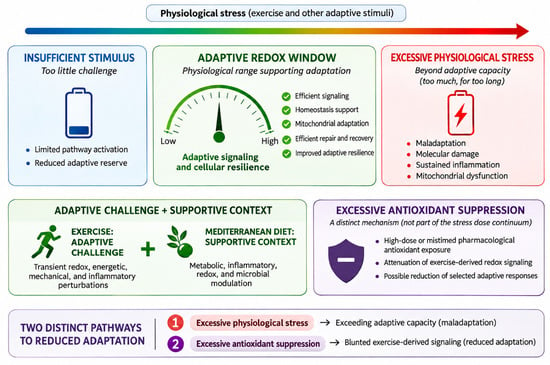
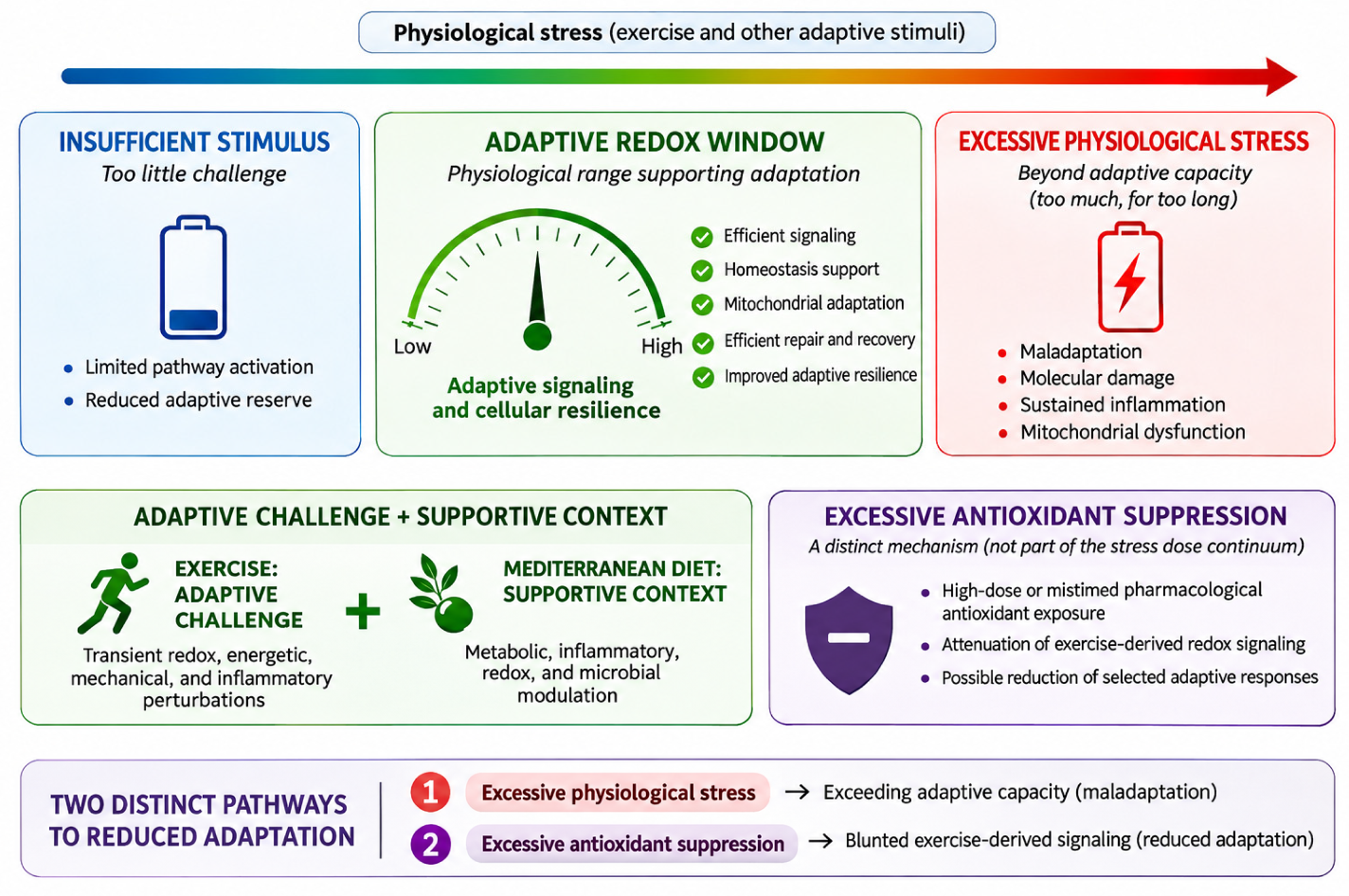
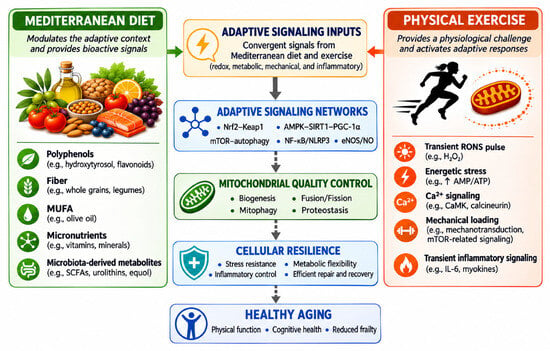
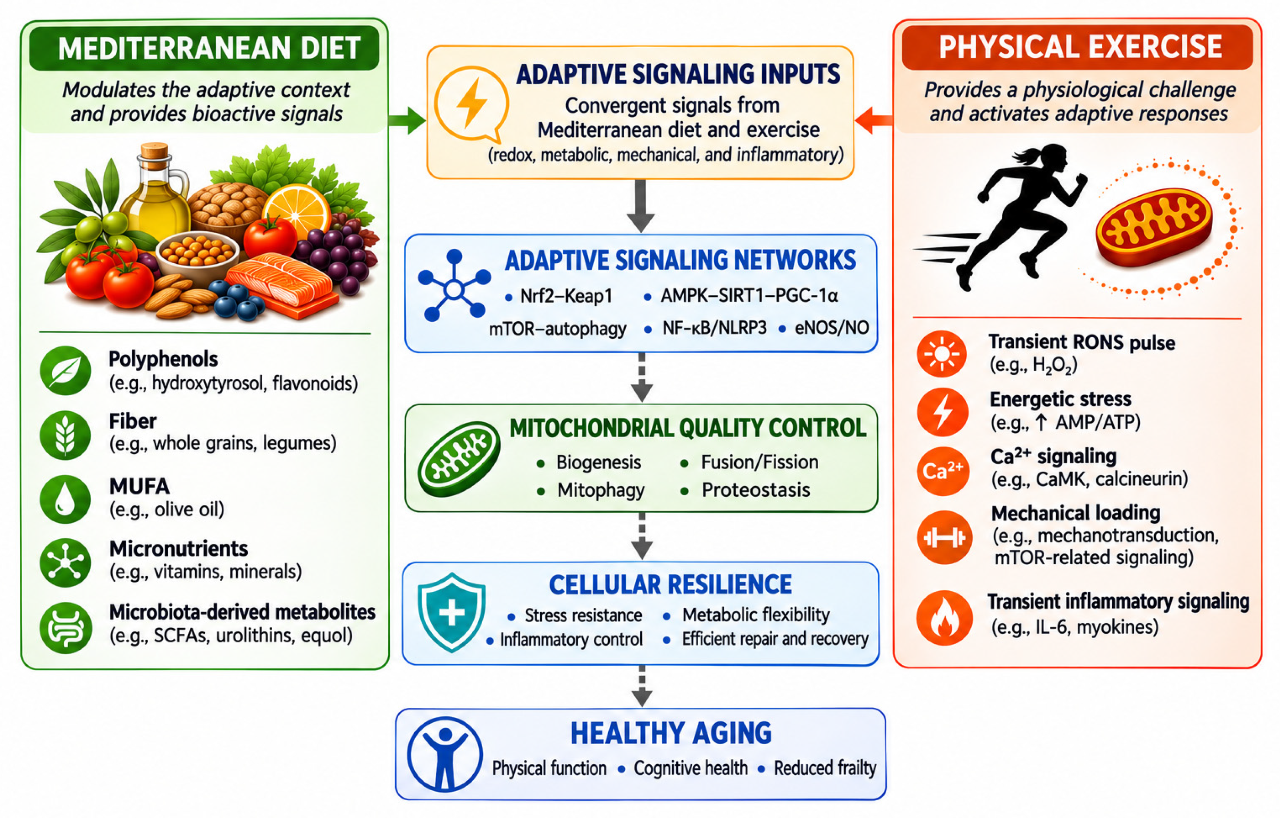
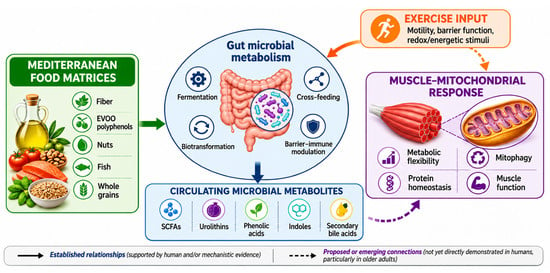
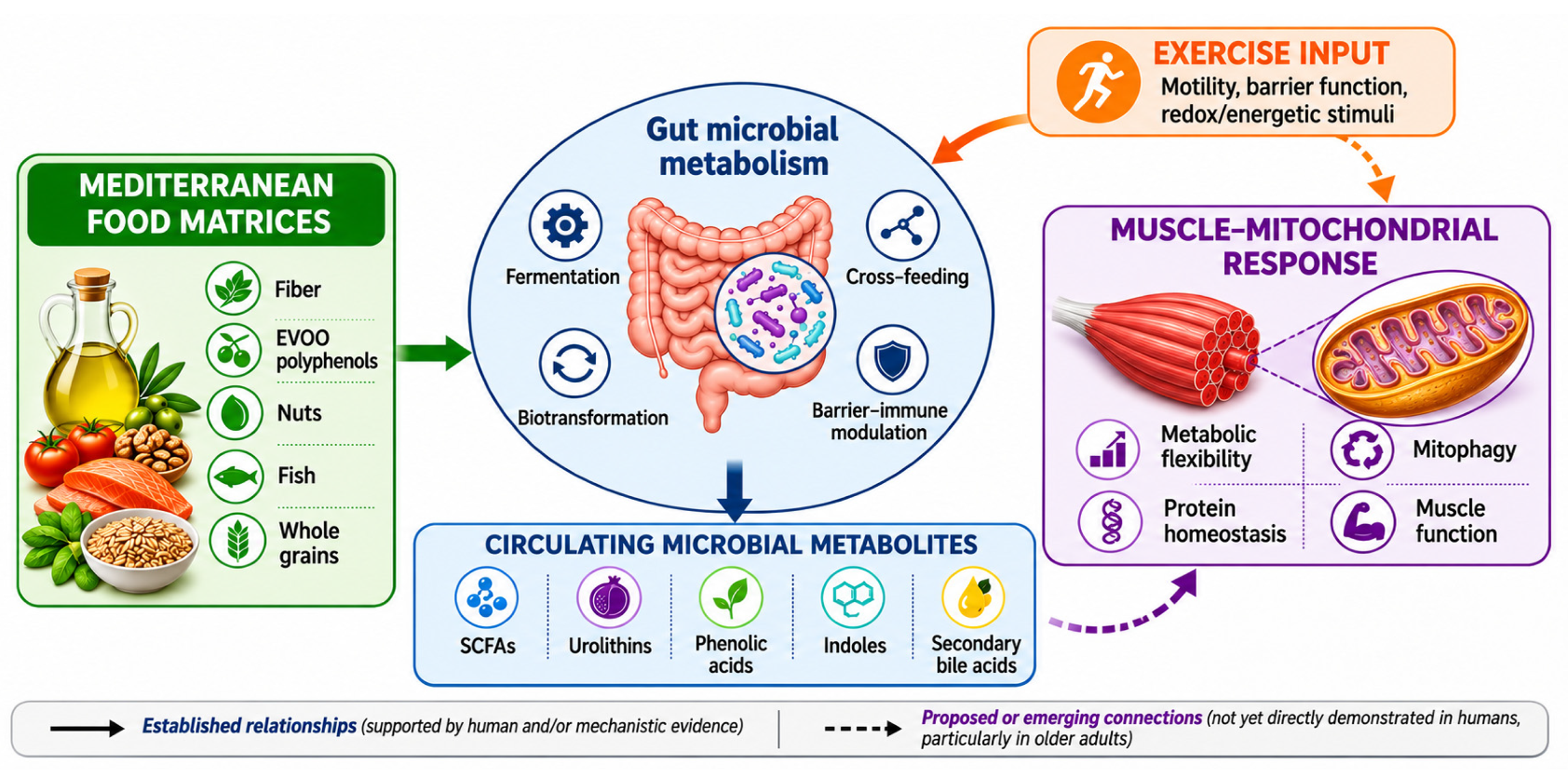

Disclaimer/Publisher’s Note: The statements, opinions and data contained in all publications are solely those of the individual author(s) and contributor(s) and not of MDPI and/or the editor(s). MDPI and/or the editor(s) disclaim responsibility for any injury to people or property resulting from any ideas, methods, instructions or products referred to in the content. |
© 2026 by the author. Licensee MDPI, Basel, Switzerland. This article is an open access article distributed under the terms and conditions of the Creative Commons Attribution (CC BY) license.