


Abstract
Urban branding has become an influential mechanism through which cities construct identity, shape public perception, communicate cultural distinctiveness, and guide urban transformation and place-based development. In heritage contexts, its significance extends beyond promotion by supporting the continuity, recognition, and positioning of historic places. Yet existing research has focused on formal heritage districts and visual representation, offering limited explanation of how lived historic environments sustain identity and develop a foundation for heritage-based urban branding through locally embedded socio-spatial practices. This study examines how the historic area surrounding the Mosque of Sultan al-Ashraf Qaytbay within Cairo’s City of the Dead maintains a coherent heritage identity through the interaction of architectural assets, craft production, market exchange, adaptive reuse, cultural activities, place perception, and everyday community practices. It develops a domain-based analytical framework comprising five interrelated domains: heritage asset readiness, cultural activation, place perception, emergent branding outputs, and governance and institutional mediation. The framework is applied through an interpretive spatial-observational case study based on repeated site visits, structured observation, spatial mapping, and photographic documentation. Findings show that craft production, everyday exchange, adaptive reuse, and community-based activities sustain heritage identity, collective memory, and experiential continuity. Workshops and bazaars form an interconnected production–exchange system, while galleries and cultural spaces strengthen interpretation and public engagement. However, fragmented digital visibility, weak narrative coordination, and limited institutional mediation constrain the translation of these assets into coherent branding outcomes. The study therefore distinguishes heritage identity from branding formation and offers a qualitative diagnostic framework for identifying domain alignment and misalignment, supporting context-sensitive approaches to urban transformation, heritage management, and place-based development.
1. Introduction
Heritage-based urban branding is increasingly understood as a multidimensional urban process shaped by the interaction of cultural narratives, spatial practices, governance structures, and lived urban experiences, rather than as a purely promotional or representation-driven activity [1,2,3]. Its influence extends to how cities articulate identity, communicate cultural distinctiveness, shape public perception, and position historic places within wider processes of urban transformation and place-based development.
Within heritage contexts, heritage provides a critical source of authenticity, symbolic meaning, collective memory, and historical continuity, reinforcing both place identity and urban image. When effectively integrated into place-based strategies, heritage-rich environments can strengthen emotional attachment, enhance urban differentiation, and support tourism and local economic development, particularly in historic city centers and formally designated heritage districts [4]. The branding potential of heritage, however, does not derive from architectural assets and monuments alone. It also depends on the continued relationship between these resources and everyday practices, cultural production, local exchange, community life, and the ongoing use of historic environments.
Prevailing approaches to heritage-based urban branding remain largely oriented toward formal heritage settings, visual representation, and iconic assets. Such approaches provide limited insight into inhabited and informally structured historic environments, where heritage is reproduced through everyday occupation, craft production, movement, economic exchange, and cultural participation. In these contexts, conservation and branding initiatives may prioritize monument preservation while marginalizing local livelihoods, routine practices, and community-based forms of heritage continuity [5,6]. This creates a disconnect between the material preservation of heritage and the social and spatial processes through which historic places retain meaning and remain active within contemporary urban life.
Heritage identity, place image, and heritage-based branding represent related but analytically distinct dimensions. Heritage identity refers to the meanings, values, memories, and sense of belonging sustained within a place through historical continuity and recurring socio-spatial practices [7,8,9]. Place image reflects how these locally grounded attributes are perceived, interpreted, and recalled by internal and external audiences [10]. Heritage-based branding concerns the broader articulation and communication of these meanings as a recognizable and distinctive place narrative [11,12].
Within this relationship, branding formation describes the process through which locally sustained heritage identity acquires wider perceptual legibility, narrative coherence, and communicative reach. It develops through the interaction of built heritage, cultural practices, experiential engagement, mediated visibility, and institutional or community-based interpretation. A lived historic environment may therefore retain a strong internal identity and substantial branding potential while its meanings remain only partially articulated beyond their immediate setting.
Although heritage assets, cultural practices, place perception, mediated representation, and governance are widely acknowledged within heritage-branding discourse, the relationships among them in lived historic environments remain insufficiently explained. These dimensions are often examined separately, limiting understanding of how recurring socio-spatial practices sustain heritage meanings, how these meanings become experientially and publicly legible, and how they acquire broader narrative and communicative value.
Place perception is central to this process because it connects the physical and social characteristics of heritage environments with the ways in which they are experienced, interpreted, and remembered. Recurrent movement, sensory engagement, spatial continuity, and social interaction contribute to recognizable meanings of place. Their broader branding significance depends on the extent to which they are interpreted and communicated through cultural activities, mediated visibility, public engagement, and coordinated institutional or community action.
Governance constitutes a further mediating condition. In this study, governance is understood as the coordination of heritage-related practices across institutional, community-based, cultural, economic, and digital actors, rather than as government intervention alone [13,14]. Within lived historic environments, artisans, craft workshops, local markets, cultural spaces, non-profit initiatives, and digital platforms may all contribute to sustaining and communicating heritage. Branding formation therefore depends not only on the presence of local activity, but also on the relationships through which these actors and practices are connected, supported, interpreted, and communicated.
To investigate these relationships, this study develops a domain-based analytical framework comprising five interrelated domains: heritage asset readiness, cultural activation, place perception, emergent branding outputs, and governance and institutional mediation. The framework conceptualizes heritage-based urban branding as a relational process in which heritage resources provide a material and symbolic basis, everyday practices activate and reproduce heritage meanings, place perception makes these meanings experientially legible, branding outputs extend their public recognition, and governance influences their coordination and continuity. Accordingly, the study examines how alignment or fragmentation among these dimensions shapes the translation of locally sustained heritage identity into wider branding formation.
The framework is applied to the historic area surrounding the Mosque of Sultan al-Ashraf Qaytbay within Cairo’s City of the Dead. This area represents a lived historic environment where architectural heritage coexists with craft production, market exchange, adaptive reuse, cultural activities, everyday movement, and community-based practices. The concentration and spatial interaction of these elements make the area an appropriate setting for examining relationships among heritage continuity, cultural activation, place perception, mediated visibility, and governance.
Based on these conceptual and practical gaps, the study addresses the following research questions:
- RQ1. How do recurring socio-spatial practices within the historic area surrounding the Mosque of Sultan al-Ashraf Qaytbay sustain local heritage identity and contribute to a foundation for heritage-based urban branding?
- RQ2. Through what interaction processes do heritage assets, everyday practices, place perception, mediated visibility, and governance shape heritage-based branding formation?
- RQ3. Why do locally embedded heritage practices and a strongly sustained place identity not necessarily translate into coherent and publicly recognizable branding outcomes?
- RQ4. How can a domain-based analytical framework explain alignment, imbalance, and fragmentation among heritage activation, place perception, branding outputs, and governance mediation?
The study makes three principal contributions. Conceptually, it distinguishes heritage identity as a locally sustained condition from branding formation as the wider perceptual, narrative, and communicative articulation of that identity. Methodologically, it operationalizes this relationship through a qualitative domain-based framework that traces interactions among heritage resources, cultural activation, place perception, branding outputs, and governance. Empirically, it applies the framework to the historic area surrounding the Mosque of Sultan al-Ashraf Qaytbay to examine how recurring cultural and economic practices interact with perceptual, mediated, and institutional conditions.
The framework thereby provides a diagnostic basis for identifying patterns of domain alignment and misalignment and for supporting context-sensitive approaches to heritage management, urban transformation, and place-based development. In disciplinary terms, the study is primarily situated within architectural and urban heritage research, while also contributing to place-branding and public-administration scholarship concerned with the management, interpretation, and communication of lived historic environments. By examining the interaction among heritage architecture, spatial organization, adaptive reuse, movement patterns, and everyday cultural practices, the study clarifies how heritage meanings are sustained, experienced, interpreted, and communicated, while offering practical insights for heritage managers, urban planners, cultural organizations, and public authorities.
2. Theoretical Framework
2.1. Urban Branding as a Relational Process
Urban branding has evolved from a marketing-oriented activity into a multidimensional urban process integrating cultural, spatial, and institutional dimensions [11]. Rather than producing a fixed image, it is increasingly understood as a dynamic process through which cities construct and negotiate place narratives within broader development trajectories, drawing on endogenous cultural and spatial resources to shape competitive place identities [1,3,15].
Recent scholarship conceptualizes branding as an emergent, practice-based process shaped by everyday spatial practices, institutional routines, and the integration of heritage into everyday urban life rather than by promotional strategies or symbolic representation alone [2,16]. This perspective is particularly relevant to lived historic environments, where place meanings are continuously reproduced through use, movement, cultural activity, and social interaction. The credibility and continuity of heritage-based branding therefore depend on how heritage assets remain embedded within lived contexts, since approaches centered primarily on iconic visibility may produce generalized representations that weaken local specificity and long-term credibility [1].
Accordingly, urban branding is conceptualized as a relational process emerging from the interaction among heritage resources, everyday practices, place perception, and governance structures. Within this process, branding formation occurs as locally sustained heritage meanings acquire wider perceptual legibility, narrative articulation, and communicative value through repeated spatial use, experiential engagement, mediated visibility, and institutional or community-based interpretation.
2.2. Place Identity, Place Image, and the Mediating Role of Heritage
Place identity refers to the meanings, values, and emotional attachments associated with a location, emerging from the interaction between physical form, historical continuity, and socio-cultural practices [7]. It is increasingly interpreted through integrative frameworks that link heritage, spatial systems, and perceptual dimensions at the urban scale [8]. By contrast, place image reflects how these attributes are perceived and communicated to internal and external audiences. Although analytically distinct, place identity and place image operate as interdependent processes: identity provides the locally grounded meanings associated with a place, while image reflects how these meanings are perceived and communicated to wider audiences, as emphasized in identity-based branding approaches [10].
Within this relationship, cultural and architectural heritage provide the material and symbolic foundation through which place identity is anchored in collective memory and historical continuity, while contributing to the attributes that shape the place image. Heritage-rich environments strengthen emotional attachment, social cohesion, and positive place perception, reinforcing both internal belonging and external attractiveness [4,9]. However, the selective representation or commodification of heritage may distort local meanings and weaken perceived authenticity, particularly in contexts where heritage is lived rather than staged [5,17,18].
In such contexts, the relationship between identity and image is mediated through experiential and perceptual dimensions, including spatial legibility, movement patterns, landmarks, and collective memory. These elements structure how places are sensed, navigated, and remembered, shaping the perceptual processes through which heritage contributes to place image formation [16]. Accordingly, built heritage constitutes a critical resource in city branding processes, contributing to the formation of place identity and to its communication through place image within broader urban narratives [11,19].
This theoretical position frames place perception as the mediating dimension through which heritage meanings are experienced and internalized as place identity, interpreted as place image, and subsequently articulated within broader heritage-based branding formation in lived historic contexts.
2.3. Heritage as an Operational Planning Resource
Within urban branding discourse, heritage is recognized as a strategic resource contributing to socio-economic dynamics and urban development processes [11,20]. In this context, the concept of heritage branding orientation emphasizes the capacity to integrate and activate heritage assets within coordinated planning frameworks [12].
Planning-oriented studies demonstrate that heritage-led spatial interventions can reinforce place identity and reshape place image when embedded within integrated spatial and governance strategies rather than treated as isolated conservation actions [21]. Adaptive reuse approaches, when aligned with broader planning systems, support heritage-based branding processes grounded in historical continuity, whereas reliance on isolated flagship interventions tends to produce fragmented and externally oriented representations [21,22]. Accordingly, heritage functions as an operational resource whose contribution to urban continuity and heritage-based branding depends on its integration, activation, and governance within planning systems. In architectural and urban terms, this positions heritage not merely as a symbolic asset, but as a spatial and material resource whose value is activated through built form, adaptive reuse, movement networks, and everyday patterns of occupation, and extended through their integration within wider planning and branding processes.
2.4. Everyday Heritage Practices and Experiential Place Perception
In lived heritage environments, everyday cultural practices function as primary mechanisms of heritage activation, sustaining local identity, transmitting cultural knowledge, and reinforcing social participation over time [17,18]. Unlike deliberately staged or commercially designed experiences associated with the experience economy [23], Such practices can support more contextually grounded and sustained place experiences than spectacle-driven or short-term event-based interventions [1,2].
Everyday practices operate as socially embedded systems through which heritage is continuously reproduced [17]. Meaning-making extends beyond designated sites to everyday spaces, where routine interactions sustain and reinterpret cultural meanings [18]. In this sense, artisans, workshop networks, cultural initiatives, and local actors function as agents of heritage reproduction, while craft production, local exchange, and everyday public interaction constitute the practices through which heritage meanings are reproduced, transmitted, and sustained across everyday urban life.
In craft-based heritage environments, workshops and exchange spaces operate as interdependent components of a wider socio-economic system. Workshops sustain production skills, material knowledge, and occupational continuity, while markets and bazaars extend these practices into circulation, display, economic exchange, and public interaction. Their relationship therefore links heritage production with visibility and social engagement, allowing craft activity to contribute simultaneously to local identity, place experience, and the wider recognition of heritage meanings [17].
Place perception is shaped by the interaction between multisensory stimuli and the temporal rhythms of everyday life. Soundscapes, material textures, and environmental conditions structure immediate engagement, while movement patterns, routine practices, and social interactions organize how place is experienced and remembered over time [24,25]. Place perception therefore emerges through embodied and recurrent experience, producing cumulative and relational understandings of place beyond purely visual representation [23,24].
Everyday spaces, infrastructures, and cultural platforms act as carriers of heritage narratives, embedding and transmitting cultural meanings through repeated use and movement, as well as through cultural production and social interaction. These dynamics position place perception as a central mediating mechanism through which lived experience contributes to place identity, informs place image, and supports broader heritage-based branding formation [25].
In the present case, this logic is reflected in the relationship between craft workshops, bazaars, adaptive reuse galleries, and the Maqʿad, where production, exchange, cultural interpretation, and public engagement operate as interconnected mechanisms of heritage activation.
2.5. Digital Dynamics of Heritage Branding
In digitally mediated environments, heritage-based branding operates as an emergent relational construct shaped through visibility, circulation, and recognition processes [26]. Digital platforms extend heritage beyond physical boundaries by enabling networked dissemination and layered interpretation, contributing to the consolidation of place image and symbolic value over time [27].
Within this context, digitally mediated visibility is treated as qualitative evidence of emergent branding outputs rather than as a direct measure of branding success. It indicates how heritage-related narratives, images, and activities circulate through digital platforms, acquire public visibility, and become recognizable to wider audiences.
At the same time, digital platforms selectively shape heritage narratives, enabling enhanced visibility while also producing curated and, in some cases, strategically constructed representations [5,26], thereby influencing how heritage is interpreted and communicated within branding processes.
2.6. Governance, Participation, and Ethical Considerations
Participatory governance that engages local communities, heritage practitioners, cultural initiatives, and institutional actors is essential for ensuring legitimacy and long-term sustainability in heritage-based branding, particularly in lived heritage contexts where branding directly affects livelihoods and the ways in which heritage and its associated communities are represented [13].
Heritage narratives are often selectively constructed within institutional frameworks, raising ethical concerns related to control, representation, and inclusion [5]. Responsible branding therefore requires transparent governance, inclusive participation, and safeguards against displacement and symbolic exploitation [2,14].
Governance is understood here as a mediating and coordinating condition rather than as formal government intervention alone. It shapes how heritage resources and everyday practices are connected, protected, interpreted, and articulated as coherent and publicly recognizable place narratives within lived heritage environments.
In such environments, governance operates through coordination among municipal authorities, local communities, artisans, cultural organizations, non-profit initiatives, and digital platforms. Within this distributed structure, municipal authorities contribute particularly to heritage protection, spatial coordination, public-space management, and longer-term institutional support, while other actors sustain, interpret, and communicate heritage-related practices [13,14].
Its effectiveness depends on the extent to which these actors support heritage protection, cultural activity, interpretation, and public visibility without displacing local practices or reducing heritage to a selectively constructed image. Within this distributed arrangement, agency is reflected in the differentiated functions performed by local, cultural, digital, and institutional actors in activating, interpreting, communicating, and sustaining heritage-related practices.
Heritage activation may continue at the local level even under conditions of weak or fragmented governance. Such continuity should not be understood as evidence that governance is unnecessary or that limited institutional involvement produces positive outcomes. Rather, inadequate coordination and institutional support constrain the capacity of locally sustained heritage practices to develop into a coherent heritage-based branding process characterized by broader public recognition and long-term sustainability [2,13,14].
Synthesizing these perspectives, heritage-based branding can be understood as a relational process shaped by the interaction of heritage resources, everyday practices, place perception, mediated visibility, and governance. This synthesis provides the theoretical basis for the five analytical domains developed in the following section.
3. Conceptual Framework of the Study
Building on the theoretical synthesis presented in Section 2, the conceptual framework organizes heritage-based branding formation into five interrelated analytical domains: heritage asset readiness (D1), cultural activation (D2), place perception (D3), emergent branding outputs (D4), and governance and institutional mediation (D5).
Heritage asset readiness captures the spatial and material basis of branding; cultural activation reflects the everyday practices that reproduce heritage meanings; place perception explains how these meanings become experientially legible; emergent branding outputs indicate their articulation into recognizable narratives and mediated visibility; and governance and institutional mediation account for coordination and continuity.
These domains are analytically distinct but operationally interdependent, as a single observed phenomenon may contribute to more than one domain depending on its spatial, experiential, mediated, and institutional roles.
Place perception mediates how recurring interactions become experientially legible and contribute to recognizable heritage-based branding conditions within lived urban environments, as repeated sensory, spatial, and experiential encounters shape how place identity and image are formed and retained over time [25]. The framework further assumes that fragmentation does not result from the absence of heritage potential, but from uneven relationships among cultural activation, perception, mediated visibility, branding formation, and governance mediation.
To support empirical application, observable spatial phenomena are employed as analytical entry points through which these domain interactions can be traced and interpreted across lived historic environments. The phenomena are therefore not treated as isolated domain categories, but as empirical configurations through which cross-domain relationships can be examined.
In this sense, the proposed framework explains branding formation through the interaction of heritage resources, everyday practices, place perception, mediated visibility, and governance conditions, which may either consolidate or constrain the translation of heritage identity into recognizable branding outcomes (Figure 1).
Figure 1.
Conceptual framework for heritage-based branding formation in lived historic environments. Colors distinguish the different analytical domains, while solid and dashed arrows indicate the primary process flow, functional relationships, and the cross-domain mediating role of governance. The framework illustrates the transition from locally sustained heritage identity to a distinctive and recognizable heritage-based place narrative. Source: Authors.
The five analytical domains are operationalized through qualitative indicators within the integrated matrix presented in Table 1. Although presented separately for analytical clarity, the domains are not treated as mutually exclusive categories. A single observed phenomenon may contribute to several domains, while its dominant analytical role is determined by the principal function evidenced in the field data. The five domains identify the principal components of the branding process, whereas the three evaluative dimensions examine how these components operate and interact.
Table 1.
Domain-based analytical framework illustrating the structure of heritage-based urban branding in lived historic contexts. Source: Authors.
The matrix is not intended as a scoring or ranking instrument, and its indicators are not numerically aggregated. Rather, it provides a structured interpretive lens for examining how observable spatial phenomena relate to heritage assets, cultural activation, place perception, emergent branding outputs, and governance conditions.
The framework explores the interconnections among spatial practices, experiential conditions, mediated representations, and institutional processes. Governance influences these relationships by shaping how heritage resources and cultural practices are interpreted, supported, and sustained.
The interpretive evaluation is organized around three interrelated dimensions: activation, translation, and sustainability. Activation refers to the mobilization of heritage resources through embedded everyday practices. Translation captures the extent to which activated heritage meanings become experientially legible and are articulated through narrative or mediated branding outputs. Sustainability refers to the capacity of governance and institutional mediation to coordinate, support, and maintain these processes over time.
Together, these dimensions enable the identification of patterns of alignment, imbalance, and fragmentation across domains. These patterns are identified through the convergence of evidence across observations rather than through the calculation of composite scores. The dimensions therefore operate as interpretive criteria, not quantitative metrics, for examining whether heritage-based branding functions as an integrated relational process or remains partial, discontinuous, and weakly coordinated.
This approach enables a systematic, context-sensitive qualitative interpretation of heritage-based branding without reducing it to predefined quantitative measures.
4. Applied Case Study: The City of the Dead
The historic area surrounding the Mosque of Sultan al-Ashraf Qaytbay within Cairo’s City of the Dead represents a lived and informally structured heritage context in which a dense concentration of architectural heritage coexists with ongoing residential, cultural, and economic practices under conditions of spatial vulnerability and development pressure.
The applied study examines how heritage-based place identity is sustained and how branding formation is enabled or constrained through spatial practices, experiential conditions, mediated visibility, and governance dynamics, as interpreted across the five analytical domains of the framework.
4.1. Research Methodology
The methodology operationalizes the conceptual framework through an interpretive analytical approach designed to examine how heritage-based urban branding emerges within a lived historic environment. Combining systematic observation, spatial analysis, and qualitative interpretation, the study investigates the relationships among heritage assets, cultural activation, place perception, branding outputs, and governance mediation.
4.1.1. Case Study Design and Analytical Scope
This study adopts an interpretive spatial-observational case study approach to examine heritage-based urban branding within lived historic contexts. The historic area surrounding the Mosque of Sultan al-Ashraf Qaytbay, within the Mamluk Cemetery Area of Cairo’s City of the Dead, was selected as an embedded case because tangible and intangible heritage are closely interwoven with continuing residential, cultural, and economic practices.
The selected segment combines a concentrated set of heritage assets, craft workshops, market exchange, cultural spaces, and public interaction nodes within a spatially coherent and walkable urban sequence. These characteristics enable the relationships among heritage activation, place perception, mediated visibility, and governance mediation to be examined within a clearly bounded setting. The case enables an in-depth examination of the relationships shaping heritage-based branding formation within a lived historic context.
The selected segment also represents a relatively information-rich case because it contains a higher concentration of heritage assets, craft activity, public interaction, and cultural initiatives than more internally enclosed sectors of the surrounding cemetery area. This characteristic supports detailed examination of domain interactions, while also requiring caution in extending the observed level of activation to less visible or less publicly engaged heritage settings.
The unit of analysis is defined as recurrent spatial phenomena, understood as observable activity–space interactions occurring within identifiable spatial nodes and temporal intervals. The analysis is organized around five interrelated domains: heritage asset readiness (D1), cultural activation (D2), place perception (D3), emergent branding outputs (D4), and governance and institutional mediation (D5).
4.1.2. Data Collection and Observation Procedures
Observed phenomena were purposively selected according to three interrelated qualitative criteria: frequency of occurrence, spatial and social embeddedness, and consistency across observations. A phenomenon was retained for detailed analysis when it recurred across site visits, was clearly embedded in everyday spatial and social practices, and demonstrated a sufficiently stable pattern across different temporal conditions rather than representing an isolated or incidental observation. These criteria supported the identification of recurrent and structurally significant activity–space relationships within the lived heritage environment.
Data collection combined exploratory field visits with systematic observation. The exploratory phase supported contextual familiarization, preliminary spatial documentation, and the identification of potentially significant heritage-related phenomena. This phase was followed by six structured site visits conducted under different temporal conditions, including regular days and periods of intensified activity associated with the Maqʿad. Each visit lasted approximately five hours, and the visits collectively covered morning and evening periods to document variations in spatial use, activity intensity, movement, and interaction patterns.
Observation was guided by indicators aligned with the analytical framework. Attention was directed to the visibility and accessibility of heritage resources; the presence and continuity of cultural and economic activities; patterns of movement and social interaction; experiential and sensory engagement; evidence of institutional or organizational support; and forms of mediated communication. Applying these indicators consistently across visits enabled comparative interpretation of recurring patterns, temporal variations, and cross-domain relationships.
4.1.3. Data Analysis and Interpretive Coding
Field data were documented through structured field notes, spatial mapping, and photographic records. Each observation was organized according to its location, activity type, recurrence, and relationship to nearby heritage assets. The convergence of these sources supported analytical traceability and triangulation.
Each phenomenon was examined across all relevant domains, while its dominant analytical role was determined by the principal function most consistently demonstrated by the field evidence. Because individual phenomena often contributed to more than one analytical domain, their final interpretation considered both cross-domain interactions and the dominant role most consistently supported by the observed patterns. Cross-domain relationships were retained during the synthesis stage, and repeated observations were compared across site visits to identify stable patterns of heritage activation, perceptual engagement, mediated visibility, and governance-related constraints.
Governance and institutional mediation were interpreted through the combined examination of field-observed organizational conditions, publicly available contextual data, and relevant secondary literature. The analysis considered the visible presence or absence of coordinated support, the continuity of cultural initiatives, forms of organizational involvement, interpretive provision, and communication among local, cultural, and institutional actors. Accordingly, judgments concerning governance were not based on a formal review of policies or institutional documents, but on the qualitative interpretation of observed coordination patterns supported by contextual and secondary evidence.
The same three qualitative criteria used to select the observed phenomena—recurrence, spatial and social embeddedness, and consistency across observations—also guided their interpretive coding. Strong realization indicated a stable, recurrent, and clearly embedded pattern that consistently expressed the principal role of the relevant domain. Moderate realization indicated a contribution that was present but partial, uneven, or dependent on specific spatial or temporal conditions. Weak realization indicated a limited, irregular, weakly embedded, or insufficiently consistent contribution.
The realization level assigned to each domain in relation to the examined phenomena was determined through an integrative qualitative judgment based on the convergence of these criteria and the role demonstrated within the wider heritage-branding process. The strong, moderate, and weak classifications therefore reflect the combined pattern of recurrence, embeddedness, and consistency, together with the dominant analytical role evidenced by each phenomenon. They do not represent numerical scores, the aggregation of isolated indicators, or judgments based on a single observation. Accordingly, the classifications function as qualitative descriptors of domain realization, as summarized in Table 2. Despite the inherent complexity of lived historic environments, the framework provides a structured interpretive tool for examining relationships among interconnected heritage-related processes without reducing them to mutually exclusive categories or quantitative measures.
Table 2.
Integrated coding criteria for evaluating domain realization levels across analytical domains. Source: Authors.
4.1.4. Methodological Rigor and Analytical Trustworthiness
Analytical trustworthiness was supported through repeated site visits conducted under different temporal conditions and through triangulation across field observations, spatial mapping, and photographic documentation. The consistent application of the predefined coding criteria presented in Table 2 ensured that interpretations remained grounded in recurrent and cross-validated field patterns.
Initial coding was conducted by one researcher using the predefined analytical criteria. The resulting interpretations and domain assignments were then reviewed collaboratively by the authors through comparison across site visits and re-examination of the field notes, spatial maps, and photographic evidence. Any differences in interpretation were discussed and resolved through reference to the documented field evidence. This process strengthened interpretive consistency and helped reduce, although not eliminate, the influence of individual interpretive bias.
4.2. Contextual Overview of the Study Area
The study area forms part of Cairo’s eastern historic landscape, recognized for its concentration of Islamic heritage, including sites inscribed on the UNESCO World Heritage List [28]. Within this context, the City of the Dead represents a distinctive urban condition where funerary architecture, Mamluk and Islamic monuments, inhabited spaces, craft activities, local economies, and movement routes have evolved as an interconnected urban setting. Its significance lies not only in the presence of individual monuments, but also in the continuity between built heritage, everyday occupation, informal practices, and cultural life. In this setting, everyday spatial practices and long-term occupation patterns play a central role in structuring the urban fabric [29,30,31].
El Kadi and Bonnamy describe Cairo’s medieval necropolis as a major component of the city’s urban landscape, encompassing diverse architectural expressions ranging from Mamluk funerary monuments to smaller-scale decorated tomb structures [32]. The selected study segment is therefore interpreted not as an isolated site, but as part of a broader historically layered heritage landscape in which monument concentration, inhabited spaces, craft-based activity, public accessibility, and movement corridors operate together. This historical layering is central to the analytical relevance of the area, as it brings together heritage buildings, craft workshops, public interaction nodes, and cultural spaces within a compact and walkable urban sequence, allowing the study to examine how heritage value is produced, sustained, and perceived through daily spatial practices.
The area is characterized by a compact and organically developed fabric, where built masses and open spaces are interwoven through incremental occupation rather than formal planning. This results in a spatial configuration defined by narrow passages, irregular alignments, and varying degrees of enclosure.
Movement is structured through interconnected corridors extending from main surrounding roads into progressively narrower internal routes, producing differentiated levels of accessibility, exposure, and spatial integration. Consequently, areas along primary routes exhibit higher activity intensity and visibility, while more internal spaces remain relatively enclosed and less accessible.
Within this configuration, heritage elements are embedded within everyday movement, use, and interaction rather than experienced as isolated landmarks. This spatial differentiation shapes variations in visibility, interaction intensity, and experiential continuity, which are critical for interpreting how heritage-based processes are activated and perceived within the study area.
4.3. Spatial Organization and Analytical Mapping of Lived Heritage Systems
The study area is situated within Cairo’s historic fabric, forming part of a spatially interconnected heritage landscape characterized by dense urban morphology and layered historical development. As illustrated in Figure 2, the area is positioned along a historic movement route linking key heritage landmarks within the broader urban context. The area is characterized by a compact and organically developed urban fabric defined by narrow passages, irregular alignments, and varying levels of accessibility and enclosure, producing differentiated conditions of movement and interaction across the study area.
Figure 2.
Spatial distribution of heritage buildings and the selected historic route within the broader study context. The map illustrates the relationship between the study corridor and surrounding heritage assets within Cairo’s historic fabric. Source: Authors (fieldwork and analytical mapping, 2026).
To support visual recognition and spatial documentation of the selected route, an interactive digital map was developed using Google My Maps. The map documents the spatial distribution of historic buildings along the proposed historic route and its surrounding context, with photographic documentation attached to each recorded site. The interactive map complements the static analytical maps presented in this study by allowing readers to explore the documented heritage assets, examine their spatial distribution, and access the associated photographic records. This supplementary resource enhances the transparency, traceability, and visual verification of the spatial documentation process as shown in Figure 3.
Figure 3.
Digital map showing the spatial distribution of historic buildings along the proposed historic route, with photographic documentation provided for each recorded site. The map was prepared using Google My Maps. An interactive version is available at the following link: [https://www.google.com/maps/d/embed?mid=15LchsaQ2OJPY7Blcg5fLvhu3BnjD82g&ehbc=2E312F] (accessed on 26 June 2026). Source: Authors.
Within the broader spatial context, the study area comprises a coherent segment of the historic movement route extending between the former gateway (historic entrance) and the path leading to Sultan Barquq Mosque. The selected segment contains the principal heritage-related interaction nodes, including the plaza in front of Sultan al-Ashraf Qaytbay Mosque and the area surrounding the Maqʿad, which together structure movement and activity within the study area, as illustrated in Figure 4.
Figure 4.
Location of the selected study area along the historic route, showing the relationship between the movement corridor, urban spaces, and key interaction nodes. The map illustrates how the selected area is positioned within the broader route and how its spatial nodes structure heritage-related activity and interaction. Source: Authors (fieldwork and analytical mapping, 2026).
Compared with more internally enclosed and less publicly activated cemetery sectors in the surrounding area, the selected segment demonstrates a relatively higher concentration of heritage assets, craft-based activities, public interaction nodes, and everyday economic exchange. These conditions make it analytically suitable for examining how heritage-based branding formation may emerge through the spatial overlap between heritage visibility, recurrent activity, and public exposure. Within this framework, the study area comprises a set of interrelated lived heritage phenomena, including craft production, informal exchange, curated cultural interventions, participatory activities, and digitally mediated representations, which collectively sustain recurring forms of heritage visibility and socio-spatial interaction within everyday urban life.
A central element of this lived heritage system is the concentration of specialized craft workshops around Sultan al-Ashraf Qaytbay Mosque, functioning as an endogenous mechanism of knowledge transmission rooted in Mamluk architectural and material traditions. This productive layer operates alongside complementary processes such as marketplace exchange, exhibition practices, community-based production, and digital dissemination, extending heritage across multiple domains of interaction and interpretation. The internal spatial structure of the selected study area, including the historic route, urban spaces, and the three main interaction nodes, is further clarified in Figure 5.
Figure 5.
Internal spatial structure of the selected study area, showing the historic route, urban spaces, and the three main interaction nodes. Node 1 represents the principal square along the main historic route. Node 2 refers to the square in front of the Mosque of Sultan al-Ashraf Qaitbay, overlooking the workshops, bazaars, and the exhibition. Node 3 represents the external courtyard of the Maqʿad. The map illustrates how these nodes are spatially connected along the movement corridor and collectively form the primary setting for the recurring lived heritage phenomena examined in the subsequent analysis. Source: Authors’ fieldwork and analytical mapping, 2026.
Field observations across multiple visits indicate that these activities exhibit differentiated temporal patterns. Activities within the primary plaza (1) in front of the mosque occur on a daily and continuous basis, reflecting stable and sustained use, while activities associated with the secondary nodes (2) and (3) around the Maqʿad are periodic and event-based, occurring at specific intervals rather than as part of everyday routines. These differentiated rhythms influence the intensity and continuity of interaction, shaping the degree to which heritage activation is translated into experiential engagement and perceptual continuity within the urban environment.
Nevertheless, the wider communication of these practices remains constrained by dispersed digital visibility and limited narrative coordination. As a result, heritage continuity remains strongly supported at the local experiential level, while its broader articulation as a recognizable heritage-based branding process remains uneven.
4.4. Domain-Based Interpretation of Lived Heritage Phenomena
This section applies the domain-based analytical framework to interpret selected lived heritage phenomena within the study area. The analysis examines how heritage-related activities are spatially organized, experienced, and perceived within the lived urban environment, while emphasizing the recurring practices through which heritage visibility, place perception, branding formation, and governance mediation are collectively shaped across everyday urban life.
Through this interpretive structure, differentiated patterns of interaction and imbalance across the analytical domains (D1–D5) can be identified, providing the analytical basis for the evaluative interpretation presented in the following section. This interpretation follows the activation–translation–sustainability logic established in the analytical framework, linking observed practices to their perceptual, mediated, and governance-related implications.
The selected phenomena were chosen because they collectively represent the principal modes through which heritage is activated, perceived, mediated, and reproduced within the study area. Rather than presuming the existence of coherent branding outcomes, these phenomena provide empirical entry points for examining how the analytical domains interact in practice and how branding conditions may emerge through their varying degrees of alignment and interaction. Accordingly, they are interpreted as interconnected manifestations of lived heritage processes through which heritage continuity, place perception, mediated visibility, and institutional mediation can be comparatively examined.
4.4.1. Productive Heritage Practices (Workshops + Bazaars)
Craft workshops, particularly those clustered around Sultan al-Ashraf Qaytbay Mosque, produce artefacts informed by Mamluk architectural vocabularies, including woodwork, metalwork, and glass-based crafts, and function as integral components of the local material and cultural fabric rather than externally curated interventions. As illustrated in Figure 6, their spatial proximity to key heritage anchors reinforces their integration within the urban fabric. Closely connected to everyday movement patterns and routine economic exchange, these practices generate recurring forms of interaction, heritage visibility, and continuity of experiential engagement within the lived urban environment.
Figure 6.
Heritage craft workshop illustrating heritage-based production as an ongoing cultural practice integrated into everyday urban life. Source: Authors (fieldwork, 2025).
Through continuous production linked to routine economic activity, heritage is actively enacted rather than symbolically represented, reflecting a strong realization of cultural activation (D2) supported by the relationship between knowledge transmission, material practice, and spatial continuity.
Complementing these productive practices, everyday bazaars function as points of direct exchange where locally produced artefacts circulate through everyday patterns of movement and exchange. As illustrated in Figure 7, these activities are positioned along primary circulation routes, generating recurring exposure through repetition and spatial proximity. However, interactions remain predominantly transactional and short-term, with limited interpretive engagement, resulting in implicitly formed rather than explicitly structured place narratives.
Figure 7.
Small-scale bazaar illustrating the circulation of heritage-based crafts through everyday economic exchange. Source: Authors (fieldwork, 2025).
Taken together, workshops and bazaars suggest an activation–translation mechanism in which craft production sustains heritage knowledge, market exchange extends its everyday visibility, and repeated spatial exposure contributes to recognizable forms of place identity. This explains the strong association of these practices with heritage assets (D1), cultural activation (D2), and experiential place perception (D3), while their limited interpretive framing constrains their development into more explicit branding outputs (D4).
4.4.2. Curated and Semi-Formal Interventions (Gallery + Maqʿad)
Adaptive reuse galleries, as illustrated in Figure 8, operate through material and spatial continuity, employing context-compatible construction techniques that maintain the perceptual coherence of the historic fabric. Rather than relying on replication or stylistic contrast, they integrate contemporary functions within inherited spatial configurations, preserving spatial logic while enabling transformation. Through this continuity between inherited spatial character and contemporary cultural use, heritage activation becomes more perceptually legible and supports clearer forms of heritage-branding articulation. This enhances perceptual clarity (D3) and contributes to more interpretable branding indicators (D4) by producing place identities grounded in continuity rather than abstraction.
Figure 8.
Adaptive reuse within the historic fabric, showing the integration of contemporary cultural functions into existing spatial and material systems. Source: Authors (fieldwork, 2025).
The Maqʿad, shown in Figure 9, functions as a recurring setting for exhibitions, temporary craft bazaars, and public cultural activities within a single architectural environment extending into adjacent open spaces. Through continuous cultural use and spatial occupation, it contributes to stronger forms of heritage visibility, continuity of social interaction, and experiential engagement, reflecting a more integrated relationship between cultural activation (D2), perceptual articulation (D3), and institutional mediation (D5).
Figure 9.
The Maqʿad cultural space as an integrated platform supporting cultural activation, public engagement, and heritage interpretation. Source: Authors (fieldwork, 2025).
The involvement of non-profit initiatives further supports organizational continuity, coordinated public engagement, and more sustained forms of interpretation and public interaction. In this sense, the Maqʿad represents a localized condition of partial domain integration in which cultural activation (D2), perceptual engagement (D3), and institutional mediation (D5) reinforce one another.
However, the effects of these interventions remain spatially localized and depend largely on specific initiatives, limiting their broader translation into a collectively recognizable heritage-based branding process.
4.4.3. Collective Cultural and Mediated Practices (Community + Digital)
Community-based and digitally mediated practices represent forms of heritage engagement in which local reinterpretation and mediated visibility extend heritage meanings beyond direct spatial encounter (Figure 10). These practices operate through temporary cultural activities, community-based creative production, and digital dissemination, allowing heritage-related meanings, images, and visual associations to circulate across both urban and mediated environments. In doing so, they connect place perception (D3) with emergent branding outputs (D4) by reinforcing the visibility and recognizability of heritage beyond the immediate spatial setting.
Figure 10.
Community-based creative activity illustrating the reinterpretation of heritage through collective visual production within the lived historic environment. The figure shows booklets bearing the Arabic name of the area, “Qaitbay.” Source: Authors (fieldwork, 2025).
Community-based creative activities involving children and locally organized cultural initiatives generate drawings, printed materials, and visual outputs derived from the surrounding historic environment. Through these recurring forms of collective reinterpretation, heritage-related meanings are continuously reproduced and visually circulated, reinforcing locally recognizable forms of place identity and continuity of collective cultural memory.
Digital circulation further extends these processes through the dissemination of workshops, cultural activities, and heritage-related visual narratives across social media platforms. In this context, mediated representation contributes to the broader visibility and perceptual legibility of heritage beyond direct spatial experience, allowing recognizable heritage imagery and spatial associations to circulate within wider digital environments.
These mediated materials were interpreted qualitatively through publicly accessible content circulated by local initiatives, cultural activities, and social media pages associated with the study area. The analysis focused on recurring patterns of heritage visibility, spatial association, and mediated recognizability rather than on quantitative digital metrics.
Despite these contributions, participatory and digitally mediated practices remain unevenly connected to broader heritage-branding structures. Their continuity depends largely on temporary initiatives, dispersed online visibility, and localized organizational efforts, limiting their capacity to support sustained and collectively recognizable branding heritage-based branding formation.
5. Results and Domain-Based Evaluation
This section interprets the observed phenomena through the relationship between the five analytical domains and the three evaluative dimensions of activation, translation, and sustainability. Branding formation is examined here as the extent to which heritage assets, everyday practices, place perception, mediated visibility, and governance support are connected within the lived historic environment.
Taken together, the observed phenomena reveal different but complementary roles in the formation of heritage-based branding conditions. Craft workshops act as carriers of heritage reproduction by sustaining traditional knowledge, skills, and material practices within everyday life. Bazaars extend this role by increasing public exposure to heritage-related products and activities through repeated exchange and movement. Adaptive reuse galleries contribute to the interpretation and communication of heritage meanings by connecting historic settings with contemporary cultural functions. The Maqʿad shows the clearest cross-domain integration, as cultural activation, public engagement, and organizational support operate together within a shared setting. Community-based activities strengthen locally grounded identity through collective participation and cultural reinterpretation, while digital representations extend heritage visibility beyond the physical boundaries of the site.
In evaluating these phenomena, the three coding criteria were applied to the role performed by each phenomenon within the study area. Recurrence indicated whether the phenomenon appeared as a stable part of everyday urban life; spatial and social embeddedness indicated whether it was integrated into local movement, use, and interaction; and consistency across observations indicated whether its role remained clear across different visits and temporal conditions. On this basis, craft workshops and bazaars showed stronger activation because they were repeatedly connected to production, exchange, and everyday movement. Adaptive reuse galleries and the Maqʿad showed stronger translation because they made heritage meanings more visible, interpretable, and connected to public engagement. Community-based activities and digital representations extended this translation through participation and mediated circulation, but their contribution remained less stable because they depended on temporary initiatives and dispersed communication. Governance-related sustainability was therefore strongest where organizational support was visible, as in the Maqʿad, and weakest where activities remained active but weakly coordinated, as in craft workshops and digital representations.
These findings indicate a clear imbalance between strong local activation and weaker broader coordination. Recurring socio-spatial practices strongly support heritage continuity and place recognizability at the local level, but their wider communication, coordination, and long-term reinforcement remain limited. Accordingly, the observed phenomena are interpreted as emerging heritage-based branding outputs rather than as evidence of a fully consolidated heritage brand.
Table 3 compares the relative realization of the five domains across the observed phenomena using the qualitative coding logic presented in Table 2. The descriptors strong, moderate, and weak are used as evidence-based qualitative indicators of recurrence, socio-spatial embeddedness, consistency, and contribution to activation, translation, and sustainability, not as numerical scores. Accordingly, Table 3 shows how each phenomenon contributes to the five domains and where its contribution remains limited.
Table 3.
Comparative interpretation of domain realization and heritage-based branding conditions across observed socio-spatial phenomena. Source: Authors.
Table 4 further explains the process mechanisms through which these phenomena operate. It shows how heritage practices are activated through everyday use, translated through perception and mediated visibility, and constrained when coordination, narrative framing, or governance support remains limited. Together, Table 3 and Table 4 make the analytical argument explicit: heritage-based branding conditions emerge when heritage assets, cultural practices, perception, visibility, and governance support are connected, and remain partial when these connections are weak, localized, or insufficiently coordinated.
Table 4.
Process-oriented interpretation of domain interactions illustrating activation, translation, and sustainability mechanisms within heritage-based branding. Source: Authors.
Table 3 shows that heritage-based spatial practices operate through differentiated yet interdependent domain mechanisms, supported by the visual evidence presented in Figure 11. Domains related to heritage assets (D1), cultural activation (D2), and place perception (D3) show stronger and more continuous realization through recurring everyday practices. By contrast, branding outputs (D4) and governance and institutional mediation (D5) appear more uneven, indicating that local heritage continuity is not consistently matched by broader coordination or sustained communicative visibility.
Figure 11.
Visual synthesis of recurring heritage-based spatial practices within the lived historic environment: (A,B) community-based cultural activities in the external spaces of the Maqʿad; (C) a glass handicrafts bazaar; (D) an internal Maqʿad space adapted for contemporary cultural use; (E) an interior exhibition and circulation space; (F) a contemporary artistic intervention inspired by Arabic calligraphy; (G) public interaction along the historic route; and (H) a traditional wooden element reflecting material continuity and local craftsmanship. Source: Authors’ fieldwork, 2025.
6. Discussion
The findings support relational and practice-based understandings of place branding, which emphasize that place meanings emerge through recurring spatial practices, lived experience, and institutional relationships rather than through promotional representation alone. In the Qaytbay area, craft production, local exchange, adaptive reuse, and community-based cultural activities continuously reproduce heritage meanings through routine use and repeated interaction. These practices contribute to the continuity of heritage identity by linking historic assets to contemporary social, cultural, and economic life.
The findings further demonstrate that heritage assets, cultural activation, and public visibility, although widely recognized as important resources for heritage-led development, do not automatically generate coherent branding outcomes. While the study area exhibits active cultural production, strong place attachment, and recurrent heritage-related interaction, the translation of these resources into a coherent and publicly recognizable place narrative remains uneven. This observation supports previous arguments that governance and institutional mediation play a critical role in connecting dispersed heritage practices through shared interpretation, communication, and strategic coordination.
The study therefore extends existing heritage branding literature by distinguishing heritage identity from branding formation. Heritage identity may remain strongly sustained through everyday cultural production, spatial use, and local exchange, whereas branding formation depends on the further translation of locally embedded meanings into perceptually legible, narratively coherent, and publicly communicated forms. This distinction is particularly important in lived historic environments, where the continuity of heritage often relies more heavily on everyday practices than on formally coordinated branding strategies.
6.1. Structural Interpretation of Domain Interactions
The findings indicate that heritage-based branding within lived historic environments emerges through the interaction of multiple domains rather than through the direct accumulation of heritage assets or promotional activities alone. Heritage asset readiness, cultural activation, place perception, branding outputs, and governance mediation operate as interdependent components whose alignment influences the extent to which heritage identity becomes translated into recognizable branding outcomes.
A relatively strong relationship was observed between heritage assets, cultural activation, and place perception. Historic buildings, craft workshops, adaptive reuse initiatives, cultural activities, and everyday exchange collectively reinforce heritage meanings and sustain experiential continuity. Through repeated interaction and routine use, these elements contribute to a recognizable sense of place and maintain collective memory within the study area.
However, the findings reveal a weaker relationship between these locally embedded processes and the mechanisms responsible for wider communication and coordination. Although heritage meanings are actively produced and experienced, their broader visibility remains fragmented due to limited narrative integration, uneven digital representation, and relatively weak institutional coordination. As a result, locally sustained heritage identity is only partially translated into coherent branding outputs.
The principal structural imbalance therefore occurs between strong cultural activation and comparatively weak mechanisms of mediation and coordination. Governance mediation functions as the connecting capacity through which dispersed heritage practices can be interpreted, linked, protected, and communicated within a broader heritage-based branding process. Where this coordinating role remains limited, heritage identity continues to be reproduced locally, but branding formation remains fragmented and only partially consolidated.
This structural relationship explains why strong heritage identity and recurrent cultural activity do not necessarily generate coherent branding outcomes. Heritage activation provides the foundations of branding by sustaining locally embedded meanings, while branding formation depends on the successful translation of those meanings into connected experiential, narrative, and mediated forms. The framework therefore conceptualizes heritage-based branding as a relational process whose effectiveness depends on the degree of alignment among the five analytical domains rather than on the strength of any individual domain in isolation.
6.2. Implications for Public Administration and Heritage Management
The findings highlight the importance of governance and institutional coordination in supporting heritage-based branding within lived historic environments. Public administration should move beyond sector-based approaches that separate conservation, cultural activities, tourism, and urban management. Instead, integrated governance mechanisms are needed to coordinate heritage assets, cultural initiatives, local economic activities, and public engagement within a shared strategic framework.
Heritage management should similarly extend beyond monument-centered conservation toward approaches that recognize the role of everyday practices in sustaining heritage value. Craft production, local exchange, adaptive reuse, and community-based cultural activities represent active components of heritage continuity and therefore require long-term institutional support alongside physical conservation measures.
Effective implementation depends on collaboration among municipal authorities, heritage institutions, cultural organizations, artisans, local businesses, and community stakeholders. Shared mechanisms for interpretation, communication, and institutional support can help connect dispersed heritage practices into a more coherent and publicly recognizable place narrative while maintaining the locally embedded character of heritage identity.
Practically, the framework can assist decision-makers in identifying areas of alignment and imbalance across heritage-related domains and in prioritizing interventions that strengthen coordination, visibility, and continuity. In this way, governance becomes not only a regulatory function but also a mediating process that connects heritage resources, cultural practices, and public perception.
6.3. Implications for Architecture and Urban Development
From an architectural perspective, the findings demonstrate that heritage-based branding formation is conditioned not only by symbolic representation, but also by the continuity of the historic fabric, adaptive reuse, accessibility, movement networks, public-space configuration, and the capacity of the built environment to accommodate everyday cultural and economic practices. These spatial and architectural conditions shape the experiential legibility of heritage and influence how its meanings are encountered and sustained in everyday life.
The results suggest that architectural interventions should reinforce continuity between historic assets and contemporary use rather than treat heritage buildings as isolated objects of preservation. Adaptive reuse, sensitive rehabilitation, and carefully designed improvements to public spaces can strengthen the functional relevance of historic environments while maintaining their cultural and spatial character.
The findings also carry implications for urban development practice. Urban development strategies should prioritize walkability, spatial connectivity, public-realm quality, and the integration of cultural activities within the historic urban fabric. Such an approach supports both heritage continuity and urban vitality by reinforcing the relationships among heritage assets, public spaces, movement networks, and community-based activities. Rather than viewing conservation and development as competing objectives, the findings suggest that they can operate as complementary processes supporting place identity and long-term urban sustainability.
6.4. Implications for Heritage-Based Urban Branding
The findings suggest that heritage-based urban branding in lived historic environments should be understood as a process of coordinating and communicating existing heritage relationships rather than constructing externally imposed place images. In the study area, heritage identity is sustained through the interaction of historic assets, everyday cultural practices, local economic activities, adaptive reuse, and community engagement. Effective branding therefore depends less on creating new representations than on making these existing relationships more visible, legible, and publicly recognizable.
The framework highlights the importance of strengthening the connections between heritage activation, place perception, branding outputs, and governance mediation. While locally embedded heritage meanings may remain strong, their wider recognition depends on the extent to which they are translated into coherent narratives, mediated visibility, and accessible forms of public interpretation. Branding strategies should therefore focus on enhancing interpretation, communication, and experiential engagement while maintaining the authenticity of everyday heritage practices.
More broadly, the findings suggest that successful heritage-based branding emerges from alignment among heritage resources, cultural activation, public perception, and institutional support. The proposed framework provides a practical tool for identifying areas of alignment and imbalance across these domains, enabling more context-sensitive branding strategies that reinforce local identity while improving its wider visibility and recognition.
7. Conclusions
This study advances a domain-based analytical framework for interpreting heritage-based urban branding within lived historic environments. It demonstrates that branding formation emerges through the interaction of heritage assets, cultural activation, place perception, mediated visibility, and governance, rather than through formal image-making strategies or any single determining factor.
The findings show that recurring socio-spatial practices—including craft production, market exchange, adaptive reuse, and community-based cultural activities—sustain heritage identity through everyday continuity, knowledge transmission, and experiential engagement. Workshops and bazaars connect heritage production with circulation and public exposure, while adaptive reuse and cultural spaces strengthen interpretation and engagement. These practices collectively maintain a recognizable and locally embedded heritage identity.
However, a strongly sustained local identity does not automatically develop into a coherent and publicly recognizable heritage brand. Dispersed digital visibility, limited narrative coordination, and fragmented institutional mediation constrain the translation of locally grounded heritage meanings into broader branding outcomes. The analysis therefore identifies a structural imbalance between strong cultural activation and comparatively weak communicative and governance capacities.
The proposed framework explains this condition through patterns of alignment, imbalance, and fragmentation across its five analytical domains. Heritage-based branding is consequently understood as a cumulative and relational urban process produced through recurring interaction, perceptual translation, mediated communication, and organizational support, rather than as a centrally controlled promotional outcome. Conceptually, this shifts heritage-branding research from representation-led approaches toward an understanding grounded in lived spatial practices and the relationships through which heritage meanings are sustained and communicated.
Although derived from a single qualitative case, the framework offers analytical relevance for examining comparable lived and continuously transforming historic environments. The findings demonstrate that built heritage functions not merely as a symbolic backdrop, but as an active spatial and material system through which identity is reproduced, experienced, interpreted, and communicated. The framework can therefore assist heritage managers, urban planners, cultural organizations, and public authorities in identifying domain misalignment and developing more coordinated, context-sensitive approaches to heritage conservation, cultural activation, urban management, and place-based development.
7.1. Recommendations
Heritage-based branding strategies in lived historic urban settings should prioritize sustained socio-spatial interaction rather than formal image-oriented interventions. Planning and conservation approaches should strengthen connections between movement corridors, heritage anchors, craft activities, cultural spaces, and public interaction nodes to support visibility, experiential engagement, and active cultural use. Governance efforts should also focus on improving narrative coordination, digital visibility, and institutional mediation so that locally embedded heritage practices can be translated into more coherent and publicly recognizable heritage-branding outcomes without undermining their lived and adaptive character.
7.2. Limitations and Future Research
The findings of this study should be understood within the context-specific and continuously evolving nature of lived historic environments. The analysis focuses on a single qualitative case and therefore does not aim to represent the City of the Dead as a whole or to support statistical generalization. Rather, it offers an analytical interpretation of relationships among heritage resources, everyday practices, place perception, mediated visibility, and governance that may inform the study of comparable lived heritage contexts.
The selected area represents a relatively active, accessible, and publicly visible segment of the wider cemetery landscape. Its concentration of heritage assets, craft activity, cultural initiatives, and public interaction may reveal stronger levels of heritage activation and branding potential than those present in less accessible or less publicly engaged sectors. The findings should therefore be read in relation to the particular spatial and cultural conditions of the selected case.
The study is based primarily on qualitative interpretation of recurrent spatial practices, field observations, mapping, photographic documentation, and publicly available contextual and digital materials. Although the use of repeated visits, predefined analytical criteria, and multiple sources of evidence strengthened the consistency of the analysis, interpretation remains partly shaped by researcher judgment.
Visitor perceptions and audience responses were not directly examined through interviews or surveys. Accordingly, place image, external legibility, and wider recognition are discussed in relation to observable spatial and communicative conditions rather than measured audience responses. The analysis of governance also focused on observable coordination and mediation conditions and did not include a formal institutional or policy evaluation.
Future research could extend the framework through comparative studies across differently activated heritage sectors, as well as through mixed-method and longitudinal designs. Interviews, visitor surveys, structured digital analysis, and closer examination of institutional arrangements could provide further insight into how locally sustained heritage meanings develop broader perceptual, narrative, and communicative value. Further investigation is also needed into how heritage practices can be supported and communicated without weakening the adaptive, locally embedded, and continuously evolving character of lived historic environments.
Author Contributions
Conceptualization, N.A.E., A.S.E.-D.M.H. and M.H.A.; methodology, N.A.E.; software, N.A.E. and M.H.A.; validation, N.A.E. and M.H.A.; formal analysis, N.A.E., A.S.E.-D.M.H. and M.H.A.; investigation, N.A.E., A.S.E.-D.M.H. and M.H.A.; resources, N.A.E., A.S.E.-D.M.H. and M.H.A.; writing—original draft preparation, N.A.E. and M.H.A.; writing—review and editing, N.A.E. and M.H.A.; visualization, M.H.A.; supervision, N.A.E. All authors have read and agreed to the published version of the manuscript.
Funding
This research received no external funding.
Institutional Review Board Statement
This study is based exclusively on spatial observation, urban mapping, photographic documentation, and qualitative interpretation of publicly accessible urban environments and publicly available visual and digital materials. The research did not involve human participants, interviews, surveys, focus groups, behavioral tracking, or any form of human-subject research. No personal, sensitive, or identifiable data were collected or analyzed. Accordingly, ethical approval and informed consent were not required for this study.
Informed Consent Statement
Not applicable.
Data Availability Statement
The data supporting the findings of this study are available from the authors upon reasonable request. Due to the qualitative nature of the research and site-specific documentation, some data may be subject to contextual or ethical restrictions.
Acknowledgments
During the preparation of this manuscript, the authors used generative artificial intelligence tools solely for language refinement, grammatical correction, and improvement of clarity and readability. These tools were not used to generate research data, conduct the analysis, interpret the findings, develop the conceptual framework, or make scientific decisions. All AI-assisted text was critically reviewed, revised, and verified by the authors, who take full responsibility for the accuracy, originality, and integrity of the final manuscript.
Conflicts of Interest
The authors declare no conflicts of interest.
References
- Riza, M. Culture and City Branding: Mega-Events and Iconic Buildings as Fragile Means to Brand the City. Open J. Soc. Sci. 2015, 3, 269–274. [Google Scholar] [CrossRef]
- Grenni, S.; Horlings, L.G.; Soini, K. Linking Spatial Planning and Place Branding Strategies Through Cultural Narratives in Places. Eur. Plan. Stud. 2020, 28, 1355–1374. [Google Scholar] [CrossRef] [Scilit]
- Černikovaitė, M.; Karazijienė, Ž.; Professor, A. City Brand Image Formation by Urban Heritage Initiatives. Manag. J. Contemp. Manag. Issues 2020, 25, 29–42. [Google Scholar] [CrossRef] [Scilit]
- Pacescu, A.; Thiery, V. Heritage in Place Identity. An Urban-Scale Approach. Logos Universality Ment. Educ. Nov. Sect. Philos. Humanist. Sci. 2016, IV, 73–81. [Google Scholar] [CrossRef] [Scilit]
- Law, A.M. Historical Imaginaries, Historic Urban Branding, and the Local State in China: Rejuvenation Discourse, Manufactured Heritage and Simulacrascapes. Built Herit. 2023, 7, 1. [Google Scholar] [CrossRef] [Scilit]
- Fouseki, K.; Nicolau, M. Urban Heritage Dynamics in ‘Heritage-Led Regeneration’: Towards a Sustainable Lifestyles Approach. Hist. Environ. Policy Pract. 2018, 9, 229–248. [Google Scholar] [CrossRef] [Scilit]
- Clements, F.; Giovanardi, M. Twenty Years of Research in Place Marketing and Branding: A Review of 63 Systematic Literature Reviews. J. Place Manag. Dev. 2026, 19, 26–54. [Google Scholar] [CrossRef] [Scilit]
- Geng, S.; Chau, H.-W.; Jamei, E.; Vrcelj, Z. Understanding Place Identity in Urban Scale Smart Heritage Using a Cross-Case Analysis Method. Int. J. Tour. Cities 2023, 9, 729–750. [Google Scholar] [CrossRef] [Scilit]
- Pacescu, A.; Thiery, V. Building Place Identity through Heritage. Postmod. Open. 2015, 6, 89–101. [Google Scholar] [CrossRef] [Scilit]
- Kavaratzis, M.; Hatch, M.J. The Dynamics of Place Brands: An Identity-Based Approach to Place Branding Theory. Mark. Theory 2013, 13, 69–86. [Google Scholar] [CrossRef] [Scilit]
- Kavaratzis, M.; Ashworth, G.J. City Branding: An Effective Assertion of Identity or a Transitory Marketing Trick? Tijdschr. Voor Econ. Soc. Geogr. 2005, 96, 506–514. [Google Scholar] [CrossRef] [Scilit]
- Santos, F.P.; Burghausen, M.; Balmer, J.M.T. Heritage Branding Orientation: The Case of Ach. Brito and the Dynamics Between Corporate and Product Heritage Brands. J. Brand Manag. 2016, 23, 67–88. [Google Scholar] [CrossRef] [Scilit]
- Kleyman, M. Creating Sustainability: Place Branding Strategies and the Emergence of Creative Milieus in Heritage Sensitive Cities. Sociol. Int. J. 2018, 2, 421–427. [Google Scholar] [CrossRef] [Scilit]
- Ginesta, X.; de San Eugenio, J. Rethinking Place Branding from a Political Perspective: Urban Governance, Public Diplomacy, and Sustainable Policy Making. Am. Behav. Sci. 2021, 65, 632–649. [Google Scholar] [CrossRef] [Scilit]
- Jasnikowski, A. City Branding as a Tool for Developing the Territory Competitiveness. Vìsnik Sums’kogo Deržavnogo Unìversitetu 2023, 1, 36–43. [Google Scholar] [CrossRef] [Scilit]
- Lei, H.; Zhou, Y. Conducting Heritage Tourism-Led Urban Renewal in Chinese Historical and Cultural Urban Spaces: A Case Study of Datong. Land 2022, 11, 2122. [Google Scholar] [CrossRef] [Scilit]
- Mosler, S. Everyday Heritage Concept as an Approach to Place-Making Process in the Urban Landscape. J. Urban Des. 2019, 24, 778–793. [Google Scholar] [CrossRef] [Scilit]
- Ireland, T.; Brown, S.; Bagnall, K.; Lydon, J.; Sherratt, T.; Veale, S. Engaging the Everyday: The Concept and Practice of ‘Everyday Heritage’. Int. J. Herit. Stud. 2025, 31, 192–215. [Google Scholar] [CrossRef] [Scilit]
- Guzijan, J.; Cvijić, S. Building Heritage as An Important Factor of City Branding. Int. Conf. Contemp. Theory Pract. Constr. 2017, 13, 313–321. [Google Scholar] [CrossRef]
- Scott, A.J. Beyond the Creative City: Cognitive–Cultural Capitalism and the New Urbanism. Reg. Stud. 2014, 48, 565–578. [Google Scholar] [CrossRef] [Scilit]
- Asprogerakas, E.; Mountanea, K. Place Branding and Industrial Heritage: Spatial Strategies and Interventions in the Rurh Area. Place Brand. Public Dipl. 2019, 16, 336–347. [Google Scholar]
- Colavitti, A.M.; Usai, A. Partnership Building Strategy in Place Branding as a Tool to Improve Cultural Heritage District’s Design. The Experience of UNESCO’s Mining Heritage District in Sardinia, Italy. J. Cult. Herit. Manag. Sustain. Dev. 2015, 5, 151–175. [Google Scholar] [CrossRef] [Scilit]
- Pine, B.J.; Gilmore, J.H. The Experience Economy: Past, Present and Future. In Handbook on the Experience Economy; Edward Elgar Publishing: Cheltenham, UK, 2013; pp. 21–44. [Google Scholar] [CrossRef] [Scilit]
- Wunderlich, F.M. Place-Temporality and Urban Place-Rhythms in Urban Analysis and Design: An Aesthetic Akin to Music. J. Urban Des. 2013, 18, 383–408. [Google Scholar] [CrossRef] [Scilit]
- Dai, T.; Zheng, X. Understanding How Multi-Sensory Spatial Experience Influences Atmosphere, Affective City Image and Behavioral Intention. Environ. Impact Assess. Rev. 2021, 89, 106595. [Google Scholar] [CrossRef] [Scilit]
- Lian, Y.; Xie, J. The Evolution of Digital Cultural Heritage Research: Identifying Key Trends, Hotspots, and Challenges through Bibliometric Analysis. Sustainability 2024, 16, 7125. [Google Scholar] [CrossRef] [Scilit]
- Vegheș, C. Cultural Heritage and Nation Branding: A Marketing Driver for Sustainable Development. Eur. J. Sustain. Dev. 2022, 11, 42. [Google Scholar] [CrossRef] [Scilit]
- Historic Cairo—UNESCO World Heritage Centre. Available online: https://whc.unesco.org/en/list/89/ (accessed on 4 June 2026).
- Sutton, K.; Fahmi, W. Cairo’s “Cities of the Dead”: The Myths, Problems, and Future of a Unique Squatter Settlement. Arab. World Geogr. 2002, 5, 1–21. [Google Scholar]
- Sims, D. Understanding Cairo: The Logic of a City Out of Control; American University in Cairo Press: Cairo, Egypt, 2012. [Google Scholar]
- Sardina, R.S.; Elfiki, S.; El Antably, A. Everyday Living in Cairo’s City of the Dead. In The Routledge Handbook of Infrastructure Design: Global Perspectives from Architectural History; Routledge: Abingdon, UK, 2022; pp. 85–94. [Google Scholar]
- El Kadi, G.; Bonnamy, A. Architecture for the Dead: Cairo’s Medieval Necropolis; American University in Cairo Press: Cairo, Egypt, 2007; Available online: https://ci.nii.ac.jp/ncid/BA86194924 (accessed on 19 June 2026).
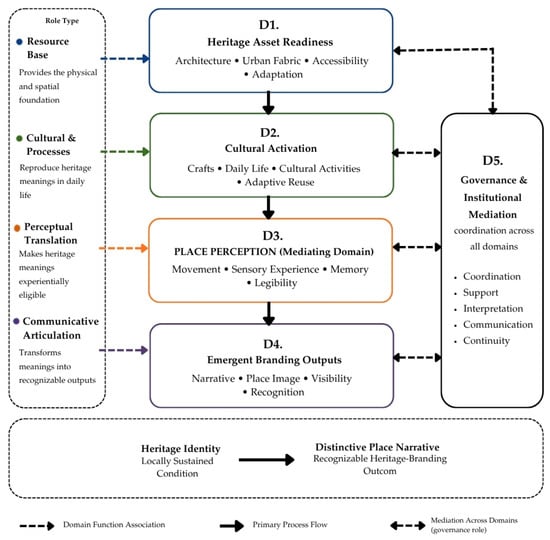
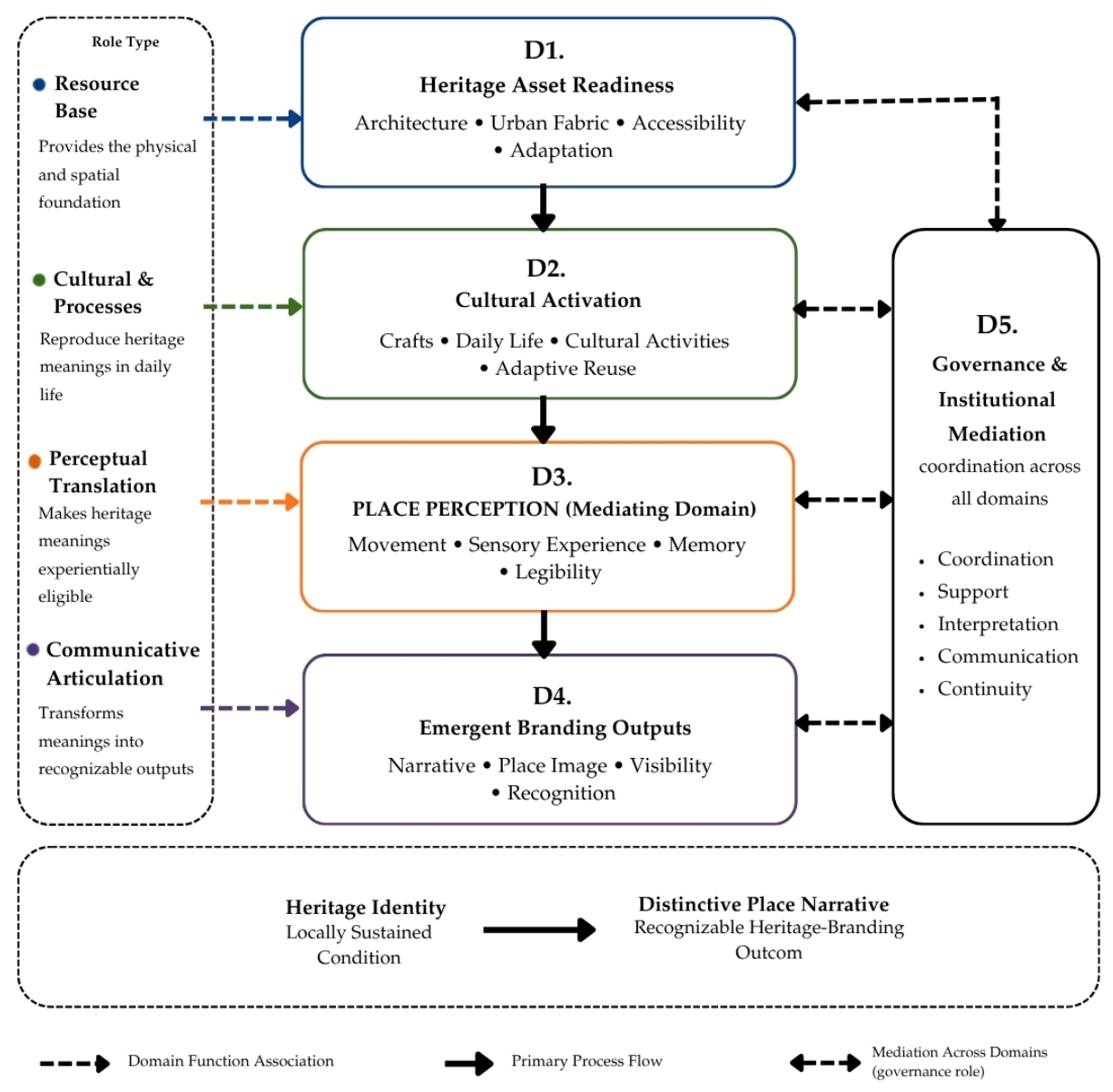
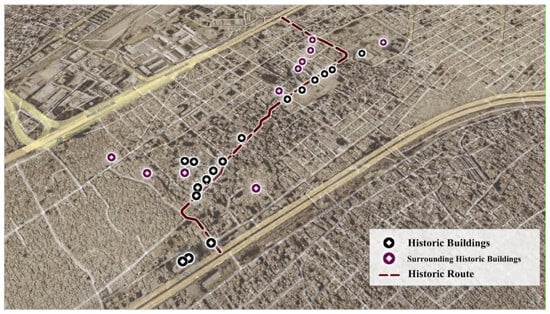
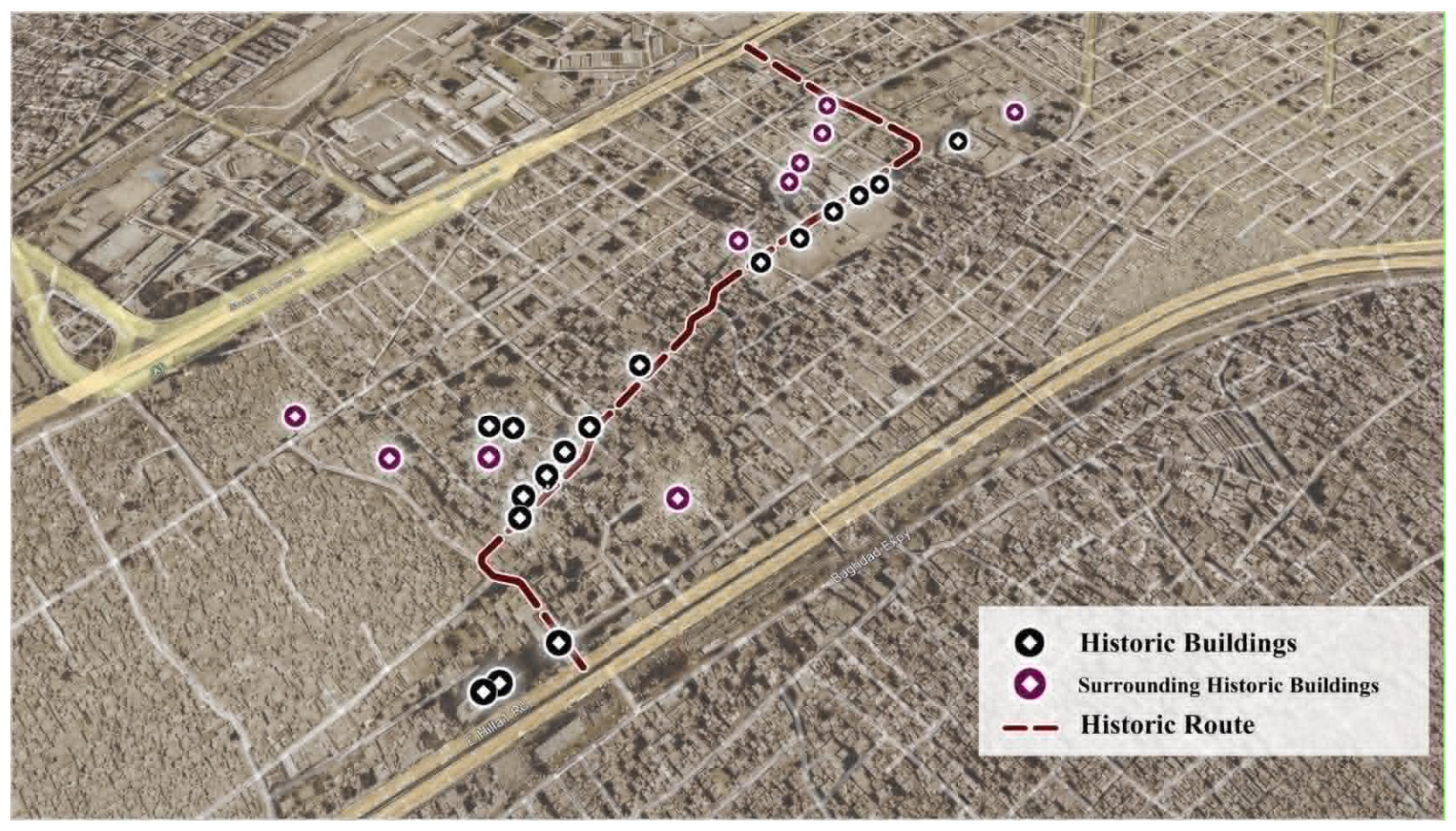
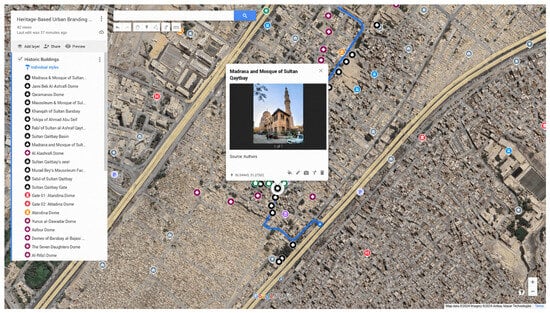
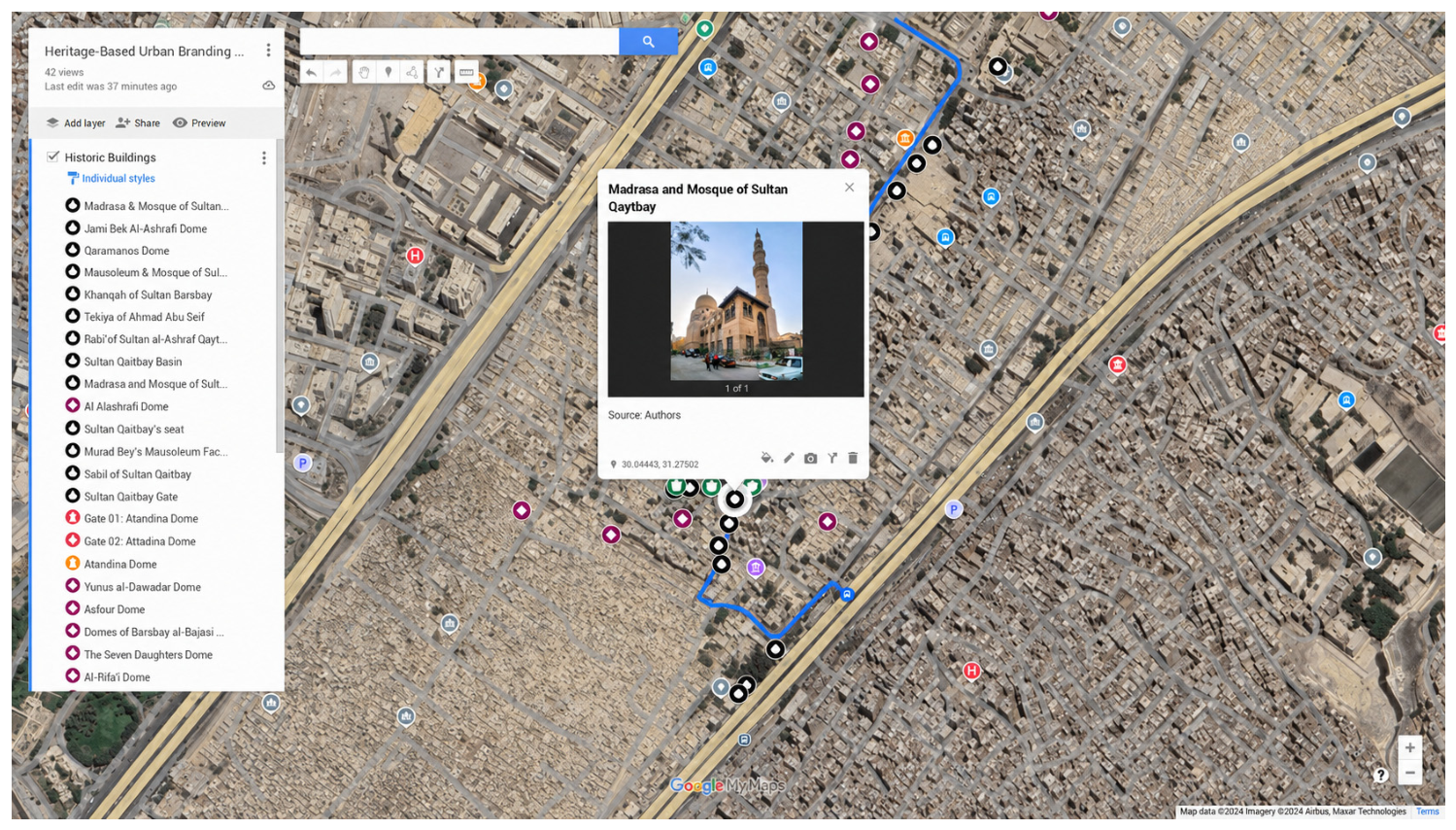
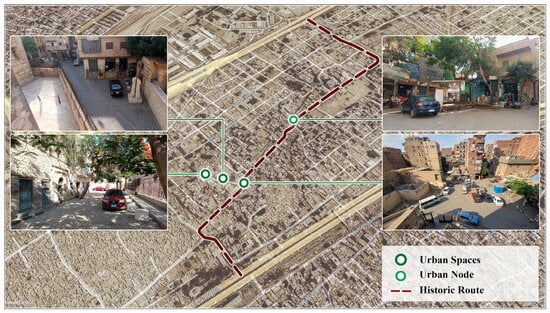
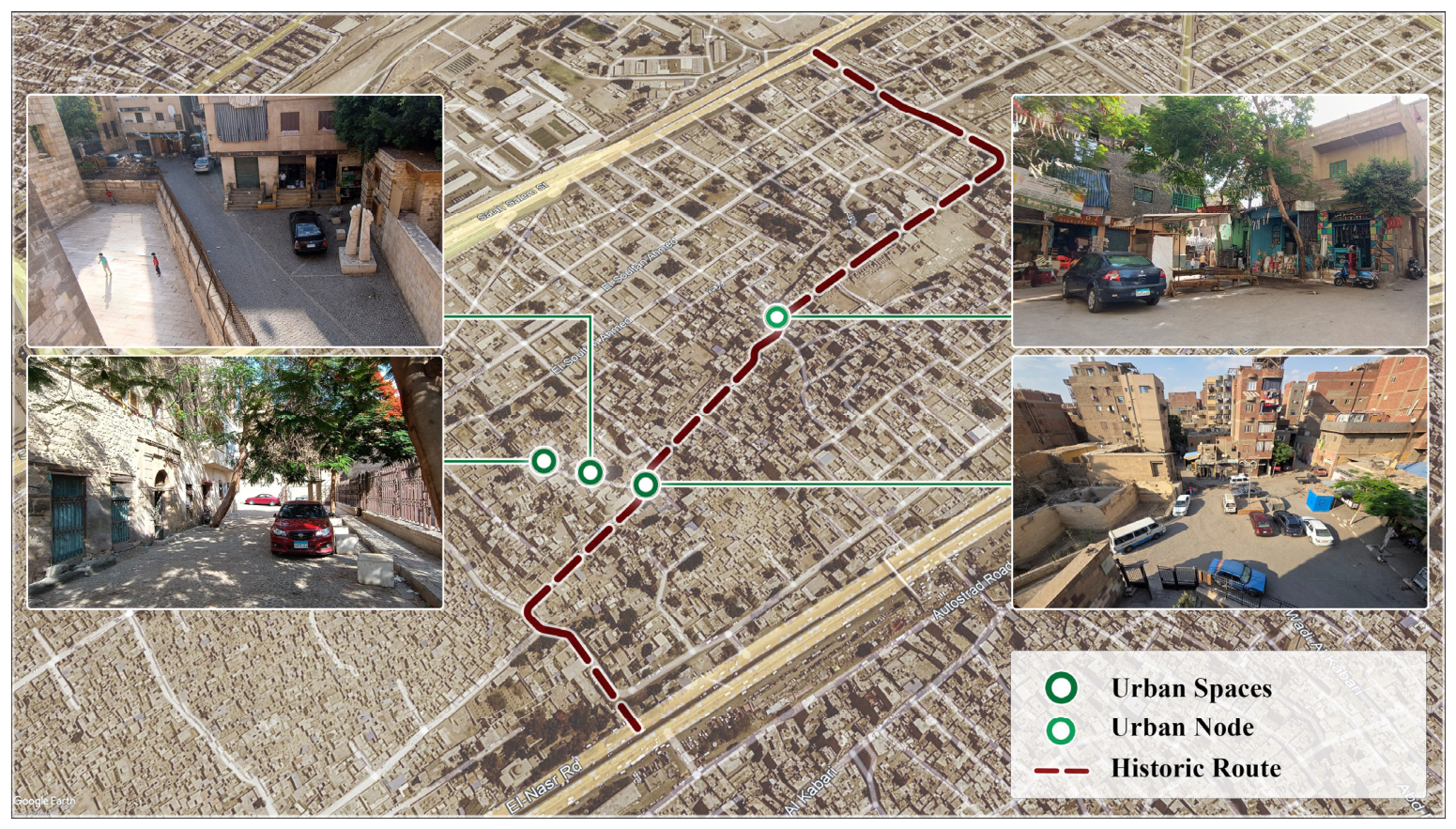
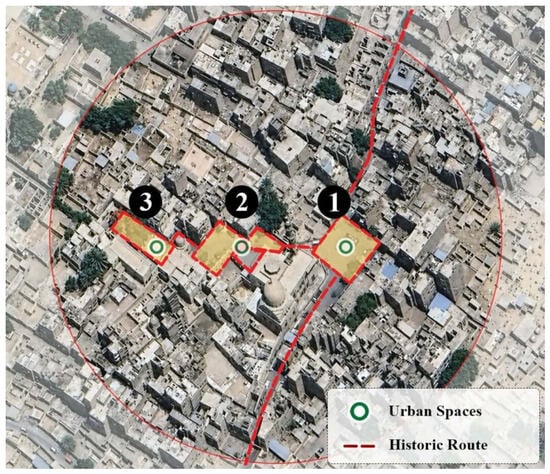
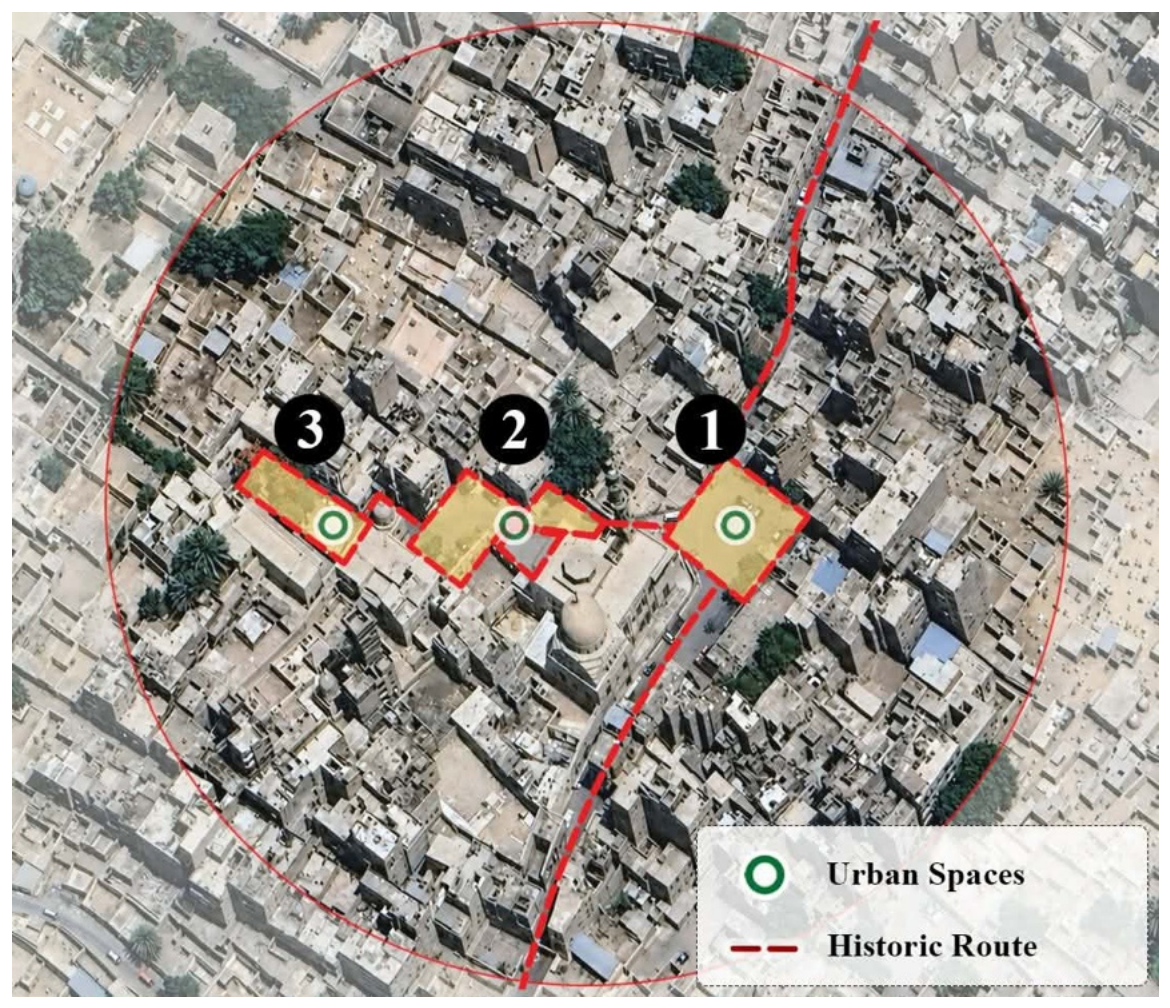
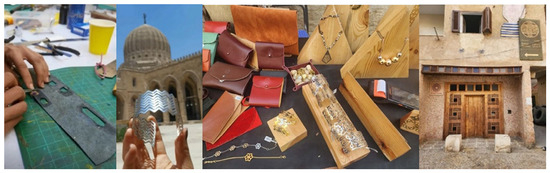
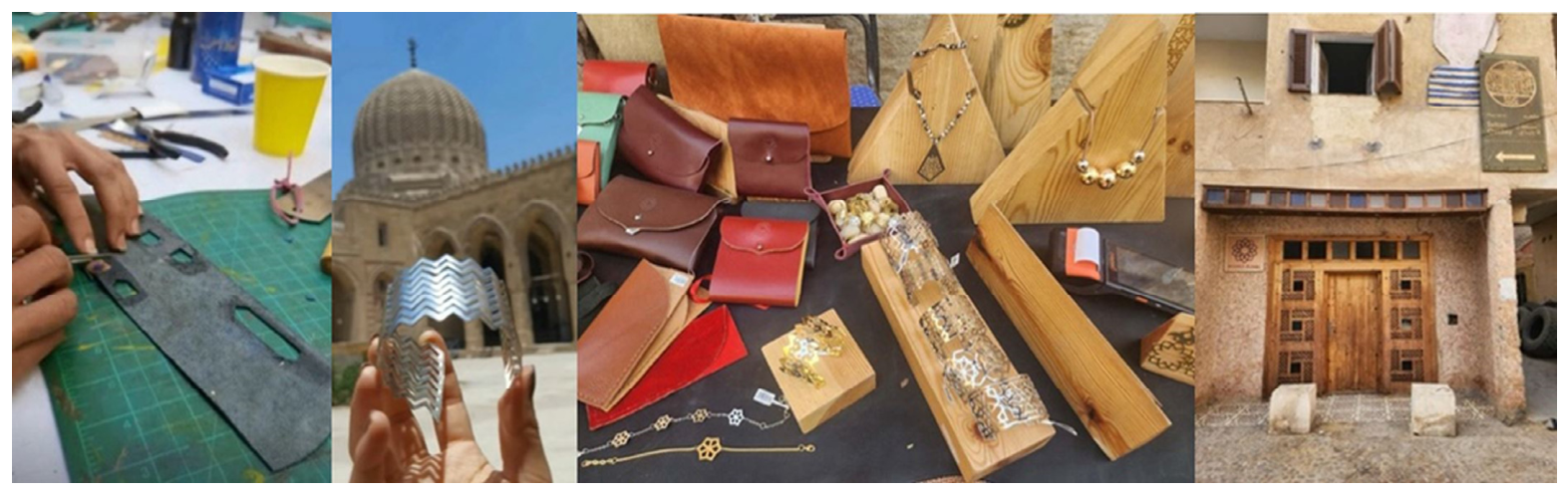
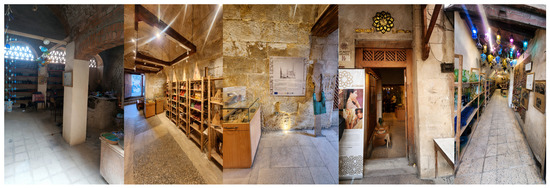
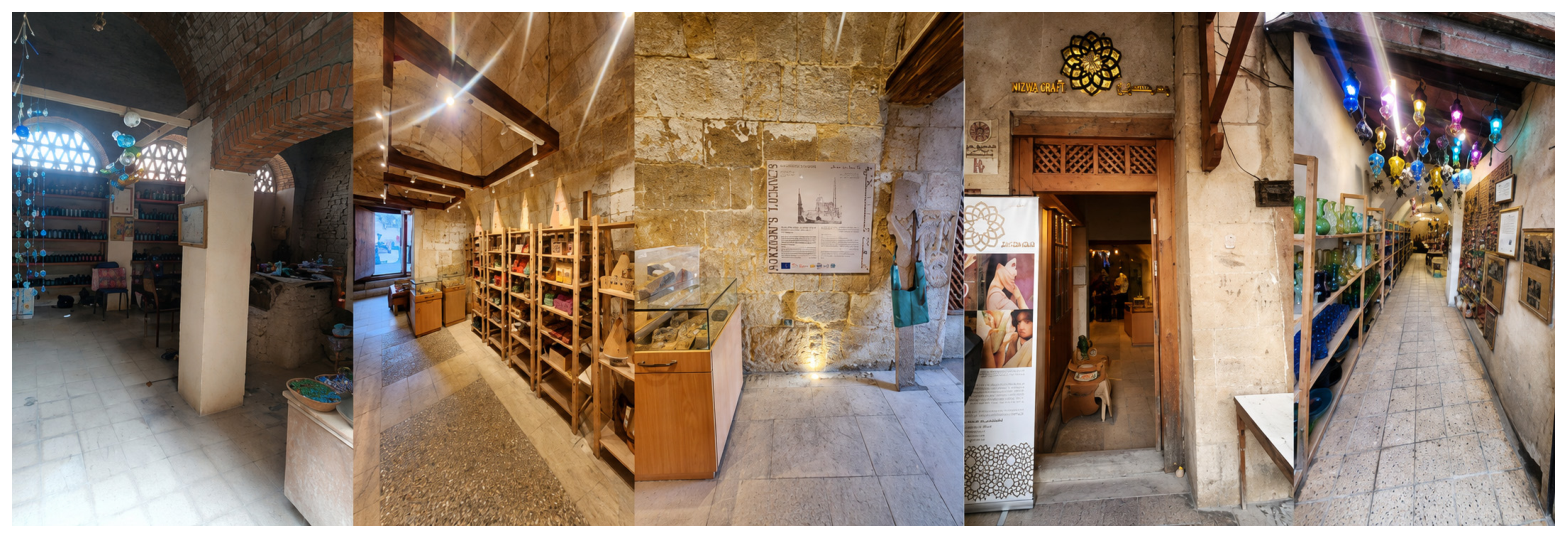
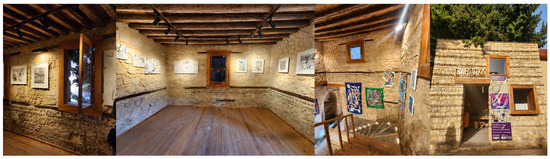
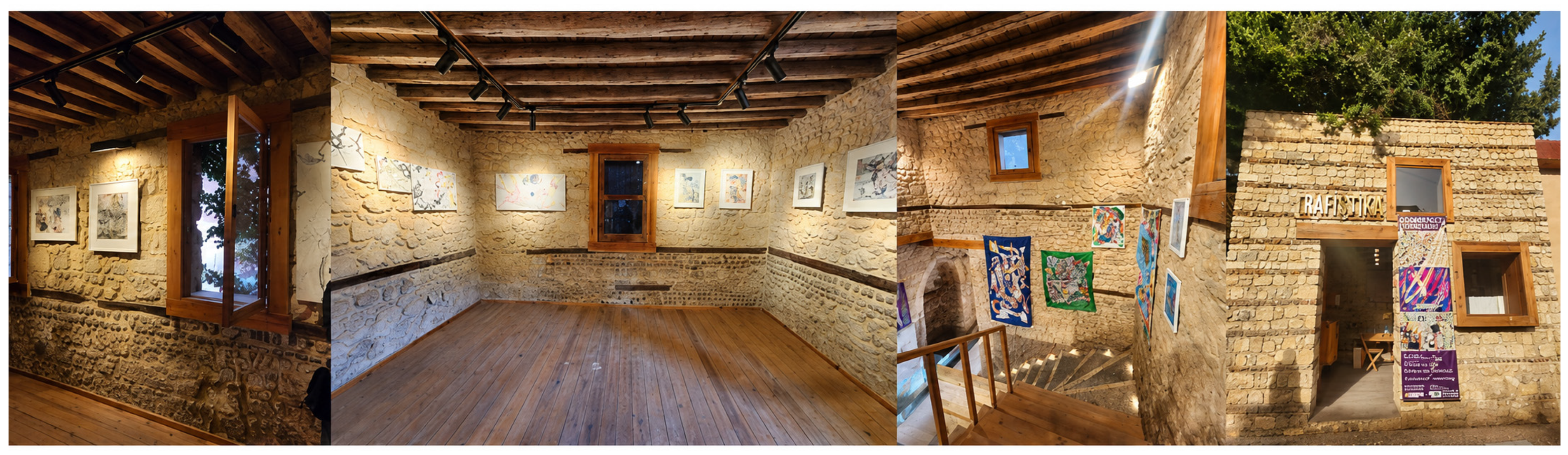
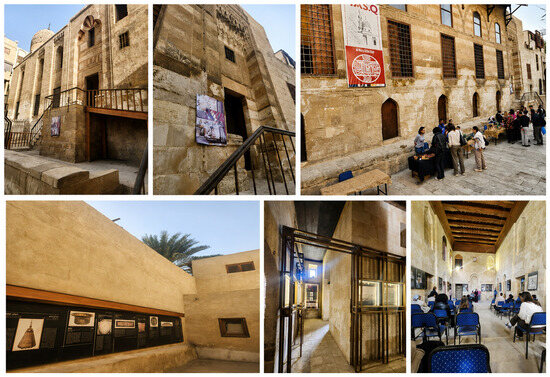
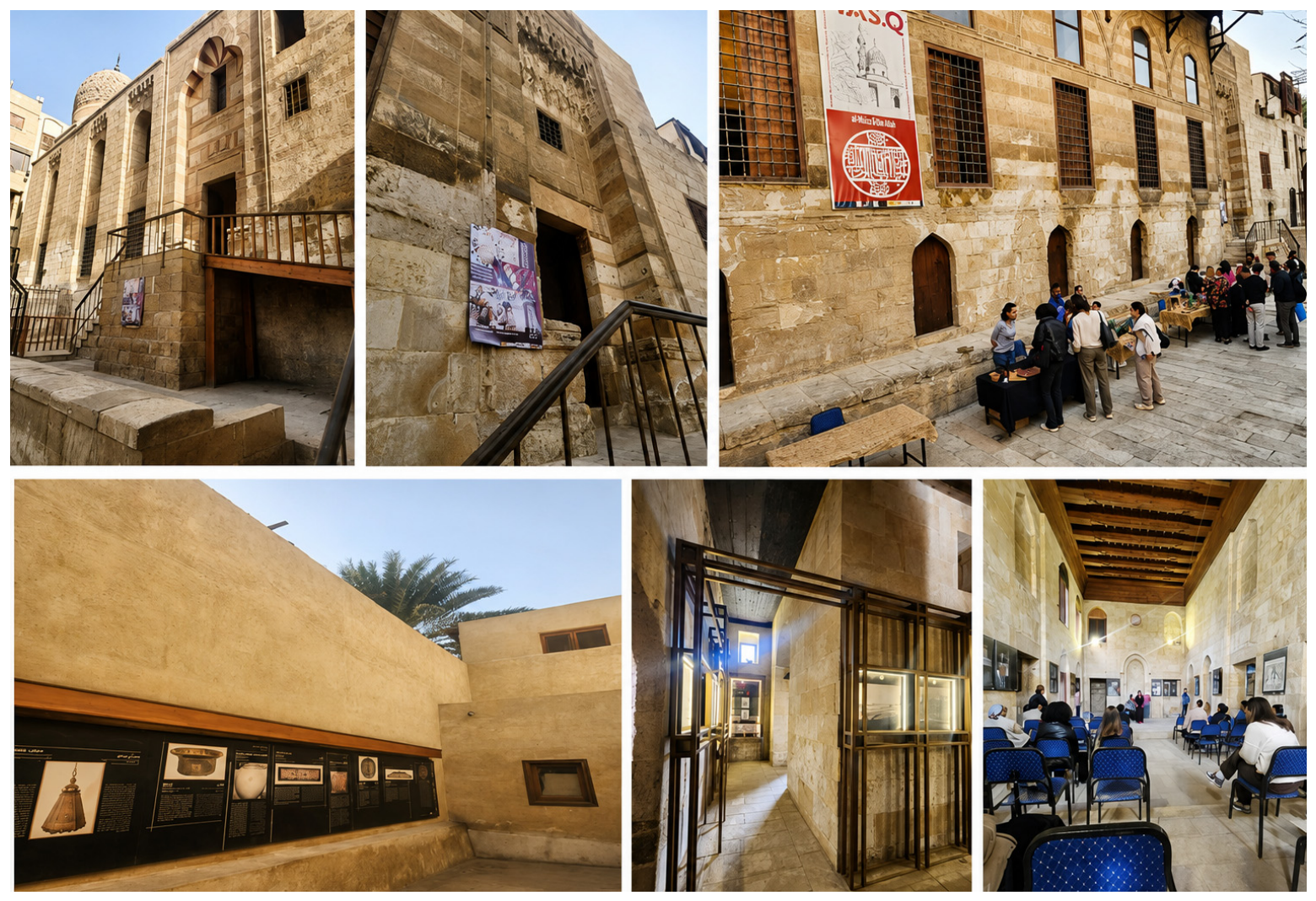
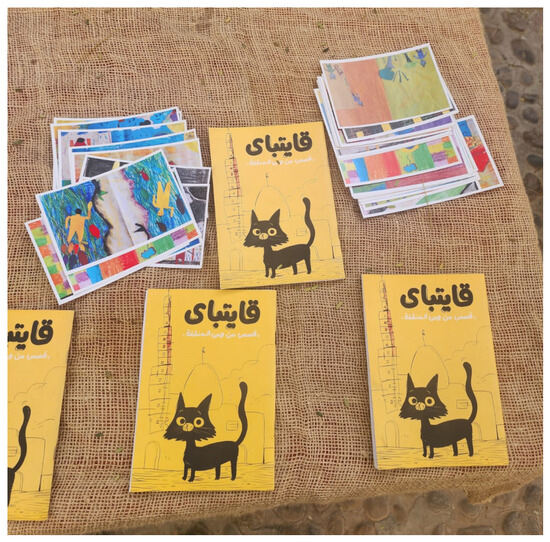
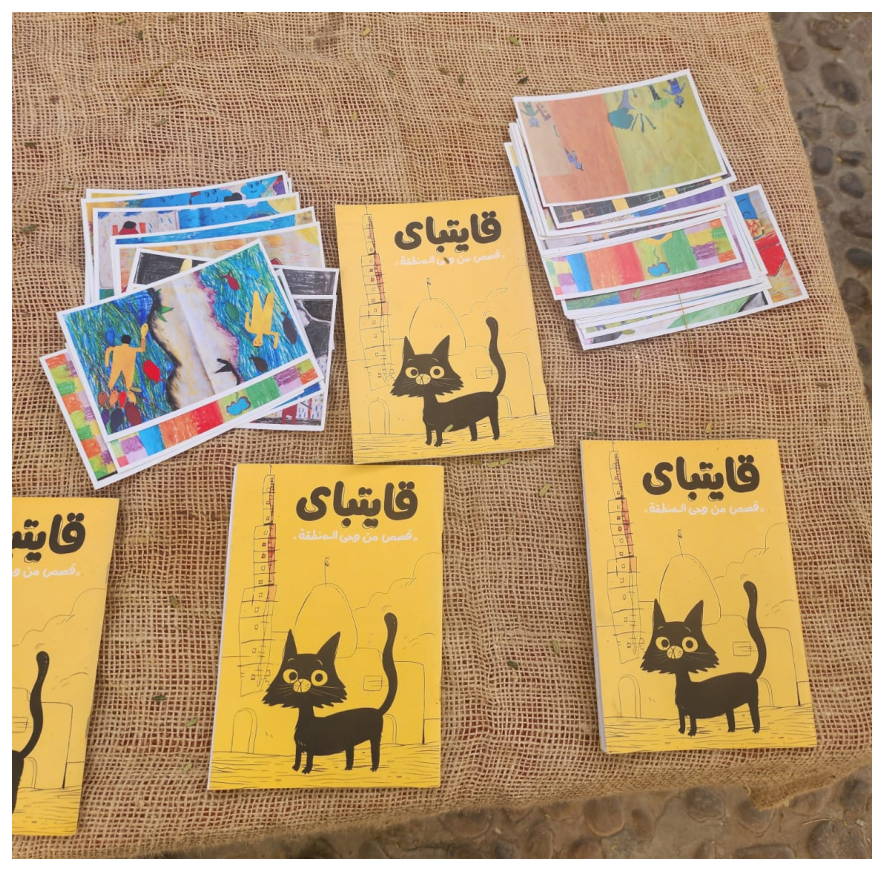
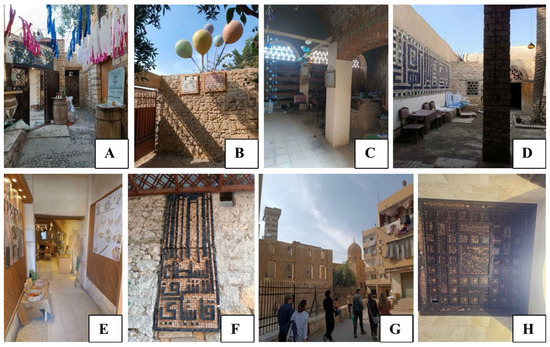
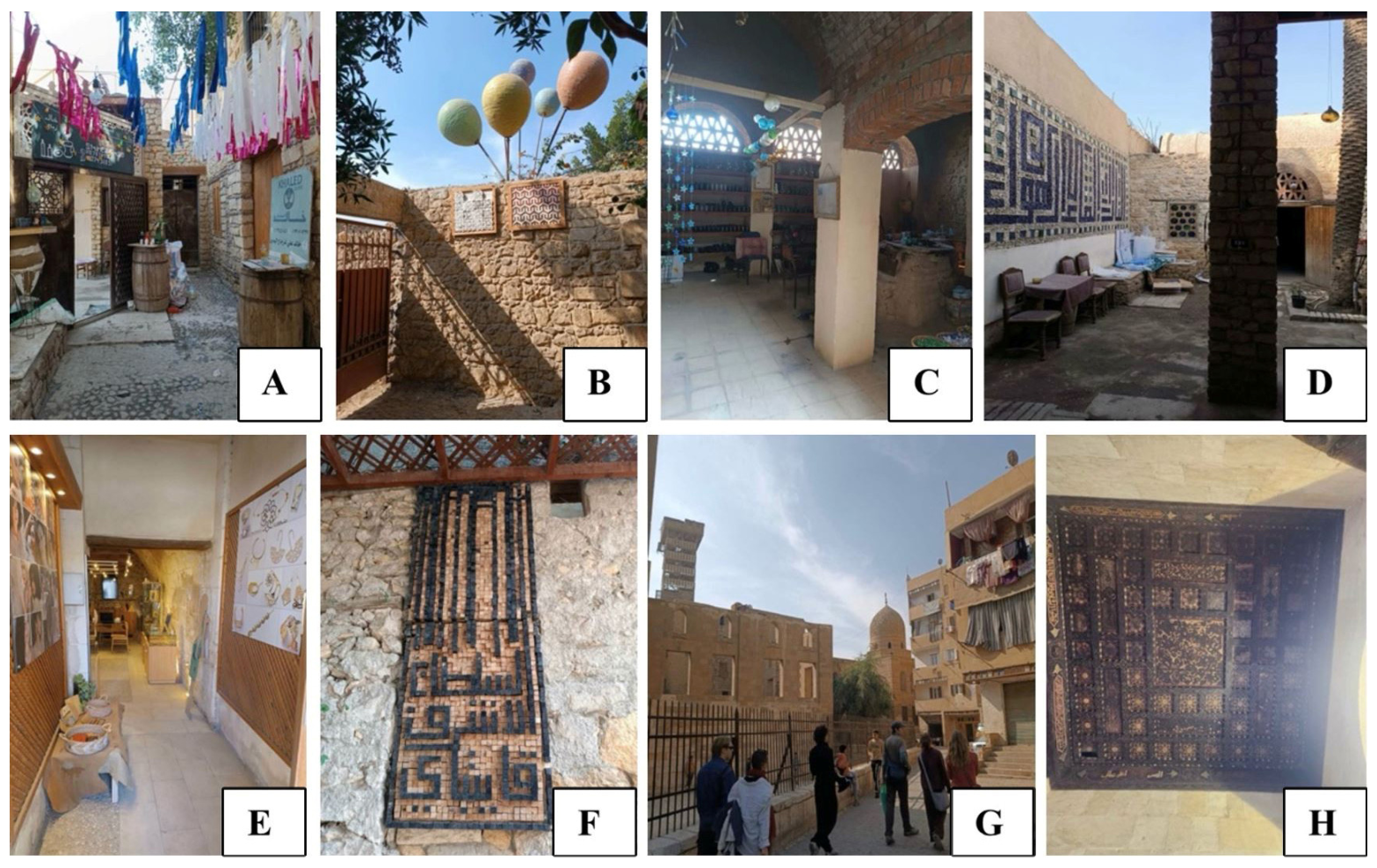

Disclaimer/Publisher’s Note: The statements, opinions and data contained in all publications are solely those of the individual author(s) and contributor(s) and not of MDPI and/or the editor(s). MDPI and/or the editor(s) disclaim responsibility for any injury to people or property resulting from any ideas, methods, instructions or products referred to in the content. |
© 2026 by the authors. Licensee MDPI, Basel, Switzerland. This article is an open access article distributed under the terms and conditions of the Creative Commons Attribution (CC BY) license.