


Abstract
The development of scalable and economically viable biobutanol production remains challenging because conventional acetone–butanol–ethanol (ABE) fermentation depends on strict anaerobic conditions for Clostridium strains. Traditional anaerobiosis control requires continuous nitrogen sparging and chemical reducing agents, increasing operational costs and process complexity. This study proposes a microbial co-culture of Bacillus subtilis and Clostridium beijerinckii BA101 as an oxygen-scavenging strategy to simplify reactor operation and improve scalability. Growth kinetics were first evaluated in monoculture to define compatible operating conditions. Co-culture fermentations were then optimized by varying inoculation ratio, inoculation timing, and inoculum concentration. The best performance was achieved by inoculating C. beijerinckii 4 h after B. subtilis at a 30:70 inoculum ratio, producing 13.14 g L−1 of butanol, 26.6% higher than monoculture. This strategy was subsequently validated in a stirred tank bioreactor under pH-controlled conditions. B. subtilis depleted dissolved oxygen within 53 min without external gas sparging, establishing anaerobic conditions in situ. At pH 5.9, the co-culture reached 18.6 g L−1 butanol, a productivity of 0.194 g L−1 h−1, and 81.6% glucose conversion. These results demonstrate that microbial co-culture is an effective process-intensification strategy, simplifying anaerobic operation while enhancing fermentation performance and industrial scale-up potential.
1. Introduction
The increasing global demand for energy and the environmental impacts associated with fossil fuel consumption have intensified the search for sustainable and renewable alternatives to conventional fuels. Gasoline and diesel, which are primarily derived from crude oil, remain the dominant energy sources worldwide; however, their continued use contributes significantly to greenhouse gas emissions and climate change while also accelerating the depletion of finite petroleum reserves [1,2]. In this context, biofuels have emerged as promising substitutes capable of reducing environmental impacts while diversifying the global energy matrix.
Among advanced biofuels, biobutanol has gained considerable attention because of its favorable physicochemical properties, including relatively high energy density, low volatility, and compatibility with conventional fuel infrastructure, which make it a superior alternative to first-generation biofuels such as bioethanol. Butanol is a four-carbon alcohol with an energy density closer to that of gasoline, lower volatility, and improved blending properties with conventional fuels, making it particularly attractive for transportation applications [3,4].
In addition, butanol can serve as an important platform chemical or “building block” for the synthesis of various industrial compounds and fuels, including aviation biofuels [5,6]. Despite these advantages, current industrial production of butanol is still largely based on petrochemical routes derived from crude oil [7], motivating the development of sustainable biotechnological alternatives.
Biobutanol can be produced through acetone–butanol–ethanol (ABE) fermentation by solventogenic Clostridium species [8,9,10]. During this process, carbohydrates are initially converted into organic acids, primarily acetate and butyrate, during the acidogenic phase. As fermentation progresses, the metabolism shifts toward solventogenesis, during which these acids can be reassimilated and converted into acetone, butanol, and ethanol [11,12,13]. This metabolic transition is accompanied by physiological changes in solventogenic clostridia, including changes in cellular morphology and, in some cases, sporulation [14]. Among these microorganisms, Clostridium beijerinckii is an important model for ABE fermentation because of its solventogenic metabolism and capacity to utilize different carbohydrate substrates [15,16,17].
Despite the potential of ABE fermentation, its industrial implementation remains constrained by several factors, including solvent toxicity, incomplete substrate utilization, and the requirement for strictly oxygen-limited conditions. In particular, maintaining an oxygen-free environment for solventogenic Clostridium commonly requires physical or chemical strategies such as nitrogen purging, anaerobic gas sparging, or the addition of reducing agents [15,18,19]. These approaches can increase process complexity and operating requirements, particularly when anaerobic conditions must be established and maintained throughout fermentation. In addition, butanol accumulation can impair membrane integrity and cellular energy conservation, limiting metabolic activity and final solvent concentrations in conventional batch systems [20,21,22,23]. Consequently, strategies that simultaneously facilitate anaerobic cultivation and improve fermentation performance are of considerable interest.
Several approaches have been investigated to overcome these limitations, including metabolic engineering, alternative feedstocks, cell immobilization, cell recycling, and advanced reactor configurations such as fed-batch, continuous, and multistage systems [24,25,26,27,28,29]. Although these strategies can improve solvent productivity or tolerance, they do not directly address the operational requirement of establishing anaerobic conditions. An alternative approach is therefore to use microbial consortia in which one microorganism consumes dissolved oxygen while another performs the desired anaerobic fermentation. Such oxygen-scavenging co-cultures can establish oxygen-limited conditions biologically and may reduce the dependence on external oxygen-removal procedures [15,18,30].
Co-cultivation of Clostridium with aerobic or facultative microorganisms is particularly relevant to this approach. Members of the genus Bacillus can exhibit rapid aerobic growth and oxygen consumption, providing a potential physiological mechanism for lowering dissolved oxygen before or during the growth of an oxygen-sensitive partner [15,19,31]. Previous studies have demonstrated the feasibility of this strategy for solventogenic fermentations. Wu et al. [18] reported that a co-culture of C. acetobutylicum TSH1 and B. cereus TSH2 produced butanol under microaerobic conditions without nitrogen purging or the addition of reducing agents, with B. cereus contributing to dissolved oxygen depletion. Similarly, Mai et al. [30] demonstrated that co-cultivation of C. beijerinckii NCIMB 8052 with B. cereus CGMCC 1.895 enabled butanol production under non-anaerobic conditions, indicating that the oxygen-consuming partner could facilitate the establishment of an environment suitable for the solventogenic microorganism. These studies are particularly relevant because they demonstrate that biological oxygen removal can provide an alternative to conventional anaerobic preparation procedures.
Beyond oxygen consumption, metabolic complementarity between Bacillus and Clostridium can provide additional benefits depending on the strains and substrates employed. Some Bacillus strains produce extracellular hydrolytic enzymes, including amylases, cellulases, and proteases, which can increase the availability of fermentable substrates for solventogenic microorganisms [18,31,32,33]. For example, Tran et al. [31] reported that co-cultivation of C. butylicum TISTR 1032 with the amylase-producing B. subtilis WD 161 enhanced ABE production from cassava starch, with the Bacillus strain contributing both substrate hydrolysis and oxygen consumption. These findings indicate that the physiological role of the aerobic or facultative partner can extend beyond oxygen depletion; however, such interactions are highly dependent on the selected microorganisms, substrate, inoculation strategy, and fermentation conditions.
Despite these advances, the specific use of Bacillus subtilis as an oxygen-scavenging partner for C. beijerinckii BA101 during butanol fermentation remains insufficiently characterized. B. subtilis is a facultative microorganism capable of rapid growth under oxygenated conditions, whereas C. beijerinckii BA101 is a solventogenic anaerobe requiring oxygen-limited conditions for effective ABE metabolism [16,17,31]. This physiological complementarity provides a rationale for their sequential co-cultivation: B. subtilis can initially consume available dissolved oxygen, potentially facilitating the subsequent growth and solventogenic activity of C. beijerinckii. However, the effectiveness of this strategy depends on the relative abundance and growth kinetics of both microorganisms, as well as on the timing of C. beijerinckii inoculation. Excessive growth of the oxygen-consuming partner could also lead to substrate competition or alter metabolite distribution. Therefore, optimization of inoculation ratio and timing is essential for achieving a functional rather than merely competitive co-culture.
Considering these aspects, the present study investigated a sequential C. beijerinckii BA101–B. subtilis co-culture as a biological strategy for facilitating oxygen-limited conditions during ABE fermentation. First, the growth characteristics of the individual microorganisms were evaluated. Subsequently, different inoculation ratios and inoculation times were investigated to identify a co-culture configuration that maximized butanol production. The selected condition was then evaluated in a stirred-tank bioreactor to determine dissolved oxygen depletion and fermentation performance under controlled pH and agitation. The study therefore aimed to determine whether biological oxygen consumption by B. subtilis could be integrated with solventogenic fermentation by C. beijerinckii BA101 as an alternative strategy for establishing oxygen-limited conditions while improving butanol production.
2. Materials and Methods
2.1. Microorganisms and Strain Maintenance
Two bacterial strains were used in this study. The solventogenic bacterium Clostridium beijerinckii BA101 (PTA-1550) was obtained from the American Type Culture Collection (ATCC, Manassas, VA, USA). This strain is a mutant derived from C. beijerinckii NCIMB 8052 and is known for its enhanced butanol production capacity. The second microorganism used was a wild strain of Bacillus subtilis isolated by the Centro de Investigaciones Biológicas del Noroeste (CIBNOR, La Paz, Mexico) and kindly provided by this institution. For preservation, B. subtilis cultures were stored in glycerol stocks at −80 °C, while C. beijerinckii spores were maintained in liquid medium at 4 °C until further use.
2.2. Culture Medium Preparation
All experiments were conducted using P2 culture medium, commonly employed for acetone–butanol–ethanol (ABE) fermentation. The medium composition is presented in Table 1. All reagents were weighed using an analytical balance (KERN ABT 220-5DM, Balingen, Germany). The medium components were dissolved in distilled water and homogenized by heating under constant magnetic stirring using a heating plate with magnetic stirrer (SCILOGEX SCI-280-Pro, Rocky Hill, CT, USA). For strictly anaerobic cultures of C. beijerinckii, the medium was supplemented with 4 mL of 0.025% resazurin solution as a redox indicator and 0.5 g L−1 cysteine as a reducing agent, following the protocol described by Olivia-Rodríguez et al. [4].
Table 1.
Composition of P2 culture medium.
2.3. Growth Kinetic Experiments
2.3.1. Growth Kinetics of Bacillus subtilis
To characterize the growth kinetics of B. subtilis, a frozen stock culture was first streaked onto TSA agar plates and incubated at 37 °C for 24 h. A single colony was selected to prepare the pre-inoculum. The pre-inoculum was cultivated in liquid P2 medium at 37 °C and 80 rpm for 12 h in an orbital incubator (JSR JSSI-100C, Gongju, Republic of Korea). At the end of the pre-inoculation period, the culture reached an optical density (OD600) of approximately 0.8, corresponding to an estimated biomass concentration of approximately 3 g L−1 based on the previously established OD600–biomass calibration relationship. The resulting culture was subsequently used as the inoculum for the growth kinetic experiments.
Three flasks containing a final working volume of 70 mL of P2 medium, including the inoculum, were prepared and inoculated with 10% (v/v) of the pre-inoculum. The cultures were incubated at 37 °C and 80 rpm. Samples of 1 mL were collected every 3 h over a total cultivation period of 45 h. Optical density was measured at 600 nm using a visible spectrophotometer (DLAB V1000, Beijing, China), and biomass concentration was estimated using the previously established OD600–biomass calibration relationship. The pH was also measured at each sampling point using a digital pH meter (EZDO PL-500, Taipei, Taiwan). All inoculation and sampling procedures were performed inside a laminar flow cabinet (Heal Force OptiClean 900, Shanghai, China) to maintain aseptic conditions.
2.3.2. Growth Kinetics of Clostridium beijerinckii
Prior to growth experiments, a stock of C. beijerinckii spores was prepared. P2 medium was first supplemented with cysteine as a reducing agent and purged with nitrogen gas to remove dissolved oxygen. The pH was adjusted to 6.8–7.0 using 1 N NaOH. Subsequently, 44 mL of medium were transferred into 100 mL glass bottles sealed with butyl rubber stoppers and aluminum crimps. The medium was further purged with nitrogen for 15 min to ensure anaerobic conditions. The bottles were inoculated with 5 mL of C. beijerinckii spores and incubated at 37 °C and 80 rpm. When the culture reached an OD600 of approximately 2.2 after appropriate dilution, corresponding to 2.17 ± 0.47 (n = 3) in the growth curve, spores were induced through thermal shock by placing the bottles in a water bath at 80 °C for 5–10 min. The resulting spores were used to inoculate fresh cultures for growth curve determination. During cultivation, 1 mL samples were taken every 3 h for OD600 and pH measurements.
2.4. Co-Culture Experimental Design
Following the evaluation of the individual growth kinetics, co-culture experiments were conducted to investigate the effect of the interaction between C. beijerinckii and B. subtilis on ABE fermentation performance.
Three experimental variables were evaluated: (i) the inoculation time of C. beijerinckii (0, 4, and 8 h after B. subtilis inoculation); (ii) the inoculum ratio between B. subtilis and C. beijerinckii (70:30, 50:50, and 30:70); and (iii) the total inoculum percentage relative to the final culture volume (10% and 20%).
All co-culture experiments were performed in sealed bottles with a final working volume of 50 mL. Accordingly, the volume of P2 medium was adjusted according to the inoculum volume to maintain a constant final working volume across all experimental conditions. Resazurin and cysteine were not added to the co-culture medium, and the medium was not purged with nitrogen. This configuration allowed B. subtilis, as a facultative microorganism, to consume dissolved oxygen and progressively establish oxygen-limited conditions favorable for the growth and solventogenic metabolism of the strictly anaerobic C. beijerinckii.
The experimental conditions evaluated are summarized in Table 2.
Table 2.
Experimental conditions evaluated in co-culture experiments.
All experiments were performed in triplicate to ensure reproducibility of the results. Cultures were incubated at 37 °C and 80 rpm. Samples were collected every 3 h during the first 24 h of fermentation to monitor optical density (OD600) and pH.
2.5. Bioreactor Experiments
The co-culture condition that produced the highest butanol concentration at flask scale was selected for scale-up experiments in a 1 L stirred bioreactor (Biostat A, Sartorius Stedim, Germany) with a final working volume of 500 mL. Based on the optimal inoculum ratio identified previously, 15 mL of Bacillus subtilis pre-inoculum and 35 mL of activated Clostridium beijerinckii spores were used. Thus, the total inoculum volume was 50 mL, corresponding to an overall inoculation ratio of 10% (v/v) relative to the final working volume of 500 mL, with B. subtilis and C. beijerinckii accounting for 3% and 7% (v/v), respectively. The bioreactor was operated at a temperature of 37 °C and an agitation speed of 80 rpm, with an initial pH of 6.5. During fermentation, pH was actively controlled and maintained above 5.9 through the automatic addition of 2 N NaOH whenever the pH decreased below the control limit.
Dissolved oxygen (DO) was monitored continuously using the bioreactor DO sensor and recorded every 200 s. Before fermentation, the sensor was calibrated using freshly prepared culture medium under agitation and without external aeration, which was defined as 100% DO saturation. Thus, DO values during fermentation were expressed as percentage of saturation relative to this reference condition. The DO profile was used to assess the depletion of oxygen following B. subtilis inoculation and the establishment of oxygen-limited conditions favorable for C. beijerinckii.
Temperature, pH, and DO were continuously monitored throughout the fermentation. Samples of 1.5 mL were collected every 24 h, including initial samples at 0 and 4 h after inoculation.
2.6. Metabolite and Substrate Quantification
Fermentation samples were centrifuged at 12,000 rpm for 15 min at 4 °C using a centrifuge (HERMLE Z 216 MK, Wehingen, Germany). The resulting supernatant was filtered through 0.22 µm syringe filters and subsequently analyzed by high-performance liquid chromatography (HPLC) (Shimadzu CTO-20A, Kyoto, Japan) to quantify fermentation metabolites, including glucose, butanol, and organic acids. Metabolites were separated using an Aminex HPX-87H column (Bio-Rad, Hercules, CA, USA). The injection volume was 20 μL, and the mobile phase consisted of 5 mM H2SO4 at a flow rate of 0.6 mL/min. The column and refractive index (RI) detector temperatures were maintained at 45 °C, while the diode array detector (DAD) wavelength for organic acid detection was set at 210 nm. Under these conditions, the analysis time was 45 min per sample.
2.7. Kinetic Analysis
The specific growth rate (μ) was estimated from the exponential growth phase using the exponential growth model:
where X is the biomass concentration (g L−1) at time t, X0 is the biomass concentration at the beginning of the exponential phase, and μ is the specific growth rate (h−1). The model was linearized by taking the natural logarithm:
X = X0eμt
ln(X) = ln(X0) + μt
Thus, the specific growth rate was obtained from the slope of the linear regression of ln(X) versus time using only the data corresponding to the exponential growth phase. For the bioreactor co-culture, the exponential phase considered for kinetic estimation extended from 4 to 48 h. The doubling time (td) was calculated according to:
The same approach was applied to the monoculture and flask-scale co-culture growth profiles, using the corresponding exponential growth phase identified from each growth curve.
2.8. Statistical Analysis
All experiments were conducted in triplicate, and the results are reported as mean values. Statistical analysis was performed using analysis of variance (ANOVA) with a significance level of p < 0.05 to evaluate the effect of inoculum ratio, inoculation time, and inoculum concentration on butanol production.
2.9. Use of Artificial Intelligence Tools
Generative artificial intelligence (Open AI GPT-6) tools were used solely to improve the language, grammar, clarity, and overall readability of the manuscript. GenAI was not used for experimental design, data generation, data analysis, data interpretation, or the generation of figures, tables, or scientific results.
3. Results and Discussion
3.1. Monoculture Growth Behavior of Bacillus subtilis and Clostridium beijerinckii
3.1.1. Growth Kinetics of Bacillus subtilis in P2 Medium
The growth behavior of Bacillus subtilis in P2 medium was evaluated under aerobic conditions as described in Section 2.3.1. Biomass concentration was estimated from OD600 measurements using the previously established calibration relationship. As shown in Figure 1, B. subtilis exhibited rapid adaptation to the culture medium, with no apparent lag phase. Biomass increased progressively during the first 24 h of cultivation, after which the growth rate decreased, and the culture approached the stationary phase. This behavior indicates that P2 medium provided sufficient nutrients to support the growth of B. subtilis under the conditions evaluated. The rapid initial growth is also consistent with the physiological versatility of this microorganism [18].
Figure 1.
Growth profile of Bacillus subtilis cultivated in P2 medium under aerobic conditions. Biomass concentration was calculated from optical density measurements using the corresponding calibration curve. Error bars represent the standard deviation of triplicate experiments.
The maximum specific growth rate obtained in the present study was μ = 0.207 h−1, corresponding to a doubling time of 1.563 h. This value was of the same order of magnitude as that reported for B. subtilis NCIM 2063 by Stamenković Stojanović et al. [34], who reported a specific growth rate of 0.273 h−1 and a generation time of 2.54 h when the microorganism was cultivated with 10 g L−1 glucose under an oxygen transfer rate of 10 mol m−3 h−1. The μ obtained in the present study was therefore approximately 24% lower than the value reported by these authors. This difference may be associated with differences in strain, medium composition, glucose concentration, and oxygen-transfer conditions. Nevertheless, the comparable magnitude of the specific growth rates indicates that B. subtilis maintained active growth under the P2 medium and cultivation conditions employed in this study.
The growth characterization was performed primarily to establish the physiological behavior of B. subtilis and to define its suitability as an oxygen-scavenging microorganism for the subsequent co-culture experiments. In the proposed system, the role of B. subtilis was not limited to biomass formation but also involved the consumption of dissolved oxygen to progressively establish oxygen-limited conditions suitable for the growth and solventogenic metabolism of the strictly anaerobic C. beijerinckii [35]. Accordingly, the observed rapid growth of B. subtilis supported the use of an initial cultivation period before C. beijerinckii inoculation in the delayed-inoculation experiments.
Although pH profile was not monitored during the B. subtilis monoculture experiments, pH is an important parameter affecting the growth and metabolic activity of this microorganism. In addition, lactate and acetate were not quantified in the monoculture experiments because the characterization was primarily designed to evaluate biomass growth and the oxygen-scavenging capacity of B. subtilis for subsequent co-culture experiments. Nevertheless, the absence of organic-acid measurements represents a limitation, since these metabolites may be produced under oxygen-limited conditions and could influence the physicochemical and metabolic environment of the co-culture [4]. Therefore, their potential contribution to microbial interactions cannot be quantitatively assessed from the monoculture data presented here. This limitation was considered when interpreting the subsequent co-culture fermentation results, where the focus was placed on growth, oxygen depletion, pH profile, and solvent production.
Overall, the growth kinetics obtained in P2 medium demonstrated that B. subtilis was able to grow rapidly under the selected conditions and supported its selection as the oxygen-scavenging component of the co-culture. The subsequent bioreactor experiments further evaluated whether this oxygen-scavenging activity was sufficient to establish oxygen-limited conditions favorable for C. beijerinckii growth and solvent production.
3.1.2. Growth Kinetics and Metabolic Shift of Clostridium beijerinckii BA101
The monoculture fermentation of Clostridium beijerinckii BA101 (PTA-1550) was conducted under strictly anaerobic conditions (Section 2.3.2). The growth profile (see Figure 2) exhibited a characteristic lag phase of approximately 15 h, associated with cellular adaptation and spore germination, followed by exponential growth until around 50 h, after which the stationary phase was reached.
Figure 2.
Growth curve and pH of Clostridium beijerinckii BA101 cultivated in P2 medium under anaerobic conditions. Biomass concentration (g L−1) is shown as a function of fermentation time, while pH variation during the fermentation is represented on the secondary axis. Error bars correspond to the standard deviation obtained from triplicate measurements.
This growth behavior is consistent with the relatively slower initial growth commonly observed in solventogenic clostridia under anaerobic cultivation conditions [10]. Similar growth dynamics have been reported for Clostridium acetobutylicum cultivated in P2 medium, with exponential growth onset around 18 h and transition to stationary phase near 50 h [4], confirming the reproducibility of the observed pattern.
The maximum specific growth rate was estimated at μ = 0.093 h−1, corresponding to a doubling time of 7.43 h (Table 3). Although this value is lower than growth rates reported for some C. beijerinckii strains under optimized conditions, differences among studies can arise from variations in strain, medium composition, substrate concentration, pH control, inoculum physiological state, and fermentation mode. For instance, a μmax of 0.23 h−1 has been reported for C. beijerinckii NCIMB 8052 in pH-controlled batch fermentation, while values of approximately 0.4 h−1 have been reported under other substrate and cultivation conditions [35]. Therefore, the value obtained in the present work represents the growth kinetics of BA101 under the specific experimental conditions employed, particularly without external pH control, rather than an intrinsic maximum growth rate of the strain.
Table 3.
Kinetic parameters obtained for monoculture growth of Bacillus subtilis and Clostridium beijerinckii in P2 medium.
The evolution of pH during fermentation provided key insights into the metabolic dynamics of the system. A progressive decrease in pH was observed during the early stages due to the accumulation of organic acids (primarily acetic and butyric acids), indicating the onset of the acidogenic phase. Subsequently, a pH increase occurred as these acids were reassimilated and converted into solvents, marking the transition to solventogenesis. This biphasic metabolic behavior is a well-established characteristic of ABE fermentation [10,36]. Between 23 and 26 h, a transient plateau in biomass concentration was observed, suggesting a temporary metabolic transition. During this period, the decrease in pH likely imposed physiological stress on the cells, leading to a slowdown in growth and the redirection of carbon flux toward the reassimilation of previously produced acids. This transition marks the onset of solventogenesis, during which acids are converted into solvents such as butanol, acetone, and ethanol. Consequently, a gradual increase in pH was detected, reflecting the consumption of acidic metabolites [10]. This biphasic acidogenic–solventogenic behavior is a hallmark of clostridial metabolism and is strongly regulated by environmental conditions, particularly pH, which controls the expression and activity of key solventogenic enzymes [36]. The observed metabolic shift is therefore consistent with the classical ABE fermentation model described by Jones and Woods [10].
At the end of the fermentation, the butanol concentration reached 10.38 g L−1. This value is comparable to the 11.9 g L−1 reported for C. beijerinckii under similar conditions [37], validating the experimental setup and providing a reliable reference point for evaluating improvements achieved through co-culture strategies.
3.2. Co-Culture Performance of Bacillus subtilis and Clostridium beijerinckii
Co-culture fermentations of Bacillus subtilis and Clostridium beijerinckii were performed under the conditions described in Section 2.4. Biobutanol production was detected in all evaluated conditions, demonstrating that the co-culture system successfully supported solventogenic metabolism without the need for nitrogen purging or external reducing agents. This confirms that B. subtilis effectively established anaerobic conditions through rapid oxygen consumption, as previously reported in similar systems [4,18].
Across all conditions, butanol production ranged from 6.45 to 13.14 g L−1 (Table 4), confirming the robustness of the co-culture strategy. However, no direct correlation was observed between total biomass concentration and solvent production. This is expected, since biomass measurements represent the combined contribution of both microorganisms, while butanol synthesis is primarily associated with the metabolic state of C. beijerinckii [18]. Therefore, the efficiency of the transition from acidogenesis to solventogenesis plays a more critical role than total biomass accumulation.
Table 4.
Screening of co-culture conditions of Bacillus subtilis and Clostridium beijerinckii.
3.2.1. Effect of Inoculation Strategy
The inoculation strategy had a significant impact on fermentation performance. In simultaneous inoculation experiments (0 h), butanol production ranged between 9.04 and 12.24 g L−1, with no statistically significant differences among treatments (ANOVA, p > 0.05). This relatively limited differentiation among treatments suggests that simultaneous inoculation did not provide a clear advantage for establishing the sequential physiological conditions required by the two microorganisms. In this configuration, B. subtilis and C. beijerinckii were introduced into the culture at the same time, potentially resulting in competition for available substrate before the oxygen concentration had been sufficiently reduced for optimal development of the strictly anaerobic C. beijerinckii.
A different behavior was observed when C. beijerinckii was inoculated 4 h after B. subtilis. Under these conditions, butanol production varied according to the inoculum ratio, with the highest concentration of 13.14 g L−1 obtained in condition C4. This condition corresponded to a B. subtilis:C. beijerinckii ratio of 30:70 and a total inoculum of 10%. The higher butanol production observed in C4 should also be interpreted considering the initial amount of C. beijerinckii inoculum. C4 contained 3.5 mL of C. beijerinckii inoculum, compared with 1.5 and 2.5 mL in A4 and B4, respectively, while all three conditions had the same total inoculum percentage and the same 4 h inoculation delay. Therefore, the higher initial C. beijerinckii load in C4 may have partially contributed to its increased butanol production. However, the effect of inoculum amount cannot be isolated from that of the inoculum ratio, since the relative proportion of B. subtilis and C. beijerinckii also varied simultaneously among A4, B4, and C4. Thus, the higher butanol concentration observed in C4 may reflect the combined effects of the initial C. beijerinckii load, the 30:70 inoculum ratio, and the 4 h inoculation sequence. The present experimental design does not allow the individual contribution of these factors to be quantified independently.
The C4 condition also exhibited the highest specific growth rate (μ = 0.054 h−1) and the shortest doubling time (12.93 h) among the evaluated co-culture conditions. The higher proportion of C. beijerinckii in C4 may have favored solvent production by increasing the initial population of the solventogenic microorganism, while the lower proportion of B. subtilis may have remained sufficient to promote oxygen consumption. In addition, the 4 h delay before C. beijerinckii inoculation provided an initial period during which B. subtilis could consume dissolved oxygen and progressively establish oxygen-limited conditions. The combination of these factors may have favored the subsequent growth and solventogenic metabolism of C. beijerinckii. This interpretation is consistent with previous studies describing the use of facultative microorganisms to facilitate oxygen depletion and create conditions favorable for anaerobic Clostridium species [4,18]. Similar effects of inoculation sequence and microbial interaction have also been reported in mixed Bacillus–Clostridium systems, where the temporal organization of microbial populations can influence substrate utilization and solvent production [18,31].
The effect of total inoculum concentration should also be considered. Conditions D0, D4, and D8 contained 20% total inoculum, compared with 10% in conditions A–C. In particular, D4 contained 5.0 mL of C. beijerinckii inoculum, which was greater than the 3.5 mL used in C4, but produced only 6.45 g L−1 of butanol compared with 13.14 g L−1 in C4. This comparison suggests that increasing the total inoculum concentration, and consequently the absolute amount of C. beijerinckii, was not sufficient by itself to improve butanol production. However, D4 also differed from C4 in the B. subtilis:C. beijerinckii ratio and total inoculum percentage; therefore, this comparison cannot be used to isolate the specific effect of C. beijerinckii inoculum amount. Overall, the results indicate that the observed fermentation performance resulted from the combined influence of microbial proportion, initial inoculum load, and inoculation sequence under the conditions evaluated.
When the inoculation delay was extended to 8 h, relatively high butanol production was still observed in some conditions, such as A8 (12.92 g L−1), suggesting that temporal separation between the two microorganisms can influence the physicochemical and metabolic environment of the culture. Nevertheless, the 4 h delay resulted in the highest butanol concentration, particularly at the 30:70 B. subtilis: C. beijerinckii ratio. This result is consistent with the proposed role of B. subtilis in facilitating oxygen depletion before the introduction of the strictly anaerobic C. beijerinckii [4,18,31]. An excessively long delay, however, may alter substrate availability and the physiological state of the first microorganism, which could explain why the 8 h delay did not provide a further improvement in butanol production.
3.2.2. Growth Dynamics and Metabolic Transition in Co-Culture C4
Based on the screening results, condition C4 was selected for further analysis (Figure 3). The growth profile revealed two distinct stages associated with the sequential development of the two microorganisms. Initially, B. subtilis developed under the conditions present immediately after inoculation, contributing to the rapid consumption of dissolved oxygen. Following the 4 h delay, C. beijerinckii was introduced into the culture, and its subsequent growth occurred as oxygen availability became progressively limited.
Figure 3.
Biomass growth and pH profile during fermentation of the co-culture condition C4.
The pH profile decreased from 6.01 to approximately 5.6 during the first 30 h, coinciding with the accumulation of fermentation acids and indicating active acidogenic metabolism. A subsequent increase to approximately 5.8 was observed during the later stages of fermentation, coinciding with increasing butanol production. This temporal behavior is compatible with the acidogenic-to-solventogenic transition commonly described for solventogenic Clostridium species [10]. However, because no active pH control was applied during the flask-scale experiments, the observed pH profile represents the natural response of the culture to metabolite production and consumption rather than a controlled operating condition.
3.2.3. Substrate Consumption and Metabolite Production in Co-Culture C4
The temporal evolution of substrate consumption and metabolite production (Table 5) further supports the occurrence of the metabolic transition observed under co-culture condition C4. Glucose concentration decreased from 63.65 ± 11.7 to 33.01 ± 3.7 g L−1, corresponding to approximately 48% substrate consumption, while butanol concentration increased progressively to 13.14 ± 1.80 g L−1 at 100 h.
Table 5.
Metabolite concentrations during fermentation under co–culture condition C4.
During the early stages of fermentation, organic acids such as butyric and acetic acids accumulated, indicating active acidogenesis. Butyric acid increased from 0.14 ± 0.20 g L−1 at 48 h to 4.59 ± 1.50 g L−1 at 72 h, whereas acetic acid reached 1.47 ± 0.41 g L−1 at 48 h. As fermentation progressed, the concentration of these acids decreased substantially, reaching 0.02 ± 0.02 g L−1 and 0.68 ± 0.31 g L−1, respectively, at 100 h, coinciding with the increase in butanol concentration to 13.14 ± 1.80 g L−1. This behavior is consistent with the acidogenesis-to-solventogenesis transition commonly described for solventogenic clostridia, during which accumulated organic acids can be reassimilated and used as precursors for solvent production [18,38].
The accumulation of lactate and acetate provided additional evidence of metabolic activity within the co-culture. At the end of the flask-scale C4 fermentation, lactate and acetate reached 6.36 ± 1.87 and 0.68 ± 0.31 g L−1, respectively. This metabolite profile indicates that a fraction of the consumed glucose was directed toward products other than butanol. The observed lactate accumulation may be consistent with the metabolic contribution of B. subtilis, particularly under the oxygen-limited conditions established during fermentation, under which this microorganism can produce lactate and acetate [18,38]. However, because the experiments were conducted with a mixed culture and strain-specific metabolite production or consumption was not independently quantified, the measured lactate and acetate concentrations cannot be quantitatively attributed to B. subtilis. Therefore, these metabolites are interpreted as indicators of additional metabolic activity within the co-culture rather than as direct evidence of their microorganism-specific origin. This metabolic distribution may contribute to the differences observed between the co-culture and conventional C. beijerinckii monocultures [18,38].
Despite the production of 13.14 ± 1.80 g L−1 butanol, 33.01 ± 3.7 g L−1 of glucose remained at the end of fermentation. This residual concentration indicates that substrate utilization was incomplete under flask conditions. Several factors may have contributed to this behavior. First, unlike the subsequent stirred-tank bioreactor experiments, the flask fermentations were conducted without active pH control. Consequently, the accumulation of organic acids during the acidogenic phase may have altered the culture pH and affected sustained microbial activity and solventogenesis. In ABE fermentation, acid accumulation and pH changes are closely associated with the transition from acidogenesis to solventogenesis, while excessive acidification can adversely affect cellular activity and the progression of solvent production [10,19,36].
Second, butanol accumulation may have limited further substrate utilization. The final butanol concentration reached 13.14 g L−1, a concentration within the range at which solventogenic clostridia can experience increasing product inhibition. Butanol is known to affect membrane integrity and fluidity and to interfere with cellular energy conservation, thereby reducing metabolic activity and substrate uptake [36,39]. Thus, the residual glucose observed at the end of the flask fermentation may reflect, at least in part, inhibition associated with the accumulation of fermentation products rather than the absence of available substrate.
Differences in mixing and mass-transfer conditions between the flask and stirred-tank systems may also have contributed to the different extent of substrate utilization. In the flask experiments, agitation was maintained at 80 rpm, but pH and dissolved oxygen were not actively monitored or controlled. In contrast, the subsequent stirred-tank experiments provided controlled agitation together with continuous monitoring of pH and dissolved oxygen. These differences in process control may have favored more sustained metabolic activity in the bioreactor and contributed to the higher glucose consumption observed at that scale.
Therefore, the residual glucose in the C4 flask fermentation is more appropriately interpreted as the combined result of incomplete process control and metabolic inhibition associated with acid and solvent accumulation. Importantly, the available data do not allow the individual contribution of pH, product inhibition, or mass-transfer conditions to be quantified. Nevertheless, the comparison with the subsequent bioreactor experiment provides evidence that improved process control can enhance substrate utilization. Under stirred-tank conditions, glucose conversion increased to 81.6%, compared with approximately 48% in the flask system, together with an increase in final butanol concentration to 18.6 g L−1.
The calculated butanol yield was 0.43 g g−1 glucose consumed, indicating that a substantial fraction of the glucose consumed was directed toward butanol production. However, because a considerable amount of glucose remained unconsumed, further optimization of substrate utilization is required. Strategies such as improved pH control, fed-batch operation, and in situ butanol removal could potentially alleviate product inhibition and extend the productive phase of fermentation.
3.2.4. Functional Interactions in the Co-Culture System
Taken together, the results indicate that the B. subtilis–C. beijerinckii co-culture established oxygen-limited conditions compatible with ABE fermentation under the conditions evaluated. The rapid oxygen consumption by B. subtilis provides a functional basis for its incorporation into the consortium, as it may facilitate the development of conditions favorable for the strictly anaerobic C. beijerinckii [4,18]. The higher glucose consumption and butanol production observed in the co-culture compared with the C. beijerinckii monoculture further indicate improved fermentation performance, although the individual contribution of oxygen depletion cannot be isolated from other interactions occurring within the consortium.
The metabolic environment may also have been influenced by metabolites generated during the early growth of B. subtilis, which could affect subsequent microbial activity and solventogenesis [40]. In addition, pH and metabolite accumulation are known to influence the transition between acidogenesis and solventogenesis in clostridial fermentation [17,19,41,42]. Therefore, the performance of the selected C4 condition likely resulted from the combined effects of inoculation timing, oxygen availability, substrate utilization, and metabolic interactions between both microorganisms.
Overall, the C4 strategy provided the most favorable balance among these factors within the experimental conditions tested, supporting the use of controlled inoculation and biological oxygen removal as a promising approach for simplifying co-culture ABE fermentation.
3.2.5. Fermentation Performance Indicators of the Selected Co-Culture
The fermentation performance indicators calculated for the optimal co-culture condition (C4) are summarized in Table 6.
Table 6.
Fermentation performance indicators for co-culture condition C4.
Approximately 30.64 g L−1 of glucose were consumed during fermentation, resulting in a butanol yield of 0.43 g g−1 relative to glucose consumption. The average volumetric productivity was 0.13 g L−1 h−1, while the productivity during the solventogenic phase reached 0.30 g L−1 h−1, reflecting enhanced metabolic activity once anaerobic conditions were fully established.
The maximum butanol concentration obtained under the optimized co-culture condition (C4) was 13.14 g L−1, representing a 26.6% increase compared with the monoculture fermentation of C. beijerinckii (10.38 g L−1). This improvement highlights the effectiveness of microbial synergy, where B. subtilis contributes to oxygen depletion and environmental conditioning, enabling more efficient solventogenic metabolism. The relatively high yield indicates that a significant fraction of the consumed carbon was directed toward butanol synthesis rather than biomass or by-product formation, which is consistent with an efficient solventogenic regime. However, the presence of residual glucose (33.01 g L−1) suggests incomplete substrate utilization under flask conditions, likely due to limitations in mass transfer, pH control, or accumulation of inhibitory metabolites.
3.3. Bioreactor Performance of the Selected Co-Culture Condition (C4)
Following the screening of co-culture configurations at flask scale, condition C4 was selected for scale-up evaluation in a 1 L stirred-tank bioreactor operated at a 500 mL working volume. The bioreactor experiments were conducted under controlled temperature, agitation, and pH conditions to evaluate whether the performance observed at flask scale could be maintained or enhanced under controlled reactor operation. The temporal evolution of pH, dissolved oxygen saturation, biomass formation, substrate consumption, and metabolite production was monitored throughout the fermentation.
3.3.1. pH Dynamics and Dissolved Oxygen Evolution
The temporal profiles of pH and dissolved oxygen saturation during the bioreactor fermentation are presented in Figure 4. The figure shows that immediately after inoculation with Bacillus subtilis, the pH decreased rapidly during the first hours of cultivation. Within approximately 4 h, the pH dropped from 6.5 to around 5.5, reflecting the formation of organic acids during the acidogenic phase. This behavior is consistent with classical ABE fermentation, where acids such as acetate and butyrate accumulate as metabolic precursors for solvent production [10,38,41,42].
Figure 4.
Temporal evolution of pH and dissolved oxygen saturation during fermentation of the co-culture condition C4 in the bioreactor.
Following the inoculation of Clostridium beijerinckii, a gradual increase in pH was observed starting at approximately 30 h, reaching a maximum value of 6.21 around 36 h. This increase coincided with the onset of solvent production and indicates the metabolic transition from acidogenesis to solventogenesis, driven by the reassimilation of previously accumulated acids [19].
This functional role simplifies process operation by reducing the need for external reducing agents or inert-gas sparging. The dissolved oxygen profile showed rapid depletion immediately after B. subtilis inoculation; as illustrated in Figure 5, oxygen saturation decreased to near-zero levels within approximately 53 min, supporting its role as an effective oxygen scavenger under the experimental conditions. This rapid oxygen depletion promoted the establishment of an oxygen-limited environment compatible with the anaerobic growth and solventogenic metabolism of C. beijerinckii [18,30]. In the bioreactor, pH was maintained at 5.9 through automatic control, a value within the reported range favorable for solventogenic metabolism in clostridia (5.8–6.0) [19,43]. Maintaining this pH provided a controlled physicochemical environment during the metabolic shift and may have supported solventogenesis by limiting deviations from conditions favorable for solvent production [44]. Under oxygen-limited conditions, B. subtilis may also redirect carbon and reducing equivalents through fermentative pathways, including lactate and acetate formation, which could further modify the metabolic environment of the co-culture [18,36]. However, redox potential was not directly measured in the present study; therefore, changes in the redox state of the medium and their specific contribution to solventogenesis cannot be quantitatively established.
Figure 5.
Dissolved oxygen saturation during the first hour of fermentation showing rapid oxygen depletion after inoculation with Bacillus subtilis.
After approximately 70 h of fermentation, a slight increase in dissolved oxygen was observed. This behavior is attributed to reduced microbial activity and decreased production of gases such as hydrogen and carbon dioxide, which normally help maintain anaerobic conditions by displacing oxygen from the reactor headspace [45,46].
3.3.2. Biomass Growth, Substrate Consumption and Metabolite Production
The temporal evolution of biomass concentration, glucose consumption, and metabolite production during the 500 mL working-volume bioreactor fermentation is presented in Figure 6, while the corresponding concentration values are summarized in Table 7. Biomass concentration increased progressively during the initial stage of fermentation, from 0.015 ± 0.001 g L−1 at the beginning of the experiment to a maximum of 2.36 ± 0.005 g L−1 at 48 h. After reaching this maximum, biomass concentration gradually decreased and stabilized at approximately 1.51 ± 0.004 g L−1 toward the end of fermentation. This decrease may be associated with the transition from active growth toward solventogenic metabolism, together with reduced growth activity, cellular maintenance, and possible cell damage or lysis during prolonged cultivation.
Figure 6.
Temporal evolution of biomass concentration, glucose consumption, and metabolite production during fermentation of the C4 co-culture condition in the bioreactor. (a) Biomass concentration. (b) Glucose consumption and butanol production. (c) Production of butyric, lactic, and acetic acids. All values are reported as mean ± standard deviation of triplicate measurements.
Table 7.
Metabolite concentrations during fermentation of co-culture condition C4 in the bioreactor.
The maximum specific growth rate was μ = 0.0608 h−1, corresponding to a doubling time of 11.39 h. This value was lower than the maximum specific growth rates reported for C. beijerinckii during the exponential growth phase. For example, Paredes et al. [35] reported a maximum specific growth rate of 0.23 h−1 for C. beijerinckii NCIMB-8052 during the exponential phase of batch ABE fermentation. In that study, the exponential growth phase lasted approximately 24 h, after which the culture progressively transitioned toward a predominantly solventogenic state, while different physiological populations, including acidogenic, solventogenic, and sporulating cells, coexisted throughout the fermentation. Similarly, comparative studies with C. beijerinckii NCIMB-8052 and SA-1 have reported specific growth rates between 0.39 and 0.66 h−1 under glucose-, fructose-, or sucrose-based cultivation conditions, although substantial differences among strains and substrates were observed [44]. These values correspond primarily to periods of active cellular growth and therefore should not be directly equated with the overall growth behavior observed during solvent production.
In contrast, considerably lower specific growth rates have been reported under conditions associated with solventogenic metabolism. A recent study of C. beijerinckii under different lignocellulose-derived inhibitor conditions reported specific growth rates of 0.03–0.13 h−1 during the solventogenic phase, compared with 0.16–0.39 h−1 during the acidogenic phase [44]. In addition, continuous two-stage ABE fermentation of C. beijerinckii NRRL B592 has been operated at a dilution rate of 0.022 h−1 in the second stage, which was associated with solventogenic fermentation, whereas the first growth stage was operated at 0.12 h−1 [44]. These observations demonstrate that growth rates can decrease markedly as the culture transitions from rapid acidogenic growth toward solventogenic metabolism. Therefore, the μ value of 0.0608 h−1 obtained in the present study is within the range reported for some solventogenic conditions, although it is lower than the maximum growth rates generally observed during the exponential acidogenic phase. This comparison should nevertheless be interpreted cautiously because the kinetic parameter obtained in the present study was calculated from the overall biomass profile of the Bacillus subtilis–C. beijerinckii co-culture and therefore does not represent a strain-specific maximum growth rate for C. beijerinckii.
Butanol production was first detected at approximately 26 h and increased progressively thereafter, reaching 18.6 ± 1.24 g L−1 at 96 h, which was the highest concentration obtained during the fermentation. The onset of butanol accumulation occurred after the initial period of biomass development and acid formation, supporting the occurrence of a metabolic transition toward solvent production. The observed temporal relationship between biomass development, acid accumulation, and subsequent butanol formation was consistent with the characteristic acidogenic–solventogenic sequence reported for ABE fermentation [25]. Nevertheless, the final butanol concentration should be interpreted together with the residual substrate and the concentrations of other metabolites, since carbon was not directed exclusively toward butanol production.
An important feature of the bioreactor experiment was the rapid depletion of dissolved oxygen at the beginning of cultivation. Dissolved oxygen decreased to near-zero levels within the first 53 min after inoculation, indicating that the microbial consortium rapidly modified the oxygen availability of the culture. This observation is particularly relevant to the proposed functional role of B. subtilis in the co-culture, as its respiratory activity may have contributed to the establishment of oxygen-limited conditions before and during the development of C. beijerinckii. Because C. beijerinckii is strictly anaerobic, the rapid decrease in dissolved oxygen provided an environmental condition compatible with the subsequent development of clostridial fermentative metabolism. Thus, oxygen depletion can be regarded as an early process event that conditioned the cultivation environment rather than as an independent determinant of solvent production.
Glucose concentration decreased from 75.40 g L−1 to 13.89 g L−1, corresponding to a substrate consumption of 81.6%. This value was higher than those observed under flask conditions (48.1%) and in the C. beijerinckii monoculture (42.5%). As shown in Table 7, the glucose concentration increased from 75.8 to 83.4 g L−1 during the first 4 h of fermentation. This initial increase was not associated with glucose production but with the residual glucose present in the P2 medium used for inoculum preparation, which increased the glucose concentration upon inoculation. After this initial increase, the glucose concentration progressively decreased, reaching 78.8 g L−1 at 26 h and 51.6 g L−1 at 48 h, followed by a final concentration of 13.89 g L−1 at 96 h, indicating sustained substrate consumption throughout the fermentation. The greater glucose utilization observed in the controlled bioreactor indicates that the operating conditions applied at this scale supported more extensive substrate conversion. However, this improvement cannot be attributed exclusively to oxygen depletion. Unlike the flask experiments, the bioreactor provided active pH regulation, continuous monitoring of dissolved oxygen, controlled temperature, and improved mixing conditions. Consequently, the higher substrate consumption likely resulted from the combined effect of these operating conditions and the biological interaction between B. subtilis and C. beijerinckii. In particular, the rapid establishment of oxygen-limited conditions may have facilitated the development of the anaerobic clostridial population, while pH control may have helped maintain conditions favorable for continued metabolic activity.
The temporal profiles of organic acids and solvents further illustrated the metabolic progression of the co-culture. Butyric acid increased during the initial stages of fermentation, reaching approximately 4.2 g L−1 at 48 h, followed by a decrease to 2.6 g L−1 at 74 h. This behavior was consistent with the acidogenic-to-solventogenic transition commonly described for ABE fermentation, during which acids formed during the initial metabolic phase may subsequently be reassimilated as solvent production develops [25]. However, butyric acid increased again to 5.7 ± 2.12 g L−1 at 96 h, indicating that acid metabolism in the present co-culture was not completely resolved into a simple sequential acidogenic–solventogenic pattern. At the end of fermentation, lactic acid and acetic acid reached 11.4 ± 1.01 and 4.8 ± 0.1 g L−1. The accumulation of lactic acid and the presence of relatively high acetic acid concentrations indicate that the co-culture exhibited a more complex metabolic profile than that expected from a C. beijerinckii monoculture alone. Because these metabolites were measured in the mixed culture, their individual microbial origin cannot be established from the present data. Nevertheless, their accumulation may be partly associated with metabolic activity of B. subtilis under the oxygen-limited conditions established during cultivation [38]. These additional metabolic pathways may have influenced substrate distribution and the physicochemical environment of the fermentation.
The relationship between oxygen depletion, substrate consumption, biomass development, and metabolite formation provides an integrated interpretation of the co-culture performance. The rapid decrease in dissolved oxygen occurred at the beginning of the process and was followed by biomass development, progressive glucose consumption, acid accumulation, and subsequent butanol production. This temporal sequence is consistent with the proposed functional role of B. subtilis as an oxygen-scavenging microorganism and with the subsequent development of solventogenic metabolism by C. beijerinckii. The co-culture achieved 81.6% glucose consumption and 18.6 ± 1.24 g L−1 butanol, compared with 42.5% glucose consumption and 10.38 g L−1 butanol in the C. beijerinckii monoculture. These results indicate that the co-culture strategy was associated with improved substrate utilization and butanol production under the controlled bioreactor conditions evaluated. However, because oxygen availability was not independently manipulated while maintaining all other operating variables constant, the present results do not establish a direct causal relationship between oxygen depletion and enhanced butanol production. Rather, they support the hypothesis that rapid oxygen removal, together with pH control, improved cultivation conditions, and the metabolic interaction between the two microorganisms, contributed to the observed fermentation performance.
3.3.3. Fermentation Performance Indicators
Key fermentation performance indicators calculated for the bioreactor experiment are summarized in Table 8, while a comparison with the monoculture and flask-scale co-culture systems is presented in Table 9.
Table 8.
Fermentation performance indicators for the bioreactor experiment.
Table 9.
Comparative fermentation performance of the evaluated systems.
The final butanol concentration reached 18.6 g L−1, representing the highest butanol concentration obtained among the experimental systems evaluated in this study. During fermentation, 61.51 g L−1 of glucose were consumed, corresponding to a substrate conversion of 81.6%. This extensive substrate utilization was accompanied by an average volumetric butanol productivity of 0.194 g L−1 h−1 over the 96 h fermentation period and a butanol yield of 0.30 g g−1 based on consumed glucose. The biomass yield was 0.024 g g−1. Thus, the improvement observed under bioreactor conditions was primarily associated with a greater extent of substrate utilization and higher product accumulation rather than with an increase in the stoichiometric yield of glucose conversion to butanol.
The obtained butanol titer was comparable with values reported for the hyper-butanol-producing strain Clostridium beijerinckii BA101. Ezeji et al. [37] reported that BA101 produced 11.9 g L−1 butanol and 17.7 g L−1 total ABE in a control batch fermentation containing approximately 59.2 g L−1 initial glucose, with a solvent yield of approximately 0.40 g g−1 and a solvent productivity of 0.29 g L−1 h−1. The authors also showed that residual glucose remained at 14.6 g L−1 at the end of the batch fermentation, which was attributed in part to the inhibitory effect of accumulated butanol. In comparison, the present co-culture reached a higher butanol concentration (18.6 g L−1) and a substantially greater glucose conversion (81.6%), although the experimental butanol yield was lower (0.30 g g−1). These differences indicate that the higher final titer in the present system was mainly associated with more extensive substrate utilization rather than with a higher carbon conversion efficiency toward butanol.
The butanol yield of 0.30 g g−1 was lower than the approximately 0.40 g g−1 reported by Ezeji et al. [37] for BA101 under batch conditions. This difference can be associated with the different carbon distribution occurring in the co-culture. In the present system, glucose was consumed by a mixed microbial population, and carbon was distributed among biomass, organic acids, butanol, acetone, ethanol, and other metabolic products. In addition, the bioreactor was operated without in situ solvent removal, allowing butanol to accumulate progressively in the broth. Product toxicity is a well-established limitation of ABE fermentation and can progressively reduce substrate uptake and metabolic activity as solvent concentrations increase. Therefore, the lower yield should be interpreted together with the substantially higher substrate conversion achieved in the present system.
The volumetric butanol productivity of 0.194 g L−1 h−1 was higher than that obtained in the flask-scale co-culture (0.13 g L−1 h−1) and slightly higher than that of the monoculture (0.173 g L−1 h−1). This value is within the range reported for conventional batch ABE fermentation, although substantially lower productivities have been reported when compared with intensified configurations incorporating continuous operation, immobilization, or in situ product removal. For example, Qureshi et al. [47] reported solvent productivities up to 15.8 g L−1 h−1 for immobilized BA101 in a continuous reactor operated at high dilution rates, although the corresponding solvent concentration was only 7.9 g L−1. Similarly, Ezeji et al. [37] demonstrated that integrating gas stripping with BA101 fermentation substantially increased ABE productivity by continuously removing solvents from the broth. These comparisons highlight that the productivity obtained in the present work corresponds to a conventional batch configuration without in situ product recovery and should therefore not be directly compared with highly intensified continuous systems.
The comparison among the three experimental systems provides additional insight into the effect of process configuration. Relative to the flask-scale co-culture, butanol concentration increased from 13.14 to 18.62 g L−1, corresponding to an increase of approximately 41.7%, while glucose utilization increased from 48.1 to 81.6%. Volumetric productivity increased from 0.13 to 0.194 g L−1 h−1. These changes indicate that the controlled bioreactor environment favored more extensive substrate utilization and solvent accumulation. However, the butanol yield decreased from 0.43 to 0.30 g g−1. Therefore, the increase in final butanol concentration cannot be attributed to an improvement in yield alone; rather, it resulted from the substantially greater quantity of glucose consumed during the bioreactor fermentation.
Relative to the C. beijerinckii monoculture, the co-culture bioreactor produced 79.1% more butanol (18.62 versus 10.38 g L−1). The volumetric productivity also increased from 0.173 to 0.194 g L−1 h−1, while glucose conversion increased from 42.5 to 81.6%. Similar observations have been reported in Bacillus–Clostridium co-culture systems, in which the oxygen-consuming activity of Bacillus facilitates the establishment of conditions favorable for solventogenic Clostridium. Wu et al. [18] demonstrated that a C. acetobutylicum–Bacillus cereus co-culture could produce butanol under microaerobic conditions, with Bacillus consuming dissolved oxygen and thereby facilitating the establishment of an anaerobic environment. Mai et al. [30] subsequently showed that B. cereus–C. beijerinckii co-cultures could operate under nonanaerobic conditions and that the Bacillus population rapidly consumed dissolved oxygen, allowing C. beijerinckii to become the dominant population. These studies provide mechanistic support for the oxygen-scavenging strategy employed in the present work.
The magnitude of the improvement observed here was also greater than that reported in some previous Bacillus–Clostridium systems. Oliva-Rodríguez et al. [4] reported 8.28 g L−1 butanol in a co-culture of C. acetobutylicum ATCC 824 and B. subtilis CDBB 555 using agave hydrolysate, compared with 6.04 g L−1 obtained with the selected Clostridium strain alone. The higher titer obtained in the present study (18.6 g L−1) therefore indicates that the combination of BA101 with B. subtilis under the present cultivation conditions provided a comparatively high solvent concentration. However, differences in strain, substrate, initial sugar concentration, inoculation strategy, pH control, and fermentation duration prevent direct attribution of the difference exclusively to the co-culture configuration.
The maximum specific growth rate calculated for the bioreactor culture was 0.0608 h−1, corresponding to a doubling time of 11.39 h. As discussed in Section 3.3.2, this parameter represents an apparent growth rate for the co-culture rather than a strain-specific growth constant for C. beijerinckii. The moderate growth rate should therefore be interpreted together with the metabolic transition and solvent production. Structured models of C. beijerinckii have demonstrated that the population contains physiologically distinct acidogenic, solventogenic, and sporulating states, with the solventogenic population becoming associated with solvent formation after the metabolic transition. Rivas-Astroza et al. [48] showed that acidogenic and solventogenic cells exhibit different metabolic roles and that the solventogenic state is particularly associated with NAD+ regeneration through solventogenic metabolism [43,44,45,49,50]. Thus, a lower overall growth rate during the later stages of the batch process does not necessarily indicate poor fermentation performance.
The relatively high glucose conversion obtained in the present bioreactor (81.6%) is also relevant in relation to previous BA101 fermentations. Ezeji et al. [37] reported residual glucose of approximately 14.6 g L−1 from an initial concentration of 59.2 g L−1 in a conventional BA101 batch fermentation, corresponding to approximately 75% substrate utilization. The present system showed a similar residual-glucose concentration (13.89 g L−1) despite a higher initial glucose concentration of 75.4 g L−1, resulting in a slightly greater conversion of 81.6%. This comparison suggests that the co-culture configuration did not merely increase solvent concentration but also allowed substantial substrate consumption during the extended fermentation period. Nevertheless, the remaining glucose indicates that complete substrate utilization was not achieved, which may reflect the combined effects of solvent accumulation, nutrient limitation, and physiological changes during the late fermentation stage.
The metabolite distribution provides additional evidence of the metabolic behavior of the co-culture. At the end of the fermentation, the experimental concentrations of acetic, butyric, and lactic acids were 4.8, 5.7, and 11.4 g L−1, respectively, giving a total concentration of approximately 21.9 g L−1. The relatively high acid concentration indicates that a considerable fraction of the consumed carbon remained associated with acid metabolites at the end of the batch process. This observation is consistent with structured descriptions of ABE fermentation in which acid production and solvent formation occur through dynamically coupled physiological states rather than as completely separated stages [49,50]. In the present co-culture, the interpretation is further complicated by the contribution of B. subtilis during the initial oxygen-scavenging phase. Therefore, the measured acid concentrations should not be attributed exclusively to C. beijerinckii.
The oxygen-scavenging mechanism is particularly relevant to interpreting the improved performance of the co-culture. In the present bioreactor, dissolved oxygen decreased to near-zero levels within approximately 53 min, providing the anaerobic environment required for the subsequent activity of C. beijerinckii. This mechanism is consistent with previous Bacillus–Clostridium systems. Wu et al. [18] reported rapid depletion of dissolved oxygen by B. cereus in a symbiotic system with C. acetobutylicum, while Mai et al. [30] demonstrated that B. cereus could consume dissolved oxygen sufficiently to establish anaerobic conditions for C. beijerinckii under nonanaerobic operation. Oliva-Rodríguez et al. [4] similarly used B. subtilis as a biological oxygen scavenger to enable butanol production by C. acetobutylicum without conventional anaerobic pretreatment. These studies support the interpretation that the initial respiratory activity of B. subtilis was an important conditioning step for the subsequent development of the solventogenic Clostridium population in the present system.
3.4. Economic Implications and Future Perspectives
The use of B. subtilis as an oxygen-scavenging microorganism provides a potential process advantage by reducing the need for chemical reducing agents and external nitrogen sparging during the establishment of anaerobic conditions. In the present study, cysteine and nitrogen gas were not used during the flask-scale co-culture experiments, as oxygen limitation was established biologically through the activity of B. subtilis. This configuration may reduce auxiliary material requirements compared with conventional ABE fermentation systems that rely on chemical reducing agents or external anaerobic gas flushing [49,51].
A preliminary assessment was therefore performed to estimate the potential economic effect of avoiding these auxiliary inputs. The originally reported value of USD 39 was calculated by adding the assumed purchase costs of cysteine (approximately USD 37 for 22.5 g) and nitrogen gas (approximately USD 2 for 0.27 m3), resulting in a total avoided auxiliary-input cost of approximately USD 39 for the specified quantities [40]. These values were based on the purchasing assumptions considered in the present study. Importantly, the USD 39 value does not represent a saving of USD 39 per liter of butanol. Rather, it corresponds to the estimated cost of the specified quantities of cysteine and nitrogen gas that could potentially be avoided when biological oxygen removal is used to establish oxygen-limited conditions.
The preliminary calculation included only the direct purchase costs of cysteine and nitrogen gas. It did not include substrate costs, B. subtilis cultivation and inoculum preparation, electricity, agitation, heating, pH control, labor, reactor and equipment costs, capital depreciation, downstream processing, solvent recovery, wastewater treatment, or other operating expenses. Consequently, the calculated value should be interpreted as a preliminary estimate of avoided auxiliary-input costs rather than as a reduction in the overall butanol production cost. The actual economic benefit per liter of butanol would depend on the amount of cysteine and nitrogen gas required in a conventional process, the corresponding process scale, and the amount of butanol produced on the same process basis. A complete techno-economic analysis would therefore be required to determine the net economic effect of replacing chemical and gaseous anaerobiosis strategies with biological oxygen scavenging.
From a process perspective, the bioreactor results showed favorable characteristics for further process intensification. The co-culture achieved 81.6% glucose conversion, 18.6 g L−1 butanol, and a volumetric productivity of 0.194 g L−1 h−1. These results indicated that substantial substrate conversion and solvent production were maintained under controlled fermentation conditions. However, the higher fermentation performance relative to the flask-scale experiments should be interpreted considering the combined effects of biological oxygen removal, active pH control, temperature regulation, and improved mixing, rather than being attributed exclusively to the co-culture strategy.
Further process development should focus on improving carbon conversion toward butanol while reducing the accumulation of by-products such as lactic and acetic acids. In situ product removal technologies, including pervaporation, could be particularly relevant because continuous butanol removal may reduce product inhibition and extend the productive phase of fermentation [24,27,39,52,53,54,55]. The integration of such technologies should, however, be evaluated together with their capital and operating costs because the additional separation equipment and energy requirements could offset part of the benefits associated with increased fermentation performance.
The use of low-cost renewable feedstocks, including lignocellulosic and algal biomass, represents a potential direction for future development [27,56,57,58]. However, C. beijerinckii cannot directly ferment intact lignocellulosic biomass; fermentable sugars must first be released through appropriate pretreatment and hydrolysis steps. These additional processing stages may increase energy, chemical, enzymatic, and downstream-processing requirements and may also generate fermentation inhibitors. Therefore, integration of the proposed co-culture with lignocellulosic or algal biorefineries should be considered as a future process-development opportunity rather than as direct conversion of untreated biomass. Further evaluation of pretreatment severity, sugar recovery, inhibitor formation, hydrolysate detoxification, nutrient requirements, and the resulting fermentation performance would be required to determine its technical and economic feasibility.
Overall, the present results demonstrated the technical feasibility of combining B. subtilis and C. beijerinckii as a strategy for establishing oxygen-limited conditions without the addition of cysteine or nitrogen gas under the experimental conditions evaluated. The bioreactor results also showed higher substrate conversion and butanol production under controlled fermentation conditions. However, the economic significance of these findings should be confirmed through a complete techno-economic analysis that explicitly accounts for material, energy, labor, capital, downstream-processing, wastewater-treatment, and product-recovery costs. The present preliminary assessment therefore supports the consideration of biological oxygen scavenging as a means of reducing auxiliary anaerobiosis requirements but does not by itself establish a reduction in the overall cost of butanol production.
4. Conclusions
This study demonstrates that a microbial co-culture system composed of Bacillus subtilis and Clostridium beijerinckii provides an effective process-level strategy for enhancing biobutanol production in ABE fermentation. Beyond improving solvent titers, the co-culture approach enabled the establishment of anaerobic conditions without the use of nitrogen sparging or chemical reducing agents, addressing a major operational constraint in conventional clostridial processes. Systematic evaluation of inoculation strategies identified delayed inoculation of C. beijerinckii as a key operational parameter, resulting in a 26.6% increase in butanol concentration at flask scale compared to monoculture fermentation. This improvement is directly associated with the rapid oxygen consumption capacity of B. subtilis, which creates an anaerobic environment conducive to efficient solventogenic metabolism. Implementation of the optimized co-culture strategy in a controlled stirred tank bioreactor further enhanced fermentation performance, yielding a final butanol concentration of 18.6 g L−1, a productivity of 0.194 g L−1 h−1, and a glucose conversion of 81.6%. Rapid depletion of dissolved oxygen within the first hour of operation confirmed the robustness of the oxygen-scavenging mechanism under scalable reactor conditions. Overall, these results highlight the potential of Bacillus–Clostridium co-culture systems as a process-intensification approach for ABE fermentation, offering simplified anaerobic operation, improved reactor performance, and enhanced suitability for scale-up. Future work should focus on the integration of in situ solvent recovery technologies and the use of low-cost renewable feedstocks to further improve process efficiency and industrial applicability.
Author Contributions
Conceptualization, J.C.-C. and J.Q.; methodology, J.C.-C. and J.Q.; formal analysis, J.C.-C. and F.M.; investigation, F.M.; validation, A.G.R. and J.Q.; data curation, J.C.-C. and F.M.; writing—original draft preparation, J.C.-C. and F.M.; writing—review and editing, J.C.-C., A.G.R. and J.Q.; visualization, J.C.-C. and F.M.; supervision, J.C.-C. and J.Q.; project administration, J.Q.; experimental support, A.G.R. All authors have read and agreed to the published version of the manuscript.
Funding
The APC was founded by Dirección de Investigación Científica y Tecnológica (DICYT), Vicerrectoría de Investigación, Innovación y Creación, Universidad de Santiago de Chile.
Data Availability Statement
The data presented in this study were generated experimentally by the authors and are available within the article.
Acknowledgments
The authors acknowledge the Universidad de Santiago de Chile (USACH) for providing the facilities and support at the Fermentation Engineering Laboratory, and the Centro de Investigaciones Biológicas del Noroeste S.C. (CINOR) for kindly providing the Bacillus subtilis strain. J.C.-C acknowledge the National Agency for Research and Development (ANID) for support through the DOCTORADO BECAS CHILE/2023—21230058 and the National Doctoral Scholarship Program, as well as the Secretaría de Ciencias, Humanidades, Tecnología e Innovación (SECIHTI) for support through fellowship No. 647972, which contributed to the development of this work.
Conflicts of Interest
The authors declare no conflicts of interest.
References
- Amiri, H.; Karimi, K. Pretreatment and hydrolysis of lignocellulosic wastes for butanol production: Challenges and perspectives. Bioresour. Technol. 2018, 271, 702–721. [Google Scholar] [CrossRef] [Scilit] [PubMed]
- Kudahettige-Nilsson, R.; Helmerius, J.; Nilsson, R.; Sjöblom, M.; Hodge, D.; Rova, U. Biobutanol production by Clostridium acetobutylicum using xylose recovered from birch Kraft black liquor. Bioresour. Technol. 2015, 176, 71–79. [Google Scholar] [CrossRef] [Scilit] [PubMed]
- Zheng, Y.N.; Li, L.Z.; Xian, M.; Ma, Y.J.; Yang, J.M.; Xu, X.; He, D.Z. Problems with the microbial production of butanol. J. Ind. Microbiol. Biotechnol. 2009, 36, 1127–1138. [Google Scholar] [CrossRef] [Scilit] [PubMed]
- Oliva-Rodríguez, A.G.; Quintero, J.; Medina-Morales, M.A.; Morales-Martínez, T.K.; Rodríguez-De la Garza, J.A.; Moreno-Dávila, M. Clostridium strain selection for co-culture with Bacillus subtilis for butanol production from agave hydrolysates. Bioresour. Technol. 2019, 275, 410–415. [Google Scholar] [CrossRef] [Scilit] [PubMed]
- Dumitrescu, A.M.; Banu, I.; Bumbac, G. Process modeling and simulation for butanol removing from fermentation broth by extraction with biodiesel. Renew. Energy 2019, 131, 137–143. [Google Scholar] [CrossRef] [Scilit]
- Mora Vargas, J.; Tofaneli Morelato, L.H.; Orduna Ortega, J.; Boscolo, M.; Metzker, G. Upgrading 1-butanol to unsaturated, carbonyl and aromatic compounds: A new synthesis approach to produce important organic building blocks. Green Chem. 2020, 22, 2365–2369. [Google Scholar] [CrossRef] [Scilit]
- Kumar, M.; Karmakar, S. Combustion characteristics of butanol, butyl butyrate, and Jet A-1 in a swirl-stabilized combustor. Fuel 2020, 281, 118743. [Google Scholar] [CrossRef] [Scilit]
- Trindade, W.R.; Santos, R.G. Review on the characteristics of butanol, its production and use as fuel in internal combustion engines. Renew. Sustain. Energy Rev. 2017, 69, 642–651. [Google Scholar] [CrossRef] [Scilit]
- Lee, S.H.; Kim, S.; Kim, J.Y.; Cheong, N.Y.; Kim, K.H. Enhanced butanol fermentation using metabolically engineered Clostridium acetobutylicum with ex situ recovery of butanol. Bioresour. Technol. 2016, 218, 909–917. [Google Scholar] [CrossRef] [Scilit] [PubMed]
- Jones, D.T.; Woods, D.R. Acetone–butanol fermentation revisited. Microbiol. Rev. 1986, 50, 484–524. [Google Scholar] [CrossRef] [PubMed]
- Nabila, D.; Chan, R.; Pratama, R.; Nurlilasari, P.; Wan-Mohtar, W.; Ozturk, A.; Rossiana, N.; Doni, F. Biobutanol production from underutilized substrates using Clostridium: Unlocking untapped potential for sustainable energy development. Microb. Sci. 2024, 7, 100250. [Google Scholar] [CrossRef] [Scilit] [PubMed]
- Ellis, J.T.; Hengge, N.N.; Sims, R.C.; Miller, C.D. Acetone, butanol, and ethanol production from wastewater algae. Bioresour. Technol. 2012, 111, 491–495. [Google Scholar] [CrossRef] [Scilit] [PubMed]
- Lütke-Eversloh, T.; Bahl, H. Metabolic engineering of Clostridium acetobutylicum: Recent advances to improve butanol production. Curr. Opin. Biotechnol. 2011, 22, 634–647. [Google Scholar] [CrossRef] [Scilit] [PubMed]
- Janssen, H.; Wang, Y.; Blaschek, H.P. Clostridium acetobutylicum . In Encyclopedia of Food Microbiology, 2nd ed.; Batt, C.A., Tortorello, M.L., Eds.; Academic Press: London, UK, 2014; pp. 449–457. [Google Scholar] [CrossRef] [Scilit]
- Du, Y.; Zou, W.; Zhang, K.; Ye, G.; Yang, J. Advances and applications of Clostridium co-culture systems in biotechnology. Front. Microbiol. 2020, 11, 560223. [Google Scholar] [CrossRef] [Scilit] [PubMed]
- Thi, H.M.; Tran, M.; Cheirsilp, B.; Umsakul, K.; Bourtoom, T. Response surface optimisation for acetone–butanol–ethanol production from cassava starch by co-culture of Clostridium butylicum and Bacillus subtilis. Maejo Int. J. Sci. Technol. 2011, 5, 374–389. [Google Scholar]
- Jiang, Y.; Wu, R.; Zhou, J.; He, A.; Xu, J.; Xin, F.; Zhang, W.; Ma, J.; Jiang, M.; Dong, W. Recent advances of biofuels and biochemicals production from sustainable resources using co-cultivation systems. Biotechnol. Biofuels 2019, 12, 155. [Google Scholar] [CrossRef] [Scilit] [PubMed]
- Wu, P.; Wang, G.; Wang, G.; Børresen, B.T.; Liu, H.; Zhang, J. Butanol production under microaerobic conditions with a symbiotic system of Clostridium acetobutylicum and Bacillus cereus. Microb. Cell Fact. 2016, 15, 8. [Google Scholar] [CrossRef] [Scilit] [PubMed]
- Dwidar, M.; Kim, S.; Jeon, B.S.; Um, Y.; Mitchell, R.J.; Sang, B.I. Co-culturing a novel Bacillus strain with Clostridium tyrobutyricum ATCC 25755 to produce butyric acid from sucrose. Biotechnol. Biofuels 2013, 6, 35. [Google Scholar] [CrossRef] [Scilit] [PubMed]
- Baral, N.R.; Shah, A. Microbial inhibitors: Formation and effects on acetone-butanol-ethanol fermentation of lignocellulosic biomass. Appl. Microbiol. Biotechnol. 2014, 98, 9151–9172. [Google Scholar] [CrossRef] [Scilit] [PubMed]
- Li, J.; Baral, N.R.; Jha, A.K. Acetone–Butanol–Ethanol Fermentation of Corn Stover by Clostridium Species: Present Status and Future Perspectives. World J. Microbiol. Biotechnol. 2014, 30, 1145–1157. [Google Scholar] [CrossRef] [Scilit] [PubMed]
- Joseph, R.C.; Kim, N.M.; Sandoval, N.R. Recent developments of the synthetic biology toolkit for Clostridium. Front. Microbiol. 2018, 9, 154. [Google Scholar] [CrossRef] [Scilit] [PubMed]
- Kaymak, D.B. A novel process design for biobutanol purification from ABE fermentation. Chem. Eng. Trans. 2018, 69, 445–450. [Google Scholar] [CrossRef] [Scilit]
- Qureshi, N.; Ezeji, T.C. Butanol, “a Superior Biofuel” Production from Agricultural Residues (Renewable Biomass): Recent Progress in Technology. Biofuels Bioprod. Biorefin. 2008, 2, 319–330. [Google Scholar] [CrossRef] [Scilit]
- Lee, S.Y.; Park, J.H.; Jang, S.H.; Nielsen, L.K.; Kim, J.; Jung, K.S. Fermentative butanol production by clostridia. Biotechnol. Bioeng. 2008, 101, 209–228. [Google Scholar] [CrossRef] [Scilit] [PubMed]
- Xu, P.; Marsafari, M.; Zha, J.; Koffas, M. Microbial coculture for flavonoid synthesis. Trends Biotechnol. 2020, 38, 686–688. [Google Scholar] [CrossRef] [Scilit] [PubMed]
- Abo, B.O.; Gao, M.; Wang, Y.; Wu, C.; Wang, Q.; Ma, H. Production of butanol from biomass: Recent advances and future prospects. Environ. Sci. Pollut. Res. 2019, 26, 20164–20182. [Google Scholar] [CrossRef] [Scilit] [PubMed]
- Yeong, T.K.; Jiao, K.; Zeng, X.; Lin, L.; Pan, S.; Danquah, M.K. Microalgae for Biobutanol Production—Technology Evaluation and Value Proposition. Algal Res. 2018, 31, 367–376. [Google Scholar] [CrossRef] [Scilit]
- Bankar, S.B.; Survase, S.A.; Singhal, R.S.; Granström, T. Continuous Two-Stage Acetone–Butanol–Ethanol Fermentation with Integrated Solvent Removal Using Clostridium acetobutylicum B 5313. Bioresour. Technol. 2012, 106, 110–116. [Google Scholar] [CrossRef] [Scilit] [PubMed]
- Mai, S.; Wang, G.; Wu, P.; Gu, C.; Liu, H.; Zhang, J.; Wang, G. Interactions between Bacillus cereus CGMCC 1.895 and Clostridium beijerinckii NCIMB 8052 in coculture for butanol production under nonanaerobic conditions. Biotechnol. Appl. Biochem. 2017, 64, 719–726. [Google Scholar] [CrossRef] [Scilit] [PubMed]
- Tran, H.T.M.; Cheirsilp, B.; Hodgson, B.; Umsakul, K. Potential use of Bacillus subtilis in a co-culture with Clostridium butylicum for acetone-butanol-ethanol production from cassava starch. Biochem. Eng. J. 2010, 48, 260–267. [Google Scholar] [CrossRef] [Scilit]
- Cui, Y.; He, J.; Yang, K.L.; Zhou, K. Aerobic acetone-butanol-isopropanol fermentation through a co-culture of Clostridium beijerinckii G117 and recombinant Bacillus subtilis 1A1. Metab. Eng. Commun. 2020, 11, e00137. [Google Scholar] [CrossRef] [Scilit] [PubMed]
- Mi, S.; Gu, C.; Wu, P.; Liu, H.; Yan, X.; Li, D.; Tang, X.; Duan, X.; Wang, G.; Zhang, J. Improvement of butanol production by the development and co-culture of Clostridium acetobutylicum TSH1 and Bacillus cereus TSH2. Appl. Microbiol. Biotechnol. 2018, 102, 6753–6763. [Google Scholar] [CrossRef] [Scilit] [PubMed]
- Stamenković Stojanović, S.; Karabegovic Stanisavljevic, I.; Beškoski, V.; Nikolić, N.; Lazic, M. Bacillus subtilis NCIM2063 Batch Cultivation: The Influence of the Substrate Concentration and Oxygen Transfer Rate on the Biomass Yield. Adv. Technol. 2020, 9, 44–49. [Google Scholar] [CrossRef] [Scilit]
- Paredes, I.; Quintero, J.; Guerrero, K.; Gallardo, R.; Mau, S.; Conejeros, R.; Gentina, J.C.; Aroca, G. Kinetics of ABE Fermentation Considering the Different Phenotypes Present in a Batch Culture of Clostridium beijerinckii NCIMB-8052. Electron. J. Biotechnol. 2022, 56, 12–21. [Google Scholar] [CrossRef] [Scilit]
- Nailwal, M.; Mukherjee, T.; Venkata Mohan, S. Decoupling acidogenic cascade via bio-electrogenic induced ABE pathway for enhanced n-butanol synthesis in Clostridium acetobutylicum ATCC-824: Bioenergetics and gene expression analysis. Chem. Eng. J. 2024, 486, 150015. [Google Scholar] [CrossRef] [Scilit]
- Ezeji, T.C.; Qureshi, N.; Blaschek, H.P. Production of acetone, butanol and ethanol by Clostridium beijerinckii BA101 and in situ recovery by gas stripping. World J. Microbiol. Biotechnol. 2003, 19, 595–603. [Google Scholar] [CrossRef] [Scilit]
- Nakano, M.M.; Zuber, P. Anaerobic growth of a “strict aerobe” (Bacillus subtilis). Annu. Rev. Microbiol. 1998, 52, 165–190. [Google Scholar] [CrossRef] [Scilit] [PubMed]
- Jones, D.T.; Schulz, F.; Roux, S.; Brown, S.D. Solvent-producing clostridia revisited. Microorganisms 2023, 11, 2253. [Google Scholar] [CrossRef] [Scilit] [PubMed]
- Amador-Noguez, D.; Brasg, I.A.; Feng, X.J.; Roquet, N.; Rabinowitz, J.D. Metabolome remodeling during the acidogenic-solventogenic transition in Clostridium acetobutylicum. Appl. Environ. Microbiol. 2011, 77, 7984–7995. [Google Scholar] [CrossRef] [Scilit] [PubMed]
- Cavelius, P.; Engelhart-Straub, S.; Mehlmer, N.; Lercher, J.; Awad, D.; Bruck, T. The potential of biofuels from first to fourth generation. PLoS Biol. 2023, 21, e3002063. [Google Scholar] [CrossRef] [Scilit] [PubMed]
- Capilla, M.; San-Valero, P.; Izquierdo, M.; Penya-roja, J.M.; Gabaldón, C. The combined effect of initial glucose concentration and pH control strategies for acetone-butanol-ethanol fermentation by Clostridium acetobutylicum DSM 792. Biochem. Eng. J. 2021, 167, 107910. [Google Scholar] [CrossRef] [Scilit]
- Jiang, M.; Chen, J.-N.; He, A.-Y.; Wu, H.; Kong, X.-P.; Liu, J.-L.; Yin, C.-Y.; Chen, W.-F.; Chen, P. Enhanced acetone/butanol/ethanol production by Clostridium beijerinckii IB4 using pH control strategy. Process Biochem. 2014, 49, 1238–1244. [Google Scholar] [CrossRef] [Scilit]
- Koppova, K.; Burianova, L.; Patakova, P.; Branska, B. Lignocellulose-derived inhibitors can extend residence of Clostridium beijerinckii in active solventogenic state. Bioresour. Bioprocess. 2025, 12, 31. [Google Scholar] [CrossRef] [Scilit] [PubMed]
- Giraldeli, L.D.; Fonseca, B.C.; Reginatto, V. Investigating how biomass hydrolysis derivatives inhibit H2 production by an isolated Clostridium beijerinckii. Int. J. Hydrogen Energy 2019, 44, 14683–14693. [Google Scholar] [CrossRef] [Scilit]
- Mariën, Q.; Flores-Alsina, X.; Aslam, U.; Gernaey, K.V.; Regueira, A.; Ganigué, R. Isobutyric and n-butyric acid production from H2 and CO2 by Clostridium luticellarii in a hollow fiber membrane biofilm reactor: Reactor operation and process modelling. Chem. Eng. J. 2024, 495, 153216. [Google Scholar] [CrossRef] [Scilit]
- Qureshi, N.; Schripsema, J.; Lienhardt, J.; Blaschek, H.P. Continuous solvent production by Clostridium beijerinckii BA101 immobilized by adsorption onto brick. World J. Microbiol. Biotechnol. 2000, 16, 377–382. [Google Scholar] [CrossRef] [Scilit]
- Rivas-Astroza, M.; Paredes, I.; Guerrero, K.; Mau, S.; Quintero, J.; Gentina, J.C.; Conejeros, R.; Aroca, G. Kinetic model of Clostridium beijerinckii’s acetone-butanol-ethanol fermentation considering metabolically diverse cell types. J. Biotechnol. 2021, 342, 1–12. [Google Scholar] [CrossRef] [Scilit] [PubMed]
- Rdzanek, P.; Marszałek, J.; Kamiński, W. Biobutanol concentration by pervaporation using supported ionic liquid membranes. Sep. Purif. Technol. 2018, 196, 124–131. [Google Scholar] [CrossRef] [Scilit]
- Wen, H.; Gao, H.; Zhang, T.; Wu, Z.; Gong, P.; Li, Z.; Chen, H.; Cai, D.; Qin, P.; Tan, T. Hybrid pervaporation and salting-out for effective acetone-butanol-ethanol separation from fermentation broth. Bioresour. Technol. Rep. 2018, 2, 45–52. [Google Scholar] [CrossRef] [Scilit]
- Fisher Scientific. 1-Butanol, 99%. Available online: https://www.fishersci.es/shop/products/1-butanol-99-thermo-scientific/11377946 (accessed on 27 May 2024).
- Veza, I.; Muhamad Said, M.F.; Latiff, Z.A. Recent advances in butanol production by acetone-butanol-ethanol (ABE) fermentation. Biomass Bioenergy 2021, 144, 105919. [Google Scholar] [CrossRef] [Scilit]
- García, V.; Päkkilä, J.; Ojamo, H.; Muurinen, E.; Keiski, R.L. Challenges in biobutanol production: How to improve the efficiency? Renew. Sustain. Energy Rev. 2011, 15, 964–980. [Google Scholar] [CrossRef] [Scilit]
- Ranjan, A.; Moholkar, V.S. Biobutanol: Science, engineering, and economics. Int. J. Energy Res. 2012, 36, 277–323. [Google Scholar] [CrossRef] [Scilit]
- Stoffers, M.; Heitmann, S.; Lutze, P.; Górak, A. Integrated processing for the separation of biobutanol. Part A: Experimental investigation and process modelling. Green Process Synth. 2013, 2, 101–120. [Google Scholar] [CrossRef] [Scilit]
- Kumar, M.; Goyal, Y.; Sarkar, A.; Gayen, K. Comparative economic assessment of ABE fermentation based on cellulosic and non-cellulosic feedstocks. Appl. Energy 2012, 93, 193–204. [Google Scholar] [CrossRef] [Scilit]
- Manna, M.S.; Mazumder, A.; Bhowmick, T.K.; Gayen, K. Economic analysis of biobutanol recovery from the acetone-butanol-ethanol fermentation using molasses. J. Indian Chem. Soc. 2023, 100, 100809. [Google Scholar] [CrossRef] [Scilit]
- Wang, M.; Ye, X.; Bi, H.; Shen, Z. Microalgae biofuels: Illuminating the path to a sustainable future amidst challenges and opportunities. Biotechnol. Biofuels Bioprod. 2024, 17, 10. [Google Scholar] [CrossRef] [Scilit] [PubMed]
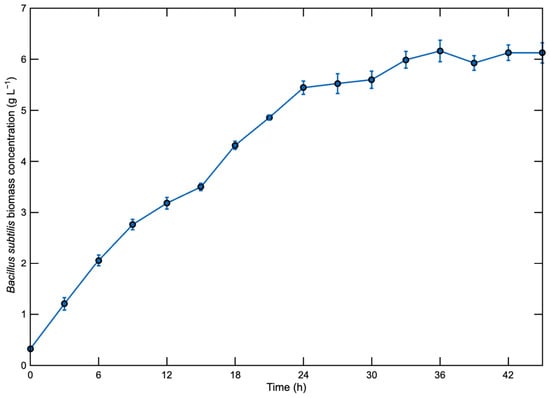
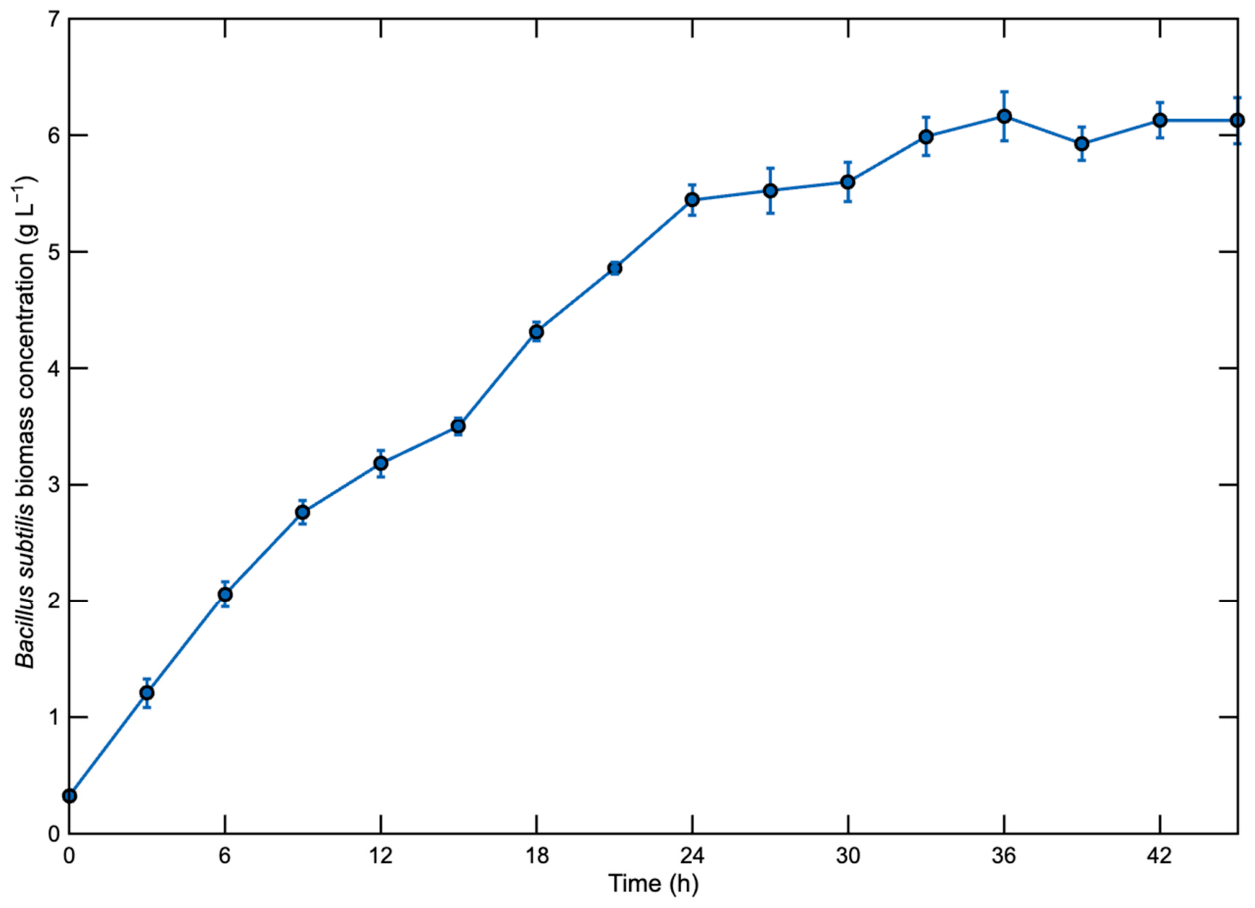
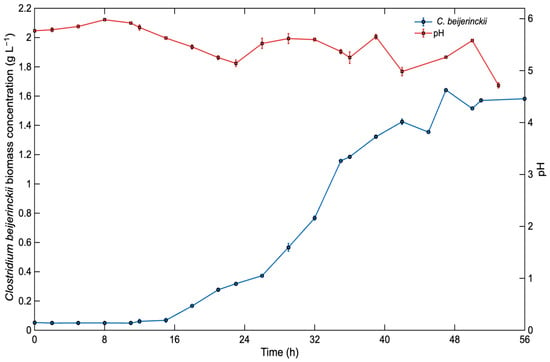
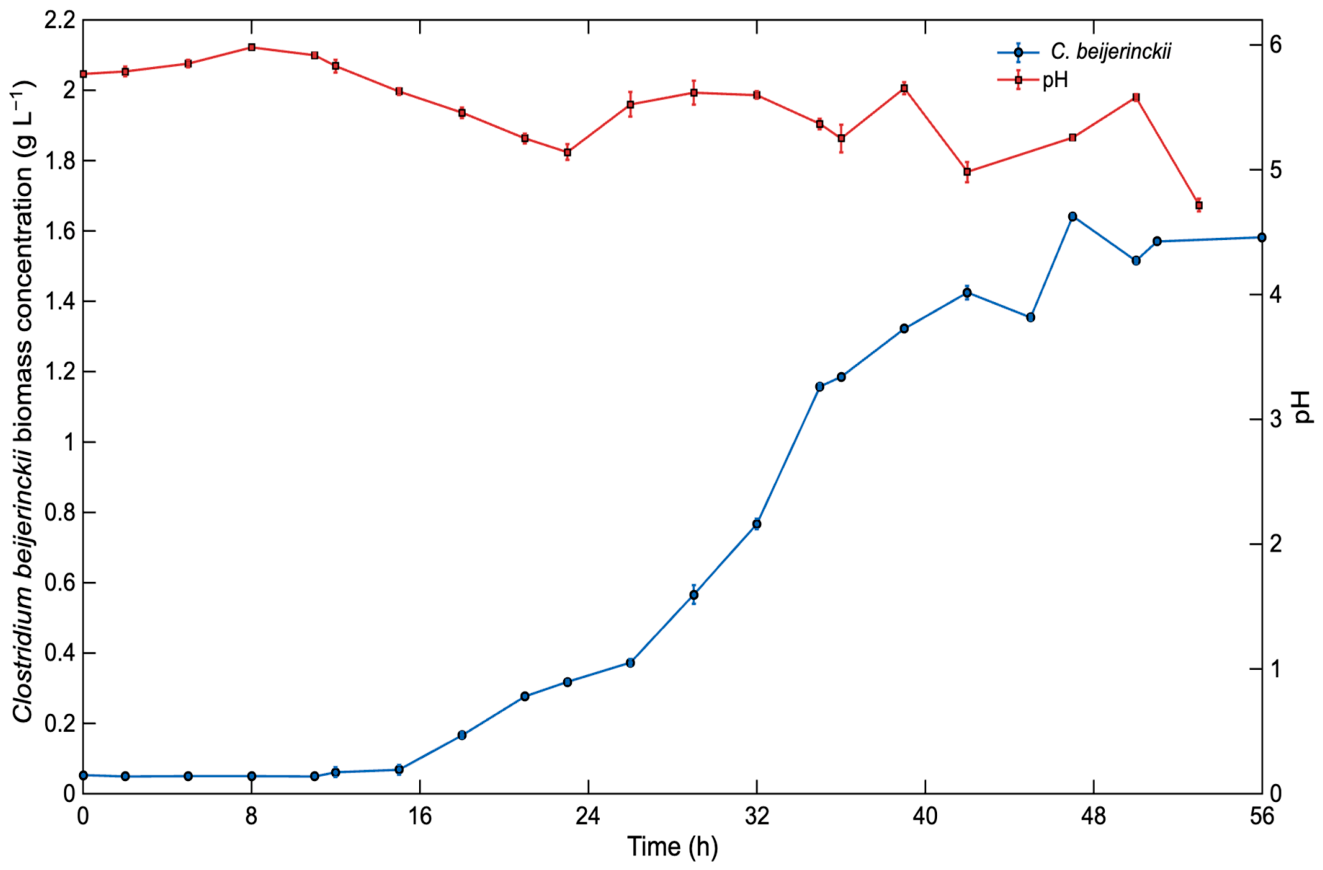
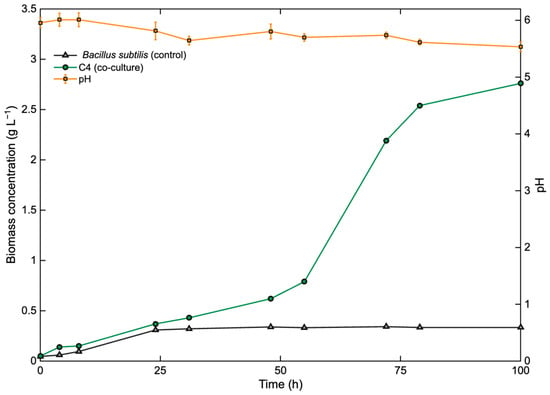
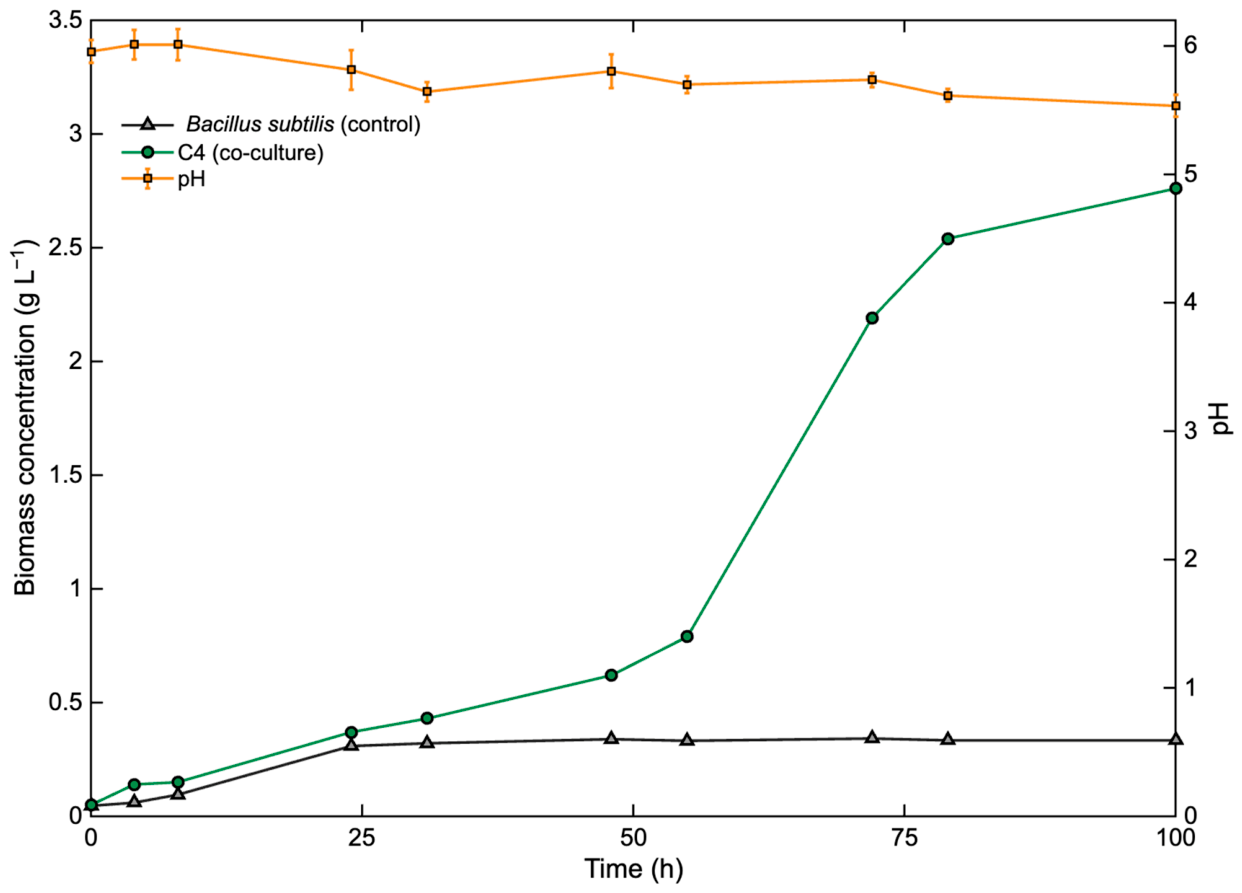
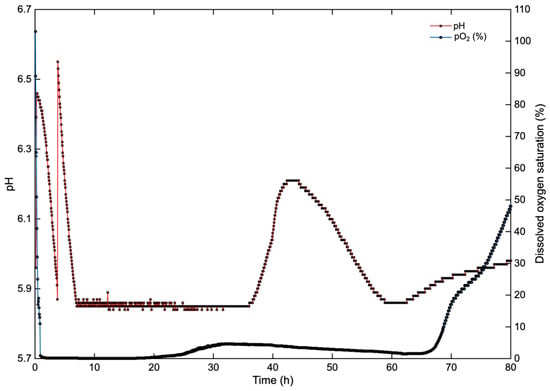
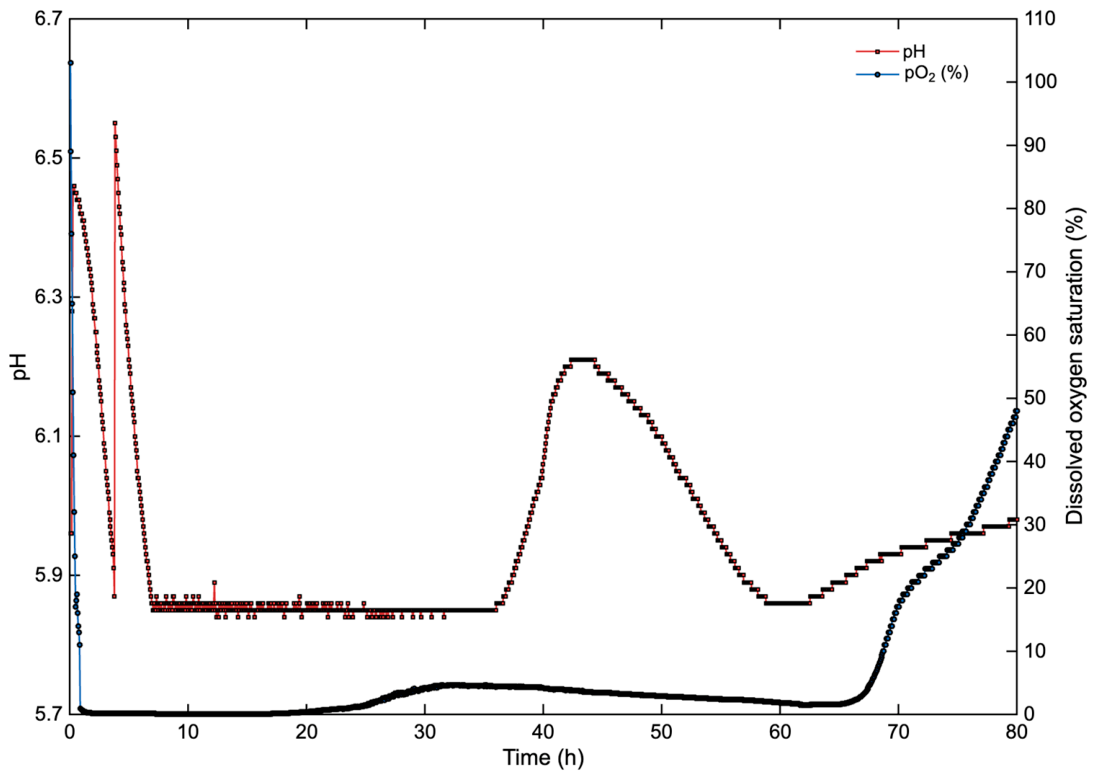
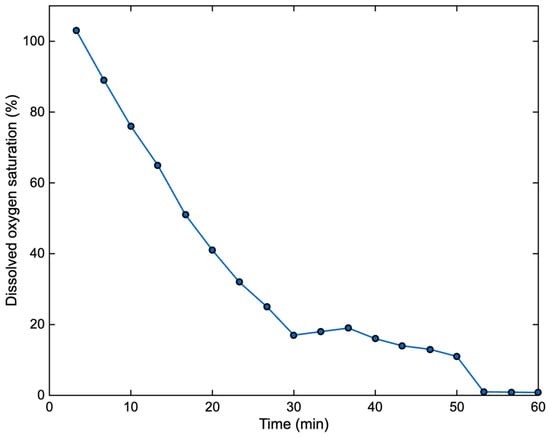
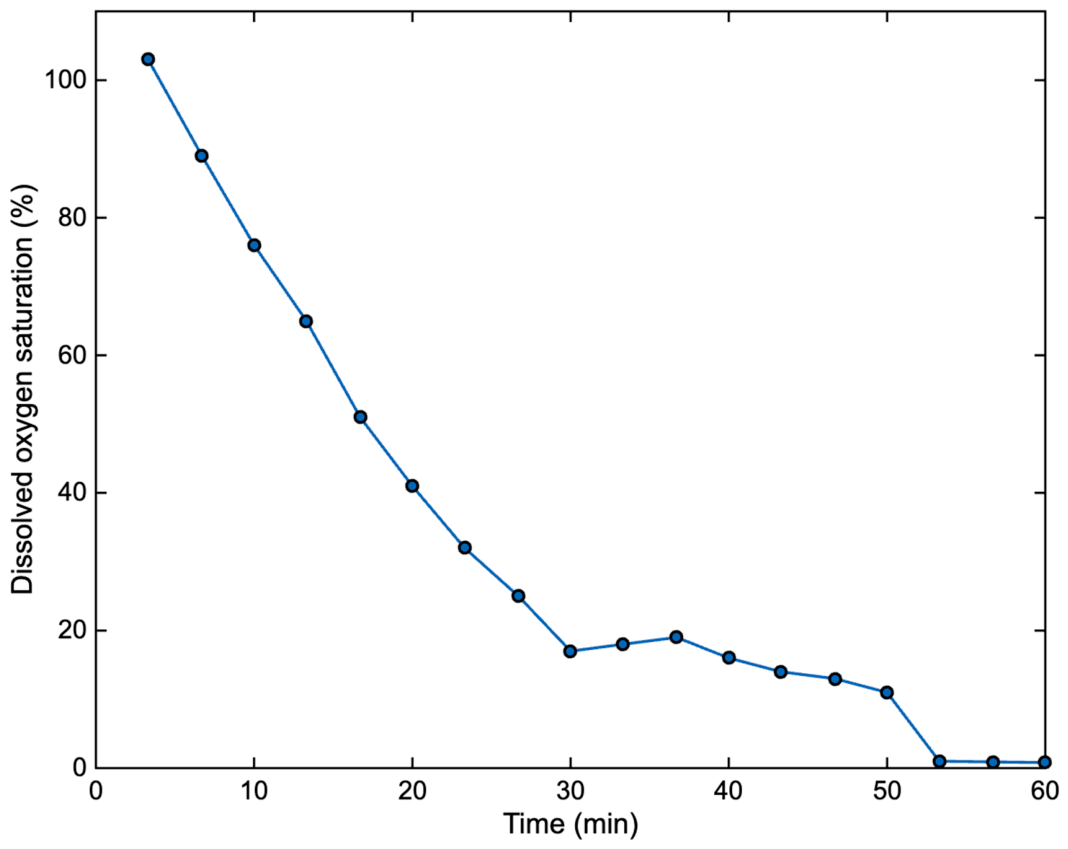
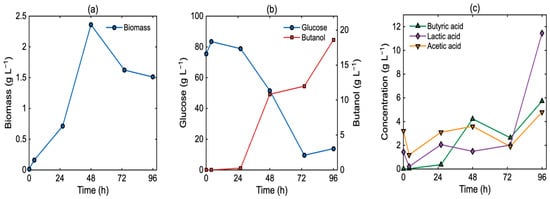
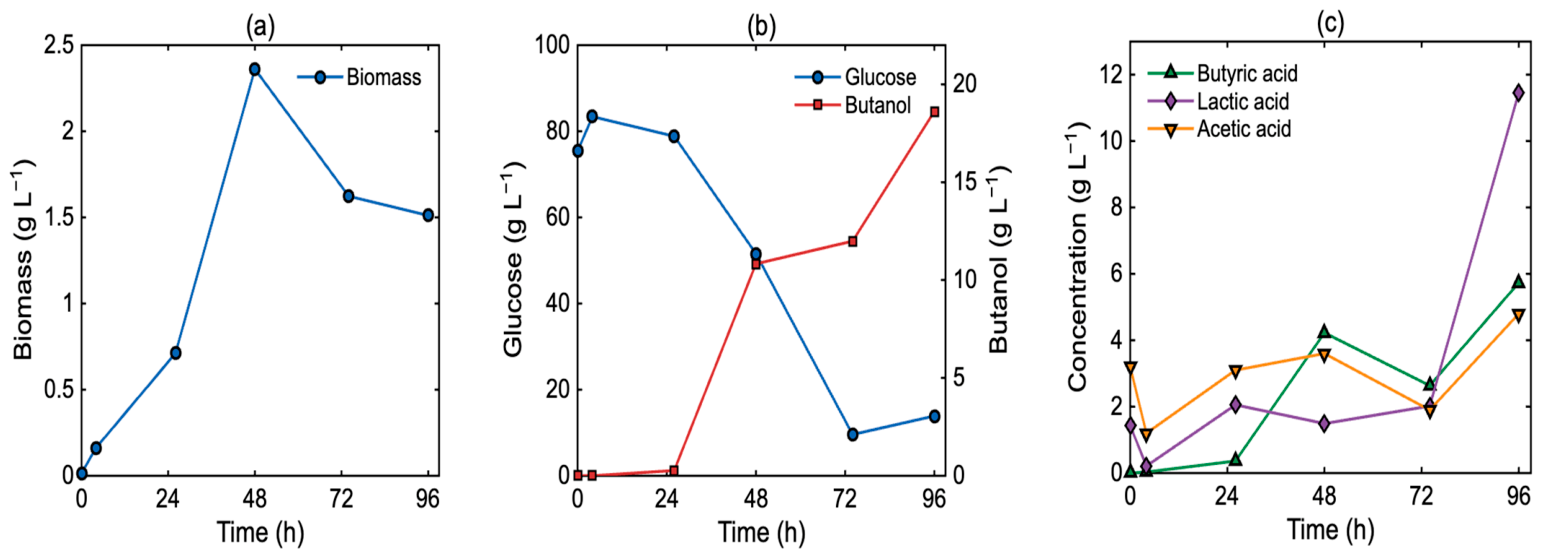

Disclaimer/Publisher’s Note: The statements, opinions and data contained in all publications are solely those of the individual author(s) and contributor(s) and not of MDPI and/or the editor(s). MDPI and/or the editor(s) disclaim responsibility for any injury to people or property resulting from any ideas, methods, instructions or products referred to in the content. |
© 2026 by the authors. Licensee MDPI, Basel, Switzerland. This article is an open access article distributed under the terms and conditions of the Creative Commons Attribution (CC BY) license.