


Abstract
Studies on the use of LPG in maritime applications mostly evaluate emissions, engine performance, or system safety separately; approaches that integrate experimental findings with ship-level risks remain limited. This study aims to evaluate the trade-offs between the environmental advantages of LPG and energy performance and safety requirements within a common decision support framework. In the experimental phase, a single-cylinder gasoline–LPG spark-ignition engine was tested at five LPG mixture ratios and six load levels between 500–3000 W; specific fuel consumption, thermal efficiency, CO, CO2, and HC were measured. Using legislation, the literature, and engineering evaluation, 38 failure types were identified from the experimental findings and prioritized using FMEA and entropy-weighted multi-criteria decision-making methods. The final ranking was obtained using the Borda method, and inter-method agreement and ranking stability were validated with sensitivity analyses. The results showed that increasing the LPG ratio reduced CO, CO2, and HC emissions, but higher ratios increased fuel consumption and decreased thermal efficiency. Specific fuel consumption, gas detection error, and thermal efficiency were identified as the three most prioritized risks. The findings reveal that the emission benefits of LPG in maritime applications should be evaluated in conjunction with sensing, insulation, emergency stop reliability, and energy performance. This integrated approach provides a scientific basis for balanced and transparent fuel decisions.
1. Introduction
Maritime transport is a key component of the global trading system, but due to its reliance on fossil fuels, it is also a significant source of greenhouse gas and air pollutant emissions [1]. Increasingly stringent international and regional regulations are driving ship operators, engine manufacturers, and policymakers toward lower-carbon fuel options. While regulatory initiatives such as FuelEU Maritime are expected to accelerate the adoption of alternative fuels [2], cost competitiveness and long-term price uncertainties of low-carbon fuels are significant obstacles to the transition process [3]. Furthermore, since the operating profiles and energy requirements of different ship segments vary, there is no consensus yet on a single alternative fuel applicable to all maritime applications [4]. Therefore, the feasibility of an alternative marine fuel should be evaluated not only based on exhaust emissions but also by considering environmental performance, economic feasibility, infrastructure requirements, engine compatibility, and safety criteria together [5].
Liquefied petroleum gas (LPG) is one of the alternative fuels that mainly consists of propane and butane, can be stored in liquid form at relatively moderate pressures, and has an advanced supply infrastructure. The adaptability of LPG to existing internal combustion engine technologies, its high energy content, and its potential to reduce some pollutant emissions compared to diesel fuel make this fuel particularly noteworthy for the transition period. However, the life cycle performance of LPG depends on the production route, transportation distance, supply chain, and the propulsion system used [6]. Kim et al., studying small marine vessels, reported that LPG engines could be a viable option in terms of environmental and long-term economics compared to gasoline and diesel engines [7]. Therefore, although the use of LPG in maritime applications offers environmental and economic opportunities, these gains need to be supported by adequate safety and system reliability. LPG can be used in different internal combustion engine configurations, including diesel–LPG dual-fuel systems and gasoline–LPG spark-ignition engines. In spark-ignition applications, LPG is introduced as the primary or supplementary gaseous fuel and combustion is initiated by an electrical spark rather than by pilot diesel injection. The effects of LPG on engine performance and exhaust emissions depend strongly on the LPG blending ratio, engine load, ignition timing, air–fuel ratio, and mixture-formation quality. Previous studies have shown that LPG may reduce selected exhaust emissions, particularly CO, HC, and particulate-related indicators, while inappropriate LPG fractions or operating conditions may adversely affect thermal efficiency, fuel consumption, combustion stability, and knocking tendency. Although several published studies have examined diesel–LPG dual-fuel engines [8,9], the experimental system used in the present study is a gasoline–LPG spark-ignition engine. The diesel–LPG literature is therefore used as supporting evidence for general LPG-related combustion and risk mechanisms rather than as a direct representation of the present test engine.
In addition to combustion problems in the engine, the storage, transmission, and feeding of LPG to the engine on board the ship poses various systemic hazards. Leaks resulting from pipe, fitting, or regulator failures can cause gas to accumulate in enclosed spaces, form flammable mixtures, ignite, cause jet fires, or lead to explosions. Outcome analyses of LPG terminals show that loss containment scenarios can create vapor clouds, fires, explosions, and domino effects [10]. Current studies on LPG hazards also emphasize that leakage amount, ignition conditions, ventilation, and meteorological variables significantly affect the severity of the consequences [11]. Arıcan and Ünal, who examined maritime operations, stated that human and environmental factors, along with mechanical failures, should also be evaluated in LPG and LNG processes [12]. In the integrated fuzzy risk analysis conducted by Ünal and Arıcan, fire, explosion, and large-scale gas leaks were identified as the most critical threats [13].
Studies on ship-to-ship LNG refueling also demonstrate the importance of considering storage, transfer, safety zones, and quantitative risk analysis together in the safe use of gaseous fuels [14]. Although the physical properties of LPG and LNG are not the same, basic safety principles such as gas detection, emergency shutdown, ventilation, leak containment, and safe distance determination are important for both fuel systems. In this context, the performance of the detection system is not only a control measure but also a factor that directly affects the detectability score within the scope of FMEA. Dash et al. have shown that an LPG leak can be detected early, and potential impact areas can be predicted with a system combining sensor, artificial intelligence, and internet of things technologies [15].
Since it is not technically or economically feasible to eliminate all risks simultaneously in complex ship systems, reliable prioritization of critical failure modes is necessary. Failure Modes and Effects Analysis (FMEA) is a common method that identifies potential failure modes along with their causes and consequences and evaluates them according to the criteria of severity (S), probability of occurrence (O), and detectability (D). Ceylan demonstrated the applicability of the method in risk prioritization of marine machinery by evaluating failure modes in a ship compressor system with rule-based fuzzy FMEA [16]. Yeo et al., working on an LPG-fueled marine engine system, examined 110 components with FMEA and fuzzy TOPSIS approach, identified 89 hazards, and classified 19 of them in the unacceptable risk zone [17].
In classical FMEA, the risk priority number RPN is calculated as RPN = S × O × D. However, this approach can produce the same RPN value for different combinations of S, O, and D, does not reflect the different importance levels of the criteria, and can cause high-severity but low-probability error types to be relegated to the background in the ranking [18]. In addition, determining scores with discrete scales and expert judgments increases evaluation uncertainty. Due to these limitations, approaches have been developed where criteria are weighed differently and FMEA is integrated with multi-criteria decision-making (MCDM) methods [19]. Ma et al. showed that the ranking technique used with criterion and expert weights can significantly affect the final priorities of error types [20]. Modeling the uncertainty in expert evaluations with entropy-based information measures [21] and integrating grey relational ranking with evidence theory [22] are among the prominent approaches in current FMEA research.
The entropy method allows for the data-driven determination of criterion weights by utilizing the information distribution in the decision matrix. Integrating entropy weighting with MCDM methods such as EDAS can reduce the equal weighting assumption of classical FMEA [23]. However, since different MCDM methods differ in terms of normalization, ideal solution, and compromise logics, they can produce different rankings for the same dataset. Therefore, comparative and integrated rankings are recommended in hybrid FMEA–MCDM models [24]. Shakibaei et al. also showed that comparing and combining different ranking results in the entropy-weighted FMEA–MCDM approach can increase the reliability of risk assessment [25].
This study proposes an experimental data-supported FMEA and entropy-weighted MCDM framework for gasoline–LPG spark-ignition engine systems considered for maritime applications. Performance and emission responses obtained from a small-scale, single-cylinder gasoline–LPG spark-ignition engine is used to support the evaluation of selected engine-level failure modes. Ship-level leakage, detection, pressure-regulation, containment, and fuel-system risks are evaluated using engineering judgement, international maritime safety requirements, and published failure evidence. The identified failure modes are ranked using classical RPN, an entropy-weighted risk score, TOPSIS, VIKOR, and EDAS, while agreement among the rankings is examined using Spearman’s rho and Kendall’s tau-b. A final aggregated risk ranking is generated using the Borda count method, and the stability of the results is tested through sensitivity analyses. Thus, a comparative decision-support framework is developed that strengthens the link between empirical evidence and FMEA-based risk assessment while making method dependence visible.
The main contribution of this study is the development of a decision support framework that integrates findings from controlled gasoline–LPG engine experiments with system-level risk assessment for maritime applications. Unlike previous studies, safety, reliability, energy performance, and emission-related failure types were evaluated within a common FMEA–MCDM structure. Experimental BSFC, BTE, CO, CO2, and HC results provided direct data support for some engine-level failure types, while ship-level risks were determined based on international maritime regulations, literature, and engineering assessment. Furthermore, ranking methods with different mathematical approaches were compared, the results were combined using the Borda method, and the stability of the resulting final ranking was verified through sensitivity analyses.
2. Materials and Methods
2.1. LPG Supply and Fuel Delivery System
To guarantee precise management of the gasoline–LPG mixture under all operating situations, the experimental fuel supply system was built. Before entering the fuel line, LPG was fed from a pressurized storage cylinder via a pressure regulator, which lowered the cylinder pressure to a steady working level. The supply pressure was continuously monitored by a manometer placed downstream of the regulator. Before the LPG flow rate reached the gas mixer, it passed through a one-way safety valve and was measured using flow meters with digital indicators. By using an electronic control unit (ECU) to proportionally regulate the flow rates of gasoline and LPG, fuel mixing was accomplished electronically. To maintain the intended operating conditions, the ECU continuously modified the fuel ratio while concurrently processing the manifold absolute pressure (MAP) signal to calculate the intake air flow rate. A water-based flashback prevention unit was placed in between the flow meters to increase operating safety. In the case of a backfire or valve blowback, this mechanism stopped flames from spreading toward the LPG cylinder. The LPG flow path consisted sequentially of the pressurized storage cylinder, pressure regulator, downstream manometer, non-return safety valve, digital flow measurement unit, water-based flashback prevention unit, gas mixer, and engine intake. Before each test, the complete LPG circuit—including the cylinder connection, regulator, valves, hoses, fittings, flow-measurement unit, and mixer connections—was checked for leaks, and testing commenced only after leak-tight operation had been confirmed.
2.2. Experimental Setup and Test Engine
A naturally aspirated, single-cylinder spark-ignition engine connected to an electrical dynamometer was used for engine research. The Honda GX390 engine (Honda Motor Co., Tokyo, Japan) was chosen due to its versatility for applications involving alternate gaseous fuels and its reliable performance under varying load circumstances. To improve combustion characteristics during LPG operation, the cylinder head was machined to raise the engine compression ratio from its initial value to 9.12:1 prior to the testing. The load was adjusted in accordance with the experimental matrix while the engine ran at a steady speed. Table 1 provides a summary of the test engine’s primary specifications.
Table 1.
Technical specifications of the test engine.
Throughout the studies, calibrated measuring devices were used to continuously monitor engine operating parameters and exhaust emissions. The only parameters that were documented were those that were directly utilized in the experimental study. To reduce systematic measurement errors, the instruments were calibrated in accordance with the manufacturer’s guidelines before each measurement series. Over the appropriate measurement ranges, the exhaust gas analyzer recorded emissions of carbon monoxide (CO), carbon dioxide (CO2), and unburned hydrocarbons (HC). An electrical dynamometer was used to regulate engine load, and an electronic control system included within the experimental setup was used to monitor fuel delivery and operating parameters. Once the engine established steady working conditions, the measured data was recorded. Exhaust emissions were monitored using a calibrated exhaust gas analyzer. The instrument provided measurement ranges of 0–10 vol.% for CO, 0–20 vol.% for CO2, and 0–10,000 ppm for HC. The corresponding measurement accuracies were ±0.001 vol.% for both CO and CO2, and ±1 ppm for HC, ensuring reliable emission measurements throughout the experimental campaign. The uncertainty associated with each measured parameter was determined individually. The uncertainties of BSFC, BTE, CO, CO2, HC, and engine load were ±3.12%, ±2.06%, ±1.42%, ±0.91%, ±1.86%, and ±1.22%, respectively.
2.3. Fuel Properties
Commercial gasoline and LPG were used as the test fuels throughout the experimental campaign. While LPG was mixed with gasoline at preset volumetric ratios, the gasoline constituted the baseline operating state. Both fuels’ physical and chemical characteristics were determined using data from literature and laboratory analyses. Among the properties influencing combustion, LPG has a higher research octane number and a higher mass-based lower heating value than gasoline, while its density is substantially lower. Furthermore, compared to regular gasoline, LPG offers better knock resistance and cleaner combustion because it mostly contains hydrocarbons based on propane and butane. The fuel properties used in this study are summarized in Table 2.
Table 2.
Main properties of the test fuels.
2.4. Experimental Conditions
The experimental program was designed to evaluate the influence of LPG substitution on engine performance and exhaust emissions. Five fuel modes were investigated, namely neat gasoline (0% LPG), 25% LPG, 50% LPG, 75% LPG, and 100% LPG. For each fuel mode, the engine was tested at brake loads of 500, 1000, 1500, 2000, 2500, and 3000 W. In the experiments, the target air–fuel ratios were determined as 14.8:1, 14.9:1, 15.0:1, 15.1:1, and 15.2:1 for 0%, 25%, 50%, 75%, and 100% LPG conditions, respectively; these values represent the ratio of the mass air flow rate to the mass flow rate of the total fuel consisting of gasoline and LPG, while the LPG substitution ratios were defined on a volumetric basis. The target air–fuel ratios for the intermediate mixtures were calculated by linear interpolation between the accepted extreme values for gasoline and LPG, according to the volumetric substitution ratio of LPG. The air flow rate was determined by the ECU using the MAP signal, the gasoline and LPG flow rates were monitored with separate digital flowmeters, and the ECU adjusted the fuel flows to maintain the relevant LPG ratio and the target air–fuel ratio. Prior to each measurement, the engine was operated until thermal equilibrium, and stable operating conditions were achieved. At each operating point, BSFC, BTE, and exhaust emissions, including CO, CO2, and HC, were recorded. To ensure repeatability, each test condition was repeated three times, and the reported results represent the average of the measured values.
2.5. Risk-Prioritization Approach
The methodological framework was structured as a sequential and interconnected process. First, regulatory requirements, published failure evidence, and the experimental results were integrated to construct and support the functional FMEA and to inform the O–S–D assessment. The resulting 38 × 3 O–S–D matrix then served as the common input for all subsequent calculations. Entropy weighting was applied to this matrix to determine data-driven criterion weights, which were subsequently used consistently in WRPN, TOPSIS, VIKOR, and EDAS. These methods were employed in parallel because they represent different decision logics—weighted multiplicative prioritization, distance from ideal solutions, compromise/regret-based ranking, and deviation from an average solution, respectively—allowing the analysis to determine whether the identified priorities were method-dependent. The rankings were then compared using Spearman’s rho and Kendall’s tau-b and integrated through tie-aware Borda aggregation to obtain a single consensus ranking. Sensitivity analysis was used to evaluate the robustness of this integrated ranking structure to changes in criterion weights.
This section presents the analytical framework used to prioritize the failure modes associated with gasoline–LPG spark-ignition engine operation and the ship-level use of LPG fuel systems in maritime applications. A single-expert FMEA was first conducted to identify thirty-eight (m = 38) failure modes (FM01–FM38) spanning fuel storage and containment, fuel transfer and conditioning, fuel isolation, metering and injection, control and monitoring, gas detection and alarm, ventilation, emergency shutdown, fire safety, combustion and engine behavior, and energy, thermal and emission performance. The use of a single expert in the present study was a deliberate design choice rather than a simplification of a multi-expert assessment. The study required simultaneous expertise in shipboard machinery operation and LPG/alternative-fuel systems, a combination that remains relatively scarce because most merchant vessels still operate predominantly with conventional fuels such as HFO and MGO. Increasing the number of evaluators by including individuals without sufficient shipboard or alternative-fuel expertise could therefore cause inconsistency rather than improve the assessment. Accordingly, the study was designed around a carefully selected domain expert with extensive shipboard marine-engineering experience and specific knowledge of alternative fuels. Unlike the multi-expert WE-RANK framework, in which inter-expert variability and aggregation are explicit methodological components, the present study focused on integrating experimental evidence with comparative FMEA–MCDM ranking rather than establishing expert consensus. Although the single-expert structure does not provide the same level of inter-expert validation and is therefore acknowledged as a methodological limitation, expert relevance and domain fit were prioritized over panel size for this highly specialized application. For each failure mode, the expert assigned Occurrence (O), Severity (S), and Detection (D) scores on a 1–10 scale, informed jointly by expert judgement and, where available, by evidence obtained from the experimental test campaign conducted on the small-scale gasoline–LPG spark-ignition engine. The criterion weights were derived from the dispersion of the O, S, and D scores using Shannon’s entropy method. These weights represent the relative discriminating information contained in the decision matrix and should therefore be interpreted as data-derived dispersion weights rather than as independent measures of the intrinsic safety importance of the criteria. These weights were then propagated into four independent risk-ranking procedures, the entropy-weighted RPN, TOPSIS, VIKOR and EDAS, in addition to the classical, equal-weight RPN, so that the sensitivity of the final prioritization to the choice of aggregation and distance metric could be examined explicitly.
2.5.1. FMEA Method
The classical FMEA procedure computes a Risk Priority Number for each failure mode i as the product of its Occurrence, Severity and Detection scores:
RPNi = Oi × Si × Di
Although computationally simple and widely adopted in industry, the classical RPN treats O, S and D as equally important, produces a non-continuous score with numerous rank ties, and is known to be sensitive to small changes in individual factor scores. These limitations motivate the entropy-weighted and MCDM-based extensions described below. The O, S, and D scores were assigned using predefined 1–10 ordinal descriptors and an evidence-informed engineering assessment. Occurrence represented the expected frequency or recurrence of the failure mode. For experimentally supported failure modes, the persistence and consistency of the observed response across LPG blending ratios and load conditions were considered, whereas ship-level failure modes were assessed using published failure mechanisms, applicable IMO/IGF safety requirements, and engineering experience. Severity was assigned according to the credible consequences of the failure mode, including effects on personnel safety, fire and explosion potential, machinery damage, propulsion or auxiliary power continuity, environmental performance, and regulatory compliance. Detection represented the difficulty of identifying the failure before its consequences developed; therefore, higher D scores indicate lower detectability. Available sensors, alarms, pressure indications, gas detection systems, leak checks, diagnostic functions, and functional or proof-testing possibilities were considered when assigning D. Table 3 demonstrates rating criteria used for Occurrence, Severity, and Detection scores.
Table 3.
Rating criteria for O, S, D scores.
Experimental evidence, published literature, regulatory requirements, and engineering judgement were not combined using fixed numerical weights during O–S–D scoring. Instead, these sources served complementary evidential roles. Experimental results were given direct relevance for performance- and emission-related failure modes, IMO/IGF requirements and published failure evidence primarily informed ship-level safety and consequence assessments, and engineering judgement was used to map the combined evidence onto the predefined 1–10 scoring descriptors.
For experimentally derived failure modes (FM30–FM38), the Occurrence score represents the observed susceptibility and persistence of the adverse deviation across the tested operating conditions rather than a statistical estimate of its frequency during actual ship operation. Accordingly, the number of experimental operating points at which a deviation was observed was not interpreted as a shipboard failure probability. Actual shipboard occurrence frequencies would require operational field data that are presently unavailable for comparable gasoline–LPG marine applications.
2.5.2. Entropy Weighting of the O, S and D Criteria
Shannon’s entropy method was used to derive data-driven dispersion weights for the O, S and D criteria directly from the decision matrix, without requiring additional subjective input beyond the FMEA scores themselves. The underlying principle is that a criterion whose values are more dispersed (less uniform) across the set of failure modes carries more discriminating power and should therefore receive a higher weight, while a criterion whose values are nearly uniform across alternatives conveys comparatively little information for differentiating risk and is downweighed. The procedure, illustrated for a general m × n decision matrix A = [xij], is summarized in Table 4 below.
Table 4.
Computational steps of the entropy weighting method.
Here m = 38 is the number of failure modes and n = 3 is the number of criteria (O, S, D). As shown, Severity exhibited the least dispersion across the failure modes and therefore received the lowest entropy weight, whereas Occurrence exhibited the greatest dispersion and received the highest weight.
2.5.3. Entropy-Weighted RPN
To incorporate the entropy-derived weights into a classical RPN-like index while retaining a linear, easily interpretable structure, a weighted RPN score was computed as the weighted linear sum of the O, S and D scores:
where WO, WS and WD are the entropy weights (Σwj = 1). Unlike the multiplicative classical RPN, the weighted linear form avoids the disproportionate influence that an extreme single-factor score exerts on the product-based RPN, while still allowing criteria with greater discriminating power to dominate the ranking.
WRPNi = WO·Oi + WS·Si + WD·Di
2.5.4. TOPSIS
The Technique for Order Preference by Similarity to Ideal Solution (TOPSIS), originally developed by Hwang and Yoon (1981) [26], ranks alternatives according to their geometric (Euclidean) distance from a positive-ideal and a negative-ideal solution. Because higher O, S, and D scores indicate more critical, higher-risk failure modes, all three criteria were treated as benefit-type (“the more, the more critical”) criteria in the TOPSIS model, so that the positive-ideal solution corresponds to the highest-risk profile and the closeness coefficient CC+ increases with risk criticality. The computational steps are summarized in Table 5.
Table 5.
Computational steps of the entropy-weighted TOPSIS method.
Failure modes were ranked in descending order of CC + i, so that the failure mode closest to the maximum-risk ideal solution (and farthest from the minimum-risk anti-ideal solution) receives rank 1.
2.5.5. VIKOR
The VIKOR method (VIsekriterijumsko KOmpromisno Rangiranje), introduced by Opricovic (1998) [27], derives a compromise ranking by simultaneously considering the group utility of the majority (measured by Si, an aggregated, weighted L1-type distance from the ideal solution) and the individual regret of the worst-performing criterion (measured by Ri, a weighted L∞-type, Chebyshev distance from the ideal solution). Consistent with the conventional formulation of VIKOR, O, S and D were treated here as cost-type criteria (lower values denote a safer condition), so that the ideal point f*j is the minimum observed value of criterion j and the anti-ideal (worst) point f−j is its maximum. The resulting VIKOR index Qi therefore increases with risk criticality, exactly as in the RPN, TOPSIS and EDAS scores, so that a higher Qi denotes a higher-priority failure mode. The computational steps, using the conventional strategy (consensus) weight v = 0.5 that balances group utility and individual regret equally, are summarized in Table 6.
Table 6.
Computational steps of the entropy-weighted VIKOR method.
2.5.6. EDAS
The Evaluation based on Distance from Average Solution (EDAS) method, proposed by Keshavarz Ghorabaee et al. (2015), departs fundamentally from TOPSIS and VIKOR in that it does not require the construction of an ideal or anti-ideal reference point at all [28]. Instead, each alternative is evaluated with respect to the positive distance from average (PDA) and the negative distance from average (NDA) of an average solution computed across all alternatives, making the method particularly robust in decision problems where the ideal or anti-ideal points are poorly defined, unstable, or highly sensitive to outlying alternatives. Because O, S and D were treated as benefit-type (risk-increasing) criteria, a higher appraisal score ASi denotes a more critical failure mode. The computational steps are summarized in Table 7.
Table 7.
Computational steps of the entropy-weighted EDAS method.
2.5.7. Rationale for Combining Multiple Distance-Based MCDM Methods
A central methodological choice in this study is the deliberate combination of TOPSIS, VIKOR and EDAS alongside the classical and entropy-weighted RPN. This choice is not redundant: the three MCDM methods are built on fundamentally different distance (or reference-point) concepts, and each is therefore differentially sensitive to structural features of the decision matrix.
TOPSIS relies on the Euclidean (L2) distance of each alternative from two extreme reference points, the ideal and the anti-ideal solution, and consequently rewards failure modes that are simultaneously close to the worst-case profile across all criteria [29,30]. VIKOR, in contrast, combines an aggregated L1-type distance (the group-utility measure Si) with a worst-criterion, Chebyshev-type L∞ distance (the individual-regret measure Ri); this dual structure makes VIKOR explicitly sensitive to failure modes that are extreme on a single criterion (e.g., very high Severity alone), even when their aggregate profile across all three criteria is unremarkable, a behavior that pure Euclidean-distance methods such as TOPSIS can under-weight. The fact that TOPSIS and VIKOR methods are based on different evaluation and consensus approaches can lead to differences in the rankings of unbalanced alternatives, especially where a single criterion is dominant, even if their overall rankings are largely similar [28]. EDAS, finally, abandons the ideal-point concept altogether and instead measures each alternative’s deviation from the average solution of the whole failure-mode set; because it does not depend on identifying extreme (ideal/anti-ideal) points, EDAS is relatively less sensitive to the presence of a small number of outlying, extreme-score failure modes that can distort the ideal-point-based geometry exploited by TOPSIS and VIKOR [31].
Using three methods that are grounded in three qualitatively different distance measures, Euclidean distance from ideal points (TOPSIS), combined group-utility/individual-regret distance from ideal points (VIKOR), and deviation from the average solution rather than from any ideal point (EDAS), therefore provides a methodologically stronger and more defensible basis for risk prioritization than reliance on a single ranking algorithm. Convergence of the resulting rankings across three structurally distinct methods lends confidence that the prioritization reflects genuine differences in risk criticality rather than an artifact of a particular distance metric, whereas divergence between the methods flags failure modes whose priority is sensitive to the specific geometric assumptions used, and that therefore warrant closer expert scrutiny. This multi-method logic follows the broader entropy-weighted, Borda-aggregated FMEA philosophy proposed by Combining rankings obtained from different methods with entropy-based objective weighting using the Borda approach allows for the creation of a hybrid risk assessment model for ship systems and strengthens inter-method agreement and ranking stability compared to classical or fuzzy FMEA approaches [1]. Similarly, applying fuzzy fault tree analysis to the ship’s main engine shutdown mechanism demonstrates that critical failure sources can be identified by considering the uncertainty in expert assessments, and the results can be used in risk-based prioritization of maintenance and condition monitoring activities [32].
2.5.8. Rank Correlation Methodology
To quantitatively determine the level of agreement among five different ranking methods, two non-parametric rank correlation coefficients were calculated for all pairs of methods. The first evaluates the general monotonic relationship between rankings, while the second offers a more conservative, rank-based measure of agreement based on the congruent and discordant ranking ratios of failure mode pairs [29,30]. Coefficients close to 1 indicate strong agreement between two rankings, while lower values indicate that the two methods disagree more substantially on the relative prioritization of specific failure modes. Because several methods produced identical scores for multiple failure modes, tied alternatives were assigned average rank positions before Borda aggregation, Spearman’s rho was computed using tie-adjusted (average) ranks, and Kendall’s tau-b was used as the tie-corrected form of Kendall’s coefficient.
2.5.9. Borda Count Aggregation
Because no single ranking method can be regarded as uniquely authoritative, a final, aggregated risk ranking was obtained using the Borda count method, originally proposed by Borda (1781) as a positional voting rule for aggregating multiple rank-ordered preferences into a single consensus ranking. For each of the five rankings (RPN, WRPN, TOPSIS, VIKOR, EDAS), a failure mode placed at rank position ri in a set of m = 38 alternatives is assigned (m − ri) Borda points, so that the highest-priority failure mode in a given ranking receives the maximum number of points (m − 1). The lowest-priority failure mode receives zero points. The Borda points assigned across the five methods are then summed for each failure mode to obtain its aggregated Borda score, and the failure modes are re-ranked in descending order of this aggregated score to produce the final, consensus risk-priority ranking. Because it aggregates ordinal information rather than raw, differently scaled scores, the Borda count provides a distribution-free, outlier-resistant mechanism for combining rankings that were generated by conceptually different underlying models.
2.5.10. Sensitivity Analysis Methodology
The robustness of the final risk prioritization was examined in two dimensions. First, the entropy-derived criterion weights (WO, WS, WD) were each perturbed by ±20% in turn, with the remaining weights re-normalized so that Σwj = 1. For each of the six resulting perturbation scenarios, the four weight-dependent risk-ranking procedures (WRPN, TOPSIS, VIKOR and EDAS) and the aggregated Borda ranking were all recomputed. Each was compared with its corresponding base-case (unperturbed) ranking using Spearman’s rho, so that the sensitivity of every individual method, not only the final aggregated ranking, could be assessed separately. In addition to the correlation coefficients, three complementary, more directly interpretable stability indicators were computed for the Borda-aggregated ranking under each scenario: the number of failure modes whose rank shifted by three or more positions, the number whose rank shifted by five or more positions, and any change in the composition of the top-10 highest-priority failure modes, since it is this practically consequential subset, rather than the full 38-item ordering, that is most relevant to risk-mitigation decision-making. As an additional benchmark, the entire analysis was also repeated under equal (1/3, 1/3, 1/3) criterion weights and compared with the entropy-weighted results using the same set of indicators, to gauge the overall contribution of entropy weighting relative to the classical equal-weight assumption. Second, because VIKOR includes an explicit strategy (consensus) weight v that governs the trade-off between group utility and individual regret, the VIKOR ranking was recomputed for v ∈ {0, 0.25, 0.5, 0.75, 1} and compared with the reference ranking at v = 0.5 using Spearman’s rho, to verify that the VIKOR-based prioritization is not an artifact of the specific choice of v.
The ±20% perturbation level was selected as a deliberately material but local sensitivity range. It is sufficiently large to test whether moderate uncertainty in the entropy-derived weights alters prioritization, while preserving the basic information structure of the base-case weighting scheme. The purpose of these scenarios was therefore not to represent a probabilistic confidence interval for the entropy weights, but to test the local robustness of the ranking to plausible deviations around the baseline values. The separate equal-weight scenario was used as a more substantial structural alternative to complement these local perturbations. The base-case value v = 0.5 was selected because it assigns equal importance to the group-utility and individual-regret components of VIKOR and therefore represents the conventional neutral compromise between the two decision strategies. The additional values v = 0, 0.25, 0.75, and 1 were used to test the full transition from a pure individual-regret orientation to a pure group-utility orientation.
3. Results
The FMEA scoring produced Occurrence, Severity and Detection values ranging from 1 to 10 across the 38 identified LPG-related failure modes. Applying Shannon’s entropy method (Section 2.5.2) to this 38 × 3 decision matrix yielded entropy weights of WO = 0.427 for Occurrence, WS = 0.201 for Severity, and WD = 0.372 for Detection. Occurrence received the highest weight because its scores were the most dispersed across the failure-mode set, indicating that the frequency with which different failure modes are expected to occur is, for this system, more discriminating for risk differentiation than either their severity or their detectability. Severity, in contrast, received the lowest weight, largely reflecting the fact that a considerable number of safety-critical failure modes (leakage, containment loss, isolation and ESD failures, fire-protection failure) were independently assigned severity scores at or near the top of the scale (S = 8–10) by the expert, which compresses the dispersion of the Severity column and, under the entropy formulation, reduces its discriminating weight even though its absolute magnitude remains high for those failure modes individually.
3.1. Experimental Results
Compared with neat gasoline operation (0% LPG), the incorporation of LPG significantly improved the exhaust emission characteristics over the entire engine load range. The most pronounced reduction was observed for HC emissions, which de-creased by up to 22.2% at 3000 W under 100% LPG operation, while reductions of 18.2%, 13.3%, and 11.1% were obtained at 2500, 2000, and 1500 W, respectively. CO emissions also exhibited a continuous decline as the LPG substitution ratio increased, reaching a maximum reduction of 37.5% at 3000 W and 20.6% at 2500 W with 100% LPG compared with neat gasoline. In addition, CO2 emissions showed a moderate decrease throughout the load range due to the lower carbon content of LPG, with the maximum reduction reaching approximately 11.0% at 1000 W and remaining between 2.8–8.2% at the other operating conditions. These improvements are primarily attributed to the higher hydrogen-to-carbon ratio of LPG, its superior mixture homogeneity with intake air, and its cleaner combustion characteristics, which promote more complete oxidation of the fuel and suppress the formation of incomplete combustion products. Overall, increasing the LPG fraction substantially reduced HC and CO emissions while providing a modest reduction in CO2 emissions, demonstrating the environmental benefits of LPG-fueled engine operation. In terms of engine performance, the 25% LPG blend provided the most favorable results, reducing BSFC by approximately 3.3–4.4% across the tested load range compared with neat gasoline, while simultaneously increasing BTE by up to 1.5 percentage points, with the maximum efficiency of 27.9% recorded at 1500 W. However, increasing the LPG substitution ratio beyond 25% adversely affected performance. At 50%, 75%, and 100% LPG, BSFC increased considerably, reaching approximately 55.2%, 50.0%, and 55.6% higher than neat gasoline at 3000 W, respectively, whereas BTE decreased to around 25.2–25.6% under high-load operation. Overall, increasing the LPG fraction substantially reduced HC and CO emissions while providing a modest reduction in CO2 emissions; however, from a performance perspective, the 25% LPG blend offered the best compromise between fuel economy, brake thermal efficiency, and exhaust emission characteristics.
3.2. FMEA
The failure modes presented in Table 8 were identified through a structured triangulation procedure based on three complementary evidence sources: international maritime safety requirements, published technical and risk-analysis literature, and the experimental results obtained in the present study. This procedure was used to establish a transparent relationship between each failure mode and its underlying evidence rather than relying exclusively on professional judgement. The first source comprised the functional safety requirements specified in the IMO Interim Guidelines for the Safety of Ships Using LPG Fuels [33] and the IGF Code [34]. Since these documents primarily define required safety functions rather than explicit failure-mode lists, the relevant requirements were converted into their corresponding functional failures. For example, requirements concerning safe LPG containment were translated into failure modes related to fuel leakage and loss of containment, while requirements concerning tank filling limits, pressure control, safe venting, bunkering, double-wall piping, gas detection, ventilation, emergency isolation, alarm functions, and fire protection were converted into the corresponding functional failure modes. This functional-negation logic was primarily used in the identification of ship-level safety failure modes.
Table 8.
Functional failure modes, causes, effects, and evidence basis.
The second source consisted of published studies addressing the failure behavior of LPG-fueled marine engines and fuel-supply systems. The component-level FMEA conducted by Yeo et al. [17] was particularly important because it reports failures associated with pressure sensors, filters, valves, purge systems, ECUs, communication networks, power supplies, shutdown signals, and engine monitoring. These reported component and control failures were used either to identify failure modes directly or to support failure modes derived from the IMO and IGF functional requirements. Additional LPG-engine studies [35,36] were used to support combustion-related failure modes, including incomplete combustion, knock, excessive pressure-rise behavior, unstable operation, and unburned LPG accumulation.
The experimental results for BSFC, BTE, engine power, CO, CO2, and HC were considered separately because each parameter represents a distinct performance or environmental response. Accordingly, FM30–FM32 and FM34–FM36 were directly supported by the experimental outputs. EGT, NOx, smoke opacity, and knock-related failure modes were retained since technical evidence and engineering judgement were published because these parameters were not directly measured during the present experimental campaign. Several failure modes were identified through a hybrid combination of these sources. For instance, pressure regulation failure combined the required fuel-pressure and flow functions defined in the IMO guidance with pressure-related failures reported in the literature. Similarly, LPG-ratio control failure combined regulatory fuel-delivery requirements, published control system failures, and the experimentally tested LPG ratios. Combustion and engine operability failure modes were likewise established by integrating published engine failure evidence with the operating responses observed during the tests.
3.3. Entropy-Based Criterion Weights
Table 9 reports the entropy value ej, diversification degree dj = 1 − ej, and resulting normalized weight wj for each of the three FMEA criteria.
Table 9.
Entropy values, diversification degrees and entropy-based weights.
The weighting pattern indicates that the three FMEA criteria did not contribute equally to discrimination among the 38 failure modes. Occurrence received the largest weight (0.4266), followed by Detection (0.3721), whereas Severity received the lowest weight (0.2013). This result should not be interpreted as indicating that Severity is intrinsically less important for maritime safety. Rather, a large proportion of the ship-level safety failure modes received similarly high Severity scores, which reduced the dispersion of this criterion and consequently its entropy-derived discriminating weight. In contrast, the wider variation observed in Occurrence and Detection enabled these criteria to differentiate the failure modes more strongly. The divergence between the classical RPN and entropy-weighted rankings therefore arises mainly from this redistribution of discriminating influence among the three criteria. As shown in Figure 1, the Occurrence and Detectability criteria account for approximately 79.9% of the total entropy weight. This distribution clearly demonstrates that these two criteria play a dominant role in determining the differences between error types.
Figure 1.
Entropy-based weights.
3.4. Comparative Risk Scores and Rankings
Table 10 reports, for all 38 failure modes and for each of the five prioritization procedures (classical RPN, entropy-weighted RPN [WRPN], TOPSIS closeness coefficient CC+, VIKOR compromise index Q, and EDAS appraisal score AS), the underlying risk score together with the aggregated Borda score, with failure modes sorted in descending order according to the aggregated Borda ranking. The comparative scores show that the highest-priority failure modes are broadly identifiable across the different ranking models, although their exact positions vary according to the mathematical structure of each method. FM30, FM19, FM31, FM16, and FM13 consistently occupy the upper part of the prioritization, indicating that the dominant risk structure is characterized not only by conventional leakage/fire scenarios but also by energy performance deterioration, gas-detection reliability, process-sensor integrity, and uncontrolled LPG admission. Conversely, several emission-related failure modes remain at the lower end of the ranking because the experimental results indicated favorable rather than adverse responses under the tested conditions. The differences observed among TOPSIS, VIKOR, and EDAS are therefore more relevant for the relative ordering of individual failure modes than for the identification of the overall critical-risk group.
Table 10.
Risk scores obtained from the classical RPN, entropy-weighted RPN, TOPSIS, VIKOR and EDAS methods.
3.5. Rank Comparison Across Methods and the Final Borda-Aggregated Ranking
Table 11 reports the rank position assigned by each of the five methods, the aggregated Borda score, and the final Borda rank for all 38 failure modes. The five ranking procedures agree closely on the identity of the most critical failure modes, while showing more pronounced disagreement further down the ranking. FM30 (Brake-specific fuel consumption (BSFC)) obtained the highest aggregated Borda score and was ranked first by WRPN, TOPSIS, VIKOR and EDAS alike, despite occupying only rank 5–6 (tied) under the classical, equal-weight RPN, a direct consequence of its high Occurrence score (O = 9) receiving substantially more weight under the entropy scheme. For FM30, however, O = 9 reflects the persistent adverse BSFC response observed across the tested operating conditions and should not be interpreted as a statistically estimated frequency of occurrence during actual vessel operation. Rather, it represents the experimental susceptibility of BSFC to deterioration within the investigated operating envelope. FM19 (Gas detector fails to detect LPG or under-reads) and FM31 (Brake thermal efficiency (BTE)) complete the top three of the final ranking, both combining high Severity and/or Detection difficulty with consistently high rank positions across most of the five underlying methods. At the opposite end of the ranking, FM34 (CO emission) and FM35 (CO2 emission), both emission-performance-related failure modes with low Occurrence and Severity scores, consistently occupied the lowest risk-priority positions across all five methods. The integrated Borda scores presented in Figure 2 clearly show that among the 38 error types, FM30, FM19, and FM31 are the three highest priority risks.
Table 11.
Rank positions assigned by each of the five methods, aggregated Borda score, and final Borda rank.
Figure 2.
Aggregated Borda scores of the 38 failure modes.
Figure 3 illustrates that, while the top-ranked failure modes are broadly stable across methods, individual methods occasionally diverge sharply for a given failure mode. This is most visible for VIKOR, whose regret-based component (Ri) responds strongly to a single extreme criterion score and can therefore diverge from the Euclidean distance-based TOPSIS and the average-solution-based EDAS in either direction. For failure modes that combine maximum Severity (S = 10) with low occurrence, such as FM04 and FM24, VIKOR assigns a noticeably higher immediate risk priority than TOPSIS and EDAS do, because the single dominant Severity term drives the regret measure upward; conversely, for failure modes such as FM01 and FM15, VIKOR assigns a lower priority than TOPSIS and EDAS, consistent with the distance-measure rationale set out in Section 2.5.7.
Figure 3.
Rank positions assigned by the five prioritization methods for the fifteen highest-priority failure modes.
3.6. Rank Correlation Analysis
Spearman’s rho and Kendall’s tau-b were computed pairwise between the five method rankings to quantify their mutual consistency (Figure 4 and Figure 5; numerical values in Table 12 and Table 13). Across all ten method pairs, Spearman’s rho ranged from 0.805 to 0.966, and Kendall’s tau-b ranged from 0.629 to 0.871, indicating an overall strong to very strong positive association between all five rankings. The lowest pairwise agreement was observed between TOPSIS–VIKOR (ρ = 0.805), which is consistent with the methodological rationale of Section 2.5.7: TOPSIS relies on Euclidean distance from ideal points, whereas VIKOR combines an aggregated distance measure with a worst-single-criterion regret term, so that failure modes with one extreme criterion score are treated differently by the two methods. WRPN and VIKOR, by contrast, exhibited the strongest pairwise agreement among the four entropy-weighted procedures, both being dominated by the same high-Occurrence, high-weight criterion. The classical RPN correlates weaklier with TOPSIS than the entropy-weight procedures do with one another, reflecting the impact of introducing non-uniform criterion weights relative to the classical equal-weight assumption.
Figure 4.
Spearman’s rank correlation matrix between the five prioritization methods.
Figure 5.
Kendall’s tau-b correlation matrix between the five prioritization methods.
Table 12.
Sensitivity of the risk rankings to ±20% weight perturbation and to equal criterion weights.
Table 13.
Sensitivity of the VIKOR ranking to the consensus weight v, relative to the reference ranking at v = 0.5.
3.7. Sensitivity Analysis
The stability of the risk prioritization was first tested by perturbing each of the three entropy weights by ±20% in turn (with the remaining weights re-normalized), and recomputing WRPN, TOPSIS, VIKOR, EDAS and the aggregated Borda ranking under each of the six resulting scenarios. As reported in Table 12 and Figure 6, Spearman’s rho relative to the corresponding base-case ranking ranged from 0.963 to 0.999 across the four individual weight-dependent methods (WRPN, TOPSIS, VIKOR, EDAS) and all six scenarios. For the Borda-aggregated ranking specifically, the agreement was even higher, with Spearman’s rho ranging from 0.985 to 0.999 across the six ±20% perturbation scenarios and never falling below 0.985. In absolute terms, no scenario shifted any failure mode’s Borda rank by more than 4.5 positions, and most importantly for practical risk management not a single failure mode entered or exited the top 10 highest-priority tier under any of the six ±20% perturbations (0 top 10 swaps in total across all scenarios).
Figure 6.
Ranking stability of each method across the weighting scenarios.
The high Spearman correlations describe global similarity between the complete rankings and do not imply that every individual failure mode remained in an identical position. Local sensitivity was therefore evaluated separately using the number of failure modes moving by at least three or five ranks, the largest individual rank shift, and changes in top 10 membership. This distinction allows global ranking stability and practically relevant local movements to be interpreted independently.
The results indicate high global stability under the ±20% perturbations, while limited local movement was still present. Although the Borda correlations remained between 0.985 and 0.999, individual failure modes shifted by as much as 4.5 rank positions. Nevertheless, no failure mode entered or exited the top 10 set under these perturbations. Thus, the overall priority structure was globally robust, while some individual failure modes, particularly in the middle part of the ranking, retained local sensitivity to criterion-weight changes. A separate and conceptually distinct comparison was made between the entropy-weighted results and a ranking obtained under equal (1/3, 1/3, 1/3) criterion weights. This comparison yielded a Borda-ranking Spearman’s rho of 0.9528, still a high value in absolute terms, but noticeably lower than the 0.985–0.999 range observed for the Borda-aggregated ranking across the six ±20% perturbation scenarios, and markedly lower for VIKOR specifically (ρ = 0.8390, versus a minimum of 0.969 for VIKOR under ±20% perturbation). Unlike the perturbation scenarios, the equal-weight comparison produced 8 failure modes (21%) whose Borda rank shifted by five or more positions, 22 (58%) that shifted by three or more positions, a maximum shift of 7 positions, and 2 changes in top-10 membership: FM10 (insufficient purging, bleeding or gas-freeing) and FM15 (LPG substitution-ratio control failure) fall out of the top-10 under equal weighting, while FM04 (pressure-relief or venting system failure) and FM24 (fire-protection system failure) enter it. The largest individual movements are FM37 (NOx emission; Borda rank 12 under entropy weights versus 19 under equal weights), FM11 (main isolation valve fails to close; rank 21 versus 15), FM27 (engine knock; rank 11 versus 16.5), FM14 (LPG injector or flow-control device blocked; rank 15 versus 20) and FM31 (brake thermal efficiency; rank 3 versus 8).
Pattern is informative rather than a weakness of the proposed framework. The comparatively small ±20% perturbations of the entropy weights leave the overall balance between Occurrence, Severity and Detection largely intact, so the resulting rankings are, and should be expected to be, very similar to the base case; substantial instability under small perturbations of already-similar weights would itself indicate a poorly conditioned model. The equal-weight scenario, in contrast, replaces this data-driven balance with a qualitatively different, unweighted assumption, and it is precisely this qualitative change, not measurement noise in the entropy weights, that produces the larger, but still limited and interpretable, rank movements observed above. The practical value of entropy weighting therefore does not lie in reshuffling the entire risk ordering, which remains broadly similar under any reasonable weighting scheme because it is primarily driven by the underlying FMEA scores themselves, but in objectively and reproducibly correcting the priority of a targeted subset of failure modes for which the equal-weight assumption is least defensible. FM30 (brake-specific fuel consumption) is the clearest example: its exceptionally high Occurrence score (O = 9, the highest in the entire failure-mode set) is given proportionally more influence once Occurrence is recognized, on objective entropy grounds, as the most discriminating criterion, moving FM30 from rank 5–6 (tied) under the classical, equal-weight RPN to rank 1 in the final entropy-weighted, Borda-aggregated prioritization a reclassification that an arbitrary equal-weight assumption could not, by construction, ever justify or reproduce.
Second, the VIKOR strategy (consensus) weight v varied from 0 (pure individual-regret ranking) to 1 (pure group-utility ranking) in steps of 0.25. As shown in Table 13 and Figure 7, the VIKOR ranking remained strongly correlated with the reference v = 0.5 ranking across the full range of v, with Spearman’s rho never falling below 0.9115, indicating that the VIKOR-based risk prioritization is robust to the choice of the compromise strategy weight and is not an artifact of the conventional v = 0.5 setting.
Figure 7.
Stability of the VIKOR ranking across the strategy weight v.
4. Discussion
This study demonstrates that the use of LPG in maritime applications cannot be evaluated solely based on emission reduction; energy performance, system safety, reliability, and operational continuity must also be considered. Experimental results show that increasing the LPG ratio reduces HC, CO, and CO2 emissions, while higher ratios negatively impact fuel consumption and thermal efficiency. FMEA–MCDM findings reveal that this performance-emission balance should be evaluated in conjunction with the reliability of LPG storage, supply, sensing, isolation, and emergency stop systems.
The observed reduction in HC and CO emissions with increasing LPG ratio can be explained by the fact that LPG, being in gaseous form, mixes more homogeneously with the intake air and limits the formation of rich local mixture regions compared to liquid fuel. A more homogeneous air–fuel mixture can contribute to a reduction in unburned hydrocarbons and CO resulting from incomplete fuel combustion. The fact that LPG has a higher hydrogen/carbon ratio and lower carbon content compared to gasoline also supports the reduction of carbon-related emissions per unit of fuel energy. Şimşek and Uslu [37], by examining different LPG-gasoline volumetric ratios in the same load range, reported that LPG use reduces CO, CO2 and HC emissions, while high LPG ratios can negatively affect engine performance. These findings support the emission-performance trade-off determined in the present study. Despite improvements in emissions, the increase in BSFC and decrease in BTE at high LPG ratios may be related to the low density of LPG, the displacement of a portion of the intake air by the gaseous fuel, the resulting volumetric efficiency loss, and the failure to optimize engine control parameters separately for each LPG ratio. Since the combustion rates and ignition requirements of LPG and gasoline are not the same, a fixed ignition timing adjusted for gasoline operation may not provide optimal combustion conditions at high LPG ratios. The results reported by Şimşek and Uslu [37] also showed that a 25% LPG mixture provided the closest performance values to pure gasoline, while performance loss became more pronounced at higher LPG ratios. Therefore, the environmental advantage of LPG should be evaluated not only through exhaust emissions but also in conjunction with total fuel consumption, thermal efficiency, power reserve, cruising range, and operating costs. However, since these causal explanations are based on variables such as in-cylinder pressure, combustion rate, or volumetric efficiency, which are not directly measured in current experiments, they should be interpreted not as definitive mechanisms but as possible explanations supported by experimental trends and literature.
The rise in the specific fuel consumption, defined as FM30, from its mid-to-high position in classical RPN to first place in entropy-weighted methods and the final Borda ranking stems from the high discriminative power of the Occurrence criterion in the decision matrix. The recurrence of a high BSFC tendency at different LPG ratios and load conditions resulted in a high occurrence score for this type of failure; entropy weighting also reflected the criterion’s capacity to discriminate between alternatives more strongly in the final ranking. However, it should be emphasized that entropy weights represent the information distribution and discriminative power in the decision matrix, not the absolute safety importance of the criteria. The fact that the Severity criterion has a lower entropy weight does not mean that it is unimportant from a safety perspective. On the contrary, the high severity scores given to numerous failure types such as leaks, fires, explosions, gas detection, and ESD failures reduced the variability in the Severity column and lowered the entropy weight of this criterion.
Gas detection failure, ranking second in the final list, demonstrates the central role of the detection function in LPG safety. Since LPG is heavier than air, it can accumulate at lower levels in poorly ventilated enclosed spaces and reach flammable concentrations. Therefore, the failure of a gas sensor to detect a leak or a reading lower than the actual concentration should not be considered merely a single device failure. This failure can prevent the timely activation of successive protective layers such as alarms, ventilation, fuel isolation, and ESD. Yadav et al. [38] showed that gas detection should be considered in conjunction with fuel isolation and emergency stop functions in the safety assessment of alternative marine fuels. Therefore, simply installing gas detection systems is not sufficient; sensor location, calibration interval, functional tests, sampling line integrity, sensor poisoning, power supply, and common cause failures should also be included in reliability management.
Process sensor failures, open or leaking LPG flow elements, incorrect fuel ratio, loss of control, knocking, and unburned gas accumulation can lead to serious consequences. Therefore, sensor verification, redundant measurement channels, and regular functional testing of shut-off elements are important. Similarly, hidden failures in ESD, pressure relief, and fire protection systems, although low probability, can have severe consequences. Periodic functional and readiness tests should be performed to verify the operability of these systems when needed. The general agreement between risk ranking methods shows that critical failure types are not dependent on a single method. However, while TOPSIS evaluates alternatives according to their distance from ideal solutions, VIKOR considers the total benefit and the effect of the most negative criterion together. Therefore, failure types with extreme values in a single criterion may be ranked differently in the two methods. Ordu and Der [39] showed that different MCDM methods applied to the same decision problem can produce varying rankings due to different mathematical normalization and consensus principles. This supports comparing results and combining them in a common decision structure, rather than relying on a single ranking method. Der and Başar [40] showed that TOPSIS can be used in the simultaneous evaluation of multiple performance outputs that may conflict with each other and can transform indicators of different scales into a common preference ranking. In the present study, the Borda approach transformed the rankings obtained from different methods into a common ranking without directly comparing raw scores. Assigning an average rank to alternatives with equal scores and using Kendall tau-b also prevented the arbitrary separation of error types with the same decision profile.
Process sensor failure and LPG flow control element remaining open or leaking also ranked highly. While the complete loss of a sensor signal can be detected by most control systems, diagnosing a deviated measurement that remains within a physically reasonable range but does not reflect the actual situation is more difficult. Such a deviation can lead to incorrect LPG ratio regulation, impaired pressure control, unnecessary stoppages, or overlooking a dangerous situation. Similarly, an injector or flow control element remaining open can lead to excessive LPG supply, rich mixture, knocking, backfire, and unburned gas accumulation after the engine is stopped. These results highlight the importance of sensor verification algorithms, independent or redundant measurement channels, and periodic functional testing of shut-off elements.
The fact that the most critical failure type group is largely preserved in the sensitivity analyses demonstrates that the proposed ranking is stable in the face of reasonable weighting changes. However, this stability does not mean that the results are an accurate estimate of actual field risks. The stability of the ranking only indicates that priorities do not change significantly within the scope of the decision matrix used and the defined scenarios. The fact that the occurrence scores are not based on actual ship failure statistics and that the evaluation is performed by a single expert limits the use of the ranking as an absolute measure of risk. Therefore, the results should be interpreted not as definitive risk values replacing expert judgment, but as comparative decision supporting identifying priority areas for investigation and intervention.
The general structure of the proposed FMEA–MCDM framework is not specific to LPG. The definition of failure types, O–S–D scoring, entropy weighting, comparative ranking with different MCDM methods, Borda combination, and sensitivity analysis can also be adapted to the evaluation of other alternative marine fuels such as LNG, methanol, hydrogen, ammonia, and biofuels. However, this adaptation should not be done by directly applying the failure types and scores created for LPG to other fuels. Each alternative fuel has different physicochemical properties, storage conditions, fuel supply architecture, combustion behavior, health and environmental impacts, and regulatory requirements. Osman et al. [41] showed that hydrogen, ammonia, and methanol have different storage, combustion, toxicity, flammability, and infrastructure problems in marine applications. For example, in LPG and LNG applications, the risks of combustible gas accumulation and low-temperature or high-pressure storage are prominent, while toxicity and corrosiveness are decisive in ammonia, very low ignition energy and wide flammability range in hydrogen, and toxicity and low flash point in methanol. A quantitative risk assessment for ammonia-fueled ships by Franks et al. [42] also shows that the safety of alternative fuels should be examined considering fuel-specific leak scenarios, exposure routes, ventilation conditions, and protective measures. To apply the method to a different fuel, failure types, experimental indicators, O-S-D scores, and safety precautions must be redefined according to the fuel characteristics. While the decision-making framework is transferable, risks and cause-and-effect relationships depend on the fuel type, vessel characteristics, and operating conditions. The decision to switch to LPG should consider not only emission reduction but also fuel consumption, thermal efficiency, engine power, knock risk, and the reliability of protective systems. Improved ignition and air–fuel control, redundant gas detection, automatic fuel cut-off, and regular safety tests are priority applications. However, these recommendations should be considered as research and risk reduction priorities, not validated design rules for large marine engines. The fact that the experiments were conducted on a small-scale, single-cylinder engine limits the direct generalization of the results to large marine engines. Nevertheless, controlled and repeatable experimental conditions have allowed for the determination of the general trend of LPG ratio changes on performance and emissions. Future validations using different engine scales, real-world vessel operating profiles, field failure records, multi-expert assessments, and probabilistic reliability models will enhance both the reliability of the LPG risk ranking and the applicability of the framework to other alternative fuels. The reliability of the study results was assessed by repeating each experimental condition three times, calculating measurement uncertainties, and comparing observed BSFC, BTE, and emission trends with results reported in similar gasoline–LPG engine studies. The methodological independence of risk priorities was verified using strong Spearman and Kendall correlations between the results of five different ranking methods, as well as sensitivity analyses performed for criterion weights and the VIKOR consensus parameter. However, this verification demonstrates consistency within the tested engine, the generated O-S-D matrix, and the examined sensitivity scenarios, and should not be considered a full-scale external validation for large marine engines or actual ship failure probabilities.
5. Conclusions
The aim of this study is to evaluate and prioritize the safety, reliability, energy performance, and emission-related risks arising from the use of LPG in maritime applications within a single decision support framework. This aim is based on the premise that evaluations focusing solely on LPG’s potential to reduce exhaust emissions may be incomplete if fuel consumption, thermal efficiency, and the reliability of critical safety functions are not considered. The study thus aims to holistically reveal the relationships between the environmental benefits of LPG and the potential negative impacts in terms of technical, operational, and safety aspects. To achieve this objective, controlled engine experiments and system-level risk assessment were integrated. A single-cylinder gasoline–LPG spark-ignition engine was tested under different LPG mixture ratios and load conditions to determine specific fuel consumption, thermal efficiency, CO, CO2, and HC variations. Experimental evidence was combined with IMO and IGF safety requirements, published LPG fuel system and engine studies, and engineering assessment to identify 38 failure types. These failure types were evaluated using FMEA and an entropy-weighted multi-criteria decision-making approach. The results of different ranking methods were converted into a common priority ranking using the Borda approach, which considers equal scores. The agreement between the rankings and the stability of the results against weight changes were also examined.
Experimental findings have shown that increasing the LPG ratio can reduce CO, CO2, and HC emissions, but at high mixing ratios, it can negatively affect thermal efficiency by increasing specific fuel consumption. Therefore, the environmental performance of LPG should not be evaluated solely based on reductions in exhaust emissions. Fuel consumption per unit of useful energy, engine energy conversion efficiency, operating range, and operational continuity should also be considered in fuel selection. The findings indicate that under the conditions studied, low or medium LPG additives may provide a more balanced option between emissions and performance, while high LPG ratios require engine-specific ignition and air–fuel control optimization. Risk prioritization results have shown that energy performance, gas detection, process sensors, fuel flow control, and emergency stop functions are all critical together. Therefore, LPG risk management should not be limited to traditional hazards such as fire, explosion, and fuel leaks. Failure to detect a gas leak can prevent the timely activation of successive safety layers such as alarm, ventilation, fuel isolation, and emergency stop. Similarly, sensors producing inaccurate measurements and flow elements remaining in the open position can hinder the accurate assessment of hazardous situations. To mitigate these risks, redundant and verifiable gas detection systems, diagnostic algorithms that identify sensor drift, automated fuel isolation, and periodic safety tests should be implemented.
The main scientific contribution of this study is the integration of experimental engine data with ship-level safety requirements within a common FMEA–MCDM framework. The combined use of different ranking methods reduces the dependence of results on a single method, while the Borda approach provides a common and traceable priority ranking. The fact that critical risks remain largely unchanged in sensitivity analyses demonstrates that the proposed method can offer reliable decision support in planning engine settings, maintenance activities, and protective system tests. However, since entropy weights represent the discriminative power of the criteria in the decision matrix, not absolute safety importance, the results should not be interpreted as definitive risk values replacing expert assessment. The main limitation of the study is that the experiments were conducted on a small-scale, single-cylinder gasoline–LPG engine. Therefore, the results obtained cannot be directly generalized to large marine engines. Furthermore, some ship-level failure types are based on legislation, the literature, and engineering assessment; occurrence scores do not reflect actual field probabilities. Single expert assessment also increases scoring uncertainty. It is recommended that future studies incorporate long-term data from different engine scales and real ship operating conditions, multi-expert assessments, and probabilistic reliability models.
Author Contributions
Conceptualization, B.O.C., A.S., E.A., O.D. and S.U.; formal analysis, B.O.C., A.S. and E.A.; investigation and experimental work, A.S.; writing—original draft preparation, B.O.C., A.S., E.A., O.D. and S.U.; writing—review and editing, B.O.C., A.S., E.A., O.D. and S.U.; interpretation of results and development of conclusions, B.O.C., A.S., E.A., O.D. and S.U. All authors have read and agreed to the published version of the manuscript.
Funding
This research received no external funding.
Institutional Review Board Statement
Not applicable.
Informed Consent Statement
Not applicable.
Data Availability Statement
The original contributions presented in this study are included in the article. Further inquiries can be directed to the corresponding author.
Conflicts of Interest
The authors declare no conflicts of interest.
References
- Yildiz, R.O.; Koc, E.; Der, O.; Aymelek, M. Unveiling the Contemporary Research Direction and Current Business Management Strategies for Port Decarbonization Through a Systematic Review. Sustainability 2024, 16, 10959. [Google Scholar] [CrossRef] [Scilit]
- Christodoulou, A.; Cullinane, K. Potential Alternative Fuel Pathways for Compliance with the ‘FuelEU Maritime Initiative’. Transp. Res. D Transp. Environ. 2022, 112, 103492. [Google Scholar] [CrossRef] [Scilit]
- Solakivi, T.; Paimander, A.; Ojala, L. Cost Competitiveness of Alternative Maritime Fuels in the New Regulatory Framework. Transp. Res. D Transp. Environ. 2022, 113, 103500. [Google Scholar] [CrossRef] [Scilit]
- Hellström, M.; Rabetino, R.; Schwartz, H.; Tsvetkova, A.; Haq, S.H.U. GHG Emission Reduction Measures and Alternative Fuels in Different Shipping Segments and Time Horizons—A Delphi Study. Mar. Policy 2024, 160, 105997. [Google Scholar] [CrossRef] [Scilit]
- Zincir, B.A.; Arslanoglu, Y. Comparative Life Cycle Assessment of Alternative Marine Fuels. Fuel 2024, 358, 129995. [Google Scholar] [CrossRef] [Scilit]
- Ha, S.; Jeong, B.; Jang, H.; Park, C.; Ku, B. A Framework for Determining the Life Cycle GHG Emissions of Fossil Marine Fuels in Countries Reliant on Imported Energy through Maritime Transportation: A Case Study of South Korea. Sci. Total Environ. 2023, 897, 165366. [Google Scholar] [CrossRef] [Scilit] [PubMed]
- Kim, J.K.; Yeo, S.; Choi, J.-H.; Lee, W.-J. LPG, Gasoline, and Diesel Engines for Small Marine Vessels: A Comparative Analysis of Eco-Friendliness and Economic Feasibility. Energies 2024, 17, 450. [Google Scholar] [CrossRef] [Scilit]
- Nguyen, V.-T.; Tran, K.T.; Luong, T.H.; Pham, M.Q.; Wang, W.-C.; Hong, T.D. Simulation and Analysis of Performance, Combustion, and Emissions of a Stationary Diesel Engine Fueled with Diesel-LPG Blends. Results Eng. 2025, 28, 108221. [Google Scholar] [CrossRef] [Scilit]
- Tarigonda, H.; Anjaneyulu, B.; Raghurami Reddy, R.; Narasimhamu, K.L. Optimization of Performance and Emission Characteristics of a Diesel Engine in Dual-Fuel Mode with LPG Using Adaptive-Neuro Fuzzy Inference System Model. Mater. Today Proc. 2026, 119, 75–81. [Google Scholar] [CrossRef] [Scilit]
- Gabhane, L.R.; Kanidarapu, N. Environmental Risk Assessment Using Neural Network in Liquefied Petroleum Gas Terminal. Toxics 2023, 11, 348. [Google Scholar] [CrossRef] [Scilit] [PubMed]
- Ardila-Suarez, C.; Lacoursière, J.-P.; Soucy, G.; Rego de Vasconcelos, B. Consequence Analysis of LPG-Related Hazards: Ensuring Safe Transitions to Cleaner Energy. Fuels 2025, 6, 45. [Google Scholar] [CrossRef] [Scilit]
- Arıcan, O.H.; Ünal, A.U. Risk Assessment in LPG and LNG Operation Processes in Maritime Transport: Delphi and Fault Tree Analysis Approach. Processes 2025, 13, 1136. [Google Scholar] [CrossRef] [Scilit]
- Ünal, A.U.; Arıcan, O.H. Accident Risk Analysis of Gas Tankers in Maritime Transport Using an Integrated Fuzzy Approach. Appl. Sci. 2025, 15, 6008. [Google Scholar] [CrossRef] [Scilit]
- Duong, P.A.; Ryu, B.R.; Jung, J.; Kang, H. A Comprehensive Review of the Establishment of Safety Zones and Quantitative Risk Analysis during Ship-to-Ship LNG Bunkering. Energies 2024, 17, 512. [Google Scholar] [CrossRef] [Scilit]
- Dash, A.; Bandopadhay, S.; Samal, S.R.; Poulkov, V. AI-Enabled IoT Framework for Leakage Detection and Its Consequence Prediction during External Transportation of LPG. Sensors 2023, 23, 6473. [Google Scholar] [CrossRef] [Scilit] [PubMed]
- Ceylan, B.O. Shipboard Compressor System Risk Analysis by Using Rule-Based Fuzzy FMEA for Preventing Major Marine Accidents. Ocean Eng. 2023, 272, 113888. [Google Scholar] [CrossRef] [Scilit]
- Yeo, S.; Jeong, B.; Lee, W.-J. Improved Formal Safety Assessment Methodology Using Fuzzy TOPSIS for LPG-Fueled Marine Engine System. Ocean Eng. 2023, 269, 113536. [Google Scholar] [CrossRef] [Scilit]
- Qiu, Y.; Zhang, H. A Modified FMEA Approach to Predict Job Shop Disturbance. Processes 2022, 10, 2223. [Google Scholar] [CrossRef] [Scilit]
- Zhang, Z.; Yang, L.; Cao, Y.; Xu, Y. An Improved FMEA Method Based on ANP with Probabilistic Linguistic Term Sets. Int. J. Fuzzy Syst. 2022, 24, 2905–2930. [Google Scholar] [CrossRef] [Scilit]
- Ma, Q.-X.; Zhu, X.-M.; Bai, K.-Y.; Zhang, R.-T.; Liu, D.-W. A Novel Failure Mode and Effect Analysis Method with Spherical Fuzzy Entropy and Spherical Fuzzy Weight Correlation Coefficient. Eng. Appl. Artif. Intell. 2023, 122, 106163. [Google Scholar] [CrossRef] [Scilit]
- Wu, L.; Tang, Y.; Zhang, L.; Huang, Y. Uncertainty Management in Assessment of FMEA Expert Based on Negation Information and Belief Entropy. Entropy 2023, 25, 800. [Google Scholar] [CrossRef] [Scilit] [PubMed]
- Tang, Y.; Sun, Z.; Zhou, D.; Huang, Y. Failure Mode and Effects Analysis Using an Improved Pignistic Probability Transformation Function and Grey Relational Projection Method. Complex Intell. Syst. 2024, 10, 2233–2247. [Google Scholar] [CrossRef] [Scilit]
- Di Nardo, M.; Murino, T.; Osteria, G.; Santillo, L.C. A New Hybrid Dynamic FMECA with Decision-Making Methodology: A Case Study in an Agri-Food Company. Appl. Syst. Innov. 2022, 5, 45. [Google Scholar] [CrossRef] [Scilit]
- Anes, V.; Abreu, A. A Hybrid FMEA-ROC-CoCoSo Approach for Improved Risk Assessment and Reduced Complexity in Failure Mode Prioritization. Algorithms 2024, 17, 585. [Google Scholar] [CrossRef] [Scilit]
- Shakibaei, H.; Seifi, S.; Zhuang, J. A Data-driven and Cost-oriented FMEA–MCDM Approach to Risk Assessment and Ranking in a Fuzzy Environment: A Hydraulic Pump Factory Case Study. Risk Anal. 2024, 44, 2629–2648. [Google Scholar] [CrossRef] [Scilit] [PubMed]
- Hwang, C.-L.; Yoon, K. Multiple Attribute Decision Making; Springer: Berlin/Heidelberg, Germany, 1981; Volume 186. [Google Scholar]
- Opricovic, S. Multicriteria Optimization of Civil Engineering Systems. Ph.D. Thesis, Faculty of Civil Engineering, University of Belgrade, Belgrade, Serbia, 1998. [Google Scholar]
- Torkayesh, A.E.; Deveci, M.; Karagoz, S.; Antucheviciene, J. A State-of-the-Art Survey of Evaluation Based on Distance from Average Solution (EDAS): Developments and Applications. Expert Syst. Appl. 2023, 221, 119724. [Google Scholar] [CrossRef] [Scilit]
- Trifunović, M.; Madić, M.; Petrović, G.; Marinković, D.; Janković, P. Fuzzy MCDM Methodology for Analysis of Fibre Laser Cutting Process. Appl. Sci. 2025, 15, 7364. [Google Scholar] [CrossRef] [Scilit]
- Sharma, T.; Sarin, A. Multi-Criteria Decision Making for Solar Site Selection in Punjab, India: An Evaluation of Site Suitability Using Hybrid MCDM Techniques towards the Goal of Sustainable Energy Development. Results Eng. 2025, 27, 106288. [Google Scholar] [CrossRef] [Scilit]
- Ranjan, R.; Rajak, S.; Chatterjee, P.; Kadry, S. Evaluation Based on Distance from Average Solution (EDAS) Method. In Bibliometric Analyses in Data-Driven Decision-Making; Wiley: Hoboken, NJ, USA, 2025; pp. 223–255. [Google Scholar]
- Ceylan, B.O.; Uslu, S.; Savaş, A. Integrated Data-Driven and Fuzzy Logic-Based Failure Mode and Effects Analysis (FMEA) for Biodiesel Risk Quantification in Maritime Systems. Process Saf. Environ. Prot. 2026, 205, 108157. [Google Scholar] [CrossRef] [Scilit]
- International Maritime Organization. Interim Guidelines For The Safety Of Ships Using Lpg Fuels MSC.1/Circ.1666; International Maritime Organization: London, UK, 2023. [Google Scholar]
- International Maritime Organization. International Code of Safety for Ships Using Gases or Other Low-Flashpoint Fuels (IGF Code); International Maritime Organization: London, UK, 2015. [Google Scholar]
- Mohsen, M.J.; Al-Dawody, M.F.; Jamshed, W.; El Din, S.M.; Abdalla, N.S.E.; Abd-Elmonem, A.; Iqbal, A.; Shah, H.H. Experimental and Numerical Study of Using of LPG on Characteristics of Dual Fuel Diesel Engine under Variable Compression Ratio. Arab. J. Chem. 2023, 16, 104899. [Google Scholar] [CrossRef] [Scilit]
- Toledo, E.; Guerrero, F.; Amador, G.; Toledo, M. Experimental Assessment of the Performance and Fine Particulate Matter Emissions of a LPG-Diesel Dual-Fuel Compression Ignition Engine. Energies 2022, 15, 9035. [Google Scholar] [CrossRef] [Scilit]
- Simsek, S.; Uslu, S. Evaluation of the Possible Effects of Varying the Volumetric Ratio of Lpg on the Spark Ignition Engine’s Performance, Emissions, and Combustion. Int. J. Automot. Sci. Technol. 2024, 8, 273–278. [Google Scholar] [CrossRef] [Scilit]
- Yadav, A.; Jeong, B. Safety Evaluation of Using Ammonia as Marine Fuel by Analysing Gas Dispersion in a Ship Engine Room Using CFD. J. Int. Marit. Saf. Environ. Aff. Shipp. 2022, 6, 99–116. [Google Scholar] [CrossRef] [Scilit]
- Ordu, M.; Der, O. Polymeric Materials Selection for Flexible Pulsating Heat Pipe Manufacturing Using a Comparative Hybrid MCDM Approach. Polymers 2023, 15, 2933. [Google Scholar] [CrossRef] [Scilit] [PubMed]
- Der, O.; Başar, G. TOPSIS-Based Multi-Response Optimization for Improving CO2 Laser Cutting Quality of 3D Printed PLA. Int. Adv. Res. Eng. J. 2025, 9, 118–129. [Google Scholar] [CrossRef] [Scilit]
- Osman, A.I.; Nasr, M.; Lichtfouse, E.; Farghali, M.; Rooney, D.W. Hydrogen, Ammonia and Methanol for Marine Transportation. Environ. Chem. Lett. 2024, 22, 2151–2158. [Google Scholar] [CrossRef] [Scilit]
- Franks, A.; Parkar, S.; Hansen, C.R. Use of Quantitative Risk Assessment to Enhance the Safety of Ships Using Ammonia as Fuel. J. Saf. Sustain. 2024, 1, 127–140. [Google Scholar] [CrossRef] [Scilit]
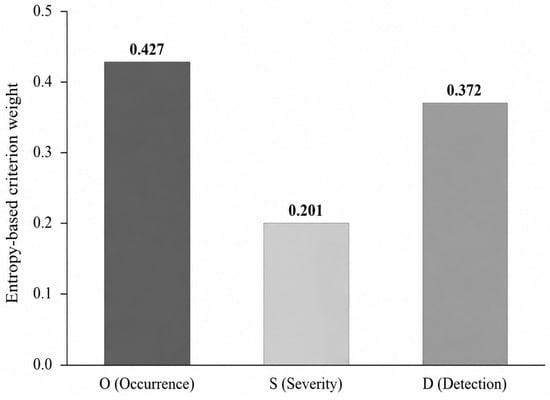
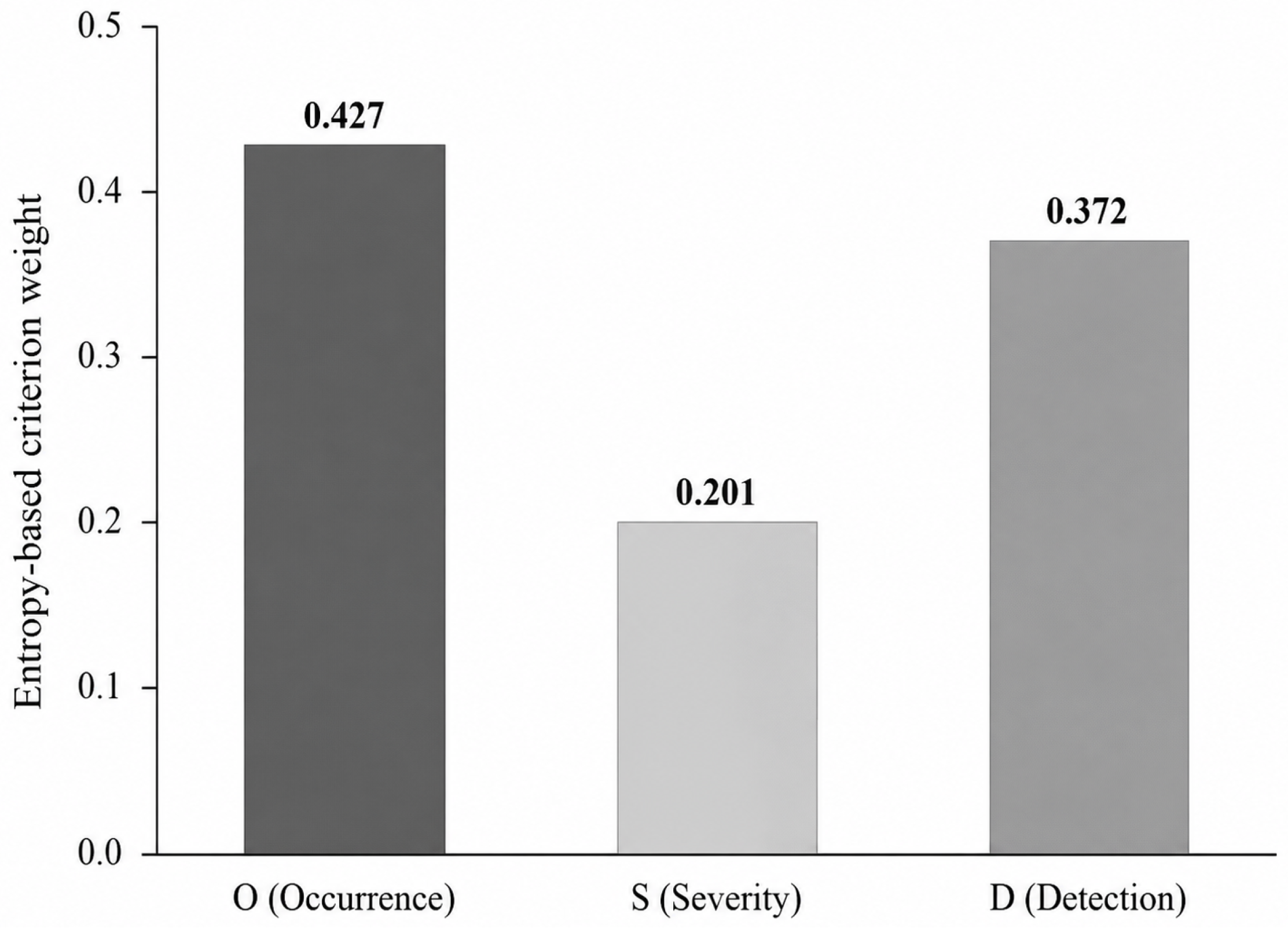
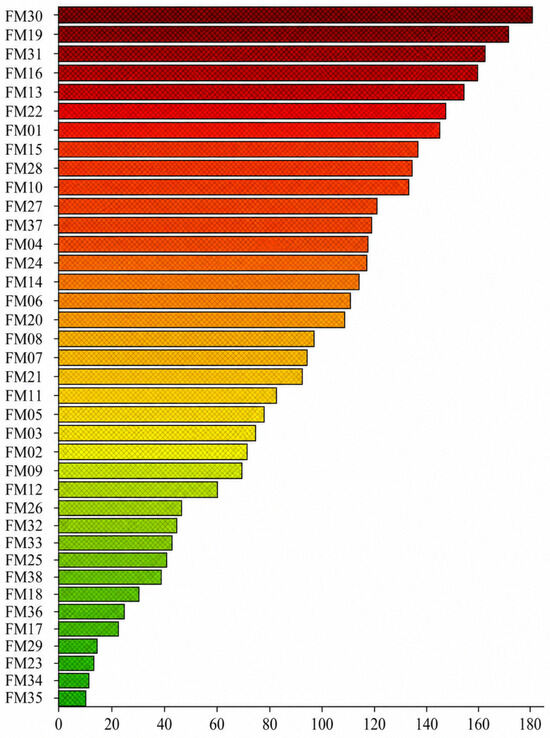
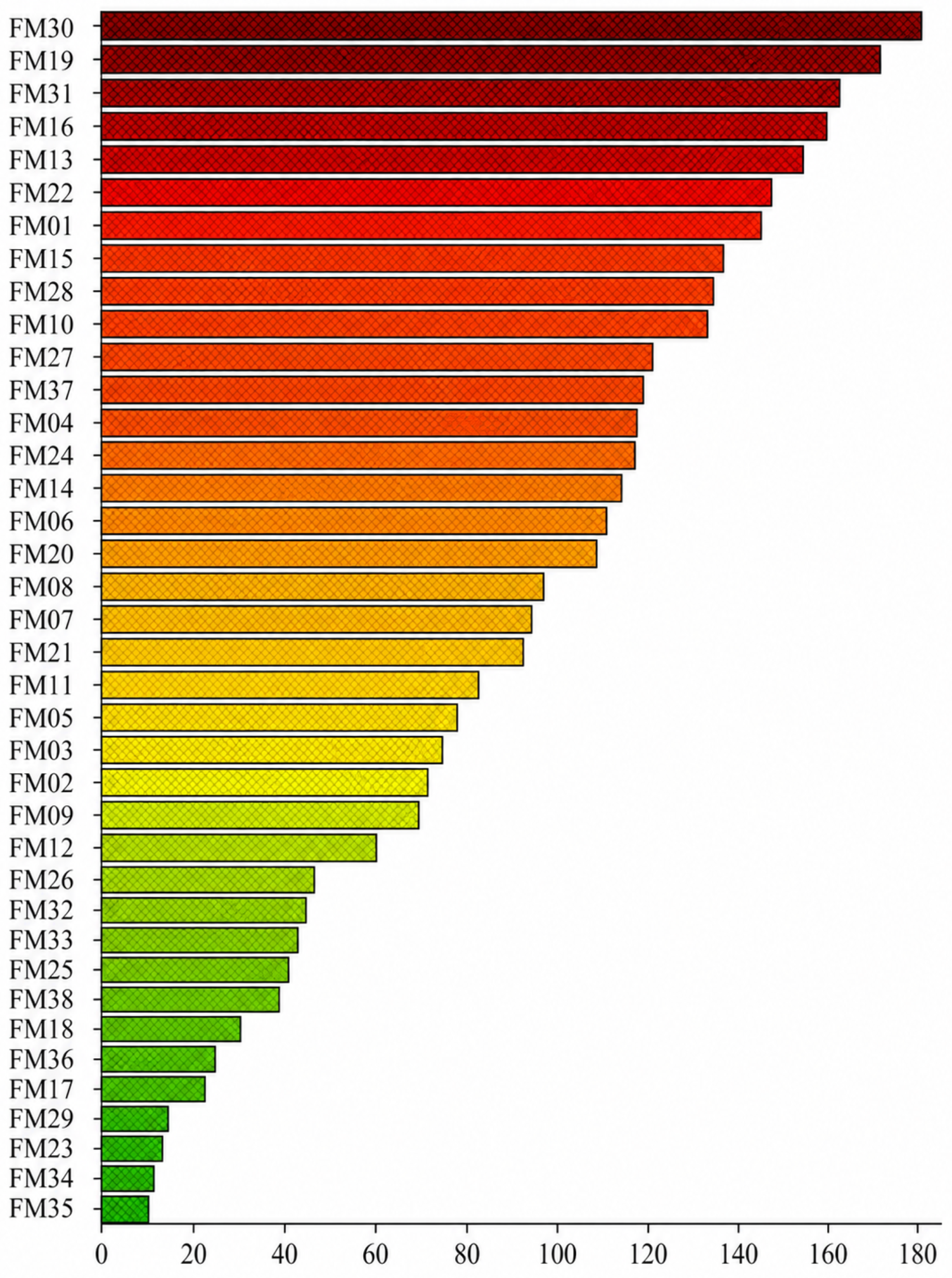
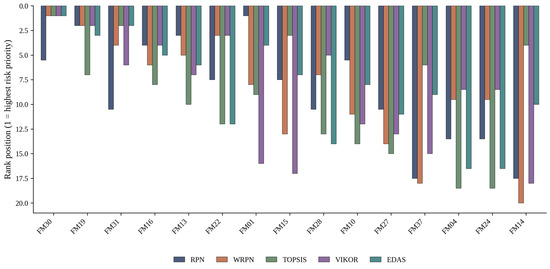
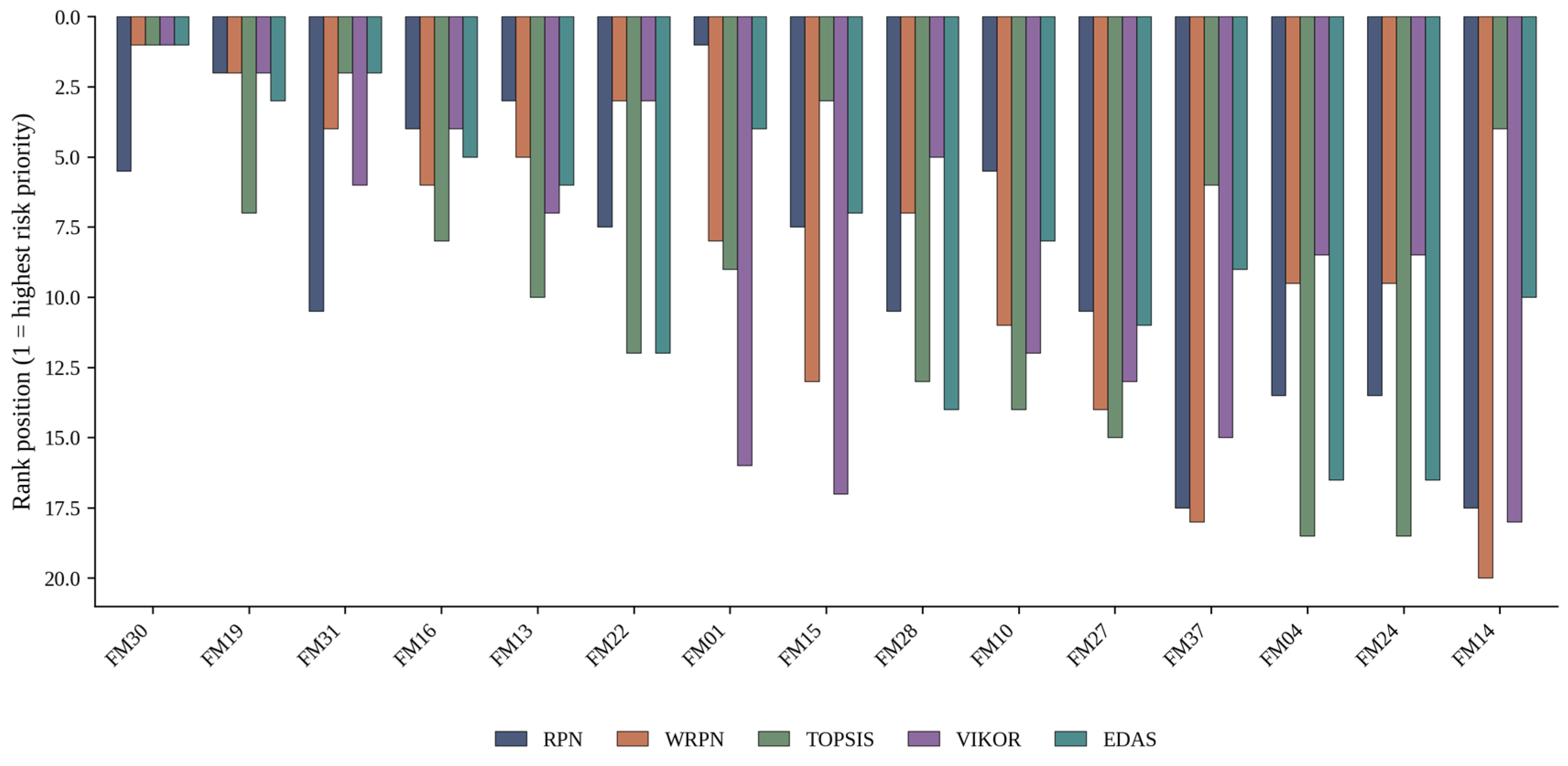
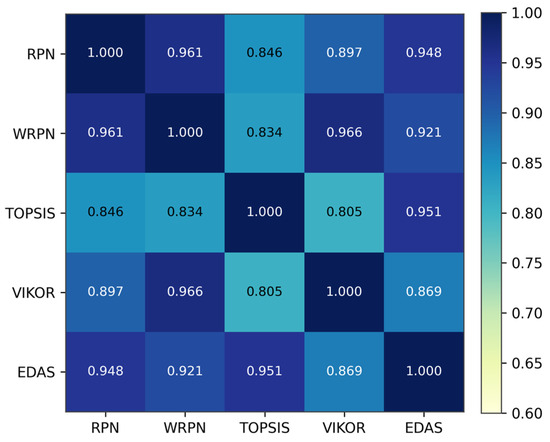
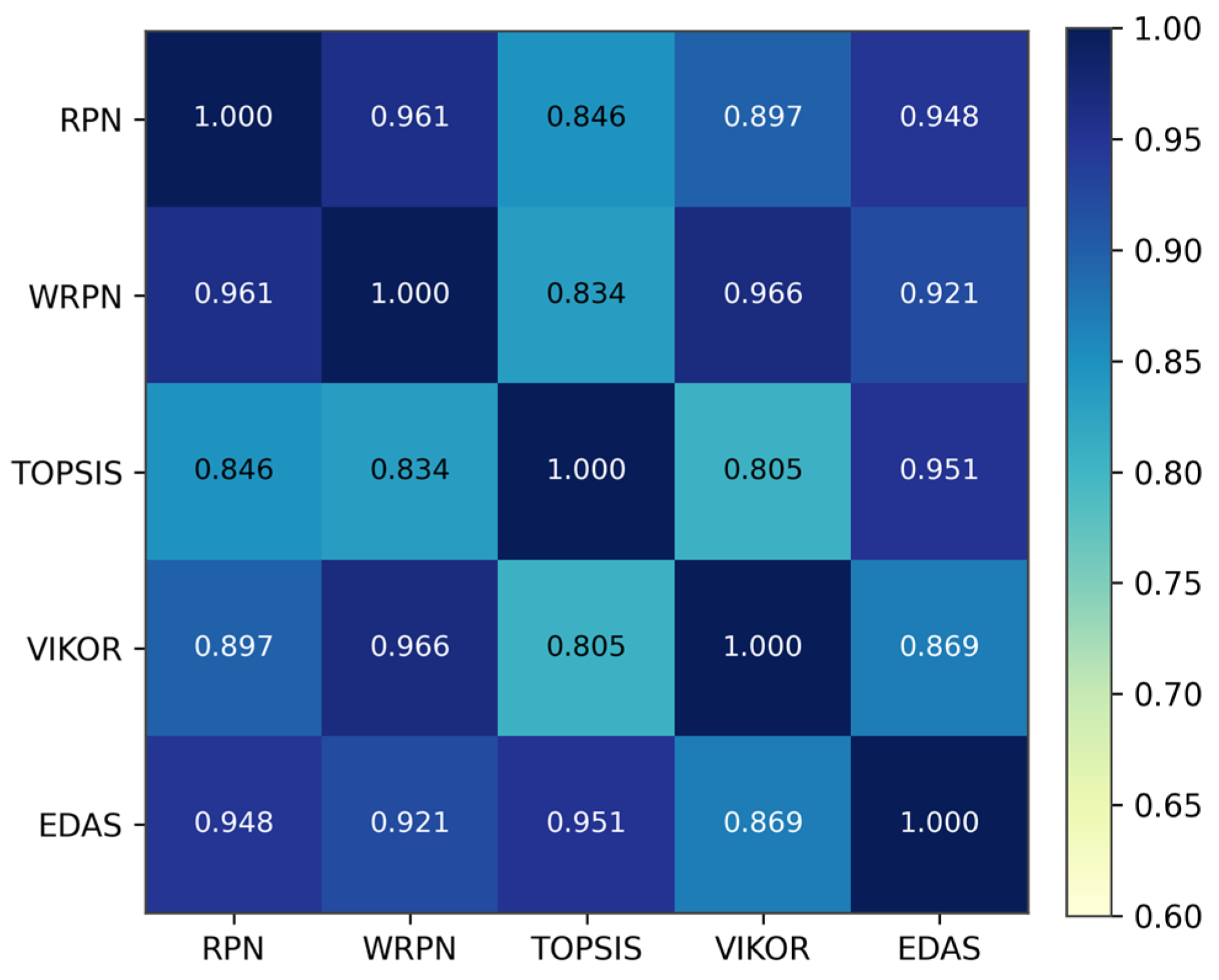
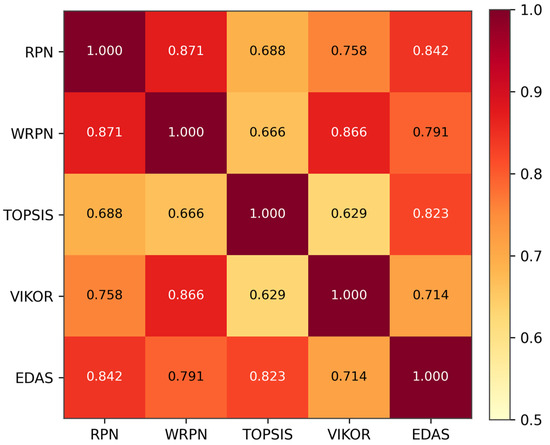
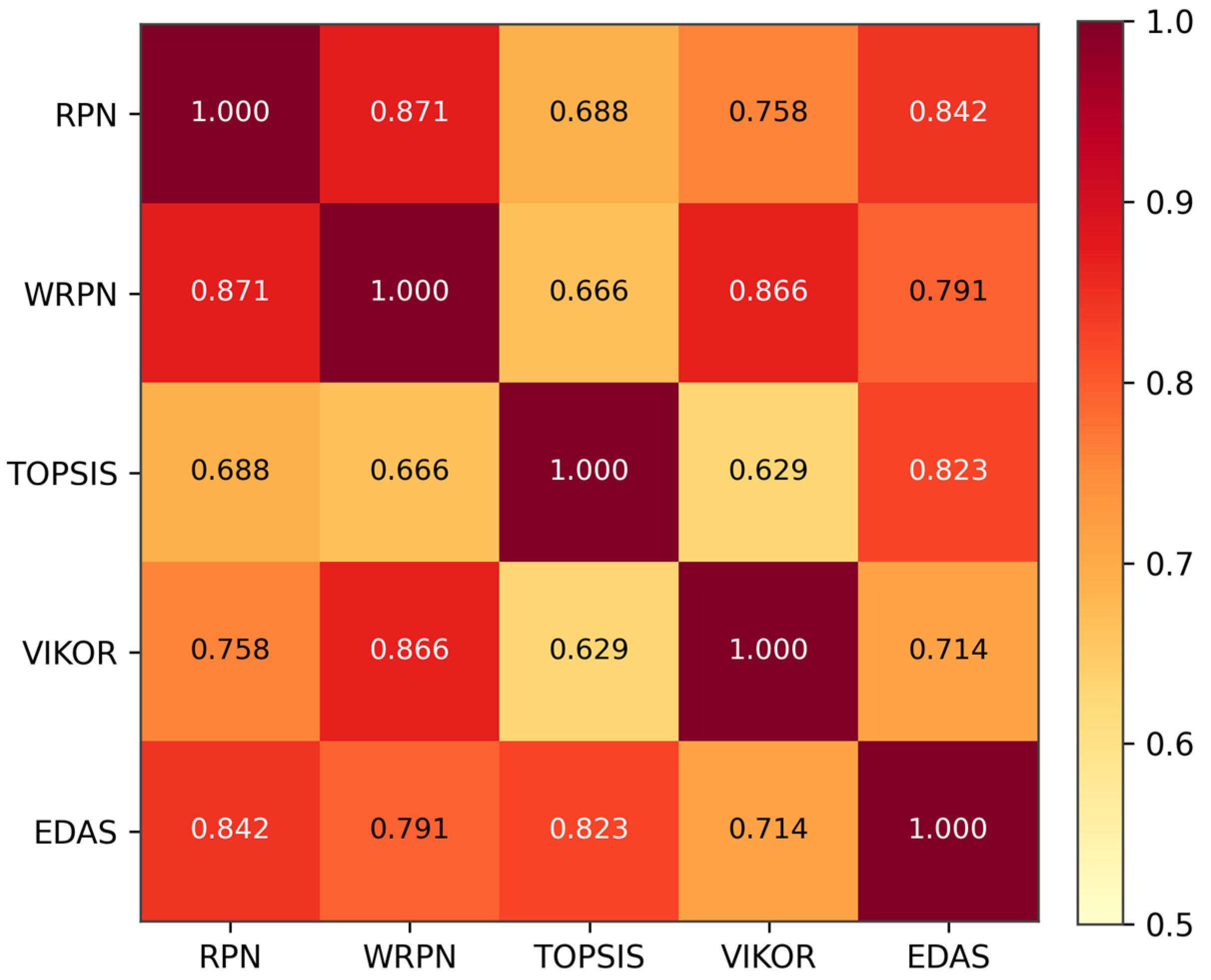
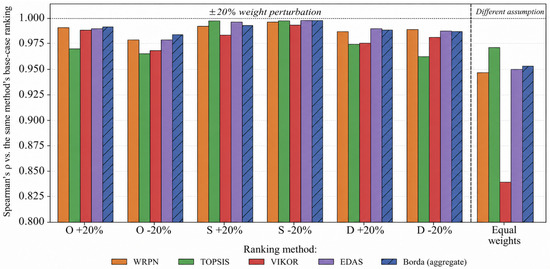
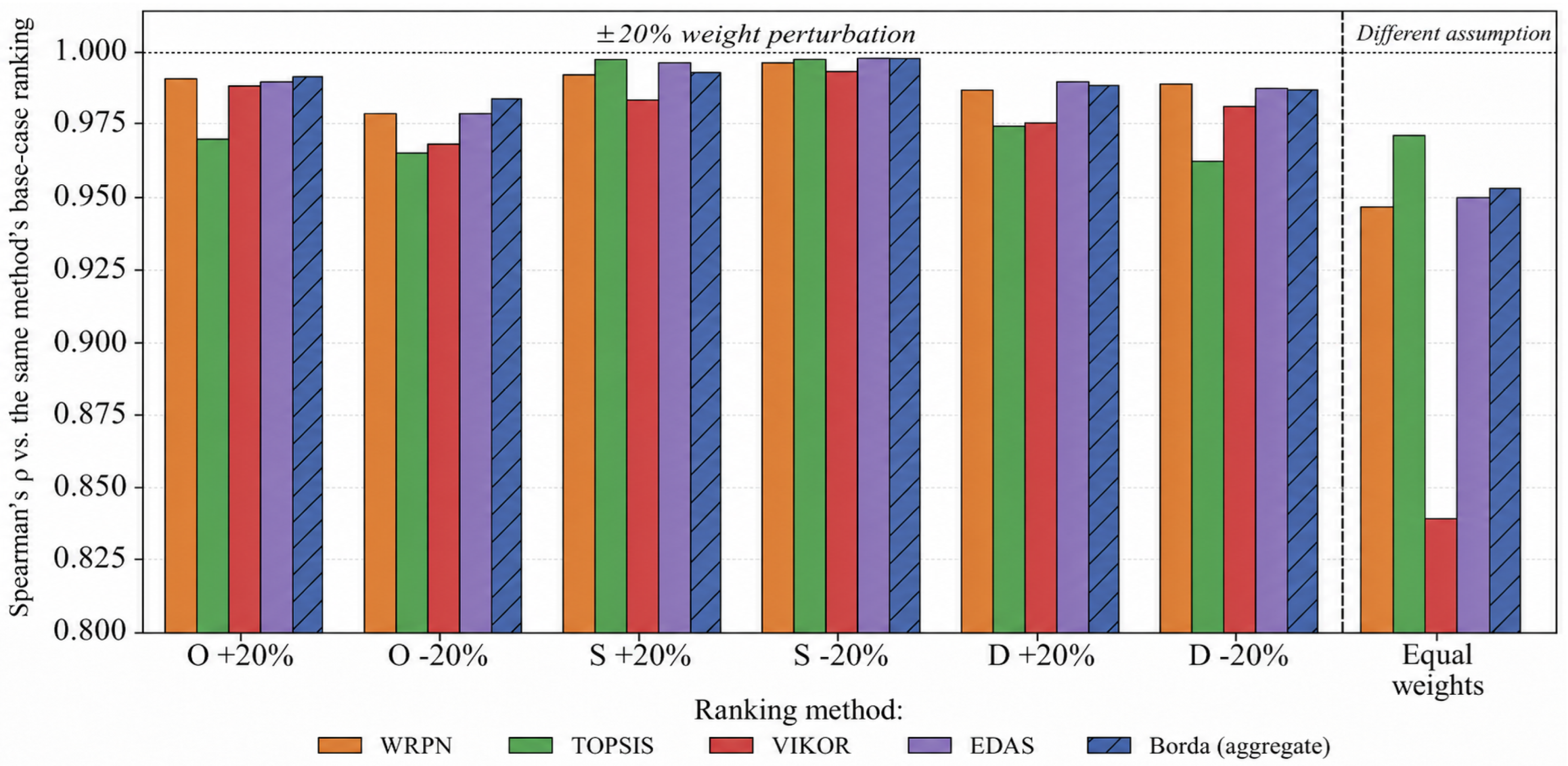
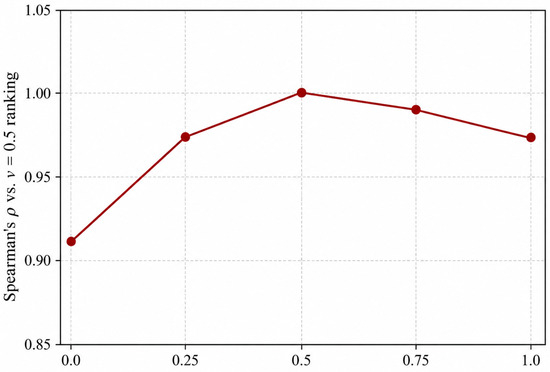
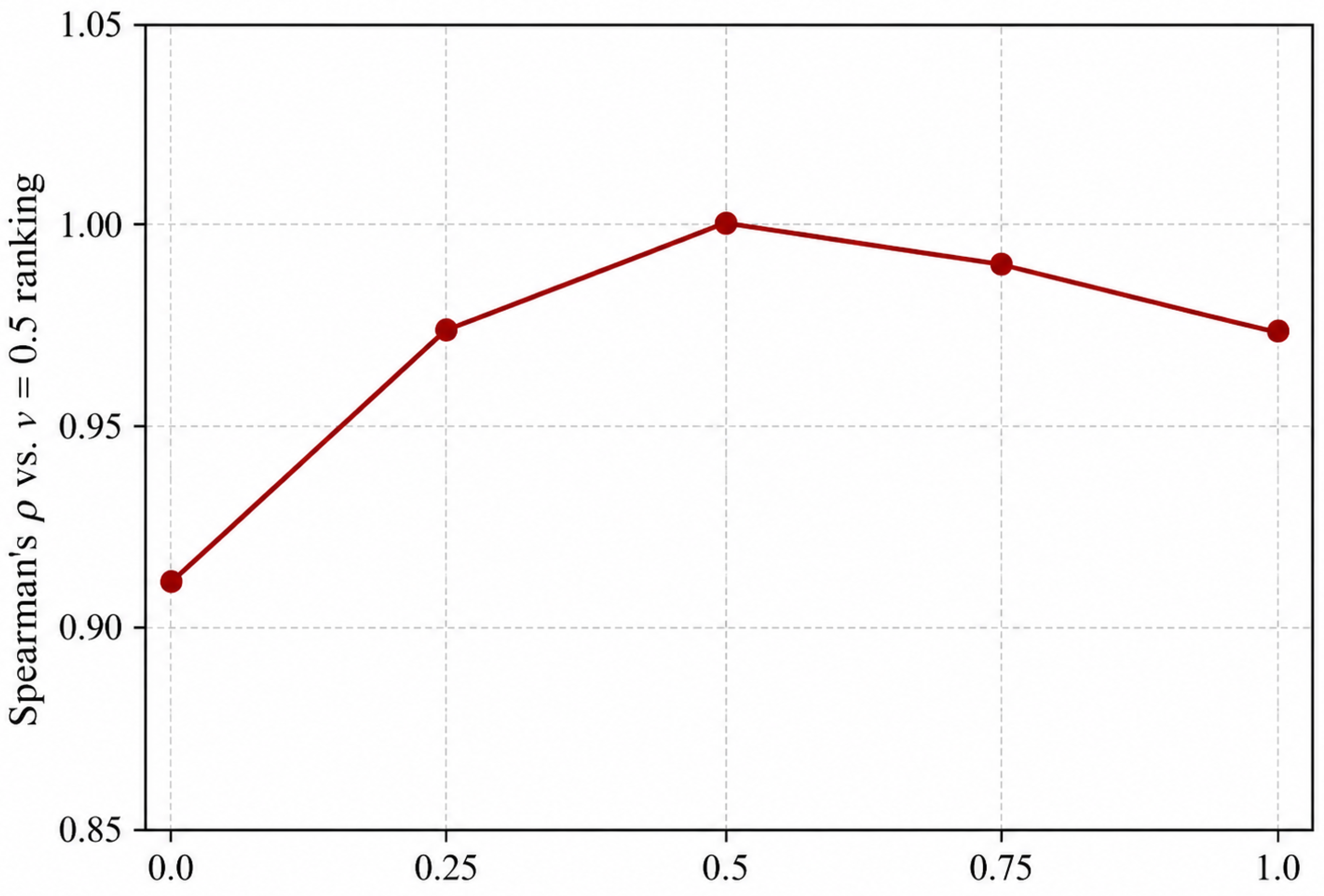

Disclaimer/Publisher’s Note: The statements, opinions and data contained in all publications are solely those of the individual author(s) and contributor(s) and not of MDPI and/or the editor(s). MDPI and/or the editor(s) disclaim responsibility for any injury to people or property resulting from any ideas, methods, instructions or products referred to in the content. |
© 2026 by the authors. Licensee MDPI, Basel, Switzerland. This article is an open access article distributed under the terms and conditions of the Creative Commons Attribution (CC BY) license.