


Abstract
Morocco, facing a growing prevalence of chronic diseases such as diabetes, hypertension, and cardiovascular diseases, must overcome significant challenges to modernize its healthcare system. In this context, the integration of digital technologies, including telemedicine, the Internet of Medical Things (IoMT), Artificial Intelligence (AI), and healthcare system interoperability, represents a promising solution to improve the management of chronic diseases. This article examines how these technologies can be utilized to transform the Moroccan healthcare system into a more accessible, efficient, and patient-focused model of care. The paper reviews recent pilot projects and initiatives, focusing on infrastructure development, remote monitoring, AI and IoMT integration, public health campaigns, and national health programs aimed at improving access to treatment. Building on these observations, the paper explores the potential of an integrated digital health system for managing chronic diseases and proposes a national integrated care architecture that connects Morocco’s public and private healthcare providers. These insights highlight the significance of digital health in Morocco and provide a framework for improved, more patient-centered, and more efficient advanced healthcare. Future perspectives focus on developing an adapted digital transformation approach to further enhance chronic disease management.
1. Introduction
Chronic diseases (CD) represent a growing threat to global public health, particularly in low- and middle-income countries. According to the World Health Organization (WHO), these medical conditions are responsible for over 70% of deaths worldwide, an increase which is caused by aging populations, physical inactivity, fast urbanization, and lifestyle changes [1,2].
Non-communicable diseases (NCDs), also known as chronic diseases, are the leading cause of death in Morocco, accounting for 85% of total mortality and a premature mortality rate of 24% among individuals aged 30 to 70, primarily due to cardiovascular diseases, cancer, diabetes, and chronic respiratory illnesses [3].
Globally, the prevalence of chronic diseases is increasing, placing significant pressure on healthcare systems, particularly in emerging economies such as Morocco. The Moroccan healthcare system is confronted with particular difficulties in this regard, such as limited digital infrastructure, inadequate system interoperability, and low healthcare resources.
In this context, the following research questions serve as the study’s baseline:
- ▪
- How can Morocco’s chronic disease management be enhanced by digital health technologies?
- ▪
- What are the main obstacles to their implementation in Morocco’s healthcare system?
- ▪
- How can IoMT, AI, and interoperable systems be successfully integrated into a single healthcare infrastructure? [4,5]
The main contributions of this paper are summarized as follows:
- ▪
- An in-depth examination of Morocco’s healthcare challenges and the burden of chronic disorders.
- ▪
- A comprehensive review of enabling digital health technologies and their suitability for Morocco.
- ▪
- An overview of Morocco’s current pilot programs and governmental efforts pertaining to digital health.
- ▪
- A conceptual framework for a digitally integrated healthcare model customized for the Moroccan healthcare system.
- ▪
- A discussion of important implementation factors, such as organizational, infrastructure, and technology characteristics.
This work is based on a narrative literature evaluation of publications from 2015 to 2025 that was done utilizing major scientific databases, such as IEEE Xplore, PubMed, and Scopus. With an emphasis on Morocco and similar low- and middle-income countries, the search method includes terms like “digital health,” “telemedicine,” “IoMT,” “artificial intelligence,” and “chronic disease management.”
Combining a descriptive and conceptual approach, this study investigates the potential of digital health technologies for controlling chronic diseases within the Moroccan healthcare setting. It provides an overview of the current healthcare landscape in Morocco, examines the implementation and opportunities of digital health solutions, and highlights key pilot projects and national initiatives. In order to improve health outcomes and advance equity within the Moroccan health system, the study builds on this data and suggests a strategic, digitally integrated care paradigm.
2. Overview of the Moroccan Healthcare Context
2.1. Prevalence of Chronic Diseases
Chronic diseases are a major public health issue in Morocco, particularly as the population ages. According to the World Health Organization (WHO), non-communicable diseases (NCDs) like diabetes, hypertension, and cardiovascular illnesses account for a large portion of the country’s health burden [1].
Diabetes is one of the most common chronic illnesses in Morocco, significantly increasing morbidity and the cost of healthcare. Similarly prevalent, hypertension continues to be a significant risk factor for cardiovascular problems. Cardiovascular disease, diabetes, cancer, chronic respiratory conditions, and chronic kidney disease (CKD) collectively account for a significant portion of premature mortality in the country. Figure 1 highlights how hypertension and diabetes act as key risk factors contributing to these life-threatening conditions.
Figure 1.
Most prevalent chronic diseases (CD) in Morocco and their association with major causes of mortality. Arrows indicate the relationship between hypertension and diabetes and their contribution to cardiovascular diseases, end-stage kidney diseases, cancers, and chronic respiratory diseases.
These diseases significantly strain the nation’s healthcare system and economy in addition to affecting people’s quality of life [6].
2.1.1. Diabetes
Diabetes affects 11.1% of adults worldwide, with over 40% going untreated, making it a significant public health concern. By 2050, International Diabetes Federation (IDF) projections estimate a 46% increase, reaching 853 million adults (or 1 in 8). Over 90% of occurrences of diabetes are type 2, primarily as a result of urbanization, aging populations, sedentary lifestyles, and rising obesity rates [7].
According to the most recent WHO figures, 12.4% of Moroccan adults have diabetes, a prevalence that is steadily increasing [8]. In order to improve prevention and lessen disparities in access to care, territorial strategies must be reconsidered; the study by K. Rais et al. reveals a strong spatial interaction between this prevalence and the distribution of healthcare infrastructure [9].
However, patients’ quality of life can be significantly enhanced and problems can be significantly decreased with the help of adequate care, early diagnosis, and preventive measures.
2.1.2. Hypertension
Recent research reveals a troubling prevalence of hypertension in Morocco, affecting about 32.4% of the adult population [10]. M. Aarrad, F. Laamiri, M. Hilal et al. conducted a study in rural Settat and found that 53% of hypertensive patients had uncontrolled blood pressure, with factors such as male gender, low income, diabetes, poor medication adherence, and stress contributing to this lack of control [11]. Additionally, the research by S. Belayachi, F. Z Boukhari, F. Essayagh et al. in Marrakech reported a high prevalence of non-adherence to antihypertensive medication, with 82.4% of patients not adhering to their prescribed treatment [12].
In 2024, more than 1.2 million individuals with hypertension received care and follow-up services through Morocco’s primary healthcare system, as reported by the Minister of Health and Social Protection, Amin Tahrawi [13].
These results highlight the urgent need to enhance diagnosis, improve treatment compliance, and implement effective management strategies for hypertension in Morocco.
2.1.3. Cardiovascular Diseases (CVD)
In Morocco, cardiovascular diseases, including heart disease and stroke, are the leading causes of mortality, accounting for approximately 38% of all deaths. Specifically, ischemic heart disease contributes to 31.0% and stroke to 22.5% of these fatalities [14,15].
The findings of I. Talha, N. Elkhoudri, & A. Hilali highlight the profound influence of inadequate dietary practices and insufficient physical activity on the advancement of cardiovascular diseases [16].
In fact, the research by R. Elyamani, A. Soulaymani, & H. Hami, found that the main risk factors in the population were tobacco smoking (45–50%), physical inactivity (21.1%), hypertension (25.3%), and depression (5.47%) [15].
According to the World Heart Federation, Morocco reported 134,920 deaths attributable to cardiovascular diseases in 2021, with age-standardized mortality and incidence rates of 463 and 235 per 100,000 population, respectively [17].
These statistics underscore the significant burden of cardiovascular diseases in Morocco and highlight the urgent need for comprehensive public health strategies focused on prevention, early detection, and effective management of cardiovascular conditions.
2.2. Challenges in Managing Chronic Diseases
The management of chronic diseases in Morocco is hindered by several challenges, which constitute key structural and organizational barriers and emphasize the need for a tailored digital health framework in the Moroccan context:
2.2.1. Limited Healthcare Access in Rural Areas
A significant portion of the Moroccan population lives in rural areas where access to healthcare services is limited. There are few medical personnel and frequently inadequate funding for rural healthcare institutions [5,18].
2.2.2. Lack of Early Detection and Screening Programs
Diabetes and hypertension are examples of chronic disorders that might be misdiagnosed until they are quite advanced, which can lead to consequences and increased medical expenses [19]. In many regions of the nation, early screening and preventive measures are still inadequate [20].
2.2.3. Health Education and Patient Awareness
Many patients struggle to adhere to treatment regimens and lifestyle suggestions because they do not know enough about their issues [21]. Public health education campaigns about managing and avoiding chronic illnesses are essential.
2.2.4. Healthcare System Strain
Morocco’s expanding population, scarce medical resources, and rising prevalence of chronic illnesses put strain on the nation’s healthcare system. Clinics and hospitals are overcrowded as a result of managing the long-term needs of individuals with chronic illnesses [22].
Such challenges draw attention to important limitations in the current healthcare system and underscore the necessity of context-specific digital solutions that integrate IoMT, artificial intelligence (AI), and interoperable technologies.
2.3. Approaches to Managing Chronic Diseases in Morocco
Morocco has traditionally employed a hospital-centered, collaborative approach that prioritizes specialized care to manage chronic conditions. This system is supported by government programs to avoid non-communicable illnesses, but it still faces a number of difficulties, such as inconsistent patient follow-up, restricted access to care in rural regions, and inadequate coordination between various healthcare system levels. Furthermore, community-based strategies are being developed that involve medical professionals in local monitoring, therapeutic patient education, and prevention [5]. These initiatives aim to enhance patient autonomy and reduce the burden on hospital infrastructure. More recently, Morocco has begun a digital transformation of its healthcare system through the introduction of digital health technologies. These developments offer encouraging chances to enhance the effectiveness, customization, and continuity of care [4].
Morocco’s healthcare system has lately advanced significantly, and going forward, efforts will concentrate on incorporating international best practices and following global standards.
3. Digital Health Technologies
Digital health, also known as e-health or connected health, refers to the use of information and communication technologies to enhance the experience of both patients and healthcare professionals. It also empowers patients to take part in managing their own health by providing access to reliable medical information [23,24].
Managing chronic diseases in Morocco requires a comprehensive approach that integrates technological solutions, health education, healthcare system reforms, and improved access to care. While there are still many obstacles to overcome, such as the rising prevalence of chronic illnesses and the lack of access to healthcare in rural areas, there are also great opportunities to improve service delivery. Telemedicine, IoT, AI, and more robust public health regulations could help Morocco manage CD more successfully and enhance the overall quality of life for affected individuals [25,26,27].
The following section focuses on the role of these technologies within the proposed model by giving a detailed description of how they can be used to improve the management of chronic diseases (CD) in Morocco. It also includes an extensive review of the system architecture, data flow, and applications within healthcare systems. The roles, data flow characteristics, and applications of IoMT, AI, and interoperability in healthcare systems are presented in Table 1.
Table 1.
Comparative analysis of Telemedicine, IoMT, AI, and interoperability in healthcare systems.
3.1. Telemedicine
Telemedicine allows healthcare providers to offer remote consultations, diagnoses, and follow-up care to patients, especially in rural or underserved areas [5,24].
The efficacy of telemedicine in managing chronic illnesses has been the subject of numerous research projects, many of which have independently focused on the viewpoints of patients and medical professionals [26].
In Morocco, telemedicine is being utilized to overcome geographical barriers, enabling patients in remote regions to receive timely medical advice without needing to travel long distances to healthcare facilities.
3.2. Artificial Intelligence (AI) in Healthcare
AI applications in healthcare include diagnostic tools, predictive analytics, and personalized treatment plans.
Artificial Intelligence is used to analyze medical images, predict disease progression, and support clinical decision-making [5]. For example, AI can assist radiologists in diagnosing conditions from medical images such as X-rays or MRIs more accurately and efficiently [25,28].
Ethical AI in Healthcare
Given the growing adoption of AI in Morocco’s healthcare sector, future research should explore the ethical challenges related to patient data privacy (Law 09-08 on the Protection of Individuals with Regard to the Processing of Personal Data), AI-driven diagnostics, and equitable access to healthcare services [5,29,30].
3.3. IoMT (Internet of Medical Things)
IoT devices such as wearable health trackers, connected medical devices, and remote monitoring tools.
IoMT enables the real-time collection of patient health data such as blood pressure, glucose levels, and heart rate. This data can be monitored remotely by healthcare providers, allowing for more personalized care and early intervention in case of complications [27,28].
3.4. Interoperability Platforms
These platforms enable the seamless exchange of health data across different healthcare systems, improving coordination between hospitals, labs, pharmacies, and other healthcare providers [31].
Interoperability ensures that healthcare providers can access comprehensive patient data across various systems, improving coordination and continuity of care [23]. This is crucial for improving healthcare delivery in Morocco, where healthcare services are often fragmented.
3.5. Healthcare IT Solutions
Figure 2 illustrates the Healthcare IT ecosystem in Morocco and the interactions between its main components through data exchange and interoperability flows.
Figure 2.
Overview of Healthcare IT solutions in Morocco, highlighting the key interoperable components of the digital health ecosystem.
3.5.1. Hospital Information System (HIS)
A comprehensive digital system designed to manage the administrative, financial, and clinical aspects of healthcare institutions like hospitals and clinics.
Benefits: HIS helps streamline processes like patient registration, scheduling, billing, and managing medical records, improving both hospital operations and patient care. In Morocco, the HIS modernizes the health and social protection sector by centralizing medical, administrative, and financial data to enhance management and efficiency [32,33].
3.5.2. Electronic Health Records (EHR)
Description: EHR systems store digital records of patients’ medical history, diagnoses, treatments, and medications [34].
Benefits: EHRs improve the accessibility and security of patient records, making it easier for healthcare providers to access and update a patient’s health information. In Morocco, EHR systems are gradually being implemented to improve the quality of care and reduce medical errors [18].
3.5.3. Radiology Information System (RIS)
Description: A specialized system that manages medical imaging data, such as X-rays, CT scans, and MRIs.
Benefits: RIS allows for the efficient storage, retrieval, and sharing of radiological images. This system helps radiologists improve diagnosis and reduce the time needed for image access, especially in remote areas. In Morocco, the integration of Radiology Information Systems (RIS) and Picture Archiving and Communication Systems (PACS) has been pivotal in enhancing the efficiency and quality of radiological services [35].
3.5.4. Laboratory Information Management System (LIMS)
Description: A system used to manage and track laboratory processes, including sample testing, result recording, and reporting.
Benefits: LIMS improves lab findings’ accuracy, minimizes errors, and makes it easier for patients and physicians to receive test data more quickly. In Morocco, integrating Laboratory Information Management Systems with Quality Management Systems (QMS) in medical laboratories enhances the reliability and quality of laboratory results, ensuring more accurate diagnostics and improved overall laboratory performance [36].
3.5.5. Pharmacy Information Systems (PhIS)
Description: In pharmacies, these systems monitor inventory, prescriptions, and medicine dispensing [37].
Benefits: Pharmacy information systems ensure that patients receive the correct prescriptions, lower drug mistakes, and increase pharmacy productivity. By improving inventories, prescriptions, and resource allocation, PhISs in Moroccan hospitals enhance pharmaceutical service management. They also make strategic decision-making easier, improving patient safety and healthcare effectiveness [38].
3.5.6. Mobile Health Applications (mHealth)
Description: Mobile apps that allow patients to arrange appointments, monitor their health, and get medical advice from anywhere [39].
Benefits: mHealth applications improve patient involvement and treatment plan adherence by enabling real-time health monitoring and communication with healthcare providers. They are becoming more widely used in Morocco, which improves care coordination, increases access to healthcare services, and makes it easier to provide individualized health interventions [40].
3.6. Digital Transformation in Morocco
A variety of digital solutions are being used as part of the nation’s larger efforts to modernize its healthcare system in order to solve enduring issues like restricted access to care, unequal resource distribution, and the rising burden of chronic diseases [34,41].
Morocco is implementing telemedicine, the Internet of Medical Things (IoMT), artificial intelligence, interoperability platforms, and integrated healthcare IT systems (HIS, EHR, RIS, LIMS, etc.) to increase the capacity of the nation’s health system, optimize clinical workflows, and improve patient outcomes across the board, as shown in Figure 3.
Figure 3.
Digital Health Transformation Ecosystem in Morocco.
Morocco hopes to accomplish a robust and successful digital health revolution by combining these technologies with improved governance frameworks and strong data protection measures [42,43].
However, sustained investment, strong infrastructure, and focused training initiatives for healthcare providers are necessary for the successful adoption of these advances.
3.7. Security, Privacy, and Data Protection in Digital Healthcare Systems
Significant security, privacy, and data protection issues emerge when digital technologies like telemedicine, IoMT, artificial intelligence (AI), and interoperable healthcare systems are integrated. Modern healthcare organizations must guarantee the security, integrity, and accessibility of medical data due to its sensitive nature [29,30].
3.7.1. Privacy and Confidentiality of Medical Data
Ensuring privacy and confidentiality is essential when integrating digital patient data across healthcare systems. Risks of data leakage or misuse may arise during data transmission, storage, or processing. This is especially important while managing chronic illnesses, as ongoing monitoring produces a lot of private health data.
3.7.2. Security Risks in IoMT Systems
Since IoMT environments are distributed and depend on connected devices, they are more susceptible to cybersecurity problems. Denial-of-service (DoS) attacks, device manipulation, illegal access, and data interception are examples of possible risks. These vulnerabilities could compromise system dependability and patient safety, particularly in settings with limited resources.
3.7.3. Data Protection and Regulatory Compliance
To ensure compliance with data privacy principles, healthcare systems must comply with relevant regulatory frameworks and standards. This involves putting data governance, access control, and secure data management policies into practice. To guarantee compliance and traceability, secure authentication methods and encryption are crucial elements.
3.7.4. Privacy-Preserving Techniques
To reduce privacy issues, a number of technological methods can be used:
- ▪
- Data encryption (at rest and in transit)
- ▪
- Data anonymization and pseudonymization
- ▪
- Secure multi-party computation and federated learning
- ▪
- Role-based access control (RBAC)
- ▪
- Secure communication protocols (TLS)
These techniques help minimize the exposure of sensitive patient data while enabling secure data sharing and analysis.
3.7.5. Secure System Architecture
Many layers of control should be included in a secure digital healthcare system:
- ▪
- Secure IoMT device authentication
- ▪
- Encrypted data transmission channels
- ▪
- Secure cloud or edge computing infrastructures
- ▪
- Controlled access to AI processing modules
- ▪
- Interoperability frameworks with built-in security standards (HL7, FHIR)
This layered approach ensures that security is embedded at every stage of the data lifecycle.
4. Pilot Projects and Initiatives in Morocco
Morocco has started a number of pilot programs in recent years with the goal of incorporating telemedicine and other digital health solutions into its healthcare system. These initiatives are part of a broader national strategy to improve healthcare access, especially in rural and underserved areas where specialist care remains limited [44].
In 2024, the Ministry of Health and Social Protection, the National Social Security Fund, and the Digital Development Agency signed an agreement to unify the Shared Medical Record and the Electronic Care Sheet through a common interface [45]. This initiative aims to facilitate the integration of digital tools in healthcare facilities and support the digital transformation of the sector. It enables better access to health data, strengthens governance, and simplifies procedures for both patients and healthcare professionals.
4.1. Development of Healthcare Infrastructure: Progress in Hospital and Primary Care Facility Projects
The Minister of Health and Social Protection announced that 64 new university, regional, and provincial hospitals are currently under construction [46]. These projects are part of a national strategy aimed at strengthening access to specialized care and ensuring the provision of high-quality medical services across the country [33].
At the same time, under the program for the construction, rehabilitation, and equipment of primary healthcare facilities, more than 1000 health centers have already been rehabilitated. The objective is to reach a total of 1439 centers in both urban and rural areas [46].
This program aims to consolidate basic healthcare coverage, improve accessibility and the quality of services, and reduce regional disparities in access to healthcare.
Improving primary healthcare services is key to the management of chronic diseases in Morocco [22,47]. Enhancing access to general practitioners and nurses, especially in rural areas, would enable early diagnosis, treatment, and ongoing management of chronic conditions.
In order to achieve a structural change of the healthcare sector, Morocco is dedicated to carrying out these significant projects in compliance with the highest international standards. The goal of this initiative is to create a high-performing, sustainable, and integrated healthcare system that can satisfy the needs of the general population while keeping up with international advancements and requirements in public health.
4.2. Telemedicine and Remote Monitoring
The Ministry of Health and Social Protection has supported multiple telemedicine pilot programs in collaboration with public hospitals, universities, and international partners [48].
Telemedicine has the potential to significantly improve chronic disease management in Morocco, especially in remote and underserved regions [44]. Healthcare professionals can currently monitor patients’ illnesses in real-time because of the introduction of digital health technologies like wearable technology and smartphone apps. This reduces the need for physical visits and enables early intervention [49].
In October 2018, the Moroccan Society of Telemedicine and the Ministry of Health initiated a statewide telemedicine pilot program [50]. By establishing connections between rural health facilities and urban hospitals, the program sought to enhance healthcare access in underserved areas through coordinated teleconsultation platforms. Several pilot sites, including Anfgou, Imilchil, Zaouïat Ahensal, Ait Tamlil, Taliouine, and Talsint, were set up during the first deployment phase to evaluate operational efficacy and viability [51].
Furthermore, since 2018, Morocco has adopted a legal framework for telemedicine facilitating the development of approved, reliable, secure, and ethically sound practices [10]. However, the large-scale deployment of these solutions still faces challenges such as technological infrastructure, digital literacy, and interoperability among health information systems [48].
For instance, telemedicine platforms for managing diabetes or hypertension can assist patients in monitoring their blood pressure or glucose levels and sharing this information with medical professionals for individualized treatment and prompt modifications [52].
The nephrology department at Hassan II University Hospital in Fez uses telemedicine to remotely monitor 50 patients diagnosed with end-stage chronic kidney disease undergoing peritoneal dialysis, enabling real-time treatment adjustments through automated dialysis devices and a hospital-based monitoring station [50].
4.3. Integration of AI and IoMT in Healthcare
AI and IoMT are increasingly being integrated into the healthcare system in Morocco to assist in the monitoring and management of chronic diseases [53].
Artificial Intelligence (AI) can be used to analyze health data, detect early signs of complications, and suggest personalized treatment plans.
In Morocco, Artificial Intelligence (AI) is progressively applied in hospitals and research centers for diagnostics, data management, epidemiological prediction, telemedicine, and hospital administration. AI enhances diagnostic accuracy, especially in medical imaging, and supports predictive medicine through big data analysis. In underserved areas, telemedicine and remote monitoring contribute to the reduction of healthcare inequities. Active engagement of hospitals, universities, start-ups, and the private sector in pilot projects demonstrates the progressive integration of AI into practical healthcare applications across the country [5,54].
By enabling continuous patient monitoring, advanced data analysis, and greater diagnostic capabilities, the IoMT is revolutionizing healthcare and eventually improving clinical results [55]. Smart diabetes measurements, wearable heart rate monitors, and connected blood pressure sensors are examples of IoT devices that make it possible to continuously monitor chronic disorders and take action before problems develop.
In Morocco, IoMT is emerging as a transformative tool in healthcare, linking connected medical devices, sensors, and telemedicine platforms to improve patient care. National programs also aim to expand e-health services, connecting rural health centers to urban hospitals [50].
4.4. Health Education and Public Awareness Campaigns
Public health campaigns are essential for raising awareness about the importance of preventing and managing chronic diseases.
The Ministry of Health carries out multiple national and digital communication campaigns each year to raise awareness on priority health issues, using diverse media such as brochures, videos, live sessions, and social platforms. These initiatives include campaigns relating to heart attacks, cancer screening, chronic diseases and celebrations of major World Health Days [33].
Educating the public about healthy lifestyles, the risks of smoking, unhealthy eating, and the importance of regular physical activity can help reduce the incidence of chronic diseases [56].
Programs that teach patients to manage their conditions, adhere to prescribed treatments, and adopt healthy lifestyle habits can greatly improve long-term health outcomes, especially by helping prevent and control chronic diseases such as hypertension [57].
4.5. National Health Programs and Policy Development
The Moroccan government, guided by royal directives, has launched a comprehensive reform of its national health system through Framework Law 06.22. This reform is essential to support the generalization of social protection and to address long-standing challenges in the health sector [22,58].
The law is built upon four strategic pillars:
- ▪
- Enhancing governance and oversight across all levels of the health system
- ▪
- Investing in and incentivizing human resources through sector-specific reforms and improved working conditions
- ▪
- Upgrading healthcare services to ensure quality and equitable access nationwide
- ▪
- Digitizing the health system by developing an integrated information platform for efficient data management.
These efforts aim to promote social equity, improve public health outcomes, and support sustainable development.
4.6. Improved Access to Medications and Treatment
Ensuring that patients have access to affordable and essential medications is vital for effective chronic disease management. Morocco has made efforts to subsidize the cost of medications for chronic conditions, making them more affordable for patients, especially in low-income communities [59,60].
Morocco is strengthening its pharmaceutical sovereignty through an ambitious national policy, the modernization of regulatory governance, and the assurance of quality, accessibility, and safety of medicines and healthcare products. In order to ensure the nation’s healthcare needs, these steps are accompanied by initiatives to combat illicit trade, improve quality control, and digitize procedures [61,62].
4.7. Significance of Digital Health Initiatives in Morocco
These early initiatives underline the growing interest and commitment of Moroccan authorities to explore innovative models of care. Telemedicine, supported by artificial intelligence and the Internet of Medical Things, has the potential to significantly transform chronic disease management and contribute to a more resilient and equitable healthcare system [63].
Timely and efficient therapeutic interventions are made possible via telemedicine, which enables the remote transfer of health data via connected equipment. It facilitates individualized patient monitoring, reduces healthcare access inequities, cuts down on waiting times, improves the general standard of care, and increases efficiency by saving patients’ time and money [64].
In Morocco, the advancement of AI and IoT is considered as crucial to reducing health inequities, digitizing healthcare services, and expanding access to healthcare, particularly in rural and distant areas [42,65]. Nevertheless, there are still a number of obstacles to overcome, such as infrastructural constraints (connectivity, 5G rollout), the requirement for qualified experts (developers and medical professionals proficient in digital technologies), legal frameworks, and data security. Multiple studies and reports highlight these factors as critical conditions for the successful implementation of such initiatives [66].
The research indicates that there are still few digital health efforts in Morocco, the majority of which are in the pilot or descriptive stages, and that there is a dearth of data regarding quantifiable clinical results and defined evaluation measures. In order to effectively assess their impact and scalability, further data-driven and clinically validated research is required.
Despite these challenges, current pilot programs show the viability of digital health solutions as well as the increasing interest in using IoMT, telemedicine, and artificial intelligence to enhance Moroccan healthcare delivery.
To support the successful implementation of these solutions and minimize the long-term burden of chronic diseases on the Moroccan population, ongoing investments in hospital infrastructure, digital competence, and public health education will be crucial.
4.8. The New Reform of Morocco’s Healthcare System
On 15 June 2023, the World Bank approved a $450 million loan to support Morocco’s comprehensive health sector reform, with the objective of strengthening the quality, efficiency, and equity of public healthcare services, while reinforcing the longstanding collaboration between Morocco and the Bank and aligning with ongoing initiatives to expand social protection [67].
The reform of Morocco’s healthcare system introduces structural changes that directly strengthen the monitoring and long-term management of chronic diseases. The establishment of Territorial Health Groups (THGs) under Law 08.22, which unifies Primary HealthCare Centers (PHCCs/Établissements de soins de santé primaire), Regional Hospitals (RH/Hôpital Réional), and University Hospitals (UH/CHU-Center Hospitalier Universitaire) within each region, is a key component of this reform [68]. This coordinated framework promotes continuity of care by ensuring that patients with chronic diseases (such as those with diabetes, hypertension, or cardiovascular disorders) benefit from standardized protocols, expedited medical referrals, and standardized monitoring procedures across all levels of the health system.
A proportional geographic distribution of services, public–private cooperation, and equitable access to chronic medical care are also given top priority by the reform. These actions reduce disparities in access to regular examinations, imaging services, laboratory monitoring, specialized consultations, and patient education on medical treatments [69].
Morocco is implementing practical digital health efforts, like telemedicine for remote locations, chronic illness monitoring systems, and AI-assisted diagnostic tools, to improve access, patient management, and diagnostic efficiency [70]. These initiatives also serve as a strategic lever to enhance care quality and system governance, though their impact is limited by infrastructure gaps, insufficient professional training, and an incomplete regulatory framework [71].
According to Chapter VIII of Framework Law 06.22, digitizing Morocco’s healthcare system means establishing a shared medical record (Article 29) to identify, track, and assess each patient’s care pathway in complete compliance with data protection laws, as well as implementing an integrated national health information system to collect, analyze, and monitor data from all public and private healthcare facilities (Article 28) [69].
Table 2 demonstrates that, despite Morocco’s growing number of digital health initiatives, most of them are still pilot-based and insufficiently evaluated. Feasibility and access improvements are frequently reported, but standardized clinical, economic, and system-level findings are mainly inadequate, limiting scalability and evidence-based implementation into standard care.
Table 2.
Overview of Digital Health Pilot Projects and Initiatives in Morocco.
As illustrated in Figure 4, digital health initiatives in Morocco have evolved over the past decade through successive phases, from early telemedicine pilots and regulatory frameworks to more recent efforts toward system-wide digitization and integration of AI and IoMT technologies.
Figure 4.
Key Digital Health and Telemedicine Initiatives in Morocco.
The majority of programs are still in the early implementation stages, despite significant governmental commitment and increasing experimentation. The stated results are mostly restricted to feasibility and enhanced access, especially for telemedicine in underserved areas, integrated into national health information systems. The lack of standardized KPIs and publicly accessible outcome data makes it difficult to objectively assess clinical efficacy, cost-effectiveness, and long-term sustainability. When combined, the timeline and thematic analysis highlight the need to transition from discrete pilot programs to integrated, interoperable, and methodically evaluated digital health practices.
5. Discussion: Toward an Integrated Digital Health Model for Enhanced Chronic Disease Management
The shift to digital health in Morocco has enormous potential to improve patient self-care and the management of chronic diseases. However, as shown in Figure 5, this shift is constrained by heterogeneous, weakly interoperable legacy health information systems across the public sector (primary, regional, and university care levels). The effective implementation of telemedicine, IoMT platforms, and AI-driven clinical decision support is constrained by the structural interoperability gap caused by the absence of an integrated national architecture and standardized data sharing [55].
Figure 5.
Interoperability Gaps in Morocco’s Public and Private Health Systems.
Existing digital health solutions developed in high-income countries cannot be directly applied to the Moroccan context due to differences in infrastructure, resource availability, and healthcare organization. In addition, private clinics and hospitals play a significant role in chronic care delivery in Morocco. However, their predominantly proprietary systems are rarely integrated with public health information systems (HIS), underscoring the need for a nationwide interoperability framework that bridges both sectors.
In this context, this study proposes a context-aware and adaptable framework tailored to the specific needs of the Moroccan healthcare system. This approach aims to bridge the gap between advanced digital health technologies and their real-world implementation in low- and middle-income countries.
5.1. Innovating Healthcare in Morocco: A Multidomain Digital Transformation Model
This study suggests an integrated framework for digital health transformation that is in line with Morocco’s health system priorities, supported by national and international evidence [50,72,73]. The Internet of Medical Things (IoMT), telemedicine, and mHealth applications have shown great promise for improving chronic disease management and increasing access to care in underserved and rural areas while lowering logistical and geographic obstacles [48,52]. The system-level basis for enhancing effectiveness, continuity of care, and chronic disease surveillance is developed by interoperable digital infrastructures, shared electronic medical records, and national e-health platforms, as illustrated in Figure 6 [50]. By offering advanced clinical decision support and predictive analytics that facilitate early identification and individualized treatment strategies, artificial intelligence (AI) supports this ecosystem. Patient-centered digital interventions, such as mobile health apps, enhance engagement, self-management, and treatment adherence in accordance with the WHO’s people-centered digital health vision [73]. Finally, sustained capacity building through health professional training and digital health literacy initiatives is consistently identified as a prerequisite for scalable and sustainable digital health adoption [54].
Figure 6.
Multidomain Digital Transformation Model for Healthcare in Morocco.
5.2. Proposed Model for National Connected Care Architecture Integrating Public and Private Healthcare Entities in Morocco
The idea is to create an integrated, intelligent, and resilient healthcare network in which primary healthcare centers (PHCCs), regional hospitals (RH), and university hospitals (UH) collaborate in real time through IoMT, telemedicine, and AI services to improve access, quality, and equity of care across the entire country [74,75].
- Primary healthcare centers (PHCCs), as the first point of contact between patients and the healthcare system, act as local hubs for both curative and preventive services. They also act as a gateway to the larger healthcare network and are essential to the prevention, early detection, and long-term management of chronic diseases [76]. They refer patients requiring specialized or advanced care to RH or UH [77].
- Regional Hospitals (RH) are public health facilities situated in the national health system between university hospitals and primary healthcare facilities. It provides the local population with both general and specialist medical services, including routine clinical care, therapeutic interventions, surgery, and diagnosis [78].
- University Hospitals (UH-CHU): In addition to performing the functions of a regional hospital, it carries out the five main missions of the Moroccan health system: patient care, education and training, research, expertise and innovation, and public health. It serves as a reference center providing advanced diagnostic, therapeutic, and surgical services, while integrating healthcare delivery with the training of health professionals and the conduct of medical and biomedical research in collaboration with university faculties [79,80].
The proposed architecture follows a multi-layer design where IoMT devices act as data acquisition nodes, transmitting real-time patient data to AI modules for processing and analysis. Decision support and clinical action are made possible by the interoperable platforms that incorporate the processed outputs into healthcare systems.
Morocco’s proposed National Connected Care Architecture is a multi-layered digital health ecosystem designed to use advanced digital technology, integrate public and private healthcare sectors, and enhance patient-centered treatment. Through interoperable digital infrastructure, such as national Electronic Health Records (EHRs) and e-health platforms, the model connects patients, healthcare providers, and administrative entities [34,81].
As illustrated in Figure 7, telemedicine within the proposed model plays a central role in enabling remote consultations, remote monitoring, and care coordination across both public and private healthcare entities [52,82]. The approach promotes equal access to specialized services, lowers geographic obstacles, and improves continuity of care, especially for chronic disease management and marginalized populations [50,83].
Figure 7.
Proposed Model for National Connected Care Architecture in Morocco.
The proposed architecture, which relies on mobile network infrastructure and reasonably priced connected devices, is designed to be flexible and economical in resource-constrained places. Data collection can be done asynchronously in remote locations, enabling synchronization when connectivity is available.
Table 3 summarizes the technical components across the digital health architecture layers. At the patient level, mobile apps and IoT devices communicate via BLE/Wi-Fi using JSON over REST APIs for secure and standardized data exchange, with digital consent and local alert mechanisms [27,84]. PHCCs and private centers employ IoMT devices with MQTT and edge gateways, local encryption, and FHIR-lite APIs, enabling basic AI alerts [85]. Regional and private hospitals leverage Health Information Exchange (HIE), PACS, REST APIs, and ESB middleware for interoperable data exchange and workflow integration, supported by secure network protocols such as VPN, TLS 1.3, AES-256, SSO, and audit trails to protect sensitive health information. Industry integration frameworks demonstrate that standards-based APIs (e.g., REST with FHIR) and middleware enable scalable interoperability across disparate healthcare systems, while PACS ensures consistent medical imaging exchange [86]. University and private hospitals use hybrid cloud, GPUs, data lakes, and MLOps, with TLS 1.3, AES-256, SSO, and audit trails; HL7, FHIR and DICOM interoperability; and clinically validated AI for research and decision support [84,87,88].
Table 3.
Technical Requirements and Standards Across Digital Health Architecture Layers.
Table 4 details the core standards and protocols supporting the digital health architecture layers described in Table 3. For each functional domain, it specifies the standards enabling secure and interoperable medical data exchange, medical imaging, IoMT communication using MQTT and CoAP, digital identity management, and data governance across patient, primary care, hospital, and cloud-based layers of the national connected care system. Privacy and data protection are ensured through ISO/IEC 27001 and 27701 for information security and privacy management, General Data Protection Regulation (GDPR) EU 2016/679 for patient data protection, and Moroccan Law 09-08 regulating personal health information [29,71].
Table 4.
Recommended Norms and Standards.
The Moroccan Law 09-08 establishes a legal framework for the protection of personal data, requiring explicit patient consent for data collection and processing, ensuring transparency regarding data usage, and granting individuals rights to access, rectify, and oppose the processing of their personal information. It also mandates strict obligations on data controllers, including data minimization, purpose limitation, and the implementation of appropriate technical and organizational security measures to safeguard sensitive health data [41].
Interoperability within the proposed framework is based on international standards such as HL7 and FHIR, enabling secure and standardized data exchange across heterogeneous healthcare systems.
Moroccan Law 09-08 on personal data protection addresses data security and privacy, including data anonymization, secure transmission, and controlled access. Furthermore, the possibility of algorithmic bias is recognized, highlighting the necessity of representative datasets and thorough model validation.
5.3. Future Directions: Toward an Adapted Digital Transformation Approach for Chronic Disease Management
Using a fully integrated digital health ecosystem, the Morocco-Adapted Digital Transformation Model for Chronic Disease Management enhances clinical decision-making, monitoring, and continuity of care in both the public and private sectors. Figure 8 illustrates a streamlined digital transformation model for chronic disease management in Morocco, integrating patient technologies, health data systems, AI analytics, and public–private care within a continuous feedback loop [71,82].
Figure 8.
Adapted Digital Transformation Approach for Chronic Disease Management.
The proposed architecture follows a multi-layer design where IoMT devices act as data acquisition nodes, transmitting real-time patient data to AI modules for processing and analysis. The processed outputs are then integrated into healthcare systems through interoperable platforms, enabling decision support and clinical action.
IoMT devices (such as blood pressure monitors, glucose meters and ECG sensors) collect real-time patient data and transmit it to a secure Edge Gateway, as shown in Figure 9. The edge gateway then performs local preprocessing, filtering, and basic analytics to reduce latency and bandwidth consumption. Processed data is transmitted through an Ingestion & Messaging layer using MQTT, enabling reliable, lightweight, real-time communication between remote patients, facilities, and national platforms. The data is then standardized and integrated into an FHIR server, ensuring semantic interoperability and enabling seamless data exchange with digital services and AI modules. Hospital information systems and legacy applications communicate through HL7v2 messages, supporting orders, lab results, and admissions workflows. Finally, all validated data is consolidated into the national EHR, giving clinicians a longitudinal view of chronic disease patients, improving referrals, enhancing early detection, and supporting evidence-based care throughout Morocco’s healthcare network [85,86].
Figure 9.
System Architecture for Digital Chronic Disease Management.
This study establishes a conceptual and technological foundation for future applied research targeting high-risk patient populations. Morocco has a high prevalence of chronic illnesses, including diabetes and hypertension. Patients receiving hemodialysis for end-stage renal disease are particularly vulnerable and need constant monitoring because intradialytic complications like hypotension are common.
Building on this foundation, our ongoing work focuses on leveraging IoMT-based data to support monitoring, diagnosis, and personalized care. A key contribution of this research lies in moving from conceptual design to real-world implementation. Current efforts are directed toward deploying this framework in a resource-limited hemodialysis center, where IoMT devices ensure continuous data acquisition, AI models support early detection of adverse events, and telemedicine facilitates remote supervision and timely intervention [101,102].
This integrated approach provides a feasible way toward proactive, data-driven, and personalized care by combining data collection, predictive analytics, and clinician assistance. Additionally, it shows how the framework can be scaled for more extensive chronic illness management in low-resource settings. From a policy perspective, this work aligns with Morocco’s digital health strategy by promoting interoperable, AI-enabled, and patient-centered solutions, ultimately contributing to more equitable, efficient, and predictive healthcare systems [103].
6. Conclusions
In conclusion, Morocco could enhance the management of chronic illnesses by incorporating cutting-edge technology like telemedicine, IoMT, AI, and interoperability. This could reduce hospital care costs and contribute to the development of a more effective, accessible, and integrated healthcare system. Setting up the required infrastructure and educating medical personnel to make the best use of these technologies are the challenges.
As demonstrated by the suggested national connected care architecture model in Morocco, scalable digital architectures that integrate edge computing, standardized data exchange, and national EHR systems can effectively enable real-time monitoring, early disease detection, and personalized chronic disease management. When considered as a whole, these developments point to a bright future for digital health in Morocco, one that might improve long-term health outcomes at the national level, strengthen clinical decision-making, and improve care coordination.
Instead of using only conceptual approaches, this study is reinforced with an ongoing real-world application in a hemodialysis center in Errachidia, Morocco. A retrospective dataset covering six months has been established to monitor patient hemodynamic parameters and clinical events. This dataset will support the development of AI-based models for predicting intradialytic complications. The information gathered includes factors related to dialysis sessions as well as physiological measures like blood pressure and heart rate. Standard assessment measures like AUC, sensitivity, and specificity are used to train and validate machine learning models utilizing this data.
Author Contributions
Conceptualization, Z.S.H. and Y.B.; methodology, Z.S.H.; validation, Z.S.H., Y.B. and A.B.; writing—original draft preparation, Z.S.H.; writing—review and editing, Z.S.H., Y.B. and A.B.; supervision, Y.B. and A.B.; project administration, Y.B. All authors have read and agreed to the published version of the manuscript.
Funding
This research received no external funding.
Institutional Review Board Statement
Not applicable.
Informed Consent Statement
Not applicable.
Data Availability Statement
Data sharing is not applicable to this article.
Acknowledgments
During the preparation of this manuscript, the authors used ChatGPT-5.3 (OpenAI, GPT Go interface; model version not specified) for language editing and clarity improvement. The authors have reviewed and edited the output and take full responsibility for the content of this publication.
Conflicts of Interest
The authors declare no conflicts of interest.
Abbreviations
The following abbreviations are used in this manuscript:
| IoMT | Internet of Medical Things |
| AI | Artificial Intelligence |
| WHO | World Health Organization |
| NCDs | Non-Communicable Diseases |
| CD | Chronic Diseases |
| IDF | International Diabetes Federation |
| CVD | Cardiovascular Diseases |
| MRI | Magnetic Resonance Imaging |
| IoT | Internet of Things |
| HIS | Hospital Information System |
| EHR | Electronic Health Records |
| RIS | Radiology Information System |
| CT scans | Computed Tomography scans |
| PACS | Picture Archiving and Communication Systems |
| LIMS | Laboratory Information Management System |
| QMS | Quality Management Systems |
| DoS | Denial-of-Service |
| PhIS | Pharmacy Information Systems |
| mHealth | Mobile Health |
| RBAC | Role-Based Access Control |
| THGs | Territorial Health Groups |
| PHCCs | Primary HealthCare Centers |
| RH | Regional Hospital |
| UH/ CHU | University Hospital/ Centre Hospitalier Universitaire |
| CKD | Chronic Kidney Disease |
| KPI | Key Performance Indicator |
| REST | Representational State Transfer |
| FHIR | Fast Healthcare Interoperability Resources |
| RPM | Remote patient monitoring |
| MQTT | Message Queuing Telemetry Transport |
| API | Application Programming Interface |
| ML | Machine Learning |
| BP | Blood Pressure |
| BLE | Bluetooth Low Energy |
| JSON | JavaScript Object Notation |
| HIE | Health Information Exchange |
| ESB | Enterprise Service Bus |
| VPN | Virtual Private Network |
| TLS | Transport Layer Security |
| AES | Advanced Encryption Standard |
| SSO | Single Sign-On |
| GPUs | Graphics Processing Unit |
| MLOps | Machine Learning Operations |
| HL7 | Health Level Seven International |
| DICOM | Digital Imaging and Communications in Medicine |
| CoAP | Constrained Application Protocol |
| ISO | International Organization for Standardization |
| IEC | International Electrotechnical Commission |
| GDPR | General Data Protection Regulation |
| ECG | Electrocardiogram |
References
- World Health Organization. World Health Statistics 2024: Monitoring Health for the SDGs, Sustainable Development Goals. Available online: https://www.who.int/publications/i/item/9789240094703 (accessed on 20 December 2025).
- Manderson, L.; Jewett, S. Risk, lifestyle and non-communicable diseases of poverty. Glob. Health 2023, 19, 13. [Google Scholar] [CrossRef] [Scilit]
- Ministry of Health Morocco. National Multisectoral Action Plan for the Prevention and Control of Noncommunicable Diseases 2023–2024. Available online: https://www.sante.gov.ma/Documents/2023/PA%20multisectoriel%20MNT%20pour%20la%20période%2023-24.pdf (accessed on 1 December 2025).
- Doctinews. White Paper: Digitalization and Health Data Sharing in Morocco: Realities, Opportunities, and Challenges. Available online: https://doctinews.com/images/CIeS-Livre%20blanc%20Digitalisation%20et%20Partage%20des%20Donn%C3%A9es.pdf (accessed on 2 December 2025).
- Radah, A.; Elhia, M. Artificial intelligence and improvement of healthcare in Morocco: Challenges and perspectives. J. Integr. Stud. Econ. Law Technol. Sci. Commun. 2025, 1, 1. Available online: https://revues.imist.ma/index.php/JISELSC/article/view/54520 (accessed on 2 December 2025).
- Walker, R.C.; Tong, A.; Howard, K.; Palmer, S.C. Patient expectations and experiences of remote monitoring for chronic diseases: Systematic review and thematic synthesis of qualitative studies. Int. J. Med. Inform. 2019, 124, 78–85. [Google Scholar] [CrossRef] [Scilit] [PubMed]
- International Diabetes Federation. IDF Diabetes Atlas 2025. Available online: https://idf.org/about-diabetes/diabetes-facts-figures/ (accessed on 20 December 2025).
- WHO EMRO. World Diabetes Day. Available online: https://www.emro.who.int/fr/mor/morocco-news/journee-mondiale-de-la-sante-ensemble-contre-le-diabete.html (accessed on 20 December 2025).
- Rais, K.; El Kadib, A.; El Issaoui, K. Diabète, infrastructures sanitaires: Analyse des interactions spatiales au Maroc. Rev. Française D’économie Gest. 2024, 5, 427–442. Available online: https://www.revuefreg.fr/index.php/home/article/download/1611/1321/5244 (accessed on 23 December 2025).
- El Otmani Dehbi, Z.; Ait Zaouiat, C.E.; El Jaddaoui, I. Digital Health and Telemedicine in Morocco: Progress and Challenges. In A Century of Telemedicine: Curatio Sine Distantia et Tempora; Malina Jordanova: Sofia, Bulgaria, 2016; pp. 1–28. ISBN 978-619-90601-6-2. Available online: https://www.researchgate.net/publication/368387642_Digital_Health_and_Telemedicine_in_Morocco_Progress_and_Challenges (accessed on 17 December 2025).
- Aarrad, M.; Laamiri, F.; Hilal, M.; Rajaallah, E.M. Prevalence and risk factors associated with uncontrolled blood pressure in rural areas in Settat City, Morocco. Pan Afr. Med. J. 2024, 47, 200. [Google Scholar] [CrossRef] [Scilit]
- Belayachi, S.; Boukhari, F.Z.; Essayagh, F.; Terkiba, O.; Zohoun, A.; Essayagh, M.; Essayagh, T.; Essayagh, S. Non-adherence to antihypertensive drugs and its risk factors among hypertensive patients in Marrakech, Morocco. PLoS Glob. Public Health 2024, 4, e0002774. [Google Scholar] [CrossRef] [Scilit]
- Masaiti, A.E. Over 1.2 Million Individuals with High Blood Pressure Received Care and Monitoring in Morocco in 2024. Hespress English. 2025. Available online: https://en.hespress.com/110839-over-1-2-million-treated-for-hypertension-in-morocco.html (accessed on 2 December 2025).
- Peltzer, K.; Phalane, E.; Phaswana-Mafuya, R. Prevalence and factors associated with diabetes, hypertension, and ischemic heart disease and/or stroke multimorbidity in Morocco: Results of a national STEPS survey in 2017. Popul. Med. 2024, 6, 1–6. [Google Scholar] [CrossRef] [Scilit]
- Elyamani, R.; Soulaymani, A.; Hami, H. Epidemiology of cardiovascular diseases in Morocco: A systematic review. Rev. Diabet. Stud. 2021, 17, 57–67. [Google Scholar] [CrossRef] [Scilit]
- Talha, I.; Elkhoudri, N.; Hilali, A. Lifestyle change, nutrition transition and cardiovascular risk in Settat Region, Morocco. Nutr. Diet. Suppl. 2024, 16, 1–13. [Google Scholar] [CrossRef] [Scilit]
- World Heart Federation. Morocco Country Profile. Available online: https://world-heart-federation.org/world-heart-observatory/countries/morocco/ (accessed on 20 December 2025).
- Mahdaoui, M.; Kissani, N. Morocco’s healthcare system: Achievements, challenges, and perspectives. Cureus 2023, 15, e4114. [Google Scholar] [CrossRef] [Scilit]
- Pengpid, S.; Peltzer, K. Prevalence and correlates of undiagnosed, diagnosed, and total type 2 diabetes among adults in Morocco, 2017. Sci. Rep. 2022, 12, 16092. [Google Scholar] [CrossRef] [Scilit]
- Belhaj, H.; Barouaca, H.; Oudghiri, D.E.; Lamiri, A.; Mostakim, M.; Timihiri, A.; Saoud, Y. The influence of therapeutic education on diabetes-related distress and therapeutic adherence among patients with type 2 diabetes in Tetouan, Morocco. Eur. J. Clin. Exp. Med. 2024, 22, 140–146. [Google Scholar] [CrossRef] [Scilit]
- El Habchi, M.; Elouardi, A.; El Aatik, Y.; Doghmi, K. State of the Art of Patient Therapeutic Education in Morocco: A Systematic Literature Review. Open Public Health J. 2024, 17, e18749445333873. [Google Scholar] [CrossRef] [Scilit]
- Safae, B. Mapping the Health Landscape in Morocco: Exploring the Burden of Chronic Diseases and the Role of Primary Care in Disease Management. 2023. Available online: https://ssrn.com/abstract=4427279 (accessed on 17 December 2025).
- OECD. Digital Government Review of Morocco: Laying the Foundations for the Digital Transformation of the Public Sector in Morocco; OECD Publishing: Paris, France, 2018; Available online: https://www.oecd.org/en/publications/digital-government-review-of-morocco_9789264298729-en.html (accessed on 15 December 2025).
- Agoulmam, I.; Chakor, A. Influence of Digitalization on Interactions between Pharmaceutical Companies and Healthcare Professionals in Morocco. Rev. Int. Sci. Gest. 2024, 7. Available online: https://www.revue-isg.com/index.php/home/article/view/1583 (accessed on 23 December 2025).
- Idaomar, C.; Idaomar, D.; Hannaoui, M.; Chafik, K. Applications of artificial intelligence in Morocco’s healthcare sector: A springboard to medical excellence. J. Comput. Commun. 2024, 12, 63–77. [Google Scholar] [CrossRef]
- Utami, A.; Achour, N.; Pascale, F. Evaluating telemedicine for chronic disease management in low- and middle-income countries during COVID-19. Hospitals 2025, 2, 9. [Google Scholar] [CrossRef] [Scilit]
- Ji, G.; Woo, J.; Lee, G.; Msigwa, C.; Bernard, D.; Yun, J. AIoT-based smart healthcare in everyday lives: Data collection and standardization from smartphones and smartwatches. IEEE Internet Things J. 2024, 11, 27597–27619. [Google Scholar] [CrossRef] [Scilit]
- Azrour, M.; Mabrouki, J.; Guezzaz, A.; Ahmad, S.; Khan, S.; Benkirane, S. IoT, Machine Learning and Data Analytics for Smart Healthcare; CRC Press: Boca Raton, FL, USA, 2024. [Google Scholar]
- Adnani, E.; Haounani, A. Artificial intelligence in Morocco: Between ethics and regulation. Zenodo Prepr. 2024. [Google Scholar] [CrossRef]
- Chouraik, C. Sustainable AI in Morocco: A systematic review of opportunities, challenges, and policy directions. EHEI J. Sci. Technol. 2024, 4, 1. Available online: https://revues.imist.ma/index.php/ehei-jst/article/view/51630 (accessed on 24 December 2025).
- Rao, S.S.; Fernandes, S.L.; Singh, C.; Gatti, R.R.; Harisha, A.; Gatty, R.R. (Eds.) AIoT and Big Data Analytics for Smart Healthcare Applications; Bentham Science Publishers: Sharjah, United Arab Emirates, 2023; Volume 5. [Google Scholar] [CrossRef] [Scilit]
- Fakhkhari, H.; Bounabat, B.; Bennani, M.; Bekkali, R. Moroccan patient-centered hospital information system: Global architecture. In Proceedings of the ArabWIC 6th Annual International Conference Research Track; Association for Computing Machinery: Rabat, Morocco, 2019; pp. 1–6. [Google Scholar] [CrossRef] [Scilit]
- Generalization of Social Protection and the Rehabilitation of the National Health System. (2025). Public Policies on Health and Social Protection Royaume du Maroc. Available online: https://www.maroc.ma/sites/default/files/2025-01/canva-sante-en.pdf (accessed on 2 December 2025).
- Agoulmam, I.; Chakor, A. Study on patients’ perception of digital health services in Morocco: An exploratory analysis. Zenodo 2024, 3, 417–427. [Google Scholar] [CrossRef]
- Youssef, L.B.; Bybi, A.; Drissi, H.; Chater, E.A. Dose archiving and communication system in Moroccan healthcare: A unified approach to X-ray dose management and analysis. Int. J. Adv. Comput. Sci. Appl. 2024, 15., 8. [Google Scholar] [CrossRef] [Scilit]
- El Feniche, M.; Gazzaz, H.; El Omari, H.; Mouhdi, K.E.; Arai, M.; El Aatik, Y.; El Ouardi, A.; Kharrazi, A.; Bouaiti, E.A. Perceptions regarding quality management systems of Moroccan medical laboratory practitioners: A cross-sectional study. Open Public Health J. 2024, 17, e18749445363860. [Google Scholar] [CrossRef] [Scilit]
- Rohani, N.; Yusof, M.M. Unintended consequences of pharmacy information systems: A case study. Int. J. Med. Inform. 2023, 170, 104958. [Google Scholar] [CrossRef] [Scilit]
- Khlie, K.; Abouabdellah, A. A study on the performance of the pharmacy information system within the Moroccan hospital sector. In Proceedings of the 3rd International Conference on Logistics Operations Management (GOL), Marrakesh, Morocco, 2–4 May 2024; pp. 1–7. [Google Scholar] [CrossRef] [Scilit]
- Bienfait, F.; Petit, M.; Pardenaud, A.; Guineberteau, C.; Pignon, A. Applying m-health to palliative care: A systematic review on the use of m-health in monitoring patients with chronic diseases and its transposition in palliative care. Am. J. Hosp. Palliat. Med. 2020, 37, 549–564. [Google Scholar] [CrossRef] [Scilit]
- Azemmour, Y.; Boutayeb, S.; Elkhalloufi, F.; Chamlal, H.; Beddaa, H.; Alaoui, I.B.; Daikal, J.; Errihani, H. User-centered design of a mobile app for physical activity advice in cancer care: Preliminary study in Morocco at the National Institute of Oncology. BMC Digit. Health 2024, 2, 36. [Google Scholar] [CrossRef] [Scilit]
- Elhazziti, M.A.; Correia Ferraz, D.A.; Elazzouzi, E.; Master, M.; Gomes, J.S. Digital transformation in Morocco: Challenges and perspectives. J. US-China Public Adm. 2023, 20, 2. [Google Scholar] [CrossRef] [Scilit] [PubMed]
- Ouajid, A. Revolutionizing telemedicine: The impact of AI and AR in Moroccan healthcare. J. Innov. Digit. Health 2024, 1, 59–64. [Google Scholar] [CrossRef]
- Ministry of Health. National Multisectoral Strategy for the Prevention and Control of Non-Communicable Diseases 2019–2029. Available online: https://www.sante.gov.ma/Documents/2019/02/Plan%20Strate%CC%81gique.pdf (accessed on 3 December 2025).
- Jallal, M.; Serhier, Z.; Berrami, H.; Bennani Othmani, M. Telemedicine: The situation in Morocco. Stud. Health Technol. Inform. 2023, 309, 93–94. [Google Scholar] [CrossRef] [Scilit]
- Chafiq, K.; Dib, K.; Zahidi, A.; Cherti, M.; Doukkali, A.; El Menzhi, K. Les enjeux des nouvelles technologies numériques sur le système de santé marocain: Cas du service de cardiologie B du Centre Hospitalier Universitaire Ibn Sina (CHUIS) Rabat. Ann. Cardiol. D’angéiologie 2025, 74, 101858. [Google Scholar] [CrossRef] [Scilit] [PubMed]
- Ministry of Health. Tenue D’une Réunion de Haut Niveau Pour le Suivi de la mise en Œuvre du Chantier de Réhabilitation du Système de Santé. 2025. Available online: https://www.sante.gov.ma (accessed on 15 December 2025).
- Tripodoro, V.A.; Berraho, M.; Garralda-Domezain, E.; Bastos, F.; Montero-Calero, A.Á.; Pons-Izquierdo, J.J.; Centeno, C. Rapport sur L’évaluation des Soins Palliatifs au Maroc sur la Base des Indicateurs de l’OMS. 2024. Available online: https://hdl.handle.net/10171/70102 (accessed on 20 December 2025).
- Jallal, M.; Serhier, Z.; Berrami, H.; Bennani Othmani, M. Current state and prospects of telemedicine in Morocco: Analysis of challenges, initiatives, and regulatory framework. Cureus 2023, 15, e50963. [Google Scholar] [CrossRef] [Scilit]
- Albahri, A.; Alwan, J.K.; Taha, Z.K.; Ismail, S.F.; Hamid, R.A.; Zaidan, A.; Albahri, O.; Zaidan, B.; Alamoodi, A.; Alsalem, M. IoT-based telemedicine for disease prevention and health promotion: State-of-the-art. J. Netw. Comput. Appl. 2021, 173, 102873. [Google Scholar] [CrossRef] [Scilit]
- White Paper on e-Health in Morocco. 2023. Available online: https://smcmaroc.org/wp-content/uploads/2023/01/White-paper-on-e-health-in-Morocco.pdf (accessed on 5 December 2025).
- Ecofin Agency. Morocco Launches Experimentation Phase of Telemedicine Project. (October 2018). Available online: https://www.ecofinagency.com/telecom/2310-39136-morocco-launches-experimentation-phase-of-telemedicine-project (accessed on 14 December 2025).
- Jidane, S.; Zidouh, S.; Belyamani, L. The impact of telemedicine in Morocco: A transformative shift in healthcare delivery. Int. J. Biomed. Eng. Clin. Sci. 2025, 11, 6–10. [Google Scholar] [CrossRef] [Scilit]
- Haraké, O.O. Artificial intelligence in healthcare in Morocco: Potential, ethical challenges, and responsibility framework. PM World J. 2025, 14, 1–15. [Google Scholar]
- Ziani, S.; Rabhi, I.; Budas, I. Artificial intelligence for healthcare in Morocco: Status, challenges, and perspectives. Rev. Doss. Rech. Économie Manag. Organ. 2025, 10, 17–44. [Google Scholar] [CrossRef]
- Gallo, G.D.; Micucci, D. Internet of Medical Things systems review: Insights into non-functional factors. Sensors 2025, 25, 2795. [Google Scholar] [CrossRef] [Scilit]
- Mharchi, S.; Maamri, A. Diet, physical activity, and their impact on chronic diseases (hypertension and T2DM) among North-Eastern Morocco’s population. Med. Mod. 2024, 31, 1. [Google Scholar] [CrossRef] [Scilit]
- Lahmam, H.; El Berri, H.; Mehdad, S.; Saeid, N.; Mekkaoui, B.; Benjeddou, K.; El Kari, K.; Mounach, S.; Belakhel, L.; Attarassi, B.; et al. Prevalence and associated risk factors for hypercholesterolemia and hypertension in Morocco. Palest. Med. Pharm. J. 2025, 11, 3. [Google Scholar] [CrossRef] [Scilit]
- Sabhi, R.; El Bahbouhi, M.; Fraine, A.; Abdelbaki, N.; Taouab, O. The impact of the generalization of the social protection system: Implementation and challenges. Zenodo 2024. [Google Scholar] [CrossRef]
- Tuck, C.; Maamri, A.; Chan, A.H.Y.; Babar, Z.U.D. Editorial: Medicines pricing, access and safety in Morocco. Trop. Med. Int. Health 2019, 24, 260–263. [Google Scholar] [CrossRef] [Scilit]
- Moroccan Agency for Medicines and Health Products. No Patient Should be Left Behind: Access and Availability of Controlled Substances for Medical and Scientific Purposes in Africa, 3 October 2025. Dr. Rabab Drissi El Bouzaidi. Available online: https://www.unodc.org/documents/commissions/CND/CND_Sessions/CND_68/Regional_consultation_A_and_A/9_MOR_Drissi_Presentation_Vienne_anglais.pdf (accessed on 20 December 2025).
- Ministry of Health and Social Protection (Morocco). Magazine of Health and Social Protection, No. 2: Major Achievements—The Reform in Progress… Health in Africa: Water, Environment & Food Security, 27–29 September 2023. Available online: https://www.sante.gov.ma/Documents/2023/2_Conf%C3%A9rence/Documents/Revue%20En.pdf (accessed on 2 December 2025).
- Diedrich, L.; Dockweiler, C. Video-based teleconsultations in pharmaceutical care—A systematic review. Res. Soc. Adm. Pharm. 2021, 17, 1523–1531. [Google Scholar] [CrossRef] [Scilit]
- Doukkali, A.; Bjijou, Y.; Adnaoui, M. (Eds.) Proceedings of the 2nd edition of the International e-Health Forum 2024. In BMC Proceedings; Springer: Berlin/Heidelberg, Germany, 2025; Volume 19, p. 11. [Google Scholar] [CrossRef] [Scilit]
- Ayabakan, S.; Bardhan, I.R.; Zheng, Z. Impact of telehealth and process virtualization on healthcare utilization. Inf. Syst. Res. 2024, 35, 45–65. [Google Scholar] [CrossRef] [Scilit]
- Nigar, N.; Jaleel, A.; Islam, S.; Shahzad, M.K.; Affum, E.A. IoMT meets machine learning: From edge to cloud chronic diseases diagnosis system. J. Healthc. Eng. 2023, 2023, 9995292. [Google Scholar] [CrossRef] [Scilit]
- Haleem, A.; Javaid, M.; Singh, R.P.; Suman, R. Telemedicine for healthcare: Capabilities, features, barriers, and applications. Sens. Int. 2021, 2, 100117. [Google Scholar] [CrossRef] [Scilit]
- World Bank. A New Program in Morocco Supports Improved Access to Quality Healthcare for All. Press Release, 19 June 2023. Available online: https://www.worldbank.org/en/news/press-release/2023/06/19/new-program-in-morocco-supports-improved-access-to-quality-healthcare-for-all (accessed on 29 December 2025).
- Morocco’s Health Minister Highlights Sector Shortcomings, Requiring Structural Reform. Press Release, 8 October 2025. Available online: https://www.maroc.ma/en/news/moroccos-health-minister-highlights-sector-shortcomings-requiring-structural-reform (accessed on 27 December 2025).
- Harfaoui, W.; Belyamani, L.; Zentar, A.; Lekehal, B.; Obtel, M. The new reform of the national health system in Morocco: An opportunity to meet the challenges and improve the practice of anesthesiology. Cureus 2024, 16, e57841. [Google Scholar] [CrossRef] [Scilit]
- 4Tech. Digital Health in Morocco: GITEX Future Health Africa 2026. Available online: https://4tech.ma/en/digital-health-in-morocco-gitex-future-health-africa-2026/ (accessed on 29 December 2025).
- Zahidi, K. Digitalisation de la santé au Maroc: Un levier de gouvernance pour l’efficacité et l’équité. Int. J. Account. Financ. Audit. Manag. Econ. 2025, 6, 649–661. [Google Scholar]
- El Otmani Dehbi, Z.; Sedrati, H.; Chaqsare, S.; Idrissi Azami, A.; Merzouki, M.; Raji, M.; Nejjari, C.; Amzazi, S.; Ghazal, H. Moroccan digital health response to the COVID-19 crisis. Front. Public Health 2021, 9, 690462. [Google Scholar] [CrossRef] [Scilit] [PubMed]
- World Health Organization. Global Strategy on Digital Health 2020–2025; World Health Organization: Geneva, Switzerland, 2021; Available online: https://www.who.int/publications/i/item/9789240020924 (accessed on 2 December 2025).
- Javed, R.; Abbas, T.; Baqir, M.U.; Ramay, S.A.; Batool, H. Internet of medical things (IoMT)-enabled intelligent system for chronic disease prediction using deep machine learning in Healthcare 5.0. J. Comput. Biomed. Inform. 2024, 7. Available online: https://jcbi.org/index.php/Main/article/view/628 (accessed on 15 December 2025).
- Thivolet, C. Telemonitoring and tele-support for diabetes: From the ETAPES experimental program to clinical practice. Méd. Mal. Métab. 2023, 17, 2S27–2S31. [Google Scholar] [CrossRef] [Scilit]
- Bouzineb, M.; Jabal, S.; Salik, K.; Abouchadi, S. The health information system in primary healthcare facilities in Morocco: Contribution of Luhmann’s theory. Rev. Afr. Sci. Hum. Soc. 2022, 3, 19–42. [Google Scholar] [CrossRef]
- Le Pape, M.A.; Suárez, J.C.N.; Mhayi, A.; Haazen, D.; Özaltin, E. Developing an HMIS architecture framework to support a national eHealth strategy reform: A case study from Morocco. Health Syst. Reform 2017, 3, 56–67. [Google Scholar] [CrossRef] [Scilit]
- Elwardi, K.; Bakkali, M.; Laglaoui, A. Management of adverse events in a Moroccan regional hospital: A state of the art and perspectives. Pan Afr. Med. J. 2024, 47, 69. [Google Scholar] [CrossRef] [Scilit]
- Kettam, M. Supervision of Residents in the Neurosurgery Department, Arrazi Hospital, Mohammed VI University Hospital. Ph.D. Thesis, Faculty of Medicine and Pharmacy of Marrakech, Cadi Ayyad University, Marrakech, Morocco, 2023. Available online: https://wd.fmpm.uca.ma/biblio/theses/annee-htm/FT/2023/these411-23.pdf (accessed on 3 January 2026).
- Our CHU. Ibn Sina University Hospital Center. Available online: https://churabat.ma/notre-chu/ (accessed on 3 January 2026).
- Parks, R.; Wigand, R.T.; Othmani, M.B.; Serhier, Z.; Bouhaddou, O. Electronic health records implementation in Morocco: Challenges of silo efforts and recommendations for improvements. Int. J. Med. Inform. 2019, 129, 430–437. [Google Scholar] [CrossRef] [Scilit]
- 1st Issue of the CHU Hassan II Review (September 2023). Available online: http://www.chu-fes.ma/media/2022/06/1er-numero-revue-CHUHII.pdf (accessed on 5 January 2026).
- Jaury, P.; Larangot-Rouffet, C.; Gay, B.; Gonthier, R.; Ourabah, R.; Queneau, P. Report 21-08. Teleconsultation in general medicine: A profound transformation in the way of providing care. Bull. L’académie Natl. Méd. 2021, 205, 852–856. [Google Scholar] [CrossRef] [Scilit]
- Tabari, P.; Costagliola, G.; De Rosa, M.; Boeker, M. State-of-the-art Fast Healthcare Interoperability Resources (FHIR)-based data model and structure implementations: Systematic scoping review. JMIR Med. Inform. 2024, 12, e58445. [Google Scholar] [CrossRef] [Scilit] [PubMed]
- Adochiei, F.-C.; Țoi, F.-A.; Adochiei, I.-R.; Argatu, F.C.; Serițan, G.; Petroiu, G.-G. HL7 FHIR-based open-source framework for real-time biomedical signal acquisition and IoMT interoperability. Appl. Sci. 2025, 15, 12803. [Google Scholar] [CrossRef] [Scilit]
- Emorphis Technologies. Healthcare Middleware Integration Software Framework. Available online: https://www.emorphis.com/healthcare-middleware-integration-software-framework/ (accessed on 3 February 2026).
- Moskalenko, V.; Kharchenko, V. Resilience-aware MLOps for AI-based medical diagnostic system. Front. Public Health 2024, 12, 1342937. [Google Scholar] [CrossRef] [Scilit]
- Shivakrishna, B. The role of MLOps in healthcare: Enhancing predictive analytics and patient outcomes. Int. J. Sci. Res. Comput. Sci. Eng. Inf. Technol. 2025, 11, 1507–1515. [Google Scholar] [CrossRef] [Scilit]
- HL7 FHIR R4; Fast Healthcare Interoperability Resources Release 4. Health Level Seven International: Ann Arbor, MI, USA, 2019.
- DICOM PS3; Digital Imaging and Communications in Medicine (DICOM). National Electrical Manufacturers Association (NEMA): Arlington, VA, USA, 2023.
- MQTT v3.1.1; Message Queuing Telemetry Transport. OASIS: Burlington, MA, USA, 2014.
- CoAP RFC 7252; The Constrained Application Protocol (CoAP). IETF: Fremont, CA, USA, 2014.
- TLS 1.3 RFC 8446; The Transport Layer Security (TLS) Protocol Version 1.3. IETF: Fremont, CA, USA, 2018.
- AES FIPS 197; Advanced Encryption Standard (AES). NIST: Gaithersburg, MD, USA, 2001.
- OpenID Connect; OpenID Connect Core 1.0. OpenID Foundation: San Francisco, CA, USA, 2014.
- OAuth 2.0 RFC 6749; The OAuth 2.0 Authorization Framework. IETF: Fremont, CA, USA, 2012.
- ISO/IEC 27001; Information Security Management Systems. ISO: Geneva, Switzerland, 2022.
- ISO/IEC 27701; Privacy Information Management. ISO: Geneva, Switzerland, 2019.
- GDPR. General Data Protection Regulation (EU) 2016/679; European Union: Brussels, Belgium, 2016. [Google Scholar]
- Law No. 09-08; Protection of Individuals with regard to Personal Data Processing. Kingdom of Morocco: Rabat, Morocco, 2009.
- Augmented Medicine: How AI and Robotics Are Redefining the Moroccan Healthcare System. Le360 Français, 3 December 2025. Available online: https://fr.le360.ma/economie/medecine-augmentee-comment-lia-et-la-robotique-redefinissent-le-systeme-de-sante-marocain_3JD3DOT55JEPBCBI26BNU4ZFYE/ (accessed on 8 January 2026).
- Baseer, K.; Sivakumar, K.; Veeraiah, D.; Chhabra, G.; Lakineni, P.K.; Pasha, M.J.; Gandikota, R.; Harikrishnan, G. Healthcare diagnostics with an adaptive deep learning model integrated with the Internet of Medical Things (IoMT) for predicting heart disease. Biomed. Signal Process. Control 2024, 92, 105988. [Google Scholar] [CrossRef] [Scilit]
- Otapo, A.T.; Othmani, A.; Khodabandelou, G.; Ming, Z. Prediction and detection of terminal diseases using the Internet of Medical Things: A review. Comput. Biol. Med. 2025, 188, 109835. [Google Scholar] [CrossRef] [Scilit] [PubMed]
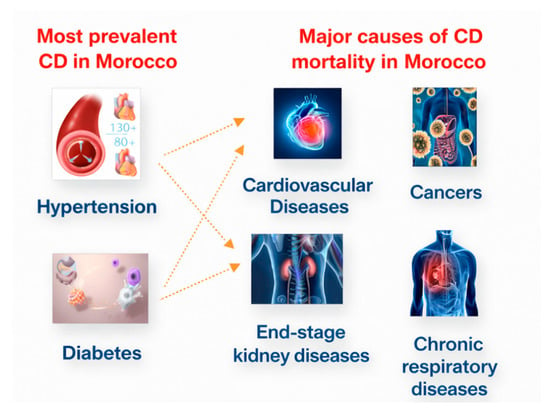
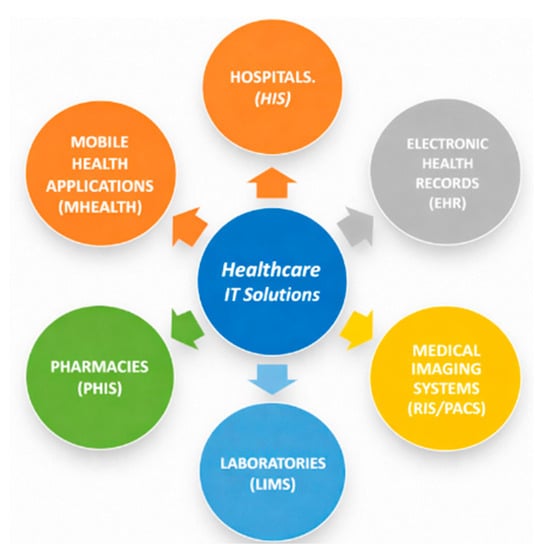
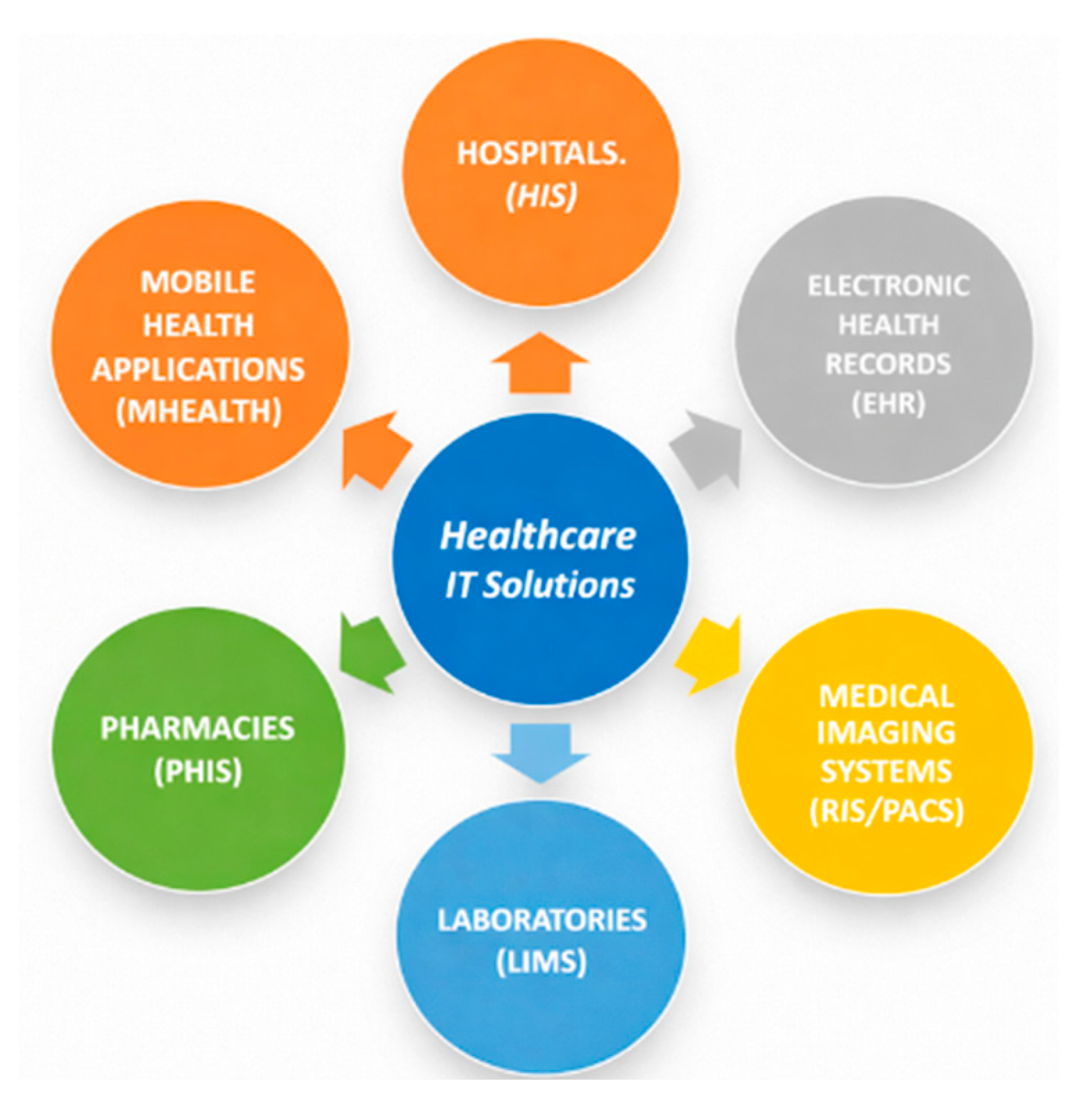
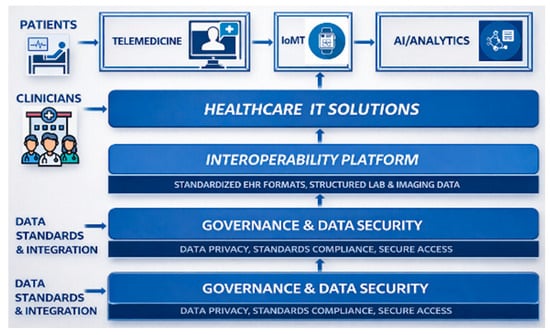
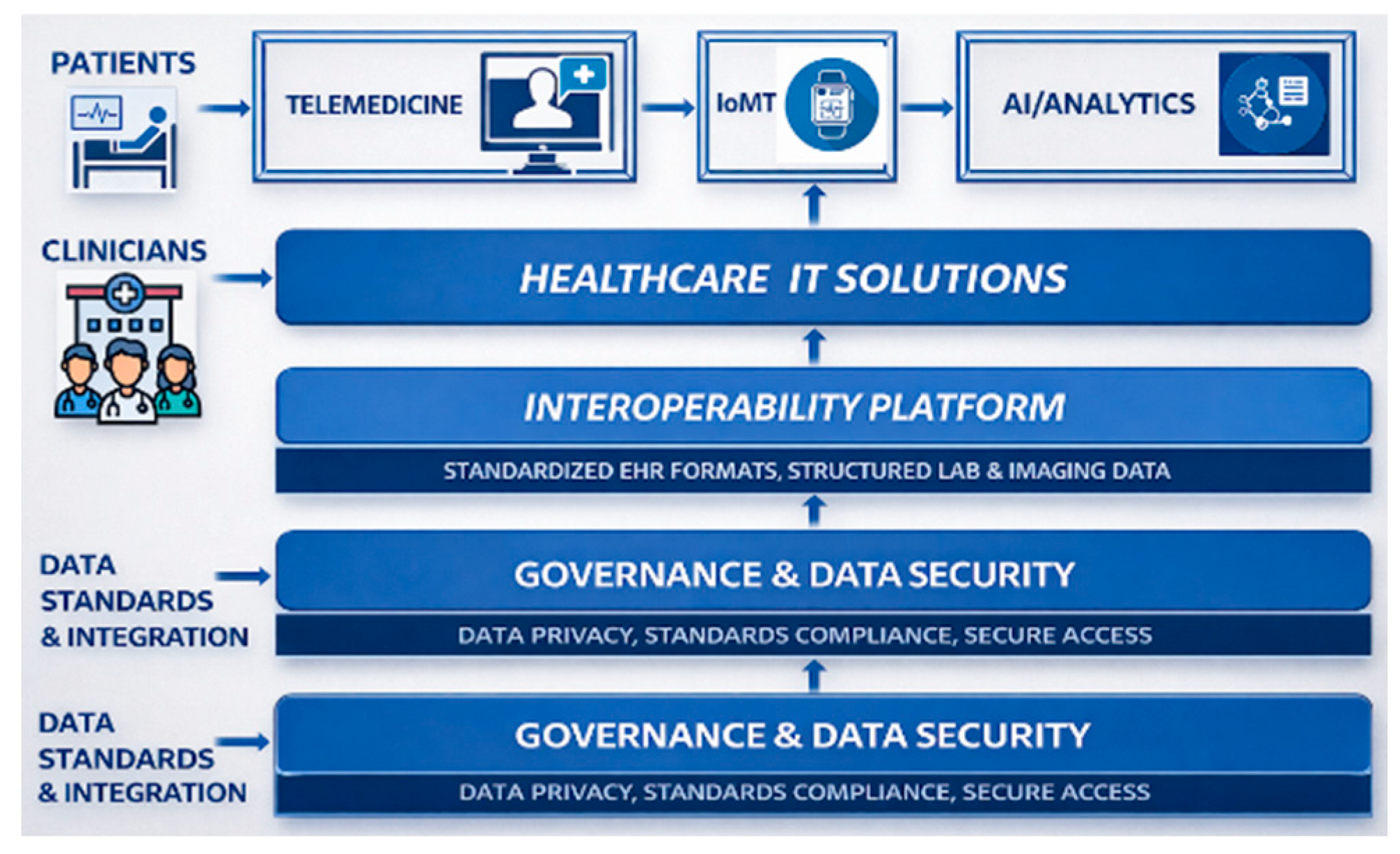
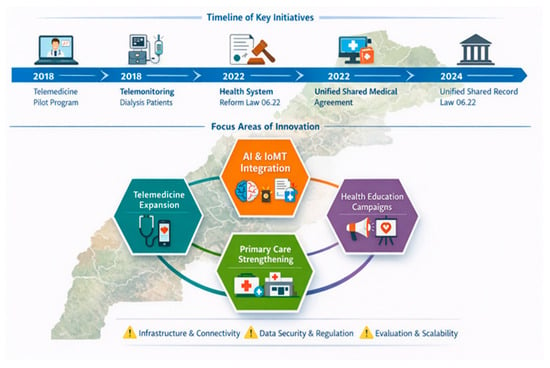
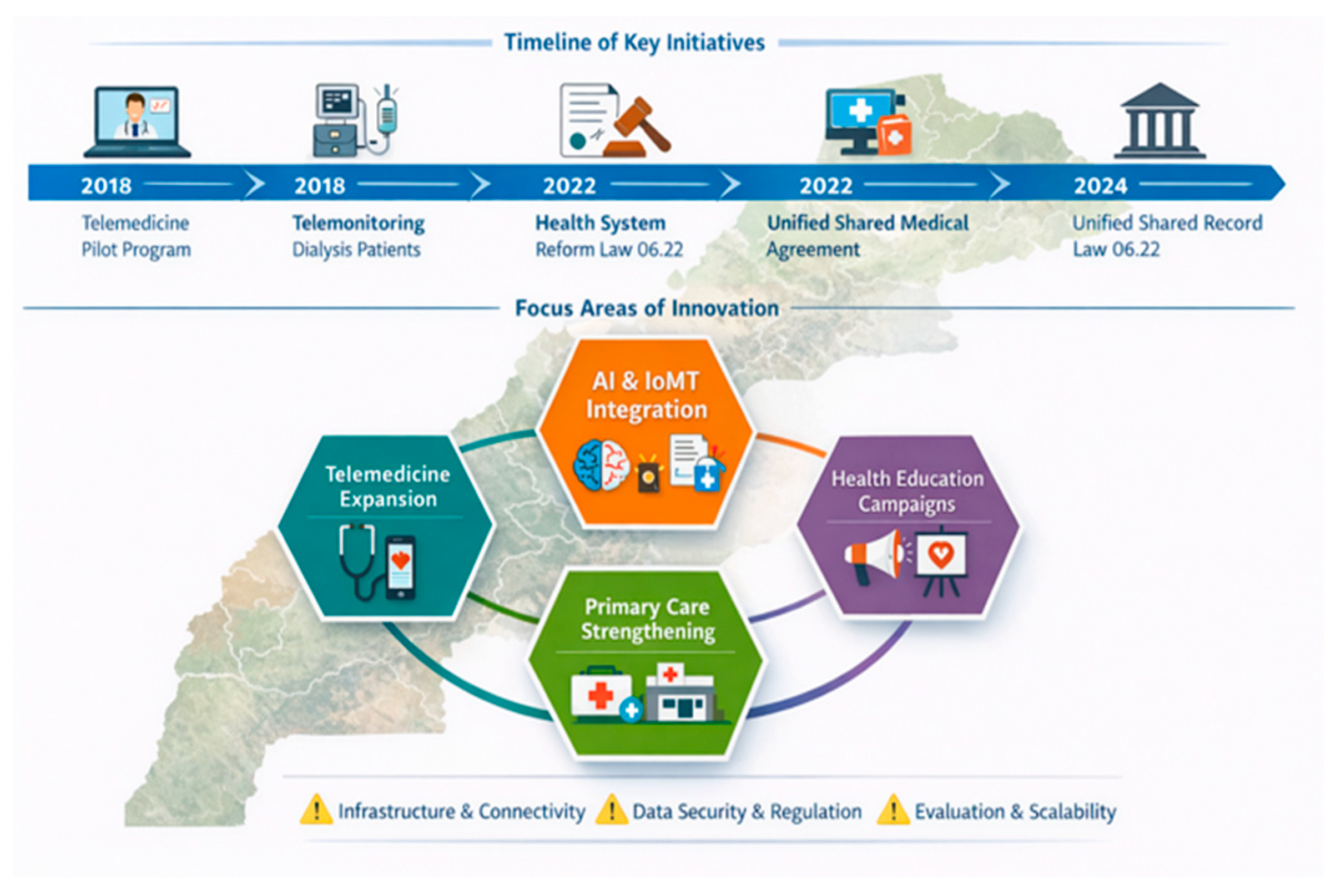
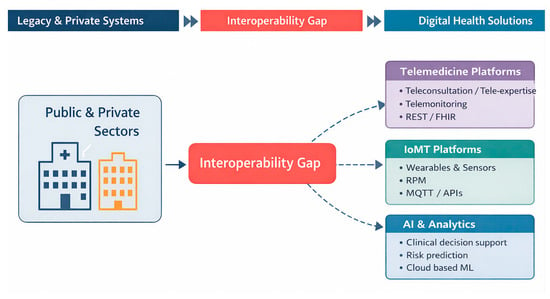
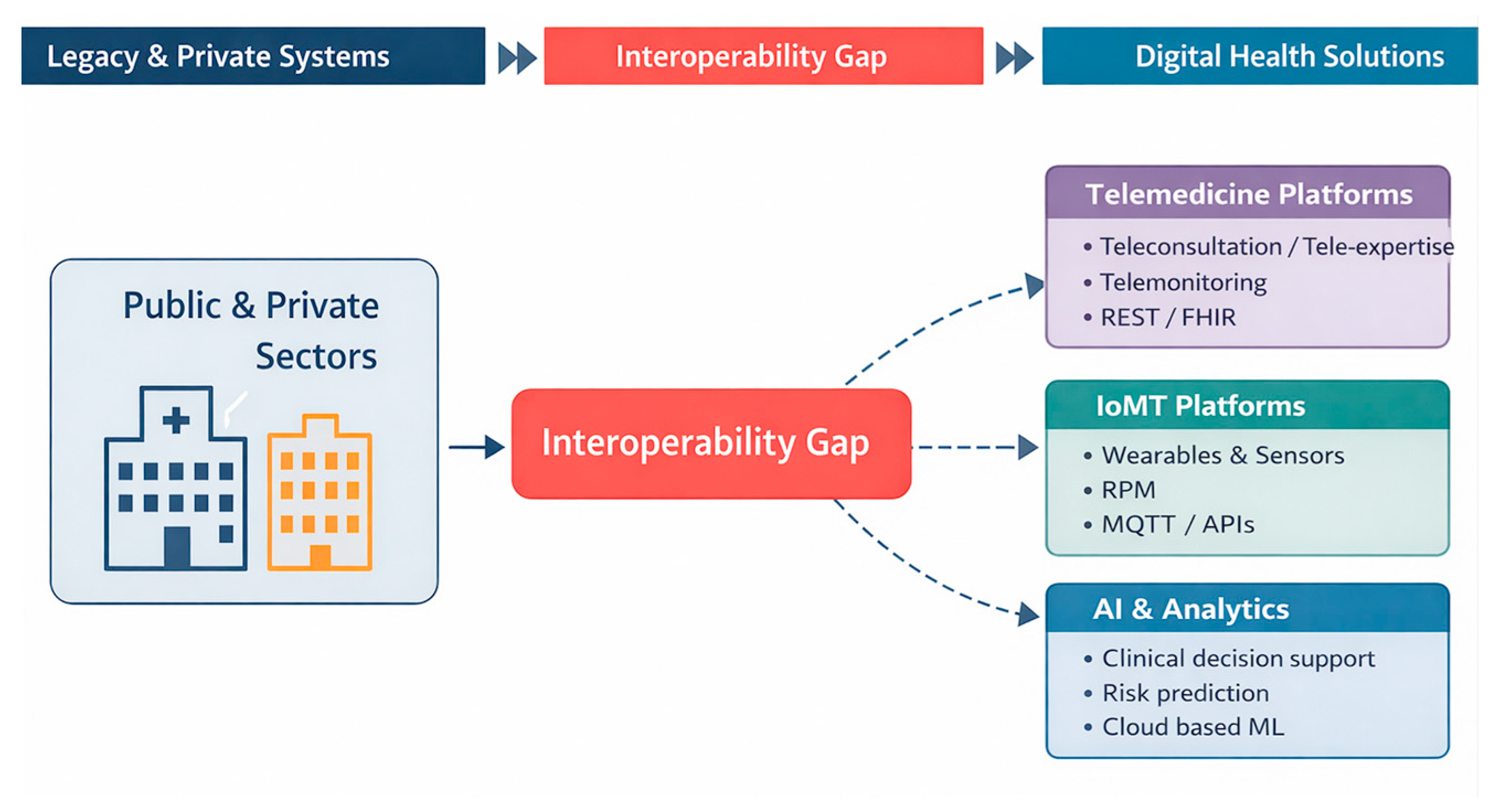
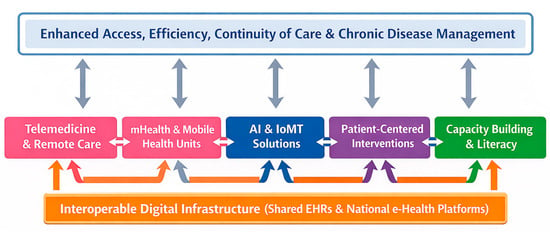
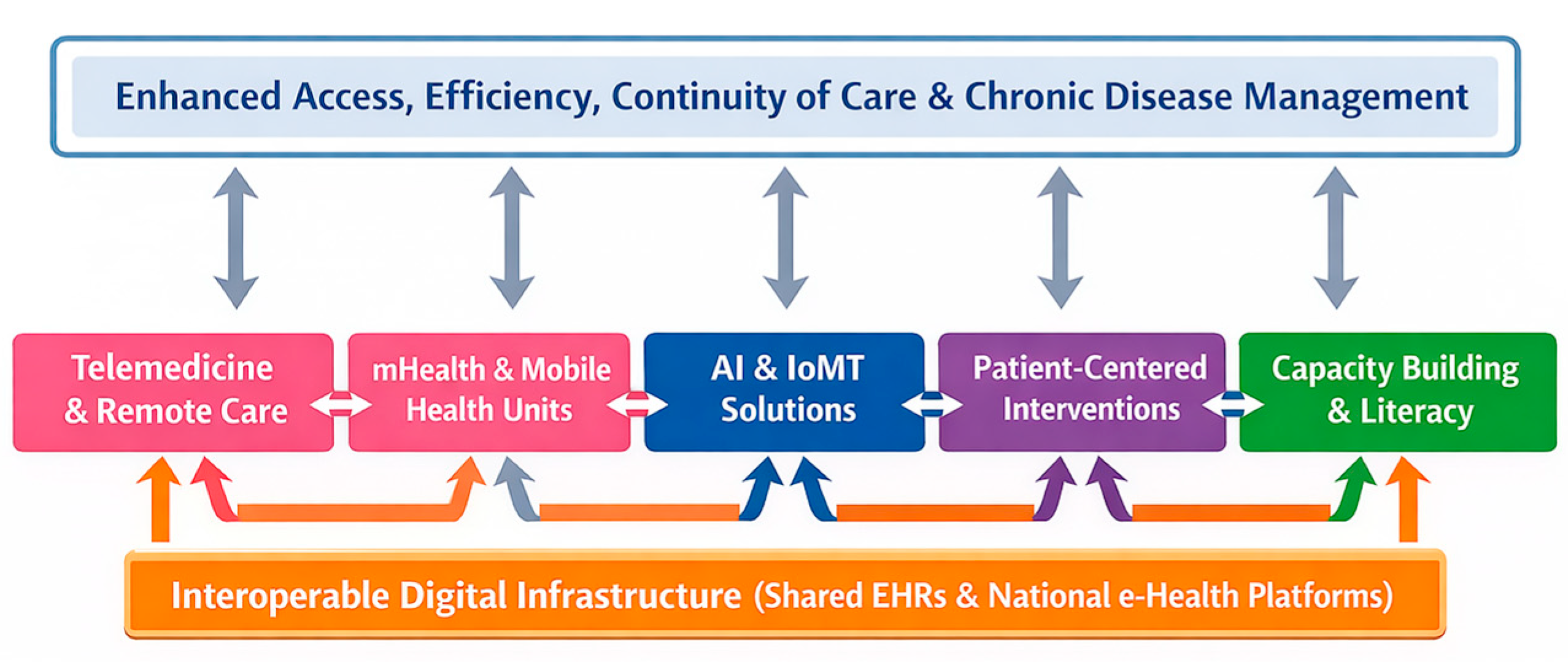
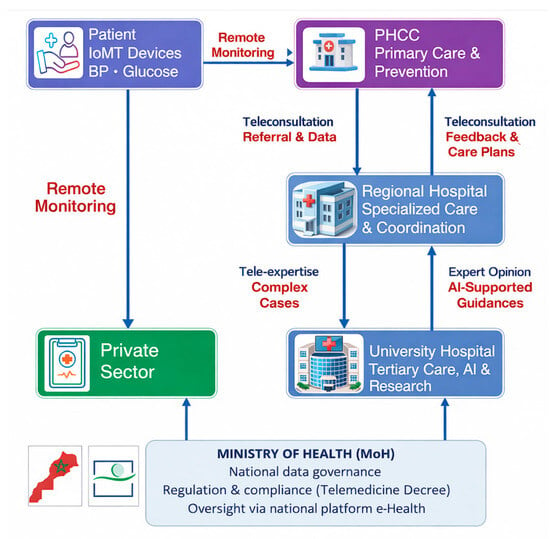
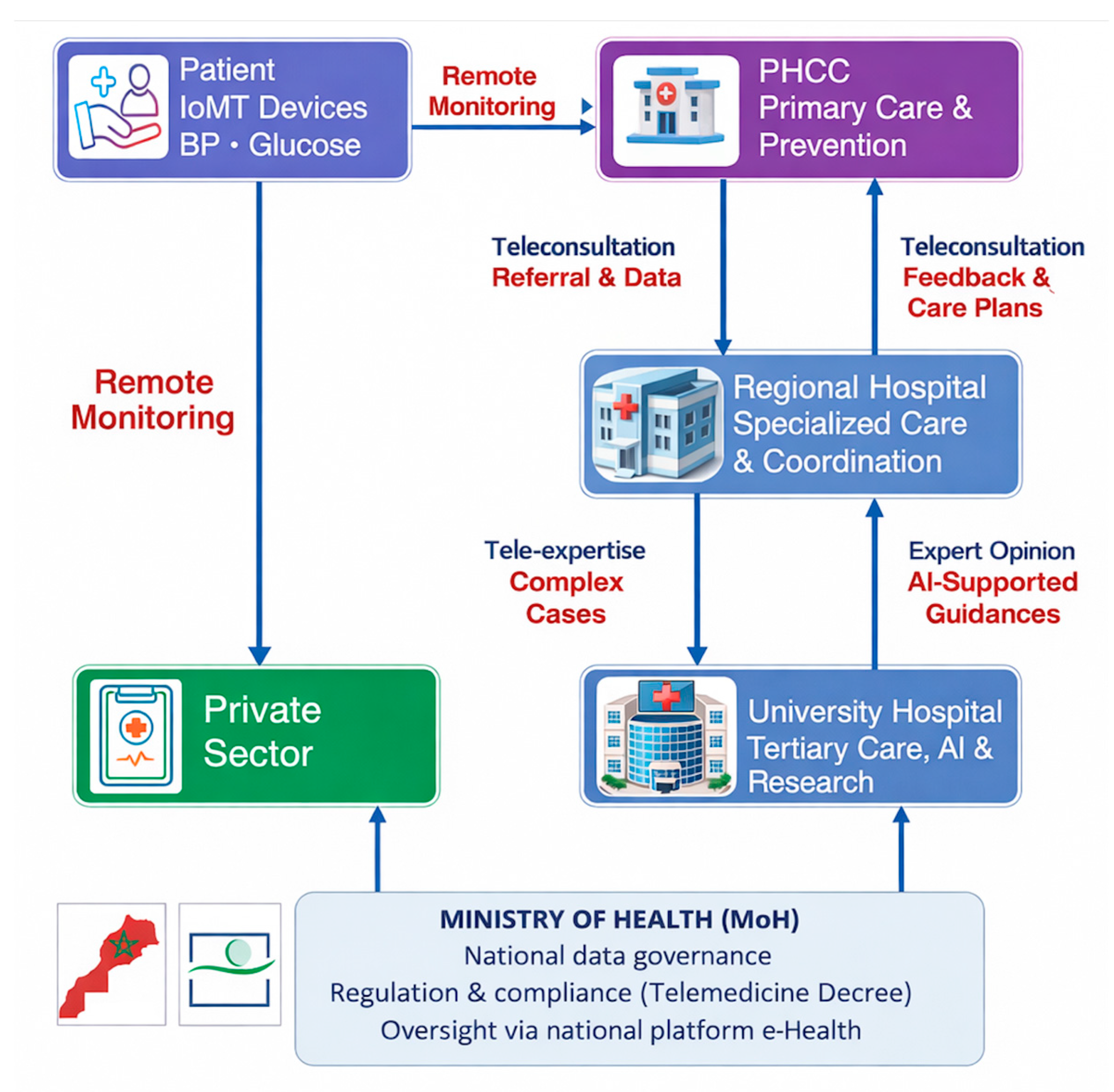
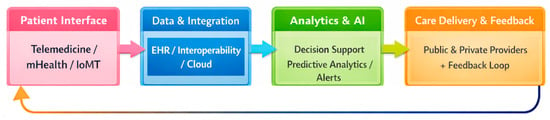
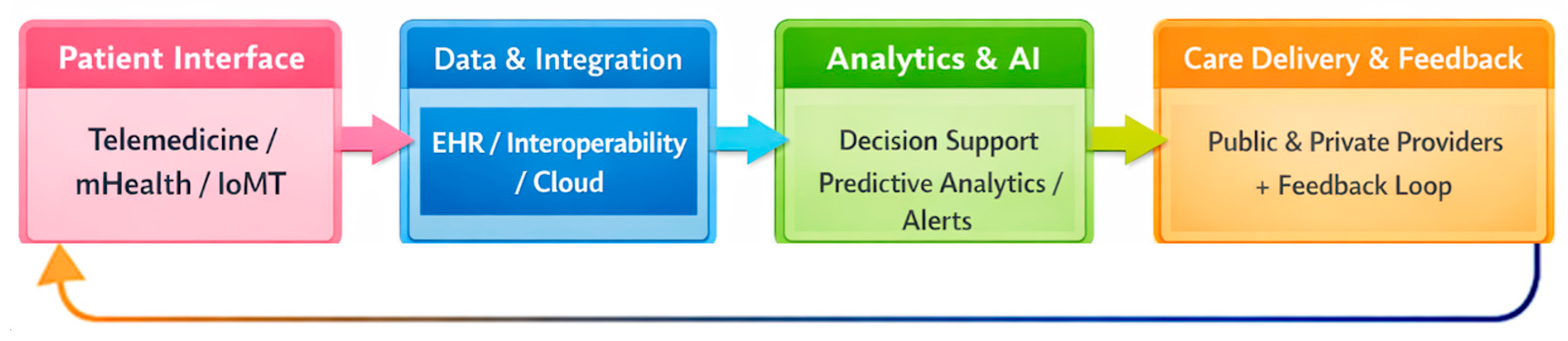
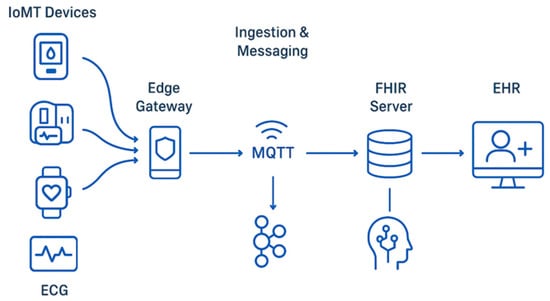
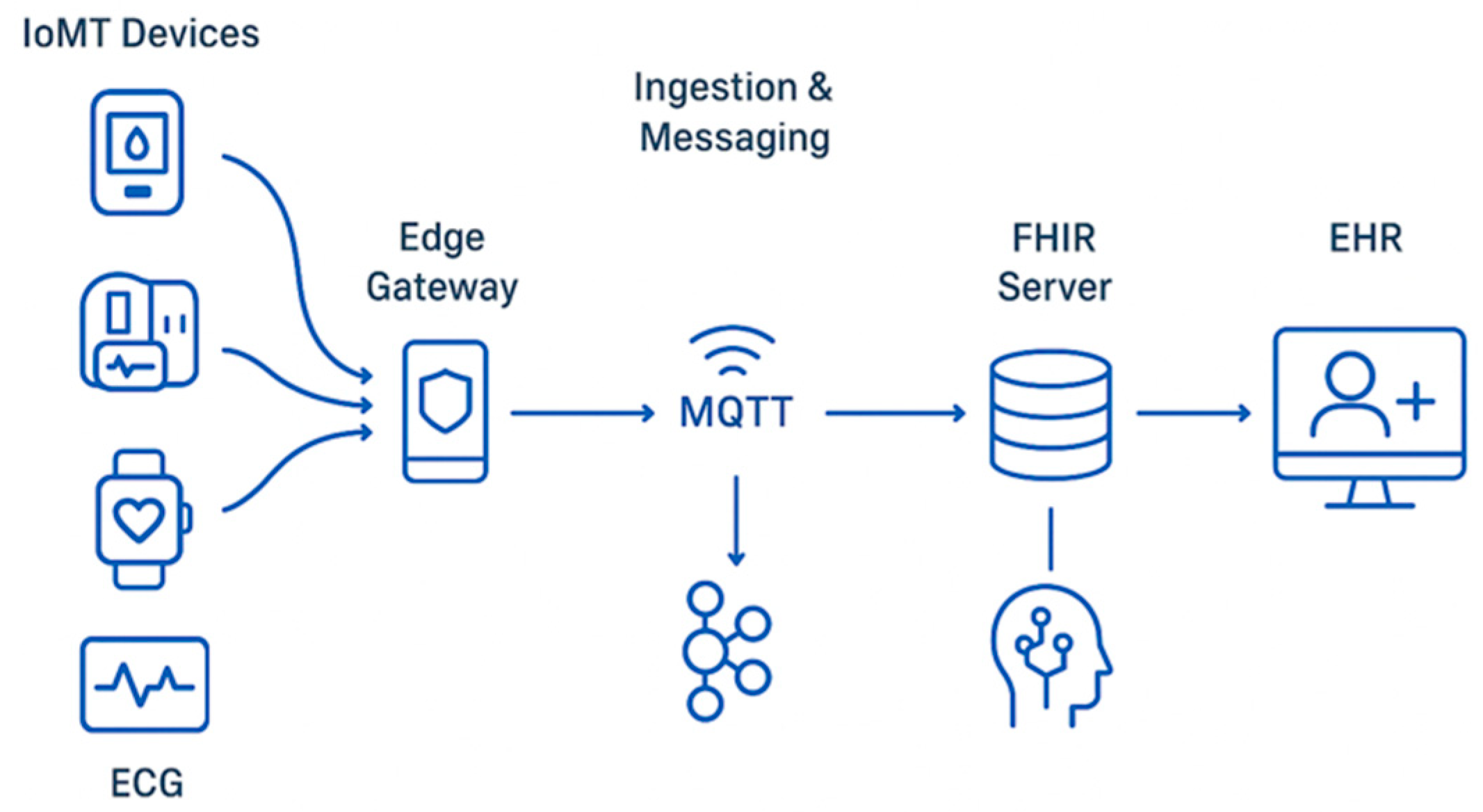

Disclaimer/Publisher’s Note: The statements, opinions and data contained in all publications are solely those of the individual author(s) and contributor(s) and not of MDPI and/or the editor(s). MDPI and/or the editor(s) disclaim responsibility for any injury to people or property resulting from any ideas, methods, instructions or products referred to in the content. |
© 2026 by the authors. Licensee MDPI, Basel, Switzerland. This article is an open access article distributed under the terms and conditions of the Creative Commons Attribution (CC BY) license.