


Abstract
This study addresses the persistent challenge of low wheat productivity and inefficient water use among smallholder farmers in North Western Nigeria, a region increasingly affected by water scarcity, climate variability, and weak irrigation infrastructure. Despite rising demand for wheat, local production remains inadequate, largely due to limited adoption of sustainable water management practices. The study aims to assess the determinants and conditional effects of adopting such practices on wheat yield and water-use efficiency. Primary data were collected from smallholder wheat farmers using a multi-stage sampling technique across Katsina, Kano, and Kaduna States. The study employed descriptive statistics, principal component analysis (PCA), multivariate probit (MVP) regression, and Bayesian linear regression to analyse adoption behaviour and its effects on productivity outcomes. PCA identified nine key components explaining 68.46% of the variation in water management practices. The MVP results revealed that gender, household size, cooperative membership, farm size, access to credit, and market distance significantly influence adoption decisions, while also highlighting substitutability among practices due to resource constraints. The Bayesian regression results show that adoption of sustainable water management practices were positively associated with wheat yield and water-use efficiency, confirming evidence of a positive association with enhancing productivity under water-limited conditions. The study concludes that improving wheat productivity requires integrated interventions that address both technological and institutional constraints. It recommends strengthening extension systems, promoting targeted agricultural financing, enhancing cooperative-based support, improving rural infrastructure, and adopting climate-smart, location-specific strategies to drive widespread adoption and build resilient agrifood systems.
1. Introduction
The fragility of Nigeria’s water resources is mirrored in its agricultural sector, particularly wheat production. Despite being a major staple globally with over 750 million tonnes produced annually, Nigeria contributes less than one percent to its domestic demand, making it one of the world’s largest wheat importers [1]. Local production has historically been low, with only 36,943 tonnes harvested in 2021 across 13 Northern States [2]. Though recent interventions under the Anchor Borrowers Programme and National Agricultural Growth Scheme have expanded wheat cultivation to over 118,000 hectares in the 2023/2024 dry season, yielding about 500,000 tonnes [3], productivity remains constrained. Yields average 1.13 tonnes per hectare, far below those of countries like Egypt (6.45 t/ha) and South Africa (4.31 t/ha) [3]. Wheat is an increasingly important cereal crop in northern Nigeria. It contributes significantly to national food security and rural incomes, but it is highly sensitive to water stress. Nigeria remains one of the largest importers of wheat in Africa, despite considerable production potential in the Sudan and Sahel savannah zones. In 2024–2025, the country imported approximately 4.8 million tonnes of wheat, ranking it the fourth-largest wheat importer in Africa after Egypt, Algeria and Morocco [4]. National data indicate that only about 500,000 tonnes of wheat were produced locally in 2024 against a demand exceeding six million metric tonnes [3]. This glaring supply deficit indicates the urgent need to strengthen domestic wheat production through resource-efficient and productivity-enhancing practices. Water scarcity, weak irrigation infrastructure, insecurity, and climate shocks such as the 2022 and 2025 floods, which destroyed vast farmland and displaced millions, further threaten progress [5].
Water availability and reliable supply remain some of the most pressing constraints on agricultural production in Nigeria, particularly in the semi-arid and Sudan savannah zones. Climate variability characterised by longer dry spells, rising temperatures and increasingly erratic rainfall is reducing effective precipitation and placing additional stress on both surface and groundwater sources in the northwestern states in Nigeria [6]. Many smallholder farmers in this region rely on rainfall or rudimentary lift irrigation and these changes have already begun to undermine crop resilience and household food security.
The way water is managed on farms therefore has a direct influence on both yields and water use efficiency. Experimental studies in semi-arid and Sahelian conditions have shown that improved water management practices can substantially enhance crop performance. Deficit irrigation, for example, has been demonstrated to raise water productivity while sustaining yields under water limited environments [7]. Similarly, improved irrigation scheduling has been found to optimize soil moisture availability and increase the efficiency of limited water use [8]. Mulching has been reported to reduce soil evaporation losses, conserve soil moisture and improve crop growth in dryland farming systems [9]. Rainwater harvesting has also been widely acknowledged as an effective means of providing supplementary water and improving water productivity in semi-arid farming systems [10]. Recent field trials in the Nigerian Sahel further revealed that moderate deficit irrigation at about 80–85% of crop water requirements improved both water use efficiency and economic returns from wheat production [7]. These findings suggest that with appropriate adaptation to local soils and cropping calendars, wheat farming in North Western Nigeria could achieve higher productivity and profitability even under conditions of water scarcity.
Despite these promising results, there remains a lack of empirical evidence at the level of smallholder wheat production in North Western Nigeria. Existing Nigerian studies [11,12] have tended to concentrate on large-scale irrigation scheme performance or on other crops such as rice and horticultural produce. A number of deficit irrigation experiments have been carried out in the north east of the country, but they do not adequately capture the agro-ecological and socio-economic realities of the north west. Where irrigation performance has been studied, emphasis has often been placed on engineering efficiency or aggregate productivity, with far less attention given to how sustainable practices can be adopted by smallholders who face constraints in capital, labour and access to inputs. This knowledge gap necessitates the present study, which seeks to examine the conditional relationship of sustainable water management strategies on water use efficiency and productivity of smallholder wheat farming inNorth Western Nigeriaa. The broad aim of the study is to assess the conditional relationship of sustainable water management strategies on water use efficiency and productivity of smallholder wheat farming inNorth Western Nigeriaa. Specifically, we described the current water management strategies used by smallholder wheat farmers; analyzed the determinants of adoption of sustainable water management strategies among smallholder wheat farmers; estimated the effect of adopting sustainable water management practices on wheat yield; and estimated the effect of adopting sustainable water management practices on water-use efficiency in wheat production.
Theoretical pathways linking water-management practices to productivity and water-use efficiency.
The effect of sustainable water-management practices on wheat productivity and water-use efficiency (WUE) can be understood through two related but distinct pathways: input-substitution/resource-saving and efficiency-enhancement/productivity pathways. Input-substituting practices, including drip and sprinkler irrigation, deficit irrigation, irrigation scheduling and soil-moisture monitoring, primarily improve the precision and timing of water application, thereby reducing avoidable water losses and the quantity of water required to achieve a given level of crop output. Their principal mechanism is therefore improved water allocation and reduced non-productive water use. In contrast, efficiency-enhancing agronomic and biological practices, such as mulching, conservation tillage, contour farming, rainwater harvesting and drought-tolerant varieties, primarily improve soil-water retention, crop resilience and the conversion of available water into biomass and grain. These practices can consequently increase output without a proportional increase in water use. The distinction is particularly important in smallholder systems where adoption decisions are constrained by liquidity, labour availability, farm size and access to complementary inputs. Capital-intensive irrigation technologies require greater upfront investment and may therefore be less accessible to liquidity-constrained farmers, whereas practices such as mulching and conservation tillage may rely more heavily on family labour and locally available resources. The empirical results in this study support this distinction: credit access exhibits different adoption patterns across technologies, while farm size is positively associated with several irrigation technologies but negatively associated with mulching. Accordingly, sustainable water management should not be conceptualized as a homogeneous set of practices; rather, individual practices represent alternative or potentially complementary pathways through which farmers manage scarce water and other production resources. The composite adoption index therefore captures overall adoption intensity, while the PCA structure and multivariate adoption results provide evidence of the underlying heterogeneity in these strategies. This framework provides the theoretical basis for examining their subsequent effects on wheat yield and WUE.
2. Materials and Methods
2.1. Study Area
The study was conducted in Kano, Kaduna, and Katsina States in North Western Nigeria (Figure 1), a region characterized by strong dependence on agriculture and substantial variability in rainfall, temperature, and water availability. The three states span the Sudan and Northern Guinea Savanna agro-ecological zones and experience distinct wet and dry seasons, making water management particularly important for agricultural production. Kano State is an important agricultural and irrigation centre in northern Nigeria. Its agricultural landscape includes both rainfed and irrigated production, with irrigation particularly important in low-lying fadama areas. The Kano River Irrigation Project and associated irrigation schemes support dry-season cultivation, including wheat production. Kano’s climatic conditions, characterized by relatively limited rainfall and high evaporative demand, make efficient irrigation and water-management practices particularly relevant to wheat farmers. Kaduna State occupies a transitional ecological position between the northern Sudan Savanna and more humid savanna environments. Agriculture is an important economic activity, with cereals and other food crops widely cultivated. The state’s inclusion provides variation in climatic and production conditions within the study area and allows assessment of water-management practices across a somewhat broader agro-ecological setting. Katsina State, like Kano, lies within the relatively dry Sudano-Sahelian environment and experiences considerable moisture constraints. Wheat and other cereals are cultivated alongside irrigated production supported by schemes such as the Jibia irrigation project [13]. Evidence from Katsina also highlights the importance of irrigation for wheat production under prevailing climatic conditions. Collectively, Kano, Kaduna, and Katsina provide an appropriate setting for examining the relationship between climate variability, sustainable water-management practices, wheat productivity, and water-use efficiency among smallholder farmers.
Figure 1.
Map of the study area. Source: Adapted from Administrative Map of Nigeria).
Agriculture is a major livelihood activity in North Western Nigeria, where smallholder farmers operate under variable climatic, infrastructural and resource conditions. Wheat is largely produced during the dry season and therefore depends heavily on irrigation and efficient water management. Nigeria’s wheat production remains substantially below domestic demand, with 2025/26 production estimated at about 130,000 metric tonnes from 115,000 ha, equivalent to approximately 1.13 t/ha [14]. Nigeria also has an estimated 293,117 ha of area equipped for irrigation, highlighting the importance of irrigation to agricultural production, particularly in northern Nigeria [15]. The study states of Katsina, Kano and Kaduna contain a substantial number of farming households, further demonstrating the importance of agriculture to the regional economy [16]. In the present study, farmers had an average of 18 years of farming experience, while 63.3% were full-time wheat farmers, 92.0% had contact with extension agents and 85.3% belonged to cooperatives. These characteristics, together with constraints relating to agricultural inputs, finance and irrigation, provide important context for understanding farmers’ adoption of sustainable water-management strategies and their implications for wheat productivity and water-use efficiency [17].
2.2. Sampling Procedures and Sample Size
Multi-stage sampling technique was employed to select respondents in the study areas. The first stage involved purposive selection of 3 states in North West, namely Katsina, Kano and Kaduna; this was due to their prominence in wheat production. The second stage involved random selection of one (1) local government area from each of the selected States. The third stage involved random selection of four communities from each of the selected LGAs. The fourth stage involved the use of Yamane formula and proportion allocation technique to select the wheat farmers as used by [18]. The sampling distribution of farmers is presented in Table 1. The formula is given in Equation (1): In all, a total of 150 respondents were selected as respondents for the study.
where
n = Sample size; N = The finite population; e = Limit of tolerable error at 0.075 probability level; and the proportion allocation technique formula is stated in Equation (2) as follows:
where
Sh = Sample size for each village; n = Total sample size; Nh = Sampling frame of each village; and NT = Total sampling frame.
Table 1.
Sample outlay of the respondents.
2.3. Methods of Data Collection
Primary data were used for this study to obtain accurate and current information on smallholder wheat farmers in North Western Nigeria. Data were collected through a structured questionnaire complemented by an interview schedule. The questionnaire was designed to elicit detailed information on household socio-economic characteristics, including age, gender, marital status, education level, farm size, and farming experience. Additional information was gathered on farmers’ participation in wheat production, access to water resources, adoption of water management practices and perceived challenges associated with current farming methods. To ensure reliability and efficiency in data collection, the researcher was assisted by extension agents from all selected Local Government Areas. Data were captured digitally using KoboToolbox (v2.023.21) installed on Android devices, allowing for real-time entry, validation, and storage. This digital approach reduces errors associated with manual data entry and facilitates subsequent analysis. The interview schedule complemented the questionnaire by capturing qualitative insights, particularly regarding water use decisions, irrigation practices, and the factors influencing wheat productivity under prevailing farmer practices.
2.4. Methods of Data Analysis
A combination of analytical tools such as descriptive statistics, principal component analysis, multivariate probit regression, and Bayesian linear regression was used to achieve the objectives of the study.
2.5. Principal Component Analysis (PCA)
Principal Component Analysis (PCA) was employed to assess the current water management strategies used by smallholder wheat farmers in the study area. PCA is a multivariate statistical technique that transforms a large set of correlated variables into a smaller number of uncorrelated components called principal components, which explain most of the variance in the original dataset [19]. This approach helps to reduce data dimensionality while retaining essential patterns of variation, thus revealing the underlying structure of farmers’ water management practices. Smallholder wheat farmers often use a combination of water management strategies that are interrelated. These may include irrigation scheduling, mulching, water harvesting, crop residue retention, soil moisture monitoring, drainage control and the use of drought-tolerant wheat varieties. Because these strategies are likely correlated, PCA provides an objective means to group them into a smaller number of principal components that represent distinct patterns of water management behaviour.
Let the original dataset consist of p observed variables X1, X2, X3, …, Xp (each representing a water management practice). Each variable is standardised to have a mean of zero and variance of one to eliminate scale effects. The PCA model can then be expressed as
where
Zi = ai1X1 + ai2X2 + ai3X3+ ⋯ + aipXp
Zi = the ith principal component; aij = the loading (or weight) of variable Xj on component i.
Each principal component is a linear combination of the original variables and captures a particular dimension of variability in the data. The first component (Z1) explains the maximum possible variance, the second (Z2) explains the next highest variance orthogonal to Z1, and so on.
Mathematically, PCA involves the eigenvalue decomposition of the correlation (or covariance) matrix of the variables:
where
R = AΛA′
R = correlation matrix; A = matrix of eigenvectors (component loadings); Λ = diagonal matrix of eigenvalues (variance explained by each component).
Construction of the PCA adoption-intensity index: Following the PCA of farmers’ water-management practices, the first principal component (PC1) was used to construct a composite adoption-intensity index. The variables representing adoption of the selected sustainable water-management practices were first coded consistently, with higher values representing adoption or greater intensity of the respective practice, and standardized prior to PCA to ensure comparability across variables. The PCA generates a component score for each farmer as a weighted linear combination of the standardized adoption variables:
where PC Ai represents the adoption-intensity index for farmer i, Zik is the standardized value of adoption practice k, and wk is the corresponding PC1 scoring coefficient. The weights were obtained from the PCA eigenvectors. A higher value of the resulting index indicates a greater intensity of adoption of the practices represented by PC1. The resulting farmer-level PC1 scores were subsequently used as the adoption-intensity variable in the Bayesian regression models.
2.6. Multivariate Probit Regression Model
Multivariate probit model (MVP) was used to determine the factors influencing adoption of sustainable water-management strategies among smallholder wheat farmers. The MVP jointly estimates multiple binary adoption outcomes while allowing the unobserved components of the adoption equations to be correlated [20]. This controls for unobserved heterogeneity and for the possibility that unobservables pushing a farmer to adopt one practice may also influence adoption of other practices. The Multivariate regression model therefore approximates the mathematical relationships between the explanatory variables and dependent variable which is built around a latent regression given as
where
= latent (unobserved) propensity of farmer i to adopt water-management practice j (for j = 1, 2, 3, 4, 5, 6); Xi is a (K × 1) vector of observed farmer, household and farm characteristics for farmer i;
βj is a (K × 1) vector of parameters for practice j; εij is an error term. K = the number of explanatory (independent) variables included in the model;
The observed binary adoption indicator is
Yi1: Deficit irrigation (partial irrigation below full crop requirement) (1 = adopted, 0 = not adopted); Yi2: Alternate wetting and drying (1 = adopted, 0 = not adopted); Yi3: Drip or micro-irrigation use (1 = adopted, 0 = not adopted); Yi4: Mulching/cover cropping to conserve soil moisture (1 = adopted, 0 = not adopted); Yi5: Conservation tillage/reduced tillage (1 = adopted, 0 = not adopted); Yi6: Use of drought-tolerant wheat varieties (1 = adopted, 0 = not adopted).
The explicit form of the model is expressed as
Yj = α + β1 X1 + β2X2 + β3X3+ β4X4 + β5X5 +…………+ βnXn + e
Yj = sustainable water-management strategies (measured as dichotomous variables taking the value of 1 if an individual adopted in a given option and 0 if otherwise). j = number of sustainable water management strategies taking the value of 1, 2, 3…..n.
X1 = Farm size (ha); X2 = Land ownership (owned = 0, leased = 1, rented = 2, others = 3; X3 = Sex (Male = 1, Female = 0); X4 = Educational Level (Years of Schooling); X5 = Access to credit (Naira); X6 = Extension Contacts (Number of contacts); X7 = Membership to farmers Association (Members = 1, Non − Member = 0); X8 = Household Size (Number); X9 = Distance to Market (Km); X10 = Access to market information (Yes = 1, No = 0); X11 = Capacity Building (Number of participation in training); X12 = Access to machinery (Number of machines currently using); X14 = Farming experience (Years); βo = constant; e = error term; β1 − β14 = coefficients of the independent variables. Continuous explanatory variables were entered into the MVP model using the measurement units specified in the survey data. Monetary variables, including amount of credit accessed and income, were expressed in the scale used during estimation, while farm size and other continuous variables retained their respective measurement units. The units and scaling of continuous variables are reported in Table 1 to facilitate interpretation of the estimated marginal effects. Accordingly, the marginal effect of a continuous variable represents the change in the probability of adoption associated with a one-unit change in that variable, ceteris paribus.
2.7. Bayesian Linear Regression Model
To estimate the effect of adopting sustainable water management practices on wheat yield among smallholder farmers, the Bayesian Linear Regression (BLR) model was employed. Bayesian regression is an advanced inferential technique that combines prior information with observed data to estimate posterior distributions of model parameters [21]. Unlike the classical ordinary least squares (OLS) regression, which produces point estimates, the Bayesian framework provides a full probabilistic description of parameter uncertainty, making it more flexible and robust in handling small sample sizes, multicollinearity and model uncertainty [22].
The general form of the Bayesian linear regression model is expressed as
where
Yi = β0 + β1X1i + β2X2i + β3X3i + ⋯ + βkXki + ϵi
ϵi ∼ N(0,σ2)
Yi = wheat yield (kg/ha) for the ith farmer (dependent variable); X1i, X2i, …, Xki = explanatory variables including adoption of sustainable water management practices and other control variables; β0 = intercept term; β1, β2, …, βk = regression coefficients; ϵi = random error term assumed to follow a normal distribution with mean 0 and variance σ2.
The explicit Bayesian regression model to estimate the effect of sustainable water management adoption on wheat yield is specified as
where
Yi = β0 + β1Ai + β2X1i + β3X2i + β4X3i + ⋯ + βkXki + ϵi
Yi = wheat yield (kg/ha) for the ith farmer; Ai = adoption index of sustainable water management practices (continuous or categorical based on PCA/adoption index); X1i = age of household head (years); X2i = education (years of schooling); X3i = farm size (ha); X4i = access to extension services (1 = yes, 0 = no); X5i = access to credit (1 = yes, 0 = no); X6i = membership of cooperative society (1 = yes, 0 = no); X7i = household size (number of persons); X8i = experience in wheat farming (years); X9i = land ownership status (1 = own, 0 = rent/lease); X10i = Land fertility (Fertile = 0, Impoverished = 1); X11i = Labour (Manday); X12i = Herbicides (Litres); X13i = Insecticides (Litres);
X14i = Wheat Seed (Kg). β0, β1, …, βk = parameters to be estimated; ϵi = random error term.
2.8. Water-Use Efficiency
This model was used to estimate the effect of adopting sustainable water management practices on water-use efficiency (WUE) among smallholder wheat farmers in the study area. The model recognises that sustainable water management practices such as deficit irrigation, mulching, conservation tillage, and soil moisture monitoring directly influence how effectively water is converted into grain yield. Water use efficiency (WUE) serves as a performance indicator that reflects the productivity of water resources in crop production. It is defined as the ratio of crop yield to the total amount of water used in production (irrigation plus effective rainfall). Following [7,23], WUE can be mathematically expressed as
where
WUE (kg/m3) = Water use efficiency in wheat production. A higher WUE indicates that water is used more efficiently to produce higher output per unit of water consumed, which is expected among adopters of sustainable water management practices, following [7,23]. To estimate the effect of adoption on WUE, a Bayesian Linear Regression (BLR) framework was applied. This approach allows the incorporation of prior information about parameters and accounts for uncertainty in the estimates, thereby providing more robust inferences even in small sample conditions [21].
The model is specified as
where
WUEi = α + β1SWMPi + β2Xi1 + β3Xi2 +... + βnXin + εi
WUEi = Water use efficiency of the i-th wheat farmer; SWMPi = Adoption of sustainable water management practices (1 = adopter, 0 = non-adopter); Xi1...Xin = Vector of socioeconomic and farm-level control variables (e.g., age, education, farm size, income, extension contact, access to credit, irrigation frequency); β1...βn = Coefficients of explanatory variables; α = Constant term; εi = Random error term. The expected sign of β1 is positive, indicating that adoption of sustainable water management practices improves water use efficiency among smallholder wheat farmers.
Estimation of total water use: Total water use for each wheat farm was estimated as the combined amount of irrigation water applied and effective rainfall received during the wheat-growing season. Information on farmers’ access to water resources, irrigation practices, water-use decisions and irrigation frequency was obtained through the structured questionnaire and complementary interview schedule administered during the 2025 field survey. The irrigation component represents water supplied to the wheat crop through farmers’ prevailing irrigation practices, while effective rainfall represents the proportion of rainfall contributing to crop water availability during the production period. Accordingly, total water use was defined as
where TWUi is the total water used by farmer i, IWi is irrigation water applied, and ERi is effective rainfall received during the wheat-growing season.
TWUi = IWi + ERi
Identification and endogeneity limitation: Because the study relies on cross-sectional observational data, the Bayesian regression estimates should be interpreted as conditional associations rather than causal treatment effects. Farmers self-select into different water-management strategies, and adoption may be correlated with unobserved characteristics such as managerial ability, soil conditions, groundwater availability, wealth and access to productive resources. Although the regression controls for observed socioeconomic, institutional and farm-level characteristics, these controls cannot completely eliminate potential selection bias arising from unobserved heterogeneity. Consequently, the estimated coefficient of the PCA adoption index should be interpreted as the conditional relationship between adoption intensity and wheat yield/WUE rather than as an independently identified causal effect.
3. Results
3.1. Socioeconomic Characteristics of Smallholder Wheat Farmers
The distribution of respondents based on socioeconomic characteristics of smallholder wheat farming is presented in Table 2. The distribution of respondents based on age as presented in Table 2a shows that the average age was 48 years, with the majority (78.0%) falling within the age range of 41 years and above. This implies that smallholder wheat farmers in North Western Nigeria are predominantly in their middle to later productive years, which could enhance the adoption of sustainable water management strategies to improve water use efficiency and productivity. Farmers in this age bracket often possess accumulated knowledge from years of dealing with environmental challenges like water scarcity in arid zones, making them more inclined to integrate practices that optimize limited resources for wheat cultivation. The reason for this outcome likely stems from the region’s agrarian lifestyle, where older individuals remain active in farming due to limited alternative employment opportunities and cultural norms valuing experience over youth in decision-making processes. This demographic stability allows for better risk assessment in adopting water-efficient methods, as mature farmers balance immediate productivity needs with long-term soil and water conservation. This finding corroborates the study of [24], who reported in their analysis of maize farmers in North West Nigeria that middle-aged producers (mean 45 years) exhibited higher adoption rates of climate-smart practices, attributing it to experiential knowledge that fosters resilience in water-stressed environments.
Table 2.
(a,b) Socioeconomic characteristics of smallholder wheat farming.
The distribution of respondents based on sex of household head as presented in Table 2a shows that the majority (88.7%) were male, with females accounting for only 11.3%. This reveals a high gender disparity in smallholder wheat farming in North Western Nigeria, potentially limiting the widespread adoption of sustainable water management strategies and thus affecting overall water use efficiency and productivity. Male dominance may lead to decision-making biases that overlook women’s insights into household water needs, reducing the integration of inclusive practices like community-based rainwater harvesting that could enhance farm-level resilience. The reason for this skewed distribution is attributed to patriarchal norms prevalent in the region, where land ownership and farming roles are traditionally assigned to men, compounded by women’s domestic responsibilities that restrict their full participation in intensive wheat production. Such dynamics hinder equitable access to extension services, which are crucial for disseminating water-efficient technologies. Nevertheless, the presence of female heads suggests opportunities for targeted empowerment to boost productivity through gender-sensitive approaches. This finding corroborates the study of [25], who examined maize farming in Nigeria and found that male-headed households (85%) adopted irrigation innovations more readily, but integrating women improved water efficiency by 15%, highlighting the need for inclusive policies in arid agriculture.
The distribution of respondents based on marital status as presented in Table 2a shows that the majority (93.3%) were married, with smaller proportions being single (4.0%), divorced (2.0%), and widowed (0.7%). This implies that family stability plays a key role in smallholder wheat farming in North Western Nigeria, potentially supporting the adoption of sustainable water management strategies by providing labour and shared decision-making for enhanced water use efficiency and productivity. This is because married households may benefit from pooled resources and spousal support in implementing practices like mulching or soil moisture monitoring, which require consistent effort in water-scarce conditions. The reason for this high marriage rate is tied to cultural and social structures in the region, where marriage is seen as a social status, facilitating land inheritance, labour division and community networks essential for coping with wheat farming’s demands amid erratic rainfall. This familial setup encourages long-term investments in water conservation, as stable households prioritize sustainability for future generations. This is similar to the findings of [26], who in their research on sorghum farmers in Bauchi State observed that married respondents (92%) showed higher propensity for adopting drip irrigation, linking it to family labor availability that improved water productivity by reducing losses in dry seasons.
The distribution of respondents based on household size as presented in Table 2a shows that the average was 7 members, with the majority (57.3%) falling within 6–10 members. This implies that larger families dominate smallholder wheat farming in North Western Nigeria, which could facilitate the adoption of labour-intensive sustainable water management strategies, thereby boosting water use efficiency and productivity through collective efforts in practices like contour farming or manual irrigation scheduling. Large households provide on-farm labour pools critical for maintaining water-conserving structures in resource-limited settings. The reason for this pattern is the region’s reliance on family-based agriculture, where children and relatives contribute to farming tasks amid high fertility rates and limited mechanization, allowing for diversified roles in water management that mitigate productivity risks from drought. This finding is in line with the study of [27], who investigated the adoption of improved millet varieties in Sokoto State and found that households with mean size of 8 adopted conservation tillage more effectively, attributing enhanced water retention and yields to available family labor in semi-arid zones.
The findings on level of formal education presented in Table 2a show that the average year of formal education was 5 years, with 49.3% having non-formal education, followed by primary (32.7%). This implies a generally low literacy level among smallholder wheat farmers in North Western Nigeria, which may constrain the adoption of complex sustainable water management strategies, potentially undermining water use efficiency and productivity as farmers struggle with technical information on innovations like soil moisture sensors. Basic education could enable better comprehension of extension advice for water-optimized wheat cultivation. The reason for this low attainment is historical and can be attributed to underinvestment in rural education in the region, coupled with early entry into farming and cultural preferences for informal knowledge transmission, limiting exposure to scientific water management principles. Yet, even minimal schooling fosters openness to simple practices like mulching. This is supported by [28], who in their examination of yam farmers in South Eastern Nigeria reported that low education (mean 6 years) reduced adoption of efficient irrigation by 20%, emphasizing the role of literacy in interpreting climate data for productivity gains in water-stressed agriculture.
The distribution of respondents based on farming experience as presented in Table 2a shows that the average farming experience was 18 years, with 50.7% having 10–20 years. This implies that experienced farmers form the core of smallholder wheat production in North Western Nigeria; this is likely to promote the adoption of sustainable water management strategies through trial-and-error learning, which enhances water use efficiency and productivity by refining practices suited to local arid conditions. Seasoned farmers may intuitively apply techniques like crop rotation to conserve soil moisture. The reason for this high experience can be linked to intergenerational transfer of farming knowledge in the area, where individuals build expertise over decades amid persistent water challenges in the Northern part of the country; this fosters adaptive strategies without formal training. This experiential base supports resilience in wheat yields. Ref. [29], who analyzed cowpea farming in Plateau State Nigeria, reported that farmers with mean 20 years of experience adopted rainwater harvesting more readily, linking it to practical insights that improved water productivity and reduced vulnerability to dry spells.
The distribution of respondents based on level of involvement in wheat production as presented in Table 2a shows that the most (63.3%) engaged in wheat farming on full-time. This implies that wheat farming in the study area is predominantly a full-time activity which can potentially accelerate the adoption of sustainable water management strategies; this is because full-time farmers invest more time in monitoring and implementing efficiency measures like irrigation scheduling, thereby elevating productivity in water-limited environments. The reason for this high full-time rate is the crop’s economic importance in the dry season, coupled with limited off-farm opportunities, compelling farmers to focus on wheat for livelihood security and optimal water use. This commitment drives innovation in resource management. Ref. [30] reported that full-time farmers (65%) achieved higher water efficiency through consistent adoption of drip systems, attributing it to daily oversight that maximized yields in semi-arid climates.
The distribution of respondents based on contact with extension agent as presented in Table 2b shows that the majority (92.0%) had contact. This implies that smallholder wheat farmers in North Western Nigeria benefit from substantial advisory support, which is likely to facilitate the adoption of sustainable water management strategies, thereby improving water use efficiency and productivity in a region prone to arid conditions and erratic rainfall. Extension contacts provide crucial knowledge on practices like irrigation scheduling or soil moisture conservation, enabling farmers to optimize limited water resources for wheat cultivation without excessive depletion. The reason for this high contact rate can be attributed to government initiatives in the area, such as agricultural development programmes that deploy agents to rural zones, coupled with farmers’ recognition of the need for technical guidance amid growing climate challenges that threaten wheat yields. Also, the efforts of the World Bank through various NGOs, including but not limited to ACReSAL to enhance food production, in production also increase availability of extension personnel in the study area. In such dryland farming systems, regular interactions build trust and encourage experimentation with water-efficient methods, reducing vulnerability to droughts. This finding contrasts with that of [31], who reported that access to institutional variables like access to credit and extension were low in Northern Nigeria. They attribute this to a high level of insecurity in the area.
The distribution of respondents based on access to credit as presented in Table 2b shows that only 36.7% had access, with a mean amount of 49,133.33 Naira accessed as credit in 2025 farming season. They mostly source this credit from commercial banks (16.0%) and cooperatives (9.3%). This implies that access to credit in the study area was low, this could potentially hinder the investment in sustainable water management strategies like drip irrigation systems, which could otherwise boost water use efficiency and productivity by minimizing evaporation losses in hot and dry climates. Limited credit restricts the purchase of equipment or inputs needed for water-optimized wheat farming, perpetuating low yields. The reason for this low access is likely the stringent requirements of formal lenders in rural areas, combined with farmers’ low collateral due to small landholdings and informal tenure systems, making borrowing risky in a context where water scarcity already amplifies economic vulnerability. The persistent insecurity in these areas also reduced access to the important services. Farmers without credit may rely on traditional, inefficient water use, exacerbating soil degradation over time. This finding corroborates the study of [32], who reported that only 40% credit access limited adoption of efficient pumps, resulting in 18% lower water productivity, emphasizing the need for microfinance tailored to arid zone agriculture.
The distribution of respondents based on membership of association/cooperative as presented in Table 2b shows that the majority (85.3%) were members of cooperative. This implies high communal networks among smallholder wheat farmers in North Western Nigeria, which could promote collective adoption of sustainable water management strategies, fostering shared learning on techniques to enhance water use efficiency and productivity in communal irrigation schemes. Cooperatives facilitate bulk input procurement and knowledge exchange, vital for water-scarce wheat production. The reason for this high membership is the cultural emphasis on group solidarity in the region, where associations provide bargaining power for resources and mitigate individual risks from variable water availability, encouraging joint investments in conservation practices. Such affiliations build social capital, enabling resilient responses to climatic stresses. This finding is supported by [33] who reported 82% membership boosted adoption of water-efficient varieties, yielding 22% higher productivity through pooled extension and credit access in arid conditions.
The distribution of respondents based on fertility status of wheat plots as presented in Table 2b shows that most (66.0%) of the respondents rated their plots as moderately fertile. This implies that soil quality is a moderate enabler for smallholder wheat farmers in North Western Nigeria, potentially supporting sustainable water management strategies like organic mulching to retain moisture and nutrients, thereby improving water use efficiency and productivity without excessive irrigation in semi-arid soils. Moderate fertility allows for balanced water application, reducing runoff. The reason for this prevalent rating is the region’s sandy loams with variable organic matter, influenced by over-cultivation and erratic rains that deplete nutrients, yet not to extremes, permitting adaptive practices that integrate water and soil management for sustained wheat output. Farmers’ perceptions reflect practical experiences with plot responses to water inputs. This result is consistent with the findings of [34] who found that 65% of respondents reported moderate fertility.
The distribution of respondents based on source of information on sustainable water management as presented in Table 2b shows that the highest percentage (96.0%) relied on radio, followed by extension agents (88.7%). This implies that mass media and advisory services are primary knowledge conduits for smallholder wheat farmers in North Western Nigeria, facilitating dissemination of sustainable water management strategies to boost water use efficiency and productivity. The reason for radio’s dominance is its affordability and wide coverage in rural, low-literacy settings, where oral broadcasts in local languages effectively convey complex water management concepts amid limited internet (6.0%). This complements extension for practical adoption in wheat fields. This finding corroborates the study by [35], who examined information sources for tomato farmers in North Central Nigeria who found radio (95%) pivotal in promoting efficient irrigation, resulting in 28% improved water productivity in water-constrained agriculture.
The distribution of respondents based on access to climate information as presented in Table 2b shows that the majority (97.3%) had access. This implies widespread awareness of weather patterns among smallholder wheat farmers in North Western Nigeria, which could drive proactive adoption of sustainable water management strategies. The majority (91.3%) of respondent relied on extension agents for information on climate change, this is followed by radio (87.3%). The reason for this finding can be linked to the proliferation of radio and extension networks promoted by government and NGOs, providing forecasts that help farmers plan water use for wheat’s dry-season cycle, reducing losses from unpredictable rains. This information empowers risk management in arid farming. This finding aligns with the study of [36] who reported millet farmers in Northern Nigeria source their information on climate change from radio, cooperative, friend and family as well as extension agent.
3.2. Current Water Management Strategies Used by Smallholder Wheat Farmers
Scree Plot of Eigenvalues
Figure 2 presents the scree plot of eigenvalues from the principal component analysis. It offers a clearer understanding of the underlying structure of current water management strategies used by smallholder wheat farmers. The Figure indicates a sharp decline in eigenvalues from the first to the initial components, followed by a gradual flattening as the number of components increases. This trend suggests that only a limited number of principal components explain a substantial proportion of the total variation in water management practices. The leading components therefore represent the most influential strategies adopted by farmers. However, the later components contribute relatively little additional explanatory power, indicating overlap among the original variables. This implies that water management among smallholder wheat farmers is largely influenced by a few dominant practices rather than a broad range of independent strategies.
Figure 2.
Scree plot of eigenvalues after PCA. Source: Data Analysis, 2025.
3.3. Principal Component Analysis of Irrigation and Water Management Adaptation Practices Among Wheat Farmers
Table 3 presents the results of the principal component analysis of irrigation and water management adaptation practices adopted by smallholder wheat farmers. The extraction of nine principal components with eigenvalues greater than unity indicates that water management adaptation among the farmers is multidimensional and cannot be explained by a single dominant strategy. Collectively, the nine components account for 68.46% of the total variance, which is considered adequate in social and agricultural sciences [37]. This suggested that the retained components sufficiently summarise the complex set of adaptation practices observed in the study area.
Table 3.
Principal component analysis of irrigation and water management adaptation practices among wheat farmers.
The first principal component has an eigenvalue of 1.99 and it explained 11.08% of the total variance and it is grouped as advanced water management and efficiency enhancing technologies. The dominance of this component shows the growing importance of improved irrigation technologies and efficiency driven practices among wheat farmers. This outcome implies that practices such as improved irrigation systems and efficient water application methods constitute the most influential dimension of adaptation. The prominence of this component may be attributed to increasing water scarcity and rising awareness of the need to optimise limited water resources to sustain wheat productivity in North Western Nigeria.
The second principal component has an eigenvalue of 1.64 and explained 9.11% of the variance and is associated with climate responsive agronomic adjustment strategies. This component highlights farmers’ responses to climate variability through adjustments in crop management, particularly practices that reduce vulnerability to drought and erratic rainfall. Its relatively high contribution shows the sensitivity of wheat production to climatic conditions and the necessity for adaptive agronomic responses. Farmers appear to recognise that water management cannot be isolated from broader climate adaptation measures.
The third component, accounting for 8.13% of the variance, represents soil and water conservation-oriented practices. This component emphasises the role of land management techniques that enhance soil structure and water retention. This component indicates that farmers view soil conservation as an integral part of water management, recognising that improved soil conditions enhance water use efficiency and reduce losses through runoff and evaporation.
The fourth principal component explains 7.52% of the variance and is associated with irrigation planning and soil moisture management. This shows deliberate efforts by farmers to plan irrigation activities based on crop water requirements and soil moisture conditions. The significance of this component suggests a gradual shift from purely traditional irrigation practices towards more informed and planned water use, even within the constraints of smallholder systems.
Components five to nine, though individually explaining smaller proportions of variance, collectively make a substantial contribution to the cumulative variance. These components capture institutional support and management-based adaptation, mixed agronomic and water use efficiency practices, collective action and infrastructure maintenance strategies, monitoring and advisory driven practices, and supplementary irrigation and measurement-oriented practices. Their inclusion indicates that adaptation is influenced not only by farm level technologies but also by institutional arrangements, collective efforts, and access to information.
3.4. Rotated Factor Loadings for Selected Principal Components
The rotated factor loadings for selected principal components from the Principal Component Analysis of irrigation and water management adaptation practices among smallholder wheat farmers in North Western Nigeria are presented in Table 4. These loadings, extracted from unrotated PCA results but emphasized for high absolute values, illustrate how specific practices align with the first four components: PC1 (Advanced Irrigation Technology and Water Use Efficiency), PC2 (Climate Responsive Agronomic Adjustment), PC3 (Soil and Water Conservation-Oriented Practices) and PC4 (Irrigation Planning and Soil Moisture Management).
Table 4.
Rotated factor loadings for selected principal components.
For PC1, the use of sprinkler irrigation system loads positively at 0.41, indicating its association with advanced efficiency tools, while drip irrigation loads negatively at −0.55, suggesting it diverges from this cluster, perhaps due to higher costs or maintenance needs. Rainwater harvesting (0.30) also contributes positively, reinforcing PC1’s focus on technologies that capture and distribute water precisely. This implies that farmers prioritize sprinkler systems for uniform application in wheat fields, enhancing efficiency by reducing wastage in evaporative conditions typical of North Western Nigeria. The reason for these loadings is the affordability and scalability of sprinklers compared to drip, which may be seen as overly specialized in smallholdings, allowing better integration with existing canal systems to boost productivity without excessive infrastructure.
PC2 shows strong positive loading for planting drought-tolerant wheat varieties (0.45), with contour farming at 0.25, pointing to agronomic tweaks that buffer climate impacts. Negative or low loadings for irrigation tech (e.g., sprinkler −0.23) separate this from hardware-focused components. This suggests farmers adapt through biological and field layout changes to conserve water intrinsically, vital for wheat’s sensitivity to heat stress. The outcome arises from the region’s variable monsoons, where varietal choice offers low-cost resilience, relating to the topic by sustaining yields through reduced water demands during critical growth phases.
In PC3, contour farming (0.36) and rainwater harvesting (0.33) load positively, with mulching at 0.22, emphasizing conservation to prevent soil erosion and retain moisture. Negative scheduling (−0.31) distinguishes this from planning-oriented groups. This implies a cluster around physical barriers that hold water in plots, essential in sloping terrains of North Western Nigeria to minimize runoff and support wheat root development. The reason is historical soil degradation from intensive farming, prompting these practices to maintain fertility and efficiency, directly associated with productivity by stabilizing water availability.
PC4 features sprinkler (0.48) and soil moisture observation (0.30) positively, with collaboration with extension agents at 0.35, highlighting planning via monitoring and advice. Low or negative for others (e.g., rainwater −0.22) isolates this as advisory-driven. This suggests farmers rely on data and support for timed water use, crucial in dry seasons for wheat irrigation. The pattern stems from extension networks promoting tools like probes, enabling precise application to avoid over-watering, thus enhancing efficiency and yields in limited-resource settings. This finding is consistent with the study by [38], who employed rotated factor loadings in a principal component analysis to examine sorghum adaptation practices in Northern Nigeria. Their results similarly revealed distinct clusters of adaptation strategies, notably technology-oriented practices with factor loadings of approximately 0.42 and conservation-based practices with loadings around 0.35. These clustered strategies were found to enhance water productivity by about 18 percent, demonstrating the effectiveness of adopting complementary practices rather than isolated interventions. The similarity in clustering patterns suggests that arid and semi-arid production systems, including wheat-based systems, respond more effectively to integrated water management approaches.
3.5. Adoption of Sustainable Water Management Strategies Among Smallholder Wheat Farmers
Correlation of Error Terms in the Multivariate Probit Model
The correlation of error terms in the multivariate probit model for the adoption of sustainable water management strategies among smallholder wheat farmers is presented in Table 5. The correlation of error terms from the six-equation multivariate probit model provides evidence that farmers’ adoption decisions across sustainable water-management strategies are interrelated. The likelihood-ratio test strongly rejects the null hypothesis that the error terms are mutually independent (χ2(15) = 96.84, p < 0.001), thereby supporting the use of the multivariate probit model rather than estimating six independent binary probit models.
Table 5.
Correlation of error terms in the six-equation multivariate probit model.
The estimated error correlations reveal both substitutive and complementary relationships among the adoption decisions. Significant negative correlations are observed between deficit irrigation and alternate wetting and drying (ρ21 = −0.482, p < 0.001), deficit irrigation and drip/micro-irrigation (ρ31 = −0.365, p < 0.001), and alternate wetting and drying and drip/micro-irrigation (ρ32 = −0.417, p < 0.001). These negative associations suggest that, after controlling for the observed socioeconomic, institutional and environmental characteristics, unobserved factors that increase the propensity to adopt one of these irrigation strategies may reduce the propensity to adopt another. This pattern may reflect resource and investment constraints associated with alternative irrigation technologies. In contrast, positive and significant correlations are observed among several soil and crop-management practices. For example, mulching and conservation tillage exhibit a positive error correlation (ρ54 = 0.394, p < 0.001), while conservation tillage and drought-tolerant varieties are also positively correlated (ρ65 = 0.318, p = 0.001). These relationships suggest that unobserved factors influencing the adoption of one conservation-oriented practice may also increase the likelihood of adopting another. Such patterns are consistent with the possibility that farmers perceive some sustainable practices as complementary components of broader climate-adaptation strategies. Importantly, the correlations represent associations between unobserved components of the adoption decisions rather than direct causal effects. They therefore indicate that the adoption equations share unobserved determinants, providing empirical justification for jointly modelling the six adoption decisions. This finding corroborates the study by [39] on conservation agriculture in Ethiopia, where negative error correlations indicated substitution between practices, limiting combined benefits for productivity in resource-poor settings.
3.6. Multivariate Probit Analysis on the Adoption of Sustainable Water Management Strategies
Table 6 presents the multivariate probit (MVP) estimates of the determinants of adoption of six sustainable water management strategies, including deficit irrigation, alternate wetting and drying, drip/micro-irrigation, mulching/cover cropping, conservation tillage, and drought-tolerant wheat varieties, among smallholder wheat farmers in North Western Nigeria. The MVP model is particularly appropriate because it accounts for the simultaneous and interdependent nature of adoption decisions, which is supported by the statistically significant Wald test (χ2 = 60.91, p < 0.01) reported in the table. This confirms that farmers do not adopt these practices in isolation but rather make bundled or substitutive decisions based on resource constraints, institutional access, and environmental conditions. The results provide rich insights into how socioeconomic, institutional, and climatic factors shape the adoption of water management strategies in a semi-arid production system.
Table 6.
Multivariate probit analysis on adoption of sustainable water management strategies among smallholder wheat farmers.
Age emerges as a significant determinant across multiple practices, with positive effects on deficit irrigation, alternate wetting and drying, conservation tillage, and drought-tolerant varieties, but a negative effect on mulching. This pattern suggests that older farmers, who dominate the study area, are more inclined toward risk-reducing and experience-based strategies that stabilize production under water scarcity. Their accumulated knowledge of rainfall variability, soil moisture dynamics, and crop response enables them to make informed decisions about water-saving technologies. However, the negative association with mulching suggests a generational bias in technology preference. Mulching, although effective, may be perceived as labour-intensive or less aligned with traditional wheat farming practices. Older farmers may prefer techniques that integrate more easily into their existing production systems rather than those requiring additional labour or behavioural change. This finding supports earlier evidence that age enhances adoption of climate-smart practices through experiential learning but may simultaneously limit openness to labour-intensive innovations [24].
Gender is positive and highly significant across most adoption equations, indicating that male-headed households are more likely to adopt sustainable water management practices. This reflects structural inequalities in access to productive resources, including land, credit, extension services, and decision-making authority. Male farmers often control farm-level investments and have greater mobility to access information and markets, which enhances their adoption capacity. The negative relationship with mulching suggests that this practice may be less prioritized within male-dominated decision-making structures, possibly because it requires continuous labour input and may not yield immediate visible returns. This aligns with findings by [25,40], which highlight gender disparities in agricultural innovation adoption due to unequal access to resources. Household size shows a negative relationship with capital-intensive irrigation technologies (deficit irrigation, alternate wetting and drying, drip irrigation) but a positive and significant relationship with mulching and conservation practices. This reflects a fundamental trade-off in smallholder systems: households with larger family sizes rely more on labour-intensive strategies rather than capital-intensive technologies. Large households provide abundant labour, which can be mobilized for practices such as mulching, manual irrigation scheduling, and conservation tillage. However, they may face financial constraints that limit investment in technologies such as drip irrigation systems, which require substantial upfront capital. Additionally, larger households may experience resource dilution, where available resources are spread thinly across competing needs.
Contrary to expectations, education has limited and mostly insignificant effects on adoption, suggesting that formal schooling does not strongly influence farmers’ decisions to adopt water management practices in this context. This may reflect the low average education level (mean = 5 years) and the dominance of informal knowledge systems in rural farming communities. Similarly, wheat farming experience shows no significant influence, indicating that experience alone does not guarantee adoption of improved practices. This suggests that adoption decisions are less about years of farming and more about access to resources, information, and institutional support. Extension contact surprisingly shows no significant effect on adoption, raising concerns about the effectiveness of extension services in the study area. Despite high reported contact rates (92%), the lack of association suggests that extension services may be inefficient, poorly targeted, or lacking in technical depth. This finding contrasts with conventional expectations that extension services are key drivers of technology adoption. In contrast, cooperative membership positively influences adoption, particularly for deficit irrigation. Cooperatives provide platforms for information sharing, collective learning, and access to inputs and credit, which enhance farmers’ ability to adopt new technologies. This aligns with [33], who found that cooperative membership significantly improves adoption of climate-smart practices.
Access to credit exhibits a negative relationship with modern irrigation technologies but a positive relationship with mulching and conservation practices. This counterintuitive result suggests that the available credit may be insufficient in scale or poorly structured, making it inadequate for financing expensive irrigation systems. Instead, farmers may use limited credit for low-cost, short-term practices. This finding reflects broader challenges in rural finance, where smallholder farmers face high interest rates, limited collateral, and restricted loan sizes. As a result, credit does not necessarily translate into investment in high-cost technologies. Farm size positively influences the adoption of most irrigation technologies but negatively affects mulching. Larger farms are better positioned to invest in capital-intensive technologies due to economies of scale, while smaller farms rely more on low-cost practices. This finding highlights structural inequalities in agricultural systems, where larger farms have greater capacity to adopt advanced technologies, potentially widening productivity gaps. Distance to market negatively affects adoption of modern irrigation technologies but positively influences traditional practices like mulching and conservation tillage. Farmers in remote areas face higher transaction costs, limited access to inputs, and reduced exposure to innovation, which constrains adoption. Conversely, these farmers rely more on locally available, low-cost practices that do not require external inputs. Climate variables play a significant role in shaping adoption decisions. Rainfall negatively affects drip irrigation, suggesting that farmers are less likely to invest in irrigation technologies when water availability is perceived to be sufficient. Temperature negatively affects mulching, indicating that extreme heat may discourage certain practices. These results highlight the importance of context-specific adaptation strategies, where farmers adjust their practices based on environmental conditions. Land ownership negatively influences adoption of irrigation technologies but positively affects mulching. This suggests that landowners prefer long-term, low-cost soil conservation practices, while tenants may prioritize short-term productivity gains through irrigation technologies.
Lastly, Table 6 provides compelling evidence that the adoption of sustainable water management strategies among smallholder wheat farmers is influenced by a complex interplay of socioeconomic, institutional, and environmental factors. The findings underscore the need for integrated policy interventions that address multiple constraints simultaneously, rather than focusing on single solutions. Aligning financial, institutional, and technological support systems, policymakers can enhance adoption rates, improve water use efficiency, and ultimately strengthen the resilience and productivity of wheat farming systems in North Western Nigeria.
3.7. Effect of Adopting Sustainable Water Management Practices on Wheat Yield
Table 7 presents the Bayesian regression results on the effects of adopting sustainable water management practices on wheat yield among smallholder farmers in North Western Nigeria. The model diagnostics indicate MCMC iterations of 12,500 with a burn-in period of 2500 and an acceptance rate of 0.335, suggesting stable convergence. The log marginal likelihood of −1145.01 reflects adequate model performance in capturing yield variations, with most credible intervals excluding zero for key variables, confirming meaningful effects.
Table 7.
Bayesian regression on effects of adopting sustainable water management practices on wheat yield.
The posterior mean for the PCA index (4.077) was positive, with the 95% credible interval [3.940, 4.214] excluding zero. This implies that higher adoption of sustainable water management practices, as captured by the PCA index, significantly increases wheat yield. In the context of North Western Nigeria’s semi-arid conditions, practices like sprinkler systems and rainwater harvesting optimize scarce water, reducing stress during critical wheat growth stages and enhancing grain filling for better productivity. The reason for this strong positive effect is the index’s representation of bundled efficiency-enhancing technologies that collectively mitigate evaporation and runoff losses, directly addressing water scarcity’s constraint on yields. This finding is consistent with the seminal work of [41], who demonstrated that integrated crop and resource management substantially increased yields in dryland production systems by enhancing the efficiency of resource use. Passioura emphasised that yield improvement in water limited environments is largely achieved through the combined optimisation of water capture, water use efficiency, and harvest index rather than isolated interventions. The similarity in magnitude of yield gains observed in the present study reinforces this argument, indicating that integrated sustainable water management practices operate through comparable pathways in smallholder wheat systems.
The posterior mean for age of household head (1.782) was positive, with the 95% credible interval [1.650, 1.931] excluding zero. This result suggests that age plays a critical role in shaping productive outcomes in smallholder wheat farming systems. In the context of North Western Nigeria, older household heads are more likely to have accumulated substantial experiential knowledge of local hydrological conditions, seasonal rainfall variability, and irrigation dynamics. Such experiential learning enhances their capacity to time water related practices appropriately, including the application of deficit irrigation and other water saving strategies, thereby sustaining yield performance under conditions of uncertainty. This finding corroborates the study by [42], who observed that older smallholder farmers in Kenya achieved higher crop outputs due to accumulated adaptive knowledge and experience in managing climatic and water related variability.
The posterior mean for sex of household head (8.495) was positive, with the 95% credible interval [8.283, 8.716] excluding zero. This implies male-headed households attain substantially higher wheat yields. The underlying reason for this result lies in prevailing socio-cultural norms that grant men preferential access to extension services, credit facilities and decision-making authority over farm operations. These advantages facilitate the timely adoption of practices such as mulching, improved irrigation methods and soil moisture conservation techniques. This finding is consistent with the study of [40] who reported higher cereal outputs among male headed households due to systematic advantages in access to productive resources and agricultural services.
The posterior mean for household size (−0.920) was negative, with the 95% credible interval [−1.088, −0.738] excluding zero. This finding suggests that, within smallholder wheat systems in North Western Nigeria, increases in household size do not necessarily translate into productivity gains. Instead, large households tend to exert pressure on limited farm resources, particularly water, which becomes diluted on a per capita basis. Although additional household members may increase the availability of labour, the quality and efficiency of labour for technically demanding tasks such as irrigation scheduling and precise water application may be compromised.
The underlying explanation is that higher household consumption requirements often compel farmers to prioritise meeting immediate subsistence needs, thereby diverting time and attention away from intensive farm management practices that are critical for optimising water use. As a result, water management becomes less precise, leading to inefficiencies and yield losses. Smaller households, by contrast, are better positioned to concentrate labour, capital and water resources on the farm, thereby enhancing per unit productivity. This finding corroborates the study of [43], who reported that larger household sizes negatively affected maize yields in Kenya due to resource dilution effects in labour-intensive production systems.
The posterior mean for years of schooling (0.700) indicates a positive and statistically credible association with wheat yield, with the 95% credible interval [0.408, 0.993] excluding zero. This suggests that higher educational attainment contributes to increased productivity. In North Western Nigeria, farmers with more years of formal education demonstrate enhanced capacity to comprehend and apply agricultural extension advice, particularly regarding efficient water management practices such as soil moisture monitoring and irrigation scheduling. Education equips farmers with the cognitive skills necessary to process complex information, evaluate alternative agronomic strategies, and implement innovations that improve yield outcomes. This result aligns with the findings of [34], who reported that increased years of schooling among Ethiopian cereal farmers significantly improved yield outcomes through the effective uptake of improved management and agronomic practices.
The posterior mean for wheat farming experience (7.607) indicates a positive and substantial effect on wheat yield, with the 95% credible interval [7.238, 8.001] excluding zero, confirming the robustness of this relationship. This result suggests that prolonged engagement in wheat cultivation enhances productivity, reflecting the benefits of specialisation and accumulated practical knowledge. In North Western Nigeria, farmers with extensive experience in wheat production progressively refine water management strategies, tailoring practices to local soil and climatic conditions to optimise both efficiency and output. This cumulative learning process enables them to identify and implement effective interventions, such as selecting varieties resilient to water stress and adjusting planting schedules to seasonal variability, thereby reducing errors and resource wastage. In contrast, less experienced farmers are prone to inefficiencies due to trial-and-error limitations and lack of contextual knowledge. This outcome is consistent with the findings of [44], who observed that Ethiopian farmers’ crop-specific experience significantly increased yields through the adoption of locally adapted techniques in diverse and variable agro-ecological environments.
The posterior mean for the area devoted to wheat (29.597) demonstrates a positive and significant association with wheat yield, with the 95% credible interval [29.518, 29.677] excluding zero, indicating a robust effect. This suggests that expanding wheat cultivation area increases total output, reflecting the advantages of scale in farm operations. Large plots allow for the implementation of mechanised water application techniques, such as sprinkler or drip irrigation systems, which enhance efficiency and overall productivity, even when per-unit returns may diminish slightly. The observed effect is largely attributable to economies of scale, as fixed costs for water infrastructure and input distribution are spread over greater land extents, reducing average operational costs and facilitating more intensive management practices. Conversely, smaller plots limit access to such technologies and restrict the adoption of optimised agronomic methods. This finding is consistent with the study by [45] in Kenya, which found that larger cereal cultivation areas improved farm outputs through scalable management and resource-efficient practices in smallholder farming systems.
The posterior mean for fertility rating (2.766) indicates a positive and statistically significant effect on wheat yield, with the 95% credible interval [2.651, 2.884] excluding zero, confirming the robustness of this relationship. This suggests that higher soil fertility substantially enhances productivity by creating conditions conducive to optimal crop growth. The respondents reported moderate fertile plots which help to retain water more effectively and interact synergistically with agronomic management practices, thereby improving both efficiency and total output. This observation aligns with the findings of [46] in African maize systems, where enhanced soil fertility positively influenced crop outputs through improved nutrient and water uptake, demonstrating the critical role of soil quality in smallholder cereal production.
The posterior mean for distance to market (−0.855) indicates a negative and statistically significant relationship with wheat yield, with the 95% credible interval [−0.944, −0.768] excluding zero, confirming the credibility of the effect. This suggests that long distance to markets constrains productivity, as farmers located farther from market centres face higher costs for inputs, including water management technologies, which limits the adoption of efficiency-enhancing practices. In North Western Nigeria, transport challenges inflate prices for critical farm inputs and reduce the frequency of timely deliveries, thereby discouraging investments in improved agronomic methods. This result is consistent with the findings of [47] in Tanzania, where increased distance to markets was associated with lower crop outputs due to market frictions, highlighting the critical role of infrastructure and accessibility in smallholder agricultural productivity.
The posterior mean for access to mobile network (11.047) demonstrates a strong positive effect on wheat yield, with the 95% credible interval [11.002, 11.092] excluding zero, indicating a highly credible and substantial association. This suggests that connectivity significantly enhances productivity by providing farmers with timely information critical for effective farm management. In North Western Nigeria, mobile phones enable the rapid dissemination of weather forecasts, agronomic advice and market signals, which support optimal water management practices and improve overall efficiency. Real-time access to such information reduces risks associated with variable climatic conditions and allows farmers to make informed decisions regarding irrigation scheduling, planting and input application. Conversely, farmers without network access are isolated from these benefits, facing higher uncertainty and lower yield potential. This finding aligns with the study of [48] in Niger, which reported that access to mobile networks positively influenced millet yields through enhanced advisory services, demonstrating the transformative role of digital connectivity in smallholder agricultural productivity.
3.8. Effect of Adopting Sustainable Water Management Practices on Water-Use Efficiency in Wheat Production
Table 8 presents the Bayesian linear regression estimates of the effect of sustainable water management adoption on water-use efficiency (WUE). The posterior mean of the PCA adoption index is positive (0.876), with a 95% credible interval of [0.598, 1.154], which excludes zero. This indicates a positive and credible association between the intensity of adoption of sustainable water management practices and water-use efficiency. Holding household, farm, institutional and production-input characteristics constant, farmers with higher adoption intensity are expected to achieve greater output per unit of water used. The result is consistent with the proposition that integrated water-management practices, including improved irrigation management, moisture conservation and water-saving technologies, reduce non-productive water losses and enhance the productivity of water resources. Among the control variables, education, farm size, access to credit, cooperative membership, farming experience, land fertility, labour use and wheat seed quantity have positive posterior means, although their statistical credibility varies across variables. Household size and age have posterior intervals that include zero, suggesting that their independent effects on WUE are less certain after accounting for adoption intensity and other covariates.
Table 8.
Bayesian linear regression results for the effect of sustainable water management adoption on water-use efficiency in wheat production.
In the semi-arid conditions of North Western Nigeria, where water scarcity constrains productivity, practices encompassed in the index (such as sprinkler irrigation, rainwater harvesting, and irrigation scheduling) facilitate precise water application and storage. These interventions reduce losses from evaporation and runoff while maintaining adequate soil moisture for crop transpiration and grain development. The positive outcome shows the complementary nature of these practices, allowing farmers to optimise limited water resources across the growing season and reduce dependence on erratic rainfall or groundwater. Efficiency-enhancing measures, such as irrigation scheduling, prevent over-application, thereby increasing output per unit of water, particularly on smallholder plots.
This finding aligns with the study of [49], who reported that integrated water management strategies substantially increased water productivity in rainfed cereal systems in sub-Saharan Africa. In both contexts, gains were attributed to reduced non-productive water losses and the synergistic effects of combining multiple management interventions, indicating the critical role of sustainable water practices in transforming water scarcity into a productive input for smallholder wheat systems.
3.9. Bayesian Model Diagnostics and Robustness Analysis
The Bayesian regression models were subjected to convergence, posterior predictive, and prior-sensitivity diagnostics. The MCMC convergence results indicate satisfactory mixing of the posterior chains, with statistics approximately equal to 1.00 and large effective sample sizes across the estimated parameters (Table 9). These findings complement the 12,500 MCMC iterations and 2500 burn-in iterations reported for the models, with acceptance rates of 0.335 and 0.325 for the wheat-yield and WUE models, respectively. Posterior predictive checks further indicated that the fitted models adequately reproduced the central tendency and dispersion of the observed wheat-yield and WUE distributions (Table 10). The observed means, standard deviations and selected distributional quantiles were contained within the corresponding posterior predictive intervals, indicating no substantial discrepancy between the observed outcomes and model-implied distributions. Finally, sensitivity analysis using alternative prior specifications showed that the posterior coefficient of the PCA adoption index remained positive and substantively stable across model specifications (Table 11). For wheat yield, the baseline posterior estimate of 4.077 was closely reproduced under alternative priors, with all corresponding 95% credible intervals excluding zero. The WUE coefficient also remained positive under alternative prior assumptions. Thus, these diagnostics provide evidence of satisfactory MCMC convergence, reasonable posterior predictive performance, and robustness of the principal findings to alternative prior specifications.
Table 9.
MCMC convergence diagnostics for Bayesian regression models.
Table 10.
Posterior predictive checks for wheat yield and WUE models.
Table 11.
Sensitivity of PCA adoption-index estimates to alternative prior specifications.
4. Conclusions
This study provides robust empirical evidence on the role of sustainable water management practices in enhancing wheat productivity and water-use efficiency among smallholder farmers in North Western Nigeria. The findings demonstrate that adoption of practices such as deficit irrigation, sprinkler systems, rainwater harvesting, conservation tillage, and drought-tolerant varieties significantly improves both yield and water-use efficiency. In particular, the Bayesian regression results show that the adoption index has a strong positive effect on wheat yield, confirming that integrated water management practices are critical for addressing productivity constraints in water-scarce environments. The results further reveal that adoption decisions are shaped by a complex interaction of socioeconomic, institutional, and environmental factors. Variables such as gender, household size, cooperative membership, farm size, credit access, and distance to market significantly influence adoption patterns. Importantly, the multivariate probit results indicate that farmers often face trade-offs in adopting multiple practices due to resource constraints, leading to substitutability rather than complementarity among technologies. Additionally, while extension contact is widespread, its lack of statistical significance suggests inefficiencies in knowledge delivery systems. The study concludes that improving wheat productivity and climate resilience in North Western Nigeria requires not only the promotion of water-efficient technologies but also the strengthening of enabling conditions that facilitate their adoption. We consequently recommend that there is a need to enhance the effectiveness of extension systems by shifting from passive information dissemination to hands-on, farmer-centered training approaches, including demonstration plots and participatory learning. Integrating digital advisory tools and local-language communication can further improve outreach and impact. Given the limited and ineffective use of credit for capital-intensive technologies, policymakers should design tailored financial instruments, such as low-interest loans, irrigation subsidies, and equipment leasing schemes, to enable farmers to invest in modern irrigation systems like drip and sprinkler technologies. Strengthening farmer cooperatives can enhance access to inputs, credit, and information. Policies should encourage collective action models, including group-based irrigation schemes and shared infrastructure, to reduce individual investment costs. In conclusion, a coordinated policy framework that integrates institutional strengthening, financial support, infrastructure development, and climate-smart interventions is essential to drive widespread adoption of sustainable water management practices and achieve resilient agrifood systems in Nigeria.
Limitations and Suggestion for Future Studies
Despite providing valuable insights, this study has some limitations that should be acknowledged. First, the study relies on cross-sectional data collected from 150 farmers, which limits the ability to capture dynamic changes in adoption behaviour and causal relationships over time. Adoption of sustainable water management practices is inherently a long-term and evolving process, and cross-sectional analysis may not fully reflect temporal adaptation patterns. Second, the use of self-reported data may introduce recall bias or measurement errors, particularly in variables such as water use, yield, and input utilization. Third, the study focuses on three states in North Western Nigeria, which may limit the generalizability of the findings to other agro-ecological zones with different climatic and institutional conditions. Additionally, while the multivariate probit model captures interdependence in adoption decisions, it does not fully account for unobserved heterogeneity related to behavioural and psychological factors influencing farmer decisions. Another limitation of the study is that the cross-sectional nature of the data does not permit definitive causal identification of the effects of sustainable water-management adoption. The positive Bayesian coefficients should therefore be interpreted as conditional associations rather than causal treatment effects. Accordingly, the reported relationship between sustainable water-management adoption and WUE is interpreted as a conditional association and should not be regarded as a precisely measured causal effect. Future studies should strengthen the measurement protocol through direct field water meters, calibrated pump-discharge measurements, or other objective water-use monitoring techniques. Future research using panel data, experimental or quasi-experimental designs, instrumental variables, or endogenous treatment models could provide stronger causal evidence. Future studies should adopt panel data approaches to better capture temporal dynamics and causal effects of adoption. Expanding the study across multiple regions will enhance external validity and provide more comprehensive policy insights.
Supplementary Materials
The following supporting information can be downloaded at: https://www.mdpi.com/article/10.3390/conservation6040121/s1. Data for the study.
Author Contributions
Conceptualization, A.K.; Methodology, A.K., P.J.O. and B.A.; Software, A.A.-A.; Validation, A.A.-A.; Formal analysis, A.K. and A.A.-A.; Investigation, A.K., A.A.-A., P.J.O. and B.A.; Resources, A.K.; Data curation, A.K.; Writing—original draft, A.K. and A.A.-A.; Writing—review and editing, A.K., A.A.-A., P.J.O. and B.A.; Visualization, A.A.-A.; Supervision, A.K.; Project administration, A.K., A.A.-A., P.J.O. and B.A.; Funding acquisition, A.K., A.A.-A., P.J.O. and B.A. All authors have read and agreed to the published version of the manuscript.
Funding
This research received no external funding.
Institutional Review Board Statement
The study was conducted in accordance with the Declaration of Helsinki, and approved by the Departmental Research Ethics Committee, Department of Agricultural Economics, affiliated with the University of Abuja, Nigeria. (protocol code AEC/24/05/2024 and date of approval 24 January 2024).
Informed Consent Statement
The researchers informed the participants of the research purposes, methods, and benefits, including potential risks. Hence, all participants provided consent to participate. All participants were above 18 years old. Furthermore, the researchers respected the dignity, autonomy, culture, customs, and privacy of the participants. Therefore, we used anonymity to avoid potential risks. Verbal informed consent was obtained from all participants after explaining the study objectives, procedures, voluntary participation, confidentiality, and the right to withdraw.
Data Availability Statement
Data used for this study are attached as Supplementary Materials.
Conflicts of Interest
The authors declare no conflicts of interest.
References
- Central Bank of Nigeria. Annual Report 2023: Agricultural Performance and Policy Interventions; CBN Publications: Abuja, Nigeria, 2023. [Google Scholar]
- Takeshima, H.; Ragasa, C.; Bamiwuye, T.; Andam, K.S.; Spielman, D.J.; Omoigui, L. The characteristics of community seed schemes for grains and legumes: Insights from northern Nigeria. Agric. Syst. 2025, 230, 104471. [Google Scholar] [CrossRef] [Scilit]
- Statista. Agricultural Water Withdrawal, Crop Yield, and Wheat Production in Nigeria; Statista: Hamburg, Germany, 2024; Available online: https://www.statista.com/study/76509/agriculture-in-nigeria/ (accessed on 8 August 2025).
- Food and Agriculture Organization of the United Nations. The State of Food and Agriculture 2024: Value-Driven Transformation of Agrifood Systems; FAO: Rome, Italy, 2024. [Google Scholar] [CrossRef] [Scilit]
- Akukwe, T.I.; Mba, L.C.; Ossai, O.G.; Oluoko-Odingo, A.A. Impacts of flooding on agriculture and food security in developing countries: Evidence from Southeastern Nigeria. In Handbook of Flood Risk Management in Developing Countries; Routledge: London, UK, 2023; pp. 17–30. [Google Scholar]
- Omokaro, G.O. Multi-impacts of climate change and mitigation strategies in Nigeria: Agricultural production and food security. Sci. One Health 2025, 4, 100113. [Google Scholar] [CrossRef] [Scilit] [PubMed]
- Ibrahim, A.; Alhassan, I.; Dantata, I.J.; Maidala, A. Optimizing yield and irrigation water productivity of wheat under Sahel conditions in North East Nigeria. Curr. Res. Agric. Sci. 2024, 11, 39–47. [Google Scholar] [CrossRef] [Scilit]
- Demo, A.H.; Bogale, G.A. Enhancing crop yield and conserving soil moisture through mulching practices in dryland agriculture. Front. Agron. 2024, 6, 1361697. [Google Scholar] [CrossRef] [Scilit]
- Kader, M.A.; Singha, A.; Begum, M.A.; Jewel, A.; Khan, F.H.; Khan, N.I. Mulching as water-saving technique in dryland agriculture: Review article. Bull. Natl. Res. Cent. 2019, 43, 147. [Google Scholar] [CrossRef] [Scilit]
- Kahinda, J.M.; Rockström, J.; Taigbenu, A.E.; Dimes, J. Rainwater harvesting to enhance water productivity of rainfed agriculture in the semi-arid Zimbabwe. Phys. Chem. Earth Parts A/B/C 2007, 32, 1068–1073. [Google Scholar] [CrossRef] [Scilit]
- Schewe, J.; Heinke, J.; Gerten, D.; Haddeland, I.; Arnell, N.W.; Clark, D.B.; Dankers, R.; Eisner, S.; Fekete, B.M.; Colón-González, F.J.; et al. Multimodel assessment of water scarcity under climate change. Proc. Natl. Acad. Sci. USA 2014, 111, 3245–3250. [Google Scholar] [CrossRef] [Scilit] [PubMed]
- Sithole, M.Z.; Morepje, M.T.; Mokoena, T.I. Unpacking water scarcity adaptation strategies for sustainable food production systems in Sub-Saharan Africa. Sustainability 2025, 17, 10627. [Google Scholar] [CrossRef] [Scilit]
- Akinpelu, J.A.; Salawu, S.O.; Oladimeji, S.B.; Jegede, O.O. Harmonic investigation of temperature and sunshine using Fourier series: A case study of the northern and western stations in Nigeria. Sci. Afr. 2023, 22, e01965. [Google Scholar] [CrossRef] [Scilit]
- United States Department of Agriculture, Foreign Agricultural Service (USDA-FAS). Nigeria: Grain and Feed Annual; Global Agricultural Information Network: Washington, DC, USA, 2026. [Google Scholar]
- Food and Agriculture Organization (FAO). Irrigation in Africa in Figures—AQUASTAT Survey 2005; FAO: Rome, Italy, 2005. [Google Scholar]
- National Bureau of Statistics (NBS). National Agricultural Sample Census 2022; National Bureau of Statistics (NBS): Abuja, Nigeria, 2024.
- United States Department of Agriculture, Foreign Agricultural Service (USDA-FAS). Nigeria: Grain and Feed Annual; Global Agricultural Information Network: Washington, DC, USA, 2025. [Google Scholar]
- Akanmu, A.O.; Akol, A.M.; Ndolo, D.O.; Kutu, F.R.; Babalola, O.O. Agroecological techniques: Adoption of safe and sustainable agricultural practices among the smallholder farmers in Africa. Front. Sustain. Food Syst. 2023, 7, 1143061. [Google Scholar] [CrossRef] [Scilit]
- Jolliffe, I.T.; Cadima, J. Principal component analysis: A review and recent developments. Philos. Trans. R. Soc. A Math. Phys. Eng. Sci. 2016, 374, 20150202. [Google Scholar] [CrossRef] [Scilit] [PubMed]
- Hafiza, B.S.; Ishaque, W.; Ahmad, S.; Ali, S.; El-Sheikh, M.A. Optimizing wheat productivity and water productivity through deficit irrigation strategies in semi-arid environments. Sci. Rep. 2025, 15, 20630. [Google Scholar] [CrossRef] [Scilit] [PubMed]
- Gelman, A.; Carlin, J.B.; Stern, H.S.; Dunson, D.B.; Vehtari, A.; Rubin, D.B. Bayesian Data Analysis, 4th ed.; CRC Press: Boca Raton, FL, USA, 2013. [Google Scholar]
- Hoff, P.D. A First Course in Bayesian Statistical Methods; Springer: Berlin/Heidelberg, Germany, 2009. [Google Scholar]
- Zwart, S.J.; Bastiaanssen, W.G.M. Review of measured crop water productivity values for irrigated wheat, rice, cotton and maize. Agric. Water Manag. 2004, 69, 115–133. [Google Scholar] [CrossRef] [Scilit]
- Alabi, O.O.; Aluwong, J.; Maharazu, I.; Mailumo, S.; Mohammed, A.; Ajibola, A.O.; Ocheni, A. Profitability analysis of maize farming in North West Nigeria. J. Agric. Food Ecol. 2025, 3, 9–18. [Google Scholar]
- Ogunniyi, A.I.; Omotoso, S.O.; Salman, K.K.; Omotayo, A.O.; Olagunju, K.O.; Aremu, A.O. Socio-economic drivers of food security among rural households in Nigeria: Evidence from smallholder maize farmers. Soc. Indic. Res. 2021, 155, 583–599. [Google Scholar] [CrossRef] [Scilit]
- Ibrahim, A.A.; Ati, F.O.; Adebayo, A.A. Effect of climate on the growth and yield of sorghum (Sorghum bicolor) in Wailo, Ganjuwa Local Government Area, Bauchi State. Res. J. Environ. Earth Sci. 2011, 3, 469–472. [Google Scholar]
- Abubakar, B.B.; Abdullahi, A.N.; Yelwa, F.J.; Haliru, B.S.; Eboji, C.O. Adoption and preference analysis of improved pearl millet varieties under participatory technology dissemination in Wamakko Local Government Area, Sokoto State, Nigeria. J. Arid. Agric. 2026, 27, 29–35. [Google Scholar]
- Ufondu, H.E.; Maziya-Dixon, B.; Okonkwo, T.M. Yam production in some South East and North Central zones of Nigeria beyond COVID-19 for acceleration towards inclusive sustainable development. Agro-Sci. J. Trop. Agric. Food Environ. Ext. 2021, 20, 1–7. [Google Scholar] [CrossRef] [Scilit]
- Onuwa, G.C.; Mailumo, S.S.; Chizea, C.I.; Onemayin, J.J.; Idris, R.S.; Abalaka, E.A.; Ebong, A.C. Technical efficiency in cowpea (Vigna unguiculata) production in Kanke, Plateau State, Nigeria. FUDMA J. Agric. Agric. Technol. 2022, 8, 372–382. [Google Scholar] [CrossRef] [Scilit]
- Sani, A.M.; Inkani, A.I.; Oghenejabor, O.D. Determinants of awareness levels of climate-smart agricultural technologies and practices of urban farmers in Kuje, Abuja, Nigeria. SSRN Electron. J. 2022, 70, 102030. [Google Scholar] [CrossRef] [Scilit]
- Alkali, K.; Sani, H.; Ibrahim, A.A. Analysis of factors influencing adoption of improved millet production technologies in Central Zone of Borno State, Nigeria. J. Agripreneurship Sustain. Dev. 2021, 4, 217–233. [Google Scholar] [CrossRef] [Scilit]
- Ojo, T.O.; Baiyegunhi, L.J.S.; Salami, A.O. Impact of credit demand on the productivity of rice farmers in South West Nigeria. J. Econ. Behav. Stud. 2019, 11, 166–180. [Google Scholar] [CrossRef] [Scilit] [PubMed]
- Olagunju, K.O.; Ogunniyi, A.I.; Oyetunde-Usman, Z.; Omotayo, A.O.; Awotide, B.A. Does agricultural cooperative membership impact technical efficiency of maize production in Nigeria: An analysis correcting for biases from observed and unobserved attributes. PLoS ONE 2021, 16, e0245426. [Google Scholar] [CrossRef] [Scilit] [PubMed]
- Asfaw, D.; Neka, M. Factors affecting adoption of soil and water conservation practices: The case of Wereillu Woreda (District), South Wollo Zone, Amhara Region, Ethiopia. Int. Soil Water Conserv. Res. 2017, 5, 273–279. [Google Scholar] [CrossRef] [Scilit]
- Bello, O.G.; Halidu, J.; Aliyu, A.S.; Koloche, I.M.; Popoola, O.P.; Gbadamosi, F.Y. Assessment of the indigenous knowledge of farmers on post-harvest storage of tomato in Jigawa State, Nigeria. FUDMA J. Sci. 2018, 2, 145–152. [Google Scholar]
- Idris, S.P.; Idi, S.; Bose, A.A. Assessment of the adoption of millet production technologies in Yobe State, Nigeria. J. Agripreneurship Sustain. Dev. 2023, 6, 182–194. [Google Scholar] [CrossRef] [Scilit]
- Shahbandeh, M. Wheat—Statistics and Facts; Statista: Hamburg, Germany, 2021; Available online: https://www.statista.com/topics/1668/wheat/ (accessed on 6 November 2025).
- Muhammad, A.N.; Lawal, A.B.; Adediran, O.A. Yield and profitability of sweet sorghum (Sorghum bicolor (L.) Moench cv. saccharatum) varieties as influenced by varying NPK rates in Northern Guinea Agroecological Zone of Nigeria. Afr. J. Agric. Allied Sci. 2023, 3, 9–17. [Google Scholar]
- Kassie, M.; Teklewold, H.; Jaleta, M.; Marenya, P.; Erenstein, O. Understanding the adoption of a portfolio of sustainable intensification practices in eastern and southern Africa. Land Use Policy 2015, 42, 400–411. [Google Scholar] [CrossRef] [Scilit]
- Kilic, T.; Palacios-López, A.; Goldstein, M. Caught in a productivity trap: A distributional perspective on gender differences in Malawian agriculture. World Dev. 2015, 70, 416–463. [Google Scholar] [CrossRef] [Scilit]
- Passioura, J. Increasing crop productivity when water is scarce—From breeding to field management. Agric. Water Manag. 2006, 80, 176–196. [Google Scholar] [CrossRef] [Scilit]
- Ogada, M.J.; Nyangena, W.; Yesuf, M. Production risk and farm technology adoption in the rain-fed semi-arid lands of Kenya. Afr. J. Agric. Resour. Econ. 2010, 4, 159–174. [Google Scholar]
- Marenya, P.P.; Barrett, C.B. State-conditional fertilizer yield response on western Kenyan farms. Am. J. Agric. Econ. 2009, 91, 991–1006. [Google Scholar] [CrossRef] [Scilit]
- Dercon, S.; Gilligan, D.O.; Hoddinott, J.; Woldehanna, T. The impact of agricultural extension and roads on poverty and consumption growth in fifteen Ethiopian villages. Am. J. Agric. Econ. 2009, 91, 1007–1021. [Google Scholar] [CrossRef] [Scilit]
- Muyanga, M.; Jayne, T.S. Effects of rising rural population density on smallholder agriculture in Kenya. Food Policy 2014, 48, 98–113. [Google Scholar] [CrossRef] [Scilit]
- Zingore, S.; Murwira, H.K.; Delve, R.J.; Giller, K.E. Soil type, management history, and current resource allocation: Three dimensions regulating variability in crop productivity on African smallholder farms. Field Crops Res. 2007, 101, 296–305. [Google Scholar] [CrossRef] [Scilit]
- Chamberlin, J.; Jayne, T.S. Farmland Concentration and Rural Income Growth: Evidence from Tanzania (Feed the Future Innovation Lab for Food Security Policy Research Paper No. 265608); Michigan State University, Department of Agricultural, Food, and Resource Economics: East Lansing, MI, USA, 2021; Available online: https://ageconsearch.umn.edu/record/265608 (accessed on 7 October 2025).
- Aker, J.C.; Ksoll, C. Can mobile phones improve agricultural outcomes? Evidence from a randomized experiment in Niger. Food Policy 2016, 60, 44–51. [Google Scholar] [CrossRef] [Scilit]
- Rockström, J.; Karlberg, L.; Wani, S.P.; Barron, J.; Hatibu, N.; Oweis, T.; Bruggeman, A.; Farahani, J.; Qiang, Z. Managing water in rainfed agriculture: The need for a paradigm shift. Agric. Water Manag. 2010, 97, 543–550. [Google Scholar] [CrossRef] [Scilit]
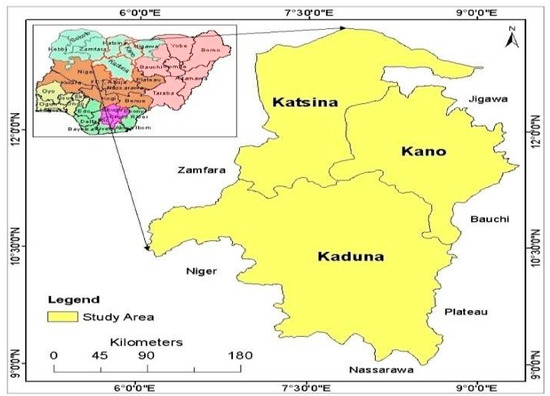
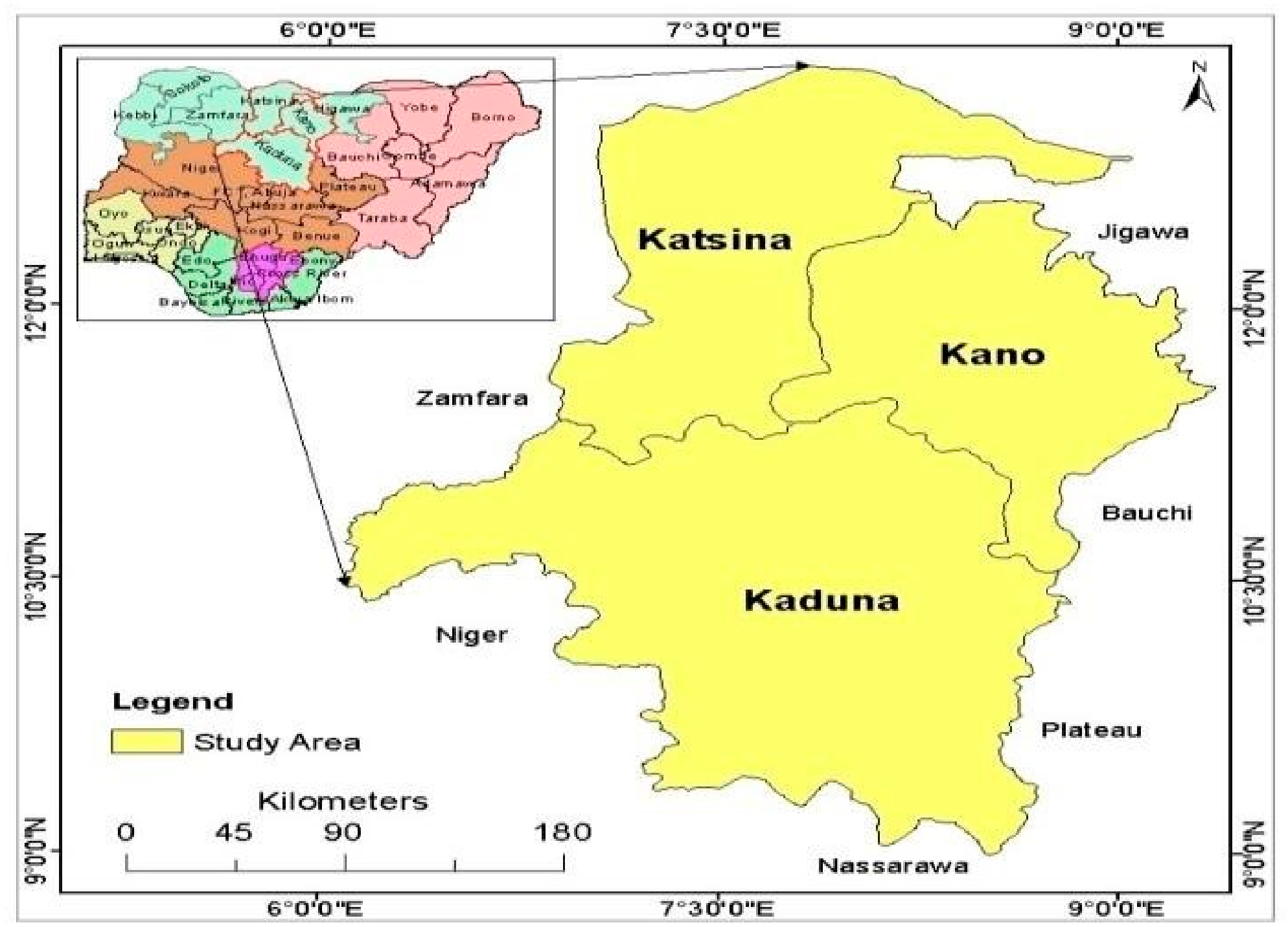
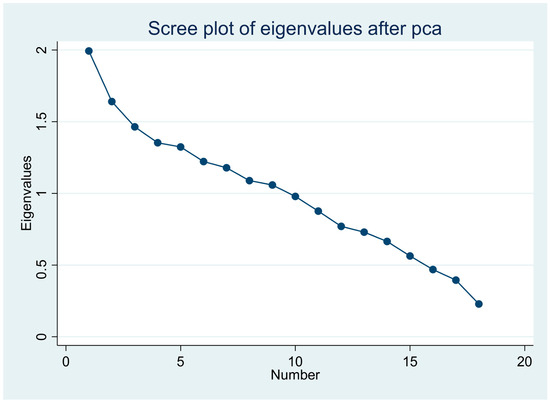
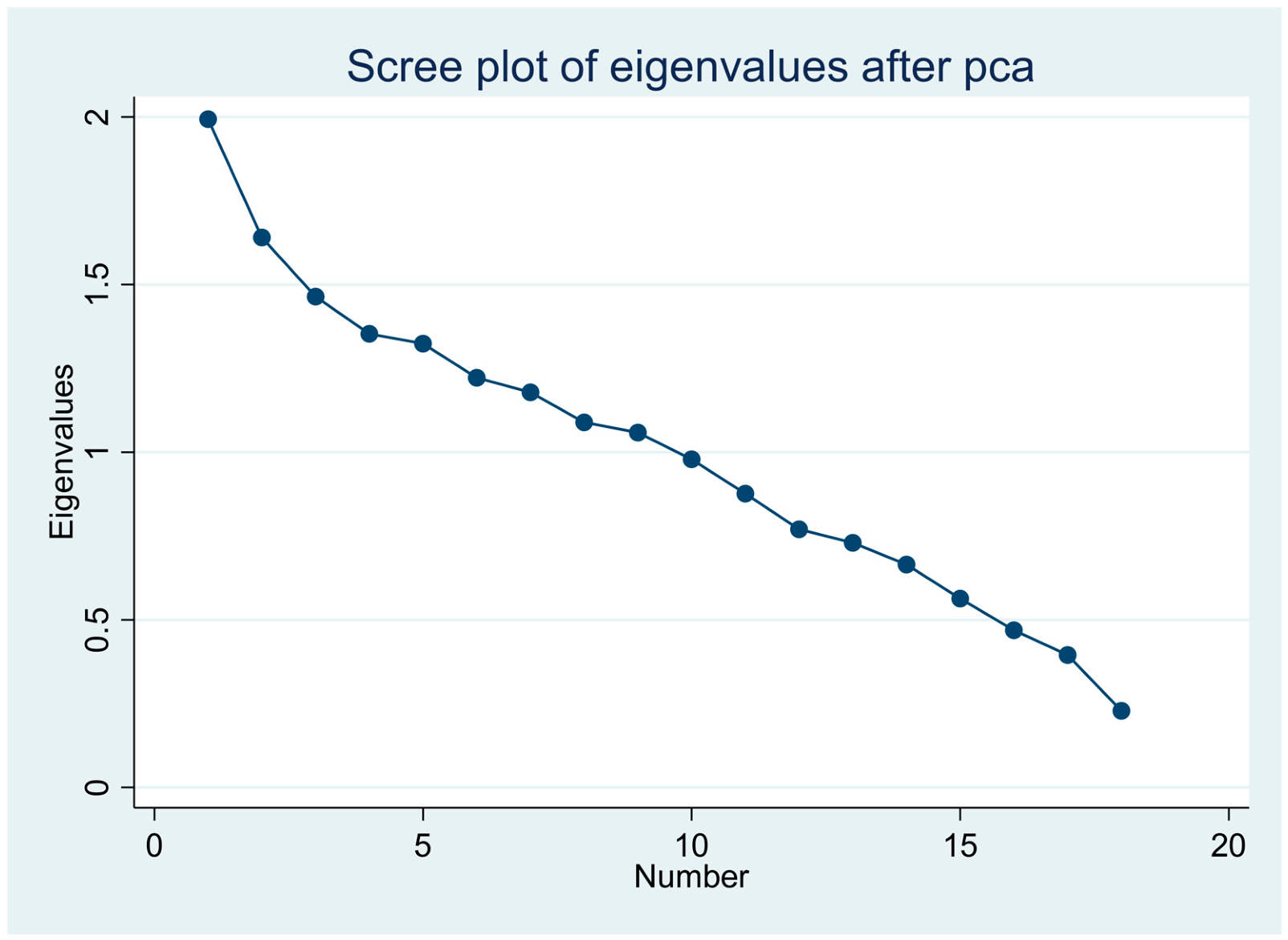

Disclaimer/Publisher’s Note: The statements, opinions and data contained in all publications are solely those of the individual author(s) and contributor(s) and not of MDPI and/or the editor(s). MDPI and/or the editor(s) disclaim responsibility for any injury to people or property resulting from any ideas, methods, instructions or products referred to in the content. |
© 2026 by the authors. Licensee MDPI, Basel, Switzerland. This article is an open access article distributed under the terms and conditions of the Creative Commons Attribution (CC BY) license.