


Abstract
Future orientation is a central construct in adolescent development, shaping goal setting, decision-making, and long-term life planning. During the 2021–2025 publication period, research on adolescent future orientation expanded across multiple psychological domains, including psychological well-being, identity development, educational pathways, and COVID-19-related issues. However, the intellectual structure, collaboration patterns, and emerging directions of this research field have not been comprehensively synthesized. This study aimed to examine the global research landscape of adolescent future orientation by identifying publication trends, influential contributors, collaboration networks, thematic structures, and emerging research directions between 2021 and 2025. A bibliometric analysis of Scopus-indexed publications was conducted using Biblioshiny (RStudio) and VOSviewer. The findings indicate that research has increasingly focused on psychological well-being, identity development, educational transitions, and mental health, while COVID-19 emerged as one of several prominent research themes. Research output and international collaboration were predominantly led by authors and institutions from high-income countries, revealing disparities in global scientific contributions. This study provides a comprehensive overview of the evolving research landscape and identifies underexplored areas, including contextual and relational influences, developmental processes, and methodological innovations, offering directions for future research on adolescent development and future orientation.
1. Introduction
Future orientation is widely recognized as a fundamental developmental construct that shapes adolescents’ expectations, aspirations, and planning for their future lives. Within developmental psychology, future orientation refers to the cognitive, motivational, and behavioral processes through which individuals anticipate and prepare for future outcomes [1,2]. Adolescence represents a critical period in which individuals begin to formulate educational goals, career aspirations, and long-term life plans while navigating important developmental transitions. Empirical studies have consistently demonstrated that adolescents’ future orientation is closely associated with academic engagement, adaptive decision-making, and psychological well-being [3,4]. Consequently, understanding how adolescents construct and maintain future expectations has become a central topic within research on adolescent development and psychology.
In recent decades, research on adolescent future orientation has expanded across multiple psychological and social domains. Scholars have increasingly examined how contextual factors such as family relationships, cultural background, socioeconomic conditions, and identity development influence adolescents’ expectations about the future [5,6,7]. For instance, supportive parent–adolescent communication and positive school environments have been shown to strengthen adolescents’ future planning and goal commitment [8]. Similarly, research within identity development and youth psychology highlights that adolescents’ perceptions of possible future selves play a crucial role in shaping their motivation, educational aspirations, and career trajectories. These findings suggest that future orientation functions as an integrative developmental process linking psychological, social, and contextual influences [8,9,10,11].
More recently, global disruptions associated with the COVID-19 pandemic have further intensified scholarly attention to adolescents’ future orientation [12,13,14]. The pandemic substantially affected educational systems, employment opportunities, and social interactions worldwide, creating new challenges for adolescents transitioning from school to adulthood. Studies have reported increased psychological distress, uncertainty regarding educational pathways, and concerns about career prospects during this period [15,16,17]. Consequently, recent publications have increasingly explored the relationships between future orientation, psychological well-being, mental health, educational transitions, and broader developmental contexts. These developments reflect the expanding scope of adolescent future orientation research rather than defining a distinct post-pandemic research field. Moreover, the 2021–2025 publication period represents a recent phase in which research on adolescent future orientation has developed in response to changing developmental, educational, and psychosocial contexts. Examining this period therefore provides an opportunity to identify recent thematic developments, emerging areas of inquiry, and changes in the intellectual structure of the field.
Although bibliometric approaches have recently been applied to future-oriented research, existing studies differ substantially in scope and analytical focus. For example, Song (2025) conducted a bibliometric analysis of future orientation research using Web of Science publications from 1991 to 2023 and identified major publication trends, influential contributors, and thematic hotspots, including education, occupational outcomes, psychological well-being, and risk behaviors [18]. Similarly, Mohsin et al. (2024) conducted a review and bibliometric analysis of future time perspective research covering 1956–2022, mapping its broader conceptual development, research clusters, influential authors, and countries and organizations [19]. These studies provide important evidence concerning the broader development of future-oriented research. However, they examine future orientation or future time perspective across broad populations and extended historical periods. They therefore do not specifically characterize the recent global research landscape of adolescent future orientation during 2021–2025, particularly with respect to the interaction among recent thematic development, influential contributors, researcher and institutional collaboration, country-level collaboration, and emerging research directions.
This distinction is important because adolescent future orientation is embedded in developmental processes that may differ substantially across age groups, educational contexts, and social environments. A recent, adolescent-focused mapping can therefore complement broader bibliometric analyses by identifying which psychological, social, educational, and mental health themes have become prominent within the contemporary adolescent literature and how these themes are connected. It can also reveal whether research collaboration is concentrated within particular countries or institutions and whether emerging areas of inquiry have begun to expand beyond established developmental themes. Thus, rather than replicating previous bibliometric studies, the present analysis provides a more focused and recent mapping of adolescent future orientation research, with particular attention to its thematic, collaborative, and developmental structure.
Despite the growing body of publications, the intellectual structure, thematic evolution, and patterns of scientific collaboration specifically within recent adolescent future orientation research remain insufficiently synthesized. Existing empirical studies have predominantly examined relationships between future orientation and specific outcomes such as academic achievement, identity formation, or psychological well-being [3,4]. However, these individual studies provide only a partial view of how the research field as a whole has developed. In particular, it remains important to understand which themes have become prominent, which topics are emerging, who and which institutions are contributing most substantially to the field, how researchers and countries collaborate, and which areas remain comparatively underrepresented. Bibliometric analysis provides an appropriate methodological approach for addressing these questions by systematically mapping publication patterns, influential contributors, collaboration structures, and thematic relationships within a body of scientific literature [20,21].
Such a mapping is valuable not merely as a descriptive account of the literature, but also as a basis for advancing research and practice. Identifying the intellectual and thematic structure of recent research can help future researchers locate emerging areas that warrant further empirical investigation, recognize connections between previously separated psychological and social perspectives, and identify opportunities for interdisciplinary and international collaboration. Mapping comparatively underrepresented themes can also help researchers formulate more focused research questions and develop empirical studies that address gaps in the current evidence base. Furthermore, identifying the increasing connection between future orientation and issues such as psychological well-being, mental health, educational transitions, family relationships, and vulnerable adolescent populations may provide a useful basis for future prevention and intervention research. Although bibliometric findings cannot directly establish intervention effectiveness, they can indicate which psychosocial domains warrant empirical testing and where future intervention-oriented research may be most relevant. Thus, a systematic examination of the recent research landscape can contribute both to the theoretical development of adolescent future orientation research and to the identification of directions for empirically grounded applications.
Against this background, the present study conducts a bibliometric analysis of global research on adolescent future orientation published between 2021 and 2025 using the Scopus database. By employing Biblioshiny (RStudio) and VOSviewer, this study aims to identify publication trends, influential authors, institutions and countries, collaboration networks, thematic structures, and emerging research directions. Rather than examining individual empirical relationships between future orientation and particular developmental outcomes, this study maps the structure and recent development of the adolescent future orientation research field as a whole. By identifying dominant and emerging research themes, influential contributors, collaboration patterns, and comparatively underrepresented areas, the study provides bibliometric evidence that can guide future empirical research, encourage interdisciplinary and international collaboration, and support the development of research agendas concerning adolescents’ future orientation.
2. Research Questions
This study aims to quantitatively examine the recent research landscape of adolescent future orientation research published between 2021 and 2025 using bibliometric analysis. Specifically, it identifies publication trends, intellectual structure, influential contributors, collaboration patterns, and emerging research directions in this field. Based on this objective, the study addresses the following research questions:
- Q1.
- What are the main thematic areas and intellectual structure of adolescent future orientation research published between 2021 and 2025?
- Q2.
- What publication trends and thematic developments have characterized adolescent future orientation research during the 2021–2025 period?
- Q3.
- Which authors, institutions, and countries are the most productive in adolescent future orientation research?
- Q4.
- What patterns of scientific collaboration exist among authors, institutions, and countries within this research field?
- Q5.
- What emerging research directions and underexplored areas can be identified to inform future studies on adolescent future orientation?
3. Materials and Methods
3.1. Research Design
This study employed a quantitative bibliometric research design to examine the recent development of adolescent future orientation research. Bibliometric analysis is a quantitative method used to evaluate scientific literature through publication metadata, including authors, citations, affiliations, and keywords, in order to identify research productivity, collaboration networks, intellectual structure, and thematic evolution within a scientific field [22]. This approach is widely applied to synthesize large bodies of literature and reveal research trends that may not be apparent through conventional narrative reviews [20,21].
The present study followed a standard bibliometric workflow consisting of six stages: (1) defining the research objectives; (2) retrieving bibliographic records from the Scopus database; (3) screening and selecting eligible publications; (4) cleaning and normalizing bibliographic data; (5) conducting bibliometric analyses using Bibliometrix (Biblioshiny) (Version 5.2.1, K-Synth Srl, Naples, Italy), implemented in RStudio (Version 2025.05.1-513, Posit Software, PBC, Boston, MA, USA) with R (Version 4.5.1, R Foundation for Statistical Computing, Vienna, Austria), and VOSviewer (Version 1.6.20, Centre for Science and Technology Studies, Leiden University, Leiden, The Netherlands); and (6) interpreting and visualizing the findings.
3.2. Literature Search and Data Collection
The bibliographic data used in this study were retrieved from the Scopus database, one of the largest and most comprehensive abstract and citation databases of peer-reviewed literature. Scopus was selected because of its broad coverage of high-quality international journals and the availability of standardized bibliographic metadata suitable for bibliometric analysis [20]. The use of a single database ensured consistency in data retrieval, indexing standards, and bibliographic metadata, thereby reducing potential variations that may arise from combining multiple databases.
The literature search was conducted using a combination of keywords representing adolescent populations and future orientation constructs. The search query was applied to the Title, Abstract, and Keywords fields (TITLE-ABS-KEY) to maximize the retrieval of relevant publications. The search string used in this study was as follows:
TITLE-ABS-KEY (adolescen* OR teen* OR youth) AND TITLE-ABS-KEY (“future orientation” OR “future time perspective” OR “possible selves” OR “future self” OR “future planning” OR “career aspiration*” OR “time perspective”).
A single search was conducted in the Scopus database on 22 February 2026. The predefined search strategy was executed once, and all inclusion criteria were applied directly using the Scopus filtering options. Publications were included if they met the following criteria: (1) published between 2021 and 2025, (2) classified as journal articles, (3) published in journal sources, (4) written in English, (5) indexed within the Psychology subject area, and (6) assigned the final publication stage. Records that did not satisfy these criteria were automatically excluded through the Scopus filtering process prior to data export.
The filtered records were subsequently exported from Scopus in CSV format for bibliometric analysis. The exported dataset included comprehensive bibliographic metadata, including article titles, abstracts, author names, author identifiers, institutional affiliations, author keywords, indexed keywords, publication years, journal titles, volume and issue information, Digital Object Identifiers (DOIs), references, citation data, publisher information, ISSN, correspondence addresses, publication stage, and source information. These metadata provided the basis for the subsequent bibliometric analyses conducted using Biblioshiny (RStudio) and VOSviewer.
Figure 1 illustrates the bibliometric dataset selection process used in this study. After applying the predefined inclusion criteria in Scopus, the exported dataset was processed using OpenRefine (Version 3.9.3, Code for Science & Society Inc., Portland, OR, USA) to remove duplicate records and prepare the bibliographic data for subsequent cleaning and normalization. The cleaned dataset was then imported into Bibliometrix (Biblioshiny) and VOSviewer for bibliometric analysis and visualization.
Figure 1.
Bibliometric dataset selection process for adolescent future orientation research.
3.3. Data Cleaning and Preprocessing
Prior to bibliometric analysis, the exported bibliographic dataset was cleaned and standardized to improve data accuracy and consistency. Data cleaning was performed using OpenRefine, an open-source software designed for cleaning, transforming, and harmonizing large bibliographic datasets. The cleaning process consisted of two main stages: duplicate removal and data normalization.
Duplicate records were identified and removed using the clustering and matching functions available in OpenRefine. Subsequently, bibliographic data were standardized to ensure consistency across the dataset. The normalization process focused primarily on author keywords by harmonizing variations in capitalization, spelling, hyphenation, and plural forms that referred to the same concept. For example, keyword variants such as psychological wellbeing were standardized as psychological well-being, while differences in capitalization (e.g., future orientation and Future orientation) were unified into a single standardized form. This process reduced redundancy and improved the accuracy of keyword co-occurrence analysis.
Because the bibliographic metadata exported from Scopus already contained standardized author and affiliation information, no manual disambiguation of author names or institutional affiliations was performed beyond the duplicate detection procedures available in OpenRefine. The cleaned dataset was subsequently imported into Biblioshiny (RStudio) and VOSviewer for bibliometric analysis.
3.4. Selection of Bibliometric Techniques
Bibliometric analysis can generally be classified into two complementary approaches: performance analysis and science mapping [20]. Performance analysis evaluates the productivity and scientific impact of research constituents, including authors, institutions, countries, journals, and publications, whereas science mapping examines the intellectual, conceptual, and social structures of a research field through the relationships among bibliographic entities.
To address the research objectives, this study employed several bibliometric techniques. Performance analysis was conducted to identify publication trends, influential authors, productive institutions, leading countries, and highly cited publications. Science mapping techniques included co-authorship analysis to examine collaboration networks among authors, institutions, and countries; co-word analysis (author keyword co-occurrence) to identify dominant research themes and thematic evolution; and bibliographic coupling to explore conceptual relationships among publications based on shared references. The integration of these complementary techniques enabled a comprehensive examination of both the performance and intellectual structure of adolescent future orientation research.
3.5. Data Analysis
Bibliometric analyses were conducted using two complementary software packages: Bibliometrix (Biblioshiny) (Version, 5.2.1, K-Synth Srl, Naples, Italy), implemented in RStudio (Version 2025.05.1-513, Posit Software, PBC, Boston, MA, USA) with R (Version 4.5.1, R Foundation for Statistical Computing, Vienna, Austria), and VOSviewer (Version 1.6.20, Centre for Science and Technology Studies, Leiden University, Leiden, The Netherlands). Bibliometrix, developed by Aria and Cuccurullo [23], was employed to construct and visualize bibliometric networks, including co-authorship networks, country collaboration networks, bibliographic coupling, and author keyword co-occurrence maps. Unless otherwise specified, the default visualization and clustering parameters provided by VOSviewer were retained throughout the analyses.
VOSviewer, developed by van Eck and Waltman [24], was employed to construct and visualize bibliometric networks, including co-authorship networks, country collaboration networks, bibliographic coupling, and author keyword co-occurrence maps. Unless otherwise specified, the default visualization and clustering parameters provided by VOSviewer were retained throughout the analyses.
To improve the interpretability and reproducibility of the network analyses, threshold parameters were defined prior to analysis. For the author keyword co-occurrence analysis, a minimum occurrence threshold of five was applied to author keywords, whereas a minimum occurrence threshold of twelve was applied when all keywords (author keywords and indexed keywords) were analyzed. These thresholds were selected with consideration of the size of the retrieved dataset and the need to balance the inclusion of sufficiently represented terms with the visual interpretability of the resulting networks. A lower threshold would have retained a larger number of infrequently occurring keywords and produced a substantially denser network, whereas a higher threshold could have excluded potentially relevant but less frequently used topics. The thresholds were therefore intended to retain recurring terms that were sufficiently represented in the dataset while reducing noise and network complexity.
For co-authorship analysis, authors were required to have a minimum of three publications, institutions a minimum of seven publications, and countries a minimum of three publications to be included in the visualization networks. These thresholds were similarly applied to focus the visualizations on contributors with a sufficient level of publication activity to form interpretable collaboration patterns, while avoiding overly sparse or highly fragmented networks. Importantly, these thresholds were used as inclusion criteria for network visualization rather than as statistical significance tests or measures of theoretical importance. The resulting networks should therefore be interpreted as representations of recurring bibliographic relationships within the dataset rather than as evidence of statistical significance or conceptual centrality [24].
3.6. Visualization
Bibliometric visualizations were generated using VOSviewer to facilitate the interpretation of the relationships among bibliographic entities. Three complementary visualization techniques were employed in this study. Network visualization was used to illustrate collaboration networks among authors, institutions, and countries, as well as conceptual relationships among author keywords. Overlay visualization was used to identify temporal patterns by displaying the average publication year of keywords and thereby highlighting emerging research topics over time. Density visualization was employed to identify areas with a high concentration of research activity based on the frequency and interconnectedness of bibliographic items.
The combination of these visualization techniques enabled a comprehensive understanding of the social, intellectual, and conceptual structures of adolescent future orientation research. Together, the visualizations supported the identification of dominant research themes, collaboration patterns, and evolving research directions within the field.
3.7. Interpretation and Reporting
The final stage of the bibliometric study involved interpreting the findings obtained from both the performance analysis and the science mapping analyses. The results were interpreted in relation to the study objectives and research questions by examining publication trends, influential contributors, collaboration patterns, thematic structures, and emerging research developments. Particular attention was given to identifying dominant research themes, underexplored topics, and potential directions for future research.
The findings are presented using a combination of tables, bibliometric indicators, and network visualizations to provide a comprehensive overview of the recent research landscape of adolescent future orientation. The interpretation integrates quantitative bibliometric evidence with substantive discussion to explain the development of the field and its implications for future adolescent research.
4. Results
4.1. Comprehensive Overview of Research on Adolescent Future Orientation
Table 1 presents the descriptive bibliometric characteristics of adolescent future orientation research published between 2021 and 2025. The final dataset comprised 856 journal articles published across 307 journals, indicating broad dissemination of research within this field. The annual publication growth rate was 14.05%, reflecting increasing scholarly attention during the study period.
Table 1.
Descriptive analysis.
The average document age was 2.68 years, as calculated by Bibliometrix based on the time elapsed between publication and data collection, indicating that the literature analyzed represents a recent body of research. The dataset recorded an average of 7.42 citations per document and included a total of 7155 cited references, illustrating the substantial body of literature underpinning this research area.
Regarding the intellectual content of the dataset, 2251 Keywords Plus and 1783 author keywords were identified, suggesting considerable thematic diversity. The publications involved 3358 authors, of whom 71 contributed single-authored articles. The average number of co-authors per document was 4.53, while the proportion of international co-authored publications reached 23.95%, indicating a moderate level of international scientific collaboration.
Overall, the descriptive indicators suggest that adolescent future orientation research is an active and expanding field characterized by increasing publication output, extensive collaboration among researchers, and diverse thematic coverage.
4.2. Analysis of Research Trends
To address Research Question 2, the overlay visualization reveals that adolescent future orientation research during the 2021–2025 period has evolved from relatively established developmental themes toward increasingly diverse psychological, social, and methodological topics (Figure 2). While several core concepts have remained consistently prominent throughout the study period, more recent publications have expanded the field by incorporating emerging issues related to adolescent mental health, vulnerable populations, developmental transitions, and advanced analytical approaches.
Figure 2.
Overlay visualization of the author keyword co-occurrence network illustrating the temporal evolution of research topics in adolescent future orientation research (2021–2025). Node size represents the frequency of occurrence of each keyword, with larger nodes indicating higher occurrence frequency. Node colors represent the average publication year of each keyword, ranging from earlier-occurring topics (blue) to more recent topics (yellow).
Figure 2 presents the overlay visualization of author keyword co-occurrence generated using VOSviewer. In this visualization, node colors represent the average publication year of each keyword, ranging from earlier-occurring topics (blue), through intermediate topics (green), to more recent topics (yellow). Accordingly, the overlay visualization illustrates the temporal evolution of research topics rather than their thematic clustering or conceptual relationships.
Core keywords such as adolescent, future orientation, psychological well-being, and COVID-19 appear predominantly in blue-green tones, indicating that these topics have remained consistently prominent throughout the study period. Their continued prominence suggests that they constitute the conceptual foundation of adolescent future orientation research and have provided a stable basis for subsequent investigations across the 2021–2025 period.
In contrast, several keywords displayed in green-yellow to yellow tones, including transgender, machine learning, suicidal ideation, vocational high school student, and latent profile analysis, represent topics that have attracted increasing scholarly attention during the later years of the study period. Other emerging keywords, such as non-suicidal self-injury, internalizing, parent behavior, and transition to adulthood, further indicate growing interest in adolescent mental health, vulnerable populations, developmental transitions, and the application of more advanced analytical approaches.
Overall, the temporal pattern illustrated by the overlay visualization suggests that adolescent future orientation research has become increasingly interdisciplinary. While traditional developmental constructs continue to provide the foundation of the field, recent studies have expanded toward broader psychological well-being, mental health, social-contextual influences, and methodological innovation, reflecting the continuing evolution and increasing complexity of adolescent future orientation research.
4.3. Top Cited Literature
To address Research Question 3, global citation analysis was conducted to identify the most influential publications within the retrieved dataset. Table 2 presents the ten most highly cited documents, ranked according to their global citation counts obtained using Biblioshiny. These publications represent influential contributions that have received substantial scholarly attention and reflect the major research topics shaping adolescent future orientation research during the 2021–2025 period.
Table 2.
Top ten cited global documents.
Among the retrieved publications, the article “Recentering Action in Critical Consciousness” by Matthew A. Diemer, published in Child Development Perspectives in 2021, received the highest number of global citations (156). The high citation count indicates that this publication has exerted considerable scholarly influence within the field, particularly in understanding adolescents’ critical consciousness and broader developmental processes related to future expectations. The second most cited article was Gökmen Arslan’s “Exploring the association between coronavirus stress, meaning in life, psychological flexibility, and subjective well-being”, published in Psychology, Health & Medicine in 2022, with 121 citations. This was followed by Erika G. Hepper’s “Time Capsule: Nostalgia Shields Psychological Well-Being from Limited Time Horizons”, published in Emotion in 2021, which received 117 citations.
The remaining highly cited publications encompass a wide range of topics relevant to adolescent development, including psychological well-being, family cohesion, self-concept clarity, identity development, ethnic-racial identity, autism, sexual and gender minority adolescents, youth justice, and social psychology. These findings indicate that adolescent future orientation research has increasingly been integrated with broader areas of developmental psychology, mental health, identity formation, social justice, and psychosocial well-being rather than being investigated as an isolated psychological construct.
Overall, the global citation analysis suggests that the intellectual foundations of recent adolescent future orientation research are highly interdisciplinary. The most influential publications extend beyond traditional future orientation theory and increasingly incorporate perspectives from developmental psychology, positive psychology, mental health, educational development, and social context, reflecting the expanding scope of research in this field.
4.4. Author Impact Analysis
To further address Research Question 3, author impact was evaluated using several complementary bibliometric indicators, including the h-index, g-index, m-index, total citations, and number of publications (Table 3). Together, these indicators provide a more comprehensive assessment of scholarly influence by capturing research productivity, citation performance, and the consistency of academic contributions.
Table 3.
Authors’ Impact in adolescent future orientation research (2021–2025).
The results indicate that Li X, Lyu H, Mello ZR, and Wang Y achieved the highest h-index (5), suggesting a combination of sustained publication productivity and consistent citation impact within the field. Among these authors, Mello ZR received the highest total number of citations (91 citations from 10 publications), indicating substantial scholarly influence on adolescent future orientation research. In contrast, Li X was the most productive author, contributing 16 publications with a total of 82 citations, reflecting sustained research activity over the study period.
The m-index, which adjusts citation performance according to the length of an author’s publishing career, further highlights emerging influential researchers. Hao H achieved the highest m-index (1.33), followed by Lyu H and Zhang X (1.25), indicating relatively rapid citation growth since their first publications within the dataset.
Overall, the findings demonstrate that scholarly influence in adolescent future orientation research is characterized by different dimensions. While some authors distinguish themselves through sustained research productivity, others achieve greater scientific impact through highly cited publications or rapid citation growth. These complementary indicators provide a more nuanced understanding of influential contributors within this evolving research field.
4.5. Collaboration Analysis
The collaboration structure in adolescent future orientation research was examined through co-authorship analyses at the author, country, and organizational levels using VOSviewer.
4.5.1. Collaboration Among Authors
Figure 3 presents the overlay visualization of the author co-authorship network. Applying a minimum threshold of three publications per author resulted in a relatively small collaboration network composed of several disconnected groups. The largest collaboration cluster consists of Li, Xiaobao, Lyu, Houchao, Hao, Haiping, and Jin, Lei, indicating frequent collaboration within this research team. A second cluster is formed by Mello, Zena R., Worrell, Frank C., and Moon, Julia, who collaborate closely with one another but have no visible connections with the first group.
Figure 3.
Overlay visualization of the author co-authorship network in adolescent future orientation research (2021–2025). Node size represents the number of publications by each author, with larger nodes indicating higher publication output. Node colors represent the average publication year of authors’ collaborative publications, ranging from earlier collaborations (blue) to more recent collaborations (yellow).
The limited number of links between clusters suggests that collaboration in this research field remains concentrated within established research teams rather than extending across broader author networks. The overlay colors further indicate that these collaboration groups have remained active throughout the study period, although relatively few new collaborative links have emerged. These findings suggest opportunities to strengthen collaboration between research groups to facilitate greater knowledge exchange and interdisciplinary development in adolescent future orientation research.
4.5.2. Collaboration Among Countries
Figure 4 illustrates the co-authorship network at the country level using a minimum threshold of three publications per country. Compared with the author network, the country collaboration map exhibits a more interconnected structure. The United States occupies the most central position, maintaining collaborative relationships with numerous countries, including the United Kingdom, Australia, Canada, Germany, the Netherlands, and Belgium. This central position indicates its important role in facilitating international collaboration within the field.
Figure 4.
Network visualization of the country co-authorship network in adolescent future orientation research (2021–2025). Node size represents the number of publications contributed by each country, with larger nodes indicating higher publication output. Node colors indicate collaboration clusters, while links represent international co-authorship relationships between countries.
A second major collaboration cluster is centered on China, which maintains strong connections with Hong Kong, Taiwan, and Macau, while also collaborating with several countries outside the region. Countries such as Spain and Brazil appear to function as bridging nodes linking different collaboration clusters. In contrast, countries from Southeast Asia, the Middle East, and Africa generally occupy peripheral positions, indicating comparatively lower levels of participation in international collaborative research.
Overall, the country-level network demonstrates that although international collaboration is well established among several leading research nations, collaboration remains geographically uneven, with research activity concentrated primarily in North America, Europe, and East Asia. Expanding collaborations involving underrepresented regions may contribute to greater diversity in theoretical perspectives and research contexts.
4.5.3. Collaboration Among Organizations
Institutional collaboration was further examined using a minimum threshold of seven publications per organization (Figure 5). Unlike the country network, the organizational co-authorship map is highly fragmented, with most institutions appearing as isolated nodes rather than members of interconnected collaboration clusters. Institutions meeting the publication threshold include the University of Michigan, Arizona State University, University of California, Berkeley, Tel Aviv University, and the Faculty of Psychology, Beijing, yet few direct collaborative links are observed among them. This pattern indicates that institutional collaboration in adolescent future orientation research remains relatively limited and is concentrated within individual institutions or small research groups.
Figure 5.
Network visualization of the organizational co-authorship network in adolescent future orientation research (2021–2025). Node size represents the number of publications contributed by each organization, with larger nodes indicating higher publication output. Node colors indicate institutional collaboration clusters, while links represent co-authorship relationships among organizations.
The absence of dense institutional networks suggests that collaboration is predominantly conducted within individual universities rather than through sustained partnerships between institutions. This pattern indicates considerable potential for expanding inter-institutional collaboration, particularly through international research consortia and multi-center projects, which may enhance methodological diversity, increase knowledge sharing, and strengthen the global development of adolescent future orientation research.
4.6. Keyword Network Mapping
The network visualization of author keyword co-occurrence provides an overview of the conceptual structure of adolescent future orientation research by illustrating how frequently keywords appear together within the same publications (Figure 6). In this network, the size of each node represents the frequency of keyword occurrence, with larger nodes indicating more frequently studied topics. Keywords such as adolescent, future orientation, psychological well-being, and COVID-19 appear as the largest and most centrally positioned nodes, indicating that they represent the most prominent themes within the retrieved literature. The links between nodes represent co-occurrence relationships, while the proximity and number of connections indicate the extent to which different research topics are conceptually related. For example, future orientation is closely connected with constructs such as psychological well-being, life satisfaction, self-esteem, parental support, identity, and suicidal ideation, demonstrating its integrative role across multiple domains of adolescent development.
Figure 6.
Network visualization of the author keyword co-occurrence network in adolescent future orientation research (2021–2025). Node size represents keyword occurrence frequency, node colors indicate thematic clusters identified by the clustering algorithm, and links represent keyword co-occurrence relationships.
Node colors represent thematic clusters identified by the VOSviewer clustering algorithm, with each cluster grouping keywords that frequently co-occur within the literature. One thematic cluster is primarily associated with intervention- and education-related topics, including school, decision-making, self-regulation, and academic achievement. Another cluster emphasizes psychological well-being and resilience-related constructs, whereas additional clusters focus on identity, parenting, risk behaviors, developmental transitions, and sociocultural contexts. Together, these interconnected clusters demonstrate that adolescent future orientation research is inherently multidisciplinary, integrating developmental psychology, mental health, education, and broader social-contextual perspectives.
The density visualization generated using VOSviewer provides an overview of the concentration and intensity of author keyword occurrences within the research field (Figure 7). In this visualization, brighter yellow areas indicate keywords with higher occurrence frequencies and stronger co-occurrence relationships, whereas green and blue areas represent less frequently occurring topics. The highest-density region is centered on adolescent, with other highly concentrated keywords including future orientation, psychological well-being, and COVID-19, indicating that these topics constitute the primary focus of the existing literature.
Figure 7.
Density visualization of the author keyword co-occurrence network in adolescent future orientation research (2021–2025). Brighter colors, ranging from blue through green to yellow, indicate higher keyword density, reflecting a greater concentration of keywords and higher keyword occurrence weights in the surrounding area, whereas darker blue areas indicate lower keyword density.
Lower-density areas include keywords such as culture, developmental trajectories, climate change, academic achievement, parental behavior, transgender, parent–adolescent communication, vocational high school student, machine learning, experience sampling, latent profile analysis, internalizing, internet gaming disorder, eating disorders, suicidal ideation, and non-suicidal self-injury. Their lower density indicates that these topics appear less frequently within the retrieved literature than the dominant themes. Consequently, the density visualization complements the network and overlay analyses by highlighting less extensively explored areas that may represent promising directions for future research, particularly regarding contextual influences, methodological innovations, and emerging psychological issues related to adolescent future orientation.
5. Discussion
This research was conducted to answer the research questions asked. Therefore, the discussion will focus on explaining the research questions asked in order to get a clear picture.
5.1. Main Themes in Adolescent Future Orientation Research (Q1)
The findings of this study indicate that adolescent future orientation research has developed around several interconnected thematic areas rather than a single dominant construct. The bibliometric analyses identified future orientation, psychological well-being, identity, family and school contexts, and mental health as the principal themes shaping the intellectual structure of the field. Together, these findings suggest that adolescent future orientation is increasingly conceptualized as a multidimensional developmental construct that integrates cognitive, motivational, emotional, and contextual processes.
Among these themes, psychological well-being emerged as one of the most prominent research areas. This finding reflects a growing recognition that adolescents’ future expectations are closely associated with positive psychological functioning, including optimism, self-esteem, self-efficacy, life satisfaction, resilience, and adaptive self-regulation. Rather than being viewed solely as a cognitive process of planning for future goals, future orientation is increasingly understood as an important psychological resource that supports adolescents in coping with uncertainty and navigating developmental challenges. This interpretation is consistent with previous studies demonstrating that positive future orientation is associated with greater psychological well-being, stronger adaptive functioning, and lower levels of emotional and behavioral problems among adolescents [1,17,25,45,46,47,48,49,50,51].
Beyond psychological well-being, the identified thematic structure also highlights the growing importance of social and developmental contexts in shaping adolescent future orientation. The frequent co-occurrence of keywords related to identity development, parenting, school, and social relationships suggests that researchers increasingly recognize future orientation as a product of interactions between individual characteristics and broader environmental influences. This pattern aligns with contemporary perspectives in developmental psychology, which emphasize that adolescents’ future expectations are constructed through continuous interactions among personal agency, family relationships, educational experiences, and sociocultural contexts [6,52,53]. Consequently, adolescent future orientation should be understood not only as an individual psychological characteristic but also as a developmental process embedded within multiple ecological systems.
The thematic structure identified in this study also demonstrates the increasing diversification of adolescent future orientation research. While traditional topics related to educational aspirations and future planning remain central, recent studies have expanded toward mental health, vulnerable populations, developmental transitions, and broader contextual influences. This diversification suggests that the field has progressed from examining future orientation primarily as an individual cognitive construct toward understanding it as a complex phenomenon closely linked to adolescent well-being, identity formation, and social adaptation.
Overall, these findings extend the current understanding of adolescent future orientation research by providing a comprehensive bibliometric perspective on its intellectual structure. Rather than focusing on individual empirical relationships, the present study demonstrates how multiple research domains have converged to shape the contemporary landscape of adolescent future orientation research. This synthesis contributes to the literature by clarifying the major thematic areas that define the field and provides a foundation for identifying future research priorities.
5.2. Future Orientation Research Trends During the 2021–2025 Period (Q2)
The findings indicate that adolescent future orientation research has undergone notable thematic expansion during the 2021–2025 period. While traditional topics related to future planning, educational aspirations, and developmental psychology remain central to the field, recent studies increasingly address broader psychological, social, and methodological issues. This pattern suggests that adolescent future orientation is no longer examined solely as a cognitive process of anticipating future goals but is increasingly investigated within more complex developmental, contextual, and interdisciplinary frameworks.
One prominent trend is the growing integration of adolescent future orientation with mental health and psychological well-being research. Recent publications increasingly examine issues such as suicidal ideation, non-suicidal self-injury, internalizing symptoms, self-efficacy, and other indicators of psychological adjustment. This development reflects a broader shift in adolescent psychology toward understanding future orientation as an important protective factor that supports resilience, adaptive coping, and positive developmental outcomes. Previous studies similarly suggest that adolescents with stronger future orientation tend to demonstrate greater psychological well-being, healthier decision-making, and lower engagement in risk behaviors [15,25,49,50,51,54,55].
Another emerging trend involves increased attention to vulnerable adolescent populations and diverse developmental contexts. Topics related to transgender adolescents, vocational high school students, and transition to adulthood indicate growing recognition that future orientation develops differently across social, educational, and demographic settings. Rather than assuming a universal developmental pathway, recent research increasingly emphasizes the importance of contextual influences, including educational opportunities, family environments, and broader sociocultural conditions, in shaping adolescents’ future expectations.
The bibliometric analysis also reveals the gradual adoption of more advanced methodological approaches. Emerging keywords such as machine learning, latent profile analysis, and experience sampling suggest that researchers are increasingly employing sophisticated analytical techniques to better understand the multidimensional nature of adolescent future orientation. This methodological diversification reflects a broader movement within psychological research toward more data-driven, person-centered, and longitudinal approaches capable of capturing the complexity of adolescent development.
Overall, the thematic developments identified during the 2021–2025 period indicate that adolescent future orientation research is becoming increasingly interdisciplinary. The field has expanded beyond its traditional emphasis on cognitive future planning to incorporate mental health, developmental transitions, contextual influences, and methodological innovation. These developments demonstrate the continuing maturation of the research field and provide a foundation for future studies that integrate psychological, educational, and social perspectives in understanding adolescent future orientation.
5.3. Most Productive Researchers, Institutions, and Countries (Q3)
5.3.1. Researcher
The bibliometric findings indicate that adolescent future orientation research during the 2021–2025 period has been shaped by a relatively small group of highly productive and influential researchers. Authors such as Xiaobao Li, Houchao Lyu, Zena R. Mello, and Yong Wang demonstrated the strongest overall scientific influence, as reflected by their publication productivity and citation impact. This pattern suggests that the intellectual development of the field has been driven by researchers who have consistently produced high-quality publications while maintaining sustained scholarly influence over time.
Among these researchers, Zena R. Mello recorded the highest citation impact, indicating a substantial contribution to advancing the theoretical and empirical understanding of adolescent future orientation. Her work has played an important role in establishing future orientation as a developmental construct closely associated with educational aspirations, identity development, and adolescent adjustment. In contrast, Xiaobao Li emerged as the most productive author in terms of publication output, reflecting continuous scholarly engagement and sustained contributions to the field. Together with other leading researchers, including Houchao Lyu and Yong Wang, these authors have expanded the literature by examining adolescent future orientation from developmental, psychological, educational, and social perspectives.
The bibliometric indicators also reveal complementary patterns of scientific influence. While the h-index reflects a balance between publication productivity and citation impact, the high m-index values observed for Hao Hao, Houchao Lyu, and Xiang Zhang suggest that their work has gained scholarly recognition relatively rapidly following publication. This finding indicates that, alongside established researchers, newer scholars are making increasingly important contributions to the field and are helping to broaden the scope of adolescent future orientation research.
Overall, these findings suggest that the advancement of adolescent future orientation research has been supported by a relatively concentrated group of influential researchers who have established important theoretical perspectives, generated substantial empirical evidence, and shaped subsequent research directions. Consistent with previous bibliometric studies, the sustained contributions of leading scholars play a critical role in defining the intellectual structure and long-term development of a scientific field [20,23].
5.3.2. Institutions
The findings indicate that research on adolescent future orientation is concentrated within a relatively small number of internationally recognized research universities. Institutions such as the University of California, Berkeley, University of Michigan, Arizona State University, Tel Aviv University, and Beijing Normal University have made substantial contributions to the field through sustained publication output and active participation in research networks. These institutions are widely recognized for their expertise in developmental psychology, educational psychology, and adolescent development, which likely explains their prominent role in advancing adolescent future orientation research.
Despite the strong contributions of these leading universities, the institutional collaboration network remains relatively fragmented. Most institutions appear to collaborate within limited research groups rather than through extensive inter-institutional partnerships. This pattern suggests that opportunities remain to strengthen collaboration across universities, particularly through multinational and interdisciplinary research projects. Expanding institutional partnerships would facilitate broader knowledge exchange, increase methodological diversity, and enhance the global development of adolescent future orientation research.
5.3.3. Country
The country-level analysis demonstrates that adolescent future orientation research is predominantly driven by high-income countries with well-established research systems and extensive international collaboration networks. The United States emerged as the leading contributor, followed by China, the United Kingdom, Canada, and Australia. These countries not only produced substantial research output but also occupied central positions within the international collaboration network, highlighting their important role in shaping the global research agenda in this field.
In contrast, many low- and middle-income countries, including Indonesia and Malaysia, occupied more peripheral positions within the collaboration network. This pattern suggests that although research on adolescent future orientation is becoming increasingly global, significant disparities remain in research capacity, publication output, and international collaboration. Similar patterns have been reported in previous bibliometric studies, which consistently demonstrate that scientific productivity is concentrated in countries with stronger research infrastructure, greater funding availability, and broader international research partnerships [20,56].
These findings highlight the importance of promoting more inclusive international collaboration in adolescent future orientation research. Increasing partnerships between high-income and developing countries would not only broaden geographical representation but also enrich theoretical perspectives by incorporating diverse cultural, educational, and socioeconomic contexts. Such collaborative efforts are particularly important because adolescent future orientation is strongly influenced by contextual and cultural factors, making broader international representation essential for developing a more comprehensive understanding of adolescent development.
5.4. Researcher Collaboration in Adolescent Future Orientation Research (Q4)
The collaboration analysis indicates that scientific collaboration in adolescent future orientation research remains relatively fragmented despite the growing number of publications during the 2021–2025 period. Collaboration networks are primarily organized into small research groups with limited connections between clusters, suggesting that knowledge production is still concentrated within relatively independent teams rather than supported by an extensively integrated international research community. A similar pattern is evident at the institutional and country levels. Although several universities and high-income countries occupy central positions within the collaboration networks, interactions among institutions and across geographical regions remain relatively limited. This pattern suggests that collaboration continues to occur predominantly within established institutional or national networks, while broader international partnerships remain less developed.
The fragmented structure should not be interpreted simply as an absence of interest in collaboration. Rather, it may reflect structural conditions that shape opportunities for researchers and institutions to establish sustained partnerships. Previous research has identified several barriers to international scientific collaboration, including limited funding for international research, logistical and political constraints, restrictions on data and material sharing, differences in academic standards, and cultural or disciplinary differences. Unequal positions within the global research system may further constrain participation by researchers and institutions from emerging or developing research environments [57,58]. In addition, academic reward systems may continue to prioritize individual productivity and conventional research outputs, potentially reinforcing disciplinary or institutional silos rather than encouraging sustained cross-group collaboration. These factors provide a plausible contextual explanation for the fragmented collaboration patterns observed in the present bibliometric network.
This fragmentation has important implications for the development of adolescent future orientation research. Future orientation is shaped by psychological processes as well as educational, family, cultural, and socioeconomic contexts. Consequently, research conducted predominantly within relatively homogeneous institutional or national settings may provide only a partial understanding of how adolescents construct their expectations and plans for the future. Stronger cross-national and cross-institutional collaboration could facilitate comparative research across diverse cultural and educational contexts, promote methodological and theoretical exchange, and increase access to complementary expertise and research infrastructure. Such collaboration could also reduce duplication of research efforts and create opportunities for researchers from less-connected settings to participate more actively in global knowledge production.
Research consortia and sustained international research networks represent potential mechanisms for addressing these fragmentation patterns. However, establishing a consortium alone is unlikely to guarantee meaningful collaboration. Evidence from international research consortia suggests that effective collaboration requires clear institutional and funding support, mechanisms for knowledge exchange and capacity strengthening, and attention to the challenges of working across disciplinary and institutional boundaries [59]. In the context of adolescent future orientation research, international networks could therefore be designed around shared research agendas, multi-country datasets, methodological training, and coordinated longitudinal or comparative studies. Inclusive governance and active brokerage between otherwise disconnected research groups would be particularly important to ensure that collaboration does not remain concentrated among already well-connected institutions. Sustained support from funders and institutions would also be necessary to maintain these networks beyond individual projects [58].
Overall, the findings indicate that strengthening cross-institutional and cross-national collaboration represents an important opportunity for advancing adolescent future orientation research. Moving from relatively isolated research groups toward more inclusive and sustained collaborative networks could broaden the cultural and geographical representation of the field, facilitate interdisciplinary integration, and strengthen methodological innovation. Such collaboration would be particularly valuable for developing a more comprehensive understanding of how adolescents’ future orientation develops across diverse social and cultural contexts.
5.5. Research Gaps and Future Research Directions (Q5)
The bibliometric findings reveal several areas that appear comparatively underrepresented in the 2021–2025 literature and therefore provide opportunities for advancing adolescent future orientation research. Although the field has expanded considerably during the study period, both methodological and substantive areas remain less represented within the mapped literature. These patterns should not be interpreted to mean that low-frequency keywords automatically constitute research gaps; rather, they identify topics that may warrant further empirical investigation. Addressing these areas could contribute to a more comprehensive understanding of how adolescents develop future expectations across diverse psychological, social, and cultural contexts.
From a methodological perspective, relatively limited representation was observed for advanced analytical approaches such as machine learning, latent profile analysis, and experience sampling. Their comparatively low occurrence suggests that these approaches have not yet been widely represented in the mapped literature on adolescent future orientation. However, such methodologies offer substantial potential for capturing the complexity, heterogeneity, and dynamic nature of adolescents’ future orientation. Person-centered approaches such as latent profile analysis can identify distinct patterns of future orientation across adolescents, while experience sampling methods can help examine fluctuations in future-oriented thinking within everyday contexts. Likewise, machine learning techniques may facilitate the identification of complex patterns across multidimensional psychological and contextual data that may be difficult to detect using conventional statistical approaches [60,61,62,63,64].
Beyond methodological areas, the findings also indicate comparatively limited representation of substantive topics related to culture, parent–adolescent communication, developmental trajectories, and specific mental health concerns, including suicidal ideation, non-suicidal self-injury, eating disorders, Internet Gaming Disorder, and transgender-related research. These patterns suggest opportunities to broaden the current focus beyond individual cognitive and motivational processes toward greater consideration of contextual, relational, developmental, and sociocultural influences on adolescents’ future orientation. Given that adolescent development is embedded within family, school, cultural, and broader societal contexts, future research should examine how these contexts interact with future-oriented thinking, goals, and expectations.
The emerging themes identified in the present bibliometric analysis also have potential implications for prevention and intervention research. Research on adolescent development increasingly demonstrates that psychological and psychosocial constructs can be translated into structured programs targeting adaptive functioning. For example, Sadiq et al. [65] reported an empirical intervention study involving late adolescents and emerging adults that demonstrated the potential of a structured life-skills intervention to strengthen psychosocial competencies, including self-awareness, self-esteem, stress management, emotional regulation, and positive thinking. Although this intervention did not specifically target future orientation, it provides an illustrative example of how psychological processes relevant to adolescent development and well-being can be translated into empirically evaluated intervention programs. Building on this evidence, future research could investigate whether interventions targeting self-awareness, self-regulation, emotional functioning, goal setting, or psychological well-being can also strengthen adolescents’ capacity to formulate and pursue future-oriented goals. Such intervention research could be particularly valuable for adolescents experiencing psychological distress, educational uncertainty, or other forms of developmental vulnerability.
Taken together, these findings indicate that the next stage of adolescent future orientation research should move beyond describing future-oriented thinking toward understanding the complex developmental processes through which adolescents construct future expectations across diverse life contexts. Future studies would benefit from integrating developmental psychology, mental health, educational research, family processes, and sociocultural perspectives while adopting more innovative methodological approaches. Importantly, the bibliometric findings provide an agenda for future empirical and intervention research rather than direct evidence of intervention effectiveness. Longitudinal, experimental, and mixed-method studies will therefore be needed to test the relationships identified in the literature and to determine whether interventions targeting relevant psychological and contextual processes can contribute to healthier future-oriented development and psychological well-being.
5.6. Future Research Agenda Framework
Drawing on the research gaps identified through the bibliometric analysis, this study proposes a future research agenda framework for adolescent future orientation research (Figure 8). The framework synthesizes the major directions emerging from the findings, including the integration of cultural and social contexts, developmental processes, adolescent mental health and psychological well-being, and methodological innovation. Together, these directions provide a roadmap for future studies aimed at advancing a more comprehensive understanding of adolescent future orientation.
Figure 8.
Proposed future research agenda framework for adolescent future orientation research. Note: Bold text indicates the main research agenda domains, whereas regular text represents specific research topics within each domain.
5.6.1. Integration of Cultural Perspectives and Social Contexts
Future research should place greater emphasis on understanding how cultural, familial, and broader social contexts shape adolescents’ future orientation. Although future orientation has traditionally been examined from an individual psychological perspective, the bibliometric findings suggest that contextual factors, including culture, parent–adolescent communication, parental behavior, family functioning, and broader societal changes such as climate change, remain relatively underexplored. Expanding cross-cultural and cross-national comparative studies would improve understanding of how diverse social environments influence adolescents’ aspirations, educational expectations, and long-term life planning. Such efforts would contribute to the development of more culturally inclusive theories of adolescent future orientation.
5.6.2. Exploration of Developmental and Identity Processes
Future research should adopt longitudinal perspectives to better understand how future orientation develops across adolescence and into the transition to adulthood. Particular attention should be given to developmental trajectories, identity formation, academic achievement, internalizing symptoms, and the experiences of transgender adolescents, as these topics have received comparatively limited attention despite their potential importance. Longitudinal research would enable scholars to examine how future orientation changes over time and how developmental, educational, and identity-related processes interact to shape adolescents’ future expectations and goal-directed behavior.
5.6.3. Emerging Mental Health and Psychological Well-Being Issues
Future research should further investigate the relationship between future orientation and emerging mental health and psychological well-being issues. The bibliometric analysis identified several relatively underexplored topics, including suicidal ideation, non-suicidal self-injury, eating disorders, and internet gaming disorder. Examining how future orientation functions as both a protective and risk-related factor across these psychological conditions would broaden current theoretical understanding while providing evidence for more targeted prevention and intervention strategies. Such investigations are particularly relevant given the increasing prevalence of mental health challenges among adolescents worldwide.
5.6.4. Methodological Innovations
Future research should incorporate more advanced analytical approaches to capture the complexity of adolescent future orientation. The relatively low occurrence of keywords such as machine learning, latent profile analysis, and experience sampling indicates that these methodologies remain underutilized in the field. Integrating these approaches would enable researchers to identify heterogeneous developmental patterns, model complex relationships among psychological variables, and capture adolescents’ experiences in real-world contexts. Greater methodological diversity would therefore strengthen both the theoretical development and empirical rigor of future orientation research.
Taken together, these four research directions demonstrate that future orientation research is moving toward a more interdisciplinary perspective that integrates developmental psychology, cultural and social contexts, mental health, and methodological innovation. Addressing these priorities would not only broaden the conceptual understanding of adolescent future orientation but also enhance the field’s capacity to generate evidence that is both theoretically robust and practically relevant across diverse populations and settings.
5.7. Implications for Psychological Theory
The bibliometric findings have several important implications for the theoretical development of adolescent psychology, particularly for understanding the role of future orientation as a multidimensional developmental construct. Rather than being viewed solely as an individual cognitive process concerned with future expectations and planning, the current research landscape indicates that future orientation is increasingly conceptualized as a construct that is closely connected with psychological well-being, mental health, identity development, and broader social contexts. This shift reflects an expanding theoretical perspective in which adolescents’ future-oriented thinking is understood as the product of interactions among cognitive, motivational, emotional, and contextual processes.
The findings also suggest that future orientation should be interpreted within a broader developmental framework rather than as an isolated psychological characteristic. Emerging research themes related to parent–adolescent communication, culture, developmental trajectories, transition to adulthood, and mental health indicate that adolescents’ future expectations are shaped not only by individual capacities but also by family relationships, educational experiences, social environments, and cultural contexts. These findings therefore extend existing developmental perspectives by emphasizing that future orientation develops through continuous interactions between individuals and their surrounding ecological systems.
Furthermore, the growing integration of future orientation research with psychological well-being and mental health suggests that future orientation may function both as a developmental resource that promotes adaptive functioning and as a protective factor against psychological difficulties [66,67]. This broader perspective encourages greater theoretical integration across developmental psychology, educational psychology, health psychology, and social psychology. Consequently, future theoretical models should move beyond exclusively cognitive explanations toward more comprehensive frameworks that explain how individual, relational, and contextual factors jointly shape adolescents’ future aspirations, goal-directed behavior, and developmental adjustment [68,69].
5.8. Limitations of the Study
This study has several limitations that should be considered when interpreting the findings. First, the bibliometric dataset was retrieved exclusively from the Scopus database. Although Scopus provides broad coverage of peer-reviewed literature and structured bibliographic metadata suitable for bibliometric analysis, relying on a single database means that relevant publications indexed in other major databases, such as Web of Science, may not have been captured. Consequently, the findings represent the research landscape within the coverage of Scopus rather than the entirety of global scholarship. The use of a single database may also have influenced the observed citation counts, author and country collaboration networks, and thematic patterns, because database coverage, indexing practices, and citation records may differ across bibliographic databases. Therefore, the productivity, citation impact, collaboration structures, and thematic patterns identified in this study should be interpreted within the scope of the Scopus-indexed literature.
Second, bibliometric analysis relies heavily on the metadata provided by authors and database indexing, including titles, abstracts, and keywords. Variations in terminology, keyword selection, and indexing practices may therefore influence the identification of thematic structures and collaboration networks despite the data cleaning and normalization procedures undertaken in this study.
Third, bibliometric methods primarily examine publication patterns, citation relationships, and knowledge structures rather than the methodological quality or empirical rigor of individual studies. Consequently, the findings should be interpreted as representing the development and structure of the research field rather than providing evidence regarding the effectiveness or validity of specific theoretical perspectives, interventions, or empirical findings.
Finally, this study focused on publications published between 2021 and 2025 in order to examine recent developments in adolescent future orientation research. While this time frame provides valuable insights into contemporary research trends, it does not capture the longer-term historical development of the field or allow direct comparison with pre-pandemic research periods. Future studies could expand the temporal coverage, incorporate multiple bibliographic databases such as Scopus and Web of Science, and combine bibliometric analysis with systematic or scoping review methodologies to provide a more comprehensive understanding of the development of adolescent future orientation research.
6. Conclusions
This study examined the recent research landscape of adolescent future orientation through a bibliometric analysis of Scopus-indexed publications published between 2021 and 2025. By integrating performance analysis and science mapping techniques, the study identified publication trends, intellectual structure, influential contributors, collaboration patterns, and emerging research directions within the field. The findings demonstrate that adolescent future orientation research has expanded considerably during the study period, reflecting growing scholarly interest in understanding adolescents’ future expectations, aspirations, and developmental processes.
The bibliometric analysis revealed that research on adolescent future orientation is increasingly interdisciplinary. While future orientation remains the central construct, recent studies have expanded beyond cognitive aspects to incorporate psychological well-being, mental health, identity development, educational experiences, and broader social contexts. These findings suggest that contemporary research increasingly conceptualizes future orientation as a multidimensional developmental construct shaped by interactions among individual, relational, and contextual factors.
The study also showed that research productivity and scientific collaboration remain concentrated among a relatively small number of influential authors, institutions, and high-income countries. Although international collaboration has increased, institutional and cross-regional research networks remain fragmented, indicating opportunities to strengthen global collaboration and broaden the geographical representation of adolescent future orientation research.
In addition, the bibliometric findings identified several underexplored areas that may serve as priorities for future investigation. Topics related to cultural and social contexts, developmental and identity processes, adolescent mental health, and methodological innovation remain comparatively underrepresented despite their potential importance. Based on these findings, this study proposes a future research agenda that may support the continued development of more comprehensive, context-sensitive, and methodologically diverse research on adolescent future orientation.
Overall, this study contributes to the literature by providing a comprehensive overview of the recent development of adolescent future orientation research while identifying intellectual trends, collaboration patterns, and promising directions for future investigation. The findings offer an evidence-based foundation for researchers seeking to advance theoretical understanding and empirical research on adolescent future orientation across diverse developmental, educational, and cultural contexts.
Author Contributions
D.N.R., W.H. and P.Y.W. conceptualization. D.N.R., methodology and analysis of the data. D.N.R. writing—review and editing. W.H. and P.Y.W. supervision. All authors contributed to data interpretation in the analysis. D.N.R., W.H. and P.Y.W. wrote the paper with significant input from D.N.R. All authors have read and agreed to the published version of the manuscript.
Funding
This research received no external funding.
Institutional Review Board Statement
Not applicable.
Informed Consent Statement
Not applicable.
Data Availability Statement
The raw data supporting the conclusions of this article will be made available by the authors on request.
Conflicts of Interest
The authors declare no conflicts of interest.
References
- Seginer, R. Future Orientation: Developmental and Ecological Perspectives; The Springer series on human exceptionality; Springer: New York, NY, USA, 2009; ISBN 978-0-387-88641-1. [Google Scholar]
- Praskova, A.; Johnston, L. The Role of Future Orientation and Negative Career Feedback in Career Agency and Career Success in Australian Adults. J. Career Assess. 2021, 29, 463–485. [Google Scholar] [CrossRef] [Scilit]
- Pawlak, S.; Moustafa, A.A. A Systematic Review of the Impact of Future-Oriented Thinking on Academic Outcomes. Front. Psychol. 2023, 14, 1190546. [Google Scholar] [CrossRef] [Scilit] [PubMed]
- Hong, S. The Impact of Future Time Perspective on Academic Achievement: Mediating Roles of Academic Burnout and Engagement. PLoS ONE 2025, 20, e0316841. [Google Scholar] [CrossRef] [Scilit] [PubMed]
- Seginer, R.; Mahajna, S. Future Orientation Links Perceived Parenting and Academic Achievement: Gender Differences among Muslim Adolescents in Israel. Learn. Individ. Differ. 2018, 67, 197–208. [Google Scholar] [CrossRef] [Scilit]
- Basilici, M.C.; Gorla, L.; Lansford, J.E.; Alampay, L.P.; Al-Hassan, S.M.; Bacchini, D.; Bornstein, M.H.; Chang, L.; Deater-Deckard, K.; Giunta, L.D.; et al. Future Orientation in Adolescents: Development and the Roles of Parenting in Different Income Countries. J. Youth Adolesc. 2026, 55, 964–981. [Google Scholar] [CrossRef] [Scilit] [PubMed]
- Mello, Z.R.; Worrell, F.C. The Past, the Present, and the Future: A Conceptual Model of Time Perspective in Adolescence. In Time Perspective Theory; Review, Research and Application; Stolarski, M., Fieulaine, N., Van Beek, W., Eds.; Springer International Publishing: Cham, Switzerland, 2015; pp. 115–129. ISBN 978-3-319-07367-5. [Google Scholar]
- Acar, Z.; Kaya, S. Identifying Psychological and Contextual Factors Influencing Teenagers’ Future Orientation. JAYPS 2024, 5, 158–166. [Google Scholar] [CrossRef] [Scilit]
- Su, S.; Li, X.; Lin, D.; Zhu, M. Future Orientation, Social Support, and Psychological Adjustment among Left-behind Children in Rural China: A Longitudinal Study. Front. Psychol. 2017, 8, 1309. [Google Scholar] [CrossRef] [Scilit] [PubMed]
- Johnson, S.R.L.; Blum, R.W.; Cheng, T.L. Future Orientation: A Construct with Implications for Adolescent Health and Wellbeing. Int. J. Adolesc. Med. Health 2014, 26, 459–468. [Google Scholar] [CrossRef] [Scilit] [PubMed]
- Seginer, R. Adolescent Future Orientation: Does Culture Matter? Online Read. Psychol. Cult. 2019, 6. [Google Scholar] [CrossRef] [Scilit]
- Kumalasari, D. Academic Resilience among Indonesian College Students during the COVID-19 Pandemic: The Role of Future Orientation and Peer Support. EJREP 2023, 21, 541–558. [Google Scholar] [CrossRef] [Scilit]
- Chen, Y.; Xu, H.; Liu, C.; Zhang, J.; Guo, C. Association Between Future Orientation and Anxiety in University Students During COVID-19 Outbreak: The Chain Mediating Role of Optimization in Primary-Secondary Control and Resilience. Front. Psychiatry 2021, 12, 699388. [Google Scholar] [CrossRef] [Scilit] [PubMed]
- Newson, M.; Van Mulukom, V.; Johns, S.E. Future Orientation Is Associated with Less Lockdown Rule Breaking, Even during Large Illegal Gatherings. Futures 2022, 135, 102883. [Google Scholar] [CrossRef] [Scilit]
- Loades, M.E.; Chatburn, E.; Higson-Sweeney, N.; Reynolds, S.; Shafran, R.; Brigden, A.; Linney, C.; McManus, M.N.; Borwick, C.; Crawley, E. Rapid Systematic Review: The Impact of Social Isolation and Loneliness on the Mental Health of Children and Adolescents in the Context of COVID-19. J. Am. Acad. Child Adolesc. Psychiatry 2020, 59, 1218–1239.e3. [Google Scholar] [CrossRef] [Scilit] [PubMed]
- Jemini-Gashi, L.; Kadriu, E. Exploring the Career Decision-Making Process During the COVID-19 Pandemic: Opportunities and Challenges for Young People. Sage Open 2022, 12, 21582440221078856. [Google Scholar] [CrossRef] [Scilit]
- Luthra, S.; Agrawal, S.; Kumar, A.; Sharma, M.; Joshi, S.; Kumar, J. Psychological Well-Being of Young Adults during COVID-19 Pandemic: Lesson Learned and Future Research Agenda. Heliyon 2023, 9, e15841. [Google Scholar] [CrossRef] [Scilit] [PubMed]
- Song, R. Mapping the Evolution and Hotspots of Future Orientation Research: A Visualized Analysis from 1991 to 2023 Using Citespace. S. Afr. J. Psychol. 2025, 55, 159–169. [Google Scholar] [CrossRef] [Scilit]
- Mohsin, M.; Nasir, N.; Abid, M.A.; Mubeen, A.; Ahmed, W. Future Time Perspective: A Review and Bibliometric Analysis. Qual. Quant. 2024, 58, 1481–1516. [Google Scholar] [CrossRef] [Scilit]
- Donthu, N.; Kumar, S.; Mukherjee, D.; Pandey, N.; Lim, W.M. How to Conduct a Bibliometric Analysis: An Overview and Guidelines. J. Bus. Res. 2021, 133, 285–296. [Google Scholar] [CrossRef] [Scilit]
- Zupic, I.; Čater, T. Bibliometric Methods in Management and Organization. Organ. Res. Methods 2015, 18, 429–472. [Google Scholar] [CrossRef] [Scilit]
- Ninkov, A.; Frank, J.R.; Maggio, L.A. Bibliometrics: Methods for Studying Academic Publishing. Perspect. Med. Educ. 2021, 11, 173–176. [Google Scholar] [CrossRef] [Scilit] [PubMed]
- Aria, M.; Cuccurullo, C. Bibliometrix: An R-Tool for Comprehensive Science Mapping Analysis. J. Informetr. 2017, 11, 959–975. [Google Scholar] [CrossRef] [Scilit]
- Van Eck, N.J.; Waltman, L. Software Survey: VOSviewer, a Computer Program for Bibliometric Mapping. Scientometrics 2010, 84, 523–538. [Google Scholar] [CrossRef] [Scilit] [PubMed]
- Diemer, M.A.; Blustein, D.L. Vocational Hope and Vocational Identity: Urban Adolescents’ Career Development. J. Career Assess. 2007, 15, 98–118. [Google Scholar] [CrossRef] [Scilit]
- Arslan, G.; Yıldırım, M.; Wong, P.T.P. Meaningful Living, Resilience, Affective Balance, and Psychological Health Problems among Turkish Young Adults during Coronavirus Pandemic. Curr. Psychol. 2022, 41, 7812–7823. [Google Scholar] [CrossRef] [Scilit] [PubMed]
- Hepper, E.G.; Wildschut, T.; Sedikides, C.; Robertson, S.; Routledge, C.D. Time Capsule: Nostalgia Shields Psychological Wellbeing from Limited Time Horizons. Emotion 2021, 21, 644–664. [Google Scholar] [CrossRef] [Scilit] [PubMed]
- Szabo, M.; Lovibond, P.F. Development and Psychometric Properties of the DASS-Youth (DASS-Y): An Extension of the Depression Anxiety Stress Scales (DASS) to Adolescents and Children. Front. Psychol. 2022, 13, 766890. [Google Scholar] [CrossRef] [Scilit] [PubMed]
- Craig, S.L.; Eaton, A.D.; Leung, V.W.Y.; Iacono, G.; Pang, N.; Dillon, F.; Austin, A.; Pascoe, R.; Dobinson, C. Efficacy of Affirmative Cognitive Behavioural Group Therapy for Sexual and Gender Minority Adolescents and Young Adults in Community Settings in Ontario, Canada. BMC Psychol. 2021, 9, 94. [Google Scholar] [CrossRef] [Scilit] [PubMed]
- Phung, J.; Penner, M.; Pirlot, C.; Welch, C. What I Wish You Knew: Insights on Burnout, Inertia, Meltdown, and Shutdown From Autistic Youth. Front. Psychol. 2021, 12, 741421. [Google Scholar] [CrossRef] [Scilit] [PubMed]
- Xiang, G.; Li, Q.; Du, X.; Liu, X.; Xiao, M.; Chen, H. Links between Family Cohesion and Subjective Well-Being in Adolescents and Early Adults: The Mediating Role of Self-Concept Clarity and Hope. Curr. Psychol. 2022, 41, 76–85. [Google Scholar] [CrossRef] [Scilit]
- Case, S.; Haines, K. Abolishing Youth Justice Systems: Children First, Offenders Nowhere. Youth Justice 2021, 21, 3–17. [Google Scholar] [CrossRef] [Scilit]
- Juang, L.P.; Moffitt, U.; Schachner, M.K.; Pevec, S. Understanding Ethnic-Racial Identity in a Context Where “Race” Is Taboo. Identity 2021, 21, 185–199. [Google Scholar] [CrossRef] [Scilit]
- Iyer, A.; Achia, T. Mobilized or Marginalized? Understanding Low-Status Groups’ Responses to Social Justice Efforts Led by High-Status Groups. Psychology 2021, 12, 1287–1316. [Google Scholar] [CrossRef] [Scilit] [PubMed]
- Li, X.; Zhang, X.; Lyu, H. The Longitudinal Relationship Between Future Time Perspective and Life Satisfaction Among Chinese Adolescents. Personal. Individ. Differ. 2023, 202, 111998. [Google Scholar] [CrossRef] [Scilit]
- Lyu, H.; Huang, X. Development and Validation of Future Time Perspective Scale for Adolescents and Young Adults. Time Soc. 2016, 25, 533–551. [Google Scholar] [CrossRef] [Scilit]
- Mello, Z.R.; Barber, S.J.; Vasilenko, S.A.; Chandler, J.; Howell, R. Thinking about the Past, Present, and Future: Time Perspective and Self-Esteem in Adolescents, Young Adults, Middle-Aged Adults, and Older Adults. Br. J. Dev. Psychol. 2022, 40, 92–111. [Google Scholar] [CrossRef] [Scilit] [PubMed]
- Pi, Y.; Wang, Y.; Li, X.; Zhang, F. Reciprocal Longitudinal Relations between Self-efficacy and Coping Style: The Explanatory Mechanism of Future Self-continuity. J. Adolesc. 2024, 96, 1078–1090. [Google Scholar] [CrossRef] [Scilit] [PubMed]
- Liu, J.; Zhang, X.; Chen, Q.; Li, S.; Lu, X.; Rang, G.; Zhang, Q. The Association between Family Socioeconomic Status and Suicide Ideation among Adolescent: A Conditional Process Model. Child. Youth Serv. Rev. 2024, 160, 107576. [Google Scholar] [CrossRef] [Scilit]
- Dou, K.; Zhang, M.C.; Wang, L.X.; Liang, Y. Future Negative Time Perspective and Risk-Taking Behaviors among Chinese Adolescents: A Longitudinal Moderated Mediation Model. Curr. Psychol. J. Divers. Perspect. Divers. Psychol. Issues 2023, 42, 28381–28393. [Google Scholar] [CrossRef] [Scilit]
- Finch, J.; Waters, A.M.; Farrell, L.J. Adolescent Anxiety, Depression and Flourishing before and During COVID-19 and the Predictive Role of Baseline Psychological Capital (PsyCap) on Student Mental Health and Subjective Wellbeing During the Pandemic. Child Psychiatry Hum. Dev. 2025, 56, 1–13. [Google Scholar] [CrossRef] [Scilit] [PubMed]
- Fraser, A.M.; Gaias, L.M.; Guevara, A.M.M.; Johnson, S.L. A Person-Centered Approach to Violence Exposure in Postwar Colombian Youth: Demographic Covariates and Positive Youth Development Outcomes. J. Interpers. Violence 2022, 37, NP13533–NP13559. [Google Scholar] [CrossRef] [Scilit] [PubMed]
- Zhao, Y.; Liu, Y.; Jin, L.; Hao, H.; Lyu, H. Future Time Perspective and Emotional Problems Mediated the Relationship Between Family Functioning and Adolescent Academic Burnout: A Two-Wave Longitudinal Study. J. Adolesc. 2025, 97, 2236–2245. [Google Scholar] [CrossRef] [Scilit] [PubMed]
- Liu, J.; Ran, G.; Zhang, Q.; Li, Y.; Zhang, Q. The Association between Callous–Unemotional Traits and Suicide Ideation among Youth: A Conditional Process Analysis. J. Affect. Disord. 2023, 328, 245–254. [Google Scholar] [CrossRef] [Scilit] [PubMed]
- Nurmi, J.-E. How Do Adolescents See Their Future? A Review of the Development of Future Orientation and Planning. Dev. Rev. 1991, 11, 1–59. [Google Scholar] [CrossRef] [Scilit]
- Joshanloo, M. Relationships between Present/Future Orientation and Life Satisfaction over Two Decades. Community Appl. Soc. Psy. 2022, 32, 744–754. [Google Scholar] [CrossRef] [Scilit]
- Busseri, M.A.; Malinowski, A.; Choma, B.L. Are Optimists Oriented Uniquely toward the Future? Investigating Dispositional Optimism from a Temporally-Expanded Perspective. J. Res. Personal. 2013, 47, 533–538. [Google Scholar] [CrossRef] [Scilit]
- Pristupa, M.L. The Effects of Self-Regulation, Future Orientation, and Sensation Seeking on Delay Discounting During Adolescence. UNF Graduate Theses and Dissertations, University of North Florida, Jacksonville, FL, USA, 2019. [Google Scholar]
- Tang, P.; Pavlopoulou, G.; Kostyrka-Allchorne, K.; Phillips-Owen, J.; Sonuga-Barke, E. Links between Mental Health Problems and Future Thinking from the Perspective of Adolescents with Experience of Depression and Anxiety: A Qualitative Study. Child Adolesc. Psychiatry Ment. Health 2023, 17, 143. [Google Scholar] [CrossRef] [Scilit] [PubMed]
- Marks, J.; Schneider, S.; Voigt, B. Future-Oriented Cognition: Links to Mental Health Problems and Mental Wellbeing in Preschool-Aged and Primary-School-Aged Children. Front. Psychol. 2023, 14, 1211986. [Google Scholar] [CrossRef] [Scilit] [PubMed]
- Stoddard, S.A.; Zimmerman, M.A.; Bauermeister, J.A. Thinking About the Future as a Way to Succeed in the Present: A Longitudinal Study of Future Orientation and Violent Behaviors Among African American Youth. Am. J. Community Psychol. 2011, 48, 238–246. [Google Scholar] [CrossRef] [Scilit] [PubMed]
- Felaco, C.; Parola, A. Subjective Well-Being and Future Orientation of NEETs: Evidence from the Italian Sample of the European Social Survey. Soc. Sci. 2022, 11, 482. [Google Scholar] [CrossRef] [Scilit]
- Santilli, S.; Ginevra, M.C.; Sgaramella, T.M.; Nota, L.; Ferrari, L.; Soresi, S. Design My Future: An Instrument to Assess Future Orientation and Resilience. J. Career Assess. 2017, 25, 281–295. [Google Scholar] [CrossRef] [Scilit]
- Lee, J. Mental Health Effects of School Closures during COVID-19. Lancet Child Adolesc. Health 2020, 4, 421. [Google Scholar] [CrossRef] [Scilit] [PubMed]
- Racine, N.; McArthur, B.A.; Cooke, J.E.; Eirich, R.; Zhu, J.; Madigan, S. Global Prevalence of Depressive and Anxiety Symptoms in Children and Adolescents During COVID-19: A Meta-Analysis. JAMA Pediatr. 2021, 175, 1142. [Google Scholar] [CrossRef] [Scilit] [PubMed]
- Wagner, C.S.; Whetsell, T.A.; Mukherjee, S. International Research Collaboration: Novelty, Conventionality, and Atypicality in Knowledge Recombination. Res. Policy 2019, 48, 1260–1270. [Google Scholar] [CrossRef] [Scilit]
- Fabius, J.M.; Krogan, N.J. Creating Collaboration by Breaking down Scientific Barriers. Cell 2021, 184, 2271–2275. [Google Scholar] [CrossRef] [Scilit] [PubMed]
- Matthews, K.R.W.; Yang, E.; Lewis, S.W.; Vaidyanathan, B.R.; Gorman, M. International Scientific Collaborative Activities and Barriers to Them in Eight Societies. Account. Res. 2020, 27, 477–495. [Google Scholar] [CrossRef] [Scilit] [PubMed]
- Pulford, J.; El Hajj, T.; Tancred, T.; Ding, Y.; Crossman, S.; Silvester, L.; Savio, M.; Bevan, N.; Tagoe, N.; Bates, I. How International Research Consortia Can Strengthen Organisations’ Research Systems and Promote a Conducive Environment and Culture. BMJ Glob. Health 2023, 8, e011419. [Google Scholar] [CrossRef] [Scilit] [PubMed]
- Spurk, D.; Hirschi, A.; Wang, M.; Valero, D.; Kauffeld, S. Latent Profile Analysis: A Review and “How to” Guide of Its Application within Vocational Behavior Research. J. Vocat. Behav. 2020, 120, 103445. [Google Scholar] [CrossRef] [Scilit]
- Myin-Germeys, I.; Kasanova, Z.; Vaessen, T.; Vachon, H.; Kirtley, O.; Viechtbauer, W.; Reininghaus, U. Experience Sampling Methodology in Mental Health Research: New Insights and Technical Developments. World Psychiatry 2018, 17, 123–132. [Google Scholar] [CrossRef] [Scilit] [PubMed]
- Song, R.; Chen, L.; Zhang, L.; Yu, F.; Zhang, W. Profiles and Developmental Transitions of Educational Future Orientation among Senior High School Students in China. J. Youth Adolesc. 2023, 52, 2214–2229. [Google Scholar] [CrossRef] [Scilit] [PubMed]
- Kirtley, O.J.; Lafit, G.; Vaessen, T.; Decoster, J.; Derom, C.; Gülöksüz, S.; De Hert, M.; Jacobs, N.; Menne-Lothmann, C.; Rutten, B.P.F.; et al. The Relationship between Daily Positive Future Thinking and Past-Week Suicidal Ideation in Youth: An Experience Sampling Study. Front. Psychiatry 2022, 13, 915007. [Google Scholar] [CrossRef] [Scilit] [PubMed]
- Gaus, R.; Pölsterl, S.; Greimel, E.; Schulte-Körne, G.; Wachinger, C. Can We Diagnose Mental Disorders in Children? A Large-scale Assessment of Machine Learning on Structural Neuroimaging of 6916 Children in the Adolescent Brain Cognitive Development Study. JCPP Adv. 2023, 3, e12184. [Google Scholar] [CrossRef] [Scilit] [PubMed]
- Sadiq, U.; Irfan, A.; Baig, K.B.; Flesia, L. Enhancing Self-Awareness in Late Adolescents and Emerging Adults in Pakistan: A Randomized Controlled Trial of UNICEF’s Basic Life Skills Program. Adolescents 2026, 6, 27. [Google Scholar] [CrossRef] [Scilit]
- Piko, B.F. Adolescent Life Satisfaction: Association with Psychological, School-Related, Religious and Socially Supportive Factors. Children 2023, 10, 1176. [Google Scholar] [CrossRef] [Scilit] [PubMed]
- Zhao, T.; Li, S.; Yang, Y.; Wang, M.; Cui, L. Thinking versus Doing: How Congruency between Cognitive and Actional Future Orientation Affects Left-behind Children’s Life Satisfaction. BMC Psychol. 2026, 14, 839. [Google Scholar] [CrossRef] [Scilit] [PubMed]
- Masten, A.S.; Motti-Stefanidi, F. Multisystem Resilience for Children and Youth in Disaster: Reflections in the Context of COVID-19. Adv. Res. Sci. 2020, 1, 95–106. [Google Scholar] [CrossRef] [Scilit] [PubMed]
- Bronfenbrenner, U.; Morris, P.A. The Bioecological Model of Human Development. In Handbook of Child Psychology: Theoretical Models of Human Development; Lerner, R.M., Damon, W., Eds.; John Wiley & Sons, Inc.: Hoboken, NJ, USA, 2006; pp. 793–828. [Google Scholar]
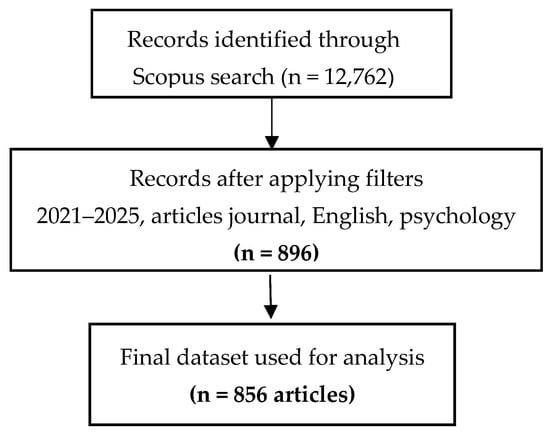
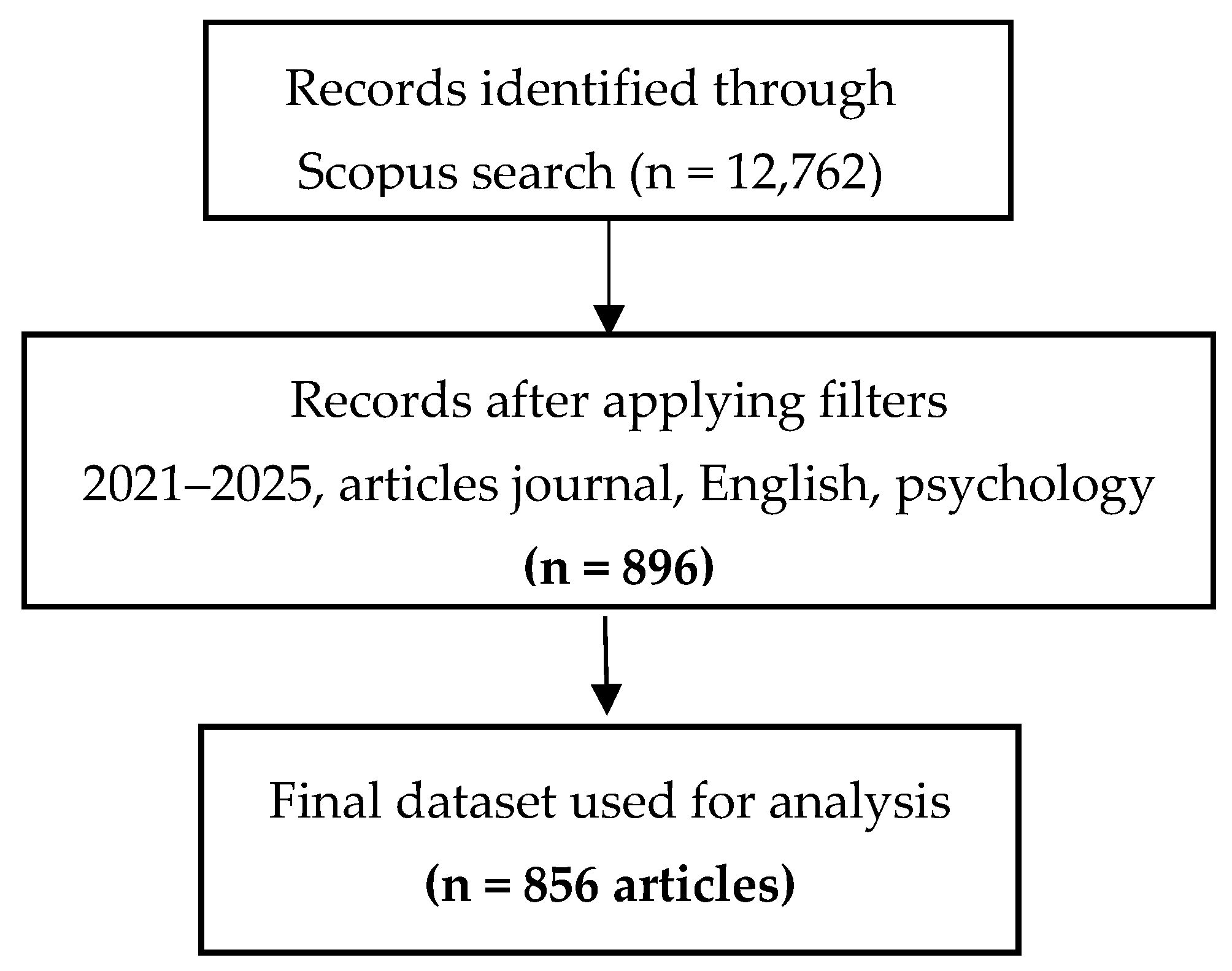
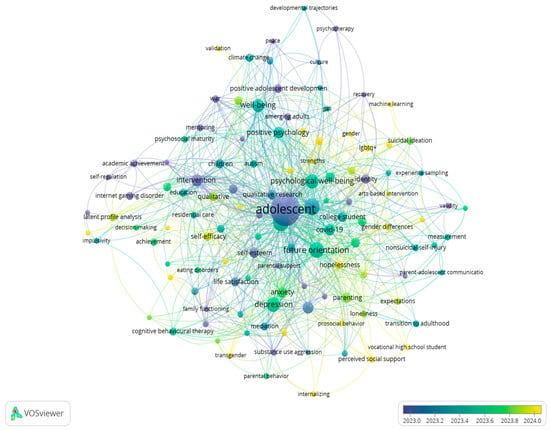
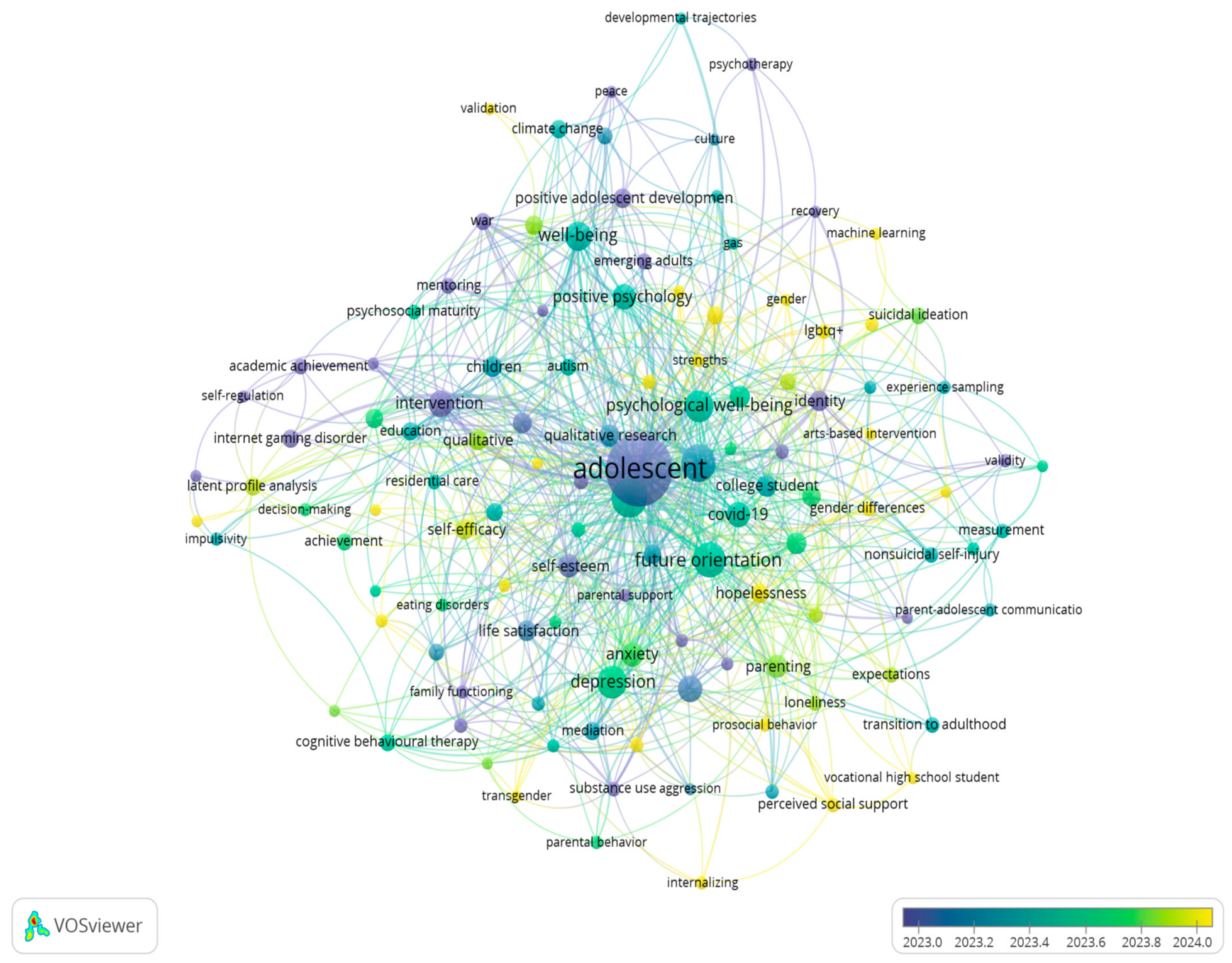
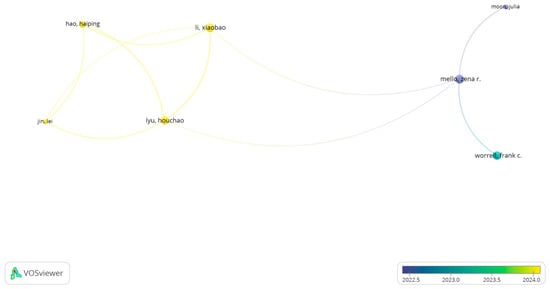
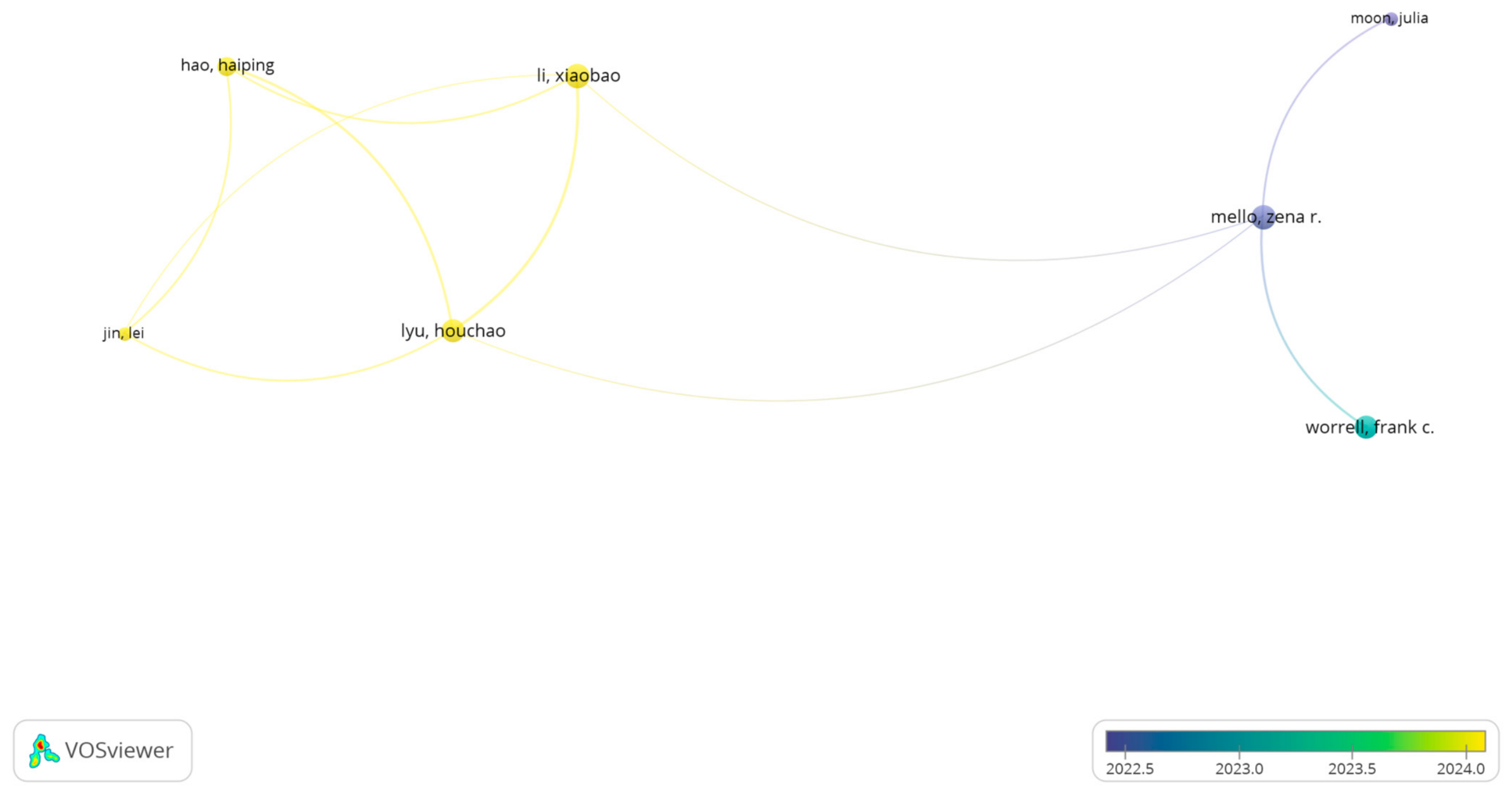
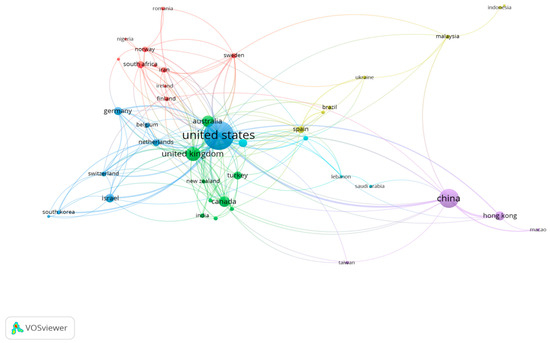
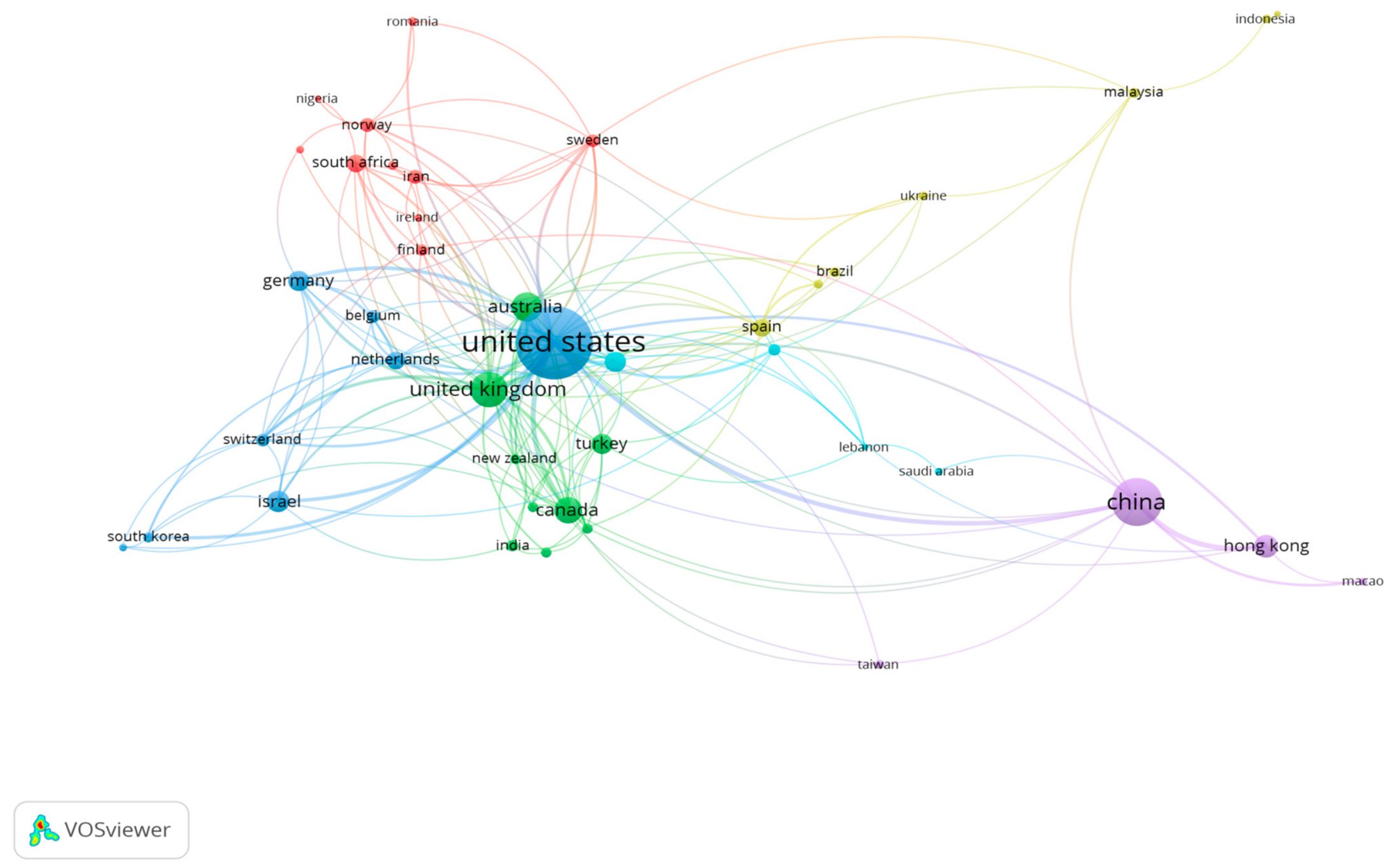
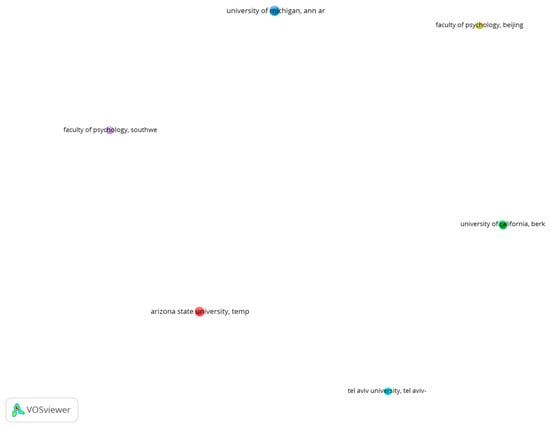
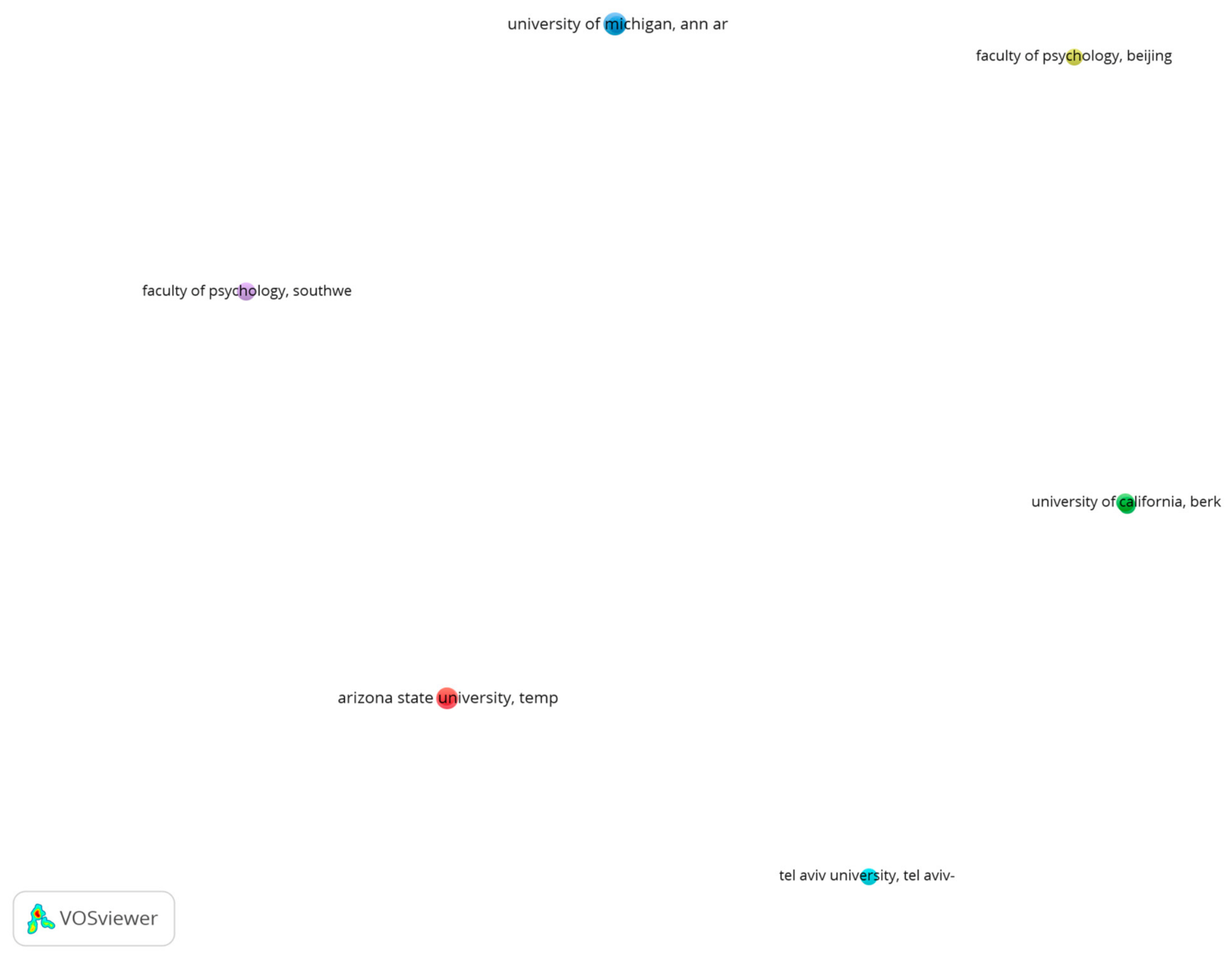
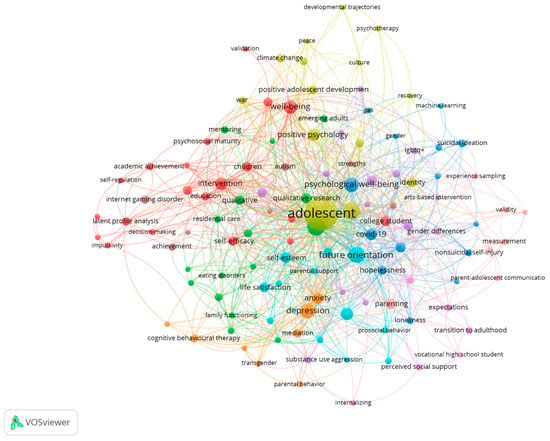
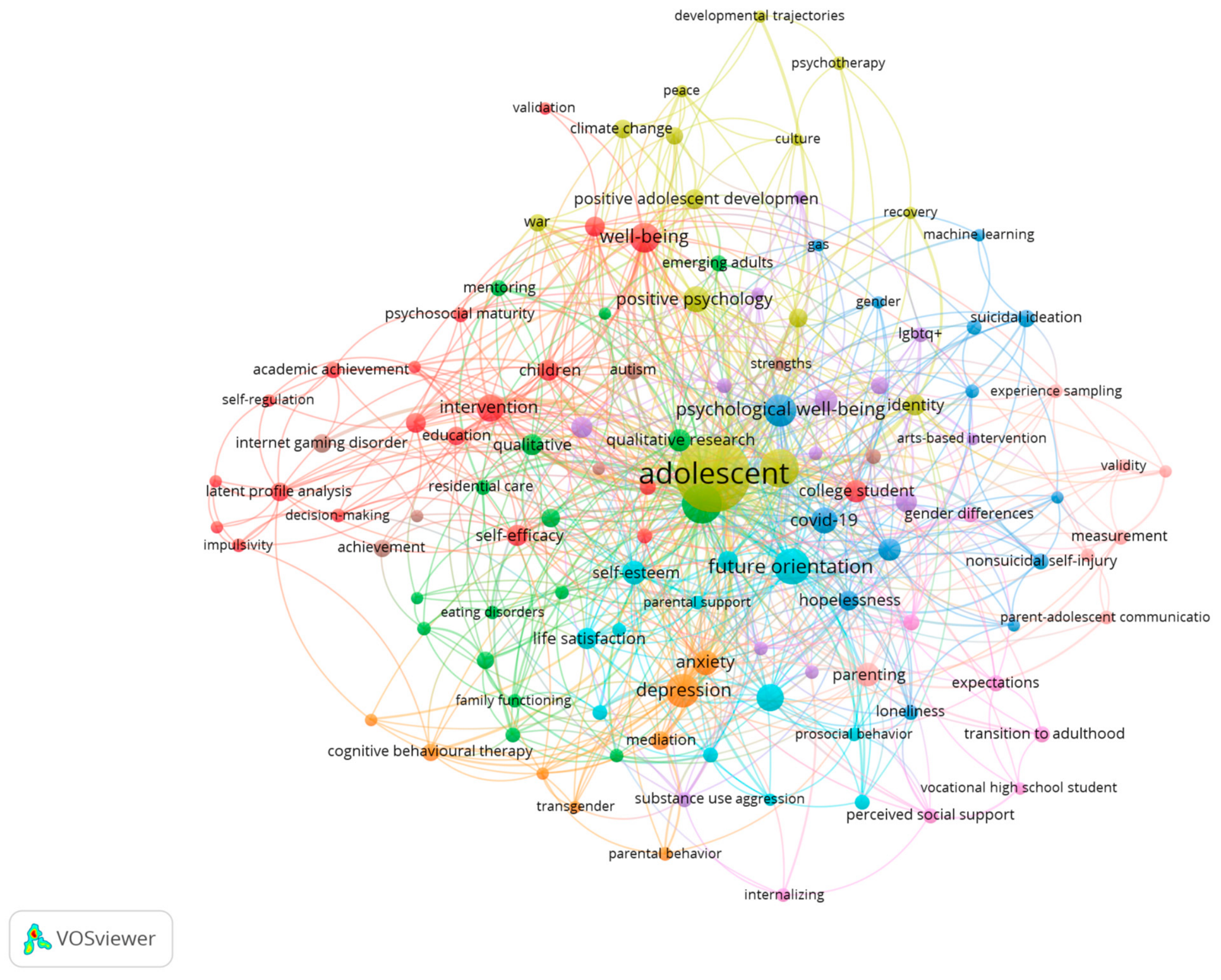
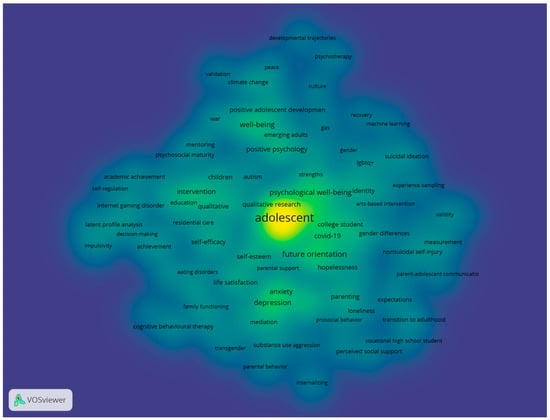
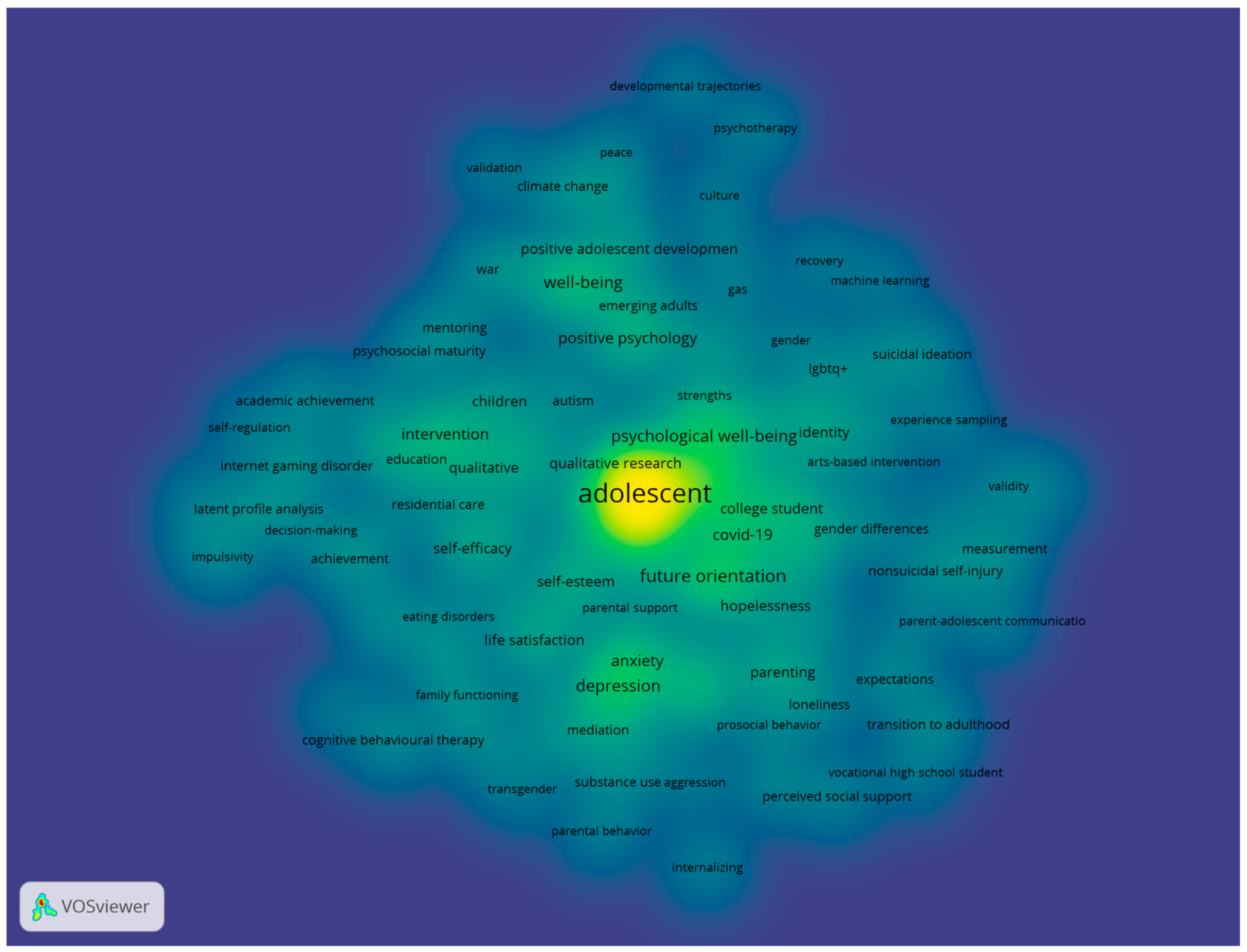
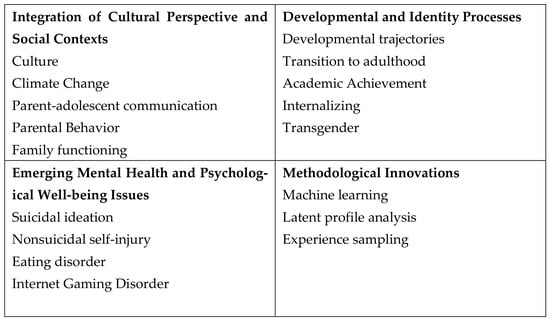
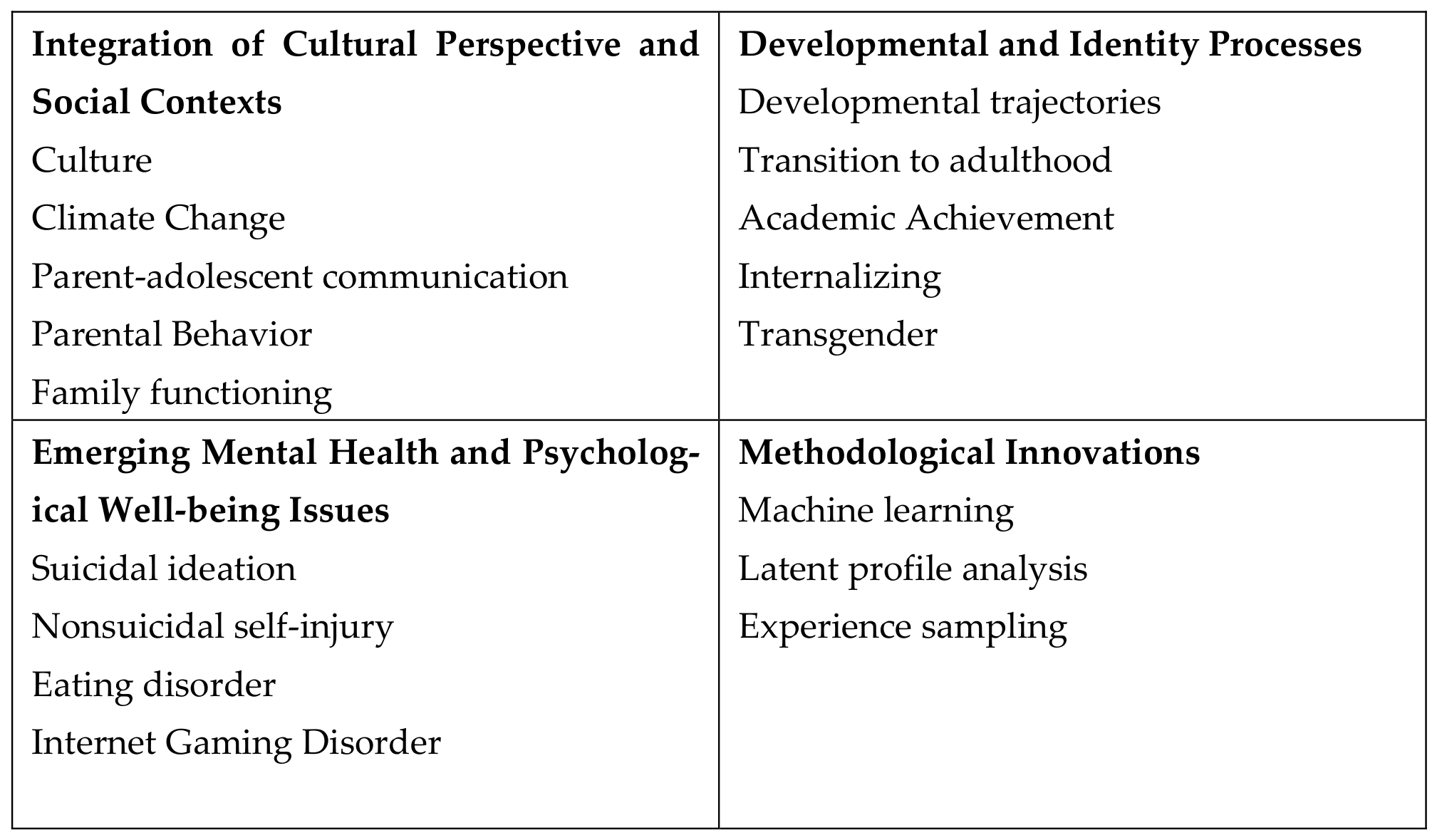

Disclaimer/Publisher’s Note: The statements, opinions and data contained in all publications are solely those of the individual author(s) and contributor(s) and not of MDPI and/or the editor(s). MDPI and/or the editor(s) disclaim responsibility for any injury to people or property resulting from any ideas, methods, instructions or products referred to in the content. |
© 2026 by the authors. Licensee MDPI, Basel, Switzerland. This article is an open access article distributed under the terms and conditions of the Creative Commons Attribution (CC BY) license.