


Abstract
Betalains are water-soluble pigments containing nitrogen, and they exist naturally in the plants of the order Caryophyllales. They have gained increasing attention in recent years because of their intense colours, antioxidant activity, and safety, thus making them suitable replacements for artificial dyes. The increasing interest in natural pigments has led to intensified research on betalain biosynthesis and optimization of pigment production. Nonetheless, their application in industry faces limitations, such as their low natural occurrence, sensitivity to environmental conditions, and instability during manufacturing and storage. Unlike previous reviews that primarily focused on betalain chemistry, biosynthesis pathways, or biological activity, the present review highlights recent developments in the engineering of the biosynthesis pathways, synthetic biology, elicitation approaches, omics-based pathway identification, and nanobiotechnology for betalain pigments. Special attention is paid to the comparison of plant, plant cell, yeast, and bacterial production systems, as well as recent advancements towards industrial production of betalain pigments and bottlenecks in the commercialization of sustainable betalain bio-factories.
Keywords:
natural pigments; betalain biosynthesis; bio-factory; elicitation strategies; metabolic engineering; bioproduction Key Contribution:
This review integrates recent advances in betalain biosynthesis, metabolic engineering, synthetic biology, tissue culture, nanotechnology, and omics approaches, while critically evaluating production platforms, industrial applications, commercialization challenges, and future prospects for sustainable natural pigment production.
1. Introduction
Among all the attributes that determine consumer acceptance of foods, pharmaceuticals, cosmetics, and nutraceuticals, colour is probably the foremost. Apart from adding to the esthetic appeal of any food or cosmetic, colours also play an extremely vital role in determining perceptions about freshness, nutritive value, safety, and quality of a product by consumers. The use of synthetic colourants in industrial operations for years now has mainly been due to their low cost, high colouring power, wider availability of colours, and better stability of synthetic colourants as compared to other natural colourants used in industrial applications [1,2]. Currently, synthetic pigments have dominated the global markets due to their prevalence, as they account for an approximate market share of 76%, whereas natural pigments held a market share of only 24% in 2022 [3]. Global sales of synthetic dyes have reached USD 7.1 billion as of 2024, which will rise to USD 9.1 billion by 2029, with a compound annual growth rate (CAGR) of 5.0% [4]. However, growing consumer awareness about the various harmful impacts of several artificial colours on both health and the environment has led to greater consumer inclination toward using natural colourants. This has led to the development of plant-based pigments, which have become of great significance in food sciences, biotechnology, and agricultural and industrial applications. Natural pigments such as carotenoids, anthocyanins, chlorophylls, and betalains provide colour while offering antioxidant activity, biodegradability, biocompatibility, and low toxicity [5]. The rapid expansion of the market for natural colourants is attributed to the changes in policy regulations regarding food additives and growing interest in sustainable products.
From the various classes of natural pigments, the betalains have attracted significant attention in terms of research and industrial applications due to their colourful nature, solubility in water, and adaptability to current sustainable production technologies. The betalains represent a group of nitrogenous pigments derived from L-tyrosine and are exclusively found in plants that belong to the Caryophyllales order [6]. These pigments are characterized by bright red-violet and orange-yellow hues, thus making them desirable colourants in the food and cosmetics industries. More importantly, betalains possess high antioxidant activity and a favourable safety profile, making them promising natural alternatives to synthetic colourants in the food and other industrial sectors (Figure 1). Representative synthetic food colourants that could potentially be replaced by betalains and their reported toxicological concerns are summarized in Table 1. Nevertheless, there are limitations concerning the application of these pigments, including low yields, limited natural sources, stability issues, and environmental sensitivities. Some of the notable issues that have been highlighted about betalain commercialization include limited supply sources of these pigments. While red beet (Beta vulgaris) continues to be the most common source for industrial use, reliance on few crops for betalains creates sustainability challenges, vulnerability to climatic variations, seasonality, and poor pigment quality. In addition, the production of betalains in plants is highly sensitive to environmental factors like temperature, light, salinity, nutritional levels, and biotic/abiotic stresses. Such variability often leads to fluctuations in pigment yield and quality, thereby affecting industrial scalability and economic feasibility [7]. Another major limitation of betalains is their physicochemical instability. Betalains are extremely sensitive to factors such as heat, oxygen, pH, light, and enzymatic reactions [8]. In the process of industrial production and storage, betalains can oxidize, decompose, or hydrolyze. As a result, the pigmentation properties of these substances decrease, which greatly limits their use in thermally treated food products. Thus, improvement of betalain stability and synthesis efficiency is currently one of the key issues of pigment biotechnology.
Figure 1.
Key advantages of betalains, including antioxidant activity, water solubility, safety, and industrial applicability.
Table 1.
Representative synthetic food colourants that can potentially be substituted by betalains and their reported toxicological effects.
Recent advances in plant biotechnology, metabolic engineering, synthetic biology, and nanotechnology have created new opportunities to overcome the limitations associated with betalain production. The identification of key biosynthetic enzymes, including cytochrome P450, DOPA dioxygenase (DODA), and glucosyltransferases, as well as their regulatory transcription factors, has significantly improved our understanding of the molecular mechanisms governing betalain biosynthesis [14]. These discoveries have enabled the development of metabolic engineering strategies to enhance pigment production in both native and heterologous systems. Consequently, betalain biosynthetic genes have been successfully introduced into microorganisms, plants, and cultured cells, providing sustainable alternatives to conventional plant extraction and expanding the potential for industrial-scale pigment production [15].
Further developments in synthetic biology have contributed to advancing the research process by making it possible to create modular biosynthetic pathways and multigene expression systems. The creation of visual screening reporters like RUBY has not only helped in carrying out transformation screening but also proved the practicality of engineering betalains in plant biotechnology [16]. On the other hand, technologies like CRISPR/Cas have made it possible to precisely manipulate the biosynthetic pathways, transcription factors, and precursor biosynthesis networks responsible for the formation of betalains [17]. These technologies offer tremendous potential for optimizing metabolic flux, enhancing pigment accumulation, and improving stress tolerance in engineered organisms. Apart from whole-plant genetic engineering techniques, tissue culture systems have been identified as viable options for efficient pigment production in controlled conditions. Callus cultures, suspension cultures, and hairy root cultures offer scalable and environmentally controllable media [18] for the study of betalain biosynthesis and optimization of pigment production. They allow for strict control of the nutritional and phytohormonal requirements, as well as environmental stimuli affecting betalain accumulation. Additionally, tissue culture systems minimize the need for field cultivation and permit year-round production. Interventions based on nanotechnology have also been recognized as potential tools for promoting the production of secondary metabolites in plants. Nanoparticles can behave like abiotic elicitors that can induce oxidative stress responses and metabolic pathways involved in pigment formation. Several studies conducted using nanoparticles of selenium, zinc oxide, and titanium dioxide indicate that nanotechnology may play a pivotal role in pigment production due to signalling and stress-related metabolic responses in cells [19]. The impact of nanotechnology in the field of betalain biotechnology is in its nascent stage.
Despite substantial progress, several challenges continue to limit the efficient production of betalains. These include incomplete understanding of the regulatory networks governing betalain biosynthesis, limited precursor availability, stable transgene expression, large-scale production, and pigment stability. Addressing these challenges will require integrated multidisciplinary approaches that combine metabolic engineering, synthetic biology, omics technologies, and bioprocess optimization. As research in this field continues to expand, a comprehensive understanding of current strategies for enhancing betalain biosynthesis is essential for developing sustainable and commercially viable production systems.
Several comprehensive reviews have been published on the chemistry, occurrence, extraction, biological activity, and uses of betalains. Nevertheless, significant developments have taken place in areas of metabolic engineering, synthetic biology, multi-omics techniques, microbial bio-factories, and bioprocessing technology in the last few years. As opposed to previous reviews, the current review includes recent research in areas such as pathway engineering, elicitation, synthetic biology, tissue culture, nanotechnology, and omics-based identification of regulatory genes. Moreover, this review is a comparative assessment of plant-, plant cell-, yeast-, and bacterial-based production systems, industrial production, and commercial aspects, along with future prospects for sustainable betalain bio-factories.
2. Betalains: Discovery, Classification, and Biological Significance
Betalains are a distinct group of nitrogenous and water-soluble pigments that have gained much attention owing to their bright colours, bioactivities, and applicability as eco-friendly natural colourants. In contrast to many other plant pigments, betalains are found exclusively in the Caryophyllales, replacing anthocyanins from a functional perspective. Betalains are the cause of the distinctive red-violet and yellow-orange colours exhibited by many flowers, fruits, roots, stems, and leaves of plants like B. vulgaris, Amaranthus species, Opuntia ficus-indica (prickly pear), and Hylocereus polyrhizus (dragon fruit). The combination of their specific distribution pattern, distinctive chemical structure, and biological properties makes them one of the most intriguing groups of plant secondary metabolites [20]. Research into the structure and functionality of betalains can be traced back centuries, when beet pigments were isolated and tested for their dyeing properties. Initial studies on beet pigments were limited to beetroot due to its vivid colouration properties and long-standing role in dyeing applications, especially in food products. In addition, the name of beet pigments, namely “betalains,” was coined based on the name of the plant species that belongs to the Genus Beta, better known as red beets, which have remained primary sources for these compounds. The main red-violet pigment found in beetroot, named betanin, gained widespread recognition for its commercial importance as a natural dye, E162, that is applied to beverages, confectionery, dairy products, ice creams, and food products [7].
Betalains chemically represent water-soluble alkaloids that derive their formation from L-tyrosine amino acids and are defined by the presence of betalamic acid as the basic chromophoric molecule. Depending on the structural features and colouring properties, all betalains can be broadly grouped into two categories, namely betacyanins and betaxanthins [20,21]. Among them, betacyanins are those responsible for red to violet colouring and include betanin, amaranthin, gomphrenin, and phyllocactin, with a maximum absorbance ranging from 535 to 540 nm. On the contrary, the group of betaxanthins is responsible for yellow to orange colouring and represents a complex of betalamic acid and amino acids or amines, with the maximum absorbance ranging from 470 to 480 nm (Table 2) [22]. Mutual exclusivity between anthocyanins and betalains is a significant characteristic of these pigments. The production of anthocyanins and betalains by plants does not occur at once, as they do not co-exist within any organism [23]. This issue has fascinated researchers in the field of plant biology for decades. Though the exact reason for this exclusivity is still under study, there has been extensive research on this topic, which supports the idea that betalains may have developed as an alternative to anthocyanin pigment within Caryophyllales plants [23].
Table 2.
Chemical structures, descriptions, and absorption characteristics of key intermediates and representative betalain pigments.
The presence of betalains in nature is rather restricted relative to other pigments found in plants. Nonetheless, they occur in many economically useful plants. Of them, B. vulgaris continues to be the main commercial source of betalains due to their abundant presence in this plant and easy cultivation [37]. Dragon fruit (Hylocereus polyrhizus and H. costaricensis) represents another commercially important plant, owing to the presence of high amounts of betacyanins in its deeply red-coloured flesh [38]. Prickly pear (Opuntia ficus-indica) also exhibits the presence of considerable quantities of indicaxanthin and betanin-like pigments [39]. Other examples are plants such as Amaranthus, Celosia, Bougainvillea, and Basella alba, as well as some cacti. The recent scientific literature mentions betalain-like substances, even in fungi and bacteria [40,41]. Betalains exhibit various physiological and ecological functions in plants. One of the most noticeable functions of betalains is pigment formation, which plays a significant part in attracting pollinators and seed dispersers. Flower and fruit colouration enhance reproductive success through enhanced visual appeal. Apart from ecological function, betalains play a key role in stress response and tolerance to environmental stressors [42,43,44]. There are several pieces of evidence indicating that betalain biosynthesis is induced during abiotic stress occurrence, including salt stress [45], light stress [46], ultraviolet stress [47], and extreme temperatures [48]. Betalains serve as excellent antioxidants, which can neutralize reactive oxygen species (ROS), preventing damage to cell structures [43]. The antioxidant activity of betalains is directly linked to the phenolic group and conjugated double bonds found in the structure [8]. In addition to their antioxidant activity, betalains also play an important role in the defence strategy of plants. Betalains’ presence in plants in response to pathogenic attacks or stressful environmental factors indicates their involvement in signal transduction pathways associated with stress tolerance [49,50]. Some studies have also suggested that betalains might be involved in stabilizing cellular membranes, preventing lipid peroxidation, and protecting photosynthesis-related organelles from oxidative stress [6,51].
The increased scientific interest in betalains can be mainly attributed to the biological activities associated with their medicinal effects. In the past 20 years, studies have found betalains to be antioxidants, anti-inflammatory, anticancer, hepatoprotective, cardioprotective, antimicrobial, neuroprotective, and antidiabetic [6,52]. Betanin and indicaxanthin have been studied extensively because of their unique ability to scavenge free radicals, which help to prevent inflammatory damage and protect the body from various health disorders. A number of in vitro and in vivo experiments have proven the anticancer activity of betalains. Beetroot and prickly pear extracts high in betanin content have exhibited anti-proliferative effects on different cancer cell lines such as colon, breast, prostate, liver, lung, cervical, and leukemia cancers [53]. The mechanisms underlying the action of betalains include apoptosis induction through mitochondrial pathways, activation of caspase enzymes, regulation of p53 signalling, and inhibition of cell proliferation [53,54]. Recent research has highlighted the epigenetic activities of betalains, which include alteration of DNA methylation and gene expression involved in cancer suppression [55]. Additionally, betalains have been reported to reduce angiogenesis, suppress inflammation, and inhibit metastatic progression in experimental models [56]. Betalains have thus found many new applications in the field of pharmaceuticals and nutraceuticals. The consumption of beetroot juice and extracts rich in betalains is becoming popular in functional food and dietary supplements owing to their various health benefits. Several clinical trials have demonstrated the potential of betalain-based products in improving cardiovascular health through reduced blood pressure, increased endothelial function, and decreased oxidative stress indicators [57].
3. Betalain Biosynthesis Pathway
Betalains have received much attention, owing to their distinct chemical makeup and functions in biology [58]. Betalains are synthesized from the aromatic amino acid L-tyrosine (Figure 2), formed in the shikimate pathway [22]. The first step entails the conversion of L-tyrosine to L-DOPA through hydroxylation via cytochrome P450 enzymes in the CYP76AD family that have tyrosine hydroxylase-like activity [59]. L-DOPA forms the intermediate compound in the two most critical steps for the synthesis of betalains [60]. In another pathway, the substrate L-DOPA undergoes oxidation into betalamic acid, the common chromophore of all betalains, via DOPA 4,5-dioxygenase (DODA) activity. Meanwhile, the alternative pathway involves the oxidation of L-DOPA into cyclo-DOPA via CYP76AD enzyme activity. The non-enzymatic or enzymatic condensation reaction between betalamic acid and cyclo-DOPA results in the production of betacyanins that provide red to violet colours. On the other hand, the condensation between betalamic acid and amino acids or amines produces betaxanthins that generate yellow to orange hues. Glycosylation is further utilized to modify the structure of betalains to increase solubility, stability, and accumulation of the pigment within vacuoles. Such structural modification is necessary for pigment deposition and performance [61]. The regulation of betalain biosynthesis depends on both genetic and environmental factors. Transcription factors belonging to the MYB, bHLH, and WRKY families have been observed to control the gene expression of biosynthetic genes in a tissue-specific and development-dependent manner [62]. The effect of environmental factors, such as light, temperature, and stress, on pathway regulation is exerted through alterations in gene expression and metabolic flow [63]. The betalain biosynthesis pathway involves relatively few enzymes compared with other plant pigment pathways. Biological synthesis of betalains depends, however, on strict control of metabolites, enzymes, and transcription factors. Research conducted recently has shown that the manipulation of enzymes, namely CYP76AD and DODA, and transcription factors can greatly increase the rate of betalain biosynthesis [64]. Overall, the betalain biosynthesis pathway appears to be an interesting example of a fairly simple but strictly controlled metabolic route. The detailed information about its enzymes and control factors will provide solid grounds for genetic modification of the pathway and enhancement of pigment yield, stability, and diversity.
Figure 2.
Simplified betalain biosynthetic pathway illustrating the conversion of Tyrosine to betalains through the sequential action of CYP76AD, DODA, and betanidin 5-O-glucosyltransferase (B5-GT).
4. Key Genes and Regulatory Networks Implicated in Betalain Biosynthesis
The process of betalain biosynthesis is controlled through a tightly controlled interplay between the structural genes responsible for the pathway enzymes involved in this process, as well as the regulatory genes responsible for regulating gene expression. Betalain biosynthesis requires only a few enzymes compared to any other pigment synthesis pathway in plants, but efficient synthesis requires regulation of these enzymes and their involvement in primary metabolism. The list of genes identified through various studies is summarized in Table 3.
4.1. Structural Genes in Betalain Biosynthesis
The core betalain pathway is primarily driven by three major classes of enzymes, namely, Cytochrome P450 enzymes (CYP76AD family), DOPA 4,5-dioxygenase (DODA), and Glucosyltransferases (GTs). The proteins belonging to the CYP76AD gene family have both a hydroxylation activity on L-tyrosine into L-DOPA and an oxidizing activity on L-DOPA into cyclo-DOPA, which is necessary to synthesize betacyanins [59,65]. Some specific functions of different forms, such as CYP76AD1, CYP76AD5, or CYP76AD6, can modify the proportion of synthesis between betacyanin and betaxanthin [59,66]. It is crucial for L-DOPA to degrade into betalamic acid to create the betalains. Betalamic acid acts as the chromophore that gives the pigment colour. It has been proven that DODA plays a significant role in producing both betacyanin and betaxanthins [67]. The enzymes responsible for the glycosylation of betalain precursors are the enzymes referred to as cyclo-DOPA 5-O-glucosyltransferase (cDOPA5GT) and betanidin 5-O-glucosyltransferase (B5GT). Glycosylation results in increased stability, solubility, and accumulation of the pigments in the vacuole [61]. Aside from these enzymes, which are directly responsible, additional genes that affect precursor availability, especially those involved in tyrosine synthesis and primary metabolism, play an indirect yet significant role in controlling betalain biosynthesis.
4.2. Regulatory Genes and Transcriptional Control
Expression of biosynthesis genes for betalains is strictly controlled by transcription factors that control gene activation during development and in response to environmental conditions. Of all transcription factors controlling such processes, MYBs are the best-studied. MYB transcription factors (e.g., BvMYB1, HuMYB132) are proteins that are important activators of genes related to the biosynthesis of betalains, as they attach themselves to promoters and increase transcription rates. Scientific studies have demonstrated the ability of MYB factors to directly activate genes like CYP76AD and DODA [68]. It has been shown that WRKY proteins are key players in the regulation between stress signalling and betalain production. For instance, certain types of WRKY proteins induce the expression of CYP76AD, which is responsible for the increased level of betalains when plants undergo fruit ripening and stress conditions [62]. Compared to MYB proteins, bHLH proteins are thought to work together with MYB regulators in regulating gene expression [69].
Table 3.
Key genes in betalain biosynthesis.
4.3. Integration with Metabolic and Environmental Regulation
Betalain biosynthesis is related to primary metabolism, mainly L-tyrosine synthesis. The activities of enzymes involved in tyrosine synthesis, including arogenate dehydrogenase (ADH), affect precursor levels, thus affecting total pigment synthesis [82]. Differences in feedback inhibition of ADH activity have been shown to be correlated with an increase in betalain biosynthesis in specific plants [60,82]. Environmental conditions like light, temperature, and biotic/abiotic stress affect betalain biosynthesis [46]. Environmental conditions affect both the structural and regulatory gene expression in plants through stress-responsive transcription factors like WRKY [83].
4.4. Functional Significance and Engineering Implications
The simplicity of the architecture of the betalain biosynthesis pathway and the clear identification of its core genes render it highly susceptible to genetic and metabolic engineering approaches [84]. Research has shown that the concurrent expression of core structural genes, such as those coding for CYP76AD, DODA, and GTs, is adequate to reestablish the betalain synthesis process within non-native plants [85]. However, attaining high-level and constant betalain biosynthesis necessitates the coordinated control of all these factors. In general, interactions between biosynthetic proteins, transcription factors, and metabolic networks play a crucial role in determining the efficacy of the betalain biosynthesis process.
4.5. Functional Validation
The functional confirmation of genes involved in betalain biosynthesis was crucial in the validation of their respective functions in the pathway. The integration of different strategies, including the analysis of gene expression, RNA interference, Virus-Induced Gene Silencing (VIGS), gene overexpression experiments, and enzymology, has led to the authentication of roles of certain genes in the formation of pigments. Regarding the structural genes, CYP76AD genes have been confirmed to play an important role in the betalain biosynthesis pathway. It was shown that inhibition of CYP76AD gene expression resulted in reduced levels of betacyanin through the VIGS experiment conducted in B. vulgaris [70,86]. The enzyme (DODA) was also confirmed to play a crucial role in the pathway for synthesizing betalains. Knockdown experiments targeting the gene responsible for DODA activity in beet demonstrated an obvious absence of betalain pigments, implying that DODA is critical in the production of betalamic acid [87]. The research findings confirm the key role of the enzyme in the pathway by ensuring the production of the core chromophore needed to synthesize betacyanins and betaxanthins. Glucosyltransferases that catalyze the final stages of betalain production have also been studied using functional analysis. For instance, silencing B5GT genes and glucosyltransferases in Hylocereus species caused a significant decrease in betalain pigments, suggesting that glycosylation is important not only for the stability of betalain pigments but also for their effective accumulation in plants [88]. Aside from structural genes, transcription factors have been experimentally validated as important factors in controlling the biosynthesis of betalains. For example, overexpression and silencing of MYB transcription factors in Amaranthus tricolor have demonstrated their function in controlling the biosynthesis of CYP76AD and DODA [80]. This proves the importance of transcriptional regulation in controlling the activity and functioning of the pathway and thus obtaining pigments effectively. New advancements in understanding transcription factors have indicated that other factors, such as WRKY proteins, are also involved in the regulation of the expression of betalain biosynthesis genes. Function tests, including protein–protein interactions and promoter binding tests, have identified that these transcription factors induce the expression of structural genes, thus connecting environmental factors to the production of pigments. The above-mentioned experiments indicate that the production of betalains involves a tightly controlled network of enzymes and transcription factors involved. It is also shown that alteration in one particular factor affects the accumulation of pigments [80]. However, for enhanced betalain biosynthesis, a holistic system approach is required where several enzymes in the pathway are regulated together.
5. Current Status of Industrial Production and Challenges
The increasing global need for natural pigments has greatly boosted industrial interest in betalains as eco-friendly options to artificial dyes. Due to their brilliant colours, water solubility, antioxidant characteristics, and good safety record, betalains have become highly significant in the fields of food products, pharmaceuticals, nutraceuticals, cosmetics, and packaging. Currently, the industrial production of betalains heavily relies on the extraction of betalains from natural plants, where the main source is red beet (B. vulgaris) [89]. Some other recent sources of betalains are dragon fruit (Hylocereus spp.), prickly pear (Opuntia ficus-indica), amaranth, and cactus fruits [90].
Conventional extraction, purification, concentration, stabilization, and formulation are some of the major procedures used in the industrial synthesis of betalains. The use of conventional solvent extraction procedures that employ either water or aqueous ethanol as the extracting agent continues to be one of the widely utilized procedures owing to its ease, economy, and suitability for food applications [91]. However, several limitations exist with conventional extraction procedures, such as their low extraction yield, long extraction times, large quantities of solvent, and degradation of pigments. In order to eliminate the above-mentioned limitations, advanced extraction techniques have been introduced, such as ultrasonic-assisted extraction (UAE), microwave-assisted extraction (MAE), enzyme-assisted extraction (EAE), pressurized liquid extraction, and supercritical fluid extraction [92]. These technologies improve pigment recovery while minimizing thermal degradation and solvent usage. From all of the above methods, ultrasonic and microwave extraction processes have received much recognition, owing to their potential to break down cell walls, speed up the extraction process, and shorten extraction times. In addition, enzyme-assisted extraction can contribute to higher pigment extraction efficiency through the degradation of structural polysaccharides inside plants, leading to increased betalain extraction from cell interiors. Moreover, the development of green extraction techniques is also an emerging trend within recent industrial studies, aimed at reducing the environmental burden without compromising the pigment recovery rate [92,93]. These developments align with the growing demand for sustainable and eco-friendly industrial processing systems.
Even though there have been significant improvements in the extraction technologies of betalains, the use of these compounds in industrial applications is still greatly hindered by their poor physicochemical stability properties. In particular, betalains are prone to degradation from various environmental factors, such as temperature, illumination, oxygen, metal ions, hydration, and changes in pH levels [94,95]. Oxidation and hydrolysis reactions are frequent phenomena for betalains when exposed to certain environments, causing discolouration and reduced antioxidant effects. Moreover, food processing procedures, such as pasteurization and sterilization, frequently lead to severe destruction of betalains. Consequently, maintaining pigment stability throughout processing and storage represents one of the most critical challenges limiting broader industrial adoption. However, several solutions to stability concerns have been achieved through advances in encapsulation techniques. The use of biopolymers, proteins, liposomes, maltodextrin, gum arabic, as well as chitosan-based and nanocarrier encapsulation methods has proven highly effective in increasing the stability of betalains [96,97]. At the industrial scale, spray drying and freeze drying are the most commonly used techniques utilized in manufacturing betalain powders and extracts [96]. Encapsulation not only contributes to the increased stability of pigments but also enhances their bioavailability, controlled release, and suitability in different food matrices. Modern techniques of nanoencapsulation have enhanced betalains’ protection from oxidation and thermolysis processes.
One significant obstacle involved in industrial betalain production is the scarcity of abundant natural resources. While red beet is still a major commercially available resource, there are certain restrictions with using only one plant species as an industrial betalain source. Among others, such factors as seasonality, agricultural dependence, climate sensitivity, and variable pigment content may be listed. Moreover, the earthy taste of beetroot extract, mainly due to geosmin, can limit the use of betalains for food colouring purposes [61]. These limitations have stimulated research into alternative betalain-producing plants and engineered production systems capable of generating pigments with improved quality and stability.
6. Strategies to Enhance Betalain Production
Bioengineering approaches are gaining more attention in terms of sustainability in comparison with traditional agriculture for betalain extraction. In vitro tissue culture systems, such as callus culture, suspension culture, and hairy root culture, have shown promise in terms of controlled betalain production by using optimized and sterile conditions. Some of the benefits of using in vitro approaches include constant production throughout the year regardless of climatic fluctuations and regulation of metabolite synthesis.
6.1. Tissue Culture and Bioproduction
In vitro culture systems provide an effective and convenient system for betalain production and improvement. Various types of cultures, such as callus, cell suspension, and hairy root culture, have been extensively used to understand and optimize betalain biosynthesis in vitro. Callus culture is one of the most widely used methods for betalain biosynthesis. Studies conducted on Hylocereus costaricensis showed that betalain was highly accumulated in cell culture, with values up to 21.11 mg/g dry weight [98]. Likewise, callus cultures of Bougainvillea and Amaranthus tricolor have shown accumulation of betacyanin and betaxanthin pigments. Thus, undifferentiated cultures can be used for betalain production. Cell suspension culture is another effective method of betalain biosynthesis that can overcome the limitations associated with callus culture. A betalain content up to 23.27 mg/L was recorded in Celosia argentea [99]. These systems facilitate fine control of environmental factors like availability of nutrients, pH, and light to ensure optimization of pigment production. Hairy root cultures constitute another viable option for betalain production. Genetic stability, high rates of growth, and capability of producing secondary metabolites at the same level as entire plants make hairy root cultures a viable option for betalains. Hairy root cultures have been proven to be used successfully as reliable sources for betalains’ production in B. vulgaris [100]. Aside from the types of culture, other factors like elicitation, nutrient content, and environment also play vital roles in the regulation of betalain production. For instance, an increase in betalain content in callus cultures of Hylocereus costaricensis was achieved by means of amino acids and lighting [101]. Overall, tissue culture systems provide versatile and scalable platforms for betalain production (Table 4). These systems are particularly valuable for studying pathway regulation, screening genetic constructs, and developing commercial production strategies. Among the available in vitro systems, suspension cultures are more suitable for scale-up, whereas hairy root cultures provide superior genetic stability and long-term metabolite production.
Table 4.
Tissue culture-based betalain production.
6.2. Genetic Engineering Strategies
In recent years, genetic engineering has proven to be a very useful tool for increasing the production of betalains in both natural and heterologous plant hosts [108]. Various transformation methods have been used in order to enhance betalain production in plants through the manipulation of genes responsible for its synthesis, resulting in increased pigment formation, new pigment colouration, and betalain biosynthesis in new plant species [109]. Agrobacterium-based transformation continues to be the most popular choice for the functional analysis of betalain genes [110]. Early studies demonstrated the successful introduction of betalain biosynthetic genes into heterologous systems [71,111]. For example, the insertion of a betalain biosynthetic gene from Caryophyllaceae plants into tobacco will make it possible to study its role in the process of pigment formation. Similarly, Chenopodium quinoa transformation with CqCYP76AD1-1 and CqCYP76A1-2 genes showed that they are involved in the formation of pigments in hypocotyls [112]. Significant advances have been achieved by introducing several genes associated with betalain formation. For example, in carrots (Daucus carota), plasmids containing pYB:mCD (AomelOS, BvCYP76AD1S, BvDODA1S) and pYB:CDD (BvCYP76AD1S, BvDODA1S, and MjcDOPA5GTS) genes were introduced using the Agrobacterium-mediated method, resulting in the synthesis of betanin [110]. This shows that the simultaneous expression of all the genes in the pathway is needed for efficient pigment synthesis. Genetic engineering strategies can be used not only for structural genes but also for enhancing the level of pigments in many other plants. For example, betanin accumulation was increased by using the Agrobacterium strain GV3101:pMP90 in tomatoes [113]. Similarly, betalains were synthesized in anthocyanin-containing plants through the introduction of DOPA dioxygenase genes regulated by constitutive promoters [109]. Betalain production from hairy root culture systems, induced by infection of Agrobacterium rhizogenes, has also been investigated as an efficient system for producing betalains. It was reported that transformed hairy root cultures of B. vulgaris could produce betalain pigments similarly to those found in natural roots, thus serving as stable systems for betalain production [100]. Importantly, these pigments were accumulated only in root tissues and not in other plant organs, indicating that biosynthesis and accumulation mechanisms are controlled. Genetic transformation approaches have been further developed for use in ornamental plants. For example, in Eustoma grandiflorum (lisianthus), expression of CYP76AD1, DOPA dioxygenase (DOD), and cyclo-DOPA 5-O-glucosyltransferase (5GT) with a CaMV 35S promoter allowed the enhancement of betalain production in lisianthus flowers [114]. In general, these observations confirm the efficiency of multigene pathway construction rather than one-gene approaches for efficient and stable betalain production in plants. Thus, these results show that expression of betalain biosynthetic genes can be considered a promising approach for enhancing betalain pigment production in various species (Table 5).
Table 5.
Genetic engineering studies using betalain pathway.
6.3. Metabolic Flux Optimization and Synthetic Biology Design Principles for Enhanced Betalain Production
Engineering of the betalain biosynthetic process goes far beyond the overexpression of structural genes and includes the tuning of the entire metabolic pathway related to precursor synthesis, carbon metabolism, regulation, and metabolite trafficking inside cells. Although the genes coding for CYP76AD, DODA, and glucosyltransferases belong to the main machinery of betalain biosynthesis, there is ample evidence suggesting that the availability of precursors and metabolic flux control are the key factors in determining the production of pigments [84]. Being produced only from L-tyrosine, the availability of this aromatic amino acid often becomes the main limiting step for betalain biosynthesis.
The synthesis of tyrosine is controlled via feedback inhibition of arogenate dehydrogenase (ADH) and prephenate dehydrogenase (PDH) [122]. These enzymes are responsible for the regulation of amino acid balance in plants and microorganisms. The development of feedback-resistant forms of these enzymes represents one possible method for elevating tyrosine levels and re-channelling metabolism towards betalain biosynthesis [122]. Likewise, engineering of enzymes involved in the shikimic acid pathway, such as 3-deoxy-D-arabino-heptulosonate-7-phosphate synthase (DAHPS), chorismate mutase, and prephenate dehydrogenase, was suggested as a means for improving the availability of precursors [123]. Upstream approaches have proven to be effective in microorganisms and will become more popular in betalain bio-factories in the future.
Another key aspect is balancing the pathway. Overexpression of a single biosynthetic enzyme will not produce significant gains since the efficiency of the whole pathway depends on the coordinated efforts of various enzymes. Balanced expression of CYP76AD, DODA, and cyclo-DOPA 5-O-glucosyltransferase (cDOPA5GT) will avoid any metabolic bottleneck effects and will enable efficient production of betalains from intermediates. Modern synthetic biology techniques use multigene constructs, modular cloning technology, and gene stacking, as in the case of the RUBY reporter system, where various genes from the pathway can be placed under one transcription unit, resulting in visible betalain pigmentation in different plant species [115,124].
Promoter choice is yet another critical issue that affects the success of engineering efforts. Promoters like CaMV35S that provide constitutive expression ensure efficient transgene expression but may subject the plant to unnecessary metabolic stress [125]. On the other hand, promoters that ensure tissue-specific, developmental stage-specific, or induced expression of transgenes ensure targeted accumulation of betalains in economically valuable organs such as fruits, flowers, storage roots, or cell culture without affecting plant development [126,127]. Custom-made promoters with adjustable strength of expression have gained interest in regulating pathway expression and optimizing metabolism.
Subcellular localization also contributes to betalain production. Betalain biosynthesis takes place primarily in the cytoplasm, but pigments accumulate inside vacuoles where they are shielded from oxidative and enzymatic damage [128]. Transport mechanisms and compartment-specific expression of enzymes involved in the betalain pathway can prove to be interesting approaches.
Selection of the host for production is equally significant in assessing the economic feasibility of the process. Whole plants have natural precursor availability and pigment retention capability, but they need to be cultured for longer times and have regulatory limitations on genetically engineered crops. On the other hand, plant tissue cultures such as callus, suspension, and hairy root cultures allow controlled annual cultivation in sterile conditions and permit elicitor and bioreactor optimization, yet low productivity and the high cost of scale-up are problems. In turn, microbial hosts are fast-growing organisms, have easily manipulable genetics, and are suitable for industrial fermentation. Foreign microbial hosts like Saccharomyces cerevisiae, Yarrowia lipolytica, and Escherichia coli serve as promising options due to their fast growth and amenability to genetic manipulations. For instance, genetically modified Saccharomyces cerevisiae has been used to produce betanin, amounting to 17 mg L−1 directly from glucose, thus demonstrating for the first time that complete microbial biosynthesis of this commercially valuable natural colourant can be achieved when using yeast fermentation technology [129]. A recombinant strain of Yarrowia lipolytica expressing HpBAHD3 was able to produce 1.95 ± 0.024 g/L of the acylated betalain phyllocactin during 60 h of fed-batch fermentation, which underlines the potential of yeast as an industrial production host for betalain production [33]. Similarly, the development of a genetically engineered co-culture system using Escherichia coli facilitated the de novo synthesis of individual betaxanthins using glucose to produce 287.69 mg L−1 of histidine-betaxanthin [130].
6.4. Omics-Based Advances for Enhancing Betalain Production
Recent developments in omics techniques have made tremendous progress in the identification of genes, regulatory networks, and metabolic pathways responsible for the biosynthesis of betalains, offering a wealth of information for metabolic engineering and synthetic biology. Transcriptome studies have played an important role in the discovery of new structural genes and regulators related to the betalain biosynthesis pathway. A comparative transcriptome and metabolome analysis in different betalain-producing organisms led to the discovery of several new uncharacterized cytochrome P450s and glucosyltransferases playing roles in the tyrosine hydroxylation and betalain modification processes; on the other hand, the findings indicated that anthocyanin biosynthetic genes exist but might have lost their function during evolution to develop betalains [131]. In a similar way, the RNA-seq study of red-fleshed pitaya resulted in the identification of 33 candidate transcripts related to betalain biosynthesis, including nine critical genes of tyrosinase, DODA, cytochrome P450, and glucosyltransferase families contributing significantly to betalain production, establishing the molecular basis of betalain biosynthesis in pitaya [78].
The combination of genomics with transcriptomics and metabolomics has further contributed to knowledge regarding the regulation of pigments. For instance, the combination of the genome sequence of Suaeda salsa, along with transcriptomic and metabolomic comparisons, helped in the identification of four betacyanins and revealed that an increase in the accumulation of celosianin II and amaranthin leads to the production of the red colour phenotype [132]. Furthermore, a series of genes and transcription factors involved in the regulation of the betacyanin synthesis pathway have also been discovered. On the other hand, partial genome sequencing of Hylocereus undatus indicated that the genes involved in the betacyanin biosynthesis pathway were clustered in a 12 Mb region [133].
In addition to the discovery of biosynthetic genes, omics approaches have been used in revealing the molecular evolution mechanisms behind the mutual exclusivity of betalains and anthocyanins. Comparative genomics and transcriptomics of 357 species belonging to the Caryophyllales order revealed that the repeated loss of the anthocyanin transporter gene TT19, the downregulation of the late flavonoid biosynthetic genes, and the degradation of the MYB–bHLH–WD40 (MBW) transcriptional regulatory module played a key role in the replacement of anthocyanins with betalains during the course of evolution [23].
Taken together, integrated omics techniques such as genomics, transcriptomics, metabolomics, and comparative evolutionary analysis are offering an unparalleled insight into the biosynthesis and regulation of betalains. In addition to the identification of novel biosynthetic genes, transcription factors, and metabolic bottlenecks, these data provide reasonable targets for CRISPR-based genome editing and metabolic engineering. Therefore, multi-omics platforms will definitely be at the forefront of the development of betalain-producing crops and microorganisms of the next generation.
6.5. Elicitation Strategies for Enhancing Betalain Biosynthesis
It is important to note that elicitation has proven to be among the most useful methods for increasing the yield of secondary metabolites in the in vitro cultivation of plants. For example, in betalain biotechnology, it is common practice to employ elicitors in order to promote the formation of betalains through stimulation of the stress-activated metabolic pathways and gene transcriptions responsible for the biosynthesis of pigments. It has been proven that both abiotic and biotic elicitors are highly efficient for betalain accumulation in cell suspensions, as well as hairy root and callus cultures [134]. These elicitation techniques offer an effective solution to enhance the production of pigments in a controlled environment, which is especially significant in addressing the shortcomings posed by low efficiency in natural plants.
One of the best-studied groups of inducers of betalain biosynthesis is abiotic elicitors, which include plant hormones, heavy metals, mineral ions, osmotic stress compounds, lighting, heat shock, temperature changes, and signalling compounds like methyl jasmonate (MeJA) and salicylic acid (SA) [135]. The main mechanism of abiotic elicitors is the creation of controlled oxidative stress, which triggers the defence system of the cell and induces secondary metabolite synthesis. For betalain-producing species, abiotic elicitors lead to an increase in gene expression levels for key genes CYP76AD and DODA, resulting in betacyanins and betaxanthins production [48].
Among abiotic elicitors, methyl jasmonate is one elicitor that has gained significant attention owing to its ability to play an important role in the regulation of secondary metabolism. MeJA was reported to increase the synthesis of betalains in several in vitro cultures of plants. Betacyanins and betaxanthins were found to be increased to a greater extent by addition of MeJA at low concentrations in cultures of Bougainvillea calluses [135]. Furthermore, in the case of Portulaca suspension cultures, treatment with MeJA caused a notable increase in betalain biosynthesis [136]. Recent studies also indicate that methyl jasmonate-mediated elicitation in two species of Alternanthera enhances betalain biosynthesis through the activation of stress-responsive signalling pathways and transcriptional regulation of the key biosynthetic genes involved in secondary metabolism [137].
In addition, plant growth regulators also contribute to the process of betalain synthesis elicitation. The use of cytokinins, including 6-benzylaminopurine (BAP), has been found to promote cell growth and pigmentation in various betalain-forming cells. For example, when used at the appropriate concentrations, 6-benzylaminopurine (BAP) greatly enhances betalain biosynthesis in the exponential growth stage of Celosia argentea cell-suspension cultures [138].
The effects of heavy metals and micronutrient elicitors on betalain biosynthesis have also been positively observed. Copper sulphate (CuSO4), cobalt ions, and other microelements trigger oxidative pathways that promote secondary metabolic processes [139]. Copper ions are crucial, since some enzymes responsible for oxidation reactions, such as tyrosinase-like enzymes, require copper to function. Research conducted using the Celosia argentea cultures has shown that regulated CuSO4 addition effectively boosts betalain formation [140].
Recently, much attention has been paid to the synergistic effects of various elicitors. In traditional optimization experiments, only a single elicitor was used; however, when different elicitors were used in combination, there was improvement in betalain production. In a recent experiment on C. argentea var. plumosa, response surface methodology (RSM) was used to optimize combinations of elicitors, including BAP, MeJA, and CuSO4, in cell-suspension cultures. In optimized combinations of 2.28 µM BAP, 49.97 µM MeJA, and 6.71 µM CuSO4, the production level of total betalains increased by 3.9 times when compared to non-optimized cultures, reaching the maximum level of betalain concentration at 139.99 mg/L. Moreover, optimized cultures showed enhanced antioxidative effects. Moreover, the optimized cultures showed increased antioxidant potential, showing that elicitation can improve not just the pigmentation but biological activity as well [141].
The use of biotic elicitors has also demonstrated positive results in betalain biosynthesis. Elicitors that are produced by microorganisms, fungal cell walls, yeast extracts, and pathogen-related substances are capable of inducing defensive responses in plants and triggering the synthesis of secondary metabolites [142]. An experiment conducted on Celosia cristata cell cultures showed that the use of elicitors obtained from the cells of Fusarium oxysporum significantly increased the amount of betalains produced [143]. Similarly, chitosan has also been found to be an effective biotic elicitor, which helps boost betalain biosynthesis through the induction of defence response mechanisms, oxidation-based signalling, and metabolism of secondary metabolites [140]. Biotic elicitors usually induce the activation of signalling pathways that include jasmonates, salicylates, reactive oxygen intermediates, and mitogen-activated protein kinases (MAPK) cascades, thus controlling the transcriptional induction of biosynthesis genes.
Pigment biosynthesis is also influenced by physical elicitors like quality of light and ultraviolet radiation [47,144]. LED-based treatments are known to increase betalain formation in callus cultures of H. costaricensis. The exposure of H. costaricensis callus cultures to red LEDs caused an increase of 3.8 times for yellow calli and 4.8 times for red calli when compared with cool-white LED treatment, highlighting the significant effect of light quality on betalain biosynthesis [101]. Osmotic stress resulting from sucrose and salt treatments can lead to changes in metabolic pathways, thereby inducing betalain biosynthesis. Stress responses are often characterized by increased antioxidant activity and transcription factors responsive to stress stimuli.
Elicitation techniques have multiple benefits in terms of betalain biosynthesis in industry. They are cost-effective, easily deployable, and very suitable for in vitro cultivation and bioreactors. Furthermore, elicitation can be regulated for optimal pigment production without any permanent changes to the genes involved. Thus, elicitors are especially valuable in production processes that require the production of natural pigments with high levels of antioxidants and other functionalities.
6.6. Nanotechnology Approaches
Nanotechnology is one of the new strategies adopted to boost betalain biosynthesis in plants through the use of nanoparticles as elicitors. It is worth noting that nanoparticles exert their effects on plant metabolism through the induction of stress responses in plants, hence the stimulation of production of secondary metabolites like betalains. In this regard, recent studies show that nanoparticles such as nano-selenium (nano-Se), zinc oxide (ZnO), and titanium dioxide (TiO2) are capable of boosting betalain production in plant tissues. For example, pitaya treated with nano-selenium showed increased production of betalain due to the activation of enzymes in the phenylpropanoid pathway [145]. It also shows that nanoparticles may influence metabolism indirectly through regulatory mechanisms upstream. Likewise, ZnO and TiO2 nanoparticles have also been shown to improve betalain biosynthesis in callus cultures of B. vulgaris due to oxidative stress that stimulates secondary metabolism [146]. Such a stress-mediated pathway is considered one of the main routes through which nanoparticles affect betalain biosynthesis enhancement. Nanoparticles also present some benefits related to controlled delivery, enhanced bioavailability, and target specificity [147]. Nanoparticles’ small size and high surface area provide them with an effective way to interact with plants’ cells to modulate biochemical pathways. However, the use of nanoparticles in plants demands careful consideration because they can pose health risks to organisms in cases of incorrect dosing and other factors. It is necessary to consider nanoparticle types, concentrations, sizes, and exposure periods to obtain the desired effect. In general, techniques associated with nanotechnology are at the cutting edge in terms of betalain investigations. Combining nanoparticle induction with metabolic and genetic engineering could lead to synergetic improvement in betalain biosynthesis.
7. Challenges and Future Perspectives
Though there have been many breakthroughs in the understanding and synthesis of betalains, some scientific and technical hurdles still impede their full utilization in agricultural biotechnology and industry (Figure 3). It is important to overcome these barriers for sustainable and economic betalain pigment production.
Figure 3.
Challenges and future perspectives.
7.1. Incomplete Understanding of Regulatory Networks
One of the major hurdles in betalain research is the incomplete knowledge of the intricate regulatory networks that control the biosynthesis of these pigments. While there has been considerable success in identifying several structural genes and transcription factors such as MYB and WRKY, the overall network that includes upstream signals, gene-gene interactions, and feedback mechanisms still needs to be elucidated. Betalain biosynthesis is controlled by a number of endogenous and exogenous factors, both of which include developmental and environmental signals [61]. Nevertheless, how these factors coordinate and interact to regulate transcriptional activity remains unknown. Incomplete knowledge of the regulatory network poses a serious challenge to designing precise genetic modifications to enhance pigment synthesis. Future studies should emphasize using multi-omics approaches to unravel the regulatory network involved in betalain biosynthesis. Such system-level insights will enable the identification of key regulatory hubs and facilitate more efficient pathway engineering.
7.2. Transgene Stability and Expression Variability
One of the drawbacks of genetic engineering techniques is the instability of the expression of the introduced gene. There have been reports of variation in the accumulation of pigments in transgenic plants, owing to gene silencing, positional effects, and post-transcriptional gene regulation [148]. Instability of the introduced genes is a critical factor that limits the commercial viability of transgenic plant strains. Moreover, methods like the RUBY reporter, although extremely beneficial, are prone to yield false negatives in cases where the accumulation of pigment does not reach a detectable level [115,149]. This highlights the need for improved sensitivity and consistency in reporter systems. Future research should aim to create an expression system with stability, genomic safe harbours, and improved promoter and gene-stacking techniques. These improvements will enhance the reliability of genetic modifications and ensure consistent betalain production.
7.3. Limited Distribution of Betalain Biosynthesis
Betalains only occur naturally in the plant species belonging to the order Caryophyllales, and hence their production is naturally restricted in distribution. The expansion of betalain biosynthesis to new species poses a problem in that the genes responsible need to be effectively incorporated and expressed in the new organism. Gene expression experiments have proven that betalain biosynthesis can occur in foreign species, but efficient production and expression pose some problems due to host metabolism and the precursors involved [113]. Future research efforts would involve identification of the minimum gene sets needed to engineer pathways, as well as metabolic engineering in heterologous organisms and bio-factories. These approaches will enable broader application of betalains across diverse crop species.
7.4. Environmental Sensitivity and Stability Issues
Pigments are quite sensitive to different environmental parameters, including light, temperature, pH level, and enzyme-induced breakdown, affecting their stability during processing, storage, and use. This is a significant drawback that prevents using betalains in commercial applications, especially within the food and cosmetic industries [61]. Maintaining pigment stability and retaining colour intensity at the same time becomes an important problem. Different environmental variations may cause pigment breakdown, leading to a decrease in its functionality and esthetic appeal [150]. Future studies should pay attention to the creation of pigment stabilizers, implementation of encapsulation technologies, and modification of betalains. These strategies will improve the shelf life and applicability of betalain-based products.
7.5. Metabolic Constraints and Precursor Availability
The effective synthesis of betalains is influenced by the availability of precursors like L-tyrosine [151]. Nevertheless, metabolic limitations in primary metabolism can hamper the availability of precursors and hence hinder the synthesis process. Competition with other metabolic processes may also reduce the efficiency of betalain biosynthesis. Future studies need to focus on optimizing the metabolic flow in betalain biosynthesis and engineering pathways responsible for precursor synthesis. Integrating primary and secondary metabolism will be essential for achieving high-level betalain production.
7.6. Economic and Scale-Up Challenges
If betalains are to be economically feasible, there is a requirement for production platforms that can be scaled up to produce betalains in large quantities. However, existing production systems, such as plant extraction and in vitro culture systems, have limitations associated with economic feasibility, scalability, and reliability [138]. The major challenges ahead are those associated with coming up with economical production platforms, especially for commercial purposes. Future trends will focus on refining betalain production by using bioreactors, breeding high-betalain-producing plants, and combining agricultural and biotechnological approaches. These advancements will help bridge the gap between laboratory research and industrial application.
7.7. Expanding Functional Diversity of Betalains
Although betalains offer great potential applications, the diversity of their natural occurrence is still limited. Increasing the diversity of the structure and function of betalains is key to expanding their industrial and commercial use [64]. Future studies should aim at identifying new biosynthesis genes for betalains, designing new varieties of betalains, and integrating enzymes across different species. Such efforts will enable the development of customized pigments with improved properties and expanded applications.
For future research on betalains, the focus should be on integrating biotechnology advances with interdisciplinary methodologies. A correct combination of genetic manipulation, synthetic biology, nanotechnology, and omics studies can facilitate better control over betalain biosynthesis. Important trends in the future can include the creation of betalain factories in both plant and microbial hosts, the implementation of CRISPR technology for precision modification of metabolic pathways, and the incorporation of nanomaterials in elicitation to improve betalain biosynthesis, along with their utilization for improving stress resistance and crop quality. Through further development, betalains may be used as an essential component in sustainable pigment manufacturing, providing ecological substitutes for artificial pigments that not only improve human well-being but also drive innovation in industry.
8. Conclusions
Betalains are unique natural pigments that combine vibrant colouration with antioxidant, antimicrobial, and health-promoting properties, making them attractive candidates for applications in the food, pharmaceutical, cosmetic, and nutraceutical industries. Recent advances in metabolic engineering, synthetic biology, tissue culture, nanotechnology, and omics-based approaches have significantly expanded opportunities to enhance betalain biosynthesis and establish sustainable production platforms. Nevertheless, challenges related to pathway regulation, precursor availability, transgene stability, large-scale production, and pigment stability continue to limit their commercial exploitation. Future research should focus on integrating multi-omics, genome engineering, synthetic biology, and bioprocess optimization to develop efficient plant- and microbial-based bio-factories. Such multidisciplinary strategies will facilitate the replacement of synthetic colourants with safe, sustainable natural alternatives while supporting the development of functional foods, pharmaceuticals, and other high-value bioproducts.
Author Contributions
S.M.: investigation and writing—original draft preparation; M.K.: writing—review and editing and supervision; A.B.: writing—review and editing; R.K.S.: Conceptualization, writing—review and editing, supervision, project administration, and funding acquisition. All authors have read and agreed to the published version of the manuscript.
Funding
This work was supported by the GRG Trust seed money project (GRG/40/2023) and TNSCST RFRS scheme project (Ref: TNSCST-13301/RFRS/BS-1/VM/2024-2025/3531).
Institutional Review Board Statement
Not applicable.
Informed Consent Statement
Not applicable.
Data Availability Statement
No new data were created or analyzed in this study.
Acknowledgments
The authors acknowledge the DST FIST (Level A TPN 83727) and DST CURIE (DST/CURIE-PG/2023/24) for the infrastructure provided. During the preparation of this chapter, the authors used “figurelabs.ai” to generate the image of the Beta vulgaris plant used in Figure 1 and Figure 2. The authors have reviewed and edited the output and take full responsibility for the content of this publication.
Conflicts of Interest
The authors declare no conflicts of interest.
Abbreviations
The following abbreviations are used in this manuscript: CYP, Cytochrome P450; DOPA, 3,4-Dihydroxyphenylalanine; DODA, DOPA 4,5-dioxygenase; GT, Glycosyltransferase; DFR, Dihydroflavonol 4-Reductasec; Ugt, UDP-dependent Glycosyltransferase; TYR, Tyrosinase; 1MYB, Myeloblastosis Transcription Factor; RUBY, betalain reporter construct; bHLH, Basic Helix-Loop-Helix Transcription Factor; WRKY, WRKY Domain-containing Transcription Factor; ADH, arogenate dehydrogenase; PDH, prephenate dehydrogenase; CRISPR-Cas9, Clustered Regularly Interspaced Short Palindromic Repeats—CRISPR Associated Protein 9; CaMV, Cauliflower Mosaic Virus.
References
- Dey, S.; Nagababu, B.H. Applications of Food Color and Bio-Preservatives in the Food and Its Effect on the Human Health. Food Chem. Adv. 2022, 1, 100019. [Google Scholar] [CrossRef] [Scilit]
- Dunford, E.K.; Galligan, T.M.; Taillie, L.S.; Musicus, A.A. All the Colors of the Rainbow: Synthetic Dyes in US Packaged Foods and Beverages in 2020. J. Acad. Nutr. Diet. 2025, 125, 1207–1217.e9. [Google Scholar] [CrossRef] [Scilit] [PubMed]
- Rodríguez-Mena, A.; Ochoa-Martínez, L.A.; González-Herrera, S.M.; Rutiaga-Quiñones, O.M.; González-Laredo, R.F.; Olmedilla-Alonso, B. Natural Pigments of Plant Origin: Classification, Extraction and Application in Foods. Food Chem. 2023, 398, 133908. [Google Scholar] [CrossRef] [Scilit] [PubMed]
- Negi, A. Natural Dyes and Pigments: Sustainable Applications and Future Scope. Sustain. Chem. 2025, 6, 23. [Google Scholar] [CrossRef] [Scilit]
- Magalhães, D.; Gonçalves, R.; Rodrigues, C.V.; Rocha, H.R.; Pintado, M.; Coelho, M.C. Natural Pigments Recovery from Food By-Products: Health Benefits towards the Food Industry. Foods 2024, 13, 2276. [Google Scholar] [CrossRef] [Scilit] [PubMed]
- Martinez, R.M.; Melo, C.P.B.; Pinto, I.C.; Mendes-Pierotti, S.; Vignoli, J.A.; Verri, W.A.; Casagrande, R. Betalains: A Narrative Review on Pharmacological Mechanisms Supporting the Nutraceutical Potential Towards Health Benefits. Foods 2024, 13, 3909. [Google Scholar] [CrossRef] [Scilit] [PubMed]
- Thomsen, P.T.; Meramo, S.; Ninivaggi, L.; Pasutto, E.; Babaei, M.; Avila-Neto, P.M.; Pastor, M.C.; Sabri, P.; Rago, D.; Parekh, T.U.; et al. Beet Red Food Colourant Can Be Produced More Sustainably with Engineered Yarrowia Lipolytica. Nat. Microbiol. 2023, 8, 2290–2303. [Google Scholar] [CrossRef] [Scilit] [PubMed]
- Sadowska-Bartosz, I.; Bartosz, G. Biological Properties and Applications of Betalains. Molecules 2021, 26, 2520. [Google Scholar] [CrossRef] [Scilit] [PubMed]
- Zhang, Q.; Chumanevich, A.A.; Nguyen, I.; Chumanevich, A.A.; Sartawi, N.; Hogan, J.; Khazan, M.; Harris, Q.; Massey, B.; Chatzistamou, I. The Synthetic Food Dye, Red 40, Causes DNA Damage, Causes Colonic Inflammation, and Impacts the Microbiome in Mice. Toxicol. Rep. 2023, 11, 221–232. [Google Scholar] [CrossRef] [Scilit] [PubMed]
- Qasim, D.A.; Lafta, I.J. Characterization of Food Color Additives and Evaluation of Their Acute Toxicity in Wistar Albino Rats. Vet. World 2024, 17, 2329. [Google Scholar] [CrossRef] [Scilit] [PubMed]
- Gupta, R.; Ranjan, S.; Yadav, A.; Verma, B.; Kangana, M.; Madan, M.; Chopra, O.; Jain, S.; Gupta, S.; Joshi, A. Toxic Effects of Food Colorants Erythrosine and Tartrazine on Zebrafish Embryo Development. Curr. Res. Nutr. Food Sci. 2019, 7, 876. [Google Scholar] [CrossRef] [Scilit]
- Madesh, S.; Srivasan, M.; Ramamurthy, K.; Gopi, S.; Aswinanand, B.; Dharshan, S.S.; Almutairi, B.O.; Choi, K.C.; Arockiaraj, J. Chronic Dietary Tartrazine Exposure Leads Disability in Brain Function through Behavioural Alteration and Sex Drive Reduction In-Vivo Zebrafish: A Translational Model for Human Health Risk Assessment. J. Hazard. Mater. 2025, 501, 140692. [Google Scholar] [CrossRef] [Scilit] [PubMed]
- Akhaltseva, L.V.; Yurchenko, V.V.; Yurtseva, N.A.; Konyashkina, M.A. Evaluation of the Genotoxicity of the Food Dye Sunset Yellow FCF in a Micronucleus Test in Vivo. Hyg. Sanit. 2022, 101, 1093–1097. [Google Scholar] [CrossRef] [Scilit]
- Chang, Y.-C.; Chiu, Y.-C.; Tsao, N.-W.; Chou, Y.-L.; Tan, C.-M.; Chiang, Y.-H.; Liao, P.-C.; Lee, Y.-C.; Hsieh, L.-C.; Wang, S.-Y.; et al. Elucidation of the Core Betalain Biosynthesis Pathway in Amaranthus Tricolor. Sci. Rep. 2021, 11, 6086. [Google Scholar] [CrossRef] [Scilit] [PubMed]
- Jiang, X.; Zhang, Z.; Wu, X.; Li, C.; Sun, X.; Wu, F.; Yang, A.; Yang, C. Heterologous Biosynthesis of Betanin Triggers Metabolic Reprogramming in Tobacco. Metab. Eng. 2024, 86, 308–325. [Google Scholar] [CrossRef] [Scilit] [PubMed]
- Pramanik, D.; Lee, K.; Wang, K. A Simple and Efficient Method for Betalain Quantification in RUBY-Expressing Plant Samples. Front. Plant Sci. 2024, 15, 1449409. [Google Scholar] [CrossRef] [Scilit] [PubMed]
- Vollmer, S.K.; Stetter, M.G.; Hensel, G. First Successful Targeted Mutagenesis Using CRISPR/Cas9 in Stably Transformed Grain Amaranth Tissue. Plant Biotechnol. J. 2026, 24, 3594–3596. [Google Scholar] [CrossRef] [Scilit] [PubMed]
- Ozyigit, I.I.; Dogan, I.; Hocaoglu-Ozyigit, A.; Yalcin, B.; Erdogan, A.; Yalcin, I.E.; Cabi, E.; Kaya, Y. Production of Secondary Metabolites Using Tissue Culture-Based Biotechnological Applications. Front. Plant Sci. 2023, 14, 1132555. [Google Scholar] [CrossRef] [Scilit] [PubMed]
- Toppo, V.; Nagella, P. Physiological Mechanisms and Sustainable Applications of Nanotechnology in Enhancing Secondary Metabolite Production in Plants. Plant Physiol. Rep. 2026, 31, 3–18. [Google Scholar] [CrossRef] [Scilit]
- Calva-Estrada, S.J.; Jiménez-Fernández, M.; Lugo-Cervantes, E. Betalains and Their Applications in Food: The Current State of Processing, Stability and Future Opportunities in the Industry. Food Chem. Mol. Sci. 2022, 4, 100089. [Google Scholar] [CrossRef] [Scilit] [PubMed]
- Mishra, G.; Dash, S.P.; Mahapatra, S.K.; Swain, D.; Rout, G.R. Deeper Insights into the Physiological and Metabolic Functions of the Pigments in Plants and Their Applications: Beyond Natural Colorants. Physiol. Plant. 2025, 177, e70168. [Google Scholar] [CrossRef] [Scilit] [PubMed]
- Polturak, G.; Aharoni, A. “La Vie En Rose”: Biosynthesis, Sources, and Applications of Betalain Pigments. Mol. Plant 2018, 11, 7–22. [Google Scholar] [CrossRef] [Scilit] [PubMed]
- Pucker, B.; Walker-Hale, N.; Dzurlic, J.; Yim, W.C.; Cushman, J.C.; Crum, A.; Yang, Y.; Brockington, S.F. Multiple Mechanisms Explain Loss of Anthocyanins from Betalain-Pigmented Caryophyllales, Including Repeated Wholesale Loss of a Key Anthocyanidin Synthesis Enzyme. New Phytol. 2024, 241, 471–489. [Google Scholar] [CrossRef] [Scilit] [PubMed]
- Cruz, S.; Checa, N.; Tovar, H.; Cejudo-Bastante, M.J.; Heredia, F.J.; Hurtado, N. Semisynthesis of Betaxanthins from Purified Betacyanin of Opuntia dillenii Sp.: Color Stability and Antiradical Capacity. Molecules 2024, 29, 2116. [Google Scholar] [CrossRef] [Scilit] [PubMed]
- Kumorkiewicz-Jamro, A.; Świergosz, T.; Sutor, K.; Spórna-Kucab, A.; Wybraniec, S. Multi-Colored Shades of Betalains: Recent Advances in Betacyanin Chemistry. Nat. Prod. Rep. 2021, 38, 2315–2346. [Google Scholar] [CrossRef] [Scilit] [PubMed]
- Wybraniec, S.; Michałowski, T. New Pathways of Betanidin and Betanin Enzymatic Oxidation. J. Agric. Food Chem. 2011, 59, 9612–9622. [Google Scholar] [CrossRef] [Scilit] [PubMed]
- Akan, S.; Tuna Gunes, N.; Erkan, M. Red Beetroot: Health Benefits, Production Techniques, and Quality Maintaining for Food Industry. J. Food Process. Preserv. 2021, 45, e15781. [Google Scholar] [CrossRef] [Scilit]
- Miyagawa, Y.; Fujita, H.; Adachi, S. Kinetic Analysis of Thermal Degradation of Betanin at Various PH Values Using Deconvolution Method. Food Chem. 2021, 361, 130165. [Google Scholar] [CrossRef] [Scilit] [PubMed]
- Jeziorek, M. Searching for Amaranthin—A Multipotential Betacyanin from Natural Sources and In Vitro Cultures. Int. J. Mol. Sci. 2026, 27, 5393. [Google Scholar] [CrossRef] [Scilit] [PubMed]
- Gonçalves, L.C.P.; de Souza Trassi, M.A.; Lopes, N.B.; Dörr, F.A.; dos Santos, M.T.; Baader, W.J.; Oliveira, V.X.; Bastos, E.L. A Comparative Study of the Purification of Betanin. Food Chem. 2012, 131, 231–238. [Google Scholar] [CrossRef] [Scilit]
- Tarte, I.; Singh, A.; Dar, A.H.; Sharma, A.; Altaf, A.; Sharma, P. Unfolding the Potential of Dragon Fruit (Hylocereus spp.) for Value Addition: A Review. eFood 2023, 4, e76. [Google Scholar] [CrossRef] [Scilit]
- Wybraniec, S.; Stalica, P.; Jerz, G.; Klose, B.; Gebers, N.; Winterhalter, P.; Spórna, A.; Szaleniec, M.; Mizrahi, Y. Separation of Polar Betalain Pigments from Cacti Fruits of Hylocereus polyrhizus by Ion-Pair High-Speed Countercurrent Chromatography. J. Chromatogr. A 2009, 1216, 6890–6899. [Google Scholar] [CrossRef] [Scilit] [PubMed]
- Glitz, C.; Dyekjær, J.D.; Mattitsch, S.; Babaei, M.; Borodina, I. BAHD Acyltransferase from Dragon Fruit Enables Production of Phyllocactin in Engineered Yeast. FEMS Yeast Res. 2025, 25, foae041. [Google Scholar] [CrossRef] [Scilit] [PubMed]
- Sutor-Świeży, K.; Antonik, M.; Dziedzic, E.; Bieniasz, M.; Mielczarek, P.; Popenda, Ł.; Pasternak, K.; Tyszka-Czochara, M.; Wybraniec, S. Structural Studies on Diverse Betacyanin Classes in Matured Pigment-Rich Fruits of Basella alba L. and Basella alba L. Var. ‘Rubra’ (Malabar Spinach). Int. J. Mol. Sci. 2022, 23, 11243. [Google Scholar] [CrossRef] [Scilit] [PubMed]
- Imamura, T.; Shigehisa, R.; Miyazato, A.; Matsumura, N.; Miyaki, K.; Segawa, T.; Yoshizumi, M.; Takagi, H.; Yamaguchi, T.; Ohki, S.; et al. A Cyclo-DOPA 6-O-Glucosyltransferase-Mediated Route for Gomphrenin I Biosynthesis in Basella Alba and Gomphrena Globosa. New Phytol. 2026, early view. [Google Scholar] [CrossRef] [Scilit] [PubMed]
- Wendel, M.; Szot, D.; Starzak, K.; Tuwalska, D.; Prukala, D.; Pedzinski, T.; Sikorski, M.; Wybraniec, S.; Burdzinski, G. Photophysical Properties of Indicaxanthin in Aqueous and Alcoholic Solutions. Dye. Pigment. 2015, 113, 634–639. [Google Scholar] [CrossRef] [Scilit]
- Stoica, F.; Râpeanu, G.; Rațu, R.N.; Stănciuc, N.; Croitoru, C.; Țopa, D.; Jităreanu, G. Red Beetroot and Its By-Products: A Comprehensive Review of Phytochemicals, Extraction Methods, Health Benefits, and Applications. Agriculture 2025, 15, 270. [Google Scholar] [CrossRef] [Scilit]
- Balaji, M.; Das, U.; Vashishth, R. Dragon Fruit (Hylocereus spp.) as a Potential Crop for Nutraceutical Properties, Livelihood Enhancement and Climate Change Mitigation. Cogent Food Agric. 2025, 11, 2544956. [Google Scholar] [CrossRef] [Scilit]
- Attanzio, A.; Restivo, I.; Tutone, M.; Tesoriere, L.; Allegra, M.; Livrea, M.A. Redox Properties, Bioactivity and Health Effects of Indicaxanthin, a Bioavailable Phytochemical from Opuntia ficus indica, L.: A Critical Review of Accumulated Evidence and Perspectives. Antioxidants 2022, 11, 2364. [Google Scholar] [CrossRef] [Scilit] [PubMed]
- Guerrero-Rubio, M.A.; García-Carmona, F.; Gandía-Herrero, F. First Description of Betalains Biosynthesis in an Aquatic Organism: Characterization of 4,5-DOPA-Extradiol-Dioxygenase Activity in the Cyanobacteria Anabaena Cylindrica. Microb. Biotechnol. 2020, 13, 1948–1959. [Google Scholar] [CrossRef] [Scilit] [PubMed]
- Girod, P.-A.; Zryd, J.-P. Biogenesis of Betalains: Purification and Partial Characterization of Dopa 4,5-Dioxygenase from Amanita Muscaria. Phytochemistry 1991, 30, 169–174. [Google Scholar] [CrossRef] [Scilit]
- Timoneda, A.; Feng, T.; Sheehan, H.; Walker-Hale, N.; Pucker, B.; Lopez-Nieves, S.; Guo, R.; Brockington, S. The Evolution of Betalain Biosynthesis in Caryophyllales. New Phytol. 2019, 224, 71–85. [Google Scholar] [CrossRef] [Scilit] [PubMed]
- Zhou, Y.; Karl, T.; Lewis, D.H.; McGhie, T.K.; Arathoon, S.; Davies, K.M.; Ryan, K.G.; Gould, K.S.; Schwinn, K.E. Production of Betacyanins in Transgenic Nicotiana Tabacum Increases Tolerance to Salinity. Front. Plant Sci. 2021, 12, 653147. [Google Scholar] [CrossRef] [Scilit] [PubMed]
- Li, G.; Meng, X.; Zhu, M.; Li, Z. Research Progress of Betalain in Response to Adverse Stresses and Evolutionary Relationship Compared with Anthocyanin. Molecules 2019, 24, 3078. [Google Scholar] [CrossRef] [Scilit] [PubMed]
- Cai, L.; Li, M.; Shen, Y.; Jiang, R.; Wang, J.; Ma, S.; Wu, M.; He, P. Betacyanin Accumulation Mediates Photosynthetic Protection in Suaeda salsa (L.) Pall. under Salt Stress. Planta 2025, 261, 100. [Google Scholar] [CrossRef] [Scilit] [PubMed]
- Tossi, V.E.; Martínez Tosar, L.; Pitta-Álvarez, S.I.; Causin, H.F. Casting Light on the Pathway to Betalain Biosynthesis: A Review. Environ. Exp. Bot. 2021, 186, 104464. [Google Scholar] [CrossRef] [Scilit]
- Ibdah, M.; Krins, A.; Seidlitz, H.K.; Heller, W.; Strack, D.; Vogt, T. Spectral Dependence of Flavonol and Betacyanin Accumulation in Mesembryanthemum Crystallinum under Enhanced Ultraviolet Radiation. Plant Cell Environ. 2002, 25, 1145–1154. [Google Scholar] [CrossRef] [Scilit]
- Feng, Y.; Yan, X.; Guo, F.; Wang, S.; Liu, Z.; Long, W. Identification, Expression Analysis of Quinoa Betalain Biosynthesis Genes and Their Role in Seed Germination and Cold Stress. Plant Signal. Behav. 2023, 18, 2250891. [Google Scholar] [CrossRef] [Scilit] [PubMed]
- Sabir, I.A.; Manzoor, M.A.; Khan, I.; Hu, X.; Chen, J.; Qin, Y. Emerging Trends in Secondary Metabolite Research in Caryophyllales: Betalains and Their Roles in Plant Adaptation and Defense Mechanisms. J. Agric. Food Chem. 2025, 73, 2249–2265. [Google Scholar] [CrossRef] [Scilit] [PubMed]
- Sepúlveda-Jiménez, G.; Rueda-Benítez, P.; Porta, H.; Rocha-Sosa, M. Betacyanin Synthesis in Red Beet (Beta vulgaris) Leaves Induced by Wounding and Bacterial Infiltration Is Preceded by an Oxidative Burst. Physiol. Mol. Plant Pathol. 2004, 64, 125–133. [Google Scholar] [CrossRef] [Scilit]
- Nakashima, T.; Araki, T.; Ueno, O. Photoprotective Function of Betacyanin in Leaves of Amaranthus cruentus L. under Water Stress. Photosynthetica 2011, 49, 497–506. [Google Scholar] [CrossRef] [Scilit]
- Nirmal, N.P.; Medhe, S.; Dahal, M.; Koirala, P.; Nirmal, S.; Al-Asmari, F.; Xu, B. Betalains Protect Various Body Organs through Antioxidant and Anti-Inflammatory Pathways. Food Sci. Hum. Wellness 2024, 13, 1109–1117. [Google Scholar] [CrossRef] [Scilit]
- Martínez-Rodríguez, P.; Malo-García, M.; Hernández-García, S.; Youssefi, S.; Nateri, A.S.; Guerrero-Rubio, M.A.; Gandía-Herrero, F. Betalain-Containing Foods and Their Antitumoral Potential: A Comprehensive Review of in Vitro and in Vivo Evidence. Trends Food Sci. Technol. 2025, 163, 105150. [Google Scholar] [CrossRef] [Scilit]
- Salimi, A.; Bahiraei, T.; Ahdeno, S.; Vatanpour, S.; Pourahmad, J. Evaluation of Cytotoxic Activity of Betanin Against U87MG Human Glioma Cells and Normal Human Lymphocytes and Its Anticancer Potential Through Mitochondrial Pathway. Nutr. Cancer 2021, 73, 450–459. [Google Scholar] [CrossRef] [Scilit] [PubMed]
- Zand, A.; Enkhbilguun, S.; Macharia, J.M.; Varajti, K.; Szabó, I.; Gerencsér, G.; Tisza, B.B.; Raposa, B.L.; Gyöngyi, Z.; Varjas, T. Betanin Attenuates Epigenetic Mechanisms and UV-Induced DNA Fragmentation in HaCaT Cells: Implications for Skin Cancer Chemoprevention. Nutrients 2024, 16, 860. [Google Scholar] [CrossRef] [Scilit] [PubMed]
- Madadi, E.; Mazloum-Ravasan, S.; Yu, J.S.; Ha, J.W.; Hamishehkar, H.; Kim, K.H. Therapeutic Application of Betalains: A Review. Plants 2020, 9, 1219. [Google Scholar] [CrossRef] [Scilit] [PubMed]
- Clifford, T.; Howatson, G.; West, D.J.; Stevenson, E.J. The Potential Benefits of Red Beetroot Supplementation in Health and Disease. Nutrients 2015, 7, 2801–2822. [Google Scholar] [CrossRef] [Scilit] [PubMed]
- Pratiwi, R.; Maharani, D.S.; Redjeki, S.G. Betalain Pigments: Isolation and Application as Reagents for Colorimetric Methods and Biosensors. Biosensors 2025, 15, 349. [Google Scholar] [CrossRef] [Scilit] [PubMed]
- Sunnadeniya, R.; Bean, A.; Brown, M.; Akhavan, N.; Hatlestad, G.; Gonzalez, A.; Symonds, V.V.; Lloyd, A. Tyrosine Hydroxylation in Betalain Pigment Biosynthesis Is Performed by Cytochrome P450 Enzymes in Beets (Beta vulgaris). PLoS ONE 2016, 11, e0149417. [Google Scholar] [CrossRef] [Scilit] [PubMed]
- Zhao, X.; Zhang, Y.; Long, T.; Wang, S.; Yang, J. Regulation Mechanism of Plant Pigments Biosynthesis: Anthocyanins, Carotenoids, and Betalains. Metabolites 2022, 12, 871. [Google Scholar] [CrossRef] [Scilit] [PubMed]
- Carreón-Hidalgo, J.P.; Franco-Vásquez, D.C.; Gómez-Linton, D.R.; Pérez-Flores, L.J. Betalain Plant Sources, Biosynthesis, Extraction, Stability Enhancement Methods, Bioactivity, and Applications. Food Res. Int. 2022, 151, 110821. [Google Scholar] [CrossRef] [Scilit] [PubMed]
- Zhang, L.; Chen, C.; Xie, F.; Hua, Q.; Zhang, Z.; Zhang, R.; Chen, J.; Zhao, J.; Hu, G.; Qin, Y. A Novel WRKY Transcription Factor HmoWRKY40 Associated with Betalain Biosynthesis in Pitaya (Hylocereus monacanthus) through Regulating HmoCYP76AD1. Int. J. Mol. Sci. 2021, 22, 2171. [Google Scholar] [CrossRef] [Scilit] [PubMed]
- Li, M.; He, P.; Zhao, Z.; Liu, J.; Liu, H.; Ma, S.; Shen, Y.; Li, B. Effect of Temperature on Betacyanins Synthesis and the Transcriptome of Suaeda Salsa. Front. Plant Sci. 2023, 14, 1203089. [Google Scholar] [CrossRef] [Scilit] [PubMed]
- Khan, M.I.; Polturak, G. Biotechnological Production and Emerging Applications of Betalains: A Review. Biotechnol. Adv. 2025, 81, 108576. [Google Scholar] [CrossRef] [Scilit] [PubMed]
- Ohno, S.; Makishima, R.; Doi, M. Post-Transcriptional Gene Silencing of CYP76AD Controls Betalain Biosynthesis in Bracts of Bougainvillea. J. Exp. Bot. 2021, 72, 6949–6962. [Google Scholar] [CrossRef] [Scilit] [PubMed]
- Hua, Q.; Chen, C.; Xie, F.; Zhang, Z.; Zhang, R.; Zhao, J.; Hu, G.; Qin, Y. A Genome-Wide Identification Study Reveals That HmoCYP76AD1, HmoDODA A1 and HmocDOPA5GT Involved in Betalain Biosynthesis in Hylocereus. Genes 2021, 12, 1858. [Google Scholar] [CrossRef] [Scilit] [PubMed]
- Xie, H.; Zeng, J.; Feng, W.; Gao, W.; Lai, Z.; Liu, S. Differential Expression of Amaranth AtrDODA Gene Family Members in Betalain Synthesis and Functional Analysis of AtrDODA1-1 Promoter. Plants 2025, 14, 454. [Google Scholar] [CrossRef] [Scilit] [PubMed]
- Xie, F.; Chen, C.; Chen, J.; Chen, J.; Hua, Q.; Shah, K.; Zhang, Z.; Zhao, J.; Hu, G.; Chen, J. Betalain Biosynthesis in Red Pulp Pitaya Is Regulated via HuMYB132: A RR Type MYB Transcription Factor. BMC Plant Biol. 2023, 23, 28. [Google Scholar] [CrossRef] [Scilit] [PubMed]
- Chen, J.; Xie, F.; Shah, K.; Chen, C.; Zeng, J.; Chen, J.; Zhang, Z.; Zhao, J.; Hu, G.; Qin, Y. Identification of HubHLH Family and Key Role of HubHLH159 in Betalain Biosynthesis by Activating the Transcription of HuADH1, HuCYP76AD1-1, and HuDODA1 in Pitaya. Plant Sci. 2023, 328, 111595. [Google Scholar] [CrossRef] [Scilit] [PubMed]
- Polturak, G.; Breitel, D.; Grossman, N.; Sarrion-Perdigones, A.; Weithorn, E.; Pliner, M.; Orzaez, D.; Granell, A.; Rogachev, I.; Aharoni, A. Elucidation of the First Committed Step in Betalain Biosynthesis Enables the Heterologous Engineering of Betalain Pigments in Plants. New Phytol. 2016, 210, 269–283. [Google Scholar] [CrossRef] [Scilit] [PubMed]
- Polturak, G.; Aharoni, A. Advances and Future Directions in Betalain Metabolic Engineering. New Phytol. 2019, 224, 1472–1478. [Google Scholar] [CrossRef] [Scilit] [PubMed]
- Winkler, T.S.; Vollmer, S.K.; Dyballa-Rukes, N.; Metzger, S.; Stetter, M.G. Isoform-Resolved Genome Annotation Enables Mapping of Tissue-Specific Betalain Regulation in Amaranth. New Phytol. 2024, 243, 1082–1100. [Google Scholar] [CrossRef] [Scilit] [PubMed]
- Sumi, C.; Sugiura, S.; Ishimori, M.; Tabayashi, Y.; Higuchi, Y.; Shibata, M. Flower Color Variations Are Determined by Betalain Biosynthetic Genes in Portulaca Umbraticola. Plant Cell Physiol. 2025, 66, 1061–1075. [Google Scholar] [CrossRef] [Scilit] [PubMed]
- Tanaka, Y.; Sasaki, N.; Ohmiya, A. Biosynthesis of Plant Pigments: Anthocyanins, Betalains and Carotenoids. Plant J. 2008, 54, 733–749. [Google Scholar] [CrossRef] [Scilit] [PubMed]
- Vogt, T.; Grimm, R.; Strack, D. Cloning and Expression of a CDNA Encoding Betanidin 5-O-glucosyltransferase, a Betanidin-and Flavonoid-specific Enzyme with High Homology to Inducible Glucosyltransferases from the Solanaceae. Plant J. 1999, 19, 509–519. [Google Scholar] [CrossRef] [Scilit] [PubMed]
- Fan, M.; Zhang, Y.; Yang, M.; Wu, S.; Yin, H.; Li, J.; Li, X. Transcriptomic and Chemical Analyses Reveal the Hub Regulators of Flower Color Variation from Camellia Japonica Bud Sport. Horticulturae 2022, 8, 129. [Google Scholar] [CrossRef] [Scilit]
- Christinet, L.; Burdet, F.X.; Zaiko, M.; Hinz, U.; Zrÿd, J.-P. Characterization and Functional Identification of a Novel Plant 4, 5-Extradiol Dioxygenase Involved in Betalain Pigment Biosynthesis in Portulaca Grandiflora. Plant Physiol. 2004, 134, 265–274. [Google Scholar] [CrossRef] [Scilit] [PubMed]
- Qingzhu, H.; Chengjie, C.; Zhe, C.; Pengkun, C.; Yuewen, M.; Jingyu, W.; Jian, Z.; Guibing, H.; Jietang, Z.; Yonghua, Q. Transcriptomic Analysis Reveals Key Genes Related to Betalain Biosynthesis in Pulp Coloration of Hylocereus polyrhizus. Front. Plant Sci. 2016, 6, 1179. [Google Scholar] [CrossRef] [Scilit] [PubMed]
- Xi, X.; Zong, Y.; Li, S.; Cao, D.; Sun, X.; Liu, B. Transcriptome Analysis Clarified Genes Involved in Betalain Biosynthesis in the Fruit of Red Pitayas (Hylocereus costaricensis). Molecules 2019, 24, 445. [Google Scholar] [CrossRef] [Scilit] [PubMed]
- Xue, Y.; Li, K.; Feng, W.; Lai, Z.; Liu, S. Identification of R2R3-MYB Transcription Factor Family Based on Amaranthus tricolor Genome and AtrMYB72 Promoting Betalain Biosynthesis by Directly Activating AtrCYP76AD1 Expression. Plants 2025, 14, 324. [Google Scholar] [CrossRef] [Scilit] [PubMed]
- Xie, F.; Shah, K.; Chen, C.; Sabir, I.A.; Chen, J.; Chen, J.; Chen, J.; Qin, Y. Unraveling Betalain Suppression in Pitaya: Insights from Co-Activator HuMYB9 Binding at HuCYP76AD1-1, HuADH1, and HuDODA1 Super-Enhancers. Food Qual. Saf. 2024, 8, fyae016. [Google Scholar] [CrossRef] [Scilit]
- Lopez-Nieves, S.; Yang, Y.; Timoneda, A.; Wang, M.; Feng, T.; Smith, S.A.; Brockington, S.F.; Maeda, H.A. Relaxation of Tyrosine Pathway Regulation Underlies the Evolution of Betalain Pigmentation in Caryophyllales. New Phytol. 2018, 217, 896–908. [Google Scholar] [CrossRef] [Scilit] [PubMed]
- Chen, C.; Xie, F.; Shah, K.; Hua, Q.; Chen, J.; Zhang, Z.; Zhao, J.; Hu, G.; Qin, Y. Genome-Wide Identification of WRKY Gene Family in Pitaya Reveals the Involvement of HmoWRKY42 in Betalain Biosynthesis. Int. J. Mol. Sci. 2022, 23, 10568. [Google Scholar] [CrossRef] [Scilit] [PubMed]
- Zhang, L.; Liu, X.; Li, J.; Meng, Y.; Zhao, G.-R. Improvement of Betanin Biosynthesis in Saccharomyces Cerevisiae by Metabolic Engineering. Synth. Syst. Biotechnol. 2023, 8, 54–60. [Google Scholar] [CrossRef] [Scilit] [PubMed]
- He, Y.; Zhang, T.; Sun, H.; Zhan, H.; Zhao, Y. A Reporter for Noninvasively Monitoring Gene Expression and Plant Transformation. Hortic. Res. 2020, 7, 152. [Google Scholar] [CrossRef] [Scilit] [PubMed]
- Hatlestad, G.J.; Sunnadeniya, R.M.; Akhavan, N.A.; Gonzalez, A.; Goldman, I.L.; McGrath, J.M.; Lloyd, A.M. The Beet R Locus Encodes a New Cytochrome P450 Required for Red Betalain Production. Nat. Genet. 2012, 44, 816–820. [Google Scholar] [CrossRef] [Scilit] [PubMed]
- Bean, A.; Sunnadeniya, R.; Akhavan, N.; Campbell, A.; Brown, M.; Lloyd, A. Gain-of-Function Mutations in Beet DODA2 Identify Key Residues for Betalain Pigment Evolution. New Phytol. 2018, 219, 287–296. [Google Scholar] [CrossRef] [Scilit] [PubMed]
- Xie, F.; Hua, Q.; Chen, C.; Zhang, L.; Zhang, Z.; Chen, J.; Zhang, R.; Zhao, J.; Hu, G.; Zhao, J. Transcriptomics-Based Identification and Characterization of Glucosyltransferases Involved in Betalain Biosynthesis in Hylocereus megalanthus. Plant Physiol. Biochem. 2020, 152, 112–124. [Google Scholar] [CrossRef] [Scilit] [PubMed]
- Glitz, C.; Dyekjær, J.D.; Solimando, G.M.C.; Avila Neto, P.M.; Rago, D.; Babaei, M.; Borodina, I. Recombinant Production of Amaranthin and Other Betalain Variants with Yeast Cell Factories. Synth. Syst. Biotechnol. 2025, 10, 1127–1139. [Google Scholar] [CrossRef] [Scilit] [PubMed]
- Martínez-Rodríguez, P.; Guerrero-Rubio, M.A.; Henarejos-Escudero, P.; García-Carmona, F.; Gandía-Herrero, F. Health-Promoting Potential of Betalains in Vivo and Their Relevance as Functional Ingredients: A Review. Trends Food Sci. Technol. 2022, 122, 66–82. [Google Scholar] [CrossRef] [Scilit]
- Zin, M.M.; Márki, E.; Bánvölgyi, S. Conventional Extraction of Betalain Compounds from Beetroot Peels with Aqueous Ethanol Solvent. Acta Aliment. Acta Aliment. 2020, 49, 163–169. [Google Scholar] [CrossRef] [Scilit]
- Eyshi, S.; Ghareaghajlou, N.; Afshar Mogaddam, M.R.; Ghasempour, Z. Red Beet Betalains Extraction Process: A Comprehensive Review of Methods, Applications, and Physicochemical Properties. Food Sci. Nutr. 2024, 12, 8540–8558. [Google Scholar] [CrossRef] [Scilit] [PubMed]
- Leal-Alcazar, M.C.; Bautista-Palestina, F.; del R. Rocha-Pizaña, M.; Mojica, L.; Hernández-Álvarez, A.J.; Luna-Vital, D.A. Extraction, Stabilization, and Health Application of Betalains: An Update. Food Chem. 2025, 481, 144011. [Google Scholar] [CrossRef] [Scilit] [PubMed]
- López-Solórzano, E.; Muro, C.; Perez, Y.A.; Guadarrama-Lezama, A.Y.; Gutiérrez-Cortez, E.; Urrieta, J.M. Conservation Analysis and Colorimetric Characterization of Betalain Extracts from the Peel of Red Beetroot, Golden Beetroot, and Prickly Pear Applied to Cottage Cheese. Foods 2025, 14, 228. [Google Scholar] [CrossRef] [Scilit] [PubMed]
- Yeasmen, N.; Bhuiyan, M.H.R.; Gariepy, Y.; Taherian, A.R.; Dumont, M.-J.; Ramaswamy, H.; Orsat, V. Comparative Evaluation of Ultrasonic, High Pressure, and Pulsed Electric Field Processing on the Extraction and Storage Stability of Betalains from Red Beet By-Products. J. Food Sci. 2025, 90, e70572. [Google Scholar] [CrossRef] [Scilit] [PubMed]
- Ibrahim, A.Y.; Sankaran, R.; Markandan, K.; Peter, A.P.; Menon, P.; Adhikari, B. Betalains as Natural Pigments: Structure, Function, and Advances in Extraction, Encapsulation, and Application. Food Bioproc. Tech. 2025, 18, 9142–9169. [Google Scholar] [CrossRef] [Scilit]
- Castro-Enríquez, D.D.; Montaño-Leyva, B.; Del Toro-Sánchez, C.L.; Juaréz-Onofre, J.E.; Carvajal-Millan, E.; Burruel-Ibarra, S.E.; Tapia-Hernández, J.A.; Barreras-Urbina, C.G.; Rodríguez-Félix, F. Stabilization of Betalains by Encapsulation—A Review. J. Food Sci. Technol. 2020, 57, 1587–1600. [Google Scholar] [CrossRef] [Scilit] [PubMed]
- Winson, K.W.S.; Chew, B.L.; Sathasivam, K.; Subramaniam, S. The Establishment of Callus and Cell Suspension Cultures of Hylocereus costaricensis for the Production of Betalain Pigments with Antioxidant Potential. Ind. Crops Prod. 2020, 155, 112750. [Google Scholar] [CrossRef] [Scilit]
- Guadarrama-Flores, B.; Rodríguez-Monroy, M.; Cruz-Sosa, F.; García-Carmona, F.; Gandía-Herrero, F. Production of Dihydroxylated Betalains and Dopamine in Cell Suspension Cultures of Celosia argentea Var. plumosa. J. Agric. Food Chem. 2015, 63, 2741–2749. [Google Scholar] [CrossRef] [Scilit] [PubMed]
- Pavlov, A.; Georgiev, V.; Ilieva, M. Betalain Biosynthesis by Red Beet (Beta vulgaris L.) Hairy Root Culture. Process Biochem. 2005, 40, 1531–1533. [Google Scholar] [CrossRef] [Scilit]
- Winson, K.W.S.; Chew, B.L.; Sathasivam, K.; Subramaniam, S. Effect of Amino Acid Supplementation, Elicitation and LEDs on Hylocereus costaricensis Callus Culture for the Enhancement of Betalain Pigments. Sci. Hortic. 2021, 289, 110459. [Google Scholar] [CrossRef] [Scilit]
- Anand, P.; Singh, K.P.; Singh, S.K.; Prasad, K.V. Sucrose and Light Induced Betalain Biosynthesis in Callus Cultures of Bougainvillea (Bougainvillea spp.). Indian J. Agric. Sci. 2020, 90, 1658–1662. [Google Scholar] [CrossRef] [Scilit]
- Henarejos-Escudero, P.; Guadarrama-Flores, B.; Guerrero-Rubio, M.A.; Gómez-Pando, L.R.; García-Carmona, F.; Gandía-Herrero, F. Development of Betalain Producing Callus Lines from Colored Quinoa Varieties (Chenopodium Quinoa Willd). J. Agric. Food Chem. 2017, 66, 467–474. [Google Scholar] [CrossRef] [Scilit] [PubMed]
- Ceja-López, J.A.; Morales-Morales, J.; Araujo-Sánchez, J.; Kantún, W.G.; Ku, A.; Miranda-Ham, M.d.L.; Rodriguez-Zapata, L.C.; Castaño, E. Evaluation of Natural Pigments Production in Response to Various Stress Signals in Cell Lines of Stenocereus queretaroensis. Plants 2022, 11, 2948. [Google Scholar] [CrossRef] [Scilit] [PubMed]
- Pari, M.; Lee, W.Q.; Wong, C.K.F.; Teh, C.Y. Induction of Callus Culture through Plant Growth Regulators Supplementation and the Effect of Elicitors on Enhancement of Betalain Synthesis Using Gomphrena Globosa. Plant Cell Tissue Organ Cult. (PCTOC) 2024, 156, 19. [Google Scholar] [CrossRef] [Scilit]
- Biswas, M.; Das, S.S.; Dey, S. Establishment of a Stable Amaranthus Tricolor Callus Line for Production of Food Colorant. Food Sci. Biotechnol. 2013, 22, 1–8. [Google Scholar] [CrossRef] [Scilit]
- de Aguiar Lage, D.; da Silva Tirado, M.; Vanicore, S.R.; de Carvalho Sabino, K.C.; Albarello, N. Production of Betalains from Callus and Cell Suspension Cultures of Pereskia Aculeata Miller, an Unconventional Leafy Vegetable. Plant Cell Tissue Organ Cult. (PCTOC) 2015, 122, 341–350. [Google Scholar] [CrossRef] [Scilit]
- Tian, Y.; Fu, X.; Yang, Z.; Wang, B.; Gao, J.; Wang, M.; Xu, J.; Han, H.; Li, Z.; Yao, Q. Metabolic Engineering of Rice Endosperm for Betanin Biosynthesis. New Phytol. 2020, 225, 1915–1922. [Google Scholar] [CrossRef] [Scilit] [PubMed]
- Harris, N.N.; Javellana, J.; Davies, K.M.; Lewis, D.H.; Jameson, P.E.; Deroles, S.C.; Calcott, K.E.; Gould, K.S.; Schwinn, K.E. Betalain Production Is Possible in Anthocyanin-Producing Plant Species given the Presence of DOPA-Dioxygenase and L-DOPA. BMC Plant Biol. 2012, 12, 34. [Google Scholar] [CrossRef] [Scilit] [PubMed]
- Wang, B.; Wang, Y.; Deng, Y.; Yao, Q.; Xiong, A. Synthesis of Betanin by Expression of the Core Betalain Biosynthetic Pathway in Carrot (Daucus carota L.). Hortic. Plant J. 2024, 10, 732–742. [Google Scholar] [CrossRef] [Scilit]
- Nakatsuka, T.; Yamada, E.; Takahashi, H.; Imamura, T.; Suzuki, M.; Ozeki, Y.; Tsujimura, I.; Saito, M.; Sakamoto, Y.; Sasaki, N.; et al. Genetic Engineering of Yellow Betalain Pigments beyond the Species Barrier. Sci. Rep. 2013, 3, 1970. [Google Scholar] [CrossRef] [Scilit] [PubMed]
- Imamura, T.; Takagi, H.; Miyazato, A.; Ohki, S.; Mizukoshi, H.; Mori, M. Isolation and Characterization of the Betalain Biosynthesis Gene Involved in Hypocotyl Pigmentation of the Allotetraploid Chenopodium Quinoa. Biochem. Biophys. Res. Commun. 2018, 496, 280–286. [Google Scholar] [CrossRef] [Scilit] [PubMed]
- Grützner, R.; Schubert, R.; Horn, C.; Yang, C.; Vogt, T.; Marillonnet, S. Engineering Betalain Biosynthesis in Tomato for High Level Betanin Production in Fruits. Front. Plant Sci. 2021, 12, 682443. [Google Scholar] [CrossRef] [Scilit] [PubMed]
- Tomizawa, E.; Ohtomo, S.; Asai, K.; Ohta, Y.; Takiue, Y.; Hasumi, A.; Nishihara, M.; Nakatsuka, T. Additional Betalain Accumulation by Genetic Engineering Leads to a Novel Flower Color in Lisianthus (Eustoma grandiflorum). Plant Biotechnol. 2021, 38, 323–330. [Google Scholar] [CrossRef] [Scilit] [PubMed]
- Yu, J.; Deng, S.; Huang, H.; Mo, J.; Xu, Z.-F.; Wang, Y. Exploring the Potential Applications of the Noninvasive Reporter Gene RUBY in Plant Genetic Transformation. Forests 2023, 14, 637. [Google Scholar] [CrossRef] [Scilit]
- Ge, X.; Wang, P.; Wang, Y.; Wei, X.; Chen, Y.; Li, F. Development of an Eco-friendly Pink Cotton Germplasm by Engineering Betalain Biosynthesis Pathway. Plant Biotechnol. J. 2022, 21, 674. [Google Scholar] [CrossRef] [Scilit] [PubMed]
- Deng, Y.-J.; Duan, A.-Q.; Liu, H.; Wang, Y.-H.; Zhang, R.-R.; Xu, Z.-S.; Xiong, A.-S. Generating Colorful Carrot Germplasm through Metabolic Engineering of Betalains Pigments. Hortic. Res. 2023, 10, uhad024. [Google Scholar] [CrossRef] [Scilit] [PubMed]
- Jogam, P.; Anumula, V.; Sandhya, D.; Manokari, M.; Venkatapuram, A.K.; Achary, V.M.M.; Shekhawat, M.S.; Peddaboina, V.; Allini, V.R. Monitoring Genetic Transformation with RUBY Visible Reporter in Nicotiana tabaccum L. Plant Cell Tissue Organ Cult. (PCTOC) 2024, 157, 23. [Google Scholar] [CrossRef] [Scilit]
- Tabara, M.; Matsumoto, A.; Kibayashi, Y.; Takeda, A.; Motomura, K. Straightforward and Affordable Agroinfiltration with RUBY Accelerates RNA Silencing Research. Plant Mol. Biol. 2024, 114, 61. [Google Scholar] [CrossRef] [Scilit] [PubMed]
- Huai, D.; Wu, J.; Xue, X.; Liu, H.; Liu, N.; Huang, L.; Yan, L.; Chen, Y.; Wang, X.; Wang, Q. Creation of Purple Leaf Peanut Germplasm through Metabolic Engineering of the Betalain Biosynthesis Pathway. J. Integr. Agric. 2025, 24, 1606–1609. [Google Scholar] [CrossRef] [Scilit]
- Lyu, K.; Zhang, X.; Yu, W.; Lyu, S.; Fan, Y. Optimization of Hairy Root Transformation and Application of RUBY as a Reporter in Lotus corniculatus. Agronomy 2024, 14, 1335. [Google Scholar] [CrossRef] [Scilit]
- Timoneda, A.; Sheehan, H.; Feng, T.; Lopez-Nieves, S.; Maeda, H.A.; Brockington, S. Redirecting Primary Metabolism to Boost Production of Tyrosine-Derived Specialised Metabolites in Planta. Sci. Rep. 2018, 8, 17256. [Google Scholar] [CrossRef] [Scilit] [PubMed]
- Averesch, N.J.H.; Krömer, J.O. Metabolic Engineering of the Shikimate Pathway for Production of Aromatics and Derived Compounds—Present and Future Strain Construction Strategies. Front. Bioeng. Biotechnol. 2018, 6, 32. [Google Scholar] [CrossRef] [Scilit] [PubMed]
- Sharifova, S.; Prasad, K.V.S.K.; Cheema, A.; Reddy, A.S.N. Genetically Encoded Betalain-Based RUBY Visual Reporters: Noninvasive Monitoring of Biological Processes. Trends Plant Sci. 2025, 30, 1332–1345. [Google Scholar] [CrossRef] [Scilit] [PubMed]
- Sadravi, S.; Lee, J.; Xu, J. Advances in Promoter Engineering Strategies for Enhanced Recombinant Protein Expression in Plants. Front. Plant Sci. 2026, 16, 1747353. [Google Scholar] [CrossRef] [Scilit] [PubMed]
- Chen, K.; Yu, Y.; Zhang, Z.; Hu, B.; Liu, X.; James, A.A.; Tan, A. Engineering a Complex, Multiple Enzyme-Mediated Synthesis of Natural Plant Pigments in the Silkworm, Bombyx Mori. Proc. Natl. Acad. Sci. USA 2023, 120, e2306322120. [Google Scholar] [CrossRef] [Scilit] [PubMed]
- Yu, Z.-H.; Han, Y.-N.; Xiao, X.-G. A PPO Promoter from Betalain-Producing Red Swiss Chard, Directs Petiole- and Root-Preferential Expression of Foreign Gene in Anthocyanins-Producing Plants. Int. J. Mol. Sci. 2015, 16, 27032–27043. [Google Scholar] [CrossRef] [Scilit] [PubMed]
- Chen, N.; Yu, Z.-H.; Xiao, X.-G. Cytosolic and Nuclear Co-Localization of Betalain Biosynthetic Enzymes in Tobacco Suggests That Betalains Are Synthesized in the Cytoplasm and/or Nucleus of Betalainic Plant Cells. Front. Plant Sci. 2017, 8, 831. [Google Scholar] [CrossRef] [Scilit] [PubMed]
- Grewal, P.S.; Modavi, C.; Russ, Z.N.; Harris, N.C.; Dueber, J.E. Bioproduction of a Betalain Color Palette in Saccharomyces cerevisiae. Metab. Eng. 2018, 45, 180–188. [Google Scholar] [CrossRef] [Scilit] [PubMed]
- Hou, Y.; Liu, X.; Li, S.; Zhang, X.; Yu, S.; Zhao, G.-R. Metabolic Engineering of Escherichia coli for de Novo Production of Betaxanthins. J. Agric. Food Chem. 2020, 68, 8370–8380. [Google Scholar] [CrossRef] [Scilit] [PubMed]
- Polturak, G.; Heinig, U.; Grossman, N.; Battat, M.; Leshkowitz, D.; Malitsky, S.; Rogachev, I.; Aharoni, A. Transcriptome and Metabolic Profiling Provides Insights into Betalain Biosynthesis and Evolution in Mirabilis jalapa. Mol. Plant 2018, 11, 189–204. [Google Scholar] [CrossRef] [Scilit] [PubMed]
- Wang, X.; Xia, J.-B.; Bai, J.-H.; Yin, S.; Wang, W.; Wang, D.-W.; Yi, X.-X.; Dai, S.-H. Multi-Omics Provides Insights into Genome Evolution and Betacyanin Biosynthesis in the Halophyte Suaeda salsa. J. Syst. Evol. 2024, 62, 1150–1164. [Google Scholar] [CrossRef] [Scilit]
- Zheng, J.; Meinhardt, L.W.; Goenaga, R.; Zhang, D.; Yin, Y. The Chromosome-Level Genome of Dragon Fruit Reveals Whole-Genome Duplication and Chromosomal Co-Localization of Betacyanin Biosynthetic Genes. Hortic. Res. 2021, 8, 63. [Google Scholar] [CrossRef] [Scilit] [PubMed]
- Savitha, B.C.; Thimmaraju, R.; Bhagyalakshmi, N.; Ravishankar, G.A. Different Biotic and Abiotic Elicitors Influence Betalain Production in Hairy Root Cultures of Beta Vulgaris in Shake-Flask and Bioreactor. Process Biochem. 2006, 41, 50–60. [Google Scholar] [CrossRef] [Scilit]
- Lakhotia, P.; Singh, K.P.; Singh, S.K.; Singh, M.C.; Prasad, K.V.; Swaroop, K. Influence of Biotic and Abiotic Elicitors on Production of Betalain Pigments in Bougainvillea Callus Cultures. Indian J. Hortic. 2014, 71, 373–378. [Google Scholar]
- Bhuiyan, M.N.H.; Adachi, T. Stimulation of Betacyanin Synthesis through Exogenous Methyl Jasmonate and Other Elicitors in Suspension-Cultured Cells of Portulaca. J. Plant Physiol. 2003, 160, 1117–1124. [Google Scholar] [CrossRef] [Scilit] [PubMed]
- Milech, C.; Auler, P.A.; do Amaral, M.N.; Lucho, S.R.; da Silva dos Santos, J.; Furlan, V.J.M.; Bianchi, V.J.; Braga, E.J.B. Biosynthesis of Betalains Elicited by Methyl Jasmonate in Two Species of Alternanthera Genus: Antagonistic Regulations Result in Increase of Pigments. Appl. Biochem. Biotechnol. 2023, 195, 4965–4982. [Google Scholar] [CrossRef] [Scilit] [PubMed]
- Sang A Roon, T.; Klanrit, P.; Klanrit, P.; Thanonkeo, P.; Apiraksakorn, J.; Thanonkeo, S.; Klanrit, P. Establishment of Betalain-Producing Cell Line and Optimization of Pigment Production in Cell Suspension Cultures of Celosia argentea var. plumosa. Plants 2024, 13, 3225. [Google Scholar] [CrossRef] [Scilit] [PubMed]
- Trejo-Tapia, G.; Jimenez-Aparicio, A.; Rodriguez-Monroy, M.; De Jesus-Sanchez, A.; Gutierrez-Lopez, G. Influence of Cobalt and Other Microelements on the Production of Betalains and the Growth of Suspension Cultures of Beta Vulgaris. Plant Cell Tissue Organ Cult. 2001, 67, 19–23. [Google Scholar] [CrossRef] [Scilit]
- Mueangnak, K.; Kitwetcharoen, H.; Thanonkeo, S.; Klanrit, P.; Apiraksakorn, J.; Klanrit, P.; Klanrit, P.; Thanonkeo, P. Enhancing Betalains Production and Antioxidant Activity in Celosia Argentea Cell Suspension Cultures Using Biotic and Abiotic Elicitors. Sci. Rep. 2025, 15, 376. [Google Scholar] [CrossRef] [Scilit] [PubMed]
- Sang A Roon, T.; Klanrit, P.; Klanrit, P.; Thanonkeo, P.; Apiraksakorn, J.; Thanonkeo, S.; Sitthirak, S.; Klanrit, P. Response Surface Optimization of Abiotic Elicitors for Betalain Production and Antioxidant Capacity in Celosia Argentea Cell Suspension Cultures. Sci. Rep. 2025, 16, 2067. [Google Scholar] [CrossRef] [Scilit] [PubMed]
- Razzaq, A.; Zafar, M.M.; Ali, A.; Ihsan, L.; Qadir, F.; Khan, M.N.; Zhang, Y.; Gao, L.; Cong, H.; Iqbal, R.; et al. Elicitor-Mediated Enhancement of Secondary Metabolites in Plant Species: A Review. Front. Plant Sci. 2025, 16, 1706600. [Google Scholar] [CrossRef] [Scilit] [PubMed]
- Warhade, M.I.; Badere, R.S. Fusarium Oxysporum Cell Elicitor Enhances Betalain Content in the Cell Suspension Culture of Celosia Cristata. Physiol. Mol. Biol. Plants 2018, 24, 285–293. [Google Scholar] [CrossRef] [Scilit] [PubMed]
- Soniyagandhi, E.; Christopher, J.G. Using Physical Elicitors to Enhance Pigment Production in Streptomyces Sp. VITGV38, and Bioactivity and Molecular Docking Studies of the Extracted Pigment-Related Compounds. BioTechnologia 2026, 107, 57–76. [Google Scholar] [CrossRef] [Scilit] [PubMed]
- Yu, H.; Miao, P.; Li, D.; Wu, Y.; Zhou, C.; Pan, C. Improving Red Pitaya Fruit Quality by Nano-Selenium Biofortification to Enhance Phenylpropanoid and Betalain Biosynthesis. Ecotoxicol. Environ. Saf. 2023, 267, 115653. [Google Scholar] [CrossRef] [Scilit] [PubMed]
- Alawad, N.; Ünüvar, Ö.C.; Gürel, S.; Okcu, M.; Gürel, E. Effect of Nanoparticles on Sugar Beet Cultured in Vitro and Its Betalain and Betaine Production. Turk. J. Agric. For. 2024, 48, 129–138. [Google Scholar] [CrossRef] [Scilit]
- Wei, L.; Liu, J.; Jiang, G. Nanoparticle-Specific Transformations Dictate Nanoparticle Effects Associated with Plants and Implications for Nanotechnology Use in Agriculture. Nat. Commun. 2024, 15, 7389. [Google Scholar] [CrossRef] [Scilit] [PubMed]
- Marenkova, T.V.; Zagorskaya, A.A.; Deyneko, I.V.; Deineko, E.V. Gene Inactivation in Transgenic Plants—A Unique Model for Studying Epigenetic Regulation of Gene Expression. Plants 2026, 15, 247. [Google Scholar] [CrossRef] [Scilit] [PubMed]
- Rowan, B.A.; Reeves, M.; Hays, C.; Shirley, C.; Rajapakse, W.; Taran, K.A.; Bull, T.; Wong, D.A.; Michelmore, R.W. Monitoring the Stability of Transgene Expression in Lettuce Using the RUBY Reporter. Plant Cell Rep. 2025, 44, 281. [Google Scholar] [CrossRef] [Scilit] [PubMed]
- Azeredo, H.M.C. Betalains: Properties, Sources, Applications, and Stability—A Review. Int. J. Food Sci. Technol. 2009, 44, 2365–2376. [Google Scholar] [CrossRef] [Scilit]
- Jung, S.; Maeda, H.A. Debottlenecking the L-DOPA 4, 5-Dioxygenase Step with Enhanced Tyrosine Supply Boosts Betalain Production in Nicotiana benthamiana. Plant Physiol. 2024, 195, 2456–2471. [Google Scholar] [CrossRef] [Scilit] [PubMed]
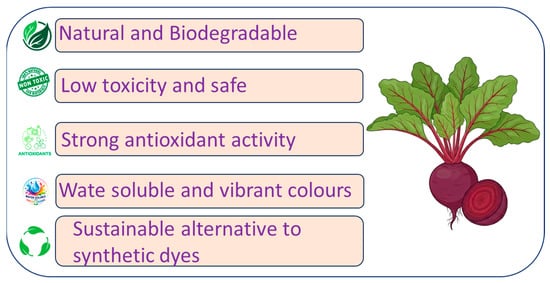
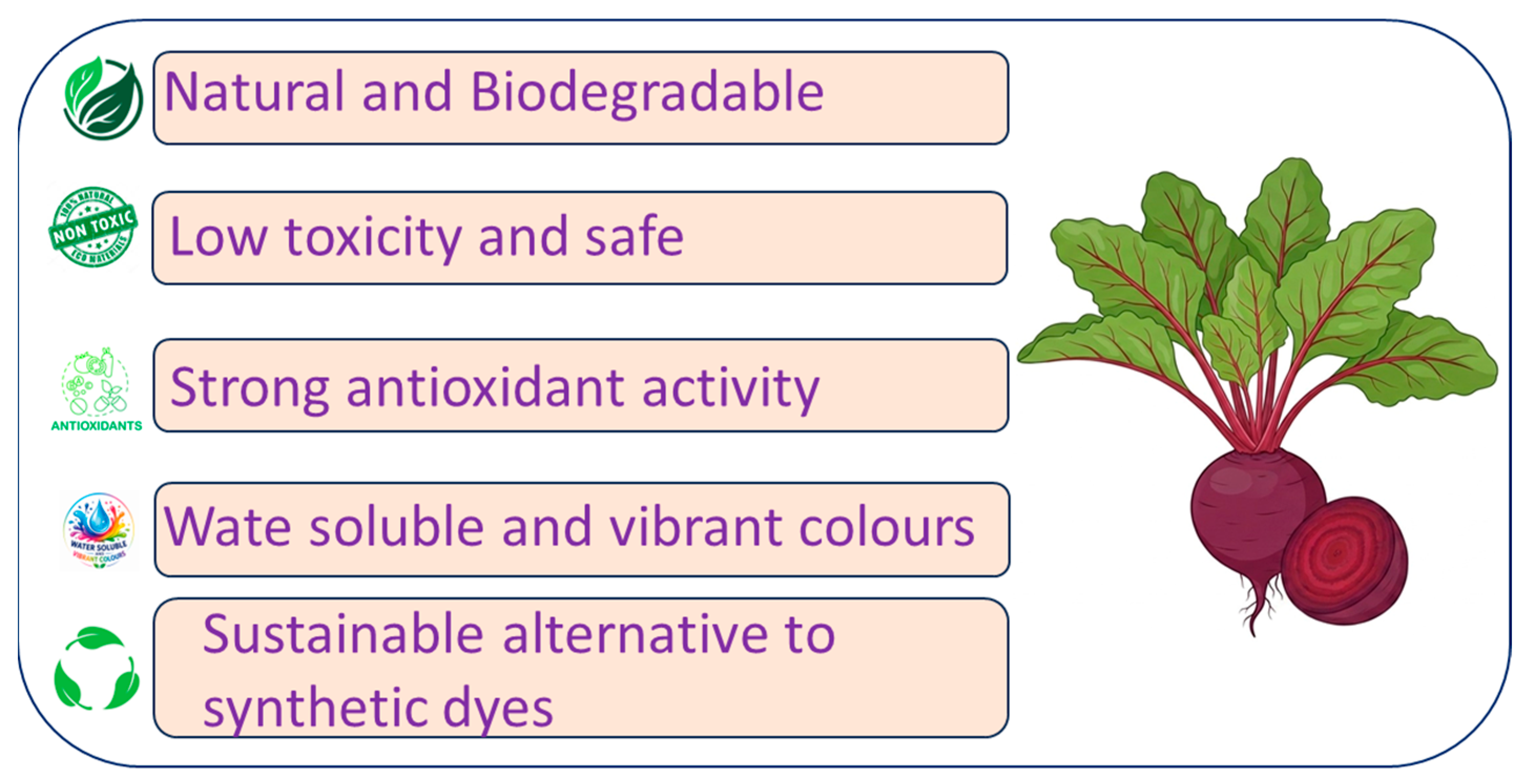
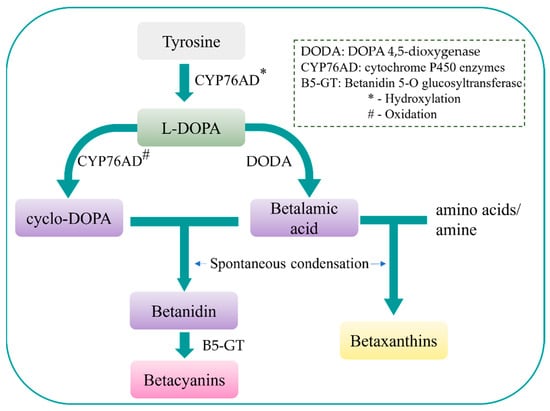
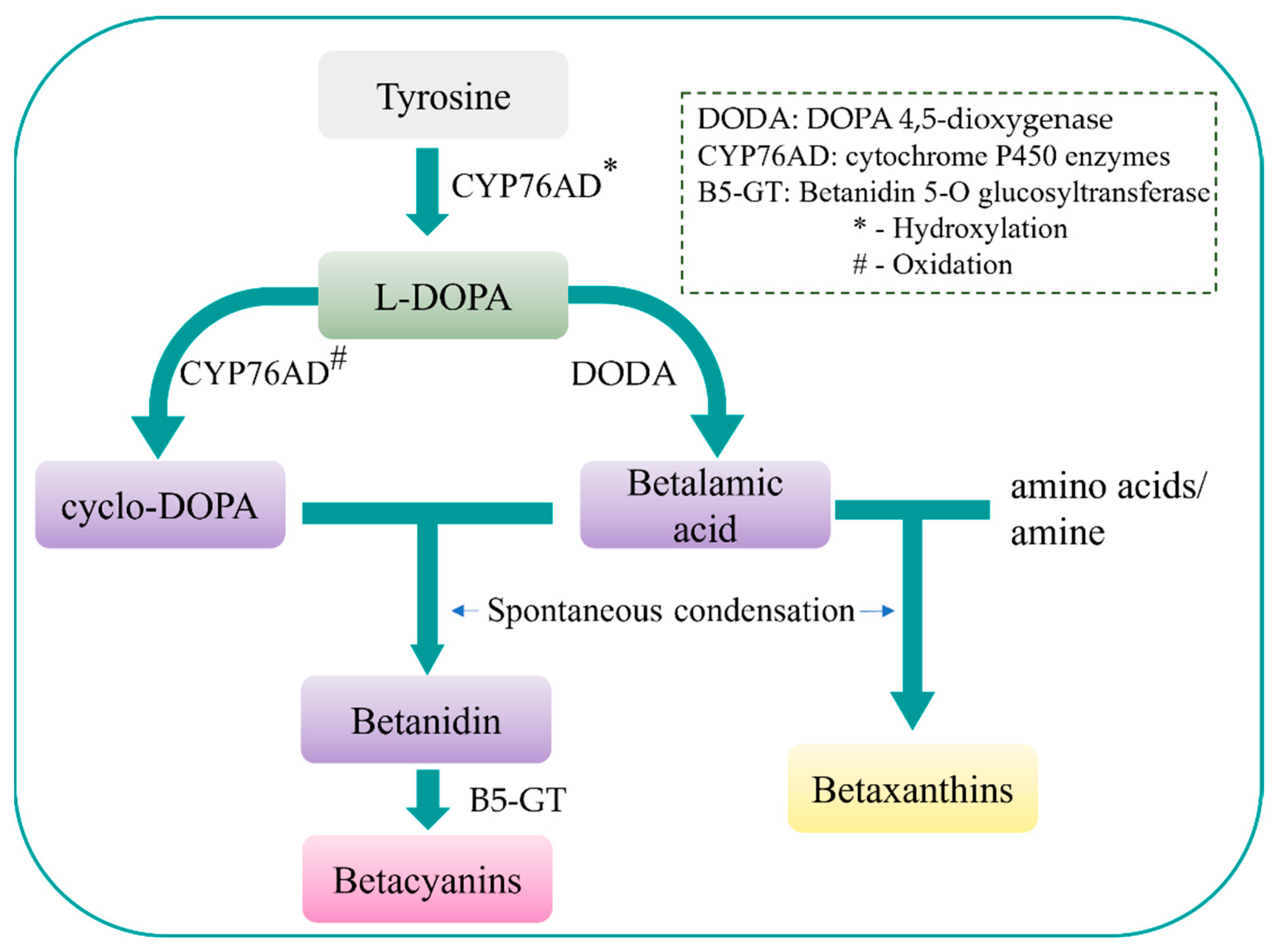
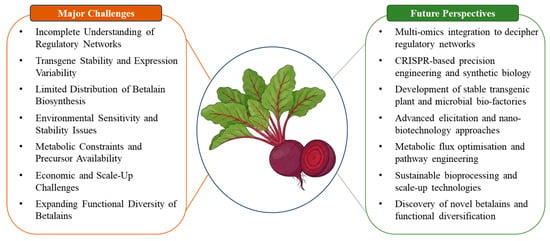
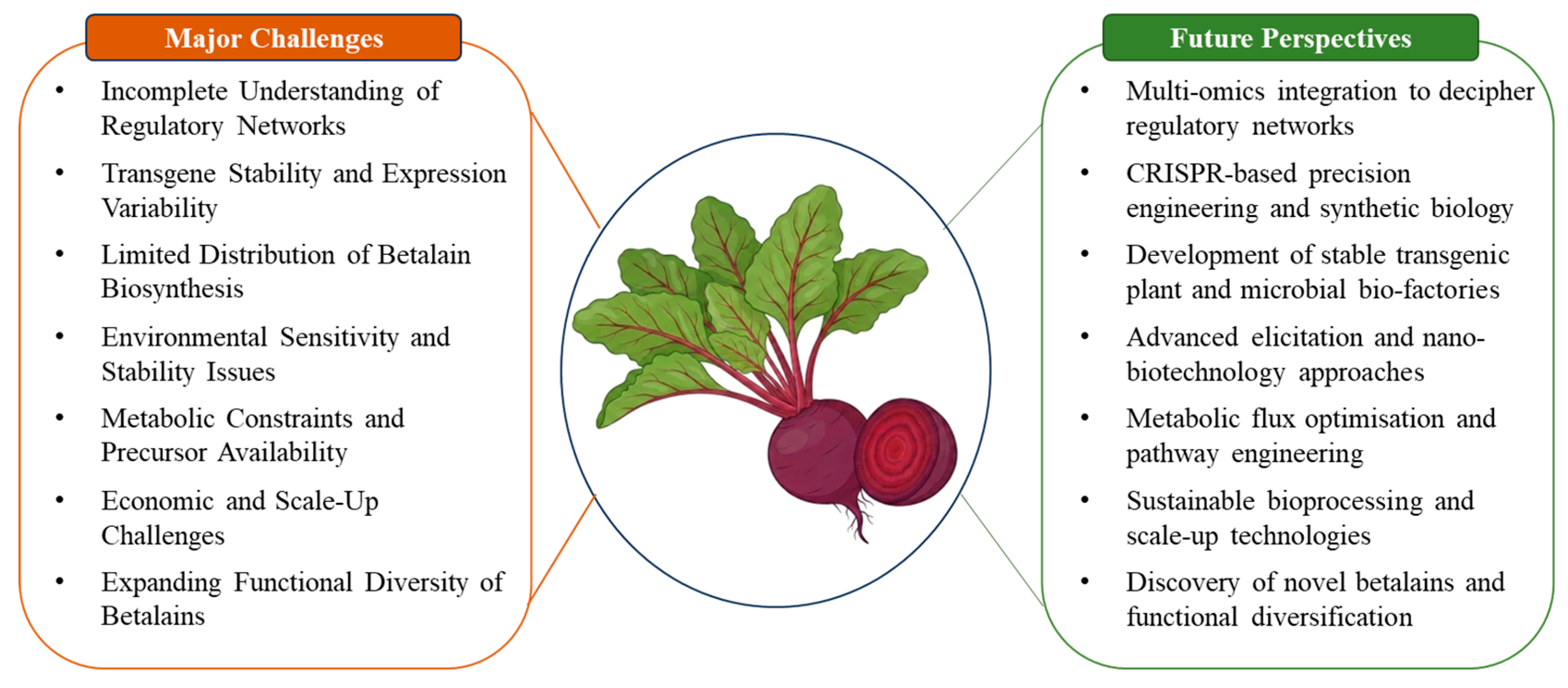

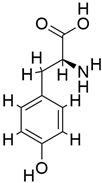
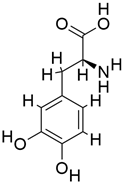
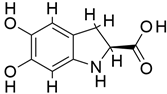
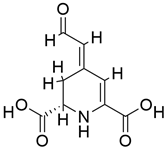
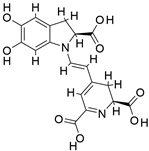
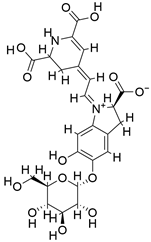
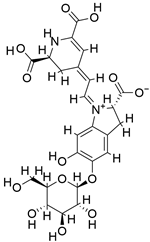
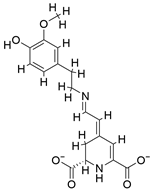
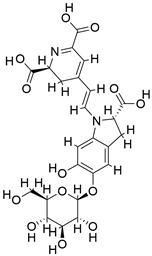
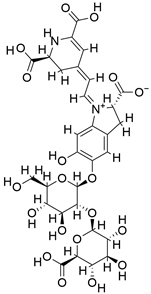
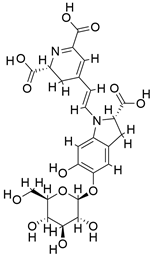
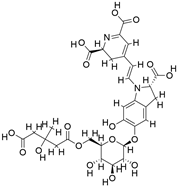
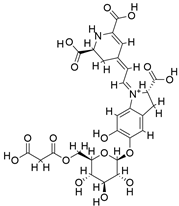
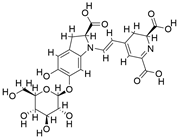
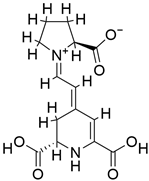
Disclaimer/Publisher’s Note: The statements, opinions and data contained in all publications are solely those of the individual author(s) and contributor(s) and not of MDPI and/or the editor(s). MDPI and/or the editor(s) disclaim responsibility for any injury to people or property resulting from any ideas, methods, instructions or products referred to in the content. |
© 2026 by the authors. Licensee MDPI, Basel, Switzerland. This article is an open access article distributed under the terms and conditions of the Creative Commons Attribution (CC BY) license.