


Highlights
What are the main findings?
- Hotel distribution structures shifted from traditional channels toward digitally intermediated integrated channels (DIICs) between 2011 and 2023.
- DIICs became the dominant distribution category in the Madrid sample, accounting for 49.3% of reservations.
- Comparative evidence supports digital reintermediation, rather than disintermediation, as the prevailing outcome of hospitality digital transformation.
What are the implications of the main findings?
- Hotel distribution should be analyzed as a digitally interconnected ecosystem rather than as a collection of independent booking channels.
- The proposed DIIC framework provides a new analytical perspective for examining digitally mediated hotel distribution.
- Hotels should balance the market access provided by digital platforms with investments in direct digital channels to reduce excessive platform dependence.
Abstract
Digital transformation has fundamentally reshaped hospitality distribution ecosystems, altering how hotels connect with customers, manage commercial relationships, and access market demand. While early digitalization narratives anticipated a process of disintermediation, the growing influence of platform-based intermediaries suggests a different trajectory. This study examines how digital transformation has reconfigured hotel distribution ecosystems through a comparative temporal analysis combining reservation-channel data for the 2023 operating period collected from a survey of Madrid hotels, with European benchmark studies spanning 2011–2023. Distribution channels were classified as traditional channels, direct digital channels, and digitally intermediated integrated channels (DIICs) according to their degree of technological integration and intermediary control. The harmonized evidence indicates a decline in the harmonized traditional channel, moderate growth in direct digital channels, and higher DIIC reservation shares across the harmonized benchmark evidence. Early European benchmark studies generally reported DIIC shares of approximately 22–24%, whereas the participating Madrid hotels recorded an average share of 49.3%. Overall, the harmonized evidence is consistent with a long-term shift towards digitally intermediated integrated channels, suggesting that digital transformation has reinforced digital reintermediation rather than effective disintermediation. The study contributes to the literature by providing comparative evidence of long-term changes in hotel distribution structures and by introducing the DIIC framework as an analytical lens for examining digitally mediated intermediation. More broadly, the findings support perspectives that conceptualize tourism digital transformation as a process of platformization and ecosystem reconfiguration rather than simply the adoption of new technologies.
1. Introduction
Over the past decades, digital transformation has fundamentally reshaped the hospitality and tourism industries, altering how firms interact with customers, manage operations, and access market demand. Advances in information and communication technologies, together with the widespread adoption of online platforms, integrated reservation systems, data-driven infrastructures, AI-enabled analytics, and smart tourism technologies, have transformed not only how hotel products are marketed and distributed but also broader processes of value creation and market governance (Bekele & Raj, 2025; Buhalis, 2000; Buhalis & Law, 2008; Mariani & Wirtz, 2023; Wu et al., 2024).
Within this broader transformation, hotel distribution represents one of the most visible manifestations of technological change. Historically, hotels relied primarily on direct reservation channels, such as telephone reservations and walk-in customers, together with traditional intermediaries, particularly travel agencies (Buhalis, 2000; O’Connor & Frew, 2002). However, the growing adoption of online travel agencies (OTAs), global distribution systems (GDS), central reservation systems (CRS), bedbanks, channel management technologies, metasearch platforms, and other digitally integrated booking infrastructures has substantially reconfigured hotel distribution. Rather than operating as a collection of independent channels, contemporary hotel distribution increasingly functions as an interconnected ecosystem of platforms, reservation infrastructures, data exchanges, and commercial relationships through which demand is generated, allocated, and converted into reservations (Kracht & Wang, 2010; Turnšek & Radivojević, 2025).
This transformation has generated significant strategic challenges for hotel managers. While technological integration provides access to wider markets and operational efficiencies, it also raises concerns related to distribution costs, customer ownership, data access, and dependence on external intermediaries. Consequently, distribution management has become a central component of hospitality strategy, with direct implications for competitiveness, profitability, and long-term customer relationship management (Beritelli, 2011; Stangl et al., 2016).
Early discussions on digital transformation in tourism suggested that technological progress would enable hotels to bypass intermediaries and establish more direct relationships with customers. According to this perspective, digitalization would reduce transaction costs, increase market transparency, and promote disintermediation within tourism distribution systems (Buhalis & Law, 2008). However, subsequent research has produced a more complex picture. Rather than eliminating intermediaries, digital technologies have facilitated the emergence of new platform-based actors that increasingly mediate transactions and influence access to demand, giving rise to processes of digital reintermediation (Kracht & Wang, 2010; Thakran & Verma, 2013).
Although previous research has extensively documented the growth of digital distribution technologies, the increasing importance of OTAs, and the expansion of direct booking initiatives, three important gaps remain. First, existing empirical studies frequently examine individual distribution channels—particularly OTAs or direct digital channels—rather than analyzing how digital transformation simultaneously redistributes demand across the entire hotel distribution ecosystem. Consequently, comparatively little attention has been paid to how demand shifts across traditional channels, direct digital channels, and digitally intermediated integrated channels (DIICs) within a unified analytical framework (Beritelli & Schegg, 2016; Stangl et al., 2016).
Second, despite growing theoretical interest in digital reintermediation, relatively few studies have examined this phenomenon using comparative temporal evidence. Existing research often provides cross-sectional snapshots of distribution structures, making it difficult to assess whether digital transformation is effectively reducing intermediary influence or reinforcing new forms of platform-based intermediation over time (Beritelli & Schegg, 2016; Stangl et al., 2016).
Third, existing studies employ heterogeneous classifications of hotel distribution channels, limiting direct comparisons across destinations and time periods. Few studies provide a consistent classification that clearly distinguishes digitally intermediated integrated channels (DIICs) from traditional and direct digital channels according to their technological characteristics and intermediary functions.
To address these gaps, this study examines how digital transformation has reconfigured hotel distribution ecosystems within a sample of urban hotels in Madrid and compares these findings with previous European benchmark studies using a consistent classification of distribution channels. The analysis combines reservation-channel data for the 2023 operating year from Madrid hotels with evidence from European benchmark studies conducted between 2011 and 2023 to examine how the relative importance of different distribution channels has evolved over time.
The central conceptual contribution of this study is the introduction of the DIIC classification, which distinguishes digitally intermediated integrated channels from traditional and direct digital channels according to their technological integration, intermediary control, and functional role within the hotel distribution ecosystem. This classification provides a consistent basis for analyzing structural changes in hotel distribution over time.
Building on this conceptual contribution, the study makes three main contributions. First, it provides updated empirical evidence on the long-term evolution of hotel distribution ecosystems through a comparative analysis of reservation-channel structures. Second, it introduces a consistent classification that enables more systematic comparative analyses across heterogeneous studies. Third, it extends current discussions on digital transformation by providing empirical evidence that supports the transition from disintermediation expectations toward digital reintermediation within contemporary hotel distribution ecosystems. In doing so, the study contributes to ongoing debates on digital transformation, platform-based hospitality, and the evolution of digitally mediated tourism ecosystems.
To promote transparency, it should be noted that the empirical survey dataset analyzed in this study forms part of a broader research project on hotel multichannel distribution. Previous analyses examined managerial perception–allocation relationships (Munoz JdeS, 2026) and multichannel portfolio balance as a revenue-management indicator (Munoz JdeS & Alzua-Sorzabal, 2026). In contrast, the present study addresses a distinct research question by examining the long-term structural evolution of hotel distribution ecosystems through comparative temporal analysis.
2. Conceptual Background
2.1. Digital Intermediation, Platformization, and Distribution Ecosystems
Digital intermediation refers to the technologically mediated processes through which information, transactions, and market access are coordinated between suppliers and consumers (Kracht & Wang, 2010; O’Connor & Frew, 2002). In hospitality, digital intermediaries perform functions that extend beyond reservation processing, including demand aggregation, inventory synchronization, visibility management, and customer acquisition, thereby contributing to increasingly interconnected and platform-mediated forms of distribution. This definition reflects the growing interdependence among technological actors involved in hospitality distribution and provides the conceptual foundation for the ecosystem perspective adopted in this study (Kracht & Wang, 2010; Stangl et al., 2016).
The growing integration of property management systems (PMS), central reservation systems (CRS), global distribution systems (GDS), online travel agencies (OTAs), channel managers, metasearch platforms, and online travel marketplaces has contributed to the emergence of increasingly interconnected hotel distribution systems (Kracht & Wang, 2010; O’Connor & Frew, 2002). Within these ecosystems, reservation flows are coordinated through shared technological infrastructures rather than through isolated distribution channels.
In this study, a hotel distribution ecosystem is understood as the interconnected set of digital infrastructures, platforms, intermediaries, and direct channels through which demand is generated, allocated, and converted into reservations (Kracht & Wang, 2010; Turnšek & Radivojević, 2025).
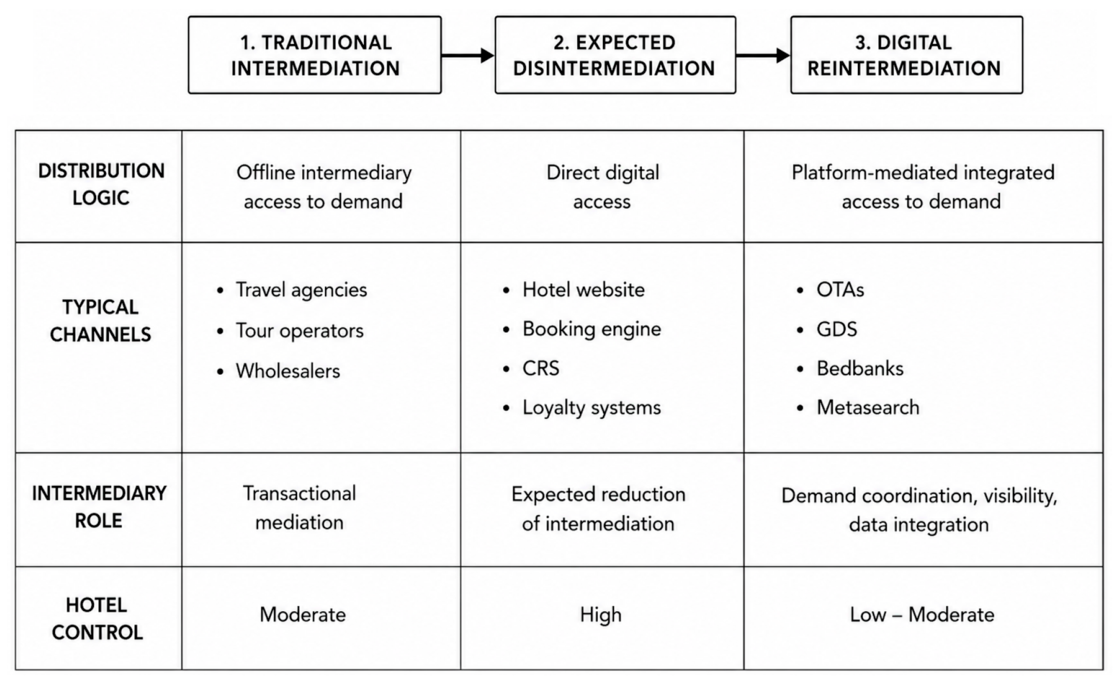
For conceptual clarity, this study distinguishes between two forms of intermediation. Traditional offline intermediaries refer to actors such as travel agencies, and tour operators that historically mediated transactions between hotels and customers. Digital intermediaries refer to technologically enabled intermediary organizations and platform-based infrastructures, including online travel agencies (OTAs), global distribution systems (GDS), bedbanks, metasearch platforms, and other platform-based distribution infrastructures. This distinction provides the conceptual basis for understanding digital reintermediation as the progressive shift from traditional offline intermediaries toward digitally enabled intermediary actors operating within integrated platform ecosystems.
These developments are closely associated with broader processes of platformization, understood as the growing capacity of digital platforms to organize market interactions, coordinate transactions, and shape competitive dynamics within tourism and hospitality markets (Langley & Leyshon, 2017; Turnšek & Radivojević, 2025). Rather than functioning as isolated distribution channels, these digital infrastructures increasingly coordinate interactions among suppliers, consumers, and complementary service providers. As they evolve, they incorporate data-driven and artificial intelligence capabilities that further enhance coordination, personalization, and decision support across hospitality distribution ecosystems.
Consequently, hospitality distribution is increasingly shaped by ecosystem dynamics in which hotels depend on interconnected technological actors, platform operators, and reservation infrastructures to access demand and coordinate market interactions (Jacobides et al., 2018; Kracht & Wang, 2010; Turnšek & Radivojević, 2025).
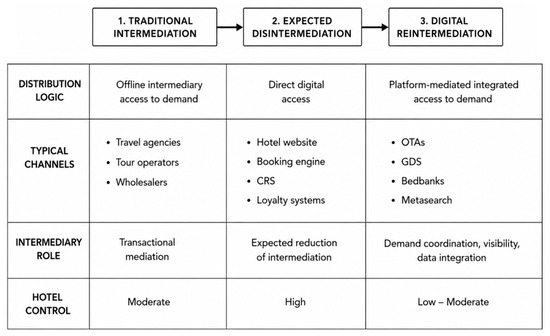
Figure 1 summarizes the conceptual framework developed in this study. The three analytical configurations also provide the channel classification used to harmonize reservation categories across the benchmark studies, thereby ensuring conceptual consistency between the primary survey data and the historical comparison. The harmonization procedure is described in Section 3.5 and Appendix C.
Figure 1.
Evolution of hotel distribution configurations.
2.2. Direct Digital Channels and Disintermediation Strategies
Direct digital channels offer several strategic advantages over intermediated channels and constitute the principal means through which hotels pursue disintermediation strategies. In addition to avoiding commission costs, they provide hotels with greater control over pricing strategies, customer data, communication processes, and post-booking relationship management. These capabilities have become increasingly valuable in digital environments where customer information, personalization, and data analytics represent important sources of competitive advantage (Beritelli, 2011).
Recognizing these advantages, both practitioners and scholars have emphasized the strategic importance of strengthening direct digital channels. Hotel websites, proprietary booking engines, mobile booking applications, customer relationship management (CRM) systems, and loyalty programs are frequently viewed as mechanisms through which hotels can reduce distribution costs, increase customer ownership, and improve long-term profitability (Beritelli, 2011; Buhalis & Law, 2008).
These advantages have encouraged many hotel companies to invest heavily in direct booking strategies, including website optimization, search engine marketing, loyalty programs, metasearch participation, and data-driven marketing initiatives. Such investments are intended to increase the share of direct bookings and reduce dependence on external platforms (Beritelli, 2011; Beritelli & Schegg, 2016; Stangl et al., 2016).
Despite these investments, empirical evidence over the past decade has consistently shown that the growth of direct digital channels has been more limited than initially expected. While direct online bookings have generally increased over time, many hotels continue to rely heavily on intermediated digital channels for visibility and demand generation. This situation is particularly evident among independent and smaller hotels, which often face resource constraints and reduced digital marketing capabilities compared with large hotel chains and global platform operators (Beritelli & Schegg, 2016; Schegg, 2024; Stangl et al., 2016).
These findings suggest that digital transformation does not automatically translate into successful disintermediation. Instead, the coexistence of direct and intermediated digital channels highlights the complexity of ecosystem management and the need to understand how hotels balance autonomy, technological integration, and market access within increasingly platformized environments. This tension provides the foundation for examining whether digital transformation has reduced intermediation or instead produced new forms of digital reintermediation.
2.3. From Disintermediation to Digital Reintermediation
Early theories of digital transformation in tourism predicted that information technologies would reduce the need for traditional intermediaries by lowering transaction costs and facilitating direct communication between suppliers and customers (Buhalis, 2000; Buhalis & Law, 2008). From this perspective, hotels were expected to bypass travel agencies, tour operators, and other offline intermediaries and establish more direct relationships with consumers.
However, subsequent market developments, consistent with earlier analyses of electronic markets (Bailey & Bakos, 1997), revealed that access to digital technologies alone did not guarantee successful direct distribution. As online markets matured, platform-based intermediaries increasingly benefited from network effects, economies of scale, and superior customer-acquisition capabilities, together with their ability to spread acquisition costs across large user bases. These advantages enabled digital platforms to aggregate demand, enhance market visibility, and become central coordinators of hospitality distribution systems (Kracht & Wang, 2010; Thakran & Verma, 2013). Furthermore, access to large volumes of consumer and market data strengthened the strategic position of these actors, reinforcing their role within digitally mediated distribution ecosystems.
Consequently, disintermediation and digital reintermediation should not be understood as contradictory processes. Rather, digital reintermediation represents the replacement of traditional forms of intermediation by new digitally enabled intermediary actors operating within platform-based ecosystems (Chircu & Kauffman, 2000; Kracht & Wang, 2010; Thakran & Verma, 2013). Digital transformation fundamentally reconfigured the organization of intermediary functions, shifting market coordination from traditional offline actors toward digitally integrated platform ecosystems (Chircu & Kauffman, 2000; Kracht & Wang, 2010; Thakran & Verma, 2013).
These developments have important implications for how hotel distribution channels are conceptualized and analyzed. From this perspective, the traditional distinction between direct and intermediated channels is no longer sufficient to explain how contemporary hotel distribution systems operate. Instead, contemporary distribution systems comprise different forms of market coordination that vary according to the technological integration of intermediaries, the ownership of customer relationships, and the allocation of demand (Chircu & Kauffman, 2000; Kracht & Wang, 2010). Building on this logic, the present study conceptualizes hotel distribution as comprising three analytically distinct categories of reservation channels: traditional channels, direct digital channels, and digitally intermediated integrated channels (DIICs).
3. Materials and Methods
3.1. Research Design
This study adopts a quantitative, descriptive, and comparative temporal research design aimed at examining how digital transformation has reshaped distribution structures over time. Specifically, the study investigates the evolution of the relative importance of traditional distribution channels, direct digital channels, and digitally intermediated integrated channels within hotel distribution systems.
Rather than testing causal relationships, the study adopts an exploratory and structural perspective focused on identifying long-term changes in the configuration of distribution ecosystems. This approach is consistent with previous hospitality distribution research that examines channel portfolios through relative channel shares and ecosystem structures rather than through performance-based causal models (Kracht & Wang, 2010; Stangl et al., 2016).
The temporal dimension of the study is comparative rather than panel-based. Current empirical evidence is contrasted with findings from previous European benchmark studies conducted between 2011 and 2023, enabling the identification of structural trends associated with the digital transformation of hospitality distribution systems. Because benchmark studies differ in geographical scope, samples, and reporting conventions, the comparison is used to identify broad structural patterns rather than to estimate a continuous longitudinal trend.
The empirical survey used in this study forms part of a broader research project on hotel distribution systems. Although the survey dataset has previously been analyzed to address different research questions (Munoz JdeS, 2026; Munoz JdeS & Alzua-Sorzabal, 2026), the present study adopts a different research design by integrating the survey evidence with harmonized European benchmark studies. This comparative approach enables a cross-study temporal comparison of structural changes in hotel distribution ecosystems between 2011 and 2023.
3.2. Population, Sampling Approach, and Sample Profile
The target population was defined as the 259 three-, four-, and five-star urban hotels included in the official Madrid sampling frame derived from the Spanish National Statistics Institute (Instituto Nacional de Estadística [INE], 2024). All participating hotels were drawn from this original sampling frame. The population represents a mature urban hotel market characterized by high levels of digitalization and platform-based distribution activity (Bigné et al., 2021).
A non-probability purposive sampling strategy based on voluntary participation was employed. Hotels were included in the sample if they were able to provide detailed operational information regarding the allocation of reservations across distribution channels and the configuration of their distribution ecosystems. This approach is commonly adopted in exploratory and organizational tourism research, where access to detailed managerial data is prioritized over strict statistical representativeness (Bartlett et al., 2001; Saunders et al., 2019). All eligible hotels in the target population were invited to participate in the survey. A total of 54 completed responses were obtained from the 259 establishments included in the sampling frame, corresponding to a response rate of 20.8%. No establishments outside the original sampling frame were incorporated into the final sample. Because only completed survey submissions were retained for the study, information on incomplete or abandoned questionnaires was not available for analysis. Consequently, the number of partial responses could not be determined.
Based on the room-night sales reported by participating hotels, responding establishments collectively accounted for more than 1.4 million room-nights sold during the 2023 operating year, indicating substantial operational scale within the Madrid hotel market. As shown in Table 1, the sample includes hotels of different categories and sizes, including both independent and chain-affiliated properties.
Table 1.
Sample profile and descriptive characteristics of participating hotels.
The diversity observed in hotel category, size, ownership structure, and operational performance indicators provides a broad range of urban hotel distribution practices within the Madrid market. These characteristics offer an appropriate basis for examining how digital transformation influences distribution structures and the relative importance of different distribution channel categories.
The voluntary nature of participation may have introduced a degree of self-selection bias, as hotels with more developed revenue-management practices or greater digital monitoring capabilities may have been more willing or able to provide detailed distribution data. If present, this bias could lead to a modest overestimation of the relative importance of digitally integrated channels compared with the broader hotel population.
Although the sample is non-probabilistic, it captures a substantial share of urban hotel activity in Madrid and provides valuable property-level insights into distribution management practices. However, the findings should be interpreted as indicative of structural patterns rather than statistically representative estimates of the broader hotel population.
3.3. Data Sources
3.3.1. Secondary Data
Secondary data were used to support the theoretical framework and to provide the benchmark evidence necessary for comparative analysis. These sources included academic literature on hospitality distribution, digital transformation, tourism intermediation, platformization, digital ecosystems, and channel management, as well as industry reports and European hotel distribution studies.
Particular attention was devoted to benchmark studies conducted between 2011 and 2023, which provided comparable evidence regarding the evolution of hotel distribution structures across different European markets. These studies enabled the examination of long-term changes in the relative importance of traditional channels, direct digital channels, and digitally intermediated integrated channels.
The benchmark studies provided the empirical basis for the historical comparisons presented in Section 4.2 and Section 4.3. By combining contemporary survey data with previously published evidence, the study adopts a comparative perspective spanning more than a decade, facilitating the identification of long-term distribution trends associated with digital transformation, platformization, and digital reintermediation.
3.3.2. Primary Data
Primary data were collected through a structured online survey administered in 2024 to three-, four-, and five-star urban hotels located in Madrid, Spain. Rather than measuring distribution activity during 2024 itself, the survey collected retrospective data covering two distinct temporal scopes: reservation-channel shares referred exclusively to the 2023 operating year, whereas occupancy, RevPAR, and room-night volumes were reported for the 2022–2023 period. The channel-allocation items measured the percentage distribution of 2023 room-night reservations across the main components of the hotel distribution ecosystem.
Consistent with the conceptualization presented in Figure 1 and developed in Section 2.3, reservation channels were operationalized into three analytical categories reflecting different forms of technological integration and market coordination within hotel distribution ecosystems: (1) Traditional Channels, including telephone, e-mail, and walk-in reservations; (2) Direct Digital Channels, including hotel websites, chain reservation systems, and proprietary central reservation systems; and (3) Digitally Intermediated Integrated Channels (DIICs). The latter category corresponds to intermediary reservations transmitted to the hotel through direct digital integrations with OTAs, tour operators (TOs), and travel agencies (TAs), as explicitly captured by the corresponding survey item. Each survey response category was mapped to a single analytical category, avoiding overlap between categories.
To make the transformation from the original survey variables to the analytical framework explicit, Table 2 reports the questionnaire-to-analysis mapping used in the study. The mapping reflects the distribution mechanism captured by each original survey item rather than a retrospective reclassification of individual intermediary types.
Table 2.
Mapping of original questionnaire variables to analytical categories.
The survey item “Direct integrations with OTAs/TOs/TAs” was classified as DIIC because it explicitly captured intermediary reservations transmitted through a direct digital integration. This classification does not imply that all OTA, TO, or TA bookings are considered DIIC. In the historical benchmark comparison, offline or non-integrated intermediary categories were retained as such and were not retrospectively incorporated into DIIC.
3.4. Data Collection, Instrument Validity and Ethical Considerations
Data were collected through a structured online questionnaire consisting of 10 items and administered via SurveyMonkey. The instrument was designed to capture information regarding the distribution structure, the relative importance of different reservation channels, and key operational indicators characterizing participating establishments. The theoretical foundations of the questionnaire and the mapping between constructs, survey items, and supporting literature are provided in Appendix B.
The questionnaire gathered information on: (1) hotel capacity measured by number of rooms; (2) room-night sales, occupancy, and RevPAR for the 2022–2023 period; and (3) the allocation of reservations across distribution channels for the 2023 operating year. The 2023 channel-allocation data enabled the calculation of the relative contribution of each channel category within the hotel distribution ecosystem and facilitated comparison with the benchmark studies. An English translation of the survey questionnaire, originally administered in Spanish, is provided in Appendix A.
Particular attention was devoted to measuring distribution structures from an ecosystem perspective. Rather than focusing on individual platforms, the instrument captured how hotels allocated demand among traditional channels, direct digital channels, and DIICs. This operationalization emphasizes the degree of technological mediation and integration involved in the reservation process rather than specific distribution platforms.
Prior to data collection, the questionnaire was pilot-tested with four hotel professionals, including general managers and revenue management specialists. The pilot test assessed content validity, question clarity, and response consistency, resulting in minor revisions to improve wording and operational relevance.
Survey invitations were distributed by email and addressed to general managers, commercial directors, and revenue managers, as these professionals typically oversee distribution strategy and channel management decisions and have access to the required operational information. The invitation email explained the purpose of the study, the voluntary nature of participation, and the confidential treatment of the information provided. Participation was entirely voluntary, and completion of the questionnaire was taken to indicate informed consent. Follow-up reminders were sent to increase participation and improve response rates. To facilitate response quality, the questionnaire included concise definitions of the distribution channel categories used in the analysis.
The original questionnaire requested the hotel name on an optional basis and also included the hotel postal code. Accordingly, the survey should not be considered anonymous at the point of data collection. During data preparation, each participating hotel was assigned a numerical identifier (Hotel 1001–1054), and hotel names were removed from the analytical dataset. Postal codes were not consistently provided by respondents and were not retained as a variable in the analytical dataset. Neither hotel names nor postal codes were used in the statistical analyses. All analyses reported in this study were therefore conducted using the anonymized analytical dataset. According to the ethical guidelines of the authors’ affiliated institution, formal ethical approval was not required because the study involved non-sensitive data collected from professional respondents acting within their organizational roles.
Although the study did not involve sensitive personal data, the dataset contains commercially sensitive hotel-level operational information. For this reason, the anonymized dataset is available from the corresponding author upon reasonable request but has not been deposited in a public repository.
3.5. Data Analysis
Channel shares reported throughout the Section 4 were calculated as unweighted arithmetic means across participating hotels using reservation-channel allocations for the 2023 operating year. Accordingly, each establishment contributed equally to the descriptive analysis regardless of its size or annual room-night volume. Blank cells corresponding to the absence of reservations through a given distribution channel were coded as zero prior to analysis, ensuring that each hotel’s 2023 reservation-share allocation summed to 100%. This approach was adopted because the objective of the study was to characterize the average distribution ecosystem at the property level rather than to estimate market-wide reservation shares. Consequently, reported percentages should be interpreted as average hotel-level reservation shares, not as weighted market shares for Madrid.
The analysis followed a descriptive and comparative strategy aimed at identifying structural changes in distribution systems over time.
First, descriptive statistics were used to estimate the relative contribution of each distribution channel category within participating hotels. Consistent with the conceptual framework presented in Figure 1, reservation channels were analyzed according to three categories: traditional channels, direct digital channels, and digitally intermediated integrated channels. Because the objective was to examine ecosystem-level structures rather than the performance of individual channels, the analysis focused on relative channel shares as indicators of distribution-system configuration.
Second, the results were compared to benchmark studies conducted in European hotel markets between 2011 and 2023 in order to identify long-term trends associated with the digital transformation of hospitality distribution systems. The comparative analysis was specifically designed to assess whether digital transformation has been associated with increasing direct distribution (disintermediation) or increasing reliance on digitally intermediated integrated channels (digital reintermediation). The benchmark studies include evidence from Germany (Hotelverband Deutschland [IHA], 2015), the DACH region (Stangl et al., 2016), Germany (Steinhauser & Bohne, 2018), Spain (Bigné et al., 2021), Croatia (Dadić et al., 2022), and Europe (Schegg, 2024).
To ensure comparability across studies, the original channel classifications reported in previous benchmark research were mapped onto a common framework consisting of traditional channels, direct digital channels, and digitally intermediated integrated channels. The complete harmonization procedure, including study-specific mapping decisions, is presented in Appendix C and Table A4.
Although the conceptual framework distinguishes traditional channels as comprising telephone, email, and walk-in reservations, benchmark studies did not report these components consistently. Consequently, historical comparisons use the telephone category as reported in the original studies, as it represents the only traditional channel that was consistently available across the benchmark literature.
The harmonization process was based on the degree of technological integration and intermediation associated with each channel category. Because benchmark studies employed different channel classifications and reporting conventions, channels were mapped according to their functional role within the distribution ecosystem rather than through exact categorical correspondence. Whenever direct correspondence was not possible, conservative recoding procedures were applied and documented in Appendix C. Consequently, the comparative analysis is intended to identify broad structural patterns across distribution ecosystems rather than achieving perfect comparability across benchmark studies.
When benchmark studies reported GDS as a standalone category without sufficient information to determine its underlying composition, these observations were retained as reported but excluded from the aggregated DIIC indicator. This conservative decision avoided assigning heterogeneous GDS transactions to a single harmonized category when the original studies did not provide sufficient disaggregation.
Exploratory descriptive checks were conducted across hotel categories and size segments to assess the stability of the observed patterns. These analyses served as robustness checks rather than as a primary focus of the study.
Several data-quality procedures were implemented prior to analysis. Channel-share allocations were required to sum to 100%, and responses were screened for completeness and internal consistency. Where specific analyses required complete channel-level reservation allocations, only completed questionnaires containing all variables necessary for the corresponding analysis were included. Consequently, the analytical sample varies slightly across some descriptive analyses, as indicated in the relevant tables.
The findings are therefore interpreted as descriptive evidence of structural change in hotel distribution ecosystems.
4. Results
4.1. Digital Transformation and the Reconfiguration of Hotel Distribution Ecosystems
All channel shares reported in this section refer to the 2023 operating year. The harmonized comparison indicates substantial changes in the composition of hotel distribution structures. Across the sample, digitally intermediated integrated channels (DIICs) represent the largest component of the distribution ecosystem, accounting for 49.3% of total reservations.
Direct digital channels, including hotel websites, chain reservation systems, and proprietary reservation systems, account for 20.1% of total reservations.
Traditional channels account for a smaller share of reservations. Telephone bookings represent 11.6% of total reservations, while e-mail reservations account for 6.0% and walk-in bookings for 3.6%. Together, these traditional channels account for less than one quarter of total reservations.
Table 3 presents the temporal evolution of the main hotel distribution channels between 2011 and 2023.
Table 3.
Temporal comparison of hotel distribution ecosystems across European benchmark studies (2011–2023).
All benchmark data were harmonized following the procedure described in Section 3.5 and Appendix C.
4.2. Changes in Hotel Distribution Ecosystems
Building on the harmonized comparison introduced above, Table 3 reveals three broad patterns in how hotel distribution structures changed between 2011 and 2023. Detailed information regarding source provenance, original channel classifications, and harmonization procedures is provided in Table A4.
First, traditional reservation channels exhibited a general decline. The 2011 benchmark studies reported values in the harmonized Telephone category ranging from 25.0% (IHA) to 34.5% in Stangl et al. (2016), although the latter represents the broader Traditional channels category. By comparison, telephone reservations accounted for only 11.6% in the Madrid sample for 2023.
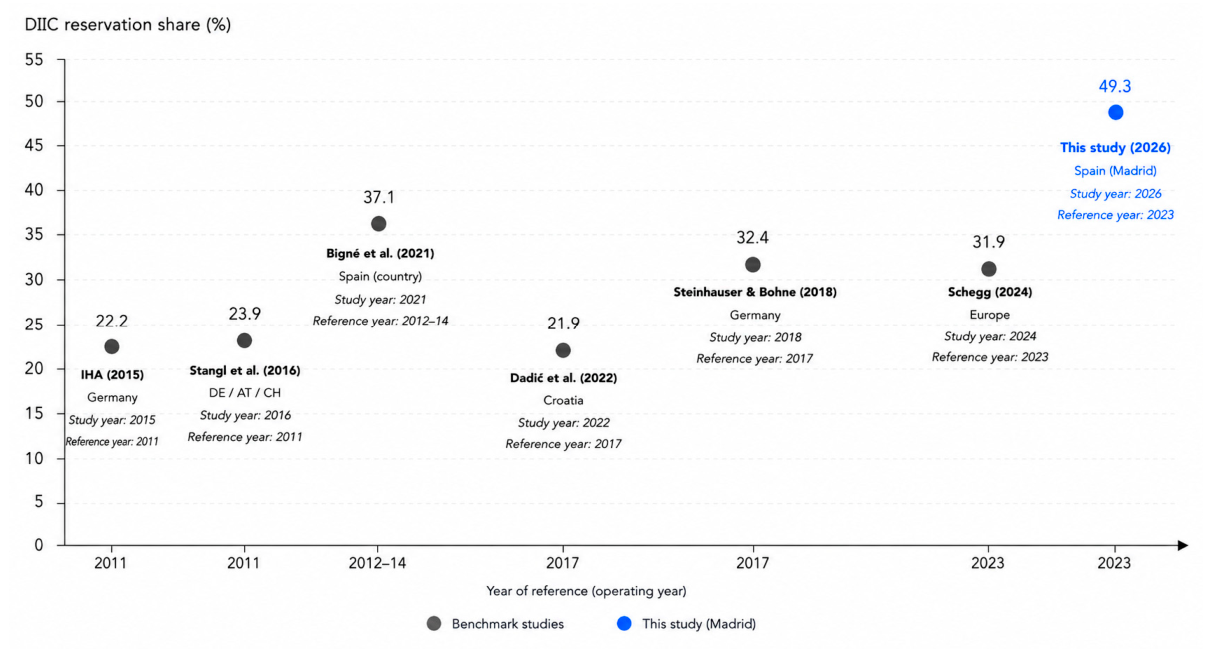
Second, DIICs exhibited a broad increase among all channel categories. The harmonized benchmark studies generally reported DIIC shares of approximately 22–24% in 2011, whereas the participating Madrid hotels recorded an average DIIC share of 49.3% for 2023. Although these observations derive from studies with different geographical scopes and sampling designs, they are consistent with a broader increase in the relative importance of digitally intermediated integrated channels over time.
Third, direct digital channels also expanded over time. Hotel websites, chain reservation systems, and proprietary reservation systems increased their contribution across the benchmark studies, although DIICs remained the dominant form of digital distribution in the most recent observation period.
Overall, these patterns are consistent with a progressive redistribution of reservation flows towards digitally intermediated integrated channels (DIICs).
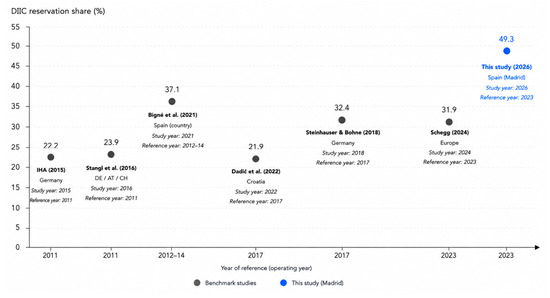
To further contextualize these findings, Figure 2 focuses specifically on the evolution and relative importance of DIICs across European benchmark studies.
Figure 2.
Comparative DIIC reservation shares across European hotel distribution studies. Note. Each point represents an independent benchmark study; points are not connected because the studies differ in country, sample, and design (Hotelverband Deutschland [IHA], 2015; Stangl et al., 2016; Bigné et al., 2021; Dadić et al., 2022; Steinhauser & Bohne, 2018; Schegg, 2024). Source: Authors’ own analysis.
4.3. Distribution Concentration and Ecosystem Configuration
The distribution structures observed in the sample reveal a high degree of concentration around DIICs. Based on the distribution of channel shares reported in the survey, approximately 44% of participating hotels reported that more than half of their reservations originated through these channels, while around 19% reported shares exceeding 60% of total reservations.
Table 4 illustrates the distribution of DIIC reservation shares across participating hotels. Across the sample, DIIC shares ranged from 18% to 83%, with a median of 48.5% and an interquartile range of 40.5–57.0%, indicating substantial heterogeneity in hotel distribution structures. Although reservation shares do not directly measure platform dependency, the observed distribution suggests that digitally intermediated infrastructures account for a substantial proportion of reservation flows across a large segment of the sample. Direct digital channels generally represented a smaller share of reservation flows than DIICs across participating hotels, with DIICs representing the largest reservation category in most participating hotels despite the considerable heterogeneity observed in hotel distribution structures.
Table 4.
Distribution of DIIC reservation shares across participating hotels.
4.4. Descriptive Heterogeneity Across Hotel Characteristics
To assess whether the observed distribution patterns varied across different types of establishments, descriptive subgroup analyses were conducted by hotel category and size. As shown in Table 5, DIIC reservation shares were substantial across all subgroups, although some variation was observed. Three-star hotels exhibited higher average and median DIIC reservation shares than four- and five-star establishments. A similar pattern emerged by hotel size, with smaller hotels displaying higher DIIC shares than medium-sized and larger properties. These descriptive comparisons suggest that digitally integrated intermediation is widespread across the Madrid hotel market, while indicating that reliance on intermediary-managed digital distribution may be relatively greater among smaller and lower-category hotels. Given the exploratory nature of the study and the limited subgroup sizes, these comparisons are presented descriptively and should not be interpreted as evidence of statistically significant differences.
Table 5.
DIIC reservation shares by hotel category and size.
5. Discussion
5.1. Digital Reintermediation
The findings of this study suggest that the evolution of hotel distribution cannot be understood solely as a process of technological modernization or channel substitution. Rather, the results point to a broader transformation of hospitality distribution ecosystems, in which digital technologies have reconfigured the relationships between hotels, customers, and intermediaries. The observed changes therefore represent not only a shift in booking behavior but also a structural consequence of digital transformation within the hospitality industry.
One of the most significant findings concerns the apparent divergence between the expectations of disintermediation associated with early digitalization narratives and the way hotel distribution systems have developed. Initial discussions on digital transformation suggested that information technologies would enable hotels to establish more direct relationships with customers and reduce their reliance on intermediaries (Buhalis & Law, 2008). However, the comparative temporal evidence presented in this study indicates that a different dynamic has emerged. While traditional intermediaries have declined in importance, DIICs appear to have strengthened their position within hotel distribution systems.
This shift reflects not a reduction in intermediary functions, but a redistribution of those functions toward digitally enabled actors operating through integrated platform infrastructures.
The results support the concept of digital reintermediation and extend previous research indicating that technological innovation does not necessarily eliminate intermediaries but instead creates opportunities for new actors to occupy central positions within digital value networks (Kracht & Wang, 2010; Thakran & Verma, 2013). The growth of OTAs, integrated reservation systems, and platform-based distribution infrastructures illustrates how digital transformation can simultaneously improve efficiency while reinforcing intermediary influence (Stangl et al., 2016). The DIIC framework captures this transformation by distinguishing digitally mediated reservation infrastructures from traditional and direct digital channels. This distinction highlights how intermediary influence can increase even within highly digitalized environments.
The present results also complement recent evidence showing that hotel managers often assign higher efficiency evaluations to direct channels while continuing to rely operationally on online intermediaries for booking generation (Munoz JdeS, 2026). Whereas that study examined managerial perceptions and channel allocation at the property level, the present study extends the analysis to the long-term structural transformation of distribution systems. Taken together, these studies suggest that managerial channel decisions and structural market dynamics represent complementary dimensions of contemporary hotel distribution.
Overall, the findings indicate that digital reintermediation has become a structural feature of contemporary hospitality distribution systems, although its manifestations may vary across markets and institutional contexts.
5.2. Interpreting Cross-Study Comparisons
The comparative temporal analysis presented in this study provides evidence of important structural changes in hotel distribution. However, observed differences across studies should not be interpreted exclusively as evidence of temporal change. The benchmark studies also differ in their geographical scope, market composition, survey design, and the structural characteristics of the destinations represented. This is particularly relevant when a destination-specific sample is compared with multinational or pan-European aggregates.
For example, although Schegg (2024) reports an average telephone share of approximately 15% across European hotels, country-level values range from about 7% in Spain to more than 20% in France. Such variation indicates that aggregate European averages may conceal substantial differences in national distribution structures. Consequently, the differences observed between benchmark studies likely reflect a combination of temporal evolution, methodological variation, and destination-specific market characteristics.
Nevertheless, despite this heterogeneity, the benchmark studies consistently indicate a common long-term pattern characterized by the decline in traditional reservation channels and the growing importance of digitally integrated intermediary infrastructures. The convergence of these independent studies therefore strengthens, rather than weakens, the interpretation of digital reintermediation proposed in this article.
5.3. Platformization and Digital Dependency
The DIIC framework should not be understood as a simple relabelling of OTAs, GDSs, metasearch platforms, or other online intermediaries. Its novelty does not lie in identifying new distribution channels, but in providing an ecosystem-based analytical category that groups existing channels according to their common structural characteristics: technological integration with hotel reservation systems, external control over customer access and reservation flows, and dependence on intermediary-managed digital infrastructures. In this respect, DIICs differ not only from traditional offline intermediaries, but also from direct digital channels such as hotel websites, which use digital technologies without transferring the same degree of control to an external platform. The concept therefore captures a broader process of digital reintermediation that conventional online/offline classifications may obscure.
The descriptive subgroup analyses also provide additional context for interpreting the diffusion of digitally intermediated integrated channels. Although the present study was not designed to test subgroup differences statistically, smaller and lower-category hotels exhibited higher DIIC reservation shares than larger and higher-category properties. A similar pattern has been reported in the European Hotel Distribution Study (Schegg, 2024), where smaller hotels also exhibited greater reliance on OTA-mediated distribution. While Schegg (2024) interpreted this finding primarily in terms of OTA dependence, the present findings suggest that the pattern may be more broadly interpreted as reliance on digitally intermediated integrated channels, encompassing not only OTAs but also other externally coordinated digital infrastructures such as GDSs and bedbanks.
The observed distribution patterns are consistent with recent perspectives on tourism platformization, which view digital platforms as market infrastructures coordinating transactions, customer access, and competitive dynamics (Langley & Leyshon, 2017; Turnšek & Radivojević, 2025). In this context, digital reintermediation represents the distributional expression of platformization within hospitality ecosystems.
The results also highlight an emerging phenomenon of digital dependency. Nearly half of the participating hotels reported that more than 50% of reservations originated through digitally intermediated integrated channels. Although technological integration provides hotels with access to wider markets and operational efficiencies, it may simultaneously increase reliance on external infrastructures over which hotels have limited control.
Platformization may also shift strategic control of customer relationships from hotels towards digital intermediaries. Beyond commission costs, control over customer data, customer communication, and future customer access strengthens the market power of digital intermediaries and increases hotels’ reliance on externally managed digital infrastructures. This strategic dependence extends to issues such as algorithmic visibility, distribution governance, and access to demand (Stangl et al., 2016; Turnšek & Radivojević, 2025). Although the present study does not directly measure these dimensions, the observed concentration of reservation flows within DIICs is consistent with patterns of increasing strategic dependence on external digital infrastructures. Previous research has linked high levels of platform reliance to greater commission exposure, reduced control over customer data, and increased vulnerability to algorithmic visibility mechanisms (Stangl et al., 2016; Turnšek & Radivojević, 2025).
The findings also indicate that, although direct digital channels have expanded, they have not displaced digitally intermediated channels as the dominant distribution mechanism. Instead, digitalization appears to strengthen both forms of digital distribution while reinforcing the central role of platform operators within hotel distribution ecosystems (Beritelli & Schegg, 2016; Stangl et al., 2016).
5.4. Future Distribution Ecosystems
The findings suggest that future hospitality distribution ecosystems are likely to become even more technologically integrated, data-driven, and platform-oriented. As digital platforms continue to expand their capabilities, distribution management is increasingly shaped by algorithmic processes, predictive analytics, and automated decision-support systems. Although artificial intelligence was beyond the scope of this study, recent advances in AI are likely to reinforce these trends by enhancing recommendation systems, dynamic pricing, demand forecasting, and automated content generation, thereby strengthening the coordinating role of digital platforms rather than replacing them (Gursoy & Cai, 2025; Mariani & Wirtz, 2023).
Several questions nevertheless remain open, particularly regarding platform governance, ecosystem power asymmetries, customer-data ownership, algorithmic visibility, and the coexistence of different forms of digital intermediation within hospitality ecosystems. It also remains unclear whether AI-enabled platform infrastructures will primarily reinforce existing intermediary functions or generate new forms of intermediation.
At the same time, the persistence of traditional channels, particularly telephone reservations, provides an important nuance to dominant digitalization narratives. Although their relative importance has declined substantially, these channels continue to perform specific functions within distribution ecosystems, especially in situations involving complex reservations, personalized service, or customer support.
More broadly, an important question is whether digital reintermediation will remain a structural feature of hospitality distribution ecosystems as platformization continues to evolve, or whether future technological developments may trigger new cycles of disintermediation and reintermediation.
6. Conclusions
6.1. Theoretical Implications
This study contributes to the literature on digital transformation, hospitality technology, and tourism distribution in several ways.
First, the study provides comparative empirical evidence showing that digital reintermediation can be operationalized as a measurable structural transformation of hotel distribution systems rather than solely as a theoretical proposition. The findings further support recent perspectives that conceptualize digital transformation as a process shaped by platform-based forms of market coordination rather than simply by technological adoption (Bekele & Raj, 2025; Wu et al., 2024).
Second, the study advances an ecosystem perspective by conceptualizing hotel distribution as an interconnected configuration of technologically mediated reservation flows rather than as a collection of independent booking channels.
Third, the study adds a comparative temporal perspective to hospitality distribution research. By combining recent empirical evidence with benchmark studies spanning more than a decade, it provides insight into the long-term structural consequences of digital transformation and helps explain long-term changes in hotel distribution structures.
Finally, the study introduces the DIIC framework as an operational analytical framework for classifying hotel distribution channels. This framework provides a foundation for future comparative research on digital transformation in hospitality distribution.
6.2. Managerial Implications
The findings offer several practical implications for hotel managers operating in increasingly digital and platformized environments.
First, hotels should recognize that platform-based intermediaries have become structural components of contemporary distribution ecosystems. Rather than pursuing complete disintermediation, managers should seek an appropriate balance between platform visibility and direct customer acquisition.
Second, the findings indicate that expanding direct digital channels does not necessarily reduce reliance on digitally intermediated platforms. Managers should therefore strengthen direct digital capabilities while recognizing that platform-based channels will continue to play a central role in demand generation.
Third, managers should actively monitor their degree of dependence on external distribution platforms and incorporate these dependencies into long-term distribution strategy, particularly where platform concentration becomes high.
Finally, distribution decisions should therefore be evaluated at the ecosystem level, considering not only channel performance but also long-term dependence on external digital infrastructures.
6.3. Limitations and Future Research
Several limitations should be considered when interpreting the findings of this study.
First, the empirical evidence is derived from a non-probability purposive sample of three-, four-, and five-star urban hotels located in Madrid. As participation was voluntary, self-selection bias cannot be ruled out. Furthermore, Madrid represents a mature urban tourism market characterized by relatively high levels of digitalization and platform adoption. Consequently, the findings should not be assumed to represent rural destinations, budget hotel segments, resort markets, or non-European contexts without further empirical verification. The study therefore seeks analytical rather than statistical generalization, focusing on identifying structural patterns that may inform future research in comparable hospitality environments. Moreover, because participation required access to detailed distribution-channel information, hotels with more advanced revenue-management systems and digital-monitoring capabilities may have been more likely to participate. Consequently, the importance of digitally integrated channels may be somewhat overstated relative to the broader population of hotels.
Second, the comparative temporal analysis is descriptive and relies on benchmark studies that differ in geographical scope, sample composition, study design, and channel-classification conventions. Although the harmonization procedure improves comparability across studies, it cannot eliminate these differences, and the benchmark evidence therefore remains partially incommensurable. The observed temporal patterns should consequently be interpreted as descriptive cross-study evidence rather than as estimates of change within a common population. In addition, the Madrid channel-allocation data are based on retrospective self-reported information provided by participating hotels and were not independently validated against property-management systems (PMS), central reservation systems (CRS), or other reservation-system records. The reported channel shares may therefore be subject to recall or reporting error.
Third, the study focuses on distribution structures rather than on the financial performance of individual channels. Consequently, the analysis does not assess the profitability, customer acquisition costs, or lifetime value associated with different forms of digital intermediation.
Comparative analyses across destinations, hotel segments, and national contexts would help explain variation in distribution ecosystem configurations. Given the heterogeneity observed across benchmark studies, particular attention should be devoted to the role of market structure, institutional environments, and platform penetration in shaping patterns of digital intermediation.
Further work could also examine how artificial intelligence, predictive analytics, recommendation systems, and algorithmic pricing technologies influence the evolution of hospitality distribution ecosystems. As AI-enabled functionalities become increasingly embedded within digital platforms, further research is needed to understand how algorithmic visibility, automated demand allocation, and data-driven decision-making affect the balance between direct and intermediated distribution.
Author Contributions
Conceptualization, A.M.J., M.A.A.-S. and R.S.; methodology, A.M.J. and M.A.A.-S.; validation, A.M.J., M.A.A.-S. and R.S.; formal analysis, A.M.J.; investigation, A.M.J.; data curation, A.M.J.; writing—original draft preparation, A.M.J.; writing—review and editing, A.M.J., M.A.A.-S. and R.S.; visualization, A.M.J.; supervision, M.A.A.-S.; project administration, A.M.J. All authors have read and agreed to the published version of the manuscript.
Funding
This research received no external funding.
Institutional Review Board Statement
Ethical review and approval were not required for this study, in accordance with the Guidelines of the Research Ethics Committee of the University of Deusto, because it involved non-sensitive organizational and operational data collected from professional respondents acting within their professional roles and did not involve vulnerable populations, medical interventions, or the collection of sensitive personal information.
Informed Consent Statement
Informed consent was obtained from all subjects involved in the study.
Data Availability Statement
The study is based on survey data collected from participating hotels in Madrid. Identifying information collected through the original questionnaire was removed during data preparation, and all analyses were conducted using an anonymised analytical dataset. Because the dataset contains commercially sensitive hotel-level operational information that could potentially allow participating establishments to be identified, the full dataset cannot be made publicly available. However, anonymised summary data supporting the findings of this study (e.g., aggregated channel-share distributions and descriptive statistics) are available from the corresponding author upon reasonable request.
Acknowledgments
Generative artificial intelligence (GenAI) tools (ChatGPT, GPT-5.6 Sol, OpenAI) were used exclusively for language refinement and editorial assistance during manuscript preparation. All conceptual development, data analysis, interpretation, and final content decisions were performed by the authors.
Conflicts of Interest
The authors declare no conflicts of interest.
Appendix A. English Translation of the Online Survey Questionnaire on Multichannel Distribution in Madrid Hotels (Data-Collection Instrument)
We are conducting a research project on hotel multichannel distribution. The purpose of this survey is to collect confidential statistical information on the structure and evolution of hotel distribution channels. All responses will be treated confidentially and analyzed only in aggregated form. Participation is voluntary.
Table A1.
Survey questionnaire items and response options.
Appendix B. Theoretical Foundation and Survey Instrument Mapping
Table A2.
Theoretical Foundation and Survey Instrument Mapping.
Appendix C. Benchmark Harmonization Framework and Source Traceability
The comparative analysis presented in this study is based on a harmonized classification framework that groups hotel distribution channels according to their degree of technological integration and intermediary control. The framework was applied to the primary survey data and provided the conceptual basis for harmonizing reservation-channel categories across the benchmark studies included in the historical comparison.
Table A3.
Harmonized Channel Classification Framework.
The benchmark studies reviewed in this article employed different reservation-channel classifications and reporting conventions. To enable comparative temporal analysis, original channel categories were mapped onto the three harmonized analytical categories used in the study—Telephone, Direct Digital Channels, and Digitally Intermediated Integrated Channels (DIICs)—following the classification framework presented in Table A3. Only categories explicitly reported or directly derivable from the original studies were allocated to these harmonized categories. Categories that could not be consistently assigned were retained within the residual Other (non-harmonized channels) category. Table A4 reports the original values, allocation decisions, and resulting harmonized values to make the transformation procedure transparent and reproducible.
Table A4.
Traceability of benchmark channel harmonization and resulting values.
References
- Bailey, J. P., & Bakos, Y. (1997). An exploratory study of the emerging role of electronic intermediaries. International Journal of Electronic Commerce, 1(3), 7–20. [Google Scholar] [CrossRef] [Scilit]
- Bartlett, J. E., Kotrlik, J. W., & Higgins, C. C. (2001). Organizational research: Determining appropriate sample size in survey research. Information Technology, Learning, and Performance Journal, 19, 43–50. [Google Scholar]
- Bekele, H., & Raj, S. (2025). Digitalization and digital transformation in the tourism industry: A bibliometric review and research agenda. Tourism Review, 80(4), 894–913. [Google Scholar] [CrossRef] [Scilit]
- Beritelli, P. (2011). Cooperation among prominent actors in a tourist destination. Annals of Tourism Research, 38(2), 607–629. [Google Scholar] [CrossRef] [Scilit]
- Beritelli, P., & Schegg, R. (2016). Maximizing online bookings through a multi-channel-strategy: Effects of interdependencies and networks. International Journal of Contemporary Hospitality Management, 28(1), 68–88. [Google Scholar] [CrossRef] [Scilit]
- Bigné, E., Nicolau, J. L., & William, E. (2021). Advance booking across channels: The effects on dynamic pricing. Tourism Management, 86, 104341. [Google Scholar] [CrossRef] [Scilit]
- Buhalis, D. (2000). Marketing the competitive destination of the future. Tourism Management, 21(1), 97–116. [Google Scholar] [CrossRef] [Scilit]
- Buhalis, D., & Law, R. (2008). Progress in information technology and tourism management: 20 years on and 10 years after the Internet—The state of eTourism research. Tourism Management, 29(4), 609–623. [Google Scholar] [CrossRef] [Scilit]
- Chircu, A. M., & Kauffman, R. J. (2000). Reintermediation strategies in business-to-business electronic commerce. International Journal of Electronic Commerce, 4(4), 7–42. [Google Scholar] [CrossRef] [Scilit]
- Dadić, I., Slivar, I., & Floričić, T. (2022). Online reservations and hotel distribution channels in European tourism: A case of Croatia. Central European Business Review, 11(1), 1–18. [Google Scholar] [CrossRef] [Scilit]
- Gursoy, D., & Cai, R. (2025). Artificial intelligence: An overview of research trends and future directions. International Journal of Contemporary Hospitality Management, 37(1), 1–17. [Google Scholar] [CrossRef] [Scilit]
- Hotelverband Deutschland [IHA]. (2015). Hotelmarkt deutschland 2015. IHA. [Google Scholar]
- Instituto Nacional de Estadística (INE). (2024). Encuesta de ocupación hotelera (EOH): Resultados. Available online: https://www.ine.es/dyngs/INEbase/en/operacion.htm?c=Estadistica_C&cid=1254736177098&menu=ultiDatos&idp=1254735573002 (accessed on 2 October 2024).
- Jacobides, M. G., Cennamo, C., & Gawer, A. (2018). Towards a theory of ecosystems. Strategic Management Journal, 39(8), 2255–2276. [Google Scholar] [CrossRef] [Scilit]
- Kracht, J., & Wang, Y. (2010). Examining the tourism distribution channel: Evolution and transformation. International Journal of Contemporary Hospitality Management, 22(5), 736–757. [Google Scholar] [CrossRef] [Scilit]
- Langley, P., & Leyshon, A. (2017). Platform capitalism: The intermediation and capitalisation of digital economic circulation. Finance and Society, 3(1), 11–31. [Google Scholar] [CrossRef] [Scilit]
- Mariani, M., & Wirtz, J. (2023). A critical reflection on analytics and artificial intelligence based analytics in hospitality and tourism management research. International Journal of Contemporary Hospitality Management, 35(8), 2929–2943. [Google Scholar] [CrossRef] [Scilit]
- Munoz JdeS, A. (2026). Managerial perceptions and booking allocation in multichannel hotel distribution. Tourism and Hospitality, 7(7), 203. [Google Scholar] [CrossRef] [Scilit]
- Munoz JdeS, A., & Alzua-Sorzabal, A. (2026). Multichannel portfolio balance as a revenue management indicator: Evidence from urban hotels in Madrid. Journal of Revenue and Pricing Management, 1–12. [Google Scholar] [CrossRef] [Scilit]
- O’Connor, P., & Frew, A. J. (2002). The future of hotel electronic distribution: Expert and industry perspectives. Cornell Hotel and Restaurant Administration Quarterly, 43(3), 33–45. [Google Scholar] [CrossRef] [Scilit]
- Saunders, M., Lewis, P., & Thornhill, A. (2019). Research methods for business students (8th ed.). Pearson. [Google Scholar]
- Schegg, R. (2024, June). European hotel distribution study 2024: Results for the reference year 2023. Institute of Tourism, HES-SO Valais-Wallis; HOTREC. Available online: https://www.hevs.ch/media/document/22/schegg-2024-european-hotel-distribution-survey-hotrec-public.pdf (accessed on 4 May 2026).
- Stangl, B., Inversini, A., & Schegg, R. (2016). Hotels’ dependency on online intermediaries and their chosen distribution channel portfolios: Three country insights. International Journal of Hospitality Management, 52, 87–96. [Google Scholar] [CrossRef] [Scilit]
- Steinhauser, C., & Bohne, H. (2018). Multichannel strategy: An empirical and theoretical analysis of online distribution channels in the hospitality industry. Journal of Tourism Research, 19, 107–123. [Google Scholar]
- Thakran, K., & Verma, R. (2013). The emergence of hybrid online distribution channels in travel, tourism and hospitality. Cornell Hospitality Quarterly, 54(3), 240–247. [Google Scholar] [CrossRef] [Scilit]
- Turnšek, M., & Radivojević, V. (2025). Platformization in tourism: Typology of business models, evolution of market concentration and European regulation responses. Platforms, 3(1), 1. [Google Scholar] [CrossRef] [Scilit]
- Wu, W., Xu, C., Zhao, M., Li, X., & Law, R. (2024). Digital tourism and smart development: State-of-the-art review. Sustainability, 16(23), 10382. [Google Scholar] [CrossRef] [Scilit]

Disclaimer/Publisher’s Note: The statements, opinions and data contained in all publications are solely those of the individual author(s) and contributor(s) and not of MDPI and/or the editor(s). MDPI and/or the editor(s) disclaim responsibility for any injury to people or property resulting from any ideas, methods, instructions or products referred to in the content. |
© 2026 by the authors. Licensee MDPI, Basel, Switzerland. This article is an open access article distributed under the terms and conditions of the Creative Commons Attribution (CC BY) license.