


Highlights
What are the main findings?
- Gen-Z heritage tourism behaviour reflects digital, social, emotional, and experiential influences.
- An OR-AI framework integrates PLS-SEM, ANN, and Fuzzy Logic to analyse behavioural drivers, identify key predictors, and explore potential nonlinear patterns.
What are the implications of the main findings?
- Survey data from 150 Gen-Z respondents demonstrate the application of a multi-stage analytical approach combining explanatory, predictive, and fuzzy classification methods.
- GZ-HAQ and HAI indicate low heritage activation, highlighting opportunities to strengthen engagement through immersive heritage experiences.
Abstract
Generation Z (Gen-Z) is emerging as an important tourism market segment whose heritage tourism behaviour is shaped by digital, social, emotional, and experiential factors. This study develops and empirically examines an OR-AI framework integrating Partial Least Squares Structural Equation Modelling (PLS-SEM), Artificial Neural Networks (ANNs), and Fuzzy Logic (FL) to investigate relationships among Social Media Influence, Peer-Based Influence, Initial Triggers, Emotional Drivers, and Experiential Preferences. Survey data from 150 Gen-Z respondents were analysed through a multi-stage approach. PLS-SEM identified the strongest structural association between social media influence and initial trip triggers, while emotional drivers showed the strongest direct association with experiential preferences. ANNs complemented this analysis by identifying model-relative predictive importance and potential nonlinear patterns. FL was used to derive the Gen-Z Heritage Activation Quadrant (GZ-HAQ) and Heritage Activation Index (HAI). The resulting HAI of 0.224 indicated a low level of heritage activation. These findings highlight the potential value of immersive cultural experiences and emotionally engaging interpretation in strengthening Gen-Z heritage tourism involvement.
1. Introduction
The constantly evolving global tourism market has seen a rise in Gen-Z as an influential visitor segment, demanding a reassessment of heritage tourism planning and management strategies (Y. Zhang et al., 2026; İlhan et al., 2022; Haddouche & Salomone, 2018). This segment represents approximately 32% of the world’s population, with 472 million people in India, making it a significant demographic whose travel choices are influenced by digital engagement, social interactions, and value-oriented consumption patterns (Sujood et al., 2025; Seyfi & Hall, 2024). Compared with previous generations, Gen-Z travellers often enrich their travel experiences through social media engagement, peer interaction, content consumption, and a desire for authentic experiences (Miskolczi et al., 2025; Nurranto, 2025; Robinson & Schänzel, 2019). As noted by Chen et al. (2025), this shift has transformed the visitor journey in heritage tourism into a more experience-oriented process in which digital, social, and emotional dimensions influence travel choices and destination perceptions. Consequently, understanding how these interrelated drivers are associated with heritage tourism behaviour (HTB) has become increasingly important for scholars and practitioners (Fahimah et al., 2026). Heritage destinations face growing competition for tourists’ attention amid evolving digital ecosystems and changing patterns of cultural engagement (Buhalis & Karatay, 2022; Mason et al., 2010). Although heritage locations remain important attractions, tourists increasingly evaluate destinations through digital content before visiting them physically (Nag, 2025; Goh & Okumus, 2020; Goh & Lee, 2018). Social media channels, user-generated content (UGC), online reviews, and influencers have consequently become relevant to tourism decision making (Hua et al., 2024; Sujood et al., 2025). Travel choices may also be associated with curiosity, nostalgia, fear of missing out (FOMO), and the desire for social recognition. As stated by Selim et al. (2021), these developments suggest that conventional approaches focusing primarily on destination attributes and demographics may not fully explain HTB. Instead, it is important to examine the relationships among digital influences, peer influences, situational triggers, emotions, and experience expectations. However, these behavioural tendencies should not be assumed to characterise all Gen-Z tourists uniformly, as preferences and constraints vary across educational, socioeconomic, and geographical contexts.
The decision-making process of tourists has become more complex with developments in digital technology and artificial intelligence (AI) (Sharma, 2025). Gen-Z tourists increasingly use technology-based resources, including social media, recommendation systems, online communities, and digital content to evaluate potential travel destinations and experiences (Vašaničová et al., 2026; Dixit, 2025; Jamir et al., 2026). Previous studies also indicate that younger tourists may accept technology-based tourism services when these improve convenience, personalisation, and decision-making quality (Miskolczi et al., 2026). Nonetheless, digital influences do not operate independently (Cheung et al., 2022); they interact with peer recommendations, emotions, and situational factors, creating behavioural relationships that may be difficult to capture through conventional analytical approaches (Guttentag, 2023; Jun, 2015; Mehrabian & Russell, 1974). Understanding Gen-Z HTB therefore requires methods that examine both hypothesised structural relationships and potentially complex predictive patterns. Despite growing scholarly interest in Gen-Z tourism behaviour, gaps remain in understanding how digital, social, emotional, and situational factors relate to experiential preferences in heritage tourism. Previous studies have frequently applied structural equation modelling (SEM) to examine constructs such as social media influence, destination image, satisfaction, and visit intention (Fahimah et al., 2026; Liébana-Cabanillas et al., 2025). Although SEM provides insights into relationships between latent constructs, a specified structural model may not fully represent complex predictive patterns (Nag, 2025; Leong et al., 2025). Moreover, research frequently emphasises explanatory methods without integrating predictive modelling and decision-support approaches (Vašaničová et al., 2026; Xiao & Xu, 2025; Liébana-Cabanillas et al., 2025; Fang, 2023; Bonsall, 2004; Wang et al., 2000). Consequently, the relationships among social media influence, peer influence, initial travel triggers, emotional drivers, and experience preferences remain insufficiently integrated, particularly in heritage tourism. An analytical framework that distinguishes structural associations, indicator-level predictive importance, and graded behavioural activation can provide a more comprehensive perspective on these dimensions.
The current research addresses this gap through an integrated operations research (OR) and AI framework incorporating Partial Least Squares Structural Equation Modelling (PLS-SEM), Artificial Neural Networks (ANNs), and Fuzzy Logic (FL). The proposed framework addresses four research questions. First, how are initial travel triggers, peer-based influence, and social media influence associated with Gen-Z HTB? Second, how do emotional drivers relate to the relationships between external stimuli and experience preferences? Third, which behavioural indicators demonstrate the greatest relative predictive importance in modelling heritage tourism preferences, and what complex predictive patterns can ANNs capture? Fourth, what complementary insights can an integrated OR–AI framework offer beyond a single analytical method? The study uses PLS-SEM to examine the direction and strength of hypothesised relationships among social media influence, peer-based influence, initial triggers, emotional drivers, and experiential preferences (Nguyen et al., 2026; Lusianingrum & Pertiwi, 2023). ANNs are then used to rank the relative predictive importance of input indicators and model potentially nonlinear relationships, complementing the structural analysis (Uikey et al., 2025; Liébana-Cabanillas et al., 2025). Finally, FL is applied as a decision-support technique to represent behavioural activation through graded categories (Gonwirat et al., 2026; Nag, 2025). The methods are complementary; PLS-SEM examines the hypothesised associational structures, ANNs assessthe predictive importance of the model per se, while FL translates behavioural dimensions into a graded system of activation categories. The outputs are interpreted based on the different analytical functions to which they belong and are not considered as equivalent types of evidence.
This study provides theoretical, methodological, and managerial contributions. Through the integration of digital, social, emotional, and experiential factors, it examines behavioural associations underlying Gen-Z HTB. The study adopts the Theory of Planned Behaviour and Stimulus–Organism–Response (SOR) paradigm to conceptualise the interactions between exterior digital stimuli, interior psychological consequences, and experiential preferences of heritage tourists (Fahimah et al., 2026; Hua et al., 2024). Methodologically, the integration of PLS-SEM, ANN, and FL combines structural analysis, prediction, and decision support within a single framework (Nag, 2025; Leong et al., 2025). The framework provides complementary evidence on structural associations, predictive importance, and fuzzy classification, while recognising that each output is subject to its respective methodological assumptions and empirical limitations. Managerially, it offers insights for destination planners, heritage managers, and tourism marketers seeking to develop emotionally engaging, socially oriented, and digitally informed heritage experiences (Zeqiri & Youssef, 2026; Selim et al., 2021). The findings are interpreted within the specific context of the surveyed tourism students in Jaipur rather than as representative of all Gen-Z tourists or heritage destinations across India. The study also highlights the relevance of authentic cultural immersion, socially engaging activities, and accessible experiential opportunities as potential directions for visitor engagement. Its findings provide an exploratory basis for identifying behavioural priorities rather than demonstrating the effectiveness of particular management interventions.
2. Literature Review
With the emergence of Gen-Z as an influential tourism segment and the increasing complexity of heritage destination management, the tourism industry is undergoing a shift in how visitor behaviour is understood. This literature review synthesises empirical and conceptual research to establish the theoretical foundations for examining the relationships between Gen-Z’s behavioural patterns and experiential preferences in heritage tourism. It explores the digital, social, emotional and situational aspects of travel behaviour and highlights the lack of synergy between them in a common analytical framework. Particularly, the difference between explaining behavioural relationships, predicting experiential preferences, and translating behavioural indicators into decision-support categories is highlighted. The review then sets the foundation for embedding behavioural theory into analytical tools that can assist in the planning of heritage tourism and visitor experiences.
2.1. Gen-Z Tourism Behaviour: Digital Natives in the Experience Economy
Born between the mid-1990s and early 2010s, Gen-Z is a significant demographic group, but they have not been extensively studied in the context of heritage tourism (Sujood et al., 2025; Roche & Szobonya, 2022). Gen-Z travellers are digital natives, who exhibit high levels of engagement with technology in their everyday lives and affect the way they access travel-related information and services (Nayak et al., 2025). Digital media are not the only determinants of their travel behaviour, but the interplay between digital information and offline experiences partially also influences their travel behaviour (Nurranto, 2025; Robinson & Schänzel, 2019). Acharjee and Ahmed (2023) identify social influences as important in Gen-Z travel intentions. Significant relationships between social media influence and intentions to visit heritage destinations are also found in tourism literature based on the Theory of Planned Behaviour and environmental concern (Sujood et al., 2025; Arasli et al., 2021). The social proof and sense of urgency created by user-generated content (UGC) and peer recommendations through Instagram and TikTok can serve as stimuli (T. Kim et al., 2025; N. Zhang & Zhang, 2025). The processes are connected to fear of missing out (FOMO), and destination choices can be affected by the desire to participate in popular activities (Verma, 2025). Making digital content visible and shareable could raise awareness of a destination, provoke an emotional response and build expectations on what happens at a heritage site (Hulu & Juliana, 2026; Christou et al., 2025). Further studies based on Stimulus–Organism–Response (SOR) framework indicate that perceptions of UGC, specifically presentation and perceived authenticity, are related to destination image and perceived value (Wei et al., 2025; Hua et al., 2024; Lusianingrum & Pertiwi, 2023; Jacoby, 2002).
In addition to digital and social influences, situational triggers that can start travel planning can also influence decisions (Halibas et al., 2026; Nag, 2025). Destination awareness, accessibility, affordability, promotional opportunities, financial constraints, and trip-planning limitations represent relevant triggers (Nag, 2025; Nowacki et al., 2023; Lindberg & Stemmer, 2022; Bonsall, 2004). Nguyen et al. (2026) and Oppewal et al. (2015) suggest that travel decisions involve evaluations in which practical considerations interact with psychological motivations and social influences. Similarly, Su and Rahman (2026), Lusianingrum and Pertiwi (2023), and Rasoolimanesh et al. (2022) highlight the relevance of such triggers to destination consideration and travel decisions, particularly where budgets and itineraries are constrained. Situational triggers may therefore be associated with both emotional responses and experiential preferences (Cheung et al., 2022; Bagozzi et al., 2016).
Another important dimension of Gen-Z travel behaviour is the search for authenticity (Guan, 2025; de Almeida & Leal, 2024). Gen-Z tourists may seek meaningful connections with local culture and history, although such preferences should not be assumed to distinguish all younger travellers uniformly from previous generations (Nuenen, 2021). This is consistent with the experience economy, which adds value by providing memorable experiences, not just services (Robinson & Schänzel, 2019; Mehmetoglu & Engen, 2011; Oh et al., 2007). Sustainable destination branding can also influence perceptions about a destination by using sustainable practices and collaborative marketing strategies that convey a sense of authenticity and align with SDG 11’s goals (Seyfi et al., 2023a, 2023b). This view highlights the importance of economic, social, and environmental sustainability in the context of understanding tourists’ perceptions of the environment and evaluating destinations and experiences (Sujood et al., 2025). These studies suggest that there are four dimensions of tourism behaviour that are interrelated, namely, digital exposure, peer influence, situational triggers, and experiential expectations. Their relationship, however, must be further explored in the context of their combined relationships in the context of the heritage tourism, especially by separating structural association from predictive importance and behavioural classification.
2.2. Heritage Tourism Experiences in the Digital Era
2.2.1. Authenticity and Cultural Immersion
Authenticity and cultural immersion are significant aspects of heritage tourism, especially in studies of Gen-Z tourists (Calderón-Fajardo et al., 2025; de Almeida & Leal, 2024). Today, tourists may want to engage in culture, traditions and history in an active way, but preferences differ, and it is important not to overlook the fact that there is more to it than just a generational difference between active and passive tourists (Robinson & Schänzel, 2019). Evaluating the products of heritage tourism relies not only on the properties of heritage assets but on opportunities for emotional engagement, immersion, and participation. The concept of experiential value has been proposed by recent research indicating that heritage events are perceived as valuable when they are authentic, memorable, and relevant to personal identity and interest (Nurranto, 2025; Lucia, 2025; Meacci & Liberatore, 2018). These experiences can help to enhance visitor engagement and influence destination attractiveness. Trust and engagement have also been linked with authenticity in the context of sustainable destination branding efforts (Nurranto, 2025; Selim et al., 2021). Pine and Gilmore (1998) and Schmitt (2009) link experiential consumption with the general trend towards experiences that require active participation rather than passive observation. Heritage places must therefore be able to create thematic experiences that meet a variety of visitor demands in creative and engaging ways. If the visitor is looking for an immersive experience, heritage walks, engagement with artisans, involvement in local culture and community-based interpretation can deliver this aspect. These activities create a conceptual framework for the way that experiential preferences are seen as a relevant dimension of Gen-Z HTB and the associations with digital, social, emotional, and situational factors.
2.2.2. Digital Engagement and Social Influence
Digital engagement has significantly influenced tourism decision making as one information source for travellers, notably Gen-Z who rely on social media for travel information (Zhao et al., 2025). Sujood et al. (2025) and Xiang and Gretzel (2010) identify social media as an important resource for destination discovery, evaluation, and storytelling. Travel narratives, influencer recommendations, destination images, and UGC on platforms such as YouTube, Instagram, and TikTok may shape perceptions before a visit takes place (Harrison, 2021; Tanković & Vidović, 2023; Taloș et al., 2025). Research using the SOR framework associates UGC with destination image, perceived value, and behavioural responses, partly because visitors may perceive it as more authentic than some forms of conventional marketing communication (Hua et al., 2024; Dauletova et al., 2024; Lusianingrum & Pertiwi, 2023). Social media engagement, online reviews, and peer recommendations also provide social validation and may reduce uncertainty about destination choice (Xiang & Gretzel, 2010; Jani et al., 2024). Gen-Z travellers may be particularly exposed to digital content, which can inform travel goals and destination preferences through social acceptance and online engagement (Sujood et al., 2025; Haddouche & Salomone, 2018). Within heritage tourism, social media influence and peer influence can therefore be conceptualised as external stimuli associated with cognitive and emotional responses (Wu et al., 2023). Nevertheless, digital visibility and peer validation should be distinguished analytically: social media may stimulate awareness or travel planning, whereas peer recommendations may contribute to trust, perceived affordability, and the evaluation of an experience. Their relative contributions to experiential preferences should therefore be examined rather than assumed to be equivalent. Understanding these distinctions is important for investigating the behavioural factors associated with young travellers’ heritage experiences.
2.2.3. Emotional Responses in Heritage Tourism
Emotions are important in tourist behaviour because affective experiences can influence decisions alongside rational evaluations (Bagozzi et al., 2003; DeWall et al., 2016). Emotional responses in heritage tourism might be triggered by social interactions, cultural landscapes, historical narratives, symbolic meanings and shared experiences. Gen-Z tourists may also respond to emotional cues encountered through social interactions and digital media (Hua et al., 2024; Sujood et al., 2025). Among these influences, FOMO has received increasing attention as a potential motivation for participating in activities perceived as socially desirable or widely undertaken (Verma, 2025; M. J. Kim, 2023). Sharing travel experiences online and repeated exposure to travel-related posts may intensify this feeling. However, nostalgia, curiosity, enthusiasm, and emotional attachment may also shape destination choice and the evaluation of travel experiences (Hirschman & Holbrook, 1982; Rasoolimanesh et al., 2022). Heritage sites can evoke such responses through their associations with cultural identity, collective memory, and history (Robinson & Schänzel, 2019). Mehmetoglu and Engen (2011) further highlight the contribution of emotional connections to visitor involvement and memorable experiences. Emotional responses may therefore represent an important link between external stimuli and experiential preferences, although the nature and strength of these relationships depend on the empirical evidence. Examining EMOT alongside digital, social, and situational factors provides a basis for investigating how these dimensions are associated with Gen-Z heritage tourism preferences.
2.2.4. Situational and Travel Planning Triggers
Situational factors that initiate and shape travel planning may influence tourist behaviour alongside psychological and social influences. Oppewal et al. (2015) explain that such triggers can be practical aspects that can be converted into general interest about travel leading to destination assessment and planning. Budget constraints, travel costs, convenience, destination awareness, and transportation availability are cited as factors that are relevant to destination choice in previous studies (Nguyen et al., 2026; Wang et al., 2000). Similarly, Nowacki et al. (2023) note that these factors are important when considering potential destinations, especially in situations where there are financial or logistical restrictions. Travel planning can start through a triggering event that can be exposure to information about the destination, a promotional offer received, recommendations from friends or finding a cheap way to travel (Sujood et al., 2025; Jun, 2015). During subsequent evaluations, these triggers may be associated with changes in emotions and experience expectations. Some travellers may choose a destination first and then consider how they will get there, and others may consider the mode of travel first and then choose a specific destination (Nguyen et al., 2026). Situational triggers are thus a relevant dimension of HTB as they can relate initial interest to destination consideration and experiential preferences. From a broad perspective, the literature highlights the dimensions of digital engagement, peer influence, emotional responses, and situational triggers as relevant factors of heritage tourism behaviour, yet they are interrelated. Three analytical needs emerge: examining their hypothesised structural relationships, identifying the relative predictive importance of behavioural indicators, and translating the resulting patterns into interpretable activation categories. These needs provide the rationale for the study’s integrated PLS-SEM, ANN, and FL approach.
2.3. Theoretical Foundations
2.3.1. Theory of Planned Behaviour
The Theory of Planned Behaviour (TPB), proposed by Ajzen, is frequently applied to explain and predict human behaviour in tourism. TPB posits that attitudes towards a behaviour, subjective norms, and perceived behavioural control are associated with behavioural intention, which is a key predictor of actual behaviour. TPB provides a framework for analysing psychological constructs associated with destination choice, revisit intentions, sustainable tourism behaviour, and heritage tourism in relation to SDG 11 (Fahimah et al., 2026; Sujood et al., 2025). In Gen-Z heritage tourism, evaluations of authenticity and preferences for particular experiences may relate to attitudes towards heritage experiences. Peer influence, social approval, recommendations, social media interactions, and user-generated content (UGC) may reflect subjective norms. Affordability, accessibility, convenience, and destination awareness may relate to perceived behavioural control, although these factors do not necessarily measure the construct directly. The TPB therefore provides a theoretical basis for examining how Gen-Z tourists’ heritage tourism preferences relate to social influence, situational factors, and experience evaluations. Younger tourists’ destination intentions have been associated with social influence and perceived usefulness, highlighting the relevance of subjective norms in digital tourism contexts (Sujood et al., 2025; Seyfi et al., 2025). In this study, TPB provides a complementary interpretive perspective for understanding social influence, situational considerations, and experience evaluations. Because the empirical model does not operationalise all three core TPB constructs or directly measure behavioural intention as its principal outcome, the framework is not treated as a complete empirical test of the TPB.
2.3.2. Stimulus–Organism–Response Theory
The Stimulus–Organism–Response (SOR) theory complements the TPB by providing a framework for examining cognitive and emotional responses to external stimuli. Developed in environmental psychology, SOR proposes that external stimuli affect individuals’ internal states, which may subsequently relate to behavioural responses (Sivasothey et al., 2024). It has been applied in tourism, hospitality, and digital marketing to examine relationships between social interactions, technological characteristics, environmental stimuli, and tourists’ attitudes, emotions, and behavioural intentions (Hua et al., 2024; Leong et al., 2025). In heritage tourism, external stimuli may include digitally mediated experiences, peer recommendations, social media content, and destination marketing (Riordan, 2024). The organism component encompasses cognitive and emotional evaluations, including authenticity preferences, curiosity, nostalgia, enthusiasm, and fear of missing out (FOMO). These responses may inform tourists’ evaluations of heritage experiences and experiential preferences. For Gen-Z travellers exposed to interconnected digital environments, SOR theory helps organise the examination of how external stimuli relate to cognitive and emotional responses and, in turn, behavioural preferences. Research indicates that UGC and digital interaction may be associated with younger travellers’ decisions, perceived value, and destination-image formation (Hua et al., 2024; Lusianingrum & Pertiwi, 2023). In this study, social media and peer influence represent external stimuli, while emotional responses and experience preferences inform the interpretation of the organism and response components, respectively. The SOR framework is thus used to guide the hypothesised relationships that are examined in the study, and the cross-sectional design aids in interpretation in terms of associations rather than definite causal sequences.
2.4. Artificial Intelligence and Tourism Decision-Making
Artificial intelligence (AI) has grown the analytical and operational potential of tourism decision making, allowing tourism organisations to analyse behaviour and enhance services. To help stakeholders grasp tourist preferences, forecast demand and tailor travel experiences, machine learning (ML) and predictive analytics, as well as recommendation systems and intelligent decision-support tools, can be utilised (Vašaničová et al., 2026). AI is also gaining prominence as a facilitator of competitiveness, innovation, and adaptability in data-driven tourism destinations (Xia et al., 2026). The applications include but are not limited to for example visitor prediction, sentiment analysis, recommendation systems, destination marketing and customer relationship management. Younger tourists, including Gen-Z travellers, may be receptive to AI-assisted services that improve convenience, customisation, and decision-making support (Miskolczi et al., 2026; Vašaničová et al., 2026; Seyfi et al., 2025). AI-based systems can identify behavioural patterns that may be difficult to capture using conventional statistical approaches (Nag, 2025). Artificial neural networks (ANNs), in particular, can model nonlinear relationships and generate predictions, offering an additional approach to analysing complex patterns in tourist behaviour (Liébana-Cabanillas et al., 2025; Leong et al., 2025). AI-based analytical approaches can therefore complement theory-driven statistical analysis by examining predictive patterns in tourists’ choices and evaluations (Nag, 2025; Xia et al., 2026). In the present study, ANNs are used as a predictive complement to PLS-SEM; variable-importance scores indicate model-specific predictive contributions, not causal effects or statistical significance. Accordingly, the study applies ANNs to examine the relative importance of behavioural indicators within the specified models rather than to establish the effectiveness of AI-enabled tourism services or demonstrate causal behavioural mechanisms.
2.5. Behavioural Intelligence and Heritage Tourism: Bridging the Gap
Although research on Gen-Z tourist behaviour is expanding, gaps remain in understanding how digital, social, emotional, and situational factors relate to heritage tourism experiences. Studies have examined social media, destination image, UGC, travel motivation, and tourist satisfaction, but they often consider these factors individually, offering a partial account of contemporary tourist decision-making (Liébana-Cabanillas et al., 2025; Leong et al., 2025). Interrelationships between social media influence, peer influence, travel triggers, emotional drivers, and experiential preferences in the context of heritage tourism require further study, as cultural and technological elements may interact to create visitor experiences (Hua et al., 2024; Robinson & Schänzel, 2019). This gap is especially significant in the context of digital visibility and social validation’s relationship to emotional activation and preferences for authentic and culturally immersive experiences.
The second gap relates to the analysis techniques employed in tourism behaviour research. A considerable number of studies have used individual methods to examine theoretical relationships between behavioural constructs, especially structural equation modelling (SEM) (Liébana-Cabanillas et al., 2025). Whereas cross-sectional observational results do not, in themselves, establish causality, SEM can assess specified relationships and can give explanatory insights. There may also be nonlinear patterns and interactions in human decision making that are not fully captured by linear models (Leong et al., 2025).
There are two complementary analytical options: AI and fuzzy logic (FL). The combination of PLS-SEM, ANNs and FL can provide the theory-based assessment of structural relationships; prediction of potentially nonlinear relationships; and classification under uncertainty. Multi-analytic approaches have been applied in tourism research on technology adoption, generative AI acceptance, and consumer behaviour (Zeqiri & Youssef, 2026; Fakfare et al., 2025; Soliman et al., 2025; Eroglu & Machleit, 2008). These approaches provide distinct forms of evidence and should not be treated as interchangeable or independently confirmatory (Nag, 2025).
The literature thus suggests the need for an integrated analytical approach which connects digital involvement, peer influence, situational factors, emotional responses, and experiential preferences. This present study aims to fill this gap by following an operations-research (OR)-informed approach that integrates PLS-SEM for the theory-based assessment of the structural component, ANNs for prediction, and FL for graded classification. The cross-sectional design and convenience sampling were mentioned, and the one city nature does not allow generalisations or broad conclusions beyond the surveyed Gen-Z tourism students and to universal patterns of Gen-Z HTB, but rather are treated as preliminary evidence. The novelty of the contribution is the embedding of these analytical functions in a single framework, with clear distinctions between the output of each of these functions and the evidential limitations of each.
2.6. Integrated PLS-SEM–ANNs–Fuzzy Framework
The combination of PLS-SEM, ANNs and FL brings complementary analysis angles to the study of Gen-Z HTB. Theoretically specified relationships between constructs are measured in PLS-SEM, predictive patterns and relative importance of input indicators are measured in ANNs, and uncertainty is expressed in FL by graded classifications. They each conduct a unique analytical function and may offer a wider perspective on tourist behaviour and decision making in relation to their tourism experiences than one-method approaches (Leong et al., 2025; Liébana-Cabanillas et al., 2025; Nag, 2025). However, the three methods produce different types of evidence and should not be interpreted as interchangeable or as independently validating one another.
2.6.1. PLS-SEM Applications: Establishing Causal Validity
PLS-SEM is a variance-based structural equation modelling technique widely applied in tourism and information systems research because of its flexibility in estimating complex models and accommodating different data distributions (Leong et al., 2025). Its primary purpose in this study is to examine theoretically specified relationships between latent constructs. By estimating path coefficients indicating the strength and direction of associations among social media influence, peer influence, emotional drivers, and experiential preferences, PLS-SEM enables researchers to examine theoretical frameworks, including SOR-based relationships (Miskolczi et al., 2026; Fahimah et al., 2026). Its advantages include suitability for prediction-oriented research and flexibility in specifying formative and reflective constructs. Liébana-Cabanillas et al. (2025) emphasise that it is useful in exploratory studies, analysing theoretical hypotheses and behavioural drivers. Recent studies found links between perceived usefulness and the adoption of AI by Gen-Z tourists, where skill-erosion awareness (SEA) was identified as a possible moderator (Miskolczi et al., 2026; Vašaničová et al., 2026). However, path estimates from PLS-SEM are modelled associations and are not causal in themselves. Moreover, linear path specifications would not be able to represent nonlinear relationships, and explained variance does not necessarily reflect out-of-sample predictive performance (Leong et al., 2025; Liébana-Cabanillas et al., 2025). Here, PLS-SEM is thus applied to evaluate the specified structural relationships, rather than causal validity. It is interpreted in conjunction with the results of the measurement model and the limitation of the cross-sectional sample. Using only PLS-SEM can also offer a limited description of intricate predictive patterns, justifying the need for additional analytical techniques.
2.6.2. ANN Applications: Capturing Nonlinearity and Enhancing Prediction
ANNs offer an alternative method to PLS-SEM that allows for modelling potentially nonlinear relationships. An ANN is a computational method that can learn complex patterns without the researchers stating all the functional relations in advance (Liébana-Cabanillas et al., 2025). In recent years, ANNs have been employed in tourism research to forecast visitor numbers, interpret the sentiment of UGC, and understand visitor decisions regarding destinations (Nag, 2025; Xia et al., 2026). In the proposed scheme, ANNs explore the predictive patterns and the relative contributions of the individual predictors to the tourist behaviour. Some applications have been reported to achieve higher ANN predictive accuracy than conventional statistical methods (Liébana-Cabanillas et al., 2025; Leong et al., 2025). ANNs could discover nonlinear relationships, which may not be captured by the specific PLS-SEM paths, such as relations between social media influence, peer recommendations, and situational triggers. PLS-SEM, on the other hand, evaluates theoretically postulated relationships between constructs. A complementary use of both can thus offer wider perspectives on Gen-Z preferences for heritage tourism (Liébana-Cabanillas et al., 2025). However, the performance of ANNs is dependent on the size of the data set used, the specification of the model and the procedure used to validate it; robustness to missing values or noise should not be assumed without evidence (Nag, 2025). As a study with a small sample size and only one training–test split, the results of ANNs are interpreted as provisional predictive evidence, not as validated or stable predictions. Reported variable-importance scores reflect relative contributions to the fitted models, not statistical significance or causal effects or presence of specific behavioural thresholds. As such, ANNs does not establish causal relationships or statistical significance, but rather supplements structural analysis.
2.6.3. Fuzzy Logic in Tourism Decision Support: Managing Uncertainty
PLS-SEM and ANN can give structural and predictive insights, but the results can be challenging to interpret on a managerial level in terms of categories. In FL, ambiguity and uncertainty in tourism-related judgements is represented (Nag, 2025). FL differs from binary logic in that it allows for the possibility of membership in a category that is not binary, allowing for the representation of behaviour in terms of linguistic variables like “Very Low,” “Low,” “Moderate,” “High,” and “Very High” (Gonwirat et al., 2026). This makes FL relevant to tourism research, where behavioural responses are often subjective and context-dependent. In the present study, FL serves as a decision-support layer for classifying heritage activation using specified inputs, membership functions, rules, and weights. The resulting classification is model-derived and should not be interpreted as an independently validated behavioural measure. Fuzzy membership functions can represent varying degrees of experiential preferences using defined input variables (Nag, 2025). The present framework combines three analytical perspectives rather than mathematically integrating PLS-SEM coefficients and ANN importance scores into the fuzzy model. Fuzzy inference allows gradual transitions between behavioural categories and enables examination of how specified inputs contribute to classifications. For this purpose, models that allow a certain degree of scenario exploration can be provided, provided that the membership functions, rules, weights and input transformations are explicitly documented (Gonwirat et al., 2026; Zeqiri & Youssef, 2026). More recently, FL has also been used in combination with machine learning and other methods to solve complex tourism planning problems in the presence of uncertainty (Gonwirat et al., 2026; Zeqiri & Youssef, 2026). However, the resulting categories remain sensitive to modelling assumptions, including membership specifications, weighting choices, and classification thresholds. FL therefore supports interpretable classification without independently improving ANN prediction or validating PLS-SEM relationships. The integrated framework combines structural assessment, predictive modelling, and classification-oriented decision support to examine Gen-Z HTB (Gonwirat et al., 2026; Nag, 2025; Soliman et al., 2025).
2.7. Research Framework
This study presents an integrated research framework based on the SOR theory, organising proposed relationships among social, psychological, and situational factors associated with Gen-Z tourism behaviour in digitally mediated environments (Hua et al., 2024; Lusianingrum & Pertiwi, 2023). The framework recognises that travel preferences may reflect relationships between external stimuli and internal cognitive and emotional evaluations, extending traditional models focused on individual destination-choice factors (Seddighi & Theocharous, 2002). External inputs that relate to travellers’ expectations and perceptions include Social Media Influence (SMI), Peer-Based Influence (PEER), and Initial Triggers (TRIG). SMI encompasses engagement with travel content on platforms such as Instagram and TikTok, influencer trust, destination comparison, idea generation, and visual appeal (Harrison, 2021; Tanković & Vidović, 2023; Rocky et al., 2026). Social media can be used to create awareness, build images and set expectations around a destination using visual content and UGC. PEER captures recommendations from friends and family, online reviews, social media content, and promotional offers associated with social validation and reduced perceived uncertainty (Xiang & Gretzel, 2010; Jani et al., 2024). TRIG is a situational aspect related to travelling, such as budget, means of transport, and the prioritisation of travel destinations (Nguyen et al., 2026; Oppewal et al., 2015).
The internal psychological and experiential aspects of the proposed framework are presented as Emotional Drivers (EMOT) and Experiential Preferences (EXP), where EXP is measured as a preference-related outcome and not a measure of actual tourist behaviour. EMOT includes affective elements, including FOMO, nostalgia, and social pressure of culturally significant or conspicuous destinations (Verma, 2025; Rasoolimanesh et al., 2022). EXP is related to the desire for authenticity, immersion in culture, and personally meaningful experiences (Calderón-Fajardo et al., 2025; Nurranto, 2025). The previous studies have linked digital stimuli and social influence to emotional experiences and experiential expectations of Gen-Z travellers (Fahimah et al., 2026; Robinson & Schänzel, 2019). The framework therefore hypothesises relationships between SMI, PEER, TRIG, EMOT and EXP, which are examined in PLS-SEM; the other relationships are explored through predictive patterns in ANNs, and the EXP is separately classifiable and interpretable in FL. Each of the three methods serves a different analytical goal; the results are not used as substitutes for each other or as independent confirmations or validations of the other. The cross-sectional design does not provide data about a temporal order or causal mechanisms suggested by the SOR theory.
2.8. Hypothesis Development
This research suggests that, based on the SOR framework, external digital and social inputs are linked to travellers’ psychological evaluations and experiential preferences. Social media influences destination expectations and emotional responses by enabling destination discovery, comparison, engagement with destination influencers, and access to visually appealing content about travel (Hua et al., 2024; Sujood et al., 2025; Xiang & Gretzel, 2010). Social validation, such as peer recommendations, online reviews, UGC, and promotional offers, can also be associated with emotional appraisals and experiences preferences (Jani et al., 2024; Tanković & Vidović, 2023). At initial decision making, destination evaluation may be linked to initial travel triggers, such as transportation planning, destination prioritisation, and budget considerations (Nguyen et al., 2026; Oppewal et al., 2015). The affective responses that could be linked to stimuli (such as FOMO, nostalgia, and social pressure) are classified as EMOT (Verma, 2025; DeWall et al., 2016). EXP includes authenticity, cultural immersion, and personal interests (Nurranto, 2025; Calderón-Fajardo et al., 2025; de Almeida & Leal, 2024; Robinson & Schänzel, 2019).
Social media may also contribute to travel planning by increasing destination awareness and providing information about promotional offers, transportation, and budgets (Harrison, 2021; Jerez-Jerez et al., 2026). Repeated exposure to travel-related content may therefore be associated with situational considerations involved in destination evaluation (Sujood et al., 2025; Hua et al., 2024). Accordingly, SMI is expected to be positively associated with TRIG (Fahimah et al., 2026; Robinson & Schänzel, 2019). The proposed model further examines whether SMI, PEER, and TRIG are positively associated with EMOT and EXP and whether EMOT is positively associated with EXP. These hypotheses specify expected directions of association within the proposed structural model; they do not assume that the relationships are causal or that every hypothesised path will be statistically significant. Accordingly, the following hypotheses are proposed:
H1.
Social Media Influence is positively associated with Initial Triggers.
H2.
Social Media Influence is positively associated with Emotional Drivers.
H3.
Social Media Influence is positively associated with Experiential Preferences.
H4.
Peer-Based Influence is positively associated with Emotional Drivers.
H5.
Peer-Based Influence is positively associated with Experiential Preferences.
H6.
Initial Triggers are positively associated with Emotional Drivers.
H7.
Initial Triggers are positively associated with Experiential Preferences.
H8.
Emotional Drivers are positively associated with Experiential Preferences.
3. Methodology
3.1. Study Area
The study was conducted in Jaipur, Rajasthan, India, a prominent heritage tourism destination known as the “Pink City.” Its forts, palaces, museums, historic marketplaces, and cultural districts attract domestic and international tourists. Jaipur also offers a digitally connected tourism environment in which destination perceptions are shaped by social media, online travel information, and technology-enabled experiences. The city was chosen as a single case setting because the physical and cultural heritage sites found in cities, along with their current tourism context, offer a meaningful backdrop for the study of the linkages between digital and social impacts, situational triggers, emotional responses, and experiential preferences. Its heritage landscape is made up of visits to monuments, cultural festivals, heritage walks, and meeting local artisans. The results of Jaipur, however, cannot be extrapolated to other locations or the broader Gen-Z population.
3.2. Survey Design
A structured questionnaire was developed using measurement items from previous tourism, destination competitiveness, and consumer behaviour studies. Five latent constructs captured key dimensions of Gen-Z heritage tourism behaviour (Table 1). Social Media Influence (SMI) comprised nine indicators relating to social media platforms, influencers, visual content, and online destination information. Experiential Preferences (EXP) comprised two indicators concerning immersive, meaningful, and culturally engaging experiences. Emotional Drivers (EMOT) comprised three indicators reflecting FOMO, nostalgia, and social pressure. Peer-Based Influence (PEER) comprised four indicators relating to budget offers, social media content, recommendations, and online reviews. Initial Triggers (TRIG) comprised three indicators concerning trip-planning sequences and budget considerations. All items used a five-point Likert scale ranging from 1 (strongly disagree) to 5 (strongly agree). The constructs operationalised the proposed framework and captured respondents’ reported preferences and decision-making perceptions. Pilot testing assessed readability and wording, not comprehensive psychometric validity.
Table 1.
Measurement constructs, indicators, and item descriptions in the study (Source: Author).
3.3. Data Collection
Data were collected via an online survey over four weeks in November and December 2025. A pilot test of the survey instrument was conducted with twelve participants from the target population prior to its distribution. The objective was to evaluate the general structure of the survey, consistency in question wording, and suitability of the survey content. Minor improvements were made to enhance readability and resolve ambiguity. The pilot focused on questionnaire comprehension and design before the main survey.
A total of 150 valid responses were obtained from undergraduates enrolled in the Bachelor of Tourism Studies degree programme at Indira Gandhi National Open University (IGNOU). The Gen-Z group investigated in this study comprised respondents aged 18–26. Participants were recruited through the IGNOU Examination Centre in Jaipur and student forums. The study used convenience sampling, with recruitment focused on students accessible through these channels. This demographic was chosen because of its familiarity with tourism concepts, active use of digital technology, and relevance to patterns of heritage tourism consumption. However, tourism students may differ from the wider Gen-Z population in their knowledge of tourism and travel-related decision making, and participation through student forums may introduce self-selection bias. The sample was accordingly chosen for its relevance and access to the present exploratory study, not for representativeness of the population. The sample of 150 respondents was used to provide an empirical foundation for an initial examination of the proposed relationships and exploratory predictive patterns. Its suitability was assessed based on the analytical aims and the scope of the study, taking care of the stability and generalisability of the results, especially those obtained with the ANN modelling.
All participants were made aware of the purpose and objectives of the research prior to completing the questionnaire and were entirely voluntary. To reduce response bias, neither monetary nor non-monetary incentives were provided. Throughout data collection, confidentiality and anonymity were maintained, and no personally identifying information was gathered. Verbal consent was obtained from participants before they completed the questionnaire. For exploratory analysis, the relationships between Social Media Influence (SMI), Peer-Based Influence (PEER), Initial Trip Triggers (TRIG), Emotional Drivers (EMOT), and Experiential Preferences (EXP) were analysed among the surveyed Gen-Z tourism students using PLS-SEM, ANNs, and fuzzy logic (FL). These approaches were employed to analyse complementary dimensions of the same data set used: structural associations with PLS-SEM, predictive pattern with ANNs, and graded classifications with FL. They are used in a complementary way, which widens the analytical approach but is not independent validation of the findings. Additionally, the small sample size and recruitment strategy restrict the generalisability of the results outside the study participants. The online, self-reported and cross-sectional nature of the study reduces the ability to examine non-response bias, temporal ordering and causal relationships. Results from the study, therefore, should be seen in relation to surveyed tourism students and not as representative of all Gen-Z travellers.
3.4. PLS-SEM Analysis
PLS-SEM was used to evaluate the measurement and structural characteristics of the study model and investigate the proposed relationships between the latent constructs. Given its suitability for exploratory, prediction-oriented studies and its ability to estimate measurement and structural models simultaneously, PLS-SEM was selected (Hair et al., 2019). Its use in this study should not be interpreted as evidence that causal relationships can be established from cross-sectional survey data. The analysis comprised two stages: measurement model assessment and structural model assessment, both conducted using SmartPLS 4 software. The analysis focused on examining construct reliability and validity, estimating the direction and strength of the proposed relationships, and assessing the explanatory contribution of the model. Given the exploratory scope and sample characteristics, the results were interpreted in conjunction with effect sizes, statistical evidence, and the study’s sampling limitations.
3.4.1. Measurement Model
The measurement model included 21 observed variables belonging to five latent constructs: Social Media Influence (SMI), Initial Triggers (TRIG), Emotional Drivers (EMOT), Experiential Preferences (EXP), and Peer-Based Unfluence (PEER). Internal consistency reliability was assessed using Cronbach’s alpha and composite reliability (rho_a and rho_c), while convergent validity was evaluated using average variance extracted (AVE).
Cronbach’s alpha values ranged from 0.641 to 0.826 (Table 2). The PEER construct had the lowest alpha (0.641), indicating comparatively modest internal consistency; this result warrants caution when interpreting relationships involving PEER. Composite reliability values (rho_c) ranged from 0.789 to 0.866, exceeding the commonly used threshold of 0.70. AVE values for EMOT (0.684), EXP (0.750), and TRIG (0.587) exceeded the suggested threshold of 0.50, supporting convergent validity for these constructs. However, PEER had an AVE of 0.491 and SMI had an AVE of 0.431, both below the recommended threshold of 0.50. Although their composite reliability values provide some evidence of internal consistency, this does not by itself establish adequate convergent validity. These constructs were retained for the exploratory structural assessment, with their measurement limitations explicitly considered when interpreting the corresponding relationships.
Table 2.
Construct reliability and validity of the study (Source: Author).
The Heterotrait–Monotrait Ratio (HTMT) was used to evaluate discriminant validity. All HTMT values ranged from 0.221 to 0.575, remaining below the conservative criterion of 0.85 (Table 3 and Table 4). These results support discriminant validity according to the HTMT criterion. The Fornell–Larcker results were considered alongside the AVE findings rather than as a substitute for convergent validity assessment. The constructs encompassed several conceptual features of Gen-Z heritage tourism behaviour and showed acceptable separation according to the reported HTMT values. The highest HTMT values were observed between SMI and TRIG (0.575) and between TRIG and EMOT (0.571).
Table 3.
Discriminant validity—HTMT of the study (Source: Author).
Table 4.
Discriminant validity—Fornell–Larcker criterion of the study (Source: Author).
3.4.2. Structural Model
Following measurement model assessment, the structural model was evaluated using path coefficients, coefficients of determination (R2), and effect sizes (f2) (Figure 1 and Table 5, Table 6, Table 7 and Table 8). Bootstrapping with 5,000 subsamples, percentile confidence intervals, and one-tailed testing at a 5% significance level was used to assess the estimated relationships. The model examined the relationships of SMI and PEER with EMOT and EXP, together with the relationships of TRIG with both endogenous constructs. The coefficient of determination indicated that the model explained 29.6% of the variance in EMOT (R2 = 0.296; Adjusted R2 = 0.274). TRIG demonstrated an R2 value of 0.205 (Adjusted R2 = 0.196), while EXP reported an R2 value of 0.209 (Adjusted R2 = 0.176), indicating modest explanatory power across the endogenous constructs. The structural relationships revealed varying strengths of association. SMI was positively associated with TRIG (β = 0.502, f2 = 0.257), representing the largest direct path coefficient and effect size among the specified relationships. TRIG was positively associated with EMOT (β = 0.387, f2 = 0.129), whereas its direct relationship with EXP was smaller (β = 0.160, f2 = 0.016). PEER was positively associated with EMOT (β = 0.375, f2 = 0.126), while its direct relationship with EXP was negative and small in effect size (β = −0.146, f2 = 0.014). The statistical evidence varied across the estimated paths; coefficients and effect sizes were therefore interpreted alongside their corresponding test statistics and confidence intervals rather than as evidence that all proposed relationships were supported.
Figure 1.
Path coefficient of the study (Source: Author).
Table 5.
R-square of the study (Source: Author).
Table 6.
f-square of the study (Source: Author).
Table 7.
Path coefficient—Mean, STDEV, T values, p values, confidence intervals (Source: Author).
Table 8.
Effects—Mean, STDEV, T values, p values, confidence intervals (Source: Author).
Furthermore, EMOT was positively associated with EXP (β = 0.440, f2 = 0.157), representing the strongest direct relationship with experiential preferences in the model. This association suggests that emotional responses, including nostalgia, fear of missing out (FOMO), and social pressure, co-vary with preferences for immersive and culturally meaningful heritage experiences. However, the cross-sectional design does not establish that these emotions cause such preferences. SMI displayed a smaller positive association with EMOT (β = 0.199, f2 = 0.028) and a negligible negative direct association with EXP (β = −0.050, f2 = 0.001). The small direct SMI–EXP coefficient does not establish a direct relationship in the hypothesised positive direction. Whether SMI is associated with EXP through indirect pathways must be assessed separately using the reported indirect-effect estimates.
The indirect-effect results provide additional insight into the specified pathways (Table 8). The reported specific indirect effect of PEER on EXP through EMOT was positive (β = 0.165, reported p = 0.014), as was the indirect effect of TRIG on EXP through EMOT (β = 0.171, reported p = 0.014). These estimates are consistent with indirect statistical associations through emotional responses, although they do not establish causal mediation. The reported serial indirect effect of SMI on EXP through TRIG and EMOT was also positive (β = 0.086, reported p = 0.029). In contrast, the specific indirect effect of SMI on EXP through EMOT was reported as β = 0.087 (p = 0.075), and the indirect effect through TRIG alone was β = 0.081 (p = 0.123). These latter estimates do not provide sufficient evidence of statistically significant indirect relationships at the 5% level based on the reported p values. The indirect-effect confidence intervals and p values should be checked against the original SmartPLS output before the final interpretation.
Overall, the findings provide partial support for the proposed structural framework. SMI was strongly associated with TRIG, and EMOT had the strongest direct association with EXP. Other relationships were smaller or did not show consistent statistical evidence. The findings offer exploratory evidence concerning the relationships among social, situational, emotional, and experiential factors in the surveyed sample; they should not be interpreted as definitive causal mechanisms or generalised to all Gen-Z tourists. ANNs complement PLS-SEM by examining predictive patterns within the same dataset, while FL provides graded classifications of heritage activation. These methods address different analytical questions and should not be taken as independent confirmation of the structural results (refer Table 9).
Table 9.
Outer loadings—Mean, STDEV, T values, p values, confidence intervals (Source: Author).
3.5. Artificial Neural Network (ANN) Stage
To complement the structural relationships examined through PLS-SEM, an Artificial Neural Network (ANN) analysis was performed to capture complex nonlinear relationships among Gen-Z tourism behavioural factors. ANN was selected because tourism decision making may involve nonlinear interactions, threshold effects, and dependencies that may not be fully represented through conventional structural equation modelling. A multilayer perceptron (MLP) network architecture was employed using SPSS 16.0 Neural Networks. This approach complements PLS-SEM by examining the relative predictive contribution of individual indicators within a flexible nonlinear modelling framework. The ANN analysis was conducted in two sequential stages corresponding to the organism-related components of the SOR framework. In the first network, Experiential Preferences (EXP1 and EXP2) were specified as dependent variables, while Social Media Influence (SMI1–SMI9), Initial Triggers (TRIG1–TRIG3), Emotional Drivers (EMOT1–EMOT3), and Peer-Based Influence (PEER1–PEER4) were treated as input covariates. The network comprised one hidden layer with three neurons, using a hyperbolic tangent activation function, while an identity activation function was applied to the output layer. In the second network, Emotional Drivers (EMOT1–EMOT3) were specified as dependent variables, while SMI1–SMI9, TRIG1–TRIG3, PEER1–PEER4, and EXP1–EXP2 were used as input covariates. This network comprised one hidden layer with two neurons, with a hyperbolic tangent activation function in the hidden layer and an identity activation function in the output layer. For both networks, the covariates were standardised and the sum-of-squares error function was used. The sample was randomly divided into training and testing subsets for each network, and model performance was evaluated using training and testing errors. Sensitivity analysis based on normalised variable importance was employed to identify the relative contribution of individual input variables to the ANN predictions. The two-network design enabled the analysis to distinguish predictors associated with experiential preferences from those associated with emotional responses, while retaining the interconnected nature of the proposed behavioural framework. The training/testing procedure provided an assessment of model performance on both model-fitting and held-out observations. Given the sample of 150 respondents, the ANN results are interpreted as exploratory predictive evidence, with the variable-importance rankings understood relative to each fitted network. These rankings complement the PLS-SEM findings by highlighting which observed indicators contributed most strongly to the model’s predictions; they represent predictive importance rather than causal effects or statistical significance. The detailed model architectures, performance measures, parameter estimates, and sensitivity analyses are presented in Section 3.6.
3.6. ANN Results and Sensitivity Analysis
The two ANN models provided complementary perspectives on the predictors of experiential preferences and emotional drivers. The first model examined the combined contribution of social media exposure, travel triggers, emotional responses, and peer influence to experiential preferences. The second examined how these factors, together with experiential preferences, contributed to the prediction of emotional responses. This two-model approach allowed the relative importance of behavioural indicators to be compared across the two outcome dimensions.
3.6.1. ANN Model for Experiential Preferences
The first ANN model included SMI, TRIG, EMOT, and PEER as predictor variables, with EXP (EXP1 and EXP2) set as output variables. The network included 19 input neurons, one hidden layer with 3 neurons, and 2 output neurons (Table 10). The output layer used the identity function, and the hidden layer used the hyperbolic tangent activation function. The model produced a training sum-of-squares error of 53.201 and a testing sum-of-squares error of 49.045. The average overall relative error was 0.537 for the training sample and 0.877 for the testing sample (Table 11 and Table 12). Training and testing results are complementary in terms of model fit and predictive performance. The training relative error was less than the testing relative error, suggesting that the model fitted the training observations more closely; the testing results were also used to provide an initial assessment of the model’s performance on observations not used during the model fitting process. The held-out results should be used in conjunction with the variable-importance results and the sample size to evaluate the contribution of the model. Sensitivity analysis indicated that PEER1 was the most important variable, assigning 100% of the importance to it. The social pressure and visibility component (EMOT3) had 66.8%, and the nostalgia component (EMOT2) had 59.9% (Table 13). These rankings emphasize the predictive value of the budget-related offers, as well as the emotionally relevant components of heritage tourism in the fitted model. The salience of PEER1 suggests that practical affordability and promotional information could be especially informative for predicting experiential preferences in this sample. The significance of EMOT2 and EMOT3 also suggests that affective associations and social-media-related pressures play an important role in the prediction of desired experiences in the model. Travel-planning and peer-related indicators also contributed to the model. The importance of transport-oriented planning behaviour, as represented by TRIG1, was normalised to 44.8% and recommendations from friends and acquaintances, PEER3, to 44.1%. SMI1, SMI3, and SMI5 had importance scores of 40.3%, 37.6%, and 35.1%, respectively (Figure 2 and Figure 3; Table 13). The overall trend indicates that experiential preferences are aligned with not just one, but a combination of affordability, social recommendations, emotional reactions, practical planning, and digital content. This interpretation expands the results from the perspective of destination promotion only and emphasises the importance of both practical and experiential aspects in the context of Gen-Z heritage tourism. The network parameter estimates have positive and negative values of weights between input variables, hidden neurons, and outputs (Table 12). These weights help the network make predictions when there are complex combinations of inputs. Their interpretation is most relevant at the network level, along with the sensitivity analysis, and not as direct estimates of individual behavioural effects. In general, the ANN results offer another predictive view of experiential preferences, with information about budget-related peers and emotional indicators having strong positions in the fitted network.
Table 10.
Case processing summary and ANN architecture for predicting experiential preferences (Source: Author).
Table 11.
Model summary of the ANN for predicting experiential preferences (Source: Author).
Table 12.
Parameter estimates of the ANN for experiential preference prediction (Source: Author).
Table 13.
Independent variable importance and normalised importance in the ANN model for predicting experiential preferences (Source: Author).
Figure 2.
ANN prediction and residual diagnostics for experiential preference indicators (Source: Author).
Figure 3.
Normalised importance of input variables in the ANN model for predicting experiential preferences (Source: Author).
3.6.2. ANN Model for Emotional Drivers
The second ANN model investigated the predictors of emotional responses using EMOT1–EMOT3 as output variables and SMI, TRIG, PEER, and EXP as input covariates. The network architecture comprised 18 input neurons, one hidden layer with two neurons, and three output neurons (Table 14). The model generated a training sum-of-squares error of 117.990 and a testing sum-of-squares error of 51.213 (Table 15). The average overall relative error for training and testing was 0.742 and 0.822, respectively. The model’s training and testing errors provide two complementary measures of its performance across the available data subsets. The average overall relative errors were relatively close (0.742 and 0.822), providing an initial comparison of relative error across the training and testing samples. The sum-of-squares errors should be considered alongside these relative errors because they are also affected by the number of observations in each subset. Together, these measures provide an exploratory assessment of the network’s ability to predict emotional-driver indicators. Sensitivity analysis identified EXP1 as the most important predictor of emotional responses, with a normalised importance score of 100%. TRIG3, representing budget-driven planning changes, recorded 71.4%, while SMI2 and SMI8 recorded 40.5% and 37.8%, respectively. PEER2 and PEER4 recorded 33.7% and 32.6% (Figure 4 and Figure 5; Table 16 and Table 17). The prominence of EXP1 indicates that preferences for immersive cultural experiences were highly informative when predicting emotional responses in this network. TRIG3’s importance highlights the predictive relevance of changes in budget-related planning, while SMI2 and SMI8 indicate the contribution of social-media trends and destination-comparison behaviour. The peer-related indicators further suggest that socially shared content and online reviews provide additional information for predicting emotional responses. The network structure represents combinations of social media, situational, peer-related, and experiential inputs in the prediction of emotional-driver indicators. The sensitivity results suggest that emotional responses are best interpreted within a broader behavioural context, in which desired experiences, practical travel considerations, and digital and social information all contribute to the model’s predictions. This pattern is consistent with the study’s SOR-based conceptualisation of tourism behaviour, while the importance scores remain specific to the fitted network and dataset.
Table 14.
Case processing summary and ANN architecture for predicting emotional drivers (Source: Author).
Table 15.
Model summary of the ANN for predicting emotional drivers (Source: Author).
Figure 4.
ANN prediction and residual diagnostics for emotional drivers (Source: Author).
Figure 5.
Normalised importance of input variables in the ANN model for predicting emotional drivers (Source: Author).
Table 16.
Parameter estimates of the ANN for emotional drivers (Source: Author).
Table 17.
Independent variable importance and normalised importance in the ANN model for predicting emotional drivers (Source: Author).
Taken together, the two ANN models highlight complementary patterns in Gen-Z HTB. Budget-related offers and emotional indicators were prominent in predicting experiential preferences, while experiential preferences and budget-related planning changes were prominent in predicting emotional responses. Social-media- and peer-related indicators also contributed to both models, supporting an interpretation of heritage tourism preferences as involving interconnected digital, social, emotional, and practical considerations. These findings complement the PLS-SEM results by identifying relative predictive importance within nonlinear models, alongside the structural associations estimated through PLS-SEM. The ANN results also provide a useful basis for prioritising variables for further examination in the fuzzy decision-support stage. Where ANN-derived importance scores are used to determine fuzzy weights or inputs, the transformation should be specified explicitly in the fuzzy methodology so that the analytical link between the two stages is transparent.
3.7. Fuzzy Heritage Activation Assessment
The methodology classifies Gen-Z tourists according to their level of heritage activation and involvement by converting behavioural outcomes into fuzzy membership functions. The final phase of the hybrid framework uses a fuzzy decision-support system to translate the behavioural patterns examined through ANN into interpretable heritage activation categories. Fuzzy Logic (FL) is appropriate for this purpose because heritage tourism preferences often vary by degree: a tourist may express a strong preference for cultural immersion but experience limited emotional attachment, or they might feel emotionally drawn to a heritage destination without seeking an in-depth cultural experience. Unlike binary classification, fuzzy membership accommodates these overlapping preference types and provides a more nuanced basis for behavioural segmentation.
Experiential Activation and Emotional Activation, informed by the constructs examined in the ANN stage, form the basis of the Generation-Z Heritage Activation Quadrant (GZ-HAQ) model. Emotional Activation represents emotional responses associated with nostalgia, FOMO, social pressure, and place connection, whereas Experiential Activation represents preferences for immersive, authentic, and culturally meaningful heritage experiences. Their combination distinguishes tourists according to both the intensity of their experiential preferences and their emotional engagement. These dimensions generate four behavioural segments: Experience Seekers, Passive Tourists, Emotional Tourists, and Heritage Enthusiasts.
3.7.1. Design of Heritage Activation Membership Functions
To model experiential activation, a sigmoid membership function was specified to represent the progressive increase in experiential engagement as tourists express stronger preferences for cultural immersion and authentic heritage experiences:
where x represents the experiential preference score measured on a five-point Likert scale. The midpoint value of x = 3 represents the transition around a neutral experiential preference level.
Experiential Activation Membership Function (EAMF)
The Experiential Activation Membership Function represents the degree to which a respondent expresses preferences for immersive, meaningful, and culturally engaging heritage experiences.
where:
The inflection point occurs at x = 3, representing a neutral experiential preference level (Figure 6). The slope parameter of 1.5 provides a gradual transition in membership, reflecting the assumption that preferences for cultural immersion and authentic experiences tend to increase by degree rather than change abruptly between low and high activation.
Figure 6.
Experiential Activation Membership Function for immersive heritage experience preferences (Source: Author).
Similarly, emotional activation was modelled using a steeper sigmoid function to represent a more rapid increase in emotional engagement as emotional-driver scores rise:
where x denotes the emotional-driver score. The midpoint of x = 2.5 represents the transition around which emotional activation increases most rapidly.
Emotional Activation Membership Function (EMAMF)
The Emotional Activation Membership Function represents the degree of emotional stimulation associated with FOMO, nostalgia, social pressure, and emotional attachment to heritage destinations.
where:
The midpoint occurs at x = 2.5 (Figure 7). Compared with the experiential function, the larger slope parameter of 2.0 represents a steeper transition in emotional membership. This modelling choice distinguishes emotional responses, which may intensify around salient social or psychological cues, from experiential preferences that may develop more gradually through interest in cultural immersion and authentic heritage experiences. The parameters operationalise these conceptual differences within the proposed model.
Figure 7.
Emotional Activation Membership Function for emotional drivers (Source: Author).
The sigmoid functions represent gradual changes in activation and provide a continuous mathematical basis for expressing behavioural membership. Their parameters are specified as part of the proposed operational model, with the resulting classifications interpreted in conjunction with the construct scores and quadrant calculations below.
3.7.2. Construct Score Computation
The latent construct scores were calculated by averaging the observed indicators associated with each construct. The SMI score was calculated using nine indicators:
Substituting the observed mean values:
The TRIG score was computed as:
The EMOT score was calculated as:
The EXP score was determined using:
Finally, the PEER score was computed as:
Averaging the indicators provides a common construct-level summary while preserving the original five-point response scale. These scores offer an interpretable basis for comparing social media influence, travel-planning triggers, emotional drivers, experiential preferences, and peer influence within the surveyed sample. In particular, the EXP score summarises preferences for culturally immersive and personally meaningful experiences, while the EMOT score represents the emotional dimension of heritage tourism engagement. These construct scores served as the basis for the subsequent activation calculations.
3.7.3. Experiential and Emotional Activation Scores
For interpretability and comparison, the experiential and emotional construct scores were linearly normalised to an interval between 0 and 1 using:
The normalized experiential activation score was:
Similarly, the normalized emotional activation score was:
The normalised scores place experiential preferences and emotional drivers on a common scale, allowing their combined contribution to heritage activation to be examined. The experiential score of 0.4218 represents the normalised level of preference for immersive and meaningful heritage experiences, while the emotional score of 0.4055 represents the corresponding level of emotional activation. Together, these scores provide the two dimensions required to differentiate preference types within the GZ-HAQ framework.
3.7.4. Heritage Activation Quadrant Membership Functions
The normalised activation scores were used to calculate membership values for the four behavioural quadrants (Figure 8). The quadrant model combines experiential and emotional activation so that preferences for cultural immersion and authentic heritage experiences can be interpreted alongside emotional engagement, rather than treating either dimension as a sufficient indicator of heritage activation on its own.
Figure 8.
Quadrant membership functions for Gen-Z heritage tourism behavioural activation (Source: Author).
For Heritage Enthusiasts:
For Emotional Tourists:
For Passive Tourists:
For Experience Seekers:
The normalisation condition was satisfied:
The membership values thus represent a full partition of the two-dimensional activation space. Heritage Enthusiasts combine experiential and emotional activation; Experience Seekers exhibit relatively greater experiential than emotional activation; Emotional Tourists exhibit relatively greater emotional than experiential activation; and Passive Tourists exhibit comparatively lower activation on both dimensions. These categories offer a useful way to separate the different preference types which are otherwise lumped into one average engagement score.
3.7.5. Dominant Behavioural Segment
The resulting membership values indicate that Passive Tourists have the highest membership within the surveyed sample. Table 18 presents the membership distribution.
Table 18.
Fuzzy membership values and dominant behavioural segments of Gen-Z heritage tourists (Source: Author).
Since:
Passive Tourists are the most prevalent membership category (0.251), followed by Experience Seekers (0.251), Emotional Tourists (0.234) and Heritage Enthusiasts (0.171). This distribution indicates that the examined group seems to have a higher relative density in the low-activation quadrant than in the quadrant of higher experiential and emotional involvement. The membership values, however, are fuzzy membership values and not percentages of respondents who fall into the four distinct membership groups. In addition, the relatively larger proportion of Experience Seekers compared to Heritage Enthusiasts indicates that experiential preference and emotional activation should be treated in distinct ways. For some tourists, cultural atmosphere and authentic heritage experiences might be important but not equally strong emotional factors. In contrast, the Emotional Tourist category represents emotional involvement that is not matched by the same magnitude of experiential activation. This distinction provides a helpful framework for designing interpretation and visitor-engagement approaches for various types of preferences.
3.7.6. Heritage Activation Index (HAI)
To provide an aggregate measure of heritage engagement, a Heritage Activation Index (HAI) was calculated using weighted membership values:
The weighting scheme gives the greatest weight to Heritage Enthusiasts, who combine experiential and emotional activation, followed by Experience Seekers, Emotional Tourists, and Passive Tourists. The ordering emphasises the mixture of cultural-experience preferences and emotional engagement and, when one dimension is comparatively stronger, also recognises experiential or emotional engagement. The weights are a specific, theory-based prioritisation in the proposed index.
Substituting the computed membership values:
The HAI was interpreted using the classification scheme shown in Table 19.
Table 19.
Heritage Activation Index (HAI) classification ranges and interpretation (Source: Author).
The calculated value of:
This value is in the Low Heritage Activation category within the study’s classification scheme. Interpreted alongside the quadrant memberships, the result indicates scope to strengthen the translation of social media exposure, peer influence, and emotional triggers into stronger preferences for cultural immersion and authentic heritage experiences. The index offers a brief summary of the combined activation pattern, while the quad memberships show the differentiation in activation pattern between experiential and emotional preference types, which the aggregate score would not show. The findings will help heritage-site managers with differentiated engagement strategies. Visitors with stronger experiential preferences may respond to immersive interpretation, heritage walks, artisan interactions, and opportunities to engage with local cultural practices. Individuals with higher emotional activation can be engaged with through personal stories, memory-based interpretation and heritage storytelling. Visitors who are not as activated in both dimensions might have an opportunity to deeper engage through more accessible interpretation, low-cost interactive activities, and introductory digital content. Such strategies convert the activation categories into actionable recommendations to promote more significant heritage tourism participation.
3.8. Integrated OR–AI Framework
The proposed framework integrates Operations Research (OR) and Artificial Intelligence (AI) methodologies into a unified decision-support architecture for examining and forecasting Gen-Z heritage tourism behaviour (HTB). Its contribution lies in combining three complementary analytical functions: PLS-SEM examines theoretically specified structural relationships, ANNs identify nonlinear predictive patterns, and FL translates activation scores into interpretable behavioural categories. This integrated pathway links behavioural analysis with practical visitor-segmentation and heritage-management decisions. The framework consists of three stages. The first stage uses PLS-SEM to examine the proposed behavioural model. PLS-SEM was selected for its suitability for exploratory tourism research, its ability to model latent variables, and its capacity to estimate relationships among behavioural dimensions. The PLS-SEM stage examines the specified associations between SMI, PEER, TRIG, EMOT, and EXP. It identifies the direction and magnitude of the modelled relationships, providing a structural account of how digital and social influences and situational triggers relate to emotional drivers and experiential preferences. These estimates provide the explanatory component of the framework and guide interpretation of the subsequent predictive analysis. The second stage uses ANNs to examine nonlinear relationships among the behavioural variables. Tourism decision making can involve combinations of social context, emotional responses, practical constraints, and experience preferences. Thus, two multilayer perceptron networks were designed. The first predicts EXP using SMI, PEER, EMOT, and TRIG as input variables. The second predicts EMOT using SMI, PEER, TRIG, and EXP as predictors. The ANN stage takes the structural analysis one step further by providing information on the relative predictive significance of the individual indicators in each fitted network. For experiential preferences, PEER1 was the most important predictor, followed by EMOT3 and EMOT2. For emotional drivers, EXP1 was the most important predictor, followed by TRIG3. These patterns underscore the significance of the budget-related offers, feelings, experiential preferences, and practical considerations of travel planning in the predictions of the model. The importance rankings are network specific and do not replace the structural relationships estimated by PLS-SEM, but rather supplement. The third stage presents a fuzzy decision-support system to convert the activation dimensions into behaviour categories. The GZ-HAQ is comprised of experiential activation (preferences for immersive, authentic, and culturally meaningful heritage experiences) and emotional activation (responses related to nostalgia, FOMO, social pressure, and place connection). The resulting quadrants are Heritage Enthusiasts, Experience Seekers, Emotional Tourists and Passive Tourists (Figure 9). The HAI also summarises the quadrant memberships by means of a weighted index, which serves as an aggregate indicator which can be used in conjunction with the underlying preference types.
Figure 9.
Quadrant-based behavioural activation framework for Gen-Z heritage tourists (Source: Author).
From an OR perspective, the framework functions as a multi-stage decision-support approach. PLS-SEM provides structural analysis, ANNs offer nonlinear predictive modelling, and FL produces interpretable behavioural classifications. The combined approach supports a progression from identifying relationships among behavioural constructs to prioritising predictive indicators and interpreting visitor activation patterns. For destination managers, this can inform the selection of engagement strategies according to visitors’ preferences, emotional responses, and practical travel considerations. From an AI perspective, the framework combines predictive modelling with a fuzzy classification layer that makes behavioural outputs easier to interpret for planning purposes. ANNs provide relative predictive-importance information, while FL organises experiential and emotional activation into categories that can be communicated to heritage managers. The framework’s practical value therefore lies in connecting model-based behavioural insights with differentiated interventions, rather than treating prediction alone as the final management outcome. Figure 9 provides a conceptual illustration of the integrated framework. The PLS-SEM stage examines the specified relationships involving SMI, PEER, and TRIG, alongside EMOT and EXP. The ANN stage then evaluates nonlinear predictive patterns for experiential preferences and emotional drivers. The fuzzy decision-support system uses the normalised activation dimensions to produce the GZ-HAQ memberships and HAI. The integrated OR–AI framework thus offers a structured approach to examining Gen-Z heritage tourism behaviour across three complementary levels: structural relationships, nonlinear predictive importance, and interpretable activation categories. Its preference-sensitive segmentation is particularly useful for distinguishing visitors who favour cultural immersion and authentic heritage experiences from those whose engagement is primarily emotional or remains comparatively low. This distinction can help heritage stakeholders design more targeted, accessible, and meaningful visitor experiences.
4. Results
4.1. Demographic Profile of Respondents
The study gathered information from 150 Gen-Z students participating in the Bachelor of Tourism Studies programme at IGNOU. The respondents were chosen because they represent a segment of young adults who are familiar with tourism and have access to the internet. Every participant was between the ages of 18 and 26, representing the Gen-Z age group considered in this study. The respondents frequently used social media platforms to compare destinations, find travel ideas, and obtain tourism information. This profile was relevant to examining the relationships between digital engagement, peer influence, emotional motivations, experiential preferences (EXP), and heritage tourism behaviour (HTB). Additionally, the respondents’ educational background provided familiarity with tourism concepts and destination evaluation, making their responses relevant to examining heritage tourism preferences. However, tourism students may differ from the wider Gen-Z population in their knowledge of destinations and travel decision making. The findings are therefore interpreted primarily in relation to the surveyed cohort. The demographic profile supports the study’s objective of examining Gen-Z HTB through an integrated PLS-SEM–ANNs–FL framework, with particular attention to digital engagement, social influence, emotional responses, and preferences for meaningful tourism experiences.
4.2. Measurement Model Assessment
The measurement model was evaluated for internal consistency reliability, convergent validity, and discriminant validity. Cronbach’s alpha, composite reliability (CR), and average variance extracted (AVE) were used to assess construct reliability and validity (Table 20). Cronbach’s alpha values ranged from 0.641 to 0.826. SMI demonstrated the highest reliability (α = 0.826), followed by EMOT (α = 0.767), EXP (α = 0.683), TRIG (α = 0.657), and PEER (α = 0.641). Although the values for EXP, TRIG, and PEER are below the conventional 0.70 benchmark, they exceed 0.60, a threshold sometimes accepted in exploratory research. PEER has the lowest alpha (0.641), indicating comparatively modest internal consistency and warranting cautious interpretation. Composite reliability values ranged from 0.789 to 0.866, exceeding the commonly used threshold of 0.70. EMOT and SMI recorded the highest CR values (0.866). AVE was used to assess convergent validity. EMOT (AVE = 0.684), EXP (AVE = 0.750), and TRIG (AVE = 0.587) exceeded the recommended threshold of 0.50. PEER (AVE = 0.491), and SMI (AVE = 0.431) fell below this threshold. Although their composite reliability values indicate internal consistency, this does not fully resolve the concern regarding convergent validity. These constructs were retained to preserve their conceptual relevance to the proposed behavioural framework; their structural relationships are consequently interpreted with this measurement limitation in mind. The heterotrait–monotrait ratio (HTMT) was used to assess discriminant validity. All HTMT values ranged from 0.221 to 0.575, below the conservative threshold of 0.85. The reported HTMT values support discriminant validity between the constructs under this criterion. Taken together, the reliability and discriminant-validity results provide a basis for proceeding to structural assessment, while the lower AVE values for SMI and PEER and the modest alpha for PEER remain important qualifications when interpreting the findings.
Table 20.
Reliability and validity assessment (Source: Author).
4.3. Structural Model Assessment
Following measurement model assessment, the structural model was evaluated using path coefficients, coefficients of determination (R2), and effect sizes (f2). The model explained 29.6% of the variance in EMOT (R2 = 0.296), 20.9% in EXP (R2 = 0.209), and 20.5% in TRIG (R2 = 0.205). These values indicate modest-to-moderate explanatory power, showing that the specified behavioural constructs account for a meaningful proportion of the variation in emotional responses, experiential preferences, and initial travel triggers. SMI and TRIG showed the strongest structural association (β = 0.502; f2 = 0.257), indicating a positive relationship between social media influence and initial travel triggers. This association is consistent with the role of digital content in destination discovery, comparison, and early-stage travel planning. Social media trends, visual content, and influencer information may help bring heritage destinations into consideration when young travellers begin evaluating travel options. The effect size (f2 = 0.257) indicates a comparatively substantial contribution within the specified model. PEER had a positive association with EMOT (β = 0.375; f2 = 0.126), indicating that peer-related information and social validation are associated with emotional responses to heritage tourism. TRIG was also positively associated with EMOT (β = 0.387; f2 = 0.129), suggesting that practical considerations surrounding travel planning coexist with emotional responses in the decision-making process. EMOT had the strongest positive direct association with EXP (β = 0.440; f2 = 0.157). This finding highlights the relevance of emotional responses—including nostalgia, FOMO, and social pressure—to preferences for immersive cultural experiences and personally meaningful heritage engagement. It suggests that experiential preferences should be understood alongside emotional motivations rather than solely through exposure to digital content or destination information. Other relationships were weaker. PEER had a negative association with EXP (β = −0.146; f2 = 0.014), while SMI had a small positive association with EMOT (β = 0.199; f2 = 0.028) and a negligible negative association with EXP (β = −0.050; f2 = 0.001). TRIG was positively associated with EXP (β = 0.160; f2 = 0.016) (refer Table 21). The small effect sizes for PEER → EXP, SMI → EXP, and TRIG → EXP indicate that these direct relationships contribute relatively little to the explained variance in experiential preferences. In contrast, the stronger EMOT → EXP association highlights the importance of emotional responses in understanding preferences for culturally immersive and authentic heritage experiences. The path coefficients describe estimated structural associations, while statistical significance should be assessed using the corresponding inferential results. The overall pattern supports examining Gen-Z HTB through interconnected digital, social, situational, emotional, and experiential dimensions rather than treating any single factor as a complete explanation of heritage tourism preferences.
Table 21.
Structural model results (Source: Author).
4.4. Artificial Neural Network Results
ANNs were used to complement the structural relationships examined through PLS-SEM by modelling nonlinear patterns among the behavioural constructs. Two multilayer perceptron (MLP) models were developed, each using a single hidden layer with a hyperbolic tangent activation function and an identity output function. The first ANN model predicted EXP using SMI, TRIG, EMOT, and PEER indicators as input variables. The network comprised 19 input neurons, 3 hidden neurons, and 2 output neurons representing EXP1 and EXP2. The average overall relative errors were 0.537 for training and 0.877 for testing. Sensitivity analysis identified PEER1 as the most important predictor of EXP, with a normalised importance of 100%. EMOT3 (66.8%), EMOT2 (59.9%), TRIG1 (44.8%), and PEER3 (44.1%) also recorded notable importance scores. These rankings indicate that budget-related offers and peer-related information were particularly informative for predicting experiential preferences in the fitted network. The importance of EMOT3 and EMOT2 further highlights the predictive relevance of social-media-related pressure and nostalgia. Taken together, the findings suggest that preferences for cultural immersion and meaningful heritage experiences are associated with a combination of practical affordability, social recommendations, and emotional considerations. The normalised importance scores represent relative contributions within this ANN model, rather than statistical significance or causal effects. The second ANN model used SMI, TRIG, PEER, and EXP as inputs to predict EMOT. The network comprised 18 input neurons, 2 hidden neurons, and 3 output neurons representing EMOT1, EMOT2, and EMOT3. The average overall relative errors were 0.742 for training and 0.822 for testing. Sensitivity analysis identified EXP1 as the most important predictor, with a normalised importance of 100%, followed by TRIG3 (71.4%), SMI2 (40.5%), SMI8 (37.8%), and PEER2 (33.7%). The prominence of EXP1 indicates that preferences for immersive cultural experiences were highly informative when predicting emotional-driver indicators in this model. The importance of TRIG3 highlights the predictive relevance of budget-related planning changes, while SMI2 and SMI8 point to the contribution of social media trends and destination-comparison behaviour. PEER2 also contributed to the model’s predictions, suggesting that socially shared content provides additional information for understanding emotional responses. The two networks reveal complementary predictive patterns: budget-related peer information and emotional indicators were prominent in predicting experiential preferences, whereas experiential preferences and budget-related triggers were prominent in predicting emotional responses. This pattern aligns with the proposed SOR framework, in which external social and situational inputs are considered alongside internal emotional and experiential dimensions. Because the ANN models used a single random training/testing split, their importance rankings are best interpreted as exploratory results that identify priorities for further examination. These findings provide a predictive complement to PLS-SEM and inform the subsequent fuzzy decision-support stage.
4.5. Heritage Activation Results and Segmentation
The fuzzy stage translated the activation dimensions into interpretable heritage tourism categories using the GZ-HAQ framework. The purpose of this stage was to distinguish preference types according to the combination of experiential and emotional activation, with particular attention to preferences for cultural immersion, authentic heritage experiences, and emotional connection. The scenario matrix illustrates how different combinations of social media influence, experiential preferences, and emotional activation can be interpreted within the proposed decision-support framework (Table 22).
Table 22.
Heritage activation scenario matrix (Source: Author).
The scenario matrix illustrates the decision logic of the proposed framework: strong experiential preferences are associated with higher activation outcomes, particularly when accompanied by emotional engagement. High social media influence alone is assigned a moderate activation outcome when experiential preferences are low, emphasising the distinction between digital exposure and active interest in heritage experiences. The matrix therefore supports a practical interpretation in which destination visibility can attract attention, while preferences for cultural immersion and authentic experiences are central to stronger heritage activation. These scenarios represent specified fuzzy rules rather than independently measured effects of interventions. Respondents’ activation profiles were summarised using the four quadrant membership values (Table 23).
Table 23.
Heritage activation quadrant results (Source: Author).
The findings show that Low-Activation Tourists had the highest membership value (0.344), followed by Experience Seekers (0.251), Emotional Tourists (0.234), and Heritage Enthusiasts (0.171). These are fuzzy membership values rather than exclusive respondent counts or percentages. The pattern indicates that the combined low-activation category has the highest membership in the model, while the relatively strong membership of Experience Seekers suggests that experiential interest may be present even when emotional activation is less pronounced. This distinction is relevant to heritage tourism planning. Experience Seekers may be particularly receptive to cultural immersion, authentic local experiences, interpretation walks, and opportunities to engage with heritage practices. Emotional Tourists may respond more strongly to storytelling, nostalgia, and narratives that connect heritage places with personal or collective memory. For visitors with lower activation across both dimensions, accessible interpretation and introductory interactive experiences may help make heritage more engaging. These differentiated strategies follow from the preference types represented in the GZ-HAQ model. The Heritage Activation Index (HAI) was calculated from the fuzzy membership values to provide an aggregate assessment of heritage activation. The resulting HAI was 0.224, placing the surveyed cohort within the Low Heritage Activation category under the study’s classification scheme. The HAI summarises the overall activation pattern, while the quadrant memberships provide additional detail about the relative balance between experiential preferences and emotional engagement. Considered together, these outputs indicate opportunities to strengthen emotional connection, cultural immersion, and meaningful participation in heritage tourism among the surveyed Gen-Z students. The findings also suggest that destination awareness and digital exposure should be complemented by experience-oriented engagement. For heritage managers, this could include immersive interpretation, culturally grounded storytelling, interaction with local artisans, and accessible digital material that encourages visitors to explore the historical and cultural significance of a place. The framework provides a structured way to relate such management options to the preference types identified through fuzzy classification.
4.6. Integrated Framework Performance
The complementary contributions of PLS-SEM, ANN, and FL were examined to assess the analytical contribution of the proposed OR–AI framework (Table 24 and Table 25). The three stages provide distinct forms of evidence: structural relationships, nonlinear predictive importance, and fuzzy behavioural classification.
Table 24.
Performance of the integrated OR–AI framework (Source: Author).
Table 25.
Summary of framework outcomes (Source: Author).
The PLS-SEM stage identified the strongest estimated structural association between SMI and TRIG (β = 0.502), highlighting the relationship between digital media and the initiation of heritage tourism planning. PEER and TRIG were positively associated with EMOT, while EMOT showed the strongest positive direct association with EXP. The results indicate that social and situational factors are important, as well as emotional factors, in explaining preferences for immersive and culturally meaningful heritage experiences. The findings of the measurement model also suggest that the results for SMI and PEER need to be analysed with the consideration of AVE below 0.50. The ANN stage complemented these relationships by ranking the relative predictive importance of indicators within each network. PEER1 was found to be most important in the experiential-preference model, followed by EMOT3 and EMOT2. In the emotional-driver model, EXP1 was the most important predictor, followed by TRIG3. The results add up, suggesting that predictive importance is found in budget-related information, experiential preferences, emotional reactions, and social media engagement. They also demonstrate the value of examining experiential preferences and emotional responses as distinct but interconnected dimensions. The fuzzy stage translated the activation dimensions into behavioural membership profiles. The sample was categorised as Low Heritage Activation with a HAI value of 0.224, and the highest HAI value for the category was for Low-Activation Tourists (0.344). The Experience Seeker (0.251) also suggests that it is vital to understand guests who might have stronger cultural interests and a preference for real-life experience than emotional activation. Thus, the quadrant model provides additional interpretive detail beyond the aggregate HAI score.
Overall, the results show that the proposed OR–AI framework enables the integration of structural evaluation, nonlinear prediction and fuzzy classification in unified analytical flow. Its contribution is not that the three methods independently validate the same result, but that they address complementary questions: PLS-SEM examines specified construct relationships, ANNs identify relative predictive importance, and FL converts activation dimensions into interpretable preference types. The integrated outputs provide a foundation for creating a program of heritage tourism that integrates digital discovery with meaningful interpretation and cultural immersion opportunities. This finding is consistent with a preference-sensitive management of the heritage tourism. Rather than relying on destination visibility alone, managers can consider the different needs of Experience Seekers, Emotional Tourists, Heritage Enthusiasts, and Low-Activation Tourists when designing interpretation and engagement strategies. The framework thus suggests an exploratory decision-support approach to link the behavioural analysis with practical options for enhancing the engagement of the surveyed Gen-Z tourism students with the heritage.
5. Discussion
5.1. Behavioural Drivers
The study provides useful insights into the behavioural processes affecting Gen-Z’s interactions with historic sites. It concludes that the assessment of heritage tourism destinations by Gen-Z is complex, consisting of digital influence, emotional arousal, social validation, and experience. The results do not suggest that Gen-Z are a distinct segment as a whole, but that the behaviours outlined are significant in the sample surveyed. The outcomes align with current travel literature that indicates that heritage tourism is slowly evolving from a purely educational and cultural experience to a more experiential and digitally mediated tourism (Nurranto, 2025; Robinson & Schänzel, 2019). Social media influence (SMI) is found to be significant in predicting trip triggers (TRIG), with its direct effect on emotional activation (EMOT) being borderline significant and direct effect on experience (EXP) being non-significant, according to the PLS-SEM results. This suggests that social media can play a role in destination awareness and travel planning but doesn’t directly lead to greater experiential engagement. The experience of seeing these images, the endorsement by influencers and others, and the user-generated experience before travel can influence perceptions of a destination. Attention, visibility and engagement therefore play a role in travellers’ choice of travel, making digital communication relevant for the competitiveness of heritage destinations. Peer-related factors emphasize the social context of the travel behaviour of the surveyed Gen-Z users. Feedback on travel experiences, community-based information and recommendations from friends may serve as a trust-building mechanism that helps diminish travel uncertainty. The results align with the existing studies showing that younger generations are using peer-generated content and traditional marketing communications together (Sujood et al., 2025). Another point of interest regarding the ANN results is the high ranking of the indicators related to peer. This further indicates that social validation and perceived affordability are important factors to consider in the design of experiential tourism offers. This means that managers of heritage destinations can better foster and support visitor-generated content and digital advocacy—and ensure that the promotion of the destination is aligned with visitors’ authentic experiences. In addition, EMOT is a significant aspect of the proposed behavioural framework. Visitors’ perception of a place and their willingness to visit may be affected by nostalgia, curiosity, social connection, and fear of missing out (FOMO). The results indicate that, heritage visits can have other motivations besides education, such as identity expression and emotional fulfilment. Heritage experiences can therefore be used to enable social expression and personal meaning as well as engagement with the past. Similarly, EXP plays an important role in the proposed framework. The positive relationship between EMOT and EXP (β = 0.440) suggests a close connection between emotional activation and experiential engagement in the structural model. The results align with the transition from a passive approach to consuming heritage to an active one through meaning making with the local community, culture and true stories. For Experience Seekers, immersive cultural activities, heritage walks, artisan interactions, and opportunities to engage with local traditions may help translate destination interest into meaningful participation. Experience design is therefore relevant in the consideration of heritage destination management.
5.2. Nonlinear Effects
One contribution of the study is the use of ANNs to complement the explanatory patterns identified through PLS-SEM. Whereas PLS-SEM estimates specified structural relationships, ANNs provide a model-specific ranking of the relative predictive importance of the input variables. The two approaches therefore offer complementary rather than interchangeable evidence. This distinction is consistent with research highlighting the complexity of visitor decision making and the potential value of predictive modelling beyond conventional linear approaches (Liébana-Cabanillas et al., 2025). In the first ANN model, which predicts EXP, PEER1 had the highest normalised importance (100%), followed by EMOT3 (66.8%), EMOT2 (59.9%), TRIG1 (44.8%), and PEER3 (44.1%). These results suggest that specific peer-related and emotional indicators contributed substantially to the model’s predictions. Social media indicators did not uniformly dominate the variable-importance ranking. This pattern complements the PLS-SEM finding that the direct SMI→EXP relationship was non-significant (β = −0.050, p = 0.358), suggesting that destination visibility alone may be insufficient to explain experiential engagement. In the second ANN model, which predicts EMOT, EXP1 had the highest normalised importance (100%), followed by TRIG3 (71.4%), SMI2 (40.5%), and SMI8 (37.8%). The prominence of EXP1 suggests that experience-related information is particularly relevant to the model’s predictions of emotional activation. However, variable importance does not establish causal direction or demonstrate reciprocal effects between emotion and experience.
Although ANN can represent complex and nonlinear relationships, the present analysis does not independently establish specific behavioural thresholds or demonstrate that small changes in an input produce disproportionately large changes in outcomes. The reported variable-importance rankings should therefore be interpreted as exploratory, model-specific predictive evidence rather than proof of threshold effects. Furthermore, the ANN models used a single training–testing split without repeated resampling or k-fold cross-validation, which limits the extent to which the rankings can be generalised beyond this sample. These findings nevertheless have practical implications. Heritage destination managers should not assume that incremental improvements in digital marketing will automatically produce equivalent gains in visitor engagement. Instead, digital communication should be connected to credible peer information, emotionally meaningful interpretation, and opportunities for participation. For example, promotional content that communicates the authenticity of a heritage experience and provides clear information about activities and costs may be more useful than visibility-focused communication alone. The integrated analytical approach demonstrates how ANN can supplement structural analysis by identifying behavioural indicators that merit further investigation in heritage tourism research.
5.3. Heritage Activation and Visitor Engagement Implications
The results indicate that behavioural dimensions are important to understanding Gen-Z travellers’ interactions with heritage. The performance of a destination is still dependent on physical resources, infrastructure, accessibility, conservation quality and promotional activities. However, the findings also highlight the relevance of social media exposure, peer influence, emotional activation, and experience-related factors. The management of heritage should thus embrace the protection of the physical entity as well as the ways in which visitors interpret, experience and interact with it. The fuzzy activation results offer an additional perspective. Low-Activation Tourists represented the largest fuzzy membership (0.344), while the cohort’s Heritage Activation Index (HAI) was 0.224, classified as Low Heritage Activation under the study’s specified classification scheme. The results in this report do not mean to say that 34.4% of respondents were exclusively in the low-activation group, but rather that the model assigned a relatively higher membership to this group. The results indicate that simply seeing and hearing digital content may not be enough to create more meaningful emotional and experiential involvement. The management challenge is therefore to translate destination visibility into meaningful participation rather than simply increasing awareness.
The results also highlight the complementary roles of digital inputs, social influence, emotional responses, and experience expectations within the proposed framework. Social validation is possible through peer networks, social engagement is embedded in EMOT, experiential orientation is in EXP and social media is related to destination awareness and travel-related triggers. The structural and predictive results indicate that these dimensions should be analysed as a package, with the proportions varying from one method to another. It is not just destination visibility that matters in some cases, where experiential opportunities are scarce or not tied to visitors’ interests. Likewise, where cultural assets are not experienced through immersion, emotion and individual relevance, the assets can be under-engaged. It is therefore important for heritage managers to think about adopting integrated approaches, involving digital stories, visitors’ interaction, experiential design, and emotional interpretation. The GZ-HAQ segmentation framework provides an exploratory way to categorize these priorities into four profiles: Heritage Enthusiasts, Emotional Tourists, Experience Seekers and Low-Activation Tourists. These profiles can guide differentiated engagement approaches, and the utility of these profiles needs to be evaluated by application to other sets of visitors. Heritage Enthusiasts can be engaged with opportunities to go deeper into cultural experiences; Emotional Tourists can enjoy storytelling, collective memory and personal narratives; Experience Seekers can be offered authentic cultural elements and direct interaction with the local community; and Low-Activation Tourists can find accessible introductory interpretation and low-barrier participatory opportunities. These differentiated approaches may enable managers to link heritage interpretation into the interests and levels of engagement of visitors.
5.4. OR and AI Contribution
The study’s methodological contribution is the integration of Operations Research (OR) and Artificial Intelligence (AI) techniques within a behavioural framework for heritage tourism. Rather than relying on a single analytical technique, the study combines PLS-SEM, ANNs, and fuzzy logic (FL) to examine complementary aspects of Gen-Z heritage tourism behaviour. This integrated approach connects structural explanation, predictive modelling, and decision-support classification within one analytical workflow. The PLS-SEM component examines the specified relationships among SMI, peer influence (PEER), trip triggers (TRIG), EMOT, and EXP. The findings are indicative of relationships between the behavioural constructs, but not causal relationships. The findings were partially supportive of the proposed Stimulus–Organism–Response (SOR) framework by revealing significant SMI, PEER, TRIG, and EMOT relations in the model, respectively, as SMI → TRIG, PEER → EMOT, TRIG → EMOT, and EMOT → EXP. The findings should be interpreted with caution, however, because of non-significant direct paths and limitations in the measurement models. The ANN component is used to supplement the structural analysis by ranking the input variables based on their relative predictive importance in the given models. This assists in finding individual indicators in which two constructs may not have a clearly direct relationship, but the indicator is still worth monitoring. However, ANN importance rankings are model-dependent and do not independently establish causal mechanisms, statistically significant effects, or specific behavioural thresholds. The ANN results are thus considered as complementary evidence to the PLS-SEM findings and as exploratory in nature. The FL component translates numerical scores into interpretable activation categories. The HAI and GZ-HAQ provide a structured way to communicate overall activation and differentiated behavioural profiles to heritage tourism planners. Because the membership functions, weighting scheme, and classification thresholds are specified within the proposed framework, the resulting categories should be interpreted as exploratory decision-support outputs rather than externally validated measures of visitor behaviour. Their practical value lies in helping stakeholders organise possible interventions according to the activation patterns indicated by the model. Collectively, the integration of PLS-SEM, ANNs, and FL demonstrates how complementary analytical methods can support behavioural analysis and decision-making in heritage tourism. The proposed framework offers a potentially transferable analytical structure, although its predictive stability, classification performance, and applicability across destinations require further empirical assessment. As tourism environments become increasingly data-driven, such integrated approaches may help heritage managers identify behavioural priorities and develop more evidence-informed visitor engagement strategies.
6. Conclusions
This study developed and empirically examined an integrated OR–AI framework for understanding Gen-Z heritage tourism behaviour (HTB). The study aims to explore the relationships among SMI, PEER, TRIG, EMOT, and EXP in view of the emerging importance of digitally mediated and experience-oriented tourism, and these relationships were explored using PLS-SEM, ANN, and FL. The results suggest a multi-faceted experience of culture sites, including digital, social, emotional, and experiential aspects, within Gen-Z’s experience. In the PLS-SEM results, SMI significantly predicted TRIG, while PEER and TRIG significantly predicted EMOT, and EMOT significantly predicted EXP. By contrast, the direct SMI→EXP, PEER→EXP, and TRIG→EXP paths were not statistically significant. These differences show the need to distinguish among different structural relationships, rather than assume that all behavioural drivers have a common influence. The ANN results complemented the structural findings by identifying peer-related and emotional indicators as important predictors of EXP, while an experience-related indicator was the most important predictor of EMOT in the second model. These rankings provide exploratory evidence of model-specific predictive importance but do not, on their own, demonstrate behavioural thresholds or causal effects. In the fuzzy inference stage, the GZ-HAQ and HAI translated the specified behavioural indicators into interpretable activation profiles. Low-Activation Tourists had the largest fuzzy membership (0.344), and the cohort’s HAI of 0.224 fell within the study’s Low Heritage Activation category. These outputs indicate the classification produced by the proposed framework, rather than independently validated or mutually exclusive visitor segments. This study’s results demonstrate that heritage engagement is influenced not only by the destination’s attributes but also by the potential for a heritage experience to foster social validation, emotional engagement, and immersion. The proposed OR–AI framework provides a structured way to examine these dimensions through complementary analytical methods. The framework is relevant to the Sustainable Development Goals (SDGs) with respect to SDG 9, which refers to the use of digital technologies and analytical tools for tourism planning, and SDG 11, which focuses on the challenge of culturally relevant engagement and sustainable protection of heritage. These contributions represent potential planning applications; the study did not directly measure SDG outcomes or demonstrate improvements in heritage conservation. The framework should be examined using larger and more diverse samples, various destinations, and different cultures and the stability and practical performance of the predictive and fuzzy classification components should be tested.
6.1. Theoretical Contributions
This research has significant implications for heritage tourism and behavioural tourism research by promoting a heritage activation approach based on visitor behavioural intelligence. Traditional tourism frameworks often emphasise destination resources, infra-structure, accessibility, governance, and service provision. These are significant but do not account for all the ways in which visitors interpret, experience and interact with heritage sites. Using the SOR framework, this study examines how digital inputs, social influences, emotional responses, and experience-related factors are associated within Gen-Z heritage tourism behaviour. The findings provide partial empirical support for the proposed behavioural relationships: social media influence is significantly associated with trip triggers, peer influence and trip triggers are significantly associated with emotional activation, and emotional activation is significantly associated with experience. The non-significant direct relationships between some predictors and EXP further indicate that behavioural dimensions should not be assumed to influence all outcomes in the same way. The study therefore extends destination-focused perspectives by integrating multiple behavioural dimensions into a single analytical framework. The heritage activation perspective also connects visitor behaviour with the broader sustainability agenda. In relation to SDG 9, the framework illustrates how analytical and AI-based methods can be applied to tourism planning. In the context of SDG 11, it underscores the importance of heritage engagement and culturally relevant visitor experiences for people-centred heritage management. These connections link the SDGs conceptually and practically, but not as direct contributions to measured sustainability outcomes.
6.2. Methodological Contributions
The methodological contribution of this study is the combined use of PLS-SEM, ANNs and FL. Their application is combined in a single framework that allows structural analysis, predictive modelling and decision-support classification for the study of behaviour activation in heritage tourism. PLS-SEM focuses on the specified relations between the behavioural constructs, and ANNs rank the relative predictive value of single indicators. FL then translates numerical outputs into interpretable activation profiles and categories. This division of analytical roles allows the methods to complement one another without treating structural coefficients, predictive importance rankings, and fuzzy membership values as equivalent forms of evidence. Development of the GZ-HAQ and HAI also provides another exploratory tool for communicating behavioural patterns in a way that could be potentially useful to tourism planners. The weights, membership functions and thresholds should be documented and tested on a wider sample before the categories are accepted as validated measurement or classification tools. The framework thus provides a methodological basis for further research on the integration of behavioural theory, OR and AI in heritage tourism.
6.3. Practical Contributions
The results can be relevant to heritage destination managers, tourism planners and destination marketing organisations. First, the strong SMI→TRIG relationship shows the importance of social media as a travel triggering factor within the sample population. Digital Storytelling, Influencer Collaborations, User-Generated Content and Visual Communication can all be tools used by Heritage destinations to raise awareness and share the value of heritage experiences. But the lack of a significant direct relationship between SMI and EXP suggests that digital visibility does not alone drive engagement, and that it is essential to link to a relevant experiential opportunity. Second, the positive correlation between EMOT and EXP confirms the significance of an emotionally meaningful experience by visitors. Heritage destinations can develop heritage trails, interpretative activities, cultural workshops, artisan interactions, and opportunities to engage with local practices. For Experience Seekers, priority may be given to authentic cultural immersion and direct participation; for Emotional Tourists, storytelling and memory-based interpretation may be more relevant; and for Heritage Enthusiasts, opportunities for deeper cultural exploration may be appropriate. Low-Activation Tourists can be served by easy to access introductory interpretation, interactive displays and low-barrier activities that foster initial participation. These are proposed management applications of the profiles, rather than interventions tested by the present study. Third, the fuzzy classification results offer a structured way to identify areas for further attention. The largest fuzzy membership was assigned to Low-Activation Tourists, and the overall HAI was classified as low. These findings can help heritage managers prioritize activities aimed at engaging visitors, but it is important to note that the memberships are model-based degrees and not an actual estimate of the percentage of tourists in each segment. Actual implementation and evaluation would be helpful to determine if the proposed profiles enable effective targeting and resource allocation. Lastly, the integrated OR–AI system can be used as a decision support tool in the field of heritage tourism planning, where the structural relationships, predictive importance rankings and categories of fuzzy activation are combined. It has potential SDG 9 relevance because it can be used to inform tourism planning, as well as SDG 11 relevance because of its potential to inform culturally responsive visitor experiences and heritage safeguarding. The framework should be viewed as a planning aid, not as a substitute for conservation expertise, community participation, or destination-specific evidence. Future research should assess its performance across locations, larger and more diverse samples, and different cultural settings. Longitudinal and comparative studies could also examine whether targeted engagement strategies are associated with changes in visitor participation, heritage appreciation, and destination-level management outcomes.
Funding
This research received no external funding.
Institutional Review Board Statement
Ethical review and approval were waived for this study due to the low-risk, non-invasive, and completely anonymous educational and behavioural survey design involving no personal, sensitive, or identifiable information, in accordance with national legislation and institutional guidelines (e.g., the ICMR National Ethical Guidelines for Biomedical and Health Research). The research was conducted in strict adherence to the ethical principles of the Declaration of Helsinki and the institutional guidelines of Manipal University Jaipur.
Informed Consent Statement
Informed consent was obtained from all subjects involved in the study.
Data Availability Statement
The datasets generated during and/or analysed during the current study are available from the corresponding author upon reasonable request.
Acknowledgments
The author thanks Manipal University Jaipur for providing the support required for conducting the study.
Conflicts of Interest
The author declares no conflicts of interest.
References
- Acharjee, S. K., & Ahmed, T. (2023). The impact of social media on tourists’ decision-making process: An empirical study based on Bangladesh. Journal of Social Sciences and Management Studies, 3(1), 56–71. [Google Scholar] [CrossRef] [Scilit]
- Arasli, H., Abdullahi, M., & Gunay, T. (2021). Social media as a destination marketing tool for a sustainable heritage festival in Nigeria: A moderated mediation study. Sustainability, 13(11), 6191. [Google Scholar] [CrossRef] [Scilit]
- Bagozzi, R. P., Baumgartner, H., Pieters, R., & Zeelenberg, M. (2003). The role of emotions in goal-directed behavior. In The why of consumption (pp. 36–58). Routledge. [Google Scholar]
- Bagozzi, R. P., Belanche, D., Casaló, L. V., & Flavián, C. (2016). The role of anticipated emotions in purchase intentions. Psychology & Marketing, 33(8), 629–645. [Google Scholar] [CrossRef] [Scilit]
- Bonsall, P. (2004). Traveller behavior: Decision-making in an unpredictable world. In Intelligent transportation systems (Vol. 8, pp. 45–60). Taylor & Francis Group. [Google Scholar]
- Buhalis, D., & Karatay, N. (2022). Mixed reality (MR) for generation Z in cultural heritage tourism towards metaverse. In Information and communication technologies in tourism 2022: Proceedings of the ENTER 2022 eTourism conference, January 11–14, 2022 (pp. 16–27). Springer International Publishing. [Google Scholar]
- Calderón-Fajardo, V., Puig-Cabrera, M., & Rodríguez-Rodríguez, I. (2025). Beyond the real world: Metaverse adoption patterns in tourism among Gen Z and Millennials. Current Issues in Tourism, 28(8), 1261–1281. [Google Scholar] [CrossRef] [Scilit]
- Chen, J., Wu, J., Wang, D., & Stantic, B. (2025). Beyond static rankings: A tourist experience-driven approach to measure destination competitiveness. Tourism Management, 106, 105022. [Google Scholar] [CrossRef] [Scilit]
- Cheung, M. L., Leung, W. K., Cheah, J. H., & Ting, H. (2022). Exploring the effectiveness of emotional and rational user-generated contents in digital tourism platforms. Journal of Vacation Marketing, 28(2), 152–170. [Google Scholar] [CrossRef] [Scilit]
- Christou, E., Giannopoulos, A., & Simeli, I. (2025). The evolution of digital tourism marketing: From hashtags to AI-immersive journeys in the metaverse era. Sustainability, 17(13), 6016. [Google Scholar] [CrossRef] [Scilit]
- Dauletova, V., Al-Busaidi, A. S., Al-Wahaibi, I., & Al-Khaldi, S. O. (2024). Strengthening the concordance between entrepreneurship orientation with indigenous cultural values. Cogent Business & Management, 11(1), 2333060. [Google Scholar] [CrossRef] [Scilit]
- de Almeida, B. T., & Leal, S. R. (2024). Authenticity in social media: A post-postmodern tourism perspective. Revista Turismo em Análise, 35, 61–77. [Google Scholar] [CrossRef] [Scilit]
- DeWall, C. N., Baumeister, R. F., Chester, D. S., & Bushman, B. J. (2016). How often does currently felt emotion predict social behavior and judgment? A meta-analytic test of two theories. Emotion Review, 8(2), 136–143. [Google Scholar] [CrossRef] [Scilit]
- Dixit, P. (2025). Tourism and technology: The future. Educohack Press. [Google Scholar]
- Eroglu, S. A., & Machleit, K. A. (2008). Theory in consumer–environment research. In Handbook of consumer psychology (pp. 823–835). Routledge. [Google Scholar]
- Fahimah, M. A., Sifaunajah, A., Qomariyah, S. N., & Rafdinal, W. (2026). From stories to visits: An integrated digital persuasion model of visit intention in Indonesian heritage tourism destinations. International Journal of Tourism Cities, 12(3), 933–951. [Google Scholar] [CrossRef] [Scilit]
- Fakfare, P., Manosuthi, N., Lee, J. S., Han, H., & Jin, M. (2025). Exploring the drivers of hospitality and tourism customer loyalty for generative artificial intelligence (AI): A multi-analytic approach. Current Issues in Tourism, 29(21), 4380–4400. [Google Scholar] [CrossRef] [Scilit]
- Fang, R. (2023). Proposing a cyclic model of tourist decision making: A review and integration of behavioral and choice-set models. Journal of Hospitality & Tourism Research, 47(7), 1161–1186. [Google Scholar] [CrossRef] [Scilit]
- Goh, E., & Lee, C. (2018). A workforce to be reckoned with: The emerging pivotal Generation Z hospitality workforce. International Journal of Hospitality Management, 73, 20–28. [Google Scholar] [CrossRef] [Scilit]
- Goh, E., & Okumus, F. (2020). Avoiding the hospitality workforce bubble: Strategies to attract and retain generation Z talent in the hospitality workforce. Tourism Management Perspectives, 33, 100603. [Google Scholar] [CrossRef] [Scilit]
- Gonwirat, S., Pitakaso, R., Khonjun, S., Srichok, T., Kaewta, C., Boonmee, C., Kasemset, C., Luesak, P., & Jirasirilerd, G. (2026). A fuzzy-integrated hybrid gradient-boosted AI system for resilient, safe, and sustainable heritage tourism planning. Computers & Industrial Engineering, 214, 111798. [Google Scholar] [CrossRef] [Scilit]
- Guan, L. Y. (2025). How authenticity perception, digital narratives, and personalization technologies are reshaping tourist consumption behavior. Innovative Tourism Horizons, 1(1), 29–34. [Google Scholar] [CrossRef] [Scilit]
- Guttentag, D. (2023). Sharing economy legislation: Regulating peer-to-peer tourism platforms such as Airbnb and Uber. In Routledge handbook of trends and issues in global tourism supply and demand (pp. 383–393). Routledge. [Google Scholar]
- Haddouche, H., & Salomone, C. (2018). Generation Z and the tourist experience: Tourist stories and use of social networks. Journal of Tourism Futures, 4(1), 69–79. [Google Scholar] [CrossRef] [Scilit]
- Hair, J. F., Risher, J. J., Sarstedt, M., & Ringle, C. M. (2019). When to use and how to report the results of PLS-SEM. European Business Review, 31(1), 2–24. [Google Scholar] [CrossRef] [Scilit]
- Halibas, A. S., Hiele, T. M., Pang, J. M., & Yap, S. T. L. (2026). I can’t travel without ChatGPT: Trends, insights, and future research directions of Gen AI in travel planning. Tourism and Hospitality Research, 1–24. [Google Scholar] [CrossRef] [Scilit]
- Harrison, T. (2021). Examining the influential relationship between social media content and social media engagement in higher education [Ph.D. thesis, Wilmington University]. [Google Scholar]
- Hirschman, E. C., & Holbrook, M. B. (1982). Hedonic consumption: Emerging concepts, methods and propositions. Journal of Marketing, 46(3), 92–101. [Google Scholar] [CrossRef] [Scilit]
- Hua, Y., Ding, L., Dong, H., & Lin, Z. (2024). Influence of user-generated content (UGC) in social media on the intangible cultural heritage preservation of gen Z tourists in the digital economy era. International Journal of Tourism Research, 26(5), e2743. [Google Scholar] [CrossRef] [Scilit]
- Hulu, M., & Juliana, J. (2026). Unveiling the pathway from digitalization and innovation perceptions to sharing intentions through the lens of destination competitiveness. Tourism and Hospitality, 7(6), 177. [Google Scholar] [CrossRef] [Scilit]
- İlhan, Ö. A., Balyalı, T. Ö., & Aktaş, S. G. (2022). Demographic change and operationalization of the landscape in tourism planning: Landscape perceptions of the Generation Z. Tourism Management Perspectives, 43, 100988. [Google Scholar] [CrossRef] [Scilit]
- Jacoby, J. (2002). Stimulus-organism-response reconsidered: An evolutionary step in modeling (consumer) behavior. Journal of Consumer Psychology, 12(1), 51–57. [Google Scholar] [CrossRef] [Scilit]
- Jamir, W., Jasrotia, A., & Kumar, S. (2026). The power of social media: Unveiling its impact on millennial travel choices. In Smart operations and enhancing guest experience in the hospitality industry (pp. 297–314). IGI Global Scientific Publishing. [Google Scholar]
- Jani, A., Rana Ratnoday, N. R., Bajpai, S., & Sharma, V. (2024). Social media influence on travel choices. International Research Journal of Humanities and Interdisciplinary Studies (IRJHIS), 5(7), 1–14. [Google Scholar]
- Jerez-Jerez, M. J., Aguiar-Castillo, L., & Jiménez, R. P. (Eds.). (2026). Platform economy in tourism and hospitality: The digital marketplace. Taylor & Francis. [Google Scholar]
- Jun, S. (2015). Consumers’ negative emotions and behavioral responses caused by infringement on personal information based on the sor model of mehrabian and Russell. The Korean Journal of Consumer and Advertising Psychology, 16(1), 105–123. [Google Scholar]
- Kim, M. J. (2023). The effects of source and landmark type on viewers’ emotions and message-related outcomes in social media-induced tourism: The moderating role of narcissism and fear of missing out [Ph.D. thesis, University of Missouri-Columbia]. [Google Scholar]
- Kim, T., Kim, M. J., & Promsivapallop, P. (2025). Investigating the influence of generative AI’s credibility and utility on travel consumer behaviour and recommendations through the lens of personal innovativeness. Current Issues in Tourism, 28(14), 2220–2224. [Google Scholar] [CrossRef] [Scilit]
- Leong, L. Y., Hew, T. S., Ooi, K. B., Tan, G. W. H., & Koohang, A. (2025). An SEM-ANN approach-guidelines in information systems research. Journal of Computer Information Systems, 65(6), 706–737. [Google Scholar] [CrossRef] [Scilit]
- Liébana-Cabanillas, F., Ali Abbasi, G., Higueras-Castillo, E., & Molinillo, S. (2025). From perception to decision: Key factors influencing destination choice explored-insights from ANN and SEM comparative analysis. Journal of Travel & Tourism Marketing, 42(5), 645–664. [Google Scholar] [CrossRef] [Scilit]
- Lindberg, K., & Stemmer, K. (2022). Choice experiment selection of tourism destinations in a dual process theory framework: The role of decision style and potential to promote deliberation. PLoS ONE, 17(7), e0270531. [Google Scholar] [CrossRef] [Scilit] [PubMed]
- Lucia, G. (2025). Narratives on experiential tourism in Calabria. Quality & Quantity, 59, 1327–1343. [Google Scholar] [CrossRef] [Scilit]
- Lusianingrum, F. P. W., & Pertiwi, W. N. B. (2023). Applying stimulus-organism-response (SOR) adoption for predicting Generation Z’s intention to visit tourism in Indonesia. Qubahan Academic Journal, 3(4), 277–288. [Google Scholar] [CrossRef] [Scilit]
- Mason, P., Augustyn, M., & Seakhoa-King, A. (2010). Exploratory study in tourism: Designing an initial, qualitative phase of sequenced, mixed methods research. International Journal of Tourism Research, 12(5), 432–448. [Google Scholar] [CrossRef] [Scilit]
- Meacci, L., & Liberatore, G. (2018). A senses-based model for experiential tourism. Tourism & Management Studies, 14(4), 7–14. [Google Scholar] [CrossRef] [Scilit]
- Mehmetoglu, M., & Engen, M. (2011). Pine and Gilmore’s concept of experience economy and its dimensions: An empirical examination in tourism. Journal of Quality Assurance in Hospitality & Tourism, 12(4), 237–255. [Google Scholar] [CrossRef] [Scilit]
- Mehrabian, A., & Russell, J. A. (1974). The basic emotional impact of environments. Perceptual and Motor Skills, 38(1), 283–301. [Google Scholar] [CrossRef] [Scilit] [PubMed]
- Miskolczi, M., Jászberényi, M., Keller, K., Coronel Padilla, M. F., Pintér Szabóné, L., & Kökény, L. (2026). Fading skills, rising doubts–what fuels tourists’ skepticism toward AI? Information Technology & Tourism, 28(1), 35. [Google Scholar] [CrossRef] [Scilit]
- Miskolczi, M., Michalko, G. I., & Farkas, J. (2025). Travel into my future: Perceptions of Generation Z along a fictive journey. Journal of Tourism Futures, 1–22. [Google Scholar] [CrossRef] [Scilit]
- Nag, A. (2025). Tourism planning meets AI: A fuzzy-logic and PLS-SEM–ANN framework for stakeholder-centric destination competitiveness forecasting. International Journal of Global Business and Competitiveness, 20(2), 117–131. [Google Scholar] [CrossRef] [Scilit]
- Nayak, K., Rajai, R., Bhatt, V., & Aggarwal, M. (2025). Revisiting tomorrow: Gen Z’s innovation-driven destination loyalty through diffusion of innovation and information processing theories. Tourism Recreation Research, 51(4), 1414–1430. [Google Scholar] [CrossRef] [Scilit]
- Nguyen, V. A. T., Hoang, T. T., Tran, A. T., Lai, T. V., & Kieu, B. D. (2026). Factors influencing Generation Z’s intention to choose green tourism destinations in Hanoi, Vietnam. Tourism and Hospitality, 7(6), 175. [Google Scholar] [CrossRef] [Scilit]
- Nowacki, M., Kowalczyk-Anioł, J., & Chawla, Y. (2023). Gen Z’s attitude towards green image destinations, green tourism and behavioural intention regarding green holiday destination choice: A study in Poland and India. Sustainability, 15(10), 7860. [Google Scholar] [CrossRef] [Scilit]
- Nuenen, T. (2021). Scripted journeys: Authenticity in hypermediated tourism (Vol. 6). Walter de Gruyter GmbH & Co. KG. [Google Scholar]
- Nurranto, H. (2025). Understanding Gen Z travel behavior through sustainable destination branding: A conceptual approach. Edusight International Journal of Multidisciplinary Studies, 2(2). [Google Scholar] [CrossRef] [Scilit]
- Oh, H., Fiore, A. M., & Jeoung, M. (2007). Measuring experience economy concepts: Tourism applications. Journal of Travel Research, 46(2), 119–132, (Erratum in 2022, Journal of Travel Research, 62, 1619). [Google Scholar] [CrossRef] [Scilit]
- Oppewal, H., Huybers, T., & Crouch, G. I. (2015). Tourist destination and experience choice: A choice experimental analysis of decision sequence effects. Tourism Management, 48, 467–476. [Google Scholar] [CrossRef] [Scilit]
- Pine, B. J., & Gilmore, J. H. (1998). The experience economy. Harvard Business Review, 76(6), 18–23. [Google Scholar]
- Rasoolimanesh, S. M., Seyfi, S., Rather, R. A., & Hall, C. M. (2022). Investigating the mediating role of visitor satisfaction in the relationship between memorable tourism experiences and behavioral intentions in heritage tourism context. Tourism Review, 77(2), 687–709. [Google Scholar] [CrossRef] [Scilit]
- Riordan, T. (2024). Digitally mediated hospitality and algorithmic hostility in the platform economy: Emerging interactions across the virtual domain. Hospitality & Society, 14(3), 277–299. [Google Scholar] [CrossRef] [Scilit]
- Robinson, V. M., & Schänzel, H. A. (2019). A tourism inflex: Generation Z travel experiences. Journal of Tourism Futures, 5(2), 127–141. [Google Scholar] [CrossRef] [Scilit]
- Roche, C. M., & Szobonya, P. E. (2022). Transformational soft power of generation Z: Analysis of the geo-culturalization of the landscape. Arab Journal of International Law, 391. [Google Scholar] [CrossRef]
- Rocky, K. H., Rahman, S., Hasan, M. J., & Ahmed, T. (2026). Trust, utilitarian value and experiential drivers of Generation Z’s adoption of hybrid travel websites: An extension of UTAUT-2. Research in Hospitality Management, 16(1), 62–76. [Google Scholar] [CrossRef] [Scilit]
- Schmitt, B. (2009). The concept of brand experience. Journal of Brand Management, 16(7), 417–419. [Google Scholar] [CrossRef] [Scilit]
- Seddighi, H. R., & Theocharous, A. L. (2002). A model of tourism destination choice: A theoretical and empirical analysis. Tourism Management, 23(5), 475–487. [Google Scholar] [CrossRef] [Scilit]
- Selim, M. A., Abdel-Fattah, N. A., & Hegazi, Y. S. (2021). A composite index to measure smartness and competitiveness of heritage tourism destination and historic building. Sustainability, 13(23), 13135. [Google Scholar] [CrossRef] [Scilit]
- Seyfi, S., & Hall, C. M. (2024). Is gen Z a pro-SDG generation? A critical review and reflection. In The Elgar companion to tourism and the sustainable development goals (pp. 246–258). Edward Elgar Publishing. [Google Scholar]
- Seyfi, S., Hall, C. M., & Strzelecka, M. (Eds.). (2023a). Gen Z, tourism, and sustainable consumption: The most sustainable generation ever? Taylor & Francis. [Google Scholar]
- Seyfi, S., Hall, C. M., & Strzelecka, M. (2023b). Introduction: Gen Z, tourism, and sustainable consumption. In Gen Z, Tourism, and sustainable consumption (pp. 3–17). Routledge. [Google Scholar]
- Seyfi, S., Lee, C., Jo, Y., & Kim, M. J. (2025). Generational differences in adopting AI-generated travel advice: What drives trust and reduces resistance? Tourism Management Perspectives, 57, 101364. [Google Scholar] [CrossRef] [Scilit]
- Sharma, R. (2025). Analysis of technological advancements and their impact on tourist decision-making. In Decoding tourist behavior in the digital era: Insights for effective marketing (pp. 1–16). IGI Global. [Google Scholar]
- Sivasothey, J. A., Yeo, S. F., & Tan, C. L. (2024). Assessing the applicability and reliability of the SOR theory in the healthcare sector: A comprehensive review of recent research. PaperASIA, 40(1b), 1–12. [Google Scholar] [CrossRef] [Scilit] [PubMed]
- Soliman, M., Ali, R. A., Khalid, J., Mahmud, I., & Ali, W. B. (2025). Modelling continuous intention to use generative artificial intelligence as an educational tool among university students: Findings from PLS-SEM and ANN. Journal of Computers in Education, 12(3), 897–928. [Google Scholar]
- Su, X., & Rahman, S. (2026). Tourist behavioral intentions in a UNESCO world cultural heritage site in China: A multi-method analysis integrating PLS-SEM and fsQCA of motivational and perceptual factors. Sage Open, 16(1), 21582440251410718. [Google Scholar] [CrossRef] [Scilit]
- Sujood, Siddiqui, S., Bano, N., & Al Rousan, R. (2025). Understanding intention of Gen Z Indians to visit heritage sites by applying extended theory of planned behaviour: A sustainable approach. Journal of Cultural Heritage Management and Sustainable Development, 15(5), 893–912. [Google Scholar] [CrossRef] [Scilit]
- Taloș, A. M., Mirea, I. A., Muntean, R. C., Zaharia, F. A., & Moțoiu, G. A. (2025). Analyzing the main instagrammable touristic points. Case study: Bucharest (Romania). In Landscape–tourism–food (pp. 265–281). Springer VS. [Google Scholar]
- Tanković, A. Č., & Vidović, T. (2023). The influence of Instagram in destination choice for Generation Z: Mediating roles of social escapism motivation and pleasure. In 7th international scientific conference ToSEE—Tourism in Southern and Eastern Europe 2023 engagement & empowerment: A path toward sustainable tourism 2023 (pp. 71–84). University of Rijeka, Faculty of Tourism and Hospitality Management. [Google Scholar]
- Uikey, A. A., Marak, Z. R., & Mishra, D. (2025). The Big Five personality traits as determinants of green consumerism: A PLS-SEM-ANN analysis. Management & Sustainability: An Arab Review. [Google Scholar] [CrossRef] [Scilit]
- Vašaničová, P., Melnyk, K., Bukrieiev, I., & Konkoľová, N. (2026). Understanding attitudes, benefits and acceptance of artificial intelligence (AI) in travel and tourism: Evidence from Generation Z. Tourism and Hospitality, 7(6), 150. [Google Scholar] [CrossRef] [Scilit]
- Verma, P. (2025). FOMO driving brand nostalgia and brand personality for building trust in a food enthusiast: A serial multiple mediation model. International Journal of Quality and Service Sciences, 17(1), 48–66. [Google Scholar] [CrossRef] [Scilit]
- Wang, K. C., Hsieh, A. T., & Huan, T. C. (2000). Critical service features in group package tour: An exploratory research. Tourism Management, 21(2), 177–189. [Google Scholar] [CrossRef] [Scilit]
- Wei, Y., Liu, H., Zhuo, W., & Park, K. S. (2025). The influence of social media attributes on impulsive travel intentions: Integrating the stimulus–organism–response theory and information adoption model. Sustainability, 17(10), 4404. [Google Scholar] [CrossRef] [Scilit]
- Wu, G. M., Chen, S. R., & Xu, Y. H. (2023). Generativity and inheritance: Understanding Generation Z’s intention to participate in cultural heritage tourism. Journal of Heritage Tourism, 18(4), 465–482. [Google Scholar] [CrossRef] [Scilit]
- Xia, H., Muskat, B., Karl, M., Li, Q., & Li, G. (2026). Destination competitiveness improvement: Insights from causal counterfactual AI analysis. Journal of Travel Research, 65(4), 1103–1122. [Google Scholar] [CrossRef] [Scilit]
- Xiang, Z., & Gretzel, U. (2010). Role of social media in online travel information search. Tourism Management, 31(2), 179–188. [Google Scholar] [CrossRef] [Scilit]
- Xiao, J., & Xu, J. (2025). Exploring Gen Z’s perceptions of virtual tour guide narratives in heritage tourism: An integrated approach of TAM and destination image theory. Journal of China Tourism Research, 22, 413–439. [Google Scholar] [CrossRef] [Scilit]
- Zeqiri, A., & Youssef, A. B. (2026). Not just hype: A multi-criteria decision framework for ranking generative AI strategies in sustainable tourism. Annals of Operations Research, 1–31. [Google Scholar] [CrossRef] [Scilit]
- Zhang, N., & Zhang, S. (2025). Bridging personality and responsibility: How UGC & GGC influenced heritage destination personality shape tourists’ responsible intentions. Asia Pacific Journal of Tourism Research, 31(9), 1954–1978. [Google Scholar] [CrossRef] [Scilit]
- Zhang, Y., Huang, J., Yao, J., Wang, J., & Pang, Q. (2026). Humour-based digital interpretation in heritage tourism: Enhancing tourists’ willingness to inherit culture through perceived warmth and competence. Behaviour & Information Technology, 1–19. [Google Scholar] [CrossRef] [Scilit]
- Zhao, Y., Wang, P., & Lai, Y. (2025). Route generation and built environment behavioral mechanisms of Generation Z tourists: A case study of Macau. Buildings, 15(11), 1947. [Google Scholar] [CrossRef] [Scilit]
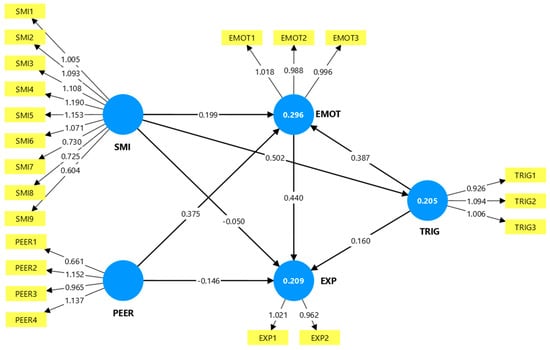
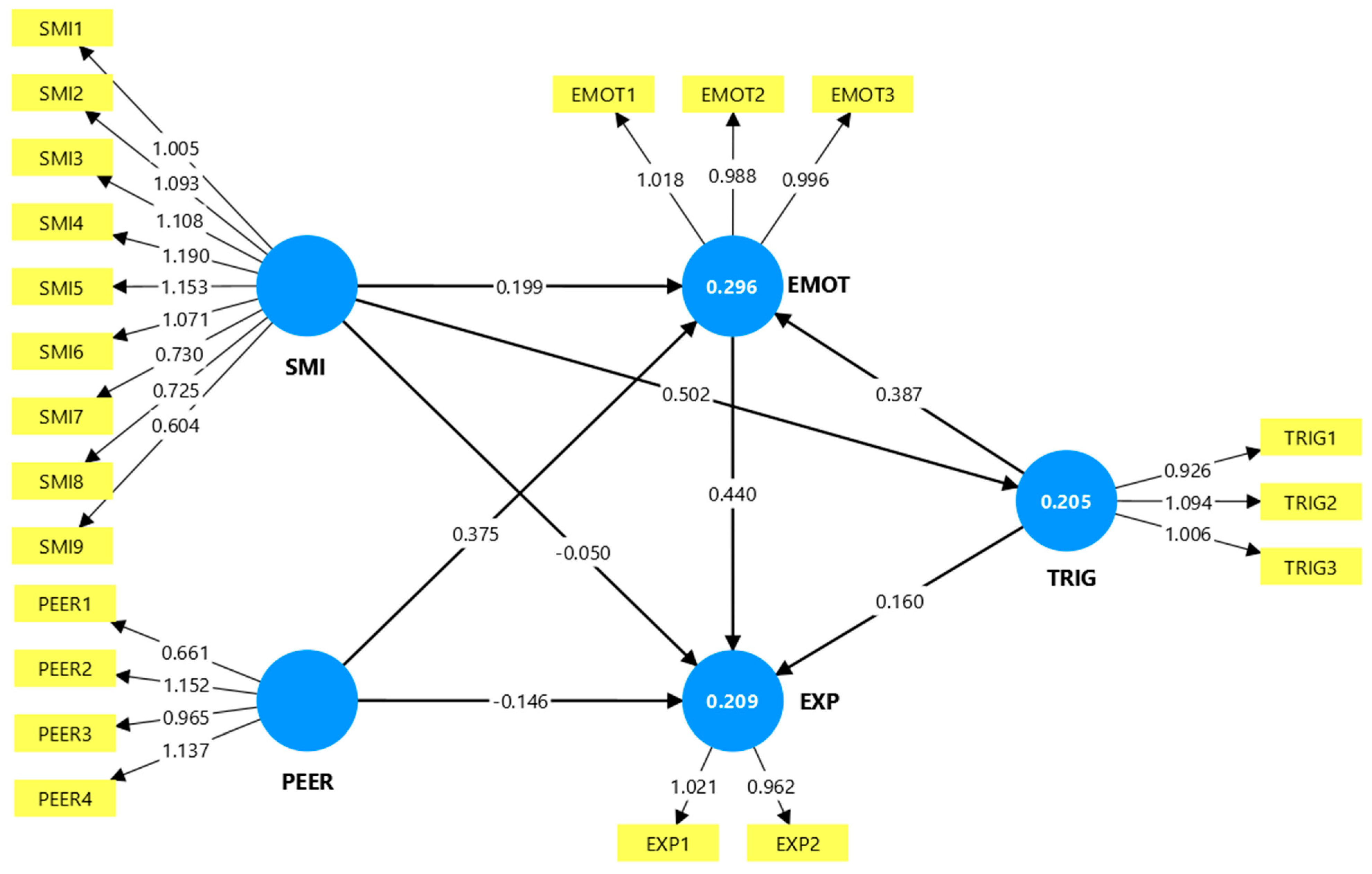
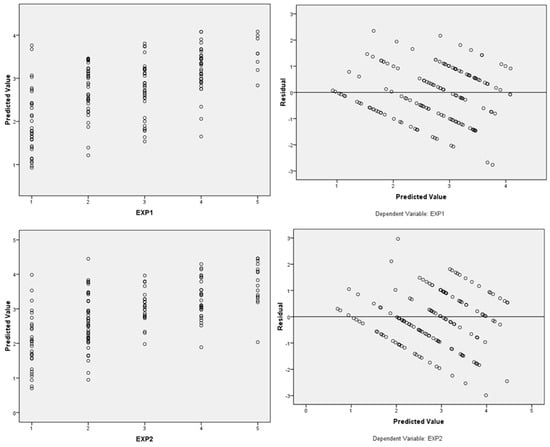
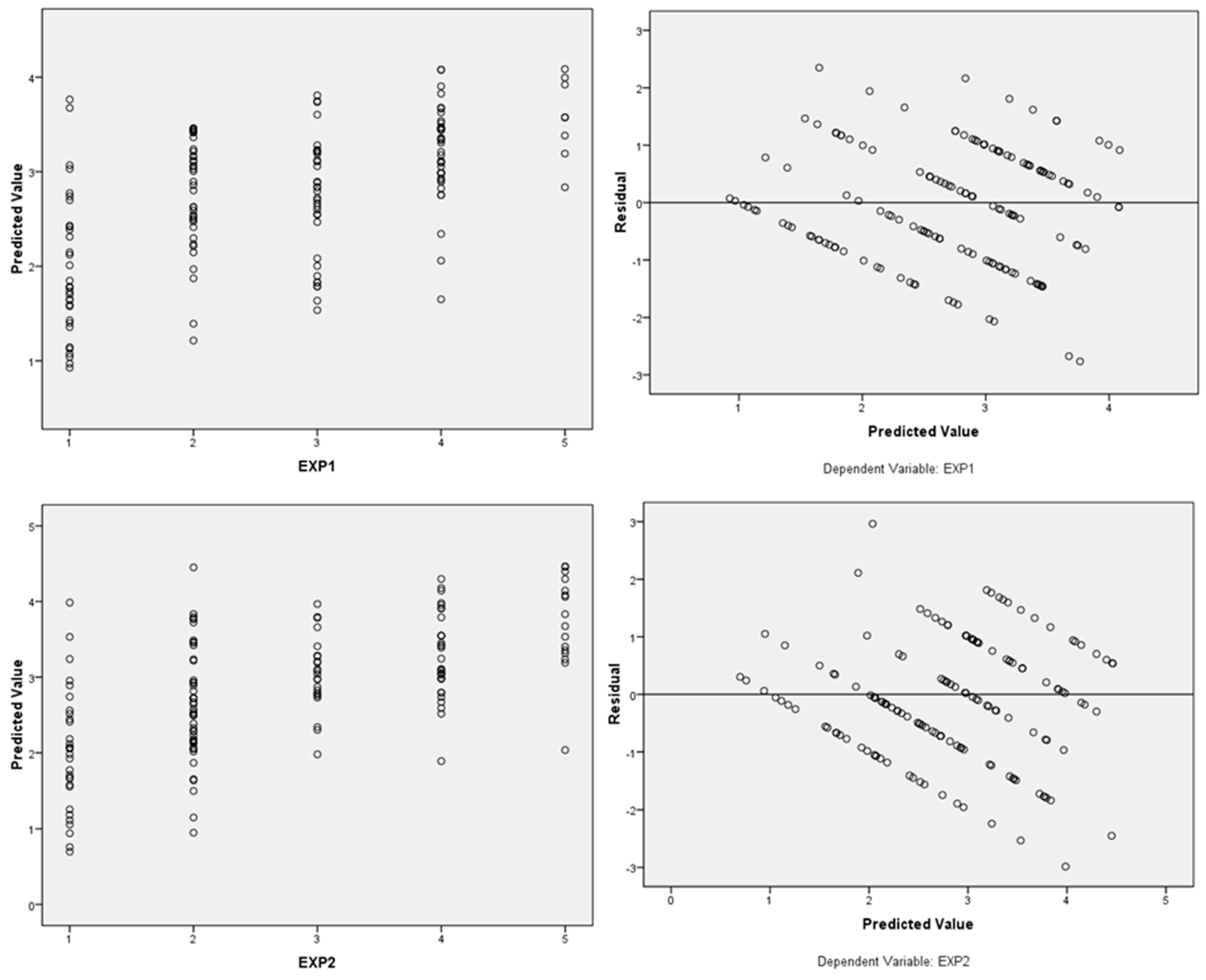
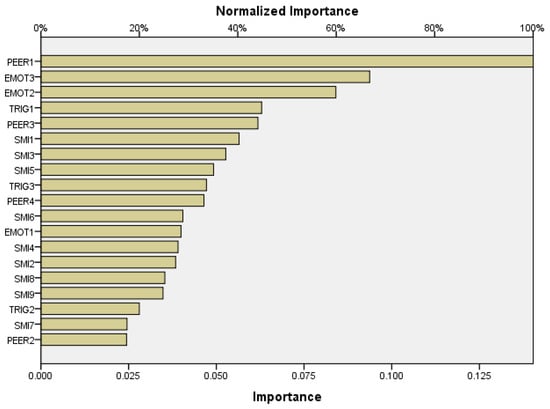
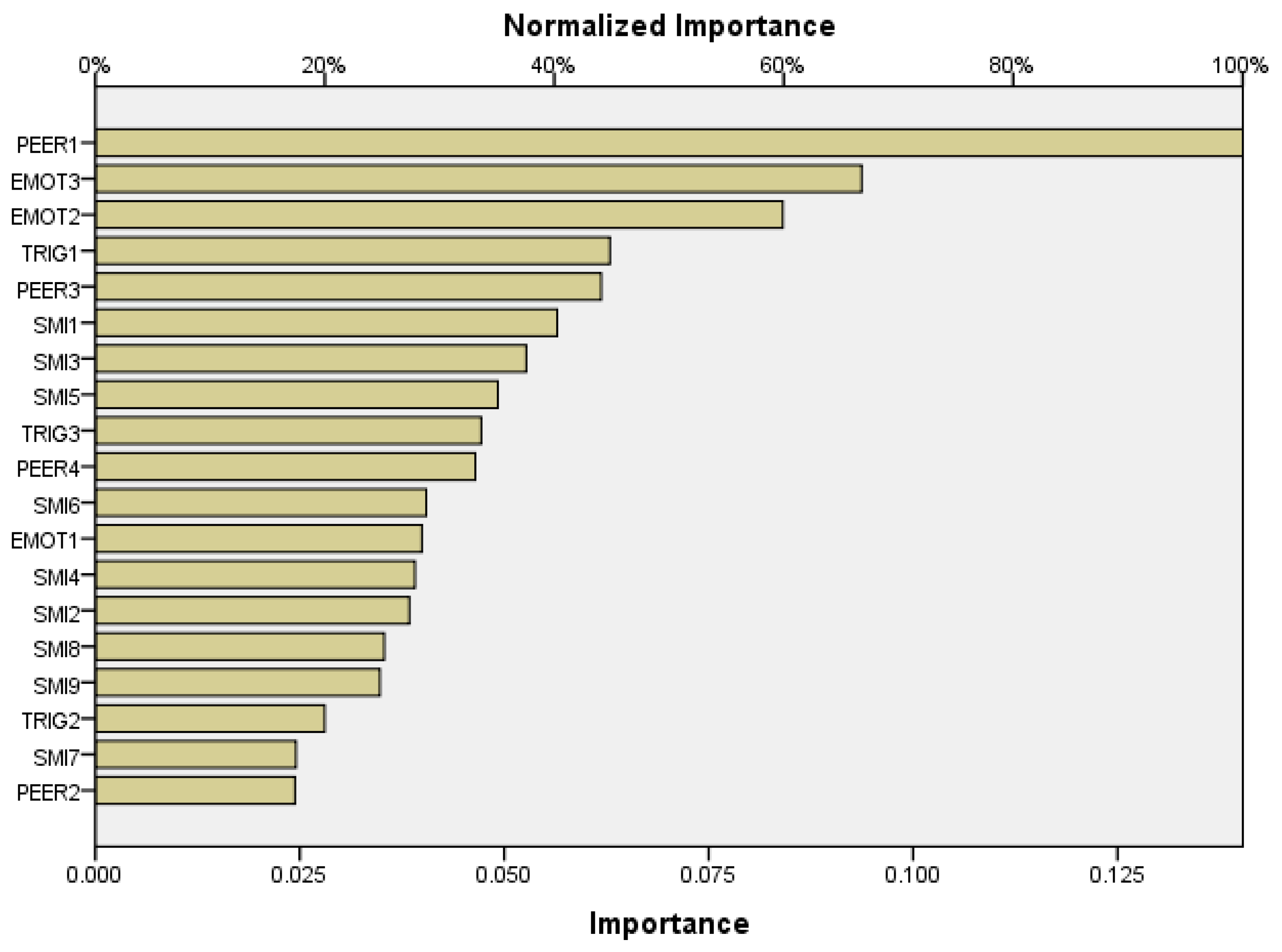
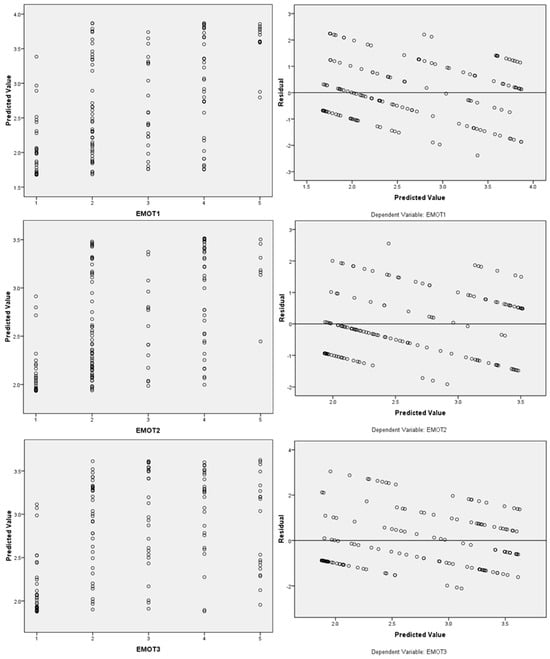
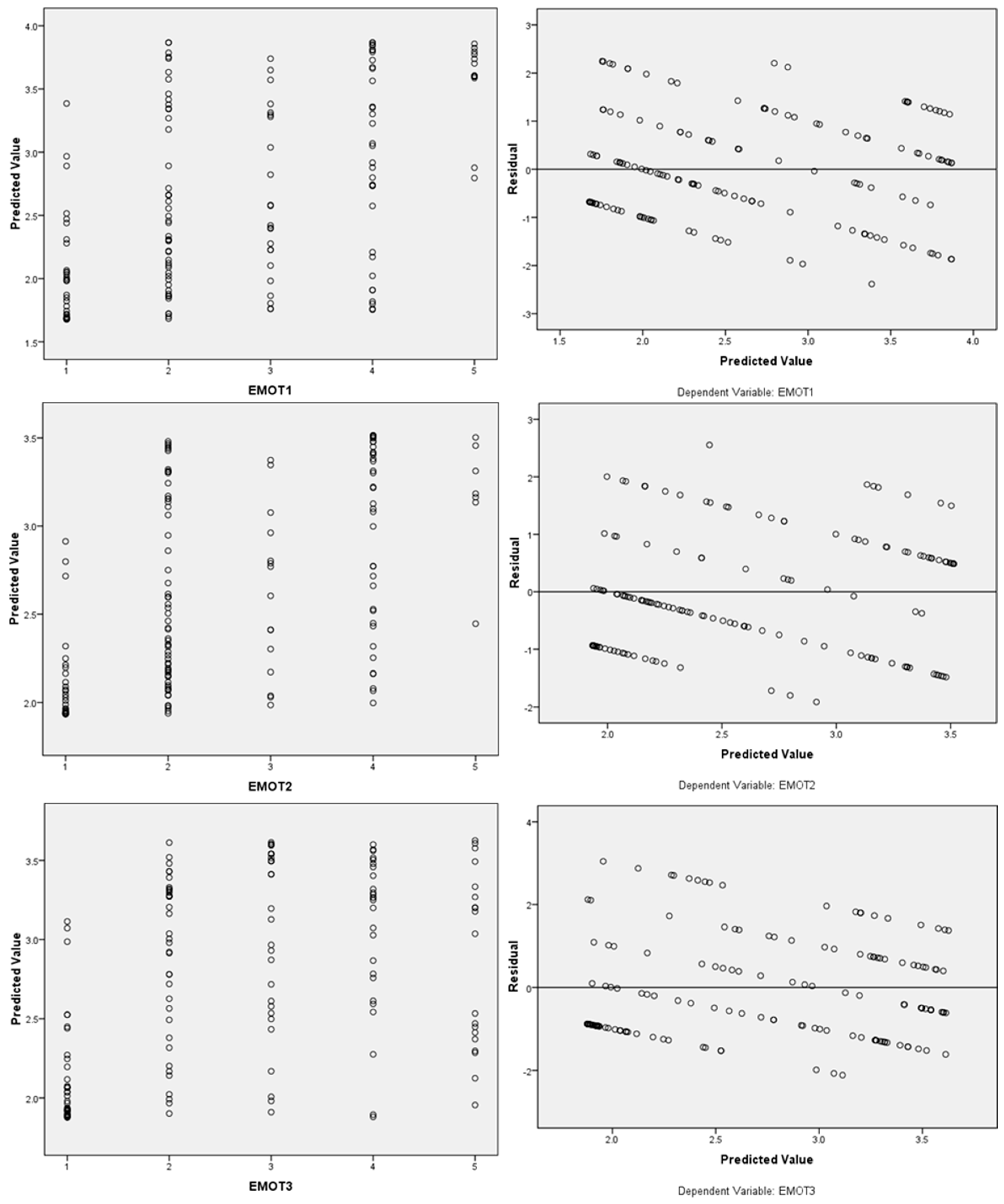
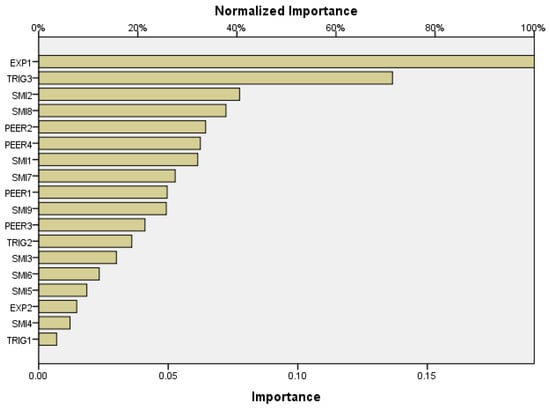
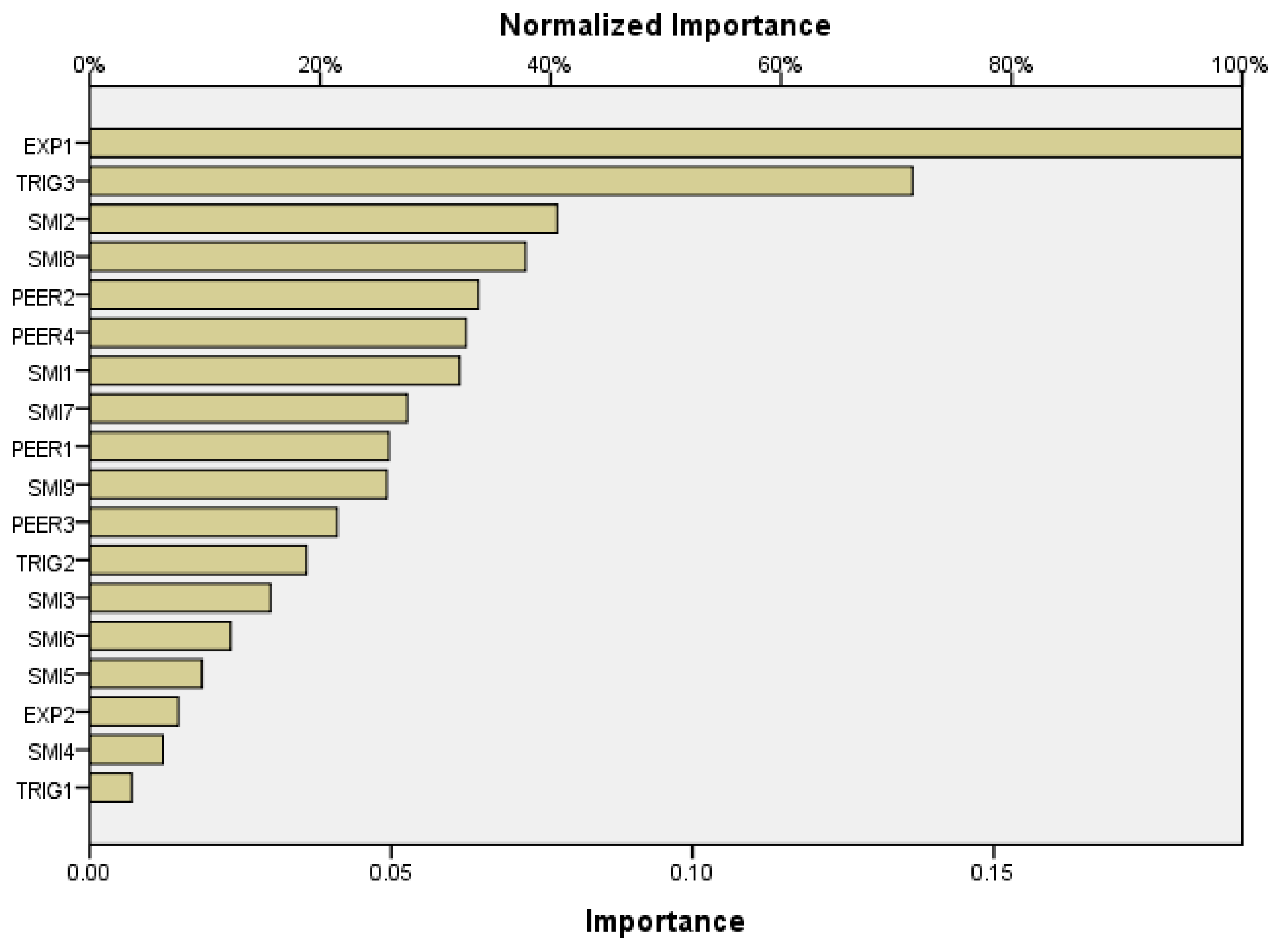
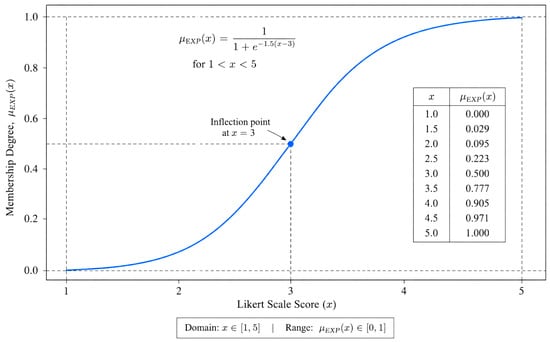
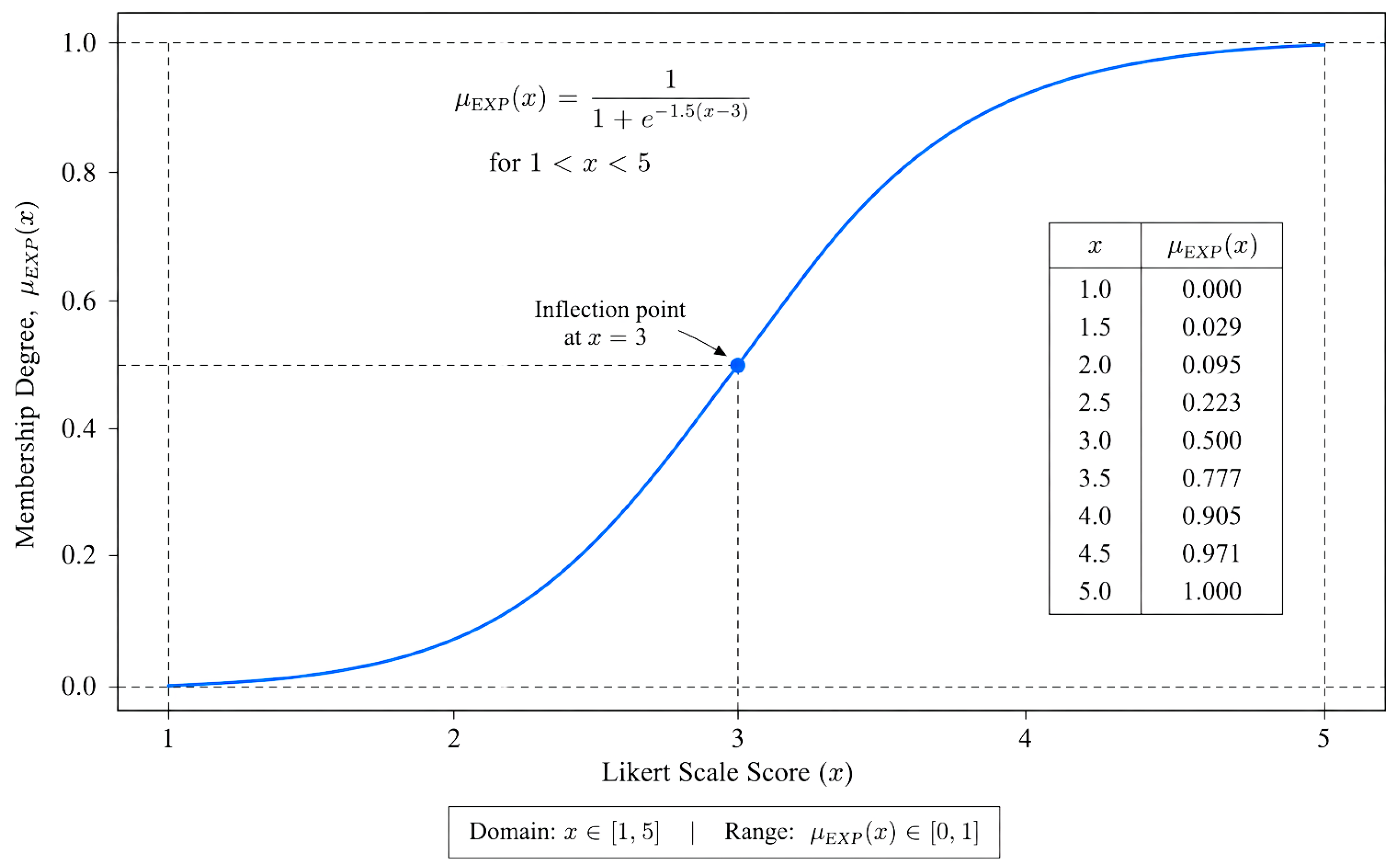
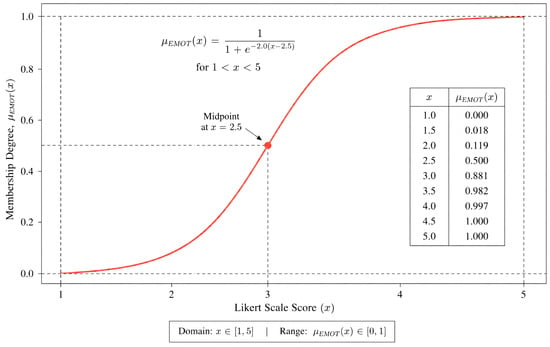
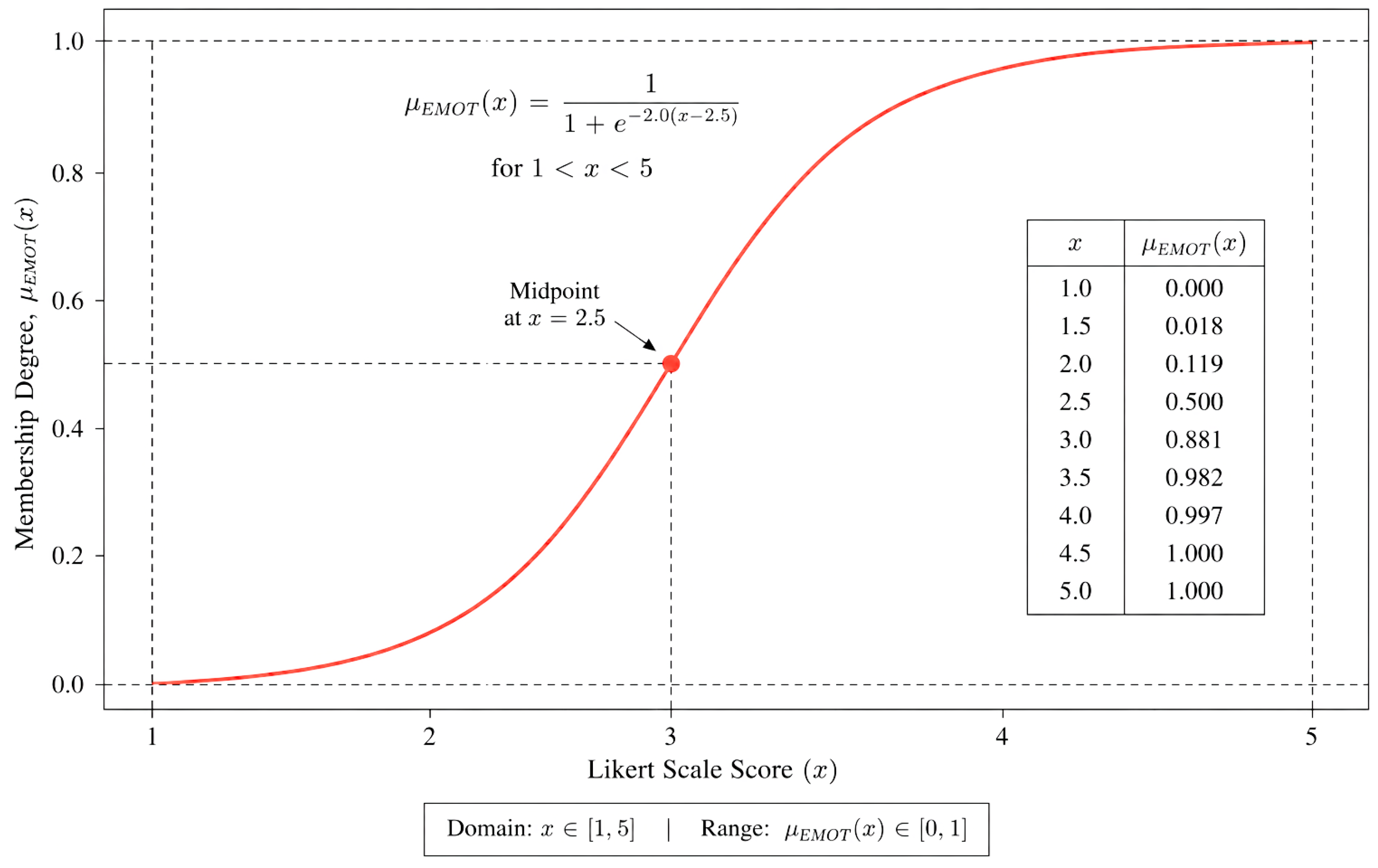
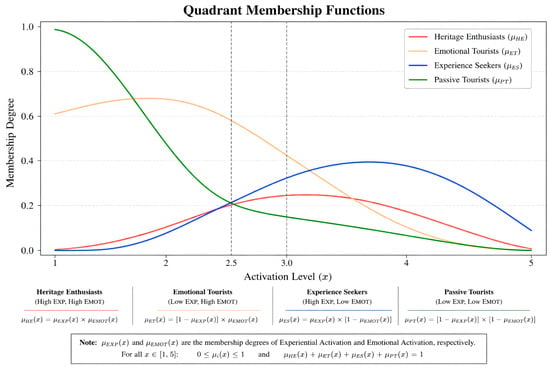
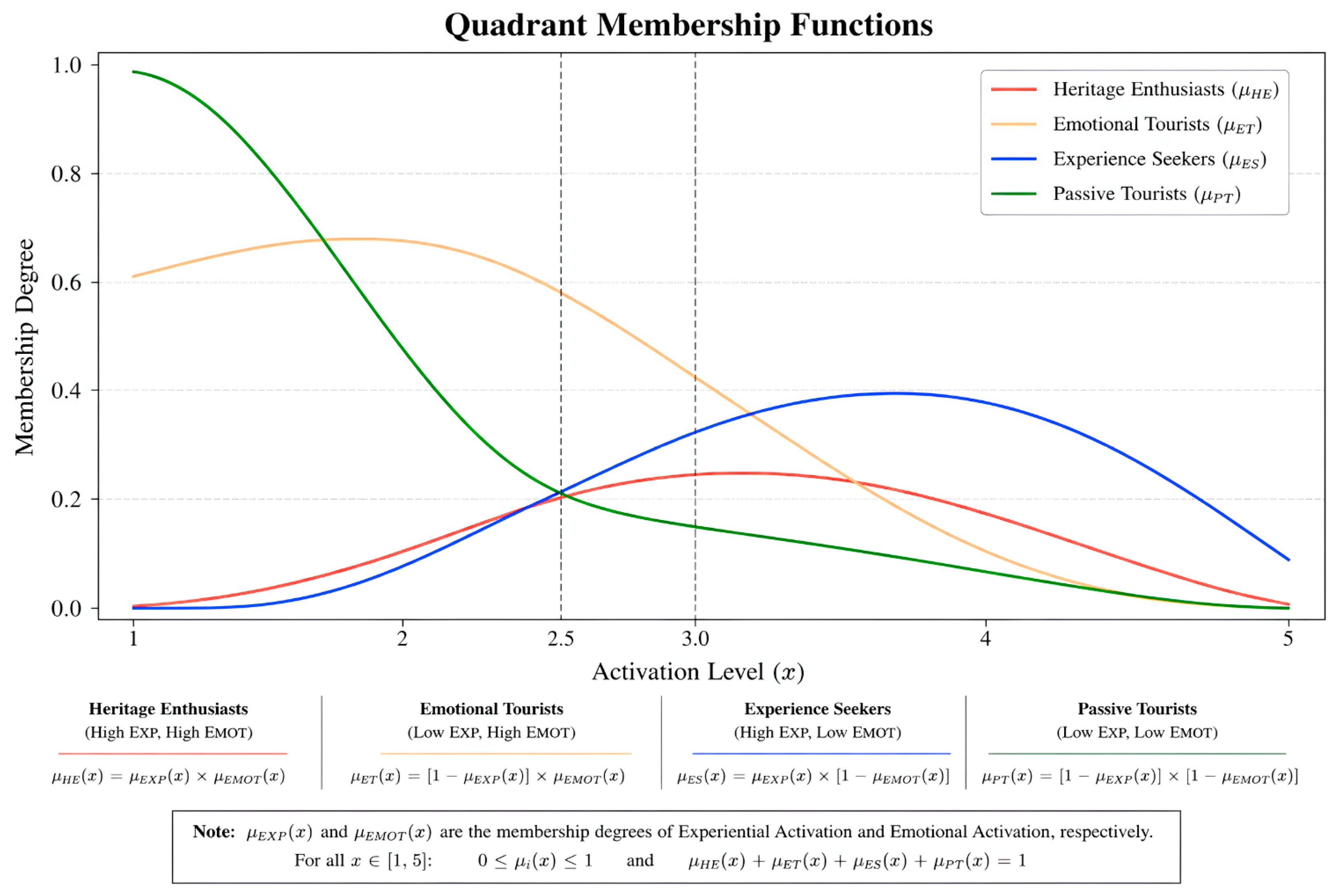
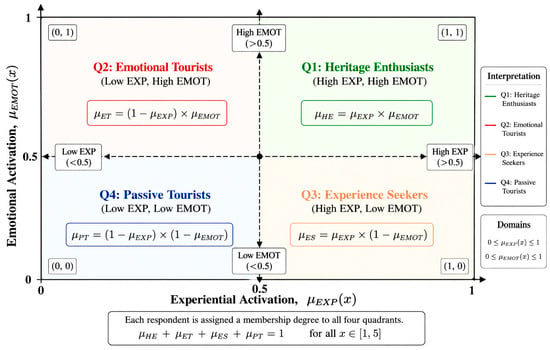
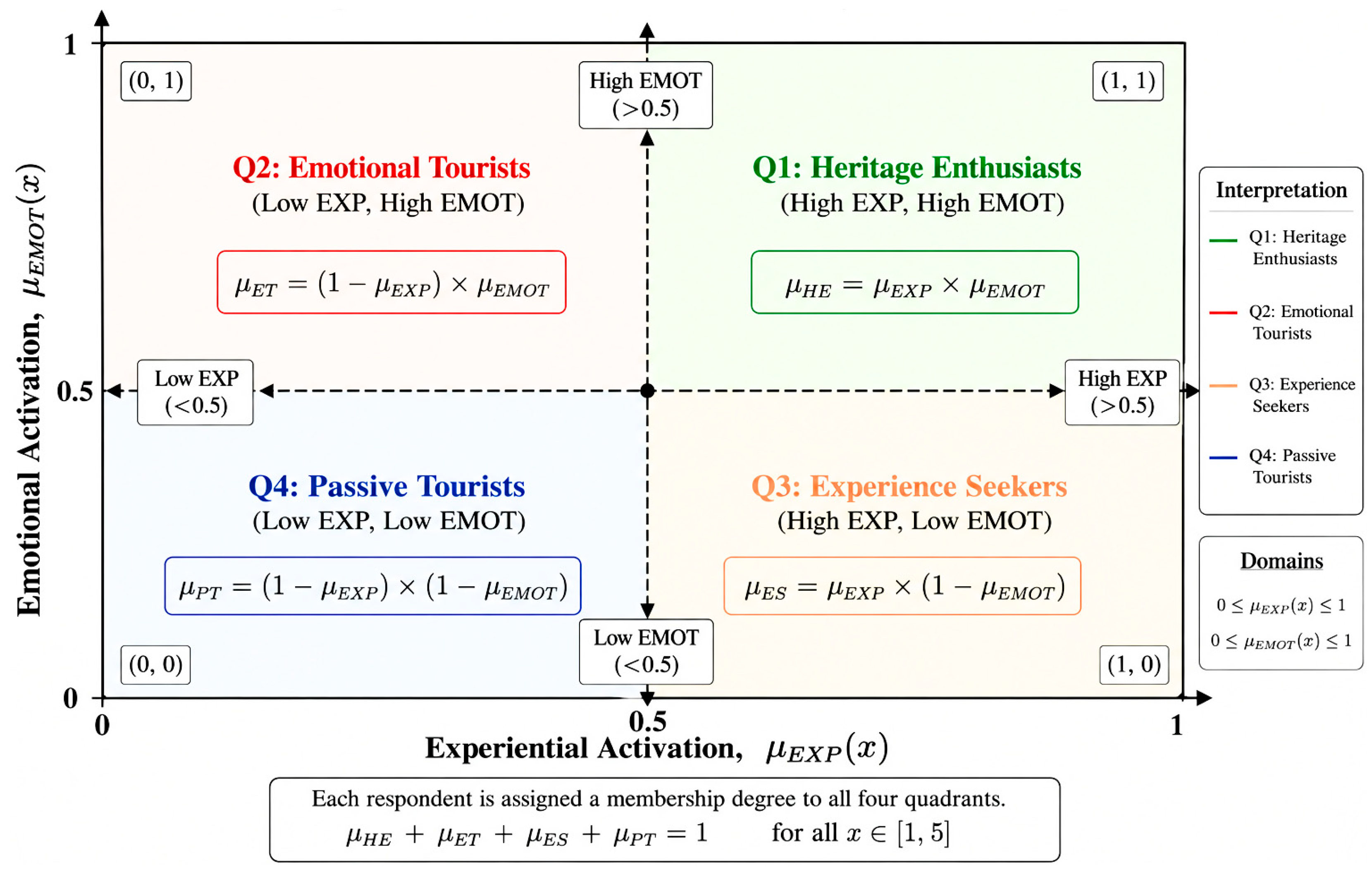

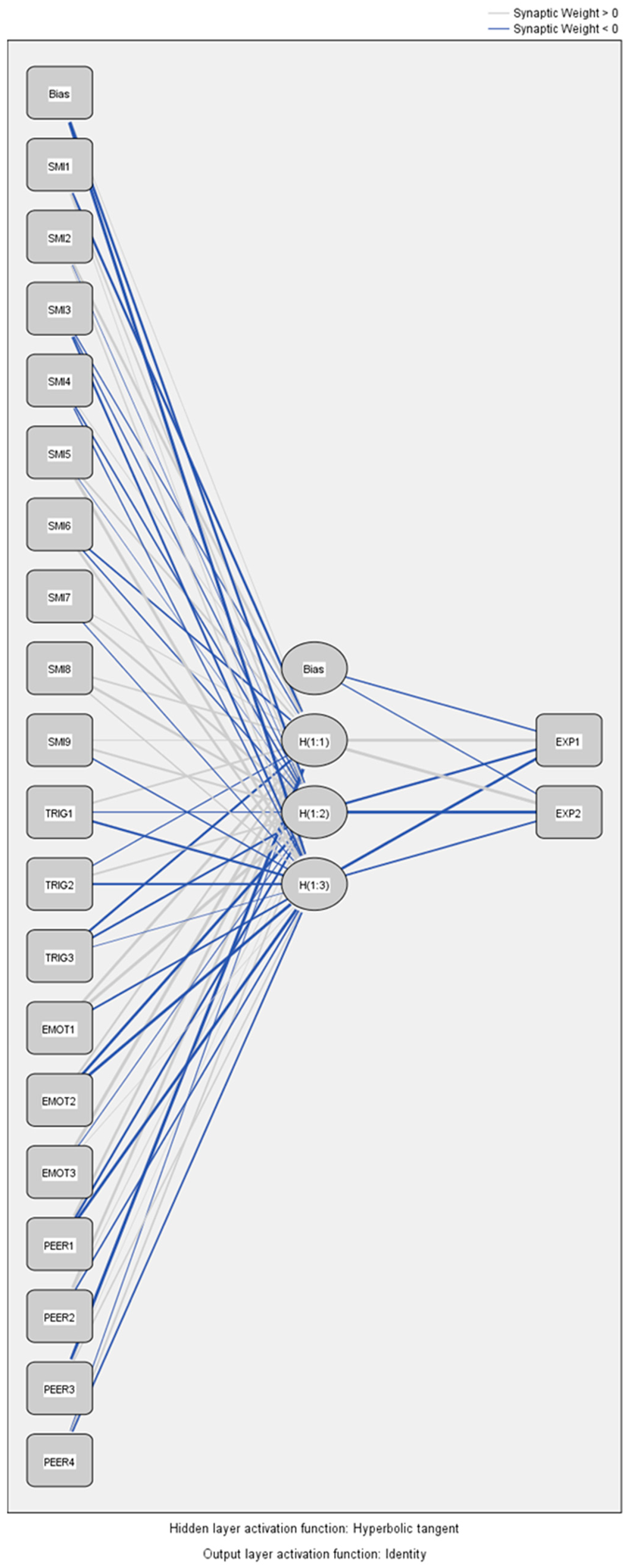
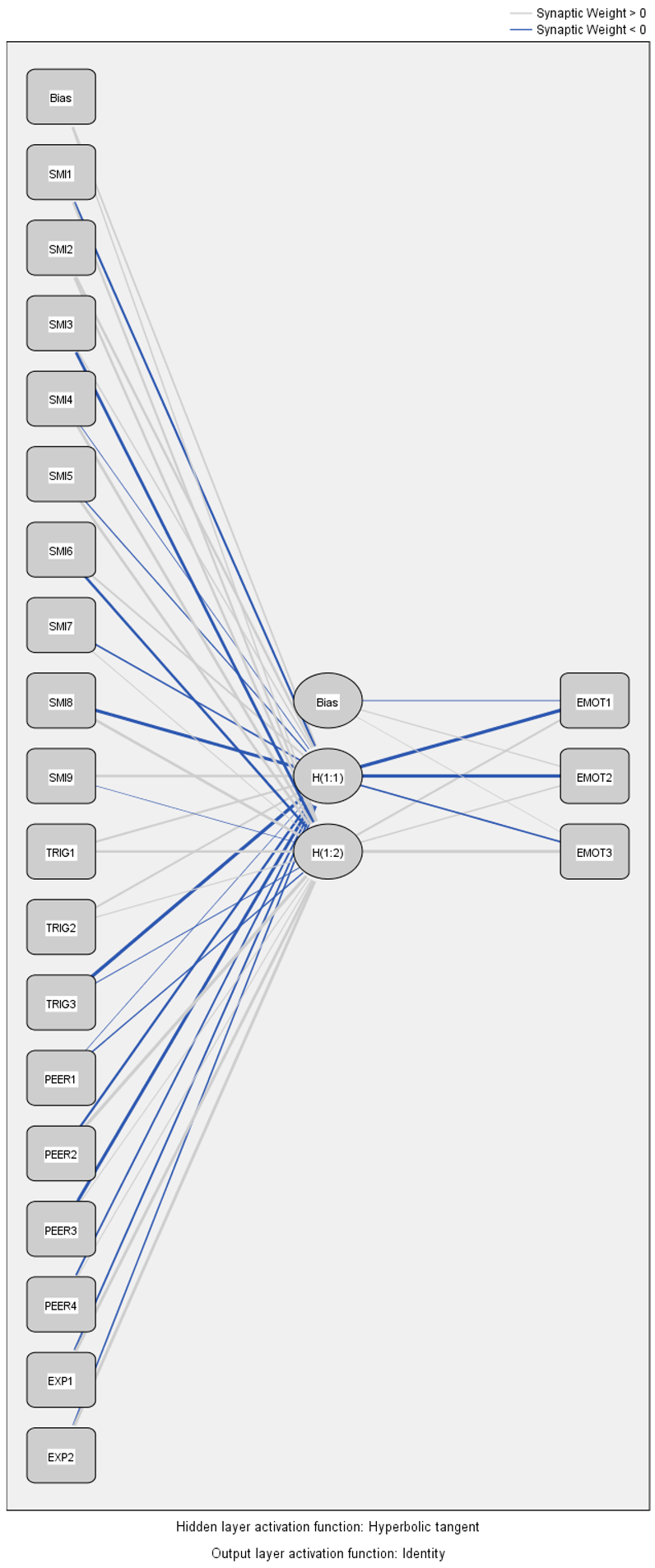
Disclaimer/Publisher’s Note: The statements, opinions and data contained in all publications are solely those of the individual author(s) and contributor(s) and not of MDPI and/or the editor(s). MDPI and/or the editor(s) disclaim responsibility for any injury to people or property resulting from any ideas, methods, instructions or products referred to in the content. |
© 2026 by the author. Licensee MDPI, Basel, Switzerland. This article is an open access article distributed under the terms and conditions of the Creative Commons Attribution (CC BY) license.