


Abstract
Mutations in the tRNA Nucleotidyl Transferase 1 (TRNT1) gene have been associated with a systemic autoinflammatory disease (SAID) that presents with a wide clinical spectrum, ranging from severe and fatal forms to milder disorders. We conducted a literature review to provide a comprehensive analysis of the clinical characteristics of patients diagnosed with TRNT1-associated SAID and to explore therapeutic approaches to this condition, with particular attention to the follow-up outcomes of patients treated with TNF-α inhibitors. Sixty-six patients were included in this narrative review: more than 70% presented with fever and immunodeficiency. Developmental delay was very common, reported in 65.2% of patients. Ocular signs were reported in 36.4%, hearing loss in 27.3%, musculoskeletal symptoms in 24.2%, cutaneous manifestations in 37.9%, and other less common features, including gastrointestinal symptoms in 24.2%, cardiac involvement in 9.1%, and growth hormone deficiency in 9.1%. A total of 83.3% of patients underwent genetic assessment, which identified two mutations affecting TRNT1 function in 53 patients, while in two patients, despite identification of only a single mutation in the TRNT1 gene, a broad clinical phenotype resembling a systemic autoinflammatory disease was described. Among the different therapeutic strategies, etanercept was used in 13 patients. The median age at etanercept initiation was 24 months (IQR 21–60). Etanercept was effective in controlling systemic inflammation by suppressing fever and inflammatory markers. Additionally, it helped manage cutaneous symptoms in a few patients. Based on current knowledge, etanercept seems to be the most promising therapy in TRNT1-related SAID.
1. Introduction
In 2013, Wiseman et al. first described a rare syndrome characterized by congenital sideroblastic anemia, immunodeficiency, fever, and developmental delay, which was defined by the acronym SIFD [1]. Chakraborty et al. demonstrated that SIFD was caused by biallelic mutations in the tRNA Nucleotidyl Transferase 1 (TRNT1) gene [2]. This rare genetic disorder was recognized as part of the spectrum of autoinflammatory diseases. In the following years, additional patients were identified, exhibiting a range of clinical manifestations, from a typical syndrome with fever and immunodeficiency [3,4,5,6,7,8,9,10,11,12,13] to milder forms presenting with dermatosis [14] or with exclusive ocular involvement [15,16].
TRNT1 is a nuclear gene that encodes tRNA Nucleotidyl Transferase 1, an enzyme involved in CCA addition, which is essential for modifying both nuclear and mitochondrial tRNAs and is crucial for protein homeostasis and synthesis. Its dysregulation is associated with the production of reactive oxygen species (ROS) and cell damage, which represent the first step in the activation of inflammatory pathways [17,18]. Improved genetic characterization, along with the identification of molecular pathways and clinical manifestations, led to the consideration of how different TRNT1 mutations could be associated with distinct phenotypes [19].
In our Italian region, four patients have been diagnosed with this condition: three were previously reported [20,21], while the other one was only recently diagnosed (unpublished data). All these patients have been treated with etanercept (ETN) and have shown a favorable clinical response [20,21]. The efficacy of this treatment has also been shown in the case series described by Giannelou et al. [5] and a few other cases [7,8,14,21,22,23,24,25].
Our objective is to provide a comprehensive review of the clinical characteristics of patients diagnosed with TRNT1-related syndrome and to explore the therapeutic approaches used for this condition, with particular emphasis on the successful follow-up of patients treated with TNF-α inhibitors.
2. Materials and Methods
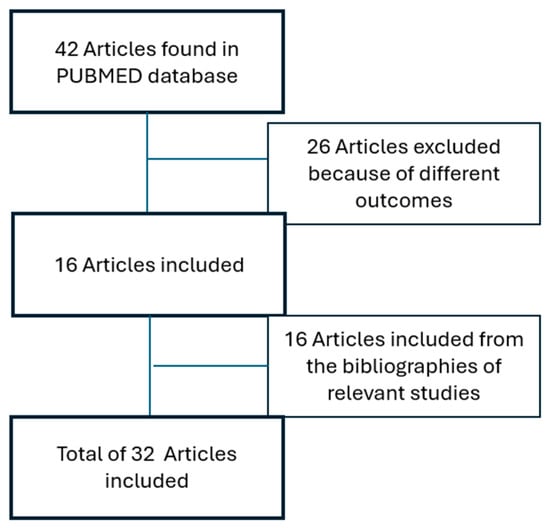
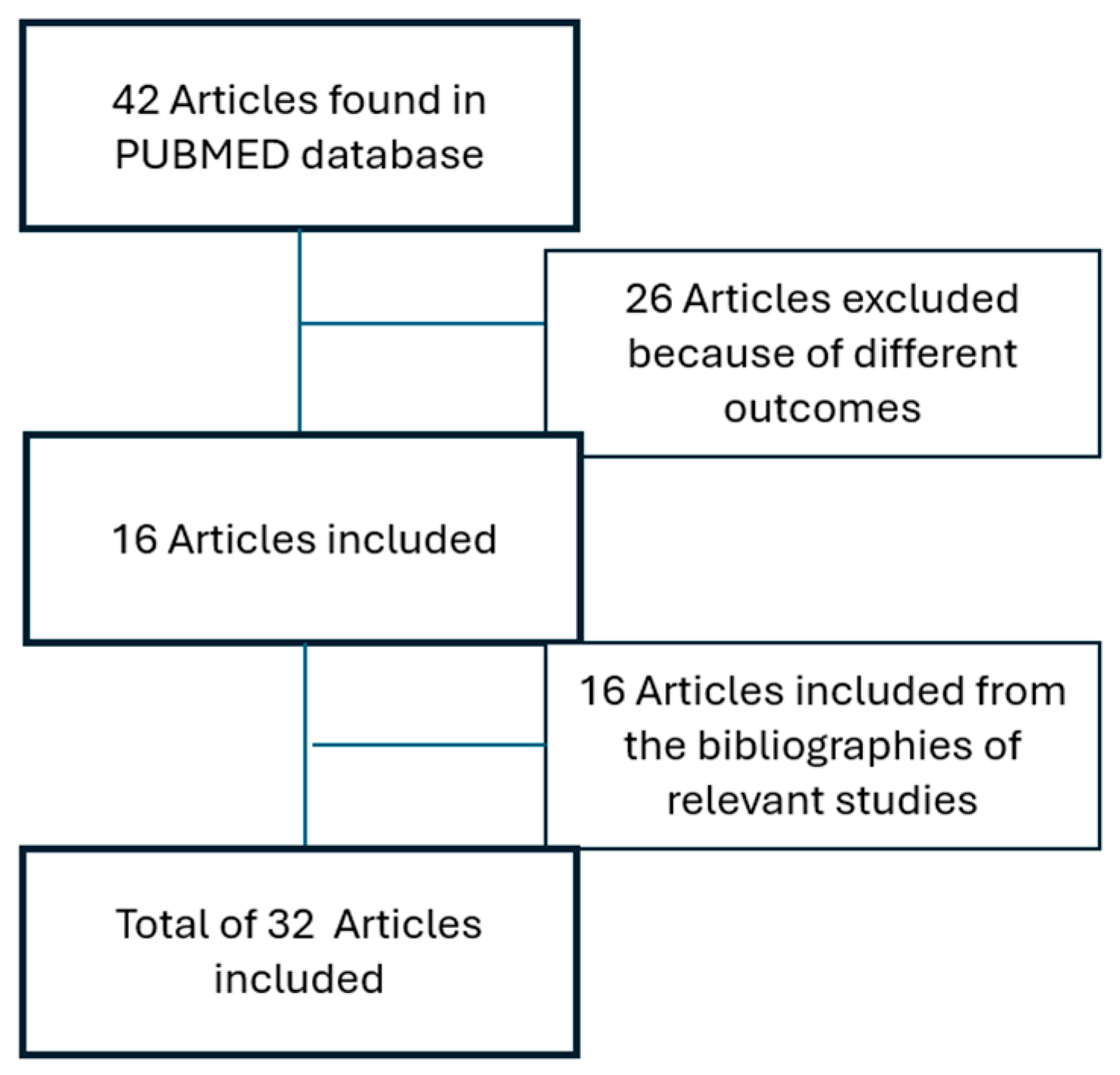
For this narrative review, we conducted a comprehensive PubMed search for full-text English articles using the following terms: ((TRNT1 autoinflammatory syndrome) OR (SIFD)). The literature search was last updated in June 2026. We excluded studies published in non-peer-reviewed journals. No date restrictions were applied, and each paper was independently reviewed by at least two authors. Out of 42 results, we excluded articles that were not relevant or pertinent, and we focused on clinical descriptions in published studies. The patients included in our frequency analysis were those for whom the relevant clinical features had been explicitly evaluated. Studies providing only genetic or functional data, without adequate clinical characterization (e.g., the report by Chakraborty et al. [2] were excluded from this analysis. Sixteen articles were considered more relevant for our purpose, and we focused on the clinical features reported in their patients. Additionally, we manually reviewed the bibliographies of relevant studies, and we identified sixteen other potentially appropriate publications with a total of 66 patients described (Figure 1).
Figure 1.
Study selection flow-chart.
3. Results
3.1. Clinical Features
The patients described in the literature presented a wide range of symptoms, with their frequency reported in Table 1. The median age at diagnosis was 12 months (IQR 2.25–81 months). However, although the first clinical manifestations typically appeared during early childhood, diagnosis was delayed until adulthood in some cases [15,26,27]. More recently, the case of a girl with disease onset during adolescence has been reported [21]. The oldest age at diagnosis was reported by Bravo Garcia et al., who described a 49-year-old man investigated for primary hypogonadism with a previous history of congenital cataract [28]. One of the most common clinical features was high-spiking fever, often periodic, recurring every 2–4 weeks, and associated with increases in inflammatory markers such as C-reactive protein (CRP) and serum amyloid A (SAA).
Table 1.
Clinical features of 66 patients with TRNT1-related SAID reported in the literature.
The immunodeficiency usually involved B lymphocytes, with reduced absolute numbers and impaired maturation and immunoglobulin production. Several patients showed reduced levels of different classes of circulating immunoglobulins. Yang et al. also reported fewer switched memory B lymphocytes compared with healthy controls [13]. An associated T-cell deficiency with severely decreased T-cell receptor excision circles was described in only one patient [29]. Moreover, Wiseman et al. reported a progressive decline in T and NK cells in several cases within their cohort [1].
Sideroblastic anemia was present in 71.2% of patients; it was microcytic, and in some cases required blood transfusion [5,30]. Generally, sideroblastic anemia results from impaired iron metabolism in the precursors of red blood cells. It is caused by pathological iron accumulation in the mitochondria of erythroid precursors, producing the characteristic “ring sideroblasts” on Prussian blue-stained marrow smears. In the inherited forms, such as TRNT1-related disorders, it is caused by mitochondrial damage due to dysregulation of tRNA homeostasis.
Hearing loss was reported in 18 patients, while ocular involvement, reported in 36.4% of patients, ranged from severe cataract requiring surgery to retinopathy.
The most common neurological feature was developmental delay, associated with microcephaly [20] or cerebral atrophy on magnetic resonance imaging [4,9]. A history of epilepsy was reported in 12 patients [1,5,22,30,31]. Interestingly, Wei et al. reported the case of a patient with developmental delay and white matter hypomyelination who received the therapy of a mitochondrial “cocktail” because his syndrome behaved as a mitochondrial disease [32].
Heart involvement was described in six patients and included cardiomyopathy (three patients) [1,29], ventricular hypertrophy [32], and poor left ventricular function [20]. An associated cardiac malformation was reported by Fouquet et al. [30].
Cutaneous involvement was frequently described (37.9%). The most commonly reported skin manifestation was soft tissue swelling with nodules of the extremities, associated with microscopic findings consistent with panniculitis in a subset of patients who underwent skin biopsy [3,5,7]. Other patients presented with a cutaneous skin rash during febrile episodes resembling erythema nodosum [5,7]. A severe form of dermatitis partially responsive to ETN was described in one patient [24]. In one case, the first clinical manifestation was the appearance of red-to-purple papules with localized swelling involving the face, ears, and feet at 1 month of age [25].
A total of 24.2% of patients presented musculoskeletal symptoms, including myalgia and arthritis. Eleven patients presented arthritis of both large joints, such as the knee, ankle, wrist, or elbow, and small ones, including fingers [5,8,11,23,25]. Additionally, dactylitis was reported in one patient [7]. Rigante and coworkers described one patient with elevated Creatine Phosphokinase (CPK) and myalgias, while in other patients with developmental delay, muscle hypotonia and hypotrophy were also reported [4,10,20].
Failure to thrive, linked to inflammatory status, is a very common finding. Additionally, growth hormone deficiency was reported in six patients with this syndrome [9,20,23]. In these cases, appropriate replacement therapy was started to support growth and metabolic status. Primary hypogonadism has also been described [28].
Notably, dysmorphic features were commonly shared and described as brittle, sparse hair, a protruding nasal bridge, and relatively slender limbs.
Regarding prognosis, nineteen patients (28.8%) died from complications related to the syndrome, with a median age at death of 25 months (IQR 16.5–52) (Table 2). Three children died due to epileptic status, and a 14-year-old girl died from toxic epidermal necrolysis [12,30]. Cardiac failure was a common cause of death in the cohort by Wiseman et al. [1]. The other main causes of death were sepsis or severe pneumonia, as shown in Table 2.
Table 2.
Clinical assessment and cause of death in 19 patients affected by TRNT1-related SAID.
3.2. Pathogenesis
TRNT1 is a transfer RNA nucleotidyltransferase 1 that adds CCA trinucleotides to the 3′ end of all precursor transfer tRNAs. This post-transcriptional modification is crucial for the proper attachment of amino acids and accurate protein translation. Additionally, TRNT1 plays a key role in maintaining cellular tRNA homeostasis by selectively bringing tRNAs for degradation. SIFD-associated mutations include missense, nonsense, frameshift, and splice site pathogenic variants of the TRNT1 gene. Chakraborty et al. identified biallelic loss-of-function variants in TRNT1 as the molecular cause of SIFD and provided experimental evidence that these variants impair both mitochondrial and cytosolic cellular functions [2]. Later, experimental studies have suggested that reduced TRNT1 activity disrupts tRNA maturation and cellular protein homeostasis. In cellular models, TRNT1 deficiency was associated with increased angiogenin-dependent tRNA cleavage, activation of the integrated stress response, increased ROS production, and altered protein abundance [17]. Unprocessed and misfolded protein accumulation in TRNT1-deficient cells could exhaust the protein degradation machinery and the autophagy pathway and induce cell death [19]. Therefore, some authors have shown that the oxidative phosphorylation complexes are impaired in SIFD patients [18,34]. Particularly, fibroblast cells from affected patients showed impaired ability to properly form the oxidative phosphorylation complexes and consume oxygen [18]. This may contribute to the observed mitochondrial phenotypes associated with mutant TRNT1 and SIFD, such as sideroblastic anemia, hearing loss, and neurodevelopmental delay. However, other clinical manifestations, including B-cell immunodeficiency and periodic fever, are not typically associated with mitochondrial dysfunction. This observation suggests that additional cellular effects of TRNT1 deficiency may contribute to the pathogenesis of these manifestations, although the underlying mechanisms remain unclear. One proposed mechanism is that mitochondrial dysfunction and increased ROS production may promote activation of the NLRP3 inflammasome, thereby contributing to the inflammatory manifestations of the disease [17,18,34,35]. However, this pathway remains hypothetical and has not been directly demonstrated in patients with TRNT1 deficiency.
3.3. Genetic Analysis
TRNT1 is composed of seven introns and eight exons. Wiseman and Chakraborty were the first to define SIFD as being caused by biallelic loss-of-function mutations in the TRNT1 gene [1,2].
Our analysis showed that 53 out of the 66 reported patients with TRNT1 deficiency received a molecular diagnosis with two mutations in the TRNT1 gene. The known mutations associated with TRNT1 deficiency are described in Table 3. Ten patients described by Wiseman and colleagues before the identification of the genetic cause of SIFD and one case described by Fremond et al. did not receive a genetic diagnosis [1,35]. Sixteen patients presented a homozygous pattern of TRNT1 mutations, while the others tested presented a compound or simple heterozygosity (Table 3).
Two patients classified as affected by SAID due to TRNT1 mutation presented a single mutation in the TRNT1 gene [22,36]. The first patient presented a genotype compatible with familial Mediterranean fever, but he partially responded to colchicine, and he developed hypogammaglobulinemia requiring intravenous immunoglobulin replacement therapy [36]. The other patient diagnosed with TRNT1-related SAID with a single TRNT1 mutation, reported by Sestan et al., presented with very early-onset periodic fever, skin rash, and developmental delay. The authors hypothesized that this could be a case of an unidentified second intronic TRNT1 variant or that the variant could have a dominant negative effect [22].
It has been proposed that the severity of TRNT1-associated diseases correlates with the level of residual enzyme activity [19]. In most reported cases, the mutations include missense variants, deletions, or splice-site mutations, all of which result in loss of function and reduced enzymatic activity. Given the protein function described above, protein instability due to truncating mutations or compound heterozygous genotypes may lead to more severe outcomes than missense mutations, possibly due to dysregulated protein homeostasis, ROS activation, and subsequent cell death. As a matter of fact, nine out of the thirteen available genetic assessments in patients who died presented a compound heterozygous genotype (Table 3, patients 4, 5, 9, 15, 23, 36, 37, 49, and 50). When available from the Infevers database [37], the classification of pathogenicity for each variant was reported in Table 3. However, functional assays have not been sufficiently investigated, and further studies are needed to establish a clear correlation between TRNT1 genotype and phenotypic severity. In the absence of functional data for all identified variants, no definitive genotype–phenotype or genotype–mortality association can be established.
Table 3.
A comprehensive summary of the clinical and genetic characteristics of 66 patients with TRNT1 syndrome reported in the literature. RP: Retinopathy, SAID: Systemic autoinflammatory disease; SIFD: sideroblastic anemia, immunodeficiency, fever, developmental delay. P: pathogenetic; LP: likely pathogenetic; VUS: variant of uncertain significance; NA: not available; NC: not classified.
3.4. Treatment
The patients were treated with different strategies. Firstly, supportive therapy was used in the majority of patients and included blood transfusions, antibiotics during bacterial infections, and immunoglobulin replacement therapy. In cases of growth hormone deficiency, GH replacement therapy was started [9,20,23]. Corticosteroid therapy was used in eleven cases [4,5,7,13,25,33]; however, it proved insufficient in controlling the inflammatory status, and it was also associated with a high number of side effects. The patient described by Mendonca et al. showed improvement in skin and osteoarticular symptoms with high doses of steroids, but she did not respond to several steroid-sparing agents [7]. Due to severe steroid-related side effects, the treatment was discontinued. In other cases, short-term prednisone was used only during febrile episodes [13].
Six patients affected by severe phenotypes with predominance of immunodeficiency or severe sideroblastic anemia underwent hematopoietic stem cell transplantation (HSCT) with different results. A patient described by Giannelou was treated with HSCT from an unrelated HLA-matched donor with improvement of fever and anemia [5]. Another patient reported by Giannelou, who had prominent neurological impairments and severe B cell immunodeficiency, died at the age of 3 from sepsis 92 days after HSCT [5]. Chen and colleagues reported a 17-month-old infant who underwent umbilical cord blood stem cell transplantation due to severe immunodeficiency; however, the patient unfortunately died from severe sepsis and multiorgan failure [4]. Wiseman et al. described a patient diagnosed with severe anemia and febrile episodes that started at the age of two months. As a result, he underwent myeloablative allogeneic HSCT from an unrelated donor at nine months of age. Over time, he showed progressive normalization of immunoglobulin levels and hemoglobin, but routine follow-up revealed the development of pigmentary retinitis [1]. Barton et al. reported HSCT in a sibling of the index case, who had died from severe sideroblastic anemia. This sibling had a similar hematological presentation and was treated with HSCT at 5 months of age, but subsequently developed severe neurological complications, leading to death [31]. Wedatilake et al. reported favorable outcomes in a patient three years after undergoing HSCT: fever resolved, anemia and growth improved, and the patient made some developmental progress. He remains systemically well 3 years post HSCT. At 10.5 years of age, he started to walk independently, and he made progress with speech, but continued to have moderate hearing loss and retinopathy [12].
Colchicine treatment was administered to four patients and effectively controlled musculoskeletal symptoms with few effects on other symptoms. The patient described by Maccora et al. received colchicine in combination with ETN, with good clinical control of symptoms [5,8,36]. In one case, a partial control of symptoms was obtained with thalidomide [33].
Moving on to biological targeted treatments, IL-1 inhibitors were attempted in some cases but were generally discontinued because these approaches failed to fully control the inflammatory signs and symptoms [5,8,20].
The use of TNF-α inhibitors has been reported in 15 patients with TRNT1-related SAID [5,7,8,14,20,21,33]. Of these, 13 received etanercept (ETN), one received adalimumab, and one received infliximab. Infliximab was administered to a patient with concomitant gastrointestinal involvement, resulting in good control of both systemic and gastrointestinal inflammation [5]. Adalimumab was used in a single patient but was subsequently discontinued because of inadequate response. The clinical outcome of patients treated with ETN was summarized in Table 4.
Table 4.
Use of ETN in 13 patients affected by TRNT1 syndrome.
The median age at ETN initiation was 24 months (IQR 21–60). In all cases, ETN was administered weekly. It was generally used after other medications had failed. Two patients received concomitant medications during ETN treatment: colchicine [5] and corticosteroids [25]. The duration of ETN treatment follow-up ranged from 4 months to 11 years. No side effects have been reported. Published cases suggest that etanercept may suppress fever and systemic inflammatory activity in selected patients. Additionally, it helped manage cutaneous symptoms [25]. Most patients experienced an improvement in anemia and no longer required blood transfusions, whereas moderate anemia persisted in two cases [5]. In two patients, despite therapy, Ig replacement infusion was continued [7,8,23].
Although preliminary findings regarding the control of inflammation are encouraging, further studies are needed to confirm these results and clarify the potential effects on immunodeficiency, anemia, neurological involvement, and long-term survival.
4. Discussion
Among the patients included in this review, the clinical spectrum of sideroblastic anemia, immunodeficiency, fever, and developmental delay, which was defined by the acronym SIFD, was commonly described. However, the clinical spectrum of the disease was larger and included other clinical manifestations. A useful conceptual distinction could include inflammatory symptoms like musculoskeletal and cutaneous symptoms and some other mitochondrial/degenerative disease domains like hearing loss and retinopathy or cardiac involvement.
When the genetic test was performed, the patients carried biallelic mutations in the TRNT1 gene, confirming the clinical suspicion of SIFD, except for two cases in which only a heterozygous mutation could be detected.
Most of the mutations in the TRNT1 gene cause loss of function of tRNA nucleotidyltransferase, a crucial enzyme for tRNA maturation and protein homeostasis. It has been suggested that the dysregulation of this pattern is associated with mitochondrial damage and cell death, triggering NOD-like receptor protein 3 (NLRP3) inflammasome activation and type I Interferon (IFN) production [17,18,34,35]. Some authors hypothesized that different severities of phenotypes depended on the different mutations correlated to the residual enzyme function [19]. Thus, protein instability resulting from truncating variants or from a compound heterozygous genotype may lead to more severe outcomes than missense variants with homozygous genotypes, as also suggested by the genotypic analysis of deceased patients. However, functional assays have not yet been sufficiently investigated to prove this theory.
Despite the heterogeneity of clinical phenotypes, several features were consistently shared among patients, suggesting similar therapeutic approaches. Firstly, supportive therapy with blood transfusion and immunoglobulin infusion was used. In the most severe cases, characterized by predominant immunodeficiency, HSCT was attempted, but it resulted in a good outcome in only one reported case [12]. HSCT is, in fact, associated with an increased risk of complications, so it should be carefully evaluated based on the clinical spectrum of the patients. Accordingly, some manifestations, such as developmental delay and sensorineural hearing loss, may be irreversible.
For milder phenotypes with predominant systemic inflammation, various therapeutic strategies were employed, including corticosteroids, colchicine, and biologic treatments such as IL-1 inhibitors. However, these approaches did not achieve complete control of the inflammatory signs and symptoms. Among the 66 patients, 15 received TNF-α inhibitors, with generally favorable clinical outcomes and no reported adverse effects. Although based on limited evidence, these findings suggest that TNF-α inhibitors may be a promising therapeutic option.
5. Conclusions
In conclusion, our review aimed to characterize the phenotypic and genotypic spectrum of TRNT1-related disease and critically evaluate reported therapeutic outcomes. Based on current knowledge, etanercept appears to be promising for patients with TRNT1-related SAID.
However, it should be noted that the main limitation of this narrative review is that the available evidence is derived primarily from case reports and small case series. Nevertheless, published cases provide encouraging preliminary evidence that etanercept may have a beneficial effect on fever and systemic inflammatory activity in selected patients. Further studies are needed to confirm these findings and to clarify its potential effects on immunodeficiency, anemia, neurological involvement, and long-term survival. Future research should focus on prospective registries and multicenter observational cohorts of patients with TRNT1-related SAID to better characterize the clinical spectrum and longitudinal outcomes of this disorder and to further investigate genotype–phenotype correlations, which remain poorly understood. Given the rarity of TRNT1 deficiency and the likely infeasibility of randomized controlled trials, prospective single-arm studies and carefully designed N-of-1 trials may provide valuable evidence regarding the effectiveness and safety of therapeutic interventions.
Author Contributions
S.D.G.: Data curation, Writing—review & editing, Writing—original draft, Investigation, Visualization, Validation, Resources. F.D.C.: Formal analysis, Validation, Investigation, Writing—original draft. A.P.: Formal analysis, Supervision, Conceptualization, Methodology, Writing—review & editing. E.R.: Resources, Writing—review & editing, Methodology. M.A., A.P.: Writing—review & editing, Supervision, Funding acquisition, Resources, Project administration. F.O.: Validation, Writing—review & editing, Data curation. R.N.: Data curation, Resources, Conceptualization, Project administration, Visualization, Validation, Methodology, Writing—original draft, Supervision, Formal analysis, Writing—review & editing. All authors have read and agreed to the published version of the manuscript.
Funding
This research received no external funding.
Data Availability Statement
All data supporting the findings of this study are provided in the article.
Conflicts of Interest
The authors declare no conflicts of interest.
Abbreviations
The following abbreviations are used in this manuscript:
| CAA | Cytosine (C), Adenine (A), and Adenine (A) |
| CPK | Creatine phosphokinase |
| CRP | C-reactive protein |
| ETN | Etanercept |
| GH | Growth hormone |
| HLA | Human leukocyte antigen |
| HSCT | Hematopoietic stem cell transplantation |
| IFN | Interferon |
| IL-1 | Interleukin 1 |
| NLRP3 | NOD-like receptor protein 3 |
| RNA | Ribonucleic acid |
| ROS | Oxygen free radicals |
| SAA | Serum amyloid A |
| SAID | Systemic autoinflammatory disease |
| SIFD | Sideroblastic anemia, immunodeficiency, fever, and developmental delay |
| TNF-α | Tumor necrosis factor alpha |
| tRNA | Transfer RNA |
| TRNT1 | tRNA Nucleotidyl Transferase 1 |
References
- Wiseman, D.H.; May, A.; Jolles, S.; Connor, P.; Powell, C.; Heeney, M.M.; Giardina, P.J.; Klaassen, R.J.; Chakraborty, P.; Geraghty, M.T.; et al. A novel syndrome of congenital sideroblastic anemia, B-cell immunodeficiency, periodic fevers, and developmental delay (SIFD). Blood 2013, 122, 112–123. [Google Scholar] [CrossRef] [Scilit] [PubMed]
- Chakraborty, P.K.; Schmitz-Abe, K.; Kennedy, E.K.; Mamady, H.; Naas, T.; Durie, D.; Campagna, D.R.; Lau, A.; Sendamarai, A.K.; Wiseman, D.H.; et al. Mutations in TRNT1 cause congenital sideroblastic anemia with immunodeficiency, fevers, and developmental delay (SIFD). Blood 2014, 124, 2867–2871. [Google Scholar] [CrossRef] [Scilit] [PubMed]
- Bader-Meunier, B.; Rieux-Laucat, F.; Touzot, F.; Frémond, M.L.; André-Schmutz, I.; Fraitag, S.; Bodemer, C. Inherited Immunodeficiency: A New Association with Early-Onset Childhood Panniculitis. Pediatrics 2018, 141, S496–S500. [Google Scholar] [CrossRef] [Scilit] [PubMed]
- Chen, X.; Fu, F.; Mo, X.; Cheng, S.; Zeng, H. Case report: Sideroblastic anemia with B-cell immunodeficiency, periodic fevers, and developmental delay: Three cases and a literature review. Front. Pediatr. 2023, 11, 1001222. [Google Scholar] [CrossRef] [Scilit] [PubMed]
- Giannelou, A.; Wang, H.; Zhou, Q.; Park, Y.H.; Abu-Asab, M.S.; Ylaya, K.; Stone, D.L.; Sediva, A.; Sleiman, R.; Sramkova, L.; et al. Aberrant tRNA processing causes an autoinflammatory syndrome responsive to TNF inhibitors. Ann. Rheum. Dis. 2018, 77, 612–619. [Google Scholar] [CrossRef] [Scilit] [PubMed]
- Kumaki, E.; Tanaka, K.; Imai, K.; Aoki-Nogami, Y.; Ishiguro, A.; Okada, S.; Kanegane, H.; Ishikawa, F.; Morio, T. Atypical SIFD with novel TRNT1 mutations: A case study on the pathogenesis of B-cell deficiency. Int. J. Hematol. 2019, 109, 382–389. [Google Scholar] [CrossRef] [Scilit] [PubMed]
- Mendonca, L.O.; Prado, A.I.; Costa, I.M.C.; Bandeira, M.; Dyer, R.; Barros, S.F.; Khöler, K.F.; Fonseca, L.A.M.; Kalil, J.; Castro, F.M.; et al. Case Report: Expanding Clinical, Immunological and Genetic Findings in Sideroblastic Anemia with Immunodeficiency, Fevers and Development Delay (SIFD) Syndrome. Front. Immunol. 2021, 12, 586320. [Google Scholar] [CrossRef] [Scilit] [PubMed]
- Maccora, I.; Ramanan, A.V.; Vergnano, S.; Roderick, M.R. Sideroblastic anaemia, immunodeficiency, periodic fevers and developmental delay (SIFD) presenting as systemic inflammation with arthritis. Rheumatology 2021, 60, e234–e236. [Google Scholar] [CrossRef] [Scilit] [PubMed]
- Odom, J.; Amin, H.; Gijavanekar, C.; Elsea, S.H.; Kralik, S.; Chinen, J.; Lin, Y.; Yates, A.M.M.; Mizerik, E.; Potocki, L.; et al. A phenotypic expansion of TRNT1 associated sideroblastic anemia with immunodeficiency, fevers, and developmental delay. Am. J. Med. Genet. A 2022, 188, 259–268. [Google Scholar] [CrossRef] [Scilit] [PubMed]
- Rigante, D.; Stellacci, E.; Leoni, C.; Onesimo, R.; Radio, F.C.; Pizzi, S.; Giorgio, V.; Tornesello, A.; Tartaglia, M.; Zampino, G. Biallelic TRNT1 variants in a child with B cell immunodeficiency, periodic fever and developmental delay without sideroblastic anemia (SIFD variant). Immunol. Lett. 2020, 225, 64–65. [Google Scholar] [CrossRef] [Scilit] [PubMed]
- Wang, J.; Deng, Q.; He, X.; Chen, D.; Hang, S.; Gao, Y.; Chen, Y. Two cases of sideroblastic anemia with B-cell immunodeficiency, periodic fevers, and developmental delay (SIFD) syndrome in Chinese Han children caused by novel compound heterozygous variants of the TRNT1 gene. Clin. Chim. Acta 2021, 521, 244–250. [Google Scholar] [CrossRef] [Scilit] [PubMed]
- Wedatilake, Y.; Niazi, R.; Fassone, E.; Powell, C.A.; Pearce, S.; Plagnol, V.; Saldanha, J.W.; Kleta, R.; Chong, W.K.; Footitt, E.; et al. TRNT1 deficiency: Clinical, biochemical and molecular genetic features. Orphanet J. Rare Dis. 2016, 11, 90. [Google Scholar] [CrossRef] [Scilit] [PubMed]
- Yang, L.; Xue, X.; Zeng, T.; Chen, X.; Zhao, Q.; Tang, X.; Yang, J.; An, Y.; Zhao, X. Novel biallelic TRNT1 mutations lead to atypical SIFD and multiple immune defects. Genes Dis. 2020, 7, 128–137. [Google Scholar] [CrossRef] [Scilit] [PubMed]
- Bardou, M.L.D.; Rivitti-Machado, M.C.; Michalany, N.S.; de Jesus, A.A.; Goldbach-Mansky, R.; Barros, J.C.R.; Terreri, M.T.S.E.; Grumach, A.S. Neutrophilic dermatosis: A new skin manifestation and novel pathogenic variant in a rare autoinflammatory disease. Australas. J. Dermatol. 2021, 62, e276–e279. [Google Scholar] [CrossRef] [Scilit] [PubMed]
- DeLuca, A.P.; Whitmore, S.S.; Barnes, J.; Sharma, T.P.; Westfall, T.A.; Scott, C.A.; Weed, M.C.; Wiley, J.S.; Wiley, L.A.; Johnston, R.M.; et al. Hypomorphic mutations in TRNT1 cause retinitis pigmentosa with erythrocytic microcytosis. Hum. Mol. Genet. 2016, 25, 44–56. [Google Scholar] [CrossRef] [Scilit] [PubMed]
- Hull, S.; Malik, A.N.; Arno, G.; Mackay, D.S.; Plagnol, V.; Michaelides, M.; Mansour, S.; Albanese, A.; Brown, K.T.; Holder, G.E.; et al. Expanding the Phenotype of TRNT1-Related Immunodeficiency to Include Childhood Cataract and Inner Retinal Dysfunction. JAMA Ophthalmol. 2016, 134, 1049–1053. [Google Scholar] [CrossRef] [Scilit] [PubMed]
- Fatica, T.; Naas, T.; Liwak, U.; Slaa, H.; Souaid, M.; Frangione, B.; Kattini, R.; Gaudreau-Lapierre, A.; Trinkle-Mulcahy, L.; Chakraborty, P.; et al. TRNT-1 Deficiency Is Associated with Loss of tRNA Integrity and Imbalance of Distinct Proteins. Genes 2023, 14, 1043. [Google Scholar] [CrossRef] [Scilit] [PubMed]
- Liwak-Muir, U.; Mamady, H.; Naas, T.; Wylie, Q.; McBride, S.; Lines, M.; Michaud, J.; Baird, S.D.; Chakraborty, P.K.; Holcik, M. Impaired activity of CCA-adding enzyme TRNT1 impacts OXPHOS complexes and cellular respiration in SIFD patient-derived fibroblasts. Orphanet J. Rare Dis. 2016, 11, 79. [Google Scholar] [CrossRef] [Scilit] [PubMed]
- Aksentijevich, I.; Schnappauf, O. Molecular mechanisms of phenotypic variability in monogenic autoinflammatory diseases. Nat. Rev. Rheumatol. 2021, 17, 405–425. [Google Scholar] [CrossRef] [Scilit] [PubMed]
- Orlando, F.; Naddei, R.; Stellacci, E.; Gallinoro, C.M.; Melis, D.; Tartaglia, M.; Alessio, M. Etanercept as a successful therapy in autoinflammatory syndrome related to TRNT1 mutations: A case-based review. Clin. Rheumatol. 2021, 40, 4341–4348. [Google Scholar] [CrossRef] [Scilit] [PubMed]
- Di Gennaro, S.; Della Casa, F.; Petraroli, A.; Borrelli, M.; Alessio, M.; Orlando, F.; Naddei, R. Case Report: TRNT1 related autoinflammatory syndrome in a patient with primary ciliary dyskinesia. Front. Immunol. 2026, 17, 1778403. [Google Scholar] [CrossRef] [Scilit] [PubMed]
- Sestan, M.; Arsov, T.; Kifer, N.; Frkovic, M.; Vinuesa, C.G.; Jelusic, M. Periodic fever syndrome with novel TRNT1 variant—Possible cause of TRNT1 deficiency or just an incidental finding? 10th Congress of International Society of Systemic Auto-Inflammatory Diseases (ISSAID). Pediatr. Rheumatol. 2019, 17, 2128. [Google Scholar] [CrossRef] [Scilit]
- Kisla Ekinci, R.M.; Zararsiz, A.; Demir, G.U.; Anlas, O. A Rare Autoinflammatory Disorder in a Pediatric Patient with Favorable Response to Etanercept: Sideroblastic Anemia with B Cell Immunodeficiency, Periodic Fevers, and Developmental Delay Syndrome. Pediatr. Allergy Immunol. Pulmonol. 2022, 35, 129–132. [Google Scholar] [CrossRef] [Scilit] [PubMed]
- Gauger, A.J.; Del Mundo, D.Y.; Haggstrom, A.N.; Alomari, A.K. Interface dermatitis in a patient with TRNT1 deficiency: A case report. JAAD Case Rep. 2025, 60, 145–148. [Google Scholar] [CrossRef] [Scilit] [PubMed]
- Su, T.H.; Lee, N.C.; Wang, L.C.; Chiang, B.L.; Yu, H.H. Prognostic Factors for Sideroblastic Anemia with B-cell Immunodeficiency, Periodic Fevers, and Developmental Delay Due to TRNT1 Gene Mutations: A Case Report and Systematic Review. J. Clin. Immunol. 2026, 46, 34. [Google Scholar] [CrossRef] [Scilit] [PubMed]
- Frans, G.; Moens, L.; Schaballie, H.; Wuyts, G.; Liston, A.; Poesen, K.; Janssens, A.; Rice, G.I.; Crow, Y.J.; Meyts, I.; et al. Homozygous N-terminal missense mutation in TRNT1 leads to progressive B-cell immunodeficiency in adulthood. J. Allergy Clin. Immunol. 2017, 139, 360–363.e366. [Google Scholar] [CrossRef] [Scilit] [PubMed][Green Version]
- Jfri, A.; El-Helou, T.; Watters, K.A.; Bélisle, A.; Litvinov, I.V.; Netchiporouk, E. Congenital sideroblastic anemia associated with B cell immunodeficiency, periodic fevers, and developmental delay: A case report and review of mucocutaneous features. SAGE Open Med. Case Rep. 2019, 7, 2050313X19876710. [Google Scholar] [CrossRef] [Scilit] [PubMed]
- Bravo García-Morato, M.; Padilla-Merlano, B.; Matas Pérez, E.; Valdivieso Shephard, J.L.; Robles Marhuenda, Á.; Santos Simarro, F.; López-Granados, E.; Rodríguez Pena, R. Hypomorphic variant in TRNT1 induces a milder autoinflammatory disease with congenital cataracts and impaired sexual development. Rheumatology 2022, 61, e114–e116. [Google Scholar] [CrossRef] [Scilit] [PubMed]
- Lougaris, V.; Chou, J.; Baronio, M.; Gazzurelli, L.; Lorenzini, T.; Soresina, A.; Moratto, D.; Badolato, R.; Seleman, M.; Bellettato, M.; et al. Novel biallelic TRNT1 mutations resulting in sideroblastic anemia, combined B and T cell defects, hypogammaglobulinemia, recurrent infections, hypertrophic cardiomyopathy and developmental delay. Clin. Immunol. 2018, 188, 20–22. [Google Scholar] [CrossRef] [Scilit] [PubMed]
- Fouquet, C.; Le Rouzic, M.A.; Leblanc, T.; Fouyssac, F.; Leverger, G.; Hessissen, L.; Marlin, S.; Bourrat, E.; Fahd, M.; Raffoux, E.; et al. Genotype/phenotype correlations of childhood-onset congenital sideroblastic anaemia in a European cohort. Br. J. Haematol. 2019, 187, 530–542. [Google Scholar] [CrossRef] [Scilit] [PubMed]
- Barton, C.; Kausar, S.; Kerr, D.; Bitetti, S.; Wynn, R. SIFD as a novel cause of severe fetal hydrops and neonatal anaemia with iron loading and marked extramedullary haemopoiesis. J. Clin. Pathol. 2018, 71, 275–278. [Google Scholar] [CrossRef] [Scilit] [PubMed]
- Wei, C.J.; Liu, Y.D.; Yang, Y.L.; Wu, Y.; Liu, J.Y.; Chang, X.Z.; Hua, Y.; Liu, Y.H.; Xiong, H. Case report: Muscle involvement in a Chinese patient with TRNT1-related disorder. Front. Pediatr. 2023, 11, 1160107. [Google Scholar] [CrossRef] [Scilit] [PubMed]
- Li, Y.; Deng, M.; Han, T.; Mo, W.; Mao, H. Thalidomide as an Effective Treatment in Sideroblastic Anemia, Immunodeficiency, Periodic Fevers, and Developmental Delay (SIFD). J. Clin. Immunol. 2023, 43, 780–793. [Google Scholar] [CrossRef] [Scilit] [PubMed]
- Sasarman, F.; Thiffault, I.; Weraarpachai, W.; Salomon, S.; Maftei, C.; Gauthier, J.; Ellazam, B.; Webb, N.; Antonicka, H.; Janer, A.; et al. The 3′ addition of CCA to mitochondrial tRNASer(AGY) is specifically impaired in patients with mutations in the tRNA nucleotidyl transferase TRNT1. Hum. Mol. Genet. 2015, 24, 2841–2847. [Google Scholar] [CrossRef] [Scilit] [PubMed]
- Frémond, M.L.; Melki, I.; Kracker, S.; Bondet, V.; Duffy, D.; Rice, G.I.; Crow, Y.J.; Bader-Meunier, B. Comment on: ‘Aberrant tRNA processing causes an autoinflammatory syndrome responsive to TNF inhibitors’ by Giannelou. Ann. Rheum. Dis. 2019, 78, e86. [Google Scholar] [CrossRef] [Scilit] [PubMed]
- Hoang, T.K.; Albert, D.A. Novel presentations of periodic fever syndromes: Discrepancies between genetic and clinical diagnoses. Eur. J. Rheumatol. 2019, 6, 12–18. [Google Scholar] [CrossRef] [Scilit] [PubMed]
- Infevers: An Online Database for Autoinflammatory Mutations. Available online: https://infevers.umai-montpellier.fr/ (accessed on 21 September 2026).
- Topyildiz, E.; Edeer Karaca, N.; Bas, I.; Aykut, A.; Durmaz, A.; Guven Bilgin, R.B.; Aksu, G.; Yilmaz Karapinar, D.; Kutukculer, N. A Novel Homozygous TRNT1 Mutation in a Child with an Early Diagnosis of Common Variable Immunodeficiency Leading to Mild Hypogammaglobulinemia and Hemolytic Anemia. J. Pediatr. Hematol. Oncol. 2021, 43, e780–e784. [Google Scholar] [CrossRef] [Scilit] [PubMed]

Disclaimer/Publisher’s Note: The statements, opinions and data contained in all publications are solely those of the individual author(s) and contributor(s) and not of MDPI and/or the editor(s). MDPI and/or the editor(s) disclaim responsibility for any injury to people or property resulting from any ideas, methods, instructions or products referred to in the content. |
© 2026 by the authors. Licensee MDPI, Basel, Switzerland. This article is an open access article distributed under the terms and conditions of the Creative Commons Attribution (CC BY) license.