


Abstract
Previous research has demonstrated the potential integration of Fairbairn’s structural theory of mind from Object Relations Psychotherapy with the Expressive Therapies Continuum (ETC), whereby a client’s artistic expressions may symbolise internal object relational structures. Building on this foundation, the present study further explores this integration with a different population through an in-depth case study of an 11-year-old Malaysian child presenting with anger outbursts and emotional instability. Over the course of one year of integrated Object Relations–Expressive Psychotherapy, the client’s therapeutic progress was systematically analysed. Multiple paintings are examined to illustrate how transformations in his object relations may have been symbolised through artistic expression, shifting from violent imagery to more coherent and meaningful symbolic representations. This case serves to highlight the potential clinical value of integrating Fairbairn’s model with the ETC in facilitating symbolic transformation and meaning-making in child psychotherapy.
1. Introduction
1.1. Fairbairn’s Object Relations Theories
Fairbairn’s Object Relations theory offers a structural account of how early relational experiences become internalized and shape the organization of the psyche [1]. Rather than locating pathology in drives alone, Fairbairn foregrounds the role of interpersonal relationships: infants are theorized to internalize images of caregivers and the relational contexts in which those caregivers appear, producing enduring object–self configurations that may function as intrapsychic templates for later affect regulation, self-experience, and interpersonal expectation [1]. In supportive caregiving environments, these internalized object relations support a cohesive central ego—an integrated self capable of reality testing, stable identity, and robust self-esteem, which enables the individual to engage with others as whole, real people [1]. When caregiving is neglectful, punitive, or inconsistent; however, these internal templates may become distorted, potentially producing chronic vulnerability to dysregulated affect and maladaptive relational patterns.
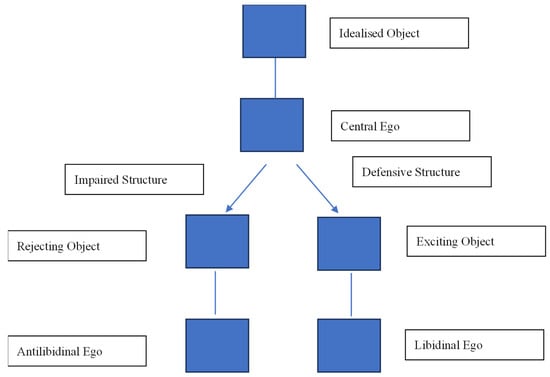
A central clinical contribution of Fairbairn’s model is its account of defensive splitting as a response to intolerable relational pain [1]. When the developing psyche struggles to tolerate the reality of abandonment or abuse, it is thought to partition experience into differentiated structures: an Impaired Structure that contains the raw, traumatic affects and memories associated with rejection, and a Defensive Structure that functions to deny, idealize, or otherwise buffer the individual from that pain [1]. The Impaired Structure houses the vulnerable, persecuted self—often overwhelmed by rage, fear, and depressive despair—while the Defensive Structure maintains a compliant or idealizing stance toward the object in order to preserve attachment and ward off affect [1]. Clinically, this split produces a characteristic oscillation between affective flooding and emotional detachment, complicating both symptom presentation and therapeutic work.
Masterson’s elaboration of Fairbairn’s structural ideas sharpens the affective phenomenology of the Impaired Structure by naming the constellation of feelings that arise from early relational loss as Abandonment Depression [2,3]. This formulation emphasizes that the pain of abandonment is not a single emotion but a layered sequence of affects—rage, panic, helplessness, guilt, emptiness, and profound depression—that tend to emerge as the individual develops the capacity to tolerate progressively deeper levels of loss [2,3]. Because these affects are experienced as ego-threatening, they are commonly defended against by a range of strategies (denial, idealization, dissociation, excessive compliance), which in turn reinforce the Defensive Structure and impede integration [2,3].
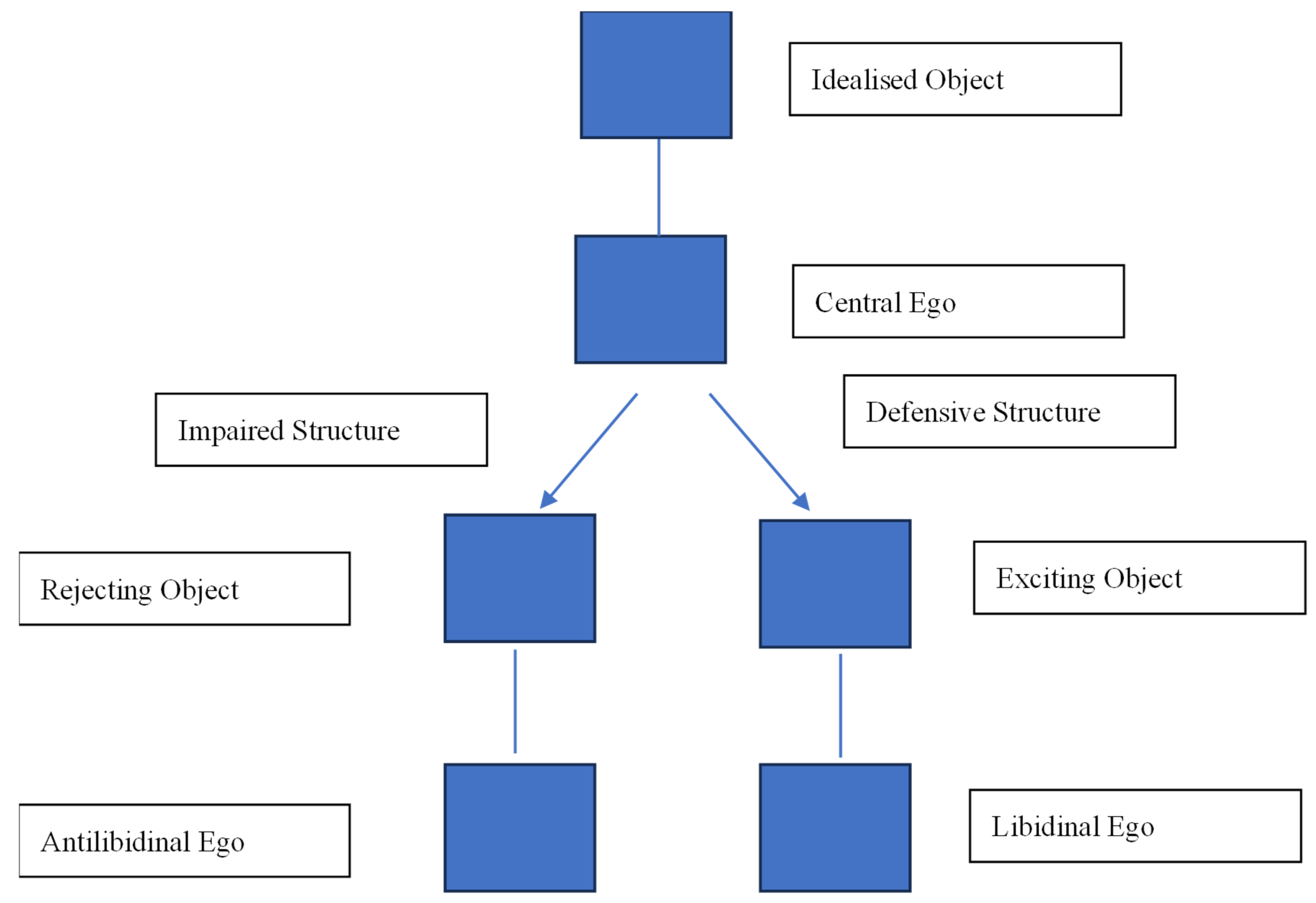
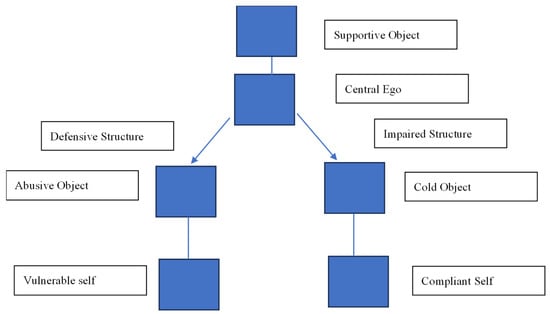
With this, the clinician must function as a reliable, containing good object to help build the central ego; contain and help process Abandonment Depression held in the impaired/victim self; and work through defenses that protect against intolerable affect [2,3]. Through a consistent, empathic therapeutic relationship—carefully paced containment, attunement to readiness, and interventions that allow painful material to be processed rather than acted out—the therapist aims to weaken defensive rigidity, support central-self development, and facilitate the integration of split self-states [4,5]. Figure 1 showcases the overview of Fairbairn’s Object Relations Model.
Figure 1.
Fairbairn’s Object Relations Model.
1.2. Limitations of the Object Relations Model
Despite the theoretical depth of Fairbairn’s frameworks, their traditional clinical application is limited in child and adolescent populations by a strong reliance on verbal expression. This verbocentric stance assumes that the client possesses sufficient ego strength and cognitive capacity to articulate complex internal states—an expectation that may frequently not be met by many children and adolescents [6]. For young clients, developmental immaturity, limited emotional vocabulary, or reluctance to disclose painful material can make direct verbal exploration of Abandonment Depression intolerably distressing, often overwhelming or further retreat into defensive structures [2,3]. In such cases, the demand to verbalize profound relational pain can cause dysregulation rather than promote integration of the central ego [6].
Expressive art therapy offers a nonverbal alternative that addresses these developmental constraints. By engaging creative modalities, art therapy enables children and adolescents to communicate their abandonment depression that they may not yet be able to put into words [7]. This provides a means to access, process, and work through abandonment depression in a manner that is tolerable and developmentally appropriate, thereby circumventing the limitations of a purely verbal Object Relations approach.
1.3. The Expressive Therapies Continuum
The Expressive Therapies Continuum (ETC) serves as one of the primary theoretical frameworks for the present intervention. The ETC proposes that different art media and different ways of interaction may stimulate distinct areas of information processing in the brain and that these processes can be organized hierarchically into progressively complex levels [8,9]. The ETC is structured into three hierarchical levels, each containing two complementary poles:
Level 1—Kinesthetic and Sensory: Kinesthetic processes involve expression through movement, rhythm, and motor activity; sensory processes emphasize tactile, somatic awareness through direct touch and texture.
Level 2—Perceptual and Affective: Perceptual processes involve cognitive awareness through clear visual organization—lines, shapes, boundaries—and support ordering and spatial organization. Affective processing enables emotional expression through colour and fluid media.
Level 3—Cognitive and Symbolic: The cognitive processes organize ideas, strengthen causal thinking, and advance meta-cognitive abilities through structured, complex tasks. The symbolic processes integrate thought and feeling into metaphor and narrative, enabling deeper meaning-making and self-actualization.
A central objective of ETC-based therapy is balance. Individuals typically demonstrate a dominant or familiar mode of processing; the clinician’s task involves attempting to identify that dominant component and intentionally guiding the client toward engaging underused or non-dominant components [8,9]. By facilitating mastery across the continuum, the clinician helps the client develop a more flexible, holistic approach to problem-solving and emotional regulation [8,9]. In practice, this means using media and activities that deliberately challenge habitual processing styles so that kinesthetic, sensory, perceptual, affective, cognitive, and symbolic capacities can be expanded and integrated [8,9].
ETC model can be engaged as both an assessment and a treatment guide [8,9]. Observation of material choices, process behaviours, and final product (the painting) characteristics informs assessment of a client’s dominant processing mode and guides intervention planning [8,9]. For example, high-resistance, structured materials may be used to stimulate cognitive or perceptual engagement, whereas fluid media may be selected to access affective material.
1.4. Integration Between Fairbairn’s Object Relations Model and ETC
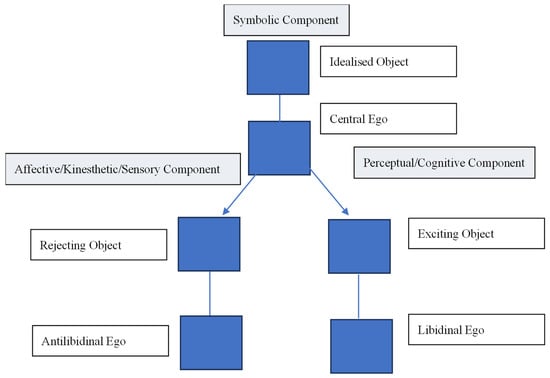
With this, based on a recent study by Zhe & Shubashini, it proposes the potentiality of integrating Fairbairn’s internal object relations structures with corresponding components of the ETC [10].
The Impaired Structure, which contains the Antilibidinal Ego and the Rejecting Object, is characterised by the raw, overwhelming experience of Abandonment Depression [2,3]. This study posits that the Impaired Structure may be most readily accessed and expressed via the Kinesthetic, Sensory, and Affective components of the ETC. As Hinz [8] notes, abandonment depression such as anger may be experienced somatically (e.g., heart pounding; Sensory), enacted as agitation (Kinesthetic), or felt as intense rage (Affective). These distinct processing modes therefore allow nonverbal clients to access and discharge deep-seated abandonment depression that verbal language might not reach [10].
By contrast, the Defensive Structure (comprising the Libidinal Ego and the Exciting Object) functions to block this pain through avoidance and denial, aligning with the Perceptual and Cognitive components of the ETC [10]. These components index the mind’s structural and “rational” capacities: in a defensive state, clients use perceptual modes to engage with rigid boundaries and cognitive modes to intellectualize or rationalize experience. Remaining in the cognitive/perceptual components thus maintains a defensive distance from emotions, effectively “thinking” away the pain held in the Impaired Structure [10].
Finally, the Central Ego (or True Self) and the Idealised Object correspond to the Symbolic component. The Symbolic level synthesizes emotion and thought to create meaning [8,9]. As clients potentially move toward a healthier, more integrated self, they appear to transition from sensory/kinesthetic/affective states and from rigid cognitive/perceptual defenses into the Symbolic realm [10]. In this domain, experience may be metaphorically reintegrated, potentially fostering a cohesive identity capable of managing distress without resorting to defenses. This concept parallels Bion’s distinction between alpha and beta elements. Beta elements represent the client’s overwhelming, unprocessed feelings and thoughts—reactive experiences that lack meaning [4]. These can be understood as corresponding to the sensory, kinesthetic, and affective states, as well as the cognitive and perceptual defenses. With the presence of a good object, such as the clinician, these raw experiences can be empathically contained and supported [4,5]. Through this process, the client gradually transforms beta elements into meaningful symbolic forms—alpha elements—thus rendering previously unprocessed experiences available for integration [10]. Alpha elements represent mentalized, digestible units of emotional experience that serve as the fundamental building blocks for conscious thought, memory, and psychological meaning-making [4].
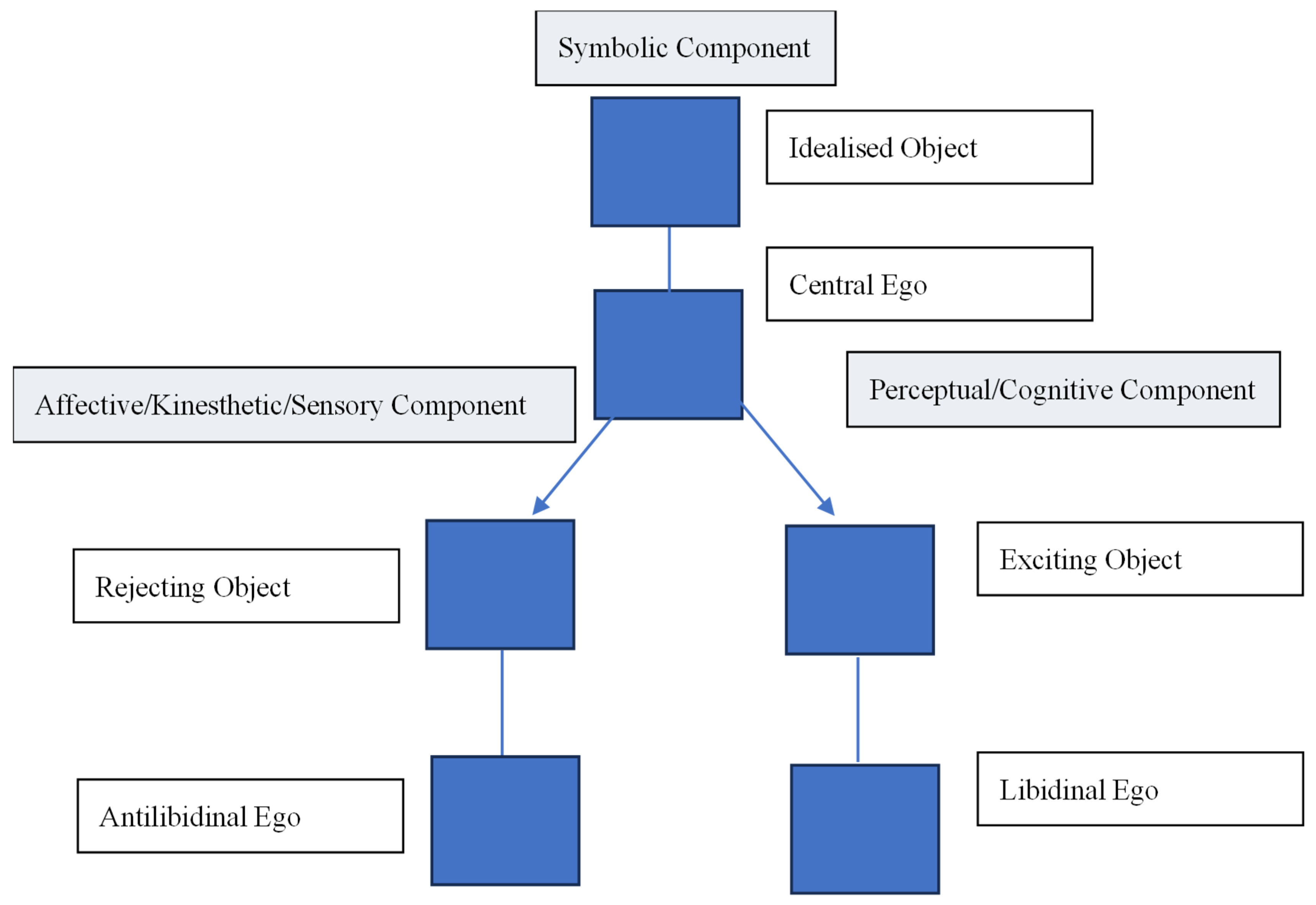
Figure 2 illustrates the proposed integration between Fairbairn’s internal object relations structures and the corresponding ETC components.
Figure 2.
The Integration Between Fairbairn’s Theories and ETC.
The integration of the ETC with Object Relations theory provides a practical framework for assessment and intervention with children and adolescents, allowing clinicians to use both the creative process and subsequent verbal inquiry to target specific internal states while attending to the child’s developmental readiness [10,11]. Crucially, the artwork functions as a tangible visual record that appears to symbolise and capture the active object-relations state in real time. This externalisation makes internal dynamics visible and concrete, enabling the young client and clinician to identify, process, and work through the object-relations states more readily than through verbal description alone [10,11].
When a child or adolescent engages with the Affective component—using fluid media, focusing on colour dynamics, stronger movement and strokes—the process amplifies emotional discharge and often indicates activation of the Impaired Structure [10,12]. The clinician can follow this by using affective inquiry tailored to developmental level, such as asking about colour, movement or sensory associations to the artwork and art processes, to invite expression of abandonment depression without forcing premature verbalization [10].
Conversely, artwork marked by rigid boundaries, highly structured composition, controlled movement and light strokes often suggests engagement with the Perceptual or Cognitive components and often signals activation of the Defensive Structure [10,12]. Perceptual and cognitive inquiry, attuned to the child’s developmental capacities, can focus on how lines and boundaries are constructed or on the reasoning underlying compositional choices. In doing so, defensive operations are rendered visible and available for gentle therapeutic challenge [10]. Moreover, cognitive inquiry facilitates the child’s emerging capacity for understanding and awareness, opening space for reflection on the meanings embedded in the images created [10].
Engagement with the Symbolic component indicates movement toward the Central Ego and greater integrative capacity. Symbolic inquiry is adapted to the child’s developmental level, such as facilitating storytelling, exploration of personal associations and meaning [8,9]. In this way, the clinician can scaffold transitions from sensory/kinesthetic/affective expression and cognitive/perceptual defenses into symbolic meanings, supporting the development and growth of the central self that can tolerate distress without resulting in defenses [10].
To illustrate this integrative approach in practice, the following case study examines a reserved child with emotional instability whose condition impeded traditional verbal interventions. Analysis of his artwork demonstrates how the ETC provided a nonverbal pathway for accessing and working with his internal object relations, while matched to his developmental readiness.
2. Case Introduction
This longitudinal, single-case study examines the therapeutic trajectory of Adam (pseudonym), an 11-year-old Malaysian child who underwent one year of continuous individual psychotherapy to address recurrent anger outbursts and emotional instability within the school setting. Treatment consisted of weekly, one-hour sessions over the course of twelve months. The treating clinician is a psychoanalytic psychotherapist recognized by the American Psychoanalytic Association, possessing formal training and supervision in Object Relations Psychotherapy from the Object Relations Institute (ORI).
To ensure methodological rigor, clinical data were triangulated longitudinally from multiple sources: parental behavioral reports, the client’s in-session artwork, and the clinician’s detailed process notes. Documentation procedures involved securely archiving all artwork immediately following each session alongside comprehensive post-session clinical documentation. The specific artworks included in this manuscript were purposively selected because they distinctly represent pivotal shifts in the client’s psychological defenses, affective states, and internal object relations. Clinical interpretations were systematically formulated by cross-referencing the formal qualities of the artwork and the client’s verbal narratives with both Fairbairn’s Object Relations theory and the structural levels of the Expressive Therapies Continuum (ETC). To ensure objectivity from potential interpretive bias, de-identified case materials and artwork were regularly reviewed with an independent peer supervisor.
Given the violent themes and fantasies expressed in the child’s artwork, clinical risk and safety were continuously assessed using age-appropriate clinical risk protocols. Standardized safeguarding procedures were implemented: parents were fully informed of the clinical observations and risk parameters while maintaining the child’s therapeutic confidentiality regarding individual session details. The child was closely observed across all sessions for any shift from symbolic theme to actionable intent. Over the course of therapy, safety concerns progressively reduced as the child developed more adaptive emotional containment, and no emergency or external risk interventions were required.
2.1. Presenting Complaints and History
Adam was referred to therapy by his parents due to severe anger outbursts at school, where he would physically assault classmates or throw objects in the classroom. His parents reported difficulty understanding and accepting these behaviours, often responding with severe punishment. When prompted by his parents, Adam remained silent. At home, he was described as extremely obedient, a stark contrast to his disruptive behaviours at school. The parents established therapeutic goals for Adam to learn to manage his anger and emotions, thereby preventing further incidents at school.
Adam’s early developmental history revealed that he lived with his grandparents during his formative years—a common cultural practice in Malaysia—while his parents were occupied with work responsibilities. At age six, Adam returned to live with his parents, coinciding with the birth of a younger sibling who subsequently received most of the parents’ attention. This transition was viewed as a potential disruption in Adam’s attachment relationships. His parents, consistent with prevailing cultural stereotypes in parts of Asia, did not emphasize emotional support, which likely contributed to Adam’s tendency to withhold his feelings and avoid emotional disclosure within the family. According to clinical reports, Adam’s parents occasionally utilized physical discipline, a punitive approach that is still documented in some Malaysian households [13,14,15]. When Adam was perceived as disobedient—for example, being overly playful or talkative—his parents would physically hit him. Following the incidents of aggression at school, Adam was subjected to particularly severe punishment at home.
In therapy, Adam presented as quiet and reserved, consistently seeking permission before engaging in any activity. For instance, when invited to participate in expressive art therapy, he would ask the clinician’s permission before using the materials. His parents reported similar behaviours at home, noting his extreme compliance and hesitancy —markedly different from the Adam observed at school. His parents reported that Adam rarely shared his personal experiences such as what happened at school or the causes of his angry outbursts, even after repeated forceful questioning.
2.2. Conceptual Framework
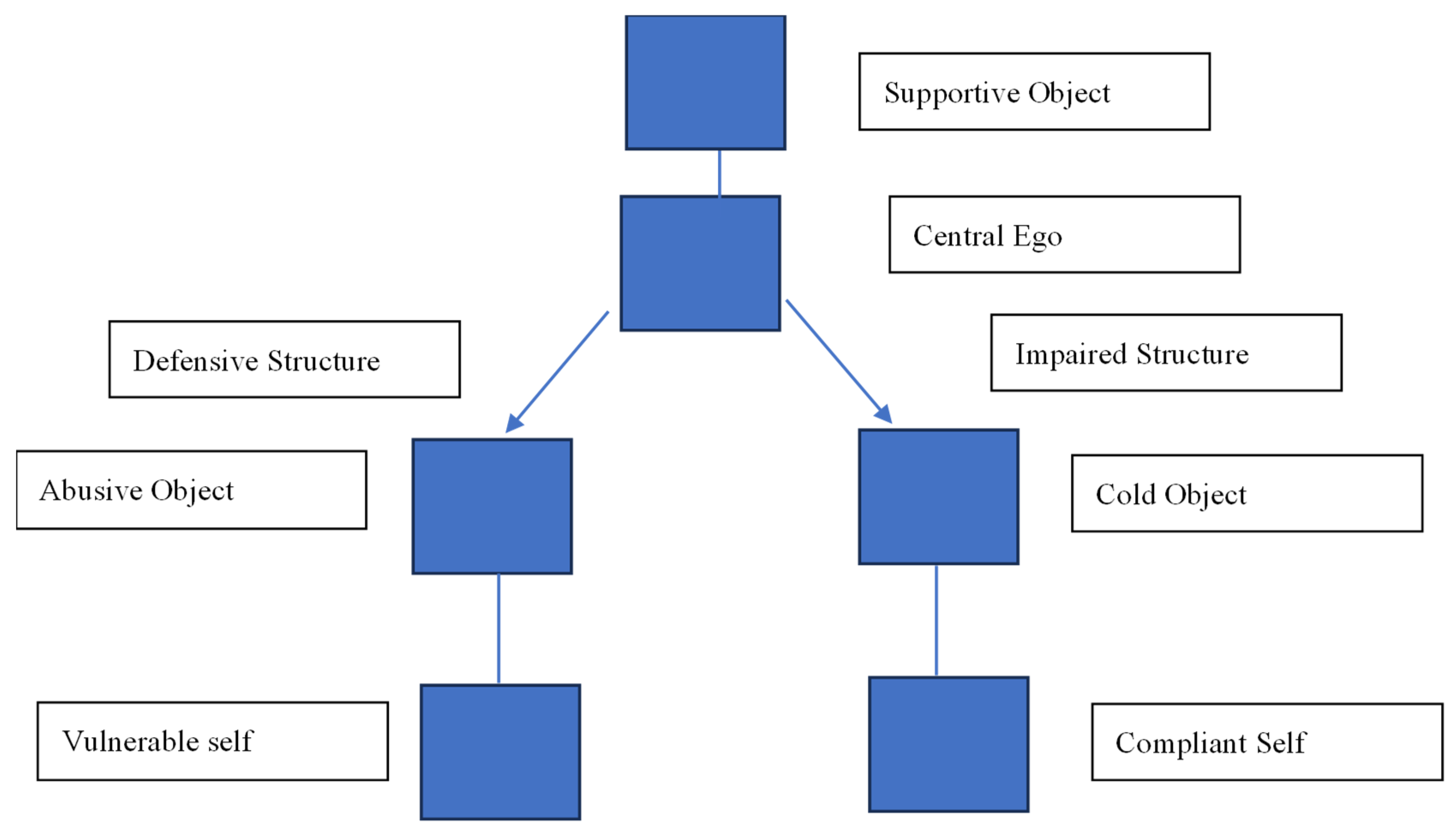
The clinician conceptualised Adam’s case based on Fairbairn’s Model, as showcased in Figure 3.
Figure 3.
The conceptual framework based on Fairbairn’s model.
The Impaired Structure: Adam’s impaired structure appeared to be organized around a negative object representation rooted in his parents, who were experienced as both physically punitive and emotionally abandoning (e.g., leaving him in the care of grandparents during early childhood). This internalized object was paired with a corresponding Victim Self—a self-representation characterized by profound vulnerability, fear, and reactive anger.
The Defensive Structure: To ward off the affect associated with these parental objects, Adam may have retreated into a defensive structure manifested through suppression, compliance and emotional reserve. By suppressing his feelings and being excessively obedient, Adam sought to elicit more favourable responses from his parents and to avoid further abandonment. However, this defensive adaptation may require him to relinquish childlike spontaneity—such as playfulness, talkativeness, and emotional expressiveness—potentially constraining his developmental vitality and central ego.
The Central Ego: Although Adam lacked a consistently supportive parental object, his grandmother provided a nurturing and emotionally responsive presence during his early years. Over the course of therapy, Adam gradually internalized the stable, attuned presence of the clinician, which likely contributed to the strengthening of his central ego. With therapeutic support, his parents also began to modify their attitudes and parenting practices, offering greater emotional responsiveness. These combined influences may have facilitated the development of resilience within Adam’s central ego, potentially enabling him to tolerate and process underlying affect more effectively.
2.3. The Course of Treatment
At the beginning of therapy, Adam presented as quiet and reserved, operating primarily within his defensive system. He was brought to treatment by his parents and did not initially wish to engage, yet he complied with the therapeutic process. His engagement with the clinician was minimal, even when prompted, reflecting his reliance on defensive withdrawal. The clinician prioritized the establishment of a therapeutic relationship and Adam’s emotional readiness, inviting him to participate in expressive art therapy as a non-verbal medium of communication [16]. This approach was intended to provide Adam with an alternative channel for expression, potentially reducing the pressure to verbalize his experiences.
During these sessions, Adam repeatedly sought reassurance, excessively checking with the clinician before using any art materials. The clinician responded by focusing on the gradual development of Adam’s autonomy, encouraging him to freely select and experiment with materials of his choice. When asked why he repeatedly sought permission, Adam explained that this was the expectation set by his parents and the manner in which he believed he ought to behave. Adam’s compliance with the parental object appeared to be associated with the sacrifice of childlike spontaneity, including playfulness, talkativeness, and emotional expressiveness. Through gentle support and consistent encouragement, Adam was invited to explore and play with different media, thereby experiencing a sense of freedom and agency. Over time, this process may have contributed to Adam’s emerging capacity to express himself through art, potentially marking the beginning of a slow shift away from rigid compliance toward more spontaneity and self-expression.
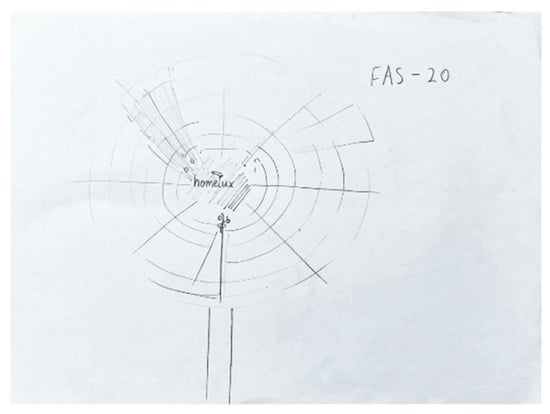
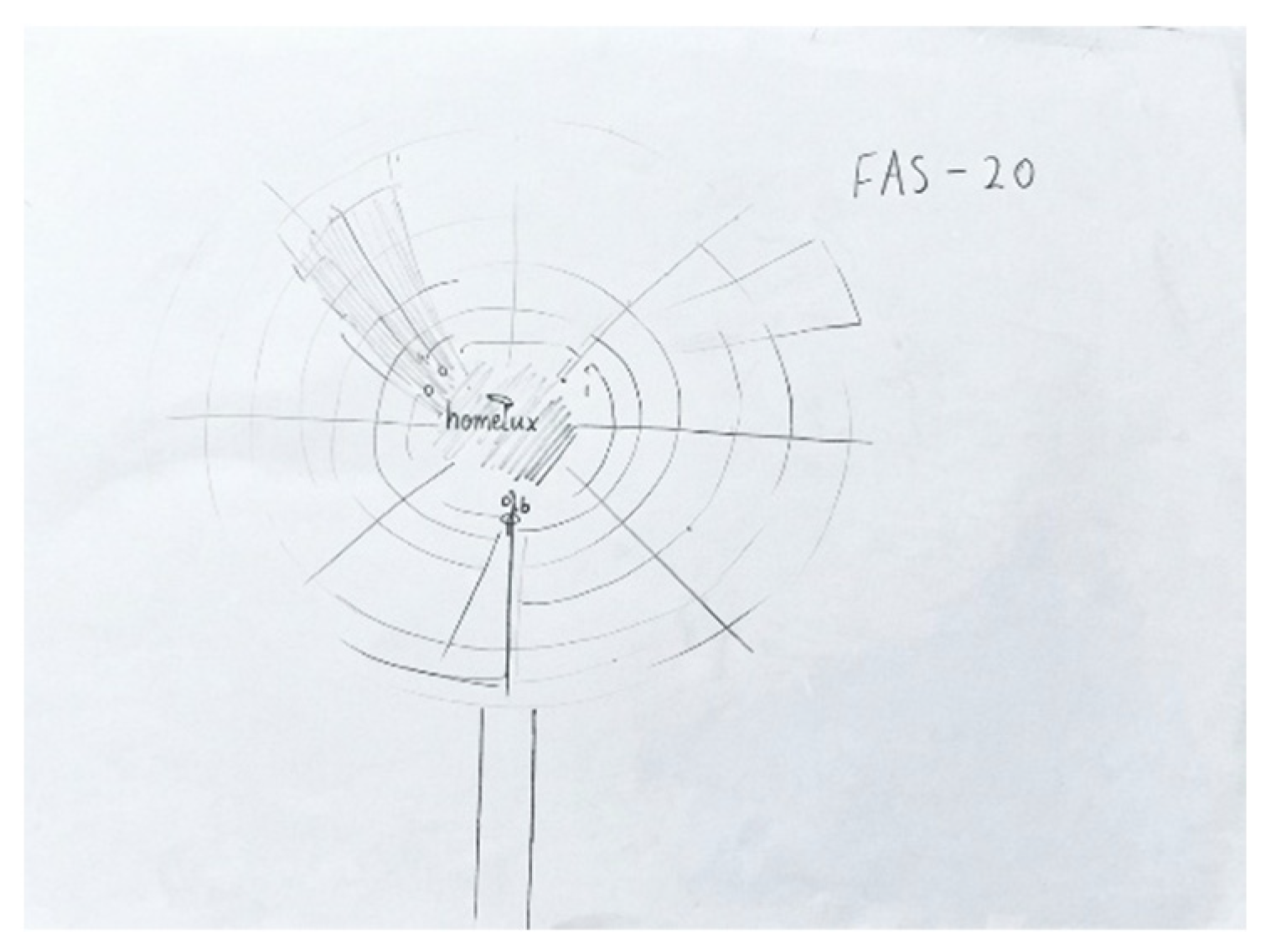
As Adam gradually established a therapeutic relationship, he developed a particular preoccupation with the standing fan. In expressive art sessions, he painted various fans he encountered in real life. These depictions were largely colourless, with a strong emphasis on lines and boundaries. Adam also engaged in small and careful movements, with very light strokes when drawing the standing fan. From an integrative ETC and Object Relations perspective, such careful movements, rigid boundaries, and highly structured compositions may suggest engagement with the Perceptual, potentially signalling activation of the Defensive State. The clinician considered whether the fan might symbolically represent Adam’s defensive operations. Figure 4 showcased Adam’s painting of the fan.
Figure 4.
Adam’s painting of the fan.
The inquiry therefore focused primarily on perceptual and cognitive dimensions. At the beginning, the clinician asked about the lines and shapes that composed the fan, allowing Adam to explain his reasoning behind the depiction. Adam began to share his fascination, describing how he enjoyed watching the fan and fantasised about placing his fingers inside it. When the clinician explored this fantasy further, Adam elaborated that he wondered whether such an action might break his finger and cause bleeding. This imagery sustained his intense interest in the fan. The clinician responded with empathy and curiosity, encouraging Adam to express the fantasy more fully while maintaining clear safety boundaries. Adam was permitted to explore the imagery symbolically within the therapeutic space, provided that his physical safety was preserved.
As the sessions continued, the defensive symbolism of the fan deepened. Adam disclosed fantasies of the fan exploding, with blades flying out to kill his classmates and teachers. Although initially shocked by the disclosure, the clinician maintained a containing stance, empathizing with Adam’s experience. Adam explained that he had been bullied and mocked at school for his physical appearance, while teachers remained unresponsive, leaving him angry and unsupported. Unable to process this anger, he defensively suppressed it, symbolizing the aggression through the fan imagery, and remained in his quiet, compliant, and obedient defensive state. Adam’s anger outbursts were conceptualized as potentially stemming from prolonged suppression; when the emotional tension builds beyond his capacity to contain it, or when a triggering event becomes too overwhelming, the anger tended to erupt suddenly and intensely. Again, the clinician emphasized safety boundaries, allowing Adam to express the fantasy symbolically while ensuring the safety of himself and others. Adam also shared his reluctance to share these experiences with his parents, believing that “they are too busy to listen” and “they won’t understand at all.
As the symbolic meaning of the fan was interpreted as a representation of suppressed anger, Adam appeared to be able to confront his abandonment depression more directly. He began to name what had previously been experienced as a “nameless dread” and identify it as anger. Bion’s concept of nameless dread describes the overwhelming affect a child experiences when no external object is available to contain it, leaving the child alone to face unthinkable terror [17,18]. As children may not yet have the cognitive or linguistic tools to symbolize or give meaning to such intense feelings, the experience remains unprocessed and without a name [17,18]. With the clinician consistently functioning as a good object and providing containment, Adam gradually showed signs of developing the capacity to symbolise and articulate this dread, transforming it into a named and manageable affect.
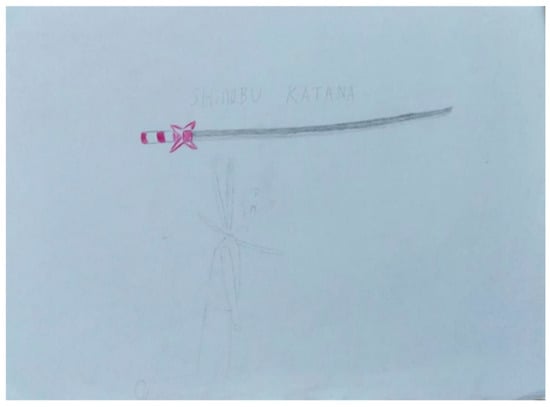
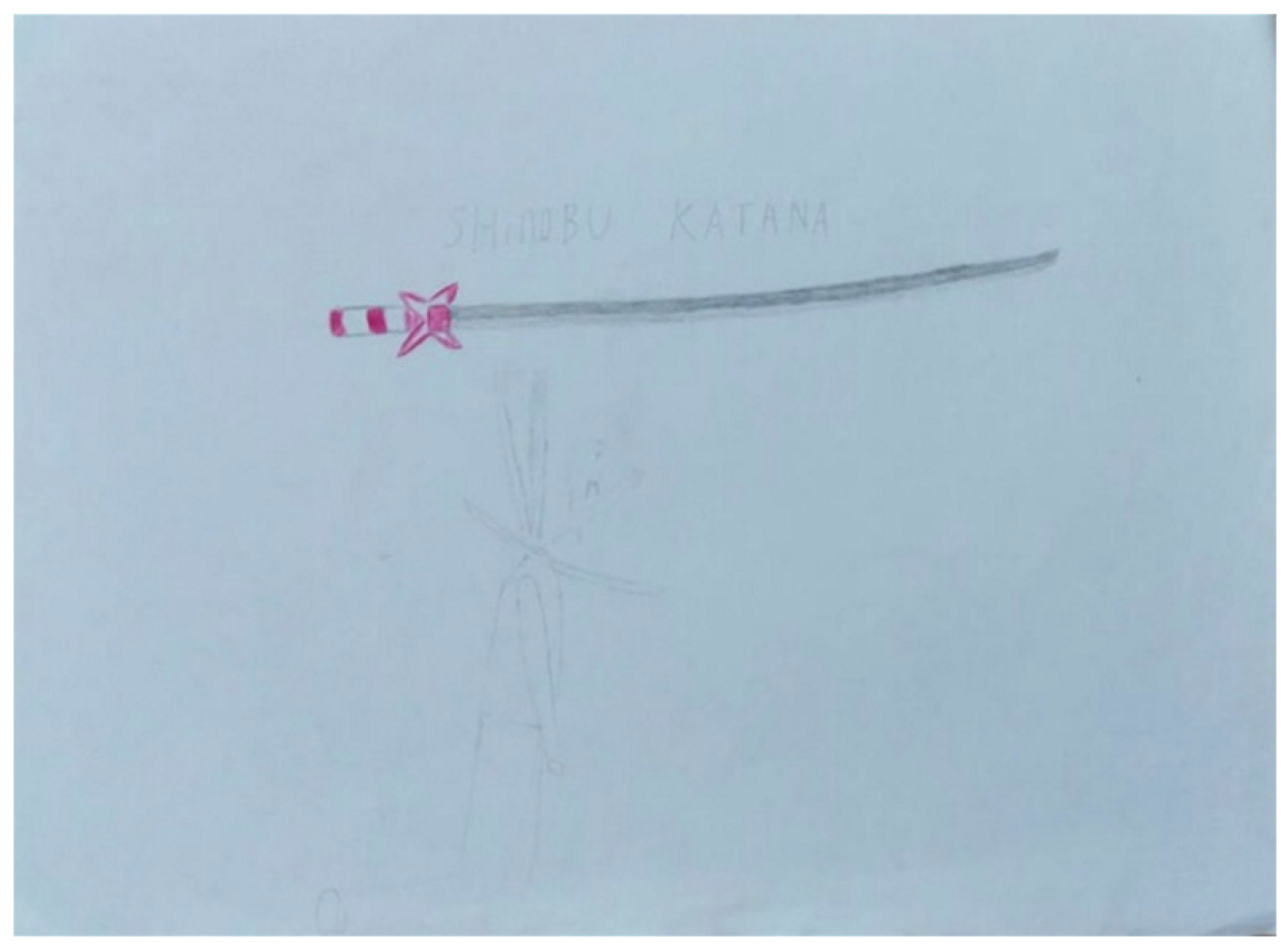
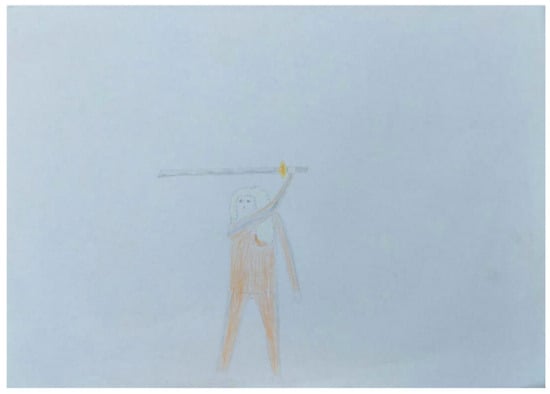
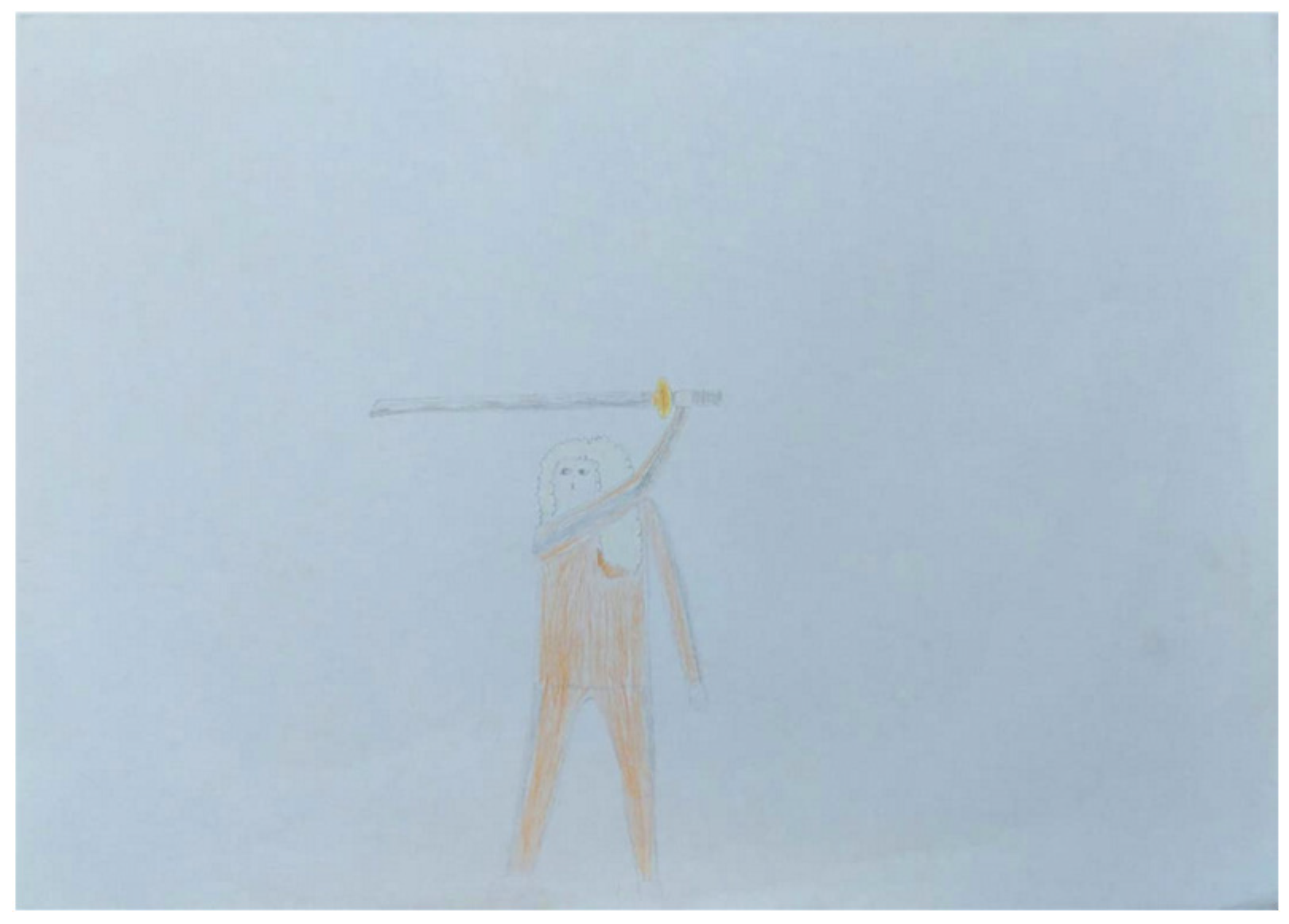
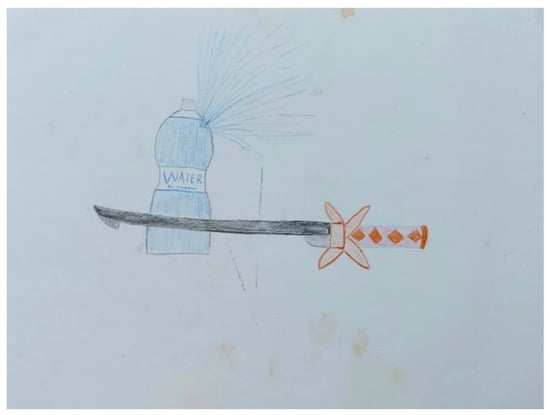
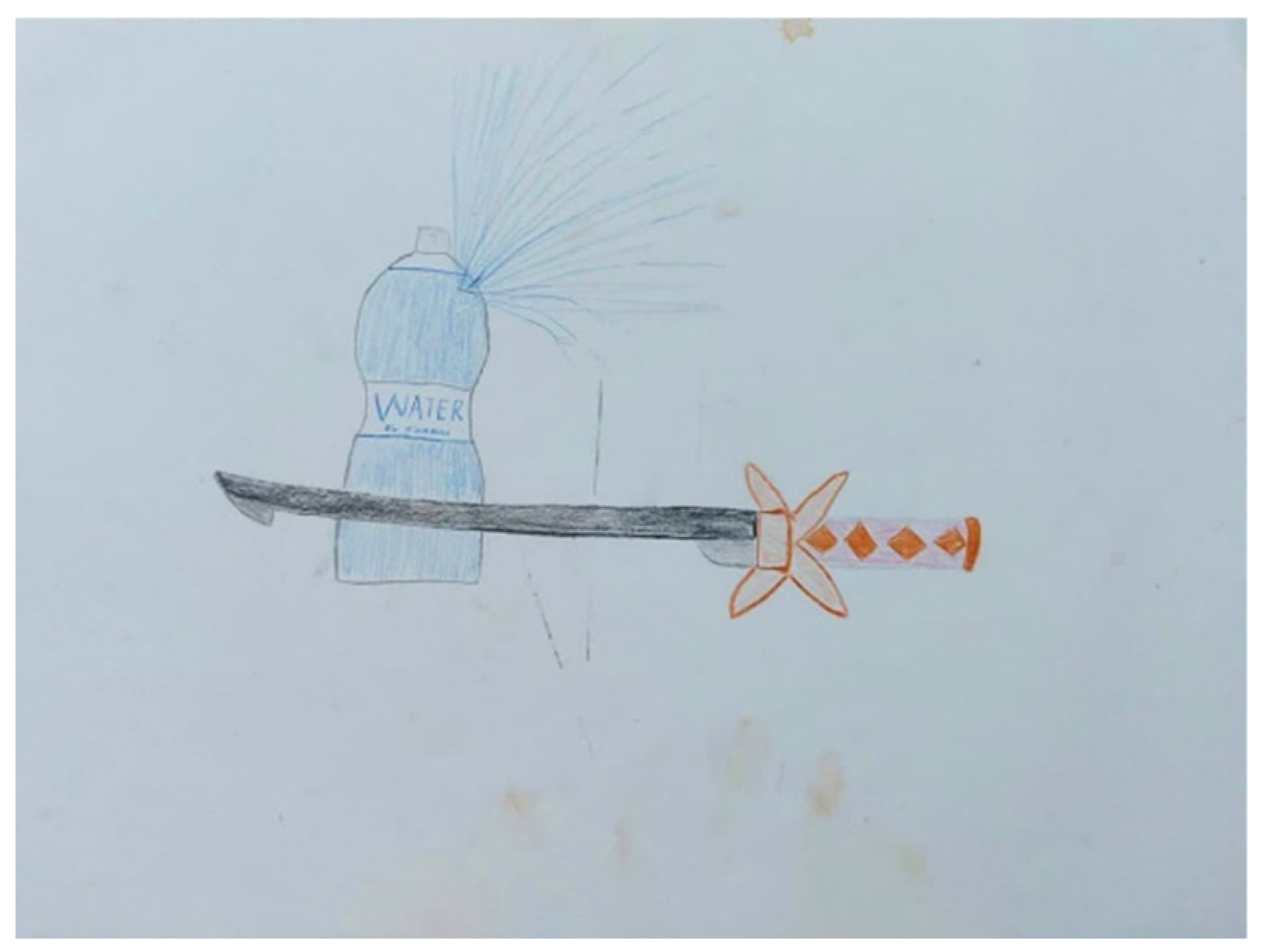
In subsequent sessions, Adam painted a katana—a Japanese warrior sword—which he described as a weapon used for killing. While his drawings continued to emphasize rigid boundaries and structured composition, with careful, slow and light drawing, they began to incorporate more colour. From an ETC perspective, this shift suggested a partial movement into the Affective component, signalling activation of the Impaired Structure and the surfacing of his abandonment depression. Figure 5, Figure 6 and Figure 7 showcased Adam’s paintings of the katana.
Figure 5.
Adam’s painting of the katana.
Figure 6.
Adam’s painting of the katana.
Figure 7.
Adam’s painting of the katana.
The clinician initially engaged through perceptual and cognitive inquiry, asking about the lines and shapes that composed the katana and the reasoning behind its depiction. Gradually, however, the inquiry expanded to include affective dimensions, such as questions about colour, movement, and sensory associations related to both the katana and the standing fan. Through this imagery, Adam expressed anger and hatred toward the bullies and unresponsive teachers.
As the therapeutic work touched on abandonment depression, the clinician emphasized the role of the good object. Affective inquiry was accompanied by empathy, gentle encouragement, and consistent containment of Adam’s anger, thereby providing a safe relational context in which previously silenced affect could be expressed. This process was designed to allow Adam to further express his anger within a holding and supportive environment.
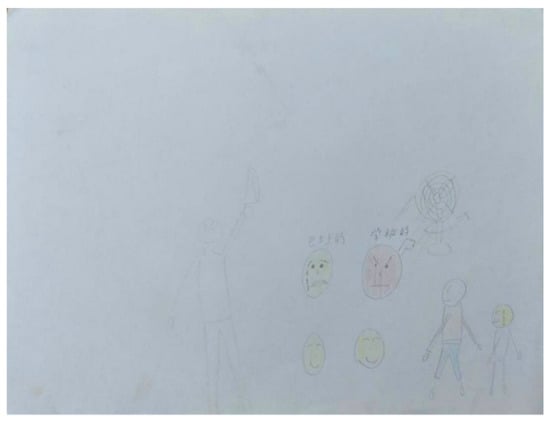
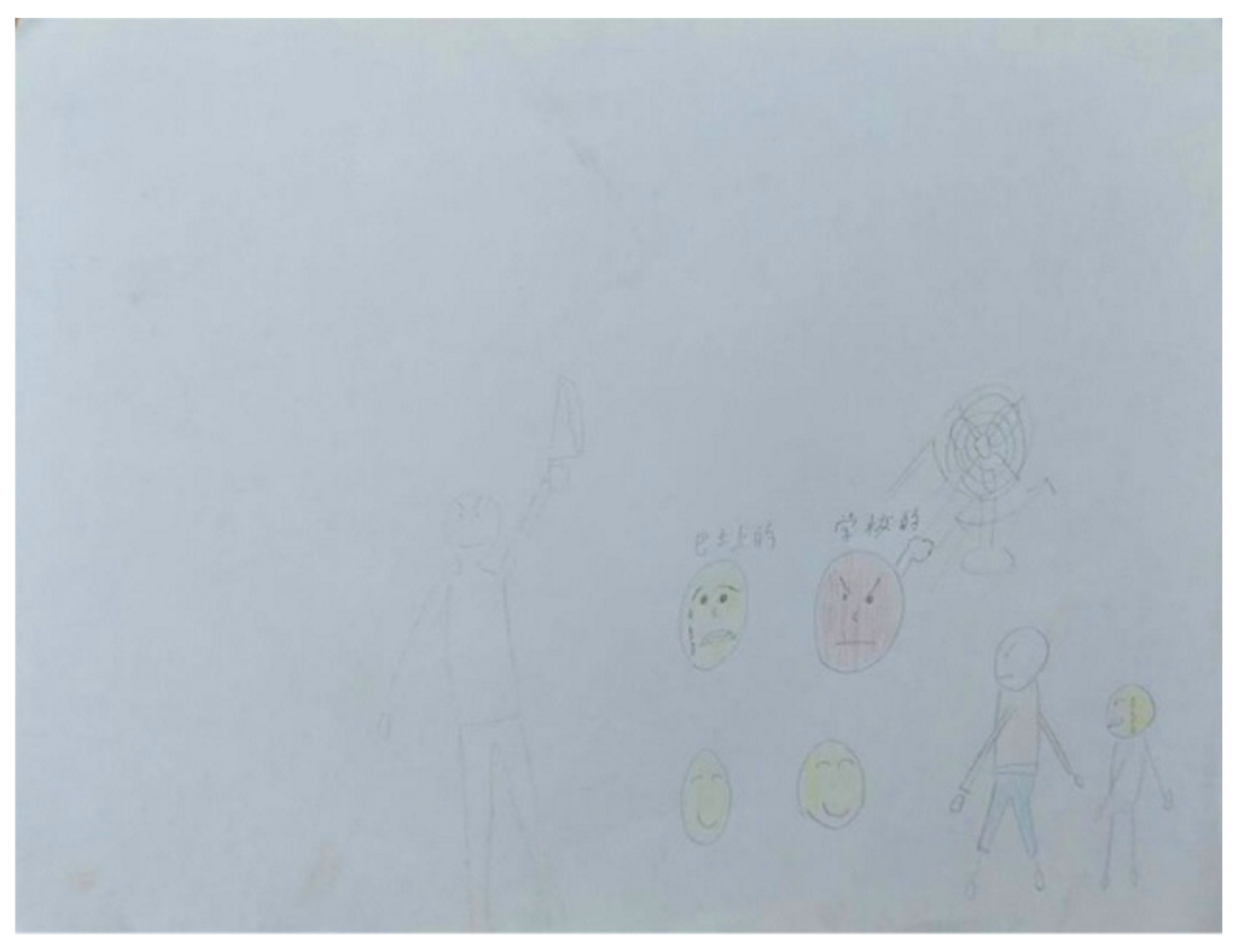
A significant shift occurred after six months of therapy. On one occasion, Adam arrived at the session immediately after being bullied at school, and he was visibly angry. In the expressive art session, Adam painted his feelings using emoji imagery and again depicted the table fan—this time incorporating colors. The clinician’s inquiry shifted decisively toward affective dimensions, encouraging Adam to articulate the emotions associated with the image. With the continuity of therapeutic work, he was able to verbalize his anger more directly. The clinician validated the intensity and impact of the bullying, offering empathic containment that acknowledged the devastation of the experience. Adam reported feeling relieved and supported in the clinician’s presence, indicating that the therapeutic holding may have enabled him to tolerate and express affect that previously might have been suppressed.
At this stage, the clinician appeared to have been internalized as a good object, potentially contributing to the strengthening of Adam’s central self. This internalization allowed Adam to bypass his defensive structure and begin expressing abandonment depression from his impaired structure [4,5]. Later in the session, Adam added both himself and the clinician in the same painting, symbolically representing their shared engagement in facing these challenges together. This imagery was interpreted as reflecting the therapeutic alliance as a container for Adam’s affect, potentially enabling him to transform previously unprocessed anger into symbolic expression with a supportive good object. Interestingly, Adam further shared that, in the context of the painting, he and the clinician were standing together enjoying the breeze from the table fan. This narrative development appeared to indicate that the fan’s symbolic meaning had transitioned from a representation of suppressed anger to a symbol of shared experience and relational connection within the therapeutic alliance. Figure 8 showcased Adam’s painting of the internalization.
Figure 8.
Adam’s painting of the internalization.
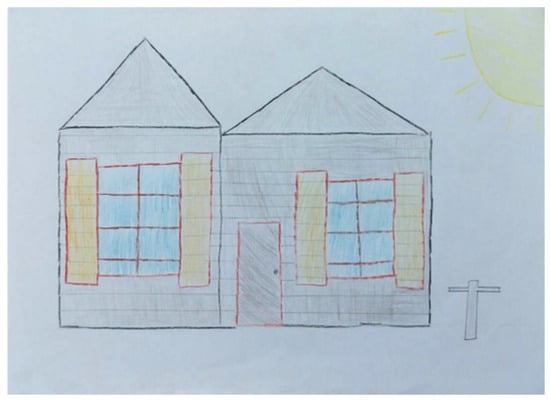
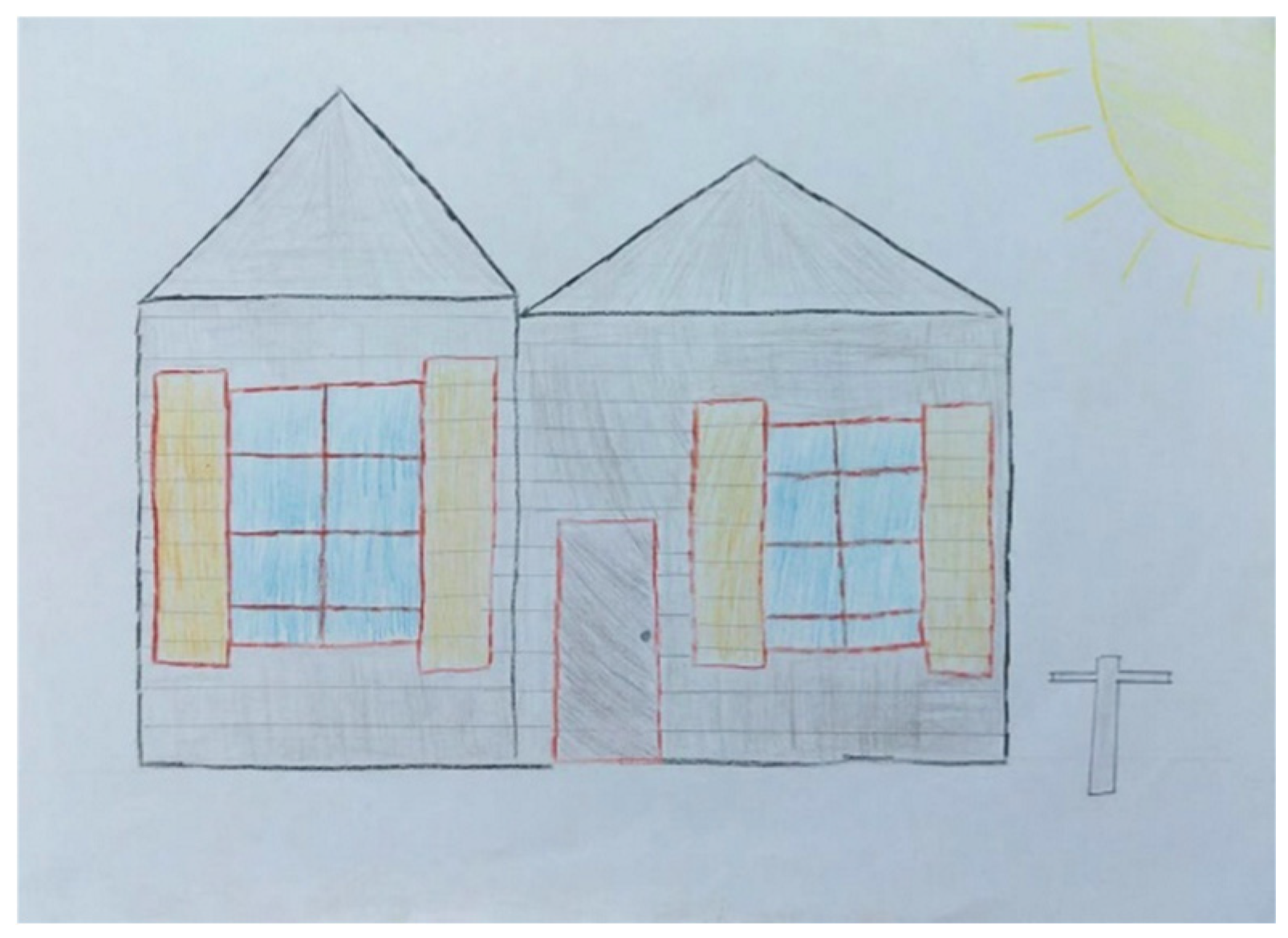
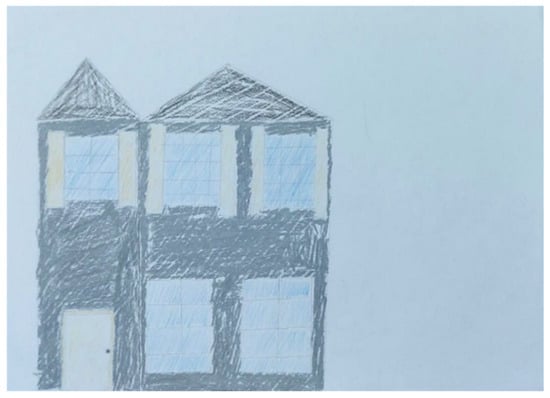
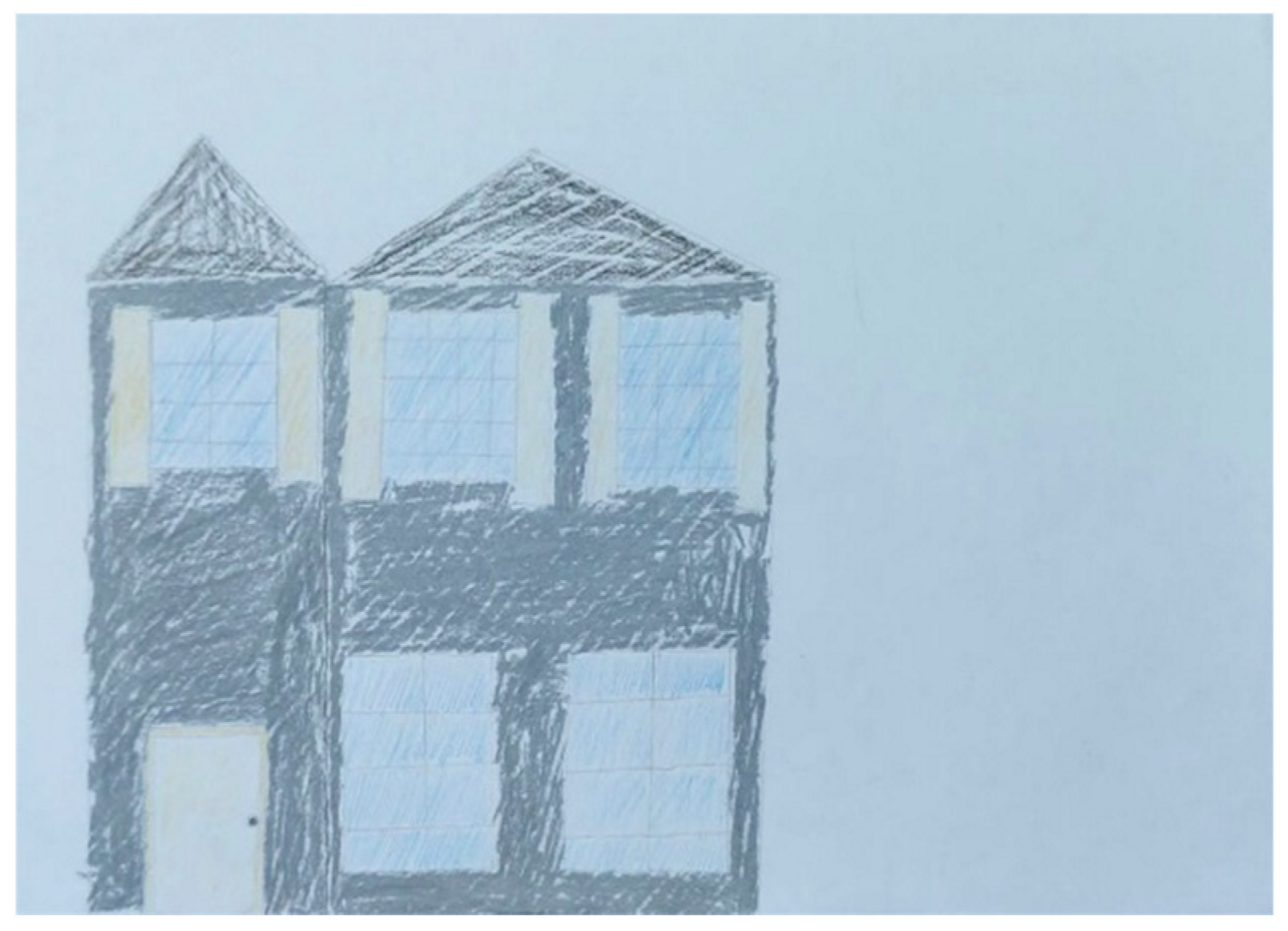
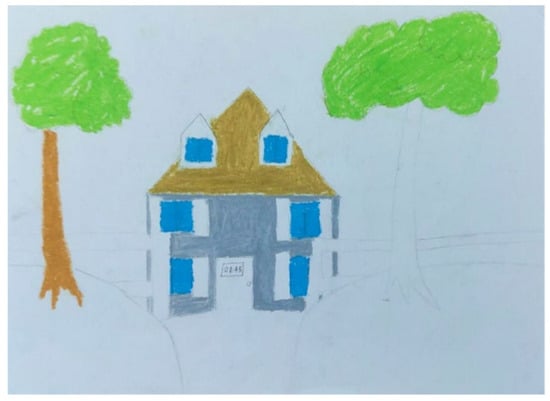
Around the ninth month of therapy, Adam, who had previously avoided discussing his parents, began to introduce a new theme in his artwork. He started painting houses, each outlined with lines and boundaries, but now filled with significantly more colour than before. Unlike his earlier careful, small movements when colouring the katana, Adam used broader, more kinesthetic strokes, showing stronger strokes, greater energy and movement. Most of his earlier work had relied on pencil and coloured pencils, which emphasized structure and boundaries. However, with the house paintings, he shifted to crayons, an oil-based medium that is more fluid and expressive. Figure 9, Figure 10 and Figure 11 showcase Adam’s painting of the houses.
Figure 9.
Adam’s painting of the houses.
Figure 10.
Adam’s painting of the houses.
Figure 11.
Adam’s painting of the houses.
During inquiry, the clinician integrated perceptual/cognitive and affective approaches, inviting Adam to explore both the reasoning behind his house paintings and the emotions they evoked. The therapist also highlighted Adam’s shift in materials and drawing methods, which Adam himself began to notice; this awareness prompted him to produce stories about family. In one account, he described a lonely child inside a house waiting for parents who were too busy to return. Through this narrative, Adam’s deeper abandonment depression surfaced: the loneliness and longing due to his parents’ emotional unavailability. This moment appeared to mark significant therapeutic progress in which his artwork functioned as a bridge to express previously hidden pain and to help reveal the child’s fundamental emotional need for parental support.
Adam was able to relate to the story he told, suggesting that his parents were mostly unavailable both physically and emotionally. Both parents were mainly occupied with work, leaving Adam at school or alone at home most of the time. Because of their busy schedules, they were generally impatient listeners and offered little emotional support. Adam expressed a deep psychological need for his parents’ emotional availability. The clinician empathised with Adam’s sadness, loneliness, and pain while simultaneously working to build Adam’s central self, emphasising his growing strength to express his needs rather than remaining compliant.
The clinician then began to discuss potential steps to increase Adam’s sense of support. Adam expressed a desire to speak with his parents and to communicate the needs he had articulated in therapy. The clinician encouraged this self-expression as this is an indicator of Adam’s central-self development. Adam reported fear that his parents might abandon him again and asked for the clinician’s presence; the clinician supported this request and arranged a joint session with the parents.
In the joint session, Adam directly expressed his need for emotional support and for a reduction in scolding. Although the parents were initially defensive, Adam—supported by the clinician—was able to articulate his needs clearly, and the parents agreed to try. Concurrently, the clinician provided parenting psychoeducation to the parents, offering practical guidance and strategies to enhance emotional availability and more supportive responses to Adam.
By the twelfth month, Adam’s relationship with his parents showed signs of improvement. Although occasional incidents of feeling unsupported persisted, there was notable improvement in the amount of time parents spent with Adam and in the quality of their communication. Given these gains, Adam and the clinician mutually agreed to conclude psychotherapy, with the decision reflecting progress in relational availability of the parents and Adam’s increased capacity to express his needs. Adam’s tendency toward anger outbursts appeared to be significantly reduced as he demonstrated an increased ability to express his feelings more directly.
3. Discussions
This discussion attempts to interpret the therapeutic progression in Adam’s treatment through an integrative lens combining Object Relations psychotherapy and ETC. The case illustrates a potential systematic movement through three psychological layers: the Defensive Structure, the Impaired Structure, and, ultimately, the Central Ego.
The initial phase of Adam’s therapy was primarily focused on work on the Defensive Structure. Early artworks—characterised by lines and shapes, controlled movement, and the predominant use of pencil and coloured pencil—were approached primarily through the Perceptual and Cognitive components of the ETC [10]. The clinician’s inquiry deliberately avoided demanding emotional depth, which would likely have been experienced as threatening, and instead focused on observable formal elements:
- Perceptual objects: Identifying the shapes and lines of the objects (the fan and the katana).
- Cognitive frameworks: Exploring Adam’s reasoning for compositional choices (why the fan and the katana were chosen and depicted in a particular way).
This cognitive-based, perceptual inquiry was designed to render defensive operations visible and accessible to gentle challenge, allowing Adam to begin recognising and describing his defensive structure without being overwhelmed, for instance, his defensive symbolism of his anger into fan and katana.
As therapy progressed, a gradual loosening of rigid control potentially signalled a movement into the Impaired Structure. This transition was evident in several converging indicators: Adam’s shift from coloured pencils to crayon and broader, kinesthetic colouring; the emergence of more saturated colour in his depictions of the katana and the houses; and the appearance of narrative material about family and loneliness [10]. Clinically, the therapist shifted inquiry from purely cognitive/perceptual questions to include affective exploration:
- Kinesthetic and sensory focus: Attending to movement and the sensations associated with colouring and material use.
- Affective processing: Inviting Adam to name feelings evoked by the objects, such as anger, loneliness and sadness, while containing those affects empathically.
This phase appeared to allow abandonment depression and related affects to surface in a tolerable way. The clinician’s role as a containing “good object” supported the transformation of raw, unprocessed experience into symbolic material that could be processed rather than acted out [4,5].
Following containment and affective processing, Adam demonstrated signs of an increasing capacity for symbolic thought and narrative integration—features conceptualized as hallmarks of the Central Ego [10]. His artwork and accompanying stories allowed him to express needs, relational longing, and agency:
- Storytelling and meaning-making: Adam began to tell stories (e.g., the lonely child waiting for busy parents) that linked image to his relational experience.
- Direct expression of needs: He articulated a desire for emotional support and a reduction in parental scolding and later participated in a clinician-supported joint session with his parents.
- Internalisation of the therapeutic relationship: Reports of feeling supported in the clinician’s presence.
These developments might reflect the progressive integration of previously unthinkable material into a more stable internal structure and central ego. Adam’s case serves as an example of how an integrative ETC and Object Relations approach can sequence interventions to match developmental capacities: beginning with perceptual/cognitive work to make defenses visible, moving into affective processing to surface and contain abandonment depression, and lastly supporting narrative and relational work that fosters central ego growth [10].
While this single-case investigation offers valuable clinical insights, several limitations must be noted. First, the assessment of progress relied primarily on qualitative clinical observation, artwork analysis, and behavioral reports rather than pre- and post-treatment standardized psychometric tests, limiting objective quantification of symptom reduction [19]. With this design, it cannot definitively establish a direct causal link between the integrated Object Relations–ETC intervention and the client’s psychological improvement.
Moreover, relying on a single participant restricts the broader applicability of the outcomes, meaning the observed pathways may not directly translate across varied diagnostic profiles or cultural backgrounds [19]. Additionally, because symbolic art analysis is fundamentally interpretive and hermeneutic, the clinical meanings assigned to the client’s visual expressions are provisional rather than absolute, leaving room for alternative perspectives [20]. Finally, the dual function of the practitioner as both treating clinician and researcher introduces a risk of confirmation bias, wherein subjective interpretations might inadvertently reinforce the chosen psychoanalytic and Expressive Therapies Continuum frameworks [21]. Acknowledging these methodological and interpretive boundaries is vital to maintaining scholarly rigor and providing a balanced view on the intervention’s success.
4. Summary
Through expressive art therapy, the clinician appeared to successfully guide Adam, a child, to process his internal object relations—navigating defensive operations, working through traumatic abandonment, and ultimately fostering growth of the central ego. The non-verbal modality appeared to permit Adam to remain within his emotional window of tolerance, thus potentially enabling affective processing without precipitating overwhelm. Fairbairn’s model served to provide a provisional in-depth psychological map for identifying and tracking internal structural shifts and informing clinical strategy, while the ETC offered a developmentally attuned pathway.
Author Contributions
Conceptualization, A.E.Z.L.; methodology, A.E.Z.L.; validation, A.E.Z.L.; formal analysis, A.E.Z.L.; investigation, A.E.Z.L.; resources, A.E.Z.L.; data curation, A.E.Z.L.; writing—original draft preparation, A.E.Z.L.; writing—review and editing, A.E.Z.L. and S.M.; visualization, A.E.Z.L. and S.M.; project administration, A.E.Z.L. and S.M. All authors have read and agreed to the published version of the manuscript.
Funding
This research received no external funding.
Institutional Review Board Statement
The study was conducted in accordance with the Declaration of Helsinki and approved by the Institutional Review Board of Raffles University (protocol code RU-REC2024-002 and date of approval 3 January 2024).
Informed Consent Statement
Informed consent was obtained from all subjects involved in the study. Written informed consent was obtained from the parents of the minor participant involved in this study. In addition, developmentally appropriate child assent was obtained directly from the minor participant prior to the commencement of therapy and the documentation of the case study. To protect the privacy and confidentiality of the minor participant and his family, all identifiable clinical details have been strictly altered. Specifically, names, geographic markers, specific chronological timelines, and secondary contextual features have been modified or generalized to ensure that neither the client nor his family can be identified by readers. Furthermore, all presented artwork has been anonymized, and identifying signatures or unique personal markers embedded within the drawings have been digitally removed or obscured. Besides, written informed consent has been obtained from the legal guardian to publish this paper.
Data Availability Statement
The data presented in this study are available on request from the corresponding author. The data are not publicly available due to ethical/privacy issues.
Conflicts of Interest
The authors declare no conflicts of interest.
References
- Celani, D.P. Ronald Fairbairn: A Contemporary Introduction; Taylor & Francis: Abingdon, UK, 2024. [Google Scholar]
- Daws, L. James F. Masterson: A Contemporary Introduction; Routledge: London, UK, 2024. [Google Scholar]
- Masterson, J.F. The Real Self: A Developmental, Self and Object Relations Approach; Routledge: London, UK, 2013. [Google Scholar]
- Rinaldi, M. Comparing Bion’s Container–Contained Relationship with Aspects of Containment in the Collective Unconscious. Br. J. Psychother. 2023, 39, 158–169. [Google Scholar] [CrossRef] [Scilit]
- Kavaler-Adler, S. The Klein-Winnicott Dialectic: Transformative New Metapsychology and Interactive Clinical Theory; Routledge: London, UK, 2018. [Google Scholar]
- Perryman, K.; Blisard, P.; Moss, R. Using creative arts in trauma therapy: The neuroscience of healing. J. Ment. Health Couns. 2019, 41, 80–94. [Google Scholar] [CrossRef] [Scilit]
- Johan, S.; Ku Johari, K.S.; Amat, S. Effectiveness of Expressive Art Therapy module in group counseling sessions for depression and anxiety adolescents. Int. J. Acad. Res. Progress. Educ. Dev. 2022, 11. Available online: https://ijarped.com/index.php/journal/article/view/1633 (accessed on 15 April 2026). [CrossRef] [Scilit] [PubMed]
- Hinz, L.D. Expressive Therapies Continuum: A Framework for Using Art in Therapy, 2nd ed.; Routledge: London, UK, 2019. [Google Scholar]
- Lusebrink, V.B. Assessment and therapeutic application of the expressive therapies continuum: Implications for brain structures and functions. Art. Ther. 2010, 27, 168–177. [Google Scholar] [CrossRef] [Scilit]
- Zhe, L.A.E.; Shubashini, M. Integrating Fairbairn’s Object Relations Model with the Expressive Therapies Continuum: A Malaysian Case Study of Schizophrenia with Profound Alogia. Psychiatry Int. 2026, 7, 60. [Google Scholar] [CrossRef] [Scilit]
- Lian, A.E.Z.; Mathialagan, S. An Object-Relations Conceptual Framework Utilising Fairbairn and Masterson’s Theories: A Malaysian Case Study on Relational Trauma. Environ. Soc. Psychol. 2025, 10, 4224. [Google Scholar] [CrossRef] [Scilit]
- Pénzes, I. Translating research into practice in art therapy assessment: Development and application of the ArTA method. Art. Ther. 2026, 43, 111–123. [Google Scholar]
- Ganapathy, S.S.; Sooryanarayana, R.; Mohammad, N.M.; Abdul Manaf, R. Practice of disciplinary methods and factors associated with belief for physical punishment among Malaysian parents: Findings from NHMS 2016. Glob. Pediatr. Health 2022, 9, 2333794X221113820. [Google Scholar] [CrossRef] [Scilit] [PubMed]
- Kumaraswamy, N.; Othman, A. Corporal punishment study: A case in Malaysia. Psychology 2011, 2, 24–28. [Google Scholar] [CrossRef] [Scilit]
- Fung, H.; Lam, S.; Lay, C.; Cheung, C.; Reyes, M.; Jaya, E.; Mukhtar, F.; Lian, A.E.Z.; Derin, G.; Bengwasan, P.D.; et al. The protective role of social support against dissociative symptoms: Longitudinal findings from two international survey projects. Soc. Psychiatry Psychiatr. Epidemiol. 2026. Available online: https://link.springer.com/article/10.1007/s00127-026-03105-4 (accessed on 15 April 2026). [CrossRef] [Scilit]
- Sharpless, B.A. Psychodynamic Therapy Techniques: A Guide to Expressive and Supportive Interventions; Oxford University Press: Oxford, UK, 2019. [Google Scholar]
- Brown, S. Naming the nameless dread. Psychodyn. Pract. 2025, 31, 266–279. [Google Scholar] [CrossRef] [Scilit]
- Civitarese, G. Bion and the sublime: The origins of an aesthetic paradigm. Int. J. Psychoanal. 2014, 95, 1059–1086. [Google Scholar] [CrossRef] [Scilit] [PubMed]
- Yin, R.K. Case Study Research and Applications: Design and Methods, 6th ed.; SAGE Publications: Thousand Oaks, CA, USA, 2018. [Google Scholar]
- Gilroy, A. Art Therapy, Research and Evidence-Based Practice; SAGE Publications: Thousand Oaks, CA, USA, 2006. [Google Scholar]
- Finlay, L. “Outing” the researcher: The provenance, process, and practice of reflexivity. Qual. Health Res. 2002, 12, 531–545. [Google Scholar] [CrossRef] [Scilit] [PubMed]
Disclaimer/Publisher’s Note: The statements, opinions and data contained in all publications are solely those of the individual author(s) and contributor(s) and not of MDPI and/or the editor(s). MDPI and/or the editor(s) disclaim responsibility for any injury to people or property resulting from any ideas, methods, instructions or products referred to in the content. |
© 2026 by the authors. Licensee MDPI, Basel, Switzerland. This article is an open access article distributed under the terms and conditions of the Creative Commons Attribution (CC BY) license.