


Abstract
Armed conflict is a well-established risk factor for children’s mental health, yet young children remain underrepresented in research on mental health among children affected by conflict in the Gaza Strip. This systematic review synthesized evidence on the relationship between war exposure and mental health outcomes among children aged 0–8 years in the Gaza Strip, drawing on studies published between 2000 and 2026 to compare findings across conflicts preceding and following the October 2023 escalation. Following PRISMA 2020 guidelines, five databases (Scopus, Web of Science, ERIC, PubMed, and PsycINFO) were searched, yielding 220 records. After screening and full-text assessment, seven reports representing six independent samples (N = 309–11,646) met the eligibility criteria; all included studies were conducted in the Gaza Strip, and no eligible studies from the West Bank or East Jerusalem were identified. Methodological quality, assessed using the JBI Critical Appraisal Checklist, ranged from low to high. Across the outcomes examined, including post-traumatic stress, anxiety, depression, and broader psychosocial and behavioral functioning, greater trauma exposure was generally associated with poorer outcomes. Reported PTSD estimates varied substantially across studies and assessment approaches, ranging from 6% in a preschool sample to 57.8% in a broader sample, with the latter estimate decreasing to 15.6% under a stricter DSM-5 diagnostic algorithm. These differences likely reflect, at least in part, variation in age range, assessment instruments, and diagnostic thresholds. Caregiver mental health was consistently associated with child outcomes and, in some studies, showed stronger associations than children’s reported trauma exposure. Household socioeconomic disadvantage was also associated with poorer outcomes, while findings regarding sex differences in internalizing symptoms were inconsistent; boys were more frequently reported to exhibit externalizing problems. All included studies were cross-sectional and conducted in Gaza, limiting causal inference and geographic generalizability. These findings indicate that supporting children’s mental health in the context of war cannot be separated from supporting the caregivers who raise them and underscore the urgent need for longitudinal and intervention-focused research addressing the ongoing consequences of the 2023–2025 war.
1. Introduction
Armed conflict is among the most severe threats to child development, and the Gaza Strip represents one of the most protracted and intense examples of chronic political violence in the world. The Gaza Strip is home to approximately 2.2 million people, nearly half of whom are children under 18 years of age, making it one of the youngest populations globally [1]. Since October 2023, the humanitarian situation in Gaza has been characterized by extensive population displacement, with approximately 90% of Gaza’s population displaced, often multiple times, alongside substantial civilian casualties and injuries [2]. Children have been disproportionately affected as UNICEF has documented widespread psychological distress and sleep disturbance among children in heavily affected areas, alongside severe disruption to education, with the majority of schools in Gaza damaged or destroyed [3].
Early childhood, broadly defined as the period from birth to approximately eight years of age, represents a developmentally distinct and particularly sensitive window for the effects of trauma exposure [4,5]. During this period, rapid neurodevelopmental changes occur, and exposure to trauma has the potential to alter developmental trajectories with effects that may persist well beyond childhood [6]. Unlike older children and adolescents, young children remain almost entirely dependent on caregivers for safety, regulation, and access to support following a distressing event, meaning their psychological responses cannot be fully understood in isolation from the caregiving environment around them [7,8].
Additionally, young children also frequently lack the verbal and cognitive capacity to describe their internal experiences directly, and instead tend to express distress through behavioral, somatic, or regulatory difficulties, such as sleep disturbance, regression, or changes in play, that can be easily overlooked or misattributed if assessed using tools designed for older populations [9,10,11]. For these reasons, early childhood mental health cannot simply be treated as a smaller-scale version of adolescent or adult mental health; it requires dedicated empirical attention that accounts for this population’s distinct developmental characteristics and its heightened reliance on caregivers [12].
Existing evidence on the mental health consequences of political violence among Palestinian children has been synthesized primarily in reviews covering a broad age range, from early childhood through adolescence. The most recent systematic review and meta-analysis on this topic reported a pooled PTSD prevalence of 36% among Palestinian children and adolescents exposed to political violence [13]. This review offered valuable evidence on the field as a whole, but its pooled estimate and included studies were not reported separately for early childhood, and its search concluded before the escalation of hostilities that began in October 2023.
Since then, individual studies conducted during the current war have begun to emerge, offering important but necessarily partial insights. A single cross-sectional study, however large or recent, reflects one sample, one set of instruments, and one specific moment within an ongoing and evolving conflict; it cannot on its own indicate whether reported symptom levels are stable, whether they differ from earlier periods of conflict, or whether relationships observed, such as between caregiver mental health and child outcomes, hold across different samples and time points rather than reflecting the characteristics of a single cohort. Therefore, synthesizing evidence systematically across both the conflicts that preceded 2023 and the current escalation is necessary to determine which patterns in early childhood mental health outcomes are consistent over time, and which may be specific to the present, more acute phase of the conflict.
This systematic review aims to synthesize the available evidence on the relationship between war exposure and mental health outcomes among children aged 0–8 years in the Gaza Strip, drawing on studies conducted between 2000 and 2026 to compare findings across both the recurrent conflicts that preceded October 2023 and the escalation that has followed.
2. Literature Review
2.1. Mental Health Effects of War Exposure in Children
The association between armed conflict and increased psychiatric morbidity among children is not specific to any single conflict. Rather, it represents one of the most consistently documented patterns in the global mental health literature. Evidence from an umbrella review of systematic reviews and meta-analyses published between 2005 and 2022 indicates that anxiety, depression, and post-traumatic stress disorder (PTSD) occur at approximately two to three times higher rates among conflict-exposed populations than among those who have not experienced conflict. Children, alongside women, were identified as particularly vulnerable to these mental health outcomes [14]. Qualitative research from Gaza has also documented young children’s own subjective experiences and coping responses during and after periods of continuous missile attacks, complementing the predominantly quantitative and caregiver-reported evidence base [15].
Prevalence estimates among children and adolescents show a similar pattern across different conflict settings. A meta-analysis of Syrian children and adolescents exposed to the ongoing civil conflict, which included 26 studies and more than 11,000 participants, reported a pooled PTSD prevalence of 36% [16]. Interestingly, the same prevalence rate was reported in a meta-analysis of Palestinian children and adolescents exposed to political violence, which also found a pooled PTSD prevalence of 36% [13]. The convergence of these findings across two different conflicts is noteworthy. Despite differences in the populations, conflict contexts, and primary studies included, both meta-analyses produced almost identical prevalence estimates. This consistency suggests that a PTSD prevalence of around 36% may reflect a broader pattern associated with chronic and large-scale conflict exposure among children, rather than a finding specific to either the Syrian or Palestinian context.
Despite this consistency, the existing evidence has two important limitations that are directly relevant to the present review. First, prevalence estimates can vary considerably depending on the diagnostic instrument and threshold used. This methodological variation contributes to the heterogeneity observed across several meta-analyses and is particularly important when interpreting the Palestinian evidence, as discussed in later sections of this review. Second, most of the primary studies included in these pooled estimates have focused on school-aged children and adolescents. Reviews specifically examining children under six remain comparatively limited, even though early childhood represents a distinct developmental period in which responses to trauma may differ from those observed at later developmental stages [17,18,19].
Taken together, the global evidence establishes exposure to armed conflict as a robust, cross-context risk factor for child psychiatric morbidity. The consistency of findings across different conflicts suggests that the psychological effects of war extend beyond individual conflict settings. However, the evidence base remains less developed for the youngest children, whose developmental stage may shape how trauma is experienced and expressed. This limitation provides an important basis for examining the mental health effects of war exposure specifically among young children in the context of Palestine.
2.2. The Evolution of Research on Palestinian Children’s Mental Health
Research on the psychological effects of political violence on Palestinian children has developed over nearly four decades. This development reflects broader changes in how researchers have understood children’s experiences of trauma in long-term conflict settings. Early studies, particularly those conducted during the First Intifada, were mainly exploratory and focused on political violence as a risk factor for individual psychological and behavioral problems. For example, Baker’s [20] study of 796 Palestinian children in the West Bank and Gaza examined the relationship between conflict exposure, conduct problems, and fears. This early work established an approach that was common in subsequent research, namely documenting children’s exposure to violence, assessing psychological symptoms, and examining the relationship between the two.
During the 2000s, research began to move beyond this individual-focused approach and pay greater attention to the family environment. Research based on findings from the Gaza Community Mental Health Program suggested that children’s mental health under conditions of chronic war and military violence could not be fully understood without considering their family relationships and surroundings [21]. Parental wellbeing, attachment, and coping were increasingly recognized as important factors shaping children’s psychological adjustment [22]. This broader perspective has remained important in Palestinian research, where caregiver wellbeing and functioning have repeatedly been linked to children’s mental health outcomes [23].
More recent research has expanded this perspective further by giving greater attention to children’s own experiences, perspectives, and capacity to cope with difficult circumstances. Participatory research using drawings and walk-along interviews with children in the West Bank and Gaza has explored how children themselves describe sources of risk as well as sources of safety in their everyday environments [24]. This work suggests that children’s psychological adjustment is influenced not only by specific traumatic events but also by living with continuing insecurity and uncertainty. It also highlights the importance of understanding children’s experiences from their own perspectives, rather than focusing only on the reduction in clinical symptoms. Thus, recent research on resilience and children’s agency has developed alongside the earlier focus on psychological symptoms, with both perspectives continuing to inform the contemporary literature [25,26].
Research in this area has also developed methodologically, although important limitations remain. Most studies of Palestinian children’s mental health are cross-sectional, meaning that they assess children’s psychological wellbeing at a single point in time [1,13,21]. As a result, they provide limited information about how psychological effects develop or change over time, particularly because relatively few studies have followed Palestinian children across different stages of development. A notable exception is the study by Altawil et al. [27], which followed children who had been assessed during the 2006 period of conflict and reassessed them fifteen years later, when they had reached adolescence or young adulthood. The study found that nearly all participants had experienced additional traumatic events by 2021 and that the psychological effects of earlier trauma had not simply disappeared over time. This finding illustrates the value of longitudinal research for understanding how the psychological effects of political violence may develop and persist across different stages of childhood and adolescence. However, studies that follow Palestinian children over extended periods remain limited, leaving an important gap in the existing literature.
Overall, research on Palestinian children’s mental health has developed from an initial focus on individual psychological and behavioral symptoms toward a broader understanding that considers family relationships, children’s own perspectives, resilience, and the effects of continuing insecurity. At the same time, the field continues to rely heavily on cross-sectional research, which limits our understanding of how these effects develop over time. This body of research provides an important foundation for the present review, but it also raises a further question concerning age. Much of the existing evidence has focused on children from middle childhood through adolescence. It therefore remains unclear whether the patterns identified in older children apply in the same way to younger children, whose developmental characteristics may shape how they experience and express the effects of political violence.
2.3. Early Childhood as an Understudied Age Group
Much of the existing research within the Palestinian context has focused on school-aged children and adolescents. In contrast, children younger than six remain comparatively underrepresented in the literature [22]. This gap is particularly important because early childhood is a distinct developmental period in which trauma-related symptoms may be expressed differently from those observed in older children, while caregivers may play a particularly important role in children’s psychological adjustment [28,29].
The limited attention to younger children is also evident in research that has examined resilience and coping rather than focusing exclusively on psychological symptoms. One influential study of resilience among Palestinian children examined factors associated with positive adjustment during the Intifada. However, the participants were predominantly older children, with a mean age of approximately 14 years [30]. Thus, even research concerned with children’s capacity to adapt to prolonged political violence has provided limited evidence concerning the experiences of younger children. This pattern suggests that the age gap is not confined to trauma-focused research but extends to broader investigations of children’s psychological adjustment and resilience.
Research involving very young Palestinian children has also tended to examine the effects of maternal mental health on early development rather than assessing children’s psychological well-being directly. For example, Punamäki et al. [31] followed Palestinian mothers from pregnancy through their infants’ first year of life and found that maternal mental health was a stronger predictor of developmental difficulties than exposure to war trauma itself. Similarly, Qouta et al. [32] examined infants’ motor, cognitive, and social development and considered these outcomes primarily in relation to maternal psychological wellbeing. These studies provide important evidence concerning the role of maternal mental health in early development. However, their primary focus on maternal wellbeing and developmental outcomes provides relatively limited evidence about young children’s own mental health and psychosocial functioning.
Direct research on the mental health of Palestinian preschool children remains relatively limited, particularly when mental health is considered more broadly than trauma-related symptoms. An important exception is the study by Massad et al. [33], which examined 350 preschool children in Gaza using a health-related quality-of-life measure. Rather than focusing exclusively on trauma symptoms, the study assessed broader aspects of children’s physical, emotional, and psychosocial functioning and found substantial effects associated with exposure to political violence. This broader approach is particularly relevant because children’s psychological wellbeing may be affected across multiple areas of daily functioning, even when studies do not use conventional trauma or PTSD measures.
The evidence therefore reveals a specific gap in the Palestinian literature. Although early childhood is a developmentally sensitive period, and existing research indicates that caregiver wellbeing and the family environment are important for young children’s adjustment, relatively few studies have directly assessed the mental health and psychosocial functioning of young children themselves. The available evidence is also concentrated on particular outcomes, such as trauma symptoms, developmental functioning, or quality of life, rather than providing a broader assessment of children’s mental health. The present review addresses this gap by focusing on children aged 0 to 8 years and by considering available evidence across different measures of mental health and psychosocial functioning, rather than restricting the review to trauma-related symptoms alone.
2.4. The Research Gap and Rationale for This Review
Globally, exposure to war is well established as a major risk factor for children’s mental health. However, much of the available evidence comes from cross-sectional studies of school-aged children, while relatively little research has examined how psychological distress is experienced and expressed during early childhood [19]. In the Palestinian context, research over the past four decades has gradually expanded from a focus on individual psychological symptoms to greater attention to family influences and, more recently, children’s resilience and agency. Despite this development, the literature remains largely cross-sectional, providing limited evidence of how children’s mental health develops or changes over time [13]. Research involving young Palestinian children has also tended to focus on maternal mental health and children’s developmental outcomes, rather than directly assessing the children’s own psychological symptoms and broader psychosocial functioning.
As a result, no existing synthesis has specifically brought together the available evidence on the mental health of children aged 0–8 years in the Gaza Strip, rather than focusing primarily on physical health, developmental outcomes, or specific trauma-related symptoms. In addition, it remains unclear whether patterns identified during earlier periods of political violence continue to apply under the conditions of the current escalation. This gap is particularly important because early childhood is a distinct developmental period, and interventions or policies based primarily on evidence from older children may not adequately address the needs of younger children who are more dependent on caregivers.
Consequently, this systematic review was designed to address this gap directly by identifying, appraising, and synthesizing the available evidence on war exposure and mental health outcomes specifically among children aged 0–8 years in the Gaza Strip. In doing so, it is guided by the following research questions:
RQ1: What is the association between war exposure and post-traumatic stress, anxiety, and depressive symptoms among children aged 0–8 in the Gaza Strip?
RQ2: What is the association between war exposure and broader psychosocial functioning, behavioral difficulties, and quality of life among children aged 0–8 in the Gaza Strip?
RQ3: Which caregiver-related and sociodemographic factors (including caregiver mental health, family structure, and socioeconomic status) are associated with mental health outcomes among war-exposed children aged 0–8 in the Gaza Strip?
RQ4: To what extent do differences in exposure and outcome measurement across studies affect the comparability of reported prevalence estimates among children aged 0–8 in the Gaza Strip?
3. Methods
To ensure the rigor and quality of this systematic review, we followed the guidelines provided by the Preferred Reporting Items for Systematic Reviews and Meta-Analyses (PRISMA) framework [34]. The search methodology, criteria for study selection and the process of data coding and analysis employed in this review are outlined in the following sections.
3.1. Article Search and Selection Strategy
A comprehensive search was conducted across five electronic databases: Scopus, Web of Science (WoS), ERIC, PubMed, and PsycINFO. These databases were selected for their combined coverage of the psychology, psychiatry, public health, education, and child development literature relevant to mental health outcomes in conflict-affected populations. Searches were conducted on 14 August 2026 across five databases: Scopus (n = 63), ERIC (n = 0), Web of Science (n = 86), PubMed (n = 40), and PsycINFO (n = 31), yielding a total of 220 records before deduplication.
The search strategy combined four conceptual domains: population, conflict exposure, mental health/developmental outcome, and childhood/age terms, connected with Boolean operators. An illustrative string (PubMed syntax) was:
(“Palestinian” OR “Gaza” OR “West Bank”) AND (war OR conflict OR trauma OR violence OR bombardment OR displacement OR displaced) AND (“mental health” OR PTSD OR “post-traumatic stress” OR posttraumatic OR anxiety OR depression OR psychosocial OR “behavioral problems” OR “behavioral problems” OR “emotional problems” OR “psychological distress”) AND (preschool OR “pre-school” OR “early childhood” OR toddler OR kindergarten OR “young children” OR infant)*.
Field-tag syntax was adapted for each database (e.g., [Title/Abstract] in PubMed and TS = in Web of Science). Studies published between January 2000 and early 2026 were eligible. This timeframe was selected to include the most recent eligible study, Aldabbour et al. [1], which was published online in January 2026 and reported data collected during the acute 2025 escalation. The research team used Zotero (v7) reference management software to organize, de-duplicate, and screen the collected records. Each record was independently screened by multiple reviewers to verify eligibility, with agreement assessed and discrepancies resolved through discussion (see Section 3.3).
3.2. Eligibility Criteria
Studies were included if they met all of the following criteria: (1) Population: Palestinian children in early childhood (0–8 years); studies with broader age ranges were included where the reported mean sample age fell within this developmental period; (2) Setting: Palestinian contexts affected by armed conflict, including Gaza, the West Bank, East Jerusalem, and refugee camps; (3) Exposure: war, armed conflict, political violence, siege conditions, displacement, or related traumatic experiences; (4) Outcomes: at least one measure of mental health (e.g., PTSD, anxiety, depression), behavioral/emotional adjustment, or psychosocial functioning and quality of life; (5) Design: empirical primary research (cross-sectional, longitudinal, cohort, case–control, or mixed-methods); (6) Publication type: peer-reviewed journal article; (7) Language: English; (8) Timeframe: published January 2000 to early 2026. Full bibliographic references for the included studies are provided in Supplementary Material S1.
Studies were excluded if they involved populations outside 0–8 years with no separable subgroup data; non-Palestinian samples; outcomes restricted to physical health, cognitive/neurodevelopmental, or executive-function measures without a mental health or psychosocial component; non-conflict-related exposure only; non-empirical publication types (reviews, commentaries, theoretical papers); grey literature (theses, dissertations, conference abstracts); non-English publications; or insufficient methodological detail to extract outcome data. The full list of studies excluded at the eligibility stage, with study-specific reasons, is reported in Supplementary Material S2. A summary of the inclusion and exclusion criteria is presented in Table 1.
Table 1.
Inclusion and exclusion criteria for the systematic review.
The mean-age provision under criterion (1) was applied to one included study whose reported sample range (3–12 years) exceeds the review’s 0–8 boundary: Aldabbour et al. [1], mean age 7.66 years (SD = 2.79). No separable 0–8 subgroup was reported in that study; its inclusion rests on the mean-age criterion alone, and this is noted as a limitation in the Discussion (Section 5).
3.3. Study Selection Process
Records retrieved from all sources were compiled and manually cross-checked for duplication by comparing author names, publication year, and title across databases (n = 76 duplicates removed; 0 records removed by automated tools; 0 records removed for other reasons), yielding 144 unique records for screening.
Given the narrow population/age/outcome intersection defined by the review question, titles and abstracts were screened directly against the full eligibility criteria rather than a preliminary coarse filter. Screening and eligibility decisions were conducted independently by the review author and co-authors; discrepancies, particularly for borderline cases (e.g., studies with age ranges approaching but not clearly within the 0–8-year criterion, or studies with ambiguous outcome measures), were resolved through discussion and consensus. Inter-rater agreement between Reviewer 1 and Reviewer 2 was assessed using Cohen’s kappa during the title/abstract screening stage, based on 30 records, and indicated almost perfect agreement (κ = 0.92). Borderline decisions were additionally re-reviewed by the lead author on a separate occasion to confirm consistency. At this stage, 104 records were excluded on the basis of population, age, outcome, or design mismatches; a full-text screening stage distinct from title/abstract screening was not conducted for these records, as eligibility was assessable from the title and abstract alone.
The remaining 40 records were sought for full-text retrieval; all 40 were successfully retrieved (0 not retrieved) and assessed in detail against the eligibility criteria. Of these, 33 were excluded with documented, study-specific reasons (Supplementary Material S2), yielding a final set of 7 included studies (6 independent samples, as Massad et al. [35] and Massad et al. [33] report on the same 2007 Gaza cohort, N = 350, and are not double-counted). The complete selection process is summarized in the PRISMA 2020 flow diagram (Figure 1).
Figure 1.
PRISMA Flow Diagram [1,33,35,36,37,38,39].
3.4. Data Extraction
A standardized extraction form was used to record, for each included study: authorship and year; sample size, location, and age range; study design; exposure measure and its item structure; outcome measure(s); key quantitative findings; and study-reported limitations. Extracted data are summarized in Table 2. Where two reports drew on the same cohort, Massad et al. [35] and Massad et al. [33], extraction was conducted separately for each outcome domain reported, while sample size was recorded once to avoid double-counting participants in the narrative synthesis.
Table 2.
Characteristics and Findings of Included Studies (n = 7).
3.5. Quality Appraisal
Methodological quality of the included cross-sectional studies was assessed using the Joanna Briggs Institute (JBI) Critical Appraisal Checklist for Analytical Cross-Sectional Studies [40]. Domains assessed included sample selection and description, exposure measurement, identification and control of confounding factors, outcome measurement validity, and appropriateness of statistical analysis. Each study received an overall quality rating; full appraisal results are reported in Supplementary Material S3. Overall methodological quality was classified using a predefined descriptive algorithm based on the number of “Yes” ratings across the eight JBI domains. Studies receiving 8 “Yes” ratings were classified as High quality, 6–7 as Moderate–High, 4–5 as Moderate, and ≤3 as Low. “Unclear,” “No,” and “Not Applicable” ratings were not counted as “Yes,” and no differential weighting was applied to individual JBI domains. Quality ratings were considered when interpreting the strength of evidence in the narrative synthesis (Section 3.6) and Discussion (Section 5), rather than used to numerically weight or exclude studies.
3.6. Data Synthesis
Since the 7 included studies differed substantially in their measures of war- and trauma-related exposure, outcome instruments, diagnostic thresholds, and developmental and conflict contexts, a narrative synthesis was conducted rather than a meta-analysis. This approach allowed the findings to be compared thematically while accounting for differences in study methods and measurement.
The original protocol specified three synthesis domains: mental health; cognitive/neurodevelopmental outcomes; and psychosocial functioning and resilience. However, none of the included studies reported a cognitive or neurodevelopmental outcome. Therefore, the final synthesis focused on two interrelated domains: (1) post-traumatic stress, anxiety, and depressive symptoms; and (2) broader psychosocial and behavioral functioning and quality of life.
Across these domains, the synthesis focused on patterns in the relationship between cumulative trauma exposure and psychological symptoms, the contribution of caregiver or maternal mental health to child outcomes, and the potential influence of sociodemographic factors such as income, family size, and governorate. Particular attention was also given to differences in measurement approaches, including the use of different PTSD cut-off scores and diagnostic procedures, as these differences may affect the comparability of prevalence estimates across studies.
Prevalence estimates and effect statistics were therefore summarized descriptively and reported as ranges or study-specific findings rather than statistically pooled estimates. This approach was considered appropriate given the methodological and measurement heterogeneity across the included studies.
Given the small number of included studies (n = 7) and the narrative synthesis approach adopted, no formal assessment of reporting bias (e.g., funnel plot asymmetry) was conducted, as such methods require a larger number of comparable, pooled effect estimates. Similarly, no formal certainty-of-evidence framework (e.g., GRADE) was applied across the body of evidence as a whole; instead, study-level methodological quality was assessed individually using the JBI checklist (Section 3.5), and the overall strength of the evidence base is addressed narratively in the Discussion (Section 5.4 and Section 7).
Because Aldabbour et al. [1] included participants aged 3–12 years without a separable 0–8-year subgroup, a narrative sensitivity check was conducted by considering the synthesis with this study excluded. This check was used to assess whether the overall interpretation depended substantially on evidence from a sample extending beyond the review’s target age range.
3.7. Registration and Protocol
This systematic review was not prospectively registered. Following completion of the review, a retrospective registration was completed through the Open Science Framework (OSF). The registration is publicly available at 10.17605/OSF.IO/BT67C.
4. Results
4.1. Temporal Distribution of Study Samples Across Recurrent Gaza Conflicts
The seven included studies cover two decades of recurring conflict in the Gaza Strip, providing valuable insights into how repeated escalations have influenced early childhood mental health research in the region. As shown in Table 2, the included studies are concentrated around major periods of conflict rather than being evenly distributed over time. Consequently, several years are not represented by any eligible study, resulting in discontinuities in the available evidence. The earliest study [36] reflects the chronic, lower-intensity conditions of the Second Intifada. In contrast, Massad et al. [33,35] analyzed data from the same 2007 cohort, collected shortly before the 2008–2009 Gaza War, providing a valuable pre-war baseline. Subsequent studies were conducted after later conflicts, with Thabet et al. [37] following the 2008–2009 war and Al Ghalayini and Thabet [38] examining children after the 2014 war. More recently, Schöler et al. [39] focused on the May 2021 escalation, while Aldabbour et al. [1] examined the acute displacement crisis of 2025. Figure 2 illustrates the chronological distribution of the seven included studies across the publication period (2006–2026).
Figure 2.
Chronological Distribution of the Seven Included Studies Published Between 2006 and 2026.
Sample sizes varied by nearly two orders of magnitude, from 309 [36] to 11,646 [39]. This disparity reflects differences in sampling infrastructure rather than study rigor. The smaller studies recruited children from randomly or stratified-selected kindergartens within a single region. In contrast, Schöler et al. [39] used a United Nations Relief and Works Agency for Palestine Refugees in the Near East (UNRWA) school-based census of all first-year students across the Gaza Strip’s five governorates.
Additionally, all seven studies were conducted exclusively in the Gaza Strip. No eligible studies from the West Bank or East Jerusalem were identified. Beyond this geographical concentration, all seven studies employed a cross-sectional design, indicating a complete absence of longitudinal or experimental evidence. The evidence base was also concentrated in terms of research teams. Five of the seven reports (71%) included Thabet as an author, and one independent sample (the 2007 Gaza kindergarten cohort) was reported in two separate publications [33,35].
Participant ages ranged from 3 to 12 years. Six of the seven studies included children entirely within the review’s pre-specified early childhood age range (0–8 years). Schöler et al. [39], for example, recruited first-grade children aged 5–7 years and therefore fell within the specified age range. Aldabbour et al. [1] included displaced children aged 3–12 years (M = 7.66, SD = 2.79). Although the study met the review’s pre-specified inclusion criterion based on the mean participant age, no age-stratified results for children aged 0–8 years were reported. Therefore, the proportion of participants aged 9–12 years contributing to the reported outcomes cannot be determined, and the findings from this study were interpreted cautiously. The distribution of sample sizes across the included studies is illustrated in Figure 3.
Figure 3.
Distribution of Sample Sizes Across the Seven Included Studies, Ordered Chronologically From 2006 to 2026 [1,33,35,36,37,38,39].
4.2. Quality of Included Studies
Methodological quality was assessed using the Joanna Briggs Institute (JBI) Critical Appraisal Checklist for Analytical Cross-Sectional Studies, applied across eight domains covering sample eligibility, exposure and outcome measurement validity, confounder handling, and statistical appropriateness (full item-by-item ratings in Supplementary Material S3). Overall quality varied meaningfully across the seven studies, ranging from high to low rather than clustering uniformly.
Two reports based on the same well-documented 2007 Gaza kindergarten cohort were rated as high quality [33,35], representing one independent sample. Both studies used validated and reliability-tested instruments appropriate for the local population, identified a broad range of potential confounding factors (including deprivation, social support, maternal education and health, and household size), and accounted for these factors using multivariable regression analyses.
Three additional studies, Al Ghalayini and Thabet [38], Schöler et al. [39], and Aldabbour et al. [1], were rated as moderate-to-high quality. All three used well-validated measures and appropriate statistical analyses, but each had one notable methodological limitation. Al Ghalayini and Thabet [38] did not adjust for all relevant confounding factors. Schöler et al. [39] used the Acute Stress Checklist for Children (ASC-Kids) with children aged 5–7 years, although the instrument was originally validated for children aged 8–17 years. Aldabbour et al. [1] reported only fair agreement (κ = 0.24) between two methods used to identify post-traumatic stress disorder (PTSD) in the same sample.
Thabet et al. [36] was rated as moderate quality. The study demonstrated several methodological strengths, including appropriate sampling procedures and adequate measurement of war exposure. However, the authors acknowledged that the Behavior Checklist (BCL) had not been fully cross-culturally standardized for the local population. In addition, adjustment for potential confounding factors was limited to age and gender, while important variables such as maternal mental health and social support were not measured.
In contrast, Thabet et al. [37] received the lowest quality rating among the included studies. Its main limitation was the absence of an individual measure of war exposure. Instead, the post-war period itself was used as an indirect proxy for exposure without assigning individual exposure scores. Because the primary aim of this review was to examine the relationship between measured war exposure and children’s mental health outcomes, this study contributes mainly to prevalence estimates of anxiety and depression, as well as their association with maternal mental health, rather than providing direct evidence of an exposure–outcome relationship.
Across the seven included studies, the identification and adjustment of potential confounding factors (JBI Items 5 and 6) was the methodological domain showing the greatest variation. Comprehensive adjustment was reported in both Massad et al. [35] and Massad et al. [33], as well as in Aldabbour et al. [1]. By comparison, Thabet et al. [36] and Al Ghalayini and Thabet [38] adjusted for confounding factors only partially, whereas Thabet et al. [37] did not adjust for them at all.
Several studies also reported limitations related to the validity of their measurement instruments. These included the lack of cross-cultural standardization of the Behavior Checklist (BCL), concerns regarding the Spence Preschool Anxiety Scale, the use of ASC-Kids outside its validated age range, and the only fair agreement between the Child and Adolescent Trauma Screen (CATS) and the Diagnostic and Statistical Manual of Mental Disorders, Fifth Edition (DSM-5) methods used to identify post-traumatic stress disorder (PTSD). Importantly, all of these limitations were explicitly acknowledged by the original authors rather than being identified during the present review, indicating transparent reporting of methodological constraints. Table 3 summarizes the overall JBI rating for each domain across all seven studies, while the detailed item-level justifications underlying each rating are provided in Supplementary Material S3.
Table 3.
JBI Critical Appraisal of Included Studies (n = 7).
4.3. Post-Traumatic Stress and Anxiety/Depression Symptoms
Five of the seven included studies examined post-traumatic stress, anxiety, and depression symptoms. Despite differences in study design and measurement instruments, the findings consistently showed that greater exposure to war-related traumatic events was linked to poorer mental health outcomes among children. Al Ghalayini and Thabet [38] reported that children experienced an average of 8.3 traumatic events (out of 25 assessed). Based on the fourth edition of the Diagnostic and Statistical Manual of Mental Disorders (DSM-IV), 6.0% of children met the diagnostic criteria for post-traumatic stress disorder (PTSD), while an additional 24.8% met partial criteria. PTSD symptom severity increased with the number of traumatic events experienced (r = 0.32, p = 0.001).
Among the different traumatic experiences, hearing about the death of someone known to the child and hearing nearby artillery shelling were the strongest predictors of PTSD symptoms. Older preschoolers (5–6 years) also exhibited more arousal symptoms than younger children (3–4 years), suggesting that trauma responses may vary even within the early childhood period.
Higher PTSD estimates were reported by Aldabbour et al. [1], who investigated displaced children aged 3–12 years during the 2025 escalation. Using the CATS cutoff score, 57.8% of participants were classified as having probable PTSD. However, because no separate results were reported for children aged 0–8 years, this estimate cannot be interpreted as a prevalence estimate for the review’s target age group specifically. When the more stringent DSM-5 diagnostic algorithm was applied, the prevalence decreased to 15.6%.
However, when the more stringent DSM-5 diagnostic algorithm was applied, the prevalence decreased to 15.6%. Agreement between the two approaches was only fair (κ = 0.24), highlighting the influence of the assessment method on prevalence estimates. Multivariable analyses further showed that greater psychosocial difficulties, exposure to more traumatic events, higher parental PTSD symptoms, unmarried parents, and being cared for by someone other than the mother were independently associated with increased odds of PTSD.
Similar findings were reported by Schöler et al. [39] in a large school-based sample of 11,646 children following the May 2021 escalation. Overall, 75.9% of children had either directly witnessed the conflict or reported feeling frightened by it, while 38.1% experienced subsequent functional difficulties. Also, acute stress symptoms increased progressively across exposure groups, with the highest scores observed among children who both witnessed the escalation and reported feeling afraid. Notably, children’s subjective fear was a stronger predictor of acute stress symptoms than direct exposure to physical destruction or injury.
A different aspect of children’s mental health was examined by Thabet et al. [37], who focused on anxiety and depression rather than PTSD. Unlike the previous studies, individual exposure to traumatic events was not assessed. Instead, post-war timing was used as a general indicator of exposure for the entire sample. Mean anxiety and depression scores were 27.46 and 33.10, respectively, and both were significantly higher among children from economically disadvantaged families. Maternal psychological distress, measured using the GHQ-28, was consistently correlated with higher levels of anxiety and depression across all child outcome measures.
Comparable patterns were observed in the earliest included study. Thabet et al. [36] found that children who experienced a greater number of traumatic events also reported more behavioral and emotional problems. Experiences such as night-time military raids and shelling of the family home were associated with particularly elevated symptom scores, providing further evidence of a positive relationship between trauma exposure and symptom severity.
Findings regarding sex differences were less consistent across studies. Al Ghalayini and Thabet [38] and Thabet et al. [37] reported no overall differences between boys and girls, although girls in the latter study reported greater fear of physical injury. In contrast, Schöler et al. [39] found that girls experienced more severe symptoms and greater functional impairment than boys. Aldabbour et al. [1] reported mixed findings depending on the diagnostic approach; however, after adjusting for other variables, female sex remained independently associated with higher odds of PTSD.
The findings were also considered with Aldabbour et al. [1] excluded because its sample extended from 3 to 12 years and no separate 0–8-year subgroup was reported. Excluding this study removes the two PTSD prevalence estimates of 57.8% based on the CATS threshold and 15.6% based on the stricter DSM-5 algorithm from the evidence base. The broader pattern identified across the remaining studies was nevertheless consistent with an association between conflict-related exposure and poorer mental health and psychosocial outcomes. Thus, the overall narrative interpretation was not based solely on the Aldabbour et al. [1] study, although evidence concerning the 2023–2025 war and contemporary PTSD prevalence necessarily depends on this study.
4.4. Psychosocial/Behavioral Functioning and Quality of Life
Four of the seven included studies examined psychosocial functioning, behavioral difficulties, or quality of life rather than PTSD or anxiety directly, and together they point to a similar exposure–severity relationship as the one seen for post-traumatic symptoms, extending it into children’s everyday functioning and general wellbeing.
Massad et al. [35] classified 36% of preschoolers as resilient and 29% as vulnerable, and the remaining 35% as neither resilient nor vulnerable, based on their scores on the Strengths and Difficulties Questionnaire, offering psychosocial functioning as a distinct lens on children’s adjustment beyond diagnostic symptom counts. Using the same 2007 cohort, Massad et al. [33] assessed health-related quality of life and reported that mothers rated 65% of children as having impaired psychosocial and emotional functioning. The mean quality-of-life score for the sample was 62 out of 100, compared with a reference value of 81 reported for an American population. The original report did not provide a measure of dispersion or a statistical test for this comparison. Lower quality of life was linked to older age, male sex, and greater trauma exposure, while lower psychosocial health specifically was tied to the deprivation of food, water, and electricity during military incursions and to witnessing the assassination of people by rockets. Children in Beit Hanoun, the locality closest to the area of active military confrontation, scored worst across nearly every domain measured, a reminder that proximity to conflict, not just its overall presence, shapes how severely children are affected.
A parallel pattern appeared in behavioral and emotional difficulties in the review’s earliest included study. Thabet et al. [36] found that the number of traumatic events a child had experienced significantly predicted their score on two Strengths and Difficulties Questionnaire subscales in particular, hyperactivity and peer problems, with boys scoring especially high on hyperactivity. Nearly two decades later, Aldabbour et al. [1] reported a comparable pattern in a very different context: displaced children during the 2025 escalation. Among this sample, 46.3% scored in the clinically abnormal range for overall difficulties, with peer problems (55.6%) and emotional symptoms (43.9%) among the most commonly affected domains. Sex-specific analyses further showed that girls had a higher rate of abnormal total difficulties than boys (73.5% versus 67.2%, p = 0.043). Boys, in contrast, showed significantly higher rates of conduct problems than girls (73.3% versus 59.7%, p < 0.001) and lower prosocial behavior.
Taken together, these findings show that trauma exposure in Gaza does not only raise the risk of diagnosable PTSD or anxiety; it also erodes children’s day-to-day functioning, peer relationships, and general quality of life, and does so consistently whether measured in 2006 or in 2026.
4.5. Caregiver/Maternal Mental Health as a Recurring Predictor
Three included studies examined caregiver mental health, and all reported a consistent association with children’s psychological outcomes despite assessing different mental health domains. The earliest evidence came from Massad et al. [35], who found that poor maternal mental health, measured using the 28-item General Health Questionnaire (GHQ-28), was associated with child vulnerability (OR = 2.05, 95% CI 1.12–3.75), whereas better maternal self-rated health was associated with resilience (OR = 2.73, 95% CI 1.50–4.95). After maternal mental health was taken into account, children’s trauma exposure was no longer independently correlated with vulnerability.
Thabet et al. [37] reported similar findings, with maternal psychological distress, measured using the GHQ-28, being positively associated with all child anxiety and depression subscales (r = 0.27–0.45, all p < 0.001; 95% CIs not reported in the primary study). Also, more than half of the mothers (53.6%) screened positive for probable psychological distress, and their children consistently reported higher anxiety and depression scores.
Comparable findings were observed in the most recent study by Aldabbour et al. [1]. Parental PTSD symptom severity independently predicted child PTSD (OR = 1.26, 95% CI 1.126–1.413, p < 0.001), even after adjustment for children’s trauma exposure and psychosocial difficulties. In addition, children cared for by someone other than their mother (OR = 2.60, 95% CI 1.392–4.842, p = 0.003) and those with unmarried parents (OR = 1.61, 95% CI 1.041–2.504, p = 0.033) had higher odds of PTSD. Notably, all three studies that assessed caregiver mental health reported a significant association with children’s psychological outcomes. Caregiver mental health was not measured in Al Ghalayini and Thabet [38] or in Schöler et al. [39], so this pattern could not be tested in those two samples; their absence from this discussion reflects a gap in what was measured, not evidence against the association itself.
4.6. Sociodemographic Moderators: Sex, Age, and Socioeconomic Status
Findings on sex differences varied across studies and depended on the mental health outcome examined. For internalizing symptoms, no consistent pattern emerged. Al Ghalayini and Thabet [38] found no sex difference in PTSD, whereas Schöler et al. [39] reported greater symptom severity and functional impairment among girls. Aldabbour et al. [1] also reported mixed findings across diagnostic methods, although the adjusted model identified female sex as an independent predictor of PTSD. Similarly, Thabet et al. [37] found no overall sex differences in anxiety or depression, except that girls reported greater fear of physical injury.
In contrast, a more consistent pattern was observed for behavioral difficulties. Thabet et al. [36] found higher hyperactivity scores among boys, while Aldabbour et al. [1] reported more conduct problems and lower prosocial behavior among boys. These differences may partly reflect age-related developmental variation across the study samples, as behavioral and social skills continue to develop substantially during early childhood. Differences in language development may also contribute to variation in prosocial behaviors, although this interpretation should be considered cautiously because the included studies did not directly assess language development. The conduct problems reported among boys should likewise be interpreted as externalizing behavioral difficulties rather than as evidence of a formal psychiatric diagnosis, particularly given the young age of many participants. In younger children, internalizing and externalizing symptoms may be expressed primarily as behavioral or emotional difficulties, whereas formal diagnostic classifications may become more applicable at later developmental stages.
Age-related differences were reported less frequently. Al Ghalayini and Thabet [38] found that older preschool children (5–6 years) showed higher arousal symptoms than younger children (3–4 years). Likewise, Massad et al. [33] reported lower quality-of-life scores among older children. However, neither Schöler et al. [39] nor Aldabbour et al. [1] identified age as an independent predictor after adjustment for other factors.
Socioeconomic disadvantage showed the most consistent pattern across studies. Thabet et al. [37] reported higher anxiety and depression scores among children from lower-income families. Similarly, Massad et al. [33] found poorer health-related quality of life among children experiencing greater household deprivation, while Schöler et al. [39] reported higher acute stress symptoms among children from lower-income households following the May 2021 escalation.
Taken together, socioeconomic disadvantage was consistently associated with poorer child mental health outcomes across the included studies. In contrast, findings on sex varied according to the outcome examined, whereas evidence for age-related differences was comparatively limited.
4.7. Measurement and Methodological Heterogeneity
The seven included studies used different instruments to assess both war exposure and mental health outcomes, limiting direct comparison across studies. This was particularly evident for PTSD, where differences in measurement methods produced substantially different prevalence estimates.
The clearest example came from Aldabbour et al. [1], who applied two PTSD assessment methods to the same sample of 933 children. Using the CATS cutoff score, 57.8% of children met the criteria for probable PTSD. However, applying the more stringent DSM-5 diagnostic algorithm reduced the prevalence to 15.6%, with only fair agreement between the two methods (κ = 0.24). Because these estimates were obtained from the same children, the difference reflects the influence of measurement method rather than variation in the study population.
To facilitate comparison of the quantitative findings across the included studies, a structured descriptive summary of the principal numerical results is provided in Table 4. Given the substantial heterogeneity in outcomes, measurement instruments, age ranges, and statistical approaches, these estimates were presented descriptively and were not treated as directly comparable or statistically pooled effect estimates.
Table 4.
Descriptive Summary of Quantitative Findings Across Included Studies.
This finding also helps explain the wide variation in PTSD prevalence reported across studies. For example, Al Ghalayini and Thabet [38] reported a PTSD prevalence of 6% using the Child PTSD Symptom Scale based on DSM-IV criteria, compared with the 57.8% cutoff-based estimate and 15.6% DSM-5 diagnostic estimate reported by Aldabbour et al. [1]. The use of different DSM editions and diagnostic approaches across studies published between 2006 and 2026 is therefore an important consideration when interpreting these prevalence estimates. A more detailed comparison of the DSM-IV and DSM-5 approaches and their implications for identification of PTSD in children is provided in Section 5.3. Accordingly, PTSD prevalence estimates were not considered directly comparable across studies.
Differences in measurement were also evident in several outcome instruments. Schöler et al. [39] used ASC-Kids with children aged 5–7 years, although the instrument was originally validated for children aged 8–17 years. Thabet et al. [36] used the Behaviour Checklist (BCL), which the authors noted had not been cross-culturally standardized for the local population. Similarly, Thabet et al. [37] reported low reliability for the obsessive-compulsive subscale of the Spence Preschool Anxiety Scale (Cronbach’s α = 0.57; split-half reliability = 0.41), although the remaining subscales demonstrated acceptable reliability.
Exposure assessment also varied across studies. Four reports representing three independent samples used different versions of the Gaza Traumatic Event Checklist, ranging from 17 to 25 items, resulting in differences in the traumatic events included in the cumulative exposure score. Aldabbour et al. [1] used a context-specific checklist adapted for the 2023–2025 escalation, whereas Thabet et al. [37] did not measure individual trauma exposure and instead treated the post-war period as a proxy for exposure.
Given these differences in outcome measures, exposure assessments, and diagnostic criteria, the findings were synthesized narratively rather than quantitatively. Throughout this review, prevalence estimates are presented to describe the range of reported findings rather than as directly comparable measures across studies.
5. Discussion
5.1. Summary of Main Findings
This review synthesized evidence from seven cross-sectional studies conducted in the Gaza Strip between 2006 and 2026, examining how exposure to war and political violence relates to mental health outcomes in early childhood. Across nearly every outcome measured, whether post-traumatic stress, anxiety, depression, or broader behavioral and psychosocial difficulties, greater exposure to traumatic events was consistently linked to worse outcomes, regardless of conflict period, instrument used, or child age. This consistency suggests that the association is a recurring feature of the available evidence; however, its apparent robustness should be interpreted cautiously because the evidence base is not fully independent in terms of research-group authorship, sampling frame, and measurement approaches. Thus, methodological similarities across studies may partly contribute to the observed convergence, and the consistency of findings should not be interpreted as equivalent to independent replication.
Trauma exposure, however, rarely operated in isolation. Caregiver mental health and family socioeconomic circumstances consistently emerged as key influences on children’s outcomes. Poorer maternal or caregiver mental health was associated with worse child mental health in every study that assessed it. In several studies, this relationship remained significant after accounting for the child’s trauma exposure, and one study found that caregiver mental health explained more variation in outcomes than trauma exposure itself. Socioeconomic disadvantage showed a similar pattern, with children from lower-income or more deprived households reporting higher symptom levels across all relevant studies. By contrast, sex showed no consistent relationship with internalizing symptoms such as PTSD and anxiety, although boys more frequently displayed externalizing problems, including hyperactivity and conduct difficulties.
Reported PTSD estimates varied substantially according to the case definition and assessment approach. Al Ghalayini and Thabet [38] reported that 6.0% of children met DSM-IV diagnostic criteria, whereas Aldabbour et al. [1] reported that 57.8% screened positive using the CATS cutoff and 15.6% met the stricter DSM-5 diagnostic algorithm. These estimates should therefore not be interpreted as directly comparable prevalence rates. Rather than reflecting a genuine difference in this magnitude in psychological distress, the variation is more plausibly related to differences in study context and methodology. The included studies spanned both the chronic, lower-intensity conflict conditions of the early 2000s and the unprecedented escalation of 2023–2025, representing markedly different exposure environments that were not fully captured in earlier reviews. Differences in assessment instruments and diagnostic thresholds further contribute to the observed variation. The 6–57.8% span is therefore useful primarily for illustrating the non-comparability of PTSD estimates across different case definitions, rather than as a single prevalence range.
Taken together, these findings extend the existing evidence base in two ways: they confirm, using more recent and more acute data, that the association between war exposure and child mental health identified in earlier reviews continues to hold, and they show that caregiver wellbeing and family socioeconomic circumstances are not incidental background factors but consistent, central features of how Gaza’s children respond to prolonged conflict.
5.2. Interpreting the Role of Caregiver Mental Health
One of the most consistent findings across the included studies was the association between caregiver mental health and children’s psychological outcomes. This relationship was observed in three studies conducted nearly two decades apart, despite differences in the measures used. However, this pattern should be interpreted cautiously because caregiver mental health and child psychological outcomes were assessed by the same caregiver in these studies, creating the possibility of common-rater or shared-informant bias. A distressed caregiver may perceive or report the child’s symptoms differently, which could contribute to the observed association. Although none of these studies were designed to explain why this association occurs, developmental theory provides a useful framework for interpreting the findings.
Attachment theory offers one explanation for this relationship. According to Bowlby [40], young children rely on their primary caregiver to provide a sense of safety, particularly during periods of threat. When caregivers experience significant psychological distress, including depression, anxiety, or post-traumatic stress, their capacity to provide consistent emotional support may be reduced [41]. This does not imply a lack of care or affection; rather, psychological distress may limit caregivers’ emotional availability and responsiveness, leaving children with less support to regulate fear and distress following traumatic experiences. Similar associations between caregiver distress and child mental health have also been reported prospectively in other conflict and refugee settings [42], suggesting that this pattern extends beyond Gaza.
This interpretation is relevant to one of the notable findings of the present review. In Massad et al. [35], children’s trauma exposure was no longer an independent predictor of psychological vulnerability after maternal mental health was included in the cross-sectional model. This attenuation suggests that maternal mental health may account for part of the observed association between trauma exposure and child vulnerability, but the finding does not establish mediation or a temporal pathway. Because the study was cross-sectional, the direction and mechanisms of the observed relationships cannot be determined.
The findings of Aldabbour et al. [1] provide additional evidence of the relevance of caregiving circumstances. In addition to parental PTSD symptoms, children cared for by someone other than their mother and those with unmarried parents had higher odds of PTSD. These findings suggest that caregiving circumstances may be relevant to children’s psychological adjustment during and after conflict. However, the caregiver–child mental health association should not be interpreted independently of the potential reporting bias described above. Supporting caregivers may therefore represent an important area for intervention, while further research using multiple informants, longitudinal designs, and independent measures is needed to clarify the nature and direction of this relationship.
5.3. Methodological Heterogeneity and Its Implications
The methodological heterogeneity identified across the included studies has important implications for how the findings of this review should be interpreted. Differences in PTSD case definitions, outcome instruments, trauma-exposure measures, age ranges, and timing of data collection limit the extent to which prevalence estimates can be directly compared. A broader systematic review of children exposed to war across multiple conflict settings reported a pooled PTSD prevalence of 47% and identified assessment methods as a source of variation in prevalence estimates [43].
The contrast reported by Aldabbour et al. [1] illustrates the importance of case definition particularly clearly. Within the same sample, 57.8% of children screened positive using the CATS cutoff, whereas 15.6% met the stricter DSM-5 diagnostic algorithm, with only fair agreement between the two approaches (κ = 0.24). This difference demonstrates that the proportion classified as having probable PTSD can vary substantially depending on the assessment approach. The absence of a separately reported 0–8-year subgroup further limits the extent to which these estimates can be generalized to the target age range of the present review. Differences in diagnostic approaches across studies published between 2006 and 2026 therefore need to be considered when interpreting apparent variation in PTSD estimates. Previous research has similarly shown that different diagnostic models applied to the same child samples can produce limited agreement [44].
Instrument-related limitations further reduce comparability across studies. The use of ASC-Kids with children younger than its validated age range and the lack of cross-cultural standardization reported for the BCL raise questions about whether observed differences reflect variation in psychological symptoms, measurement properties, or both. Broader evidence has likewise highlighted continuing concerns regarding age-appropriateness and psychometric performance across pediatric trauma measures [45,46]. These limitations do not invalidate the individual study findings, but they require caution when comparing estimates across studies.
Variation in trauma-exposure measurement presents a similar challenge. Different versions of the Gaza Traumatic Event Checklist contained between 17 and 25 items, meaning that cumulative exposure scores were not based on identical sets of traumatic events. Thabet et al. [37] also used the post-war period as a proxy for exposure rather than measuring individual traumatic experiences. Consequently, an observed association between exposure and mental health outcomes cannot always be interpreted as representing the same underlying exposure construct across studies.
The timing and context of data collection provide an additional source of heterogeneity. The included studies span nearly two decades and encompass both relatively stable periods and periods of acute military escalation. Differences in conflict intensity and recency of exposure may therefore contribute to variation in symptom severity independently of measurement differences. Taken together, these methodological and contextual sources of heterogeneity support the use of narrative synthesis rather than direct quantitative comparison or pooling of prevalence estimates.
5.4. Structural Gaps in the Gaza-Based Child Mental Health Literature
Beyond the methodological heterogeneity discussed above, several structural limitations further constrain the interpretation and application of the available evidence. The most immediate concern is geographic coverage. All seven included studies were conducted in the Gaza Strip, and no eligible studies from the West Bank or East Jerusalem were identified. This geographic concentration was also evident at the study-selection stage and indicates that the available evidence base is specific to Gaza. Consequently, the findings should not be assumed to represent Palestinian children across all geographic settings.
Study design represents a second important limitation. All seven included studies were cross-sectional, with none following children over time. As a result, it remains unclear whether psychological symptoms observed after periods of conflict persist, worsen, or diminish during recovery. The absence of longitudinal evidence also limits the ability to distinguish short-term stress reactions from more persistent psychological difficulties, an important consideration when identifying children who may require ongoing support. This limitation is not unique to Gaza. Research in other conflict-affected settings has similarly emphasized that, although cross-sectional studies provide valuable evidence, they cannot replace longitudinal designs that capture developmental trajectories and the long-term consequences of war exposure [47,48].
An additional limitation concerns the concentration of authorship within the evidence base. Five of the seven included studies (71.4%) included Thabet as an author, indicating that a substantial proportion of the available evidence originated from the same research group. This concentration does not invalidate the findings, but it limits the independence of the evidence base and raises the possibility that similarities across studies may partly reflect shared methodological practices, instruments, reporting approaches, or other research-group characteristics. Several of these studies also relied substantially on maternal reports of child functioning and caregiver mental health, which may introduce common informant or reporting biases. Consequently, the recurring association between caregiver mental health and child outcomes should be interpreted cautiously: its consistency across studies may reflect a genuine and important relationship but may also be partly influenced by methodological and research-group-level similarities. Independent studies conducted by different research teams, using multiple informants and standardized, developmentally appropriate measures, are therefore needed to strengthen confidence in the generalizability of these findings.
The distribution of research across conflict periods also remains uneven. Although the 2023–2025 war represents the longest and most severe escalation experienced by Gaza, it is represented by only one included study [1]. This likely reflects the practical and ethical challenges of conducting research during active conflict rather than a lack of scientific interest.
Another notable gap concerns intervention research. None of the included studies evaluated interventions to improve children’s mental health, relying instead on observational designs. Similar shortcomings have been reported in other conflict settings. For example, Bosqui and Marshoud [49] found that several highly conflict-affected countries lacked intervention studies despite implementing extensive humanitarian and psychosocial programs. Consequently, the current evidence identifies the scale and correlates of children’s mental health difficulties but provides limited guidance on which interventions are most effective [50].
Finally, the literature remains heavily focused on identifying risk rather than understanding protection. Only one included study examined resilience as a distinct outcome [35], and the protective factors identified were largely confined to maternal characteristics rather than broader family, school, community, or child-level resources that may foster positive adaptation following war exposure. The broader international literature has emphasized protective processes and pathways to resilience among children affected by armed conflict [51]. Consequently, understanding why some children adapt more successfully than others remains a comparatively underdeveloped area of research.
6. Implications of the Study
The findings of this review highlight two key priorities for professionals working with war-affected children in Gaza. First, interventions that focus only on children, while overlooking the wellbeing of their caregivers, are unlikely to achieve the best outcomes.
Across the reviewed studies, caregiver mental health was consistently associated with children’s psychological wellbeing and, in some cases, was a stronger predictor than the child’s own trauma exposure. These findings suggest that caregiver support should be considered an essential component of psychosocial interventions rather than an optional addition, particularly given the high levels of distress reported among caregivers.
Second, the current evidence base is dominated by cross-sectional studies that primarily identify risk factors. While these studies are valuable for documenting the extent of psychological distress, they provide limited evidence about which interventions are effective. Future studies should therefore place greater emphasis on evaluating existing interventions and incorporating follow-up assessments to determine whether improvements are sustained over time.
The inconsistencies in measurement identified across studies also have important practical implications. Practitioners using screening instruments such as CATS or ASC-Kids should interpret prevalence estimates with caution, particularly when relying on single cutoff scores or assessing children close to the upper or lower limits of an instrument’s validated age range.
7. Limitations of the Study
Several methodological features of this review itself, distinct from the limitations of the underlying evidence base discussed above, warrant acknowledgment. First, the search was restricted to English-language publications. Since most of the identified studies were conducted by Palestinian and international research teams publishing in English-language journals, this restriction is unlikely to have excluded substantial portions of the peer-reviewed literature on this specific population. However, it may have excluded Arabic-language reports, theses, or locally circulated research that could offer additional context on early childhood mental health in Gaza, particularly work produced by local organizations without the resources to publish in English-language outlets.
Second, this review was restricted to peer-reviewed journal articles, excluding grey literature such as reports, theses, and conference proceedings. This decision was made to maintain a consistent standard of methodological reporting and quality appraisal across included sources. However, given the active humanitarian crisis described in the Introduction, relevant assessments produced by United Nations agencies and non-governmental organizations operating in Gaza may capture aspects of children’s psychological wellbeing not yet reflected in the peer-reviewed literature, particularly for the period following October 2023.
The search itself was limited to five databases (Scopus, Web of Science, ERIC, PubMed, and PsycINFO). Although these five databases were selected for their combined coverage of the psychology, psychiatry, public health, education, and child development literature, and although the same search strategy successfully retrieved all seven included studies without requiring supplementary sources, it remains possible that additional eligible studies exist in databases or repositories not covered by this search.
A further limitation concerns the inclusion of Aldabbour et al. [1], which enrolled children aged 3–12 years (M = 7.66, SD = 2.79) without reporting age-stratified findings for the 0–8-year subgroup. Consequently, the proportion of participants aged 9–12 years contributing to the reported estimates cannot be determined. Although the study met the pre-specified mean-age eligibility criterion, its findings should not be interpreted as estimates specific to early childhood. The narrative sensitivity check indicated that the broader direction of the synthesis was not dependent solely on this study, although the PTSD estimates of 57.8% and 15.6% and the evidence specifically concerning the 2023–2025 war were necessarily removed when it was excluded.
Although the review was retrospectively registered with the Open Science Framework, the registration occurred after completion of the review rather than prospectively before the search was conducted. Therefore, it does not provide the same safeguards against selective reporting or post hoc methodological decisions as prospective preregistration. In addition, no formal statistical assessment of publication bias or reporting bias was conducted because of the small number and substantial heterogeneity of the included studies. These factors should be considered when interpreting the findings.
A further limitation concerns the concentration of authorship within the evidence base. Five of the seven included studies included Thabet as an author, which may limit the independence of the evidence base because some recurring findings may reflect shared methodological practices or measurement approaches. Independent replication using diverse research teams, informants, and assessment methods is therefore needed to strengthen confidence in the robustness and generalizability of these findings.
Finally, the narrative synthesis approach adopted in this review, necessitated by substantial heterogeneity in exposure measures, outcome instruments, and diagnostic thresholds across the included studies, does not permit the statistical pooling of effect sizes or formal quantification of between-study heterogeneity (e.g., I2 statistics) that a meta-analysis would provide. While this approach allowed the inclusion of studies using markedly different methodologies, it limits the precision with which the overall strength of the exposure–outcome relationship can be summarized, and the reported prevalence ranges should be read as descriptive rather than as a pooled estimate.
Taken together, these limitations suggest that the conclusions of this review should be regarded as a synthesis of the best currently available peer-reviewed evidence on early childhood mental health in Gaza, rather than as an exhaustive or statistically definitive account of the relationship between war exposure and child mental health in this population.
8. Conclusions
This systematic review synthesized evidence from seven studies conducted in the Gaza Strip between 2006 and 2026, examining how war exposure relates to early childhood mental health. Across two decades of recurring conflict, greater trauma exposure was generally associated with poorer outcomes in PTSD, anxiety, depression, and psychosocial functioning. However, this relationship was rarely direct: caregiver mental health and family socioeconomic circumstances emerged as central, recurring correlates of how children fared, at times mattering more than the child’s own exposure. These findings indicate that supporting children after war cannot be separated from supporting the adults raising them. Reported PTSD estimates varied substantially across studies, partly reflecting differences in age ranges, assessment instruments, and diagnostic thresholds. Notably, the highest estimate (57.8%) came from Aldabbour et al. [1], whose sample included children aged 3–12 years; because no separate 0–8-year subgroup was reported, this estimate should not be interpreted as a prevalence estimate specific to early childhood.
The evidence base, while consistent in direction, remains narrow in scope. All included studies were cross-sectional and confined to the Gaza Strip, used varying instruments and diagnostic thresholds that limit direct comparison of prevalence estimates, and focused overwhelmingly on risk rather than protective factors. Future research should prioritize evaluating existing psychosocial interventions rather than continuing to document need without testing response and should incorporate follow-up assessments to determine whether children’s distress resolves, persists, or worsens over time. Longitudinal and intervention-focused studies, particularly ones capturing the ongoing 2023–2025 war, are urgently needed to inform how children in Gaza can be supported, not only understood.
Supplementary Materials
The following supporting information can be downloaded at: https://www.mdpi.com/article/10.3390/psychiatryint7050219/s1. Supplementary Material S1: List of selected studies; Supplementary Material S2: List of Excluded studies (n = 33); Supplementary Material S3: Quality Appraisal; Supplementary Material S4: PRISMA 2020 Checklist.
Author Contributions
Conceptualization, I.I.; methodology, I.I.; investigation, X.L.; formal analysis, I.I.; data curation, I.I.; writing and original draft preparation, I.I.; review and editing, I.I., X.L. and S.L.; validation, X.L. and S.L.; supervision, S.L. All authors have read and agreed to the published version of the manuscript.
Funding
This research received no external funding.
Institutional Review Board Statement
Not applicable.
Informed Consent Statement
Not applicable.
Data Availability Statement
No new data were created or analyzed in this study. Data sharing is not applicable to this article.
Conflicts of Interest
The authors declare no conflicts of interest.
References
- Aldabbour, B.; Aldabbour, B.; Albardaweel, N.; Mhanna, H.; AlKahlout, S.; AlJerjawi, A.; Mousa, L.; Hassan, L.; Abu Btehan, R.; Hamdan, A.; et al. Trauma and Mental Health Burden of Gaza’s Displaced Children During War: A Cross-Sectional Study. Child Adolesc. Psychiatry Ment. Health 2026, 20, 24. [Google Scholar] [CrossRef] [Scilit]
- OCHA. Humanitarian Situation Update #329|Gaza Strip [En/He/Ar]. October 2025. Available online: https://www.unocha.org/publications/report/occupied-palestinian-territory/humanitarian-situation-update-329-gaza-strip (accessed on 7 August 2026).
- UNICEF. Situation Report|UNICEF State of Palestine. 2025. Available online: https://www.unicef.org/sop/topics/situation-report (accessed on 7 August 2026).
- Fan, L.; Kang, T. Early Childhood Trauma and Its Long-Term Impact on Cognitive and Emotional Development: A Systematic Review and Meta-Analysis. Ann. Med. 2025, 57, 2536199. [Google Scholar] [CrossRef] [Scilit]
- Huffhines, L.; Huffhines, L.; Parade, S.H.; Martin, S.E.; Gottipaty, A.; Kavanaugh, B.; Spirito, A.; Boekamp, J.R. Early Childhood Trauma Exposure and Neurocognitive and Emotional Processes: Associations in Young Children in a Partial Hospital Program. Dev. Psychopathol. 2024, 37, 1108–1124. [Google Scholar] [CrossRef] [Scilit]
- Bush, N.R.; Sullivan, A.D.W.; Noroña-Zhou, A. Early Life Stress Effects on Children’s Biology, Behavior, and Health: Evidence, Mediators, Moderators, and Solutions. Annu. Rev. Psychol. 2026, 77, 451–483. [Google Scholar] [CrossRef] [Scilit]
- Downey, C.; Crummy, A. The Impact of Childhood Trauma on Children’s Wellbeing and Adult Behavior. Eur. J. Trauma Dissociation 2021, 6, 100237. [Google Scholar] [CrossRef] [Scilit]
- WHO. The Importance of Caregiver-Child Interactions for the Survival and Healthy Development of Young Children. 2004. Available online: https://iris.who.int/server/api/core/bitstreams/48290215-6f9b-4718-8543-d757c944cdbd/content (accessed on 7 August 2026).
- Scheeringa, M.S.; Zeanah, C.H.; Cohen, J.A. PTSD in Children and Adolescents: Toward an Empirically Based Algorithma. Depress. Anxiety 2010, 28, 770–782. [Google Scholar] [CrossRef] [Scilit]
- Mesman, G.R.; Mesman, G.R.; John, S.G.; Dougherty, E.H.; Edge, N.A.; Pemberton, J.L.; Vanderzee, K.L.; McKelvey, L.M. Sleep as a Moderator of Young Children’s Traumatic Stress and Behavior Problems: A Treatment-Referred Sample. J. Child Adolesc. Trauma 2020, 14, 311–319. [Google Scholar] [CrossRef] [Scilit]
- Vanderzee, K.L.; Sigel, B.A.; Pemberton, J.R.; John, S.G. Treatments for Early Childhood Trauma: Decision Considerations for Clinicians. J. Child Adolesc. Trauma 2018, 12, 515–528. [Google Scholar] [CrossRef] [Scilit]
- WHO. Improving Early Childhood Development; World Health Organization: Geneva, Switzerland, 2020. [Google Scholar]
- Agbaria, N.; Agbaria, N.; Petzold, S.; Deckert, A.; Henschke, N.; Veronese, G.; Dambach, P.; Jaenisch, T.; Horstick, O.; Winkler, V. Prevalence of Post-Traumatic Stress Disorder Among Palestinian Children and Adolescents Exposed to Political Violence: A Systematic Review and Meta-Analysis. PLoS ONE 2021, 16, e0256426. [Google Scholar] [CrossRef] [Scilit]
- Carpiniello, B. The Mental Health Costs of Armed Conflicts—A Review of Systematic Reviews Conducted on Refugees, Asylum-Seekers and People Living in War Zones. Int. J. Environ. Res. Public Health 2023, 20, 2840. [Google Scholar] [CrossRef] [Scilit]
- Paryente, B.; Gatenio-Kalush, M. The subjective experiences and reactions of kindergarten children during and after a period of continuous missile attacks. J. Child Adolesc. Trauma 2020, 13, 481–492. [Google Scholar] [CrossRef] [Scilit]
- Kanan, J.; Leão, T. Post-Traumatic Stress Disorder in Youth Exposed to the Syrian Conflict: A Systematic Review and Meta-Analysis of Prevalence and Determinants. J. Health Psychol. 2022, 29, 1433–1449. [Google Scholar] [CrossRef] [Scilit]
- Moner, N.; Soubelet, A.; Villard, P.; Askenazy, F. Individual Psychological Interventions and Therapies for Posttraumatic Stress Disorder and Posttraumatic Stress Symptoms in Young Children: A Systematic Review. Eur. J. Psychotraumatology 2024, 15, 2432161. [Google Scholar] [CrossRef] [Scilit]
- Slone, M.; Mann, S. Effects of War, Terrorism and Armed Conflict on Young Children: A Systematic Review. Child Psychiatry Hum. Dev. 2016, 47, 950–965. [Google Scholar] [CrossRef] [Scilit]
- Woolgar, F.; Garfield, H.; Dalgleish, T.; Meiser-Stedman, R. Systematic Review and Meta-Analysis: Prevalence of Posttraumatic Stress Disorder in Trauma-Exposed Preschool-Aged Children. J. Am. Acad. Child Adolesc. Psychiatry 2021, 61, 366–377. [Google Scholar] [CrossRef] [Scilit]
- Baker, A.M. The Psychological Impact of the Intifada on Palestinian Children in the Occupied West Bank and Gaza: An Exploratory Study. Am. J. Orthopsychiatry 1990, 60, 496–505. [Google Scholar] [CrossRef] [Scilit]
- Qouta, S.; Punamäki, R.-L.; El Sarraj, E. Child Development and Family Mental Health in War and Military Violence: The Palestinian Experience. Int. J. Behav. Dev. 2008, 32, 310–321. [Google Scholar] [CrossRef] [Scilit]
- Thabet, A.A.; Ibraheem, A.N.; Shivram, R.; Winter, E.A.; Vostanis, P. Parenting Support and PTSD in Children of a War Zone. Int. J. Soc. Psychiatry 2009, 55, 226–237. [Google Scholar] [CrossRef] [Scilit]
- Shehadeh, A.; Loots, G.; Vanderfaeillie, J.; Derluyn, I. The Impact of Parental Detention on the Psychological Wellbeing of Palestinian Children. PLoS ONE 2015, 10, e0133347. [Google Scholar] [CrossRef] [Scilit]
- Veronese, G.; Pepe, A.; Cavazzoni, F.; Obaid, H.; Yaghi, S. Measuring Agency in Children: The Development and Validation of the War Child Agency Assessment Scale—Palestinian Version (WCAAS-Pal). Curr. Psychol. 2021, 42, 11613–11627. [Google Scholar] [CrossRef] [Scilit]
- Veronese, G.; Bdier, D.; Obaid, H. Hope and Life Satisfaction in Palestinian Children Victim of Military Violence: The Predictive Role of Agency, Potentially Traumatic Experiences and Symptoms of Trauma. Child Abus. Negl. 2023, 146, 106520. [Google Scholar] [CrossRef] [Scilit]
- Zedan, H.F. Coping and Resilience Under Sociopolitical Stress Among Palestinian Children and Youth in East Jerusalem: A Sumud Perspective. Child. Youth Serv. Rev. 2026, 185, 108943. [Google Scholar] [CrossRef] [Scilit]
- Altawil, M.A.S.; El-Asam, A.; Khadaroo, A. Impact of Chronic War Trauma Exposure on PTSD Diagnosis from 2006–2021: A Longitudinal Study in Palestine. Middle East Curr. Psychiatry 2023, 30, 14. [Google Scholar] [CrossRef] [Scilit]
- El-Khodary, B.; Samara, M.; Askew, C. Traumatic Events and PTSD Among Palestinian Children and Adolescents: The Effect of Demographic and Socioeconomic Factors. Front. Psychiatry 2020, 11, 4. [Google Scholar] [CrossRef] [Scilit]
- Miller, T.; El-Masri, M.; Allodt, F.; Qouta, S. II: Emotional and Behavioural Problems and Trauma Exposure of School-Age Palestinian Children in Gaza: Some Preliminary Findings. Med. Confl. Surviv. 1999, 15, 368–378. [Google Scholar] [CrossRef] [Scilit]
- Punamäki, R.-L.; Qouta, S.; El-Sarraj, E. Resiliency Factors Predicting Psychological Adjustment After Political Violence Among Palestinian Children. Int. J. Behav. Dev. 2001, 25, 256–267. [Google Scholar] [CrossRef] [Scilit]
- Punamäki, R.-L.; Diab, S.Y.; Isosävi, S.; Kuittinen, S.; Qouta, S.R. Maternal Pre- and Postnatal Mental Health and Infant Development in War Conditions: The Gaza Infant Study. Psychol. Trauma 2018, 10, 144–153. [Google Scholar] [CrossRef] [Scilit]
- Qouta, S.R.; Vänskä, M.; Diab, S.Y.; Punamäki, R.-L. War Trauma and Infant Motor, Cognitive, and Socioemotional Development: Maternal Mental Health and Dyadic Interaction as Explanatory Processes. Infant Behav. Dev. 2021, 63, 101532. [Google Scholar] [CrossRef] [Scilit]
- Massad, S.G.; Nieto, F.J.; Palta, M.; Smith, M.; Clark, R.; Thabet, A.-A. Health-Related Quality of Life of Palestinian Preschoolers in the Gaza Strip: A Cross-Sectional Study. BMC Public Health 2011, 11, 253. [Google Scholar] [CrossRef] [Scilit]
- Page, M.; Tetzlaff, J.; Moher, D. The PRISMA 2020 Statement: An Updated Guideline for Reporting Systematic Reviews. Value Health 2021, 23, S312–S313. [Google Scholar] [CrossRef] [Scilit]
- Massad, S.; Javier Nieto, F.; Palta, M.; Smith, M.; Clark, R.; Thabet, A.A. Mental Health of Children in Palestinian Kindergartens: Resilience and Vulnerability. Child Adolesc. Ment. Health 2009, 14, 89–96. [Google Scholar] [CrossRef] [Scilit]
- Thabet, A.A.M.; Karim, K.; Vostanis, P. Trauma Exposure in Pre-School Children in a War Zone. Br. J. Psychiatry 2006, 188, 154–158. [Google Scholar] [CrossRef] [Scilit]
- Thabet, A.A.M.; Abu-Khusah, A.A.; Vostanis, P. The Relationship Between Mothers’ Mental Health and the Prevalence of Depression and Anxiety of Preschool Children After the War on Gaza Strip. Arab J. Psychiatry 2014, 25, 61–70. [Google Scholar] [CrossRef] [Scilit]
- Al Ghalayini, H.; Thabet, A.M. The Relationship Between War Trauma and Anxiety and Posttraumatic Stress Disorder Among Preschool Children in the Gaza Strip. Arab J. Psychiatry 2017, 28, 36–45. [Google Scholar] [CrossRef] [Scilit]
- Schöler, N.; Gal, G.; Wissow, L.S.; Seita, A. Stress and Trauma Symptoms in Young Palestine Refugee Children Following the May 2021 Escalation in Gaza. JAACAP Open 2025, 3, 609–617. [Google Scholar] [CrossRef] [Scilit]
- Bowlby, J. Attachment and Loss. Br. J. Sociol. 1969, 21, 1–326. Available online: https://mindsplain.com/wp-content/uploads/2020/08/ATTACHMENT_AND_LOSS_VOLUME_I_ATTACHMENT.pdf (accessed on 1 August 2026). [CrossRef] [Scilit]
- Lieberman, A.F.; Van Horn, P. Psychotherapy with Infants and Young Children: Repairing the Effects of Stress and Trauma on Early Attachment; Guilford Press: New York, NY, USA, 2008. [Google Scholar]
- Panter-Brick, C.; Grimon, M.P.; Eggerman, M. Caregiver—Child Mental Health: A Prospective Study in Conflict and Refugee Settings. J. Child Psychol. Psychiatry 2013, 55, 313–327. [Google Scholar] [CrossRef] [Scilit]
- Attanayake, V.; McKay, R.; Joffres, M.; Singh, S.; Burkle, F.; Mills, E. Prevalence of mental disorders among children exposed to war: A systematic review of 7920 children. Med. Confl. Surviv. 2009, 25, 4–19. [Google Scholar] [CrossRef] [Scilit]
- La Greca, A.M.; Danzi, B.A.; Chan, S.F. DSM-5 and ICD-11 as Competing Models of PTSD in Preadolescent Children Exposed to a Natural Disaster: Assessing Validity and Co-Occurring Symptomatology. Eur. J. Psychotraumatology 2017, 8, 1310591. [Google Scholar] [CrossRef] [Scilit]
- Eklund, K.; Rossen, E.; Koriakin, T.; Chafouleas, S.M.; Resnick, C. A Systematic Review of Trauma Screening Measures for Children and Adolescents. Sch. Psychol. Q. 2018, 33, 30–43. [Google Scholar] [CrossRef] [Scilit]
- Dowdy-Hazlett, T.; Killian, M.; Woods, M. Measurement of Traumatic Experiences of Children Within Survey and Intervention Research: A Systematic Review of the Child and Adolescent Trauma Screen. Child. Youth Serv. Rev. 2021, 131, 106259. [Google Scholar] [CrossRef] [Scilit]
- Betancourt, T.S. Attending to the Mental Health of War-Affected Children: The Need for Longitudinal and Developmental Research Perspectives. J. Am. Acad. Child Adolesc. Psychiatry 2011, 50, 323–325. [Google Scholar] [CrossRef] [Scilit]
- Purgato, M.; Tedeschi, F.; Bonetto, C.; de Jong, J.; Jordans, M.J.; Tol, W.A.; Barbui, C. Trajectories of Psychological Symptoms and Resilience in Conflict-Affected Children in Low- and Middle-Income Countries. Clin. Psychol. Rev. 2020, 82, 101935. [Google Scholar] [CrossRef] [Scilit]
- Bosqui, T.J.; Marshoud, B. Mechanisms of Change for Interventions Aimed at Improving the Wellbeing, Mental Health and Resilience of Children and Adolescents Affected by War and Armed Conflict: A Systematic Review of Reviews. Confl. Health 2018, 12, 15. [Google Scholar] [CrossRef] [Scilit]
- Miller-Graff, L.E.; Cummings, E.M. Supporting Youth and Families in Gaza: A Randomized Controlled Trial of a Family-Based Intervention Program. Int. J. Environ. Res. Public Health 2022, 19, 8337. [Google Scholar] [CrossRef] [Scilit]
- Betancourt, T.S.; Khan, K.T. The mental health of children affected by armed conflict: Protective processes and pathways to resilience. Int. Rev. Psychiatry 2008, 20, 317–328. [Google Scholar] [CrossRef] [Scilit]
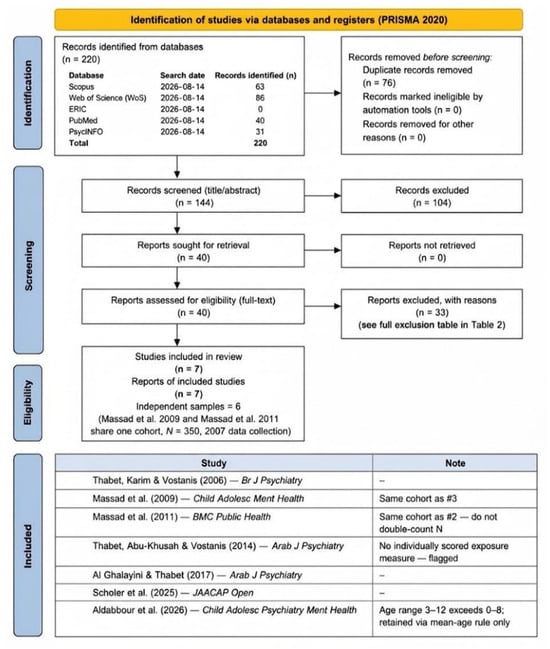
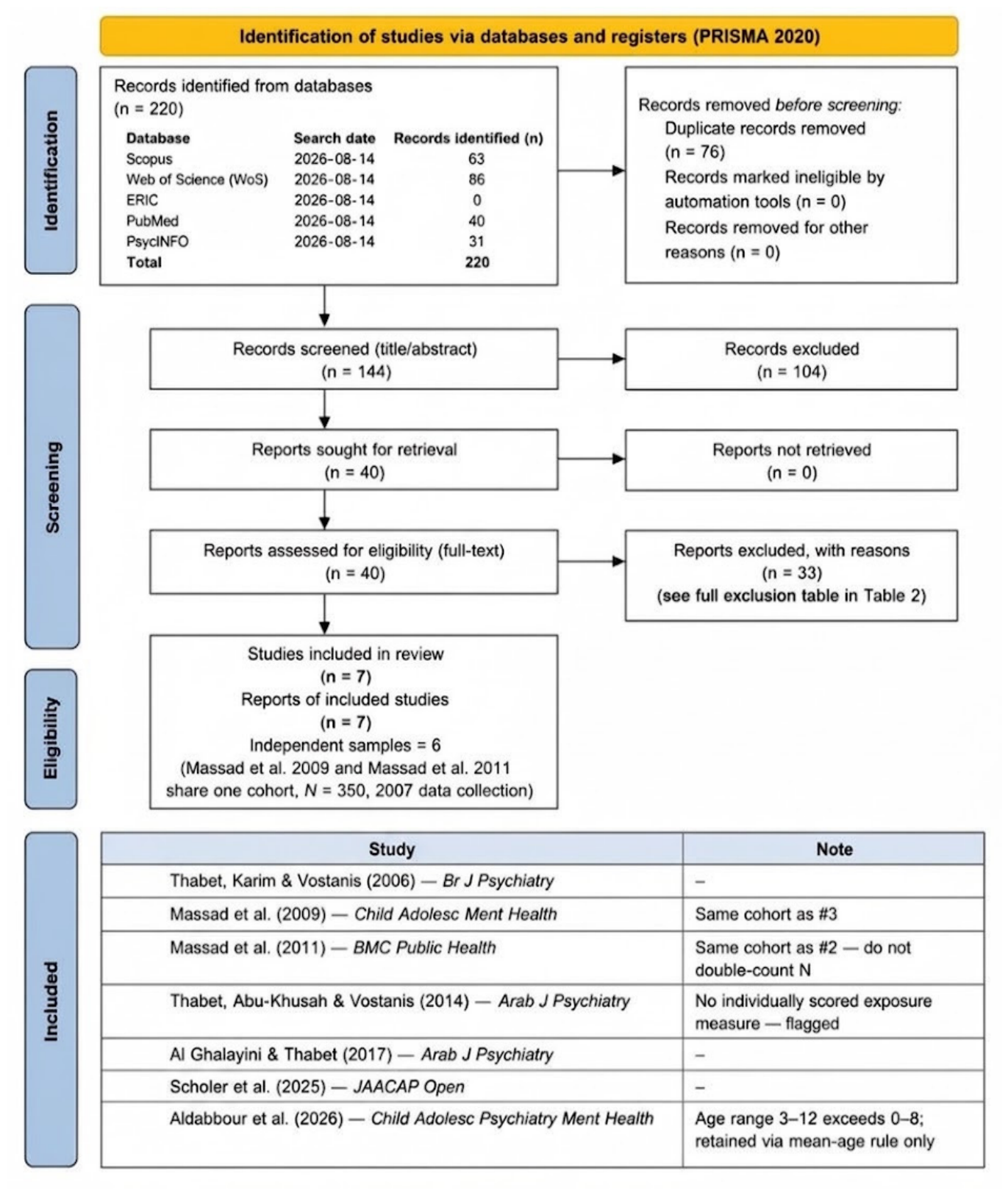
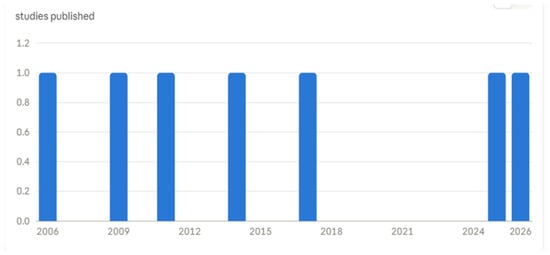
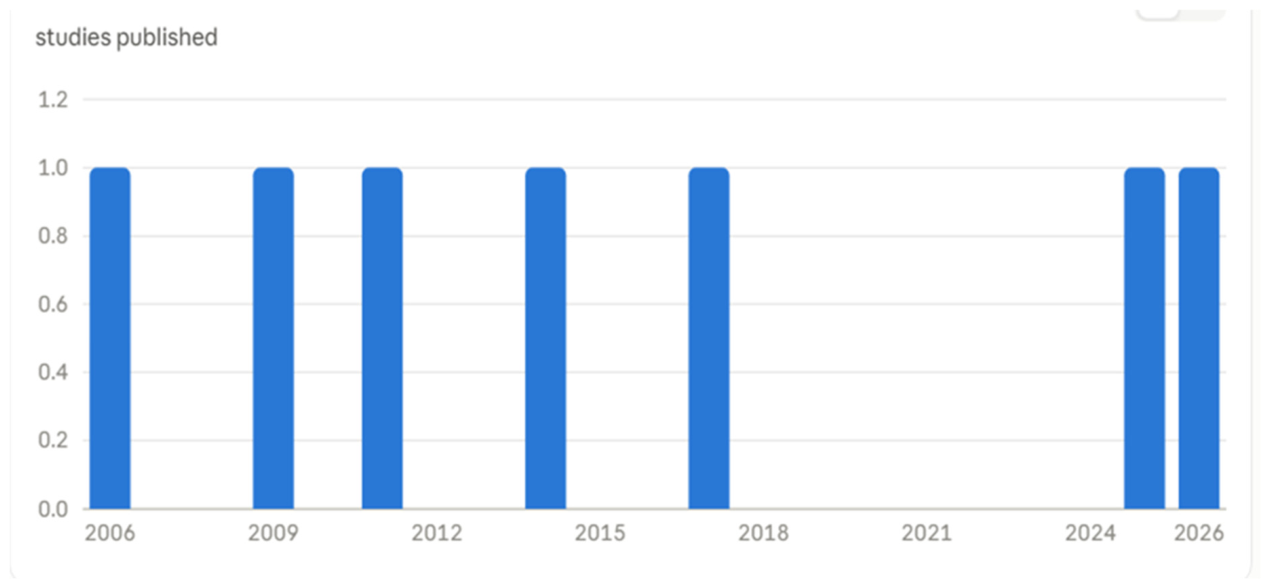
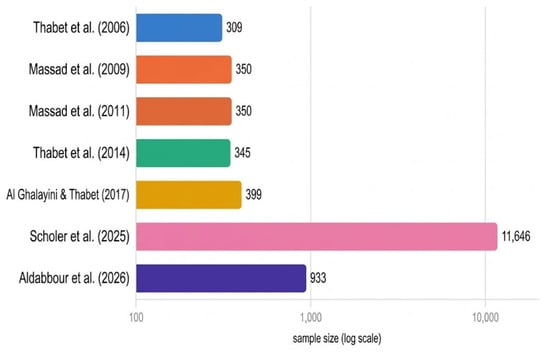
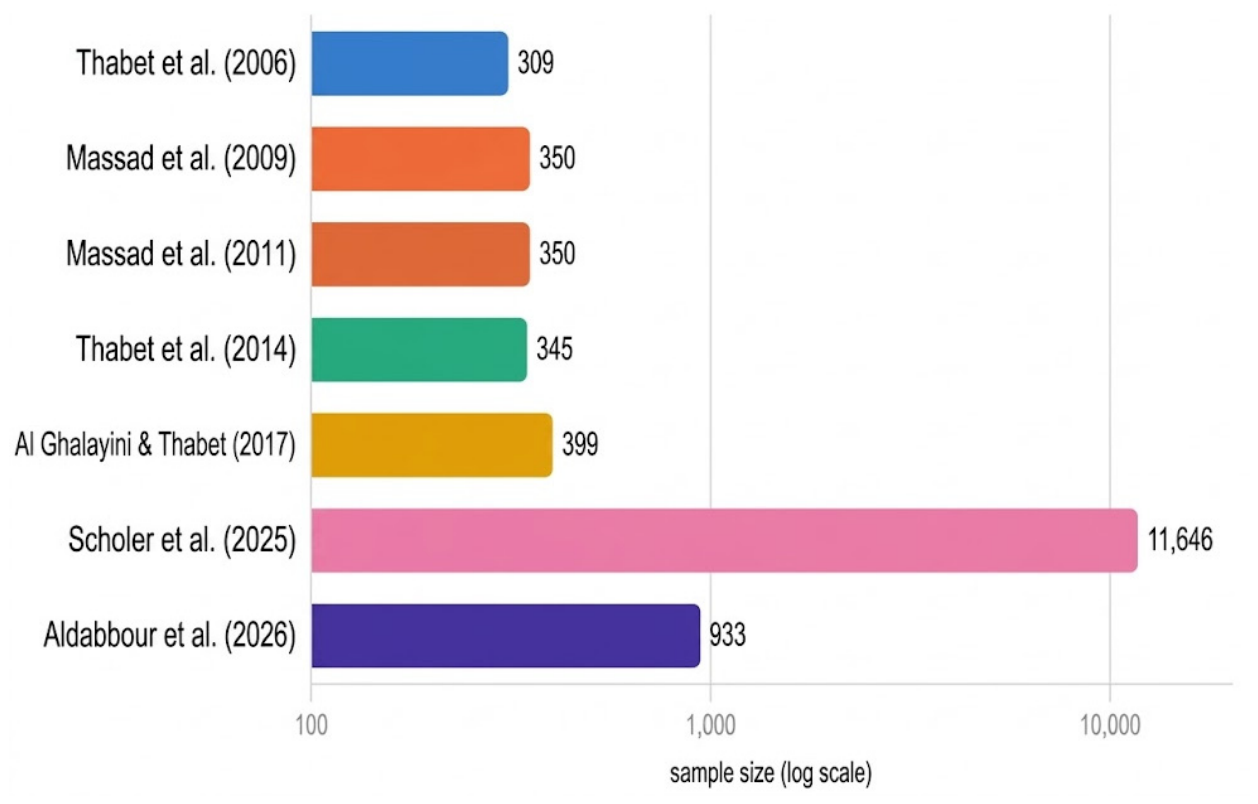

Disclaimer/Publisher’s Note: The statements, opinions and data contained in all publications are solely those of the individual author(s) and contributor(s) and not of MDPI and/or the editor(s). MDPI and/or the editor(s) disclaim responsibility for any injury to people or property resulting from any ideas, methods, instructions or products referred to in the content. |
© 2026 by the authors. Licensee MDPI, Basel, Switzerland. This article is an open access article distributed under the terms and conditions of the Creative Commons Attribution (CC BY) license.