


Abstract
Mental disorders are a leading cause of global disability, and environmental characteristics are increasingly recognized as relevant to mental health. Although green-space exposure has been associated with psychological benefits, the contribution of biodiversity-related exposures remains insufficiently characterized. This scoping review mapped quantitative associations between biodiversity-related exposures and mental health. Following PRISMA-ScR guidance, PubMed (MEDLINE), PsycINFO, and Embase were searched without date restrictions, supplemented by reference screening. English- or French-language quantitative studies were included when biodiversity was assessed using direct objective indicators, perceived biodiversity, or biodiversity-related ecological proxies and mental health outcomes were reported. Twenty-eight studies published between 2007 and 2024 met inclusion criteria, encompassing observational, experimental, and quasi-experimental designs across several geographic regions. Biodiversity-related exposures were generally associated with greater psychological well-being, positive affect, and restoration, and with lower stress-related outcomes; some studies also reported fewer depressive and anxiety symptoms. Perceived biodiversity showed more consistent associations with psychological outcomes than direct objective measures. Evidence for physiological and clinical outcomes was limited, and no study used formal psychiatric diagnostic assessments. Overall, biodiversity-related exposures may be relevant to mental health, but heterogeneous measures and predominantly cross-sectional evidence limit causal inference and support the need for standardized metrics and longitudinal or experimental studies.
1. Introduction
Mental disorders remain a leading cause of disability worldwide. According to the Global Burden of Disease (GBD) 2021 study, mental disorders accounted for approximately 5.4% of the global burden of disease, while disability-adjusted life years (DALYs) for depressive and anxiety disorders increased by 16.4% and 16.7%, respectively, between 2010 and 2021 [1]. This persistence underscores a paradox: despite decades of research and effective treatments for many conditions, the overall population burden has not declined. Re-analyses that include conditions excluded from GBD estimates, such as personality disorders, self-harm, and excess mortality, suggest that mental illness may contribute to roughly 13% of DALYs and nearly one-third of all YLDs [2,3]. The limits of clinical care alone to shift these figures point to the need for broader systemic strategies. The Lancet Commission on global mental health and sustainable development has argued for integration of mental health into global development frameworks, but there is growing recognition that structural drivers, including urbanization, climate change, and biodiversity loss, also shape mental well-being [4]. Approaches that foster healthier lifestyles and reconnect individuals with natural and social environments may therefore represent essential complements to health care, offering pathways to prevention and resilience at the population scale.
Regular contact with natural environments is increasingly recognized as beneficial for mental health. A recent meta-analysis of 50 studies involving over 1.3 million participants found that greater exposure to green space was linked with significantly lower odds of depression [5]. In addition, a systematic review of 50 studies reported broadly positive associations between greenspace and life satisfaction, though study quality and effect sizes varied [6]. Evidence from a large, nationally representative cross-sectional survey in England (19,806 participants) showed that spending at least 120 min per week in nature was associated with better health and wellbeing, even after accounting for socioeconomic and behavioral factors [7]. A nationwide Danish cohort study (943,027 participants) identified that greater childhood exposure to residential green space was associated with up to 55% lower risk of several psychiatric disorders later in life [8]. In urban contexts, a 2019 cross-section study (46,786 participants) found that neighborhoods with at least 30% local tree canopy had lower rates of psychological distress [9]. Mechanistic research also supports these benefits: a 2015 study (38 participants) showed that a 90-min walk in nature, compared with an urban walk, reduced self-reported rumination, and decreased subgenual prefrontal cortex activation [10]. Importantly, green-space exposure and biodiversity are related but distinct environmental constructs. Evidence concerning green space provides a broader rationale for examining natural environments and mental health but does not establish an independent effect of biodiversity. Green environments can vary considerably in species richness and ecological complexity, and conversely, biodiverse environments are not restricted to highly vegetated settings.
Biodiversity broadly encompasses variation in living organisms and ecological systems, including diversity within species, between species, and across ecosystems [11,12,13]. In the present review, we focus specifically on macroscopic biodiversity that can be objectively measured or directly perceived by humans, including species richness and taxonomic diversity, while distinguishing these direct measures from perceived biodiversity and ecological proxies such as naturalness, structural diversity, and environmental complexity. Global assessments point to growing extinction risks and shrinking populations, especially among vertebrates and terrestrial insects, threatening ecosystem stability. These shifts carry direct and indirect consequences for human mental health. When biodiversity is lost, access to restorative natural spaces is reduced, limiting opportunities for stress relief and psychological wellbeing [14]. The disappearance of species and ecosystems also threatens livelihoods, cultural practices, and food security, contributing to stress, anxiety, and depression, particularly among vulnerable communities [15]. In addition, biodiversity decline and climate change may interact, amplifying ecological disaster vulnerability and uncertainty, fueling eco-anxiety and other forms of psychological distress [14,15]. Global policy frameworks, including those of the World Health Organization and planetary health initiatives, now increasingly acknowledge the role of biodiversity as a social determinant of mental health [15,16]. Protecting and restoring ecosystems may therefore be seen not only as an environmental priority but as a critical public health strategy.
Research is increasingly exploring biodiversity’s impact on mental health. A large Canadian study found that neighborhoods with greater bird and tree species richness were associated with higher levels of self-rated mental health: about 6.6% higher with bird diversity and 5.4% with tree richness [17]. One proposed mechanism is the “biodiversity hypothesis,” which suggests that reduced contact with diverse environmental microbiota can alter the human microbiome and influence immune and neurobehavioral processes relevant to mental health [18]. A 2013 qualitative narrative review concluded that interacting with nature provides diverse psychological benefits, but noted that most evidence is correlational, geographically biased toward Western societies, and reliant on self-reports [19]. More recently, a 2023 scoping review of over 200 studies confirmed that green space generally benefits mental health, but outcomes depend on specific qualities such as biodiversity and vegetation structure. The review also highlighted that few studies directly compare different biodiversity levels, calling for stronger longitudinal and intervention studies to clarify causal pathways [20]. Together, these findings suggest that biodiversity loss is not only an ecological problem but also a public health issue. Protecting and enhancing biodiversity, especially in cities, may be a promising yet underused strategy to build resilience in population mental health. Although the biodiversity hypothesis primarily concerns interactions between environmental microbial diversity, the human microbiome, and immune function, the present review focuses on macroscopic biodiversity that is directly observable or perceptible to humans (e.g., plant, bird, insect, and habitat diversity). Microbial biodiversity was therefore outside the scope of this review.
To date, no published scoping review has specifically mapped quantitative associations between biodiversity as an independent variable, measured through indices such as species richness or taxonomic diversity, and human mental health. Indeed, Robinson and Breed mapped links between biodiversity and general human health, and highlighted the lack of studies employing specific biodiversity metrics in health contexts [21]. Similarly, Marselle and colleagues note that the precise pathways linking biodiversity facets to mental well-being remain underexplored, with most evidence relying on proxies such as vegetation cover or green space access [22]. As such, this scoping review aims to examine this relationship.
Accordingly, this scoping review aimed to map and characterize quantitative evidence examining associations between biodiversity-related exposures and mental-health-related outcomes, including the biodiversity measures used, mental-health constructs assessed, study designs employed, and methodological gaps in the existing literature. From a psychiatric perspective, understanding this relationship is particularly relevant because environmental exposures may contribute to psychological resilience, symptom expression, and the prevention of mental disorders. Biodiversity has received substantially less attention in psychiatry than broader environmental characteristics such as green-space exposure, despite plausible links with stress regulation, affective functioning, and symptoms of depression and anxiety. Clarifying the available evidence may therefore help define the potential role of biodiversity within environmental and preventive psychiatry while identifying the clinical evidence required before such exposures can inform psychiatric interventions. Accordingly, this scoping review aims to systematically examine quantitative associations between biodiversity-related exposures and mental health outcomes, with particular attention to outcomes relevant to psychiatric symptoms, psychological functioning, and psychophysiological stress.
2. Materials and Methods
2.1. Review Question
The review question was: “What is the quantitative association between biodiversity, measured through objective or perceived biodiversity indicators, and human mental health outcomes?”. The review question was developed using the PCC framework. The population included human participants of any age or setting, the concept examined was the association between biodiversity and mental health outcomes such as well-being, stress, depression, and anxiety, and the context included quantitative studies conducted across all geographic and environmental settings.
2.2. Search Strategies
A comprehensive scoping review was conducted between August and October 2025 to identify quantitative studies examining the relationship between biodiversity and mental health outcomes. The review followed the PRISMA-ScR (Preferred Reporting Items for Systematic Reviews and Meta-Analyses extension for Scoping Reviews) guidelines. The PRISMA-ScR guidelines were chosen to provide a broad structure to the scoping review, without providing a systematic review methodology. Searches were conducted in MEDLINE (PubMed), Embase and PsycINFO. Consistent with scoping review methodology, databases were selected based on their collective coverage of the concepts under investigation, prioritizing conceptual breadth while seeking to minimize unnecessary duplication of records. The search was supplemented by manually screening the reference lists of included studies and relevant review articles for additional potentially eligible studies; this was conducted as a supplementary non-comprehensive search technique. No date restrictions were applied. Eligible studies published in English or French were considered as the research team was fluent in both, thus minimizing interpretation bias.
The search strategy combined controlled vocabulary (MeSH terms when available) and free-text keywords related to biodiversity (e.g., “biodiversity,” “species richness,” “species diversity,” “ecological diversity,” “naturalness,” “perceived biodiversity”) and mental health outcomes (e.g., “mental health,” “well-being,” “psychological well-being,” “stress,” “depression,” “anxiety,” “affect,” “restorativeness”). Search terms were iteratively refined to align with the study objectives and ensure sensitivity to heterogeneous biodiversity metrics. The study was not preregistered. The search strategy was developed by MM and KB, with cross-validation by AH. The PRISMA-ScR checklist is provided in the Supplementary Materials. The review protocol was registered at https://osf.io/szjbv (accessed on 16 September 2026) [23].
2.3. Study Eligibility
Studies were eligible for inclusion if they quantitatively examined the relationship between biodiversity and mental health outcomes in human populations. Quantitative study designs were selected because the review aimed to examine measurable associations between biodiversity-related exposures and mental health outcomes across studies using standardized or quantifiable assessments. Qualitative studies were excluded because they do not provide comparable quantitative estimates of these relationships.
Eligible biodiversity exposures were classified into three conceptually distinct categories: (1) direct objective biodiversity indicators, including species richness and taxonomic diversity; (2) perceived biodiversity, reflecting participants’ subjective appraisal of ecological richness; and (3) ecological proxies, including naturalness, structural diversity, vegetation structure, habitat complexity, and environmental complexity. These ecological proxies were retained because they may reflect habitat heterogeneity and underlying biodiversity, but they were not considered equivalent to direct biodiversity measurements. By contrast, general measures of greenness, vegetation quantity, or frequency of nature exposure were excluded when they did not include an explicit biodiversity-related component.
Studies were required to report quantitative mental-health-related outcomes measured using validated or standardized instruments. For the purpose of synthesis, these outcomes were classified into three distinct categories: (1) Subjective well-being and perceived restorativeness, (2) Clinical symptoms (depression, anxiety, etc.), and (3) Objective physiological responses. Importantly, the physiological metrics included are being used as proxies for mental health. The inclusion of subjective well-being and affective responses as core outcomes aligns with the World Health Organization’s conceptualization of mental health as a state of well-being that extends beyond the absence of mental illness and encompasses positive psychological functioning and quality of life [24].
Environmental setting was considered separately from biodiversity exposure. Thus, settings such as urban parks, forests, meadows, residential environments, or coastal and aquatic environments were not considered “levels” of biodiversity; rather, biodiversity-related metrics could vary within and across these settings.
Biodiversity was treated as an exposure or predictor rather than as a uniformly manipulated independent variable. In observational studies, naturally occurring biodiversity gradients were quantified, whereas experimental and quasi-experimental studies manipulated or contrasted predefined biodiversity levels or biodiversity-related environmental conditions.
Positive mental well-being and symptoms of psychological distress were treated as distinct outcome domains rather than as opposite poles of a single mental-health continuum. Accordingly, measures of well-being, restoration, and positive affect were synthesized separately from measures of depressive, anxiety, and stress-related symptoms. Validated symptom scales were eligible when used to quantify dimensional psychological symptoms in either clinical or non-clinical populations; their use was not interpreted as establishing a psychiatric diagnosis.
Quantitative study designs were eligible, including cross-sectional surveys as well as experimental and quasi-experimental designs. Ecological momentary assessment (EMA) studies were included because they provide quantitative, real-time measurements of both environmental exposures and mental health outcomes in participants’ everyday settings. These designs are particularly relevant for examining short-term associations between biodiversity exposure and psychological well-being while minimizing recall bias. Studies were excluded if they relied solely on measures of green space or vegetation cover without explicit biodiversity indicators, focused exclusively on physical health outcomes, were qualitative, narrative, editorial, or theoretical in nature, or constituted unpublished or gray literature.
Study screening was conducted independently by two reviewers (CC and KB), who manually assessed records against the predefined inclusion and exclusion criteria. No screening software was used. Any uncertainties or disagreements regarding study eligibility were discussed with a third reviewer (MM), and final decisions were reached through group discussion and consensus.
2.4. Data Extraction
Data extraction was conducted using a standardized extraction form developed in Microsoft Excel. Extraction was conducted independently by two reviewers (CC and KB) using a standardized extraction form developed for this review. Extracted data included study title, authors, year of publication, journal, DOI or link, country or region, study design, population characteristics, biodiversity type, measurement of biodiversity, type of nature or human exposure, mental health outcome(s), measurement tools for mental health, main findings, statistical associations, key moderators or mediators, and study limitations. To ensure consistency in data extraction, any uncertainties or disagreements were discussed between the reviewers and, when necessary, referred to a third and fourth reviewer (MM and AH). Final decisions were reached through team discussion and consensus.
For each included study, the specific biodiversity operationalization and mental-health measurement instrument were extracted; the reported validity and reliability of exposure and outcome measurement were additionally considered within the design-specific quality assessment. Statistical significance and effect estimates were extracted and reported at the individual-study level. Because biodiversity exposures, mental-health outcomes, study designs, and analytical approaches were heterogeneous, no pooled inferential comparison between biodiversity categories was undertaken.
2.5. Evidence Synthesis
Given the anticipated heterogeneity in study design, biodiversity operationalization, mental-health outcomes, and statistical methods, a descriptive evidence-mapping approach was specified. Studies were categorized according to study design (observational, experimental, or quasi-experimental), biodiversity-related exposure (direct objective biodiversity, perceived biodiversity, or ecological proxy), and mental-health outcome domain (subjective well-being/restorativeness, psychological symptoms, or physiological responses). Direction and statistical significance of associations were retained as reported by the original studies. No pooled effect estimate or inferential comparison across biodiversity categories was undertaken because the underlying exposures, outcomes, and analytical methods were not sufficiently homogeneous.
2.6. Quality Assessment
Although formal quality appraisal is not mandatory for scoping reviews, methodological quality was assessed to contextualize the strength and interpretability of the evidence. The Joanna Briggs Institute (JBI) critical appraisal tools were used, selecting the checklist appropriate to each study design (e.g., cross-sectional, quasi-experimental, or experimental studies). The JBI tools assess key domains including clarity of inclusion criteria, validity and reliability of exposure and outcome measurements, identification and management of confounding factors, appropriateness of statistical analyses, and completeness of outcome reporting.
Each study was independently appraised by two authors, and any discrepancies were resolved through discussion and consensus. Quality assessment results were used descriptively to inform interpretation of findings and to highlight methodological strengths and limitations across the evidence base. In keeping with scoping review methodology, studies were not excluded solely on the basis of quality appraisal, although methodological limitations were considered during interpretation of the findings.
3. Results
3.1. Summary of Scoping Review Findings
The 28 included studies were first characterized according to study design, biodiversity-related exposure, mental-health outcome, geographic setting, and sample characteristics. Figure 1 summarizes the study-selection process and documents how the final evidence base was derived from the identified records. Table 1 then provides a narrative overview of the principal patterns emerging from the included studies. Table 2 describes the distribution of study designs, biodiversity-related exposure categories, and mental-health outcome categories, highlighting the predominance of observational evidence and subjective psychological outcomes. Finally, Figure 2 provides a qualitative evidence map of the direction and relative consistency of reported associations across biodiversity-related exposure and mental-health outcome categories. Detailed study-level information, including specific exposure and outcome measures, is provided in Supplementary Table S1.
Figure 1.
PRISMA flowchart diagram for the included studies.
Table 1.
Summary of Findings.
Table 2.
Descriptive Categorization of Reviewed Literature *.
Figure 2.
Biodiversity-Mental Health Evidence Matrix. Qualitative evidence map summarizing the overall direction of reported associations between major biodiversity domains (rows) and categories of mental health outcomes (columns) across the included studies. Cell colors represent the predominant direction of evidence reported within each biodiversity–outcome pairing: dark green (++) = more consistently positive reported associations; light green (+) = positive associations; grey (0) = null findings; orange = mixed findings; red = negative associations. The matrix does not represent effect magnitude, dose–response relationships, causal effects, or the mental-health status of populations with lower biodiversity exposure.
The evidence base was predominantly observational (18/28 studies), whereas 10 studies employed experimental or quasi-experimental approaches. Accordingly, the overall synthesis is more strongly informed by associational than experimentally controlled evidence.
3.2. Overview of Included Studies
The 28 studies meeting the inclusion criteria comprised a diverse body of work spanning Europe, North America, Asia, and Australia, with publication years ranging from 2007 to 2024 [17,25,26,27,28,29,30,31,32,33,34,35,36,37,38,39,40,41,42,43,44,45,46,47,48,49,50,51]. Geographic representation was uneven, and the available evidence does not represent all global regions or biodiversity contexts. Consequently, the findings should not be assumed to generalize uniformly across climates, ecosystems, cultures, or socioeconomic settings.
The included studies operationalized biodiversity using objective biodiversity metrics (n = 19), perceived biodiversity measures (n = 8), and ecological proxies such as naturalness, structural diversity, vegetation structure, and environmental complexity (n = 12), with categories not mutually exclusive [17,25,26,27,28,29,30,31,32,33,34,35,36,37,38,39,40,41,42,43,44,45,46,47,48,49,50,51]. The evidence base was predominantly observational (18/28 studies), whereas 10 studies employed experimental or quasi-experimental approaches. Study populations ranged from small experimental samples to large community and population-based cohorts.
Mental-health-related outcomes were measured predominantly using self-reported questionnaires and rating scales assessing subjective well-being, positive and negative affect, restoration, quality of life, stress, anxiety, and depressive symptoms. Several studies additionally incorporated physiological indicators of acute stress or arousal, including heart rate, blood pressure, salivary cortisol, α-amylase, electromyography, and blood volume pulse [28,29,33,36,37,49]. No included study employed a structured psychiatric diagnostic interview as its primary mental health assessment. Overall, the substantial heterogeneity in biodiversity exposures, outcome measures, study designs, and analytical approaches supports interpretation of the findings as a descriptive evidence map rather than an estimate of a common pooled effect. Detailed study-level characteristics are provided in Supplementary Table S1.
3.3. Objective Biodiversity and Mental Health
Objective biodiversity measures were most commonly based on species richness, particularly plant, bird, insect, or combined flora–fauna richness. Fuller et al. found that greater richness of plants, birds, and butterflies in urban green spaces was associated with greater self-reported psychological benefits [25]. Similarly, Methorst et al. reported positive associations between bird and plant species richness and mental health across German districts after adjustment for socioeconomic and environmental factors [32]. In Melbourne, Mavoa et al. found that greater flora and fauna richness around participants’ residences was positively associated with subjective well-being [27], while Buxton et al. reported positive associations between bird and tree diversity and self-rated mental health in Canadian cities [17].
Other observational studies provided more nuanced findings. Rantakokko et al. found that older adults exposed to greater nature diversity reported better quality of life, whereas nature diversity was not significantly associated with depressive symptoms [40]. Wheeler et al. identified an association between bird species richness and the prevalence of good self-reported health, although associations also varied according to broader measures of natural-environment type and quality [41]. Wood et al. found biodiversity to be a principal predictor of the psychological restorative benefit of urban green spaces, accounting for a substantial proportion of between-park variation in restorative benefit [42].
Experimental studies also supported associations between objective ecological richness and psychological outcomes. Lindemann-Matthies and Matthies manipulated meadow plant richness and observed improved systolic blood-pressure recovery across species-richness conditions, although the relationship was not strictly linear [28]. Hussain et al. reported greater perceived restoration and psychological well-being following exposure to more biodiverse managed alpine meadows compared with abandoned meadows [29]. In experimentally presented natural environments, Wolf et al. found that exposure to greater plant or bird species richness was associated with more favorable indicators of mental well-being, including positive affect, vitality, and anxiety-related outcomes [51]. Collectively, these findings indicate that objective biodiversity can be associated with mental-health-related outcomes, but the magnitude and consistency of the associations varied according to biodiversity domain, study design, and outcome measure.
3.4. Perceived Biodiversity and Psychological Responses
Perceived biodiversity showed particularly consistent associations with subjective psychological outcomes. Dallimer et al. found that visitors’ perceived species richness was associated with psychological well-being even when objectively measured species richness showed less consistent associations [34]. Southon et al. similarly reported that perceived species richness was associated with nature connectedness and satisfaction with urban green spaces, despite weaker effects of experimentally manipulated plant richness on self-reported health and well-being [35].
Cameron et al. found that avian biodiversity and participants’ perceptions of biodiversity were associated with more positive emotional responses to urban green spaces [31]. Rozario et al. further showed that perceived forest biodiversity was associated with short-term improvements in psychological outcomes predominantly through perceived restorativeness rather than through objective tree richness alone [36].
Experimental and field-based studies extended these findings. Nghiem et al. found that perceived animal diversity was positively associated with perceived restoration, which in turn was associated with greater positive affect and lower negative affect [44]. Scopelliti et al. reported systematic associations between biodiversity level, perceived restorative properties, and self-reported psychological benefits across urban and peri-urban environments [45]. Hoyle et al. found that perceived biodiversity was associated with aesthetic appraisal and restorative responses to designed urban planting, although these associations varied according to vegetation structure and flowering characteristics [47]. In coastal settings, White et al. reported that increasing perceived marine biodiversity was associated with greater positive affect, arousal, perceived restorative potential, and willingness to visit [48]. Together, these studies suggest that the biodiversity experienced or recognized by participants may be particularly relevant to short-term affective and restorative responses.
3.5. Naturalness, Structural Diversity, and Environmental Complexity
Several included studies examined environmental characteristics that functioned as ecological proxies for biodiversity rather than direct measures of species richness. Carrus et al. found that urban green spaces characterized by greater naturalness and ecological complexity were perceived as more restorative [30]. In a separate field study, Carrus et al. reported greater perceived psychological and physical benefits in biodiversity-rich urban and peri-urban green areas [26]. Foo similarly found that more natural remnant forests were associated with more favorable perceived well-being and mental-health status [38].
However, greater ecological complexity did not uniformly correspond to stronger psychological responses. Johansson et al. found that emotional appraisal differed significantly across forests of varying biological quality, but the relationship was nonlinear, with the intermediate-biological-quality environment receiving the most favorable emotional appraisal [43]. This finding illustrates that objectively higher ecological quality may not always correspond directly to stronger subjective preference.
Restorative responses also appeared to depend on the interaction between environmental characteristics and perception. Young et al. found that the estimated number of plant species in urban gardens was positively associated with perceived restorativeness, which in turn mediated its association with self-reported restoration [46]. Scopelliti et al. similarly identified strong differences in perceived restorativeness across environments characterized by differing biodiversity levels [45]. Hoyle et al. showed that both structural naturalness and aesthetic characteristics contributed to perceived restorative value in designed planting [47]. These findings reinforce the conceptual distinction between biodiversity itself and the perceptual or structural environmental characteristics through which biodiversity may be experienced.
3.6. Experimental and Physiological Outcomes
Experimental and quasi-experimental studies generally provided stronger temporal evidence than cross-sectional studies, although physiological findings were less consistent than subjective psychological outcomes. The two studies by Chang and colleagues illustrate this heterogeneity. Insect diversity and green-space characteristics were examined in relation to physiological indicators including heart rate, muscle tension, and blood volume pulse [37], while exposure to environments differing in naturalness was evaluated using psychological and biophysical stress indicators in a separate study [33]. Associations with physiological outcomes were generally less consistent than those observed for self-reported stress or restoration.
Lindemann-Matthies and Matthies observed differences in systolic blood-pressure recovery according to experimentally manipulated plant richness [28], while Hussain et al. found that exposure to biodiverse meadows produced both psychological and modest physiological indicators of restoration [29]. Rozario et al. incorporated salivary cortisol alongside psychological outcomes but found that perceived restorative processes were more consistently related to short-term mental-health benefits than objective tree richness [36].
Aquatic and experimentally presented environments yielded comparable patterns. Cracknell et al. found that increasing levels of marine biota in an aquarium were associated with greater improvements in mood and larger reductions in heart rate, although species richness and organism abundance could not be fully disentangled [49]. Nghiem et al. experimentally demonstrated associations between perceived biodiversity, restoration, and emotional well-being in urban forests [44], while Wolf et al. reported significant effects of experimentally manipulated species richness on multivariate measures of mental well-being [51]. Overall, physiological measures should therefore be interpreted as complementary indicators of acute psychophysiological response rather than as evidence of persistent effects on psychiatric health.
3.7. Mental Health Symptoms and Clinically Relevant Outcomes
Relatively few studies evaluated outcomes closely related to psychiatric symptomatology. No included study used a structured diagnostic interview to establish a psychiatric disorder, and most samples were not clinically characterized. Nevertheless, several studies measured symptoms or broader constructs relevant to psychiatry.
Buxton et al. found that greater urban biodiversity was associated with better self-rated mental health and lower perceived stress [17]. Methorst et al. reported positive associations between bird and plant species richness and mental-health functioning [32]. Rantakokko et al. examined both quality of life and depressive symptoms in older adults and found an association between greater nature diversity and quality of life, but not depressive symptoms [40]. Adjei and Agyei also examined biodiversity in relation to happiness and depression-related outcomes [39].
Other studies evaluated acute anxiety, stress, or broader mental-health status. Foo reported more favorable perceived mental-health status in more natural forest environments [38], while Rozario et al. assessed short-term anxiety and well-being before and after forest exposure [36]. Mavoa et al. examined multidimensional subjective well-being, including domains relevant to emotional functioning [27]. These studies provide preliminary evidence that biodiversity-related exposures may be associated with clinically relevant psychological constructs, but they do not establish effects on diagnosed psychiatric disorders.
Importantly, the evidence summarized in the included studies did not demonstrate a consistent pattern of poorer psychological outcomes with greater biodiversity exposure. However, this should not be interpreted as evidence that adverse or ambivalent responses to biodiverse environments do not occur, particularly given the predominance of observational studies and the emphasis of the literature on restorative outcomes.
3.8. Moderators and Mediators of Biodiversity–Mental Health Relationships
Several included studies examined mechanisms through which biodiversity-related exposures may be associated with psychological outcomes. Perceived restorativeness emerged as one of the most frequently identified mediating variables. Rozario et al. identified perceived restorativeness as a pathway linking perceived forest biodiversity with short-term mental-health outcomes [36]. Nghiem et al. similarly found that restoration mediated associations between perceived animal diversity and emotional well-being [44]. Young et al. reported an indirect association between plant species richness and self-reported restoration through perceived restorativeness [46], and Marselle et al. found that perceived restorativeness mediated associations of perceived bird biodiversity and perceived naturalness with positive affect, happiness, and negative affect following group walks [50].
Other psychological and contextual factors also appeared relevant. Southon et al. highlighted nature connectedness and site satisfaction in relation to perceived species richness [35], while Dallimer et al. demonstrated that subjective perceptions of ecological richness were more closely related to psychological benefit than several objective biodiversity measures [34]. White et al. identified differences in responses according to factors including age, sex, coastal residence, and affiliation with environmental organizations [48]. Wheeler et al. observed effect modification by socioeconomic deprivation and urban–rural status for several environmental indicators [41], while Methorst et al. accounted for urbanization and socioeconomic characteristics when examining species richness and mental health [32]. In older adults, Rantakokko et al. found that physical activity did not explain the association between greater nature diversity and quality of life [40].
Overall, these findings suggest that biodiversity–mental health relationships are shaped not only by ecological characteristics but also by how those characteristics are perceived, interpreted, and experienced within particular demographic and environmental contexts.
4. Discussion
This scoping review examined quantitative studies assessing the associations between biodiversity and mental health. Collectively, the included literature suggests that biodiversity-related exposures are generally associated with improved psychological well-being, positive affect, restorative experiences, and lower stress-related outcomes. However, the evidence base remains heterogeneous in terms of biodiversity metrics, mental health outcomes, study populations, and methodological approaches, limiting direct comparison across studies and restricting causal inference.
The strength of inference differed substantially across the included evidence. Eighteen of the 28 studies were observational, meaning that most findings should be interpreted as associations rather than evidence of causal effects. Experimental and quasi-experimental studies provided stronger temporal control but were fewer and often examined short-term psychological or physiological responses. In addition, associations involving perceived biodiversity cannot be interpreted equivalently to those involving directly measured species richness or diversity, because perceived biodiversity may partly capture broader environmental appraisal, preference, familiarity, or restorativeness. Accordingly, the consistency of associations across the evidence base should not be interpreted as demonstrating a single independent effect of biodiversity.
Several complementary theoretical frameworks may explain the observed associations between biodiversity-related environments and mental health. These operate at different conceptual levels, ranging from broad evolutionary theories to proximate psychological mechanisms. Broad theoretical frameworks such as the Biophilia Hypothesis provide an overarching explanation for why humans may respond positively to biodiverse environments [52,53], whereas proximate psychological mechanisms (including attention restoration, stress reduction, perceived restorativeness, and nature connectedness) describe how these responses may translate into improvements in mental well-being.
Biodiverse environments may enhance cognitive restoration by providing greater sensory complexity, fascination, and attentional engagement through varied vegetation structures, colors, wildlife activity, and natural sounds. This is consistent with Attention Restoration Theory, which proposes that environments rich in “soft fascination” help replenish depleted attentional resources [54]. Second, exposure to biodiverse ecosystems may reduce physiological stress through psychophysiological pathways involving autonomic nervous system regulation and reduced sympathetic activation. Ulrich et al. demonstrated that exposure to natural environments promoted faster stress recovery, including improvements in blood pressure, muscle tension, and emotional state, suggesting biological stress-reduction mechanisms linked to natural environmental features [55]. Third, biodiverse environments may strengthen emotional affiliation with living systems and promote adaptive affective responses through repeated interaction with biologically rich environments. Consistent with this perspective, Kellert and Wilson argued that human psychological functioning may partly depend on regular exposure to complex natural environments due to evolutionary adaptation to biodiverse ecosystems [53]. Although these theoretical frameworks provide plausible explanations for biodiversity–mental health relationships, the empirical findings of this review suggest that individuals’ perceptions of biodiversity may be at least as important as objective ecological characteristics in shaping psychological responses. Related studies examining broader characteristics of natural environments have also reported associations with momentary happiness and multiple health outcomes [56,57].
Across the included studies, one of the most consistent findings across the reviewed literature was that perceived biodiversity demonstrated stronger associations with psychological outcomes than objectively measured biodiversity. This finding suggests that subjective interpretation of ecological environments may play an important role in shaping mental-health responses. Perceived biodiversity may capture experiential qualities such as aesthetic preference, familiarity, perceived safety, emotional resonance, and attention restoration that are not fully reflected by ecological indicators alone. Nevertheless, objective biodiversity may still contribute to mental well-being through several pathways, including enhanced cognitive restoration, reduced physiological stress, and greater emotional affiliation with living systems [58].
These findings are consistent with previous reviews suggesting that the psychological benefits of biodiversity depend not only on ecological richness itself, but also on how environments are perceived and experienced by individuals. Visible and emotionally salient characteristics such as perceived naturalness, aesthetic quality, and opportunities for restoration may therefore be more relevant to mental well-being than objective species counts alone.
Lovell et al. additionally highlighted nature connectedness and emotional engagement with nature as important mechanisms linking biodiversity exposure and psychological well-being [59]. Similarly, Bele and Chakradeo identified recurring associations between perceived biodiversity, aesthetic appreciation, restorative experiences, and nature connectedness across 43 studies from 22 countries [58]. The review further emphasized that biodiversity perception is influenced by species literacy, familiarity with nature, and subjective interpretation of environmental cues.
Perceived biodiversity may also show stronger associations with mental well-being because most individuals cannot accurately estimate true ecological richness. Supporting this interpretation, Vanhöfen et al. found that laypeople frequently underestimated breeding-bird diversity compared with expert ecological assessments [60]. Objective biodiversity may therefore not translate into psychological benefit unless it is visible, recognizable, and meaningfully interpreted by the observer.
While this review highlights the influence of perceived biodiversity on psychological well-being, we did not explicitly examine whether these underlying mechanisms function differently depending on how mental health is measured. Investigating whether the impact of perceived biodiversity diverges between self-reported well-being and clinically measured diagnostic outcomes was beyond the scope of this study, though represents an important area for future research.
Several methodological factors likely contributed to heterogeneity across findings. First, most included studies were observational and cross-sectional, limiting temporal inference and precluding causal conclusions. The observed associations may reflect effects of biodiversity on mental health, selection effects whereby individuals with better baseline mental health preferentially seek or reside near more biodiverse environments, perceptual effects whereby psychological state influences perceived biodiversity, or a combination of these processes. Accordingly, the available evidence does not permit estimation of the causal quantitative effect of biodiversity on mental health. Similar concerns regarding selection effects, residual confounding, and causal interpretation have been raised in broader reviews of nature-health relationships [61,62].
Physiological findings were notably less consistent than psychological outcomes. Some studies observed modest improvements in physiological stress markers such as blood pressure or cortisol, whereas others reported null findings. These inconsistencies may reflect methodological differences including small sample sizes, weak stress induction paradigms, variability in biomarker selection, environmental confounding, and short exposure durations. Previous reviews have similarly reported mixed findings regarding physiological responses to nature exposure, although conclusions differ regarding the consistency of biomarker evidence [63,64].
The relationship between ecological naturalness and psychological benefit also appeared more nuanced than a simple “more biodiversity equals better mental health” model. Several studies suggested that highly natural or ecologically complex environments were associated with restoration and well-being, whereas others found participants preferred more managed or tended landscapes [65]. These findings may reflect the importance of cultural expectations, familiarity, accessibility, and perceived safety in shaping emotional responses to biodiversity-rich environments. Consequently, psychological restoration may depend not only on ecological richness itself but also on how environments are perceived and socially interpreted.
Consistent with these proximate psychological mechanisms, several included studies identified perceived restorativeness, place attachment, and nature connectedness as potential mediators of biodiversity-related psychological benefits. Perceived restorativeness, place attachment, and nature connectedness were among the most frequently identified mediators. However, evidence regarding these mechanisms remains preliminary and inconsistent across studies. It is therefore unclear whether biodiversity exerts unique psychological effects independent of broader green-space exposure or whether biodiversity primarily enhances existing restorative qualities of natural environments. Similar conceptual models have been proposed by Marselle et al. and Markevych et al., although empirical validation remains limited [22,66].
Moderating variables such as age, urbanization level, ecological knowledge, familiarity with nature, and cultural background may further shape observed associations. The variability of these contextual factors across studies highlights the importance of considering biodiversity exposure as a socially and culturally mediated experience rather than a purely ecological phenomenon.
This review has several limitations. The included literature demonstrated substantial heterogeneity in biodiversity metrics, mental health outcomes, and study methodologies, limiting direct comparability across studies and preventing quantitative synthesis. Also, most studies relied on self-reported psychological measures and cross-sectional designs, restricting causal inference and increasing susceptibility to residual confounding and reporting bias. Importantly, the strong associations observed between perceived biodiversity, perceived restorativeness, and mental well-being must be interpreted with caution. Indeed, because these variables are frequently measured simultaneously through self-reported questionnaires, the observed relationships may be partially attributable to shared method variance. Furthermore, these pathways are susceptible to reverse causality and affective appraisal. For instance, individuals experiencing positive affect, or those who find an environment safe, familiar, and aesthetically pleasing, may subsequently perceive the landscape as more biodiverse. In such cases, positive psychological states and environmental appraisals may drive the perception of ecological richness, rather than perceived biodiversity acting as the directional cause of well-being. It is important to note that relatively few studies incorporated physiological measures or clinically validated psychiatric assessments, and none employed structured diagnostic interviews.
Conceptual heterogeneity also represents an important limitation. This review included direct objective biodiversity metrics, perceived biodiversity, and ecological proxies such as naturalness, structural diversity, vegetation structure, and environmental complexity. These constructs are not ecologically equivalent. Direct biodiversity metrics quantify biological diversity itself, perceived biodiversity reflects an individual’s subjective appraisal of that diversity, whereas ecological proxies characterize environmental features that may correlate with biodiversity without directly measuring it. Associations observed across these exposure categories should therefore not be interpreted as reflecting the same underlying construct. The absence of reported negative effects within this review must be interpreted cautiously, as it may reflect a publication bias toward the restorative benefits of nature rather than a complete picture of human-nature interactions.
Biodiversity can plausibly evoke negative or ambivalent psychological responses. For example, health-related anxieties regarding pollen, allergens, or vector-borne diseases (e.g., ticks, mosquitoes) may also counteract the psychological benefits of biodiverse spaces [67,68]. Future research must adopt a more balanced approach that measures both the restorative and potentially distressing psychological impacts of complex ecosystems. In addition, because the included studies exhibited substantial heterogeneity in their biodiversity metrics, study designs, and mental health outcomes, conducting a formal meta-analysis to pool effect sizes was not possible. Consequently, our synthesis relies on a descriptive overview of reported associations. We avoided formal vote counting to draw conclusions, as simply tallying the direction of effects ignores critical variations in sample sizes and statistical power.
In addition, biodiversity-related exposures are not always fully distinguishable from other co-occurring attributes of natural environments, such as vegetation abundance, greenness, visual openness, view quality, perceived safety, and landscape preference. Consequently, some reported associations may reflect the broader psychological benefits of high-quality natural environments rather than the independent contribution of biodiversity itself. This distinction is particularly relevant given evidence that visual and perceptual landscape characteristics can independently influence psychological responses to environments [69,70,71] and that greenness itself may represent a distinct pathway linking natural environments and mental health [72]. Future research should explicitly examine this conceptual distinction by systematically categorizing biodiversity-focused studies according to whether they control for related landscape attributes, including greenness, vegetation structure, accessibility, visual characteristics, and perceived environmental qualities.
Finally, methodological limitations of the review process itself should be acknowledged. Although the search strategy was designed to provide broad coverage of the literature, the restriction to selected databases, English- and French-language publications, and exclusion of grey literature may have resulted in omission of some eligible studies. Publication bias may also have influenced the available evidence, as positive findings are generally more likely to be published than null findings. Furthermore, because this review focused on visible biodiversity-related exposures, potential mental-health pathways involving environmental microbial diversity and host–microbiome interactions were beyond its scope. The available evidence also does not establish dose–response thresholds or the scalability of biodiversity-related interventions across populations, climates, or cultural contexts. These questions will require standardized exposure definitions and prospective intervention studies.
Although studies were conducted across several geographic regions and environmental settings, heterogeneity in populations, cultural contexts, climates, and exposure definitions limits the extent to which the observed associations can be generalized as a uniform effect across populations or settings. Control for co-occurring environmental factors was inconsistent across studies. Although some analyses adjusted for variables such as population density, socioeconomic characteristics, and greenness, other potentially relevant environmental characteristics (including noise exposure, ambient temperature, crowding, accessibility, and perceived safety) were not uniformly measured or controlled. Consequently, the independent contribution of biodiversity cannot be fully separated from the broader environmental context in which biodiversity exposure occurs.
The findings also have specific implications for psychiatry, although these implications remain primarily hypothesis-generating. Associations with depressive and anxiety symptoms, stress, psychological functioning, and restoration suggest that biodiversity may represent an understudied environmental determinant relevant to psychiatric prevention and resilience. This perspective is consistent with an increasingly ecological understanding of mental health, in which psychiatric outcomes emerge through interactions among biological, psychological, social, and environmental factors. Biodiversity-related exposure could therefore eventually be considered alongside other modifiable environmental characteristics when studying risk and protective factors for mental disorders. However, the current evidence does not support prescribing biodiversity exposure as a psychiatric treatment. The scarcity of clinically characterized samples, structured diagnostic assessments, longitudinal symptom trajectories, and functional outcomes substantially limits clinical translation. Future studies should specifically recruit psychiatric populations, incorporate structured diagnoses and validated symptom measures, and determine whether biodiversity contributes benefits beyond those associated with green-space exposure more generally.
Future research should further investigate whether biodiversity, beyond exposure to natural environments more generally, has a distinct contribution to psychological well-being. If supported by stronger evidence, urban planning and public health strategies could consider creating spaces that foster both perceived and objective ecological richness while accounting for cultural preferences and safety perceptions. Longitudinal studies, experimental designs, and the incorporation of diagnostic mental health measures are needed to clarify causal pathways and underlying psychosocial mechanisms.
5. Conclusions
This scoping review suggests that biodiversity-related exposures are generally associated with improved psychological well-being, restorative experiences, and lower stress-related outcomes, although physiological and clinically oriented psychiatric evidence remains limited and heterogeneous. From a psychiatric perspective, these findings identify biodiversity as a potentially relevant but understudied environmental determinant of psychological resilience and symptoms related to depression, anxiety, and stress. The evidence is not yet sufficient to establish preventive or therapeutic effects in psychiatric disorders, particularly because clinically characterized populations and structured diagnostic assessments are largely absent from the literature. Nevertheless, biodiversity represents a promising area for environmental and preventive psychiatry at the intersection of ecological, psychological, biological, and social determinants of mental health. Future studies incorporating psychiatric populations, standardized biodiversity metrics, validated clinical outcomes, and longitudinal or experimental designs are needed to determine its clinical relevance.
Supplementary Materials
The following supporting information can be downloaded at: https://www.mdpi.com/article/10.3390/psychiatryint7050217/s1, Table S1: Search strategies; Table S2: Quality appraisal of included studies; Table S3: Detailed characteristics and findings of studies included in the scoping review; File S1: Checklist Preferred Reporting Items for Systematic Reviews and Meta-Analyses extension for Scoping Reviews (PRISMA-ScR) checklist.
Author Contributions
Conceptualization, M.M., K.B.B., C.G.C. and A.H.; methodology, M.M., K.B.B., C.G.C. and A.H.; formal analysis, M.M., K.B.B., C.G.C. and A.H.; curation, M.M., K.B.B., C.G.C. and A.H.; writing—original draft preparation, M.M., K.B.B., C.G.C. and A.H.; writing—review and editing, M.M., K.B.B., C.G.C. and A.H.; visualization, M.M., K.B.B., C.G.C. and A.H.; validation, A.H.; supervision, A.H.; project administration, A.H.; funding acquisition, A.H. All authors have read and agreed to the published version of the manuscript.
Funding
This study was funded indirectly by La Fondation de l’Institut universitaire en santé mentale de Montréal and the operating funds from l’Institut de valorisation des données (Alexandre Hudon). Alexandre Hudon is also funded by a Clinical Research Scholars J1 grant from the Fonds de recherche du Québec.
Institutional Review Board Statement
Not applicable.
Informed Consent Statement
Not applicable.
Data Availability Statement
The original contributions presented in this study are included in the article and Supplementary Materials. Further inquiries can be directed to the corresponding author.
Conflicts of Interest
Author Alexandre Hudon received funding from the Fondation de l’Institut universitaire en santé mentale de Montréal and operating funds from l’Institut de valorisation des données. The funding bodies played no role in the study design, data collection, analysis or interpretation, manuscript writing, or the decision to publish the results. The remaining authors declare that the research was conducted in the absence of any commercial or financial relationships that could be construed as a potential conflict of interest.
Abbreviations
The following abbreviations are used in this manuscript:
| CES-D | Center for Epidemiologic Studies Depression Scale |
| DALYs | Disability-adjusted life years |
| DASS-21 | Depression Anxiety Stress Scales-21 |
| DOI | Digital Object Identifier |
| EMA | Ecological momentary assessment |
| GBD | Global Burden of Disease |
| JBI | Joanna Briggs Institute |
| MeSH | Medical Subject Headings |
| MEDLINE | Medical Literature Analysis and Retrieval System Online |
| PANAS | Positive and Negative Affect Schedule |
| PCC | Population, Concept, Context |
| PRISMA | Preferred Reporting Items for Systematic Reviews and Meta-Analyses |
| PRISMA-ScR | Preferred Reporting Items for Systematic Reviews and Meta-Analyses extension for Scoping Reviews |
| PRS | Perceived Restorativeness Scale |
| STAI | State-Trait Anxiety Inventory |
| SWEMWBS | Short Warwick-Edinburgh Mental Well-being Scale |
| WHO | World Health Organization |
| WHOQOL | World Health Organization Quality of Life |
| YLDs | Years lived with disability |
References
- The Lancet Psychiatry. Global Burden of Disease 2021: Mental health messages. Lancet Psychiatry 2024, 11, 573. [Google Scholar] [CrossRef] [Scilit]
- Vigo, D.; Thornicroft, G.; Atun, R. Estimating the true global burden of mental illness. Lancet Psychiatry 2016, 3, 171–178. [Google Scholar] [CrossRef] [Scilit]
- Vigo, D.; Jones, L.; Atun, R.; Thornicroft, G. The true global disease burden of mental illness: Still elusive. Lancet Psychiatry 2022, 9, 98–100. [Google Scholar] [CrossRef] [Scilit]
- Patel, V.; Saxena, S.; Lund, C.; Thornicroft, G.; Baingana, F.; Bolton, P.; Chisholm, D.; Collins, P.Y.; Cooper, J.L.; Eaton, J.; et al. The Lancet Commission on global mental health and sustainable development. Lancet 2018, 392, 1553–1598, Erratum in Lancet 2018, 392, 1518. https://doi.org/10.1016/S0140-6736(18)32624-2. [Google Scholar] [CrossRef] [Scilit] [PubMed]
- Liu, Z.; Chen, X.; Cui, H.; Ma, Y.; Gao, N.; Li, X.; Meng, X.; Lin, H.; Abudou, H.; Guo, L.; et al. Green space exposure on depression and anxiety outcomes: A meta-analysis. Environ. Res. 2023, 231, 116303. [Google Scholar] [CrossRef] [Scilit] [PubMed]
- Houlden, V.; Weich, S.; Porto de Albuquerque, J.; Jarvis, S.; Rees, K. The relationship between greenspace and the mental wellbeing of adults: A systematic review. PLoS ONE 2018, 13, e0203000. [Google Scholar] [CrossRef] [Scilit] [PubMed] [PubMed Central]
- White, M.P.; Alcock, I.; Grellier, J.; Wheeler, B.W.; Hartig, T.; Warber, S.L.; Bone, A.; Depledge, M.H.; Fleming, L.E. Spending at least 120 minutes a week in nature is associated with good health and wellbeing. Sci. Rep. 2019, 9, 7730. [Google Scholar] [CrossRef] [Scilit]
- Engemann, K.; Pedersen, C.B.; Arge, L.; Tsirogiannis, C.; Mortensen, P.B.; Svenning, J.C. Residential green space in childhood is associated with lower risk of psychiatric disorders from adolescence into adulthood. Proc. Natl. Acad. Sci. USA 2019, 116, 5188–5193. [Google Scholar] [CrossRef] [Scilit]
- Astell-Burt, T.; Feng, X. Association of Urban Green Space with Mental Health and General Health Among Adults in Australia. JAMA Netw. Open 2019, 2, e198209. [Google Scholar] [CrossRef] [Scilit] [PubMed] [PubMed Central]
- Bratman, G.N.; Hamilton, J.P.; Hahn, K.S.; Daily, G.C.; Gross, J.J. Nature experience reduces rumination and subgenual prefrontal cortex activation. Proc. Natl. Acad. Sci. USA 2015, 112, 8567–8572. [Google Scholar] [CrossRef] [Scilit] [PubMed] [PubMed Central]
- Jaureguiberry, P.; Titeux, N.; Wiemers, M.; Bowler, D.E.; Coscieme, L.; Golden, A.S.; Guerra, C.A.; Jacob, U.; Takahashi, Y.; Settele, J.; et al. The direct drivers of recent global anthropogenic biodiversity loss. Sci. Adv. 2022, 8, eabm9982. [Google Scholar] [CrossRef] [Scilit] [PubMed] [PubMed Central]
- Pimm, S.L.; Jenkins, C.N.; Abell, R.; Brooks, T.M.; Gittleman, J.L.; Joppa, L.N.; Raven, P.H.; Roberts, C.M.; Sexton, J.O. The biodiversity of species and their rates of extinction, distribution, and protection. Science 2014, 344, 1246752. [Google Scholar] [CrossRef] [Scilit] [PubMed]
- van Klink, R.; Bowler, D.E.; Gongalsky, K.B.; Swengel, A.B.; Gentile, A.; Chase, J.M. Meta-analysis reveals declines in terrestrial but increases in freshwater insect abundances. Science 2020, 368, 417–420, Erratum in Science 2020, 370, eabf1915. https://doi.org/10.1126/science.abf1915. [Google Scholar] [CrossRef] [Scilit] [PubMed]
- Bratman, G.N.; Anderson, C.B.; Berman, M.G.; Cochran, B.; de Vries, S.; Flanders, J.; Folke, C.; Frumkin, H.; Gross, J.J.; Hartig, T.; et al. Nature and mental health: An ecosystem service perspective. Sci. Adv. 2019, 5, eaax0903. [Google Scholar] [CrossRef] [Scilit] [PubMed] [PubMed Central]
- Pienkowski, T.; Keane, A.; Booth, H.; Kinyanda, E.; Fisher, J.C.; Lawrance, E.; Oh, R.; Milner-Gulland, E.J. Nature’s contributions to social determinants of mental health and the role of conservation. One Earth 2024, 7, 1213–1227. [Google Scholar] [CrossRef] [Scilit]
- Buckley, R.C.; Zhang, Z.J.B.; Underdahl, S.; Cooper, M.A.; Sclippa, K.; Brough, P.; Chauvenet, A.L.M. Nature-based mental health: Research and implementation agenda. Lancet Planet Health 2024, 8, e528–e529. [Google Scholar] [CrossRef] [Scilit] [PubMed]
- Buxton, R.T.; Hudgins, E.J.; Lavigne, E.; Villeneuve, P.J.; Prince, S.A.; Pearson, A.L.; Halsall, T.; Robichaud, C.; Bennett, J.R. Mental health is positively associated with biodiversity in Canadian cities. Commun. Earth Environ. 2024, 5, 310. [Google Scholar] [CrossRef] [Scilit] [PubMed] [PubMed Central]
- Haahtela, T. A biodiversity hypothesis. Allergy 2019, 74, 1445–1456. [Google Scholar] [CrossRef] [Scilit] [PubMed]
- Keniger, L.E.; Gaston, K.J.; Irvine, K.N.; Fuller, R.A. What are the benefits of interacting with nature? Int. J. Environ. Res. Public Health 2013, 10, 913–935. [Google Scholar] [CrossRef] [Scilit] [PubMed] [PubMed Central]
- Beute, F.; Marselle, M.R.; Olszewska-Guizzo, A.; Andreucci, M.B.; Lammel, A.; Davies, Z.G.; Glanville, J.; Keune, H.; O’Brien, L.; Remmen, R.; et al. How do different types and characteristics of green space impact mental health? A scoping review. People Nat. 2023, 5, 1839–1876. [Google Scholar] [CrossRef] [Scilit]
- Robinson, J.M.; Breed, A.C.; Camargo, A.; Redvers, N.; Breed, M.F. Biodiversity and human health: A scoping review and examples of underrepresented linkages. Environ. Res. 2024, 246, 118115. [Google Scholar] [CrossRef] [Scilit] [PubMed]
- Marselle, M.R.; Hartig, T.; Cox, D.T.C.; de Bell, S.; Knapp, S.; Lindley, S.; Triguero-Mas, M.; Böhning-Gaese, K.; Braubach, M.; Cook, P.A.; et al. Pathways linking biodiversity to human health: A conceptual framework. Environ. Int. 2021, 150, 106420. [Google Scholar] [CrossRef] [Scilit] [PubMed]
- Hudon, A. Associations Between Biodiversity-Related Exposures and Mental Health: A Scoping Review Protocol [Registration]; OSF Registries: Charlottesville, VA, USA, 2026; Available online: https://osf.io/szjbv (accessed on 16 September 2026).
- World Health Organization. Promoting Mental Health: Concepts, Emerging Evidence, Practice: Summary Report; World Health Organization: Geneva, Switzerland, 2004; Available online: https://iris.who.int/bitstreams/0a073e1b-3219-46cd-adaa-3dc8df2df721/download (accessed on 21 June 2026).
- Fuller, R.A.; Irvine, K.N.; Devine-Wright, P.; Warren, P.H.; Gaston, K.J. Psychological benefits of greenspace increase with biodiversity. Biol. Lett. 2007, 3, 390–394. [Google Scholar] [CrossRef] [Scilit] [PubMed] [PubMed Central]
- Carrus, G.; Scopelliti, M.; Lafortezza, R.; Colangelo, G.; Ferrini, F.; Salbitano, F.; Agrimi, M.; Portoghesi, L.; Semenzato, P.; Sanesi, G. Go greener, feel better? The positive effects of biodiversity on the well-being of individuals visiting urban and peri-urban green areas. Landsc. Urban Plan. 2015, 134, 221–228. [Google Scholar] [CrossRef] [Scilit]
- Mavoa, S.; Davern, M.; Breed, M.; Hahs, A. Higher levels of greenness and biodiversity associate with greater subjective wellbeing in adults living in Melbourne, Australia. Health Place 2019, 57, 321–329. [Google Scholar] [CrossRef] [Scilit] [PubMed]
- Lindemann-Matthies, P.; Matthies, D. The influence of plant species richness on stress recovery of humans. Web Ecol. 2018, 18, 121–128. [Google Scholar] [CrossRef] [Scilit]
- Hussain, R.I.; Walcher, R.; Eder, R.; Allex, B.; Wallner, P.; Hutter, H.P.; Bauer, N.; Arnberger, A.; Zaller, J.G.; Frank, T. Management of mountainous meadows associated with biodiversity attributes, perceived health benefits and cultural ecosystem services. Sci. Rep. 2019, 9, 14977. [Google Scholar] [CrossRef] [Scilit] [PubMed] [PubMed Central]
- Carrus, G.; Lafortezza, R.; Colangelo, G.; Dentamaro, I.; Scopelliti, M.; Sanesi, G. Relations between naturalness and perceived restorativeness of different urban green spaces. PsyEcology 2013, 4, 227–244. [Google Scholar] [CrossRef] [Scilit]
- Cameron, R.W.F.; Brindley, P.; Mears, M.; McEwan, K.; Ferguson, F.; Sheffield, D.; Jorgensen, A.; Riley, J.; Goodrick, J.; Ballard, L.; et al. Where the wild things are! Do urban green spaces with greater avian biodiversity promote more positive emotions in humans? Urban Ecosyst. 2020, 23, 301–317. [Google Scholar] [CrossRef] [Scilit]
- Methorst, J.; Bonn, A.; Marselle, M.; Böhning-Gaese, K.; Rehdanz, K. Species richness is positively related to mental health: A study for Germany. Landsc. Urban Plan. 2021, 211, 104084. [Google Scholar] [CrossRef] [Scilit]
- Chang, Y.; Ewert, A.; Kamendulis, L.M.; Hocevar, B.A. Measuring Biophysical and Psychological Stress Levels Following Visitation to Three Locations with Differing Levels of Nature. J. Vis. Exp. 2019, 148, e59272. [Google Scholar] [CrossRef] [Scilit] [PubMed]
- Dallimer, M.; Irvine, K.N.; Skinner, A.M.J.; Davies, Z.G.; Rouquette, J.R.; Maltby, L.L.; Warren, P.H.; Armsworth, P.R.; Gaston, K.J. Biodiversity and the feel-good factor: Understanding associations between self-reported human well-being and species richness. BioScience 2012, 62, 47–55. [Google Scholar] [CrossRef] [Scilit]
- Southon, G.E.; Jorgensen, A.; Dunnett, N.; Hoyle, H.; Evans, K.L. Perceived species-richness in urban green spaces: Cues, accuracy and well-being impacts. Landsc. Urban Plan. 2018, 172, 1–10. [Google Scholar] [CrossRef] [Scilit]
- Rozario, K.; Oh, R.R.Y.; Marselle, M.; Schröger, E.; Gillerot, L.; Ponette, Q.; Godbold, D.; Haluza, D.; Kilpi, K.; Müller, D.; et al. The more the merrier? Perceived forest biodiversity promotes short-term mental health and well-being—A multicentre study. People Nat. 2024, 6, 180–201. [Google Scholar] [CrossRef] [Scilit]
- Chang, K.G.; Sullivan, W.C.; Lin, Y.H.; Su, W.; Chang, C.Y. The Effect of Biodiversity on Green Space Users’ Wellbeing—An Empirical Investigation Using Physiological Evidence. Sustainability 2016, 8, 1049. [Google Scholar] [CrossRef] [Scilit]
- Foo, C.H. Linking forest naturalness and human wellbeing: A study on public’s experiential connection to remnant forests within a highly urbanized region in Malaysia. Urban For. Urban Green. 2016, 16, 13–24. [Google Scholar] [CrossRef] [Scilit]
- Adjei, P.O.W.; Agyei, F.K. Biodiversity, environmental health and human well-being: Analysis of linkages and pathways. Environ. Dev. Sustain. 2015, 17, 1085–1102. [Google Scholar] [CrossRef] [Scilit]
- Rantakokko, M.; Keskinen, K.E.; Kokko, K.; Portegijs, E. Nature diversity and well-being in old age. Aging Clin. Exp. Res. 2018, 30, 527–532. [Google Scholar] [CrossRef] [Scilit]
- Wheeler, B.W.; Lovell, R.; Higgins, S.L.; White, M.P.; Alcock, I.; Osborne, N.J.; Husk, K.; Sabel, C.E.; Depledge, M.H. Beyond greenspace: An ecological study of population general health and indicators of natural environment type and quality. Int. J. Health Geogr. 2015, 14, 17. [Google Scholar] [CrossRef] [Scilit]
- Wood, E.; Harsant, A.; Dallimer, M.; Cronin de Chavez, A.; McEachan, R.R.C.; Hassall, C. Not All Green Space Is Created Equal: Biodiversity Predicts Psychological Restorative Benefits from Urban Green Space. Front. Psychol. 2018, 9, 2320. [Google Scholar] [CrossRef] [Scilit]
- Johansson, M.; Gyllin, M.; Witzell, J.; Küller, M. Does biological quality matter? Direct and reflected appraisal of biodiversity in temperate deciduous broad-leaf forest. Urban For. Urban Green. 2014, 13, 28–37. [Google Scholar] [CrossRef] [Scilit]
- Nghiem, T.P.L.; Wong, K.L.; Jeevanandam, L.; Chang, C.C.; Tan, L.Y.C.; Goh, Y.; Carrasco, L.R. Biodiverse urban forests, happy people: Experimental evidence linking perceived biodiversity, restoration, and emotional wellbeing. Urban For. Urban Green. 2021, 59, 127030. [Google Scholar] [CrossRef] [Scilit]
- Scopelliti, M.; Carrus, G.; Cini, F.; Mastandrea, S.; Ferrini, F.; Lafortezza, R.; Agrimi, M.; Salbitano, F.; Sanesi, G.; Semenzato, P. Biodiversity, perceived restorativeness and benefits of nature: A study on the psychological processes and outcomes of on-site experiences in urban and peri-urban green areas in Italy. In Vulnerability, Risks, and Complexity: Impacts of Global Change on Human Habitats—Advances in People–Environment Studies; Kabisch, S., Kunath, A., Schweizer-Ries, P., Steinführer, A., Eds.; Hogrefe & Huber: Göttingen, Germany, 2012; pp. 255–269. [Google Scholar]
- Young, C.; Hofmann, M.; Frey, D.; Moretti, M.; Bauer, N. Psychological restoration in urban gardens related to garden type, biodiversity and garden-related stress. Landsc. Urban Plan. 2020, 198, 103777. [Google Scholar] [CrossRef] [Scilit]
- Hoyle, H.; Hitchmough, J.; Jorgensen, A. All about the ‘wow factor’? The relationships between aesthetics, restorative effect and perceived biodiversity in designed urban planting. Landsc. Urban Plan. 2017, 164, 109–123. [Google Scholar] [CrossRef] [Scilit]
- White, M.P.; Weeks, A.; Hooper, T.; Bleakley, L.; Cracknell, D.; Lovell, R.; Jefferson, R.L. Marine wildlife as an important component of coastal visits: The role of perceived biodiversity and species behaviour. Mar. Policy 2017, 78, 80–89. [Google Scholar] [CrossRef] [Scilit]
- Cracknell, D.; White, M.P.; Pahl, S.; Nichols, W.J.; Depledge, M.H. Marine Biota and Psychological Well-Being: A Preliminary Examination of Dose–Response Effects in an Aquarium Setting. Environ. Behav. 2016, 48, 1242–1269. [Google Scholar] [CrossRef] [Scilit]
- Marselle, M.R.; Irvine, K.N.; Lorenzo-Arribas, A.; Warber, S.L. Does perceived restorativeness mediate the effects of perceived biodiversity and perceived naturalness on emotional well-being following group walks in nature? J. Environ. Psychol. 2016, 46, 217–232. [Google Scholar] [CrossRef] [Scilit]
- Wolf, L.J.; Zu Ermgassen, S.; Balmford, A.; White, M.; Weinstein, N. Is Variety the Spice of Life? An Experimental Investigation into the Effects of Species Richness on Self-Reported Mental Well-Being. PLoS ONE 2017, 12, e0170225. [Google Scholar] [CrossRef] [Scilit]
- Wilson, E.O. Biophilia; Harvard University Press: Cambridge, MA, USA, 1984; 157p. [Google Scholar]
- Kellert, S.R.; Wilson, E.O. (Eds.) The Biophilia Hypothesis; Island Press: Washington, DC, USA, 1993; 484p. [Google Scholar]
- Kaplan, R.; Kaplan, S. The Experience of Nature: A Psychological Perspective; Cambridge University Press: Cambridge, UK, 1989; 340p. [Google Scholar]
- Ulrich, R.S.; Simons, R.F.; Losito, B.D.; Fiorito, E.; Miles, M.A.; Zelson, M. Stress recovery during exposure to natural and urban environments. J. Environ. Psychol. 1991, 11, 201–230. [Google Scholar] [CrossRef] [Scilit]
- de Vries, S.; Nieuwenhuizen, W.; Farjon, H.; van Hinsberg, A.; Dirkx, J. In which natural environments are people happiest? Large-scale experience sampling in the Netherlands. Landsc. Urban Plan. 2021, 205, 103972. [Google Scholar] [CrossRef] [Scilit]
- Cox, D.T.; Shanahan, D.F.; Hudson, H.L.; Fuller, R.A.; Anderson, K.; Hancock, S.; Gaston, K.J. Doses of Nearby Nature Simultaneously Associated with Multiple Health Benefits. Int. J. Environ. Res. Public Health 2017, 14, 172. [Google Scholar] [CrossRef] [Scilit] [PubMed] [PubMed Central]
- Bele, A.; Chakradeo, U. Public perception of biodiversity: A literature review of its role in urban green spaces. J. Landsc. Ecol. 2021, 14, 1–28. [Google Scholar] [CrossRef] [Scilit]
- Lovell, R.; Wheeler, B.W.; Higgins, S.L.; Irvine, K.N.; Depledge, M.H. A systematic review of the health and well-being benefits of biodiverse environments. J. Toxicol. Environ. Health B Crit. Rev. 2014, 17, 1–20. [Google Scholar] [CrossRef] [Scilit]
- Vanhöfen, J.; Schöffski, N.; Härtel, T.; Randler, C. Are Lay People Able to Estimate Breeding Bird Diversity? Animals 2022, 12, 3095. [Google Scholar] [CrossRef] [Scilit]
- Gascon, M.; Triguero-Mas, M.; Martínez, D.; Dadvand, P.; Forns, J.; Plasència, A.; Nieuwenhuijsen, M.J. Mental health benefits of long-term exposure to residential green and blue spaces: A systematic review. Int. J. Environ. Res. Public Health 2015, 12, 4354–4379. [Google Scholar] [CrossRef] [Scilit]
- Hartig, T.; van den Berg, A.E.; Hagerhall, C.M.; Tomalak, M.; Bauer, N.; Hansmann, R.; Ojala, A.; Syngollitou, E.; Carrus, G.; Van Herzele, A.; et al. Health benefits of nature experience: Psychological, social and cultural processes. In Forests, Trees and Human Health; Nilsson, K., Sangster, M., Gallis, C., Hartig, T., de Vries, S., Seeland, K., Schipperijn, J., Eds.; Springer: Dordrecht, The Netherlands, 2011. [Google Scholar] [CrossRef] [Scilit]
- Haluza, D.; Schönbauer, R.; Cervinka, R. Green perspectives for public health: A narrative review on the physiological effects of experiencing outdoor nature. Int. J. Environ. Res. Public Health 2014, 11, 5445–5461. [Google Scholar] [CrossRef] [Scilit]
- Stott, D.; Forde, D.; Sharma, C.; Deutsch, J.M.; Bruneau, M., Jr.; Nasser, J.A.; Vitolins, M.Z.; Milliron, B.J. Interactions with Nature, Good for the Mind and Body: A Narrative Review. Int. J. Environ. Res. Public Health 2024, 21, 329. [Google Scholar] [CrossRef] [Scilit]
- Martens, D.; Gutscher, H.; Bauer, N. Walking in “wild” and “tended” urban forests: The impact on psychological well-being. J. Environ. Psychol. 2011, 31, 36–44. [Google Scholar] [CrossRef] [Scilit]
- Markevych, I.; Schoierer, J.; Hartig, T.; Chudnovsky, A.; Hystad, P.; Dzhambov, A.M.; de Vries, S.; Triguero-Mas, M.; Brauer, M.; Nieuwenhuijsen, M.J.; et al. Exploring pathways linking greenspace to health: Theoretical and methodological guidance. Environ. Res. 2017, 158, 301–317. [Google Scholar] [CrossRef] [Scilit]
- Stas, M.; Aerts, R.; Hendrickx, M.; Delcloo, A.; Dendoncker, N.; Dujardin, S.; Linard, C.; Nawrot, T.; Van Nieuwenhuyse, A.; Aerts, J.M.; et al. Exposure to green space and pollen allergy symptom severity: A case-crossover study in Belgium. Sci. Total Environ. 2021, 781, 146682. [Google Scholar] [CrossRef] [Scilit]
- Lyytimäki, J.; Sipilä, M. Hopping on one leg: The challenge of ecosystem disservices for urban green management. Urban For. Urban Green. 2009, 8, 309–315. [Google Scholar] [CrossRef] [Scilit]
- Dempsey, S.; Devine, M.T.; Gillespie, T.; Lyons, S.; Nolan, A. Coastal blue space and depression in older adults. Health Place 2018, 54, 110–117. [Google Scholar] [CrossRef] [Scilit]
- Dosen, A.S.; Ostwald, M.J. Evidence for prospect-refuge theory: A meta-analysis of the findings of environmental preference research. City Territ. Archit. 2016, 3, 4. [Google Scholar] [CrossRef] [Scilit]
- Nutsford, D.; Pearson, A.L.; Kingham, S.; Reitsma, F. Residential exposure to visible blue space (but not green space) associated with lower psychological distress in a capital city. Health Place 2016, 39, 70–78. [Google Scholar] [CrossRef] [Scilit]
- Fukano, Y.; Soga, M. Greenery hypothesis: An evolutionary explanation for why presence/absence of green affects humans. People Nat. 2024, 6, 422–434. [Google Scholar] [CrossRef] [Scilit]
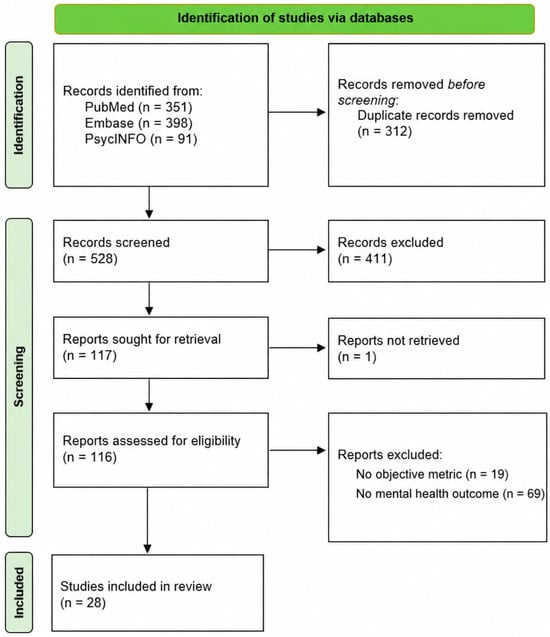
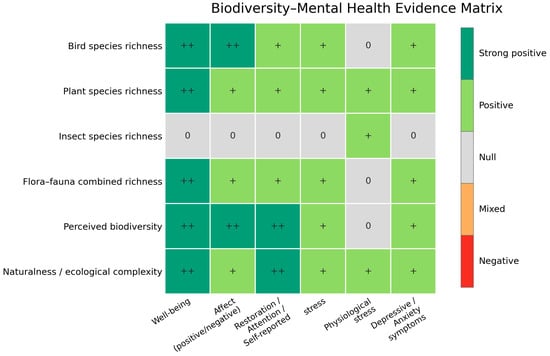

Disclaimer/Publisher’s Note: The statements, opinions and data contained in all publications are solely those of the individual author(s) and contributor(s) and not of MDPI and/or the editor(s). MDPI and/or the editor(s) disclaim responsibility for any injury to people or property resulting from any ideas, methods, instructions or products referred to in the content. |
© 2026 by the authors. Licensee MDPI, Basel, Switzerland. This article is an open access article distributed under the terms and conditions of the Creative Commons Attribution (CC BY) license.