


Abstract
In situ leaching is increasingly used for rare earth element (REE) extraction because of its operational efficiency; however, acidic and chemically reactive leaching solutions may generate substantial environmental risks in riverine systems. This study evaluated water contamination and screening-level ecological risk following a cyanide leakage incident associated with a pilot REE mining operation in Houaphanh Province, northern Lao PDR. Surface water samples were collected from 12 downstream monitoring locations between February and April 2024. Physicochemical parameters, free cyanide (CN−), and dissolved metals, including arsenic (As), lead (Pb), copper (Cu), manganese (Mn), aluminum (Al), zinc (Zn), and iron (Fe), were analyzed using portable multiparameter probes, colorimetric cyanide determination, and ICP-OES. Contamination severity was interpreted using Pollution Index (PI) and Hazard Quotient (HQ) indicators based on Lao national standards and international guideline values. Results showed severe downstream contamination, with free cyanide and several dissolved metals substantially exceeding permissible thresholds. Observed elevated concentrations of As (30.29 mg/L), Pb (10.38 mg/L), Cu (14.97 mg/L), and CN− (0.51 mg/L) indicated elevated ecological risk conditions, while acidic pH conditions may have enhanced metal mobilization and downstream transport. Descriptive spatial observations indicated apparent downstream contaminant dispersion within affected downstream river communities reliant on river water for domestic use, irrigation, and fisheries. Field observations additionally documented fish mortality, reduced irrigation usability, and deterioration of river water quality conditions in affected downstream communities. The findings suggest the potential vulnerability of Mekong-connected river systems to chemically intensive REE extraction activities and highlight the importance of preventive environmental governance, continuous monitoring, and operational risk management in emerging rare earth mining regions.
1. Introduction
Rare earth elements (REEs) comprise 17 chemically similar metals that are indispensable for modern technologies, particularly renewable energy systems, electric vehicles, advanced electronics, and strategic defense industries because of their unique magnetic, luminescent, and catalytic properties [1,2]. Global demand for REEs is projected to increase substantially by 2040 as low-carbon energy systems expand worldwide. Recent assessments indicate that demand associated with clean energy technologies may increase three- to seven-fold under climate mitigation scenarios designed to limit global warming, thereby intensifying extraction pressures and supply-chain expansion in regions characterized by weak environmental governance and limited monitoring capacity [3]. Despite their strategic importance for energy transitions, REEs extraction and processing are associated with substantial environmental burdens, including toxic tailings generation, heavy metal mobilization, acidic wastewater production, and radioactive byproducts that threaten terrestrial and aquatic ecosystems as well as human health [2,4].
In Southeast Asia, the Lao PDR has recently emerged as a frontier region for rare earth element development, particularly through pilot exploitation of ion-adsorption clay (IAC) deposits amenable to chemical in situ leaching techniques. Geological and remote-sensing investigations indicate that northern Laos, especially Houaphanh Province, possesses favorable conditions for ion-adsorption type REEs mineralization because of widespread granitic intrusions and intense tropical monsoon weathering. Integrated multisource remote-sensing analyses and topographic assessments have identified several prospective mineralization zones and verified the presence of ore-bearing formations through field investigations, highlighting Houaphanh Province as a geologically significant but relatively underexplored region for REEs development in Southeast Asia [5]. However, the mountainous terrain, dense vegetation cover, and limited environmental baseline data complicate monitoring and regulatory oversight of extractive activities in this region.
The in situ leaching method, widely applied to IAC deposits, involves the injection of chemical leaching agents, commonly ammonium sulfate-based solutions, to mobilize and recover REEs from weathered clay formations. Although operationally efficient and economically attractive, this extraction method presents considerable environmental risks, including groundwater contamination, soil acidification, mobilization of heavy metals, and degradation of downstream aquatic ecosystems [6]. Previous studies have demonstrated that chemically intensive leaching processes may increase the mobility and bioavailability of toxic elements such as arsenic (As), lead (Pb), manganese (Mn), copper (Cu), and zinc (Zn), thereby amplifying ecological exposure pathways in mining-affected watersheds [2,6]. In 2024, a containment breach associated with a pilot REEs mining operation in Houaphanh Province reportedly released cyanide-bearing wastewater and dissolved metals into the Van and Xam river systems, affecting downstream communities dependent on river water for domestic use, irrigation, fisheries, and livestock production. Reported consequences included fish mortality, livestock impacts, agricultural disruption, and acute skin irritation among exposed residents, highlighting the vulnerability of riverine ecosystems and rural livelihoods to chemical-intensive mining practices.
Beyond localized contamination, expanding REEs extraction has broader implications for environmental sustainability and socio-ecological resilience across the Mekong region. Mining and leaching activities generate particulate emissions, acidic wastewater, and chemically reactive tailings that can persist in soils and sediments, contributing to long-term ecosystem degradation and altered biogeochemical cycling [2,7]. The extraction process is additionally resource-intensive, requiring substantial water inputs, chemical reagents, and energy consumption, thereby amplifying cumulative environmental pressures in ecologically sensitive landscapes. Recent regional assessments further indicate that unregulated or weakly regulated mining activities in parts of Laos, Myanmar, and Cambodia are increasingly contributing to heavy metal contamination, cyanide release, and hydrological degradation in tributaries connected to the Mekong Basin [8]. Given the hydrological connectivity of the Nam Sam–Song Ma river system, such contamination may pose potential risks to biodiversity, fisheries, irrigation systems, and downstream water security within transboundary river networks, although direct monitoring outside the Lao PDR was beyond the scope of this study.
The previous literature consistently demonstrates that REEs mining and processing activities pose multidimensional environmental and human health risks. Comprehensive reviews have shown that mining-related contaminants can alter soil geochemistry, increase the mobility of exchangeable REEs, and degrade surface and groundwater quality through acidification and heavy metal enrichment [2,9]. Mining-affected soils frequently exhibit elevated concentrations of bioavailable REEs and associated contaminants relative to non-disturbed areas, thereby increasing ecological exposure risks and the potential for trophic transfer [9]. Human exposure studies additionally suggest that populations residing near REEs extraction areas may experience increased risks of respiratory disorders, inflammatory responses, and neurodevelopmental effects associated with chronic exposure to toxic metals and mining-derived pollutants [10,11]. These impacts occur alongside broader ecosystem disturbances, including habitat fragmentation, biodiversity decline, and the long-term persistence of hazardous waste materials containing arsenic, thorium, and other environmentally sensitive elements [2,12].
Recent studies have also emphasized the importance of harmonizing environmental standards and governance frameworks across national boundaries to improve management of shared river systems and transboundary pollution risks [13]. Comparative analyses of environmental regulations in China and Laos revealed substantial asymmetries in water quality criteria, pollutant classifications, and heavy metal threshold standards. Laos applies relatively strict criteria for pristine water bodies and soil arsenic concentrations but allows comparatively higher thresholds for some nutrients and metals, whereas China maintains more stringent controls for several heavy metal contaminants because of its industrial legacy and regulatory evolution. These inconsistencies complicate cross-border environmental monitoring, data harmonization, and coordinated pollution management within interconnected watersheds. In the context of the Mekong Basin, such governance fragmentation increases vulnerability to cumulative contamination pressures associated with extractive activities and highlights the need for integrated monitoring systems, transboundary cooperation, and adaptive environmental governance strategies.
Despite increasing recognition of the environmental and socio-ecological consequences of REEs mining, several important research gaps remain. First, detailed post-spill environmental monitoring studies associated with in situ leaching operations in tropical mountainous river systems remain extremely limited, particularly in Southeast Asia. Second, previous investigations have generally focused either on physicochemical contamination or governance and policy dimensions independently, whereas integrated assessments combining field-based contamination data with institutional and regulatory response analyses remain scarce. Third, limited research has operationalized ecological contamination indicators, including pollution index (PI) and hazard quotient (HQ) approaches, to evaluate cyanide leakage and multi-metal contamination associated with pilot REEs mining activities in Mekong-connected watersheds. These limitations constrain the development of evidence-based environmental monitoring systems, emergency response strategies, and adaptive governance frameworks for rapidly expanding critical mineral frontiers.
To address these gaps, this study investigates the February 2024 cyanide leakage incident associated with pilot in situ REEs mining activities in Houaphanh Province, northern Lao PDR. The primary objective was to evaluate riverine contamination and ecological risks through field-based assessment of physicochemical parameters, free cyanide, and dissolved metal concentrations using operationalized ecological risk indicators. The secondary objective was to examine environmental governance and institutional response mechanisms related to monitoring capacity, regulatory enforcement, emergency management, and downstream community protection following the spill event. Unlike previous studies that primarily provide descriptive accounts of mining-related contamination, this study presents one of the first integrated post-spill environmental assessments of cyanide leakage and multi-metal contamination associated with pilot in situ rare earth mining in northern Laos. The study further contributes by applying indicator-based ecological risk interpretation within a transboundary Mekong-connected watershed context, thereby providing evidence-based insights for strengthening sustainable REEs governance, adaptive environmental monitoring, and regional pollution management frameworks in Southeast Asia.
2. Methods
2.1. Study Area and Research Design
Houaphanh Province is located in northeastern Lao PDR and covers approximately 16,500 km2 (Figure 1). The province borders Vietnam to the north, east, and southeast, Xiangkhouang Province to the south and southwest, and Luang Prabang Province to the west. The region is characterized by rugged mountainous terrain, dense forest cover, and complex river systems that support agriculture, fisheries, and domestic water supply. The principal rivers include the Song Ma River, which originates in and re-enters Vietnam through Ban Muang-Et village, and the Nam Sam River, which flows through Sam Neua town and contributes to the broader Mekong-connected hydrological network [14]. Houaphanh Province had an estimated population of approximately 310,976 in 2020. Despite recent economic development associated with mineral extraction, the province remains among the least economically developed regions of Lao PDR. In 2002, GDP per capita ranged from USD 50 to USD 204, substantially below the national average of USD 350 [15,16]. Expansion of pilot rare earth element (REE) mining activities has generated increasing concern regarding water contamination, ecological degradation, and environmental governance challenges associated with chemically intensive in situ leaching operations [2,7]. This study employed a mixed-methods research design integrating quantitative environmental monitoring with qualitative governance and institutional assessment. The framework was developed to evaluate both environmental contamination and regulatory response mechanisms following the 2024 cyanide leakage incident associated with pilot in situ REE mining activities in Houaphanh Province. The study objectives were organized into two complementary components: Environmental contamination and ecological risk assessment, focusing on river water contamination, dissolved metal mobilization, and associated ecological risks linked to the cyanide leakage event [2,6]. Governance and institutional assessment, examining environmental monitoring capacity, regulatory enforcement, emergency response mechanisms, and inter-agency coordination among relevant governmental authorities [7,12]. By integrating environmental measurements with governance analysis, the study provides a broader understanding of the interactions among extractive activities, riverine ecosystem vulnerability, and environmental management capacity in northern Lao PDR. This integrated approach aligns with the recent literature emphasizing the importance of evidence-based and multi-scalar governance strategies for managing the socio-ecological trade-offs associated with critical mineral extraction [2,7].
Figure 1.
Study area, environmental sampling design, and downstream monitoring locations associated with the 2024 cyanide leakage incident from pilot in situ rare earth mining activities in Houaphanh Province, northern Lao PDR. The figure illustrates provincial location, river network connectivity, affected downstream reaches, and distribution of monitoring stations used for riverine contamination and ecological risk assessment.
2.2. Environmental Sampling and Monitoring
Field investigations and environmental water quality monitoring were conducted between February and April 2024 following the cyanide leakage incident associated with a pilot in situ rare earth element (REE) mining operation in Houaphanh Province, northern Lao PDR. A total of 12 monitoring stations were established along affected sections of the Van, Xam, and Nam Sam river systems downstream of the mining area (Figure 1). The monitoring network comprised upstream reference locations, near-source contamination zones, midstream transport reaches, and downstream community exposure sites to capture spatial variations in contaminant dispersion and ecological exposure.
Sampling locations were selected based on hydrological connectivity, proximity to potential discharge pathways from the mining operation, accessibility during field surveys, and downstream community reliance on river water for domestic use, irrigation, fisheries, and livestock activities. Geographic coordinates of all monitoring stations were recorded using a handheld global positioning system (GPS) device and incorporated into the spatial assessment framework presented in Figure 1. Surface water samples were collected at depths of approximately 20–30 cm below the water surface using pre-cleaned polyethylene bottles following standard environmental sampling procedures. Samples intended for dissolved metal analysis were immediately acidified with ultrapure nitric acid (HNO3) to pH < 2 and maintained at 4 °C during transport and storage prior to laboratory analysis. Cyanide samples were preserved according to standard methods for volatile and chemically reactive constituents to minimize volatilization and degradation before analysis.
In situ measurements of pH, dissolved oxygen (DO), temperature, and electrical conductivity were obtained using portable multiparameter probes calibrated prior to field deployment. Visual observations of river conditions, including water discoloration, suspended sediments, fish mortality, riparian disturbance, and other indicators of ecological stress, were systematically recorded at each monitoring station during field investigations. The monitoring design enabled evaluation of downstream contaminant transport, spatial contamination gradients, and potential ecological exposure associated with the spill event. The combination of physicochemical measurements, dissolved metal analyses, cyanide determination, and field observations provided an integrated basis for assessing riverine contamination severity and ecological risk conditions in affected river reaches.
2.3. Laboratory Analysis and Quality Assurance/Quality Control (QA/QC)
Free cyanide (CN−) concentrations were determined using the colorimetric method following EPA Method 335.4 [17]. Dissolved metal concentrations, including arsenic (As), lead (Pb), copper (Cu), manganese (Mn), aluminum (Al), zinc (Zn), and iron (Fe), were quantified using inductively coupled plasma optical emission spectrometry (ICP-OES). Water samples for dissolved metal analysis were filtered through 0.45 µm membrane filters, acidified with ultrapure nitric acid (HNO3) to pH < 2, and stored at 4 °C prior to laboratory analysis.
Quality assurance and quality control (QA/QC) procedures were implemented throughout sampling, preservation, and laboratory analysis to ensure analytical reliability and reproducibility. Instrument calibration was performed using certified multi-element standard solutions, with calibration verification conducted periodically during analytical runs. Procedural blanks, field blanks, and duplicate samples were included to evaluate potential contamination and analytical consistency. Approximately 10% of all samples were analyzed in duplicate to assess analytical precision.
Limits of detection (LOD) and limits of quantification (LOQ) for ICP-OES and cyanide analyses were determined based on instrument performance and standard analytical protocols. Relative percent difference (RPD) values for duplicate analyses remained within acceptable analytical ranges (<10%) for major contaminants. Certified reference materials (CRMs) were analyzed periodically, and recovery rates ranged between 92% and 106%, indicating satisfactory analytical accuracy and instrument stability during the monitoring period.
Analytical precision, calibration drift, and instrument stability were continuously monitored throughout the study period. Contaminant concentrations were evaluated against the National Environmental Standards of Lao PDR [18], supplemented with World Health Organization (WHO) drinking-water guideline values and relevant U.S. Environmental Protection Agency (EPA) reference standards where appropriate [17,19].
2.4. Statistical and Spatial Analysis
Descriptive statistical analyses were conducted to evaluate spatial variations in contaminant concentrations among monitoring locations and to identify downstream contamination gradients following the cyanide leakage event. Pollution distributions were interpreted relative to upstream reference conditions and compared against Lao national environmental standards and the World Health Organization (WHO) [19] guideline thresholds for drinking water and aquatic ecosystem protection [11]. Spatial assessment of downstream contaminant dispersion was performed using field observations, hydrological connectivity, and comparative concentration analysis to identify contamination hotspots, downstream transport pathways, and potentially exposed community zones along affected river reaches. Similar post-spill environmental assessments in mining-affected watersheds have demonstrated that integrated spatial analysis provides an effective framework for identifying contaminant transport dynamics and evaluating ecological exposure risks in riverine systems [11,20]. Given the emergency-response nature of the investigation and the limited temporal replication, the study primarily adopted an indicator-based environmental assessment approach rather than inferential statistical modeling.
Because the investigation was conducted as an emergency-response environmental assessment with limited temporal replication, the study primarily employed descriptive environmental analysis rather than inferential statistical testing. Consequently, contaminant distributions and downstream patterns are interpreted as observational trends and screening-level spatial patterns rather than statistically validated relationships.
2.5. Ecological Risk Indicators
To evaluate contamination severity and ecological risks associated with cyanide leakage and dissolved metal pollution, Pollution Index (PI) and ecological Hazard Quotient (HQ) approaches were applied following methods commonly used in mining-related aquatic contamination assessments [21,22].
The pollution index (PI) was calculated as
where (Ci) represents the measured concentration of a contaminant and (Si) represents the corresponding national or international environmental standard or guideline value.
PI = Ci/Si
Pollution severity was classified as follows:
PI < 1: low pollution;
1 ≤ PI < 5: moderate pollution;
PI ≥ 5: severe pollution.
Ecological hazard quotient (HQ) values were calculated as
where EEC represents the environmental exposure concentration, and TRV represents the corresponding toxicity reference value derived from environmental guideline thresholds.
HQ = EEC/TRV
Hazard interpretation was defined as
HQ < 1: acceptable ecological risk;
HQ ≥ 1: potential ecological risk.
These ecological indicators were used to evaluate contamination intensity, ecological stress, and potential downstream environmental exposure associated with the spill event. Recent studies have demonstrated that PI, HQ, and related ecological indicator frameworks provide effective screening-level tools for interpreting contamination severity, ecological impairment, and potential human exposure risks in mining-affected aquatic environments [11,23,24]. Similar approaches have also been applied to assess metal mobility, ecological toxicity, and bioaccumulation risks in contaminated riverine and sediment systems associated with mining and industrial activities [11,22].
Due to the emergency-response nature of the investigation and the absence of site-specific demographic and long-term exposure datasets, comprehensive human health risk modeling, including Hazard Index (HI) and Incremental Lifetime Cancer Risk (ILCR), was not conducted. Instead, the study adopted a screening-level exposure interpretation approach based on exceedance ratios relative to the WHO [19] guideline thresholds, consistent with recent environmental monitoring studies in mining-affected watersheds [11,21].
2.6. Governance and Documentary Analysis
To complement the environmental assessment, policy documents, government reports, and regulatory instruments related to mining governance and environmental management in the Lao PDR were systematically reviewed. Key documents included the Environmental Protection Law [25], the Decree on Environmental Impact Assessment [26], the Law on Minerals [18], the National Environmental Standards [18], and national development frameworks such as the Vision to 2040 and the Mineral Development Strategy to 2030 [27]. Government monitoring reports and institutional records were further examined to assess regulatory implementation, environmental compliance, emergency response measures, and inter-agency coordination associated with the spill incident [8,28]. Academic literature and comparative case studies on rare earth mining and environmental governance were additionally reviewed to contextualize the findings within broader regional and international experiences of critical mineral extraction, environmental risk management, and socio-ecological governance challenges [2,7].
3. Results
3.1. Mineral Development Trajectory and Governance Context in Houaphanh Province
Houaphanh province in northeastern Lao PDR represents a rapidly developing mineral frontier, driven by its favorable geological endowment of granitic intrusions and tropical weathering processes that promote the formation of ion-adsorption REEs deposits. The province has experienced a notable intensification of mineral exploration activities, with multiple companies engaged across a diverse range of mineral types (Table 1). The distribution of exploration areas reveals significant variation in spatial allocation among mineral types, with some resources occupying a disproportionately large share of the total surveyed area (Figure 2). This expansion reflects both the strategic interest of the government and the growing participation of private companies in early-stage resource evaluation. The current trajectory of mineral exploration underscores a complex governance context, requiring coordination among local authorities, regulatory bodies, and industry stakeholders to balance economic opportunities with environmental and social considerations. Such dynamics position Houaphanh as a critical case for examining the interplay between resource potential, investment patterns, and governance frameworks in emerging mineral provinces.
Table 1.
Overview of exploration-survey projects by mineral type in Houaphanh province.
Figure 2.
Percentage distribution of mineral exploration and survey areas in Houaphanh Province, Lao PDR, demonstrating the regional scale of extractive activities associated with potential riverine environmental pressures.
Mineral development in Houaphanh Province spans exploration, economic–technical feasibility assessment, and processing stages. At the economic–technical feasibility stage, five projects covering approximately 17,245 ha were assessed, including coal, lead, iron, copper and its by-products, and marble (Table 2). Iron- and copper-based projects dominated in land coverage, reflecting their strategic significance for future extraction and investment planning.
Table 2.
Mineral projects undergoing economic–technical feasibility studies.
Simultaneously, 10 projects at the exploration and processing stages encompassed roughly 6667 ha (Table 3). Iron accounted for most initiatives by number, while manganese and copper-iron-nickel-cobalt projects occupied the largest areas, indicating targeted investment in high-value resources. Collectively, these projects demonstrate that multiple mineral types are advancing beyond reconnaissance into active processing and evaluation, highlighting the province’s growing role in national mineral production.
Table 3.
Mineral projects at the exploration and processing stages.
Mineral production between 2021 and 2022 showed substantial variability across resource types (Table 4). Iron ore production increased markedly, whereas lead, zinc, tin, and construction gravel production declined. Export-oriented minerals accounted for the majority of overseas consumption, emphasizing northern Laos’ role in regional mineral supply chains.
Table 4.
Mineral production and consumption in Houaphanh province (2021–2022).
A pilot rare earth mining project in Xam Neua and Houamuang Districts exemplifies governance challenges under accelerated development. Initiated in 2022 with a 500 ha concession and a capital investment of approximately US$41 million, the project became operational prior to completing all legally required environmental and technical assessments. In 2023, rare earth element production reached approximately 8860 tons, with 7500 tons distributed to domestic and regional markets, generating over 50 million USD. Limited transparency regarding production methods and distribution pathways highlighted systemic regulatory weaknesses. The spatial extent and operational footprint of the project are illustrated in Figure 3, showing in situ leaching infrastructure, disturbed land surfaces, and proximity to surrounding forested and riverine environments.
Figure 3.
An annotated aerial image of the pilot in situ rare earth mining site in Xam Neua District, Houaphanh Province, Lao PDR, showing disturbed mining surfaces, leaching zones, access roads, and adjacent riverine areas following the 2024 cyanide leakage incident.
These governance weaknesses were further exposed by a chemical leakage incident on 22 February 2024, when acidic wastewater containing cyanide, zinc, copper, iron, arsenic, and lead entered the Van, Xam, and Nam Sam river systems. Thirty-six downstream villages were affected, with extensive fish mortality, degraded aquatic ecosystems, reduced irrigation capacity, acute health symptoms, and livestock risks. Water quality monitoring suggested contaminant concentrations exceeding national standards, prompting immediate suspension of mining activities and continuous oversight. By May 2024, compensation negotiations with affected communities were ongoing, with persistent concerns regarding long-term contamination of sediments and groundwater.
3.2. Policy and Institutional Framework for Rare Earth Mineral Development
Rare earth mineral development in the Lao PDR is governed by a centralized policy and institutional framework intended to regulate investor entry, safeguard state interests, and promote environmentally and socially responsible resource extraction. Both domestic and foreign investors are required to submit project applications through the One-Stop Investment Service office prior to concession approval. Investor screening focuses on financial capacity, technical competence, and stated commitments to environmental and social responsibility, as stipulated under national mineral and environmental legislation [18,26].
A core requirement for concession eligibility is the demonstration of financial capacity. Investors must submit a financial status certificate issued by a recognized financial institution within 45 days of application, confirming a minimum cash balance of US$20 million. This capital is required to be transferred to a financial institution operating within the Lao PDR during project implementation. Applicants must also provide a documented corporate profile demonstrating prior experience and satisfactory performance in rare earth or related mineral operations, with preferential consideration given to firms with established compliance records in Lao PDR. Where subsidiary or affiliated companies apply, certification of affiliation with a financially robust parent company possessing proven technological expertise and operational experience in rare earth mineral development is required [18].
Beyond equity requirements, concession holders are obligated to provide long-term, low-interest loans to the government as part of concession agreements. These loans are typically structured at interest rates of approximately 2% per annum with repayment periods exceeding 20 years, and their value is scaled to concession size. For concessions of 20 km2 or less, loan values are approximately US$20 million, increasing to up to US$50 million for concessions between 30 and 50 km2. Loan agreements must be finalized within 60 days of contract signing; failure to comply renders the concession agreement void and authorizes the government to designate an alternative investor.
Financial risk mitigation is further reinforced through mandatory project security deposits ranging from US$2 million to US$5 million, depending on concession size. These deposits must be transferred to the National Treasury account at the Bank of the Lao PDR prior to contract execution and are intended to deter speculative investment and ensure investor compliance with contractual obligations. Environmental governance requirements are formally anchored in the Decree on Environmental Impact Assessment, which mandates the completion and approval of environmental and social assessments prior to project implementation [26]. Complementing this legal requirement, the Environmental and Social Management Framework developed under the Lao PDR Pollution and Waste Management Project provides operational guidance on pollution prevention, hazardous waste control, water quality protection, community health and safety, and grievance redress mechanisms for projects with significant environmental risk profiles, including mining activities [28]. The framework emphasizes early risk screening, continuous monitoring, and institutional coordination across line ministries and provincial authorities.
Despite the apparent rigor of these financial and environmental safeguards, evidence from Houaphanh Province indicates that regulatory effectiveness is undermined by weak sequencing between concession approval, environmental authorization, and operational oversight. In practice, delays in environmental approval, limited monitoring capacity, and fragmented institutional coordination have allowed high-risk mining activities to proceed without full compliance with environmental and social management requirements. As a result, financial screening and formal policy instruments have not been sufficient to prevent environmental degradation and community exposure, highlighting persistent gaps between regulatory design and on-the-ground enforcement.
3.3. Environmental and Socio-Ecological Impacts of Pilot Rare Earth Mining
Pilot rare earth mining activities in Houaphanh Province have produced significant environmental and socio-ecological impacts, highlighting the trade-offs between economic development and local ecosystem integrity. By 2023–2024, mining operations in Xam Neua District processed an estimated 8860 tons of rare earth ores, with roughly 7500 tons exported, illustrating the project’s economic significance alongside its environmental footprint.
The in situ leaching method employed mobilizes rare earth elements but also releases heavy metals and acidic effluents, which can migrate through weathered granitic substrates and enter surrounding aquatic and terrestrial systems.
Water contamination and aquatic ecosystem disruption. On 22 February 2024, a chemical leak released acidic wastewater containing cyanide, arsenic, lead, zinc, copper, and iron into the Van and Xam rivers, both tributaries of the Nam Sam River system, which flows into Vietnam’s Song Ma River. The contamination caused widespread fish kills, livestock mortality, and severe degradation of aquatic habitats, directly affecting 36 downstream villages. Communities dependent on river water for domestic use, irrigation, and fisheries reported immediate livelihood losses and acute health symptoms, including skin irritation. The transboundary nature of the river system amplifies potential exposure risks beyond national boundaries, highlighting regional environmental governance challenges.
Soil degradation and habitat loss. Mining operations involved vegetation clearance, excavation, and accumulation of tailings, exacerbating soil erosion and slope instability in the province’s steep terrain. Rare earth processing may also generate radioactive by-products, such as thorium, increasing long-term risks of soil contamination, habitat degradation, and chronic exposure for local populations.
Post-incident water quality analyses show multiple parameters exceeding national surface water standards for domestic, agricultural, and livestock use (Table 5). Several contaminants were detected at concentrations above permissible thresholds or absent under baseline conditions, confirming that mining activities have caused severe water quality deterioration.
Table 5.
Descriptive statistics, ecological risk indicators, and guideline exceedance assessment of water quality parameters and dissolved contaminants measured at 12 downstream monitoring locations affected by the rare earth mining spill incident.
These findings underscore the urgent need for effective environmental governance, including robust monitoring, timely environmental impact assessments, and regulatory enforcement, to mitigate the socio-ecological risks associated with pilot rare earth mining. The Houaphanh case illustrates how economic incentives and accelerated extraction can outpace regulatory capacity, with direct consequences for ecosystems, human health, and transboundary water security.
3.4. Ecological Risk Interpretation Using PI and HQ Indicators
Ecological risk indicator analysis revealed severe contamination conditions and elevated ecological risks within downstream sections of the Van, Xam, and Nam Sam river systems following the February 2024 spill incident. Pollution Index (PI) and Hazard Quotient (HQ) approaches were applied to evaluate contamination severity relative to Lao national surface water standards and relevant international guideline values. The results indicated that several dissolved contaminants substantially exceeded accepted environmental thresholds, indicating significant deterioration of river water quality in affected monitoring locations.
PI values calculated for free cyanide (CN−), arsenic (As), lead (Pb), copper (Cu), manganese (Mn), aluminum (Al), and iron (Fe) exceeded the severe pollution classification threshold (PI ≥ 5). Among the analyzed contaminants, arsenic and lead exhibited the highest contamination intensity. Mean arsenic concentrations reached 30.29 ± 4.83 mg/L, greatly exceeding the Lao and WHO [19] guideline value of 0.01 mg/L, while dissolved lead concentrations averaged 10.38 ± 2.14 mg/L relative to the same regulatory threshold (Table 5). Free cyanide concentrations averaged 0.51 ± 0.09 mg/L, approximately seven times higher than the Lao and WHO [19] guideline value of 0.07 mg/L. Elevated concentrations of copper, manganese, aluminum, and iron further confirmed extensive chemical contamination associated with the spill event.
HQ analysis similarly indicated substantial ecological risk conditions across downstream monitoring sites. HQ values for arsenic, lead, copper, and free cyanide exceeded the critical threshold of HQ ≥ 1 by large margins, suggesting a strong potential for adverse ecological effects on aquatic organisms and downstream environmental receptors. The magnitude of exceedance was particularly pronounced for arsenic and lead, reflecting the severe enrichment of dissolved toxic elements within affected river reaches. These findings indicate that the spill produced contamination levels capable of impairing aquatic ecosystem function and reducing the suitability of river water for domestic, agricultural, and livestock use.
The observed acidic conditions further amplified ecological risk. Mean pH values of 4.63 ± 0.41 indicate strong acidification of river water relative to natural background conditions. Acidic environments enhance the solubility and mobility of dissolved metals, thereby increasing their bioavailability and toxicity to aquatic organisms. The combined occurrence of low pH, elevated dissolved metals, and cyanide contamination, therefore, represents a compounded environmental stressor with the potential to disrupt aquatic food webs, microbial processes, and overall ecosystem stability. Field observations conducted during the post-spill assessment period supported the indicator-based risk interpretation. Widespread fish mortality, visible water discoloration, degradation of aquatic habitats, and reduced river usability for irrigation and livestock were documented across affected downstream communities. Community reports additionally indicated temporary livelihood disruption and acute skin irritation associated with water exposure. However, health-related observations in this study were limited to field observations and community-reported impacts rather than clinical medical assessments.
Spatial assessment of contamination patterns indicated downstream transport of dissolved pollutants from near-source discharge areas toward populated riverine zones connected to the Nam Sam River system. Although direct transboundary monitoring was not conducted, hydrological connectivity with the Song Ma River in Vietnam suggests the potential for downstream contaminant propagation beyond the immediate spill area. Consequently, the ecological risks identified in this study may extend across broader watershed systems under continued hydrological transport conditions. Overall, the PI and HQ analyses provide quantitative evidence that the spill incident caused severe riverine contamination and elevated ecological risk conditions in Houaphanh Province. Integration of ecological risk indicators with field observations and descriptive water quality analyses strengthens the interpretation of contamination severity and demonstrates the environmental vulnerability of river systems affected by chemically intensive rare earth mining activities. These findings highlight the importance of continuous environmental monitoring, precautionary environmental governance, and strengthened regulatory oversight for emerging REEs mining operations in ecologically sensitive regions.
3.5. Governmental Response and Regulatory Enforcement Measures
In response to environmental and socio-ecological impacts from pilot rare earth mining in Houaphanh Province, the Government of the Lao PDR, principally through the MONRE, implemented corrective and enforcement measures to mitigate risks and ensure compliance with national regulations. Investigations identified non-compliance with environmental assessment requirements, including the failure to submit and obtain approval for economic–technical feasibility studies, environmental impact assessments, and environmental management plans prior to operational commencement, in violation of concession agreements and the Decree on Environmental Impact Assessment [26].
Enforcement actions included:
- (1)
- Issuance of suspension orders requiring the completion and approval of feasibility and environmental assessments before any resumption of operations.
- (2)
- Coordination with the Ministry of Planning and Investment (MPI) to facilitate negotiations with concessionaires, emphasizing obligations for environmental restoration, damage compensation, and adherence to legal and contractual commitments.
- (3)
- Continued operational suspension with the possibility of concession termination in cases of non-compliance, as reinforced by directives from the Ministry of Energy and Mines.
- (4)
- Strengthening of investor selection and project approval procedures, including mandatory regulatory clearance prior to the commencement of mining operations, in accordance with the 2022 Decision on Conditions for Selecting Rare Earth Investment Companies.
These interventions reflect a reactive regulatory approach that prioritizes corrective action following environmental damage. The Houaphanh case illustrates persistent gaps between policy intent and implementation capacity, highlighting the need for preventive governance instruments, clearer inter-agency mandates, and sustained environmental monitoring. Effective enforcement in critical mineral sectors requires alignment of financial screening, environmental authorization, and operational oversight to reduce socio-ecological risk while enabling strategic resource development.
The sequence of governmental enforcement actions implemented in response to environmental non-compliance is illustrated in Figure 4. Following the identification of regulatory violations associated with the pilot in situ rare earth mining operation, relevant authorities initiated site inspections, environmental investigations, and temporary suspension measures to limit further contaminant release and evaluate downstream ecological impacts. Subsequent actions included environmental damage assessment, negotiation of restoration and compensation measures, implementation of corrective management interventions, and continued compliance monitoring. The framework further indicates that persistent non-compliance may result in concession suspension or termination by regulatory authorities. Overall, the enforcement pathway demonstrates a structured but predominantly reactive governance approach in which environmental remediation, financial safeguards, operational oversight, and adaptive monitoring are applied to mitigate riverine ecosystem risks and strengthen environmental accountability in mining-affected watersheds.
Figure 4.
Governmental enforcement and regulatory response framework following environmental non-compliance associated with pilot in situ rare earth mining activities in Houaphanh Province, Lao PDR.
3.6. Screening-Level Human Exposure Concern
A screening-level comparison between measured contaminant concentrations and World Health Organization (WHO) [19] drinking water guideline values was conducted to provide a preliminary indication of potential human exposure concern associated with untreated river water use following the spill incident (Table 6). The analysis was not intended to represent a comprehensive human health risk assessment because site-specific exposure frequency, ingestion rate, demographic, and chronic exposure datasets required for Hazard Index (HI) and Incremental Lifetime Cancer Risk (ILCR) modeling were unavailable during the emergency-response investigation. Instead, exceedance ratios were used as conservative indicators of potential exposure concern under hypothetical direct-use scenarios.
Table 6.
Screening-level comparison of measured contaminant concentrations with WHO [19] drinking water guideline values.
Exceedance ratios substantially above unity indicate potential concern for short-term human exposure if untreated river water is used for domestic purposes. Arsenic and lead exhibited exceptionally high exceedance ratios, indicating severe deviation from internationally accepted drinking water thresholds. Although this screening-level comparison does not constitute a formal Hazard Index (HI) or Incremental Lifetime Cancer Risk (ILCR) assessment, the results support the interpretation that downstream communities may face elevated exposure concern under continued direct-use conditions following the contamination event.
4. Discussion
4.1. Environmental Costs and the Sustainability Paradox of REEs Mining
Pilot REEs mining in Houaphanh Province illustrates the classic sustainability paradox: REEs are crucial for low-carbon energy systems, yet their extraction generates severe local environmental impacts. Our water quality measurements revealed arsenic (30.29 mg/L), lead (10.38 mg/L), copper (14.97 mg/L), and cyanide (0.51 mg/L) far exceeding Lao PDR and WHO [19] standards. These values confirm the mobilization of toxic elements during in situ leaching of ion-adsorption clay deposits, consistent with global observations that ammonium sulfate leaching produces acidic effluents and heavy metal contamination [2,4,6]. Soil degradation and habitat loss were evident through vegetation clearance, tailings accumulation, and slope instability. Elevated concentrations of exchangeable REEs and co-occurring elements such as thorium increase long-term risks of bioaccumulation in crops and chronic exposure for residents [9,10]. This aligns with findings from Ye et al. [5] and Zhu et al. [29], who emphasize that the geochemical characteristics of IAC deposits amplify the mobility of REEs and associated contaminants, particularly under high rainfall and tropical weathering conditions. Furthermore, this case demonstrates the “green paradox” in practice: while global demand for REEs drives renewable energy transitions, inadequate environmental management leads to localized ecological and social harm [7,12]. This duality underscores the need for governance systems that balance resource exploitation with ecosystem protection.
4.2. Ecological and Human Exposure Risk Implications
The cyanide leakage incident of 22 February 2024 generated substantial physicochemical disturbance within the Van, Xam, and Nam Sam river systems, producing acute and potentially persistent ecological stress across downstream aquatic environments. Mean pH values declined to 4.63, while concentrations of free cyanide and dissolved metals, including arsenic, lead, copper, manganese, iron, aluminium, and zinc, substantially exceeded both national and international environmental quality thresholds. These hydrochemical conditions indicate severe contamination of downstream river reaches and elevated ecological vulnerability within the affected watershed. The observed contamination distributions should be interpreted as descriptive environmental patterns derived from field-based monitoring rather than statistically validated spatial trends, because the investigation was conducted as an emergency-response environmental assessment with limited temporal replication. Acidic conditions are known to increase the solubility, mobility, and bioavailability of dissolved metals such as Pb, Cu, and Zn, thereby enhancing toxicological effects and impairing physiological processes in aquatic organisms [30].
The combined occurrence of acidification and multi-metal contamination likely intensified ecological disruption within the monitored river system. Elevated concentrations of dissolved metals may interfere with microbial metabolism, enzymatic activity, nutrient cycling, and oxygen regulation processes that are essential for aquatic ecosystem functioning [31,32]. Similar conditions in REE-mining regions of Ganzhou, China, demonstrated that mining-derived contamination significantly altered microbial community structure, enriched metal- and nitrogen-tolerant taxa such as Acidovorax, Bradyrhizobium, and Rhodanobacter, and disrupted nitrification, denitrification, and nitrogen fixation pathways [33]. Such alterations may destabilize aquatic biogeochemical cycles, reduce ecosystem resilience, and impair ecological recovery following contamination events.
Higher trophic levels may also be adversely affected under sustained metal exposure. Previous studies have shown that macroinvertebrate diversity and abundance decline substantially in metal-contaminated aquatic systems, resulting in altered food web dynamics and reduced ecosystem stability [34]. Bioaccumulation processes further increase ecological concern because contaminants can accumulate within sediments, biofilms, benthic organisms, and fish tissues, facilitating trophic transfer through aquatic food webs [35,36]. In the present study, elevated concentrations of As, Pb, Cu, and Zn suggest strong potential for sediment-associated accumulation and prolonged ecological persistence within downstream habitats. Metals such as arsenic and lead are particularly concerning because they exhibit long environmental residence times and may be remobilized under changing hydrochemical conditions, thereby sustaining ecological stress even after point-source contamination has declined [32].
To strengthen the interpretation of contamination severity, operational ecological indicators were applied using the Pollution Index (PI) and Hazard Quotient (HQ) approaches. The calculated PI values demonstrated extremely severe contamination for free cyanide, arsenic, lead, copper, and manganese relative to environmental guideline thresholds. Observed downstream variation in contaminant concentrations therefore reflects descriptive spatial patterns identified during field monitoring rather than inferentially tested contamination gradients. Arsenic and lead exhibited the highest exceedance levels, indicating profound deviation from acceptable environmental conditions and substantial ecological impairment potential. HQ values exceeding unity further confirmed elevated ecological risk conditions across the monitored river reaches, particularly for cyanide and dissolved heavy metals. These operational indicators support interpretation of the spill as a chemically complex contamination event characterized by simultaneous acidification, dissolved metal enrichment, and ecological toxicity [10,11].
The ecological significance of these findings is further supported by field observations collected during downstream investigations. Reported fish mortality, reduced irrigation usability, sediment discoloration, and deterioration of water quality conditions were observed in multiple downstream villages following the spill incident. While systematic toxicological and biomonitoring analyses were beyond the scope of the present study, the magnitude of contaminant exceedances and associated PI and HQ values strongly suggest conditions capable of generating both acute ecological stress and longer-term ecosystem instability. These findings are consistent with broader evidence demonstrating that mining-related contamination represents a major driver of freshwater degradation, biodiversity loss, and ecosystem disruption globally [20].
Although a comprehensive quantitative human health risk assessment was not conducted, the measured contaminant concentrations substantially exceeded World Health Organization (WHO) drinking-water guideline values, indicating potential concern for human exposure through direct-use pathways [19]. Screening-level exceedance analysis demonstrated that arsenic and lead concentrations exceeded WHO guideline thresholds by more than three orders of magnitude, while free cyanide, copper, and manganese also remained substantially above recommended potable-water limits. These conditions indicate severe degradation of downstream water quality and suggest elevated short-term exposure concern for communities relying on untreated river water for domestic use, irrigation, fisheries, and livestock activities.
The observed contamination patterns are consistent with previous investigations of mining-affected aquatic systems, showing that elevated concentrations of arsenic, lead, cyanide, and dissolved metals may contribute to acute toxicological stress, ecological degradation, and prolonged environmental exposure risks [10,11]. Mining-derived contaminants may additionally persist within sediments and aquatic food webs through bioaccumulation and remobilization processes, thereby increasing indirect exposure potential for both wildlife and downstream human populations [20,35,36]. However, because the present investigation did not include exposure frequency, ingestion rate, body weight, exposure duration, or demographic datasets, formal Hazard Index (HI) and Incremental Lifetime Cancer Risk (ILCR) calculations were not performed. Consequently, the interpretations presented here should be regarded as screening-level ecological and human exposure implications rather than definitive epidemiological or quantitative human health risk estimates.
4.3. Governance Challenges and Regulatory Gaps in Rare Earth Mining
The Houaphanh pilot rare earth mining project highlights persistent governance challenges and regulatory gaps in managing high-risk extractive activities. Operations commenced without completing required EIAs or economic–technical feasibility studies, in direct violation of the Decree on Environmental Impact Assessment [26] and formal concession agreements. This case exemplifies the recurring gap between formal legal frameworks and operational realities: while robust policies exist for financial screening, environmental safeguards, and investor vetting, limited institutional capacity, fragmented inter-agency coordination, and delayed enforcement mechanisms enable non-compliant activities to proceed [6,18].
The Houaphanh case also underscores the critical need for coordinated governance at both national and transboundary levels. Research indicates that regulatory asymmetries between neighboring states can exacerbate environmental risks in shared ecosystems [13]. Comparative analyses of China and Laos reveal divergent standards in air quality, water management, and soil protection: Laos imposes stricter limits for pristine water bodies and soil arsenic concentrations but allows higher thresholds for nutrients and chromium, whereas China enforces tighter regulations for heavy metals. Such inconsistencies complicate cross-border monitoring, data harmonization, and enforcement, highlighting the necessity of harmonized pollutant standards, joint monitoring frameworks, and capacity-building initiatives to manage cumulative environmental pressures and downstream contamination from REEs mining.
At a global scale, similar governance challenges are observed in rapidly expanding critical mineral sectors, where institutional oversight often lags behind extraction activities, resulting in amplified environmental harm and social inequities [2,12]. Effective governance requires proactive, multi-scalar, and adaptive strategies that integrate early risk assessment, continuous environmental monitoring, and inclusive stakeholder engagement [29]. In Houaphanh, incorporating affected communities into monitoring, impact assessment, and compensation processes is particularly crucial to uphold social license to operate and ensure equitable management of environmental risks.
4.4. Transboundary Water Pollution and Regional Socio-Ecological Risks
The contamination of the Van, Xam, and Nam Sam rivers from pilot rare earth mining in Houaphanh Province underscores how upstream activities can generate environmental and socio-ecological impacts that extend well beyond national borders. Acidic effluents and mobilized heavy metals from ion-adsorption REEs deposits may be transported downstream, potentially affecting aquatic ecosystems, fisheries, irrigation systems, and community water supplies in northern Vietnam and the broader Mekong Basin. Geochemical and geomorphological studies indicate that tropical monsoon weathering and widespread granitic intrusions in Houaphanh create favorable conditions for REEs mineralization and associated metal mobilization, intensifying the potential for transboundary water pollution [5].
Regional assessments of heavy metal bioaccumulation in aquatic ecosystems demonstrate that metals such as Zn, Cu, Cr, Ni, Hg, As, and Pb can accumulate in sediments, benthic organisms, and fish, with trophic transfer amplifying ecological and socio-economic risks [35]. The persistence and bioaccumulation of these contaminants highlight the vulnerability of downstream fisheries, food security, and human health. The observed distribution patterns in riverine systems also suggest that communities relying on irrigation and fisheries are particularly exposed to these environmental stressors.
These transboundary impacts emphasize the necessity of cooperative governance frameworks. Harmonized water quality standards, joint monitoring programs, and early-warning systems for contamination events are critical for mitigating cumulative pressures and preventing ecological degradation across borders. Integrating adaptive management strategies that consider both upstream mining activities and downstream socio-ecological vulnerabilities can enhance regulatory compliance, protect ecosystem services, and safeguard the livelihoods of vulnerable riverine communities [5,7,8,35].
4.5. Policy and Management Implications for Sustainable REE Governance
The Houaphanh pilot project underscores the systemic challenges of balancing REEs extraction with environmental protection and social equity. Drawing from recent high-impact research, we identify six interrelated strategies for enhancing REEs governance in Laos and the broader Mekong Basin.
- (1)
- Rigorous pre-approval regulatory sequencing: Mining operations should only proceed after full verification of feasibility studies and EIAs, ensuring that extraction does not precede comprehensive environmental, social, and technical evaluation [6,18,26]. This preemptive approach can prevent premature operations that generate ecological and social risks.
- (2)
- Integration of circular economy and life-cycle approaches: The REEs governance should prioritize recovery from secondary sources, neutralization of tailings, and treatment of acidic effluents to reduce environmental contamination and promote resource efficiency [29]. Recycling critical metals from e-waste, such as discarded electronic devices and NdFeB magnets, using pyrometallurgical, hydrometallurgical, electrochemical, and bioleaching techniques, offers a complementary supply pathway. Controlled recovery of REEs, including AI-assisted and eco-friendly processes, minimizes toxic effluent generation, reduces pressure on primary mining, and advances circular economy objectives [29,37]. Integrating these approaches into national and regional governance frameworks can support sustainable industrial practices while mitigating environmental impacts.
- (3)
- Adaptive, multi-scalar governance: Effective oversight requires coordination across national, provincial, and district authorities, alongside incorporation of transboundary frameworks for shared river basins. Such multi-level governance is critical for managing cross-border environmental risks, including water contamination, heavy metal accumulation, and ecosystem disruption [7,8].
- (4)
- Enhancing social legitimacy and equity: Transparent benefit-sharing, meaningful participation of local communities, and accountable compensation mechanisms strengthen social license to operate, reduce conflict, and ensure equitable outcomes [2,12].
- (5)
- Evidence-based monitoring and research integration: Continuous environmental monitoring of water, soil, and aquatic ecosystems should be coupled with the latest scientific findings on heavy metal bioaccumulation, biogeochemical alterations, and microbial community responses to REEs contamination [35]. Integrating empirical data into adaptive management enables anticipatory responses to environmental risks.
- (6)
- Alignment with sustainable energy transitions: By combining these strategies, REEs governance can reconcile the growing global demand for critical minerals with the imperative to protect ecosystems, public health, and regional water security. This integrated approach fosters resource efficiency, reduces environmental pressure from new mining, and ensures socially inclusive, adaptive, and resilient governance structures [29,37].
Pilot REEs mining in Houaphanh Province exemplifies the complex trade-offs between economic development, environmental sustainability, and social equity. Integration of field evidence, high-impact studies, and governance analysis underscores the urgent need for anticipatory, participatory, and adaptive governance frameworks. Without these measures, REE mining risks perpetuating ecological degradation, transboundary water contamination, and social inequities, undermining both national and regional sustainability goals [2,5,29].
4.6. Limitations
This study provides a comprehensive assessment of environmental and socio-ecological risks associated with pilot REEs mining in Houaphanh Province; however, several limitations should be acknowledged. First, environmental monitoring focused on select rivers and downstream villages directly impacted by the chemical spill, potentially underrepresenting diffuse or seasonal contaminant dynamics across broader watersheds [2,6]. Second, soil and sediment analyses were spatially limited, constraining quantification of long-term contamination and bioaccumulation patterns in terrestrial ecosystems [9,35]. Third, socio-economic and public health assessments relied primarily on survey and observational data, which may be influenced by self-reporting biases or incomplete records in remote communities [12].
Governance analyses were based on policy documents, official reports, and stakeholder interviews, which may not fully capture informal practices or unrecorded regulatory breaches [13,18]. Additionally, transboundary impacts, particularly downstream in Vietnam, were inferred from hydrological connectivity and literature comparisons rather than direct measurements, introducing uncertainties regarding cumulative ecological and health risks [5,8]. Consequently, interpretations of downstream contaminant dispersion should be regarded as observational and screening-level assessments rather than statistically validated regional transport models. Finally, this study focuses on a single pilot REEs project, limiting generalizability to other mining contexts in Laos or Southeast Asia. These limitations highlight the need for expanded monitoring networks, longitudinal environmental assessments, and integrated socio-ecological evaluations to inform sustainable REEs governance.
5. Conclusions
The findings of this study suggest that pilot in situ rare earth element (REE) mining activities in Houaphanh Province, Lao PDR, generated substantial riverine contamination and ecological disturbance following the February 2024 chemical leakage incident. Field-based environmental monitoring indicated severe deterioration of downstream water quality characterized by acidic conditions and elevated concentrations of free cyanide and dissolved heavy metals, including arsenic (As), lead (Pb), copper (Cu), manganese (Mn), iron (Fe), aluminium (Al), and zinc (Zn). Several contaminants substantially exceeded Lao national environmental standards as well as WHO and U.S. EPA guideline values, indicating severe contamination conditions within affected river reaches.
The operationalized ecological risk assessment using Pollution Index (PI) and Hazard Quotient (HQ) indicators provided evidence that the contamination event represented a high-risk aquatic disturbance rather than an isolated water quality exceedance. Arsenic, lead, copper, manganese, and free cyanide exhibited extremely elevated ecological risk levels, suggesting substantial ecological stress and strong potential for adverse impacts on aquatic organisms and ecosystem functioning. The coexistence of acidic wastewater and dissolved metals likely enhanced contaminant mobility, bioavailability, and downstream transport, thereby increasing ecological vulnerability within interconnected mountain river systems.
Field observations of fish mortality, disruption of irrigation activities, and community-reported impacts on water use and livelihoods indicate the sensitivity of river-dependent socio-ecological systems to chemically intensive extraction practices. Although direct clinical health assessments and transboundary environmental monitoring were beyond the scope of the present investigation, the hydrological connectivity of the Nam Sam and Song Ma river systems suggests potential downstream exposure pathways extending beyond the immediate spill area. Consequently, the Houaphanh incident illustrates how localized operational failures associated with critical mineral extraction may generate broader environmental risks within hydrologically connected watershed systems.
Beyond the contamination event itself, the assessment provides evidence of structural weaknesses in environmental governance and regulatory implementation. Mining activities reportedly commenced prior to completion of required environmental assessments and operational safeguards, while limited environmental monitoring capacity and fragmented institutional coordination constrained preventive oversight and early risk detection. These governance limitations highlight the gap between formal regulatory frameworks and operational enforcement within rapidly expanding critical mineral sectors.
The findings, therefore, underscore the need for anticipatory and science-based governance approaches for REE development in Lao PDR and comparable emerging mining regions. Strengthening environmental impact assessment procedures, enforcing strict operational controls for in situ leaching technologies, institutionalizing continuous water quality monitoring, and integrating ecological risk indicators into regulatory decision-making processes may help reduce contamination risks and improve environmental preparedness. Enhanced inter-agency coordination, transparent environmental reporting, and transboundary information-sharing mechanisms are also important for hydrologically connected river basins vulnerable to mining-related pollution.
Overall, the Houaphanh case illustrates the broader sustainability challenges associated with critical mineral extraction for global energy transitions. Although REEs are increasingly important for low-carbon technologies, inadequate environmental governance and insufficient operational safeguards may contribute to severe localized ecological degradation and socio-environmental vulnerability. Sustainable REE governance, therefore, requires not only technological and economic investment but also robust environmental oversight, adaptive risk management, and long-term protection of aquatic ecosystem integrity and community resilience.
Author Contributions
Conceptualization, S.P., X.H. and B.K.; methodology, S.P., B.K., and X.H.; validation, S.P., B.K., B.D., X.B., and X.H.; formal analysis, S.P., B.K., and X.H.; investigation, S.P., X.H., B.K., B.D., and X.B.; resources, S.P. and X.H.; data curation, S.P., B.K. and X.H.; writing—original draft preparation, S.P., X.H. and B.K.; writing—review and editing, S.P., B.K. and X.H.; visualization, S.P., B.K. and X.H.; supervision, X.H.; project administration, S.P. and X.H. All authors have read and agreed to the published version of the manuscript.
Funding
This research received no external funding.
Institutional Review Board Statement
This study did not involve human participants, human biological materials, or experimental animals. All data were obtained through environmental monitoring, document analysis, and institutional records in accordance with national laws and regulations of the Lao People’s Democratic Republic. Therefore, formal ethical approval was not required.
Informed Consent Statement
Not applicable. This study did not involve direct participation of human subjects.
Data Availability Statement
The original contributions presented in this study are included in the article. Further inquiries can be directed to the corresponding authors.
Conflicts of Interest
The authors declare no conflicts of interest.
References
- Hamzat, A.K.; Murad, M.S.; Subeshan, B.; Asmatulu, R.; Asmatulu, E. Rare earth element recycling: A review on sustainable solutions and impacts on semiconductor and chip industries. J. Mater. Cycles Waste Manag. 2025, 27, 3009–3032. [Google Scholar] [CrossRef] [Scilit]
- Han, Y.-H.; Cui, X.-W.; Zhang, Y.; Zhang, H.; Chen, Z. Environmental impacts of rare earth elements mining and strategies for sustainable management: A comprehensive review. J. Hazard. Mater. 2025, 500, 140400. [Google Scholar] [CrossRef] [Scilit]
- International Energy Agency (IEA). Rare Earth Elements. In Global Critical Minerals Outlook; IEA: Paris, France, 2025; Available online: https://www.erm.com/globalassets/documents/insights/2023/ermsi_renewables-conundrums-report-two.pdf (accessed on 17 November 2025).
- Öko Institut e.V. Environmental Aspects of Rare Earth Mining; OECD Environment Directorate: Paris, France, 2011; Available online: https://www.oeko.de/fileadmin/pdfs/oekodoc/1111/2011-002-en.pdf (accessed on 1 December 2024).
- Ye, Y.; Li, C.; Zerbo, O.R.V.; Yang, X.; Sun, W.; Xing, Y.; Qian, Y.; Yu, C. Application of multi-source remote sensing and topographic factor integration in the exploration of ion-adsorption type rare earth deposits: A case study from Houaphanh Province, Laos. Minerals 2025, 15, 1160. [Google Scholar] [CrossRef] [Scilit]
- Zhao, T.-Y.; Li, W.-L.; Kelebek, S.; Choi, Y.; Wu, C.-Q.; Zhang, W.-J.; Wang, C.-Y.; Zhao, Z.-W.; Sadri, F. A comprehensive review on rare earth elements: Resources, technologies, applications, and prospects. Rare Met. 2025, 44, 7011–7040. [Google Scholar] [CrossRef] [Scilit]
- Rezaei, M.; Sanchez-Lecuona, G.; Abdolazimi, O. A cross-disciplinary review of rare earth elements: Deposit types, mineralogy, machine learning, environmental impact, and recycling. Minerals 2025, 15, 720. [Google Scholar] [CrossRef] [Scilit]
- Kwan, R.; Eyler, B. Unregulated Mining Along Rivers in Mainland Southeast Asia; Stimson Center, Southeast Asia Program, Mekong Policy Project: Washington, DC, USA, 2025; Available online: https://www.stimson.org/2025/unregulated-mining-along-rivers-in-mainland-southeast-asia/ (accessed on 11 December 2025).
- Wu, Z.; Liu, J.; Li, C.; Liu, W.; Wu, W. Redistribution and enhanced bioavailability of rare earth elements speciation induced by mining-driven transformation in ionic rare earth mining areas. Sci. Rep. 2025, 15, 27345. [Google Scholar] [CrossRef] [Scilit]
- Wang, X.; Wang, F.; Yan, L.; Gao, Z.; Yang, S.; Su, Z.; Chen, W.; Li, Y.; Wang, F. Adverse effects and underlying mechanism of rare earth elements. Environ. Health 2025, 24, 31. [Google Scholar] [CrossRef] [Scilit]
- Wang, J.; Zhang, H.; Liu, J.; Hu, S.; Shi, J.; Li, X.; Song, D.; Niu, X. Distribution characteristics, source identification, and health risk assessment of heavy metals in surface water and groundwater: A case study in mining-affected areas. Front. Water 2025, 7, 1639009. [Google Scholar] [CrossRef] [Scilit]
- Chowdhury, M.O.S.; Talan, D. From waste to wealth: A circular economy approach to the sustainable recovery of rare earth elements and battery metals from mine tailings. Separations 2025, 12, 52. [Google Scholar] [CrossRef] [Scilit]
- Phetmany, S.; Hu, X.; Keohavong, B. Harmonizing environmental policy across borders: A case study of China–Laos regulatory disparities. Environ. Chall. 2025, 20, 101239. [Google Scholar] [CrossRef] [Scilit]
- Alchetron. Houaphanh Province, Laos. Available online: https://alchetron.com/Houaphanh-Province (accessed on 12 December 2025).
- World Bank. Lao PDR Country Environmental Analysis 2023: Strengthening Environmental Governance for Sustainable Growth; World Bank: Washington, DC, USA, 2023. [Google Scholar]
- Asian Development Bank (ADB). Lao PDR: Sustainable Mining and Natural Resource Management; ADB: Manila, Philippines, 2023. [Google Scholar]
- U.S. Environmental Protection Agency (EPA). Method 335.4: Determination of Total Cyanide by Semi-Automated Colorimetry; U.S. Environmental Protection Agency: Cincinnati, OH, USA, 1993.
- Government of the Lao PDR. Decree on the National Environmental Standard; Government of Lao PDR: Vientiane, Laos, 2017.
- World Health Organization (WHO). Guidelines for Drinking-Water Quality: Fourth Edition Incorporating the First and Second Addenda; WHO: Geneva, Switzerland, 2022; Available online: https://www.who.int/publications/i/item/9789240045064 (accessed on 22 September 2025).
- Giljum, S.; Maus, V.; Sonter, L.; Luckeneder, S.; Werner, T.; Lutter, S.; Gershenzon, J.; Cole, M.J.; Siqueira-Gay, J.; Bebbington, A. Metal mining is a global driver of environmental change. Nat. Rev. Earth Environ. 2025, 6, 441–455. [Google Scholar] [CrossRef] [Scilit]
- Azam, M.M.; Tripathi, J.K. Health and ecological risk assessment of metals in surface water from the Himalayan tributaries of the Ganga River, India. Geochem. Trans. 2025, 26, 3. [Google Scholar] [CrossRef] [Scilit]
- Liu, Y.; Wang, J.; Wang, W.; Zhang, T.; Yan, F. Evaluation of the heavy metal pollution induced by sand mining in Poyang Lake based on the fuzzy PERI model. Water 2025, 17, 124. [Google Scholar] [CrossRef] [Scilit]
- Xie, G.; Wang, W.; Sun, Y.; Chen, C.; Cai, L.; Guo, Y.; Saud, S.; Chen, H.; Li, X.; Hu, C. Distribution and potential ecological risks of heavy metals in water, sediments, and fish in the main rivers and reservoirs in Rizhao, China. Environ. Sci. Process. Impacts 2025, 27, 2128–2146. [Google Scholar] [CrossRef] [Scilit] [PubMed]
- Proshad, R.; Chandra, K.; Akash, P.B.; Ritu, S.A.; Khan, M.S.U.; Dey, H.C.; Sarker, J.; Baroi, A.; Idris, A.M. An overview of metal(oid) pollution, sources, and probabilistic health risk evaluations based on a Monte Carlo simulation of surface river water in a developing country. Water 2025, 17, 630. [Google Scholar] [CrossRef] [Scilit]
- Government of the Lao PDR. Environmental Protection Law (No. 29/NA, Dated 18 November 2020); Ministry of Natural Resources and Environment: Vientiane, Laos, 2020.
- Government of the Lao PDR. Decree on Environmental Impact Assessment No. 21/PM; Ministry of Natural Resources and Environment: Vientiane, Laos, 2019.
- Government of the Lao PDR. Vision to 2040 and Mineral Development Strategy to 2030; Government of Laos: Vientiane, Laos, 2024.
- Ministry of Natural Resources and Environment (MONRE). National Environmental Strategy to 2030 and Vision to 2050; MONRE: Vientiane, Laos, 2021.
- Zhu, X.; Zhang, B.; Ma, G.; Pan, Z.; Hu, Z.; Zhang, B. Mineralization of ion-adsorption type rare earth deposits in Western Yunnan, China. Ore Geol. Rev. 2022, 148, 104984. [Google Scholar] [CrossRef] [Scilit]
- Aziz, K.H.H.; Mustafa, F.S.; Omer, K.M.; Hama, S.; Hamarawfa, R.F.; Rahman, K.O. Heavy metal pollution in the aquatic environment: Efficient and low-cost removal approaches to eliminate their toxicity: A review. RSC Adv. 2023, 13, 17595–17610. [Google Scholar] [CrossRef] [Scilit]
- Li, C.; Quan, Q.; Gan, Y.; Dong, J.; Fang, J.; Wang, L.; Liu, J. Effects of heavy metals on microbial communities in sediments and establishment of bioindicators based on microbial taxa and function for environmental monitoring and management. Sci. Total Environ. 2020, 749, 141555. [Google Scholar] [CrossRef] [Scilit] [PubMed]
- Zhang, Y.; Shen, Z.; Zhou, W.; Liu, C.; Li, Y.; Ding, B.; Zhang, P.; Zhang, X.; Zhang, Z. Environmental problems of emerging toxic metals and treatment technology and methods. RSC Adv. 2024, 14, 37299. [Google Scholar] [CrossRef] [Scilit]
- Wang, Y.; Shi, F.; Lang, F.; Wang, G.; Mao, Y.; Xiao, Y.; Yin, L.; He, G.; Liao, Y. Ecological imprint of rare earth mining on microbial communities and water quality across depth and distance gradients in Ganzhou, China. Microorganisms 2025, 13, 2236. [Google Scholar] [CrossRef] [Scilit]
- Agbam, E.F.; Halimoon, N.; Yusuff, F.M.; Johari, W.; Saba, A. Heavy metals and the community structure of macroinvertebrate assemblages in aquatic ecosystems: A systematic review. AIMS Environ. Sci. 2025, 12, 615–652. [Google Scholar] [CrossRef] [Scilit]
- Zhang, S.; Fu, K.; Gao, S.; Liang, B.; Lu, J.; Fu, G. Bioaccumulation of heavy metals in the water, sediment, and organisms from the sea ranching areas of Haizhou Bay in China. Water 2023, 15, 2218. [Google Scholar] [CrossRef] [Scilit]
- Wen, C.; Li, Q.; Zhu, D.; Zhong, M.; Zhu, S.; Xu, H.; Li, C.; Zhu, S.; Caiola, N.; Chen, L.; et al. Biofilm-mediated heavy metal bioaccumulation and trophic transfer in a mining-contaminated river. Water Res. 2024, 267, 122487. [Google Scholar] [CrossRef] [Scilit] [PubMed]
- Balaram, V. Sustainable recovery of rare earth elements by recycling of E-waste for a circular economy: Perspectives and recent advances. In Environmental Materials and Waste, 2nd ed.; Circular Economy and Pollution Abatement; Elsevier: Amsterdam, The Netherlands, 2024; pp. 499–544. [Google Scholar] [CrossRef] [Scilit]
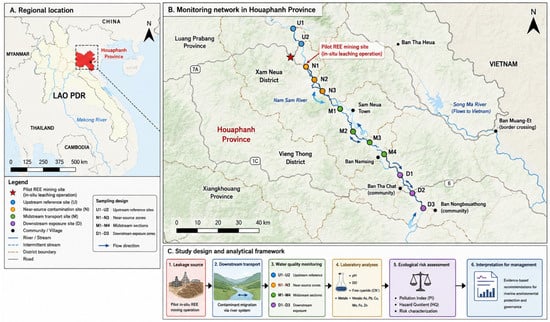
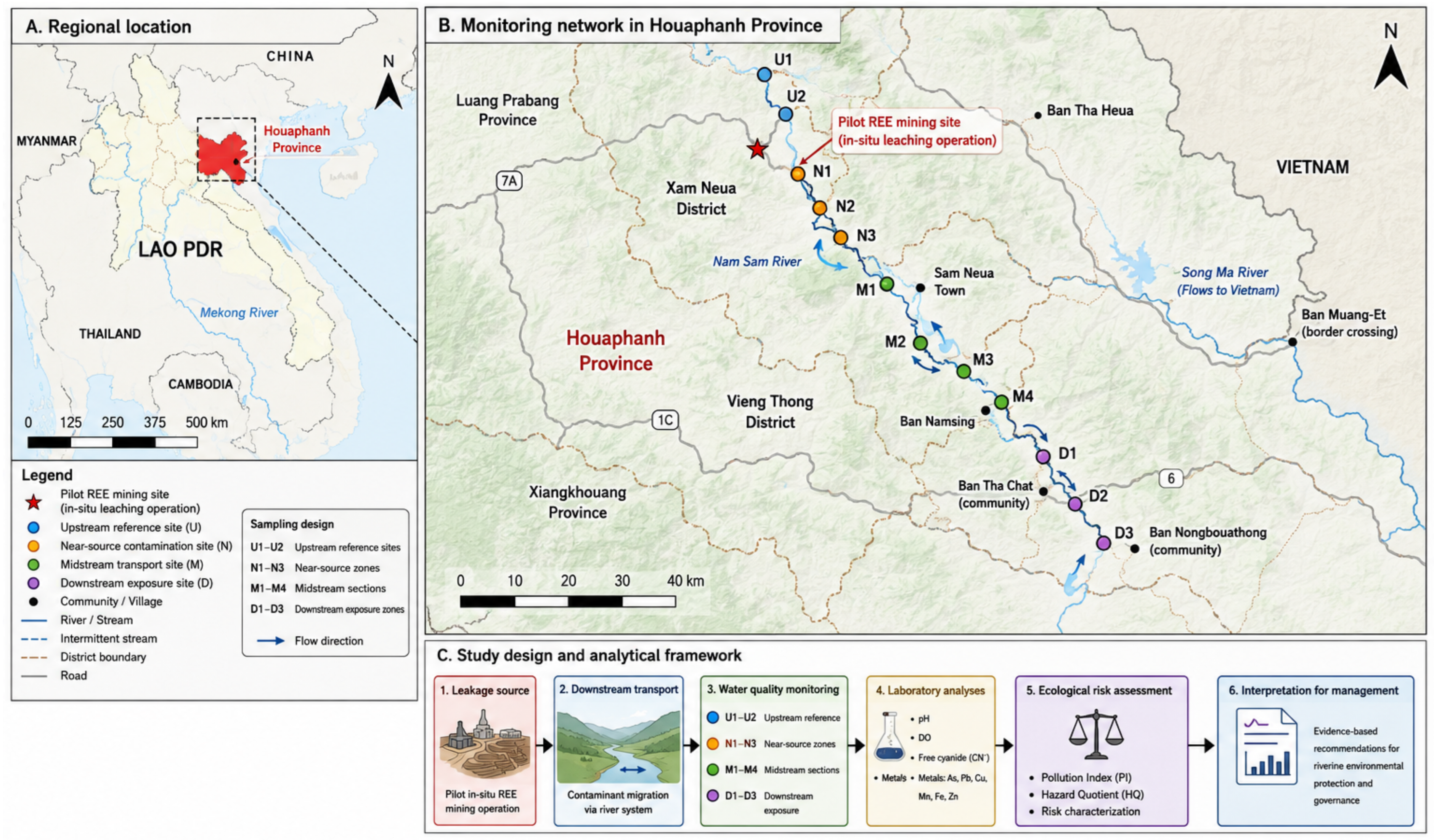
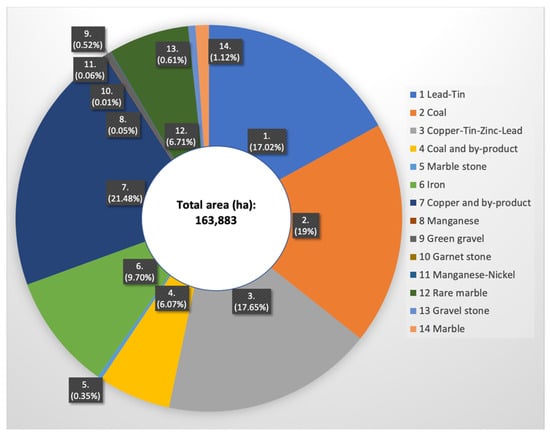
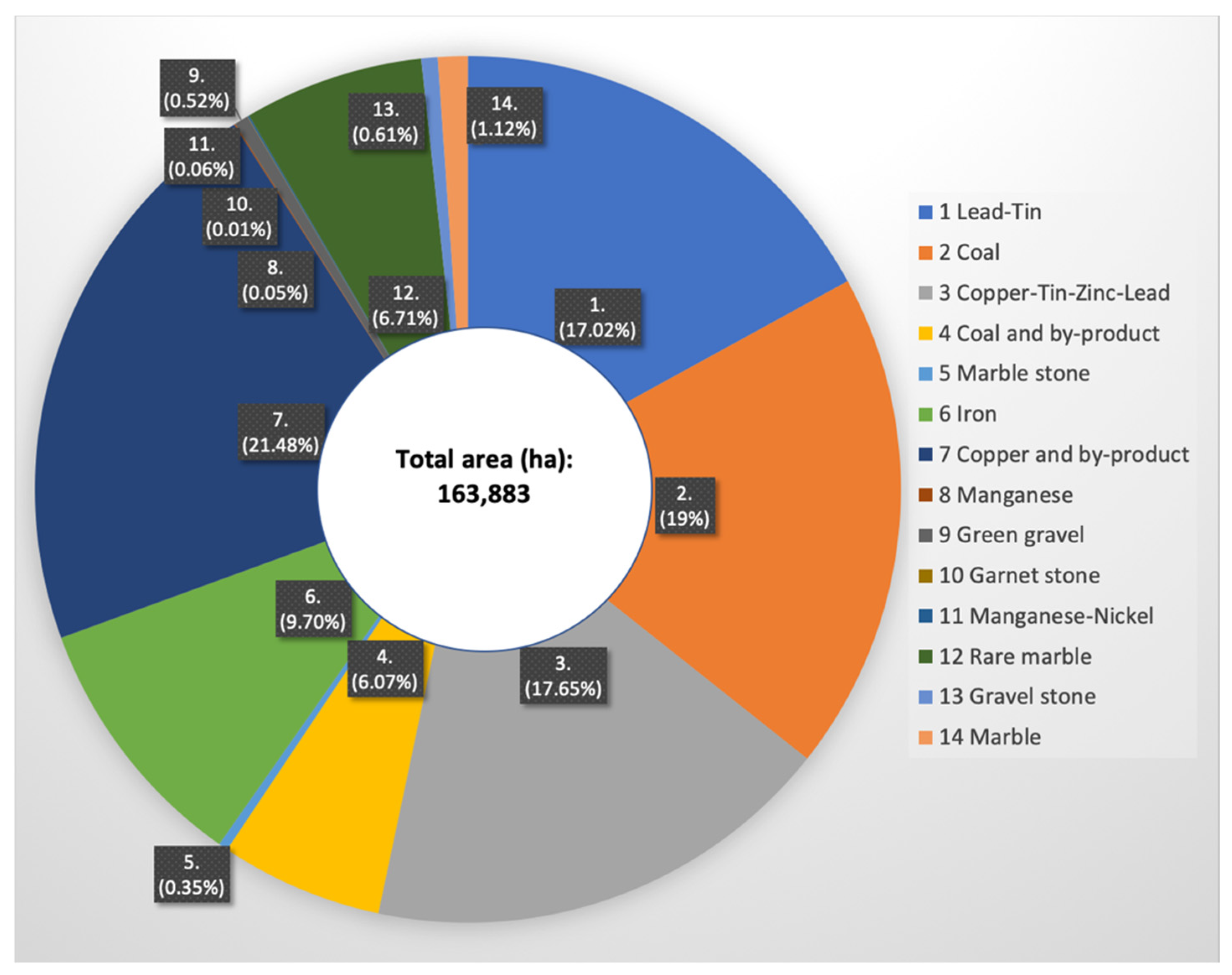
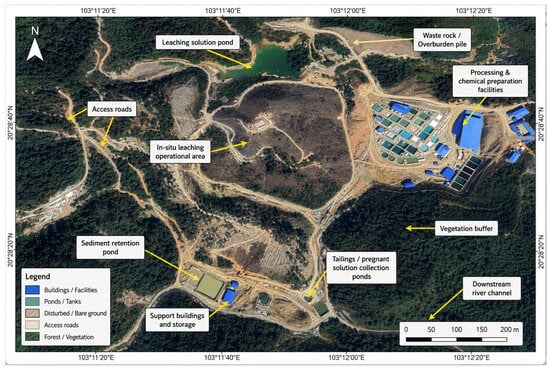
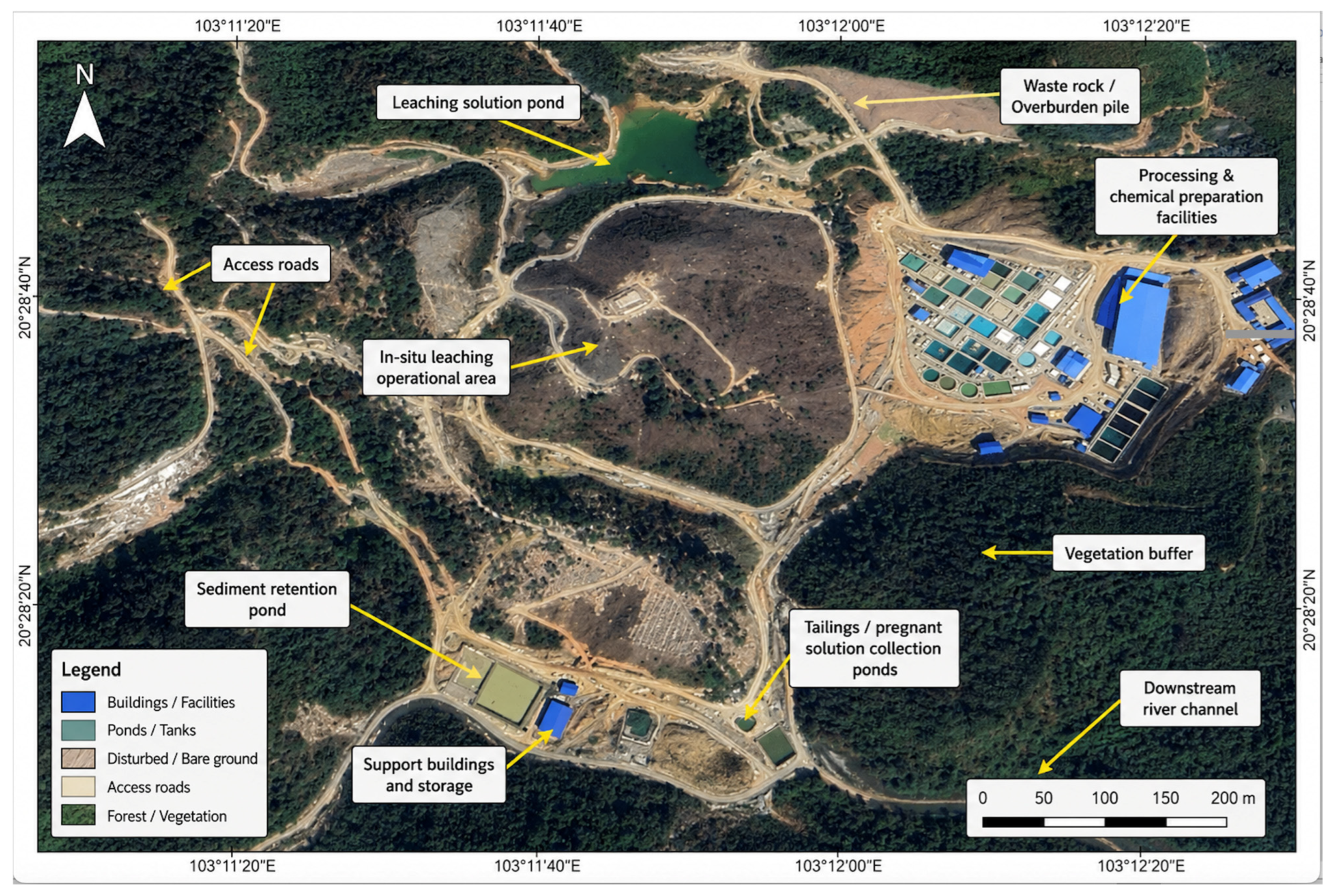
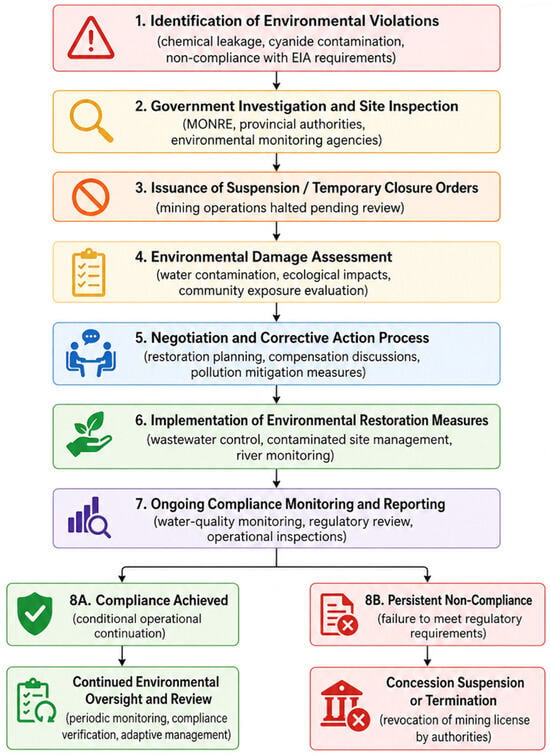
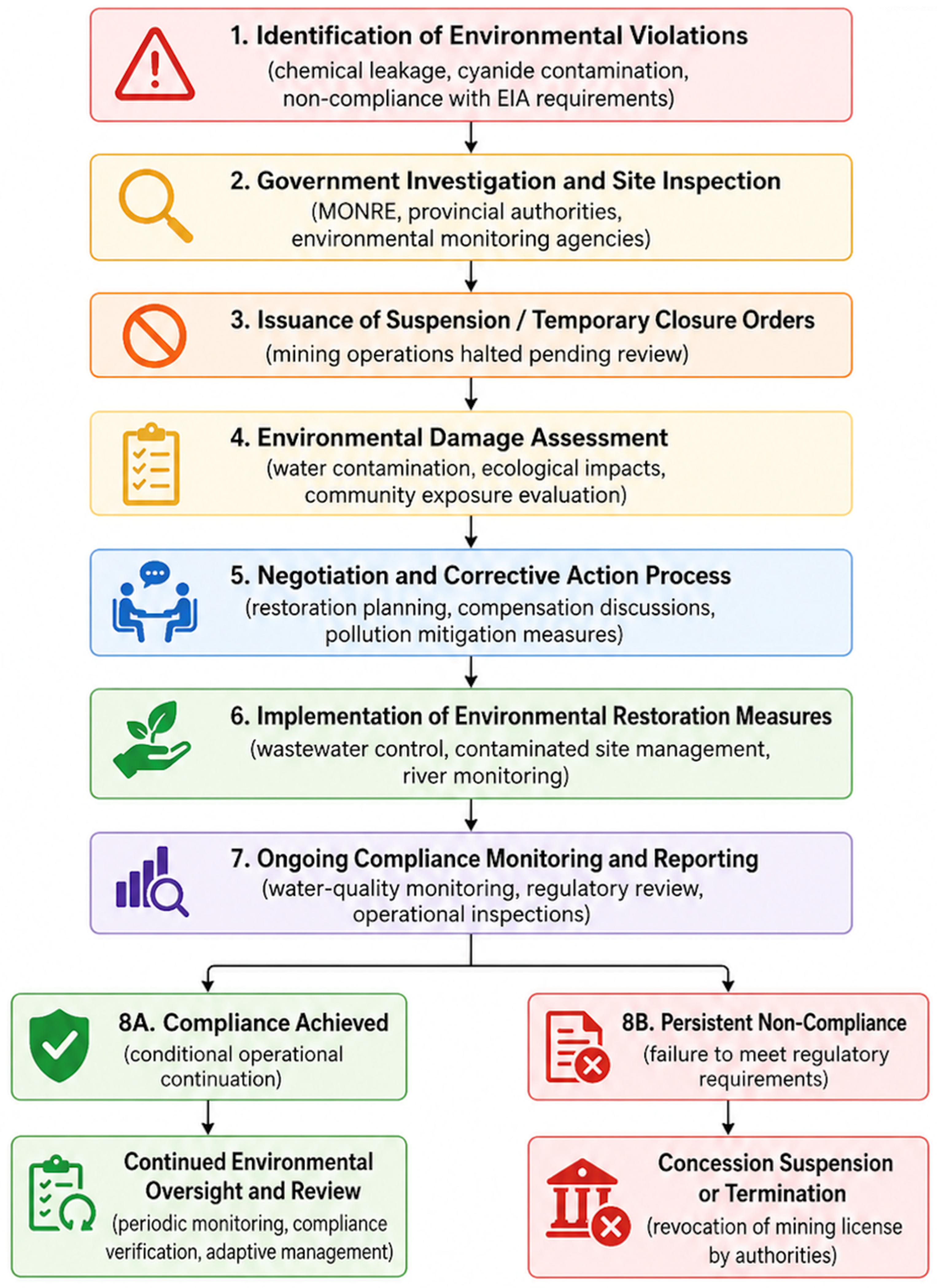

Disclaimer/Publisher’s Note: The statements, opinions and data contained in all publications are solely those of the individual author(s) and contributor(s) and not of MDPI and/or the editor(s). MDPI and/or the editor(s) disclaim responsibility for any injury to people or property resulting from any ideas, methods, instructions or products referred to in the content. |
© 2026 by the authors. Licensee MDPI, Basel, Switzerland. This article is an open access article distributed under the terms and conditions of the Creative Commons Attribution (CC BY) license.