


Abstract
Microplastics are ubiquitous environmental particles with complex physical and chemical properties that enable them to interact with other contaminants. Recent evidence suggests that microplastics act as carriers for various chemical pollutants, altering their transport, deposition, and deposition dose. This conceptual review synthesizes current knowledge of radon progeny behavior and microplastic properties and suggests potential mechanisms for their interaction, although direct experimental validation of radon progeny specifically is currently lacking. It discusses attachment kinetics, transport pathways in air and water, and microplastic-mediated shifts in human lung deposition patterns and ecological exposure. Theoretical dosimetry reasoning suggests that, if attachment occurs, small respirable microplastics (1–10 μm) could increase inhalation doses by prolonging the airborne residence time of progeny indoors, whereas macro- and coarse microplastics would primarily affect localized environmental hotspots. These possibilities remain to be tested experimentally. Integrated experimental and modelling approaches, including radon chamber studies, aerosol and aquatic transport experiments, respiratory tract modelling, and ecological bioassays, are proposed to quantify these processes and inform risk assessment. Knowledge gaps remain in attachment efficiency, retention, co-contaminant interactions, and long-term exposure scenarios. Addressing these gaps is critical for refining human and ecological risk assessments and guiding regulatory frameworks in radon-microplastic-impacted environments.
1. Introduction
Radon (222Rn) is a naturally occurring radioactive noble gas produced from the decay of uranium-bearing minerals in soils, rocks, and building materials [1]. Due to its gaseous nature and ability to migrate through porous media, radon is ubiquitous in the environment and represents a major source of natural radiation exposure to humans [2]. While it is largely exhaled after inhalation, its short-lived decay products, radon progeny, are solid, highly reactive radionuclides that readily attach to airborne and waterborne particles [3,4]. These progeny, particularly 218Po and 214Po, are alpha emitters and they are responsible for the majority of the radiological dose associated with radon exposure, making their environmental behavior and transport significant to public and environmental health. The environmental fate of radon progeny is determined not only by radioactive decay but also by physicochemical interactions with surrounding particulate matter [5]. Shortly after formation, they exist as positively charged ions or clusters that rapidly attach to available aerosols, dust, or droplets within seconds to minutes [6]. The nature of the carrier particles, such as size, surface chemistry, and residence time, critically influences their transport, deposition, and biological uptake. Consequently, decades of research have focused on traditional atmospheric aerosols, including mineral dust and indoor particulate matter, as key determinants of radon progeny exposure pathways [7].
In parallel, the last decade has witnessed growing recognition of microplastics as pervasive environmental contaminants. Microplastics, typically defined as plastic particles smaller than 5 mm, are now detected in air, water, soils, sediments, and biota across the globe [8]. Atmospheric microplastics, including fibers and fragments, are increasingly recognized as components of fine particulate matter [9], with documented presence in both outdoor and indoor environments [10]. Recent studies have further confirmed the presence of airborne microplastics within human lung tissues and highlighted inhalation as an important pathway [11,12].
The persistence, mobility, and high surface-area-to-volume ratios distinguish microplastics from many natural particles, raising concerns about their role as vectors for chemical and biological contaminants [13,14]. Literature suggests that microplastics can sorb, concentrate, and transport a wide range of substances, including heavy metals [15], persistent organic pollutants [16], pharmaceuticals [17], and pathogenic microorganisms [14]. These interactions are mediated by surface charge, hydrophobicity, oxidative aging, and the formation of biofilms, which collectively enhance the reactivity of microplastic surfaces. Importantly, many of the contaminants known to associate with microplastics share key characteristics with radon progeny, such as particle reactivity, affinity for charged or oxidized surfaces, and strong associations with fine particulates. This convergence suggests that microplastics may also interact with radioactive decay products in ways that have not yet been systematically explored. Recent radionuclide tracing studies have demonstrated that radionuclides can adsorb onto atmospheric microplastics and may be useful indicators of particle transport and environmental residence time [18].
Despite extensive research on both radon progeny behavior and microplastic pollution, the potential intersection between these two fields remains largely overlooked and unknown. Existing radon models typically consider progeny attachment to generic aerosols [19,20] without distinguishing emerging anthropogenic particles such as microplastics. At the same time, studies on microplastics as contaminant vectors have rarely extended their scope to naturally occurring radionuclides. This disciplinary separation has limited our understanding of how the rapidly increasing abundance of microplastics may influence the environmental cycling, transport dynamics, and exposure pathways of radon progeny. The atmospheric environment represents a particularly important setting in which microplastic–radon progeny interactions may occur. Radon is continuously emitted from terrestrial sources, especially in enclosed or poorly ventilated indoor spaces [7,21], where microplastic fibers are often abundant. The attachment of radon progeny to microplastics may alter their aerodynamic properties, atmospheric residence times, and deposition patterns within the human respiratory tract. Such interactions could influence the balance between unattached and attached progeny fractions, and this is known to strongly affect lung dose distribution and radiological risk.
Beyond the atmosphere, microplastics may also mediate radon progeny transport in aquatic and terrestrial systems. In surface waters, groundwater-fed environments, and wastewater systems, microplastics can act as scavenging surfaces for particle-reactive radionuclides [18], potentially facilitating their redistribution and sedimentation. In soils and sediments, where radon emanation occurs proximal to solid surfaces, microplastics may function as mobile substrates for progeny attachment, contributing to short-range transport and resuspension processes. These pathways suggest that microplastics could play a previously unrecognized role in the environmental cycling of radon decay products across interconnected compartments. This review synthesizes current knowledge to introduce and explore the concept that microplastics may act as emerging vectors for radon progeny. The mechanistic basis for possible attachment is presented as a conceptual framework, potential transport pathways across environmental systems are evaluated, and implications for human and ecological health are discussed, all with the explicit acknowledgement that direct experimental evidence is not yet available. To improve interdisciplinary interpretation and conceptual clarity, schematic summary figures are included to illustrate the proposed mechanisms of radon progeny-microplastic interactions, environmental transport pathways, and integrated exposure risks relationships.
2. Literature Review Approach
This manuscript serves as a conceptual and interdisciplinary review that synthesizes current understanding of radon progeny behavior, aerosol interactions, and microplastic pollution. While a formal systematic review or meta-analysis was not performed, a structured scoping method was employed to identify and evaluate relevant literature. Relevant publications were identified through searches on PubMed, Scopus, Web of Science, and Google Scholar. The literature searches mainly targeted studies published in the last 10–15 years, while also including foundational research and key reports related to radon dosimetry, aerosol physics, and environmental transport mechanisms.
Search terms included combinations of keywords such as “radon progeny”, “radon decay products”, “microplastics”, “aerosol attachment”, “particle transport”, “dosimetry”, “lung deposition”, “environmental vector”, “surface interactions”, “biofilm”, and “carrier particles”. Boolean operators (AND, OR) helped refine searches to identify interdisciplinary studies pertinent to the proposed conceptual framework.
This review focused on peer-reviewed journal articles, books, and authoritative technical reports related to: (i) the formation of radon progeny and aerosol attachment processes; (ii) the physicochemical properties and environmental behavior of microplastics; (iii) particle transport and deposition mechanisms in air and water; (iv) respiratory tract dosimetry and exposure modeling; and (v) contaminant transport involving particulate carriers. The reviewed literature was structured thematically to create an integrated conceptual framework that outlines possible interactions between microplastics and radon progeny across different environmental compartments. In areas with limited direct experimental evidence, the review relies on established principles from aerosol science, radionuclide transport theory, environmental chemistry, and studies on microplastic interactions with metals, organic pollutants, and other radionuclides.
This review serves as a hypothesis-generating and mechanistic overview focused on identifying major research gaps and steering experimental and modeling studies, rather than offering a quantitative meta-analysis of validated interactions.
3. Radon Progeny: Environmental Behavior and Health Significance
The formation of radon progeny is accompanied by significant recoil energy, on the order of tens of keV, which causes the newly formed atoms to be ejected from their parent location and to acquire a positive electrical charge [22]. In the atmosphere, these charged species rapidly undergo ion–molecule reactions, leading to the formation of small molecular clusters within milliseconds. Subsequent neutralization and growth processes are influenced by ambient ion concentrations, trace gases, and relative humidity. These physicochemical transformations determine the initial size distribution and mobility of progeny prior to their interaction with larger particulate matter. Attachment of radon progeny to aerosols is determined by diffusion, electrostatic forces, and, to a lesser extent, gravitational settling [23]. The attachment rate coefficient depends on particle number concentration, size distribution, surface charge, and chemical composition. In environments with low aerosol loading, a significant fraction of progeny remains unattached, typically in the 0.5–5 nm size range [24]. Conversely, in particle-rich environments, progeny rapidly associate with aerosols, shifting the equilibrium toward the attached fraction [19]. This is a critical parameter in radon dosimetry and dose conversion models.
Once attached, radon progeny inherits the transport characteristics of their carrier particles. In indoor air, fine and ultrafine particles can remain suspended for extended periods, increasing the likelihood of inhalation and surface deposition [25]. Ventilation rates, air turbulence, and electrostatic interactions with surfaces further influence progeny distribution [26]. In the outdoors, atmospheric stability, boundary-layer dynamics, and scavenging by precipitation modulate progeny concentrations and vertical profiles [27,28,29]. These processes contribute to spatial and temporal variability in radon progeny activity concentrations. In aqueous environments, radon progeny exhibits strong particle-reactive behavior driven by their metallic character and affinity for surfaces [30]. Radon dissolved in water decays to progeny that rapidly adsorb onto suspended particulate matter, organic colloids, and mineral surfaces. Distribution coefficients for lead and polonium isotopes indicate preferential association with fine particles, leading to efficient removal from the dissolved phase [31]. This scavenging process affects radionuclide residence times in water columns and promotes accumulation in sediments, where further redistribution can occur through physical disturbance or biogeochemical cycling [32].
Radon progeny behavior is largely influenced by emanation efficiency, pore structure, and surface availability in soil and sediments. Radon atoms generated within mineral grains may decay before diffusing into pore spaces or after entering soil, air or water, resulting in local deposition onto grain surfaces. Fine particles and porous materials provide extensive surface area for progeny plate-out, leading to heterogeneous spatial distributions [4,33]. Mechanical disturbance, erosion, and resuspension can subsequently mobilize progeny-bearing particles, linking subsurface processes to atmospheric pathways [34,35]. The health significance of radon progeny arises from their emission of high–linear energy transfer (LET) alpha particles. When inhaled, progeny deposit energy over micrometer-scale distances within lung tissue, producing dense ionization tracks that are particularly effective at inducing DNA double-strand breaks [36,37]. Epidemiological studies of miners and residential populations have established a clear dose–response relationship between radon progeny exposure and lung cancer risk [38,39,40,41]. Importantly, absorbed dose is highly localized and depends on the microdosimetric distribution of alpha emissions rather than on bulk activity concentrations alone. Deposition of radon progeny in the respiratory tract is strongly influenced by the attachment state at the time of inhalation. Unattached progeny exhibit high diffusion coefficients and deposit efficiently in the bronchial and bronchiolar regions, resulting in elevated doses to sensitive epithelial cells [42]. Attached progeny deposit according to the aerodynamic diameter of their carrier particles, which can shift dose deposition to different lung regions and alter clearance rates [4]. These distinctions are explicitly considered in radiological protection frameworks, such as those developed by the ICRP [43], suggesting the importance of environmental factors that modify progeny attachment dynamics. Recent computational modelling studies have further demonstrated the sensitivity of regional lung dose distributions to aerosol size, airflow conditions and attached-unattached progeny dynamics [20].
4. Microplastics as Reactive Environmental Particles
Microplastics are not inert debris but dynamic particles whose properties evolve across environmental compartments [43]. Their composition spans a wide range of polymers, including polyethylene, polypropylene, polystyrene, polyvinyl chloride, and polyethylene terephthalate, each with distinct densities, crystallinities, and surface characteristics [44,45,46]. These intrinsic material properties, combined with particle size and morphology, govern their environmental behavior and interactions with surrounding chemical species [47,48]. Unlike mineral particles, microplastics possess surfaces dominated by organic polymer chains that can acquire charge through triboelectric effects, photooxidation, and interactions with dissolved ions [49,50,51]. They often exhibit significant electrostatic charge, enhancing their ability to attract oppositely charged species [52]. Surface roughness generated during fragmentation increases effective surface area and creates micro-scale heterogeneities that act as binding sites [53,54]. These features make microplastics effective substrates for adsorption processes despite their relatively low density compared to inorganic particulates.
Environmental aging processes modify microplastic reactivity. Exposure to ultraviolet radiation, mechanical stress, and oxidative conditions leads to chain scission and the formation of oxygen-containing functional groups such as carbonyls, hydroxyls, and carboxyls [55,56]. These chemical modifications increase surface polarity and alter hydrophobic–hydrophilic balance, leading to enhanced affinity for metals and other particle-reactive species. Aging also promotes embrittlement and further fragmentation, producing smaller particles with higher surface-area-to-volume ratios and increased mobility [57,58,59]. In aqueous environments, microplastics readily interact with dissolved and particulate matter through a combination of adsorption, aggregation, and biofouling [60,61]. Biofilms composed of bacteria, algae, and extracellular polymeric substances (EPS) form rapidly on microplastic surfaces, effectively transforming them into composite particles with complex chemical functionality [62]. EPS contains a variety of charged and polar moieties capable of binding metal ions and other reactive species [47,63]. The presence of biofilms, therefore, dominates microplastic surface chemistry, overriding the properties of the underlying polymer and enhancing sorptive capacity. Microplastics also interact strongly with inorganic particles and natural colloids, leading to heteroaggregation and changes in transport behavior. Electrostatic attraction and bridging via organic matter result in the formation of mixed aggregates with mineral dust, soot, or clay particles [61,64]. Such aggregation alters effective particle size, density, and settling velocity, influencing residence times in air and water [64]. These processes complicate the distinction between “plastic” and “non-plastic” particles and suggest the role of microplastics as integrated components of particulate systems rather than isolated contaminants.
The ability of microplastics to sorb and transport contaminants has been extensively studied for heavy metals, persistent organic pollutants, and emerging contaminants [65,66,67]. Sorption mechanisms include hydrophobic partitioning, surface complexation, ion exchange, and co-precipitation within biofilms [68,69]. Laboratory and field studies demonstrate that microplastics can concentrate contaminants to levels exceeding those in surrounding media, particularly under conditions of prolonged environmental exposure [70]. Such enrichment reflects both the physicochemical affinity of microplastic surfaces and their persistence relative to more labile natural particles. In the atmosphere, microplastics occur as fibers, fragments, and films spanning a broad size range, including respirable fractions comparable to fine particulate matter [71,72]. Their low density allows for efficient suspension and long-range transport, while their irregular shapes influence aerodynamic behavior and deposition patterns [73,74]. Atmospheric microplastics are subject to repeated cycles of suspension, deposition, and resuspension, particularly in indoor environments, leading to sustained interactions with surrounding gases and particles. These characteristics position them as persistent and mobile substrates within aerosol systems.
5. Conceptual Interactions
Mechanisms of Radon Progeny–Microplastic Interactions
Any interaction between radon progeny and microplastics would likely be governed by a combination of radioactive decay kinetics and surface-driven physicochemical processes. Immediately after radon decay, freshly formed progeny possess excess kinetic energy and an electrical charge, conditions that, in theory, favor rapid interactions with nearby surfaces, though this has not been directly observed in microplastics. In environments containing suspended microplastics, these particles would represent accessible and persistent substrates for progeny attachment. The probability of interaction is controlled by spatial proximity, particle number concentration, and the physicochemical state of the microplastic surface at the time of progeny formation. Electrostatic forces are hypothesized to play a central role in the initial attachment of radon progeny to microplastics. Freshly formed progeny carry a positive charge and should therefore exhibit strong Coulombic attraction to negatively charged or polarized surfaces, a property that makes electrostatic capture plausible, but one that remains unmeasured for radon progeny on microplastics.
Microplastics frequently acquire surface charge through triboelectric effects, frictional contact, and environmental ageing, particularly in dry or low-humidity conditions [75,76]. This electrostatic compatibility could enhance attachment rates relative to electrically neutral or weakly charged mineral particles, especially in indoor and low-aerosol environments.
Diffusion-driven attachment could represent another important mechanism, particularly for unattached radon progeny clusters in the nanometer size range. These clusters possess high Brownian mobility, allowing them to collide efficiently with suspended microplastics regardless of gravitational settling. Microplastics with irregular morphologies, such as fibers and fractured fragments, present large effective collision cross-sections, increasing the likelihood of encounter [77]. The attachment rate under diffusion control is therefore sensitive to microplastic size, shape, and surface roughness. Chemical interactions between radon progeny and microplastic surfaces may further stabilize attachment following initial contact. Environmental aging introduces oxygen-containing functional groups onto polymer surfaces, enabling surface complexation with metallic progeny such as lead and polonium [78,79]. These interactions can involve coordination with carbonyl, hydroxyl, or carboxyl groups, reducing the probability of desorption prior to radioactive decay. In aqueous environments, such complexation may be facilitated by hydration shells and competing ions, contributing to selective retention of progeny on aged microplastics.
Biofilm-mediated mechanisms could dominate in natural waters and soils where microplastics are rapidly colonized by microorganisms [80]. Extracellular polymeric substances produced by biofilms contain a variety of negatively charged and polar functional groups capable of binding metal ions and radionuclides. Radon progeny associated with microplastics may therefore be retained within biofilm matrices rather than directly on the polymer surface. This process effectively transforms microplastics into composite particles with enhanced sorptive capacity and altered transport behavior. Aggregation processes could further influence radon progeny–microplastic interactions by modifying particle size and density. Microplastics can heteroaggregate with mineral dust, soot, or organic matter, forming mixed particles that inherit properties from multiple components [81]. Radon progeny attached to such aggregates may experience reduced mobility or altered deposition patterns compared to progeny bound to individual microplastics. These aggregation processes complicate the attribution of progeny attachment to specific particle types but expand the range of transport pathways.
Environmental conditions could modulate the relative importance of these mechanisms. Factors such as humidity, temperature, aerosol loading, and ionic strength influence electrostatic interactions, diffusion rates, and surface chemistry. For example, increased humidity can reduce electrostatic attraction through charge dissipation, while high aerosol concentrations may favor attachment to more abundant non-plastic particles. The role of microplastics is therefore context-dependent and may be most pronounced in environments where traditional aerosol concentrations are low or where microplastic abundance is elevated.
To aid understanding of the proposed interactions, Figure 1 summarizes the hypothesized mechanisms of radon progeny attachment to microplastics, along with key environmental transport pathways and potential environmental receptors across atmospheric, aquatic, and terrestrial systems.
Figure 1.
Conceptual mechanisms of radon progeny attachment to microplastics and associated transport pathways. Source: BioRender (version 2026).
As shown in Figure 1, the proposed interaction mechanisms include electrostatic attraction, diffusion-driven collisions, surface complexation, and biofilm-mediated processes, all of which can affect the environmental transport and redistribution of radon progeny. To better understand the proposed role of microplastics compared with conventional atmospheric aerosols, Table 1 summarizes key physicochemical and transport-related characteristics relevant to radon progeny attachment behavior, respiratory deposition, and potential dosimetric implications.
Table 1.
Comparative physicochemical characteristics of conventional atmospheric aerosols and microplastics relevant to radon attachment, transport and dosimetry.
As shown in Table 1, several physicochemical properties of microplastics, particularly fibrous morphology, surface ageing, electrostatic behavior and prolonged atmospheric persistence, provide a scientifically plausible basis for altered radon progeny interactions compared with conventional aerosol particles, although direct experimental validation remains limited.
6. Mechanistic Rate Expressions for Radon Progeny Attachment to Microplastics
As an initial framework for describing potential interactions between radon progeny and airborne microplastics, attachment processes can be approximated using first-order aerosol kinetics, where the rate of removal of unattached progeny depends on particle concentration and attached efficiency. For a given progeny nuclide , the temporal evolution of the unattached activity concentration (Cu,i) can be expressed as:
where Pᵢ is the production rate from radon decay (atom ·m−3·s−1), λᵢ is the radioactive decay constant (s−1), Nⱼ is the number concentration of particle class j (m−3), βᵢⱼ is the attachment coefficient between progeny and particles of class j (m3·s−1), and is the unattached activity concentration of progeny .
In environments containing airborne microplastics, an additional particle class may be introduced, represented by βᵢ, MP, to account for interactions between progeny and microplastic aerosols.
For diffusion-controlled attachment, the attachment coefficient may be approximated using the classical Fuchs’ formulation for ion-particle interactions:
where Dᵢ is the diffusion coefficient of progeny cluster (m2·s−1), DMP are the diffusion coefficient of the microplastic particle (m2·s−1), rMP is the effective radius of the microplastic particle (m), and F(Zᵢ, ZMP) is an electrostatic enhancement factor dependent on the particle charge.
Electrostatic enhancement factor can be expressed as:
where is the dimensionless charge number of the progeny, ZMP is the dimensionless charge number of the microplastic particle, is the elementary charge (1.602 × 10⁻¹⁹ C), is the vacuum permittivity (8.854 × 10⁻¹² F·m−1), is the Boltzmann constant (1.381 × 10⁻²³ J·K−1), and T is the absolute temperature (k).
These equations offer a helpful conceptual framework but were initially designed for near-spherical aerosol particles. As a result, applying them directly to environmentally realistic microplastics is uncertain. In reality, airborne microplastics are often composed of fibres, irregular fragments, and weathered particles rather than perfect spheres [71,72,73,74]. Such morphologies can significantly change aerodynamic properties, rotational movement, collision cross-sections, and electrostatic charge distribution. Fibrous particles, in particular, may exhibit larger effective interaction surfaces and longer atmospheric residence times compared to mineral aerosols of the same mass. To partially account for non-spherical behaviour, the particle radius term (rMP) may be replaced by an equivalent mobility radius or aerodynamic diameter, while empirical shape factors can be introduced to adjust attachment efficiency. However, no validated generalised formulation currently exists for irregular or fibrous microplastics within radon progeny attachment models. Therefore, experimental calibration will be necessary before quantitative predictions can be deemed reliable.
A comparative analysis indicates that attachment behaviour may vary significantly between microplastics and traditional mineral aerosols. For typical indoor aerosols, the reported attachment coefficients for radon progeny associated with mineral particles generally range from about 10−9 to 10−8 m3·s−1, influenced by factors such as particle size, humidity, and aerosol composition [4,43]. While direct data on microplastics are lacking, several inherent physicochemical differences suggest that attachment efficiencies may differ from those of mineral particles. Firstly, microplastics often exhibit enhanced electrostatic charging, especially in dry indoor environments where triboelectric effects are significant [50,76,80]. This can enhance Coulombic attraction between charged-particle clusters and surfaces. Secondly, fibrous and irregular shapes can lead to larger effective collision cross-sections compared to compact spherical mineral particles. Thirdly, environmental ageing introduces oxygen-containing functional groups onto polymer surfaces, potentially boosting surface polarity and radionuclide retention [55,56,57,58,59]. Additionally, biofilm formation may further alter sorption behaviour in aquatic humid environments [60,61,62,63].
These considerations suggest that the attachment coefficients associated with microplastics may differ significantly from those of conventional aerosols, although the exact size and direction of such differences are still uncertain. Currently, the proposed framework should be viewed mainly as an approximate conceptual model to guide future laboratory research, sensitivity analyses, and aerosol transport simulations, rather than as a validated predictive system.
7. Mechanistic Comparison: Microplastics vs. Mineral Aerosols
Mineral aerosols such as silicates, clays, and carbonates have historically dominated radon progeny attachment models [82,83]. These particles typically possess relatively stable surface charges determined by mineralogy and ambient pH, and their surfaces are dominated by crystalline lattice structures [84]. Attachment of radon progeny to mineral aerosols is largely regulated by diffusion and weak electrostatic interactions, with limited post-attachment chemical stabilization [4,85]. In contrast, microplastics differ mechanistically in several key respects, and these potential differences are examined as hypothesis rather than established facts. First, their surface charge is often dynamic rather than fixed, influenced by triboelectric charging, polymer composition, and environmental conditions [86,87]. This can result in stronger electrostatic attraction to freshly formed, positively charged radon progeny, particularly in indoor environments where humidity is low and triboelectric effects are pronounced. Second, microplastics frequently exhibit rough, fractured, or fibrous morphologies that increase effective surface area and collision cross-section relative to mineral particles of equivalent mass [88].
Surface chemistry distinguishes microplastics from mineral aerosols. While mineral surfaces rely on inorganic functional groups, aged microplastics develop oxygenated moieties capable of forming coordination complexes with metallic progeny such as 214Pb and 218Po [55,89]. This can reduce desorption rates and increase the probability that progeny remain attached for a substantial fraction of their radioactive lifetime. As a result, the effective retention coefficient for progeny on microplastics may exceed that of many mineral particles. Biofilm formation introduces an additional mechanistic divergence. Mineral aerosols in the atmosphere are typically biofilm-free, whereas microplastics in aquatic and soil environments rapidly acquire organic coatings [90,91]. These biofilms introduce negatively charged extracellular polymers that strongly bind metal ions, potentially increasing both attachment efficiency and retention time for radon progeny. In this context, microplastics behave more like reactive organic colloids than inert particulates.
Methodological Approaches for Experimental Validation
Experimental validation of radon progeny–microplastic interactions requires controlled systems capable of resolving attachment kinetics, retention behavior, and decay processes. One promising approach involves the use of radon exposure chambers with well-characterized aerosol populations [92,93]. By introducing microplastics of defined polymer type, size, and morphology into such chambers, attachment rate coefficients (βᵢ, MP) can be derived from changes in unattached progeny fractions using established radon progeny monitors.
Electrostatic properties of microplastics should be quantified prior to exposure using techniques such as aerosol electrometry or Kelvin probe measurements. Simultaneous measurement of particle size distributions using scanning mobility particle sizers (SMPS) or aerodynamic particle sizers (APS) would allow direct comparison between microplastic aerosols and mineral reference particles under identical conditions. By systematically varying humidity and aerosol concentration, the relative contributions of diffusion and electrostatic attachment can be isolated. Post-exposure analysis of microplastics can provide direct evidence of progeny association. Alpha spectrometry or autoradiography may be employed to visualize alpha-emitting progeny on particle surfaces, while gamma spectrometry can quantify longer-lived progeny such as 214Pb. In aqueous systems, batch sorption experiments using radon-enriched water and suspended microplastics can be combined with filtration and radiochemical analysis to determine distribution coefficients and retention times. Coupling experimental results with existing dosimetry models would allow assessment of how microplastic-associated progeny alter attached–unattached fractions and predicted lung dose distributions in human model experiments. These integrated approaches can essentially determine whether microplastics represent a quantitatively significant carrier class for radon progeny or a context-dependent modifier of exposure pathways.
8. Transport Pathways Across Environmental Compartments
If radon progeny attach to microplastics, the following transport pathways are conceptually possible. Once attached, their subsequent transport is by the physical behavior of the carrier particles rather than by the properties of the radionuclides themselves. Due to the short half-lives of key progeny, transport relevance is confined to timescales comparable to or shorter than radioactive decay. Microplastics, by virtue of their low density, irregular morphology, and persistence, can remain mobile over these timescales, enabling spatial redistribution of attached progeny within and between environmental compartments. Transport pathways are therefore best understood as extensions of microplastic mobility operating under radiological constraints. In the atmosphere, microplastics act as aerosol particles whose transport is dictated by aerodynamic diameter, shape, and air dynamics [88]. Fibrous and fragmentary microplastics commonly occupy size ranges associated with fine particulate matter, allowing them to remain suspended for extended periods [94]. When radon progeny attach to these particles, they would become part of the attached fraction and are transported accordingly through advection, turbulent mixing, and diffusion. Indoor environments are particularly relevant, as continuous radon emanation, limited ventilation, and high microplastic fiber abundance would create conditions conducive to potential attachment–transport cycles within confined spaces.
Vertical and horizontal transport of progeny-bearing microplastics in the atmosphere is modulated by deposition and resuspension processes. Gravitational settling, impaction, and electrostatic deposition onto surfaces remove particles from the air, while human activity, airflow, and mechanical disturbance can reintroduce them. Those deposited on indoor surfaces may therefore serve as temporary reservoirs for radon progeny until decay occurs or resuspension returns particles to the breathing zone. These processes complicate assumptions of steady-state progeny distributions and highlight the dynamic nature of microplastic-mediated transport. Microplastics emitted from urban or industrial sources can be transported over kilometers, during which time attached radon progeny may decay but still contribute to localized deposition patterns. Recent atmospheric monitoring studies have demonstrated that airborne microplastics can undergo regional-scale transport within atmospheric boundary layers, particularly under stable meteorological conditions and low precipitation regimes [9]. While long-range transport is constrained by progeny half-lives, microplastic movement within boundary layers and near-source regions may still redistribute progeny over distances sufficient to influence exposure gradients. Precipitation scavenging can transfer progeny-bearing microplastics from the atmosphere to terrestrial or aquatic surfaces.
In aquatic environments, transport pathways are shaped by the buoyancy, aggregation behavior, and hydrodynamic conditions affecting microplastics. Once radon progeny attach in water, they are transported as part of the particulate phase rather than remaining dissolved [95]. Suspended microplastics can be advected by currents, settle under quiescent conditions, or be incorporated into aggregates that alter their vertical transport. This behavior facilitates the redistribution of progeny from radon-enriched source waters, such as groundwater inputs, to downstream or depositional environments. Sediment–water interactions extend transport pathways. Microplastics settling into sediments may carry attached progeny into benthic environments, where decay occurs in proximity to biological receptors. Physical disturbance, such as bioturbation or storm-driven resuspension, can remobilize these particles, allowing repeated cycles of attachment, transport, and decay. Such cycling is particularly relevant in shallow or intermittently disturbed systems, where residence times overlap with progeny half-lives.
In soils, transport pathways operate over shorter spatial scales but remain environmentally relevant. Microplastics introduced through atmospheric deposition, agricultural inputs, or waste application can migrate through soil matrices via percolation, root activity, and mechanical mixing [96,97,98,99]. Radon emanating from mineral grains decays in pore spaces, and progeny may attach to nearby microplastics, which can then be redistributed within the soil profile. Although long-distance transport is limited, this process may influence localized exposure and surface–subsurface exchange.
9. Quantitative Analysis of Transport Timescales Relative to Radon Progeny Half-Lives
The relevance of microplastics as transport vectors for radon progeny can be constrained by the short half-lives of the radionuclides involved. To evaluate whether attachment to microplastics can meaningfully influence progeny distribution, transport timescales of the carrier particles must be comparable to or shorter than progeny decay times. This can be assessed by comparing characteristic residence and transport times with the physical half-lives of key radon progeny. The dominant short-lived radon progeny exhibit half-lives ranging from seconds to tens of minutes: 218Po (3.05 min), 214Pb (26.8 min), 214Bi (19.9 min), and 214Po (164 µs) [4]. After attachment to particles, the effective lifetime available for transport is on the order of one to three half-lives, beyond which activity decreases substantially. For practical purposes, transport processes occurring within approximately 10–60 min are therefore most relevant for modifying progeny spatial distributions [27,100].
In indoor air, the residence time of respirable microplastics is determined by gravitational settling and air exchange rates [101]. For a microplastic fiber or fragment with an aerodynamic diameter of approximately 1–5 µm, settling velocities are typically on the order of 10−4–10−3 m s−1, corresponding to settling times of several hours in a standard room with ceiling heights of 2–3 m [102,103]. Ventilation-driven air exchange times commonly range from 30 min to several hours. These timescales exceed the half-lives of 218Po and are comparable to those of 214Pb and 214Bi, indicating that progeny attached to microplastics can remain airborne for a substantial fraction of their radioactive lifetime. Horizontal transport in indoor environments occurs even more rapidly. Airflow velocities of 0.01–0.1 m s−1 imply that microplastics can traverse room-scale distances (1–10 m) within seconds to minutes. Under these conditions, attached progeny may be redistributed throughout indoor spaces well within a single half-life of 218Po. This supports the plausibility of microplastics influencing the spatial heterogeneity of radon progeny concentrations indoors.
In outdoor air, boundary-layer turbulence and advective transport operate on longer spatial scales but similar temporal constraints. For wind speeds of 1–5 m s−1, microplastics can be transported over distances of 1–10 km within 3–30 min [104,105]. While the shortest-lived progeny may decay before long-range transport is complete, 214Pb and 214Bi can remain active over these distances, enabling redistribution within near-source atmospheric regions. Deposition processes further localize progeny-bearing microplastics within timescales comparable to radioactive decay. In aquatic systems, transport velocities are typically lower but remain relevant. Suspended microplastics in rivers or groundwater-fed streams may experience flow velocities of 0.01–1 m s−1, allowing transport over meters to kilometers within minutes to hours. Vertical settling velocities for small microplastics are often <10−4 m s−1, resulting in residence times in the water column of hours to days [106,107]. These conditions permit radon progeny to attach, be transported, and decay while associated with microplastics, particularly for longer-lived progeny such as 214Pb.
Diffusive and advective movement of microplastics through soil pore spaces occurs over millimeter-to-centimeter distances on timescales of minutes to days, depending on moisture content and soil structure [108,109]. While such transport is limited in extent, it overlaps with progeny half-lives sufficiently to influence localized redistribution and surface availability prior to decay. These order-of-magnitude comparisons demonstrate that microplastic transport processes frequently operate on timescales comparable to or longer than the half-lives of key radon progeny. This temporal overlap supports the plausibility, but not the proven reality, that microplastics could act as short-range transport vectors, particularly in indoor air and near-source outdoor and aquatic environments (Table 2). Importantly, this analysis does not require long-range transport to be significant; even redistribution over meters to tens of meters can influence exposure patterns and deposition behavior within environmentally and biologically relevant contexts.
Table 2.
Transport range vector in indoor air, outdoor air, and aquatic environments.
9.1. Environmental Relevance and Priority Exposure Scenarios
The conceptual mechanisms discussed above are most relevant in environments where elevated radon concentrations and elevated microplastic burdens occur simultaneously, under conditions favorable for particle attachment and transport. Although direct evidence for radon progeny attachment to microplastics is not yet available, several real-world settings may plausibly support such interactions and therefore represent priorities for future investigation.
9.1.1. Environments with Co-Occurring Elevated Radon and Microplastic Concentrations
Indoor environments are highly likely settings for interactions between radon progeny and airborne microplastics. Indoor radon levels can surpass the WHO reference of 100 Bq/m3 in poorly ventilated areas like basements and homes in radon-prone regions with uranium-rich soils, granite bedrock, or mine tailings [1,7,21]. At the same time, indoor environments are recognized as significant reservoirs for airborne microplastics, especially synthetic fibers and fragments from carpets, upholstery, clothing, household dust, and other polymer materials [9,10,71]. Microplastics in indoor air are often small particles (<10 µm) that can stay suspended for long periods, overlapping with the transport timescales of short-lived radon progeny [71,72]. Conditions such as limited ventilation, high occupancy, and low humidity may promote electrostatic interactions and repeated resuspension of microplastic fibers.
Occupational and underground settings may be even more critical. High radon levels are well documented in underground mines, tunnels, caves, and confined workspaces with limited ventilation [38,40]. These environments can also contain significant sources of microplastics from factors like synthetic protective gear, ventilation materials, conveyor systems, tyre abrasion, industrial textiles, and degrading polymer infrastructure. Although studies on microplastics in these settings are still limited, the presence of high particulate levels combined with radon activity creates conditions where attachment processes may become environmentally relevant. Mining adjacent communities may also warrant particular attention because radon released from mine tailings and fractured geological formations can coincide with elevated dust levels and anthropogenic particulate pollution [1,21].
Wastewater-related systems are another important but often overlooked setting. Wastewater treatment plants, sludge-handling facilities, and groundwater-fed treatment systems contain abundant suspended microplastics and biofilm-coated particles [14,61]. In enclosed or poorly ventilated areas, radon released from groundwater or influent water can accumulate in the airspaces surrounding the infrastructure. Aeration processes and mechanical agitation can also produce microplastic-rich aerosols and bioaerosols, potentially facilitating the short-range transport of attached progeny. In aquatic systems downstream of wastewater discharge points, suspended microplastics and organic aggregates may further influence the redistribution of particle-reactive radionuclides within sediments and benthic environments.
9.1.2. Conditions Required for Environmentally Meaningful Interaction
The proposed mechanism is probably not equally important in all environmental conditions. Its significance likely depends on the concurrent occurrence of multiple factors that promote attachment, suspension, and transport. A key factor is the abundance of respirable microplastics compared to other aerosol particles. In environments with coarse mineral dust or high background aerosol levels, traditional aerosols often dominate the attachment process of radon progeny. Conversely, in cleaner indoor spaces or mechanically ventilated areas with low mineral aerosol levels, microplastics might account for a larger share of the available particle surface area. Particle size is also likely to be critical. Microplastics within the respirable size range (approximately 1–10 µm aerodynamic diameter) would theoretically be the most relevant carrier particles because they combine prolonged airborne residence times with effective deposition in the bronchiolar and alveolar regions of the lung [72,74]. Fibrous and irregularly shaped particles may further enhance collision probability due to increased effective surface area and non-spherical aerodynamic behavior [73,74]. Environmental conditions that promote electrostatic attraction can also increase the likelihood of attachment. Low relative humidity, dry indoor conditions, and triboelectric charging can increase surface charge buildup on microplastics [50,75,76]. Newly formed radon progeny, which initially carry positive charges, could plausibly improve attachment efficiency under these conditions. The physicochemical state of the microplastic surface can also affect interaction strength. Environmental aging adds oxygen-containing functional groups like hydroxyl, carbonyl, and carboxyl groups to polymer surfaces [55,56,57,58,59]. These modifications raise surface polarity and may enhance interactions with metallic progeny such as lead and polonium isotopes. In aquatic environments, biofilm formation can further enhance sorption potential by producing charged extracellular polymer substances capable of binding radionuclides [60,61,62,63].
9.1.3. Priority Settings for Future Investigation
Based on current understanding of radon behavior, aerosol transport, and microplastic pollution, several environments should be prioritized for experimental and field-based investigations. Residential indoor environments in radon-prone regions are the most significant from a population-exposure perspective because they involve continuous human occupancy, higher indoor microplastic levels, and extended periods for inhalation exposure. Underground occupational environments, such as mines, tunnels, and confined industrial workplaces, should be prioritized because radon levels there can be significantly higher than in homes, and airborne synthetic particulates are still not well understood. Wastewater treatment facilities and groundwater infrastructure warrant attention due to their high microplastic loads, biofilm-rich particulates, and radon release from water sources within enclosed operational environments. Mining-adjacent residential communities may pose an additional environmental justice concern due to the simultaneous presence of elevated radon exposure, dust pollution and socioeconomic vulnerability [1,21].
9.1.4. Implications for Monitoring, Exposure Assessment, and Regulation
If future studies confirm that microplastics can act as meaningful carriers of radon progeny, several implications for environmental monitoring and exposure assessment may emerge. Current radon progeny models generally categorize particles as either attached or unattached to conventional aerosols, but they do not differentiate anthropogenic carrier particles like microplastics [4,43]. Including characteristics specific to microplastics, such as particle shape, surface charge, aerodynamic properties, and environmental aging, can enhance future dosimetry and transport models. Integrating monitoring methods could become more crucial in high-priority environments. Simultaneous measurement of radon progeny, aerosol characteristics, and airborne microplastics can help identify whether specific particle types affect attachment dynamics or lung deposition. These approaches may be particularly relevant in indoor settings, underground workplaces, and wastewater facilities, where both pollutants are likely to be present. Currently, the available evidence is not sufficient to warrant changes to existing radon guidelines or occupational exposure standards. However, the potential influence of particle composition on progeny transport and deposition indicates that future radiological protection frameworks may eventually need to assess whether emerging anthropogenic aerosols alter the assumptions behind current dose conversion models. To clarify these interactions, coordinated experimental, epidemiological, and modelling studies will be necessary, linking environmental concentrations to biologically relevant exposure pathways.
10. Implications for Human and Ecological Health
If radon progeny attach to microplastics, the event would carry potential implications for human exposure, as it would likely influence the distribution and deposition characteristics of progeny within the respiratory tract, though this remains a hypothetical scenario awaiting experimental confirmation. Traditional radon risk models distinguish between unattached progeny (nanometer-scale clusters with high diffusion and deposition efficiency in the bronchial region) and attached progeny (bound to larger aerosols with lower deposition efficiencies). Microplastics, particularly in the respirable size range (1–10 μm), could alter this paradigm by providing large, persistent carriers that remain airborne for extended periods, potentially increasing the probability of inhalation and localized dose deposition. The relationship between microplastic aerodynamic size, radon progeny half-life, transport behavior, respiratory deposition, and potential dosimetric implications is summarised conceptually in Table 2. The revised framework aligns with established aerosol transport physics and respiratory tract deposition principles, emphasizing that respirable microplastics in the 1–10 µm aerodynamic diameter range are likely to be the most relevant carrier particles for inhalation exposure scenarios, given their prolonged airborne residence times and efficient deposition in the bronchial and bronchiolar regions. In contrast, larger particles are expected to settle rapidly and contribute primarily to localised surface deposition, while nano-sized fragments may exhibit diffusion-dominated transport and preferential alveolar deposition.
To contextualize these interactions dosimetrically, the potential impact of microplastic-associated radon progeny can be interpreted using the ICRIP Human Respiratory Tract Model (HRTM) [43]. In typical indoor exposure scenarios, unattached radon progeny have high diffusion rates and tend to deposit mainly in the bronchial airways, resulting in higher dose conversion factors (DCFs) because alpha particles are emitted close to sensitive epithelial tissues [4,43]. Conversely, attached progeny deposit according to the aerodynamic characteristics of their carrier particles, with deposition efficiencies varying across the bronchial, bronchiolar, and alveolar regions. Respirable microplastics with an aerodynamic diameter of approximately 1–10 µm can alter deposition patterns because of their irregular shapes, fibrous structures, and longer airborne residence times [71,72,73,74]. Unlike solid mineral aerosols, fibrous microplastics may lead to increased interception and sedimentation in the distal lung regions, especially in low-ventilation indoor environments. If a portion of 214Pb and 214Bi particles attaches to these microplastics, they could remain airborne for periods comparable to multiple radioactive half-lives, thereby increasing the likelihood of repeated inhalation exposure. Based on established principles of aerosol deposition and respiratory tract modelling studies [20,43], even small increases in the attached respirable fraction could change how particles deposit regionally within the lungs. For instance, a hypothetical 10–20% rise in the respirable attached fraction of 214Pb under low-dust indoor conditions could plausibly cause a larger proportion of alpha-emitting progeny to reach the bronchiolar and alveolar regions compared with conventional aerosol assumptions. While these estimates are conceptual and not intended to predict exact exposure levels, they demonstrate how microplastic-associated progeny might affect microdosimetric distributions and potentially alter the effective dose estimates used in radiation risk assessment frameworks. Recent respiratory toxicological studies indicate that fibrous and irregular airborne microplastics can linger within pulmonary tissues due to inefficient macrophage clearance and extended retention in the distal airways, especially for elongated particles and weathered fibers [11,12,110]. If radon progeny remain attached to such particles, localized alpha-particle irradiation could occur over long residence times, potentially raising the cumulative microenvironmental dose to sensitive lung tissues.
Indoor environments are of particular concern due to elevated microplastic concentrations from synthetic fibers, furnishings, and clothing. Using the transport times (Table 3), progeny with half-lives exceeding approximately 20 min (e.g., 214Pb, 214Bi) could remain attached if initial attachment occurs to respirable microplastics long enough to be inhaled multiple times, enhancing cumulative dose. Dose modelling should incorporate the attached fraction to microplastics, particle size distribution, and deposition efficiency in each lung compartment to accurately quantify risk. If this vector is real, failure to account for it could lead to underestimation of indoor radon progeny doses, particularly in low-dust environments where traditional aerosols are sparse.
Table 3.
Conceptual relationship between microplastic aerodynamic size, radon progeny transport timescales, respiratory deposition regions, and potential implications.
Suspended microplastics, in aquatic environments, carrying 214Pb or 214Bi can be ingested by filter-feeding organisms, benthic invertebrates, or deposited in sediments, potentially exposing sensitive biota to alpha-emitting progeny. While the short half-lives limit long-range transport, the concentration of progeny on microplastic surfaces could transiently increase dose rates in microenvironments, influencing cellular damage, mutagenesis, or reproductive effects in exposed organisms. The radiotoxicity of progeny-bound microplastics depends not only on attachment but also on desorption kinetics and environmental ageing. Biofilm formation, oxidation, or surface complexation may increase retention times, prolonging the window for potential exposure [58,111,112]. In aqueous systems, ingested microplastics can release progeny within the gastrointestinal tract of organisms, delivering alpha-particle energy to sensitive tissue analogues. While the overall dose is likely lower than inhalation in humans, the microenvironmental dose could be significant for small invertebrates or microorganisms due to their limited size and high surface-to-volume ratio. From a regulatory perspective, the presence of microplastics introduces heterogeneity in exposure pathways that is not captured by conventional radon risk models. Standard DCFs and unattached/attached ratios are based on mineral aerosols; microplastic carriers may modify both dose per unit activity concentration and spatial distribution of exposure. Incorporating microplastic-specific parameters, such as aerodynamic behavior, surface charge, and particle morphology, into dose models could refine predictions of effective dose and support more accurate risk assessments for both indoor air and near-surface aquatic systems.
Furthermore, chronic exposure scenarios should consider cumulative and synergistic effects. Microplastics are already associated with chemical contaminants, metals, and persistent organic pollutants [16,113,114,115]. The co-occurrence of radon progeny may exacerbate oxidative stress or DNA damage through additive or synergistic alpha radiation effects.
Several mechanistic pathways may contribute to synergistic effects observed from combined exposure to radon progeny, microplastics, and associated contaminants. Microplastics are increasingly recognized as carriers of heavy metals, persistent organic pollutants (POPs), pharmaceuticals, and transition metals, which can generate reactive oxygen species (ROS) and trigger inflammatory responses [16,113,114,115]. Recent toxicological reviews further indicate that inhaled airborne microplastics, especially fibrous and nanoscale particles, can cause pulmonary inflammation, oxidative stress, epithelial damage, and immune system dysregulation [10]. Meanwhile, alpha-particle emissions from radon progeny produce dense ionization tracks that induce oxidative stress, DNA double-strand breaks, mitochondrial dysfunction, chromosomal instability, and activation of inflammation signaling cascades [36,37]. The co-occurrence of radiological and chemical stressors on microplastic surfaces could intensify cellular damage through combined oxidative and inflammatory mechanisms. Environmentally aged microplastics often have oxidized functional groups and biofilm coatings that improve the adsorption of radionuclides and toxic chemicals [55,56,57,58,59,60,61,62,63]. After inhalation or ingestion, these composite particles may remain in tissues long enough to cause sustained exposure to both alpha radiation and chemically driven oxidative stress. In the respiratory tract, fibrous microplastics may further hinder mucociliary clearance and macrophage-mediated removal of particles, thereby increasing retention time of attached progeny in sensitive lung compartments [110,116]. Persistent retention can extend inflammatory signaling, promote epithelial damage, and raise the likelihood of repeated alpha-particle interactions with lung tissues. Similar concerns have been raised for ultrafine particles and asbestos-like fibers, where ongoing retention boosts oxidative injury and carcinogenic potential [117].
Although there is no direct experimental evidence yet for the combined toxicity of microplastics and radon progeny, these mechanistic similarities offer a plausible biological basis for considering both radiological and chemical risks together (Table 3). Future research should focus not only on radionuclide attachment efficiencies but also on how factors such as particle shape, contaminant load, oxidative stress pathways, and pulmonary retention collectively impact long-term health outcomes. Integrating microplastic-mediated radon progeny exposure into holistic environmental health frameworks could therefore improve understanding of combined chemical and radiological risks, particularly for vulnerable populations, including children and aquatic wildlife.
Figure 2 illustrates an integrated conceptual framework that connects radon emanation, progeny attachment to microplastics, environmental transport processes, exposure pathways, respiratory dosimetry, and ecological risk assessment, emphasizing the multidisciplinary aspects of the proposed research framework.
Figure 2.
Integrated conceptual framework linking radon emanation, progeny attachment to microplastics, environmental transport, exposure pathways, dosimetry and ecological risk assessment. Source: BioRender (version 2026).
The framework highlights the interdependence among particle attachment dynamics, transport behavior, exposure pathways, and dose assessment, while also pinpointing key areas that need experimental validation and uncertainty analysis.
11. Experimental and Modeling Approaches for Integrated Risk Assessment
Assessing the risk of radon progeny interacting with microplastics requires interdisciplinary experimental and modelling methods to quantify attachment rates, transport behaviour, radionuclide retention, respiratory deposition, and ecological exposure. Key techniques include controlled radon chamber experiments, aerosol transport studies, radionuclide surface analysis, and respiratory dosimetry modelling, which are vital for determining if microplastics are a significant carrier for radon progeny. Future investigations should also incorporate computational fluid dynamics (CFD)-based respiratory tract simulations and stochastic microdosimetry approaches to quantitatively evaluate how microplastic-associated progeny may alter regional lung deposition efficiencies and effective dose conversion factors. Recent CFD-based respiratory transport models indicate that aerosol morphology, airflow turbulence, and particle attachment status can significantly impact regional deposition efficiencies in the respiratory tract [20]. Additionally, integrated environmental and stochastic modelling approaches are necessary to evaluate uncertainties, exposure variability, and the transport of particles across atmospheric, aquatic, and terrestrial environments. A summary of the main experimental and modeling strategies related to these processes is provided in Table 4.
Table 4.
Experimental and modelling approaches relevant to radon progeny-microplastic interaction assessment.
12. Knowledge Gaps and Research Priorities
12.1. Attachment Kinetic and Physicochemical Interactions
Despite the growing awareness of microplastics as pervasive environmental particles, their role as carriers of radon progeny remains poorly quantified, creating several critical knowledge gaps in human and ecological risk assessment. The growing recognition of airborne microplastics as dynamic atmospheric particulate matter has intensified the need to evaluate their interactions with naturally occurring radionuclides and aerosol-bound contaminants [9,18]. First, the fundamental attachment kinetics of radon progeny to microplastics are unknown. While mineral aerosols have established attachment rate coefficients, microplastics differ in surface chemistry, charge dynamics, and morphology [87,118,119], all of which may enhance or inhibit progeny binding. Quantitative experimental studies under controlled conditions are needed to determine particle-specific attachment coefficients (βᵢ, MP) across different polymer types, sizes, and surface ages.
12.2. Environmental Transport and Fate
Second, there is a limited understanding of microplastic-mediated transport across environmental compartments. Existing radon models focus on mineral aerosols and rarely account for the persistence, buoyancy, or fibrous nature of microplastics. Systematic measurements of airborne transport distances, deposition rates, and resuspension frequencies are required to establish realistic exposure scenarios, particularly in indoor environments where microplastic concentrations are elevated. In aquatic and terrestrial systems, knowledge gaps exist regarding microplastic residence times, aggregation behavior, and interaction with biofilms, all of which influence progeny redistribution and ecological exposure.
12.3. Dosimetry and Respiration Modelling
The dosimetry consequences of microplastic-bound progeny remain largely unexplored. Microplastics could modify the attached fraction and aerodynamic size distribution, potentially altering lung deposition patterns and cellular-level alpha-particle dose distributions. There is a need for integrated microdosimetry modelling that couples particle size, surface charge, and progeny decay kinetics to human respiratory tract models, allowing more accurate estimates of effective dose in indoor and occupational environments. Such models should further incorporate particle morphology, fibrous behavior, pulmonary retention time, and dynamic transitions between attached and unattached progeny under realistic indoor aerosol conditions. Similarly, ecological dose assessments should consider localized exposure in sediments, water columns, and soil matrices.
12.4. Synergistic Toxicity and Co-Contaminant Interactions
The interactions between microplastic-bound radon progeny and co-occurring contaminants represent a largely unexplored dimension of risk. Microplastics commonly carry heavy metals, persistent organic pollutants, and other adsorbed chemicals, potentially producing synergistic or additive biological effects. Experimental frameworks that integrate radiological and chemical exposures could reveal enhanced oxidative stress, DNA damage, or ecological toxicity that are otherwise unaccounted for in traditional risk models.
12.5. Long-Term Exposure, Monitoring, and Regulatory Implications
Future studies should address long-term and population-level implications. Modelling cumulative exposures, repeated inhalation, ingestion, and dermal contact scenarios, and their integration into existing radon risk assessments, will inform public health guidelines and environmental regulation. Particular attention should be given to sensitive populations (children, workers in microplastic-rich environments) and vulnerable ecosystems (benthic zones, shallow streams) where localized progeny dose may be amplified. Future monitoring frameworks should include simultaneous measurements of radon progeny activity, aerosol physicochemical properties, and airborne microplastic levels in key indoor and occupational settings, alongside experimental investigations. This integrated approach would help refine existing radon dosimetry models and enhance understanding of how emerging anthropogenic aerosols affect assumptions about attached and unattached progeny fractions. Regulatory frameworks may eventually need to evaluate whether persistent synthetic aerosols alter current dose conversion assumptions under certain environmental conditions.
13. Conclusions
This conceptual review puts forward the hypothesis that microplastics may serve as carriers of radon progeny, with potential consequences for both human health and environmental systems, while emphasizing that direct evidence is currently lacking and that the proposal remains to be tested. Radon progeny can potentially attach to microplastic surfaces depending on particle size, morphology, surface chemistry, and environmental aging, but this remains a conceptual hypothesis. Compared to mineral aerosols, microplastics persist longer in air and water, which could enable redistribution indoors and outdoors if attachment occurs. The potential interaction between radon progeny and microplastics is an emerging interdisciplinary research area that connects aerosol physics, environmental radioactivity, microplastic pollution, respiratory dosimetry, and ecological toxicology. While the mechanisms discussed here are still conceptual, existing evidence from aerosol science, radionuclide transport theory, and microplastic interactions offers a credible basis for further research. Of particular concern are indoor and occupational settings, where high radon levels coexist with airborne microplastic fibers and fragments that can remain suspended for long periods, leading to repeated inhalation risks.
Small respirable microplastics (1–10 μm) would be of particular concern for inhalation exposure, mainly influencing surface deposition, but again only under the assumption that progeny remain attached. Addressing these possibilities requires integrated experimental and modelling approaches, including radon chambers studies, aerosol/hydrodynamic transport studies, microdosimetry modelling, ecological bioassays, and stochastic simulations, none of which have yet been carried out for microplastic-radon progeny systems. Future research should focus on controlled lab validation of attachment kinetics, modelling respiratory tract deposition, aerosol transport simulations, and integrated ecological exposure studies. Moreover, more attention needs to be given to synergistic effects involving alpha-radiation exposure, oxidative stress pathways, persistent organic pollutants, and heavy metals linked to environmentally aged microplastics. Addressing these uncertainties is crucial for improving environmental health risk assessments and for evaluating whether emerging anthropogenic aerosols impact current radon protection frameworks. The conceptual frameworks in Figure 1 and Figure 2 emphasize the interconnected process that linking radon progeny attachment, environmental transport, respiratory deposition, ecological exposure and dosimetric consequences, thereby providing a multidisciplinary foundation for future experimental validation, integrated risk modelling, and evidence-based environmental health assessment.
Author Contributions
Conceptualization, M.K. and P.C.R.; methodology, M.K. and P.C.R.; investigation, M.K. and P.C.R.; resources, M.K. and P.C.R.; writing—original draft preparation, M.K. and P.C.R.; writing—review and editing, M.K. and P.C.R. All authors have read and agreed to the published version of the manuscript.
Funding
This study received funding from the SAMRC SIR 2024/0088 and NRF (Support for Y-rated Researchers Programme (Grant number-CSRP23030380716)).
Institutional Review Board Statement
Not applicable.
Informed Consent Statement
Not applicable.
Data Availability Statement
No new data were created or analyzed in this study.
Acknowledgments
Conflicts of Interest
The authors declare no conflicts of interest.
References
- Mphaga, K.V.; Utembe, W.; Mbonane, T.P.; Rathebe, P.C. Indoor Radon Exposure and Health Risks in a Community Proximal to Gold Mine Tailings in Gauteng Province, South Africa: A Cross-Sectional Study. Environ. Geochem. Health 2025, 47, 363. [Google Scholar] [CrossRef] [Scilit]
- Egbueri, J.C.; Agbasi, J.C.; Aralu, C.C.; Abu, M.; Uwajingba, H.C.; Abba, S.I. Radionuclides as Environmental Contaminants of Concern: Threats to Public Health Through Soil and Groundwater. In Sustainable Groundwater and Environment: Challenges and Solutions; Li, P., He, X., Wu, J., Elumalai, V., Eds.; Springer: Cham, Switzerland, 2025; pp. 333–364. [Google Scholar]
- Tyrväinen, J. Groundwater Radon and Radon Progeny in the Water Treatment Process and in Indoor Air; Itä-Suomen Yliopisto: Kuopio, Finland, 2024. [Google Scholar]
- Vaupotič, J. Radon and Its Short-Lived Products in Indoor Air: Present Status and Perspectives. Sustainability 2024, 16, 2424. [Google Scholar] [CrossRef] [Scilit]
- Sultani, M.A.; Bulko, M.; Helej, M.; Sýkora, I.; Müllerová, M.; Masarik, J. Influence of Atmospheric Mixing Conditions and Particulate Matter on Outdoor Radon and Its Progeny: Implications for Aerosol Residence Time. Atmos. Environ. 2025, 356, 121307. [Google Scholar] [CrossRef] [Scilit]
- Shabek, F.; Kolarž, P.; Čeliković, I.; Ćurčić, M.; Janičijević, A. Interaction Between Radon, Air Ions, and Ultrafine Particles Under Contrasting Atmospheric Conditions in Belgrade, Serbia. Atmosphere 2025, 16, 808. [Google Scholar] [CrossRef] [Scilit]
- Nunes, L.J.R.; Curado, A.; Lopes, S.I. The Relationship between Radon and Geology: Sources, Transport and Indoor Accumulation. Appl. Sci. 2023, 13, 7460. [Google Scholar] [CrossRef] [Scilit]
- Ziani, K.; Ioniță-Mîndrican, C.-B.; Mititelu, M.; Neacșu, S.M.; Negrei, C.; Moroșan, E.; Drăgănescu, D.; Preda, O.-T. Microplastics: A Real Global Threat for Environment and Food Safety: A State of the Art Review. Nutrients 2023, 15, 617. [Google Scholar] [CrossRef] [Scilit] [PubMed]
- Singh, B.P. Understanding the Dynamics and Implications of Airborne Microplastics in Atmosphere. Air Qual. Atmos. Health 2024, 17, 2661–2674. [Google Scholar] [CrossRef] [Scilit]
- Zheng, H.; Guo, H.; Fu, H.; Yao, K. Microplastics in Indoor and Outdoor Environments in China: Characteristic and Human Exposure Risk Assessment. Ecotoxicol. Environ. Saf. 2024, 287, 117328. [Google Scholar] [CrossRef] [Scilit] [PubMed]
- Amato-Lourenço, L.F.; Carvalho-Oliveira, R.; Júnior, G.R.; Dos Santos Galvão, L.; Ando, R.A.; Mauad, T. Presence of Airborne Microplastics in Human Lung Tissue. J. Hazard. Mater. 2021, 416, 126124. [Google Scholar] [CrossRef] [Scilit] [PubMed]
- Jenner, L.C.; Rotchell, J.M.; Bennett, R.T.; Cowen, M.; Tentzeris, V.; Sadofsky, L.R. Detection of Microplastics in Human Lung Tissue Using μFTIR Spectroscopy. Sci. Total Environ. 2022, 831, 154907. [Google Scholar] [CrossRef] [Scilit] [PubMed]
- Mosca Angelucci, D.; Tomei, M.C. Uptake/Release of Organic Contaminants by Microplastics: A Critical Review of Influencing Factors, Mechanistic Modeling, and Thermodynamic Prediction Methods. Crit. Rev. Environ. Sci. Technol. 2022, 52, 1356–1400. [Google Scholar] [CrossRef] [Scilit]
- Nayebi, B.; Nasrollahpour, S.; Mathew, J.; Pulicharla, R.; Das, R.K.; Brar, S.K. Microplastics: A Potential Vector for Pathogens in Aquatic Ecosystems. Earth Environ. Sustain. 2025, 1, 208–220. [Google Scholar] [CrossRef] [Scilit]
- Khan, S.; Mumtaj, Z.A.; Khan, A.R.; Alkahtani, M.Q.; Aleya, E.; Louzon, M.; Aleya, L. Reviewing the Role of Microplastics as Carriers for Microorganisms in Absorbing Toxic Trace Elements. Environ. Sci. Pollut. Res. 2024, 31, 46806–46819. [Google Scholar] [CrossRef] [Scilit] [PubMed]
- Gateuille, D.; Naffrechoux, E. Transport of Persistent Organic Pollutants: Another Effect of Microplastic Pollution? WIREs Water 2022, 9, e1600. [Google Scholar] [CrossRef] [Scilit]
- Upadhyay, R.; Singh, S.; Kaur, G. Sorption of Pharmaceuticals over Microplastics’ Surfaces: Interaction Mechanisms and Governing Factors. Environ. Monit. Assess. 2022, 194, 803. [Google Scholar] [CrossRef] [Scilit] [PubMed]
- Jiang, K.; Zhu, J.; Su, K.; Wang, X.; Li, G.; Deng, M.; Zhang, C. Tracing the Transport and Residence Times of Atmospheric Microplastics Using Natural Radionuclides. Environ. Sci. Technol. 2024, 58, 15702–15710. [Google Scholar] [CrossRef] [Scilit] [PubMed]
- Chernyak, D.; Howell, J.; Majumdar, D.; Mukherjee, N.; Nusair, O.; Piepke, A. Comprehensive Study of Radon Progeny Attachment to Surfaces. Phys. Rev. C 2023, 107, 065802. [Google Scholar] [CrossRef] [Scilit]
- Rabi, R.; Oufni, L. CFD Modeling of Radon Progeny Transport and Deposition in the Human Respiratory Tract. Eur. Phys. J. Plus 2025, 140, 292. [Google Scholar] [CrossRef] [Scilit]
- Rathebe, P.C.; Mphaga, K.V.; Masekameni, D.M. Climate Change and Environmental Radioactivity: A Review of Studies on Climate Conditions in Variation on Indoor Radon Concentrations. Environ. Monit. Assess. 2025, 197, 446. [Google Scholar] [CrossRef] [Scilit] [PubMed]
- Krupp, K.; Baskaran, M.; Brownlee, S.J. Radon Emanation Coefficients of Several Minerals: How They Vary with Physical and Mineralogical Properties. Am. Mineral. 2017, 102, 1375–1383. [Google Scholar] [CrossRef] [Scilit]
- Yuan, L.; Geng, S.; Luo, B.; Wu, J.; Wang, J. Research on Electrostatic-Filtration Radon Elimination Techniques in Underground Space; Atlantis Press: Dordrecht, The Netherlands, 2016; pp. 24–30. [Google Scholar]
- Hofmann, W.; Arvela, H.S.; Harley, N.H.; Marsh, J.W.; McLaughlin, J.; Röttger, A.; Tokonami, S. 4. Characteristics and Behavior of Radon and Radon Progeny. J. ICRU 2012, 12, 55–70. [Google Scholar] [CrossRef] [Scilit]
- Marval, J.; Tronville, P. Ultrafine Particles: A Review about Their Health Effects, Presence, Generation, and Measurement in Indoor Environments. Build. Environ. 2022, 216, 108992. [Google Scholar] [CrossRef] [Scilit]
- Wang, C.; Liu, J.; Yu, C.W.; Xie, D. Numerical Analysis for the Optimization of Multi-Parameters Stratum Ventilation and the Effect on Radon Dispersion. J. Build. Eng. 2022, 62, 105375. [Google Scholar] [CrossRef] [Scilit]
- Bottardi, C.; Albéri, M.; Baldoncini, M.; Chiarelli, E.; Montuschi, M.; Raptis, K.G.C.; Serafini, A.; Strati, V.; Mantovani, F. Rain Rate and Radon Daughters’ Activity. Atmos. Environ. 2020, 238, 117728. [Google Scholar] [CrossRef] [Scilit]
- Crova, F.; Valli, G.; Bernardoni, V.; Forello, A.C.; Valentini, S.; Vecchi, R. Effectiveness of Airborne Radon Progeny Assessment for Atmospheric Studies. Atmos. Res. 2021, 250, 105390. [Google Scholar] [CrossRef] [Scilit]
- Williams, A.G.; Zahorowski, W.; Chambers, S.; Griffiths, A.; Hacker, J.M.; Element, A.; Werczynski, S. The Vertical Distribution of Radon in Clear and Cloudy Daytime Terrestrial Boundary Layers. J. Atmos. Sci. 2011, 68, 155–174. [Google Scholar] [CrossRef] [Scilit]
- Planaj, D. Deep-Ocean Water Disequilibrium 210po-210pb-226ra: A Global Review of Research Over Six Decades. Master’s Thesis, Wayne State University, Detroit, MI, USA, 2022. [Google Scholar]
- Szabo, Z.; Stackelberg, P.E.; Cravotta, C.A.I. Occurrence and Geochemistry of Lead-210 and Polonium-210 Radionuclides in Public-Drinking-Water Supplies from Principal Aquifers of the United States. Environ. Sci. Technol. 2020, 54, 7236–7249. [Google Scholar] [CrossRef] [Scilit] [PubMed]
- Rodellas, V.; Roca-Martí, M.; Puigcorbé, V.; Castrillejo, M.; Casacuberta, N. Radionuclides as Ocean Tracers. In Marine Analytical Chemistry; Blasco, J., Tovar-Sánchez, A., Eds.; Springer International Publishing: Cham, Switzerland, 2023; pp. 199–273. [Google Scholar]
- Hassan, N.M.; Hosoda, M.; Ishikawa, T.; Sorimachi, A.; Sahoo, S.K.; Tokonami, S.; Fukushi, M. Radon Migration Process and Its Influence Factors; Review. Jpn. J. Health Phys. 2009, 44, 218–231. [Google Scholar] [CrossRef] [Scilit]
- Cadwalader, G.O.; Renshaw, C.E.; Jackson, B.P.; Magilligan, F.J.; Landis, J.D.; Bostick, B.C. Erosion and Physical Transport via Overland Flow of Arsenic and Lead Bound to Silt-Sized Particles. Geomorphology 2011, 128, 85–91. [Google Scholar] [CrossRef] [Scilit] [PubMed]
- Kalnejais, L.H.; Martin, W.R.; Signell, R.P.; Bothner, M.H. Role of Sediment Resuspension in the Remobilization of Particulate-Phase Metals from Coastal Sediments. Environ. Sci. Technol. 2007, 41, 2282–2288. [Google Scholar] [CrossRef] [Scilit] [PubMed]
- Kashkinbayev, Y.; Kazhiyakhmetova, B.; Altaeva, N.; Bakhtin, M.; Tarlykov, P.; Saifulina, E.; Aumalikova, M.; Ibrayeva, D.; Bolatov, A. Radon Exposure and Cancer Risk: Assessing Genetic and Protein Markers in Affected Populations. Biology 2025, 14, 506. [Google Scholar] [CrossRef] [Scilit] [PubMed]
- Maier, A.; Bailey, T.; Hinrichs, A.; Lerchl, S.; Newman, R.; Fournier, C.; Vandevoorde, C. Experimental Setups for In Vitro Studies on Radon Exposure in Mammalian Cells—A Critical Overview. Int. J. Environ. Res. Public Health 2023, 20, 5670. [Google Scholar] [CrossRef] [Scilit] [PubMed]
- Kelly-Reif, K.; Sandler, D.P.; Shore, D.; Schubauer-Berigan, M.K.; Troester, M.A.; Nylander-French, L.; Richardson, D.B. Radon and Cancer Mortality among Underground Uranium Miners in the Příbram Region of the Czech Republic. Am. J. Ind. Med. 2020, 63, 859–867. [Google Scholar] [CrossRef] [Scilit] [PubMed]
- Martin-Gisbert, L.; Ruano-Ravina, A.; Varela-Lema, L.; Penabad, M.; Giraldo-Osorio, A.; Candal-Pedreira, C.; Rey-Brandariz, J.; Mourino, N.; Pérez-Ríos, M. Lung Cancer Mortality Attributable to Residential Radon: A Systematic Scoping Review. J. Expo. Sci. Environ. Epidemiol. 2023, 33, 368–376. [Google Scholar] [CrossRef] [Scilit] [PubMed]
- Zablotska, L.B.; Lane, R.S.D.; Randhawa, K. Association between Exposures to Radon and γ-Ray Radiation and Histologic Type of Lung Cancer in Eldorado Uranium Mining and Milling Workers from Canada. Cancer 2022, 128, 3204–3216. [Google Scholar] [CrossRef] [Scilit] [PubMed]
- Zhang, Z.-L.; Sun, J.; Dong, J.-Y.; Tian, H.-L.; Xue, L.; Qin, L.-Q.; Tong, J. Residential Radon and Lung Cancer Risk: An Updated Meta-Analysis of Case-Control Studies. Asian Pac. J. Cancer Prev. 2012, 13, 2459–2465. [Google Scholar] [CrossRef] [Scilit] [PubMed]
- Maier, A.; Wiedemann, J.; Rapp, F.; Papenfuß, F.; Rödel, F.; Hehlgans, S.; Gaipl, U.S.; Kraft, G.; Fournier, C.; Frey, B. Radon Exposure—Therapeutic Effect and Cancer Risk. Int. J. Mol. Sci. 2020, 22, 316. [Google Scholar] [CrossRef] [Scilit] [PubMed]
- Human Respiratory Tract Model for Radiological Protection. A Report of a Task Group of the International Commission on Radiological Protection. Ann. ICRP 1994, 24, 1–482. [Google Scholar] [CrossRef] [Scilit]
- Bogdanović, T.; Listeš, I.; Gjerde, J.; Petričević, S.; Jažo, Z.; Listeš, E.; Pleadin, J.; Sokolić, D.; Jadrešin, I.; di Giacinto, F. Microplastic Polymer Mass Fractions in Marine Bivalves: From Isolation to Hazard Risk. J. Xenobiot. 2025, 15, 186. [Google Scholar] [CrossRef] [Scilit] [PubMed]
- Lee, J.-Y.; Cha, J.; Jeong, E.; Chia, R.W. Microplastics in Soil and Groundwater of Korea: Occurrence, Characteristics and Risk Assessment. Epis. J. Int. Geosci. 2024, 47, 685–696. [Google Scholar] [CrossRef] [Scilit]
- Moura, D.S.; Pestana, C.J.; Moffat, C.F.; Hui, J.; Irvine, J.T.S.; Lawton, L.A. Characterisation of Microplastics Is Key for Reliable Data Interpretation. Chemosphere 2023, 331, 138691. [Google Scholar] [CrossRef] [Scilit] [PubMed]
- Demir-Yilmaz, I.; Yakovenko, N.; Roux, C.; Guiraud, P.; Collin, F.; Coudret, C.; ter Halle, A.; Formosa-Dague, C. The Role of Microplastics in Microalgae Cells Aggregation: A Study at the Molecular Scale Using Atomic Force Microscopy. Sci. Total Environ. 2022, 832, 155036. [Google Scholar] [CrossRef] [Scilit] [PubMed]
- Li, W.; Brunetti, G.; Zafiu, C.; Kunaschk, M.; Debreczeby, M.; Stumpp, C. Experimental and Simulated Microplastics Transport in Saturated Natural Sediments: Impact of Grain Size and Particle Size. J. Hazard. Mater. 2024, 468, 133772. [Google Scholar] [CrossRef] [Scilit] [PubMed]
- Hussain Tumrani, S.; Naz, Z.; Ali Soomro, R.; Khalifa, M.E.; Mersal, G.A.M.; Fallatah, A.M.; Karakuş, S. Comparative Photo-Induced Aging of Poly(Butylene Adipate-Co-Terephthalate) and Polystyrene Microplastics and Their Divergent Affinities for Tetracycline in Aquatic Environments. ChemistryOpen 2025, 14, e202500243. [Google Scholar] [CrossRef] [Scilit] [PubMed]
- Šutka, A.; Lapčinskis, L.; He, D.; Kim, H.; Berry, J.D.; Bai, J.; Knite, M.; Ellis, A.V.; Jeong, C.K.; Sherrell, P.C. Engineering Polymer Interfaces: A Review toward Controlling Triboelectric Surface Charge. Adv. Mater. Interfaces 2023, 10, 2300323. [Google Scholar] [CrossRef] [Scilit]
- Zhang, Y.; Cheng, F.; Zhang, T.; Li, C.; Qu, J.; Chen, J.; Peijnenburg, W.J.G.M. Dissolved Organic Matter Enhanced the Aggregation and Oxidation of Nanoplastics under Simulated Sunlight Irradiation in Water. Environ. Sci. Technol. 2022, 56, 3085–3095. [Google Scholar] [CrossRef] [Scilit] [PubMed]
- Guo, Y.; Shao, W.; Zhao, W.; Zhu, H. The Occurrence, Distribution, Environmental Effects, and Interactions of Microplastics and Antibiotics in the Aquatic Environment of China. Water 2024, 16, 1435. [Google Scholar] [CrossRef] [Scilit]
- Hu, E.; Yuan, H.; Du, Y.; Chen, X. LDPE and HDPE Microplastics Differently Affect the Transport of Tetracycline in Saturated Porous Media. Materials 2021, 14, 1757. [Google Scholar] [CrossRef] [Scilit] [PubMed]
- Ju, W.J.; An, J.; Jho, E.H. Adsorption Characteristics of Cd and Pb on Microplastic Films Generated in Agricultural Environment. J. Korean Soc. Environ. Eng. 2021, 43, 32–42. [Google Scholar] [CrossRef] [Scilit]
- Lei, C.; Chengkai, M.; Jun, W.; Hongyong, W.; Haiyang, S.; Gang, X. Divergent Aging Pathways in Polypropylene Microplastics: Ionizing Radiation Induced Oxygen Containing Functional Groups Govern Pollutant Adsorption. J. Hazard. Mater. 2025, 499, 140096. [Google Scholar] [CrossRef] [Scilit] [PubMed]
- Shi, Y.; Liu, P.; Wu, X.; Shi, H.; Huang, H.; Wang, H.; Gao, S. Insight into Chain Scission and Release Profiles from Photodegradation of Polycarbonate Microplastics. Water Res. 2021, 195, 116980. [Google Scholar] [CrossRef] [Scilit] [PubMed]
- Binda, G.; Kalčíková, G.; Allan, I.J.; Hurley, R.; Rødland, E.; Spanu, D.; Nizzetto, L. Microplastic Aging Processes: Environmental Relevance and Analytical Implications. TrAC Trends Anal. Chem. 2024, 172, 117566. [Google Scholar] [CrossRef] [Scilit]
- Binda, G.; Spanu, D.; Monticelli, D.; Pozzi, A.; Bellasi, A.; Bettinetti, R.; Carnati, S.; Nizzetto, L. Unfolding the Interaction between Microplastics and (Trace) Elements in Water: A Critical Review. Water Res. 2021, 204, 117637. [Google Scholar] [CrossRef] [Scilit] [PubMed]
- Gao, L.; Su, Y.; Mehmood, T.; Wang, Z.; Peng, L.; Zhang, N. UVA-Induced Weathering of Microplastics in Seawater: Surface Property Transformations and Kinetics. Front. Mar. Sci. 2025, 12, 1519668. [Google Scholar] [CrossRef] [Scilit]
- Bhagat, K.; Doussiemo, D.R.B.; Mushro, N.; Rajwade, K.; Kumar, A.; Apul, O.; Perreault, F. Effect of Biofouling on the Sorption of Organic Contaminants by Microplastics. Environ. Toxicol. Chem. 2024, 43, 1973–1981. [Google Scholar] [CrossRef] [Scilit] [PubMed]
- Guo, M.; Noori, R.; Abolfathi, S. Microplastics in Freshwater Systems: Dynamic Behaviour and Transport Processes. Resour. Conserv. Recycl. 2024, 205, 107578. [Google Scholar] [CrossRef] [Scilit]
- Rozman, U.; Filker, S.; Kalčíková, G. Monitoring of Biofilm Development and Physico-Chemical Changes of Floating Microplastics at the Air-Water Interface. Environ. Pollut. 2023, 322, 121157. [Google Scholar] [CrossRef] [Scilit] [PubMed]
- Ye, T.; Yang, A.; Wang, Y.; Song, N.; Wang, P.; Xu, H. Changes of the Physicochemical Properties of Extracellular Polymeric Substances (EPS) from Microcystis aeruginosa in Response to Microplastics. Environ. Pollut. 2022, 315, 120354. [Google Scholar] [CrossRef] [Scilit] [PubMed]
- Witzmann, T.; Ramsperger, A.F.R.M.; Liu, H.; Lu, Y.; Schmalz, H.; Kurzweg, L.; Börner, T.C.D.; Harre, K.; Greiner, A.; Laforsch, C.; et al. How Microplastics Cross the Buoyancy Barrier: A Multi-Scale Study. arXiv 2025, arXiv:2509.14371. [Google Scholar]
- Barceló, D. Microplastics in the Environment: Analytical Chemistry Methods, Sorption Materials, Risks and Sustainable Solutions. Anal. Bioanal. Chem. 2024, 416, 3479–3485. [Google Scholar] [CrossRef] [Scilit] [PubMed]
- Narayanan, M. Invisible Invaders: Ecotoxicological Impacts of Nano- and Microplastics in Aquatic Ecosystems. Adv. Sustain. Syst. 2025, 10, e01005. [Google Scholar] [CrossRef] [Scilit]
- Rafa, N.; Ahmed, B.; Zohora, F.; Bakya, J.; Ahmed, S.; Ahmed, S.F.; Mofijur, M.; Chowdhury, A.A.; Almomani, F. Microplastics as Carriers of Toxic Pollutants: Source, Transport, and Toxicological Effects. Environ. Pollut. 2024, 343, 123190. [Google Scholar] [CrossRef] [Scilit] [PubMed]
- Adeleye, A.T.; Bahar, M.M.; Megharaj, M.; Fang, C.; Rahman, M.M. The Unseen Threat of the Synergistic Effects of Microplastics and Heavy Metals in Aquatic Environments: A Critical Review. Curr. Pollut. Rep. 2024, 10, 478–497. [Google Scholar] [CrossRef] [Scilit]
- Ho, C.M.; Feng, W.; Li, X.; Kalaipandian, S.; Ngien, S.K.; Yu, X. Exploring the Complex Interactions between Microplastics and Marine Contaminants. Mar. Pollut. Bull. 2026, 222, 118697. [Google Scholar] [CrossRef] [Scilit] [PubMed]
- Wang, L.-C.; Lin, J.C.-T.; Ye, J.-A.; Lim, Y.C.; Chen, C.-W.; Dong, C.-D.; Liu, T.-K. Enrichment of Persistent Organic Pollutants in Microplastics from Coastal Waters. Environ. Sci. Technol. 2024, 58, 22391–22404. [Google Scholar] [CrossRef] [Scilit] [PubMed]
- Torres-Agullo, A.; Karanasiou, A.; Moreno, T.; Lacorte, S. Airborne Microplastic Particle Concentrations and Characterization in Indoor Urban Microenvironments. Environ. Pollut. 2022, 308, 119707. [Google Scholar] [CrossRef] [Scilit] [PubMed]
- Uchmanowicz, D.; Styszko, K.; Chen, X.; Terribile, G.; Jakhar, R.; Sancini, G.; Pyssa, J. Microplastics in Airborne Particulate Matter: A Comprehensive Review of Separation Techniques, In Vitro Toxicity and Health Impacts. Int. J. Mol. Sci. 2025, 26, 10332. [Google Scholar] [CrossRef] [Scilit] [PubMed]
- Kyriakoudes, G.; Turner, A. Suspended and Deposited Microplastics in the Coastal Atmosphere of Southwest England. Chemosphere 2023, 343, 140258. [Google Scholar] [CrossRef] [Scilit] [PubMed]
- Wright, S.; Borm, P.J.A. Applying Existing Particle Paradigms to Inhaled Microplastic Particles. Front. Public Health 2022, 10, 868822. [Google Scholar] [CrossRef] [Scilit] [PubMed]
- Cruise, R.D.; Hadler, K.; Starr, S.O.; Cilliers, J.J. The Effect of Particle Size and Relative Humidity on Triboelectric Charge Saturation. J. Phys. Appl. Phys. 2022, 55, 185306. [Google Scholar] [CrossRef] [Scilit]
- Lelliott, P.M.; Lindley, M.; Vidallon, M.; Hobro, A.; Eliason, A.D.; Moreno-Caceres, S.; Samandra, S.; Harrison, T.; Harper, R.; Trépout, S.; et al. Accelerated Plastic Aging in Suspension (APAS): A Simple, Reproducible Approach for the Generation of Model Micro- and Nanoplastics through Simulated Environmental Forces. bioRxiv 2025. [Google Scholar] [CrossRef] [Scilit]
- Pradel, A.; Delouche, N.; Gigault, J.; Tabuteau, H. Role of Ripening in the Deposition of Fragments: The Case of Micro- and Nanoplastics. Environ. Sci. Technol. 2024, 58, 8878–8888. [Google Scholar] [CrossRef] [Scilit] [PubMed]
- Gao, Y.; Gao, W.; Liu, Y.; Zou, D.; Li, Y.; Lin, Y.; Zhao, J. A Comprehensive Review of Microplastic Aging: Laboratory Simulations, Physicochemical Properties, Adsorption Mechanisms, and Environmental Impacts. Sci. Total Environ. 2024, 957, 177427. [Google Scholar] [CrossRef] [Scilit] [PubMed]
- Lu, X.; Wang, L.; Li, J.; Li, W.; Yan, R.; Duan, X.; Tang, Y. Microplastics Inhibit Lead Binding to Sediment Components: Influence of Surface Functional Groups and Charge Environment. Water Res. 2025, 281, 123661. [Google Scholar] [CrossRef] [Scilit] [PubMed]
- Zhai, X.; Zhang, X.-H.; Yu, M. Microbial Colonization and Degradation of Marine Microplastics in the Plastisphere: A Review. Front. Microbiol. 2023, 14, 1127308. [Google Scholar] [CrossRef] [Scilit] [PubMed]
- Schmidtmann, J.; Elagami, H.; Gilfedder, B.S.; Fleckenstein, J.H.; Papastavrou, G.; Mansfeld, U.; Peiffer, S. Heteroaggregation of PS Microplastic with Ferrihydrite Leads to Rapid Removal of Microplastic Particles from the Water Column. Environ. Sci. Process. Impacts 2022, 24, 1782–1789. [Google Scholar] [CrossRef] [Scilit] [PubMed]
- Barca, D.; Bjosvik, L.L.; Edman, G.; Eliasson, U.H.; Gervino, G.; Philemark, C.; Svendson, B.D. Indoor Radon Concentration and Risk Estimation: The EURA PROJECT. J. Hum. Earth Future 2021, 2, 323–333. [Google Scholar] [CrossRef] [Scilit]
- Miler, M.; Zupančič, N.; Šebela, S.; Jarc, S. Natural and Anthropogenic Impact on the Microclimate and Particulate Matter in the UNESCO Show Cave. Environ. Sci. Pollut. Res. 2024, 31, 48313–48331. [Google Scholar] [CrossRef] [Scilit] [PubMed]
- Hamzehpour, N.; Marcolli, C.; Pashai, S.; Klumpp, K.; Peter, T. Measurement Report: The Urmia Playa as a Source of Airborne Dust and Ice-Nucleating Particles—Part 1: Correlation between Soils and Airborne Samples. Atmos. Chem. Phys. 2022, 22, 14905–14930. [Google Scholar] [CrossRef] [Scilit]
- Fialova, E.; Otahal, P.P.S. Determination of the Radon Progeny Activity Size Distribution in Laboratory Conditions. Atmosphere 2024, 15, 1262. [Google Scholar] [CrossRef] [Scilit]
- Rednikin, A.R.; Frank, Y.A.; Rozhin, A.O.; Vorobiev, D.S.; Fakhrullin, R.F. Airborne Microplastics: Challenges, Prospects, and Experimental Approaches. Atmosphere 2024, 15, 1380. [Google Scholar] [CrossRef] [Scilit]
- Zhang, Y.; Slade, J.H.; Ault, A.P.; Chan, A.W.H. An Atmospheric Chemistry Perspective on Airborne Micro- and Nanoplastic Particles. Environ. Sci. Technol. 2025, 59, 7810–7819. [Google Scholar] [CrossRef] [Scilit] [PubMed]
- Chen, Q.; Shi, G.; Revell, L.E.; Zhang, J.; Zuo, C.; Wang, D.; Le Ru, E.C.; Wu, G.; Mitrano, D.M. Long-Range Atmospheric Transport of Microplastics across the Southern Hemisphere. Nat. Commun. 2023, 14, 7898. [Google Scholar] [CrossRef] [Scilit] [PubMed]
- Yao, J.; Wen, J.; Li, H.; Yang, Y. Surface Functional Groups Determine Adsorption of Pharmaceuticals and Personal Care Products on Polypropylene Microplastics. J. Hazard. Mater. 2022, 423, 127131. [Google Scholar] [CrossRef] [Scilit] [PubMed]
- Rohrbach, S.; Gkoutselis, G.; Hink, L.; Weig, A.R.; Obst, M.; Diekmann, A.; Ho, A.; Rambold, G.; Horn, M.A. Microplastic Polymer Properties as Deterministic Factors Driving Terrestrial Plastisphere Microbiome Assembly and Succession in the Field. Environ. Microbiol. 2023, 25, 2681–2697. [Google Scholar] [CrossRef] [Scilit] [PubMed]
- Shi, X.; Chen, Z.; Wei, W.; Chen, J.; Ni, B.-J. Toxicity of Micro/Nanoplastics in the Environment: Roles of Plastisphere and Eco-Corona. Soil Environ. Health 2023, 1, 100002. [Google Scholar] [CrossRef] [Scilit]
- Fialova, E.; Otahal, P.P.S.; Vosahlik, J.; Mazanova, M. Equipment for Testing Measuring Devices at a Low-Level Radon Activity Concentration. Int. J. Environ. Res. Public Health 2020, 17, 1904. [Google Scholar] [CrossRef] [Scilit] [PubMed]
- Rey, J.F.; Meisser, N.; Licina, D.; Goyette Pernot, J. Evaluating the Impact of Indoor Aerosols on the Performance of Real-Time Radon Sensors. Front. Built Environ. 2024, 10, 1407499. [Google Scholar] [CrossRef] [Scilit]
- Yakovenko, N.; Pérez-Serrano, L.; Segur, T.; Hagelskjaer, O.; Margenat, H.; Roux, G.L.; Sonke, J.E. Human Exposure to PM10 Microplastics in Indoor Air. PLoS ONE 2025, 20, e0328011. [Google Scholar] [CrossRef] [Scilit] [PubMed]
- Waples, J.T. Measuring Bismuth-210, Its Parent, and Daughter in Aquatic Systems. Limnol. Oceanogr. Methods 2020, 18, 148–162. [Google Scholar] [CrossRef] [Scilit]
- Luo, H.; Chang, L.; Ju, T.; Li, Y. Factors Influencing the Vertical Migration of Microplastics up and down the Soil Profile. ACS Omega 2024, 9, 50064–50077. [Google Scholar] [CrossRef] [Scilit] [PubMed]
- Maqbool, A.; Guzmán, G.; Fiener, P.; Wilken, F.; Soriano, M.-A.; Gómez, J.A. Tracing Macroplastics Redistribution and Fragmentation by Tillage Translocation. J. Hazard. Mater. 2024, 477, 135318. [Google Scholar] [CrossRef] [Scilit] [PubMed]
- Tumwet, F.C.; Richter, A.; Kleint, T.; Scheytt, T. Vertical Movement of Microplastics by Roots of Wheat Plant (Triticum aestivum) and the Plant Response in Sandy Soil. Microplast. Nanoplast. 2024, 4, 15. [Google Scholar] [CrossRef] [Scilit]
- Veloso, A.; Silva, V.; Huerta Lwanga, E.; Beriot, N.; do Horta, M.C.; Simões, M.P.; Geissen, V. Tracking the Source of Microplastics in Soil—An Exploratory Case Study in Peach Orchards from East-Central Portugal. Environ. Monit. Assess. 2025, 197, 645. [Google Scholar] [CrossRef] [Scilit] [PubMed]
- Barba-Lobo, A.; Gutiérrez-Álvarez, I.; Adame, J.A.; San Miguel, E.G.; Bolívar, J.P. Behavior of 222Rn, 220Rn and Their Progenies along a Daily Cycle for Different Meteorological Situations: Implications on Atmospheric Aerosol Residence Times and Rn Daughters’ Equilibrium Factors. J. Hazard. Mater. 2024, 464, 132998. [Google Scholar] [CrossRef] [Scilit] [PubMed]
- Gaylarde, C.C.; Neto, J.A.B.; da Fonseca, E.M. Indoor Airborne Microplastics: Human Health Importance and Effects of Air Filtration and Turbulence. Microplastics 2024, 3, 653–670. [Google Scholar] [CrossRef] [Scilit]
- Han, I.; Lee, C.; Belchez, C.; Shipper, A.G.; Wiens, K.E. Microplastics in Urban Ambient Air: A Rapid Review of Active Sampling and Analytical Methods for Human Risk Assessment. Environments 2024, 11, 256. [Google Scholar] [CrossRef] [Scilit] [PubMed]
- Wright, S.L.; Gouin, T.; Koelmans, A.A.; Scheuermann, L. Development of Screening Criteria for Microplastic Particles in Air and Atmospheric Deposition: Critical Review and Applicability towards Assessing Human Exposure. Microplast. Nanoplast. 2021, 1, 6. [Google Scholar] [CrossRef] [Scilit]
- González-Pleiter, M.; Edo, C.; Aguilera, Á.; Viúdez-Moreiras, D.; Pulido-Reyes, G.; González-Toril, E.; Osuna, S.; de Diego-Castilla, G.; Leganés, F.; Fernández-Piñas, F.; et al. Occurrence and Transport of Microplastics Sampled within and above the Planetary Boundary Layer. Sci. Total Environ. 2021, 761, 143213. [Google Scholar] [CrossRef] [Scilit] [PubMed]
- Long, X.; Fu, T.-M.; Yang, X.; Tang, Y.; Zheng, Y.; Zhu, L.; Shen, H.; Ye, J.; Wang, C.; Wang, T.; et al. Efficient Atmospheric Transport of Microplastics over Asia and Adjacent Oceans. Environ. Sci. Technol. 2022, 56, 6243–6252. [Google Scholar] [CrossRef] [Scilit] [PubMed]
- Nguyen, T.H.; Kieu-Le, T.-C.; Tang, F.H.M.; Maggi, F. Controlling Factors of Microplastic Fibre Settling through a Water Column. Sci. Total Environ. 2022, 838, 156011. [Google Scholar] [CrossRef] [Scilit] [PubMed]
- Yoshitake, M.; Isobe, A.; Song, Y.K.; Shim, W.J. A Numerical Model Approach Toward a Settling Process and Feedback Loop of Ocean Microplastics Absorbed Into Phytoplankton Aggregates. J. Geophys. Res. Ocean. 2023, 128, e2022JC018961. [Google Scholar] [CrossRef] [Scilit]
- Li, Q.; Bogush, A.; Van De Wiel, M.; Wu, P.; Holtzman, R. Microplastic Polymer Type Impacts Water Infiltration and Its Own Transport in Soil. iScience 2025, 28, 113193. [Google Scholar] [CrossRef] [Scilit] [PubMed]
- Yu, H.; Zhang, W.; Zheng, L.; Li, T.; Hai, C.; Wang, Y.; Lyu, T. A Review of the Migration Mechanisms of Microplastics in Terrestrial Environments. Environ. Eng. Res. 2024, 29, 230734. [Google Scholar] [CrossRef] [Scilit]
- Prata, J.C.; da Costa, J.P.; Lopes, I.; Duarte, A.C.; Rocha-Santos, T. Environmental Exposure to Microplastics: An Overview on Possible Human Health Effects. Sci. Total Environ. 2020, 702, 134455. [Google Scholar] [CrossRef] [Scilit] [PubMed]
- Ioannidis, I.; Xenofontos, A.; Anastopoulos, I.; Pashalidis, I. Americium Sorption by Microplastics in Aqueous Solutions. Coatings 2022, 12, 1452. [Google Scholar] [CrossRef] [Scilit]
- Moyal, J.; Dave, P.H.; Wu, M.; Karimpour, S.; Brar, S.K.; Zhong, H.; Kwong, R.W.M. Impacts of Biofilm Formation on the Physicochemical Properties and Toxicity of Microplastics: A Concise Review. Rev. Environ. Contam. Toxicol. 2023, 261, 8. [Google Scholar] [CrossRef] [Scilit]
- Khan, F.R.; Catarino, A.I.; Clark, N.J. The Ecotoxicological Consequences of Microplastics and Co-Contaminants in Aquatic Organisms: A Mini-Review. Emerg. Top. Life Sci. 2022, 6, 339–348. [Google Scholar] [CrossRef] [Scilit] [PubMed]
- Tumwesigye, E.; Felicitas Nnadozie, C.; Akamagwuna, F.C.; Siwe Noundou, X.; William Nyakairu, G.; Odume, O.N. Microplastics as Vectors of Chemical Contaminants and Biological Agents in Freshwater Ecosystems: Current Knowledge Status and Future Perspectives. Environ. Pollut. 2023, 330, 121829. [Google Scholar] [CrossRef] [Scilit] [PubMed]
- Weis, J.S.; Alava, J.J. (Micro)Plastics Are Toxic Pollutants. Toxics 2023, 11, 935. [Google Scholar] [CrossRef] [Scilit] [PubMed]
- Wright, S.L.; Kelly, F.J. Plastic and Human Health: A Micro Issue? Environ. Sci. Technol. 2017, 51, 6634–6647. [Google Scholar] [CrossRef] [Scilit] [PubMed]
- Donaldson, K.; Murphy, F.A.; Duffin, R.; Poland, C.A. Asbestos, Carbon Nanotubes and the Pleural Mesothelium: A Review of the Hypothesis Regarding the Role of Long Fibre Retention in the Parietal Pleura, Inflammation and Mesothelioma. Part. Fibre Toxicol. 2010, 7, 5. [Google Scholar] [CrossRef] [Scilit] [PubMed]
- Aeschlimann, M.; Li, G.; Kanji, Z.A.; Mitrano, D.M. Potential Impacts of Atmospheric Microplastics and Nanoplastics on Cloud Formation Processes. Nat. Geosci. 2022, 15, 967–975. [Google Scholar] [CrossRef] [Scilit] [PubMed]
- Rosal, R. Morphological Description of Microplastic Particles for Environmental Fate Studies. Mar. Pollut. Bull. 2021, 171, 112716. [Google Scholar] [CrossRef] [Scilit] [PubMed]
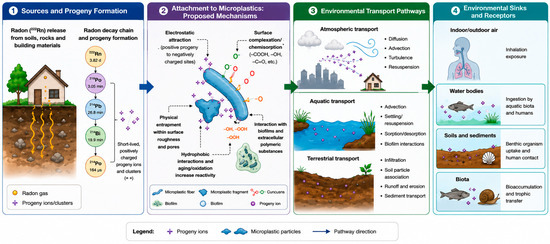
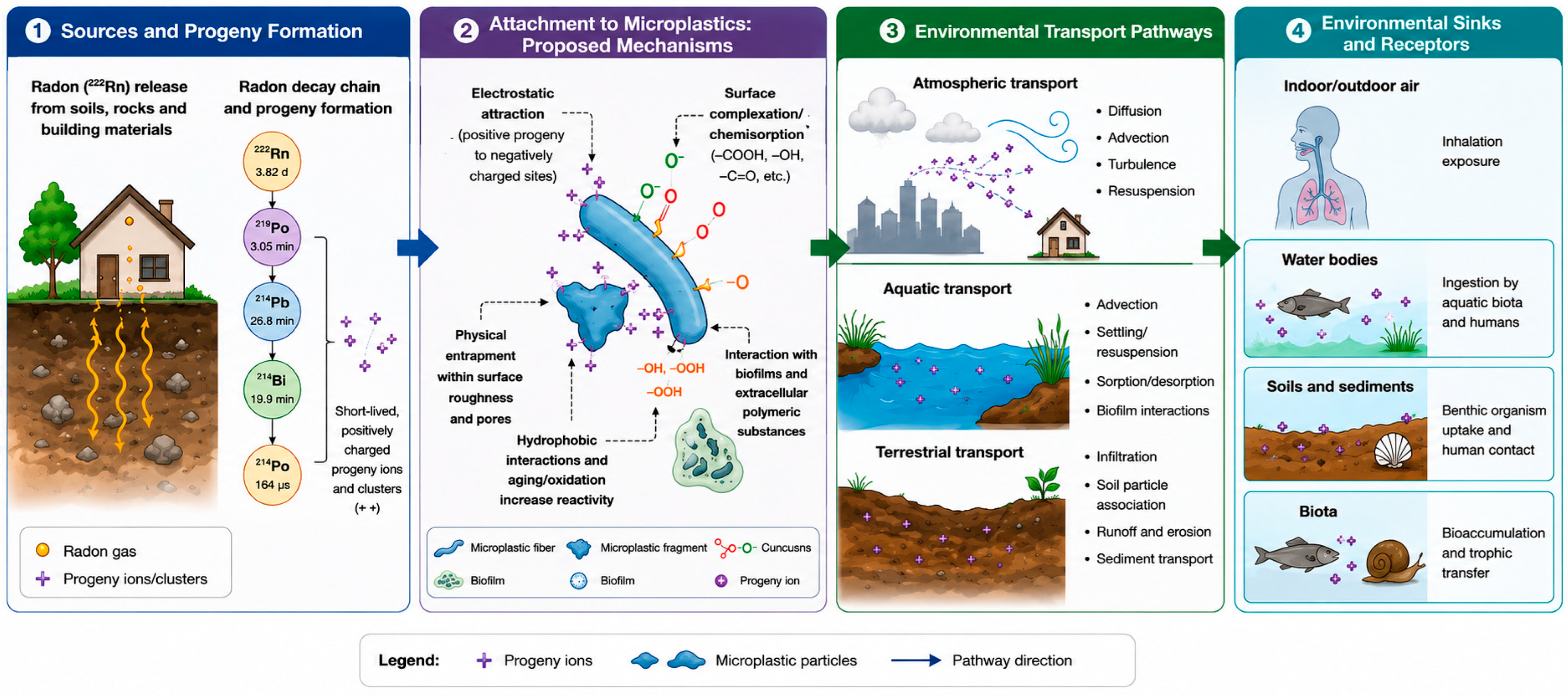
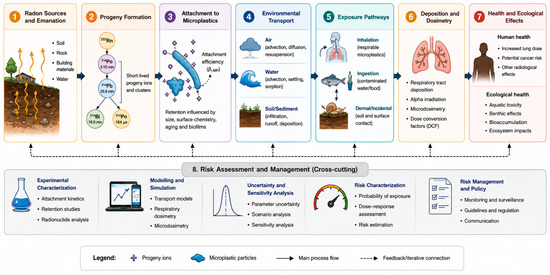
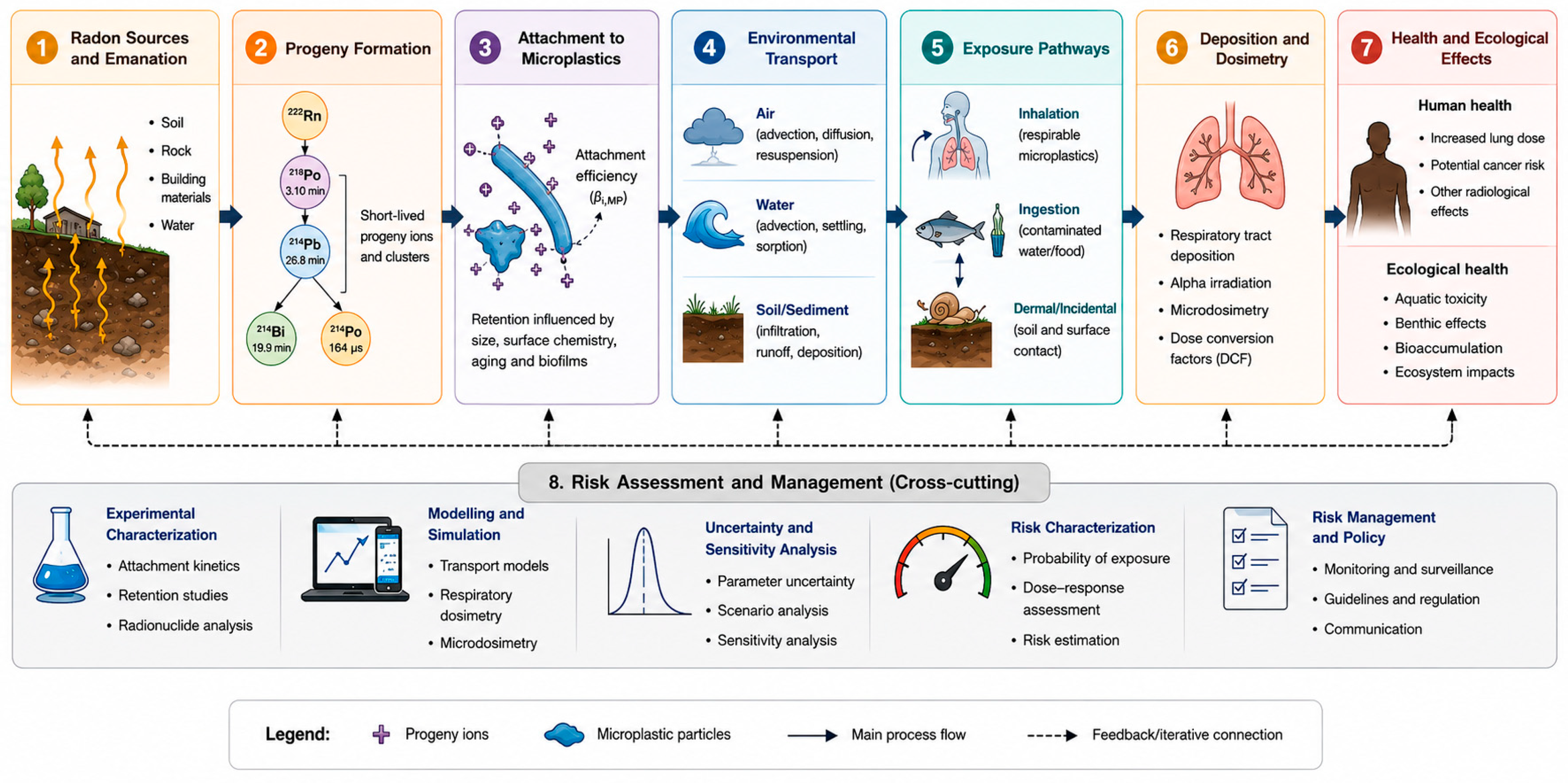

Disclaimer/Publisher’s Note: The statements, opinions and data contained in all publications are solely those of the individual author(s) and contributor(s) and not of MDPI and/or the editor(s). MDPI and/or the editor(s) disclaim responsibility for any injury to people or property resulting from any ideas, methods, instructions or products referred to in the content. |
© 2026 by the authors. Licensee MDPI, Basel, Switzerland. This article is an open access article distributed under the terms and conditions of the Creative Commons Attribution (CC BY) license.