Proceeding Paper

The Performance of Venturi Microbubble Generator Type with a 60° Twisted Baffles †
1
Department of Mechanical and Industrial Engineering, Universitas Gadjah Mada, Yogyakarta 55281, Indonesia
2
Fishing Mechanization, Politeknik Perikanan dan Kelautan Sorong, Sorong 98412, Indonesia
3
Center of Energy Studies, Universitas Gadjah Mada, Yogyakarta 55281, Indonesia
*
Author to whom correspondence should be addressed.
Presented at the 2nd International Electronic Conference on Processes: Process Engineering—Current State and Future Trends (ECP 2023), 17–31 May 2023; Available online: https://ecp2023.sciforum.net/.
Eng. Proc. 2023, 37(1), 116; https://doi.org/10.3390/ECP2023-14680
Published: 17 May 2023

Abstract

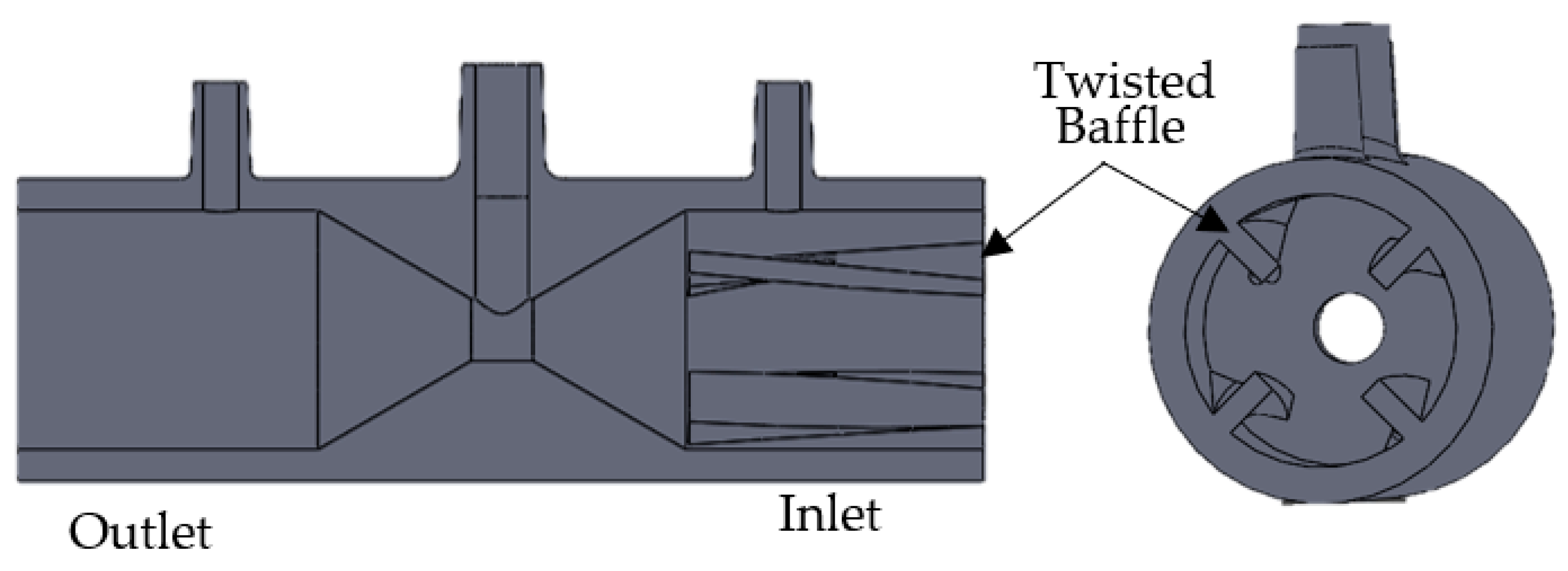
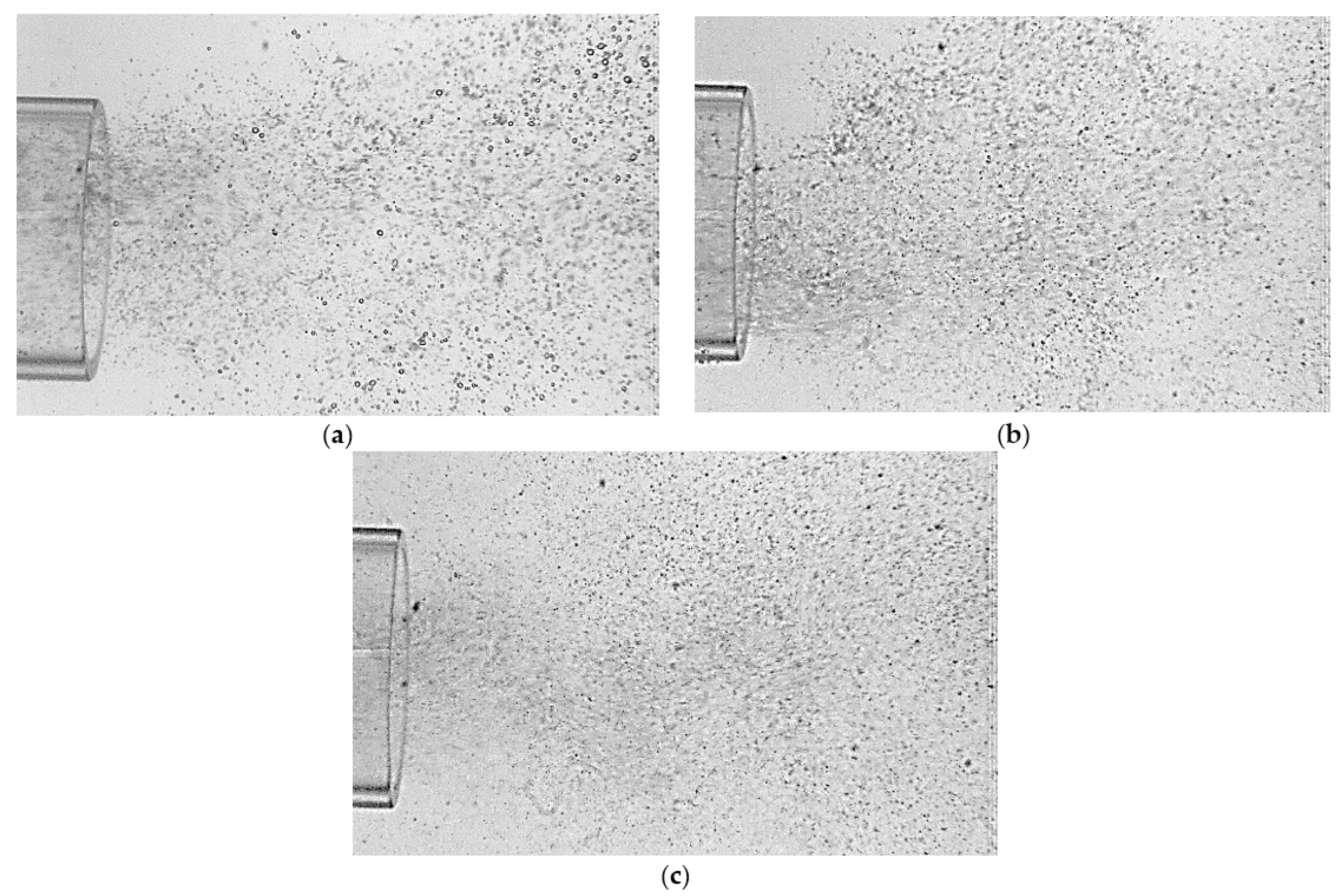
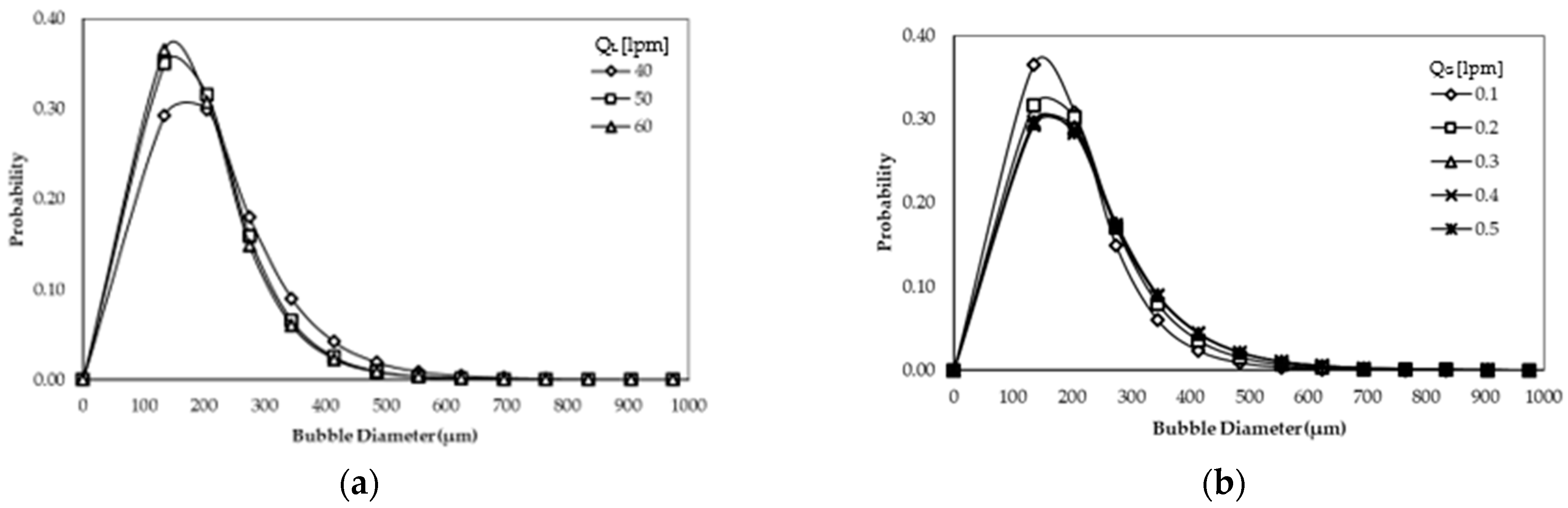
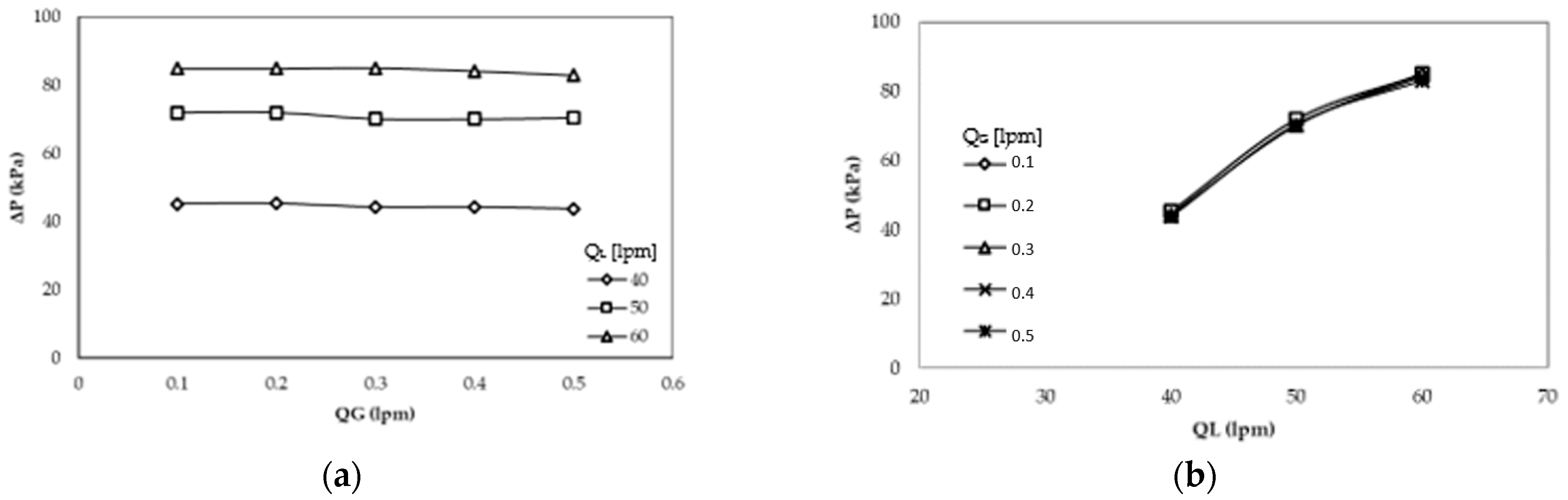
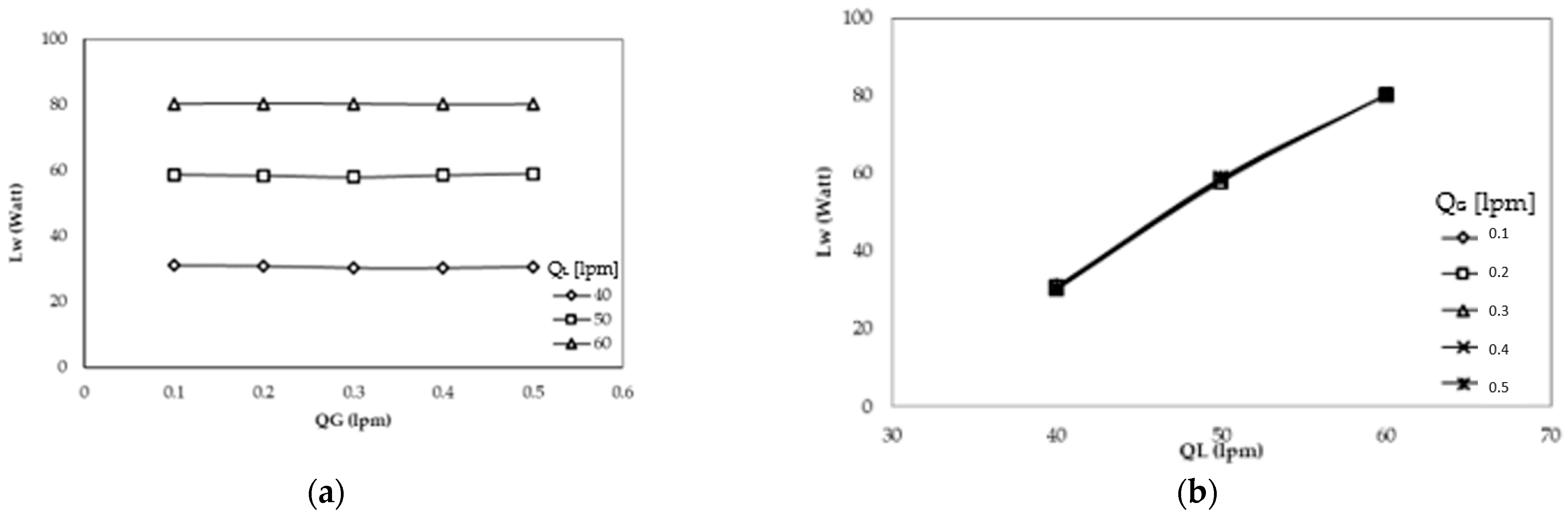
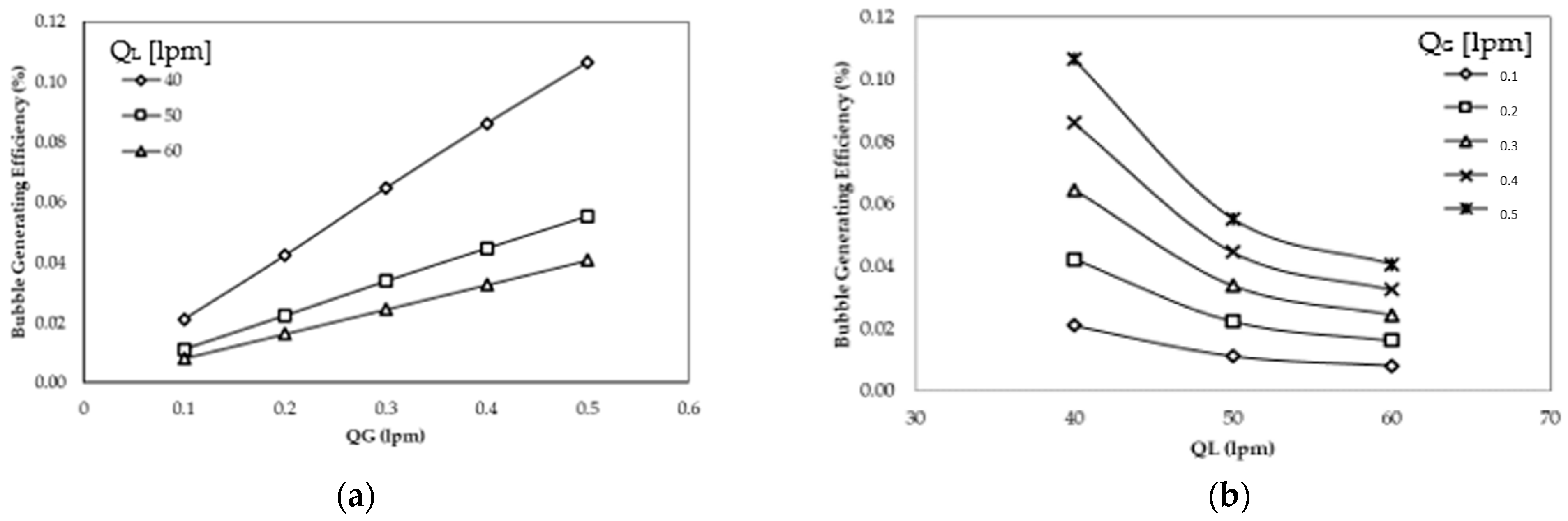
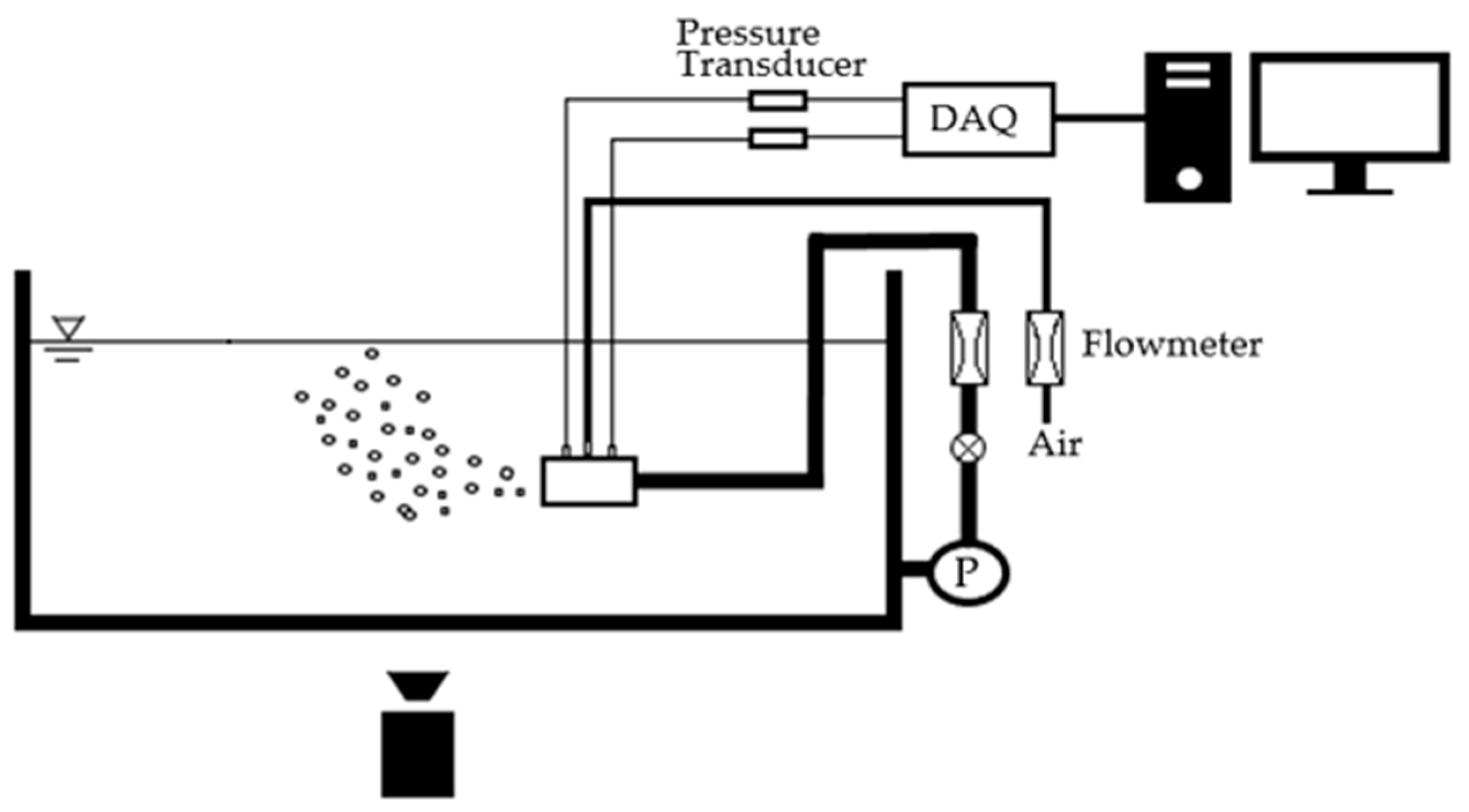
Due to their unique physical properties, microbubbles have received a lot of attention in waste treatment, aquaculture, and food processing. The demand for high-efficient and low power consumption microbubble generators has become a challenge today. Swirling flow has been widely proven to improve bubble formation. Numerous researchers have developed designs to produce swirl flow and strengthen the turbulence fluid flow. In this study, we present a swirl venturi microbubble generator with a 60° twisted baffle fin on the inlet section. The performance of the microbubble generator swirl venturi type was tested experimentally using parameters such as the distribution of bubble size, hydraulic power (Lw), and bubble-generating efficiency (ηb). A microbubble generator was installed in the transparent test pool with 672 L of water. A high-speed video camera was employed to visualize the flow behavior. The water and gas flow rates varied between 40 and 60 lpm and 0.1 and 0.5 lpm, respectively. The data were analyzed by MATLAB R2022b with the technique image processing method. The results showed that majority bubbles 100–300 µm were generated. An increased water flow rate (QL) will increase the hydraulic power by 22–27 W, while an enlargement of the gas flow rate (QG) would only enlarge it by 1 W. As the water flow rate increases, bubble-generating efficiency decreases. The lowest bubble-generating efficiency of 0.008% occurs at a QL 60 lpm and QG of 0.1 lpm. In conclusion, we can conclude that the microbubble generator swirl venturi type is an efficient device for generating microbubbles.
Keywords: venturi microbubble generator; twisted baffle; pressure drop; hydraulic power; bubble generating efficiency venturi microbubble generator; twisted baffle; pressure drop; hydraulic power; bubble generating efficiency