


Abstract
This paper presents an integrated, multispectral methodology for the technical condition assessment of prestressed concrete pylons in extradosed bridges. It addresses the challenges associated with inspecting such elements, which are highly exposed to environmental factors and difficult to access on operational structures without significant traffic disruption. The described approach combines modern reality capture techniques, including terrestrial laser scanning and photogrammetry using unmanned aerial vehicles (UAVs), to create a faithful 3D reconstruction of the structure. This geometric model served as a foundation for integrating data acquired with various non-destructive testing (NDT) methods, including ground-penetrating radar (GPR), ultrasonic testing, thermography, and magnetic methods, to assess the internal condition of the concrete and reinforcement. The authors describe the process of fusing geometric, structural (BIM), and diagnostic data into a single, interactive digital model. This integrated model was then utilized for detailed virtual inspections using web-based platforms and immersive virtual reality (VR), enabling remote collaboration and intuitive analysis. The authors emphasize that the synergy of the combined techniques provides a more comprehensive and reliable assessment than any single method could, offering a universal workflow for diagnosing massive bridge components and creating a basis for future monitoring and life-cycle management.
1. Introduction
The pylon is one of the key load-bearing structural elements in extradosed bridges, which transfer loads from the deck to the supports via suspension cables [1]. Pylons are one of the primary load-bearing elements in this type of bridge, and any structural deficiency or degradation in them directly impacts the safety and integrity of the entire structure [2]. Recent research indicates the increasing use of UAVs, AI, BIM and XR tools in bridge diagnostics [3,4,5]. These methods support data acquisition, damage identification and visualization of inspection results. However, their practical value increases when diagnostic data are integrated with accurate 3D models of the inspected structure. Following the outcomes of the presented literature, this research develops a novel approach that combines modern reality capture techniques, including terrestrial laser scanning (TLS) and photogrammetry using unmanned aerial vehicles (UAVs), to create a 3D reconstruction of the structure.
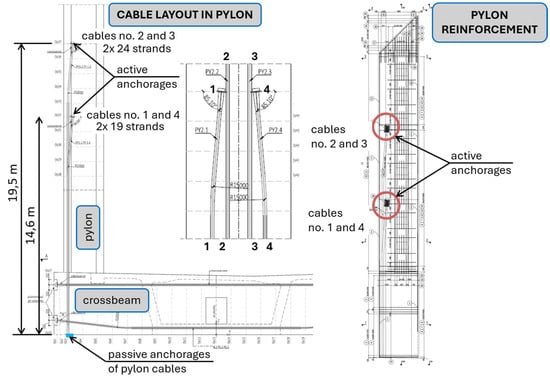
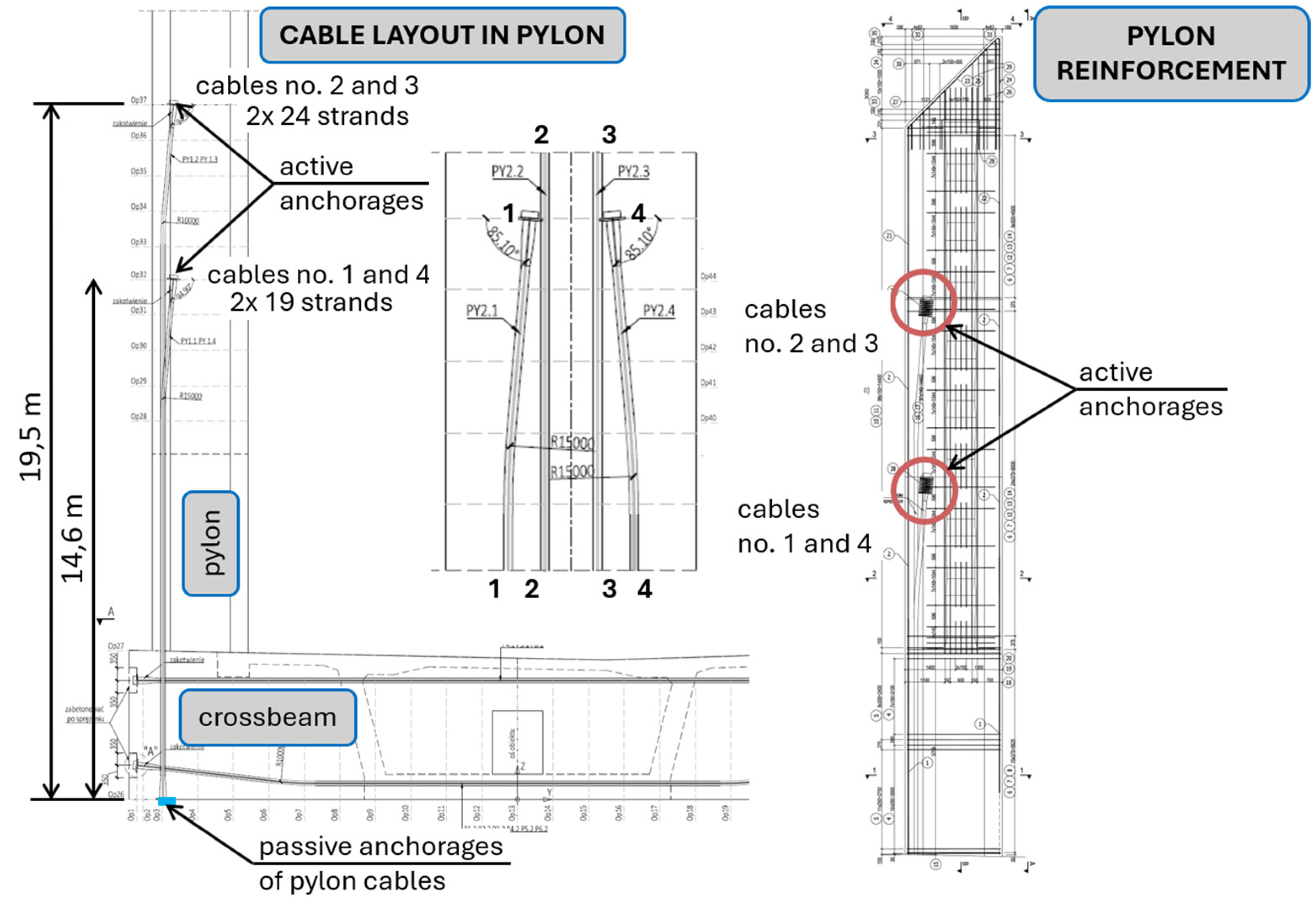
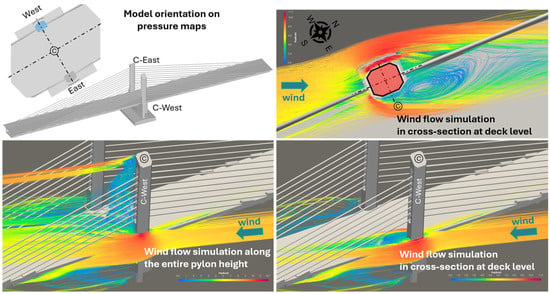
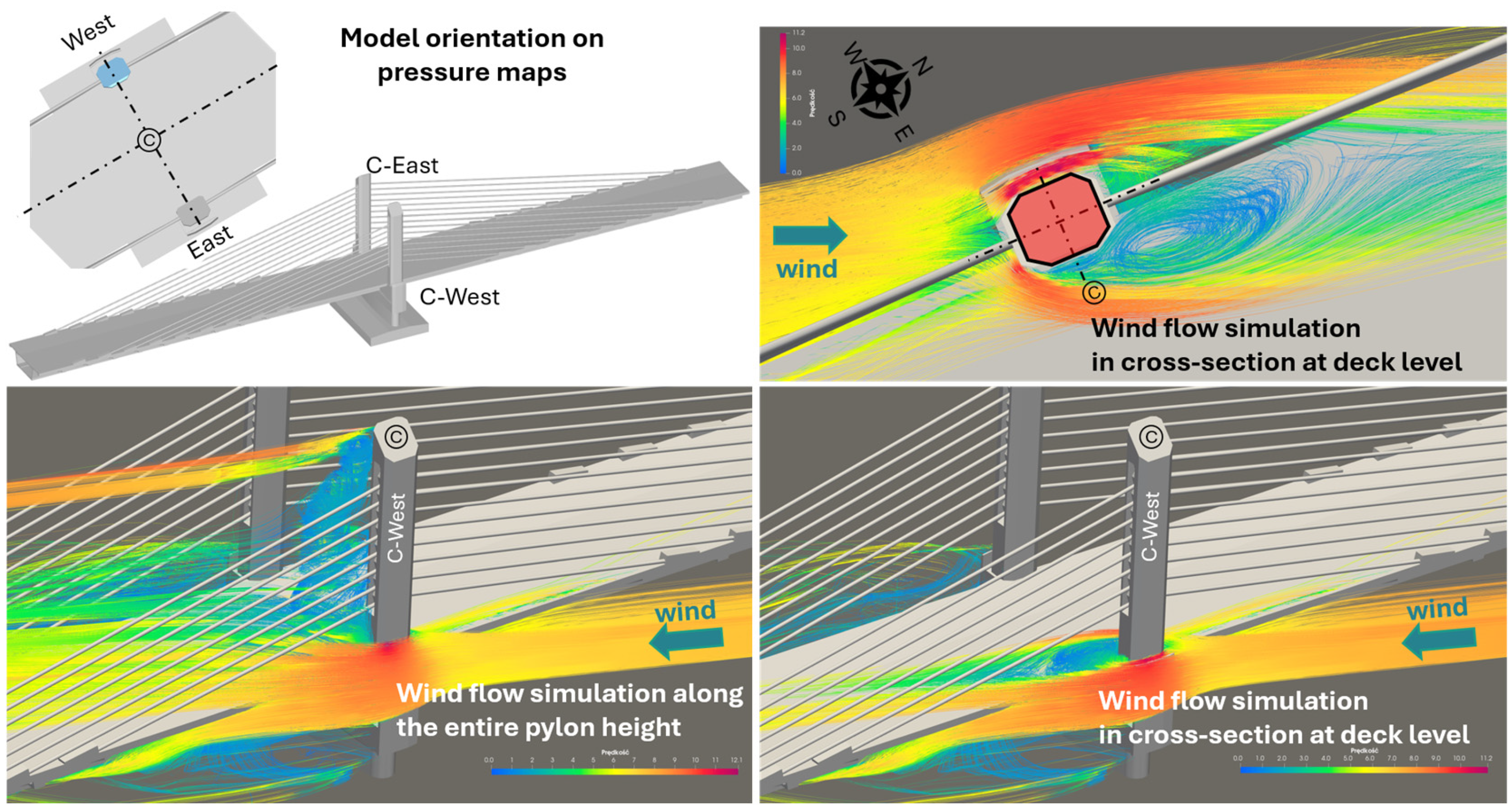
The subject of this research is a group of bridge pylons representing massive reinforced concrete structures, often prestressed with vertical cables. As an example, one can indicate the structure presented in Figure 1, where the layout of prestressing cables inside the pylon cross-section is visible. The pylon has a hexagonal cross-section with max. dimensions of 2.7 × 3.5 m and a height of 22.6 m from the deck level. In contrast to most prestressed structures, such as girders hidden inside a box cross-section, pylons are exposed to precipitation, wind, cyclic freezing and thawing, and intense UV radiation. The aerodynamic analysis, based on meteorological data from the monitoring of the object (Figure 2), indicates that the dominant wind directions in combination with precipitation create an unfriendly microclimate. On the leeward side, a zone of negative pressure arises, which may generate an effect of sucking moisture into potential micro-cracks and discontinuities in the concrete structure. This intense environmental exposure, typical for prestressed elements, constituted the main premise for undertaking broader diagnostic research.
Figure 1.
Prestressed pylon of an extradosed bridge.
Figure 2.
Analysis of wind impact on pylons.
The aim of the paper is to present an integrated, multi-stage diagnostic methodology, allowing for a comprehensive assessment of the technical condition of prestressed pylons. The adopted scheme of procedure includes four main stages:
- Reality capture and 3D reconstruction using laser scanning and photogrammetry in order to create a precise model.
- Non-destructive testing of concrete (NDT) application of GPR, thermography, and ultrasound methods in order to acquire data on the internal structure of concrete and the condition of its surface.
- Data integration consists of combining the photogrammetric model, the BIM model, and the results of NDT research.
- Virtual inspection of the digital model in interactive 2D/3D environments and in immersive virtual reality (VR).
2. Bridge Pylons Diagnostic Framework
2.1. Reality Capture and 3D Reconstruction
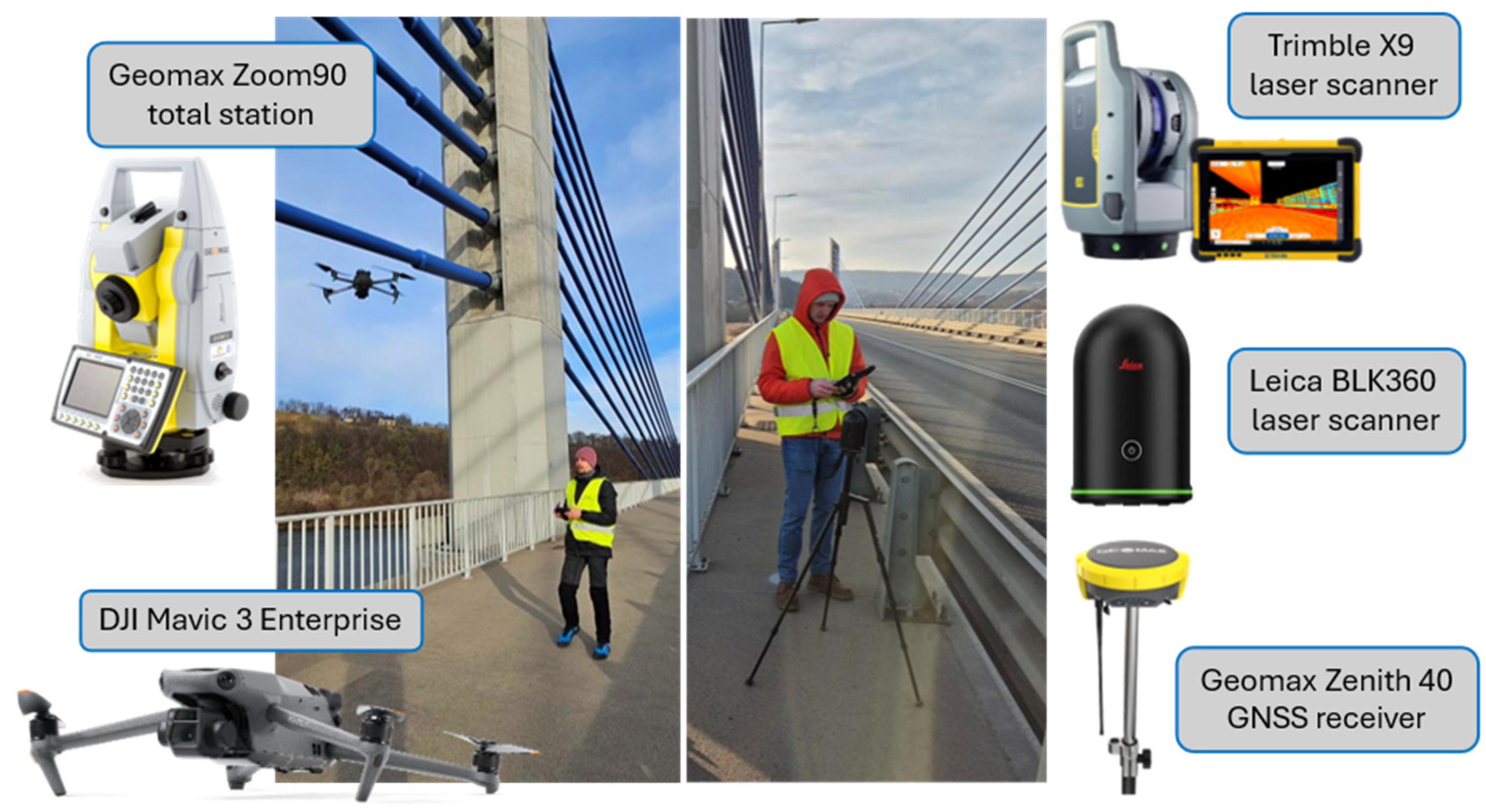
Six reinforced concrete pylons and fragments of crossbeams were subjected to reconstruction. In order to acquire data, complementary measurement techniques were used. The leading technique was photogrammetry [6]. Data acquisition was based mainly on UAV photogrammetry supported by TLS [7]. Control points measured with total station and GNSS receiver were used to ensure georeferenced accuracy. The set of utilized measurement tools is presented in Figure 3.
Figure 3.
Tools used for reality capture.
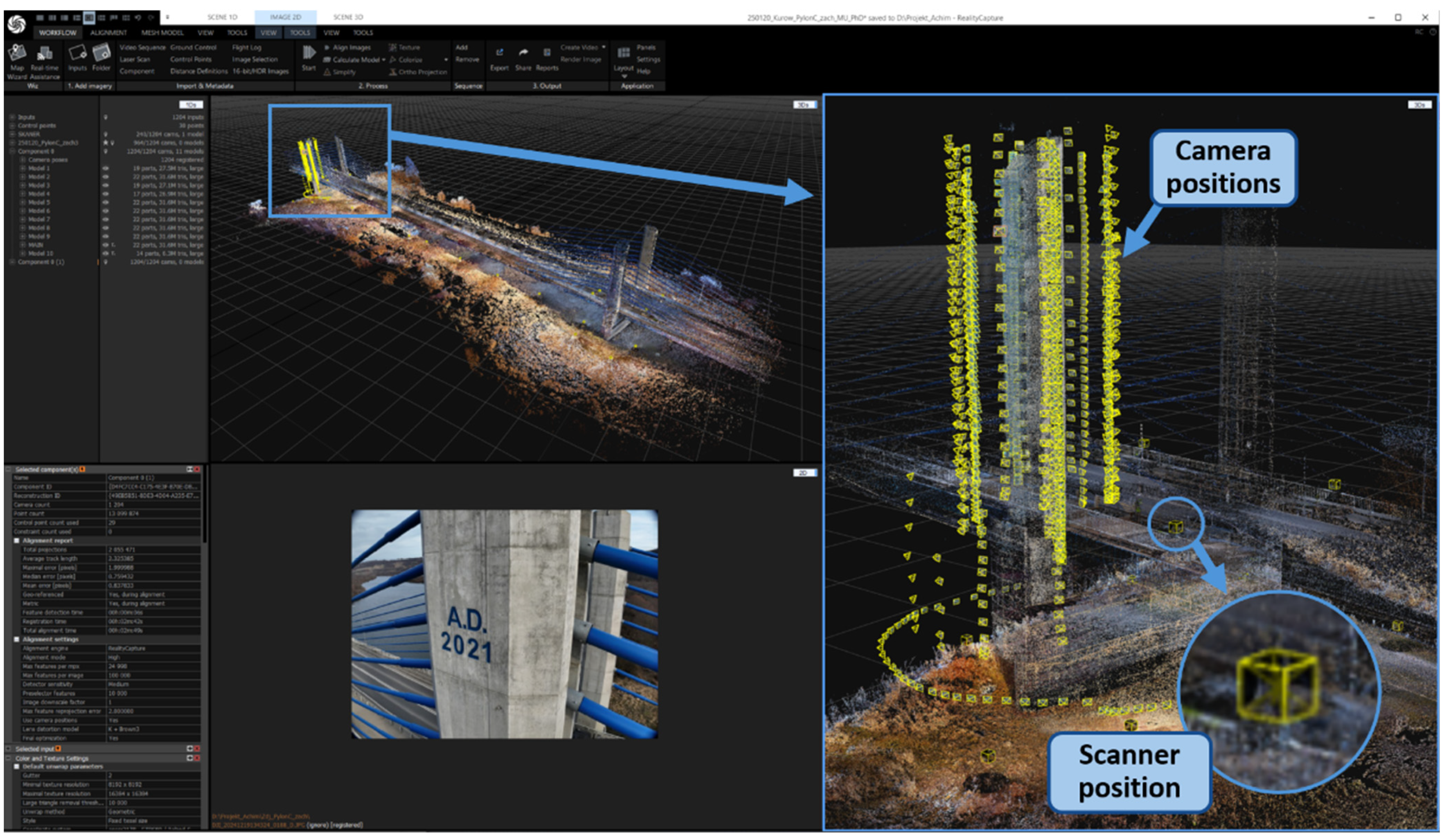
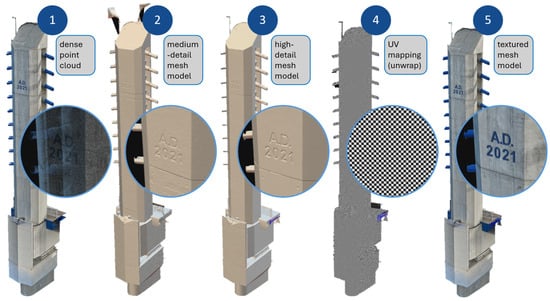
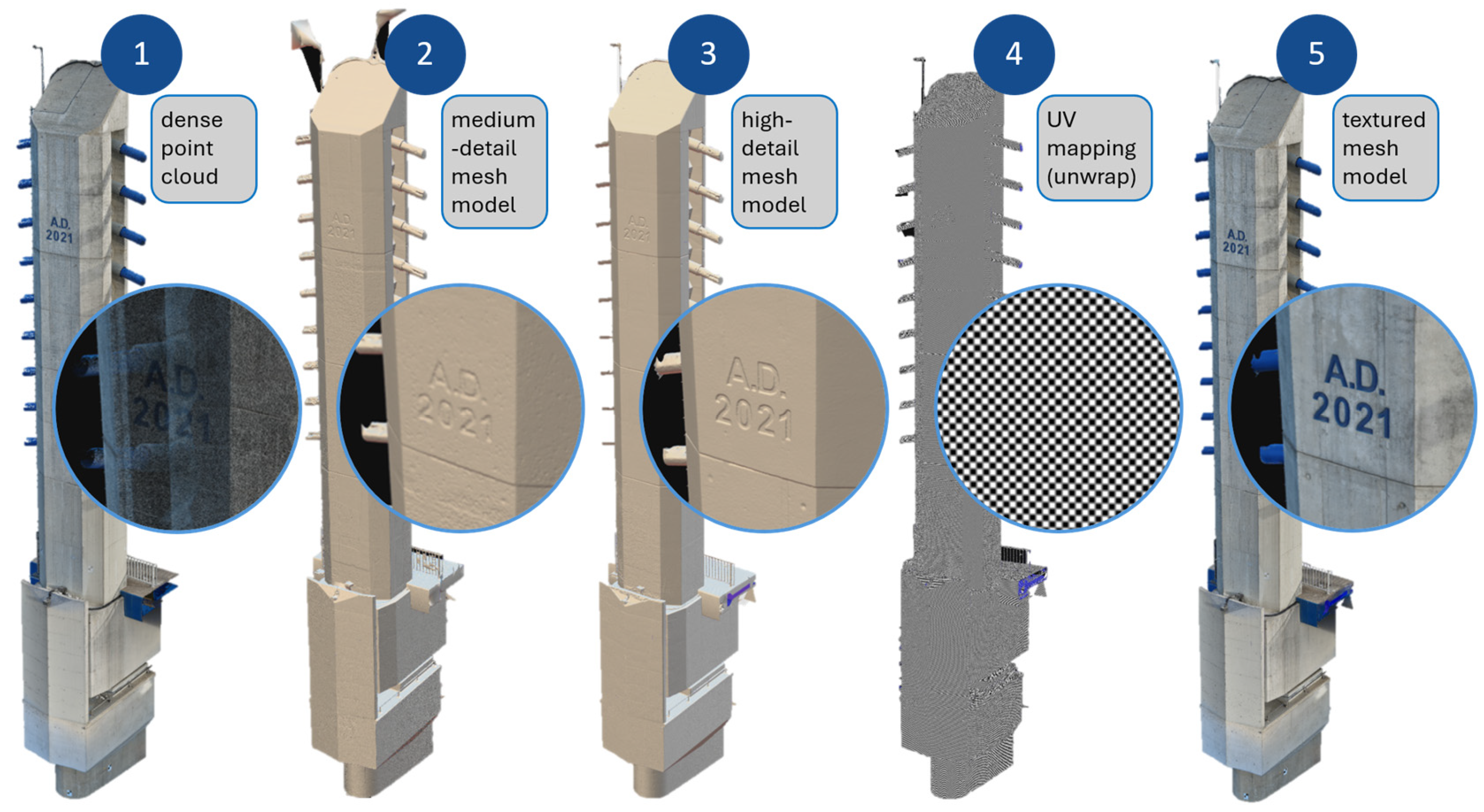
3D reconstruction was conducted in RealityCapture software ver. 1.4 (Figure 4). There were approximately 1200 photos for each pylon. Surfaces obtained on the basis of photogrammetry faithfully reproduced reality, and the quality of the models allowed for conducting an assessment from an engineering angle. The data processing consisted of the integration of the point cloud from scanning (ensuring geometric accuracy) with the photogrammetric model (responsible for realistic texture). As a result, six high-quality photogrammetric 3D models of the pylons were obtained. The reconstruction workflow is illustrated in Figure 5 and consisted of five consecutive steps: (1) generation of a dense point cloud from the oriented photographs within the defined reconstruction region, (2) creation of a medium-detail mesh used for verification of geometry completeness and consistency, (3) generation of a high-detail mesh representing the final geometric reconstruction, (4) UV mapping (unwrap) of the mesh to assign two-dimensional texture coordinates, visualized by the checkerboard pattern, and (5) application of high-resolution texture maps to obtain the final photorealistic 3D model suitable for inspection and visualization purposes.
Figure 4.
The photogrammetry software interface.
Figure 5.
Stages of photogrammetric 3D reconstruction.
2.2. Non-Destructive Testing of Concrete
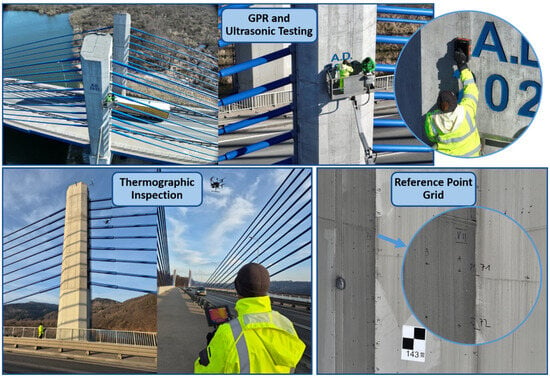
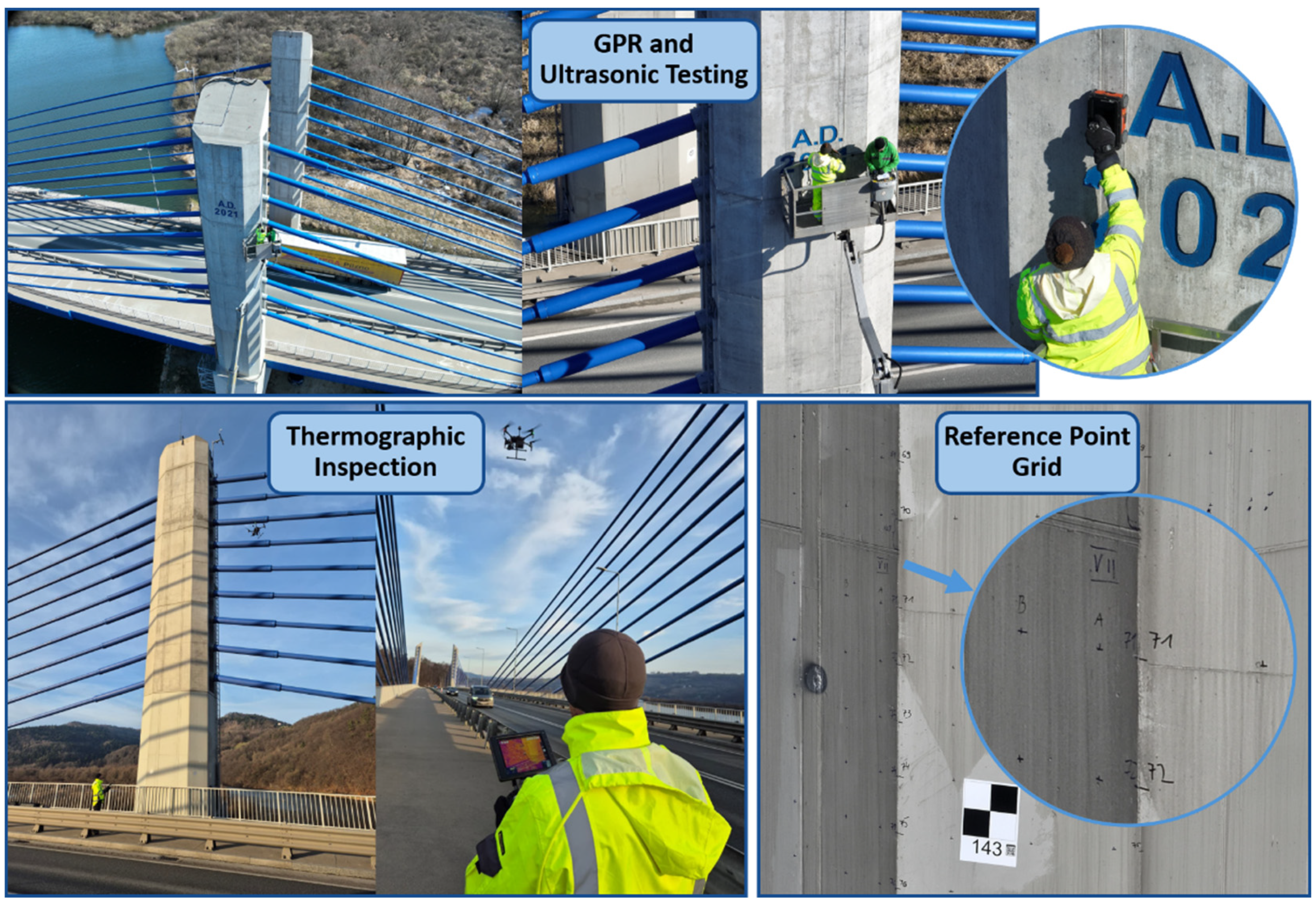
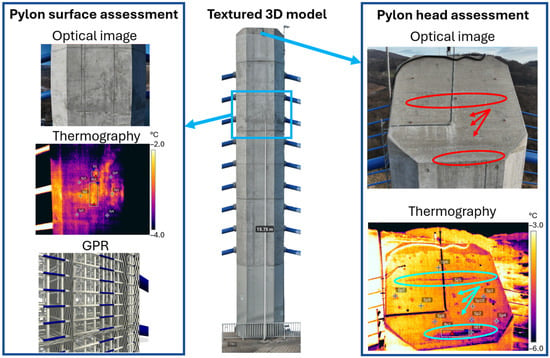
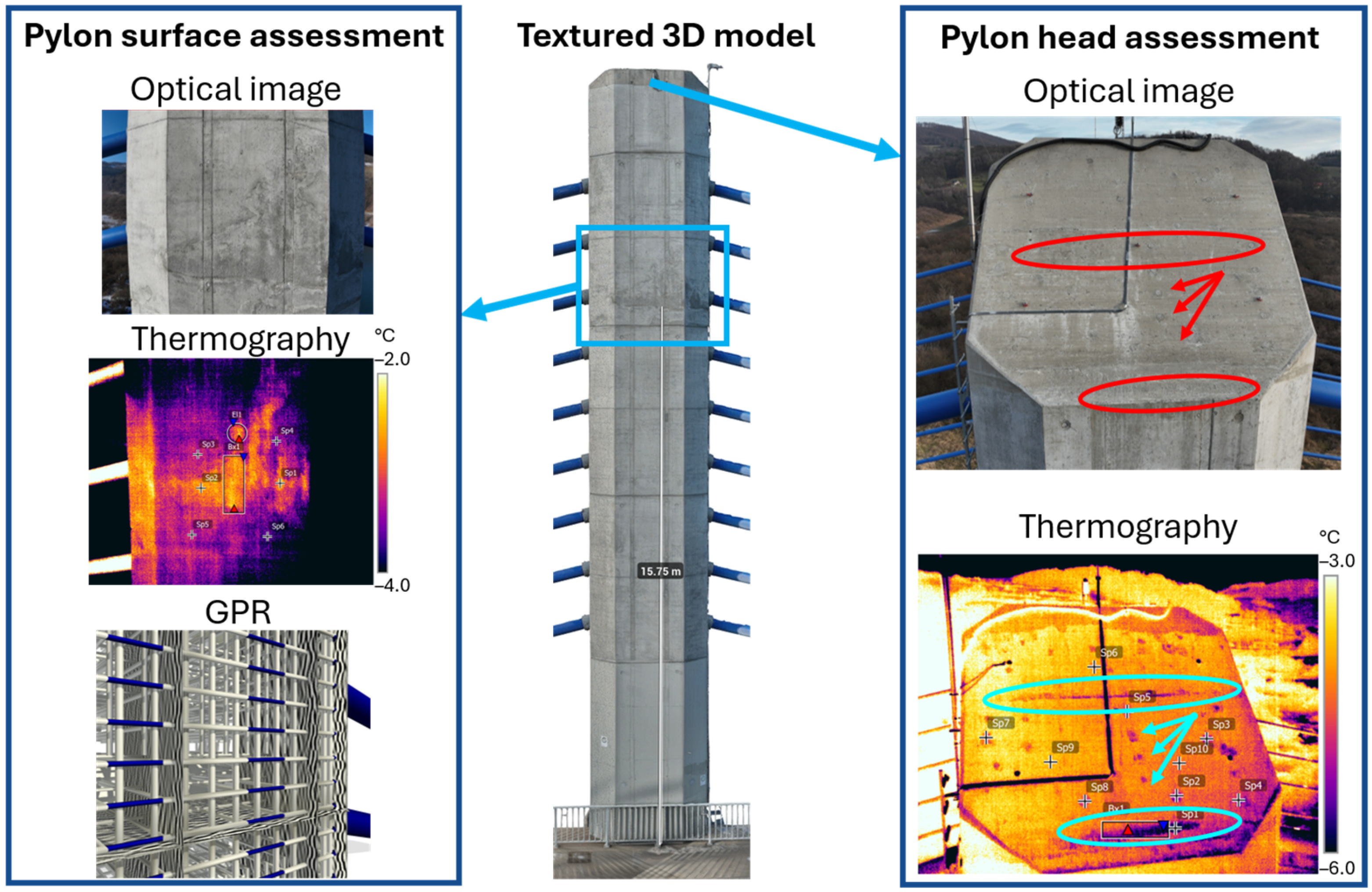
In order to assess the structure of the pylons, several non-destructive methods were applied. NDT diagnostic (Non-destructive Testing) [8] was carried out as a non-invasive assessment of the internal structure of concrete, verification of the reinforcement layout and routes of prestressing cables, and identification of potential inhomogeneities, such as voids, moisture zones, or delamination (Figure 6).
Figure 6.
Multispectral diagnostics and applied techniques.
Furthermore, Ground Penetrating Radar (GPR) assessment [9] was conducted using high-frequency systems, which allowed for the verification of the arrangement of reinforcement and routes of prestressing cables. Analysis of the results confirmed the compliance of the reinforcement layout with the design documentation, with slight execution deviations. It is important to note that no anomalies were detected that could indicate the presence of voids, cracks, or delamination inside the examined volume of concrete. In the regions of the construction joint, which are a typically problematic area for this type of structure, no cracks or cavities were found.
Ultrasonic testing was also conducted using the Pulse Echo method [10], which confirmed the absence of voids and cracks. Recorded local differences in the concrete structure should be associated with the natural variation in the material at working joints, and not with structural defects. Additionally, diagnostics of mild reinforcement and prestressing cable sheaths were performed using the magnetic method (MFL) [11] which used the iCAMM system, serving to assess the degree of steel corrosion. The results did not show signs of advanced corrosion—both the mild reinforcement and the prestressing tendons were assessed as remaining in good technical condition.
In case of thermographic analysis, a thermal imaging camera (Zenmuse XT2, Shenzhen, China) mounted on a UAV platform was used to identify thermal anomalies on the concrete surface [12]. A series of accurate thermographic and traditional photos was taken from a close distance of approx. 3–4 m. Areas with different thermal characteristics were identified, mainly in the region of construction joints and in places of earlier surface repairs, which may testify to differences in humidity or material structure. The largest scope of anomalies was observed on the upper, slanted surfaces, which are particularly exposed to the intense impact of atmospheric conditions. Figure 7 shows an example of integrating thermography and GPR results into the 3D model.
Figure 7.
Example of integrating thermography and GPR results into the digital model.
3. Data Integration and Virtual Inspection
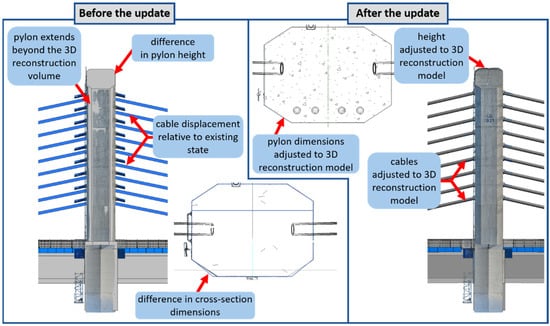
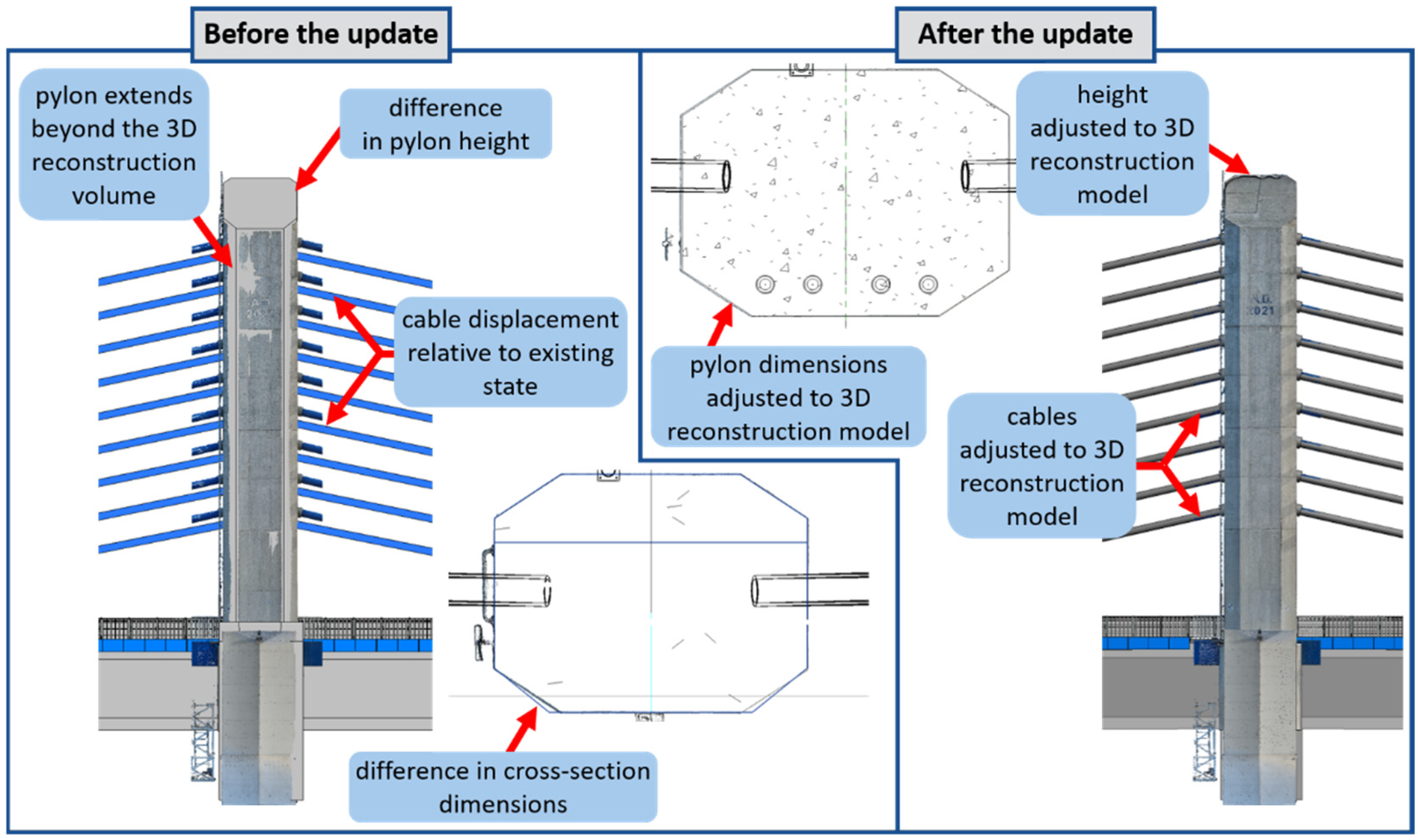
A key element of the methodology was the integration of all acquired data into one coherent digital environment. The first step was the calibration of the BIM model, which involved adjusting its geometry to the actual shape of the pylon, reproduced by the point cloud (Figure 8).
Figure 8.
Update of the 3D BIM model based on 3D reconstruction results.
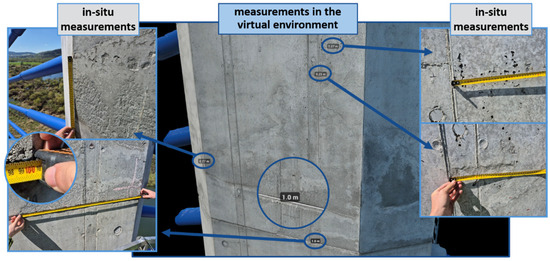
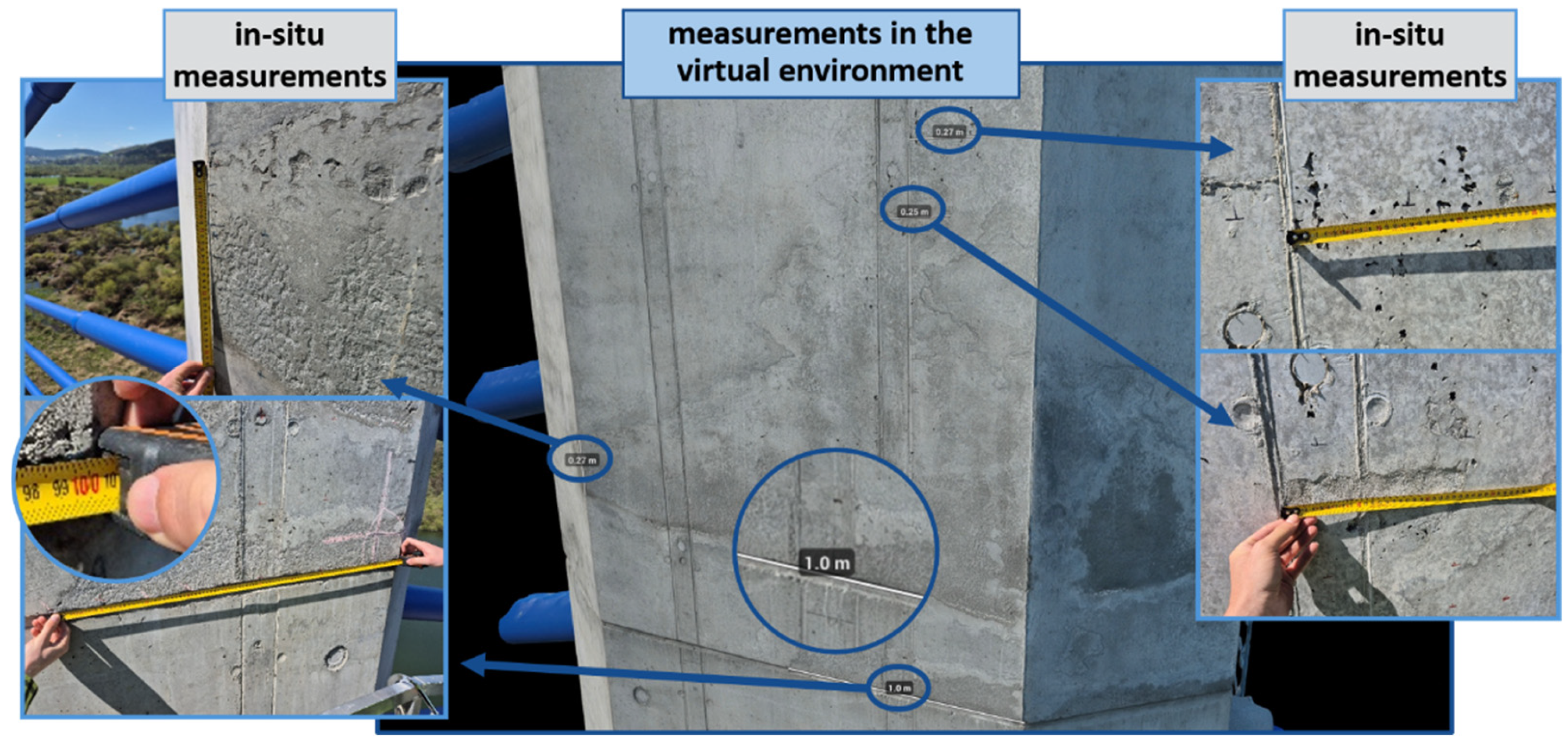
Before proceeding to a detailed virtual inspection, it was important to verify the geometric accuracy of the generated photogrammetric models. For this purpose, a comparison of the dimensions of characteristic surface damages (such as cracks or concrete cavities) measured directly in the field using traditional tools (tape measures, calipers) was conducted with measurements performed virtually on the 3D model in the Nira platform. As illustrated in Figure 9, the obtained consistency of results confirmed the high geometric fidelity of the reconstruction, which constituted the basis for recognizing the model as a credible source of data for further analyses.
Figure 9.
Verification of the accuracy of photogrammetric models.
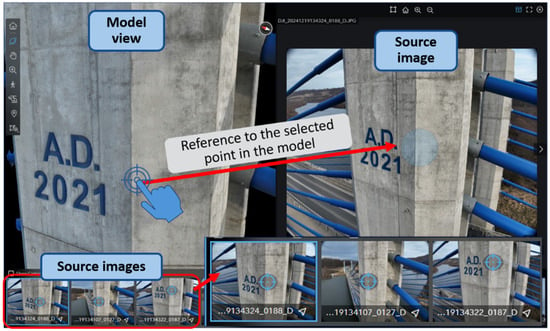
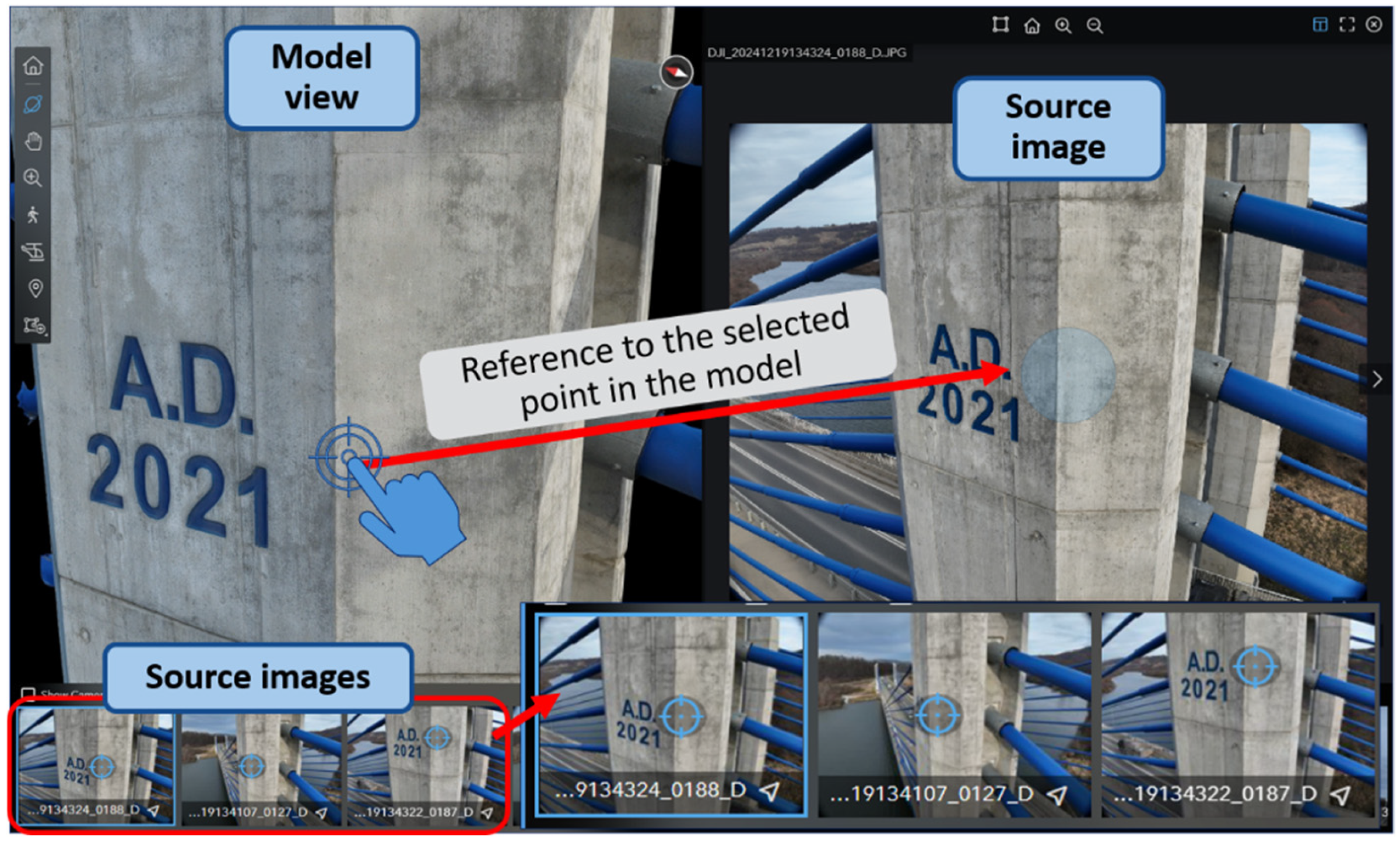
The actual visual inspection was conducted using the Nira web platform, which specializes in real-time rendering of very large and detailed 3D models directly in a web browser. Such an approach eliminates the need for the installation of specialized software and does not burden the user’s computer resources, which significantly facilitates cooperation and data sharing in the team. The platform interface, shown in Figure 10, enabled detailed, remote inspection of the textured model. The key functionalities used in the diagnostic process included: the possibility of making precise 3D measurements, applying annotations and comments directly on the model, and the unique function of synchronizing the 3D model view with the original photographs from which it was created. This allowed for immediate verification of damage details on source photos in the highest resolution.
Figure 10.
Inspection of pylons on the web-based platform.
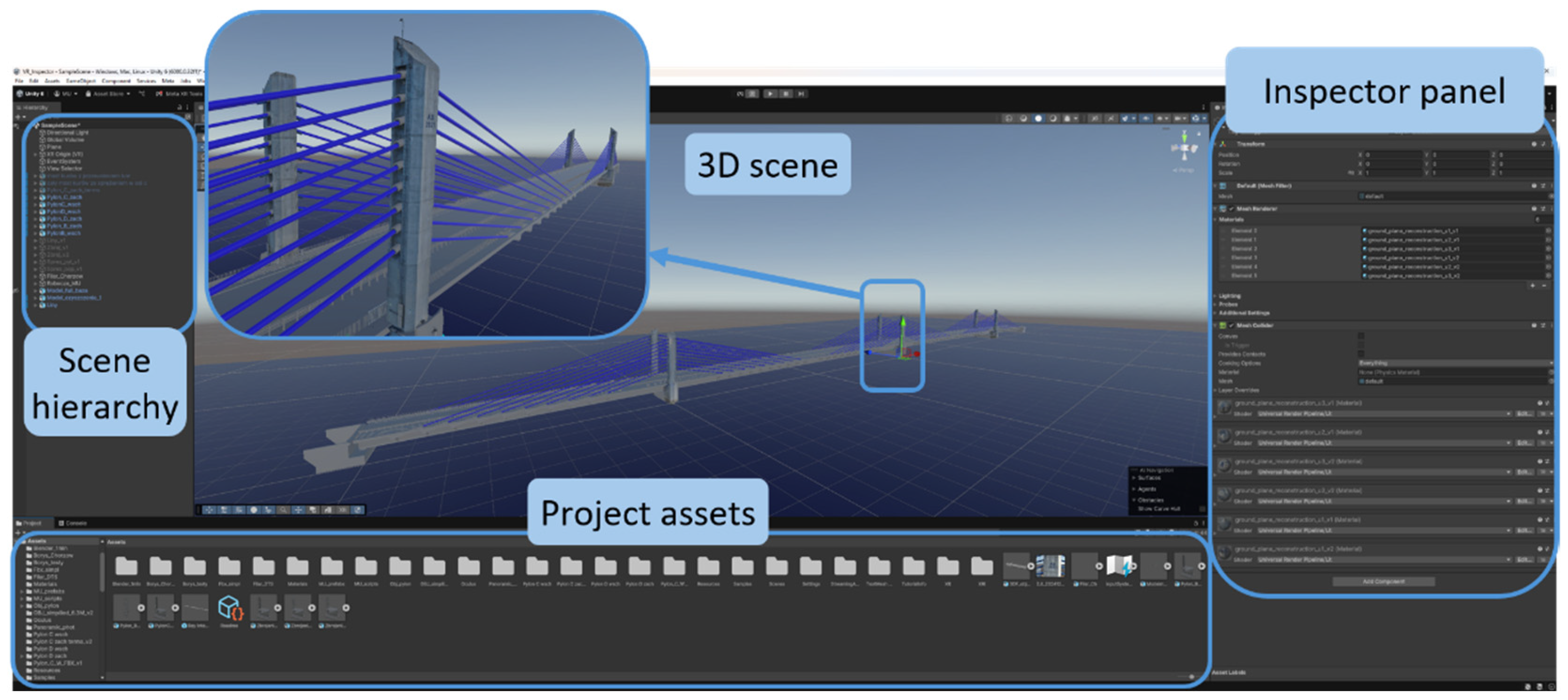
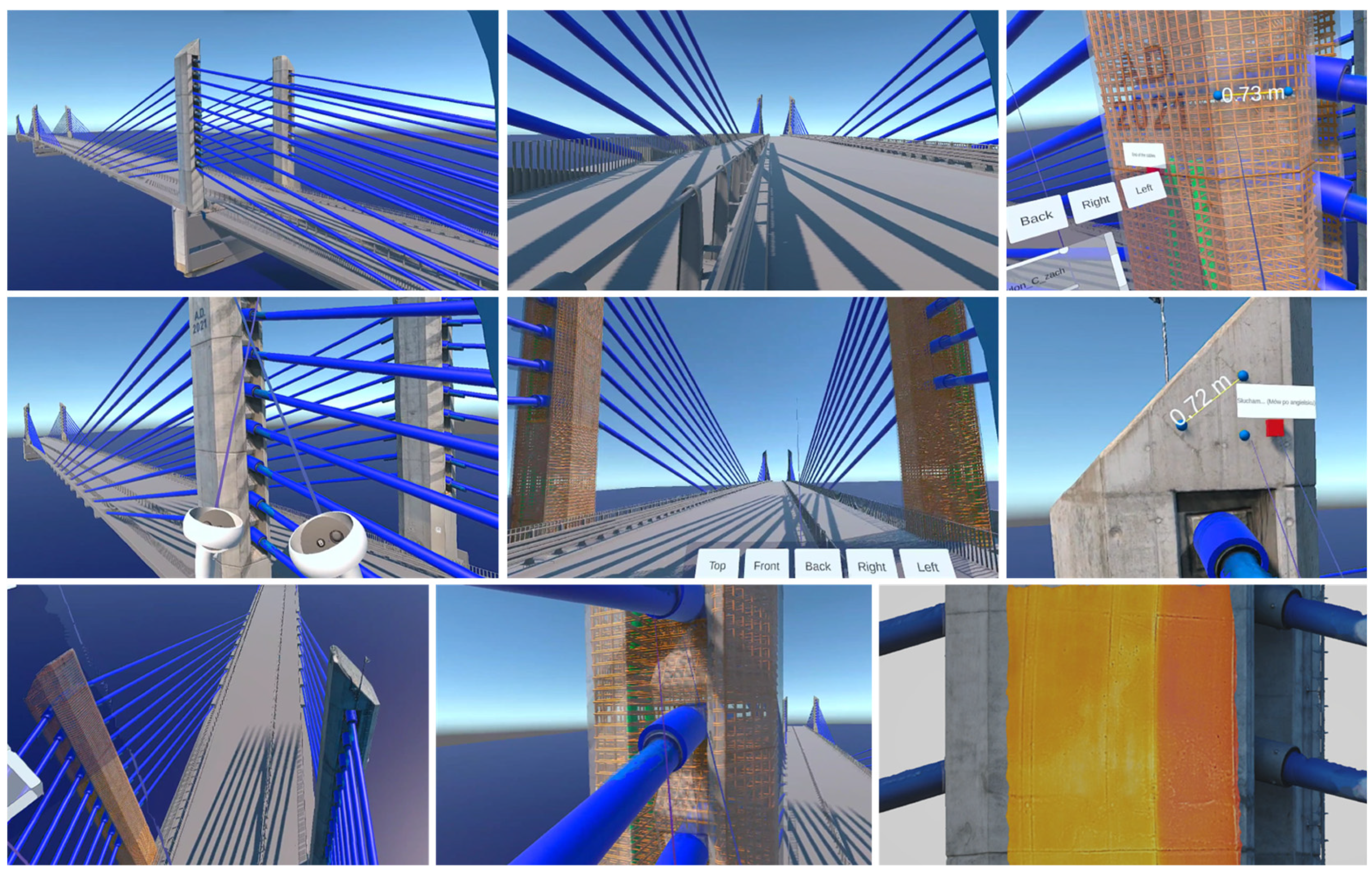
The next stage was data integration in a common environment [13]. For this purpose, it was decided to create a proprietary application. Utilizing the Unity engine—a popular software for creating virtual reality applications and computer games—a special virtual environment was created (Figure 11). In one interactive 3D scene, the following were combined: the photogrammetric model (external appearance), the calibrated BIM model (reinforcement—orange color, prestressing cables—green color), and maps of NDT results. By changing the transparency settings of individual layers with a slider, as shown in Figure 12, simultaneous observation of the surface condition and the infrastructure hidden beneath it is possible. The created application also enables immersive inspection in virtual reality (VR) goggles [14]. Meta Quest 3 goggles were used for the immersive visualization of the bridge pylons.
Figure 11.
Integrated BIM model with the photogrammetric model with layer transparency setting.
Figure 12.
Integrated BIM model with the photogrammetric model with layer transparency setting and pylon inspection in VR.
4. Results
The applied diagnostic methods provided a consistent assessment of the technical condition of the investigated pylons. GPR surveys confirmed the arrangement of reinforcement and prestressing cable ducts in accordance with the design documentation. No anomalies indicating significant voids, delamination, or discontinuities within the investigated concrete volume were identified. Similar conclusions were obtained from ultrasonic pulse echo testing, which confirmed the homogeneity of the concrete and the absence of internal defects. Magnetic flux leakage (MFL) measurements did not indicate advanced corrosion of either conventional reinforcement or prestressing cable ducts.
Thermographic investigations revealed several zones with different thermal characteristics, primarily concentrated around construction joints, repaired surface areas, and the upper inclined surfaces of the pylons. These anomalies were interpreted as being related mainly to differences in moisture conditions, material properties, or local environmental exposure rather than to structural deterioration. The largest concentration of thermal irregularities was observed on the pylon heads, which are particularly exposed to precipitation, wind, and temperature variations.
The combined interpretation of GPR, ultrasonic, magnetic, and thermographic results demonstrated that the investigated pylons remain in good technical condition. No evidence of significant structural defects, active degradation processes, or advanced deterioration of prestressing components was identified. At the same time, the integration of diagnostic results with the photogrammetric reconstruction and BIM model provided additional analytical value. The unified digital environment enabled direct correlation between surface anomalies identified during visual and thermographic inspections, the internal arrangement of reinforcement and prestressing tendons, and the structural geometry of the pylons. As a result, identified irregularities could be assessed not only in terms of their location, but also in relation to their potential structural significance and interaction with internal components. This significantly improved the interpretation of inspection results and facilitated the identification of areas requiring future monitoring.
5. Conclusions
This research presented an integrated methodology of multispectral diagnostics of prestressed extradosed bridge pylons. This methodology combines reality capture and 3D reconstruction techniques, non-destructive testing, and advanced visualization methods. Low-altitude photogrammetry and laser scanning enabled the acquisition of detailed geometric models, which effectively reproduced the structure’s surface, constituting an effective alternative to traditional inspection methods, eliminating logistical and operational difficulties. Applied NDT diagnostic methods, such as GPR, ultrasonic, thermographic, and magnetic, provided information about the concrete structure, the condition of reinforcement, and prestressing tendons.
The final outcome of the described process is an interactive multi-layer digital model, integrating geometric, structural, and diagnostic data. Furthermore, this research emphasized applications of the high potential of modern visualization platforms, such as Nira or dedicated VR applications, in the inspection process. They not only enable detailed analysis and collaboration of stakeholders but also offer an intuitive understanding of spatial relations between irregularities observed on the surface and the internal structure of the construction. This combination creates a foundation for future structural simulations, maintenance planning and resource allocation. Thus, the developed methodology can be recognized as a universal scheme of procedure in the diagnostics of main bridge components such as bridge pylons and decks, especially where traditional inspection methods are hindered or insufficient. Created digital models also constitute a valuable tool for future monitoring and comprehensive management of the object’s life cycle.
Author Contributions
Conceptualization, M.U. and M.S.; methodology, M.U. and B.K.; software, M.U. and M.F.; validation, M.U., B.K. and M.F.; formal analysis, M.S.; investigation, B.K.; resources, M.U. and M.F.; data curation, M.U. and B.K.; writing—original draft preparation, M.S.; writing—review and editing, M.U.; visualization, M.U.; supervision, M.S.; project administration, M.S.; funding acquisition, M.S. All authors have read and agreed to the published version of the manuscript.
Funding
This research was funded by [Polish Ministry of Science and Higher Education] grant number [DWD/6/0447/2022].
Institutional Review Board Statement
Not applicable.
Informed Consent Statement
Not applicable.
Data Availability Statement
No new data were created or analyzed in this study.
Conflicts of Interest
The authors declare no conflict of interest.
Abbreviations
The following abbreviations are used in this manuscript:
| AI | Artificial Intelligence |
| AR | Augmented Reality |
| BIM | Building Information Modeling |
| GPR | Ground Penetrating Radar |
| GNSS | Global Navigation Satellite System |
| MFL | Magnetic Flux Leakage |
| MR | Mixed Reality |
| NDT | Non-Destructive Testing |
| RTK | Real-Time Kinematic |
| TLS | Terrestrial Laser Scanning |
| UAV | Unmanned Aerial Vehicle |
| VR | Virtual Reality |
| XR | Extended Reality |
References
- Bujnak, J.; Odrobinak, J.; Vican, J. Extradosed Bridge—Theoretical and Experimental Verification. Procedia Eng. 2013, 65, 327–334. [Google Scholar] [CrossRef] [Scilit]
- Feng, D.C.; Wang, W.J.; Mangalathu, S.; Sun, Z. Condition Assessment of Highway Bridges Using Textual Data and Natural Language Processing- (NLP-) Based Machine Learning Models. Struct. Control Health Monit. 2023, 2023, 9761154. [Google Scholar] [CrossRef] [Scilit]
- Araya-Santelices, P.; Grande, Z.; Atencio, E.; Lozano-Galant, J.A. Bridge management with AI, UAVs, and BIM. Autom. Constr. 2025, 175, 106170. [Google Scholar] [CrossRef] [Scilit]
- Aela, P.; Chi, H.L.; Fares, A.; Zayed, T.; Kim, M. UAV-based studies in railway infrastructure monitoring. Autom. Constr. 2024, 167, 105714. [Google Scholar] [CrossRef] [Scilit]
- Casini, M. Extended Reality for Smart Building Operation and Maintenance: A Review. Energies 2022, 15, 3785. [Google Scholar] [CrossRef] [Scilit]
- Lin, J.J.; Ibrahim, A.; Sarwade, S.; Golparvar-Fard, M. Bridge Inspection with Aerial Robots: Automating the Entire Pipeline of Visual Data Capture, 3D Mapping, Defect Detection, Analysis, and Reporting. J. Comput. Civ. Eng. 2021, 35, 04020064. [Google Scholar] [CrossRef] [Scilit]
- Ribeiro, D.; Rakoczy, A.M.; Cabral, R.; Hoskere, V.; Narazaki, Y.; Santos, R.; Tondo, G.; Gonzalez, L.; Matos, J.C.; Futai, M.M.; et al. Methodologies for Remote Bridge Inspection—Review. Sensors 2025, 25, 5708. [Google Scholar] [CrossRef] [Scilit] [PubMed]
- Boccacci, G.; Frasca, F.; Bertolin, C.; Siani, A.M. Diagnosis of Historic Reinforced Concrete Buildings: A Literature Review of Non-Destructive Testing (NDT) Techniques. Procedia Struct. Integr. 2024, 55, 160–167. [Google Scholar] [CrossRef] [Scilit]
- Łaziński, P.; Jasiński, M.; Uściłowski, M.; Piotrowski, D.; Ortyl, Ł. GPR in Damage Identification of Concrete Elements—A Case Study of Diagnostics in a Prestressed Bridge. Remote Sens. 2024, 17, 35. [Google Scholar] [CrossRef] [Scilit]
- Janků, M.; Cikrle, P.; Grošek, J.; Anton, O.; Stryk, J. Comparison of infrared thermography, ground-penetrating radar and ultrasonic pulse echo for detecting delaminations in concrete bridges. Constr. Build. Mater. 2019, 225, 1098–1111. [Google Scholar] [CrossRef] [Scilit]
- Eslamlou, A.D.; Ghaderiaram, A.; Schlangen, E.; Fotouhi, M. A review on non-destructive evaluation of construction materials and structures using magnetic sensors. Constr. Build. Mater. 2023, 397, 132460. [Google Scholar] [CrossRef] [Scilit]
- Milovanovic, B.; Pecur, I.B. Review of Active IR Thermography for Detection and Characterization of Defects in Reinforced Concrete. J. Imaging 2016, 2, 11. [Google Scholar] [CrossRef] [Scilit]
- Dang, N.; Shim, C. Bridge assessment for PSC Girder Bridge using Digital Twins Model. In Innovation for Sustainable Infrastructure; Springer: Singapore, 2020; pp. 1241–1246. [Google Scholar]
- Yigit, A.Y.; Uysal, M. Virtual reality visualisation of automatic crack detection for bridge inspection from 3D digital twin generated by UAV photogrammetry. Measurement 2025, 242, 115931. [Google Scholar] [CrossRef] [Scilit]
Disclaimer/Publisher’s Note: The statements, opinions and data contained in all publications are solely those of the individual author(s) and contributor(s) and not of MDPI and/or the editor(s). MDPI and/or the editor(s) disclaim responsibility for any injury to people or property resulting from any ideas, methods, instructions or products referred to in the content. |
© 2026 by the authors. Licensee MDPI, Basel, Switzerland. This article is an open access article distributed under the terms and conditions of the Creative Commons Attribution (CC BY) license.