


Abstract
The hand is essential for performing everyday activities due to its structural and functional complexity. Injuries and various disorders affecting the hand may lead to significant motor deficits and reduced quality of life. In this context, we developed a system designed to support hand rehabilitation through both evaluation and therapy. The proposed solution combines a hardware component, based on accelerometer and gyroscope sensors connected to an Arduino Mega platform, with a software component consisting of two applications. The system records finger mobility comparing the collected data with physiological parameters and transmits the results via Bluetooth to a mobile application, which provides visual feedback regarding movement deficits. In addition, a secondary application includes a therapeutic game intended to support rehabilitation in an engaging interactive manner.
1. Introduction
The hand is the most highly developed segment of the upper limb from both an anatomical and functional point of view. As a result of the development of its numerous nerve receptors, as well as its rich vascularization, the hand can perform biomechanically complex movements. These movements are based on the correlation between the nervous system and the muscular system. Hand injuries represent an obstacle to recurrent daily activities, while medical rehabilitation is a difficult, monotonous, and long-lasting process. The patient’s psychological state has a significant influence on recovery, with motivation becoming a decisive factor throughout the entire process [1].
Limited hand mobility, especially that of the fingers, is not only caused by trauma, but also by a range of neurological, musculoskeletal, and systemic disorders. Thus, conditions such as stroke, multiple sclerosis, or Parkinson’s disease may interfere with the transmission of nerve impulses from the central level to the peripheral segments, leading to the partial or total loss of fine movements [2]. Likewise, inflammatory or degenerative diseases such as rheumatoid arthritis may cause joint deformities, stiffness, and chronic pain, severely affecting hand functionality. Other conditions, such as Dupuytren’s disease, trigger finger, or tendinitis, negatively influence mobility through the direct involvement of the tendons or the palmar fascia [3]. Finally, systemic diseases such as diabetes mellitus or scleroderma may lead to contractures, peripheral neuropathy, or damage to small blood vessels, which over time result in the loss of fine motor function of the hand. Identifying the cause of mobility loss is essential for establishing an appropriate therapeutic protocol and for evaluating the effectiveness of the rehabilitation methods used.
In this context, the present study was conducted with the aim of developing a modern device for the evaluation and rehabilitation of hand and finger mobility. It can analyze the motor function of each individual finger and generate a relevant percentage based on a device that allows the initiation of a rehabilitation session through an interactive application designed to keep the patient engaged during therapeutic exercises. Several rehabilitation systems based on inertial sensors have been proposed in recent years. However, many of these solutions focus exclusively on monitoring, without integrating interactive rehabilitation tools. Compared to existing systems, the proposed solution combines real-time mobility assessment with an interactive therapeutic application, enhancing patient engagement and facilitating continuous monitoring.
2. Materials and Methods
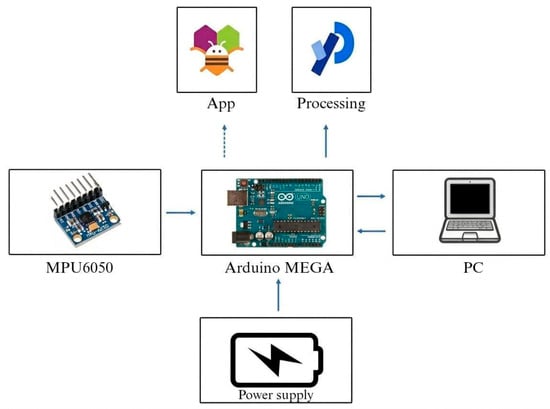
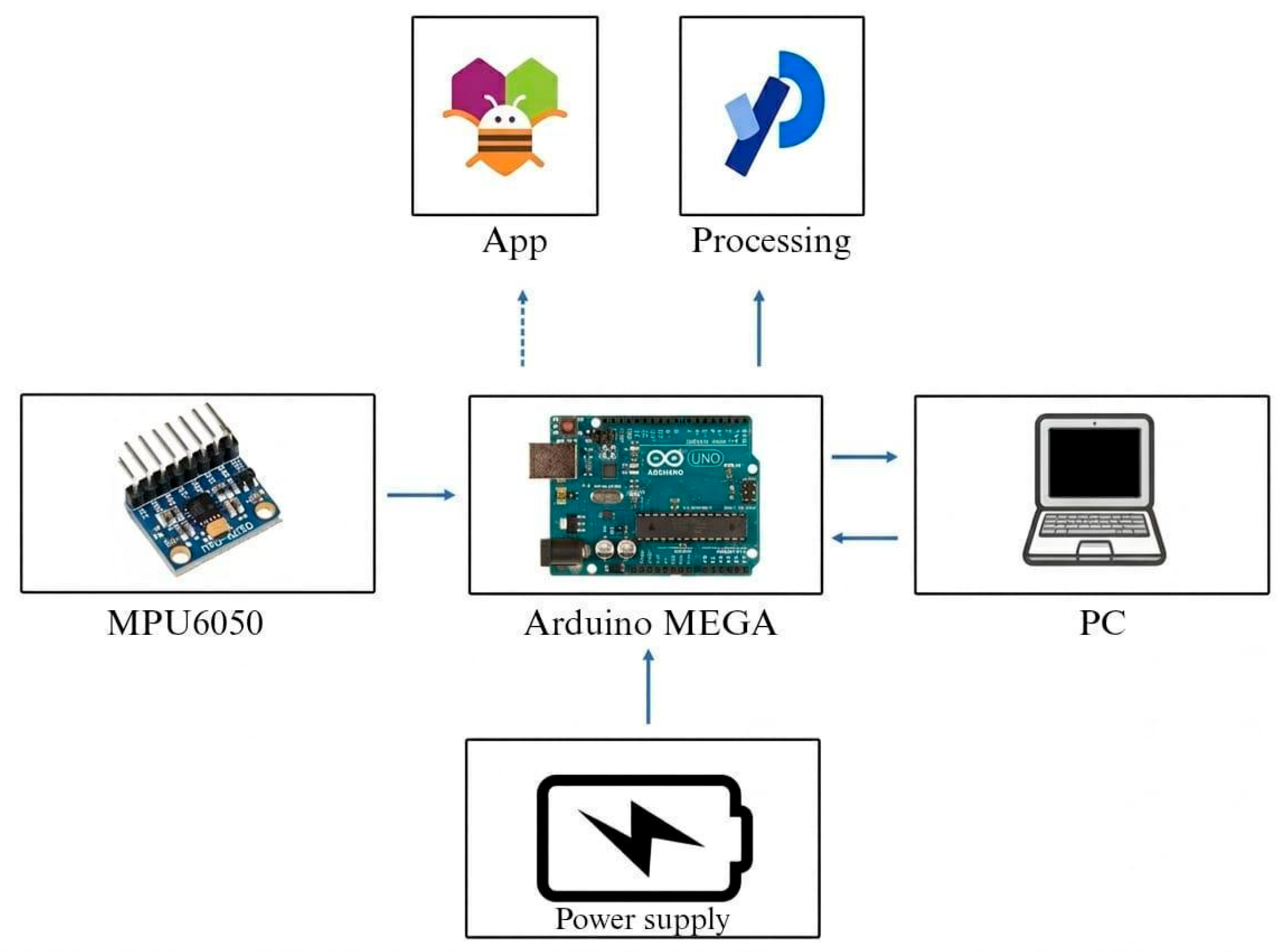
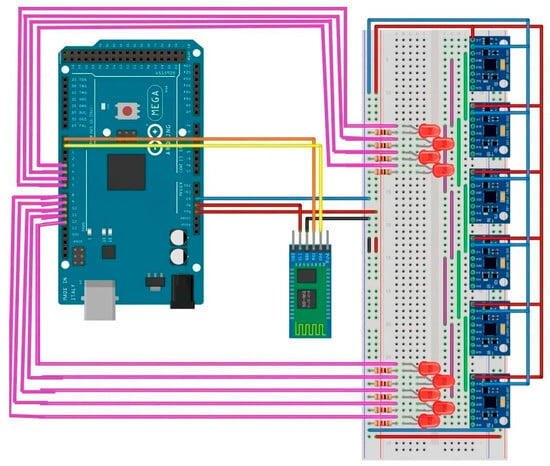
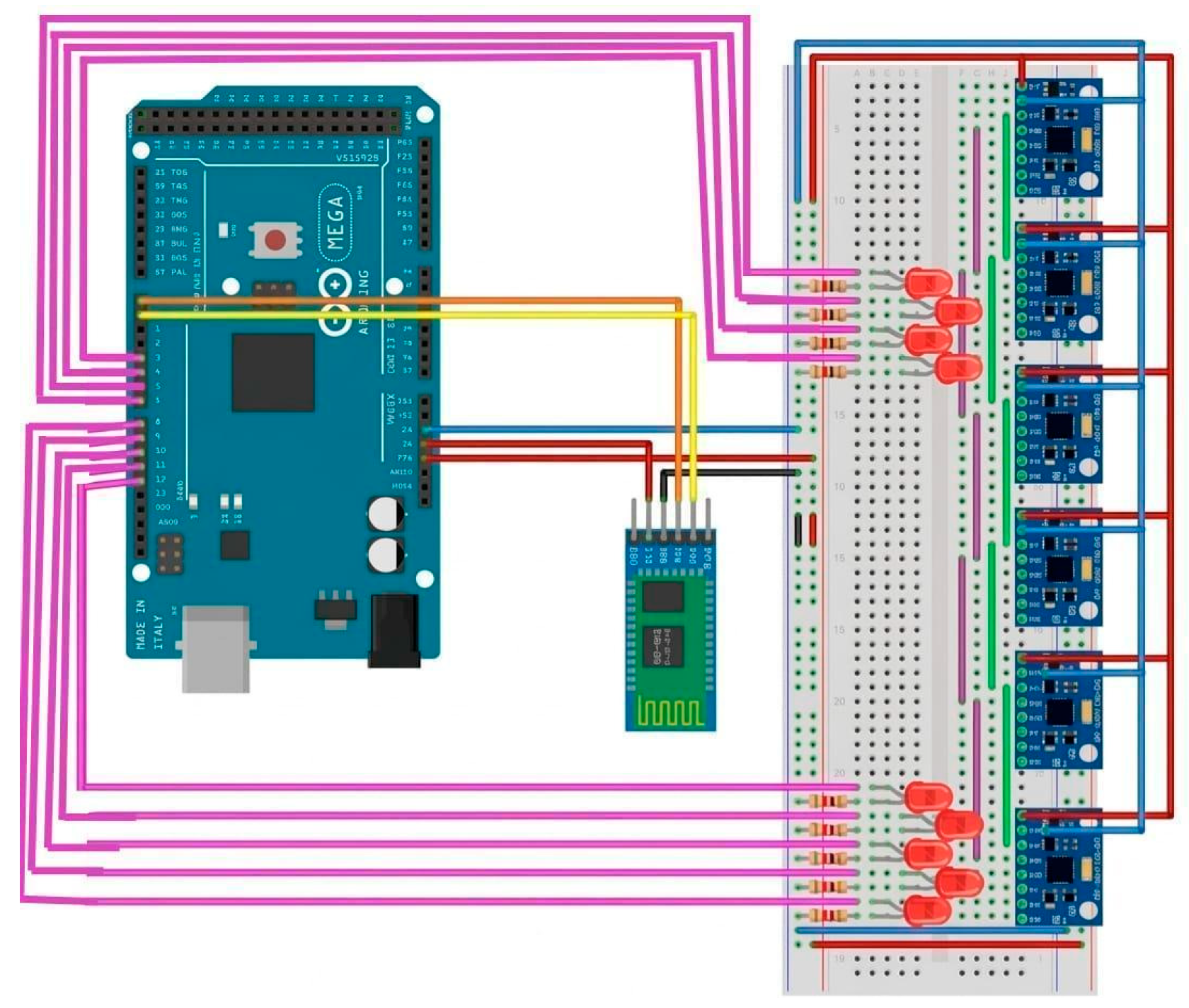
The system was developed using a set of accessible and efficient electronic components (Figure 1). The Arduino Mega board (Arduino S.r.l., Ivrea, Italy) was selected due to its high number of input/output pins and ease of programming, making it suitable for complex sensor integration. The MPU6050 modules (TDK InvenSense Inc., San Jose, CA, USA) were chosen for their ability to provide both acceleration and angular velocity data within a compact design. The HC-05 Bluetooth module(generic OEM, Shenzhen, China) ensures reliable wireless communication with the mobile application. Additional components such as resistors, RGB LEDs, and a breadboard were used to support signal conditioning, user feedback, and circuit prototyping(Figure 2).
Figure 1.
Block diagram of the system.
Figure 2.
System connection diagram.
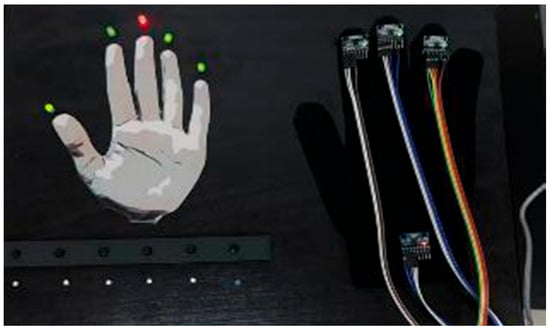
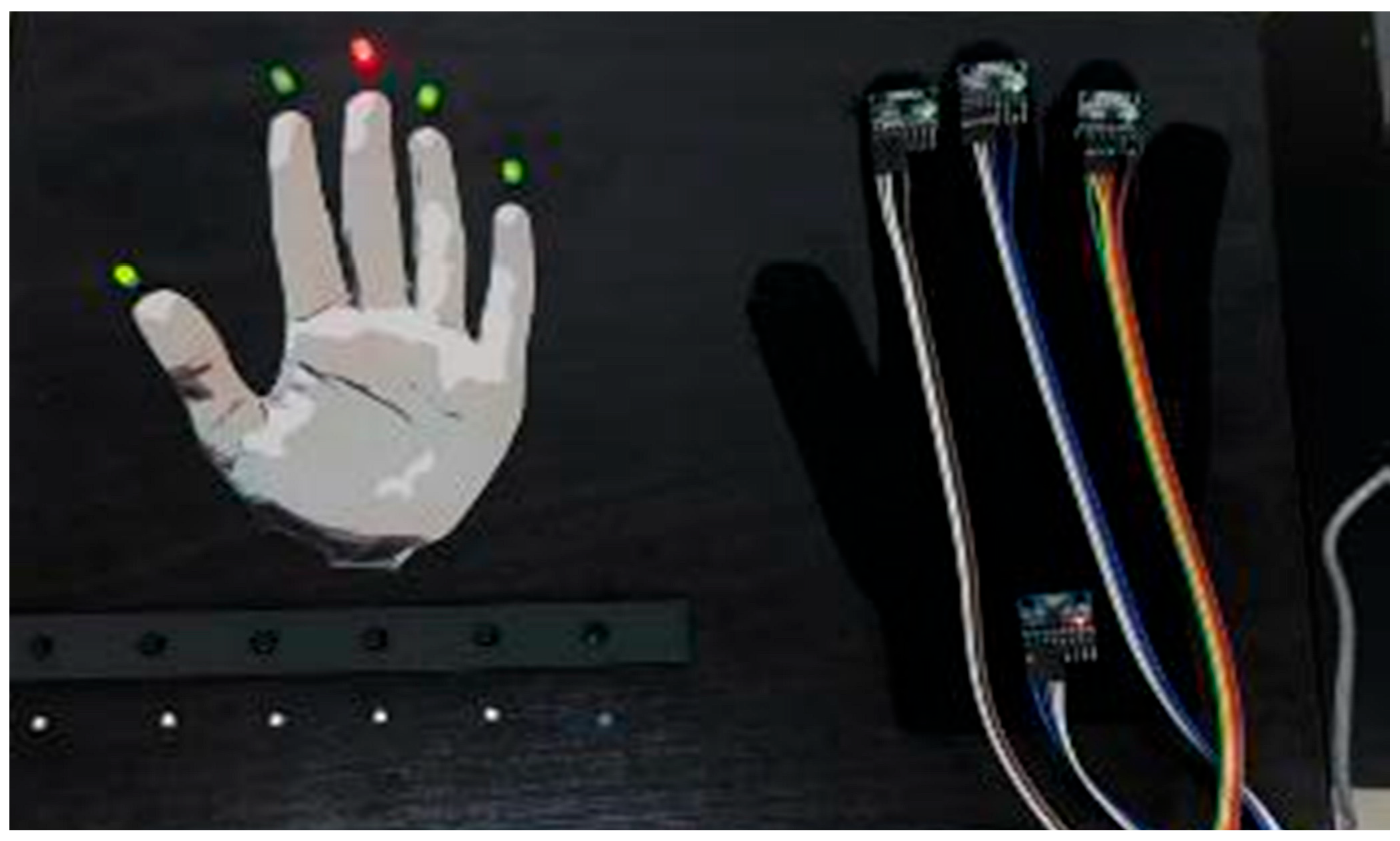
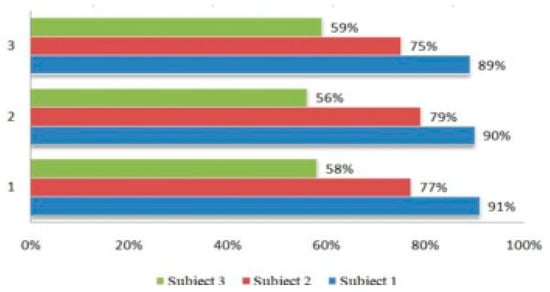
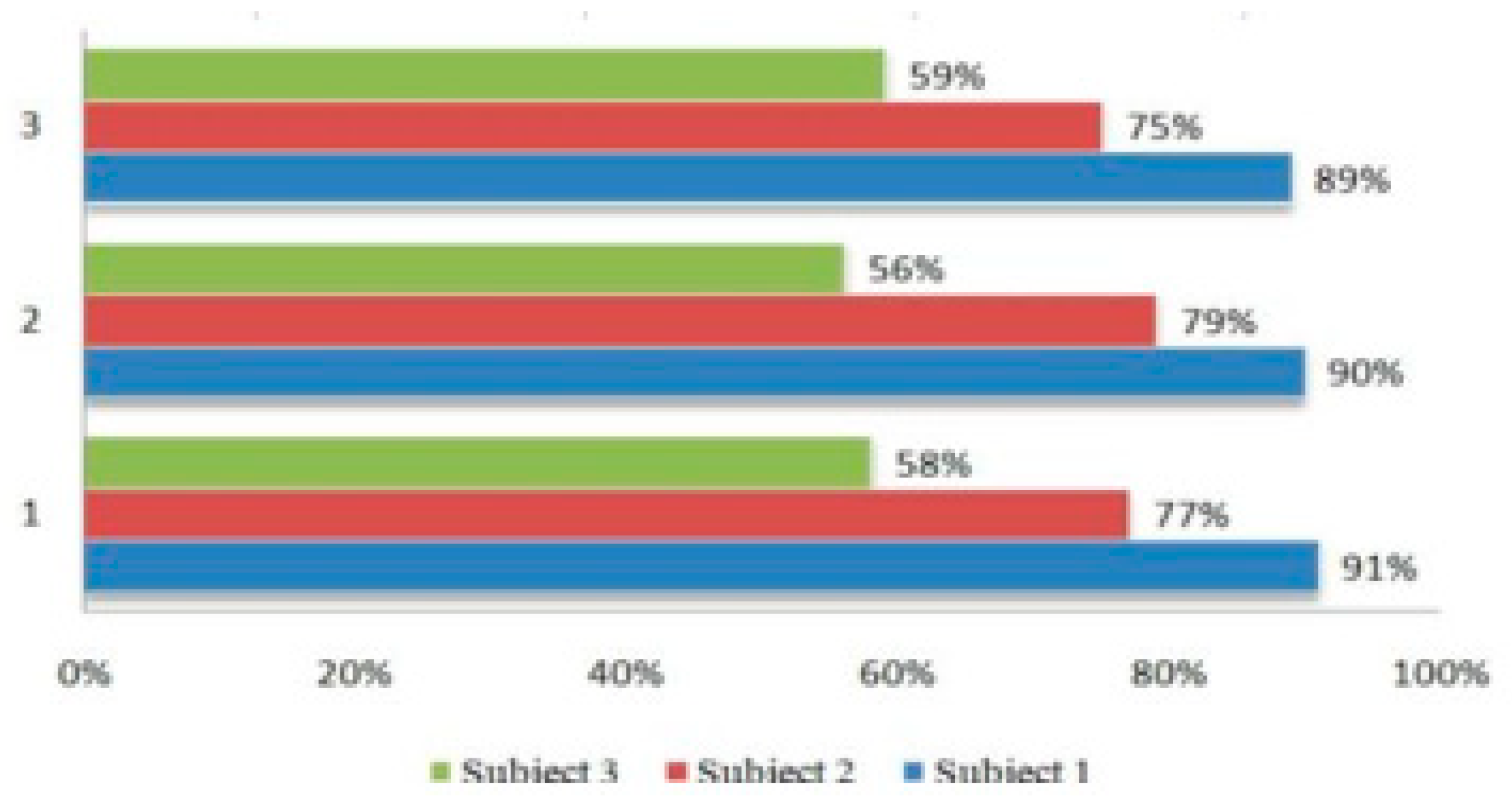
The mobility assessment system is structured into two major components: hardware and software. The hardware part is designed in a simplified manner, consisting of a glove equipped with motion sensors and an auxiliary platform that provides the user with guidance regarding the type of movement to be performed, using LEDs and the arrows displayed on it. Real-time monitoring of upper-limb mobility is made possible through this approach, which is particularly useful in medical rehabilitation and biomechanical analysis. The prototype evaluation sessions consisted of daily sessions performed over a period of 7 days. Each session lasted approximately 15 min and included finger flexion-extension exercises guided by the mobile application and the interactive game. Each finger was trained individually, with repeated movements designed to improve joint mobility and coordination. The assessments presented in Table 1 and Table 2 correspond to measurements performed before and after the rehabilitation period.
Table 1.
Initial assessment of mobility degrees.
Table 2.
Assessment of mobility degrees following the rehabilitation process.
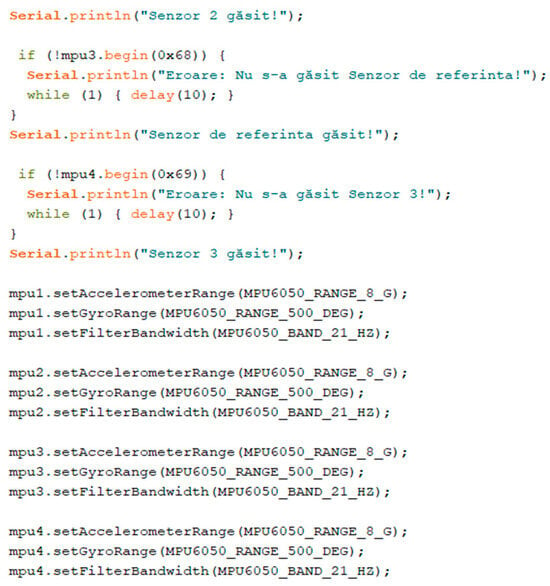
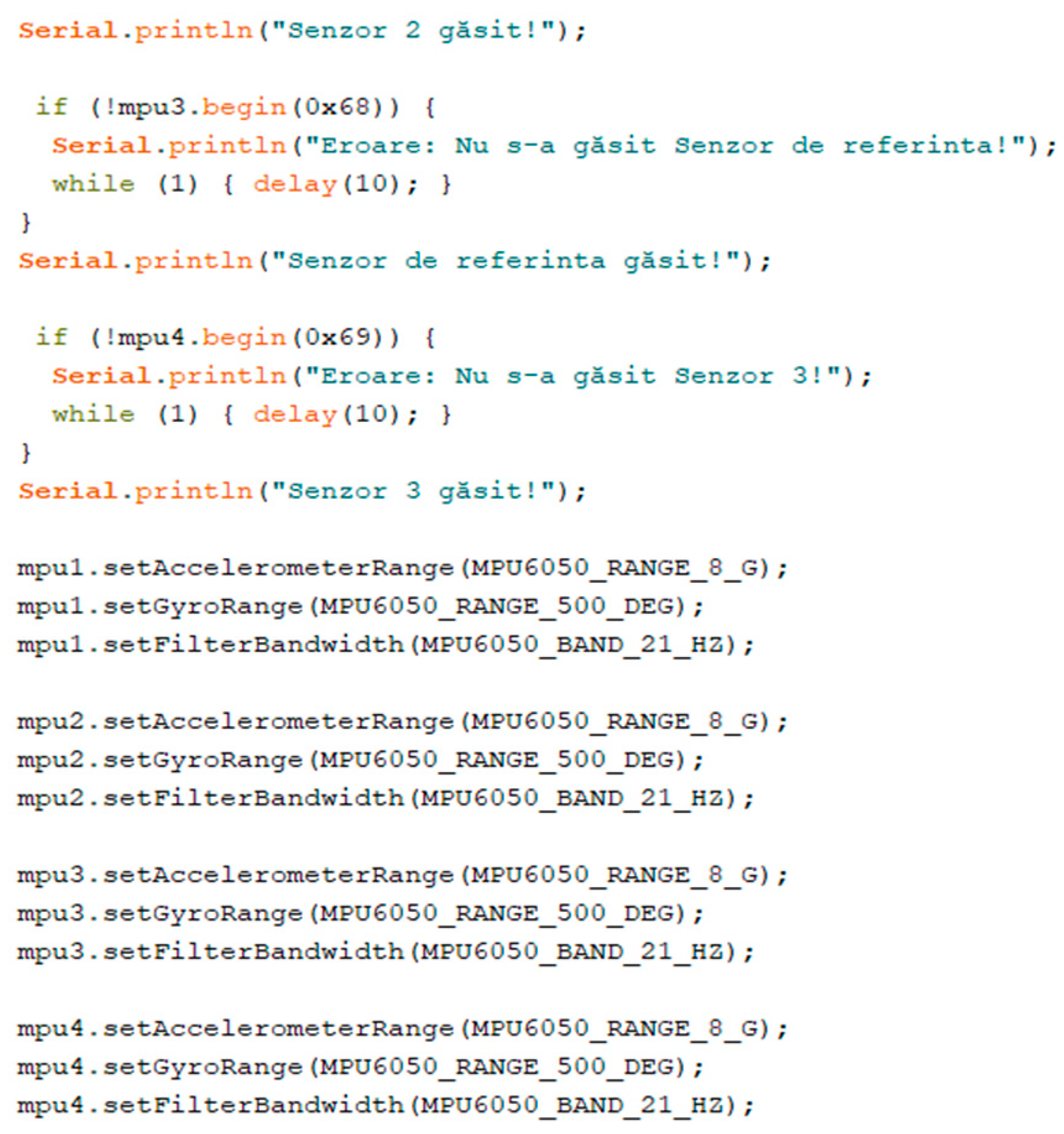
The software component is developed using the C++ programing language within the Arduino IDE (version 1.8.19) development environment. The source code (Figure 3) is compiled and uploaded to the ATmega2560 (Arduino S.r.l., Ivrea, Italy) microcontroller, thus ensuring the optimal operation of the system.
Figure 3.
Source-coded sequence.
For the implementation of the system, the Arduino Mega development was used due to its multiple advantages. The choice of this board is justified by its generous number of digital pins (54 input/output pins), the 16 analog inputs, as well as its easy programming interface, which makes it ideal for complex prototypes and for the further expansion of the project. Power can be supplied either through a USB connection to a computer or through an external source ranging between 7 and 12 V [4].
In addition, the system includes a Bluetooth module connected to the breadboard, whose role is to transmit the values recorded by the sensors to a mobile application developed in MIT App Inventor (version nb204c-ai2a-1), together with MIT AI2 Companion (version 2.78a). The Bluetooth module is connected to the Rx and Tx pins, enabling efficient wireless communication between the hardware and the mobile interface. The MPU6050 accelerometer integrates a 3-axis accelerometer and a 3-axis gyroscope into a single compact module, thus providing precise measurements of motion and rotation. Using the I2C interface for communication, this module is an excellent choice for projects involving motion detection or gesture control, while optional SPI communication is available in certain versions of the module. Another advantage of this sensor is the integrated Digital Motion Processor (DMP), which allows internal data processing and reduces the processing load on the microcontroller [5,6].
In this project, the MPU6050 accelerometer is used to monitor finger mobility, with one sensor placed on each finger and a sixth one on the wrist, where it serves as a calibration reference. Each sensor measures the degree of finger mobility in real time on two axes by combining data from the accelerometer and gyroscope. All six sensors are integrated into a textile glove, which allows precise tracking of movements for the evaluation and improvement of mobility during the medical rehabilitation process [7,8]. The data obtained from the accelerometer and gyroscope were combined using a complementary filtering approach. The accelerometer provides stable long-term orientation information, while the gyroscope captures rapid motion changes. The final angle estimation was computed using a weighted combination of both signals, reducing noise and drifting and ensuring more accurate motion tracking. The degree of mobility (%) was calculated as a normalized parameter using the following relation: mobility (%) = (measured range of motion/reference physiological range) × 100. The reference values were defined based on typical angular ranges for finger flexion–extension movements. This approach allows the comparison of individual performance relative to a standard functional range.
After the process of reading and the data provided by the MPU6050 accelerometers integrated into the prototype, the mobile application developed within this project provides the patient with feedback(Figure 4). For each finger, an average degree of mobility is calculated with the aim of evaluating movement accuracy. Following this analysis, the patient receives an individual score for each finger, reflecting the level of movement execution and thus facilitating the monitoring of progress throughout the rehabilitation process [9].
Figure 4.
System overview.
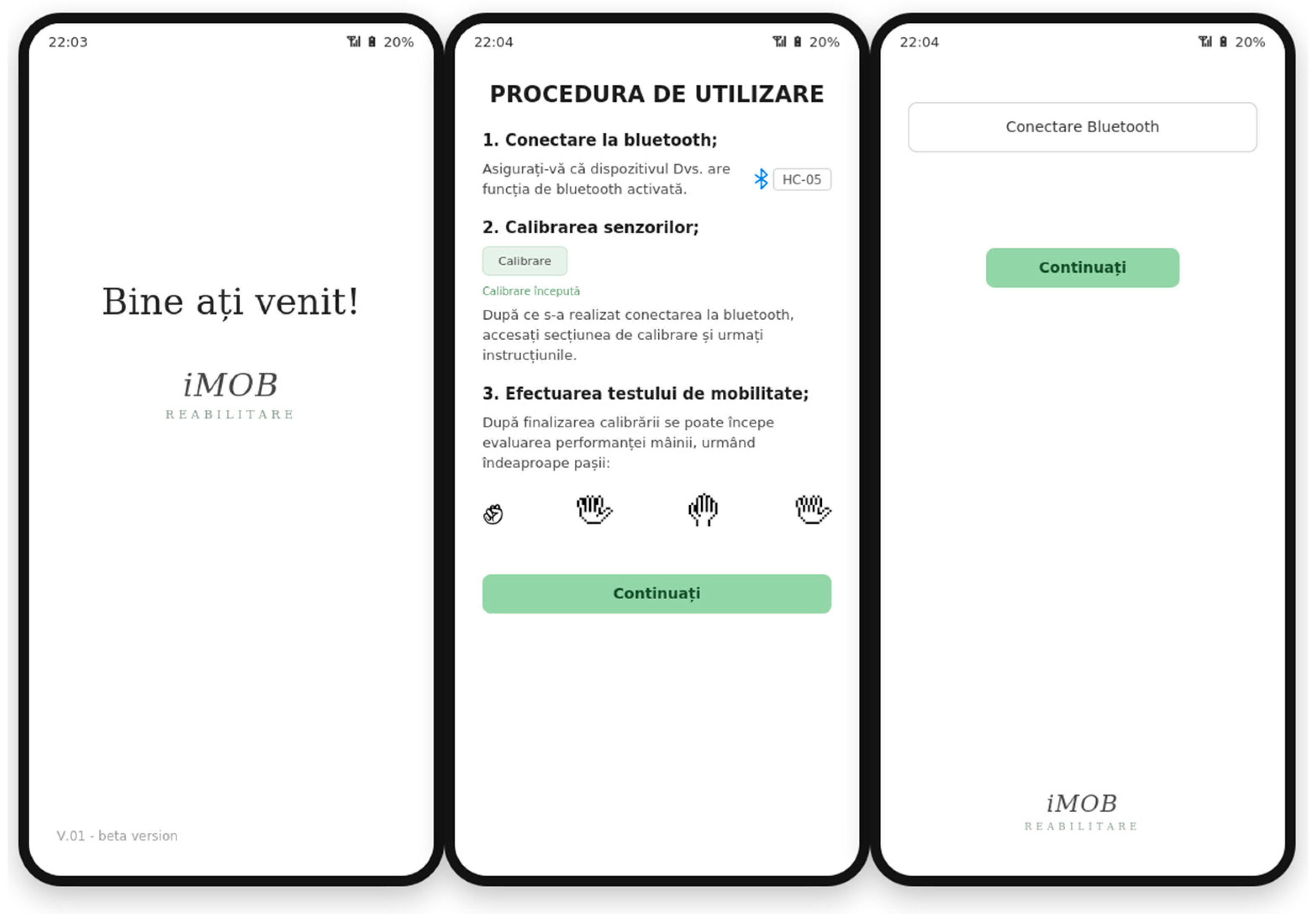
The mobile application was designed in an intuitive style, with a user-friendly graphical interface structured into three screens. The first screen displays a welcome message, the second screen details the procedure for using the device and the steps required to correctly perform the exercises, providing clear and concise instructions and helping the user become familiar with the digital environment. The third screen allows connection to the Bluetooth module (Figure 5), initiation of the exercise, real-time tracking of movements, and, finally, the display of the scores corresponding to each finger.
Figure 5.
Application screens.
To support the movements that must be performed, processed images of hands were also created and integrated into the application, suggestively illustrating the starting and final position of each movement (Figure 6).
Figure 6.
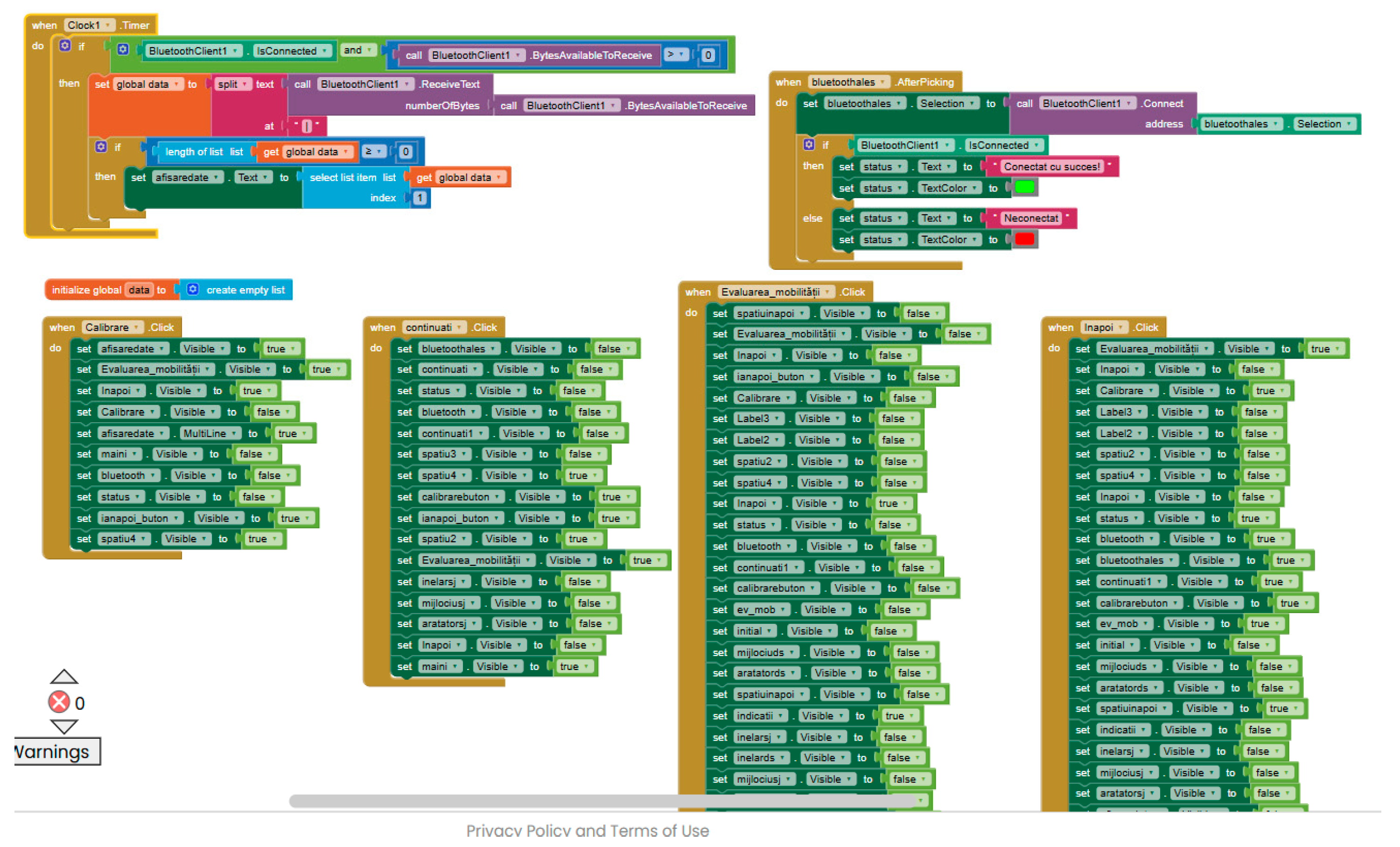
MIT App Inventor source code sequence.
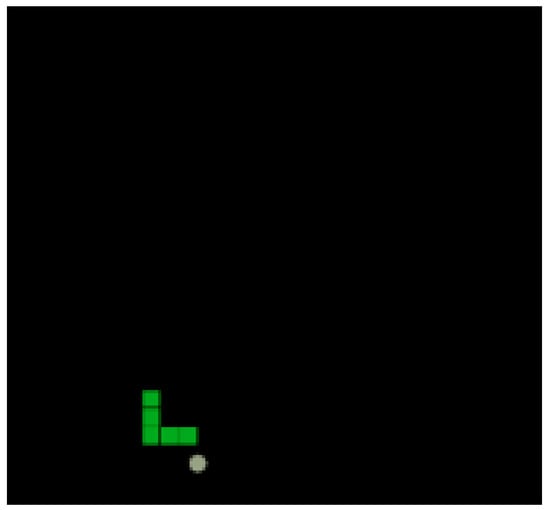
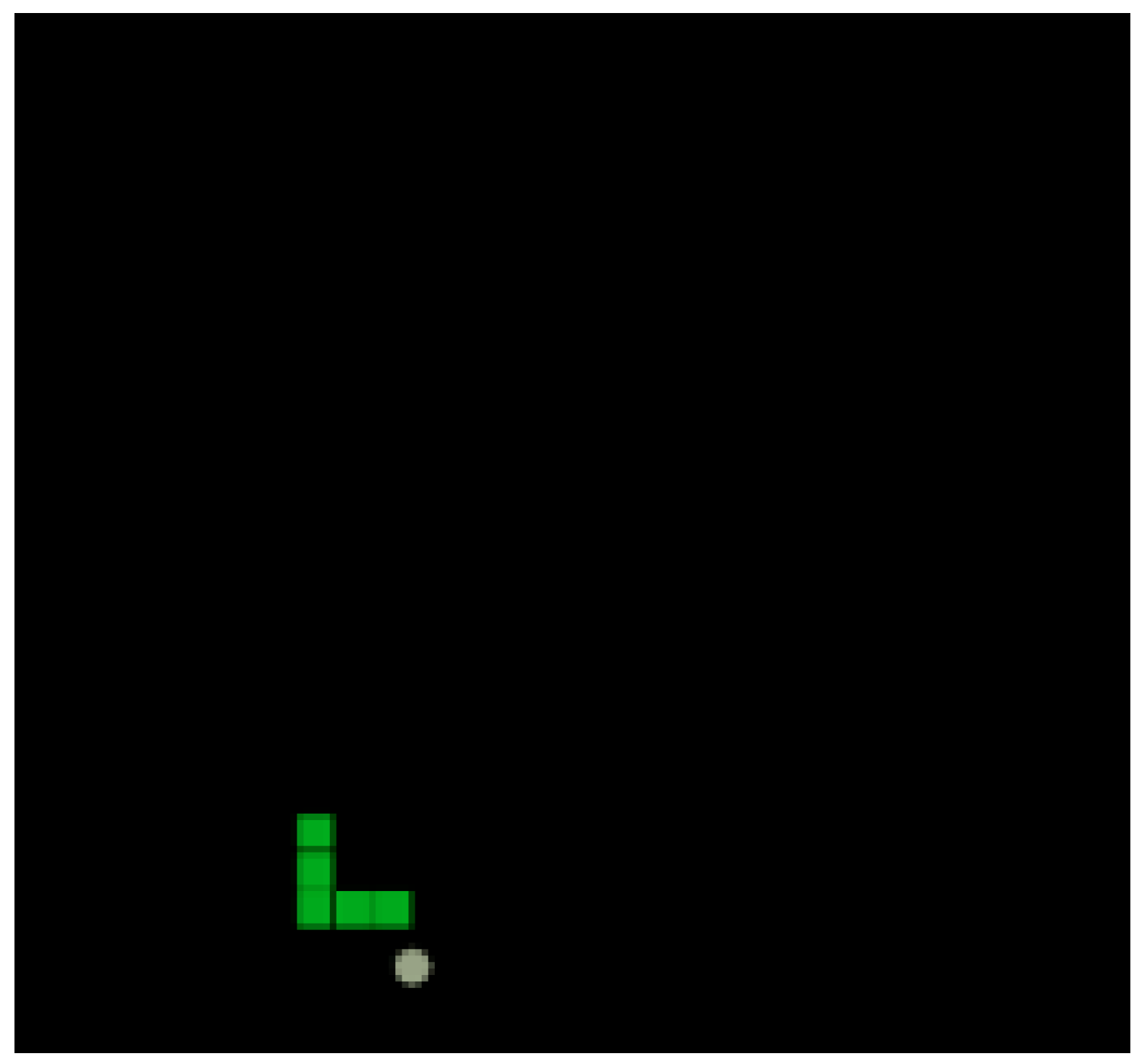
This visual support was included to the patient during the exercises, reducing the possibility of incorrect interpretations and contributing to greater execution accuracy. Through this approach, the application fulfills both a functional and an educational role, becoming an effective tool in support of digitally assisted physical therapy [8]. To make the rehabilitation process more attractive and easier to follow, an interactive game was developed in the Processing 4.3.4 environment, an open-source platform frequently used for graphic projects and visual applications(Figure 7).
Figure 7.
Simulation of the rehabilitation method.
The game is inspired by the classic “snake” and the game continues until it hits the edges of the screen. Game control is achieved through the movement of the fingers, measured with the help of the MPU6050 sensors integrated into the glove. Each game session is dedicated to a single finger, which makes it possible to perform exercises specific to each joint and to individually monitor the degree of mobility. This approach increases the patient’s motivation by turning repetitive exercises into an enjoyable, interactive activity with real-time feedback.
The proposed system was evaluated in a preliminary feasibility study involving three healthy adult volunteers without known neurological or musculoskeletal disorders affecting hand function. The purpose of the evaluation was to verify the technical functionality, usability, and operational performance of the prototype. The study did not involve patients, clinical diagnosis, therapeutic intervention, or invasive procedures.
3. Results and Discussion
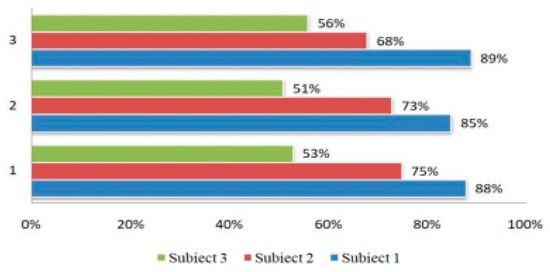
Regarding the recorded performance, the results obtained from the tests demonstrated the effectiveness of our device. The testing of this system was carried out by three subjects aged 22, 48, and 68 years, respectively. According to Figure 8, a significant difference can be observed between individuals, the younger subject showing much better mobility compared to the older one.
Figure 8.
Graphical representation of initial assessment.
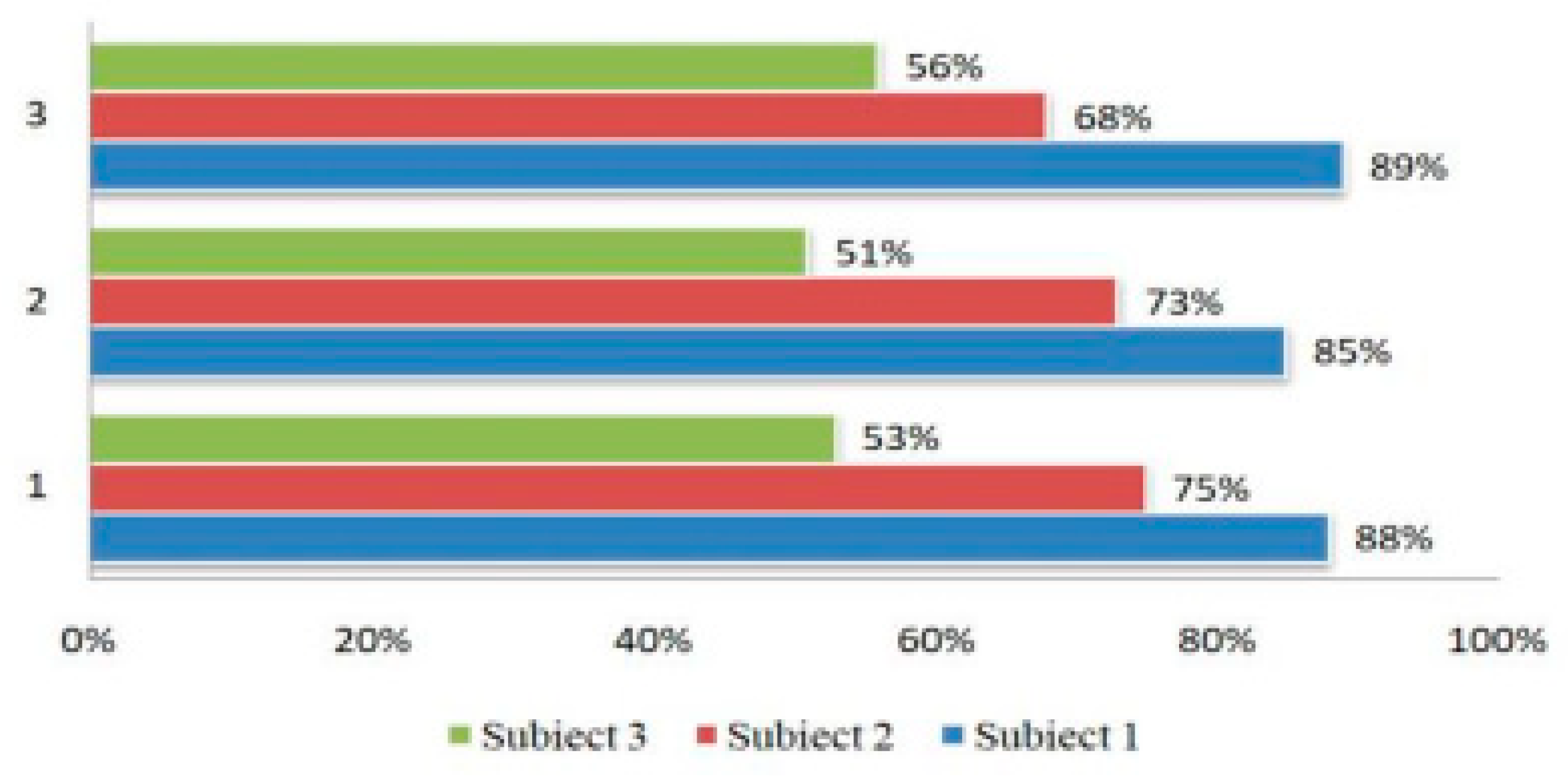
Following the motor rehabilitation process, a significant improvement was observed both in the 22-year-old subject and in the 68-year-old subject. The graph (Figure 9) highlights and demonstrates the effectiveness of the medical rehabilitation process proposed by us.
Figure 9.
Graphical representation of the assessment following the rehabilitation process.
These findings highlight the importance and effectiveness of the system in medical practice, allowing the physician to assess the patient’s actual progress and to modify the rehabilitation program accordingly. For each subject, the mean mobility score and standard deviation were calculated. The average improvement observed after rehabilitation was approximately 4–6%, depending on the subject. Due to the limited sample size (n = 3), no statistically significant conclusions can be drawn; however, the results indicate a positive trend in mobility improvement.
4. Conclusions
In this study, an integrated system was developed for monitoring and evaluating hand mobility by combining hardware and software components designed to support the functional rehabilitation process. The use of inertial sensors (accelerometer and gyroscope), together with data transmission via a Bluetooth module, enabled the development of an intuitive mobile app that provides the user with real-time visual feedback. The information obtained from hand movements is processed and displayed in the dedicated application, where the LED colors indicate the correctness of the position: green indicates a correct position, while red signals an incorrect position. This functionality facilitates the initiation of treatment in a simple and interactive manner. A limitation of the current study is the lack of validation against a clinically approved reference system (e.g., goniometer or motion capture system). Future work will include comparative measurements to assess the accuracy of the proposed device.
The proposed system proved to be a portable, accessible, and easy-to-use device that does not interfere with the patient’s daily activities, while at the same time providing support in performing therapeutic exercises. Among the future development directions are the miniaturization of the hardware component and the expansion of the software application’s functionalities through the integration of options for storing individual files and automatically generating detailed reports for each user.
Author Contributions
Conceptualization, F.-I.N. and A.-L.Ț.; methodology, C.C.; software, M.G.; validation, A.M., R.F. and A.-L.Ț.; formal analysis, C.C.; investigation, F.-I.N.; resources, A.M.; data curation, M.G.; writing—original draft preparation, A.-L.Ț.; writing—review and editing, R.F.; visualization, F.-I.N.; supervision, C.C.; project administration, R.F. All authors have read and agreed to the published version of the manuscript.
Funding
This research received no external funding.
Institutional Review Board Statement
The study involved the preliminary technical evaluation of the proposed rehabilitation prototype by three healthy adult volunteers. No patients were involved, no invasive procedures or clinical interventions were performed, and no identifiable personal or medical data were collected. According to the institutional regulations applicable to this type of preliminary technical evaluation, formal approval from an Institutional Review Board was not required.
Informed Consent Statement
Written informed consent was obtained from all healthy volunteers prior to their participation in the study.
Data Availability Statement
The data presented in this study are available upon request from the corresponding author.
Conflicts of Interest
The authors declare no conflicts of interest.
References
- Turesson, C. The Role of Hand Therapy in Dupuytren Disease. Hand Clin. 2018, 34, 355–362. [Google Scholar] [CrossRef] [Scilit]
- Spasojević, S.; Ilić, T.V.; Milanović, S.; Potkonjak, V.; Rodić, A.; Santos Victor, J. Combined Vision and Wearable Sensors-based System for Movement Analysis in Rehabilitation. Methods Inf. Med. 2017, 56, 95–111. [Google Scholar] [CrossRef] [Scilit] [PubMed]
- Wong-Yu, I.S.K.; Ren, L.; Mak, M.K.Y. Impaired Hand Function and Its Association With Self-Perceived Hand Functional Ability and Quality of Life in Parkinson Disease. Front. Neurol. 2021, 12, 655483. [Google Scholar]
- This Unruly. Arduino Mega Tutorial: Pinout & Schematics. Available online: https://docs.arduino.cc/resources/pinouts/A000067-full-pinout.pdf (accessed on 15 February 2025).
- MPU-6000 and MPU-6050 Product Specification Revision 3.4. Available online: https://www.cdiweb.com/datasheets/invensense/mpu-6050_datasheet_v3%204.pdf (accessed on 15 February 2025).
- SparkFun Electronics. MPU-6050 Hookup Guide. Available online: https://learn.sparkfun.com/tutorials/mpu-6050-hookup-guide (accessed on 23 March 2025).
- Matei, A.; Țugulea, D. Intuitive interfaces for medical mobile applications. Bul. Științ. Univ. Teh. 2022, 25, 97–103. [Google Scholar]
- Popa, C. Motion monitoring systems based on inertial sensors. Rev. Tehnol. Embed. 2021, 12, 44–49. [Google Scholar]
- How to Use the MPU6050 Accelerometer and Gyroscope with Arduino. Available online: https://howtomechatronics.com/tutorials/arduino/arduino-and-mpu6050-accelerometer-and-gyroscope-tutorial/ (accessed on 17 February 2025).

Disclaimer/Publisher’s Note: The statements, opinions and data contained in all publications are solely those of the individual author(s) and contributor(s) and not of MDPI and/or the editor(s). MDPI and/or the editor(s) disclaim responsibility for any injury to people or property resulting from any ideas, methods, instructions or products referred to in the content. |
© 2026 by the authors. Licensee MDPI, Basel, Switzerland. This article is an open access article distributed under the terms and conditions of the Creative Commons Attribution (CC BY) license.