


Abstract
As energy demand continues to increase, the environmental impact of conventional petroleum-based sources has become a growing concern. Biofuels offer a sustainable alternative, with crude glycerol from biodiesel production showing promise for methane production via anaerobic digestion. To optimize methane production, the application of ultrasound as a pretreatment method has been investigated. This study introduces the novel use of ultrasound pretreatment to enhance methane yield from crude glycerol and improve anaerobic digestion efficiency. This work explores the relationship between ultrasound-pretreated crude glycerol and methane production while also assessing the role of reactor operational parameters in determining the final generated volume. The main purpose of this study is to determine how ultrasound duration and process conditions affect biogas performance and to identify an optimal strategy for maximizing methane output from this biodiesel by-product. Chemical oxygen demand (COD) increased from 29.1 to 45.1 g L−1 after 30 min of ultrasound, representing a 55% rise due to enhanced organic matter disintegration. Methane generation improved markedly with pretreatment duration, increasing from 520 mL (10 min) to 1440 mL (15 min) and reaching 13,185 mL after 30 min in the laboratory reactor. The methane volume obtained in 22 days from glycerol subjected to a 30 min ultrasound pretreatment using a 1% glycerol mixture reached an impressive 16,224 mL.
1. Introduction
Energy supply is crucial for the development of industrial, commercial, and domestic activities worldwide. As the global population grows rapidly, the energy demand has risen significantly, with projections indicating a 48% increase over the next few decades [1]. But depending heavily on oil-based fuels as our primary energy source has caused serious environmental problems—like climate change, dirty air, acid rain, and damage to the ozone layer [2]. Because fossil fuels are running out and burning them harms the environment, there is now much greater interest in developing and using sustainable biofuels. Biofuels could be a cleaner, more sustainable replacement for the fossil fuels we rely on today, supporting the transition towards a carbon-neutral bioeconomy [1,3]. In recent years, the global consumption of biomass-derived fuels has increased significantly. This consumption has already reached 50 EJ, and experts predict it could grow further, reaching a staggering 150–400 EJ per year by 2100 [4].
Biofuels offer several benefits over conventional fuels: they strengthen energy security, reduce environmental impact, lower foreign exchange costs, and create valuable socioeconomic opportunities, especially in rural areas. Today, renewable energy accounts for less than 15% of the world’s total primary energy use [5]. In many developed countries, the main sources are hydropower and wood-based fuels [3]. Sustainable energy strategies aim to cut energy use by improving efficiency, expanding renewable energy, and phasing out petroleum-based fuels [1,2].
Biofuels from renewable natural sources come in several forms: solid biochar, liquid ethanol (made from crops like corn or sugar beets), biodiesel (produced from oilseeds or used cooking oil), and gaseous fuels such as biogas from organic waste or bio-hydrogen [6]. Biofuels are readily available and biodegradable and contribute to reduced greenhouse gas emissions, making them attractive from both environmental and energy access perspectives, particularly in rural areas [6,7].
Biodiesel, considered a sustainable alternative to conventional diesel, generates approximately 10 kg of crude glycerol per 100 kg of biodiesel produced [8,9]. It can be utilized as a raw material for the pharmaceutical industry or as a fuel. Numerous studies have demonstrated the potential of crude glycerol in anaerobic digestion for biogas production [8,9].
Optimizing an anaerobic digestion plant involves careful consideration of various operating parameters that can significantly affect biogas or digestate yield and quality. Key factors include pH, temperature, hydraulic retention time, organic loading rate, and pressure. Managing these well is crucial to getting the most out of anaerobic digestion and producing biogas efficiently [10]. While specific reactor parameters, such as volatile solids, temperature, pH, and mixing, can be controlled to improve the results, the characteristics of the substrate also play a crucial role. Consequently, various optimization techniques known as pretreatments have been explored to achieve these objectives, focusing on treatment prior to digestion [11].
Ultrasound (US) is well known for causing cavitation—the process where tiny bubbles form, grow, and then burst in a liquid [12]. The intensity and frequency of the US irradiation source play a crucial role in determining the extent of cavitation and size of the nuclei generated. Used as a pretreatment, ultrasound can significantly alter the physical and chemical properties of a substrate—increasing its surface area, breaking down particles, and releasing more organic matter into solution. These changes make the material easier for microbes to digest, leading to a notable boost in biogas production. The use of US as a pretreatment method holds great promise in optimizing the efficiency and effectiveness of anaerobic digestion processes, paving the way for enhanced biogas yields and overall process performance [12,13].
This study aimed to assess how varying the duration of ultrasound pretreatment affects crude glycerol in a batch reactor for biogas production. Furthermore, this study aimed to compare how controlling the parameters of the reactor can influence this process.
2. Materials and Methods
2.1. Inoculum and Substrate
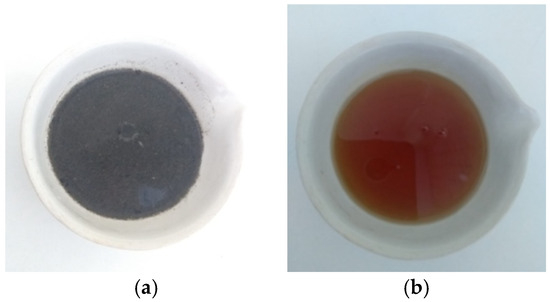
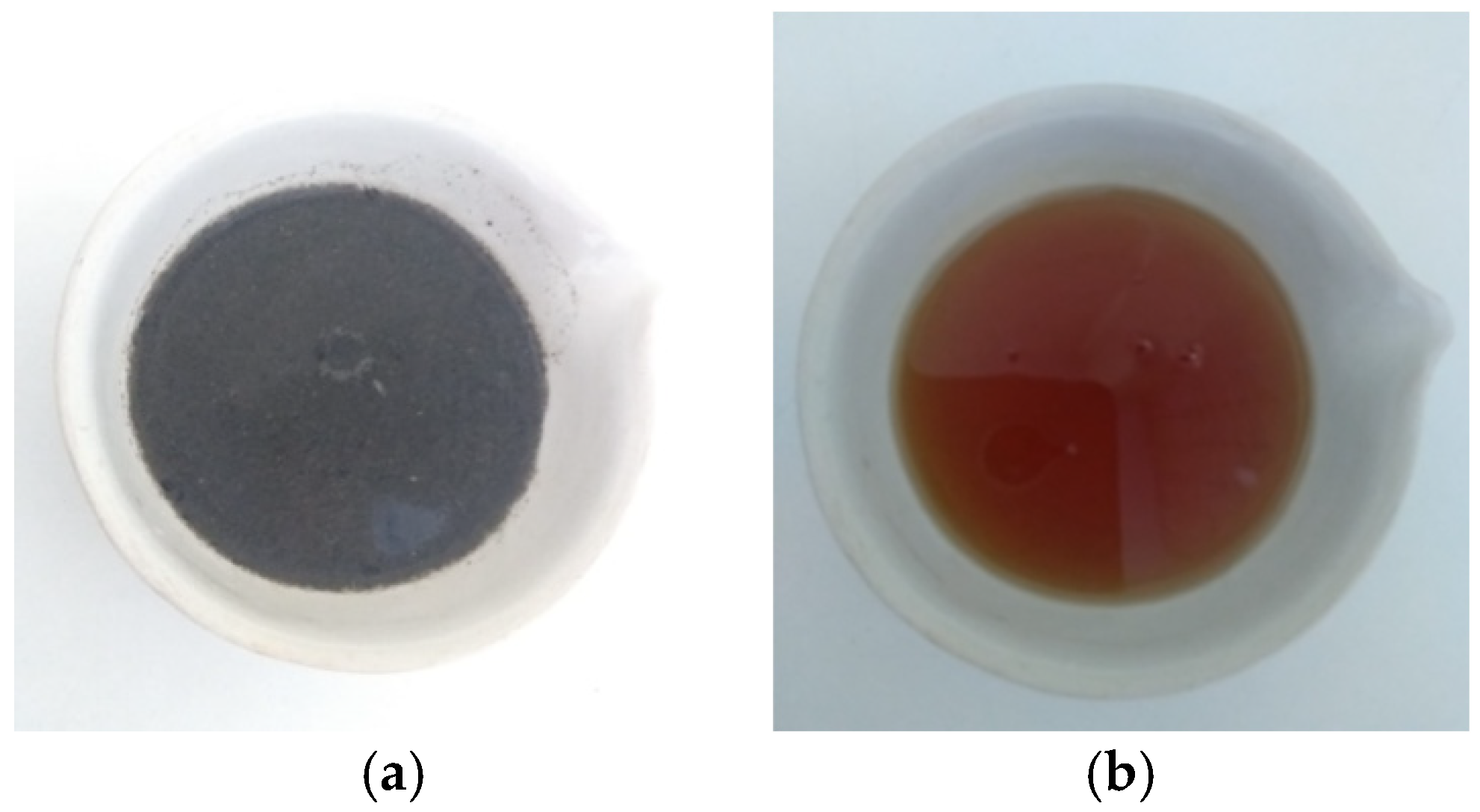
Anaerobic sludge collected from a septic tank in a rural area of Bragança, Portugal, served as the inoculum for the experiments (Figure 1a). The collected sludge was kept under controlled low-temperature conditions (4 °C) before experimental use. Preliminary feasibility assessments and characterization analyses were undertaken to ensure sufficient biomass availability for the process.
Figure 1.
Experimental materials: (a) inoculum derived from sewage sludge and (b) crude glycerol.
For the experimental work, crude glycerol obtained as a by-product of laboratory-scale biodiesel synthesis was supplied by the Biofuels Laboratory of ESTIG, Bragança Polytechnic University (Figure 1b).
The physical and chemical characterization of both the inoculum and the substrate was performed according to the procedures described in [14], encompassing the determination of total and volatile solids, as well as chemical oxygen demand (COD). Each reactor was operated with a mixture of 99% inoculum and 1% substrate.
2.2. Ultrasound Pretreatment
Before anaerobic digestion, crude glycerol was treated with ultrasound. Pretreatment was carried out using an ultrasonic system operated at 50 kHz with a nominal power input of 900 W. Treatment times of 10 min, 15 min, and 30 min were tested.
2.3. Methane Production System
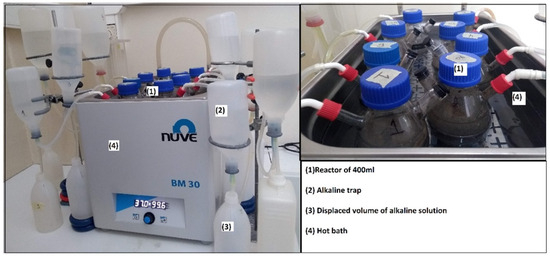
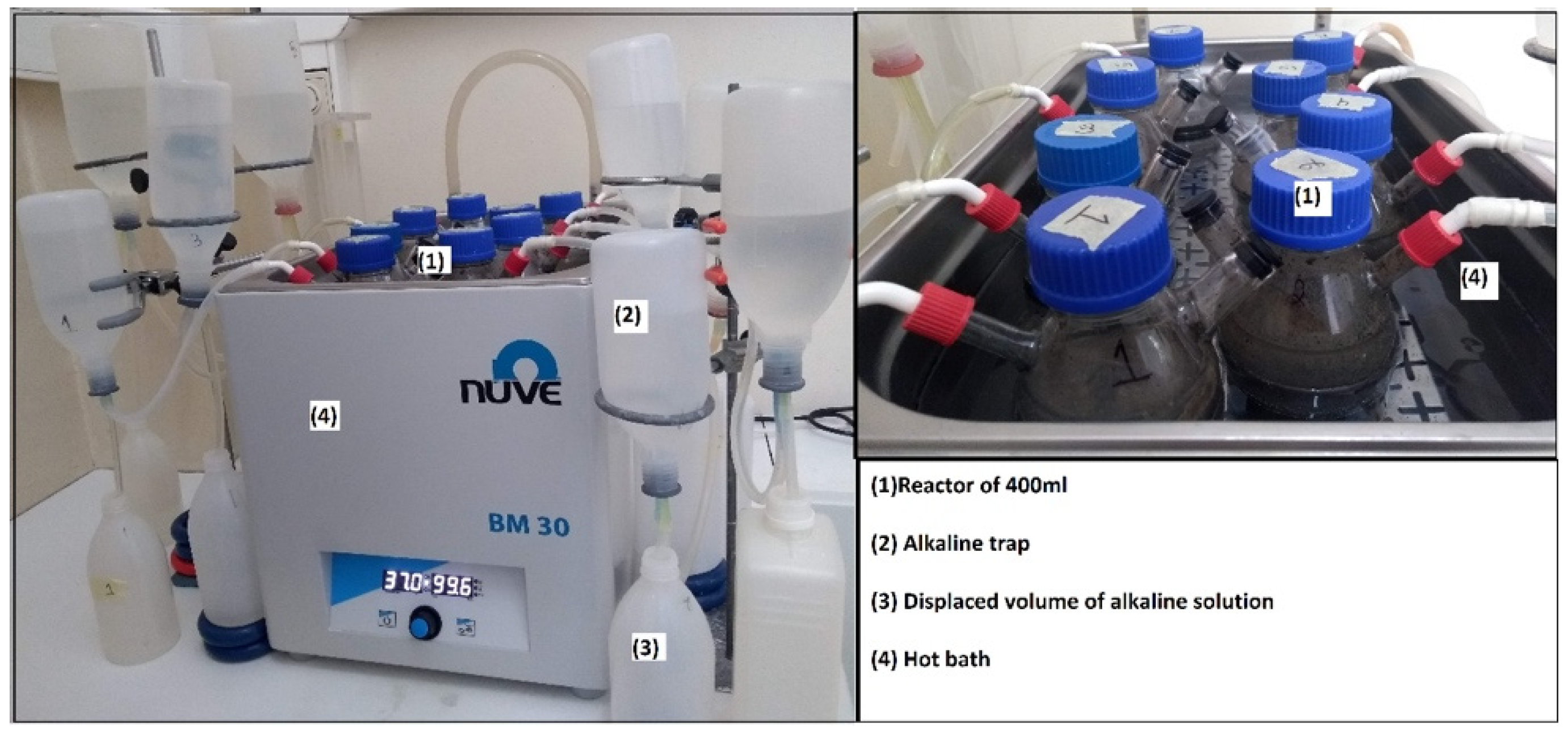
A batch reactor system (500 mL) operated under mesophilic conditions (37 °C) was employed to investigate how pretreatment duration influences methane generation. The laboratory-scale setup is shown in Figure 2.
Figure 2.
Laboratory-scale biogas production apparatus.
The reactors were filled with a 400 mL mixture of the substrate and inoculum. All experiments were carried out in duplicate to ensure reproducibility of the results. A tube was connected between the reactors and the alkaline trap, functioning as the key element for measuring gas displacement.
Daily methane measurements were performed by volumetric analysis, with biogas passed through a 3% sodium hydroxide alkaline trap. The experiment continued for 32 days, ending when the flow methane generation dropped to less than 1% of the total cumulative volume.
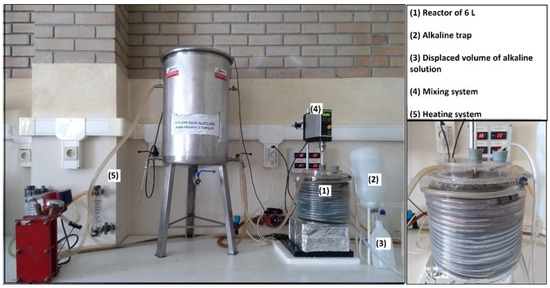
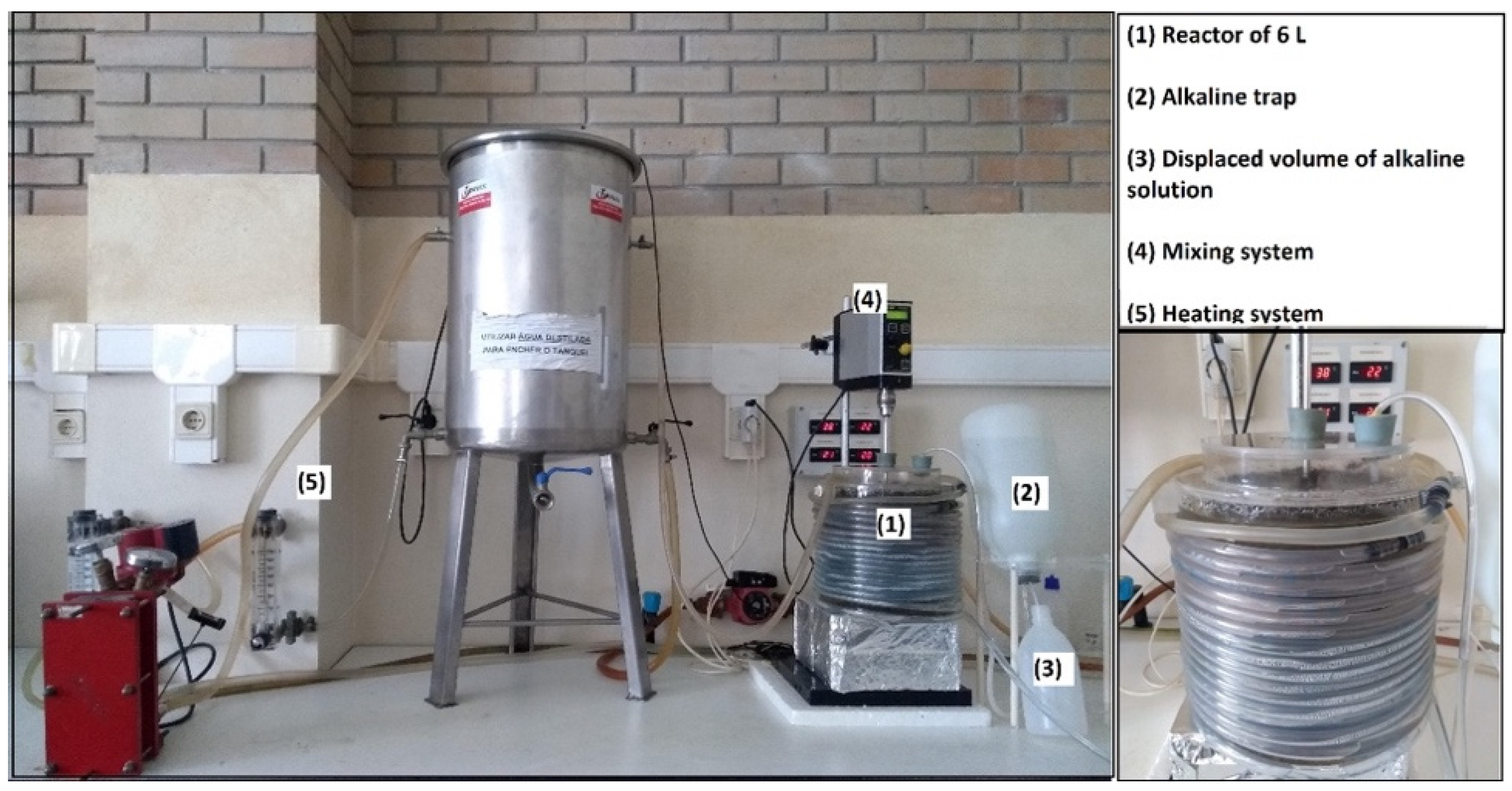
The mesoscale experiments were performed in a 7 L batch reactor operated under mesophilic conditions, maintained by a recirculating water jacket connected to a thermostatic bath (steel cylinder). Throughout the study, temperature, pH, and mixing were carefully monitored and controlled. Figure 3 illustrates the laboratory-scale setup applied in the experiments.
Figure 3.
Mesoscale system for biogas generation.
The pH was checked daily and kept at 7.2 to support optimal microbial activity during organic matter breakdown. Reactor samples were taken regularly and measured with a pH meter, and whenever needed, a 40% sodium hydroxide solution was added to correct the pH.
Temperature control was achieved by equipping the reactor with a heating system, maintaining consistent experimental conditions.
Reactor content homogeneity was maintained using a dedicated mixing system. A two-piece umbrella-type stirrer operating at 40 rpm was used to provide adequate mixing of the substrate and the inoculum.
Mesoscale testing was conducted under the conditions that yielded the best performance in laboratory-scale trials. A 6 L mixture of substrate and inoculum, in the same ratio as used in the previous experiments, was introduced into the reactor.
The daily production volume was measured using alkaline displacement columns employing a system similar to that used in previous tests. This method enabled the accurate measurement and monitoring of methane production throughout the experiment.
3. Results and Discussion
3.1. Optimizing Pretreatment Times for Enhanced Biogas Production
The composition of the reactor after digestion was characterized by determining COD, TS, and VS. Each analysis was conducted in duplicate, with the resulting values expressed as the mean of the two measurements. These analyses help assess how much organic matter was broken down, the distribution of solid fractions, and the overall performance of the digestion process.
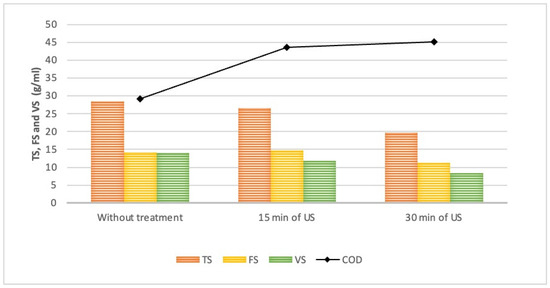
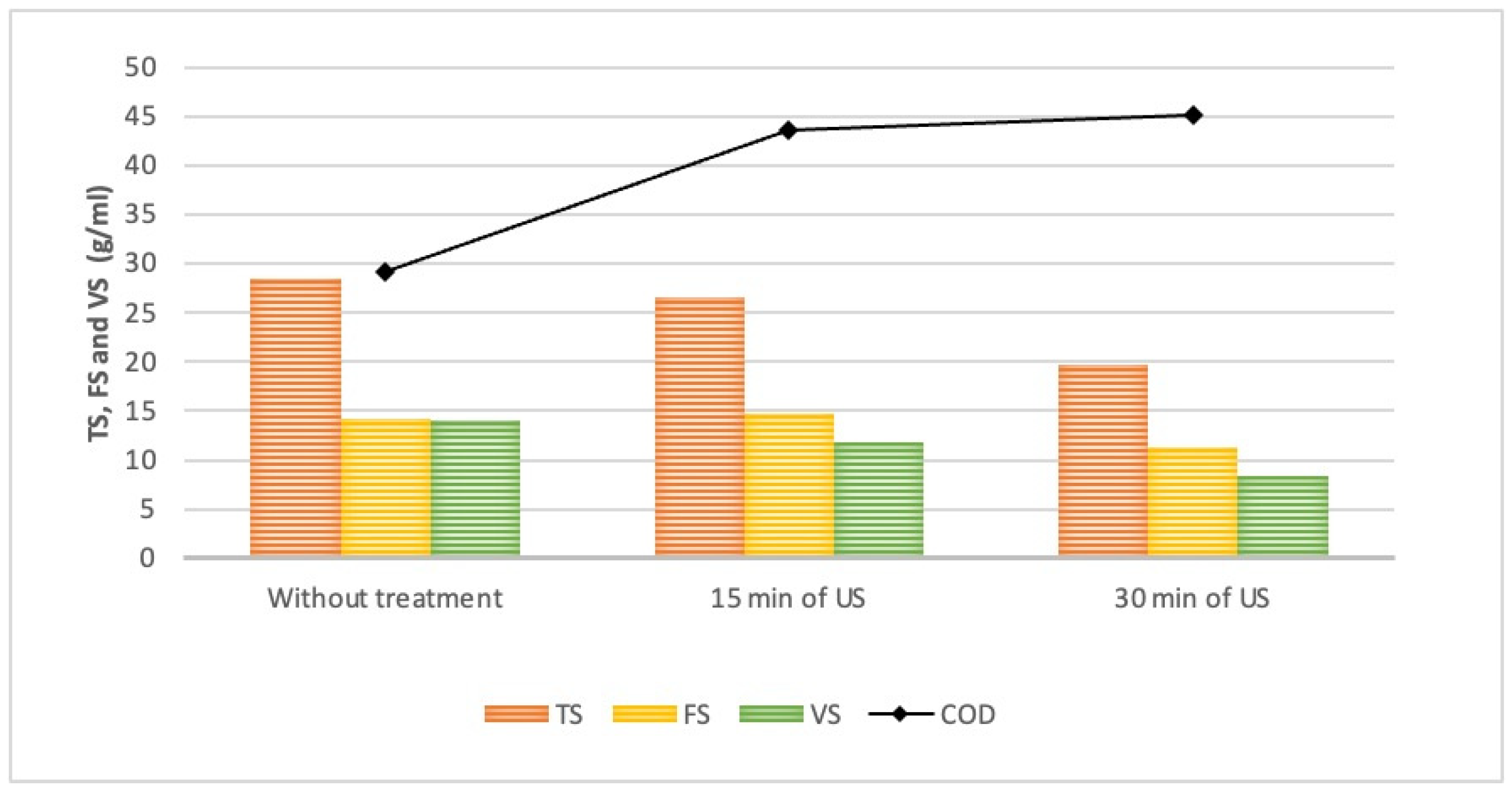
The control reactors (with no pretreatment) had a COD of 29.1 ± 3.2 g L−1. After ultrasound pretreatment for 10, 15, and 30 min, COD rose to 37.1 ± 1.1, 43.5 ± 0.9, and 45.1 ± 2.3 g L−1, respectively. This corresponds to increases of about 27%, 50%, and 55% compared to the control. This increase in COD can be attributed to the effect of ultrasonic treatment on the disintegration of organic matter, as highlighted in [15,16]. The longer the ultrasound pretreatment, the more the crude glycerol droplets and microbial cells are broken apart by cavitation forces. This releases additional soluble organic matter into the liquid phase, which increases the amount of oxidizable material—and therefore raises the COD value.
The total solids (TS) in the reactor were determined after different durations of glycerol pretreatment, with values of 28.4 ± 2.1, 26.6 ± 1.3, and 19.7 ± 1.1 g L−1 recorded for 0, 15, and 30 min, respectively. The volatile solids showed values of 14.1 ± 0.9, 11.9 ± 1.1, and 8.5 ± 0.6 g L−1 after 0, 15, and 30 min of treatment, respectively. These results indicate that volatile solids decreased with longer pretreatment times, as shown in Figure 4.
Figure 4.
Solid concentrations during US pretreatment at various times.
According to previous studies [17,18], the concentration of volatile solids (VS) can serve as an indicator of potential methane production from the substrate, with a decrease in VS expected after anaerobic digestion.
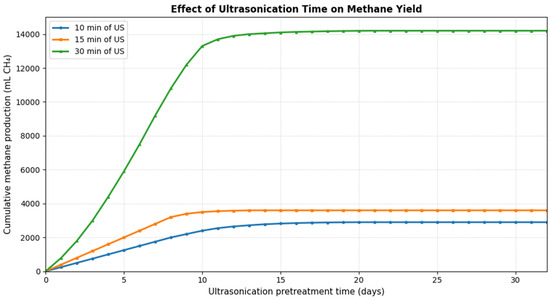
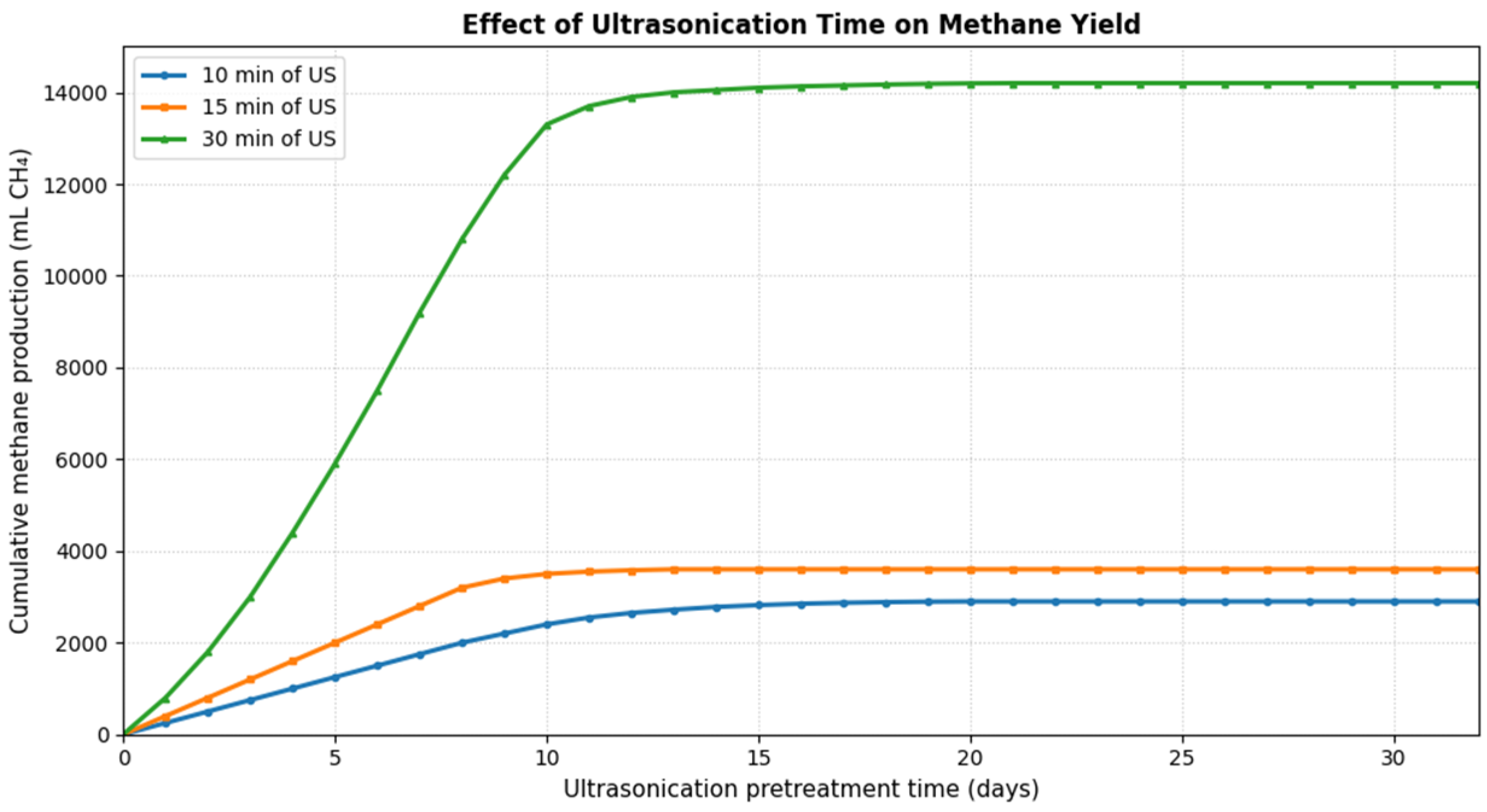
Regarding methane production, the reactor with glycerol pretreated for 10 min yielded a volume of 520 ± 25 mL. In comparison, reactors with 15 and 30 min of pretreatment achieved volumes of 1440 ± 210 and 13,185 ± 760 mL, respectively. Longer pretreatment times resulted in increased methane production, as shown by the experimental data (Figure 5).
Figure 5.
Cumulative volume of methane for different pretreatment times.
When we looked at these results together with earlier biogas data, it was clear that a 30 min ultrasound treatment greatly boosted both biogas and methane output. This shows that ultrasound pretreatment can significantly improve anaerobic digestion. The higher COD solubilization likely made more organic material available to microbes, accelerating breakdown and gas formation. Overall, longer exposure to ultrasound appears to enhance substrate accessibility without inhibiting microbial activity. These findings suggest that a longer duration of ultrasound treatment, specifically 30 min, can effectively optimize biogas and methane production potential from the substrate.
3.2. Evaluation of the Effect of Controlled Parameters on Biogas Production
The initial COD value in the reactor was 142.0 ± 15 g L−1, which increased to 207.0 ± 12 g L−1 after anaerobic digestion. This increase in COD can be attributed to the disintegration of organic matter in the substrate.
Before anaerobic digestion, the substrate–inoculum mixture exhibited TS, FS, and VS concentrations of 32.0 ± 0.8, 20.1 ± 1.2, and 11.9 ± 1.4 g L−1, respectively. After anaerobic digestion, TS, FS, and VS concentrations fell to 5.3 ± 0.4, 1.8 ± 0.2, and 3.5 ± 0.2 g L−1, representing decreases of 84%, 91%, and 70.5%, respectively.
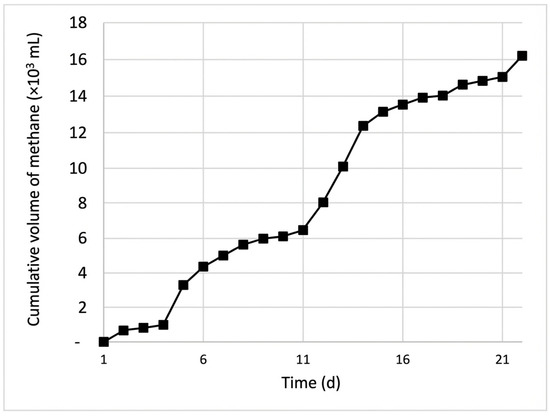
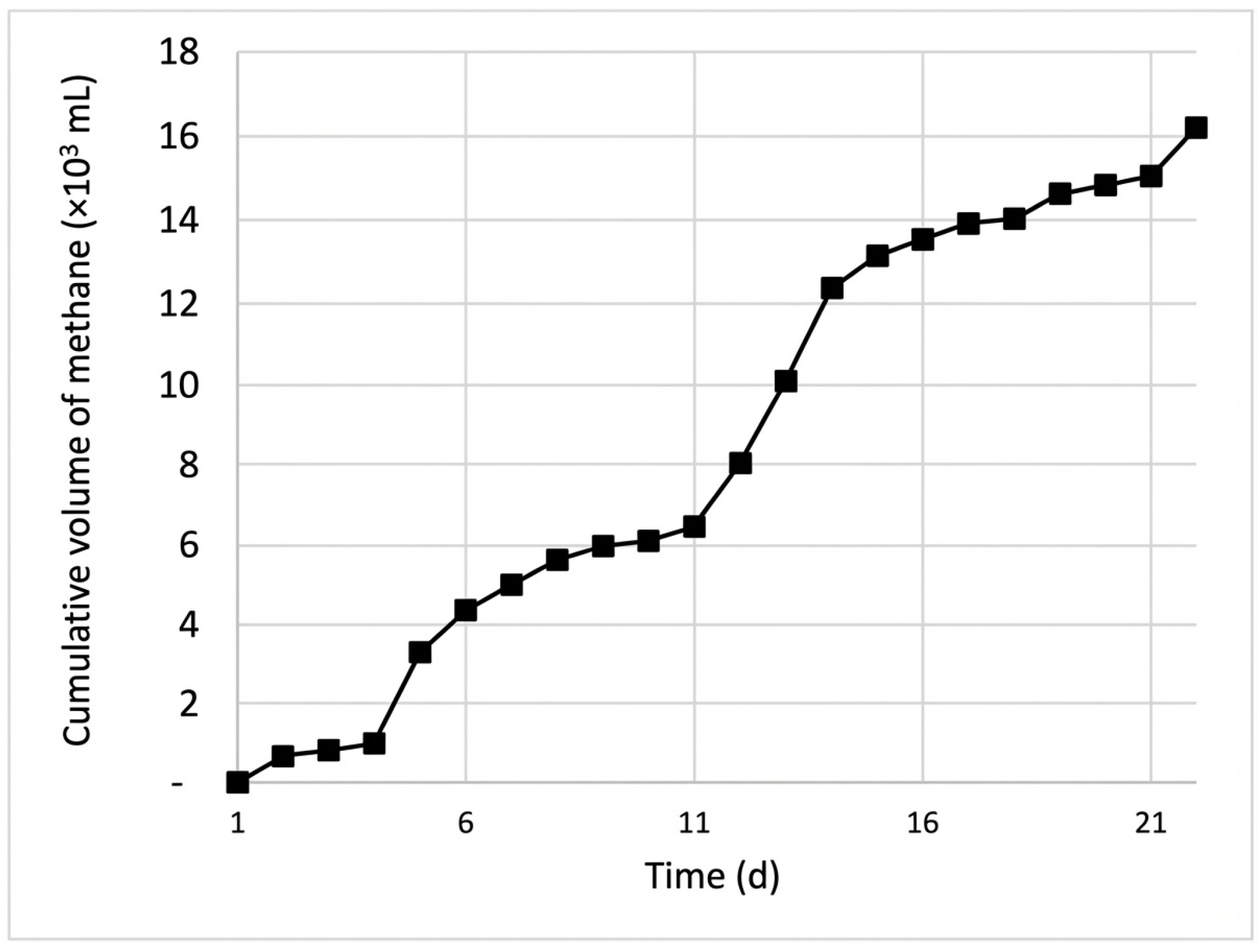
The total methane volume (16,224 mL) and its evolution for the experiment conducted in the mesoscale reactor with a 30 min ultrasound pretreatment are depicted in Figure 6.
Figure 6.
Cumulative methane production recorded in the mesoscale reactor, with 30 min of US pretreatment, for 22 days.
3.3. Comparison Between Tests (Lab and Mesoscale Reactors)
The pretreatment time experiments yielded the best result for 13,185 mL of methane after 32 days. For the experiments assessing the effect of the controlled parameters, 6 L of glycerol–inoculum mixture (maintaining the same ratio in previous tests) was applied, with the reactor maintained at mesophilic conditions. Continuous mixing and controlled pH were maintained for 22 d, resulting in improved anaerobic digestion [19]. Mesoscale experiments yielded results 123% greater than the values recorded in laboratory-scale tests. Over the same 22-day period, the laboratory-scale test produced 5456 mL of methane, corresponding to 297% less than the 16,224 mL recorded in the mesoscale experiment.
4. Conclusions
The observed rise in COD following ultrasound pretreatment indicates that the mechanical disruption enhances the breakdown of organic matter, thereby increasing the availability of crude glycerol for microbial degradation during anaerobic digestion.
At the laboratory reactor scale, the highest methane production value of 13,185 mL was achieved for glycerol after 30 min of ultrasound pretreatment.
Comparing the results from lab-scale and mesoscale reactors shows that methane production can be significantly improved by carefully managing key operational parameters. In particular, ultrasound pretreatment time, pH, temperature, and mixing all play a crucial role in optimizing the digestion process and maximizing methane yield. Methane production of 16,224 mL was attained.
The findings underscore how optimizing process parameters can significantly improve methane yields from crude glycerol.
Future work should test this approach at a larger scale, adjust the ultrasound settings to save energy, and combine treated glycerol with other wastes to support a circular bioeconomy.
Author Contributions
R.M. and S.A. conducted the experiments, performed the data analysis, and prepared the original draft. R.M. contributed to the conceptualization of the study, supervised the work, and reviewed and edited the manuscript. All authors have read and agreed to the published version of the manuscript.
Funding
This research received national funds provided by UIDB/00690/2020 through FCT/MCTES (PIDDAC).
Institutional Review Board Statement
Not applicable.
Informed Consent Statement
Not applicable.
Data Availability Statement
The data supporting the findings of this study are available from the corresponding author upon reasonable request.
Acknowledgments
Funding for this work was provided by UIDB/00690/2020 of the Centro de Investigação de Montanha (CIMO)-funded by national funds through FCT/MCTES (PIDDAC). The authors thank the Superior School of Technology and Management, Polytechnic Institute of Bragança, Portugal, for their support.
Conflicts of Interest
The authors declare no conflicts of interest.
Abbreviations
The following abbreviations are used in this manuscript:
| US | Ultrasound |
| TS | Total Solids |
| VS | Volatile Solids |
| FS | Fixed Solids |
| COD | Chemical Oxygen Demand |
References
- Moodley, P. Sustainable biofuels: Opportunities; challenges. In Applied Biotechnology Reviews; Ray, R.C., Ed.; WP Publishing: Bournemouth, UK; Elsevier: Amsterdam, The Netherlands, 2021. [Google Scholar]
- Miyazaki, K.; Bowman, K. Predictability of fossil fuel CO2 from air quality emissions. Nat. Commun. 2023, 14, 1604. [Google Scholar] [CrossRef] [Scilit]
- Xu, X.; Wei, Z.; Ji, Q.; Wang, C.; Gao, G. Global renewable energy development: Influencing factors, trend predictions and countermeasures. Resour. Policy 2019, 63, 101470. [Google Scholar] [CrossRef] [Scilit]
- Daioglou, V.; Doelman, J.C.; Wicke, B.; Faaij, A.; van Vuuren, D.P. Integrated assessment of biomass supply and demand in climate change mitigation scenarios. Glob. Environ. Change 2019, 54, 88–101. [Google Scholar] [CrossRef] [Scilit]
- DeAngelo, J.; Azevedo, I.; Bistline, J.; Clarke, L.; Luderer, G.; Byers, E.; Davis, S. Energy systems in scenarios at net-zero CO2 emissions. Nat. Commun. 2021, 12, 6096. [Google Scholar] [CrossRef] [Scilit] [PubMed]
- Malik, K.; Capareda, S.C.; Kamboj, B.R.; Malik, S.; Singh, K.; Arya, S.; Bishnoi, D.K. Biofuels production: A review on sustainable alternatives to traditional fuels and energy sources. Fuels 2024, 5, 157–175. [Google Scholar] [CrossRef] [Scilit]
- El-Araby, R. Biofuel production: Exploring renewable energy solutions for a greener future. Biotechnol. Biofuels Bioprod. 2024, 17, 129. [Google Scholar] [CrossRef] [Scilit] [PubMed]
- Almeida, E.L.; Olivo, J.E.; Andrade, C.G. Production of biofuels from glycerol from the biodiesel production process—A brief review. Fermentation 2023, 9, 869. [Google Scholar] [CrossRef] [Scilit]
- Rodrigues, C.V.; Pires, L.O.; Medina, K.J.; Maintinguer, S.I. Recovery of crude glycerol and citrus vinasse in anaerobic digestion in two stages for latic acid and biomethane production. Ind. Biotechnol. 2022, 18, 248–256. [Google Scholar] [CrossRef] [Scilit]
- Sarker, S.; Lamb, J.; Hjelme, D.; Lien, K. A review of the role of critical parameters in the design and operation of biogas production plants. Appl. Sci. 2019, 9, 1915. [Google Scholar] [CrossRef] [Scilit]
- Ugwu, S.N.; Enweremadu, C.C. Effects of pre-treatments and co-digestion on biogas production from Okra waste. J. Renew. Sustain. Energy 2019, 11, 013101. [Google Scholar] [CrossRef] [Scilit]
- Momayez, F.; Okoro, O.V.; Shavandi, A.; Martín, C.; Denayer, J.F.; Karimi, K. A critical review of ultrasonication as a green technology for enhanced biomass valorization in bioethanol and biogas production. Process Saf. Environ. Prot. 2025, 200, 107334. [Google Scholar] [CrossRef] [Scilit]
- Zhao, K.; Zhao, S.; Song, G.; Lu, C.; Liu, R.; Hu, C.; Qu, J. Ultrasonication-enhanced biogas production in anaerobic digestion of waste active sludge: A pilot scale investigation. Resour. Conserv. Recycl. 2023, 192, 106902. [Google Scholar] [CrossRef] [Scilit]
- APHA (American Public Health Association); AWWA (American Water Works Association); WEF (Water Environmental Federation). Standard Methods for the Examination of Water and Wastewater, 24th ed.; APHA Press: Washington, DC, USA, 2022. [Google Scholar]
- Kazimierowicz, J.; Zieliński, M.; Bartkowska, I.; Dębowski, M. Effect of acid whey pretreatment using ultrasonic disintegration on the removal of organic compounds and anaerobic digestion efficiency. Int. J. Environ. Res. Public Health 2022, 19, 11362. [Google Scholar] [CrossRef] [Scilit] [PubMed]
- Debowski, M.; Kisielewska, M.; Zielinski, M.; Kazimierowicz, J. The influence of the ultrasound disintegration of microalgal-bacterial granular sludge on anaerobic digestion efficiency. Appl. Sci. 2023, 13, 7387. [Google Scholar] [CrossRef] [Scilit]
- Picard, A.; Trap, D.; Batstone, D.; Moscoviz, R.; Haddad, M. Data-driven modelling of volatile solids reduction in municipal sludge anaerobic digesters: Learning from six full-scale plants. Bioresour. Technol. Rep. 2026, 33, 102553. [Google Scholar] [CrossRef] [Scilit]
- Akamine, L.A.; Passini, R.; Sousa, J.A.; Fernandes, A.; Moraes, M.J. Anaerobic co-digestion of cattle manure and brewer’s residual yeast: Process stability and methane and hydrogen sulfide production. Fermentation 2023, 9, 993. [Google Scholar] [CrossRef] [Scilit]
- Quintero, J.C.; Pérez, J.N.; Fiallos, M.L.; Barba, P.; García, J.L.; Valladares, R.E. Advances and challenges in anaerobic digestion for biogas production: Policy, technological and microbial perspectives. Processes 2025, 13, 3648. [Google Scholar] [CrossRef] [Scilit]
Disclaimer/Publisher’s Note: The statements, opinions and data contained in all publications are solely those of the individual author(s) and contributor(s) and not of MDPI and/or the editor(s). MDPI and/or the editor(s) disclaim responsibility for any injury to people or property resulting from any ideas, methods, instructions or products referred to in the content. |
© 2026 by the authors. Licensee MDPI, Basel, Switzerland. This article is an open access article distributed under the terms and conditions of the Creative Commons Attribution (CC BY) license.