


Abstract
Salicylic acid (SAL) derivatives are organic compounds derived from 2-hydroxybenzoic acid, where the ortho position of the phenolic and carboxyl groups is important for biological activity and facilitates chemical modifications of the molecule with optimized physicochemical properties and biological activity. Halogenated SAL derivatives are among the most important multi-target anti-infective agents. These effects of SAL derivatives are significantly influenced by their chemical structure. Simple compounds, such as halogenated SAL anilides, were gradually prepared, up to complex molecules mimicking peptidomimetics with several different amino acids between the salicylic and anilide parts. The most promising compounds were 5-chloro-2-hydroxy-N-(2S)-(4-methyl-1-oxo-1-{[4-(trifluoromethyl)phenyl]amino}pentan-2-yl)benzamide and 5-chloro-2-hydroxy-N-[(2S)-4-(methylsulfanyl)-1-oxo-1-{[4-(trifluoromethyl)phenyl]amino}butan-2-yl]benzamide, which demonstrated the broadest spectrum of activity against various pathogens, comparable to clinically used antibiotics. To further understand the structure–activity relationships, nitrogen isosteres were prepared by replacing the benzene ring of salicylic acid with pyridine and pyrazine rings. A series of ten aza-isosteres were synthesized and evaluated against the reference strains Staphylococcus aureus ATCC 29213, Enterococcus faecalis ATCC 29212, Mycobacterium smegmatis ATCC 700084, Escherichia coli ATCC 25922, and Pseudomonas aeruginosa ATCC 27859 and against three clinical isolates of methicillin-resistant S. aureus (MRSA), three isolates of vancomycin-resistant E. faecalis (VRE) and a clinical isolate of Klebsiella pneumoniae. Unfortunately, it was found that MIC values against any of the tested bacteria were >256 µg/mL for the prepared SAL aza-isosteres.
1. Introduction
The increasing incidence of antimicrobial resistance (AMR) represents one of the most serious and urgent threats to global public health in modern medicine. The ability of pathogenic microorganisms to resist the effects of conventional antibiotics leads to a decrease in the effectiveness of standard therapeutic procedures, which results in prolonged hospitalization, increased healthcare costs and, above all, increased mortality [1,2,3,4].
Multidrug-resistant strains, including methicillin-resistant Staphylococcus aureus (MRSA), vancomycin-resistant Enterococcus faecalis (VRE), and Gram-negative bacteria producing broad-spectrum beta-lactamases, such as Klebsiella pneumoniae and Pseudomonas aeruginosa, pose a particular threat [3,5]. This situation puts enormous pressure on the research and development of new antimicrobial agents with innovative mechanisms of action that could overcome existing bacterial resistance mechanisms [6,7,8,9].
In the context of rational design of new anti-infective drugs, organic compounds derived from 2-hydroxybenzoic acid, also known as salicylic acid (SAL), appear to be an extremely promising structural motif [10,11,12]. In these compounds, the ortho position of the phenolic and carboxyl groups on the benzene core is absolutely crucial for maintaining and modulating biological activity. This specific arrangement not only allows the formation of intramolecular hydrogen bonds, but above all facilitates a wide range of chemical modifications of the basic molecule. These modifications serve to target the optimization of physicochemical properties (such as lipophilicity, solubility and electron distribution) and to maximize the desired biological activity [13,14,15].
Previous research has clearly demonstrated that the antimicrobial effects of SAL derivatives are significantly determined by their chemical structure (structure–activity relationships) [16,17,18]. Among the most important multi-targeted anti-invasive agents are halogenated derivatives of salicylic acid [19,20,21,22,23]. Developments in this area have progressed from the synthesis of relatively simple compounds, such as basic halogenated SAL anilides, to sophisticated and complex molecules mimicking peptidomimetics. These more complex structures involve the insertion of several different amino acid residues between the salicylic and anilide parts of the molecule, allowing for better interaction with biological targets [24,25,26].
Although the above-mentioned peptidomimetic derivatives represent a significant achievement [24,25,26], for a comprehensive understanding of the structure–activity relationship, it is necessary to investigate the effect of modifications of the basic skeleton itself. For this reason, further research focused on the strategy of bioisosteric substitution, specifically, the preparation of nitrogen isosteres in which the benzene ring of salicylic acid was replaced by heteroaromatic systems—a pyridine or pyrazine ring. The aim of this modification was to determine how the incorporation of nitrogen atom(s) into the aromatic salicylic nucleus, with its different electronic effects and ability to form hydrogen bonds, would affect the resulting antibacterial activity. For this purpose, a series of ten new aza-isosteres was designed and synthesized in this study, and their antimicrobial potential was subsequently thoroughly evaluated against a wide range of pathogens, including representatives of Gram-positive, Gram-negative and mycobacterial reference strains, as well as highly resistant clinical isolates.
2. Results and Discussion
2.1. Chemistry
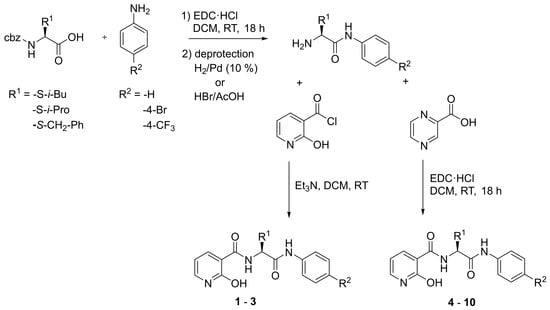
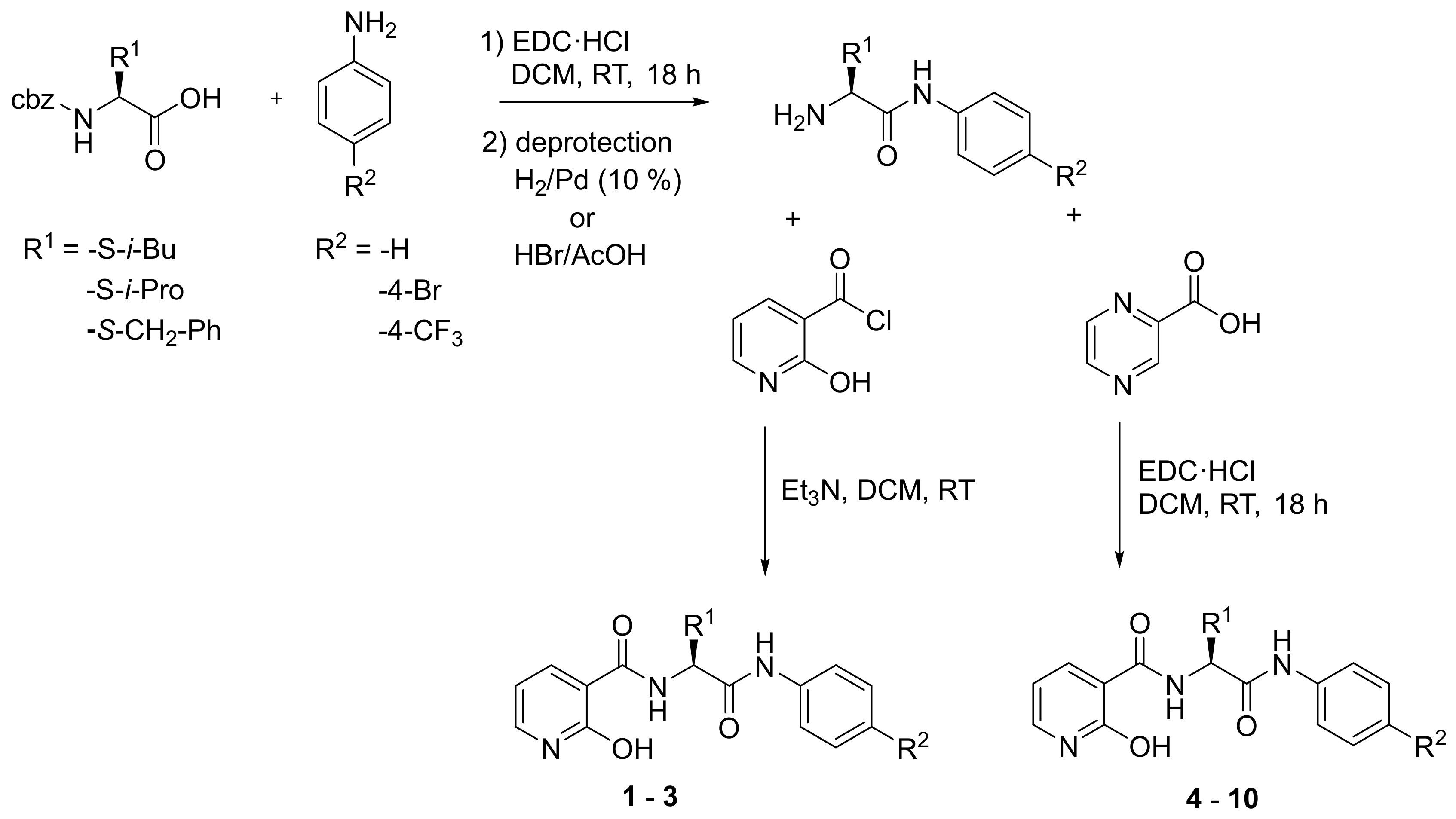
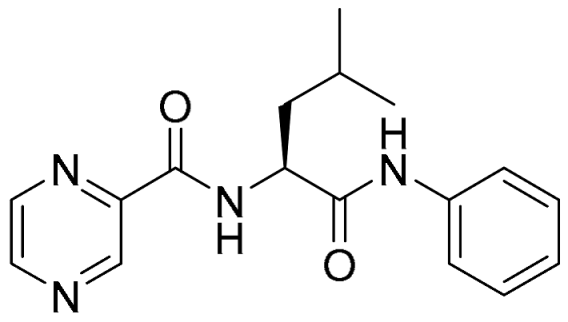
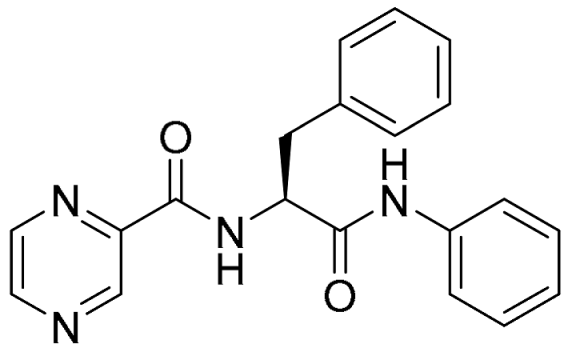
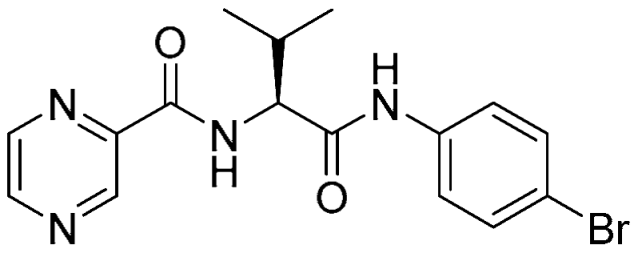
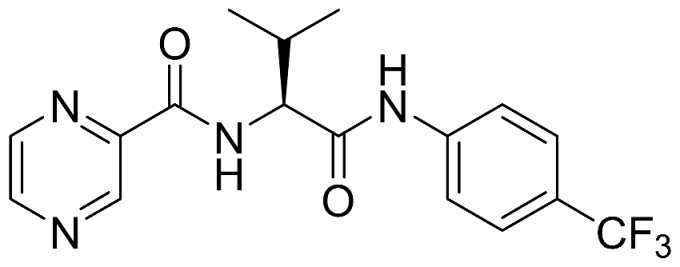
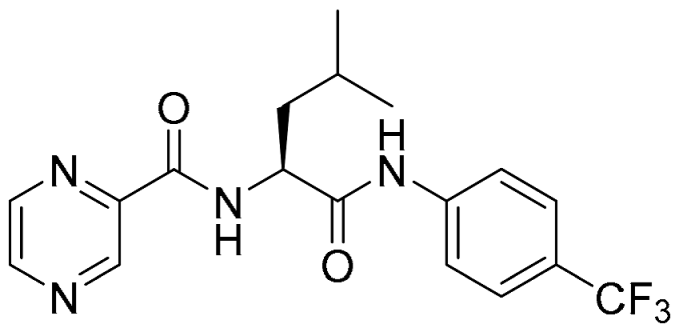
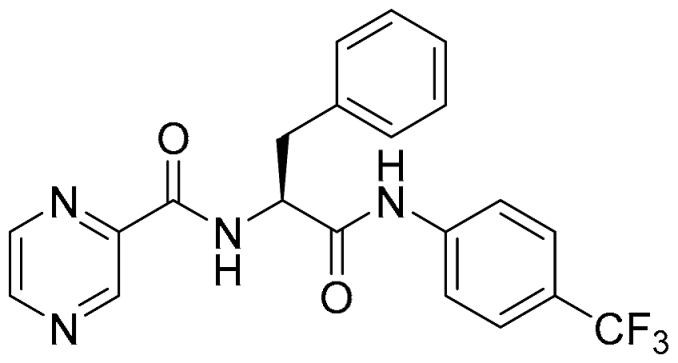
The studied compounds 1–3 and 4–10 were prepared according to the synthetic route shown in Scheme 1. The synthesis was based on a synthetic building-block approach. The corresponding building blocks were prepared by coupling N-protected optically pure chosen amino acids (L-leucine, L-valine, and L-phenylalanine) with the appropriate anilines using EDC·HCl/HOBt as the coupling system. Anhydrous dichloromethane (DCM) was used as the reaction solvent.
Scheme 1.
Synthesis of investigated compounds.
In the subsequent step, the Cbz protecting group was removed. Although Cbz deprotection can be conveniently achieved by catalytic hydrogenolysis using H2 in the presence of 10% Pd/C, this procedure resulted in undesired dehalogenation in the case of the brominated derivatives. Therefore, the Cbz group in the brominated derivatives was removed by acidolysis using 33% HBr in acetic acid.
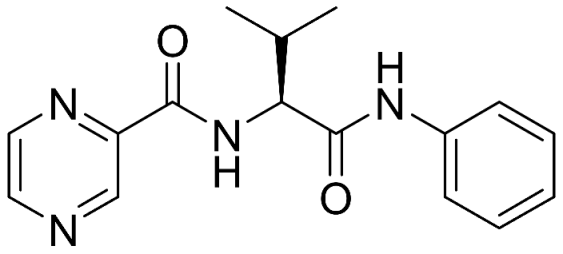
For the pyrazine derivatives, a different reaction sequence was employed in the subsequent amidation step. Owing to the low reactivity of pyrazine-2-carboxylic acid under EDC·HCl-mediated coupling conditions, the corresponding acid chloride was prepared first. The acid chloride was then reacted with the prepared amino acid building blocks in the presence of triethylamine (Et3N) in DCM to afford the desired amides 1–3.
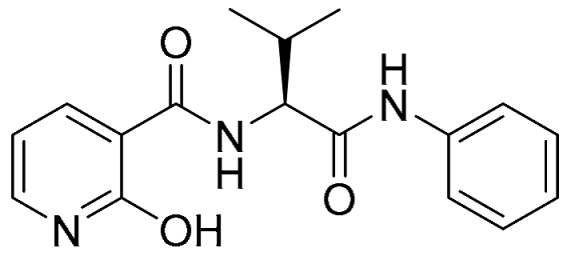
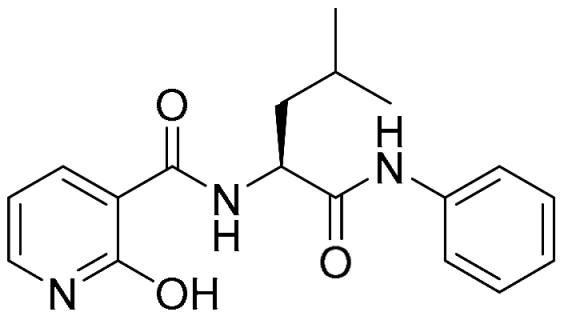
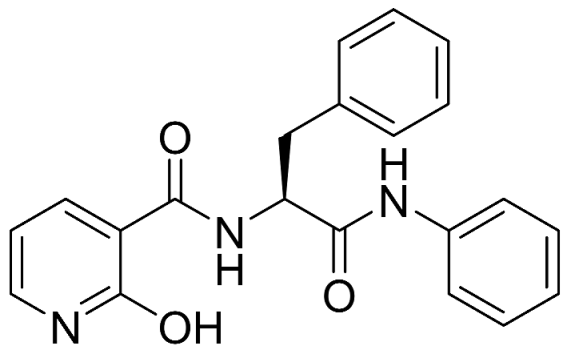
In contrast, for the pyridine derivatives, activation of the corresponding carboxylic acids with EDC·HCl followed by reaction with the prepared building blocks proceeded smoothly, affording the target compounds 4–10. The structures of all newly synthesized compounds are listed in Table 1.
Table 1.
Structures and antimicrobial activities of individual prepared compounds.
2.2. Biology
The antimicrobial activity of the prepared compounds was evaluated on a wide range of bacterial species. The selection of the studied bacterial strains was carried out in accordance with the international reference methodologies of CLSI (National Committee for Clinical Laboratory Standards) (“Global Laboratory Standards for a Healthier World”, [27,28]). For this purpose, universally susceptible collection strains were selected (Staphylococcus aureus ATCC 29213, Enterococcus faecalis ATCC 29212, Escherichia coli ATCC 25922 and Pseudomonas aeruginosa ATCC 27859). The second aspect of strain selection was the current status of strains with epidemiologically significant resistance types, represented, e.g., by clinical isolates of methicillin-resistant S. aureus (MRSA) 63718, SA 630, and SA 3202 carrying the mecA gene [25] or vancomycin-resistant E. faecalis (VRE) 342B, 368 and 725B carrying the vanA gene [29]. In addition, all compounds were evaluated against the clinical isolate of the Gram-negative bacterium Klebsiella pneumoniae 797 [30]. To obtain a comprehensive overview of the antibacterial properties of the investigated compounds, all derivatives were tested in vitro against Mycobacterium smegmatis ATCC 700084, which represents a fast-growing microorganism useful in the study of fundamental cellular processes relevant to pathogenic mycobacteria [31]. All activities are expressed as minimal inhibitory concentrations (MICs) and are listed in Table 1.
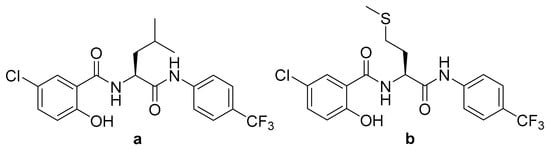
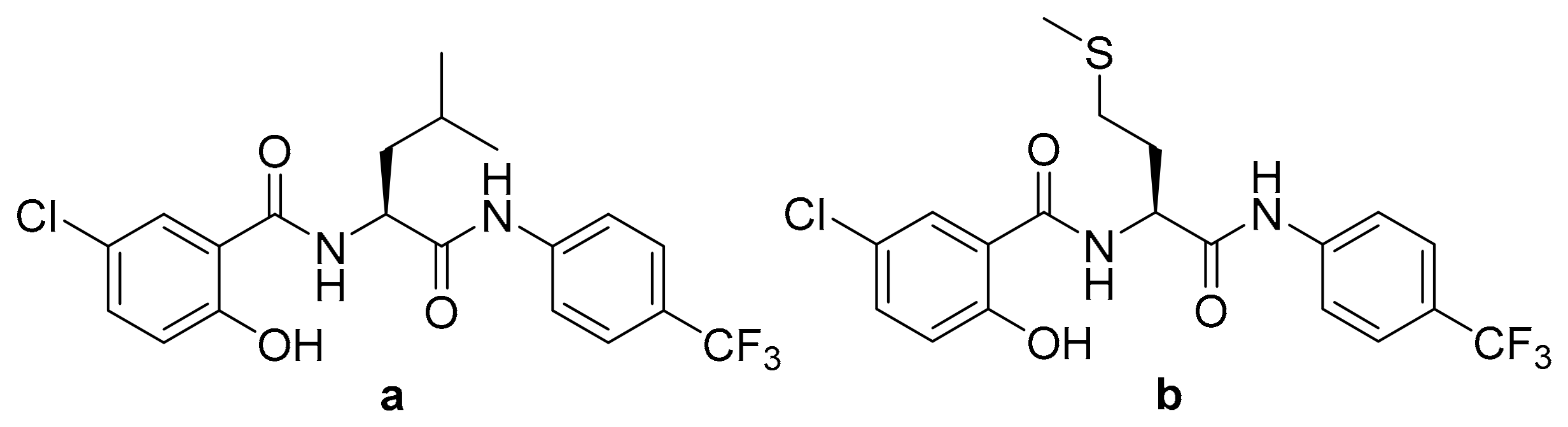
As mentioned above, the derivatives discussed here were inspired by model compounds described in Pauk et al. [24] and Pindjakova et al. [26], with the most promising candidates being 5-chloro-2-hydroxy-N-(2S)-(4-methyl-1-oxo-1-{[4-(trifluoromethyl)phenyl]amino}pentan-2-yl)benzamide and 5-chloro-2-hydroxy-N-[(2S)-4-(methylsulfanyl)-1-oxo-1-{[4-(trifluoromethyl)phenyl]amino}butan-2-yl]benzamide (Figure 1), which in in vitro studies demonstrated an exceptionally broad spectrum of activity against this spectrum of pathogens at a level fully comparable to clinically used broad-spectrum antibiotics in the MICs range of 0.03 to 8 µg/mL.
Figure 1.
Structures of the most active compounds from the previous study: (a) 5-chloro-2-hydroxy-N-(2S)-(4-methyl-1-oxo-1-{[4-(trifluoromethyl)phenyl]amino}pentan-2-yl)benzamide [24] and (b) 5-chloro-2-hydroxy-N-[(2S)-4-(methylsulfanyl)-1-oxo-1-{[4-(trifluoromethyl)phenyl]amino}butan-2-yl]benzamide [26].
Derivatives connecting a nitrogen heterocycle and a salicylic fragment as potential antimicrobial compounds have already been described in the literature, e.g., [32,33,34,35]; however, these were not azasalicylic derivatives, i.e., structures where the aromatic salicylic ring is replaced by a pyridine or pyrazine heteroaromatic system (isosteric substitution of one or two carbon atoms by nitrogen/nitrogens has occurred), as can be seen from the structures in Table 1. However, within this structural evolution, the obtained data (see MIC values) yielded very surprising results, indicating the extreme sensitivity of the pharmacophore to structural changes. Isosteric substitution of carbon(s) in the salicylic ring for nitrogen(s) resulted in a total loss of any antimicrobial activity (MICs ≥ 256 µg/mL).
3. Experimental Section
3.1. General Methods
All reagents and solvents were purchased from commercial suppliers: Sigma–Aldrich (Prague, Czech Republic), Fluorochem (Penrose Dock, Cork T23 YY09, Ireland), Acros Organics (Geel, Belgium), TCI Europe (Haven, Belgium), Merck (Prague, Czech Republic), and Lach-Ner (Neratovice, Czech Republic). Commercially available reagents were used without further purification. Reactions were monitored by thin-layer chromatography (TLC) using silica gel 60 F254 plates (0.2 mm thickness; Merck, Prague, Czech Republic). The TLC plates were visualized under UV light at 254 nm. Melting points were determined using a Büchi Melting Point B-540 apparatus (Büchi, Switzerland) and are reported uncorrected. IR spectra were recorded using a Nicolet 6700 FTIR spectrometer (Thermo Fisher Scientific, Waltham, MA, USA) in the range of 400–4000 cm−1 using the attenuated total reflectance (ATR) technique. NMR spectra were recorded in CDCl3 and CDOD3 or DMSO-d6 solutions at ambient temperature using a Bruker Avance™ III 400 spectrometer (Bruker, Brno, Czech Republic) at operating frequencies of 400 MHz for 1H, 470 MHz for 19F, and 100.26 MHz for 13C, or a Bruker Ascend™ 500 spectrometer (Bruker, Brno, Czech Republic) at operating frequencies of 500.13 MHz for 1H and 125.76 MHz for 13C{1H}. Chemical shifts (δ) reported in the Supporting Information are expressed in ppm and referenced to the residual solvent signals: δ 7.26 ppm for CDCl3 and δ 3.31 ppm for CDOD3 and 2.50 ppm for DMSO-d6. Tetramethylsilane (TMS) was used as an internal standard where applicable. Coupling constants (J) are reported in Hz. Elemental analyses for carbon, hydrogen, and nitrogen (C, H, and N) were performed using a Flash 2000 Organic Elemental Analyzer (Thermo Fisher Scientific, Waltham, MA, USA). High-resolution mass spectra (HRMS) were acquired using the dried-droplet method on an LTQ Orbitrap XL mass spectrometer (Thermo Fisher Scientific) equipped with a nitrogen UV laser (337 nm, 60 Hz). Spectra were recorded in positive-ion mode over the appropriate mass range at a resolution of 100,000 at m/z 400, using 2,5-dihydroxybenzoic acid (DHB) as the matrix. The complete characterization of investigated compounds can be found in SI (File S1).
3.2. Synthesis and Characterization of Investigated Compounds
3.2.1. Synthesis of Investigated Compounds
Synthesis of Cbz-Protected Amino Acid Amides
The appropriate Cbz-protected L-amino acid (1.0 equiv.) was dissolved in DCM at room temperature. EDC·HCl (1.05–1.30 equiv.) was added in one portion to activate the carboxylic acid. The activation was monitored by TLC. After stirring for 60 min, the corresponding substituted aniline (1.0 equiv.) was added in one portion. The reaction mixture was stirred at room temperature for 16–18 h until complete consumption of the starting acid was confirmed by TLC (n-hexane/EtOAc, 1:1, v/v). The reaction was quenched by the addition of distilled water, and the phases were separated. The aqueous layer was extracted with DCM (3×). The combined organic extracts were dried over anhydrous Na2SO4, filtered, and concentrated under reduced pressure. The crude solid was isolated by filtration, and additional product was recovered from the mother liquor and recrystallized from EtOAc to afford the pure protected intermediate.
Deprotection via Catalytic Hydrogenolysis
The Cbz-protected intermediate (1.0 equiv.) was dissolved in methanol (or dry DMF for poorly soluble substrates) at room temperature. Then, 10% Pd/C catalyst was added, and the reaction flask was fitted with a balloon filled with gaseous hydrogen. The suspension was stirred at room temperature under ambient pressure for 50–60 min. Reaction progress was monitored by TLC (n-hexane/EtOAc, 1:1, v/v). Upon completion, the catalyst was removed by filtration through fluted filter paper or a 0.2 µm PTFE syringe filter (to remove residual colloidal palladium). The filtrate was evaporated to dryness under reduced pressure to afford the deprotected amine or its hydrobromide salt. (Note: Catalytic hydrogenation of halogenated phenyl derivatives led to concomitant dehalogenation, yielding the corresponding debrominated phenyl analogs as free bases or hydrobromide salts. Alternatively, Cbz deprotection was accomplished without dehalogenation using 33% HBr in acetic acid for 1 h at room temperature, followed by toluene precipitation. In this manner, we successfully obtained and isolated the valine derivative.)
Synthesis of 2-Oxo-1,2-dihydropyridine-3-carbonyl Chloride
2-Hydroxynicotinic acid (1.0 equiv.) was suspended in a mixture of DCM and 1,2-dichloroethane (4:1, v/v). Thionyl chloride (1.67 equiv.) and catalytic amount of DMF were added in one portion. The reaction mixture was heated under reflux at approx. temp. 85 °C for 2.5 h and then cooled in an ice bath. The resulting precipitate was collected by filtration on a Büchner funnel, washed with cold DCM, and dried under vacuum to afford the acyl chloride as yellowish crystals.
Final Coupling with Acyl Chlorides (2-Hydroxynicotinic Acid Series)
To a stirred suspension of 2-oxo-1,2-dihydropyridine-3-carbonyl chloride (1.0 equiv.) in DCM at room temperature were added triethylamine (2.0 equiv.) and the appropriate deprotected amine hydrobromide salt (1.0 equiv.). The reaction mixture was stirred at room temperature for 2 h and subsequently quenched with distilled water. The precipitated crude solid was collected by suction filtration on a Büchner funnel, washed with DCM, and purified by boiling in distilled water to remove residual triethylammonium salts. Filtration and drying in vacuo afforded the pure diamide derivatives 1–3.
Final Coupling via Carbodiimide Activation (Pyrazine-2-carboxylic Acid Series)
The deprotected amine intermediate (1.0 equiv.) was dissolved in DCM (or dry DMF for substrates insoluble in DCM). Pyrazine-2-carboxylic acid (1.0 equiv.), HOBt (1.0 equiv.), EDC·HCl (1.0 equiv.), and DIPEA (5.65 equiv.) were sequentially added. The reaction mixture was stirred at room temperature for 18 h and quenched with distilled water. The aqueous phase was extracted with DCM (3×). The combined organic extracts were dried over anhydrous Na2SO4, filtered, and concentrated under reduced pressure. The crude residue was purified by flash column chromatography on silica gel (n-hexane/EtOAc, 2:1, v/v) followed, where necessary, by recrystallization. In this way, compounds 4–10 were obtained.
3.2.2. Characterization of Investigated Compounds
The characterization of the prepared compounds can be found in the Supporting Information.
3.3. In Vitro Antimicrobial Evaluation
The in vitro antibacterial activity of the prepared compounds was evaluated against vancomycin- and methicillin-susceptible Staphylococcus aureus ATCC 29213 and vancomycin-susceptible Enterococcus faecalis ATCC 29212 [36], which were used as reference and quality control strains, as well as against representatives of multidrug-resistant bacteria: three clinical isolates of methicillin-resistant S. aureus (MRSA 63718, MRSA SA 630 and MRSA SA 3202) [25] carrying the mecA gene [37] and three vancomycin-resistant E. faecalis isolates (VRE 342B, VRE 368, and VRE 725B) carrying the vanA gene [29]. In addition, all the prepared compounds were tested against representatives of Gram-negative bacteria: Escherichia coli ATCC 25922, Pseudomonas aeruginosa ATCC 27859 [36] and the human clinical isolate Klebsiella pneumoniae 797 [30]. The minimum inhibitory concentrations (MICs) were determined using the broth microtiter method according to the Clinical and Laboratory Standards Institute (CLSI) [28,38]. In vitro evaluation of the antimycobacterial activity of the compounds was performed against M. smegmatis ATCC 700084 [36]. The broth microdilution method was used to determine the MIC as previously described [28,38]. The testing and methodologies are described in detail, for example, in Markuliak et al. [39]. The results are summarized in Table 1.
4. Conclusions
Ten novel peptidomimetic aza-isosteres derived from the salicylic scaffold were proposed as potential antimicrobial compounds. The synthesis was carried out using a building-block approach, with the final amidation step optimized separately for the pyrazine and pyridine derivatives. All derivatives were evaluated against a battery of Gram-positive and Gram-negative reference bacterial strains and resistant clinical isolates and one representative of fast-growing mycobacteria. Unfortunately, it was found that MIC values against any of the tested bacteria were >256 µg/mL for prepared SAL aza-isosteres, which opens new questions regarding the necessity of the benzene ring to maintain the antimicrobial properties of this group of compounds.
Supplementary Materials
The following supporting information can be downloaded at https://www.mdpi.com/article/10.3390/chemproc2026022031/s1, File S1: Characterization of prepared compounds.
Author Contributions
Conceptualization, J.J. and A.I.; methodology, A.I., J.K. (Jiri Kos) and A.C.; investigation, J.N., M.S., M.Š. and J.K. (Jaroslav Kulhanek); resources, J.K. (Jiri Kos), J.J., A.C. and A.I.; writing, J.K. (Jiri Kos), J.J., A.C. and A.I.; supervision, J.K. (Jiri Kos), J.J., A.C. and A.I.; project administration, J.K. (Jiri Kos), J.J., A.C. and A.I.; funding acquisition, J.K. (Jiri Kos), J.J., A.C. and A.I. All authors have read and agreed to the published version of the manuscript.
Funding
This work was supported by the specific research project of the Faculty of Medicine, Masaryk University in Brno (grant no. MUNI/A/1734/2025), and the institutional support and SG project of the Faculty of Chemical Technology, University of Pardubice.
Institutional Review Board Statement
Not applicable.
Informed Consent Statement
Not applicable.
Data Availability Statement
The original contributions presented in this study are included in the article/Supplementary Material. Further inquiries can be directed to the corresponding author.
Conflicts of Interest
The authors declare no conflicts of interest.
References
- Salam, M.A.; Al-Amin, M.Y.; Salam, M.T.; Pawar, J.S.; Akhter, N.; Rabaan, A.A.; Alqumber, M.A.A. Antimicrobial resistance: A growing serious threat for global public health. Healthcare 2023, 11, 1946. [Google Scholar] [CrossRef] [Scilit] [PubMed]
- Nazir, A.; Nazir, A.; Zuhair, V.; Aman, S.; Sadiq, S.U.R.; Hasan, A.H.; Tariq, M.; Rehman, L.U.; Mustapha, M.J.; Bulimbe, D.B. The Global challenge of antimicrobial resistance: Mechanisms, case studies, and mitigation approaches. Health Sci. Rep. 2025, 8, e71077. [Google Scholar] [CrossRef] [Scilit] [PubMed]
- WHO—Antimicrobial Resistance, 2026. Available online: https://www.who.int/news-room/fact-sheets/detail/antimicrobial-resistance (accessed on 2 September 2026).
- Ntais, C.; Chatziprodromidou, I.P. Antimicrobial Resistance as a global public health challenge: Epidemiological burden, bioethical dimensions and emerging therapeutic strategies. Infect. Dis. Rep. 2026, 18, 70. [Google Scholar] [CrossRef] [Scilit] [PubMed]
- Dembede, S.; Kiarii, E.M.; Kiarie, M.W.; Nyariki, J.N. Emergence and spread of multidrug-resistant pathogens: A global health challenge. Mass Gath. Med. 2026, 5, 100050. [Google Scholar] [CrossRef] [Scilit]
- Bharadwaj, A.; Rastogi, A.; Pandey, S.; Gupta, S.; Sohal, J.S. Multidrug-resistant bacteria: Their mechanism of action and prophylaxis. BioMed. Res. Int. 2022, 2022, 5419874. [Google Scholar] [CrossRef] [Scilit] [PubMed]
- Choudhary, M.I.; Romling, U.; Nadeem, F.; Bilal, H.M.; Zafar, M.; Jahan, H.; ur-Rahman, A. Innovative strategies to overcome antimicrobial resistance and tolerance. Microorganisms 2023, 11, 16. [Google Scholar] [CrossRef] [Scilit] [PubMed]
- Dini, I. Mechanisms of bacterial resistance and innovative strategies to overcome antimicrobial resistance. Antibiotics 2026, 15, 319. [Google Scholar] [CrossRef] [Scilit] [PubMed]
- Zong, W.; Xie, S.; Chu, H.; Han, S.; Zhang, X. Beyond traditional antibacterial agents: Novel approaches to combat resistant pathogens. Eur. J. Med. Chem. 2026, 302, 118362. [Google Scholar] [CrossRef] [Scilit] [PubMed]
- Salicylic Acid, DrugBank. Available online: https://go.drugbank.com/drugs/DB00936 (accessed on 2 September 2026).
- Macario, A.; Lopez, J.C.; Blanco, S. Molecular Structure of salicylic acid and its hydrates: A rotational spectroscopy study. Int. J. Mol. Sci. 2024, 25, 4074. [Google Scholar] [CrossRef] [Scilit] [PubMed]
- Liu, Y.; Debnath, B.; Kumar, S.; Lombard, D.B.; Neamati, N. Identification of 2-hydroxybenzoic acid derivatives as selective SIRT5 inhibitors. Eur. J. Med. Chem. 2022, 241, 114623. [Google Scholar] [CrossRef] [Scilit] [PubMed]
- Umbetova, A.K.; Litvinenko, Y.A.; Dauletova, M.D.; Yi, L.; Yelibayeva, N.S.; Burasheva, G.S.; Sassykova, L.R.; Kabdraisova, A.Z.; Assylkhanov, Z.S.; Sendilvelan, S.; et al. Structural modification of phenolic acids: Modern approaches to synthesis and study of structure and activity. Int. J. Mol. Sci. 2026, 27, 2977. [Google Scholar] [CrossRef] [Scilit] [PubMed]
- Ekinci, D.; Senturk, M.; Kufrevioglu, O.I. Salicylic acid derivatives: Synthesis, features and usage as therapeutic tools. Expert Opin. Ther. Pat. 2011, 21, 1831–1841. [Google Scholar] [CrossRef] [Scilit] [PubMed]
- Kratky, M.; Vinsova, J. Salicylanilide ester prodrugs as potential antimicrobial agents—A review. Curr. Pharm. Des. 2011, 17, 3494–3505. [Google Scholar] [CrossRef] [Scilit] [PubMed]
- Zadrazilova, I.; Pospisilova, S.; Masarikova, M.; Imramovsky, A.; Monreal-Ferriz, J.; Vinsova, J.; Cizek, A.; Jampilek, J. Salicylanilide carbamates: Promising antibacterial agents with high in vitro activity against methicillin-resistant Staphylococcus aureus. Eur. J. Pharm. Sci. 2015, 77, 197–207. [Google Scholar] [CrossRef] [Scilit] [PubMed]
- Kushkevych, I.; Kollar, P.; Ferreira, A.L.; Palma, D.; Duarte, A.; Lopes, M.M.; Bartos, M.; Pauk, K.; Imramovsky, A.; Jampilek, J. Antimicrobial effect of salicylamide derivatives against intestinal sulfate-reducing bacteria. J. Appl. Biomed. 2016, 14, 125–130. [Google Scholar] [CrossRef] [Scilit]
- Copp, J.N.; Pletzer, D.; Brown, A.S.; van der Heijden, J.; Miton, C.M.; Edgar, R.J.; Rich, M.H.; Little, R.F.; Williams, E.M.; Hancock, R.E.W.; et al. Mechanistic understandingenables the rational design of salicylanilide combination therapies for Gram-negative infections. mBio 2020, 11, e02068-20. [Google Scholar] [CrossRef] [Scilit] [PubMed]
- Vinsova, J.; Imramovsky, A.; Buchta, V.; Ceckova, M.; Dolezal, M.; Staud, F.; Jampilek, J.; Kaustova, J. Salicylanilide acetates: Synthesis and antibacterial evaluation. Molecules 2007, 12, 1–12. [Google Scholar] [CrossRef] [Scilit] [PubMed]
- Imramovsky, A.; Vinsova, J.; Ferriz, J.M.; Buchta, V.; Jampilek, J. Salicylanilide esters of N-protected amino acids as novel antimicrobial agents. Bioorg. Med. Chem. Lett. 2009, 19, 348–351. [Google Scholar] [CrossRef] [Scilit] [PubMed]
- Imramovsky, A.; Vinsova, J.; Ferriz, J.M.; Dolezal, R.; Jampilek, J.; Kaustova, J.; Kunc, F. New antituberculotics originated from salicylanilides with promising in vitro activity against atypical mycobacterial strains. Bioorg. Med. Chem. 2009, 17, 3572–3579. [Google Scholar] [CrossRef] [Scilit] [PubMed]
- Imramovsky, A.; Pesko, M.; Kralova, K.; Vejsova, M.; Stolarikova, J.; Vinsova, J.; Jampilek, J. Investigating spectrum of biological activity of 4- and 5-chloro-2-hydroxy-N-[2-(arylamino)-1-alkyl-2-oxoethyl]benzamides. Molecules 2011, 16, 2414–2430. [Google Scholar] [CrossRef] [Scilit] [PubMed]
- Kratky, M.; Vinsova, J.; Novotna, E.; Mandikova, J.; Trejtnar, F.; Stolarikova, J. Antibacterial activity of salicylanilide 4-(trifluoromethyl)-benzoates. Molecules 2013, 18, 3674–3688. [Google Scholar] [CrossRef] [Scilit] [PubMed]
- Pauk, K.; Zadrazilova, I.; Imramovsky, A.; Vinsova, J.; Pokorna, M.; Masarikova, M.; Cizek, A.; Jampilek, J. New derivatives of salicylamides: Preparation and antimicrobial activity against various bacterial species. Bioorg. Med. Chem. 2013, 21, 6574–6581. [Google Scholar] [CrossRef] [Scilit] [PubMed]
- Zadrazilova, I.; Pospisilova, S.; Pauk, K.; Imramovsky, A.; Vinsova, J.; Cizek, A.; Jampilek, J. In vitro bactericidal activity of 4- and 5-chloro-2-hydroxy-N-[1-oxo-1-(phenylamino)alkan-2-yl]benzamides against MRSA. BioMed. Res. Int. 2015, 2015, 349534. [Google Scholar] [CrossRef] [Scilit] [PubMed]
- Pindjakova, D.; Pilarova, E.; Pauk, K.; Michnova, H.; Hosek, J.; Magar, P.; Cizek, A.; Imramovsky, A.; Jampilek, J. Study of biological activities and ADMET-related properties of salicylanilide-based peptidomimetics. Int. J. Mol. Sci. 2022, 23, 11648. [Google Scholar] [CrossRef] [Scilit] [PubMed]
- Global Laboratory Standards for a Healthier World. Available online: https://clsi.org/ (accessed on 2 September 2026).
- National Committee for Clinical Laboratory Standards. Methods for Dilution Antimicrobial Susceptibility Tests for Bacteria That Grow Aerobically, 11th ed.; M07; NCCLS: Wayne, PA, USA, 2018. [Google Scholar]
- Oravcova, V.; Zurek, L.; Townsend, A.; Clark, A.B.; Ellis, J.C.; Cizek, A. American crows as carriers of vancomycin-resistant enterococci with vanA gene. Environ. Microbiol. 2014, 16, 939–949. [Google Scholar] [CrossRef] [Scilit] [PubMed]
- Dolejska, M.; Villa, L.; Dobiasova, H.; Fortini, D.; Feudi, C.; Carattoli, A. Plasmid content of a clinically relevant Klebsiella pneumoniae clone from the Czech Republic producing CTX-M-15 and QnrB1. Antimicrob. Agents Chemother. 2013, 57, 1073–1076. [Google Scholar] [CrossRef] [Scilit] [PubMed]
- Tensingh, J.A.S.; Ranjitha, J.; Rajan, A.; Shankar, V. Features of the biochemistry of Mycobacterium smegmatis, as a possible model for Mycobacterium tuberculosis. J. Infect. Public Health 2020, 13, 1255–1264. [Google Scholar] [CrossRef] [Scilit] [PubMed]
- Grant, N.; Mishriky, N.; Asaad, F.M.; Fawzy, N.G. Pyridines and pyrazolines from salicylic acid derivatives with propenone residue and their antimicrobial properties. Pharmazie 1998, 53, 543–547. [Google Scholar] [PubMed]
- Kratky, M.; Vinsova, J.; Buchta, V. In vitro antibacterial and antifungal activity of salicylanilide pyrazine-2-carboxylates. Med. Chem. 2012, 8, 732–741. [Google Scholar] [CrossRef] [Scilit] [PubMed]
- Kratky, M.; Vinsova, J.; Novotna, E.; Stolarikova, J. Salicylanilide pyrazinoates inhibit in vitro multidrug-resistant Mycobacterium tuberculosis strains, atypical mycobacteria and isocitrate lyase. Eur. J. Pharm. Sci. 2014, 53, 1–9. [Google Scholar] [CrossRef] [Scilit] [PubMed]
- Kerda, M.; Slechta, P.; Jandourek, O.; Konecna, K.; Hatokova, P.; Paterova, P.; Zitko, J. N-Pyrazinylhydroxybenzamides as biologically active compounds: A hit-expansion study and antimicrobial evaluation. Future Med. Chem. 2023, 15, 1791–1806. [Google Scholar] [CrossRef] [Scilit] [PubMed]
- American Type Culture Collection. Available online: https://www.atcc.org/ (accessed on 11 September 2025).
- Nubel, U.; Dordel, J.; Kurt, K.; Strommenger, B.; Westh, H.; Shukla, S.K.; Zemlickova, H.; Leblois, R.; Wirth, T.; Jombart, T.; et al. A timescale for evolution, population expansion, and spatial spread of an emerging clone of methicillin-resistant Staphylococcus aureus. PLoS Pathog. 2010, 6, e1000855. [Google Scholar] [CrossRef] [Scilit] [PubMed]
- Schwalbe, R.; Steele-Moore, L.; Goodwin, A.C. Antimicrobial Susceptibility Testing Protocols; CRC Press: Boca Raton, FL, USA, 2007. [Google Scholar]
- Markuliak, M.; Kos, D.; Vojackova, V.; Horvath, B.; Svajdlenka, E.; Leskovska, J.; Pisarcik, M.; Krystof, V.; Cizek, A.; Jampilek, J.; et al. Preparation and biological activity of isoperrottetin A and its phosphonium salts derivatives. Eur. J. Pharm. Sci. 2025, 212, 107167. [Google Scholar] [CrossRef] [Scilit] [PubMed]

Disclaimer/Publisher’s Note: The statements, opinions and data contained in all publications are solely those of the individual author(s) and contributor(s) and not of MDPI and/or the editor(s). MDPI and/or the editor(s) disclaim responsibility for any injury to people or property resulting from any ideas, methods, instructions or products referred to in the content. |
© 2026 by the authors. Licensee MDPI, Basel, Switzerland. This article is an open access article distributed under the terms and conditions of the Creative Commons Attribution (CC BY) license.