


Abstract
This work aimed to develop bioactive films based on alginate and κ-carrageenan that were incorporated with different concentrations 0, 0.2, 0.4, 0.8, 1 and 2% (w/v) of cinnamon essential oil (CEO). The films were crosslinked with a solution of calcium chloride obtained from limestone sludge through acid dissolution. The films were characterised according to their physical, mechanical, optical, antioxidant and antimicrobial properties. The best film formulation consisted of 1.5% total carbohydrate concentration, 0.45% glycerol and 0.4% (w/v) of Tween 20. The Fourier transform infrared Spectroscopy analysis confirmed the crosslinking between the polysaccharides and the incorporation of the CEO into the polymer matrix. The addition of the CEO increased the film thickness, reduced moisture content and water vapour permeability, yet it increased solubility, due to matrix disruption invoked by the oil droplets. SEM analysis showed that CEO affected film microstructure, with moderate concentrations leading to more homogeneous structures. In terms of the mechanical properties, CEO incorporation reduced stiffness and yield strength whilst increasing film flexibility, showcasing a plasticising effect. The films were colourless and transparent; moreover, none of the samples exhibited absorbance in the visible region (400–800 nm); however, all films showed absorption in the UV region. The incorporation of the CEO into the films provided antioxidant activity. Particularly, the sample containing 2% CEO had the highest activity, with values of 97.5 ± 0.77% and 75.9 ± 1.82% in the ABTS and DPPH, respectively. Overall, these results suggest that the developed films have promising potential as sustainable food packaging materials with enhanced antioxidant functionality, although further optimisation is needed to improve antimicrobial performance and validate their effectiveness in real food packaging systems.
1. Introduction
Plastic products, particularly the ones used for food packaging, play an essential role in our society by providing practicality to our daily lives [1,2,3,4]. This material is cheaply produced, easily manipulated, resistant, and transparent, hence its popularity. However, it is derived from fossil fuels, whose usage is extremely damaging to the environment as greenhouse gases (GHGs) are released [3,4]. Moreover, the proper management of this material is often disregarded, resulting in its accumulation on both land and sea, as it is non-biodegradable [2,3,5]. Despite the widespread awareness of the overwhelming evidence of its harmful effects, plastic production has been steadily increasing over the years, reaching 430.9 million metric tons globally in 2024 [6]. As the demand for efficient packaging is ever more important, the logical step is to develop alternative biodegradable materials [2,5,7]. These alternative materials are frequently composed of natural biopolymers, such as carbohydrates, lipids and proteins [3,4,7]. The blend of biopolymers allows for the improvement in the mechanical properties of the material, whilst also being biocompatible, non-toxic and biodegradable, thus being environmentally friendly [3,4,8]. Polysaccharides are typically the preferred biopolymers for developing biofilms due to their availability, structural characteristics, and low cost [9]. The most experimented with polysaccharides in the literature are agar, carrageenan, alginate, pectin, chitosan, and gelatin, which have shown great results in applications such as food packaging and coatings [2,10,11,12,13]. For instance, Rong et al. produced an intelligent label made of sodium carboxymethyl cellulose and carrageenan incorporated with bromothymol blue, which successfully monitored the freshness of fresh-cut papaya, through the detection of pH alterations [14]. Hu et al. developed a sodium alginate biofilm with cinnamon essential oil microcapsules (CEOM) that successfully increased the shelf life of fresh chicken breast, reducing its contamination [15].
Alginate is a polysaccharide present in brown macroalgae and is composed of β-D-mannuronic acid (M) and α-L-guluronic acid (G) monomers with β-(1,4) glycosidic bonds. This polysaccharide is Generally Regarded as Safe (GRAS) and therefore is commonly used in the cosmetic and food industries as a stabiliser, emulsifier and gelling agent [16,17,18]. The reason for this is that alginate’s chemical structure allows it to bind with divalent cations, such as calcium [19,20]. This interaction takes place as alginate’s carboxylic groups can bind to Ca2+, depending on the pH of the solution, and promote intermolecular crosslinking, which will lead to the formation of ordered egg-box structures [21,22].
Carrageenan is a polysaccharide derived from red macroalgae and is characterised by having D-galactose and 3,6-anhydro-galactose units linked alternately through α-1,3 and β-1,4 glycosidic bonds [19,23,24]. It can be classified according to the number of ester sulphate groups and their position. The most common types are kappa (κ-) with one sulphate group, iota (ι-) with two sulphate groups, and lambda (λ-) with three sulphate groups per disaccharide unit. The compound’s chemical structure is intrinsically related to the physical properties, and as a result, κ-carrageenan is more often chosen to integrate into biofilms, due to its ability to bind with other compounds, such as alginate, providing mechanical strength [23,25,26,27]. Carrageenan has also been recognised as GRAS, and just like alginate, it is also used in the food and pharmaceutical industries as a gelling and stabilising agent [23,26,27].
The demand for natural stone has consistently increased over the years, namely at a rate of 7.5% per year, as a response to the increasing demand that results from the continuous development of new infrastructure [28,29]. Consequently, quarrying has also increased, and so has the resulting waste that can often represent more than 50% of the extracted stone [29,30,31]. During the stone processing, wet sludge can be generated, being one of the main environmental problems involved with quarrying [32]. Limestone is one of the most utilised stones worldwide, and limestone sludge is one of its extraction byproducts [31,33]. Within the framework of the circular economy, limestone waste is most commonly used for construction purposes, such as in cement and concrete mixtures, as well as in pavement materials [28]. However, since limestone sludge can contain up to approximately 98% calcium carbonate (CaCO3), it presents a much wider potential for high-value applications beyond its conventional use [34]. For example, this material can be used as a source of Ca2+ to strengthen biofilms or coatings through crosslinking interactions that occur between the polysaccharides and calcium ions [21].
Therefore, the original contribution of this study lies in the development of bioactive films based on alginate and κ-carrageenan, with the incorporation of cinnamon essential oil, crosslinked with a calcium chloride solution obtained from limestone sludge. This essential oil was chosen for its exceptional antioxidant and antimicrobial properties as well as for its GRAS status [35,36,37,38,39]. This strategy combines the functionalisation of biodegradable polysaccharide films with an active natural compound, cinnamon essential oil, and the valorisation of an industrial calcium-rich by-product. Although several studies have already explored polysaccharide-based films incorporating essential oils for active food-packaging applications, most of these works rely on commercial crosslinking agents and do not address the possibility of integrating industrial by-products as functional components of the film-forming system [4,10,11,12,13,15,25,36,40]. In particular, alginate- and carrageenan-based films have been widely investigated due to their film-forming ability, biodegradability and compatibility with food-related applications [41]. However, the valorisation of limestone sludge as a calcium-rich source for the crosslinking of alginate/κ-carrageenan films remains scarcely explored. This represents an important research gap, since calcium-mediated crosslinking is a key strategy to improve the structural stability and water resistance of alginate-containing materials, while limestone sludge is still mainly used in low-value applications or treated as a waste stream. From an environmental and industrial perspective, this approach is relevant because it simultaneously addresses two current challenges: the need to reduce dependence on petroleum-based plastic packaging and the need to valorise waste generated by the natural stone-processing industry. This way, the use of limestone sludge to make a calcium-containing crosslinking solution can provide a higher-value route for this by-product, consistent with circular economy principles. Thus, the study aims not only to produce films with improved functional properties, such as antioxidant activity and water-vapour barrier performance, but also to demonstrate the feasibility of using limestone sludge as a functional resource in sustainable packaging materials.
This work therefore fills a specific gap between active food-packaging development and industrial waste valorisation. By assessing the physical, mechanical, optical, antioxidant and antimicrobial properties of the developed films, the study provides a broader evaluation of their potential as sustainable food-packaging materials and of the practical relevance of limestone-sludge-derived calcium as an alternative crosslinking source.
2. Materials and Methods
2.1. Materials
The limestone sludge produced from the exploitation of Vidraço de Moleanos limestone in the Alcobaça region, Portugal, was kindly provided by MARFILPE (Batalha, Portugal). Cinnamon essential oil (SyS Aromas, Valencia, Spain), sodium alginate (VWR, Leuven, Belgium), κ-carragenan (Sigma-Aldrich, Darmstadt, Germany), glycerol (86%, ρ = 1.224 g/mL, VWR, Leuven, Belgium) and Tween 20 (ρ = 1.095 g/mL, Sigma-Aldrich, St. Louis, MO, USA) were used to prepare the film solutions.
2.2. Preparation of Crosslinking Solution from Limestone Sludge
The crosslinking solution was prepared as described by Adão et al., with some adaptations [21]. The limestone sludge was first dried in an oven (Binder FD 23, Binder GmbH, Tuttlingen, Germany) at 65 °C for 24 h. A 30% (w/v) suspension (30 g of solute per 100 mL of final volume) was prepared by dissolving 150 g of dried limestone powder in hydrochloric acid (Panreac, purity > 37%, 1.19 g/cm3, Darmstadt, Germany), with the final volume adjusted to 500 mL. The hydrochloric acid was carefully and slowly added with agitation, to prevent an exacerbated reaction. The suspension was then neutralised to pH 7 with a solution of NaOH 12 M (EKA, Bohus, Sweden). Afterwards, the solution was vacuum filtered thrice using quantitative hardened filter paper (VWR, Qualitative filter paper 413, particle retention 5–13 μm, Leuven, Belgium) and a vacuum pump (Vacuubrand ME 2C, Wertheim, Germany). The filtered solution was diluted with distilled water in a volumetric flask to a final volume of 1 L. The concentration of Ca2+ equivalents was thereafter calculated through complexometric titration [39]. First, the analyte consisting of 25 mL of the crosslinking agent solution (1:50), 100 mL of distilled water and 10 mL of NaOH 8 M solution was left to react for 5 min with occasional swirling. Only then was 0.0025 g of the calconcarboxylic acid indicator (Sigma-Aldrich, Darmstadt, Germany) added. The sample was titrated using EDTA 0.0625 M (Na2H2EDTA.2H2O, Biochem, purity > 98%, Karlsruhe, Germany) as a titrant, with the endpoint being the colour change from pink/red to blue. This analysis was performed six times.
2.3. Film Preparation
The film solutions were prepared using the casting method in which film sodium alginate (0.75% w/v) and κ-carrageenan (0.75% w/v) were solubilised in distilled water and magnetically stirred at room temperature for 5 h. Afterwards, different concentrations of cinnamon essential oil (0.2%, 0.4%, 0.8%, 1%, and 2% w/v) were added to the solution along with glycerol (0.45%) and Tween 20 (0.4%), and homogenised (Ystral X10/25, Ballrechten-Dottingen, Germany) at 24,000 rpm for 10 min. The solution was then filtered using a cloth and degassed with a vacuum pump until all bubbles were removed. Finally, the solution was uniformly cast into Petri dishes (140 mm diameter) and dried at 30 °C in an oven (Binder FD 23, Germany) for 20 h. The films were peeled from the Petri dishes and crosslinked with a CaCl2 solution (0.5% w/v) for 5 min at room temperature. All films were then washed with distilled water to remove excess CaCl2 and left to dry for 2 h at 25 °C in an oven (Binder FD 23, Germany). All film formulations were prepared as three independent batches (n = 3), each considered a replicate. Before characterization, the dried films were stored under controlled laboratory conditions, protected from light and moisture, until analysis. All samples were analysed within the same experimental period and using the same protocols to ensure reproducibility and minimise experimental variability. Furthermore, all experiments were carried out under controlled laboratory conditions, 20 ± 2 °C and relative humidity of 50 ± 10%.
2.4. Film Characterisation
2.4.1. Fourier Transform Infrared Spectroscopy
Fourier-transform infrared spectroscopy (FTIR) was performed to analyse the chemical composition and interactions between the functional groups present in the films. The analysis was conducted using FTIR (Perkin-Elmer Spectrum Two, Houston, TX, USA), and the spectra were recorded in a wavenumber range of 4000–450 cm−1, with a resolution of 4 cm−1 over 64 scans. All measurements were performed in triplicate.
2.4.2. Film Thickness Determination
The film thickness was measured using a digital micrometer (0.001 mm, Beslands, Tirana, Albania) at 10 different positions for each film sample.
2.4.3. Moisture Content
The moisture content of the films was determined according to Khedri et al. [13]. The initial sample weight was measured, and the samples were then dried for 24 h in an oven (Binder FD 23, Germany) at 105 °C until reaching a constant weight. The moisture content was calculated according to Equation (1):
where MC is the moisture content, is the initial weight of the sample (g), and is the weight of the dried sample (g). The analysis was performed in triplicate.
2.4.4. Film Solubility
The solubility of the film was determined using a method adapted from Ojagh et al. [40]. The films were cut into 2 cm2 squares and weighed before being immersed in 30 mL of distilled water at room temperature in an orbital agitator (SI500, Stuart, Antylia Scientific, Vernon Hills, IL, USA) at 60 rpm. Two immersion periods were evaluated: 24 h and 7 days. After each immersion period, the films were later dried in an oven (Binder FD 23, Germany) at 105 °C for 16 h and weighed. The solubility was calculated according to Equations (2) and (3):
where is the weight of the dry film, is the initial film weight, and is the weight of the dry undissolved film. The corresponds to the value previously determined in Section 2.4.3. The analysis was performed in triplicate.
2.4.5. Water Vapour Permeability Determination
The water vapour permeability (WVP) of the films was measured according to the gravimetric method ASTM E96-05 [42]. The film samples, with an area of 0.0007 m2, were used to seal cups containing anhydrous calcium chloride (0% relative humidity). The sealed cups were weighed and placed inside a desiccator with a saturated sodium chloride solution (VWR, Radnor, PA, USA) of 75% relative humidity at 25 °C. The difference in relative humidity leads to the emergence of a driving force of 1753.55 Pa, expressed as water vapour partial pressure (Pa). The cups were weighed regularly for 24 h. The water vapour transmission rate (WVTR) (g s−1 m−2) and water vapour permeability (WVP) (g s−1 m−1 Pa−1) were calculated according to Equations (4) and (5):
where the slope of the weight gain (g) versus time (s), divided by the exposed film area (m2), represents the WVTR.
where (m) is the thickness of the film, and (Pa) is the water partial pressure difference between the two sides of the film. The analysis was performed in triplicate.
2.4.6. Scanning Electron Microscopy
Samples with approximately 1 cm3 were collected from the films and examined by scanning electron microscopy (SEM) (Hitachi S2400, Hitachi High-Tech Corporation, Tokyo, Japan) for microstructural characterisation. Prior to imaging, each sample surface was partially coated with an Au–Pd alloy using a dedicated mask, leaving roughly half of the surface uncoated. The coated region prevented charge accumulation during imaging; the uncoated region was reserved for EDS elemental analysis, to avoid inaccuracy in quantification arising from the presence of external elements introduced by the coating alloy.
2.5. Optical Properties Determination
The absorption spectrum of each sample was read in triplicate between 200 and 800 nm following an adaptation of the method used by Paula et al. [41]. The films were cut into strips of 1 cm × 4 cm in triplicate and placed inside the spectrophotometer (Evolution 201 UV-Visible, Thermo Scientific, Waltham, MA, USA), with an empty cell being used as the blank. The film opacity is indicative of the light barrier properties of films, and it was obtained through the measurement of the sample`s absorbance at 600 nm, using an empty cell as a reference [43]. The opacity was calculated according to Equation (6).
where represents the absorvance at 600 nm, and (mm) the thickness of the film. The analysis was performed in triplicate.
The colour of the films was evaluated through a colourimeter (CR-400, Konica Minolta, Tokyo, Japan) following the colour system CIELAB, which uses the parameters L*, a*, and b* that correspond to lightness, the range between the red and green colour, and the range between the blue and yellow colour, respectively. A white background plate was used for calibration (L* = 95.28, a* = −0.18, b* = 2.5). Additionally, the parameter ΔE was also calculated according to Equation (7):
where the differences in colour , and of each sample were calculated by having as reference the blank film (without essential oil). The analysis was performed in triplicate.
2.6. Mechanical Properties Determination
The influence of the CEO concentration on the mechanical behavior of the films was assessed through uniaxial tensile testing using an Instron® 5544 universal testing machine (Instron®, Norwood, MA, USA) equipped with a 100 N load cell and the BioPlus pneumatic grips (Instron®, Norwood, MA, USA). To minimise damage induced by grip pressure and reduce the risk of premature failure in the clamping region, the 3D-printed clamping interfaces proposed by Antines et al. were employed in all experiments [44]. Due to the relatively low force levels involved, the configuration without a contact pattern was selected, as this approach was shown to reduce the occurrence of grip-induced failure. Additionally, following previous studies conducted on similar films, the grip pressure was set to 4.5 bar to provide a suitable compromise between preventing specimen slippage and avoiding excessive compressive stresses in the clamping region [45,46].
Specimens were prepared in accordance with ISO 527-3 Type 2 specifications for plastic films and sheets [47]. Film samples were cut into rectangular strips measuring 150 mm in length and 15 mm in width, resulting in an initial grip distance of approximately 100 mm. To reduce variability associated with specimen preparation, a 3D-printed cutting jig incorporating guide slits was used in combination with a medical scalpel. All cuts were performed by the same operator using continuous and controlled motions. Specimens exhibiting visible defects or edge notches were excluded from further analysis.
Engineering stress (σ) was calculated based on the initial cross-sectional area, assuming a uniform rectangular geometry along the gauge length. Thickness measurements were obtained at three randomly selected locations within the gauge region using a Mauser micrometer (Mauser-Werke GmbH, Oberndorf am Neckar, Germany) with a resolution of 0.01 mm, and the average values were used in subsequent calculations. Measurement consistency was ensured by applying a constant contact pressure using the friction thimble mechanism of the micrometer.
Prior to testing, a preload of 0.5 N was applied to eliminate slack and ensure proper alignment of the specimen. If necessary, specimens were repositioned to achieve uniform tension. The initial gauge length was then measured for strain (ε) calculations using a digital caliper (Dexter®, Lille, France) with a resolution of 0.01 mm. Following previous studies on based films [21,48,49], tests were conducted under ambient laboratory conditions at a constant crosshead displacement rate of 1 mm·min−1 (1.67 × 10⁻⁴ s−1) until failure. The evolution of stress and strain throughout the test, as well as the load and crosshead displacement, was acquired at a sampling frequency of 10 Hz using Instron® BlueHill 3 software (Instron®, Norwood, MA, USA).
Post-processing of the experimental data was performed using custom routines developed in MATLAB R2024a software (MathWorks©, Natick, MA, US). The mechanical characterisation focused on comparing Young’s modulus (YM), yield stress and strain ( and ), ultimate tensile strength (UTS), and elongation at break (EAB) across the different film formulations. Young’s modulus was estimated by applying a least-squares linear regression to the initial linear (elastic) region of the stress–strain curve, while the yield point (YP) was determined using the 0.2% offset method.
2.7. Evaluation of the Antioxidant Activity
The antioxidant activity of the films was determined through the DPPH (2,2-diphenyl-1-picrylhydrazyl) and ABTS (2,2′-azino-bis(3-ethylbenzothiazoline-6-sulfonic acid) free radical scavenging assays, using procedures partially adapted from the methodologies described by Siripatrawan et al. and Ferreira et al., respectively [50,51]. In order to measure the antioxidant activity according to the DPPH method, a DPPH solution of 0.971 mM was prepared with ethanol 99%, vortexed and incubated in the dark at room temperature for 30 min. The samples were prepared by mixing the film solutions before being casted, with the DPPH solution 1:5 (v/v) sample-to-DPPH ratio, corresponding to 1 mL of sample and 5 mL of DPPH solution per reaction, yielding a total volume of 6 mL, followed by incubation in the dark for 1 h. The absorbance was then registered at 517 nm in a microplate reader (Epoch 2, Biotek, Winooski, VT, USA). The ABTS radical scavenging activity was also assessed. The ABTS solution was first prepared by adding 7 mM ABTS to 2.45 mM potassium persulfate (1:1), which was then stored in the dark, at room temperature, for 12–16 h to form ABTS•+ radicals. The samples were prepared similarly to the DPPH assay, in which the film formulations were also mixed through agitation with the ABTS solution 1:5 (v/v) sample-to-ABTS ratio, then reacting for 20 min in the dark. The absorbance of each sample was measured at 734 nm. The antioxidant activity (%) was expressed as a percentage of inhibition of the DPPH and ABTS radical according to Equation (8):
where the corresponds to the absorvance of the radical solution (DPPH or ABTS) without sample, and the is the absorvance of the test film solution. All measurements were performed in triplicate.
2.8. Evaluation of the Antimicrobial Activity
The antimicrobial activity of the films was evaluated through the disk-diffusion assay performed on Escherichia coli and Staphylococcus epidermidis bacteria. The procedure was adapted from Rizal et al. [2] and Khedri et al. [13]. Sterilised Mueller–Hinton medium plates were inoculated with 100 μL of each bacterial suspension (optical density (OD600) of 0.5). The disk films (5 mm diameter) were placed on the plates containing MHA, as well as the positive and negative controls (paper disks), chloramphenicol and sterile water, respectively. The plates were incubated at 37 °C for 24 h. The diameter of the zone of inhibition was measured using a caliper. This analysis was carried out in triplicate.
2.9. Statistical Analysis
The statistical analysis of the obtained results was performed using Minitab v17 and IBM SPSS Statistics software v32. The experimental data were initially subjected to analysis of variance (ANOVA), including both one-way and two-way ANOVA, depending on the experimental design. Furthermore, the homogeneity of variances was evaluated. When equal variances between groups were assumed, Tukey’s test was used for pairwise comparisons between group means. When this assumption was not met, the Games–Howell test was applied. Differences were considered significant at p ≤ 0.05 and are represented by different letters. Results are expressed as mean ± standard deviation (SD).
3. Results and Discussion
3.1. Composition of the Stone Sludge and of the Crosslinking Solution
The sludge material was analysed through ICP-OES, which revealed a calcium content of 508.10 ± 1.26 mg/g; moreover, other compounds were also detected, such as sulphur (3.58 ± 0.03 mg/g), iron (0.233 ± 0.001 mg/g), phosphorus (0.0330 ± 0.0001 mg/g), and aluminium (0.0314 ± 0.0003 mg/g). In addition, traces of mercury (<0.00059 mg/g) and cadmium (<0.00042 mg/g) were also found in the sludge samples. These results are overall in line with the tendency observed in those obtained by Adão et al. [21]. The prepared CaCl2 crosslinking solution had a final calcium ion concentration of 47.4 ± 0.85 g/L, as determined through complexometric titration.
3.2. Film Formulation
Preliminary studies were conducted to assess the optimal film formulation by evaluating different polysaccharide proportions (alginate: κ-carrageenan ratios of 70:30, 50:50, and 30:70), total polysaccharide concentrations (0.5–3.5%), CaCl2 cross-linking solution concentrations (0.1–2%), as well as varying levels of plasticiser, emulsifier (0.45–2% and 0.35–1.5%, respectively), and essential oil.
It was observed that films with a higher polysaccharide concentration were exceedingly thick; therefore, 1.5% was found to be the optimal total carbohydrate concentration. The films were submerged in CaCl2 solutions, and a concentration of 0.5% was deemed the most suitable, as a higher concentration would lead to the appearance of calcium deposits. It was necessary to use a plasticiser in the film formulation, as otherwise it would have become brittle. As a result, glycerol at 30% (w/w, based on polysaccharide dry weight) was chosen as a plasticiser, according to Giz et al. [52]. Tween 20 was chosen as an emulsifier to increase the solubility of the essential oils. The films were prepared with varying CEO concentrations, namely 0.2% (w/v) (F1), 0.4% (F2), 0.8% (F3), 1.0% (F4), and 2.0% (F5) (Figure 1). In general, there were no visually significant differences between the different films. Nevertheless, with the increase in oil concentration, the film’s colour tended to exhibit faint yellowish tones when it was being cast, and a slightly stickier texture after it dried, resulting in reduced brittleness.
Figure 1.
Image of the alginate/κ-carragenan film with 0.8% essential oil content.
3.3. Spectrometric Analysis
The results of the FTIR analysis of the film samples, including the blank (without essential oil), are shown in Figure 2. This spectrometric analysis aimed to determine whether the film samples had indeed been crosslinked and how the incorporation of the CEO affected the molecular interactions established among the different components of the film formulation. This is achieved by identifying the absorption shifts in the infrared bands corresponding to different functional groups [53,54]. A wide broad band between 3600 and 3000 cm−1 was observed in all spectra, and it generally corresponds to the vibration of the hydroxyl group of the polysaccharides, glycerol and water molecules that might be bound to the CEO [2,7,54,55,56]. In fact, with the increase in the CEO in the samples, the peak value increased, indicating that the hydrogen bonds between the polysaccharides have weakened. The peak at 2924 cm−1 featured in all film samples is thought to represent the asymmetric stretching vibration of the saturated C-H [2,53]. The peaks at 1599 and 1417 cm−1 showcase the crosslinking between alginate and κ-carrageenan in the presence of CaCl2, as these are usually linked with the asymmetric and symmetric stretching vibrations of the carboxylate group COO- [7,15,52,53,57]. The IR absorption at 1225 cm−1 may correspond to the ester sulphate asymmetric stretching, which is present in the carrageenan polymer chains and might imply its involvement in the crosslinking. This band shifted to 1247 cm−1 as CEO concentrations increased, which suggests an alteration in the sulphate interactions [2,55,57]. The peaks at 1068 and 1029 cm−1 are indicative of stretching vibrations of C-O-C and of the presence of glycosidic linkages [42,52,55,57,58,59]. Furthermore, the bands at 924 and 846 cm−1 are also frequently associated with polysaccharides [52], where the peak at 924 cm−1 has been linked with 3,6-anhydro-D-galactose of κ-carrageenan [55,60] as well as with mannuronic residues from alginate, as these bands most likely overlap [7,42]. On the other hand, the 846 cm−1 band is thought to be assigned to the sulphate group featured in κ-carrageenan [42,61]. A weaker peak at 1542 cm−1 is consistent with the stretching of the C=C aromatic rings present in CEO, as it is absent from the blank film, and it increases with oil concentration [62]. Hence, it can be assumed that the film’s crosslinking with the CaCl2 solution obtained from the limestone sludge was successful. Moreover, these results may indicate that the CEO was incorporated as new bands emerged, such as the one at 1542 cm−1, and the peaks corresponding to the polysaccharides shift and/or increase in intensity, which further suggests the rearrangement of the intermolecular interactions as the CEO is integrated into the polymer matrix. The observed shifts and intensity changes in the FTIR spectra suggest modifications in the intermolecular environment of the polysaccharide matrix after CEO incorporation. However, FTIR alone does not allow definitive assignment of specific molecular rearrangements, and therefore these results should be interpreted as supporting evidence in combination with the observed changes in physical, mechanical and morphological properties.
Figure 2.
FTIR spectra of alginate/κ-carrageenan films crosslinked with CaCl2 and incorporated with different CEO concentrations (F1, F2, F3, F4 and F5).
Although the direct retention rate of CEO after drying was not quantified in this study, the films were processed under mild thermal conditions (25 °C), well below the boiling point of cinnamaldehyde, the major component of cinnamon essential oil. Therefore, extensive loss of this compound during drying was not expected. In addition to the FTIR spectral changes, the successful incorporation and functional presence of CEO in the dried films were further supported by CEO-dependent modifications in the physical, mechanical and optical properties of the films, as well as by the increase in antioxidant activity with increasing CEO concentration. Nevertheless, the concentrations discussed throughout this work correspond to the initial CEO concentrations added to the film-forming solution, rather than to the amount retained in the dried films.
3.4. Physical Properties
3.4.1. Thickness
The thickness of the films is an important parameter to consider, as it can affect the film’s opacity and mechanical properties, thus influencing its efficiency as food packaging [36,37,53,63]. The alginate/κ-carrageenan films were measured to determine the essential oil’s influence on their thickness. The effects of incorporating the CEO on the physical properties of the films, particularly in the thickness, moisture, solubility, and water vapour permeability, are shown in Table 1. The thickness of the films ranged from 35.53 ± 4.30 to 60.71 ± 5.38 μm. In general, it can be concluded that the essential oil has led to the film’s increased thickness, as the oil interferes with the polymeric structure of the polysaccharides. Similar results have been observed in other studies. Santos et al. studied κ-carrageenan-based edible films incorporated with Cymbopogon winterianus essential oil and observed that the oil concentration was directly proportional to the film’s thickness [10]. Shojaee-Aliabadi et al. obtained films that had a thickness between 31.33 and 62.33 μm and confirmed the correlation between essential oil concentration and the film thickness [43]. Moraes et al. obtained alginate and carrageenan film thicknesses of 0.042 and 0.039 mm, respectively, which are comparable to the results obtained in this paper [64]. Nonetheless, the thickness of biofilms varies substantially depending on their composition and the method used; as a result, numerous studies have reported different values for polysaccharide-based biofilms.
Table 1.
Physical properties of the alginate/κ carrageenan films.
3.4.2. Moisture and Solubility Content
Film moisture is intrinsically linked to the film’s surface wettability; that is, the more hydrophobic the film is, the lower its moisture content will be [65]. The results in Table 1 showed that sample F1 had the lowest humidity percentage, being statistically different (p < 0.05) from the other samples. Nevertheless, it was observed that there was a tendency for decreasing moisture content with the increase in essential oil concentrations. Therefore, it can be assessed that higher CEO concentrations increase the film’s hydrophobicity and promote the reduction in water activity in the film’s matrix, leading to a decrease in the overall moisture content [43]. On the other hand, the use of the CaCl2 solution derived from the limestone sludge has also been proven to lower the film’s affinity to water. According to the egg-box model, Ca2+ ions crosslink with alginate’s carboxylic groups, forming a more hydrophobic structure. Similarly, Ca2+ ions can also bind to the sulphate group present in κ-carrageenan’s structure [21,58]. Thus, it is believed that the submergence of the films in the CaCl2 solution might have played an important role in the moisture decrease, particularly because preliminary tests showed that films that were not crosslinked with CaCl2 had a more adhesive texture. These results are consistent with the FTIR analysis, as it was shown that the samples with higher CEO concentration displayed larger shifts to higher wavenumbers in the O-H band. This indicates that the hydrogen-bonding network suffered modifications and that the matrix’s water retention capacity decreased.
Water solubility can also be used as an indicator of the film’s efficiency as food packaging, as it evaluates its integrity when in contact with water and, consequently, its ability to function as a water barrier [65,66,67]. The solubility results of the biofilms after 24 h and 7 days are displayed in Table 1. The two methods displayed similar tendencies, although the films immersed for 7 days had overall slightly higher values. Even so, the values obtained for the longer immersion were lower than those registered in some other studies with a 24 h immersion [68]. In both cases, it was observed that higher levels of CEO increased the film’s solubility, contrasting with many reports found in the literature that reported a decrease in solubility upon the incorporation of essential oils after 24 h [43,53,65,67,68,69,70,71]. However, these results are supported by the spectroscopic evidence, namely, the emergence of oil-related peaks (e.g., 1542 cm−1) and the shift in the O-H and sulphate corresponding bands (Figure 1). It showcases the change in the intermolecular interactions that can be translated into matrix disruption caused by the oil droplets, and possible interference with the polysaccharide’s crosslinking. In addition, the oil may have contributed to the plasticiser effect, increasing the freedom of the polymeric chains [10,68]. Therefore, higher CEO concentrations may lead to more pronounced matrix disruption, which can increase solubility and affect microstructure. Nonetheless, when compared to one other study, our results showed that the sample F5 (50.30 ± 0.33%) had a lower solubility percentage after 24 h than the one reported by Prasetyaningrum et al. (57.00 ± 1.02%) for an alginate/κ-carrageenan film with 2% of clove essential oil equally after 24 h [53]. Additionally, alginate films have been reported to have high levels of solubility (86–90%), and therefore, our results were revealed to be positive in comparison [65,68]. Nevertheless, it is also important for the biofilms to be relatively soluble to facilitate their biodegradability [68]. As previously stated, the crosslinking with the CaCl2 solution might have also contributed to the decreased solubility levels [53,58].
3.4.3. Water Vapour Permeability (WVP)
The water vapour permeability of a film represents the rate of water vapour penetration through the material at a set temperature. Therefore, it is an important parameter to take into consideration when evaluating the efficiency of biofilms as food packaging [43,70]. The WVP values of the alginate/κ-carrageenan films containing different CEO concentrations are displayed in Table 1. The results indicate that the samples F3 and F5 are statistically different from the other samples, including the blank (p < 0.05), showcasing the lowest permeability values of 2.09 ± 0.14 and 2.05 ± 0.06 g m−1 h−1 Pa−1 × 10⁻⁷, respectively. As expected, the film’s permeability tended to decrease with the increase in CEO concentrations. This can be explained by the fact that the hydrophobic nature of the oil reduces the film’s matrix affinity for water, thus hindering the water vapour solubility within the film [2,43,70,72]. Once more, these results corroborate the findings of the FTIR analysis. Baek et al. developed Ecklonia cava alginate films containing cinnamon leaf and bark oil and obtained permeabilities of 9.23 × 10⁻⁶ and 9.14 × 10⁻⁶ g m−1 h−1 Pa−1, respectively, at 1% oil concentration. These results are considerably higher than the value obtained for the sample F4 (2.45 ± 0.06 g m−1 h−1 Pa−1 × 10⁻⁷) [7]. Equally, multiple studies have evaluated the WVP values of different edible films based on fruit and vegetables, and they ranged from 1.0 x 10⁻⁷ to 1.357 × 10⁻⁵ g m−1 h−1 Pa−1, and our results were within that range [72,73,74]. Therefore, it can be assessed that our biofilms display decent water barrier properties to help better preserve food items by reducing their respiration rate [2].
All in all, it can be observed that the CEO incorporation may disrupt some polymer–polymer interactions while increasing the hydrophobic character of the film matrix. This can explain the increase in thickness, the decrease in moisture content, and the reduction in WVP at some concentrations.
3.5. Morphological Properties (SEM)
SEM observations suggest that all films are continuous and dense, while also revealing important microstructural differences among formulations (Figure 3a–h). The surface of the alginate film without incorporated cinnamon oil (Figure 3a) appears globally homogeneous at the microscale, although fine wrinkle-like features are distributed throughout the surface. With increasing cinnamon oil concentration, the films progressively develop rougher and more heterogeneous morphologies. The wrinkle-like surface morphology becomes more evident in the 0.2% film (Figure 3b) and is particularly pronounced in the 0.4% sample (Figure 3c,d). In contrast, the 0.8% (Figure 3e,f) and 1.0% (Figure 3g) films exhibit comparatively smoother and more homogeneous surfaces, whereas the wrinkle-like network becomes again markedly visible in the 2.0% cinnamon oil film (Figure 3h). Such wrinkle-like surface networks are frequently reported in alginate-based films [75,76], and are generally associated with shrinkage stresses developed during film formation and drying. These features are commonly attributed to differential contraction phenomena arising from faster crosslinking and solvent evaporation at the film surface relative to the underlying layers. This behaviour can be explained by the complex interactions established between the hydrophilic alginate matrix and the hydrophobic cinnamon essential oil (CEO), which limits their compatibility [77]. Nevertheless, alginate can act as a stabilising agent in oil-in-water emulsions, promoting the formation of a physical hydrogel network capable of entrapping dispersed oil droplets within the polymer matrix. Furthermore, the use of the nonionic surfactant Tween 20 contributes to minimising oil aggregation and to improving dispersion homogeneity throughout the film-forming solution [77], while crosslinking of alginate with Ca2+ reduces matrix hydrophilicity and contributes to the stabilisation of the polymeric network [78]. The balance between ionic crosslinking, polymer-chain mobility and oil dispersion therefore plays a key role in determining the final film morphology and mechanical behaviour. Below 0.4%, the oil droplets appear to be relatively well integrated within the alginate network, rendering a more homogeneous microstructure. In this concentration range, weak intermolecular interactions, particularly hydrogen bonding between CEO components and alginate chains, may induce a moderate plasticising effect [77]. The decrease in mechanical resistance observed at 0.4% CEO may reflect an intermediate regime in which the incorporated oil is sufficient to disturb alginate–alginate interactions and locally reduce matrix cohesion, but not yet sufficient to promote an effective plasticising and stress-relaxation effect throughout the polymer network. Under these conditions, dispersed oil domains may behave as microstructural defects or stress concentrators. At higher concentrations, particularly around 0.8–1.0%, the increased availability of CEO components may enhance polymer-chain mobility and promote matrix rearrangement, improving stress distribution and leading to higher mechanical resistance [79]. However, at 2.0%, the oil content likely exceeds the compatibility and stabilisation capacity of the alginate matrix, resulting in phase segregation, increased heterogeneity and reduced mechanical performance [79].
Figure 3.
Surface images of produced films: (a) low- and (b) high-magnification view of film without cinnamon oil; (c) 0.2% film; (d) 0.4% film; (e) low- and (f) high-magnification view of film with 0.8%; (g) 1% film; and (h) 2% film.
3.6. Optical Properties
The optical properties of biofilms designed to package food products are pivotal as they can influence the product’s appearance and quality, and therefore the consumer’s perception and acceptance [7,43,80]. From the consumer’s perspective, the desired food packaging is supposed to be transparent and colourless [63,72]. As such, the parameters opacity and colour were evaluated, as well as each sample’s absorption spectrum (Figure 3), to obtain further understanding of the film’s potential to protect food from UV light. This is particularly important, as UV light directly affects the product’s quality and appearance, diminishing its nutritional value and shelf life through oxidation of vitamins and lipids [7,81]. The results are presented in Table 2, and it can be assessed that the luminosity (L*) slightly increased with the oil concentration, namely from 44.72 ± 0.38 (F1) to 45.93 ± 0.54 (F5), as opposed to the b* values (yellowness/blueness), which instead decreased. No significant differences were observed between the samples regarding the a* parameter (redness/greenness). Nonetheless, both a* and b* values were considerably low and close to 0, which proves the sample’s transparency. Moreover, the colour difference (ΔE) being below 1 for every sample reaffirms the colourless nature of the films. The opacity tended to decrease as the CEO concentration increased, with F5 being significantly different from all other samples (p < 0.05), displaying an opacity of 1.39 ± 0.11 A600/mm. These are very positive results, particularly when compared to other studies, such as He et al., who developed κ-carrageenan containing cinnamon essential oil and obtained an opacity of 3.35 ± 0.12 at a 2% oil concentration [63]. The explanation for these results relies on the fact that tween 20 successfully emulsified the oil droplets, contributing to the successful dispersion of the oil in the polymer’s matrix. Increasing oil content leads to smaller, more evenly distributed droplets, which reduces light scattering. Additionally, interactions between the oil and the polymers were detected through the shifts in FTIR, which indicate the reorganisation in the film’s matrix that leads to a more homogenous microstructure [12,82]. This contradicts what had previously been assessed in other studies, which claimed that the film’s opacity was directly proportional to the essential oil concentration [7,63]. Nevertheless, our data showed that the alginate/κ-carrageenan films enriched with CEO were colourless and transparent, which favours their application in food packaging. Regarding the UV–Vis absorbance of the different films, none of the samples exhibited absorbance in the visible region (400–800 nm). However, all films showed absorption in the UV region, as evidenced by the presence of a peak at approximately 200 nm in all samples (Figure 4). The absorption observed in the UV region can be mainly attributed to the incorporation of cinnamon essential oil into the alginate/κ-carrageenan matrix. Cinnamaldehyde, the major component of cinnamon essential oil, contains an aromatic ring and a conjugated aldehyde structure, which are able to absorb UV radiation. In addition, minor phenolic compounds present in cinnamon essential oil, such as eugenol, may also contribute to UV absorption due to their aromatic structure. Although the polysaccharide matrix may also show some absorption at lower UV wavelengths, the enhanced UV-barrier behaviour observed in the CEO-containing films is mainly associated with the presence of these aromatic and conjugated compounds from cinnamon essential oil. This suggests that CEO incorporation may improve the ability of the films to protect packaged products against UV-induced oxidative deterioration.
Table 2.
Optical properties of the alginate/κ carrageenan films.
Figure 4.
UV-Vis absorbance spectrum of the films with different CEO concentrations (F1, F2, F3, F4 and F5) and the blank.
3.7. Mechanical Properties
The tensile test results demonstrate a clear influence of CEO concentration on the mechanical properties of the films (Figure 4). In particular, Young’s modulus exhibited a decreasing trend with increasing oil content. For the blank condition, a value of 245.00 ± 15.62 MPa was obtained, which progressively decreased to 103.22 ± 4.67 MPa for the F5 group (Figure 5a). Small differences were observed between groups in the yield strain, indicating that all films entered the plastic regime at similar strain levels (~1.26–1.34%, Figure 5b). However, due to the higher stiffness of films with higher CEO content, the yield stress decreased from 2.61 ± 0.15 MPa in the blank condition to 1.09 ± 0.07 MPa in the F5 group (Figure 5c).
Figure 5.
Mechanical properties for the different CEO concentrations (F1, F2, F3, F4 and F5) and the blank condition obtained through uniaxial tensile tests: (a) Young’s modulus; (b) Yield strain; (c) Yield stress; (d) Elongation at break; (e) Ultimate tensile strength.
In the plastic regime, a general increase in elongation at break was observed with increasing oil concentration, indicating that the incorporation of CEO improves the ductility of the films (Figure 5d). In particular, the blank condition failed shortly after the onset of yielding, exhibiting predominantly brittle behaviour. As CEO concentration increased, the films were able to sustain substantially larger deformations before rupture, indicating a progressive transition towards a more ductile mechanical response. This behaviour was also qualitatively supported during specimen handling, as films with higher CEO concentrations were noticeably more flexible and easier to manipulate, whereas the blank and lower-concentration films were more prone to fracture during specimen preparation. A slight increase in UTS was observed up to the F4 group, followed by a reduction for the F5 formulation (Figure 5e). These results suggest that, although the films became progressively less stiff with increasing CEO content, the larger deformations sustained in the plastic region allowed stress to continue increasing prior to failure, contributing to comparable or slightly higher UTS values at intermediate CEO concentrations.
The obtained results indicate a clear plasticising effect of the CEO within the alginate/κ-carrageenan film matrix. Such behaviour can be attributed to the incorporation of CEO components into the polymer network, which reduces inter- and intramolecular interactions and increases chain mobility [83]. The FTIR results presented in Section 3.3 further support these findings, showing that hydrogen bonding interactions between polysaccharide chains were partially disrupted by the increasing concentration of hydrophilic domains associated with CEO incorporation [84]. This mechanism is consistent with previous studies on alginate- or carrageenan -, carboxymethyl cellulose-, and chitosan-based films incorporating essential oils, whose main mechanical properties are summarised in Table 3. In general, most studies report reductions in mechanical strength accompanied by simultaneous increases in flexibility with increasing essential oil concentration, although some authors observed improvements in both tensile strength and elongation at break depending on the matrix composition, oil compatibility and concentration [83,85,86,87,88,89,90,91,92]. According to Fei et al., chitosan–carrageenan films increased approximately 2- and 3-fold in UTS and elongation at break, respectively, after incorporating 6.25% (vol.) of cinnamon oil. According to the authors, this behaviour may be associated with improved compatibility between matrix and essential oil, potentially improving film crosslinking degree [88]. Similarly, Talebi et al. observed increases greater than 2-fold in both tensile strength and elongation at break for chitosan/κ-carrageenan films containing aronia and ginger oils [89]. On the other hand, Kaushani et al. saw a negligible reduction in the UTS and a small increase in the elongation at break when alginate films were loaded with cinnamon or lemongrass essential oils [90]. Likewise, Noshirvani et al. reported a reduction in UTS to approximately 3 MPa for chitosan–carboxymethyl cellulose films containing cinnamon and ginger oils, while elongation at break increased up to 5-fold [83]. Baek et al. also reported an increase in elongation at break of up to approximately 18% when different types of cinnamon-based essential oils were used, accompanied by a reduction in tensile strength [7]. Similarly, studying alginate/carboxymethyl cellulose films, Han et al. observed a decrease in tensile strength and an increase in elongation at break upon CEO incorporation, reaching values between 20.2% and 33.6% [91]. These authors also reported a progressive increase in elongation at break with increasing oil content, attributing this behaviour to increased matrix porosity induced by the presence of oil components or residual oil droplets within the films. However, they also noted that at higher concentrations, this trend may reverse due to the formation of excessive discontinuities in the film matrix, ultimately reducing intra- and intermolecular interactions and compromising mechanical resistance.
Table 3.
Selected mechanical properties of sodium alginate, carrageenan, carboxymethyl cellulose and chitosan films loaded with essential oils.
Despite the overall increase in ductility with the incorporation of the CEO, a high variability was observed in the elongation at break values, suggesting that the distribution of the essential oil within the polymer matrix may not be fully homogeneous. This heterogeneity may be associated with the formation of dispersed oil droplets and/or a non-uniform pore distribution within the alginate/κ-carrageenan matrix, leading to localised differences in mechanical response that ultimately compromised the structural integrity of the film.
3.8. Antioxidant Activity
The antioxidant activity of the films was determined through the DPPH and ABTS assays, whose mechanism relies on the ability of the sample to scavenge the free radicals DPPH• and ABTS•+, respectively, and consequently reducing the absorbance values [50,81]. The antioxidant activity of the film samples is shown in Figure 6. The results of both tests showcase that the antioxidant activity significantly increased (p < 0.05) with the increase in CEO concentrations. This can be the result of the release of the essential oil from the film matrix, allowing it to have a greater interaction with free radicals [13]. Even so, the blank sample inhibited the ABTS•+ radical in 28.7 ± 0.83% and the DPPH• in 13.72 ± 0.48%. This can be attributed to the fact that both alginate and κ-carrageenan have inherent antioxidant activity, as both polysaccharides have functional groups, such as carboxylic and sulphate, that can react with free radicals [93,94]. The CEO clearly contributed to the increase in antioxidant activity due to the presence of bioactive components such as eugenol, among other phenolic compounds [37,53,95]. Higher inhibition values were registered in the ABTS assay, as this radical is known to be more reactive and efficient in aqueous solutions than DPPH• [96]. The film with 2% CEO had the highest ABTS (97.5 ± 0.77%) and DPPH (75.9 ± 1.82%) scavenging activity. Several studies have reported an increase in antioxidant activity of biofilms incorporated with essential oils, such as clove, Melaleuca alternifolia, Zataria multiflora Boiss and Mentha pulegium [43,68,81,95]. Still, cinnamon has also shown great promise as an antioxidant agent. Ibáñez et al. reported that the CEO had a DPPH scavenging effect of 84.77% [95]. In terms of its effectiveness when incorporated into films used as apple packaging, Ganeson et al. concluded that the emulsified films successfully reduced the apple’s oxidation rate by providing antioxidants [37]. Xu et al. developed chitosan (CS) and gum Arabic (GA) films incorporated with CEO and observed that a ratio of CS/GA of 1:2, with 8% of CEO, showed the highest antioxidant activity through the DPPH assay (44.53%). Our results had substantially higher activities, which denotes the importance of not only the choice of antioxidant agent, but also of the polysaccharides used to form the film and their ratios [12]. Baek et al. produced Ecklonia cava alginate (ECA) based films with cinnamon leaf oil (CLO) and cinnamon bark oil (CBO) and obtained higher antioxidant activities incorporating CBO at 1%. The DPPH and ABTS radical scavenging activities were 50.45% and 99.37%, respectively. Although these results are consistent with the present study, sample F4 exhibited higher DPPH scavenging activity (71.7 ± 2.54%) [7]. In conclusion, our results indicate that the CEO was successfully emulsified and therefore its bioactive compounds were efficient antioxidant agents, particularly at higher concentrations. This way, the biofilms can be considered active and might contribute to the extension of the shelf life of packaged food products.
Figure 6.
Antioxidant activity of alginate/κ carrageenan film incorporated with different CEO concentrations (F1, F2, F3, F4, and F5) measured by: (a) ABTS; (b) DPPH. Different letters represent values that are significantly (p < 0.05) different (n = 3).
3.9. Antimicrobial Activity
The different film samples were tested for antimicrobial activity through a disk diffusion test; however, none of the films presented any activity. The absence of inhibition zones may be associated with the fact that the CEO may have been partially lost during the drying process due to its volatile nature. On the other hand, part of the remaining CEO may have been retained within the alginate/κ-carrageenan matrix, reducing its ability to migrate into the agar medium, or possible interactions between CEO and the polymer network may have limited the release of active compounds.
Nevertheless, studies have reported that low concentrations of essential oils, such as below 1.5%, did not show any antimicrobial activity. Thus, perhaps incorporating higher concentrations of the essential oil into the films may confer antimicrobial properties [2,43,53]. Finally, disk-diffusion assays are strongly dependent on diffusion through agar and may underestimate antimicrobial activity in films where the active compounds are hydrophobic or strongly retained by the polymeric network.
4. Conclusions
In this study, alginate and κ-carrageenan bioactive films incorporating cinnamon essential oil (CEO) and crosslinked with CaCl2 derived from limestone sludge were successfully developed and characterised. This work provides a proof of concept for the valorisation of limestone sludge as a sustainable source of calcium for polymer crosslinking, contributing to circular economy strategies while enabling the development of sustainable polysaccharide-based packaging materials.
The crosslinking process with CaCl2 was effective, as confirmed by FTIR, and the CEO was successfully incorporated into the polymer matrix, resulting in significant modifications in the films’ physical properties, including increased thickness and flexibility, reduced moisture content and WVP, improved UV absorption and enhanced antioxidant activity.
All films were colourless, and the incorporation of the essential oil decreased the opacity, thereby improving their suitability for food packaging applications, as transparent materials are generally preferred by consumers. SEM analysis revealed that CEO incorporation significantly influenced film microstructure, with moderate concentrations promoting a more homogeneous morphology. The mechanical characterisation further confirmed the influence of the CEO on the structural behaviour of the films. The essential oil displayed a clear plasticising effect, evidenced by the reduced stiffness and yield strength, as well as a significant increase in elongation at break. Even though increased flexibility is desired in bioplastics, higher levels of CEO proved to be counterproductive as they affected the film’s mechanical properties, which were consistent with the SEM results. Thus, to obtain optimal mechanical characteristics, a compromise between mechanical strength and flexibility had to be achieved, requiring the use of moderate CEO concentration. Additionally, the films with higher CEO concentrations had higher antioxidant activity. Whereas the essential oil showed no antimicrobial activity under the tested conditions. This suggests that the bioactivity of CEO is more effectively expressed in terms of antioxidant performance within the current polymer matrix, possibly due to limited release or availability of active compounds.
Hence, according to the results, films containing intermediate CEO concentrations, such as 0.8% or 1% (w/v), represented the most promising formulations for active food packaging applications, as they achieved the most balanced performance, combining antioxidant activity, suitable transparency, UV-barrier properties, reduced water vapour permeability, acceptable mechanical behaviour, and more homogeneous microstructure. These formulations therefore appear to be the most promising for further optimisation.
Nevertheless, further validation is required before industrial application, especially regarding CEO retention, migration behaviour, food-contact safety, real food systems, sensory evaluation and validation in real food systems. Future work should also explore strategies to improve the dispersion and controlled release of CEO within the polymer matrix, as well as the use of alternative antimicrobial agents to improve functional performance or direct-contact antimicrobial assays.
Author Contributions
Conceptualisation, J.C., M.G., R.B. (Ricardo Baptista), S.B.G., C.A., R.B. (Raul Bernardino) and S.B.; methodology, J.C., M.G., R.B. (Ricardo Baptista) and S.B.G.; investigation, J.C., M.G., R.B. (Ricardo Baptista), S.B.G., C.A., M.M.G., R.B. (Raul Bernardino), R.G. and S.B.; writing—original draft preparation, J.C., M.G., R.B. (Ricardo Baptista) and S.B.G.; writing—review and editing, J.C., M.G., R.B. (Raul Bernardino), S.B.G., C.A., M.M.G., R.B. (Ricardo Baptista), R.G. and S.B.; project administration, S.B.; funding acquisition, S.B. All authors have read and agreed to the published version of the manuscript.
Funding
This work was funded by national funds through the Fundação para a Ciência e a Tecnologia (FCT), I.P., within the scope of the projects MARE, UID/04292/2025 (https://sciproj.ptcris.pt/177009UID, accessed on 8 June 2026) and UID/PRR/04292/2025 (DOI: 10.54499/UID/PRR/04292/2025); LSRE-LCM, UID/50020/2025 (DOI:10.54499/UID/50020/2025); ALiCE, LA/P/0045/2020 (DOI:10.54499/LA/P/0045/2020); LAETA, UID/50022/2025 (DOI: 10.54499/UID/50022/2025); LaPMET, LA/P/0095/2020 (doi.org/10.54499/LA/P/0095/2020); CeFEMA, UID/PRR2/04540/2025 (doi.org/10.54499/UID/PRR2/04540/2025) and ARNET, LA/P/0069/2020 (https://sciproj.ptcris.pt/168201UID, accessed on 8 June 2026), and through the Mobilizing Agenda Sustainable Stone by Portugal—Valorization of Natural Stone for a digital, sustainable and qualified future, project number 02-C05-i01.02-2022.PC644943391-00000051, cofinanced by the PRR (Recovery and Resilience Plan) funded by the European Union (NextGenerationEU).
Data Availability Statement
The original contributions presented in this study are included in the article. Further inquiries can be directed to the corresponding authors.
Acknowledgments
The authors would like to thank the Polytechnic Institute of Leiria for the logistical support needed to carry out this work. Additionally, the authors thank Henrique Ferreira for assistance with the FTIR analysis.
Conflicts of Interest
The authors declare no conflicts of interest.
References
- Welden, N.A. The environmental impacts of plastic pollution. In Plastic Waste and Recycling: Environmental Impact, Societal Issues, Prevention, and Solutions; Letcher, T.M., Ed.; Academic Press: Cambridge, MA, USA, 2020; pp. 195–222. [Google Scholar]
- Rizal, S.; Abdul Khalil, H.P.S.; Abd Hamid, S.; Yahya, E.B.; Ikramullah, I.; Kurniawan, R.; Hazwan, C.M. Cinnamon-Nanoparticle-Loaded Macroalgal Nanocomposite Film for Antibacterial Food Packaging Applications. Nanomaterials 2023, 13, 560. [Google Scholar] [CrossRef] [Scilit]
- Dirpan, A.; Ainani, A.F.; Djalal, M. A Review on Biopolymer-Based Biodegradable Film for Food Packaging: Trends over the Last Decade and Future Research. Polymers 2023, 15, 2781. [Google Scholar] [CrossRef] [Scilit]
- Lu, W.; Chen, M.; Cheng, M.; Yan, X.; Zhang, R.; Kong, R.; Wang, J.; Wang, X. Development of antioxidant and antimicrobial bioactive films based on Oregano essential oil/mesoporous nano-silica/sodium alginate. Food Packag. Shelf Life 2021, 29, 100691. [Google Scholar] [CrossRef] [Scilit]
- Lomartire, S.; Marques, J.C.; Gonçalves, A.M.M. An Overview of the Alternative Use of Seaweeds to Produce Safe and Sustainable Bio-Packaging. Appl. Sci. 2022, 12, 3123. [Google Scholar] [CrossRef] [Scilit]
- Plastics Europe. Available online: https://plasticseurope.org/ (accessed on 7 January 2026).
- Baek, S.K.; Kim, S.; Song, K.B. Characterization of Ecklonia cava Alginate films containing cinnamon essential oils. Int. J. Mol. Sci. 2018, 19, 3545. [Google Scholar] [CrossRef] [Scilit]
- Perera, K.Y.; Jaiswal, A.K.; Jaiswal, S. Biopolymer-Based Sustainable Food Packaging Materials: Challenges, Solutions, and Applications. Foods 2023, 12, 2422. [Google Scholar] [CrossRef] [Scilit]
- Van Rooyen, B.; DeWit, M.; Van Niekerk, J. Pectin and Alginate Functional Biopolymers: Factors Influencing Structural Composition, Functional Characteristics and Biofilm Development. Coatings 2024, 14, 987. [Google Scholar] [CrossRef] [Scilit]
- Santos, C.; Ramos, A.; Luís, Â.; Amaral, M.E. Production and Characterization of k-Carrageenan Films Incorporating Cymbopogon Winterianus Essential Oil as New Food Packaging Materials. Foods 2023, 12, 2169. [Google Scholar] [CrossRef] [Scilit]
- Wang, L.; Rhim, J. Preparation and application of agar/alginate/collagen ternary blend functional food packaging films. Int. J. Biol. Macromol. 2015, 80, 460–468. [Google Scholar] [CrossRef] [Scilit]
- Xu, T.; Gao, C.; Feng, X.; Yang, Y.; Shen, X.; Tang, X. Structure, physical and antioxidant properties of chitosan-gum arabic edible films incorporated with cinnamon essential oil. Int. J. Biol. Macromol. 2019, 134, 230–236. [Google Scholar] [CrossRef] [Scilit]
- Khedri, S.; Sadeghi, E.; Rouhi, M.; Delshadian, Z.; Mortazavian, A.M.; de Toledo Guimarães, J.; Fallah, M.; Mohammadi, R. Bioactive edible films: Development and characterization of gelatin edible films incorporated with casein phosphopeptides. LWT 2021, 138, 110649. [Google Scholar] [CrossRef] [Scilit]
- Rong, L.; Zhang, T.; Ma, Y.; Wang, T.; Liu, Y.; Wu, Z. An intelligent label using sodium carboxymethyl cellulose and carrageenan for monitoring the freshness of fresh-cut papaya. Food Control 2023, 145, 109420. [Google Scholar] [CrossRef] [Scilit]
- Hu, N.; Ji, D.; Liu, Y.; Li, J.; Zhang, H.; Cui, B.; Fu, H.; Wang, Y.; Chen, X. Preservation of fresh chicken breast by edible sodium alginate coating containing cinnamon essential oil microcapsules. Int. J. Food Sci. Technol. 2025, 60, vvaf032. [Google Scholar] [CrossRef] [Scilit]
- Dobrinčić, A.; Balbino, S.; Zorić, Z.; Pedisić, S.; Kovačević, D.B.; Garofulić, I.E.; Dragović-Uzelac, V. Advanced technologies for the extraction of marine brown algal polysaccharides. Mar. Drugs 2020, 18, 168. [Google Scholar] [CrossRef] [Scilit] [PubMed]
- Abraham, R.E.; Su, P.; Puri, M.; Raston, C.L.; Zhang, W. Optimisation of biorefinery production of alginate, fucoidan and laminarin from brown seaweed Durvillaea potatorum. Algal Res. 2019, 38, 101389. [Google Scholar] [CrossRef] [Scilit]
- Sterner, M.; Grondahl, F. Extraction of laminarin from Saccharina latissima seaweed using cross-flow filtration. J. Appl. Phycol. 2021, 33, 1825–1844. [Google Scholar] [CrossRef] [Scilit]
- Carrasqueira, J.; Bernardino, S.; Bernardino, R.; Afonso, C. Marine-Derived Polysaccharides and Their Potential Health Benefits in Nutraceutical Applications. Mar. Drugs 2025, 23, 60. [Google Scholar] [CrossRef] [Scilit]
- Skjaåk-Bræk, G.; Draget, K.I. Alginates: Properties and Applications. In Polymer Science: A Comprehensive Reference; Matyjaszewski, K., Moller, M., Eds.; Elsevier: Amsterdam, The Netherlands, 2012; Volume 10, pp. 213–219. [Google Scholar]
- Adão, P.; Calado, M.d.L.; Fernandes, W.; Alves, L.G.; Côrte-Real, L.; Guedes, M.; Baptista, R.; Bernardino, R.; Gil, M.M.; Campos, M.J.; et al. Use of Limestone Sludge in the Preparation of ι-Carrageenan/Alginate-Based Films. Materials 2024, 17, 1668. [Google Scholar] [CrossRef] [Scilit]
- Makarova, A.O.; Derkach, S.R.; Khair, T.; Kazantseva, M.A.; Zuev, Y.F.; Zueva, O.S. Ion-Induced Polysaccharide Gelation: Peculiarities of Alginate Egg-Box Association with Different Divalent Cations. Polymers 2023, 15, 1243. [Google Scholar] [CrossRef] [Scilit]
- Prasetyaningrum, A.; Praptyana, I.R.; Nurfiningsih; Ratnawati. Carrageenan: Nutraceutical and functional food as future food. IOP Conf. Ser. Earth Environ. Sci. 2019, 292, 012068. [Google Scholar] [CrossRef] [Scilit]
- Zia, K.M.; Tabasum, S.; Nasif, M.; Sultan, N.; Aslam, N.; Noreen, A.; Zuber, M. A review on synthesis, properties and applications of natural polymer based carrageenan blends and composites. Int. J. Biol. Macromol. 2017, 96, 282–301. [Google Scholar] [CrossRef] [Scilit]
- Jancikova, S.; Dordevic, D.; Jamroz, E.; Behalova, H.; Tremlova, B. Chemical and physical characteristics of edible films, based on κ- And ι-carrageenans with the addition of lapacho tea extract. Foods 2020, 9, 357. [Google Scholar] [CrossRef] [Scilit] [PubMed]
- Dong, Y.; Wei, Z.; Xue, C. Recent advances in carrageenan-based delivery systems for bioactive ingredients: A review. Trends Food Sci. Technol. 2021, 112, 348–361. [Google Scholar] [CrossRef] [Scilit]
- Carpena, M.; Garcia-Perez, P.; Garcia-Oliveira, P.; Chamorro, F.; Otero, P.; Lourenço-Lopes, C.; Cao, H.; Simal-Gandara, J.; Prieto, M.A. Biological Properties and Potential of Compounds Extracted from Red Seaweeds. In Phytochemistry Reviews; Springer: Berlin/Heidelberg, Germany, 2022; Volume 22, pp. 1–32. [Google Scholar] [CrossRef] [Scilit]
- Carrasqueira, J.; Afonso, C.; Gil, M.M.; Bernardino, R.; Gamboa, R.; Barroso, S.D.; Bernardino, S. Digging Deeper: Assessing the Impact of Limestone Exploitation and Use Worldwide. Environments 2024, 11, 283. [Google Scholar] [CrossRef] [Scilit]
- Ashmole, I.; Motloung, M. Dimension Stone: The Latest Trends in Exploration and Production Technology. S. Afr. Inst. Min. Metall. Surf. Min. 2008, 5, 36–70. [Google Scholar]
- Yurdakul, M. Natural stone waste generation from the perspective of natural stone processing plants: An industrial-scale case study in the province of Bilecik, Turkey. J. Clean. Prod. 2020, 276, 123339. [Google Scholar] [CrossRef] [Scilit]
- Tazzini, A.; Gambino, F.; Casale, M.; Dino, G.A. Managing Marble Quarry Waste: Opportunities and Challenges for Circular Economy Implementation. Sustainability 2024, 16, 3056. [Google Scholar] [CrossRef] [Scilit]
- Ambastha, S.K.; Haritash, A.K. Emission of respirable dust from stone quarrying, potential health effects, and its management. Environ. Sci. Pollut. Res. 2022, 29, 6670–6677. [Google Scholar] [CrossRef] [Scilit]
- Kubatova, D.; Khongova, I.; Krejci Kotlanova, M.; Zezulova, A.; Bohac, M. The use of limestone sludge for the geopolymer preparation. IOP Conf. Ser. Mater. Sci. Eng. 2021, 1205, 012002. [Google Scholar] [CrossRef] [Scilit]
- Scioti, A.; Bernardo, G.; Mecca, I.; Fatiguso, F. Characterization of Stone Waste Sludge and Preliminary Investigation on Green Materials Based on Traditional Lime Putty for Sustainable Construction. Sustainability 2024, 16, 9173. [Google Scholar] [CrossRef] [Scilit]
- Shu, C.; Ge, L.; Li, Z.; Chen, B.; Liao, S.; Lu, L.; Wu, Q.; Jiang, X.; An, Y.; Wang, Z.; et al. Antibacterial activity of cinnamon essential oil and its main component of cinnamaldehyde and the underlying mechanism. Front. Pharmacol. 2024, 15, 1378434. [Google Scholar] [CrossRef] [Scilit]
- He, S.; Wang, Y. Antimicrobial and Antioxidant Effects of Kappa-Carrageenan Coatings Enriched with Cinnamon Essential Oil in Pork Meat. Foods 2022, 11, 2885. [Google Scholar] [CrossRef] [Scilit]
- Ganeson, K.; Razifah, M.R.; Mubarak, A.; Kam, A.; Vigneswari, S.; Ramakrishna, S. Improved functionality of cinnamon oil emulsion-based gelatin films as potential edible packaging film for wax apple. Food Biosci. 2022, 47, 101638. [Google Scholar] [CrossRef] [Scilit]
- Othman, M.; Rashid, H.; Jamal, N.A.; Shaharuddin, S.I.S.; Sulaiman, S.; Hairil, H.S.; Khalid, K.; Zakaria, M.N. Effect of cinnamon extraction oil (CEO) for algae biofilm shelf-life prolongation. Polymers 2019, 11, 4. [Google Scholar] [CrossRef] [Scilit]
- University of Canterbury, College of Science. (n.d.). Determination of Calcium Ion Concentration: Complexometric Titration with EDTA. Outreach Programme. Available online: https://www.canterbury.ac.nz/content/dam/uoc-main-site/documents/pdfs/d-other/Determination-of-Total-Calcium-and-Magnesium-Ion-Concentration.pdf (accessed on 13 March 2025).
- Ojagh, S.M.; Rezaei, M.; Razavi, S.H.; Hosseini, S.M.H. Development and evaluation of a novel biodegradable film made from chitosan and cinnamon essential oil with low affinity toward water. Food Chem. 2010, 122, 161–166. [Google Scholar] [CrossRef] [Scilit]
- Paula, G.A.; Benevides, N.M.B.; Cunha, A.P.; de Oliveira, A.V.; Pinto, A.M.B.; Morais, J.P.S.; Azeredo, H.M.C. Development and characterization of edible films from mixtures of κ-carrageenan, Ι-carrageenan, and alginate. Food Hydrocoll. 2015, 47, 140–145. [Google Scholar] [CrossRef] [Scilit]
- ASTM E96-95; Standard Test Methods for Water Vapor Transmission of Materials. ASTM International: West Conshohocken, PA, USA, 1995.
- Shojaee-Aliabadi, S.; Hosseini, H.; Mohammadifar, M.A.; Mohammadi, A.; Ghasemlou, M.; Hosseini, S.M.; Khaksar, R. Characterization of κ-carrageenan films incorporated plant essential oils with improved antimicrobial activity. Carbohydr. Polym. 2014, 101, 582–591. [Google Scholar] [CrossRef] [Scilit] [PubMed]
- Antunes, M.; Gonçalves, B.; Quental, C.; Infante, V. A novel 3D-printed clamping interface for the tensile testing of biological specimens. J. Biomech. 2025, 179, 112457. [Google Scholar] [CrossRef] [Scilit] [PubMed]
- Coelho, I.; Pires, R.F.; Gonçalves, S.B.; Bonifácio, V.D.B.; Faria, M. Gas Permeability and Mechanical Properties of Polyurethane-Based Membranes for Blood Oxygenators. Membranes 2022, 12, 826. [Google Scholar] [CrossRef] [Scilit]
- Zare, F.; Gonçalves, S.B.; Faria, M.; Gonçalves, M.C. Improving Structural Homogeneity, Hydraulic Permeability, and Mechanical Performance of Asymmetric Monophasic Cellulose Acetate/Silica Membranes: Spinodal Decomposition Mix. Membranes 2023, 13, 346. [Google Scholar] [CrossRef] [Scilit]
- ISO 527-3:2018; Plastics—Determination of Tensile Properties—Part 3: Test Conditions for Films and Sheets. International Organization for Standardization: Geneva, Switzerland, 2018. Available online: https://www.iso.org/standard/70307.html (accessed on 16 February 2026).
- Teles, M.; Adão, P.; Afonso, C.; Bernardino, R.; Guedes, M.; Baptista, R.; Bernardino. Development and characterization of films for food application incorporating porphyran extracted from Porphyra dioica. Coatings 2022, 12, 148. [Google Scholar] [CrossRef] [Scilit]
- Baptista, R.S.; Teles, M.; Adão, P.; Afonso, C.; Bernardino, R.; Bernardino, S.; Ferro, A.C.; Elias, S.; Guedes, M. Morphological and Mechanical Characterization of Films Incorporating Porphyran Extracted from Porphyra dioica. Coatings 2022, 12, 1720. [Google Scholar] [CrossRef] [Scilit]
- Siripatrawan, U.; Harte, B.R. Physical properties and antioxidant activity of an active film from chitosan incorporated with green tea extract. Food Hydrocoll. 2010, 24, 770–775. [Google Scholar] [CrossRef] [Scilit]
- Ferreira, A.S.; Nunes, C.; Castro, A.; Ferreira, P.; Coimbra, M.A. Influence of grape pomace extract incorporation on chitosan films properties. Carbohydr. Polym. 2014, 113, 490–499. [Google Scholar] [CrossRef] [Scilit]
- Giz, A.; Berberoglu, M.; Bener, S.; Aydelik-ayazoglu, S.; Bayraktar, H.; Alaca, B.E.; Catalgil-giz, H. A detailed investigation of the effect of calcium crosslinking and glycerol plasticizing on the physical properties of alginate films. Int. J. Biol. Macromol. 2020, 148, 49–55. [Google Scholar] [CrossRef] [Scilit]
- Prasetyaningrum, A.; Utomo, D.P.; Raemas, A.F.A.; Kusworo, T.D.; Jos, B.; Djaeni, M. Alginate/κ -Carrageenan-Based Edible Films Incorporated with Clove Essential Oil: Physico-Chemical Characterization and Antioxidant-Antimicrobial Activity. Polymers 2021, 13, 354. [Google Scholar] [CrossRef] [Scilit] [PubMed]
- Yuan, B.; Cao, Y.; Tang, Q.; Yuan, Z.; Zhou, Y.; McClements, D.J.; Cao, C. Food Hydrocolloids Enhanced performance and functionality of active edible films by incorporating tea polyphenols into thin calcium alginate hydrogels. Food Hydrocoll. 2019, 97, 105197. [Google Scholar] [CrossRef] [Scilit]
- Khan, A.; Priyadarshi, R.; Bhattacharya, T.; Whan, J. Carrageenan/Alginate—Based Functional Films Incorporated with Allium sativum Carbon Dots for UV—Barrier Food Packaging. Food Bioprocess Technol. 2023, 16, 2001–2015. [Google Scholar] [CrossRef] [Scilit]
- Li, J.; Wu, Y.; He, J.; Huang, Y. A new insight to the effect of calcium concentration on gelation process and physical properties of alginate films. J. Mater. Sci. 2016, 51, 5791–5801. [Google Scholar] [CrossRef] [Scilit]
- Pascalau, V.; Popescu, V.; Popescu, G.L.; Dudescu, M.C.; Borodi, G.; Dinescu, A.; Perhaita, I.; Paul, M. The alginate/k-carrageenan ratio’s influence on the properties of the cross-linked composite films. J. Alloys Compd. 2012, 536, 418–423. [Google Scholar] [CrossRef] [Scilit]
- Costa, M.J.; Marques, A.M.; Pastrana, L.M.; Sillankorva, S.M.; Cerqueira, M.A. Physicochemical properties of alginate-based films: Effect of ionic crosslinking and mannuronic and guluronic acid ratio. Food Hydrocoll. 2018, 81, 442–448. [Google Scholar] [CrossRef] [Scilit]
- Luo, Y.; Liu, H.; Yang, S.; Zeng, J.; Wu, Z. Sodium Alginate-Based Green Packaging Films Functionalized by Guava Leaf Extracts and Their Bioactivities. Materials 2019, 12, 2923. [Google Scholar] [CrossRef] [Scilit]
- Mahdavinia, G.R.; Rahmani, Z.; Karami, S.; Pourjavadi, A. Magnetic/pH-sensitive κ-carrageenan/sodium alginate hydrogel nanocomposite beads: Preparation, swelling behaviour, and drug delivery. J. Biomater. Sci. Polym. Ed. 2014, 25, 1891–1906. [Google Scholar] [CrossRef] [Scilit]
- Pereira, L.; Amado, A.M.; Critchley, A.T.; Van de Velde, F.; Ribeiro-Claro, P.J.A. Identification of selected seaweed polysaccharides (phycocolloids) by vibrational spectroscopy (FTIR-ATR and FT-Raman). Food Hydrocoll. 2009, 23, 1903–1909. [Google Scholar] [CrossRef] [Scilit]
- Ahmed, J.; Mulla, M.; Jacob, H.; Luciano, G.; Bini, T.B.; Almusallam, A. Polylactide/poly(ε-caprolactone)/zinc oxide/clove essential oil composite antimicrobial films for scrambled egg packaging. Food Packag. Shelf Life. 2019, 21, 100355. [Google Scholar] [CrossRef] [Scilit]
- He, S.; Wang, Y.; Sun, Y.; Chen, S.; Zhang, Y.; Ying, M. Antimicrobial activity and preliminary characterization of κ-carrageenan films containing cinnamon essential oil. Adv. J. Food Sci. Technol. 2015, 9, 523–528. [Google Scholar] [CrossRef] [Scilit]
- Moraes, K.S.; Fagundes, C.; Melo, M.C.; Andreani, P.; Monteiro, A.R. Conservation of Williams pear using edible coating with alginate and carrageenan. Food Sci. Technol. 2012, 32, 679–684. [Google Scholar] [CrossRef] [Scilit]
- Augusto, A.; Dias, J.R.; Campos, M.J.; Alves, N.M.; Pedrosa, R.; Silva, S.F.J. Influence of Codium tomentosum Extract in the Properties of Alginate and Chitosan Edible Films. Foods 2018, 7, 53. [Google Scholar] [CrossRef] [Scilit]
- Kurek, M.; Galus, S.; Debeaufort, F. Surface, mechanical and barrier properties of bio-based composite films based on chitosan and whey protein. Food Packag. Shelf Life 2014, 1, 56–67. [Google Scholar] [CrossRef] [Scilit]
- Atef, M.; Rezaei, M.; Behrooz, R. Characterization of physical, mechanical, and antibacterial properties of agar-cellulose bionanocomposite films incorporated with savory essential oil. Food Hydrocoll. 2015, 45, 150–157. [Google Scholar] [CrossRef] [Scilit]
- Lopes, A.I.; Melo, A.; Afonso, T.B.; Silva, S.; Barros, L.; Tavaria, F.K.; Pintado, M. Alginate Edible Films Containing Essential Oils: Characterization and Bioactive Potential. Polymers 2025, 17, 1188. [Google Scholar] [CrossRef] [Scilit]
- Bhatia, S.; Al-Harrasi, A.; Jawad, M.; Shah, Y.A.; Al-Azri, M.S.; Ullah, S.; Oz, E.; Oz, F.; Koca, E.; Aydemir, L.Y. Development, Characterization, and Assessment of Antioxidant Pectin–Sodium Alginate-Based Edible Films Incorporated with Cassia Essential Oil. Int. J. Food Sci. Technol. 2023, 58, 4652–4665. [Google Scholar] [CrossRef] [Scilit]
- Shahbazi, M.; Rajabzadeh, G.; Ettelaie, R.; Rafe, A. Kinetic study of k-carrageenan degradation and its impact on mechanical and structural properties of chitosan/k-carrageenan film. Carbohydr. Polym. 2016, 142, 167–176. [Google Scholar] [CrossRef] [Scilit]
- Sun, X.; Wang, J.; Zhang, H.; Dong, M.; Li, L.; Jia, P.; Bu, T.; Wang, X.; Wang, L. Development of functional gelatin-based composite films incorporating oil-in-water lavender essential oil nano-emulsions: Effects on physicochemical properties and cherry tomatoes preservation. LWT 2021, 142, 110987. [Google Scholar] [CrossRef] [Scilit]
- Hadi, A.; Nawab, A.; Alam, F.; Zehra, K. Physical, mechanical, optical, barrier, and antioxidant properties of sodium alginate–aloe vera biocomposite film. J. Food Process Preserv. 2021, 45, e15444. [Google Scholar] [CrossRef] [Scilit]
- Du, W.X.; Olsen, C.W.; Avena-Bustillos, R.J.; McHugh, T.H.; Levin, C.E.; Friedman, M. Effects of allspice, cinnamon, and clove bud essential oils in edible apple films on physical properties and antimicrobial activities. J. Food Sci. 2009, 74, M372–M378. [Google Scholar] [CrossRef] [Scilit]
- Amorati, R.; Foti, M.C.; Valgimigli, L. Antioxidant activity of essential oils. J. Agric. Food Chem. 2013, 61, 10835–10847. [Google Scholar] [CrossRef] [Scilit]
- Yasar, S.; Yalcin, H.; Dursun Capar, T. Investigating the novel use of rosehip extracts and seed oils in the production of alginate-based edible films. Food Meas. 2025, 19, 4828–4842. [Google Scholar] [CrossRef] [Scilit]
- Cheng, S.; Li, F.; Mei, X. Structure, mechanical and physical properties of hordein/chitosan composite films. LWT 2022, 163, 113596. [Google Scholar] [CrossRef] [Scilit]
- Janik, W.; Nowotarski, M.; Ledniowska, K.; Shyntum, D.Y.; Krukiewicz, K.; Turczyn, R.; Sabura, E.; Furgoł, S.; Kudła, S.; Dudek, G. Modulation of physicochemical properties and antimicrobial activity of sodium alginate films through the use of chestnut extract and plasticizers. Sci. Rep. 2023, 13, 11530. [Google Scholar] [CrossRef] [Scilit]
- Yamashita, T.; Tanaka, T. Hydrophobic Modification of Alginate Nanofibrous Membrane by Group IV Elements Ion Crosslinking. Polymers 2026, 18, 221. [Google Scholar] [CrossRef] [Scilit] [PubMed]
- Izawa, H.; Miyazaki, Y.; Yonemura, T.; Ito, N.; Okamoto, Y.; Ifuku, S.; Morimoto, M.; Saimoto, H. Polysaccharide-based wrinkled surfaces induced by polyion complex skin layers upon drying. Polym. J. 2019, 51, 675–683. [Google Scholar] [CrossRef] [Scilit]
- Acevedo-fani, A.; Salvia-trujillo, L.; Rojas-graü, M.A.; Martín-belloso, O. Edible films from essential-oil-loaded nanoemulsions: Physicochemical characterization and antimicrobial properties. Food Hydrocoll. 2015, 47, 168–177. [Google Scholar] [CrossRef] [Scilit]
- Antoniewska, A.; Rutkowska, J.; Manuel, V.; Caz, P. Evaluation of easy-removing antioxidant films of chitosan with Melaleuca alternifolia essential oil. Int. J. Biol. Macromol. 2021, 186, 365–376. [Google Scholar] [CrossRef] [Scilit]
- Ma, Q.; Zhang, Y.; Critzer, F.; Davidson, P.M.; Zivanovic, S.; Zhong, Q. Physical, mechanical, and antimicrobial properties of chitosan films with microemulsions of cinnamon bark oil and soybean oil. Food Hydrocoll. 2016, 52, 533–542. [Google Scholar] [CrossRef] [Scilit]
- Noshirvani, N.; Ghanbarzadeh, B.; Gardrat, C.; Rezaei, M.R.; Hashemi, M.; Le Coz, C.; Coma, V. Cinnamon and ginger essential oils to improve antifungal, physical and mechanical properties of chitosan-carboxymethyl cellulose films. Food Hydrocoll. 2017, 70, 36–45. [Google Scholar] [CrossRef] [Scilit]
- Liu, Y.; Liu, Z.; Wang, Y.; Ma, Y.; Zhang, L.; Liu, M.; Wang, S. Biocompatible κ-carrageenan gel films with clove essential oil nanoemulsion: Optimization, properties, and strawberry preservation efficacy. Food Hydrocoll. 2026, 174, 112392. [Google Scholar] [CrossRef] [Scilit]
- Bhatia, S.; Al-Harrasi, A.; Shah, Y.A.; Altoubi, H.W.K.; Kotta, S.; Sharma, P.; Anwer, M.K.; Kaithavalappil, D.S.; Koca, E.; Aydemir, L.Y. Fabrication, Characterization, and Antioxidant Potential of Sodium Alginate/Acacia Gum Hydrogel-Based Films Loaded with Cinnamon Essential Oil. Gels 2023, 9, 337. [Google Scholar] [CrossRef] [Scilit] [PubMed]
- Asmadi, F.A.; Khalid, N.A.; Mohd Basri, M.S.; Othman, S.H.; Talib, R.A.; Balakrishnan, T.S.; Mohamed Amin Tawakkal, I.S. Enhanced sodium alginate-Based active packaging films via sonication, CaCl2 crosslinking, and patchouli essential oil incorporation. J. Sci. Adv. Mater. Devices 2025, 10, 100973. [Google Scholar] [CrossRef] [Scilit]
- Shojaee-Aliabadi, S.; Hosseini, H.; Mohammadifar, M.A.; Mohammadi, A.; Ghasemlou, M.; Ojagh, S.M.; Hosseini, S.M.; Khaksar, R. Characterization of antioxidant-antimicrobial κ-carrageenan films containing Satureja hortensis essential oil. Int. J. Biol. Macromol. 2013, 52, 116–124. [Google Scholar] [CrossRef] [Scilit]
- Fei, X.; Yang, S.; Gong, D.; Zhang, G. Hydrophobic modification of chitosan-carrageenan film with cinnamon essential oil Pickering emulsion: Improving mechanical properties and fresh-keeping effect on blueberry. Innov. Food Sci. Emerg. Technol. 2026, 111, 104578. [Google Scholar] [CrossRef] [Scilit]
- Talebi, A.; Esmaiili, M.; Almasi, H.; Hamishehkar, H. Development of smart/active chitosan/Kapppa-carrageenan films incorporating Aronia anthocyanin and ginger essential oil Pickering emulsion stabilized by hempseed protein nanoparticles. Food Chem. 2026, 513, 148764. [Google Scholar] [CrossRef] [Scilit]
- Kaushani, K.G.; Priyadarshana, G.; Katuwavila, N.; Jayasinghe, R.A.; Nilmini, A.H.L.R. Exploring the Antimicrobial Efficacy and Preservation Potential of Alginate-Based Edible Films Enriched with Cinnamon and Lemongrass Essential Oils on Minimally Processed Carrots. J. Future Foods 2025, 7, 193–211. [Google Scholar] [CrossRef] [Scilit]
- Han, Y.; Yu, M.; Wang, L. Physical and antimicrobial properties of sodium alginate/carboxymethyl cellulose films incorporated with cinnamon essential oil. Food Packag. Shelf Life 2018, 15, 35–42. [Google Scholar] [CrossRef] [Scilit]
- Kowalonek, J.; Stachowiak–Trojanowska, N.; Cieciurska, Z.; Richert, A. Zinc oxide nanoparticles and sage (Salvia officinalis) essential oil as active components of alginate films for food packaging. Polym. Degrad. Stab. 2025, 237, 111328. [Google Scholar] [CrossRef] [Scilit]
- Kelishomi, Z.H.; Goliaei, B.; Mahdavi, H.; Nikoofar, A.; Rahimi, M.; Moosavi-Movahedi, A.A.; Mamashli, F.; Bigdeli, B. Antioxidant activity of low molecular weight alginate produced by thermal treatment. Food Chem. 2016, 196, 897–902. [Google Scholar] [CrossRef] [Scilit]
- Ha, H.T.; Cuong, D.X.; Thuy, L.H.; Thuan, P.T.; Tuyen, D.T.T.; Mo, V.T.; Dong, D.H. Carrageenan of Red Algae Eucheuma gelatinae: Extraction, Antioxidant Activity, Rheology Characteristics, and Physicochemistry Characterization. Molecules 2022, 27, 1268. [Google Scholar] [CrossRef] [Scilit] [PubMed]
- Ibáñez, M.D.; López-Gresa, M.P.; Lisón, P.; Rodrigo, I.; Bellés, J.M.; González-Mas, M.C.; Blázquez, M.A. Essential Oils as Natural Antimicrobial and Antioxidant Products in the Agrifood Industry. Nereis 2020, 12, 55–69. [Google Scholar] [CrossRef] [Scilit]
- Floegel, A.; Kim, D.-O.; Chung, S.-J.; Koo, S.I.; Chun, O.K. Comparison of ABTS/DPPH assays to measure antioxidant capacity in popular antioxidant-rich US foods. J. Food Compos. Anal. 2011, 24, 1043–1048. [Google Scholar] [CrossRef] [Scilit]
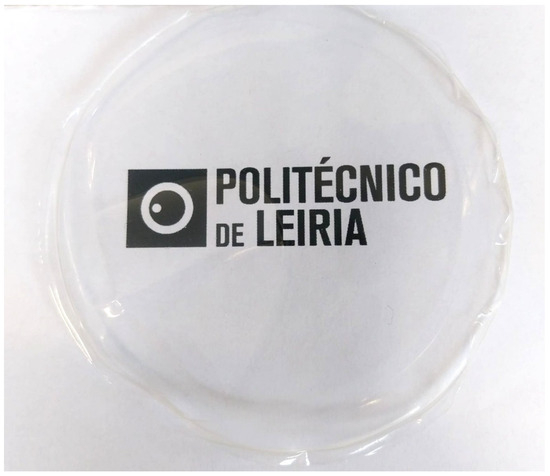
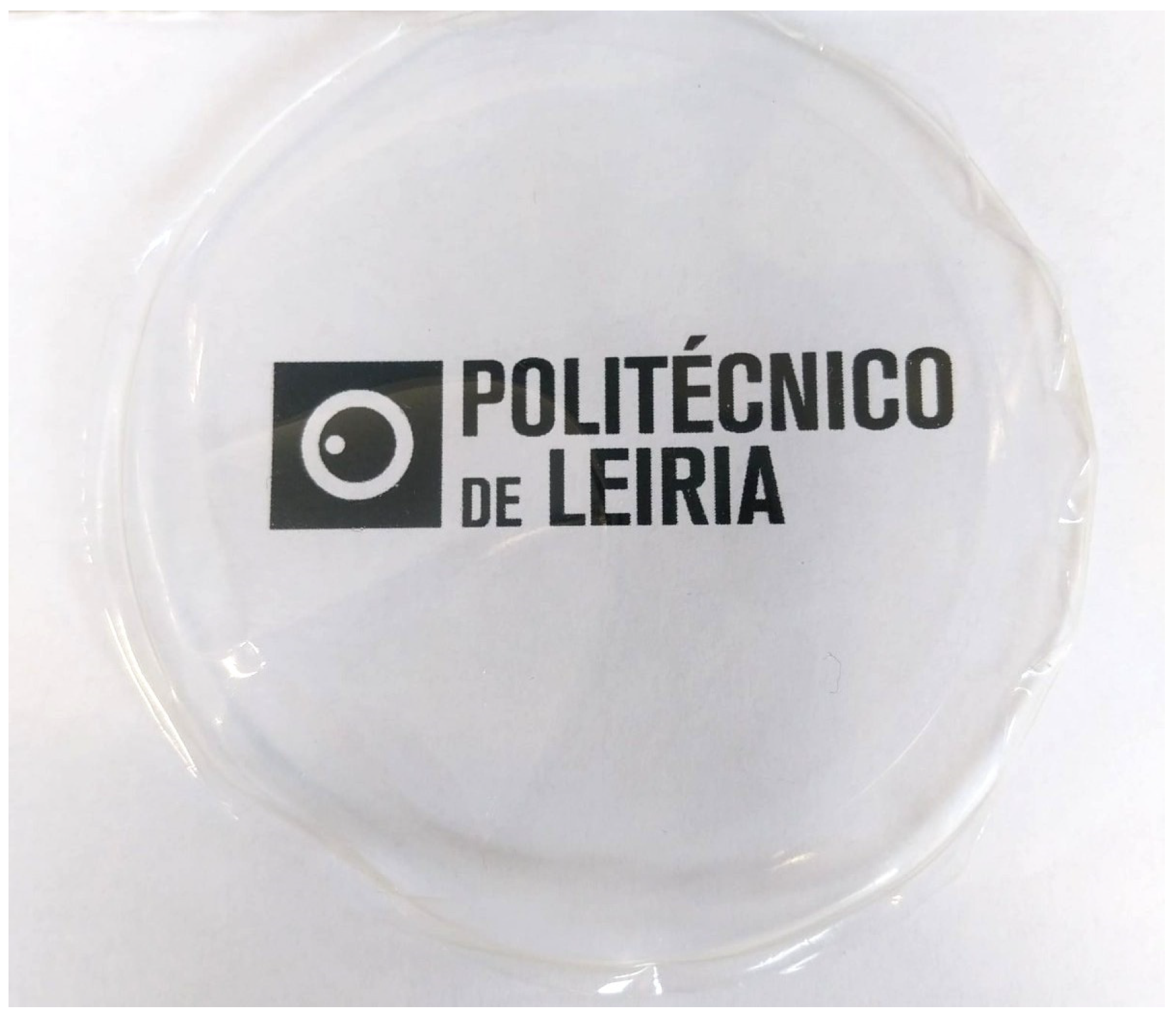
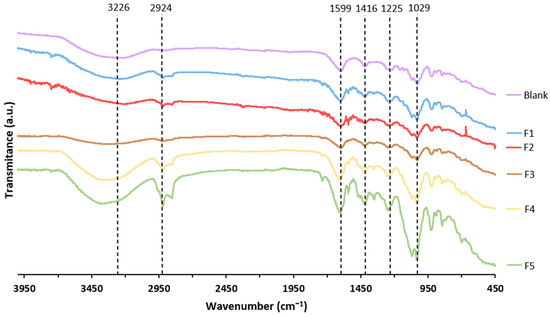
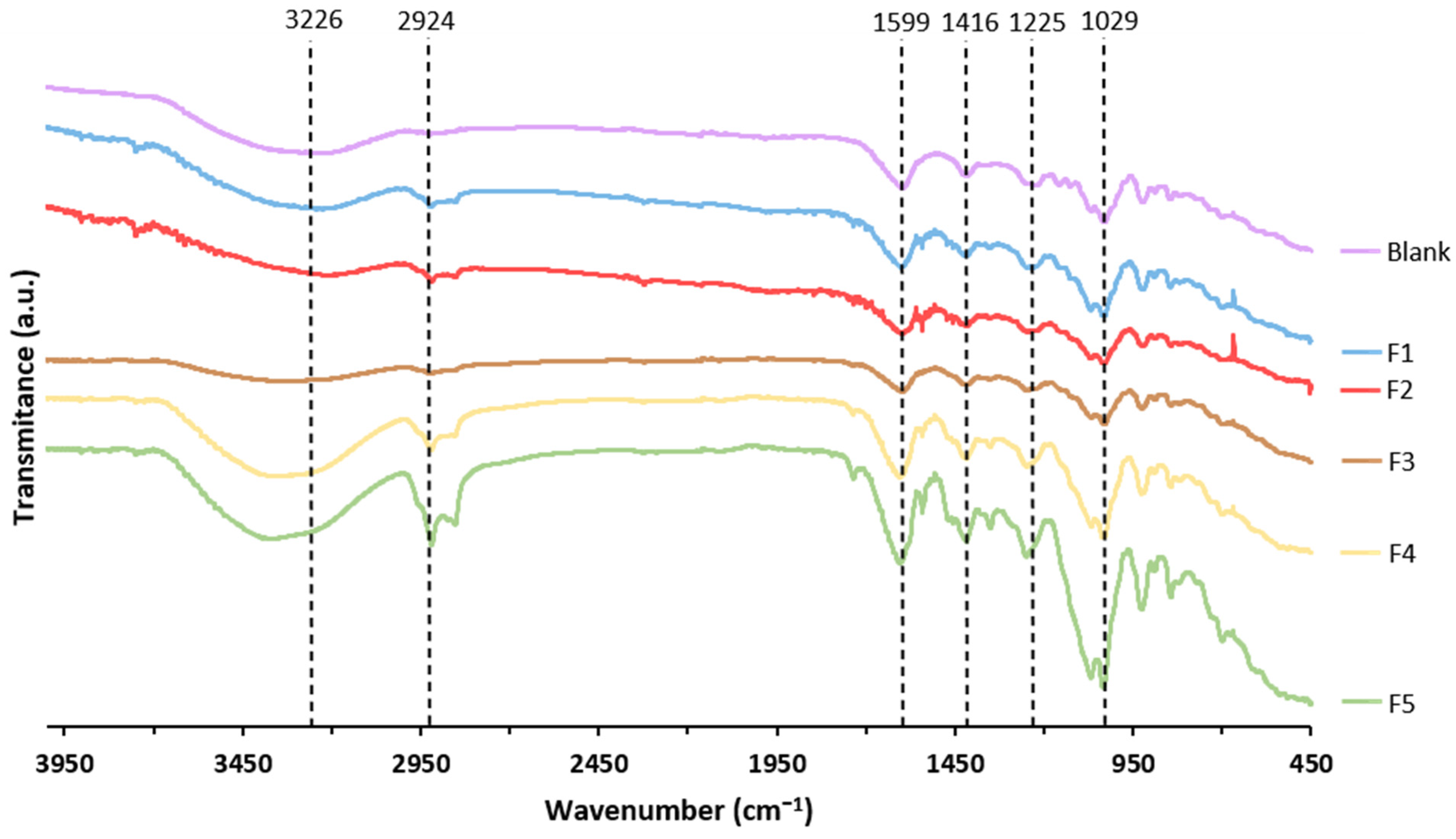
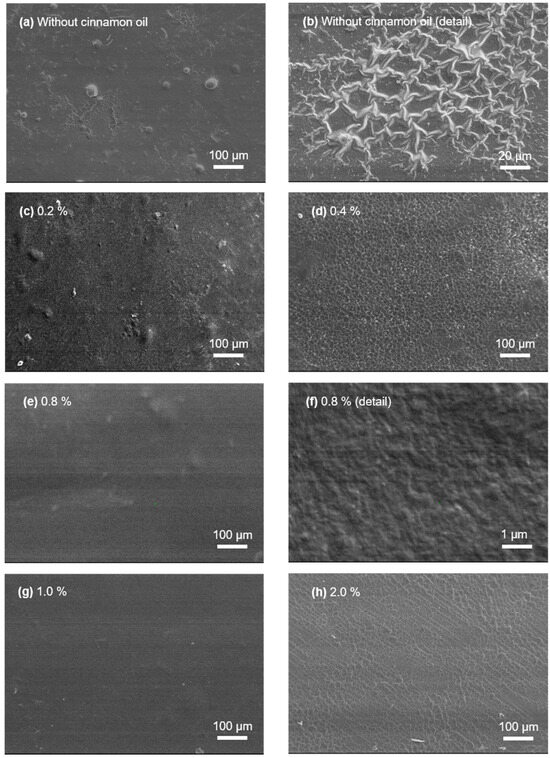
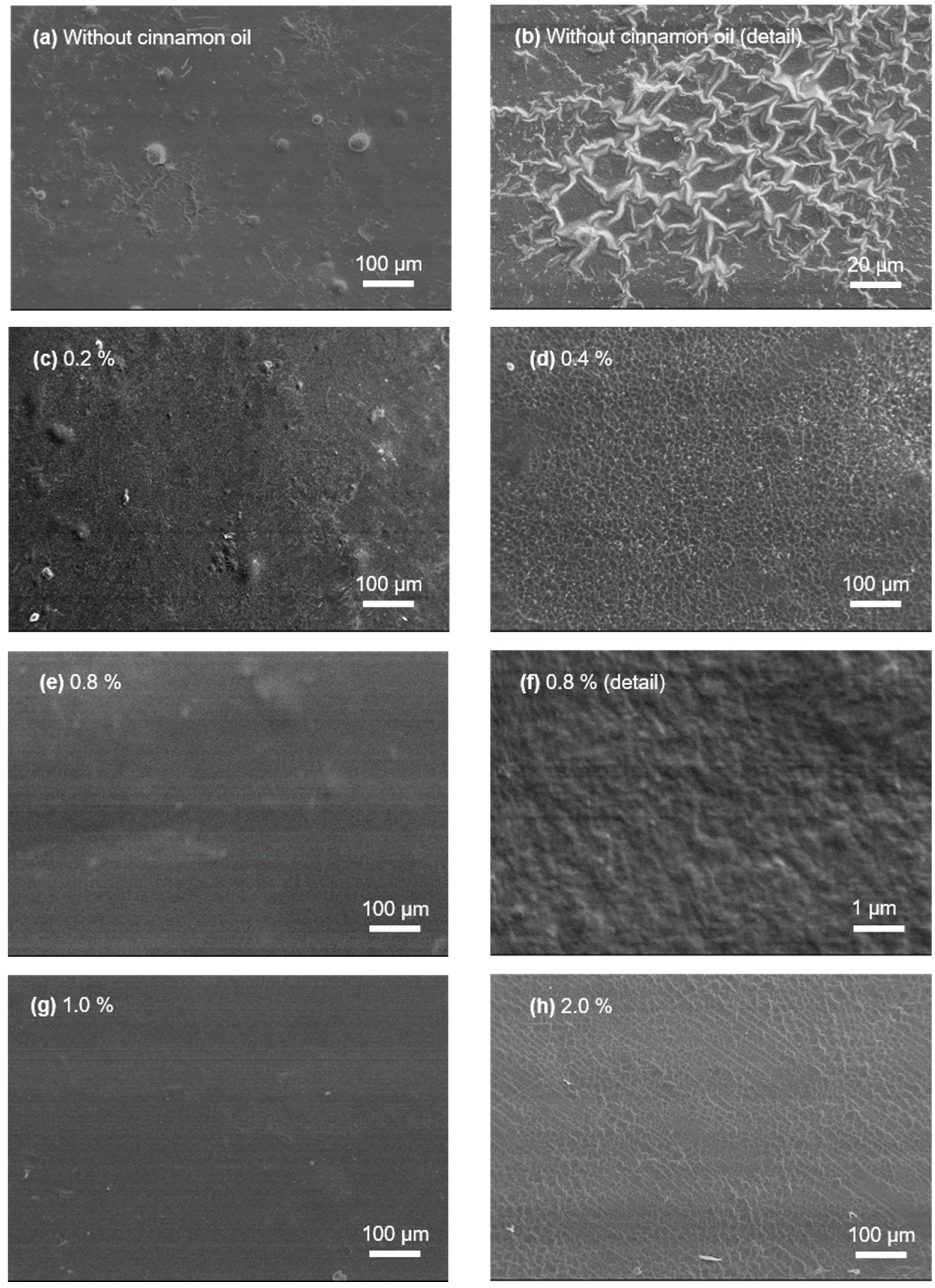
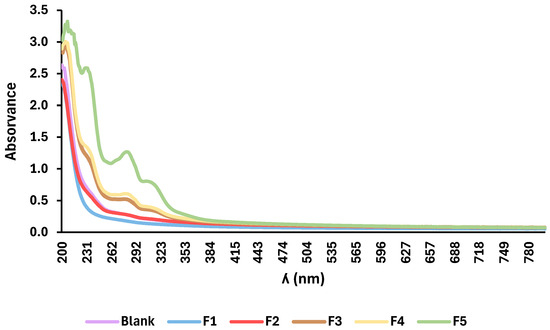
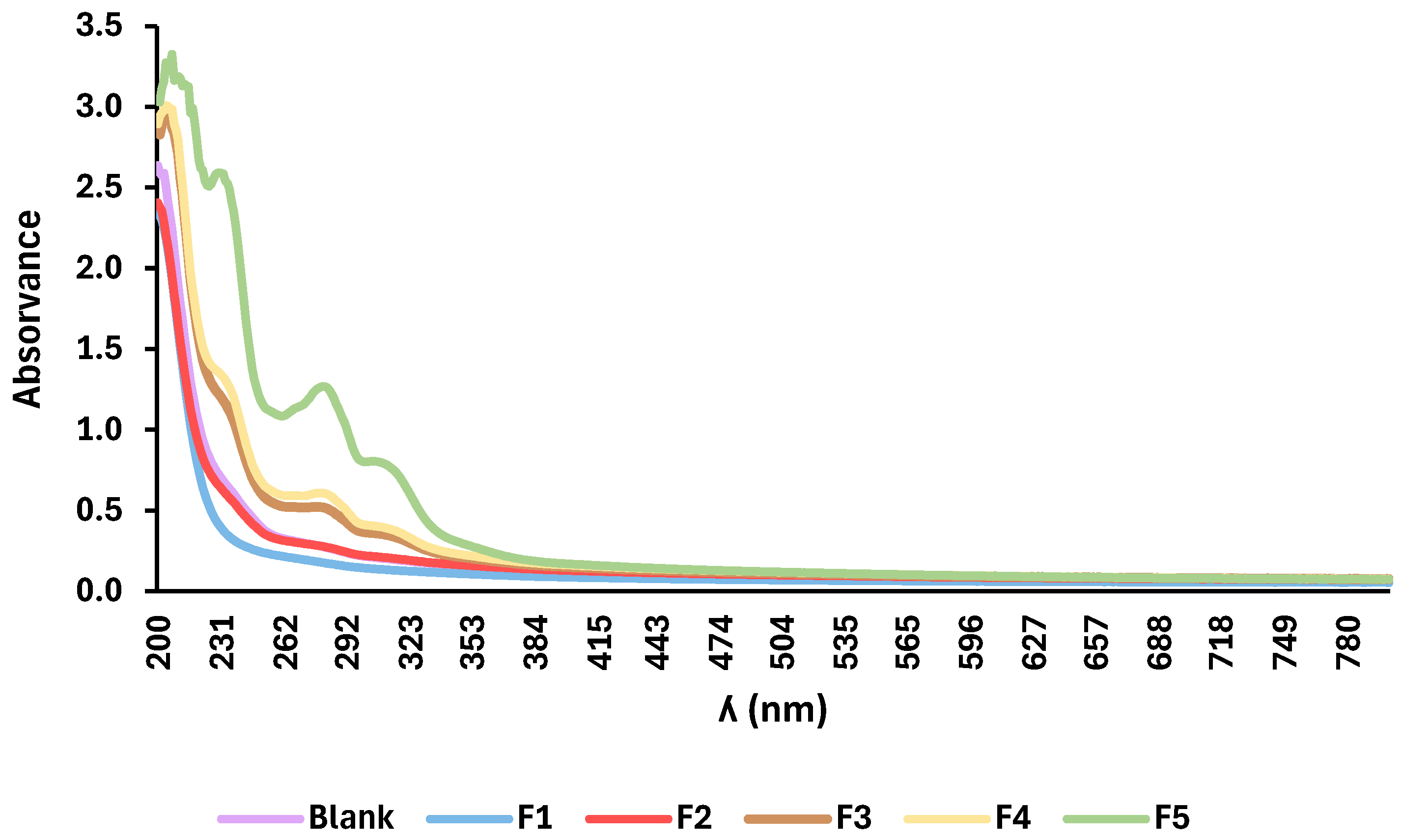
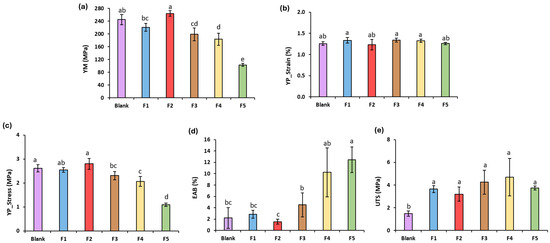
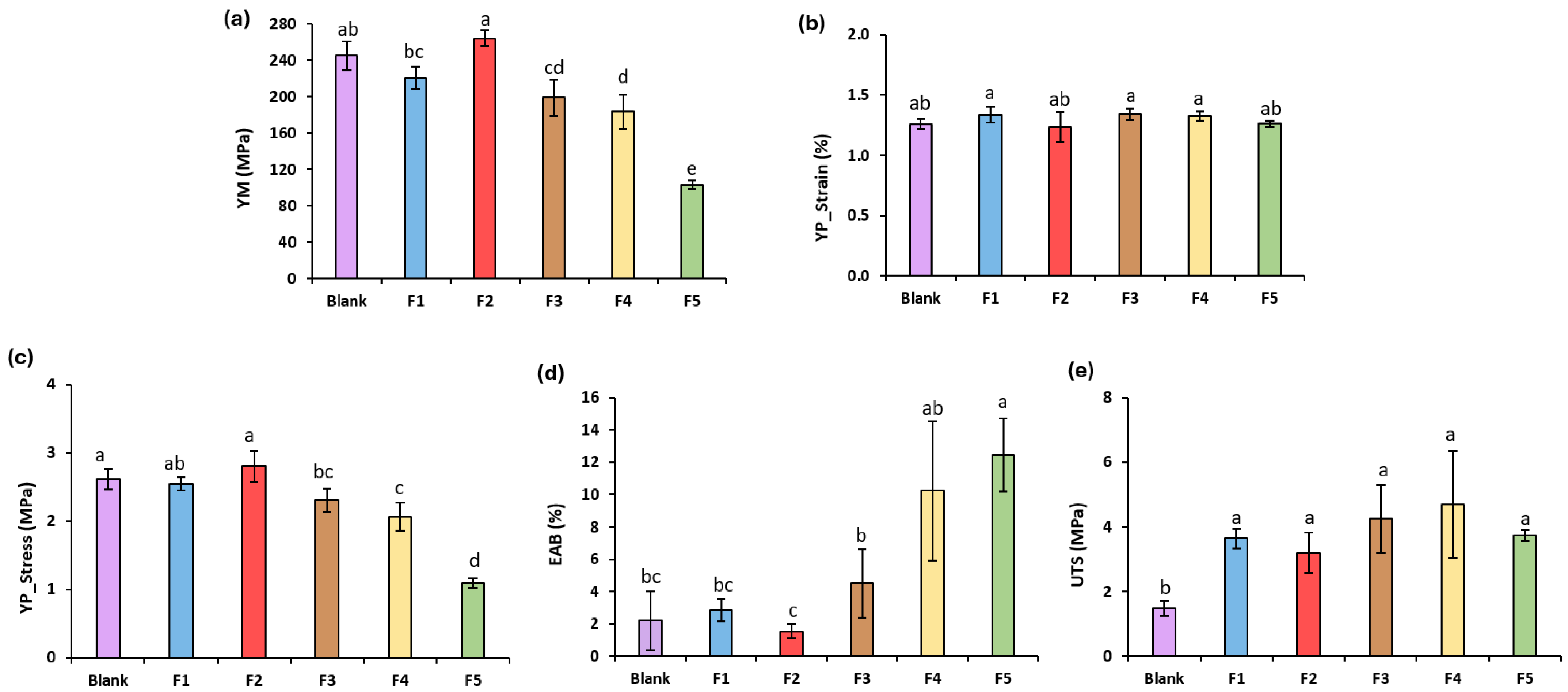
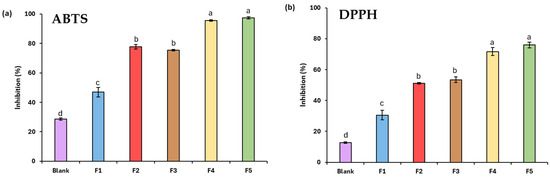
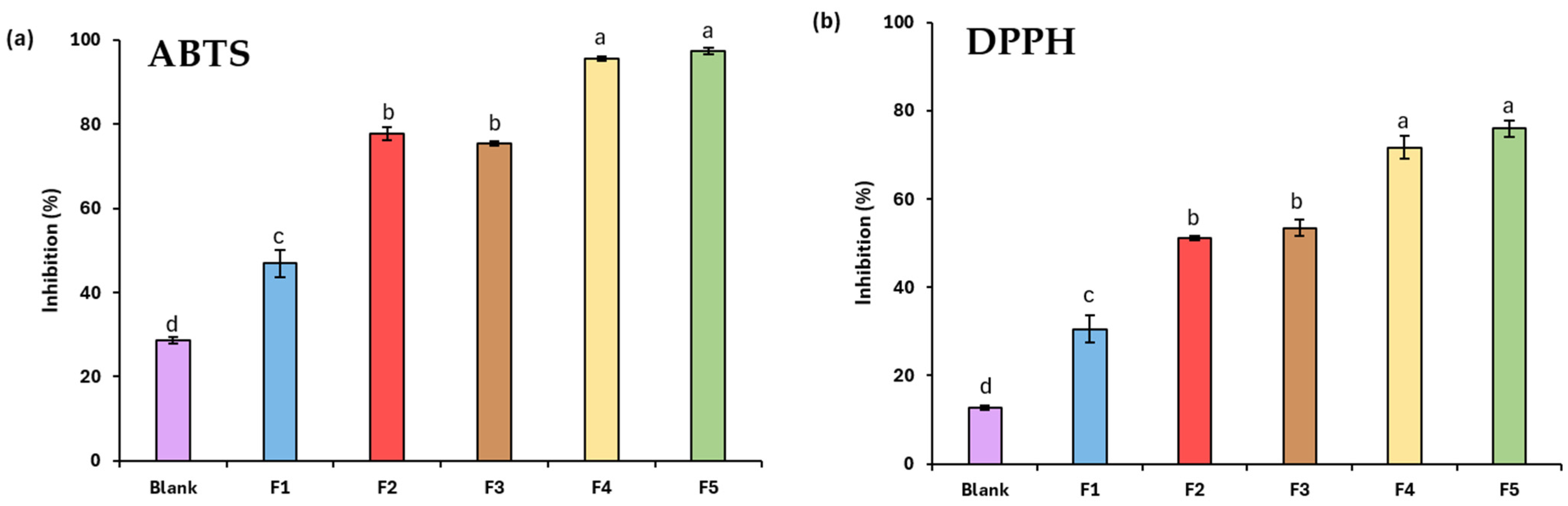

Disclaimer/Publisher’s Note: The statements, opinions and data contained in all publications are solely those of the individual author(s) and contributor(s) and not of MDPI and/or the editor(s). MDPI and/or the editor(s) disclaim responsibility for any injury to people or property resulting from any ideas, methods, instructions or products referred to in the content. |
© 2026 by the authors. Licensee MDPI, Basel, Switzerland. This article is an open access article distributed under the terms and conditions of the Creative Commons Attribution (CC BY) license.