


Abstract
Caring for people living with obesity requires attention to eating, weight, emotional needs, and the therapeutic relationship. This study explored how nurses understand obesity care in a specialized outpatient clinic within the Servicio de Endocrinología y Nutrición (Endocrinology and Nutrition Department). An interpretive qualitative study was conducted at a tertiary hospital in Tenerife, Spain. Six nurses participated in semi-structured interviews conducted between August and October 2025. Interviews were audio-recorded, transcribed, and analyzed using reflexive thematic analysis, with reporting guided by the Consolidated Criteria for Reporting Qualitative Research (COREQ). Four interrelated themes were developed: the therapeutic relationship based on trust, empathy, and nonjudgment; support versus control; nurses’ perceptions of patients’ experiences of guilt, shame, and weight stigma; and the nurse as a source of support in a resource-constrained context. Participants sought to provide person-centered care, although practice remained organized around weight monitoring, behavioral supervision, and goal attainment. They also described emotional labor and frustration when psychological and social needs exceeded available resources. Participants described nursing care for people living with obesity as extending beyond dietary education, while empathy coexisted with weight-centered practices and attributions of individual responsibility. The findings suggest the potential value of specific training, stigma-sensitive communication, and interdisciplinary support.
1. Introduction
Obesity is one of the leading public health challenges because of its high prevalence and its physical, psychological, and social consequences. It is currently recognized as a complex, multifactorial phenomenon involving biological, psychological, social, economic, and environmental factors [1,2]. Traditionally, its management has focused on habit modification and on promoting changes in diet and physical activity. In recent decades, however, the impact of weight stigma and discrimination has received increasing attention because of their adverse effects on mental health, psychological stress, healthcare experiences, and avoidance of healthcare [2,3,4,5].
Despite growing recognition of the complexity of obesity, some healthcare professionals continue to approach its management through a framework centered on patients’ individual responsibility [6]. Consequently, many people living with obesity continue to feel judged or stigmatized during healthcare encounters, negatively affecting their care experiences [7]. Evidence indicates that the therapeutic relationship is essential for supporting adherence and improving the experiences of patients with obesity in healthcare settings [8]. Nevertheless, professionals face challenges in communicating with and supporting patients who have often had negative weight-related experiences [9]. In this context, weight-related biases, a lack of specific training, and difficulties addressing complex emotional needs persist, together with a perceived lack of resources for providing comprehensive care [10,11].
Under these circumstances, nurses play an important role through their involvement in health education and the follow-up of patients receiving obesity treatment. Their position within the care pathway brings them into ongoing contact with people who require not only recommendations on diet or physical activity but also psychological and social support.
Caring for these patients therefore entails substantial emotional labor. From Hochschild’s perspective [12], emotional labor involves managing one’s own emotions as part of professional work. Smith [13] subsequently adapted this concept to nursing, noting that care involves managing both one’s own emotions and those of others to sustain an appropriate therapeutic relationship. In obesity care, this requires nursing competencies to extend beyond health education to include emotional support and the development of a trust-based therapeutic relationship [14,15,16]. In addition, resource shortages, insufficient access to psychological support, and difficulties coordinating across levels of care may create a gap between the needs identified by professionals and the interventions that can realistically be provided [8,11,17].
Despite growing interest in weight bias, limited evidence has explored in depth how nurses experience caring for patients with obesity in clinical practice. Understanding these experiences is essential to promoting more equitable and stigma-sensitive care. Therefore, this study aimed to explore how nurses working in a specialized Endocrinology and Nutrition outpatient clinic interpret and experience the provision of nutrition care to people living with obesity.
Understanding these experiences is important for identifying how weight stigma, weight-centered treatment expectations, and organizational conditions shape the delivery of obesity care.
2. Materials and Methods
This report followed the Consolidated Criteria for Reporting Qualitative Research (COREQ) [18], including its Spanish translation and cross-cultural adaptation [19], to ensure transparency throughout the research process (Supplementary Materials Table S1).
2.1. Study Design
An interpretive qualitative study was conducted, with Heideggerian hermeneutic phenomenology providing the philosophical and interpretive orientation. This orientation assumes that experiences cannot be understood apart from the historical, social, and cultural context in which they occur [20,21], enabling professional experiences to be considered as situated and contextualized, with meanings attributed to clinical practice understood as shaped in relation to participants’ prior experiences and the context in which they work.
The data were analyzed using reflexive thematic analysis (RTA), as proposed by Braun and Clarke [22,23]. RTA constituted the study’s analytical method and provided the process for data familiarization, coding, and theme development and refinement.
More specifically, the Heideggerian orientation contributed two elements to the research process: understanding professional accounts as situated experiences that cannot be separated from the personal, professional, and organizational contexts in which they are articulated, and acknowledging the research team’s pre-understandings (its prior knowledge and experience) as part of the interpretive process. These principles supported a contextual and reflexive reading of participants’ accounts, whereas coding and theme development were conducted using RTA.
From this interpretive positioning, the accounts generated through the interviews were understood as situated accounts, whose meaning was interpreted by considering both participants’ contexts and the active role of the research team in the analytical process. The research team’s prior experience, knowledge, and assumptions were recognized as part of the interpretive process and were subject to critical reflection throughout the study, consistent with the reflexive nature of RTA [24,25].
2.2. Study Setting and Recruitment
The study was conducted in the Autonomous Community of the Canary Islands, Spain, specifically on the island of Tenerife. In 2025, the Instituto Nacional de Estadística (INE) (National Statistics Institute) published data from the latest Encuesta de Salud de España (ESdE 2023) (Spanish Health Survey) [26], which placed the Canary Islands population, including both men and women, above the national average for obesity prevalence: 20.64% compared with 15.15% nationally.
Tenerife has two tertiary hospitals. This study was conducted at one of them, the Complejo Hospitalario Universitario de Canarias. This public specialized-care center serves the northern area of the island and is also a referral center for the population of La Palma. The hospital has strong links with teaching and research, particularly with the Universidad de La Laguna [27].
The study included nurses actively working in the outpatient area of the Servicio de Endocrinología y Nutrición. The department has one nursing consultation unit and one medical consultation unit focused on nutrition. All six nurses in the department rotate through its different areas, which also include nutrition care for hospitalized patients and diabetes education.
Criterion-based purposive sampling was used to deliberately select participants. Recruitment was conducted through the nurse supervisor after authorization had been obtained from the Servicio de Endocrinología y Nutrición and the hospital’s Dirección de Enfermería (Nursing Directorate). The participation criteria were current employment as a nurse in the department and provision of written informed consent. Nurses who were not permanent members of the department’s staff—namely, professionals who rotated through the department for short periods because of the terms of their employment contracts—were excluded.
The initial protocol proposed a focus group to obtain a preliminary perspective on the phenomenon. However, the interview period began at the start of the vacation season, making it difficult to bring all nurses together. Individual interviews were therefore conducted. All nurses on the permanent staff agreed to participate (Table 1).
Table 1.
Sociodemographic characteristics of the participants (n = 6).
The study was delimited to understanding the experiences of nurses working in one specific specialized outpatient clinic and included all six professionals who constituted the department’s eligible staff. All had direct experience caring for people living with obesity through rotation in the relevant consultation unit. In this context, sample adequacy was not determined through saturation. Given the specificity of the context, the inclusion of all eligible nurses in the department, and the richness of the participants’ accounts, the data were considered sufficient to address the study objectives, drawing on the concept of “information power” [28,29]. This perspective proposes that the greater the specificity of the sample, the quality of the accounts, and the analytical density of the data, the fewer participants are required [29], which is consistent with the foundations of RTA. Because RTA understands themes as interpretive constructions [25], it does not regard data saturation as an essential methodological criterion.
Including the entire eligible staff made it possible to explore the perspectives present within this microcontext. However, because all participants came from a single department and hospital, the study provides contextual depth rather than breadth across contexts and is not intended to represent the diversity present in other healthcare settings.
2.3. Data Collection
After the required ethical approvals had been obtained, an information meeting was held with all eligible nurses on 1 July 2025. The study was explained and each nurse received a copy of the participant information sheet and informed consent form. Both documents were explained by two researchers (Y.-M.A.-R. and C.-M.M.-G.).
Data were collected between 25 August and 30 October 2025. The interviews lasted between 40 and 90 min. All six nurses who constituted the department’s permanent staff agreed to participate; therefore, the entire eligible population within the study context was included. Semi-structured interviews were conducted using a guide that included questions related to the experiences under study (Table 2). The interview guide was used flexibly. During the interviews, probing questions were used to elicit further detail, including requests for concrete examples, clarification of the meanings participants attributed to particular situations, and fuller accounts of their experiences.
Table 2.
Semi-structured interview guide according to the thematic area explored.
The first interview was conducted as a pilot to confirm that the questions were readily understood and to refine the interview guide; it also provided an initial opportunity to engage with this phase of the research. The first and second interviews were conducted by two researchers (Y.-M.A.-R. and C.-M.M.-G.), whereas the remaining interviews were conducted by one researcher (Y.-M.A.-R.). No interviews were repeated.
All interviews took place at the participants’ workplace after the end of the working day, although all participants were offered flexibility in choosing the date and location. No individuals other than the participant and the interviewer or interviewers were present during the interviews. At the beginning of each interview, a warm and welcoming conversational atmosphere was established. Participants were reminded that there were no right or wrong answers and that they could express their opinions freely. Confidentiality and the voluntary nature of participation were reiterated. During the interviews, the researcher maintained a non-evaluative stance, avoiding expressions of agreement or disagreement with participants’ views and using probing questions to request examples and clarification, including in situations whose context was familiar to the researcher because of her prior professional experience. Nevertheless, the prior familiarity between interviewer and participants may have led some contextual aspects to be occasionally taken for granted and therefore less explicitly articulated during some interviews. The interview began with a brief explanation of the study, followed by the signing of informed consent, completion of a paper sociodemographic questionnaire, and the interview questions. After each encounter, initial observations and interpretations were documented to complement the analysis. The interviews were audio-recorded and transcribed with the assistance of Plaud: AI Note Taker (version 3) [30]. All transcripts were subsequently checked against the audio recordings by one researcher (Y.-M.A.-R.) and any transcription errors were corrected. The transcripts were returned to each participant for review, although no interview was amended or withdrawn. Consistent with RTA, participants were not asked to validate the analytical themes because the research team played an active interpretive role in the analysis and participants’ views might change over time [24,28].
2.4. Researcher Reflexivity and Positionality
This study was conducted as part of a doctoral research project. The research team comprised individuals with training and experience in nursing (Y.-M.A.-R., C.-M.M.-G., and A.-M.G.-H.) and qualitative research (C.-M.M.-G. and A.-M.G.-H.). The principal investigator held a master’s degree in nutrition and had experience caring for patients with obesity (Y.-M.A.-R.).
All participants knew one member of the research team (Y.-M.A.-R.), who had previously worked as a nurse in the department from January 2022 to January 2023. They knew that the interviews formed part of her doctoral thesis and were intended to explore their opinions, thoughts, and perceptions regarding their interactions with patients with obesity. They also knew that they had been selected because, as nurses in the department, they maintained close relationships with these patients.
At the time of data collection in 2025, the researcher had been away from the department for more than two years and had no clinical, supervisory, or managerial role in relation to the participants, which helped minimize potential power imbalances during recruitment and the interviews. This previous professional relationship could have both facilitating and limiting effects. On the one hand, familiarity facilitated access to the field, fostered a trusting atmosphere during the interviews, and supported a contextualized understanding of the department’s organization and everyday clinical practice. On the other hand, the possibility of social desirability and of some meanings being taken for granted because of shared contextual knowledge was recognized.
The research team recognized that this previous professional experience could influence both data collection and interpretation. Reflexivity was therefore incorporated throughout the research process. The researcher (Y.-M.A.-R.) maintained a field journal and reflexive notes documenting impressions after the interviews, emotional responses, unexpected aspects of the encounters, and relevant non-verbal and contextual observations. These materials supported reflexive consideration during the analytical process. The other members of the research team, who were less closely connected to the study context, acted as reflexive interlocutors by questioning the interpretations being developed and proposing alternative readings. These discussions were used to broaden and challenge interpretations rather than to achieve agreement among researchers.
2.5. Data Analysis
The data were analyzed using RTA, following the six phases proposed by Braun and Clarke [22,23], with a predominantly inductive orientation. Although the previous literature review [31] informed the development of the interview guide and formed part of the research team’s prior knowledge, no coding framework was established and no predefined theoretical categories were applied to the data. Consistent with the study’s reflexive positioning, the research team’s prior knowledge and experiences were acknowledged as potentially contributing to interpretive sensitivity during the analysis.
The hermeneutic phenomenological perspective informed the study’s interpretive positioning, supporting consideration of the accounts as situated within specific personal, professional, and organizational contexts. Coding and theme construction were conducted through the analytical process of RTA. Interpretation attended both to what participants expressed explicitly and to implicit meanings relevant to the context of their accounts, while recognizing the research team’s active role in developing interpretations.
The analysis followed the six phases proposed by Braun and Clarke [22,23]:
- Familiarization with the data. The interviews were transcribed and read repeatedly to support familiarization with the data.
- Generating initial codes. Initial annotations were made as margin comments to reflect ideas and preliminary reflections. These annotations did not follow a predetermined pattern; rather, they flexibly attended to segments of discourse in an effort to understand the collected data in depth and identify relevant patterns. From this process, initial codes were developed.
- Constructing preliminary themes. Preliminary themes were developed through an interpretive synthesis of the codes and associated extracts. Theme development attended both to the explicit content of the accounts and to implicit meanings relevant to understanding the professional experiences described.
- Reviewing and refining themes. Themes were reviewed and refined through continuous, iterative analysis.
- Defining and naming themes. The definitions and names of the themes were progressively consolidated.
- Producing the final report.
The process was continuous and progressive, with data repeatedly reorganized until themes were developed. The research team maintained reflexive spaces at each phase of the analytical process to strengthen methodological rigor [32,33]. These discussions were used to share emerging interpretations, question prior assumptions, consider alternative explanations, and deepen theme development, consistent with the reflexive nature of RTA.
The interpretive orientation supported theme development based not only on recurrence across accounts but also on patterns of meaning relevant to understanding how participants interpreted their practice within the study context.
The analysis was conducted using NVivo (version 15) [34] to organize the data and to support coding management. Any AI-assisted suggestions were critically reviewed by the research team and did not independently determine codes, themes, interpretations, or conclusions. The research team retained full responsibility for all final coding decisions, theme development, data interpretation, and formulation of conclusions. EndNote (version 21) [35] was also used for reference management.
2.6. Rigor and Trustworthiness
Rigor was supported by following the quality criteria proposed by Calderón [36], which were developed from the criteria initially proposed by Lincoln and Guba [37]. Epistemological adequacy was supported through coherence between the epistemological framework and the analytical method, using a predominantly inductive, iterative, and continuous research process.
Relevance was established by exploring nurses’ accounts of how they interpret and experience obesity care, thereby improving understanding of a complex phenomenon from a professional perspective that remains underexplored. Interpretive validity was addressed through a reflexive and transparent process that included ongoing review of the interviews, analytical memos, and field journal, together with critical discussions within the research team aimed at exploring different interpretations of the data.
The initial analysis was conducted by one researcher (Y.-M.A.-R.). The other members of the team (C.-M.M.-G. and A.-M.G.-H.) participated in a process of joint reflection, commenting on emerging interpretations, asking questions, and considering other possible ways of interpreting the data. Dialogue among the researchers enabled the interpretations developed during analysis to be questioned and expanded, using these contributions to enrich the reflexive process of theme construction. The reflexivity described above enabled recognition of the research team’s influence on data interpretation and integrated subjectivity as an analytical resource for understanding the phenomenon [38].
2.7. Ethical Considerations
This study was conducted in accordance with the principles of the Declaration of Helsinki. Confidentiality and data protection were ensured in accordance with Spanish data-protection legislation, specifically Organic Law 3/2018 [39], and the European Union General Data Protection Regulation (GDPR), Regulation (EU) 2016/679 [40]. To protect participants’ identities, pseudonyms were assigned and any potentially identifying information was removed from the transcripts.
Ethical approval was obtained from the Comité de Ética de la Investigación (CEI) of Santa Cruz de Tenerife (Research Ethics Committee of Santa Cruz de Tenerife; reference CHUC_2025_45) and the Comité de Ética de la Investigación y Bienestar Animal en la Investigación (CEIBA) of the Universidad de La Laguna (Committee on Research Ethics and Animal Welfare of the Universidad de La Laguna; reference CEIBA2025-3586). Approval from the CEI was obtained on 10 April 2025, and approval from the CEIBA was obtained on 9 June 2025. No recruitment or data collection procedures were initiated before both approvals had been obtained.
Institutional permission was granted by the Dirección-Gerencia (Executive Management Directorate) of the Complejo Hospitalario Universitario de Canarias. All participants received verbal and written information about the study objectives and the voluntary nature of their participation. Written informed consent was obtained from all participants before the interviews.
Participants were informed about the use of AI and that they could withdraw from the study at any time without adverse consequences. No coercion occurred. All data, including audio recordings, transcripts, and analytical materials, were handled confidentially and stored securely throughout the research process.
3. Results
Reflexive thematic analysis of the accounts generated four main themes and nine subthemes (Table 3). The main themes were “The therapeutic relationship based on trust, empathy, and nonjudgment”, “Support versus control”, “Nurses’ perceptions of patients’ experiences of guilt, shame, and weight stigma”, and “The nurse as a source of support in a resource-constrained context”.
Table 3.
Main themes, subthemes, analytical meanings, and verbatim quotation.
Although these appear analytically as distinct categories, they represent interconnected and interrelated dimensions (Figure 1). The nurse–patient relationship was characterized by a professional environment in which participants described providing empathetic support in response to the emotional suffering they perceived in patients during care. At the same time, the consultation also became a space of control and supervision intended to achieve the expected outcomes. These dynamics unfolded within a context marked by substantial organizational and care-related limitations, in which nurses perceived difficulties responding adequately to the complexity of the needs they identified.
Figure 1.
Thematic map showing the organization of the main themes and subthemes. The varying box sizes are a feature of the visualization and were not used to infer thematic importance, frequency, or prevalence. The map does not imply causal relationships between categories.
3.1. The Therapeutic Relationship Based on Trust, Empathy, and Nonjudgment
3.1.1. Creating a Safe Space to Talk About Weight
The therapeutic relationship emerged as a central element of nursing care for obesity, grounded in the creation of safe spaces, validation of patients’ feelings, and ongoing self-reflection to avoid stigmatizing attitudes.
The nursing consultation was described as a space distinct from other healthcare settings, where trusting relationships were developed so that patients could attend without fear of being reprimanded for not meeting established goals. Nonjudgment was presented as a necessary condition for encouraging engagement and maintaining therapeutic adherence.
“I think we all share that same idea that the patient does not feel judged, but feels confident enough to say, ‘Look, I’m going to the clinic; today or tomorrow I have my nursing appointment. But I’m going anyway, even though I know I’ve gained weight.’ The patient goes, and goes with that confidence—that is, they’re going to help me”(Vela)
A sense of safety appeared to support more open communication, enabling difficulties related to eating and weight to be addressed in a collaborative environment.
“[…] I start by asking a little about how he is feeling, what his day-to-day life is like, and how he comes in. Then we begin, and sometimes the patient opens up more and talks about the limitations in his daily life or about feeling terrible because of something”(Vela)
3.1.2. Recognizing the Person Beyond Weight
Validation emerged as a relational strategy through which nurses shifted attention from body weight to the person, seeking to understand their emotions and experiences as expressed during the consultation. Practice was grounded in empathy and oriented toward understanding the patient’s reality and the circumstances affecting their health.
“In other consultations, it is true that as soon as you walk in, it is: ‘The problem is that you’re fat and you need to lose weight’”(Ara)
From this perspective, validation supported care that was more individualized and respectful of the patient’s context. This approach involved recognizing each patient’s individual needs.
“We try to be a little more flexible and also try, to some extent, to adapt their diet to their daily life”(Lyra)
3.1.3. Reflecting on One’s Own Biases
Self-reflection served as a strategy for containing potentially stigmatizing responses. Professional practice was mediated by conscious reflection on nurses’ own beliefs and experiences.
“You act with your own baggage—your beliefs, your training, and your culture—not because you say, ‘I know that in this case I have to act in this particular way.’ Sometimes you say things and then think, ‘I can’t say any more in case I make it worse’”(Ara)
This reflexive practice enabled the identification of stereotypes or emotional reactions that could interfere with the therapeutic relationship, particularly when outcomes did not progress as expected.
“We try, in a way, to help them a little because otherwise, if they come in and you tell them off, obviously they won’t come back, okay?”(Lyra)
3.2. Support Versus Control
One of the most significant findings was the tension between empathetic support and therapeutic demands related to weight control and habit modification. Although the nurses sought to maintain a supportive, trust-based relationship, their accounts showed that the consultation remained shaped by the supervision of patients’ eating behavior. Tensions therefore emerged between the empathy felt by the nurses and their professional responsibilities.
3.2.1. Supervising Behaviors
The nursing consultation was structured around monitoring and supervising behaviors related to eating and physical activity.
“What I want to see is how you’re behaving around food—whether you snack, whether you’re already doing regular physical activity, what your habits are, and whether those small changes are being achieved”(Hydra)
We interpreted the language used by participants as reflecting moral categories associated with eating behavior and as implicitly establishing a logic of success and failure within the therapeutic process. Expressions such as “doing it wrong,” “behaving terribly,” “complying,” and “failing” appeared frequently, indicating that therapeutic follow-up was framed in terms that evaluated patients’ behaviors dichotomously.
“You know, many times what they do is vent a little or justify themselves, right? Why I don’t do it, or why I’m doing it wrong. Or sometimes they come in and tell you, ‘I haven’t done anything; I’ve done terribly,’ right from the start, you know? Then you think, well, why are you here? To tell me you’ve done it wrong?”(Aquila)
The accounts revealed that the professionals explicitly tried to avoid blaming attitudes. Nevertheless, such attitudes appeared to remain implicitly present in their narratives. In this sense, the consultation became a space where expectations and responsibilities were constructed around the success or failure of interventions.
“Another thing is that we don’t have to keep flattering patients either. Patients need to know the reality, and if you’re eating because you’re snacking, you have to help them see that snacking needs to be eliminated, okay? But many times they keep quiet”(Hydra)
3.2.2. The Tension Between Empathy and Therapeutic Responsibility
A relevant finding was the ambivalence nurses experienced between developing an empathetic therapeutic relationship and simultaneously assuming professional responsibility for promoting behavioral change. On the one hand, they recognized the emotional, psychological, physical, and social factors that made it difficult to maintain an acceptable weight. On the other hand, they felt responsible for reinforcing recommendations considered beneficial to health. A constant tension existed between respecting individual circumstances and pace and meeting clinical goals.
“[…] You realize that things are neither black nor white. Most of the time you move in the gray area, and there you have to work with the reality you have. Always within the idea that you have to guide them toward healthy eating—or rather, toward a healthy weight, reducing all the excess weight—you have to work with whatever tools help bring it down, and that’s how it is. We don’t have an automatic ‘down’ button for weight loss”(Hydra)
Ambivalence also emerged in relation to adherence. When nurses perceived explanations as concealment or attempted justification, the therapeutic relationship could become strained. These attitudes indicate that professional–patient interactions may be influenced by implicit judgments regarding effort and commitment to dietary treatment.
“There’s everything. Some people deceive you, okay, that’s also true. I mean, some people might tell you, ‘Well, I’m not eating anything; even water makes me gain weight.’ And you say, well, let’s see, no. So it depends. Some people come in trying to justify themselves or trying to deceive you, and others don’t; maybe they genuinely want someone to help them”(Aquila)
This tension shows that support and control did not appear as opposing dimensions but as processes that coexisted dynamically within clinical practice.
3.3. Nurses’ Perceptions of Patients’ Experiences of Guilt, Shame, and Weight Stigma
This theme captures how nurses perceived and interpreted, through their interactions, the experiences patients communicated regarding guilt, shame, and weight stigma. Participants described some patients as attending consultations expressing feelings of guilt and anticipating possible judgment related to attainment of therapeutic goals. They also recounted situations in which patients communicated stigmatizing experiences that extended beyond healthcare and affected other areas of everyday life. These findings therefore reflect nurses’ perceptions and interpretations of experiences reported by people living with obesity during consultation encounters.
3.3.1. Expressions of Guilt and Individual Responsibility
Guilt appeared repeatedly in nurses’ descriptions of their interactions with patients. According to participants, some patients attended consultations saying that they had “done things wrong” and expecting to be reprimanded by the nurse. Participants interpreted these expressions as manifestations of guilt and attributions of individual responsibility for their situation.
“The patient who comes in feeling guilty is the one who says to you, ‘I’ve behaved terribly. I’m doing badly.’ They already come in thinking that you’re going to tell them off and all that. So they arrive in that state, saying they’re ‘discouraged because they’re doing things wrong,’ or they come in extremely anxious”(Vela)
Participants also perceived that fear of being judged could make it difficult for some patients to openly express their difficulties during consultations. As one professional commented, “And many times patients keep quiet because they don’t want to be judged” (Hydra).
Shame was another experience that nurses identified in some patients’ accounts. Participants described difficulties related to exposing the body in public spaces and explained how, in such situations, they attempted to adapt their recommendations by proposing gradual exposure.
“I might suggest that if they don’t like going to a beach where there are lots of people, they could go somewhere with fewer people and start there, little by little. Maybe not for one-hour exposures, but by starting with a five-minute walk”(Norma)
3.3.2. Stigma Beyond Healthcare Settings
From participants’ perspective, weight stigma appeared in patients’ accounts as affecting different areas of everyday life, including social, intimate, and sexual relationships. Nurses interpreted these experiences as relevant to understanding the emotional distress and isolation they observed or that patients communicated during consultations.
“For example, sexual relationships: ‘No, I haven’t for a while because I don’t want my partner to see me.’ So it also points to a situation of loneliness that we sometimes fail to see beneath the surface”(Hydra)
Nurses recounted situations in which patients had communicated emotional suffering associated with weight-related stigmatization or discrimination. Nurses interpreted these accounts as examples of the impact that social evaluations of the body could have on the everyday lives of the people they cared for.
“I clearly remember a man who once told me—one of those who weighed 160 kilos or I don’t know how much—that when he went to pick up his son from school, the other children laughed, you know? […] He told me, ‘Right, that’s it. My son is not going to feel ashamed because of me’”(Aquila)
Taken together, participants’ accounts showed that they interpreted difficulties related to eating and weight as linked not only to individual behaviors but also to psychological and social factors. From participants’ perspective, considering these circumstances was relevant to understanding the complexity of caring for people living with obesity.
3.4. The Nurse as a Source of Support in a Resource-Constrained Context
This theme reflects the complexity of nursing care for obesity and shows how participants assumed an important role in providing emotional support that often extended beyond the boundaries traditionally associated with their professional role. Their accounts indicated that this involvement occurred in a context characterized by scarce resources, limited interdisciplinary support, and organizational constraints that shaped clinical practice and contributed to professional frustration.
3.4.1. Care Extends Beyond the Boundaries of the Nursing Role
Participants described care as extending beyond monitoring weight control or modifying eating habits. In their accounts, nursing consultations addressed emotional well-being, self-esteem, binge eating, and patients’ social difficulties, placing nurses in a supportive role that exceeded the functions traditionally associated with nutrition education.
“So, well… you do a bit of everything—psychologist, that sort of thing, nutritionist—you do a little of each and, well…”(Aquila)
As a result, much of the consultation time was devoted to psychological and social needs that the professionals considered inseparable from obesity treatment.
“[…] He himself tells you, ‘I went on a binge.’ And I say, ‘Okay, but let’s work on it.’ That works a little on the emotional side, but then there is that psychological work where you know we try… In the end, you’re half a psychologist, aren’t you?”(Vela)
However, the nurses perceived that these needs exceeded their competencies and called for an interdisciplinary approach. The repeated absence of mental health professionals in their accounts emerged as one of the main limitations to providing comprehensive care.
“We focus only on the more physical problems, such as diet and exercise, but we’re also neglecting that important part. Sometimes patients are not even ultimately referred [to mental health], and it is essential that the healthcare team should include a psychologist”(Norma)
Participants identified a mismatch between the biopsychosocial complexity of obesity and the resources available to address it. This perception raised doubts about their actual capacity to respond to identified needs and contributed to feelings of helplessness.
“Very few tools, very few tools, and that is going to create frustration in the patient first, of course, and in us healthcare professionals, because we see that we can’t reach them. We do reach them, yes, but very little, very little”(Hydra)
3.4.2. Professional Frustration with an Inadequate Care Model
Frustration was a shared experience among the nurses. It was related not only to difficulties achieving weight loss or sustaining behavioral changes but also to the perception that the needs identified during consultations exceeded the care model’s capacity to respond.
“For me personally, it is very frustrating… very frustrating. Because I can’t, or I don’t reach them, or I don’t have the means, because there are all kinds of situations, for example… Many patients have no opportunity to improve, even if they want to and even if you re-educate them”(Ara)
Professional helplessness was especially evident in situations involving extreme weight or substantial social vulnerability, where nurses perceived interventions focused exclusively on diet as insufficient.
“Of course, sometimes you have those [BMI] values of 50 or 60; we have people weighing over 200 kilos, you know? So, of course, what do I do with this? It’s not that they weighed 200 kilos 20 years ago. Twenty years ago, maybe they weighed 100. But we could have intervened more at that point, couldn’t we? You know? I mean, I don’t know”(Aquila)
“That’s why I was telling you that I feel frustrated, but I don’t think it’s because of bad luck or anything like that. It’s more: how do I work with someone whose educational level is very low, or who cannot afford food, or who…? What do I do?”(Ara)
In some accounts, this frustration coexisted with a narrative centered on individual responsibility and a “culture of effort,” reflecting the tension between recognizing the multifactorial nature of obesity and the perceived need to promote behavioral changes.
“The truth is that it is a little frustrating […]. I would tell the new generations of nurses that they have to foster a culture of effort in achieving things […]. We have to reframe the idea that goals do not always have to be easy”(Hydra)
The emotional strain arising from difficulty observing sustained changes in patients indicated that demotivation could affect both those receiving care and those providing it.
“Of course, we rotate within the department, so not all of us are seeing obesity all the time, you understand? From a motivational point of view, that is good for you because you don’t become overwhelmed or demotivated. Because if the patient becomes demotivated because they don’t reach the goal, you also become demotivated because it seems the message isn’t getting through”(Hydra)
In this context, some participants emphasized that psychological support should be directed not only toward patients but also toward professionals, acknowledging the emotional labor involved in supporting complex care processes.
“I mean, I think psychological work with the professional is also important for addressing illness better, in general”(Norma)
A lack of specific training, the absence of multidisciplinary teams, scarce resources, and late intervention created a context that participants perceived as insufficient for responding to the complexity of obesity.
“I mean, I do think training is lacking. It’s a bit like, well, let’s see, whoever can might do a master’s degree in nutrition or something, right? But, well, it’s up to you whether you want to get involved and train. But there isn’t… I don’t know. A lot is missing”(Aquila)
Taken together, the accounts show that professional frustration arose not only from difficulty achieving changes in body weight but also from the perception that the social and psychological needs identified during consultations exceeded the response capacity of the care model described by participants.
4. Discussion
This qualitative study explored how nurses working in a consultation clinic within the Servicio de Endocrinología y Nutrición interpreted and experienced the provision of nutrition care to people living with obesity at a tertiary hospital in Tenerife, Spain. The findings show that, within the care context studied, care was not configured solely as a nutritional or behavioral intervention but as a complex relational practice shaped by trust, empathy, stigma, weight control, emotional labor, and structural limitations.
The principal contribution of this study is to show that nurses sought to develop a person-centered therapeutic relationship while practicing within a care model that remained oriented toward weight control, behavioral supervision, and goal attainment. This tension between support and control helps explain both the complexity of nursing care in obesity and the frustration experienced by professionals.
4.1. The Therapeutic Relationship and Person-Centered Nutrition Care
The findings position the therapeutic relationship as a central element of nursing care in obesity management. Its relevance, however, lies not only in its capacity to support adherence but also in its function as a response to previous experiences of judgment and stigma. The nursing consultation thus became a space in which trust and nonjudgment assumed a therapeutic role, particularly for patients whose previous contacts with healthcare services may have been uncomfortable or distressing.
This interpretation is consistent with previous literature showing that stigma toward people living with obesity harms physical and emotional health, affects psychological well-being, and compromises the quality of healthcare [4,41,42]. Weight stigma has also been recognized as a public health problem because of its psychological consequences and its impact on the experiences of people living with obesity [2,3]. From this perspective, building a nonjudgmental therapeutic relationship may represent an important component of nutrition counseling, helping patients engage in care without anticipating rejection or reprimand.
The results can also be interpreted through Rogers’s person-centered approach [43]. Rogers emphasized unconditional positive regard, empathy, and professional congruence as essential conditions for therapeutic change. In this study, these dimensions were evident in nurses’ efforts to create a safe environment, avoid blaming responses, validate emotional distress, and recognize patients beyond their body weight. In this study, empathy emerged as a clinical practice through which nurses sought to understand the circumstances and experiences patients communicated during consultations and to adapt recommendations to their everyday reality.
This interpretation is related to the literature on person-centered care. Characteristics described by Mitchell and Agnelli [44], such as sensitivity, empathy, and listening skills, have been identified as important nursing strengths [9]. In the context of obesity, this approach is especially relevant because it shifts the focus away from body weight as the sole marker of success toward a broader understanding of the patient, their circumstances, and the barriers shaping their health trajectory [8].
Peplau’s Theory of Interpersonal Relations [45] further situates these findings within nursing knowledge. Peplau argued that nurses’ interactions and behavior constitute a fundamental means of influencing patient care. In this study, emotional availability and trust-building appeared as key components of nutrition care. These findings suggest that, within the study context, nursing care for obesity involved more than dietary advice or weight monitoring and also included the development of a therapeutic relationship to support people who may feel vulnerable or have previously felt judged.
The findings also suggest, however, the importance of professional reflexivity within the therapeutic relationship. Nurses recognized that their own beliefs and expectations could influence how they interpreted patients’ behaviors. This contribution is important because it suggests that reducing the influence of potential biases in care may require ongoing professional self-awareness. Person-centered care therefore depends not only on professional goodwill but also on the capacity to identify potential weight-related biases. This idea is consistent with Jeffers et al. [6], who noted that healthcare professionals’ attitudes and perceptions regarding obesity influence clinical communication and patients’ trust in them. Perceived professional empathy and trust are likewise particularly important for supporting adherence and improving healthcare experiences [8,41].
4.2. The Tension Between Empathetic Support and Weight Control
One of the most relevant findings is that the therapeutic relationship does not stand apart from the dynamics of control present in clinical obesity care. Participants showed an orientation toward empathy and described frequently perceiving emotional distress, guilt, or fear of judgment among the patients they cared for during clinical interactions. This sensitivity is consistent with studies describing the psychological consequences of weight stigma. Puhl and Suh [4] reported that exposure to weight-related bias is associated with chronic stress, reduced self-esteem, and poorer mental health. Similarly, Ramos Salas and Esquivias-Zavala [46] emphasized the close relationship among obesity, stigma, and emotional suffering.
In this context, nurses were aware that a blaming interaction could contribute to distancing from or rejection of healthcare. This interpretation is consistent with literature identifying healthcare avoidance, loss of trust, and delayed help-seeking as common consequences of weight stigma in healthcare settings [4,5,47]. Building an empathetic, nonjudgmental relationship may therefore represent an important strategy for reducing the impact of previous care experiences perceived as stigmatizing.
The findings show that the empathetic orientation described by participants coexisted with practices involving supervision of habits and assessment of adherence to therapeutic goals. These practices constitute the empirical finding on which our interpretation of the tension between support and control is based. As a subsequent theoretical reading, this tension can be examined through some of the concepts developed by Foucault [48]. From this perspective, clinical practices such as periodic weighing, supervision of diet and physical activity, and assessment of goals may be interpreted as potentially linked to broader processes of surveillance and bodily normalization. This reading does not imply that participants consciously understood their practice in these terms or that these concepts were used during coding or theme construction; rather, they are introduced here to situate the findings within a broader conceptual framework.
This interpretation likewise does not imply that nurses should be viewed solely as agents of control; rather, it recognizes the ambivalent position they occupied within the care model. On the one hand, they sought to provide person-centered care. On the other, they practiced within a care context that, according to their accounts, continued to be organized around weight control and behavioral correction. This ambivalence helps explain why support and control did not emerge as opposing dimensions but as processes that coexisted in everyday clinical practice.
This tension is especially relevant in the context of current approaches aimed at reducing weight stigma and promoting person-centered care. These approaches emphasize respectful communication, recognition of the biopsychosocial complexity of obesity, and avoidance of attributing therapeutic outcomes exclusively to individual responsibility [41,49]. The findings suggest that empathy, although necessary, may be insufficient when body weight and behavioral adherence remain the main criteria used to evaluate therapeutic success.
Moving toward stigma-sensitive care therefore requires reviewing not only professional attitudes but also how goals are formulated, follow-up is communicated, and indicators of progress are defined. From this perspective, the tension between support and control can prompt reconsideration of clinical practices that, despite their therapeutic intent, may be perceived differently by the people receiving care.
The findings also relate to social norms that attach negative beliefs to larger bodies. Daley et al. [50] argued that these norms contribute to the development and maintenance of weight bias, perpetuating the stigmatization of people living with obesity, including within healthcare settings. The language used by professionals is therefore especially important. Kane et al. [7] highlighted that, in discussions of weight, not only the content of the message but also how it is communicated matters. In this study, the use of the term “obese” in some professional accounts, rather than person-first expressions such as “person with obesity,” illustrates how certain categorizations can persist even among professionals seeking to provide respectful care.
Reducing weight bias therefore requires more than recognizing the existence of stigma. It also requires reviewing communication practices and promoting respectful language that is sensitive to the impact words can have on patients’ experiences [49]. This study contributes by showing that weight-related control can persist even within empathetic therapeutic relationships. These findings suggest that, within the context studied, some routine practices may have remained organized around a weight-centered approach even when professionals sought to provide empathetic, non-stigmatizing care.
4.3. Nurses’ Emotional Burden, Resource Constraints, and the Need for Interdisciplinary Teams
Participants’ accounts indicated that obesity care involved substantial emotional demands within this setting. Participants described situations in which they had to support psychological distress or socioeconomic difficulties. This dimension of care allows professional frustration to be interpreted not only as a reaction to difficulty achieving weight loss but also as an expression of the emotional labor involved in caring for a complex condition.
From this perspective, the results can be related to Hochschild’s concept of emotional labor [12], later applied to nursing by Smith [13]. In this study, nurses not only provided nutrition education and recommendations on healthy habits; they also responded to emotional distress and expressions of guilt and shame communicated by patients. This emotional labor emerged as a central dimension of care, although it was not always sufficiently recognized or supported within the study setting.
The findings are consistent with Jeffers et al. [6], who identified important barriers to obesity management among healthcare professionals, including lack of time, organizational constraints, and perceived insufficiency of resources for providing effective interventions. In this study, nurses perceived that many needs emerging during consultations exceeded the tools available to them and required specialized psychological care.
Professional preparation for obesity care therefore remains an area for improvement. This finding is consistent with studies identifying the need to strengthen training on the complexity of obesity and recognition of weight stigma [8,10]. These limitations, however, should not be interpreted as individual deficits among nurses but as expressions of a structural shortfall described by participants. Participants highlighted not only inadequate training but also the absence of psychologists and other professionals from the team, leading them either to assume responsibilities related to the emotional dimensions of obesity or to feel unable to respond fully to patients’ needs.
This interpretation is consistent with studies calling for interdisciplinary care models and stronger coordination across levels of care in obesity treatment [6,8,17]. Organizational structures that support comprehensive care are particularly important when obesity is understood as a multifactorial condition shaped by psychological, social, economic, and emotional factors.
From this perspective, professional frustration can be understood as a result of the intermediate position occupied by nurses. According to participants’ accounts, their professional practice required them to promote behavioral change and support the achievement of therapeutic goals, while attending to patient accounts that, according to participants, were marked by shame, guilt, isolation, emotional suffering, and stigma. In response, participants described incorporating supportive and emotionally focused interventions that exceeded the functions they typically associated with nutritional follow-up. These needs did not always receive an adequate response within the care organization described by participants.
These findings allow professional frustration to be interpreted not only from an individual perspective but also in relation to the organizational conditions described by participants. From their perspective, there was a mismatch between the biopsychosocial complexity of the needs identified during care and the resources and support available. In this sense, the findings reinforce the need to advance toward interdisciplinary approaches that are sensitive to the impact of stigma.
4.4. Strengths and Limitations
This study has several strengths. First, it provides an in-depth exploration of the experiences of nurses involved in obesity care within the Servicio de Endocrinología y Nutrición. By focusing on the nursing perspective and illustrating multiple dimensions of caring for people living with obesity, it contributes knowledge to an area that remains underexplored.
Second, the use of RTA enabled the identification of meanings that extended beyond a description of barriers and facilitators. The analysis revealed tensions between person-centered care and weight-centered control, as well as the emotional burden experienced by nurses when caring for patients whose needs exceeded the resources available in the care setting. This contributes to understanding obesity care as a relational and emotional practice rather than solely as a biomedical intervention.
Third, the participants were nurses with experience caring for people living with obesity, which generated rich accounts of everyday clinical practice. Their narratives enabled identification of subtle aspects of care, including self-reflection, fear of reproducing stigma, perceived boundaries of the nursing role, and professional frustration.
This study has several limitations. First, it was conducted within a single department of a tertiary hospital and included six participants. Although these nurses constituted the entire eligible staff and all had direct experience caring for people living with obesity, the small sample size and single-setting origin limit the breadth of perspectives represented. The findings should therefore be interpreted in relation to the specific characteristics of this context, and their transferability to other departments or institutions should be considered cautiously. In addition, the sample consisted exclusively of women, precluding exploration of possible differences related to professionals’ gender.
Second, one researcher had previously worked with the participants in the same department. Although she had been away from this context for more than two years at the time of the interviews and there was no hierarchical or professional relationship, prior familiarity may have influenced the production of the accounts. This relationship may have facilitated trust and the expression of critical views, but it may also have encouraged socially desirable responses, different degrees of openness, or the assumption that certain meanings were already understood. The field journal and dialogue with researchers less closely connected to the context enabled these potential influences to be examined critically, but not eliminated.
Third, the study explored only nurses’ perspectives. Accordingly, references to guilt, shame, stigma, or other experiences of people living with obesity reflect participants’ perceptions and interpretations and do not constitute direct evidence of patients’ experiences. Including patients and other professionals in future research would allow these perspectives to be contrasted and expanded.
Finally, the use of AI-assisted tools represents a potential limitation because such tools may influence how the data are reviewed. To reduce this risk, the transcripts were checked against the original audio recordings, and all processes were conducted under the supervision and responsibility of the research team. In addition, the interviews were conducted and analyzed in Spanish, whereas the verbatim quotations were translated into English for this manuscript. Although the research team carefully reviewed the translations to preserve the original meaning, some linguistic nuances and culturally specific expressions may have been attenuated during translation.
4.5. Recommendations for Further Research
Future research should explore obesity care from a multiprofessional perspective, incorporating the voices of patients and other healthcare professionals involved in treatment. Including patients’ experiences would be especially relevant for examining whether the nurses’ descriptions are perceived similarly by those receiving care.
Studies are also needed to analyze how organizational models and resource availability shape the quality of care for people living with obesity. In particular, it would be relevant to explore how interdisciplinary teams, psychological support, and continuity across levels of care influence both patients’ experiences and professionals’ well-being.
Finally, future research could examine more specifically the emotional labor involved in obesity care. Understanding how nurses manage emotional demands could inform the design of training strategies that support professionals and improve person-centered care.
4.6. Context-Specific Relevance for Clinical Practice
The findings have several implications for clinical practice. First, they suggest that the therapeutic relationship may be an important component of obesity care. Building trust and acknowledging the experiences communicated by patients may support engagement with care and care quality.
Second, the findings suggest potential value in healthcare organizations supporting the development of competencies aimed at reducing weight stigma and promoting person-centered care. This includes training in respectful language, greater awareness of implicit biases, and strategies for discussing weight without reinforcing guilt or shame.
Third, the study highlights the need to strengthen interdisciplinary obesity care. Nurses frequently encountered psychological and social needs that exceeded the scope of nutrition education. Integrating psychological support and establishing clear referral pathways could improve care quality and reduce the emotional burden placed on professionals.
Finally, the findings suggest a need to move toward models that do not focus exclusively on weight loss and behavioral correction. A more comprehensive approach should recognize the biopsychosocial complexity of obesity, the impact of stigma, and the structural conditions that shape both patients’ behaviors and professional practice.
5. Conclusions
In this study, participants described nursing care for obesity as extending beyond biomedical aspects. A therapeutic relationship based on empathy and trust emerged as central in their accounts, while coexisting with dynamics of control and supervision associated with traditional weight-control practices.
From participants’ perspective, weight stigma formed part of the experiences that some patients communicated during care, including feelings of guilt, shame, and fear of judgment. Within the study context, participants described a practice in which empathetic care coexisted with expectations related to weight loss and behavioral change. This coexistence suggests the need to continue advancing toward person-centered, stigma-sensitive approaches that can integrate the biopsychosocial complexity of obesity beyond body weight as the primary indicator of success.
Another relevant finding is the emotional burden assumed by nurses. Providing support often involved situations that exceeded the competencies traditionally associated with nutrition education and the promotion of healthy habits. This occurred in a context marked by the absence of interdisciplinary teams and resources capable of comprehensively addressing psychological needs, generating feelings of frustration and helplessness.
These findings may support consideration of approaches that move beyond an exclusive focus on diet and exercise and promote more individualized models of care that are not centered solely on body-weight control. Strengthening competencies in person-centered care, developing multidisciplinary structures that support comprehensive obesity management, and improving collaboration across levels of care may represent important steps toward improving the quality and experience of care for both patients and professionals.
Interdisciplinary referral pathways and organizational support for nurses may contribute to improving both the quality of care provided to people living with obesity and the well-being of healthcare professionals.
Supplementary Materials
The following supporting information can be downloaded at: https://www.mdpi.com/article/10.3390/obesities6050065/s1, Table S1: COREQ checklist.
Author Contributions
Conceptualization, Y.M.A.-R., C.M.M.-G. and A.M.G.-H.; methodology, Y.M.A.-R., C.M.M.-G. and A.M.G.-H.; software, Y.M.A.-R. and C.M.M.-G.; formal analysis, Y.M.A.-R., C.M.M.-G. and A.M.G.-H.; investigation, Y.M.A.-R. and C.M.M.-G.; resources, Y.M.A.-R. and C.M.M.-G.; data curation, Y.M.A.-R., C.M.M.-G. and A.M.G.-H.; writing—original draft preparation, Y.M.A.-R.; writing—review and editing, Y.M.A.-R., C.M.M.-G. and A.M.G.-H.; supervision, Y.M.A.-R., C.M.M.-G. and A.M.G.-H.; project administration, Y.M.A.-R. and C.M.M.-G.; funding acquisition, Y.M.A.-R., C.M.M.-G. and A.M.G.-H. All authors have read and agreed to the published version of the manuscript.
Funding
This research was funded by Fundación Canaria Instituto de Investigación Sanitaria de Canarias (FIISC), grant number PIFIISC25/17.
Institutional Review Board Statement
The study was conducted in accordance with the Declaration of Helsinki and approved by the Comité de Ética de la Investigación (CEI) of Santa Cruz de Tenerife (Research Ethics Committee of Santa Cruz de Tenerife; reference CHUC_2025_45) on 10 April 2025 and by the Comité de Ética de la Investigación y Bienestar Animal en la Investigación (CEIBA) of the Universidad de La Laguna (Committee on Research Ethics and Animal Welfare of the Universidad de La Laguna; reference CEIBA2025-3586) on 9 June 2025. All procedures complied with national and European regulations governing research ethics and data protection.
Informed Consent Statement
Informed consent was obtained from all participants involved in the study.
Data Availability Statement
The data supporting the findings of this study are available from the corresponding author upon reasonable request. They are not publicly available because of privacy and ethical considerations.
Acknowledgments
The authors sincerely thank the nurses of the Servicio de Endocrinología y Nutrición at the Complejo Hospitalario Universitario de Canarias. They also thank the Dirección de Enfermería (Nursing Directorate) for facilitating this study. During the preparation of this manuscript, the authors used Plaud: AI Note Taker (version 3) to support the initial transcription of interviews, NVivo (version 15) to organize the data and support coding management, and ChatGPT (GPT-5.6 Thinking; OpenAI) for language editing and refinement of English expression. All transcripts were checked against the audio recordings by the research team. Any AI-assisted suggestions used during coding management were critically reviewed by the research team and did not independently determine codes, themes, interpretations, or conclusions. The research team retained full responsibility for all final coding decisions, theme development, data interpretation, and formulation of conclusions. The authors reviewed and edited all AI-assisted outputs and take full responsibility for the content of this publication.
Conflicts of Interest
The authors declare no conflicts of interest.
Abbreviations
The following abbreviations are used in this manuscript:
| COREQ | Consolidated Criteria for Reporting Qualitative Research |
| RTA | Reflexive thematic analysis |
| ESdE | Encuesta de Salud de España (Spanish Health Survey) |
| INE | Instituto Nacional de Estadística (National Statistics Institute) |
| BMI | Body mass index |
| CEI | Comité de Ética de la Investigación (Research Ethics Committee) |
| CEIBA | Comité de Ética de la Investigación y Bienestar Animal en la Investigación (Committee on Research Ethics and Animal Welfare) |
| EU | European Union |
| FIISC | Fundación Canaria Instituto de Investigación Sanitaria de Canarias |
| AI | Artificial intelligence |
| GPT | Generative Pre-trained Transformer |
References
- World Health Organization. Obesity and Overweight. Available online: https://www.who.int/news-room/fact-sheets/detail/obesity-and-overweight (accessed on 11 May 2026).
- Rubino, F.; Puhl, R.M.; Cummings, D.E.; Eckel, R.H.; Ryan, D.H.; Mechanick, J.I.; Nadglowski, J.; Ramos Salas, X.; Schauer, P.R.; Twenefour, D.; et al. Joint International Consensus Statement for Ending Stigma of Obesity. Nat. Med. 2020, 26, 485–497. [Google Scholar] [CrossRef] [Scilit] [PubMed]
- Puhl, R.M.; Heuer, C.A. The Stigma of Obesity: A Review and Update. Obesity 2009, 17, 941–964. [Google Scholar] [CrossRef] [Scilit] [PubMed]
- Puhl, R.; Suh, Y. Health Consequences of Weight Stigma: Implications for Obesity Prevention and Treatment. Curr. Obes. Rep. 2015, 4, 182–190. [Google Scholar] [CrossRef] [Scilit] [PubMed]
- Robinson, K.M.; Robinson, K.A.; Scherer, A.M.; Mackin, M.L. Patient Perceptions of Weight Stigma Experiences in Healthcare: A Qualitative Analysis. Health Expect. 2024, 27, e70013. [Google Scholar] [CrossRef] [Scilit] [PubMed]
- Jeffers, L.; Manner, J.; Jepson, R.; McAteer, J. Healthcare professionals’ perceptions and experiences of obesity and overweight and its management in primary care settings: A qualitative systematic review. Prim. Health Care Res. Dev. 2024, 25, e5. [Google Scholar] [CrossRef] [Scilit] [PubMed]
- Kane, R.M.; Williams, S.B.; Reynolds, K.; Kincanon, A.; Hager, M.R.; McDougall, C.; Purnell, J.Q.; Carney, P.A. Patient perceived weight stigma and patient-centered language use preferences: A cross-sectional mixed methods analysis conducted in a large academic medical center. PLoS ONE 2025, 20, e0314269. [Google Scholar] [CrossRef] [Scilit] [PubMed]
- Wakefield, K.; Feo, R. Confronting obesity, stigma and weight bias in healthcare with a person centred care approach: A case study. Aust. Nurs. Midwifery J. 2017, 25, 28–31. Available online: https://l1nq.com/wyzg7u4 (accessed on 11 May 2026).
- Sharp, G.; Rathbone, J.A.; West, M.L.; Low, B.Y.; McGrath, I.; Bilal, M.; Fernando, A.N. Supporting weight focused discussions in primary care: A qualitative exploration of barriers and facilitators. Patient Educ. Couns. 2026, 142, 109373. [Google Scholar] [CrossRef] [Scilit] [PubMed]
- Fonoudi, M.; Ewens, B.; Towell-Barnard, A. Weight stigma amongst nurses and nursing students: A scoping review of direct and comparative evidence. J. Adv. Nurs. 2025, 81, 5806–5823. [Google Scholar] [CrossRef] [Scilit] [PubMed]
- Obesity Evidence Hub. Weight Stigma in Health Care. Available online: https://sl1nk.com/s83uoko (accessed on 28 May 2026).
- Hochschild, A. The Managed Heart: Commercialization of Human Feeling; University of California Press: Berkeley, CA, USA, 1983; ISBN 0520239334. [Google Scholar]
- Smith, P. The Emotional Labour of Nursing: Its Impact on Interpersonal Relations, Management and Educational Environment; Bloomsbury Publishing: London, UK, 1992; ISBN 9781349125142. [Google Scholar]
- Fridolfsson, M.; Olsson, A.; Ericson, J.; Borneskog, C.; Sinclair, C.B. An emotionally loaded subject—Parents experiences when CHC-nurses introduce a conversation related to their child being overweight. BMC Public Health 2024, 24, 3229. [Google Scholar] [CrossRef] [Scilit] [PubMed]
- Dempsey, L.; Dowling, M.; Larkin, P.; Murphy, K. Sensitive interviewing in qualitative research. Res. Nurs. Health 2016, 39, 480–490. [Google Scholar] [CrossRef] [Scilit] [PubMed]
- Greenhalgh, T.; Heath, I. Measuring quality in the therapeutic relationship—Part 1: Objective approaches. BMJ Qual. Saf. 2010, 19, 475–478. [Google Scholar] [CrossRef] [Scilit] [PubMed]
- Følling, I.S.; Eikil, M.W.; Ødegård, R. Obesity treatment across healthcare levels: Collaboration and digital solutions—A qualitative study of health professional and patient perspectives. BMC Health Serv. Res. 2026, 26, 341. [Google Scholar] [CrossRef] [Scilit] [PubMed]
- Tong, A.; Sainsbury, P.; Craig, J. Consolidated criteria for reporting qualitative research (COREQ): A 32-item checklist for interviews and focus groups. Int. J. Qual. Health Care 2007, 19, 349–357. [Google Scholar] [CrossRef] [Scilit] [PubMed]
- Quemba-Mesa, M.-P.; Bernal-García, M.-I.; Silva-Ortiz, S.-R.; Bravo-Sánchez, A.-L. Traducción y adaptación transcultural en español de criterios consolidados para reportar investigaciones cualitativas. Rev. Cuba. Enferm. 2023, 39, 1561–2961. [Google Scholar]
- Soto Nuñez, C.A.; Vargas Celis, I.E. La Fenomenología de Husserl y Heidegger. Cult. Cuid. 2017, 20, 15–24. [Google Scholar] [CrossRef] [Scilit][Green Version]
- Ramírez-Pérez, M.; Cárdenas-Jiménez, M.; Rodríguez-Jiménez, S. El Dasein de los cuidados desde la fenomenología hermenéutica de Martín Heidegger. Enferm. Univ. 2015, 12, 144–151. [Google Scholar] [CrossRef] [Scilit]
- Braun, V.; Clarke, V. Thematic Analysis: A Practical Guide; SAGE Publications: Los Angeles, CA, USA, 2022; ISBN 1473953235. [Google Scholar]
- Braun, V.; Clarke, V. Using thematic analysis in psychology. Qual. Res. Psychol. 2006, 3, 77–101. [Google Scholar] [CrossRef] [Scilit]
- Braun, V.; Clarke, V. Toward good practice in thematic analysis: Avoiding common problems and be (com) ing a knowing researcher. Int. J. Transgender Health 2023, 24, 1–6. [Google Scholar] [CrossRef] [Scilit] [PubMed]
- Byrne, D. A worked example of Braun and Clarke’s approach to reflexive thematic analysis. Qual. Quant. 2022, 56, 1391–1412. [Google Scholar] [CrossRef] [Scilit]
- Instituto Nacional de Estadística. Encuesta de Salud de España (ESdE). Año 2023. Available online: https://www.ine.es/dynt3/inebase/index.htm?padre=12056&capsel=12057 (accessed on 3 March 2026).
- Gobierno de Canarias. El Hospital—Descripción. Available online: https://acortar.link/weGnSx (accessed on 6 March 2026).
- Ryan, L.; Quigley, F.; Birney, S.; Crotty, M.; Conlan, O.; Walsh, J.C. ‘Beyond the Scale’: A Qualitative Exploration of the Impact of Weight Stigma Experienced by Patients With Obesity in General Practice. Health Expect. 2024, 27, e14098. [Google Scholar] [CrossRef] [Scilit] [PubMed]
- Malterud, K.; Siersma, V.D.; Guassora, A.D. Sample size in qualitative interview studies: Guided by information power. Qual. Health Res. 2016, 26, 1753–1760. [Google Scholar] [CrossRef] [Scilit] [PubMed]
- PLAUD LLC. Plaud: AI Note Taker, version 3; PLAUD LLC: San Francisco, CA, USA, 2025. [Google Scholar]
- Arvelo-Rodríguez, Y.M.; Marrero-González, C.M.; García-Hernández, A.M. Attitudes and Behaviors of Nurses and Nursing Students Toward Patients with Obesity: A Systematized Review. Nurs. Rep. 2025, 15, 66. [Google Scholar] [CrossRef] [Scilit] [PubMed]
- Kakar, Z.U.H.; Rasheed, R.; Rashid, A.; Akhter, S. Criteria for assessing and ensuring the trustworthiness in qualitative research. Int. J. Bus. Reflect. 2023, 4, 150–173. [Google Scholar] [CrossRef] [Scilit]
- Olmos-Vega, F.M.; Stalmeijer, R.E.; Varpio, L.; Kahlke, R. A practical guide to reflexivity in qualitative research: AMEE Guide No. 149. Med. Teach. 2023, 45, 241–251. [Google Scholar] [CrossRef] [Scilit] [PubMed]
- Lumivero. NVivo, version 15; Lumivero: Denver, CO, USA, 2024.
- Clarivate. EndNote, version 21; Clarivate: London, UK, 2023.
- Calderón, C. Criterios de calidad en la Investigación Cualitativa en Salud (ICS): Apuntes para un debate necesario. Rev. Esp. Salud Pública 2002, 76, 473–482. [Google Scholar] [CrossRef] [Scilit]
- Lincoln, Y.S.; Guba, E. Naturalistic Inquiry; Sage: Thousand Oaks, CA, USA, 1985; ISBN 0803924313. [Google Scholar]
- Berenguera, A.; Fernández de Sanmamed, M.J.; Pons, M.; Pujol, E.; Rodríguez, D.; Saura, S. Escuchar, Observar y Comprender. Recuperando la Narrativa en Las Ciencias de la Salud. Aportaciones de la Investigación Cualitativa [Spanish]. Available online: https://acortar.link/lJh0iY (accessed on 20 February 2026).
- Agencia Estatal Boletín Oficial del Estado. Organic Law 3/2018, of 5 December, on the Protection of Personal Data and Guarantee of Digital Rights; Agencia Estatal Boletín Oficial del Estado: Madrid, Spain, 2018. (In Spanish)
- Publications Office of the European Union. Regulation (EU) 2016/679 of the European Parliament and of the Council of 27 April 2016 on the Protection of Natural Persons with Regard to the Processing of Personal Data and on the Free Movement of Such Data, and Repealing Directive 95/46/EC (General Data Protection Regulation); Publications Office of the European Union: Luxembourg, 2016. [Google Scholar]
- Moizé, V.; Graham, Y.; Salas, X.R.; Balcells, M. Motivational Interviewing (MI) in Obesity Care: Cultivating Person-Centered and Supportive Clinical Conversations to Reduce Stigma: A Narrative Review. Obes. Sci. Pract. 2025, 11, e70057. [Google Scholar] [CrossRef] [Scilit] [PubMed]
- Phelan, S.M.; Burgess, D.J.; Yeazel, M.W.; Hellerstedt, W.L.; Griffin, J.M.; van Ryn, M. Impact of weight bias and stigma on quality of care and outcomes for patients with obesity. Obes. Rev. 2015, 16, 319–326. [Google Scholar] [CrossRef] [Scilit] [PubMed]
- Rogers, C.R. The Necessary and Sufficient Conditions of Therapeutic Personality Change. J. Consult. Clin. Psychol. 1992, 60, 827–832. [Google Scholar] [CrossRef] [Scilit] [PubMed]
- Mitchell, G.; Agnelli, J. Person-centred care for people with dementia: Kitwood reconsidered. Nurs. Stand. (2014+) 2015, 30, 46–50. [Google Scholar] [CrossRef] [Scilit] [PubMed]
- Peplau, H.E. Interpersonal Relations in Nursing: A Conceptual Frame of Reference for Psychodynamic Nursing; Springer Publishing Company: New York, NY, USA, 1991; ISBN 0826197868. [Google Scholar]
- Ramos Salas, X.; Esquivias-Zavala, H. The Crucial Intersection: Understanding Obesity, Mental Health, and Weight Stigma in Mental Health Care. Salud Ment. 2024, 47, 147–149. [Google Scholar] [CrossRef] [Scilit]
- Cunningham, J.; Calestani, M.; Coxon, K. How experiences of weight stigma impact higher-weight women during their maternity care: A meta-ethnography. Midwifery 2025, 141, 104242. [Google Scholar] [CrossRef] [Scilit] [PubMed]
- Foucault, M. Discipline and Punish: The Birth of the Prison; Vintage Books: New York, NY, USA, 1995; ISBN 0679752552. [Google Scholar]
- Daley, S.; Ginsburg, B.; Sheer, A. Overcoming Stigma and Bias in Obesity Management. Available online: https://www.ncbi.nlm.nih.gov/books/NBK578197/ (accessed on 17 June 2026).
- Bannuru, R.R.; Professional Practice Committee. Weight stigma and bias: Standards of care in overweight and obesity—2025. BMJ Open Diabetes Res. Care 2025, 13, e004962. [Google Scholar] [CrossRef] [Scilit] [PubMed]
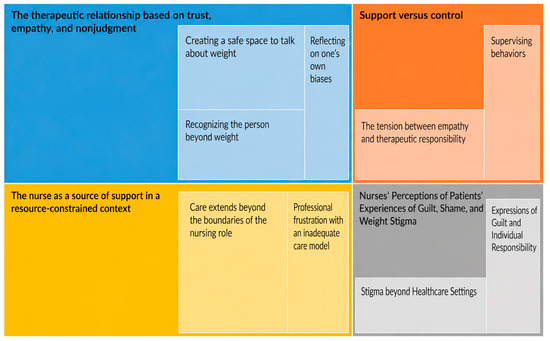
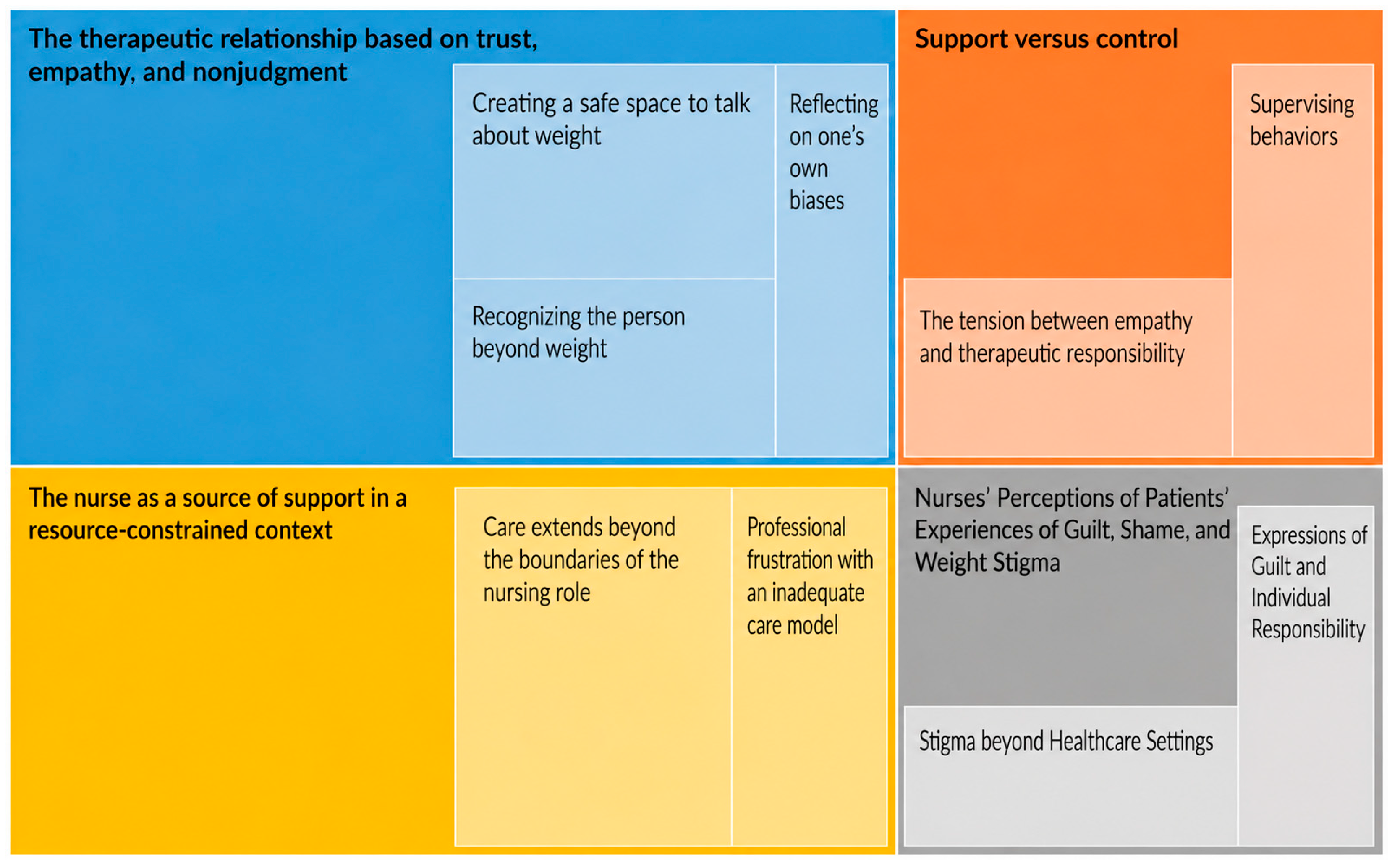

Disclaimer/Publisher’s Note: The statements, opinions and data contained in all publications are solely those of the individual author(s) and contributor(s) and not of MDPI and/or the editor(s). MDPI and/or the editor(s) disclaim responsibility for any injury to people or property resulting from any ideas, methods, instructions or products referred to in the content. |
© 2026 by the authors. Licensee MDPI, Basel, Switzerland. This article is an open access article distributed under the terms and conditions of the Creative Commons Attribution (CC BY) license.