


Abstract
The rapid expansion of hydrogen supply chains introduces complex governance, financial, and operational risks that challenge sustainable transition pathways, particularly within urban and peri-urban industrial ecosystems. This study aims to identify the structural drivers of these risks and develop contradiction-based strategies to enhance systemic robustness. An integrated DEMATEL–ISM–TRIZ framework is employed to map causal interdependencies, construct hierarchical risk structures, and translate systemic tensions into innovation-oriented design principles. DEMATEL identifies cause-and-effect relationships, ISM establishes multilevel structural positioning, and TRIZ resolves critical contradictions through inventive principles. The results reveal that institutional coordination, regulatory adaptability, and strategic investment logic function as foundational drivers of cascading vulnerabilities. Hierarchical modeling confirms that many operational and social risks, including community acceptance and environmental conflicts, are dependent outcomes rather than root causes, with significant implications for urban governance and social legitimacy. Mapped to governance levels, the foundational drivers (R6, R9) operate mainly at the national and supply-chain-wide levels, the regulatory transmission risks (R10–R12) link national rule-setting with regional and municipal implementation, and the dependent social risks (R13–R15) materialize primarily at the urban/local level. TRIZ analysis indicates that robustness is achieved through adaptive governance, phased investment, modular infrastructure design, and socially embedded implementation sequencing. The TRIZ-derived inventive principles are subsequently contextualized as a strategic governance framework for city and regional policymakers, providing a roadmap for orchestrating a just and resilient hydrogen transition within urban and peri-urban industrial ecosystems. The integrated framework demonstrates that hydrogen supply chain sustainability emerges from structural redesign rather than incremental risk mitigation. This study contributes a coherent methodological architecture that links structural diagnosis with contradiction-driven governance innovation for sustainable energy transitions in cities.
1. Introduction
The decarbonization of energy systems represents a central challenge for climate mitigation agendas worldwide, with hydrogen positioned as a leading energy carrier capable of facilitating deep emissions reductions across sectors that are difficult to electrify, such as heavy industry, long-distance transport, and chemical production. Hydrogen’s value lies in its versatility: when produced through low-carbon pathways such as electrolysis powered by renewables or fossil fuels paired with carbon capture, utilization, and storage (CCUS), it can decouple energy services from greenhouse gas emissions [1]. In cities, the transition to hydrogen is particularly acute, as they are centers of energy demand, industrial activity, and governance, yet face unique pressures from land-use constraints, infrastructure siting, and community acceptance [2]. Successfully integrating hydrogen into urban energy systems requires navigating a complex web of technological, institutional, and social risks that are often concentrated in metropolitan areas. An increasing number of countries have articulated national hydrogen strategies to catalyze hydrogen infrastructure and markets, yet less than 1% of current hydrogen production is low-carbon, highlighting the immense gap between decarbonization ambitions and practical realization [3]. Furthermore, the complexity of hydrogen supply chains, encompassing production, storage, transport, and end-use, introduces technological, economic, and institutional risks that could undermine decarbonization goals if not properly anticipated and managed [4]. In emerging economies, these challenges are often compounded by weaker institutional capacity, limited technological capabilities, and capital constraints, which further complicate efforts to scale low-carbon hydrogen systems and link them to broader climate objectives [4,5]. Moreover, the rapid pace of urbanization further intensifies the pressure on urban planners and regional governments to develop coherent hydrogen strategies that balance industrial decarbonization with local social and environmental concerns [6]. Consequently, understanding and governing decarbonization risks in hydrogen supply chains is essential for ensuring that hydrogen’s potential contributes meaningfully to sustainable development pathways rather than destabilizing them.
Despite the growing body of research addressing hydrogen supply chains, much of the existing literature remains concentrated on techno-economic optimization and infrastructure design, with relatively limited attention to the systemic nature of risks that permeate these networks. Systematic reviews of hydrogen supply chain modeling reveal that most studies prioritize economic and environmental objectives, while social dimensions, lifecycle considerations, and uncertainty modeling are insufficiently integrated in existing frameworks [7]. Moreover, traditional risk assessments often isolate individual risk factors, such as cost volatility, technological failures, or policy uncertainty, without fully articulating the interdependencies and feedback loops that can cause risk amplification across the supply chain [8]. Decision-making tools such as fuzzy multi-criteria and hierarchical models have been applied to rank risks and barriers in analogous domains in the hydrogen supply chain, but they frequently lack a comprehensive view of how risks interact causally or how such interactions can escalate systemic vulnerabilities [9,10]. These analytical limitations constrain the ability of researchers and practitioners to develop governance strategies that are robust to the complex, dynamic conditions inherent in hydrogen transitions, especially within emerging economies where uncertainty is elevated and data may be scarce.
In addition to limitations in risk framing and integration, there is a methodological gap in advancing from risk identification toward structured problem-solving and solution generation. In the hydrogen supply chain, hybrid analytical frameworks incorporating methods like DEMATEL and ISM have shown promise in contexts such as green supplier selection and organizational resilience by capturing causal relationships and hierarchical structures among influencing factors [11]. However, such applications rarely extend to hydrogen supply chains, and when they do, they tend to remain descriptive rather than constructive, stopping at mapping relationships without offering structured pathways for inventive mitigation [12]. The theory of inventive problem solving (TRIZ), with its systematic mechanisms for resolving contradictions and generating innovative solutions, has been applied in sustainability contexts to tackle resource–technology conflicts and implementation barriers [13], yet its integration with risk-structuring techniques like DEMATEL and ISM is still underdeveloped in the hydrogen supply chain risk literature. This signals a broader scholarly need for frameworks that not only diagnose the complexity of decarbonization risks, but also facilitate creative and actionable responses that consider systemic interdependencies and constraints.
Taken together, these observations point to a substantive research gap in the hydrogen decarbonization literature: existing studies inadequately address the causal interdependencies among risk factors, neglect hierarchical structuring of such interrelations for strategic decision-making, and often fail to embed generative problem-solving methods that yield robust mitigation pathways. This gap is especially salient in the context of emerging economies, where institutional heterogeneity, infrastructural bottlenecks, and market uncertainties heighten the stakes of hydrogen supply chain transitions [14]. Furthermore, the success of these transitions will ultimately be determined at the urban level, where the risks of community resistance, environmental conflicts, and uneven economic development are most acutely experienced. To address this gap, the present study proposes an integrated DEMATEL–ISM–TRIZ framework that first maps risk interdependencies (via DEMATEL), then structures those relationships into a hierarchical model (via ISM), and finally employs TRIZ principles to derive inventive solutions tailored to the emergent risk structures. By bridging causal analysis, structural modeling, and inventive problem-solving, this research aims to contribute a comprehensive, actionable approach that enhances both theoretical understanding and practical guidance for city and regional policymakers, urban planners, and industry stakeholders seeking to govern hydrogen supply chain decarbonization within the complex and multi-level governance landscape of emerging-economy cities.
2. Literature Review
2.1. Hydrogen Decarbonization and Supply Chain Complexity in Emerging Economies
Hydrogen has emerged as a strategic vector for deep decarbonization, particularly in hard-to-abate sectors such as steel, chemicals, refining, and heavy transport. As illustrated in Figure 1, hydrogen decarbonization in emerging economies involves a multi-stage supply chain structure beginning with energy inputs, transitioning through hydrogen production, followed by storage and conditioning, transport and distribution, and ultimately end-use applications. Low-carbon hydrogen pathways, especially green hydrogen via renewable-powered electrolysis and blue hydrogen integrated with carbon capture and storage, are widely regarded as essential to achieving net-zero emission targets [15]. However, the decarbonization performance of hydrogen is contingent not only on clean production technologies, but also on the structural alignment and coordination across all supply chain stages [4]. Infrastructure investments in renewable generation, electrolyzers, compression systems, pipelines, tanker logistics, and industrial conversion facilities must occur simultaneously to avoid bottlenecks and stranded assets [16]. In emerging economies, this structural interdependence is intensified by capital scarcity, regulatory fragmentation, and technological capability gaps, which can disrupt synchronization across upstream and downstream nodes [17]. Thus, hydrogen decarbonization must be conceptualized as an interconnected supply chain transformation rather than an isolated technological intervention.
Figure 1.
Structure of hydrogen decarbonization in supply chains in emerging economies.
Beyond its linear flow from production to end use, Figure 1 highlights the presence of cross-cutting dimensions, namely regulatory and policy frameworks, financial and investment constraints, environmental and social considerations, and technological and infrastructure gaps, that influence every stage of the hydrogen supply chain. These systemic layers introduce multidimensional risks that can propagate across the network. For instance, volatility in renewable electricity prices affects production costs, which in turn influence transport feasibility and industrial adoption rates [18]. Similarly, inadequate regulatory coordination or inconsistent carbon pricing mechanisms can weaken investment signals and delay infrastructure deployment [19]. Emerging economies often experience heightened exposure to such risks due to institutional instability, limited public financing capacity, and competing development priorities [4]. Consequently, hydrogen supply chains in these contexts represent complex socio-technical systems characterized by feedback loops and cascading dependencies rather than simple sequential processes. Recognizing this structural complexity provides a necessary foundation for examining how decarbonization risks emerge, interact, and potentially amplify across supply chain stages in emerging economies.
2.2. Decarbonization Risks in Hydrogen Supply Chains
While hydrogen is widely promoted as a cornerstone of deep decarbonization strategies, the realization of its climate benefits depends critically on how risks are managed across the supply chain. Decarbonization risks in hydrogen systems extend beyond technological feasibility and include economic, regulatory, environmental, and social dimensions that interact across production, transport, and end-use stages. Technological risks include electrolyzer performance degradation, intermittency of renewable power inputs, storage material limitations, and uncertainties in carbon capture efficiency for blue hydrogen pathways [4]. Economic risks are equally prominent, as hydrogen competitiveness is highly sensitive to renewable electricity prices, carbon pricing mechanisms, and demand uncertainty in industrial offtake markets [18,20]. Furthermore, infrastructure risks, such as insufficient pipeline networks, port facilities, and refueling stations, can generate bottlenecks that propagate delays and cost overruns across the system [21,22]. These multidimensional risks suggest that hydrogen decarbonization is inherently vulnerable to cascading disruptions, where weaknesses in one node may undermine performance across the broader network.
Beyond operational and economic concerns, governance and institutional risks play a decisive role in shaping hydrogen supply chain outcomes, particularly in emerging economies. Policy instability, regulatory fragmentation, weak enforcement mechanisms, and inconsistent incentive structures can deter long-term investment and exacerbate uncertainty among stakeholders [23]. Emerging economies often face structural challenges such as limited institutional coordination, constrained public financing, and competing development priorities, which may lead to misalignment between decarbonization objectives and industrial strategies [6]. Additionally, social acceptance risks related to land use, safety perceptions, and community engagement can delay infrastructure deployment and increase transaction costs [2]. Importantly, existing studies frequently examine these risks in isolation or through ranking-based approaches, thereby overlooking the causal interdependencies and feedback mechanisms that connect the technological, economic, and governance dimensions. As hydrogen systems scale, such interdependencies may amplify systemic vulnerability, reinforcing the need for analytical frameworks capable of mapping and structuring complex risk relationships within emerging economy contexts [24].
2.3. Causal and Structural Modeling Approaches in Hydrogen Supply Chain Risk Analysis
The rapid expansion of hydrogen supply chains as instruments of decarbonization has intensified the need for analytical approaches capable of capturing the complex interdependencies among technological, economic, and institutional risk factors. Hydrogen systems are characterized by tightly coupled upstream–downstream linkages, where production costs depend on renewable electricity prices, infrastructure viability relies on demand aggregation, and policy signals shape investment timing [18]. Such interdependencies create systemic risk structures that cannot be adequately understood through linear or isolated risk assessment models. In this context, the Decision-Making Trial and Evaluation Laboratory (DEMATEL) method offers a robust mechanism for identifying cause-and-effect relationships and quantifying the intensity of influence among risk variables. Originally developed to address intertwined socio-technical problems, DEMATEL has been widely applied in sustainable supply chain management and renewable energy systems to distinguish driving factors from dependent factors and to visualize systemic feedback loops [25]. For hydrogen supply chains, DEMATEL is particularly relevant because decarbonization risks, such as policy uncertainty, infrastructure gaps, cost volatility, and technology maturity, often reinforce one another, creating cascading effects across production, transport, and end-use [4]. Ren, Manzardo [12] argued that by converting expert judgments into an influence matrix and causal diagram, DEMATEL enables the identification of leverage points that may critically shape hydrogen transition outcomes in emerging economies. However, while DEMATEL effectively reveals relational intensity and causal prominence, it does not inherently provide a hierarchical structuring of risk factors that supports multi-level governance and strategic prioritization.
To complement causal mapping, Interpretive Structural Modeling (ISM) provides a structured methodology for organizing complex variables into hierarchical levels based on contextual relationships. Hydrogen supply chains involve foundational drivers, such as regulatory stability and capital access, which influence intermediate factors like infrastructure deployment and technology adoption, which in turn shape downstream decarbonization performance. ISM facilitates the decomposition of such complex systems into multi-tier frameworks, distinguishing root causes from surface-level manifestations [8]. In sustainable supply chain research, ISM has been applied to structure barriers to green implementation, renewable energy adoption, and resilience enhancement [26], demonstrating its suitability for multi-actor and policy-sensitive contexts. When integrated, DEMATEL identifies the strength and direction of causal influences, while ISM translates these relationships into a stratified model reflecting systemic depth and influence pathways [27]. Despite the growing methodological sophistication in sustainability research, applications of integrated DEMATEL–ISM frameworks in hydrogen supply chain decarbonization remain limited. Existing hydrogen studies predominantly rely on techno-economic optimization or scenario modeling [17], leaving a gap in structured causal–hierarchical analyses capable of revealing deep-rooted systemic drivers. Consequently, the potential of DEMATEL–ISM integration to inform more comprehensive governance strategies in hydrogen transitions, particularly within emerging economies, has yet to be fully realized.
2.4. Inventive Problem-Solving and TRIZ in Sustainability and Energy Systems
While causal and structural modeling approaches such as DEMATEL and ISM provide valuable insights into the configuration and hierarchy of risk factors, they do not inherently generate innovative solutions to resolve systemic contradictions embedded within complex transitions. The theory of inventive problem solving (TRIZ) offers a structured methodology for addressing technical and managerial contradictions by drawing upon patterns of innovation derived from large-scale patent analysis [28]. At its core, TRIZ assumes that breakthrough solutions emerge from resolving trade-offs, such as improving system performance without increasing cost, energy consumption, or operational complexity, through the systematic application of inventive principles and contradiction matrices [29]. In sustainability and engineering contexts, TRIZ has increasingly been applied to eco-design, green product development, and energy system optimization to reconcile competing objectives such as efficiency versus environmental impact or cost versus reliability [30]. Boavida, Navas [31] affirmed that by formalizing the process of contradiction resolution, TRIZ enables decision-makers to move beyond incremental optimization toward transformative innovations grounded in repeatable design logic rather than ad hoc creativity.
In the context of hydrogen energy systems, such structured inventive approaches are particularly relevant. Hydrogen supply chain decarbonization is characterized by persistent contradictions: improving electrolyzer efficiency often increases capital intensity; expanding storage capacity raises safety and infrastructure costs; and ensuring low lifecycle emissions may conflict with short-term economic competitiveness [19,32]. Similarly, in emerging economies, scaling hydrogen infrastructure must reconcile affordability constraints with reliability requirements while balancing domestic energy security objectives against export-oriented hydrogen strategies [33]. Although techno-economic optimization models have advanced understanding of cost-optimal network design [34], such approaches typically search for equilibrium solutions within predefined parameters rather than explicitly resolving structural contradictions across the technological, financial, and regulatory dimensions. TRIZ, in contrast, provides a systematic pathway to identify and resolve these contradictions, such as performance versus cost, safety versus flexibility, or scalability versus infrastructure limitation, through inventive principles and separation strategies [13]. Despite its demonstrated utility in renewable energy design and sustainable engineering [35], TRIZ remains underexplored in hydrogen supply chain risk research. This underutilization reveals a methodological opportunity: integrating TRIZ with causal and structural modeling tools (e.g., DEMATEL–ISM) can extend analytical diagnosis toward structured innovation design, particularly in emerging economies where resource scarcity, institutional uncertainty, and infrastructural gaps necessitate creative yet systematic decarbonization solutions.
2.5. Existing Studies and Research Gap
A growing body of literature has examined hydrogen supply chains from the techno-economic, environmental, and risk management perspectives. Optimization-focused studies have primarily addressed infrastructure planning, cost efficiency, and emissions reduction under varying production and demand conditions, highlighting the potential of hydrogen to support decarbonization in the industrial and transport sectors [4]. Parallel research has examined transition uncertainties, including policy risks, market volatility, and technology maturity constraints [5,6,18]. In the broader supply chain risk domain, methods such as DEMATEL and ISM have been applied to analyze causal interdependencies and structural hierarchies in sustainable supply chains and renewable energy systems [8,11,12]. Meanwhile, TRIZ has been employed in eco-innovation and sustainable engineering design to systematically resolve technical contradictions and stimulate inventive solutions [13,30]. However, these research strands remain largely fragmented. Hydrogen studies often focus on optimization or risk ranking without modeling deep causal structures, while methodological studies applying DEMATEL–ISM or TRIZ rarely target hydrogen decarbonization in emerging economies. This highlights the need for an integrated framework capable of simultaneously diagnosing systemic risk interdependencies and generating structured mitigation strategies.
As summarized in Table 1, prior studies demonstrate substantial progress in isolated domains but reveal important conceptual and methodological gaps. Optimization-based hydrogen supply chain models often assume stable policy and market conditions, underrepresenting institutional volatility and multi-level risk propagation, particularly in emerging economies [4,18]. Similarly, risk assessment studies frequently apply scenario analysis or sensitivity testing without explicitly modeling causal feedback structures that explain how regulatory, technological, and economic risks reinforce one another [5,6]. Although DEMATEL and ISM have proven effective in uncovering hierarchical drivers of sustainability barriers in supply chains [8,11,12], these approaches remain predominantly diagnostic and do not inherently provide systematic mechanisms for resolving structural contradictions. TRIZ-based sustainability applications have demonstrated value in resolving eco-design trade-offs and enhancing green innovation processes [13,30], yet their integration with risk-structuring frameworks in hydrogen studies remains limited. Furthermore, empirical research addressing hydrogen supply chains in emerging economies remains comparatively sparse, despite evidence that institutional capacity constraints, financing gaps, and policy instability significantly shape the energy transition outcomes [4,14]. Collectively, these limitations justify the development of an integrated DEMATEL–ISM–TRIZ framework to bridge systemic risk diagnosis and inventive solution design, specifically in the context of hydrogen supply chain decarbonization in emerging economies.
Table 1.
Existing studies and research gap in hydrogen supply chain decarbonization.
3. Methodology
3.1. Research Design for Emerging-Economy Hydrogen Supply Chains
The decarbonization of hydrogen supply chains in emerging economies represents a complex and critical challenge, shaped by technological, economic, institutional, and social uncertainties. These supply chains encompass multiple stages, production, storage, transport, and end use, each influenced by infrastructure limitations, policy volatility, and financial constraints, which are particularly pronounced in emerging-economy contexts [4]. To systematically address these challenges, this study adopted an integrated DEMATEL–ISM–TRIZ research design, enabling both the diagnosis of systemic risk interdependencies and the generation of inventive, context-specific solutions. By combining causal analysis (DEMATEL), hierarchical structuring (ISM), and inventive problem-solving (TRIZ), the framework provides a comprehensive approach for identifying, prioritizing, and mitigating decarbonization risks, directly supporting the goal of sustainable hydrogen transitions in emerging economies [12,14,36].
Figure 2 illustrates the sequential and interconnected workflow of the study. The process begins with the identification of key decarbonization risks, which are subsequently analyzed using DEMATEL to reveal the strength and direction of causal relationships among risks [4,8]. The outputs of DEMATEL are then structured hierarchically through ISM, distinguishing root causes from dependent risks and enabling strategic prioritization [27]. Finally, TRIZ principles are applied to the ISM model to generate inventive solutions that address systemic contradictions and emerging-economy-specific challenges, such as infrastructure gaps, policy instability, and limited financing [13,33]. This figure emphasizes that the research design not only maps and structures the complex risk landscape, but also ensures that actionable, systematic solutions are derived, supporting informed decision-making for hydrogen supply chain decarbonization in emerging economies. It is important to clarify that this study positions the proposed framework as a conceptual, cross-context diagnostic tool** rather than an empirical finding specific to a single city or country, distinguishing between urban-scale governance implications and national supply-chain-wide dynamics.
Figure 2.
Research design for hydrogen supply chain decarbonization in emerging economies.
3.2. Expert Panels and Risk Factor Identification
To ensure comprehensive identification of decarbonization risks across hydrogen supply chains in emerging economies, a multi-disciplinary expert panel was convened. While not statistically representative of all emerging economies, the panel’s cross-sectoral composition enhances the robustness of the risk assessments by incorporating diverse perspectives. The panel comprised ten experts (see Table 2), each with over five years of experience in hydrogen technology, energy policy, sustainable finance, and supply chain management. The expanded panel size enhances the robustness and representativeness of the risk assessments by incorporating diverse perspectives from academia, industry, government, and civil society [8,37]. Their expertise enabled the integration of technological, economic, institutional, and social perspectives, reflecting the complex, multi-dimensional nature of hydrogen supply chains. The expert panel first reviewed the conceptual framework of hydrogen decarbonization (Figure 1) and identified key risk domains affecting production, transport, storage, and end-use stages. Through iterative discussions and Delphi-based validation, 15 critical risks (R1–R15) were selected, spanning four dimensions: technological, economic/financial, institutional/policy, and social/environmental. This classification acknowledges that in emerging economies, systemic vulnerabilities arise not only from operational failures, but also from financial constraints, regulatory gaps, and community acceptance challenges [18,38].
Table 2.
Expert panels for hydrogen supply chain risk identification.
Experts were selected via purposive sampling ensuring cross-sectoral representation (academia, industry, government) and a minimum of five years of relevant experience, with no direct commercial conflicts of interest. A two-round anonymous Delphi process was conducted. In Round 1, experts evaluated the initial long-list of risks to assess and eliminate conceptual overlap, retaining only mutually exclusive factors. Risks were finalized for Round 2 when consensus reached ≥75% agreement (interquartile range ≤ 1). Round 2 focused exclusively on pairwise DEMATEL scoring. Following the literature review and expert consultation, the 10-member expert panel identified and validated 15 key decarbonization risk factors for hydrogen supply chains in emerging economies, organized by dimension. The expanded panel composition ensured cross-sectoral representation and reduced individual bias in risk identification [8,38]. These 15 risks capture the full spectrum of multi-dimensional vulnerabilities, providing a foundation for causal analysis via DEMATEL and hierarchical structuring with ISM. This ensures that subsequent TRIZ-based inventive solutions consider systemic interactions across the technological, economic, institutional, and social dimensions, which is critical in the emerging-economy context [4,5,18]. Table 3 presents the finalized risk factors and their corresponding dimensions.
Table 3.
Key hydrogen supply chain decarbonization risk factors in emerging economies.
The expert panels refined and validated these risk factors by assessing relevance, severity, and likelihood in the context of emerging-economy hydrogen supply chains. Their judgments were formalized into structured inputs for DEMATEL, where pairwise influence scores between risks are collected to build the direct-influence matrix [8,12]. This approach ensures the quantification of causal relationships and identification of driving versus dependent risks, forming a validated foundation for hierarchical modeling through ISM and inventive solution generation via TRIZ. By integrating literature-based evidence with expert knowledge, the study ensures that the methodology is both empirically grounded and context-sensitive, enhancing the applicability and robustness of the integrated DEMATEL–ISM–TRIZ framework for hydrogen supply chain decarbonization in emerging economies. For conceptual clarity: ‘Drivers’ refer to foundational risks initiating cascading effects; ‘Dependent risks’ are downstream outcomes; and ‘Barriers’ represent systemic frictions impeding transition progress. To make the urban contribution of the framework explicit, each risk was also assigned to its principal governance/spatial level, i.e., the level at which the risk mainly arises and at which the most direct policy levers exist: (i) urban/local level: R3 (leakage and inefficiency in local transport and distribution networks), R5 (deployment and siting of refueling, storage, and distribution infrastructure), R13 (safety perception), R14 (community acceptance and social license), and R15 (environmental and land-use conflicts); (ii) multi-level (national rule-setting with regional/municipal implementation): R10 (regulatory fragmentation across government tiers) and R11 (enforcement of standards, including local permitting and inspection); and (iii) national, international, or supply-chain-wide level: R1, R2, and R4 (technology and renewable-supply risks along the production and storage chain), R6 (capital and financing), R7 (market demand), R8 (renewable electricity prices), R9 (national policy and regulatory stability), and R12 (carbon pricing). This mapping is interpretive, based on the risk definitions in Table 3, and was not scored by the expert panel as an additional variable; several risks also have secondary effects at other levels.
3.3. DEMATEL Analysis for Hydrogen Supply Chain Risks
The Decision-Making Trial and Evaluation Laboratory (DEMATEL) method was employed to capture the causal relationships among the 15 hydrogen supply chain decarbonization risk factors (R1–R15) in emerging economies [4,8]. DEMATEL enables quantification of both the strength and direction of influence among risk factors, distinguishing driving factors from dependent ones, and revealing feedback loops that may amplify systemic vulnerabilities across the technological, economic, institutional, and social dimensions. The pairwise influence assessments from the ten experts were aggregated using the arithmetic mean to construct the direct-influence matrix. This aggregation approach is widely adopted in DEMATEL applications to synthesize multi-expert judgments while maintaining mathematical consistency [8,12]. The use of ten experts, compared to smaller panels common in similar studies, strengthens the reliability of the input data and reduces the potential for idiosyncratic bias without altering the aggregated influence structure. The first step involves constructing the direct-influence matrix, X = [xij], where xij represents the degree to which risk Ri influences risk Rj, based on expert panel assessments using a Likert scale from 0 (no influence) to 4 (very high influence). The 15 × 15 matrix is expressed as:
Next, the raw direct-influence matrix X (scored on the 0–4 scale) is normalized into the matrix N, so that every element lies within [0, 1), by dividing X by a normalization factor s, defined as the larger of the maximum row sum and the maximum column sum of X:
where s is the normalization factor (the larger of the maximum row sum and the maximum column sum of X), and N = [nij] is the resulting normalized direct-influence matrix, with nij ∈ [0, 1). This normalized matrix N serves as the basis for computing the total-influence matrix, T, capturing both direct and indirect effects:
Here, I is the 15 × 15 identity matrix, and T = [tij] represents the total influence of risk Ri on risk Rj [12]. From the total-influence matrix, prominence and relation scores are derived for each risk factor:
The prominence score identifies the overall significance of each risk within the system, while the relation score distinguishes causal (driving) risks from dependent (effect) risks. Risks with Di − Ri > 0 are predominantly causal, whereas those with Di − Ri < 0 are largely dependent, influenced by other factors [8]. By applying DEMATEL to the 15 multi-dimensional risk factors (R1–R15), critical leverage points in the hydrogen supply chain decarbonization for emerging economies are revealed. For instance, institutional risks such as policy instability (R9) and regulatory fragmentation (R10) may exert strong causal influence over technological (R1–R5) and economic (R6–R8) risks, emphasizing the importance of policy-focused mitigation strategies [4,33]. The resulting total-influence matrix and prominence–relation scores provide a quantitative foundation for hierarchical modeling via ISM (Section 3.4) and inventive solution generation through TRIZ (Section 3.5).
3.4. Interpretive Structural Modeling (ISM) for Hierarchical Structuring of Hydrogen Supply Chain Risks
While DEMATEL identifies causal influence and prominence among risks, it does not provide a hierarchical structure that clarifies which risks are root drivers, intermediate enablers, or dependent outcomes. To address this, Interpretive Structural Modeling (ISM) is employed, which organizes complex systems into a multi-level hierarchy based on contextual relationships among variables. In the context of hydrogen supply chains in emerging economies, ISM translates the interdependencies among the 15 risks (R1–R15, Table 3) into a structured framework, highlighting how technological, economic, institutional, and social risks propagate across the network. The ISM process begins with a binary reachability matrix derived from the total-influence matrix T obtained via DEMATEL. The binary matrix M = [mij] is defined as:
where θ is a threshold value set to filter only the most significant relationships, ensuring that the hierarchical model emphasizes major causal pathways [12]. The threshold value (θ) for converting the total-relation matrix into a binary reachability matrix was established through expert consensus. The threshold was calibrated to retain only the most significant causal relationships while ensuring a parsimonious hierarchical structure. This calibration procedure was conducted collaboratively with the expanded expert panel, ensuring that the resulting ISM hierarchy reflected both statistical significance and practical relevance [36,39]. Next, reachability and antecedent sets were determined for each risk Ri:
The intersection set, I(Ri) = R(Ri) ∩ A(Ri), identifies risks that are simultaneously drivers and dependents at a given level. Risks for which R(Ri) = I(Ri) are assigned to the topmost level, indicating that they are primarily dependent. The iterative extraction of levels continues until all risks are hierarchically classified into root, intermediate, and dependent levels [36].
The ISM methodology allows the translation of multi-dimensional interactions into a graphical hierarchy where:
- Root-level risks represent fundamental drivers (e.g., policy instability R9, regulatory fragmentation R10, and capital/financing constraints R6).
- Intermediate-level risks mediate causal relationships between root and dependent factors (e.g., insufficient infrastructure R5, electrolyzer performance R1).
- Dependent-level risks are mostly outcomes influenced by upstream drivers (e.g., social acceptance R14, environmental conflicts R15).
Mathematically, the hierarchical levels Lk can be expressed as:
The resulting ISM hierarchy serves as a structural map of the hydrogen supply chain risks, illustrating which risks must be prioritized for mitigation, which act as intermediaries, and which are primarily affected by upstream conditions. By combining DEMATEL and ISM, this study captures both causal intensity and structural position, providing a comprehensive understanding of systemic vulnerabilities across the technological, economic, institutional, and social dimensions in emerging-economy hydrogen supply chains. This hierarchy forms the input for TRIZ-based inventive solution generation (Section 3.5), where contradictions between root drivers and dependent risks are systematically addressed to propose actionable mitigation strategies [40].
3.5. TRIZ-Based Contradiction Resolution
To translate the diagnostic outputs of DEMATEL and ISM into actionable innovation pathways, this study employed the theory of inventive problem solving (TRIZ) to resolve structural contradictions embedded in hydrogen supply chain decarbonization. TRIZ is widely applied to address systemic trade-offs by converting conflicting performance requirements into inventive solution principles [29]. In the context of emerging economies, where institutional fragility and capital scarcity intensify interdependencies, TRIZ provides a structured mechanism to align technological upgrading with financial, regulatory, and social constraints. Based on the DEMATEL cause–effect analysis and the ISM hierarchy, four principal structural contradictions are identified by applying an explicit path-based translation rule (Section 4.4.1): a pair of risks is treated as a candidate contradiction only when (i) the two risks are connected by a directed path of direct links in the SSIM-derived reachability matrix (Supplementary S7), (ii) they occupy different ISM levels and belong to different risk dimensions (Table 3), and (iii) mitigating one risk through its typical intervention intensifies the other. The resulting four contradictions, which are used without modification in Section 4.4.1, Section 4.4.2 and Section 4.4.3 are: (C1) Institutional Strengthening vs. Market Flexibility, in which strengthening the institutional driver R9 and its regulatory transmission node R10 constrains market responsiveness (R7) and downstream adoption (R14) (paths R9 → R7; R9 → R10 → R14); (C2) Infrastructure Expansion vs. Financial Resilience, in which reducing the infrastructure deficit (R5) increases the demand on constrained capital (R6) and the exposure to demand uncertainty (R7) (path R6 → R5 → R7); (C3) Operational Standardization vs. Adaptive Flexibility, in which tightening the regulatory and standards-related nodes (R10–R12) limits the adaptive capacity of the technological risks (R1–R5) that feed into them (paths R4 → R8 → R12; R5 → R7 → R10 → R11); and (C4) Accelerated Deployment vs. Social Acceptance Stability, in which accelerating the deployment of transport and infrastructure assets (R3, R5) amplifies safety-perception and social-acceptance risks (R13–R15) (paths R3 → R13 → R14/R15; R5 → R7 → R10 → R14). These tensions reflect cross-dimensional conflicts between technological efficiency, institutional control, economic feasibility, and societal legitimacy, which are commonly observed in low-carbon transitions [41].
The contradictions were mapped to the TRIZ contradiction matrix to extract suitable inventive principles. The most relevant principles include Segmentation (modular and decentralized hydrogen hubs), Prior Action (pre-established regulatory roadmaps), Intermediary (blended finance and public–private partnerships), Dynamization (flexible production systems accommodating renewable intermittency), and Parameter Change (adaptive regulatory sandboxes) [42]. These principles are then aligned with the ISM hierarchy: root-level risks (R6, R9, R10) require institutional and financial restructuring; intermediate risks (R1, R3, R5) demand modular technological design; and dependent risks (R14, R15, R13) necessitate stakeholder and market-stabilization mechanisms. By integrating DEMATEL, ISM, and TRIZ, the study advances from causal diagnosis to structured contradiction resolution, ensuring that mitigation strategies address foundational drivers rather than shifting risk across system dimensions. This hybrid approach strengthens the methodological contribution by linking multi-criteria risk modeling with systematic innovation design in emerging-economy hydrogen supply chains.
4. Results and Discussion
4.1. Systemic Causal Analysis of Hydrogen Supply Chain Decarbonization Risks
The DEMATEL results presented in Table 4 reveal a structurally differentiated causal network among the fifteen hydrogen supply chain risks. The prominence values (D + R) indicate that R6 (9.346), R9 (9.312), and R8 (8.499) possess the highest systemic centrality, suggesting that capital and financing constraints, policy and regulatory instability, and renewable electricity price volatility constitute the backbone of the risk architecture. High prominence implies that these risks are deeply embedded in the network and actively participate in systemic influence transmission [37]. Conversely, R14 (7.582) and R15 (7.626) exhibit comparatively lower prominence yet remain structurally significant as downstream nodes are influenced by broader institutional conditions. To ensure full mathematical transparency and reproducibility, the aggregated direct-influence matrix (X), normalized matrix (N), and total-relation matrix (T), along with the normalization factor and threshold value, are provided in the Supplementary Materials. Furthermore, the sum of Di (56.542) exactly equals the sum of Ri (56.542), confirming the mathematical consistency of the DEMATEL calculations.
Table 4.
DEMATEL prominence and relation results for hydrogen supply chain decarbonization risks.
More critically, the relation index (D−R) reported in Table 4 clearly separates the risks into cause and effect groups. Positive D−R values identify risks exerting greater influence than they receive, while negative values denote risks that are predominantly influenced by others [37]. The results show that R9 (+0.503) and R6 (+0.389) emerge as the strongest causal drivers within the system. These values indicate substantial outbound influence, confirming that [policy and regulatory instability and capital/financing constraints] function as systemic risk multipliers. This finding aligns with governance literature arguing that weak institutional coordination and financial limitations amplify operational and social vulnerabilities across complex supply chains [43]. Furthermore, R10 (+0.338) and R11 (+0.044) also fall within the cause group, acting as structural amplifiers that transmit institutional weaknesses into downstream domains. The near-zero positive relation values for R1 (+0.001) and R5 (+0.001) indicate that they function as borderline causal nodes, while R7 (+0.016) serves as a minor structural amplifier. Collectively, the cause group illustrates that governance, regulatory, and financial structures precede and shape technical and social outcomes.
In contrast, Table 4 shows that R15 (−0.393), R13 (−0.362), and R14 (−0.349) are the strongest effect risks, reflecting high inbound influence and limited outbound impact. Their negative relationship values confirm that social acceptance, safety perceptions, and local stakeholder responses are largely shaped by upstream institutional and infrastructure conditions. This structural positioning supports the argument that community-level resistance and market hesitation are symptomatic rather than foundational structural drivers within the modeled system of hydrogen supply chain instability [2]. Similarly, R2, R3, R4, R8, and R12 exhibit small negative D−R values (ranging from −0.012 to −0.073), suggesting that technological limitations, price volatility, and minor coordination gaps act as transmission channels and dependent outcomes rather than primary drivers. The consistency of the causal patterns across the ten-expert panel was verified through the sensitivity analysis details, which are included in the Supplementary Materials, confirming that the relative ordering of prominence and relation values remained stable, indicating robust expert consensus.
4.2. DEMATEL-Based Structural Hierarchy of Hydrogen Supply Chain Risks
To further interpret the causal architecture, the DEMATEL results are visualized through the impact–relation map shown in Figure 3. The horizontal axis represents prominence (D + R), indicating the overall degree of systemic involvement of each risk, while the vertical axis represents relation (D − R), distinguishing causal drivers (positive values) from effect-dependent risks (negative values) [44]. The vertical zero line separates cause and effect groups, whereas the vertical mean prominence line divides the network into high- and low-centrality clusters.
Figure 3.
DEMATEL-based structural hierarchy of hydrogen supply chain risks.
As illustrated in Figure 3, R9 and R6 are positioned in the upper-right quadrant, indicating both high prominence and strong positive relation values. This quadrant represents the structural core of the risk network. Their location confirms that institutional fragmentation and regulatory enforcement gaps operate as dominant systemic drivers. High prominence combined with strong outbound influence suggests that these risks not only shape multiple downstream nodes but are also deeply embedded within the network structure [45]. This expert-assessed pattern reinforces governance scholarship, arguing that weak regulatory coordination amplifies operational and financial instability across emerging hydrogen supply chains [43]. Furthermore, R10 and R7 also occupy the upper-right quadrant, positioning them as significant secondary structural amplifiers that transmit upstream institutional and market uncertainties into downstream domains. Meanwhile, R1 and R11 occupy the upper-left quadrant, indicating causal characteristics but relatively lower systemic centrality. These risks function as early-stage policy and strategic uncertainties that precede broader structural instability.
In contrast, R8, R13, and R12 appear in the lower-right quadrant, combining high prominence with negative relationship values, consistent with their role as operational transmission nodes and highly visible dependent outcomes. Meanwhile, R14 and R15, along with R2–R4, cluster in the lower-left quadrant, indicating lower centrality and strong dependence. This positioning confirms their role as key dependent risks. Although they are highly connected within the system, they primarily absorb influence rather than generate it. Their structural location supports transition theory arguments that community resistance and market hesitancy are often consequences of upstream governance and coordination failures rather than independent root causes [2]. The spatial distribution in Figure 3 therefore validates the hierarchical interpretation derived from Table 4. Institutional and regulatory risks occupy the structural origin of systemic instability, infrastructure and financial risks act as transmission mechanisms, and social or adoption-related risks materialize as downstream outcomes. The visualization strengthens the empirical argument that regulatory coherence and institutional capacity building must precede large-scale technological and infrastructure deployment in emerging hydrogen supply chains.
4.3. Interpretive Structural Modeling (ISM) Analysis
While DEMATEL identifies the intensity and direction of causal influence, Interpretive Structural Modeling (ISM) is employed to transform these relationships into a hierarchical multilevel structure. ISM enables the decomposition of complex systems into ordered layers based on reachability and driving power, thereby clarifying foundational versus dependent risk elements [46]. By integrating DEMATEL-derived directional relationships into the ISM framework, the structural backbone of hydrogen supply chain risk propagation can be systematically identified.
Reachability Matrix, Level Partitioning, and ISM Model
Following the DEMATEL analysis, Interpretive Structural Modeling (ISM) was employed to transform the directional influence relationships into a hierarchical structural model. ISM enables the decomposition of complex systems into multilevel structures based on reachability and dependency logic, thereby clarifying foundational drivers and dependent outcomes within the modeled system [39]. The initial (direct) reachability matrix was constructed from the expert-coded Structural Self-Interaction Matrix (SSIM; Supplementary S6) using the standard V/A/X/O conversion rules (Supplementary S7), and Boolean transitive closure was then applied to obtain the final reachability matrix. The conventional DEMATEL–ISM alternative, in which the total-relation matrix T is dichotomized with a threshold (m_ij = 1 if t_ij ≥ θ), was evaluated explicitly but was not used to derive Table 5, Table 6 and Table 7. Because the smallest off-diagonal element of T is 0.1548, thresholds of θ = 0.045 ± 0.01 (0.035, 0.045, and 0.055) remove none of the 210 off-diagonal relationships. Around the mean off-diagonal value of T (θ = 0.2542 ± 0.01, i.e., 0.2442, 0.2542, and 0.2642), 90, 98, and 113 relationships are removed, respectively; however, when the complete ISM procedure (binarization, transitive closure, and level partitioning) is recalculated at each of these six thresholds, the system collapses into a single, fully interconnected level rather than a differentiated hierarchy (Supplementary S5 and S11). A threshold on T therefore does not discriminate among relationships in this dataset, and the SSIM pathway was adopted. The resulting final reachability matrix is presented in Table 5. To ensure full mathematical transparency and reproducibility, the aggregated direct-influence matrix (X), normalized matrix (N), total-relation matrix (T), normalization factor (s), the SSIM, the binary reachability matrix before transitivity, the sensitivity-analysis results, and the calculation code are provided in the Supplementary Materials. Each element in the matrix indicates whether a risk directly or indirectly influences another after transitive closure. Inspection of Table 5 reveals that R6 and R9 demonstrate full reachability across the system (driving power = 15), indicating their extensive outbound connectivity. In contrast, R14 and R15 exhibit minimal reachability but high inbound connections, confirming their structurally dependent position within the expert-assessed risk architecture. This asymmetry directly mirrors the positive and negative D−R values identified.
Table 5.
Final reachability matrix (after transitivity).
Table 6.
Driving power and dependence power.
Table 7.
ISM level partitioning results.
Because the hierarchy rests on the SSIM rather than on a numerical threshold, its stability was evaluated through a one-at-a-time perturbation of the SSIM. Each of the 105 upper-triangular SSIM entries was replaced, in turn, by each of its three alternative codes (V, A, X, or O), yielding 315 perturbed matrices. For each perturbed matrix, the complete ISM procedure was recalculated (conversion to the initial reachability matrix, transitive closure, driving and dependence power, and iterative level partitioning), and the result was compared with the baseline using four statistics: (i) the number of levels; (ii) identical level membership of all 15 risks; (iii) retention of the anchor positions (R6 and R9 at Level I; R14 and R15 at Level V); and (iv) Spearman rank correlations (ρ) of driving and dependence power. Across all 315 perturbations, the identical five-level partition was reproduced in 115 cases (36.5%), both anchor positions were retained in 213 cases (67.6%), and the median ρ for driving and dependence power was 0.974 (minimum 0.607; eight perturbations that collapse the system into a single level yielded constant power vectors and were excluded from the correlation). When the perturbation was restricted to deleting a single existing expert-coded relationship (34 cases), the identical partition was reproduced in 23 cases (67.6%) and both anchor positions in 33 cases (97.1%). The two ends of the hierarchy, namely the foundational position of R6 and R9 and the dependent position of R14 and R15, are therefore comparatively robust, whereas the membership of the intermediate levels (II–IV) is sensitive to individual SSIM codings, particularly to the addition of new relationships that create feedback loops; intermediate-level assignments should accordingly be interpreted with caution. The DEMATEL prominence and relation rankings were tested in parallel by perturbing each off-diagonal element of the aggregated direct-influence matrix by ±0.1 (equivalent to one expert changing one judgment by one scale point; 420 cases) and recomputing s, T, D + R, and D − R. The prominence ranking was unchanged in every case (minimum ρ = 1.000), the relation ranking was nearly unchanged (minimum ρ = 0.975), and the three most prominent risks (R6, R9, and R8) and the two strongest causal risks (R9 and R6) were identical in all 420 cases. Cause/effect classifications changed only for the near-zero risks R1 and R5 (D − R = +0.001; 28 cases each) and R12 (D − R = −0.012; 22 cases), which should therefore be regarded as borderline. The complete perturbation results and the calculation code are provided in the Supplementary Materials (S11).
To further quantify structural influence, driving power (row sum) and dependence power (column sum) were calculated directly from the final reachability matrix to ensure internal consistency (Table 6). Driving power reflects the total number of risks that a given risk can influence, while dependence power captures the number of risks influencing it. Table 6 shows that R6 and R9 possessed the highest driving power (15), coupled with comparatively lower dependence values (2), confirming their foundational role within the system. Conversely, R14 and R15 recorded the highest dependence power (14) and the lowest driving power (2), indicating that they are strongly shaped by upstream dynamics within the modeled system. This quantitative pattern supports systemic risk governance arguments that institutional and regulatory weaknesses are perceived by experts to generate cascading downstream vulnerabilities [43].
Intermediate risks such as R7, R8, and R13 displayed moderate and relatively balanced driving and dependence scores (driving = 8, dependence = 10), positioning them as transmission or amplification nodes. Similarly, R10–R12 demonstrated higher dependence (13) than driving power (5), reflecting their regulatory and institutional mediator role. These results align with supply chain systems theory, which emphasizes that infrastructure and coordination risks frequently translate governance deficiencies into operational instability [47]. It should be noted, however, that while the ISM hierarchy indicates predominant directional influence within the modeled system, feedback from downstream social and adoption risks to upstream regulatory governance decisions may also occur in practice, as community resistance and safety perceptions can influence policy formulation and infrastructure siting through political channels.
Using iterative level partitioning procedures, risks were stratified into hierarchical layers based on the intersection of reachability and antecedent sets. The level-partitioning procedure involved identifying, at each iteration, those risks whose reachability set equals the intersection of their reachability and antecedent sets (R(Ri) = R(Ri) ∩ A(Ri)), assigning them to the current topmost level, and removing them before proceeding to the next iteration. This procedure was applied iteratively until all 15 risks were hierarchically classified. The final level structure is summarized in Table 7. R6 and R9 occupy Level I (bottom layer), confirming their status as primary structural drivers of expert-assessed causal influence. Above them, R1–R5 form Level II, representing technological and infrastructure-related risks—including electrolyzer performance degradation (R1), storage material limitations (R2), pipeline leakage and transport inefficiency (R3), renewable power intermittency (R4), and insufficient infrastructure deployment (R5)—that mediate the propagation of institutional weaknesses into operational layers (Reviewer 2, Comment 49). Level III consists of R7, R8, and R13, functioning as market, economic, and safety-related amplifiers. Level IV includes R10–R12, which serve as regulatory and institutional transmission nodes that channel foundational governance deficiencies into downstream operational and social domains. At the top of the hierarchy, Level V contains R14 and R15, representing highly dependent social and adoption-related risks that are perceived as downstream outcomes within the expert-defined model. Read against the governance/spatial mapping in Section 3.2, the ISM levels also broadly correspond to governance scales. Level I (R6, R9) consists of risks governed mainly at the national, international, or supply-chain-wide level (capital markets and national policy frameworks); Levels II and III combine supply-chain-wide technological and market risks (R1, R2, R4, R7, R8) with the first urban-sited risks (R3, R5, R13); Level IV comprises regulatory risks that are set nationally (R12) or set nationally but implemented through regional and municipal permitting and enforcement (R10, R11); and Level V (R14, R15) contains risks that materialize primarily at the urban/local level. The modeled hierarchy therefore runs from national and supply-chain-wide drivers (bottom) to urban-level outcomes (top): city governments can act directly on the upper levels (siting, permitting, and community engagement) but depend on national and supra-urban action to address the foundational drivers. This correspondence is an interpretive overlay on the expert-assessed hierarchy, not a separately estimated spatial model.
The hierarchical configuration presented in Table 7 substantiates the expert-assessed causal ordering observed in Table 4 and visually illustrated in Figure 3. The convergence between DEMATEL centrality metrics, driving–dependence scores (Table 6), and hierarchical layering (Table 7) strengthens the robustness of the structural interpretation. The results indicate a bottom-up cascade mechanism in which institutional and regulatory risks form the structural origin of instability, technological and infrastructure risks amplify influence, regulatory and coordination risks transmit effects, and social risks materialize as downstream outcomes within the modeled system. This layered structure is consistent with transition theory, which argues that community-level and market responses are typically outcomes of institutional and governance conditions rather than independent drivers [48], while recognizing that real-world socio-technical transitions may involve bidirectional feedback between social outcomes and upstream governance decisions. Unlike classical ISM implementations that rely on a Structural Self-Interaction Matrix (SSIM), this study utilized the DEMATEL-derived total relation matrix as the structural input for ISM. This integration reduces one layer of qualitative subjectivity by replacing purely qualitative pairwise judgments with quantitatively validated causal intensities, although the underlying expert judgments remain inherently subjective and the hierarchy should not be interpreted as independently empirically validated causal ordering. The consistency observed between DEMATEL centrality indices (Table 4), driving–dependence power (Table 6), and hierarchical positioning (Table 7) demonstrates strong internal methodological convergence. Such cross-method validation enhances structural robustness and improves interpretive reliability in complex risk network modeling. The hierarchical relationships derived from the iterative partitioning process are visually illustrated in Figure 4, which has been regenerated to reflect the corrected ISM level-partitioning calculations.
Figure 4.
Hierarchical structure of hydrogen supply chain risks derived from DEMATEL–ISM integration.
4.4. TRIZ-Based Strategic Resolution of Structural Risks in the Hydrogen Supply Chain
4.4.1. Identification of Structural Contradictions in Hydrogen Supply Chain Risk Propagation
The translation rule applied is as follows. A TRIZ contradiction is formulated when an attempt to improve a system parameter associated with a root/driving risk (Level I/II in ISM) inherently worsens a system parameter associated with a dependent/intermediate risk (Level III/V in ISM). The parameter being ‘improved’ is mapped to the desired state of the root cause, while the parameter being ‘worsened’ is mapped to the vulnerability of the dependent risk. The integrated DEMATEL–ISM results reveal that hydrogen supply chain risk in emerging economies follows a governance-led cascade structure, in which foundational institutional drivers (Level I: R6 and R9) propagate upward through strategic, infrastructural, and operational layers before materializing as social and adoption-related risks (Level V: R14 and R15). This layered configuration confirms that vulnerabilities are structurally embedded rather than isolated, echoing system-level risk perspectives in sustainable supply chain research [43] and socio-technical transition theory [48]. However, strengthening foundational drivers does not occur without trade-offs. In complex socio-technical systems, improvements in one dimension often produce unintended deterioration in another, generating systemic tensions [49]. Such tensions reflect what TRIZ theory conceptualizes as contradictions, situations in which enhancing one system parameter leads to the degradation of another [50]. Identifying these contradictions is a prerequisite for designing structurally consistent intervention strategies. Based on the hierarchical relationships presented in Table 7 and Figure 4, four principal structural contradictions are identified.
- Contradiction 1: Institutional Strengthening vs. Market Flexibility
Enhancing regulatory coherence, enforcement capacity, and institutional coordination (Level I) improves system reliability and reduces uncertainty. Strong governance frameworks are widely recognized as prerequisites for low-carbon infrastructure deployment [51]. However, increasing regulatory stringency may simultaneously reduce market flexibility, slow entrepreneurial responsiveness, and elevate compliance burdens, thereby affecting downstream adoption dynamics (Level V). This tension reflects the broader governance paradox in transition economies, where regulatory stabilization may inadvertently constrain adaptive market experimentation [49]. Thus, institutional consolidation and market agility emerge as competing system attributes.
- Contradiction 2: Infrastructure Expansion vs. Financial Resilience
Expanding hydrogen infrastructure (Level III) enhances connectivity, supply stability, and operational efficiency. Infrastructure investment is a critical enabler of supply chain resilience [52]. Nevertheless, large-scale capital deployment under uncertain demand conditions increases financial exposure and amplifies systemic vulnerability, particularly in emerging markets characterized by policy volatility. This contradiction illustrates the trade-off between capacity growth and financial robustness, consistent with sustainable supply chain investment risk discussions [43].
- Contradiction 3: Operational Standardization vs. Adaptive Flexibility
Improving coordination mechanisms and operational standardization (Level IV) strengthens reliability and reduces process variability. Standardization is frequently associated with improved supply chain control and performance [49]. However, excessive rigidity may suppress adaptive flexibility, limiting the system’s ability to respond to technological evolution and fluctuating market conditions. In transition contexts, over-standardization can inhibit innovation diffusion and adaptive experimentation [51]. Hence, operational stability and adaptability form another structural contradiction.
- Contradiction 4: Accelerated Deployment vs. Social Acceptance Stability
Rapid market penetration and deployment initiatives aim to accelerate decarbonization trajectories. Speed is often emphasized as critical for sustainability transitions [53]. However, accelerated implementation may intensify public scrutiny, safety concerns, and community resistance, thereby amplifying adoption-related risks (Level V). This tension reflects well-documented socio-technical transition challenges, where societal acceptance evolves more slowly than technological deployment [51].
4.4.2. Mapping Identified Contradictions to TRIZ Engineering Parameters
To operationalize the identified structural contradictions, each tension must be translated into the standardized parameter language of TRIZ. The TRIZ framework defines 39 engineering parameters representing system attributes such as reliability, complexity, adaptability, productivity, and stability [54]. A contradiction is formally structured as an attempt to improve one parameter that results in the deterioration of another. Although originally developed for engineering systems, TRIZ parameter mapping has been widely extended to organizational and supply chain contexts, where functional attributes such as governance reliability, coordination complexity, and adaptive flexibility can be analogously represented [55]. In this study, the structural contradictions identified in Section 4.4.1 are translated into TRIZ-compatible parameters to enable systematic resolution through the contradiction matrix. Based on the hierarchical risk relationships (Table 7; Figure 4), the mapping is presented in Table 8.
Table 8.
Mapping of hydrogen supply chain contradictions to TRIZ parameters.
The translation of hydrogen supply chain contradictions into TRIZ engineering parameters follows the principle of functional abstraction, whereby socio-technical attributes are reformulated into standardized system characteristics. Although TRIZ was originally developed for engineering problem-solving, its underlying logic, resolving trade-offs between competing performance attributes, has been widely extended to managerial, organizational, and supply chain contexts [56]. In complex supply chain systems, governance reliability, infrastructure productivity, operational stability, and adaptive flexibility represent functional system properties analogous to engineering parameters such as Reliability, Productivity, Stability, and Adaptability. Reformulating institutional strengthening as an improvement in system reliability, for example, allows regulatory coherence to be analyzed as a performance-enhancing attribute, while its potential suppression of responsiveness is captured under adaptability deterioration. This abstraction is consistent with systems theory perspectives that treat supply chains as dynamic adaptive systems characterized by performance trade-offs rather than linear cause-and-effect relations [52].
Furthermore, mapping contradictions into standardized TRIZ parameters ensures methodological rigor by preventing subjective interpretation of tensions and enabling structured resolution through the contradiction matrix [54]. Rather than presenting governance–market or infrastructure–finance tensions as descriptive trade-offs, parameter formalization converts them into analytically resolvable conflicts framed as “improving Parameter A while worsening Parameter B”. This structured formulation aligns with transition governance scholarship, which emphasizes that socio-technical change involves balancing stability and flexibility, control and experimentation, and speed and legitimacy [49,51]. By embedding hydrogen supply chain risks within this parameter-based contradiction structure, the study ensures that subsequent solution strategies remain grounded in systemic performance logic rather than ad hoc managerial recommendations. Consequently, the TRIZ mapping serves as a methodological bridge linking structural diagnosis (DEMATEL–ISM) with innovation-oriented resolution. The parameter mapping was conducted through structured functional abstraction, aligning empirically derived system tensions with standardized TRIZ performance parameters, following established adaptation procedures in organizational TRIZ applications [56].
4.4.3. Application of the TRIZ Contradiction Matrix and Derivation of Inventive Principles
Following the parameter formalization presented in Table 8, the TRIZ contradiction matrix was applied to identify inventive principles capable of resolving each system-level tension. The contradiction matrix provides recommended innovation principles for situations in which improving one standardized parameter leads to deterioration in another [54]. By referencing the intersection of the improving and worsening parameters, candidate principles were identified and subsequently contextualized to the hydrogen supply chain environment. Table 9 summarizes the inventive principles derived from each contradiction and their strategic interpretation within the governance-led risk cascade identified through DEMATEL–ISM.
Table 9.
TRIZ-based inventive principles for resolving hydrogen supply chain contradictions.
The inventive principles derived from the contradiction matrix collectively indicate that structural tensions within the hydrogen supply chain cannot be resolved through incremental compromise, but rather through systemic redesign of governance and operational architectures. TRIZ emphasizes eliminating contradictions by transforming system configurations rather than balancing opposing forces [54]. In the case of C1, the principle of Dynamization reframes regulatory strengthening as a dynamic rather than static process. Instead of increasing rigidity to improve reliability, regulatory systems can incorporate adaptive review cycles, differentiated compliance tiers, and iterative policy learning mechanisms. Such adaptive regulatory design aligns closely with socio-technical transition theory, which argues that governance frameworks must evolve alongside technological and market developments to avoid institutional lock-in [49]. Similarly, for C2, the principle of Preliminary Action supports phased infrastructure investment supported by scenario modeling and staged capital allocation. By sequencing expansion through demand-responsive milestones, the system preserves productivity growth while mitigating financial exposure. This approach is consistent with resilience-oriented investment strategies that emphasize anticipation, flexibility, and shock absorption in supply chain systems [52].
At the operational and societal levels, the identified principles further reinforce the necessity of architectural redesign. For C3, the principles of Segmentation and Universality advocate modular and interoperable system configurations, allowing standardization without suppressing adaptability. Modular architectures enable localized adjustments while maintaining overall structural coherence, a feature widely recognized as critical in resilient supply chain networks where flexibility buffers systemic disturbances [43,57]. In addressing C4, the principles of Periodic Action and The Other Way Round highlight the importance of staged deployment and reversed implementation sequencing. Rather than prioritizing rapid technical rollout, socially embedded transition pathways begin with stakeholder engagement, pilot projects, and incremental scaling, thereby strengthening legitimacy and reducing resistance. Transition scholarship consistently demonstrates that societal acceptance and institutional legitimacy evolve through iterative interaction rather than unilateral acceleration [58]. Collectively, these findings confirm that effective hydrogen supply chain risk mitigation requires the reconfiguration of governance, investment logic, operational design, and deployment sequencing, transforming the structural conditions that generate contradictions rather than attempting to moderate their symptoms.
Importantly, the inventive principles derived through TRIZ predominantly target foundational and strategic risk layers (Levels I and II) rather than highly dependent social outcomes (Level V). This structural alignment confirms internal consistency across the integrated framework. Because DEMATEL and ISM identified institutional and governance factors as primary causal drivers, effective risk mitigation must intervene at these foundational layers to prevent cascading vulnerabilities. By ensuring that TRIZ-based strategies correspond to the hierarchical structure identified in Table 7, the study transforms structural diagnosis into contradiction-resolving system redesign. This integration strengthens both theoretical coherence and practical relevance, demonstrating that innovation strategies are anchored in expert-assessed system architecture rather than symptom-level correction.
4.4.4. Synthesis of Integrated DEMATEL–ISM–TRIZ Framework and Theoretical Contribution to Urban Governance
The integration of DEMATEL, ISM, and TRIZ establishes a multi-layered analytical architecture that moves systematically from structural diagnosis to contradiction-resolving system redesign. DEMATEL identifies causal prominence among hydrogen supply chain risks, distinguishing between driving and dependent variables, while ISM translates these relationships into a hierarchical structure revealing foundational governance and institutional drivers as the structural roots of cascading vulnerabilities. TRIZ then operationalizes this structural insight by transforming empirically identified tensions into innovation-oriented design principles, enabling systemic reconfiguration based on contradiction elimination logic rather than incremental risk mitigation (Table 10) [50]. Critically, the hierarchical positioning of social acceptance (R14) and land-use conflicts (R15) as dependent outcomes underscores that urban-level hydrogen strategies must prioritize governance coherence and procedural justice as foundational enablers rather than treating community engagement as a peripheral concern [2,49]. Theoretically, the framework contributes to the socio-technical transition, sustainable supply chain, and urban governance literature by demonstrating how structural risk interdependencies can be translated into innovation pathways, extending transition research from problem identification to structured solution generation [51,56]. By revealing that social legitimacy is structurally dependent on upstream institutional drivers, particularly policy stability (R9) and regulatory coordination (R10), the study advances urban transition theory by demonstrating that city-level decarbonization strategies must be designed as governance-led, socially embedded processes rather than infrastructure-led technical exercises [4,58].
Table 10.
Value addition of TRIZ integration over traditional DEMATEL-ISM diagnostics.
From a practical urban governance perspective, the integrated approach provides city policymakers, regional regulators, and industry actors with a structured roadmap for orchestrating hydrogen transitions. Instead of prioritizing highly visible dependent risks such as market volatility or public acceptance, decision-makers are guided to intervene at foundational governance and investment layers where leverage effects are greatest—interventions that must be coordinated at the urban and regional levels where infrastructure siting, land-use planning, and community engagement converge [14,48]. This enhances robustness by reducing the likelihood of cascading failures across the hydrogen supply chain network while simultaneously building the institutional trust and social legitimacy essential for long-term transition success [43,52]. The TRIZ-derived principles, including Dynamization, Preliminary Action, Segmentation, and Periodic Action, translate these structural insights into actionable strategies such as adaptive regulatory frameworks, phased capital deployment, modular infrastructure design, and socially embedded implementation sequencing [13]. By combining causal mapping, structural modeling, and contradiction-based innovation design, the proposed framework offers a replicable methodological template for other emerging energy systems facing complex multi-level uncertainties, particularly in urban contexts where governance fragmentation, spatial constraints, and societal expectations intensify the challenges of sustainable infrastructure transformation [5,6].
4.5. Systemic Sustainability Through Contradiction-Driven Governance Design
The findings demonstrate that sustainability within hydrogen supply chains is fundamentally a governance-structured phenomenon rather than merely a technological optimization challenge. The DEMATEL–ISM results revealed that institutional coordination, regulatory consistency, and strategic investment logic operate as foundational drivers that condition downstream operational and social outcomes, a configuration that carries profound implications for urban governance. By applying TRIZ to these structural tensions, the study advances a contradiction-driven governance model in which sustainability emerges from resolving systemic trade-offs rather than balancing them. Instead of increasing regulatory rigidity to enhance reliability, the principle of Dynamization suggests adaptive governance mechanisms capable of evolving alongside technological maturation and market uncertainty, a capacity particularly critical for cities navigating the spatial and institutional complexities of hydrogen infrastructure siting, land-use planning, and community engagement. This aligns with socio-technical transition theory, which emphasizes that sustainable transformation requires dynamic alignment between policy frameworks, technological innovation, and market development [49,51]. Moreover, sustainability scholarship increasingly recognizes that institutional adaptability enhances long-term system resilience by reducing lock-in effects and path dependency [59]. In this regard, contradiction-driven governance provides a structured pathway for embedding flexibility without sacrificing accountability, reinforcing the structural integrity of the transition process while enabling cities to tailor hydrogen strategies to their unique socio-economic and spatial contexts.
Furthermore, the TRIZ-derived strategies reinforce sustainability by shifting intervention from symptomatic risk management toward root-cause system redesign, a shift with direct relevance for urban and regional policymakers. The emphasis on Preliminary Action and phased investment supports anticipatory planning, reducing financial volatility and stranded asset risks that often undermine large-scale urban energy transitions. Such anticipatory governance aligns with resilience theory, which underscores the importance of proactive adaptation and system buffering in complex supply networks [52]. At the same time, principles such as Segmentation and Periodic Action enable modular, staged implementation pathways that strengthen institutional learning and stakeholder legitimacy, essential conditions for building social acceptance in densely populated urban environments where safety perceptions and land-use conflicts are particularly salient. Sustainable transitions are rarely linear; they evolve through iterative experimentation, feedback loops, and incremental scaling [60]. By embedding contradiction elimination into governance architecture, the proposed framework operationalizes sustainability as a structural design principle rather than a normative objective, enabling cities to orchestrate hydrogen transitions that harmonize reliability, adaptability, economic viability, and social legitimacy. Consequently, systemic sustainability is achieved not through compromise among competing priorities, but through the deliberate reconfiguration of governance mechanisms that address the foundational drivers of urban energy system vulnerability, thereby advancing the broader objectives of climate-resilient and socially inclusive urban development.
4.6. Operational Mechanisms for Building Urban Social Legitimacy
While Section 4.5 established that social legitimacy is structurally dependent on upstream governance conditions, this section translates that insight into concrete operational mechanisms for urban policymakers. The ISM hierarchy positions social acceptance (R14) and land-use conflicts (R15) as top-level dependent risks, indicating that community resistance is predominantly symptomatic of underlying governance deficiencies rather than an autonomous obstacle [2]. The DEMATEL analysis confirms that social risks (R13, R14, R15) are strongly influenced by upstream institutional factors, particularly policy instability (R9) and regulatory fragmentation (R10). This causal configuration implies that city-level hydrogen strategies cannot achieve sustained legitimacy without first establishing transparent, inclusive, and adaptive governance frameworks [4,49]. The TRIZ-derived inventive principles provide three operational mechanisms for embedding social legitimacy into urban hydrogen governance: (1) staged living-lab deployment (Principle of Periodic Action), whereby urban hydrogen projects begin with pilot demonstrations in industrial parks, transport hubs, or designated hydrogen districts, enabling iterative learning, performance validation, and community feedback accumulation prior to full-scale city-wide deployment [13]; (2) reversed implementation sequencing (Principle of The Other Way Round), which prioritizes extensive stakeholder engagement, participatory risk mapping, and co-design of safety protocols with local communities before committing to large-scale infrastructure investment, ensuring that social legitimacy is constructed through procedural fairness rather than retrofitted after opposition emerges [58,61]; and (3) differentiated regulatory intensity (Principle of Local Quality), which applies varied compliance requirements across regions or project maturity levels to balance regulatory coherence with adaptive flexibility [49,51].
By operationalizing these mechanisms, city-level hydrogen strategies can embed social legitimacy as an integral design parameter rather than an external constraint. In emerging-economy cities, where institutional capacity is often constrained and trust in regulatory authorities may be limited, the imperative for procedural fairness becomes particularly acute [14]. Interventions targeting community acceptance in isolation, without addressing foundational governance weaknesses, are likely to yield superficial and temporary results [48]. Consequently, social legitimacy must be cultivated through structured, participatory, and staged governance processes that address the structural origins of community resistance rather than merely managing its symptoms [43,52]. This approach aligns with transition governance scholarship arguing that societal legitimacy is built through early, meaningful participation and procedural justice rather than technical optimization alone [58], and with resilience-oriented perspectives emphasizing that anticipatory, adaptive governance strengthens long-term system legitimacy in complex urban energy transitions [52].
4.7. Circular Economy and Urban Infrastructure Design for Hydrogen Resilience
The integrated DEMATEL–ISM–TRIZ framework provides a structural pathway for embedding circular economy logic into hydrogen supply chain development. It should be noted that a circular economy is not operationalized as a variable or analytical dimension in the DEMATEL–ISM model: none of the fifteen risks (R1–R15) measures circularity, and no circular-economy construct was scored by the expert panel. The discussion in this section is therefore a strategic implication and application of the TRIZ-derived principles, rather than a directly measured or empirically tested result of the study. Circular economy principles emphasize resource efficiency, lifecycle optimization, modularity, and regenerative system design rather than linear production–consumption models [62]. The ISM hierarchy (Table 7; Figure 4) revealed that foundational governance and infrastructure design decisions (Levels I–II) shape downstream operational stability and social acceptance (Level V), indicating that circularity must be embedded at the architectural level rather than retrofitted at later stages. The TRIZ principles of Segmentation and Universality (Section 4.4.3) directly support this architectural orientation [63], promoting modular system configurations, such as distributed production hubs, adaptable storage units, and interoperable transport networks, that enhance repairability, scalability, and technological upgrading without full system replacement. Universality encourages multifunctional infrastructure capable of serving multiple industrial applications, improving asset utilization rates, and reducing redundant capital deployment. Together, these design logics align with circular economy strategies that prioritize flexibility, shared functionality, and long-term value retention across system lifecycles [62].
For urban and regional planners, the practical implications are substantial. The findings on Contradiction 2 (Infrastructure Expansion vs. Financial Resilience) highlight the critical need for integrated urban-energy master planning, where Preliminary Action (Section 4.4.3) encourages lifecycle-oriented planning before large-scale infrastructure commitment. Early-stage scenario modeling, phased investment, and adaptive scaling reduce the risk of stranded assets and carbon lock-in [64]. Cities should develop demand-scenario models to guide the phased rollout of electrolyzer capacity, storage facilities, and pipeline networks, preventing over-investment or misplacement of capital-intensive hydrogen assets [43]. Self-Service (or public–private cost-sharing) can be operationalized through city-led ‘hydrogen readiness’ partnerships, where municipalities provide streamlined permitting and land-use zoning in exchange for private investment in shared infrastructure [52]. Periodic Action further complements circular system logic by institutionalizing review cycles and iterative performance assessments, enabling continuous optimization and technological upgrading. Circular economy research highlights that sustainable value creation depends on feedback loops, regenerative flows, and adaptive governance rather than static optimization [62]. Consequently, circularity in the hydrogen supply chain is not treated as an add-on sustainability goal, but as an embedded structural property derived from contradiction-resolving system redesign that simultaneously addresses urban infrastructure resilience, financial viability, and long-term decarbonization objectives
4.8. Theoretical Contribution and Urban Governance Implications
This study makes a significant theoretical contribution by advancing an integrated DEMATEL–ISM–TRIZ framework that systematically links structural risk diagnosis with contradiction-driven innovation design in the context of hydrogen supply chain transitions. While prior studies in sustainable supply chain and socio-technical transition research have identified governance fragmentation, financial uncertainty, and institutional misalignment as key barriers, they often remain at descriptive or correlational levels of analysis [4,5,6]. By combining DEMATEL’s causal mapping capability with ISM’s hierarchical structuring logic and TRIZ’s contradiction-elimination principles [56], this study operationalizes a multi-stage methodological architecture that moves from interdependency identification to structural intervention design. Theoretically, the framework contributes to systems and transition scholarship by demonstrating that sustainability challenges in emerging energy systems can be reframed as structured contradictions embedded within governance architectures [49,51]. This shifts the analytical lens from incremental risk mitigation toward systemic redesign, offering a replicable methodological template for examining other complex socio-technical transitions characterized by multi-level uncertainty and institutional interdependence [43]. Specifically, by revealing that social acceptance and land-use conflicts (R14, R15) are dependent outcomes of upstream institutional drivers (R6, R9), the study advances urban transition theory by empirically demonstrating that city-level hydrogen strategies must prioritize governance coherence and procedural justice as foundational enablers of societal legitimacy [2,58].
From an urban governance and managerial perspective, the findings provide a structured decision-support pathway for city policymakers, regional regulators, and industry actors engaged in hydrogen infrastructure development. Rather than allocating resources primarily to visible outcome-level risks, such as market volatility or public acceptance, the hierarchical results indicate that strategic leverage lies in foundational governance coordination, adaptive regulatory design, and phased investment logic, interventions that must be orchestrated at the urban and regional levels where infrastructure siting, land-use planning, and community engagement converge [14,48]. The TRIZ-derived principles translate these structural insights into actionable strategies, including modular infrastructure deployment, adaptive compliance mechanisms, and anticipatory scenario planning, all of which are particularly relevant for cities navigating the spatial and social complexities of hydrogen integration [42]. Such measures enhance resilience, reduce cascading vulnerabilities, and minimize stranded asset risk in capital-intensive urban energy systems [52]. By aligning innovation strategies with expert-assessed system architecture, urban decision-makers are guided to intervene at high-leverage structural nodes rather than apply reactive corrective measures to visible but symptomatic risks [13]. Consequently, the integrated framework not only strengthens theoretical coherence, but also equips city and regional authorities with a robust governance-oriented roadmap for steering hydrogen supply chains toward sustainable, circular, and socially legitimate system configurations that advance the broader objectives of urban decarbonization and climate resilience.
5. Conclusions
This study demonstrates that risks within hydrogen supply chains are structurally embedded and hierarchically organized, with governance, regulatory coherence, and strategic investment design functioning as foundational drivers of downstream vulnerabilities. Through the integrated application of DEMATEL and ISM, the analysis revealed that many visible operational and social challenges, including community acceptance and land-use conflicts, are in fact dependent outcomes of deeper institutional tensions, particularly policy instability and regulatory fragmentation. By extending the framework with TRIZ, the study transformed these structural contradictions into innovation-oriented design strategies, showing that effective mitigation does not rely on compromise but on systemic reconfiguration. The findings highlight that adaptive regulation, phased capital deployment, modular infrastructure architecture, and socially embedded implementation sequencing collectively enhance robustness. Rather than treating sustainability as an external objective, the results position it as an emergent property of structurally aligned governance and system design, wherein circular economy principles and social legitimacy are embedded at the architectural level rather than retrofitted as afterthoughts. However, it should be explicitly noted that this governance-led hierarchy reflects the perceptions and judgments embedded in the selected ten-expert panel and the 15-risk framework used, and should not be generalized to all emerging economies without comparative empirical validation.
For cities embarking on hydrogen transitions, the key implication is that decarbonization cannot be pursued as a purely technical or infrastructure-driven endeavor. Its success depends on a governance-led, socially embedded strategy that prioritizes adaptive regulatory frameworks, phased and modular infrastructure deployment, and the deliberate cultivation of social legitimacy through procedural justice and participatory planning at the community level. The proposed integrated framework offers a replicable template for city and regional governments to diagnose their specific risk landscape and design context-sensitive governance roadmaps, thereby steering hydrogen development toward sustainable, resilient, and socially inclusive urban futures. More broadly, the research advances our understanding of how complex socio-technical transitions can be guided through contradiction-driven governance mechanisms that bridge structural diagnosis with inventive problem-solving. By ensuring that intervention strategies target foundational risk layers, the framework minimizes cascading instability and enhances resilience across the hydrogen supply chain ecosystem. These insights suggest that emerging energy systems require not only technological innovation, but also governance architectures capable of dynamic adaptation and structural coherence. Future research may extend this integrated framework to comparative cross-country analyses or other renewable energy systems to evaluate contextual variability and further validate its generalizability, particularly in examining how different urban governance regimes shape the efficacy of contradiction-driven transition strategies.
Limitations
This study has several limitations. First, it relies on a relatively small expert panel (n = 10) and lacks a specific geographical case study, which may limit the immediate empirical generalizability of the findings. In addition, the geographical diversity of the panel was limited: all ten experts were based in Asia, so the expert-assessed hierarchy may reflect Asian institutional, market, and regulatory conditions and may not transfer directly to emerging economies in Africa, Latin America, or other regions. Second, the framework depends on subjective expert judgments for both DEMATEL–ISM structuring and TRIZ contradiction selection. Third, the ISM hierarchical structure is sensitive to the chosen threshold value (θ). Finally, the proposed strategies have not yet been validated against actual, real-world hydrogen project outcomes. Future research should address these gaps through comparative cross-country empirical studies and real-world pilot validations.
Supplementary Materials
The following supporting information can be downloaded at: https://www.mdpi.com/article/10.3390/hydrogen7040143/s1, Table S1: Aggregated direct-influence matrix X (row risk influences column risk); Table S2: Normalized direct-influence matrix N = X/s (s = 35.00); Table S3: Total-relation matrix T = N(I − N)−1; Table S4: DEMATEL prominence and relation values; Table S5a. Binary (initial) reachability matrix obtained by thresholding T at θ = 0.2542; Table S5b. Final reachability matrix after Boolean transitive closure of Table S5a; Table S6. Structural Self-Interaction Matrix (SSIM); Table S7. Initial (direct) reachability matrix derived from the SSIM; Table S8. Final reachability matrix (1 = reachable; 0 = not reachable; 1* = added by transitivity); Table S9. Driving power and dependence power; Table S10a. Iterations of level partitioning (based on S8); Table S10b. ISM level partitioning (identical to Table 7 of the main manuscript), with the principal governance/spatial level of the member risks; Table S11.1. Threshold sensitivity of the threshold-on-T route; Table S11.2a. Summary of the SSIM perturbation analysis; Table S11.2b. SSIM perturbation results by type of change; Table S11.2c. Distribution of the number of ISM levels across the 315 perturbed SSIMs; Table S11.2d. Complete results of the 315 SSIM perturbations (Y = yes, N = no; ρ not defined for single-level results); Table S11.3. Summary of the DEMATEL perturbation analysis (420 cases); Table S12. Anonymized expert-panel metadata (consistent with Table 2 of the main manuscript).
Author Contributions
Conceptualization, I.M. and R.P.; methodology, D.P.R.; software, I.M.; validation, R.P., I.M. and D.P.R.; formal analysis, I.M.; investigation, R.P.; resources, D.P.R.; data curation, I.M.; writing—original draft preparation, I.M.; writing—review and editing, R.P.; visualization, D.P.R.; supervision, I.M.; project administration, D.P.R.; funding acquisition, I.M. All authors have read and agreed to the published version of the manuscript.
Funding
This research received no external funding.
Data Availability Statement
The datasets generated and/or analyzed during the current study are provided in the Supplementary Materials: the aggregated direct-influence matrix, normalization factor, normalized and total-relation matrices, and D/R scores (S1–S4); the threshold cross-check (S5); the expert-coded SSIM and the initial and final reachability matrices (S6–S8); driving/dependence power and level partitioning (S9–S10); and the sensitivity and perturbation results together with the calculation code used to reproduce all DEMATEL and ISM computations (S11). Expert-level data are available in anonymized form: the ten individual 15 × 15 pairwise influence matrices (0–4 scale), identified only by anonymous codes (E1–E10), together with each expert’s sector category, years of experience, and region (Asia), with names, organizations, and countries removed. These anonymized expert-level matrices are available from the corresponding author upon reasonable request.
Conflicts of Interest
The authors declare no conflicts of interest.
References
- Hu, T.; Song, Y.; Zhang, X.; Lin, S.; Liu, P.; Zheng, C.; Gao, X. A mini review for hydrogen production routes toward carbon neutrality. Propuls. Energy 2025, 1, 1. [Google Scholar] [CrossRef] [Scilit]
- Emodi, N.V.; Lovell, H.; Levitt, C.; Franklin, E. A systematic literature review of societal acceptance and stakeholders’ perception of hydrogen technologies. Int. J. Hydrogen Energy 2021, 46, 30669–30697. [Google Scholar] [CrossRef] [Scilit]
- Konovalov, D.; Adams, T.A. Hydrogen power development: A comparative review of national strategies and the role of energy in scaling green hydrogen. Renew. Sustain. Energy Rev. 2026, 226, 116378. [Google Scholar] [CrossRef] [Scilit]
- Carlson, J.T.; Trencher, G. A framework for considering decarbonisation risks emerging from low-carbon hydrogen supply chains. Energy Res. Soc. Sci. 2024, 116, 103685. [Google Scholar] [CrossRef] [Scilit]
- Ouro-Salim, O. Urban mining of e-waste management globally: Literature review. Clean. Waste Syst. 2024, 9, 100162. [Google Scholar] [CrossRef] [Scilit]
- Lee, Y.; Cho, M.H.; Lee, M.C.; Kim, Y.J. Policy agenda toward a hydrogen economy: Institutional and technological perspectives. Int. J. Hydrogen Energy 2024, 54, 1521–1531. [Google Scholar] [CrossRef] [Scilit]
- Oliveira, V.E.S.F.; do Carmo, B.B.T.; da Costa Fontes, F.F. Hydrogen supply chains: Modeling challenges and sustainability gaps. Appl. Energy 2025, 401, 126827. [Google Scholar] [CrossRef] [Scilit]
- Kayikci, Y.; Ali, R.; Khan, S.A.; Ikpehai, A. Examining dynamics of hydrogen supply chains. Technol. Forecast. Soc. Change 2025, 215, 124101. [Google Scholar] [CrossRef] [Scilit]
- Hosseini Dehshiri, S.J.; Mostafaeipour, A. Clean hydrogen supply chain risks based on circular economy principles: A comparative decision-making framework with fuzzy information. Renew. Energy 2026, 262, 125378. [Google Scholar] [CrossRef] [Scilit]
- Sun, D.; Guo, D.; Xie, D. Using Multicriteria Decision Making to Evaluate the Risk of Hydrogen Energy Storage and Transportation in Cities. Sustainability 2023, 15, 1088. [Google Scholar] [CrossRef] [Scilit]
- Chen, J.-K.; Huang, T.-Y. The Multi-Level Hierarchical Structure of the Enablers for Supply Chain Resilience Using Cloud Model-DEMATEL–ISM Method. Sustainability 2022, 14, 12116. [Google Scholar] [CrossRef] [Scilit]
- Ren, J.; Manzardo, A.; Toniolo, S.; Scipioni, A. Sustainability of hydrogen supply chain. Part I: Identification of critical criteria and cause–effect analysis for enhancing the sustainability using DEMATEL. Int. J. Hydrogen Energy 2013, 38, 14159–14171. [Google Scholar] [CrossRef] [Scilit]
- Runtuk, J.K.; Ng, P.K.; Ooi, S.Y.; Vikaliana, R.; Iskandar, Y.A.; Abdillah, M.; Sukarno, I. Resolving contradictions in green supply chain management: A combined TRIZ and DEMATEL approach. Clean. Logist. Supply Chain 2024, 13, 100195. [Google Scholar] [CrossRef] [Scilit]
- Fagundes, M.V.C.; Teles, E.O.; Melo, S.A.B.V.d.; Freires, F.G.M. Supply chain risk management modelling: A systematic literature network analysis review. IMA J. Manag. Math. 2020, 31, 387–416. [Google Scholar] [CrossRef] [Scilit]
- Pathak, P.K.; Yadav, A.K.; Kamwa, I. Green hydrogen: A strategic energy vector for achieving net-zero emissions by 2050. Sustain. Energy Fuels 2025, 9, 5218–5226. [Google Scholar] [CrossRef] [Scilit]
- Allansson, J.; Toffolo, A.; Samuelsson, B. Spatially-explicit optimization of hydrogen supply chains utilizing offshore wind power. Optim. Eng. 2025, 27, 889–915. [Google Scholar] [CrossRef] [Scilit]
- Riera, J.A.; Lima, R.M.; Knio, O.M. A review of hydrogen production and supply chain modeling and optimization. Int. J. Hydrogen Energy 2023, 48, 13731–13755. [Google Scholar] [CrossRef] [Scilit]
- Öberg, S.; Odenberger, M.; Johnsson, F. The cost dynamics of hydrogen supply in future energy systems—A techno-economic study. Appl. Energy 2022, 328, 120233. [Google Scholar] [CrossRef] [Scilit]
- Younus, H.A.; Al Hajri, R.; Ahmad, N.; Al-Jammal, N.; Verpoort, F.; Al Abri, M. Green hydrogen production and deployment: Opportunities and challenges. Discov. Electrochem. 2025, 2, 32. [Google Scholar] [CrossRef] [Scilit]
- Ueckerdt, F.; Verpoort, P.C.; Anantharaman, R.; Bauer, C.; Beck, F.; Longden, T.; Roussanaly, S. On the cost competitiveness of blue and green hydrogen. Joule 2024, 8, 104–128. [Google Scholar] [CrossRef] [Scilit]
- Raeesi, R.; Searle, C.; Balta-Ozkan, N.; Marsiliani, L.; Tian, M.; Greening, P. Hydrogen supply chain and refuelling network design: Assessment of alternative scenarios for the long-haul road freight in the UK. Int. J. Hydrogen Energy 2024, 52, 667–687. [Google Scholar] [CrossRef] [Scilit]
- Kim, C.; Cho, S.H.; Cho, S.M.; Na, Y.; Kim, S.; Kim, D.K. Review of hydrogen infrastructure: The current status and roll-out strategy. Int. J. Hydrogen Energy 2023, 48, 1701–1716. [Google Scholar] [CrossRef] [Scilit]
- Bade, S.O.; Tomomewo, O.S. A review of governance strategies, policy measures, and regulatory framework for hydrogen energy in the United States. Int. J. Hydrogen Energy 2024, 78, 1363–1381. [Google Scholar] [CrossRef] [Scilit]
- Chen, S. Tian Sustainability Analysis of the Global Hydrogen Trade Network from a Resilience Perspective: A Risk Propagation Model Based on Complex Networks. Energies 2025, 18, 3944. [Google Scholar] [CrossRef] [Scilit]
- Grecu, I.; Nechita, R.-M.; Stochioiu, F.-P.; Ulerich, O.; Dumitrescu, C.-I.; Cristoiu, C. A Decision-Oriented Framework for Sustainable Supply Chain Redesign: A DEMATEL-Based Approach. Logistics 2025, 9, 90. [Google Scholar] [CrossRef] [Scilit]
- Agi, M.A.N.; Nishant, R. Understanding influential factors on implementing green supply chain management practices: An interpretive structural modelling analysis. J. Environ. Manag. 2017, 188, 351–363. [Google Scholar] [CrossRef] [Scilit]
- Primadasa, R.; Kusrini, E.; Mansur, A.; Masudin, I. Integrating DEMATEL-ISM-MICMAC: An interconnected model of halal-sustainable supply chain management (HSSCM) indicatorsfor SMEs. J. Islam. Mark. 2025, 16, 2244–2275. [Google Scholar] [CrossRef] [Scilit]
- Guarino, G.; Samet, A.; Cavallucci, D. PaTRIZ: A framework for mining TRIZ contradictions in patents. Expert Syst. With Appl. 2022, 207, 117942. [Google Scholar] [CrossRef] [Scilit]
- Stratton, R.; Mann, D. Systematic innovation and the underlying principles behind TRIZ and TOC. J. Mater. Process. Technol. 2003, 139, 120–126. [Google Scholar] [CrossRef] [Scilit]
- Russo, D. Spreafico TRIZ-Based Guidelines for Eco-Improvement. Sustainability 2020, 12, 3412. [Google Scholar] [CrossRef] [Scilit]
- Boavida, R.; Navas, H.; Godina, R.; Carvalho, H.; Hasegawa, H. A Combined Use of TRIZ Methodology and Eco-Compass tool as a Sustainable Innovation Model. Appl. Sci. 2020, 10, 3535. [Google Scholar] [CrossRef] [Scilit]
- Anekwe, I.M.S.; Mustapha, S.I.; Akpasi, S.O.; Tetteh, E.K.; Joel, A.S.; Isa, Y.M. The hydrogen challenge: Addressing storage, safety, and environmental concerns in hydrogen economy. Int. J. Hydrogen Energy 2025, 167, 150952. [Google Scholar] [CrossRef] [Scilit]
- Le, H.T.; Quang, N.N.; Sanserverino, E.R.; Hoai, N.N.; Le Cong, T.; Quyet, T.D.; Tu, Q.T.T. Green Hydrogen: A Pathway to Vietnam’s Energy Security. Appl. Sci. 2025, 15, 10981. [Google Scholar] [CrossRef] [Scilit]
- He, Y.; Liu, J.; Deng, X.; Zhang, Y.; Ma, T. Optimal design of a hydrogen supply chain taking into account economic costs, energy consumption, and carbon emissions-A case study of Shanghai, China. Int. J. Hydrogen Energy 2024, 94, 795–805. [Google Scholar] [CrossRef] [Scilit]
- Alvarez, J.C.; Hatakeyama, K.; Carvalho, M.; Marçal, R.C.; Inche, J.; de Melo, N. A model for renewable energy-based product innovation based on TRIZ methodology, exergy analysis and knowledge management: Case study. Energy Rep. 2022, 8, 1107–1114. [Google Scholar] [CrossRef] [Scilit]
- Masudin, I.; Lestari, I.D.; Khoidir, A.; Restuputri, D.P. Sustainable Procurement Barriers in Indonesian Food Manufacturing SMEs: An ISM–Fuzzy MICMAC Analysis. Logistics 2025, 9, 175. [Google Scholar] [CrossRef] [Scilit]
- Bafail, O.; Alamoudi, M. Investigation and Analysis of Interrelationships Among Safety Managerial Aspects Affecting Safety Climate Using Decision-Making Trial and Evaluation Laboratory Approach. Sustainability 2024, 16, 10924. [Google Scholar] [CrossRef] [Scilit]
- Masudin, I.; Primadasa, R.; Restuputri, D.P.; Rosyida, E.E. From Symptoms to Root Causes: An Integrated Structural Model of Decarbonization Risks in Emerging Hydrogen Supply Chains. Process Integr. Optim. Sustain. 2026, 1–21. [Google Scholar] [CrossRef] [Scilit]
- Handayani, D.I.; Masudin, I.; Susanty, A.; Anna, I.D. Modeling of halal supplier flexibility criteria in the food supply chain using hybrid ISM-MICMAC: A dynamic perspective. Cogent Eng. 2023, 10, 2219106. [Google Scholar] [CrossRef] [Scilit]
- Moran, D.; Ertas, A.; Gulbulak, U. A Unique Transdisciplinary Engineering-Based Integrated Approach for the Design of Temporary Refugee Housing Using Kano, HOQ/QFD, TRIZ, AD, ISM and DSM Tools. Designs 2021, 5, 31. [Google Scholar] [CrossRef] [Scilit]
- Liu, Z.; Feng, J.; Wang, J. Resource-Constrained Innovation Method for Sustainability: Application of Morphological Analysis and TRIZ Inventive Principles. Sustainability 2020, 12, 917. [Google Scholar] [CrossRef] [Scilit]
- Sojka, V. Lepsik Tools of Theory of Inventive Problem Solving Used for Process Improvement—A Systematic Literature Review. Processes 2025, 13, 226. [Google Scholar] [CrossRef] [Scilit]
- Sudusinghe, J.I.; Seuring, S. Supply chain collaboration and sustainability performance in circular economy: A systematic literature review. Int. J. Prod. Econ. 2022, 245, 108402. [Google Scholar] [CrossRef] [Scilit]
- Nechita, R.-M.; Stochioiu, F.-P.-G.I. Grecu Identifying and Prioritising Factors for Effective Decision-Making in Data-Driven Organisations: A DEMATEL Approach. Systems 2025, 13, 687. [Google Scholar] [CrossRef] [Scilit]
- Herold, D.M.; Marzantowicz, Ł. Supply chain responses to global disruptions and its ripple effects: An institutional complexity perspective. Oper. Manag. Res. 2023, 16, 2213–2224. [Google Scholar] [CrossRef] [Scilit]
- Warfield, J.N. Systems Planning for Environmental Education. IEEE Trans. Syst. Man. Cybern. 1979, 9, 816–823. [Google Scholar] [CrossRef] [Scilit]
- Bag, S.; Routray, S.; Rahman, M.S.; Shrivastav, S.K. Investigate the effect of green hydrogen supply chain integration on supply chain resilience: Organization information processing theory perspective. Int. J. Prod. Econ. 2025, 284, 109613. [Google Scholar] [CrossRef] [Scilit]
- Häußermann, J.J.; Maier, M.J.; Kirsch, T.C.; Kaiser, S.; Schraudner, M. Social acceptance of green hydrogen in Germany: Building trust through responsible innovation. Energy Sustain. Soc. 2023, 13, 22. [Google Scholar] [CrossRef] [Scilit]
- Geels, F.W. Technological transitions as evolutionary reconfiguration processes: A multi-level perspective and a case-study. Res. Policy 2002, 31, 1257–1274. [Google Scholar] [CrossRef] [Scilit]
- Moehrle, M.G. What is TRIZ? From Conceptual Basics to a Framework for Research. Creat. Innov. Manag. 2005, 14, 3–13. [Google Scholar] [CrossRef] [Scilit]
- Markard, J.; Raven, R.; Truffer, B. Sustainability transitions: An emerging field of research and its prospects. Res. Policy 2012, 41, 955–967. [Google Scholar] [CrossRef] [Scilit]
- Ivanov, D.; Dolgui, A.; Sokolov, B.; Ivanova, M. Literature review on disruption recovery in the supply chain*. Int. J. Prod. Res. 2017, 55, 6158–6174. [Google Scholar] [CrossRef] [Scilit]
- Masudin, I.; Primadasa, R.; Restuputri, D.P.; Rosyida, E.E. Examining Circular-Frugal Innovation for Manufacturing Supply Chain Decarbonization: An Integrated ISM-MICMAC-MABAC Analysis. Process Integr. Optim. Sustain. 2026. [Google Scholar] [CrossRef] [Scilit]
- Zhang, P.; Ma, Q.; Nie, Z.; Li, X. A Conflict Solving Process Based on Mapping between Physical Parameters and Engineering Parameters. Machines 2022, 10, 323. [Google Scholar] [CrossRef] [Scilit]
- Lin, Y.-S.; Chen, M. Implementing TRIZ with Supply Chain Management in New Product Development for Small and Medium Enterprises. Processes 2021, 9, 614. [Google Scholar] [CrossRef] [Scilit]
- Ilevbare, I.M.; Probert, D.; Phaal, R. A review of TRIZ, and its benefits and challenges in practice. Technovation 2013, 33, 30–37. [Google Scholar] [CrossRef] [Scilit]
- Masudin, I.; Selvia, A.; Zulfikarijah, F.; Nasyiah, T. Exploring the Role of Circular Economy Practices in Linking Green Logistics Management and IoT with Sustainability Performance in SMEs. Circ. Econ. Sustain. 2025, 5, 3787–3824. [Google Scholar] [CrossRef] [Scilit]
- Genus, A.; Iskandarova, M. Transforming the energy system? Technology and organisational legitimacy and the institutionalisation of community renewable energy. Renew. Sustain. Energy Rev. 2020, 125, 109795. [Google Scholar] [CrossRef] [Scilit]
- Schilling, T.; Wyss, R.; Binder, C.R. The Resilience of Sustainability Transitions. Sustainability 2018, 10, 4593. [Google Scholar] [CrossRef] [Scilit]
- Lah, O. Breaking the silos: Integrated approaches to foster sustainable development and climate action. Sustain. Earth Rev. 2025, 8, 1. [Google Scholar] [CrossRef] [Scilit]
- Beasy, K.; Lodewyckx, S.; Mattila, P. Industry perceptions and community perspectives on advancing a hydrogen economy in Australia. Int. J. Hydrogen Energy 2023, 48, 8386–8397. [Google Scholar] [CrossRef] [Scilit]
- Geissdoerfer, M.; Savaget, P.; Bocken, N.M.P.; Hultink, E.J. The Circular Economy—A new sustainability paradigm? J. Clean. Prod. 2017, 143, 757–768. [Google Scholar] [CrossRef] [Scilit]
- Yao, K.-C.; Liao, C.-C.; Li, K.-Y.; Huang, W.-L.; Ho, W.-S.; Xu, J.-R.; Yang, S.-C.; Hsiao, H.-L.; Lin, Y.-C.; Lai, C.-Y.; et al. Integrating TRIZ Methodology in Human-Centered Design: Developing a Multifunctional, Sustainable Cup Holder. Sustainability 2025, 17, 7288. [Google Scholar] [CrossRef] [Scilit]
- Karplus, V.J.; Iacob, I.; Moore, E.J.; Morgan, M.G. Risks in the design of regional hydrogen hub systems: A review and commentary. Risk Anal. 2025, 45, 581–599. [Google Scholar] [CrossRef] [Scilit]
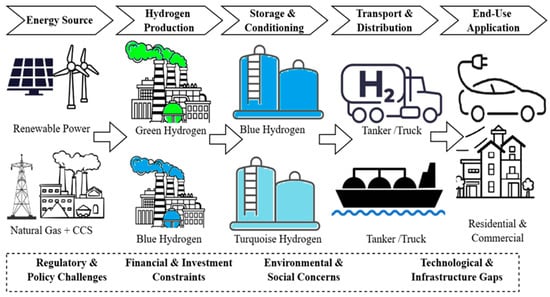
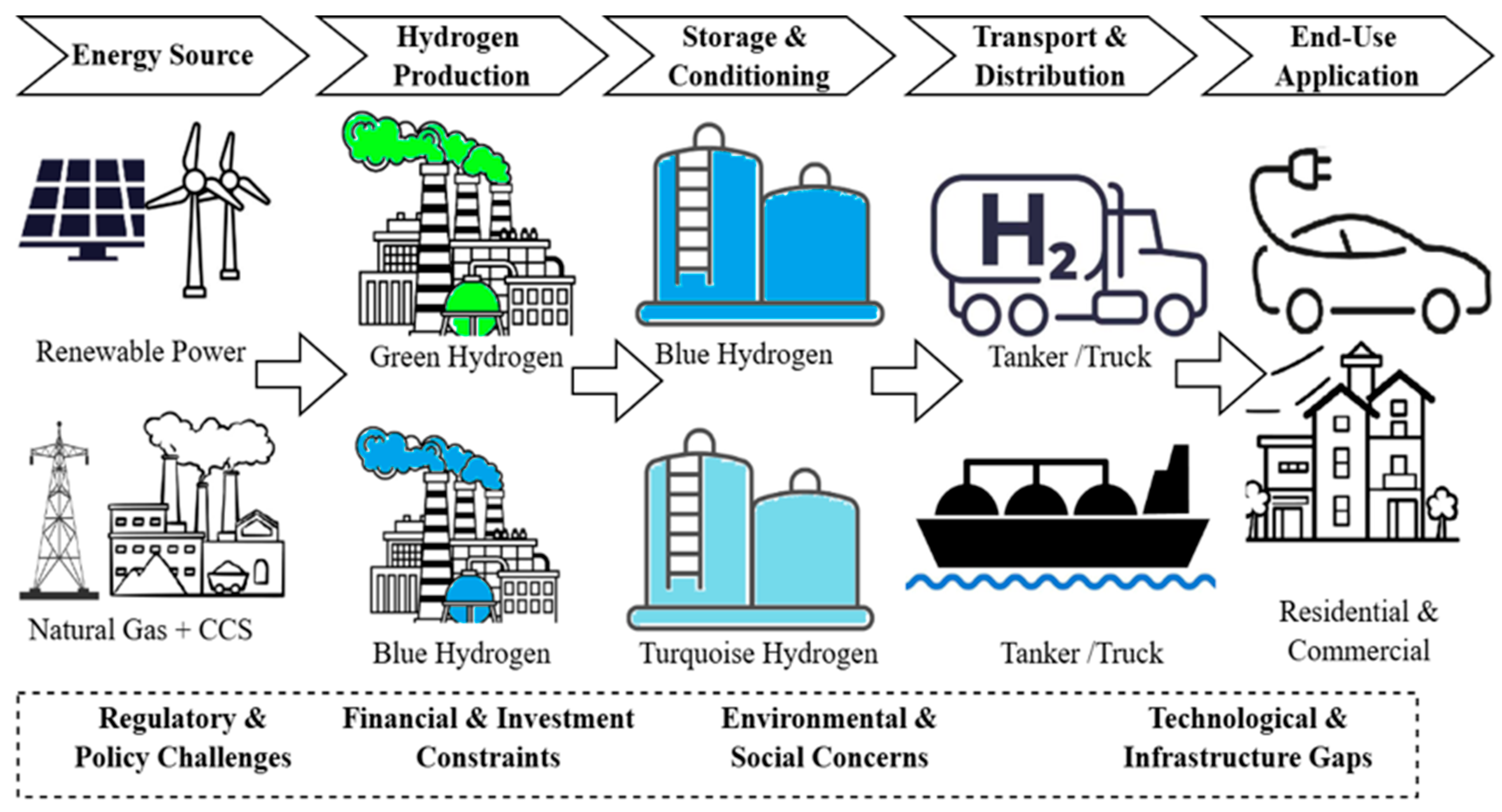
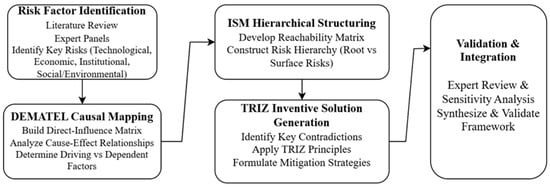
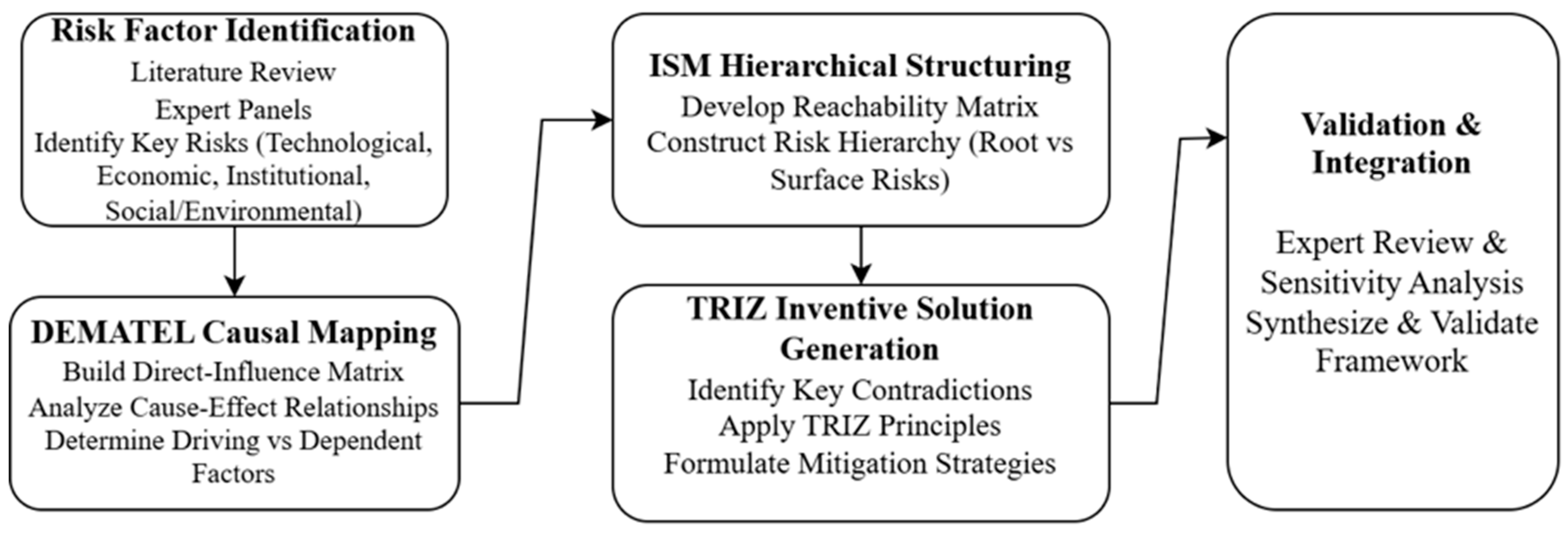
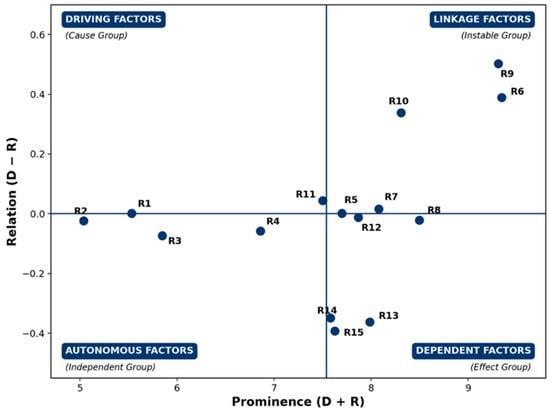
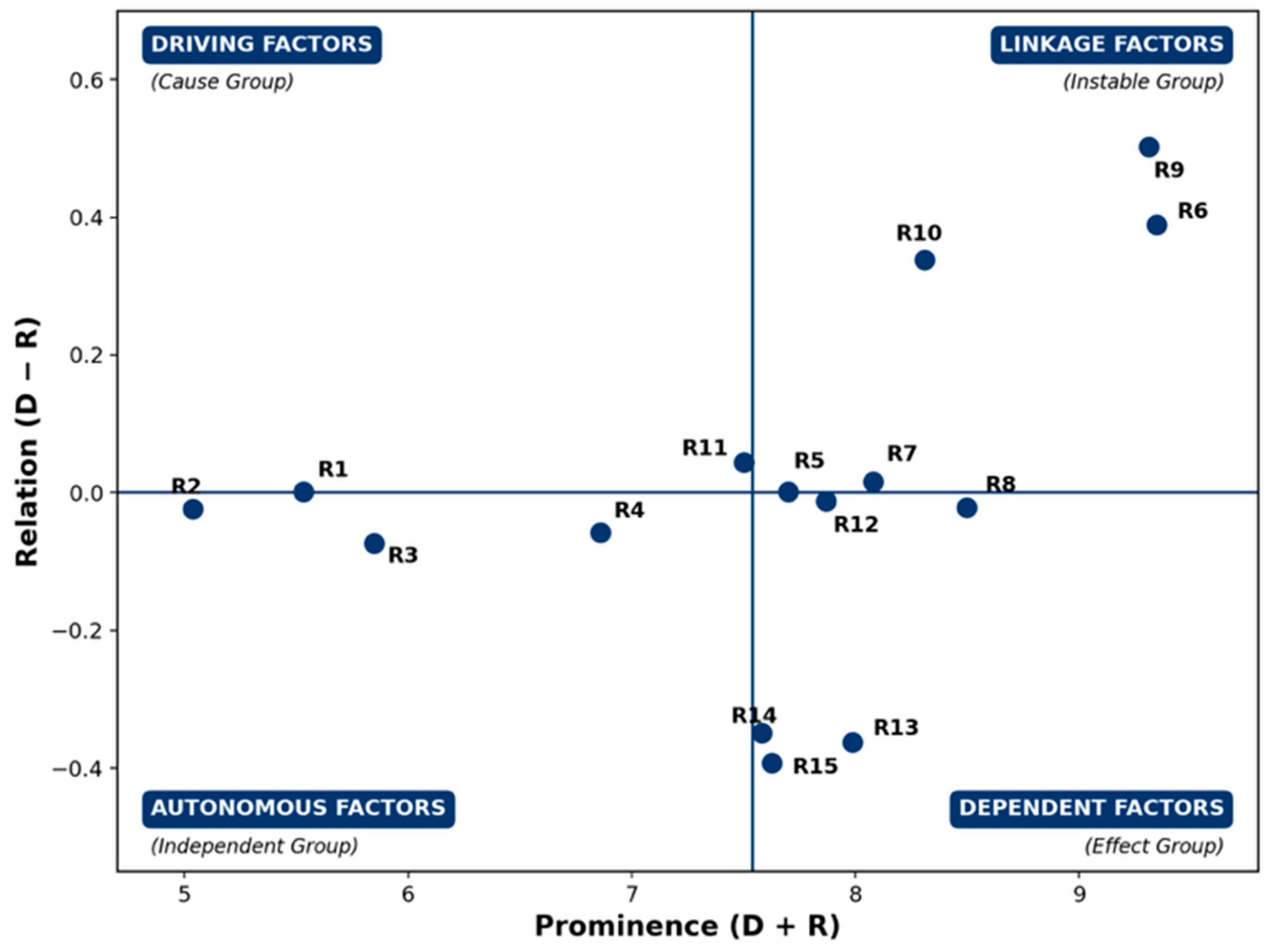
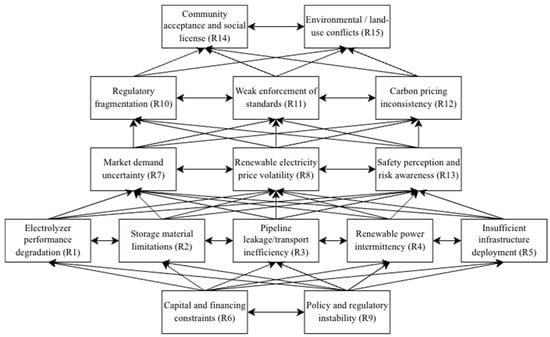
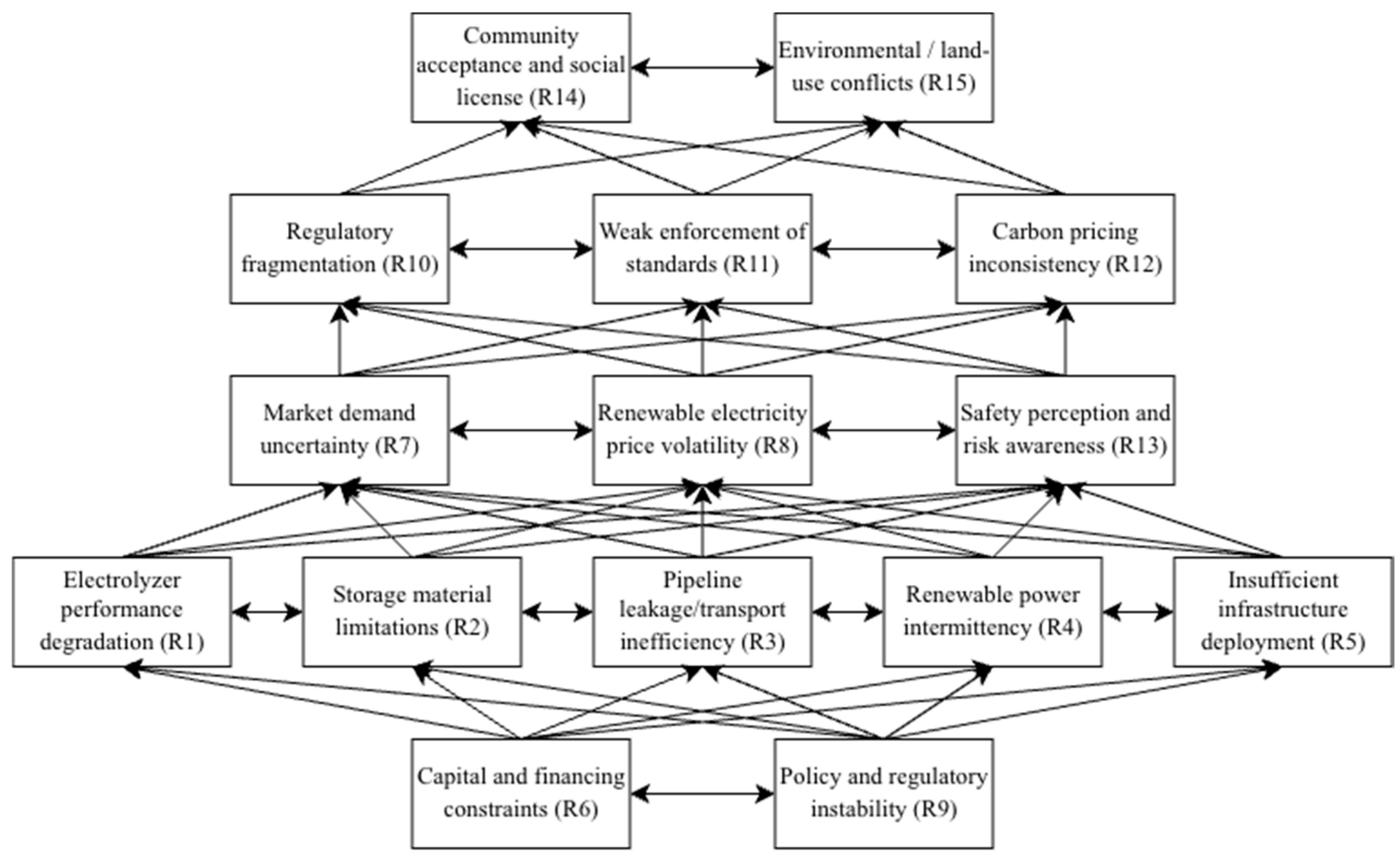

Disclaimer/Publisher’s Note: The statements, opinions and data contained in all publications are solely those of the individual author(s) and contributor(s) and not of MDPI and/or the editor(s). MDPI and/or the editor(s) disclaim responsibility for any injury to people or property resulting from any ideas, methods, instructions or products referred to in the content. |
© 2026 by the authors. Licensee MDPI, Basel, Switzerland. This article is an open access article distributed under the terms and conditions of the Creative Commons Attribution (CC BY) license.