


Abstract
The textile industry faces machinery maintenance challenges due to reactive practices, lack of real-time monitoring, and absent integrated management systems, resulting in unplanned downtime, elevated costs, and quality variability. This study addresses these limitations by proposing a hybrid predictive–prescriptive framework integrating XGBoost 3.2.0 and LSTM models with a multi-objective optimization engine to generate data-driven maintenance recommendations. The framework was validated on four critical components, needles, hooks, needle guides, and thread tensioners, using operational data from a textile plant (November 2024–January 2026). Plant-wide Mean Time Between Failures increased by 38% (15–21 to 24–28 h), while Mean Time To Repair decreased by 15% (5.31 to 4.6 h). These improvements yielded 5.5% lower maintenance costs, 9% less fabric waste, and reduced cost per operating hour from $25 to $23.5. The prescriptive module transformed imperfect predictions into robust decisions by evaluating interventions against production constraints, spare parts availability, and risk criteria. Beyond quantitative gains, the framework enabled sustainable practices including data-driven spare parts policies and condition-based inspections. This work demonstrates that integrating prediction with prescription effectively overcomes structural maintenance challenges in textile manufacturing, providing a replicable methodology for broader industrial adoption.
1. Introduction
The textile industry, a cornerstone of the global economy, operates through continuous-flow production processes where machinery reliability is paramount. Production continuity and final fabric quality are intrinsically linked to the performance of components susceptible to progressive wear and sudden failure. Despite this critical dependency, a deeply entrenched reactive maintenance (RM) culture persists, particularly in companies with limited investment in asset management technologies. This approach, which triggers interventions only after breakdowns occur [1], generates unplanned downtime that escalates operational costs through overtime, productivity losses, and reduced equipment service life, thereby severely undermining sectoral competitiveness.
This study addresses the high incidence of failures in critical mechanical components, such as needles, loopers, needle guides, and tensioner systems, resulting from the absence of effective anticipation strategies. The root cause lies in the insufficient application of predictive analytics and deficiencies in strategic maintenance planning [2]. While conventional strategies (fixed-interval preventive maintenance (PM) and basic predictive maintenance) have proven effective in other sectors [3], their implementation in the textile industry is hindered by specific structural constraints: lack of real-time monitoring, absence of reliable historical records, and absence of integrated management systems [4]. This technological gap precipitates progressive deterioration of operating conditions, culminating in recurring interruptions and significantly elevated final production costs.
Predictive maintenance (PdM) has demonstrated its capacity to anticipate failures through early anomaly detection, surpassing preventive and reactive approaches [5]. In sectors such as energy and advanced manufacturing, substantial progress has been achieved through advanced algorithms [6], with hybrid metaheuristic models proving particularly effective for predicting time-to-failure [7], while data mining enhances fault diagnosis and remaining useful life (RUL) estimation [8]. The integration of Industry 4.0 technologies—including condition-based maintenance (CBM) [9], the Internet of Things (IoT) [10], and digital twins [11]—has optimized operational efficiency in mining, chemical, and construction industries [12], achieving hybrid machine learning (ML) models with accuracies exceeding 92% and cost reductions of 25% [13]. Within the textile sector, incipient yet promising ML applications have been reported for predicting supply chain disruptions with accuracies above 91% [14]. However, a critical gap persists: the application of these advanced artificial intelligence techniques to the predictive maintenance of textile manufacturing machinery itself remains largely unexplored, motivating this study to address the economic and operational consequences of this technological disconnect.
The novelty of this work lies in conceiving a hybrid AI framework that transcends purely predictive capabilities to venture into prescriptive maintenance (PxM). This emerging paradigm not only predicts failure occurrence but, through optimization and constraint-based reasoning, recommends the optimal action (what to do, when, and why) while considering operational constraints, resources, and costs [15,16]. The proposal materializes through synergistic integration of: (i) high-precision predictive models (e.g., ML-based approaches) for RUL estimation in critical textile components, and (ii) an AI-based prescriptive module that transforms these predictions into optimized intervention recommendations tailored to the textile production environment. The primary objective is therefore to develop and validate this hybrid framework for optimizing maintenance management in textile manufacturing, demonstrating that combining prediction and prescription constitutes an effective pathway to overcome the sector’s current limitations.
The contributions of this article to both the literature and industrial practice are threefold. First, it addresses the research gap through pioneering application of a prescriptive approach to textile machinery maintenance, a scarcely explored area. Second, it provides a replicable methodological framework integrating RUL estimation with decision optimization, serving as a guideline for future implementations in the textile sector and other manufacturing domains with analogous characteristics. Third, it empirically validates the hybrid approach, demonstrating benefits in enhanced predictive accuracy, reduced unplanned downtime, optimized resource allocation, and improved overall operational availability of the production system.
Prescriptive maintenance (PxM) represents a conceptual evolution from traditional predictive strategies by incorporating automated recommendation capabilities and operational decision optimization. Whereas conventional predictive approaches are confined to anticipating failure events, the prescriptive paradigm addresses fundamental operational questions: which intervention to execute, at what moment to perform it, and under what criteria said action is optimal given the system’s contextual conditions [15,16]. A recent systematic review evidences the incipient and dispersed nature of this theoretical construct, identifying three essential technological enablers for its materialization: artificial intelligence algorithms, digital replicas of physical systems (digital twins), and continuous capture of operational data. The analysis concludes that PxM, enhanced through these enablers, enables progression toward decisional autonomy through technically grounded recommendations, thereby establishing the conceptual foundations for its deployment across multiple production processes [17].
Effective PxM implementation requires robust structures articulating monitoring functionalities and intervention optimization. In this context, a five-layer architecture oriented toward AI-supported digital twins in manufacturing environments has been presented, capable of dictating corrective strategies based on empirical evidence to maximize operational effectiveness and asset reliability [18]. Concurrently, an Intelligent Maintenance system converging Big Data and intelligent algorithms has been documented to minimize contingent losses and strengthen industrial facilities’ response capacity to disruptive events. Findings indicate that operational resilience increases substantially when the system not only anticipates contingencies but also determines personalized corrective actions according to underlying failure causes, an aspect frequently omitted in conventional methodologies [19]. In the sustainability dimension, a digital twin prototype fusing machine learning techniques with ecological footprint metrics has been designed, enabling prescriptive maintenance interventions harmonized with profitability goals, environmental preservation, and social responsibility, thereby overcoming a recurring limitation in traditional maintenance scheduling [20]. Additionally, the chronic lack of coordination between production and maintenance departments has been explored through a regulatory scheme incorporating PxM with production planning, enabling dynamic reconfiguration of operational plans and advancing toward defect-free manufacturing schemes supported by autonomous control mechanisms [21].
Multiple industrial sectors characterized by high failure consequences have begun adopting prescriptive methodologies with encouraging results. In the railway domain, a prescriptive analytics system based on graph convolutional networks and geometric variables has been implemented to optimize maintenance schedules and detect infrastructure anomalies before manifestation, substantially elevating operational safety levels [22]. Delving deeper into this research trajectory, a prescriptive analytics approach grounded in multi-objective optimization was deployed for railway asset management, evidencing that selecting interventions categorized according to risk exposure levels and uncertainty degrees enhances infrastructure reliability and availability, transcending restrictions derived from fragmented component management [23]. In high-intensity extractive industries, a causal inference methodology based on deep learning and sensor time series has been proposed that locates specific degradation triggers, enabling early and focused operational corrections surpassing preceding strategies’ capabilities [24]. In electrical power generation and distribution systems, a prescriptive operation model based on reinforcement learning optimizes energy storage management to reduce electricity costs and protect aging infrastructures against fluctuating and unpredictable demands [25].
PxM effectiveness critically depends on the robustness of models converting predictive estimates into optimized operational resolutions. In this direction, a decision model based on variable-order Markov processes has been formulated that, using historical operation records, determines optimal moments to advance preventive tasks for reducing accumulated contractual costs in production environments, demonstrating superiority over fixed-periodicity policies through dynamic prescriptions adapted to equipment actual condition [26]. Complementarily, an architecture integrating Long Short-Term Memory (LSTM) networks with stochastic optimization methods has been conceived, incorporating probabilistic constraints to schedule interventions achieving efficient balance between failure risk and operational expenditures in high-complexity facilities [27]. In electric-motor-driven systems, fusion of current flow analysis with LSTM architectures has enabled inclusion of a prescriptive level converting diagnostics into differentiated action guidelines according to detected risk level. This approach confirms that contextualized prescription, grounded in deterioration severity, facilitates intervention prioritization and efficient resource distribution compared to purely predictive systems, whose functionality is restricted to notifying potential failures [28].
A significant obstacle to widespread PxM adoption resides in algorithmic models’ non-transparent nature, generating doubts among technical personnel and decision-makers. To mitigate this limitation, a systematic classification of eXplainable Artificial Intelligence techniques contextualized in energy systems has been developed, ensuring operational visibility through reasoned recommendation of tangible actions such as load modification or scheduled component replacement [29]. The ability to expose reasoning underlying each prescriptive recommendation emerges as a determining element for industrial paradigm assimilation. In the biopharmaceutical sector, the highly demanding regulatory environment requires not only accurate projections but also complete traceability and documented justification of suggested interventions, emphasizing the need to articulate sensor network information with intelligent corporate platforms ensuring regulatory adherence [30].
The examined literature reveals a growing consensus regarding prescriptive maintenance’s disruptive potential to revolutionize productive asset management. This field currently possesses solidly established conceptual foundations [15,16,17], empirically validated architectures [18,19,20,21], and successful sectoral experiences accrediting efficacy in domains as diverse as railway, extractive, energy, and pharmaceutical industries [22,23,24,25,29,30]. The underlying optimization mechanisms have reached maturity enabling efficient transformation of failure projections into concrete operational actions [26,27,28]. However, a significant absence is identified: implementation of these advanced maintenance approaches in the textile manufacturing sector constitutes unexplored territory. This omission is particularly relevant considering the sector’s singularities of continuous-flow operations, high dependence on critical elements subject to progressive wear, and structural barriers to technological incorporation which position it as an ideal recipient of PxM’s inherent benefits. This observation grounds the present work’s pertinence, oriented toward conceiving and validating a hybrid artificial intelligence system articulating predictive and prescriptive functionalities adapted to textile machinery specificities, thereby contributing to remedying the identified gap and expanding knowledge frontiers in this discipline. Unlike most previous prescriptive maintenance implementations—which have been developed in sectors with abundant sensor data, standardized records, and integrated management systems (e.g., energy, manufacturing, railway, mining)—the textile sector is characterized by structural constraints: lack of real-time monitoring, absence of reliable historical records, and limited investment in asset management technologies. This fundamental difference implies that existing approaches cannot be directly transferred; rather, a framework adapted to these constraints is required, which constitutes the central motivation and novelty of the present study.
The remainder of this article is organized as follows. Section 2 details the proposed methodology, including the hybrid framework architecture, development phases, and validation criteria. Section 3 presents the results of implementing the framework in a textile industry case study. Section 4 presents the discussion. Finally, Section 5 presents the conclusions and outlines future research directions.
2. Materials and Methods
The proposed hybrid artificial intelligence framework for predictive–prescriptive maintenance of textile machinery is structured into five sequential and interconnected phases: (i) acquisition and characterization of historical operational data; (ii) data preprocessing; (iii) feature engineering oriented toward extraction of degradation indicators; (iv) development of predictive models for failure estimation and remaining useful life (RUL) prediction; and (v) implementation of a prescriptive module based on multi-objective optimization for generating intervention recommendations. Figure 1 illustrates the global architecture of the proposed framework, highlighting interconnections between phases and the information flow from shop-floor data capture to optimized action prescription.
Figure 1.
Methodology of the proposed framework.
Data Acquisition: The empirical basis of this research derives from historical operation and maintenance records of a textile manufacturing plant collected between November 2024 and August 2025. The dataset integrates: (i) equipment downtime records with hourly resolution; (ii) detailed failure reports classified by system and component; (iii) residual thickness measurements of elements subject to mechanical wear; and (iv) work orders associated with preventive and corrective interventions. Preliminary failure frequency analysis (Figure 2) reveals that sewing and assembly equipment concentrate the highest incidence, justifying their prioritization. No online sensors are employed for data acquisition after model implementation; measurement instruments are applied manually for data collection and monitoring. The dataset is split into 80% for training and 20% for validation.
Figure 2.
Pareto analysis of defect occurrence in textile manufacturing processes.
The detailed characterization of failure modes, shown in Figure 3, identifies four critical components whose behavior determines production system reliability: (a) needles, where progressive wear causes thread breakage and sewing defects; (b) needle guides, whose misalignment generates incorrect trajectories and fabric damage; (c) thread tensioners, whose malfunction induces uncontrolled tension variations leading to breakage; and (d) hooks, where wear or improper adjustment prevents correct stitch formation. This precise identification of components and failure modes establishes the foundation for directing modeling efforts toward the physical variables truly representative of the degradation process.
Figure 3.
Failure frequency distribution across industrial sewing machine components.
Data Preprocessing: The structural heterogeneity inherent to industrial records necessitates a rigorous cleansing and transformation process. The implemented preprocessing comprises: (i) treatment of missing values through imputation based on temporal interpolation for continuous variables and mode for categorical variables; (ii) anomaly detection and correction via statistical filtering based on interquartile ranges; and (iii) normalization of continuous variables through min-max scaling to ensure comparability between heterogeneous physical magnitudes (vibration amplitudes, thicknesses, currents). Additionally, Z-score normalization is applied as an alternative method to ensure comparability across different scales. Preprocessing quality is critical in textile environments, where variability in historical record integrity can compromise subsequent model reliability.
Feature Engineering: Based on the cleansed data, indicators characterizing the historical behavior of critical components are calculated and analyzed. First, traditional reliability metrics are determined: Mean Time Between Failures (MTBF) and Mean Time To Repair (MTTR) are computed by equipment and failure category, establishing the operational performance baseline. The temporal analysis shown in Figure 4 reveals a relatively stationary MTBF with no improvement trend, presenting a mean value of 19.6 h (considering a 10 h workday), and an MTTR averaging 5.3 h without significant reductions evidencing the need for advanced strategies to modify these indicators.
Figure 4.
Monthly trend analysis of MTBF and MTTR for industrial sewing machines.
Second, a detailed wear trend analysis is performed for each critical component: (i) for needles, evolution of vibration amplitudes in high-frequency bands associated with friction; (ii) for guides, alignment deviations monitored via position sensors; (iii) for tensioners, force variations in actuators; and (iv) for hooks, current patterns of the main motor during the sewing cycle. Additionally, analysis reveals that unplanned failures and urgent corrective maintenance (UCM) represent 46% of hours associated with preventive maintenance and 41% of corrective maintenance hours—an unequivocal indicator of suboptimal management that the proposed framework seeks to remedy through transition to predictive–prescriptive approaches.
Model Development: The predictive core of the framework integrates three complementary algorithmic approaches, selected for their capacity to model nonlinear relationships and capture complex interactions among multiple operational variables:
- Dual-horizon prediction architecture: The models operate across two complementary time horizons: (i) short-term prediction (hours–days) to anticipate imminent failures through anomaly detection in sensor time series, and (ii) medium-term prediction (weeks–months) to estimate remaining useful life (RUL) of critical components based on historical degradation patterns.
- Gradient-boosted models: XGBoost (Extreme Gradient Boosting) is implemented for its computational efficiency, inherent capability to handle missing values, and regularization mechanism that prevents overfitting in datasets with multiple predictor variables. Table 1 presents the optimized hyperparameters obtained through randomized search with time-series cross-validation, ensuring that the configuration generalizes effectively to unseen operating conditions while avoiding future data leakage. This systematic tuning process maximized predictive performance while preserving the model’s ability to capture complex nonlinear relationships in the textile machinery data.
Table 1.
Optimized hyperparameters obtained through randomized search with time-series cross-validation for the XGBoost predictive model.
- Recurrent neural network architecture: As a third approach, a recurrent neural network with Long Short-Term Memory (LSTM) is implemented, specifically designed to model temporal dependencies in sensor data sequences. The LSTM architecture (comprising two hidden layers with five neurons per layer) captures progressive degradation patterns in time series of vibrations, thicknesses, and currents, overcoming limitations of fixed-window models in representing health state evolution of components. Time-series cross-validation ensures that predictive performance evaluation accurately reflects expected performance under real operating conditions, preventing future information leakage into training sets.
Figure 5 presents the training and validation loss curves for the LSTM model across 25 epochs. The consistent decrease and stabilization of both curves demonstrate proper model convergence, while the absence of significant divergence between training and validation loss confirms that the model generalizes effectively without overfitting. This validation step ensures that the network captures underlying degradation patterns rather than memorizing noise in the training data, providing confidence in its predictive capability for remaining useful life estimation under real operating conditions.
Figure 5.
Training and validation loss curves for the LSTM model showing convergence and absence of overfitting.
Prescriptive Implementation: As a central contribution of this study, a prescriptive module is implemented that transforms predictive model outputs (failure probabilities, RUL estimates, severity levels) into contextualized and optimized action recommendations. The multi-objective optimization problem is explicitly formulated as follows. Let C_total represent the total maintenance cost, defined as C_total = C_preventive + C_corrective + C_failure, where C_preventive corresponds to scheduled intervention costs (labor, spare parts, and associated downtime), C_corrective corresponds to unplanned failure costs (emergency repairs, overtime, and production losses), and C_failure corresponds to quality-related costs (fabric waste from defective seams, reprocessing, and rejected products). Let A represent operational availability, defined as A = MTBF/(MTBF + MTTR). The optimization seeks to simultaneously minimize C_total and maximize A, subject to constraints on spare parts availability (current stock and replenishment times), technical personnel capacity (shift schedules and qualifications), production windows (periods of low activity allowing interventions without affecting production), and equipment criticality (weighted according to impact on production flow). When conflicts arise between minimizing cost and maximizing availability, the optimizer prioritizes interventions that reduce unplanned downtime, as empirical evidence shows that this trade-off yields measurable benefits: production output increased from 130 to 141 units per machine per week, and rejected products decreased from 20–25 to 8–10 units per week following implementation of the proposed framework. The module operates through a multi-objective optimization engine that considers:
- Optimization framework: The predictions feed a mixed-integer programming optimizer that determines, for each critical component and time horizon, the optimal action from a discrete set of alternatives: (a) immediate intervention; (b) early scheduling within an available production window; (c) adjustment of operating parameters to slow degradation; (d) priority request for spare parts; or (e) specific assignment of technical personnel.
- Multi-objective function: The optimization simultaneously minimizes: (i) total expected maintenance cost (weighted sum of scheduled intervention costs, unplanned failure costs, and downtime penalties); (ii) unscheduled downtime; and (iii) cumulative deviation from the master production plan.
- Operational constraints: Feasible solutions must satisfy constraints on: spare parts availability (current stock and replenishment times); technical personnel capacity (shifts, qualifications); production windows (periods of low activity allowing interventions without affecting production); and differential criticality of equipment (weighted according to impact on production flow).
- Dynamic contextualization: Prescriptions adapt to current operational state through incorporation of real-time contextual information: pending workload, proximity of scheduled stoppages, and effective resource availability. This approach ensures that recommendations, in addition to being technically optimal, are operationally viable.
- Continuous feedback and learning mechanism: The system incorporates a feedback loop that records executed actions and their actual outcomes (resolution time, effective cost, failure recurrence), enabling progressive adjustment of decision thresholds and periodic recalibration of predictive models. Figure 6 illustrates the complete decision flow, from prediction input to generation of specific recommendations for each failure typology and risk level detected in critical textile components.
Figure 6.
Proposed architecture for prescriptive maintenance decision-making.
Figure 6 illustrates the proposed prescriptive maintenance framework, which integrates predictive models with a multi-objective optimization engine to generate optimal operational decisions tailored to textile machinery.
First, the predictive core, comprising the XGBoost and LSTM models, generates key indicators including failure probabilities, remaining useful life (RUL) estimates, and severity levels for each critical component (needles, guides, tensioners, and hooks). Specifically, the LSTM network processes time-series data (vibration levels, thread tension variability, and effective operating time) to capture temporal degradation patterns and project component wear progression. The XGBoost model processes tabular features (defective stitch frequency, accumulated operating hours, and historical failure patterns) to estimate short-term failure probability. The outputs of both models are fused using a weighted average (70% XGBoost, 30% LSTM) to produce final failure probabilities and RUL estimates, leveraging the complementary strengths of each approach. These outputs feed the prescriptive module, which processes them and transmits relevant inputs to the mixed-integer programming optimizer. This optimization engine simultaneously considers operational constraints (spare parts availability, personnel capacity, production windows) and dynamic contextual information (pending workload, scheduled stoppages, resource availability) to identify feasible intervention strategies.
As a result, the system produces optimized maintenance recommendations encompassing: (i) specific intervention actions (immediate intervention, early scheduling, parameter adjustment, spare parts request, or personnel assignment); (ii) optimal scheduling within production constraints; and (iii) efficient resource allocation. Finally, the continuous feedback and learning mechanism records executed actions and their actual outcomes, enabling progressive adjustment of decision thresholds and periodic recalibration of predictive models—thereby closing the loop and enhancing future recommendations.
3. Results
The results obtained after implementing the hybrid predictive–prescriptive framework on critical textile machinery components are presented below. For each component, performance under the traditional reactive strategy is contrasted with the proposed approach, emphasizing the prescriptive module’s contribution to decision optimization and operational reliability improvement.
3.1. Needles
Under the initial reactive scheme, needles were replaced only after breakage or when seam quality was already compromised. This practice generated unplanned stoppages and increased non-operational hours, rework due to defective seams, and raw material losses from irreversible fabric deterioration (Figure 7). The absence of objective criteria for determining the optimal replacement moment led to inefficient component management, directly impacting equipment availability and final product quality.
Figure 7.
Needle degradation cycle: new needle, worn needle, and fabric damaged by defective stitching.
Following implementation of the hybrid predictive–prescriptive model, the component began to be monitored through critical operating condition variables: vibration levels, frequency of defective stitches, variability in thread tension, and accumulated effective operating time. The predictive model estimates failure probability and accumulated wear, generating early warnings based on actual condition. However, the prescriptive module adds differential value by transforming these predictions into optimized decisions, evaluating multiple intervention scenarios that consider unplanned stoppage costs, spare parts availability, scheduled production load, and quality impact risk.
To ensure operator trust and proper execution, the system provides explicit explanations for each prescription. For example, when the predictive model detected that vibration levels on machine #10 reached 7.2 mm/s (critical threshold: 7.1 mm/s) and defective stitch frequency increased to 2.2 per 1000 stitches (critical threshold: 2.0 per 1000 stitches), the prescriptive module generated the following recommendation to the maintenance technician: ‘Replace needle on sewing machine #10 within the next 2 h. Reason: Vibration has exceeded the critical threshold (7.2 > 7.1 mm/s) and defective stitch frequency has exceeded the critical threshold (2.2 > 2.0 per 1000 stitches), indicating imminent failure risk. Spare needle is available in stock. Current production load is low, allowing intervention without affecting production targets.’ This explanation, presented on the maintenance dashboard, enables the technician to understand not only what to do, but why the action is recommended and why the timing is optimal. Maintenance personnel have been trained to interpret these explanations, ensuring effective framework adoption.
Table 2 presents the threshold definitions for each monitored variable, establishing the decision criteria that feed both the predictive alerts and the prescriptive optimization engine. These thresholds—categorized into optimal, alert, and critical ranges—were defined based on manufacturer specifications, historical failure patterns, and quality control standards from the textile plant.
Table 2.
Operational thresholds for condition monitoring in textile machinery.
The monitoring framework evaluates four parameters with defined thresholds guiding intervention decisions. Vibration levels indicate mechanical integrity, with optimal operation below 2.8 mm/s, alert from 2.8 to 7.1 mm/s suggesting developing issues (worn bearings, imbalance), and critical above 7.1 mm/s requiring immediate stoppage. Defective stitch frequency measures quality: optimal below 0.5 per 1000 stitches, alert at 0.5–2 signaling potential needle or tension problems, and critical above 2 increasing product rejection. Thread tension variability assesses stability: optimal within ±5%, alert at ±10–15% indicating incipient issues, and critical above 20% causing thread breakage. Effective operating time reflects availability: optimal above 85%, alert at 65–84% signaling emerging inefficiencies, and critical below 60% demanding comprehensive evaluation.
These thresholds enable systematic condition monitoring: optimal ranges require no intervention; alert ranges trigger predictive warnings and prescriptive evaluation; critical ranges activate immediate action recommendations to prevent catastrophic failure, product defects, or safety risks.
As a result of this contextualized prescription, the needle is replaced before the critical failure point not arbitrarily, but at the economically optimal moment that minimizes overall maintenance cost. This transition has enabled significant reduction in downtime from unexpected breakages, near-elimination of fabric waste due to defective seams, and stabilization of process quality, evidenced by increased specific MTBF and reduced stitch quality variability.
3.2. Hooks
The hook, a critical component in stitch formation, presented recurrent failures associated with progressive wear, misalignment relative to the needle, and accumulation of textile residues. Under the traditional strategy, intervention occurred only after evidencing skipped stitches or thread breakage—symptoms of already consummated failure—generating abrupt process interruptions and affecting quality across complete production batches. Lack of visibility into the component’s internal condition prevented any anticipatory action, as observed in Figure 8.
Figure 8.
Hook deterioration evidence and its impact on stitching quality.
Figure 9 shows the monthly evolution of hook failure duration (hours) before hybrid model implementation (November 2024–September 2025). The irregular pattern and absence of sustained improvement reflect the reactive strategy’s limitations, with peak durations (e.g., 2.5 h in January) evidencing severe unplanned failures and prolonged production interruptions.
Figure 9.
Monthly evolution of hook failure duration (hours) before hybrid model implementation (November 2024–September 2025).
Figure 10 presents the short-term predictive performance of the XGBoost model for hook health condition monitoring. The graph compares actual values of the synchronization deviation indicator against model predictions over a seven-week period, with critical thresholds marking the boundary between normal and alert states.
Figure 10.
XGBoost short-term predictions vs. actual hook health indicator (synchronization deviation) with critical thresholds (July–September 2025).
The model demonstrates capability to anticipate critical conditions on multiple dates (e.g., 15 July, 1 August, 22 August). However, inaccuracies are evident—particularly underestimation on 22 July and 8 August, and overestimation on 15 August—highlighting the inherent uncertainty of purely predictive approaches.
With application of the hybrid model, predictive indicators reflecting the hook’s functional health were incorporated: vibration patterns in characteristic frequency bands, micro-variations in needle–hook synchronization detectable through motor current analysis, and frequency of sewing defects associated with this component. The predictive system anticipates functional degradation sufficiently in advance to enable planned intervention. However, the most significant contribution resides in the prescriptive module, which determines—through multi-objective analysis—whether the most efficient action for the detected condition is alignment readjustment, specialized lubrication, or complete component replacement. This decision considers not only the predictive condition but also the relative cost of each intervention, estimated execution time, and defect risk associated with postponing a more in-depth intervention.
This capacity to prescribe the most appropriate specific action—and not merely the intervention moment—has enabled drastic reduction in sudden failures, increased specific MTBF of the hook, and reduced rework associated with defective seams. The stitch formation process reliability has stabilized, eliminating a recurrent source of variability in final product quality.
3.3. Needle Guides
Progressive wear of the needle guide—manufactured from Bakelite or technical polymer material—caused minimal but cumulative deviations in the thread path, generating excessive friction, tension variability, and ultimately, visible defects in the final seam. Before the hybrid model, replacement was performed only when damage was evident to the naked eye or when product quality was already compromised, implying that complete batches could be affected before root cause detection. Figure 11 illustrates this type of functional wear.
Figure 11.
Functional wear of the needle guide (Bakelite) and its influence on stitching quality.
Implementation of the LSTM model enabled transformation of historical variability into predictability by distinguishing operational noise from actual degradation trends. Figure 12 presents the evolution of Bakelite thickness, where the pronounced dispersion in historical data reflects the absence of standardized wear control: previously, any machine fault triggered indiscriminate guide replacement without technical verification of thickness, resulting in both premature substitutions and persistent defects when the root cause was misdiagnosed. The LSTM model analyzes indirect friction patterns—variations in thread tension, micro-vibrations in the sewing head, and their temporal evolution—to estimate material degradation rate and project the moment when wear will reach a critical level for quality.
Figure 12.
LSTM predictions and wear projection for needle guide Bakelite thickness with critical threshold (2.4 mm). The model transforms reactive variability into predictable degradation trends, enabling data-driven replacement decisions.
Through the predictive model, indirect friction patterns correlating with guide wear are analyzed: variations in thread tension recorded by sensors, micro-vibrations in the sewing head, and temporal evolution of these parameters. The model estimates material degradation rate and projects the moment when wear will reach a critical level for quality. The prescriptive module evaluates, considering component cost, intervention time, and quality impact risk, the optimal economic replacement point. This prescription ensures that replacement occurs before wear degrades quality, but without incurring premature substitutions that would increase maintenance costs. Implementation of this strategy has enabled significant reduction in textile defects associated with inadequate tension, minimization of fabric waste from out-of-specification seams, and stabilization of finished product quality. The sewing process reliability, measured as capacity to maintain quality within specifications, has been substantially strengthened.
3.4. Thread Tensioners
Thread tensioners exhibited recurrent malfunctions characterized by uncontrolled tension variations leading to thread breakage and inconsistent seam quality. Under reactive maintenance, intervention occurred only after tension deviations caused visible defects or operational interruptions, resulting in material waste and production delays. The absence of predictive indicators prevented early detection of progressive degradation in tensioner components, such as spring fatigue, disk wear, or actuator drift. No standardized regulation program exists; adjustments are performed only after failure manifestation.
When the tensioner spring wears or loses elasticity, pressure on the tension disks decreases, reducing friction and causing insufficient upper thread tension. This imbalance prevents proper thread integration during stitch formation, generating defects such as loose threads, visible loops, and increased stitches per inch. In multi-tensioner systems like the one shown in Figure 13, even minor tension variation in a single channel creates inconsistencies in seam uniformity, affecting both mechanical strength and aesthetic quality.
Figure 13.
Thread tensioning system in a textile machine showing multiple tension regulators responsible for maintaining uniform yarn tension during stitch formation.
These defects, illustrated in Figure 14, result from low upper thread tension, upper–lower tension imbalance, worn or miscalibrated tension components, or thread friction variation during sewing. Beyond aesthetic degradation, such defects reduce seam strength, increase likelihood of seam failure, and compromise product durability—consequences that may not appear immediately but affect garment performance during use. Under-calibrated tension also affects stitch density, producing longer stitches per inch that reduce mechanical resistance and seam integrity. When tension deviations exceeded critical thresholds, frequent thread breakage caused production stoppages, further amplifying operational losses.
Figure 14.
Stitching defects caused by improper tensioner regulation: irregular stitch formation (left) and loose thread on fabric surface (right).
Following implementation of the hybrid framework, tensioner condition was monitored through force sensor variations in actuators, tension setpoint deviation patterns, and correlation with downstream stitch quality metrics. The predictive model identified early signs of performance degradation, while the prescriptive module evaluated intervention alternatives—ranging from recalibration to component replacement—considering production schedule constraints, spare parts availability, and quality risk thresholds. This approach enabled proactive tensioner management, reducing thread breakage incidents and stabilizing seam quality across production batches.
With the hybrid framework operational, machine operating conditions were continuously monitored through critical variables: vibration levels, frequency of defective stitches, thread tension variability, and effective operating time. These parameters enabled real-time assessment of equipment health across all critical components. The predictive model identified early signs of performance degradation across needles, hooks, needle guides, and tensioners, while the prescriptive module evaluated intervention alternatives considering production schedule constraints, spare parts availability, and quality risk thresholds. This approach enabled proactive maintenance management across the production system, reducing thread breakage incidents and stabilizing seam quality across all production batches.
Figure 15 presents the evolution of Mean Time Between Failures (MTBF) for the overall textile plant across the study period. During the initial months under reactive maintenance (November 2024–August 2025), plant-wide MTBF values ranged between 15 and 21 h. From September 2025 onward, following the progressive implementation of the hybrid predictive–prescriptive framework across critical components, MTBF increased to values between 24 and 28 h. Quantitative analysis shows:
Figure 15.
Monthly evolution of Mean Time Between Failures (MTBF) before and after hybrid framework implementation (November 2024–January 2026).
- Plant-wide MTBF increased by 38% relative to the pre-implementation baseline;
- Average MTBF reached 27 h during the final five months (September 2025–January 2026);
- The upward trend continues through the end of the observation period.
These results demonstrate the global impact of the predictive–prescriptive framework on overall plant reliability, extending beyond the specific components analyzed to improve the entire production system’s operational performance.
Figure 16 presents the evolution of Mean Time To Repair (MTTR) across the study period, reflecting changes in maintenance efficiency following framework implementation. During the initial months under reactive maintenance (November 2024–August 2025), MTTR exhibited an increasing trend, reaching approximately 7 h by July, with an overall average of 5.31 h throughout the pre-implementation period. Following the progressive implementation of the hybrid framework (indicated by the vertical dashed line), MTTR shows a sustained decreasing trend. From September 2025 to January 2026, average repair time decreased to 4.5 h. Quantitative analysis shows:
Figure 16.
Monthly evolution of Mean Time To Repair (MTTR) before and after hybrid framework implementation (November 2024–January 2026).
- Plant-wide MTTR decreased from a pre-implementation average of 5.31 h to 4.5 h post-implementation;
- The reduction in repair time reflects improved diagnostic processes, technical interventions, and maintenance resource availability.
The hybrid framework enabled the establishment of data-driven spare parts policies and predictive maintenance routines. Optimal reorder points were defined for critical components—needles, hooks, needle guides, and thread tensioners—based on consumption patterns and lead times derived from the predictive model. This approach improved replacement response and optimized spare parts utilization, reducing both stockouts and excess inventory.
New predictive maintenance frequencies were established based on degradation patterns identified by the LSTM and XGBoost models. For needle guides, wear inspection is now performed every 60 operating hours, with each inspection requiring 20 min—a task previously nonexistent under the reactive regime where components were replaced indiscriminately without verification. For hooks, inspection and cleaning were incorporated into daily maintenance routines, with operators trained to perform these tasks every 30 operating hours, ensuring early detection of residue accumulation and misalignment before failure manifestation.
These operational changes generated measurable economic benefits. During the September 2025–January 2026 period:
- Maintenance costs decreased by 5.5% compared to the reactive baseline, driven by reduced unplanned interventions and optimized spare parts utilization;
- Fabric waste from defective seams was reduced by 9%, directly contributing to material savings and improved production yield;
- Overall maintenance cost per operating hour decreased from $25 to $23.5.
These results demonstrate that the predictive–prescriptive framework delivers both technical and economic returns, addressing operational efficiency and production quality objectives while establishing sustainable maintenance practices previously absent in the plant.
4. Discussion
The working hypothesis of this study postulated that integrating predictive models with a multi-objective optimization engine would enable more effective maintenance decisions than either approach in isolation, particularly for critical textile machinery components operating under continuous-flow production conditions. The results presented in Section 3 provide substantial evidence supporting this hypothesis across all four components analyzed, while also revealing insights that connect with the broader literature on predictive and prescriptive maintenance.
4.1. Needles
The results obtained for needles demonstrate that transitioning from reactive replacement to a predictive–prescriptive framework substantially improves operational reliability and product quality. The hybrid model’s capacity to estimate failure probability and accumulated wear based on vibration levels, defective stitch frequency, and thread tension variability enabled early warnings that were previously unattainable under the reactive scheme. This finding aligns with the growing consensus in the literature regarding prescriptive maintenance’s disruptive potential to revolutionize productive asset management [15,16,17], while extending these principles to the textile sector—a domain identified as unexplored territory in previous research [2,4]. However, the present study advances beyond the predictive approaches documented in other industrial contexts [5,6,7,8] by incorporating a prescriptive module that evaluates multiple intervention scenarios—considering unplanned stoppage costs, spare parts availability, and production load—thereby transforming technical predictions into economically optimized decisions. This integration addresses the critical gap identified in the introduction: the application of advanced artificial intelligence techniques to the predictive maintenance of textile manufacturing machinery itself remained largely unexplored prior to this work.
The economic and operational implications of this approach are significant. By replacing needles at the optimal moment rather than after failure, unplanned downtime was substantially reduced, fabric waste from defective seams was nearly eliminated, and process quality stabilized—evidenced by increased specific MTBF and reduced stitch quality variability. These improvements contrast with the reactive baseline, where the absence of objective replacement criteria led to inefficient component management and direct impacts on equipment availability—a pattern consistent with the structural constraints identified in the textile sector, including lack of real-time monitoring and absence of reliable historical records [4]. The near-elimination of fabric waste is particularly relevant given that material losses represent a significant cost component in textile manufacturing, and aligns with sustainability dimensions documented in prescriptive maintenance research [20]. Furthermore, the stabilization of process quality addresses a recurrent challenge in the sector, where variability in seam integrity directly affects product acceptance—a concern that resonates with the broader objective of advancing toward defect-free manufacturing schemes supported by autonomous control mechanisms [21].
4.2. Hooks
The application of the hybrid model to hooks revealed both the potential and the limitations of purely predictive approaches. The XGBoost model demonstrated capability to anticipate critical conditions on multiple occasions, with predictions tracking actual values of the synchronization deviation indicator. However, specific inaccuracies were evident—notably underestimation on certain dates and overestimation on others—highlighting the inherent uncertainty in data-driven predictions. These discrepancies are consistent with findings from comparable studies in rotating machinery, where the integration of predictive models with optimization mechanisms has proven essential for achieving robust performance [26]. The variability in prediction accuracy underscores that reliance on point predictions alone may be insufficient for critical components where failure consequences are severe, supporting the argument advanced in the literature that conventional predictive approaches confined to anticipating failure events are inherently limited [15,16].
The prescriptive module’s capacity to transform these imperfect predictions into robust, context-aware decisions constitutes the primary contribution of this framework for hook maintenance. By evaluating multiple intervention alternatives—alignment readjustment, specialized lubrication, or complete replacement—against operational constraints (spare parts availability, personnel capacity, production windows) and risk criteria, the system ensures that recommendations remain viable even when predictive signals are ambiguous. This approach addresses a limitation frequently noted in the literature: the disconnect between advanced prediction algorithms and practical maintenance execution [17,19]. The resulting reduction in sudden failures, increased specific MTBF, and stabilization of stitch formation process reliability demonstrate that integrating prediction with optimization yields operational benefits that exceed those achievable through prediction alone. This finding supports the emerging consensus that prescriptive maintenance, enhanced through artificial intelligence algorithms and continuous capture of operational data, enables progression toward decisional autonomy through technically grounded recommendations [17], a capability particularly valuable in high-intensity industrial environments [24,25].
4.3. Needle Guides
The needle guide case illustrates how data-driven modeling can transform reactive replacement practices into standardized, condition-based maintenance. Historically, the absence of wear control led to indiscriminate guide replacement whenever stitching defects appeared—often without verifying actual wear, resulting in premature substitutions of components with remaining useful life, while in other cases the defect persisted after replacement due to misdiagnosis. This pattern exemplifies the deficiencies in strategic maintenance planning identified as a root cause of failures in textile machinery [2]. The LSTM model’s ability to distinguish operational noise from actual degradation trends, as evidenced by the thickness evolution analysis, provided the foundation for establishing objective replacement criteria. This capability aligns with research demonstrating that architectures integrating Long Short-Term Memory networks with optimization methods achieve efficient balance between failure risk and operational expenditures in high-complexity facilities [27,28].
The economic implications of this transition are substantial. By eliminating premature replacements, the framework reduces both component consumption and associated labor costs, while the prevention of out-of-specification seams minimizes fabric waste—a dual benefit that resonates with the sustainability dimension of prescriptive maintenance research [20]. The prescriptive module’s evaluation of replacement timing against component cost, intervention time, and quality impact risk ensures that decisions are optimized across multiple objectives rather than driven by a single criterion. This multi-objective approach distinguishes the present framework from conventional condition-based maintenance strategies, which typically trigger interventions based on threshold exceedance without considering broader operational trade-offs [9]. The establishment of a standardized wear inspection protocol—performed every 60 operating hours with 20 min duration—represents a fundamental shift from the previous practice of indiscriminate replacement. This data-driven frequency, derived from degradation patterns identified by the LSTM model, ensures that interventions occur only when technically justified, maximizing component utilization while preventing quality defects. The stabilization of sewing process reliability confirms that the transition from reactive to predictive–prescriptive maintenance delivers measurable improvements in both equipment performance and product quality—outcomes that are particularly critical in continuous-flow textile production where interruptions propagate rapidly through the value chain, reinforcing the need for the integrated management systems whose absence was identified as a structural constraint in the sector [4].
4.4. Thread Tensioners
Thread tensioners presented a distinct challenge due to the direct and immediate impact of tension variations on seam quality and production continuity. The reactive baseline, characterized by interventions only after visible defects or operational interruptions, resulted in material waste, production delays, and undetected progressive degradation of tensioner components (spring fatigue, disk wear, actuator drift). The defects illustrated in Figure 13 and Figure 14—irregular stitch formation and loose thread on fabric surface—represent typical manifestations of tension imbalance that, under reactive maintenance, could affect complete production batches before root cause identification. This pattern is consistent with the characterization of reactive maintenance culture in the textile sector, where interventions are triggered only after breakdowns occur, generating unplanned downtime and escalating operational costs [1]. The absence of standardized regulation programs exacerbated the problem, as adjustments were performed only after failure manifestation without systematic tracking of component degradation—a direct consequence of the insufficient application of predictive analytics highlighted in the introduction [2].
The hybrid framework’s contribution lies in its capacity to monitor tension parameters continuously, identifying early signs of degradation through force sensor variations, tension setpoint deviation patterns, and correlation with downstream stitch quality metrics. This approach addresses a gap identified in the literature, where predictive maintenance applications in textiles have primarily focused on supply chain disruptions [14] rather than component health assessment. The prescriptive module’s evaluation of intervention alternatives—ranging from recalibration to component replacement—against production schedule constraints, spare parts availability, and quality risk thresholds ensures that actions are both technically sound and operationally feasible. Furthermore, the incorporation of daily inspection and cleaning routines for hooks—performed by operators every 30 operating hours—exemplifies how the framework enables the redistribution of maintenance tasks across skill levels, empowering operators to participate in early detection of residue accumulation and misalignment. This approach not only reduces the burden on specialized maintenance personnel but also shortens the feedback loop between problem identification and correction. The resulting reduction in thread breakage incidents and stabilization of seam quality across production batches demonstrate that proactive tensioner management, enabled by predictive–prescriptive analytics, can mitigate one of the most persistent sources of variability in textile manufacturing. Moreover, the establishment of optimal reorder points for tensioner components—based on consumption patterns and lead times derived from the predictive model—improved replacement response and optimized spare parts utilization, reducing both stockouts and excess inventory. This application illustrates the transferability of the proposed framework across different component types, supporting its potential for broader implementation in textile machinery—thereby contributing to remedying the identified gap and expanding knowledge frontiers in this discipline, as articulated in the Introduction’s concluding observation [30].
Beyond component-specific improvements, the hybrid framework generated measurable impacts on overall plant performance. The 38% increase in plant-wide Mean Time Between Failures (MTBF)—from a baseline averaging 15–21 h to 24–28 h post-implementation—demonstrates that the benefits observed at the component level translate into aggregate reliability gains across the production system. This improvement substantially exceeds those reported in studies applying predictive maintenance alone in manufacturing contexts [13], suggesting that the prescriptive component’s capacity to optimize intervention timing and resource allocation amplifies the reliability gains achievable through prediction. The sustained upward trend in MTBF through the observation period further indicates that the framework establishes lasting improvements rather than temporary effects, consistent with the objective of advancing toward defect-free manufacturing schemes [21].
Concurrently, the 15% reduction in Mean Time To Repair (MTTR)—from a pre-implementation average of 5.31 h to 4.5 h post-implementation—reflects enhanced maintenance efficiency. This improvement is particularly noteworthy given that MTTR had exhibited an increasing trend under the reactive regime, reaching approximately 7 h by July 2025. The reversal of this trend following framework implementation suggests that the prescriptive module’s recommendations—which consider spare parts availability, personnel capacity, and production windows—enable more efficient interventions by ensuring that required resources are available when needed. The reduction in repair time directly contributes to improved equipment availability, as the downtime associated with each failure is significantly decreased. Together, the simultaneous improvement in both MTBF and MTTR demonstrates that the framework addresses the dual objectives of failure prevention and rapid recovery, consistent with the integrated approach advocated in prescriptive maintenance research [17,19].
The operational improvements translated into tangible economic benefits. The 5.5% reduction in maintenance costs relative to the reactive baseline reflects decreased unplanned interventions, optimized spare parts utilization through data-driven reorder points, and the elimination of premature component replacements. The 9% reduction in fabric waste from defective seams directly contributes to material savings and improved production yield, addressing a critical cost driver in textile manufacturing where material losses significantly impact profitability [1]. The reduction in overall maintenance cost per operating hour—from $25 to $23.5—provides a consolidated metric of the framework’s economic impact, demonstrating that investment in predictive–prescriptive technologies yields measurable returns.
Regarding the cost–benefit trade-off between maintenance strategies, the analysis of operational data reveals significant improvements. The scheduled maintenance budget per machine was $1450 per month, while the actual cost under the reactive scheme reached $2000 per month, representing a 38% cost overrun. Following implementation of the hybrid framework, preventive maintenance frequency increased from every 45 days to every 25 days, while unplanned corrective interventions decreased from 22 to 14 per month. This reconfiguration of the maintenance strategy generated a 5.5% reduction in total maintenance costs, validating that increasing preventive frequency is economically beneficial by reducing costly corrective interventions. In terms of operational impact, waste reduction (defective products) reached 8%, translating directly into improved production schedule compliance. Additionally, overtime hours for operational personnel were reduced by 44%, demonstrating more efficient human resource allocation and reduced workload associated with unplanned stoppages. These results demonstrate that the hybrid framework not only improves reliability indicators but generates quantifiable economic and operational benefits in production scheduling and resource allocation.
Statistical validation was performed using a paired t-test comparing the six months before implementation (February–July 2025) with the six months after implementation (August 2025–January 2026). MTBF increased from 20.5 to 25.9 h (+26.3%), with a statistically significant difference (p = 0.0023). MTTR decreased from 6.17 to 4.75 h (−23.0%), also statistically significant (p = 0.0081). These results confirm the robustness of the improvements attributed to the proposed hybrid framework
These economic outcomes align with the sustainability dimensions of prescriptive maintenance research [20], as waste reduction and extended component useful life contribute to environmental objectives alongside financial performance. The establishment of optimal reorder points for critical components—needles, hooks, needle guides, and thread tensioners—further enhances economic performance by reducing both stockout risks and excess inventory carrying costs. This data-driven approach to spare parts management addresses a gap frequently noted in maintenance literature, where inventory policies are often decoupled from equipment health monitoring [9,26]. It is important to acknowledge that the reported improvements cannot be attributed solely to the proposed hybrid framework without considering potential confounding factors, such as organizational learning or parallel process changes. In this study, a control area was not available to completely isolate the model’s effect. However, as shown in Figure 15 and Figure 16, the performance metrics—MTBF, MTTR, and fabric waste— exhibit a pronounced change at the model implementation time point (September 2025). MTBF increased from a range of 15–21 h to 24–28 h, MTTR decreased from a pre-implementation average of 5.31 h to 4.5 h post-implementation, and fabric waste was reduced by 9%. The temporal coincidence between framework implementation and performance improvement, combined with the magnitude of the observed changes, suggests that the hybrid framework is the primary driver of the results. Nevertheless, we recognize this limitation and propose as future work the implementation of an experimental design with control groups or an interrupted time-series analysis to more rigorously confirm the causal relationship.
The findings of this study resonate with the growing body of evidence regarding prescriptive maintenance’s potential to revolutionize productive asset management. The conceptual foundations established in recent systematic reviews [15,16,17], empirically validated architectures [18,19,20,21], and successful sectoral experiences in railway, extractive, energy, and pharmaceutical industries [22,23,24,25,29,30] provided the theoretical and methodological grounding for the framework developed herein. The present work extends these advances to the textile manufacturing sector—a domain identified as unexplored territory despite its singularities of continuous-flow operations, high dependence on critical elements subject to progressive wear, and structural barriers to technological incorporation. By demonstrating that the combination of prediction and prescription constitutes an effective pathway to overcome the sector’s current limitations, this study validates that integrating predictive models with optimization engines delivers operational benefits exceeding those achievable through prediction alone.
We acknowledge a limitation of this study: predictive outputs (failure probabilities, RUL estimates) are presented as point estimates without explicit quantification of prediction uncertainty. This limitation is common in applied industrial studies where the primary objective is demonstrating framework feasibility and operational impact. Nevertheless, the prescriptive module implicitly mitigates the effects of prediction uncertainty through two mechanisms. First, as shown in Table 2, the monitoring framework incorporates conservative threshold definitions: alert ranges trigger predictive warnings and prescriptive evaluation before the critical range is reached, creating a safety margin that compensates for potential prediction errors. Second, the optimization engine prioritizes interventions that reduce unplanned downtime, meaning that even when predictions are slightly inaccurate, the prescribed actions remain operationally beneficial. Figure 10 illustrates this challenge: the XGBoost model shows both underestimation and overestimation of the hook health indicator, yet the prescriptive module’s conservative thresholds ensured that no catastrophic failure occurred during the study period. Future work will incorporate explicit uncertainty quantification methods—such as bootstrapping, quantile regression, or prediction intervals—to provide decision-makers with confidence bounds for each recommendation, enabling risk-based maintenance decisions.
To contextualize the magnitude of the obtained improvements, it is first necessary to note that there are no previous studies in the textile sector reporting quantitative improvements in MTBF, MTTR, or costs derived from the implementation of predictive or prescriptive maintenance strategies. This absence of specific benchmarks constitutes a structural limitation of the domain, but also a justification for the originality of the present study, which explores a sector previously unaddressed in the specialized literature. Despite this limitation, and in order to provide a relative reference point, the obtained results are compared with two studies from related industrial sectors that do report quantitative data. In the manufacturing sector, [31] proposed a model integrating Robotic Process Automation and machine learning for predictive maintenance, reporting a 100% increase in MTBF, a 67% reduction in MTTR, a 37.5% decrease in maintenance costs, and a 71.4% reduction in unplanned downtime costs. In the energy sector, [32] integrated Fuzzy FMEA with RAM analysis to evaluate modernization strategies in an LNG plant, using MTBF and MTTR as input parameters and achieving 99.95% availability over an 8760 h operating period. In comparison, the present study achieved a 38% increase in MTBF (from 15–21 h to 24–28 h), a 15% reduction in MTTR (from 5.31 to 4.5 h), a 5.5% decrease in maintenance cost per operating hour (from $25 to $23.5), and a 9% reduction in fabric waste from defective seams. Future research should focus on establishing specific benchmarks for the textile sector to enable more precise comparisons.
We acknowledge that several important aspects related to long-term model management were not addressed in this study. The framework was implemented on 10 critical machines, and its scalability to the entire plant remains to be validated. Although no significant loss of prediction accuracy has been observed to date, systematic attention must be given to concept drift detection, periodic recalibration (recommended every three to six months based on operational experience), and sensor degradation management. The plant currently follows an annual calibration schedule for measurement equipment in accordance with applicable standards, but specific protocols for condition-monitoring sensors (vibration accelerometers, tension sensors, current analyzers) should be established to ensure long-term framework reliability. These limitations point to clear directions for future research, as outlined below.
Regarding system-level deployment, the data flow follows the architecture illustrated in Figure 6: manual data collection from measurement instruments (vibration, thickness, tension) and operational records (downtime logs, failure reports, work orders) are entered into a centralized database. The predictive models (XGBoost and LSTM) process these data to generate failure probabilities and RUL estimates, which feed the prescriptive module. The optimization engine then produces maintenance recommendations that are displayed on a dashboard accessible to maintenance technicians. Integration with existing plant processes was achieved by aligning the recommended intervention schedules with the preventive maintenance calendar already in place. Practical implementation considerations included: (i) training of maintenance personnel to interpret prescriptive recommendations, as illustrated in the example of Section 3.1 (Needles); (ii) adaptation of threshold definitions (Table 2) based on manufacturer specifications and historical failure patterns; and (iii) establishment of a periodic recalibration protocol (every three to six months) to maintain model accuracy over time.
Several avenues for future research emerge from this study.
- First, the integration of additional sensor modalities—such as those enabled by Industrial Internet of Things architectures—could enhance prediction accuracy for components where degradation patterns are not fully captured by current variables.
- Second, the development of adaptive threshold mechanisms that automatically adjust critical limits based on operating conditions (e.g., fabric type, production speed) would further refine prescriptive recommendations, potentially incorporating artificial intelligence techniques to ensure operational visibility.
- Third, extending the framework to include real-time supply chain integration for spare parts optimization could amplify the economic benefits observed, addressing the chronic lack of coordination between production and maintenance departments.
- Fourth, validation of the framework across different textile manufacturing processes—such as weaving, knitting, and finishing—would demonstrate its generalizability and support broader industrial adoption.
- Fifth, longitudinal studies assessing the long-term sustainability of the observed reliability improvements would provide insights into the framework’s durability and potential need for periodic recalibration.
- Sixth, although the current implementation relies on manually collected data, the integration of IoT sensors and digital twins remains a promising direction to enable real-time condition monitoring and enhance the framework’s predictive capabilities.
These research directions align with emerging trends in intelligent manufacturing and respond to the call for advancing toward defect-free manufacturing schemes supported by autonomous control mechanisms.
5. Conclusions
This study presented a hybrid predictive–prescriptive framework for maintenance management in textile machinery, integrating XGBoost and LSTM models with a multi-objective optimization engine to generate data-driven intervention recommendations. The framework was validated on four critical components—needles, hooks, needle guides, and thread tensioners—using operational data from a textile manufacturing plant.
The results demonstrate that the proposed approach substantially improves equipment reliability and maintenance efficiency. Plant-wide Mean Time Between Failures increased by 38%, from an average of 15–21 h under reactive maintenance to 24–28 h post-implementation, while Mean Time To Repair decreased by 15%, from 5.31 h to 4.5 h. These improvements translated into tangible economic benefits: maintenance costs were reduced by 5.5%, fabric waste from defective seams decreased by 9%, and maintenance cost per operating hour fell from $25 to $23.5.
The prescriptive module proved essential for transforming imperfect predictions into robust operational decisions. By evaluating multiple intervention alternatives against production constraints, spare parts availability, and risk criteria, the system ensured that recommendations remained viable even when predictive signals were ambiguous—addressing a key limitation of purely predictive approaches documented in the literature.
Beyond quantitative improvements, the framework enabled the establishment of sustainable maintenance practices previously absent in the plant. Data-driven spare parts policies optimized inventory levels for critical components, while new predictive maintenance frequencies—such as needle guide inspections every 60 operating hours and hook cleaning every 30 operating hours—replaced indiscriminate replacement practices with condition-based interventions.
In conclusion, this work demonstrates that integrating predictive models with prescriptive optimization constitutes an effective pathway to overcome the structural maintenance challenges of the textile sector, continuous-flow operations, high dependence on critically wearing components, and limited technological incorporation. The framework provides a replicable methodology applicable to other manufacturing domains with analogous characteristics, contributing to the ongoing evolution from predictive to prescriptive maintenance paradigms.
Author Contributions
Methodology, C.S., V.P., P.S., A.S. and N.C.; Investigation, C.S., V.P., P.S., A.S. and N.C.; Writing—original draft, C.S., P.S., A.S. and N.C.; Writing—review & editing, C.S., P.S., A.S. and N.C. All authors have read and agreed to the published version of the manuscript.
Funding
This research received no external funding.
Institutional Review Board Statement
Not applicable.
Informed Consent Statement
Not applicable.
Data Availability Statement
The original contributions presented in this study are included in the article material. Further inquiries can be directed to the corresponding author.
Conflicts of Interest
The authors declare no conflicts of interest.
Abbreviations
The following abbreviations are used in this manuscript:
| PxM | Prescriptive Maintenance |
| PdM | Predictive Maintenance |
| RM | Reactive Maintenance |
| PM | Preventive Maintenance |
| RUL | Remaining Useful Life |
| CBM | Condition Based Maintenance |
| LSTM | Long Short-Term Memory |
| ML | Machine Learning |
References
- Odeyar, P.; Apel, D.B.; Hall, R.; Zon, B.; Skrzypkowski, K. A Review of Reliability and Fault Analysis Methods for Heavy Equipment and Their Components Used in Mining. Energies 2022, 15, 6263. [Google Scholar] [CrossRef] [Scilit]
- Wang, Z.; Ye, Q.; Ma, L. Development and Application of Maintenance Strategy for Comercial Aircraf. In Proceedings of the 2019 Prognostics & System Health Management Conference—Qingdao (PHM-2019 Qingdao), Qingdao, China, 25–27 October 2019. [Google Scholar]
- Amrani, M.A.; Haddad, Y.; Abdulhameed, M.; Hyder, O.S.; Saif, A.; Ghaleb, A.M.; Mejjaouli, S. A Lubricating Oil-Based Maintenance for Diesel Engines at the End-user: An Effective Predictive Approach. Jordan J. Mech. Ind. Eng. 2022, 16, 689–700. [Google Scholar]
- Rihi, A.; Baïna, S.; Mhada, F.Z.; Elbachari, E.; Tagemouati, H.; Guerboub, M.; Benzakour, I. Predictive Maintenance in Mining Industry: Grinding Mill Case Study. In Procedia Computer Science; Elsevier B.V.: Amsterdam, The Netherlands, 2022; pp. 2483–2492. [Google Scholar] [CrossRef] [Scilit]
- Kazemi, M.M.K.; Nabavi, Z.; Rezakhah, M.; Masoudi, A. Application of XGB-based metaheuristic techniques for prediction time-to-failure of mining machinery. Syst. Soft Comput. 2023, 5, 2000061. [Google Scholar] [CrossRef] [Scilit]
- Alla, H.R. Application of Data Mining Techniques for Fault Diagnosis and Prognosis of High Pressure Fuel Pump Failures in Mining Haul Trucks. Ph.D. Thesis, University of Alberta, Edmonton, AB, Canada, 2021. [Google Scholar] [CrossRef]
- Groenewald, H.J.; Kleingeld, M.; Cloete, G.J. An Autoregressive Fault Model for Condition Monitoring of Electrical Machines in Deep-level Mines. In Proceedings of the 2018 International Conference on the Industrial and Commercial Use of Energy (ICUE), Cape Town, South Africa, 13–15 August 2018; IEEE: New York, NY, USA, 2018; pp. 1–6. [Google Scholar]
- Wakiru, J.M.; Pintelon, L.; Muchiri, P.N.; Chemweno, P. A review on lubricant condition monitoring information analysis for maintenance decision support. Mech. Syst. Signal Process. 2019, 118, 108–132. [Google Scholar] [CrossRef] [Scilit]
- Zhang, G.; Chen, C.H.; Cao, X.; Zhong, R.Y.; Duan, X.; Li, P. Industrial Internet of Things-enabled monitoring and maintenance mechanism for fully mechanized mining equipment. Adv. Eng. Inform. 2022, 54, 101782. [Google Scholar] [CrossRef] [Scilit]
- Bongomin, O.; Mwape, M.C.; Mpofu, N.S.; Bahunde, B.K.; Kidega, R.; Mpungu, I.L.; Tumusiime, G.; Owino, C.A.; Goussongtogue, Y.M.; Yemane, A.; et al. Digital twin technology advancing industry 4.0 and industry 5.0 across sectors. Results Eng. 2025, 26, 105583. [Google Scholar] [CrossRef] [Scilit]
- Zampini, E.; Parodi, G.; Oneto, L.; Coraddu, A.; Anguita, D. A review on full—Zero—And partial-knowledge based predictive models for industrial applications. Inf. Fusion 2025, 119, 102996. [Google Scholar] [CrossRef] [Scilit]
- Sharma, S.; Vivek, V.; Malviya, A. AI-Enhanced Predictive Maintenance in Intelligent System for Industries. In Proceedings of the 2024 International Conference on Advances in Computing Research on Science Engineering and Technology (ACROSET), Indore, India, 27–28 September 2024. [Google Scholar]
- Javaid, M.; Haleem, A.; Khan, I.H.; Suman, R. Understanding the potencial applications of Artificial Intelligence in Agriculture Sector. Adv. Agrochem 2023, 2, 15–30. [Google Scholar] [CrossRef] [Scilit]
- Jebbor, I.; Benmamoun, Z.; Hachimi, H. Forescasting supply chain disruptions in the textile industry using machine learning: A case study. Ain Shams Eng. J. 2024, 15, 103116. [Google Scholar] [CrossRef] [Scilit]
- Ribeiro, R.; Pilastri, A.L.; Moura, C.; Morgado, J.; Cortez, P. A data-driven intelligent decision support system that combines predictive and prescriptive analytics for the design of new textile fabrics. Neural Comput. Appl. 2023, 35, 17375–17395. [Google Scholar] [CrossRef] [Scilit]
- Bellido-Lopez, F.J.; Sanz-Bobi, M.A.; Muñoz, A.; Gonzalez-Calvo, D.; Alvarez-Tejedor, T. A novel method for evaluation of the maintenance impact in the health of industrial components. Results Eng. 2025, 27, 105809. [Google Scholar] [CrossRef] [Scilit]
- Orošnjak, M.; Saretzky, F.; Kedziora, S. Prescriptive Maintenance: A Systematic Literature Review and Exploratory Meta-Synthesis. Appl. Sci. 2025, 15, 8507. [Google Scholar] [CrossRef] [Scilit]
- Chen, S.; Bekar, E.T.; Bokrantz, J.; Skoogh, A. AI-enhanced digital twins in maintenance: Systematic review, industrial challenges, and bridging research–practice gaps. J. Manuf. Syst. 2025, 82, 678–699. [Google Scholar] [CrossRef] [Scilit]
- Mosca, M.; Mosca, R.; Braggio, M. Big Data and AI for Smart Maintenance: Literature review on the impact on plants Resilience. Procedia Comput. Sci. 2025, 253, 1959–1971. [Google Scholar] [CrossRef] [Scilit]
- Elia, V.; Gnoni, M.G.; Tornese, F.; Andriulo, S. Sustainable maintenance and digital twin technology: A test case for evaluating integration potentialities. Procedia Comput. Sci. 2025, 253, 1840–1847. [Google Scholar] [CrossRef] [Scilit]
- Wesendrup, K.; Hellingrath, B.; Nikolarakis, Z. A framework for conceptualizing integrated prescriptive maintenance and production planning and control models. Braz. J. Oper. Prod. Manag. 2024, 21, e20242172. [Google Scholar] [CrossRef] [Scilit]
- MajidiParast, S.; Monemi, R.N.; Gelareh, S. Graph convolutional network for optimal intelligent predictive maintenance of railway tracks. Decis. Anal. J. 2025, 14, 100542. [Google Scholar] [CrossRef] [Scilit]
- Oneto, L.; Anastasopoulos, M.; Anguita, D.; Baroni, I.; Canepa, R.; Dambra, C.; Gogos, S.; Jentner, W.; Petralli, S. DAYDREAMS—Development of Prescriptive Analytics based on Artificial Intelligence for Railways Intelligent Asset Management Systems. Transp. Res. Procedia 2023, 72, 478–485. [Google Scholar] [CrossRef] [Scilit]
- Shao, Z.; Kumral, M. A causal knowledge discovery framework as an enabler for equipment prescriptive maintenance. Proc. Inst. Mech. Eng. Part O J. Risk Reliab. 2026. [Google Scholar] [CrossRef] [Scilit]
- Bank, T.; Madsen, F.W.; Mirshekali, H.; Shaker, H.R. Reinforcement-learning-driven Prescriptive Operation and Maintenance of distributed energy storage for cost-effective grid asset protection. J. Energy Storage 2026, 141, 119338. [Google Scholar] [CrossRef] [Scilit]
- Hvan Staden, E.; Deprez, L.; Boute, R.N. A dynamic “predict, then optimize” preventive maintenance approach using operational intervention data. Eur. J. Oper. Res. 2022, 302, 1079–1096. [Google Scholar] [CrossRef] [Scilit]
- Cho, A.D.; Carrasco, R.A.; Ruz, G.A. Improving Prescriptive Maintenance by Incorporating Post-Prognostic Information Through Chance Constraints. IEEE Access 2022, 10, 55924–55932. [Google Scholar] [CrossRef] [Scilit]
- Costa, J.P.; Farinha, J.T.; Mendes, M.; Estima, J.O. AI-Driven Belt Failure Prediction and Prescriptive Maintenance with Motor Current Signature Analysis. Appl. Sci. 2025, 15, 6947. [Google Scholar] [CrossRef] [Scilit]
- Shadi, M.R.; Mirshekali, H.; Shaker, H.R. Explainable artificial intelligence for energy systems maintenance: A review on concepts, current techniques, challenges, and prospects. Renew. Sustain. Energy Rev. 2025, 216, 115668. [Google Scholar] [CrossRef] [Scilit]
- de Carvalho, J.N.; da Silva, F.R.; Nascimento, E.G.S. Challenges of the Biopharmaceutical Industry in the Application of Prescriptive Maintenance in the Industry 4.0 Context: A Comprehensive Literature Review. Sensors 2024, 24, 7163. [Google Scholar] [CrossRef] [Scilit]
- Patrício, L.; Varela, L.; Silveira, Z. Proposal for a Sustainable Model for Integrating Robotic Process Automation and Machine Learning in Failure Prediction and Operational Efficiency in Predictive Maintenance. Appl. Sci. 2025, 15, 854. [Google Scholar] [CrossRef] [Scilit]
- Durán, O.; Orellana, F.; Lobos, G.; Ibacache, A. Integrating Fuzzy FMEA and RAM Analysis for Evaluating Modernization Strategies in an LNG Plant Pumping and Vaporization Facility. Appl. Sci. 2024, 14, 10729. [Google Scholar] [CrossRef] [Scilit]
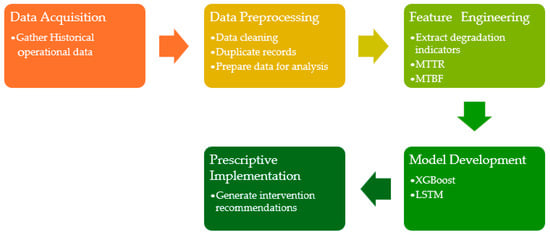
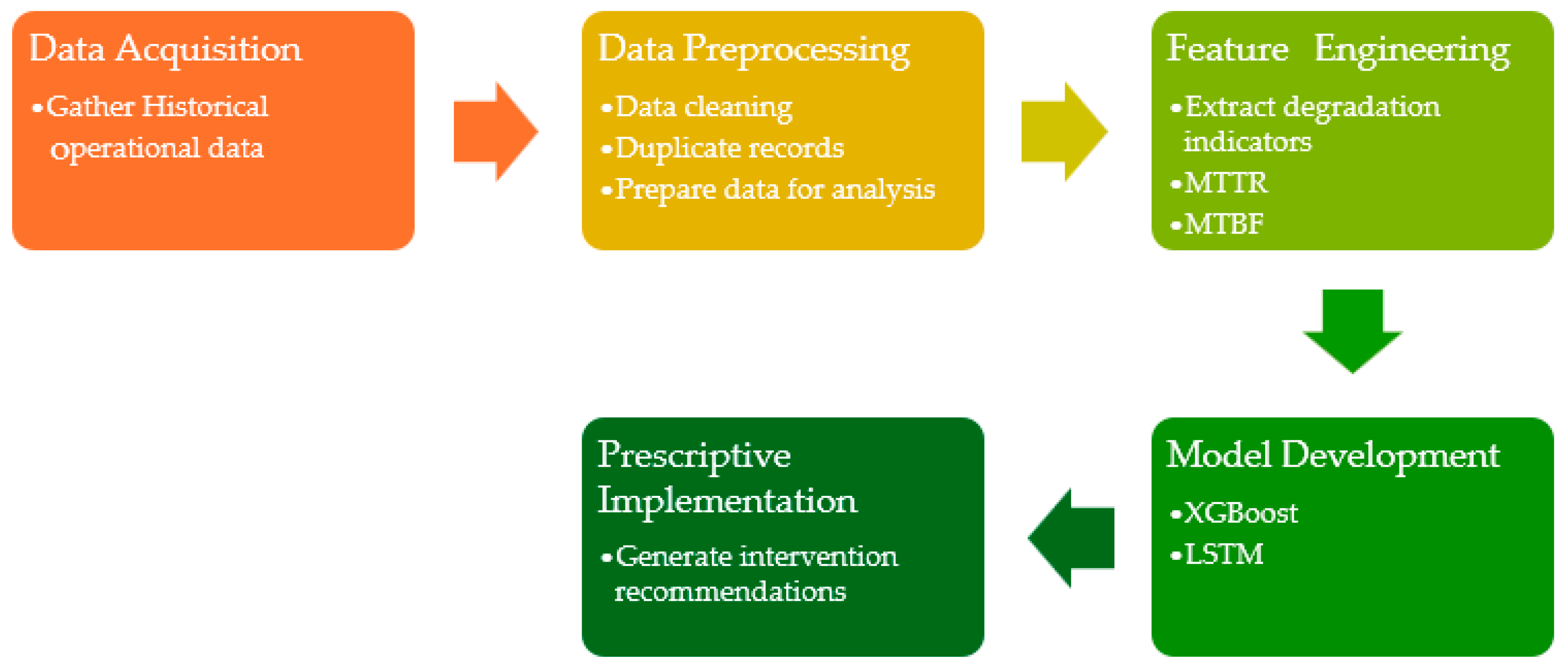
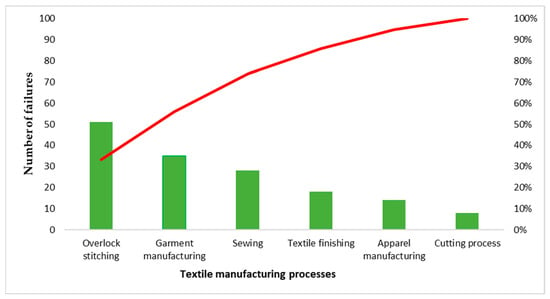
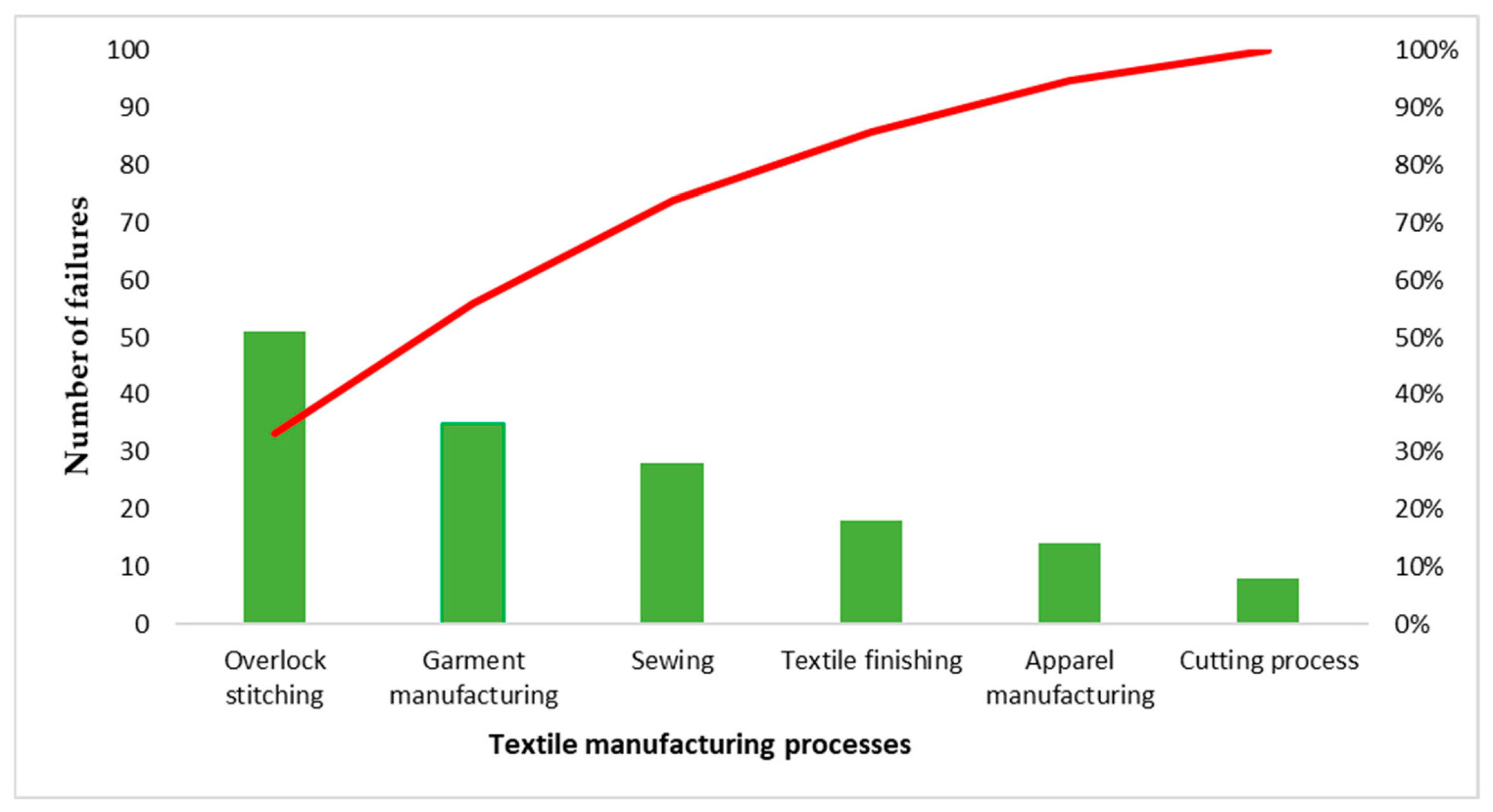
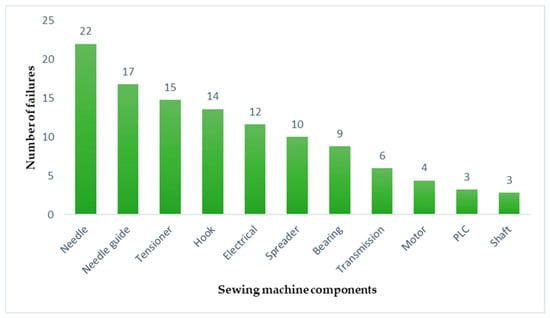
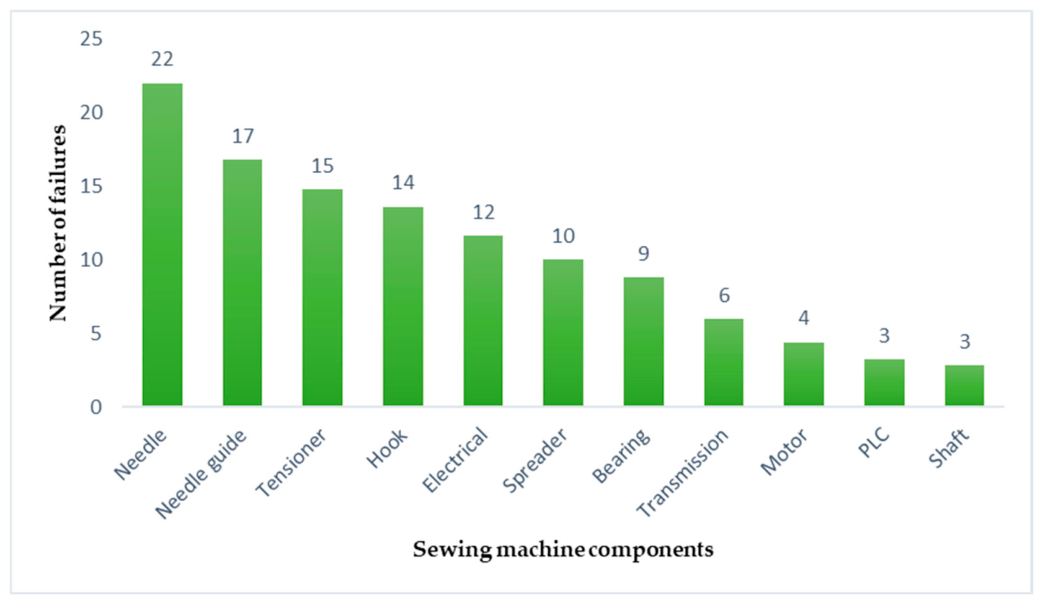
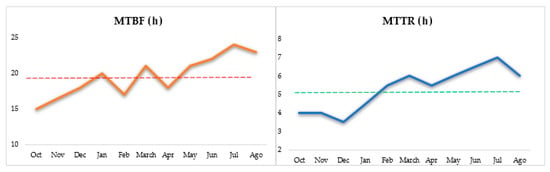
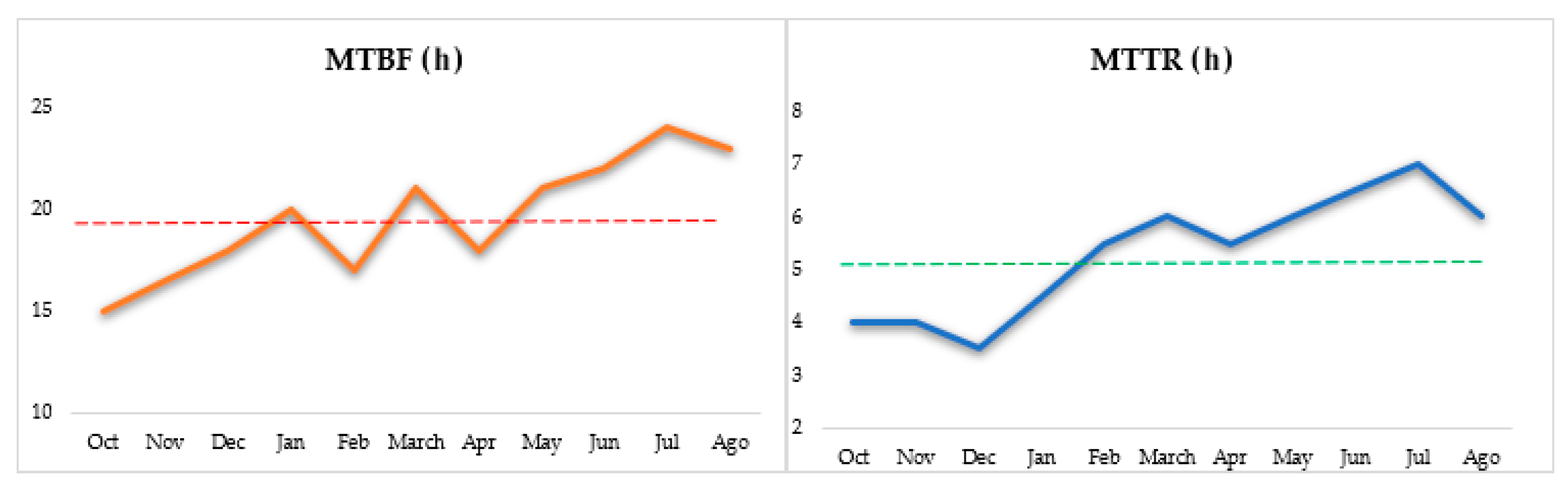
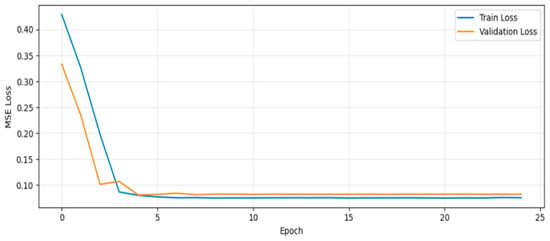
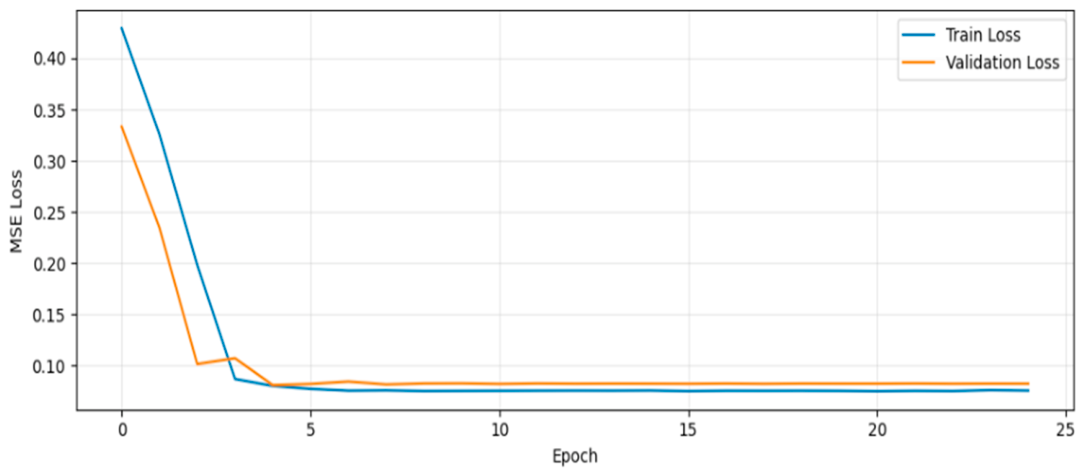
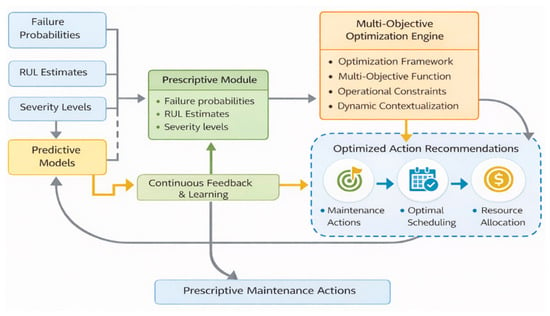
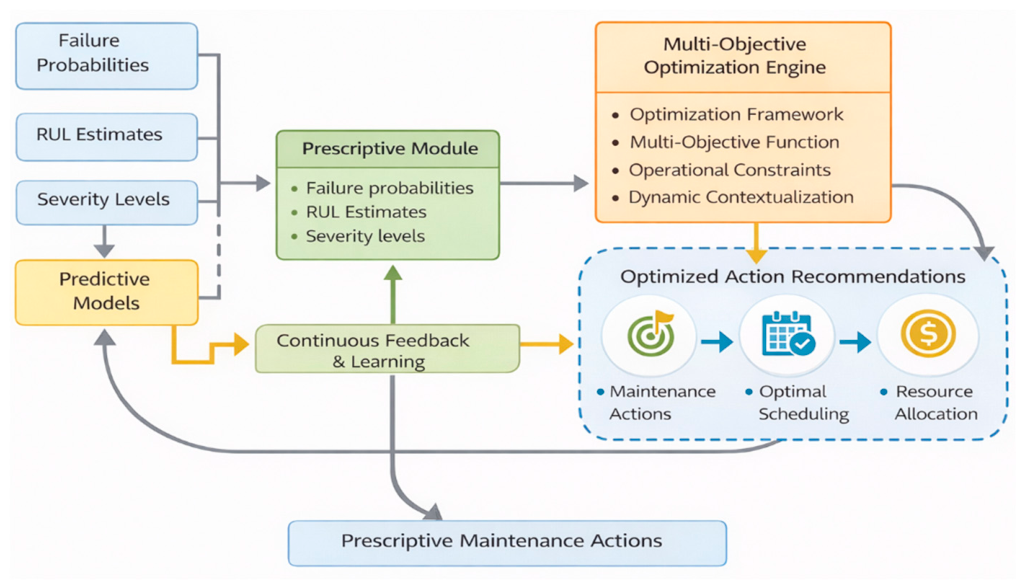
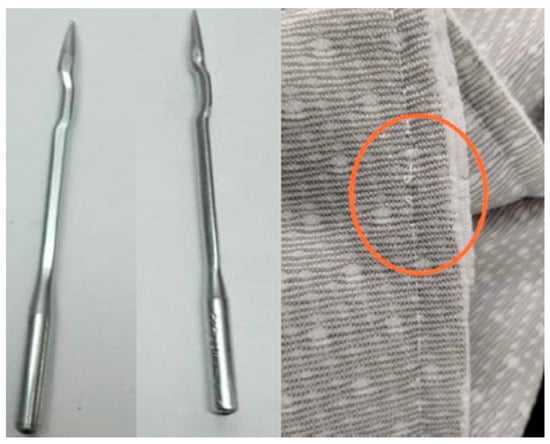
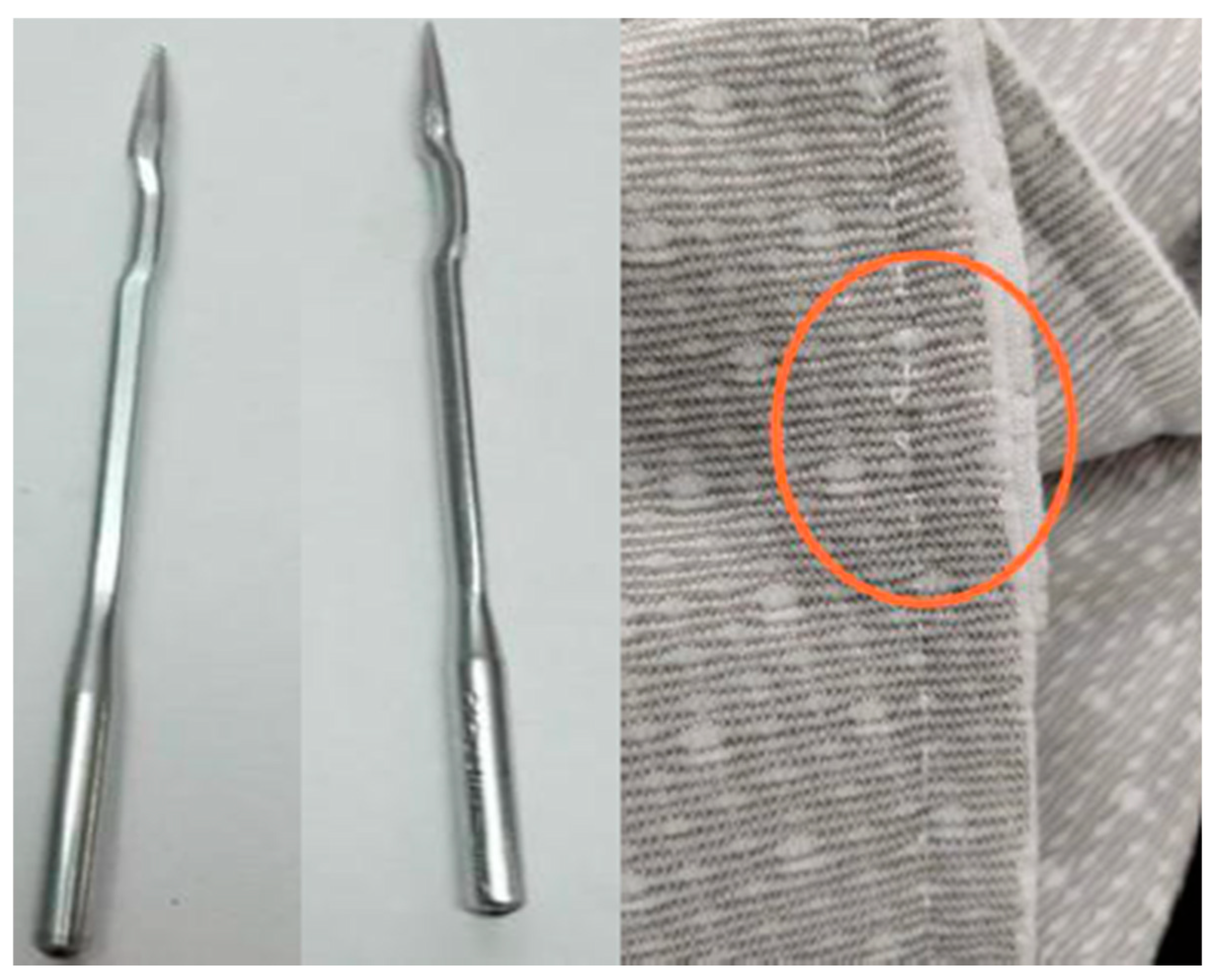
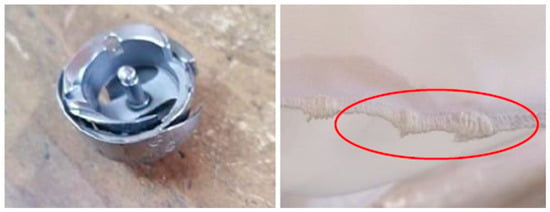
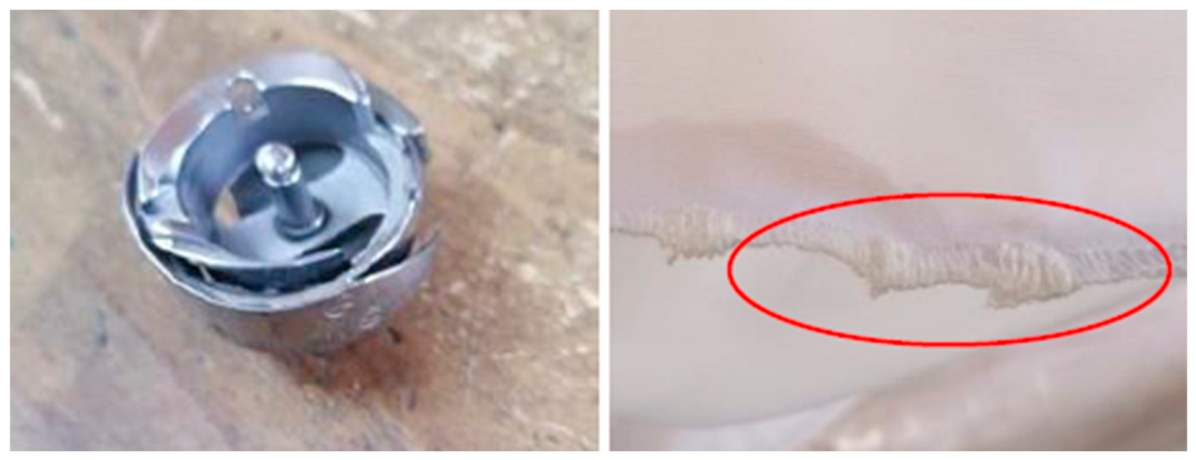
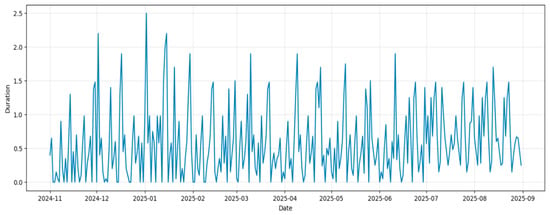
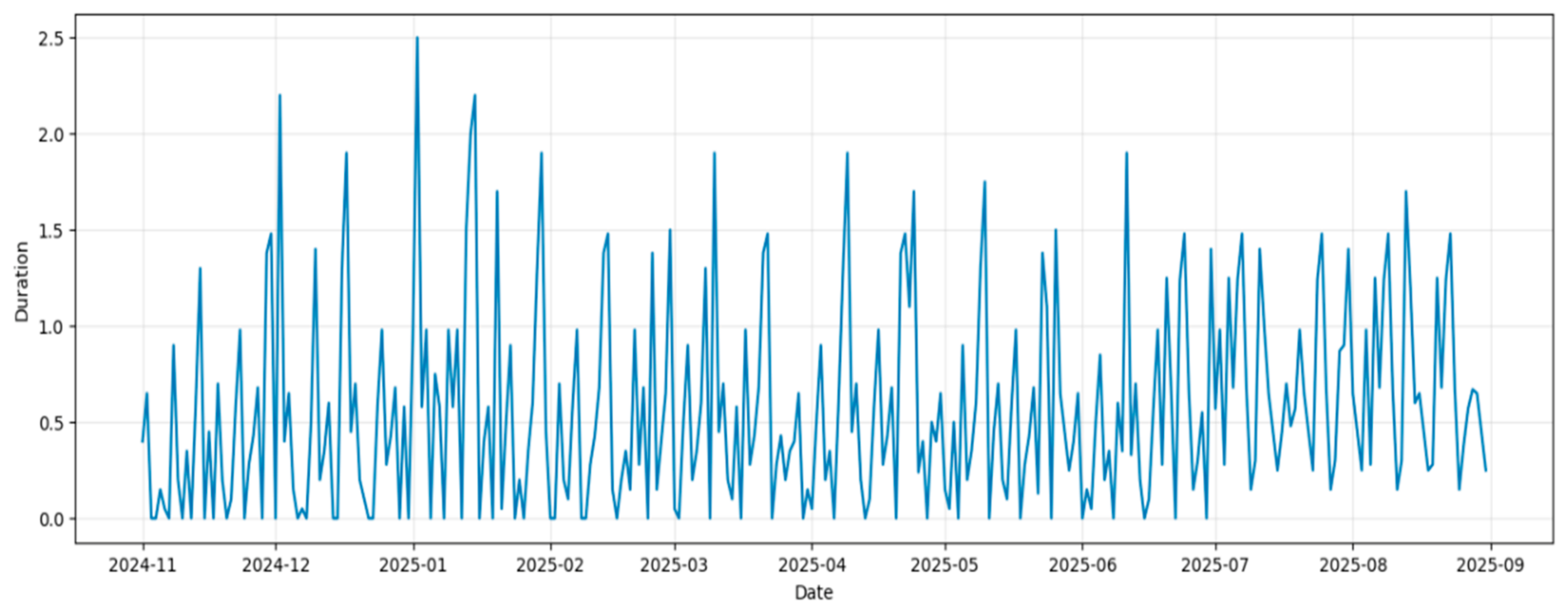
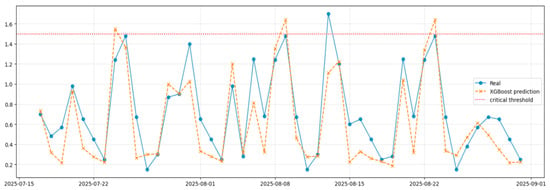
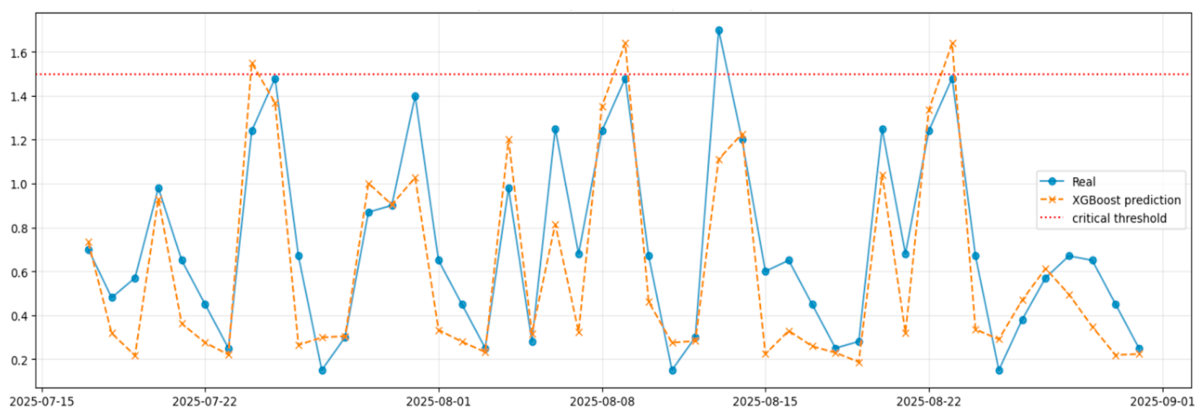
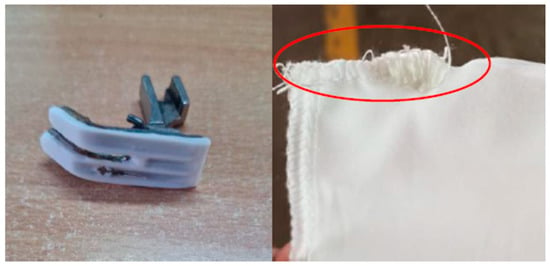
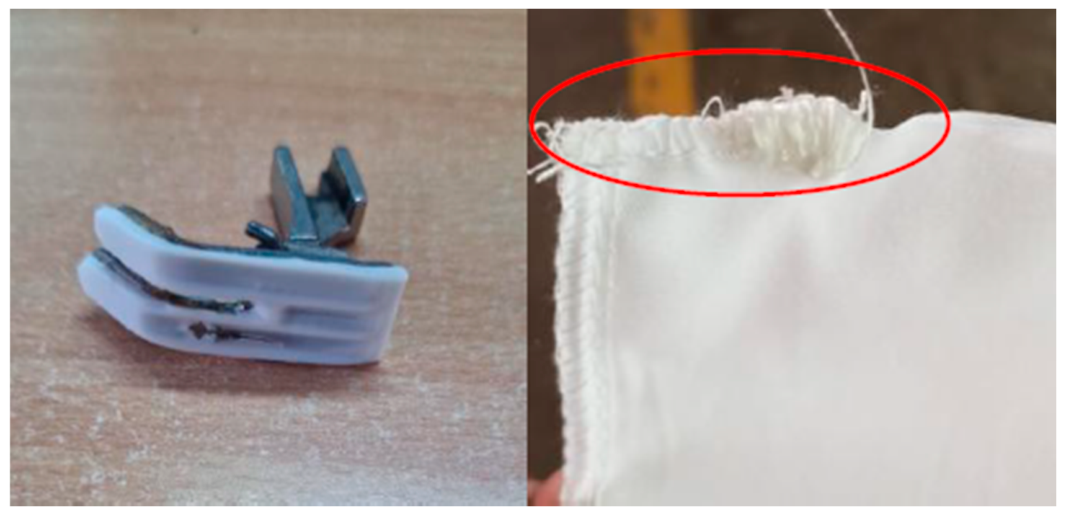
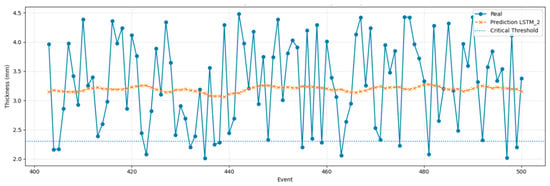
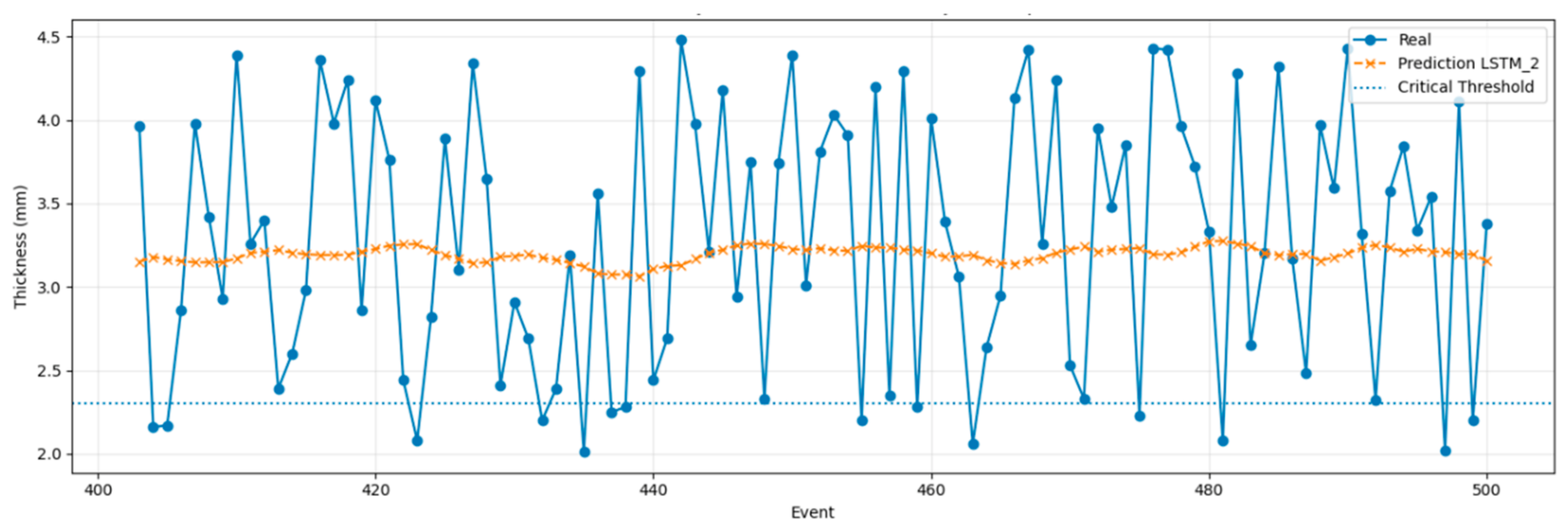
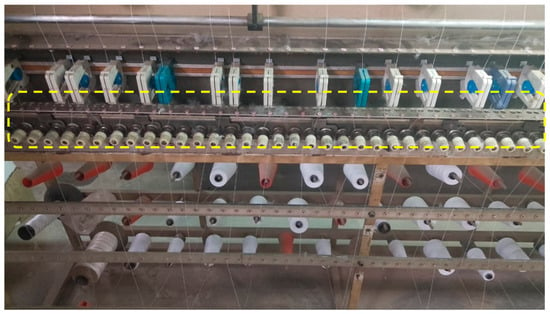
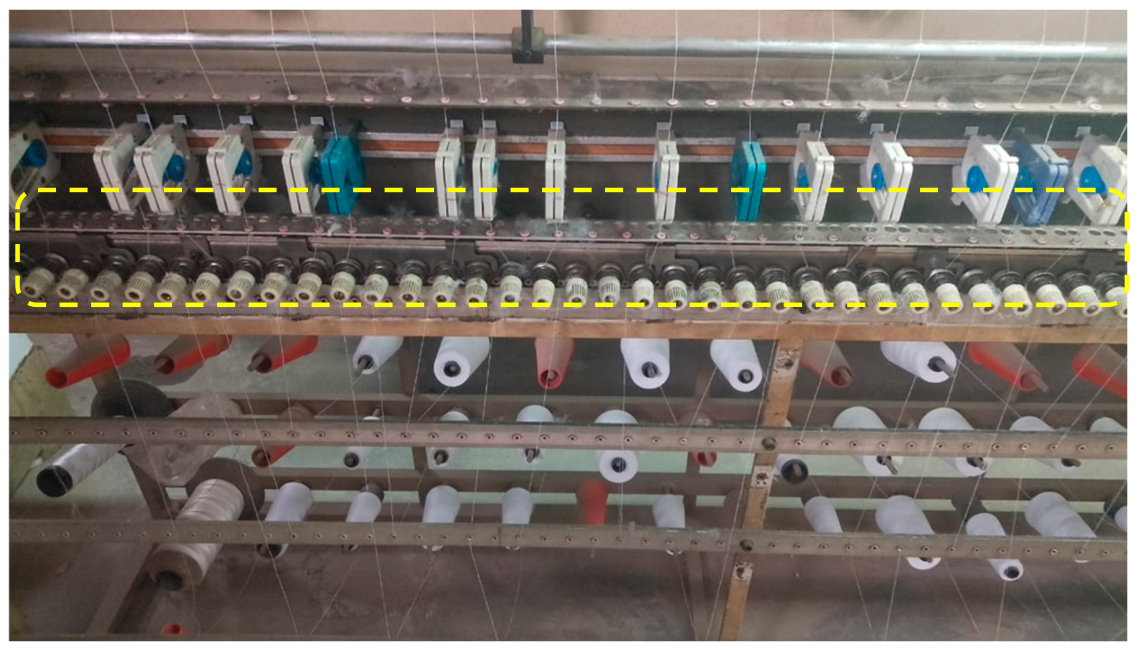
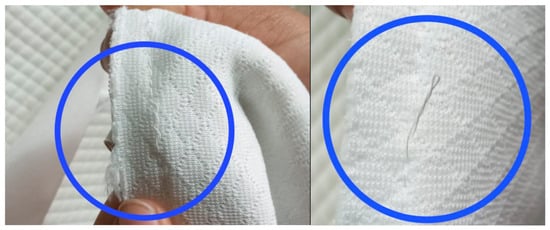
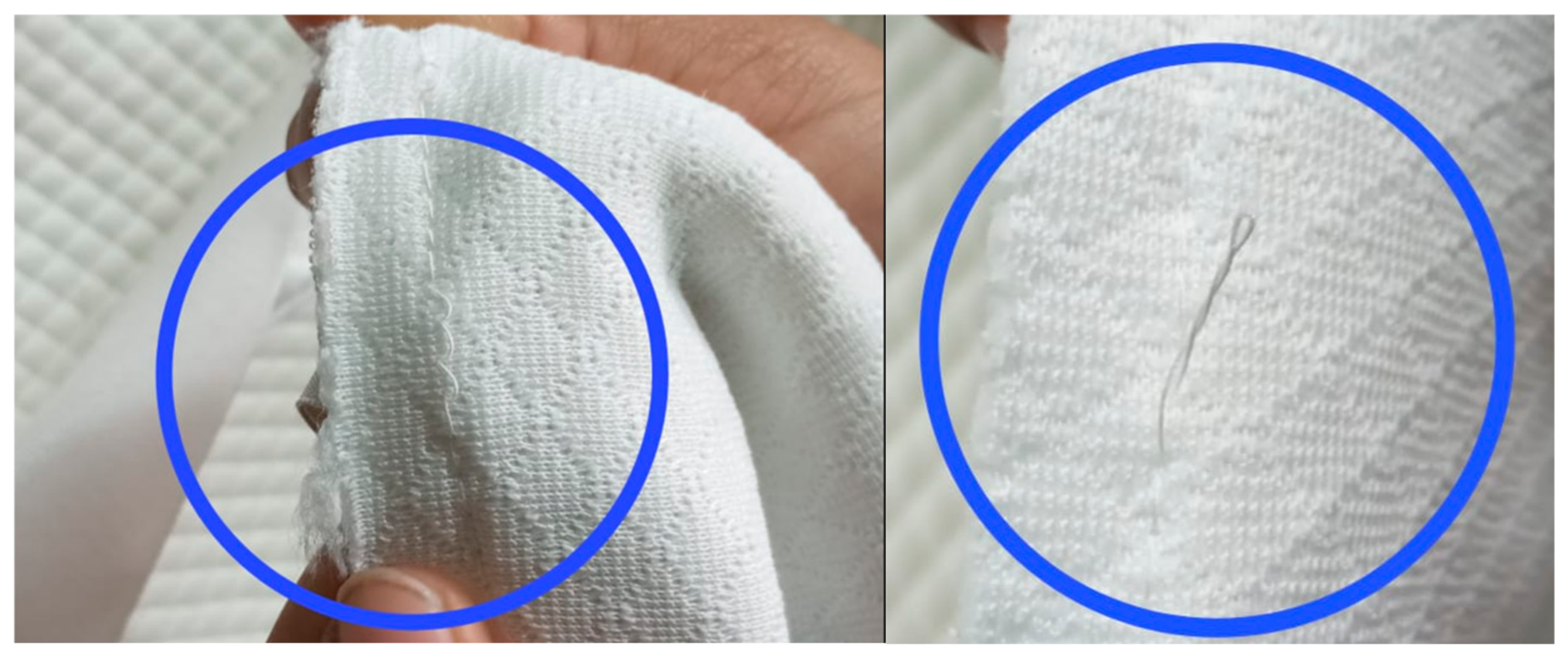
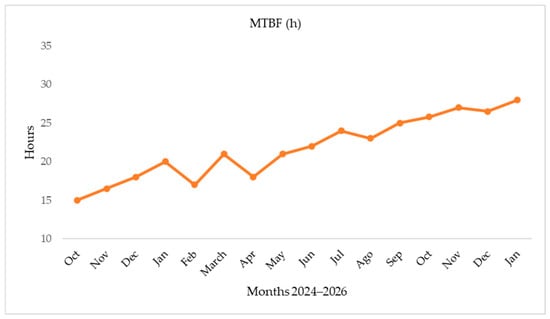
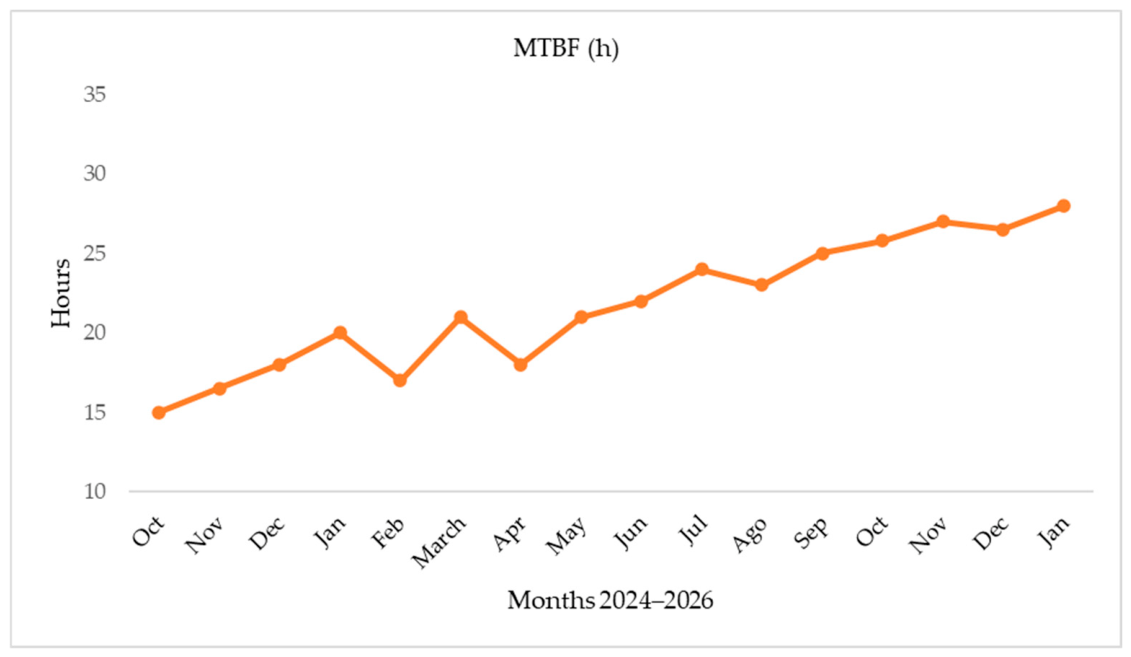
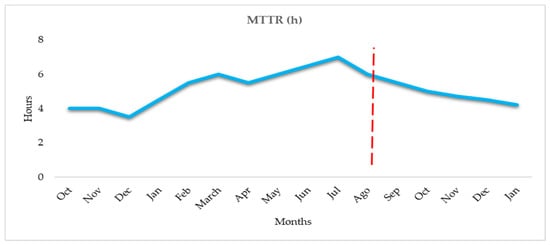
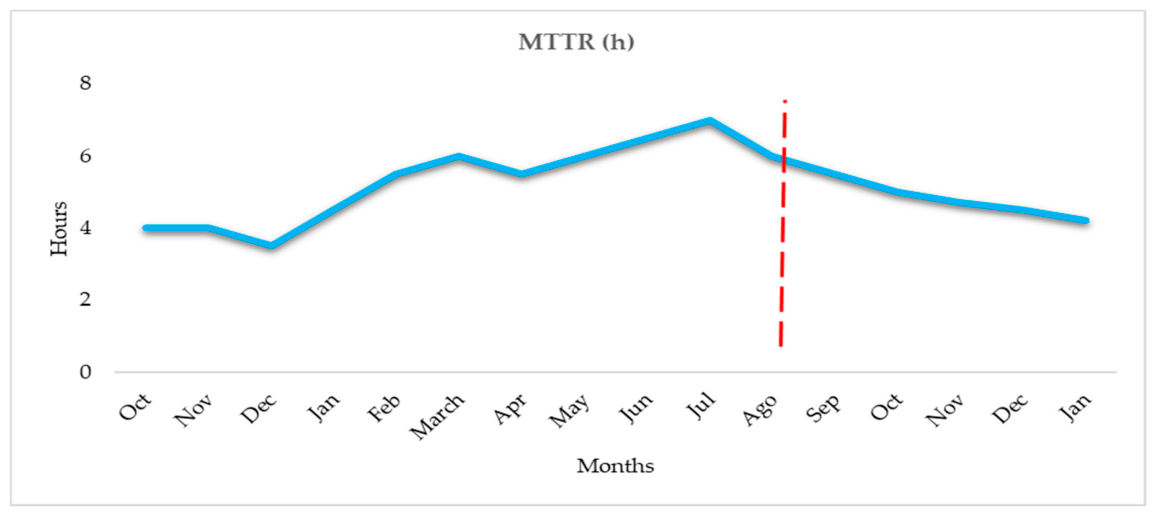

Disclaimer/Publisher’s Note: The statements, opinions and data contained in all publications are solely those of the individual author(s) and contributor(s) and not of MDPI and/or the editor(s). MDPI and/or the editor(s) disclaim responsibility for any injury to people or property resulting from any ideas, methods, instructions or products referred to in the content. |
© 2026 by the authors. Licensee MDPI, Basel, Switzerland. This article is an open access article distributed under the terms and conditions of the Creative Commons Attribution (CC BY) license.