


Abstract
Asphaltene–resin–paraffin deposits (ARPDs) represent one of the most complex flow assurance challenges in oil production, particularly under late-stage reservoir development conditions characterized by pressure depletion, temperature gradients, multiphase flow, and compositional changes. Despite extensive industrial experience, ARPD control strategies are often applied empirically, without explicit linkage to the underlying physicochemical mechanisms governing deposit formation. This review presents a comprehensive and mechanism-oriented analysis of ARPD formation and mitigation in a reservoir–wellbore system. The multicomponent composition, structural heterogeneity, and interfacial activity of paraffins, resins, and asphaltenes are examined alongside thermodynamic, hydrodynamic, and operational factors controlling precipitation, transport, adhesion, and deposit growth. Particular attention is paid to the correspondence between ARPD formation stages and applicable prevention or removal technologies. The analysis demonstrates that preventive strategies targeting early-stage physicochemical processes are fundamentally more effective than post-formation removal methods. The mechanisms of inhibitor action—adsorption, desorption, and dissolution—are shown to operate in a complementary manner, while delivery efficiency is strongly influenced by spatial distribution and retention in the formation. Advanced delivery technologies, including microencapsulation and nanocarrier-based systems, provide enhanced control over inhibitor release and persistence under complex reservoir conditions. Overall, this review establishes an integrated framework linking crude oil properties, formation mechanisms, inhibition chemistry, and delivery technologies, providing a rational basis for designing adaptive and efficient ARPD mitigation strategies in modern oil production systems.
1. Introduction
The oil and gas industry remains a fundamental component of the global energy system, supported by substantial proven hydrocarbon reserves in major producing regions [1]. The ongoing development of natural gas, condensate, and oil fields requires the continuous improvement of production efficiency, reservoir recovery, and field operation and transportation systems [2,3,4]. In this context, efficient energy extraction relies on the coupled processes of reservoir fluid flow and rock mechanical response. The interaction between pore pressure evolution, stress redistribution, and fracture growth determines fracture geometry and connectivity in stimulated reservoirs. Similar hydro-mechanical mechanisms have been investigated in hot dry rock systems and in carbon dioxide-based fracturing of hydrogen-bearing reservoirs, where fracture propagation is strongly influenced by stress conditions and reservoir heterogeneity [5,6]. At the same time, late-stage reservoir development is characterized by increased filtration heterogeneity and changes in fluid composition, which significantly complicate production conditions and intensify flow assurance challenges [7].
Maintaining stable oil production requires improving well performance and mitigating operational complications. Asphaltene–resin–paraffin deposits (ARPDs) are one of the most critical flow assurance challenges in oil production. These deposits, which form in the bottomhole zone, wells, and pipelines, lead to a significant reduction in well flow rates, a deterioration in the quality of the oil produced, increased costs for equipment repair, and maintenance, production downtime, and premature well decommissioning. Such complications are not region-specific but are characteristic of mature and heavy-oil reservoirs worldwide, including North America, the Middle East, Latin America, and other major hydrocarbon-producing regions. Therefore, a key engineering objective is the development and optimization of methods for treating the bottomhole zone and formations, as well as to create new methods for combating complications in order to improve production efficiency and long-term operational sustainability [8,9].
Current research in the field of ARPD control includes the development and application of chemical inhibitors. The main focus of such research is the creation of cost-effective reagents capable of preventing the formation of ARPDs and removing those that have already been formed. A bibliometric analysis was conducted using the ScienceDirect database with the search string “asphaltenes and inhibitors”. The query was performed in December 2025 and limited to peer-reviewed research articles and review papers. The results indicate that over the past five years, the number of review publications increased by 121%, while research articles increased by 52%, highlighting the growing scientific interest in ARPD mitigation (Figure 1). It should be noted that publication counts may vary depending on database coverage, indexing policies, and document classification criteria.
Figure 1.
Number of published review (blue) and research (orange) articles indexed in the ScienceDirect database (search string: “asphaltenes and inhibitors”; peer-reviewed publications only; accessed December 2025) [compiled by the authors].
In recent studies (2024–2025), there has been a significant shift in approaches to the problem of asphaltene and ARPDs, moving from predominantly empirical and descriptive models toward mechanistic analyses of asphaltene aggregation, precipitation, and deposition in crude oil systems. Recent review papers show that nanochemical reagents, including functionalized nanoparticles and carbon quantum dots, play a key role in inhibiting asphaltene aggregation by effectively controlling intermolecular and interfacial interactions in petroleum systems [10,11].
Recent publications place particular emphasis on the application of these approaches under reservoir conditions, including gas flooding and CO2-EOR processes, where changes in oil phase behavior significantly increase the risk of asphaltene precipitation and formation damage [12]. This confirms the relevance of developing preventive technologies aimed at the long-term stabilization of asphaltenes rather than solely on their subsequent removal.
In this context, increasing attention is given to considering ARPDs as a multistage process involving thermodynamic destabilization, the aggregation of heavy components, their adhesion to solid surfaces, and subsequent deposit growth.
This approach enables linking the conditions of ARPD manifestation with the underlying physicochemical mechanisms of formation and provides a rationale for selecting inhibition and removal methods depending on the dominant stage of the process.
2. Composition, Structure, and Functional Role of ARPD Components
2.1. Multicomponent Composition and Structure of ARPDs
ARPDs are a complex multicomponent system consisting mainly of paraffins, resinous asphaltene substances, water, and mechanical impurities (sand, clay, salts, corrosion products).
Paraffins, which are a mixture of saturated alkanes (from C16H34 to C36H74) and ceresins (higher molecular weight alkanes, mainly branched), are the main solid phase of deposits. Their crystallization is a key stage in the formation of ARPDs [13].
At the same time, the formation of ARPDs should not be considered solely as the result of paraffin crystallization, since the presence of resinous and asphaltene components significantly affects both the morphology and mechanical strength of the deposits formed [14,15].
Resinous asphaltene substances, consisting of high-molecular-weight condensed heterocyclic compounds containing carbon, hydrogen, oxygen, sulfur, nitrogen, and various metals (iron, magnesium, vanadium, nickel, calcium, copper, titanium, molybdenum, etc.), play an important role in structuring and strengthening deposits. They can act as a cementing component, binding paraffin crystals and forming dense, difficult-to-remove deposits.
Recent studies demonstrate that asphaltenes are characterized by pronounced structural and chemical heterogeneity, including variations in aromaticity, heteroatom content, molecular size, and aggregation architecture, which governs their interaction with paraffin crystals and solid surfaces [16,17,18].
The interaction between asphaltenes and paraffins leads to the formation of mixed deposits with enhanced cohesion and mechanical integrity compared to purely paraffinic systems [15].
However, in small concentrations, resins can exhibit inhibitory properties, slowing down the crystallization of paraffins [19].
This dual role of resins—as stabilizing agents at low concentrations and as contributors to deposit strengthening at higher concentrations—highlights the complex and non-linear nature of ARPD formation mechanisms [14].
According to [20], crude oils may be classified by paraffin content as low paraffin (<1.5 wt%), medium paraffin (1.5–6 wt%), moderate paraffin (6–10 wt%), high paraffin (10–20 wt%), and ultra-high paraffin (>20 wt%). It should be noted that such threshold values are commonly used in certain national engineering practices and may vary depending on industrial standards. Reported wax contents in crude oils worldwide can reach up to 40 wt%, depending on reservoir origin and maturity. In the broader international petroleum literature, wax contents exceeding approximately 10–20 wt% are widely recognized as indicative of increased wax deposition and flow assurance risk [21].
2.2. Classification of ARPDs Based on Component Ratios
The classification of ARPDs can be based on the ratio of paraffins, resins, and asphaltenes in their composition:
- Paraffin deposits—deposits with a predominance of paraffins (P/(R + A) > 1.1);
- Asphaltene deposits—deposits with a predominance of asphaltenes (P/(R + A) < 0.9);
- Mixed deposits—when 0.9 < (P/(R + A)) < 1.1.
where P is the paraffin content, mass%; R is the resin content, mass%; and A is the asphaltene content, mass% [22].
Although this classification is arbitrary, it allows us to choose the most effective methods for combating ARPDs depending on their composition.
At the same time, it should be noted that this compositional classification does not explicitly account for the structural organization of asphaltenes or their interfacial activity, which may play a decisive role in deposit adhesion and growth on rock and equipment surfaces [23,24].
2.3. Interfacial Activity of ARPD Components and Its Implications
Experimental studies and molecular simulations demonstrate that asphaltenes are not a homogeneous fraction but consist of multiple subfractions with markedly different interfacial affinities and aggregation behavior. This heterogeneity governs the spatial localization and retention of heavy organic components at fluid–fluid and fluid–solid phase boundaries, which is a key factor controlling the early stages of ARPD formation.
Experimental investigations of acid–oil emulsions reveal that polar asphaltene subfractions enriched in heteroatoms and acidic functional groups preferentially accumulate at the oil–water phase boundary, where they form rigid and viscoelastic interfacial films. These films exhibit high mechanical stability and viscoelastic resistance to deformation, significantly stabilizing emulsions and promoting the retention of heavy organic components at phase boundaries [25].
Molecular dynamics simulations provide insight into the molecular origins of this selective interfacial localization. Asphaltenes with larger aromatic cores, higher polarity, and shorter aliphatic side chains exhibit stronger π–π stacking interactions and reduced molecular flexibility at the oil–water phase boundary, resulting in densely packed and energetically stable interfacial layers. Such molecular arrangements promote the attachment of paraffin crystals and resin–asphaltene aggregates, thereby enhancing the adhesion and cohesion of heavy organic components at phase boundaries [24].
Electrostatic interactions further govern the interfacial behavior of asphaltenes and resins. Experimental measurements of ζ-potential and interfacial tension demonstrate that variations in charge distribution and molecular polarity directly affect the strength of asphaltene adsorption at fluid–fluid phase boundaries. Asphaltenes with a higher surface charge density tend to remain dispersed in the bulk oil phase while simultaneously exhibiting an enhanced affinity for phase boundaries, where partial charge compensation occurs, contributing to the stability of interfacial layers [26].
Comprehensive analyses of crude oil composition emphasize that ARPD severity and morphology cannot be reliably predicted based solely on paraffin content. Oils with similar paraffin concentrations may exhibit fundamentally different deposition behaviors due to differences in asphaltene molecular structure, resin-to-asphaltene ratio, and interfacial activity. Systems enriched in surface-active asphaltene subfractions tend to form more adhesive and mechanically stable deposits under comparable thermodynamic conditions [14].
This conclusion is supported by experimental studies on phase inversion and emulsion stability, which demonstrate that asphaltenes, resins, and other acidic polar components of crude oil collectively control interfacial properties and flow behavior in multiphase systems. Phase inversion refers to a structural transition in an emulsion in which the continuous phase switches between oil and water, leading to a fundamental change in interfacial conditions and in the pathways of heavy-component accumulation. Variations in the relative abundance of these components alter wettability conditions and determine the spatial localization and growth mechanisms of ARPDs in reservoir and wellbore environments [27].
Thus, ARPD formation should be regarded as a multiscale phenomenon governed not only by the bulk composition of crude oil but also by the structural organization and interfacial activity of its heavy components. While the intrinsic properties of paraffins, resins, and asphaltenes determine the tendency toward aggregation and interfacial retention, the actual manifestation of ARPDs in reservoir and wellbore systems is strongly controlled by external thermodynamic, hydrodynamic, and fluid composition-related factors. These factors define the conditions under which interfacial mechanisms become dominant and ultimately dictate the localization, intensity, and operational impact of ARPD formation.
3. Physicochemical and Operational Factors Governing ARPD Formation
Before considering the individual factors that govern ARPD formation, it is important to distinguish between the processes of asphaltene precipitation and deposit formation itself. In this context, the onset of asphaltene phase instability refers to the thermodynamic boundary at which asphaltenes lose stability in the oil phase and begin to precipitate as a separate solid phase. Asphaltene precipitation is associated with the loss of the thermodynamic stability of heavy components within the bulk oil phase and results in the formation of dispersed solid particles. In contrast, ARPD formation is determined by the subsequent retention, accumulation, and growth of these particles on the surfaces of reservoir rocks or equipment under flowing conditions. Accordingly, factors affecting ARPD formation act differently at various stages of the process: some primarily control phase instability and precipitation, whereas others govern particle transport, their adhesion, and the growth of the deposit layer. This distinction is fundamentally important for the correct interpretation of the thermodynamic, hydrodynamic, and interfacial factors discussed below.
3.1. Thermodynamic Parameters and Phase Behavior
A decrease in oil temperature below the paraffin saturation temperature is a critical factor that initiates paraffin crystallization [28]. This temperature decrease can be caused by heat exchange with surrounding rocks, oil degassing, and water-flooded well production. A decrease in pressure also contributes to the release of dissolved gases and, as a result, paraffin crystallization [29].
In addition to wax crystallization, variations in pressure and temperature directly affect the thermodynamic stability of resin–asphaltene systems in crude oil. Changes in these parameters alter the solvency of the oil phase and may lead to the loss of the colloidal stability of asphaltenes, resulting in the onset of asphaltene phase instability in the bulk oil phase [30].
Changes in reservoir pressure during oil production affect not only the phase behavior of crude oil but also the mechanical properties of the reservoir rock. Variations in effective pressure can modify rock porosity and compressibility, thereby altering local pressure gradients and flow conditions in the near-wellbore zone. These changes indirectly influence the spatial manifestation of wax crystallization and asphaltene precipitation by modifying the hydrodynamic environment in which phase instability develops [31].
Within this framework, pressure–temperature conditions should be considered as coupled thermodynamic and geomechanical factors that jointly control the onset and spatial distribution of phase instability in petroleum systems under production conditions.
Figure 2 shows a phase diagram illustrating the ARPD formation zone depending on pressure and temperature. The diagram presents a typical high-wax crude oil as an example and represents a generalized precipitation envelope consistent with experimentally observed asphaltene phase behavior reported in the literature.
Figure 2.
Phase diagram of ARPD formation in pressure–temperature coordinates, taking a typical high-wax crude oil as an example (L—liquid phase; A—asphaltene phase; G—gas phase; AB—upper limit of asphaltene precipitation; CBE—limit corresponding to saturation pressure; DB—lower limit of asphaltene precipitation) [compiled by the authors].
This phase diagram reflects the dependence of the phase behavior of the petroleum system on pressure and temperature. In the high-pressure region corresponding to reservoir conditions, the system is in a single-phase (liquid) state (yellow region in Figure 2), where asphaltenes are in a stable dissolved state. The lower boundary of this region (curve AB—upper boundary of asphaltene precipitation) shows the onset of the precipitation process when the pressure drops below a critical value.
With a further decrease in pressure, the system enters the primary precipitation zone (pink area in Figure 2), where asphaltene aggregates form, reaching a maximum value at saturation pressure (curve CB).
Below the saturation pressure boundary, gas phase separation begins, bringing the system into a two-phase state (blue area in Figure 2). In this region, asphaltene precipitation continues simultaneously with gas separation, but when the lower boundary of this region is reached (curve DB—lower boundary of asphaltene precipitation), the former deposits partially dissolve due to an increase in the density of the oil phase.
The temperature factor has a significant impact on the position of these boundaries, changing the conditions for the precipitation and dissolution of asphaltenes. The largest amount of precipitation forms near the saturation point, while further pressure reduction leads to their partial dissolution [32,33].
From an engineering perspective, asphaltene precipitation onset is commonly quantified using the asphaltene onset pressure (AOP), which represents the pressure at which asphaltenes begin to precipitate at a given temperature. AOP is widely applied as a practical indicator of asphaltene instability for the early identification of operating conditions associated with increased deposition risk [34].
It should be noted, however, that thermodynamic models used to predict asphaltene precipitation envelopes may yield different results depending on their underlying assumptions and input parameters. Therefore, model-based predictions require careful calibration and validation against experimental data for specific crude oil systems [35].
In gas injection processes, particularly under CO2 injection, changes in oil composition and solvent power act as an additional thermodynamic perturbation, potentially shifting the petroleum system toward conditions favorable for asphaltene phase instability, even under near-reservoir pressure–temperature conditions [36,37].
The diagram presented serves as an important tool for predicting asphaltene deposits and optimizing technological modes of field development, allowing risks associated with the precipitation of heavy oil components during production to be minimized.
While thermodynamic conditions determine the onset of asphaltene and wax precipitation in the bulk oil phase, they do not alone control whether these solid particles will ultimately form stable deposits. After precipitation occurs, the subsequent transport, retention, and accumulation of solid particles are governed by hydrodynamic conditions within the production system. Therefore, flow regime and fluid dynamics play a decisive role in the transition from phase instability to the actual formation and growth of ARPD layers on rock and equipment surfaces.
3.2. Hydrodynamic Conditions and Flow Regime
The oil flow rate affects the intensity of heat exchange and, accordingly, the rate of cooling and paraffin crystallization. At high flow rates, the intensity of heat exchange increases, which may promote conditions favorable for ARPD formation. However, at the same time, turbulent flow can contribute to the detachment of deposits that have already formed from the surface of the equipment. In contrast, under laminar flow conditions, the rate of deposit formation may be lower due to reduced cooling intensity, but their detachment is also less likely [38].
From a flow assurance perspective, “deposition” refers to the attachment and buildup of asphaltene material on a surface under flowing conditions; flocculated/precipitated material can either deposit or be transported with the flow, depending on the system and conditions. Flow-through (capillary/line) experiments reviewed for asphaltene deposition show that deposition under flow can be accompanied by measurable pressure increases and changes in deposit morphology over time, highlighting that transport and near-wall hydrodynamics matter for how deposits develop [39]. In addition, precipitation itself may exhibit a pronounced time dependence (days to months in some crude oil systems), meaning that hydrodynamic residence time and exposure history can influence whether a thermodynamically unstable system actually manifests precipitation and subsequent deposition during production [36].
The hydrodynamic factors discussed above, including flow velocity and flow regime, determine whether precipitated or flocculated particles are transported with the flow or retained on solid surfaces under production conditions. However, the overall tendency of a crude oil system to form ARPDs is also strongly controlled by its chemical composition, which governs the intrinsic stability of dispersed heavy components within the bulk oil phase and their interactions with other oil constituents. Therefore, the analysis of oil composition and colloidal stability represents the next essential step in assessing the factors controlling ARPD formation.
3.3. Oil Composition and Colloidal Stability
The chemical composition of oil, in particular the content of paraffins, resins, and asphaltenes, determines the tendency of oil to form ARPDs. A high content of high-molecular-weight hydrocarbons and resinous asphaltene substances contributes to the formation of dense and difficult-to-remove deposits [20,40].
From a colloidal perspective, crude oil can be considered a dispersed system in which asphaltenes exist in a stabilized state due to interactions with resins and lighter aromatic components of the oil phase. The balance between these fractions plays a key role in maintaining asphaltene stability under reservoir and production conditions [14].
Resins are commonly regarded as natural stabilizing agents that limit asphaltene aggregation by adsorbing onto asphaltene surfaces and reducing their tendency to flocculate. A decrease in the resin-to-asphaltene ratio increases the susceptibility of the oil system to asphaltene precipitation when pressure, temperature, or composition changes occur [14,30].
Accordingly, crude oils with similar paraffin contents may exhibit markedly different ARPD formation behavior depending on the molecular structure of asphaltenes, the resin–asphaltene balance, and the overall solvency of the oil phase [30].
This compositional sensitivity also explains the limitations of purely thermodynamic or model-based predictions of asphaltene precipitation, as variations in oil composition directly affect both the predicted onset conditions and the extent of precipitation. Therefore, the reliable assessment of ARPD risk requires the consideration of oil composition alongside pressure–temperature conditions [35].
While oil composition and colloidal stability determine the intrinsic tendency of a petroleum system toward asphaltene precipitation, the actual manifestation of ARPD formation depends on where and how precipitated or destabilized particles interact with solid surfaces. Once heavy organic components lose stability in the bulk oil phase, their retention, accumulation, and growth are strongly influenced by surface properties, wettability conditions, and interfacial interactions between the oil, water, and solid phases. Therefore, the consideration of surface characteristics and interfacial phenomena is essential for understanding the localization and intensity of ARPD formation in production systems.
3.4. Surface Properties, Wettability, and Interfacial Interactions
The condition of solid surfaces in contact with crude oil plays an important role in the formation and growth of ARPDs. Rough surfaces on pipes and equipment create favorable conditions for the formation and growth of paraffin crystals, intensifying the process of ARPD formation. The presence of a resin–paraffin film on the surface significantly facilitates the subsequent deposition of new paraffin crystals [41].
Beyond surface roughness, numerous studies demonstrate that asphaltenes and their subfractions exhibit strong adsorption affinities toward mineral and metallic surfaces, which promotes the retention of heavy organic components at the oil–solid interface [23,42].
Experimental and theoretical investigations indicate that adsorbed asphaltenes can modify surface wettability by altering interfacial interactions between oil, water, and the solid phase, thereby affecting the likelihood of particle attachment and deposit growth [23,43].
Such adsorption-induced changes in surface and interfacial properties do not initiate precipitation but determine whether destabilized or precipitated particles are retained on the surface or transported by the flowing oil.
From an interfacial energy perspective, the balance between adhesive interactions (between deposits and the surface) and cohesive interactions (within the deposit layer) controls the stability and persistence of ARPD layers once formed [44].
While surface properties, wettability, and interfacial interactions govern the retention and growth of ARPDs on solid boundaries, these processes rarely occur under single-phase flow conditions. In practical oil production systems, the presence of water and the development of multiphase flow introduce additional interfacial boundaries and physicochemical interactions that can substantially modify deposit formation behavior. In particular, water cut and emulsion formation alter temperature profiles, surface interactions, and particle transport mechanisms, thereby exerting a complex and sometimes competing influence on ARPD formation.
3.5. Water Cut, Emulsions, and Multiphase Effects
The water content of well production has an ambiguous effect on the intensity of ARPD formation. Although water lowers the temperature of oil, it can simultaneously reduce the adhesion of paraffin to the surface of equipment, thereby reducing the intensity of deposit formation. However, a significant water content can contribute to the formation of emulsions, which can also be deposited on the surface of equipment [45,46].
At elevated water cuts, the production system becomes inherently multiphase, and the formation of oil–water emulsions begins to control the transport and localization of heavy organic components within the flow. Stable emulsions can retain asphaltenes and resins within interfacial films, facilitating their accumulation and subsequent deposition under flowing conditions [25,27].
Experimental studies indicate that the presence of an aqueous phase can modify dominant deposition pathways by altering particle–surface interactions and the residence time of dispersed material near solid boundaries. As a result, water does not simply enhance or suppress ARPD formation but redistributes zones of deposition along the production system [47,48].
While water cut and multiphase flow mainly affect ARPD formation through emulsion behavior, particle transport, and the spatial distribution of deposits, the presence of a gas phase introduces an additional controlling factor by directly modifying the thermodynamic state and solvent capacity of the oil. Gas injection processes, particularly those involving CO2, can substantially alter phase behavior, the stability of heavy organic components, and flow conditions in the near-wellbore and reservoir zones. For this reason, gas injection processes require separate consideration when analyzing ARPD formation mechanisms.
3.6. Gas Injection and CO2-EOR Conditions
Experimental studies indicate that both miscible and immiscible gas injection, including CO2-EOR (enhanced oil recovery using carbon dioxide), can significantly intensify asphaltene precipitation and induce formation damage in tight and high-viscosity oil reservoirs [49]. Changes in oil phase behavior during gas injection lead to the redistribution of asphaltenes and their deposition on rock surfaces, which is accompanied by a reduction in permeability and the deterioration of flow properties [42].
From a mechanistic standpoint, CO2 injection represents a specific technological condition under which the pressure, fluid composition, and solvent power of the oil phase change simultaneously, creating favorable conditions for asphaltene phase instability and subsequent deposition. Unlike natural pressure depletion, CO2 alters the composition of the oil phase through dissolution and mass transfer, thereby modifying the balance between stabilizing resin fractions and precipitating asphaltenes [37].
In this context, asphaltene precipitation triggered by CO2 injection does not necessarily translate directly into deposit formation. The extent to which precipitated particles are retained within the pore space or near-wellbore region depends on flow conditions, residence time, and surface interactions, highlighting the kinetic nature of CO2-induced deposition processes [36].
This distinction is supported by long-core flooding experiments conducted under reservoir conditions, which demonstrate that CO2 injection can lead to measurable asphaltene deposition and permeability impairment, particularly in zones close to the injection point, thereby providing a direct link between CO2-EOR operations and formation damage risks [48].
In addition, molecular-scale studies indicate that CO2 can influence wettability and interfacial interactions between asphaltenes, brine, and mineral surfaces, further affecting the likelihood of particle attachment and deposit growth under multiphase flow conditions [50].
From an operational perspective, these effects are particularly relevant for CCUS (carbon capture, utilization, and storage) projects integrated with CO2-EOR, where long-term exposure to CO2 requires targeted mitigation strategies, including optimized injection schemes and the application of chemical inhibitors specifically designed for CO2-rich environments [51,52].
In addition to fluid-phase instability induced by gas injection, the presence of suspended solid particles in the produced fluids represents an additional factor that can promote the initiation and growth of ARPD.
3.7. Mechanical Impurities and Nucleation Effects
Mechanical impurities such as sand and clay can act as “crystallization centers,” enhancing the formation of ARPDs [53,54].
The presence of solid particles in the produced fluid promotes heterogeneous nucleation by providing energetically favorable surfaces for the initial attachment of paraffin crystals and asphaltene aggregates. This reduces the energy barrier for nucleation compared to homogeneous crystallization in the bulk oil phase [52,55].
Once nucleation has occurred, mechanical impurities may further contribute to the growth and stabilization of deposits by participating in the formation of composite layers, in which solid particles are embedded within the organic deposit matrix. Such composite structures can exhibit increased mechanical integrity and resistance to shear-induced removal [44].
As a result, even relatively low concentrations of suspended solids may significantly intensify ARPD formation under otherwise comparable thermodynamic and hydrodynamic conditions, particularly in sand-producing wells or during early production stages after well interventions.
Overall, the formation of ARPDs during oil production is governed by a multiscale interplay between thermodynamic instability, hydrodynamic transport, oil composition, interfacial interactions, and external technological factors. Thermodynamic conditions determine the onset of phase instability and precipitation of heavy organic components in the bulk oil phase, whereas hydrodynamic regime, surface properties, multiphase flow, and the presence of solid impurities control whether these destabilized species are transported with the flow or retained as stable deposits on rock and equipment surfaces. Special production conditions, such as gas injection and CO2-EOR, further complicate this behavior by simultaneously altering pressure, composition, solvent power, and flow patterns, thereby enhancing the risk of deposition and formation damage. The analysis presented in this section highlights that ARPD formation cannot be attributed to a single dominant factor; rather, it emerges from the coupled action of multiple mechanisms acting at different stages of the process. This integrated understanding provides a necessary framework for the rational design of mitigation strategies, including operational optimization, surface modification, and the targeted application of chemical inhibitors, which are discussed in the following sections.
4. Methods for Preventing and Removing ARPDs in Oil Production
The fight against ARPDs in the oil industry is conducted using two main approaches: the prevention of ARPD formation and the removal of already-formed deposits [56,57]. Preventing ARPD formation is considered more cost-effective than removing ARPDs, but if prevention fails, removal methods must be used.
The choice of the optimal strategy depends on many factors, including the geological characteristics of the field, the physical and chemical properties of the oil, the well operating regime, and economic feasibility.
The effectiveness of measures to prevent and remove ARPDs is commonly assessed based on the duration of inter-cleaning and inter-repair periods during well operation. These indicators reflect both the operating conditions of the wells and the quality of equipment maintenance, including the effectiveness of the methods used to combat deposits [58].
For clarity, the methods for preventing ARPD formation and the methods for removing existing deposits are summarized separately. The methods for preventing ARPD formation are presented in Table 1, while the methods for removing existing deposits are summarized in Table 2.
Table 1.
Methods for preventing ARPDs [compiled by the authors].
Table 2.
Methods for removing ARPDs [compiled by the authors].
4.1. Methods for Preventing ARPD Formation
Preventive methods for ARPD formation are focused on suppressing the early stages of deposit development by controlling the physicochemical mechanisms responsible for wax crystallization, asphaltene aggregation, and particle–surface interactions. As summarized in Table 1, these approaches include the application of protective coatings, thermal methods, physical methods, chemical methods, and combined methods, each targeting specific aspects of the deposition process.
Chemical methods, particularly the application of inhibitors, represent one of the most widely used and adaptable approaches for ARPD prevention. Unlike purely thermal or mechanical interventions, chemical inhibitors act at the molecular level by modifying intermolecular interactions between heavy oil components, thereby stabilizing dispersed systems and limiting aggregate growth [75].
Molecular dynamics simulations and laboratory investigations demonstrate that chemical inhibitors can alter the binding configuration of asphaltene molecules, weaken π–π stacking interactions, and reduce the tendency toward irreversible aggregation and surface attachment, thereby suppressing both the onset and the rate of deposit growth [76,77].
In recent years, increasing attention has been directed toward nanomaterial-based preventive strategies. Nanoparticles may function as competitive adsorption sites, structural modifiers, or dispersion stabilizers, disrupting asphaltene self-assembly and delaying precipitation under changing thermodynamic conditions [78,79,80]. Environmentally oriented (“green”) nanomaterials and biopolymer-based nanocomposites have demonstrated effective inhibition of asphaltene precipitation while reducing chemical dosage and environmental impact, making them attractive candidates for modern flow assurance strategies [81,82].
Physical methods, including magnetic and electromagnetic treatments, are designed to interfere with deposit formation by disturbing crystal growth and aggregate organization rather than altering oil chemistry. Molecular-scale studies indicate that external fields can influence asphaltene orientation and aggregation pathways, reducing deposition propensity under specific conditions [83].
Surface-based preventive approaches, such as protective coatings and wettability modification, limit ARPD formation by reducing particle adhesion and anchoring on equipment surfaces. These methods primarily affect the adhesion-controlled stage of deposit development and therefore complement chemical and thermal prevention strategies [42,43].
It should be noted that chemical inhibitors are not exclusive to ARPD control and are widely applied in the oil industry to mitigate other flow assurance challenges, including scale formation and corrosion. Scale inhibitors modify salt crystal growth, whereas corrosion inhibitors protect metal surfaces by forming protective films or altering environmental chemistry [84,85].
Overall, preventive methods differ not only in application technique but also in the dominant mechanisms they control. Some approaches primarily affect crystallization and aggregation, whereas others target adhesion and surface retention. This distinction underlines the importance of linking preventive technologies to specific stages of ARPD formation, which forms the basis for the mechanism-based classification discussed in Section 4.3 [39,44].
4.2. Methods for Removing ARPDs
Methods for removing ARPDs are applied when preventive measures are insufficient and stable deposits have already formed on rock or equipment surfaces. As summarized in Table 2, these approaches include mechanical, thermal, chemical, and combined methods, which differ fundamentally from preventive strategies in that they act on already-formed deposit structures rather than on early-stage physicochemical mechanisms.
Mechanical removal methods are based on the physical destruction and displacement of deposits from internal surfaces of tubing and equipment. Scrapers and similar devices remove solid deposits through direct contact, effectively restoring flow area but without altering the physicochemical properties of the deposit material itself. As a result, mechanical methods are often associated with frequent intervention and an increased risk of equipment wear [48,75,77].
Thermal removal methods rely on heating deposits above their melting or softening temperature, reducing mechanical strength and enabling subsequent removal. In addition to conventional heating with hot fluids or electrical devices, advanced approaches such as microwave radiation have been shown to reduce asphaltene concentration and modify deposit structure, particularly in heavy oil systems [15,55]. However, high energy consumption and the risk of forming refractory residues remain important limitations of thermal treatments.
Chemical removal methods involve the use of organic solvents and reactive fluids to dissolve or disintegrate ARPDs at the molecular level. Laboratory evaluations demonstrate that properly selected solvents can effectively break down paraffin–resin–asphaltene structures, transforming solid deposits into a mobile liquid phase [86,87]. The efficiency of chemical removal strongly depends on solvent composition, temperature, and contact time, as well as on the internal cohesion of the deposit.
Combined removal methods integrate mechanical, thermal, and chemical actions to overcome the limitations of individual techniques. Such approaches are particularly effective for multilayered or highly cohesive deposits, where single-method treatment is insufficient. Experimental and field studies indicate that combined strategies improve removal efficiency but increase operational complexity and cost [44].
In contrast to preventive methods, removal technologies primarily target the cohesion and internal structural integrity of existing deposits rather than crystallization or aggregation processes. Consequently, the choice of a removal method should be guided by deposit composition, mechanical strength, and adhesion to the surface, emphasizing the need for a process-based classification linking removal methods to the dominant structural and physicochemical properties of deposits, as discussed in Section 4.3.
4.3. Mechanistic Correspondence Between ARPD Formation Stages and Mitigation Methods
Despite the wide range of technologies available for preventing and removing ARPDs, their practical application is often guided by operational experience rather than a clear understanding of which physicochemical processes are being controlled. As discussed in Section 2 and Section 3, ARPD formation is a multistage phenomenon involving wax crystallization, asphaltene aggregation, particle adhesion to solid surfaces, and the subsequent cohesive growth of deposits. Each of these stages is governed by distinct mechanisms and manifests under specific production conditions.
The relationship between ARPD formation stages, the conditions under which they develop, and the corresponding mitigation methods is summarized in Table 3. This table provides a structured mapping between fundamental physicochemical processes, their operational manifestation, and the methods most effective at each stage, thereby linking the mechanistic analysis presented earlier with the preventive and remedial technologies summarized in Table 1 and Table 2.
Table 3.
Relationship between ARPD formation stages, manifestation conditions, and mitigation methods [compiled by the authors].
As shown in Table 3, preventive methods predominantly target the early stages of ARPD formation. Thermal methods and wax inhibitors act by shifting phase equilibrium conditions and suppressing wax nucleation and crystal growth. Chemical dispersants, stabilizers, and nanoparticle-based additives interfere with asphaltene aggregation in the bulk oil phase by weakening intermolecular interactions and stabilizing colloidal systems. Surface-based approaches, such as protective coatings and wettability modification, primarily affect the particle adhesion stage by reducing interfacial attachment to metallic or mineral surfaces.
In contrast, removal methods are mainly associated with the later stages of deposit development, where cohesive growth and densification have already occurred. Mechanical, thermal, and solvent-based treatments act by disrupting the internal structure of deposits, weakening cohesive forces within the deposit layer, or transforming the solid phase into a mobile or dissolved state. These approaches are inherently more energy-intensive and operationally demanding, which explains their lower economic efficiency compared to preventive strategies.
Importantly, the stage-by-stage mapping presented in Table 3 demonstrates that no single method is capable of controlling all stages of ARPD formation simultaneously. Effective flow assurance strategies therefore require a combination of methods selected according to the dominant formation stage and prevailing production conditions. This process-based perspective provides a rational basis for designing integrated ARPD mitigation programs that move beyond empirical selection and instead align prevention and removal technologies with their fundamental modes of action.
5. Mechanisms of Inhibitor Action in ARPD Control
The mechanisms of action of inhibitors may vary depending on their type and conditions of use. The main mechanisms of action of inhibitors include adsorption onto the surface of deposits, the desorption and prevention of deposit growth, and the dissolution of inhibitors under reservoir conditions. Let us consider each mechanism of action of inhibitors in more detail.
5.1. Adsorption onto the Surface of Deposits
Adsorption is a process involving the interaction of inhibitor molecules with the surface of deposits or nascent crystals, resulting in the fixation of the inhibitor onto the surface. This process is one of the key mechanisms of action of inhibitors aimed at preventing growth and stabilizing deposits [88]. Adsorption can occur due to physical or chemical interactions between the functional groups of the inhibitor and the active centers on the surface of the deposits.
The adsorption of inhibitor molecules onto deposit surfaces is commonly described using Langmuir-type models, where the degree of surface coverage depends on inhibitor concentration and the balance between adsorption and desorption equilibrium constants. Such models provide a quantitative framework for evaluating inhibitor efficiency under varying reservoir conditions [89,90].
Adsorption is classified as physical or chemical depending on the mechanism involved. Physical adsorption is caused by weak intermolecular interactions, such as van der Waals forces or hydrogen bonds. This type of adsorption is reversible and depends on temperature, pressure, and inhibitor concentration. Physical adsorption is characteristic of inhibitors with nonpolar or weak polar molecules that interact with the surface of deposits due to dispersion forces. For example, in the case of paraffin deposits, the physical adsorption of inhibitors can occur on the surface of paraffin crystals, leading to a change in their morphology and a decrease in growth rate. Chemical adsorption (chemosorption) is accompanied by the formation of stronger bonds between the inhibitor molecules and the deposit surface. This process is often irreversible and requires significant energy activation. Chemical adsorption is characteristic of inhibitors containing functional groups capable of forming covalent and ionic bonds with active centers on the surface of deposits. For example, in the case of ARPDs, carboxylate-based inhibitor molecules form strong ionic bonds with polar groups of asphaltenes (such as carboxyl or phenolic groups), which prevents particle aggregation and ARPD growth [91].
Modern experimental studies demonstrate that asphaltene adsorption processes at oil–water and oil–solvent interfaces play a decisive role in the formation of stable aggregate structures. It has been established that asphaltene concentration, brine composition, and ionic strength significantly affect the structure and mechanical rigidity of interfacial films, as well as the stability of asphaltene aggregates [92,93]. Furthermore, asphaltene adsorption can lead to the formation of dense, structured interfacial layers that govern the subsequent development of aggregation and precipitation processes and strongly influence the emulsion behavior of petroleum systems [93]. These findings highlight the necessity of accounting for interfacial effects when designing effective ARPD inhibitors.
In several studies published in 2024–2025, nanoparticles are considered as active adsorption platforms capable of modifying the self-assembly mechanisms of asphaltenes. It has been shown that nanoparticles with high specific surface areas and functionalized surfaces effectively interact with aromatic cores of asphaltenes, disrupting π–π association processes and reducing the tendency toward the formation of large aggregates [10,11].
Thus, the inhibitory action of nanomaterials is explained not only by their presence in the system, but also by their ability to alter the energetically favorable pathways of asphaltene aggregation at the molecular level.
Factors that influence adsorption include the following:
- Chemical structure of the inhibitor—inhibitor molecules must contain functional groups capable of interacting with polar surfaces, such as salt crystals or hydrates.
- Composition and properties of deposits—for example, paraffin deposits have a hydrophobic surface, which requires the use of an inhibitor with nonpolar groups, while salt deposits (carbonates, sulfates) interact with polar inhibitors.
- Temperature and pressure—as the temperature rises, physical adsorption may weaken, as the kinetic energy of molecules increases, contributing to their desorption; at the same time, chemical adsorption may be more resistant to temperature changes. High pressure, typical of reservoir conditions, can enhance adsorption by increasing the density of the medium.
- The pH of the environment affects the charge of the surface of deposits and functional groups of the inhibitor. For example, in an acidic environment, the surface of deposits can acquire a positive charge, which promotes the adsorption of anionic inhibitors. In an alkaline environment, on the contrary, the surface may be negatively charged, which enhances interaction with cationic inhibitors [94].
Adsorbed inhibitor molecules perform three important functions:
- Blocking active crystal growth centers—inhibitors adsorb onto the surface of crystals and prevent new molecules from attaching, which slows down or completely stops the growth of deposits.
- Changing the morphology of crystals—the adsorption of inhibitors can lead to the formation of smaller and less stable crystals.
- Reducing the adhesion of deposits on surfaces—adsorbed inhibitor molecules can create a protective layer on the surface of deposits, which reduces their adhesion to equipment walls and pipelines.
Thus, adsorption onto the surface of deposits is a key mechanism of action of inhibitors, ensuring the prevention of the growth and stabilization of deposits. The effectiveness of this process depends on the chemical structure of the inhibitor, the composition of the deposits, and the operating conditions.
5.2. Desorption and Prevention of Deposit Growth
Desorption is the reverse process of adsorption, in which inhibitor molecules are released from the surface of deposits. Although desorption involves the removal of the inhibitor from the surface, it plays an important role in preventing deposit growth. This process can be either spontaneous or induced by changes in external conditions such as temperature, pressure, or formation fluid composition. Desorption is accompanied by a change in the properties of the deposit surface, which prevents further growth and aggregation.
Depending on the desorption mechanism, there are three types of desorption: thermal, chemical, and competitive. Thermal desorption occurs when the temperature rises, leading to an increase in the kinetic energy of inhibitor molecules and the weakening of inhibitor–surface interactions. In heterogeneous systems, desorption kinetics are typically described using Arrhenius-type relationships, where the activation energy reflects the strength of inhibitor–surface bonding and corresponds to the enthalpy of adsorption. An increase in temperature reduces adsorption stability by facilitating the overcoming of the energy barrier associated with surface interactions, thereby promoting molecular detachment and influencing subsequent aggregation dynamics in the bulk phase [90]. Chemical desorption occurs as a result of chemical reactions that destroy the bonds between the inhibitor and the surface of the deposits. Competitive desorption occurs when other components of the reservoir fluid (water, hydrocarbons, or ions) displace inhibitor molecules from the deposit surface. This process is often observed in multicomponent systems where different substances compete for active sites on the surface [95].
In addition to surface-related effects, desorption enables inhibitor molecules to interact with asphaltenes in the bulk fluid phase, thereby suppressing re-aggregation processes after their release from the deposit surface. In recent studies published in 2024–2025, molecular mechanisms of asphaltene dispersion by polymeric inhibitors have been intensively investigated using molecular dynamics simulations and quantum–chemical calculations. It has been demonstrated that polyacrylamide-based polymers form stable complexes with asphaltene structures through a combination of hydrogen bonding, π–π interactions, and electrostatic effects, which effectively prevent the re-aggregation of asphaltenes under changing thermodynamic conditions [96].
These findings provide a mechanistic explanation of how desorbed inhibitor molecules continue to inhibit deposit growth and offer a scientific basis for transitioning from empirical reagent selection toward the rational design of polymeric inhibitors with targeted functionality.
Factors that influence desorption include the following:
- Inhibitor concentration—affects the rate and extent of desorption; at low concentrations, desorption may occur more rapidly, reducing the effectiveness of the inhibitor; therefore, it is necessary to maintain the optimal inhibitor concentration for specific conditions.
- Temperature and pressure—as the temperature rises, desorption can occur more quickly, as the kinetic energy of molecular motion increases; high pressure, on the other hand, can slow down desorption by increasing the density of the medium.
- Composition of the formation fluid—in the presence of water, hydrocarbons, or ions, various chemical processes may occur that lead to desorption. For example, in the presence of water, the hydrolysis of the functional groups of the inhibitor may occur, leading to its desorption [97].
The role of desorption in preventing deposit growth is as follows:
- Changes in crystal morphology—for example, when inhibitor molecules are separated from the crystal surface, local structural destruction occurs, leading to the formation of smaller and less stable crystals; this is particularly important for preventing the growth of large crystals that can clog equipment or pipelines.
- Reduced growth rate of deposits—for example, inhibitor molecules that were previously adsorbed on the surface can change its properties, making it less favorable for further precipitation.
- Prevention of particle aggregation—for example, in the case of ARPDs, desorbed inhibitor molecules can form a protective layer on the surface of particles, preventing them from sticking together [98].
Thus, desorption plays an important role in preventing deposit growth by changing the surface properties and crystal structure. The effectiveness of this process depends on the inhibitor concentration, temperature, pressure, and formation fluid composition.
5.3. Dissolution of Inhibitors Under Reservoir Conditions
The dissolution of inhibitors in reservoir conditions is a process whereby inhibitor molecules are evenly distributed in the reservoir fluid, ensuring their effective interaction with potential deposit formation sites. This process is key to ensuring long-term protection against deposits such as salt, hydrate, or ARPDs.
Inhibitors are classified according to their dissolution mechanism as either physically dissolved or chemically dissolved [99]. Physical dissolution occurs due to the interaction of inhibitor molecules with reservoir fluid molecules (water, oil, gas) without the formation of chemical bonds. This process is determined by the polarity of the inhibitor molecules and the reservoir fluid; for example, hydrophilic inhibitors dissolve better in water, while hydrophobic inhibitors dissolve better in oil. From a thermodynamic standpoint, the stability of heavy organic fractions and inhibitor molecules in crude oil systems can be interpreted using solubility parameter concepts. Differences between the solubility parameters of asphaltenes and the surrounding oil phase determine the degree of thermodynamic compatibility and influence the onset of precipitation under changing pressure–temperature conditions. Established phase behavior models employ Hildebrand solubility parameters to quantify solvent power and predict destabilization of asphaltene systems [100]. Chemical dissolution is accompanied by the formation of chemical bonds between the inhibitor molecules and the components of the reservoir fluid. For example, inhibitors containing carboxyl or sulfate groups can interact with ions in formation water to form soluble complexes. This process is especially important for scale inhibitors, which must be stable under conditions of high mineralization.
Factors that influence inhibitor dissolution include the chemical structure of the inhibitor, the composition of the reservoir fluid, and the temperature, pressure, and pH of the environment.
The role of inhibitor dissolution in preventing deposits is as follows:
- Uniform distribution in the formation fluid—allows the effective protection of all parts of the system from deposit formation. For example, dissolved inhibitors prevent deposit formation on the walls of pipelines and on the surface of rocks in the formation.
- Changing the physical and chemical properties of a liquid, such as viscosity, surface tension, or pH—for example, paraffin inhibitors can reduce the viscosity of oil, making it easier to transport through pipes, and salt inhibitors can change the pH of formation water, preventing salt crystallization.
- Stabilization of dispersed systems—prevents the aggregation of sediment particles; for example, in the case of ARPDs, inhibitors can create a protective layer on the surface of particles that prevents them from sticking together [75].
Thus, the dissolution of inhibitors under reservoir conditions prevents the formation of deposits, changes the properties of reservoir fluid, and stabilizes dispersed systems.
Thus, the analysis of the mechanisms of inhibitor action has revealed three main processes: adsorption onto the surface of deposits (physical and chemical), desorption with a change in surface properties, and dissolution in reservoir fluid. These interrelated processes, which depend on the structure of the inhibitor, the composition of the deposits, and reservoir conditions (temperature, pressure, pH), effectively suppress deposit growth by blocking active centers, changing the morphology of crystals, and reducing their adhesion.
6. Methods for Delivering Inhibitors to the Reservoir and Near-Wellbore Zone
The effectiveness of inhibitors depends not only on their chemical composition, but also on how they are delivered to the formation.
6.1. Pumping Through Injection Wells
One of the most common methods for delivering inhibitors into the formation is pumping through injection wells. The technology is based on the forced injection of a treatment solution containing inhibitors into the formation under high pressure [101,102]. The process involves several stages:
- Preparation of the solution—the inhibitor is mixed with a carrier (water or special organic liquids) in a specified concentration, which is determined in laboratory conditions using mixing units with dosing systems. Stabilizers and thickeners are added to improve the stability of the composition.
- Pumping—the solution is fed into the formation through injection wells using high-pressure pumping units. Inhibitors are distributed in the bottomhole zone of the formation and adsorbed onto the rock surface.
- Release—the gradual release of reagents into the flow of extracted fluid provides long-term protection against deposits and corrosion.
To maximize the effectiveness of this method, the inhibitor concentration, injection rate, solution volume, and treatment frequency are critically important.
6.2. Chemical Delivery Systems for Inhibitors
Chemical inhibitor delivery systems, including aqueous solutions, emulsions, and foams, play a key role in the oil and gas industry due to their adaptability to various reservoir conditions. These methods are based on the use of liquid carriers that ensure inhibitor stability, uniform distribution in the formation, and controlled release.
Aqueous solutions remain the most economical and simplest delivery option. They are based on a mixture of inhibitors and water, often supplemented with stabilizers (potassium chloride, ethanolamines) and buffering agents (bicarbonates) that prevent reagent degradation in saline environments. However, aqueous systems have limitations in oil-saturated formations, where low compatibility with hydrocarbons leads to the separation of the composition. Emulsion systems are more effective for such conditions.
Oil-in-water and water-in-oil emulsions allow inhibitors to be delivered to the dominant phase in the formation. Oil-in-water emulsions, where inhibitors are dispersed in an aqueous medium, are used in water-flooded wells. Water-in-oil emulsions, on the other hand, are used in oil-saturated reservoirs: inhibitors are dissolved in the oil phase, which slows down their washout.
Foam systems are used for low-permeability formations where traditional methods are not effective enough. Foam, consisting of gas (nitrogen, carbon dioxide) and surfactants, serves as a carrier for inhibitors. By reducing gravitational segregation, the foam increases the coverage of the formation, especially in fractured reservoirs. However, the stability of the foam in high-temperature conditions (above 90 °C) remains a problem, requiring the addition of heat-resistant surfactants [7].
6.3. Hydrodynamic Methods of Inhibitor Delivery
Hydrodynamic inhibitor delivery methods are based on the use of physical processes and technologies aimed at improving inhibitor distribution in the formation, cleaning wells from existing deposits, and increasing treatment efficiency.
Hydrodynamic methods for inhibitor delivery include well flushing with inhibitor compositions and treatment of the formation’s productive zone.
Well flushing with inhibiting compounds is a process of circulating special solutions containing inhibitors to remove existing deposits and prevent their reformation. Well flushing includes the following stages: solution preparation (inhibitors are mixed with solvents or acidic compounds), circulation (the prepared solution is pumped into the well through pump compressor pipes and removed through the annular space, carrying away sediment particles), and efficiency control (flow rate and pressure are measured, and the removed fluid is visually analyzed) [103].
Formation treatment is aimed at restoring the permeability of the formation near the wellbore, where a large amount of deposits are formed. For example, hydraulic fracturing with the addition of inhibitors to the proppant or thermochemical treatment can be used, during which heat-generating reagents are injected into the well to dissolve paraffins. The advantage of a formation’s productive zone treatment is its localized effect on problem areas, while its disadvantage is the difficulty of controlling the distribution of inhibitors in fractures [104].
Thus, hydrodynamic methods ensure deep penetration of inhibitors into the formation and effective well cleaning. However, their success depends on the accurate selection of reagents, controlling treatment parameters, and the use of modern equipment.
6.4. Innovative Methods for Delivering Inhibitors
In recent years, innovative methods for delivering inhibitors have been actively developed and implemented in the oil and gas industry, improving the accuracy, durability, and environmental friendliness of well treatment processes.
6.4.1. Microencapsulation of Inhibitors
The microencapsulation of inhibitors is the process of enclosing an inhibitor in a microscopic shell made of a polymer or biodegradable material, typically with a diameter ranging from 1 to 1000 μm. The material inside the microcapsule is called the core, internal phase, or filler, while the wall is called the shell, coating, or membrane [105].
There are several types of microcapsule morphology, which are shown in Figure 3. In general, a single-core microcapsule consists of a core and a shell around it, a multi-core microcapsule has more than one core inside the shell, and a double microcapsule has more than one shell around the core. A special case is a microsphere, in which the core material is evenly distributed inside and does not have a clearly defined shell covering the entire capsule.
Figure 3.
Types of microcapsule morphology [105].
There is a wide variety of materials that can form the shell of a microcapsule, polymers, waxes, resins, polysaccharides, proteins, or ceramics, while the core can consist of three types of aggregate state: solid, liquid, or solid dispersed in liquid.
The advantages of microencapsulation of inhibitors include the following:
- Long duration of action—microencapsulation significantly increases the duration of action of the inhibitor, reducing the frequency of well treatments and reagent costs;
- Controlled release—the inhibitor is released gradually and in the right place, ensuring optimal concentration in the target area and preventing its loss;
- Protection against degradation—the shell protects the inhibitor from exposure to high temperatures, pressure, and other factors that could cause it to break down;
- Reduced formation clogging—microcapsules are small in size and do not clog formation pores, which is particularly important for formations with low permeability.
6.4.2. Nanocarriers for Inhibitors
Inhibitor nanocarriers are particles ranging in size from 1 to 100 nm that are used to deliver inhibitors to the formation. They are made from various materials, including silicon dioxide, polymers, and magnetic compounds. Due to their microscopic size, nanocarriers have a high penetrating ability and a large specific surface area. They serve as carriers for inhibitor adsorption, increasing the contact area with the formation [99].
Nanocarriers function according to the following principle: the active inhibitor is enclosed in a nanomaterial shell that protects it from aggressive factors (high temperature, mineralization, mechanical stress) until it reaches the target area. Controlled release occurs under the influence of external factors: changes in the pH of the environment (polymer shells break down in acidic or alkaline environments), changes in temperature (thermosensitive materials are activated when heated), magnetic field (magnetic nanoparticles are directed to specific areas), and mechanical impact (destruction of the shell under pressure or friction) [78].
In recent years, carbon quantum dots have been considered promising nano-inhibitors for asphaltene precipitation, with their effectiveness confirmed by both experimental studies and molecular modeling. It has been shown that under CO2-EOR conditions, such nanoparticles effectively interact with asphaltene molecules, reducing the intensity of precipitation and modifying the structure of the resulting deposits [106].
The advantages of nanocarriers include:
- High delivery accuracy—nanoparticles reach hard-to-reach areas thanks to their small size and controllability;
- Reduced reagent consumption—controlled release minimizes the loss of active substances;
- Versatility—compatibility with various types of inhibitors (corrosion, ARPDs, salt formation).
The disadvantages of nanocarriers include
- The complexity of synthesis—the production of nanocarriers requires complex multistage processes (e.g., emulsion polymerization);
- High cost.
Despite the significant potential demonstrated in laboratory studies, the large-scale field implementation of nanocarrier-based delivery systems remains limited. Most published results are obtained under controlled laboratory or pilot conditions, while full-field validation data are scarce. Several technical challenges must be considered for industrial deployment. Under high salinity and elevated temperature conditions, nanoparticle aggregation may occur, potentially leading to permeability impairment and formation damage. In addition, uncertainties remain regarding long-term environmental impact and nanoparticle retention in porous media. From an economic perspective, the cost of nanoparticle synthesis, surface functionalization, stabilization, and quality control significantly affects the feasibility of large-scale applications. Therefore, before widespread industrial adoption, comprehensive techno-economic analysis and environmental risk assessment are required to justify commercial implementation [107,108].
Thus, nanocarriers have changed the approach to inhibitor delivery, ensuring high efficiency and environmental friendliness. However, their widespread implementation is hampered by technological and economic barriers.
7. Results and Discussion
A synthesis of contemporary studies devoted to the formation and control of asphaltene–resin–paraffin deposits indicates that ARPDs should not be interpreted as the consequence of a single dominant factor, but rather as the result of the sequential development of interrelated physicochemical processes. The precipitation of heavy organic components is initiated by the loss of the thermodynamic stability of crude oil; however, operational complications arise only when the resulting particles become involved in the transport, adhesion, and subsequent growth of deposits on solid surfaces.
The analysis of the literature confirms that the tendency of an oil system to form ARPDs is governed not only by the absolute content of paraffins or asphaltenes, but also by their structural organization, colloidal stability, and interfacial activity. Oils with similar compositional characteristics may exhibit fundamentally different deposition behaviors, which highlights the limitations of simplified risk assessment criteria and underscores the need to account for the molecular-level and interfacial properties of heavy components.
A comparative assessment of mitigation strategies demonstrates that preventive approaches offer the greatest potential in terms of long-term operational efficiency. Targeting the early stages of ARPD development—namely wax crystallization, asphaltene aggregation, and particle attachment to surfaces—significantly reduces the likelihood of forming dense and mechanically resilient deposit layers. In contrast, removal methods aimed at disrupting already-formed structures are typically associated with higher energy consumption, increased technological risks, and temporary production losses.
The effectiveness of chemical inhibition is determined not only by the type of reagent applied, but also by the nature of its interaction with crude oil components and solid surfaces. The most stable inhibitory performance is achieved when an inhibitor is capable of both adsorbing onto active crystal growth sites and maintaining a sufficient concentration within the bulk fluid. Such a mechanism enables the sustained suppression of particle growth and aggregation, which is particularly important for systems with a high propensity for paraffin deposition.
The method by which inhibitors are delivered to the reservoir and near-wellbore zone is also a critical factor. Although conventional injection techniques are widely applied, literature data indicate that their performance is sensitive to reservoir heterogeneity and reagent washout conditions. In this context, increasing attention is being paid to prolonged-action technologies, including microencapsulated and nanostructured formulations, which allow for the more precise spatial and temporal control of active substance distribution.
Recent advances in computational methods have substantially transformed the analysis of processes associated with ARPD formation. Modern models of asphaltene deposition in vertical wells incorporate phase equilibrium, mass transfer, and hydrodynamic effects, enabling the quantitative estimation of deposit intensity and thickness [109]. These models provide a coherent understanding of the relationship between ARPD formation mechanisms and the applied inhibition strategies, forming a basis for predictive analysis and risk management during field design and operation.
Additional opportunities are offered by machine learning techniques, including neural network models, which are increasingly employed to predict asphaltene stability based on the physicochemical properties of crude oil [110]. The use of such approaches enables the rapid identification of potentially problematic operating conditions and complements traditional thermodynamic and experimental methods for assessing ARPD formation tendencies.
Taken together, the results reviewed indicate that the most promising strategy for ARPD control is an integrated approach combining crude oil property analysis, operational condition control, the rational selection of inhibition methods, and the application of predictive tools. Such an approach not only reduces the intensity of deposit formation but also enhances the resilience of oil production systems to changing thermodynamic and technological conditions, thereby providing a foundation for the further optimization of operational decisions.
8. Conclusions
This review demonstrates that ARPD formation is governed by the combined effects of molecular structure, interfacial activity, and multiscale physicochemical interactions rather than by paraffin crystallization alone. In particular, the concentration-dependent role of resins and the heterogeneity of asphaltene subfractions critically determine deposit cohesion, adhesion, and mechanical stability.
ARPD formation emerges as a multistage process in which thermodynamic instability initiates precipitation, while hydrodynamic conditions, surface properties, multiphase flow, and solid impurities control particle retention and deposit growth. Special production scenarios, such as gas injection and CO2-EOR, intensify deposition by simultaneously altering pressure, composition, and solvent power, confirming the absence of a single dominant formation mechanism.
A mechanism-based comparison of mitigation strategies indicates that preventive approaches are fundamentally more efficient than post-formation removal technologies. Methods targeting early-stage crystallization, aggregation, and adhesion processes provide superior long-term performances, whereas removal techniques primarily address already-consolidated deposits and are associated with higher operational costs and risks.
The effectiveness of chemical inhibition is shown to depend on the coupled action of adsorption, desorption, and dissolution mechanisms operating simultaneously at interfaces and within the bulk fluid. In this context, inhibitor performance cannot be assessed solely by chemical formulation but must account for reservoir conditions and transport behavior.
Finally, inhibitor delivery efficiency is strongly controlled by spatial distribution and retention within the formation. While conventional injection techniques remain robust, emerging delivery systems based on microencapsulation and nanocarriers offer improved control over release kinetics and targeting, representing a promising direction for adaptive and long-term ARPD management in complex production environments.
Author Contributions
G.K.: Conceptualization, Methodology, Investigation, Writing—Review and Editing, Project administration; M.R.: Writing—Review and Editing, Supervision; V.K.: Formal Analysis, Resources, Writing—Original Draft. All authors have read and agreed to the published version of the manuscript.
Funding
This research received no external funding.
Institutional Review Board Statement
Not applicable.
Informed Consent Statement
Not applicable.
Data Availability Statement
The original contributions presented in this study are included in the article. Further inquiries can be directed to the corresponding author..
Conflicts of Interest
The authors declare no conflicts of interest.
References
- Litvinenko, V.S.; Petrov, E.I.; Vasilevskaya, D.V.; Yakovenko, A.V.; Naumov, I.A.; Ratnikov, M.A. Assessment of the role of the state in the management of mineral resources. J. Min. Inst. 2023, 259, 95–111. [Google Scholar] [CrossRef] [Scilit]
- Perveitalov, O.G.; Nosov, V.V. An Approach to Evaluate the Fatigue Life of the Material of Liquefied Gases’ Vessels Based on the Time Dependence of Acoustic Emission Parameters: Part 1. Metals 2025, 15, 148. [Google Scholar] [CrossRef] [Scilit]
- Smirnova, E.A.; Saychenko, L.A. Hydrodynamic Modeling and Evaluation of Partial Substitution of Cushion Gas During Creation of Temporary Underground Gas Storage in an Aquifer. Int. J. Eng. 2024, 37, 1221–1230. [Google Scholar] [CrossRef] [Scilit]
- Pshenin, V.; Sleptsov, A.; Dukhnevich, L. Prospects of Improving the Vibroacoustic Method for Locating Buried Non-Metallic Pipelines. Eng 2025, 6, 121. [Google Scholar] [CrossRef] [Scilit]
- Yang, Y.; Huang, F.; Kang, S. Mechanism of Penetration Rate Improvement in Hot Dry Rock Under the Coupling of Impact Load and Confining Pressure Release. Reserv. Sci. 2026, 2, 52–64. [Google Scholar] [CrossRef] [Scilit]
- Tahir, M.U.; Guo, S. Preliminary Investigation of Fracture Behavior during Carbon Dioxide Fracturing of Natural Hydrogen Reservoir with Hard-Core Imperfections. Reserv. Sci. 2026, 2, 34–51. [Google Scholar] [CrossRef] [Scilit]
- Raupov, I.; Rogachev, M.; Shevaldin, E. Review of Formation Mechanisms, Localization Methods, and Enhanced Oil Recovery Technologies for Residual Oil in Terrigenous Reservoirs. Energies 2025, 18, 5649. [Google Scholar] [CrossRef] [Scilit]
- Guerrero-Martin, C.A.; Montes-Pinzon, D.; Meneses Motta da Silva, M.; Montes-Paez, E.; Guerrero-Martin, L.E.; Salinas-Silva, R.; Camacho-Galindo, S.; Fernandes Lucas, E.; Szklo, A. Asphaltene Precipitation/Deposition Estimation and Inhibition through Nanotechnology: A Comprehensive Review. Energies 2023, 16, 4859. [Google Scholar] [CrossRef] [Scilit]
- Sousa, A.M.; Ribeiro, T.P.; Pereira, M.J.; Matos, H.A. Review of the Economic and Environmental Impacts of Producing Waxy Crude Oils. Energies 2022, 16, 120. [Google Scholar] [CrossRef] [Scilit]
- Taha, S.M.; Manshad, A.K. State of Asphaltene in Crude Oil and Application of Nano-Chemicals for Aggregation Inhibition: A Comprehensive Review. Fuel 2025, 393, 135004. [Google Scholar] [CrossRef] [Scilit]
- Abbasi, T.; Bayati, B.; Ghamartale, A.; Rezaei, H. Nanoparticle-Mediated Control of Asphaltene Aggregation in Oil Reservoirs: Insights and Implications. J. Mol. Liq. 2025, 423, 126975. [Google Scholar] [CrossRef] [Scilit]
- Tazikeh, S.; Mohammadzadeh, O.; Zendehboudi, S. Characterization and Multiphase Flow of Oil/CO2 Systems in Porous Media Focusing on Asphaltene Precipitation: A Systematic Review. Geoenergy Sci. Eng. 2025, 247, 213554. [Google Scholar] [CrossRef] [Scilit]
- Li, C.; Cai, J.; Yang, F.; Zhang, Y.; Bai, F.; Ma, Y.; Yao, B. Effect of Asphaltenes on the Stratification Phenomenon of Wax-Oil Gel Deposits Formed in a New Cylindrical Couette Device. J. Pet. Sci. Eng. 2016, 140, 73–84. [Google Scholar] [CrossRef] [Scilit]
- Primerano, K.; Mirwald, J.; Hofko, B. Asphaltenes and Maltenes in Crude Oil and Bitumen: A Comprehensive Review of Properties, Separation Methods, and Insights into Structure, Reactivity and Aging. Fuel 2024, 368, 131616. [Google Scholar] [CrossRef] [Scilit]
- Addepalli, T.S.; Kumar, L. Mechanistic Approach to Unravel Asphaltene–Wax Interactions: Thermal, Rheological, and Morphological Investigation. Energy Fuels 2024, 38, 12595–12611. [Google Scholar] [CrossRef] [Scilit]
- Yolchuyeva, U.J.; Abbasov, V.M.; Jafarova, R.; Mammadov, A.; Ahmadbayova, S.; Rahimov, R.A.; Huseynzada, A.; Alizadeh, F. Chemical Composition and Molecular Structure of Asphaltene in Azerbaijani Crude Oil: A Case Study of the Zagli Field. Fuel 2024, 373, 132084. [Google Scholar] [CrossRef] [Scilit]
- Salehzadeh, M.; Husein, M.M.; Ghotbi, C.; Dabir, B.; Taghikhani, V. In-Depth Characterization of Light, Medium and Heavy Oil Asphaltenes as Well as Asphaltenes Subfractions. Fuel 2022, 324, 124525. [Google Scholar] [CrossRef] [Scilit]
- Groenzin, H.; Mullins, O.C. Asphaltene Molecular Size and Structure. J. Phys. Chem. A 1999, 103, 11237–11245. [Google Scholar] [CrossRef] [Scilit]
- Nurgalieva, K.S.; Saychenko, L.A.; Riazi, M. Improving the Efficiency of Oil and Gas Wells Complicated by the Formation of Asphalt–Resin–Paraffin Deposits. Energies 2021, 14, 6673. [Google Scholar] [CrossRef] [Scilit]
- Rogachev, M.K.; Aleksandrov, A.N. Justification of a comprehensive technology for preventing the formation of asphalt-resin-paraffin deposits during the production of highlyparaffinic oil by electric submersible pumps from multiformation deposits. J. Min. Inst. 2021, 250, 596–605. [Google Scholar] [CrossRef] [Scilit]
- El-Dalatony, M.M.; Jeon, B.-H.; Salama, E.-S.; Eraky, M.; Kim, W.B.; Wang, J.; Ahn, T. Occurrence and Characterization of Paraffin Wax Formed in Developing Wells and Pipelines. Energies 2019, 12, 967. [Google Scholar] [CrossRef] [Scilit]
- Korobov, G.Y.; Parfenov, D.V.; Nguyen, V.T. Mechanisms of formation of asphaltic-paraffin deposits and factors affecting the intensity of their formation. Bull. Tomsk Polytech. Univ. Geo Assets Eng. 2023, 334, 103–116. (In Russian) [Google Scholar] [CrossRef] [Scilit]
- Ma, H.; Wang, Y.; Zhao, Z.; Sun, Y.; Zhang, W.; Mao, X.; Hu, Y.; Zhang, H.; Zeng, H. Adsorption and Interaction Mechanisms of Asphaltene Subfractions on Silica Surfaces. J. Colloid Interface Sci. 2026, 702, 138832. [Google Scholar] [CrossRef] [Scilit] [PubMed]
- Ying, J.; Zhao, H.; Wang, Z.; An, K.; Cao, Q.; Li, C.; Jia, J.; Zhang, Z.; Liu, X. Effect of Asphaltene Structure Characteristics on Asphaltene Accumulation at Oil-Water Interface: An MD Simulation Study. Colloids Surf. A Physicochem. Eng. Asp. 2023, 675, 132014. [Google Scholar] [CrossRef] [Scilit]
- Daghighi-Rouchi, A.; Abbasi, A.; Malayeri, M.R.; Mohammadzadeh-Shirazi, M. Role of Asphaltene and Its Sub-Fractions in the Stability of Acid-Oil Emulsion. Fuel 2025, 380, 133157. [Google Scholar] [CrossRef] [Scilit]
- Tajikmansori, A.; Hossein Saeedi Dehaghani, A.; Sadeghnejad, S.; Haghighi, M. New Insights into Effect of the Electrostatic Properties on the Interfacial Behavior of Asphaltene and Resin: An Experimental Study of Molecular Structure. J. Mol. Liq. 2023, 377, 121526. [Google Scholar] [CrossRef] [Scilit]
- Pu, W.; He, M.; Yang, X.; Liu, R.; Shen, C. Experimental Study on the Key Influencing Factors of Phase Inversion and Stability of Heavy Oil Emulsion: Asphaltene, Resin and Petroleum Acid. Fuel 2022, 311, 122631. [Google Scholar] [CrossRef] [Scilit]
- Theyab, M.A.; Diaz, P.A. Experimental Study on the Effect of Spiral Flow on Wax Deposition Volume. In Proceedings of the Abu Dhabi International Petroleum Exhibition & Conference, Abu Dhabi, United Arab Emirates, 7–10 November 2016; SPE: Richardson, TX, USA, 2016; D021S10003. [Google Scholar] [CrossRef] [Scilit]
- Adeyanju, O.A.; Oyekunle, L.O. Experimental Study of Wax Deposition in a Single Phase Sub-cooled Oil Pipelines. In SPE Nigeria Annual International Conference and Exhibition; SPE: Richardson, YX, USA, 2013; p. SPE-167515-MS. [Google Scholar] [CrossRef] [Scilit]
- Ahmed, M.A.; Abdul-Majeed, G.H.; Alhuraishawy, A.K. An Integrated Review on Asphaltene: Definition, Chemical Composition, Properties, and Methods for Determining Onset Precipitation. SPE Prod. Oper. 2023, 38, 215–242. [Google Scholar] [CrossRef] [Scilit]
- Iktissanov, V.A.; Bernatov, M.S. Impact of Effective Pressure Variations on Reservoir Rock Porosity and Compressibility. Int. J. Eng. 2026, 39, 2521–2528. [Google Scholar] [CrossRef] [Scilit]
- Adebiyi, F.M. An Insight into Asphaltene Precipitation, Deposition and Management Stratagems in Petroleum Industry. J. Pipeline Sci. Eng. 2021, 1, 419–427. [Google Scholar] [CrossRef] [Scilit]
- Soleymanzadeh, A.; Yousefi, M.; Kord, S.; Mohammadzadeh, O. A Review on Methods of Determining Onset of Asphaltene Precipitation. J. Pet. Explor. Prod. Technol. 2018, 9, 1375–1396. [Google Scholar] [CrossRef] [Scilit]
- Fakher, S.; Yousef, A.; Al-Sakkaf, A.; Eldakar, S. Asphaltene Onset Pressure Measurement and Calculation Techniques: A Review. Petroleum 2024, 10, 191–201. [Google Scholar] [CrossRef] [Scilit]
- Subramanian, S.; Simon, S.; Sjöblom, J. Asphaltene Precipitation Models: A Review. J. Dispers. Sci. Technol. 2016, 37, 1027–1049. [Google Scholar] [CrossRef] [Scilit]
- Quainoo, K.A.; Baojun, B.; Mingzhen, W. Review on Asphaltene Precipitation and Deposition Kinetics and CO2 Interactions. Adv. Colloid Interface Sci. 2025, 341, 103488. [Google Scholar] [CrossRef] [Scilit]
- Mahdavi, S.; Jalilian, M.; Dolati, S. Review and Perspectives on CO2 Induced Asphaltene Instability: Fundamentals and Implications for Phase Behaviour, Flow Assurance, and Formation Damage in Oil Reservoirs. Fuel 2024, 368, 131574. [Google Scholar] [CrossRef] [Scilit]
- Zlobin, A.A. Study of mechanism of oil magnetic activation in order to protect production wells from wax deposition. Perm J. Pet. Min. Eng. 2017, 16, 49–63. [Google Scholar] [CrossRef] [Scilit]
- Buckley, J.S. Asphaltene Deposition. Energy Fuels 2012, 26, 4086–4090. [Google Scholar] [CrossRef] [Scilit]
- Khormali, A. Asphaltene precipitation and inhibition in carbonate reservoirs. Pet. Sci. Technol. 2017, 35, 515–521. [Google Scholar] [CrossRef] [Scilit]
- Beloglazov, I.; Morenov, V.; Leusheva, E.; Gudmestad, O.T. Modeling of Heavy-Oil Flow with Regard to Their Rheological Properties. Energies 2021, 14, 359. [Google Scholar] [CrossRef] [Scilit]
- Tazikeh, S.; Shafiei, A.; Yerkenov, T.; Abenov, A.; Seitmaganbetov, N.; Atabaev, T.S. A Systematic and Critical Review of Asphaltene Adsorption from Macroscopic to Microscopic Scale: Theoretical, Experimental, Statistical, Intelligent, and Molecular Dynamics Simulation Approaches. Fuel 2022, 329, 125379. [Google Scholar] [CrossRef] [Scilit]
- Taheri-Shakib, J.; Rajabi-Kochi, M.; Shabani, A.; Esfandiarian, A.; Karaei, M.A.; Sangbor, H. Wettability Alteration by Surface Adsorption of Asphaltene Molecular in Carbonate Porous Media. J. Mol. Liq. 2022, 345, 118128. [Google Scholar] [CrossRef] [Scilit]
- Hadizadeh, S.; Malayeri, M.R. Cohesive Interactions during Asphaltene Deposition for Different Crude Oils. J. Mol. Liq. 2024, 413, 125983. [Google Scholar] [CrossRef] [Scilit]
- Aleksandrov, A.N.; Kishchenko, M.A.; Van, T.N. Simulating the Formation of Wax Deposits in Wells Using Electric Submersible Pumps. In Advances in Raw Material Industries for Sustainable Development Goals; CRC Press: Boca Raton, FL, USA, 2020. [Google Scholar] [CrossRef] [Scilit]
- Sousa, A.M.; Matos, H.A.; Guerreiro, L. Wax Deposition Mechanisms and the Effect of Emulsions and Carbon Dioxide Injection on Wax Deposition: Critical Review. Petroleum 2020, 6, 215–225. [Google Scholar] [CrossRef] [Scilit]
- Ansari, S.; Mohammadi, M.-R.; Bahmaninia, H.; Hemmati-Sarapardeh, A.; Schaffie, M.; Norouzi-Apourvari, S.; Ranjbar, M. Experimental Measurement and Modeling of Asphaltene Adsorption onto Iron Oxide and Lime Nanoparticles in the Presence and Absence of Water. Sci. Rep. 2023, 13, 122. [Google Scholar] [CrossRef] [Scilit] [PubMed]
- Jalili Darbandi Sofla, M.; Dermanaki Farahani, Z.; Ghorbanizadeh, S.; Namdar, H. Experimental Study of Asphaltene Deposition during CO2 and Flue Gas Injection EOR Methods Employing a Long Core. Sci. Rep. 2024, 14, 3772. [Google Scholar] [CrossRef] [Scilit]
- Shakibasefat, N.; Malayeri, M.R.; Riazi, M. Asphaltene Deposition during Miscible and Immiscible Gas Injection in Tight Heavy Oil Reservoir: Implications for Formation Damage. Pet. Res. 2025, in press. [Google Scholar] [CrossRef] [Scilit]
- Huang, C.; Tian, L.; Wang, J.; Jiang, L.; Zhang, K. Water-CO2 Wettability on Sandstone Surface with Asphaltene Adsorption: Molecular Dynamics Simulation. Fuel 2024, 360, 130558. [Google Scholar] [CrossRef] [Scilit]
- Yang, S.; Wang, H.; Lou, X.; Pan, Y.; Hu, Z.; Yan, Y. Asphaltene Deposition Inhibitors in CO2 Flooding: A Review and Future Application Prospects. Energy Fuels 2024, 38, 22616–22636. [Google Scholar] [CrossRef] [Scilit]
- Lu, T.; Li, Z.; Du, L. Enhancing Foam Stability and Addressing Asphaltene Deposition for Improved Oil Recovery in CCUS Applications Using Aerogel Nanoparticles. Chem. Eng. J. 2024, 481, 148290. [Google Scholar] [CrossRef] [Scilit]
- Kondrasheva, N.K.; Baitalov, F.D.; Boitsova, A.A. Comparative Assessment of Structural-Mechanical Properties of Heavy Oils of Timano-Pechorskaya Province. J. Min. Inst. 2017, 225, 320–329. [Google Scholar] [CrossRef]
- Tananykhin, D.; Korolev, M.; Stecyuk, I.; Grigorev, M. An Investigation into Current Sand Control Methodologies Taking into Account Geomechanical, Field and Laboratory Data Analysis. Resources 2021, 10, 125. [Google Scholar] [CrossRef] [Scilit]
- Tanhaei, H.; Saeedi Dehaghani, A.H. Improvement of the Quality of Heavy Crude Oil and Reducing the Concentration of Asphaltene Hydrocarbons Using Microwave Radiation during Acidizing. Sci. Rep. 2025, 15, 7434. [Google Scholar] [CrossRef] [Scilit]
- Mitroshin, A.V. Determination of the Minimum Measures in the Well to Prevent the Formation of Asphalt-Resin-Paraffin Deposits. Perm J. Pet. Min. Eng. 2021, 21, 94–100. (In Russian) [Google Scholar] [CrossRef] [Scilit]
- Murvatov, F.T.; Usubaliev, B.T.; Rzaeva, A.K.; Gasanova, M.M.; Kerimova, A.G. Possibilities for using liquid waste from the oil industry to produce composites. Her. Azerbaijan Eng. Acad. 2021, 13, 74–79. [Google Scholar] [CrossRef] [Scilit]
- Elkatory, M.R.; Soliman, E.A.; El Nemr, A.; Hassaan, M.A.; Ragab, S.; El-Nemr, M.A.; Pantaleo, A. Mitigation and Remediation Technologies of Waxy Crude Oils’ Deposition within Transportation Pipelines: A Review. Polymers 2022, 14, 3231. [Google Scholar] [CrossRef] [Scilit]
- Bai, J.; Jin, X.; Wu, J.-T. Multifunctional Anti-Wax Coatings for Paraffin Control in Oil Pipelines. Pet. Sci. 2019, 16, 619–631. [Google Scholar] [CrossRef] [Scilit]
- Paso, K.; Kompalla, T.; Aske, N.; RØnningsen, H.P.; Øye, G.; Sjöblom, J. Novel Surfaces with Applicability for Preventing Wax Deposition: A Review. J. Dispers. Sci. Technol. 2009, 30, 757–781. [Google Scholar] [CrossRef] [Scilit]
- Nurullayev, V.; Usubaliyev, B. New methods of struggle with asphalt-resin-paraffin deposits in the processes of oil transportation. Proc. Eng. Sci. 2022, 3, 199–206. [Google Scholar] [CrossRef] [Scilit]
- Alsafarova, M.E.; Samadov, A.M.; Matiyev, K.I.; Ganbarova, J.G. Development of a new reagent for the prevention of asphaltene-resin-paraffin deposits. Sci. Pet. 2024, 1, 50–53. [Google Scholar] [CrossRef] [Scilit]
- Liu, Y.; Shang, B.; Wu, H.; Bai, J.; Meng, X.; Ma, J.; Mu, M.; Jiang, Z. Design and Application Evaluation of Vacuum Insulated Tubing for Wax Control in Bohai Oilfield. In SPE/IATMI Asia Pacific Oil & Gas Conference and Exhibition; SPE: Richardson, YX, USA, 2017; p. D011S007R007. [Google Scholar] [CrossRef] [Scilit]
- Lykov, V.V.; Makhmudova, L.S.; Laieva, H.S. Pulsed plasma effect on the viscosity and temperature of oil flow loss. Pet. Eng. 2022, 20, 47–54. (In Russian) [Google Scholar] [CrossRef] [Scilit]
- Kovaleva, L.A.; Zinnatullin, R.R.; Mukharyamova, G.I. Research on the influence of high-frequency, super-high-frequency electromagnetic and thermal effects on the properties of yaregskaya and devonian petroleum. Tyumen State Univ. Herald. Phys. Math. Model. Oil Gas Energy 2021, 7, 10–26. (In Russian) [Google Scholar] [CrossRef] [Scilit]
- Amiri, R.; Khamehchi, E.; Ghaffarzadeh, M.; Kardani, N. Static and Dynamic Evaluation of a Novel Solution Path on Asphaltene Deposition and Drag Reduction in Flowlines: An Experimental Study. J. Pet. Sci. Eng. 2021, 205, 108833. [Google Scholar] [CrossRef] [Scilit]
- Eke, W.I.; Achugasim, O.; Ofordile, S.E.; Ajienka, J.A.; Akaranta, O. Performance Evaluation of Cashew Nut Shell Liquid CNSL as Flow Improver for Waxy Crude Oils. In SPE Nigeria Annual International Conference and Exhibition; SPE: Richardson, YX, USA, 2019; p. D023S001R004. [Google Scholar] [CrossRef] [Scilit]
- Malozyomov, B.V.; Martyushev, N.V.; Kukartsev, V.V.; Tynchenko, V.S.; Bukhtoyarov, V.V.; Wu, X.; Tyncheko, Y.A.; Kukartsev, V.A. Overview of Methods for Enhanced Oil Recovery from Conventional and Unconventional Reservoirs. Energies 2023, 16, 4907. [Google Scholar] [CrossRef] [Scilit]
- Boranbayeva, L.; Boiko, G.; Sharifullin, A.; Lubchenko, N.; Sarmurzina, R.; Kozhamzharova, A.; Mombekov, S. Analysis of the Processes of Paraffin Deposition of Oil from the Kumkol Group of Fields in Kazakhstan. Processes 2024, 12, 1052. [Google Scholar] [CrossRef] [Scilit]
- Martyushev, D.A. Modeling and Forecasting of Paraffin Settings on an Existing Extractive Fund of Oil Deposits. Int. J. Eng. 2019, 32, 1704–1709. [Google Scholar] [CrossRef] [Scilit]
- Zholbassarova, A.T.; Bayamirova, R.Y.; Ratov, B.T.; Khomenko, V.L.; Togasheva, A.R.; Sarbopeyeva, M.D.; Tabylganov, M.T.; Saduakasov, D.S.; Gusmanova, A.G.; Koroviaka, Y.A. Development of technology for intensification of oil production using emulsion based on natural gasoline and solutions of nitrite compounds. SOCAR Proc. 2024, 2, 48–55. [Google Scholar] [CrossRef] [Scilit]
- Tanirbergenova, S.; Ongarbayev, Y.; Tileuberdi, Y.; Zhambolova, A.; Kanzharkan, E.; Mansurov, Z. Selection of Solvents for the Removal of Asphaltene–Resin–Paraffin Deposits. Processes 2022, 10, 1262. [Google Scholar] [CrossRef] [Scilit]
- Wang, X.; Gurbanov, H.; Adygezalova, M.; Alizade, E. Investigation of Removing Asphaltene-Resin-Paraffin Deposits by Chemical Method for Azerbaijan High-Paraffin Oil Production Process. Energies 2024, 17, 3622. [Google Scholar] [CrossRef] [Scilit]
- Makwashi, N.; Zhao, D.; Abdulkadir, M.; Ahmed, T.; Muhammad, I. Study on Waxy Crudes Characterisation and Chemical Inhibitor Assessment. J. Pet. Sci. Eng. 2021, 204, 108734. [Google Scholar] [CrossRef] [Scilit]
- Stratiev, D.; Nikolova, R.; Veli, A.; Shishkova, I.; Toteva, V.; Georgiev, G. Mitigation of Asphaltene Deposit Formation via Chemical Additives: A Review. Processes 2025, 13, 141. [Google Scholar] [CrossRef] [Scilit]
- Ghamartale, A.; Rezaei, N.; Zendehboudi, S. Alternation of Asphaltene Binding Arrangement in the Presence of Chemical Inhibitors: Molecular Dynamics Simulation Strategy. Fuel 2023, 336, 127001. [Google Scholar] [CrossRef] [Scilit]
- Ghanem, A.; Nessim, M.I.; Khalil, N.A.; El-Nagar, R.A. Imidazolium-Based Ionic Liquids as Dispersants to Improve the Stability of Asphaltene in Egyptian Heavy Crude Oil. Sci. Rep. 2023, 13, 17158. [Google Scholar] [CrossRef] [Scilit]
- Yang, S.; Yan, C.; Cai, J.; Pan, Y.; Han, Q. Research Progress in Nanoparticle Inhibitors for Crude Oil Asphaltene Deposition. Molecules 2024, 29, 1135. [Google Scholar] [CrossRef] [Scilit] [PubMed]
- Najjar, P.A.M.Z.; Mohammadi, S.; Mirzayi, B.; Mahmoudi Alemi, F.; Ghanbarpour, O. A Mechanistic Study of Asphaltene Formation and Aggregation in Presence of Metallic-Based Nanoparticles. Geoenergy Sci. Eng. 2024, 234, 212637. [Google Scholar] [CrossRef] [Scilit]
- Talebi, A.; Shafiei, M.; Kazemzadeh, Y.; Escrochi, M.; Riazi, M. Asphaltene Prevention and Treatment by Using Nanomaterial: A Comprehensive Review. J. Mol. Liq. 2023, 382, 121891. [Google Scholar] [CrossRef] [Scilit]
- Hemmati, M.; Ahmadi, Y. A Comparative Review on the Application of Green and Efficient Nanoparticles in EOR with the Focus on Asphaltene Deposition. J. Mol. Liq. 2024, 413, 125860. [Google Scholar] [CrossRef] [Scilit]
- Ahmadi, Y.; Akbari, A.; Mansouri, M.; Alibak, A.H.; Vaferi, B. Innovative Xanthan Gum-Based Nanocomposites for Asphaltene Precipitation Prevention in Shale and Carbonate Rocks. Int. J. Biol. Macromol. 2024, 280, 136331. [Google Scholar] [CrossRef] [Scilit] [PubMed]
- Ali Ghafari, M.; Mabudi, A.; Riahi, S. Molecular Insights into the Role of External Magnetic Field on Asphaltene Deposition: Implications for Green Approaches to Asphaltene Management. Fuel 2025, 379, 133022. [Google Scholar] [CrossRef] [Scilit]
- Husna, U.Z.; Elraies, K.A.; Shuhili, J.A.B.M.; Elryes, A.A. A Review: The Utilization Potency of Biopolymer as an Eco-Friendly Scale Inhibitors. J. Pet. Explor. Prod. Technol. 2021, 12, 1075–1094. [Google Scholar] [CrossRef] [Scilit]
- Kadhim, A.; Al-Amiery, A.; Alazawi, R.; Al-Ghezi, M.; Abass, R. Corrosion inhibitors. A review. Int. J. Corros. Scale Inhib. 2021, 10, 54–67. [Google Scholar] [CrossRef] [Scilit]
- Ali, S.I.; Awan, Z.; Lalji, S.M. Laboratory Evaluation Experimental Techniques of Asphaltene Precipitation and Deposition Controlling Chemical Additives. Fuel 2022, 310, 122194. [Google Scholar] [CrossRef] [Scilit]
- Tirado, A.; Félix, G.; Al-Muntaser, A.A.; Chemam, M.S.; Yuan, C.; Varfolomeev, M.A.; Ancheyta, J. Molecular Asphaltene Transformations during Aquathermolysis of Heavy Crude Oil: Analysis of the Literature Data. Energy Fuels 2023, 37, 7927–7944. [Google Scholar] [CrossRef] [Scilit]
- Yadav, L.; Sihmar, A.; Kumar, S.; Dhaiya, H.; Vishwakarma, R. Review of Nano-Based Smart Coatings for Corrosion Mitigation: Mechanisms, Performance, and Future Prospects. Environ. Sci. Pollut. Res. 2024, 32, 17032–17058. [Google Scholar] [CrossRef] [Scilit]
- Foo, K.Y.; Hameed, B.H. Insights into the Modeling of Adsorption Isotherm Systems. Chem. Eng. J. 2010, 156, 2–10. [Google Scholar] [CrossRef] [Scilit]
- Unnikrishnan, P.; Srinivas, D. Heterogeneous catalysis. In Industrial Catalytic Processes for Fine and Specialty Chemicals; Elsevier: Amsterdam, The Netherlands, 2016; pp. 41–111. [Google Scholar] [CrossRef] [Scilit]
- Aljamali, N.M.; Aldujaili, R.A.B.; Alfatlawi, I.O. Physical and Chemical Adsorption and its Applications. Int. J. Thermodyn. Chem. Kinet. 2021, 7, 1–8. [Google Scholar] [CrossRef]
- Ma, H.; Yang, D.; Li, Z.; Sun, Y.; Hu, Y.; Mao, X.; Lu, B.; Zhang, H.; Zeng, H. Probing the Adsorption Behavior and Molecular Interactions of Asphaltene Subfractions at Water–Toluene/Heptol Interface. Fuel 2025, 389, 134577. [Google Scholar] [CrossRef] [Scilit]
- Martinez, M.I.S.; Mercado, R.; Chaves-Guerrero, A.; Hassanzadeh, H. Interfacial Rheology of Surfactant–Asphaltene Systems: State of the Art and Implications for Enhanced Oil Recovery. Materials 2025, 18, 5036. [Google Scholar] [CrossRef] [Scilit] [PubMed]
- Rápó, E.; Tonk, S. Factors Affecting Synthetic Dye Adsorption; Desorption Studies: A Review of Results from the Last Five Years (2017–2021). Molecules 2021, 26, 5419. [Google Scholar] [CrossRef] [Scilit]
- Khuramshina, R. Analysis of Hydrocarbon Solvents for the Removal of Various Types of Asphalt, Resin and Paraffin Deposits. Liq. Gaseous Energy Resour. 2023, 3, 7–13. [Google Scholar] [CrossRef] [Scilit]
- Yan, J.; Guo, C.; Hu, G.; Ma, X.; Li, J.; Tian, X.; Tian, L.; Guo, J.; Cui, H.; Liu, Z.; et al. Molecular Mechanisms of Asphaltene Dispersion by Acrylamide-Based Polymers: A Combined Study of Molecular Dynamics Simulations, Geometric Analysis, and Density Functional Theory Calculations. Results Eng. 2025, 27, 105666. [Google Scholar] [CrossRef] [Scilit]
- Udoh, I.I.; Ekerenam, O.O.; Daniel, E.F.; Ikeuba, A.I.; Njoku, D.I.; Kolawole, S.K.; Etim, I.-I.N.; Emori, W.; Njoku, C.N.; Etim, I.P.; et al. Developments in Anticorrosive Organic Coatings Modulated by Nano/Microcontainers with Porous Matrices. Adv. Colloid Interface Sci. 2024, 330, 103209. [Google Scholar] [CrossRef] [Scilit]
- Mohammed, I.; Mahmoud, M.; Al Shehri, D.; El-Husseiny, A.; Alade, O. Asphaltene Precipitation and Deposition: A Critical Review. J. Pet. Sci. Eng. 2021, 197, 107956. [Google Scholar] [CrossRef] [Scilit]
- Shadervan, A.; Jafari, A.; Teimouri, A.; Gharibshahi, R.; Dehaghani, A.H.S. Mechanistic Understanding of Asphaltene Precipitation and Oil Recovery Enhancement Using SiO2 and CaCO3 Nano-Inhibitors. Sci. Rep. 2024, 14, 15249. [Google Scholar] [CrossRef] [Scilit] [PubMed]
- Hernández, E.A.; Lira-Galeana, C.; Ancheyta, J. Analysis of Asphaltene Precipitation Models from Solubility and Thermodynamic-Colloidal Theories. Processes 2023, 11, 765. [Google Scholar] [CrossRef] [Scilit]
- Zou, C.; Wu, S.; Yang, Z.; Pan, S.; Wang, G.; Jiang, X.; Guan, M.; Yu, C.; Yu, Z.; Shen, Y. Progress, Challenge and Significance of Building a Carbon Industry System in the Context of Carbon Neutrality Strategy. Pet. Explor. Dev. 2023, 50, 210–228. [Google Scholar] [CrossRef] [Scilit]
- Morenov, V.A.; Shchigolev, K.V. Assessment of the possibility of carbon dioxide utilization for enhanced oil recovery in oil field conditions. Oil Ind. 2025, 4, 76–81. (In Russian) [Google Scholar] [CrossRef] [Scilit]
- Mardashov, D.V. Development of blocking compositions with a bridging agent for oil well killing in conditions of abnormally low formation pressure and carbonate reservoir rocks. J. Min. Inst. 2021, 251, 617–626. [Google Scholar] [CrossRef] [Scilit]
- Bondarenko, A.A.; Rogachev, M.K.; Sharifov, A.R.; Mardashov, D.V. Increasing Efficiency of Solvent Assisted Cyclic Steam Stimulation of the Bottomhole Formation Zone of a Carbonate Reservoir using Aquathermolysis Catalysts. Int. J. Eng. 2025, 38, 758–766. [Google Scholar] [CrossRef] [Scilit]
- Orlov, M.V. Materials Microencapsulation Applications in Oil Drilling and Production. J. Phys. Conf. Ser. 2021, 1942, 012004. [Google Scholar] [CrossRef] [Scilit]
- Ye, H.; Liu, Q.; Wu, T.; Xue, W.; Wang, C.; Cheng, K.; Michelle, T.; Luo, D.; Xian, C.; Liu, Y. Experimental Investigation and Molecular Simulations of CQDs for Asphaltene Deposition Inhibition during CO2-EOR. Fuel 2025, 394, 135145. [Google Scholar] [CrossRef] [Scilit]
- Negin, C.; Ali, S.; Xie, Q. Application of Nanotechnology for Enhancing Oil Recovery—A Review. Petroleum 2016, 2, 324–333. [Google Scholar] [CrossRef] [Scilit]
- Kandiel, Y.E.; Attia, G.M.; Metwalli, F.I.; Khalaf, R.E.; Mahmoud, O. Nanoparticles in Enhanced Oil Recovery: State-of-the-Art Review. J. Pet. Explor. Prod. Technol. 2025, 15, 66. [Google Scholar] [CrossRef] [Scilit]
- Iranzi, J.; Jang, Y.; Son, H. Simulation of Asphaltene Deposition in Vertical Oil Wells: A Computational Approach. Energy Rep. 2025, 13, 4236–4246. [Google Scholar] [CrossRef] [Scilit]
- Alhajeri, M.S.; Alshamlan, Y.E.; Alajmi, M.M.; Elkamel, A. Neural-Network-Based Model for Predicting Asphaltene Stability in Crude Oils. J. Eng. Res. 2025, in press. [Google Scholar] [CrossRef] [Scilit]
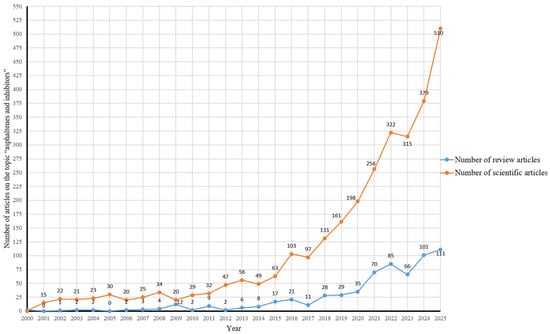
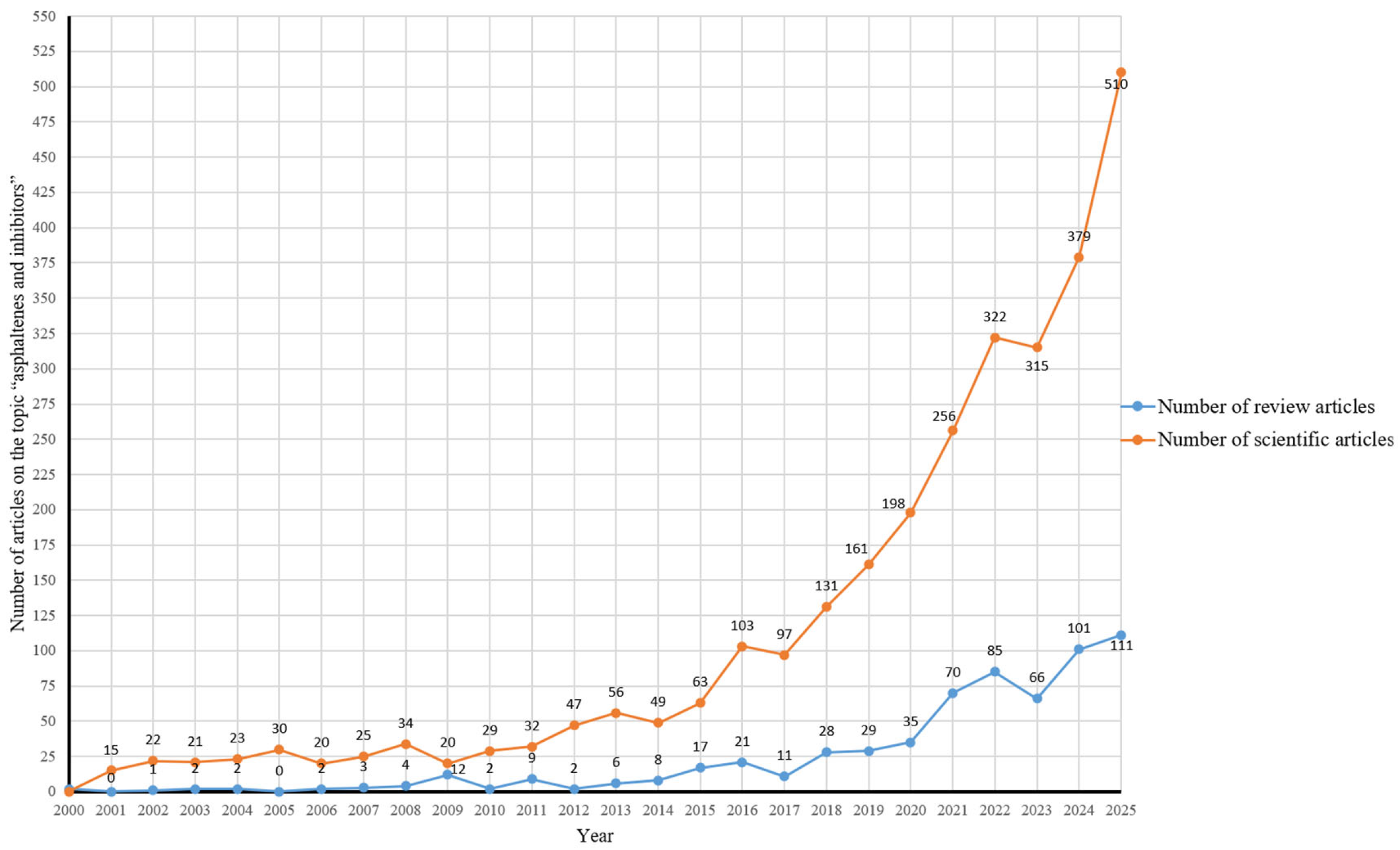
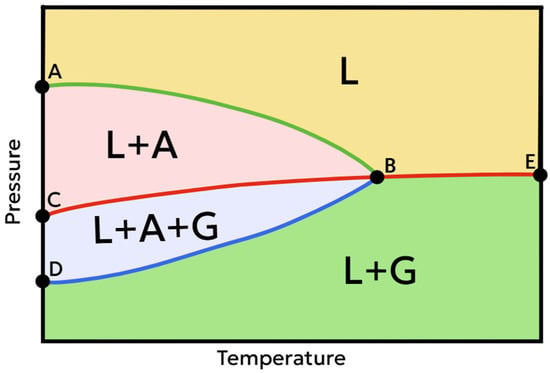
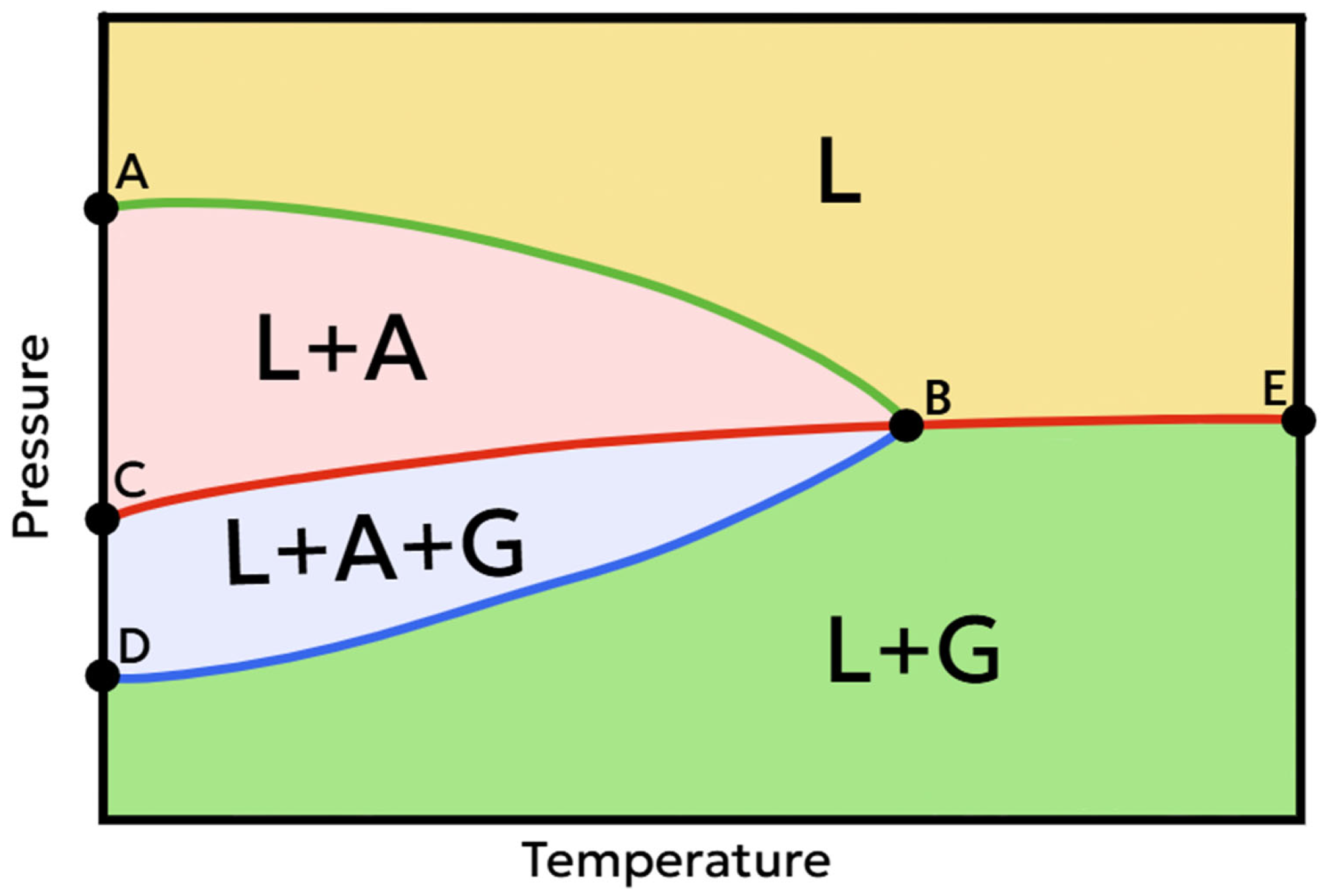
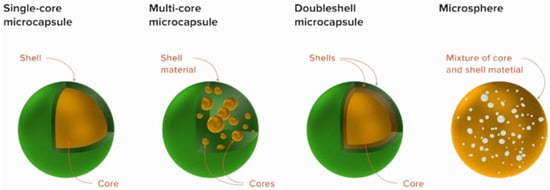
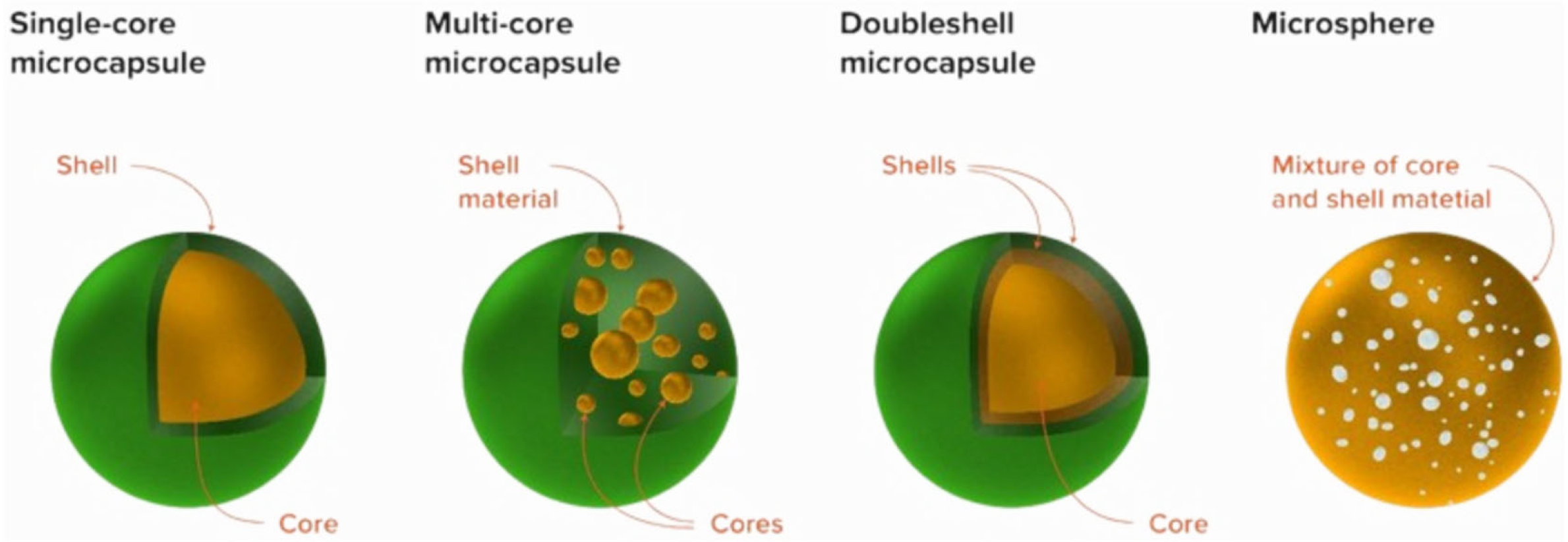

Disclaimer/Publisher’s Note: The statements, opinions and data contained in all publications are solely those of the individual author(s) and contributor(s) and not of MDPI and/or the editor(s). MDPI and/or the editor(s) disclaim responsibility for any injury to people or property resulting from any ideas, methods, instructions or products referred to in the content. |
© 2026 by the authors. Licensee MDPI, Basel, Switzerland. This article is an open access article distributed under the terms and conditions of the Creative Commons Attribution (CC BY) license.