


Abstract
Swelling soils pose significant geotechnical challenges due to volumetric instability upon moisture fluctuations. While traditional chemical stabilisers mitigate this, they induce brittle soil behaviour and generate high carbon emissions. Consequently, natural fibre reinforcement has emerged as an alternative that preserves soil ductility and leverages biological carbon sequestration to potentially provide a lower-carbon solution. This paper presents a PRISMA-compliant review of natural fibre applications in swelling soils, initially screening 246 records from Scopus and Web of Science to ultimately synthesise 61 relevant experimental studies. Bibliometric analysis reveals this domain is experiencing a rapid growth phase, predominantly driven by developing nations like India and China. The synthesis demonstrates that fibres effectively mitigate volumetric expansion (reducing swelling parameters by a range of 40–60%) and enhance unconfined compressive strength by up to 237%, driven by their high cellulose content and irregular surface topography. However, efficacy is constrained by an optimum fibre threshold (typically in the range of 0.3–2.0%), beyond which the “balling effect” degrades matrix integrity. While coupling fibres with chemical binders yields highly synergistic mechanical benefits, the inherent biodegradability of natural fibre reinforcement remains a critical uncertainty. Ultimately, establishing field-representative durability testing protocols is imperative to ensure the long-term viability of these sustainable reinforcements in actual earthworks.
Keywords:
expansive soil; clay; soil reinforcement; biocomposites; ground improvement; biodegradation; PRISMA 1. Introduction
Swelling soils are known for volumetric instability, linked to fluctuations in their water content. When subjected to an increase in water content, these soils undergo volumetric expansion and exert swelling pressures on adjacent structures. Conversely, during desiccation, they shrink, inducing settlement in nearby infrastructure [1,2]. Consequently, these problematic soils are detrimental to engineering works, notably affecting lightweight foundations, roads, retaining structures, and earth slopes [3,4,5]. This volumetric instability is fundamentally governed by their mineralogical composition; specifically, clay minerals in the smectite group, most notably montmorillonite, are the primary agents responsible due to their high affinity for water [4,6]. Furthermore, the shear strength behaviour of swelling soils is more complex than that of conventional clayey soils. Although they can mobilise substantial peak shear strength in an unsaturated state, this capacity is reduced under saturated conditions or at ultimate states involving large strains [7].
The widespread geographic distribution of swelling soils translates into a global economic burden, covering nearly one-fifth of India’s land area and vast tracts across Australia, China, the United States, and the African continent [5,8]. In the United States alone, researchers estimate annual infrastructure damages to exceed USD 15 billion [2,9,10], a staggering cost that reportedly doubles the financial impact of all combined natural disasters [11].
Conventionally, traditional cementing agents such as Portland cement and lime have provided a reliable way to stabilise swelling soils. When correctly proportioned, this approach yields satisfactory results, effectively mitigating volumetric deformations whilst enhancing the mechanical strength of the soil [1,12,13]. Despite their effectiveness, these chemical binders present drawbacks, including strength gain that depends on curing time and the induction of a stiffer and more brittle behaviour in treated soils [11,14,15]. Environmentally, the manufacturing of these binders accounts for a 7–8% range of annual global greenhouse gas emissions [16]. Specifically, for every tonne of Ca(OH)2 produced, the thermal decomposition of CaCO3 into CaO and the associated fossil fuel combustion emit an estimated 1.2 tonnes of CO2 [17].
To address the environmental and mechanical limitations of conventional binders, incorporating natural fibres has emerged as a promising soil reinforcement technique. When distributed within the soil matrix, discrete natural fibres function as tensile elements that bridge developing micro-cracks and establish a three-dimensional reinforcing network [18,19,20]. This interlocking mechanism not only restricts volumetric swelling and enhances shear resistance, but also drives an improvement in the overall ductility of the soil [8,21,22,23]. Beyond these mechanical benefits, natural fibres actively sequester carbon during the plant’s growth cycle, yielding a potentially lower-carbon stabilisation technique [24,25,26].
Beyond geotechnical applications, the multi-industry demand for natural fibres is driving a commercial expansion, with global revenues forecast to more than double, from USD 4.5 billion in 2022 to an estimated USD 9.2 billion by 2031 [27]. Regarding the global output of natural fibres between 2010 and 2022, Asia accounts for the majority of production (61.5%), with South America (17.6%) and North America (10.5%) serving as key secondary producers [28].
Driven by this global production capacity and the associated low costs, researchers have deployed a diverse array of natural fibres to treat swelling soils, such as coir, jute, sisal, and hemp [29]. However, the existing literature regarding their long-term performance remains fragmented. Specifically, the highly reactive and water-retaining nature of swelling soils introduces critical uncertainties when paired with inherently hydrophilic and biodegradable natural fibres [30,31,32]. Questions persist regarding how prolonged moisture exposure governs the soil–fibre interfacial friction and influences the environmental decay of the composites over time [20,33]. To bridge this gap, this study distinguishes itself by adopting a transparent, PRISMA-compliant systematic framework that captures the complete historical record of publications, without arbitrary temporal restrictions. This manuscript couples the systematic synthesis with a robust bibliometric analysis, mapping geographic distributions, identifying the top 10 most influential works in the domain, and projecting future growth trends and technological maturity.
Furthermore, this review isolates the intricate micro-mechanical interactions within expansive soil–fibre systems. It comprehensively compiles the distinct physical and biochemical properties of natural fibres and correlates them directly with microstructural observations and macroscopic mechanical improvements. Crucially, this study advances beyond standalone fibre applications by dedicating a comprehensive evaluation to synergistic hybrid frameworks (e.g., coupling natural fibres with chemical binders such as cement, lime, or MICP). Finally, it directly addresses one of the most significant scientific unknowns in the field: the long-term biodegradability and environmental decay of these natural fibres under environmental exposure. By identifying these knowledge gaps, this review aims to provide a definitive, reproducible baseline and outline targeted future research directions, safely guiding the translation of laboratory-scale successes into real-world engineering applications.
2. Methodology
This study presents a systematic literature review conducted in accordance with the PRISMA guidelines established by Page et al. [34,35], to ensure reproducibility, clarity, and consistency in data collection (the PRISMA 2020 checklist is available as Table S1 in the Supplementary Materials). We aimed to identify diverse applications of natural fibres for the mechanical improvement of swelling soils with this approach. After compiling and refining a database using established inclusion and exclusion criteria, a comprehensive bibliometric analysis was conducted to map the global landscape, forecast publication growth trends, identify highly influential articles, and trace the field’s evolutionary trajectory. Subsequently, detailed data on the diverse applications of natural fibres in swelling soils were extracted and synthesised, encompassing the primary fibre types used and the resultant mechanical modifications achieved in the swelling soil.
2.1. Search Strategy and Information Sources
The search strategy entailed querying the Scopus and Web of Science Core Collection databases to identify relevant literature through targeted keyword combinations. These specific platforms were selected for their comprehensive coverage of engineering disciplines and superior metadata quality. The search covered all articles published up to April 2026. To guarantee the academic rigour of the included studies, a document-type filter was applied, restricting results exclusively to peer-reviewed journal articles. The search strategy was systematically designed around three distinct conceptual blocks, interconnected via the Boolean “AND” operator. Table 1 details the specific keywords and truncation symbols used in each block. Furthermore, the question mark wildcard (“?”) was incorporated directly into the keywords to capture orthographic variations in the search terms, such as “fibres” and “fibers”, while the asterisk (“*”) was used to capture broader suffix derivations.
Table 1.
The search string used for the systematic review process.
2.2. Study Selection and Eligibility Criteria
Following the database queries, 483 raw records (Scopus = 320, Web of Science = 163) were identified. These were initially subjected to automated filters, which removed 132 ineligible records (comprising non-English language publications, unrelated subject areas, non-peer-reviewed sources, and conference proceedings). The subsequent removal of 105 duplicate records yielded an initial dataset of 246 articles for title and abstract screening. During this phase, 182 records were excluded for being out of scope or lacking reported mechanical properties.
The remaining 64 articles underwent comprehensive full-text screening against predefined inclusion and exclusion criteria. The primary inclusion criterion was the investigation of mechanical stabilisation of swelling soils using natural fibres. Conversely, 3 records were excluded at this full-text stage because the fibres were applied as powder or ash, formats in which they can no longer function as tensile reinforcing elements within the soil matrix. Consequently, we obtained a refined final dataset of 61 articles aligned with this study’s scope and included it in this review. Figure 1 outlines the methodological workflow undertaken during this PRISMA-compliant systematic review.
Figure 1.
PRISMA flowchart of literature search and screening.
To ensure selection reliability and mitigate subjective bias, the title, abstract, and full-text screening processes were performed independently by two primary reviewers. The reviewers resolved discrepancies in eligibility and application of inclusion/exclusion criteria through consensus or by consulting a third senior reviewer.
2.3. Bibliometric Analysis
The bibliometric analysis was conducted exclusively on the final subset of articles that met all PRISMA eligibility criteria to eliminate thematic noise and ensure the relevance of the identified trends. The refined portfolio comprised 61 articles published across 48 journals, reflecting a global collaborative network of 194 authors affiliated with 104 distinct organisations spanning 26 countries. Computational processing was facilitated by the Bibliometrix Biblioshiny package (Version 5.2.1) within the RStudio environment (Version 2026.01.1) [36,37]. Comprehensive metadata extraction (e.g., publication year, source journals, institutional affiliations, authors, and citation metrics) formed the basis of the evaluation. In particular, the analytical framework addressed the temporal evolution of the subject matter, mapped country-level contributions based exclusively on the corresponding authors, and identified the most highly cited literature.
2.4. Data Extraction and Synthesis
A comprehensive full-text review of the refined database was undertaken to synthesise viable natural fibres for swelling soil treatment, together with their physical, biochemical, and mechanical properties. In particular, data on fibre dimensions, density, tensile strength, elongation at break, biochemical composition, and surface topography were gathered. Moreover, this review examined the influence of fibre content on the mechanical behaviour of swelling soils, specifically evaluating variations in volumetric properties and strength parameters under both standalone and chemical binder-composite frameworks. Finally, this review critically assessed the long-term performance and durability of the soil–fibre system.
To ensure data reliability and reduce subjective bias, two primary reviewers performed the entire data extraction process independently. Although the extracted data were primarily objective and numerical, this independent double-checking step was implemented to prevent human error in unit conversions or graphical data interpretation. Any disagreements regarding the extracted variables were resolved through consensus or by consulting a third senior reviewer.
3. Results and Discussions
3.1. Bibliometric Analysis
Figure 2a illustrates the annual publication output in the compiled dataset, which comprises 57 articles up to the end of 2025, while Figure 2b shows the cumulative growth of these publications. Data for 2026 were excluded to ensure consistent interpretation of annual trends, as they represent only a partial year captured up to April. The historical trajectory of this literature can be distinctly categorised into two phases. The earliest identified research dates back to 2008, initiating a slow-growth phase that took until 2016 for the literature to reach a cumulative total of ten published articles. After this, the literature enters a rapid growth phase, with publication volume surging and peaking in 2025. This trajectory underscores the novelty of stabilising swelling soils with natural fibres, aligning with the recent paradigm shift towards sustainable geotechnical solutions [18,29,38].
Figure 2.
Temporal distribution of publications regarding the stabilisation of swelling soils using natural fibres: (a) annual production and (b) cumulative production.
Furthermore, Figure 2b demonstrates the application of a logistic model to forecast cumulative growth. Previous studies have highlighted this model as satisfactory for evaluating publication dynamics across various themes [39,40,41]. Characterised by an S-shaped cumulative distribution, the logistic model delineates distinct maturity phases within a research field. It identifies an inflexion point where the initial surge in scientific output transitions into a phase of decelerated growth [42,43]. Applied to the current dataset, the model exhibits a robust goodness-of-fit value (R2 = 0.99), accurately describing the publication trajectory of this emerging topic. Because historical data are limited, it was cautiously restricted forecasting to a 5-year period (until 2030) to reduce the risk of long-term projection errors. Within this projected timeframe, the application of natural fibres in swelling soils remains in a rapid growth phase, indicating a continued rise in scientific attention.
An analysis of country-level contributions was conducted using a whole-counting method based strictly on the institutional affiliation of the corresponding author for each of the 61 articles in the refined dataset. This evaluation reveals the global distribution of scientific activity regarding the application of natural fibres for swelling soil stabilisation. Specifically, the data identify India as the leading contributor, accounting for 57.4% of production (35 articles), with China acting as an emerging contributor at 16.4% (10 articles). At the same time, the remaining countries maintain a comparatively modest scientific output. From a geographical perspective, the highest concentration of scientific research on this topic is found in emerging (developing) countries. This trend is likely driven by the availability of large-scale natural fibre production in these countries, the wide diversity of these materials, and their associated low cost in comparison to more industrialised stabilisation techniques, alongside their lower environmental impact relative to traditional binders [29,38,44].
Table 2 details the ten publications with the highest citation frequencies on the stabilisation of swelling soils with natural fibres, identifying the research with the greatest impact. Within this corpus, the works of Wang et al. [23] and Tiwari et al. [5] are distinguished by their enduring post-publication impact, maintaining averages of 21.50 and 19.33 citations per annum, respectively. Furthermore, when grouped with Yixian et al. [45], these publications form the top-three most cited works overall, with each paper independently crossing the threshold of 100 citations. Notably, originating from China and India, these highly cited studies reinforce the trend observed in the geographical distribution; they demonstrate that these emerging nations not only lead the sheer volume of scientific output, but also generate the most globally relevant and impactful literature within this domain.
Table 2.
The ten most internationally cited articles from the database.
Corroborating the annual scientific production trends illustrated in Figure 2, the chronological distribution in Table 2 highlights a recent and significant surge in academic interest concerning the sustainable stabilisation of swelling soils with natural fibres. Although pioneering studies like Sivakumar Babu et al.’s [8] and Ramesh et al.’s [47] retain substantial total citation counts reflecting their historical precedence, over 50% of the top-tier documents emerged from 2020 onwards. In particular, the rapid accumulation of citations by Syed et al. [48] and Medina-Martinez et al. [29] (the most recent publications in the table, both released in 2022) exemplifies this contemporary citation velocity, with both studies exceeding an average of 10 citations per annum. The dataset also highlights the multidisciplinary application of natural fibres in geotechnical engineering. The top ten articles span diverse publication venues, including core geotechnical platforms (e.g., International Journal of Geomechanics), transportation infrastructure journals (e.g., Road Materials and Pavement Design), and broad materials science journals (e.g., Construction and Building Materials).
3.2. Physical and Mechanical Fibre Properties
The performance of fibre-reinforced swelling soils is governed by the physical and mechanical properties of the selected fibres. Unlike synthetic materials, which have controlled specifications, natural fibres exhibit a degree of heterogeneity. Their physical and mechanical characteristics can be sensitive to variables such as botanical origin, plant age, climatic conditions during growth, and the extraction processes employed [49,50].
The biochemical composition of natural fibres influences their mechanical capacity and micro-structural interaction with the soil matrix. Accordingly, Table 3 summarises the biochemical values available across the database (reported by only a small subset of the reviewed studies).
Table 3.
Summary of the biochemical composition of natural fibres applied in the stabilisation of swelling soils.
Cellulose serves as the primary structural polymer within natural fibres, directly governing their intrinsic tensile strength and mechanical stiffness [57,58,59]. This biochemical parameter varies significantly among the documented materials, with hemp fibres demonstrating the highest cellulose concentrations, ranging from 63.0% to 74.0% (e.g., in the studies of Syed et al. [31]; Kalkan et al. [22]). Consequently, mechanically stronger fibres tend to yield superior stabilisation performance, given their ability to withstand higher mechanical loading prior to tensile failure within the soil matrix [16,19].
Conversely, the long-term geotechnical viability of biological reinforcements is dependent on their lignin content. Lignin acts as a recalcitrant, binding matrix within the cellular structure, offering rigidity and resistance to microbial decay and environmental degradation [57,60,61]. The compiled database reveals that coir fibres are dominant in this regard, consistently exhibiting lignin contents exceeding 40.0% and reaching up to 49.2% [54]. This high concentration provides the potential for coir to preserve its structural integrity and mechanical interlocking capabilities over extended periods, making it advantageous for earthworks exposed to seasonal weathering.
Furthermore, the presence of hemicellulose introduces a hydro-mechanical challenge. Characterised by an amorphous and hydrophilic structure, hemicellulose governs the moisture-absorption capacity of the fibre, which also influences its expansion. [62,63]. Table 3 indicates elevated hemicellulose levels in specific fibres, such as diss (up to 26.0%) [55] and certain hemp samples (15.0–20.0%) [22]. In swelling soil applications, high concentrations of hemicellulose can be detrimental. Firstly, the fibres can act as preferential hydraulic pathways, accelerating water infiltration into the clay matrix and potentially exacerbating the swelling behaviour of the soil [20]. Concurrently, the fibres themselves absorb substantial moisture, causing them to swell and physically soften [21]. This softening degrades the mechanical stiffness required for effective soil–fibre interfacial friction, ultimately facilitating premature pull-out failures during wetting cycles [23].
Table 4 highlights the range of physical and mechanical properties reported in the compiled database for the primary fibres used in swelling soil stabilisation, noting that some reviewed studies did not report these parameters. The data compiled reveal contrasting mechanical behaviours among the investigated natural fibres, impacting their reinforcement mechanisms in swelling soils. Fibres such as hemp, jute, and sisal exhibit high tensile strength, with upper bounds reaching 1110 MPa, 800 MPa, and 564 MPa, respectively [21,22,23]. This high tensile capacity allows them to act as stiff micro-inclusions, effectively resisting the internal tensile stresses induced by clay swelling [11,64], while concurrently improving the overall shear strength of the soil under external loading [16,19,65]. Although these strong fibres have low elongation at break (generally below 7%), this characteristic is functionally advantageous; this stiffness ensures that the fibres mobilise their tensile resistance rapidly, restraining the soil matrix at the onset of swelling deformations.
Table 4.
Summary of the physical and mechanical properties of natural fibres applied in the stabilisation of swelling soils.
Conversely, coir fibres demonstrate a higher elongation capacity, reaching up to 41.7% [68]. In the context of swelling soils, this ductility means coir fibres can safely deform alongside the expanding clay matrix without suffering premature rupture. Nevertheless, this flexibility presents a structural trade-off, as the lack of fibre stiffness consequently hinders the mobilisation of shear resistance within the soil matrix [79].
Although underrepresented in the context of swelling soil stabilisation when compared to other natural fibres, diss fibre is notable for exhibiting a low deformation capacity alongside the lowest tensile strength values [55,56] within the compiled dataset.
Furthermore, Table 4 highlights the geometric variability of the fibres employed in the database, which governs soil–fibre mechanical interlocking [23,72,76]. The compiled lengths span from short 5 mm segments [19] to extensive 110 mm strands (as seen in coir) [69]. While longer lengths and higher aspect ratios theoretically enhance interfacial friction and prevent premature pull-out failures, excessive lengths often lead to non-uniform dispersion and the formation of weak agglomerations within the soil mass [29,45]. Consequently, to mitigate this risk, most studies in the compiled database restricted fibre lengths to 50 mm or less.
The specific gravity values presented in Table 4, which range from 0.82 to 1.74 [48,66], warrant attention because they affect the phase relationships of the stabilised matrix. Natural fibres are lightweight when compared to typical clay minerals, which generally exhibit a specific gravity between 2.60 and 2.80 [80,81]. Consequently, the incorporation of these natural fibres represents a direct volumetric substitution of heavier soil grains with a lighter material. This contrast in phase densities alters the physical state of the mixture, inevitably driving a reduction in the overall unit weight of the reinforced matrix [80].
Finally, Table 3 and Table 4 provide quantitative evidence of the heterogeneity characteristic of botanical materials. Substantial discrepancies are observed not only between distinct species but also within a single fibre type across different studies. For instance, the reported cellulose content for coir ranges drastically from a mere 5.2% [16] to 54.0% [51], while the tensile strength of hemp exhibits massive ranges from 110 MPa [31] to 1110 MPa [22]. These variations corroborate that both the biochemical makeup and the resulting physical–mechanical properties are sensitive to agronomic variables, geographic provenance, regional climate, plant maturity, and specific extraction techniques, as reported by previous studies [55,59,82]. Consequently, this variability underscores the persistent complexity of establishing standardised quality controls for using natural fibres in geotechnical applications.
Furthermore, the variance in mechanical properties (Table 4) is exacerbated by the absence of dedicated geotechnical testing standards for natural fibres. To determine single-fibre tensile strength, researchers routinely adapt protocols from the textile and polymer industries, such as ASTM D3822/D3822M [83] and ASTM D638 [84]. Consequently, discrepancies in gauge lengths, gripping mechanisms, and applied displacement rates introduce methodological artefacts, ultimately complicating the direct comparative analysis of fibre efficacy across different swelling soil investigations.
The surface morphology of the natural fibres plays a pivotal role in the soil–fibre interfacial shear mechanism. Drawing upon scanning electron microscopy (SEM) evaluations [20,22,55,65,72], the conceptual schematics in Figure 3 illustrate the primary surface irregularities (such as micro-pores, rough ridges, peeling layers, and striations) that favour the mobilisation of interfacial friction and mechanical interlocking [19,22,56]. Coir fibre was distinguished by its porous surface, which provides enhanced anchorage points with clay minerals [66]. However, this microporosity may also facilitate water absorption [51], thereby presenting a detriment to its long-term durability. Furthermore, jute fibre exhibited an irregular and fibrous topography, whereas sisal displayed longitudinal and transverse striations. In both cases, these surface irregularities increase interfacial friction with surrounding clay particles [65,72].
Figure 3.
Conceptual schematics illustrating the primary surface irregularities commonly observed on natural fibres used in swelling soil stabilisation.
Regarding stress distribution, the tensile strength of the fibre (e.g., notably high in hemp and jute) directly governs the ultimate shear strength and bearing capacity of the soil, as stronger fibres can withstand higher mobilisation forces across developing shear bands before rupturing [21,22,23]. Concurrently, fibre length and aspect ratio dictate the anchorage mechanism, as longer fibres provide superior pull-out resistance that bridges micro-cracks and suppresses swelling potential [16,23].
Conversely, regarding phase relationships, the physical entanglement and elasticity of the fibres dissipate dynamic compaction energy [19,85]. Their lower specific gravity compounds this challenge compared to soil grains; because their addition volumetrically replaces denser clay particles, it penalises compaction characteristics and reduces the maximum dry density of the matrix [31]. Furthermore, while the inclusion of these non-plastic elements mechanically dilutes the active clay fraction to alter the plasticity, this macroscopic modification is often limited since natural fibres are generally applied at very low dosages [51].
Consequently, the performance discrepancies reported across previous studies evaluating natural fibre reinforcement in swelling soils can be attributed to these variations in fibre properties and content [29]. Achieving optimal soil improvement relies on a delicate balance: maximising tensile strength and anchorage for mechanical gain, while strictly controlling fibre length and dosage to prevent compaction and plasticity detriments.
Ultimately, the micro-scale properties of natural reinforcements (encompassing biochemical composition, mechanical performance, and surface topography) interact synergistically to dictate the macro-scale behaviour of the stabilised composite. Incorporating these lightweight, textured fibres into a dense, reactive clay matrix alters phase relationships and internal stress-distribution mechanisms.
3.3. Compaction Characteristics
Compaction parameters, specifically maximum dry density (MDD) and optimum moisture content (OMC), dictate the initial physical state of the stabilised earthwork. Several studies demonstrate that natural fibre reinforcement systematically induces a reduction in MDD while concurrently increasing the OMC, a consistent trend observed across diverse natural fibres such as sisal [75], jute [31], coir [11], bamboo [30], hemp [22], and diss [55,56]. This density reduction is mechanistically driven by the volumetric replacement of dense clay solids with lightweight natural fibres, as established previously. Meanwhile, the hydrophilicity of the fibres, influenced by their hemicellulose fractions, imposes a higher water demand on the composite matrix to achieve optimal compaction, thus elevating the OMC [11,22].
In addition to volumetric and hydrophilic factors, the elasticity of natural fibres significantly reduces overall compaction efficiency. During compaction, the fibres absorb and dissipate the dynamic impact energy, restricting the optimal rearrangement of clay particles [19,85]. Moreover, Jayawardane et al. [11], Paul et al. [19], and Yixian et al. [45] indicate that exceeding an optimum fibre content threshold, as well as employing excessively long fibres, induces the “balling effect”; this extensive fibre entanglement generates macro-voids within the composite, further driving down the MDD.
3.4. Swell–Shrink Behaviour
Mitigating swelling properties is of practical interest to enable the engineering application of swelling soils. An analysis of the articles within the database reveals that the swelling and shrinkage behaviour of such soils can be mitigated through the reinforcement of a diverse range of natural fibres [11,18,20,21,46]. Mechanistically, during the soil hydration phase, the fibres mobilise their tensile strength to restrain soil deformation physically [19,33]. Empirical evidence highlights this efficacy: incorporating up to 1.5% coir fibre decreases free swell by up to 44%, whilst 0.75% jute fibre achieves a 50% drop in swelling pressure [8,74]. Furthermore, reinforcing soils with 0.3% sisal fibre has been shown to reduce the 50 kPa loaded swelling ratio by 63.5% [21].
Conversely, during the drying and contraction phase of the soil, the fibres provide a bridging effect that resists volumetric shrinkage and restricts the propagation and widening of micro-cracks induced by soil suction [18,20,23,72]. This structural restraint can minimise linear and volumetric shrinkage by 33.4% and 23.4%, respectively, using 0.3% sisal reinforcement [21]. Beyond volumetric indices, this tensile resistance effectively suppresses surface desiccation. For instance, flax tows (0.4%) can decrease the crack intensity factor by 71% and crack length density by 6% [18]. Similarly, Kantesaria et al. [20] demonstrated that coir and banana fibres (at a dosage range of 0.25–1.00%) reduced desiccation cracks by up to 92% and 80%, respectively.
While empirical evidence highlights the efficacy of natural fibres, swelling and shrinkage mitigation is also governed by an optimum fibre content threshold. Multiple studies have documented a performance rebound when this optimum (typically ranging from 0.3% to 2.0% by dry weight of the soil, depending on the fibre type) is exceeded [8,21,56,71]. For example, Gheris and Hamrouni [56] identified a 2.0% optimal dosage for diss plant fibres to minimise swelling amplitude and pressure, yet further additions up to 3.0% caused both parameters to rise. Similarly, exceeding the optimums of 0.3% for sisal [21] or 0.6% for coir [8] forfeited volumetric gains, leading to increased linear shrinkage, swelling ratios, and swelling pressures. Furthermore, Kantesaria et al. [20] demonstrated that even when desiccation cracking is successfully contained, excessive fibre content (e.g., 1.0% coir or banana fibres) can amplify the overall volumetric shrinkage strain. This occurs because the organic fibres themselves undergo contraction following high-water absorption and subsequent drying [20,86,87].
This variation in optimum fibre content (expressed as a percentage of the dry mass of the swelling soil, ranging from 0.3% to 2.0%) and the decline in swell–shrinkage performance at higher dosages are driven by coupled physical and hydraulic mechanisms. Fibres with higher aspect ratios and longer physical lengths theoretically provide superior interfacial friction; however, they reduce the workability of the dense clay matrix during mixing [23,72,88]. Consequently, longer or stiffer fibres reach their agglomeration threshold at much lower dosages (e.g., 0.3% for sisal) compared to shorter, less stiff fibres (e.g., 2.0% for diss) [21,56].
Physically, excessive fibre concentrations prevent uniform mixing, leading to localised entanglement and the formation of “fibre pockets” or agglomerates [8,21,71]. These clusters create macro-voids that reduce the effective contact area between the fibres and the clay particles, compromising matrix integrity. Hydraulically, these macro-pores act as preferential pathways for water infiltration. When combined with the inherent hydrophilicity of natural fibres, this triggers a coupled fibre–soil expansion upon wetting and induces non-uniform drying stresses during desiccation [21].
These findings indicate that although standalone natural fibre stabilisation improves swelling properties, its effectiveness is confined to a low, optimum fibre content. Importantly, the literature confirms that fibre reinforcement alone cannot eliminate the volumetric change behaviour of these soils [8,11,72,73,74,76].
3.5. Mechanical Strength and Bearing Capacity
Beyond volumetric control, fibre reinforcement alters the strength, stress–strain behaviour, and bearing capacity of swelling soils. Empirical data from unconfined compression strength (UCS), California bearing ratio (CBR), direct shear, and triaxial compression tests reveal these strength improvements [23,30,55,74]. This enhancement is attributed to the interfacial friction and mechanical interlocking between the rough fibre surface and the clay matrix [19,23,65].
Highlighting these benefits, several authors have documented strength improvements using natural fibres. Tariq et al. [74] increased the UCS from 200 kPa to 675 kPa and the CBR from 3% to 7.1% with 0.75% jute fibres. Kalkan et al. [22] more than doubled the UCS (85 kPa to 220 kPa) by applying 1% hemp fibres. Investigating other fibres, Jairaj et al. [53] and Kumar et al. [30] identified an optimal fibre content of 0.5% for coir and 2% for bamboo fibres, resulting in 130% and 67% UCS surges, respectively. Additionally, Lazorenko et al. [18] established a 29% UCS enhancement through the reinforcement of 0.6% flax tow by-products.
In addition to these metrics, triaxial compression test results corroborate the impact of natural fibres on shear strength parameters. Sivakumar Babu et al. [8] demonstrated that incorporating coir fibres into a swelling black cotton soil increases both the deviator stress and the major principal stress at failure by up to 37%, alongside improvements in cohesion and internal friction angles. However, these mechanical strength enhancements are restricted by an optimum fibre dosage. Triaxial evaluations by Yixian et al. [45] and Wang et al. [23] on jute-reinforced swelling soils revealed that peak deviator stress and cohesion increase progressively up to a 0.6% fibre content, beyond which the reinforcing effects diminish. Similarly, Kumar et al. [77] observed that the deviator stress at failure for a stabilised bentonite composite peaked at a 1% sisal fibre reinforcement before actively declining. Beyond these thresholds, fibre agglomeration occurs and matrix binding is compromised, reducing mechanical strength.
The principal mechanical benefit, however, is the shift in failure mode: from brittle behaviour (typical of desiccated or chemically stabilised clays) to ductile behaviour. Wang et al. [23] showed that this reinforcement alters the soil’s deviatoric stress–strain behaviour from strain-softening to strain-hardening, enabling the matrix to withstand larger axial strains without undergoing catastrophic collapse. This shift is further quantified by Kumar et al. [77], whose assessments of brittleness and deformability indices confirmed that natural fibre reinforcement transitions the composite’s overall failure mechanics from sudden brittle fracture to sustained ductile yielding.
Mechanically, this shift from strain-softening to strain-hardening behaviour is driven by the internal redistribution of stresses across the soil–fibre interface. Upon reaching peak strength, unreinforced swelling soils experience rapid structural degradation as failure surfaces propagate unhindered [19,89]. However, when randomly distributed fibres are incorporated, they act as tensile micro-reinforcements that intercept potential failure planes [16,19,23]. As axial strain increases and the clay matrix begins to crack, the resulting tensile and shear stresses are transferred to the fibres via surface friction [18,19,72]. This crack-bridging effect restricts the widening of micro-fissures and suppresses the immediate formation of continuous shear bands [72]. By forcing the composite to expend additional strain energy to either pull out or rupture the fibrous network, the material maintains its structural integrity and load-bearing capacity well beyond initial yielding, producing a ductile response [18,19].
3.6. Combined Effects of Natural Fibres and Stabilising Agents
Recognising the limitations of standalone treatments, contemporary research has shifted towards dual stabilisation strategies, coupling natural fibres with chemical agents like Portland cement, lime, ash, or eco-friendly alternatives such as biochar and microbially induced calcium carbonate precipitation (MICP) [11,65,72,90]. This hybrid methodology relies on a synergistic mechanism. While chemical binders alter the clay mineralogy to suppress swelling potential via flocculation and provide cementation for enhanced stiffness and strength, they inherently increase soil brittleness. The incorporation of natural fibres counteracts this adverse effect by functioning as a distributed reinforcement network, thus equipping the composite matrix with tensile strength and post-peak ductility [16,68,91,92]. Notably, the introduction of chemical binders does not significantly shift the required reinforcement threshold; the optimum fibre content in these dual-stabilisation matrices remains within the same 0.5% to 1% range observed for standalone fibre applications [53,66,90].
Regarding mechanical strength, experimental investigations demonstrate that natural fibre reinforcement systematically improves the compressive, tensile, and bearing capacities of chemically stabilised swelling soils. For instance, in cement-treated soils, the addition of 0.5% jute and nylon fibres yielded an additional increase of up to 109% in UCS and 200% in split tensile strength (STS) over cement-stabilised soil alone, while elevating the soaked CBR to 31% [19]. Under bio-cementation schemes, coupling MICP with 1.5% jute fibres led to a 186% increase in UCS, a 138.5% improvement in STS, and an 84% reduction in expansion in soaked CBR [72]. Similarly, combining enzyme-induced carbonate precipitation and iron ore tailings with 0.53% sisal fibres resulted in a 262% increase in UCS; a 78% and 172% increase in cohesion and internal friction angle, respectively; and a soaked CBR surge from 1.7% to 20% [75]. Even with complex mineral binders, such as bentonite–lime–phosphogypsum composites, reinforcing the matrix with 1% sisal fibres elevated the UCS from 843.20 kPa to 1129.63 kPa and resulted in a tensile load at failure of 0.06 kN after 3 days of curing, increasing to 0.19 kN after 28 days of curing, thereby suppressing post-peak brittleness [77,93].
In terms of volumetric stability, dual-stabilisation strategies successfully suppress the typical swell–shrink cycle and surface desiccation cracking. In a lime-stabilised marine clay, an optimal coir fibre content of 1.0% effectively mitigated swelling behaviour, reducing swelling potential from 0.18% to 0.06% and swelling pressure from 22.6 kPa to 7.2 kPa, compared with the lime-only mixture. Conversely, a higher fibre content of 2.0% coir fibres yielded the most pronounced reductions in linear shrinkage (from 8.76% to 4.06%). [11]. While cement-only treatments often exacerbate cracking due to the inherent brittleness of the hydration products and subsequent stress concentrations, bagasse fibre reinforcement suppressed crack propagation, keeping the final crack ratio below 1%. Microstructural observations confirm that the hollow tubular microstructures of the bagasse fibres acted as elastic spaces, accommodating soil deformation and dissipating internal expansion–contraction stresses. Furthermore, this physical reinforcement was complemented by hydraulic improvements: the fibres increased the saturated water content and shifted the soil water characteristic curve upwards, ensuring a more stable moisture migration that actively mitigates the mechanisms driving desiccation cracking [94].
Consequently, these combined treatments can fully mitigate free swell and swelling pressures while significantly enhancing peak and post-peak strength. These improvements ensure the practical viability of swelling soils across varied civil engineering contexts.
3.7. Microstructural Analysis
Micro-scale investigations are fundamental to substantiating the macroscopic performance of fibre-reinforced soils. Microscopy evaluations indicate that randomly distributed natural fibres interweave to form a continuous three-dimensional network. [16,19,65,72]. Under external loading, this fibre network physically restrains the relative displacement of soil particles, thereby mobilising enhanced shear strength [21,22]. Conversely, when dual stabilisation is employed, SEM imaging evidences the precipitation of cementitious compounds (namely C-S-H and C-A-H gels) driven by hydration or pozzolanic reactions. These products do more than merely infill the clay matrix micro-pores; they adhere to the textured surface of the natural fibres [16,19,72]. Such interfacial cementation optimises the mechanical interlocking and stress distribution between the rigid soil and the flexible fibre reinforcements, ultimately accounting for the suppression of swell–shrink behaviour and the gains in mechanical strength reported in macroscopic testing [11,16,48,95]. Drawing on these collective microstructural observations, conceptual schematics (Figure 4a,b) map the interlocking mechanisms and interfacial cementation discussed in the literature.
Figure 4.
Conceptual schematics of microstructural interactions in fibre-reinforced cemented soils: (a) three-dimensional network illustrating fibre–soil–gel interlocking mechanisms; (b) magnified view of the fibre–matrix interface highlighting cementitious gel adhesion along surface ridges and micro-pores.
Because these reinforcement mechanisms are invoked throughout the literature to explain the macroscopic behaviour of expansive soils, it is critical to distinguish between phenomena directly corroborated by micro-scale experimental evidence and those that remain conceptually inferred. Direct empirical observations substantiate interfacial friction, mechanical interlocking, the formation of three-dimensional networks, and crack bridging. For instance, SEM of post-shear failure surfaces reveals clay aggregates physically anchored within the surface striations, pits, and micro-grooves of natural fibres, directly governing interfacial sliding and pull-out resistance [16,19,65,72]. Furthermore, stereomicroscopic cross-sections visually verify the spatial 3D network of randomly oriented filaments that intercept tensile strain domains and transition the matrix to ductile strain-hardening [48,52]. Similarly, digital image analysis and optical microscopy provide direct evidence of fibres physically bridging emerging desiccation fissures, actively mobilising tensile forces to reduce the crack intensity factor [18,20,51]. Finally, hydro-mechanical interactions involving preferential water pathways are also directly validated. Continuous gravimetric monitoring during desiccation confirms accelerated evaporative water loss via interfacial bleeding along the fibre–soil boundary [18].
3.8. Biodegradation and Long-Term Performance
While natural fibres offer sustainable and mechanical benefits, their inherent biodegradability poses a significant challenge for the long-term performance of stabilised swelling soils. In practical geotechnical applications, these fibres are frequently exposed to climatic variations (such as alternating sun and rain), alongside direct contact with the swelling soil. Because these soils strongly retain water, such moisture-rich conditions readily facilitate biological attack and subsequent decomposition [30,31]. Furthermore, prolonged exposure to highly alkaline environments (typically induced by chemical stabilisers such as alkali-activated binders, cement, or lime) can degrade the internal structure of the fibres [53,95].
Initial studies by Goutham and Krishnaiah [95] reported that in swelling soils treated with 15% sugarcane bagasse ash and 4% lime, the inclusion of 1.5% coir fibres yielded a peak UCS of 1200.5 kPa after 90 days of curing (an 8.54-fold increase over the untreated soil). However, the composite strength declined to 1068.5 kPa after 180 days. Microstructural evaluations linked this long-term strength loss to the physical degradation and thinning of the coir fibres. The authors attributed this deterioration to the fibres’ prolonged exposure to the highly alkaline environment.
The long-term resilience of swelling soils reinforced with natural fibres also relies on their capacity to withstand environmental weathering. During freeze–thaw (F-T) cycling, Tiwari et al. [5] noted that 0.25%-to-1.0% coir fibre reinforcement in bottom ash-stabilised soil partially preserved tensile and compressive strengths over 10 cycles by protecting cementitious bonds from volumetric rupture. Interestingly, Syed et al. [52] observed that while 0.1%-to-0.4% treated hemp and coir fibres in alkali-activated swelling soils experienced initial strength drops during the first three F-T cycles, the matrix reorganised and regained stiffness from the fifth cycle onwards, with 0.4% hemp providing the highest resilience. Regarding moisture variations, Liu et al. [94] demonstrated that 1.2% sugarcane bagasse fibres protected cement-stabilised soils from shear strength degradation across 5 wet–dry cycles.
Collectively, while these initial studies suggest some resilience to cyclic environmental stressors, a critical comparison reveals a limitation: the existing literature evaluates performance over a limited number of weathering cycles (typically 5 wet–dry and 10 F-T cycles). This short-term cyclic testing does not adequately simulate the prolonged, continuous moisture exposure typical of in situ earthworks. Under actual field conditions, repeated wetting–drying cycles exacerbate the inherent hydrophilicity of the fibres. Over extended periods, this continuous moisture fluctuation accelerates both microbial biodegradation and physical softening of the natural fibres [23,76]. Consequently, this progressive decay degrades the mechanical interlocking at the soil–fibre interface, leading to an eventual loss of the composite’s macroscopic tensile and shear strength, thus threatening the long-term stability of the reinforced infrastructure [30,76].
Chemical pre-treatments can mitigate these vulnerabilities and extend the long-term viability of natural fibres. Superficial modification is relevant, as raw fibres contain impurities (such as waxes, pectin, and lignin) that inhibit interfacial adhesion [29]. The most adopted technique is mercerisation, which immerses fibres in sodium hydroxide to strip away these amorphous compounds, increase surface roughness, and expose reactive hydroxyl groups for enhanced mechanical interlocking [11,48,72]. Thermogravimetric assessments demonstrate that this alkaline treatment elevates the thermal and biochemical stability of coir and hemp fibres by delaying the structural degradation of cellulose and hemicellulose [16]. To maximise these effects, Goutham and Krishnaiah [95] adopted a hybrid approach, subjecting coir fibres to sequential NaOH mercerisation and potassium permanganate oxidation, effectively eliminating contaminants and encapsulating the cell wall to achieve further gains in durability.
To further reduce hydro-affinity and biodegradation, researchers employ physical encapsulation and hydrophobic coatings. For example, Kumar et al. [30] utilised a FAS-17 methanol solution and thermal curing to block capillary absorption in bamboo fibres, protecting their tensile stiffness from fungal decay. Accessible alternatives, such as turpentine oil, have been used to waterproof sisal fibres [96]. Advanced polymeric applications, such as sequential alkali and epoxy-resin coatings, have been shown to reduce coir water absorption from 90% to 30% while increasing tensile strength from 133.1 MPa to 344 MPa [53]. Similarly, bituminous coatings on jute fibres reportedly halve their moisture affinity (dropping water absorption from 310% to 150%) and increase tensile strength from 94 MPa to 122 MPa [74].
When translating these micro-scale benefits to macroscopic geotechnical performance, experimental data confirm that treated fibres yield superior composite strength. Untreated coir fibres increased the swelling soil’s UCS to approximately 410 kPa, whereas the alkali–epoxy-treated fibres further elevated this to nearly 490 kPa [53]. This mechanical superiority is amplified in chemically stabilised matrices; when combined with lime, the UCS of the untreated coir fibre-reinforced soil reached roughly 415 kPa, while the alkali–epoxy-treated reinforced composite achieved a peak strength of approximately 575 kPa [53]. Comparable enhancements are observed in swelling soil reinforced with 0.75% jute, where bituminous coatings propelled the composite’s UCS from 690 kPa to 1350 kPa and boosted the CBR from 5.0% to 7.1% [74].
However, the macroscopic impact of these treatments can vary depending on the curing duration. When sisal fibres treated with 5% p-aminophenol were incorporated into a lime–phosphogypsum stabilised bentonite, they initially drove a marked UCS increase from 515.47 kPa (untreated fibre) to 795.53 kPa at 3 days of curing [77]. After 28 days of curing, this mechanical gap narrowed significantly, with untreated fibres yielding a UCS of 1129.63 kPa, nearly matching the 1185.19 kPa of the treated fibre composite [77].
3.9. Challenges and Future Perspectives
Despite recent progress in characterising the behaviour of natural fibre-reinforced swelling soils in both untreated and chemically stabilised matrices, knowledge gaps remain within the current literature. While laboratory-scale behaviour has been investigated across a broad spectrum of swelling soils and natural fibres, these assessments are predominantly limited to short curing periods, with few studies conducting truly long-term ageing evaluations.
Furthermore, the transposition and validation of these findings to larger scales, such as reduced-scale physical models and pilot applications (road subgrades, embankments, and shallow foundations), remain unexplored. Implementing fibre reinforcement under actual site conditions introduces operational challenges. For instance, achieving homogeneous field mixing is technically demanding; inadequate dispersion can exacerbate the balling effect, creating macro-voids that compromise matrix integrity. The elasticity of natural fibres can dissipate field compaction energy, complicating the achievement of target dry densities using standard heavy machinery. In situ moisture variations driven by seasonal weather cycles also threaten long-term stability, as they affect the biological degradation of the natural fibres.
Simulating the long-term biological degradation of natural fibres under laboratory conditions remains a challenge. To replicate environmental weathering, researchers [5,52,94] have subjected samples to cyclic durability assessments, such as wet–dry and freeze–thaw tests. However, the literature reveals that the cyclic regimes adopted in most studies consistently fall short of the 12 cycles recommended by specific ASTM standards [97,98]. Because no dedicated standards exist for fibre-reinforced swelling soils, these testing regimes are adapted from protocols originally developed for soil–cement mixtures. Consequently, while useful as a baseline, these adapted conventional protocols may not adequately capture the complex biochemical decay of organic fibres.
Therefore, a future perspective involves establishing dedicated testing frameworks that more accurately simulate in situ biological degradation, integrated with long-term field observations. Ultimately, comprehensive field-scale studies are imperative to confirm whether the mechanical and volumetric improvements observed in controlled laboratory settings can be reliably achieved and sustained under actual site conditions. Additionally, future research must explore the coupling of natural fibres with alternative, low-carbon chemical binders (such as agricultural or industrial waste by-products) to drive further sustainability advancements.
In this context, while natural fibres are frequently cited as sustainable alternatives, their true environmental footprint must be critically evaluated through comprehensive Life Cycle Assessments (LCAs). The renewable origin of a biocomposite does not automatically guarantee holistic sustainability [99]. In geotechnical applications, the assumption of “carbon neutrality” can be offset by the energy consumed during mechanical preparation [100] and the environmental costs of agricultural practices (e.g., land use, water, and fertilizers) [99]. The necessity for chemical pretreatments and the emissions associated with long-distance transportation can significantly dominate the total carbon footprint, especially if local sourcing is not viable [99,100]. Ultimately, integrating these LCA methodologies with comprehensive field-scale studies will enable the accurate life cycle prediction and widespread eco-friendly implementation of natural fibre reinforcements in swelling soils.
4. Conclusions
Addressing the challenges of swelling soil instability and the high carbon footprint of conventional chemical binders, this review systematically consolidated the current state of knowledge regarding natural fibre reinforcement. Following a PRISMA-based methodology and bibliometric mapping of 61 experimental studies, this research evaluated the multiscale mechanisms through which natural fibre reinforcement modifies the mechanical behaviour of swelling soils. Based on the comprehensive synthesis of the literature, the following main conclusions are drawn:
- The application of natural fibres in swelling soils is currently in a rapid growth phase, with publication volumes peaking in 2025 and an upwards trend projected to continue over the stipulated five-year horizon. This research domain is predominantly driven by emerging nations, particularly India and China, reflecting demand for cost-effective, low-carbon stabilisation alternatives in developing countries burdened by swelling soils.
- The macroscopic efficacy of natural fibres is governed by their biochemical and morphological properties; high cellulose content and irregular surface topographies (e.g., striations and micro-pores) enhance the tensile capacity and interfacial friction within the clay matrix.
- The reinforcement with natural fibres alters the compaction behaviour of swelling soils, driving a reduction in maximum dry density and a concurrent elevation in optimum water content. This phenomenon is governed not only by the low specific gravity and hydrophilicity of the reinforcement, but also by the elastic nature of the fibres, which dissipates dynamic compaction energy and hinders the dense rearrangement of the soil matrix.
- Natural fibres effectively mitigate volumetric expansion, linear shrinkage, and desiccation cracking by bridging micro-cracks and establishing a three-dimensional reinforcing network. This reinforcement transitions the soil’s failure mechanism from sudden brittle fracture to sustained ductile yielding. Reinforcement efficacy is bound by an optimum fibre content (typically between 0.3% and 2.0% by dry weight of the soil); exceeding this threshold induces the “balling effect,” which creates macro-voids, compromises matrix integrity, and degrades mechanical performance.
- Because standalone fibre reinforcement cannot entirely eliminate volumetric instability, coupling natural fibres with cementitious agents yields synergistic benefits. Chemical binders suppress swelling clay mineralogy and provide stiffness, while the distributed fibre network counteracts the induced brittleness by preserving post-peak ductility.
- Despite the significant mechanical and volumetric improvements observed at the laboratory scale, the practical readiness of natural fibres for widespread geotechnical application remains constrained by operational and environmental challenges. Chief among these are the inherent biodegradability of the fibres (compounded by potential decay in highly alkaline binder environments) and the logistical difficulty of achieving homogeneous in situ mixing without inducing the balling effect using standard field machinery. Consequently, before natural fibre reinforcement can be confidently adopted in routine earthworks, validation through long-term field pilot studies and the development of field-representative durability protocols are imperative.
Supplementary Materials
The following supporting information can be downloaded at: https://www.mdpi.com/article/10.3390/eng7110660/s1, Table S1: PRISMA 2020 checklist for the systematic review.
Author Contributions
Conceptualization, C.S. and V.B.d.A.; methodology, V.B.d.A. and A.A.A.d.S.; software, V.B.d.A.; validation, C.S. and V.B.d.A.; formal analysis, V.B.d.A.; investigation, C.S. and V.B.d.A.; resources, C.S.; data curation, V.B.d.A. and A.A.A.d.S.; writing—original draft preparation, C.S., V.B.d.A., and A.A.A.d.S.; writing—review and editing, C.S., V.B.d.A., A.A.A.d.S., and H.P.N.; visualization, C.S. and V.B.d.A.; supervision, C.S.; project administration, C.S.; funding acquisition, C.S. All authors have read and agreed to the published version of the manuscript.
Funding
This research was funded by the Conselho Nacional de Desenvolvimento Científico e Tecnológico (CNPq), grant number 140454/2025-0. This study was financed in part by the Coordenação de Aperfeiçoamento de Pessoal de Nível Superior—Brasil (CAPES)—Finance Code 001. The authors funded the APC.
Institutional Review Board Statement
Not applicable.
Informed Consent Statement
Not applicable.
Data Availability Statement
The original contributions presented in this study are included in the article. Further inquiries can be directed to the corresponding author.
Acknowledgments
The authors wish to express their gratitude for the institutional infrastructure and technical resources provided by the Graduate Program in Civil and Environmental Engineering (PPGECA) at the Federal University of Campina Grande (UFCG), as well as the academic support extended by the Federal University of Santa Catarina (UFSC).
Conflicts of Interest
The authors declare no conflicts of interest.
Abbreviations
The following abbreviations are used in this manuscript:
| PRISMA | Preferred reporting items for systematic reviews and meta-analyses |
| ASTM | American Society for Testing and Materials |
| SEM | Scanning electron microscopy |
| MDD | Maximum dry density |
| OMC | Optimum moisture content |
| UCS | Unconfined compression strength |
| CBR | California bearing ratio |
| MICP | Microbially induced calcium carbonate precipitation |
| STS | Split tensile strength |
| F-T | Freeze–thaw |
| C-S-H | Calcium silicate hydrate |
| C-A-H | Calcium aluminate hydrate |
References
- Silvani, C.; Guimarães, S.G.; Bezerra, I.M.T.; do Nascimento Lima, A.; de Azevedo, V.B.; Filho, H.C.S.; Consoli, N.C. Swelling Pressure Control in Expansive Soil–Lime Mixtures: Influence of Porosity and Lime Content. Geotech. Geol. Eng. 2025, 43, 369. [Google Scholar] [CrossRef] [Scilit]
- Barman, D.; Dash, S.K. Stabilization of Expansive Soils Using Chemical Additives: A Review. J. Rock Mech. Geotech. Eng. 2022, 14, 1319–1342. [Google Scholar] [CrossRef] [Scilit]
- de Araújo, M.T.; Ferrazzo, S.T.; Bruschi, G.J.J.; Consoli, N.C. Mechanical and Environmental Performance of Eggshell Lime for Expansive Soils Improvement. Transp. Geotech. 2021, 31, 100681. [Google Scholar] [CrossRef] [Scilit]
- Silvani, C.; da Silva, J.C.; Guedes, J.P.C. Sugarcane Bagasse Ash as a Green Stabilizer for Swelling Soil. Geotech. Geol. Eng. 2024, 42, 1459–1470. [Google Scholar] [CrossRef] [Scilit]
- Tiwari, N.; Satyam, N.; Puppala, A.J. Strength and Durability Assessment of Expansive Soil Stabilized with Recycled Ash and Natural Fibers. Transp. Geotech. 2021, 29, 100556. [Google Scholar] [CrossRef] [Scilit]
- Wang, T.; Wang, Y. Mechanical and Microstructural Changes in Expansive Soils Treated with Lime and Lignin Fiber from Paper Industry. Appl. Sci. 2024, 14, 3393. [Google Scholar] [CrossRef] [Scilit]
- Zhan, T.L.T.; Chen, R.; Ng, C.W.W. Wetting-Induced Softening Behavior of an Unsaturated Expansive Clay. Landslides 2014, 11, 1051–1061. [Google Scholar] [CrossRef] [Scilit]
- Sivakumar Babu, G.L.; Vasudevan, A.K.; Sayida, M.K. Use of Coir Fibers for Improving the Engineering Properties of Expansive Soils. J. Nat. Fibers 2008, 5, 61–75. [Google Scholar] [CrossRef] [Scilit]
- Shahbazi, M.; Rowshanzamir, M.; Abtahi, S.M.; Hejazi, S.M. Optimization of Carpet Waste Fibers and Steel Slag Particles to Reinforce Expansive Soil Using Response Surface Methodology. Appl. Clay Sci. 2017, 142, 185–192. [Google Scholar] [CrossRef] [Scilit]
- Igwe, O.; Umbugadu, A.A. Characterization of Structural Failures Founded on Soils in Panyam and Some Parts of Mangu, Central Nigeria. Geoenviron. Disasters 2020, 7, 7. [Google Scholar] [CrossRef] [Scilit]
- Jayawardane, V.S.; Anggraini, V.; Emmanuel, E.; Yong, L.L.; Mirzababaei, M. Expansive and Compressibility Behavior of Lime Stabilized Fiber-Reinforced Marine Clay. J. Mater. Civ. Eng. 2020, 32, 04020328. [Google Scholar] [CrossRef] [Scilit]
- Silvani, C.; Lucena, L.C.d.F.L.; Tenorio, E.A.G.; Filho, H.C.S.; Consoli, N.C. Key Parameter for Swelling Control of Compacted Expansive Fine-Grained Soil–Lime Blends. J. Geotech. Geoenviron. Eng. 2020, 146, 06020012. [Google Scholar] [CrossRef] [Scilit]
- Landlin, G.; Bhuvaneshwari, S. Evaluation of Swelling Pressure of an Expansive Soil Stabilized with Lime and Lignosulphonate as Overlay Cushion: An Experimental and Numerical Quantification. Environ. Sci. Pollut. Res. Int. 2023, 30, 122087–122106. [Google Scholar] [CrossRef] [Scilit] [PubMed]
- Chakraborty, S.; Nair, S. Impact of Curing Time on Moisture-Induced Damage in Lime-Treated Soils. Int. J. Pavement Eng. 2020, 21, 215–227. [Google Scholar] [CrossRef] [Scilit]
- Consoli, N.C.; da Fonseca, A.V.; Cruz, R.C.; Heineck, K.S. Fundamental Parameters for the Stiffness and Strength Control of Artificially Cemented Sand. J. Geotech. Geoenviron. Eng. 2009, 135, 1347–1353. [Google Scholar] [CrossRef] [Scilit]
- Syed, M.; GuhaRay, A. Effect of Natural Fiber Reinforcement on Strength Response of Alkali Activated Binder Treated Expansive Soil: Experimental Investigation and Reliability Analysis. Constr. Build. Mater. 2021, 273, 121743. [Google Scholar] [CrossRef] [Scilit]
- Simoni, M.; Wilkes, M.D.; Brown, S.; Provis, J.L.; Kinoshita, H.; Hanein, T. Decarbonising the Lime Industry: State-of-the-Art. Renew. Sustain. Energy Rev. 2022, 168, 112765. [Google Scholar] [CrossRef] [Scilit]
- Lazorenko, G.; Kasprzhitskii, A.; Mischinenko, V.; Fedotov, A.; Kravchenko, E. Effect of Flax By-Products on the Mechanical and Cracking Behaviors of Expansive Soil. Materials 2024, 17, 5659. [Google Scholar] [CrossRef] [Scilit] [PubMed]
- Paul, S.; Tasnim, A.; Majumder, J. Enhancement of Micro-Mechanical Characteristics of Expansive Soil through Synergistic Incorporation of Jute and Nylon Fibers with Cement. Results Eng. 2025, 26, 104685. [Google Scholar] [CrossRef] [Scilit]
- Kantesaria, N.; Rangwala, H.; Varma, C.; Khushalani, K. Sustainable Technique for Desiccation Crack Mitigation in Expansive Soil Using Natural Fibres. Indian Geotech. J. 2026, 56, 1478–1491. [Google Scholar] [CrossRef] [Scilit]
- Chen, A.J.; Chen, Z.Y.; Chen, J.H.; Shi, X.; Liu, Y.P. Research on Swell-Shrinkage Behavior and Microscopic Mechanism of Expansive Soil Improved Synergistically by Biochar and Sisal Fiber. Eurasian Soil Sci. 2025, 58, 203. [Google Scholar] [CrossRef] [Scilit]
- Kalkan, E.; Kartal, H.O.; Kalkan, O.F. Experimental Study on the Effect of Hemp Fiber on Mechanical Properties of Stabilized Clayey Soil. J. Nat. Fibers 2022, 19, 14678–14693. [Google Scholar] [CrossRef] [Scilit]
- Wang, Y.-X.; Guo, P.-P.; Ren, W.-X.; Yuan, B.-X.; Yuan, H.-P.; Zhao, Y.-L.; Shan, S.-B.; Cao, P. Laboratory Investigation on Strength Characteristics of Expansive Soil Treated with Jute Fiber Reinforcement. Int. J. Geomech. 2017, 17, 04017101. [Google Scholar] [CrossRef] [Scilit]
- Ramesh, M.; Deepa, C.; Kumar, L.R.; Sanjay, M.R.; Siengchin, S. Life-Cycle and Environmental Impact Assessments on Processing of Plant Fibres and Its Bio-Composites: A Critical Review. J. Ind. Text. 2022, 51, 5518S–5542S. [Google Scholar] [CrossRef] [Scilit]
- Scrucca, F.; Ingrao, C.; Maalouf, C.; Moussa, T.; Polidori, G.; Messineo, A.; Arcidiacono, C.; Asdrubali, F. Energy and Carbon Footprint Assessment of Production of Hemp Hurds for Application in Buildings. Environ. Impact Assess. Rev. 2020, 84, 106417. [Google Scholar] [CrossRef] [Scilit]
- Liu, J.; Liu, S.; Zhu, L.; Sun, L.; Zhang, Y.; Li, X.; Wang, L. Carbon Neutrality Potential of Textile Products Made from Plant-Derived Fibers. Sustainability 2023, 15, 7070. [Google Scholar] [CrossRef] [Scilit]
- Nwankwo, C.O.; Mahachi, J.; Olukanni, D.O.; Musonda, I. Africa’s Natural Fibres Used in Polymer Composites: A Systematic Review. Polym. Compos. 2024, 45, 9677–9702. [Google Scholar] [CrossRef]
- Nwankwo, C.O.; Mahachi, J.; Olukanni, D.O.; Musonda, I. Natural Fibres and Biopolymers in FRP Composites for Strengthening Concrete Structures: A Mixed Review. Constr. Build. Mater. 2023, 363, 129661. [Google Scholar] [CrossRef] [Scilit]
- Medina-Martinez, C.J.; Sandoval-Herazo, L.C.; Zamora-Castro, S.A.; Vivar-Ocampo, R.; Reyes-Gonzalez, D. Natural Fibers: An Alternative for the Reinforcement of Expansive Soils. Sustainability 2022, 14, 9275. [Google Scholar] [CrossRef] [Scilit]
- Kumar, S.; Yadav, B.; Raj, R. A Technical Note on Unconfined Compressive Strength (UCS) of Black Cotton Soil Reinforced with Hydrophobically-Treated Bamboo Fibres. Discov. Sustain. 2025, 6, 183. [Google Scholar] [CrossRef] [Scilit]
- Syed, M.; GuhaRay, A.; Garg, A. Performance Evaluation of Lime, Cement and Alkali-Activated Binder in Fiber-Reinforced Expansive Subgrade Soil: A Comparative Study. J. Test. Eval. 2022, 50, 3054–3077. [Google Scholar] [CrossRef] [Scilit]
- Gidebo, F.A.; Kinoshita, N.; Yasuhara, H. Optimization of Physical and Strength Performance of Cellulose-Based Fiber Additives Stabilized Expansive Soil. Case Stud. Constr. Mater. 2024, 20, e02851. [Google Scholar] [CrossRef] [Scilit]
- El Majid, A.; Baba, K.; Razzouk, Y. Assessing the Impact of Plant Fibers on Swelling Parameters of Two Varieties of Expansive Soil. Case Stud. Chem. Environ. Eng. 2023, 8, 100408. [Google Scholar] [CrossRef] [Scilit]
- Page, M.J.; McKenzie, J.E.; Bossuyt, P.M.; Boutron, I.; Hoffmann, T.C.; Mulrow, C.D.; Shamseer, L.; Tetzlaff, J.M.; Akl, E.A.; Brennan, S.E.; et al. The PRISMA 2020 Statement: An Updated Guideline for Reporting Systematic Reviews. BMJ 2021, 372, n71. [Google Scholar] [CrossRef] [Scilit] [PubMed]
- Page, M.J.; Moher, D.; Bossuyt, P.M.; Boutron, I.; Hoffmann, T.C.; Mulrow, C.D.; Shamseer, L.; Tetzlaff, J.M.; Akl, E.A.; Brennan, S.E.; et al. PRISMA 2020 Explanation and Elaboration: Updated Guidance and Exemplars for Reporting Systematic Reviews. BMJ 2021, 372, n160. [Google Scholar] [CrossRef] [PubMed]
- Aria, M.; Cuccurullo, C. Bibliometrix: An R-Tool for Comprehensive Science Mapping Analysis. J. Informetr. 2017, 11, 959–975. [Google Scholar] [CrossRef] [Scilit]
- Aria, M.; Cuccurullo, C.; D’Aniello, L.; Spano, M. Biblioshiny and the SAAS Workflow: An Integrated Framework for Transparent and Reproducible Science Mapping. A Demonstration through the Replication of a Study. J. Informetr. 2026, 20, 101837. [Google Scholar] [CrossRef] [Scilit]
- Gowthaman, S.; Nakashima, K.; Kawasaki, S. A State-of-the-Art Review on Soil Reinforcement Technology Using Natural Plant Fiber Materials: Past Findings, Present Trends and Future Directions. Materials 2018, 11, 553. [Google Scholar] [CrossRef] [Scilit] [PubMed]
- Miwornunyuie, N.; Mao, G.; Benani, N.; Ampah, J.D.; Hunter, J. Investigating the Research and Development Status and Trends of Constructed Wetlands: A Bibliometric and Patent Analysis. J. Water Process Eng. 2024, 63, 105430. [Google Scholar] [CrossRef] [Scilit]
- Wong, C.Y. A Century of Scientific Publication: Towards a Theorization of Growth Behavior and Research-Orientation. Scientometrics 2019, 119, 357–377. [Google Scholar] [CrossRef] [Scilit]
- Sánchez-Pérez, M.; Marín-Carrillo, M.B.; Segovia-López, C.; Terán-Yépez, E. Bibliometric Articles in Business and Management: Factors Affecting Production and Scholarly Impact. J. Bus. Res. 2025, 186, 114950. [Google Scholar] [CrossRef] [Scilit]
- Campani, M.; Vaglio, R. A Simple Interpretation of the Growth of Scientific/Technological Research Impact Leading to Hype-Type Evolution Curves. Scientometrics 2015, 103, 75–83. [Google Scholar] [CrossRef] [Scilit]
- Tattershall, E.; Nenadic, G.; Stevens, R.D. Modelling Trend Life Cycles in Scientific Research Using the Logistic and Gompertz Equations. Scientometrics 2021, 126, 9113–9132. [Google Scholar] [CrossRef] [Scilit]
- Khalak, A.A.; Juremalani, J. Evaluation of Combined Coir Fibre and Micro-Shredded Waste Plastic for Stabilising Black Cotton Soil in Road Subgrades. J. Environ. Prot. Ecol. 2024, 25, 1866–1879. [Google Scholar]
- Yixian, W.; Panpan, G.; Shengbiao, S.; Haiping, Y.; Binxiang, Y. Study on Strength Influence Mechanism of Fiber-Reinforced Expansive Soil Using Jute. Geotech. Geol. Eng. 2016, 34, 1079–1088. [Google Scholar] [CrossRef] [Scilit]
- Tiwari, N.; Satyam, N. An Experimental Study on the Behavior of Lime and Silica Fume Treated Coir Geotextile Reinforced Expansive Soil Subgrade. Eng. Sci. Technol. Int. J. 2020, 23, 1214–1222. [Google Scholar] [CrossRef] [Scilit]
- Ramesh, H.N.; Manoj Krishna, K.V.; Mamatha, H.V. Compaction and Strength Behavior of Lime-Coir Fiber Treated Black Cotton Soil. Geomech. Eng. 2010, 2, 19–28. [Google Scholar] [CrossRef] [Scilit]
- Syed, M.; GuhaRay, A.; Goel, D. Strength Characterisation of Fiber Reinforced Expansive Subgrade Soil Stabilized with Alkali Activated Binder. Road Mater. Pavement Des. 2022, 23, 1037–1060. [Google Scholar] [CrossRef] [Scilit]
- Eleutério, T.; Trota, M.J.; Meirelles, M.G.; Vasconcelos, H.C. A Review of Natural Fibers: Classification, Composition, Extraction, Treatments, and Applications. Fibers 2025, 13, 119. [Google Scholar] [CrossRef] [Scilit]
- Baley, C.; Gomina, M.; Breard, J.; Bourmaud, A.; Davies, P. Variability of Mechanical Properties of Flax Fibres for Composite Reinforcement. A Review. Ind. Crops Prod. 2020, 145, 111984. [Google Scholar] [CrossRef] [Scilit]
- Basson, M.S.; Ayothiraman, R. Effect of Human Hair Fiber Reinforcement on Shrinkage Cracking Potential of Expansive Clay. Bull. Eng. Geol. Environ. 2020, 79, 2159–2168. [Google Scholar] [CrossRef] [Scilit]
- Syed, M.; GuhaRay, A.; Goel, D.; Asati, K.; Peng, L. Effect of Freeze–Thaw Cycles on Black Cotton Soil Reinforced with Coir and Hemp Fibres in Alkali-Activated Binder. Int. J. Geosynth. Ground Eng. 2020, 6, 19. [Google Scholar] [CrossRef] [Scilit]
- Jairaj, C.; Prathap Kumar, M.T.; Raghunandan, M.E. Compaction Characteristics and Strength of BC Soil Reinforced with Untreated and Treated Coir Fibers. Innov. Infrastruct. Solut. 2018, 3, 21. [Google Scholar] [CrossRef] [Scilit]
- Jairaj, C.; Prathap Kumar, M.T.; Ramesh, H.N. Effect of Addition of Lime on Coir Fiber Admixed BC Soil. Innov. Infrastruct. Solut. 2020, 5, 49. [Google Scholar] [CrossRef] [Scilit]
- Bekkouche, S.R.; Benzerara, M.; Zada, U.; Muhammad, G.; Ali, Z. Use of Eco-Friendly Materials in the Stabilization of Expansive Soils. Buildings 2022, 12, 1770. [Google Scholar] [CrossRef] [Scilit]
- Gheris, A.; Hamrouni, A. Treatment of an Expansive Soil Using Vegetable (DISS) Fibre. Innov. Infrastruct. Solut. 2020, 5, 30. [Google Scholar] [CrossRef] [Scilit]
- Manimaran, P.; Sanjay, M.R.; Senthamaraikannan, P.; Jawaid, M.; Saravanakumar, S.S.; George, R. Synthesis and Characterization of Cellulosic Fiber from Red Banana Peduncle as Reinforcement for Potential Applications. J. Nat. Fibers 2019, 16, 768–780. [Google Scholar] [CrossRef] [Scilit]
- Alzarieni, K.Z.; Bani Amer, A.R.; El-Elimat, T.; Kenttämaa, H.I. Characterization of Natural Cellulosic Fiber Obtained from the Flower Heads of Milk Thistle (Silybum Marianum) as a Potential Polymer Reinforcement Material. J. Nat. Fibers 2023, 20, 2211289. [Google Scholar] [CrossRef] [Scilit]
- Shalchian, M.M.; Arabani, M. Application of Plant-Derived Fibers in Soil Reinforcement on Experimental, Numerical, and Case Study Scales: A Review. Bull. Eng. Geol. Environ. 2022, 82, 19. [Google Scholar] [CrossRef] [Scilit]
- Ma, Q.H. Lignin Biosynthesis and Its Diversified Roles in Disease Resistance. Genes 2024, 15, 295. [Google Scholar] [CrossRef] [Scilit] [PubMed]
- Yadav, S.; Chattopadhyay, D. Lignin: The Building Block of Defense Responses to Stress in Plants. J. Plant Growth Regul. 2023, 42, 6652–6666. [Google Scholar] [CrossRef] [Scilit]
- Ferreira, S.R.; Mendes de Andrade, R.G.; Koenders, E.; de Andrade Silva, F.; de Moraes Rego Fairbairn, E.; Toledo Filho, R.D. Pull-out Behavior and Tensile Response of Natural Fibers under Different Relative Humidity Levels. Constr. Build. Mater. 2021, 308, 124823. [Google Scholar] [CrossRef] [Scilit]
- Prasetya, R.; Gapsari, F.; Andoko, A.; Anam, K.; Raharjo, R.; Mavinkere Rangappa, S.; Siengchin, S. Moisture-Induced Swelling in Natural Fiber-Reinforced Composites: A Critical Review of Chemical Treatments, Hybrid Strategies, and Environmental Durability. Green Technol. Sustain. 2026, 4, 100336, Correction in Green Technol. Sustain. 2026, 4, 100349. https://doi.org/10.1016/j.grets.2026.100349. [Google Scholar] [CrossRef] [Scilit]
- Soltani, A.; Deng, A.; Taheri, A. Swell–Compression Characteristics of a Fiber–Reinforced Expansive Soil. Geotext. Geomembr. 2018, 46, 183–189. [Google Scholar] [CrossRef] [Scilit]
- Chen, A.; Chen, F.; Ding, C.; Shi, X. Effect of Biochar and Sisal Fiber on Compressive Strength of Expansive Soil. Case Stud. Constr. Mater. 2025, 23, e05071. [Google Scholar] [CrossRef] [Scilit]
- Li, L.H.; Ning, T.; Zhan, Z.Q.; Gui, Y.L.; Zhang, C. Study on Mechanical Properties of Fly Ash and Coir Fiber Improved Expansive Soil Subgrade. Acta Geotech. 2026, 21, 745–765. [Google Scholar] [CrossRef] [Scilit]
- Widianti, A.; Diana, W.; Rahmawati, A.; Wibowo, D.E. Combination of Coir Fiber Waste and Coir-Wood Ash for Expansive Clay Stabilization. GEOMATE J. 2023, 25, 230–237. [Google Scholar] [CrossRef] [Scilit]
- Tilak, B.V.; Dutta, R.K.; Mohanty, B. Effect Of Coir Fibres On The Compaction And Unconfined Compressive Strength Of Bentonite-Lime-Gypsum Mixture. Slovak J. Civ. Eng. 2015, 23, 1–8. [Google Scholar] [CrossRef] [Scilit]
- Boobalan, S.C.; Sivakami Devi, M. Investigational Study on the Influence of Lime and Coir Fiber in the Stabilization of Expansive Soil. In Proceedings of the Materials Today: Proceedings; Elsevier Ltd.: Amsterdam, The Netherlands, 2022; Volume 60, pp. 311–314. [Google Scholar]
- Ashfak, S.; Maneeth, P.D.; Kori, S. “Enhancement of Bearing Properties of Black Cotton Soil by Optimal Blending of Jute and Coir Fibres as a Reinforcement”. Int. J. Innov. Technol. Explor. Eng. 2019, 8, 4172–4177. [Google Scholar] [CrossRef] [Scilit]
- Kumar, S.; Sahu, A.K.; Naval, S. Study on the Swelling Behavior of Clayey Soil Blended with Geocell and Jute Fibre. Civ. Eng. J. 2021, 7, 1327–1340. [Google Scholar] [CrossRef] [Scilit]
- Paul, S.; Sikder, T.; Mim, M. Stabilization of Expansive Soil through MICP and Jute Fiber Reinforcement: Strength and Shrink-Swell Analysis. Bull. Eng. Geol. Environ. 2025, 84, 135. [Google Scholar] [CrossRef] [Scilit]
- Yang, Z.; Li, W.; Cheng, X.; Hai, R.; Li, S. Weak Expansive Soil Physical Properties Modification by Means of a Cement-Jute Fiber. Fluid Dyn. Mater. Process. 2023, 19, 2119. [Google Scholar] [CrossRef] [Scilit]
- Tariq, M.W.; Israr, J.; Farooq, K.; Mujtaba, H. Strength Mechanism of a Swelling Soil Improved with Jute Fibers: A Laboratory Treatment. Geotech. Geol. Eng. 2023, 41, 4367–4380. [Google Scholar] [CrossRef] [Scilit]
- Mehmood, M.; Nie, W.; Liu, Y.; Onyelowe, K.; Jalal, F.E.; Peng, S.; Umar, M.; Kamchoom, V. Biogeosynthetic Recycling of Iron-Ore Tailings for Green Stabilization of Expansive Soils. Case Stud. Constr. Mater. 2026, 24, e05781. [Google Scholar] [CrossRef] [Scilit]
- Bizualem, L.; Gidebo, F.A. Performance Assessment of Bamboo and Sisal Fiber Reinforcement in Red Ash Stabilized Expansive Black Cotton Soil. Results Eng. 2026, 29, 108743. [Google Scholar] [CrossRef] [Scilit]
- Kumar, S.; Vidya Tilak, B.; Dutta, R.K. Engineering Properties of Bentonite-Lime-Phosphogypsum Composite Reinforced with Treated Sisal Fibers. Period. Polytech. Civ. Eng. 2017, 61, 554–563. [Google Scholar] [CrossRef] [Scilit]
- Kumar, S.; Dutta, R.K.; Mohanty, B. Potential of Bentonite-Lime-Mix Modified with Phosphogypsum and Reinforced with Sisal Fibres. Period. Polytech. Civ. Eng. 2015, 59, 143–154. [Google Scholar] [CrossRef] [Scilit]
- Yang, N.; Chen, X.; Li, R.; Zhang, J.; Hu, H.; Zhang, J. Mesoscale Numerical Investigation of the Effects of Fiber Stiffness on the Shear Behavior of Fiber-Reinforced Granular Soil. Comput. Geotech. 2021, 137, 104259. [Google Scholar] [CrossRef] [Scilit]
- Neme, S.D.M.; Armand, Z.T.S.; Pierre, M.A.N.; Ayissi, M.Z.; Nguiya, S.; Atangana, A. Elaboration and Characterization of Raw Clay Matrix Composites Reinforced by Vegetable Fibers with a View to Their Industrial Uses. J. Eng. 2022, 2022, 2132086. [Google Scholar] [CrossRef] [Scilit]
- Mitchell, J.K.; Soga, K.; O’Sullivan, C. Fundamentals of Soil Behavior, 4th ed.; John Wiley & Sons, Inc.: Hoboken, NJ, USA, 2025; ISBN 9781119832317. [Google Scholar]
- Hejazi, S.M.; Sheikhzadeh, M.; Abtahi, S.M.; Zadhoush, A. A Simple Review of Soil Reinforcement by Using Natural and Synthetic Fibers. Constr. Build. Mater. 2012, 30, 100–116. [Google Scholar] [CrossRef] [Scilit]
- ASTM D3822/D3822M; Standard Test Method for Tensile Properties of Single Textile Fibers. ASTM International: West Conshohocken, PA, USA, 2020.
- ASTM D638; Standard Test Method for Tensile Properties of Plastics. ASTM International: West Conshohocken, PA, USA, 2022.
- Paul, S.; Islam, M.S.; Elahi, T.E. Comparative Effectiveness of Fibers in Enhancing Engineering Properties of Earth as a Building Material: A Review. Constr. Build. Mater. 2022, 332, 127366. [Google Scholar] [CrossRef] [Scilit]
- Begum, H.A.; Tanni, T.R.; Shahid, M.A.; Begum, H.A.; Tanni, T.R.; Shahid, M.A. Analysis of Water Absorption of Different Natural Fibers. J. Text. Sci. Technol. 2021, 7, 152–160. [Google Scholar] [CrossRef]
- Melkamu, A.; Kahsay, M.B.; Tesfay, A.G. Mechanical and Water-Absorption Properties of Sisal Fiber (Agave Sisalana)-Reinforced Polyester Composite. J. Nat. Fibers 2019, 16, 877–885. [Google Scholar] [CrossRef] [Scilit]
- Kumar, S.; Sahu, A.K.; Naval, S. Influence of Jute Fibre on CBR Value of Expansive Soil. Civ. Eng. J. 2020, 6, 1180–1194. [Google Scholar] [CrossRef] [Scilit]
- Wang, Y.; Guo, P.; Li, X.; Lin, H.; Liu, Y.; Yuan, H. Behavior of Fiber-Reinforced and Lime-Stabilized Clayey Soil in Triaxial Tests. Appl. Sci. 2019, 9, 900. [Google Scholar] [CrossRef] [Scilit]
- Soundara, B.; Selvakumar, S.; Bhuvaneshwari, S. Laboratory Study on Natural Fibre Amended Fly Ash as an Expansive Soil Stabilizer. Geotech. Eng. 2020, 51, 156–160. [Google Scholar]
- Tang, C.S.; Shi, B.; Cui, Y.J.; Liu, C.; Gu, K. Desiccation Cracking Behavior of Polypropylene Fiber–Reinforced Clayey Soil. Can. Geotech. J. 2012, 49, 1088–1101. [Google Scholar] [CrossRef] [Scilit]
- Abbaspour, M.; Narani, S.S.; Aflaki, E.; Nejad, F.M.; Hosseini, S.M.M.M. Strength and Swelling Properties of a Waste Tire Textile Fiber-Reinforced Expansive Soil. Geosynth. Int. 2020, 27, 476–489. [Google Scholar] [CrossRef] [Scilit]
- Kumar, S.; Dutta, R.K. Unconfined Compressive Strength of Bentonite-Lime-Phosphogypsum Mixture Reinforced with Sisal Fibers. Jordan J. Civ. Eng. 2014, 8, 239–250. [Google Scholar]
- Liu, C.; Lu, K.; Wu, Z.; Liu, X.; Garg, A.; Qin, Y.; Mei, G.; Lv, C. Expansive Soil Improvement Using Industrial Bagasse and Low-Alkali Ecological Cement. Constr. Build. Mater. 2024, 423, 135806. [Google Scholar] [CrossRef] [Scilit]
- Goutham, D.R.; Krishnaiah, A.J. Synergistic Stabilization of Expansive Soil Using Bagasse Ash, Lime, and Coir Fiber: A Microstructural and Mineralogical Perspective. Prog. Eng. Sci. 2025, 2, 100163. [Google Scholar] [CrossRef] [Scilit]
- Sindhujha, R.; Muthukkumaran, K. Behaviour of Problematic Soil Stabilized with Sisal Fibers. Int. J. Earth Sci. Eng. 2016, 9, 2867–2870. [Google Scholar]
- ASTM D559/D559M; Standard Test Methods for Wetting and Drying Compacted Soil-Cement Mixtures. ASTM International: West Conshohocken, PA, USA, 2023.
- ASTM D560/D560M; Standard Test Methods for Freezing and Thawing Compacted Soil-Cement Mixtures. ASTM International: West Conshohocken, PA, USA, 2024.
- Ahmad, H.; Chhipi-Shrestha, G.; Hewage, K.; Sadiq, R. A Comprehensive Review on Construction Applications and Life Cycle Sustainability of Natural Fiber Biocomposites. Sustainability 2022, 14, 15905. [Google Scholar] [CrossRef] [Scilit]
- Ramezannia, A.; Gocer, O.; Bashirzadeh Tabrizi, T. The Life Cycle Assessment of Stabilized Rammed Earth Reinforced with Natural Fibers in the Context of Australia. Constr. Build. Mater. 2024, 416, 135034. [Google Scholar] [CrossRef] [Scilit]
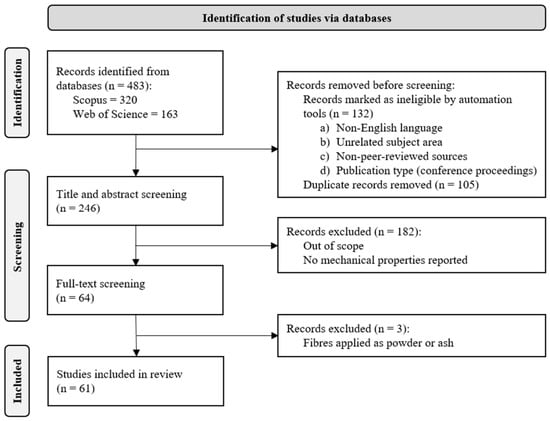
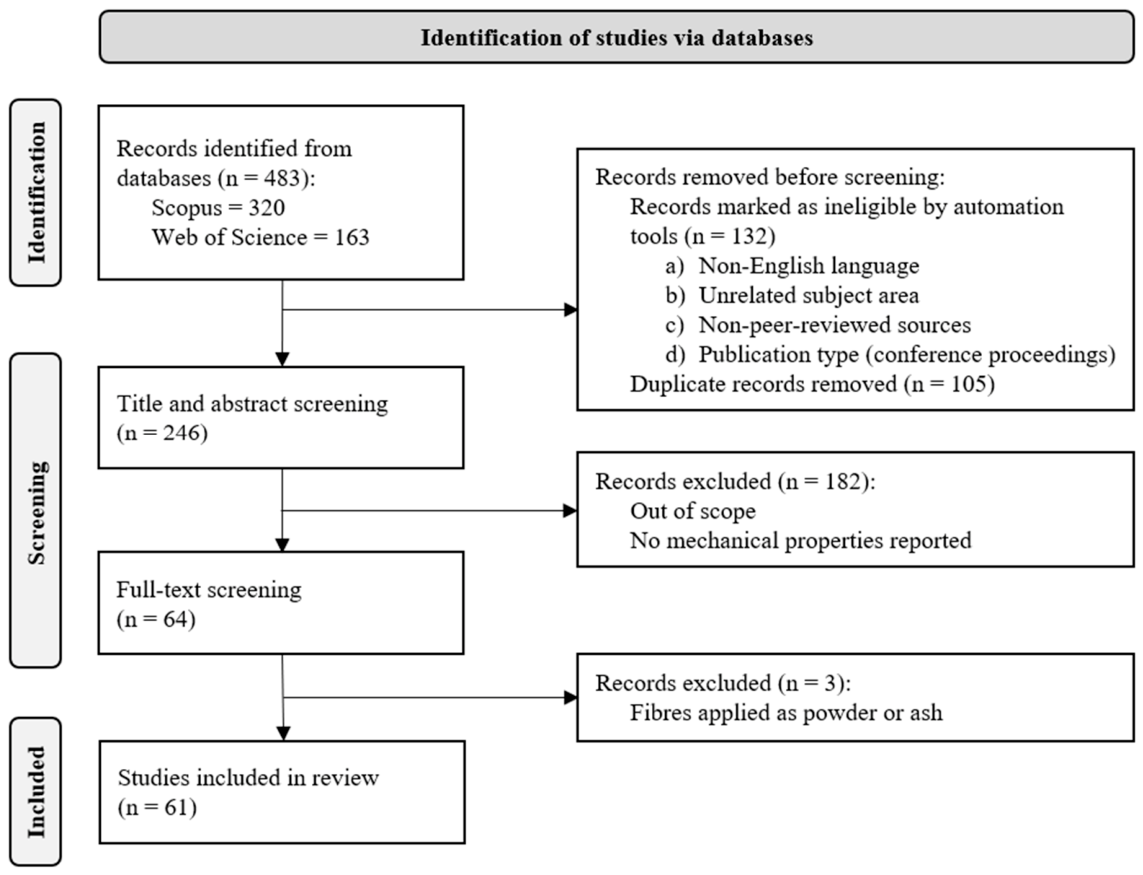
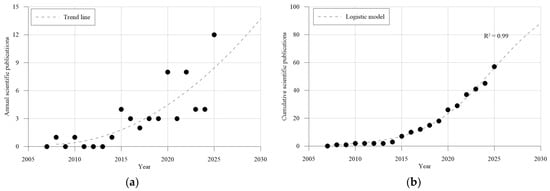
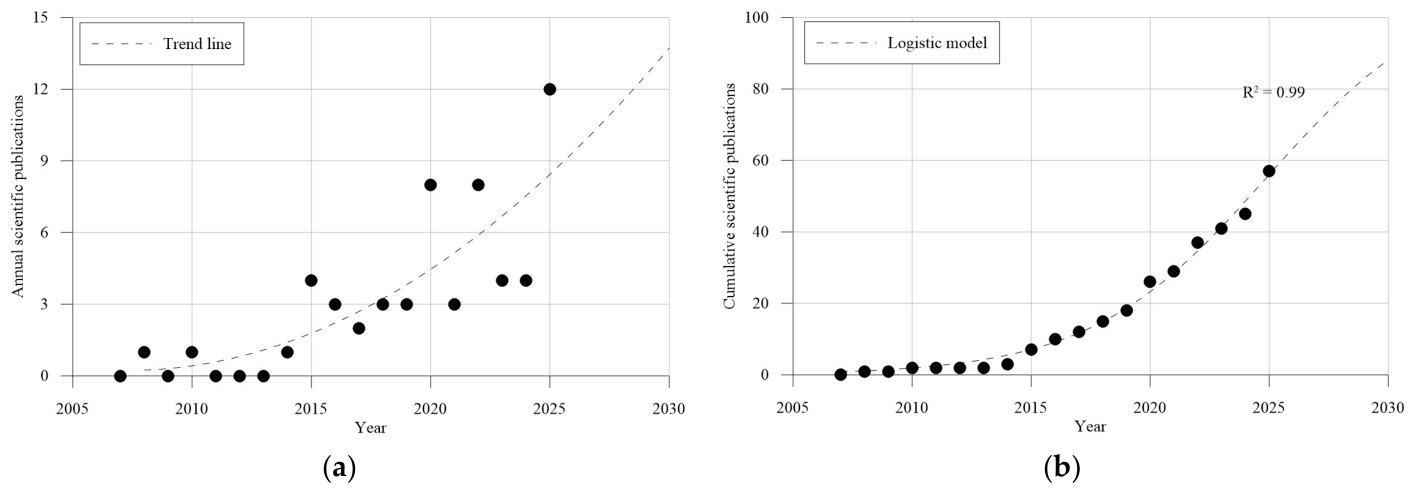
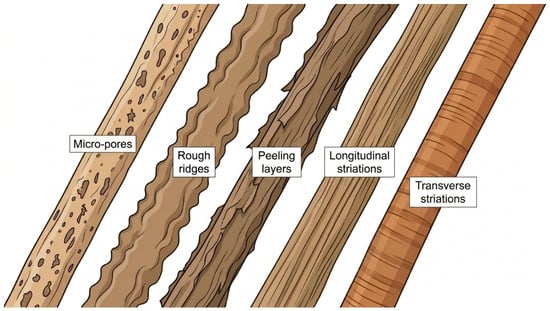
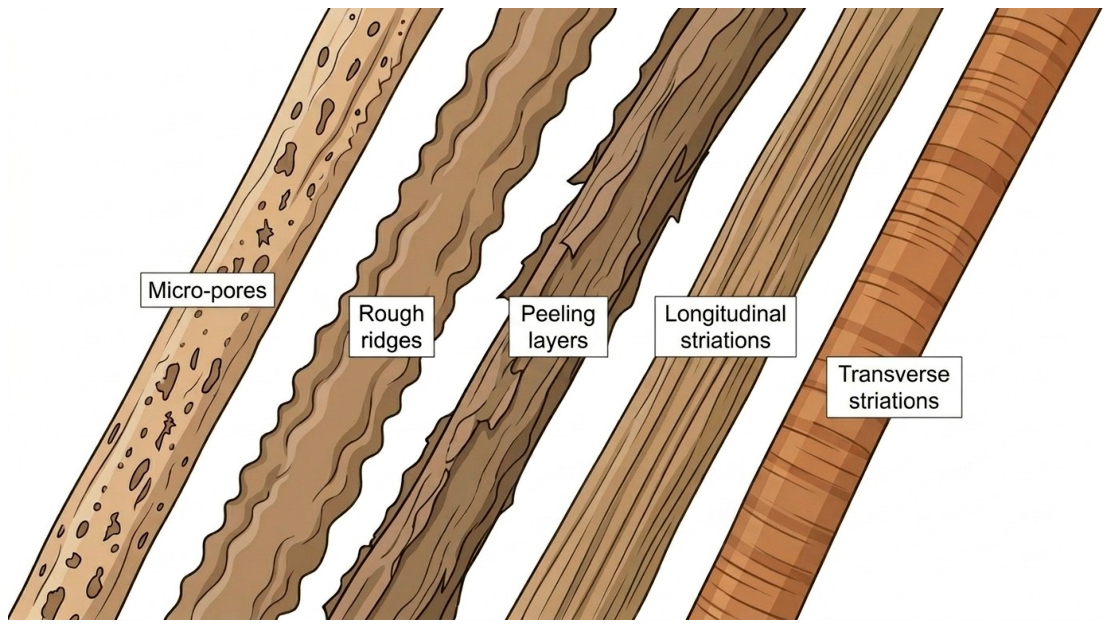
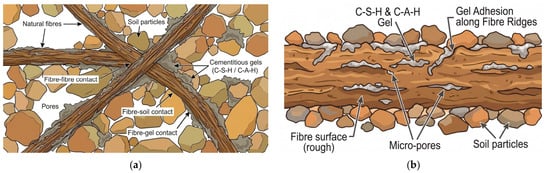
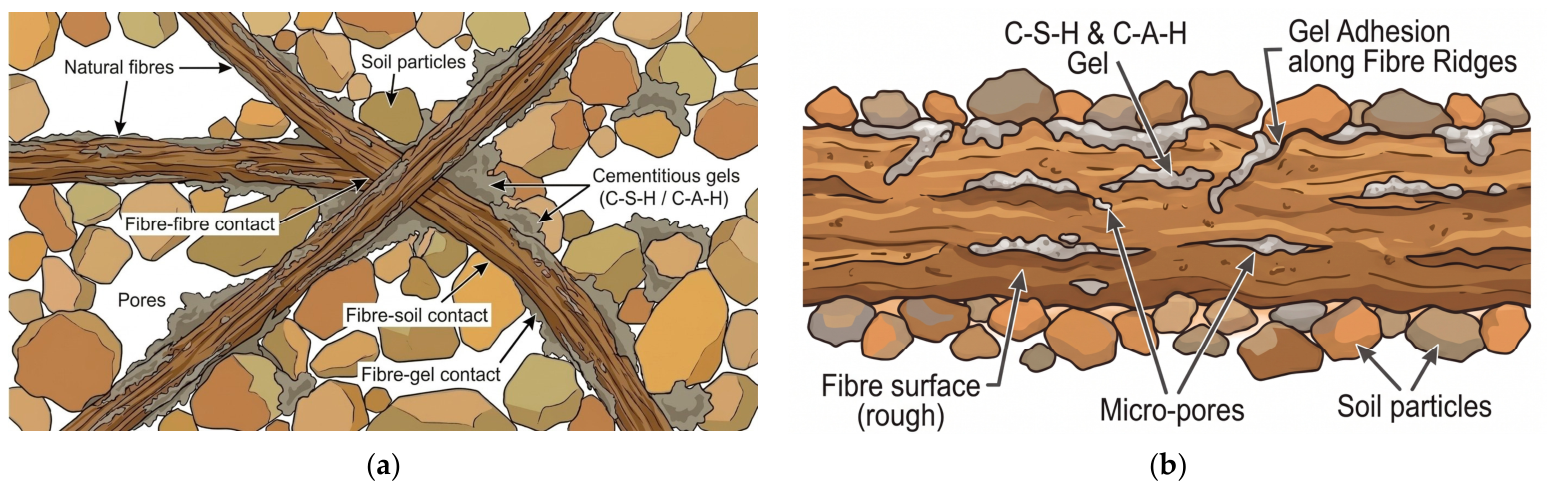

Disclaimer/Publisher’s Note: The statements, opinions and data contained in all publications are solely those of the individual author(s) and contributor(s) and not of MDPI and/or the editor(s). MDPI and/or the editor(s) disclaim responsibility for any injury to people or property resulting from any ideas, methods, instructions or products referred to in the content. |
© 2026 by the authors. Licensee MDPI, Basel, Switzerland. This article is an open access article distributed under the terms and conditions of the Creative Commons Attribution (CC BY) license.