


Abstract
The increasing demand for sustainable pavement materials has led to growing interest in alternative bitumen modifiers derived from industrial and biomass waste. This study compares the effects of biochar, ethylene-vinyl acetate (EVA), untreated bauxite residue (red mud), and thermally treated bauxite residue on the physical and rheological performance of C600 bitumen. Bauxite residue was tested in its untreated state and after thermal treatment at 350 °C and 600 °C to examine how thermal activation influences its modifying effect. The base bitumen and all modifiers were first characterised, and modified binders were then prepared at selected dosages using high-shear mixing. Performance was evaluated through penetration, softening point, rotational viscosity and short-term aging, and Dynamic Shear Rheometer (DSR) temperature sweeps were used to determine complex shear modulus (G*), phase angle (δ) and the rutting parameter (G*/sin δ) across a range of service temperatures. All modifiers increased binder stiffness and improved aging resistance while remaining within viscosity guideline. EVA produced the largest increase in viscosity and the greatest reduction in phase angle, giving the best rutting resistance at high temperatures. EVA and biochar both reduced the penetration reduction ratio to about 1% or less at their most effective dosages. Biochar at 10% gave the most consistent response across the three aging indices (PRR, SPIR and ΔPI), while bauxite residue treated at 600 °C reached the lowest softening point increment ratio at 30% dosage. The bauxite residue variants acted mainly as mineral fillers and produced a more moderate improvement, with thermal treatment showing only a limited additional benefit. The results establish relationships between modifier characteristics, thermal treatment and binder performance, and clarify the relative advantages and limitations of each modifier. These findings offer a comparative basis for selecting sustainable bitumen modifiers and provide foundational insights for the development of hybrid modifier systems combining these materials.
1. Introduction
The modern road construction industry faces growing demands for durable and sustainable transportation infrastructure, requiring pavement materials that ensure long-term performance while minimizing environmental impacts. Bitumen, a critical component of flexible pavement, forms a cohesive matrix that binds aggregate particles together, contributing to the pavement’s resistance to deformation and wear under varying mechanical and environmental conditions. The long-term performance of bituminous pavements is strongly influenced by the durability of the binder, which depends on its ability to withstand degradation associated with environmental exposure, oxidative aging, and moisture damage [1,2]. In recent decades, the growth in traffic intensity and loading, together with severe temperature fluctuations in some regions, has accelerated the occurrence of premature pavement deterioration [3]. Thus, improving the rheological stability and aging resistance of bitumen is essential to extend pavement service life and reduce maintenance requirements.
At the same time, the growing global population has driven substantial expansion in industrial, agricultural, and manufacturing activities, increasing production and generating significant quantities of waste. The continued growth in waste generation has created considerable environmental and waste-management challenges, highlighting the need for sustainable approaches to waste utilization. Among the various waste streams generated globally, biomass residues, plastic and polymer waste, and industrial by-products represent important resources that can potentially be converted into value-added materials for engineering applications [4]. Using these materials in pavement construction can not only reduce the environmental burden of waste disposal while partially replacing conventional pavement materials, but also enhance pavement performance and sustainability.
Biochar is a carbon-rich material produced from biomass through pyrolysis and has gained increasing attention as a sustainable material for addressing environmental and resource-related challenges. Biochar can help capture and store carbon by retaining up to 70% of the carbon present in biomass, reducing its release as CO2. Globally, biochar has the potential to remove up to 2.62 Gt of CO2 annually, making it a promising approach to support net-zero emission targets [5]. Biochar’s porous structure, carbon-rich composition, and surface characteristics make it a potential sustainable modifier for bituminous binders, with studies reporting improvements in stiffness, high-temperature performance, and resistance to aging [2].
Another major industrial waste stream is bauxite residue, commonly known as red mud, which is generated during the Bayer process for alumina production. The continued expansion of the aluminium industry has led to a significant increase in global bauxite residue generation. The Bayer process generates approximately 1.5–2.5 tonnes of bauxite residue for every tonne of alumina produced, which leads to generating approximately 175.5 million tonnes per year [6]. Bauxite residue has several potential uses in road construction, serving as a filler, a bitumen or asphalt mixture modifier, or a component in pavement base layers [7]. However, bauxite residue is naturally hydrophilic due to abundant surface hydroxyl groups, which limits its compatibility with the hydrophobic bitumen matrix. Thermal treatment offers a potential route to address this limitation: calcination induces dehydroxylation, removing physically and chemically bound water and hydroxyl groups from the aluminosilicate structure and driving mineral transformations such as gibbsite to alumina (Al2O3) and goethite to hematite (Fe2O3) [8].
Ethylene-vinyl acetate (EVA) is a well-established thermoplastic polymer modifier for bitumen. EVA is a copolymer of crystalline, non-polar ethylene and non-crystalline, polar vinyl acetate (VA), and this structure allows it to form a polymer-rich phase within the bitumen that increases stiffness and improves resistance to rutting at high temperatures [9]. In this study, virgin EVA is used as a reference polymeric modifier so that the performance of the two waste-derived modifiers can be judged against a material with a known and widely reported modification effect.
Although researchers have investigated the individual effects of EVA, biochar, and bauxite residue on bitumen performance, most previous studies have focused on these materials separately and under different experimental conditions. EVA is well established as a polymeric modifier [9], while biochar has received increasing attention as a sustainable carbonaceous material for improving bitumen performance [2]. Bauxite residue has also been investigated mainly as a mineral filler or mastic component [7], with relatively limited research considering its use as a direct bitumen modifier. In particular, the potential effects of thermally treated bauxite residue on bitumen performance remain insufficiently explored. As a result, there is limited understanding of how these three fundamentally different modifier types compare when evaluated using the same base bitumen, modification conditions, and performance assessment methods. Furthermore, the interaction between modification, rheological behaviour and short-term aging has not been sufficiently examined within a common comparative framework. Therefore, a systematic comparison of EVA, biochar, and untreated and thermally treated bauxite residue is needed to better understand their relative effects on bitumen’s physical, rheological, and short-term aging characteristics.
This study therefore compares three different bitumen modifiers: EVA as a reference polymeric modifier, biochar as a sustainable carbon-based modifier, and bauxite residue as a mineral waste modifier. The modifiers are evaluated using the same C600 base bitumen and under the same mixing conditions. Their effects are assessed through penetration, softening point, viscosity, rheological behaviour, and short-term aging. Aging indices, including PRR (Penetration Reduction Ratio), SPIR (Softening Point Increment Ratio), and PI/ΔPI (Penetration Index), are used to compare the aging response of the modified binders. In particular, it examines whether pretreatment temperature meaningfully changes bauxite residue’s compatibility with bitumen, and whether 350 °C offers a practical, energy-efficient alternative to 600 °C without sacrificing performance.
2. Materials and Methods
2.1. Material
Class 600 (C600) paving grade bitumen was used as the base binder in this study. The bitumen was sourced from a commercial supplier in Australia. C600 is a viscosity-graded bitumen classified by a nominal viscosity of 600 Pa·s at 60 °C, making it the hardest paving grade specified under AS 2008:2026 [10]. In Australian practice, the application of C600 is predominantly limited to heavy-duty asphalt intermediate and base course layers where higher mix stiffness is required to resist permanent deformation under sustained traffic loading [11]. The fundamental properties obtained for C600 bitumen are presented in Table 1.
Table 1.
Fundamental properties of C600 bitumen.
Ethylene Vinyl Acetate (EVA) was obtained from a commercial supplier in Australia in the form of virgin solid beads (Figure 1a). EVA has a melting point of 75 °C and a density of about 0.941 g/cm3. The material contains approximately 40% vinyl acetate (VA). The ECHO2 biochar used in the study was obtained from a commercial supplier in Australia and was produced from biomass residues such as straw and wood. The product appeared as black granules with a slight smoky odour. The sample showed noticeable moisture retention, indicating its high moisture-holding capacity. Prior to usage, biochar was dried in accordance with ASTM D3173 [16]. The dried sample was ground, milled, and sieved through a 0.075 mm sieve (Figure 1b). Bauxite residue (Figure 1c) was sourced from an industrial supplier in Australia and appeared as a red-to-brown slurry with a slight odour. The material’s pH was 11.5–12.5.
Figure 1.
(a) EVA, (b) Biochar, (c) Bauxite Residue.
2.2. Laboratory Experiments
The base binder conventional properties were evaluated using penetration test, softening point test, and viscosity test before and after aging to assess changes in consistency, temperature susceptibility, and flow characteristics. The softening point test (Figure 2a) followed AS 2341.18 [13], the penetration test (Figure 2b) followed AS 2341.12 [12], and viscosity measurements at 135 °C and 165 °C (Figure 2c) followed AS/NZS 2341.4 [14]. Aging was performed using the thin-film oven test (TFOT) under constant airflow for 5 h at 163 °C, in accordance with ASTM D1754 [15].
Figure 2.
Laboratory tests (a) Softening point, (b) Penetration, (c) Viscometer, (d) DSR.
In this study, a Dynamic Shear Rheometer (DSR)(Kinexus Prime, NETZSCH, Selb, Germany) was used to conduct temperature sweep tests on the unaged binders in accordance with AASHTO T 315 [17], using a parallel-plate geometry of 25 mm diameter and 1 mm gap. Tests were performed at an angular frequency of 10 rad/s, and measurements were taken at 52, 58, 64, 70, 76, and 82 °C, and two replicate specimens were tested for each binder. Figure 3 shows the experimental workflow.
Figure 3.
Experimental workflow.
2.3. Material Characterization of Modifiers
Material characterization of the bitumen modifiers, including EVA, bauxite residue, and biochar, was conducted to identify their physical, chemical, thermal, and morphological properties before incorporating them into the bitumen.
2.3.1. Scanning Electron Microscopy (SEM) Analysis with Energy Dispersive Spectroscopy (EDS)
Scanning electron microscopy(JCM-7000, JEOL Ltd., Tokyo, Japan) was used to analyse the morphology of bauxite residue and biochar, and to examine the particle shape, size and surface texture of each modifier. The prepared samples were analysed using secondary electron detection (SED) under high-vacuum conditions, with a landing voltage of 15 kV and a working distance of approximately 12 mm. Energy-dispersive spectroscopy was carried out on the same instrument under the same beam conditions to obtain the elemental composition of the samples. SEM micrographs of the bauxite residue were captured at magnifications corresponding to 10 µm and 5 µm scale bars. SEM micrographs of the biochar captured at magnifications corresponding to 100 µm, 50 µm, and 20 µm scale bars.
2.3.2. Brunauer–Emmett–Teller (BET) Analysis
BET analysis was used to measure the specific surface area of the biochar and bauxite residue (untreated and treated at 600 °C). The samples were degassed under vacuum at 100 °C for 12 h to remove moisture and adsorbed gases, then analyzed by nitrogen adsorption. Nitrogen uptake was measured at five relative pressures in the range 0.01–0.3, and the specific surface area was calculated from the linear region of the BET plot. The technique determines the total surface accessible to gas molecules, including fine pores not visible under SEM, and expresses it as surface area per unit mass.
2.3.3. X-Ray Diffraction (XRD) Analysis
X-ray diffraction (XRD) analysis was conducted to identify the crystalline mineral phases in the biochar, untreated bauxite residue, and thermally treated bauxite residue, using a PANalytical Empyrean diffractometer (Malvern Panalytical, Almelo, the Netherlands) with Co Kα radiation (λ = 1.789 Å and 1.793 Å). The bauxite residue samples were scanned over a 2θ range of 5° to 90°, and the biochar over 5° to 118°. The mineral phases were identified by comparing the d-spacings and relative intensities of the measured peaks with the reference powder diffraction data listed for each mineral on Mindat.org [18]. A mineral was accepted only when its strongest reference peaks were present.
2.3.4. Thermogravimetric Analysis (TGA)
Thermogravimetric analysis (TGA) was conducted to evaluate the thermal stability of the bitumen modifiers, EVA and biochar. The TGA for EVA was conducted to measure the variation in sample weight with temperature over the range of 30–600 °C. For the biochar sample, the analysis involved an initial stabilization period at 25 °C for 10 min, followed by heating from 25 °C to 995 °C at a rate of 5 °C/min and cooling back to 25 °C at the same rate. These analyses provided insights into the thermal degradation behaviour and stability of the modifiers, which are important for assessing their suitability for asphalt binder modification.
TGA was not carried out on the bauxite residue, as its main mineral changes, such as the conversion of goethite to hematite, occur above typical bitumen mixing temperatures [19]. The effect of heating on the residue was instead assessed from the XRD and ICP-OES results of the heat-treated samples.
2.3.5. Fourier Transform Infrared (FTIR) Spectroscopy
FTIR spectra were collected in attenuated total reflectance (ATR) mode using a PerkinElmer Spectrum Two FT-IR spectrometer (PerkinElmer, Llantrisant, UK) fitted with a single-reflection diamond ATR accessory. Spectra were recorded over 4000–400 cm−1 at a resolution of 4 cm−1, averaging 3 scans per spectrum. A background spectrum of the empty ATR crystal was recorded under the same conditions before each sample and subtracted automatically by the instrument software. The resulting spectra were used to confirm the presence of characteristic chemical groups in EVA before its incorporation into the bitumen.
2.3.6. Inductively Coupled Plasma–Optical Emission Spectroscopy (ICP-OES)
Inductively Coupled Plasma–Optical Emission Spectroscopy (ICP-OES) was performed to determine the elemental composition of the bauxite residue samples, including raw and thermally treated. Elemental analysis was performed using an Agilent® 5110 spectrophotometer (Agilent Technologies, Santa Clara, CA, USA) on solutions produced by conventional 4-acid digestion.
2.4. Bauxite Residue Thermal Treatment
Raw bauxite residue contains thermally unstable hydrated minerals, primarily goethite (FeOOH) and gibbsite (Al(OH)3) that carry chemically bound water. Wu and Liu [20] showed that gibbsite decomposes into Al2O3 and H2O between 300 °C and 550 °C, while calcite decomposes into CaO and CO2 between 600 °C and 800 °C. Further, Venkatesh and Durga [21] confirmed that calcination at 600 °C for two hours transforms goethite to hematite and gibbsite to alumina, while also decreasing particle size and increasing surface area due to moisture loss. Without prior calcination, these hydrated phases would release moisture when blended into hot bitumen at typical mixing temperatures (150–170 °C), compromising filler–binder adhesion and volumetric stability.
In this study, two calcination temperatures were selected for bauxite residue: 350 °C, targeting the dehydroxylation of goethite and partial gibbsite decomposition and more energy-efficient and practically sustainable for large-scale application, and 600 °C, achieving more dehydroxylation and the onset of decarbonation, to evaluate whether the additional thermal energy yields proportional improvement in bitumen performance. Finally, the raw and treated bauxite residue were compared against EVA and biochar modification to assess relative modification efficiency.
First, untreated bauxite residue, which was oven-dried at 100 °C for 24 h to remove moisture, was ground in a laboratory grinder and sieved through a 0.075 mm sieve (Figure 4).
Figure 4.
Steps involved in the preparation of bauxite residue samples.
The second sample was prepared using the same process, with material mixed with 18–20% water by weight, made into nearly 50 mm diameter spheres, and thermally treated in a muffle furnace at 350 °C for 2 h (Figure 5). The third sample was similarly prepared by treating it in a muffle furnace at 600 °C for 2 h. The particles obtained, which were smaller than 0.075 mm were used for the study.
Figure 5.
Thermal treatment-bauxite residue.
2.5. Bitumen Modification Procedure
The bitumen modification process was carried out using a high-shear mixer (Figure 6). Initially, the C600 base bitumen was heated to 170 °C. The required amount of modifier was then incorporated according to the proportions specified in Table 2, expressed as a percentage by weight of the base bitumen. The mixing temperature was maintained at 170 °C throughout. The blend was mixed using a high-shear mixer operating at 3500 rpm for 60 min. To ensure uniform dispersion and prevent particle agglomeration, the modifiers were added gradually in small portions during mixing.
Figure 6.
Mixing in the high-shear mixer: (a) high-shear mixer unit; (b) mixing head and sample container.
Table 2.
Mixing condition.
The dosage range for each modifier was taken from the effective range reported in the literature for that modifier type: 3–7% for EVA [22,23], 5–15% for biochar [2,24] and 10–30% for bauxite residue used as a filler-type modifier [25,26]. The three modifiers were therefore compared across their practical working ranges rather than at equal mass contents.
Table 3 shows the modified mixtures coded by their ratios.
Table 3.
Composition and Coding of Modified Bitumen Mixtures.
3. Results and Discussion
3.1. Baseline Characterization and Global Benchmarking of the Base C600 Bitumen
The baseline properties of the C600 bitumen used in this study were benchmarked against comparable binders reported in international literature, as summarised in Table 4.
Table 4.
International Comparison of the Properties of Base C600 Bitumen.
The C600 binder exhibited a penetration of 60 dmm, a softening point of 62.43 °C, and a viscosity at 135 °C of 0.743 Pa·s, placing it within a narrow band of properties shared by several widely used grades across different regions. For instance, the 50/70 grade binder from Lithuania showed highly comparable values of penetration and viscosity: 60.8 dmm and 0.767 Pa·s [27]. The 60/70 grade binders from Malaysia and Indonesia recorded penetration values of 63 and 61.7 dmm, respectively [28,30]. A 50/70 binder from Central and Eastern Europe displayed both a similar penetration of 65.9 dmm and a comparable viscosity at 135 °C of 0.649 Pa·s relative to the 0.743 Pa·s measured for C600 [29]. Similarly, VG30 binder in India reported a penetration of 64 dmm [31]. Although these binders have different grade designations based on classification systems such as penetration grading, viscosity grading, or performance grading, their fundamental properties are similar to those of C600. The similarities obtained suggest that the findings on modification and aging resistance are not limited to Australian viscosity-graded bitumen but may also apply to base binders with similar consistency and stiffness used in different climates and regions worldwide.
3.2. Biochar Material Characterization
3.2.1. Scanning Electron Microscopy (SEM) Analysis and Brunauer–Emmett–Teller (BET) Analysis-Biochar
The SEM images (Figure 7) of the biochar samples show a predominantly porous, fibrous, and fragmented morphology, with rough, irregular particle sizes. Most particles exhibit angular, spiky morphologies. The structure contains numerous pores and voids of varying sizes, which are randomly distributed and often interconnected. In addition, elongated channel-like pores and groove-shaped surface features are observed.
Figure 7.
SEM analysis-biochar.
The biochar morphology may contribute to its effect on the binder. The rough, angular particles may improve mechanical interlocking with the bitumen, and the open, channel-like surface features may provide anchoring points for the binder at the external particle surface rather than absorbing bitumen into the particles.
Energy-dispersive X-ray spectroscopy (EDS) determined the elemental composition of biochar (Table 5). The results showed that biochar is mostly carbon, with a mass fraction of 85.95%. Oxygen was the second most abundant element, present at 13.21%. Trace quantities of potassium (0.34%) and calcium (0.49%) were also detected, collectively less than 1% of the total composition. The high carbon content (85.95%) shows that the biochar was properly carbonized during pyrolysis, meaning most unwanted materials like moisture, oils, and gases were removed, leaving a carbon-rich material. This benefits bitumen modification because bitumen is also carbon-based, so the two are chemically compatible and mix well [2].
Table 5.
EDS elemental composition of the biochar.
The BET-measured value for specific surface area for biochar was 0.5 m2/g, but the laboratory reported the sample as non-porous and noted that the result had higher uncertainty due to the small amount of gas adsorbed. Nitrogen adsorption is known to give large errors for materials with very low specific surface area [32]. Therefore, the surface area is reported as below 1 m2/g.
This result is consistent with the SEM images. The pores observed in the SEM images are several micrometers in size and therefore contribute little to the specific surface area. According to IUPAC pore classification micropore <2 nm; mesopore (2–50 nm); macropore >50 nm [32]. According to the literature, BET surface area mainly reflects micropores and mesopores below 50 nm, which SEM cannot clearly resolve at this scale [32]. The low BET value therefore suggests that the biochar has very limited fine-scale porosity and is mainly in the macropore range.
Overall, the selected biochar can be described as a macroporous carbon material with a low specific surface area. Its rough, angular particles, together with open channels, may allow bitumen to fill some surface features and help anchor the particles within the binder. However, the low BET surface area indicates limited internal surface area available for bitumen adsorption. Therefore, the biochar is expected to mainly act as a stiffening filler, possibly with some mechanical interlocking at the particle surface.
3.2.2. Thermogravimetric Analysis (TGA)-Biochar
It can be observed (Figure 8) that initial weight loss up to approximately 90 °C is generally caused by the evaporation of moisture and absorbed water, which is marked as zone 1. Then, between approximately 90 °C and 350 °C, a gradual decrease in mass can be observed (Zone 2), which may be due to the decomposition of residual volatile organic compounds. At temperatures above 370 °C, more substantial weight loss can be observed due to thermal degradation of the biochar structure and oxidation of fixed carbon [33].
Figure 8.
TGA biochar. Red line: sample weight; dashed lines and numbers 1–3: weight-loss zones.
The results show that biochar has good thermal stability, with the most degradation occurring at temperatures above typical bitumen mixing temperatures (150–170 °C), indicating that the biochar remains thermally stable during mixing and preparation. This stability ensures the biochar maintains its structural integrity and properties, facilitating effective interaction with bitumen binder.
3.2.3. X-Ray Diffraction (XRD) Analysis-Biochar
The XRD pattern of the biochar shows (Figure 9) a broad peak between about 20 and 30 degrees (2θ), indicating the presence of an amorphous carbon structure with low crystallinity. The absence of sharp diffraction peaks suggests that the material does not consist of significant crystalline phases. Another broad feature between 45 and 55 degrees (2θ) is linked to disordered carbon stacking, again supporting the idea that the biochar has low crystallinity. There is also a weak, sharp peak near 98 to 100 degrees (2θ), which likely comes from small amounts of crystalline inorganic material from the ash in the biomass [34]. Overall, these XRD results show that the biochar is mainly made up of amorphous carbon with only a small amount of crystalline phases.
Figure 9.
XRD-biochar.
The physical characteristics of biochar, such as its amorphous geometry and rough, porous surface, enhance the microstructural integrity of bitumen [2]. Therefore, the amorphous nature of the biochar may support its effective incorporation as a modifier in bitumen mastic preparation.
3.3. EVA Material Characterization
3.3.1. Fourier Transform Infrared (FTIR) Spectroscopy-EVA
The FTIR spectrum of EVA (Figure 10) shows several absorption bands that are associated with the functional groups present in the copolymer. Table 6 presents the observed peak positions and assignments, along with corresponding values reported in the literature. Strong absorption bands were observed at around 2919 cm−1 and 2850 cm−1, which are related to the asymmetric and symmetric stretching of CH2 groups in the ethylene backbone.
Figure 10.
FTIR-EVA.
Table 6.
Characteristic FTIR absorption bands of EVA and comparison with literature values [35].
A clear peak at around 1735 cm−1 is due to the stretching of the carbonyl group (C=O) in the ester group from vinyl acetate units. Additional peaks at 1466 cm−1 and 1371 cm−1 are related to the bending and rocking of CH2 and CH3 groups, while the peak at 1236 cm−1 is associated with vibrations of the acetate group. These results agree with previously reported Ramírez-Hernández, et al. [35] FTIR spectra of EVA polymers.
Overall, the FTIR spectrum confirms the typical chemical structure of EVA, consisting of ethylene backbone chains and vinyl acetate functional groups, indicating that the material used in this study is consistent with the characteristic structure of ethylene-vinyl acetate copolymer.
3.3.2. Thermogravimetric Analysis (TGA)-EVA
The thermal stability of ethylene-vinyl acetate (EVA) was evaluated using thermogravimetric analysis (TGA). The TGA curve of EVA, shown in Figure 11, illustrates the weight change in the sample as a function of temperature from 30 °C to 600 °C.
Figure 11.
TGA-EVA. Red line: weight change; dashed lines: degradation stages.
The initial weight of the sample is 48 mg, and according to the graph, the sample remains stable up to approximately 320 °C with negligible weight loss. EVA degrades in two main stages: the first occurs between 320 °C and 400 °C, with noticeable weight loss. This may remove acetate groups from the structure. The second degradation occurred between approximately 450 °C and 520 °C. During this range, a rapid weight loss occurs due to the breakdown of the hydrocarbon chain. At 520 °C, the sample mass approached zero, indicating that EVA undergoes near-complete degradation [36].
Since the thermal degradation of EVA begins at temperatures well above the typical bitumen mixing temperatures, EVA can be safely incorporated into the bitumen binder without significant degradation under normal processing conditions. In bitumen modification processes, mixing temperatures are generally maintained between 150 °C and 170 °C.
Therefore, the TGA results indicate that EVA has sufficient thermal stability for use in bitumen mastic preparation, as the mixing temperatures used during blending are significantly below the EVA degradation temperature.
3.4. Bauxite Residue Material Characterization
3.4.1. Scanning Electron Microscopy (SEM) Analysis-BR
Figure 12a–f show SEM micrographs of the bauxite residue captured at magnifications corresponding to 10 µm and 5 µm scale bars, for untreated residue and treated residue at 350 °C and 600 °C, respectively.
Figure 12.
SEM-Bauxite Residue (a,b)-raw bauxite residue, (c,d)-bauxite residue at 350 °C, (e,f)-bauxite residue at 600 °C.
The SEM results showed that the bauxite residue particles had different shapes, including irregular, rounded, and angular particles. The particle surfaces were also rough and uneven. These features may increase specific surface area, allowing greater interaction with bitumen. The rough surfaces and angular particle shapes may also improve mechanical interlocking when bauxite residue is used as a filler in bitumen mastic.
In the SEM analysis of the three treatment conditions, the raw red mud (Figure 12a,b) shows very fine particles that stick together in loose, uneven clumps. The edges of the clumps are unclear, the surfaces look rough and fluffy, and many small particles have open gaps between them. This is normal for untreated red mud, because it still holds water and hydrated minerals. After heating to 350 °C (Figure 12c,d), fewer fine particles remain on the surface, and the clumps look more solid, with clearer edges than the raw sample. Some gaps between particles remain. A few bright, sharp-edged particles start to appear; these changes occur because water leaves the sample and the minerals begin to change. At 600 °C (Figure 12e,f), the change is greater. The particles are more separate and blockier, with the sharpest edges and the cleanest surfaces.
3.4.2. Inductively Coupled Plasma–Optical Emission Spectroscopy (ICP-OES)-BR
Table 7 shows element concentrations in untreated bauxite residue and in residue heated to 350 °C and 600 °C. Iron (Fe), aluminium (Al), sodium (Na) and calcium (Ca) increased slightly after heating, and the increase was greater at 600 °C. These changes can mainly be explained by the loss of water and other volatile components during heating. At around 350 °C, dehydroxylation is the main process, in which structurally bound hydroxyl (OH) groups are released as water vapour. During this process, goethite (FeOOH) changes to hematite (Fe2O3), and gibbsite (Al(OH)3) decomposes through intermediate alumina phases [20]. The XRD results of this study support this, as the goethite peak became much weaker at 350 °C and was not detected at 600 °C, while the hematite peaks became stronger. Similar changes have been reported for red mud calcined at 600 °C [21]. Because these reactions remove mass while the metals remain in the solid, the measured concentrations of Fe, Al, Na and Ca increase. This does not mean that these elements were added to the material.
Table 7.
Concentration of major elements in bauxite residue.
Not all elements followed this pattern. Boron (B) increased sharply in both heated samples, which cannot be explained by mass loss. High B was found only in the heated samples, so it is most likely due to contamination during sample preparation or heat treatment, and it was not used in the discussion. Potassium (K), magnesium (Mg), manganese (Mn), phosphorus (P) and titanium (Ti) did not show a consistent trend with temperature. Therefore, no clear link between these elements and the heat treatment could be established from the present results.
3.4.3. X-Ray Diffraction (XRD) Analysis-BR
Figure 13 shows the XRD patterns of the untreated bauxite residue and the residue heated to 350 °C and 600 °C. The sharp peaks indicate crystalline phases, while broader peaks suggest smaller crystallites or poorly crystalline material [37]. Four crystalline phases were identified: hematite (Fe2O3), goethite (FeOOH), quartz (SiO2) and calcite (CaCO3). These minerals are commonly reported in bauxite residue [38,39]. A few weak peaks could not be matched to a phase with confidence and were left unlabeled.
Figure 13.
XRD patterns of bauxite residue: (a) untreated; (b) heated at 350 °C; (c) heated at 600 °C.
In the untreated residue, the strongest peak belongs to goethite, and hematite shows several clear peaks across the pattern. After heating to 350 °C, the goethite peak became much weaker, and at 600 °C it was no longer detected. At the same time, the hematite peaks became stronger. This shows that goethite was converted to hematite by dehydroxylation during heating. In bauxite, the conversion of goethite to hematite has been reported to start at about 320 °C and to be complete at about 400 °C [19].The same change has also been reported for bauxite residue calcined at 600 °C [21]. Quartz and calcite were present in all three samples.
The XRD results agree with the ICP-OES results. The high Fe content (406,000 ppm, about 40.6%) is consistent with the strong hematite and goethite peaks. The Ca content (9860 ppm, 1.0%) is consistent with the presence of calcite. Although Al (81,300 ppm, 8.1%), Ti (30,600 ppm, 3.1%) and Na (24,000 ppm, 2.4%) were also present, no separate Al-, Ti- or Na-bearing phase was clearly identified. These elements may be present in minor or poorly crystalline phases, or within the identified minerals. Sodium aluminosilicate phases such as sodalite and cancrinite commonly form during the desilication stage of the Bayer process [40]. However, their main reflections were not clearly observed. Na in red mud may be present in non-crystalline phases that are not detected by XRD [41].
The identified crystalline phases are hard and stable, which may allow the bauxite residue to act as a rigid filler in the binder. After heating, the residue contained more hematite and less goethite. Hematite is hard and thermally stable, which may increase binder stiffness and improve rutting resistance. Red mud has also been reported to make asphalt mastic stiffer when used as a filler [41]. In addition, the mineral composition of a filler can influence its adhesion with bitumen, which plays an important role in the moisture resistance of asphalt mixtures [41]. Therefore, the mineral phases present in bauxite residue can affect the rheological and mechanical behaviour of the modified bitumen.
3.4.4. Brunauer–Emmett–Teller (BET) Analysis-BR
The untreated bauxite residue had a BET surface area of 15.5 m2/g, and the residue treated at 600 °C had a surface area of 21.0 m2/g, an increase of about 35% after heat treatment. This increase is consistent with the SEM and ICP-OES results. During heating, structurally bound hydroxyl groups and water are released as goethite and gibbsite break down, and the fine, loosely packed particles of the raw residue become more separated. Removing this water and volatile material likely opens new pores and exposes more particle surface, increasing surface area. BET was not measured for the residue treated at 350 °C. As the XRD results showed only partial conversion of goethite to hematite at this temperature, its surface area may lie between the untreated and 600 °C values. A higher surface area provides more contact between the bauxite residue particles and the bitumen, which may improve interaction between the filler and the binder in the mastic.
3.5. Physical Performance of Modified Bitumen
3.5.1. Penetration
Penetration decreased approximately linearly with increasing additive content for all three modifiers, as shown in Figure 14. EVA shows the steepest reduction (slope −251.09), indicating that it strongly reduces penetration. Penetration decreased from a neat binder of 60 dmm to 49.22 dmm (18% reduction), 44.33 dmm (26% reduction), and 43.00 dmm (28% reduction) when EVA was added at 3%, 5%, and 7%, respectively.
Figure 14.
Effect of modifiers on penetration before aging.
For biochar, penetration decreased to 53.56 dmm (11% reduction), 43.89 dmm (27% reduction), and 35.22 dmm (41% reduction) with 5%, 10%, and 15% biochar, respectively. The trendline had a steep negative slope of −168.67, indicating that increasing biochar content strongly reduced penetration.
Among the bauxite residue variants, BR600 showed relatively higher penetration values across the tested dosage range. However, its behaviour was only slightly different from untreated BR and BR350. The three trendlines had very similar slopes (−57.22, −57.44, and −55.67 for BR, BR350, and BR600, respectively), and the data points overlapped across the tested range. Therefore, thermally treated bauxite residue did not show meaningful penetration performance compared with the untreated bauxite residue. This suggests that increasing the treatment temperature to 600 °C provides little additional benefit for bitumen penetration.
3.5.2. Penetration Reduction Ratio
The aging susceptibility was measured for each modifier by calculating the penetration reduction ratio (PRR) (Equation (1)).
where Punaged = penetration before aging and Paged = penetration after aging.
The penetration reduction ratio after aging (Figure 15) gives a useful comparison of how each modifier affected the binder’s resistance to hardening, since a lower ratio indicates less penetration change during aging and therefore better aging resistance.
Figure 15.
Penetration reduction ratio of aging.
The PRR of the neat bitumen was 26%. Adding modifiers reduced the PRR, indicating reduced aging susceptibility of the bitumen. However, modifier effectiveness varied with type and content. EVA and biochar showed a more noticeable reduction. EVA reduced the ratio to around 2% at 3% content and to about 1% by 5–7%, while biochar reached roughly 4% at 5% content and around 0.5% by 10%, after which further addition made little difference. This is consistent with the polymer-rich phase reported for EVA-modified binders [42] and with the stiffening-filler effect reported for biochar [2,24], both of which may limit the loss of lighter fractions during aging.
Bauxite residue also showed a more gradual reduction in PRR as its content increased. The 600 °C bauxite residue showed the best aging resistance across the tested range, reducing the PRR to about 4% at 10% content and around 3% at 20%. These values were consistently lower than those of untreated bauxite residue, which showed about 10% at 10% and 8% at 20%, and 350 °C bauxite residue, which showed about 11% at 10% and 10% at 20%. At 30% content, all three forms showed similar low PRR values of around 2–3%. Overall, for aging resistance, the higher treatment temperature produced the largest reduction in aging susceptibility, while all forms of bauxite residue became more effective at higher contents.
3.5.3. Softening Point
Figure 16a,b shows the softening point (°C) at different modifier contents (%). The unmodified C600 bitumen had a softening point of about 62.4 °C. The addition of all five modifiers increased the softening point compared with the unmodified bitumen. A higher softening point indicates that the binder can remain stiffer at higher temperatures. Therefore, the increase in softening point (ΔSP) suggests improved high-temperature stiffness and resistance to permanent deformation.
Figure 16.
Effect of modifiers on softening point before aging: (a) Softening point vs. modifier; (b) Softening point increment.
EVA showed the most noticeable increase in softening point. The softening point of neat bitumen was 62.43 °C, increasing to 63.5 °C with 3% EVA and 64.13 °C with 5% EVA. Further, the value increased to 66.55 °C with 7% EVA. Overall, the softening point increased by about 4.12 °C compared with the neat bitumen. The increase was greater at higher EVA contents, showing that EVA strongly affected the softening point as its content increased.
Biochar also produced a considerable increase in softening point. The value increased from 63.65 °C at 5% biochar to 66.68 °C at 10%. This represents the highest softening point for biochar, an increase of approximately 4.25 °C compared with neat bitumen. However, the softening point decreased to approximately 65.7 °C at 15% biochar. This suggests that 10% may be the optimum content for improving the softening point. The decrease at 15% may be due to excessive biochar particles disrupting the binder’s uniform distribution.
In comparison, untreated bauxite residue (BR), BR350, and BR600 showed a smaller but more gradual increase in softening point with increasing dosage. At 30% dosage, the softening points were 64.23–64.43 °C, an increase of about 1.8–2.0 °C compared with neat bitumen. The gradual increase suggests that red mud mainly improves bitumen stiffness through its physical filler effect. The three BR materials showed very similar trends. At 10–20% dosage, untreated BR generally showed slightly higher softening points than BR350 and BR600. However, at 30% dosage, the heat-treated BR samples showed slightly higher values, with BR600 giving the highest softening point of 64.43 °C. Overall, the similar results obtained for BR, BR350, and BR600 indicate that thermal treatment had only a small effect on the softening point of the modified bitumen. Therefore, the main effect of bauxite residue on softening point appears to be due to its physical filler effect rather than major changes from thermal treatment.
Overall, EVA and biochar produced greater improvements in softening point than the three red mud samples. EVA showed a continuous increase within the tested dosage range, while biochar showed the greatest improvement at 10% before decreasing at 15%. Red mud showed a smaller, more gradual improvement, with similar behaviour in untreated and heat-treated materials.
3.5.4. Softening Point Increment Ratio
Figure 17 shows the softening point increment ratio (SPIR) after aging against modifier content (%) for the three modifiers. SPIR indicates the change in softening point after aging compared with the unaged binder, as calculated using Equation (2).
where SPaged = Softening point after aging and SPunaged = softening point before aging.
Figure 17.
Softening point increment ratio (SPIR) of the modified bitumen.
A lower SPIR indicates a smaller change in softening point during aging and therefore better resistance to age-hardening. The C600 binder had the highest SPIR (2.88%). All three modifiers reduced the SPIR below this value, indicating improved aging resistance.
The SPIR of biochar decreased to about 0.37% at 10% biochar, then increased slightly to 0.61% at 15%. BC10 gave the lowest SPIR among the biochar and EVA binders; the lowest value overall was BR600 at 30% (0.04%). This may relate to the dispersed carbon-rich biochar particles, which may act as a physical barrier that limits oxygen diffusion into the binder, reducing age-hardening [43].
EVA showed a less consistent trend. The SPIR decreased to about 0.7% at 5% EVA but increased again to 1.28% at 7% EVA. Because EVA is relatively resistant to oxidation, the higher SPIR at 7% may mainly reflect changes in the bitumen phase rather than polymer degradation [44].
The three red mud materials (BR, BR350, and BR600) generally showed a decrease in SPIR as the additive content increased. At 30% content, BR and BR350 reached low values of about 0.27–0.31%, while BR600 reached the lowest value of 0.04%. The similar results across the three materials suggest that thermal treatment provided only a small additional benefit in aging resistance at higher dosages. Overall, all three modifiers reduced the SPIR compared with the unmodified binder.
3.5.5. Penetration Index
The penetration index (PI) is plotted for each binder in unaged and aged (short-term) conditions, with the change on aging (Δ = PIunaged − PIaged) labelled above each pair (Figure 18).
Figure 18.
Effect of aging on the penetration index of modified binders.
PI measures a binder’s temperature susceptibility, that is, how much its consistency changes with temperature. It is derived from penetration at 25 °C and the softening point (Equation (3)).
where P = penetration and SP = softening point.
A higher PI indicates lower temperature susceptibility, meaning the binder is more stable as temperature changes. Therefore, a smaller change in PI after aging indicates better stability of the binder’s temperature behaviour.
The neat C600 binder showed the largest decrease in PI after aging (Δ = 0.45), indicating the greatest change in temperature susceptibility. In comparison, biochar showed good stability at 5% and 10%, with very small changes in PI (Δ = 0.02 and −0.03). At 15% biochar, PI was lower, suggesting that 10% biochar performed better.
EVA increased PI after aging, particularly at 7% EVA (Δ = −0.13). This suggests that the EVA-modified binder became less temperature-susceptible after aging. This change may relate to EVA behaviour during aging.
For the bauxite residue samples, different behaviour can be observed. Untreated BR and BR350 showed some reduction in PI at lower dosages. However, as BR content increased, the changes became smaller. 30% BR, the change in PI was close to zero, indicating better stability. BR600 showed the most stable behaviour among the BR samples, with only small changes in PI across the tested dosages.
Overall, all the modified binders showed better PI stability after aging than the neat C600 binder. Biochar at 5–10%, EVA, and BR600 showed the smallest PI changes, indicating better preservation of temperature susceptibility after aging.
3.5.6. Rotational Viscosity
The rotational viscosity results in Figure 19 show that all five modifiers increased the high-temperature viscosity of the binder relative to the unmodified C600 reference, while the expected thermo-rheological behaviour was preserved across the two test temperatures. The neat C600 binder recorded 742.5 mPa·s at 135 °C and 184 mPa·s at 165 °C. At 135 °C, the neat binder sat well below the 3000 mPa·s viscosity guideline [24].
Figure 19.
Viscosity at 135 °C and 165 °C.
Among the modifiers, EVA showed the largest and most consistent increase in viscosity. At 135 °C, the viscosity increased to about 1125, 1360, and 1690 mPa·s for 3%, 5%, and 7% EVA, respectively. A similar trend was observed at 165 °C, where the viscosity increased to 473.5 mPa·s at 7% EVA. This behaviour is consistent with the polymer-rich phase that EVA has been reported to form in bitumen [44] in which the polymer swells by absorbing lighter fractions and raises viscosity at high temperature. The magnitude of the increase indicates that EVA is the most effective of the studied modifiers at increasing high-temperature stiffness, consistent with improved resistance to permanent deformation.
Biochar increased binder viscosity through a physical filler effect. At 135 °C, viscosity rose from the neat value to 957 mPa·s at 5% and peaked at about 1285 mPa·s at 10%, then decreased slightly to 1210 mPa·s at 15%. The same pattern was observed at 165 °C, where viscosity peaked near 307.5 mPa·s at 10% and eased to about 280 mPa·s at 15%. The stiffening may be attributed to the rigid, carbon-rich biochar particles acting as a solid filler that reduces the volume of free binder available to flow [45]. The decrease at 15% is consistent with the softening point result and may indicate that above about 10% the particles begin to agglomerate, reducing their dispersion and effective contact with the binder. All biochar binders remained below the 3000 mPa·s guideline at 135 °C. This suggests that the biochar-modified binders are likely to remain workable at conventional hot-mix temperatures, although mixing and compaction temperatures should be confirmed at the mixture level.
The three bauxite residue variants (BR, BR350 and BR600) each produced a gradual, near-linear increase in viscosity with additive content at both test temperatures. At 135 °C, the viscosity of the BR-, BR350-, and BR600-modified binders rose steadily from the neat value to approximately 865, 920, and 970 mPa·s at 30% content, while at 165 °C the corresponding values increased only marginally, to roughly 210, 230, and 245 mPa·s. The comparatively moderate and steady rise, together with values that remained below the 3000 mPa·s viscosity guideline at 135 °C across the tested contents, suggests that the bauxite residue variants stiffen the binder while remaining within the viscosity range normally associated with workable binders at conventional construction temperatures.
In contrast to the polymer-rich phase mechanism of EVA and the stiffening-filler effect of biochar, the bauxite residue variants act as mineral fillers: their fine particle size, rough surface texture may increase adhesion with the binder, which stiffens it and raises its viscosity [46,47].
3.5.7. Penetration vs. Softening Point
Figure 20 shows the relationship between penetration and softening point for all binder samples before aging. The shaded areas show the general range for each modifier group. These two properties give an overall idea of the changes in binder consistency and temperature susceptibility. Lower penetration and higher softening point generally indicate a harder binder with better resistance to softening at high temperatures [48]. C600 had relatively high penetration and a lower softening point, indicating that it was softer than the modified binders. In comparison, BC and EVA had lower penetration and higher softening points, showing a greater hardening effect. The BR, BR350, and BR600 samples were between these groups, indicating a moderate change in binder consistency.
Figure 20.
Penetration vs. softening point of the binders before aging.
3.5.8. Softening Point vs. Viscosity
Figure 21 presents the relationship between softening point and viscosity at 135 °C for the binder samples before aging. Considering these two properties together provides a broader understanding of the changes in binder consistency and flow behaviour. Piskunov [49] reported that viscosity, softening point, and penetration are interrelated properties of bitumen, and showed that binders with similar softening points can have different viscosity values depending on the characteristics of the binder system. In this study, the figure is used to compare the changes in the modified binders relative to C600 and to examine the differences between the modifier groups.
Figure 21.
Softening point vs. viscosity of the binders before aging.
C600 shows the lowest softening point and viscosity among all samples. The EVA-modified binders show the highest values for both properties and are clearly separated from the other samples, indicating the largest increase in viscosity and softening point. The BC-modified binders also show higher softening points and viscosities than C600. The softening points of these binders extended into a range similar to the EVA-modified binders, although their viscosities remained lower. In comparison, the BR, BR350, and BR600 binders were closer to C600, showing a more moderate increase in both properties. Overall, the BR-based binders showed similar behaviour, with some variation depending on the thermal treatment temperature. Overall, the three modifier groups show different levels of change in softening point and viscosity, with EVA showing the largest change, followed by BC, while the BR-based modifiers show a more moderate effect.
3.6. Rheological Performance of Modified Bitumen
The rheological performance of the binder samples was evaluated using a Dynamic Shear Rheometer (DSR) temperature sweep test with a parallel-plate geometry (25 mm diameter, 1 mm gap). The test was used to investigate the changes in complex shear modulus (G*) and phase angle (δ) with increasing temperature. The nature of the modifier and how it interacts with bitumen play a significant role in determining its rheological response [50]. These parameters provide information on the stiffness and viscoelastic behaviour of the binders over the tested temperature range.
Figure 22 shows the complex shear modulus and phase angle of the unmodified binder C600 and the biochar-modified binders across 52 °C to 82 °C. The two properties are plotted on separate axes, with G* on the left and phase angle on the right.
Figure 22.
Temperature Sweep Test Results-Biochar.
As temperature increases, molecular movement within the binder increases, allowing its components to move more freely. Therefore, the binder deforms more easily under the same applied stress, resulting in a decrease in the complex modulus (G*) [51]. At 52 °C the biochar-modified binders show higher G* values than C600, with the 10% and 15% additions giving the highest values. This difference is largest at the low end of the temperature range and narrows as the temperature increases, and by 76 °C and 82 °C all binders show similarly low G* values. The biochar-modified binders remain above C600 across the full range, indicating that biochar increases binder stiffness.
The phase angle indicates the relative contribution of elastic (recoverable) and viscous (non-recoverable) behaviour in response to an applied load [17]. It shows the balance between the binder’s elastic and viscous behaviour. A lower δ indicates more elastic, or solid-like, behaviour, while a higher δ indicates more viscous, or liquid-like, behaviour [52]. C600 itself shows the highest phase angle at most temperatures, while the biochar-modified binders show lower values. The 5% addition gives the lowest phase angle across the range, and the difference from C600 is greatest at the intermediate temperatures. The reduced phase angle indicates that adding biochar increases the elastic component of the binder response, consistent with the increase in G* observed over the same range.
Taken together, the higher G* and lower phase angle of the biochar-modified binders indicate improved resistance to permanent deformation at high service temperatures compared with the unmodified binder. This may be because the rigid, angular biochar particles act as a stiffening filler within the bitumen, increasing binder stiffness and improving its resistance to deformation, particularly at higher temperatures. The rough surface and channel-like features of the biochar may also improve mechanical interlocking with the bitumen, contributing to the increased stiffness [53].
Figure 23 shows the corresponding results for the EVA-modified binders. At 52 °C all EVA binders show higher G* than C600, with the 7% addition giving the highest value, followed by 3% and then 5%. As with the biochar binders, separation is greatest at lower temperatures, and the curves converge toward 82 °C, although the EVA binders remain above C600 across the full range.
Figure 23.
Temperature Sweep Test Results—EVA.
The phase angle results show a clearer separation than those of the biochar binders. C600 gives the highest phase angle at every temperature, and the EVA binders remain consistently below it, with the reduction increasing with EVA content and the 7% binder giving the lowest values throughout. This ordering is maintained to 82 °C, where C600 approaches 89.42° while the 7% binder remains near 86.25°. Overall, the addition of EVA increased G* and reduced the phase angle of the binder. This is consistent with the polymer-rich phase reported for EVA in bitumen [9,42], which increases stiffness and elasticity at high temperatures.
Figure 24 shows the corresponding results for the BR, BR350 and BR600 binders at addition levels of 10%, 20% and 30%. G* decreases with temperature for all binders, following the same pattern as the previous two figures. At 52 °C, the BR-modified binders show G* values both above and below C600, and the spread between them is narrow compared with the other modifiers. From 58 °C onwards, the curves are closely grouped and largely overlapping, and by 76 °C and 82 °C all binders converge at similarly low values.
Figure 24.
Temperature Sweep Test Results—Bauxite Residue.
C600 gives the highest phase angle across most of the range, but the BR-modified binders remain close, with differences small relative to the axis scale. No clear ordering by treatment temperature or addition level is evident in either property. Taken together, the results indicate that the BR-based modifiers produce only a marginal change in the rheological response of the binder at high service temperatures, in contrast to the clear stiffening and reduction in phase angle observed for the EVA and biochar binders.
Figure 25 presents the temperature sweep results for all binder samples, allowing comparison of the three modifier types. For all binders, G* decreased and the phase angle increased as the temperature increased. This shows that all samples followed the same general softening behaviour, with the modifiers mainly shifting the curves rather than changing their overall shape.
Figure 25.
Temperature Sweep Test Results For All Binder Samples.
The combined plot shows that the three modifier groups separate by the degree to which they reduce the phase angle. C600 bitumen gives the highest phase angle across the full range, and the EVA binders sit furthest below it, with the 7% addition showing the largest reduction at every temperature and remaining clearly separated from all other samples to 82 °C. The biochar binders form an intermediate group, showing a smaller but consistent reduction relative to C600. The BR, BR350, and BR600 binders are grouped closest to unmodified C600.
The G* results showed a similar trend, but the differences between the groups were smaller. The differences between the binders were largest at 52 °C and gradually decreased as the temperature increased. By 82 °C, all samples had similar and relatively low G* values.
Overall, Figure 25 shows that EVA had the greatest effect on the binder’s elastic response, followed by biochar, while the BR-based modifiers had only a small effect. This trend is also consistent with the softening point and viscosity results discussed above.
Figure 26 presents the rutting parameter G*/sin δ for all binder samples across the temperature range 52 °C to 82 °C, with the 1.0 kPa Superpave criterion [54] for unaged binder shown as a dashed reference line. A higher G*/sin δ value indicates better rutting resistance because it reflects the binder’s ability to resist permanent deformation. Therefore, a binder with higher stiffness (G*) and a more elastic response (lower δ) generally provides better resistance to deformation [53]. According to Figure 26, the parameter decreases sharply with increasing temperature for all binders, with the largest values at 52 °C and a progressive reduction toward 82 °C.
Figure 26.
Variation in Rutting Parameter (G*/sin δ) with Temperature for All Binder Samples.
Adding biochar improved G*/sin δ compared with the C600 control. Among the biochar binders, BC10 showed the highest values, while BC15 was slightly lower than BC10 across the temperature range. This suggests that increasing biochar content beyond 10% did not further improve rutting resistance. The higher G*/sin δ values obtained with biochar are consistent with the increased stiffness and more elastic behaviour observed from the G* and phase angle results.
EVA also improved rutting resistance, with G*/sin δ increasing as EVA content increased from 3% to 7%. EVA07 showed the highest G*/sin δ at the higher test temperatures and maintained a higher value than the other binders. This suggests that EVA was particularly effective in maintaining stiffness and elastic behaviour at elevated temperatures, which may be related to the formation of a polymer-rich phase that EVA forms within the bitumen [9,42].
The untreated BR binders showed less improvement than the biochar and EVA binders. Increasing the BR content from 20% to 30% did not result in a significant additional improvement. However, thermal treatment of BR improved the G*/sin δ at higher BR contents. In particular, BR30_600 showed higher values than untreated BR30 and BR30_350, suggesting that thermal treatment at 600 °C may improve BR’s contribution to the binder’s high-temperature performance.
Based on the 1.0 kPa Superpave criterion, all binders remained above the required value at 70 °C. At 76 °C, most binders fell below the criterion, while EVA07 and some of the higher-performing biochar binders remained close to or above 1.0 kPa. At 82 °C, all binders were below the required value. Overall, the results show that biochar and EVA improved rutting resistance more than BR, with BC10 performing particularly well at lower temperatures and EVA07 showing stronger performance at higher temperatures.
4. Discussion of Modifier Performance Mechanisms
The three modifiers used in this study are different types of materials. Biochar is a rigid, carbon-rich particulate material, EVA is a thermoplastic copolymer, and bauxite residue (BR) is an industrial by-product. As a result, each modifier interacts with bitumen differently. Table 8 summarises the main characteristics of the three modifiers and their possible modification mechanisms. Due to these differences, each modifier interacts with bitumen in a different way, which helps explain the differences in binder performance.
Table 8.
Summary of modifier characteristics and modification mechanisms.
Unlike biochar and bauxite residue, EVA does not remain as discrete solid particles within the bitumen. During heating and mixing, EVA softens and interacts with the lighter fractions of the bitumen, forming a polymer-rich phase within the binder [9]. At medium to high temperatures, this polymer-rich phase contributes to the elastic behaviour of the modified binder [9]. This helps explain why the best-performing EVA binder showed lower temperature sensitivity and the highest rutting parameter.
Biochar and BR both remain as solid particles in the bitumen, but they affect the binder differently. Although BR had a higher BET surface area than biochar, it produced a smaller improvement in binder performance. This suggests that surface area alone does not determine the modification effect. The difference may be related to the different particle structures of biochar and BR. Biochar had angular, fragmented particles with channel-like surface features, which may help the particles become anchored within the bitumen. Its rough surface may also improve mechanical interlocking with the binder. In addition, its high carbon content may support compatibility with the carbon-based bitumen [2]. These characteristics help explain why the best-performing biochar binder showed high stiffness at lower test temperatures.
In comparison, BR mainly acts as a hard mineral filler. Its rigid crystalline phases and rough particle surfaces may increase binder stiffness through mechanical interlocking. However, BR does not have the same fibrous and porous structure as biochar. These characteristics may explain why BR produced a more moderate improvement in binder performance compared with biochar and EVA. Thermal treatment changed BR’s characteristics and may have influenced its interaction with bitumen. The removal of structural hydroxyl groups, changes in particle morphology, and increase in surface area after treatment may improve contact between the BR particles and the binder.
5. Conclusions and Future Recommendations
This study evaluated biochar, EVA, and bauxite residue (raw, 350 °C, and 600 °C treated) as modifiers for C600 bitumen. The main conclusions are:
- All three modifiers increased binder stiffness, reducing penetration and increasing softening point and viscosity, while all modified binders remained below the 3000 mPa·s viscosity guideline at 135 °C; mixture-level verification of workability is recommended.
- EVA gave the largest increase in viscosity and the greatest improvement in elastic response, with EVA07 showing the best rutting resistance at higher test temperatures. This may be attributed to the polymer-rich phase EVA forms within the bitumen.
- Biochar improved aging resistance, with 10% identified as the most effective content. BC10 reduced the penetration reduction ratio to 0.5% and the softening point increment ratio to 0.37%, and showed almost no change in penetration index after aging. EVA gave a similar PRR (about 1%) and BR600 gave the lowest SPIR at 30% dosage, so no single modifier was best on every index. Biochar was the only modifier that performed well on all three.
- Bauxite residue acted mainly as a mineral filler and produced a more moderate improvement than EVA and biochar. However, all BR forms improved aging resistance at higher dosages.
- Thermal treatment changed the BR structure, removing structural hydroxyl groups and increasing surface area from 15.5 to 21.0 m2/g at 600 °C. The effect on binder properties was small overall: BR600 gave better aging resistance at 10–20% and a higher rutting parameter at 30% but showed no meaningful benefit in penetration or softening point. Given the small additional gain, 350 °C remains the more energy-efficient treatment temperature.
The proposed modification mechanisms were inferred from the physical and rheological behaviour of the binders rather than observed directly, so they should be considered working hypotheses. Further testing using fluorescence microscopy, FTIR analysis of the modified binders, and particle size analysis of the modifiers is recommended to confirm these mechanisms. Future work should investigate hybrid modification, as the three modifiers improve binder performance through different mechanisms. Combining EVA with biochar or thermally treated bauxite residue could pair EVA’s high-temperature stiffness with the aging resistance of the waste-derived modifiers, achieving both while reducing the polymer dosage and utilizing waste materials.
Recycled EVA, for example from footwear or photovoltaic encapsulant waste, should be evaluated to extend the waste-utilization benefit to the polymer component. Since the BR binders showed gradual improvement with increasing dosage and remained well below the viscosity guideline limit at 30%, higher BR contents should be investigated to determine the optimum dosage. This study evaluated aging resistance using short-term aging only. Therefore, long-term aging using PAV should be conducted to further confirm the observed aging benefits, particularly for biochar and BR. In addition, MSCR and BBR testing are recommended to further evaluate rutting resistance and low-temperature cracking.
Author Contributions
Conceptualization, C.D. and N.S.M.; methodology, C.D.; software, C.D.; validation, C.D. and N.S.M.; formal analysis, C.D.; investigation, C.D. and N.S.M.; resources, C.D.; data curation, C.D.; writing—original draft preparation, C.D.; writing—review and editing, N.S.M. and C.D.; visualization, C.D. and N.S.M.; supervision, N.S.M. All authors have read and agreed to the published version of the manuscript.
Funding
The first author was supported by an Edith Cowan University Higher Degree by Research Scholarship.
Institutional Review Board Statement
Not applicable.
Informed Consent Statement
Not applicable.
Data Availability Statement
The original contributions presented in this study are included in the article. Further inquiries can be directed to the corresponding authors.
Acknowledgments
Guidance and support received from the School of Engineering at Edith Cowan University are highly acknowledged.
Conflicts of Interest
The authors declare no conflicts of interest.
References
- Gunka, V.; Poliak, O.; Hrynchuk, Y.; Stadnik, V.; Demchuk, Y.; Besaha, K.; Galkin, A.; Pyrig, Y. Sustainable Bitumen Modification Using Bio-Based Adhesion Promoters. Sustainability 2025, 17, 7187. [Google Scholar] [CrossRef] [Scilit]
- Dassanayake, C.; Mashaan, N.S. Biochar as Additive and Modifier in Bitumen and Asphalt Mixtures. Eng 2025, 6, 341. [Google Scholar] [CrossRef] [Scilit]
- Brasileiro, L.; Moreno-Navarro, F.; Tauste-Martínez, R.; Matos, J.; Rubio-Gámez, M.d.C. Reclaimed Polymers as Asphalt Binder Modifiers for More Sustainable Roads: A Review. Sustainability 2019, 11, 646. [Google Scholar] [CrossRef] [Scilit]
- Dassanayake, C.; Mashaan, N.S.; Galagedara, R. Waste Material Utilization in Civil Engineering Applications: Advances, Challenges, and Future Directions—A Scoping Review. Materials 2026, 19, 3154. [Google Scholar] [CrossRef] [Scilit] [PubMed]
- Sun, L.M.; McIntyre, S.R.; Iacomi, P.; Everden, K.; Williams, P.T.; Zong, S.; Liu, X.; Zhu, X.; Yang, Y.; Li, S.; et al. Biochar production, activation, and applications: A comprehensive technical review. Carbon Capture Sci. Technol. 2025, 16, 100421. [Google Scholar] [CrossRef] [Scilit]
- Archambo, M.; Kawatra, S.K. Red Mud: Fundamentals and New Avenues for Utilization. Miner. Process. Extr. Metall. Rev. 2021, 42, 427–450. [Google Scholar] [CrossRef] [Scilit]
- Dassanayake, C.; Mashaan, N.S.; Oguntayo, D. Mining Waste as a Resource in Construction: Applications, Benefits, and Challenges. Sustainability 2026, 18, 1361. [Google Scholar] [CrossRef] [Scilit]
- Meilasari, F.; Trihadiningrum, Y.; Warmadewanthi, I.D.A.A.; Sutrisno, H.; Ekaputri, J. Valorization of bauxite residue for sustainable construction materials: Chemical, thermal, and mechanical properties. Clean. Waste Syst. 2025, 12, 100343. [Google Scholar] [CrossRef] [Scilit]
- Liang, M.; Ren, S.; Fan, W.; Xin, X.; Shi, J.; Luo, H. Rheological property and stability of polymer modified asphalt: Effect of various vinyl-acetate structures in EVA copolymers. Constr. Build. Mater. 2017, 137, 367–380. [Google Scholar] [CrossRef] [Scilit]
- AS 2008:2026; Bitumen for Pavements. Standards Australia: Sydney, Australia, 2026.
- Austroads. Guide to Pavement Technology Part 4F: Bituminous Binders; Austroads: Sydney, Australia, 2017; p. 68. [Google Scholar]
- AS 2341.12:2020; Methods of Testing Bitumen and Related Roadmaking Products, Method 12: Determination of Penetration. Standards Australia: Sydney, Australia, 2020.
- AS 2341.18; Methods of Testing Bitumen and Related Roadmaking Products, Method 18: Determination of Softening Point (Ring and Ball Method). Standards Australia: Sydney, Australia, 2020.
- AS 2341.4; Methods of Testing Bitumen and Related Roadmaking Products, Method 4: Determination of Dynamic Viscosity by Rotational Viscometer. Standards Australia: Sydney, Australia, 2023.
- ASTM D1754/D1754M-20(2025)e1; Standard Test Method for Effects of Heat and Air on Asphaltic Materials (Thin-Film Oven Test). ASTM International: West Conshohocken, PA, USA, 2025. [Google Scholar] [CrossRef] [Scilit]
- D3173/D3173M; Standard Test Method for Moisture in the Analysis Sample of Coal and Coke. ASTM International: West Conshohocken, PA, USA, 2025. [Google Scholar] [CrossRef] [Scilit]
- AASHTO T 315; Standard Method of Test for Determining the Rheological Properties of Asphalt Binder Using a Dynamic Shear Rheometer (DSR). AASHTO: Washington, DC, USA, 2024.
- Hudson Institute of Mineralogy. Mindat.org. Available online: https://www.mindat.org (accessed on 23 October 2026).
- Zhou, G.; Wang, Y.; Qi, T.; Zhou, Q.; Liu, G.; Peng, Z.; Li, X. Low-temperature thermal conversion of Al-substituted goethite in gibbsitic bauxite for maximum alumina extraction. RSC Adv. 2022, 12, 4162–4174. [Google Scholar] [CrossRef] [Scilit] [PubMed]
- Wu, C.-S.; Liu, D.-Y. Mineral Phase and Physical Properties of Red Mud Calcined at Different Temperatures. J. Nanomater. 2012, 2012, 628592. [Google Scholar] [CrossRef] [Scilit]
- Venkatesh, C.; Durga, C. Effect of calcination on the physical, chemical, morphological, and cementitious properties of red mud. J. Sustain. Constr. Mater. Technol. 2023, 8, 297–306. [Google Scholar] [CrossRef] [Scilit]
- Saboo, N.; Kumar, P. Optimum Blending Requirements for EVA Modified Binder. Transp. Res. Procedia 2016, 17, 98–106. [Google Scholar] [CrossRef] [Scilit]
- Keymanesh, M.R.; Ziari, H.; Damyar, B.; Shahriari, N. Effect of waste EVA (Ethylene Vinyl Acetate) and Waste CR(Crumb Rubber) on characteristics of Bitumen. Pet. Sci. Technol. 2017, 35, 2121–2126. [Google Scholar] [CrossRef] [Scilit]
- Ma, F.; Dai, J.; Fu, Z.; Li, C.; Wen, Y.; Jia, M.; Wang, Y.; Shi, K. Biochar for asphalt modification: A case of high-temperature properties improvement. Sci. Total Environ. 2022, 804, 150194. [Google Scholar] [CrossRef] [Scilit] [PubMed]
- Chaudhary, M.; Saboo, N.; Gupta, A.; Miljković, M. Contribution of mineral filler to the fatigue damage behaviour of bituminous mastic. Constr. Build. Mater. 2022, 334, 127120. [Google Scholar] [CrossRef] [Scilit]
- Lima, M.S.S.; Thives, L.P.; Haritonovs, V.; Gschösser, F. The Influence of Alternative Fillers on the Adhesive Properties of Mastics Fabricated with Red Mud. Materials 2020, 13, 484. [Google Scholar] [CrossRef] [Scilit] [PubMed]
- Šernas, O.; Vaitkus, A.; Škulteckė, J. Performance of crumb rubber bitumen and asphalt modified in the wet process alone and in combination with SBS polymer. Road Mater. Pavement Des. 2023, 24, 107–123. [Google Scholar] [CrossRef] [Scilit]
- Othman, A.; Ibrahim, A.N.H.; Memon, N.A.; Md. Yusoff, N.I. The effects of moisture damage on asphalt mixtures modified with additives and polymer. J. Kejuruter. 2017, 29, 3–8. [Google Scholar] [CrossRef] [Scilit]
- Iwański, M.M.; Chomicz-Kowalska, A.; Maciejewski, K. Effect of Surface Active Agent (SAA) on 50/70 Bitumen Foaming Characteristics. Materials 2019, 12, 3514. [Google Scholar] [CrossRef] [Scilit] [PubMed]
- Hadi, M.A.; Fauziah, M. Comparative Study of Marshall Properties and Durability of Superpave and AC-WC Pavement by Using Starbit E-55 and Pen 60/70. IOP Conf. Ser. Earth Environ. Sci. 2021, 933, 012003. [Google Scholar] [CrossRef] [Scilit]
- Venkat Ramayya, V.; Vinayaka Ram, V.; Krishnaiah, S.; Sandra, A.K. Performance of VG30 paving grade bitumen modified with polyphosphoric acid at medium and high temperature regimes. Constr. Build. Mater. 2016, 105, 157–164. [Google Scholar] [CrossRef] [Scilit]
- Liu, D.; Qiu, F.; Liu, N.; Cai, Y.; Guo, Y.; Zhao, B.; Qiu, Y. Pore structure characterization and its significance for gas adsorption in coals: A comprehensive review. Unconv. Resour. 2022, 2, 139–157. [Google Scholar] [CrossRef] [Scilit]
- Călin, C.; Sîrbu, E.-E.; Tănase, M.; Győrgy, R.; Popovici, D.R.; Banu, I. A Thermogravimetric Analysis of Biomass Conversion to Biochar: Experimental and Kinetic Modeling. Appl. Sci. 2024, 14, 9856. [Google Scholar] [CrossRef] [Scilit]
- Morales, L.; Herrera, K.; López, J.E.; Saldarriaga, J. Use of biochar from rice husk pyrolysis: Assessment of reactivity in lime pastes. Heliyon 2021, 7, e08423. [Google Scholar] [CrossRef] [Scilit] [PubMed]
- Ramírez-Hernández, A.; Aguilar-Flores, C.; Aparicio-Saguilán, A. Fingerprint analysis of FTIR spectra of polymers containing vinyl acetate. DYNA 2019, 86, 198–205. [Google Scholar] [CrossRef] [Scilit]
- Sefadi, J.; Luyt, A. Morphology and properties of EVA/Malaysian empty fruit bunch composites. J. Thermoplast. Compos. Mater. 2012, 25, 895–914. [Google Scholar] [CrossRef] [Scilit]
- Fatimah, S.; Ragadhita, R.; Husaeni, D.F.A.; Nandiyanto, A.B.D. How to Calculate Crystallite Size from X-Ray Diffraction (XRD) using Scherrer Method. ASEAN J. Sci. Eng. 2021, 2, 65–76. [Google Scholar] [CrossRef] [Scilit]
- Reddy, P.S.; Reddy, N.G.; Serjun, V.Z.; Mohanty, B.; Das, S.K.; Reddy, K.R.; Rao, B.H. Properties and Assessment of Applications of Red Mud (Bauxite Residue): Current Status and Research Needs. Waste Biomass Valorization 2021, 12, 1185–1217. [Google Scholar] [CrossRef] [Scilit]
- Dramou, A.; Filippov, L.; Kanari, N.; Allain, E.; Traoré, S.; Filippova, I. An overview of the mineralogical characterization and treatment strategies of Bauxite residues for their sustainable management. Miner. Process. Extr. Metall. Rev. 2023, 44, 365–374. [Google Scholar] [CrossRef] [Scilit]
- Tam, P.W.Y.; Panias, D.; Vassiliadou, V. Sintering Optimisation and Recovery of Aluminum and Sodium from Greek Bauxite Residue. Minerals 2019, 9, 571. [Google Scholar] [CrossRef] [Scilit]
- Zhang, J.; Li, P.; Liang, M.; Jiang, H.; Yao, Z.; Zhang, X.; Yu, S. Utilization of red mud as an alternative mineral filler in asphalt mastics to replace natural limestone powder. Constr. Build. Mater. 2020, 237, 117821. [Google Scholar] [CrossRef] [Scilit]
- He, W.; Zhao, Z.; Yuan, J.; Xiao, F. Recent development of ethylene–vinyl acetate modified asphalt. Constr. Build. Mater. 2023, 363, 129800. [Google Scholar] [CrossRef] [Scilit]
- Dong, W.; Ma, F.; Li, C.; Fu, Z.; Huang, Y.; Liu, J. Evaluation of Anti-Aging Performance of Biochar Modified Asphalt Binder. Coatings 2020, 10, 1037. [Google Scholar] [CrossRef] [Scilit]
- Cuciniello, G.; Leandri, P.; Filippi, S.; Lo Presti, D.; Losa, M.; Airey, G. Effect of ageing on the morphology and creep and recovery of polymer-modified bitumens. Mater. Struct. 2018, 51, 136. [Google Scholar] [CrossRef] [Scilit]
- Zhang, R.; Dai, Q.; You, Z.; Wang, H.; Peng, C. Rheological Performance of Bio-Char Modified Asphalt with Different Particle Sizes. Appl. Sci. 2018, 8, 1665. [Google Scholar] [CrossRef] [Scilit]
- Choudhary, R.; Kumar, A.; Rahman, G. Rheological and mechanical properties of bauxite residue as hot mix asphalt filler. Int. J. Pavement Res. Technol. 2019, 12, 623–631. [Google Scholar] [CrossRef] [Scilit]
- Zhang, J.; Liu, S.; Yao, Z.; Wu, S.; Jiang, H.; Liang, M.; Qiao, Y. Environmental aspects and pavement properties of red mud waste as the replacement of mineral filler in asphalt mixture. Constr. Build. Mater. 2018, 180, 605–613. [Google Scholar] [CrossRef] [Scilit]
- Munera, J.C.; Ossa, E.A. Polymer modified bitumen: Optimization and selection. Mater. Des. (1980–2015) 2014, 62, 91–97. [Google Scholar] [CrossRef] [Scilit]
- Piskunov, I.V.; Bashkirceva, N.Y.; Emelyanycheva, E.A. The mathematical modeling of bitumen properties interrelations (Review). J. Chem. Technol. Metall. 2022, 57, 464–479. [Google Scholar]
- Nivitha, M.R.; Krishnan, J.M.; Rajagopal, K.R. Viscoelastic transitions exhibited by modified and unmodified bitumen. Int. J. Pavement Eng. 2020, 21, 766–780. [Google Scholar] [CrossRef] [Scilit]
- He, Q.; Li, Z.; Huang, J.; Chen, J.; Zhao, L.; Xing, C.; Cui, T.; Zou, J. Synergistic Effects of High-Modulus Additives on SBS-Modified Asphalt: Microstructural, Rheological Enhancement, and Dosage-Dependent Performance Optimization. Materials 2025, 18, 4724. [Google Scholar] [CrossRef] [Scilit] [PubMed]
- Khan, I.; Bilal, M.; Khaliq, W.; Khan, N.; Khahro, S.H.; Memon, Z.A.; Malik, M.A. Evaluating the dynamic response and phase angle behavior of SBS-modified asphalt mixtures for enhanced pavement performance. Sci. Rep. 2024, 14, 29480. [Google Scholar] [CrossRef] [Scilit] [PubMed]
- Nair, R.K.; Bandyopadhyay, A.; Sunitha, V. Rheological and Mechanical Behaviour of Biochar-Modified Bitumen Under High-Temperature Conditions. Int. J. Pavement Res. Technol. 2026, 19, 1232–1248. [Google Scholar] [CrossRef] [Scilit]
- AASHTO M 320-23; AASHTO M 320-23: Standard Specification for Performance-Graded Asphalt Binder. AASHTO: Washington, DC, USA, 2023.
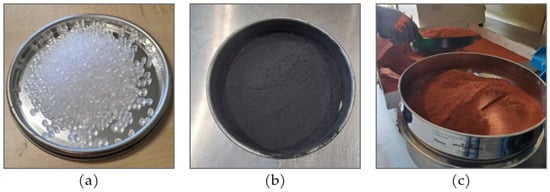
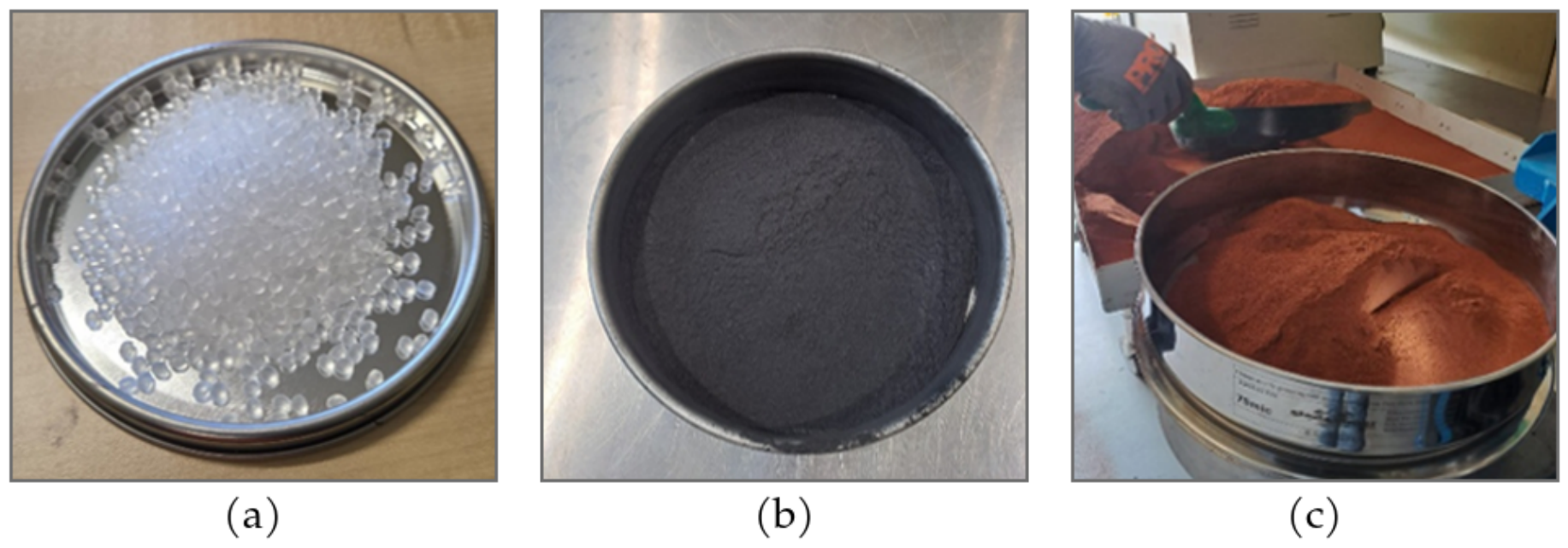
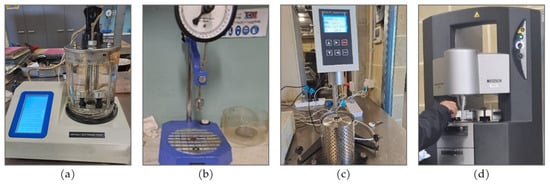
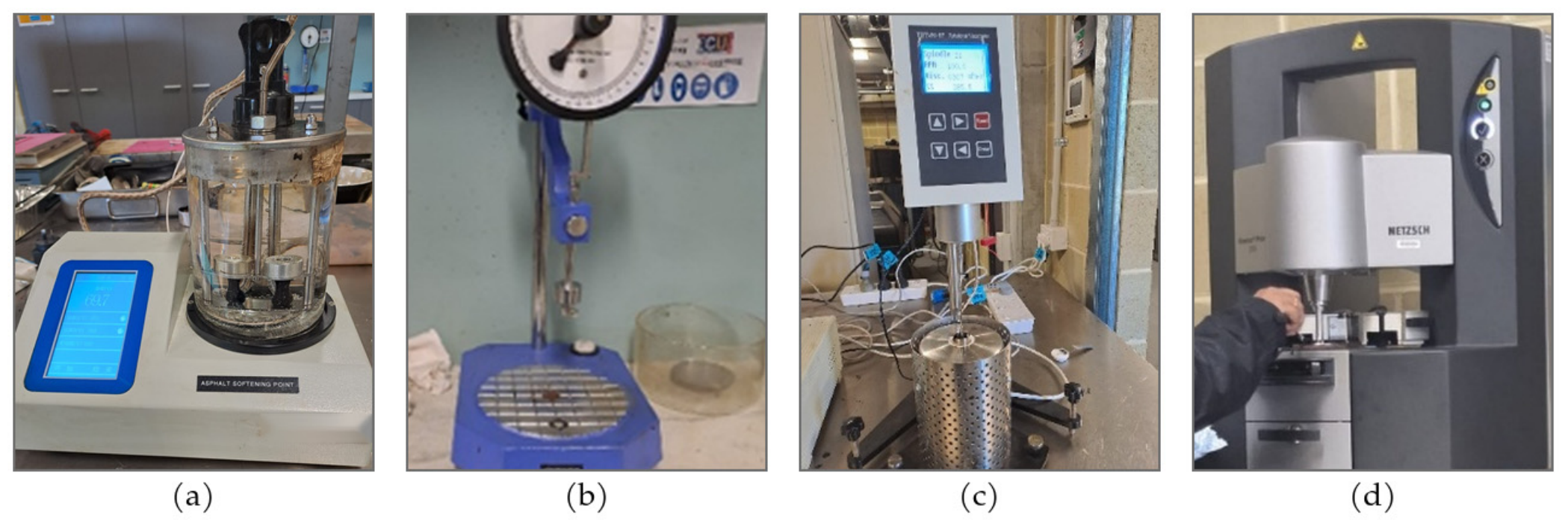
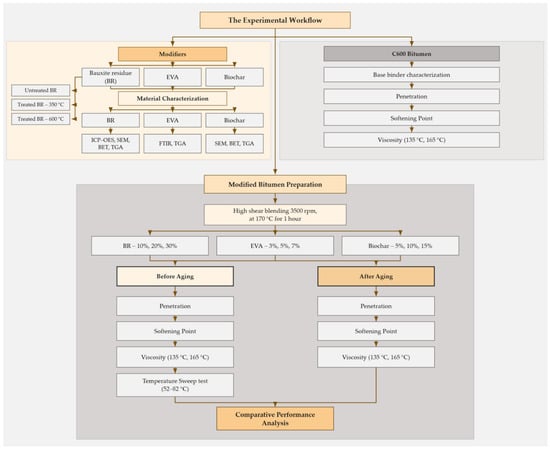
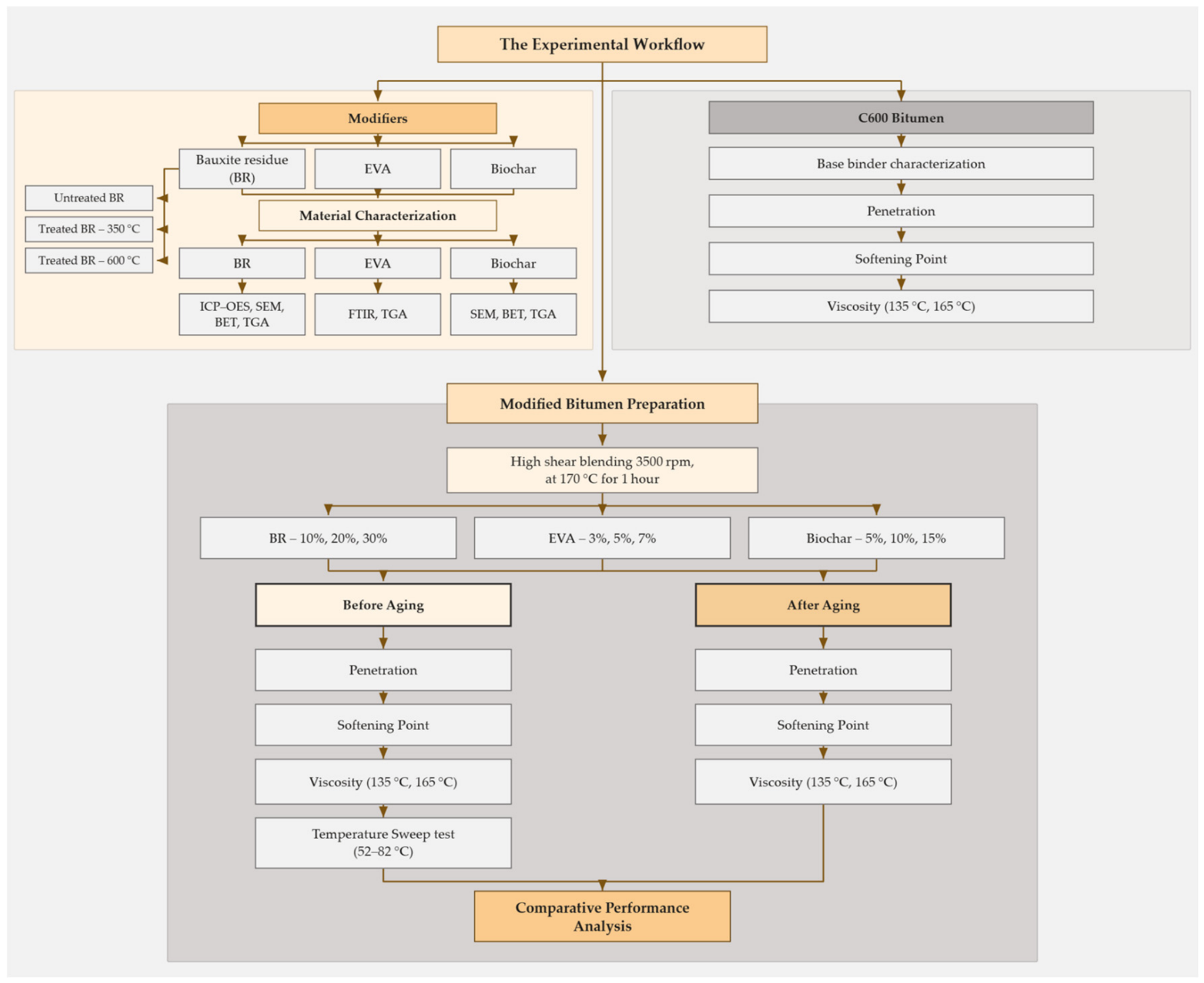
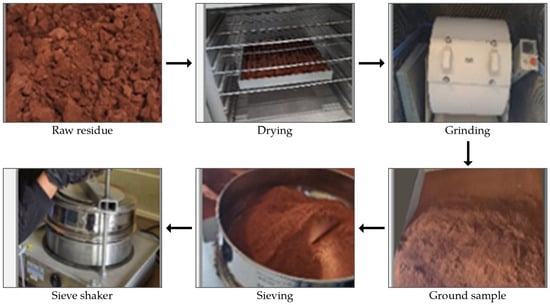
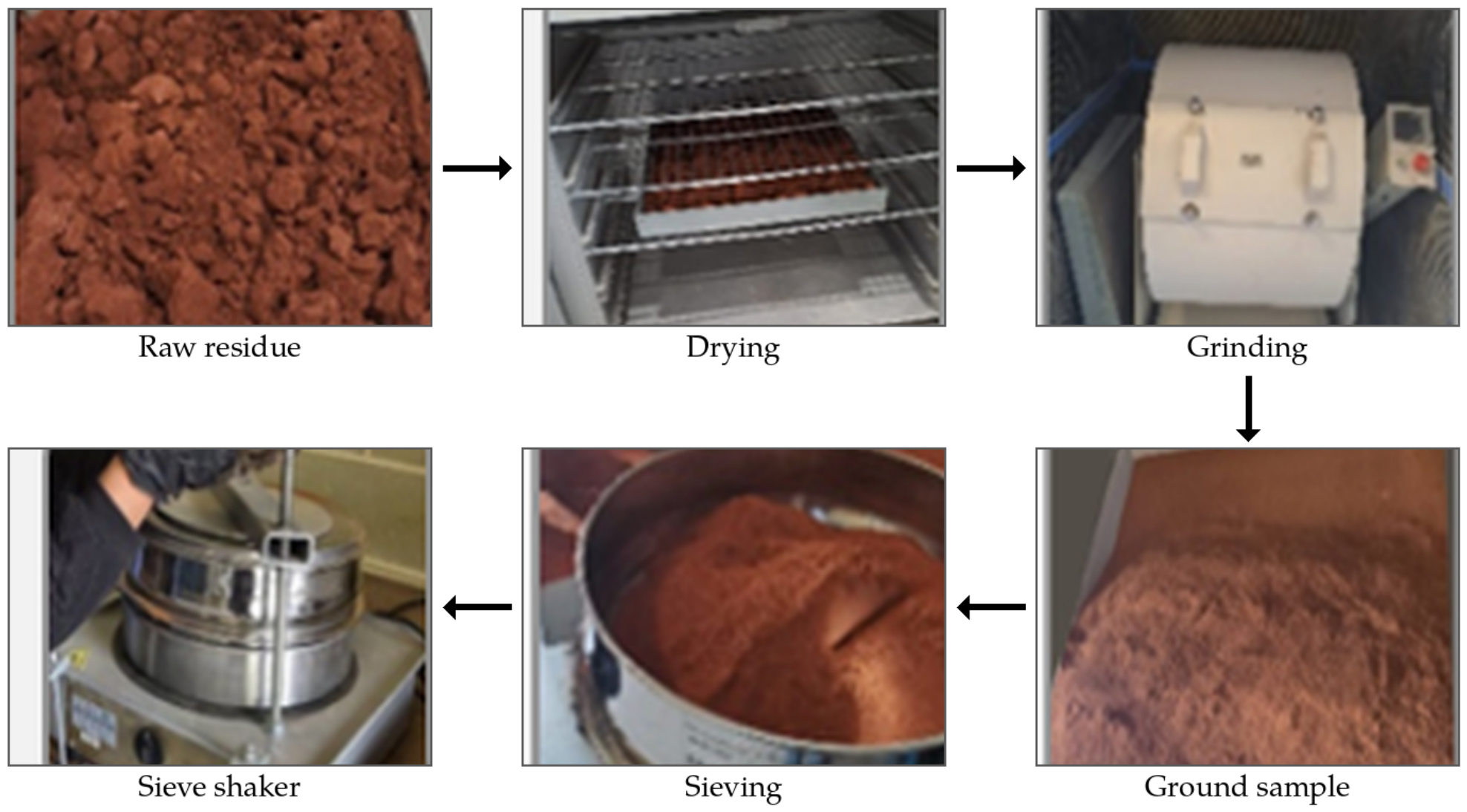
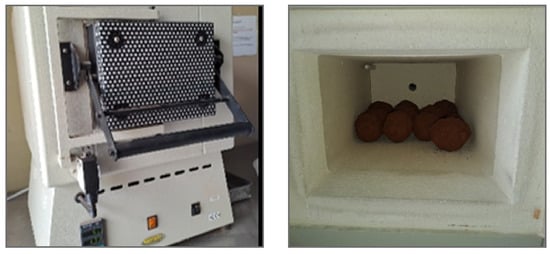
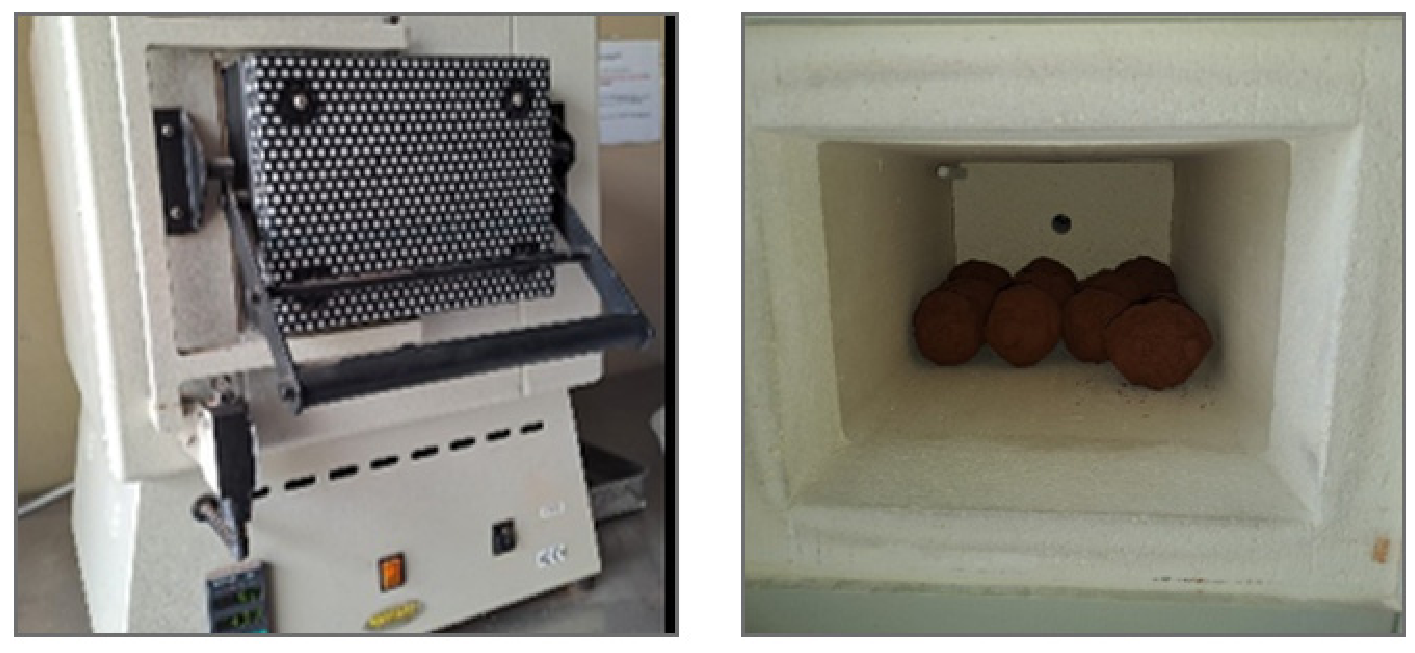
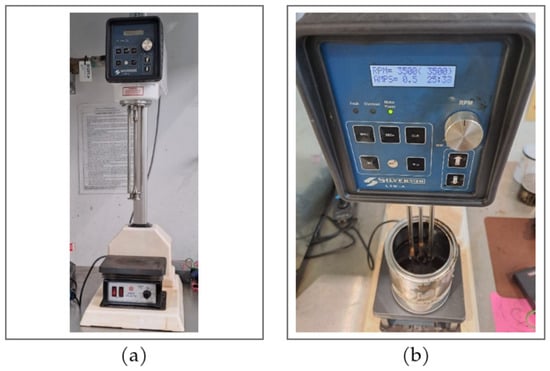
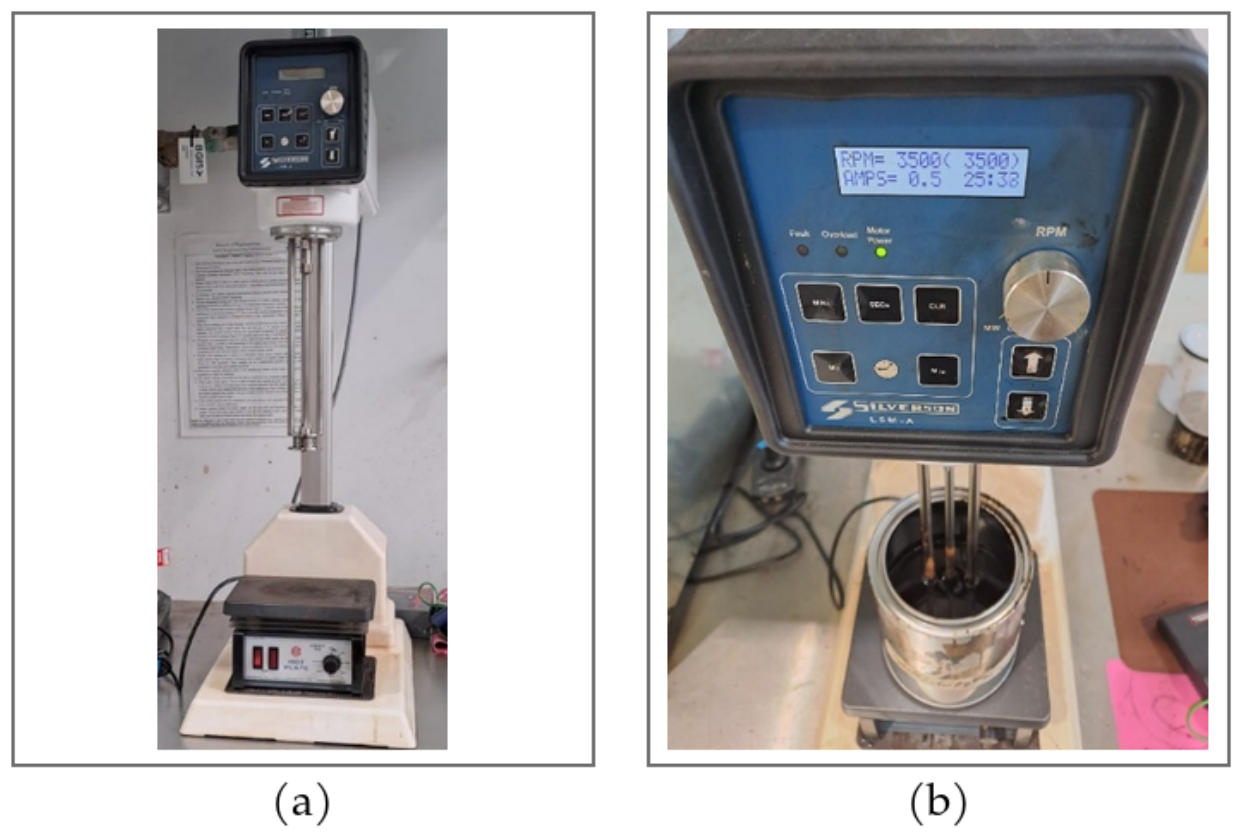
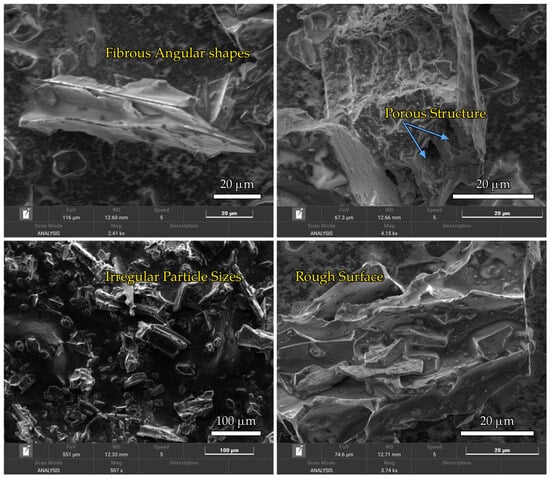
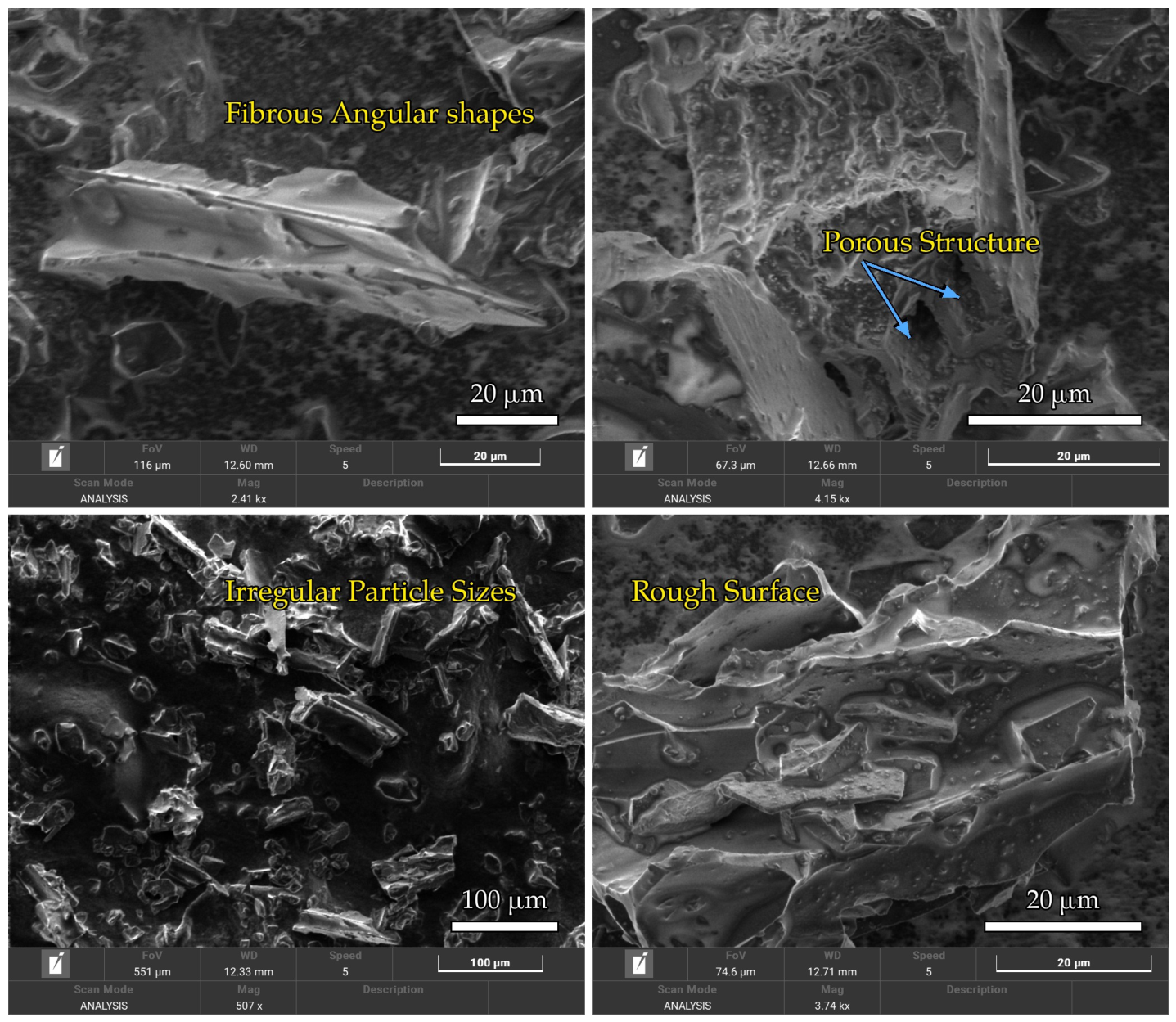
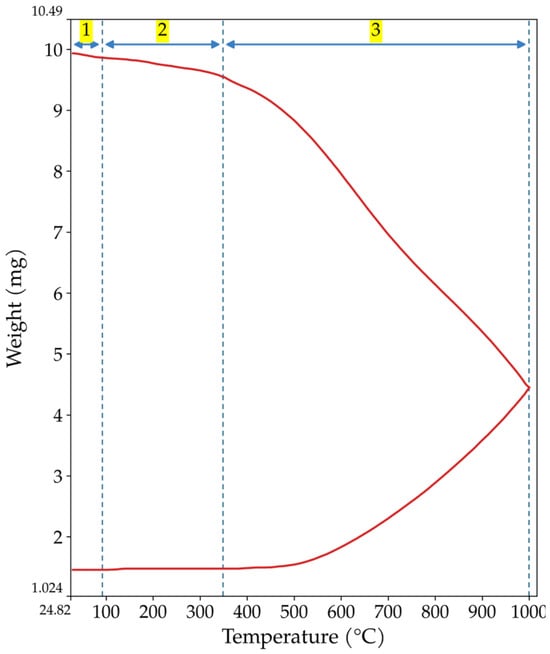
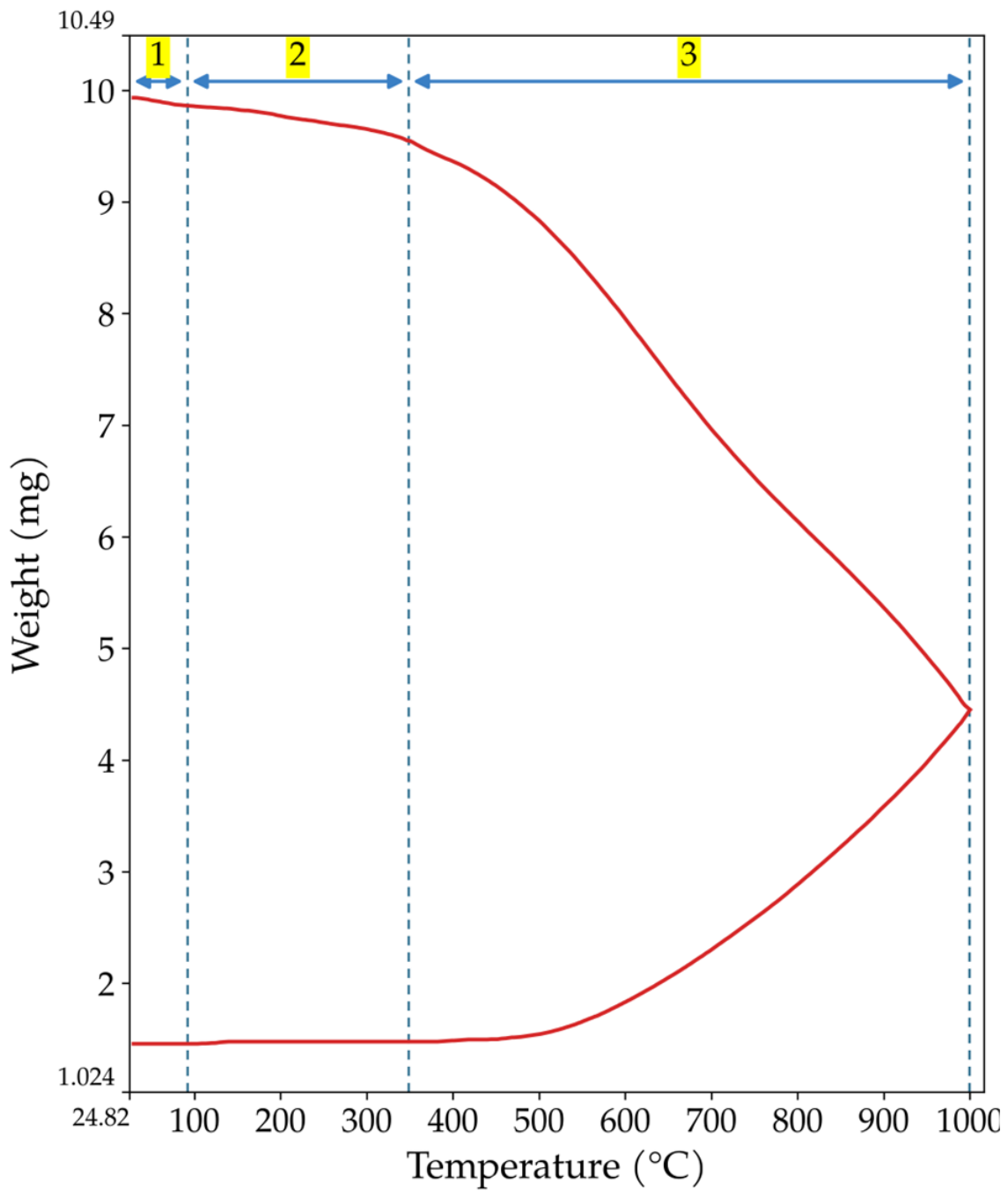
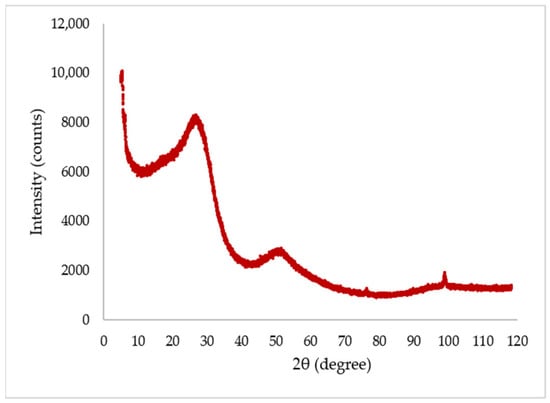
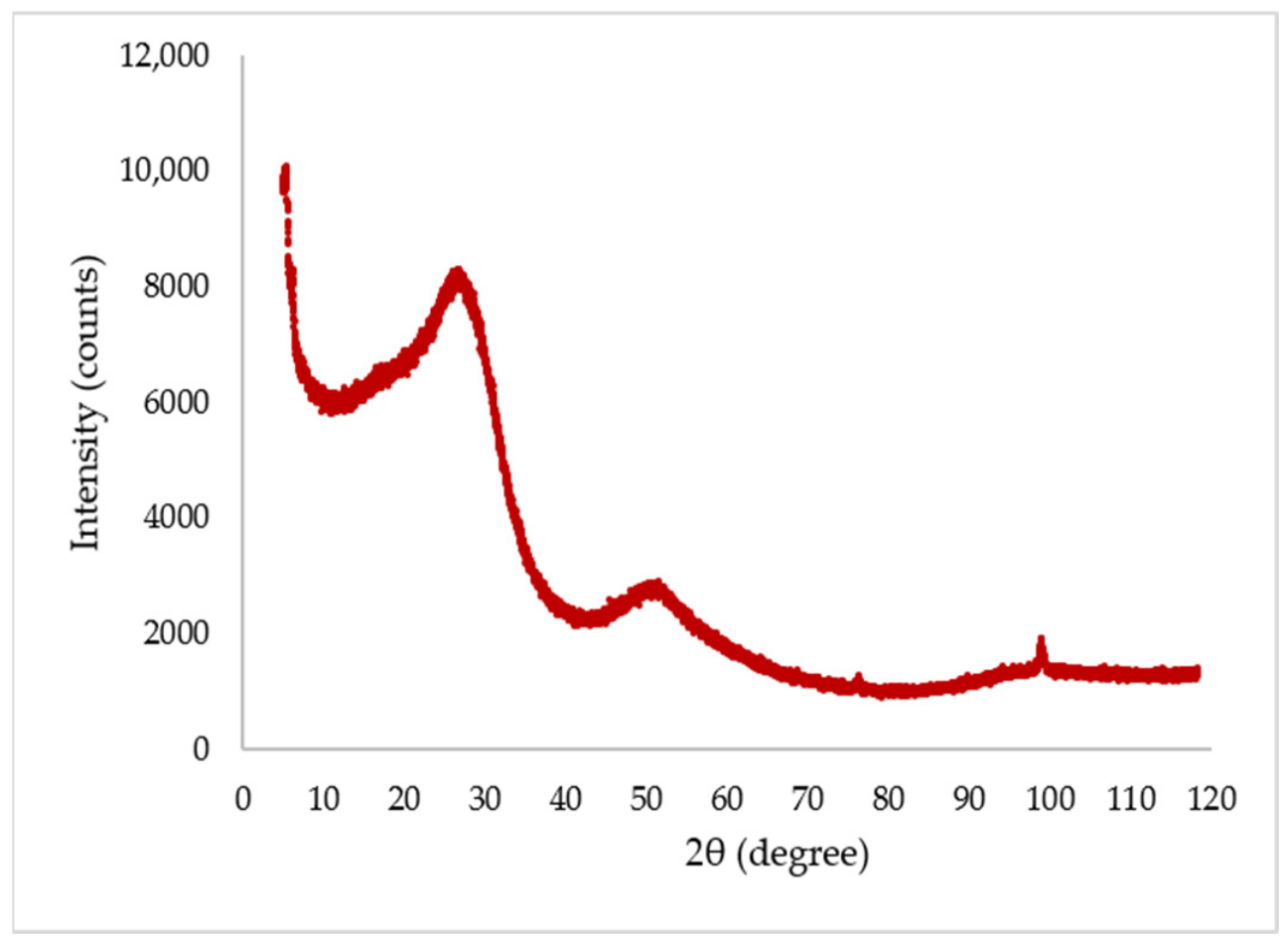
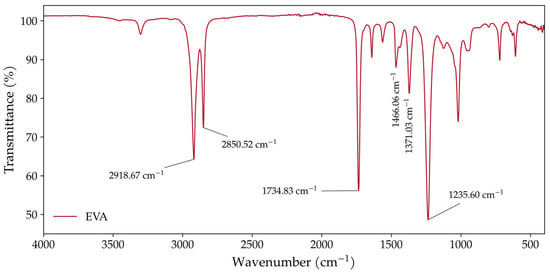
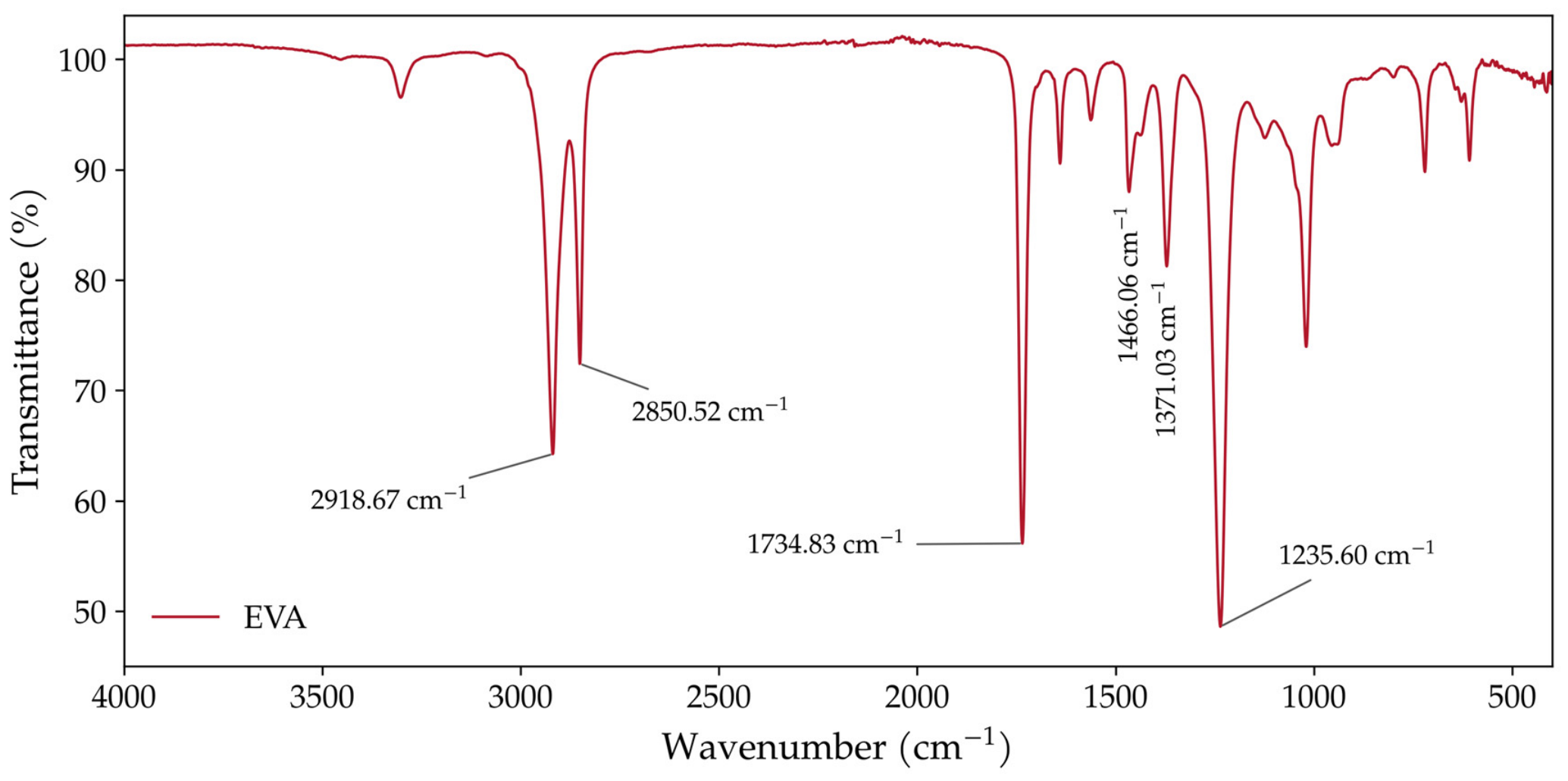
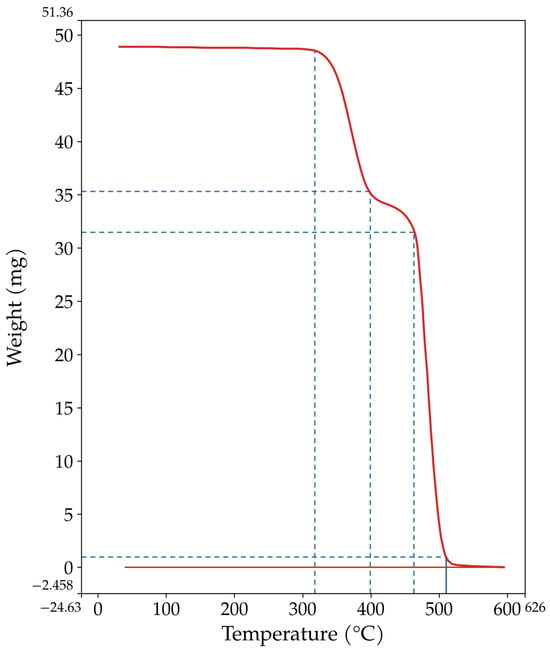
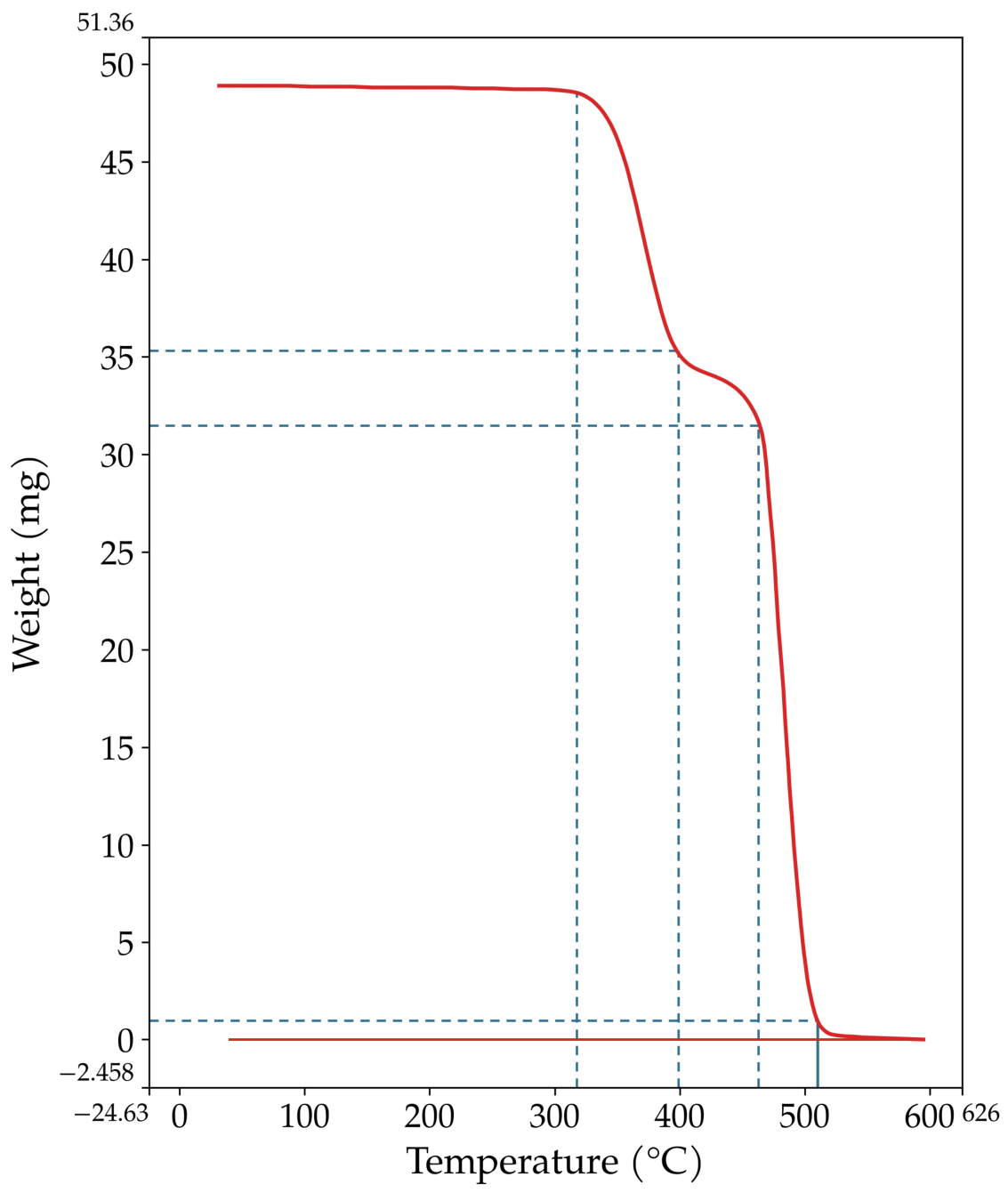
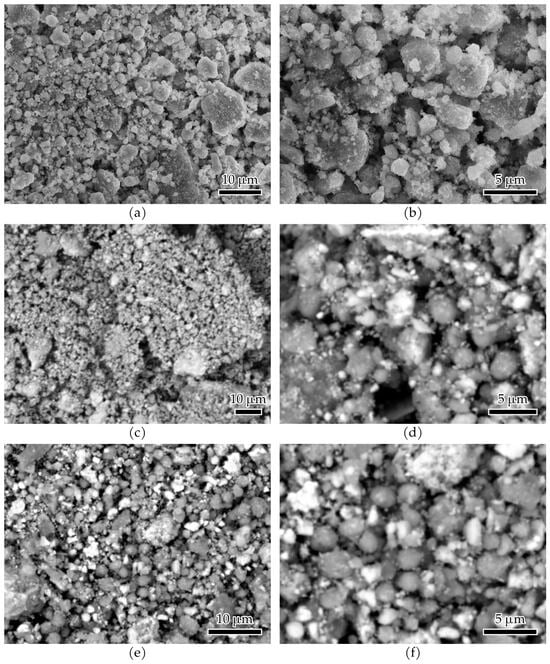
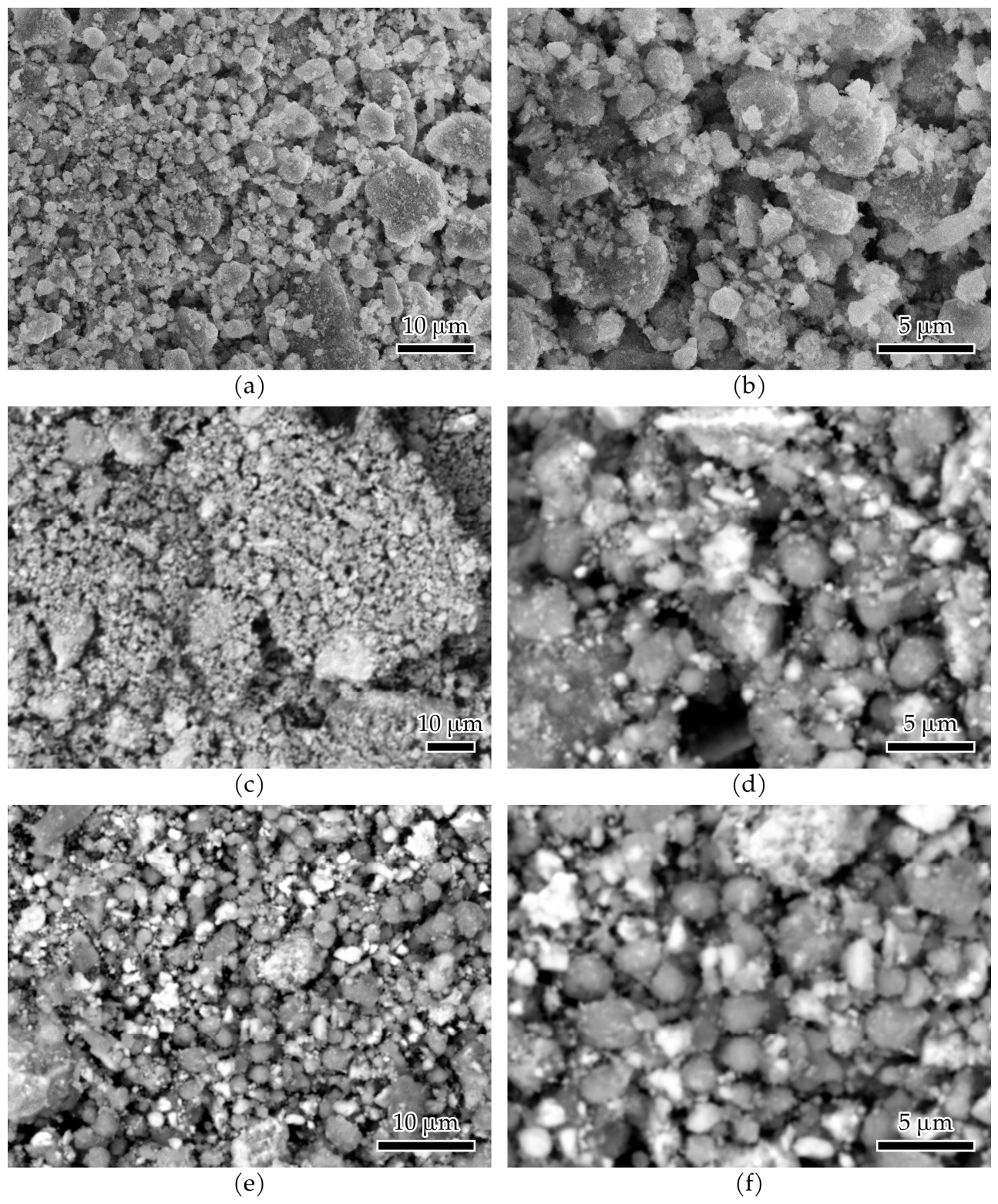
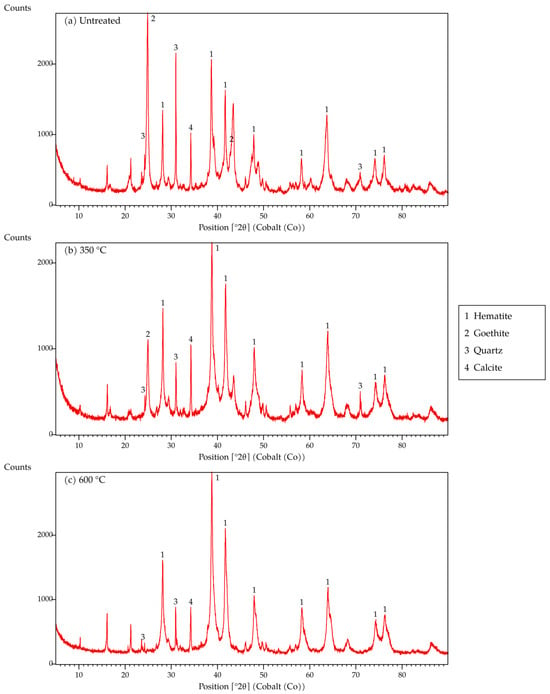
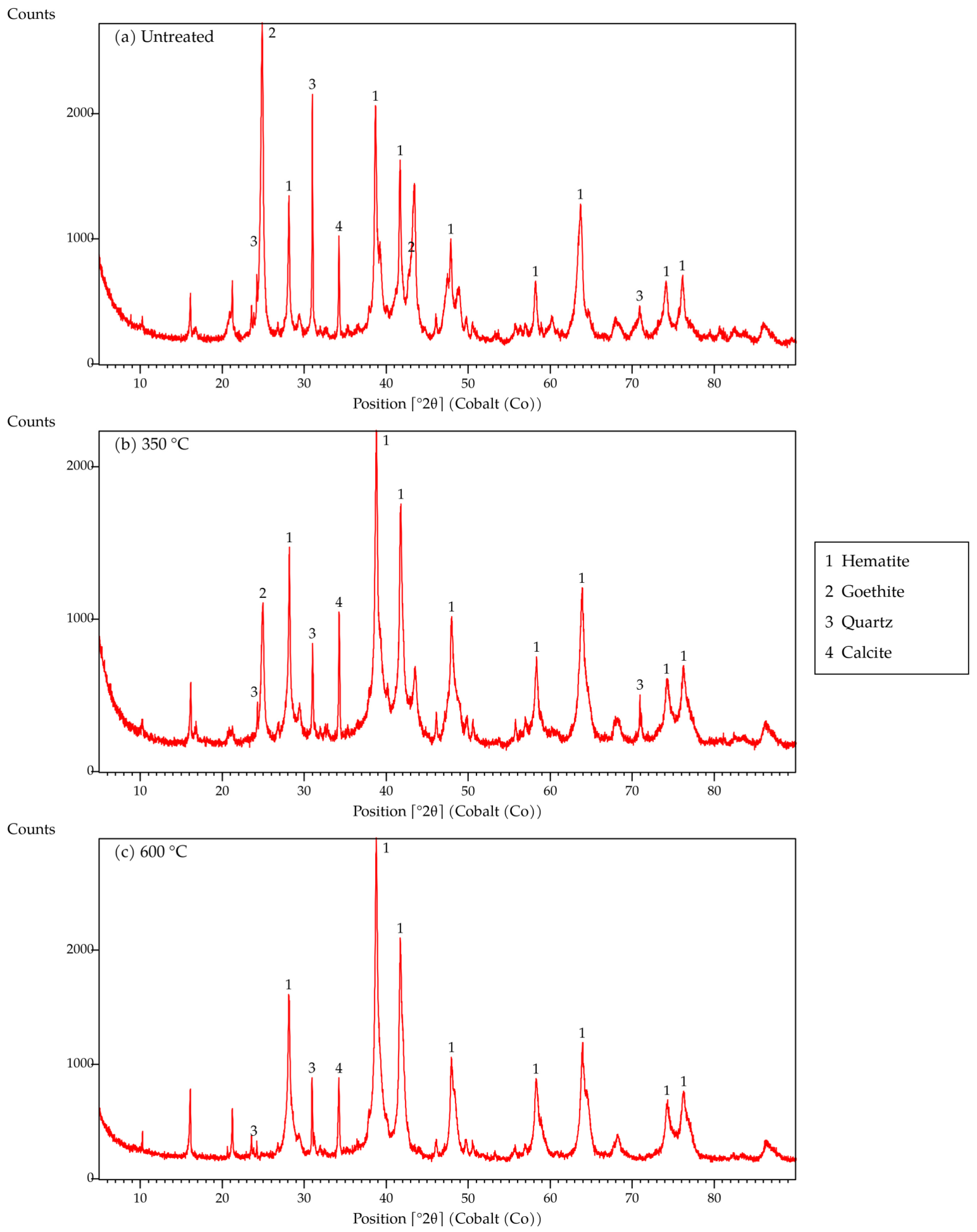
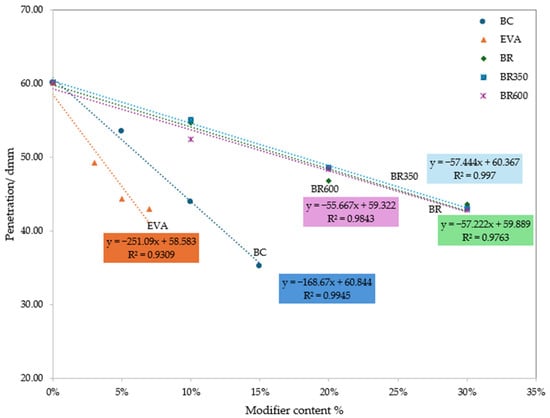
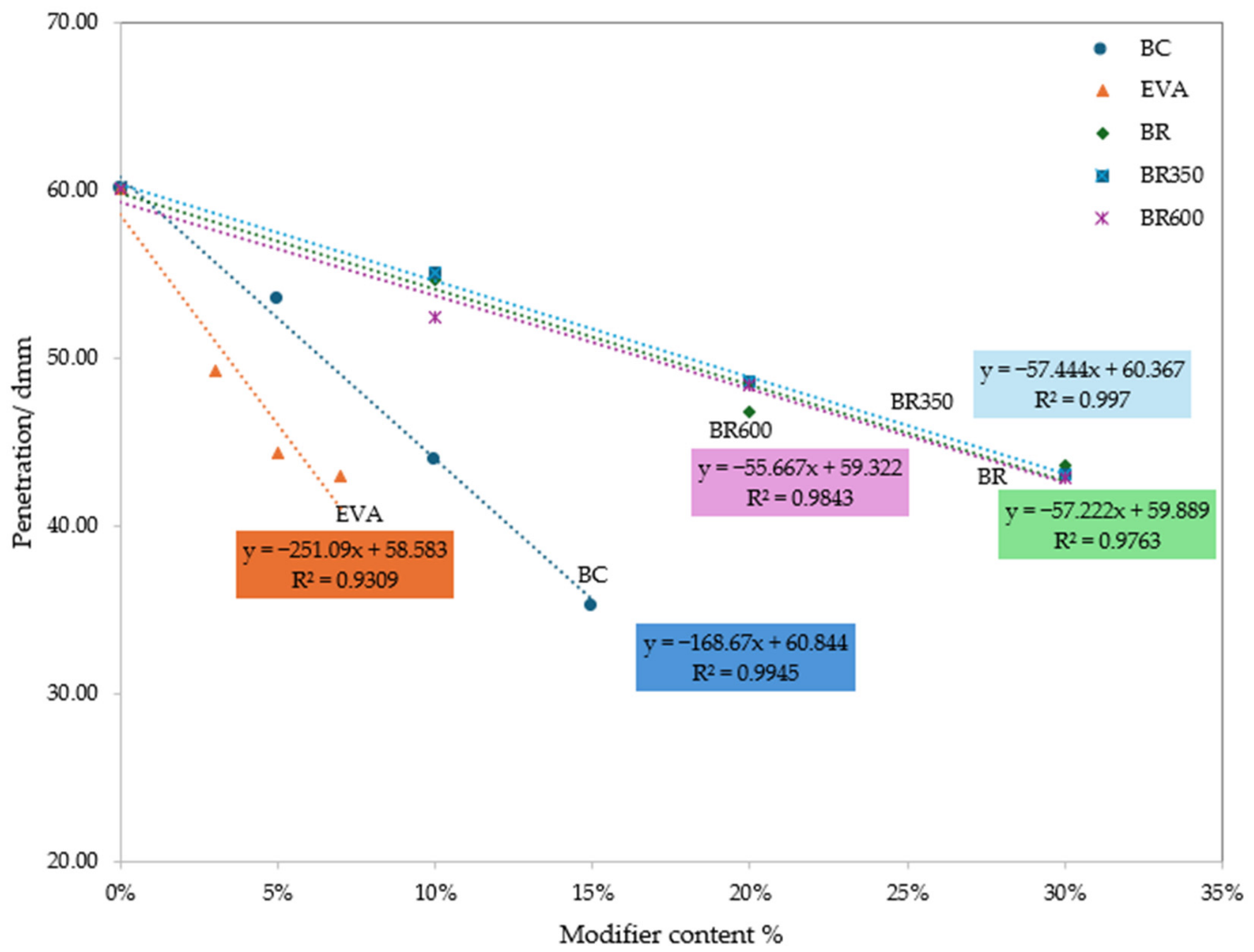
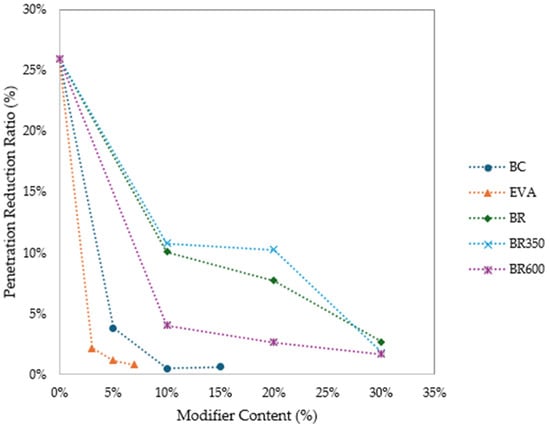
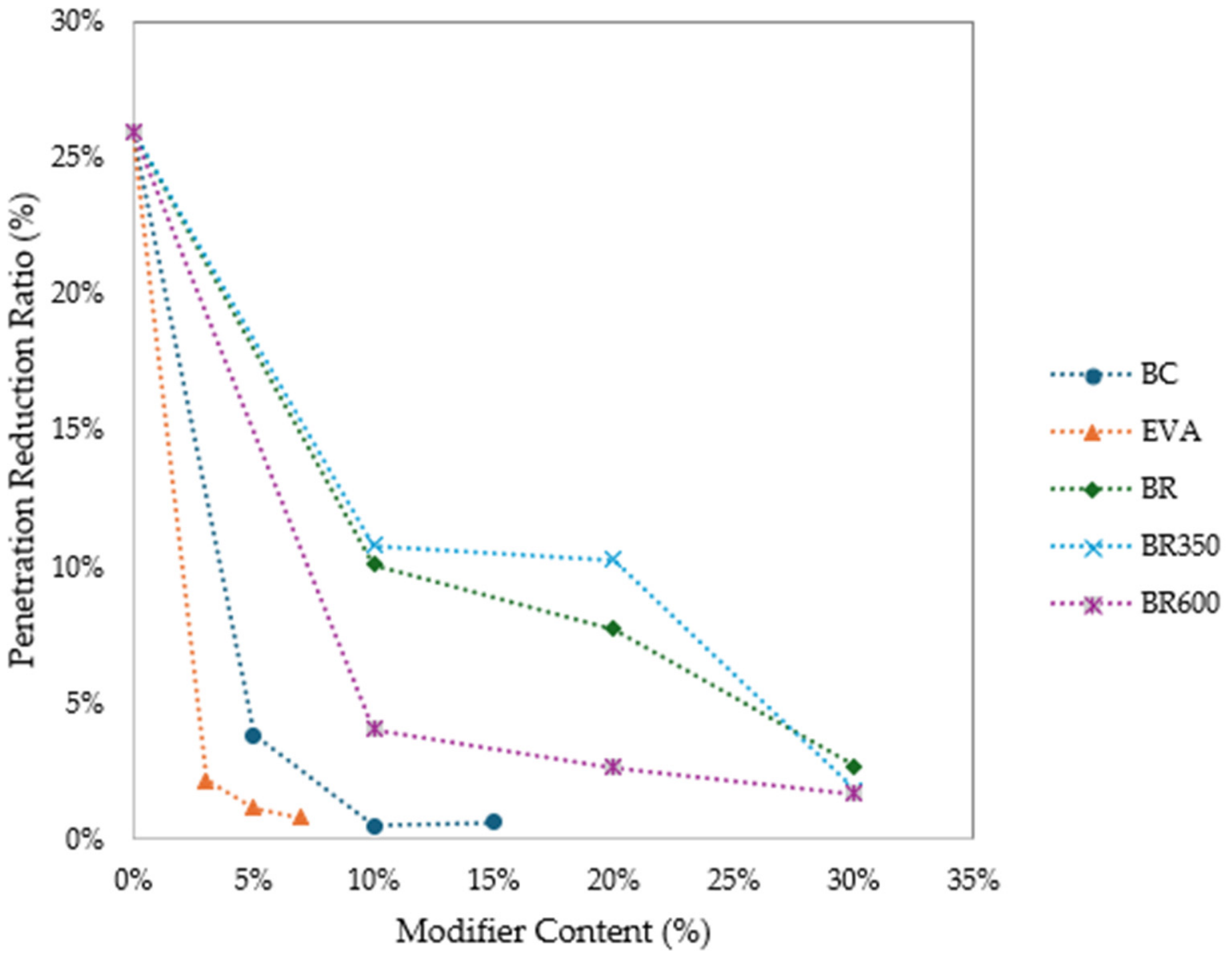
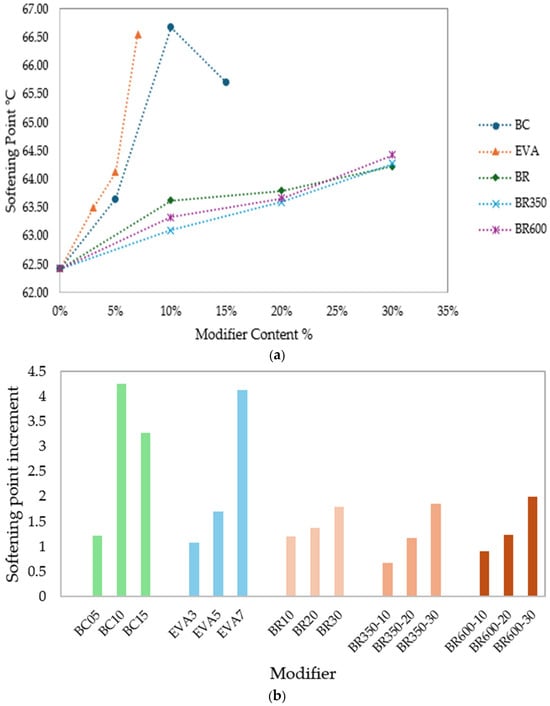
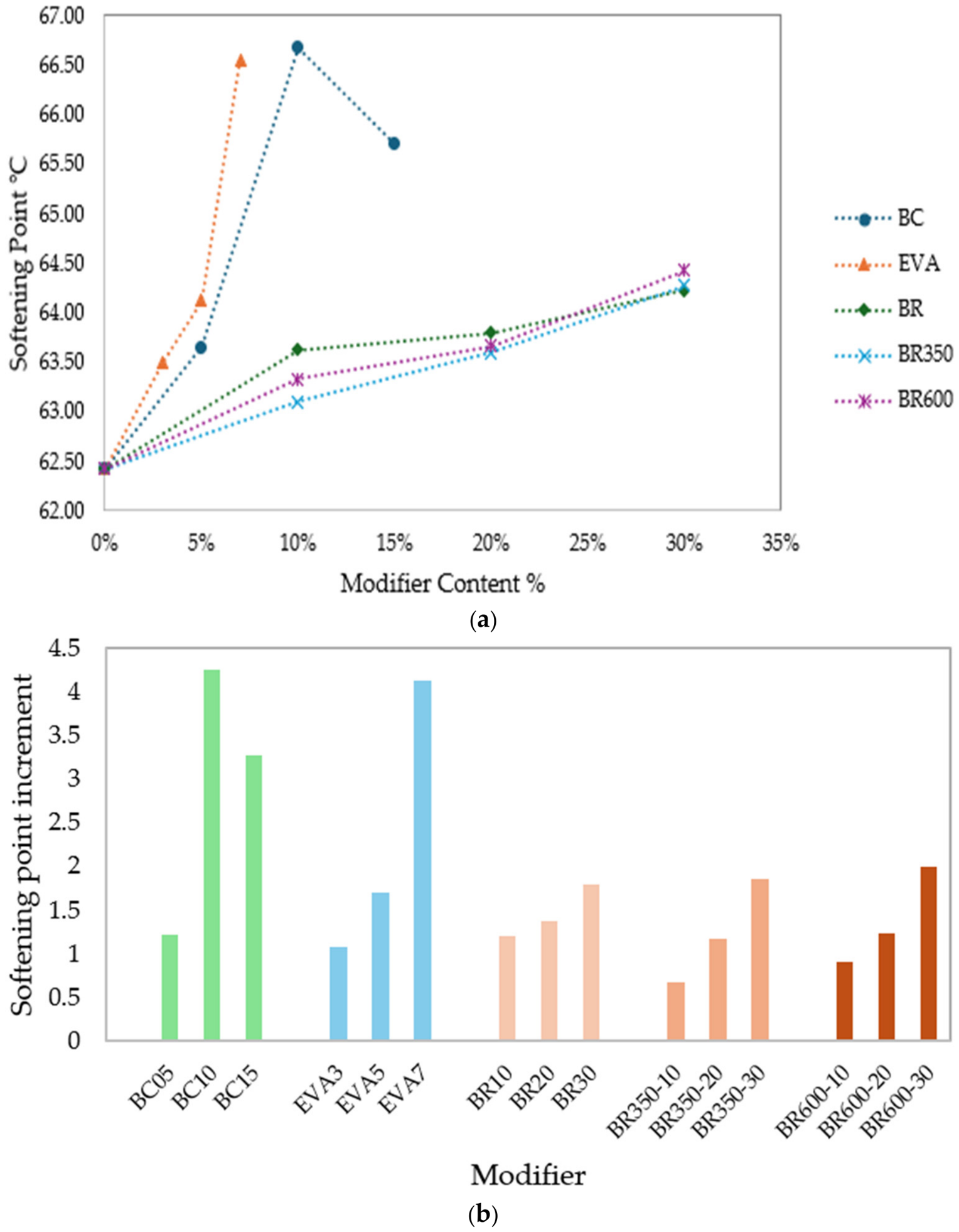
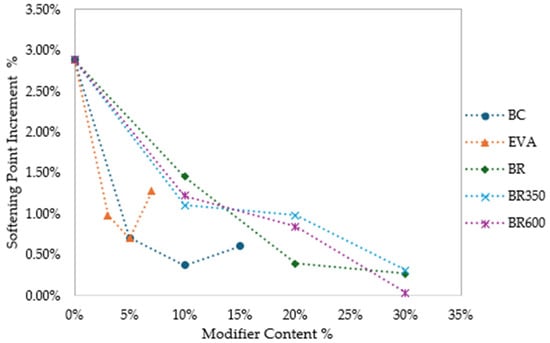
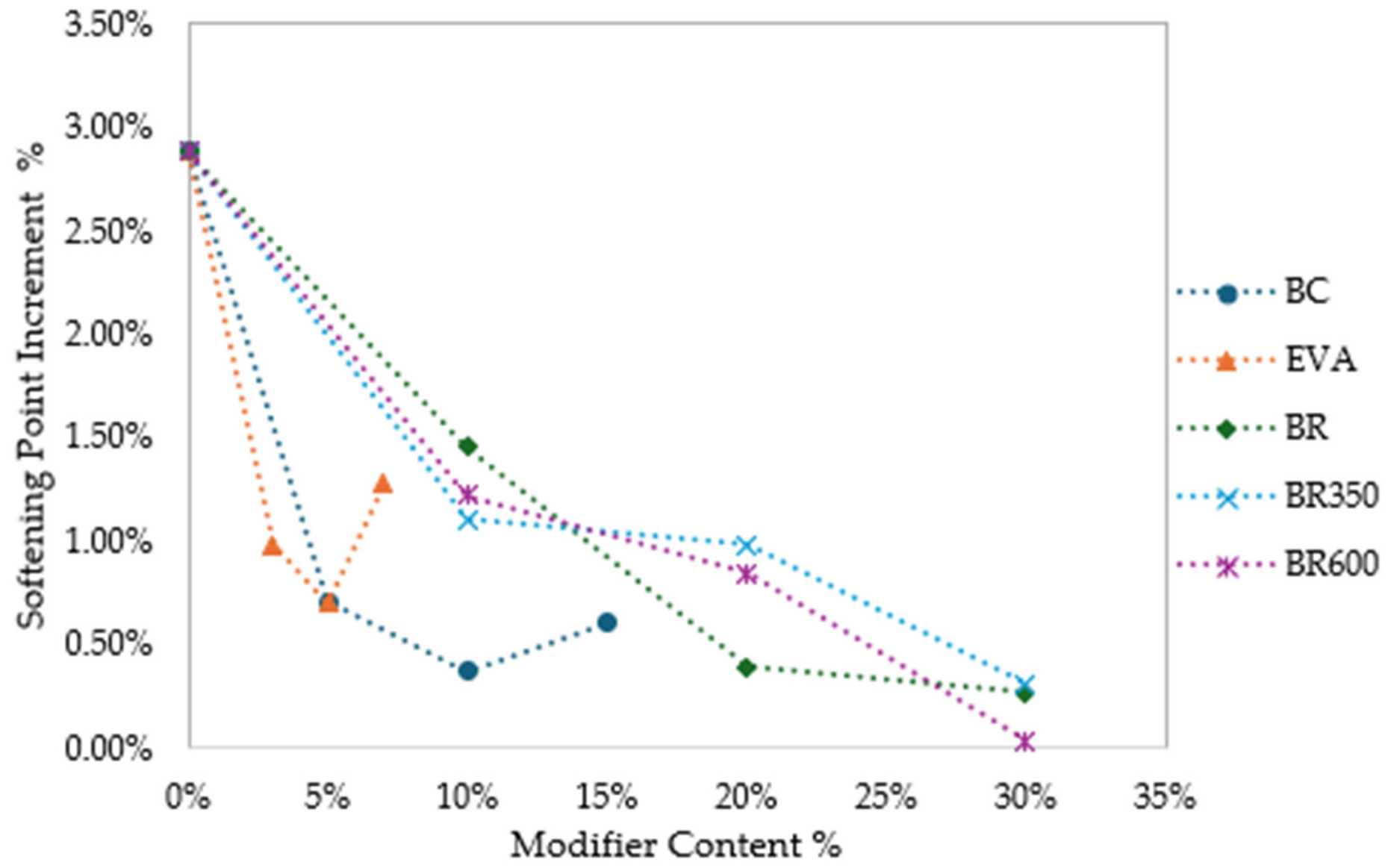
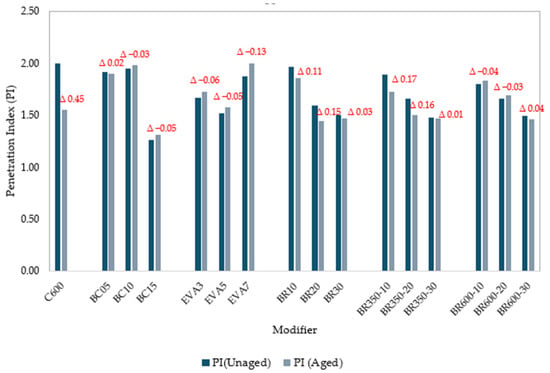
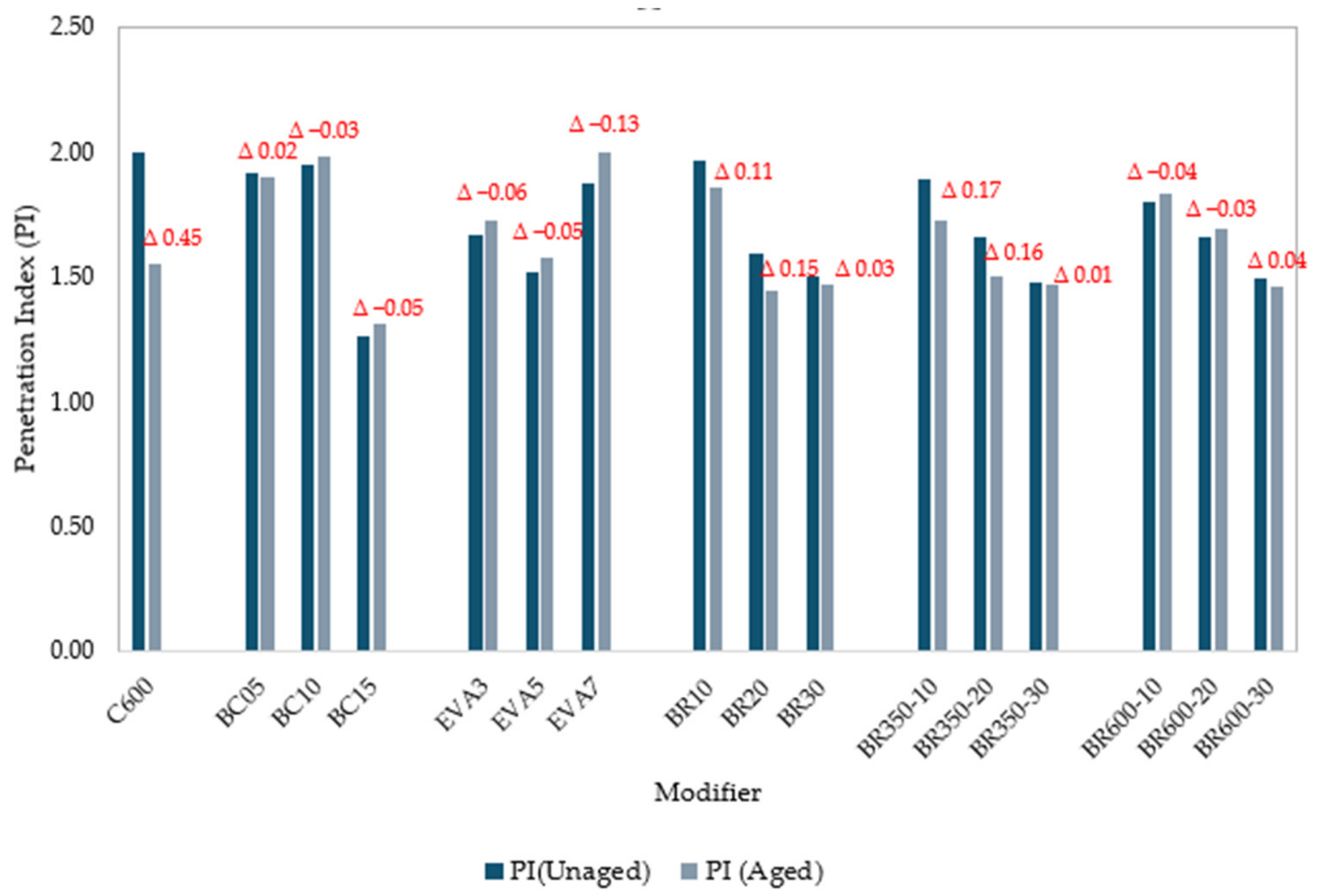
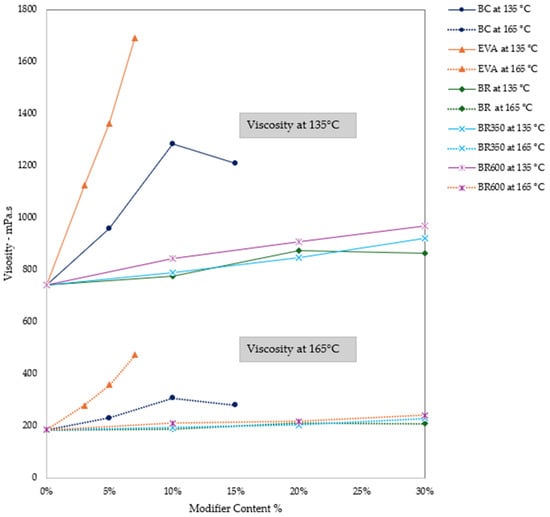
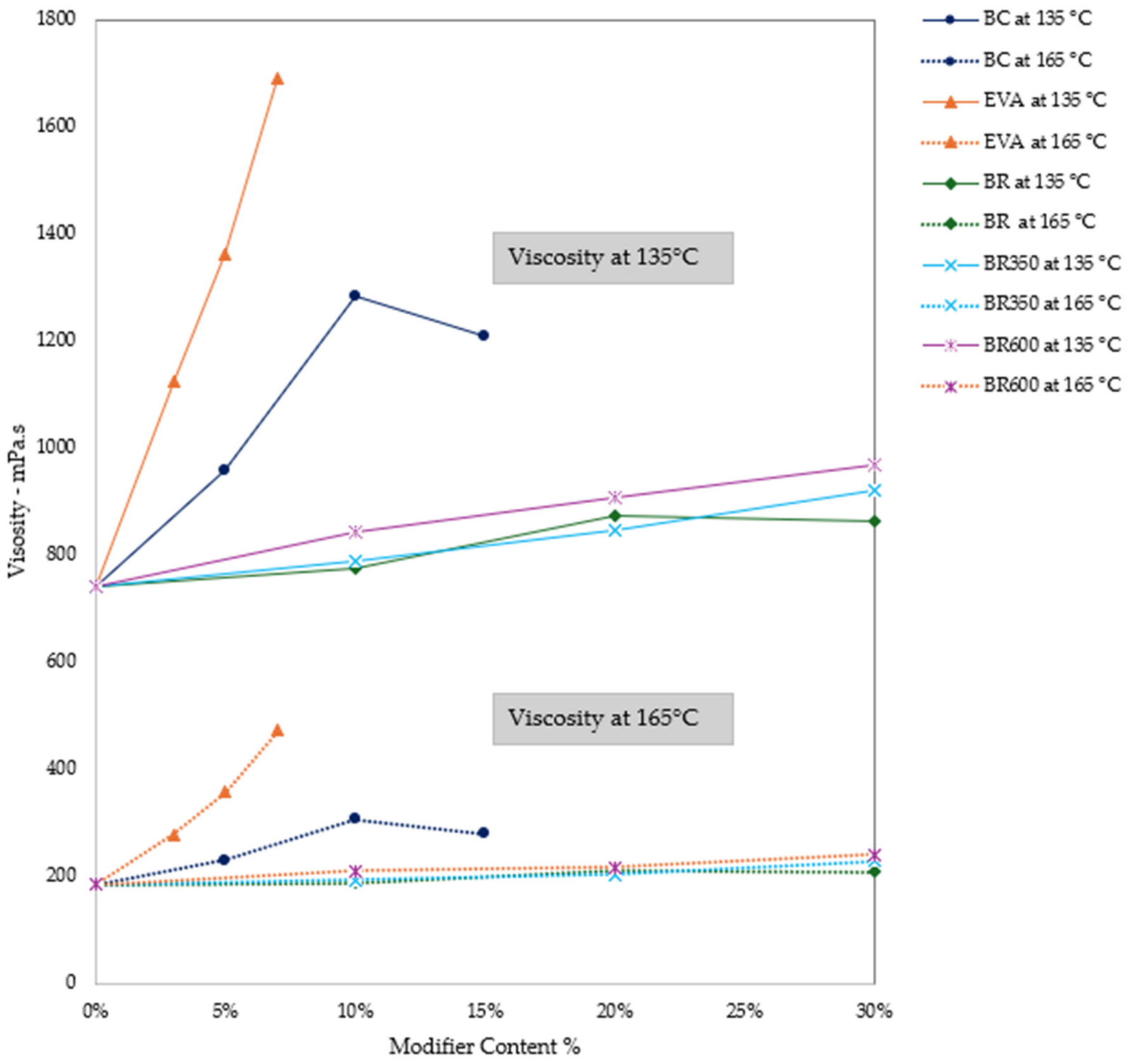
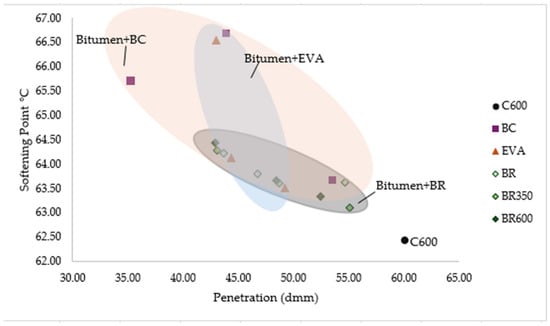
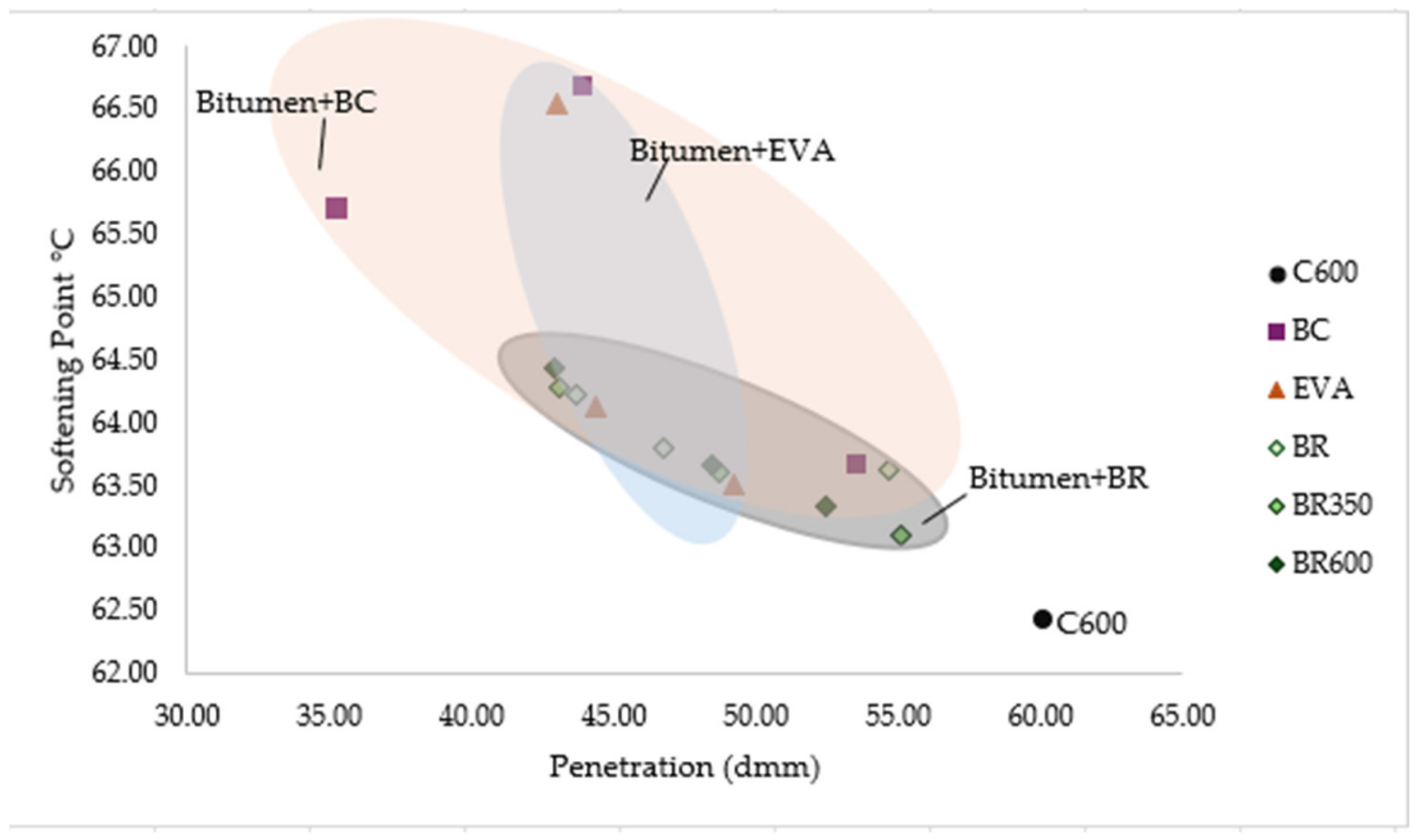
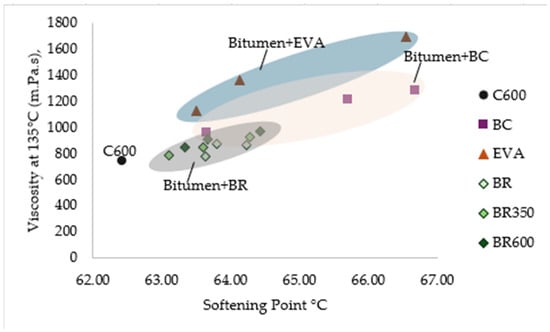
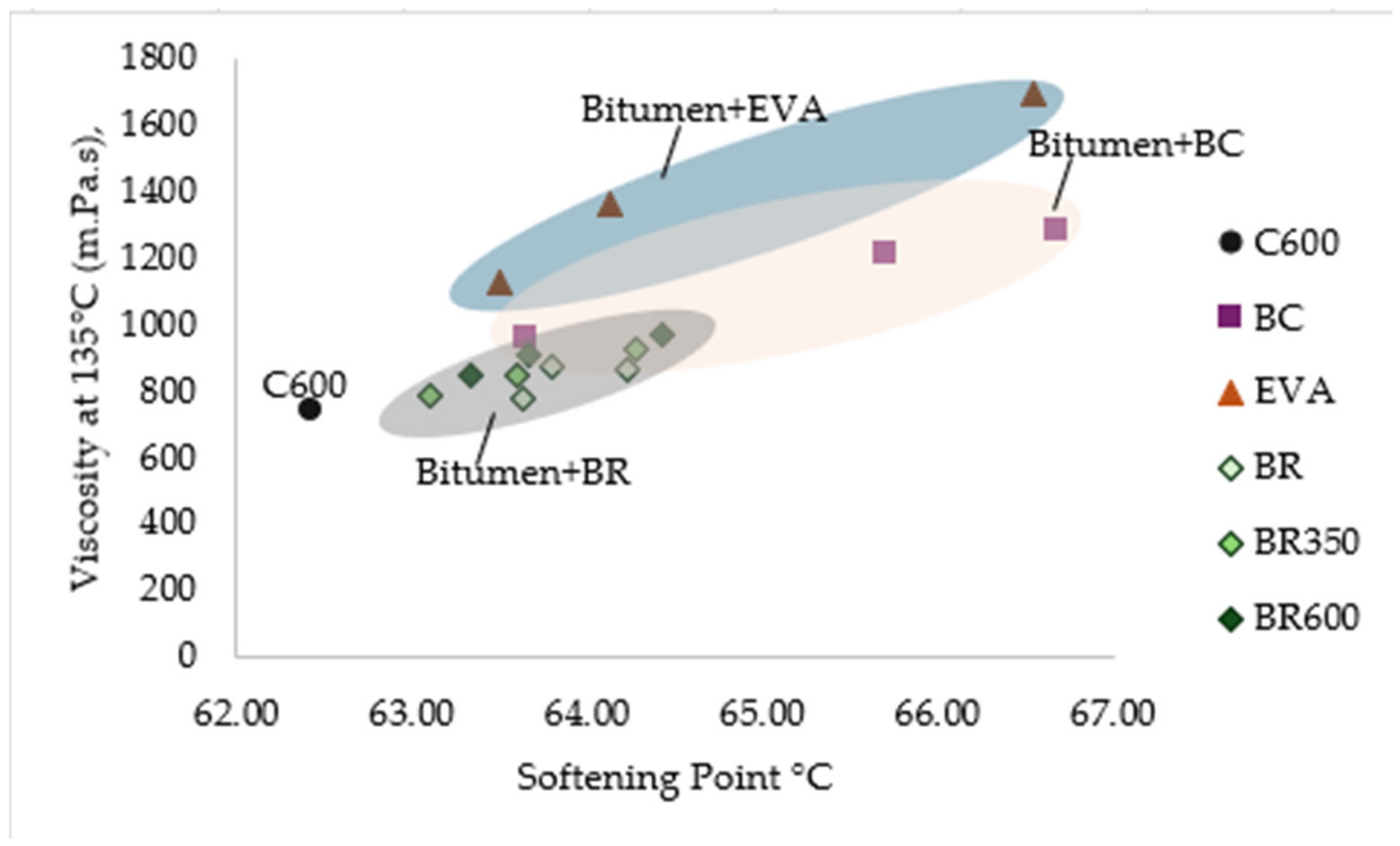
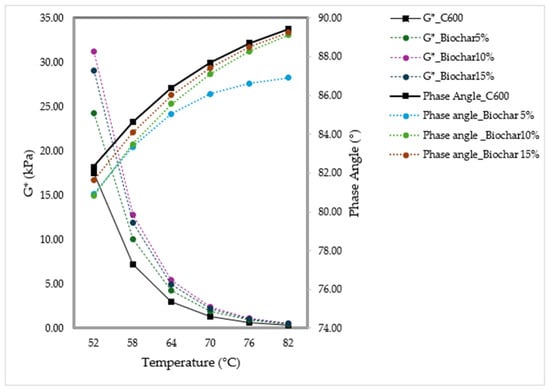
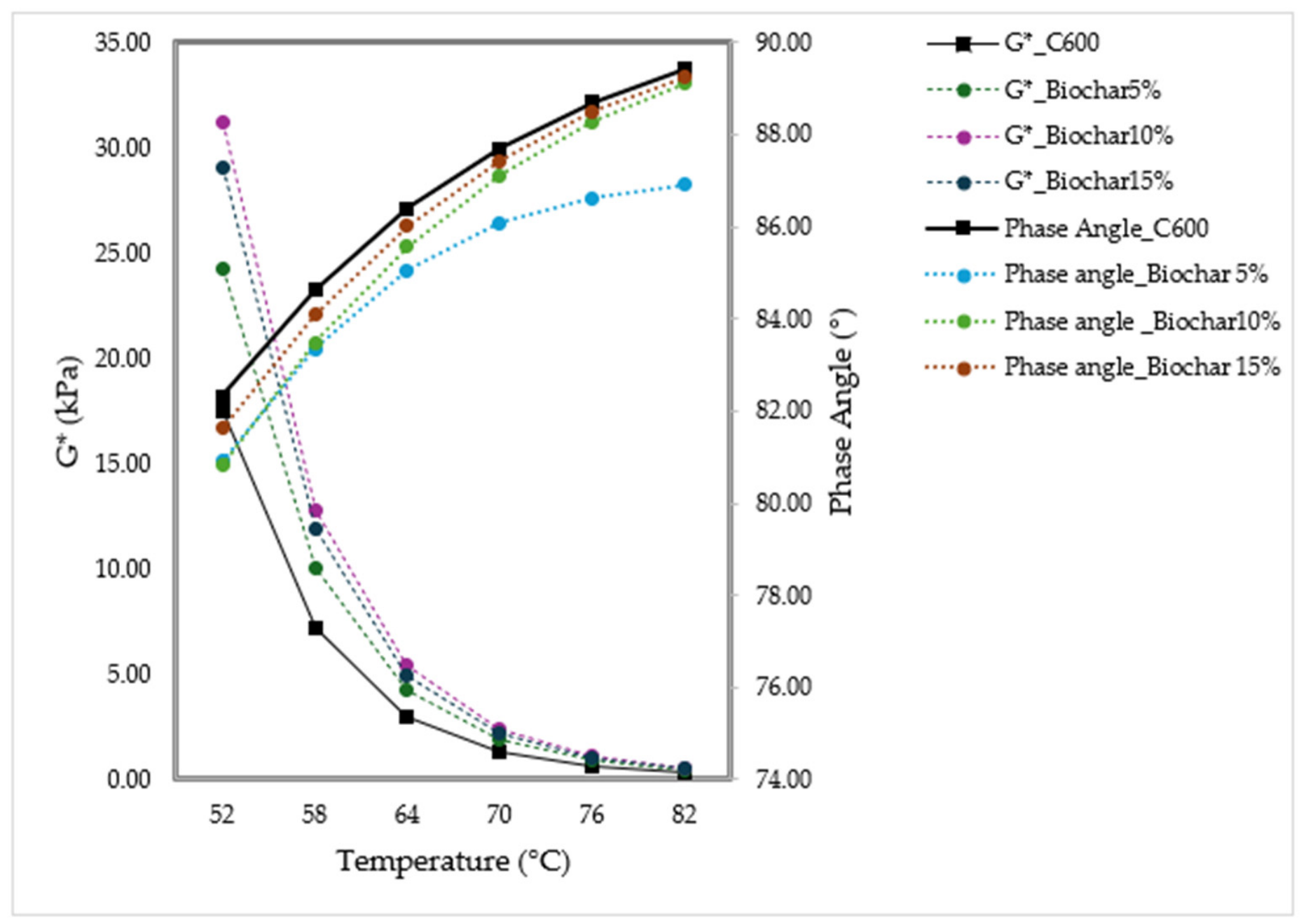
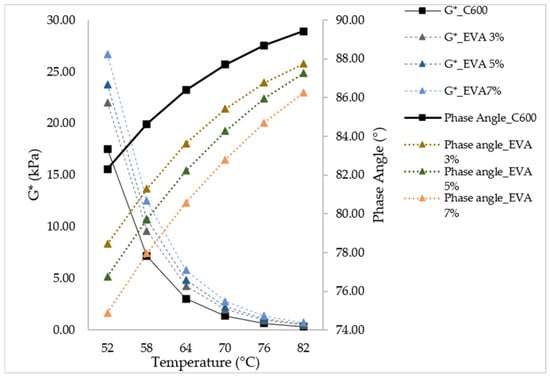
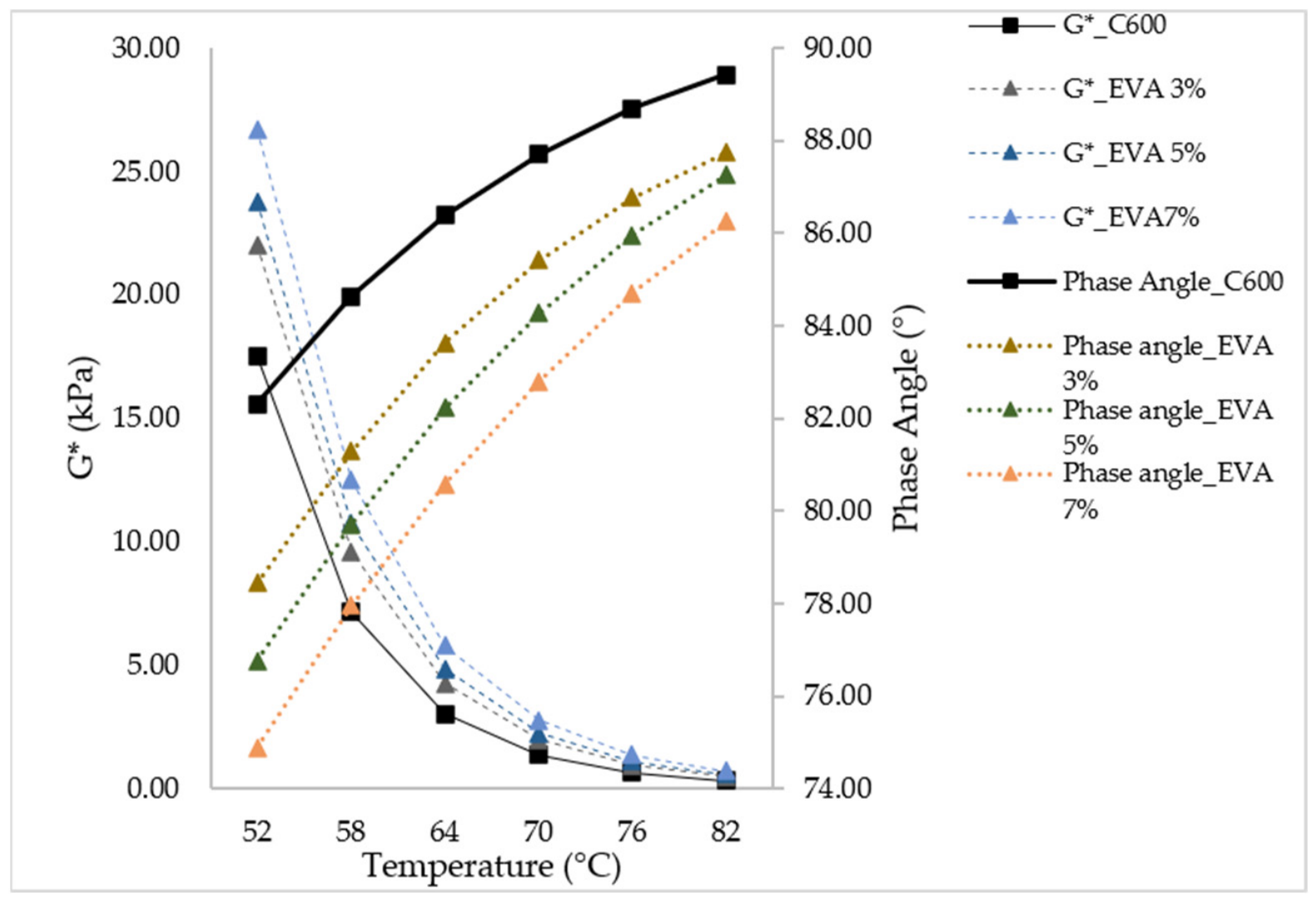
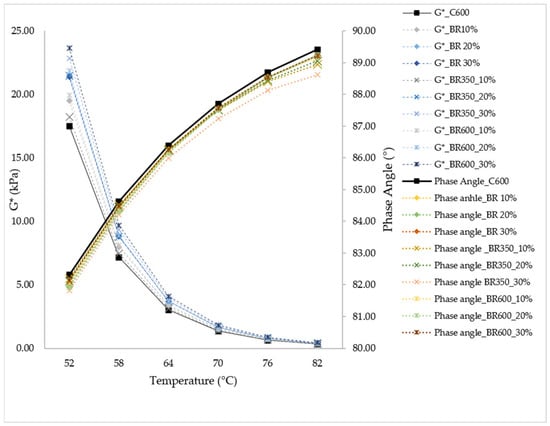
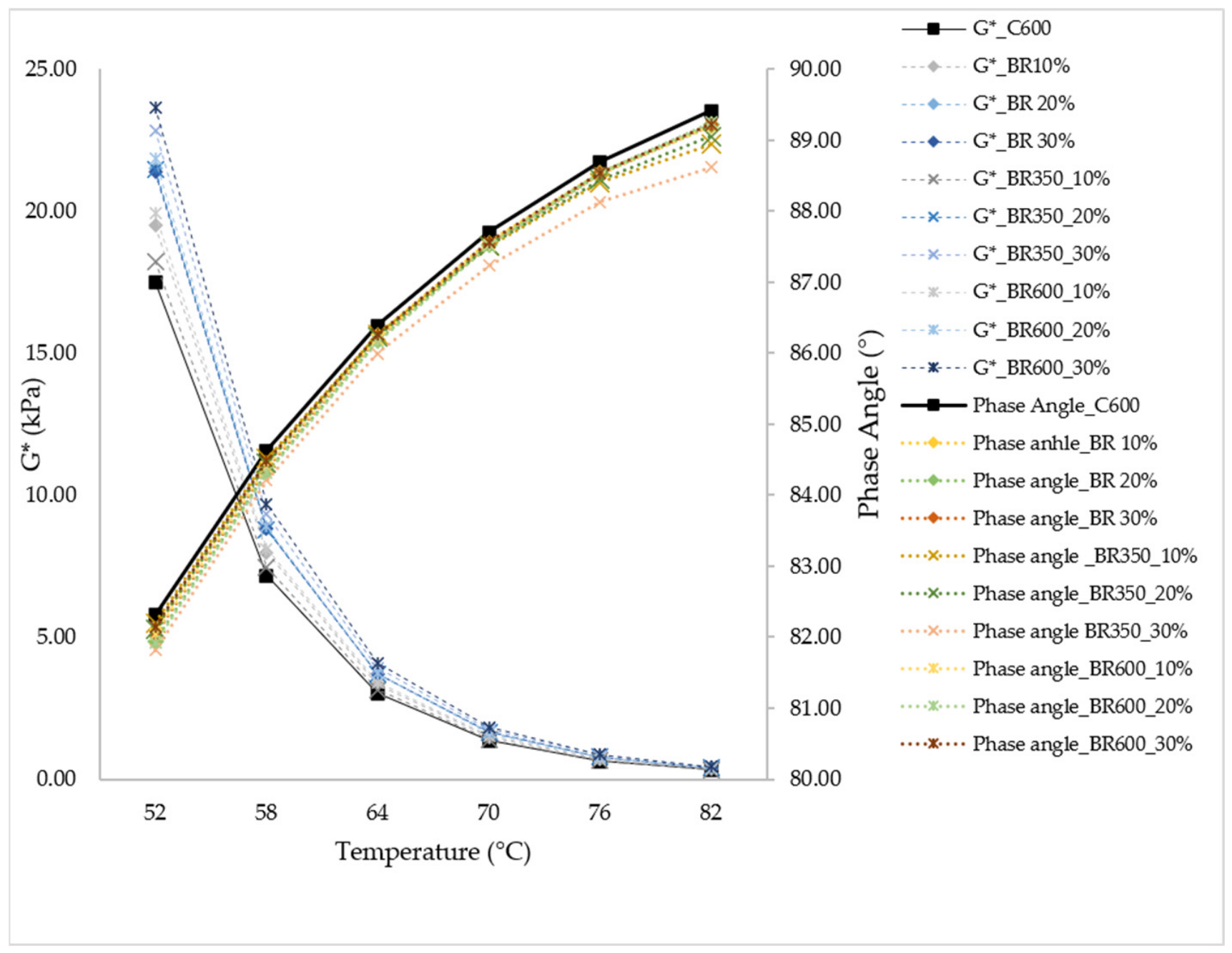
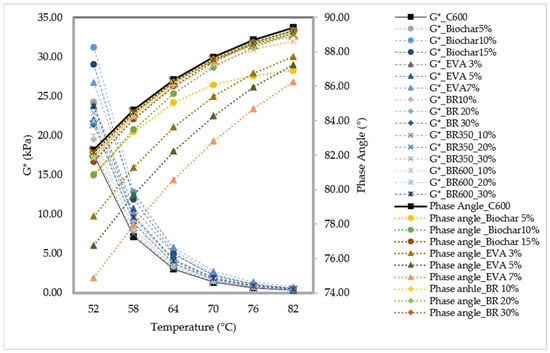
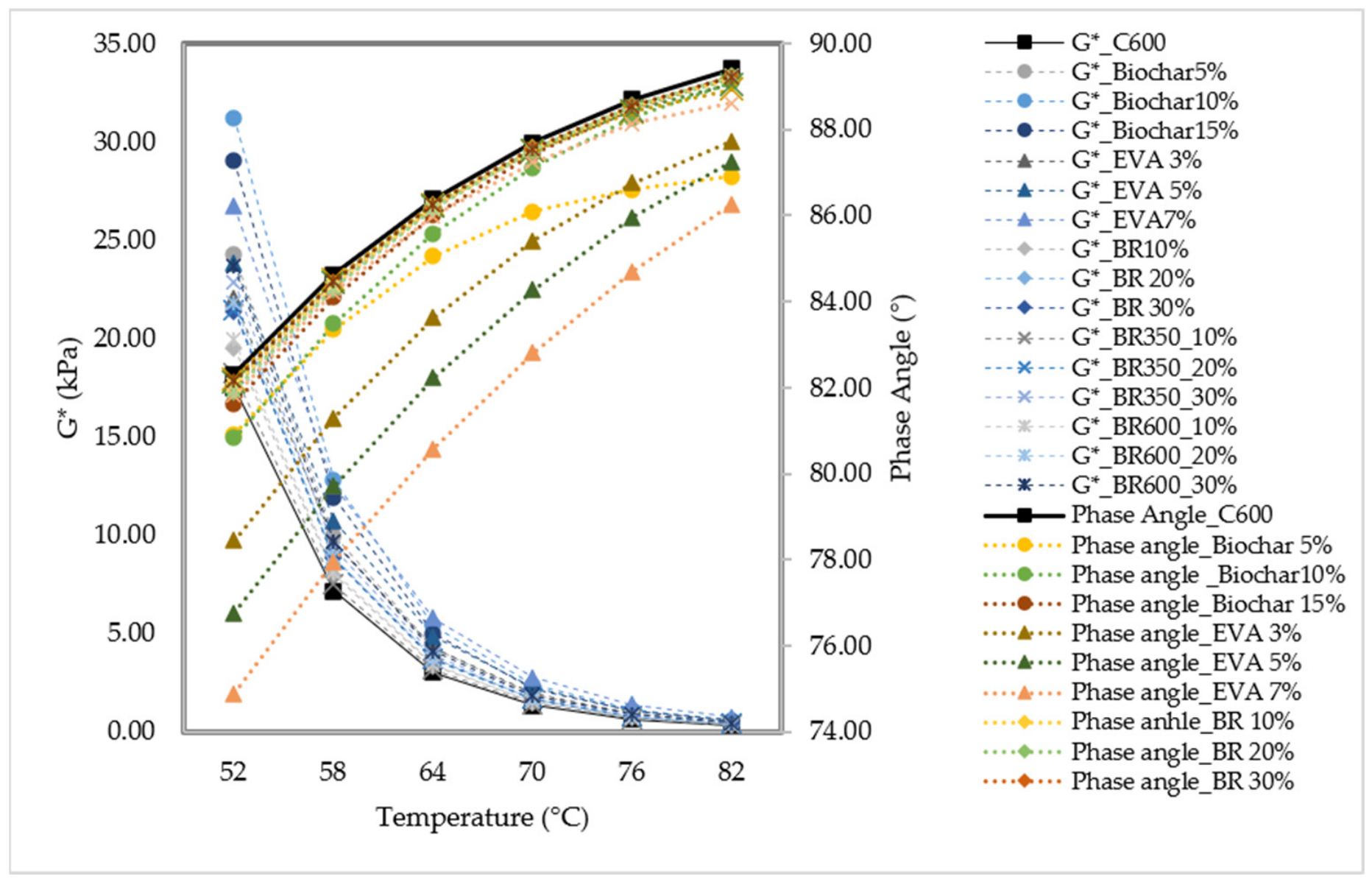
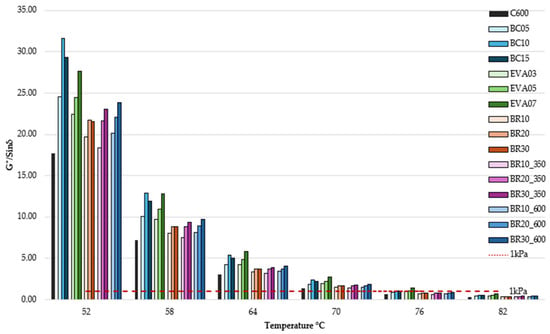
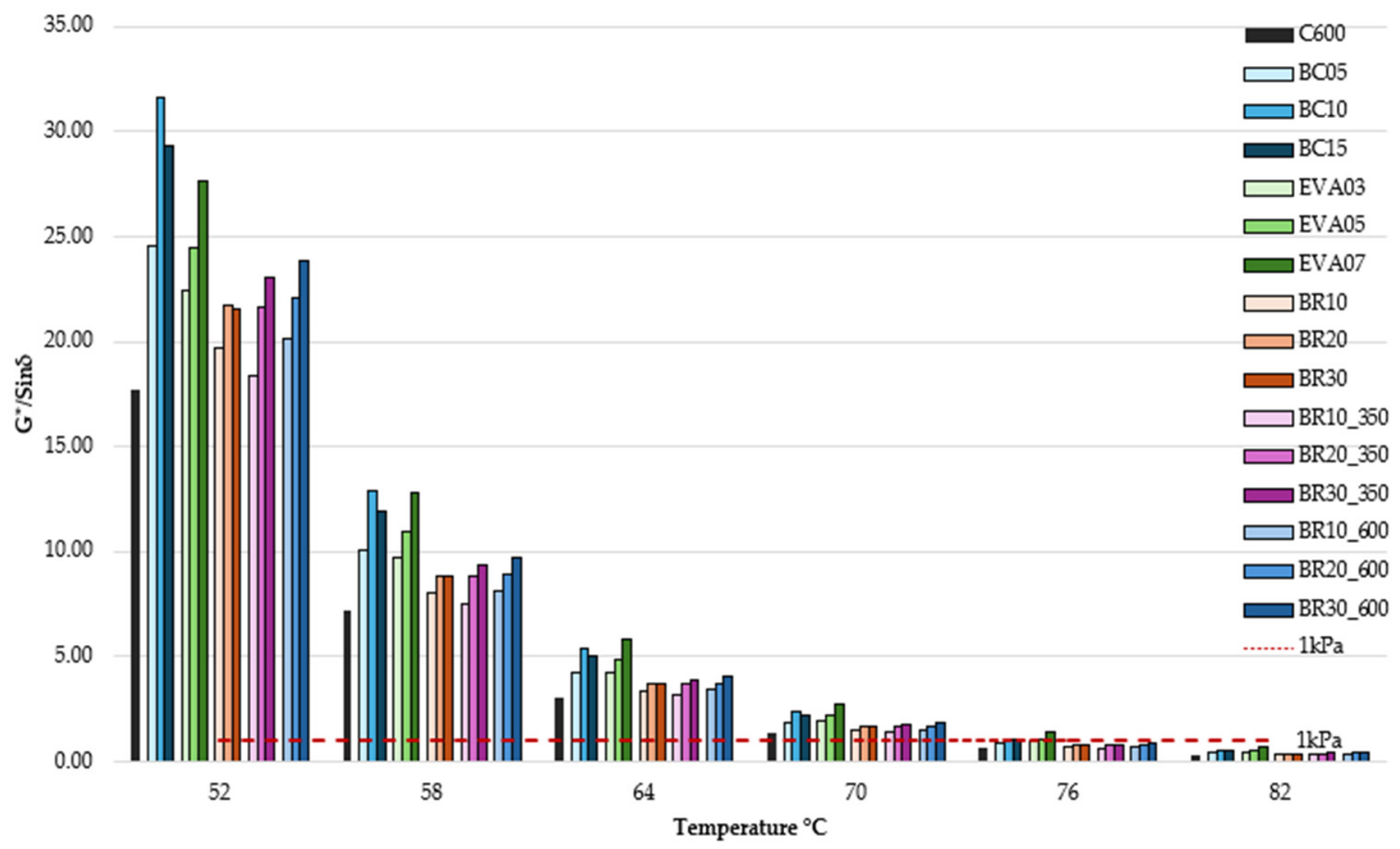

Disclaimer/Publisher’s Note: The statements, opinions and data contained in all publications are solely those of the individual author(s) and contributor(s) and not of MDPI and/or the editor(s). MDPI and/or the editor(s) disclaim responsibility for any injury to people or property resulting from any ideas, methods, instructions or products referred to in the content. |
© 2026 by the authors. Licensee MDPI, Basel, Switzerland. This article is an open access article distributed under the terms and conditions of the Creative Commons Attribution (CC BY) license.