


Abstract
Recently, neural network (NN) modeling and analysis approaches have been successfully applied across a wide range of scientific and technological fields, including product design. To build more accurate and advanced NN models, researchers have expanded upon existing findings by incorporating memory effects, reaction–diffusion structures, impulsive perturbations, uncertainties, and fractional-order dynamics. Also, the effective design and real-world application of NN models rely on their qualitative properties. In fact, control and stability are fundamental to the development and practical relevance of an NN model. This paper provides an overview of some advanced NN models and their applications in product design analysis. The author presents his recent findings on innovative NN models and extended stability and control methods, and offers a range of mechanisms that researchers in the field can utilize. The applicability of the proposed modeling approaches and their qualitative analysis to several tasks related to industrial design are also demonstrated. Examples are provided to illustrate the reviewed strategies.
1. Introduction
Currently, NN systems are utilized in a wide range of fields—such as computer science, engineering, economics, and medicine—to improve the precision of detection, recognition, and optimization [1]. Advances in artificial intelligence techniques and methods are broadening their potential applications [2].
Due to their effectiveness in handling critical tasks in modern product development, different NN modeling strategies have recently been increasingly applied in industrial design.
1.1. Advancements in NN Modeling Strategies
During the past few decades, artificial neural networks (ANNs) have been used at every stage of industrial product development, including opportunity identification, automation, planning, understanding customer needs and concept selection [3,4,5,6,7,8,9].
Various types of ANNs have also been used in product form design problems [10,11,12,13,14,15], emotional design to study emotions related to products [16,17,18,19], engineering design optimization problems [20,21,22], prediction [23], and new product development [24]. Such models demonstrate strong learning capabilities and have therefore been effectively used to evaluate customer perceptions. ANN models are essential for analyzing complex relationships between input and output variables. A review of existing studies on the use of ANNs in industrial design shows that, in most NN models, the input variables correspond to the initial design concepts or samples of the product, while the output variables represent the optimal design solution. The ability of ANNs to learn makes them well-suited for modeling the complex, nonlinear relationships between design features and product imagery.
The architecture of an NN model permits one or more intermediate (hidden) layers between the input and output layers. Each layer can contain a different number of structural elements (nodes). A typical neural network model comprising three layers—input, hidden, and output—is illustrated in Figure 1 [4].
Figure 1.
A three-layer neural network consisting of four input nodes, a hidden layer with three units, and a single output node [4].
The number of structural elements determines the number of variables in an NN system. The relationships between the variables are assigned weights (see Figure 2 [12]). The connection weights, analogous to biological synaptic impulses, govern the function and behavior of the NN. The selection of an activation (transfer) function for each neuron, which aggregates the weighted signals, determines the neuron’s output. The most widely used activation functions to produce output in hidden and output layers include linear, sigmoid, tangent, threshold, and hyperbolic functions [5].
Figure 2.
The connection weights in a three-layer neural network applied to the analysis of mobile phone product design [12].
In fact, the conversion of inputs into desired outputs depends on how neurons are connected within the neural network, the number of layers in its architecture, and the signals each unit receives and transmits [25]. In addition, the explicit structure of these models helps practitioners address a key challenge in estimating network connectivity from experiments: only a subset of neurons can be measured at the same time. These mathematical models enable predictions about the effects of connections from all neurons, including those that are not directly observed.
One of the most popular and appropriate integer-order NN models is cellular neural networks (CNNs). The theoretical foundations of CNNs are rooted in [26,27]. CNNs are a type of feedforward network whose architecture allows each cell to communicate directly only with its immediate neighbors.
In efforts to develop more realistic and advanced NN models, researchers have also taken short- and long-memory effects into account [28]. Considering delay effects is crucial for understanding how previous neural activity patterns influence current activity patterns. In the content of product design, this dependence of the previous states of the model is a key point in the study of how design decisions depend on previous responses to the product design. Thus, NN models with delays are applied when the output relies on both current and previous input, with tapped delay lines used to represent temporal behavior. Hence, there has been significant interest in the field of delayed NNs (DNNs) among researchers in science, engineering, and technology. For theoretical results, the reader is referred to [29] while applications to product design problems can be found in [30,31].
Another promising modeling strategy involves incorporating reaction–diffusion terms into NNs. These terms effectively capture spatial evolution and temporal dynamics, and diffusion processes naturally emerge in many areas where NN models are applied, including forward and inverse problems in industrial design, pattern formation, etc. [32,33].
Next, the Cohen–Grossberg NN class, first introduced in [34], has proven effective in various engineering applications, including pattern recognition, signal and image processing, and associative memory tasks. This class of NN models generalizes various CNNs, including Hopfield-type NN models [35], and can exhibit complex dynamical behavior [36]. This is why the research on the theoretical development of the Cohen–Grossberg NN (CGNN) modeling strategy remains highly active [37,38]. However, its application in product design analysis remains limited and this study aims to highlight its advantages.
The Bidirectional Associative Memory (BAM) type of neural networks is another class of CNNs that is designed to utilize both forward and backward information flow between layers and features an architecture with bidirectional connections [39]. Actually, these NN models are composed of two neuron layers and enable a bidirectional associative search for stored bipolar vector pairs. Originally proposed by Kosko [40] mainly on a theoretical basis, BAMNNs have been shown to be highly effective in pattern recognition and optimization tasks, and their architecture makes them well-suited for addressing symmetry-related problems involving pairwise comparisons. Consequently, exploring potential applications of specific classes of BAMNN models in industrial engineering has begun to attract increasing interest [41,42]. Hybrid architectures, such as BAMCG models, have further improved predictive performance by integrating spatial features [43,44].
Over the years, researchers have explored a variety of approaches to enhance the performance of NN models. The rapid advancement of fractional NNs (FNNs) has created new opportunities to model complex time-dependent processes in manufacturing. In fact, the generalization, flexibility, and nonlocal characteristics of fractional-order methods make them valuable tools for solving a wide range of problems in science, engineering, and technology [45,46]. The fractional-order approach is among the most effective tools for predicting intrinsic memory effects, as these effects are inherently captured within fractional derivatives. Consequently, fractional-order ANN modeling has led to significant advances [47,48].
In addition, innovations, such as impulsive NNs (INNs), have shown enhanced capability to capture short-term perturbations during their evolution, making them well-suited for modeling impulsively controlled industrial processes [49,50,51]. The structure and characteristics of these networks are based on the theory of impulsive systems [52,53].
INN models are also well-suited to addressing impulsive control problems [54,55,56]. The primary advantage of impulsive control lies in its application in discrete-time instants, which can significantly reduce the amount of information transmitted and, consequently, lower control costs [57]. Thus, the impulsive control strategy is particularly suitable for product design, as the process can be influenced by both external and internal disturbances, including undesirable variations in design characteristics or system failures arising from minor problems or major accidents.
Finally, computer simulation, hardware implementation, experimentation, and practical implementation of NNs require the study of their discrete versions. In addition, in contrast to continuous NN models, discrete analogs are better suited to represent digital transmission signals across various application areas, including time series analysis, image processing, and system identification. It is important to note that the conversion of continuous NNs into discrete form does not always retain the original system dynamics [58,59,60,61,62,63,64]. As a result, research on the characteristics of discrete NN models in product design has reached a high level of maturity. For example, discrete BAMNNs classes have been applied in [65] for complex emotion classification and improving a threshold memristor bridge circuit, in [66] in the processes of storing and retrieving pairs of correlated images, by extracting final and output signals from two layers and comparing them with the corresponding prototype images, and in [67] for engineering design symmetry tasks. In addition, discrete FNNs have been applied for product form design tasks in [68], and discrete IFNNs have been used in the product form design tasks in [69] and for product related emotion recognition in [70].
1.2. Qualitative Analysis
It is important to note that, in most existing ANN models used in product design, primary training techniques are mainly considered. In fact, a key difficulty in building an NN model lies in ensuring that it performs well on a given training data set. However, analyzing the qualitative properties of a trained NN is equally important to understand its internal mechanisms and to assess the suitability of the model.
It is widely recognized that the stability of ANN models is crucial for preventing poor performance when new initial conditions are introduced. Applying new initial conditions to a trained NN can introduce instability; indeed, instability has been described as the Achilles’ heel of modern AI—a paradox in which training algorithms often converge to unstable networks despite the existence of stable alternatives [71]. Moreover, when NNs are applied to solve optimization problems, they must converge, for each fixed input, to a unique equilibrium point that is globally asymptotically stable. A key challenge in implementing more advanced models is that fundamental network parameters may experience unwanted variations due to the inclusion of delays, impulses, or diffusion terms. Such deviations can significantly affect the stability characteristics of the designed NN models. This has motivated extensive research on the development of stable control strategies for various types of ANN models [43,49,72], including ANN in product design [7,73].
Additionally, in many real-world scenarios, the classical stability notions are inadequate. This has led researchers to broaden existing definitions and develop alternative concepts, such as practical stability (PS), stability of sets (SS), stability with respect to manifolds, and some others [44,50,51,53]. Several recent studies have applied these extended stability strategies to product design analysis [67,69,70].
To suppress unwanted dynamics, designed NNs must exhibit robust behavior in the face of parameter uncertainties [74]. Addressing this effectively requires explicitly accounting for these uncertainties within the mathematical models of the networks [8,38,54].
This paper explores advanced classes of NN models used in product design and reviews the authors’ findings regarding some extended stability concepts for these models. Additionally, it serves as a reference for future research on the development and qualitative analysis of such networks.
The remainder of this review paper is structured as follows. In Section 2, advanced classes of NN models, including impulsive and fractional-order cases are presented. The collection is driven by the potential of these models to be applied in product design, assisting engineering designers in overcoming major challenges in experimental modeling. In addition, a comparison between the reviewed dynamical NN extensions and deep generative networks is proposed in terms of product design analysis tasks. Section 3 presents the definitions and summarizes the author’s results on some extending stability and control strategies for the innovative NN models. The importance of the extended criteria is discussed and illustrated through examples. A discussion of the reviewed results is presented in Section 4. Section 5 includes several concluding remarks. Section 6 explores open problems and outlines directions for future research on these topics.
2. Advanced NNs in Product Design
This section presents selected advanced NN models suited for industrial product analysis and offers an overview of their practical applications.
2.1. Integer-Order NN Models
2.1.1. CNNs
A discrete-time CNN model has been proposed in [7] described as
where the number of neurons (units) is denoted as n, represents the input value j at a specific discrete-time step k, , , , , , , denote the connection weights, are the activation functions associated with different neurons h, and denotes an external bias of the neuron j. The CNN model (1) incorporates the ability to use different activation functions between neurons. Additionally, constants are introduced to account for the possibility that neuron j resets its potential to the resting state when isolated from other nodes and external inputs.
For the initial condition associated with model (1) is expressed in the form
Figure 3 illustrates how the activation function, the connection weights, and external biases influence the system in discrete-time steps k to explore the relationships between some initial design variables (inputs) and output variables (outputs) at any stage k of the design process, and finally to predict the optimal design solution in the design of the product form. At step , each design variable receives inputs from all neurons , which correspond to the design parameters (concepts) at step k. The inputs are triggered using, in general, different activation functions. Each link between the activated units is assigned a distinct weight. The output represents the design variable at the next stage of the design process, determined by the combined effect of all activated preceding variables, external biases, and net inputs.
Figure 3.
A diagram illustrating the NN model (1).
The integer-order NN model (1) is a generalization of certain discrete NN models used in engineering design. For example, it generalizes the ANN used in [12] for product design with respect to product form and product image represented by
where are the outputs, are the input variables, is the activation function, , , are the connection weights, and are threshold values.
It also extends the NN model used to predict personal design preferences in the form finding in [15] represented by
where is the value in the current neuron, x is the value in the previous neuron(s), is the sigmoid activation function, and w and b are the parameters, which represent the learning activity of the network.
The proposed NN model (1) is a discrete version of the continuous CNN models defined in [26,27] represented as
where t represents time, , denotes again the state of the -th neuron at time t, and is the first-order derivative of with respect to t which represents the rate of change of the ‘activation’ of neuron j with respect to time.
Note that, CNNs form an important class of NNs which model human cognition using local real-time signal information processing.
Also, studying NN models that account for uncertainty is both crucial for real-world applications and a challenging problem to address. In fact, it is widely recognized that uncertainties often force a trial-and-error approach to design, in which the underlying functional relationship between the states and , , may remain undiscovered. Therefore, to examine how uncertainties influence the behavior of model (1), the paper [8] considers the following NN system with uncertainties
where is an unknown but bounded parameter in the constant rate , represent the constant uncertain parameters in the connection weights , and denotes the uncertainty in the external input of the j-th neuronal element.
2.1.2. Time-Delayed NNs
Time delays are fundamental to the behavior of many real-world dynamical systems. They are incorporated into NN models to analyze dynamic sequences that are delayed in time, time-delayed sequences—such as those arising in manufacturing and supply chains—allowing the handling of time-dependent data to improve efficiency and support predictive maintenance. In addition, the application of delayed NNs in output predictive control is well established [30]. In addition, adding time delays to the way a reservoir calculates NN processes signals increases both its predictive capacity and its ability to retain memory [31].
Regarding time-delay parameters, DNNs can be described by different mathematical models depending on how these delays are incorporated into their formulations. DNN models can generally be classified into three categories: single-delay, discrete-delay, and multiple-delay NNs. For example, the authors in [58] proposed the following delayed NN model
where represents the corresponding transmission delay.
Model (5) extends (1) considering multiple-delay effects.
As modern products depend more on evolving user behavior, system dynamics, and adaptive feedback loops, DNNs are well-suited to capture these temporal patterns. However, the existing literature does not provide a sufficient number of time-delayed NN models applied to product design problems [30,31]. Hence, this area remains open for further development.
2.1.3. CGNNs
Cohen–Grossberg-type of NNs are built to converge toward reliable, stable behavior over time, even when handling complex inputs. These models demonstrate a strong potential for application in product design analysis. Indeed, many products, such as smart devices that adjust to users, learning preferences of interfaces or systems that balance competing inputs, are not just reactive—they are dynamic systems that must remain stable while adapting.
A standard continuous CGNN model [34] with n neurons can be expressed by the following system
where , denotes the state of the j-th cell (neuron) at time t, represent the amplification functions, are appropriately behaved functions, , is the activation function of the -th neuron at time t, are the weight coefficients, which are continuous functions, in general, and is an external input.
Also, the study of discrete-time NN models has gained significant attention [58]. This arises because, when applying neural networks to real-world problems, it is essential to develop a discrete-time system that serves as the counterpart to the continuous-time model. A number of studies have also investigated discrete CGNNs. For instance, ref. [59] examined the global stability of the following CGNN model
where , , which serves as a discrete analogue of the continuous model (6).
It is worth noting that, although discrete CGNN models have shown considerable progress in applications, relatively few studies have focused on their dynamic properties [60,61].
2.1.4. BAMNNs
The class of BAMNNs expands the single-layer auto-associative correlation into two-layer hetero-associative circuits, which are crucial for many practical applications. This class of neural networks can search for the desired pattern in both forward and backward directions, making it a highly effective tool for many product design problems [41,42,67]. For example, the effectiveness of discrete BAMNNs and their high recognition accuracy have been demonstrated in [65]. The model has also been utilized in the field of emotional design. A discrete BAM model of bipolar and gray-level pattern is examined in [66], demonstrating its suitability for pattern recognition tasks. Some significant BAM models are presented in detail in [39].
In classical continuous BAMNNs proposed by Kosko [40], the connection structure is defined as a two-layer hierarchy of symmetrically connected fields, consisting of neurons organized into two layers. Neurons in one layer are fully connected to those in the other layer, with no connections among neurons within the same layer.
A discrete counterpart of the continuous BAMNN models can be expressed as
where , and denote the states of the j-th node from the first neural field and the h-th node from the second neural field, respectively, and represent the activation functions, and are the synaptic weights considered symmetrical by Kosko [40], and and are the external inputs.
It is widely recognized that BAMNNs of the Cohen–Grossberg type exhibit superior performance [62]. The paper [67] studies the following model
where , and are the amplification functions, and and denote appropriately behaved functions.
The author discussed the applicability of the model (9) in numerical simulations and its practical realization of product design symmetry problems. Indeed, model (9) generalizes many industrial design NN models of the form (1) to the BAM framework by incorporating Cohen–Grossberg-type terms. There is no doubt that increasing the generality of the proposed NNs expands the range of applications for the resulting models.
2.2. Fractional-Order NNs
Despite the benefits of NN models in product design problems, the amount of existing research in this area remains insufficient. This is primarily because applying NN models to product design analysis is a highly complex process that involves building the network architecture, selecting inputs and outputs, determining connection weights, training the model, and more. Furthermore, the current research in this area predominantly focuses on the use of integer-order ANN models.
However, the NN modeling approach based on fractional calculus opens new possibilities for advancing the development of NN models as a framework for studying industrial design problems. For example, research on various classifications of forms and how they are generated suggests that fractal elements can be observed in the structure of industrial design products [15,75,76]. It is evident that integer-order models impose certain limitations on the analysis of applied fractional NN patterns. Advanced fractional-order NN modeling will enable designers to overcome these constraints associated with integer-order approaches.
Building on NN models in the design of the form of the product proposed in previous studies [10,11,12,15], the paper [68] introduces a more flexible framework that enables researchers in product design to better understand and leverage the capabilities of AI models. The model can be formulated using the left fractional Caputo-type delta difference as
where the fractional order , , , is the left fractional Caputo-type delta difference operator of , defined as [77,78]
for , , is the Gamma function, and the model’s parameters , , and , , are identical to those in the integer-order model (1).
The proposed discrete FNN model (10) not only generalizes existing integer-order models applied to product design tasks [10,11,12,15] to the fractional-order setting, but also provides a more effective representation of fractal and highly complex structures [79] compared to integer-order ANN models [68].
In addition to the left fractional Caputo-type delta difference operator, various other fractional-order difference operators have been developed in the literature [80,81]. For instance, if the nabla left fractional difference is applied, model (1) can be extended to the following discrete FNN model [69,70]
where the fractional order , is the state at k, the parameters , , , and are defined as in (1), , and is the Caputo nabla left fractional difference for of order given as [63,64]
is the rising factorial of with , . The model (11) has been investigated under the initial condition , where .
The proposed left fractional Caputo delta and left fractional Caputo nabla models (10) and (11) offer applied researchers greater flexibility in selecting the fractional-order modeling framework that most effectively aligns with the specific requirements of their problem.
2.3. INNs
INN models have been extensively utilized to rigorously characterize neuronal dynamics subject to transient perturbations throughout their temporal evolution. In practice, short-term (impulsive) perturbations arise in industrial product design problems and can significantly influence the qualitative behavior of the model. For instance, in NN-based product form design models, the mapping between input and output variables may undergo impulsive alterations in response to transient internal stimuli—such as external supporting forces that induce structural changes in the form diagram [15,69], shifts in user preferences, evolving design constraints, weight updates, or innovation-driven impulses [82,83]—as well as external disturbances affecting threshold values. The application of pulse-based control strategies is essential in the form design of numerous products in industrial and power electronics, including power converters and other switching-mode systems [84]. Furthermore, impulsive NNs can be employed in the emotional design for the recognition of emotions elicited by industrial products [70]. Since emotional design associates users’ perceptual responses with specific product attributes (such as color, form, shape, typography, line, and texture) and systematically translates affective impressions into design elements in accordance with established principles, it plays a critical role in enhancing consumer satisfaction.
Let us define impulsive instants such that and . A discrete ICGNN model that generalizes the model (7) can be represented as:
where is the neuronal state at k, , and the impulsive functions represent the amounts of the abrupt changes in the neuronal state at the impulsive instants , .
The control model (12) extends the type (7) models (which also include the type (3) NN models) to incorporate impulsive dynamics. In fact, the proposed model (12) facilitates the implementation of impulsive control inputs at specified time points , in the neural nodes of the CGNN model (7). The magnitudes of the control signals are determined by the functions , , , which can effectively control the qualitative behavior of the model (7).
The FNN model (11) has also been generalized to the impulsive case [69,70]. To study how, in response to external or internal noises, the NN model (11) is subject to short-term perturbations, the paper [69] considers an IFNN model
where , determine the control law at the instants , , and represent the initial data.
The discrete IFNN model proposed in [69] extends some NN models, applied in the product form design. The impulses may serve as a control mechanism at discrete times , , where the control actions are defined by functions . These functions describe the relationship between the system states at times and , enabling the construction of product form variables at the subsequent stage and the determination of optimal stable output settings. Having predetermined fixed instants for impulsive controllers helps reduce the resources needed for control updates and simplifies the use of the transmitted information.
The developed IFNN model (13) is also studied in [70] as a generalization of NNs oriented toward emotional design and emotional reasoning of products. In [70], model (13) captures the relationship between the characteristics of an industrial product and the emotions it elicits, using emotional variables in k to represent the scores of a specific emotion or a group of emotions. Moreover, model (13) enables the analysis of how impulsive perturbations influence emotional recognition related to products in response to internal transient stimuli, such as structural changes in image samples. The functions describe the relationship between the emotional rates in the instances and .
It is clear that recent developments in network theory have resulted in the emergence of increasingly complex multiplex models. The integrated modeling approach enhances the capability of NN models and broadens their applicability within product design.
2.4. Comparison Between the Reviewed Dynamical NN Extensions and Deep Generative Networks
The respective suitability of dynamical NNs and deep generative networks for product analysis depends largely on the nature of the underlying design task. Dynamical NNs are particularly appropriate for engineering problems in which the principal objective is to characterize and analyze the evolution of a product or engineering system, including its stability, convergence, synchronization, robustness, transient behavior, and response to perturbations. Their explicit differential, difference, fractional-order, or hybrid formulations also provide a natural framework for incorporating dynamical and control-theoretic properties into the analysis. However, their applicability may be limited when the primary objective is to generate novel product configurations from large collections of existing design data, and the development of an appropriate dynamical representation can itself be mathematically demanding.
In contrast, deep generative networks are particularly suitable for data-driven product design tasks involving design-space exploration, generation of novel product configurations, inverse design, and learning complex nonlinear relationships between product features and desired performance characteristics. Their principal limitation is their dependence on sufficiently large, representative, and high-quality datasets. Moreover, generated designs do not necessarily satisfy physical laws, engineering constraints, stability requirements, or manufacturing constraints without incorporating additional physics-based models, constraint mechanisms, or subsequent validation procedures.
Accordingly, the two modeling paradigms can be viewed as complementary approaches for product analysis and design. Dynamical NNs are particularly valuable when qualitative system behavior, stability, interaction, and control are central to the analysis, whereas deep generative networks are advantageous when data-driven generation and exploration of alternative product designs are the primary objectives. Their integration may therefore provide a promising framework in which generative models propose candidate designs and dynamical NN models subsequently evaluate their qualitative behavior, stability, robustness, and other engineering characteristics.
Consequently, the reviewed advanced dynamical NN modeling approaches have attracted considerable research interest as potentially suitable frameworks for the qualitative analysis of engineering design problems, particularly when the underlying dynamic behavior, stability, and interactions among system components are of primary concern.
3. Extended Stability Analysis Results
Stability is one of the most fundamental concerns when analyzing trained NN models. As a result, considerable attention has been directed toward developing stability strategies that govern the stability properties of neural systems [7,43,49,72,73]. However, despite their broad potential for application, classical stability concepts—such as global exponential stability—are not sufficiently comprehensive. In many specific cases, even when an NN is globally asymptotically/exponentially stable, it may remain impractical for real-world implementation due to certain undesirable characteristics. Additionally, some CNNs may not exhibit asymptotic stability in the classical sense, yet their behavior remains acceptable; in such instances, extended notions of stability are more suitable.
Recently, the author of this study has introduced novel NN models useful in the area of product design, together with corresponding extended stability strategies [50,51,67,68,69,70]. The main objective of this review article is to present the majority of these recent findings.
3.1. PS Results
The concept of PS introduced from a theoretical perspective in [85] represents an extension of classical stability notions; motivated by engineering considerations, it has been successfully applied in various fields in engineering and science, encompassing both continuous and discrete systems [86,87]. From the perspective of PS, a neuronal state may be considered acceptable in behavior even if it is not stable in the mathematical sense, provided that other states initially close to it continue to oscillate within a bounded neighborhood around it [85]. Indeed, as noted in [88], it is rarely necessary for an industrial system to achieve its target with exact precision or to operate over an infinite time horizon. More recently, results on PS for nonlinear discrete FNN models, with applications in product design, have been reported in [67,68,69,70].
In addition, stability problems are closely related to synchronization and control. Indeed, the selection of an appropriate control strategy plays a pivotal role in ensuring effective stability and synchronization within NNs.
In order to consider controllers for the PS behavior of the FNN model (10), the paper [68] studied a response system as
where are the controllers designed as denote the control gains, Then the error system investigated is
where , , .
Let be the solution of the NN model (15) corresponding to the initial conditions defined as
and .
The concept of PS has been adopted in [68] in system (15) by the next definition.
Definition 1.
Let Λ, A be given and . The NN error model system (15) is said to be:
(a) Practically stable under the designed controllers if implies for , ;
(b) Uniformly practically stable under the designed controllers if (a) holds for every .
To ensure the existence and uniqueness of solutions, the activation functions are assumed to satisfy the following assumptions [68]:
A1. For the activation functions , we have
A2. There exist positive constants such that
for .
To analyze the PS of the error system (15), a Lyapunov function method has been applied in [68]. The core of Lyapunov function analysis lies in choosing an appropriate positive-valued function—known as a Lyapunov function—with appropriate properties with respect to the system under consideration. Owing to its advantages, the Lyapunov function technique is widely used to study the qualitative behavior of various continuous and discrete NNs applied to engineering problems [38,43,44,49,51,52,53,54,55,56], including analysis of practical stability [50,67,68,69,85,86,87,88].
Under assumptions A1 and A2, if are given and
then the error system (15) is uniformly practically stable.
Remark 1.
If the error system (15) is practically (or uniformly practically) stable, then the drive system (10) and the response system (14) achieve practical (or uniformly practical) synchronization. Consequently, the proposed controller ensures that the neurons in system (14) are practically (or uniformly practically) synchronized with those in system (10). Numerical simulations that demonstrate the employment of the proposed practical stability results are given in [68]. They also demonstrate the uniform practical stable behavior of the states of the error system and its distinction from the Lyapunov stability (asymptotic stability).
The IFNN (13) studied in [69,70] can also be considered as a control system for the impulse free model (11). The impulsive controllers in [70] are designed as
where ,
Then, the error system is
where , and with
It was proved in [70] that under assumptions A1 and A2, if are given and the following inequalities
hold, where [63,77]
then the error system (18) is practically stable.
Example 1.
As an example, the impulse free NN model (11) is considered in [70] for with the following values of the parameters , , , , , and connection weights defined as
It can be verified that, for the given choice of parameters, assumptions A1 and A2 are satisfied for , . However, the model’s stability behavior is influenced by the external inputs , . The investigations in [70] indicate that even small perturbations in the initial conditions can disrupt the neural network’s stable performance.
If the impulsive control law in the response system (13) is defined as
where are the impulsive instances such that
then for the corresponding error system of type (18), we have that
and, hence, conditions (19) and (20) are satisfied.
For given positive Λ and A such that , the error NN is practically stable, which means that the impulsive controllers contribute to the practical stability of the neural nodes between given bounds. Numerical simulations that show the efficacy of the proposed practical stability criteria and the effect of the established impulsive controllers are proposed in [70].
Remark 2.
Since the proposed discrete IFNN model (13) extends several existing neural network models used in product emotional design, it can be primarily employed as an NN tool in various engineering design contexts where analyzing users’ emotional needs is essential. For example, the variables in the impulse-free model (11) can be interpreted as representing the emotional categories identified in [18], namely positive, negative, and neutral. In this case, the NN model (11) with can be used to identify emotional variations associated with the shape, color, and other features of an industrial product. The model variables represent the intensities of the corresponding emotions, while k denotes the image (sample) index. To achieve practical stabilization of the model, structural modifications must be introduced to the image samples. These instantaneous (impulsive) changes alter the samples, leading to newly elicited emotional responses that are subsequently evaluated. The updated response levels are denoted by , and the difference represents the error in the emotional response.
Remark 3.
Moreover, the results in Example 1 can be used to assess the stability of the relationship between an industrial product characteristic and certain emotions elicited by the product, as defined in [89]. The impulsive controller can play a crucial role in adjusting design elements to ensure the model’s stability. In general, both the number of considered emotions and the design characteristics can be modified according to the designer’s preferences.
The notion of PS has been extended in [69] to the practical Mittag–Leffler (ML) stability case by the next definition.
Definition 2.
The impulsive fractional discrete NN model (13) is said to be globally practically Mittag–Leffler stable, if for any there exist constants and such that
where , , is locally Lipschitz for .
For impulsive controllers defined as
where are constants that satisfy (20), , if , hold, and
the impulsive control discrete fractional-order NN model (13) is globally practically Mittag–Leffler stable.
Example 2.
Consider the discrete IFNN model (13) for , , , , , , , and , connection weights given as
and impulsive controllers defined as
at impulsive instances that satisfy (22).
With the selected model parameters, assumptions and hold for , . Also (20) is satisfied for , , and (23) and (24) are satisfied for and , respectively.
Hence, the impulsive control discrete fractional-order NN model (13) is globally practically Mittag–Leffler stable, as demonstrated through numerical simulations in [69]. They further demonstrate that different parameter configurations of the designed model may require different criteria, thereby motivating the exploration and development of a broader range of criteria.
Remark 4.
The concept of ML stability generalizes exponential stability and has been studied in some fractional-order models [63,69].
Remark 5.
The presented examples demonstrate the effectiveness and applicability of the proposed practical stability criteria. Their formulation as bounds on the system parameters—including synaptic weights and impulsive control functions—makes them particularly convenient for applications. From an applied perspective, steering the model parameters toward these bounds reflects the PS behavior of the corresponding models. Thus, the proposed extended stability and impulsive control criteria offer new perspectives and tools that may prove highly useful, as they provide a framework that enables more effective design of NN models used in product design applications.
3.2. SS
Because most engineering design tasks suited to NN approaches rely on a defined set of principles, the stability of the states generally depends on a corresponding set of constraints. Indeed, as noted in [22], engineering design can be characterized as a constrained process. For these purposes, the concept of practical stability for general classes of sets has been employed in [67] for the discrete BAMNN of the Cohen–Grossberg type (9).
The notion of SS extends and generalizes the classical concept of stability for isolated equilibrium states [90,91]. It is well-suited and has been applied in engineering contexts such as mechanical systems, maneuvering systems, training algorithms, and related areas [92,93,94,95,96].
To introduce the concept of practical stability of sets (PSS) to the NN model (9), the state trajectory of the model (9) at the time (step) k corresponding to the initial data at , where is the initial time, is denoted as , , , , and is the norm of in [67].
Let be a given set, and define the following notations:
;
is the distance between and ;
.
It is also supposed that , .
Definition 3.
The set S is said to be:
(a) Practically stable with respect to the BAMCGNN model (9), if for any pair with , we have which implies for some ;
(b) Practically attractive with respect to the BAMCGNN model (9), if for any pair with , there exists such that implies for some ;
(c) Practically asymptotically stable with respect to the BAMCGNN model (9), if it is practically stable and practically attractive;
(d) Globally practically exponentially stable with respect to the BAMCGNN model (9), if there exist constants and such that for any we have
for , .
Remark 6.
Note that for , we have
, which is also used in the corresponding exponential stability definitions.
To conduct a PS analysis of the set S with respect to the BAMCGNN model (9), it is assumed that:
A3. For any the system state belongs to a compact set.
A4. The functions , , are bounded, positive, and continuous, and there exist positive constants and such that for .
A5. The functions , , are bounded, positive, and continuous, and there exist positive constants and such that for .
A6. The functions , and , , are bounded and continuous, and there exist positive constants and such that
A7. The functions and are bounded, continuous, , , and there exist positive constants , , with
The practical stability criteria for the set S with respect to the BAMCGNN model (9) [67] for given with , include assumptions A4–A7 and the following inequalities between the model’s parameters:
If, instead of inequalities (26) and (27), the model’s parameters satisfy
where and are positive constants and , then the set S is practically asymptotically stable with respect to the BAMCGNN model (9).
If, in addition to assumptions A4–A7, (29) and (30), there exists , such that the model’s parameters satisfy
then, for given with , , the set S is globally practically exponentially stable with respect to the BAMCGNN model (9).
To demonstrate the practical stability results reported in [67], the extracted segment of the BAMNN model introduced in [65] and designed to learn and recall binary images in emotion classification has been extended to a discrete-time BAMCGNN model.
Example 3.
Consider the generalized BAMCGNN model (9) with , , , ,
and the set
where
and are constraints for the neurons in the U and V layers, respectively.
It is established that assumptions A4–A7 hold for
Since, we have
then, conditions (26) and (27) are satisfied.
Moreover,
hence, condition (28) is satisfied, too.
Therefore, for given with , the set (32) is practically stable with respect to the BAMCGNN model (9).
Also, from the choice of the parameters in model (9), it follows that there exist positive constants and ,
for which conditions (29) and (30) hold. Hence, we can conclude that, for given with , the set (32) is practically asymptotically stable with respect to the BAMCGNN model (9).
Finally, consider again the BAMNN model of Cohen–Grossberg type (9) with .
It is straightforward to verify that there exists a constant that satisfies (31). Then, for given with , , the set (32) is globally practically exponentially stable with respect to the BAMNN model of Cohen–Grossberg type (9). The corresponding numerical results are reported in [67].
3.3. Robust Stability
When analyzing the stability of an NN model, it is essential to account for the impact of uncertain factors. In practice, real-world NN systems inevitably contain uncertainties, which can potentially cause instability in their dynamic behavior [8,38,54].
To examine how uncertain parameters influence the practical stability of model (1) which extends a range of models employed in engineering design, the uncertain NN (4) has been investigated in [8]. The concept of global robust practical exponential stability has been introduced by the following definition.
Definition 4.
The model (1) is said to be globally robustly practically exponentially stable, if the uncertain model (4) is globally practically exponentially stable for any values of the uncertain parameters , and within bounded ranges, i.e., for given , and , we have for , .
It was established that as per [8], the NN model (1) is globally robustly practically exponentially stable, if A1, A2 are satisfied, and
and
where , and .
In addition, if the constant c in (33) is replaced by a function , from the the Hahn’s class of continuous and strictly increasing functions that are zero at zero, then the NN model (1) is globally robustly practically exponentially stable, too.
Remark 7.
The norm can also be used in the study of the robust practical stability behavior of the model (1). In this case, similar criteria that include the model’s parameters and the uncertain terms will be established.
The preceding results can serve as tools for assessing the impact of dynamic variations in uncertain environments on the stability of NNs. They may also be used to anticipate instability in systems subject to multiple sources of structural uncertainty.
4. Discussion and Modeling Applications
This paper provides an overview of several advanced NN modeling approaches that expand and generalize various NN models used in product design analysis. Indeed, NNs are widely used in engineering design as models to describe the progression of a design process.
Across different engineering design tasks, the input and output variables carry different meanings. For instance, the paper [13] examines an NN-based design support system for the exterior form of running shoes, incorporating 30 input design variables and four output variables. For detailed definitions of these variables, refer to [13]. In the I-beam design problem described in [20], there are three input design variables, , and such that represents the web height, the web thickness, and the flange area. The output corresponds to the optimal design, defined as the minimum cross-sectional area of a welded I-beam. In [24], the inputs are initial design concepts, while the outputs correspond to the final conceptual design alternatives. The authors present three such alternatives. As noted in [24], “selecting the best product concept is one of the most critical tasks in a new product development environment.” The existing literature encompasses many additional studies on NN models applied across various stages of industrial product development, such as identification, automation, optimization, product form design, emotional design, and concept selection [3,4,5,6,9,10,11,12,14,15,16,17,18,19,21,22,23].
The paper [7] introduces a generalized NN framework that includes all the models mentioned above. The proposed model (1) belongs to the CNN class and represents a discrete counterpart of the continuous model (3) which serves as a useful tool for decision-making, pattern recognition, optimization, classification, and various product design activities [26,27].
It was also shown in [67] that, for many engineering design problems, the class of BAMNNs is more suitable. Indeed, because these NN models are built using a two-layer hierarchy of symmetrically connected fields, they are well-suited for solving problems involving symmetry. Figure 4 illustrates the architecture of the BAMNN (8) for , . A similar class of BAMNNs is proposed in [66], where each layer contains a different number of neurons. Based on previous studies, the primary objective of [67] was to develop an extended Cohen–Grossberg type BAMNN (9) and to examine its effectiveness in addressing product design problems. The proposed model broadens and generalizes previous feed-forward NN frameworks, thus expanding the scope of NN applications in product design.
Figure 4.
The architecture of the BAMNN (8).
Furthermore, the current state of this research area primarily reflects the use of integer-order NN models. However, reliance on integer-order NN models imposes a constraint that limits the application of NN-based approaches in product design analysis. Therefore, it is reasonable to pursue the development of more flexible methodologies.
Given that fractional-order and impulsive NN-based approaches have demonstrated notable success in forecasting, tool-wear prediction, and anomaly detection, this study aims to provide an overview of these recently proposed innovative FNN and INN modeling techniques for product design analysis
The study in [68] examines various shape classifications and their formation processes, providing motivation for the application of FNNs in product form analysis, particularly due to the frequent occurrence of fractal features in industrial design shapes [75,76]. The enhanced properties of the FNN model (10) presented in it make it a strong candidate for modeling a wide range of product form design problems. The proposed model of type (10) can be viewed as a fractional-order extension of the NN model applied in [10] for chair design, a fractional-order generalization of the model introduced in [11] for the design of an electronic door lock, and many other integer-order NN models listed in [68].
In addition to the FNN modeling approach, ref. [69,70] introduce impulsive controllers and propose a type (13) NN model that enables the exploitation of their well-known advantages [52,53,57]. The IFNN model (13) can be interpreted as a generalized extension of the NN model in [12], which is used to achieve a desirable product image by identifying optimal combinations of form elements in a mobile phone design, as well as an extension of the NN model in [15], which generates forms with a higher likelihood of matching the individual design preferences of an architect. It can also be considered as an extension of:
- One of the NN models proposed in [16] used for emotion recognition, where the state variables , represent the recognition rates of the selected emotions;
- The NN models [17] applied to product color emotional design, where the variables , denote the scores of product color design schemes at discrete times k. By employing the generalized model (13), one can analyze the relationship between product colors and the user’s emotional perception through fractional-order differences between their current and previous values. Furthermore, by applying short-term impulsive control at selected discrete instances, suitable color schemes (for example, those incorporating colors preferred by the user) can be generated;
- The model proposed in [18] for clustering emotional elements in art design that considers as variables , the rates of emotional expression associated with the posters;
- The NN model employed in in [82] for automobile exterior emotion design with , that define emotional evaluation scores of automobile samples. These scores are used to analyze the relationship between user emotions and vehicle exteriors, and to generate designs that satisfy users’ emotional preferences;
- The NN model presented in [83] which is applied to the design of multi-emotional product renderings, enabling an initial assessment of users’ emotional preferences regarding product form and helping ensure alignment with their actual emotional needs. In this model, the state variables , denote the scores assigned to the rendering schemes.
Moreover, rather than focusing on training mechanisms, this paper examines particular stability behaviors of neuronal states and establishes rigorous results applicable to the specific models. Indeed, the stability of trained NN models in product design is a crucial issue [71,72], yet it is not explored sufficiently. Thus, this study also reviews recent progress in the application of extended stability and control strategies to advanced NN models. PS extensions [85] of classical stability concepts are considered, as they are more suitable for applied problems where the system is not strictly mathematically stable but still exhibits acceptable behavior. Moreover, since the stability and stabilization of NN models used in product design analysis often rely on certain constraints, the concept of stability with respect to sets—applicable across a wide range of fields [92,93,94,95,96]—is introduced as an advanced stability framework and integrated with the idea of PS. Finally, since accounting for uncertainties in the NN parameters is essential for practical implementation [97], and improving robustness is critical in product design under such uncertainties, results on robust practical stability (RPS) of NN models are investigated to improve the efficiency and effectiveness of the design process.
The proposed NN modeling approaches, together with the extended stability concepts, enable designers to account for design parameters more comprehensively and perform rapid, accurate evaluations. Given the strong application potential of the developed stability criteria and the Lyapunov-based control method, this work is expected to encourage product design researchers to apply these approaches to a variety of NN models across different domains of interest.
5. Conclusions
The planning, control, and performance of the product design process are influenced by a range of factors. In recent years, AI methods such as NNs have been introduced to enhance this process, aiming to produce more attractive product designs while improving overall efficiency. This paper presents an overview of several innovative NN modeling approaches for product design analysis. These approaches encompass CNNs, BAMNNs, FNNs, and INNs. The proposed study also contributes to a better understanding of extended stability strategies applied to advanced NN models. Through Lyapunov function analysis, effective new criteria are derived in the form of inequalities involving the system parameters. The analysis developed may facilitate a deeper understanding of the modeling approach by identifying the mechanisms responsible for a stable system behavior. Discussion and illustrative examples are provided to demonstrate the novelty and effectiveness of the included results. Since improving the NN models and their stability analysis is important beyond product design, the proposed approach can be extended to a wide range of industrial design applications.
6. Future Directions
The proposed advanced NN models extend and improve upon existing NN models applied in product design by incorporating BAM, Cohen–Grossberg, fractional-order, or hybrid impulsive discrete fractional-order frameworks, enabling more appropriate and flexible approaches to product design analysis.
All selected innovative NN models are discrete counterparts of established continuous NN models. In fact, discrete analogues can be regarded as systems with a higher level of complexity, making them well-suited for numerical simulations that may not necessarily replicate the dynamics of continuous models.
Despite their advances, flexibility, and importance for practical applications, novel classes of discrete NNs have not yet been fully leveraged in NN-based product design analysis. Moreover, many discrete counterparts of continuous NN models—such as RDNNs, FNNs, IFNNs, and hybrid combinations—remain insufficiently explored, and their potential applications in engineering design have not yet been thoroughly investigated. Considering the strengths of various modern NN models proposed in the literature, a further exploration of their use in product design analysis is essential. As highlighted in Table 1, research on advanced NN modeling frameworks in engineering design is still incomplete and requires significant further development. Despite their considerable potential, the innovative classes of IBAMCGNNs, FCGNNs, FBAMCGNNs, IFBAMCGNNs, RDNNs, and their extensions have not yet been systematically investigated within the context of product design. Their integration into product design methodologies presents significant opportunities for developing advanced modeling and computational frameworks capable of more accurately representing complex real-world systems, thereby enhancing the applicability, robustness, and practical relevance of engineering design solutions.
Table 1.
Advanced NN models proposed in the product design analysis.
Furthermore, the extended stability and control strategies applied to discrete NN models in product design offer valuable perspectives and practical tools. They provide a framework that can help researchers develop NN models capable of maintaining resilience under impulsive disturbances, fractional dynamics, and uncertainty. However, despite their advantages, some of these extended stability approaches are rarely—or not yet—considered within the context of product design. Consequently, the framework for extended stability strategies in NN-based product design remains incomplete and requires further development. As highlighted in Table 2, this area presents several promising directions for future research. In particular, it is important to further advance neural network (NN)-based product design analysis by incorporating the concepts of SIM, PSIM, LS, RPSS, RPSIM, and RMLPS. Furthermore, recent advances in synchronization theory and finite-time stability and control [98,99] can be integrated into these frameworks to enhance their analytical capabilities, stability guarantees, and applicability to complex engineering design problems.
Table 2.
Extended stability and control strategies for discrete NNs.
Funding
This work was funded by Improving the Research Capacity and Quality for International Recognition and Resilience of TU–Sofia (IDEAS), grant number No. BG-RRP-2.004-0005.
Institutional Review Board Statement
Not applicable.
Informed Consent Statement
Not applicable.
Data Availability Statement
The original contributions presented in the study are included in the article; further inquiries can be directed to the author.
Acknowledgments
This work has been accomplished with financial support by the European Regional Development Fund withing the Operational Programme “Bulgarian national recovery and resilience plan”, procedure for direct provision of grants “Establishing of a network of research higher education institutions in Bulgaria”, and under Project BG-RRP-2.004-0005 “Improving the research capacity anD quality for intErnAtional recognition and reSilience of TU–Sofia (IDEAS)”. The author also sincerely appreciates valuable discussions and appropriate suggestions from colleagues from the Department of Mathematics at the University of Texas, San Antonio, USA, which helped to improve the quality of the manuscript.
Conflicts of Interest
The author declares no conflicts of interest.
Abbreviations
The following abbreviations are used in this manuscript:
| NN | Neural network |
| CNN | Cellular neural network |
| DNN | Delayed neural network |
| CGNN | Cohen–Grossberg neural network |
| BAMNN | Bidirectional associative memory neural network |
| FNN | Fractional neural network |
| INN | Impulsive neural network |
| IFNN | Impulsive fractional neural network |
| BAMCGDNN | BAM Cohen–Grossberg neural network |
| ICGNN | Impulsive Cohen–Grossberg neural network |
| IBAMCGNN | Impulsive BAM Cohen–Grossberg neural network |
| FCGNN | Fractional Cohen–Grossberg neural network |
| FBAMNN | Fractional BAM neural network |
| FBAMCGNN | Fractional BAM Cohen–Grossberg neural network |
| IFBAMNN | Impulsive fractional BAM neural network |
| RDNN | Reaction–diffusion neural network |
| PS | Practical stability |
| MLPS | Mittag–Leffler practical stability |
| SIM | Stability with respect to integral manifolds |
| PSS | Practical stability of sets |
| PSIM | Practical stability with respect to integral manifolds |
| LS | Lipschitz stability |
| RPS | Robust practical stability |
| RPSS | Robust practical stability with respect to sets |
| RPSIM | Robust practical stability with respect to integral manifolds |
| RMLPS | Robust Mittag–Leffler practical stability |
References
- Haykin, S. Neural Networks: A Comprehensive Foundation, 1st ed.; Prentice-Hall: Englewood Cliffs, NJ, USA, 1998. [Google Scholar]
- Ilieva, G.; Yankova, T.; Staribratov, P.; Ruseva, G.; Iliev, Y. Industrial digitalization: Systematic literature review and bibliometric analysis. Information 2025, 16, 1080. [Google Scholar] [CrossRef] [Scilit]
- Armstrong, H. Big Data, Big Design: Why Designers Should Care About Artificial Intelligence, 1st ed.; Princeton Architectural Press: Princeton, NJ, USA, 2021. [Google Scholar]
- Hyndman, R.J.; Athanasopoulos, G. Forecasting: Principles and Practice, 3rd ed.; OTexts: Melbourne, Australia, 2026; Available online: https://otexts.com/fpp3/ (accessed on 30 March 2026).
- Rafiq, M.Y.; Bugmann, G.; Easterbrook, D.J. Neural network design for engineering applications. Comput. Struct. 2001, 79, 1541–1552. [Google Scholar] [CrossRef] [Scilit]
- Stamov, T. On the applications of neural networks in industrial design: A survey of the state of the art. J. Eng. Appl. Sci. 2020, 15, 1797–1804. [Google Scholar]
- Stamov, T. Stability analysis of neural network models in engineering design. Int. J. Eng. Adv. Tech. 2020, 9, 1862–1866. [Google Scholar] [CrossRef] [Scilit]
- Stamov, T. Neural networks in engineering design: Robust practical stability analysis. Cybern. Inf. Technol. 2021, 21, 3–14. [Google Scholar] [CrossRef] [Scilit]
- Zha, X.F.; Howlett, R.J. (Eds.) Integrated Intelligent Systems in Engineering Design; IOS Press: Amsterdam, The Netherlands, 2006. [Google Scholar]
- Hsiao, S.W.; Huang, H.C. A neural network based approach for product form design. Des. Stud. 2002, 23, 67–84. [Google Scholar] [CrossRef] [Scilit]
- Hsiao, S.W.; Tsai, H.C. Applying a hybrid approach based on fuzzy neural network and genetic algorithm to product form design. Int. J. Ind. Ergon. 2005, 35, 411–428. [Google Scholar] [CrossRef] [Scilit]
- Lai, H.H.; Lin, Y.C.; Yeh, C.H. Form design of product image using grey relational analysis and neural network models. Comput. Oper. Res. 2005, 32, 2689–2711. [Google Scholar] [CrossRef]
- Sheieh, M.D.; Yeh, Y.E. Developing a design support system for the exterior form of running shoes using partial least squares and neural networks. Comput. Ind. Eng. 2013, 65, 704–718. [Google Scholar] [CrossRef] [Scilit]
- Tang, C.Y.; Fung, K.Y.; Lee, E.W.M.; Ho, G.T.S.; Siu, K.W.M.; Mou, W.L. Product form design using customer perception evaluation by a combined superellipse fitting and ANN approach. Adv. Eng. Inform. 2013, 27, 386–394. [Google Scholar] [CrossRef] [Scilit]
- Zheng, H. Form finding and evaluating through machine learning: The prediction of personal design preference in polyhedral structures. In Architectural Intelligence; Yuan, P.F., Xie, M., Leach, N., Yao, J., Wang, X., Eds.; Springer: Singapore, 2020; pp. 207–217. [Google Scholar]
- Chen, X.; Huang, R.; Li, X.; Xiao, L.; Zhou, M.; Zhang, L. A novel user emotional interaction design model using long and short-term memory networks and deep learning. Front. Psychol. 2021, 12, 674853. [Google Scholar] [CrossRef] [Scilit] [PubMed]
- Ding, M.; Cheng, Y.; Zhang, J.; Du, G. Product color emotional design based on a convolutional neural network and search neural network. Color Res. Appl. 2021, 46, 1332–1346. [Google Scholar] [CrossRef] [Scilit]
- Rui, X. A convolutional neural networks based approach for clustering of emotional elements in art design. Peer J. Comput. Sci. 2023, 9, e1548. [Google Scholar] [CrossRef] [Scilit] [PubMed]
- Zheng, Q. Efficient recognition of dynamic user emotions based on deep neural networks. Front. Neurorobot. 2022, 16, 1006755. [Google Scholar] [CrossRef] [Scilit] [PubMed]
- Hsu, Y.L.; Wang, S.G.; Yu, C.C. A sequential approximation method using neural networks for engineering design optimization problems. Eng. Optim. 2003, 35, 489–511. [Google Scholar] [CrossRef] [Scilit]
- Nabian, M.A.; Meidani, H. Physics-driven regularization of deep neural networks for enhanced engineering design and analysis. J. Comput. Inf. Sci. Eng. (ASME) 2020, 20, 011006. [Google Scholar] [CrossRef] [Scilit]
- Zhang, Y.; Jin, Z.; Chen, Y. Hybrid teaching–learning-based optimization and neural network algorithm for engineering design optimization problems. Knowl. Based Syst. 2020, 187, 104836. [Google Scholar] [CrossRef] [Scilit]
- Tzotzis, A.; Minaoglou, P.; Nedelcu, D.; Mazurchevici, S.-N.; Kyratsis, P. Neuro-fuzzy framework with CAD-based descriptors for predicting fabric utilization efficiency. Eng 2025, 6, 368. [Google Scholar] [CrossRef] [Scilit]
- Ayağ, Z.; O¨zdemir, R.G. An analytic network process-based approach to concept evaluation in a new product development environment. J. Eng. Des. 2007, 18, 209–226. [Google Scholar] [CrossRef] [Scilit]
- Nelson, M.M.; Illingworth, W.T. A Practical Guide to Neural Nets, 1st ed.; Addison-Wesley: Boston, MA, USA, 1994. [Google Scholar]
- Chua, L.O.; Yang, L. Cellular neural networks: Theory. IEEE Trans. Circuits Syst. CAS 1988, 35, 1257–1272. [Google Scholar] [CrossRef] [Scilit]
- Chua, L.O.; Yang, L. Cellular neural networks: Applications. IEEE Trans. Circuits Syst. CAS 1988, 35, 1273–1290. [Google Scholar] [CrossRef] [Scilit]
- Bolar, S.; Corns, S.; Pundhir, N.; Chandrashekhara, K. Long short-term memory (LSTM)-based neural network model for optimizing composite manufacturing process using autoclave. Int. J. Adv. Manuf. Technol. 2026, 142, 4779–4794. [Google Scholar] [CrossRef] [Scilit]
- Wang, X.; Xue, Y.; Zhang, X.; Wang, Y. Analysis and Design of Delayed Neural Networks, 1st ed.; Springer: Singapore, 2025. [Google Scholar]
- Lennox, B.; Montague, G.A.; Frith, A.M.; Gent, C.; Bevan, V. Industrial application of neural networks—An investigation. J. Process Control 2001, 11, 497–507. [Google Scholar] [CrossRef] [Scilit]
- Marzen, S. Time delays improve performance of certain neural networks. Physics 2024, 17, 111. [Google Scholar] [CrossRef] [Scilit]
- Halatek, J.; Frey, E. Rethinking pattern formation in reaction–diffusion systems. Nat. Phys. 2018, 14, 507–514. [Google Scholar] [CrossRef] [Scilit]
- Raissi, M.; Perdikaris, P.; Karniadakis, G. Physics-informed neural networks: A deep learning framework for solving forward and inverse problems involving nonlinear partial differential equations. J. Comput. Phys. 2019, 378, 686–707. [Google Scholar] [CrossRef] [Scilit]
- Cohen, M.A.; Grossberg, S. Absolute stability of global pattern formation and parallel memory storage by competitive neural networks. IEEE Trans. Syst. Man Cybern. 1983, 13, 815–826. [Google Scholar] [CrossRef] [Scilit]
- Hopfield, J.J. Neural networks and physical systems with emergent collective computational abilities. Proc. Natl. Acad. Sci. USA 1982, 79, 2554–2558. [Google Scholar] [CrossRef] [Scilit] [PubMed]
- Dong, T.; Gong, X.; Huang, T. Zero-Hopf bifurcation of a memristive synaptic Hopfield neural network with time delay. Neural Netw. 2022, 149, 146–156. [Google Scholar] [CrossRef] [Scilit] [PubMed]
- Han, S.; Hu, C.; Yu, J.; Jiang, H.; Wen, S. Stabilization of inertial Cohen–Grossberg neural networks with generalized delays: A direct analysis approach. Chaos Soliton Fract. 2021, 142, 110432. [Google Scholar] [CrossRef] [Scilit]
- Xie, T.; Zheng, W. Robustness analysis of Cohen–Grossberg neural network with piecewise constant argument and stochastic disturbances. AIMS Math. 2024, 9, 3097–3125. [Google Scholar] [CrossRef] [Scilit]
- Acevedo-Mosqueda, M.E.; Yáñez-Márquez, C.; Acevedo-Mosqueda, M.A. Bidirectional associative memories: Different approaches. ACM Comput. Surv. 2013, 45, 18. [Google Scholar]
- Kosko, B. Adaptive bidirectional associative memories. Appl. Opt. 1987, 26, 4947–4960. [Google Scholar] [CrossRef] [Scilit] [PubMed]
- Chen, Q.; Xie, Q.; Yuan, Q.; Huang, H.; Li, Y. Research on a real-time monitoring method for the wear state of a tool based on a convolutional bidirectional LSTM model. Symmetry 2019, 11, 1233. [Google Scholar] [CrossRef] [Scilit]
- Palm, G. Neural associative memories and sparse coding. Neural Netw. 2013, 37, 165–171. [Google Scholar] [CrossRef] [Scilit] [PubMed]
- Ali, M.S.; Saravanan, S.; Rani, M.E.; Elakkia, S.; Cao, J.; Alsaedi, A.; Hayat, T. Asymptotic stability of Cohen–Grossberg BAM neutral type neural networks with distributed time varying delays. Neural Process. Lett. 2017, 46, 991–1007. [Google Scholar] [CrossRef] [Scilit]
- Wang, J.; Tian, L.; Zhen, Z. Global Lagrange stability for Takagi-Sugeno fuzzy Cohen–Grossberg BAM neural networks with time-varying delays. Int. J. Control Autom. 2018, 16, 1603–1614. [Google Scholar] [CrossRef] [Scilit]
- Singh, H.; Srivastava, H.M.; Nieto, J.J. (Eds.) Handbook of Fractional Calculus for Engineering and Science, 1st ed.; CRC Press: Boca Raton, FL, USA, 2022. [Google Scholar]
- Torvik, P.J.; Bagley, R.L. Appearance of the fractional derivative in the behavior of real materials. J. Appl. Mech. 1984, 51, 294–298. [Google Scholar] [CrossRef] [Scilit]
- Joshi, M.; Bhosale, S.; Vyawahare, V.A. A survey of fractional calculus applications in artificial neural networks. Artif. Intell. Rev. 2023, 56, 13897–13950. [Google Scholar] [CrossRef] [Scilit]
- Viera-Martin, E.; Gómez-Aguilar, J.F.; Solís-Pérez, J.E.; Hernández-Pérez, J.A.; Escobar-Jiménez, R.F. Artificial neural networks: A practical review of applications involving fractional calculus. Eur. Phys. J. Spec. Top. 2022, 231, 2059–2095. [Google Scholar] [CrossRef] [Scilit] [PubMed]
- Hu, B.; Guan, Z.-H.; Chen, G.; Lewis, F.L. Multistability of delayed hybrid impulsive neural networks with application to associative memories. IEEE Trans. Neural Netw. Learn. Syst. 2019, 30, 1537–1551. [Google Scholar] [CrossRef] [Scilit] [PubMed]
- Stamov, G.; Stamov, T.; Stamova, I.; Spirova, C. On the global practical exponential stability of h-manifolds for impulsive reaction–diffusion Cohen–Grossberg neural networks with time-varying delays. Entropy 2025, 27, 188. [Google Scholar] [CrossRef] [Scilit] [PubMed]
- Stamova, I.; Stamov, T.; Stamov, G. Lipschitz stability analysis of fractional-order impulsive delayed reaction-diffusion neural network models. Chaos Soliton Fract. 2022, 162, 112474. [Google Scholar] [CrossRef] [Scilit]
- Li, X.; Song, S. Impulsive Systems with Delays: Stability and Control, 1st ed.; Science Press: New York, NY, USA; Springer: Singapore, 2022. [Google Scholar]
- Stamova, I.M.; Stamov, G.T. Applied Impulsive Mathematical Models, 1st ed.; Springer: Cham, Switzerland, 2016. [Google Scholar]
- Cao, J.; Stamov, T.; Sotirov, S.; Sotirova, E.; Stamova, I. Impulsive control via variable impulsive perturbations on a generalized robust stability for Cohen–Grossberg neural networks with mixed delays. IEEE Access 2020, 8, 222890–222899. [Google Scholar] [CrossRef] [Scilit]
- Li, M.; Li, X.; Han, X.; Qiu, J. Leader-following synchronization of coupled time-delay neural networks via delayed impulsive control. Neurocomputing 2019, 357, 101–107. [Google Scholar] [CrossRef] [Scilit]
- Liu, F.; Yang, Y.; Chang, Q. Synchronization of fractional-order delayed neural networks with reaction–diffusion terms: Distributed delayed impulsive control. Commun. Nonlinear Sci. Numer. Simul. 2023, 124, 107303. [Google Scholar] [CrossRef] [Scilit]
- Yang, T. Impulsive Control Theory, 1st ed.; Springer: Berlin/Heidelberg, Germany, 2001. [Google Scholar]
- Guo, S.; Huang, L. Exponential stability of discrete-time Hopfield neural networks. Comput. Math. Appl. 2004, 47, 1249–1256. [Google Scholar] [CrossRef] [Scilit][Green Version]
- Xiong, W.; Cao, J. Global exponential stability of discrete-time Cohen–Grossberg neural networks. Neurocomputing 2006, 64, 433–446. [Google Scholar] [CrossRef] [Scilit]
- Liu, M. Global asymptotic stability analysis of discrete-time Cohen–Grossberg neural networks based on interval systems. Nonlinear Anal. Theory Methods Appl. 2008, 69, 2403–2411. [Google Scholar] [CrossRef] [Scilit]
- Zhao, H.; Wang, L. Stability and bifurcation for discrete-time Cohen–Grossberg neural network. Appl. Math. Comput. 2006, 179, 787–798. [Google Scholar] [CrossRef] [Scilit]
- Cong, E.-Y.; Han, X.; Zhang, X. New stabilization method for delayed discrete-time Cohen–Grossberg BAM neural networks. IEEE Access 2020, 8, 99327–99336. [Google Scholar] [CrossRef] [Scilit]
- You, X.; Song, Q.; Zhao, Z. Global Mittag–Leffler stability and synchronization of discrete-time fractional-order complex-valued neural networks with time delay. Neural Netw. 2020, 122, 382–394. [Google Scholar] [CrossRef] [Scilit] [PubMed]
- Zhang, H.; Chen, X.; Ye, R.; Stamova, I.; Cao, J. Quasi-projective synchronization analysis of discrete-time FOCVNNs via delay-feedback control. Chaos Solit. Fractals 2023, 173, 113629. [Google Scholar] [CrossRef] [Scilit]
- Li, Y.; Li, J.; Li, J.; Duan, S.; Wang, L.; Guo, M. A reconfigurable bidirectional associative memory network with memristor bridge. Neurocomputing 2021, 454, 382–391. [Google Scholar] [CrossRef] [Scilit]
- Shi, J.; Zeng, Z. Design of In-Situ Learning Bidirectional Associative Memory Neural Network Circuit with Memristor Synapse. IEEE Trans. Emerg. Top. Comput. 2021, 5, 743–754. [Google Scholar]
- Stamov, T. Discrete bidirectional associative memory neural networks of the Cohen–Grossberg type for engineering design symmetry related problems: Practical stability of sets analysis. Symmetry 2022, 14, 216. [Google Scholar] [CrossRef] [Scilit]
- Stamov, T. Practical stability criteria for discrete fractional neural networks in product form design analysis. Chaos Soliton Fract. 2024, 179, 114465. [Google Scholar] [CrossRef] [Scilit]
- Stamov, T. Impulsive control discrete fractional neural networks in product form design: Practical Mittag—Leffler stability criteria. Appl. Sci. 2024, 14, 3705. [Google Scholar] [CrossRef] [Scilit]
- Stamov, T. Design and stability analysis of impulsive control fractional neural network models in industrial products emotion recognition. J. Frankl. Inst. 2025, 362, 108029. [Google Scholar] [CrossRef] [Scilit]
- Colbrook, M.J.; Antun, V.; Hansen, A.C. The difficulty of computing stable and accurate neural networks: On the barriers of deep learning and Smale’s 18th problem. Proc. Natl. Acad. Sci. USA 2022, 119, e2107151119. [Google Scholar] [CrossRef] [Scilit] [PubMed]
- Ge, S.S.; Hang, C.C.; Lee, T.H.; Zhang, T. Stable Adaptive Neural Network Control, 1st ed.; Kluwer: Boston, MA, USA, 2001. [Google Scholar]
- Korkobi, T.; Djemel, M.; Chtourou, C. Stability analysis of neural networks-based system identification. Model Simul. Eng. 2008, 2008, 343940. [Google Scholar] [CrossRef] [Scilit]
- Xu, X.; Huang, C.; Li, C.; Zhao, G.; Li, X.; Ma, C. Uncertain design optimization of automobile structures: A survey. Electron. Res. Arch. 2023, 31, 1212–1239. [Google Scholar] [CrossRef] [Scilit]
- Lin, X.; Liu, W. The application of fractal art in ceramic product design. IOP Conf. Ser. 2019, 573, 012003. [Google Scholar] [CrossRef] [Scilit]
- Sala, N. Complex and fractal components in industrial design. Int. J. Des. Nat. 2017, 1, 161–173. [Google Scholar]
- Abdeljawad, T. On Riemann and Caputo fractional differences. Comput. Math. Appl. 2011, 62, 1602–1611. [Google Scholar] [CrossRef] [Scilit]
- Baleanu, D.; Wu, G.C.; Bai, Y.R.; Chen, F.L. Stability analysis of Caputo–like discrete fractional systems. Commun. Nonlinear Sci. Numer. Simul. 2017, 48, 520–530. [Google Scholar] [CrossRef] [Scilit]
- Itten, J. Design and Form. The Basic Course at the Bauhaus and Later, 1st ed.; Reinhold: New York, NY, USA, 1964. [Google Scholar]
- Goodrich, C.; Peterson, A. Discrete Fractional Calculus, 1st ed.; Springer: New York, NY, USA, 2017. [Google Scholar]
- Ostalczyk, P. Discrete Fractional Calculus: Applications in Control and Image Processing, 1st ed.; World Scientific: Singapore, 2015. [Google Scholar]
- Howard, T.J.; Culley, S.; Dekoninck, E.A. Reuse of ideas and concepts for creative stimuli in engineering design. J. Eng. Des. 2011, 22, 565–581. [Google Scholar] [CrossRef] [Scilit]
- Li, Y.; Wang, J.; Li, X.; Zhao, W. Design creativity in product innovation. Int. J. Adv. Manuf. Technol. 2007, 33, 213–222. [Google Scholar] [CrossRef] [Scilit]
- Baldii, S.; Papachristodoulou, A.; Kosmatopoulos, E.B. Adaptive pulse width modulation design for power converters based on affine switched systems. Nonlinear Anal. Hybri. Syst. 2018, 30, 306–322. [Google Scholar] [CrossRef] [Scilit]
- Lakshmikantham, V.; Leela, S.; Martynyuk, A.A. Practical Stability of Nonlinear Systems, 1st ed.; World Scientific: Teaneck, NJ, USA, 1990. [Google Scholar]
- Jiao, T.; Zong, G.; Ahn, C.K. Noise-to-state practical stability and stabilization of random neural networks. Nonlinear Dyn. 2020, 100, 2469–2481. [Google Scholar] [CrossRef] [Scilit]
- Tian, Y.; Sun, Y. Practical stability and stabilisation of switched delay systems with non-vanishing perturbations. IET Control Theory Appl. 2019, 13, 1329–1335. [Google Scholar] [CrossRef] [Scilit]
- Tinh, C.T.; Thuan, D.D.; Son, N.K.; Hieu, L.T. Practical exponential stability of nonlinear nonautonomous differential equations under perturbations. Mediterr. J. Math. 2023, 20, 103. [Google Scholar] [CrossRef] [Scilit]
- Desmet, P.M.A. Measuring emotion; development and application of an instrument to measure emotional responses to products. In Funology 2: From Usability to Enjoyment; Blythe, M.A., Overbeeke, K., Monk, A.F., Wright, P.C., Eds.; Springer: Berlin/Heidelberg, Germany, 2003; pp. 111–123. [Google Scholar]
- Athanassov, Z.S. Total stability of sets for nonautonomous differential systems. Trans. Amer. Math. Soc. 1986, 295, 649–663. [Google Scholar] [CrossRef][Green Version]
- Stamova, I.; Stamov, G. On the stability of sets for reaction-diffusion Cohen–Grossberg delayed neural networks. Discret. Contin. Dynam. Syst.-S 2021, 14, 1429–1446. [Google Scholar] [CrossRef] [Scilit]
- Chaperon, M. Stable manifolds and the Perron–Irwin method. Ergod. Theory Dyn. Syst. 2004, 24, 1359–1394. [Google Scholar] [CrossRef] [Scilit]
- Rebennack, S. Stable set problem: Branch & cut algorithms. In Encyclopedia of Optimization; Floudas, C., Pardalos, P., Eds.; Springer: Boston, MA, USA, 2008; pp. 32–36. [Google Scholar]
- Sritharan, S.S. Invariant Manifold Theory for Hydrodynamic Transition, 1st ed.; John Wiley & Sons: New York, NY, USA, 1990. [Google Scholar]
- Skjetne, R.; Fossen, T.I.; Kokotovic, P.V. Adaptive output maneuvering, with experiments, for a model ship in a marine control laboratory. Automatica 2005, 41, 289–298. [Google Scholar] [CrossRef] [Scilit]
- Stamova, I.; Stamov, G. Integral Manifolds for Impulsive Differential Problems with Applications, 1st ed.; Academic Press: Cambridge, UK; Elsevier: London, UK, 2025. [Google Scholar]
- Gu, D.-W.; Petkov, P.H.; Konstantinov, M.M. Robust Control Design with MATLAB®, 1st ed.; Springer: London, UK, 2013. [Google Scholar]
- Gokul, P.; Udhayakumar, K.; Rihan, F.A.; Said, S.B. Aperiodic intermittent control for finite-time contractive stability of fractional-order coupled delayed neural networks with impulses. Results Eng. 2025, 28, 107885. [Google Scholar] [CrossRef] [Scilit]
- Gokul, P.; Udhayakumar, K.; Rihan, F.A.; Said, S.B. Quasi-matrix projective synchronization of fractional-order quaternion-valued Cohen–Grossberg neural networks. Neural Comput. Applic. 2026, 38, 298. [Google Scholar] [CrossRef] [Scilit]
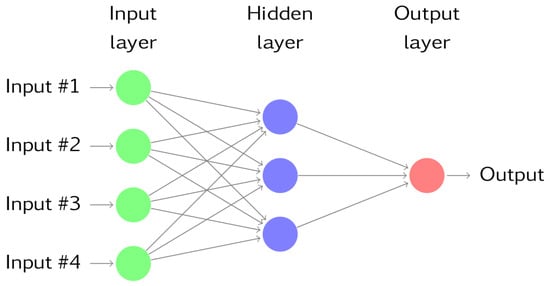
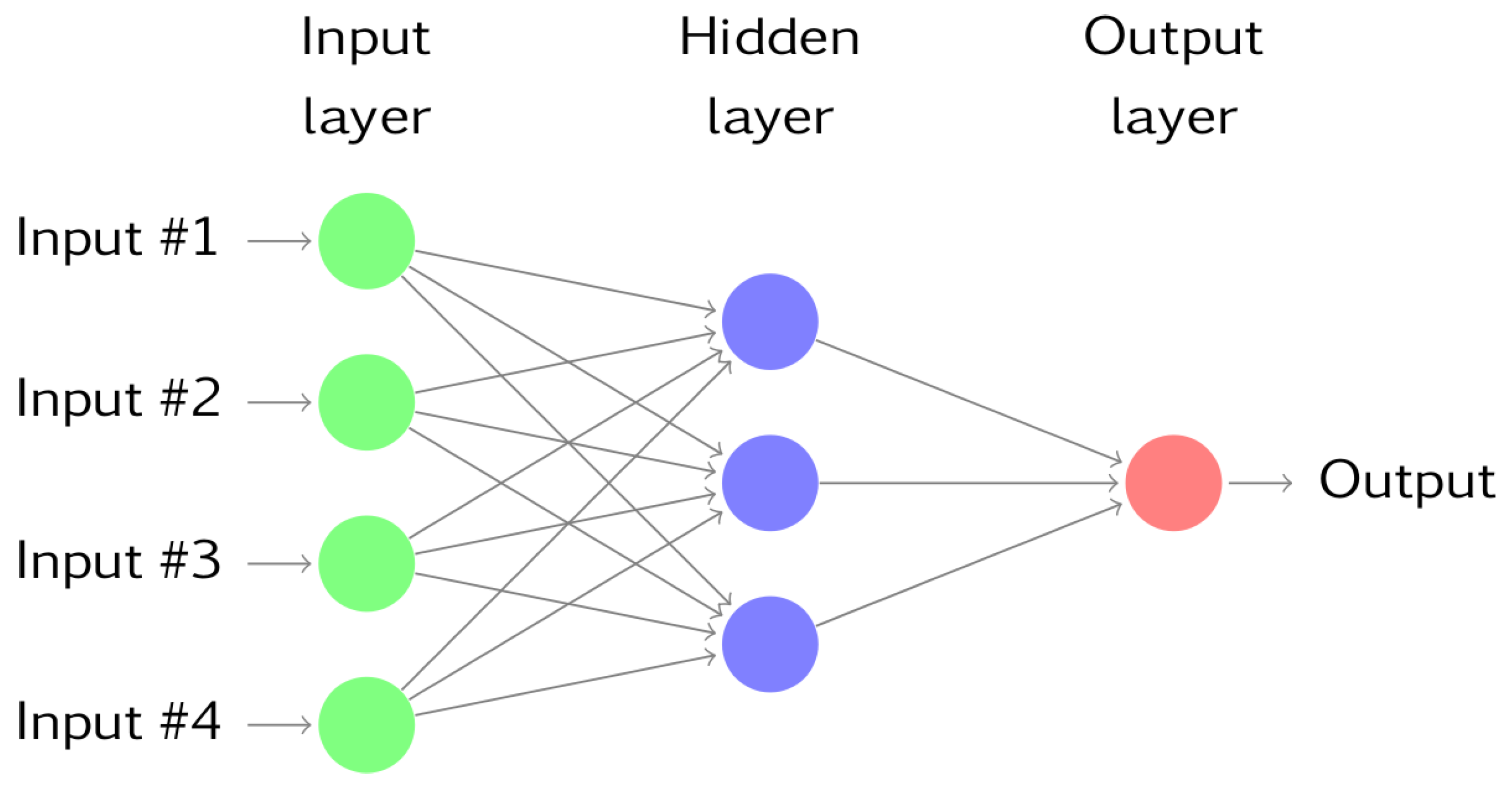
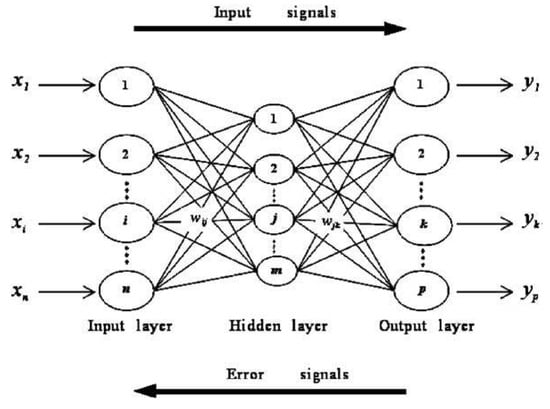
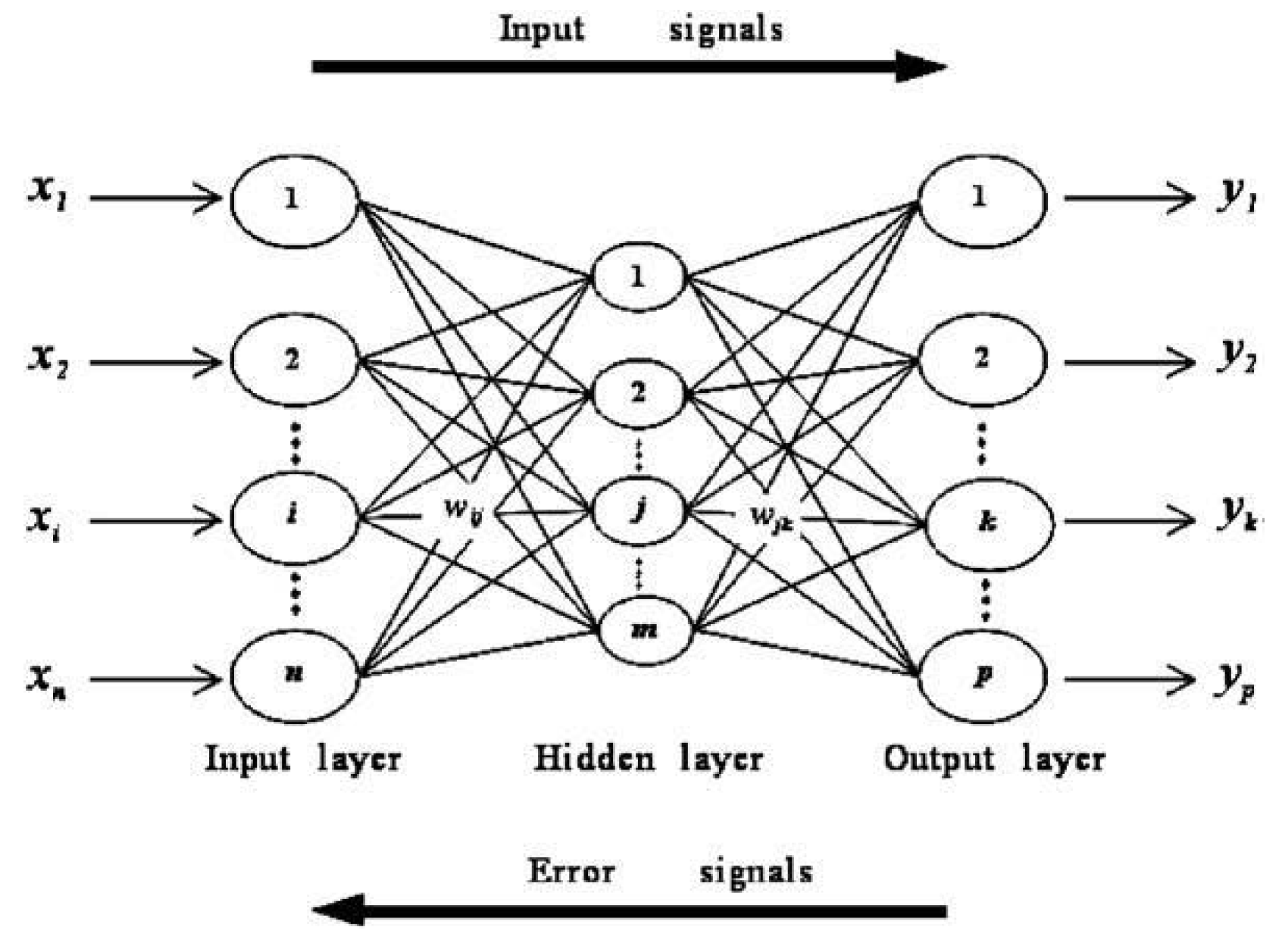
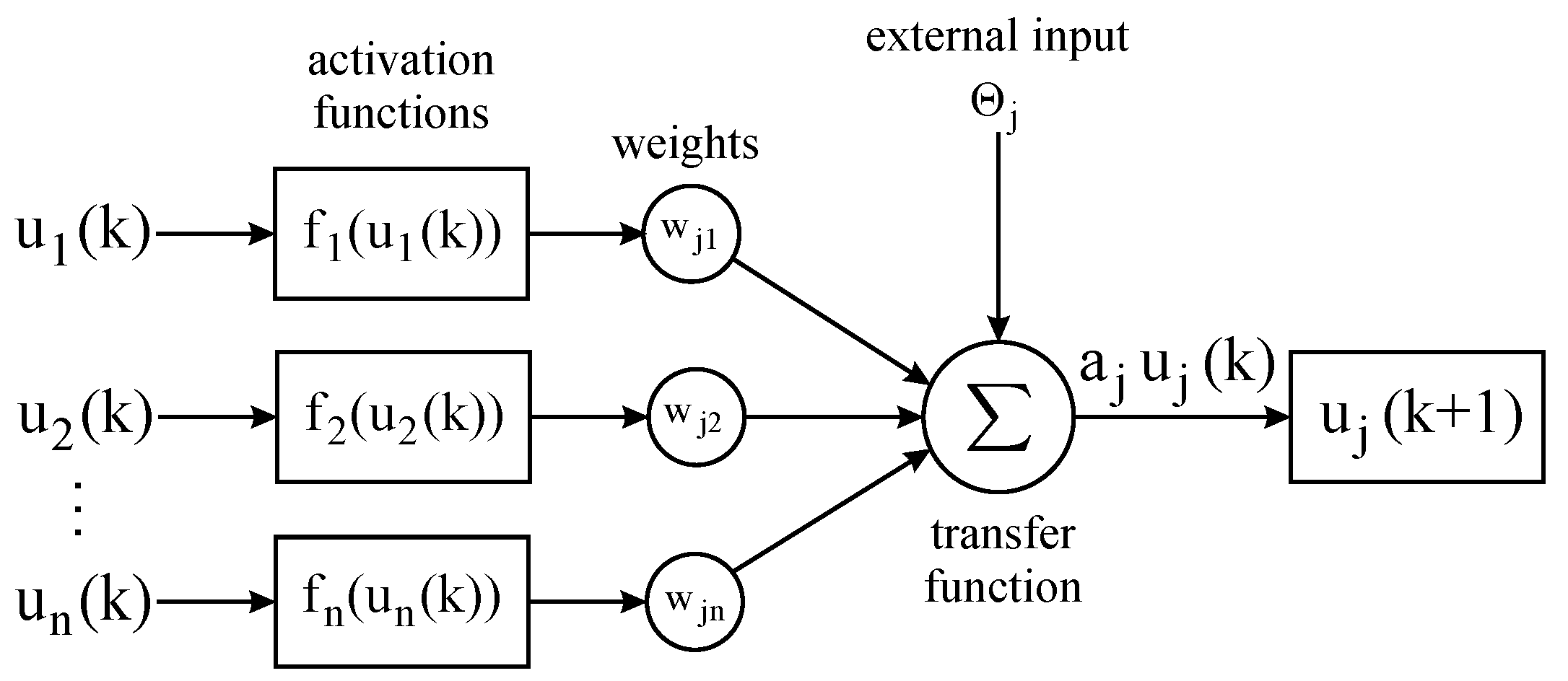
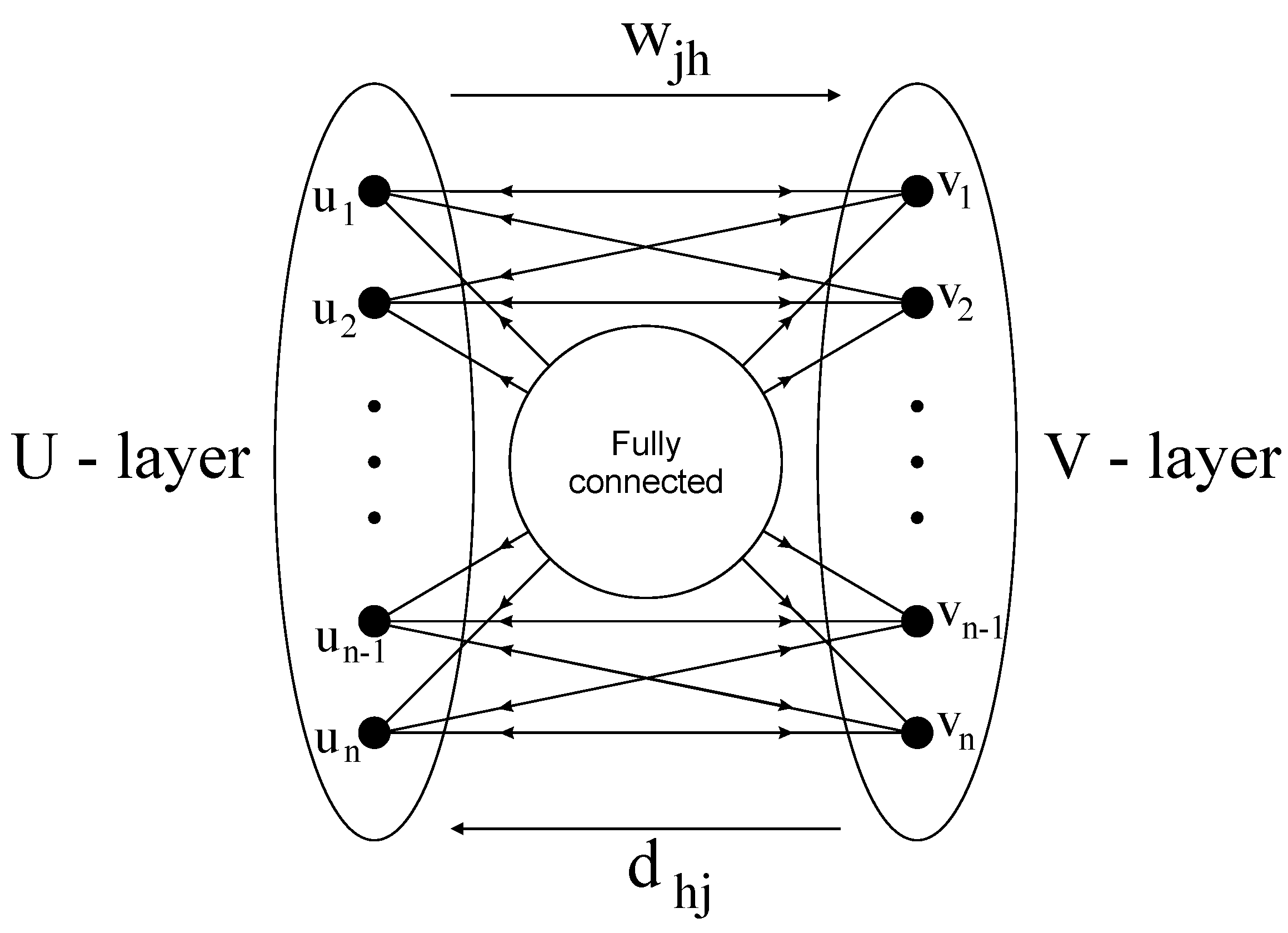

Disclaimer/Publisher’s Note: The statements, opinions and data contained in all publications are solely those of the individual author(s) and contributor(s) and not of MDPI and/or the editor(s). MDPI and/or the editor(s) disclaim responsibility for any injury to people or property resulting from any ideas, methods, instructions or products referred to in the content. |
© 2026 by the author. Licensee MDPI, Basel, Switzerland. This article is an open access article distributed under the terms and conditions of the Creative Commons Attribution (CC BY) license.