


Abstract
The climate crisis exacerbates structural inequalities and disproportionately affects women, particularly in rural and low-income contexts where limited access to resources, education and financing undermines their adaptive capacity. This article examines how gender considerations are integrated into European Union (EU) climate adaptation governance, combining doctrinal analysis of EU and international legal frameworks with a bibliometric analysis of the scientific literature. The bibliometric component maps research trends and thematic gaps on gender-responsive climate adaptation. The doctrinal analysis focuses on the European Climate Law, the EU Gender Equality Strategies and selected national instruments, with Spain’s 2021–2030 PNIEC and PNACC as illustrative case studies. These frameworks are assessed against five human-rights-based criteria: substantive equality and intersectionality, participation and empowerment, accountability and access to justice, data and monitoring, and financing and institutional arrangements. The findings reveal a structural “transformation deficit” between normative commitments and operational reality: core climate instruments lack robust requirements on gender impact assessments, sex-disaggregated data, women’s participation and gender-responsive budgeting. The study argues that a truly transformative Gender-Responsive Climate Adaptation (GRCA) in the EU requires moving beyond symbolic references toward binding gender-responsive governance mechanisms derived from CEDAW and EU primary law, capable of dismantling structural barriers and ensuring an environmentally effective and substantively just transition.
1. Introduction
Climate change is one of the most urgent and complex challenges humanity faces in the 21st century [1]. Its impacts not only disrupt ecosystems and economies but also exacerbate preexisting social inequalities, disproportionately affecting the most vulnerable populations. Among these groups, women, particularly those in rural or low-income communities, face significant barriers that limit their ability to adapt. Yet, these same women play a transformative role as agents of change in the fight against climate change, leading sustainable and resilient initiatives within their communities [2]. The interconnection between gender and climate change reveals how deeply structural inequalities shape women’s experiences in a changing environment. Women’s heightened vulnerability stems from unequal access to resources such as land, education, and financial instruments, as well as their concentration in informal labor sectors heavily dependent on natural resources [3]. Despite these challenges, women have proven to be key leaders in climate solutions, from spearheading local adaptation projects to influencing sustainable policy agendas at national and international levels. Recognizing and addressing these gendered dimensions is therefore essential not only to reduce vulnerabilities but also to unlock the full potential of women as drivers of resilience and innovation [4].
In addition to their greater exposure to climate impacts, empirical research has consistently shown that, on average, women display more favourable attitudes towards environmental protection and climate action than men, as well as a higher willingness to adopt sustainable behaviours in everyday life and household consumption [5]. These gendered differences are evident in areas such as energy saving, the purchase of eco-labelled products, the use of public transport and support for more ambitious environmental policies [6]. From this perspective, gender gaps do not only reflect heightened vulnerability, but also reveal a normative and practical potential. Systematically integrating these attitudes and practices into policy design can turn women’s climate sensitivity into a resource that strengthens both mitigation and adaptation efforts [7]. Situating the present study within this broader body of evidence helps clarify why rethinking the role of women in climate governance is not merely a matter of social justice, but also a condition for more effective and context-sensitive climate adaptation in the European Union.
In this context, climate change adaptation refers to the actions and strategies designed to confront both current and projected impacts of climate variability, with the goal of reducing risks to people, ecosystems, and economies. Unlike mitigation, which seeks to limit greenhouse gas emissions, adaptation focuses on preparedness for unavoidable impacts, including rising temperatures, extreme weather events, and biodiversity loss. These measures range from resilient infrastructure development to nature-based solutions such as ecosystem restoration [8]. In this context, integrating a gender perspective into climate adaptation is not an optional add-on, but a prerequisite for designing effective and equitable responses. A gender-sensitive approach helps uncover how exposure, sensitivity, and adaptive capacity are shaped by power relations, access to resources, and participation in decision-making. It also highlights the knowledge, practices, and leadership that women and girls contribute to resilience building elements often overlooked in mainstream climate policies. Bridging insights from climate science, human rights, and gender studies is crucial to determining who benefits from adaptation measures, who is left behind, and how policies can be reoriented toward climate justice [9].
Within the European Union (EU), this perspective is increasingly relevant as the bloc strives to meet its climate neutrality and adaptation goals. Incorporating gender responsiveness enhances the effectiveness of EU climate action by ensuring that adaptation strategies are inclusive, context-sensitive, and capable of addressing structural inequalities that persist across Member States [10]. Doing so transforms adaptation governance into a mechanism not only for managing climate risks but also for advancing gender equality and social justice, two of the Union’s central policy commitments. Despite incremental progress, significant gaps remain in how the EU integrates the gender–climate nexus into its policy frameworks. Many strategies still fall short of addressing the underlying structural barriers that limit women’s adaptive capacity, especially in rural and marginalized communities [10]. These barriers include restricted access to economic, technological, and educational resources, as well as persistent underrepresentation in decision-making processes [9,11].
This article outlines the contours of what can be understood as a truly transformative Gender-Responsive Climate Adaptation (GRCA) in the EU context, grounded in binding human-rights obligations rather than voluntary policy choices. Building on this background, this article offers a comprehensive examination of how gender can be integrated into climate adaptation governance in the European Union (EU). First, it presents the conceptual and human-rights foundations of climate change adaptation and gender, drawing on United Nations (UN) and Intergovernmental Panel on Climate Change (IPCC) frameworks to define the principles of a gender-responsive, rights-based approach. Second, it carries out a bibliometric analysis of global and EU-focused scholarship on gender and climate adaptation, identifying thematic, disciplinary and geographical gaps that shape current debates. Third, it conducts a doctrinal analysis of the main EU instruments and strategies relevant for adaptation, including the European Climate Law, the Governance Regulation, the EU Adaptation Strategy, the Gender Equality Strategies and tools such as the Gender-Responsive Environmental and Climate Action (GREENA) Toolkit, as well as national frameworks such as Spain’s Plan Nacional Integrado de Energía y Clima (PNIEC) and Plan Nacional de Adaptación al Cambio Climático (PNACC). Finally, it discusses advances, shortcomings and misalignments between normative discourse and operational practice and proposes pathways for embedding women’s experiences, knowledge and leadership more systematically into climate adaptation policies and governance cycles across the Union.
2. Materials and Methods
This study adopts a mixed qualitative design that combines a normative and doctrinal analysis of European and international legal frameworks with a bibliometric examination of the scientific literature on gender-responsive climate adaptation in the European Union. From a legal perspective, the research is grounded in a systematic review of primary and secondary sources, including international human rights instruments (in particular CEDAW and relevant UN reports), EU primary law, and key legislative and policy documents such as the European Climate Law, the Governance Regulation of the Energy Union and Climate Action, the EU Climate Adaptation Strategy, and the EU Gender Equality Strategies 2020–2025 and 2026–2030. These texts are analyzed through doctrinal and teleological interpretation, with particular attention to the articulation of State obligations, governance cycles, and the extent to which gender equality and human-rights considerations are mainstreamed in climate-related norms and policies. This combined design allows for a systematic comparison between the state of academic knowledge on gender-responsive climate adaptation and the degree to which these insights are reflected in EU and national legal and policy frameworks.
The bibliometric component of the study is conceived as an exploratory mapping of the research field rather than a full systematic review. The first search used the query “TITLE-ABS-KEY (climate change AND gender AND adaptation)”, applied to titles, abstracts and keywords, and yielded 1502 records for the period 2010–2025. (Document types are not mutually exclusive. Some records are assigned to more than one category (e.g., book chapters or review articles), so the sum of document-type counts (1597) exceeds the number of unique documents in the dataset (1502).)
A second, more focused search used the query “TITLE-ABS-KEY (European Union AND climate change AND gender)”, also applied to titles, abstracts and keywords, and yielded 50 records for the period 2012–2025. Both searches were limited to English-language peer-reviewed publications and were conducted on 15 April 2026. This bibliometric mapping is particularly important in an article such as ours because it situates the doctrinal and case-study analysis within the broader state of academic knowledge; highlights thematic, geographical and disciplinary gaps; and thereby strengthens the normative argument that more systematic, gender-responsive climate adaptation is needed in the European Union.
Analytical Strategy
The analytical strategy consists of critically juxtaposing the bibliometric findings with the content of EU and national instruments in order to identify alignments, gaps and “transformation deficits” in the integration of gender into adaptation governance. More specifically, the themes, geographical and disciplinary patterns, and conceptual emphases emerging from the literature are used as a benchmark against which to assess whether key EU climate adaptation instruments incorporate women primarily as vulnerable subjects, or also as rights-holders, decision-makers and agents of transformative change.
Spain is used in this article as an illustrative Member State case study rather than as a representative proxy for the European Union as a whole. Its selection is justified by the relative prominence of gender considerations in recent Spanish climate-planning instruments, particularly the PNIEC and PNACC, which make it a useful site for examining both advances and limitations in the operationalisation of gender-responsive adaptation. At the same time, the Spanish case is shaped by its own political, administrative and institutional context, and the findings derived from it cannot be automatically generalised to other Member States with different governance traditions, legal cultures or levels of gender mainstreaming. The purpose of the case study is to test the analytical framework developed in this article and to illustrate how the broader EU normative architecture is translated into concrete national adaptation instruments.
3. Conceptual and Normative Foundations
3.1. Climate Change Adaptation and Vulnerability
Climate change adaptation refers to the actions and strategies implemented to prepare for and respond to the current and future impacts of climate change. Its main goal is to reduce the vulnerability of people, ecosystems, and economies to phenomena such as rising temperatures, extreme weather events, sea level rise, or biodiversity loss [12]. Additionally, it seeks to take advantage of potential opportunities that may arise in this context and strengthen resilience to climate-related changes. For human societies, these measures can be planned, as part of public policies designed in advance, or they can emerge spontaneously as an immediate response to a pressing need [13]. Regarding natural ecosystems, human intervention can help facilitate their adjustment to new climatic conditions [14]. Adaptation is particularly crucial in more vulnerable regions, such as those with limited resources or greater exposure to climate risks. Although adaptation complements mitigation efforts (which aim to reduce greenhouse gas emissions), it remains essential. This is because some effects of climate change are already unavoidable and require concrete measures to minimize their consequences and ensure a more resilient future.
In this sense, Batisani N. (2010) defines climate change adaptation as the adjustments made in ecological, social, or economic systems in response to current or anticipated impacts of climate change [15]. These adjustments aim to reduce the vulnerability of systems to the adverse effects of climate change or to capitalize on opportunities that may arise from these changes. The definition highlights the importance of implementing both proactive and reactive strategies at various levels, including public policies, spatial planning, and local measures, to effectively address the challenges posed by climate change [15].
Similarly, climate change adaptation, as defined in the IPCC 2023 Report, refers to the process of adjusting human and natural systems in response to the current or anticipated impacts of climate change [16]. The primary aim of this process is to minimize associated risks, capitalize on emerging opportunities, and enhance resilience to climatic changes. Adaptation is considered a fundamental element for managing climate risks and achieving sustainable development. The report underscores that adaptation efforts must be grounded in robust scientific evidence, with their implementation tailored to the social, economic, and environmental contexts of each region. These efforts encompass a variety of approaches, including technological innovations, nature-based solutions, and social measures. Examples include the construction of climate-resilient infrastructure, early warning systems for natural disasters, ecosystem restoration, and sustainable agricultural practices. Beyond mitigating the adverse effects of climate change, these actions also offer co-benefits such as improved agricultural productivity, biodiversity conservation, and enhanced human well-being. However, the report highlights significant gaps in the implementation and financing of adaptation measures, particularly in developing countries. It also warns about the limits of adaptation in certain contexts where climate risks surpass human or technological response capacities. Furthermore, it stresses the importance of avoiding maladaptation-actions that inadvertently increase vulnerability or create new risks. Finally, climate change adaptation is a dynamic and multifaceted process that requires integrated planning, adequate resources, and global cooperation to be effective. Its success hinges on its integration with mitigation strategies and sustainable development goals addressing the social and economic inequalities that exacerbate climate vulnerability [16].
3.2. Gender, Climate Change and Human Rights
This section will analyze various United Nations reports that recognize the interrelation between climate change and gender. These documents highlight how climate change exacerbates existing gender inequalities, disproportionately affecting women and girls, emphasizing the importance of their active participation in climate solutions. General Recommendation No. 37 (2018) of the Committee on the Elimination of Discrimination against Women (CEDAW) is included in this discussion because it provides a comprehensive framework that links women’s human rights with climate policies and disaster risk reduction strategies [17].
In this sense, we begin with the 2022 Report of the Office of the High Commissioner for Human Rights, which highlights that women, particularly those in rural and indigenous communities, face structural barriers that limit their ability to adapt to climate change. This report stresses the need for a human rights-based and intersectional approach to ensure that women can fully participate in climate decision-making processes. It also highlights the specific risks faced by women environmental defenders, who not only contend with climate threats but also with gender-based violence and discrimination [18].
Similarly, the 2019 Analytical Study on Gender-Responsive Climate Action examines how gender inequalities hinder women’s capacity to adapt to climate change. This document identifies critical areas where climate change impacts women, such as food security, land access, health, and sexual and reproductive rights. It also highlights positive examples, such as initiatives where women lead sustainable agricultural projects and manage community resources. The study emphasizes that integrating a gender perspective into climate policies is not only an ethical imperative but also an effective strategy for achieving more sustainable outcomes [19].
The same way, the 2019 Panel Summary on Women’s Rights and Climate Change focuses on how climate change specifically affects the rights of women and girls. During this panel, it was noted that women are more vulnerable to climate-related disasters due to socio-economic inequalities and traditional roles. However, their role as agents of change was also recognized. For instance, projects like “Solar Mamas,” where women are trained as solar engineers to implement sustainable energy solutions in their communities, were highlighted as successful examples [20].
On the other hand, the CEDAW General Recommendation No. 37 (2018) complements these analyses by emphasizing that climate change increases both risks and disaster impacts by intensifying extreme weather events. The recommendation highlights that women face greater risks due to structural inequalities that limit their access to essential resources such as food, clean water, agricultural land, credit, and technology. These inequalities heighten their exposure to disaster-related risks and losses reducing their ability to adapt effectively to changing climatic conditions. CEDAW further stresses that disaster risk reduction (DRR) and climate policies must be gender-sensitive and grounded in principles such as substantive equality, non-discrimination, participation, empowerment, accountability, and access to justice [17]. For example, CEDAW calls for equitable access to resilient technologies and promotes women’s leadership at all levels of decision-making related to DRR and climate adaptation. It also points out specific vulnerabilities faced by migrant or displaced women due to climate-related disasters, who are often at higher risk of sexual violence or economic exclusion. Additionally, CEDAW addresses key areas such as ensuring freedom from gender-based violence during and after disasters; providing equal access to education on disaster preparedness; guaranteeing economic rights such as access to decent work and social protection; and promoting health services that address women’s specific needs in disaster contexts. The recommendation underscores the importance of empowering women through targeted policies that dismantle structural barriers fostering their active participation in shaping solutions [17].
In addition, the Report of the Human Rights Council on Climate Change and Human Rights 2022, emphasizes protecting vulnerable populations from the adverse effects of climate change. It acknowledges that women are not only disproportionately affected by these impacts but also possess unique knowledge about sustainable resource management. Furthermore, it calls for urgent increases in climate financing targeted at projects led by or designed for women [21].
Finally, the report “Climate Change 2022: Impacts, Adaptation and Vulnerability” by Working Group II of the IPCC examines the interrelation between gender and climate change as a critical factor in understanding inequalities in vulnerability and adaptive capacity to climate impacts. The document highlights that women and girls, particularly in marginalized communities, face heightened risks due to pre-existing structural inequalities, such as limited access to resources, reduced participation in decision-making, and socially assigned roles that place them in more vulnerable situations. These disparities are further exacerbated by climate change, as women often rely more directly on natural resources for their livelihoods, especially in rural areas. The report underscores the importance of adopting an intersectional perspective to analyze how gender interacts with other factors such as ethnicity, social class, age, and geographic location. This approach helps identify how multiple layers of inequality combine to amplify climate risks for specific groups. However, the IPCC also emphasizes that women should not be viewed solely as victims of climate change but as key agents of change. Their active involvement in adaptation and mitigation processes is essential for developing equitable and sustainable solutions, given their valuable local knowledge and experience in environmental management. Additionally, the report highlights that adaptation strategies must be gender-sensitive to effectively address these inequalities. This includes ensuring that women have equitable access to financial, technological, and educational resources involving them in climate decision-making at both local and global levels. Furthermore, it stresses that empowering women not only improves climate outcomes but also strengthens community resilience to the impacts of climate change [22]. The most relevant United Nations reports are indicated in the following table. (Table 1).
Table 1.
Most relevant UN reports on gender and climate change.
Beyond their normative appeal, these human-rights instruments are not external to the EU legal order. CEDAW and the UN human-rights reports discussed above inform the interpretation of the Union’s own equality and non-discrimination obligations under primary law, including Articles 2 and 3 TEU and Articles 21 and 23 of the Charter of Fundamental Rights [23,24]. In practice, this means that gender-related standards can be operationalised through ex ante gender-impact assessments of climate legislation and strategies, legally binding duties to collect and use sex-disaggregated data, and procedural requirements on participation that are amenable to judicial and administrative review. Failure to adequately consider gendered impacts in the design or implementation of adaptation measures may thus not only undermine policy effectiveness, but also constitute a breach of EU fundamental-rights obligations, opening the door to legal challenges before EU and national courts.
3.3. Integration of the Gender Perspective in EU Climate and Environmental Policies
The integration of the gender perspective into the European Union’s (EU) climate and environmental policies has evolved significantly in recent years, reflected in the development of key policies and tools that seek to address both climate challenges and gender inequalities in a more coherent way. This process is exemplified by three main initiatives: the EU Gender Equality Strategy 2020–2025, the European Climate Law adopted in 2021, and the GREENA Toolkit launched in 2024. Each of these initiatives plays a unique role within the broader framework of European policies, contributing at different levels to the shared goal of ensuring a fair and inclusive climate transition by progressively mainstreaming gender considerations into climate and environmental governance.
The EU Gender Equality Strategy 2020–2025 constitutes a comprehensive framework that addresses structural inequalities between men and women in various areas, including economic empowerment, equitable access to leadership, and combating gender-based violence. Although this strategy was not specifically designed to address climate change, its relevance to environmental policies is undeniable, as it provides the overarching mandate to mainstream gender across all EU policy areas. It acknowledges that women are often more vulnerable to the impacts of climate change due to pre-existing inequalities in access to resources, economic opportunities, and political participation. Furthermore, it emphasizes the importance of ensuring that women are not only protected from these impacts but also play an active role in seeking climate solutions [25]. This inclusive approach is essential for laying the groundwork for a just transition that considers the differentiated needs and capacities of men and women. By promoting equal opportunities across all social, economic, and political spheres, the strategy establishes a conceptual framework that can be adapted to integrate gender considerations into more specific environmental and climate policies [26].
The Gender Equality Strategy 2020–2025 also establishes an important connection with climate change adaptation by addressing how climate and sustainability policies impact women and men differently. The strategy acknowledges that climate change and the green transitions do not affect everyone equally, and that women, particularly those in vulnerable situations, face specific challenges in this context. Consequently, it highlights the need to integrate a gender perspective into all policies related to climate change and sustainability. Within the framework of the European Green Deal [27] and related initiatives, such as the Climate Adaptation Strategy, the document emphasizes that women are often overrepresented in situations of energy poverty, which exacerbates their vulnerability to climate impacts like heatwaves or natural disasters [11]. Additionally, it points out that women have less access to financial and technological resources necessary for adapting to these changes. For instance, in sectors like renewable energy or sustainable mobility, where men dominate, the strategy advocates for greater inclusion of women to ensure a more equitable approach in the transition to low-carbon economies. The strategy also highlights the crucial role of young women in climate movements and their leadership in advocating for sustainable changes. This underscores the importance of ensuring that both men and women actively participate in designing and implementing climate policies. Addressing gender inequalities in this context, according to the document, can maximize the positive impact of climate policies and ensure that the benefits of the green transition are distributed equitably. This strategy thus establishes a clear link between gender equality and climate change adaptation by promoting an intersectional approach that considers how structural inequalities affect different social groups’ ability to adapt. This methodology aims not only to mitigate the effects of climate change but also to use this transition as an opportunity to foster greater social justice and gender equity [26].
On the other hand, the European Climate Law adopted in 2021 marks a fundamental milestone in the EU’s efforts to combat climate change. This legislation sets legally binding targets to achieve climate neutrality by 2050 and establishes an ambitious intermediate goal: reducing net greenhouse gas emissions by at least 55% by 2030 compared to 1990 levels [28]. However, despite its innovative nature and ambitious focus on environmental sustainability, this law explicitly lacks a gender-centered approach, remaining largely gender blind in its formulation. The absence of this dimension limits its ability to address social inequalities that could be exacerbated by the impacts of climate change and by the measures taken to mitigate it. For instance, without an inclusive approach, there is a risk that certain groups, such as women in vulnerable communities, may face additional barriers to accessing sustainable resources like renewable energy or programs related to clean technologies. Nevertheless, this legislation offers significant opportunities to incorporate an inclusive perspective during its implementation. Adapting its objectives and strategies to ensure equitable access to sustainable resources and fostering active participation of women in decision-making processes could transform this climate law into a more effective tool not only from an environmental perspective but also from a social one [28].
With regard to the GREENA Toolkit, it was developed in 2024 to integrate gender perspectives into the design, implementation and evaluation of environmental and climate policies. It supports the assessment of differentiated gender impacts in sectors such as transport, energy and agriculture, making gender mainstreaming more operational and measurable [29]. Developed by the European Institute for Gender Equality, GREENA promotes inclusive and equitable evaluations grounded in ecofeminist, transformative and intersectional approaches [29]. Its 11 tools, organised across four phases, support gender-balanced teams, sex-disaggregated data, participatory methods, gender-sensitive reporting and follow-up actions. The Toolkit complements the EU Gender Equality Strategy and Better Regulation agenda by illustrating differentiated gender impacts across Green Deal sectors [29].
In this sense, GREENA links the climate crisis to structural gender inequalities and applies an intersectional perspective to policy evaluation. Its guidance addresses gendered impacts and opportunities in transport, energy, agriculture and the circular economy, while providing steps to identify gender impacts, develop indicators, incorporate diverse voices and formulate actionable recommendations [29].
3.4. International Frameworks: CEDAW General Recommendation No. 37, UN and IPCC Reports
At the international level, several normative and scientific frameworks have consolidated the understanding that climate change is not gender-neutral and that States have concrete obligations to address its differentiated impacts on women and girls. In this sense, CEDAW General Recommendation No. 37 (2018) on the gender-related dimensions of disaster risk reduction in the context of climate change is a key milestone in this regard. Adopted by the Committee on the Elimination of Discrimination against Women, it clarifies that climate change and disasters directly affect the enjoyment of women’s human rights and interprets States parties’ duties under the Convention as requiring them to prevent, mitigate and respond to these impacts in a gender-responsive manner [17,30]. The Recommendation calls for the integration of gender equality into disaster risk reduction and climate change adaptation policies, stresses the use of sex-disaggregated data, and highlights the need to ensure women’s meaningful participation in decision-making at all levels. In doing so, it seeks to enhance coherence between CEDAW, the Paris Agreement and the Sendai Framework for Disaster Risk Reduction, turning gender-responsive climate action into a matter of binding human rights obligations rather than mere policy choice [17].
Alongside CEDAW, the broader United Nations framework has progressively mainstreamed gender considerations across climate governance. UN entities have emphasized that gender-responsive climate policies tend to be more effective, equitable and sustainable, and have developed tools and guidance to support the integration of gender into mitigation, adaptation, finance and technology transfer. Under the UNFCCC, the Enhanced Lima Work Programme on Gender and its Gender Action Plan promote gender balance in climate negotiations, capacity-building for gender-responsive climate action and systematic consideration of gender in national climate plans and adaptation strategies [31,32]. Recent UN climate reports underline that applying a gender lens improves, for example, access to low-carbon mobility options, the targeting and impact of adaptation finance, and the design of just transition policies that distribute the benefits and costs of decarbonization more fairly [33]. These developments position gender equality as a cross-cutting requirement for achieving the objectives of the Paris Agreement and the 2030 Agenda for Sustainable Development [34].
The scientific assessments of the Intergovernmental Panel on Climate Change (IPCC) reinforce this normative and policy shift by documenting how social inequalities, including gender inequality, shape vulnerability and adaptive capacity. The IPCC’s Sixth Assessment Report, particularly the contribution of Working Group II on impacts, adaptation and vulnerability, shows that climate hazards interact with pre-existing forms of discrimination based on gender, race, class, disability and other factors, creating differentiated risks and often exacerbating the existing burden borne by women and girls [2]. It stresses that it is not “being a woman” per se that determines vulnerability, but the systemic exclusion, limited access to resources, and marginalization that many women experience in specific contexts, which can generate feedback loops where climate impacts further entrench inequalities [35]. At the same time, the IPCC highlights that addressing these structural drivers and promoting gender and social justice are critical conditions for effective and sustainable adaptation [36]. Taken together, CEDAW General Recommendation No. 37, UN climate and gender initiatives and IPCC findings provide a converging international framework that conceptualizes gender-responsive climate adaptation as both a human rights obligation and an evidence-based requirement for reducing climate risks [37]. Building on this converging framework, the following section sets out the core legal and normative principles that should guide a gender-responsive, human-rights-based approach to climate change adaptation in practice. In doing so, it translates the international commitments and scientific evidence described above into concrete obligations for States and public authorities.
3.5. Principles of a Gender-Responsive and Human-Rights-Based Approach to Adaptation
A gender-responsive and human-rights-based approach to climate change adaptation can be framed through a series of interlinked legal principles that guide both the design and implementation of public action. Adaptation measures shall be conceived and implemented as obligations to respect, protect and fulfil internationally recognized human rights, rather than as purely technical or discretionary policy choices, and they shall not result in retrogression or in interferences that undermine the enjoyment of civil, political, economic, social and cultural rights, particularly for women and girls who are already in situations of structural disadvantage [38]. States and public authorities are required to ensure both formal and substantive equality and to prohibit direct and indirect discrimination on the grounds of sex and gender, in conjunction with other intersecting grounds such as race, ethnicity, age, disability, class, migration status or rurality [39]. A gender-responsive approach to adaptation therefore demands the identification and transformation of structural barriers to equality, including unequal access to land, natural resources, income, education, social protection and decision-making power, rather than merely accommodating existing patterns of inequality [40]. This entails that all adaptation laws, policies, programmes and projects are subject to ex ante and ex post assessments to verify that they do not create, perpetuate or exacerbate gender-based inequalities or other forms of discrimination and, where disproportionate adverse impacts on women or on specific groups of women are identified, authorities must adopt corrective measures such as redesigning the measure, introducing targeted safeguards and providing effective remedies.
Within this framework, women, in all their diversity, must have the right to participate meaningfully, effectively and on an equal footing in all stages of adaptation-related decision-making, including legislation, policy formulation, planning, implementation, monitoring and evaluation [41]. This presupposes the removal of legal, institutional, cultural and practical barriers to participation; the provision of accessible information in appropriate languages and formats; and the creation of safe and enabling environments for women’s organizations, grassroots groups and human rights defenders to engage without fear of reprisals, so that women are recognized not merely as “beneficiaries” but as rights-holders and agents of change [42]. In this regard, duty-bearers must at the same time be subject to clear, justiciable obligations in the field of adaptation, including with regard to gender equality, and individuals and groups whose rights are adversely affected by adaptation measures, or by failures to adapt, must have access to effective remedies before independent and impartial bodies [43]. Transparency obligations include the systematic collection, analysis and publication of sex-disaggregated and intersectional data, as well as regular reporting on gender-differentiated impacts and outcomes of adaptation policies, supported by robust monitoring and evaluation frameworks.
A gender-responsive, human-rights-based approach equally requires that adaptation strategies ensure a fair and gender-equitable distribution of the benefits arising from adaptation, such as improved infrastructure, early-warning systems, resilient livelihoods or access to climate technologies, and an equally fair distribution of burdens and costs [44]. Therefore, women must have equal rights to access, control and benefit from land, natural resources, information, technologies, services and climate-related finance, including public adaptation funds and international climate finance mechanisms that are designed and monitored using gender-responsive criteria. In line with recent assessments of the IPCC, such an approach emphasizes that addressing equity, justice and gender inequality is a critical condition for effective and sustainable adaptation, as it tackles the root causes of vulnerability rather than its symptoms [45]. States are therefore required to take deliberate, concrete and targeted steps towards the full realization of gender equality in the context of adaptation, using the maximum of available resources and avoiding unjustified retrogression in the protection of women’s rights in the face of climate impacts [46]. Finally, adaptation policies must be interpreted and implemented in coherence with international human rights obligations, including those arising under CEDAW and its General Recommendations, as well as with the Paris Agreement and the Sendai Framework, and guided by principles of climate justice such as common but differentiated responsibilities, intergenerational equity and the overarching commitment to ensure that no one is left behind, with particular attention to women and girls in situations of heightened vulnerability [46].
4. Bibliometric Analysis of Scholarship on Gender-Responsive Climate Adaptation and EU Climate Governance
4.1. Data Sources and Search Strategy
The bibliometric analysis is based on two exploratory searches in the Scopus database designed to map the academic literature on the climate–gender–adaptation nexus and its specific configuration in the European Union.
The first search targeted global scholarship on climate change, gender and adaptation. It used the query “TITLE-ABS-KEY (climate change AND gender AND adaptation)” applied to titles, abstracts and keywords, restricted to the period 2010–2025 and to English-language peer-reviewed publications (articles, review articles, book chapters, conference papers, books and editorials). This search yielded a total of 1502 unique records, which constitute the main corpus for analysing overall publication trends, document types, subject areas, geographical distribution of contributing countries and major funding sponsors. The second search refined the focus to the European Union and employed the query “TITLE-ABS-KEY (European Union AND climate change AND gender)” applied to titles, abstracts and keywords, covering the period 2012–2025 and again limited to English-language peer-reviewed publications. This search identified 50 records, which were examined in terms of annual output, countries or territories of affiliation, subject areas and funding sponsors in order to characterise the emerging strand of scholarship on the EU climate–gender nexus.
Both searches were conducted in Scopus on 15 April 2026; all counts and descriptive statistics reported in this section refer to the results retrieved on that date. This bibliometric component is conceived as an exploratory mapping exercise rather than a full systematic review, and it is used to situate the subsequent doctrinal analysis within the broader state of academic knowledge and to identify thematic, geographical and disciplinary gaps. After retrieving the raw results from Scopus, duplicate records were removed using the Scopus unique identifier and DOI. Titles and abstracts were then screened to exclude non-relevant documents (e.g., studies focusing exclusively on mitigation without a substantive adaptation component, or works in which “gender” appeared only as a control variable). Borderline cases were assessed through full-text reading to determine whether they engaged meaningfully with the climate–gender–adaptation nexus. The screening was carried out independently by two reviewers, who resolved disagreements by consensus.
In the first dataset, the 1502 records are classified by Scopus into the following document types: 1153 journal articles, 218 book chapters, 156 review articles, 32 conference papers, 26 books and 12 editorials see Figure 1.
Figure 1.
Bibliometric overview of Scopus publications on “climate change AND gender AND adaptation” (2010–2025): annual output (a), document types (b), subject areas (c) and geographical distribution of contributing countries (d).
The second, EU-focused dataset consists of 50 unique records. Within this subset, the most visible countries of affiliation are Spain (8 publications), the Netherlands (7), Italy (5), Portugal (4) and the Czech Republic (4), see Figure 2. Figure 2b represents the relative shares of these five countries within the top-five group, rather than percentages over the full set of 50 records, in order to highlight their internal distribution. Social Sciences and Environmental Science emerge as the dominant subject areas, and leading funding sponsors include Fundação para a Ciência e a Tecnologia and the Horizon 2020 Framework Programme.
Figure 2.
Bibliometric overview of publications using the keywords “European Union AND climate change AND gender” (n = 50, n = 50, 2012–2025): annual publication output (a); distribution of the five most visible countries of author affiliation (b); subject-area profile (c); and geographical distribution of author affiliations in the EU-focused corpus (d).
4.2. Global Trends in Climate, Gender and Adaptation Research
From a temporal perspective, the evolution of annual publications in the first dataset (Figure 1a) shows a steady increase since 2010, with a marked intensification from the mid-2010s onwards and a peak in the 2023–2025 biennium, where the highest concentration of documents is observed. These peaks coincide with periods of intense international climate and gender policy activity, such as the adoption and implementation of the Paris Agreement [47] and the publication of key instruments including CEDAW General Recommendation No. 37 [17] and the IPCC Sixth Assessment Report on impacts, adaptation and vulnerability [16,22]. This temporal overlap suggests a possible agenda-setting interaction between policy developments and academic attention, though the bibliometric data alone do not allow for definitive causal inferences about the direction or strength of these relationships. Rather than supporting causal claims, these temporal patterns provide a structured backdrop that informs and strengthens the subsequent doctrinal analysis developed in this article, by indicating when and where scholarly attention to gender-responsive adaptation has intensified.
Regarding document types, Figure 1b evidences a clear predominance of journal articles, which account for approximately three quarters of all publications in the first corpus, while book chapters, review articles, conference papers, monographs and editorials remain comparatively marginal. From a substantive perspective, this configuration indicates that the debate on gender-responsive climate adaptation is articulated primarily through empirical research and case studies, whereas theoretical, doctrinal and systematising contributions remain comparatively scarce.
The analysis by subject area (Figure 1c) shows that publication output is concentrated in Environmental Science, Social Sciences, Earth and Planetary Sciences, and Agricultural and Biological Sciences. Law is comparatively under-represented in the corpus, indicating limited legal scholarship on gender-responsive climate adaptation.
From a territorial perspective, the mapping of production in Figure 1d reveals a strong concentration of works in certain States and regions, particularly the United States, Canada, the European Union, the United Kingdom, Germany, India, China and Australia, which emerge as central nodes of knowledge generation. Conversely, there is a relative scarcity of publications originating from African countries and small island States, despite their high climate vulnerability. This geographical and epistemic bias has direct legal and governance implications, as it limits the incorporation of perspectives, needs and proposals from the Global South into law-making processes and the design of gender-responsive adaptation policies [48].
In this context, these patterns indicate that there is already a substantial and growing body of literature on women’s vulnerability and resilience to climate change, but that important gaps persist regarding the development of legal and governance frameworks for adaptation, particularly within the European Union. From a legal-doctrinal perspective, this situation underscores the need for more systematic integration of the gender perspective into the rules, public policies and implementation mechanisms of adaptation, so as to ensure effective compliance with obligations arising from international human rights law, international climate law and the EU acquis.
4.3. EU-Focused Literature on Climate, Gender and Adaptation
In order to focus more specifically on the European Union, Figure 2 presents a bibliometric overview of publications that include the keywords “European Union”, “climate change” and “gender” in their titles, abstracts or keywords. Figure 2a, Figure 2b, Figure 2c and Figure 2d show, respectively, annual publication output, the distribution of the five most visible countries of author affiliation, subject-area distribution, and the geographical location of author affiliations in this EU-focused corpus (n = 50, n = 50, 2012–2025). Unlike the global map in Figure 1d and Figure 2d reports only author affiliations represented in the EU-focused corpus.
As shown in Figure 2a, publication output remained limited and uneven during the first part of the period, before increasing from 2020 onwards. The highest output is observed in 2025, although this pattern should be interpreted descriptively and does not establish that policy or legal developments caused changes in academic production. Figure 2b shows that Spain and the Netherlands account for the largest shares within the five-country subset, followed by Italy, Portugal and the Czech Republic. Figure 2c indicates that the literature is concentrated primarily in Social Sciences and Environmental Science, with smaller contributions from Business, Management and Accounting; Economics, Econometrics and Finance; Medicine; Energy; Agricultural and Biological Sciences; Engineering; Arts and Humanities; and Health Professions. Figure 2d visualizes the geographical distribution of these leading affiliations.
The second search equation did not include the term “adaptation”; therefore, the 50 records in Figure 2 represent the broader EU literature on gender and climate change, including mitigation, energy transition and climate governance. This corpus should not be interpreted as an exhaustive map of EU-focused adaptation research. A preliminary search including “adaptation” returned only five records, an insufficient number for meaningful trend analysis; the broader query was therefore retained and interpreted cautiously.
Despite the recent increase in publications, the absolute number of works addressing the EU climate–gender nexus remains comparatively low. The field is therefore still consolidating, particularly with regard to gender-responsive climate adaptation governance.
The bibliometric mapping presented in Figure 1 and Figure 2 thus reveals a field that is still fragmented but shows signs of consolidation. There is a growing body of work on gender-differentiated vulnerabilities to climate impacts, but comparatively fewer studies on women’s agency and leadership in adaptation governance, and legal-normative analyses remain underrepresented. Research is geographically skewed towards certain Member States, while intersectional and rural perspectives appear insufficiently explored, given the limited number of studies that explicitly adopt these lenses in the corpus. Methodologically, qualitative case studies dominate, with limited quantitative and mixed-methods analyses that link gender, adaptation outcomes and policy design.
These bibliometric findings carry several methodological caveats. Bibliometric indicators are well-suited to identifying trends, concentrations and gaps in the literature, as well as to mapping correlations between policy agendas and academic attention. However, they do not in themselves allow for robust causal claims about the effect of legislative reforms, the effectiveness of specific policies or the quality of the underlying research. For this reason, the interpretation offered in this section remains closely anchored to observable patterns in output, subject areas, geography and funding, and avoids attributing direct causal impacts to legal or policy milestones.
Within these limits, the bibliometric results serve as an empirical backdrop for the doctrinal analysis that follows. They provide a structured overview of where academic attention has concentrated and where blind spots persist, thereby helping to explain some of the normative and institutional gaps identified later in the article in EU-level and national adaptation frameworks. In particular, the under-representation of legal-normative and intersectional approaches in the literature helps contextualise the “transformation deficit” that emerges from the subsequent examination of EU climate adaptation law and governance.
5. EU Climate Adaptation Governance and Gender Equality
5.1. The European Climate Law and the Governance Framework for Climate Neutrality
The European Climate Law, enacted through Regulation (EU) 2021/1119, constitutes the central legal pillar of the Union’s climate-governance architecture for the attainment of climate neutrality by 2050 and, thereafter, the achievement of net-negative greenhouse gas emissions [28]. Its primary function is to translate the political commitment enshrined in the European Green Deal into a binding legal obligation, thereby aligning Union action with the objectives of the Paris Agreement and providing a stable, predictable framework for long-term policy and investment planning. By establishing a binding Union-wide objective of climate neutrality for 2050 and an intermediate target of at least a 55% reduction in greenhouse gas emissions by 2030 compared with 1990 levels, the Regulation lays down a decarbonization trajectory that must orient sectoral policies (including energy, transport, industry, agriculture and land use) as well as public-finance and private-investment decisions [49].
This framework is constructed on the basis of the Governance Regulation of the Energy Union and Climate Action, which imposes on the Member States the obligation to prepare and periodically update National Energy and Climate Plans (NECPs) and long-term strategies compatible with the objective of climate neutrality. These planning instruments must be consistent with the 2030 and 2050 targets, integrate both mitigation and adaptation measures, and be subject to procedures ensuring public participation and consultation with relevant stakeholders [50]. The European Commission periodically assesses the adequacy and consistency of the national contributions considering the Union-wide reduction pathway, thereby identifying possible ambition gaps and proposing corrective measures. In addition, where the Commission finds that a Member State’s policies or measures are not in line with the Union’s climate objectives or trajectory, it may issue formal recommendations; such recommendations are made public and generate political, technical and social pressure to enhance the level of climate action [50].
In this regard, The European Climate Law also consolidates the scientific underpinnings of Union climate policy and strengthens the principle of evidence-based decision-making through the establishment of the European Scientific Advisory Board on Climate Change. This independent advisory body assesses the compatibility of Union measures with carbon budgets, emission trajectories and the state of scientific knowledge, and issues opinions that must be duly considered in the revision of targets and in the design and implementation of new policies and measures [51]. In this manner, EU climate governance is configured as a continuous and iterative cycle of planning, implementation, monitoring and review, in which the obligations of the Member States, the coordinating and supervisory role of the Commission, the democratic oversight exercised by the European Parliament and the Council, and the expert input of the scientific community are all interlinked [52].
Although the Regulation is primarily mitigation-oriented, it explicitly recognizes the need to reinforce adaptation to climate change and to contribute to the global goal on adaptation set out in Article 7 of the Paris Agreement [47]. This entails that Member States must strengthen their adaptation strategies and plans, mainstream climate-risk considerations into territorial, sectoral and budgetary planning, and develop appropriate indicators to assess the resilience of the Union’s economy and society to escalating climate impacts. In this context, the notion of a “just and socially fair” transition is articulated as a guiding principle, underscoring that climate measures must be designed and implemented in a manner that does not exacerbate pre-existing inequalities and that affords particular protection to vulnerable groups [53].
From the standpoint of gender equality, however, the academic literature and civil-society assessments indicate that the EU’s climate-governance architecture, including the European Climate Law and many of the related strategic documents, remains largely gender-blind. Although references to climate justice, social equity and territorial cohesion have gained prominence in the Union’s climate discourse, the systematic integration of gender-sensitive analysis, sex-disaggregated data and specific institutional mechanisms to guarantee the effective participation of women and gender-diverse persons in climate-related decision-making remains limited [54]. This reveals a significant area for normative and policy development: the need to link the planning and monitoring instruments established by the Regulation (NECPs, long-term strategies, periodic assessments, and Commission recommendations) with the Union’s frameworks on gender equality and non-discrimination, so that the governance framework for climate neutrality not only delivers emission reductions and enhanced resilience, but also actively contributes to closing gender gaps in access to resources, in political participation and in the allocation of the risks and benefits associated with the green transition [55].
5.2. The Gender Equality Strategies 2020–2025 and 2026–2030 Its Links to Climate Action
The general architecture and policy content of the EU Gender Equality Strategies 2020–2025 and 2026–2030 have already been discussed in Section 3.3. Building on that conceptual overview, this section assesses their operational value and limitations as benchmarks for integrating gender equality into EU climate adaptation governance. The strategies frame gender equality as both a fundamental right and a precondition for sustainable, inclusive growth, and explicitly mandate that major Union initiatives, including the European Green Deal and climate-related policies, be gender-sensitive. In principle, this cross-cutting mainstreaming obligation should extend to mitigation, adaptation and just transition instruments, providing a normative reference point for assessing whether climate measures reproduce or dismantle structural inequalities [56].
From the perspective of adaptation governance, however, the strategies’ impact remains largely indirect. Their requirements are formulated at a high level and are not systematically translated into concrete obligations within core climate instruments such as the European Climate Law, the Governance Regulation, National Energy and Climate Plans (NECPs) or national adaptation plans and strategies. As a result, the expectation that climate policies must incorporate gender equality and intersectionality often relies on political goodwill and soft coordination rather than on binding legal duties enforceable before administrative or judicial bodies [57].
More specifically, the strategies call for improved gender impact assessments, stronger use of sex-disaggregated data and indicators, gender-responsive budgeting and reinforced institutional coordination, but they do not themselves establish clear mechanisms to ensure that these tools are applied consistently in the climate domain. The absence of explicit obligations requiring gender-impact assessment in climate legislation, the lack of systematic integration of gender-disaggregated indicators into monitoring and evaluation frameworks, and the limited articulation of sanctioning or remedial mechanisms for non-compliance mean that equality commitments risk remaining at the level of declaratory intent [58]. In practice, this weak operationalisation undermines the capacity to verify whether climate policies are genuinely advancing gender equality or inadvertently perpetuating existing power asymmetries [59].
For these strategies to move beyond declaratory commitments, their equality requirements must be operationalised through binding obligations in core climate instruments, including the European Climate Law, the Governance Regulation and national adaptation frameworks [60]. This entails making gender-impact assessment, sex-disaggregated data collection, gender-responsive budgeting and institutionalised participation of women’s organisations and rural women enforceable components of adaptation governance, rather than optional add-ons [61]. The following section (Section 5.4) builds on women’s agency to propose a small set of reforms that could embed these requirements more systematically across the EU adaptation cycle [62,63].
5.3. Key EU Instruments and Platforms Relevant for Adaptation
Building on the normative framework established by the EU Gender Equality Strategies 2020–2025 and 2026–2030, which mandate the integration of gender mainstreaming across all major climate initiatives, it becomes crucial to examine how this commitment translates into the specific instruments and platforms that operationalize EU climate adaptation governance. The European Union has developed a broad framework of tools and strategies to address the challenges posed by climate change, aiming to enhance resilience, reduce vulnerability, and support long-term sustainability; however, the extent to which these instruments effectively incorporate the gender-sensitive approach called for by the overarching equality strategies remains a critical question for both policy coherence and substantive climate justice. In this context, this section focuses on several key instruments that structure EU climate governance: Climate-ADAPT, an interactive platform providing access to adaptation-related data and knowledge; the EU Emissions Trading System (EU ETS), the cornerstone market-based mechanism for reducing greenhouse gas emissions; the European Climate and Health Observatory, which monitors and assesses climate-related health risks; the GREENA Toolkit, developed by the European Institute for Gender Equality (EIGE) to facilitate the integration of gender perspectives into the evaluation of environmental and climate policies; and the National Energy and Climate Plans (NECPs), which coordinate national contributions to EU climate objectives. These instruments illustrate the governance architecture for tackling climate change impacts and advancing towards the 2050 climate-neutrality goal, offering critical entry points for integrating a gender-responsive perspective into adaptation policies, as envisioned by the Gender Equality Strategy frameworks.
5.3.1. Climate-ADAPT
The European Climate Adaptation Platform (Climate-ADAPT) constitutes a collaborative initiative established by the European Commission and the European Environment Agency (EEA), operationally managed by the EEA with technical support from the European Topic Centre on Climate Change Impacts, Vulnerability and Adaptation (ETC/CCA). Its principal objective is to support evidence-based adaptation to climate change across Europe by providing centralized access to scientifically reliable information on projected climate scenarios, sectoral and regional vulnerability assessments, existing adaptation strategies at EU, national and transnational levels, and practical case studies and methodological tools for adaptation planning [64].
Structured into thematic sections addressing EU policy frameworks, country-specific and regional actions, and knowledge resources, Climate-ADAPT functions as the central repository for climate-related data, indicators, research outputs and planning instruments, also hosting the European Climate and Health Observatory as an integrated component of its infrastructure. In light of this pivotal role as the Union’s primary knowledge platform for adaptation governance, Climate-ADAPT represents a strategically significant entry point for operationalizing the gender mainstreaming commitments articulated in the EU Gender Equality Strategies 2020–2025 and 2026–2030. Specifically, the platform offers substantial opportunities to systematically integrate sex-disaggregated data, gender-sensitive indicators, and analytical content on the differentiated impacts of climate hazards and adaptation measures across genders and intersecting social categories, thereby enhancing the empirical foundation for gender-responsive adaptation planning, policy evaluation, and accountability mechanisms throughout the European Union. Nevertheless, the extent to which Climate-ADAPT currently fulfills this potential remains contingent upon deliberate institutional choices regarding data collection protocols, indicator design, content curation standards, and the explicit incorporation of gender equality as a cross-cutting criterion in the assessment and dissemination of adaptation knowledge and best practices [64].
5.3.2. EU Emissions Trading System (ETS)
The European Union Emissions Trading System (EU ETS) constitutes the central pillar of EU climate policy and the principal market-based instrument for decarbonization, established under Directive 2003/87/EC and its successive amendments. Beyond driving emissions reductions in carbon-intensive sectors, the system generates substantial revenues from auctions that are channeled into financial instruments such as the Innovation Fund and the Modernizations Fund, aimed at supporting low-carbon technologies and energy transitions in Member States. These financial flows represent strategically significant opportunities to allocate resources to adaptation measures that incorporate a just transition and gender-responsive perspective. In particular, such allocation would enable the prioritization of projects that address the differentiated vulnerabilities of women and men, support care-related infrastructure, or strengthen the participation of women in green jobs and decision-making processes. Nevertheless, the materialization of these opportunities requires the adoption of eligibility criteria, monitoring mechanisms, and accountability frameworks that explicitly integrate gender equality as a cross-cutting requirement in the governance of climate funds, thereby ensuring that the benefits of decarbonization are not only environmentally effective but also distributivity equitable and substantively aligned with the equality obligations enshrined in the EU Gender Equality Strategies 2020–2025 and 2026–2030 [65].
5.3.3. European Climate and Health Observatory
The European Climate and Health Observatory constitutes a European Union initiative aimed at supporting Europe in preparing for and adapting to the health impacts of climate change. It is hosted within the Climate-ADAPT platform and is jointly developed by the European Commission and the European Environment Agency (EEA), in cooperation with partner entities such as WHO Europe, the European Centre for Disease Prevention and Control (ECDC), and the Copernicus Climate Change Service. The Observatory provides scientific information, indicators, early-warning tools, and policy resources on key climate-related health risks, including heatwaves, vector-borne diseases, air quality, and access to safe water, with the aim of informing evidence-based adaptation policies [66].
Given its focus on vulnerability, exposure, and health outcomes, the Observatory offers significant potential for integrating a gender perspective into climate-related health adaptation. Climate-related health risks often affect women and men differentially due to gendered roles, care responsibilities, occupational patterns, and unequal access to health services. The incorporation of sex-disaggregated data, gender-sensitive health indicators, and analyses of differentiated impacts into the Observatory’s datasets and tools would contribute to revealing these patterns more clearly and systematically. Consequently, this would enable national and local authorities to design adaptation measures that address gender-specific health vulnerabilities, recognize women’s roles in care and community health, and ensure that climate-health policies contribute simultaneously to climate resilience and gender equality. Nevertheless, for the Observatory to fully perform this strategic role in operationalizing the equality commitments articulated in the EU Gender Equality Strategies 2020–2025 and 2026–2030, it is imperative that its data collection protocols, risk assessment methodologies, and knowledge dissemination frameworks explicitly incorporate gender equality as a cross-cutting criterion, thereby ensuring that scientific evidence on health adaptation reflects and responds to the differentiated realities of women and men in all their diversity [67].
5.3.4. National Energy and Climate Plans (NECPs)
National Energy and Climate Plans (NECPs) constitute strategic instruments through which EU Member States establish their energy and climate policies for the period 2021–2030, in line with the Paris Agreement and the EU objective of achieving climate neutrality by 2050. These plans are developed through an iterative multilevel governance process with the European Commission: States submit draft plans, receive recommendations from the Commission, and subsequently revise and update them every five years to ensure coherence with Union-wide targets. NECPs cover five main dimensions, decarbonization, energy efficiency, the internal energy market, energy security, and research and innovation, and include provisions on public participation and regional cooperation.
Spain’s updated NECP 2023–2030 illustrates how these plans can articulate climate and social objectives in an integrated manner, combining ambitious targets for emissions reductions and renewable energy deployment with measures concerning social inclusion, rural development, and gender equality. Beyond focusing on detailed numerical projections, this example is analytically relevant for examining the extent to which NECPs integrate gender considerations into climate and energy governance, and how they could more systematically incorporate gender-responsive adaptation priorities. In particular, NECPs represent a strategic institutional entry point for operationalizing the gender mainstreaming commitments articulated in the EU Gender Equality Strategies 2020–2025 and 2026–2030, insofar as they constitute the national planning instruments that translate the Union’s climate objectives into concrete policies. Nevertheless, for NECPs to fully fulfill this function, it is imperative that they explicitly and verifiably incorporate gender impact assessments, sex-disaggregated data, gender-sensitive indicators, and participation mechanisms that guarantee the effective inclusion of women and women’s organizations in the processes of drafting, monitoring, and revising national climate and energy policies, thereby ensuring that the transition toward climate neutrality is not only environmentally effective but also substantively equitable and socially just [68].
5.3.5. The GREENA Toolkit and Gender-Responsive Evaluation of Green Policies
Section 3.3 has already examined in detail the structure, objectives and methodological foundations of the Gender-Responsive Environmental and Climate Action (GREENA) Toolkit developed by EIGE, highlighting its ecofeminist and intersectional underpinnings and its alignment with the broader logic of the European Green Deal. Building on that conceptual and methodological overview, the present subsection shifts the focus from description to evaluation, analysing GREENA’s potential and limitations as a governance device for integrating gender equality into climate adaptation. The central question is not merely whether the toolkit exists as a technical resource, but to what extent it can operate as a bridge between high-level equality commitments and the concrete design and revision of adaptation policies and programmes [29,69].
From this perspective, GREENA can be understood as offering a structured approach to gender-sensitive evaluation, combining sex-disaggregated data, participatory procedures and mixed-methods analysis to interrogate how policies, programmes and projects affect women and men differently. When applied to adaptation instruments, these tools have the capacity to make gender-differentiated impacts visible, to capture women’s situated knowledge and leadership, and to generate evidence that could inform more equitable and context-sensitive policy choices. At the same time, the effectiveness of the toolkit depends on whether its use is institutionalised within adaptation governance cycles and connected to decision-making, budgetary allocation and accountability mechanisms, rather than remaining a voluntary add-on detached from the legal and political core of adaptation frameworks [29,69].
5.4. From Vulnerability to Resource: Operationalising Women’s Agency
Although the integration of a gender perspective into climate adaptation has advanced at the discursive level, most EU and Member State instruments still reproduce a narrative in which women appear almost exclusively as “vulnerable subjects” to be protected, rather than as political actors capable of shaping climate responses. This focus on vulnerability, empirically grounded, obscures the fact that the same literature that documents disproportionate impacts also shows that women contribute consumption patterns, community networks and situated forms of knowledge that can alter adaptation trajectories if deliberately incorporated into regulatory design. From this angle, current frameworks are insufficient not only because of what they omit (agency), but also because they help fix an imaginary in which gender equality is conceived as a collateral objective of climate policy rather than as a structural resource for its effectiveness [59].
From this perspective, women’s “greater climate sensitivity” should not be interpreted as a culturally given trait, but as an indicator that existing institutional arrangements systematically underutilize capacities that are already present in society. The fact that women are over-represented in practices of responsible consumption, community initiatives and forms of risk anticipation does not automatically translate into decision-making power or budgetary priority. The central gap identified by this analysis lies less in the absence of references to gender equality than in the lack of legal mechanisms that oblige policymakers to turn these practices and preferences into binding criteria for the design, implementation and evaluation of adaptation. As long as gender and climate continue to be articulated mainly in terms of harm and vulnerability, women’s potential contribution to a just and sustainable transition will remain more declarative than transformative [70].
Transforming these gender differences into an effective resource for climate adaptation therefore entails more than simply “including women” in existing spaces. First, it requires questioning the logic of minimal representation: parity and meaningful participation of women and feminist organisations in adaptation governance cycles must be understood not as a gesture of legitimation, but as an epistemic condition for producing diagnoses and priorities that do not reproduce androcentric biases. This implies revisiting who sits at the decision-making tables, with what mandate and with what real capacity to veto and propose, especially at local and regional levels where adaptation decisions are concretised [59,71,72].
Second, converting women’s agency into a resource demands a reorientation of the financial architecture of adaptation. Current climate finance instruments rarely incorporate robust gender-responsive budgeting criteria; when they do, they are often limited to generic clauses without consequences if they are not met. A genuinely transformative approach would entail conditioning part of the resources on projects that not only “include” women as beneficiaries, but are designed and led by them in key sectors such as agriculture, water management, distributed energy or urban planning, thereby strengthening circuits of power and knowledge that currently remain peripheral [73].
Finally, institutionalising gender impact assessments and the systematic collection of sex-disaggregated data at all stages of adaptation governance should not be seen as a mere procedural requirement, but as a tool for contesting priorities. Without indicators that show who wins, who loses and who decides in adaptation policies, women’s “agency” risks being reduced to a rhetorical resource. The challenge for EU climate law, therefore, is not only to add more references to gender, but to redesign its mechanisms of participation, financing and accountability so that women’s capacity to imagine, practise and demand alternative ways of relating to territory becomes a substantive driver of environmental effectiveness and material equality.
Building on the analysis of women’s agency in Section 5.4, the recommendations below consolidate the main institutional reforms required for a genuinely gender-responsive EU adaptation framework (see Table 2).
Table 2.
Proposed legal and governance reforms to integrate gender equality into EU climate-adaptation policy: instruments, legal bases, and enforcement mechanisms.
6. Human-Rights Based Criteria for Gender-Responsive Adaptation in the EU
Building on the normative framework established by the EU Gender Equality Strategies 2020–2025 and 2026–2030, as well as the operational instruments analyzed in the previous section, it becomes essential to articulate legally grounded criteria that enable assessment of whether these instruments effectively fulfill human rights obligations regarding gender-responsive climate adaptation. In this context, human-rights based criteria for gender-responsive adaptation in the EU require that climate action be assessed not only in terms of environmental effectiveness, but also in light of States’ obligations to ensure substantive equality, non-discrimination and social justice [74]. Five interrelated criteria can be identified as fundamental to this approach.
The first criterion indicates that substantive equality, non-discrimination and intersectionality constitute the foundational normative core of this approach. In particular, EU adaptation policies should not merely guarantee formal equality between women and men, but actively identify and dismantle structural barriers that limit women’s adaptive capacity, such as unequal access to land, credit, decent work, social protection, education and political power. This implies recognizing that gender interacts with other axes of inequality, including class, ethnicity, race, age, disability, migration status or rurality, producing differentiated exposure, sensitivity and resilience to climate impacts. Consequently, a human-rights based approach requires EU institutions and Member States to address these intersecting inequalities as a binding legal obligation, thereby preventing both direct and indirect discrimination in the design, implementation and outcomes of adaptation measures [75,76].
The second criterion concerns the participation, empowerment and representation of women and girls, which are configured both as an enforceable right and as a legitimacy requirement for adaptation governance. More specifically, gender-responsive adaptation in the EU presupposes that women, in all their diversity, can participate meaningfully and effectively at every stage of climate-related decision-making, from local adaptation planning to EU-level strategies and funding decisions [77]. This requires removing legal, institutional and socio-cultural barriers that limit their voice, providing accessible and timely information, and supporting the autonomy and organizational capacity of women’s groups, especially those representing rural women, young women, migrant and minority women. Moreover, empowerment transcends mere consultation, it demands that women have real influence over priorities, resources and outcomes, and that their knowledge and leadership in managing natural resources, care work and community resilience are formally recognized and integrated into EU adaptation frameworks [78].
The third criterion, which focuses on accountability, access to justice and the protection of women environmental defenders, constitutes an essential normative axis. In this regard, EU adaptation policies should be anchored in clear, justiciable standards that allow individuals and communities, including women and girls, to challenge measures that are inadequate, discriminatory or harmful [79]. This involves ensuring access to effective remedies at national and EU level, including courts, equality bodies and ombudspersons, as well as guaranteeing access to information and public participation in environmental decision-making in accordance with the Aarhus Convention and the jurisprudence of the European Court of Human Rights. Concurrently, the EU has a legal responsibility to protect women environmental and climate defenders from harassment, criminalization and violence, recognizing their role as rights-holders and watchdogs in adaptation governance [80,81,82]. In line with this responsibility, safeguards for civic space, freedom of expression and association, and specific protocols for the protection of defenders should be integrated into adaptation-related legislation, funding instruments and projects.
The fourth criterion establishes that data, indicators and monitoring constitute a methodological pillar of human-rights based, gender-responsive adaptation. Moving beyond the simple collection of sex-disaggregated data, such as that proposed by GREENA and potentially housed in Climate-ADAPT, EU institutions and Member States should develop gender-sensitive metrics that capture how adaptation policies affect power relations, access to resources, time use, unpaid care work, bodily integrity and participation in decision-making [83,84]. To this end, it is necessary to build robust systems for gathering intersectional data, involving national statistical offices, equality bodies such as EIGE, and civil society, and embedding gender-sensitive indicators into the monitoring and evaluation frameworks of EU climate and adaptation instruments. Furthermore, regular reporting, independent evaluation and public dissemination of results are crucial to identify gaps, unintended consequences and good practices, and to enable corrective action consistent with human-rights obligations [71].
The fifth and final criterion holds that financing and institutional arrangements are decisive for translating the previous criteria into practice. Indeed, a human-rights based approach requires that EU and national adaptation budgets, as well as EU-level climate funds, including EU ETS revenues channeled into the Innovation Fund and the Modernizations Fund, and Green Deal instruments, are planned, executed and evaluated using gender-responsive budgeting methodologies, thereby ensuring that resources effectively reach women and communities most affected by climate impacts [83]. This includes dedicated funding windows for gender-responsive adaptation, support for women’s organizations and local initiatives, and mandatory requirements for gender analysis and action plans in all EU-funded adaptation projects [85]. At the institutional level, arrangements should guarantee clear mandates, coordination and technical expertise on gender and human rights across climate, environment, equality and finance departments, both at EU and Member State level. In particular, establishing permanent gender focal points, inter-service coordination mechanisms, such as the Task Force for Equality mentioned in the 2026–2030 Strategy, and structured dialogue with civil society and equality bodies can help ensure that gender-responsive, human-rights based adaptation is not treated as an optional add-on, but as a binding standard guiding the EU’s response to the climate crisis [86].
7. Applying the Criteria to EU and National Frameworks
Having articulated the five human-rights based criteria for gender-responsive adaptation, it becomes necessary to move from abstract normative principles to a concrete examination of how existing EU and national instruments perform when assessed against these benchmarks. This application serves not only to identify strengths and progress, but also to expose critical gaps and inconsistencies that undermine the effective translation of gender equality commitments into adaptation practice. The following assessment applies the five criteria systematically to each instrument, distinguishing between full compliance, partial compliance and non-compliance.
7.1. European Climate Law
When assessed against the five criteria, the European Climate Law emerges as a structurally important yet largely gender-blind cornerstone of the Union’s climate architecture. The Law, enacted through Regulation (EU) 2021/1119, enshrines binding targets for climate neutrality by 2050 and at least a 55% emissions reduction by 2030, and refers in general terms to a “fair and inclusive” transition that “leaves no one behind” [28]. However, despite this declaratory commitment, the Regulation does not explicitly address gender inequalities, nor does it establish concrete obligations to conduct gender impact assessments, collect sex-disaggregated and intersectional data, or ensure women’s participation in climate governance structures. Consequently, when evaluated against the first criterion on substantive equality and intersectionality, the Climate Law falls short of actively identifying and dismantling structural barriers that limit women’s adaptive capacity [28,87]. About the second criterion on participation and empowerment, impact assessments underpinning the Law did not systematically integrate a gender lens, and women remain underrepresented in key EU decision-making bodies related to the Green Deal. In relation to accountability and access to justice, the governance framework of the Regulation does not establish specific mechanisms through which women and girls can challenge inadequate or discriminatory adaptation measures [28,87]. The fourth criterion on data and monitoring is only weakly addressed through general reporting requirements that lack systematic gender-sensitive indicators and intersectional disaggregation. Finally, in terms of financing and institutional arrangements, the Regulation does not mandate gender-responsive budgeting methodologies or establish gender focal points to ensure systematic integration of equality considerations in climate spending. Overall, compliance with the five criteria is low, with scattered references to justice and fairness that do not translate into enforceable gender-responsive obligations.
7.2. EU Gender Equality Strategies 2020–2025 and 2026–2030
From the perspective of the five criteria, the EU Gender Equality Strategies 2020–2025 and 2026–2030 provide a comparatively stronger normative baseline for gender-responsive adaptation than the core climate instruments. They explicitly recognize that climate change and the green transition have gender-differentiated impacts, identify structural inequalities such as energy poverty, labour market segregation and unequal access to resources, and call for their transformation in this context, thereby aligning more clearly with the first criterion on substantive equality and intersectionality. They also partially satisfy the fourth criterion on data and monitoring, insofar as they mandate the use of sex-disaggregated data, gender indicators and intersectional analysis as central tools for gender mainstreaming [56,57]. However, their contribution to adaptation remains indirect, the Strategies offer a horizontal mandate for gender-sensitive climate policy, but do not establish a dedicated, enforceable framework for gender-responsive adaptation, which has resulted in fragmented and weak integration of adaptation-specific concerns. Regarding the second criterion on participation and empowerment, they do not lay down concrete requirements for the meaningful inclusion of women and gender-diverse persons in adaptation planning and decision-making processes. The third criterion on accountability and access to justice is likewise underdeveloped, as the Strategies lack specific provisions enabling women to challenge inadequate or discriminatory adaptation measures or to hold authorities accountable for failures to integrate gender equality [56,57]. Finally, although they refer to gender-responsive budgeting, the Task Force for Equality and strengthened equality governance structures, they fall short of defining precise duties, dedicated resources and binding mechanisms to ensure that climate and adaptation finance is allocated and monitored through a gender-responsive lens. As soft-law frameworks, the Strategies thus offer an important normative foundation for gender-responsive adaptation, but they do not themselves secure full compliance with the five criteria in practice.
7.3. Operational Instruments (Climate-ADAPT, EU ETS, NECPs, GREENA)
When examined through the lens of the five criteria, the main operational instruments and platforms of EU climate adaptation governance present a mixed picture. In terms of substantive equality and intersectionality, they offer only partial compliance: tools such as the GREENA Toolkit and some national adaptation plans explicitly acknowledge gendered vulnerabilities and call for the transformation of structural inequalities, but many cores operational instruments still treat gender as a secondary or optional dimension rather than as a central concern [29]. The participation and empowerment, existing mechanisms usually refer to stakeholder engagement and public consultation in general, yet they rarely include concrete requirements or institutionalized channels to ensure the meaningful involvement and influence of women and gender-diverse persons in the design, implementation and review of adaptation measures. Concerning accountability and access to justice, these instruments do not typically establish dedicated procedures through which women can challenge inadequate or discriminatory adaptation decisions, nor do they provide clear remedial pathways when gender-related obligations are neglected, so compliance with the third criterion remains weak [29]. The fourth criterion on data and monitoring is partially met: platforms such as Climate-ADAPT and the European Climate and Health Observatory facilitate more detailed tracking of climate impacts and adaptation responses and can be used to incorporate sex-disaggregated and intersectional data, but gender-sensitive indicators are not systematically required or applied across all instruments [29]. Finally, regarding financing and institutional arrangements, the EU ETS and related funds, NECPs and national plans create important opportunities to link climate finance to gender-responsive adaptation, yet in practice they seldom mandate gender-responsive budgeting, earmarked resources or clearly defined gender focal points, which means that the fifth criterion is only weakly satisfied [29].
7.4. Spanish Case (PNIEC, PNACC)
Spain’s PNIEC and PNACC partially meet the fourth criterion on data and monitoring, as they mandate sex-disaggregated indicators and establish inter-institutional coordination with the Instituto de las Mujeres, and they make some progress on substantive equality by recognizing gendered vulnerabilities in adaptation. Participation and empowerment are only partially addressed, since existing mechanisms do not guarantee real influence by rural, low-income or minority women over adaptation priorities and resource allocation. Accountability and access to justice remain weak, with limited procedural avenues to challenge discriminatory measures, and financing and institutional arrangements do not yet incorporate explicit gender-responsive budgeting with identifiable and auditable lines. Consequently, although Spain performs better than many Member States, it still does not fully comply with any of the five criteria and illustrates how, in the absence of binding EU-level obligations, national frameworks tend to reproduce the broader transformation deficit.
At Member State level, Spain’s energy and adaptation frameworks illustrate how these criteria perform in national practice. Spain has developed a National Integrated Energy and Climate Plan (PNIEC) and a National Climate Change Adaptation Plan (PNACC) that explicitly refer to gender equality, with the PNACC mandating sex-disaggregated indicators on exposure, vulnerability and climate impacts, complemented by reports from the Instituto de las Mujeres and an inter-institutional protocol to strengthen gender statistics [88]. When assessed against the five criteria, Spain demonstrates progress particularly regarding data and monitoring, providing a partial institutional basis for intersectional analysis. Similarly, Spain’s legal texts acknowledge structural inequalities, going beyond formal equality. Nevertheless, significant gaps remain, systematic gender budgeting and binding requirements for dedicated resources are absent, robust mechanisms for women to challenge gender-blind policies are lacking, and structured participation mechanisms that guarantee meaningful inclusion of women, particularly from rural areas, low-income groups and ethnic minorities, remain deficient, ensuring consultation but not real influence over priorities, resources and outcomes.
8. Discussion and Results
This article examined how gender considerations are integrated into European Union climate adaptation governance, combining normative and doctrinal analysis of legal frameworks with bibliometric analysis of the scientific literature. The findings reveal a fundamental disconnect between the EU’s normative commitments to gender equality and the operational reality of its climate adaptation architecture [72]. This dissonance generates a legal-institutional gap that undermines both the effectiveness of adaptation measures and the Union’s compliance with obligations derived from international human rights law, particularly the CEDAW Convention and the Paris Agreement [60].
The bibliometric analysis demonstrates that, although academic attention to the gender–climate adaptation nexus in the EU has experienced quantitative growth, the field remains methodologically fragmented and scarcely articulated from legal-normative perspectives. In this regard, research concentrates disproportionately on documenting gender-differentiated vulnerabilities rather than critically examining governance mechanisms, legal instruments and institutional structures that could operationalize gender equality in a binding manner [89]. For this reason, intersectional perspectives that examine how gender interacts with other axes of inequality, social class, ethnicity, rurality, age and disability remain underrepresented in the literature. Likewise, the limited interdisciplinary dialogue between legal doctrine, climate sciences and gender studies constrains the development of integrated frameworks capable of translating abstract human rights obligations into concrete, justiciable and enforceable adaptation practices.
Building on this empirical evidence, the doctrinal analysis reveals that the EU’s core climate instruments, particularly the European Climate Law (Regulation EU 2021/1119) [28], remain structurally gender-blind from a legal-normative perspective. Although the Law enshrines binding climate neutrality targets for 2050 and rhetorically invokes a “fair and inclusive” transition, it lacks legally enforceable provisions establishing explicit obligations to conduct ex ante gender impact assessments, collect sex-disaggregated and intersectional data, guarantee effective participation of women in climate governance structures, or require gender-responsive budgeting methodologies. Therefore, when assessed in light of the five human-rights based criteria developed in Section 6, the Climate Law suffers from a systematic normative deficit, failing de facto to meet all these legal standards [90].
For their part, the EU Gender Equality Strategies 2020–2025 and 2026–2030 explicitly recognize climate change as an issue traversed by gender inequalities; however, they are configured as soft law instruments that provide only horizontal mandates dependent on voluntary operationalization by sectoral institutions, which in practice has resulted in fragmented, asymmetric implementation lacking effective enforcement mechanisms. On the other hand, the GREENA Toolkit, developed by the European Institute for Gender Equality (EIGE) in 2024, represents a significant methodological advance in the ex-post evaluation of green policies from a gender perspective; nevertheless, its application remains an optional technical tool rather than constituting a legally mandatory requirement linked to the approval, implementation or financing of adaptation projects.
At the Member State level, Spain’s National Climate Change Adaptation Plan (PNACC) and National Integrated Energy and Climate Plan (PNIEC) illustrate both the potential and the limitations inherent in the absence of a binding legal framework at the European scale. Spain has made progress by incorporating requirements for collecting sex-disaggregated data and establishing inter-institutional coordination protocols between the Ministry for Ecological Transition and the Institute for Women [88,91]. However, systematic gender budgeting with identifiable and auditable budgetary allocations remains absent; meaningful participation mechanisms prove insufficient to guarantee real influence by women, especially those from rural areas, low-income groups and ethnic minorities, over priorities and resources; and accountability provisions lack effective procedural avenues that would allow challenging discriminatory measures before judicial or quasi-judicial bodies. This pattern of formal recognition without substantive transformation demonstrates that, in the absence of legally binding requirements at EU level, national adaptation plans will continue to reproduce structural gender inequalities rather than dismantling them.
On this basis, the central finding of this study is what we term the “transformation deficit” in EU climate adaptation governance: a structural and persistent gap between declaratory commitments to equality and climate justice, on the one hand, and the absence of legally enforceable mechanisms, adequately resourced and accompanied by effective remedies, that would enable verifiably dismantling structural barriers to women’s adaptive capacity, on the other. This transformation deficit manifests transversally across the five identified criteria. Substantive equality is invoked rhetorically in preambles and recitals but is not operationalized through substantive provisions establishing ex ante impact assessment obligations or ex post corrective measures. Participation remains anchored in consultative models that do not guarantee real decision-making power, instead of adopting empowerment configurations that recognize women as rights-holders with binding capacity over priorities, resource allocation and policy design. Accountability mechanisms are either non-existent or structurally weak, lacking accessible procedural avenues before judicial instances, equality bodies or ombudspersons that would allow challenging discriminatory policies [72,92]. Data collection is inconsistent, fragmented and rarely intersectional, making it impossible to comply with the duty of due diligence in the empirical foundation of policies. Finally, financing lacks specific budgetary lines, auditable and linked to equality indicators, institutional arrangements do not guarantee clear mandates or effective coordination between climate, equality and finance departments at EU and Member State level. Thus, these compounded normative and institutional deficiencies result in a fragmented legal landscape in which gender is often treated either as an interpretive principle or as an optional programmatic consideration, and only partially reflected as a binding requirement derived from human-rights obligations with enforceable legal force. This uneven configuration blurs the distinction between normative expectations and legal duties, and undermines the capacity of climate adaptation frameworks to deliver substantively gender-equal outcomes.
In light of these findings, closing the identified transformation deficit requires a set of interconnected legislative, institutional and budgetary reforms. First, the European Climate Law must be subject to legislative reform to incorporate legally binding provisions establishing explicit gender mainstreaming obligations, including mandatory ex ante gender impact assessments for all significant adaptation legislation, strategies or investments. Second, EU climate financing mechanisms, including revenues from the Emissions Trading Scheme (EU ETS) channeled into the Innovation Fund and the Modernisation Fund, must be legally linked to clear, verifiable and auditable gender equality criteria, establishing funding windows specifically dedicated to gender-responsive adaptation projects. Third, reforms of EU and Member State institutional frameworks are required to establish gender focal points with clear statutory mandates, adequate human and financial resources, formal authority in decision-making processes, permanent inter-service coordination mechanisms, such as the Task Force for Equality mentioned in the 2026–2030 Strategy, and spaces for structured and binding dialogue with women’s organizations and civil society bodies. Fourth, Member States must align their national legal and policy frameworks with these strengthened EU standards, integrating gender in a systematic, verifiable and auditable manner into the planning, budgeting, implementation, monitoring and evaluation cycles of adaptation policies.
This study further demonstrates from a legal-normative perspective that truly transformative climate adaptation cannot be achieved through structurally gender-blind policies that merely incorporate declaratory references to equality or voluntary gender mainstreaming mechanisms. Transformation requires that substantive equality, intersectionality, effective participation, accountability with access to judicial remedies, systematic use of robust and disaggregated data, and adequately allocated financing become structural features of the adaptation policy cycle. Certain core dimensions, particularly those related to equality and non-discrimination, can be understood as binding legal obligations derived from international human-rights law, notably CEDAW General Recommendation No. 37 [17], and from EU primary law, while other elements operate as interpretive standards, policy commitments or soft-law guidance that progressively strengthen and operationalize those obligations.
9. Conclusions
This study has demonstrated the existence of a structural gap between the normative gender equality obligations enshrined in EU primary and secondary law and their effective incorporation into climate governance instruments. The European Climate Law (Regulation (EU) 2021/1119), despite establishing binding climate-neutrality targets, omits legally enforceable provisions on ex ante gender impact assessments, systematic collection of sex-disaggregated data, guarantees of effective women’s participation in decision-making structures and gender-responsive budgeting mechanisms, thereby illustrating this gap at the level of core climate legislation.
The doctrinal examination revealed that none of the assessed frameworks, neither at the EU level nor in the Spanish case, systematically complies with the five criteria derived from identified human-rights obligations: substantive equality and intersectionality, participation and empowerment, accountability and access to justice, data and monitoring, and financing and institutional arrangements. Even Spain, which is making progress in inter-institutional protocols and the use of sex-disaggregated data, lacks binding gender-responsive budgeting and effective procedural avenues for legal challenge.
Building on this normative finding, the bibliometric mapping complements this finding by evidencing the methodological fragmentation of the field and the underrepresentation of legal-normative and intersectional approaches, as well as the still limited body of work explicitly focused on the EU climate–gender nexus, which helps explain why many adaptation frameworks have not yet integrated gender-responsive criteria in a systematic way.
In light of these findings, this article advances a set of normative proposals to remedy the identified disconnect between obligations and practice. First, legislative reform of the European Climate Law is needed to incorporate binding gender-mainstreaming obligations, including mandatory ex ante gender impact assessments for significant adaptation legislation, strategies or investments. Second, EU climate-financing mechanisms, including revenues from the Emissions Trading Scheme (EU ETS) channeled into the Innovation Fund and the Modernisation Fund, should be legally linked to clear, verifiable and auditable gender-equality criteria. Likewise, institutional reforms are necessary to establish gender focal points with statutory mandates and decision-making authority, as well as alignment of national frameworks through systematic integration of gender into planning, budgeting and monitoring cycles.
From a legal-normative perspective, gender-responsive climate adaptation cannot be reduced to a merely aspirational ideal. Several of its core requirements follow from existing binding obligations of equality and non-discrimination under international human-rights law, particularly CEDAW General Recommendation No. 37, and EU primary law, while many of the operational dimensions discussed in this article are best understood as interpretive standards, policy commitments or soft-law instruments that seek to give concrete effect to those obligations and guide their progressive implementation in climate governance.
Revealing the disjuncture between normative commitments and operational practice, the analysis indicates that gender responsiveness in EU climate adaptation cannot be reduced to the mitigation of disproportionate harms suffered by women, but must also encompass the active mobilisation of their agency as rights-holders and decision-makers. Addressing the resulting transformation deficit entails moving beyond abstract references to gender equality and embedding them in binding participatory, financial and accountability arrangements that effectively enable women to influence adaptation priorities at multiple governance levels. Such a reconfiguration would bring EU climate adaptation governance into closer alignment with its human-rights obligations, while simultaneously strengthening both the effectiveness and the democratic legitimacy of climate policy outcomes.
From a governance perspective, addressing this transformation deficit requires a set of concrete reforms aligned with the five human-rights-based criteria used in this article. First, under the heading of substantive equality and intersectionality, EU and national adaptation instruments should move beyond generic references to “vulnerable groups” and introduce explicit obligations to identify and act upon gendered and intersecting forms of disadvantage in the design, targeting and prioritisation of adaptation measures. Second, in terms of participation and empowerment, minimum standards on women’s and feminist organisations’ representation and decision-making power in adaptation governance bodies should be established, including safeguards for meaningful participation at local and regional levels, with clear mandates and veto or agenda-setting capacities.
Third, in the field of accountability and access to justice, climate-related legislation and strategies should incorporate enforceable duties to justify how gender equality considerations have been integrated into adaptation planning and implementation, coupled with accessible mechanisms for administrative and judicial review where such duties are not met. Fourth, regarding data and monitoring, EU and national frameworks should require the systematic collection, publication and use of sex-disaggregated and intersectional data on climate impacts, adaptation measures and funding flows, making gender-blind monitoring and evaluation procedures increasingly difficult to justify. Fifth, and finally, in the area of financing and institutional arrangements, the gradual introduction of binding gender-responsive budgeting requirements in adaptation-related instruments, including the partial conditioning of funds on women-led and gender-transformative projects, would help translate formal commitments into redistributive changes in who benefits from adaptation resources.
Author Contributions
Conceptualization, E.D.-C. and S.B.; methodology, E.D.-C.; formal analysis, E.D.-C. and S.B.; investigation, E.D.-C. and E.Z.-L.; data curation E.D.-C. and E.Z.-L.; writing—original draft preparation, E.D.-C. and S.B.; writing—review and editing, E.D.-C., E.Z.-L. and S.B. visualization, E.D.-C. and S.B.; supervision, E.D.-C.; project administration, E.D.-C.; All authors have read and agreed to the published version of the manuscript.
Funding
This research received no external funding.
Institutional Review Board Statement
Not applicable.
Informed Consent Statement
Not applicable.
Data Availability Statement
The original contributions presented in this study are included in the article. Further inquiries can be directed to the corresponding authors.
Conflicts of Interest
The authors declare no conflicts of interest.
References
- Díaz-Cruces, E.; Méndez Rocasolano, M.; Zamora-Ledezma, C. Human Rights at the Climate Crossroads: Analysis of the Interconnection between Human Rights, Right to Climate, and Intensification of Extreme Climate Events. Laws 2024, 13, 63. [Google Scholar] [CrossRef] [Scilit]
- Anjum, G.; Aziz, M. Climate Change and Gendered Vulnerability: A Systematic Review of Women’s Health. Womens Health 2025, 21, 17455057251323645. [Google Scholar] [CrossRef] [Scilit] [PubMed]
- Jost, C.; Kyazze, F.; Naab, J.; Neelormi, S.; Kinyangi, J.; Zougmore, R.; Aggarwal, P.; Bhatta, G.; Chaudhury, M.; Tapio-Bistrom, M.-L.; et al. Understanding Gender Dimensions of Agriculture and Climate Change in Smallholder Farming Communities. Clim. Dev. 2016, 8, 133–144. [Google Scholar] [CrossRef] [Scilit]
- Terry, G. No Climate Justice without Gender Justice: An Overview of the Issues. Gend. Dev. 2009, 17, 5–18. [Google Scholar] [CrossRef] [Scilit]
- Vargas Ramos, C.; Durán Badillo, T. Environmental Attitude in University Students: A Study with a Gender Focus. Inventio 2024, 20, 1–11. [Google Scholar] [CrossRef] [Scilit]
- Bulut, Z.A.; Kökalan Çımrin, F.; Doğan, O. Gender, Generation and Sustainable Consumption: Exploring the Behaviour of Consumers from Izmir, Turkey. Int. J. Consum. Stud. 2017, 41, 597–604. [Google Scholar] [CrossRef] [Scilit]
- OECD. Gender and the Environment: Building Evidence and Policies to Achieve the SDGs; OECD Publishing: Paris, France, 2021. [Google Scholar]
- Smit, B.; Wandel, J. Adaptation, Adaptive Capacity and Vulnerability. Glob. Environ. Change 2006, 16, 282–292. [Google Scholar] [CrossRef] [Scilit]
- Rao, N.; Lawson, E.T.; Raditloaneng, W.N.; Solomon, D.; Angula, M.N. Gendered Vulnerabilities to Climate Change: Insights from the Semi-Arid Regions of Africa and Asia. Clim. Dev. 2019, 11, 14–26. [Google Scholar] [CrossRef] [Scilit]
- Magnúsdóttir, G.L. Gender, Intersectionality and Climate Institutions in Industrialised States; Kronsell, A., Ed.; Routledge Studies in Gender and Environments; Taylor & Francis: New York, NY, USA, 2021. [Google Scholar]
- Bari, A.B.M.M.; Intesar, A.; Mamun, A.A.; Debnath, B.; Islam, A.R.M.T.; Alam, G.M.M.; Parvez, M.S. Gender-Based Vulnerability and Adaptive Capacity in the Disaster-Prone Coastal Areas from an Intersectionality Perspective. Clim. Risk Manag. 2024, 43, 100581. [Google Scholar] [CrossRef] [Scilit]
- Bordner, A.; Barnett, J.; Waters, E. The Human Right to Climate Adaptation. npj Clim. Action 2023, 2, 43. [Google Scholar] [CrossRef] [Scilit]
- Kahn, M.E. The Climate Change Adaptation Literature. Rev. Environ. Econ. Policy 2016, 10, 166–178. [Google Scholar] [CrossRef] [Scilit]
- Juhola, S.K. Responsibility for Climate Change Adaptation. WIREs Clim. Change 2019, 10, e608. [Google Scholar] [CrossRef] [Scilit]
- Batisani, N.; Yarnal, B. Rainfall Variability and Trends in Semi-Arid Botswana: Implications for Climate Change Adaptation Policy. Appl. Geogr. 2010, 30, 483–489. [Google Scholar] [CrossRef] [Scilit]
- Calvin, K.; Dasgupta, D.; Krinner, G.; Mukherji, A.; Thorne, P.W.; Trisos, C.; Romero, J.; Aldunce, P.; Barrett, K.; Blanco, G.; et al. IPCC, 2023: Climate Change 2023: Synthesis Report. Contribution of Working Groups I, II and III to the Sixth Assessment Report of the Intergovernmental Panel on Climate Change; Core Writing Team, Lee, H., Romero, J., Eds.; Intergovernmental Panel on Climate Change (IPCC): Geneva, Switzerland, 2023. [Google Scholar]
- CEDAW-UN. General Recommendation No. 37 on the Gender-Related Dimensions of Disaster Risk Reduction in the Context of Climate Change; United Nations High Commissioner for Human Rights (OHCHR): Geneva, Switzerland, 2018. [Google Scholar]
- United Nations. Report A/77/136 of the Special Rapporteur on Violence Against Women and Girls, Its Causes and Consequences, Reem Alsalem; United Nations High Commissioner for Human Rights (OHCHR): Geneva, Switzerland, 2022. [Google Scholar]
- United Nations. Report A/HRC/41/26 of the Office of the United Nations High Commissioner for Human Rights. Analytical Study on Gender-Responsive Climate Action for the Full and Effective Enjoyment of the Rights of Women; United Nations High Commissioner for Human Rights (OHCHR): Geneva, Switzerland, 2019. [Google Scholar]
- United Nations. Report A/HRC/42/26 of the Office of the United Nations High Commissioner for Human Rights. Summary of the Panel Discussion on Women’s Rights and Climate Change: Climate Action, Good Practices and Lessons Learned; United Nations High Commissioner for Human Rights (OHCHR): Geneva, Switzerland, 2019. [Google Scholar]
- United Nations. Report of the Office of the United Nations High Commissioner for Human Rights: Panel Discussion on Climate Change’s Negative Impact on the Full and Effective Enjoyment of Human Rights by People in Vulnerable Situations; United Nations High Commissioner for Human Rights (OHCHR): Geneva, Switzerland, 2022. [Google Scholar]
- Intergovernmental Panel On Climate Change (IPCC). Climate Change 2022—Impacts, Adaptation and Vulnerability: Working Group II Contribution to the Sixth Assessment Report of the Intergovernmental Panel on Climate Change, 1st ed.; Cambridge University Press: Cambridge, UK, 2023. [Google Scholar]
- European Union. The Treaty on European Union; European Union: Brussels, Belgium, 1992. [Google Scholar]
- European Union. Charter of Fundamental Rights; European Union: Brussels, Belgium, 2000. [Google Scholar]
- Ayeb-Karlsson, S. When the Disaster Strikes: Gendered (Im)Mobility in Bangladesh. Clim. Risk Manag. 2020, 29, 100237. [Google Scholar] [CrossRef] [Scilit]
- European. A Union of Equality: Gender Equality Strategy 2020–2025; European Union: Brussels, Belgium, 2020. [Google Scholar]
- Díaz-Cruces, E.; Méndez Rocasolano, M.; Miró Colmenárez, P.J. Corporate Sustainability: A Strategic Pillar for Sustainable Development and Business Competitiveness. Epsir 2024, 10, 1–18. [Google Scholar] [CrossRef] [Scilit]
- European Union. European Climate Law; European Union: Brussels, Belgium, 2021. [Google Scholar]
- European Institute for Gender Equality. Gender-Responsive Evaluation for a Sustainable Future for All: GREENA Step by Step Toolkit; European Institute for Gender Equality: Vilnius, Lithuania, 2024.
- Neimanis, A. Alongside the Right to Water, a Posthumanist Feminist Imaginary. J. Hum. Rights Environ. 2014, 5, 5–24. [Google Scholar] [CrossRef] [Scilit]
- Maguire, R. Gender, Climate Change and the United Nations Framework Convention on Climate Change. In Research Handbook on Feminist Engagement with International Law; Harris Rimmer, S., Ogg, K., Eds.; Edward Elgar Publishing: Cheltenham, UK, 2019. [Google Scholar]
- UNFCCC Decision 7/CP.29. Gender and Climate Change 2025. Available online: https://unfccc.int/sites/default/files/resource/cp2024_11a01_adv.pdf#page=23 (accessed on 7 May 2026).
- Warner, B.; Turner, J.; Wotha, B. Gender, Mobility, and Climate Policy: Assessing English and German Climate Action Plans with a Gender Just Lens. disP Plan. Rev. 2025, 61, 43–56. [Google Scholar] [CrossRef] [Scilit]
- Streimikiene, D. Low-Carbon Energy Transition from the Lens of Feminist Theories. Contemp. Econ. 2023, 17, 456–468. [Google Scholar] [CrossRef] [Scilit]
- International Institute for Sustainable Development. Mobilizing Knowledge on Gender, Equity, and Justice in Climate Change Adaptation: Key Gender and Equity Findings from the 6th Assessment Report of the Intergovernmental Panel on Climate Change—Working Group II on Impacts, Adaptation, and Vulnerability; International Institute for Sustainable Development: Geneva, Switzerland, 2024. [Google Scholar]
- Eriksen, S.; Schipper, E.L.F.; Scoville-Simonds, M.; Vincent, K.; Adam, H.N.; Brooks, N.; Harding, B.; Khatri, D.; Lenaerts, L.; Liverman, D.; et al. Adaptation Interventions and Their Effect on Vulnerability in Developing Countries: Help, Hindrance or Irrelevance? World Dev. 2021, 141, 105383. [Google Scholar] [CrossRef] [Scilit]
- Mayrhofer, M. International Human Rights and Climate Change (Policies): Challenging the Concept of Vulnerability. Environ. Sci. Policy 2024, 160, 103847. [Google Scholar] [CrossRef] [Scilit]
- Arora-Jonsson, S. Virtue and Vulnerability: Discourses on Women, Gender and Climate Change. Glob. Environ. Change 2011, 21, 744–751. [Google Scholar] [CrossRef] [Scilit]
- Sauer, A.; Stieß, I. Accounting for Gender in Climate Policy Advice: Adapting a Gender Impact Assessment Tool to Issues of Climate Change. Impact Assess. Proj. Apprais. 2021, 39, 262–273. [Google Scholar] [CrossRef] [Scilit]
- Alonso-Epelde, E.; García-Muros, X.; González-Eguino, M. Climate Action from a Gender Perspective: A Systematic Review of the Impact of Climate Policies on Inequality. Energy Res. Soc. Sci. 2024, 112, 103511. [Google Scholar] [CrossRef] [Scilit]
- Mohammed, K.; Najjar, D.; Bryan, E. Strengthening Women’s Resilience and Participation in Climate Governance in the Agrifood Sector through Public Policies: A Strategic Review of Literature. Clim. Dev. 2026, 18, 325–338. [Google Scholar] [CrossRef] [Scilit]
- Biswas, D.; Barua, A. Neglect to Recognition: Embracing Women as Key Agents in Climate Solutions. Environ. Sci. Policy 2025, 172, 104216. [Google Scholar] [CrossRef] [Scilit]
- Mutale, M.; Ajayi, O.G. Gender-Responsive Spatial Analysis of Climate Change Impacts on Land Access and Use in Windhoek’s Informal Settlements. Afr. J. Land Policy Geospat. Sci. 2026, 9, 308–339. [Google Scholar] [CrossRef]
- Roy, J.; Prakash, A.; Some, S.; Singh, C.; Bezner Kerr, R.; Caretta, M.A.; Conde, C.; Ferre, M.R.; Schuster-Wallace, C.; Tirado-von Der Pahlen, M.C.; et al. Synergies and Trade-Offs between Climate Change Adaptation Options and Gender Equality: A Review of the Global Literature. Humanit. Soc. Sci. Commun. 2022, 9, 251. [Google Scholar] [CrossRef] [Scilit]
- Pinho-Gomes, A.-C.; Woodward, M. The Association between Gender Equality and Climate Adaptation across the Globe. BMC Public Health 2024, 24, 1394. [Google Scholar] [CrossRef] [Scilit]
- Atapattu, S.A. Human Rights Approaches to Climate Change: Challenges and Opportunities; Routledge Research in International Environmental Law; Routledge: London, UK, 2016. [Google Scholar]
- United Nations Paris Agreement 2015. Available online: https://unfccc.int/process-and-meetings/the-paris-agreement (accessed on 7 May 2026).
- Moyo, T.N.; C, P.; Mashingaidze, T.M. Multi-Level Governance and Climate Change Adaptation: A Systematic Literature Review. Sustain. Futur. 2026, 11, 101724. [Google Scholar] [CrossRef] [Scilit]
- Kulovesi, K.; Oberthür, S.; Van Asselt, H.; Savaresi, A. The European Climate Law: Strengthening EU Procedural Climate Governance? J. Environ. Law 2024, 36, 23–42. [Google Scholar] [CrossRef] [Scilit]
- Dupont, C.; Torney, D. European Union Climate Governance and the European Green Deal in Turbulent Times. Politi-Gov. 2021, 9, 312–315. [Google Scholar] [CrossRef] [Scilit]
- Bruch, N.; Knodt, M.; Ringel, M. Advocating Harder Soft Governance for the European Green Deal. Stakeholder Perspectives on the Revision of the EU Governance Regulation. Energy Policy 2024, 192, 114255. [Google Scholar] [CrossRef] [Scilit]
- Seibicke, H. The Institutional Design of Scientific Advisory Boards on Climate Change: A Comparison at the Intergovernmental, Supranational, and National Level. Glob. Chall. 2025, 9, e00371. [Google Scholar] [CrossRef] [Scilit] [PubMed]
- Pisani-Ferry, J.; Tagliapietra, S.; Zachmann, G. A new governance framework to safeguard the European Green Deal. Policy Brief 2023, 18. [Google Scholar]
- Magnusdottir, G.L.; Kronsell, A. Climate Institutions Matter: The Challenges of Making Gender-Sensitive and Inclusive Climate Policies. Coop. Confl. 2024, 59, 361–378. [Google Scholar] [CrossRef] [Scilit]
- Shtjefni, D.; Ulpiani, G.; Vetters, N.; Koukoufikis, G.; Bertoldi, P. Governing Climate Neutrality Transitions at the Urban Level: A European Perspective. Cities 2024, 148, 104883. [Google Scholar] [CrossRef] [Scilit]
- European Commission. Gender Equality Strategy 2020–2025. Available online: https://eur-lex.europa.eu/legal-content/EN/TXT/PDF/?uri=CELEX:52020DC0152 (accessed on 18 November 2024).
- European Commission. Gender Equality Strategy 2026–2030; European Commission: Brussels, Belgium, 2026. [Google Scholar]
- European Commission. Directorate General for Justice and Consumers. In Stocktake of Strengths and Weaknesses of the Gender Equality Strategy 2020–2025; European Commission: Brussels, Belgium, 2025. [Google Scholar]
- Lau, J.D.; Kleiber, D.; Lawless, S.; Cohen, P.J. Gender Equality in Climate Policy and Practice Hindered by Assumptions. Nat. Clim. Chang. 2021, 11, 186–192. [Google Scholar] [CrossRef] [Scilit]
- Tabbush, C.; Howell, B. Gender Equality and Climate Policy Scorecard: A Framework for Assessing Country Performance on Gender-Responsive Climate Action 30 Years after Beijing. Stat. J. IAOS 2025, 41, 705–722. [Google Scholar] [CrossRef] [Scilit]
- Krook, M.L.; Norris, P. Beyond Quotas: Strategies to Promote Gender Equality in Elected Office. Political Stud. 2014, 62, 2–20. [Google Scholar] [CrossRef] [Scilit]
- European Parliament. Gender-Responsive Budgeting: State of Play and Opportunities for the European Parliament’s 10th Term; European Commission: Brussels, Belgium, 2025. [Google Scholar]
- Preti, S.; Di Bella, E. Gender Equality as EU Strategy. In Measuring Gender Equality; Di Bella, E., Fachelli, S., López-Roldán, P., Suter, C., Eds.; Social Indicators Research Series; Springer International Publishing: Cham, Switzerland, 2023; Volume 87, pp. 89–117. [Google Scholar]
- Climate Adapt. About Climate-ADAPT 2024. Available online: https://climate-adapt.eea.europa.eu/en/about/about-climate-adapt (accessed on 7 May 2026).
- European Commission. What Is the EU ETS? Available online: https://climate.ec.europa.eu/eu-action/eu-emissions-trading-system-eu-ets/what-eu-ets_en (accessed on 5 February 2025).
- Kazmierczak, A. From Data to Action: How the European Climate and Health Observatory Is Addressing Climate and Health Challenges. Eur. J. Public Health 2023, 33, ckad160.100. [Google Scholar] [CrossRef] [Scilit]
- European Climate and Health Observatory About the Observatory. Available online: https://climate-adapt.eea.europa.eu/en/observatory/About (accessed on 6 February 2025).
- Ministry for Ecological Transition and the Demographic Challenge (MITECO). Integrated National Energy and Climate Plan UPDATE 2023–2030; Ministry for Ecological Transition and the Demographic Challenge (MITECO): Madrid, Spain, 2024.
- European Institute for Gender Equality. Gender-Responsive Evaluation; European Institute for Gender Equality: Vilnius, Lithuania, 2022.
- Segger, M.-C.C.; Voigt, C. Routledge Handbook of Climate Law and Governance: Courage, Contributions and Compliance, 1st ed.; Routledge: London, UK, 2024. [Google Scholar]
- Morgan, R.; Kalbarczyk, A.; Decker, M.; Elnakib, S.; Igusa, T.; Luo, A.; Oladimeji, A.T.; Nakatabira, M.; Peters, D.H.; Prihartono, I.; et al. Gender-Responsive Monitoring and Evaluation for Health Systems. Health Policy Plan. 2024, 39, 1000–1005. [Google Scholar] [CrossRef] [Scilit] [PubMed]
- Allwood, G. Gender Mainstreaming and EU Climate Change Policy. Eur. Integr. Online Pap. 2014, 18, 6. [Google Scholar] [CrossRef] [Scilit]
- Sikhosana, N.; Nzewi, O.; Ndlovu, M.; Malinga, W. Gender-Responsive Budgeting in Climate Change Financing: A Panacea for Confronting Climate Change Vulnerability in South Africa? In Gender-Responsive Budgeting in Africa; Ojo, T.A., Ed.; Sustainable Development Goals Series; Springer Nature: Cham, Switzerland, 2024; pp. 21–34. [Google Scholar]
- Garnier, J.; Savic, S.; Boriani, E.; Bagnol, B.; Häsler, B.; Kock, R. Helping to Heal Nature and Ourselves through Human-Rights-Based and Gender-Responsive One Health. One Health Outlook 2020, 2, 22. [Google Scholar] [CrossRef] [Scilit] [PubMed]
- Djoudi, H.; Locatelli, B.; Vaast, C.; Asher, K.; Brockhaus, M.; Basnett Sijapati, B. Beyond Dichotomies: Gender and Intersecting Inequalities in Climate Change Studies. Ambio 2016, 45, 248–262. [Google Scholar] [CrossRef] [Scilit] [PubMed]
- Castañeda Carney, I.; Sabater, L.; Owren, C.; Boyer, A.E. Gender-Based Violence and Environment Linkages: The Violence of Inequality; Wen, J., Ed.; IUCN, International Union for Conservation of Nature: New Delhi, India, 2020. [Google Scholar]
- McKinney, L.A.; Fulkerson, G.M. Gender Equality and Climate Justice: A Cross-National Analysis. Soc. Justice Res. 2015, 28, 293–317. [Google Scholar] [CrossRef] [Scilit]
- United Nations Development Programme in Somalia. Gender and Climate Change Adaptation Toolkit; United Nations Development Programme in Somalia: Nairobi, Kenya, 2024. [Google Scholar]
- Knox, J.H.; Pejan, R. (Eds.) The Human Right to a Healthy Environment, 1st ed.; Cambridge University Press: Cambridge, UK, 2018. [Google Scholar]
- Roht-Arriaza, N. Human Rights in the Climate Change Regime. J. Hum. Rights Environ. 2010, 1, 211–235. [Google Scholar] [CrossRef] [Scilit]
- United Nations. Human Rights Defenders: Protecting the Right to Defend Human Rights; United Nations: New York, NY, USA, 2004. [Google Scholar]
- United Nations. A/80/114: Tipping Points: Human Rights Defenders, Climate Change and a Just Transition; United Nations: New York, NY, USA, 2025. [Google Scholar]
- European Parliament. Gender Responsive Budgeting: Implications for the Budget of the European Parliament; European Parliament: Geneva, Switzerland, 2023. [Google Scholar]
- Taube, L.; Bruder, M.; Worm, I.; Hanitzsch, M. Progressively Implementing Human Rights and Gender Equality in Evaluation: Challenges and Next Steps$dLena Taube, Martin Bruder, Ilse Worm and Marco Hanitzsch; Discussion Paper/German Institute for Development Evaluation (DEval); German Institute for Development Evaluation (DEval): Bonn, Germany, 2025. [Google Scholar]
- Kuosmanen, J. Human Rights, Public Budgets, and Epistemic Challenges. Hum. Rights Rev. 2016, 17, 247–267. [Google Scholar] [CrossRef] [Scilit]
- Kai, S.M. Mainstreaming Gender, Democratizing the State: Institutional Mechanisms for the Advancement of Women, 1st ed.; Routledge: London, UK, 2017. [Google Scholar]
- European Commission. The European Green Deal; European Commission: Brussels, Belgium, 2019. [Google Scholar]
- Ministry for Ecological Transition and the Demographic Challenge. National Integrated Energy and Climate Plan (PNIEC) 2021–2030. Available online: https://www.miteco.gob.es/es/prensa/pniec.html (accessed on 9 January 2025).
- Thompson-Hall, M.; Carr, E.R.; Pascual, U. Enhancing and Expanding Intersectional Research for Climate Change Adaptation in Agrarian Settings. Ambio 2016, 45, 373–382. [Google Scholar] [CrossRef] [Scilit] [PubMed]
- World Health Organization. Gender, Climate Change and Health; World Health Organization: Geneva, Switzerland, 2014. [Google Scholar]
- Ministry for Ecological Transition and the Demographic Challenge. Planning Dead Adaptation Climate Change 2021–2030. 2021. Available online: https://www.miteco.gob.es/content/dam/miteco/es/cambio-climatico/temas/impactos-vulnerabilidad-y-adaptacion/pnacc-2021-2030_tcm30-512163.pdf (accessed on 7 May 2026).
- Da Silva Hyldmo, H.; Rye, S.A.; Vela-Almeida, D. A Globally Just and Inclusive Transition? Questioning Policy Representations of the European Green Deal. Glob. Environ. Change 2024, 89, 102946. [Google Scholar] [CrossRef] [Scilit]
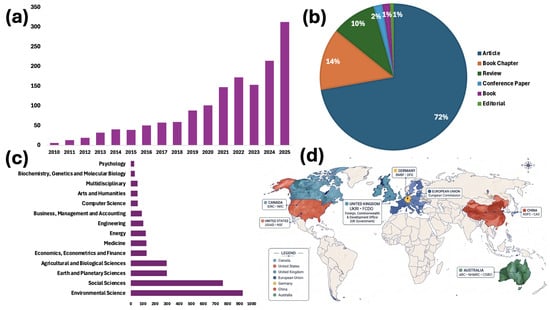
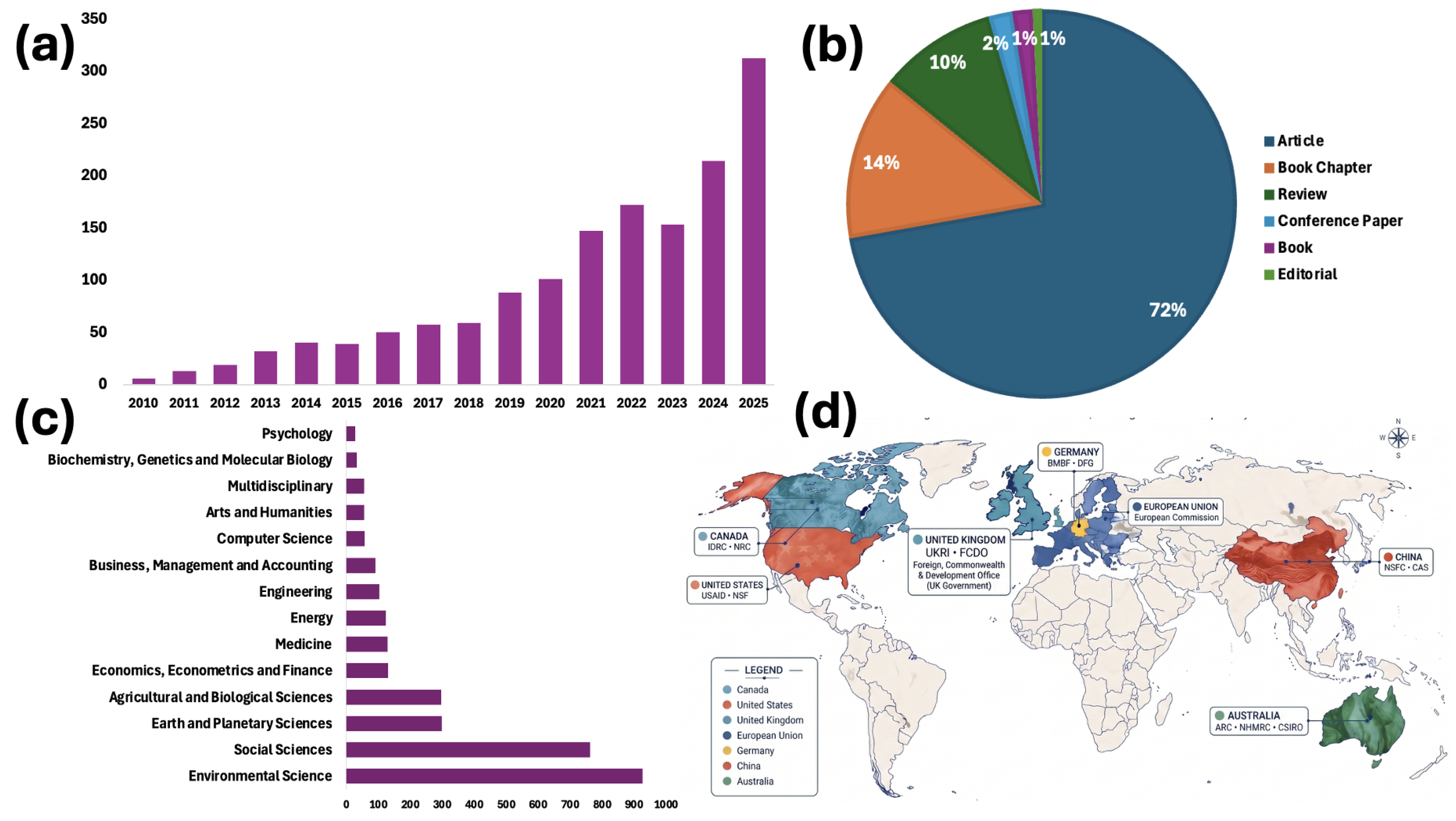
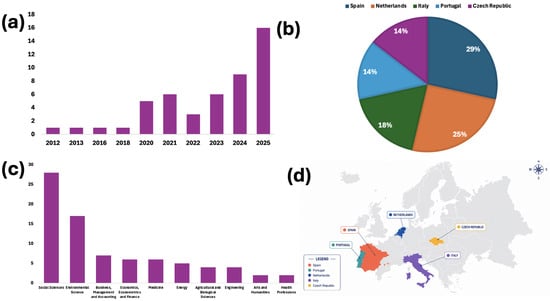
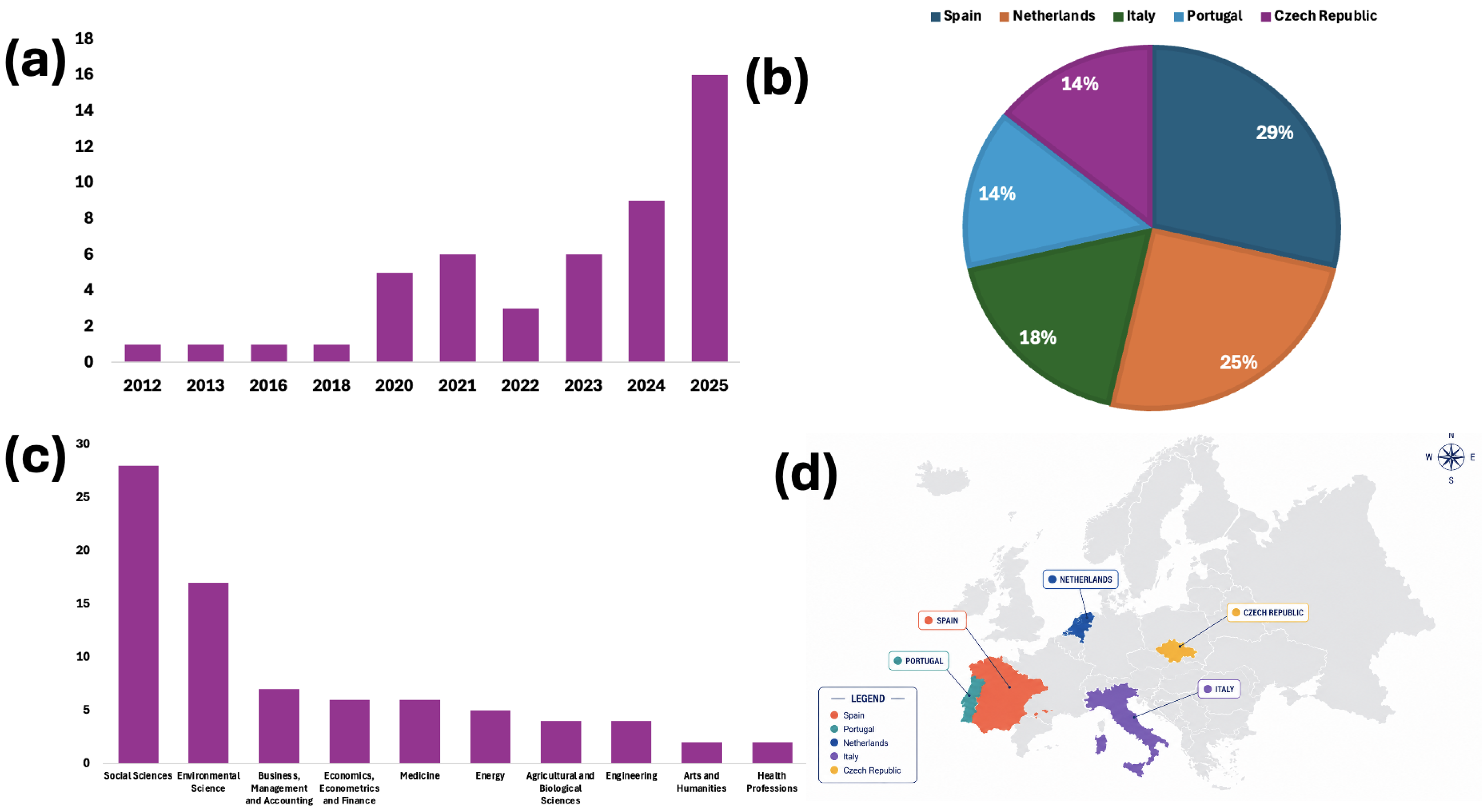

Disclaimer/Publisher’s Note: The statements, opinions and data contained in all publications are solely those of the individual author(s) and contributor(s) and not of MDPI and/or the editor(s). MDPI and/or the editor(s) disclaim responsibility for any injury to people or property resulting from any ideas, methods, instructions or products referred to in the content. |
© 2026 by the authors. Licensee MDPI, Basel, Switzerland. This article is an open access article distributed under the terms and conditions of the Creative Commons Attribution (CC BY) license.