


Abstract
Green innovations represent an important factor in the sustainable development and competitiveness of gastronomic tourism destinations. This study aims to examine the relationship between green innovations and the perceived sustainable competitiveness of gastronomic tourism destinations, while analyzing the mediating role of perceived gastronomic authenticity. The research was conducted on a sample of 245 stakeholders involved in the organization and implementation of five major gastronomic festivals in Serbia. Data were collected using a structured questionnaire, and the proposed conceptual model was tested using the PLS-SEM method. The results indicate that green innovations are positively associated with perceived gastronomic authenticity and the perceived sustainable competitiveness of destinations. Furthermore, perceived gastronomic authenticity is positively associated with perceived sustainable competitiveness and mediates the relationship between green innovations and the perceived sustainable competitiveness of destinations. The findings suggest that the implementation of sustainable practices and the preservation of gastronomic authenticity are associated with stronger long-term sustainability and competitiveness of gastronomic tourism destinations, providing useful guidance for event organizers and tourism policymakers.
1. Introduction
In the contemporary business environment, sustainability has become one of the key drivers of tourism destination development. Growing concerns regarding climate change, environmental degradation, and the unsustainable use of natural resources have encouraged destinations to adopt innovative approaches that enable economic benefits while simultaneously preserving natural and cultural heritage [1,2]. In this context, green innovations represent an important instrument for promoting sustainable development and enhancing the long-term competitiveness of tourism destinations [3].
Gastronomic tourism occupies a unique position within the contemporary tourism industry by integrating local culture, tradition, agriculture, and hospitality into a distinctive visitor experience [4,5]. Local food and traditional products have increasingly become important travel motivations, while gastronomic festivals play a significant role in destination promotion, the preservation of cultural identity, and the stimulation of local economic development [6,7]. At the same time, the growing number of visitors and the expansion of tourism activities have increased the need for sustainable practices capable of reducing negative environmental impacts [8].
Green innovations in gastronomic tourism may include the use of local and seasonal products, food waste reduction, environmentally friendly packaging, improved energy efficiency, support for short food supply chains, and other activities aimed at promoting more sustainable business practices [9,10]. The implementation of these practices not only contributes to environmental protection but can also enhance destination attractiveness, improve its image, and create additional value for visitors and local communities.
Serbia possesses considerable potential for the development of gastronomic tourism owing to its rich culinary heritage, diverse traditional food products, and numerous gastronomic festivals that attract visitors from both domestic and international markets [11]. Events such as Roštiljijada in Leskovac, Kobasicijada in Turija (Srbobran), Slaninijada in Kačarevo (Pančevo), Kupusijada in Mrčajevci (Čačak), and Sremska Kulenijada in Erdevik (Šid) represent important promotional platforms for local gastronomy and may play a significant role in implementing the principles of sustainable development [12,13].
Although the importance of sustainability and green innovations in tourism has been increasingly recognized, research focusing on their role in enhancing the competitiveness of gastronomic tourism destinations in Serbia remains relatively limited. In particular, there is a lack of studies examining the perceptions of stakeholders directly involved in the production, presentation, and promotion of food at gastronomic festivals [12,13,14,15].
Based on the above, this study aims to examine the perceptions of exhibitors, food producers, hospitality employees, and other relevant stakeholders regarding the role of green innovations in the perceived sustainable competitiveness of gastronomic tourism destinations in Serbia. The research was conducted at five major gastronomic festivals with the objective of identifying key sustainable practices and their contribution to the development of a competitive and sustainable tourism offering.
2. Literature Review
2.1. Green Innovations in Tourism
Green innovations represent one of the key mechanisms through which tourism destinations and tourism enterprises can respond to contemporary sustainability challenges. In the tourism sector, green innovations include the introduction of environmentally responsible products, services, processes, technologies and managerial practices aimed at reducing negative environmental impacts while improving economic and social performance [16,17]. Unlike conventional innovations, which are primarily focused on efficiency, profitability or market differentiation, green innovations combine business development with environmental responsibility and long-term sustainability [17,18,19].
In tourism, green innovations may include energy-efficient equipment, reduction in water and energy consumption, waste separation and recycling, food waste reduction, use of renewable energy sources, environmentally friendly packaging, digitalization of promotional materials, sustainable transport solutions and the development of tourism products based on local resources. Their importance is particularly visible in destinations where tourism development depends on the quality of natural, cultural and local community resources [17,18].
Green innovations can also contribute to the creation of a more responsible destination image. Tourists increasingly value destinations and service providers that demonstrate care for the environment, support local communities and promote authentic experiences [20]. Therefore, green innovations are not only environmental measures, but also strategic instruments for strengthening market position, improving destination reputation and increasing competitiveness [21,22].
2.2. Perceived Sustainable Competitiveness of Tourism Destinations
Destination competitiveness traditionally refers to the ability of a destination to attract tourists, provide high-quality experiences and achieve economic benefits compared with competing destinations [22]. However, in contemporary tourism research, competitiveness is increasingly viewed through the lens of sustainability. Perceived Sustainable Competitiveness implies that a destination should not only increase tourist arrivals and income, but should also preserve environmental quality, cultural identity, local resources and community well-being [23,24].
A sustainably competitive destination is able to create value for tourists while simultaneously protecting the resources on which tourism development depends. This approach is especially important for destinations based on local culture, heritage and gastronomy, because excessive commercialization may weaken authenticity and reduce long-term attractiveness [23,25]. Therefore, competitiveness in gastronomic tourism cannot be understood only through visitor numbers, sales or media visibility, but also through the ability to preserve local identity, support local producers and reduce negative environmental impacts [26,27].
In this context, green innovations can be seen as drivers of sustainable competitiveness. They enable destinations to differentiate themselves from competitors, improve the quality of the visitor experience and strengthen the connection between tourism, agriculture, hospitality and local communities [27,28]. By applying sustainable practices, destinations can create a stronger and more responsible tourism product that meets the expectations of modern visitors and supports local development [23,28,29].
2.3. Gastronomic Tourism and Food Festivals
Gastronomic tourism is a form of tourism in which food, beverages, culinary traditions and local food culture represent important elements of the travel experience [4]. In many destinations, gastronomy has developed from a supporting component of tourism into a primary motive for travel [30]. Tourists increasingly seek authentic food experiences, traditional dishes, local products, food-related events, wine routes, farmers’ markets and direct contact with producers and hosts [31].
Food festivals and gastronomic manifestations have a particularly important role in the development of gastronomic tourism [6]. They serve as platforms for the promotion of local food, traditional recipes, regional identity and cultural heritage. At the same time, they create opportunities for local producers, hospitality businesses, small entrepreneurs and rural households to present their products and generate income. In this way, gastronomic events contribute to destination branding, local economic development and the diversification of the tourism offer [6,31,32].
In Serbia, gastronomic manifestations such as Roštiljijada, Kobasicijada, Slaninijada, Kupusijada and Sremska kulenijada represent important examples of food-based tourism events. These manifestations promote specific local products and culinary traditions, attract visitors from different regions and contribute to the visibility of local destinations. Their significance is not limited to food consumption; they also represent spaces for cultural exchange, preservation of tradition and strengthening of local identity [12,13,33].
2.4. Green Innovations in Gastronomic Tourism
The application of green innovations in gastronomic tourism is particularly important because food-related tourism activities are closely connected with natural resources, agriculture, waste generation, packaging, energy use, and local supply chains [34,35]. Gastronomic events and food-based destinations can generate considerable environmental pressures if these activities are not properly managed, including food and plastic waste, excessive energy and water consumption, traffic pressure, and pollution [36]. In response to these challenges, green innovations may include the use of local and seasonal ingredients, cooperation with local farmers, food waste reduction, donation or redistribution of surplus food, biodegradable or reusable packaging, waste separation and composting, digital tickets and programs, energy-efficient equipment, and educational activities for visitors and exhibitors [34,35,36,37]. Collectively, these practices can reduce environmental pressures while contributing to the sustainability of the gastronomic product.
Among these practices, local sourcing is particularly relevant because it connects environmental sustainability with local economic and cultural dimensions. The use of local products can reduce transport-related environmental impacts, support local producers, and strengthen the relationship between food, place, and identity [38]. In this way, local sourcing may contribute not only to sustainability but also to a more authentic visitor experience. Food waste reduction is similarly important, particularly at gastronomic events that bring together large numbers of exhibitors and visitors and consequently generate substantial quantities of food-related waste [39].
Environmentally responsible packaging represents another relevant aspect of green innovation in gastronomic tourism. Food festivals frequently rely on disposable packaging, potentially generating considerable amounts of waste [40]. Introducing biodegradable, recyclable, or reusable alternatives can improve the environmental performance of gastronomic events and reinforce their sustainable image [40,41]. In addition to these operational practices, educational activities directed at exhibitors and visitors can promote more responsible behavior and strengthen awareness of sustainability within gastronomic tourism [42].
From an authenticity perspective, however, the relevance of green innovation extends beyond its environmental benefits to its potential to reinforce the perceived connection between food, place, tradition, and local identity. Practices such as local sourcing, short food supply chains, support for local producers, and the sustainable use of local resources can increase the visibility of product origin and strengthen continuity between contemporary gastronomic offerings and established local food traditions [34,35,38]. Green innovation can therefore function as a signal that the gastronomic offering remains embedded in its local cultural and territorial context. Nevertheless, this relationship is not necessarily uniform. Innovations that support existing local practices may reinforce perceived authenticity, whereas those that replace or excessively standardize traditional practices may weaken the connection between gastronomy, tradition, and place [37,38].
Despite this potential tension, the sustainability practices examined in the present study primarily emphasize local sourcing, short food supply chains, waste reduction, environmentally responsible packaging, and support for local producers [34,35,36,37,38,39,40,41,42]. Because these practices are oriented toward maintaining local resources, producers, and food-related traditions rather than replacing them, they are expected to be positively associated with stakeholders’ perceptions of gastronomic authenticity.
2.5. Green Innovations and Competitiveness of Gastronomic Tourism Destinations
The relationship between green innovations and destination competitiveness is based on the assumption that sustainable practices can create additional value for tourists, businesses and local communities [23]. In gastronomic tourism, this relationship is particularly strong because visitors often associate food experiences with authenticity, quality, tradition and responsibility [43]. Destinations that successfully combine local gastronomy with environmental responsibility may achieve stronger differentiation in the tourism market [44].
From the sustainable destination competitiveness perspective, gastronomic authenticity can create competitive value because place-specific culinary traditions and local food identities represent resources that are difficult for competing destinations to reproduce. When stakeholders perceive the gastronomic offering as strongly connected to local culture, heritage, and traditional practices, this distinctiveness can strengthen destination identity, differentiation, and long-term attractiveness. Gastronomic authenticity therefore provides a theoretical link between the preservation of local cultural resources and sustainable competitive positioning: preserving what is locally distinctive can simultaneously protect cultural value and strengthen the destination’s capacity to differentiate itself in the tourism market [26,33].
Green innovations can improve competitiveness in several ways. First, they enhance the quality and attractiveness of the tourism product by offering visitors more authentic, responsible and locally grounded experiences. Second, they strengthen the image of the destination as sustainable and innovative. Third, they support local producers and short supply chains, thereby increasing the economic benefits for the local community. Fourth, they reduce environmental costs and contribute to the long-term preservation of resources [45,46,47,48].
For gastronomic destinations and food festivals, perceived sustainable competitiveness depends on the ability to balance tradition and innovation [49]. On the one hand, visitors expect authentic food, traditional recipes and recognizable local products. On the other hand, modern tourism increasingly requires responsible management, environmental awareness and innovation [49,50]. Therefore, successful gastronomic destinations should not replace tradition with innovation, but use green innovations to preserve, promote and strengthen traditional food culture [37].
Within the broader tourism literature, authenticity has been conceptualized through several perspectives, most notably objective, constructive, and existential authenticity. Objective authenticity emphasizes the genuineness of tourism objects, products, and traditions, whereas constructive authenticity refers to authenticity as socially constructed and interpreted by individuals within particular cultural and social contexts. Existential authenticity, in contrast, focuses primarily on tourists’ subjective experiences and feelings of being authentic. The present study adopts a predominantly constructive understanding of gastronomic authenticity, as it examines stakeholders’ perceptions of whether gastronomic tourism events preserve traditional recipes and preparation methods, reflect local culinary traditions, maintain connections with local culture and identity, promote gastronomic heritage, and present local food as a distinctive characteristic of the destination. Accordingly, authenticity is treated as a perceived and socially interpreted quality of the gastronomic offering rather than as an objectively verified property of individual food products [33].
The relationship between green innovation and gastronomic authenticity, however, should not be assumed to be uniformly positive. Sustainability-oriented innovations such as local sourcing, short food supply chains, waste reduction, and environmentally responsible production may reinforce local identity and support the preservation of gastronomic heritage. At the same time, innovation may introduce new technologies, materials, production processes, or forms of standardization that alter established culinary practices. When such changes are perceived as inconsistent with inherited traditions, they may weaken rather than strengthen perceived authenticity. Green innovation and gastronomic authenticity should therefore be understood as potentially complementary but also potentially tension-laden dimensions of gastronomic tourism development [34,38].
Green innovation may contribute to sustainable competitiveness through two complementary mechanisms. First, it may have a direct competitive role by improving environmental performance, strengthening the destination’s sustainable image, supporting local economic linkages, and responding to increasing expectations for responsible tourism practices. Second, part of its contribution may operate through gastronomic authenticity. When sustainability-oriented practices reinforce local sourcing, traditional food systems, local producers, and the connection between gastronomy and place, they can strengthen perceived authenticity, which in turn contributes to destination differentiation and long-term competitive value. This dual mechanism provides the theoretical rationale for examining both the direct relationship between green innovation and perceived sustainable competitiveness and the indirect relationship operating through perceived gastronomic authenticity [23,33].
2.6. Research Gap
Although the importance of sustainability, green innovation and gastronomic tourism has been increasingly recognized in tourism research, there are still a limited number of empirical studies focusing on the role of green innovations in the perceived sustainable competitiveness of gastronomic tourism destinations in Serbia. Existing studies often examine tourist satisfaction, destination image or food experience, while less attention is given to the perceptions of exhibitors, food producers, hospitality professionals and other stakeholders directly involved in the creation and delivery of gastronomic tourism products [51,52,53,54].
However, the existing literature also reveals an important theoretical tension. While green innovations may strengthen sustainability perceptions, destination image, and competitiveness, their relationship with gastronomic authenticity is not necessarily unequivocal. Sustainable modernization may support local production, short supply chains, and environmentally responsible practices, thereby reinforcing the connection between food, place, and local identity. Conversely, excessive modernization, standardization, or technological intervention may be perceived as inconsistent with traditional production methods and may weaken perceptions of authenticity. This tension is particularly relevant in gastronomic tourism, where competitiveness increasingly depends on destinations’ ability to introduce sustainable innovations without undermining the cultural and traditional characteristics that make local gastronomy distinctive [51,52,53,54,55].
Accordingly, this study is primarily grounded in the sustainable destination competitiveness perspective, complemented by authenticity theory. From this perspective, green innovations represent sustainability-oriented practices that may strengthen destination competitiveness, while perceived gastronomic authenticity represents a mechanism through which such practices acquire cultural and experiential value. The proposed mediation model therefore assumes that green innovations contribute to perceived sustainable competitiveness both directly and indirectly through their association with perceived gastronomic authenticity.
This gap is particularly relevant because stakeholders are key actors in the implementation of green practices. Their attitudes, knowledge and willingness to apply sustainable solutions directly influence the environmental and competitive performance of gastronomic events and destinations. Therefore, examining their perceptions can provide valuable insights into the current level of green innovation, barriers to implementation and opportunities for improving sustainable competitiveness.
Based on these theoretical arguments and the identified research gap, the present study examines whether green innovations are associated with the perceived sustainable competitiveness of gastronomic tourism destinations directly and indirectly through perceived gastronomic authenticity. In doing so, the study addresses the tension between sustainability-oriented innovation and the preservation of gastronomic authenticity and provides a theoretical basis for the proposed mediation model.
The theoretical contribution of the proposed model does not lie in suggesting that green innovation, authenticity, or competitiveness are individually new determinants of tourism development. Rather, it lies in integrating these established concepts into a mechanism-based explanation of how sustainability-oriented innovation may translate into destination competitiveness in a gastronomy-specific context. In particular, the model positions perceived gastronomic authenticity as an explanatory mechanism linking green innovation with perceived sustainable competitiveness. This perspective shifts attention from whether green innovation is associated with competitiveness to how part of this association may operate through stakeholders’ perceptions that local gastronomic traditions, identity, and heritage are preserved. Furthermore, by examining these relationships from the perspective of stakeholders directly involved in gastronomic festivals rather than tourists alone, this study extends the application of authenticity and sustainable competitiveness perspectives to actors responsible for producing and maintaining the gastronomic tourism offer.
3. Methodology
Data were collected between February 2025 and June 2026 during five major gastronomic festivals held in Serbia: Roštiljijada (Leskovac), Kobasicijada (Turija), Slaninijada (Kačarevo), Kupusijada (Mrčajevci), and Sremska Kulenijada (Erdevik). These events are among the most recognizable gastronomic festivals in the country and play an important role in promoting local gastronomy, cultural heritage, and tourism development. The five festivals were purposively selected to provide a diverse empirical setting within Serbian gastronomic tourism. The selection was based on several criteria: (1) a clear focus on local or traditional food products; (2) an established role in promoting local gastronomy and culinary heritage; (3) the participation of multiple stakeholder groups relevant to the study, including food producers, exhibitors, hospitality representatives, and organizers; and (4) variation in geographical location and gastronomic specialization. Rather than treating the festivals as identical cases, their inclusion was intended to capture stakeholder perceptions across different manifestations of food-based tourism while maintaining a common focus on local gastronomy and festival-based tourism.
A non-probability convenience sampling approach was employed in this study. Data were collected using a structured questionnaire administered through direct personal contact with respondents at the festival venues. The questionnaire was designed to examine stakeholders’ perceptions of the role of green innovations in enhancing the perceived sustainable competitiveness of gastronomic tourism destinations. The final sample consisted of 245 valid respondents, including 46 surveyed at Roštiljijada, 49 at Kobasicijada, 27 at Slaninijada, 53 at Kupusijada, and 70 at Sremska Kulenijada. The respondents included exhibitors, producers of traditional food products, owners and employees of hospitality establishments, organizers, and other stakeholders directly involved in the implementation of gastronomic festivals.
These stakeholder categories were included to capture an aggregate stakeholder perspective on the proposed relationships rather than to conduct comparative analysis across professional groups. Accordingly, stakeholder type was used to characterize the composition of the sample, while the structural model was estimated for the pooled stakeholder sample.
Potential respondents were approached directly by the researchers and invited to participate voluntarily in the survey. Before completing the questionnaire, all participants were informed about the purpose of the research, the voluntary nature of participation, the anonymity and confidentiality of their responses, and the exclusive use of the collected data for scientific research purposes. Only individuals aged 18 years or older who were actively involved in the organization or implementation of the selected gastronomic festivals were eligible to participate. Festival visitors who were not directly involved in festival activities, as well as individuals younger than 18 years, were excluded from the study. All completed questionnaires were reviewed immediately after collection to ensure completeness. No missing data were identified; therefore, no data imputation procedures were required. Because the survey was conducted in an open festival environment, the exact number of individuals who declined participation was not recorded, and consequently, the response rate could not be calculated. The sample size was considered adequate for Partial Least Squares Structural Equation Modeling (PLS-SEM), as it exceeded the minimum sample size recommendations for estimating the proposed structural model and satisfied established methodological guidelines for PLS-SEM applications.
The data collection instrument was developed based on previously validated measurement scales used in studies on green innovations, sustainable tourism, gastronomic authenticity, and destination competitiveness. The questionnaire was adapted to the specific context of gastronomic tourism and the festival environment in Serbia [55,56,57,58]. It consisted of two sections. The first section collected respondents’ socio-demographic characteristics, while the second comprised 18 measurement items grouped into three latent constructs: Green Innovations (6 items), Perceived Gastronomic Authenticity (5 items), and Perceived Sustainable Competitiveness (7 items). The items were adapted, rather than adopted verbatim, from previous studies in order to ensure their contextual relevance to gastronomic festivals and stakeholder perceptions while preserving the conceptual meaning of the original constructs. The Green Innovations construct comprised six items adapted from previous studies on green innovation and sustainability in tourism and hospitality [34,35,55]. These items capture complementary aspects of green innovation relevant to gastronomic festivals, including the use of local and sustainably sourced food products, food waste reduction, environmentally friendly packaging, waste separation and recycling, support for local producers and short food supply chains, and the promotion of sustainably produced and locally sourced products. Accordingly, Green Innovations was operationalized as a broad sustainability-oriented construct encompassing waste management, environmentally responsible packaging, local sourcing, and sustainable supply-chain practices. The Perceived Gastronomic Authenticity construct comprised five items adapted from studies examining authenticity in tourism and gastronomic experiences [33,56,57].
Consistent with the theoretical conceptualization adopted in this study, these items operationalize gastronomic authenticity as a perceived, constructively interpreted characteristic of the destination’s gastronomic offering rather than as an objective verification of authenticity. The Perceived Sustainable Competitiveness construct was adapted from previous research on destination competitiveness and sustainable tourism development [23,58]. All items were measured using a five-point Likert scale ranging from 1 (strongly disagree) to 5 (strongly agree).
Prior to the main data collection, the questionnaire was pilot-tested with 15 respondents from the target population to assess the clarity, comprehensibility, and contextual appropriateness of the items. The pilot participants indicated that the questionnaire items were clear and understandable; therefore, no items were modified or removed following the pilot stage. Since the original measurement scales were developed in English, the questionnaire was translated into Serbian by a qualified English language professor from Serbia. To assess the accuracy and conceptual equivalence of the translated instrument, a back-translation procedure was subsequently performed by the same English language professor. The back-translated English version was compared with the original wording of the measurement items, with particular attention paid to preserving their conceptual meaning and relevance to the Serbian gastronomic festival context. No substantive discrepancies requiring changes to the measurement items were identified.
Data analysis was performed using IBM SPSS Statistics 25.0 and SmartPLS 4 software. Descriptive statistical analysis was first conducted to examine respondents’ socio-demographic characteristics and perceptions of the investigated constructs. The reliability of the measurement model was evaluated using Cronbach’s alpha and Composite Reliability (CR), whereas convergent validity was assessed through the Average Variance Extracted (AVE). Discriminant validity was examined using both the Fornell–Larcker criterion and the Heterotrait–Monotrait ratio (HTMT). Partial Least Squares Structural Equation Modeling (PLS-SEM) was selected because the study focuses on explaining and predicting relationships among multiple latent constructs and simultaneously examines direct and mediating effects within a single conceptual model. Green Innovations (GI) was specified as the exogenous construct, while Perceived Gastronomic Authenticity (PGA) and Perceived Sustainable Competitiveness (PSC) were endogenous constructs. The structural model examined the direct relationships GI → PGA, PGA → PSC, and GI → PSC, as well as the indirect effect of GI on PSC through PGA. PLS-SEM is considered appropriate because it enables the simultaneous assessment of the measurement and structural models, is suitable for mediation analysis and prediction-oriented research, and places less restrictive distributional assumptions on the data than covariance-based SEM.
Socio-demographic and professional characteristics, including gender, age, education level, sustainability/environmental-management training, and stakeholder type, were collected primarily to characterize the sample and were not included as control variables in the structural model. Their exclusion was theoretically motivated, as the proposed model was specifically designed to examine the hypothesized relationships among Green Innovations, Perceived Gastronomic Authenticity, and Perceived Sustainable Competitiveness, rather than differences between stakeholder subgroups. Introducing additional controls without specific theoretically derived hypotheses regarding their effects could unnecessarily increase model complexity and shift the analytical focus away from the proposed mediation mechanism.
Accordingly, the following research model was proposed (Figure 1):
Figure 1.
Proposed conceptual research model.
Based on the reviewed literature and the proposed research model, the following research hypotheses were formulated:
H1.
Green innovations are positively associated with perceived gastronomic authenticity in gastronomic tourism destinations.
H2.
Perceived gastronomic authenticity is positively associated with the perceived sustainable competitiveness of gastronomic tourism destinations.
H3.
Green innovations are positively associated with the perceived sustainable competitiveness of gastronomic tourism destinations.
H4.
Perceived gastronomic authenticity mediates the relationship between green innovations and the perceived sustainable competitiveness of gastronomic tourism destinations.
4. Results
The sample (Table 1) consisted of 245 respondents, with an almost equal distribution of males (50.6%) and females (49.4%). The largest proportion of respondents belonged to the 45–54 age group (40.4%), followed by those aged 35–44 (32.7%). Most respondents had attained higher education, with a master’s degree being the most prevalent qualification (38.0%). The study was conducted across five gastronomic festivals in Serbia, with the largest number of respondents surveyed at Sremska Kulenijada in Erdevik (28.6%). The majority of respondents were exhibitors (40.4%) and producers of traditional food products (30.2%). Additionally, 53.9% of respondents reported that they had not received any training related to sustainability or environmental management, whereas 46.1% had previously participated in such training.
Table 1.
Demographic and professional characteristics of the respondents.
Descriptive statistics (Table 2) indicate that the mean scores for all survey items were above the midpoint of the scale, ranging from 3.33 to 3.82. This suggests that respondents generally held positive perceptions of the implementation of green innovations, the preservation of gastronomic authenticity, and their role in enhancing the Perceived Sustainable Competitiveness of gastronomic tourism destinations. The highest mean score was recorded for the statement that the gastronomic offerings presented at festivals authentically reflect local culinary traditions (M = 3.82), followed by the statement that sustainable practices enhance the market competitiveness of the tourism destination (M = 3.73), and that local food products are extensively utilized at gastronomic festivals (M = 3.68). In contrast, somewhat lower mean scores were observed for statements referring to the contribution of sustainable practices to the long-term development of the destination (M = 3.33), the use of sustainably produced and locally sourced food products (M = 3.40), and the contribution of gastronomic festivals to the long-term economic development of the local community (M = 3.40).
Table 2.
Descriptive statistics of the survey items.
The standard deviation values ranged from 0.775 to 1.063, indicating relatively consistent responses and the absence of substantial variation in respondents’ perceptions. The lowest variability was observed for the statement that gastronomic festivals contribute to higher visitor satisfaction with the destination (SD = 0.775), whereas the greatest variability was found for statements concerning the use of local food products and their importance as a distinctive characteristic of the destination (SD = 1.063). Overall, the survey results indicate that respondents recognize the importance of green innovations and gastronomic authenticity as key factors contributing to the sustainable development and competitiveness of gastronomic tourism destinations, while also suggesting that there remains room for improvement in certain aspects of the sustainable management of gastronomic festivals.
The results indicate that all constructs demonstrate satisfactory internal consistency and reliability of the measurement instrument (Table 3). Cronbach’s alpha values ranged from 0.670 to 0.828, while Composite Reliability (CR) values ranged from 0.789 to 0.872, exceeding the recommended threshold of 0.70 and confirming satisfactory internal consistency. The rho_A coefficients further supported the reliability of the measurement scales. The Average Variance Extracted (AVE) values ranged from 0.417 to 0.497, which are slightly below the commonly recommended threshold of 0.50. Nevertheless, Fornell and Larcker (1981) [59,60] suggested that convergent validity may still be considered acceptable when Composite Reliability exceeds 0.60, even if AVE is below 0.50. Likewise, Hair et al. (2022) [61] recommended assessing convergent validity by considering both AVE and Composite Reliability rather than relying solely on a single threshold. Since all constructs demonstrated satisfactory Composite Reliability values, the measurement model was considered acceptable for further structural model assessment.
Table 3.
Reliability and convergent validity of the measurement constructs.
Table 4 presents the assessment of discriminant validity based on the Fornell–Larcker criterion. The square roots of the AVE values for the Green Innovations and Perceived Sustainable Competitiveness constructs exceeded their corresponding inter-construct correlations, indicating satisfactory discriminant validity for these constructs. However, a slight overlap was observed between the Perceived Gastronomic Authenticity and Perceived Sustainable Competitiveness constructs, as the correlation between them marginally exceeded the square root of the AVE for Perceived Gastronomic Authenticity. Therefore, discriminant validity was additionally evaluated using the Heterotrait–Monotrait ratio (HTMT), which is considered a more robust criterion for assessing discriminant validity in PLS-SEM [60,61].
Table 4.
Discriminant validity assessment based on the Fornell–Larcker criterion.
Table 5 presents the results of the discriminant validity assessment using the Heterotrait–Monotrait ratio (HTMT). The HTMT values ranged from 0.799 to 0.881, remaining below the recommended threshold of 0.90, thereby indicating acceptable discriminant validity among the constructs. Although the HTMT values for the relationships between Green Innovations and Perceived Gastronomic Authenticity (0.881) and between Perceived Gastronomic Authenticity and Perceived Sustainable Competitiveness (0.864) slightly exceeded the more conservative threshold of 0.85, they remained below the widely accepted threshold of 0.90 recommended for conceptually related constructs in PLS-SEM research [61]. Therefore, the HTMT results support the conclusion that the latent constructs are sufficiently distinct and that the measurement model demonstrates acceptable discriminant validity.
Table 5.
Discriminant validity assessment using the HTMT criterion.
The results of the structural model analysis (Table 6) confirm that all proposed hypotheses were supported. The Green Innovations construct has a statistically significant and positive relationship with Perceived Gastronomic Authenticity (β = 0.615; t = 14.593; p < 0.001), indicating that a higher level of green innovation implementation at gastronomic tourism events contributes to a stronger perception of the authenticity of the gastronomic offering. Furthermore, Green Innovations show a significant positive relationship with Perceived Sustainable Competitiveness (β = 0.335; t = 5.830; p < 0.001), confirming that sustainable practices contribute to enhancing the competitive position of tourism destinations. In addition, Perceived Gastronomic Authenticity has a positive and statistically significant effect on Perceived Sustainable Competitiveness (β = 0.464; t = 7.570; p < 0.001), indicating that an authentic gastronomic offering represents an important determinant of the long-term Perceived Sustainable Competitiveness of destinations.
Table 6.
Structural model assessment and hypothesis testing.
The collinearity assessment indicates that the VIF values range from 1.000 to 1.610, which is well below the recommended threshold values (3.3 or 5.0), confirming the absence of multicollinearity among the predictor constructs. The effect size (f2) analysis reveals that Green Innovations have a large effect on Perceived Gastronomic Authenticity (f2 = 0.610), whereas Perceived Gastronomic Authenticity has a medium effect on Perceived Sustainable Competitiveness (f2 = 0.278). The direct effect of Green Innovations on Perceived Sustainable Competitiveness is characterized as small to medium (f2 = 0.145). Overall, these findings confirm that green innovations are a significant driver of the development of authentic gastronomic offerings and the Perceived Sustainable Competitiveness of tourism destinations.
The results of the mediation analysis (Table 7) indicate that Perceived Gastronomic Authenticity plays a statistically significant mediating role in the relationship between Green Innovations and Perceived Sustainable Competitiveness. The indirect effect is β = 0.286 and is statistically significant (t = 7.107; p < 0.001), confirming that green innovations enhance the Perceived Sustainable Competitiveness of tourism destinations indirectly by strengthening perceptions of gastronomic authenticity. Based on these findings, hypothesis H4 was supported, confirming that Perceived Gastronomic Authenticity serves as a significant mediating mechanism through which green innovations contribute to the Perceived Sustainable Competitiveness of gastronomic tourism destinations.
Table 7.
Mediation analysis.
The coefficient of determination (R2) results indicate that Green Innovations explain 37.9% of the variance in Perceived Gastronomic Authenticity, while together with Perceived Gastronomic Authenticity, they explain 51.9% of the variance in Perceived Sustainable Competitiveness (Table 8). These values indicate a moderate explanatory power of the proposed structural model. The adjusted coefficients of determination (Adjusted R2) are very similar to the corresponding R2 values, confirming the stability of the model. The predictive relevance (Q2) values are 0.154 for Perceived Gastronomic Authenticity and 0.250 for Perceived Sustainable Competitiveness. Since both values are greater than zero, it can be concluded that the model demonstrates satisfactory predictive relevance for both endogenous constructs (Figure 2).
Table 8.
Predictive accuracy of the structural model.
Figure 2.
Final PLS-SEM structural model with standardized path coefficients.
Figure 2 presents the final PLS-SEM model with standardized path coefficients and coefficients of determination (R2). The results indicate that Green Innovations have a positive and statistically significant effect on Perceived Gastronomic Authenticity (β = 0.615), as well as a direct positive effect on Perceived Sustainable Competitiveness (β = 0.335). Furthermore, Perceived Gastronomic Authenticity positively influences Perceived Sustainable Competitiveness (β = 0.464), confirming its important role in enhancing the Perceived Sustainable Competitiveness of gastronomic tourism destinations.
The coefficients of determination indicate that Green Innovations explain 37.9% of the variance in Perceived Gastronomic Authenticity (R2 = 0.379), while Green Innovations, together with Perceived Gastronomic Authenticity, explain 51.9% of the variance in Perceived Sustainable Competitiveness (R2 = 0.519). These findings indicate a moderate explanatory power of the model and confirm that the implementation of green innovations strengthens perceptions of gastronomic authenticity, which in turn positively influences the Perceived Sustainable Competitiveness of gastronomic tourism destinations.
5. Discussion
The findings of this study indicate that green innovations are positively associated with the perceived sustainable competitiveness of gastronomic tourism destinations, both directly and indirectly through perceived gastronomic authenticity. Rather than representing independent dimensions of destination development, sustainability-oriented practices, gastronomic authenticity, and competitiveness appear to be interconnected within the examined stakeholder context. This supports a multidimensional understanding of sustainable gastronomic tourism in which environmental responsibility, preservation of local culinary identity, and competitive positioning may reinforce one another.
At the same time, the descriptive results indicate that stakeholders’ assessments were positive but not uniformly strong. The mean scores of individual items ranged from 3.33 to 3.82, with relatively lower assessments recorded for the contribution of sustainable practices to the long-term development of the destination (M = 3.33), the use of sustainably produced and locally sourced food products (M = 3.40), and the contribution of gastronomic festivals to the long-term economic development of the local community (M = 3.40). These results may indicate a gap between stakeholders’ general recognition of sustainability as a desirable principle and their perceptions of its actual implementation and longer-term outcomes. One possible explanation is that immediately observable characteristics, such as the presence of local products and the preservation of culinary traditions, are easier for stakeholders to assess than broader outcomes such as destination development and local economic benefits, which depend on multiple actors and may become visible only over time. Similarly, the moderate assessment of sustainably produced and locally sourced food products may indicate that these practices are present but not yet consistently implemented across all festival activities. Therefore, the generally positive findings should not be interpreted as evidence that sustainable practices are already fully institutionalized within the examined gastronomic festivals.
The findings extend existing knowledge by indicating that gastronomic authenticity should not be treated solely as an outcome that needs to be protected from innovation, but also as a potential mechanism through which sustainability-oriented innovation is associated with destination competitiveness. The significant mediation effect indicates that part of the association between green innovation and perceived sustainable competitiveness operates through perceived gastronomic authenticity. The contribution therefore extends beyond the confirmation of three positive direct relationships by identifying an integrated pathway connecting sustainability-oriented practices, the perceived preservation of gastronomic identity, and destination competitiveness. This finding also contributes to the debate concerning the potential tension between modernization and authenticity. In the present context, green practices centered on local sourcing, short supply chains, waste reduction, environmentally responsible packaging, and support for local producers were positively associated with perceived authenticity. This suggests that innovation does not necessarily conflict with authenticity when it reinforces rather than replaces place-based gastronomic characteristics.
The first structural relationship indicates that green innovations are positively associated with perceived gastronomic authenticity. This suggests that stakeholders associate practices such as the use of local food products, support for short food supply chains, food waste reduction, and environmentally friendly packaging with the preservation of local gastronomic characteristics. This finding is consistent with Sims (2009) [62], who demonstrated that local food represents a link between place, culture, and the tourism experience, with sustainable production methods and the use of local products contributing to authentic destination experiences. Sims (2009) [62] further emphasized that local gastronomy is not merely related to food consumption but can function as an expression of local identity and cultural heritage.
The findings are also consistent with Kim et al. (2009) [63], who identified authentic local food as an important motivation for gastronomic experiences. Their findings indicate the relevance of identifiable local origin, traditional preparation, and connections with local culture. In the context of the present study, this provides a plausible explanation for the positive association between green innovation and perceived gastronomic authenticity, because several practices included within the Green Innovations construct explicitly emphasize local sourcing, short supply chains, and support for local producers. However, an alternative interpretation should also be considered. The positive association may partly reflect this specific composition of the Green Innovations construct, because both these practices and perceived gastronomic authenticity share a strong connection with locality and place-based identity. Consequently, the finding should not be generalized to suggest that every form of technological, organizational, or sustainability-oriented innovation necessarily strengthens gastronomic authenticity. Innovations that substantially alter or replace traditional practices could produce different perceptions.
The results further demonstrate that perceived gastronomic authenticity is positively associated with perceived sustainable competitiveness. This finding is consistent with previous research identifying authenticity as an important basis for destination differentiation. Everett and Aitchison (2008) [64] concluded that gastronomic heritage can contribute to preserving regional identity, enhancing destination attractiveness, and stimulating local economic development through greater involvement of local producers and communities. Similarly, Basle (2023) [58] argued that the competitiveness of contemporary gastronomic destinations increasingly depends on their capacity to provide authentic, sustainable, and memorable gastronomic experiences. In the present study, the positive association between perceived gastronomic authenticity and sustainable competitiveness suggests that stakeholders may perceive the preservation of local culinary identity and heritage not only as a cultural objective but also as a resource for differentiating gastronomic destinations.
Green innovations were also directly and positively associated with perceived sustainable competitiveness. This relationship can be interpreted in terms of the broader value that sustainability-oriented practices may create for gastronomic destinations through environmental responsibility, local economic linkages, resource efficiency, and differentiation. However, this finding should not imply that the introduction of individual green practices automatically produces competitive advantages. Their practical relevance is likely to depend on how systematically they are implemented, how visible and credible they are to stakeholders and visitors, and how effectively they are integrated with the broader gastronomic and tourism offer. This interpretation is particularly relevant given the moderate assessments of some sustainability-related items, which suggest that implementation and perceived long-term benefits remain uneven.
A particularly important finding is the mediating role of perceived gastronomic authenticity. Green innovations were associated with perceived sustainable competitiveness both directly and indirectly through perceived gastronomic authenticity. This indicates that part of the relationship between sustainability-oriented practices and competitiveness is statistically transmitted through stronger perceptions of local gastronomic authenticity. The result extends the conclusions of Sims (2009) [62] and Everett and Aitchison (2008) [64], who emphasized the embeddedness of local food in place, tradition, and community, by demonstrating an integrated pathway in which green innovation is associated with authenticity and authenticity, in turn, with perceived sustainable competitiveness. Importantly, this mediation should not be interpreted as evidence that gastronomic authenticity is the only mechanism connecting green innovation and competitiveness. Green Innovations and Perceived Gastronomic Authenticity together explained 51.9% of the variance in Perceived Sustainable Competitiveness, leaving a substantial proportion unexplained. Other factors not included in the model may therefore contribute to stakeholders’ perceptions of destination competitiveness. Furthermore, given the cross-sectional research design, the mediation result represents a theoretically consistent statistical pathway rather than evidence of a temporal or causal process.
The findings also have practical significance for the management of gastronomic festivals and destinations. The relatively moderate assessments of some sustainability practices indicate that managers should focus not only on introducing isolated green initiatives but also on ensuring their systematic implementation across festival activities. Particular attention should be given to strengthening sustainable and local sourcing, cooperation with local producers and short supply chains, waste reduction, environmentally responsible packaging, and mechanisms through which festival activities can generate longer-term benefits for host communities. The findings further suggest that sustainability initiatives may have greater strategic relevance when they are visibly connected with local culinary identity and gastronomic heritage rather than presented solely as environmental measures [65,66].
Overall, sustainable practices are directly associated with higher perceived competitiveness, while the mediation results indicate an additional indirect pathway through perceived gastronomic authenticity. The findings therefore suggest that environmental responsibility and the preservation of local gastronomic identity should not necessarily be treated as competing destination-development priorities. In the examined festivals, sustainability-oriented practices that maintain connections with local products, producers, traditions, and place were positively associated with authenticity and, through this relationship, with perceived sustainable competitiveness. Nevertheless, the moderate descriptive assessments and the unexplained variance in the structural model indicate that green innovation and authenticity represent important, but not sufficient, elements of sustainable destination competitiveness.
6. Theoretical and Practical Implications of the Research
This study makes three main theoretical contributions. First, it integrates green innovation, gastronomic authenticity, and sustainable destination competitiveness within a single explanatory framework, thereby moving beyond fragmented examination of these concepts. Second, it conceptualizes perceived gastronomic authenticity as a mediating mechanism rather than merely an independent antecedent or outcome. The mediation finding provides a mechanism-based explanation of how sustainability-oriented innovation may contribute to perceived destination competitiveness. Third, the study qualifies the frequently assumed tension between innovation and authenticity by showing that sustainability-oriented innovations grounded in local sourcing, short supply chains, support for local producers, and environmentally responsible practices can coexist with, and be positively associated with, perceptions of gastronomic authenticity. This suggests that the theoretical relationship between innovation and authenticity depends not simply on the presence of innovation, but on whether innovation reinforces or displaces the place-based cultural characteristics of the gastronomic offering.
This study also extends the existing literature on gastronomic authenticity by confirming that it represents an important mechanism through which sustainable practices are associated with destination competitiveness. Previous research has primarily examined authenticity as a direct determinant of tourist satisfaction, tourist loyalty, or the quality of the tourism experience, whereas its mediating role between green innovations and Perceived Sustainable Competitiveness has received considerably less attention. The findings demonstrate that green innovations are associated with higher perceived competitiveness both directly and indirectly by strengthening perceptions of the authenticity of local gastronomic offerings. These results further confirm that preserving local identity represents a key element of the sustainable development of gastronomic destinations.
Furthermore, the findings contribute to the advancement of research adopting a configurational approach to sustainable destination development by indicating that competitiveness results from the interaction of multiple complementary factors rather than from the isolated influence of individual sustainable practices. This confirms that the Perceived Sustainable Competitiveness of gastronomic destinations depends on the simultaneous implementation of green innovations and the preservation of cultural and gastronomic heritage, an approach that has been increasingly emphasized in contemporary gastronomic tourism research.
The validated conceptual model may serve as a foundation for future studies investigating the role of additional mediating and moderating variables, such as destination image, tourist satisfaction, loyalty, experience quality, local community engagement, and institutional support. Moreover, the model may be tested in other forms of tourism and across different cultural and geographical contexts to assess its external validity.
The findings also provide important practical implications for gastronomic festival organizers, tourism destination managers, local authorities, and tourism policymakers. The results demonstrate that investments in green innovations contribute not only to environmental protection but also represent an effective instrument for enhancing the competitiveness of gastronomic destinations. This implies that practices such as the use of local and seasonal products, the development of short food supply chains, food waste reduction, the adoption of biodegradable packaging, recycling initiatives, and energy-efficient solutions should be considered integral components of destination development strategies rather than merely environmental protection measures.
The results further indicate that preserving gastronomic authenticity is one of the most important prerequisites for achieving long-term competitive advantage. Festival organizers should therefore devote particular attention to preserving traditional recipes, promoting indigenous food products, involving local producers, and presenting gastronomic heritage through authentic culinary stories and experiences. Such an approach enables destinations to establish a distinctive identity, increase differentiation from competing destinations, and create a unique tourism product.
For policymakers, the findings highlight the need to develop public policies that encourage the implementation of green innovations through financial incentives, educational programs for festival organizers, the development of local food supply chains, and the certification of sustainable gastronomic events. At the same time, local tourism organizations may use the findings of this study as a basis for developing marketing strategies that position sustainability and authenticity as interconnected components of destination identity. Such an approach can strengthen the market positioning of destinations while responding to the growing demand for responsible and authentic tourism experiences.
The findings may also be valuable for producers of traditional food products, hospitality businesses, and other local stakeholders involved in gastronomic tourism. Greater adoption of sustainable business practices, combined with the preservation of local product identity, can enhance market recognition, strengthen cooperation among destination stakeholders, and create additional value for visitors. From a long-term perspective, such an approach contributes to the development of more resilient and sustainable gastronomic tourism destinations capable of successfully balancing economic objectives with the protection of natural resources and the preservation of cultural heritage.
7. Limitations and Future Research
Despite its significant findings, this study has several limitations that should be considered when interpreting the results. First, the study was conducted on a sample of 245 respondents involved in the organization and implementation of five gastronomic festivals in Serbia, which limits the generalizability of the findings to other gastronomic destinations and other types of tourism events. Future research should include a larger number of festivals, different types of gastronomic events, and a broader range of countries in order to enable cross-country comparisons and assess the stability of the proposed model across different institutional and cultural contexts.
Furthermore, the study was based on a heterogeneous sample of stakeholders involved in the organization and implementation of gastronomic festivals, including exhibitors, food producers, hospitality employees, organizers, and other relevant actors. The present study examined these respondents as an aggregate stakeholder sample and did not test whether the proposed relationships or construct perceptions differed across stakeholder categories. Consequently, potential stakeholder heterogeneity cannot be ruled out, and the findings should not be interpreted as evidence that all stakeholder groups perceive green innovations, gastronomic authenticity, and sustainable competitiveness in the same way. This represents an important limitation, as differences in professional roles, responsibilities, and involvement in sustainability practices may shape these perceptions. Future research should employ sufficiently large subgroup samples and multigroup analysis to examine whether the proposed relationships differ among stakeholder categories. Comparative research should also incorporate tourists, local residents, festival organizers, and policymakers to provide a more comprehensive understanding of sustainable competitiveness in gastronomic tourism.
The study employed a cross-sectional research design, which did not allow changes in perceptions to be monitored over time or firm conclusions to be drawn regarding causal relationships among the examined constructs. Longitudinal studies could provide more accurate insights into how the implementation of green innovations influences the development of gastronomic authenticity and Perceived Sustainable Competitiveness over an extended period.
In addition, the data were collected using a self-administered questionnaire based on respondents’ self-assessments, which may have increased the risk of response subjectivity and common method bias. Future research could combine survey data with objective sustainability indicators, such as the amount of food waste generated, the proportion of locally sourced products, recycling rates, or sustainability certifications obtained by gastronomic festivals.
Finally, the study included three key constructs: Green Innovations, Perceived Gastronomic Authenticity, and Perceived Sustainable Competitiveness. Although the proposed model demonstrated satisfactory explanatory power, the Perceived Sustainable Competitiveness of tourism destinations is a complex phenomenon influenced by numerous additional factors. Future research could extend the conceptual model by incorporating constructs such as destination image, tourist satisfaction, visitor loyalty, tourism experience quality, local community support, digital technologies, institutional support, or destination governance, thereby providing a more comprehensive understanding of the mechanisms shaping the sustainable development of gastronomic tourism.
Furthermore, socio-demographic and professional characteristics were not included as control variables in the structural model. Although the study focused on theoretically specified relationships among the focal constructs, stakeholder characteristics such as age, education, sustainability-related training, and stakeholder type may influence perceptions of green innovation, gastronomic authenticity, and destination competitiveness. Future studies should examine these potential sources of heterogeneity through control-variable analysis or multigroup comparisons.
8. Conclusions
This study aimed to examine the relationship between green innovations and the Perceived Sustainable Competitiveness of gastronomic tourism destinations while analyzing the mediating role of perceived gastronomic authenticity. Based on the results obtained from a sample of 245 stakeholders involved in the organization and implementation of five major gastronomic festivals in Serbia, all proposed research hypotheses were supported. The findings indicate that green innovations are positively associated with perceived gastronomic authenticity, suggesting that the implementation of sustainable practices, such as the use of local products, support for short food supply chains, food waste reduction, and the adoption of environmentally friendly solutions, is associated with preserving the authentic gastronomic identity of destinations.
At the same time, green innovations were found to have a significant positive relationship with the Perceived Sustainable Competitiveness of gastronomic tourism destinations, highlighting their importance as an essential instrument of contemporary destination management. The results further demonstrate that perceived gastronomic authenticity is positively associated with Perceived Sustainable Competitiveness and mediates the relationship between green innovations and Perceived Sustainable Competitiveness. This indicates that sustainable practices are most strongly associated with perceived sustainable competitiveness when they are simultaneously associated with preserving local culinary traditions, cultural identity, and the authenticity of the tourism product. The findings suggest that the Perceived Sustainable Competitiveness of gastronomic tourism destinations is associated not only with the implementation of individual environmental measures but also with their successful integration with the preservation of local gastronomic heritage. In this context, green innovations represent much more than environmental protection instruments, they become an essential component of strategic destination management, being associated with the simultaneous enhancement of tourism product quality, preservation of cultural identity, and strengthening of market competitiveness.
The findings further suggest that the future development of gastronomic tourism should be based on the synergy between sustainability and authenticity. Destinations that successfully integrate innovative sustainable practices with the preservation of traditional gastronomy and local identity are more likely to be perceived as having long-term competitive advantages, greater attractiveness to contemporary tourists, and stronger potential to contribute to the sustainable development of local communities. Therefore, green innovations should be regarded as an integral component of the development strategy for gastronomic tourism destinations rather than merely a set of environmental initiatives, as their close connection with authenticity is associated with one of the key prerequisites for achieving long-term Perceived Sustainable Competitiveness. The principal theoretical insight is therefore not merely that green innovation is positively associated with authenticity and competitiveness, but that perceived gastronomic authenticity represents an explanatory mechanism through which sustainability-oriented innovation can be translated into perceived sustainable destination competitiveness.
Author Contributions
Conceptualization, D.V. and T.G.; Methodology, D.V., T.G. and H.M.; Software, T.B., K.N. and A.M.; Validation, A.M. and C.M.; Formal Analysis, A.M., C.M. and K.N.; Investigation, K.N., C.M. and M.C.; Resources, H.M., M.C. and D.V.; Data Curation, T.G. and T.B.; Writing—Original Draft Preparation, D.V., T.G. and H.M.; Writing—Review & Editing, T.B., M.C. and K.N.; Visualization, D.V. and T.B.; Supervision, T.G. and C.M.; Project Administration, A.M., H.M. and M.C. All authors have read and agreed to the published version of the manuscript.
Funding
This research received no external funding.
Institutional Review Board Statement
Ethical review and approval were waived for this study due to the applicable general framework is the Law on Science and Research of the Republic of Serbia (“Official Gazette of the Republic of Serbia”, No. 49/2019 and 108/2025 https://www.paragraf.rs/propisi/zakon-o-nauci-i-istrazivanjima.html?utm_source, accessed on 26 August 2026). The Law establishes the principles of ethics, research integrity, good scientific practice, and protection of human rights in scientific research (particularly Articles 4, 5 and 94). However, it does not establish a requirement for prior Ethics Committee/IRB approval for this type of anonymous, non-interventional social science survey.
Informed Consent Statement
Verbal informed consent was obtained from the participants. Verbal consent was obtained rather than written because the study was anonymous, non-invasive, and did not involve any sensitive personal data, making written consent unnecessary and impractical under local ethical guidelines.
Data Availability Statement
Although the survey was conducted anonymously, the dataset contains individual-level responses from human participants. Therefore, the dataset is not publicly available but will be provided for legitimate scientific purposes upon reasonable request.
Acknowledgments
The research was supported by the Ministry of Science, Technological Development, and Innovation of the Republic of Serbia (Contract no. 451-03-33/2026-03/200172).
Conflicts of Interest
The authors declare no conflicts of interest.
References
- Boley, B.B.; Green, G.T. Ecotourism and natural resource conservation: The “potential” for a sustainable symbiotic relationship. J. Ecotour. 2016, 15, 36–50. [Google Scholar] [CrossRef] [Scilit]
- Utama, I.G.B.R.; Suardhana, I.N.; Sutarya, I.G.; Krismawintari, N.P.D. Assessing the impacts of overtourism in Bali: Environmental, socio-cultural, and economic perspectives on sustainable tourism. Tour. Spectr. Div. Dyn. 2024, 1, 81–92. [Google Scholar] [CrossRef] [Scilit]
- Rodrigues, V.; Eusébio, C.; Breda, Z. Enhancing sustainable development through tourism digitalisation: A systematic literature review. Inf. Technol. Tour. 2023, 25, 13–45. [Google Scholar] [CrossRef] [Scilit]
- Dixit, S.K. Gastronomic tourism: A theoretical construct. In The Routledge Handbook of Gastronomic Tourism; Routledge: London, UK, 2019; pp. 13–23. [Google Scholar]
- Nesterchuk, I.; Balabanyts, A.; Pivnova, L.; Matsuka, V.; Skarha, O.; Kondratenko, I. Gastronomic tourism: Features and development tools. Linguist. Cult. Rev. 2021, 5, 1871–1885. [Google Scholar]
- Gündüz, C.; Rezaei, M.; Quaglia, R.; Pironti, M. Culinary tourism: Exploring cultural diplomacy through gastronomy festivals in Turkey and Italy. Br. Food J. 2024, 126, 2621–2645. [Google Scholar] [CrossRef] [Scilit]
- Folgado-Fernández, J.A.; Di-Clemente, E.; Hernández-Mogollón, J.M. Food festivals and the development of sustainable destinations: The case of the cheese fair in Trujillo (Spain). Sustainability 2019, 11, 2922. [Google Scholar] [CrossRef] [Scilit]
- Baloch, Q.B.; Shah, S.N.; Iqbal, N.; Sheeraz, M.; Asadullah, M.; Mahar, S.; Khan, A.U. Impact of tourism development upon environmental sustainability: A suggested framework for sustainable ecotourism. Environ. Sci. Pollut. Res. 2023, 30, 5917–5930. [Google Scholar] [CrossRef] [Scilit] [PubMed]
- Misik, T.; Nagy, Z. Sustainability and innovation in hospitality management: Green practices in Northeastern Hungary. Sustainability 2025, 17, 6185. [Google Scholar] [CrossRef] [Scilit]
- Mishra, C.V. From farm to fork: An in-depth review of sustainable practices in gastronomy. Int. J. Multidimens. Res. Perspect. 2023, 1, 47–61. [Google Scholar]
- Vukolić, D.; Gajić, T.; Knežević, S.; Cilić, M. The impact of the quality of gastronomic services on tourist satisfaction in agritourism farms in Eastern Serbia. Menadž. Hot. Tur. 2024, 12, 89–105. [Google Scholar] [CrossRef] [Scilit]
- Obradović Strålman, S.; Dragin, A.; Mijatov Ladičorbić, M.; Uslu, A. Culinary delights of Serbia: Unforgettable gastronomic tourism experience. J. Culin. Sci. Technol. 2025, 24, 872–891. [Google Scholar] [CrossRef] [Scilit]
- Vuković, P.; Ružičić Mosurović, M. Potentials for development food tourism in AP Vojvodina in the Republic of Serbia. Ekonomika 2020, 66, 77–92. [Google Scholar] [CrossRef] [Scilit]
- Blešić, I.; Tepavčević, J.; Lukić, T.; Bubalo, Ž.M.; Todorović, M. Green restaurants: A strategy for promoting eco-gastronomy tourism in cities of Vojvodina (Serbia). Turizam 2025, 29, 54–63. [Google Scholar] [CrossRef] [Scilit]
- Vukolić, D.; Radišić, M.; Radišić, M.; Pevac, D.; Milošević, S.; Gajić, T. The role of food safety in sustainable gastronomic tourism: Insights from farm-stay tourist experiences. Agriculture 2025, 15, 1966. [Google Scholar] [CrossRef] [Scilit]
- Santos, V.; Sousa, M.J.; Costa, C.; Au-Yong-Oliveira, M. Tourism towards sustainability and innovation: A systematic literature review. Sustainability 2021, 13, 11440. [Google Scholar] [CrossRef] [Scilit]
- Chen, T.; Liu, G. Global perspectives on environmental policy innovations: Driving green tourism and consumer behavior in circular economy. J. Environ. Manag. 2025, 374, 124138. [Google Scholar] [CrossRef] [Scilit] [PubMed]
- Bataineh, M.J.; Sánchez-Sellero, P.; Ayad, F. Green is the new black: How research and development and green innovation provide businesses a competitive edge. Bus. Strategy Environ. 2024, 33, 1004–1023. [Google Scholar] [CrossRef] [Scilit]
- Duvnjak, V. Analysis and evaluation of company value indicators for shareholders and the market. Posl. Stud. 2025, 17, 43–50. [Google Scholar] [CrossRef] [Scilit]
- Chen, T.; Liu, G.; Sui, X.; Solangi, Y.A. Influencing consumer perceptions in green tourism: Criteria and strategies for effective destination branding. PLoS ONE 2025, 20, e0319254. [Google Scholar] [CrossRef]
- Gheorghe, G.; Tudorache, P.; Roşca, I.M. The contribution of green marketing in the development of a sustainable destination through advanced clustering methods. Sustainability 2023, 15, 13691. [Google Scholar] [CrossRef] [Scilit]
- Xu, J.; Au, T. Destination competitiveness since 2010: Research themes, approaches, and agenda. Tour. Rev. 2023, 78, 665–696. [Google Scholar] [CrossRef] [Scilit]
- Streimikiene, D.; Svagzdiene, B.; Jasinskas, E.; Simanavicius, A. Sustainable tourism development and competitiveness: The systematic literature review. Sustain. Dev. 2021, 29, 259–271. [Google Scholar] [CrossRef] [Scilit]
- Risteski, M.; Kocevski, J.; Arnaudov, K. Spatial planning and sustainable tourism as basis for developing competitive tourist destinations. Procedia Soc. Behav. Sci. 2012, 44, 375–386. [Google Scholar] [CrossRef] [Scilit]
- Hassan, S.S. Determinants of market competitiveness in an environmentally sustainable tourism industry. J. Travel Res. 2000, 38, 239–245. [Google Scholar] [CrossRef] [Scilit]
- Hall, C.M.; Mitchell, R.; Sharples, L. Consuming places: The role of food, wine and tourism in regional development. In Food Tourism around the World; Routledge: London, UK, 2004; pp. 25–59. [Google Scholar]
- Vukolić, D.; Gajić, T.; Milošević, S.; Đoković, F. The canvas business model as a framework for enhancing restaurant performance through gastronomic offerings. BizInfo 2025, 16, 13–22. [Google Scholar]
- Rainero, C.; Modarelli, G. The attractive power of rural destinations and a synergistic community cooperative approach: A “tourismability” case. Sustainability 2020, 12, 7233. [Google Scholar] [CrossRef] [Scilit]
- Maniktala, J.; Sharma, A. Demand for green practices: Inception of sustainable tourism. In International Handbook of Skill, Education, Learning, and Research Development in Tourism and Hospitality; Springer Nature: Singapore, 2023; pp. 1–10. [Google Scholar]
- Berbel-Pineda, J.M.; Palacios-Florencio, B.; Ramírez-Hurtado, J.M.; Santos-Roldán, L. Gastronomic experience as a factor of motivation in the tourist movements. Int. J. Gastron. Food Sci. 2019, 18, 100171. [Google Scholar] [CrossRef] [Scilit]
- Yeboah, R.; Ashie, D. Promotion of local food as tourism product in the Cape Coast Metropolis: An explorative research. Heliyon 2024, 10, e40950. [Google Scholar] [CrossRef] [Scilit] [PubMed]
- Rachão, S.; Breda, Z.; Fernandes, C.; Joukes, V. Food tourism and regional development: A systematic literature review. Eur. J. Tour. Res. 2019, 21, 33–49. [Google Scholar] [CrossRef] [Scilit]
- Čavić, S.; Mandarić, M. Authenticity of gastronomic events as a function of branding a destination. Menadž. Hot. Tur. 2021, 9, 89–101. [Google Scholar] [CrossRef] [Scilit]
- Yong, R.Y.M.; Chua, B.L.; Fakfare, P.; Han, H. Sustainability à la carte: A systematic review of green restaurant research (2010–2023). J. Travel Tour. Mark. 2024, 41, 508–537. [Google Scholar] [CrossRef] [Scilit]
- Alsetoohy, O.; Ayoun, B.; Abou-Kamar, M. COVID-19 pandemic is a wake-up call for sustainable local food supply chains: Evidence from green restaurants in the USA. Sustainability 2021, 13, 9234. [Google Scholar] [CrossRef] [Scilit]
- Khatter, A. Culinary tourism: Exploring sociocultural, economic and environmental impacts. Res. Hosp. Manag. 2026, 16, 12–22. [Google Scholar] [CrossRef] [Scilit]
- Olufemi, O.A.; Akinremi, T.I.; Oluwafemi, O.; Caleb, A.; Olarinde, R.O.; Idowu-Mogaji, G.O. Sustainable culinary tourism in Osogbo integrating ecotourism, nutrition, and gastronomy for holistic destination experiences. Toros Univ. J. Food Nutr. Gastron. 2024, 3, 147–161. [Google Scholar] [CrossRef] [Scilit]
- Stein, A.J.; Santini, F. The sustainability of “local” food: A review for policy-makers. Rev. Agric. Food Environ. Stud. 2021, 103, 77. [Google Scholar] [CrossRef] [Scilit] [PubMed]
- Fernandez-Zamudio, M.A.; Zarzo, I.; Pina, T.; Soriano, J.M.; San Onofre, N. Assessment and solutions to food waste at congress events: A perspective of the MagNuS project. Foods 2024, 13, 181. [Google Scholar] [CrossRef] [Scilit] [PubMed]
- Hussain, S.; Akhter, R.; Maktedar, S.S. Advancements in sustainable food packaging: From eco-friendly materials to innovative technologies. Sustain. Food Technol. 2024, 2, 1297–1364. [Google Scholar] [CrossRef] [Scilit]
- Zafari, Z.; Golzary, A.; Rouhi, K.; Mansourihanis, O. From conventional approaches to circular systems: Evolution of waste management in mega-sporting events. J. Air Waste Manag. Assoc. 2025, 75, 368–386. [Google Scholar] [CrossRef] [Scilit] [PubMed]
- Sathatip, P.; Senachai, P.; Leruksa, C.; Fakfare, P. Cultivating ethical culinary practices and sustainability awareness in culinary education: Fostering responsible future chefs. J. Hosp. Leis. Sport Tour. Educ. 2025, 36, 100531. [Google Scholar] [CrossRef] [Scilit]
- Moura, A.A.; Mira, M.D.R.; Teixeira, A.R. The tourist gastronomic experience: Ties between young foodies’ motivation and destination development in Portugal. Tour. Hosp. 2025, 6, 7. [Google Scholar] [CrossRef] [Scilit]
- Noguer-Juncà, E.; Fusté-Forné, F. Marketing environmental responsibility through “green” menus. J. Foodserv. Bus. Res. 2024, 27, 409–418. [Google Scholar] [CrossRef] [Scilit]
- Bui, T.N.; Nguyen, A.H.; Le, T.T.H.; Nguyen, V.P.; Le, T.T.H.; Tran, T.T.H.; Lebailly, P. Can a short food supply chain create sustainable benefits for small farmers in developing countries? An exploratory study of Vietnam. Sustainability 2021, 13, 2443. [Google Scholar] [CrossRef] [Scilit]
- Sobczak-Malitka, W.; Drejerska, N. Integrating short supply chains and smart village initiatives: Strategies for sustainable rural development. Sustainability 2024, 16, 10529. [Google Scholar] [CrossRef] [Scilit]
- Jarzębowski, S.; Bourlakis, M.; Bezat-Jarzębowska, A. Short food supply chains (SFSC) as local and sustainable systems. Sustainability 2020, 12, 4715. [Google Scholar] [CrossRef] [Scilit]
- Namagembe, S.; Ryan, S.; Sridharan, R. Green supply chain practice adoption and firm performance: Manufacturing SMEs in Uganda. Manag. Environ. Qual. 2019, 30, 5–35. [Google Scholar] [CrossRef] [Scilit]
- Almansouri, M.; Bajrai, M.W.; Al Sarraj, M.M.; Al Muhanna, M.; Mohamed, H.A.; Alshammari, G.M.; Hakeem, M.J. Culinary heritage and innovation in Southern Saudi Arabia: Linking tradition, smart agriculture, and sustainable gastronomy within the Vision 2030 framework. Int. J. Gastron. Food Sci. 2026, 44, 101519. [Google Scholar] [CrossRef] [Scilit]
- Orea-Giner, A.; Fusté-Forné, F.; Todd, L. The origin story: Behind the scenes of food festivals. Event Manag. 2024, 28, 585–598. [Google Scholar] [CrossRef] [Scilit]
- Lai, M.Y.; Khoo-Lattimore, C.; Wang, Y. Food and cuisine image in destination branding: Toward a conceptual model. Tour. Hosp. Res. 2019, 19, 238–251. [Google Scholar] [CrossRef] [Scilit]
- Richards, G. Evolving research perspectives on food and gastronomic experiences in tourism. Int. J. Contemp. Hosp. Manag. 2021, 33, 1037–1058. [Google Scholar] [CrossRef] [Scilit]
- Carvalho, M.; Kastenholz, E.; Carneiro, M.J.; Souza, L. Co-creation of food tourism experiences: Tourists’ perspectives of a Lisbon food tour. Tour. Stud. 2023, 23, 128–148. [Google Scholar] [CrossRef] [Scilit]
- Park, E.; Widyanta, A. Food tourism experience and changing destination foodscape: An exploratory study of an emerging food destination. Tour. Manag. Perspect. 2022, 42, 100964. [Google Scholar] [CrossRef] [Scilit]
- Van It, N.; Quang, N.H.; Thuy, N.T.B. Corporate social responsibility, green human resource management, green innovation, and sustainable performance through bibliometric and systematic review. Cogent Bus. Manag. 2026, 13, 2656021. [Google Scholar] [CrossRef] [Scilit]
- Shi, J.; Rasoolimanesh, S.M.; Woosnam, K.; Chee, S.Y. Authentication and perceived authenticity: Revisiting authenticity in cultural heritage tourism. J. Herit. Tour. 2026, 21, 379–404. [Google Scholar]
- Cucato, J.D.S.T.; Strehlau, V.I.; Bizarrias, F.S.; Strehlau, S. The polycentric consumer in tourism: Ethnocentrism and xenocentrism profiles’ interplay with authenticity in tourists’ destination choices. J. Hosp. Tour. Insights 2025, 8, 2277–2295. [Google Scholar] [CrossRef] [Scilit]
- Basle, N. Evaluating gastronomic destination competitiveness through upscale gastronomy. Sustainability 2023, 15, 11157. [Google Scholar] [CrossRef] [Scilit]
- Sarstedt, M.; Ringle, C.M.; Hair, J.F. Partial least squares structural equation modeling. In Handbook of Market Research; Springer International Publishing: Cham, Switzerland, 2021; pp. 587–632. [Google Scholar]
- Fornell, C.; Larcker, D.F. Evaluating structural equation models with unobservable variables and measurement error. J. Mark. Res. 1981, 18, 39–50. [Google Scholar] [CrossRef] [Scilit]
- Hair, J.; Alamer, A. Partial Least Squares Structural Equation Modeling (PLS-SEM) in second language and education research: Guidelines using an applied example. Res. Methods Appl. Linguist. 2022, 1, 100027. [Google Scholar] [CrossRef] [Scilit]
- Sims, R. Food, place and authenticity: Local food and the sustainable tourism experience. J. Sustain. Tour. 2009, 17, 321–336. [Google Scholar] [CrossRef] [Scilit]
- Kim, Y.G.; Eves, A.; Scarles, C. Building a model of local food consumption on trips and holidays: A grounded theory approach. Int. J. Hosp. Manag. 2009, 28, 423–431. [Google Scholar] [CrossRef] [Scilit]
- Everett, S.; Aitchison, C. The role of food tourism in sustaining regional identity: A case study of Cornwall, South West England. J. Sustain. Tour. 2008, 16, 150–167. [Google Scholar] [CrossRef] [Scilit]
- Modica, F.; Sgroi, F.; Giamporcaro, G.; Sciortino, C. Blockchain and food trust: Will consumers pay more? Sustain. Dev. 2026, 1–9. [Google Scholar] [CrossRef] [Scilit]
- Vukolić, D.; Gajić, T.; Milošević, S.; Đoković, F. From taste to recommendation: An analysis of factors shaping eWOM at gastronomic events in Vojvodina (R. Serbia). Tur. Posl. 2025, 35, 21–33. [Google Scholar] [CrossRef] [Scilit]
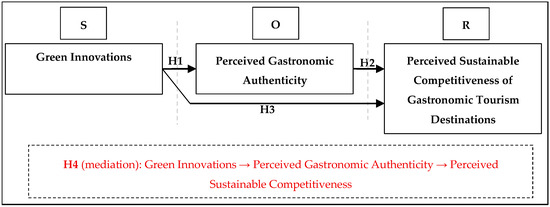
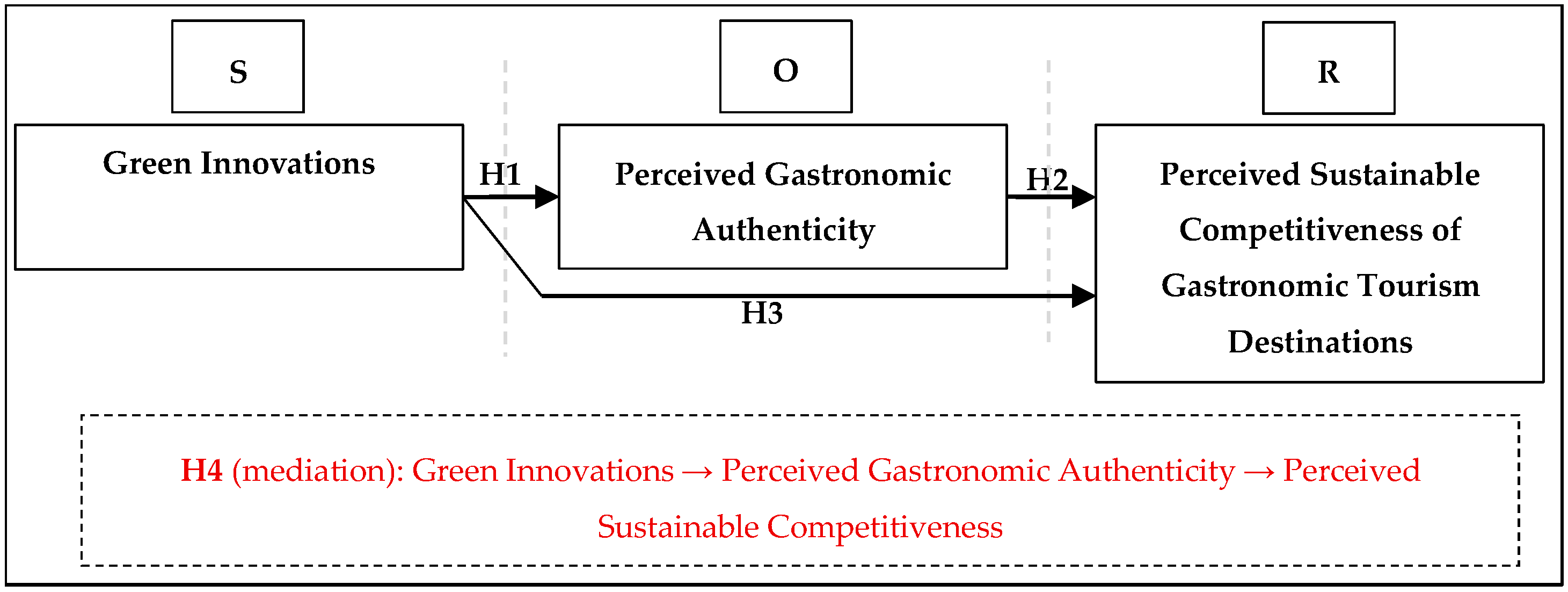
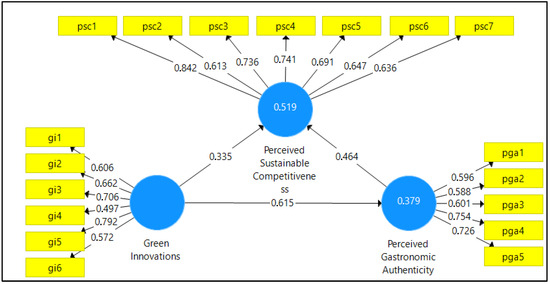
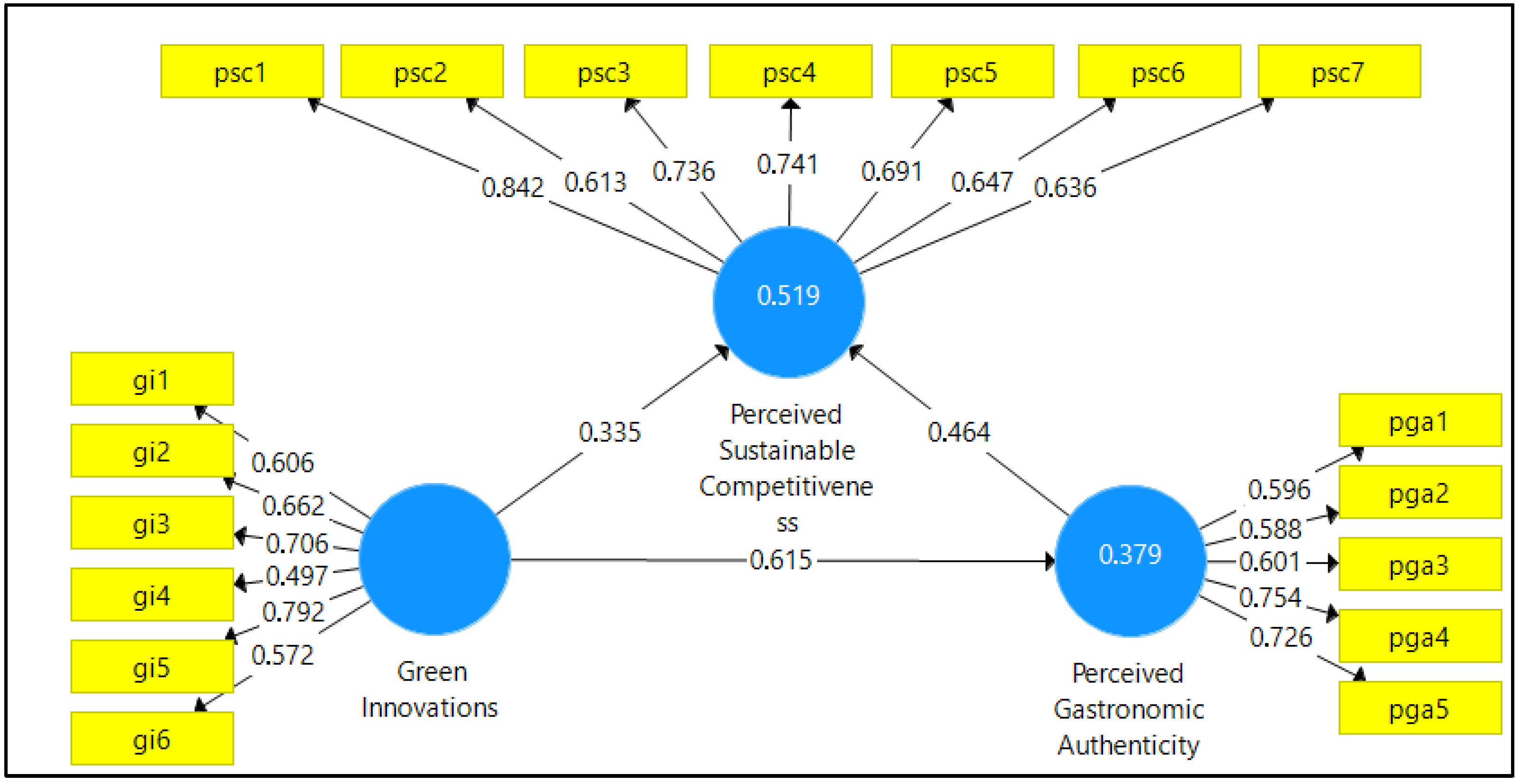

Disclaimer/Publisher’s Note: The statements, opinions and data contained in all publications are solely those of the individual author(s) and contributor(s) and not of MDPI and/or the editor(s). MDPI and/or the editor(s) disclaim responsibility for any injury to people or property resulting from any ideas, methods, instructions or products referred to in the content. |
© 2026 by the authors. Licensee MDPI, Basel, Switzerland. This article is an open access article distributed under the terms and conditions of the Creative Commons Attribution (CC BY) license.