


Abstract
Computational Fluid Dynamics (CFD) is recognized for optimizing transport pathways in membrane-based gas separation systems by visualizing flow behavior, pressure distributions, concentration polarization, and mass transfer. CFD has contributed to the design and improved performance of membranes used in carbon capture, hydrogen purification, natural gas sweetening, biogas upgrading, and oxygen improvement. This review examines recent advances in CFD applications for membrane-based gas separation technologies, including transport equations, numerical modelling strategies, turbulence models, Multiphysics coupling, and membrane module geometries commonly used in CFD, which are hollow fiber, flat-sheet, spiral-wound, and tubular membrane configurations. Recent developments in artificial intelligence-assisted CFD, machine-learning optimization, digital twin concepts, and high-performance computing are discussed to improve predictive capability and computational efficiency. The review also recognizes the current limitations of CFD modelling, including model validation, computational cost, uncertainty quantification, and the representation of complex membrane fouling and aging phenomena. Finally, future research directions are proposed to fill the gap between laboratory-scale simulations and industrial implementation through integrated experimental validation, data-driven modelling, and advanced multiscale simulation frameworks, which provide researchers and engineers with the development of next-generation membrane gas separation systems and highlight future opportunities to acquire energy-efficient, reliable, and sustainable gas separation processes.
1. Introduction
Hydrogen is the most promising material considered a clean energy source for increasing global decarbonization [1,2]. However, hydrogen generated through steam methane reforming, coal gasification, biomass gasification, or water electrolysis generally contains impurities such as carbon dioxide, methane, carbon monoxide, nitrogen, and water vapor. These contaminants reduce process efficiency and limit the direct utilization of hydrogen in proton exchange membrane fuel cells and other high-purity industrial applications. Consequently, efficient gas separation technologies that simultaneously deliver high hydrogen recovery and excellent selectivity have become increasingly important [3,4,5,6].
Similarly, membrane technology has become an attractive alternative for carbon capture because conventional amine absorption systems remain energy-intensive and require significant solvent regeneration. Recent membrane developments have demonstrated substantial potential to reduce operational costs while maintaining competitive separation performance in post- and pre-combustion processes and in natural gas carbon dioxide removal. Significant progress has also been achieved through the development of mixed-matrix membranes, metal–organic framework (MOF) membranes, covalent organic framework (COF) membranes, carbon molecular sieve membranes, and advanced polymeric membranes designed to overcome the permeability–selectivity trade-off commonly observed in conventional membrane materials [2,5,7].
1.1. Progress in Membrane-Based Gas Separation
Over the past forty years, membrane-based gas separation has undergone a tremendous transformation from the polymeric membrane with a specialized gas purification separation system at the laboratory scale to the carefully manufactured platform that can overcome large-scale industrial challenges (Table 1) associated with hydrogen production, carbon capture, natural gas processing, and integration with renewable energy [5,8,9]. Continuous research and development (R&D) in membrane materials, module configuration, manufacturing technologies, and computational modeling techniques has driven the evolution of membrane-based gas separation, thereby enhancing membrane systems to overcome limitations in permeability, selectivity, mechanical strength, and process scalability [6].
Table 1.
Evolution of membrane-based gas separation technology.
Additionally, membrane process optimization can be enhanced by integrating artificial intelligence (AI) and machine learning. The hybrid CFD-AI framework has gained attention in recent literature mainly due to its capability to support model replacement, estimate the reduced-order model (ROM), optimize parameters, and implement a digital twin. This approach enables fast prediction of membrane performance under any operating condition with reduced computational requirements [10]. These evolutions indicate a gradual shift from conventional numerical simulation to an intelligent computational platform that can support autonomous process optimization and real-time industrial decision-making.
In conclusion, the historical evolution of membrane gas separation showed a clear shift from a focused emphasis on materials research to an emphasis on integrated engineering optimization. Although previous research focused more on improving the membrane’s intrinsic performance, the current research emphasized sustainable progress in industrial gas separation. Given the need for integrated optimization of membrane materials, module geometry, operating conditions, and transport phenomena, computational fluid dynamics (CFD) has emerged as the primary technology supporting this transition.
1.2. Research Gap, Scope, and Contributions of This Review
The widespread application of multi-physics modeling in membrane system evaluation remains stagnant. The modern membrane system involves interconnected interactions among fluid flow, species permeability, heat transfer, membrane transport, structural deformation, and chemical reaction in certain applications. However, numerous CFD studies often rely on simplified assumptions, including isothermal conditions, stable flow, ideal-gas behavior, constant physical properties, and a simple membrane transport model. Although this approach reduces the computational burden, its predictive capability may be hampered when applied to transient operating industrial systems or when involving complex coupled phenomena.
The acceleration of ideal membrane design and system optimization has gained attention with the emergence of artificial intelligence (AI), machine learning (ML), digital twins, and ROM. These computational models can capture more complex relationships among operating conditions, module geometries, and membrane separation performance through CFD. For instance, ML and surrogate models can reduce the computational cost of repeated simulations while enabling parametric screening and optimization, yet their reliability remains ambiguous. Moreover, large-scale, computationally demanding CFD simulations can be enabled by high-performance computing. Conversely, digital twins can enable process monitoring, prediction, and decision support by integrating computational models with operational data. However, the integration of this technology is still limited in current review articles. In the previous discussion, the applications of AI and CFD were analyzed separately, without evaluating the hybrid CFD-AI framework for enhancing predictive modeling, quantitative uncertainty quantification, process optimization, and real-time operational control. In line with the implementation of Industrial Technology 4.0 in the chemical processing industry [11], the overall evaluation of CFD-assisted AI is an important research field that has not been systematically synthesized.
The implementation at an industrial level has yet to be explored overall and remains the main challenge in the research. Numerous CFD studies demonstrate excellent agreement with laboratory-scale experiments; however, relatively few investigations address challenges associated with industrial-scale membrane modules. Notably, membrane gas-separation system configurations use various membrane geometric designs and different module configurations, namely, hollow-fiber, flat-sheet, spiral-wound, and tubular, to achieve adequate membrane surface area while controlling flow distribution, pressure drop, and mass transfer resistance (Figure 1). Hollow-fiber configurations are made from bundles of small-diameter hollow membranes, while a tubular configuration uses membrane tubes of greater flow passage. Flat-sheet membranes are planar and are typically manufactured in a plate-and-frame format, and spiral-wound modules are created by winding membrane envelopes and spacers around a central permeate-collection tube [12,13]. These structural differences affect the flow pathways, velocity, gas concentration distribution, pressure drop, concentration polarization, and separation performance [13]. Table 2 summarizes the main structural features and their importance to CFD modeling. Scale-up effects, computational cost, uncertainty propagation, membrane aging, fouling behavior, manufacturing tolerances, and long-term operational stability remain important issues requiring further investigation before CFD can be routinely employed as a predictive industrial design tool [4,13]. Consequently, stronger integration between experimental validation, industrial operating data, and computational modeling is required to improve confidence in large-scale simulations [3].
Figure 1.
Common membrane module configurations: (a) hollow-fiber, (b) flat-sheet, (c) spiral-wound, and (d) tubular for gas separations.
Table 2.
Comparison of common membrane module configurations for gas separation.
In addition, there remains a lack of unified guidance regarding best practices for CFD modeling of membrane gas separation systems. Published studies frequently adopt different computational domains, mesh generation techniques, turbulence models, convergence criteria, boundary conditions, and validation procedures, making direct comparison between investigations difficult [2]. Establishing a clearer understanding of current modeling strategies and their respective advantages and limitations would greatly benefit both new researchers entering the field and experienced engineers seeking appropriate computational approaches for specific membrane applications [14]. While previous literature reviews have provided valuable insights into individual aspects of membrane simulation, this review’s specific contribution lies in its holistic, integrated framework.
In response to these limitations, the present review aims to provide a comprehensive and critically integrated assessment of CFD for membrane-based gas separation systems from an engineering perspective. Unlike previous reviews that primarily focus on membrane materials or individual CFD applications, this review systematically combines developments in membrane engineering, transport phenomena, numerical modeling, module optimization, Multiphysics simulation, artificial intelligence integration, and industrial implementation within a single framework. Table 3 summarizes the comparison between the previous and present reviews of CFD modeling for membrane-based gas separation.
Table 3.
Comparison of previous and present studies of CFD modeling for membrane-based gas separation.
2. Fundamentals of Membrane Gas Separation
Membrane-based gas separation is governed by the selective transport of individual gas species through a semi-permeable material under an imposed chemical potential gradient [15]. In most industrial applications, this driving force is generated by a partial pressure difference between the feed and permeate sides of the membrane [16]. Gas molecules with higher affinity for the membrane material or greater mobility within its structure permeate preferentially, while less permeable components are retained on the feed side. The effectiveness of the separation therefore depends on the interaction between the physicochemical properties of the gas molecules, the structure and chemistry of the membrane, the operating conditions, and the hydrodynamic behavior within the membrane module [17]. Figure 2 illustrates the basic principle of the membrane gas separation mechanism. A clear understanding of these relationships is essential before CFD can be used to predict or optimize membrane performance. At the same time, numerical error estimation is necessary to assess the accuracy of computed flow fields [8,9,18].
Figure 2.
Basic principle of the membrane gas separation mechanisms.
2.1. Fundamental Gas Transport Mechanisms
The solution–diffusion model is the most widely applied description for transport through dense polymeric membranes [4]. According to this model, the gas molecule first sorbs into the membrane at the high-pressure interface, diffuses through the polymer matrix, and then desorbs at the low-pressure interface [2]. The overall permeability of a gas is therefore determined by both its solubility in the membrane and its diffusivity through the membrane structure. This relationship is commonly expressed as
where Pi is the permeability of gas species i, Di is the diffusion coefficient, and Si is the solubility coefficient. The thermodynamic affinity between the penetrant gas and the membrane material mainly influences solubility. At the same time, diffusivity is strongly affected by molecular size, polymer free volume, chain mobility, and membrane morphology [6]. Highly condensable gases, such as carbon dioxide, generally exhibit greater solubility than permanent gases, such as nitrogen or hydrogen. In contrast, smaller molecules often diffuse more rapidly through the available free-volume elements of a polymer [4,19,20].
Pi = DiSi,
For a dense membrane operating under steady-state conditions, the permeation flux of component i can be written as
where Ji represents the molar flux, l is the selective-layer thickness, pi,f is the partial pressure of the component at the feed–membrane interface, and pi,p is its partial pressure at the permeate–membrane interface. The ratio is commonly referred to as membrane permeance. This distinction is important because permeability is an intrinsic material property, whereas permeance depends on both the material and the thickness of the selective layer. Thin-film composite membranes can therefore achieve high permeance even when their intrinsic permeability is moderate, provided that a sufficiently thin and defect-free selective layer can be fabricated [10,21,22].
The ideal selectivity of a membrane for two gases, i and j, is defined as the ratio of their pure-gas permeabilities:
Through the solution–diffusion relationship, this selectivity can also be separated into diffusivity selectivity and solubility selectivity:
Transport through porous membranes differs considerably from transport through dense polymers [10]. When the membrane pore diameter is substantially larger than the mean free path of the gas molecules, collisions between gas molecules dominate and viscous or convective flow may occur [2]. Such transport provides limited molecular selectivity and is generally undesirable in a selective membrane layer [4,22]. When the pore diameter is smaller than the gas mean free path but still larger than the molecular dimensions, collisions between gas molecules and the pore walls dominate [23]. This regime is described by Knudsen diffusion, and the transport rate is inversely proportional to the square root of the gas molecular weight. The corresponding ideal separation factor for components i and j can be approximated as
where Mi and Mj are the respective molecular weights. Knudsen selectivity is generally modest and may be insufficient to separate gases with similar molecular weights. However, it can contribute to hydrogen purification because hydrogen is substantially lighter than many accompanying gases. Table 4 summarizes the major mechanisms involved in gas transportation.
Table 4.
Comparison of major gas transport mechanisms.
2.2. Membrane Materials and Structural Characteristics
Polymeric membranes remain the most widely used class of materials for industrial gas separation because they can be processed into thin, mechanically supported, and high-surface-area configurations [24,25]. Common commercial polymers include cellulose acetate, polysulfone, polyethersulfone, polyimides, polycarbonates, silicone rubber, and polyphenylene oxide [23]. Their gas-transport performance is governed by chain packing, fractional free volume, segmental mobility, intermolecular interactions, and the presence of functional groups that preferentially interact with selected penetrants [8,9,25].
The physical structure of the membrane is as important as its chemical composition [10]. Symmetric dense membranes possess a uniform structure across their thickness but typically exhibit low permeance because the entire membrane contributes to diffusion resistance [4]. Asymmetric membranes consist of a thin selective skin supported by a thicker porous substructure, thereby allowing high permeance and sufficient mechanical strength [26]. Thin-film composite membranes further separate these functions by depositing an ultrathin selective layer onto a porous support made of a different polymer or an inorganic substrate [27]. This design permits independent optimization of selectivity, permeability, mechanical stability, and fabrication cost [21].
The effective resistance of a composite membrane may arise from several layers, including the selective layer, gutter layer, porous support, protective coating, and boundary films on the feed and permeate sides. The total transport resistance can be represented approximately as the sum of the individual resistances. Consequently, reducing the selective-layer thickness does not always increase permeance proportionally because support-layer resistance, pore intrusion, interfacial effects, and concentration polarization may become dominant [28]. CFD models that treat the entire membrane as a single zero-thickness interface may therefore overpredict performance when support resistance is significant [4]. Table 5 provides a detailed comparison of gas separation technologies.
Table 5.
Comparison between conventional gas separation and membrane technology.
2.3. Governing Parameters of Membrane Separation Performance
The main performance indicators for a membrane gas separation process include permeation flux, permeance, selectivity, product purity, recovery, stage cut, membrane area, pressure ratio, and specific energy consumption [5,9]. These parameters are interdependent and should not be interpreted separately. A membrane with high permeance may reduce the required membrane area, but inadequate selectivity can increase the number of stages or the recycle requirement [29]. Conversely, a highly selective membrane with low permeance may achieve the required product purity but require an excessively large module area [2,9].
Stage cut is defined as the ratio of the total permeate flow rate to the feed flow rate:
where ṅp and ṅf represent the permeate and feed molar flow rates, respectively. Stage cut has a strong effect on both purity and recovery. At low stage cut, only a small fraction of the feed permeates, potentially producing a permeate stream highly enriched in the more permeable species [27]. However, the overall recovery of that species may remain low. Increasing the stage cut generally improves recovery but may reduce permeate purity as the feed becomes depleted and the local driving force decreases along the membrane length [28]. An optimum stage cut must therefore be selected according to the product specification and process objective [21].
Recovery describes the fraction of a selected feed component transferred to the desired product stream. For a fast-permeating component collected in the permeate, recovery can be expressed as
where yi,p and yi,f are the mole fractions of component i in the permeate and feed streams, respectively. High purity and high recovery are usually competing objectives [29]. Increasing recovery requires greater membrane area or higher stage cut, but these conditions may allow increasing quantities of the less permeable species to enter the product stream [28,30,31]. Multistage membrane arrangements, recycle streams, and intermediate compression are therefore frequently required when both high purity and high recovery must be achieved [30]. Table 6 summarizes the major factors that influenced the performance of membrane gas separation.
Table 6.
Major factors influencing membrane gas separation performance.
2.4. Equations for Membrane CFD
CFD modelling of membrane gas separation is based on the numerical solution of conservation equations describing mass, momentum, species, and, where necessary, energy transport [4,27,28]. For a compressible multicomponent gas mixture, the general continuity equation is expressed as
where p is the fluid density, u is the velocity vector, and Sm represents a mass source or sink. Within the bulk gas domain, Sm is commonly zero. At the membrane boundary or within a porous membrane domain, the source term may account for mass transferred from one side of the membrane to the other [27].
Momentum transport is described through the Navier–Stokes equations:
where p is pressure, τ is the viscous stress tensor, g is gravitational acceleration, and Su represents additional momentum sources. For various membrane gas-separation modules, gravitational effects are negligible compared with pressure-driven flow. Momentum source terms may nevertheless be required when porous zones, spacer resistance, or simplified fiber-bundle models are employed [27,32].
Species conservation for component i can be expressed as
where Yi is the mass fraction of component i, Ji is its diffusive flux, Ri represents production or consumption through chemical reaction, and Si accounts for additional species sources or sinks such as membrane permeation. The diffusive flux may be described using Fick’s law for simplified mixtures or through Maxwell–Stefan formulations for multicomponent systems [27,28].
Fickian diffusion is commonly adopted because of its relative simplicity. For a binary or dilute system, the diffusive flux may be represented as
where Di,m is an effective diffusion coefficient. This formulation may provide adequate results for mixtures with weak coupling between species. However, it does not fully represent cross-diffusion, pressure diffusion, or competitive transport in complex mixtures. Industrial gas streams containing several components may require the Maxwell–Stefan equations, which describe frictional interactions among all species and provide a more rigorous representation of multicomponent diffusion [14,16].
Ji = −pDi,m∇Yi,
The energy equation becomes important when temperature variations affect gas properties, membrane permeability, reaction kinetics, or separation performance. It may be written in terms of total energy as
where E is total energy, keff is effective thermal conductivity, T is temperature, hi is the species enthalpy, and SE represents volumetric energy sources. Isothermal assumptions are common in small laboratory modules, but they may be inadequate for high-pressure expansion, membrane reactors, strongly sorbing systems, or large industrial modules [27].
The membrane itself can be represented in CFD using several approaches. The simplest method treats the membrane as a zero-thickness interface with prescribed species fluxes calculated from local partial pressure differences. This approach substantially reduces mesh requirements and is suitable when the membrane thickness is negligible compared with the fluid domain dimensions. A more detailed approach represents the membrane as a finite-thickness solid or porous region in which diffusion equations are solved directly. The latter method can account for concentration variation within the membrane, support resistance, sorption, reaction, and anisotropic transport, but it requires additional physical parameters and greater computational cost [33].
For a zero-thickness membrane boundary, the molar flux Ni may be calculated as
where Qi is membrane permeance, while pi,f,m and pi,p,m are the local partial pressures immediately adjacent to the feed and permeate surfaces. Using local interface values is essential because bulk inlet compositions do not account for concentration polarization or longitudinal depletion. The corresponding mass removed from the feed domain must be introduced into the permeate domain to preserve global mass conservation.
Ni = Qi(pi,f,m − pi,p,m),
The membrane boundary condition must also account for momentum behavior. Gas crossing a dense selective layer does not generally retain the same tangential and normal momentum as the feed-side stream. In many CFD models, the membrane is treated as an impermeable wall for momentum with an independently prescribed species mass flux. Other approaches introduce a small normal velocity associated with permeation. The appropriate formulation depends on the magnitude of the permeate flow, the membrane geometry, and the software implementation. Regardless of the method adopted, the total component mass leaving one domain must equal the mass entering the corresponding domain unless accumulation or reaction occurs within the membrane [27]. Table 7 summarizes the equations used in CFD simulations of membrane gas separation.
Table 7.
Governing equations commonly implemented in CFD simulation of membrane gas separation.
2.5. Implications for Computational Modeling
The fundamental relationships described in this section demonstrate that membrane gas separation cannot be predicted accurately using intrinsic permeability and selectivity alone [34]. Material transport, module hydrodynamics, multicomponent diffusion, pressure variation, concentration polarization, thermal effects, and non-ideal membrane behavior are strongly interconnected [28]. A change in feed velocity may reduce concentration polarization but increase pressure loss. Increasing feed pressure may enhance the driving force but induce plasticization. Reducing membrane thickness may increase permeance while accelerating aging and increasing defect sensitivity. Increasing fiber packing density may provide more membrane area but worsen flow maldistribution and boundary-layer resistance [28,29].
CFD is particularly valuable because it resolves the spatial variations that arise from these coupled effects. Instead of assuming uniform pressure, composition, velocity, and membrane flux, CFD calculates local fields throughout the module. The resulting information can reveal underutilized membrane regions, recirculation zones, excessive lumen pressure loss, uneven fiber loading, and spatially varying concentration polarization [19]. Thus, the module geometry, operating conditions, and membrane arrangement can be determined through the obtained predictions [28].
Nonetheless, the CFD simulation is highly dependent on the quality of the membrane module. A highly refined mesh computation cannot reduce errors arising from inaccurate permeability data, inappropriate diffusion equations, boundary conditions that do not reflect actual conditions, or neglect of the pressure-driven transport mechanism. A simple isothermal binary model is suitable for early laboratory-scale evaluation. In contrast, industrial applications involving the removal of acidic gases from natural gas and the purification of hydrogen require an overall approach. That approach must account for non-ideal thermodynamics, multicomponent diffusion, pressure-driven permeability, heat transfer, and realistic module geometry [35].
The fundamental explanation of CFD in this section reflects the physical basis for the Section 3. The conservation equation describes transport mechanisms within fluid domains, whereas constitutive membrane relationships govern the transfer of each species across the selective layer. The exact combination of the two components is important for ensuring that the conservation of mass is obeyed and that separation performance is well predicted. Thus, for every modeling decision, including geometry manufacturing, mesh resolution and generation, boundary condition determination, solver choice, turbulent flow modeling, and framework confirmation, it must be consistent with the membrane physics and operating conditions of the testing systems. Table 8 compares the transport models in membrane CFD.
Table 8.
Comparison of transport models implemented in membrane CFD simulations, including their governing driving forces, suitable membrane types, advantages, limitations, and typical applications.
3. Computational Fluid Dynamics (CFD) Methodology for Membrane Gas Separation
CFD is widely used to investigate the transport behavior of membrane-based gas separation systems because it provides detailed information on fluid flow, pressure distribution, species concentration, temperature variation, and local membrane permeation. Unlike simplified analytical models, CFD can resolve spatial variations in complex membrane modules and therefore identify hydrodynamic limitations that may not be evident from overall inlet and outlet measurements. The reliability of a CFD model, however, depends strongly on the representation of the geometry, the governing equations, the numerical mesh, the boundary conditions, the membrane transport formulation, the solution procedure, and the validation strategy. Each of these modelling decisions must be consistent with the physical characteristics of the membrane system and the intended purpose of the simulation (Table 9) [28,34].
Table 9.
Comparison of computational domains used in membrane CFD studies.
3.1. Development of Computational Geometry
The geometric representation of a membrane module is one of the most influential aspects of CFD modeling. The geometry determines the available flow area, membrane surface area, hydraulic diameter, fibre spacing, channel dimensions, and the location of potential recirculation or stagnant regions [21]. In laboratory-scale models, the geometry can often be reproduced directly from the dimensions of the experimental cell. Industrial modules are more difficult to represent because they may contain thousands of fibres, complex manifolds, irregular packing, potting regions, spacers, and narrow flow pathways [28].
Recent developments in X-ray computed tomography and three-dimensional image reconstruction have enabled CFD models to be constructed from actual membrane module geometries. These image-based models demonstrate the actual properties of the structure, including non-uniform fibre dispersion, local voids, geometry changes, and manufacturing defects, which are commonly neglected in idealized domains. However, this approach requires significant computational effort for image processing, high-quality mesh generation, and solving a complex flow domain. Nevertheless, image-based modeling is an important approach for evaluating the accuracy of predictions of ideal geometry, while simultaneously producing CFD predictions at a realistic module scale [30].
The choice of computational domains needs to be carefully made based on the purpose of the study. A small input domain is adequate to investigate the local mass transfer around the fibre or spacers. Conversely, a complete model is necessary to analyze the manifold design, inlet distribution, and overall pressure loss [36]. If the objective is to determine the intrinsic influence of fibre spacing, a periodic unit cell may be appropriate. If the objective is to predict industrial module utilization, a larger domain containing the inlet, outlet, and bundle structure is necessary [28].
3.2. Mesh Generation and Grid Independence
After the geometry has been created, the computational domain is divided into a finite number of control volumes or elements. This process is known as mesh generation. The numerical mesh controls how accurately the governing equations can resolve changes in velocity, pressure, concentration, and temperature [37]. An insufficiently refined mesh may smooth steep gradients, underestimate concentration polarization, and produce inaccurate predictions of membrane flux. An excessively refined mesh may increase computational cost without providing a meaningful improvement in accuracy [34].
Mesh refinement is particularly important near the membrane surface because steep concentration and velocity gradients may develop within the boundary layer [38]. Inflation layers or prism layers are therefore commonly introduced adjacent to the membrane. These layers should be sufficiently thin to resolve the concentration profile without producing highly distorted elements. The total number of layers, first-layer thickness, growth rate, and overall boundary-layer thickness should be selected according to the expected flow regime and mass-transfer behavior.
Formal approaches such as the Grid Convergence Index can be used to quantify discretization uncertainty. Compared to the visualization assessment, this method offered a more intensive approach through comparable, systematically refined meshes and numerical grid prediction error. However, this method required an in-depth control of the refinement ratio and consistent numerical settings. The use of quantitative grid-convergence methods is particularly valuable when CFD predictions are intended for industrial design or model validation [30].
3.3. Physical Properties and Material Data
Accurate physical property data are required to solve the governing equations and to calculate membrane transport [4]. The necessary properties may include density, viscosity, molecular diffusivity, thermal conductivity, heat capacity, gas compressibility, sorption coefficients, permeability, and selectivity. These properties may vary with pressure, temperature, and composition. Assuming constant values may be acceptable over a narrow operating range, but it can introduce substantial errors in high-pressure or strongly non-isothermal systems [27].
Gas density may be calculated using the ideal-gas equation when the operating pressure is moderate, and the mixture behaves approximately ideally. At high pressures, particularly in natural gas and carbon dioxide applications, real-gas equations of state may be required. Models such as the Peng–Robinson or Soave–Redlich–Kwong models can provide more realistic relationships among pressure, temperature, density, and composition. To ensure accuracy, the appropriate thermodynamic model must reflect the system’s composition and operating range [39].
Viscosity affects momentum transport and pressure loss within the module. It may be specified as a constant, calculated using temperature-dependent correlations, or obtained from mixture-property models. Molecular diffusion coefficients determine the rate at which species move relative to the bulk flow. Binary diffusion coefficients may be estimated using kinetic-theory correlations, while multicomponent systems may require a complete diffusion matrix. Because diffusion coefficients vary with temperature and pressure, correlations developed under atmospheric conditions may not remain accurate at industrial operating pressures [39].
Membrane permeability and permeance are among the most critical model inputs [40]. These values should ideally be obtained under conditions similar to those simulated. Pure-gas data measured at low pressure may not represent mixed-gas transport at high pressure. The use of experimental permeance rather than intrinsic permeability may be more appropriate when the actual selective-layer thickness is uncertain or when the membrane includes several layers. Pressure-dependent and composition-dependent correlations should be used when plasticization, competitive sorption, or saturation effects are significant [29].
Units of membrane transport parameters must be handled carefully because permeability and permeance are reported in several unit systems. Permeability is often reported in Barrer, while permeance may be expressed in gas permeation units (GPU) [41,42]. These quantities must be converted consistently into the units used by the CFD solver. Confusion between permeability and permeance can lead to errors of several orders of magnitude, particularly when membrane thickness is not accounted for correctly [21].
3.4. Boundary and Initial Conditions
The membrane boundary condition links the feed and permeate domains. For each gas species, the flux is calculated from the local partial pressure difference and the membrane permeance. The resulting mass is removed from the feed side and added to the permeate side. This transfer must be implemented in a manner that preserves component and total mass conservation. In commercial CFD software, the membrane may be represented using user-defined functions, source terms, species-jump conditions, porous zones, or customized interface models [33].
The sign convention used for membrane flux must remain consistent throughout the model. A positive flux leaving the feed domain should correspond to an equal positive source entering the permeate domain. If the pressure or composition reverses locally, the formulation should either allow reverse permeation or prevent it, depending on the physical system. Artificially fixing the direction of flux may conceal unexpected operating behavior and violate thermodynamic consistency [4].
Initial conditions are required for transient simulations and may also influence convergence in steady-state calculations. The domain can be initialized using the inlet pressure, temperature, and composition, or by using a previously converged solution. For strongly coupled membrane systems, gradual activation of permeation or staged increases in pressure may improve numerical stability. Poor initialization can cause large temporary source terms and prevent the solution from converging [39].
3.5. Flow-Regime and Turbulence Modelling
The selection of a laminar or turbulent flow model depends on the Reynolds number, geometry, and local flow behavior. Basically, membrane gas-separation modules operate at relatively low Reynolds numbers, particularly within narrow hollow-fibre lumens. Under these conditions, a laminar model may be appropriate. However, complex geometries such as spacer-filled channels, shell-side fibre bundles, distributors, and sudden expansions may produce local vortices and unsteady flow even when the bulk Reynolds number is moderate [27].
The Reynolds number can be expressed as
where Dh is the hydraulic diameter, and µ is the dynamic viscosity. For non-circular channels, the hydraulic diameter is commonly calculated from the flow area and wetted perimeter. The Reynolds number provides a general indication of the flow regime, but critical values developed for smooth circular pipes may not apply directly to spacer-filled channels or irregular fibre bundles [40].
The ability of the laminar flow model to solve the conservation equations without turbulence makes it numerically efficient and accurate for fully developed flow in small channels. Even so, using this model on geometries with strong instability or mixing is prone to errors in momentum and mass-transfer rates. To overcome this limitation, the analysis based on the laminar model needs to be supported by Reynolds number estimation, experimental data, and sensitivity analysis [40].
The Reynolds-Averaged Navier–Stokes (RANS) model is commonly used for turbulent and transient flows [43]. The standard k-ε model is commonly used in industrial applications; however, their efficiency is limited by strong separation regions, curvature, and near-wall impacts [33]. The prediction of circulating or strained flow can be improved by k-ε variants such as the realizable and renormalization-group variants. Moreover, another variant, the shear-stress-transport (SST) model, often provides better near-wall performance and is frequently used for complex channel flows [35].
The choice of turbulence model affects not only the velocity field but also species mixing and concentration polarization. Turbulent mass transport is often represented using a turbulent Schmidt number, which relates momentum and species diffusivity. Assuming a constant turbulent Schmidt number may introduce uncertainty because its appropriate value depends on the flow and geometry. Sensitivity analysis may therefore be required when turbulent mixing strongly influences membrane flux [44].
Additionally, the detailed structure of unsteady flow can be captured by large-eddy and direct numerical simulations rather than relying solely on Reynolds-averaged models. Large-eddy simulation resolves the larger turbulent motions while modelling smaller scales, whereas direct numerical simulation resolves the complete range of turbulent scales. These approaches can provide valuable insight into spacer-induced mixing, transient vortices, and mass-transfer enhancement. Their computational cost, however, is much greater, which currently limits their application to small representative geometries rather than full industrial membrane modules [45].
Moreover, for the flow that lies between fully laminar and fully turbulent regimes, the transition models are necessary. Theoretically, intermittent turbulence may be triggered by local acceleration and geometric disturbances at membrane channels. The mixing prediction is more susceptible to increases with the fully turbulent model and to decreases with the laminar model. These findings underscore the importance of experimental validation, especially since flow transition is greatly influenced by surface roughness, inlet disturbance, and geometric properties [40,44].
3.6. Non-Ideal Phenomena
The conventional transport equations are adequate tools for starting computational fluid dynamics (CFD) modeling of membrane-based gas separation, but the validity of the underlying physical assumptions is crucial to the accuracy of the predictions. If the pressure is high enough, the thermodynamic driving force for permeation can be altered by deviations from ideal gas behavior. Thus, fugacity differences at non-ideal conditions might be more suitable for describing transport in gas mixtures than partial-pressure differences. The significance of these effects depends on the gas composition, pressure, temperature, and the thermodynamic properties of the system [4,12].
Other non-ideal effects may occur in polymeric membranes due to concentration polarization, pressure dependence of membrane permeability, competitive sorption, and plasticization. Concentration polarization creates local concentration changes near the membrane surface that may reduce the driving force for permeation. Separation models that ignore this effect may overestimate separation performance if the external mass-transfer resistance becomes substantial [46]. Competitive sorption and gas-induced plasticization may additionally affect the permeability and mixed-gas selectivity of glassy polymer membranes. Hence, the assumption of constant permeability, or the independent transport of each gas species, may be inadequate for systems where such effects are important [47].
The coupling between fluid flow and membrane transport can be further complicated due to temperature differences and pressure variations. Changes in gas temperature can affect its permeability and diffusivity, and pressure drops in the feed and permeate channels can alter the driving force for permeation. In addition, temperature variations due to pressure changes could be considered if the gas composition or operating conditions change. The effects should be examined based on the type of membrane material, operating range, and physical parameters of the separation process [4,12].
Strategies to account for non-ideal effects include: real-gas equations of state, energy conservation, composition- and pressure-dependent transport properties, or coupled mass- and heat-transfer formulations, from a CFD point of view. The more sophisticated models, however, involve additional material parameters and independent tests to ensure their predictive success. Therefore, a trade-off among computational costs, model parameter availability, validation requirements, and physical detail must be considered when selecting a model. It is important to explicitly state the assumptions and limitations of each formulation to evaluate its appropriateness for predicting the membrane’s performance under realistic conditions [4,12,46,47]. Table 10 summarizes the main non-ideal effects, the possible consequences for the membrane’s predicted performance, and the corresponding modeling approaches, where applicable.
Table 10.
Non-ideal effects and implications for CFD modeling of membrane gas separation.
4. CFD-Based Membrane Gas Separation: Challenges and Limitations
Carbon capture from gas chimneys and industrial emissions is among the earliest and most abundant sources studied using CFD. In this context, the membrane technology for post-combustion carbon dioxide (CO2) capture has gained worldwide attention due to its simple configuration and low energy utilization compared to conventional amine absorption [49]. However, the performance of this system is highly governed by the local hydrodynamic module, such that the continuous penetration of carbon dioxide along the membrane surface triggers concentration polarization, eventually depleting the local driving force and membrane productivity [50,51]. The CFD findings showed that these phenomena become more pronounced at high penetration rates or low feeding rates, especially when bulk-flow absorption cannot optimally improve boundary-layer concentration [52,53]. Although methods such as increasing the feed velocity or applying spacer structures have proven effective in stimulating mixing, reducing boundary layers, and boosting carbon dioxide flux, these enhancements increase pressure loss [54,55].
CFD modeling plays a crucial role in enhancing the membrane reactor integrated system, involving a simultaneous chemical reaction and membrane separation. In a hydrogen production reactor, continuous hydrogen removal, based on Le Chatelier’s principle, has shifted the chemical equilibrium toward higher conversion. This phenomenon created a closed interaction among various physicochemical processes, including fluid flow, kinetic reactions, heat transfer, porous-medium transport, and membrane penetration. The CFD simulation demonstrates that local hydrogen removal affects the reaction rate profile and temperature distribution throughout the reactor systems [56]. Moreover, the membrane placement, catalyst distribution, and heating configuration also have significant effects on overall reactor performance [57]. Thus, it can be concluded that the complex interactions within membrane reactors cannot be captured by a simplified one-dimensional model alone.
Recently, the focus has shifted to optimizing hollow fiber membrane modules using CFD techniques. Notably, the hollow fiber membranes are gaining attention for industrial gas separation due to their extremely large surface areas within compact volumes. Moreover, hydrodynamic performance is strongly influenced by fiber diameter, packing density, bulk arrangement, inlet configuration, and module aspect ratio. According to the CFD simulations, excessive packing density increases pressure loss and creates stagnant flow regions, thereby reducing the membrane area and productivity [58]. Similarly, Ghidossi et al. [59] elucidate that the hydrodynamic performance can be enhanced by optimizing both fiber spacing and membrane surface area.
Nevertheless, there are significant differences among the CFD studies in terms of geometry type, governing equations, membrane boundary treatment, and validation. These differences make direct comparisons of their predictive capabilities and the effects they observe of operating conditions on membrane performance difficult. Hence, it is essential to conduct a systematic comparison of the main CFD studies to determine the modeling methods used to describe membrane permeation, concentration polarization, flow resistance, and mass transfer. For instance, recent studies have shown that the geometry of membrane modules and the modeling of mass-transfer resistance can significantly affect predictions of separation performance. Yao et al. [60] constructed a 3D dual-porous-media model for hollow fiber modules and showed that the differences between the model and the experiments were less than 7% in their validation experiments. Ferro and Carmo [61], however, examined dense hollow-fiber membranes at the fiber level, taking into account the geometric parameters, flow configuration, and membrane material. The two studies on complementary modeling objectives are concerned with the transport behavior around individual fibers, and on the other hand with the computationally efficient prediction of the module scale. It is important, therefore, that their results are compared based on the model’s purpose, geometry, boundary treatment, validation procedure, and computational requirements, rather than assuming that one approach is universally superior.
The other important difference is the treatment of concentration polarization. Abdul Majid et al. [46] showed that neglecting the effects of concentration polarization can lead to overestimation of the separation performance of high-performance membranes when using conventional 1D models. The effects of pressure drop, external concentration polarization, and lumen resistance on CO2/CH4 separation using highly permeable hollow-fiber zeolite membranes have also been investigated, as reported in subsequent work [62]. These results demonstrate that membrane performance cannot always be reliably predicted from intrinsic membrane properties alone. The transport resistances in each model, as well as the validation conditions, should therefore be taken into account when making quantitative comparisons, along with the overall effects of permeation, mass transfer, and pressure drop. Selected studies are summarized in Table 11 to describe differences in approaches and areas for further research across studies and to understand the specific quantitative results achieved.
Table 11.
Representative CFD simulation studies for membrane gas separations.
Table 11 shows that selecting appropriate CFD models for various membrane configurations and transport mechanisms is crucial. The spacer-filled channels showed potential for better mixing, reduced concentration polarization, and improved mass transfer, but at the expense of increased pressure drop. Conversely, the hollow-fibre module simulations provide information on flow distribution, pressure losses, and mass-transfer differences related to fibre arrangement and packing density. The studies also show that the treatment of membrane boundaries plays an important role in modeling, and that predicted permeation depends on the coupling among local gas composition, pressure, and the local transport properties of the membranes. However, geometry, operating conditions, the definition of Reynolds number, and validation metrics make quantitative comparisons difficult. To achieve more consistent reporting of membrane boundary conditions, mesh independence, and experimental validation errors, and to propose performance indicators, CFD-based membrane design could be improved to make it more reproducible and reliable.
4.1. Membrane-Boundary Representation and Mass Conservation
Notably, in CFD modeling of membrane-based gas separation, the membrane is an important means of distinguishing between the zero-thickness flux boundary condition and the finite-thickness membrane-domain formulation [4]. The zero-thickness flux boundary representation assumes that the membrane is modeled as a boundary between the feed and permeate space. The permeation of species is prescribed by using the flux relation between the property of the membrane and the driving force (e.g., partial-pressure difference). This approach will reduce the number of computations required, since the interior of the membrane need not be explicitly meshed. It does not, however, eliminate concentration gradients or species transport in the membrane material.
A finite-thickness membrane-domain formulation treats the membrane as a solid or porous domain having a given thickness and transport characteristics. Species transport is solved by solving the constitutive equations that are appropriate based on the membrane material and separation mechanism. This can be done using a solution–diffusion formulation for dense polymeric membranes, or using an appropriate pore-transport model for porous membranes. This can provide information on internal transport, but it requires additional material parameters and computational resources. These formulations vary in the amount of momentum. Dense polymeric membranes usually allow the transfer of species but not of bulk fluid. Depending on the structure of porous membranes and the assumptions made, the porous-medium momentum model is needed. For zero-thickness boundaries, the membrane interface is treated using suitable fluid-side momentum conditions and the specified permeation flux.
In both approaches, the conservation of mass must be preserved throughout. Species flux from the feed domain must equal the flux from the permeate domain, accounting for domain orientation and any accumulation/reaction at the interface. Integrated species transfer across the membrane should be equal on both sides of the membrane in a nonreactive system at steady state, whether from feed to permeate or from permeate to feed. For finite-thickness formulations, in addition to the species conservation in the bulk, the species conservation at each interface and within the membrane domain must also be satisfied. These differences are significant when considering published CFD studies evaluating transport processes that are explicitly solved and those that are solved as boundary conditions or source terms. Thus, comparisons of studies should be made not only on the basis of the geometry and the governing equations, but also on the basis of interfacial coupling, the formulation of the species-transfer equation, the treatment of momentum, and mass conservation [4,60,68].
Other than that, CFD-coupling optimization algorithms could replace the expensive, complex three-dimensional geometry trial-and-error simulations used in traditional membrane optimization techniques. Consequently, researchers increasingly combine CFD with genetic algorithms, response surface methodology, particle swarm optimization, and surrogate modeling techniques to accelerate design optimization [69,70]. These approaches allow simultaneous optimization of multiple objectives, including membrane area, pressure drop, purity, recovery, and energy consumption.
Machine learning has recently emerged as a complementary technique to CFD rather than a replacement. High-fidelity CFD simulations generate large datasets describing local pressure, concentration, velocity, and membrane flux under various operating conditions. Using these datasets, the ML algorithm can be trained to rapidly predict membrane performance. This method overcomes the repeated solution of the conservation equations, as Raissi et al. [71] introduced a physics-informed neural network that embeds the conservation equations directly into the learning process. This method ensures that the permanent replacement model remains consistent with physics while reducing computational time.
4.2. Machine Learning and Digital-Twin Integrated CFD
As aforementioned, integrating CFD with ML offers opportunities to improve computational efficiency in modeling gas-separation membranes [72]. CFD models can provide detailed flow distribution, concentration polarization, pressure drop, and local mass-transfer information, while ML and surrogate models can approximate the relationship among operating conditions, module geometry, and separation performance [72,73]. These models can be used for fast parametric screening/optimization, but only within validated ranges of conditions. Thus, further evaluation is needed regarding test data and performance metrics. For instance, Thajudeen et al. [74] combined CFD with ML to model mass transfer in a hollow fiber membrane contactor for water treatment. They had over 25,000 spatial data points in their dataset, and the coefficient of determination for their test data, R2, was 0.98637. Hyperparameter tuning was performed using Harris Hawks Optimization. The results presented in this study show that using datasets generated by CFD simulations and machine-learning surrogates can replicate spatial transport predictions. The investigation was, however, conducted in the liquid phase, and the results should therefore be considered methodological evidence rather than direct evidence for the membrane gas-separation modules.
At the membrane material level, ML has also been used to predict gas permeability and selectivity and to accelerate the evaluation of potential materials for separation. Abdollahi et al. [75] conducted a systematic review of ML applications in membrane-based gas separation, which identified the use of artificial neural networks, random forests, and Gaussian process regression. Likewise, Ochiai et al. [76] predicted gas permeability, selectivity, and biodegradability of sustainable polymer membranes using ML. Their computation-based screening considered 3219 polymer candidates and identified ~500 predicted “high performance” candidates relative to relevant Robeson upper bounds. The results show the power of data-driven approaches to narrow down the candidate materials search space. However, material-property prediction is not the same as module-level CFD modeling since it does not address the flow maldistribution, concentration polarization, or local pressure and concentration fields.
In module-scale applications, one potential solution is to create training data sets that vary across the domain using validated CFD simulations, followed by the creation of ML surrogate models to rapidly predict performance. Such surrogates can be used in conjunction with optimization algorithms to test various geometries and operating conditions without having to solve the complete set of governing equations multiple times. The possible optimization targets are to maximize product purity and component recovery, and to minimize pressure drop, energy consumption, and membrane area. Multi-objective optimization is especially relevant because increased mass transfer may be correlated with increased flow resistance. The designs, however, should be validated against independent CFD simulations or experimental data to assess predictive accuracy and ensure that the selected operating conditions fall within the validated range [73].
Conversely, although digital twins provide monitoring, prediction, and decision support through CFD integration, their utilization is broader in the chemical process industry than in membrane gas separation systems [77]. A digital twin, unlike an offline ML predictor, must be connected to the real system, continuously updated to represent its current state, and have a clear process for assisting operations. Digital shadows can provide data-driven updates to a virtual representation, while more sophisticated digital twin implementations can include predictive models, monitoring, and control functions. Ghasemzadeh et al. [78] reviewed membrane models, digital shadows, and digital twins across hybrid models and concluded that these models have potential applications for process monitoring, prediction, and optimization. However, this does not mean that the widespread use of membrane gas separation in industry is proven, since it does not mean that the process is used in other conceptual frameworks or applications. Thus, reliable process data, a well-validated model, and a mechanism to update the model when operating conditions change are necessary.
In summary, AI-powered CFD, ML-based optimization, high-performance computing (HPC), and digital twins offer complementary capabilities that enhance the efficiency and relevance of membrane gas-separation modeling. They could be integrated to improve the speed of design space exploration, process monitoring, and operational decisions. However, further development requires reliable training data, physically consistent models, independent validation, and clear reporting of computational performance. More specifically, before demonstrating their industrial viability, membrane-specific digital twin implementations must be validated under realistic operating conditions. Nevertheless, accurately simulating non-ideal cases remains difficult. The limitations are the uncertainty in pressure- and composition-dependent transport properties, the lack of experimental control over the temperature and concentration fields in the region of interest, and the computational cost of coupled transport models. In addition, variations in membrane representations and assumptions across the published studies hinder direct comparison of results. More work is needed to systematically test non-ideal transport formulations, to provide a consistent report of modeling assumptions and sources of parameters, and to assess model performance under a variety of operating conditions. These enhancements would increase the predictive power of CFD and aid in the design and optimization of membrane modules. Table 12 summarizes other challenges involved in CFD-based membrane gas separation.
Table 12.
Major challenges and potential research directions.
5. Future Perspectives and Research Opportunities
Computational Fluid Dynamics (CFD) has evolved from a specialized numerical analysis tool into a multidisciplinary engineering platform that supports membrane material development, module optimization, process intensification, and industrial operations. Over the past two decades, substantial improvements in computational algorithms, numerical methods, and computing power have enabled increasingly realistic simulations of membrane-based gas separation systems. However, further advances will rely on improvements in computational efficiency and the incorporation of new digital technologies, membrane materials, experimental diagnostics, and intelligent process control. Computational frameworks that simultaneously consider molecular-scale transport, module-scale hydrodynamics, and plant-scale process optimization are thus expected to play a more prominent role in the next generation of membrane engineering, enabling the efficient commercial deployment of high-performance membrane systems. A potentially very interesting research pathway is the modeling of truly multiscale simulation frameworks. Current CFD models primarily simulate transport phenomena within membrane modules, while the molecular interactions underlying gas sorption, diffusion, and permeation are either derived from experimental data or approximated using empirical relationships. The many molecular-level phenomena, such as polymer chain mobility, free-volume evolution, competitive sorption, and gas–membrane interactions, are therefore not explicitly included in engineering-scale simulations. These should then be incorporated into future modeling frameworks that can provide direct connections among membrane chemistry, structure, and performance by integrating molecular dynamics, Monte Carlo, DFT, and CFD. These multiscale approaches would substantially reduce reliance on empirical transport parameters and increase CFD’s predictive power for new membrane materials. While there are still challenges to be addressed, the prospects for CFD in membrane-based gas separation are very promising. Overall, these developments in multiscale modeling, adaptive modeling of transport properties, physics-informed AI, digital twins, additive manufacturing, high-performance computing, and advanced experimental diagnostics provide a clear path forward to more reliable, industrially relevant simulations. As these technologies evolve and become more closely linked, CFD will transition from a numerical design tool to a full digital engineering platform that can be used across the entire continuum of membrane technology development, from the discovery of molecular materials to full-scale industrial operation. This will be critical to bringing these membrane-based gas separation technologies closer to meeting future challenges in energy security, hydrogen production, carbon management, and global climate change.
6. Conclusions
In membrane gas separation, computational fluid dynamics (CFD) can be a useful tool for studying fluid flow, species transport, and membrane permeation. This review shows that the predictive capability of CFD depends not only on the numerical methods and mesh resolution, but also on the computational geometry, the governing equations, the membrane transport formulations, the physical properties, and the boundary conditions used. Simplified computational domains can reduce computational costs and enable parametric studies, but they may not represent three-dimensional flow distribution, fiber interactions, and scale pressure losses in the module. Likewise, predictions can be inaccurate even under ideal transport conditions when non-ideal effects such as concentration polarization, competitive sorption, and pressure- or composition-dependent permeability become important.
Further consideration of representative CFD studies reinforces the need for membrane-boundary treatments to be consistent with the physical system and modeling goals. When permeation in the membrane is of interest, and when suitable material properties and equations are available, finite-thickness membrane formulations can be employed, which can yield computational results more efficiently than zero-thickness flux boundary conditions. Both, however, do not provide reliable predictions unless proper parameterization and validation are used. While grid independence and numerical convergence are important, they are not sufficient in themselves to replace experimental verification; in some studies, the convergence and/or independence of the grid, as well as the errors of validation and the modeling assumptions, are not reported, making it difficult to compare the published results directly.
Future work should focus on systematic comparison of modeling approaches, improved representation of non-ideal transport phenomena, and local- and module-scale validation with experimental data. Better uncertainty quantification and clear reporting of boundary conditions, membrane properties, and numerical settings could also help to enhance reproducibility and confidence in the model predictions. The use of machine learning and high-performance computing could help accelerate simulation, parameter estimation, and optimization, and digital twins could be a future path for combining CFD with operational data and process monitoring. But for membrane gas separation to be of practical use, models that are very strong in their physical description and the data obtained from them must be reliable and independently validated. Therefore, closer interactions among computational researchers, experimental scientists, membrane developers, and industrial practitioners will be necessary to translate CFD-based understanding into reliable, energy-efficient membrane separation systems.
Author Contributions
Conceptualization, M.N.A.Z. and N.S.; writing—original draft preparation, M.N.A.Z., A.J. and N.A.S.; writing—review and editing, N.S. and H.J.; data curation, N.S. and H.J.; methodology, N.S. and H.J.; supervision, N.S. and H.J. All authors have read and agreed to the published version of the manuscript.
Funding
This research received no external funding.
Institutional Review Board Statement
Not applicable.
Informed Consent Statement
Not applicable.
Data Availability Statement
The original contributions presented in the study are included in the article, further inquiries can be directed to the corresponding author.
Acknowledgments
During the preparation of this manuscript/study, the authors used ChatGPT (OpenAI, ChatGPT image-generation feature, https://chatgpt.com/, accessed on 2 August 2026) for the purpose of generating schematic diagrams for Figure 1 and Figure 2 and Grammarly as a language-editing tool to ensure the grammar, spelling, sentence structure, and readability throughout the manuscript. The authors have reviewed and edited the output and take full responsibility for the content of this publication.
Conflicts of Interest
The authors declare no conflicts of interest.
Abbreviations
The following abbreviations are used in this manuscript:
| CFD | Computational fluid dynamics |
| MOF | Metal–organic framework |
| COF | Covalent organic framework |
| R&D | Research and development |
| CMS | Carbon molecular sieve |
| MMMs | Mixed-matrix membranes |
| AI | Artificial intelligence |
| ML | Machine learning |
| CT | Computed tomography |
| GPU | Graphics processing unit |
| HPC | High-performance computing |
| SST | shear-stress-transport |
References
- Guerrero-Pérez, M.O. Perspectives and state of the art of membrane separation technology as a key element in the development of hydrogen economy. Membranes 2024, 14, 228. [Google Scholar] [CrossRef] [Scilit] [PubMed]
- Sun, S.; Li, S.; Wang, S.; Chen, Y. Design and development of highly selective and permeable membranes for H2/CO2 separation—A review. Chem. Eng. J. 2024, 494, 152972. [Google Scholar] [CrossRef] [Scilit]
- Bhalani, D.V.; Lim, B. Hydrogen separation membranes: A material perspective. Molecules 2024, 29, 4676. [Google Scholar] [CrossRef] [Scilit] [PubMed]
- Foo, K.; Liang, Y.Y.; Goh, P.S.; Fletcher, D.F. Computational fluid dynamics simulations of membrane gas separation: Overview, challenges and future perspectives. Chem. Eng. Res. Des. 2023, 191, 127–140. [Google Scholar] [CrossRef] [Scilit]
- Bernardo, P.; Drioli, E.; Golemme, G. Membrane gas separation: A review/state of the art. Ind. Eng. Chem. Res. 2009, 48, 4638–4663. [Google Scholar] [CrossRef] [Scilit]
- Robeson, L.M. The upper bound revisited. J. Membr. Sci. 2008, 320, 390–400. [Google Scholar] [CrossRef] [Scilit]
- Dong, G.; Li, H.; Chen, V. Challenges and opportunities for mixed-matrix membranes for gas separation. J. Mater. Chem. A 2013, 1, 4610–4630. [Google Scholar] [CrossRef] [Scilit]
- Wijmans, J.G.; Baker, R.W. The solution-diffusion model: A review. J. Membr. Sci. 1995, 107, 1–21. [Google Scholar] [CrossRef] [Scilit]
- Sanders, D.F.; Smith, Z.P.; Guo, R.; Robeson, L.M.; McGrath, J.E.; Paul, D.R.; Freeman, B.D. Energy-efficient polymeric gas separation membranes for a sustainable future: A review. Polymer 2013, 54, 4729–4761. [Google Scholar] [CrossRef] [Scilit]
- Liu, Y.; Zhu, Y.; Li, D.; Huang, Z.; Bi, C. Computational simulation of mass transfer in membranes using hybrid machine learning models and computational fluid dynamics. Case Stud. Therm. Eng. 2023, 47, 103086. [Google Scholar] [CrossRef] [Scilit]
- Chiang, L.H.; Braun, B.; Wang, Z.; Castillo, I. Towards artificial intelligence at scale in the chemical industry. AIChE J. 2022, 68, e17644. [Google Scholar] [CrossRef] [Scilit]
- Conceicao, M.D.; Nemetz, L.; Rivero, J.; Hornbostel, K.; Lipscomb, G. Gas separation membrane module modeling: A comprehensive review. Membranes 2023, 13, 639. [Google Scholar] [CrossRef] [Scilit] [PubMed]
- Imran, M.; Lau, K.K.; Ahmad, F.; Laziz, A.M. A comprehensive review of Computational Fluid Dynamics (CFD) modelling of membrane gas separation process. Results Eng. 2025, 26, 105531. [Google Scholar] [CrossRef] [Scilit]
- Krishna, R.; Wesselingh, J.A. The Maxwell-Stefan approach to mass transfer. Chem. Eng. Sci. 1997, 52, 861–911. [Google Scholar] [CrossRef] [Scilit]
- Mason, E.A.; Malinauskas, A.P. Gas Transport in Porous Media: The Dusty-Gas Model; Elsevier: Amsterdam, The Netherlands, 1983; Volume 17, pp. 1–194. ISBN 0444412956. [Google Scholar]
- Krishna, R. The Maxwell–Stefan description of mixture diffusion in nanoporous crystalline materials. Microporous Mesoporous Mater. 2014, 185, 30–50. [Google Scholar] [CrossRef] [Scilit]
- Monsalve-Bravo, G.M.; Dutta, R.C.; Bhatia, S.K. Multiscale simulation of gas transport in mixed-matrix membranes with interfacial polymer rigidification. Microporous Mesoporous Mater. 2020, 296, 109982. [Google Scholar] [CrossRef] [Scilit]
- Jasak, H. Error Analysis and Estimation for the Finite Volume Method with Applications to Fluid Flows. Ph.D. Thesis, Imperial College London, University of London, London, UK, 1996. Available online: http://hdl.handle.net/10044/1/8335 (accessed on 21 July 2026).
- Bernardo, P.; Clarizia, G. 30 years of membrane technology for gas separation. Chem. Eng. Trans. 2013, 32, 1999–2004. [Google Scholar] [CrossRef] [Scilit]
- Patankar, S.V. Numerical Heat Transfer and Fluid Flow; Hemisphere Publishing: Washington, DC, USA, 1980; pp. 1–214. ISBN 9781315275130. [Google Scholar] [CrossRef] [Scilit]
- Ferziger, J.H.; Perić, M. Computational Methods for Fluid Dynamics, 3rd ed.; Springer: Berlin/Heidelberg, Germany, 2002; pp. 1–426. [Google Scholar] [CrossRef] [Scilit]
- Baker, R.W. Future directions of membrane gas separation technology. Ind. Eng. Chem. Res. 2002, 41, 1393–1411. [Google Scholar] [CrossRef] [Scilit]
- Koros, W.J.; Zhang, C. Materials for next-generation molecularly selective synthetic membranes. Nat. Mater. 2017, 16, 289–297. [Google Scholar] [CrossRef] [Scilit] [PubMed]
- Ismail, A.F.; Chandra, K.K.; Matsuura, T. Gas Separation Membranes: Polymeric and Inorganic; Springer: Cham, Switzerland, 2015; pp. 1–331. ISBN 9783319343273. [Google Scholar] [CrossRef] [Scilit]
- Rezakazemi, M.; Amooghin, A.E.; Montazer-Rahmati, M.M.; Ismail, A.F.; Matsuura, T. State-of-the-art membrane based CO2 separation using mixed matrix membranes (MMMs): An overview on current status and future directions. Prog. Polym. Sci. 2014, 39, 817–861. [Google Scholar] [CrossRef] [Scilit]
- Jafari, M.; Tzirtzipi, C.; Castro-Dominguez, B. Applications of artificial intelligence for membrane separation: A review. J. Water Process Eng. 2024, 68, 106532. [Google Scholar] [CrossRef] [Scilit]
- Versteeg, H.K.; Malalasekera, W. An Introduction to Computational Fluid Dynamics: The Finite Volume Method; Pearson Education Limited: Harlow, UK, 2007; pp. 1–503. ISBN 9780131274983. [Google Scholar]
- Moukalled, F.; Mangani, L.; Darwish, M. The Finite Volume Method in Computational Fluid Dynamics; Springer: Cham, Switzerland, 2016; pp. 1–791. ISBN 9783319348643. [Google Scholar] [CrossRef] [Scilit]
- Watanabe, M.; Okamoto, K. Gas temperature distribution and fluctuation in a lab-scale fire whirl. J. Flow Control Meas. Vis. 2023, 11, 15–29. [Google Scholar] [CrossRef]
- Celik, I.; Ghia, U.; Roache, P.J.; Freitas, C.; Coloman, H.; Raad, P.E. Procedure for estimation and reporting of uncertainty due to discretization in CFD applications. ASME J. Fluids Eng. 2008, 130, 078001. [Google Scholar] [CrossRef] [Scilit]
- Karimi, M.; Akdogan, G.; Dellimore, K.H.; Bradshaw, S.M. Quantification of numerical uncertainty in computational fluid dynamics modelling of hydrocyclones. Comput. Chem. Eng. 2012, 43, 45–54. [Google Scholar] [CrossRef] [Scilit]
- Manceau, R. Turbulence Modelling for CFD. Master’s Thesis, University of Pau and the Adour Region (UPPA), Pau, France, 2025. Available online: https://inria.hal.science/hal-03207433v9 (accessed on 21 July 2026).
- Launder, B.E.; Spalding, D.B. The numerical computation of turbulent flows. Comput. Methods Appl. Mech. Eng. 1974, 3, 269–289. [Google Scholar] [CrossRef] [Scilit]
- Xiao, C.N.; Denner, F.; van Wachem, B.G.M. Fully-coupled pressure-based finite-volume framework for the simulation of fluid flows at all speeds in complex geometries. J. Comput. Phys. 2017, 346, 91–130. [Google Scholar] [CrossRef] [Scilit]
- Menter, F.R. Two-equation eddy-viscosity turbulence models for engineering applications. AIAA J. 1994, 32, 1598–1605. [Google Scholar] [CrossRef] [Scilit] [PubMed]
- Babuska, I.; Oden, J.T. Verification and validation in computational engineering and science: Basic concepts. Comput. Methods Appl. Mech. Eng. 2004, 193, 4057–4066. [Google Scholar] [CrossRef] [Scilit]
- Oberkampf, W.L.; Roy, C.J. Verification and Validation in Scientific Computing; Cambridge University Press: Cambridge, UK, 2010. [Google Scholar] [CrossRef] [Scilit]
- Gel, A.; Vaidheeswaran, A.; Musser, J.; Tong, C.H. Toward the development of a verification, validation, and uncertainty quantification framework for granular and multiphase flows—Part 1: Screening study and sensitivity analysis. J. Verif. Valid. Uncertain. 2018, 3, 031001. [Google Scholar] [CrossRef] [Scilit]
- Mane, S.; Dhote, R.R.; Sinha, A.; Thirumalaiswamy, R. Digital twin in the chemical industry: A review. Digit. Twins Appl. 2024, 1, 118–130. [Google Scholar] [CrossRef] [Scilit]
- Karniadakis, G.E.; Kevrekidis, I.G.; Lu, L.; Perdikaris, P.; Wang, S.; Yang, L. Physics-informed machine learning. Nat. Rev. Phys. 2021, 3, 422–440. [Google Scholar] [CrossRef] [Scilit]
- Park, H.B.; Kamcev, J.; Robeson, L.M.; Elimelech, M.; Freeman, B.D. Maximizing the right stuff: The trade-off between membrane permeability and selectivity. Science 2017, 356, eaab0530. [Google Scholar] [CrossRef] [Scilit] [PubMed]
- ASTM D1434-23; Standard Test Method for Determining Gas Permeability Characteristics of Plastic Film and Sheeting. ASTM International: West Conshohocken, PA, USA, 2023. [Google Scholar] [CrossRef] [Scilit]
- Yakhot, V.; Orszag, S.A. Renormalization-group analysis of turbulence. Phys. Rev. Lett. 1986, 57, 1722–1724. [Google Scholar] [CrossRef] [Scilit] [PubMed]
- Kammoun, A.; Slama, R.; Tabia, H.; Ouni, T.; Abid, M. Generative adversarial networks for face generation: A survey. ACM Comput. Surv. 2022, 55, 1–37. [Google Scholar] [CrossRef] [Scilit]
- Tatiya, M.; Choudhari, P.; Kawade, R.R.; Bagde, P.O.; Patil, R.A.; Sutar, V.V.; Kurhade, A.S. Artificial intelligence in chemical process optimization: Techniques, applications, challenges, and future directions. Appl. Chem. Eng. 2026, 9, ACE-5949. [Google Scholar] [CrossRef] [Scilit]
- Abdul Majid, O.A.; Hreiz, R.; Castel, C.; Favre, E. Impact of concentration polarization on membrane gas separation processes: From 1D modelling to detailed CFD simulations. Chem. Eng. Sci. 2023, 281, 119128. [Google Scholar] [CrossRef] [Scilit]
- Miandoab, E.S.; Kentish, S.E.; Scholes, C.A. Modelling competitive sorption and plasticization of glassy polymeric membranes used in biogas upgrading. J. Membr. Sci. 2021, 617, 118643. [Google Scholar] [CrossRef] [Scilit]
- Abdul Majid, O.; Kuznetsova, M.; Castel, C.; Favre, E.; Hreiz, R. Impact of concentration polarization phenomena on gas separation processes with high-performance zeolite membranes: Experiments vs. Simulations. Membranes 2024, 14, 41. [Google Scholar] [CrossRef] [Scilit] [PubMed]
- Zhou, F.; Dong, Q.; Chen, J.T.; Sengupta, B.; Jiang, J.; Xu, W.L.; Li, H.; Li, S.; Yu, M. Printed graphene oxide-based membranes for gas separation and carbon capture. Chem. Eng. J. 2022, 430, 132942. [Google Scholar] [CrossRef] [Scilit]
- Xu, J.; Wu, H.; Wang, Z.; Qiao, Z.; Zhao, S.; Wang, J. Recent advances on the membrane processes for CO2 separation. Chin. J. Chem. Eng. 2018, 26, 2280–2291. [Google Scholar] [CrossRef] [Scilit]
- Gkotsis, P.; Peleka, E.; Zouboulis, A. Membrane-based technologies for post-combustion CO2 capture from flue gases: Recent progress in commonly employed membrane materials. Membranes 2023, 13, 898. [Google Scholar] [CrossRef] [Scilit] [PubMed]
- Ghidossi, R.; Daurelle, J.V.; Veyret, D.; Moulin, P. Simplified CFD approach of a hollow fiber ultrafiltration system. Chem. Eng. J. 2006, 123, 117–125. [Google Scholar] [CrossRef] [Scilit]
- Geraldes, V.; Brites Alves, A.M. Computer program for simulation of mass transport in nanofiltration membranes. J. Membr. Sci. 2008, 321, 172–182. [Google Scholar] [CrossRef] [Scilit]
- Schwinge, J.; Wiley, D.E.; Fane, A.G. Novel spacer design improves observed flux. J. Membr. Sci. 2004, 229, 53–61. [Google Scholar] [CrossRef] [Scilit]
- Da Costa, A.R.; Fane, A.G.; Fell, C.J.D.; Franken, A.C.M. Optimal channel spacer design for ultrafiltration. J. Membr. Sci. 1991, 62, 275–291. [Google Scholar] [CrossRef] [Scilit]
- Gallucci, F.; Fernandez, E.; Corengia, P.; van Sint Annaland, M. Recent advances on membranes and membrane reactors for hydrogen production. Chem. Eng. Sci. 2013, 92, 40–66. [Google Scholar] [CrossRef] [Scilit]
- Basile, F.; Fornasari, G.; Trifirò, F.; Vaccari, A. Partial oxidation of methane. Catal. Today 2001, 64, 21–30. [Google Scholar] [CrossRef] [Scilit]
- Kosaraju, P.; Kovvali, A.S.; Korikov, A.; Sirkar, K.K. Hollow fiber membrane contactor-based CO2 absorption−stripping using novel solvents and membranes. Ind. Eng. Chem. Res. 2005, 44, 1250–1258. [Google Scholar] [CrossRef] [Scilit]
- Ghidossi, R.; Veyret, D.; Moulin, P. Computational fluid dynamics applied to membranes: State of the art and opportunities. Chem. Eng. Process. Process Intensif. 2006, 45, 437–454. [Google Scholar] [CrossRef] [Scilit]
- Yao, X.; Freger, V.; He, X.; Wang, R.; Kong, B. Three-dimensional CFD modeling for hollow fiber gas separation membrane modules based on a dual porous media model. Chem. Eng. Sci. 2025, 302, 120864. [Google Scholar] [CrossRef] [Scilit]
- Ferro, F.S.; Carmo, B.S. Numerical modeling and simulation of hollow fiber dense membranes for CO2/CH4 separation using CFD. J. Membr. Sci. 2025, 729, 124134. [Google Scholar] [CrossRef] [Scilit]
- Jin, X.; Xie, J.; Wang, S.; Du, P.; Zhang, Y.; Gao, X.; Gu, X. A two-dimensional mathematical model for CO2/CH4 separation through high-permeable hollow fiber DD3R zeolite membranes. J. Membr. Sci. 2025, 720, 123764. [Google Scholar] [CrossRef] [Scilit]
- Coroneo, M.; Montante, G.; Paglianti, A. Numerical and experimental fluid-dynamic analysis to improve the mass transfer performances of Pd–Ag membrane modules for hydrogen purification. Ind. Eng. Chem. Res. 2010, 49, 9300–9309. [Google Scholar] [CrossRef] [Scilit]
- Alkhamis, N.; Oztekin, D.E.; Anqi, A.E.; Alsaiari, A.; Oztekin, A. Numerical study of gas separation using a membrane. Int. J. Heat Mass Transf. 2015, 80, 835–843. [Google Scholar] [CrossRef] [Scilit]
- Foo, K.; Lin, W.; Goh, P.S.; Ahmad, A.L.; Liang, Y.Y. Impact of spacer on membrane gas separation performance. Chem. Eng. Res. Des. 2023, 200, 812–822. [Google Scholar] [CrossRef] [Scilit]
- Kalassov, N.B.; Manatbayev, R.K.; Dzhonova, D.; Baizhuma, Z.E. Optimization of membrane gas separation process for separation of gas mixture of hydrogen and carbon dioxide. Int. J. Hydrogen Energy 2025, 165, 150897. [Google Scholar] [CrossRef] [Scilit]
- Ramanuj, V.; Sankaran, R.; Ahmad, Z.; Coan, F. Modeling flow and mass transfer within hollow fiber packaging for gas separation. Ind. Eng. Chem. Res. 2026, 65, 13290–13300. [Google Scholar] [CrossRef] [Scilit] [PubMed]
- Coroneo, M.; Montante, G.; Baschetti, M.G.; Paglianti, A. CFD modelling of inorganic membrane modules for gas mixture separation. Chem. Eng. Sci. 2009, 64, 1085–1094. [Google Scholar] [CrossRef] [Scilit]
- Deb, K.; Pratap, A.; Agarwal, S.; Meyarivan, T. A fast and elitist multiobjective genetic algorithm: NSGA-II. IEEE Trans. Evol. Comput. 2002, 6, 182–197. [Google Scholar] [CrossRef] [Scilit]
- Forrester, A.I.J.; Sóbester, A.; Keane, A.J. Engineering Design via Surrogate Modelling: A Practical Guide; John Wiley & Sons, Ltd. Publisher: Chichester, UK, 2008; ISBN 9780470770801. [Google Scholar] [CrossRef] [Scilit]
- Raissi, M.; Perdikaris, P.; Karniadakis, G.E. Physics-informed neural networks: A deep learning framework for solving forward and inverse problems involving nonlinear partial differential equations. J. Comput. Phys. 2019, 378, 686–707. [Google Scholar] [CrossRef] [Scilit]
- Addis, B.; Castel, C.; Macali, A.; Misener, R.; Piccialli, V. Data augmentation driven by optimization for membrane separation process synthesis. Comput. Chem. Eng. 2023, 177, 108342. [Google Scholar] [CrossRef] [Scilit]
- Yu, Z.; Wang, X.; Li, W.; Chen, S. Computational fluid dynamics modeling of hollow membrane filtration for concentration polarization. Water 2021, 31, 3605. [Google Scholar] [CrossRef] [Scilit]
- Thajudeen, K.Y.; Ahmed, M.M.; Alshehri, S.A. Integration of machine learning and CFD for modeling mass transfer in water treatment using membrane separation process. Sci. Rep. 2024, 14, 23970. [Google Scholar] [CrossRef] [Scilit] [PubMed]
- Abdollahi, F.; Khosravi, A.; Karagöz, S.; Keshavarz, A. A systematic review of recent advances in the application of machine learning in membrane-based gas separation technologies. Appl. Energy 2025, 381, 125203. [Google Scholar] [CrossRef] [Scilit]
- Ochiai, H.; Nagai, K.; Kaneko, H. Machine learning-driven design of sustainable polymer membranes: Integrated prediction of gas permeability, selectivity, and biodegradability. ACS Omega 2026, 11, 1935–1944. [Google Scholar] [CrossRef] [Scilit] [PubMed]
- Al-Rashed, W.S. Wastewater membrane bioreactors: A comprehensive review of explainable artificial intelligence and digital twin applications. Membranes 2026, 16, 181. [Google Scholar] [CrossRef] [Scilit] [PubMed]
- Ghasemzadeh, K.; Jafari, M.; Torabi, T.; Amiri, A.; Iulianelli, A. Hybrid models, digital twins, and digital shadows for sustainable membrane technologies: A critical review. Adv. Membr. 2026, 8, 100219. [Google Scholar] [CrossRef] [Scilit]
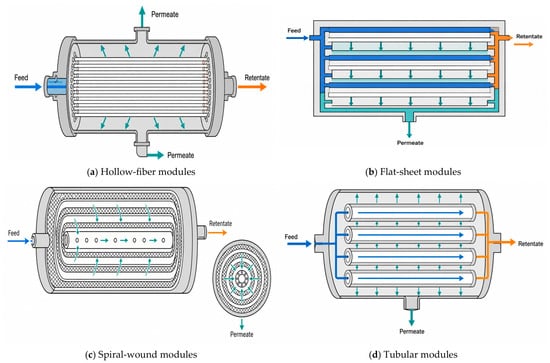
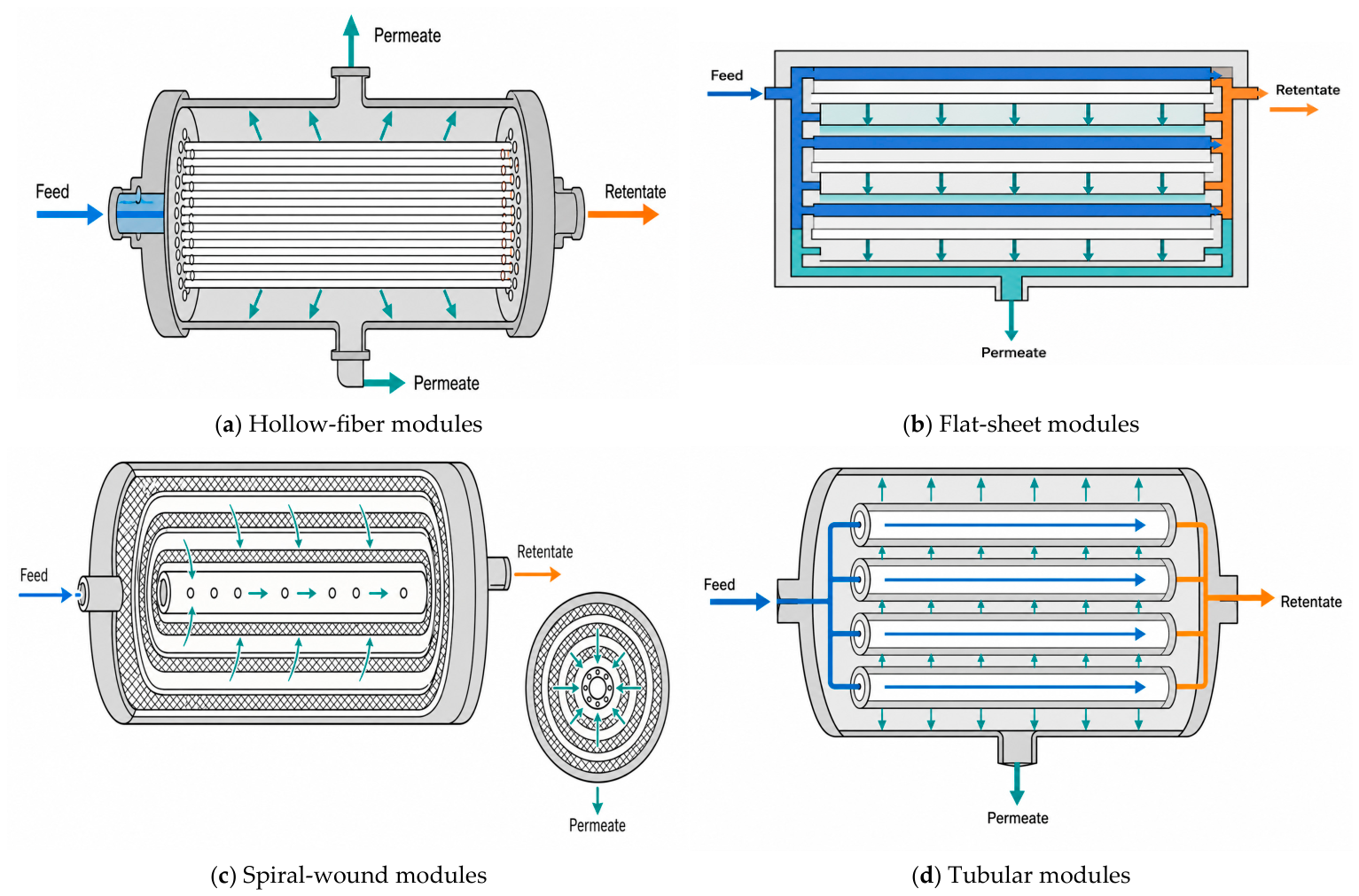
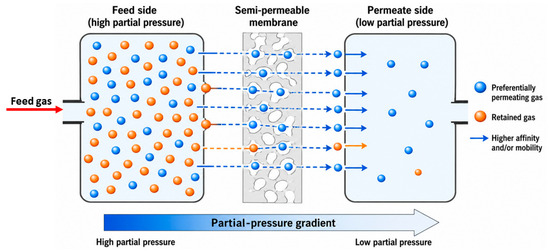
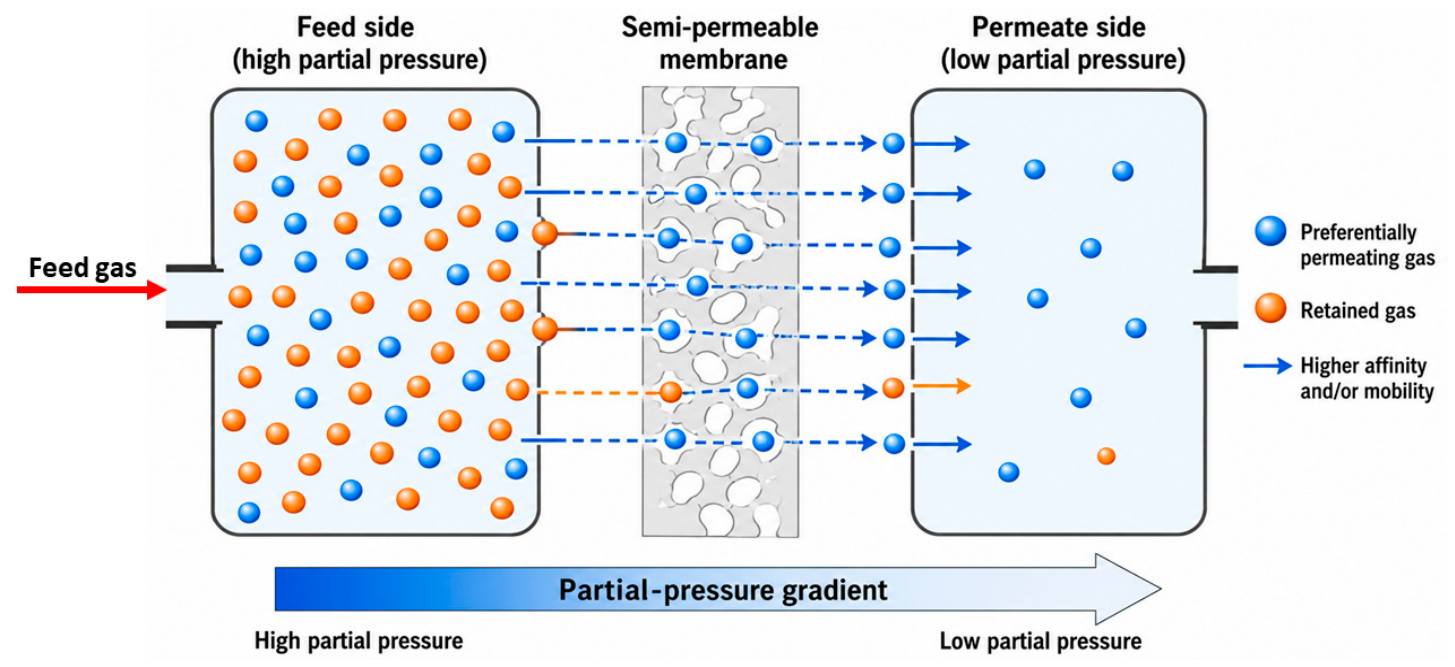

Disclaimer/Publisher’s Note: The statements, opinions and data contained in all publications are solely those of the individual author(s) and contributor(s) and not of MDPI and/or the editor(s). MDPI and/or the editor(s) disclaim responsibility for any injury to people or property resulting from any ideas, methods, instructions or products referred to in the content. |
© 2026 by the authors. Licensee MDPI, Basel, Switzerland. This article is an open access article distributed under the terms and conditions of the Creative Commons Attribution (CC BY) license.