


Abstract
The reproductive cycle of the European clam Ruditapes decussatus reared in suspended double-net trays in the Oualidia Lagoon was investigated from October 2017 to February 2019. This study aimed to characterize gonadal development through histological analysis, gonadal index assessment, and the biochemical composition of key macromolecules (proteins, lipids, and carbohydrates) over an annual cycle. The results revealed that R. decussatus undergoes a prolonged spawning period from April to December, with a peak in October when 100% of the population reached the maturation stage (stage IIIA). A sexual rest phase was observed between November 2017 and December 2017. An overall sex ratio of 1:0.8 was observed, indicating a slight female bias, with no significant deviations. Statistical analyses highlighted a correlation between the gonadal index and seawater temperature, suggesting that temperature plays a crucial role in regulating reproductive activity. Biochemical analyses showed that proteins were the predominant macromolecule in clam tissues, followed by lipids and carbohydrates. Seasonal variations in biochemical composition were observed; however, no direct correlation was found between biochemical compound levels and the gonadal index (p > 0.05). These findings provide valuable insights into the reproductive biology of R. decussatus under suspended aquaculture conditions, contributing to improved management and optimization of farming practices.
1. Introduction
The European clam, Ruditapes decussatus L., is widely distributed along the Moroccan coastline, occupying various natural beds in lagoons and estuaries on both the Mediterranean and Atlantic coasts. Key locations include Nador, Moulouya, Moulay Bousselham, Sidi Moussa, Khnifiss, Oualidia, and Dakhla [1]. This species thrives in sandy-mud substrates of protected coastal environments, where calm hydrodynamic conditions support its settlement and growth. R. decussatus typically reaches sexual maturity at 1–2 years of age, with a lifespan of 3–5 years, and forms populations with mixed age structures. Its high commercial value makes it one of the most sought-after clam species in European seafood markets and an essential economic resource for Moroccan coastal communities. However, natural clam beds are increasingly threatened by overexploitation, environmental fluctuations, predation, and intensive harvesting, potentially leading to stock depletion [2,3].
The reproductive cycle of R. decussatus is regulated by a complex interplay of endogenous factors, such as genetic and hormonal activity, age, and size, and exogenous factors including temperature, food availability, tides, pathology, and photoperiod [4,5,6]. These physiological and environmental drivers fluctuate seasonally and annually, resulting in variations in reproductive synchronization. Among these factors, temperature and nutrient availability play a decisive role in gametogenesis and spawning activity [7]. Understanding the reproductive cycle, especially the timing and intensity of spawning events, is essential for optimizing aquaculture practices, rearing techniques, and managing wild populations effectively. Furthermore, such knowledge supports the development of strategies for clam stock conservation, habitat protection, and sustainable aquaculture. Previous studies on the reproductive biology of R. decussatus and congeneric species, such as R. philippinarum, have revealed significant spatial and temporal variations in reproductive activity. In general, gametogenesis occurs from March to November, followed by a resting period from December to February [7]. Despite the species’ commercial importance along the Moroccan Atlantic coast, research on the reproductive biology of reared populations remains limited [8,9,10]. In particular, the effects of different aquaculture techniques on gonadal development and biochemical composition have not been thoroughly investigated. This study addresses these gaps by characterizing the gametogenic cycle of R. decussatus reared in suspended double-net trays, a method previously shown to optimize growth [11]. Histological monitoring of gonadal development was combined with assessment of the gonadal index and the biochemical composition of key macromolecules, such as proteins, lipids, and carbohydrates, in the whole flesh. The choice of whole-flesh analysis is justified because gonadal tissue is diffuse and interspersed within the digestive gland, making isolation impractical. Based on this, the study tests the following hypotheses:
- Reared clams exhibit a distinct gametogenic cycle and biochemical profile throughout the year.
- Environmental factors such as temperature and food availability influence gonadal development and biochemical composition in reared clams.
- Whole-flesh biochemical composition can serve as a proxy for reproductive status and nutritional profile in suspended rearing systems.
By integrating reproductive biology and biochemical composition, this work aims to provide actionable information for aquaculture management, including optimization of harvesting time, and sustainable stock management of R. decussatus in Morocco.
2. Material and Methods
2.1. Site Description
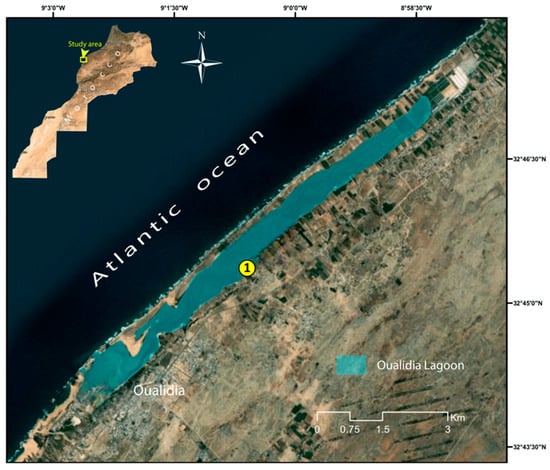
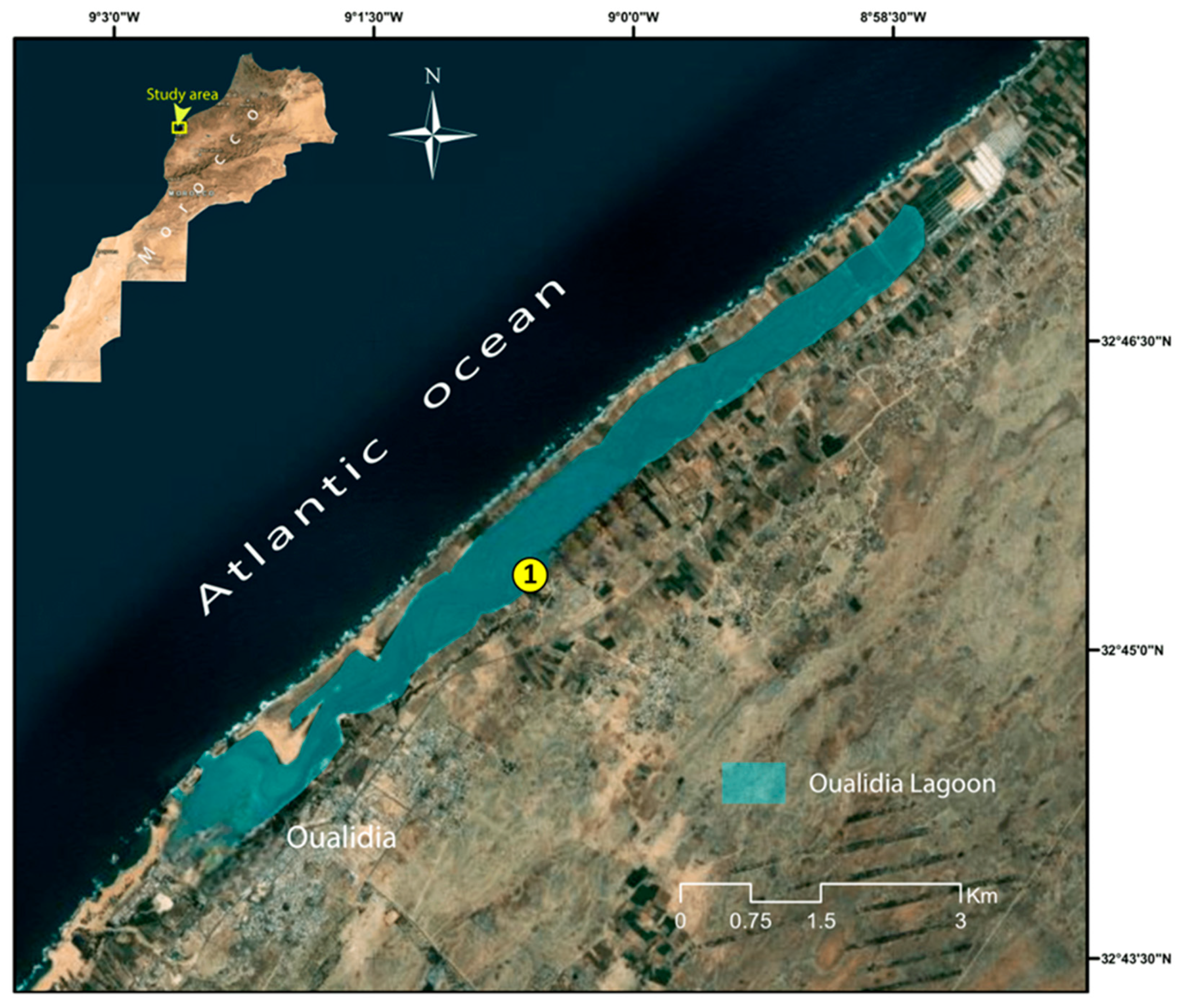
The study was conducted on the Oualidia Lagoon (32°45′ N and 9°03′ W). Located on the Moroccan Atlantic coast, it is situated 76 km south of El Jadida and 62 km north of Safi (Figure 1). This lagoon, with its main axis-oriented NE-SW, extends parallel to the coast over an approximate distance of 7.5 km in length and 0.5 km in width, covering a total area of about 4 km2 [12,13]. The Oualidia Lagoon is included in RAMSAR list and is a site of biological and ecological interest (SIBE), characterized by significant faunal and floral biodiversity [14] and by the regular or occasional reproduction of a dozen species of birds and aquatic species. Additionally, this lagoon is also a popular tourist destination and has long been considered the capital of Moroccan oyster farming and an excellent clam fishing site. It has been the subject of various biological, biogeological studies and pollutant monitoring [15].
Figure 1.
Location map of the study site. ① indicates the point where the rearing was performed.
2.2. Experimental Design and Sampling
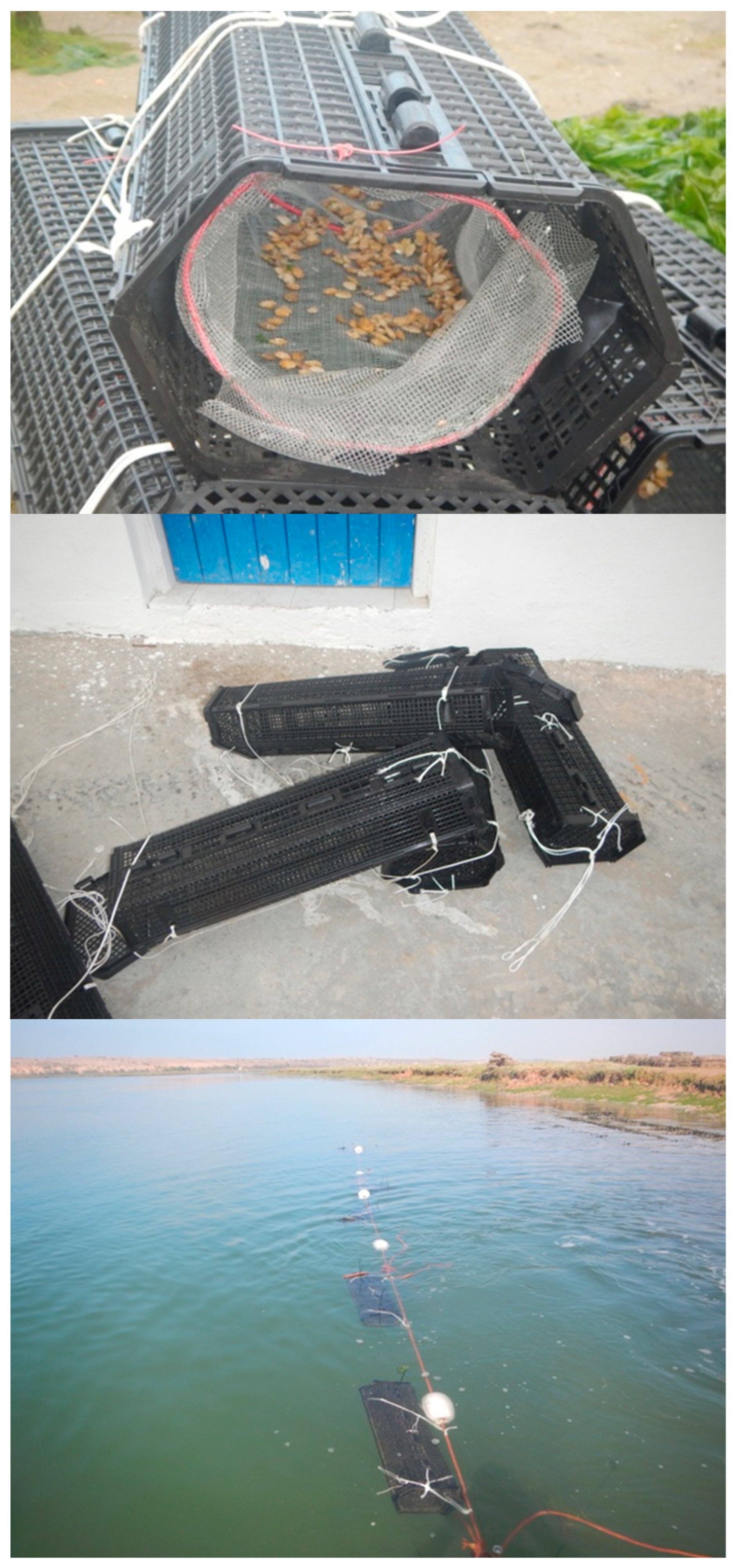
A suspended rearing technique using double-net trays was adopted as a novel approach with promising results. The rearing experiment was initiated in July 2017 using 1780 hatchery-produced spat of Ruditapes decussatus supplied by the Dakhla hatchery (southern Morocco) and acclimated to in situ environmental conditions prior to deployment. The spat were distributed among five suspended double-net trays, which were considered as biological replicates, as they constituted independent rearing units stocked simultaneously and exposed to the same natural environmental conditions. The trays, consisting of rigid perforated plastic containers, were attached to a longline suspended culture system deployed in the lagoon, characterized by moderate tidal flow and continuous water circulation. This setup minimized predation and sediment accumulation while ensuring adequate water renewal (Figure 2). Trays were cleaned manually every four weeks to control biofouling, and fouling organisms were removed mechanically without chemical treatment. Net mesh size was adjusted over time to optimize water exchange and prevent escape or shell damage. No additional materials were introduced during the study. Mortality was monitored monthly and remained below 26% throughout the experimental period. From October 2017 to February 2019, monthly sampling was conducted. At each sampling date, 70 individuals were collected across the trays, including 30 individuals for growth analysis (reported in a previous study [11]), 10 individuals for histological analysis, and 30 individuals for biochemical analyses. Shell length, height, and width were measured using a digital caliper (±0.01 mm), and total wet weight was recorded using an analytical balance (±0.001 g).
Figure 2.
Suspended double-net tray rearing system used for the cultivation Ruditapes decussatus spat in Oualidia Lagoon.
2.3. Environnemental Parameters
The environmental variables were analyzed throughout the study to determine variations in environmental conditions within the lagoon. The main environmental parameters (temperature and salinity) were monitored monthly and measured in situ using a multiparameter probe (HANNA HI 9829). For chlorophyll a, measurements were obtained from the Support on Aquaculture and Fisheries Industry Mini-WED tool, accessible at: http://acri-he.fr/projects/safi/ (accessed on 22 October 2019).
2.4. Histological Analysis
Each month, a random sample of clams (n = 10 individuals per sampling date) was collected from the suspended culture system. The sampled individuals were immediately placed in plastic containers filled with ambient lagoon seawater and transported to the laboratory in insulated boxes to minimize thermal stress.
Once in the laboratory, clams were thoroughly cleaned to remove epibionts and sediment. Individuals were then opened, and the gonads and digestive glands were carefully dissected. The dissected tissues were immediately fixed in Davidson’s solution for 48 h. After fixation, tissues were removed from Davidson’s solution and transferred to 70% ethanol, where they were stored until histological processing [16,17].
For histological preparation, tissues were dehydrated through a series of decreasing concentrations of ethyl alcohol. Xylene was used to remove the ethyl alcohol, followed by immersion in paraffin. The paraffin blocks were sectioned at 5 μm and stained with hematoxylin–eosin. Tissue sections were examined for integrity under the microscope, and any sections showing artifacts were discarded and re-sectioned to ensure histological analysis. The gonadal stage of each histological section was determined according to Lubet’s scale [18] [Stage 0: sexual rest; Stage I: resumption of gonadal activity; Stage II: gametogenesis; Stage IIIA: maturation; Stage IIIB: spawning; Stage IIIC: gonad restoration; Stage IIID: resorption and reserve reconstruction].
2.5. Gonadal Index
To determine the gonadal index, the number of individuals at each reproductive stage is counted and then multiplied by the numerical score of that stage. The sum of the obtained products is then divided by the total number of clams in the sample [19]. The values of the gonadal index (GI) range from 1 (sexual rest stage) to 3 (maturation stage).
2.6. Biochemical Composition
Part of the reared clams collected monthly (n = 30 individuals per sampling date) was used for biochemical analyses. After opening the clams, the whole soft tissue was removed, homogenized, and lyophilized to constant weight. Biochemical determinations of proteins, lipids, and carbohydrates were performed following the method described by Doukilo et al. [20]. Each biochemical measurement was conducted in triplicate, and the mean value was used for statistical analyses. Protein content was determined using Lowry’s method, lipid content using Folch as modified by Bligh and Dyer’s method, and carbohydrate content using Dubois method. Results were expressed as mean ± standard deviation and as mg mg−1 dry weight.
2.7. Data Analysis
To analyze the sex ratio, we employed the chi-square test. Student’s t-test was conducted to determine significant differences in the gonadal index between males and females. Additionally, Spearman’s rank correlation was used to assess the relationships between environmental parameters (temperature, salinity, chlorophyll a), the gonadal index (GI) and biochemical components. All analyses were performed after verifying data normality and homogeneity of variance. Statistical analyses were conducted using IBM SPSS Statistics 25.
3. Results
3.1. Environnemental Parameters
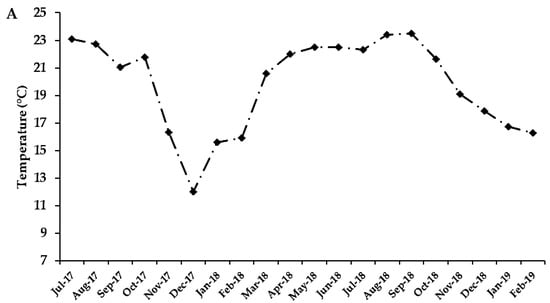
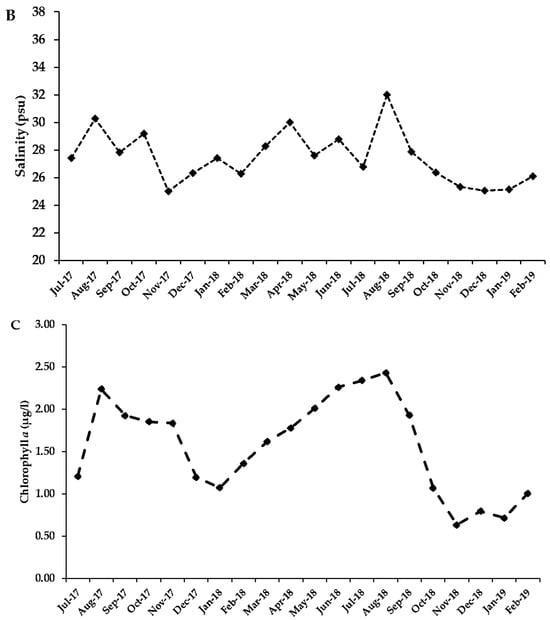
The temperature values showed the typical bell shape, with significantly higher values during the warm season (May to September); the maximum value recorded in September 2018 (23.5 °C) and the minimum in December 2017 (12.0 °C), with an annual average of 19.8 ± 3.3 °C (Figure 3A). Salinity values did not show a clear pattern, fluctuating constantly between 32 and 25 psu. The maximum value was recorded in August 2018 (32 psu) and the minimum in November 2017 (25 psu), while the average was 27.5 ± 1.9 psu (Figure 3B). Chlorophyll a showed two peaks, both in August of each year (2017—2.24 ± 1.19 μg/L and 2018—2.43 ± 0.49 μg/L), with the latter being the highest. The minimum value was in November 2018 (0.63 ± 0.28 μg/L), and the annual average was 1.6 ± 0.6 μg/L (Figure 3C).
Figure 3.
Monthly variations in temperature (A), salinity (B), and chlorophyll a (C) recorded from July (2017) to February (2019) at Oualidia Lagoon, Morocco.
3.2. Biometric Measurements
Total shell length (SL) of 620 individuals collected from October 2017 to February 2019 ranged from 17.27 to 43.91 mm, shell height from 12.28 to 30.61 mm, and shell width from 7.15 to 22.31 mm and their total wet weight (TWW) was between 1.07 and 20.36 g. The SL and TWW means were 26.17 ± 6.5 mm and 4.90 ± 1.36, respectively.
3.3. Sex Ratio
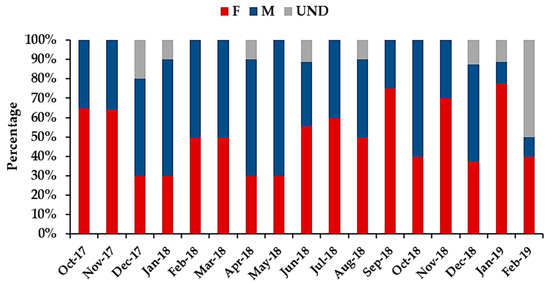
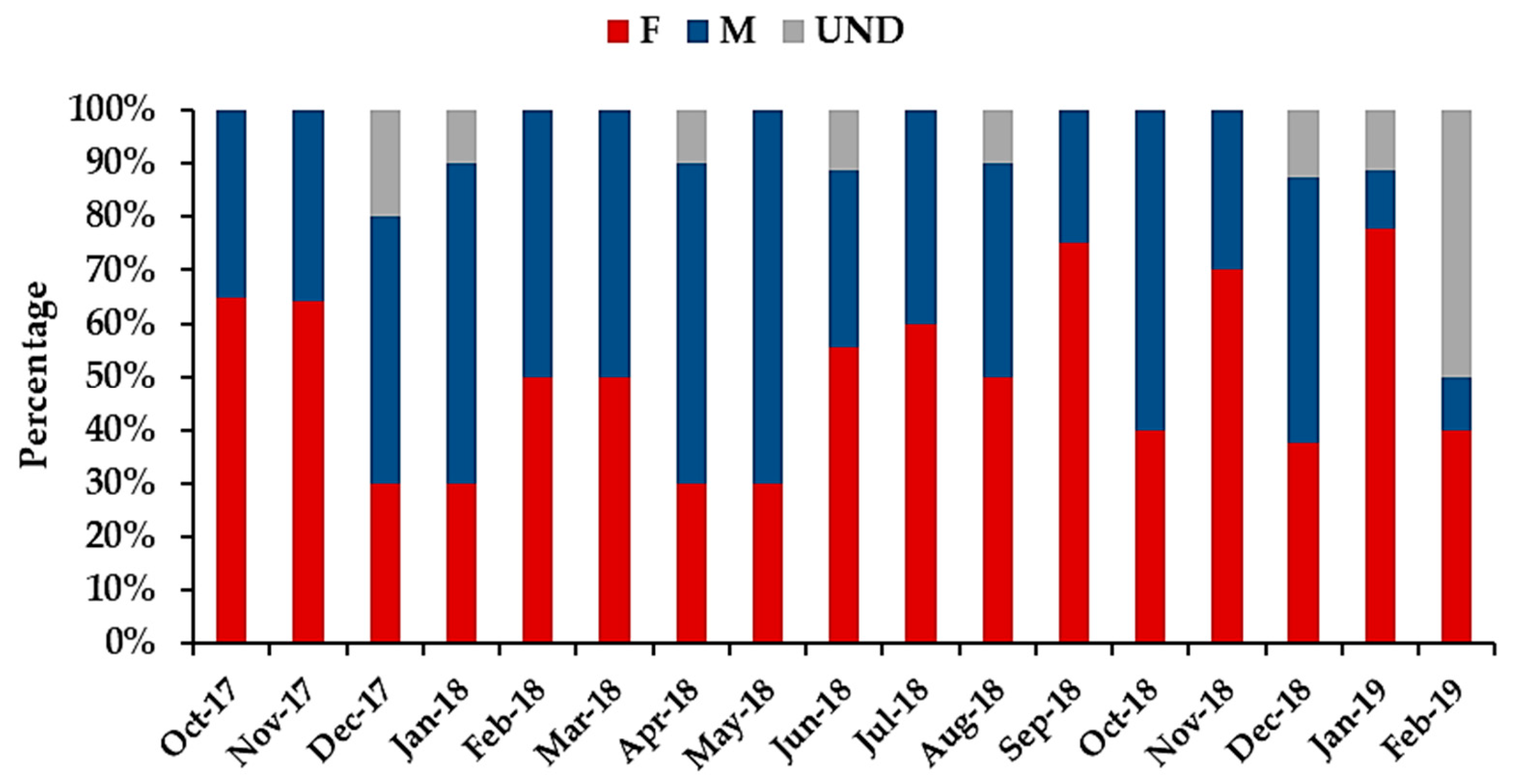
The overall sex ratio was 1:0.8, slightly favoring females (50.8%) over males (41.7%), while there were 7.4% sexually undetermined organisms. The chi-square test indicated no statistically significant deviation (χ2 = 0.7; df = 1) (Figure 4).
Figure 4.
Monthly variations in the presence of females (F), males (M) and undeterminate individuals (UND) of the European clam Ruditapes decussatus sampled during the experimental period in the Oualidia Lagoon, Morocco.
3.4. Gonadal Development Stages
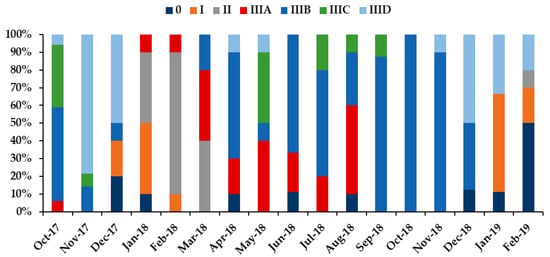
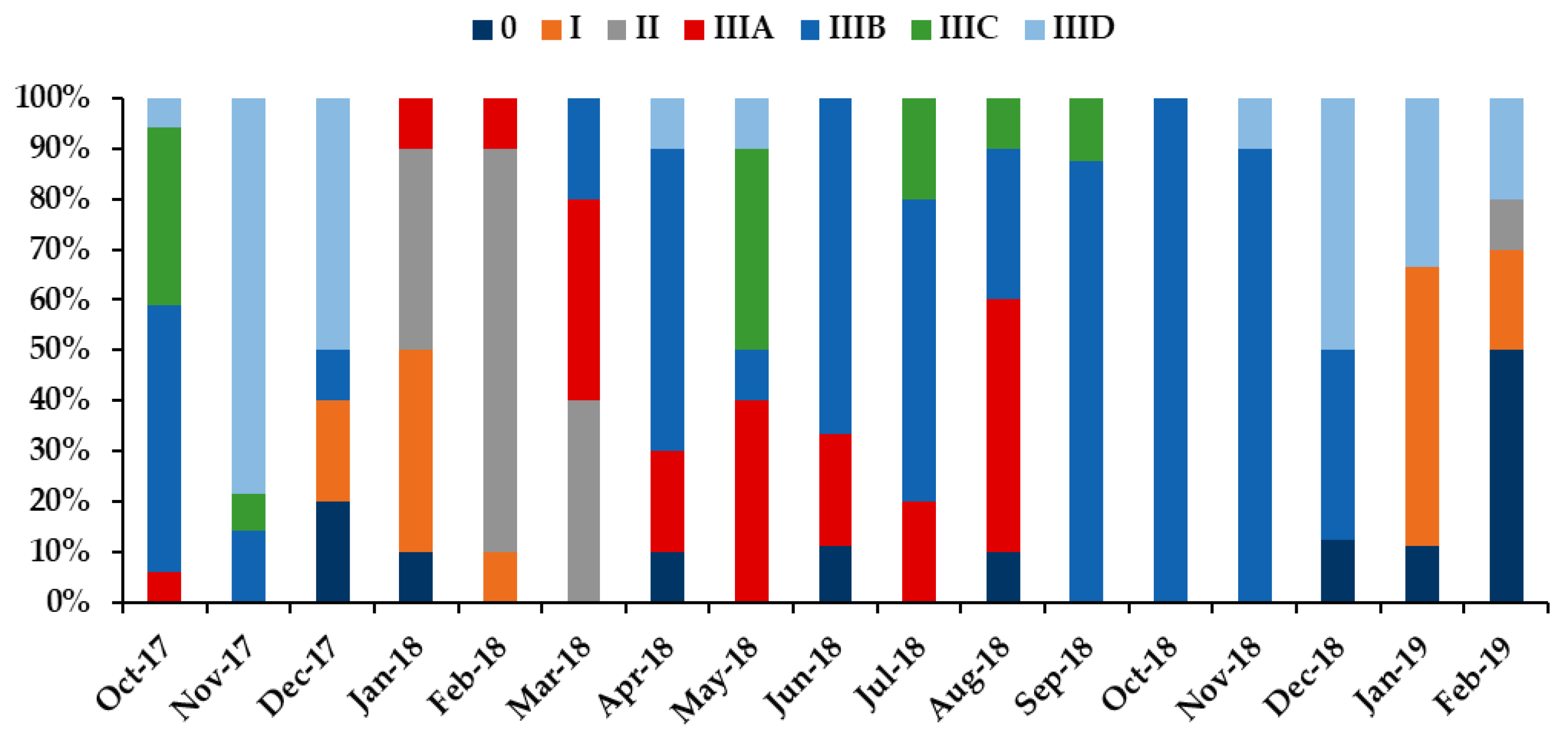
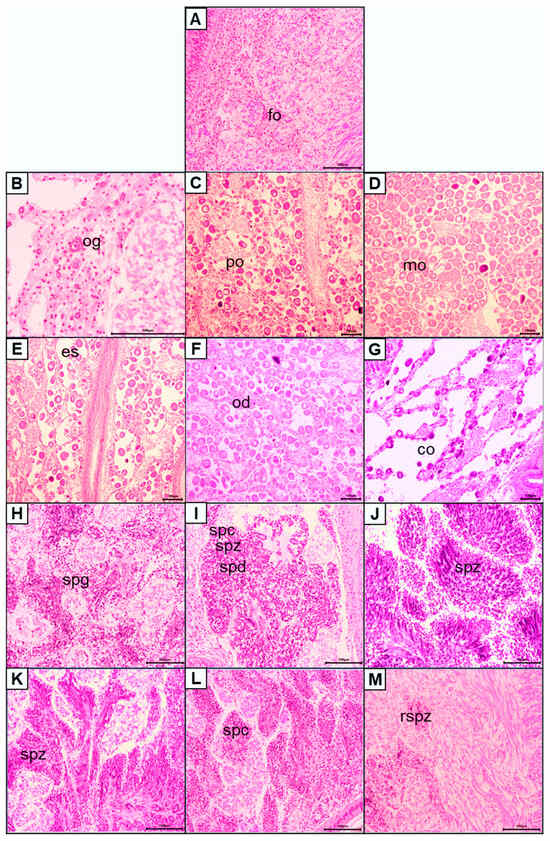
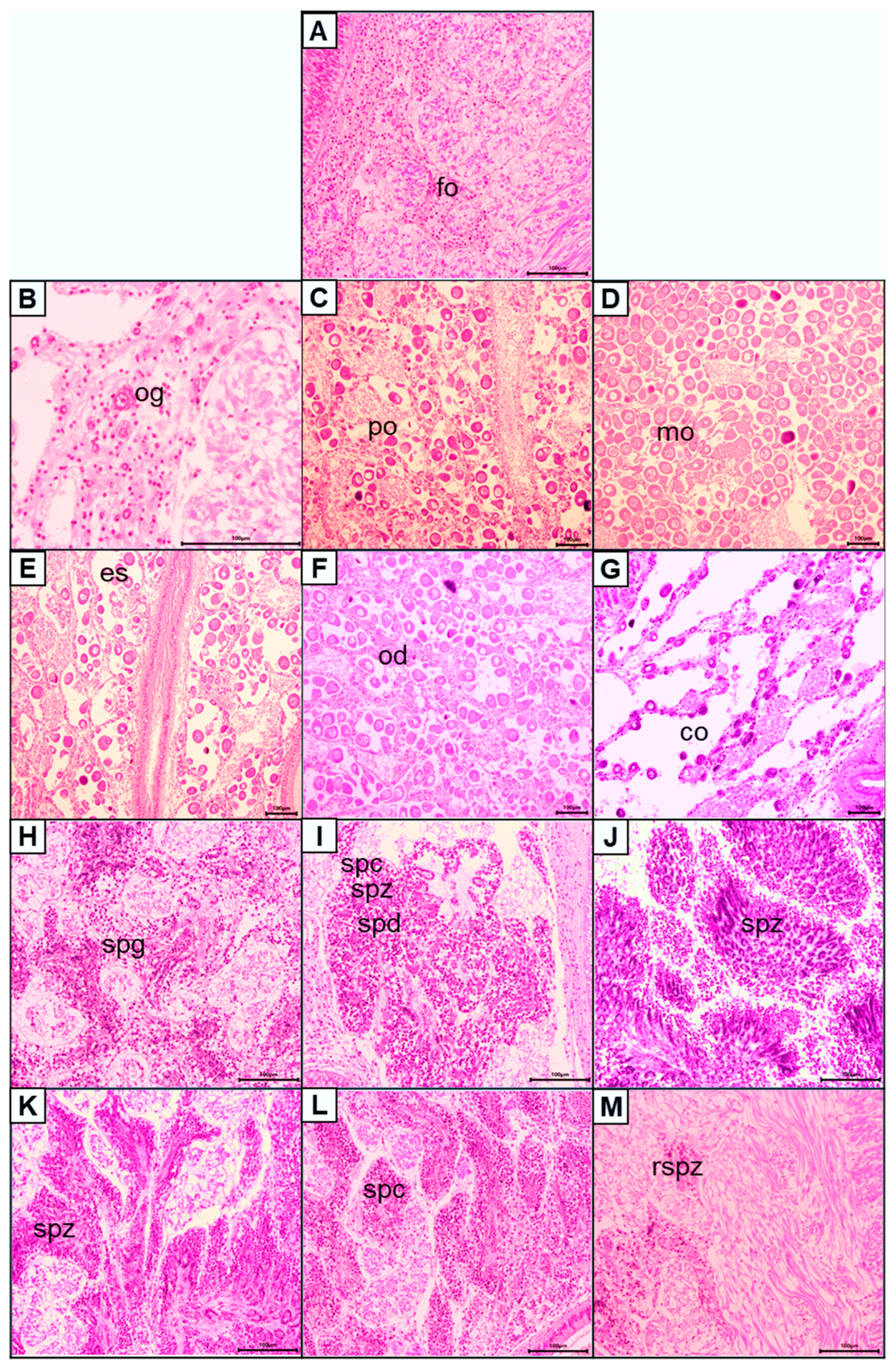
The monthly quantitative variations in the gonadal development stages from October 2017 to February 2019 were illustrated in Figure 5. Their microscopic aspects are shown in Figure 6. The results of the histological study (Figure 5) showed that at the beginning of the study (in October 2017), 52.94% of the individuals were in stage IIIB, 35.29% in stage IIIC, 5.88% in the maturation stage (IIIA), and 5.88% in stage IIID.
Figure 5.
Temporal variations in different gonadal stages in monthly samples of the European clam Ruditapes decussatus sampled over the experimental period at Oualidia Lagoon, Morocco.
Figure 6.
Cytological images of the different reproductive stages in females (B–G) and males (H–M) of the European clam Ruditapes decussatus at Oualidia Lagoon, Morocco (Scale bar 100 µm) (A): Stage 0 (sexual resting). For females: (B): Stage I (resumption of gonadal activity), (C): Stage II (gametogenesis), (D): Stage IIIA (maturation), (E): Stage IIIB (spawning), (F): Stage IIIC (gonad restoration), and (G): Stage IIID (resorption and reserve reconstruction). For males: (H): Stage I (resumption of gonadal activity), (I): Stage II (gametogenesis), (J): Stage IIIA (maturation), (K): Stage IIIB (spawning), (L): Stage IIIC (gonad restoration), and (M): Stage IIID (resorption and reserve reconstruction). Abv: fo: follicle; og: oogonia; po: pedunculated oocyte; mo: mature oocyte; es: empty space; od: oogonia in division; co: cytolyzed oocyte; spg: spermatogonia; spc: spermatocyte; spd: spermatid; spz: spermatozoa; rspz: remaining spermatozoa.
Between November 2017 and December 2017, a sexual rest stage was observed, characterized by a decrease in the gonadal index (GI). The initiation of gametogenesis occurred between January and March 2018, with 40% in January and March 2018, and accelerated to 80% in February 2018.
The gonad maturation stage (IIIA) took place between March and August 2018. The spawning period lasted from April to November 2018, reaching 100% in October 2018. From December 2018 onward, a new reproductive cycle began, indicated by a decrease in the GI.
3.5. Gonadal Index
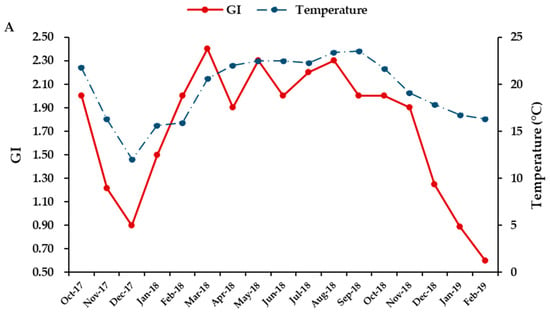
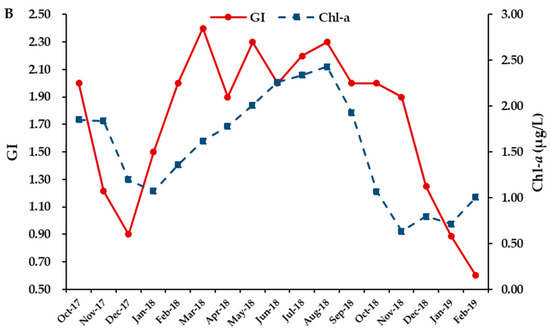
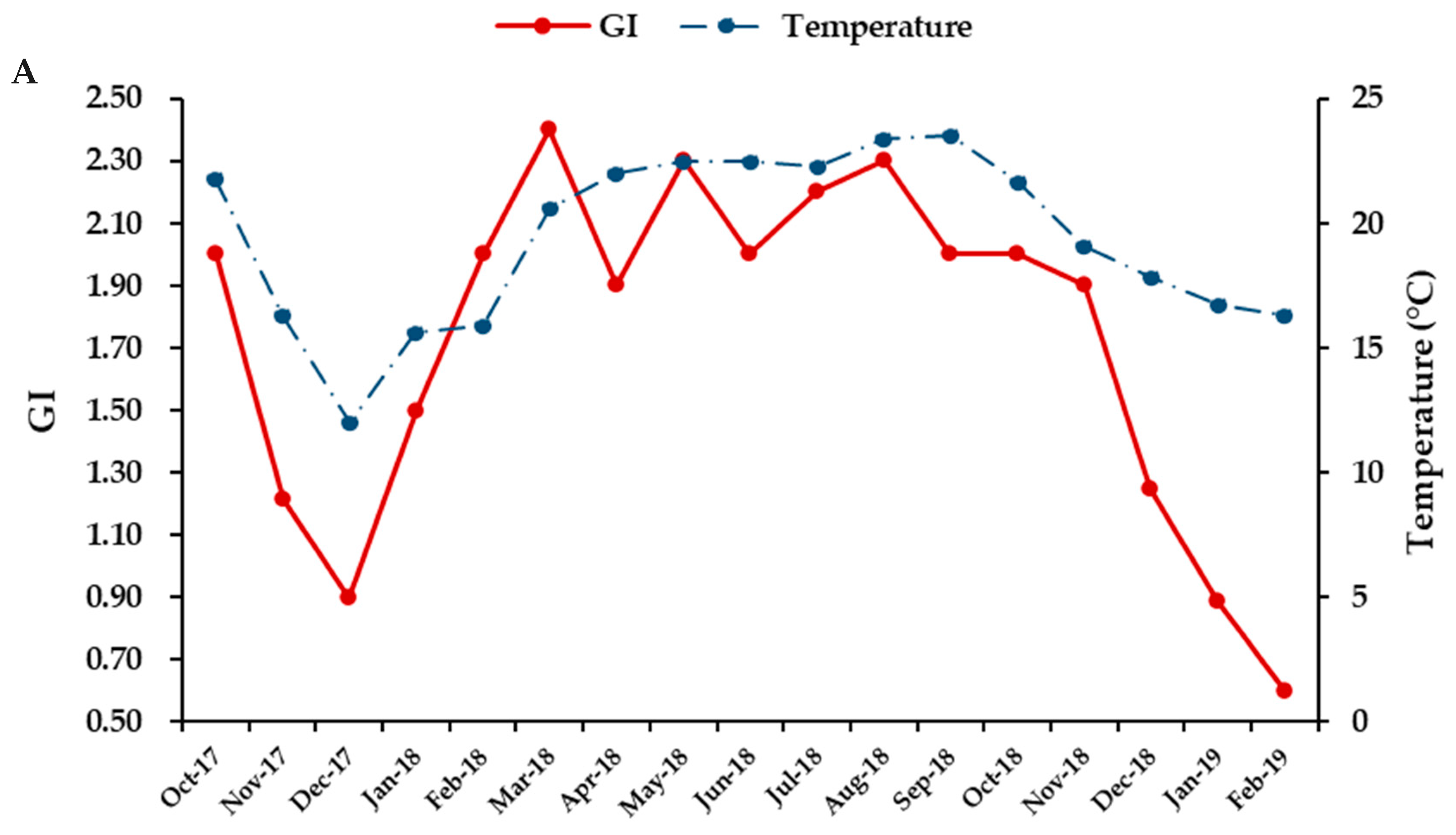
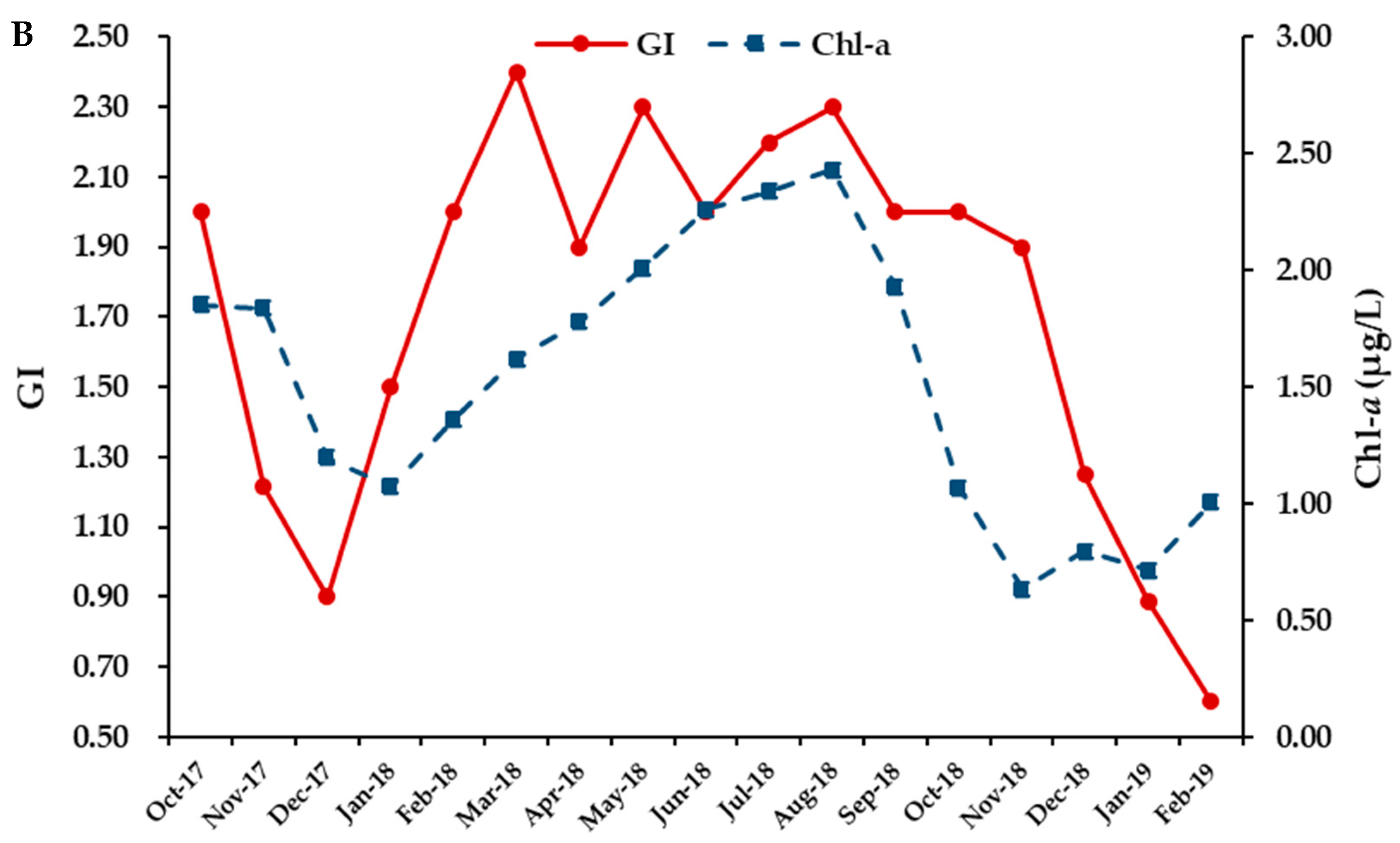
The gonadal index (GI) of clams reared in suspended double-net trays in the Oualidia Lagoon (Figure 7) ranged from 0.6 to 2.4 and exhibited pronounced seasonal variations. High GI values (>2) were recorded from March to August 2018, with a maximum of 2.4 in March, indicating advanced gonadal development and maturation. Marked decreases in GI were observed in December 2017 and from September to February, corresponding to major spawning events followed by gonadal depletion and post-spawning phases. Partial decreases in GI observed in April and June 2018 likely reflect partial spawning events, in agreement with histological observations. Low GI values (≤1) recorded during the remaining months indicate periods of reduced reproductive activity and sexual rest. Overall, seasonal fluctuations in GI were positively correlated with seawater temperature (Spearman’s r = 0.67, p < 0.01, n = 15) and chlorophyll-a concentration (Spearman’s r = 0.54, p < 0.01, n = 15), as illustrated in Figure 7.
Figure 7.
Monthly variations in the gonadal index (GI) in relation to environmental parameters ((A): temperature, (B): Chlorophyll a) in the European clam Ruditapes decussatus from October 2017 to February 2019 in the Oualidia Lagoon, Morocco.
3.6. Biochemical Composition
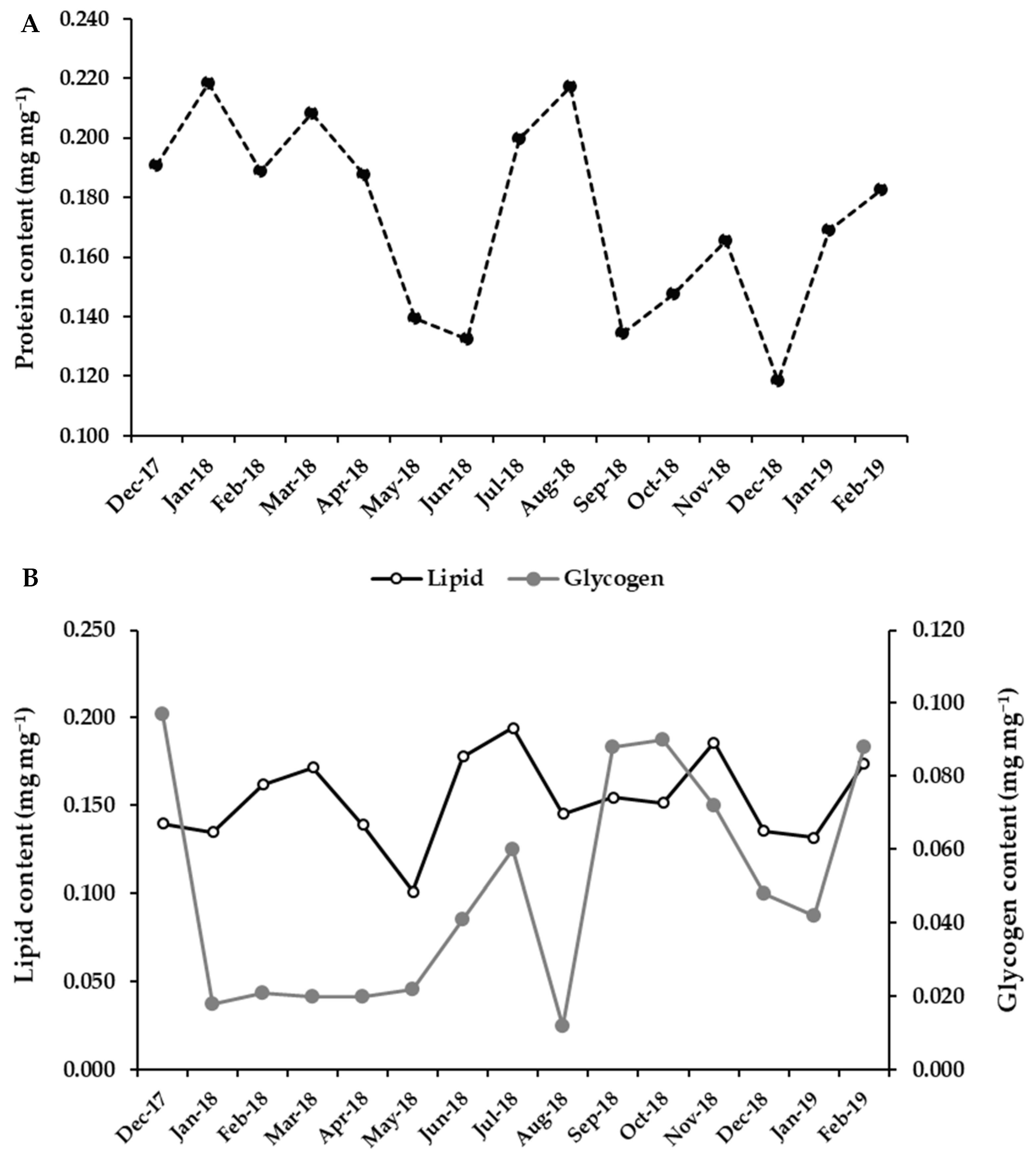
Biochemical components of suspended clams showed clear seasonal variations associated with the reproductive cycle. The maximum protein concentration (0.218 mg mg−1) recorded in March and August 2018 coincided with periods of gonadal maturation, indicating an increased synthesis of structural and functional proteins required for gametogenesis. In contrast, the minimum protein value (0.118 mg mg−1) observed in December 2018 corresponded to the resorption stage, suggesting a reduction in reproductive activity and a lower investment in gonadal tissues. The annual average protein content was 0.173 ± 0.03 mg mg−1 (Figure 8A).
Figure 8.
Monthly variations in proteins (A) and lipids and glycogen (B) of reared Ruditapes decussatus at Oualidia Lagoon between December 2017 and February 2019.
Glycogen content displayed an opposite pattern, with higher values during periods of sexual rest and gonadal recovery. The maximum glycogen concentration (0.097 mg mg−1) recorded in December 2017 reflects the accumulation of carbohydrate reserves following spawning. Conversely, the minimum glycogen value (0.012 mg mg−1) observed in August 2018 coincided with a spawning peak, during which approximately 60% of individuals were in the spawning stage. This pronounced depletion highlights the mobilization of glycogen as a readily available energy source to meet the high energetic demands of spawning. The annual average glycogen content was 0.049 ± 0.03 mg mg−1 (Figure 8B).
Lipid concentrations also varied seasonally, with a maximum value recorded in July 2018 (0.194 mg mg−1), shortly before or during peak reproductive activity, and a minimum value observed in May 2018 (0.101 mg mg−1). The annual average lipid concentration was 0.153 ± 0.02 mg mg−1 (Figure 8B). These variations suggest that lipids act as long-term energy reserves and are likely mobilized during gonadal maturation and spawning, particularly in relation to vitellogenesis.
No significant correlation was detected between biochemical compounds and the gonadal index (GI) (Spearman’s test, p < 0.05). This likely reflects the asynchronous gonadal development among individuals and temporal differences between energy reserve fluctuations and gonad morphology. Despite the absence of a direct correlation, seasonal variations in proteins, glycogen, and lipids correspond to different gonadal stages.
4. Discussion
This study aimed to characterize the reproductive cycle of R. decussatus reared in suspended double-net trays, identifying the periods of gametogenesis and spawning. To achieve these objectives, we employed a dual approach: qualitative histological analysis and a semi-quantitative monitoring through gonadal index measurements and biochemical composition analysis. These complementary methods allowed a detailed description of the reproductive dynamics of this species under aquaculture conditions.
The overall sex ratio was 1:0.8, slightly favoring females over males. Histological observations revealed that gametogenesis began in winter (December 2017), with maturation progressing into spring (March 2018) and spawning occurring mainly during summer. The reproductive cycle completed in December 2018, marking the end of the annual cycle. These findings are largely consistent with previous observations in natural populations of the Oualidia Lagoon, where sexual resting typically occurs between December and February, followed by gametogenesis between March and April, and a main spawning period from June to July [2,21]. While the timing of maturation and spawning in the reared population broadly aligns with these natural patterns, minor temporal variations were observed, most likely reflecting interannual environmental variability, particularly in temperature. Comparable reproductive patterns have been reported in temperate regions, with an extended reproductive cycle from late winter to autumn and peak spawning in summer [22,23]. These observations highlight both the general consistency of the reproductive cycle under different environmental conditions and the potential influence of local temperature fluctuations and food availability on the precise timing of gametogenesis and spawning events.
The reproductive activity of bivalves, from gametogenesis to spawning, is influenced by a complex interaction of endogenous and exogenous factors. Among these, temperature and food availability play a pivotal role in regulating reproductive timing and intensity [24]. In this study, gonadal maturation coincided with rising temperatures from spring to summer, with the first partial spawning event in April 2018. Sexual resting occurred during winter when temperatures and phytoplankton availability were lower. These associations are consistent with prior reports in R. decussatus [25]. While correlations between environmental factors and reproductive stages were observed, causal relationships cannot be inferred from this observational study.
The biochemical composition of bivalves fluctuates throughout the reproductive cycle, reflecting the mobilization and utilization of energy reserves during gametogenesis and spawning. Sexual maturation is closely linked to the accumulation and utilization of biochemical reserves, particularly proteins, lipids, and carbohydrates, which serve as primary energy sources during reproductive activity [26].
Our study revealed that protein and carbohydrate levels increased during winter, which corresponds to the energy storage phase preceding gametogenesis. This is consistent with findings by Gabbott [27,28] and Bayne [29], who reported that clams accumulate carbohydrate and protein reserves, which are subsequently mobilized during gametogenesis. Carbohydrates, primarily in the form of glycogen, undergo glycogenolysis and are converted into lipids, providing additional energy for reproductive processes. Glycogen also plays a crucial role in supporting somatic growth in R. decussatus [30].
In contrast to the trends observed for carbohydrates and proteins, lipid levels exhibited a notable increase during summer. This finding aligns with a work who attributed the seasonal rise in lipids to the conversion of carbohydrates via the Krebs cycle [8]. However, as spawning progresses, lipid levels decline, reflecting their utilization as an energy source during gamete release. This pattern is consistent with previous studies indicating that summer spawning events lead to a depletion of biochemical reserves, particularly carbohydrates and lipids [8].
The observed seasonal variations in biochemical composition highlight the dynamic energy allocation strategies employed by R. decussatus in response to reproductive demands. Proteins, while serving primarily as structural components, can also function as an alternative energy source under conditions of nutritional stress or intense reproductive activity [24,31,32,33,34]. Our study corroborates these findings, demonstrating a decline in protein and carbohydrate reserves during summer, coinciding with peak spawning activity.
The results of this study provide a detailed description of the gametogenic cycle and its relationship with seasonal variations in protein, lipid, and carbohydrate reserves in suspended-cultured R. decussatus. The observed shift in reproductive timing compared to wild populations suggests that rearing techniques may influence reproductive cycles, potentially offering advantages for controlled spawning and spat production. Understanding these dynamics is essential for optimizing aquaculture practices, improving stock management, and ensuring the sustainability of clam farming in Morocco.
Future research should explore the long-term effects of suspended rearing on reproductive performance and biochemical composition across multiple reproductive cycles. Particular attention should be given to the influence of natural food availability and trophic conditions of the culture environment on reproductive dynamics. Integrating molecular approaches, such as gene expression analyses, may further provide insights into the regulatory mechanisms underlying gametogenesis and energy metabolism in R. decussatus.
5. Conclusions
This study provides a detailed description of the reproductive cycle of R. decussatus reared in suspended double-net trays, highlighting the timing of gametogenesis and spawning periods. Seasonal variations in protein, lipid, and carbohydrate levels were observed in relation to gonadal development stages, emphasizing the role of energy reserves in reproductive processes. The results indicate that suspended tray culture supports normal reproductive development, with slight differences compared to natural populations. These findings enhance our understanding of the reproductive biology of farmed clams and provide a basis for further research on optimizing culture practices.
Author Contributions
Conceptualization, M.M., I.D., A.E., M.I.H. and O.K.B.; Methodology, M.M., I.D., A.E. and M.I.H.; Software, M.M. and I.D.; Validation, A.E., M.I.H. and O.K.B.; Formal analysis, M.M., I.D., A.E., M.I.H. and O.K.B.; Resources, A.E., M.I.H. and O.K.B.; Data curation, M.M. and I.D.; Writing—original draft, M.M. and I.D.; Writing—review and editing, M.M., I.D., A.E., M.I.H. and O.K.B.; Visualization, A.E., M.I.H. and O.K.B.; Supervision, A.E., M.I.H. and O.K.B.; Project administration, A.E., M.I.H. and O.K.B.; Funding acquisition, A.E., M.I.H. and O.K.B. All authors have read and agreed to the published version of the manuscript.
Funding
The authors did not receive any financial or organizational support for this work.
Data Availability Statement
The raw data supporting the conclusions of this article will be made available by the authors on request.
Acknowledgments
We sincerely appreciate the close collaboration between the Fisheries Research National Institute (INRH) and the Faculty of Sciences (FSAC) in the successful completion of this study. We also extend our gratitude to the lab members for their valuable support during fieldwork and laboratory analyses.
Conflicts of Interest
The authors declare no conflicts of interest.
References
- Rharbi, N.; Ramdani, M.; Berraho, A. Amélioration de l’exploitation de la palourde dans la lagune de Moulay Bousselham (Maroc). In Proceedings of the Eighth International Conference of the International Institute of Fisheries Economics and Trade, Marrakech, Morocco, 1–4 July 1996; International Institute of Fisheries Economics and Trade: Corvallis, OR, USA, 2002. [Google Scholar]
- Kamara, A.; Rharbi, N.; Berraho, A.; Idhalla, M.; Ramdani, M. Étude comparative du cycle sexuel de la palourde Ruditapes decussatus issue de trois milieux paraliques des côtes marocaines. Mar. Life 2005, 15, 43–50. [Google Scholar]
- Amane, Z.; Tazi, L.; Idhalla, M.; Chlaida, M. Morphometric analysis of European clam Ruditapes decussatus in Morocco. Aquac. Aquar. Conserv. Legis. 2019, 12, 1623–1634. [Google Scholar]
- Serdar, S.; Lök, A. The growth and survival of carpet clam Ruditapes decussatus in Çardak estuary (Northwest Turkey). J. Mar. Biol. Assoc. UK 2010, 90, 597–603. [Google Scholar]
- Matias, D.; Joaquim, S.; Matias, A.M.; Moura, P.; Teixeira de Sousa, J.; Sobral, P.; Leitão, A. The reproductive cycle of the European clam Ruditapes decussatus (L., 1758) in two Portuguese populations: Implications for management and aquaculture programs. Aquaculture 2013, 406, 52–61. [Google Scholar] [CrossRef] [Scilit]
- Machado, D.; Baptista, T.; Joaquim, S.; Anjos, C.; Mendes, S.; Matias, A.M.; Matias, D. Reproductive cycle of the European clam Ruditapes decussatus from Óbidos Lagoon, Leiria, Portugal. Invert. Reprod. Dev. 2018, 62, 179–190. [Google Scholar] [CrossRef] [Scilit]
- Laruelle, F. Phénologie et Déterminisme de la Reproduction chez Ruditapes decussatus (L.) et Ruditapes philippinarum (Adams et Reeve) en Bretagne. Ph.D. Thesis, Université de Bretagne Occidentale, Brest, France, 1999; p. 212. [Google Scholar]
- Kamara, A.; Rharbi, N.; Ramdani, M.; Berraho, A. Recherches préliminaires au développement de l’élevage de la palourde européenne (Ruditapes decussatus L.) sur les côtes marocaines. Bull. Soc. Zool. Fr. 2008, 133, 193–202. [Google Scholar]
- Labbardi, H.; Ettahiri, O.; Berraho, A.; Lazar, S.; El Moussaoui, N.; El Antri, S. Influence des facteurs environnementaux sur la reproduction de la palourde européenne Ruditapes decussatus (L. 1758) dans une lagune côtière nord-ouest africain: Moulay Bousselham, Maroc. Haliotis 2005, 34, 19–32. [Google Scholar]
- Benmessaoud, F. Qualité Physico-Chimique, Métallique et Bactériologique des eaux de L’estuaire du Bouregreg et Impact sur la Biologie et la Démographie de Venerupis decussata (L.) et Cardium edule (L.). Ph.D. Thesis, Université Mohammed V, Rabat, Morocco, 2007; p. 306. [Google Scholar]
- Medlouh, M.; Doukilo, I.; Errhif, A.; Idhalla, M. Development of a new rearing technique for the clam Ruditapes decussatus (Linnaeus, 1758) and evaluation of its zootechnical performance in Oualidia Lagoon, Morocco. Aquac. Aquar. Conserv. Legis. 2023, 16, 1231–1244. [Google Scholar]
- Bidet, J.C.; Carruesco, C. Étude sédimentologique de la lagune de Oualidia (Maroc). In Proceedings of the International Symposium on Coastal Lagoons, SCOR/IABO/UNESCO, Bordeaux, France, 8–14 September 1981; pp. 29–37. [Google Scholar]
- Hilmi, K.; Makaoui, A.; Ettahiri, O.; Idrissi, M.; Larissi, J.; Abdellaoui, B.; El Ouehabi, Z.; Orbi, A. Fonctionnement hydrodynamique de la lagune de Oualidia (Maroc) avant l’aménagement de la souille. Int. J. Adv. Res. 2017, 5, 2015–2027. [Google Scholar] [CrossRef] [Scilit]
- El Hamoumi, R.; Dakki, M.; Rguibi Idrissi, H.; Radi, M. Fiche Descriptive sur les Zones Humides Ramsar; 2003; pp. 5–6. [Google Scholar]
- Hilmi, K.; Orbi, A.; Lakhdar, J.I.; Sarf, F. Étude courantologique de la lagune de Oualidia (Maroc) en automne. Bull. Inst. Sci. Rabat 2005, 26–27, 67–71. [Google Scholar]
- Shaw, B.L.; Battle, H.I. The gross and microscopic anatomy of the digestive tract of the oyster Crassostrea virginica Gmelin. Can. J. Zool. 1957, 35, 325–347. [Google Scholar] [CrossRef] [Scilit]
- Howard, D.W.; Lewis, E.J.; Leller, B.J.; Smith, C.S. Histological Techniques for Marine Bivalve Mollusks and Crustaceans; NOAA Technical Memorandum: Springfield, MA, USA, 2004; Volume 5, 218p. [Google Scholar]
- Lubet, P. Recherches sur le cycle sexuel et l’émission des gamètes chez les Mytilidés et les Pectinidés. Rev. Trav. Inst. Pêches Marit. 1959, 23, 389–548. [Google Scholar]
- Seed, R. Reproduction in Mytilus edulis Linnaeus in European waters. Pubbl. Stn. Zool. Napoli 1975, 39, 317–334. [Google Scholar]
- Doukilo, I.; Belhsen, O.K.; Hmimid, F.; Idhalla, M.; Manchih, K.; Mouttaki, B.; Errhif, A. Seasonal changes in reproductive biology and biochemical composition of the grooved razor shell Solen marginatus from Oualidia Lagoon, Morocco. Reg. Stud. Mar. Sci. 2022, 54, 102474. [Google Scholar] [CrossRef] [Scilit]
- Rharbi, N.; Ramdani, M.; Berraho, A. Élaboration d’une stratégie d’élevage de l’huître Crassostrea gigas dans la lagune de Oualidia (Maroc). Bull. Soc. Zool. Fr. 2003, 128, 53–70. [Google Scholar]
- Bucaille, D.; Lubet, P. Étude des Possibilités de Culture de la Palourde en Basse-Normandie; Rapport ANVAR; ANVAR (Agence Nationale de Valorisation de la Recherche): Paris, France, 1983; 67p. [Google Scholar]
- Shafee, M.S.; Daoudi, M. Gametogenesis and spawning in the carpet-shell clam Ruditapes decussatus from the Atlantic coast of Morocco. Aquac. Fish. Manag. 1991, 22, 203–216. [Google Scholar]
- Da Costa, F.; Aranda-Burgos, J.A.; Cerviño-Otero, A.; Fernández-Pardo, A.; Louzán, A.; Nóvoa, S.; Ojea, J.; Martínez-Patiño, D. Clam reproduction. In Clam Fisheries and Aquaculture; da Costa, F., Ed.; CIMA: Lugo, Spain, 2012. [Google Scholar]
- Rharbi, N.; Ramdani, M.; Berraho, A.; Lakhdar, J.I. Caractéristiques hydrologiques et écologiques de la lagune de Oualidia: Milieu paralique de la côte atlantique marocaine. Mar. Life 2001, 11, 3–9. [Google Scholar]
- Pérez-Camacho, A.; Delgado, M.; Fernández-Reiriz, M.J.; Labarta, U. Energy balance, gonad development and biochemical composition in the clam Ruditapes decussatus. Mar. Ecol. Prog. Ser. 2003, 258, 133–145. [Google Scholar] [CrossRef] [Scilit]
- Gabbott, P.A. Storage cycle in marine bivalve molluscs: A hypothesis concerning glycogen metabolism and gametogenesis. In Proceedings of the 9th European Marine Biology Symposium; Barnes, H., Ed.; Aberdeen University Press: Aberdeen, UK, 1975; pp. 191–212. [Google Scholar]
- Gabbott, P.A. Energy metabolism in bivalves and gastropods. In Marine Mussels: Their Ecology and Physiology; Bayne, B.L., Ed.; Cambridge University Press: Cambridge, UK, 1976; pp. 293–355. [Google Scholar]
- Bayne, B.L.; Gabbott, P.A.; Widdows, J. Physiology. In Marine Mussels: Their Ecology and Physiology; Bayne, B.L., Ed.; Cambridge University Press: Cambridge, UK, 1976; pp. 121–206. [Google Scholar]
- Rodríguez, S.; Quintana, R.; Lamas, L.; Ayensa, G.; Velasco, F.J.; Pascual, C. Étude comparative du cycle gamétogénique et composition biochimique de Tapes decussatus et Ruditapes philippinarum dans la Ría de Muros y Noya. In Bordeaux Aquaculture 92; Bernabe, G., Kestemont, P., Eds.; EAS Special Publication: Geneva, Switzerland, 1993; pp. 503–511. [Google Scholar]
- Gabbott, P.A.; Bayne, B.L. Biochemical effects of temperature and nutritive stress on Mytilus edulis L. J. Mar. Biol. Assoc. UK 1973, 53, 269–286. [Google Scholar] [CrossRef] [Scilit]
- Liu, W.; Li, Q.; Yuan, Y.; Zhang, S. Seasonal variations in reproductive activity and biochemical composition of the cockle Fulvia mutica from eastern China. J. Shellfish Res. 2008, 27, 405–411. [Google Scholar] [CrossRef] [Scilit]
- Albentosa, M.; Fernández-Reiriz, M.J.; Labarta, U.; Pérez-Camacho, A. Response of two species of clams (Ruditapes decussatus and Venerupis pullastra) to starvation: Physiological and biochemical parameters. Comp. Biochem. Physiol. Part B 2007, 146, 241–249. [Google Scholar] [CrossRef] [Scilit] [PubMed]
- Joaquim, S.; Matias, D.; Ramos, M.; Moura, P.; Arnold, W.; Chícharo, L.; Gaspar, M. Seasonal variations in reproductive activity and biochemical composition of the pullet carpet shell Venerupis senegalensis. Sci. Mar. 2011, 75, 217–226. [Google Scholar] [CrossRef] [Scilit]
Disclaimer/Publisher’s Note: The statements, opinions and data contained in all publications are solely those of the individual author(s) and contributor(s) and not of MDPI and/or the editor(s). MDPI and/or the editor(s) disclaim responsibility for any injury to people or property resulting from any ideas, methods, instructions or products referred to in the content. |
© 2026 by the authors. Licensee MDPI, Basel, Switzerland. This article is an open access article distributed under the terms and conditions of the Creative Commons Attribution (CC BY) license.