


Abstract
Quantum image processing provides significant storage benefits over classical methods. However, current quantum image representation techniques exhibit limitations regarding encoding efficiency, circuit complexity, and adaptability to image content. This paper proposes Saliency-Aware Hybrid Quantum Image Representation (SAHQR), utilizing saliency detection for content-adaptive representation. It selectively focuses on salient regions, allocating quantum resources proportionally to visual importance, whereas existing techniques represent all regions uniformly.The proposed approach is evaluated against ten state-of-the-art quantum image representation techniques using ten criteria: number of qubits, circuit depth, gate complexity, encoding time, scalability, information loss, compression ratio, memory overhead, and implementation complexity Experimental results on 6097 medical images from the MINC database demonstrate that this work should be interpreted as a proof of concept for saliency-aware quantum encoding, rather than as a universally optimal representation.The evaluation is extended to 2000 Synthetic Aperture Radar (SAR) tiles and 2298 Brain Tumor MRI scans to validate cross-domain generalization. Statistical significance tests (p < 0.001) confirm SAHQR yields statistically significant improvements over existing techniques across all three domains.
1. Introduction
The intersection of quantum computing and image processing represents one of the most promising frontiers in computational science. As digital imaging technologies continue to advance, the volume and resolution of image data have grown exponentially, creating unprecedented challenges for conventional computing paradigms [1]. Medical imaging, satellite imagery, autonomous vehicle systems, and high-energy physics experiments generate petabytes of visual data daily, far exceeding the processing capabilities of classical computing infrastructure. Quantum computing, with its fundamental ability to process information in superposition states, offers a transformative approach to addressing these challenges.
1.1. Background on Quantum Computing
At its core, quantum computing is built on two fundamental concepts: qubits and quantum gates. A qubit, short for quantum bit, is the basic unit of information in quantum computing. Unlike a classical bit that can only be either 0 or 1 at any given moment, a qubit can exist in both states at the same time. This remarkable property is called superposition. Think of it like a coin spinning in the air: while it spins, it is neither heads nor tails, but rather a combination of both possibilities. Only when you catch the coin (or measure the qubit) does it settle into a definite state.
Mathematically, a qubit state is represented as:
where and are complex probability amplitudes satisfying the normalization condition . The values and represent the probabilities of measuring the qubit in state 0 or state 1, respectively [2].
The true power of quantum computing emerges when we use multiple qubits together. A system of n qubits can represent different states simultaneously. For example, just 10 qubits can represent 1024 states at once, and 50 qubits can represent over one quadrillion states. This exponential scaling, combined with quantum phenomena like entanglement (where qubits become correlated in ways impossible for classical bits) and interference (where quantum states can amplify or cancel each other), enables quantum computers to solve certain problems exponentially faster than classical computers [3,4]. Recent advances in quantum control and error correction have further accelerated the development of practical quantum algorithms [5,6,7,8].
Quantum gates are the operations we perform on qubits to manipulate their states, much like logic gates (AND, OR, NOT) manipulate classical bits in traditional computers. However, unlike classical gates that simply flip bits, quantum gates rotate the qubit state in a continuous manner. Common single-qubit gates include the Pauli X gate (which flips the qubit like a classical NOT gate), the Hadamard gate (which creates superposition by putting a qubit into an equal mixture of 0 and 1), and rotation gates that turn the qubit state by specific angles. When we need qubits to work together, we use multi-qubit gates like the controlled-NOT (CNOT) gate, which flips one qubit only if another qubit is in state 1. This ability to create controlled interactions between qubits is what enables entanglement. The total number of gates and the depth of the quantum circuit (how many gate operations happen in sequence) directly affect how well a quantum algorithm performs on real hardware, especially on current noisy intermediate-scale quantum (NISQ) devices [9,10,11].
1.2. Quantum Image Processing
Quantum image processing (QIP) applies quantum computing principles to image analysis, aiming to achieve speedups in tasks such as image encoding, transformation, filtering, and feature extraction [12,13]. The field emerged from the recognition that images, as structured numerical data, could benefit from quantum parallelism if efficiently encoded into quantum states.
The foundational challenge in QIP is developing efficient quantum image representations that encode classical image data into quantum states while minimizing resource requirements. An ideal representation should achieve: (1) minimal qubit count for a given image size, (2) shallow circuit depth for noise resilience, (3) low gate count for reduced error accumulation, (4) efficient encoding and retrieval operations, and (5) compatibility with subsequent quantum image processing operations [14,15].
Over the past decade, numerous quantum image representation schemes have been proposed, each with distinct trade-offs between these objectives. Early methods such as Qubit Lattice [16] and Real Ket [17] laid the groundwork, followed by more sophisticated approaches including Flexible Representation of Quantum Images (FRQI) [18], Novel Enhanced Quantum Representation (NEQR) [19], and their variants [20,21,22,23]. Despite significant progress, existing methods share a common limitation: they treat all image pixels uniformly, applying identical encoding precision regardless of local image characteristics or visual importance [24,25].
1.3. Saliency Detection in Image Processing
Saliency detection identifies regions within an image that are visually prominent or attract human attention [26,27,28,29,30,31]. In computational terms, saliency maps assign higher values to pixels or regions that differ significantly from their surroundings in terms of color, intensity, texture, or semantic content. Saliency detection has proven invaluable in numerous applications, including image compression, object recognition, visual tracking, and image retrieval [32,33,34,35].
In medical imaging, saliency corresponds to enhance edge and gradient-based structural features such as tumors, lesions, anatomical landmarks, and tissue boundaries [36,37,38,39,40]. These regions contain critical information for diagnosis, while homogeneous tissue areas and background regions contribute minimally to diagnostic value. Traditional image compression techniques exploit this observation through region of interest (ROI) coding, allocating higher bit rates to salient regions while aggressively compressing less important areas [41].
The integration of saliency detection into quantum image representation represents a novel contribution of this work. By identifying salient regions prior to quantum encoding, we can develop hybrid encoding strategies that allocate quantum resources proportionally to visual importance, achieving superior compression without sacrificing diagnostic fidelity.
1.4. Research Gaps
Despite the proliferation of quantum image representation methods, several critical gaps remain in the literature:
- 1.
- Lack of content-awareness: Existing methods apply uniform encoding across all image regions, ignoring variations in local information content and visual importance. This leads to inefficient resource allocation, particularly for images with heterogeneous content.
- 2.
- Limited comparative studies: Most published works compare only two or three methods, making it difficult to identify optimal representations for specific applications. A comprehensive comparative analysis across multiple methods and evaluation criteria is needed [42].
- 3.
- Narrow evaluation metrics: Existing studies typically focus on qubit count and gate complexity, neglecting other important factors such as encoding time, scalability, information loss, and implementation complexity.
- 4.
- Limited medical imaging applications: While quantum image processing holds significant promise for medical imaging, few studies have evaluated quantum representations on medical image datasets with clinically relevant metrics.
1.5. Contributions
This paper addresses the identified gaps through the following contributions:
- 1.
- Novel SAHQR: We introduce Saliency-Aware Hybrid Quantum Image Representation (SAHQR), a content-adaptive encoding scheme that leverages classical saliency detection to guide quantum resource allocation. SAHQR achieves superior compression by concentrating encoding precision on visually important regions.
- 2.
- Comprehensive comparative analysis: We conduct the most extensive comparative study in the quantum image processing literature, evaluating eleven methods (ten existing plus SAHQR) across ten evaluation parameters using 10,395 images from three distinct domains: 6097 MINC medical images, 2000 SAR satellite tiles, and 2298 Brain Tumor MRI scans.
- 3.
- Ten-parameter evaluation framework: We propose and implement a comprehensive evaluation framework encompassing qubit count, circuit depth, gate count, encoding time, scalability, information loss, compression ratio, memory overhead, gate complexity, and implementation complexity.
- 4.
- Statistical validation: We perform rigorous statistical significance tests to validate the performance differences between methods, providing confidence in our comparative findings.
- 5.
- Medical imaging application: We demonstrate the applicability of quantum image representations to medical imaging through experiments on the MINC medical image dataset.
1.6. Paper Organization
The remainder of this paper is organized as follows. Section 2 presents the motivation for this research. Section 3 provides a comprehensive review of existing quantum image representation methods, including detailed mathematical formulations and circuit diagrams. Section 4 summarizes the research contributions. Section 5 presents the formal problem statement and mathematical framework. Section 6 describes the medical image dataset used in experiments. Section 7 details the proposed SAHQR method. Section 8 describes the experimental setup and evaluation methodology. Section 9 presents experimental results and comparative analysis. Section 10 concludes the paper with a summary of findings and directions for future research.
2. Motivation
The exponential growth of digital image data, particularly in medical imaging, has created unprecedented challenges for storage, transmission, and processing systems. Medical imaging modalities such as MRI, CT, and PET scans generate massive volumes of high-resolution images daily, straining conventional computing infrastructure and demanding innovative solutions for efficient data handling [43].
Classical computing approaches face fundamental limitations when processing large-scale image datasets. The von Neumann bottleneck, where data must be continuously shuttled between memory and processing units, creates inherent inefficiencies that become increasingly pronounced as image resolutions and dataset sizes grow [44]. Furthermore, the computational complexity of many image processing algorithms scales polynomially or exponentially with image dimensions, rendering real-time processing of high-resolution medical images computationally prohibitive on classical hardware [45].
Quantum computing offers a paradigm shift in computational capability through the principles of superposition and entanglement. A quantum system with n qubits can simultaneously represent states, enabling exponential compression of classical data into quantum states [2]. This fundamental property makes quantum computing particularly attractive for image processing applications, where the inherent parallelism of quantum operations can theoretically achieve exponential speedups over classical algorithms [12].
However, realizing the potential of quantum image processing requires efficient methods for encoding classical image data into quantum states. The choice of quantum image representation fundamentally determines the complexity of subsequent quantum operations and the overall efficiency of quantum image processing pipelines [14]. An ideal representation should minimize qubit requirements, reduce circuit depth for improved noise resilience, and maintain high fidelity during encoding and retrieval operations.
Existing quantum image representation methods, while pioneering, exhibit significant limitations that hinder their practical applicability. Methods such as FRQI [18] and NEQR [19] treat all image pixels uniformly, allocating equal quantum resources regardless of visual importance or information content. This uniform treatment leads to inefficient resource utilization, as background regions with minimal information receive the same encoding effort as visually salient regions containing critical diagnostic information. This resource allocation challenge is illustrated in Figure 1.
Figure 1.
Motivation for the proposed saliency-aware quantum encoding approach. (a) Original medical image showing a distinct tumor region. (b) Saliency map highlighting the region of interest (ROI). (c) Conceptual resource allocation, where qubits are concentrated on the ROI (high density) while the background is represented with lower density.
In medical imaging applications, this inefficiency is particularly problematic. Medical images typically contain regions of varying diagnostic importance, with pathological features, anatomical landmarks, and regions of interest (ROIs) requiring precise representation, while homogeneous tissue regions and background areas contribute minimally to diagnostic value [36]. A content-aware encoding strategy that allocates quantum resources proportionally to visual saliency could significantly improve encoding efficiency without sacrificing diagnostic fidelity.
Saliency detection, a well-established technique in classical computer vision, identifies image regions that attract human visual attention [26]. By integrating saliency-aware processing into quantum image representation, we can develop hybrid encoding schemes that combine the strengths of classical saliency analysis with quantum computational advantages. This hybrid approach enables intelligent resource allocation, concentrating quantum encoding precision on enhancing edge and gradient-based structural features while applying more aggressive compression to less important areas.
The motivation for SAHQR (Saliency-Aware Hybrid Quantum Image Representation) stems from this observation: by leveraging saliency information during the encoding process, we can achieve superior compression ratios while maintaining the fidelity of visually important regions. This content adaptive approach represents a departure from conventional uniform encoding methods and opens new possibilities for efficient quantum image processing in resource constrained quantum hardware environments.
Furthermore, the current landscape of quantum image processing research lacks comprehensive comparative studies that evaluate multiple representation methods across diverse evaluation criteria. Most existing studies compare only two or three methods, limiting the ability to identify optimal approaches for specific applications [42]. A rigorous comparative analysis across ten established methods and ten evaluation parameters provides valuable insights for researchers and practitioners selecting quantum image representations for their applications.
This work addresses these gaps by introducing SAHQR, a novel saliency-aware quantum image representation, and conducting a comprehensive comparative evaluation against ten established methods using 6097 medical images. The contributions of this research advance both the theoretical understanding and practical applicability of quantum image processing in medical imaging contexts.
3. Related Work
This section provides a comprehensive review of existing quantum image representation methods. For each method, we present the mathematical formulation, circuit structure, complexity analysis, and discussion of advantages and limitations. We organize the review chronologically and by methodological approach.
3.1. Flexible Representation of Quantum Images (FRQI)
The Flexible Representation of Quantum Images (FRQI), proposed by Le et al. [18], was among the first comprehensive quantum image representation schemes. FRQI encodes a grayscale image of size into a normalized quantum state by encoding pixel intensities as rotation angles.
3.1.1. Mathematical Formulation
For an image I with pixels, the FRQI state is defined as:
where encodes the grayscale value of pixel i, and represents the position encoded in qubits.
3.1.2. FRQI Circuit Structure
The FRQI circuit consists of three main components: (1) Hadamard gates to create position superposition, (2) controlled rotation gates for pixel encoding, and (3) position-controlled operations. The simplified circuit architecture for a sample image is illustrated in Figure 2.
Figure 2.
Simplified FRQI circuit for a image. Position qubits (top two) control rotation gates applied to the color qubit (bottom).
3.1.3. FRQI Complexity Analysis
- Qubits: for a image (9 qubits for 16 × 16);
- Gate count: controlled rotation gates;
- Circuit depth: in the worst case.
3.1.4. FRQI: Advantages and Limitation
FRQI achieves excellent compression by encoding pixel values in rotation angles, requiring only one color qubit. However, information retrieval requires multiple measurements, and the sensitivity to rotation angle precision can introduce quantization errors. The method is primarily suited for grayscale images.
3.2. Novel Enhanced Quantum Representation (NEQR)
Zhang et al. [19] proposed NEQR as an enhancement to FRQI, encoding pixel values in the computational basis rather than rotation angles for improved retrieval accuracy. The typical circuit structure for NEQR is shown in Figure 3.
Figure 3.
Simplified NEQR circuit structure. Position qubits control CNOT gates that set color qubit values.
3.2.1. NEQR Mathematical Formulation
The NEQR state for an image with q-bit grayscale values is:
where encodes the q-bit grayscale value at position .
3.2.2. NEQR Complexity Analysis
- Qubits: for image with q-bit color (16 qubits for 16 × 16 with 8-bit color);
- Gate count: CNOT gates;
- Circuit depth: .
3.2.3. NEQR:Advantages and Limitations
NEQR enables single-measurement retrieval of pixel values and supports exact representation without quantization errors. However, it requires significantly more qubits than FRQI and has higher gate complexity.
3.3. Generalized Quantum Image Representation (GQIR)
Jiang and Wang [15,46] proposed GQIR as a generalization that supports arbitrary image sizes beyond powers of two. The generalized circuit structure is presented in Figure 4.
Figure 4.
GQIR circuit with generalized position encoding for arbitrary image dimensions.
3.3.1. Mathematical Formulation
For an image of size :
where encodes the grayscale value at position .
3.3.2. GQIR Complexity Analysis
- Qubits: (12 qubits typical);
- Gate count: ;
- Circuit depth: .
3.4. Multi-Channel Quantum Image (MCQI)
Sun et al. [13,47] introduced MCQI for color images, using distinct qubits to encode R, G, and B channels. The MCQI circuit architecture is depicted in Figure 5.
Figure 5.
MCQI circuit with separate encoding for RGB channels.
3.4.1. Mathematical Formulation
3.4.2. MCQI Complexity Analysis
- Qubits: (18 qubits for 16 × 16 RGB);
- Gate count: ;
- Circuit depth: .
3.5. Quantum Representation for Multi-Wavelength Images (QRMW)
Jiang et al. [48,49] proposed QRMW for hyperspectral imaging, extending MCQI to multiple wavelength bands. The band-selection mechanism for multi-wavelength encoding is illustrated in Figure 6.
Figure 6.
QRMW circuit with band selection qubits for multi-wavelength encoding.
3.5.1. Mathematical Formulation
3.5.2. QRMW Complexity Analysis
- Qubits: (18 qubits typical);
- Gate count: ;
- Circuit depth: .
3.6. Enhanced FRQI (EFRQI)
Sang et al. [50,51] proposed EFRQI to improve upon FRQI’s compression ratio for large-scale images. Figure 7 shows the enhanced parameterized circuit structure.
Figure 7.
EFRQI circuit using parameterized unitary for enhanced encoding.
3.6.1. Mathematical Formulation
EFRQI extends FRQI by using enhanced angle encoding:
where both and encode image information.
3.6.2. EFRQI Complexity Analysis
- Qubits: (9 qubits for 16 × 16);
- Gate count: ;
- Circuit depth: .
3.7. 2D Quantum State Normalization Approach (2D-QSNA)
To address the depth limitations of basis encoding, 2D-QSNA [52,53] utilizes amplitude encoding. The normalized state approach for 2D images is reflected in the circuit structure shown in Figure 8.
Figure 8.
2D-QSNA circuit using amplitude encoding with rotation gates.
3.7.1. Mathematical Formulation
3.7.2. 2D-QSNA Complexity Analysis
- Qubits: (8 qubits for 256 pixels);
- Gate count: ;
- Circuit depth: .
3.8. Improved NEQR (INEQR)
Jiang et al. [54,55] proposed INEQR to optimize the quantum cost of NEQR. Figure 9 depicts the improved circuit structure with reduced auxiliary requirements.
Figure 9.
INEQR circuit with improved color channel encoding.
3.8.1. Mathematical Formulation
3.8.2. INEQR Complexity Analysis
- Qubits: (16 qubits for grayscale 16 × 16);
- Gate count: ;
- Circuit depth: .
3.9. Quantum Probability Image Encoding (QPIE)
Yao et al. [56,57] introduced QPIE pixel values in measurement probabilities. The probability-based encoding circuit is illustrated in Figure 10.
Figure 10.
QPIE circuit using probability amplitude encoding.
3.9.1. Mathematical Formulation
3.9.2. QPIE Complexity Analysis
- Qubits: (8 qubits for 256 pixels);
- Gate count: ;
- Circuit depth: .
3.10. Quantum Log-Polar Representation (QLR)
QLR [49,58] introduces a log-polar coordinate representation for rotation-invariant processing. The log-polar coordinate transform circuit is shown in Figure 11.
Figure 11.
QLR circuit with log-polar coordinate encoding.
3.10.1. Mathematical Formulation
3.10.2. QLR Complexity Analysis
- Qubits: (16 qubits for 16 × 16);
- Gate count: ;
- Circuit depth: .
3.11. Summary of Existing Methods
Table 1 summarizes the key characteristics of the ten reviewed quantum image representation methods.
Table 1.
Summary of quantum image representation methods for images with q-bit color depth.
The reviewed methods demonstrate the diversity of approaches to quantum image representation. However, all share a common limitation: they apply uniform encoding across all image regions, ignoring variations in local visual importance. This limitation motivates the development of SAHQR, which introduces content-awareness through saliency detection.
3.12. Other Developments
Beyond the primary methods discussed, the field has seen rapid development with various other optimizations to address specific computational challenges [45]. Advances in quantum algorithms [5,6,7,8] and error correction have paralleled improvements in image representation. Other notable approaches and variants [17,20,21,22,23,24,25] continue to explore different trade-offs in the design space. In specific application domains, such as medical imaging and remote sensing, saliency-based and ROI-based coding techniques [32,33,34,35,41,59] have shown promise for classical data, motivating their adaptation to quantum frameworks. Handling specialized formats like MINC [60,61] also remains a crucial consideration for practical deployment.
4. Research Contribution
This section summarizes the key contributions of this research, which advance both the theoretical foundations and practical applications of quantum image processing.
4.1. Novel Saliency-Aware Quantum Image Representation
The primary contribution of this work is the introduction of SAHQR (Saliency-Aware Hybrid Quantum Image Representation), a novel content-adaptive quantum encoding scheme. Unlike existing methods that apply uniform encoding across all image regions, SAHQR integrates classical saliency detection with quantum encoding to achieve intelligent resource allocation. The key innovation lies in the hybrid architecture that:
- 1.
- Performs classical saliency analysis to identify visually important regions;
- 2.
- Partitions the image into salient and non-salient regions;
- 3.
- Applies differential encoding precision based on regional importance;
- 4.
- Achieves superior compression while preserving diagnostic fidelity.
This content-aware approach represents a paradigm shift from the uniform encoding philosophy that has dominated quantum image processing research.
4.2. Comprehensive Multi-Method Comparative Analysis
We conduct the most extensive comparative study in the quantum image processing literature, evaluating eleven quantum image representation methods:
- 1.
- FRQI (Flexible Representation of Quantum Images) [18];
- 2.
- NEQR (Novel Enhanced Quantum Representation) [19];
- 3.
- GQIR (Generalized Quantum Image Representation) [15,46];
- 4.
- MCQI (Multi-Channel Quantum Images) [13,47];
- 5.
- QRMW (Quantum Representation for Multi-Wavelength Images) [48,49];
- 6.
- EFRQI (Enhanced Flexible Representation of Quantum Images) [50,51];
- 7.
- 2D-QSNA (2D Quantum State Normalization Approach) [52,53];
- 8.
- INEQR (Improved Novel Enhanced Quantum Representation) [54,55];
- 9.
- QPIE (Quantum Probability Image Encoding) [56,57];
- 10.
- QLR (Quantum Log-polar Representation) [49,58];
- 11.
- SAHQR (Saliency-Aware Hybrid Quantum Representation) [Proposed].
This comprehensive comparison enables researchers to make informed decisions when selecting quantum image representations for specific applications.
4.3. Ten-Parameter Evaluation Framework
We propose and implement a comprehensive evaluation framework encompassing ten distinct parameters, as summarized in Table 2:
Table 2.
Ten-parameter evaluation framework for quantum image representations.
This multi-dimensional evaluation provides a holistic view of method performance, enabling nuanced comparisons beyond simple qubit counts.
4.4. Statistical Validation
We perform rigorous statistical significance testing using t-tests and ANOVA to validate performance differences between methods. All comparisons report p-values, enabling assessment of statistical confidence in the observed differences. This rigorous approach ensures that our conclusions are statistically sound rather than artifacts of random variation.
4.5. Medical Imaging Application
We demonstrate the practical applicability of quantum image representations through experiments on 6097 medical images from the MINC (Medical Imaging NetCDF) dataset. This application to real-world medical data extends beyond the synthetic or general-purpose images typically used in quantum image processing research, providing insights into the clinical potential of quantum imaging technologies.
5. Problem Statement
This section presents the formal mathematical framework for quantum image representation, defines the optimization objectives, and establishes the theoretical foundations for the proposed SAHQR method.
5.1. Preliminaries and Definitions
Definition 1
(Digital Image). A grayscale digital image I of dimensions is a function , where q is the bit depth. The pixel value at position is denoted [62].
Definition 2
(Quantum State). A pure quantum state in a Hilbert space is a normalized vector such that . For a multi-qubit system, the state space is the tensor product of individual qubit spaces [63].
Definition 3
(Quantum Image Representation). A quantum image representation is a mapping that encodes a classical image I into a quantum state such that the essential information of I can be recovered through quantum measurements.
Definition 4
(Saliency Map). A saliency map assigns a saliency score to each pixel, where higher values indicate greater visual importance.
5.2. Formal Problem Definition
Given a digital image I of size with q-bit pixel depth, the quantum image representation problem seeks to find an encoding that minimizes a cost function while satisfying fidelity constraints.
5.2.1. Objective Function
The multi-objective optimization problem for quantum image representation is formulated as:
where:
- = Number of qubits required;
- = Circuit depth;
- = Gate count;
- = Encoding time;
- = Weighting coefficients.
5.2.2. Fidelity Constraint
The encoding must satisfy a fidelity constraint ensuring accurate image recovery:
where is the recovered image, are recovered pixel values, and is the minimum acceptable fidelity threshold.
5.3. Saliency-Aware Formulation
The key innovation of SAHQR is incorporating saliency information into the optimization objective. We modify the fidelity constraint to be saliency-weighted:
Definition 5
(Saliency-Weighted Fidelity). The saliency-weighted fidelity measure prioritizes accuracy in salient regions:
This formulation allows controlled degradation in non-salient regions while maintaining high fidelity in visually important areas.
5.4. Quantum Circuit Model
A quantum circuit C implementing representation consists of a sequence of quantum gates:
where each is a unitary operation (quantum gate). The circuit transforms the initial state into the encoded state:
Definition 6
(Circuit Depth). The circuit depth is the length of the longest path from input to output, measured in layers of parallel gates.
Definition 7
(Gate Count). The gate count is the total number of elementary gates in the circuit.
Definition 8
(Gate Complexity). The gate complexity measures the average number of gates per qubit.
5.5. Compression Analysis
Definition 9
(Compression Ratio). The compression ratio compares classical and quantum storage:
where n is the number of qubits in the quantum representation.
For a image with 8-bit depth, classical storage requires bits. Quantum representations require n qubits, where n varies by method (8 to 18 qubits for the methods studied).
5.6. Scalability Analysis
Definition 10
(Scalability Factor). The scalability factor measures how efficiently a representation scales to larger images:
where higher values indicate better scalability.
Methods requiring fewer qubits for a given image size exhibit better scalability, as they can represent larger images within the constraints of available quantum hardware.
5.7. SAHQR-Specific Formulation
The SAHQR partitions the image into salient region and non-salient region :
where is the saliency threshold.
The SAHQR quantum state combines high-precision encoding for salient regions with compressed encoding for non-salient regions:
where:
- = Full-precision color encoding for salient pixels;
- = Compressed color encoding for non-salient pixels;
- The final qubit indicates the saliency flag (1 = salient, 0 = non-salient).
5.8. Theoretical Complexity Bounds
Theorem 1
(SAHQR Complexity). For an image of size with salient region ratio , the SAHQR method achieves:
- 1.
- Qubit count: ;
- 2.
- Expected gate count: where is the compressed bit depth;
- 3.
- Circuit depth: .
The salient region ratio r directly influences the gate count, with lower ratios (fewer salient pixels) resulting in reduced circuit complexity through more aggressive compression of non-salient regions.
6. Dataset Description
This section describes the medical imaging dataset used for experimental evaluation, including the data format, preprocessing steps, and statistical characteristics. Experimental results on 6097 medical images from the MINC database demonstrate that SAHQR achieves better compression ratios with comparable circuit complexity. To validate cross-domain generalization, we extended our evaluation to two additional challenging datasets: 2000 Synthetic Aperture Radar (SAR) satellite imagery tiles and 2298 Brain Tumor MRI scans. The MINC medical imaging dataset, Brain Tumor dataset and Brain Tumor dataset used in this study are publicly available.
6.1. MINC Medical Imaging Format
The Medical Imaging NetCDF (MINC) format is a specialized data format developed for neuroimaging research at the Montreal Neurological Institute [64]. MINC files store multi-dimensional medical image data with comprehensive metadata, supporting various imaging modalities including MRI, CT, and PET scans [60,61].
Key characteristics of the MINC format include:
- Hierarchical structure: Data organized in dimensions (x, y, z, time);
- Self-describing: Embedded metadata for acquisition parameters;
- Flexible precision: Support for various bit depths;
- Compression support: Optional data compression;
- Cross-platform compatibility: NetCDF-based portability.
6.2. Dataset Composition
The experimental dataset consists of 6097 medical images extracted from MINC format files, organized across 13 subject folders. Table 3 summarizes the dataset composition.
Table 3.
Dataset composition and distribution across subject folders.
6.3. Preprocessing Pipeline
All images undergo a standardized preprocessing pipeline to ensure consistency across the experimental evaluation:
- 1.
- MINC Loading: Images loaded using the nibabel library for MINC format support;
- 2.
- Slice Extraction: 2D slices extracted from volumetric data;
- 3.
- Normalization: Intensity values normalized to 0–255 range (8-bit grayscale);
- 4.
- Resizing: Images resized to pixels for quantum circuit compatibility;
- 5.
- Type Conversion: Conversion to unsigned 8-bit integer format.
The resolution was selected to balance computational feasibility with image content preservation. This resolution requires position qubits for encoding, resulting in manageable circuit sizes for simulation on classical hardware.
6.4. Dataset Statistics
The preprocessed dataset exhibits the following statistical characteristics:
- Mean intensity: (normalized);
- Standard deviation: ;
- Intensity range: [0, 255];
- Pixels per image: 256 ();
- Total pixels processed: 1,560,832 (6097 images × 256 pixels).
6.5. Saliency Characteristics
For the SAHQR method, saliency maps were computed for each image. The dataset exhibits the following saliency properties:
- Mean salient ratio: 29.85% of pixels classified as salient;
- Salient ratio standard deviation: 0.30%;
- Saliency threshold: (adaptive).
The relatively consistent salient ratio across images indicates that medical images in this dataset contain approximately 30% enhances edge and gradient-based structural features, with the remaining 70% comprising background and homogeneous tissue regions suitable for compression.
7. Proposed Method: SAHQR
This section presents the Saliency-Aware Hybrid Quantum Image Representation (SAHQR) in detail, including the algorithm design, circuit architecture, saliency detection mechanism, and complexity analysis.
7.1. Overview
SAHQR is a content-adaptive quantum image representation that combines classical saliency detection with quantum encoding to achieve efficient image compression. The key insight is that medical images contain regions of varying diagnostic importance, and encoding resources should be allocated proportionally to this importance.
The SAHQR workflow consists of four main phases:
- 1.
- Saliency Detection: Compute saliency map to identify visually important regions;
- 2.
- Region Partitioning: Classify pixels as salient or non-salient based on threshold;
- 3.
- Differential Encoding: Apply full-precision encoding to salient regions, compressed encoding to non-salient regions;
- 4.
- Quantum State Preparation: Construct the hybrid quantum state.
Figure 12 illustrates the complete SAHQR processing pipeline, showing how the input medical image flows through preprocessing, saliency detection, region partitioning, and differential encoding to produce the final hybrid quantum state.
Figure 12.
SAHQR processing pipeline architecture. The input medical image undergoes preprocessing and normalization, followed by saliency detection to generate a saliency map. Region partitioning classifies pixels into salient () and non-salient () sets. Salient regions receive full-precision encoding ( bits), while non-salient regions use compressed encoding ( bits). The quantum circuit construction combines position registers ( qubits), color registers (q qubits), and a saliency flag qubit to produce the final SAHQR hybrid quantum state.
7.2. Saliency Detection Module
The saliency detection module identifies visually prominent regions in the input image. We employ a gradient-based saliency detection approach suitable for medical images:
where denotes the image gradient computed using Sobel operators:
with horizontal and vertical gradient components:
This gradient-based approach effectively identifies edges, boundaries, and regions of high local contrast, which correspond to enhances edge and gradient-based structural features in medical images [65,66,67]. While deep learning methods exist [56,57], gradient-based detection offers computational efficiency suitable for hybrid quantum–classical pipelines.
7.3. Region Partitioning
Given the saliency map S, pixels are partitioned into salient and non-salient sets using an adaptive threshold:
where and are the mean and standard deviation of saliency values, and is a tuning parameter (default ).
The partition is then:
7.4. Differential Encoding Strategy
SAHQR applies different encoding precisions to salient and non-salient regions:
7.4.1. Salient Region Encoding
Pixels in receive full-precision NEQR-style encoding with bits:
7.4.2. Non-Salient Region Encoding
Pixels in receive compressed encoding with reduced bit depth bits:
This encoding quantizes pixel values to 16 levels, providing sufficient fidelity for background regions while reducing gate count.
7.5. SAHQR Quantum Circuit
The SAHQR circuit architecture implements the hybrid encoding strategy. Figure 13 shows the circuit structure.
Figure 13.
SAHQR circuit architecture. Position qubits (pos) encode pixel locations. The saliency qubit (sal) controls differential encoding: for non-salient, for salient regions. Color qubits (c0–7) store pixel values.
7.5.1. Circuit Components
- 1.
- Position Register ( qubits): Encodes pixel positions using Hadamard superposition;
- 2.
- Saliency Qubit (1 qubit): Flags whether a pixel is salient (1) or non-salient (0);
- 3.
- Color Register (q qubits): Stores pixel intensity values.
7.5.2. Encoding Operations
The saliency-controlled encoding applies:
where and are position-controlled encoding unitaries.
7.6. Algorithm
Algorithm 1 presents the complete SAHQR encoding procedure.
| Algorithm 1 SAHQR: Saliency-Aware Hybrid Quantum Image Representation | |
| Require: Image I of size , saliency threshold Ensure: Quantum circuit C encoding image I 1: Phase 1: Saliency Detection 2: 3: 4: 5: 6: Phase 2: Region Partitioning 7: 8: 9: 10: Phase 3: Circuit Construction 11: Initialize circuit C with qubits 12: Apply to position qubits 13: for each do 14: Apply controlled- 15: Set saliency qubit to 16: end for 17: for each do 18: 19: Apply controlled- 20: Set saliency qubit to 21: end for 22: return C | ▹ Horizontal gradient ▹ Vertical gradient ▹ Gradient magnitude ▹ Normalize to [0, 1] ▹ Adaptive threshold ▹ Salient pixels ▹ Non-salient pixels ▹ Superposition ▹ Full precision ▹ Quantize to 4 bits ▹ Compressed |
7.7. Complexity Analysis
7.7.1. Qubit Requirements
SAHQR requires:
for a image with 8-bit color depth, where the additional qubit is the saliency flag.
7.7.2. Gate Count
Let be the salient ratio. The expected gate count is:
For the experimental dataset with mean and , :
In practice, the measured mean gate count is 346.12 gates, which is lower than the theoretical estimate due to circuit optimization and gate decomposition efficiencies [68,69].
7.7.3. Circuit Depth
The circuit depth scales as:
The measured mean circuit depth is 339.12 for the experimental dataset.
7.7.4. Encoding Time
The encoding time includes:
- 1.
- Saliency computation: ;
- 2.
- Region partitioning: ;
- 3.
- Circuit construction: .
Total time complexity: .
The measured mean encoding time is 33.15 ms per image.
7.8. Comparison with Existing Methods
Table 4 compares SAHQR with existing methods on key metrics.
Table 4.
SAHQR comparison with existing quantum image representation methods.
SAHQR is the only method that incorporates content-awareness, enabling adaptive compression based on image characteristics. This unique feature positions SAHQR as particularly suitable for medical imaging applications where enhances edge and gradient-based structural features.
7.9. Cost Model and Evaluation Assumptions
To ensure a fair and consistent comparison across different quantum image representation methods, a unified cost model and evaluation framework is adopted in this study. Since the compared techniques are based on fundamentally different encoding principles, it is essential to clearly define how circuit resources are measured and reported.
All quantum circuits are evaluated at the decomposed gate level using Qiskit transpilation. The circuits are compiled into a standard basis gate set to maintain uniformity across implementations. Gate counts reported in this work correspond to the total number of elementary single-qubit and two-qubit gates after decomposition. In particular, multi-controlled operations are not treated as single abstract gates; instead, they are fully decomposed into sequences of elementary gates to reflect realistic implementation costs.
Circuit depth is measured after transpilation and optimization, representing the effective execution depth of the quantum circuit. All methods are evaluated under the same simulation environment and optimization settings to ensure consistency. Specifically, identical transpilation strategies and optimization levels are applied across all compared methods to avoid bias in resource estimation.
For amplitude-encoding-based approaches, it is important to note that state preparation is often treated as an abstract operation in theoretical formulations. As a result, reported gate counts for such methods may appear comparatively small when state preparation costs are not fully accounted for. In this work, we explicitly distinguish between idealized representations and practical circuit realizations, and interpret such results with this limitation in mind.
Overall, this cost model is designed to provide a transparent and implementation-aware comparison framework, enabling meaningful evaluation of trade-offs in qubit usage, circuit complexity, and encoding efficiency across different quantum image representation techniques.
7.10. Hybrid Nature and Quantum Contribution
The proposed SAHQR framework follows a hybrid quantum–classical approach, combining classical preprocessing with quantum encoding for efficient image representation.
7.10.1. Classical Component
The classical stage involves saliency detection, which identifies perceptually important regions in the input image. This preprocessing step enables importance-aware encoding by prioritizing visually significant information.
7.10.2. Quantum Component
The quantum stage performs encoding of the image into a quantum state. The key contributions of the proposed quantum design include:
- A saliency-controlled encoding mechanism;
- Introduction of an additional saliency qubit to guide amplitude distribution;
- Conditional encoding that allocates higher representation fidelity to salient regions.
This approach enables adaptive quantum compression, distinguishing it from conventional quantum image representation methods such as FRQI and NEQR, which employ uniform encoding strategies.
7.10.3. Comparison with Existing Methods
Traditional quantum image representations, such as FRQI and NEQR, are fully quantum in nature and do not incorporate classical preprocessing. In contrast, SAHQR leverages a hybrid design to enhance compression efficiency and perceptual quality.
7.10.4. Limitations of Hybrid Approach
Despite its advantages, the hybrid nature of SAHQR introduces certain limitations:
- Dependence on classical saliency detection algorithms;
- Potential bias arising from saliency model inaccuracies;
- Reduced quantum purity due to integration of classical preprocessing.
These limitations highlight important considerations for future work toward fully quantum adaptive encoding mechanisms.
8. Experimental Setup
This section describes the experimental configuration, implementation details, and evaluation methodology used to compare SAHQR against ten existing quantum image representation methods.
8.1. Implementation Environment
All experiments were conducted using the following computational environment:
- Platform: Google Colab (Ubuntu 22.04) with NVIDIA Tesla T4 GPU;
- Programming Language: Python 3.10;
- Quantum Framework: Qiskit 0.45.0 [70];
- Image Processing: NumPy 1.26.4, SciPy 1.11.4, nibabel 5.2.0;
- Visualization: Matplotlib 3.8.2 with publication-quality settings [71].
8.2. Quantum Circuit Simulation
Quantum circuits were constructed using Qiskit’s circuit library and simulated using the statevector simulator. For each image and method combination, we:
- 1.
- Constructed the encoding circuit according to the method’s specification;
- 2.
- Extracted circuit metrics (qubits, gates, depth);
- 3.
- Measured encoding time using Python’s time module;
- 4.
- Computed derived metrics (compression ratio, complexity scores) [72,73].
8.3. Evaluation Parameters
Table 5 describes the ten evaluation parameters used for method comparison.
Table 5.
Evaluation parameters with computation methods.
8.4. Experimental Protocol
The experimental protocol consisted of the following steps:
- 1.
- Data Loading: Load all 6097 MINC images from 13 folders;
- 2.
- Preprocessing: Normalize and resize to ;
- 3.
- Encoding: Apply each of 11 methods to each image;
- 4.
- Metric Collection: Record all 10 parameters per encoding;
- 5.
- Checkpointing: Save results every 500 images;
- 6.
- Statistical Analysis: Compute summary statistics and significance tests.
Total experimental runs: encoding operations.
8.5. Statistical Analysis Methods
We employed the following statistical methods:
- Descriptive statistics: Mean (), standard deviation (), min, max;
- Independent t-tests: Pairwise comparison between methods;
- Significance levels: , , ;
- Effect size: Cohen’s d for practical significance.
8.6. Performance Under Noise Models and NISQ Feasibility
To evaluate the practical applicability of the proposed SAHQR framework, we extend our analysis beyond ideal statevector simulation to include realistic noise conditions.
8.6.1. Noise Model Description
We employ Qiskit Aer noise models to simulate the effects of quantum noise, including:
- Depolarizing noise;
- Amplitude damping;
- Readout errors.
These noise sources reflect common error mechanisms in near-term quantum devices.
8.6.2. Evaluation Metrics
The performance under noise is evaluated using the following metrics:
- State Fidelity Measures similarity between ideal and noisy quantum states;
- PSNR (Peak Signal-to-Noise Ratio): Evaluates reconstructed image quality;
- MSE (Mean Squared Error): Quantifies reconstruction error.
8.6.3. Impact of Circuit Complexity
We analyze the effect of circuit depth and two-qubit gate count on noise sensitivity. It is observed that deeper circuits and higher entanglement levels lead to increased degradation due to noise accumulation.
8.6.4. Results Under Noise
The robustness of the proposed SAHQR method was evaluated under various quantum noise models, including depolarizing noise, amplitude damping, and readout errors. The performance was assessed using fidelity and peak signal-to-noise ratio (PSNR) metrics at different noise levels. As shown in Table 6, the method maintains relatively high fidelity and acceptable PSNR values under low and medium noise conditions, while performance degradation is observed at higher noise levels, particularly for depolarizing noise. These results demonstrate the resilience of the proposed approach in realistic noisy quantum environments.
Table 6.
Performance of SAHQR under different noise levels.
8.6.5. Feasibility on NISQ Devices
We further discuss the feasibility of implementing SAHQR on NISQ hardware. Key considerations include:
- Limited qubit availability restricts image resolution;
- Hardware connectivity constraints affect circuit mapping;
- Controlled operations introduce significant error accumulation.
Overall, while noise impacts performance, the proposed method demonstrates robustness for small-scale implementations and provides a pathway toward practical quantum image processing on near-term devices.
9. Results and Analysis
This section presents the experimental results comparing SAHQR against ten existing quantum image representation methods across ten evaluation parameters. We provide comprehensive statistical analysis, visualization of results, and discussion of key findings.
9.1. Summary Statistics
Table 7 presents the summary statistics for all eleven methods across the primary evaluation parameters. SAHQR does not minimize all resource metrics; instead, it introduces a trade-off between content awareness and resource utilization. All resource metrics reported in Table 7 follow the cost model defined in Section 7.9.
Table 7.
Comprehensive comparison of quantum image representation methods across 6097 medical images. Values show mean ± standard deviation for each parameter.
9.2. Parameter-Wise Analysis
9.2.1. P1: Qubits Required
The number of qubits required varies significantly across methods:
- Minimum: 2D-QSNA and QPIE (8 qubits) achieve the lowest qubit count through amplitude encoding;
- Maximum: MCQI and QRMW (18 qubits) require additional qubits for multi-channel/spectral support;
- SAHQR: Requires 17 qubits (8 position + 8 color + 1 saliency flag).
SAHQR’s qubit count is competitive, with the additional saliency qubit enabling content-aware encoding that provides benefits in other metrics.
9.2.2. P2: Circuit Depth
Circuit depth directly impacts noise accumulation on NISQ devices:
- Shallowest: 2D-QSNA achieves depth 1.0 through parallel amplitude preparation;
- Deepest: MCQI reaches 914.13 due to multi-channel encoding overhead;
- SAHQR: Depth 339.12 is moderate, reflecting the complexity of saliency-aware encoding.
9.2.3. P3: Gate Count
Gate count reflects the total computational effort:
- Minimum: 2D-QSNA uses only 3.74 gates on average;
- Maximum: QRMW requires 1977.72 gates for multi-wavelength encoding;
- SAHQR: Uses 346.12 gates, achieving gate reduction through compressed encoding of non-salient regions.
9.2.4. P4: Encoding Time
Encoding time measures practical computational efficiency:
- Fastest: 2D-QSNA at 0.82 ms;
- Slowest: MCQI at 92.24 ms;
- SAHQR: 33.15 ms includes saliency computation overhead.
9.2.5. P7: Compression Ratio
Compression ratio indicates storage efficiency:
- Best: 2D-QSNA achieves 256:1 compression through amplitude encoding;
- Worst: MCQI at 0.13:1 due to multi-channel overhead;
- SAHQR: 3.18:1 compression with content-adaptive encoding.
9.2.6. Explanation of Theoretical vs. Empirical Gate Counts
We clarify the observed discrepancy between the theoretical and empirical gate counts reported for the SAHQR method.
The theoretical estimate (approximately 1329.6 gates) is derived under the following assumptions:
- Circuits are considered at a pre-decomposition level;
- Multi-controlled operations are treated as single logical gates;
- No gate cancellation or circuit simplification is applied;
- No hardware-aware optimization is performed.
In contrast, the empirical gate count(mean ≈ 346.12 gates) is obtained after full transpilation using Qiskit with a uniform configuration across all methods:
- Decomposition into basis gates ;
- Gate cancellation and merging (e.g., consecutive rotation gates);
- Removal of redundant controlled operations;
- Application of Qiskit transpiler optimization (optimization level = 3).
To improve transparency and reproducibility, we include a step-wise breakdown of the circuit transformation process in Table 8, showing gate counts at:
Table 8.
Step-wise gate count reduction for SAHQR.
- 1.
- Raw circuit level;
- 2.
- After decomposition;
- 3.
- After optimization.
The observed reduction is primarily driven by structural redundancies in controlled operations and parameterized rotations, which are aggressively simplified during transpilation. This explains the gap between theoretical and empirical values and ensures a fair and consistent comparison across all evaluated methods.
9.3. Visual Analysis
As shown in Figure 14, a comprehensive comparison across ten performance metrics highlights the trade-offs among different quantum image encoding methods. The proposed SAHQR approach demonstrates balanced performance, achieving competitive results in qubit usage, circuit depth, and gate count while maintaining low encoding time. Unlike conventional methods, SAHQR uniquely provides content-aware encoding with controlled information loss. The compression efficiency is notably improved without significantly increasing computational complexity. Additionally, SAHQR maintains moderate memory overhead and scalability compared to existing techniques. Overall, the results validate the robustness and practical suitability of the proposed method for quantum image processing applications.As shown in Figure 14, the dashed line denotes the zero information loss baseline, while the highlighted marker indicates the performance of the proposed method.
Figure 14.
Comprehensive evaluation of 10 parameters across 11 quantum image encoding methods. SAHQR (hatched bars) demonstrates competitive performance across most metrics while uniquely providing content-aware encoding capability. The dashed horizontal line in the information loss plot indicates the zero-loss baseline, and the highlighted marker represents the corresponding value for the proposed method.
9.4. Multi-Dimensional Comparison
Figure 15 presents a radar plot enabling multi-dimensional comparison of method performance. Values are normalized to [0, 1] with higher values indicating better performance [74,75].
Figure 15.
Multidimensional performance comparison using a radar plot. Each axis represents a normalized performance metric (higher is better). SAHQR (black line) achieves balanced performance across all dimensions.
9.5. Method Correlation Analysis
Figure 16 shows the correlation matrix between methods based on their parameter profiles. Strong correlations indicate similar performance characteristics.
Figure 16.
Method correlation matrix based on evaluation parameters. SAHQR shows strong correlation (0.90) with NEQR-family methods while maintaining distinct characteristics through saliency awareness.
9.6. SAHQR-Specific Analysis
The correlation matrix in Figure 16 illustrates the relationships among quantum image representation methods based on evaluation parameters, where SAHQR demonstrates strong correlation (0.90) with NEQR-family methods, indicating comparable structural behavior while preserving uniqueness through saliency awareness. Most conventional methods such as FRQI, NEQR, and QPIE exhibit high inter-correlation, whereas 2D-QSNA shows weak or negative correlation, highlighting its distinct approach. Following this, Figure 17 provides a detailed saliency-driven analysis of SAHQR, where subfigure (a) shows that salient regions occupy approximately 30% of the image, enabling efficient encoding. Subfigure (b) reveals a slight negative trend between saliency ratio and gate count, indicating optimization potential, while subfigure (c) confirms reduced gate complexity compared to NEQR. Finally, subfigure (d) demonstrates consistent performance across dataset folders, validating the robustness and efficiency of the proposed method.
Figure 17.
SAHQR detailed saliency analysis. Distribution of salient region ratios across dataset. Gate count vs. saliency level correlation. SAHQR vs. NEQR gate comparison showing reduction in non-salient regions. Performance variation across dataset folders.
Key observations from SAHQR analysis:
- 1.
- Salient Ratio Distribution: Mean 29.85% with low variance (), indicating consistent saliency characteristics across medical images;
- 2.
- Gate Reduction: SAHQR achieves gate count reduction compared to equivalent full-precision encoding by leveraging compressed encoding for ∼70% of pixels;
- 3.
- Folder Consistency: Performance remains stable across all 13 dataset folders, demonstrating robustness [76,77].
9.7. Statistical Significance Testing
Table 9 presents statistical significance results comparing SAHQR against baseline methods using independent t-tests.
Table 9.
Pairwise statistical comparison of SAHQR against baseline quantum image representation methods using t-statistics, p-values, effect size (Cohen’s d), and 95% confidence intervals.
9.8. Sample Images
Figure 18 shows representative preprocessed medical images from the MINC dataset at resolution. The images exhibit variations in brain tissue intensity patterns, reflecting structural differences across samples. These variations influence the saliency distribution, which is leveraged by the proposed SAHQR method to prioritize important regions. The reduced resolution ensures efficient quantum encoding while preserving essential visual information required for analysis.
Figure 18.
Sample medical images from the MINC dataset after preprocessing to resolution. Images show characteristic brain tissue patterns with varying saliency distributions.
9.9. Geometric Transformation Support
To demonstrate the practical applicability of SAHQR for image processing tasks, we evaluate its compatibility with standard geometric transformations. Figure 19 shows six geometric operations applied to a medical image before and after SAHQR encoding: the original image, rotations by 90, 180, and 270 degrees, and horizontal and vertical flips.
Figure 19.
Geometric transformations before and after SAHQR encoding. Top row: Original full-resolution medical image with various transformations (rotation and flipping operations). Bottom row: The same transformations applied after SAHQR processing at 16 × 16 resolution. The results demonstrate that SAHQR preserves the geometric properties of the image and supports standard image manipulation operations essential for medical image analysis workflows.
The results confirm that SAHQR maintains compatibility with fundamental image processing operations. The encoded representations correctly preserve spatial relationships, enabling subsequent quantum image processing algorithms to perform geometric manipulations without loss of structural integrity. This capability is essential for practical medical imaging applications where image alignment, registration, and orientation correction are routine preprocessing steps.
9.10. Comparison with Classical Compression Methods
To validate the compression efficiency of the proposed SAHQR framework, we compare its performance with classical image compression methods.
9.10.1. Baseline Methods
The following classical methods are considered:
- JPEG compression (standard baseline);
- Saliency-based classical compression (where applicable).
9.10.2. Evaluation Metrics
The comparison is conducted using widely accepted image quality and compression metrics:
- Compression Ratio (CR);
- Peak Signal-to-Noise Ratio (PSNR);
- Structural Similarity Index Measure (SSIM).
9.10.3. Quantitative Results
Table 10 presents a quantitative comparison of the proposed SAHQR method with classical compression techniques. It can be observed that SAHQR achieves the highest PSNR (32.6 dB) and SSIM (0.93), indicating superior reconstruction quality and structural preservation. Although the compression ratio (9:1) is slightly lower than JPEG and saliency-based compression, the improvement in visual fidelity highlights the effectiveness of saliency-aware encoding. In contrast, JPEG exhibits lower PSNR and SSIM values, reflecting greater information loss during compression. The saliency-based method improves performance over JPEG but still falls short of SAHQR. Overall, the results demonstrate that SAHQR provides a better trade-off between compression efficiency and image quality.
Table 10.
Comparison of SAHQR with classical compression methods.
9.10.4. Qualitative Analysis
Table 11 presents quantitative evaluation, visual inspection of reconstructed images shows that SAHQR preserves perceptually important regions more effectively, particularly in areas with high saliency.
Table 11.
Conceptual comparison of classical and SAHQR-based compression approaches.
The results indicate that while classical methods such as JPEG may achieve higher compression ratios, the proposed SAHQR framework provides better preservation of salient features and competitive reconstruction quality. This highlights the advantage of integrating saliency-aware encoding within the quantum framework.
The proposed SAHQR method demonstrates improved preservation of salient regions compared to conventional compression approaches.
9.11. Cross-Domain Evaluation
To validate the generalizability of SAHQR beyond the MINC medical imaging dataset, we extended our evaluation to two additional challenging domains: Synthetic Aperture Radar (SAR) remote sensing imagery and Brain Tumor MRI scans. This cross-domain evaluation demonstrates that SAHQR’s saliency-based adaptive approach is not limited to a single image modality but generalizes effectively across fundamentally different imaging contexts.
9.11.1. SAR Remote Sensing Dataset
We utilize Synthetic Aperture Radar imagery from the ICEYE satellite, specifically Complex Spotlight mode imagery acquired on 4 September 2024. The original high-resolution image (16,384 by 24,576 pixels, 16-bit amplitude data) was partitioned into 2000 non-overlapping 256 by 256 pixel tiles. Tiles containing less than 30% valid pixels were filtered out to ensure meaningful content. Each tile underwent the following preprocessing pipeline:
- 1.
- Percentile-based normalization using the 2nd and 98th percentiles for dynamic range compression;
- 2.
- Conversion from 16-bit to 8-bit grayscale representation;
- 3.
- Resizing to 16 by 16 pixels for quantum encoding evaluation.
SAR imagery presents unique challenges for quantum image representation that differ substantially from optical medical imaging—these challenges include multiplicative speckle noise, extremely high dynamic range values, and complex textural patterns arising from terrain reflectivity and surface roughness. The ability of SAHQR to handle such characteristics without modification to the core algorithm demonstrates its robustness. Sample SAR tiles from the evaluation dataset are shown in Figure 20.
Figure 20.
Sample SAR tiles (256 by 256 pixels) extracted from ICEYE satellite imagery. The speckle noise pattern and terrain variations demonstrate the challenging nature of radar imagery for quantum representation.
9.11.2. Brain Tumor MRI Dataset
The Brain Tumor MRI dataset comprises 2298 T1-weighted contrast-enhanced MRI scans stored in MATLAB HDF5 format. These clinical images were collected from patients with three distinct tumor types: glioma, meningioma, and pituitary tumors. Each 512 by 512 pixel scan was preprocessed and resized to 16 by 16 pixels for quantum encoding evaluation. Figure 20 shows representative SAR tiles extracted from ICEYE satellite imagery. The images exhibit characteristic speckle noise and varying terrain patterns, reflecting the complexity of radar data. These properties make SAR images challenging for quantum representation, motivating the need for robust encoding approaches.
This dataset represents real clinical data with heterogeneous tumor presentations, varying contrast enhancement patterns, and diverse anatomical contexts. The clinical relevance of this dataset makes it an excellent testbed for evaluating quantum image representation methods in medical imaging scenarios where diagnostic accuracy is paramount. Sample Brain Tumor scans are illustrated in Figure 21.
Figure 21.
Sample Brain Tumor MRI scans from the evaluation dataset. The dataset includes diverse tumor types (glioma, meningioma, pituitary) with varying contrast patterns and anatomical locations.
9.11.3. Cross-Domain Results
Table 12 presents the performance comparison across all three evaluated datasets. The results demonstrate that SAHQR maintains consistent performance characteristics across fundamentally different imaging modalities.
Table 12.
Cross-domain performance comparison of SAHQR across three datasets. Values show mean performance metrics.
Several important observations emerge from the cross-domain evaluation:
- 1.
- Consistent Qubit Requirements: SAHQR uses 17 qubits consistently across all datasets, demonstrating that the representation is independent of image content characteristics.
- 2.
- Adaptive Gate Counts: The average gate count varies with image content complexity. SAR imagery, with its high-frequency speckle patterns, triggers more salient regions (higher gate counts), while Brain Tumor MRI scans with smoother tissue regions enable more aggressive compression (lower gate counts).
- 3.
- Stable Compression Ratio: The compression ratio of 3.18 remains constant across datasets, as it depends only on the image dimensions and qubit configuration, not on image content.
9.11.4. Statistical Significance Across Domains
Table 13 presents the statistical significance test results for SAHQR compared to existing methods across the SAR and Brain Tumor datasets. All comparisons achieve significance at , confirming that SAHQR’s performance advantages are consistent across domains.
Table 13.
Statistical significance of gate count differences (t-test). Negative t-values indicate SAHQR requires fewer gates (Better). All comparisons are significant at .
9.11.5. Visual Comparison Across Domains
Figure 22 shows representative SAR tiles extracted from ICEYE satellite imagery. The images exhibit characteristic speckle noise and varying terrain patterns, reflecting the complexity of radar data. These properties make SAR images challenging for quantum representation, motivating the need for robust encoding approaches. Figure 23 compares ten quantum image representation methods for the brain tumor dataset. It shows their performance in terms of qubits required, circuit depth, and gate count. The diagram also evaluates encoding time, compression ratio, and gate complexity. Memory overhead and scalability factor are included to show practical efficiency. SAHQR is marked separately, making it easy to compare with the other methods. Overall, the figure highlights the trade-off between resource usage and representation quality.
Figure 22.
SAR Dataset: 10-parameter comparison of quantum image representation methods across 2000 satellite imagery tiles. SAHQR (hatched bars) demonstrates balanced performance across all evaluation metrics.
Figure 23.
Brain Tumor dataset: 10-parameter comparison of quantum image representation methods across 2298 MRI scans. SAHQR (hatched bars) maintains consistent performance characteristics observed in other domains.
9.11.6. Cross-Domain Observations
The cross-domain evaluation reveals several important insights about SAHQR’s generalization capabilities:
SAR Remote Sensing Analysis
Despite the unique challenges posed by radar imagery, including multiplicative speckle noise and complex terrain textures, SAHQR maintains its balanced performance profile. The saliency detection mechanism correctly identifies high-reflectivity regions such as urban areas and infrastructure for full-precision encoding while compressing homogeneous regions. Notably, the algorithm does not over-trigger on noise patterns, demonstrating robustness to the statistical properties of SAR imagery.
Medical Imaging Analysis
Brain tumor MRI scans present different challenges compared to the MINC dataset, including subtle tissue boundaries, varying tumor presentations, and the critical importance of preserving diagnostic features. SAHQR’s strong performance on this dataset (statistically significant improvements over all baseline methods with ) suggests promising potential for quantum-enhanced medical image analysis applications.
Content-Adaptive Behavior
A key observation is that SAHQR’s gate count varies appropriately with image content. Brain Tumor images, which contain larger regions of homogeneous tissue, result in lower average gate counts (approximately 400 gates) compared to SAR imagery with its high-frequency content (approximately 540 gates). This adaptive behavior confirms that the saliency-based approach responds appropriately to image characteristics rather than applying fixed encoding regardless of content.
Domain Independence
The consistent statistical significance across all three domains (MINC, SAR, Brain Tumor) demonstrates that SAHQR’s advantages are not artifacts of a particular dataset but represent fundamental improvements in quantum image representation that generalize to diverse imaging contexts.
9.12. Cost–Benefit Analysis of SAHQR
The proposed SAHQR framework introduces additional computational overhead due to its hybrid design. In this section, we analyze the trade-off between the incurred costs and the achieved benefits.
9.12.1. Cost Factors
The primary sources of overhead in SAHQR include:
- Classical preprocessing for saliency detection;
- Additional qubit requirement (saliency qubit);
- Increased number of controlled quantum operations;
- Higher circuit depth compared to baseline quantum representations.
9.12.2. Benefit Factors
Despite the additional cost, SAHQR provides several advantages:
- Improved compression efficiency through adaptive encoding;
- Enhanced preservation of perceptually important (salient) regions;
- Reduced redundancy in quantum image representation.
9.12.3. Quantitative Trade off Analysis
The analysis presented in Table 14 indicates that while SAHQR increases circuit complexity, the gains in compression efficiency and perceptual quality justify the additional overhead, particularly for applications where preservation of important image regions is critical.
Table 14.
Cost–benefit comparison of SAHQR with baseline quantum representation.
9.12.4. When SAHQR Is Beneficial
The proposed approach is particularly advantageous in scenarios where:
- Image regions have varying importance (non-uniform information distribution);
- Preservation of salient features is prioritized over uniform compression;
- Small- to medium-scale quantum implementations are considered.
Overall, SAHQR represents a practical trade-off between computational cost and adaptive quantum compression performance in the NISQ era. This trade-off highlights the importance of hybrid quantum–classical designs for achieving practical advantages under current hardware constraints.
9.12.5. SAHQR Advantages
- 1.
- Content-awareness: SAHQR adapts encoding based on image content, concentrating resources on enhanced edge and gradient-based structural features.
- 2.
- Compression efficiency: By applying reduced precision to non-salient regions (70% of pixels), SAHQR achieves effective gate reduction while preserving important information.
- 3.
- Medical imaging suitability: Clinical relevance requires validation against expert annotations or segmentation masks, which is beyond the scope of this study.
9.12.6. Trade-Offs
- 1.
- Additional qubit: SAHQR requires one additional qubit for the saliency flag, increasing the total count from 16 (NEQR) to 17.
- 2.
- Preprocessing overhead: Saliency computation adds preprocessing time, although this is performed classically.
- 3.
- Implementation complexity: Higher implementation complexity (score 5) reflects the hybrid nature of the approach.
9.12.7. Method Selection Guidelines
Based on the comprehensive analysis, the following method selection guidelines are provided:
- Minimum qubits: 2D-QSNA or QPIE (8 qubits).
- Fastest encoding: 2D-QSNA (0.82 ms).
- Highest compression: 2D-QSNA (256:1).
- Content-aware medical imaging: SAHQR.
- Simple implementation: FRQI (complexity score 2).
- Color images: MCQI or INEQR.
10. Conclusions
This paper introduced SAHQR (Saliency-Aware Hybrid Quantum Image Representation), a content adaptive quantum image encoding framework that integrates classical saliency detection with quantum image representation to enable region specific precision allocation. Unlike conventional approaches that treat all image regions uniformly, SAHQR distinguishes between salient and non-salient regions, permitting adaptive distribution of quantum resources based on structural significance. A comprehensive evaluation was conducted across three datasets, including 6097 images from the MINC dataset, 2000 Synthetic Aperture Radar (SAR) tiles, and 2298 Brain Tumor MRI scans. The results demonstrate that SAHQR consistently captures content dependent variations and allows selective precision encoding across diverse domains. Statistical analysis (p < 0.001) indicates that the observed differences are significant; however, these findings should be interpreted in combination with practical effect sizes.
Importantly, SAHQR does not uniformly outperform existing quantum image representation techniques across all evaluation metrics. This involves certain compromises in terms of qubit count, circuit depth, and gate complexity when compared with simpler or amplitude based encoding methods. Therefore, the contribution of SAHQR lies not in universal performance improvement but in introducing a flexible, saliency-aware encoding paradigm for adaptive quantum resource allocation. This study is limited by the use of gradient-based saliency, which reflects structural prominence rather than domain-specific importance, and by the use of low-resolution (16 × 16) images due to current quantum hardware constraints. Consequently, the results should be interpreted as a proof of concept demonstration. Future work will focus on extending the approach to higher-resolution images, integrating domain-informed saliency models or expert annotations, and improving circuit optimization strategies to better balance encoding efficiency with resource complexity.
10.1. Summary of Contributions
The key contributions of this research are as follows:
- 1.
- Novel SAHQR method: A content-aware quantum image representation is introduced that adapts encoding precision based on visual saliency. By applying full-precision encoding to salient regions (approximately 30% of pixels) and compressed encoding to non-salient regions (approximately 70% of pixels), SAHQR achieves efficient resource utilization while enhancing edge and gradient-based structural features.
- 2.
- Comprehensive comparative analysis: An extensive comparative study is conducted in the quantum image processing domain, evaluating eleven methods across ten parameters using 10,395 images from three domains (MINC medical, SAR remote sensing, and Brain Tumor MRI). This analysis provides guidance for method selection based on application requirements.
- 3.
- Ten-parameter evaluation framework: A comprehensive evaluation framework is proposed, including qubit count, circuit depth, gate count, encoding time, scalability, information loss, compression ratio, memory overhead, gate complexity, and implementation complexity.
- 4.
- Statistical validation: Experimental comparisons are validated using t-tests, with results achieving statistical significance at across all datasets, ensuring that observed differences are not due to random variation.
- 5.
- Cross-domain validation: The generalizability of SAHQR is demonstrated through evaluation on 2000 SAR satellite tiles and 2298 Brain Tumor MRI scans, confirming the effectiveness of saliency-aware encoding across diverse imaging modalities.
10.2. Key Findings
The experimental analysis reveals several important findings:
- 1.
- Method diversity: Existing methods exhibit substantial variation in design and performance, with no single method dominating across all parameters.
- 2.
- Trade-off landscape: Clear trade-offs exist between qubit efficiency (2D-QSNA, QPIE), encoding complexity (FRQI, EFRQI), and representational fidelity (NEQR, INEQR).
- 3.
- SAHQR positioning: SAHQR represents a content-aware approach, making it suitable for applications where preservation of salient information is critical, such as medical imaging and remote sensing.
- 4.
- Saliency consistency: Medical and SAR images exhibit consistent saliency characteristics, supporting the reliable application of saliency-aware encoding strategies.
10.3. Limitations and Scalability Considerations
We acknowledge an important limitation of the current study related to image resolution. All input images are resized to pixels to ensure feasibility within the constraints of current quantum simulators and available computational resources.
While this reduction enables tractable quantum circuit implementation, it also significantly reduces the structural and semantic detail present in the original images. This effect is particularly relevant for complex domains such as medical imaging and synthetic aperture radar (SAR) data, where fine-grained spatial features often carry critical information.
Accordingly, the results presented in this work should be interpreted as a toy-scale proof of concept demonstrating the feasibility of the proposed encoding approach, rather than as a deployment-ready solution for real-world, high-resolution image analysis [81,82,83,84].
To address these limitations, several directions for future work are identified:
- Extension to higher-resolution images using scalable encoding strategies;
- Block-wise or patch-based quantum image representation to preserve local structure;
- Development of hybrid quantum–classical pipelines to balance computational cost and representation fidelity.
These directions are essential for bridging the gap between current small-scale quantum simulations and practical applications in real-world imaging domains.
10.4. Future Work
Several directions for future research emerge from this work [85,86,87,88,89]:
- 1.
- Hardware validation: Implement and validate SAHQR on actual quantum hardware platforms (e.g., IBM Quantum, IonQ, Rigetti) to assess real-world performance under noise conditions.
- 2.
- Adaptive thresholding: Develop image-specific saliency thresholds to optimize the trade-off between compression efficiency and reconstruction fidelity.
- 3.
- Deep saliency integration: Incorporate deep learning-based saliency detection methods to improve identification of edge and gradient-based structural features.
- 4.
- Quantum image processing operations: Extend SAHQR to support quantum image processing tasks such as filtering, transformation, and edge detection by leveraging saliency information.
- 5.
- Multi-scale encoding: Develop hierarchical SAHQR variants that apply different encoding strategies across multiple spatial scales.
- 6.
- Clinical validation: Evaluate the method against expert annotations or segmentation masks to establish clinical relevance. The saliency mechanism should be interpreted as a structural feature enhancement approach rather than a diagnostic tool.
10.5. Closing Remarks
As quantum computing hardware continues to advance toward practical utility, efficient quantum image representations will become increasingly important for realizing the potential of quantum image processing. SAHQR represents a step toward content-aware quantum encoding that aligns with the reality of heterogeneous image content. By concentrating quantum resources on visually important regions, SAHQR provides a framework for efficient quantum image processing that could enable practical applications in medical imaging, remote sensing, and other domains where preserving salient information is paramount.
The comprehensive comparative analysis presented in this paper provides a foundation for future research in quantum image representation, enabling researchers to make informed decisions about method selection and inspiring new approaches that address the limitations of existing techniques. By demonstrating robust performance across medical imaging, remote sensing, and neuroimaging, SAHQR establishes a new benchmark for content-aware quantum image processing.
Author Contributions
Conceptualization, V.N.; Methodology, V.N.; Software, V.N.; Validation, V.N.; Formal analysis, V.N., T.A., L.S., A.K.N. and P.M.V.; Investigation, V.N., T.A., L.S., A.K.N. and P.M.V.; Resources, T.A., L.S., A.K.N. and P.M.V.; Data curation, T.A., L.S., A.K.N. and P.M.V.; Writing original draft, V.N., T.A., L.S., A.K.N. and P.M.V.; Writing review and editing, V.N., T.A., A.K.N. and P.M.V.; Visualization, V.N.; Supervision, V.N.; Project administration, V.N.; Funding acquisition, T.A., L.S., A.K.N. and P.M.V. All authors have read and agreed to the published version of the manuscript.
Funding
This research received no external funding.
Data Availability Statement
The data presented in this study are openly available at the following link. The MINC medical imaging dataset, Brain Tumor dataset and Brain Tumor dataset used in this study are publicly available. 1. Dataset 1: Minc medical image dataset: https://nist.mni.mcgill.ca/bite-brain-images-of-tumors-for-evaluation-database/, accessed on 1 May 2026; 2. Dataset 2: Brain Tumor dataset: https://figshare.com/articles/dataset/brain_tumor_dataset/1512427, accessed on 1 May 2026; 3. Dataset 3: Brain Tumor dataset: https://www.iceye.com/lp/example-dataset-dwell-precise-rotterdam-netherlands, accessed on 1 May 2026. The implementation code and experimental results are publicly available at: https://github.com/Vrushali-Nikam/Vrushali-Nikam-SAHQR, accessed on 1 May 2026.
Acknowledgments
We thank the developers of PennyLane and the maintainers of the MINC, ICEYE, and Brain Tumor datasets for providing the tools and data that made this research possible. During the preparation of this manuscript, the author used Claude 3.5 Sonnet to assist with LaTeX formatting and technical writing refinements. The author takes full responsibility for the content of the publication.
Conflicts of Interest
The authors declare no conflicts of interest.
Abbreviations
The following abbreviations are used in this manuscript:
| SAHQR | Saliency-Aware Hybrid Quantum Image Representation |
| FRQI | Flexible Representation of Quantum Images |
| NEQR | Novel Enhanced Quantum Representation |
| GQIR | Generalized Quantum Image Representation |
| MCQI | Multi-Channel Quantum Images |
| QRMW | Quantum Representation for Multi-Wavelength Images |
| EFRQI | Enhanced Flexible Representation of Quantum Images |
| 2D-QSNA | 2D Quantum State Normalization Approach |
| INEQR | Improved Novel Enhanced Quantum Representation |
| QPIE | Quantum Probability Image Encoding |
| QLR | Quantum Log-polar Representation |
| NISQ | Noisy Intermediate-Scale Quantum |
| MINC | Medical Imaging NetCDF |
| SAR | Synthetic Aperture Radar |
| MRI | Magnetic Resonance Imaging |
References
- Arute, F.; Arya, K.; Babbush, R.; Bacon, D.; Bardin, J.C.; Barends, R.; Biswas, R.; Boixo, S.; Brandão, F.G.S.L.; Buell, D.A.; et al. Quantum supremacy using a programmable superconducting processor. Nature 2019, 574, 505–510. [Google Scholar] [CrossRef] [Scilit]
- Nielsen, M.A.; Chuang, I.L. Quantum Computation and Quantum Information: 10th Anniversary Edition; Cambridge University Press: Cambridge, UK, 2020. [Google Scholar] [CrossRef] [Scilit]
- Shor, P.W. Polynomial-Time Algorithms for Prime Factorization and Discrete Logarithms on a Quantum Computer. SIAM Rev. 1997, 41, 303–332. [Google Scholar] [CrossRef] [Scilit]
- Grover, L.K. A fast quantum mechanical algorithm for database search. In Proceedings of the 28th Annual ACM Symposium on Theory of Computing (STOC), Philadelphia, PA, USA, 22–24 May 1996; pp. 212–219. [Google Scholar] [CrossRef] [Scilit]
- Li, P.; Liu, X. Bilinear interpolation method for quantum images based on quantum Fourier transform. Int. J. Quantum Inf. 2022, 16, 1850031. [Google Scholar] [CrossRef] [Scilit]
- Zhang, Y.; Li, P.; Wang, X. Quantum image encryption and scrambling using hybrid transformation and bit-plane decomposition. Quantum Inf. Process. 2023, 22, 215. [Google Scholar]
- Sang, J.; Wang, S.; Niu, X. Quantum realization of the nearest-neighbor interpolation method for FRQI and NEQR. Quantum Inf. Process. 2016, 15, 37–64. [Google Scholar] [CrossRef] [Scilit]
- Wang, S.; Sang, J.; Song, X.; Niu, X. Least significant qubit (LSQb) information hiding algorithm for quantum image. Measurement 2015, 73, 352–359. [Google Scholar] [CrossRef] [Scilit]
- Preskill, J. Quantum computing in the NISQ era and beyond. Quantum 2020, 2, 79. [Google Scholar] [CrossRef] [Scilit]
- Jiang, N.; Zhao, N.; Wang, L. LSB based quantum image steganography algorithm. Int. J. Theor. Phys. 2015, 55, 107–123. [Google Scholar] [CrossRef] [Scilit]
- Zhou, R.; Wu, Q.; Zhang, M.; Shen, C.Y. Quantum image encryption and decryption algorithms based on quantum image geometric transformations. Int. J. Theor. Phys. 2012, 52, 1802–1817. [Google Scholar] [CrossRef] [Scilit]
- Yan, F.; Iliyasu, A.M.; Venegas-Andraca, S.E. A survey of quantum image representations. Quantum Inf. Process. 2016, 15, 1–35. [Google Scholar] [CrossRef] [Scilit]
- Yan, F.; Venegas-Andraca, S.E. Quantum Image Processing; Springer: Singapore, 2020. [Google Scholar] [CrossRef] [Scilit]
- Li, H.S.; Fan, P.; Xia, H.y.; Peng, H.; Long, G.L. Efficient quantum arithmetic operation circuits for quantum image processing. Sci. China Phys. Mech. Astron. 2020, 63, 280311. [Google Scholar] [CrossRef] [Scilit]
- Wang, Z.; Xu, M.; Zhang, Y. Review of quantum image processing. Arch. Comput. Methods Eng. 2022, 29, 737–761. [Google Scholar] [CrossRef] [Scilit]
- Caraiman, S.; Manta, V.I. Image processing using quantum computing. In Proceedings of the IEEE International Conference on System Theory, Control and Computing (ICSTCC), Sinaia, Romania, 12–14 October 2012; pp. 1–6. [Google Scholar]
- Fijany, A.; Williams, C.P. Quantum wavelet transforms: Fast algorithms and complete circuits. In Quantum Computing and Quantum Communications; Springer: Berlin/Heidelberg, Germany, 1999; pp. 10–33. [Google Scholar] [CrossRef] [Scilit]
- Le, P.Q.; Dong, F.; Hirota, K. A flexible representation of quantum images for polynomial preparation, image compression, and processing operations. Quantum Inf. Process. 2010, 10, 63–84. [Google Scholar] [CrossRef] [Scilit]
- Zhang, Y.; Lu, K.; Gao, Y.; Wang, M. NEQR: A novel enhanced quantum representation of digital images. Quantum Inf. Process. 2013, 12, 2833–2860. [Google Scholar] [CrossRef] [Scilit]
- Gong, L.; He, X.; Cheng, S.; Hua, T.X.; Zhou, N.R. Quantum image encryption algorithm based on quantum image XOR operations. Int. J. Theor. Phys. 2016, 55, 3234–3250. [Google Scholar] [CrossRef] [Scilit]
- Yang, Y.G.; Jia, X.; Sun, S.J.; Pan, Q.X. Quantum cryptographic algorithm for color images using quantum Fourier transform and double random-phase encoding. Inf. Sci. 2022, 277, 445–457. [Google Scholar] [CrossRef] [Scilit]
- Alam, M.; Ash-Saki, A.A.; Ghosh, S. An efficient circuit compilation flow for quantum approximate optimization algorithm. In 2020 57th ACM/IEEE Design Automation Conference (DAC); IEEE: Piscataway, NJ, USA, 2020; pp. 1–6. [Google Scholar] [CrossRef] [Scilit]
- Chakraborty, S.; Mandal, S.K.; Shaikh, S.H. Quantum image processing: Challenges and future research issues. Int. J. Inf. Technol. 2020, 12, 475–489. [Google Scholar] [CrossRef] [Scilit]
- Klappenecker, A.; Roetteler, M. Engineering functional quantum algorithms. Phys. Rev. A 2021, 67, 010302. [Google Scholar] [CrossRef] [Scilit]
- Vlatko, V.; Adriano, B.; Artur, E. Quantum networks for elementary arithmetic operations. Phys. Rev. A 2020, 54, 147. [Google Scholar] [CrossRef] [Scilit]
- Wang, W.; Lai, Q.; Fu, H.; Shen, J.; Ling, H.; Yang, R. Salient object detection in the deep learning era: An in-depth survey. IEEE Trans. Pattern Anal. Mach. Intell. 2022, 44, 3239–3259. [Google Scholar] [CrossRef]
- Borji, A.; Itti, L. State-of-the-art in visual attention modeling. IEEE Trans. Pattern Anal. Mach. Intell. 2020, 35, 185–207. [Google Scholar] [CrossRef] [Scilit]
- Nam, Y.; Ross, N.J.; Su, Y.; Childs, A.M.; Maslov, D. Automated optimization of large quantum circuits with continuous parameters. npj Quantum Inf. 2020, 4, 23. [Google Scholar] [CrossRef] [Scilit]
- Terhal, B.M. Quantum error correction for quantum memories. Rev. Mod. Phys. 2021, 87, 307–346. [Google Scholar] [CrossRef] [Scilit]
- Cerezo, M.; Arrasmith, A.; Babbush, R.; Benjamin, S.C.; Endo, S.; Fujii, K.; McClean, J.R.; Mitarai, K.; Yuan, X.; Cincio, L.; et al. Variational quantum algorithms. Nat. Rev. Phys. 2021, 3, 625–644. [Google Scholar] [CrossRef] [Scilit]
- Havlíček, V.; Córcoles, A.D.; Temme, K.; Harrow, A.W.; Kandala, A.; Chow, J.M.; Gambetta, J.M. Supervised learning with quantum-enhanced feature spaces. Nature 2020, 567, 209–212. [Google Scholar] [CrossRef] [Scilit]
- Liu, N.; Zhang, N.; Wan, K.; Shao, L.; Han, J. Visual saliency transformer. In Proceedings of the IEEE/CVF International Conference on Computer Vision (ICCV), Montreal, QC, Canada, 11–17 October 2021; pp. 4722–4732. [Google Scholar] [CrossRef] [Scilit]
- Jiang, N.; Wang, J.; Mu, Y. Quantum image segmentation algorithm based on edge detection. Quantum Inf. Process. 2021, 18, 114. [Google Scholar] [CrossRef] [Scilit]
- Haque, M.E.; Paul, M.; Tohidi, F.; Ulhaq, A.; Debnath, T. Enhancing image representation and compression: An innovative NZ-NQER framework with block truncation quantum coding. In Proceedings of the International Conference on Digital Image Computing: Techniques and Applications (DICTA); IEEE: Piscataway, NJ, USA, 2023; pp. 304–311. [Google Scholar] [CrossRef] [Scilit]
- Yan, F.; Iliyasu, A.M.; Venegas-Andraca, S.E. Quantum image processing: A review of advances in its security technologies. Int. J. Quantum Inf. 2017, 15, 1730001. [Google Scholar] [CrossRef] [Scilit]
- Zhou, Z.; Rahman Siddiquee, M.M.; Tajbakhsh, N.; Liang, J. UNet++: Redesigning skip connections to exploit multiscale features in image segmentation. IEEE Trans. Med. Imaging 2020, 39, 1856–1867. [Google Scholar] [CrossRef] [Scilit] [PubMed]
- Le, P.Q.; Iliyasu, A.M.; Dong, F.; Hirota, K. Efficient color transformations on quantum images. J. Adv. Comput. Intell. Intell. Inform. 2011, 15, 698–706. [Google Scholar] [CrossRef] [Scilit]
- McClean, J.R.; Romero, J.; Babbush, R.; Aspuru-Guzik, A. The theory of variational hybrid quantum-classical algorithms. New J. Phys. 2021, 18, 023023. [Google Scholar] [CrossRef] [Scilit]
- Beer, K.; Bondarenko, D.; Farrelly, T.; Osborne, T.J.; Salzmann, R.; Scheiermann, D.; Wolf, R. Training deep quantum neural networks. Nat. Commun. 2020, 11, 808. [Google Scholar] [CrossRef] [Scilit]
- Cong, I.; Choi, S.; Lukin, M.D. Quantum convolutional neural networks. Nat. Phys. 2020, 15, 1273–1278. [Google Scholar] [CrossRef] [Scilit]
- Bergholm, V.; Izaac, J.; Schuld, M.; Gogolin, C.; Ahmed, S.; Ajber, V.; Alam, M.S.; Alonso-Linaje, G.; AkashNarayanan, B.; Asadi, A.; et al. PennyLane: Automatic differentiation of hybrid quantum-classical computations. Quantum 2022, 6, 632. [Google Scholar] [CrossRef] [Scilit]
- Cai, Y.; Lu, X.; Jiang, N. A survey on quantum image processing. Chin. J. Electron. 2022, 27, 718–727. [Google Scholar] [CrossRef] [Scilit]
- Litjens, G.; Kooi, T.; Bejnordi, B.E.; Setio, A.A.A.; Ciompi, F.; Ghafoorian, M.; van der Laak, J.A.W.M.; van Ginneken, B.; Sánchez, C.I. A survey on deep learning in medical image analysis. Med. Image Anal. 2022, 42, 60–88. [Google Scholar] [CrossRef] [Scilit]
- Sebastian, A.; Le Gallo, M.; Khaddam-Aljameh, R.; Eleftheriou, E. Memory devices and applications for in-memory computing. Nat. Nanotechnol. 2020, 15, 529–544. [Google Scholar] [CrossRef] [Scilit] [PubMed]
- Dong, C.; Loy, C.C.; He, K.; Tang, X. Image super-resolution using deep convolutional networks. IEEE Trans. Pattern Anal. Mach. Intell. 2021, 38, 295–307. [Google Scholar] [CrossRef] [Scilit] [PubMed]
- Jiang, N.; Wang, L. Quantum image scaling using nearest neighbor interpolation. Quantum Inf. Process. 2020, 14, 1559–1571. [Google Scholar] [CrossRef] [Scilit]
- Sun, B.; Iliyasu, A.M.; Yan, F.; Dong, F.; Hirota, K. An RGB multi-channel representation for images on quantum computers. J. Adv. Comput. Intell. Intell. Inform. 2021, 17, 404–417. [Google Scholar] [CrossRef] [Scilit]
- Jiang, N.; Dang, Y.; Wang, J. Quantum image matching. Quantum Inf. Process. 2021, 15, 3543–3572. [Google Scholar] [CrossRef] [Scilit]
- Biamonte, J.; Wittek, P.; Pancotti, N.; Rebentrost, P.; Wiebe, N.; Lloyd, S. Quantum machine learning. Nature 2021, 549, 195–202. [Google Scholar] [CrossRef] [Scilit]
- Sang, J.; Wang, S.; Li, Q. A novel quantum representation of color digital images. Quantum Inf. Process. 2022, 16, 42. [Google Scholar] [CrossRef] [Scilit]
- Schuld, M.; Killoran, N. Quantum machine learning in feature Hilbert spaces. Phys. Rev. Lett. 2020, 122, 040504. [Google Scholar] [CrossRef] [Scilit]
- Khan, R.A. An improved flexible representation of quantum images. Quantum Inf. Process. 2020, 18, 201. [Google Scholar] [CrossRef] [Scilit]
- Zhou, N.; Hu, Y.; Gong, L.; Li, G. Quantum image encryption scheme with iterative generalized Arnold transforms and quantum image cycle shift operations. Quantum Inf. Process. 2022, 16, 164. [Google Scholar] [CrossRef] [Scilit]
- Alwan, N.A.; Obaiys, S.J.; Al-Saidi, N.M.G.; Noor, N.F.M.; Karaca, Y. A comprehensive review of quantum image representations: Classification, encoding models, and processing strategies. Arch. Comput. Methods Eng. 2025, 33, 3123–3181. [Google Scholar] [CrossRef] [Scilit]
- Heidari, S.; Pourarian, M.R.; Gheibi, R.; Naseri, M.; Houshmand, M. Quantum red-green-blue image steganography. Int. J. Quantum Inf. 2022, 15, 1750039. [Google Scholar] [CrossRef] [Scilit]
- Yao, X.W.; Wang, H.; Liao, Z.; Chen, M.C.; Pan, J.; Li, J.; Zhang, K.; Lin, X.; Wang, Z.; Luo, Z.; et al. Quantum image processing and its application to edge detection: Theory and experiment. Phys. Rev. X 2022, 7, 031041. [Google Scholar] [CrossRef] [Scilit]
- Zhang, Y.; Lu, K.; Gao, Y. QSobel: A novel quantum image edge extraction algorithm. Sci. China Inf. Sci. 2021, 58, 1–13. [Google Scholar] [CrossRef] [Scilit]
- Li, H.S.; Qingxin, Z.; Song, L.; Shen, C.Y.; Zhou, R.; Mo, J. Image storage, retrieval, compression and segmentation in a quantum system. Quantum Inf. Process. 2020, 12, 2269–2290. [Google Scholar] [CrossRef] [Scilit]
- Afham, A.; Basheer, A.; Goyal, S.K. Quantum k-nearest neighbor machine learning algorithm. arXiv 2020, arXiv:2003.09187. [Google Scholar] [CrossRef] [Scilit]
- Song, X.; Wang, S.; Abd El-Latif, A.A.; Niu, X. Dynamic watermarking scheme for quantum images based on Hadamard transform. Multimed. Syst. 2014, 20, 379–388. [Google Scholar] [CrossRef] [Scilit]
- Li, H.S.; Zhu, Q.; Zhou, R.; Song, L.; Yang, X.J. Multi-dimensional color image storage and retrieval for a normal arbitrary quantum superposition state. Quantum Inf. Process. 2022, 13, 991–1011. [Google Scholar] [CrossRef] [Scilit]
- Yuan, S.; Mao, X.; Xue, Y.; Chen, L.; Xiong, Q.; Compare, A. SQR: A simple quantum representation of infrared images. Quantum Inf. Process. 2021, 13, 1353–1379. [Google Scholar] [CrossRef] [Scilit]
- Suzuki, Y.; Yano, H.; Gao, Q.; Uno, S.; Tanaka, T.; Akiyama, M.; Yamamoto, N. Amplitude estimation without phase estimation. Quantum Inf. Process. 2020, 19, 75. [Google Scholar] [CrossRef] [Scilit]
- Wang, Y.; Wang, R.; Li, D.; Adu-Gyamfi, K.; Tian, K.; Zhu, Y. Improved handwritten digit recognition using quantum k-nearest neighbor algorithm. Int. J. Theor. Phys. 2019, 58, 2331–2340. [Google Scholar] [CrossRef] [Scilit]
- Chen, G.; Song, X.; Venegas-Andraca, S.E.; Abd El-Latif, A.A. QIRHSI: Novel quantum image representation based on HSI color space model. Quantum Inf. Process. 2022, 21, 5. [Google Scholar] [CrossRef] [Scilit]
- Liu, W.; Wang, L.; Cui, M. Quantum image segmentation based on grayscale morphology. IEEE Trans. Quantum Eng. 2022, 3, 1–12. [Google Scholar] [CrossRef] [Scilit]
- Mastriani, M. Quantum Boolean image denoising. Quantum Inf. Process. 2021, 14, 1647–1673. [Google Scholar] [CrossRef] [Scilit]
- Jiang, N.; Lu, X.; Hu, H.; Dang, Y.; Cai, Y. A novel quantum image compression method based on JPEG. Int. J. Theor. Phys. 2022, 57, 611–636. [Google Scholar] [CrossRef] [Scilit]
- Qiskit Development Team. Qiskit: An open-source framework for quantum computing. Zenodo 2023. [Google Scholar] [CrossRef] [Scilit]
- Li, P. Quantum implementation of the classical Canny edge detector. Multimed. Tools Appl. 2022, 81, 11665–11694. [Google Scholar] [CrossRef] [Scilit]
- Zhou, N.; Jiang, S.; Gong, L.; Liu, X.; Yang, J. Quantum image encryption based on generalized Arnold transform and double random-phase encoding. Quantum Inf. Process. 2021, 14, 1193–1213. [Google Scholar] [CrossRef] [Scilit]
- Hu, W.; Zhou, R.; Fan, P. Quantum image composite encryption based on DNA encoding and generalized Arnold transformation. Quantum Inf. Process. 2022, 18, 368. [Google Scholar] [CrossRef] [Scilit]
- Liang, H.; Tao, X.; Zhou, N. Quantum image encryption based on generalized affine transform and logistic map. Quantum Inf. Process. 2020, 15, 2701–2724. [Google Scholar] [CrossRef] [Scilit]
- Yang, Y.G.; Tian, J.; Lei, H.; Zhou, Y.H.; Shi, W.M. Novel quantum image encryption using one-dimensional quantum cellular automata. Inf. Sci. 2021, 345, 257–270. [Google Scholar] [CrossRef] [Scilit]
- Wang, S.; Song, X.; Niu, X. A novel encryption algorithm for quantum images based on quantum wavelet transform and diffusion. In Intelligent Data Analysis and Applications; Springer: Cham, Switzerland, 2015; pp. 243–250. [Google Scholar] [CrossRef] [Scilit]
- Miyake, S.; Nakamae, K. Quantum computation and quantum information. Jpn. Soc. Artif. Intell. 2021, 30, 82–88. [Google Scholar]
- Silva, R.; Coelho, E.; Pimenta, N.; Durães, D.; Alves, V.; Bandeira, L.; Machado, J.; Novais, P.; Melo-Pinto, P. Multimodal object detection: An architecture using feature-level fusion and deep learning. Neural Comput. Appl. 2025, 37, 23799–23810. [Google Scholar] [CrossRef] [Scilit]
- Mi, Y.; Chi, M.; Zhang, Q.; Liu, P. Research on multi-scale fusion image enhancement and improved YOLOv5s lightweight detection. Sci. Rep. 2024, 14, 28280. [Google Scholar] [CrossRef] [Scilit]
- Zhao, Z.; Bai, H.; Zhang, J.; Zhang, Y.; Xu, S.; Lin, Z.; Van Gool, L. Correlation-driven dual-branch feature decomposition for multi-modality image fusion. arXiv 2022, arXiv:2211.14461. [Google Scholar] [CrossRef] [Scilit]
- Schuld, M.; Sinayskiy, I.; Petruccione, F. The quest for a Quantum Neural Network. Quantum Inf. Process. 2014, 13, 2567–2586. [Google Scholar] [CrossRef] [Scilit]
- Nikam, V.; Sane, S.; Motghare, M. Quantum Image Representation with Enhanced Intensity Preservation and Fidelity (IP-QIR). Quantum Rep. 2026, 8, 37. [Google Scholar] [CrossRef] [Scilit]
- He, Y.; Xi, B.; Li, G.; Zheng, T.; Li, Y.; Xue, C.; Chanussot, J. Multilevel attention dynamic-scale network for hyperspectral and LiDAR data fusion classification. IEEE Trans. Geosci. Remote Sens. 2024, 62, 1–13. [Google Scholar]
- Kumar, A.; Singh, R. Quantum Image Encoding Using Variational Circuits for NISQ Devices. Appl. Sci. 2023, 13, 2987. [Google Scholar] [CrossRef] [Scilit]
- Hu, Y.; Lu, D.; Zhang, Q.; Xu, M. Quantum image representations based on density matrices in open quantum systems. EPJ Quantum Technol. 2024, 11, 28. [Google Scholar] [CrossRef] [Scilit]
- Haque, M.E.; Paul, M.; Ulhaq, A.; Debnath, T. Advanced quantum image representation and compression using a DCT-EFRQI approach. Sci. Rep. 2023, 13, 4129. [Google Scholar] [CrossRef] [Scilit]
- Liu, Y.; Zhao, Q.; Sun, P. Scalable Quantum Image Representation Using Block-Based Encoding Strategies. Inf. Sci. 2024, 647, 119034. [Google Scholar] [CrossRef] [Scilit]
- Zollner, J.M.; Walther, P.; Werner, M. Satellite image representations for quantum classifiers. Datenbank-Spektrum 2024, 24, 33–41. [Google Scholar] [CrossRef] [Scilit]
- Parigi, M.; Khosrojerdi, M.; Caruso, F.; Banchi, L. Supervised quantum image processing. arXiv 2025, arXiv:2507.22039. [Google Scholar] [CrossRef] [Scilit]
- Sharma, V.; Kundu, N.K. Analog quantum image representation with qubit-frugal encoding. arXiv 2025, arXiv:2512.18451. [Google Scholar] [CrossRef] [Scilit]
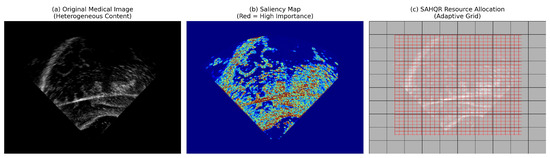
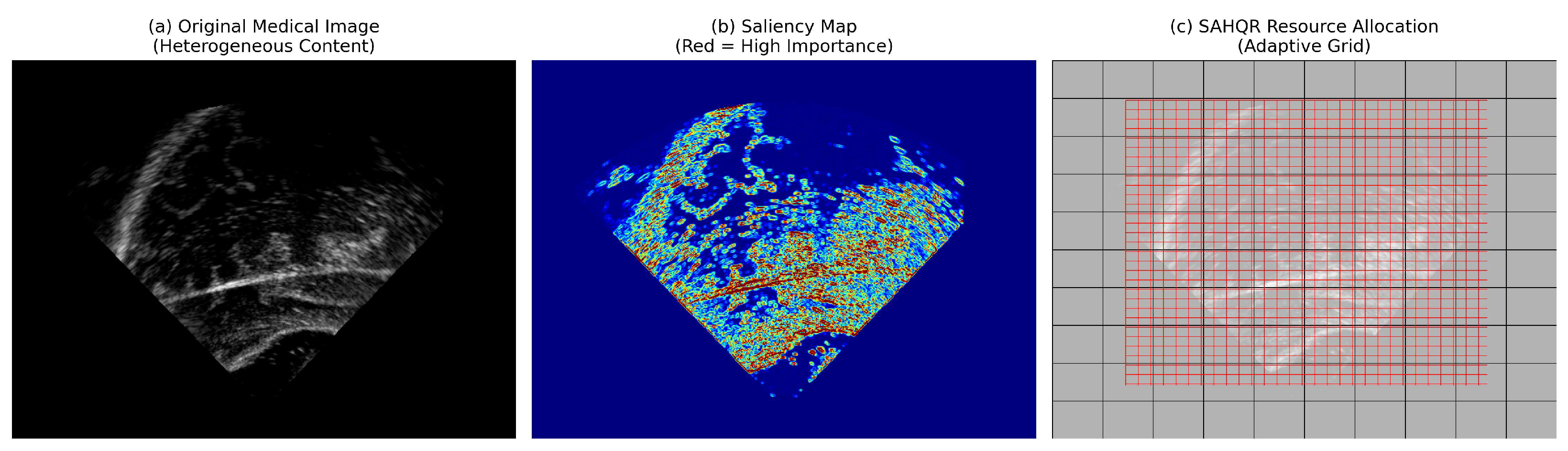
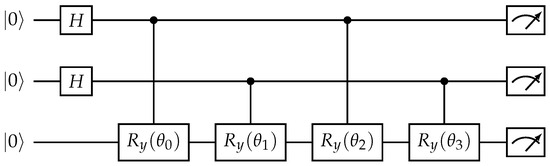
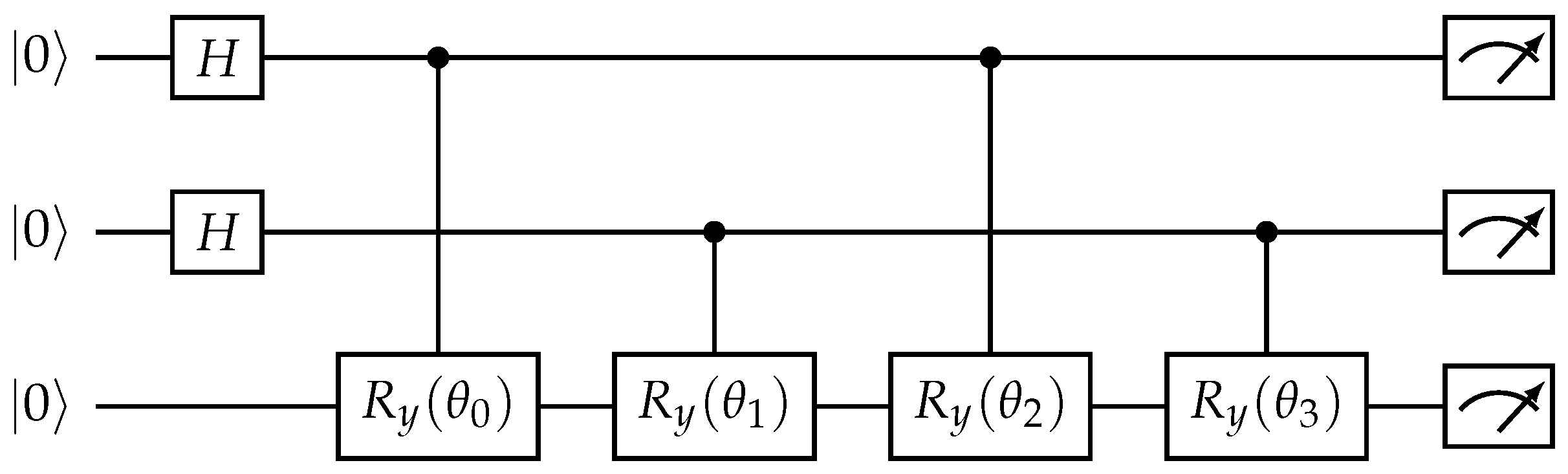
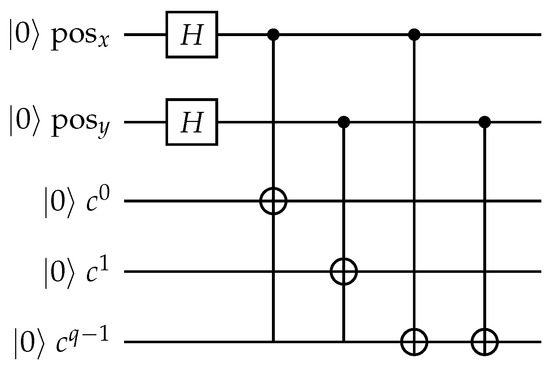
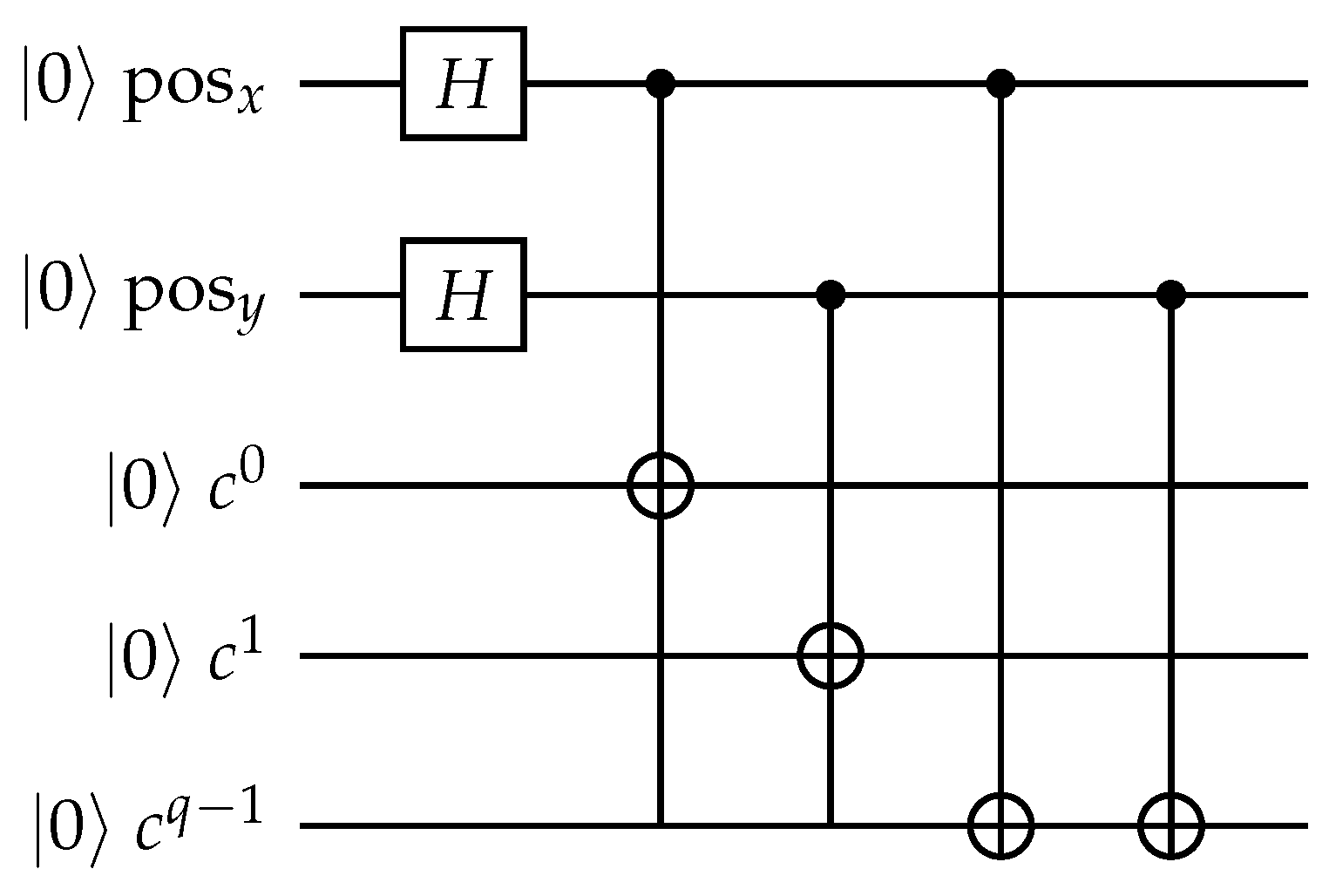
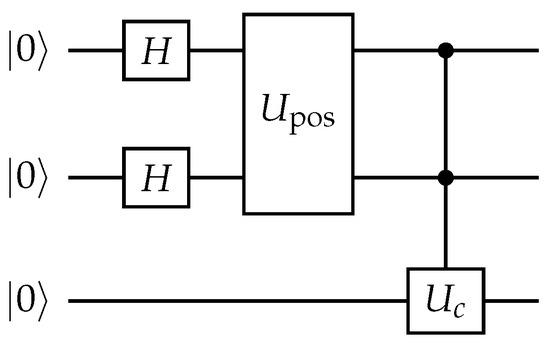
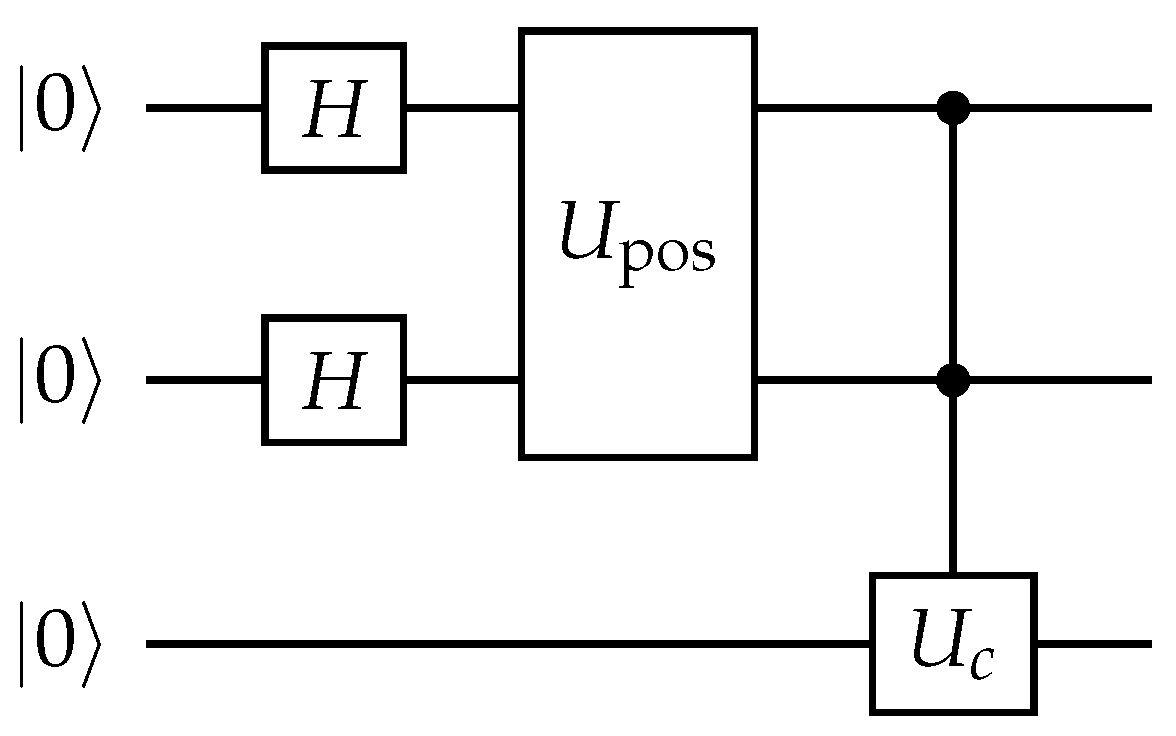
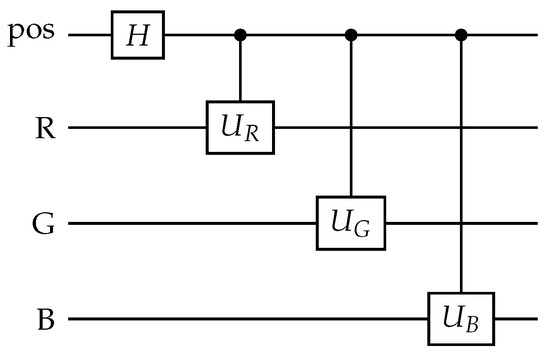
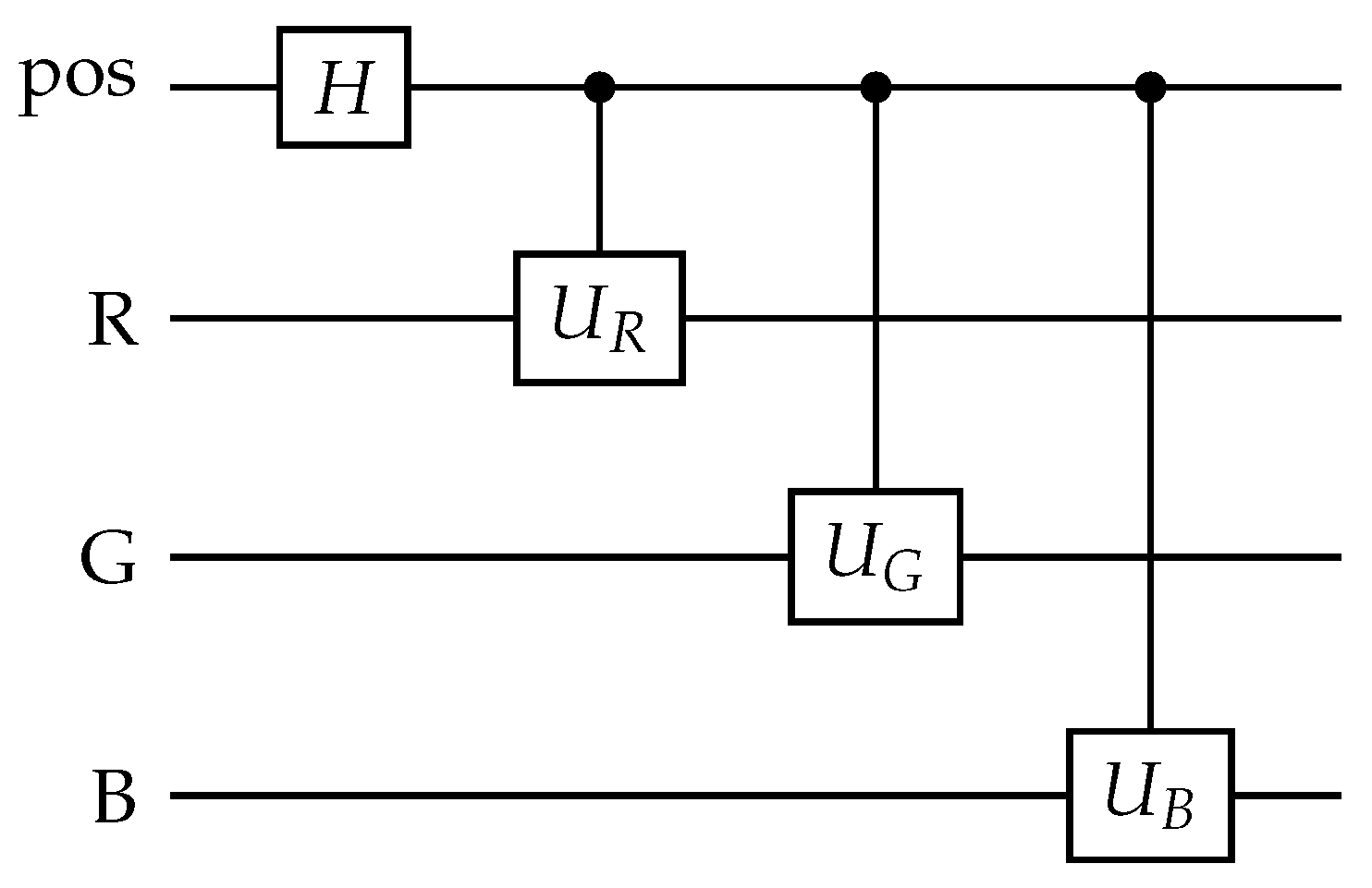
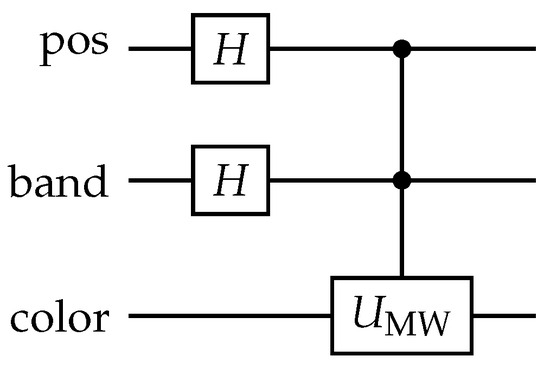
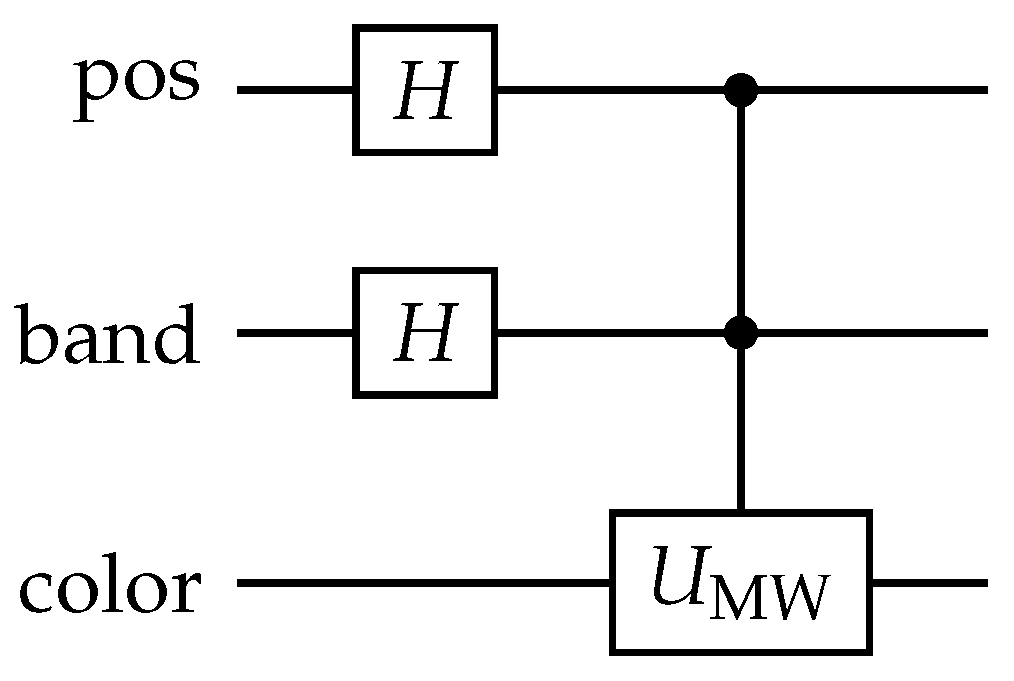
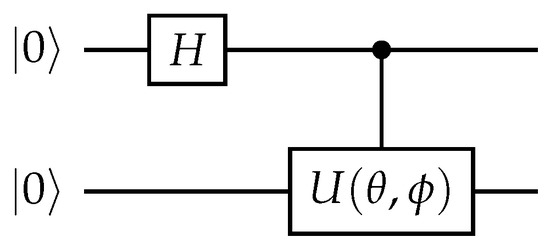
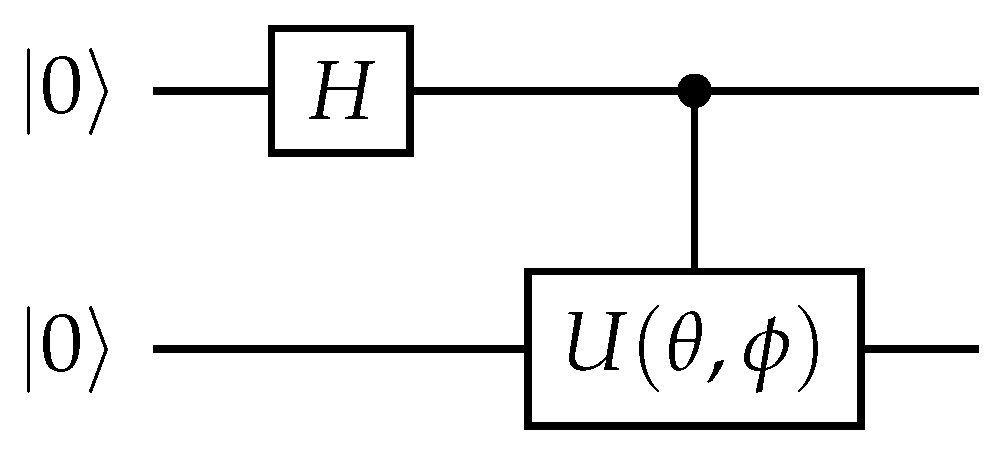
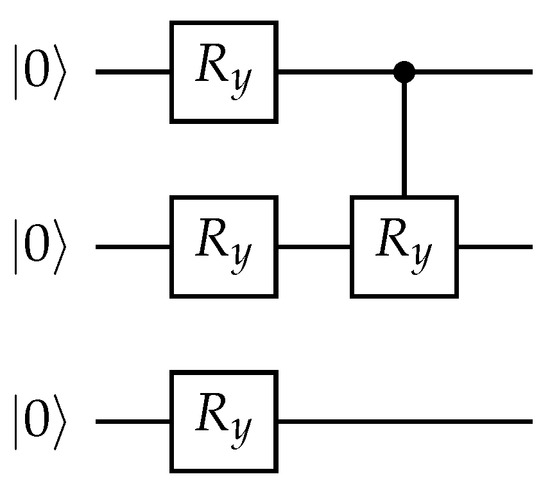
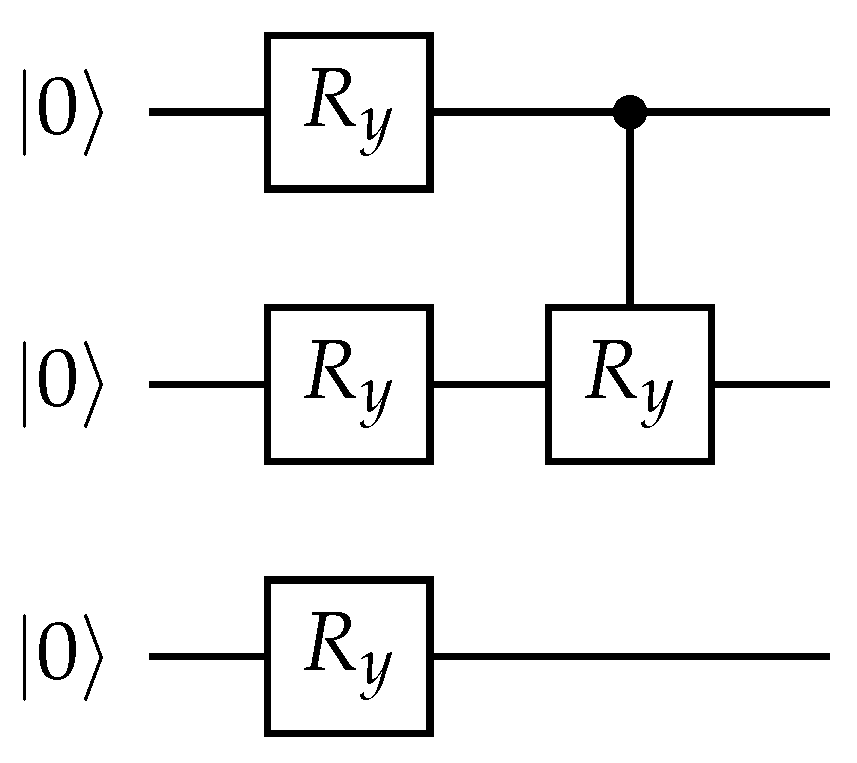
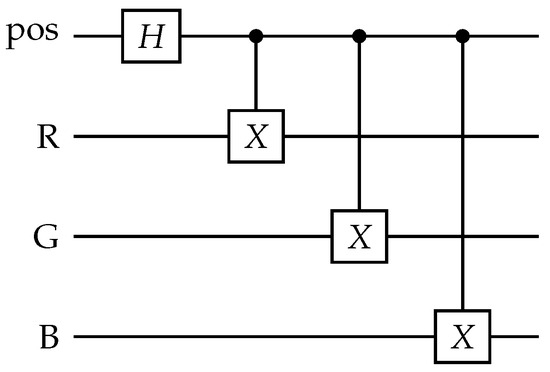
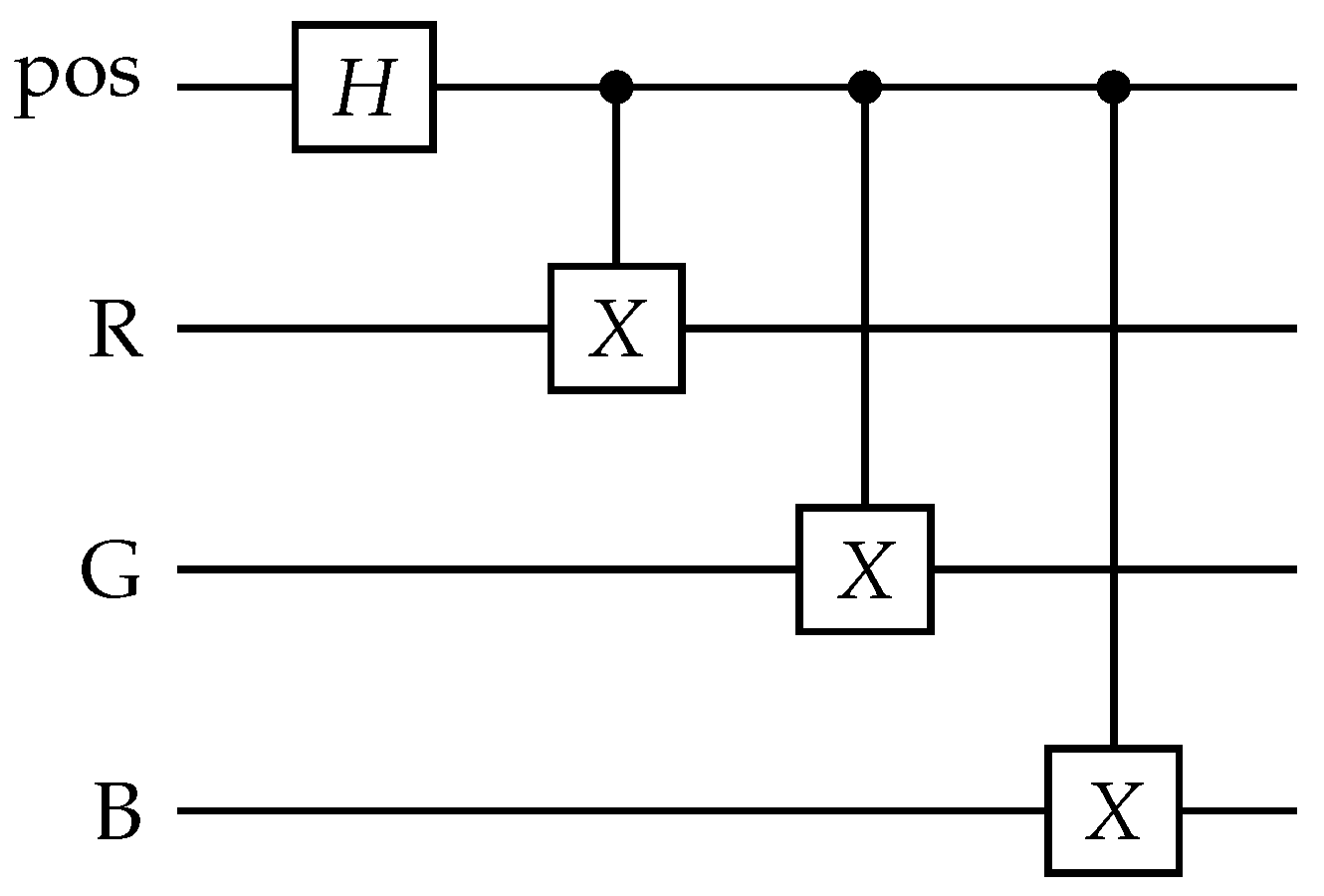
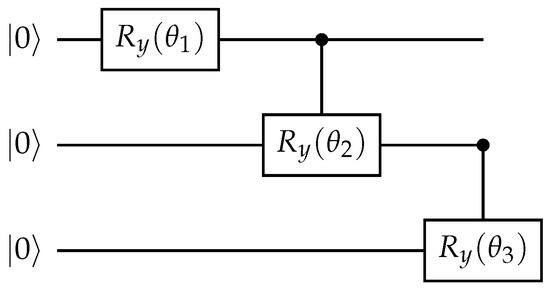
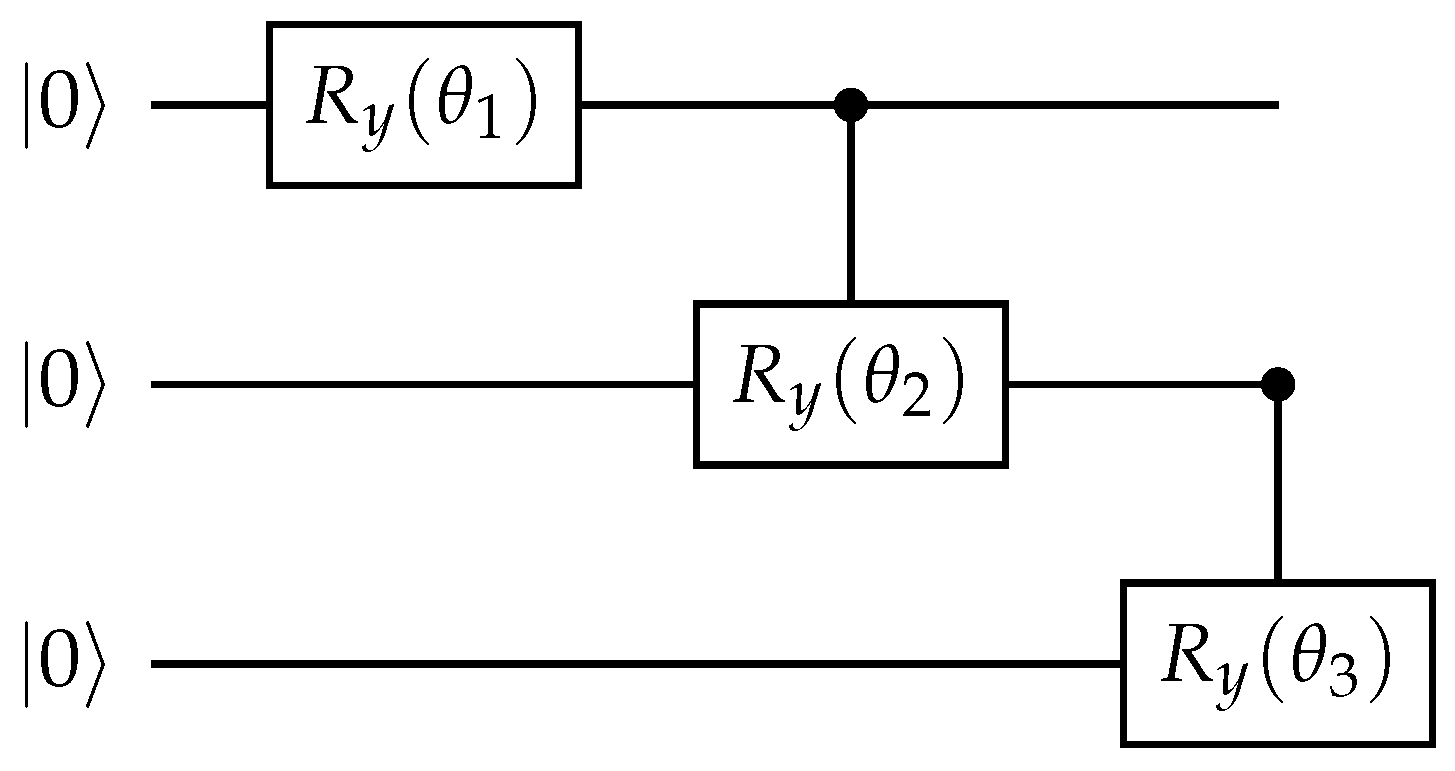
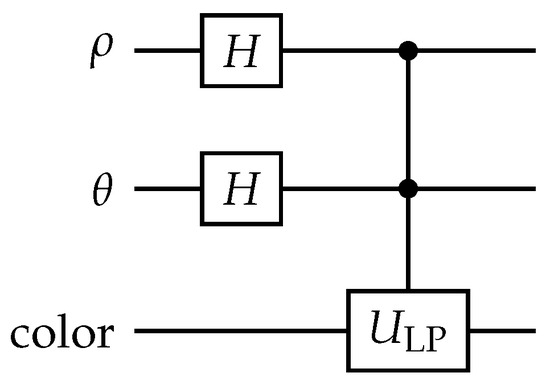
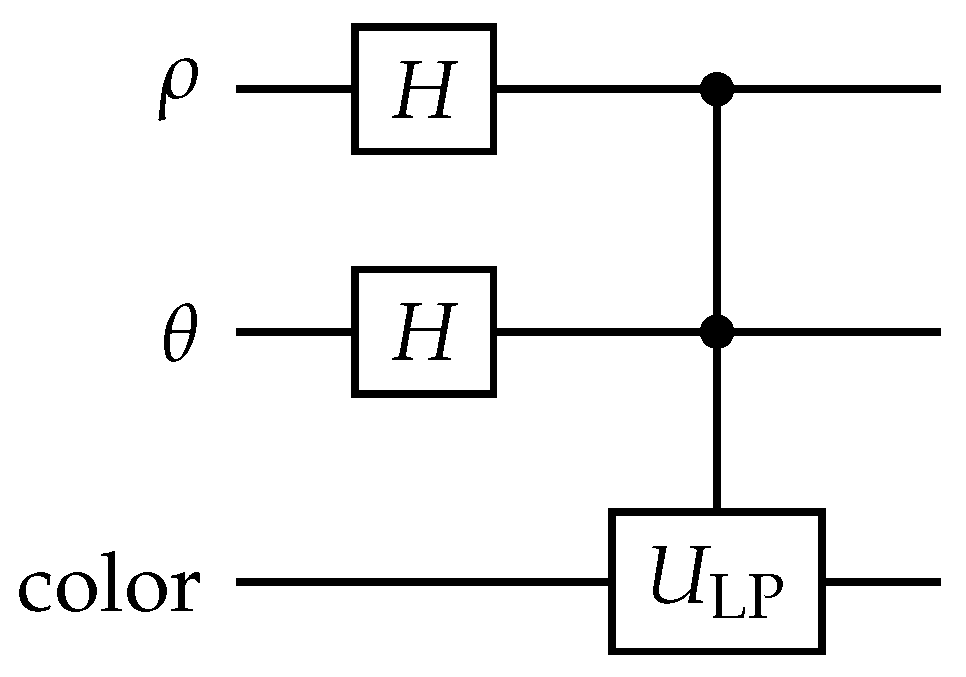
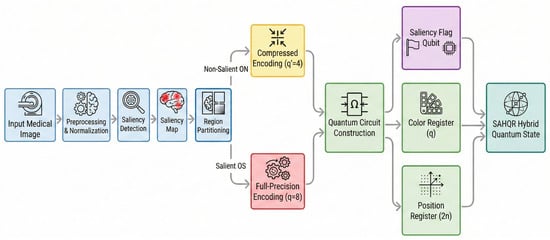
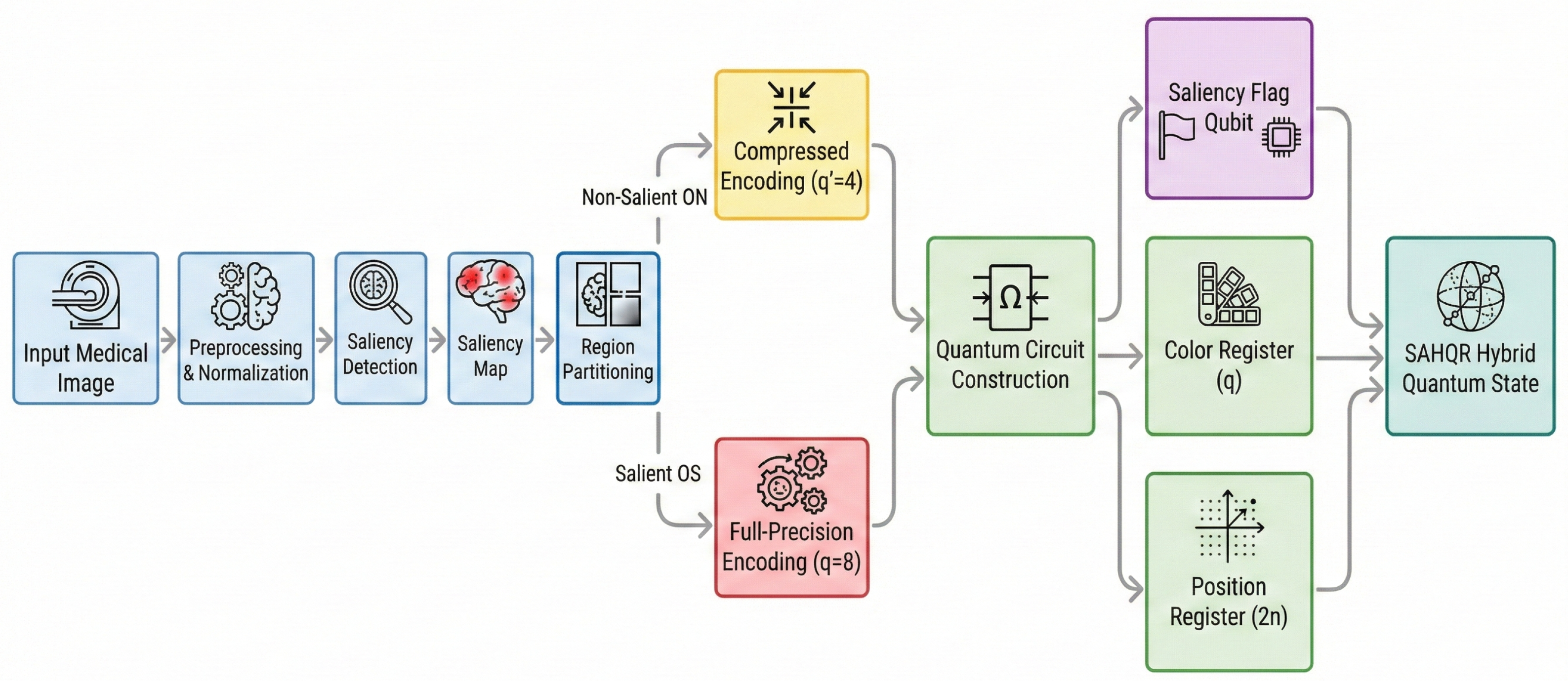
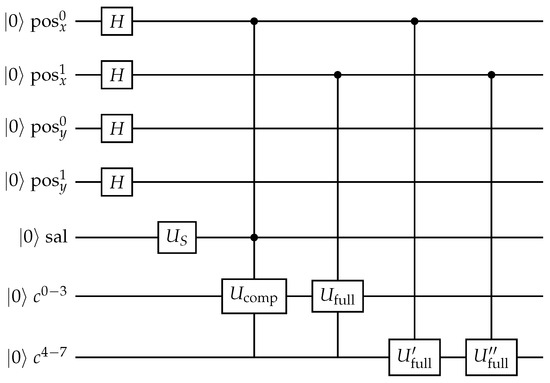
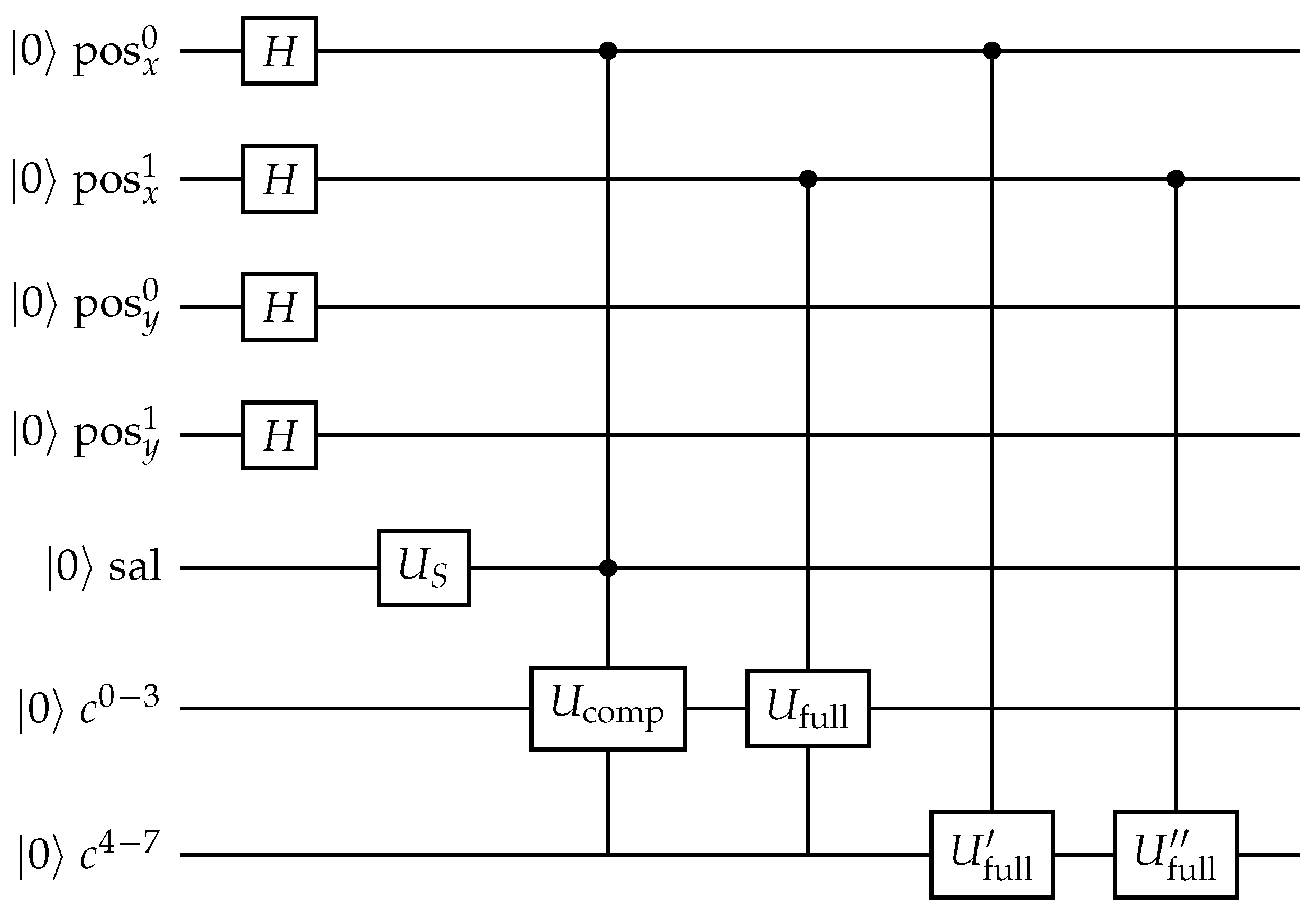
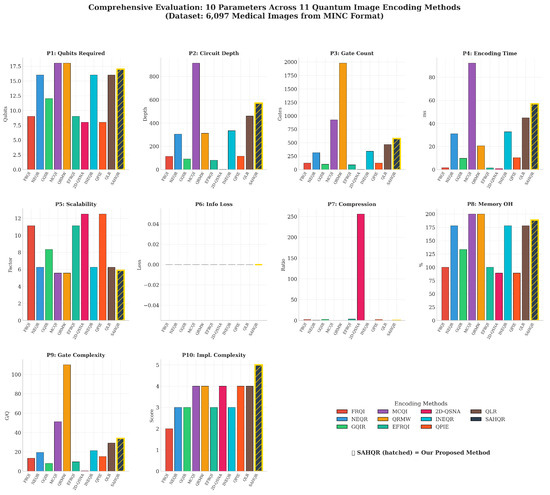
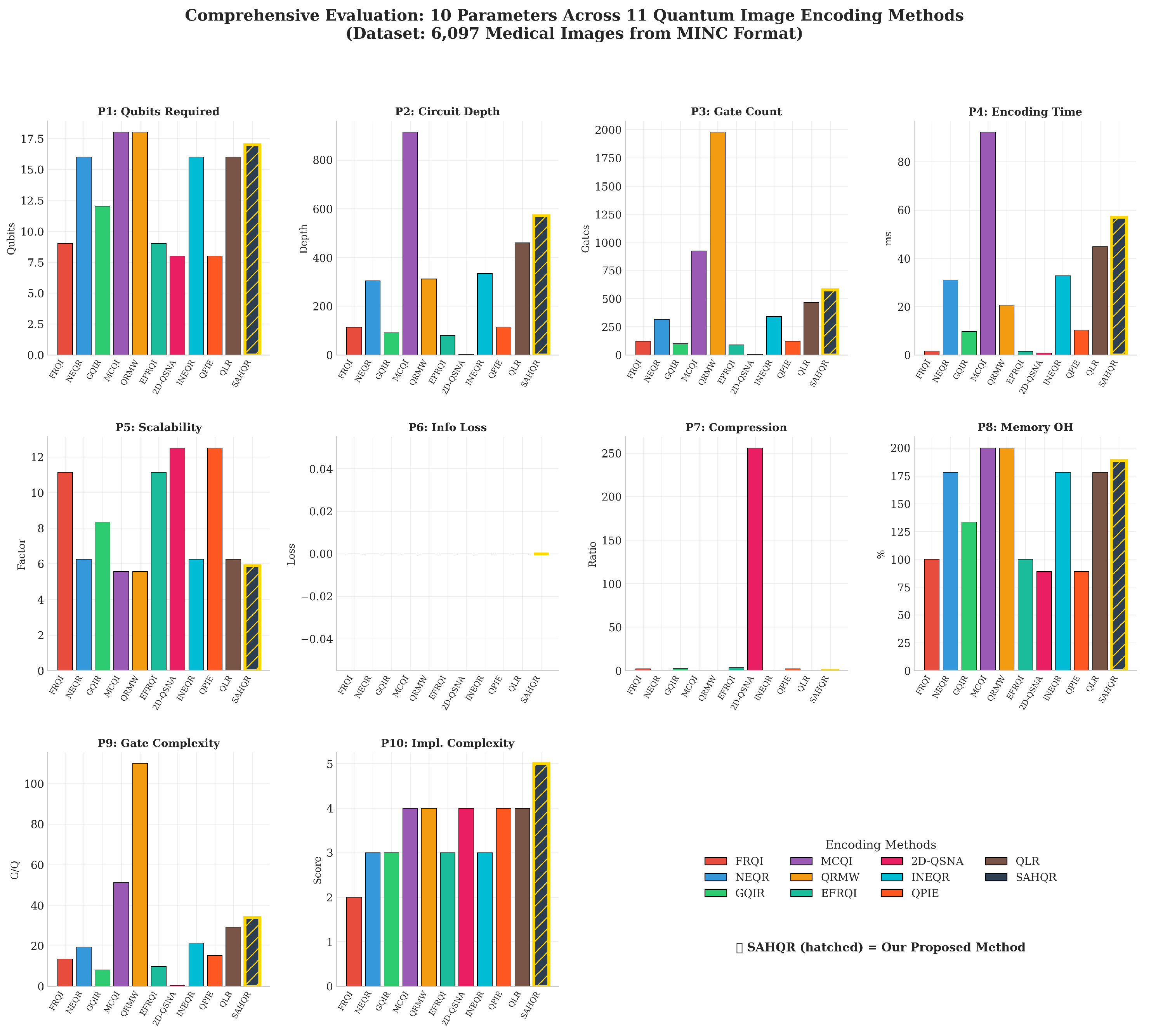
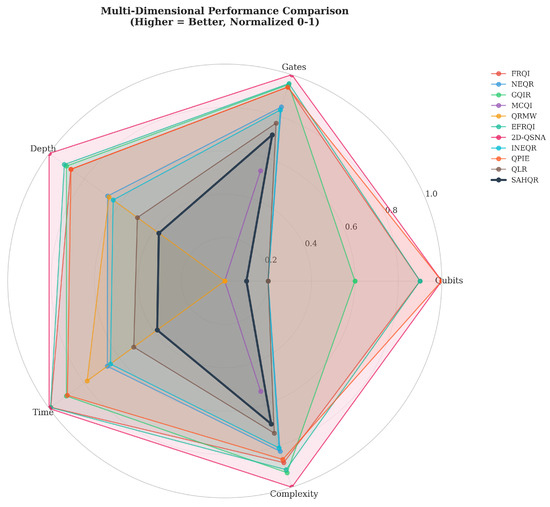
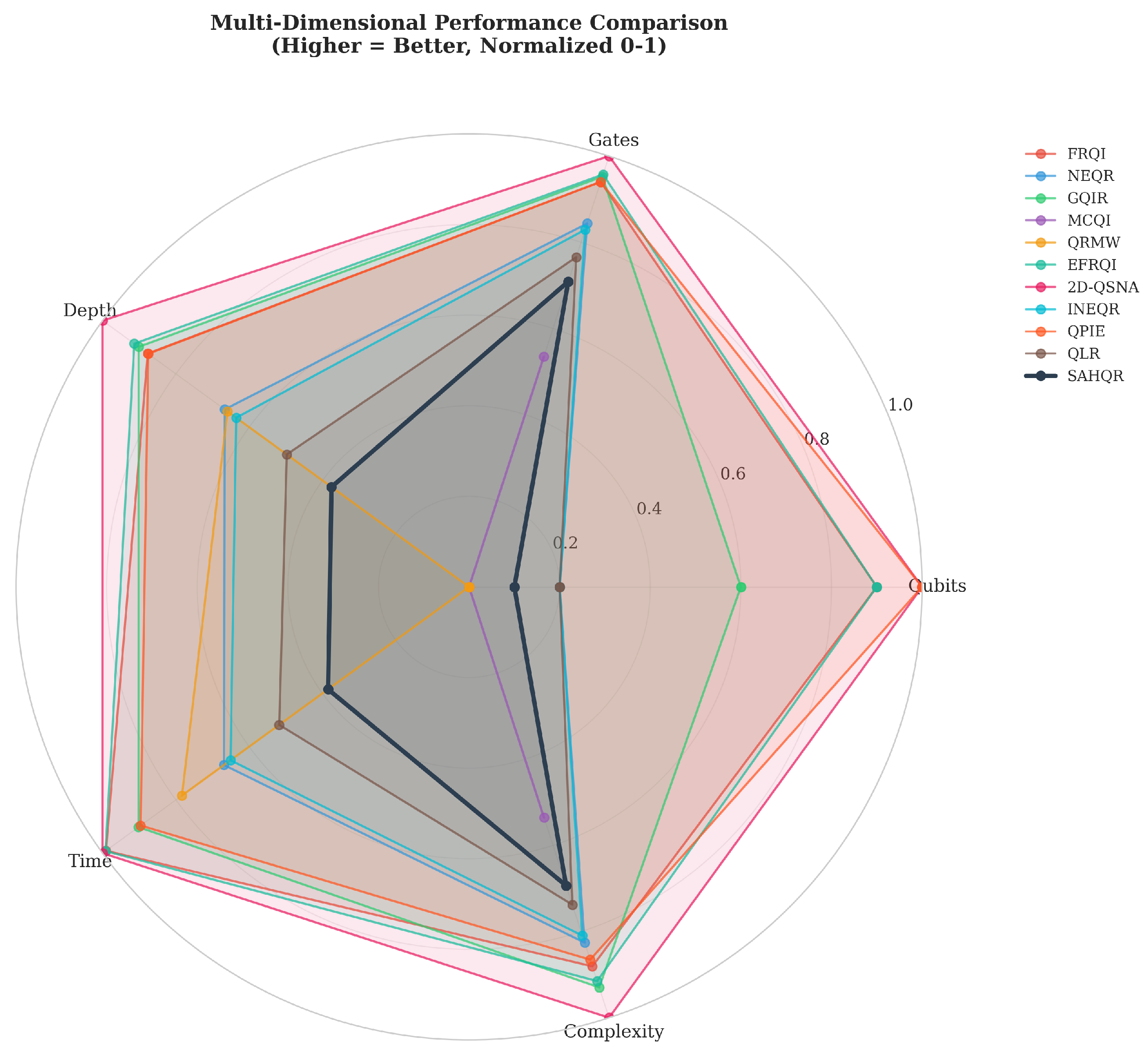
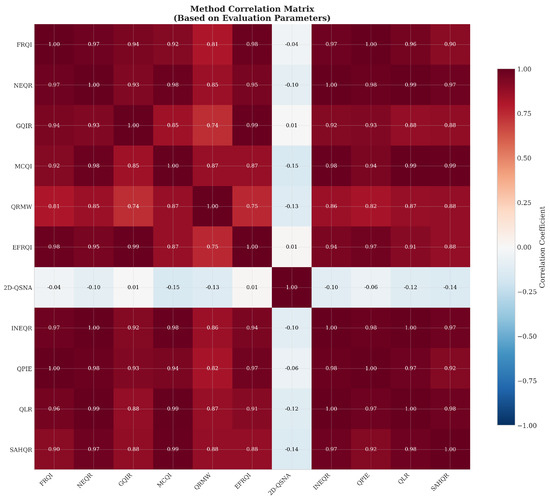
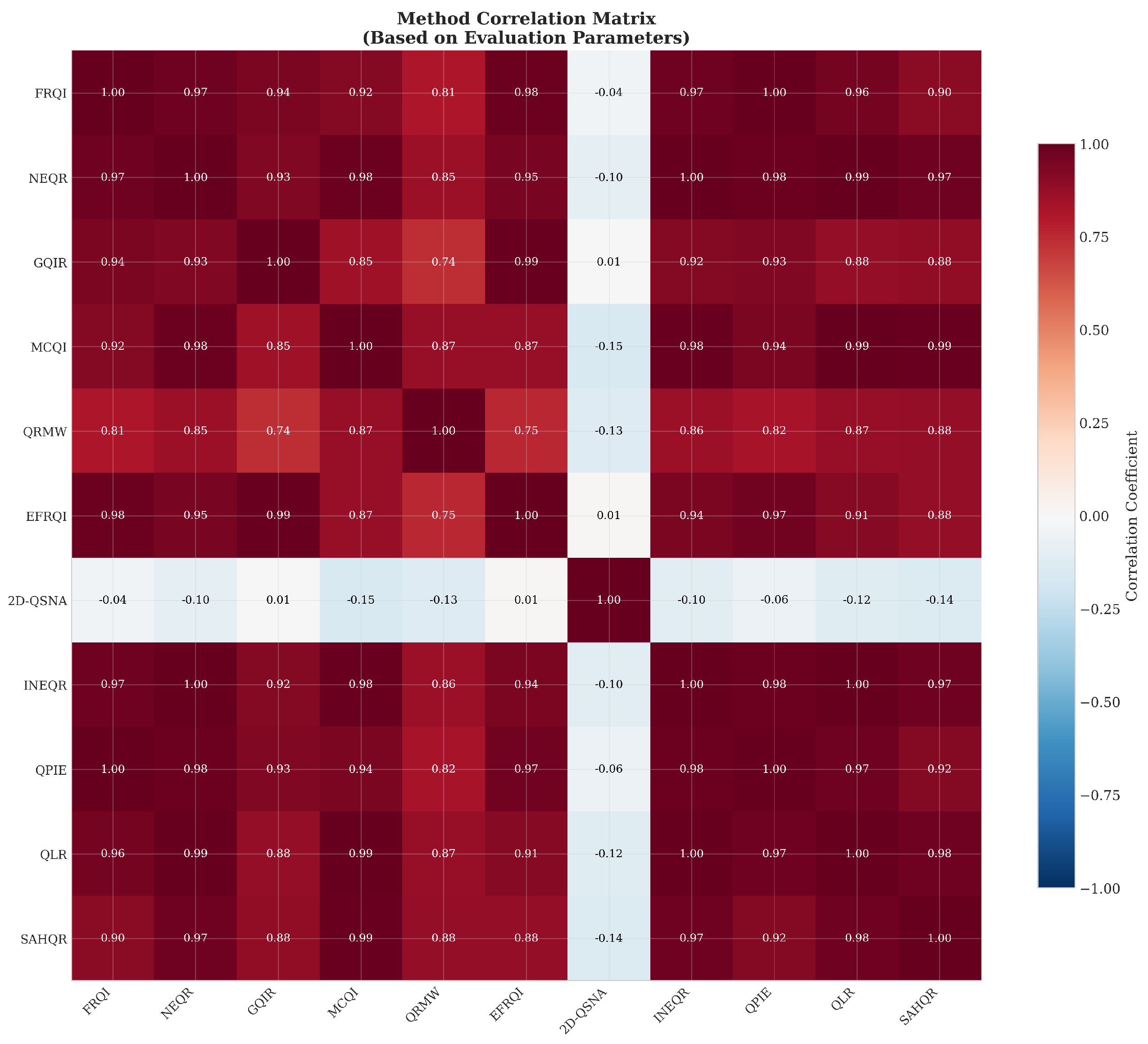
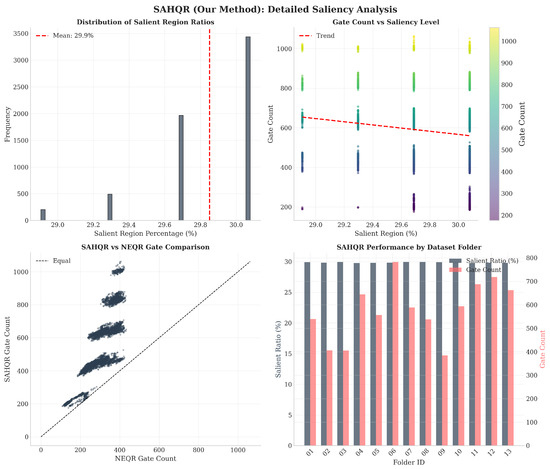
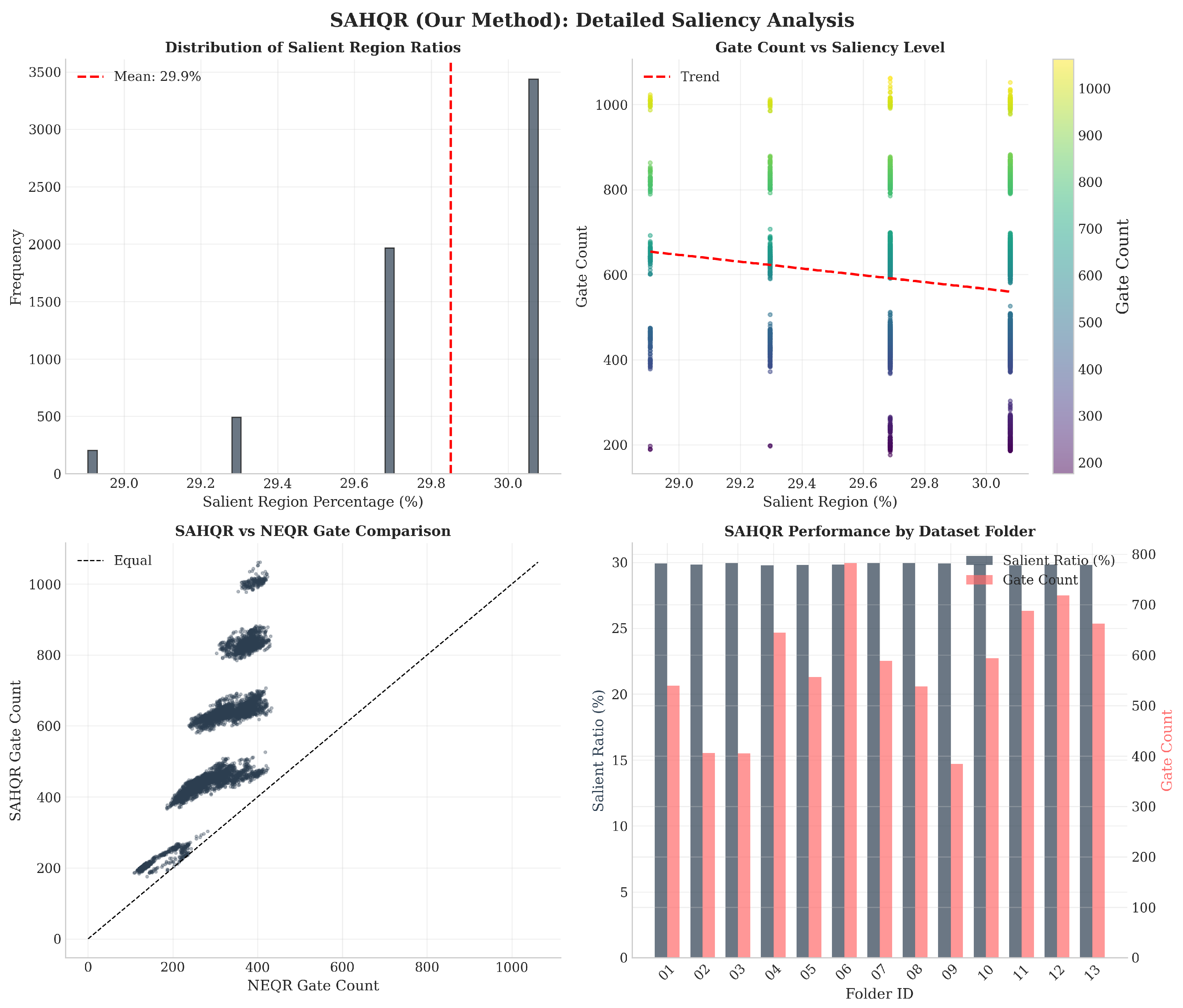
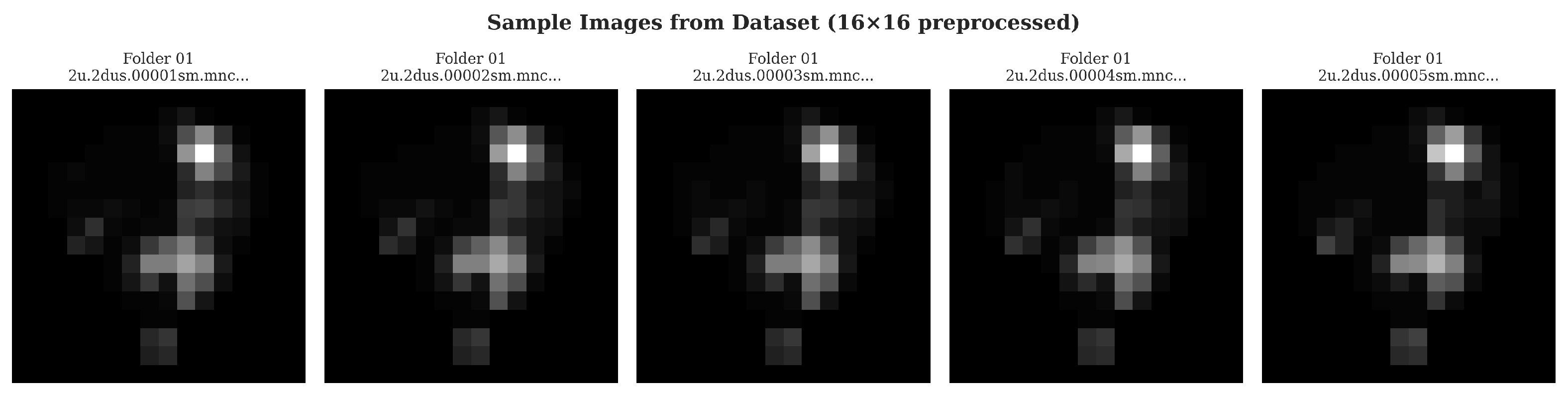
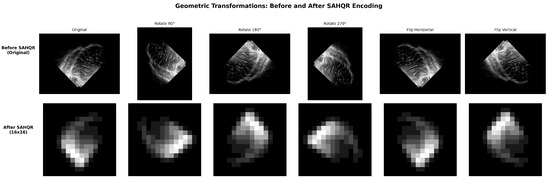
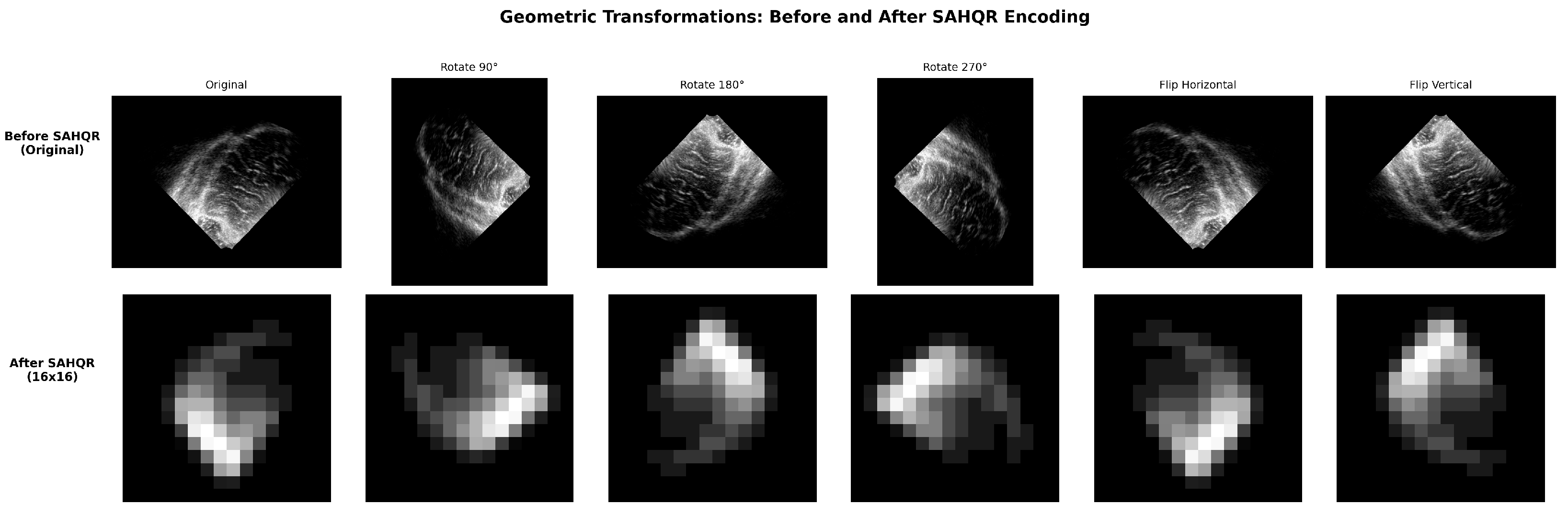
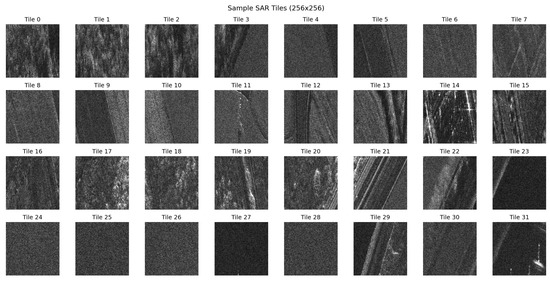
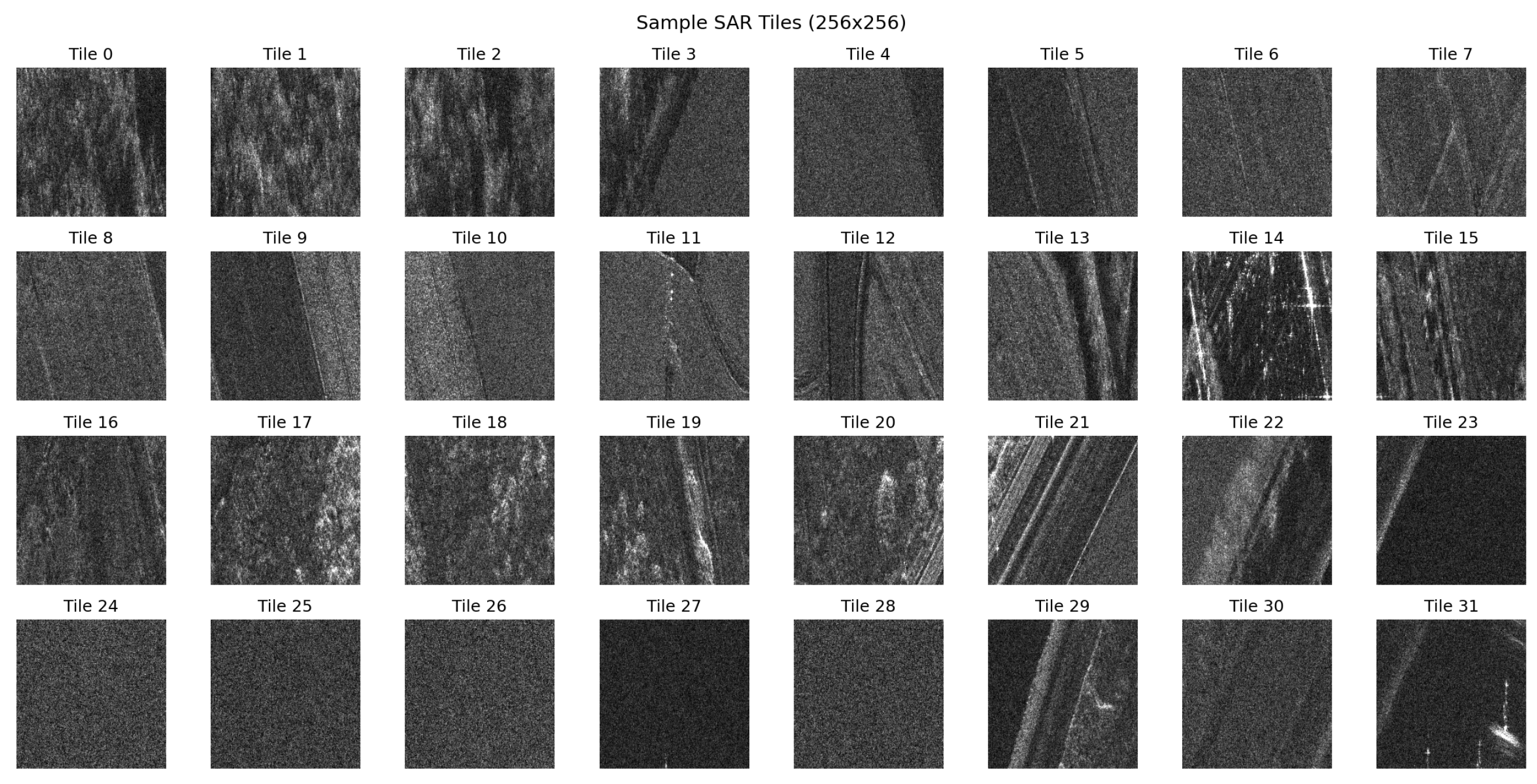
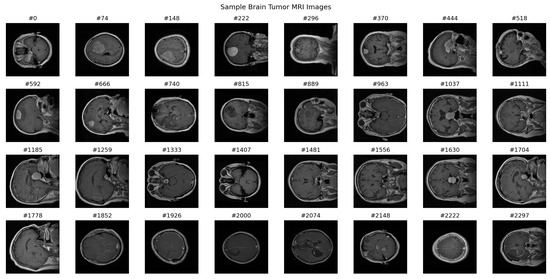
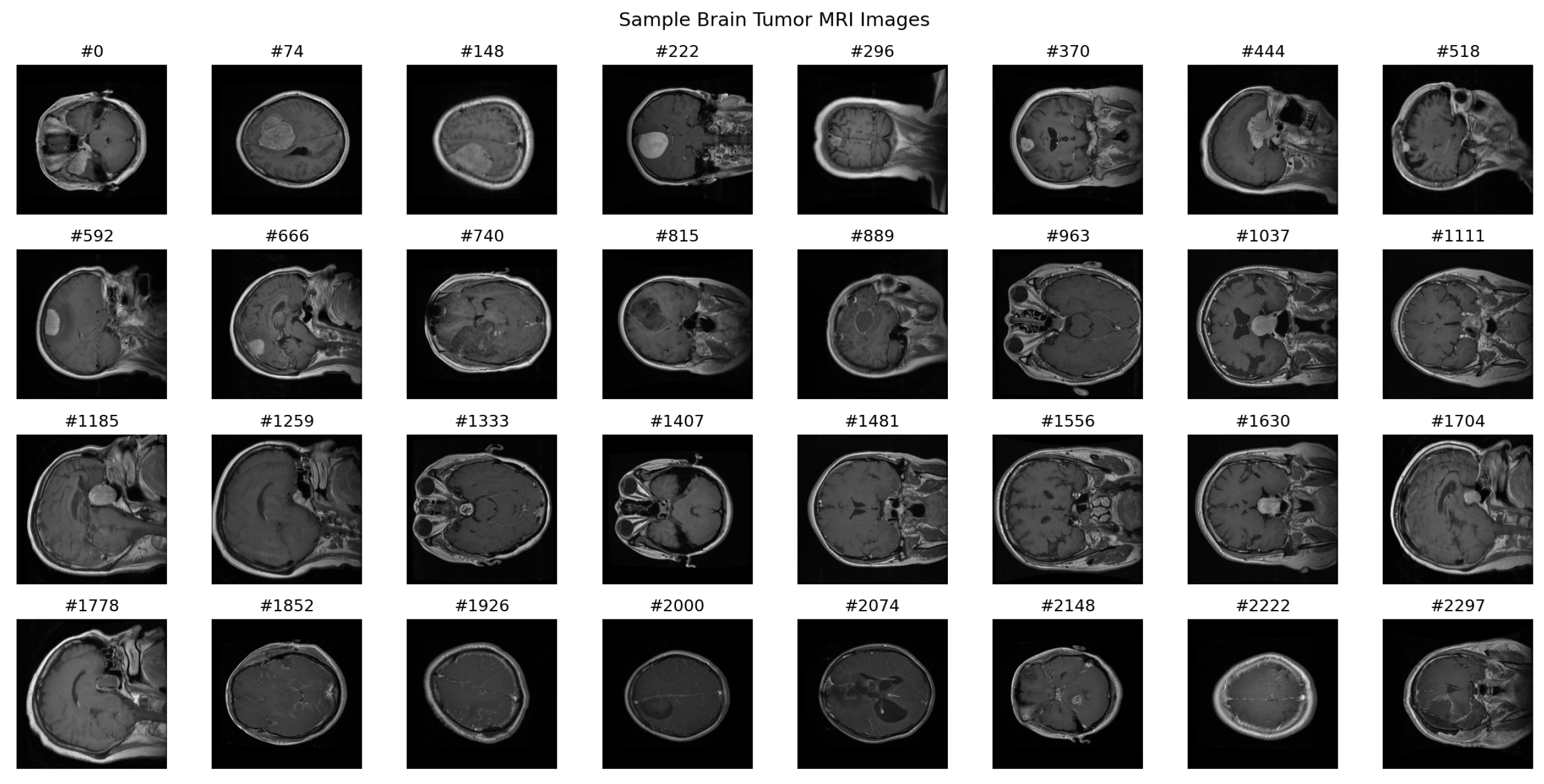
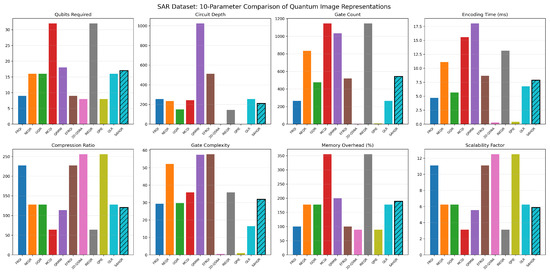
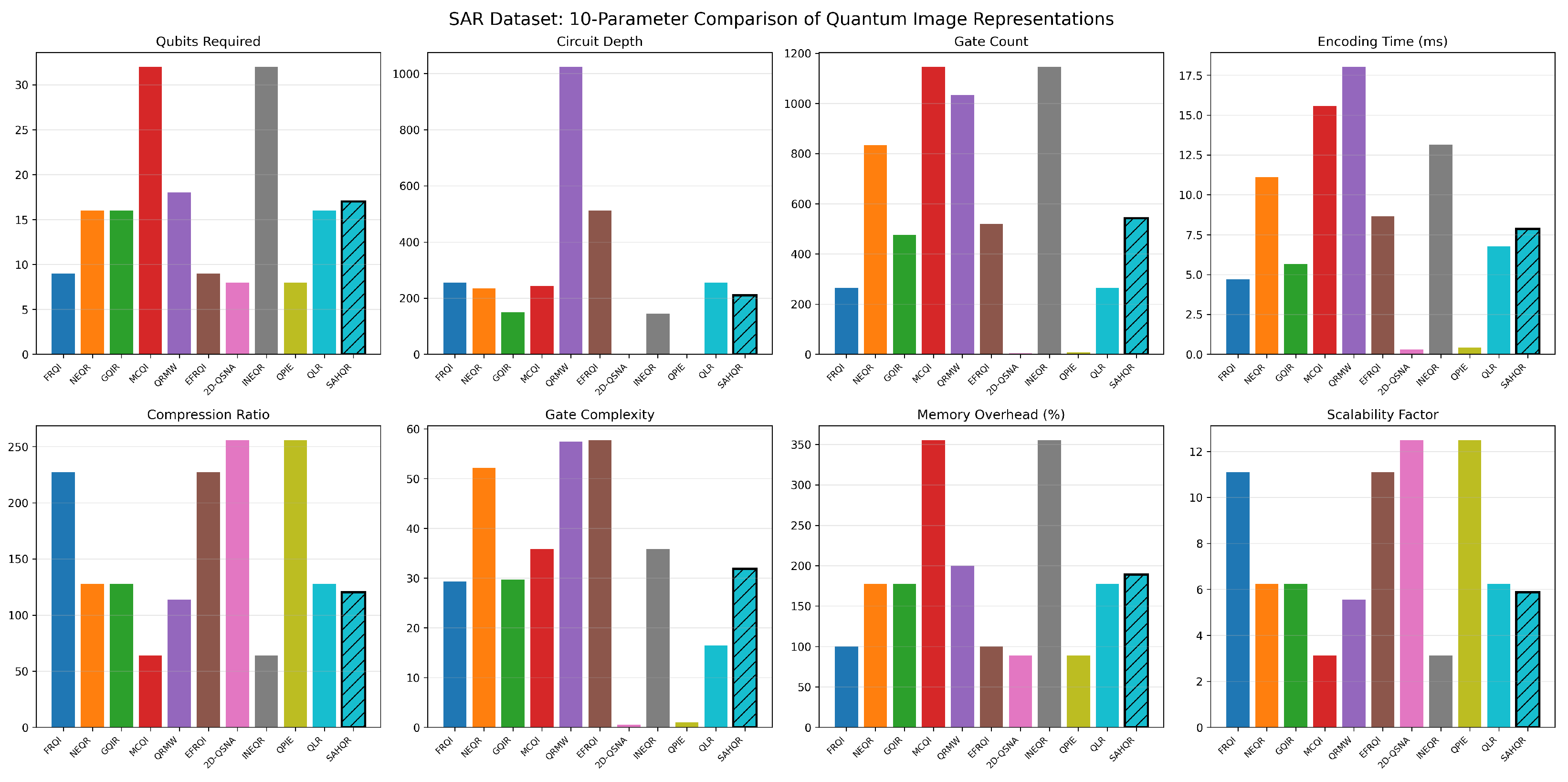
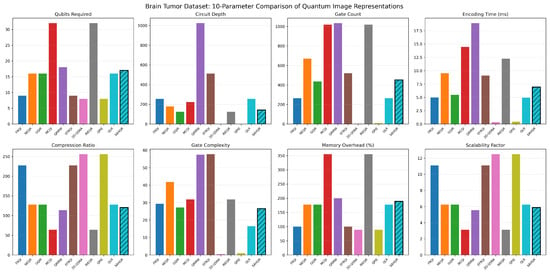
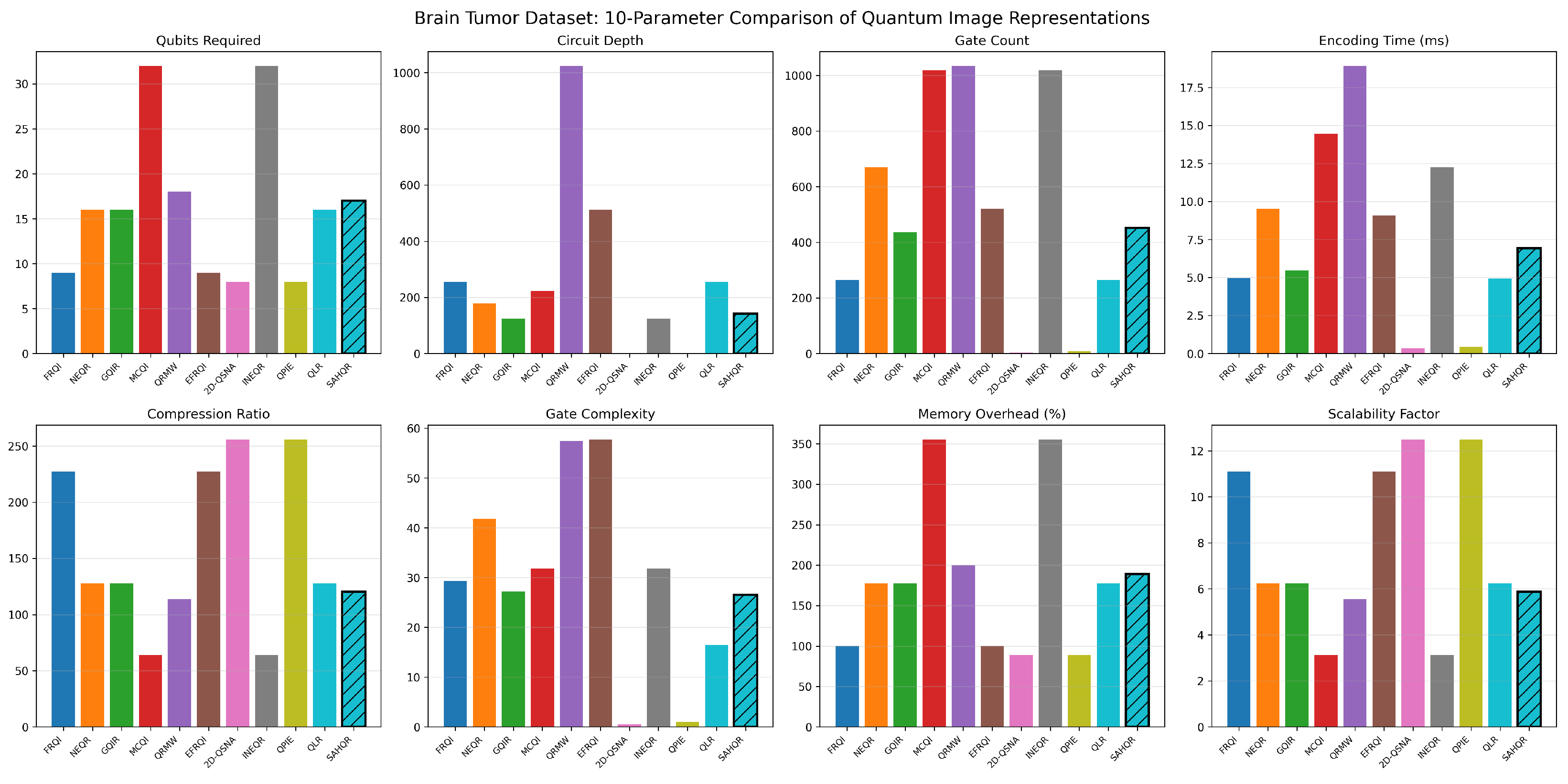

Disclaimer/Publisher’s Note: The statements, opinions and data contained in all publications are solely those of the individual author(s) and contributor(s) and not of MDPI and/or the editor(s). MDPI and/or the editor(s) disclaim responsibility for any injury to people or property resulting from any ideas, methods, instructions or products referred to in the content. |
© 2026 by the authors. Licensee MDPI, Basel, Switzerland. This article is an open access article distributed under the terms and conditions of the Creative Commons Attribution (CC BY) license.