


Abstract
Microbial β-galactosidase plays a central role in dairy processing because of its applications in lactose hydrolysis and galactooligosaccharide (GOS) synthesis. However, despite decades of research and technological development, it remains unclear how scientific advances have translated into industrial innovation and which microbial platforms are shaping the future of dairy biotechnology. This study integrates scientific literature ranked using the Methodi Ordinatio methodology with patent analysis to provide a comprehensive overview of microbial β-galactosidase production. A total of 100 scientific articles and 49 granted patents were analyzed. Lactic acid bacteria predominated in scientific literature (45%), whereas patents placed greater emphasis on industrially established microorganisms, particularly Bacillus spp., together with recombinant production strategies. Although lactose hydrolysis and GOS production remained the predominant applications, emerging trends point toward probiotic microorganisms capable of producing β-galactosidase while supporting the development of functional dairy products, psychrotrophic species for refrigerated dairy processing, microalgae as alternative microbial platforms, and the use of agro-industrial residues to promote more sustainable bioprocesses within a circular bioeconomy. By integrating scientific and technological evidence, this review identifies the microbial platforms and production strategies that are shaping the next generation of dairy innovation.
1. Introduction
The growing demand for lactose-free and functional dairy products has positioned β-galactosidase (EC 3.2.1.23), commonly known as lactase, as one of the most important biocatalysts in dairy processing [1]. This growing interest is reflected in the expansion of its global market, which was valued at approximately USD 1.04 billion in 2024 and is projected to reach USD 1.55 billion by 2033, with an estimated annual growth rate of 4.5% [2]. β-Galactosidase catalyzes the hydrolysis of lactose into glucose and galactose, enabling the production of lactose-free and low-lactose dairy products for the approximately 65–70% of adults worldwide affected by some degree of lactose intolerance [3,4]. In addition, this enzyme exhibits transgalactosylation activity, enabling the synthesis of galactooligosaccharides (GOS), which are recognized as prebiotic compounds capable of modulating the gut microbiota and promoting gastrointestinal health [5].
β-Galactosidase is widely distributed in nature and can be obtained from animal, plant, and microbial sources. However, enzymes derived from plant and animal origins present economic limitations associated with high production and purification costs, which restrict their large-scale industrial application. In this context, microbial production has emerged as a more viable alternative, as it enables cost-effective large-scale synthesis combined with greater operational flexibility [6]. In addition to improving production efficiency, microbial platforms offer access to enzymes with distinct biochemical properties, expanding the potential applications of β-galactosidase in dairy processing and other biotechnological sectors. Furthermore, lactase has also been applied to the valorization of dairy waste streams, including lactose conversion for biofuel production, reinforcing its industrial versatility [7].
Research on microbial β-galactosidase production has expanded considerably in recent years, yet the available evidence remains dispersed across multiple research areas. Existing reviews have primarily addressed β-galactosidase applications, enzyme sources, recombinant expression systems, and immobilization strategies [7,8]. However, because these reviews are narrative, they do not provide an objective way to identify the most influential studies or to track emerging research trends. In contrast, systematic approaches such as Methodi Ordinatio rank the scientific literature by integrating journal impact factor, citation metrics, and publication year, allowing a more structured assessment of the available evidence [9,10]. Another limitation of previous reviews is their exclusive reliance on scientific publications, with little attention given to patent documents. Because patents reflect technological development and provide insight into the potential industrial application of scientific knowledge, excluding them provide only a partial view of advances in microbial β-galactosidase production. Integrating scientific publications with patent evidence offers a broader perspective on research trends, technological development, and emerging opportunities in this field.
To address these gaps, this study integrates scientific and technological evidence on microbial β-galactosidase production through the combined application of the Methodi Ordinatio methodology and a patent landscape analysis. This approach enables the identification of the most influential scientific studies based on objective bibliometric criteria while simultaneously examining technological developments protected by patents. By comparing these complementary sources of information, this review provides a comprehensive overview of microbial β-galactosidase production, identifies dominant microbial platforms, production strategies, and industrial applications, and highlights emerging trends and opportunities to support future research and technological innovation in dairy processes.
2. Materials and Methods
2.1. Scientific Manuscript-Based Analysis of Microbial β-Galactosidase Production
The systematic review was conducted to identify and analyze scientific advances related to the production of β-galactosidase by microorganisms, with emphasis on the biotechnological strategies employed for enzyme production. Articles were selected and organized using the Methodi Ordinatio approach, as proposed by Pagani et al. [10], whose methodological steps are illustrated in Figure 1.
Figure 1.
Flowchart of the Methodi Ordinatio applied to the systematic literature review on microbial β-galactosidase production. The asterisk (*) indicates truncation in the search terms, allowing retrieval of words with different endings.
The review was conducted and reported in accordance with the main principles of the PRISMA (Preferred Reporting Items for Systematic Reviews and Meta-Analyses) guidelines, particularly regarding transparency, study selection, and reporting of the screening process. The complete PRISMA 2020 checklist and PRISMA flow diagram (Figure S1) are provided in the Supplementary Material. The review protocol was registered retrospectively on the Open Science Framework (OSF; https://doi.org/10.17605/OSF.IO/GTPCS). In this context, the Methodi Ordinatio was employed as a complementary strategy to improve the prioritization of studies based on the number of citations, journal impact, and year of publication.
2.1.1. Definition of the Research Intent
The research intent was defined as the identification of the main biotechnological approaches applied to the microbial production of β-galactosidase.
2.1.2. Preliminary Exploratory Search
A preliminary exploratory search was carried out to refine keyword selection and ensure adequate coverage of the research topic. Different combinations of keywords were tested to broaden the scope of the search and maximize the retrieval of relevant publications. The keywords initially evaluated included “production of β-galactosidase”, “obtention of β-galactosidase”, “β-galactosidase production”, “production of lactase”, and “lactase production”, combined with complementary terms such as “activity”, “microorganism”, and “ONPG” (o-nitrophenyl-β-D-galactopyranoside), a substrate commonly used to assess β-galactosidase activity.
2.1.3. Definition of Databases and Final Search Strategy
Based on the results of the preliminary exploratory search phase, the final research strategy was defined using the Scopus and Web of Science databases, as these are internationally recognized platforms that offer broad scientific coverage and advanced filtering tools. The keywords showing the greatest adherence to the research topic were combined as follows:
“β-galactosidase produc*” OR “β-galactosidase obtention” OR “obtention of β-galactosidase” OR “lactase produc*” OR “lactase obtention” OR “obtention of lactase” OR “production of β-galactosidase” OR “production of lactase”
2.1.4. Final Database Search
The literature search was completed on 29 September 2025, applying the “Article title, abstract, keywords” filter in the Scopus database and the “Topic” filter in the Web of Science database, which includes title, abstract, author keywords, and keywords plus. This strategy resulted in the identification of 678 articles from Scopus and 627 articles from Web of Science, totaling 1305 records.
2.1.5. Article Filtering Procedure
After duplicate records were removed, 684 unique articles remained for screening. Titles and abstracts were then evaluated, and review articles and studies that did not provide experimental evidence related to microbial β-galactosidase production or expression were excluded. Studies in which β-galactosidase was experimentally produced and quantified for purposes other than its direct use as a biotechnological product were also retained, provided that the reported experimental data were directly related to β-galactosidase production or activity. This criterion allowed the inclusion of studies in which β-galactosidase was investigated alongside other biological or biotechnological characteristics of the microorganism, while excluding studies in which the enzyme was merely mentioned or used without experimental assessment of its production or activity. This screening process resulted in 277 articles aligned with the scope of the review. This step ensured that topical relevance was established prior to ranking, so that the subsequent application of the InOrdinatio index served exclusively to prioritize scientific and technological impact within an already thematically curated set of articles, rather than to determine their relevance to the research topic. All search, screening, and selection steps were recorded in a structured spreadsheet to ensure the transparency, traceability, and reproducibility of the review.
2.1.6. Application of the InOrdinatio Index
The number of citations, publication year, and journal impact factor were collected to calculate the InOrdinatio index. Citation counts and publication year, referring to the published article, were obtained directly from the databases, whereas journal impact factors were retrieved from the Journal Citation Reports (JCR), 2024 edition, the most recent version available, and for journals not indexed in the JCR, a value of zero was assigned. The InOrdinatio index was calculated according to Equation (1), based on journal impact factor, citation count, publication age, and the weighting factor α (an integer ranging from 1 to 10):
InOrdinatio = Citation counts + Impact factor + (10 × α) − (α × Publication age)
In this study, all integer α values ranging from 1 to 10 were tested, and their effect on the selection and ranking of articles is presented in the Supplementary Material (Section S2.1; Figure S2). The overall ranking remained strongly correlated with that obtained at α = 2 for all α values tested (Spearman’s ρ = 0.79–0.97), and the correlation decreased gradually as α increased, indicating that the choice of α did not substantially reorganize the selected literature. The α = 2 was adopted because it provided a moderate weighting of publication recency without giving excessive weight to very recent publications, as observed with higher α values, for which the proportion of top-ranked articles with five or fewer citations increased from 13% at α = 2 to 28–36% at α ≥ 5. Based on this criterion, a cutoff corresponding to the top 100 ranked articles was established (Table S1).
2.1.7. Final Reading and Systematic Analysis
Finally, the 100 selected articles were retrieved in full and carefully examined to extract and organize the relevant information. This analysis encompassed bibliometric aspects, such as year of publication, country of origin, and publishing journals, as well as technical variables related to the production process, including the microorganisms used, the enzymatic fraction produced, the use of agro-industrial by-products, culture medium supplementation, fermentation strategies, and operational process characteristics.
2.2. Patent Search Strategy for Microbial β-Galactosidase Production
The patent-based analysis (Figure 2) was conducted to examine technological developments related to the production of β-galactosidase by microorganisms, complementing the findings obtained from the scientific literature review.
Figure 2.
Flowchart of the patent search, screening, and data extraction procedure applied to microbial β-galactosidase production.
2.2.1. Data Source and Search Strategy
Patent documents were retrieved from the Espacenet database using the same keywords applied in the scientific literature review, restricted to the “title or abstract” fields. The final search was conducted on 15 December 2025, yielding 434 patent documents, of which 424 were published in English and 10 in French.
2.2.2. Document Selection and Thematic Alignment
Titles and abstracts of the retrieved patent documents were screened to assess their relevance to the scope of this study. The selection process followed the same research rationale described in Section 2.1.1, focusing on the identification of the main biotechnological approaches applied to microbial β-galactosidase production. After applying the inclusion criteria, a total of 62 patent documents were selected for detailed evaluation.
2.2.3. Data Extraction and Organization
The legal status of the selected patent documents was first verified to ensure that only technologies that had obtained legal protection at some stage were included in the analysis. Consequently, ten pending applications, two withdrawn applications, and one non-granted patent were excluded, resulting in a final dataset of 49 granted or previously granted patent documents (Table S2). For each patent, information regarding the publication date, filing country, microorganisms, production strategies, and intended applications was extracted and organized in a spreadsheet to enable comparison analysis.
2.3. Data Analysis
Scientific articles and patent documents were organized, and data analysis were performed using Microsoft Excel spreadsheets. Keyword analyses were conducted using VOSviewer software (version 1.6.20). In addition, Mendeley was employed for reference organization and management.
3. Results and Discussion
3.1. Article-Based Analysis of Microbial β-Galactosidase Production Using the Methodi Ordinatio
In this systematic review, among the 277 articles aligned with the scope of the study, 192 presented positive InOrdinatio values, according to Equation 1, and constituted the eligible dataset for analysis. From this set, the 100 articles with the highest InOrdinatio values were selected. The sum of the InOrdinatio values of these 100 articles accounted for 78.26% of the total index value, considering the 192 eligible articles (Figure 3), indicating that the selected sample captures a substantial proportion of the bibliometric impact represented by the eligible literature on microbial β-galactosidase production and activity. This result supports the adequacy of the selection criterion adopted and the robustness of the analysis conducted.
Figure 3.
Cumulative percentage of the InOrdinatio index values for the scientific articles related to microbial β-galactosidase production that presented non-negative values (n = 192), calculated the Methodi Ordinatio (α = 2). The blue line represents the cumulative percentage of the sum of the InOrdinatio index values according to the ranking of the articles, and the grey line represents the threshold of the 100 top-ranked articles.
The ten most relevant scientific articles, presented in Table 1, account for 21.36% of the cumulative InOrdinatio index value, highlighting the high representativeness of this group within the overall dataset analyzed. Among the 100 selected articles, the highest InOrdinatio score was 245.0, attributed to the study of Soncini et al. (1996) [11], whereas the lowest score was 21.0, corresponding to Sriphannam et al. (2012) [12]. Overall, these articles exhibit high scientific impact, reflected by an average of 116 citations and publication in highly rated journals, with an average impact factor of 5.0.
Table 1.
Top ten scientific articles related to microbial β-galactosidase production and activity, ranked according to the Methodi Ordinatio.
Among the studies with the highest InOrdinatio scores, the article by Soncini et al. [11] received the largest number of citations (280). In that study, a promoterless lac gene was introduced into the Salmonella typhimurium genome through MudJ transposon-mediated transcriptional fusions, and β-galactosidase production/activity was quantitatively measured in Miller units as a reporter of transcriptional activity at PhoP-regulated genomic loci. The authors screened approximately 50,000 mutants and identified 54 mutants displaying PhoP-regulated β-galactosidase expression [11]. They further demonstrated that β-galactosidase activity associated with PhoP-activated loci was strongly dependent on Mg2+ availability, with activity ratios between cells grown at low (10 μM) and high (10 mM) Mg2+ concentrations ranging from 4- to 287-fold (mean value of 81-fold). Thus, the study provides experimental evidence of microbial β-galactosidase production and quantitative activity measurements, although β-galactosidase was employed primarily as a transcriptional reporter rather than as the final biotechnological product. Importantly, the Mg2+ effect reported by Soncini et al. reflects the regulation of PhoP-dependent promoters driving the lac reporter and should not be interpreted as evidence of direct regulation of β-galactosidase itself. The high citation count likely reflects the broad scientific relevance of the PhoP-PhoQ regulatory system in Salmonella, although citation frequency alone does not allow the specific reasons for its high citation count to be established.
The second-ranked article is the study reported by a group of Brazilian researchers, who investigated strains of Lacticaseibacillus casei (formerly Lactobacillus casei) and Limosilactobacillus fermentum (formerly Lactobacillus fermentum) isolated from mozzarella cheese [13]. Probiotic properties were assessed to identify safe microorganisms for future applications. Most L. casei and L. fermentum strains produced β-galactosidase and exhibited high survival rates under simulated gastrointestinal tract conditions, enabling the identification of promising strains for the development of probiotic products. However, the authors emphasized the need for further studies focused on optimizing β-galactosidase production.
Consistent with this perspective, the article ranked third also addresses probiotic characterization associated with β-galactosidase production [14]. In this study, Weissella confusa, isolated from a traditional Indian fermented food, was shown to exhibit β-galactosidase activity in addition to other probiotic properties and was identified as a potential functional starter culture for applications in fermented foods. Similarly, other articles within the Top 10 (positions 8 to 10) converge on this same approach, exploring the use of microorganisms with probiotic potential as β-galactosidase producers aimed at applications in functional food products [19,20,21].
This applied and multidisciplinary focus is also reflected in the profile of the journals in which the selected articles were published. As shown in Figure 4, research on microbial β-galactosidase production is primarily focused on journals related to biochemistry and process engineering, microbial biotechnology, and food science and technology. Process Biochemistry and Bioresource Technology stand out as the most recurrent journals, with six and five publications, respectively, highlighting the emphasis on production strategies, process optimization, and scale-up. These journals also present high impact factors (Process Biochemistry, IF = 4.0; Bioresource Technology, IF = 9.0), indicating the strong scientific visibility of the field.
Figure 4.
Journals with the highest number of articles on biotechnological approaches to microbial β-galactosidase production among the 100 articles selected by the Methodi Ordinatio. Bars indicate the number of articles published in each journal.
In addition, journals such as Probiotics and Antimicrobial Proteins (four occurrences; IF = 4.4), Food Bioscience (IF = 5.9), and Journal of Agricultural and Food Chemistry (IF = 6.2) reinforce the relevance of β-galactosidase in food-related and sustainability-oriented applications, including its use in the production of galacto-oligosaccharides (GOS) [22,23] and the valorization of agro-industrial raw materials [24]. The other articles are distributed across journals encompassing areas such as microbiology, industrial biotechnology, and chemical engineering, underscoring the multidisciplinary nature of the research and its applicability, from fundamental studies on enzyme production to large-scale industrial applications.
3.1.1. Bibliometric Analysis
The temporal distribution of publications (Figure 5), considering the complete set of articles aligned with the research topic (gray bars) reveals a sharp increase in scientific output over the last decade, with an average annual publication rate of 11.2 articles, approximately twice the mean observed over the entire period (5.1 publications per year). This growth indicates the consolidation and continued relevance of scientific interest in microbial β-galactosidase production within the biotechnological context.
Figure 5.
Temporal distribution of articles on microbial β-galactosidase production considering both the total set of articles aligned with the research topic (gray bars; n = 277) and the 100 top-ranked articles selected using the Methodi Ordinatio (blue bars; n = 100). Data includes publications up to September 2025.
The articles selected through the Methodi Ordinatio approach reflect both the historical development and the current state of research on microbial β-galactosidase. The ranking includes highly cited classical studies published in high-impact journals while also recognizing more recent contributions through the publication year criterion. As a result, the selected literature spans more than three decades. One example is the study published in 1989 [25], which ranked 81st despite its publication date because of its high scientific impact, reflected by 76 citations. This pioneering work demonstrated the feasibility of producing β-galactosidase from fungi using wheat bran as an agro-industrial substrate under both submerged and solid-state fermentation. At the same time, nearly 70% of the selected articles were published within the last decade, illustrating the sustained growth of research in this field and confirming that the dataset captures both foundational and emerging studies.
Over the period analyzed, researchers affiliated with institutions from 32 different countries contributed to advances in knowledge on microbial β-galactosidase production. The analysis of institutional affiliations of authors and co-authors from the 100 selected articles reveals a geographically concentrated distribution in a limited number of countries (Figure 6). India leads with 17.0% of country occurrences, followed by Brazil (13.4%) and China (10.7%), which together account for more than 40% of the analyzed articles. Subsequently, Canada, Egypt, and Portugal each contributed 5.4% of the total, while the United States ranked seventh with a contribution of 4.5%. The remaining countries contributed with comparatively lower shares.
Figure 6.
Geographical distribution of scientific publications on microbial production of β-galactosidase, grouped according to each country’s percentage contribution to the total number of country occurrences (n = 112) identified in the author affiliations of the 100 articles selected by the Methodi Ordinatio.
The observed geographical distribution does not appear to be random, reflecting the global relevance of research on microbial β-galactosidase production. Lactose intolerance is estimated to affect nearly two-thirds of the global adult population [26], highlighting the scientific and technological importance of enzymatic strategies aimed at lactose reduction in food products. In particular, countries in Latin America, Africa, and Asia exhibit high prevalence rates of lactose intolerance, which may range from 60 to 80% of the population due to ethnic and genetic factors [4]. In this context, regional demands associated with the high prevalence of lactose intolerance, together with the economic relevance of the dairy and agro-industrial sectors, help explain the higher scientific output observed in countries such as India, Brazil, and China.
Studies from India revealed a consistent research focus on isolating β-galactosidase-producing microorganisms from traditional fermented foods typical of the local culture. Among the most frequently investigated matrices are traditional Indian fermented foods, such as idli [20], fermented milk [27], fermented beverages such as haria (beer) [28], dairy products from Himalayan regions [29], yak milk [30], and Indian fermented rice [31]. Overall, these studies commonly associate β-galactosidase production with the probiotic characterization of the isolated strains, simultaneously evaluating enzymatic activity and survival under simulated gastrointestinal tract conditions—an approach particularly prevalent in more recent publications [28,29,31,32]—and, in some cases, antioxidant properties [14]. This combination reflects a broader research perspective aimed at identifying microorganisms with both technological and functional potential for fermented dairy products and other foods intended for populations with a high prevalence of lactose intolerance.
While studies conducted by Brazilian researchers also investigate microorganisms isolated from dairy-derived products, approximately 75% of the studies emphasize β-galactosidase production with a focus on applications in the food industry. In addition, more than 50% of the articles (eight studies) explore the valorization of agro-industrial by-products, assessing alternative substrates such as jussara pulp [19], soybean residue [33], parboiled rice effluent [34], ricotta whey [35], and, most notably, cheese whey as fermentation substrates [34,35,36,37,38,39]. Within these approaches, β-galactosidase production is directed toward the development of sustainable and economically viable processes aligned with the demands of the food and biotechnology industries.
A different pattern was observed among the studies conducted in China. While Indian publications frequently linked β-galactosidase production to probiotic characterization and Brazilian studies emphasized the use of agro-industrial by-products, Chinese research predominantly focused on improving fermentation performance and enzyme productivity. Most studies investigated β-galactosidase within an industrial context, particularly for galactooligosaccharide (GOS) production [23,40,41,42]. This process-oriented approach highlights the strong interest in scalable production systems and industrial implementation, complementing the functional and application-oriented approaches reported in other countries.
A keyword analysis was conducted to identify the main research trends and thematic axes addressed in the 100 selected articles. Initially, 291 keywords were extracted from the bibliographic portfolio, and a minimum occurrence threshold of three per term was applied, resulting in the formation of seven distinct clusters (Figure 7a). The most frequent keyword was “β-galactosidase” (59 occurrences), followed by “probiotic” (12), “galacto-oligosaccharides” (11), “lactose” (9), and “response surface methodology” (7), highlighting the central role of the enzyme and the diversity of approaches related to its production and application.
Figure 7.
Keyword co-occurrence analysis of the 100 articles selected using the VOSviewer software (291 keywords; minimum of three occurrences per term). (a) Network visualization showing the main thematic clusters based on keyword co-occurrence, with different colors representing distinct keyword clusters, highlighting the core research axes related to microbial β-galactosidase production. (b) Overlay visualization illustrating the temporal evolution of keywords, with colors indicating the average publication year of each keyword, as defined by the color scale.
Figure 7b (overlay visualization) illustrates how research topics have evolved over time, distinguishing consolidated themes from those that have emerged more recently. Keywords such as “galactooligosaccharides” and “probiotic” are among the most frequent and are predominantly associated with recent publications, reflecting the growing interest in developing value-added dairy products with probiotic and prebiotic properties. These keywords also indicate that the role of microbial β-galactosidase has expanded beyond lactose hydrolysis and increasingly encompasses the development of probiotic microorganisms and prebiotic ingredients, particularly galactooligosaccharides and lactulose, through the transgalactosylation activity of the enzyme [13,14,20,22,27,29,41,43]. At the same time, topics related to isolation, optimization, and purification have remained consistently represented throughout the period analyzed.
Beyond, the temporal keyword analysis also reveals the recurrent involvement of specific microbial groups in β-galactosidase research. Microorganisms belonging to the “lactic acid bacteria” group are particularly prominent, frequently co-occurring with the terms “probiotic” and “lactobacillus”, which reflects the increasing interest in strains capable of producing β-galactosidase with functional and food-related applications [31,44,45,46]. In parallel, species of the genus Kluyveromyces, particularly “Kluyveromyces lactis” and “Kluyveromyces marxianus”, are consistently associated with clusters related to enzymatic production and the use of dairy substrates, underscoring their established role as technologically relevant microorganisms for β-galactosidase production [12,36,47,48,49]. In addition, the occurrence of keywords related to enzyme production by “microalgae” points to an emerging research direction focused on expanding the diversity of microbial sources [50,51,52,53]. Together, these observations indicate that advances in microbial β-galactosidase production are reflected not only in emerging applications and production strategies, but also in the diversification of microbial systems investigated for enzyme production. These trends provide a natural transition to the following discussion on the microorganisms employed for β-galactosidase production.
3.1.2. Microorganisms Used for β-Galactosidase Production
The systematic analysis based on the Methodi Ordinatio revealed a high microbial diversity associated with β-galactosidase production, with more than 90 distinct microbial species identified. Considering the total number of microbial occurrences reported across the 100 selected articles, since a single article may report more than one microorganism, these microorganisms were distributed among bacteria (71%), yeasts (13%), filamentous fungi (12%), and microalgae (4%), with lactic acid bacteria (LAB) predominating within the bacterial group. Figure 8 illustrates the distribution of the main microbial groups, as well as the most frequently reported species within each category.
Figure 8.
Distribution of microbial groups and microbial species most frequently reported in microbial β-galactosidase production among the 100 selected articles in the Methodi Ordinatio. Percentages are based on the total number of microbial occurrences identified (n = 173), as a single article may report more than one microorganism.
The temporal distribution of publications according to the main microbial groups investigated reveals that filamentous fungi show the widest historical range, with studies dating back to the 1990s, whereas LAB and microalgae are predominantly associated with post-2015 publications (Figure S3). This trend reflects the increasing prominence of LAB as a key research focus in microbial β-galactosidase production.
- Bacteria
Bacteria account for approximately 71% of the microorganisms identified among the 100 most relevant articles selected using the Methodi Ordinatio approach, underscoring their central role in microbial β-galactosidase production. Within this group, lactic acid bacteria (LAB) represent the most extensively investigated subset (45% of all microbial occurrences), despite the predominantly intracellular nature of the enzyme. This interest is closely associated with the widespread application of LAB in fermented dairy production, where they perform essential technological functions, including acidification, coagulation, flavor and aroma development, and product preservation. Moreover, many LAB species traditionally employed in the food industry—such as members of the genera Lactobacillus, Lactococcus, Leuconostoc, and Pediococcus—have a long history of safe use and several strains are recognized as Generally Recognized as Safe (GRAS) by the U.S. Food and Drug Administration (FDA).
The earliest study included in the selected portfolio was published in 2001 and ranked 10th according to the InOrdinatio index [21]. This work reported β-galactosidase production by Lactobacillus delbrueckii subsp. bulgaricus in skim milk, reaching an activity of 5.491 U·mL−1, and demonstrating the feasibility of using LAB directly in dairy matrices. Although LAB have attracted considerable attention as β-galactosidase producers, obtaining high enzyme yields remains challenging. Even studies focused on process optimization, such as those involving Lactobacillus acidophilus ATCC 4356 [44], reported relatively low activities (1.01 U·mL−1), suggesting that intracellular enzyme localization and metabolic constraints may limit production efficiency.
Beyond LAB, a broad diversity of bacterial species has also been explored as alternative sources of β-galactosidase. Escherichia coli, in particular, has been widely explored as a platform for recombinant enzyme production. Hamed et al. [54] restored β-galactosidase activity in E. coli DH5α through α-complementation by introducing a genetically modified pGEM-T plasmid carrying the lacZ α sequence, followed by UV mutagenesis to enhance enzyme productivity. The resulting mutant strain (MKUV-Tra44) produced an intracellular β-galactosidase with an activity of 251.7 U mL−1, and showed optimal activity at near-neutral pH and moderate temperatures. Other studies evaluated the production and immobilization of recombinant β-galactosidase–CBD using low-cost inducers to develop more sustainable production processes [35,55]. Species of the genus Bacillus, including Bacillus subtilis and Bacillus circulans, have also received considerable attention because of their high production potential and, in some cases, their ability to secrete β-galactosidase into the extracellular medium, simplifying downstream processing [16,56,57].
Additionally, genera Flavobacterium, Klebsiella, Enterobacter, Pseudomonas, Acetobacter, Paracoccus, Thalassospira, and Lysobacter, among others, were identified. Several of these genera were isolated from diverse environments, including Arctic lakes [58], Arctic fjord sediments [59], Antarctic ecosystems [60], soils from Hokkaido [61], and marine regions such as the Bay of Bengal [62], underscoring the continued exploration of varied bacterial reservoirs to obtain enzymes with distinct catalytic properties and industrial relevance. Notably, β-galactosidases derived from psychrotrophic microorganisms exhibit activity below 5 °C [59,61], a feature of particular interest for dairy processing under refrigerated conditions.
However, specific activities reported for such systems are often relatively low. For instance, Arthrobacter psychrolactophilus exhibits a specific β-galactosidase activity of 0.208 U mg−1, with optimal activity at 10 °C and retention of more than 80% activity at 0 °C [61], highlighting the trade-off between cold activity and catalytic efficiency. Overall, although lactic acid bacteria have attracted considerable research attention in recent years, the search for β-galactosidase-producing bacteria continues to encompass a wide diversity of taxa, driven by the need to identify strains with improved performance under industrial conditions.
- Yeasts
As indicated by the keyword analysis (Figure 7), yeasts of the genus Kluyveromyces, particularly K. lactis and K. marxianus, stand out as the most extensively studied microorganisms for β-galactosidase production among the articles selected using the Methodi Ordinatio approach, despite the predominantly intracellular nature of the enzyme produced [29,34,63,64,65]. β-Galactosidase from K. lactis and K. marxianus, as well as from K. fragilis, has been historically investigated due to its safety for food applications, especially under conditions relevant to milk (pH 6.8) and sweet whey (pH 6.2) processing, facilitating its use in the production of lactose-free foods [66]. Notably, in contrast to several other microbial groups for which optimization studies remain limited or less systematically explored, multiple studies have reported the optimization of β-galactosidase production by K. lactis and K. marxianus [34,63,64,65], including strategies involving the coproduction of the enzyme with ethanol [34,64,65,67]. Immobilization strategies based on permeabilized K. lactis cells have also been reported. Using this approach, cells were first permeabilized to allow access to the intracellular β-galactosidase and subsequently immobilized in a gelatin matrix using glutaraldehyde, resulting in a stable whole-cell biocatalyst that retained more than 80% of its initial activity after 17 operational cycles over 34 days [66]. In parallel, recent studies explored strategies to enable the extracellular recovery of β-galactosidase from K. lactis. For example, Shen et al. (2023) inactivated cell wall manoprotein (KLLA0_E01057g) to facilitate cell wall degradation, releasing lactase after a treatment with lyticase [47]. Although lactase production in K. lactis remains predominantly intracellular, this genetic modification improved enzyme recovery by promoting controlled cell wall rupture.
Other studies have also investigated the use of agro-industrial by-products, particularly cheese whey, as fermentation substrates for β-galactosidase production by Kluyveromyces species [12,24,49]. Other yeasts, such as Saccharomyces cerevisiae and Candida pseudotropicalis, have also been reported as producing β-galactosidase [67].
- Filamentous fungi
Filamentous fungi accounted for approximately 12% of the microbial occurrences included in this review, establishing themselves as important platforms for β-galactosidase production, particularly in industrial biotechnology contexts. The genus Aspergillus was the most recurrent, including A. niger [33,68,69,70,71], A. oryzae [18,23], A. foetidus [56], A. lacticoffeatus [72], A. alliaceus [73], and A. tubingensis [74]. The predominance of this genus is associated with its high extracellular enzyme secretion capacity and metabolic versatility, enabling the utilization of a wide range of substrates, particularly agro-industrial residues. In this context, substrates such as soybean residue [25,33], wheat straw [71], lemon peel and spent coffee grounds [73], corn steep liquor and deproteinized acid whey [74], as well as wheat bran [25,38], have been explored. Notably, 33% of the cultivation strategies reported for filamentous fungi were conducted under solid-state fermentation (SSF), reinforcing the suitability of these microorganisms for low-moisture systems and their potential for sustainable bioprocess development through the valorization of low-cost substrates [38,58,71,74].
Additionally, species such as A. niger and A. oryzae hold GRAS status in several countries, further supporting their applicability in the production of food-grade β-galactosidase [18]. Beyond Aspergillus, other filamentous fungi have also been investigated, including Cladosporium tenuissimum [75], Trichoderma sp. [38], and species from the genera Lichtheimia, Mortierella, Mucor, Rhizomucor, and Rhizopus [25], expanding the taxonomic spectrum explored for enzyme production.
- Microalgae
Microalgae constitute the least represented group, accounting for approximately 4% of the microbial occurrences included in this review, with publications concentrated from 2013 onwards and, particularly, after 2019, indicating that this is apparently an emerging line of research. Among them, Tetradesmus obliquus stands out as the most widely investigated microorganism [51,53,76], mainly due to its ability to use lactose as a source of organic carbon, thus increasing biomass production. Bentahar et al. [51] evaluated the use of sweet whey permeate (SWP) as an alternative substrate, evaluated sweet whey permeate (SWP) as an alternative substrate and found that replacing up to 60% (v/v) of the culture medium with SWP enhanced cell growth (up to 2.1 g L−1), β-galactosidase production (up to 208.5 U L−1), and galactooligosaccharide formation, while complete replacement was constrained by deficiencies in essential nutrients.
Other microalgae, such as Dunaliella tertiolecta, Nannochloropsis oculata, and Chlorella minutissima [50], as well as Nannochloropsis limnetica, isolated from deep marine environments in the Bay of Bengal and which, according to studies, produces β-galactosidase active at low temperatures [62], further highlight the potential of this group for more specific applications, such as low temperature. Nevertheless, comprehensive assessments of economic feasibility at an industrial scale remain scarce.
In addition to microbial diversity, the cellular localization of β-galactosidase is a key factor influencing its biotechnological application. Although primarily determined by producing microorganisms, this trait can be modulated by cultivation conditions and process strategies that enhance secretion or cell permeability. As shown in Figure 9, β-galactosidase is predominantly produced intracellularly (60.87%), followed by extracellular production (34.78%), while only a small fraction exhibits dual localization (4.35%). The predominance of intracellular enzymes requires additional downstream processing steps, such as mechanical (e.g., ultrasonication, bead milling, and high-pressure homogenization) and non-mechanical methods (e.g., enzymatic and chemical lysis), increasing process complexity and cost [77,78]. In contrast, extracellular production simplifies enzyme recovery.
Figure 9.
Distribution of β-galactosidase production according to cellular localization among microorganisms identified in the 100 articles selected by the Methodi Ordinatio. Percentages are based on the total number of microorganisms for which cellular localization was reported (n = 69), as a single article may describe more than one microorganism and/or localization pattern.
3.1.3. Production Strategies and Fermentation Conditions
β-galactosidase production is carried out through diverse fermentation strategies, which vary according to the microbial host, substrate selection and the operational conditions of the bioprocess. In cases involving microorganisms not previously characterized for β-galactosidase production (8.3% of the microorganisms evaluated in this systematic review), preliminary qualitative screening approaches were employed to assess enzymatic activity. These methods are primarily based on the cultivation or plating of microorganisms in the presence of chromogenic substrates, such as X-gal (5-bromo-4-chloro-3-indolyl-β-D-galactopyranoside), whose hydrolysis leads to the formation of blue-colored colonies, enabling rapid identification of enzyme-producing strains. In addition, substrates such as o-nitrophenyl-β-D-galactopyranoside (ONPG) are also employed, to detect visually or spectrophotometrically β-galactosidase activity through the release of o-nitrophenol, which results in a yellow coloration.
During microbial fermentation processes, culture medium composition is key determinant of β-galactosidase production and varies according to the microbial group employed. In general, there is a predominance of complex media. LAB, for example, are typically cultivated in De Man–Rogosa–Sharpe (MRS) medium [13,14,17,20], whereas other microorganisms, such as Bacillus circulans, Klebsiella oxytoca, and Escherichia coli, are frequently grown in Luria–Bertani (LB) medium [22,40,55]. In many cases, these media are supplemented with lactose to induce or enhance β-galactosidase production.
Only 13% of the studies explicitly reported the use of dairy-derived agro-industrial residues, particularly whey and cheese whey permeate [34,36,64]. These substrates were applied across different microbial groups, including lactic acid bacteria, yeasts, and filamentous fungi. In addition, other agro-industrial by-products identified include wheat bran [68,69,74,79], corn steep liquor [16,74], parboiled rice effluent [34], as well as coffee residues and fruit peels [26], highlighting the diversity of substrates explored. In this context, the replacement of pure lactose with agro-industrial by-products emerges as a relevant strategy to reduce production costs and improve process sustainability. Notably, for all microorganisms cultivated under solid-state fermentation (SSF), agro-industrial by-products were consistently used as substrates, including lignocellulosic materials and residues rich in carbohydrates and proteins, such as wheat bran, rice residues, fruit processing by-products (e.g., orange peel), and dairy-derived substrates like cheese whey [38,71,74].
From a process perspective, β-galactosidase production has been predominantly carried out in aerobic bioprocesses using submerged fermentation (SmF) (Figure 10). The preference for SmF is likely associated with its operational advantages, including easier control of key process parameters, such as pH, temperature, and aeration, resulting in greater process reproducibility. Consequently, SmF has been extensively employed for the cultivation of bacteria, yeasts, and microalgae, with a smaller number of studies involving filamentous fungi (e.g., Aspergillus niger [33,68,69], Aspergillus alliaceus [73], and Penicillium spp. [80]). In this type of cultivation, batch operation predominates, accounting for 93.2% of the analyzed production systems. To a lesser extent, fed-batch and continuous processes have also been explored, mainly aiming to enhance productivity and maintain optimal growth conditions, and are generally associated with process scale-up and industrial application [12,65,68,81].
Figure 10.
Distribution of fermentation strategies and bioreactor operation modes employed for microbial β-galactosidase production, based on the top-ranked articles selected using the Methodi Ordinatio. Percentages refer to bioprocess occurrences rather than to articles and are based on the total number of combinations of fermentation strategy and bioreactor operation mode identified (n = 118), as a single article may report more than one fermentation strategy or bioreactor operation mode. SmF, submerged fermentation; SSF, solid-state fermentation.
SSF was employed for 3.4% of the articles evaluated in this review and was predominantly applied to the cultivation of filamentous fungi under batch conditions, reflecting its suitability for environments with low water contents. These processes were primarily conducted in Erlenmeyer flasks [26,38,71,74,79], which are classified as tray type bioreactor (non-stirred and with unforced aeration) widely used at laboratory scale due to their operational simplicity, while also providing a basis for future scale-up investigations in more complex bioreactor systems. Only a limited number of studies evaluated the cultivation of microorganisms with both SmF and SSF; however, within this subset, higher β-galactosidase activities were generally observed under SSF, as also indicated in Table 2 [26,79].
Table 2.
Highest β-galactosidase activities reported within each activity-unit category among the studies selected using the Methodi Ordinatio, with the corresponding microbial sources and fermentation conditions (activity values were not directly compared across different units).
The reported β-galactosidase activities varied considerably across the analyzed studies, reflecting differences in microbial hosts, production systems, assay methodologies, and units of measurement. Consequently, direct comparison among studies remains limited, emphasizing the need for careful interpretation of the reported values. Notably, with the exception of one study by Konsoula and Liakopoulou-Kyriakides (2007) [16], all high-enzyme activity reports were published after 2020, highlighting recent advances in microbial screening, process optimization, and the use of alternative substrates to enhance enzyme production. Interestingly, microorganisms that have been historically well established for industrial applications, such as Kluyveromyces lactis, currently exhibit lower reported activities (e.g., ~3000 U mL−1 in commercial preparations such as Lactozym® 3000 LHP G) [18], compared to the higher values observed in more recent studies [82]. However, this difference should be interpreted with caution, as variations in assay methodology, enzyme recovery, normalization criteria, and reporting units may substantially affect the observed values.
In addition to enzyme activity, the cultivation conditions adopted across the selected studies revealed clear patterns among the different microbial groups. Most studies involving yeasts, particularly Kluyveromyces spp., and filamentous fungi, mainly Aspergillus spp., employed temperatures between 28 and 30 °C under slightly acidic conditions (initial pH 4.0–6.0) [26,47,68,72,75]. Bacterial systems, on the other hand, were generally cultivated at near-neutral initial pH (6.5–7.0) and mesophilic temperatures ranging from 30 to 37 °C, although thermotolerant and thermophilic strains were successfully grown at temperatures up to 45 °C [54,84,85,86]. A distinct cultivation profile was observed for microalgae, which required lower temperatures (20–22 °C) together with photoautotrophic or mixotrophic growth under controlled light conditions [52,62,76].
These observations indicate that cultivation strategies largely reflect the physiological characteristics of each microbial group. Except for psychrotrophic and other cold-adapted microorganisms, submerged batch fermentation under mesophilic temperatures and neutral to slightly acidic pH remained the predominant production strategy. Rather than relying on a universal cultivation protocol, high β-galactosidase yields were consistently associated with conditions specifically optimized for each microorganism. A clear example was reported by Kassem et al. [82], who used a Plackett–Burman experimental design to optimize both culture medium composition and cultivation conditions, increasing β-galactosidase production by 6.26-fold to 14,048 U·mL−1 in Bacillus licheniformis 17KAN-M3.
3.2. Patent-Based Analysis of Microbial β-Galactosidase Production
The patent analysis related to microbial β-galactosidase production was conducted using the same keywords applied in the scientific literature search, resulting in the retrieval of 434 documents from the Espacenet database. After screening titles and abstracts, 62 patent documents were considered relevant to the scope of this study. Many excluded documents focused on the application of commercially available β-galactosidase rather than on microbial production strategies. Subsequently, granted patents were included in the final analysis, resulting in a final dataset of 49 patent documents.
3.2.1. Temporal and Geographic Distribution of Patent Documents
Analysis of the final documents included in this study shows that the patents span the period from 1973 to 2025 (Figure 11), highlighting the long-standing industrial interest in β-galactosidase and its diverse biotechnological applications. The earliest patent identified (GB1306751A) [87], filed by Baxter Laboratories Inc. in the United Kingdom in 1973, describes the aerobic fermentation of Aspergillus niger, followed by aqueous extraction and adsorption onto hydrated aluminum silicate, aiming at the production of lactase preparations for use in food and beverages. In contrast, the most recent patent (AU2019380861B2) [88], assigned to Yakult Honsha Co., Ltd., describes the heterologous expression of β-galactosidase genes derived from basidiomycetous yeasts, particularly Sterigmatomyces elviae, in Aspergillus oryzae. By replacing the native signal peptide with an A. oryzae secretion signal, the recombinant β-galactosidase was efficiently secreted into the extracellular medium, facilitating downstream recovery and reducing process complexity.
Figure 11.
Temporal distribution of the 49 granted patent publications related to microbial β-galactosidase production, based on publication year (1973–2025), based on documents selected from the Espacenet database.
Patent activity related to microbial β-galactosidase has increased steadily over time (Figure 11), mirroring the growth observed in scientific literature. Nearly 43% of the analyzed patents were granted within the last decade, highlighting sustained innovation efforts in microbial β-galactosidase, although patent grants alone do not necessarily reflect effective commercial or industrial implementation. This expansion is largely associated with technologies targeting lactose hydrolysis, galactooligosaccharide (GOS) production, and other emerging biotechnological applications.
Regarding the geographical distribution of patents (Figure 12), a clear predominance of China is observed, accounting for 18.4% of the filings (27 occurrences), followed by United States with 11.6% (17 occurrences). China also stands out in the scientific literature, ranking third among the countries with the highest number of publications according to the Methodi Ordinatio analysis, reinforcing its central role in both knowledge generation and technological development in the field of β-galactosidase. Notably, universities play a major role in patent filings, with Chinese institutions accounting for 13 of the 16 university-based applicants identified across all analyzed patents, highlighting the prominent role of academic institutions in driving innovation within the country.
Figure 12.
Geographical distribution of patent publications related to microbial β-galactosidase production across countries and patent offices. Counts include all publications listed in the Espacenet patent families of the 49 granted patent documents analyzed (n = 147), each assigned to the country or patent office (e.g., EPO, WIPO) in which it was published. Because the same invention may be published in more than one jurisdiction, a single patent family may contribute to more than one category. Therefore, the distribution reflects the geographical coverage of patent publications rather than the number of independent inventions.
In contrast, patent filings in Japan, ranked third in the number of patent publications, are predominantly carried out by companies, reflecting an innovation system that is more strongly oriented toward industrial application and market-driven development. Notably, Yakult Honsha Co., Ltd. (Tokyo, Japan) stands out with five patent filings, demonstrating a strong focus on both enzyme engineering and process optimization for dairy industrial applications. One of the key approaches involves the partial conversion of lactose directly in milk into galactooligosaccharides (GOS) using bacterial β-galactosidase, enabling the production of functional dairy products enriched with prebiotic compounds [89]. Another relevant strategy involves the selection of mutants resistant to catabolite repression, enabling sustained enzyme production even in the presence of inhibitory sugars, which is particularly advantageous for improving GOS yields in industrial processes [90].
This trend is reinforced by the distribution of patent applicants shown in Figure 13, which reveals that the industrial sector accounts for most applications (63.3%), followed by universities (24.5%), research institutes (8.2%), and individual inventors (4.1%). This predominance of applicants from the industrial sector suggests a strong orientation of technological developments toward industrial application, although patent ownership alone does not confirm that these technologies have been effectively implemented at a commercial or industrial scale. Nonetheless, this pattern highlights the industrial sector’s ongoing engagement in developing innovations related to β-galactosidase, underscoring the relevance of this topic for future technological development.
Figure 13.
Distribution of patent applicants by type in microbial β-galactosidase production, based on Espacenet data (n = 49).
3.2.2. Microorganisms Used for β-Galactosidase Production Described in Patents
The distribution of microorganisms described in patents related to β-galactosidase production reveals clear preferences in the selection of biological platforms for technological applications, as well as the predominance of specific microbial species within each group (Figure 14). Considering the total number of microbial occurrences identified among the 49 granted patents, since a single patent may disclose more than one microorganism, bacterial systems predominate, accounting for 55% of the reported cases, with 41% attributed to non-LAB and 14% to lactic acid bacteria (LAB). To a lesser extent, filamentous fungi (20%) and yeasts (12%) are also represented, with filamentous fungi being traditionally associated with extracellular enzyme production [88,91,92]. In addition, a considerable proportion of the documents (12%) do not disclose the microorganism employed, which may be associated with strategies aimed at protecting proprietary technologies.
Figure 14.
Distribution of microbial groups and microbial species most frequently identified in patents related to β-galactosidase production, based on Espacenet data (n = 49). Percentages are based on the total number of microbial occurrences identified (n = 49), as a single patent may disclose more than one microorganism.
From a temporal perspective, filamentous fungi and yeasts exhibited the broadest publication ranges among the analyzed patents (Figure S4), highlighting the long-standing technological interest in β-galactosidase production using these microbial groups. More recently, however, patent activity has increasingly involved lactic acid bacteria (LAB) and other bacteria group (non-LAB), suggesting a growing diversification of microbial platforms. Interestingly, unlike the trends observed in scientific literature, none of the analyzed patents reported β-galactosidase production by microalgae, indicating that this emerging microbial platform has not yet been translated into protected technologies within the granted patent landscape analyzed in this study.
- Bacteria
Bacteria represent the largest microbial group identified among the analyzed patents, accounting for approximately 55% of the portfolio, including both LAB and non-LAB.
Among these microorganisms, species belonging to the genus Bacillus were particularly prominent, with Bacillus circulans being the most frequently reported bacterial species (six occurrences) [93,94,95,96,97,98]. The technological interest in these microorganisms is largely associated with their ability to secrete enzymes and their amenability to genetic manipulation, which facilitate the development of high-productivity systems for β-galactosidase production [93,94,97,99].
Patents involving lactic acid bacteria (LAB) accounted for approximately 14% of the portfolio and remain particularly attractive for dairy-related applications. Early developments focused on the conversion of lactose into galactooligosaccharides (GOS), reflecting the long-standing interest in exploiting LAB to produce value-added dairy ingredients [89,100]. More recently, however, technological efforts have increasingly focused on strains capable of providing additional functional benefits, particularly those associated with probiotic effects [101,102]. In this context, Limosilactobacillus reuteri has emerged as a promising source of β-galactosidase and has been proposed as a probiotic microorganism for alleviating lactose intolerance [102]. Nevertheless, compared with other microbial groups, the number of patents involving LAB remains relatively limited, which may be associated with the predominantly intracellular localization of β-galactosidase and the consequently higher downstream processing requirements.
- Filamentous fungi
Aspergillus oryzae, with nine occurrences, was the most frequently reported microorganism among all analyzed patents [88,91,92,103,104,105,106,107,108]. The predominance of A. oryzae can be attributed to its GRAS status, its long history of use in the food industry, and its remarkable capacity for extracellular enzyme secretion. Patents involving this microorganism encompass a broad range of technological approaches, including fermentation optimization [91], enzyme immobilization [92], heterologous expression [105], and the utilization of agro-industrial substrates [91,106]. In addition to A. oryzae, Aspergillus niger and thermophilic fungi were also identified, further demonstrating the versatility of filamentous fungi as platforms for β-galactosidase production [87,108].
- Yeasts
A smaller yet technologically relevant fraction of the reported microorganisms corresponded to yeasts, accounting for approximately 12% of the analyzed portfolio. Among them, Kluyveromyces lactis emerged as the predominant species (five occurrences), reflecting its long history of industrial use, suitability to produce food-grade β-galactosidase preparations [109,110,111,112,113]. In addition, Pichia pastoris appeared as a recombinant expression host, illustrating the continued search for yeast-based platforms capable of improving enzyme production and downstream recovery [114]. Together, these patents show that yeasts continue to play an important role in β-galactosidase technologies, combining industrial reliability with the flexibility required for recombinant production.
3.2.3. Production Strategies and Fermentation Conditions in Patents
Among the analyzed patents, 72% explicitly described the fermentation strategy employed, with SmF as the predominant approach. In contrast, SSF was reported in only two cases, whereas the remaining patents did not specify the cultivation strategy adopted. One patent employed Aspergillus niger cultivated aerobically on wheat bran at 30 °C for four days, achieving an activity of 50,000 U/g [87]. Another described the cultivation of Kluyveromyces species, including K. lactis and K. fragilis, on corn cob granules moistened with concentrated whey for 28–30 h at 30 °C, resulting in activities exceeding 40 U/g support [110]. Notably, both SSF processes relied on agro-industrial substrates. In addition, fed-batch cultivation was reported in only a limited number of patents, including processes involving Bacillus circulans [98] and Aspergillus oryzae [106], despite its well-recognized potential for improving enzyme productivity in industrial fermentations.
Overall, the culture media described in patents were similar to those reported in scientific articles, generally comprising conventional carbon and nitrogen sources and, in some cases, agro-industrial by-products. Nevertheless, β-galactosidase activities were not always explicitly disclosed and, when reported, substantial variations in activity units and assay conditions were observed. Consequently, direct comparisons among production systems remain challenging. For this reason, the highest β-galactosidase activities reported in U mL−1 are summarized in Table 3.
Table 3.
Highest β-galactosidase activities reported in U mL−1 among the patents analyzed, together with their corresponding microbial sources and fermentation conditions.
β-galactosidase activities are influenced by microbial host, cultivation conditions, fermentation strategy, and medium composition. However, the activity values reported in patents do not necessarily reflect enzyme production alone, as they may also be affected by factors such as expression level, recovery strategy, purification degree, and assay methodology. Beyond the activities expressed in U mL−1, some patents reported alternative activity metrics. For instance, specific activities reached up to 4.2 × 10⁵ U mg−1 protein for recombinant Pichia pastoris X-33 [114], while the β-galactosidase from Thermus sp. T2 expressed in Escherichia coli JM109 achieved activities of 12,000 U Miller in permeabilized cells and 312,000 U mg−1 for the purified enzyme [119]. These findings further highlight the diversity of approaches adopted in patented technologies and the challenges associated with direct comparisons of β-galactosidase performance.
The analysis of cultivation conditions reported in the analyzed patents revealed trends largely consistent with those observed in scientific literature. Filamentous fungi were predominantly cultivated under slightly acidic conditions (approximately pH 5.5) at around 30 °C [88,91,103,106,107], whereas the fewer yeast-based patents generally employed similar temperatures (28–30 °C), although initial pH was not consistently reported [110,112,114]. Likewise, patents involving lactic acid bacteria (LAB) followed the same cultivation pattern observed in scientific studies, with near-neutral initial pH (6.5–7.0) and mesophilic temperatures ranging from 30 to 37 °C [100,102,120]. Patents involving other bacteria (non-LAB) were also predominantly conducted at approximately 30 °C under near-neutral pH (6.5–7.5), but exhibited the broadest cultivation temperature range, from 20 °C in inventions targeting cold-active β-galactosidases to 65–70 °C in thermophilic systems based on Brevibacillus, Geobacillus, and Thermus [121,122,123].
Interestingly, the analyzed patents reveal a growing interest in thermostable bacterial β-galactosidases capable of retaining high catalytic activity at temperatures well above those used during microbial cultivation, reflecting the growing demand for enzymes suited to high-temperature dairy processing and other downstream industrial applications [106,108,112,120]. Collectively, these findings indicate that cultivation conditions remain largely constrained by microbial physiology, whereas technological innovation is primarily directed toward tailoring β-galactosidase properties to meet specific industrial requirements.
3.3. Applications and Trends of β-Galactosidase Production
The applications of microbial β-galactosidases identified in the analyzed scientific articles and patents were grouped into a limited number of technological categories to facilitate comparison between scientific and technological developments (Figure 15). Lactose hydrolysis was the predominant application in both scientific publications (30.4%) and patents (42.0%), followed by prebiotic production (20.3% and 32.3%, respectively). In contrast, sustainable bioprocessing was proportionally more represented in scientific articles (26.6%) than in patents (9.7%), whereas patent activity showed a stronger emphasis on technologies with clear potential for commercial application. Collectively, these findings demonstrate that microbial β-galactosidases have evolved beyond their conventional role in lactose hydrolysis to become versatile biocatalysts supporting a broad range of food and biotechnological applications.
Figure 15.
Comparative distribution of the most recurrent applications of microbial β-galactosidases in the analyzed scientific articles and patents. Percentages represent the frequency of each application category, and individual documents may be classified into more than one category.
This predominance is likely driven by the growing demand for lactose-free dairy products associated with the high global prevalence of lactose intolerance. Consequently, considerable efforts have been devoted to the development of β-galactosidases with improved catalytic performance under industrial processing conditions, including thermostable enzymes for high-temperature applications [91,106,116,124] and cold-active enzymes capable of hydrolyzing lactose during refrigerated storage [60,61,62,117]. In addition to food processing, the analyzed patents reveal increasing interest in oral enzyme formulations designed to supplement endogenous lactase activity, thereby expanding the commercial potential of microbial β-galactosidases beyond dairy applications [69,114].
Besides lactose hydrolysis, the transgalactosylation activity of β-galactosidase has become one of the main drivers of its industrial interest. Approximately one-third of the analyzed patents describe the use of this enzyme for galactooligosaccharide (GOS) production, illustrating the growing demand for prebiotic ingredients. Rather than simply reporting GOS synthesis, many recent studies have focused on optimizing reaction conditions—including lactose concentration, temperature, enzyme loading, and reaction time—to maximize product yield [94,95,99,111,119,125]. Several patents also demonstrate the feasibility of producing GOS directly in dairy matrices, reducing processing steps while creating opportunities for value-added functional dairy products [89,92,93,96,100,126].
Another emerging trend involves the integration of β-galactosidase-producing microorganisms into functional food formulations. LAB are particularly attractive because they combine lactose hydrolysis with probiotic properties, enabling the simultaneous development of lactose-free products and functional foods that promote gut health. This concept is already reflected in recent patent filings, such as WO2025107696A1, which describes the incorporation of β-galactosidase-producing LAB into functional food formulations [102]. This multifunctional approach represents an attractive strategy for developing next-generation dairy products with enhanced nutritional and technological value.
Sustainable bioprocessing also represents an important research direction, particularly in scientific publications (26.6%). Cheese whey, whey permeates, wheat bran, and lignocellulosic residues were among the substrates most frequently investigated [16,26,74,91,106,110,127]. In addition to lowering production costs, these materials contribute to waste valorization and support circular bioeconomy strategies. Despite these advances, important challenges remain, particularly regarding process scale-up, substrate stability during storage, and integration into industrial production systems. Addressing these limitations will require bioprocesses capable of integrating β-galactosidase production with complementary fermentation and bioconversion routes, allowing the simultaneous generation of multiple value-added products within biorefinery concepts. Altogether, these advances reinforce the expanding role of microbial β-galactosidases as key biocatalysts for developing more sustainable, functional, and economically viable bioprocesses.
4. Conclusions
By integrating high-impact scientific publications selected through the Methodi Ordinatio methodology with granted patents, this review provides a comprehensive perspective on how microbial β-galactosidase production has evolved from fundamental research to technological innovation. Although scientific publications and patents emphasize different microbial platforms, both consistently converge toward the same objectives: improving β-galactosidase productivity while expanding its applications in lactose hydrolysis and galactooligosaccharide (GOS) production. Scientific studies predominantly explored bacterial systems, particularly lactic acid bacteria, whereas patents focused on industrially established microorganisms, including Aspergillus, Bacillus, and Kluyveromyces, frequently associated with recombinant technologies, extracellular enzyme production, and scalable manufacturing processes.
The comparison between scientific publications and patents also revealed distinct innovation priorities. Scientific research has increasingly explored probiotic microorganisms, psychrotrophic species, and sustainable production strategies, whereas patents are primarily directed toward enzyme engineering and extracellular production. The growing number of studies investigating β-galactosidase-producing probiotic microorganisms, together with the strong patent interest in GOS production, reflects the increasing demand for functional dairy products that combine lactose hydrolysis with additional health benefits. Likewise, the incorporation of agro-industrial by-products as cultivation substrates demonstrates that sustainability has become an integral component of microbial β-galactosidase production rather than an isolated research topic.
One of the main findings of this review is that the overall production framework has remained remarkably stable despite the continuous diversification of microbial sources and applications. Batch submerged fermentation under mesophilic conditions (approximately 28–37 °C) continues to be the predominant production strategy across virtually all microbial groups. Likewise, complex synthetic media, particularly MRS for LAB, LB for non-LAB, and YPD for yeasts, remain the most frequently employed cultivation systems, often supplemented with lactose or alternative carbon sources to enhance β-galactosidase production. Rather than replacing this production framework, recent studies have refined it by incorporating agro-industrial residues as low-cost substrates and selecting cultivation conditions according to the physiological characteristics of each microorganism. These findings indicate that recent advances have been driven primarily by the diversification of microbial platforms and process optimization rather than by fundamental changes in conventional fermentation strategies. Likewise, cultivation temperature and pH exhibit consistent patterns across both scientific publications and patents, largely reflecting the physiological characteristics of each microbial group rather than technological preferences.
Taken together, these findings show that understanding microbial β-galactosidase production extends beyond identifying efficient enzyme producers. It reveals how the selection of microbial platforms, cultivation strategies, and bioprocess design directly shapes the development of lactose-free dairy products, prebiotic ingredients, and other value-added dairy technologies. By bringing scientific evidence and technological development together, this review identifies the major trends, remaining challenges, and emerging opportunities that are shaping the next generation of microbial β-galactosidase production and its contribution to dairy innovation.
Supplementary Materials
The following supporting information can be downloaded at https://www.mdpi.com/article/10.3390/dairy7060097/s1, Figure S1: PRISMA flow diagram describing the identification, screening, eligibility assessment, and final selection of scientific articles included in the systematic review; Table S1: List of the 100 scientific articles included in the systematic review on microbial β-galactosidase production ranked according to the Methodi Ordinatio; Figure S2: Sensitivity of the Methodi Ordinatio ranking to the weighting factor α; Figure S3: Distribution of microbial groups and microorganisms most frequently reported in microbial β-galactosidase production among the 100 selected articles in the Methodi Ordinatio; Table S2: List of 49 patents related to microbial β-galactosidase production, including patent titles and publication years, retrieved from the Espacenet database and analyzed in this study; Figure S4: Temporal distribution of patent related to microbial β-galactosidase production, grouped by microbial categories, based on 49 patents retrieved from the Espacenet database. References [128,129,130,131,132,133,134,135,136,137,138,139,140,141,142,143,144,145,146,147,148,149,150,151,152,153,154,155,156,157,158,159,160] are cited in the Supplementary Materials.
Author Contributions
Conceptualization, M.F.C.d.M. and P.F.F.A.; methodology, M.F.C.d.M. and A.d.S.P.; software, M.F.C.d.M. and A.d.S.P.; validation, M.F.C.d.M.; formal analysis, B.M.V., M.V.P., A.C.M.A. and M.d.R.M.; investigation, M.F.C.d.M.; resources, M.F.C.d.M.; data curation, B.M.V., M.V.P. and M.F.C.d.M.; writing—original draft preparation, M.F.C.d.M.; writing—review and editing, M.L.G., A.d.S.P. and P.F.F.A.; visualization, M.V.P. and M.F.C.d.M.; supervision, M.L.G. and P.F.F.A.; project administration, P.F.F.A.; funding acquisition, P.F.F.A. All authors have read and agreed to the published version of the manuscript.
Funding
This research was funded by the Coordenação de Aperfeiçoamento de Pessoal de Nível Superior (CAPES), Finance Code 001 (Ph.D. scholarship), and the Conselho Nacional de Desenvolvimento Científico e Tecnológico (CNPq), grant number 304694/2022-3 (Research Productivity Fellowship).
Institutional Review Board Statement
Not applicable.
Informed Consent Statement
Not applicable.
Data Availability Statement
The original contributions presented in this study are included in the article/Supplementary Materials. Further inquiries can be directed to the corresponding author.
Acknowledgments
During the preparation of this manuscript, the authors used ChatGPT (GPT-5.5, OpenAI, San Francisco, CA, USA) to assist with English language editing. The authors have reviewed and edited the output and take full responsibility for the content of this publication.
Conflicts of Interest
The authors declare no conflicts of interest.
Abbreviations
The following abbreviations are used in this manuscript:
| GOS | Galactooligosaccharides |
| LAB | Lactic acid bacteria |
| GRAS | Generally Recognized as Safe |
| SmF | Submerged fermentation |
| SSF | Solid-state fermentation |
| MRS | De Man, Rogosa and Sharpe medium |
| LB | Luria–Bertani medium |
| ONPG | o-nitrophenyl-β-D-galactopyranoside |
References
- Abd El-Salam, B.E.; Ibrahim, O.A.; Amer, A.E. Efficient enzymatic conversion of lactose in milk using fungal β-galactosidase. Biocatal. Agric. Biotechnol. 2020, 29, 101813. [Google Scholar] [CrossRef] [Scilit]
- Beta-Galactosidase Market Size, Growth, Forecast by 2035. Available online: https://www.marketreportsworld.com/market-reports/beta-galactosidase-market-14714566 (accessed on 12 July 2026).
- Deng, Z.; Deng, Q.; Li, B.; Li, J.; Jung, S.; Cho, N.J.; Liang, H. Strategies for lactase immobilization and delivery to relieve lactose intolerance. Trends Food Sci. Technol. 2024, 143, 104244. [Google Scholar] [CrossRef] [Scilit]
- Shafi, A.; Husain, Q. Intolerance to milk lactose, diagnostic tests and dietary management: A recent update. Avicenna J. Med. Biochem. 2022, 10, 71–81. [Google Scholar] [CrossRef] [Scilit]
- Lu, L.; Guo, L.; Wang, K.; Liu, Y.; Xiao, M. β-galactosidases: A great tool for synthesizing galactose-containing carbohydrates. Biotechnol. Adv. 2020, 39, 107465. [Google Scholar] [CrossRef] [Scilit] [PubMed]
- Panesar, P.S.; Kumari, S.; Panesar, R. Potential applications of immobilized β-galactosidase in food processing industries. Enzym. Res. 2010, 2010, 473137. [Google Scholar] [CrossRef] [Scilit] [PubMed]
- Kalathinathan, P.; Sain, A.; Pulicherla, K.; Kodiveri Muthukaliannan, G. A review on the various sources of β-galactosidase and its lactose hydrolysis property. Curr. Microbiol. 2023, 80, 122. [Google Scholar] [CrossRef] [Scilit] [PubMed]
- Singh, R.V.; Sambyal, K. β-galactosidase as an industrial enzyme: Production and potential. Chem. Pap. 2023, 77, 11–31. [Google Scholar] [CrossRef] [Scilit]
- Pagani, R.N.; Kovaleski, J.L.; Resende, L.M.M. Avanços na composição da Methodi Ordinatio para revisão sistemática de literatura. Ciênc. Inf. 2017, 46, 161–187. [Google Scholar] [CrossRef] [Scilit]
- Pagani, R.N.; Kovaleski, J.L.; Resende, L.M. Methodi Ordinatio: A proposed methodology to select and rank relevant scientific papers encompassing the impact factor, number of citation, and year of publication. Scientometrics 2015, 105, 2109–2135. [Google Scholar] [CrossRef] [Scilit]
- Soncini, F.C.; Véscovi, E.G.; Solomon, F.; Groisman, E.A. Molecular basis of the magnesium deprivation response in salmonella typhimurium: Identification of phop-regulated genes. J. Bacteriol. 1996, 178, 5092–5099. [Google Scholar] [CrossRef] [Scilit] [PubMed]
- Rech, R.; Ayub, M.A.Z. Simplified feeding strategies for fed-batch cultivation of Kluyveromyces marxianus in cheese whey. Process Biochem. 2007, 42, 873–877. [Google Scholar] [CrossRef] [Scilit]
- De Souza, B.M.S.; Borgonovi, T.F.; Casarotti, S.N.; Todorov, S.D.; Penna, A.L.B. Lactobacillus casei and Lactobacillus fermentum strains isolated from mozzarella cheese: Probiotic potential, safety, acidifying kinetic parameters and viability under gastrointestinal tract conditions. Probiotics Antimicrob. Proteins 2019, 11, 382–396. [Google Scholar] [CrossRef] [Scilit] [PubMed]
- Sharma, S.; Kandasamy, S.; Kavitake, D.; Shetty, P.H. Probiotic characterization and antioxidant properties of Weissella confusa KR780676, isolated from an Indian fermented food. LWT 2018, 97, 53–60. [Google Scholar] [CrossRef] [Scilit]
- Carvalho, A.; Matos, H.A.; Gani, R. Sustainpro-A tool for systematic process analysis, generation and evaluation of sustainable design alternatives. Comput. Chem. Eng. 2013, 50, 8–27. [Google Scholar] [CrossRef] [Scilit]
- Konsoula, Z.; Liakopoulou-Kyriakides, M. Co-production of α-amylase and β-galactosidase by bacillus subtilis in complex organic substrates. Bioresour. Technol. 2007, 98, 150–157. [Google Scholar] [CrossRef] [Scilit] [PubMed]
- Hsu, C.A.; Yu, R.C.; Chou, C.C. Production of β-galactosidase by bifidobacteria as influenced by various culture conditions. Int. J. Food Microbiol. 2005, 104, 197–206. [Google Scholar] [CrossRef] [Scilit] [PubMed]
- Guerrero, C.; Vera, C.; Plou, F.; Illanes, A. Influence of reaction conditions on the selectivity of the synthesis of lactulose with microbial β-galactosidases. J. Mol. Catal. B Enzym. 2011, 72, 206–212. [Google Scholar] [CrossRef] [Scilit]
- Braga, A.R.C.; Mesquita, L.M.D.S.; Martins, P.L.G.; Habu, S.; De Rosso, V.V. Lactobacillus fermentation of jussara pulp leads to the enzymatic conversion of anthocyanins increasing antioxidant activity. J. Food Compos. Anal. 2018, 69, 162–170. [Google Scholar] [CrossRef] [Scilit]
- Shivangi, S.; Devi, P.B.; Ragul, K.; Shetty, P.H. probiotic potential of Bacillus strains isolated from an acidic fermented food idli. Probiotics Antimicrob. Proteins 2020, 12, 1502–1513. [Google Scholar] [CrossRef] [Scilit] [PubMed]
- Vasiljevic, T.; Jelen, P. Production of β-Galactosidase for Lactose Hydrolysis in Milk and Dairy Products Using Thermophilic Lactic Acid Bacteria. Innov. Food Sci. Emerg. Technol. 2001, 2, 75–85. [Google Scholar] [CrossRef] [Scilit]
- Choi, J.Y.; Hong, H.; Seo, H.; Pan, J.G.; Kim, E.J.; Maeng, P.J.; Yang, T.H.; Kim, K.J. High galacto-oligosaccharide production and a structural model for transgalactosylation of β-galactosidase ii from bacillus circulans. J. Agric. Food Chem. 2020, 68, 13806–13814. [Google Scholar] [CrossRef] [Scilit] [PubMed]
- Xiang, Z.; Miao, M.; Jiang, Z.; Yan, Q.; Yang, S. Efficient mutagenesis strategy based on nonpolar amino acids scanning for the improvement of transglycosylation ability of β-galactosidases. J. Agric. Food Chem. 2025, 73, 13746–13755. [Google Scholar] [CrossRef] [Scilit] [PubMed]
- Abdollahi, S.; Raoufi, Z. Enhancing β-galactosidase production via gal80 gene knockout in Kluyveromyces marxianus; an in-vitro and in-silico study on gal/lac system proteins. Food Biosci. 2024, 61, 104812. [Google Scholar] [CrossRef] [Scilit]
- Kitahata, S.; Ishikawa, H.; Miyata, T.; Tanaka, O. Production of rubusoside derivatives by transgalactosylation of various β-galactosidases. Agric. Biol. Chem. 1989, 53, 2923–2928. [Google Scholar] [CrossRef] [Scilit]
- Wahab, W.A.A.; Saleh, S.A.A.; Elzairy, N.H.; Ahmed, S.A.; Zaki, E.R.; Salama, W.H.; Mostafa, F.A. Aspergillus foetidus as a potent producer for β-galactosidase utilizing lemon peels and coffee waste powder: Production optimization, purification, kinetic and thermodynamic characterization. Microb. Cell Fact. 2024, 23, 330. [Google Scholar] [CrossRef] [Scilit] [PubMed]
- Vasudha, M.; Prashantkumar, C.S.; Bellurkar, M.; Kaveeshwar, V.; Gayathri, D. Probiotic potential of β-galactosidase-producing lactic acid bacteria from fermented milk and their molecular characterization. Biomed. Rep. 2023, 18, 23. [Google Scholar] [CrossRef] [Scilit] [PubMed]
- Das, S.; Vishakha, K.; Banerjee, S.; Bera, T.; Mondal, S.; Ganguli, A. A novel probiotic strain of lactobacillus fermentum tiu19 isolated from haria beer showing both in vitro antibacterial and antibiofilm properties upon two multi resistant uro-pathogen strains. Curr. Res. Microb. Sci. 2022, 3, 100150. [Google Scholar] [CrossRef] [Scilit] [PubMed]
- Nag, D.; Goel, A.; Padwad, Y.; Singh, D. In vitro characterisation revealed himalayan dairy Kluyveromyces marxianus pch397 as potential probiotic with therapeutic properties. Probiotics Antimicrob. Proteins 2023, 15, 761–773. [Google Scholar] [CrossRef] [Scilit] [PubMed]
- Nag, D.; Kumar, V.; Kumar, V.; Kumar, S.; Singh, D. A new extracellular β-galactosidase producing Kluyveromyces sp. PCH397 from yak milk and its applications for lactose hydrolysis and prebiotics synthesis. Indian J. Microbiol. 2021, 61, 391–395. [Google Scholar] [CrossRef] [Scilit] [PubMed]
- Bhatt, A.R.; Kothari, D.R.; Radadiya, H.N.; Kothari, R.K. In vitro characterization of lactic acid bacteria from indian fermented rice for probiotic applications. Microbe 2024, 3, 100091. [Google Scholar] [CrossRef] [Scilit]
- Vasudha, M.; Gayathri, D. β-galactosidase producing lactiplantibacillus spp in intestinal microbiome mouse diarrhea model and metagenomic analyses. Microbe 2024, 5, 100173. [Google Scholar] [CrossRef] [Scilit]
- Martarello, R.D.; Cunha, L.; Cardoso, S.L.; De Freitas, M.M.; Silveira, D.; Fonseca-Bazzo, Y.M.; Homem-De-Mello, M.; Filho, E.X.F.; Magalhães, P.O. Optimization and partial purification of beta-galactosidase production by aspergillus niger isolated from brazilian soils using soybean residue. AMB Express 2019, 9, 81. [Google Scholar] [CrossRef] [Scilit] [PubMed]
- Braga, A.R.C.; Gomes, P.A.; Kalil, S.J. Formulation of culture medium with agroindustrial waste for β-galactosidase production from Kluyveromyces marxianus ATCC 16045. Food Bioprocess Technol. 2012, 5, 1653–1663. [Google Scholar] [CrossRef] [Scilit]
- Gennari, A.; Simon, R.; De Andrade, B.C.; Kuhn, D.; Renard, G.; Chies, J.M.; Volpato, G.; Volken De Souza, C.F. Recombinant production in escherichia coli of a β-galactosidase fused to a cellulose-binding domain using low-cost inducers in fed-batch cultivation. Process Biochem. 2023, 124, 290–298. [Google Scholar] [CrossRef] [Scilit]
- Rech, R.; Cassini, C.F.; Secchi, A.; Ayub, M. Utilization of protein-hydrolyzed cheese whey for production of β-galactosidase by Kluyveromyces marxianus. J. Ind. Microbiol. Biotechnol. 1999, 23, 91–96. [Google Scholar] [CrossRef] [Scilit] [PubMed]
- Bodnár, M.; Fazekas, E.; Nagy, T.; Miltner, N.; Kalló, G.; Kerekes, K.; Prépost, E.; Mótyán, J.A. synthesis of galacto-oligosaccharides in milk by using bifidobacterium bifidum β-galactosidases (Saphera 2600L and Nola Fit 5500) immobilized on chitosan beads. Food Bioprocess Technol. 2024, 17, 1–20. [Google Scholar] [CrossRef] [Scilit]
- De Jesus, L.F.M.C.; Guimarães, L.H.S. Production Of β-galactosidase by trichoderma sp. through solid-state fermentation targeting the recovery of galactooligosaccharides from whey cheese. J. Appl. Microbiol. 2021, 130, 865–877. [Google Scholar] [CrossRef] [Scilit] [PubMed]
- Bosso, A.; Iglecias Setti, A.C.; Tomal, A.B.; Guemra, S.; Morioka, L.R.I.; Suguimoto, H.H. Substrate consumption and beta-galactosidase production by saccharomyces fragilis iz 275 grown in cheese whey as a function of cell growth rate. Biocatal. Agric. Biotechnol. 2019, 21, 101335. [Google Scholar] [CrossRef] [Scilit]
- Huang, J.; Zhu, S.; Zhao, L.; Chen, L.; Du, M.; Zhang, C.; Yang, S.T. A novel β-galactosidase from klebsiella oxytoca zjuh1705 for efficient production of galacto-oligosaccharides from lactose. Appl. Microbiol. Biotechnol. 2020, 104, 6161–6172. [Google Scholar] [CrossRef] [Scilit] [PubMed]
- Zhao, R.; Duan, F.; Yang, J.; Xiao, M.; Lu, L. Integrated utilization of dairy whey in probiotic β-galactosidase production and enzymatic synthesis of galacto-oligosaccharides. Catalysts 2021, 11, 658. [Google Scholar] [CrossRef] [Scilit]
- Huang, Y.; Zhou, L.; Zhao, B.; Wang, D.; Yuan, T.; Song, G.; Gong, J.; Xiao, G.; Li, L. Evaluation Of probiotic potential of β-galactosidase producing lactobacillus rhamnosus and their charaterization. Food Sci. Biotechnol. 2025, 34, 3307–3316. [Google Scholar] [CrossRef] [Scilit] [PubMed]
- Sui, L.; Zhu, X.; Wu, D.; Ma, T.; Tuo, Y.; Jiang, S.; Qian, F.; Mu, G. In vitro assessment of probiotic and functional properties of Bacillus coagulans T242. Food Biosci. 2020, 36, 100675. [Google Scholar] [CrossRef] [Scilit]
- Carević, M.; Vukašinović-Sekulić, M.; Grbavčić, S.; Stojanović, M.; Mihailović, M.; Dimitrijević, A.; Bezbradica, D. Optimization of β-galactosidase production from lactic acid bacteria. Hem. Ind. 2015, 69, 305–312. [Google Scholar] [CrossRef] [Scilit]
- Kolev, P.; Rocha-Mendoza, D.; Ruiz-Ramírez, S.; Ortega-Anaya, J.; Jiménez-Flores, R.; García-Cano, I. Screening And characterization of β-galactosidase activity in lactic acid bacteria for the valorization of acid whey. Dairy Foods 2022, 3, 6. [Google Scholar] [CrossRef] [Scilit] [PubMed]
- Jeronymo-Ceneviva, A.B.; De Paula, A.T.; Silva, L.F.; Todorov, S.D.; Franco, B.D.G.M.; Penna, A.L.B. Probiotic properties of lactic acid bacteria isolated from water-buffalo mozzarella cheese. Probiotics Antimicrob. Proteins 2014, 6, 141–156. [Google Scholar] [CrossRef] [Scilit] [PubMed]
- Shen, X.; Liao, L.; Zhang, G.; Zhou, J.; Li, J.; Du, G. Characterization of putative mannoprotein in Kluyveromyces lactis for lactase production. Synth. Syst. Biotechnol. 2023, 8, 168–175. [Google Scholar] [CrossRef] [Scilit] [PubMed]
- Alves, É.D.P.; Morioka, L.R.I.; Suguimoto, H.H. Comparison of bioethanol and beta-galactosidase production by Kluyveromyces and Saccharomyces strains grown in cheese whey. Int. J. Dairy Technol. 2019, 72, 409–415. [Google Scholar] [CrossRef] [Scilit]
- Bansal, S.; Oberoi, H.S.; Dhillon, G.S.; Patil, R.T. Production of β-galactosidase by Kluyveromyces marxianus MTCC 1388 using whey and effect of four different methods of enzyme extraction on β-galactosidase activity. Indian J. Microbiol. 2008, 48, 337–341. [Google Scholar] [CrossRef] [Scilit] [PubMed]
- Zanette, C.M.; Mariano, A.B.; Yukawa, Y.S.; Mendes, I.; Rigon Spier, M. Microalgae mixotrophic cultivation for β-galactosidase production. J. Appl. Phycol. 2019, 31, 1597–1606. [Google Scholar] [CrossRef] [Scilit]
- Bentahar, J.; Doyen, A.; Beaulieu, L.; Deschênes, J.S. Investigation of β-galactosidase production by microalga Tetradesmus obliquus in determined growth conditions. J. Appl. Phycol. 2019, 31, 301–308. [Google Scholar] [CrossRef] [Scilit]
- Li, Y.; Miros, S.; Eckhardt, H.G.; Blanco, A.; Mulcahy, S.; Tiwari, B.K.; Halim, R. Freshwater microalgae Nannochloropsis limnetica for the production of β-galactosidase from whey powder. Sci. Rep. 2024, 14, 14346. [Google Scholar] [CrossRef] [Scilit] [PubMed]
- Bentahar, J.; Doyen, A.; Beaulieu, L.; Deschênes, J.S. Acid whey permeate: An alternative growth medium for microalgae Tetradesmus obliquus and production of β-galactosidase. Algal Res. 2019, 41, 101559. [Google Scholar] [CrossRef] [Scilit]
- Hamed, A.A.; Khedr, M.; Abdelraof, M. Activation Of Lacz Gene In Escherichia coli dh5α via α-complementation mechanism for β-galactosidase production and its biochemical characterizations. J. Genet. Eng. Biotechnol. 2020, 18, 80. [Google Scholar] [CrossRef] [Scilit] [PubMed]
- Gennari, A.; Simon, R.; De Andrade, B.C.; Saraiva Macedo Timmers, L.F.; Milani Martins, V.L.; Renard, G.; Chies, J.M.; Volpato, G.; Volken De Souza, C.F. Production of beta-galactosidase fused to a cellulose-binding domain for application in sustainable industrial processes. Bioresour. Technol. 2021, 326, 124747. [Google Scholar] [CrossRef] [Scilit] [PubMed]
- Venkateswarulu, T.C.; Prabhakar, K.V.; Kumar, R.B. Optimization of nutritional components of medium by response surface methodology for enhanced production of lactase. 3 Biotech 2017, 7, 202. [Google Scholar] [CrossRef] [Scilit] [PubMed]
- Yin, H.; Pijning, T.; Meng, X.; Dijkhuizen, L.; Van Leeuwen, S.S. Engineering of the Bacillus circulans β-galactosidase product specificity. Biochemistry 2017, 56, 704–711. [Google Scholar] [CrossRef] [Scilit] [PubMed]
- McCammon, S.A.; Innes, B.H.; Bowman, J.P.; Franzmann, P.D.; Dobson, S.J.; Holloway, P.E.; Skerratt, J.H.; Nichols, P.D.; Rankin, L.M. Flavobacterium hibernum sp. nov., a lactose-utilizing bacterium from a freshwater Antarctic lake. Int. J. Syst. Bacteriol. 1998, 48, 1405–1412. [Google Scholar] [CrossRef] [Scilit] [PubMed]
- Alikkunju, A.P.; Sainjan, N.; Silvester, R.; Joseph, A.; Rahiman, M.; Antony, A.C.; Kumaran, R.C.; Hatha, M. Screening And Characterization Of Cold-Active β-Galactosidase Producing Psychrotrophic enterobacter ludwigii from the sediments of arctic fjord. Appl. Biochem. Biotechnol. 2016, 180, 477–490. [Google Scholar] [CrossRef] [Scilit] [PubMed]
- Núñez-Montero, K.; Salazar, R.; Santos, A.; Gómez-Espinoza, O.; Farah, S.; Troncoso, C.; Hoffmann, C.; Melivilu, D.; Scott, F.; Díaz, L.B. Antarctic Rahnella inusitata: A producer of cold-stable β-galactosidase enzymes. Int. J. Mol. Sci. 2021, 22, 4144. [Google Scholar] [CrossRef] [Scilit] [PubMed]
- Nakagawa, T.; Fujimoto, Y.; Uchino, M.; Miyaji, T.; Takano, K.; Tomizuka, N. Isolation and characterization of psychrophiles producing cold-active b-galactosidase. Lett. Appl. Microbiol. 2003, 37, 154–157. [Google Scholar] [CrossRef] [Scilit] [PubMed]
- Pulicherla, K.K.; Kumar, P.S.; Manideep, K.; Rekha, V.P.B.; Ghosh, M.; Rao, K.R.S.S. Statistical approach for the enhanced production of cold-active β-galactosidase from Thalassospira frigidphilosprofundus: A novel marine psychrophile from deep waters of bay of bengal. Prep. Biochem. Biotechnol. 2013, 43, 766–780. [Google Scholar] [CrossRef] [Scilit] [PubMed]
- Dagbagli, S.; Goksungur, Y. Optimization of β-galactosidase production using Kluyveromyces lactis NRRL Y-8279 by response surface methodology. Electron. J. Biotechnol. 2008, 11. Available online: https://www.ejbiotechnology.info/index.php/ejbiotechnology/article/view/v11n4-12 (accessed on 17 November 2026). [CrossRef] [Scilit]
- You, S.; Chang, H.; Yin, Q.; Qi, W.; Wang, M.; Su, R.; He, Z. Utilization of whey powder as substrate for low-cost preparation of β-galactosidase as main product, and ethanol as by-product, by a litre-scale integrated process. Bioresour. Technol. 2017, 245, 1271–1276. [Google Scholar] [CrossRef] [Scilit] [PubMed]
- You, S.; Zhang, J.; Yin, Q.; Qi, W.; Su, R.; He, Z. Development of a novel integrated process for co-production of β-galactosidase and ethanol using lactose as substrate. Bioresour. Technol. 2017, 230, 15–23. [Google Scholar] [CrossRef] [Scilit] [PubMed]
- Numanoǧlu, Y.; Sungur, S. β-galactosidase from Kluyveromyces lactis cell disruption and enzyme immobilization using a cellulose-gelatin carrier system. Process Biochem. 2004, 39, 705–711. [Google Scholar] [CrossRef] [Scilit]
- Inchaurrondo, V.A.; Yantorno, O.M.; Voget, C.E. Yeast Growth And β-Galactosidase Production During Aerobic Batch Cultures In Lactose-Limited Synthetic Medium. Process Biochem. 1994, 29, 47–54. [Google Scholar] [CrossRef] [Scilit]
- Domingues, L.; Lima, N.; Teixeira, J.A. Aspergillus niger β-galactosidase production by yeast in a continuous high cell density reactor. Process Biochem. 2005, 40, 1151–1154. [Google Scholar] [CrossRef] [Scilit]
- O’Connell, S.; Walsh, G. A novel acid-stable, acid-active β-galactosidase potentially suited to the alleviation of lactose intolerance. Appl. Microbiol. Biotechnol. 2010, 86, 517–524. [Google Scholar] [CrossRef] [Scilit] [PubMed]
- Oliveira, C.; Teixeira, J.A.; Lima, N.; Da Silva, N.A.; Domingues, L. Development of stable flocculent Saccharomyces cerevisiae strain for continuous Aspergillus niger β-galactosidase production. J. Biosci. Bioeng. 2007, 103, 318–324. [Google Scholar] [CrossRef] [Scilit] [PubMed]
- Kazemi, S.; Khayati, G.; Faezi-Ghasemi, M. β-Galactosidase production by Aspergillus niger ATCC 9142 using inexpensive substrates in solid-state fermentation: Optimization by orthogonal arrays design. Iran. Biomed. J. 2016, 20, 287–294. [Google Scholar] [CrossRef] [Scilit] [PubMed]
- Cardoso, B.B.; Silvério, S.C.; Abrunhosa, L.; Teixeira, J.A.; Rodrigues, L.R. β-Galactosidase from Aspergillus lacticoffeatus: A promising biocatalyst for the synthesis of novel prebiotics. Int. J. Food Microbiol. 2017, 257, 67–74. [Google Scholar] [CrossRef] [Scilit] [PubMed]
- Sen, S.; Ray, L.; Chattopadhyay, P. Production, purification, immobilization, and characterization of a thermostable β-galactosidase from Aspergillus alliaceus. Appl. Biochem. Biotechnol. 2012, 167, 1938–1953. [Google Scholar] [CrossRef] [Scilit] [PubMed]
- Raol, G.G.; Raol, B.V.; Prajapati, V.S.; Bhavsar, N.H. Utilization of agro-industrial waste for β-galactosidase production under solid state fermentation using halotolerant Aspergillus tubingensis GR1 isolate. 3 Biotech 2015, 5, 411–421. [Google Scholar] [CrossRef] [Scilit] [PubMed]
- Paulo, A.J.; Wanderley, M.C.D.A.; De Oliveira, R.J.V.; Vieira, W.A.D.S.; Alves, L.C.; Viana Marques, D.D.A.; Converti, A.; Porto, A.L.F. Production and partial purification by PEG/Citrate ATPS of a β-galactosidase from the new promising isolate Cladosporium tenuissimum URM 7803. Prep. Biochem. Biotechnol. 2021, 51, 289–299. [Google Scholar] [CrossRef] [Scilit] [PubMed]
- Bentahar, J.; Deschênes, J.S. Influence of sweet whey permeate utilization on Tetradesmus obliquus growth and β-galactosidase production. Can. J. Chem. Eng. 2022, 100, 1479–1488. [Google Scholar] [CrossRef] [Scilit]
- Sangwan, V.; Tomar, S.K.; Ali, B.; Singh, R.R.B.; Singh, A.K. Production of β-galactosidase From Streptococcus Thermophilus for galactooligosaccharides synthesis. J. Food Sci. Technol. 2015, 52, 4206–4215. [Google Scholar] [CrossRef] [Scilit] [PubMed]
- Gautério, G.V.; Da Silva, R.M.; Karraz, F.C.; Coelho, M.A.Z.; Ribeiro, B.D.; Lemes, A.C. Cell disruption and permeabilization methods for obtaining yeast bioproducts. Clean. Chem. Eng. 2023, 6, 100112. [Google Scholar] [CrossRef] [Scilit]
- Volford, B.; Varga, M.; Szekeres, A.; Kotogán, A.; Nagy, G.; Vágvölgyi, C.; Papp, T.; Takó, M. β-Galactosidase-producing isolates in Mucoromycota: Screening, enzyme production, and applications for functional oligosaccharide synthesis. J. Fungi 2021, 7, 229. [Google Scholar] [CrossRef] [Scilit] [PubMed]
- Silvério, S.C.; Macedo, E.A.; Teixeira, J.A.; Rodrigues, L.R. New β-galactosidase producers with potential for prebiotic synthesis. Bioresour. Technol. 2018, 250, 131–139. [Google Scholar] [CrossRef] [Scilit] [PubMed]
- Park, Y.S.; Kai, K.; Iijima, S.; Kobayashi, T. Enhanced β-galactosidase production by high cell-density culture of recombinant Bacillus subtilis with glucose concentration control. Biotechnol. Bioeng. 1992, 40, 686–696. [Google Scholar] [CrossRef] [Scilit] [PubMed]
- Kassem, S.A.; Saleh, S.A.A.; Abdel-Naby, M.A.; Hassanein, N.M.; Ahmed, S.A. Statistical optimization of β-galactosidase production from newly isolated Bacillus licheniformis 17KAN-M3 Strain. Egypt. J. Chem. 2025, 68, 341–351. [Google Scholar] [CrossRef] [Scilit]
- Nascimento, M.F.; Barreiros, R.; Oliveira, A.C.; Ferreira, F.C.; Faria, N.T. Moesziomyces spp. cultivation using cheese whey: New yeast extract-free media, β-galactosidase biosynthesis and mannosylerythritol lipids production. Biomass Convers. Biorefin. 2024, 14, 6783–6796. [Google Scholar] [CrossRef] [Scilit] [PubMed]
- Elsayed, E.A.; Danial, E.N.; Wadaan, M.A.; El-Enshasy, H.A. Production of β-galactosidase in shake-flask and stirred tank bioreactor cultivations by a newly isolated Bacillus licheniformis strain. Biocatal. Agric. Biotechnol. 2019, 20, 101231. [Google Scholar] [CrossRef] [Scilit]
- Halbmayr, E.; Mathiesen, G.; Nguyen, T.-H.; Maischberger, T.; Peterbauer, C.K.; Eijsink, V.G.H.; Haltrich, D. High-Level expression of recombinant β-galactosidases in Lactobacillus plantarum and Lactobacillus sakei using a sakacin p-based expression system. J. Agric. Food Chem. 2008, 56, 4710–4719. [Google Scholar] [CrossRef] [Scilit] [PubMed]
- Deng, Y.; Xu, M.; Ji, D.; Agyei, D. Optimization Of β-galactosidase production by batch cultures of Lactobacillus leichmannii 313 (ATCC 7830TM). Fermentation 2020, 6, 27. [Google Scholar] [CrossRef] [Scilit]
- Baxter Laboratories Inc. Lactase Enzyme Production. GB1306751A, 14 February 1973. [Google Scholar]
- Ishikawa, E.; Ikeda, M.; Anbe, M.; Hatano, H. Method For Producing Secreted Beta-Galactosidase. AU2019380861B2, 13 November 2025. [Google Scholar]
- Kobayashi, Y.; Kan, T.; Terashima, T. Method For Producing Processed Milk Containing Galactooligosaccharide. EP0323201B1, 3 March 1993. [Google Scholar]
- Ishikawa, E. Method For Producing Highly Beta-Galactosidase-Producing Mutant Microorganism and Mutant Microorganism Produced by the Method and Utilization Thereof. JP4071037B2, 2 April 2008. [Google Scholar]
- Wang, K.; Zhang, J.; Guo, Q.; Wang, X.; Liu, W.; Cao, S. Method for Fermentation Production of Lactase by Aspergillus Oryzae and Lactase Produced by Method. CN109295037B, 23 July 2021. [Google Scholar]
- Hirohara, H.; Yamamoto, H.; Kouno, E. Production of Lactose Hydrolyzate Solution with Immobilized Lactase. JPS6018396B2, 10 May 1985. [Google Scholar]
- Katase, T.; Hoshi, Y.; Nagaya, M.; Yamaguchi, S.; Minoda, M.; Nakanishi, K. Beta-Galactosidase Derived from Bacillus Circulans. AU2010255150B2, 27 February 2014. [Google Scholar]
- Choi, J.Y.; Pan, J.G.; Park, S.H.; Kim, E.J. Novel β-Galactosidase. US10036000B2, 31 July 2018. [Google Scholar]
- Liu, Z.; Wang, N.; Liu, F.; Li, K.; Zheng, C.; Luan, Q.; Yang, Y.; Zhang, L.; Xiong, X. Production Method of High-Content Galactooligosaccharide. CN104975056B, 16 November 2018. [Google Scholar]
- Benjamins, F.; Cao, L.; Broekhuis, A.A. Production of Galacto-Oligosaccharides. US10590448B2, 17 March 2020. [Google Scholar]
- Wei, Y.; Zeng, X.; Xie, Z.; Yang, X.; Chen, Z.; Huan, J. Method for Preparing Beta-Galactosidase and Application Thereof. WO2022021057A1, 3 February 2022. [Google Scholar]
- Zeng, X.; Zeng, X.; Chen, Z.; Chen, Z.; Xiao, G. Method for Preparing Galacto-Oligosaccharide. CN102676614B, 1 April 2015. [Google Scholar]
- Wang, Z.; Niu, D.; Tian, K. Special Enzyme for Galactooligosaccharide Production As Well As Preparation and Application Thereof. CN112574977B, 19 July 2022. [Google Scholar]
- Xiao, M.; Li, Z.; Lu, L. Method For Preparing Low-Lactose Whey Powder Containing Galactooligosaccharide. CN101103743B, 19 May 2010. [Google Scholar]
- Sato, T.; Shinada, A.; Yoshikawa, J. Method for Producing Fermented Dairy Product and Enzyme-Containing Composition. JP7401970B2, 20 December 2023. [Google Scholar]
- Liang, T.; Zheng, Z.; Feng, G.; Wu, J.; Wang, L. Lactobacillus Reuteri Vb319, and Culture Apparatus and Use Therefor. WO2025107696A1, 30 May 2025. [Google Scholar]
- Berka, R.M.; Hucul, J.A.; Ward, M. Increased Production of Beta-Galactosidase in Aspergillus Oryzae. EP0767837B1, 12 November 2003. [Google Scholar]
- Hotchkiss, J.H.; Talbert, J.N. Method and System for Lactose-Free or Lactose-Reduced Milk and Associated Products, Production Thereof, and Associated Processes. US8354259B2, 15 January 2013. [Google Scholar]
- Zhang, W.; Zhang, Y.; Fan, Y.; Liu, B. Optimized Lactase Gene, and Secretory Expression Method and Application Thereof. CN102776215B, 27 August 2014. [Google Scholar]
- Zhang, J.; Wang, X.; Cao, S.; Guo, Q.; Qian, J.; Wang, K. High-Lactase Producing Aspergillus Oryzae and Fermentation and Enzyme Producing Method Thereof. CN109321469B, 23 July 2021. [Google Scholar]
- Niikawa, Y.; Miyauchi, K.; Aoki, S.; Baba, M.; Yuga, M. Enzyme-Containing Solution and Method for Producing Dairy Products. WO2023176971A1, 21 September 2023. [Google Scholar]
- Crisan, E.V.; Sorensen, S.G. Production and Utilization of Lactase. US4007283A, 8 February 1977. [Google Scholar]
- Fenton, D.M. Lactase Preparation. JPS6254471B2, 16 November 1987. [Google Scholar]
- Gonzalez Siso, M.I.; Becerra Fernandez, M. Process for Producing The Enzyme β-Galactosidase. ES2102975B1, 1 April 1998. [Google Scholar]
- Tomiuk, S. Method For Producing Galactooligosaccharides from Lactose. AU2017207540A1, 12 April 2018. [Google Scholar]
- Liu, J.; Fang, D.; Wang, A. Kluyveromyces Lactis Mutant Strain Xt82 and Application Thereof. CN110951630B, 18 June 2021. [Google Scholar]
- Chae, S.J.; Han, E.M. A Manufacture Method of Low-Lactose Milk Containing Galacto-Oligosaccharides and A Milk Thereby. KR20230045266A, 4 April 2023. [Google Scholar]
- Li, H.; Dong, H.; Hu, X. Preparation Method and Application of High-Activity Lactase Gene and Recombinant Protein Thereof. CN110616228B, 4 July 2023. [Google Scholar]
- Liu, Y.; Zhang, X.; Li, D.; Xu, W.; Huang, Y.; Li, Y. Bacillus Subtilis and Application Thereof In Lactase Production. CN113817656B, 31 March 2023. [Google Scholar]
- Gao, Z.; Li, Y.; Zhang, G.; Zhang, J.; Zhang, J.; Si, R.; Tian, S. Strain for Producing High Temperature Resistance Beta-Galactosidase Through Fermentation, and Screening Method Thereof. CN103614313B, 2 March 2016. [Google Scholar]
- Zhang, Q.; Chi, N.; Dou, S.; Wang, X.; Yu, S.; Cui, A. Fermenting Production Method of Low-Temperature Beta-Galactosidase by Marine Microorganisms. CN102653747A, 5 September 2012. [Google Scholar]
- Jiang, B.; Zhang, T.; Chen, Z.; Miao, M.; Mu, W. Strain of Producing Beta-Galactosidase and Method for Producing Galacto-Oligosaccharide by Using Beta-Galactosidase. CN102433291B, 27 February 2013. [Google Scholar]
- Vian Herrero, A.; Carrascosa Santiago, A.; Garcia Lopez, J.L.; Cortes Rubio, E. A Procedure for Producing Recombinant β-Galactosidase from Thermus Sp. (Strain T2) In Host Cells, and for Purifying It In A Single Chromatographic Step. ES2137115B1, 16 August 2000. [Google Scholar]
- Shi, Y.; Lou, K.; Wei, D.; Outikuer; Chang, W. Beta-Galactosidase Strain, Beta-Galactosidase and Its Production Process. CN100448981C, 7 January 2009. [Google Scholar]
- Griffiths, M.W.; Muir, D.D.; Phillips, J.D. Beta-Galactosidase from Bacillus stearothermophilus. AU4779479A, 13 December 1979. [Google Scholar]
- Ootsu, N.; Motojima, H.; Minagawa, E.; Tsukasaki, F. New Thermostable Beta-Galactosidase. JPH09121866A, 13 May 1997. [Google Scholar]
- Shi, Y.; Lou, K.; Wei, D.; Outikuer; Chang, W. Low Temperature Beta-Galactosidase Strain, Low Temperature Beta-Galactosidase and Its Production Process. CN100448982C, 7 January 2009. [Google Scholar]
- Lima, A.F.; Cavalcante, K.F.; De Freitas, M.D.F.M.; Rodrigues, T.H.S.; Rocha, M.V.P.; Gonçalves, L.R.B. Comparative Biochemical Characterization of Soluble and Chitosan Immobilized β-Galactosidase from Kluyveromyces Lactis Nrrl Y1564. Process Biochem. 2013, 48, 443–452. [Google Scholar] [CrossRef] [Scilit]
- Jiang, B.; Zhang, T.; Chen, Z.; Mu, W.; Miao, M. Strain Capable of Producing Beta-Galactosidase and Method for Producing Galactooligosaccharides by Using Beta-Galactosidase. CN102533607B, 3 April 2013. [Google Scholar]
- Chen, K.-H.; Fan, C.-T.; Chou, C.-L.; Liu, T.-H.; Chen, C.-Y.; Lai, H.-M. Process for Preparing Milk Product Enhanced with Galactooligosaccharide and Easily Absorbable, and Functional Milk Product Prepared Therewith. TWI527522B, 1 April 2016. [Google Scholar]
- Yang, H.; Li, M.; Zhu, H. Lactic Acid Bacteria Culture Medium for Producing Lactase by Fermentation. CN104073452B, 28 September 2016. [Google Scholar]
- Meira, S.M.M.; Helfer, V.E.; Velho, R.V.; Lopes, F.C.; Brandelli, A. Probiotic potential of Lactobacillus spp. isolated from Brazilian regional ovine cheese. J. Dairy Res. 2012, 79, 119–127. [Google Scholar] [CrossRef] [Scilit] [PubMed]
- Elias, C.B.; Zeiser, A.; Bédard, C.; Kamen, A.A. Enhanced growth of Sf-9 cells to a maximum density of 5.2 × 10⁷ cells per mL and production of β-galactosidase at high cell density by fed batch culture. Biotechnol. Bioeng. 2000, 68, 381–388. [Google Scholar] [CrossRef] [Scilit]
- Feijoo, S.; González-García, S.; Lema, J.M.; Moreira, M.T. Life cycle assessment of β-galactosidase enzyme production. J. Clean. Prod. 2017, 165, 204–212. [Google Scholar] [CrossRef] [Scilit]
- Choonia, H.S.; Lele, S.S. Three phase partitioning of β-galactosidase produced by an indigenous Lactobacillus acidophilus isolate. Sep. Purif. Technol. 2013, 110, 44–50. [Google Scholar] [CrossRef] [Scilit]
- Ben-Miled, H.; Benoit-Biancamano, M.O.; Ben-Mahrez, K.; Réjiba, S. Alpha-amylase and alpha-glucosidase inhibitory properties, beta-galactosidase activity, and probiotic potential of lactic acid bacteria and bifidobacteria from Apis mellifera intermissa and its products. World J. Microbiol. Biotechnol. 2023, 39, 205. [Google Scholar] [CrossRef] [Scilit] [PubMed]
- Venkateswarulu, T.C.; Prabhakar, K.V.; Kumar, R.B.; Krupanidhi, S. Modeling and optimization of fermentation variables for enhanced production of lactase by isolated Bacillus subtilis strain VUVD001 using artificial neural networking and response surface methodology. 3 Biotech 2017, 7, 186. [Google Scholar] [CrossRef] [Scilit] [PubMed]
- Pinheiro, R.; Belo, I.; Mota, M. Growth and β-galactosidase activity in cultures of Kluyveromyces marxianus under increased air pressure. Lett. Appl. Microbiol. 2003, 37, 438–442. [Google Scholar] [CrossRef] [Scilit] [PubMed]
- Kimes, N.E.; López-Pérez, M.; Flores-Félix, J.D.; Ramírez-Bahena, M.H.; Igual, J.M.; Peix, A.; Rodriguez-Valera, F.; Velázquez, E. Pseudorhizobium pelagicum gen. nov., sp. nov. isolated from a pelagic Mediterranean zone. Syst. Appl. Microbiol. 2015, 38, 293–299. [Google Scholar] [CrossRef] [Scilit] [PubMed]
- Yañez-Ñeco, C.V.; Rodriguez-Colinas, B.; Amaya-Delgado, L.; Ballesteros, A.O.; Gschaedler, A.; Plou, F.J.; Arrizon, J. Galactooligosaccharide production from Pantoea anthophila strains isolated from “Tejuino”, a Mexican traditional fermented beverage. Catalysts 2017, 7, 242. [Google Scholar] [CrossRef] [Scilit]
- Alghamdi, S.A.; Rehman, K.U.; Zaman, U.; Alshareef, S.A.; Zghab, I.; Alanazi, A.N.; Nasr, S.; Khan, S.U.; Alissa, M.; Alqasem, A.A. β-Galactosidase isolated from Ranunculus arvensis seeds to synthesize trisaccharide: Kinetics and thermodynamic properties. Food Biosci. 2024, 59, 103943. [Google Scholar] [CrossRef] [Scilit]
- Amin, A.A.; Olama, Z.A.; Ali, S.M. Characterization of an isolated lactase enzyme produced by Bacillus licheniformis ALSZ2 as a potential pharmaceutical supplement for lactose intolerance. Front. Microbiol. 2023, 14, 1180463. [Google Scholar] [CrossRef] [Scilit] [PubMed]
- Abdel Wahab, W.A.; Ahmed, S.A.; Kholif, A.M.M.; El Ghani, S.A.; Wehaidy, H.R. Low-lactose yoghurt production using β-galactosidase: An integrated study for the enzyme and its application. Int. Dairy J. 2024, 151, 105864. [Google Scholar] [CrossRef] [Scilit]
- Kalathinathan, P.; Pulicherla, K.; Sain, A.; Gomathinayagam, S.; Jayaraj, R.; Thangaraj, S.; Kodiveri Muthukaliannan, G. New alkali tolerant β-galactosidase from Paracoccus marcusii KGP—A promising biocatalyst for the synthesis of oligosaccharides derived from lactulose (OsLu), the new generation prebiotics. Bioorg. Chem. 2021, 115, 105207. [Google Scholar] [CrossRef] [Scilit] [PubMed]
- Dasdemir, E.; Arslan, N.P.; Ortucu, S.; Aykutoglu, G.; Ozkan, H.; Adiguzel, A.; Taskin, M. In vitro evaluation of probiotic and antioxidant potential of Lacticaseibacillus paracasei ED25. Biologia 2024, 79, 2311–2325. [Google Scholar] [CrossRef] [Scilit]
- Senger, J.; Schulz, A.; Seitl, I.; Heider, M.; Fischer, L. Importance of the 5′ untranslated region for recombinant enzyme production in isolated Bacillus subtilis 007. AMB Express 2025, 15, 24. [Google Scholar] [CrossRef] [Scilit] [PubMed]
- Galat, A.; Dufresne, J.; Combrisson, J.; Thépaut, J.; Boumghar-Bourtchai, L.; Boyer, M.; Fourmestraux, C. Novel method based on chromogenic media for discrimination and selective enumeration of lactic acid bacteria in fermented milk products. Food Microbiol. 2016, 55, 86–94. [Google Scholar] [CrossRef] [Scilit] [PubMed]
- Kalathinathan, P.; Kodiveri Muthukaliannan, G. A statistical approach for enhanced production of β-galactosidase from Paracoccus sp. and synthesis of galacto-oligosaccharides. Folia Microbiol. 2020, 65, 811–822. [Google Scholar] [CrossRef] [Scilit] [PubMed]
- Li, X.; Wang, T.; Shao, Z.; Yin, J.; Ma, T.; Tian, Y.; Zhu, H.; Sun, H. Isolation and identification of the lactase (β-galactosidase) from the soil bacterium Weizmannia coagulans and its expression and production in the expression system of Escherichia coli. Food Sci. Biotechnol. 2025, 34, 2831–2841. [Google Scholar] [CrossRef] [Scilit] [PubMed]
- Vasudha, M.; Gayathri, D. Kinetic and modeling analyses of lactose-hydrolyzing β-galactosidase from Lactiplantibacillus plantarum GV54. World Acad. Sci. J. 2023, 5, 11. [Google Scholar] [CrossRef] [Scilit]
- Arifullah; Abbas Bukhari, D.; Bibi, Z.; Ramzan, H.; Younas, S.; Rehman, A. Heterodimeric studies of β-galactosidase genes as biocatalyst of lactose from Lactobacillus acidophilus MR-24. Curr. Res. Biotechnol. 2024, 8, 100261. [Google Scholar] [CrossRef] [Scilit]
- Kim, S.Y.; Kim, S.A.; Jang, Y.J.; Seo, S.O.; Han, N.S. Screening of endogenous strong promoters of Leuconostoc citreum EFEL2700 based on transcriptome analysis and its application for food-grade production of β-galactosidase. J. Biotechnol. 2021, 325, 1–6. [Google Scholar] [CrossRef] [Scilit] [PubMed]
- Kamran, A.; Bibi, Z.; Aman, A.; Qader, S.A.U. Lactose hydrolysis approach: Isolation and production of β-galactosidase from newly isolated Bacillus strain B-2. Biocatal. Agric. Biotechnol. 2016, 5, 99–103. [Google Scholar] [CrossRef] [Scilit]
- Song, C.; Chi, Z.; Li, J.; Wang, X. β-Galactosidase production by the psychrotolerant yeast Guehomyces pullulans 17-1 isolated from sea sediment in Antarctica and lactose hydrolysis. Bioprocess Biosyst. Eng. 2010, 33, 1025–1031. [Google Scholar] [CrossRef] [Scilit] [PubMed]
- Wang, X.; Wang, Y.H.; Yang, H.X.; Chuang, S.C.; Zhou, C.F.; Yu, X.; Zhang, H. Lysobacter lactosilyticus sp. nov., a novel β-galactosidase producing bacterial strain isolated from farmland soil applied with amino acid fertilizer. Curr. Microbiol. 2023, 80, 43. [Google Scholar] [CrossRef] [Scilit] [PubMed]
- Long, M.E.; Lee, C.K. Production of Thermostable Lactase with Bacillus Organism. FR2293490B1, 10 August 1979. [Google Scholar]
- Xiao, M.; Lu, L. Producing Microorganism for Trans-Glycosylation Beta-Galactosidase. CN100347290C, 7 November 2007. [Google Scholar]
- Dekker, P.J.T.; Edens, L.; De Swaaf, M.P.M.; Van Dijk, A.A. Enzyme Preparations Yielding a Clean Taste. US9011948B2, 21 April 2015. [Google Scholar]
- Inui, T. Preventing and Improving Agent of Disease Bringing Fatigue. JP6555738B2, 7 August 2019. [Google Scholar]
- Katase, T.; Hoshi, Y.; Nagaya, M.; Yamaguchi, S.; Minoda, M.; Nakanishi, K. Method for Producing a Low-Lactose Milk, Medicine, Supplement, or Galacto-Oligosaccharide. US9974318B2, 22 May 2018. [Google Scholar]
- Tomiuk, S. Method for Producing Galactooligosaccharides from Lactose. WO2019119102A1, 27 June 2019. [Google Scholar]
- Bongiorni, C.; Kjaer, K.H. Bacillus Host Cells Producing Beta-Galactosidases and Lactases in the Absence of p-Nitrobenzylesterase Side Activity. EP3607097B1, 21 June 2023. [Google Scholar]
- Ding, H.; Cao, Y.; Tian, J.; Luo, Y.; Zhu, H. Paenibacillus cucumis Strain Capable of Expressing High-Activity Lactase. CN113999802B, 30 January 2024. [Google Scholar]
- Raj, H.; Schöller, C.E.G.; Soerensen, K.I.; Van Den Brink, J.M.; Zeidan, A.; Rau, M.H.; Gaspar, P.; Baroi, G.N. Production of Lactase Enzymes Using Altered Regulation Strains. WO2021037986A1, 4 March 2021. [Google Scholar]
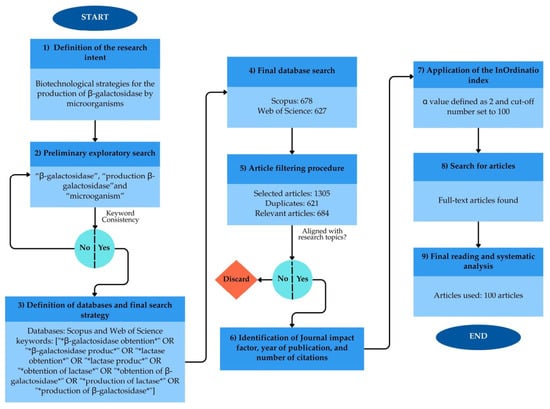
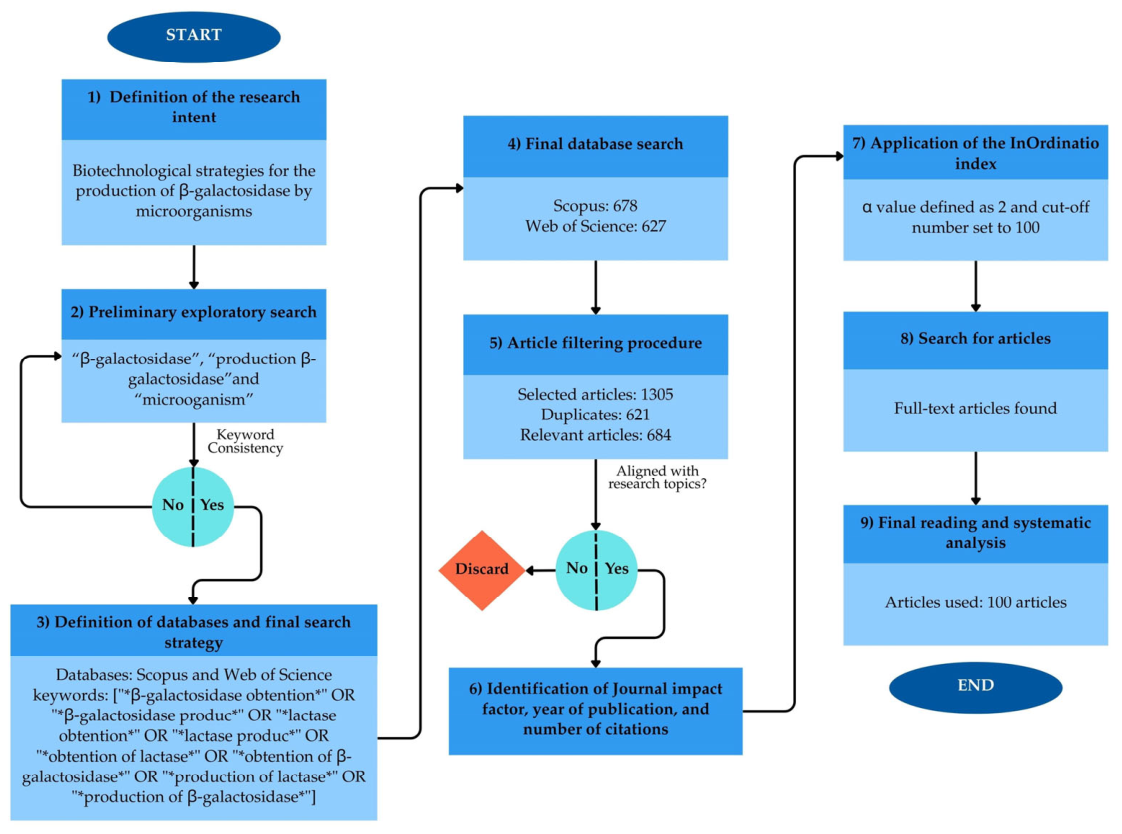


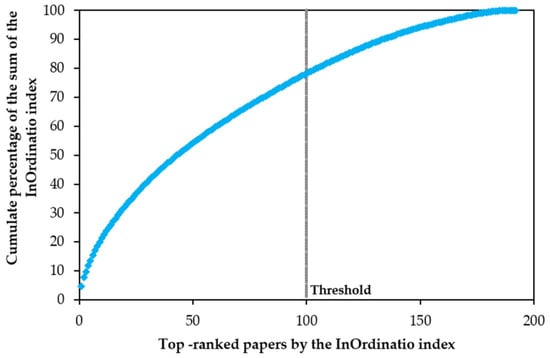
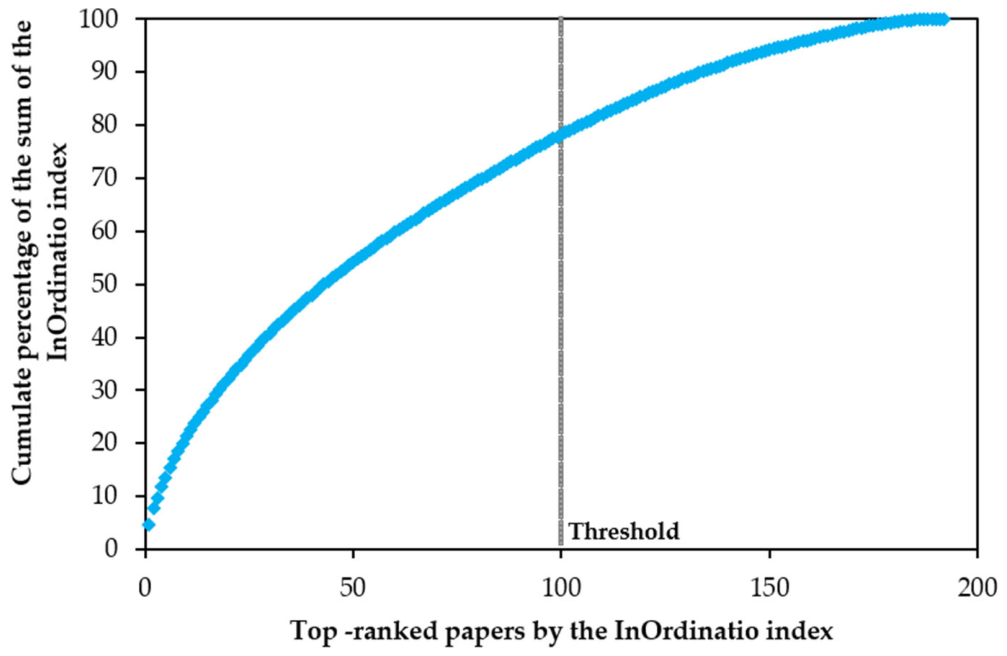
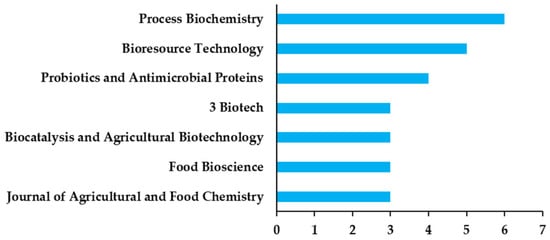
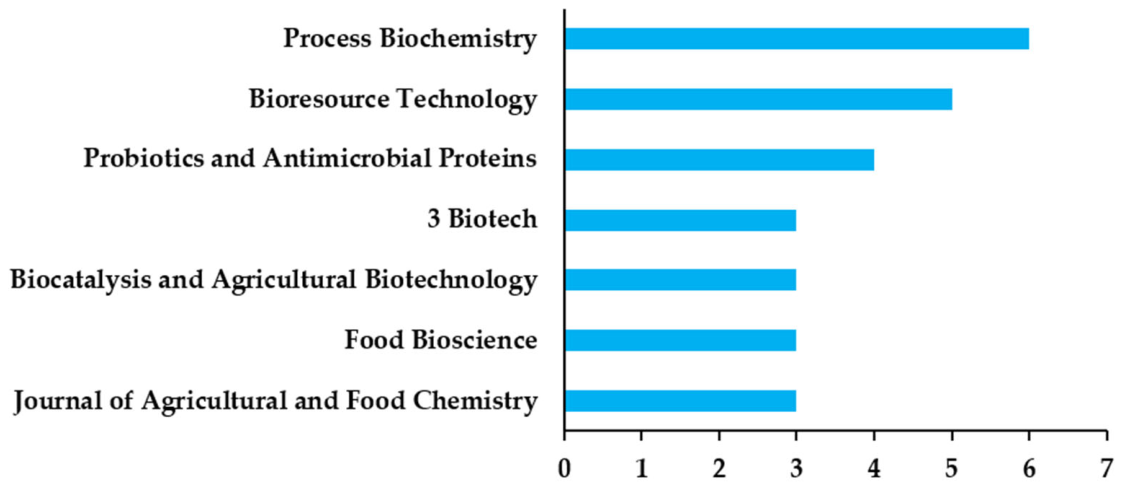
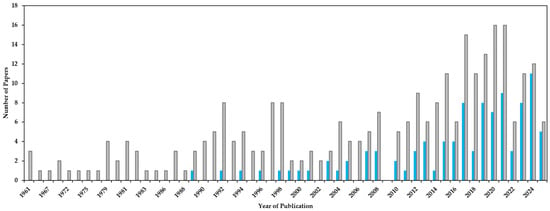
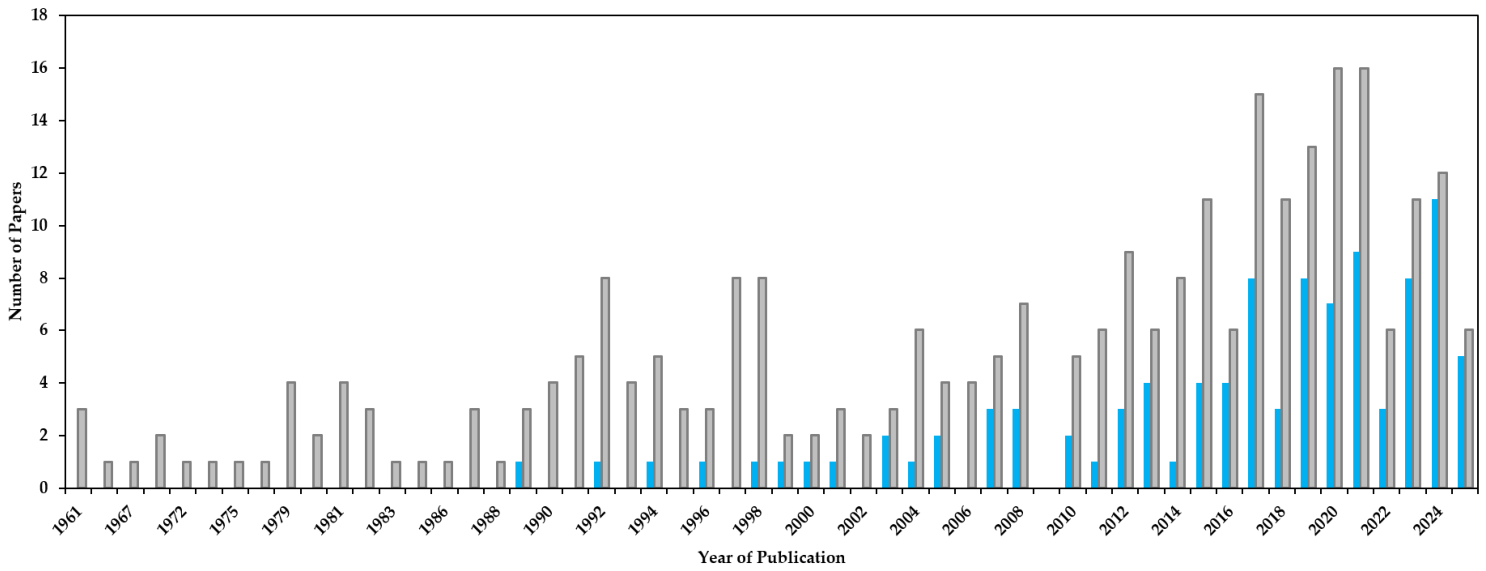
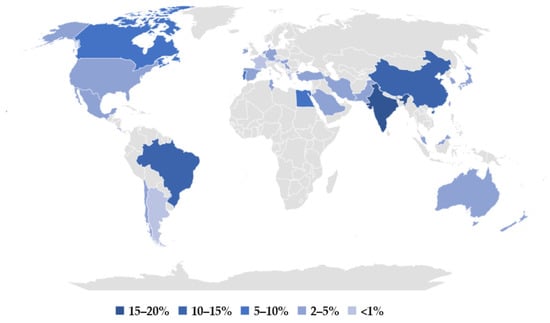
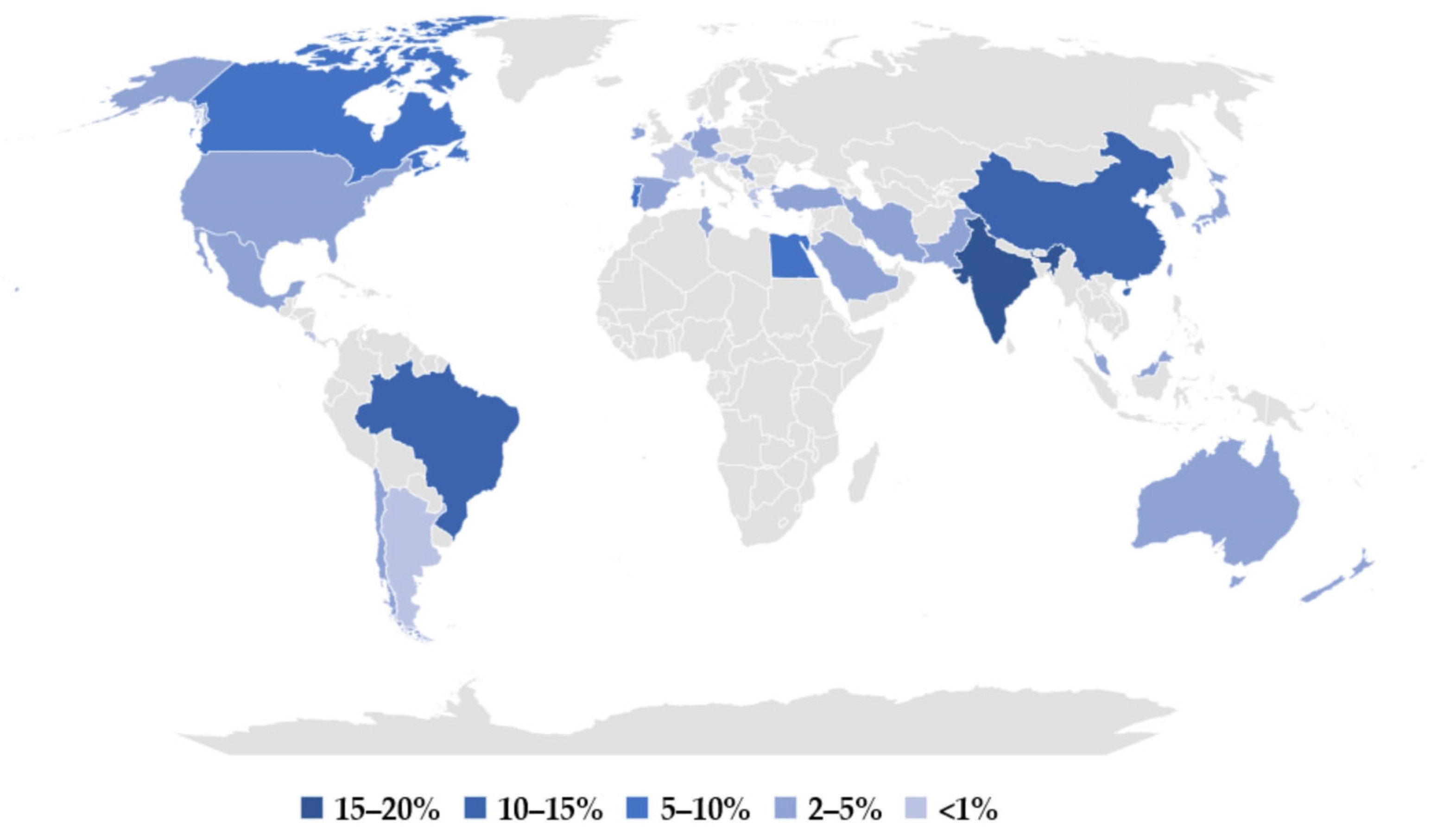
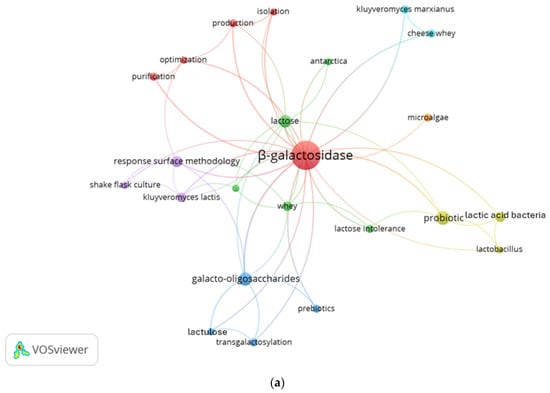
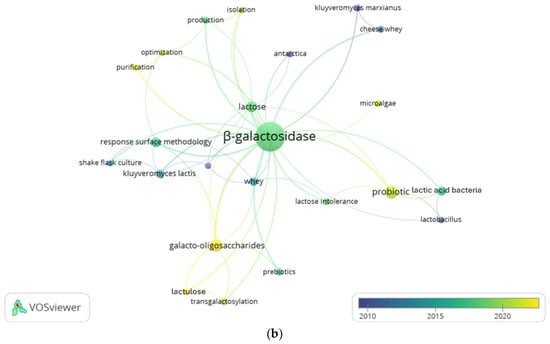
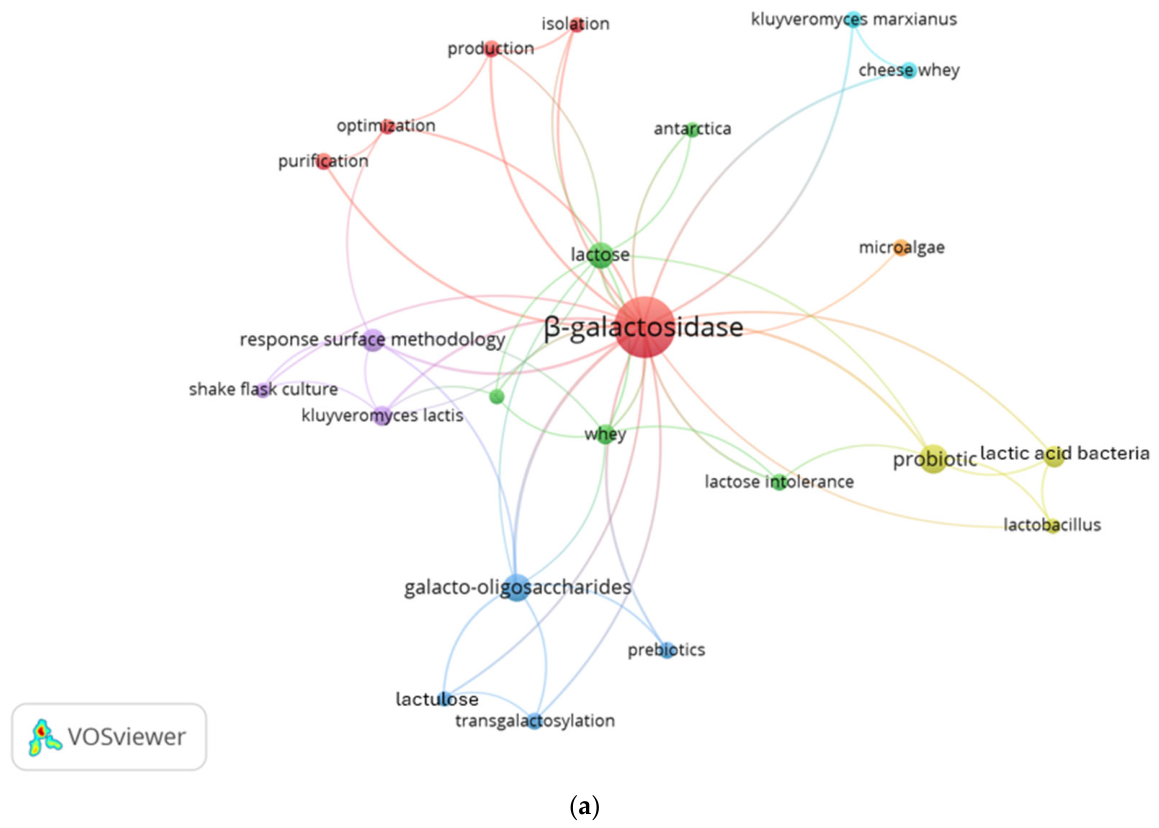
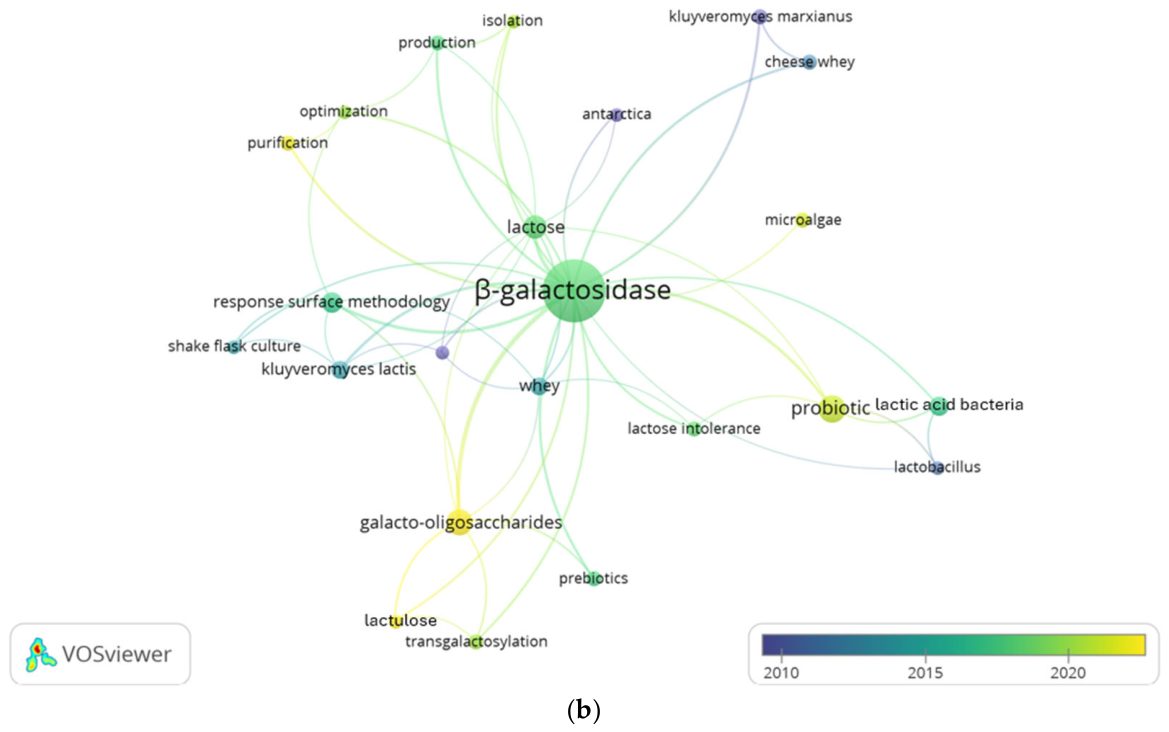
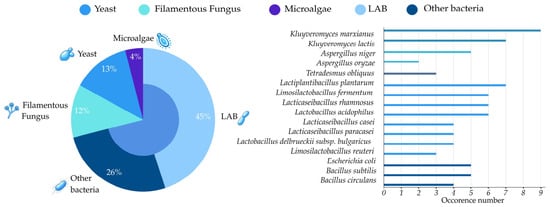
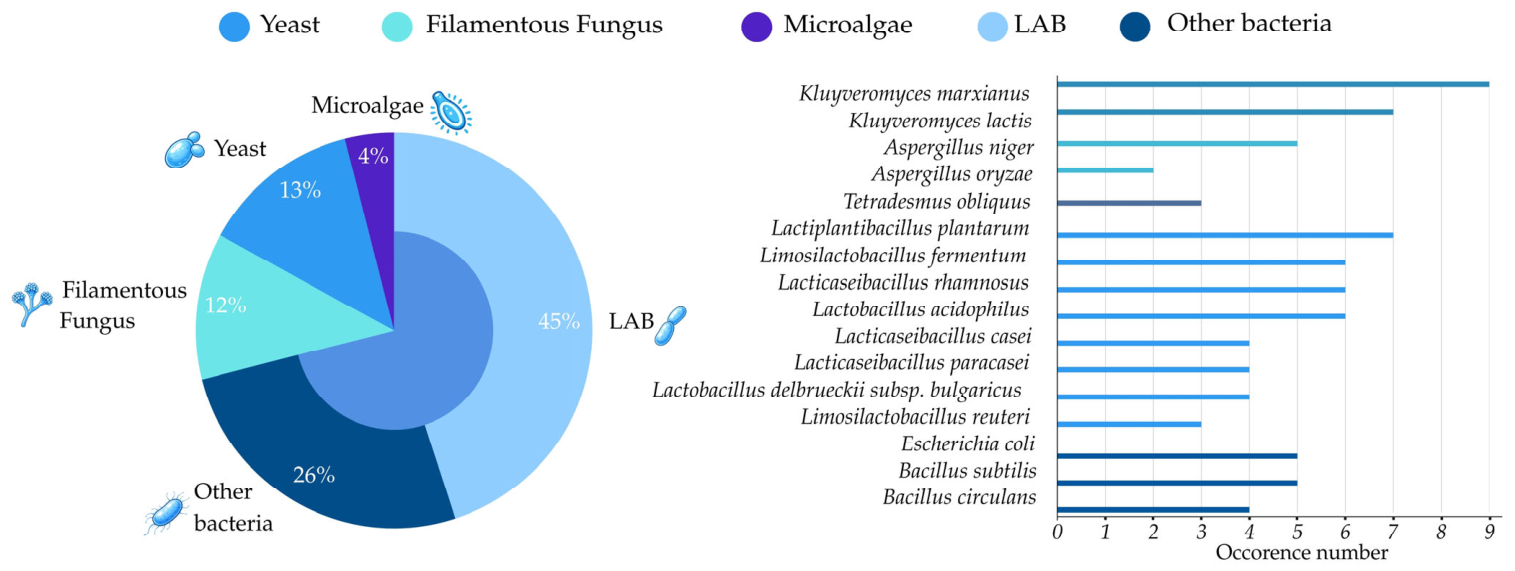
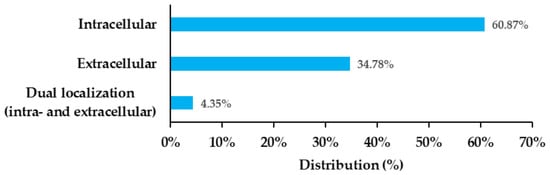
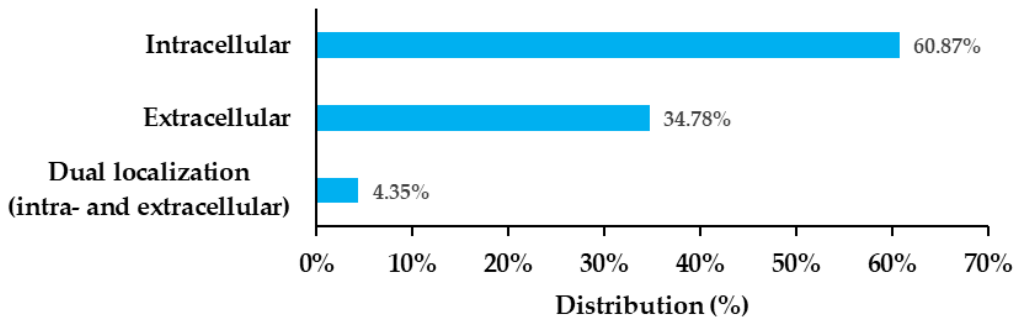
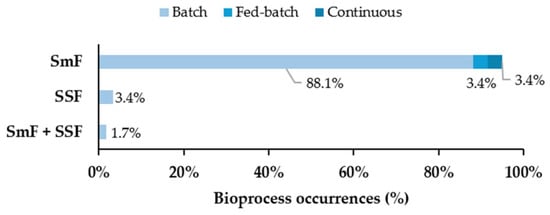
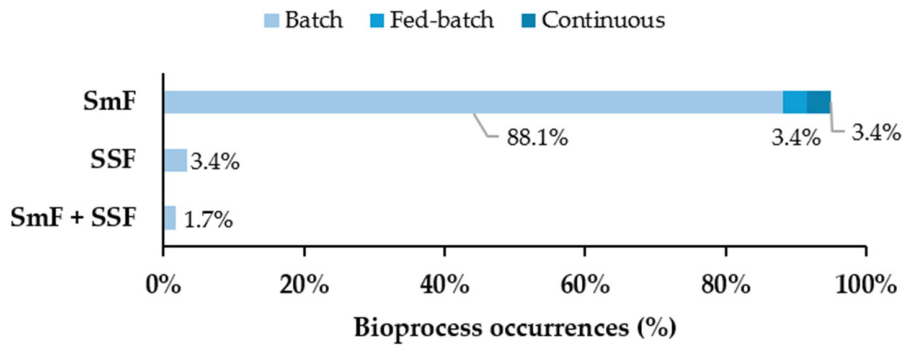
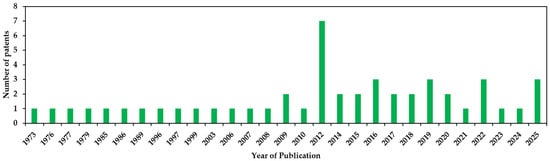
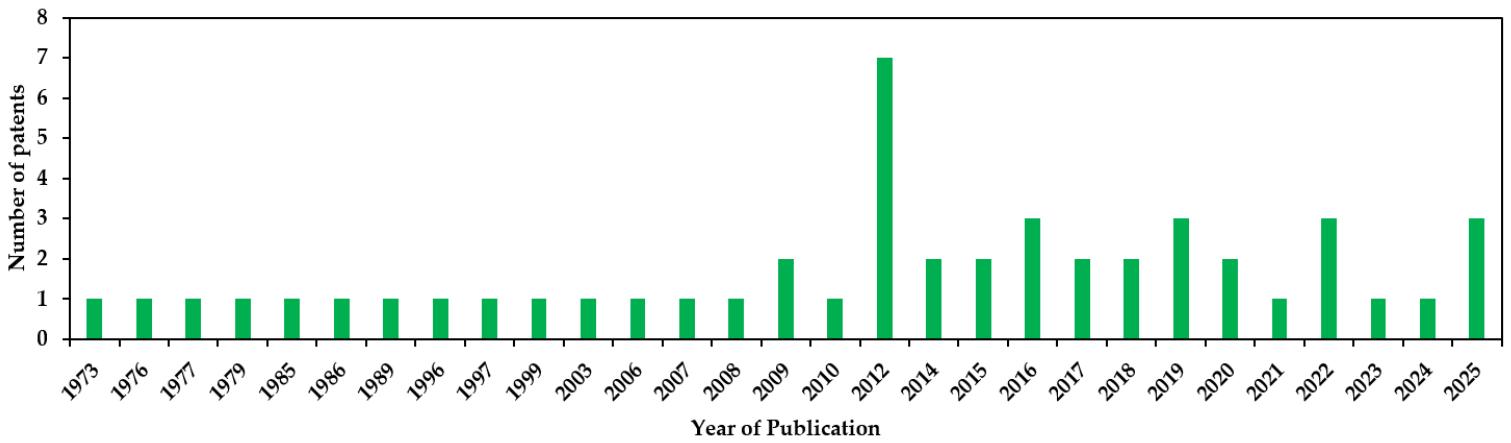
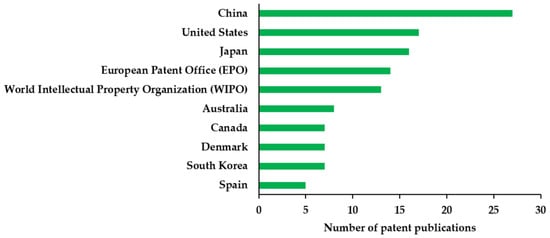
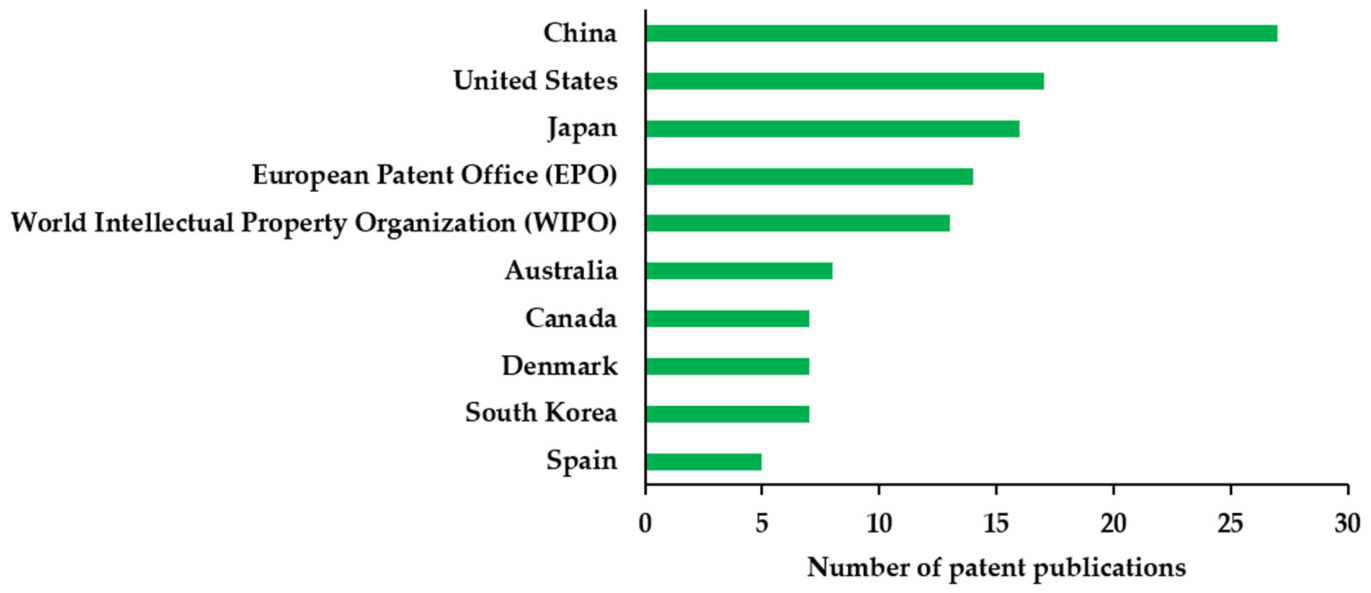
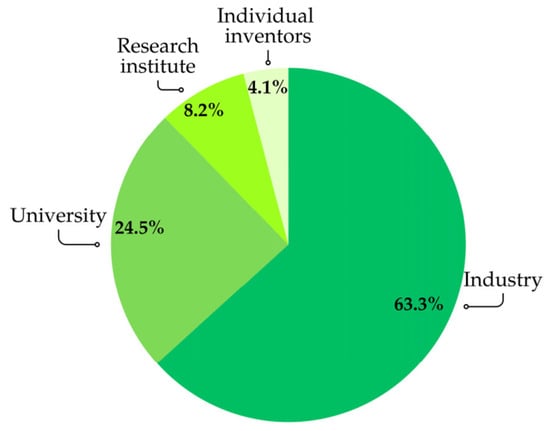
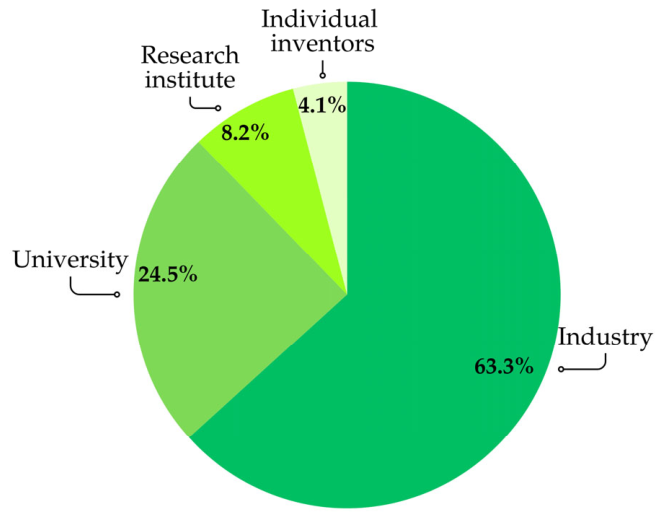
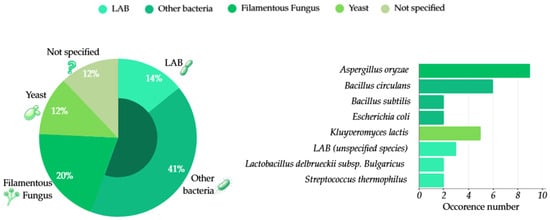
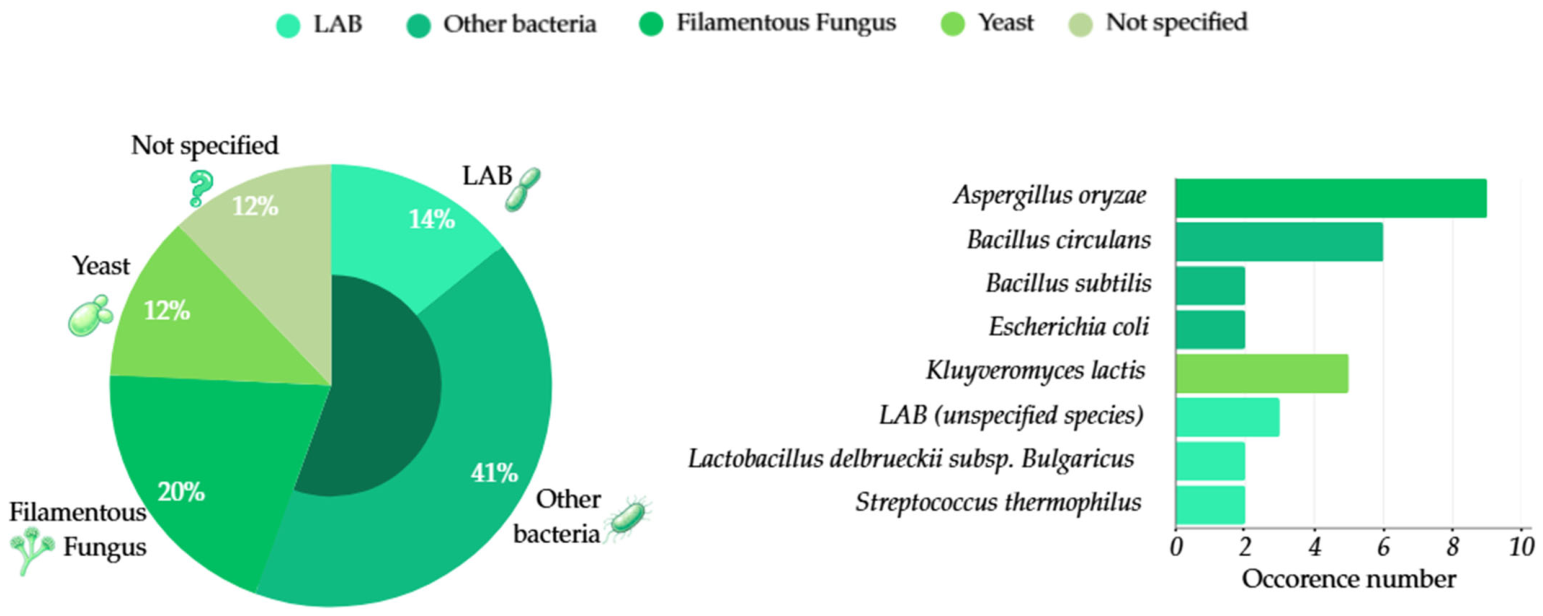
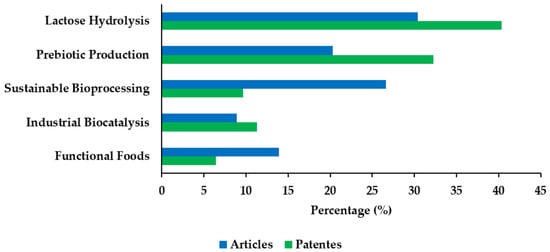
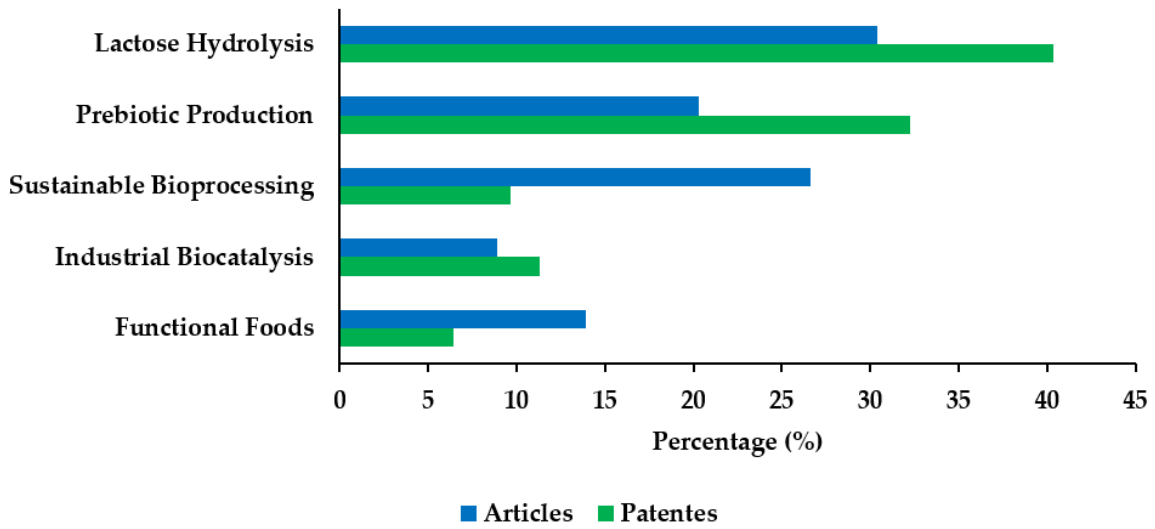

Disclaimer/Publisher’s Note: The statements, opinions and data contained in all publications are solely those of the individual author(s) and contributor(s) and not of MDPI and/or the editor(s). MDPI and/or the editor(s) disclaim responsibility for any injury to people or property resulting from any ideas, methods, instructions or products referred to in the content. |
© 2026 by the authors. Licensee MDPI, Basel, Switzerland. This article is an open access article distributed under the terms and conditions of the Creative Commons Attribution (CC BY) license.