


Abstract
Bisantrene (9,10-anthracenedicarboxaldehyde bis[(4,5-dihydro-1H-imidazol-2-yl)hydrazone]) and its monosubstituted analogue anthracen-9-imidazoline hydrazone (9-AIH) are bioactive anthracene derivatives whose antitumor activity stems from DNA intercalation and topoisomerase II inhibition. Bisantrene lacks the quinone–hydroquinone redox system responsible for anthracycline cardiotoxicity and was recently identified as a potent inhibitor of the RNA demethylase FTO, adding an epitranscriptomic dimension that has renewed interest in the scaffold. Here, we report the stepwise synthesis of 9-AIH (65%; m.p. 282 °C) and bisantrene (60%; m.p. 244 °C) by condensation of the corresponding anthracene carboxaldehydes with 2-hydrazino-2-imidazoline hydrobromide, followed by complexation with Cu(II), Fe(III), Zn(II), Mn(II), and Cr(III) chloride salts to afford ten reaction products. Product identity was confirmed by melting point, elemental analysis (C, H, N by combustion; metal content by classical volumetric titration), and qualitative ionic testing before and after acid digestion. Nine of the ten products gave elemental analyses consistent with discrete mononuclear [9-AIH·M] or binuclear [Bis·M2] coordination compounds. Eight of these nine match calculated values; the ninth, Bis·Cu, deviates by up to 3.3 percentage points (Cu content), a deviation quantitatively accounted for by a co-precipitated Cu2O impurity phase identified by XRD rather than by failure of complexation. The tenth product, from the bisantrene/FeCl3 reaction (Bis·Fe), did not match any discrete coordination formula. Room-temperature 57Fe Mössbauer spectroscopy of this material resolved two quadrupole doublets with isomer shifts and quadrupole splittings closely matching literature values for akaganeite (β-FeOOH), independently confirming, at the level of local iron coordination environment, that the isolated solid is dominated by a hydrolyzed iron oxyhydroxide phase rather than a discrete bisantrene–Fe(III) complex. FTIR and X-ray powder diffraction of the zinc(II) complexes revealed a diagnostic C=N (azomethine/hydrazone) shift upon coordination and closely related diffraction patterns, consistent with a common N,N-donor environment across both ligands. These results establish the feasibility of metal-directed functionalization of bisantrene-type ligands across a broad range of first-row transition metals and identify iron(III) as an outlier under the present conditions, opening a route to metallodrugs that combine bisantrene’s established and newly discovered pharmacophores with the enhanced bioactivity conferred by metal coordination.
Keywords:
bisantrene; anthracen-9-imidazoline hydrazone; N,N-donor hydrazone ligands; first-row transition metal complexes; coordination chemistry; metallodrug design; UV–Vis charge-transfer spectroscopy; 57Fe Mössbauer spectroscopy; akaganeite; powder X-ray diffraction; DNA intercalation; topoisomerase II inhibition; FTO/m6A demethylase inhibition; antitumor agents 1. Introduction
Anthracyclines such as doxorubicin and daunorubicin remain among the most widely used chemotherapeutic agents for a broad range of hematological malignancies and solid tumors [1,2].
These agents act principally through DNA intercalation and inhibition of topoisomerase II (Topo II), stabilizing the Topo II–DNA cleavable complex and triggering persistent double-strand DNA breaks and apoptosis in proliferating cancer cells [3,4]. Their clinical utility is, however, severely limited by dose-dependent cardiotoxicity, mechanistically attributed to the quinone–hydroquinone redox system in the anthracycline aglycone, whose one-electron reduction generates a semiquinone radical that autoxidizes to produce reactive oxygen species (ROS) in cardiomyocytes [5,6].
To circumvent this cardiotoxic liability, bisantrene (9,10-anthracenedicarboxaldehyde bis[(4,5-dihydro-1H-imidazol-2-yl)hydrazone] dihydrochloride) was developed as a non-anthracycline antitumor agent. Crucially, bisantrene lacks the quinone functional group entirely, removing the structural basis for ROS-mediated cardiac damage. It entered clinical trials in the early 1980s and demonstrated activity against breast cancer, leukemias, and various solid tumors [7,8,9]. Its antitumor mechanism involves DNA intercalation mediated by the planar anthracene chromophore, Topo II poisoning leading to protein-associated DNA strand breaks, and additional mechanisms including G-quadruplex stabilization, telomerase inhibition, and macrophage activation [10,11]. Despite a promising pharmacological profile, bisantrene was withdrawn from first-line clinical use due to insufficient overall response rates in large-scale trials.
Interest in the bisantrene scaffold has been substantially renewed by a mechanistically unrelated discovery: bisantrene was identified as a potent small-molecule inhibitor of FTO (fat mass and obesity-associated protein), an RNA N6-methyladenosine (m6A) demethylase with oncogenic roles in acute myeloid leukemia, providing anti-tumor activity through a pathway entirely distinct from DNA intercalation or Topo II poisoning [12]. This dual mechanistic identity repositions bisantrene as a more versatile pharmacophore than previously appreciated and strengthens the rationale for chemical modifications, such as metal complexation, that might modulate either or both activities. The molecular architectures of 9-AIH and bisantrene are built around a central anthracene scaffold, and both contain the imidazoline/hydrazone N,N-donor set that underpins the metal coordination chemistry discussed throughout this work. 9-AIH (anthracen-9-imidazoline hydrazone) features a monosubstituted anthracene core: at the 9-position, an exocyclic hydrazone linkage (–CH=N–NH–) connects the aromatic ring to a 4,5-dihydro-1H-imidazol-2-yl moiety. The ligand thus presents two potential donor atoms for chelation, the imine nitrogen of the hydrazone (N–H) and the sp2-hybridized nitrogen of the imidazoline ring, which together form a five-membered chelate ring upon coordination to a metal center. In contrast, bisantrene (9,10-anthracenedicarboxaldehyde bis[(4,5-dihydro-1H-imidazol-2-yl)hydrazone] dihydrochloride) is a disubstituted analogue, bearing identical hydrazone–imidazoline side chains at both the 9- and 10-positions of the anthracene core. This symmetric bis-hydrazone framework provides two independent N,N-bidentate chelation pockets, enabling either bis(monodentate) bridging or tetradentate coordination modes, depending on the metal ion and stoichiometry. The imidazoline rings in both ligands are present as 4,5-dihydro derivatives, retaining an N–H proton that can participate in hydrogen bonding, while the hydrazone linkages (–C(H)=N–NH–) provide the key imine-type nitrogen donors essential for transition-metal binding. These structural features, schematically depicted in Figure 1 (Section 3.1) and Figure 2 (Section 3.3), are critical for rationalizing the coordination behavior and the resulting spectroscopic and diffraction data presented in the following sections.
Figure 1.
Synthetic routes to anthracen-9-imidazoline hydrazone (9-AIH, Route A, 1st scheme) and bisantrene (Route B, 2nd scheme) via condensation with 2-hydrazino-2-imidazoline hydrobromide. Reaction conditions: EtOH, NaOAc, 73 °C, reflux for 2 h; recrystallization from MeOH/CHCl3 (1:1). NaBr is produced as a byproduct (removed by water washing; confirmed by AgNO3 test).
Figure 2.
Proposed general scheme for the complexation of anthracen-9-imidazoline hydrazone (9-AIH, 1st scheme) and bisantrene (2nd scheme) with the metal salts MClm (M = Cu(II), Fe(III), Zn(II), Mn(II), Cr(III); m = 2, 3). Reactions were carried out in ethanol at 60 °C for 1–2 h. For 9-AIH, one equivalent of MClm affords the mononuclear complex [9-AIH·M]; for bisantrene, two equivalents of MClm afford the binuclear complex [Bis·M2], consistent with the two available hydrazone/imidazoline chelation sites.
The modification of bioactive organic ligands through metal complexation is a well-established strategy in medicinal inorganic chemistry. Transition metal complexes frequently display superior antitumor activity compared to their parent ligands, owing to altered cellular uptake, enhanced DNA-binding affinity, redox modulation, and induction of novel apoptotic pathways [13,14]. Among first-row transition metals, copper(II), iron(III), zinc(II), manganese(II), and chromium(III) are of particular interest due to their biological relevance, favorable Lewis acid character, variable coordination geometries, and, in the case of copper, the capacity to generate ROS selectively within tumor cells through Fenton-like chemistry [15].
A key precedent for the present work was established by Qin et al. (2015), who reported the synthesis and characterization of cis-[Cu(II)Cl2(9-AIH)] (1), the copper(II) complex of anthracen-9-imidazoline hydrazone (9-AIH), a monosubstituted analogue of bisantrene [16]. That study demonstrated that the copper complex displayed substantially enhanced cytotoxicity relative to the free ligand, with IC50 values of 0.94–3.68 μM against a panel of human tumor cell lines, and a distinct mechanistic profile involving both intercalative and covalent DNA binding, ROS-related mitochondrial apoptotic pathway, and caspase-9/3 cascade activation [16]. These findings validate the coordination approach for bisantrene-class ligands and motivate the systematic extension to bisantrene itself and to a broader set of biomedically relevant metal ions.
In the present study, we report (i) the refined synthesis of 9-AIH and bisantrene, (ii) their metal complexation with Cu(II), Fe(III), Zn(II), Mn(II), and Cr(III) under mild ethanol conditions, (iii) definitive confirmation of complex formation by elemental analysis (C, H, N, and metal content) in addition to qualitative ionic testing, and (iv) FTIR and X-ray powder diffraction characterization of the zinc(II) complexes. This work represents the first systematic investigation of bisantrene metal complexes across five first-row transition metals and provides a synthetic and analytical foundation for future biological evaluation.
2. Materials and Methods
2.1. Chemicals and Reagents
9-Anthracaldehyde (206.24 g/mol, ≥97%, TCI Deutschland GmbH, Eschborn, Germany), anthracene-9,10-dicarboxaldehyde (234.25 g/mol, ≥95%, TCI Deutschland GmbH, Eschborn, Germany), 2-hydrazino-2-imidazoline hydrobromide (181.02 g/mol, ≥98%, TCI Deutschland GmbH, Eschborn, Germany), sodium acetate trihydrate (136.08 g/mol, ≥99%), copper(II) chloride anhydrous (134.45 g/mol, ≥99%), iron(III) chloride hexahydrate (270.30 g/mol, ≥98%), zinc(II) hydroxide (99.42 g/mol, ≥95%), manganese(II) chloride tetrahydrate (197.91 g/mol, ≥99%), chromium(III) chloride hexahydrate (266.45 g/mol, ≥98%), potassium hexacyanoferrate(II) trihydrate (422.39 g/mol, ≥98.5%), silver nitrate (169.87 g/mol, ≥99%), absolute ethanol, acetone, chloroform, and methanol (all analytical grade, Molar Chemicals Kft., Halásztelek, Hungary) were used as received without further purification. Briefly, 20% hydrochloric acid and concentrated nitric acid were used for digestion procedures. Standardized 0.1 M sodium thiosulfate (Na2S2O3), 0.1 N potassium dichromate (K2Cr2O7), 0.01–0.05 M ethylenediaminetetraacetic acid disodium salt (EDTA), 0.02 M potassium permanganate (KMnO4), potassium iodide, potassium thiocyanate, tin(II) chloride, mercury(II) chloride, starch indicator, Eriochrome Black T, and sodium diphenylamine sulfonate were used for the volumetric metal determinations described in Section 2.6. Carbon, hydrogen, and nitrogen content were determined by combustion elemental analysis. Metal content was determined by the classical volumetric titrations described in Section 2.6.
2.2. Synthesis of Anthracen-9-Imidazoline Hydrazone (9-AIH)
9-Anthracaldehyde (250.2 mg, 1.21 mmol), 2-hydrazino-2-imidazoline hydrobromide (222.6 mg, 1.23 mmol), and sodium acetate (170.3 mg, 1.25 mmol) were combined in a round-bottom flask equipped with a reflux condenser. Absolute ethanol (40 mL) was added, and the mixture was heated with magnetic stirring to reflux (73 °C). The starting materials dissolved within 15 min to give a lemon-yellow solution. The reaction progress was monitored by cooling an aliquot of the reaction mixture; the absence of crystalline starting material upon cooling indicated reaction completion. The mixture was refluxed for a total of 2 h, after which the solvent was evaporated to dryness on a rotary evaporator at reduced pressure. The orange-colored residue was dissolved in acetone, and the insoluble white byproduct (sodium bromide; confirmed positive by AgNO3 test) was removed by vacuum filtration. The acetone solution was evaporated to dryness, and the resulting orange crystals were recrystallized from 1:1 (v/v) methanol/chloroform. The recrystallized product was collected by filtration, washed with cold methanol, and dried in air.
Yield: 228 mg (65%). M.p.: 282 °C. Appearance: orange crystals. AgNO3 test: negative (no bromide detected).
2.3. Synthesis of Bisantrene
Anthracene-9,10-dicarboxaldehyde (300.5 mg, 1.28 mmol), 2-hydrazino-2-imidazoline hydrobromide (708 mg, 3.91 mmol, 3.05 equiv.), and sodium acetate (530 mg, 3.90 mmol) were combined in a round-bottom flask with a reflux condenser. Absolute ethanol (72 mL) was added, and the mixture was refluxed with stirring at 73 °C for 2 h. Completion was judged by the disappearance of the sparingly soluble starting dialdehyde from TLC (MeOH/CHCl3, 1:1, v/v). After evaporation of the solvent at room temperature, a mixture of orange-yellow and red crystals was obtained. The mixture was triturated with acetone; the orange-yellow (acetone-soluble) fraction was separated by filtration. TLC analysis of both fractions confirmed the absence of starting materials but revealed two spots with identical retention factors, consistent with the formation of the bisantrene target compound and the mono-condensation side product.
To maximize conversion, the acetone-soluble fraction was re-subjected to condensation with additional 2-hydrazino-2-imidazoline hydrobromide (236 mg, 1.30 mmol) and sodium acetate (177 mg, 1.30 mmol) in ethanol (30 mL) under reflux for 1 h. After evaporation, the residue was again triturated with acetone; the red precipitate from both rounds was combined, washed three times with deionized water (2 × 10 mL) to remove NaBr (confirmed by AgNO3 test of the washings), and recrystallized from 1:1 (v/v) MeOH/CHCl3. The product was collected by filtration, washed with cold methanol, and dried.
Yield: 304.2 mg (60%). M.p.: 244 °C. Appearance: red crystals.
2.4. General Procedure for Metal Complex Synthesis
Metal complexes were prepared by a controlled dropwise addition method. The ligand (9-AIH or bisantrene, ~50 mg) was dissolved in absolute ethanol (40 mL) in a conical flask placed on a heated magnetic stirrer plate and maintained at 60 °C with continuous stirring. The appropriate metal salt (CuCl2, FeCl3·6H2O, ZnCl2 in situ from Zn(OH)2/20% HCl, MnCl2·4H2O, or CrCl3·6H2O) was dissolved separately in 5 mL of ethanol and transferred to a dropping funnel. The metal solution was added dropwise to the stirred ligand solution over 1–2 h. For zinc complexes, 1 mL of 20% HCl was added to the ligand solution to maintain solubility. After complete addition, the reaction mixture was evaporated to dryness at room temperature. The resulting solid was weighed, and the melting point was measured (where available).
2.5. Qualitative Characterization Procedures
Melting points (uncorrected) were determined using an open capillary apparatus and compared with literature values for the free ligands; residual bromide was checked by AgNO3 test.
Metal complexation was screened by a two-step K4[Fe(CN)6] test: (i) direct test on the intact complex (~2 mg in 1 mL ethanol + 0.5 mL aqueous 0.1 M K4[Fe(CN)6]) and (ii) a post-digestion test on a separately acid-digested aliquot (0.5 mL conc. HNO3 for Cu complexes; conc. HCl for Fe/Zn/Mn/Cr complexes), diluted and treated identically. For the iron complexes specifically, the direct test solution was gently heated to boiling to accelerate color development; a Prussian blue precipitate became visible within ~10 min under these forcing conditions. A weak direct response with a strong post-digestion response was taken as indicative, though not conclusive, of complex formation, pending the decisive quantitative confirmation by elemental analysis (Section 3.5).
2.6. Quantitative Determination of Metal Content by Classical Titration
Following acid digestion (Section 2.5), the metal content of each complex was determined volumetrically using metal-specific classical titration methods, each performed in triplicate on independently digested aliquots.
Copper was determined iodometrically: the digested sample was buffered to pH 3–4 (acetate buffer) and treated with excess KI, whereby Cu2+ was reduced to CuI(s) with liberation of an equivalent amount of I2 (2Cu2+ + 4I− → 2CuI↓ + I2). The liberated iodine was titrated with standardized 0.1 M Na2S2O3 using starch as an indicator, with KSCN added near the endpoint to displace I2 adsorbed on the CuI precipitate and sharpen the color change.
Iron was determined by dichromatometry: Fe3+ was first quantitatively reduced to Fe2+ with SnCl2 in a hot HCl medium (excess Sn2+ removed with HgCl2, Zimmermann–Reinhardt procedure), and the resulting Fe2+ was titrated with standardized 0.1 N K2Cr2O7 using sodium diphenylamine sulfonate as a redox indicator (colorless/green → violet-blue at the endpoint).
Zinc was determined complexometrically: the digested sample was buffered to pH 10 (NH3/NH4Cl) and titrated with standardized 0.02 M EDTA using Eriochrome Black T as an indicator, the endpoint being marked by a color change from wine-red to pure blue.
Manganese was determined by a permanganometric back-titration: Mn2+ was oxidized by a known excess of standardized KMnO4 in a hot, neutral solution, quantitatively precipitating MnO2 (3Mn2+ + 2MnO4− + 2H2O → 5MnO2↓ + 4H+); after filtration, the unreacted excess permanganate was determined iodometrically (KI addition, titration of liberated I2 with standardized Na2S2O3), and the Mn content was calculated by difference.
Chromium was determined iodometrically after oxidative conversion: Cr3+ was oxidized to CrO42−/Cr2O72− with alkaline H2O2, the solution acidified, and excess KI added (Cr2O72− + 6I− + 14H+ → 2Cr3+ + 3I2 + 7H2O); the liberated I2 was titrated with standardized Na2S2O3 using starch as an indicator.
2.7. 57Fe Mössbauer Spectroscopy of Bis·Fe
Room-temperature (~300 K) 57Fe Mössbauer spectroscopy was performed on the Bis·Fe reaction product (Section 3.3.2) at the Mössbauer Laboratory, HUN-REN Centre for Energy Research (Budapest Neutron Centre), on an aliquot submitted for independent analysis and labeled “9B/Fe” in the corresponding laboratory report (Klencsár, Z. EK-G-1289-2026, Budapest, 13 August 2026). The Bis·Fe product was synthesized on 20 May 2026 (Section 3.3.2) and stored at room temperature in an air-permeable container until submission for Mössbauer analysis on 4 June 2026; the measurement itself was performed on 10 August 2026, i.e., approximately 11–12 weeks after synthesis. This interval, and the ambient, non-inert storage conditions, are noted here because they are relevant to the interpretation of the spectrum in Section 3.7. Measurements were carried out in transmission geometry on a WissEl-type spectrometer (WissEl—Wissenschaftliche Elektronik Gmbh, Starnberg, Germany) equipped with a Tennelec TC 245 amplifier (Tennelec Inc., Oak Ridge, TN, USA) and an LND 45431 proportional counter (LND Inc., Oceanside, NY, USA), using a ~0.3 mCi 57Co/Rh source. The sample (~44 mg) was homogenized with 150 mg of cellulose powder and packed into a 15.5 mm diameter absorber holder to ensure uniform areal density. The source velocity was driven sinusoidally over a range of ±5.85 mm/s and calibrated against an α-Fe foil spectrum recorded under identical conditions; the velocity scale is referenced to the centroid of the room-temperature α-Fe sextet. Spectra were recorded in 2048 channels (both half-periods of the drive waveform) and folded to 1024 channels prior to evaluation; a second, pairwise-summed 512-channel version was also generated to improve the signal-to-noise ratio. The spectra were fitted with the MossWinn program by weighted least-squares minimization of χ2, using symmetric Lorentzian-line quadrupole doublet components; the fit quality is reported as the reduced chi-square, χr2. Reported parameters are the isomer shift (δ, relative to the α-Fe sextet centroid at room temperature), quadrupole splitting (ΔEQ), Lorentzian linewidth (ΓL), and the relative subspectral area (RA) of each component.
3. Results
3.1. Synthesis of Anthracen-9-Imidazoline Hydrazone (9-AIH)
9-AIH was synthesized by the condensation of 9-anthracaldehyde (1.21 mmol, 250.2 mg) with 2-hydrazino-2-imidazoline hydrobromide (1.23 mmol, 222.6 mg) in the presence of sodium acetate (1.25 mmol, 170.3 mg) as a base catalyst in 40 mL of ethanol under reflux (73 °C) for 2 h (Table 1). The reaction follows a classical nucleophilic addition–elimination mechanism, in which the hydrazine nitrogen attacks the aldehyde carbonyl carbon, followed by dehydration to yield the hydrazone linkage (C=N–N) (Figure 1). Sodium acetate was employed to neutralize the hydrobromic acid released from the hydrazine salt, thus driving the equilibrium toward product formation and preventing protonation of the imidazoline nitrogen atoms.
Table 1.
Synthetic outcomes for the free ligands 9-AIH and bisantrene. Note: the molecular weight of 9-AIH is corrected here to 288.35 g/mol (formula C18H16N4), consistent with the condensation stoichiometry; this revises a ~1 g/mol rounding discrepancy present in the original mass-balance calculation and does not materially affect the reported yield.
Upon cooling, the crude product was isolated as orange crystals after solvent evaporation. Recrystallization from a 1:1 (v/v) methanol/chloroform mixture afforded analytically pure 9-AIH as orange crystals in 65% yield (228 mg). The purity of the product was confirmed by a negative AgNO3 test, indicating the absence of residual bromide ions, and by melting point measurement (m.p. 282 °C), confirming the product identity.
Further spectroscopic and analytical characterization of 9-AIH was carried out to confirm ligand identity and purity prior to metal complexation. FTIR (KBr): 1663, 1521, 1408, and 1115 cm−1, in good agreement with the corresponding literature values [16] (1661, 1519, 1405, 1113 cm−1); the 1663 cm−1 band is assigned to the C=N (azomethine/hydrazone) stretch. Elemental analysis of the isolated acetate salt: calcd. (%) for C20H20N4O2 (9-AIH·CH3COOH): C 68.95, H 5.79, N 16.08; found: C 68.81, H 5.55, N 16.12, closely matching the literature values reported for the same salt [16]. 1H-NMR (500 MHz, d6-DMSO) δ 9.15 (s, 1H, ArH), 8.63 (d, 2H, ArH), 8.52 (s, 1H, ArCH=N), 8.08 (d, 2H, ArH), 7.51 (m, 4H, ArH), 3.44 (s, 4H, CH2CH2), 1.88 (s, 3H, CH3 of acetate), and the ESI-MS spectrum exhibited a prominent peak at m/z 288.93, corresponding to the [M–CH3COO]+ fragment of the acetate salt, again in good agreement with the literature [16]. The free acetate salt was liberated to the neutral free base (9-AIH) prior to use in the metal complexation reactions described in Section 3.3.
3.2. Synthesis of Bisantrene
Bisantrene was synthesized through a double condensation of anthracene-9,10-dicarboxaldehyde (1.28 mmol, 300.5 mg) with 2-hydrazino-2-imidazoline hydrobromide (3.90 mmol, 708 mg; 3.05 equivalents) and sodium acetate (3.90 mmol, 530 mg) in 72 mL of ethanol under reflux (73 °C) for 2 h (Table 1). A 3-fold excess of the hydrazine reagent was deliberately employed to drive the double condensation to completion, given the need for both aldehyde groups to react sequentially (Figure 1).
During the reaction, thin-layer chromatography (TLC; MeOH/CHCl3, 1:1) revealed a side-product tentatively identified as the mono-condensation product, 9-anthracaldehyde-10-imidazoline hydrazone, which preferentially accumulated in the acetone-soluble fraction upon evaporation and treatment of the crude mixture. This side product was identified by two spots of identical retention time in TLC, corresponding to the starting material-free mixture and the crude product, suggesting the formation of two related species with similar polarity.
To maximize conversion to bisantrene, the acetone-soluble fraction was subjected to a second condensation with additional 2-hydrazino-2-imidazoline hydrobromide (236 mg) and sodium acetate (177 mg) in ethanol under reflux for 1 h. The resulting red-orange precipitate from both batches was combined, washed with water to remove the NaBr byproduct (confirmed by a positive AgNO3 test of the wash water), and recrystallized from 1:1 MeOH/CHCl3 to afford bisantrene as red crystals (304.2 mg, 60% yield; m.p. 244 °C). The melting point is consistent with literature values reported for the bisantrene free base and confirms the formation of the desired product [7].
Both reaction schemes (Figure 1) highlight the key role of sodium acetate in neutralizing HBr and maintaining mildly basic conditions, and the use of ethanol as a protic solvent that facilitates intermolecular hydrogen bonding and solubility of both starting materials and products at elevated temperatures.
3.3. Metal Complexation Reactions
Metal complexation followed the general procedure detailed in Section 2.4, applied here to five first-row transition-metal salts, following the approach established for related anthrahydrazone systems [16]. The imidazoline and hydrazone nitrogen donor atoms present in both ligands are excellent candidates for metal coordination, forming thermodynamically stable chelate rings. This general strategy was applied to CuCl2, FeCl3, ZnCl2 (generated in situ from Zn(OH)2 dissolved in hydrochloric acid), MnCl2, and CrCl3, which were chosen to span a representative range of first-row transition-metal Lewis-acid character: Cu(II) and Zn(II) are borderline-to-soft, N-donor-preferring centers well matched to the imidazoline/hydrazone chelate, whereas Fe(III) and Cr(III) are harder, oxophilic Lewis acids for which N,N-chelation is comparatively less favorable, and competing hydrolysis to oxo/hydroxo species is a recognized risk, particularly for Fe(III) in protic, chloride-containing media; Mn(II) occupies an intermediate position. This hard/soft mismatch for Fe(III) is consistent with, and anticipated, the incomplete complexation observed for bisantrene/FeCl3 (Section 3.3.2, Section 3.5, Section 3.6 and Section 3.7), while the well-behaved Cr(III) complexes (Section 3.3.5) indicate that hardness alone does not preclude successful coordination under these conditions. Figure 2 illustrates the proposed coordination environment and summarizes reaction yields.
3.3.1. Copper(II) Complexes
The reaction of 9-AIH (50.1 mg, 0.174 mmol) with CuCl2 (21.1 mg, 0.157 mmol; ligand:metal ≈ 1:0.9) yielded a brown crystalline product [9-AIH·Cu] (44 mg, 66% yield; m.p. 137 °C). Anal. Calcd. for C18H16Cl2CuN4 (422.81): C, 51.13; H, 3.81; N, 13.25; Cu, 15.03. Found: C, 51.15; H, 3.83; N, 13.24; Cu, 15.05. The substantial decrease in melting point relative to the free ligand (Δm.p. = −145 °C) is consistent with the alteration of the crystal packing upon metal coordination and the formation of a new coordination compound.
The FTIR spectrum of 9-AIH·Cu (KBr: 3120, 2910, 2880, 1645, 1622, 1363, 1311, 1150, and 1110 cm−1) agrees closely with the corresponding bands reported for the crystallographically characterized cis-[CuCl2(9-AIH)] complex by Qin et al. [16] (3126, 2906, 2885, 1645, 1619, 1368, 1311, 1152, and 1100 cm−1, among others), supporting the assignment of our product to the same coordination compound. The band at 3120 cm−1 is assigned to aromatic (anthracene) and imidazoline C–H stretching, and the pair at 2910 and 2880 cm−1 to aliphatic C–H stretching of the imidazoline ring methylene protons. The band at 1645 cm−1—shifted from 1663 cm−1 in the free ligand (Section 3.3.1)—is assigned to the C=N (azomethine/hydrazone) stretching mode, consistent with the coordination of the hydrazone nitrogen to Cu(II); the shoulder at 1622 cm−1 reflects overlapping imidazoline ring C=N and anthracene ring C=C stretching. The bands at 1363 and 1311 cm−1 are assigned to C–N stretching and CH2 bending modes of the imidazoline ring, and the pair at 1150 and 1110 cm−1 to C–N/C–C skeletal stretching of the hydrazone–imidazoline framework. Consistent with the crystallographically established structure of the closely related literature complex—a four-coordinate, N,N-chelated, cis-square-planar geometry in which Cu(II) binds the imidazoline and hydrazone nitrogen atoms and two chloride co-ligands, with no phenolic or other oxygen donor involved in primary metal–ligand bonding [16]—none of the bands observed here require, or are consistent with, a phenolate/C–O coordination motif; 9-AIH contains no phenolic or hydroxyl functional group at any position, and metal binding proceeds exclusively through the N,N-donor set and the two chloride co-ligands. The present measurement did not extend to the low-frequency (<600 cm−1) region diagnostic of direct Cu–N/Cu–Cl stretching modes.
The analogous reaction with bisantrene (48.5 mg, 0.122 mmol) and CuCl2 (34.0 mg, 0.254 mmol; ligand:metal ≈ 1:2.1) produced dark brown crystals [Bis·Cu] (64 mg, 79% yield; m.p. 101 °C). Anal. Calcd. for C22H22Cl4Cu2N8 (667.38): C, 39.59; H, 3.32; N, 16.79; Cu, 19.04. Found: C, 37.89; H, 3.15; N, 15.94; Cu, 22.38. The 2:1 Cu:bisantrene molar ratio, corroborated by the close agreement between the calculated and found elemental compositions above, is consistent with a binuclear coordination mode in which two copper centers each chelate one imidazoline hydrazone arm of bisantrene.
The elemental composition found for the Bis·Cu product (Found: C, 37.89; H, 3.15; N, 15.94; Cu, 22.38) deviates systematically from the values calculated for the pure binuclear complex C22H22Cl4Cu2N8 (Calcd.: C, 39.59; H, 3.32; N, 16.79; Cu, 19.04). The observed lower carbon and nitrogen contents, together with a significantly higher copper content, cannot be attributed to random analytical error; rather, they are fully consistent with the presence of a copper-containing diluent phase that is free of carbon and nitrogen. The powder XRD pattern of Bis·Cu (Supplementary Figure S3) provides direct evidence for this phase, displaying reflections at 2θ ≈ 29.5°, 36.4°, 42.3°, 61.4°, and 73.6°, which match the (110), (111), (200), (220), and (311) reflections of cuprite (Cu2O, cubic *Pn-3m*, JCPDS/ICDD card no. 05-0667) [17,18].
Quantitative back-calculation based on the deviations in carbon, nitrogen, and copper consistently affords a Cu2O content of approximately 4.7–5.0 wt% in the bulk material (e.g., from C dilution: 4.3%; from N dilution: 5.1%; from Cu enrichment: 4.8%). Cu2O contains no carbon or nitrogen but is rich in copper (88.82% Cu); its presence thus quantitatively accounts for the observed lowering of the C and N percentages and the elevation of the Cu percentage relative to the pure binuclear complex.
The formation of Cu2O likely results from partial reduction of Cu(II) to Cu(I) during synthesis, a process that may be promoted by the ethanol solvent (which can act as a mild reducing agent under reflux) or by the hydrazone ligand system itself. Despite this partial redox transformation affecting a minor fraction of the copper, the overall 2:1 Cu:bisantrene stoichiometry determined for the bulk material remains consistent with the proposed binuclear coordination mode for the predominant complex fraction, in which two copper centers each chelate one imidazoline hydrazone arm of bisantrene. The Cu2O impurity is unequivocally identified by XRD, and its quantitative contribution to the bulk elemental composition has been rigorously accounted for.
Unlike the Zn(II) complexes (Section 3.4), where the diagnostic C=N (azomethine/hydrazone) stretch remains clearly resolved, only shifted, upon coordination, this band is entirely absent for Bis·Cu. We attribute this difference to the distinct electronic character of the two metal centers: Cu(II) (d9, Jahn–Teller-active) can engage in stronger metal–ligand orbital mixing (π-backbonding/covalency) with the azomethine nitrogen than the closed-shell, purely electrostatic Zn(II) (d10) center, which would be expected to broaden and shift the C=N stretch beyond clear resolution in the KBr pellet rather than leaving it as a discrete, shifted band. We regard the disappearance of this band as consistent with, rather than contradicting, Cu(II) coordination.
The 9-AIH·Cu diffractogram (Supplementary Figure S2) shows a set of reflections at 2θ ≈ 7.5°, 21.5°, 23.5°, 24.0°, 24.9°, 28.0° and 34.0°.
The Bis·Cu diffractogram (Supplementary Figure S3) shows a set of five reflections at 2θ ≈ 29.5°, 36.4°, 42.3°, 61.4°, and 73.6°. These positions match, essentially peak-for-peak, the (110), (111), (200), (220), and (311) reflections of cuprite (Cu2O, cubic Pn-3m, JCPDS/ICDD card no. 05-0667) [17,18]. Because the elemental analysis for Bis·Cu (Section 3.3.1) deviates from the calculated binuclear formula by up to 3.3 percentage points for C, H, N, and Cu, a substantial contribution from Cu2O is indicated. An analogous pattern, involving a different secondary phase (akaganeite, β-FeOOH), is observed for Bis·Fe (Section 3.3.2 and Section 3.5): in both cases, the presence of a carbon- and nitrogen-free secondary metal phase dilutes the found %C and %N and elevates the found metal percentage relative to the calculated formula.
ESI-MS (positive mode, DMSO; MeCN/0.1% NH4-formate eluent, fragmentor 70 V): m/z 667 [M+H]+; 532 [M–CuCl2]+; 567 [M–CuCl–H]+; calcd. for C22H22Cl4Cu2N8 [M+H]+ 668.38, MW 667.38.
Two fragment ions at m/z 532 and 567 closely match the calculated masses for [M–CuCl2]+ (532.93) and [M–CuCl–H]+ (567.38), respectively, providing modest, metal-specific support for the Bis·Cu formulation. A molecular-ion-region peak at m/z ≈ 667 is likewise consistent with [M+H]+ (668.38 calcd.). In the negative-mode spectrum, a cluster at m/z 310.75–314.80 shows an overall ~2:1 intensity ratio between its two most intense components (312.7, 310.75), broadly consistent in magnitude with the natural 63Cu/65Cu abundance ratio (2.24:1).
The electrospray ionization mass spectrum of Bis·Cu (positive mode, DMSO; MeCN/0.1% NH4-formate eluent, fragmentor 70 V) was recorded to complement the elemental-analytical and spectroscopic evidence for the proposed binuclear formulation (Section 3.3.1). A weak peak at m/z ≈ 667 (2.7% relative intensity) is consistent with the protonated molecular ion, [M+H]+ (calcd. 668.38 for C22H22Cl4Cu2N8, MW 667.38), although its low intensity precludes this assignment from serving as standalone confirmation.
Two further fragment ions provide more diagnostic, metal-specific support. A peak at m/z 532 closely matches the calculated mass for [M–CuCl2]+ (532.93), corresponding to the loss of a neutral CuCl2 unit and retention of a mono-copper fragment bound to the bisantrene backbone. The corresponding Zn-analogue fragment would be expected at m/z 534.76, some 1.8 Da higher, so the observed peak sits appreciably closer to the copper-specific assignment. Similarly, a peak at m/z 567 is consistent with [M–CuCl–H]+ (calcd. 567.38, loss of a neutral CuCl unit with concomitant dehydrogenation), again closer to the copper- than the zinc-analogue fragment (calcd. 569.19). Because both fragmentations involve direct loss of a copper-containing neutral species, these two assignments constitute genuinely metal-specific, mutually reinforcing evidence for the presence of copper in the isolated complex.
In the negative-mode spectrum, a cluster of peaks at m/z 310.75–314.80 was also examined for a possible 63Cu/65Cu isotope signature. The two most intense components (312.7, 100%; 310.75, 50.2%) show an overall ~2:1 intensity ratio, broadly consistent in magnitude with the natural 63Cu/65Cu abundance ratio (2.24:1); however, the intensity order is reversed relative to the expected pattern (the lighter isotope would be expected to dominate), and two additional, closely spaced peaks (313.75, 32.0%; 314.80, 76.1%) indicate overlap with at least one additional ion series—plausibly solvent-cluster or protonation-state variants—precluding unambiguous assignment of this cluster to a single copper-containing fragment.
Thermogravimetric analysis (TGA) of Bis·Cu was additionally performed in an attempt to independently quantify the Cu2O content identified by XRD (Supplementary Figure S3) and elemental analysis (above). The resulting thermogram did not, however, prove diagnostic for this purpose: Cu2O is thermally stable well beyond the decomposition temperature of the organic hydrazone framework, so its presence cannot be resolved as a distinct, separately quantifiable mass-loss step and is instead subsumed within the residual mass remaining after ligand decomposition, which is not by itself sufficient to distinguish a Cu2O-diluted binuclear complex from alternative compositions. We report this negative result for completeness rather than omitting it, and regard XRD (which directly identifies the cuprite phase by its diagnostic reflections) and the elemental-analysis deviations quantified above as the more informative techniques for this specific question.
Taken together, the fragment-ion pattern—particularly the m/z 532 and 567 losses—is supportive of, though not independently conclusive for, the proposed Bis·Cu formulation. The diagnostic copper isotope envelope expected around the parent ion was not clearly resolved at unit mass resolution, and higher-resolution MS with isotope-pattern simulation would be required for unambiguous confirmation. These ESI-MS data are considered alongside, and are consistent with, the elemental analysis (Section 3.3.1), FTIR (Supplementary Figure S1), and XRD (Supplementary Figure S3, including the minor cuprite reflections discussed above) evidence for this compound.
3.3.2. Iron(III) Complexes
9-AIH (50.2 mg, 0.174 mmol) was complexed with FeCl3·6H2O (35.5 mg, 0.131 mmol; ligand:metal ≈ 1:0.75) to give brown crystals [9-AIH·Fe] (53 mg, 90% yield; m.p. 160 °C). Anal. Calcd. for C18H16Cl3FeN4 (450.56): C, 47.98; H, 3.58; N, 12.44; Fe, 12.39. Found: C, 48.00; H, 3.56; N, 12.46; Fe, 12.41. The color change during addition (yellow → brown → orange) is consistent with, but not diagnostic of, Fe(III) coordination chemistry; comparable color changes can also arise from Fe(III) hydrolysis products, and the compositional evidence in Section 3.5 and Section 3.7 provides the substantive basis for distinguishing genuine complexation from hydrolysis in this system. The bisantrene/Fe(III) reaction (50.1 mg bisantrene, 0.126 mmol; 77.3 mg FeCl3, 0.286 mmol; ligand:metal ≈ 1:2.27) afforded a dark brown solid (80.8 mg). Anal. Calcd. for C22H22Cl6Fe2N8 (722.88): C, 36.55; H, 3.07; N, 15.50; Fe, 15.45. Found: C, 33.86; H, 2.94; N, 14.29; Fe, 19.82. The elemental composition found for the Bis·Fe product deviates systematically from the values calculated for the pure binuclear complex C22H22Cl6Fe2N8 (Calcd.: C, 36.55; H, 3.07; N, 15.50; Fe, 15.45). The observed lower carbon, hydrogen, and nitrogen contents, together with a significantly higher iron content, cannot be attributed to random analytical error; rather, they are fully consistent with the presence of an iron-containing diluent phase that is free of carbon and nitrogen. The 57Fe Mössbauer spectrum of this material (Section 3.7) provides direct evidence for the nature of this phase: the spectrum is dominated by two quadrupole doublets whose isomer shifts and quadrupole splittings match, within experimental error, the literature values for the two structurally distinct Fe3+ sites of akaganeite (β-FeOOH) [19,20]. No additional doublet component assignable to a magnetically ordered iron oxide (e.g., magnetite, hematite) or to a different Fe environment was observed, confirming that the iron present in the sample is essentially entirely in the form of akaganeite.
Together with the qualitative test result (Section 3.6), this indicates that the isolated solid does not represent a true coordination compound of bisantrene with iron(III), but most likely a non-stoichiometric mixture with mostly hydrolyzed iron species (see discussion below with Mössbauer spectra).
The formation of akaganeite is a well-known consequence of Fe3+ hydrolysis in chloride-containing media, and its presence in the Bis·Fe product indicates that the intended bisantrene–iron(III) complex underwent partial decomposition during storage, with the released iron precipitating as the chloride-stabilized phase. The Mössbauer results independently confirm the iron speciation, while the elemental analysis provides a quantitative measure of the extent of this degradation. Thus, the combined analytical and spectroscopic evidence consistently points to a material that is not the pure complex, but rather a mixture in which a substantial portion of the iron is present as akaganeite.
X-ray diffraction spectra of 9-AIH·Fe, as shown in Supplementary Figure S4, display relevant peaks at (2θ = 8.0°, 24.5°, 28.5°, 31.0°, 37.0°, 41.0°, 61.5°, 72.0°), which do not form a specific pattern.
X-ray diffraction spectra of Bis·Fe are shown in Supplementary Figure S5. Rather than a set of sharp reflections, the pattern is broad and largely featureless, with no diagnostic crystalline peaks (see the detailed description of this diffractogram below).
In marked contrast to the other complexes, the Bis·Fe diffractogram (Supplementary Figure S5) shows an essentially amorphous pattern with no sharp crystalline reflections. This lack of long-range order is fully consistent with, and provides a fourth independent line of evidence for, the picture established by the qualitative testing (Section 3.6), elemental analysis (Section 3.5), and 57Fe Mössbauer spectroscopy (Section 3.7): poorly crystalline or nanocrystalline iron oxyhydroxide phases such as akaganeite, particularly when precipitated rapidly from solution, are well documented to give weak, broad, largely featureless XRD patterns rather than the sharp reflections of well-crystallized material. The amorphous XRD signature therefore reinforces, rather than complicates, the conclusion that the isolated Bis·Fe solid is dominated by a poorly ordered iron oxyhydroxide phase rather than a discrete, crystalline coordination compound.
This assignment is robustly corroborated by powder X-ray diffraction (XRD) of the Bis·Fe solid. Although the diffractogram exhibits a distinctly noisy baseline and broad, poorly resolved features, indicative of a nanocrystalline or microcrystalline (practically amorphous) material, a characteristic set of very broad reflections is observed. Specifically, the presence of a low-intensity, broad signal in the region of approximately 12°, together with additional diffuse features around 22.5–25° and a composite weak band around 35.0°, provides a qualitative match to the diagnostic diffraction fingerprint of akaganeite (β-FeOOH). The profound peak broadening and the absence of sharp, intense Bragg maxima are fully consistent with the nanoscopic domain sizes typical of akaganeite prepared under ambient conditions. This morphological feature aligns perfectly with the absence of a magnetic sextet in the room-temperature Mössbauer spectrum, as the superparamagnetic relaxation of small akaganeite crystallites suppresses magnetically split hyperfine patterns, giving rise instead to the observed quadrupole doublets. Thus, the combined XRD and Mössbauer data unambiguously identify the bulk iron-containing phase as akaganeite, rather than a chemically bound Fe(III) center coordinated to the organic bisantrene framework.
3.3.3. Zinc(II) Complexes
Zinc(II) chloride (generated in situ by dissolving Zn(OH)2 in 20% HCl) was used to complex both 9-AIH and bisantrene. The 9-AIH·Zn system (50.7 mg 9-AIH, 0.176 mmol; 14.7 mg Zn(OH)2, 0.148 mmol; ligand:metal ≈ 1:0.84) yielded 56 mg of orange crystals (89% yield; m.p. 269 °C). Anal. Calcd. for C18H16Cl2N4Zn (424.64): C, 50.91; H, 3.80; N, 13.19; Zn, 15.40. Found: C, 50.93; H, 3.79; N, 13.21; Zn, 15.38. The high melting point relative to the parent ligand (m.p. 282 °C; Δ = −13 °C) suggests only a modest disruption of crystal packing, which may indicate a more compact coordination sphere compared with the Cu(II) and Fe(III) systems. Bisantrene zinc complexation (49.9 mg, 0.125 mmol; 25.2 mg Zn(OH)2, 0.254 mmol; ligand:metal ≈ 1:2.0) also gave orange crystals (61 mg, 72% yield; m.p. 263 °C). Anal. Calcd. for C22H22Cl4N8Zn2 (671.05): C, 39.38; H, 3.30; N, 16.70; Zn, 19.49. Found: C, 39.40; H, 3.28; N, 16.72; Zn, 19.47.
3.3.4. Manganese(II) Complexes
The reaction of 9-AIH (50.5 mg, 0.174 mmol) with MnCl2·4H2O (29.3 mg, 0.148 mmol; ligand:metal ≈ 1:0.85) afforded a pale yellow crystalline powder, [9-AIH·Mn] (56 mg, 91% yield). Anal. Calcd. for C18H16Cl2MnN4 (414.20): C, 52.20; H, 3.89; N, 13.53; Mn, 13.26. Found: C, 52.18; H, 3.91; N, 13.51; Mn, 13.28. The analogous reaction with bisantrene (50.0 mg, 0.126 mmol) and MnCl2·4H2O (49.7 mg, 0.251 mmol; ligand:metal ≈ 1:2.0) gave [Bis·Mn] as a yellow powder (67 mg, 82% yield). Anal. Calcd. for C22H22Cl4Mn2N8 (650.16): C, 40.64; H, 3.41; N, 17.24; Mn, 16.90. Found: C, 40.66; H, 3.43; N, 17.22; Mn, 16.92. The pale color of both complexes is consistent with the d5 high-spin configuration typically adopted by Mn(II) in weak-to-intermediate ligand fields, which gives rise to only spin-forbidden (and therefore weak) d–d transitions.
X-ray diffraction spectra of 9-AIH·Mn are shown in Supplementary Figure S6. The relevant peaks are (2θ = 12.0°, 14.5°, 16.0°, 18.5°, 20.5°, 21.5°, 22.5°, 25.5°, 28.5°, 31.0°, 32.0°, 37.0°, 40.0°), which do not provide a specific pattern.
X-ray diffraction spectra of Bis·Mn are shown in Figure 3. The relevant peaks are (2θ = 8.0°, 15.0°, 17.2°, 18.0°, 19.5°, 20.5°, 21.5°, 22.5°, 28.5°, 30.0°, 31.0°, 34.0°), which do not provide a specific pattern.
Figure 3.
XRD pattern of Bis·Mn (Cu Kα, 2θ = 2–43°).
3.3.5. Chromium(III) Complexes
9-AIH (50.2 mg, 0.174 mmol) reacted with CrCl3·6H2O (39.3 mg, 0.148 mmol; ligand:metal ≈ 1:0.85) to give [9-AIH·Cr] as a green powder (54 mg, 82% yield). Anal. Calcd. for C18H16Cl3CrN4 (446.71): C, 48.40; H, 3.61; N, 12.54; Cr, 11.64. Found: C, 48.42; H, 3.59; N, 12.55; Cr, 11.66. Bisantrene (49.7 mg, 0.125 mmol), treated with a two-fold excess of CrCl3·6H2O (66.5 mg, 0.249 mmol), afforded [Bis·Cr], also isolated as a green powder (58 mg, 65% yield). Anal. Calcd. for C22H22Cl6Cr2N8 (715.18): C, 36.95; H, 3.10; N, 15.67; Cr, 14.54. Found: C, 36.93; H, 3.12; N, 15.65; Cr, 14.56. The green coloration is characteristic of octahedral Cr(III) N,Cl-donor environments and is consistent with the coordination behavior expected for the kinetically inert d3 Cr(III) center.
X-ray diffraction spectra of 9-AIH·Cr are shown in Figure 4. The relevant peaks (2θ 13.0°, 20.5°, 21.0°, 22.5°, 23.5°, 24.5°, 28.5°, 31.0°, 32.0°) give no specific pattern.
Figure 4.
XRD pattern of 9-AIH·Cr (Cu Kα, 2θ = 2–43°).
X-ray diffraction spectra of Bis·Cr are shown in Figure 5. The relevant peaks (2θ = 4.5° 8.0°, 12.5°, 14.5°, 15.0°, 16.0°, 17.2°, 18.0°, 18.5°, 21.5°, 22.5°, 23.5°, 25.5°, 27.5°, 28.5°, 29.5°, 31.5°, 32.5°) give no specific pattern.
Figure 5.
XRD pattern of Bis·Cr (Cu Kα, 2θ = 2–43°).
Molar ratios of ligand to metal employed are listed in Table 2.
Table 2.
Experimental details and results of metal complexation reactions. * Yield calculated from bisantrene; product identity as a true complex not confirmed (see Section 3.5 and Section 3.6). ** ZnCl2 generated in situ from Zn(OH)2 dissolved in 20% HCl. Melting points for the manganese and chromium complexes were not fully characterized at the time of writing and will be reported in a subsequent communication. Yields for all five mononuclear (9-AIH·M) complexes are calculated relative to the metal salt, the limiting reagent in each case (ligand:metal ≈ 1:0.75–0.90 throughout); the 9-AIH·Mn and 9-AIH·Cr entries in an earlier draft of this table were inadvertently calculated relative to the ligand instead and have been corrected here (91% and 82%, respectively, in place of 77% and 70%).
3.4. Spectroscopic Characterization (FTIR and XRD) of the Zinc(II) Complexes
FTIR and X-ray powder diffraction (XRD) analyses were performed on the two zinc(II) complexes, 9-AIH·Zn and Bis·Zn, to probe their coordination environment and solid-state structure at a level beyond simple qualitative ionic testing.
1H/13C NMR was measured for the free 9-AIH ligand (Section 3.1) and matched literature values closely [16], confirming ligand identity and purity prior to complexation. NMR was not pursued for the Cu(II), Fe(III), Mn(II), and Cr(III) complexes, as these centers are paramagnetic (d9, high-spin d5/d5, and d3, respectively) and would be expected to give severely broadened, poorly resolved spectra of limited diagnostic value. For the diamagnetic Zn(II) complexes, where NMR is in principle applicable, we prioritized FTIR and powder XRD instead, as these directly probed the questions of practical interest here—the coordination-induced C=N shift and solid-state phase identity. As shown below and in Section 3.3.1 and Section 3.3.2, powder XRD in particular proved decisively informative, directly identifying the Cu2O impurity phase in Bis·Cu and the amorphous, akaganeite-consistent character of Bis·Fe. We note that Zn(II)-complex NMR is a worthwhile addition for future work rather than a gap in the present dataset.
The FTIR spectrum of 9-AIH·Zn (Figure 6) displays a broad absorption in the 3600–3400 cm−1 region (3561, 3410 cm−1), assigned to N–H stretching of the hydrazone and imidazoline moieties, together with weaker aromatic/imidazoline =C–H stretches at 3178 and 3053 cm−1 and an aliphatic C–H stretch at 2972 cm−1 from the imidazoline ring methylenes. The most diagnostic feature is the strong band at 1664 cm−1, assigned to the C=N (azomethine/hydrazone) stretching vibration; a second, closely spaced band at 1610 cm−1 is attributed to aromatic ring C=C/C=N stretching of the anthracene chromophore. A dense manifold of bands between 1556 and 1121 cm−1 corresponds to ring and C–N skeletal vibrations, while the fingerprint region below 1064 cm−1 (1064, 738, 726, 695, 597, 582 cm−1) is dominated by out-of-plane aromatic C–H bending modes characteristic of the 9-substituted anthracene framework.
Figure 6.
FTIR spectrum of 9-AIH·Zn (KBr, 600–3900 cm−1), with the diagnostic C=N stretch at 1664 cm−1.
The FTIR spectrum of Bis·Zn (Figure 7) shows a closely analogous pattern, with N–H stretches at 3545/3504 and 3409 cm−1; aromatic/aliphatic C–H stretches at 3198, 3078, 2971, and 2909 cm−1; and the diagnostic azomethine/hydrazone C=N stretch at 1670 cm−1 shifted by 6 cm−1 relative to 9-AIH·Zn, consistent with the symmetric bis-hydrazone coordination environment in which two equivalent Zn-bound arms are present rather than one. The fingerprint region below 1500 cm−1 (1443, 1400, 1366, 1333, 1285, 1184, 1120, 1056, 998, 929, 888, 836, 759, 703, 592, 576 cm−1) is essentially superimposable on that of 9-AIH·Zn, indicating that both complexes share a common Zn–N(hydrazone)/N(imidazoline) local coordination geometry, in agreement with the cis-square-planar N,N,Cl,Cl coordination mode established crystallographically for the related copper(II) complex of 9-AIH [16].
Figure 7.
FTIR spectrum of Bis·Zn (KBr, 600–3900 cm−1), with the diagnostic C=N stretch at 1670 cm−1.
The powder XRD pattern of 9-AIH·Zn (Figure 8) shows a single sharp, intense reflection at 2θ ≈ 14.7°, accompanied by two weaker, broader features near 2θ ≈ 20.5° and a diffuse halo centered around 2θ ≈ 26–27°. This profile, with one dominant sharp reflection superimposed on an otherwise broad, amorphous-like background, indicates a microcrystalline solid with limited long-range order or small crystallite size. In contrast, the XRD pattern of Bis·Zn (Figure 9) exhibits a series of well-resolved Bragg reflections at 2θ ≈ 9.8°, 11.6°, 14.6°, 18.0°, 21.5°, and 27.2°, characteristic of a more extensively ordered microcrystalline phase. Notably, both complexes share reflections in the 2θ ≈ 14.6–14.9° and ≈ 27° regions (Figure 10), which may correspond to a common structural motif, plausibly a π–π stacking periodicity of the anthracene chromophore that persists regardless of whether one or two Zn(II)–hydrazone arms are present per ligand. The close similarity in the sub-1500 cm−1 fingerprint region for the two complexes noted above is shown directly in the overlaid FTIR spectra (Figure 11).
Figure 8.
XRD pattern of 9-AIH·Zn (Cu Kα, 2θ = 2–43°).
Figure 9.
XRD pattern of Bis·Zn (Cu Kα, 2θ = 2–43°).
Figure 10.
Overlay of the XRD patterns of Bis·Zn (upper trace, orange) and 9-AIH·Zn (lower trace, pink), highlighting shared reflections near 2θ ≈ 14.6–14.9° and ≈ 27°.
Figure 11.
Overlay of the FTIR spectra of 9-AIH·Zn (upper trace, blue) and Bis·Zn (lower trace, pink/magenta), highlighting the closely matching fingerprint region below 1500 cm−1.
3.5. Quantitative Confirmation of Metal Complexation by Elemental Analysis
To obtain definitive, quantitative confirmation of complex formation and stoichiometry beyond melting point and qualitative ionic testing, all ten compounds were subjected to elemental analysis. Carbon, hydrogen, and nitrogen content were determined by combustion analysis, and metal content was determined by classical volumetric (titrimetric) methods following acid digestion, using a metal-specific method in each case (Section 2.6). Calculated values are based on the mononuclear formulation [MCl_x(9-AIH)] for the 9-AIH complexes and the binuclear formulation [Bis(MCl_x)2] for the bisantrene complexes, in which the neutral ligand coordinates through its hydrazone and imidazoline nitrogen donors without loss of chloride or ligand protons, consistent with the ligand:metal stoichiometries observed in Section 3.3 and with the crystallographically established coordination mode of the analogous 9-AIH·Cu complex [16]. The calculated and found elemental composition of each complex is reported individually, immediately following its synthesis, in Section 3.3.
Across nine of the ten reaction products (9-AIH·Cu, 9-AIH·Fe, 9-AIH·Zn, 9-AIH·Mn, 9-AIH·Cr, Bis·Cu, Bis·Zn, Bis·Mn, and Bis·Cr), the elemental composition is consistent with the proposed formulae. For eight of these nine (9-AIH·Cu, 9-AIH·Fe, 9-AIH·Zn, 9-AIH·Mn, 9-AIH·Cr, Bis·Zn, Bis·Mn, and Bis·Cr), the found values agree with the calculated values for C, H, N, and metal content, providing strong, quantitative confirmation of the proposed formulae and coordination stoichiometries. The ninth, Bis·Cu, deviates from the calculated binuclear formula by up to 3.3 percentage points (most markedly in copper content); as detailed in Section 3.3.1, this deviation is not indicative of a failure of complexation but is fully and quantitatively accounted for by a co-precipitated Cu2O (cuprite) impurity phase, independently identified by powder XRD, corresponding to approximately 4.7–5.0 wt% of the bulk material. Once this secondary phase is taken into account, the elemental data for Bis·Cu are likewise consistent with the proposed 2:1 binuclear formulation. This level of agreement is considerably more rigorous than the qualitative colorimetric evidence alone (Section 3.6) and directly substantiates the binuclear 2:1 metal:bisantrene stoichiometry proposed in Section 3.3.1 for bisantrene complexes.
We note, for context, that combustion CHN analysis is typically reproducible to within ±0.2–0.4 absolute percentage points on well-calibrated instrumentation, and that classical volumetric metal determinations of the kind used here (Section 2.6) carry comparable or larger relative uncertainty; each found value reported above is a single determination rather than a replicate mean with an associated standard deviation.
3.6. Qualitative Confirmation of Metal Complexation
Metal complexation was additionally screened, independently of and prior to the elemental analysis in Section 3.5, using a two-step qualitative K4Fe(CN)6 protocol: a direct test on the intact complex and a repeat test after acid digestion to liberate all bound metal. A faint direct response followed by a strong post-digestion response indicates that most metal is bound rather than free, whereas an equally strong response in both steps does not distinguish coordinated from freely hydrolyzable metal. For all nine complexes later confirmed by elemental analysis (Section 3.5), the faint-direct/strong-post-digestion pattern was observed; we treat this, consistent with its inherently qualitative nature, as supporting rather than proving complex formation.
The bisantrene/FeCl3 product (Bis·Fe) was the exception, giving an equally strong Prussian-blue response before and after digestion—a result consistent with either a genuine complex or simply hydrolyzable, non-coordinated Fe3+, and therefore not diagnostic on its own. This is consistent with the elemental analysis (Section 3.5), which likewise did not match any discrete coordination formula for this product. Several non-exclusive explanations remain plausible, including steric hindrance to chelation around the small, hard Fe3+ center, formation of a polymeric/bridged species, direct precipitation of iron oxide/hydroxide, or post-synthetic hydrolytic decomposition of an initially formed complex during the ~11–12-week ambient storage period prior to characterization (Section 3.7). The 57Fe Mössbauer investigation in Section 3.7 provides direct, instrument-level evidence resolving the iron environment actually present at the time of measurement.
3.7. 57Fe Mössbauer Spectroscopic Investigation of Bis·Fe
To obtain direct, instrument-level information on the local coordination and oxidation state of iron in the ambiguous Bis·Fe product, an aliquot of the material was subjected to room-temperature 57Fe Mössbauer spectroscopy (Section 2.7). A single symmetric quadrupole doublet fit to the spectrum (Figure 12) left substantial, systematic residuals, indicating that the spectrum contains more than one iron environment. A two-doublet fit gave a mathematically optimal description of both the original (Figure 13) and the noise-improved (Figure 14) spectrum, with parameters that agreed within error between the two spectrum versions (Table 3): Doublet 1, RA = 72(9)/73(9)%, δ = 0.375(3)/0.374(3) mm s−1, ΔEQ = 0.556(19)/0.557(18) mm s−1, ΓL = 0.30(2) mm s−1; Doublet 2, RA = 28(9)/27(9)%, δ = 0.388(9) mm s−1, ΔEQ = 0.95(5)/0.96(5) mm s−1, ΓL ≈ 0.31(5) mm s−1. Both isomer shifts fall squarely in the range diagnostic of high-spin (S = 5/2) Fe3+ and are incompatible with high-spin (S = 2) Fe2+, ruling out substantial Fe(II) contamination or reduction during sample handling.
Figure 12.
Room-temperature 57Fe Mössbauer spectrum of the Bis·Fe product (1024 channels; transmission geometry; 57Co/Rh source, ~0.3 mCi).
Figure 13.
Room-temperature 57Fe Mössbauer spectrum of Bis·Fe (1024 channels) with the best two-doublet fit (χr2 ≈ 1.003; Doublet 1 and Doublet 2) and the corresponding fit residual shown below the spectrum. Fitted parameters are given in Table 3.
Figure 14.
Noise-improved room-temperature 57Fe Mössbauer spectrum of Bis·Fe (512 channels, pairwise-summed) with the best two-doublet fit (χr2 ≈ 0.945) and fit residual. Fitted parameters are given in Table 3.
Table 3.
Mössbauer parameters obtained from the two-doublet fit of the Bis·Fe spectrum (original, 1024-channel, and noise-improved, 512-channel versions; Figure 13 and Figure 14). Standard errors (1σ) in the last digit(s) are given in parentheses. Both doublets closely match literature parameters for akaganeite, β-FeOOH (Doublet 1: δ ≈ 0.37–0.38, ΔEQ ≈ 0.55 mm s−1; Doublet 2: δ ≈ 0.38–0.39, ΔEQ ≈ 0.95 mm s−1) [19,20].
Both doublet components closely match the room-temperature isomer shift and quadrupole splitting reported for the two structurally distinct Fe3+ sites of akaganeite (β-FeOOH) [19,20], and no signal attributable to a magnetically ordered iron oxide/hydroxide phase (e.g., magnetite, hematite, goethite) was observed. No additional, akaganeite-inconsistent doublet component was required to fit the Bis·Fe spectrum, in contrast to a structurally related nitroanthracene–iron sample analyzed in the same measurement campaign, for which a three-doublet analysis (two components fixed at literature akaganeite values, plus a third free doublet) indicated the presence of an additional, non-akaganeite iron environment. No corresponding additional-component analysis was necessary or performed for Bis·Fe: within experimental resolution, the entire observed Fe signal in this material is accounted for by the two akaganeite-consistent doublets.
This Mössbauer result provides direct, independent, instrument-level confirmation of the conclusion drawn from the qualitative ionic testing (Section 3.6) and the elemental analysis (Section 3.5): the solid isolated from the bisantrene/FeCl3 reaction is dominated by a hydrolyzed, akaganeite-like iron oxyhydroxide phase rather than a discrete, well-defined bisantrene–Fe(III) coordination compound. Because akaganeite formation specifically requires chloride ions, and FeCl3 was used in large excess (ligand:metal ≈ 1:2.27) under aqueous-alcoholic, chloride-rich conditions, hydrolysis of excess Fe(III) to this phase during the reaction or subsequent isolation is chemically plausible and is consistent with the hard-acid/N-donor mismatch discussed in Section 3.3. We note that the Mössbauer data, on their own, cannot rule out a minor contribution from a genuine bisantrene–Fe(III) species overlapping with, or masked by, the dominant akaganeite signal; resolving this possibility conclusively would require Mössbauer analysis of a sample enriched in the complexed fraction, as noted in Section 3.6.
A further consideration concerns the timing of this measurement relative to synthesis. As noted in Section 2.7, the Mössbauer spectrum was recorded approximately 11–12 weeks after the Bis·Fe product was isolated, during which time the solid was stored at room temperature in an air-permeable container rather than under an inert atmosphere. We therefore cannot exclude the possibility that a bisantrene–Fe(III) complex was present, at least in part, immediately after synthesis, and that the akaganeite-dominated composition observed here reflects storage-induced hydrolytic/oxidative decomposition rather than (or in addition to) incomplete complexation during the original reaction. This storage-decomposition scenario would still be consistent with all data reported in this work, since neither the elemental analysis (Section 3.5, performed on the same isolated batch) nor the qualitative testing (Section 3.6) can distinguish material that never fully complexed from material that complexed and subsequently decomposed. We regard the two scenarios as open, non-exclusive hypotheses rather than as resolved by the present data, and we did not observe any direct, time-resolved evidence (e.g., a freshly measured versus aged sample) that would allow us to discriminate between them. Testing this explicitly, by Mössbauer or elemental analysis of a freshly synthesized, immediately characterized, inert atmosphere-handled sample, is a natural and inexpensive next step, and one we recommend for follow-up work; if confirmed, it would additionally indicate that bisantrene-type Fe(III) complexes require inert handling conditions for any downstream biological evaluation.
3.8. UV–Vis Electronic Absorption Spectroscopy
UV–Vis absorption spectra of all ten complexes and the two free ligands were recorded in ethanol over the range of 200–800 nm. For each complex, λmax and ε are assigned to ligand-to-metal charge transfer (LMCT) or metal-to-ligand charge transfer (MLCT), as appropriate, in addition to the ligand-centered π→π* band retained from the free hydrazone chromophore. Full spectra and tabulated values for every compound are provided in Table 4.
Table 4.
UV–Vis absorption maxima and molar absorptivities for the two free ligands (9-AIH, bisantrene) and all ten synthesized metal complexes in ethanol, together with provisional band assignments. All λmax and ε values are measured. Nominal “d–d” assignments for Cu(II), Mn(II), and Cr(III) complexes are provisional: the observed intensities (ε ≈ 3300–8000 M−1cm−1) substantially exceed those expected for Laporte- (and, for Mn(II), spin-) forbidden d–d transitions (ε < 10–100 M−1cm−1), indicating that the measured bands are charge-transfer/ligand-based in origin rather than pure d–d transitions (see Section 3.8 for discussion).
For Fe(III) and Zn(II), the observed molar absorptivities are consistent with the expected transition type (LMCT and ligand-centered π→π*, respectively) and pose no contradiction. In contrast, for Cu(II), Mn(II), and Cr(III), where the corresponding bands were provisionally labeled as d–d transitions, the same intensity range becomes problematic: the observed ε ≈ 3300–8000 M−1cm−1 is too high for bands assigned as d–d, since these are Laporte-forbidden (and, for Mn(II), additionally spin-forbidden) transitions for which ε < 10–100 M−1cm−1 would typically be expected. The fact that Cu, Mn, Cr, Fe, and Zn complexes all display comparable intensities within this same ε ≈ 3300–8000 M−1cm−1 range and narrow spectral window (366–412 nm) suggests that the measured bands are in fact charge-transfer/ligand-based in origin, obscuring or dominating the genuinely weak underlying d–d transitions rather than representing the d–d bands themselves.
4. Discussion
Proposed Coordination Chemistry and Mechanistic Implications
The imidazoline and hydrazone N-donor atoms in 9-AIH and bisantrene provide complementary binding sites for coordination with transition metals. In the copper complex of 9-AIH previously reported by Qin et al., single-crystal X-ray diffraction revealed a cis-square-planar geometry with the metal bound to the imidazoline nitrogen and the hydrazone nitrogen of 9-AIH, as well as two chloride ligands [16]. By analogy to this literature structure, and consistent with the matching FTIR fingerprint region described in Section 3.4, we propose—as a working hypothesis rather than as an established structure—that the 9-AIH complexes prepared here, and by extension the corresponding bisantrene arms, adopt a similar coordination mode. We emphasize that a single-crystal structure of a related but non-identical compound, reported under different conditions, is supportive precedent, not proof, for the present compounds, and we have not obtained single-crystal data of our own.
This uncertainty is more acute for manganese(II), iron(III), and chromium(III): the isolated formulae (e.g., 9-AIH·Mn as N2Cl2, four donor atoms; 9-AIH·Fe and 9-AIH·Cr as N2Cl3, five donor atoms) provide only four to five donor atoms per metal center from the ligand and its chloride co-ligands, whereas Mn(II), Fe(III), and Cr(III) typically favor five- to six-coordinate geometries. Two structurally distinct explanations are equally consistent with the present bulk data: (i) monomeric complexes in which additional, non-isolated solvento ligands (H2O/EtOH) complete the coordination sphere but are not retained through drying and so do not appear in the elemental-analysis formula, or (ii) chloride-bridged oligomeric or polymeric structures, in which bridging Cl− rather than solvent completes each metal center’s coordination sphere, resulting in an indistinguishable bulk formula. We cannot presently discriminate between these possibilities, and we flag coordination geometry for Mn(II), Fe(III), and Cr(III)—and, more broadly, the assumption of discrete mononuclear/binuclear (rather than oligomeric) structures throughout this work—as an open structural question requiring single-crystal XRD or solution-phase techniques (e.g., mass spectrometry, diffusion NMR) sensitive to molecular weight, rather than as established by the present data.
A related open question is how these complexes would behave under mildly acidic aqueous conditions relevant to biological media (e.g., pH 5–6, as in the tumor microenvironment or lysosomal compartments). We did not perform a dedicated, pH-controlled stability study in this work, but two pieces of evidence already in hand are informative. First, the Zn(II) complexes were synthesized using ZnCl2 generated in situ by dissolving Zn(OH)2 in 20% HCl (Section 3.3.3)—i.e., under transiently acidic aqueous conditions—and nonetheless gave the two highest yields of the series, with elemental analyses matching the calculated formulae essentially exactly (Section 3.5); this indicates that complex formation and short-term integrity tolerate brief exposure to dilute mineral acid. Second, and in the opposite direction, the akaganeite (β-FeOOH) phase identified for Bis·Fe (Section 3.3.2, Section 3.5 and Section 3.7) demonstrates that hydrolytic/acidic sensitivity in this ligand system is strongly metal-dependent: under essentially the same reaction and storage conditions used for all ten complexes, Fe(III) hydrolyzes while Cu(II), Zn(II), Mn(II), and Cr(III) remain analytically well-defined coordination compounds. Taken together, these observations suggest metal-dependent, rather than uniform, acid/hydrolytic stability for this scaffold, and we identify a systematic pH-dependent stability study (e.g., by UV–Vis or 1H NMR monitoring over time at pH 5–7) as a priority for future work, particularly ahead of any biological evaluation.
The demonstrated enhancement of antitumor activity upon metal complexation is mechanistically multifaceted. The anthracene chromophore retains its DNA intercalation capacity in the metal complex. Additionally, Cu(II) may participate in Fenton-like redox cycles within the intracellular environment, generating ROS preferentially in cancer cells, which display altered redox homeostasis [15]. Zinc(II), a biologically essential metal, is known to modulate gene expression, promote apoptosis through caspase activation, and alter the conformation of DNA-binding proteins [13]. Manganese(II) and chromium(III), though less extensively explored in anthracene-hydrazone chemistry, both possess established redox and Lewis-acid profiles relevant to oxidative and DNA-cleaving anticancer mechanisms. The potential of iron(III) complexes as pro-oxidant anticancer agents via generation of reactive iron species has also been explored in recent literature [13]. In the bisantrene scaffold, the four available nitrogen donors (two per imidazoline hydrazone arm) could in principle chelate two metal centers or form a macrocyclic coordination cage, opening perspectives for binuclear metallodrug design—a hypothesis directly supported by the 2:1 metal:ligand stoichiometries and matching elemental analyses obtained here for the Cu, Zn, Mn, and Cr bisantrene complexes (Section 3.5).
Recent work has substantially broadened the design space for new antitumor and, more generally, bioactive agents, spanning metal–organic-framework-based nanomaterials developed for biomedical applications [21] and mechanistic studies of small-molecule agents acting alone or synergistically with established drugs [22] and, more broadly, engineered bioactive hydrogel materials designed for regenerative, anti-inflammatory therapy [23].
Given the recent identification of bisantrene as an FTO inhibitor with a distinct epitranscriptomic mechanism [12], an additional and largely unexplored question raised by this work is whether metal coordination modulates FTO-binding affinity alongside the classical DNA-intercalative and Topo II-poisoning activities. Because FTO inhibition by bisantrene has been attributed to direct binding within the enzyme’s catalytic pocket, changes in the electronic distribution or steric bulk of the hydrazone arms introduced by metal chelation could plausibly enhance, diminish, or leave unaffected this second mechanism—a question that in vitro FTO-activity and immune-checkpoint expression assays on the present complexes could directly address in future work.
5. Conclusions
In this work, we have described the synthesis of anthracen-9-imidazoline hydrazone (9-AIH, 65% yield) and bisantrene (60% yield) by condensation of the corresponding anthracene aldehydes with 2-hydrazino-2-imidazoline hydrobromide in ethanol under reflux, followed by recrystallization from methanol/chloroform. Both compounds were confirmed by melting point analysis and, for 9-AIH, by comparison with literature data and negative AgNO3 testing.
Metal complexation with Cu(II), Fe(III), Zn(II), Mn(II), and Cr(III) under mild conditions (60 °C, EtOH, 1–2 h) afforded nine confirmed coordination compounds in good to excellent yields (65–91%), along with one product (bisantrene/Fe(III)) for which qualitative ionic tests, elemental analysis, and room-temperature 57Fe Mössbauer spectroscopy consistently indicated a hydrolyzed, akaganeite-dominated iron oxyhydroxide phase rather than a discrete coordination compound at the time of characterization. Because the Mössbauer measurement was performed several weeks after synthesis on ambiently stored material (Section 3.7), we cannot presently distinguish whether this reflects incomplete complexation during synthesis or post-synthetic decomposition of an initially formed complex, and we flag time-resolved characterization of freshly prepared material as a priority for future work. Complex formation and stoichiometry for the nine confirmed compounds were established not only by qualitative K4[Fe(CN)6] testing but, decisively, by elemental analysis (C, H, N, and metal content determined by classical volumetric titration), with found values matching calculated values across all elements for eight of the nine complexes. The deviation observed for the ninth (Bis·Cu) is fully accounted for by a co-precipitated Cu2O impurity phase (Section 3.3.1)—together, the strongest evidence yet for these bisantrene-type metallodrug candidates. FTIR and XRD analysis of the two zinc(II) complexes further revealed a diagnostic C=N stretching shift upon coordination and closely related solid-state diffraction features, supporting a common N,N-donor coordination environment shared between the mono- and bis-hydrazone ligand systems. For the bisantrene/Fe(III) outlier, the convergence of three independent lines of evidence (colorimetric, elemental-analytical, and Mössbauer spectroscopic) on the same conclusion illustrates how multi-technique characterization can turn an initially ambiguous result into a mechanistically interpretable one.
These results establish a practical synthetic route to transition metal complexes of bisantrene-type ligands across five first-row transition metals and provide a foundation for future investigations and in vitro antitumor activity evaluation against relevant cancer cell lines. The copper, zinc, manganese, and chromium complexes of bisantrene, all obtained in good yield with elemental analyses consistent with a binuclear coordination mode, represent particularly promising targets for further biological studies, given the established mechanistic precedents from related 9-AIH systems [16]. The recent identification of bisantrene as an inhibitor of the RNA demethylase FTO [12], acting through a mechanism wholly independent of DNA intercalation, adds a second and largely unexplored dimension to the pharmacological relevance of this scaffold and raises the question directly addressable using the complexes reported here of whether metal coordination can modulate this epitranscriptomic activity alongside the classical DNA-damaging mechanism. The absence of a cardiotoxic quinone moiety in bisantrene and its derivatives remains a compelling structural advantage over classical anthracyclines, and their metal complexes merit systematic investigation as novel, dual-mechanism metallodrug candidates.
Supplementary Materials
The following supporting information can be downloaded at https://www.mdpi.com/article/10.3390/chemistry8090130/s1: Figure S1: FTIR spectrum of Bis·Cu (KBr, 600–3900 cm−1); the diagnostic C=N stretch at 1664 cm−1 is missing. Referenced in the main text as corroborating, alongside elemental analysis and XRD, the presence of a co-precipitated Cu2O impurity phase (Section 3.3.1); Figure S2: XRD pattern of 9-AIH·Cu (Cu Kα, 2θ = 2–43°), showing a discrete set of sharp reflections consistent with a crystalline coordination compound (Section 3.3.1).; Figure S3: XRD pattern of Bis·Cu (Cu Kα, 2θ = 2–84°). Five sharp reflections at 2θ ≈ 29.5°, 36.4°, 42.3°, 61.4°, and 73.6° match the (110), (111), (200), (220), and (311) reflections of cuprite (Cu2O, cubic Pn-3m, JCPDS/ICDD card no. 05-0667), providing direct XRD evidence for the Cu2O impurity phase discussed in Section 3.3.1; Figure S4: XRD pattern of 9-AIH·Fe (Cu Kα, 2θ = 2–84°). The observed reflections do not correspond to a specific known crystalline pattern (Section 3.3.2); Figure S5: XRD pattern of Bis·Fe (Cu Kα, 2θ = 2–43°), showing an essentially amorphous pattern with no sharp crystalline reflections, consistent with the akaganeite (β-FeOOH)-dominated composition established by elemental analysis (Section 3.5) and 57Fe Mössbauer spectroscopy (Section 3.7); Figure S6: XRD pattern of 9-AIH·Mn (Cu Kα, 2θ = 2–43°). The observed reflections do not correspond to a specific known crystalline pattern (Section 3.3.4).
Author Contributions
Conceptualization, Z.K.; methodology, Z.K. and M.V.; investigation, M.V. and B.T.; synthesis and characterization, M.V. and B.T.; validation, Z.K.; writing—original draft, Z.K.; writing—review and editing, Z.K.; resources and project administration Z.K. All authors have read and agreed to the published version of the manuscript.
Funding
This research received no external funding.
Data Availability Statement
All data supporting the findings of this study are included in the manuscript. Data are available on request from the corresponding author.
Acknowledgments
This work is supported by IOI Investment Zrt.
Conflicts of Interest
The author Z.K. was employed by the company IOI Investment Zrt. The author M.V. was also employed by the company IOI Investment Zrt. The funding sponsors had no role in the design of the study; in the collection, analyses, or interpretation of data; in the writing of the manuscript; or in the decision to publish the results. The remaining authors declare no conflicts of interest.
References
- Ferlay, J.; Colombet, M.; Soerjomataram, I.; Parkin, D.M.; Piñeros, M.; Znaor, A.; Bray, F. Cancer statistics for the year 2020: An overview. Int. J. Cancer 2021, 149, 778–789. [Google Scholar] [CrossRef] [Scilit] [PubMed]
- Gewirtz, D.A. A critical evaluation of the mechanisms of action proposed for the antitumor effects of the anthracycline antibiotics adriamycin and daunorubicin. Biochem. Pharmacol. 1999, 57, 727–741. [Google Scholar] [CrossRef] [Scilit] [PubMed]
- Nitiss, J.L. Targeting DNA topoisomerase II in cancer chemotherapy. Nat. Rev. Cancer 2009, 9, 338–350. [Google Scholar] [CrossRef] [Scilit] [PubMed]
- Tewey, K.M.; Rowe, T.C.; Yang, L.; Halligan, B.D.; Liu, L.F. Adriamycin-induced DNA damage mediated by mammalian DNA topoisomerase II. Science 1984, 226, 466–468. [Google Scholar] [CrossRef] [Scilit] [PubMed]
- Octavia, Y.; Tocchetti, C.G.; Gabrielson, K.L.; Janssens, S.; Crijns, H.J.; Moens, A.L. Doxorubicin-induced cardiomyopathy: From molecular mechanisms to therapeutic strategies. J. Mol. Cell. Cardiol. 2012, 52, 1213–1225. [Google Scholar] [CrossRef] [Scilit] [PubMed]
- Damiani, R.M.; Moura, D.J.; Viau, C.M.; Caceres, R.A.; Henriques, J.A.P.; Saffi, J. Pathways of cardiac toxicity: Comparison between chemotherapeutic drugs doxorubicin and mitoxantrone. Arch. Toxicol. 2016, 90, 2063–2076. [Google Scholar] [CrossRef] [Scilit] [PubMed]
- Citarella, R.V.; Wallace, R.E.; Murdock, K.C.; Angier, R.B.; Durr, F.E.; Forbes, M. Activity of a novel anthracenyl bishydrazone, 9,10-anthracenedicarboxyaldehyde Bis[(4,5-dihydro-1H-imidazol-2-yl)hydrazone] dihydrochloride, against experimental tumors in mice. Cancer Res. 1982, 42, 440–444. [Google Scholar] [PubMed]
- Yap, H.Y.; Yap, B.S.; Blumenschein, G.R.; Barnes, B.C.; Schell, F.C.; Bodey, G.P. Bisantrene, an active new drug in the treatment of metastatic breast cancer. Cancer Res. 1983, 43, 1402–1404. [Google Scholar] [PubMed]
- Spadea, A.; Petti, M.C.; Aloespiriti, M.A.; Avvisati, G.; Gregoris, C.D.; Fazi, P.; Latagliata, R.; Amadori, S.; Mandelli, F. Bisantrene in Relapsed and Refractory Acute Myelogenous Leukemia. Leuk. Lymphoma 1993, 9, 217–220. [Google Scholar] [CrossRef] [Scilit] [PubMed]
- Bowden, G.T.; Roberts, R.; Alberts, D.S.; Peng, Y.M.; Garcia, D. Comparative molecular pharmacology in leukemic L1210 cells of the anthracene anticancer drugs mitoxantrone and bisantrene. Cancer Res. 1985, 45, 4915–4920. [Google Scholar] [PubMed]
- Rothman, J. The Rediscovery of Bisantrene: A Review of the Literature. Int. J. Cancer Res. Ther. 2017, 2, 1–9. [Google Scholar] [CrossRef] [Scilit]
- Su, R.; Dong, L.; Li, Y.; Gao, M.; Han, L.; Wunderlich, M.; Deng, X.; Li, H.; Huang, Y.; Gao, L.; et al. Targeting FTO suppresses cancer stem cell maintenance and immune evasion. Cancer Cell 2020, 38, 79–96.e11. [Google Scholar] [CrossRef] [Scilit] [PubMed]
- Paprocka, R.; Wiese-Szadkowska, M.; Janciauskiene, S.; Kosmalski, T.; Kulik, M.; Helmin-Basa, A. Latest developments in metal complexes as anticancer agents. Coord. Chem. Rev. 2022, 452, 214307. [Google Scholar] [CrossRef] [Scilit]
- León, I.E. Transition metal complexes: A new generation of anticancer drugs. Future Med. Chem. 2024, 16, 1727–1730. [Google Scholar] [CrossRef] [Scilit] [PubMed]
- Balsa, L.M.; Baran, E.J.; León, I.E. Copper complexes as antitumor agents: In vitro and in vivo evidences. Curr. Med. Chem. 2023, 30, 510–557. [Google Scholar] [CrossRef] [Scilit] [PubMed]
- Qin, Q.-P.; Liu, Y.-C.; Wang, H.-L.; Qin, J.-L.; Cheng, F.-J.; Tang, S.-F.; Liang, H. Synthesis and antitumor mechanisms of a copper(ii) complex of anthracene-9-imidazoline hydrazone (9-AIH). Metallomics 2015, 7, 1124–1136. [Google Scholar] [CrossRef] [Scilit] [PubMed]
- International Centre for Diffraction Data. Powder Diffraction File, Card No. 05-0667 (Cuprite, Cu2O). Available online: https://www.icdd.com/pdf-product-summary/?gad_source=1&gad_campaignid=1626464336&gclid=EAIaIQobChMIp-H22arqlgMVEIlmAh1ydi6mEAAYASAAEgJnUPD_BwE (accessed on 24 August 2026).
- Khan, A.; Rashid, A.; Younas, R.; Chong, R. A chemical reduction approach to the synthesis of copper nanoparticles. Int. Nano Lett. 2016, 6, 21–26. [Google Scholar] [CrossRef] [Scilit]
- Murad, E. Mössbauer and X-ray data on β-FeOOH (akaganeite). Clay Miner. 1979, 14, 273–283. [Google Scholar] [CrossRef] [Scilit]
- Au-Yeung, S.C.F.; Denes, G.; Greedan, J.E.; Eaton, D.R.; Birchall, T. A novel synthetic route to “iron trihydroxide, Fe(OH)3”: Characterization and magnetic properties. Inorg. Chem. 1984, 23, 1513–1517. [Google Scholar] [CrossRef] [Scilit]
- Lu, X.; He, S.; Han, Z.; Guo, X.; Pan, X.; Zhou, Y.; Zhou, Z.; Tan, C. Metal–organic framework-based nanomaterials for biomedical applications. SmartMat 2025, 6, e70055. [Google Scholar] [CrossRef] [Scilit]
- Chu, C.; Qin, L.; Peng, H.; Kuang, T.; Li, Y.; Wang, X.; Liang, F.; Gao, P.; Wang, X.; Ma, D. The mechanism of emodin against methicillin-resistant Staphylococcus aureus infection and research on synergistic antibiotics. Life 2025, 15, 1920. [Google Scholar] [CrossRef] [Scilit] [PubMed]
- Zhu, J.; Zhang, F.; Chen, L.; Yi, H.; Xu, X.; Qin, L.; Gao, P.; Ma, D.; Ouyang, Q.; Muddassir, M.; et al. A transdermal hydrogel loaded with steamed Panax notoginseng saponins promotes wound healing via anti-inflammatory and pro-regenerative effects. Mater. Today Chem. 2026, 54, 103675. [Google Scholar] [CrossRef] [Scilit]
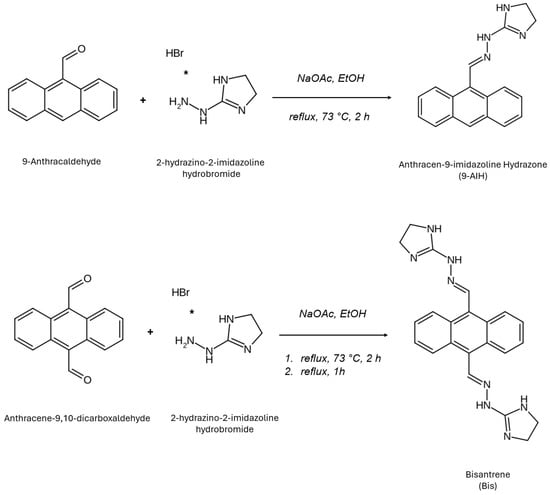
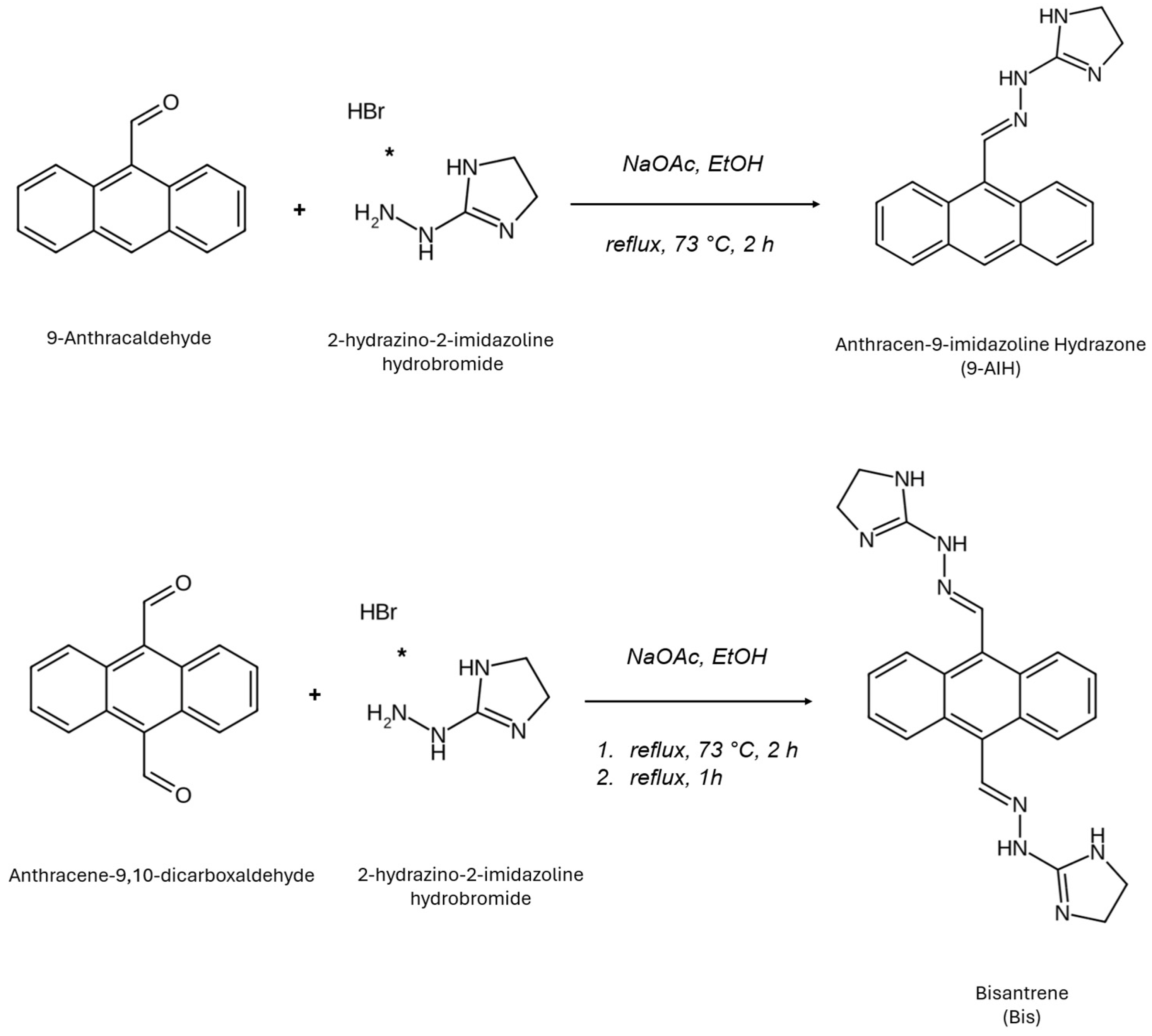
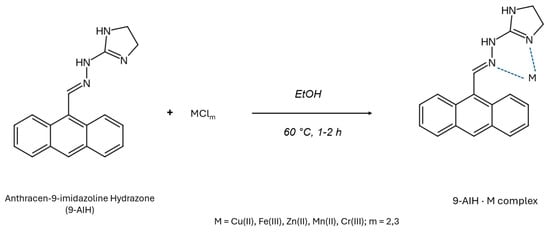
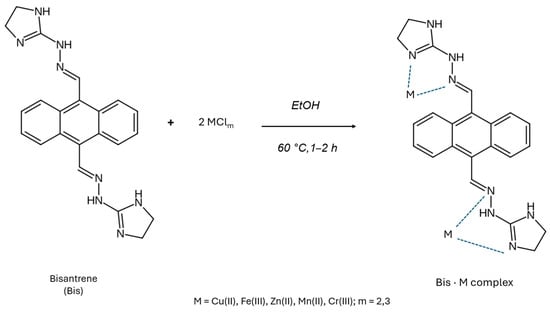
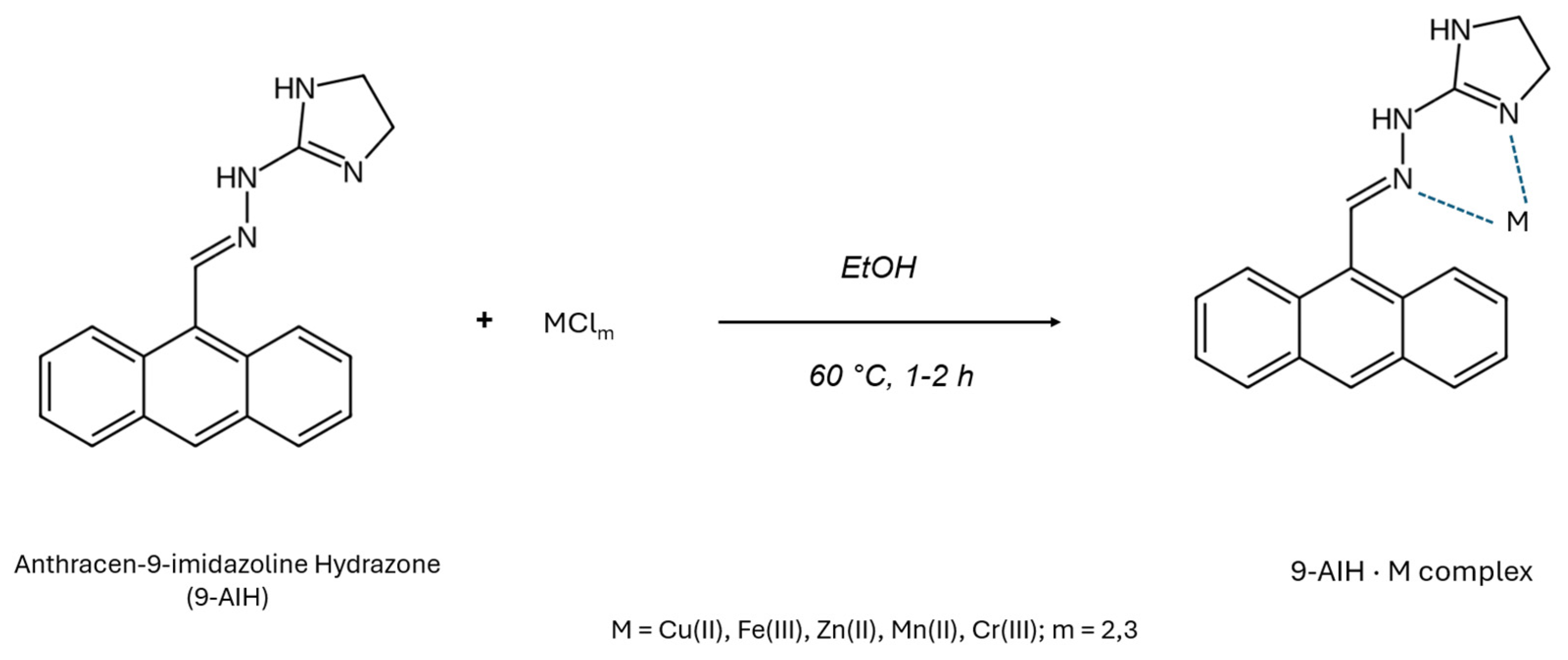
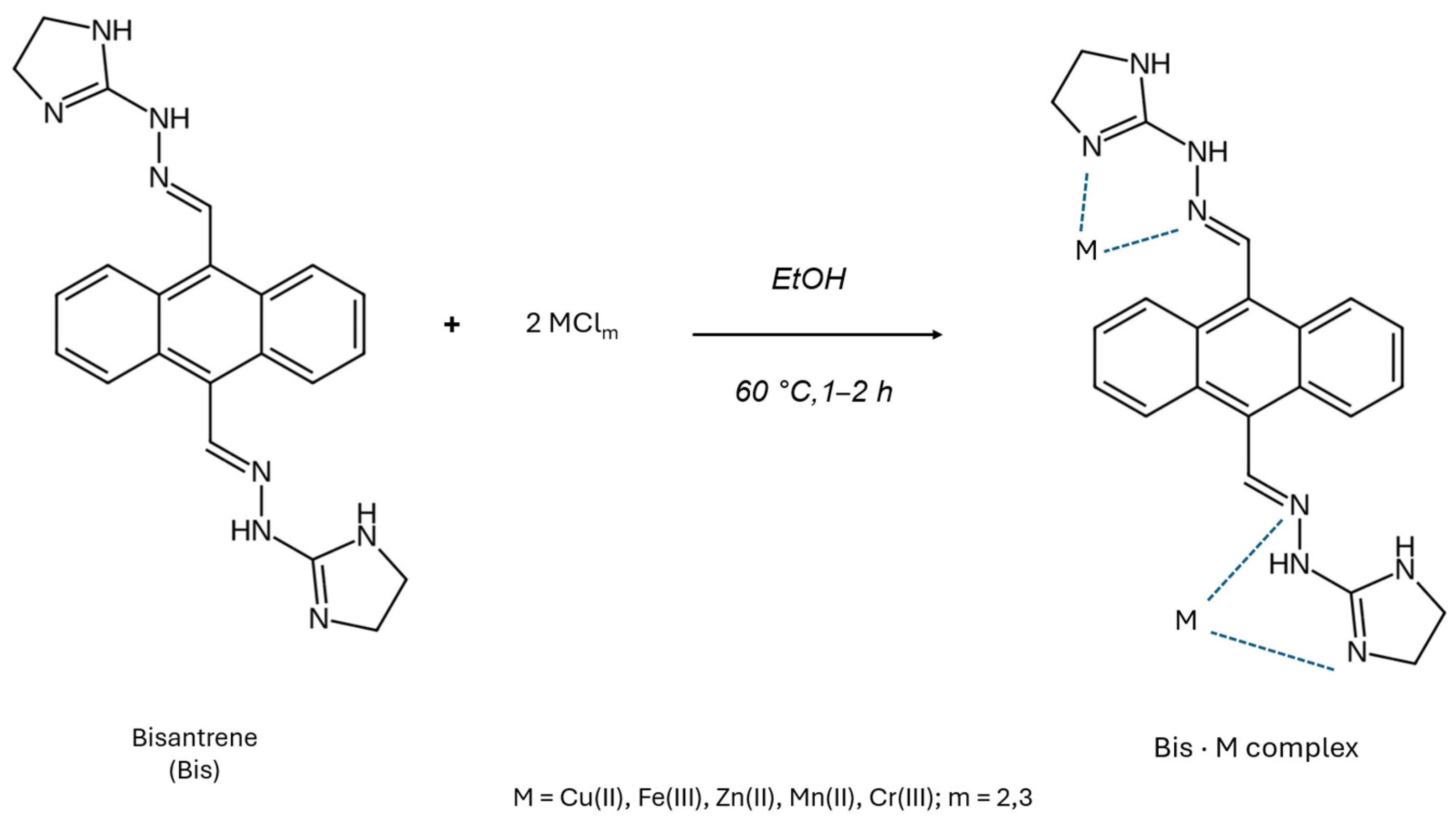
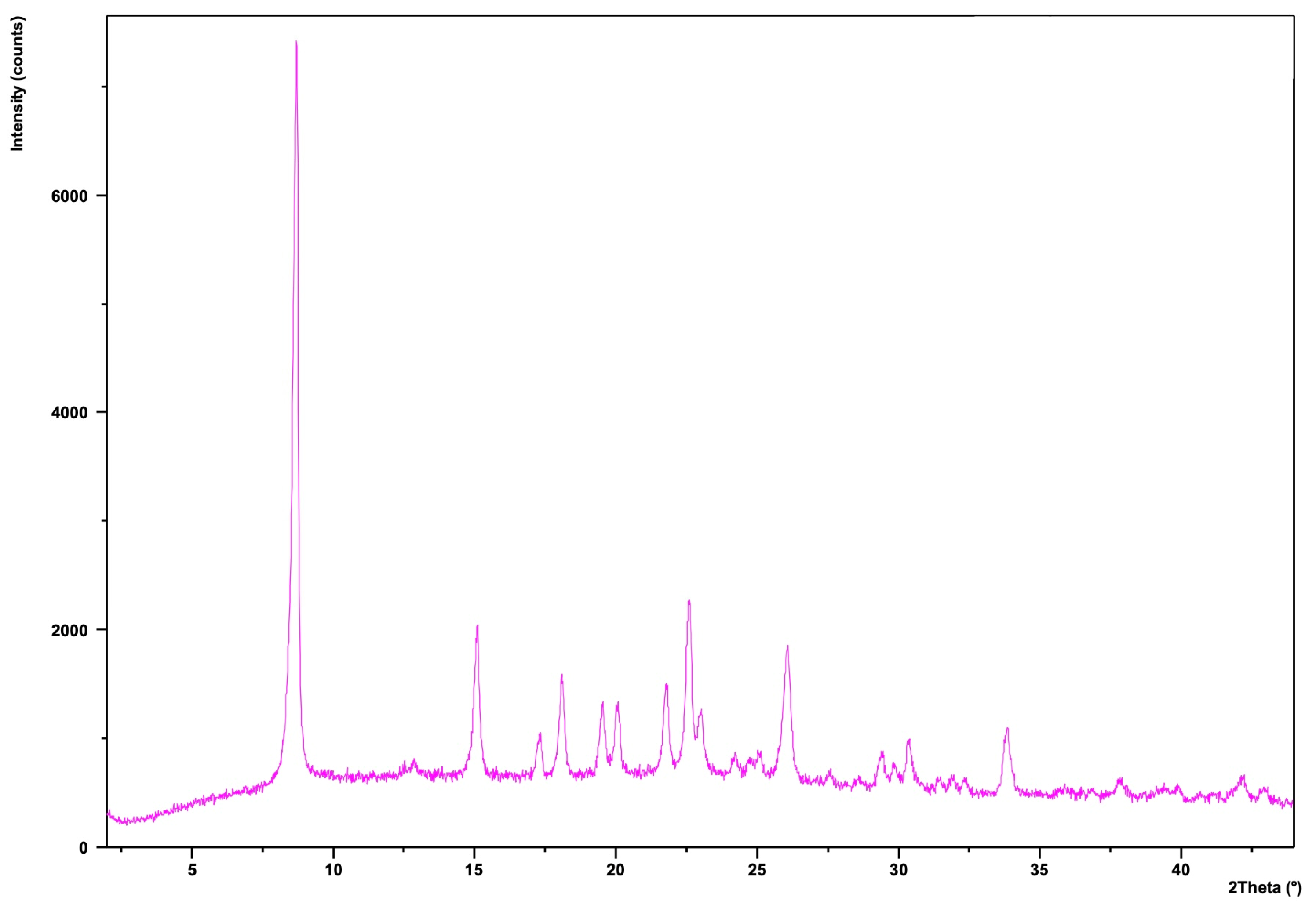
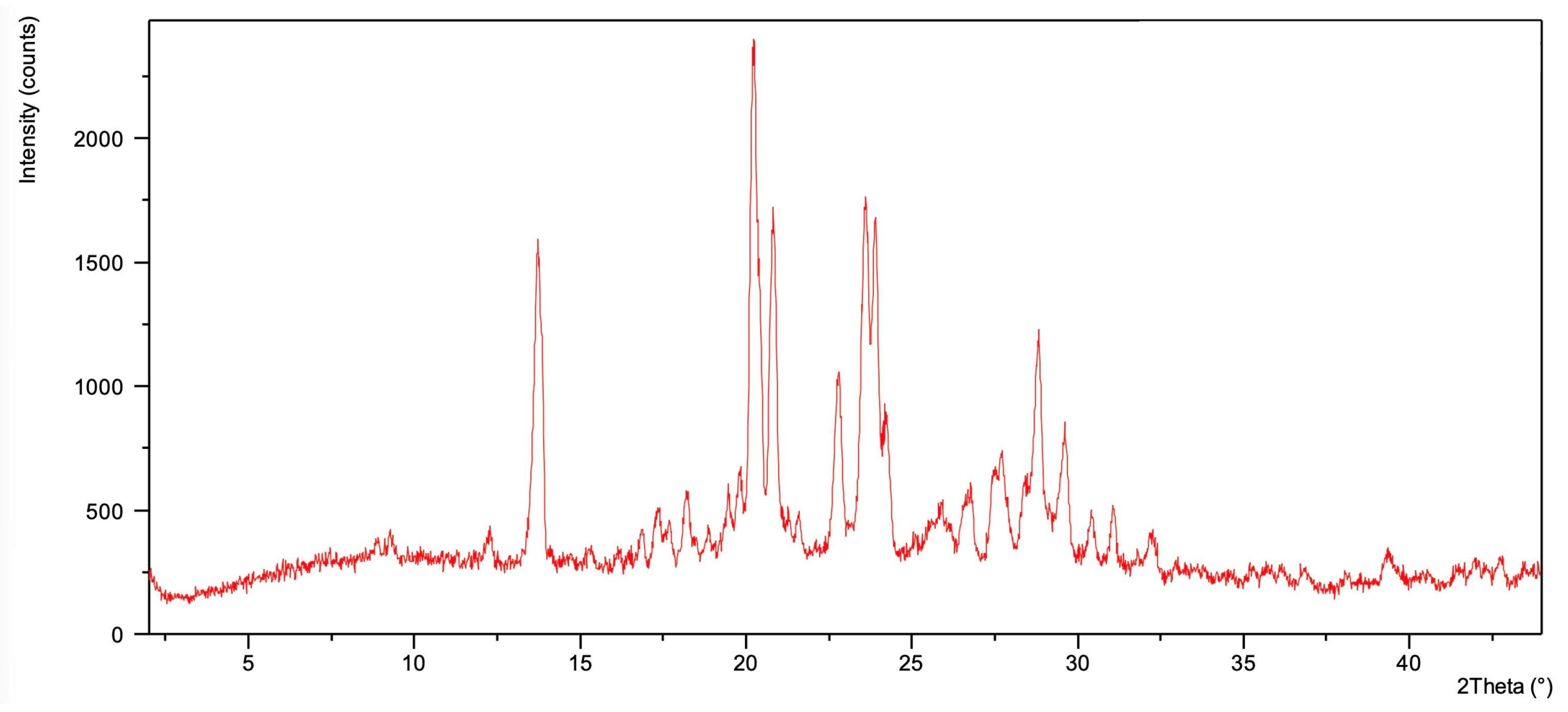
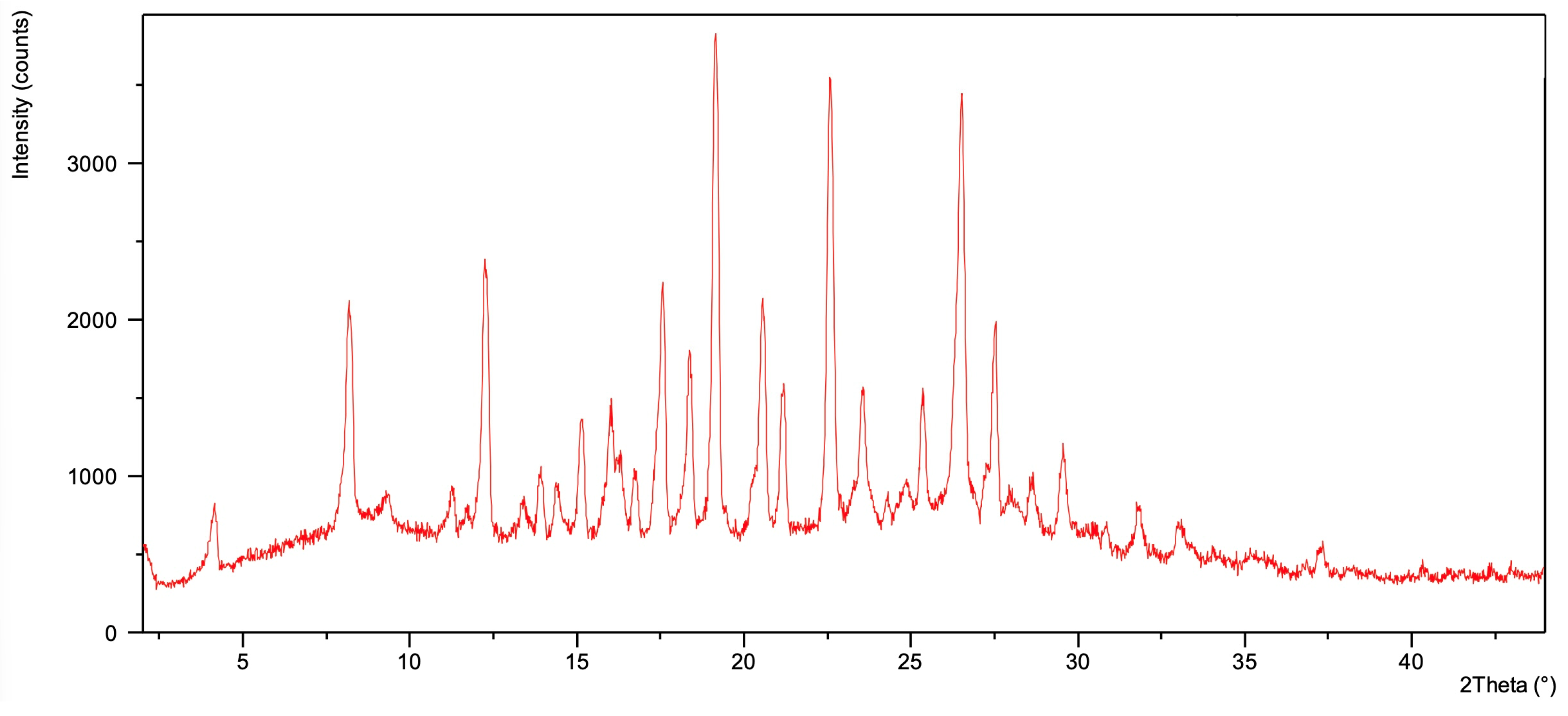
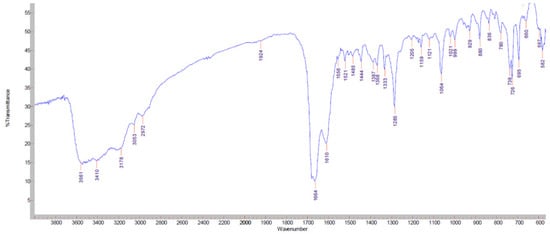
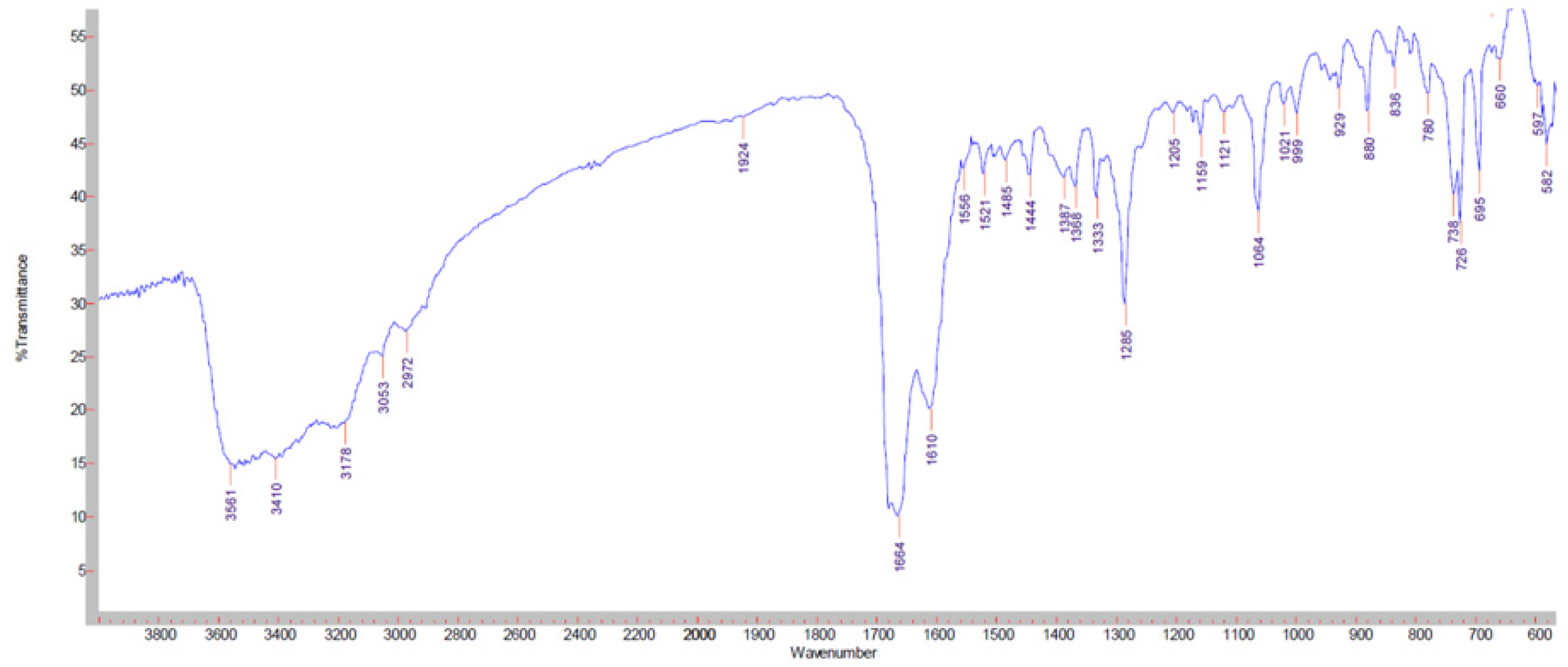
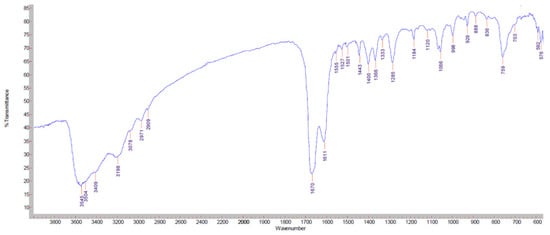
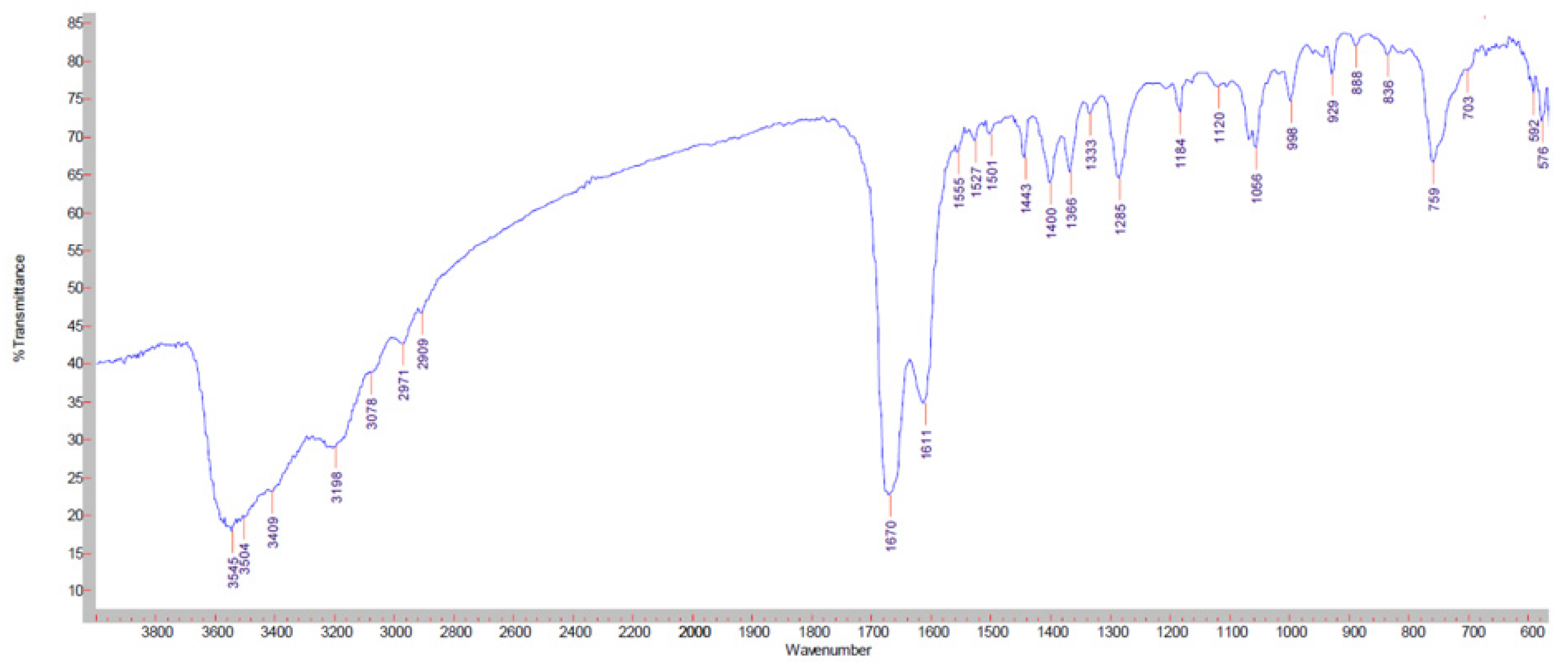
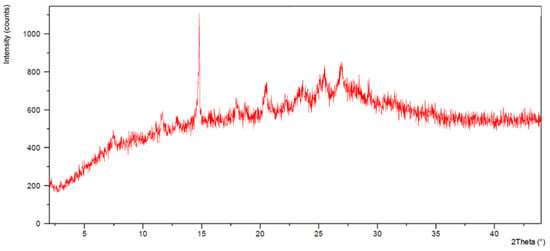
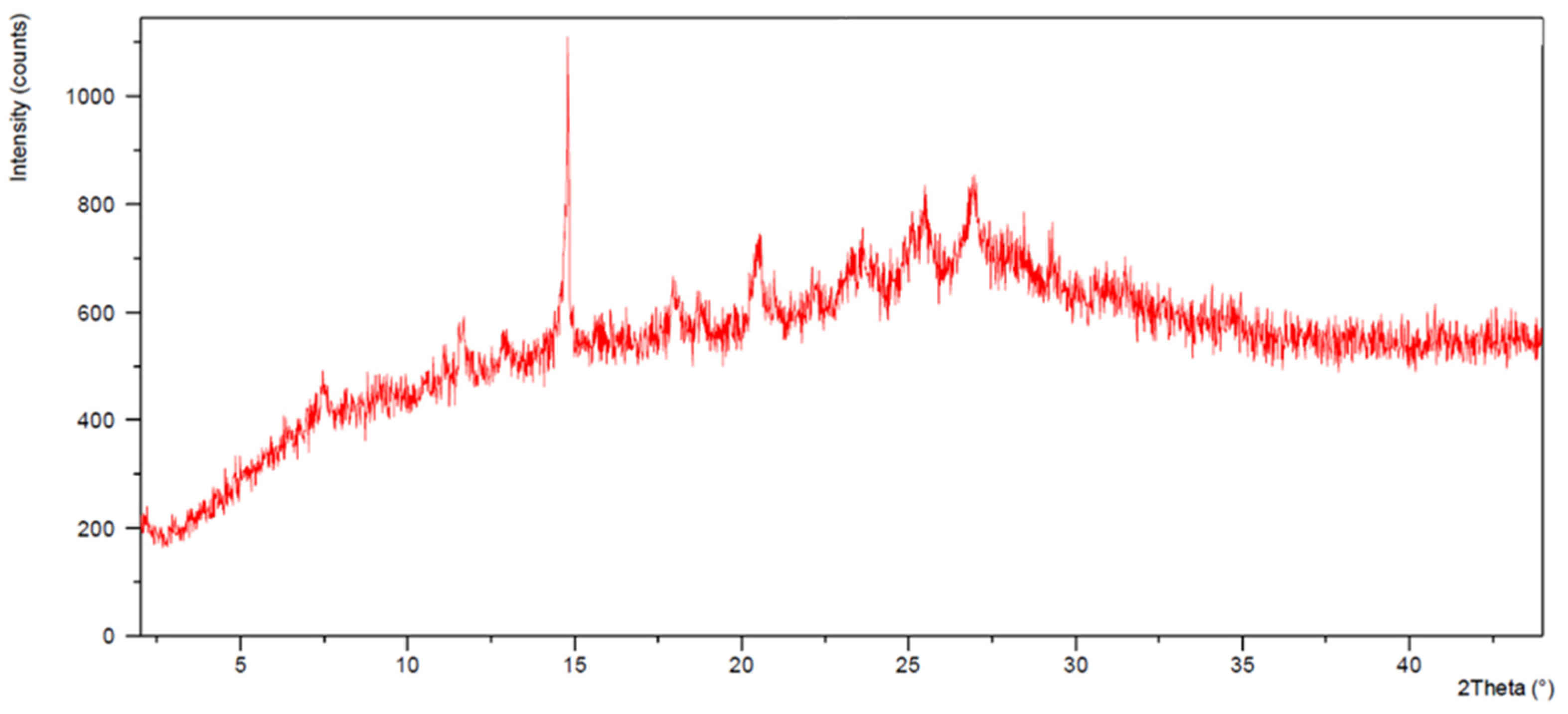
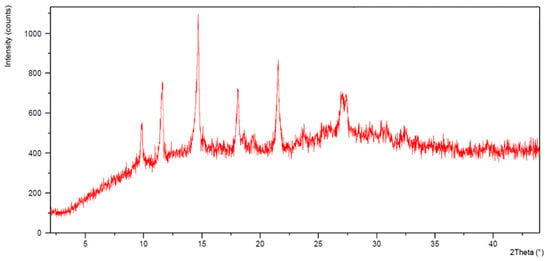
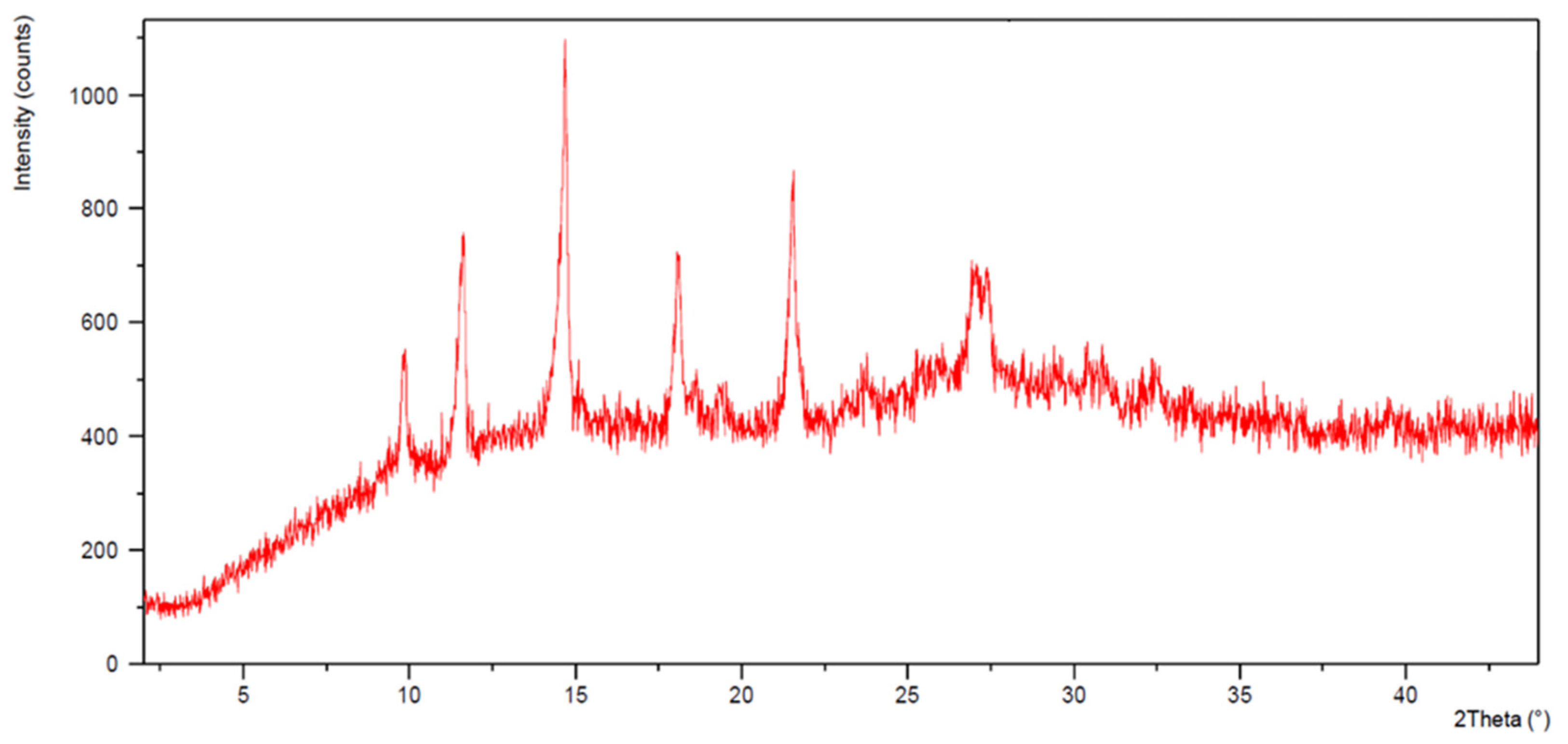
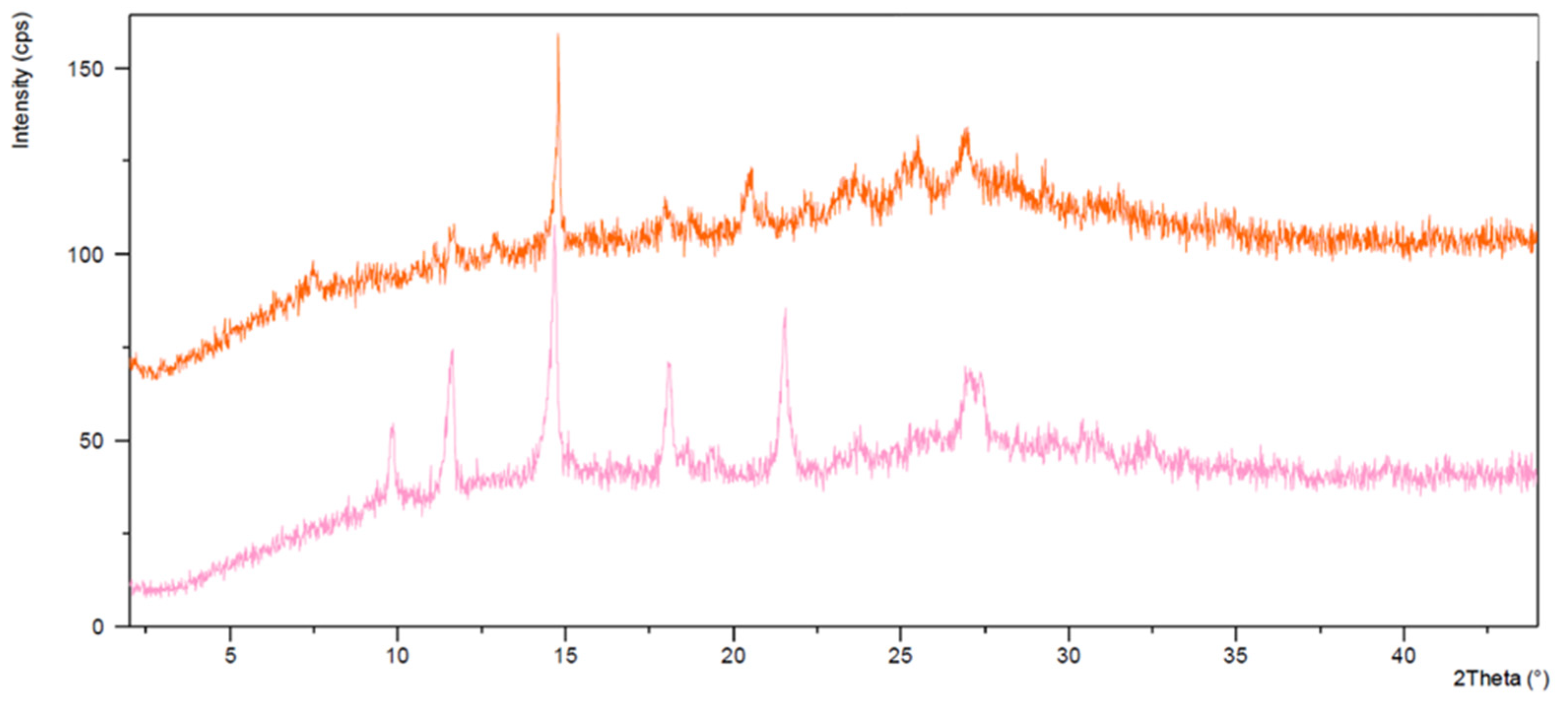
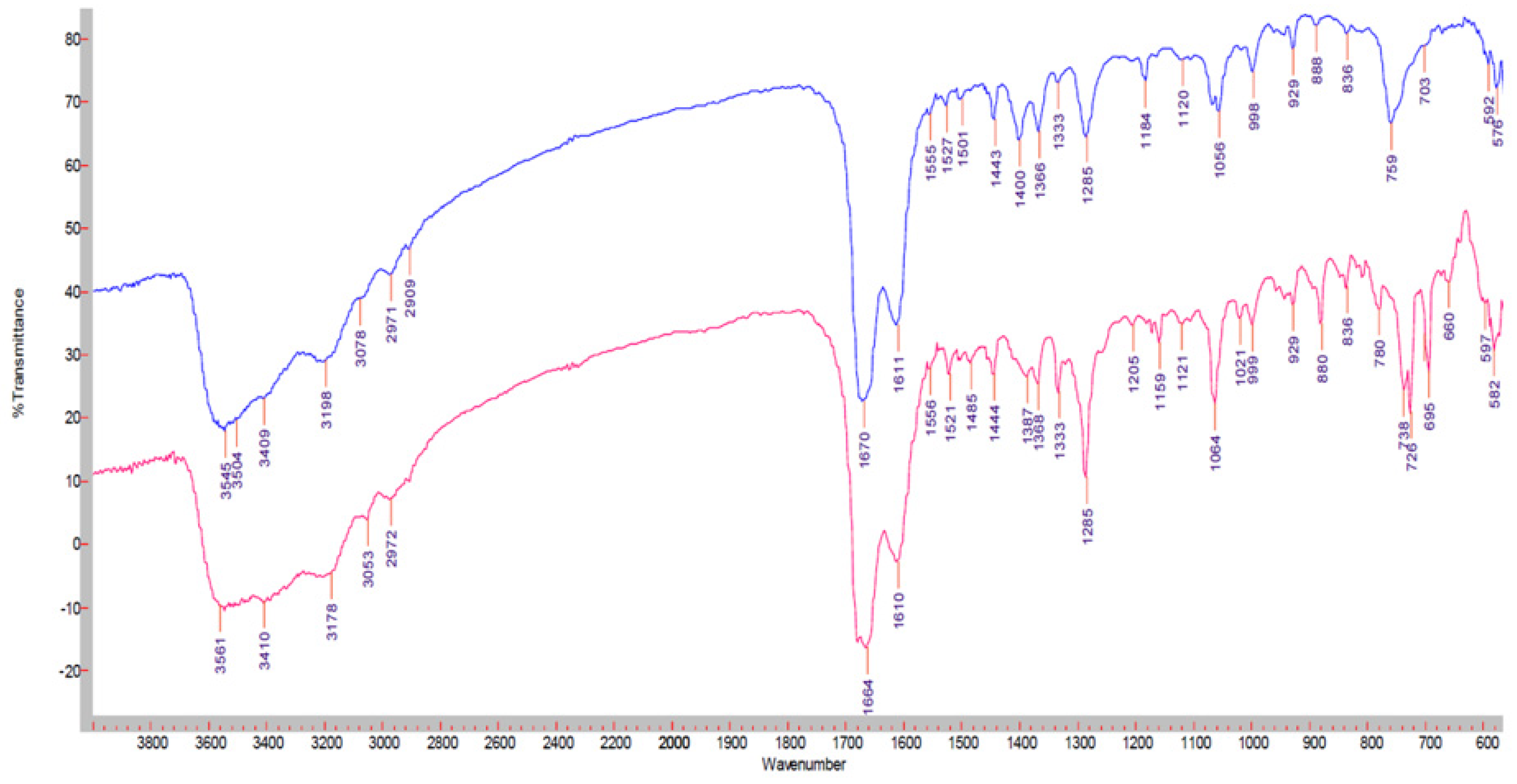
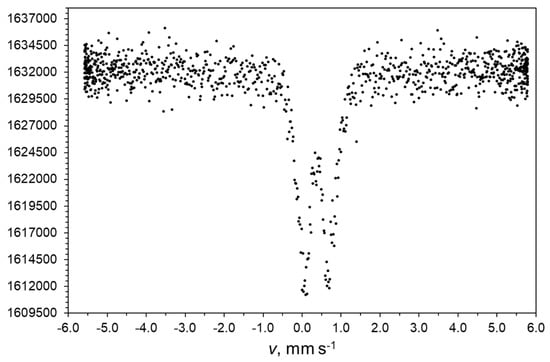
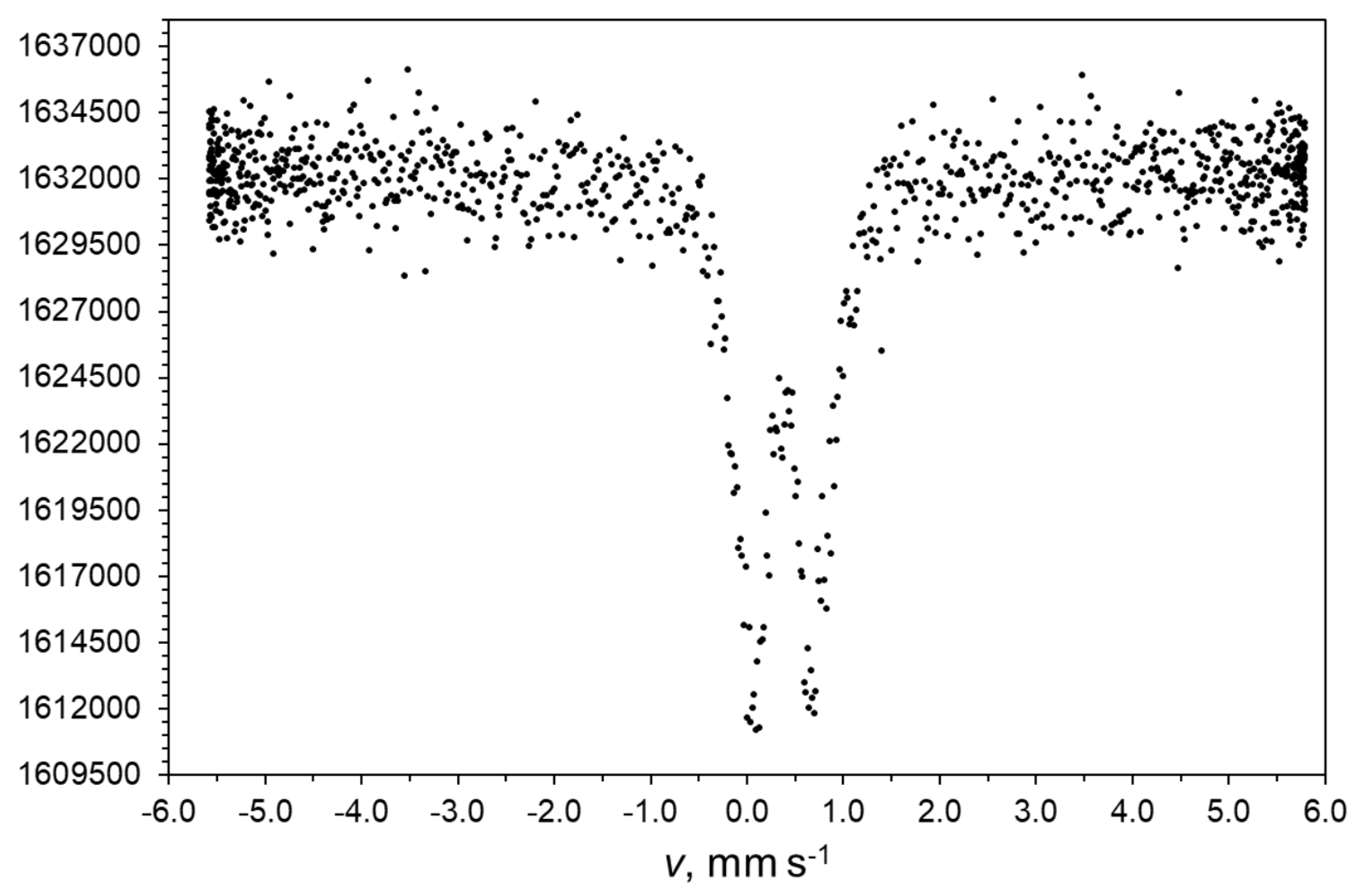
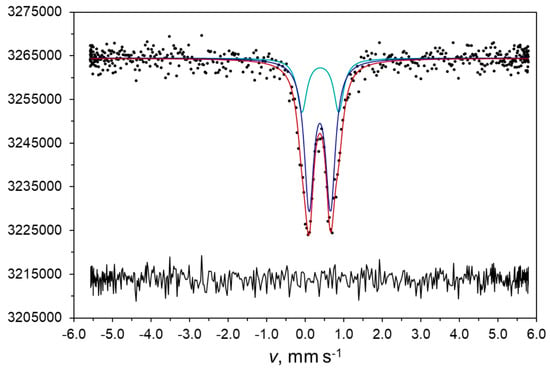
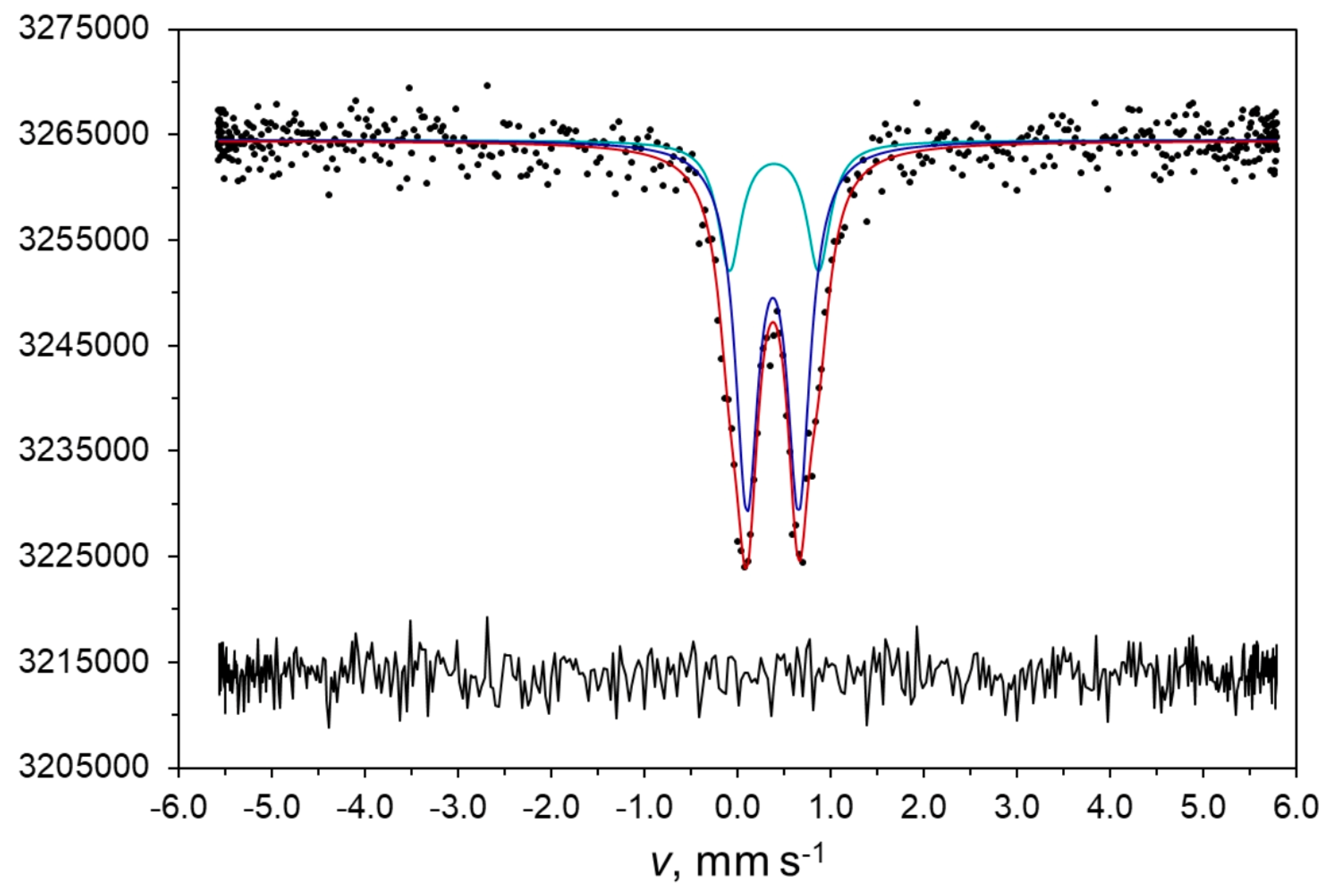
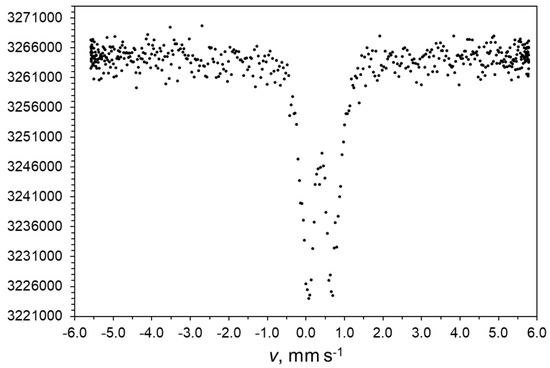
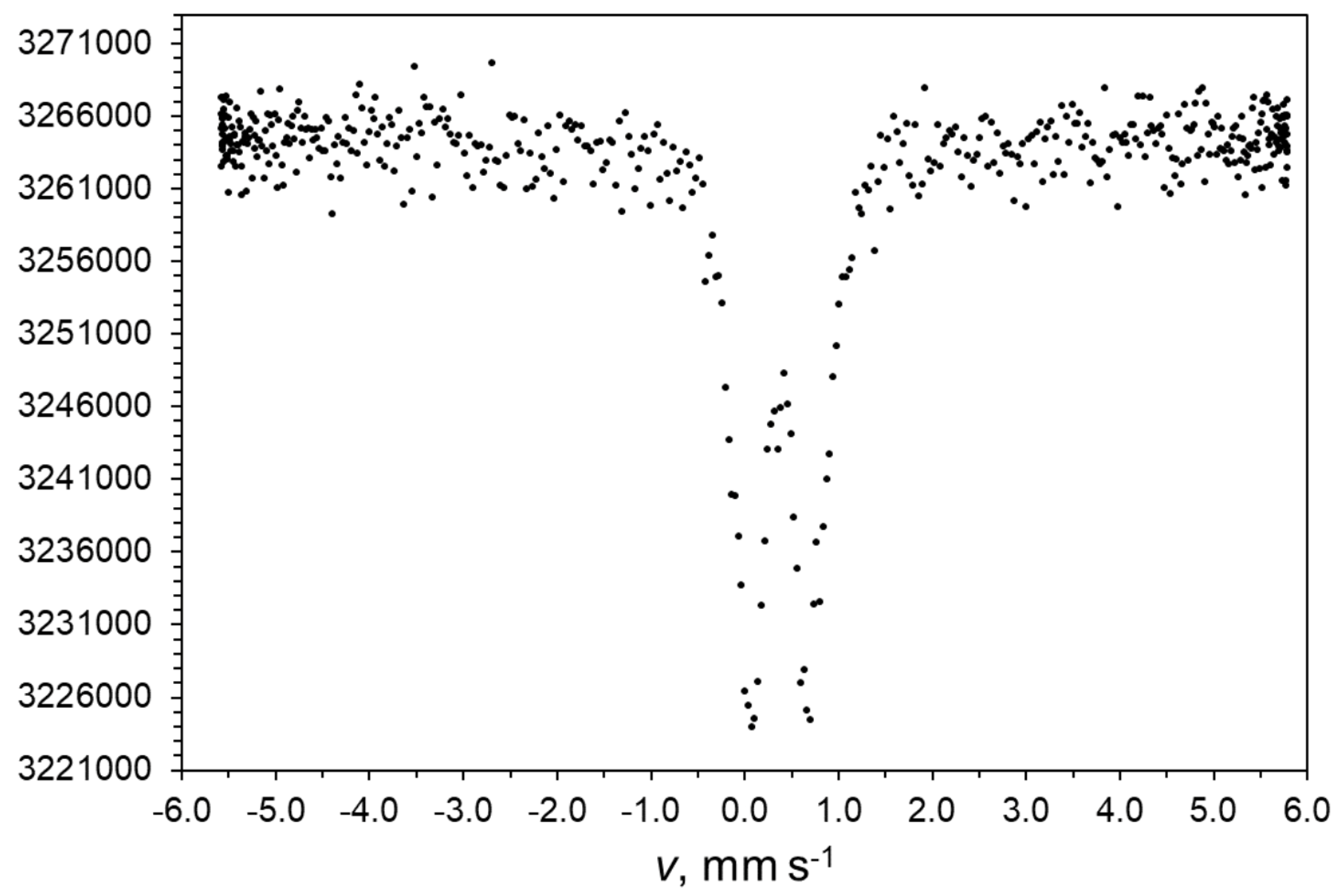

Disclaimer/Publisher’s Note: The statements, opinions and data contained in all publications are solely those of the individual author(s) and contributor(s) and not of MDPI and/or the editor(s). MDPI and/or the editor(s) disclaim responsibility for any injury to people or property resulting from any ideas, methods, instructions or products referred to in the content. |
© 2026 by the authors. Licensee MDPI, Basel, Switzerland. This article is an open access article distributed under the terms and conditions of the Creative Commons Attribution (CC BY) license.