


Abstract
Electrochemical oxidation (EO) is a versatile, advanced oxidation process (AOP) for the treatment of persistent and recalcitrant pollutants in wastewater. This critical review examines recent advances in EO, with emphasis on oxidation mechanisms, electrode materials, reactive species, reactor configurations, operational parameters, and energy efficiency. Direct electron-transfer reactions and indirect oxidation mediated by electrogenerated reactive species are discussed in relation to pollutant degradation, mineralization, and process selectivity. Attention is given to active and non-active anodes, classified according to their interaction with electrogenerated oxidizing species and their catalytic behavior toward organic pollutant oxidation, as well as to electrode stability and oxygen evolution competition. The effects of parameters such as current density applied potential, pH, electrolyte composition, conductivity, temperature, mass transfer, and electrolysis time on treatment performance and energy consumption are critically evaluated. The review also examines the integration of EO with microbial electrochemical technologies, anaerobic digestion, hydrogen production, and other resource-recovery pathways, distinguishing direct electrochemical energy recovery from downstream energy generation. Photo-electrooxidation is considered as a complementary light-assisted electrochemical approach. Importantly, the available evidence does not yet support generalized claims of positive net energy recovery, highlighting the need for complete system-level energy balances. Finally, key challenges related to real wastewater, electrode durability, transformation products, toxicity, scale-up, techno-economic feasibility, and environmental sustainability are discussed, together with future perspectives for efficient and scalable EO-based wastewater treatment.
1. Introduction
Water is essential for sustaining life, public health, food production, ecosystems, and economic development [1,2]. However, increasing pressures from population growth, pollution, climate change, urbanization, industrialization, and rising energy demand have intensified global concerns regarding water availability and quality [3,4]. Although water covers approximately 71% of the Earth’s surface, only about 2.5% is freshwater, and less than 1% is readily available for human use [3,5]. Consequently, wastewater management has become a strategic challenge within the framework of Sustainable Development Goal 6, particularly due to the increasing complexity of wastewater composition. Wastewater from domestic, industrial, agricultural, and commercial sources contains conventional pollutants as well as emerging contaminants, including pharmaceuticals, pesticides, dyes, antibiotics, phenolic compounds, surfactants, and microplastics [6,7,8]. Many of these compounds exhibit high persistence, toxicity, and resistance to biodegradation, posing significant risks to human health and aquatic ecosystems [9,10,11]. Conventional wastewater treatment technologies, such as adsorption, membrane separation, coagulation–flocculation, biological processes, constructed wetlands, and nanocomposite-based materials, have demonstrated effective performance in specific applications [12,13,14,15,16]. For example, activated sludge systems can achieve 85–95% Biochemical Oxygen Demand (BOD) removal and 70–90% Chemical Oxygen Demand (COD) removal under optimized conditions [17], while coagulation–flocculation processes may achieve up to 95% suspended solids removal depending on operational conditions [18]. However, these technologies often face limitations, including insufficient removal of emerging contaminants, high energy consumption, secondary waste generation, operational costs, and reduced efficiency when treating complex wastewater matrices. Therefore, the development of more sustainable and selective treatment strategies remains necessary. Among advanced treatment approaches, Advanced Oxidation Processes (AOPs) have gained considerable attention due to their ability to generate highly reactive species, particularly hydroxyl radicals (•OH), for the degradation of persistent pollutants. Within this group, EO has emerged as a promising technology because of its operational simplicity, versatility, automation potential, low chemical consumption, and effectiveness in complex wastewater treatment. EO can occur through direct anodic oxidation or indirect oxidation via in situ generation of reactive species, with performance strongly influenced by electrode properties and operational conditions. Recent studies demonstrated the effectiveness of EO in real wastewater applications. Abdelhay et al. [19] achieved 100% COD removal from poultry slaughterhouse wastewater using a Boron-Doped Diamond (BDD) anode under optimized conditions of current density and electrolyte concentration. Similarly, Wilk et al. [20] reported 97.1% COD, 98.8% BOD, and 62% ammonia removal during landfill leachate treatment using BDD-based electrochemical oxidation. Despite its effectiveness in pollutant removal, EO has gained increasing interest within the wastewater-to-energy framework, where wastewater is considered a potential source of recoverable energy and valuable resources rather than only a waste stream [21,22]. In this context, EO can function not only as a mineralization process but also as a selective pretreatment technology to reduce toxicity, improve biodegradability, and enhance subsequent energy recovery processes, such as anaerobic digestion or bioelectrochemical conversion [23,24,25]. However, achieving these benefits depends strongly on operational parameters, including electrode material, current density, electrolyte composition, pH, temperature, pollutant concentration, electrode spacing, and reactor configuration, which directly influence oxidation kinetics, energy demand, by-product formation, and process selectivity [26,27]. Energy consumption remains one of the main challenges limiting EO application. Zou et al. [28] demonstrated that specific energy consumption depends strongly on operational conditions and can reach approximately 11 kWh·kg−1 COD under optimized conditions. Conversely, Garcia-Segura et al. [29] reported that electrochemical processes may exhibit energy requirements ranging from approximately 0.2 to 345.5 kWh·kg−1 COD removed, depending on electrode material, wastewater characteristics, and operating conditions. Therefore, improving EO sustainability requires a deeper understanding of how operational parameters can be adjusted to balance pollutant removal, energy efficiency, and resource recovery potential [30,31]. Although several reviews have addressed EO mechanisms, electrode materials, and pollutant degradation performance, limited attention has been given to the relationship between operational parameters, process selectivity, energy consumption, by-product formation, and integration into wastewater-to-energy systems. Therefore, this critical review evaluates the role of operational optimization in wastewater electrochemical oxidation from a wastewater-to-energy perspective. Rather than considering EO solely as a pollutant destruction technology, this review discusses it as a tunable process in which operational conditions determine degradation efficiency, energy demand, biodegradability enhancement, and resource recovery potential. Table 1 provides a comparative overview of selected and representative review studies on EO for wastewater treatment and operational parameter strategies. The selected studies cover key aspects of EO, including pollutant degradation, electrode materials, operational conditions, energy consumption, and process integration. Rather than providing an exhaustive compilation of all reviews published on EO, the table highlights representative studies that help contextualize the present review, recent developments, and relevant research gaps.
Table 1.
Comparative overview of selected review studies on electrochemical oxidation of wastewater and operational parameter strategies.
2. Electrochemical Oxidation in Wastewater Treatment
EO has emerged as a promising advanced treatment technology for wastewater remediation due to its high oxidation efficiency, operational versatility, and reduced dependence on chemical additives [30,31,33]. This process is particularly attractive for the treatment of industrial effluents containing recalcitrant organic pollutants, pharmaceuticals, dyes, pesticides, and other contaminants that are difficult to remove using conventional biological or physicochemical methods [27,34]. In EO systems, pollutants are degraded through electron transfer reactions occurring at the electrode-solution interface or through highly reactive oxidizing species generated in situ [35,36]. The process is typically conducted in an electrochemical cell composed of an anode and a cathode immersed in wastewater, with the application of an electric current driving oxidation and reduction reactions [35,37]. The efficiency of electrochemical oxidation depends on several operational and material-related parameters, including electrode composition, current density, solution conductivity, pH, the supporting electrolyte, and the nature of the target pollutants [38,39,40]. Among these factors, the type of anode material plays a particularly decisive role, as it influences the mechanism of oxidation, the formation of reactive oxygen species, and the degree of mineralization achieved.
The principle of EO is based on the application of an external electric current or potential to drive oxidation reactions capable of transforming or degrading contaminants dissolved or suspended in wastewater [31,35]. In this process, the anode acts as the primary site for oxidative reactions, while reduction processes occur simultaneously at the cathode to maintain charge balance within the electrochemical cell [30,41]. The overall treatment performance is therefore governed by the interplay between electrode kinetics, mass transfer, electrolyte composition, and the physicochemical properties of the target pollutants. From a mechanistic standpoint, anodic oxidation is initiated when the applied potential exceeds the thermodynamic threshold for water discharge, leading to the generation of highly reactive oxygen-containing intermediates at the electrode surface [26,42]. Among these, adsorbed hydroxyl radicals (•OH) are considered the most important oxidizing species in EO systems due to their extremely high standard oxidation potential (E∘= 2.74 V vs. SHE), which places them among the strongest oxidants available in aqueous media [43,44]. These species are generated via anodic water oxidation according to Equation (1):
H2O → •OH + H+ + e−
This elementary step is often regarded as the key initiation reaction in anodic electrochemical oxidation, particularly on high oxygen overpotential anodes. However, the actual oxidation behavior depends not only on the thermodynamic feasibility of hydroxyl radical formation, but also on the electrode surface chemistry and the potential window in which oxygen evolution competes with pollutant oxidation [45,46]. The formal equilibrium potential for oxygen evolution from water under acidic conditions is 1.23 V vs. SHE [47,48], according to Equation (2):
2H2O → O2 + 4H+ + 4e−
Nevertheless, in practical electrochemical systems, the effective onset potential for oxygen evolution is significantly higher because of kinetic barriers and electrode-dependent overpotentials [49]. As a result, the electrochemical behavior of the anode is strongly influenced by its oxygen evolution overpotential (OEP), which determines whether the applied anodic energy is preferentially channeled into the generation of reactive oxygen species or lost through parasitic oxygen evolution [50,51]. This distinction is central to the performance of EO systems. On anodes with high oxygen evolution overpotential, such as BDD, the formation of physiosorbed hydroxyl radicals is favored over immediate oxygen evolution, enabling the accumulation of highly reactive oxidizing species at the electrode–solution interface [52,53,54]. In contrast, on more active electrode materials such as Pt, IrO2, and RuO2, hydroxyl radicals are more strongly chemisorbed and may be rapidly converted into higher oxide states or oxygen, resulting in lower availability of free radical species for non-selective oxidation [55,56]. The generally accepted anodic sequence can be described as follows in Equation (3):
where M represents the electrode surface and M(•OH) corresponds to adsorbed hydroxyl radicals. Depending on the nature of the anode, these radicals may either react directly with pollutants or undergo further surface transformation according to Equation (4) [30]:
where MO denotes a higher oxide species formed on the anode surface. The relative predominance of Equations (3) and (4) is one of the main factors determining whether the oxidation pathway is non-selective and mineralizing or surface-mediated and more selective. The relative contribution of these pathways is not fixed and can vary substantially with current density, potential, pH, conductivity, hydrodynamics, and electrode material [57,58,59]. A major advantage of EO lies in the fact that oxidizing species are generated in situ, eliminating or minimizing the need for external chemical oxidants [24,60]. This makes the process especially attractive for decentralized and modular wastewater treatment systems [25]. In addition, because the redox environment is externally controlled through current or potential, EO offers a high degree of operational flexibility and can be tuned to achieve different treatment objectives, ranging from complete mineralization of toxic pollutants to partial oxidation aimed at increasing biodegradability or generating value-added intermediates [61,62]. From a thermodynamic and energetic perspective, however, EO is not inherently efficient unless the electrochemical window is carefully controlled [63]. A substantial fraction of the applied electrical energy may be dissipated through non-productive side reactions, especially oxygen evolution at the anode and hydrogen evolution at the cathode [64,65]. The practical efficiency of EO is therefore determined not only by the oxidation strength of the generated species, but also by the ability of the system to direct electron transfer toward pollutant transformation rather than gas evolution or secondary parasitic reactions [30,66]. Another critical aspect is the relationship between anodic oxidation and pollutant mineralization. Although EO is often classified as an AOP because of the central role of hydroxyl radicals and other highly reactive oxidants, complete mineralization is not always the most desirable treatment outcome [67]. In many wastewater applications particularly those involving wastewater-to-energy integration, anaerobic digestion, or bioelectrochemical systems controlled partial oxidation may be more beneficial than total carbon destruction, as it can increase the biodegradability of refractory compounds while preserving organic carbon for downstream energy recovery [68,69,70]. Consequently, electrochemical oxidation should not be understood merely as a high-potential destruction process, but rather as a controllable electrochemical platform whose performance emerges from the dynamic balance between electrode material, applied potential, interfacial radical chemistry, and solution composition [71,72]. Figure 1 illustrates the mechanisms of photocatalysis and electrocatalysis, highlighting how the integration of light irradiation and electrochemical bias enhances the degradation of organic pollutants in aqueous media. As shown in Figure 1a, photocatalysis begins when a semiconductor absorbs photons with energy equal to or greater than its band gap, generating electron-hole pairs. The efficiency of this process depends on effective charge separation and minimized electron-hole recombination, allowing the photogenerated carriers to participate in surface redox reactions. In addition, photocatalytic performance is influenced by the light absorption capability, band-gap structure, and surface properties of the semiconductor. In Figure 1b, electrocatalysis is driven by an externally applied potential that promotes charge transfer across the electrode-electrolyte interface. Its efficiency is determined by the availability of active sites, electrode surface characteristics, and interfacial reaction kinetics. As illustrated, the electrocatalytic system comprises a working electrode, represented by the Au surface, together with a reference electrode and a counter electrode in contact with the electrolyte. The applied potential establishes the electrochemical environment required for charge transfer and for the interaction of reactant species with the electrode surface. At the electrode-electrolyte interface, reactants can undergo electron-transfer reactions facilitated by the electrocatalytic surface. Within the broader framework of EO, electrocatalytic oxidation is particularly important because the electrode surface can facilitate oxidation reactions and influence the formation of reactive species. Depending on the electrode material, applied potential, electrolyte composition, and operating conditions, pollutant oxidation may occur through direct electron transfer at the electrode surface or through indirectly generated oxidizing species. Therefore, the electrocatalytic performance depends strongly on the electrode composition, electronic structure, surface morphology, density of active sites, adsorption characteristics, and electrochemical stability. For wastewater treatment, rational electrode design can enhance interfacial charge transfer and promote the oxidation of organic and emerging contaminants. Advanced electrocatalytic electrodes, including metal oxides, mixed-metal oxides, carbon-based materials, doped materials, and composite architectures, have therefore attracted increasing attention for improving pollutant degradation and mineralization. Accordingly, electrocatalytic oxidation represents an important component of the broader EO field, linking electrode design and interfacial reaction kinetics with pollutant transformation and degradation. Therefore, both processes rely on efficient charge transfer to promote oxidation and reduction reactions; however, their integration in photoelectrocatalysis provides a synergistic effect by improving charge separation, reducing electron–hole recombination, and ultimately enhancing the degradation efficiency of organic contaminants.
M + H2O → M(•OH) + H+ + e−
M(•OH) → MO + H+ + e−
Figure 1.
Schematic diagram of the principles of photocatalysis and electrocatalysis. (a) The typical photocatalytic process goes through three steps. (b) Schematic diagram of electrocatalytic measurement [68]. Reproduced with permission from Frontiers Media SA.
2.1. Direct and Indirect Oxidation Pathways
EO in wastewater treatment can proceed through two main pathways: direct oxidation and indirect oxidation [27,73]. These pathways may occur simultaneously, although their relative contribution depends on the electrode material, electrolyte composition, and operational conditions.
In direct electrochemical oxidation, contaminants are oxidized directly at the anode surface through electron transfer reactions [30]. This mechanism requires the pollutant molecules to diffuse from the bulk solution to the electrode interface, where oxidation occurs [74,75]. The process may involve adsorption of pollutants onto the anode surface followed by electron abstraction and molecular transformation (Figure 2a). Direct oxidation is generally more significant when the contaminant has high electrochemical activity and when mass transfer limitations are minimized [76]. However, this route may be restricted by the accessibility of the pollutant to the electrode surface and by possible electrode fouling caused by reaction intermediates or polymeric by-products. Although direct oxidation can be effective for some compounds, it often does not result in complete mineralization when acting alone, especially in complex wastewater matrices [77,78]. Therefore, its contribution is frequently complemented by indirect oxidation mechanisms. Figure 2a represents the degradation pathway of organic pollutants via direct electrochemical oxidation at the anode surface.
Figure 2.
Mechanistic representation of organic pollutant degradation. (a) Direct electrochemical oxidation. (b) Indirect electrochemical oxidation at the anode surface [76].
Iniesta et al. [79] investigated the electrochemical oxidation of phenol on BDD electrodes in acidic medium. The authors observed an anodic oxidation peak for phenol at approximately 1.67 V vs. SHE, indicating that direct electron transfer could occur in the potential region of water stability. More importantly, they demonstrated that for E < 2.3 V vs. SHE, phenol oxidation proceeded predominantly through direct anodic oxidation, although this regime led to significant electrode fouling due to the formation of polymeric films on the electrode surface. In contrast, when the applied potential exceeded 2.3 V vs. SHE, indirect oxidation pathways became dominant due to the generation of electrogenerated oxidizing intermediates, likely hydroxyl radicals, which also reduced the extent of fouling. Direct oxidation has also been reported on active anodes, where the mechanism is more closely associated with surface-bound oxide species than with freely available hydroxyl radicals. For instance, Kislyi et al. [80] investigated the electrochemical oxidation of organic pollutants using a Ti4O7 particle anode, and the proposed degradation pathways for hydroquinone and benzoic acid are illustrated in Figure 3. As observed in Figure 3a, hydroquinone undergoes successive oxidation steps involving the formation of quinone-type intermediates, followed by further transformation into smaller oxygenated compounds. Similarly, Figure 3b indicates that benzoic acid degradation proceeds through hydroxylation and ring-opening reactions, ultimately leading to the formation of low molecular weight carboxylic acids such as maleic, fumaric, and oxalic acids. These pathways reflect a progressive oxidation process in which the molecular structure is continuously simplified toward more oxidized and biodegradable species. From a mechanistic perspective, the initial stages of degradation can be associated with direct electron transfer at the anode surface, particularly for electroactive compounds such as hydroquinone, which can undergo oxidation upon adsorption at the electrode interface. This interfacial process promotes the formation of reactive intermediates that initiate the degradation sequence illustrated in Figure 3. However, the overall mechanism is not exclusively governed by direct oxidation. The physicochemical characteristics of the Ti4O7 anode, especially its relatively high oxygen evolution potential, favor the concurrent formation of adsorbed hydroxyl radicals, which significantly contribute to the subsequent oxidation steps. Further insight into the oxidation mechanism is provided by the morphological analysis of the electrode surface after electrolysis, as shown in Figure 3c,d. The Scanning Electron Microscope (SEM) image (Figure 3c) reveals the formation of a heterogeneous and irregular surface layer, indicating the accumulation of oxidation products or polymeric intermediates. This type of surface modification is commonly associated with direct oxidation processes, in which intermediates generated at the electrode interface may absorb and partially block active sites. The optical image (Figure 3d) corroborates these observations by showing the presence of darker regions and surface deposits, suggesting localized accumulation of reaction by-products. Such features are consistent with interfacial oxidation phenomena and may reflect limitations associated with direct oxidation, including surface fouling and mass transfer constraints. Taken together, Figure 3 indicates that while direct oxidation contributes to the initial transformation of organic pollutants at the electrode surface, the overall degradation pathway involves a combined mechanism in which indirect oxidation mediated by reactive oxygen species becomes increasingly dominant. This interplay between interfacial electron transfer and mediated oxidation is critical for achieving complete pollutant degradation while minimizing electrode passivation.
Figure 3.
Possible degradation pathways for hydroquinone (a) and benzoic acid (b). SEM (c) and optical images (d) of the anode surface after experiments at a current density of 36 mA cm−2 [80].
Indirect oxidation occurs when oxidizing species are electrogenerated from water or dissolved ions in the solution and subsequently react with pollutants in the bulk phase or near the electrode surface [30,81]. In this case, the electrode does not oxidize the contaminant directly; instead, it generates reactive mediators that carry out the oxidation process [82]. Among the most relevant oxidants generated in electrochemical systems are hydroxyl radicals, active chlorine species, ozone, hydrogen peroxide, persulfate, and sulfate radicals, depending on the electrolyte composition and electrode material [83,84,85]. For instance, in chloride-containing wastewater, chloride ions may be oxidized to chlorine, hypochlorous acid, and hypochlorite, all of which can significantly enhance pollutant degradation [86,87]. The main advantage of indirect oxidation is that reactive species can diffuse into the bulk solution, allowing oxidation to occur beyond the immediate electrode interface [81,84]. This often increases treatment efficiency, particularly in wastewater containing low concentrations of contaminants or compounds with limited electroactivity. Nevertheless, indirect oxidation may also present disadvantages. Some oxidants, especially chlorine-based species, can lead to the formation of toxic chlorinated by-products if not properly controlled [88,89]. Thus, understanding and optimizing the balance between direct and indirect oxidation is essential for designing safe and effective electrochemical treatment systems. Figure 2b represents the degradation pathway of organic pollutants via indirect electrochemical oxidation at the anode surface. Song et al. [90] investigated the electrochemical oxidation of organic compounds in sulfate media and observed that the presence of peroxydisulfate significantly enhanced the degradation process. In particular, the oxidation rates of organic pollutants were approximately two times higher under conditions where electrochemical activation of peroxydisulfate occurred, compared to systems without , highlighting the important role of sulfate radical species in mediated oxidation pathways. Subsequently, Cai et al. [91] applied an indirect electrochemical oxidation process for the degradation of 2,4-dichlorophenoxyacetic acid in aqueous solution using electrochemically generated persulfate. The results confirmed the feasibility and effectiveness of this approach, further supporting the role of sulfate-derived oxidants as key contributors to pollutant degradation in electrochemical systems. In parallel, Alcocer et al. [92] studied the degradation of industrial dyes Blue BR, Violet SBL and Brown MF using BDD anodes in sulfate medium (0.05 M Na2SO4, pH 3) and achieved complete decolorization within 60 min at current densities of 2–18 mA cm−2. The high efficiency was attributed to the generation of hydroxyl radicals (•OH) on the BDD surface, promoted by its high oxygen evolution overpotential, which favors organic oxidation while limiting side reactions. McBeath et al. [93] evaluated the kinetics of electrochemical oxidation using radical probe compounds such as methanol and observed pseudo-first-order degradation rate constants ranging from 2.77 × 10⁻² to 1.72 × 10⁻¹ s−1 as the current density increased from 10 to 80 mA cm−2, confirming that pollutant degradation was controlled by reactions with electrogenerated hydroxyl radicals rather than direct electron transfer at the electrode surface. Lee et al. [94] compared the activation mechanisms of peroxymonosulfate and peroxydisulfate, examining the formation of sulfate radicals (SO4•−), singlet oxygen (1O2), and other reactive species involved in organic contaminant degradation. The proposed oxidation pathways are illustrated in Figure 4.
Figure 4.
Pathways for the oxidation of acetate and benzoate by hydroxyl radical and sulfate radical [94]. Reproduced with permission from ACS.
Mechanistically, Figure 4 illustrates the distinct oxidation mechanisms of sulfate radicals (SO4•−) and hydroxyl radicals (•OH) in the degradation of organic contaminants in water. While •OH predominantly promotes hydrogen abstraction and electrophilic addition to aromatic rings, SO4•− frequently initiates oxidation through single-electron transfer, promoting decarboxylation and other reactions depending on the molecular structure. These differences influence the formation of transformation products and the extent of contaminant degradation. In this context, combining electron paramagnetic resonance (EPR) spectroscopy with radical quenching experiments is essential for reliable mechanistic interpretation. Although EPR confirms the formation of reactive species, signal intensity alone cannot establish their relative contributions because of spin-trap selectivity, radical lifetimes, and secondary reactions. Quenching experiments provide complementary evidence by revealing the inhibition of degradation in the presence of scavengers. As observed in the present study, the stronger inhibition caused by ethanol than by tert-butanol suggests a substantial contribution of SO4•−, while the effect of tert-butanol also supports the involvement of •OH. The limited inhibition caused by L-histidine indicates a minor contribution of singlet oxygen (1O2). Importantly, discrepancies between EPR signals and quenching results may occur, with SO4•− appearing dominant in quenching experiments despite stronger EPR signals for •OH [95]. Therefore, both techniques should be interpreted together to identify the reactive species contributing to contaminant degradation more reliably. More recently, Milivojević et al. [96] demonstrated the importance of combining complementary experimental approaches by integrating EPR spectroscopy, quenching experiments, ultra-performance liquid chromatography coupled with tandem mass spectrometry (UPLC-MS/MS), and theoretical calculations to elucidate the electrochemical degradation mechanism of per- and polyfluoroalkyl substances (PFAS). EPR spectroscopy revealed the formation of SO4•−, •OH, and superoxide radicals (O2•−) at the Ti6O11 adlayer, whereas quenching experiments indicated that SO4•− was primarily responsible for the initial degradation step, followed by the contribution of abundant •OH radicals during subsequent degradation. These mechanistic findings were supported by UPLC-MS/MS analysis, which confirmed degradation efficiencies of approximately 94% for perfluorooctane sulfonate (PFOS) and 67% for perfluorooctanoic acid (PFOA). The electrochemical process also showed relatively low energy requirements, with energy per order (Eo) values of 0.8 kWh m−3 for PFOS and 1.7 kWh m−3 for PFOA, indicating more favorable degradation of PFOS. Furthermore, treatment of river water containing a mixed PFAS matrix achieved approximately 95% degradation of long-chain PFAS, whereas lower removal efficiencies were observed for short-chain perfluoroalkane sulfonates (PFSAs; approximately 40%) and perfluoroalkyl carboxylic acids (PFCAs; approximately 20%). These results demonstrate that combining EPR with quenching experiments, UPLC-MS/MS analysis, and theoretical calculations provides a more reliable basis for identifying reactive species and elucidating degradation pathways than relying on a single analytical technique [96]. Therefore, the phenol degradation in this system is predominantly governed by indirect oxidation, with SO4•− playing a major role and •OH contributing synergistically to the overall oxidation process.
Table 2 presents a comprehensive comparison between direct and indirect electrochemical oxidation pathways, highlighting key differences in mechanisms, controlling factors, and operational performance. Direct oxidation occurs at the electrode surface via electron transfer, making it strongly dependent on pollutant adsorption and interfacial kinetics. As a result, the reaction is confined to the electrode interface, often limited by mass transfer, and typically leads to partial oxidation products rather than full mineralization. In contrast, indirect oxidation relies on reactive species generated electrochemically in situ (e.g., •OH, SO4•−, active chlorine), which diffuse into the bulk solution and oxidize pollutants throughout the medium. This expands the reaction zone, reduces dependence on surface adsorption, and generally enhances mineralization efficiency. Therefore, direct processes are more selective but surface-limited and often slower, while indirect processes are faster and more versatile but highly dependent on oxidant generation and the solution’s chemistry.
Table 2.
Comparison between direct and indirect electrochemical oxidation pathways.
2.2. Reactive Species in Electrochemical Advanced Oxidation Processes
The performance of electrochemical oxidation processes is strongly dependent on the generation and reactivity of short-lived oxidizing species capable of attacking and transforming organic pollutants [97,98]. These species are formed either through water oxidation reactions at the anode surface or via electrochemical activation of ions naturally present or deliberately added to the electrolyte, such as chloride, sulfate, or dissolved oxygen [99,100]. Among these oxidants, the hydroxyl radical (•OH) is widely recognized as the most important and non-selective reactive species in EAOPs [101]. It exhibits an extremely high standard oxidation potential (E° = 2.76 V vs. SHE) and reacts at near diffusion-controlled rates (109–1010 M−1 s−1) with a broad range of organic compounds [102,103]. Hydroxyl radicals can initiate pollutant degradation through hydrogen abstraction, electron transfer, or electrophilic addition to unsaturated bonds, ultimately leading to stepwise fragmentation and, in ideal conditions, complete mineralization to CO2, H2O, and inorganic ions [45,104,105]. Other important reactive oxygen and sulfur species include hydrogen peroxide (H2O2), ozone (O3), superoxide radicals (O2•−), sulfate radicals (SO4•−), and persulfate (S2O82−). Their formation strongly depends on the electrochemical system, particularly electrode material, applied current density, and electrolyte composition [53,106,107]. Hydrogen peroxide (E° = 1.78 V vs. SHE) is typically produced via oxygen reduction at the cathode and serves as a key precursor for •OH generation in electro-Fenton systems [108]. Ozone (E° = 2.07 V vs. SHE), generated at specific high overpotential anodes such as BDD, acts as a strong but more selective oxidant compared to •OH [101]. Sulfate radicals (SO4•−), with oxidation potentials ranging from 2.5 to 3.1 V vs. SHE, are highly reactive species that can be generated from the activation of sulfate or persulfate ions in electrochemical systems [109]. These radicals exhibit longer lifetimes than hydroxyl radicals and may provide enhanced selectivity toward specific pollutants [107]. Persulfate (S2O82−), in turn, acts as a relatively stable precursor that can be electrochemically activated to generate sulfate radicals, particularly under thermal, UV, or catalytic conditions [108,109]. In sulfate-based EAOPs, these species are often intentionally promoted to enhance degradation efficiency of persistent organic contaminants [110]. Therefore, the relative contribution of each reactive species is highly system-dependent and is governed by electrode material, electrolyte composition, pH, and applied current density [27,30]. The coexistence of multiple oxidants leads to a complex oxidation network involving both direct electron transfer at the anode surface and indirect homogeneous reactions in the bulk solution. Therefore, the identification and quantification of dominant reactive species are essential for understanding degradation mechanisms and optimizing electrochemical treatment performance [30,33]. Figure 5 illustrates the generation of reactive oxygen species (ROS) during the electrochemical oxidation process. In addition to hydroxyl radicals (•OH), several other reactive species may be formed in the system, including hydroperoxyl radicals (HO2•), singlet oxygen (O2), superoxide radicals (O2•−), and sulfate radicals (SO4•−) [27]. These species arise from a combination of anodic water oxidation, oxygen reduction reactions, and electrolyte-mediated activation pathways, depending on the electrode material and operational conditions. Collectively, these ROS contribute to the degradation of organic pollutants through parallel and sequential oxidation pathways, leading to intermediate transformation products and, under favorable conditions, partial or complete mineralization.
Figure 5.
Different AOPs and the ROS involved [27].
Table 3 summarizes the main reactive species generated in EAOPs, highlighting their sources, physicochemical properties, and roles in pollutant degradation. Among them, the •OH stands out as the most powerful and non-selective oxidant, capable of rapidly mineralizing a wide range of organic compounds [101]. Other important species include active chlorine (Cl2, HOCl, ClO−), which provides selective oxidation and disinfection, and hydrogen peroxide (H2O2), a relatively stable oxidant that also serves as a precursor for •OH in electro-Fenton systems An et al. [108]. Ozone (O3) contributes as a strong but more selective oxidant, while superoxide radicals (O2•−) act mainly as intermediates in oxygen reduction pathways [101]. In sulfate-based systems, sulfate radicals (SO4•−) exhibit high oxidation potential with moderate selectivity, and persulfate (S2O82−) functions as a stable precursor that can be activated to generate these radicals [109,110]. Therefore, the combination and interaction of these species determine the efficiency and selectivity of electrochemical oxidation processes in water and wastewater treatment.
Table 3.
Summary of major reactive species in advanced electrochemical oxidation processes and their properties.
2.3. Active and Non-Active Anodes
The distinction between active and non-active anodes in electrochemical oxidation was originally introduced by Comninellis in 1994 in relation to the oxygen evolution reaction (OER) and the electrochemical conversion or combustion of organic pollutants in aqueous solutions. In his pioneering model, the oxidation of water at the anode generates surface-bound hydroxyl species (M(•OH)), whose subsequent interaction with the electrode material determines the pathway and extent of organic pollutant oxidation. At active anodes, the relatively strong interaction between the electrode surface and adsorbed hydroxyl species promotes the formation of higher oxidation-state oxides (MOx+1), which can act as surface-mediated oxidizing species and favor the selective or partial oxidation of organic compounds. In contrast, at non-active anodes, the weaker interaction with hydroxyl species favors their accumulation as physisorbed •OH, which can react more readily with organic pollutants and promotes their deeper oxidation or complete mineralization. Thus, the active/non-active classification is closely associated with the strength of the electrode–hydroxyl interaction, the competition with OER, and the selectivity and efficiency of organic pollutant oxidation [113].
The classification of anodes into active and non-active types is fundamental for understanding the behavior and performance of electrochemical oxidation systems. This distinction is mainly based on the interaction between the electrode surface and the hydroxyl radicals generated during water oxidation. Figure 6 illustrates the electrochemical oxidation mechanisms occurring at two different classes of anodes during the degradation of highly oxidizable pollutants (HOPs): active anodes (Figure 6a) and non-active anodes (Figure 6b). The distinction between these electrode materials is mainly associated with the interaction strength between the electrogenerated hydroxyl radicals and the anode surface, which directly affects oxidation efficiency and mineralization capability.
Figure 6.
Mechanistic scheme of oxidative degradation of HOPs on active anodes (a) and on inactive anodes (b).
Active anodes are characterized by relatively strong interaction with adsorbed hydroxyl radicals, which promotes the formation of higher oxide species on the electrode surface [113]. In these materials, hydroxyl radicals are less available as free oxidants because they are more strongly bound to the electrode [114]. As a result, oxidation tends to occur through mediated surface reactions, often favoring partial oxidation and the formation of intermediate compounds rather than complete mineralization [30,115]. Typical active anodes include Pt, IrO2, RuO2, and MMO electrodes (Figure 6a). These materials are widely used because of their good electrical conductivity, electrochemical stability, and relatively lower cost compared with some advanced electrode materials [116,117]. In Figure 6a, the mechanism at active anodes, such as Pt, IrO2, and RuO2, is represented. During electrolysis, water molecules are oxidized at the anode surface, generating adsorbed hydroxyl radicals according to the formation of M(•OH), where Mrepresents the electrode material. In active electrodes, these hydroxyl radicals strongly interact with the anode surface, forming higher metal oxides. As a result, the oxidation process occurs mainly through mediated electron transfer between the chemisorbed oxygen species and the organic pollutant. This pathway promotes partial and selective oxidation, producing intermediate organic compounds instead of complete mineralization. Therefore, active anodes generally favor conversion reactions and exhibit lower current efficiency for total organic carbon removal. However, active anodes generally show lower mineralization efficiency for highly recalcitrant pollutants because the oxidation process is more selective and less aggressive. On the other hand, they may be advantageous in applications where selective oxidation or chlorine generation is desired. In contrast, non-active anodes exhibit weak interaction with hydroxyl radicals, allowing these species to remain more available for reaction with pollutants [118,119]. Therefore, these electrodes are typically associated with stronger oxidation power and higher mineralization capacity. The most representative non-active anode is the BDD electrode, which is widely recognized for its exceptional ability to generate physiosorbed hydroxyl radicals with high oxidative potential [52,120]. Other materials sometimes considered in this category include PbO2 and SnO2-based electrodes (Figure 6b), although their practical use may be limited by toxicity concerns or lower long-term stability [121,122]. Non-active anodes are generally more effective for the complete degradation of refractory organic pollutants because they promote non-selective oxidation and deeper mineralization [123,124]. Figure 6b shows the mechanism occurring at non-active anodes, including BDD, PbO2, and doped SnO2 electrodes. In these materials, the electrogenerated hydroxyl radicals are weakly adsorbed on the electrode surface, remaining highly reactive and available for direct oxidation of pollutants. The weak interaction between M(•OH)and the electrode prevents the formation of stable higher oxides, enabling the hydroxyl radicals to react non-selectively with the organic contaminants. Consequently, the oxidation process proceeds toward complete mineralization, producing CO2, H2O, and inorganic ions. In parallel, oxygen evolution may also occur as a competing side reaction. However, they often involve higher capital cost and may require more careful operational control. Therefore Figure 6 demonstrates that the oxidation mechanism strongly depends on the electrode nature. Active anodes promote selective oxidation through surface-bound oxygen species, whereas non-active anodes generate physisorbed hydroxyl radicals with much higher oxidation power, leading to more efficient degradation and mineralization of refractory organic pollutants. This explains why BDD electrodes are widely considered among the most effective materials for advanced electrochemical oxidation processes in wastewater treatment.
For water treatment, the choice between active and non-active anodes plays a decisive role in determining the efficiency and pathway of EAOPs. Active anodes such as Pt, IrO2, RuO2, and Mixed Metal Oxide (MMO) tend to strongly adsorb •OH, promoting the formation of higher-valent metal-oxide species (MOx+1), which favor selective oxidation pathways [116,117,125]. In contrast, non-active anodes such as BDD and PbO2 weakly interact with •OH, allowing the radicals to remain freely available at the electrode surface, which leads to more complete and non-selective oxidation of organic pollutants [126,127]. This mechanistic distinction strongly influences performance degradation. Guo et al. [128] reported that active anodes generally promote partial oxidation, where complex organic molecules are transformed into intermediate compounds rather than being fully mineralized. For example, RuO2-based electrodes have been widely applied for the degradation of pharmaceuticals and dyes, achieving high removal efficiencies but relatively limited total organic carbon (TOC) reduction due to the accumulation of oxidation by-products [129]. Similarly, Shestakova et al. [130] showed that Pt-based anodes are effective for color and COD removal, although their mineralization efficiency is generally lower compared to non-active materials. In contrast, non-active anodes such as BDD have demonstrated superior mineralization capacity. Olvera-Vargas et al. [131] highlighted that BDD electrodes can achieve very high TOC removal efficiencies of 97.1% for a wide range of persistent organic pollutants such as pharmaceuticals. This high efficiency is attributed to the generation of weakly adsorbed, highly reactive •OH radicals at the anode surface. Brillas et al. also reported almost complete mineralization of organic and inorganic compounds under optimized conditions using BDD electrodes [132]. The difference between active and non-active anodes becomes even more significant in chloride-containing wastewater. Brillas et al. showed that active anodes enhance degradation through the electrogeneration of active chlorine species (Cl2, HOCl, ClO−), which act as secondary oxidants and improve COD and color removal [132,133,134]. Table 4 summarizes the main differences between active and non-active anodes in EAOPs.
Table 4.
Comparison between active and non-active anodes in advanced EO processes.
3. Electrochemical Oxidation: Role of Operational Parameters in Electrochemical Oxidation
The performance of EO in wastewater treatment is strongly influenced by operational parameters that govern the kinetics of pollutant degradation, mineralization efficiency, energy consumption, and the formation of intermediates or by-products [78,139]. Although the EO mechanism is fundamentally determined by electrode reactions and reactive species generation, its practical efficiency depends on the optimization of process conditions [109]. Parameters such as current density, electrode material, initial pH, supporting electrolyte, electrolysis time, temperature, conductivity, hydrodynamic conditions, and wastewater matrix complexity can significantly alter the oxidation pathways and treatment outcomes [27,140,141]. These factors influence not only the generation of oxidizing species but also the accessibility of pollutants to the electrode surface, the extent of mineralization, and the overall economic feasibility of the process [72,142,143]. Therefore, understanding the role of operational parameters is essential for designing and scaling up electrochemical oxidation systems for the treatment of real wastewaters, especially those containing complex mixtures of refractory pollutants.
3.1. Current Density
Current density is one of the most important operational parameters in EO, as it directly determines the rate of electron transfer and the generation of oxidizing species at the electrode surface [144]. It is commonly expressed as the electric current applied per unit electrode area (mA cm−2) [144,145]. An increase in current density generally enhances pollutant degradation because it promotes the formation of larger amounts of hydroxyl radicals and other reactive oxidants [146]. Higher current densities may also accelerate indirect oxidation pathways, particularly in the presence of supporting electrolytes such as chloride or sulfate [81,147]. However, excessively high current density values do not always improve treatment efficiency proportionally [148,149]. At elevated current values, undesirable side reactions such as oxygen evolution may become predominant, reducing current efficiency and increasing energy consumption [150,151]. In addition, high current density values may accelerate electrode wear and promote excessive formation of secondary oxidants, which can contribute to by-product formation. Thus, there is usually an optimum current density range for each electrochemical system, where pollutant removal is maximized while energy losses and parasitic reactions are minimized. For example, Sanni et al. [145] investigated the influence of current density on the electrochemical oxidation process using a BDD anode and graphite cathode for the removal of contaminants over a 4 h treatment period. The authors evaluated current densities ranging from 50 to 230 mA cm−2 and observed a progressive increase in pollutant removal efficiency with increasing current density, reaching approximately 96% at the highest applied value (230 mA cm−2). However, the authors identified 120 mA cm−2 as the optimum operating condition, as it provided an adequate balance between treatment efficiency and energy consumption. Although higher current densities enhance the generation of oxidizing species, particularly hydroxyl radicals (•OH) formed at the BDD surface, the associated increase in electrical energy demand may limit the overall process sustainability. This effect was demonstrated by the significant increase in energy consumption from approximately 85 kWh m−3 at 50 mA cm−2 to 785 kWh m−3 at 230 mA cm−2, indicating that excessive current application does not necessarily lead to proportional improvements in pollutant removal. Similarly, Yao et al. [152] investigated the influence of current density on the electrochemical removal of chemical oxygen demand (COD) and total nitrogen (TN) using a divided electrolysis cell. As shown in Figure 7a, increasing the current density from 5.0 to 12.5 mA cm−2 significantly enhanced the removal efficiencies of both pollutants, with COD removal increasing from 78.4% to 95.3% and TN removal from 72.6% to 86.0%. This improvement was attributed to the enhanced generation of oxidizing species and accelerated electron transfer processes at higher current densities, promoting more efficient oxidation of organic matter and nitrogen compounds. respectively. The inserted of Figure 7a presents the pseudo-first-order kinetic plots, where the linear relationship between ln(C/C0) and time indicates that COD degradation follows pseudo-first-order kinetics. The steeper slopes observed at higher current densities demonstrate increased reaction rate constants, which can be attributed to the enhanced generation of reactive oxidizing species. Figure 7b illustrates the evolution of TN concentration during the electrochemical process. Similar to COD removal, TN decreased more rapidly as the current density increased. The TN concentration declined from approximately 110 mg-N L−1 to 28, 24, 18, and 13 mg-N L−1 after 120 min at 5.0, 7.5, 10.0, and 12.5 mA cm−2, respectively. The inset shows a nearly linear increase in ([TN]0–[TN]t) with reaction time, indicating a constant nitrogen removal rate under the investigated conditions. The improved TN removal at higher current densities is associated with the greater production of oxidizing radicals, which accelerates the oxidation of nitrogen-containing intermediates. Therefore, Figure 7 demonstrates that increasing the applied current density significantly enhances both organic matter and nitrogen removal. The superior performance obtained at 12.5 mA cm−2 confirms that higher current densities promote the generation of reactive species, leading to faster degradation kinetics and higher treatment efficiency. However, considering the higher energy consumption generally associated with elevated current densities, an optimal operating current should be selected by balancing pollutant removal efficiency and energy demand. These findings indicate that current density is a key operational parameter governing both oxidation efficiency and energy demand, where higher values enhance pollutant removal through increased oxidant production but also necessitate optimized operational strategies to improve overall process efficiency.
Figure 7.
Effect of current density on COD (a) and TN (b) removal (pH = 6, 1000 mg L−1 Cl−) [152].
To better understand the influence of current density on pollutant removal efficiency, Table 5 presents the applied current densities and their corresponding optimum values reported in the literature. As shown in Table 5, the optimum current density strongly depends on both the electrode material and the nature of the target pollutant. BDD electrodes, widely recognized for their high oxygen evolution overpotential and ability to generate large amounts of physiosorbed hydroxyl radicals, generally operate efficiently at moderate to high current densities. For example, Song et al. [153] reported that increasing the current density from 5 to 30 mA cm−2 resulted in the highest removal efficiency (>90%) for organic matter and ammonia during secondary wastewater treatment, with an optimum value of 30 mA cm−2. Similarly, an optimum current density of 10 mA cm−2 was sufficient to achieve 84.1% PFOA removal using a BDD electrode [154], while nano-ZnO-coated electrodes exhibited an optimum current density of 20 mA cm−2 for the degradation of PFC mixtures, reaching a removal efficiency of 66% [155]. For PFOA degradation, approximately 92.1% degradation was achieved within 180 min at an initial pH of 3 and an applied current density of 40 mA cm−2 using a Ti/SnO2–Sb2O5/PbO2-PVDF (1.0 wt%) anode [156]. For dye degradation, Ti/Ru0.3Ti0.7O2 and Ti/IrO2/RuO2 electrodes reached optimum efficiencies of 99.9% and 78–89% for methylene blue at current densities of 0.08 and 2.5 mA cm−2, respectively [157]. In another study using a Si/BDD electrode, more than 95% removal was achieved for long-chain PFCAs (C7-C18), except C7, while short-chain PFCAs (C3-C6) showed removal efficiencies of 39%, 41%, 66%, and 70%, respectively; under optimized conditions, 74% TOC removal and a 37% defluorination ratio were achieved for PFOA [158]. The treatment of PFAS mixtures with Si/BDD reached its best performance (76–83%) at only 1.8 mA cm−2 [159]. The use of a BDD anode coupled with a titanium cathode achieved removal efficiencies of 89.1%, 88.1%, and 94.0% for PFOS, PFHxS, and PFOA, respectively, under reduced electrical resistance, while maintaining low energy consumption [160]. Likewise, Ti/RuO2–IrO2 electrodes showed excellent performance for N,N-dimethylformamide degradation, with an optimum current density of 47 mA cm−2 and a removal efficiency of 97.2% [161]. Ti2O2n−1 electrodes achieved more than 99% PFOS removal at 40 mA cm−2 [162], whereas Ti/IrO2/RuO2 electrodes reached removal efficiencies of 78–89% for methylene blue at a current density of 2.5 mA cm−2 [163]. These differences highlight the influence of pollutant characteristics, solution composition, and reactor configuration on process optimization. Therefore, the studies summarized in Table 5 demonstrate that there is no universal optimum current density for electrochemical oxidation processes. Instead, the optimal value depends on the electrode material, pollutant properties, electrolyte composition, reactor design, and mass transfer conditions. Therefore, selecting an appropriate current density is essential not only to maximize pollutant removal but also to minimize energy consumption and undesired side reactions, thereby improving the overall efficiency and economic feasibility of electrochemical wastewater treatment.
Table 5.
Applied current densities and their optimum values in electrochemical oxidation processes reported in the literature.
3.2. Electrode Systems
Electrode material is a key factor in electrochemical oxidation because it directly affects oxidation mechanisms, reactive species generation, pollutant selectivity, and mineralization efficiency [30,164]. As discussed in the previous section, different anode materials exhibit distinct electrochemical behaviors depending on whether they are classified as active or non-active. Electrodes such as BDD are often associated with higher oxidation power due to their ability to generate weakly adsorbed hydroxyl radicals, favoring complete mineralization of refractory pollutants [127]. In contrast, materials such as Pt, RuO2, IrO2, and MMO may promote more selective oxidation and stronger participation of mediated oxidants, particularly active chlorine species in chloride-containing media [129,165]. Beyond oxidation strength, electrode materials also differ in terms of cost, durability, corrosion resistance, catalytic activity, and susceptibility to fouling or passivation [166,167]. These aspects are especially relevant when considering the application of electrochemical oxidation at industrial scale. The selection of electrode material should therefore consider both technical performance and economic viability, as the most efficient material under laboratory conditions may not always be the most suitable for practical implementation. Figure 8 presents the most employed anode materials in EO, classified according to their O2 evolution overpotential and their ability to generate •OH radicals. It should be noted that, depending on the composition of the treated water matrix, these anodes may also promote the formation of other oxidizing species through chemical or electrochemical pathways, as previously discussed in Figure 6 [130].
Figure 8.
Classification of the electrode materials used in EO. Non-active anodes include PbO2, SnO2, BDD or Ti4O7, whereas mixed-metal oxides (MMO) or dimensionally stable anodes (DSA), noble metals (Pb, Au, Pt) or some metal oxides like PtOx, as well as carbon and graphite electrodes, are considered active anodes. Direct electron transfer reactions in the potential region of water stability, whereas a relatively large overpotential for O2 evolution in acidic media enables the production of hydroxyl radicals during water discharge [130]. Reproduced with permission from Elsevier.
The horizontal axis represents the applied potential, ranging approximately from 1.2 to 2.8 V, while each labeled segment corresponds to a specific electrode and indicates the potential at which oxygen evolution begins on its surface. At the lower end of the scale, electrodes such as RuO2-TiO2 and IrO2-Ta2O5 appear around 1.4–1.6 V; therefore, they are classified as active anodes. Because they promote oxygen evolution at a relatively low potential, a significant portion of the applied current is consumed in this side reaction, and, consequently, their efficiency for degrading organic pollutants is limited. Moving toward intermediate potentials, materials such as carbon, Ti/Pt, and Ti/PbO2 are observed in the range of approximately 1.6–2.0 V. In this case, these electrodes exhibit moderate oxidation capability; however, although they perform better than active anodes, oxygen evolution still competes with pollutant degradation. Furthermore, at slightly higher potentials (around 2.0–2.2 V), electrodes such as Ti/SnO2-Sb2O5 and Ti/Ta2O5-SnO2 can be found. As a result, these materials are more effective for electrochemical oxidation, since they delay oxygen evolution and favor the formation of strong oxidizing species, particularly hydroxyl radicals (•OH), which enhance contaminant removal. Finally, at the highest end of the scale (approximately 2.4–2.6 V), BDD electrodes are located. In contrast to the previous materials, these are considered non-active anodes and are highly efficient for advanced oxidation processes; indeed, their high oxygen evolution potential minimizes side reactions and maximizes the generation of powerful oxidants, thereby leading to superior mineralization of persistent pollutants. In summary, the figure clearly demonstrates that, as the oxygen evolution potential increases, the electrode’s ability to generate strong oxidizing species also improves and, consequently, its effectiveness in pollutant degradation becomes significantly higher. Table 6 provides an overview of the main electrode materials used in EO processes, comparing their key physicochemical properties, predominant oxidation pathways, and representative application areas in wastewater treatment and pollutant degradation. It highlights important differences among materials in terms of conductivity, stability, oxygen evolution overpotential, and ability to generate reactive species such as hydroxyl radicals or active chlorine. These differences directly influence treatment efficiency, mineralization performance, and suitability for specific types of contaminants and wastewater matrices.
Table 6.
Summary of electrode materials used in EO processes.
3.3. Initial pH
The initial pH of wastewater is a key operational parameter in EO processes because it simultaneously affects pollutant chemistry, oxidant stability, electrode-electrolyte interactions, and reaction kinetics [27,175]. These combined effects strongly influence both treatment efficiency and energy demand, making pH an essential variable in process optimization [176]. In general, acidic conditions tend to enhance EO performance due to improved availability and reactivity of oxidizing species, as well as more favorable conditions for radical-driven degradation pathways [177,178]. Many organic pollutants also exhibit pH-dependent speciation; under low pH, they are often present in more protonated forms, which can increase their reactivity and susceptibility to oxidative attack [179,180]. In addition, acidic environments can improve charge transfer efficiency at the electrode interface, contributing to higher reaction rates in several EO systems [181]. At higher alkaline pH values, the oxidation process may become less efficient due to changes in pollutant ionization and interfacial electrochemical behavior [30]. Deprotonated species can show reduced adsorption on electrode surfaces, which may weaken direct electron transfer mechanisms [182]. Moreover, alkaline conditions often favor side reactions such as oxygen evolution, which competes with pollutant degradation and reduces current efficiency, leading to higher energy consumption for the same level of removal [183,184]. Neutral pH conditions are frequently considered advantageous from an operational perspective because they minimize the need for chemical adjustment and are more compatible with real wastewater treatment systems [185,186]. However, neutral conditions do not always correspond to maximum degradation efficiency, as both oxidant reactivity and pollutant speciation may be less favorable compared to optimized acidic or mildly alkaline environments. Therefore, the influence of pH in EO processes is highly system-dependent and must be evaluated in relation to electrode material, pollutant structure, electrolyte composition, and operating conditions. For instance, Liu et al. [187] showed that an acidic environment (pH 6) was the best condition for phenol removal using recombinant laccase from Trametes versicolor. Similarly, Chhaya et al. [188] evaluated the activity of laccase from Fusarium incarnatum UC-14 toward bisphenol A (BPA), identified pH 6 as the optimal condition for BPA removal. Likewise, Asadgol et al. [189] investigated the enzymatic removal of phenolic pollutants and demonstrated that a more acidic condition (pH 5) was the optimum for the elimination of both phenol and bisphenol A. Under these conditions, after 30 min of treatment using Paraconiothyrium variabile (PvL) (5 U/mL), approximately 80% of phenol and 59.7% of bisphenol A were removed. Figure 9 shows the effect of pH on the electrochemical degradation of chlorobenzene using a BDD anode. The influence of pH was evaluated under acidic, neutral, and basic conditions (pH 3, 7, and 12), demonstrating that the solution pH strongly affects the degradation efficiency. The highest COD removal was achieved under acidic conditions, reaching more than 97% after 360 min of electrolysis at pH 3, while lower efficiencies were obtained at pH 7 (88%) and pH 12 conditions (63%). The enhanced performance under acidic conditions can be attributed to the higher availability of hydroxyl radicals (•OH), which are the main oxidizing species responsible for the degradation of chlorobenzene and its intermediate oxidation products. In contrast, the reduced efficiency at pH (12) is associated with the scavenging effect of hydroxide ions, which consume hydroxyl radicals and decrease their availability for pollutant oxidation. These results highlight the importance of pH optimization in electrochemical oxidation processes, since it directly influences reactive species stability, oxidation pathways, and overall pollutant removal performance.
Figure 9.
Effect of pH on the COD removal during electrolysis of 225 mg L−1 of chlorobenzene on BDD anode. Conditions: j = 20 mA cm−2; 50 mmol L−1 Na2SO4 and at 20 °C [190]. Reproduced with permission from Springer.
3.4. Electrolyte and Time of Electrolysis
Electrolyte and time of electrolysis are two key operational parameters that strongly influence the performance of electrochemical oxidation processes [191,192]. Supporting electrolytes improves the electrical conductivity of the solution and can also directly or indirectly participate in the formation of reactive oxidizing species [193]. Conductivity determines the electrical resistance of wastewater. Solutions with low conductivity require higher cell voltage to maintain the desired current, resulting in greater energy consumption [171,193]. For this reason, supporting electrolytes are often added to improve conductivity and reduce ohmic losses. In practical applications, wastewater conductivity can vary widely depending on its origin, and this variation must be considered when evaluating the feasibility of electrochemical treatment. Common electrolytes such as Na2SO4, NaBr, NaNO3, and NaCl significantly affect degradation efficiency, mineralization pathways, energy consumption, and the formation of secondary products [171]. Chloride-containing media can enhance degradation through the in-situ generation of active chlorine species, often leading to higher apparent removal efficiencies and improved disinfection performance [194]. In contrast, sulfate-based systems may promote indirect oxidation pathways, including the formation of sulfate radicals or persulfate under suitable conditions, generally avoiding the risk of chlorinated by-products [195,196]. Nitrate, while mainly contributing to ionic conductivity, exhibits limited reactivity as an oxidation mediator [197,198]. However, the use of chloride-based electrolytes must be carefully controlled due to the potential formation of chlorinated intermediates and other toxic by-products, making environmental safety an essential consideration in electrolyte selection [199]. Time of electrolysis is directly associated with the duration of pollutant exposure to electrochemical reactions and therefore plays a decisive role in overall removal and mineralization efficiency [37,200]. Typically, degradation is faster at the initial stages of treatment due to the rapid oxidation of parent compounds, while reaction rates may decrease over time as more resistant intermediates are formed, pollutant concentrations decline, and mass transfer limitations become more relevant [201,202]. Although longer electrolysis times generally improve removal efficiency, they also increase energy consumption and operational costs, which can limit economic feasibility, particularly when complete mineralization is not required [203,204]. Consequently, both supporting electrolyte and electrolysis time must be optimized together to achieve a balance between treatment efficiency, energy demand, and environmental safety. In multiple EO investigations, supporting electrolytes such as Na2SO4, NaBr, NaNO3, and NaCl have been evaluated while maintaining constant operating conditions, aiming to determine the effect of electrolyte composition on process efficiency [27,205]. A summary of the main supporting electrolytes used in EO processes is presented in Table 7. As shown, the choice of supporting electrolytes significantly influences the oxidation performance by determining the predominant oxidation pathway. NaCl is the most widely used electrolyte due to its high degradation efficiency and rapid oxidation kinetics, although its application is limited by the possible formation of chlorinated by-products [150,200]. In contrast, Na2SO4 is frequently preferred when halogenated compounds must be avoided, providing an efficient oxidation pathway despite the higher energy demand reported in some systems [200]. On the other hand, NaNO3, NaClO4, and Na3PO4 mainly act as conductive media with limited participation in mediated oxidation, making them suitable for systems where interference from secondary oxidants is undesirable [206,207,208,209]. NaBr also enhances pollutant degradation through mediated oxidation; however, its use requires attention because brominated by-products may be generated [210]. Therefore, the studies summarized in Table 7 demonstrate that the selection of the supporting electrolyte should not be based solely on electrical conductivity. Instead, it should consider the balance between pollutant removal efficiency, energy consumption, oxidation mechanism, and the potential formation of secondary contaminants. Therefore, electrolyte selection remains one of the key factors for optimizing the performance and environmental sustainability of electrochemical oxidation processes.
Table 7.
Role of supporting electrolytes in EO processes, reactive species, advantages, and limitations.
Sanni et al. [146] investigated the influence of different supporting electrolytes (Na2SO4, NaBr, NaNO3, and NaCl) on electrochemical oxidation performance under constant operating conditions to evaluate their effect on pollutant removal. As shown in Figure 10a, Na2SO4 was frequently identified as an effective supporting electrolyte for COD removal and increasing its concentration from 5 to 7 g/L enhanced COD removal from approximately 87% to 91%, indicating improved solution conductivity and process efficiency. In addition, Ken et al. [200] compared the performance of NaCl under identical conditions for the removal of COD, phenols, cyanide, and ammonia. As illustrated in Figure 10b, NaCl exhibited higher removal efficiency (about 90%) compared to Na2SO4 (about 60%), which is attributed to its stronger oxidative contribution in the system. Furthermore, Figure 10c shows that increasing NaCl concentration improved pollutant removal up to an optimal value of approximately 1.6 g/L; however, beyond this point, efficiency remained nearly constant. Similarly, Wang et al. evaluated the effect of different supporting electrolytes on the degradation of p-nitrophenol (PNP) using a Ti/Ti4O7 anode [205]. As presented in Figure 10d, the tested electrolytes included NaCl, Na2SO4, NaClO4, Na3PO4, and NaNO3, revealing significant differences in removal efficiency depending on electrolyte type. Overall, chloride-containing media generally achieved higher performance degradation compared to non-chloride electrolytes. Consequently, these studies demonstrate that both electrolyte composition and concentration are critical parameters governing electrochemical oxidation efficiency.
Figure 10.
(a) Analysis of the effect of the electrolyte type on the EO process for removing pollutant. (b) Comparison of the performance of two electrolytes NaCl and Na2SO4 on %COD removal with time. (c) Effect of electrolyte concentration on COD removal efficiency. (d) Effect of different electrolyte on %PNP removal with time [27].
3.5. Temperature
Temperature is an important physicochemical parameter that influences electrochemical oxidation kinetics and overall system efficiency [211,212]. Although they are sometimes treated as secondary variables, their effect can be significant depending on the wastewater composition and operating conditions [27]. Higher temperatures generally enhance reaction kinetics, mass transfer, and ionic mobility, which may improve pollutant degradation rates [213]. Temperature can also influence the decomposition and reactivity of oxidizing species, as well as the adsorption-desorption behavior of pollutants at the electrode surface [214,215]. However, elevated temperatures may also increase undesirable side reactions, accelerate electrode degradation, and reduce process selectivity [216,217]. Therefore, temperature control may be important in systems operating under high current or extended electrolysis time. For this reason, supporting electrolytes are often added to improve conductivity and reduce ohmic losses. In practical applications, wastewater conductivity can vary widely depending on its origin, and this variation must be considered when evaluating the feasibility of electrochemical treatment. The temperature can affect the removal efficiency of pollutants, but direct oxidation processes are not much impacted by it. In general, when temperature increases, the efficiency of removing pollutants should increase since it causes a greater mass transport toward the anode because of the decrease in medium viscosity [218,219,220]. Flox et al. [221] studied the effect of temperature in an EO process to remove the herbicide from water. The results showed that by increasing the temperature from 15 °C to 60 °C, the charge rate decreased from 35 A h dm−3 to 20 A h dm−3, and the efficiency and removal rate of TOC were performed faster. Conversely, in a previous study by Panizza et al. [222] an enhancement in temperature resulted in a decrease in contaminant degradation performance. According to Martínez-Huitle et al. [213] temperature can significantly influence the efficiency of the electrochemical oxidation process, although this parameter has been less explored compared to other operational factors. As shown in Figure 11a, MB degradation was enhanced at both low (5 °C) and high (45 °C) temperatures compared with room temperature. At elevated temperatures, the increase in ionic conductivity reduces the ohmic resistance of the electrolyte, facilitating electron transport between the electrodes and promoting higher current efficiency. In addition, the lower solution viscosity and faster diffusion of reactants enhance mass transfer, increasing the probability of collisions between MB molecules and reactive oxygen species, which accelerates the oxidation process [212,213]. However, higher temperatures may also favor competing reactions, particularly hydrogen and oxygen evolution, resulting in a portion of the applied current being diverted from pollutant degradation [221]. In contrast, decreasing the temperature reduces ionic conductivity and slows ion diffusion, which would normally limit electrochemical performance. Nevertheless, lower temperatures also suppress parasitic electrochemical reactions and decrease the non-productive consumption of electrons, allowing a greater fraction of the generated reactive species to participate in MB oxidation. Therefore, despite the lower conductivity, the improved current utilization compensates for the reduced ion mobility, leading to efficient degradation. This result indicates that electrochemical performance is governed not only by electrolyte conductivity but also by the balance between charge transport and Faradaic efficiency. The kinetic analysis (Figure 11b) confirmed that MB degradation followed pseudo-first-order kinetics under all investigated temperatures, with apparent rate constants of 0.0171, 0.0161, and 0.0187 min−1 at 5, 25, and 45 °C, respectively. The slightly higher rate constant at 45 °C reflects the beneficial effects of enhanced conductivity, faster mass transfer, and lower charge-transfer resistance. Meanwhile, the comparable degradation efficiency observed at 5 °C suggests that suppressing side reactions can partially compensate for the lower conductivity. Overall, these results demonstrate that temperature influences the electrochemical process through multiple interconnected mechanisms, including electrolyte conductivity, ion transport, charge-transfer kinetics, and current efficiency. From a practical perspective, although heating improves conductivity and reaction kinetics, and cooling enhances Faradaic efficiency, both approaches require additional energy input. Therefore, room-temperature operation provides the most favorable compromise between degradation performance, electrical conductivity, and operational cost.
Figure 11.
(a) The effect of temperature on the MB removal rate of the Ti/TiO2-NTs/β-PbO2 electrode. (b) Reaction kinetics model (current density: 50 mA cm−2; initial MB concentration: 50 mg/L; initial Cl− concentration: 0 mg/L; pH: 7) [214]. Reproduced with permission from ACS.
In summary, the positive effect of temperature increase in electrochemical oxidation is not related to an enhancement of the intrinsic activity of the anode, but rather to the promotion of indirect reactions mediated by electrogenerated oxidizing agents from the electrolyte, especially in the presence of sulfates and chlorides. However, at higher temperatures, the possible thermal decomposition of these oxidants may limit process efficiency, indicating the existence of an optimal operating temperature range.
4. Electrochemical Oxidation for Wastewater-to-Energy Applications
Electrochemical oxidation (EO) is not only a pollutant-removal technology but can also serve as a strategic pretreatment to modify wastewater characteristics and facilitate subsequent energy-recovery processes [21,180]. By transforming complex and potentially inhibitory organic compounds into simpler intermediates, EO may improve the accessibility of organic substrates for downstream anaerobic digestion and bioelectrochemical systems [223]. However, the application of EO in wastewater-to-energy systems requires careful consideration of the energy consumed during treatment. Excessive oxidation may increase energy demand without providing a proportional benefit in subsequent energy recovery [193,224]. In addition, electrode cost, durability, fouling, and long-term operational stability remain important factors affecting the practical feasibility of EO-based systems [225,226]. Therefore, future developments should focus on optimizing electrode materials and operating conditions, minimizing unnecessary energy consumption, and integrating EO with renewable energy sources and downstream energy-recovery technologies to improve overall process sustainability. Figure 12 summarizes the morphology of the Ag/g-C3N4/ZnO/Zn photoanode and its photoelectrochemical performance in a photocatalytic fuel-cell (PFC) system. The scanning electron microscopy (SEM) image in Figure 12a shows a rough, porous, and highly textured surface of the Ag/g-C3N4/ZnO/Zn composite, which may provide a relatively large accessible surface area and facilitate pollutant adsorption and interfacial charge transfer. Figure 12b illustrates the effect of the initial solution pH on electricity generation over the pH range of 3–9. The upward-triangle curve (pH = 7) exhibits the highest power density, reaching approximately 15 μW/cm2, indicating that neutral conditions favor the photoelectrochemical performance of the PFC system. Figure 12c presents the effect of the initial oxytetracycline (OTC) concentration on pollutant removal. The upward-triangle curve (20 mg/L) shows the most pronounced decrease in C/C0 over 120 min, indicating the highest degradation rate, whereas the downward-triangle curve (40 mg/L) exhibits a higher residual C/C0, suggesting reduced removal efficiency at the highest OTC concentration. Figure 12d shows the corresponding effect of OTC concentration on electricity generation. The upward-triangle curve (20 mg/L) reaches the highest power density, at approximately 15 μW/cm2. Lower OTC concentrations may provide insufficient oxidizable organic substrates, whereas excessive OTC concentration may increase surface coverage and limit access to reactive sites, thereby affecting charge transfer and reactive-species generation. Therefore, the results indicate that an appropriate balance between pollutant concentration, charge separation, interfacial electron transfer, and degradation processes is important for optimizing PFC performance.
Figure 12.
SEM image of the Ag/g-C3N4/ZnO/Zn photoanode (a); effect of initial solution pH on electricity generation (b); effect of initial oxytetracycline (OTC) concentration on OTC removal efficiency (c) and electricity generation (d) [223]. Reproduced with permission from Elsevier.
The incorporation of organic dyes into PFC systems has also been investigated as a strategy to simultaneously promote pollutant degradation and electricity generation. For example, the addition of 10 mg/L of Reactive Green 19 (RG 19) increased the maximum power density from 0.0025 to 0.006 mW cm−2 in a ZnO/Zn photoanode system [227]. This improvement was attributed in the original study to the ability of the dye to participate in electron-transfer processes and to increase the availability of electrons involved in the electrochemical pathway. Rather than being described simply as an “oxygen scavenger,” RG 19 is more appropriately considered in terms of its reported role as an electron donor and its possible contribution to charge-transfer processes. The enhanced electron availability may favor charge separation and reduce electron–hole recombination, thereby contributing to both pollutant degradation and electricity generation. A similar increase in maximum power density, from 0.0015 to 0.0034 mW cm−2, was reported, further suggesting that the oxidation of organic compounds can contribute to electron transfer and electrical output under suitable operating conditions.
The performance of PFC systems can also be influenced by the addition of peroxymonosulfate (PMS). PMS can modify the electrochemical environment by increasing electrolyte conductivity and may participate in electron-transfer processes. More importantly, its activation can generate highly reactive sulfate radicals (SO4•−), which have a high oxidation potential and can contribute to the degradation of persistent organic pollutants [228]. The simultaneous presence of SO4•−, •OH, O2•−, and other reactive species may result in multiple oxidation pathways and enhanced pollutant degradation. For example, tetracycline removal reached 90.14% within 60 min, with a pseudo-first-order rate constant of 0.1154 min−1, whereas the system without PMS achieved only 7.31% removal and a rate constant of 0.0152 min−1 [229]. These results demonstrate a substantial improvement in degradation kinetics in the presence of PMS. However, improved pollutant degradation should not automatically be interpreted as evidence of increased electricity generation or positive energy recovery. In the absence of sufficient quantitative electrical data, the contribution of PMS to electrical output should therefore be interpreted cautiously and distinguished from its demonstrated effect on pollutant degradation.
The replacement of noble-metal cathodes with lower-cost semiconductor materials represents another potential strategy for improving the economic feasibility of PFC systems. A system employing a g-C3N4/BiOI/Ti photoanode coupled with a Cu2O/Cu cathode achieved a photocurrent density of 0.62 mA cm−2 while degrading 95.39% of rhodamine B [230]. Although the degradation efficiency decreased slightly to 90.39% under modified operating conditions, the overall performance remained substantial. These results suggest that photoanode characteristics and charge-separation efficiency can play an important role in determining PFC performance. Nevertheless, high pollutant-removal efficiency or photocurrent generation alone does not establish positive net energy recovery. A comprehensive evaluation should also consider the energy required for irradiation, electrical operation, electrode fabrication, reactor operation, and other auxiliary processes. Consequently, further optimization of photoanode and cathode materials, charge-transfer pathways, reactor configuration, and energy consumption is required before PFC systems can be considered viable wastewater-to-energy technologies at larger scales.
4.1. Photoelectrocatalytic Wastewater-to-Hydrogen Conversion
Growing concern over the improper disposal of industrial effluents into natural environments has driven the development of more sustainable and efficient remediation technologies [231,232]. In this context, the concept of low oxygen evolution potential refers to electrodes operating at potentials below 1.8 V vs. SHE, which enables effective oxidation of recalcitrant organic pollutants [233]. At the same time, hydrogen production through photoelectrocatalytic systems has emerged as a green alternative, since it simultaneously utilizes electrons generated during pollutant degradation in wastewater treatment processes [234,235]. In general, a photoelectrocatalytic cell operates through spatially separate redox reactions: hydrogen evolution occurs at the cathode via water reduction, while organic contaminants are oxidized at the photoanode [236]. Moreover, upon light absorption, photogenerated holes participate in water oxidation reactions, generating highly reactive species [237]. Meanwhile, electrons are driven toward the cathode under an applied bias [238]. Consequently, protons (H+) generated during the degradation of organic intermediates capture photogenerated electrons, producing H2 [75,236], as illustrated in Figure 13. This process corresponds to the hydrogen evolution reaction (HER), while the oxidation of water to O2 occurs through the oxygen evolution reaction (OER). Upon light absorption, the photocatalyst generates electron-hole (e−/h+) pairs that migrate to the surface, where reduction and oxidation reactions take place. Therefore, the water splitting is thermodynamically non-spontaneous, with a Gibbs free energy change in ΔG = 237 kJ mol−1, corresponding to a minimum energy requirement of 1.23 eV. At pH 0, the standard redox potentials are 0.00 V vs. NHE for the H+/H2 couple and +1.23 V vs. NHE for the O2/H2O couple. Under neutral conditions (pH 7), these values shift to approximately −0.41 V for HER and +0.82 V for OER [239]. Finally, efficient photocatalysts must possess conduction and valence band edge positions that are sufficiently negative and positive, respectively, to thermodynamically drive both half-reactions.
Figure 13.
Schematic representation of photocatalytic splitting of water [239].
The photoelectrocatalytic system not only degrades organic pollutants but simultaneously converts solar energy into chemical fuel (H2), maximizing the energy efficiency of the process as shown in Figure 13. Building on this concept, Figure 14 further demonstrates how wastewater can serve as both a source of pollutants for removal and a sacrificial electron donor for hydrogen production. As illustrated in Figure 14a, the photoelectrocatalytic system integrates reactive chlorine species (RCS)-mediated deammonification with the hydrogen evolution reaction (HER), enabling simultaneous nitrogen removal and energy recovery. The influence of the initial ammonium concentration is presented in Figure 14b,c, where NH4+ concentrations ranging from 25 to 200 mM exhibited apparent zero-order degradation kinetics with an average reaction rate of 11–13 mM h−1. Under all tested conditions, the removal efficiencies of NH4+ and total nitrogen (TN) remained nearly identical, approaching 100%, indicating the selective conversion of ammonium into gaseous N2 with negligible accumulation of NO2− and NO3−. A comparison among different anodes (Figure 14d,e) revealed that the NFI/TiO2 electrode achieved the fastest NH4+ and TN removal, outperforming both BDD and IrO2/TiO2 owing to its superior chlorine evolution reaction (ClER) activity. The evolution of free and combined chlorine together with the nitrogen mass balance (Figure 14f,g) confirmed the breakpoint chlorination mechanism, in which free chlorine accumulated only after approximately 2 h of electrolysis, corresponding to the complete depletion of NH4+ and demonstrating efficient utilization of reactive chlorine species while minimizing oxyanion formation. The long-term stability of the heterojunction electrode is demonstrated in Figure 14h, where the NH4+ degradation rate remained nearly constant over 20 consecutive electrolysis cycles, with pseudo-zero-order rate constants varying only between 11.1 and 12.8 mM h−1, confirming excellent electrochemical durability. The experimental configuration used for hydrogen quantification is illustrated in Figure 14i, whereas the electrochemical performance is summarized in Figure 14j. The system achieved a hydrogen evolution current efficiency (CEHER) of 85–90% (average 85.8%) together with an average energy efficiency (EEHER) of 35.4%, values significantly higher than those reported for conventional IrO2-based wastewater electrolysis systems, which typically exhibit CEHER < 80% and EEHER < 23% under comparable operating conditions. During the first 2 h of electrolysis, the evolved gas consisted primarily of 2.0 mmol H2 (83%) and 0.44 mmol N2 (17%), demonstrating the effective coupling of selective nitrogen removal with efficient hydrogen generation. These results highlight the remarkable potential of the NFI/TiO2 heterojunction as a bifunctional electrode for simultaneous wastewater treatment and sustainable hydrogen production.
Figure 14.
(a) Photoelectrocatalytic degradation mechanism of deammonification coupled with H2 production. (a,b) Concentration profiles of NH4+ and removal efficiency of TN and NH4+ for NFI/TiO2 with variable [NH4+]0 (25–200 mM). (c,d) Concentration profiles of NH4+ and TN for NFI/TiO2 in comparison with BDD and IrO2/TiO2. (e,f) Concentration profiles of free, combined, and total chlorine with N balance calculated by the sum of TN, N2 gas, and combined chlorine for NFI/TiO2. (g) Repeated batch degradations of NH4+ with NFI/TiO2. (h) Schematic illustration for H2 quantification. (i,j) Metrics in terms of CEHER and EEHER in comparison with theoretical values (solid lines for CEHER of 1, 0.8, and 0.6) and reported values in the literature (gray circle). Galvanostatic (30 mA cm−2) electrolysis was performed with NH4+-laden synthetic wastewater ([NH4+]0 = 25 mM for c-j, [Cl−]0 = 100 mM) [60]. Reproduced with permission from Springer.
A complementary strategy for enhancing hydrogen production is the construction of semiconductor heterojunctions, which improve charge separation and suppress electron–hole recombination [240,241]. Figure 15 illustrates the charge-transfer mechanism and band alignment of the In2S3/(Pt–TiO2) nanocomposite. As illustrated in Figure 15a, the In2S3/(Pt-TiO2) nanocomposite promotes the transfer of photoexcited electrons from the conduction band (CB) of In2S3 (−0.93 eV) to the CB of TiO2 (−0.50 eV). The transferred electrons are subsequently captured by Pt nanoparticles, which act as active cocatalytic sites for the hydrogen evolution reaction (HER), facilitating the reduction of H+ to H2. Simultaneously, the photogenerated holes remaining in the valence band (VB) of In2S3 (+1.32 eV) participate in oxidation reactions by consuming sacrificial species, thereby maintaining charge balance. Figure 15b further demonstrates that In2S3 possesses a narrower band gap (2.25 eV) than TiO2 (3.20 eV), enabling more efficient visible-light absorption. Moreover, the CB potential of In2S3 (−0.93 eV) is considerably more negative than both the CB of TiO2 (−0.50 eV) and the H+/H2 reduction potential (0 eV vs. NHE), providing a strong thermodynamic driving force for electron transfer and proton reduction. In contrast, the VB of TiO2 (+2.70 eV) is much more positive than that of In2S3 (+1.32 eV), confirming the favorable band alignment for directional charge separation while suppressing electron–hole recombination. Consequently, the synergistic effect of the In2S3/TiO2 heterojunction and Pt cocatalyst significantly enhances charge utilization and photocatalytic hydrogen production, demonstrating the effectiveness of this architecture for wastewater-to-hydrogen conversion.
Figure 15.
(a) Proposed photocatalytic H2 evolution mechanism for In2S3/(Pt-TiO2) nanocomposite. (b) Calculated CB and VB potentials of In2S3.
Che et al. [241] developed an Ag2CrO4/g-C3N4 composite through a refluxing-calcination method, which exhibited enhanced H2 evolution compared with pristine g-C3N4. The improved photocatalytic performance was attributed to the formation of additional active sites, improved charge transport, and efficient separation of photogenerated carriers. As shown in Figure 16a, Ag2CrO4 and g-C3N4 possess suitable band structures, with Ag2CrO4 exhibiting a band gap of 1.74 eV and g-C3N4 showing a band gap of 2.73 eV. The CB and VB positions of Ag2CrO4 are located at approximately +0.46 eV and +2.20 eV, respectively, while those of g-C3N4 are positioned at −1.15 eV and +1.58 eV (vs. NHE). Under visible-light irradiation, the band alignment enables effective charge migration, as illustrated in Figure 16b. The Z-scheme mechanism promotes the preservation of highly reductive electrons in the CB of g-C3N4 (−1.15 eV), which possess sufficient potential to reduce H+ to H2, while the oxidative holes remain in the VB of Ag2CrO4 (+2.20 eV) for oxidation reactions. The electron transfer between Ag2CrO4 and g-C3N4 generates an internal electric field and facilitates directional charge separation, suppressing recombination. Consequently, the Ag2CrO4/g-C3N4 interface enhances photocatalytic H2 evolution through optimized band alignment, efficient carrier migration, and accelerated surface redox reactions.
Figure 16.
Schematic illustration of the band alignment between Ag2CrO and g-C3N4, showing H2 evolution process (a) double-charge transfer system and (b) Z-scheme system [241]. Reproduced with permission from Nature.
Yan et al. [242] reported that metal doping is an effective strategy to enhance the photocatalytic hydrogen evolution performance of g-C3N4 by tailoring its electronic structure and promoting charge separation. As shown in Figure 17a,b, Ni-doped NCN-x samples retained the porous layered nanosheet morphology of pristine g-C3N4, indicating that Ni primarily modifies the electronic structure rather than the polymeric framework. The formation of N–Ni–N coordination bonds (Figure 17c) enhanced visible-light absorption, suppressed charge recombination, and reduced the band gap from 2.73 to 2.45 eV, leading to an H2 evolution rate of 155.71 μmol·g−1·h−1, approximately 1.57 times higher than that of pristine g-C3N4 (Figure 17d). In addition, the catalyst maintained its activity after three consecutive cycles (30 h), confirming that Ni incorporation improves both photocatalytic efficiency and long-term stability. Similarly, K doping produced ultrathin porous nanosheets (1–2 nm) with a larger surface area and more exposed active sites (Figure 17e). The band gap was further reduced from 2.65 to 2.30 eV, while the conduction band shifted to a more negative potential (Figure 17f), facilitating electron transfer and proton reduction. Consequently, the H2 evolution rate reached 1292.52 μmol·g−1·h−1, approximately 18.13 times higher than pristine g-C3N4 (Figure 17g), with stable performance over four 8 h cycles. These findings demonstrate that the coordination of metal ions with nitrogen sites effectively tailors the electronic structure of g-C3N4, enhances charge separation and visible-light utilization, and significantly improves both the efficiency and durability of photocatalytic hydrogen production.
Figure 17.
TEM images of (a) g-C3N4 and (b) NCN-x; (c) doping process for NCN-x with an increase in Ni content; (d) photocatalytic hydrogen evolution of NCN-x; (e) TEM images of KCN; (f) band gap illustration of g-C3N4 and KCN; (g) photocatalytic H2 production rate of KCN [242].
Table 8 summarizes the H2 evolution performance of g-C3N4-based photocatalysts, highlighting the effects of catalyst structure, light source, and catalyst loading on photocatalytic activity. The amount of catalyst plays an important role in determining the availability of active sites and light absorption; however, excessive loading can reduce efficiency due to light scattering, shielding effects, and limited reactant diffusion. Therefore, an optimized catalyst dosage combined with efficient catalytic architecture is essential for achieving high hydrogen production rates.
Table 8.
H2 evolution performance of g-C3N4-based photocatalysts.
The catalytic performance of the investigated g-C3N4-based systems varies significantly depending on the catalyst architecture and the amount used during the reaction. Among the reported materials, Nb2O5@g-C3N4 exhibited the highest H2 evolution rate (110,000 µmol g−1 h−1) using 50 mg of catalyst under xenon lamp irradiation, indicating that the formation of an effective semiconductor interface can greatly enhance catalytic activity. The improved performance is attributed to efficient interfacial charge separation between Nb2O5 and g-C3N4, which increases the lifetime of photogenerated electrons available for proton reduction [250]. Although the catalyst loading was higher than most systems presented in Table 8, the exceptional hydrogen production rate suggests that the increased active surface area and optimized heterojunction structure contributed more significantly than the catalyst quantity alone. Similarly, AUNB/g-C3N4 exhibited a high H2 evolution rate of 3800 µmol g−1 h−1 using only 5 mg of catalyst [243]. This enhanced photocatalytic performance is attributed to the synergistic effects of boron doping, amino functionalization, nanoporous structure, and thermal exfoliation of g-C3N4. These structural and chemical modifications promote charge separation, increase the accessible surface area, and facilitate the transport of photogenerated charge carriers, thereby improving the efficiency of proton reduction. The high H2 evolution rate achieved with a relatively small catalyst amount highlights that photocatalytic performance depends not only on catalyst loading but also on the rational design of the catalyst structure and efficient charge-transfer pathways. The influence of catalyst dosage can also be observed among semiconductor-based heterojunctions. g-C3N4@WO3 produced 3100 µmol g−1 h−1 using 20 mg of catalyst, while g-C3N4/N-CDs achieved 3319.3 µmol g−1 h−1 with only 10 mg [248,251]. The superior activity of the N-CD-modified system at lower dosage can be related to improved surface accessibility, enhanced electron transport, and the presence of additional catalytic sites provided by carbon quantum structures. In contrast, increasing catalyst loading in the WO3-containing system improves the number of available active sites but may also limit light penetration due to increased suspension opacity. Z-scheme heterojunction photocatalysts exhibited considerable catalytic enhancement even at moderate catalyst quantities. CoS/CdS@g-C3N4 achieved 2866 µmol g−1 h−1 with 10 mg of catalyst, while 2D/2D g-C3N4@Sn3O4 reached 1960 µmol g−1 h−1 using the same amount [247,249]. These performances are associated with efficient spatial separation of electrons and holes through interfacial charge migration pathways, allowing more electrons to participate in hydrogen evolution reactions. The relatively low catalyst dosage required indicates that constructing well-defined heterointerfaces is a more effective strategy than simply increasing the catalyst concentration. Systems using higher catalyst amounts, such as g-C3N4/Cu/MoS2 (10 mg, 970.5 µmol g−1 h−1), Cu2O@g-C3N4 (15 mg, 266.3 µmol g−1 h−1), and SnIn S8@g-C3N4 (25 mg, 636.99 µmol g−1 h−1), demonstrate that catalyst quantity alone does not determine hydrogen evolution efficiency [243,244,245,246,252]. Instead, catalytic activity depends on several factors, including band alignment, interfacial contact, surface reaction kinetics, light absorption capability, and availability of active reduction sites. Excessive catalyst loading may introduce diffusion limitations and reduce effective photon utilization. Therefore, the results in Table 8 reveal that the optimal catalyst loading for g-C3N4-based photocatalysts is generally within the range of 10–50 mg under laboratory conditions. The highest H2 production rates are achieved not simply by increasing catalyst quantity but through catalytic engineering strategies such as Z-scheme construction, noble metal deposition, carbon modification, and semiconductor coupling. These approaches improve charge separation, accelerate surface hydrogen evolution reactions, and maximize the utilization of catalytic active sites, demonstrating that rational catalyst design is the key factor governing the performance of g-C3N4-based photocatalysts for hydrogen generation [240,241,242,243,244,245,246,247,248,249,250,251,252].
4.2. Microbial Electrochemical Oxidation
Microbial Electrochemical Oxidation (MEO) has demonstrated substantial potential for simultaneous wastewater treatment and energy recovery. COD removal efficiencies of up to approximately 90% and coulombic efficiencies exceeding 80% have been reported, indicating effective conversion of biodegradable organic matter into electrical current [256]. Treatment rates of approximately 7.1 kg COD m−3 reactor day−1 have also been achieved, while the use of MEO can reduce energy-intensive aeration requirements and sludge disposal costs [257]. In systems treating synthetic dyes, Tan et al. [258] reported approximately 87% COD removal together with effective decolorization of Acid Orange 7 and Reactive Green 19 in both single- and binary-dye configurations. However, increasing the initial dye concentration resulted in a decline in bioelectricity generation, indicating that high contaminant loading can negatively affect electron recovery and overall bioelectrochemical performance. Binary dye systems presented additional treatment challenges because competition for electrons and intermolecular interactions between different dye molecules can interfere with degradation pathways. The presence of sulfate and its reduction products, particularly sulfide, also influenced system performance, whereas quinone-based redox mediators promoted electron transfer and pollutant transformation [259,260]. As shown in Figure 18, MEO employs different reactor configurations to couple microbial oxidation of organic matter with electrochemical reactions. In the microbial electrolysis cell (MEC) configuration (Figure 18a), electroactive bacteria oxidize wastewater organics at the anode, releasing electrons and protons. The electrons are transferred through the external circuit to the cathode, where hydrogen is generated under an externally applied potential controlled by the potentiostat (P). In contrast, the fluidized reactor (Figure 18b) uses a fluidized anodic bed that enhances contact among microorganisms, electrode materials, and wastewater, promoting substrate oxidation and electron transfer. The electrons are subsequently used in the cathodic reduction of oxygen and protons to form water. Thus, while the MEC is particularly suitable for hydrogen recovery, the fluidized configuration can improve mass transfer and microbial-electrode interactions, demonstrating the flexibility of microbial electrochemical oxidation for wastewater treatment and resource recovery.
Figure 18.
Microbial electrochemical oxidation (MEO) setups for wastewater treatment. Non-spontaneous reactions: (a) microbial electrolysis cell reactor and (b) fluidized reactor. RE = reference electrode; WE = working electrode [261].
The energy embedded in wastewater represents an important opportunity for improving the resource efficiency of MEO. Although COD should not be considered a direct quantitative indicator of the energy that can ultimately be recovered, reported estimates of approximately 17.7–28.7 kJ g−1 COD indicate that biodegradable organic compounds in wastewater constitute a substantial chemical energy reservoir [262]. The magnitude of this resource becomes evident from the estimated energy balance in the United States, where wastewater treatment consumes about 15 GW of electricity, compared with an estimated energy content of approximately 17 GW in wastewater streams [263]. The feasibility of converting this chemical energy into useful electricity can be illustrated by comparison with anaerobic digestion. The theoretical conversion of 1 kg of COD through anaerobic digestion corresponds to approximately 4.16 kWh of energy, although only about 1 kWh is typically available as usable electricity [264]. For microbial electrochemical oxidation, these values highlight the need to improve the fraction of substrate-derived electrons effectively recovered as electrical output while maintaining efficient pollutant removal. Thus, the development of high-performance MEO systems requires advances not only in microbial conversion processes but also in electrode architecture, reactor configuration, energy density, and overall process integration. Despite the current technological limitations, the ability of MEOs to combine organic pollutant degradation with resource recovery makes them a promising component of future sustainable wastewater-treatment strategies.
4.3. Electrochemical Reactor Design
Electrochemical reactors are commonly designed in either monopolar or bipolar configurations (Figure 19), both of which are widely employed in water treatment applications [265,266]. In monopolar systems, each cell consists of an individual anode–cathode pair immersed in the electrolyte (Figure 19a), with all electrical connections established externally. In contrast, bipolar configurations arrange electrodes in series, where each electrode simultaneously functions as a cathode on one side and an anode on the opposite side, enabling a sequential flow of current across multiple cells within a single reactor assembly (Figure 19b). A specific variation in the bipolar design is the capillary gap reactor, in which current is conducted through thin electrolyte layers confined between adjacent electrodes within a single, undivided chamber (Figure 19c). This configuration enhances electrical continuity while maintaining a compact reactor structure. Additional adaptations, including porous electrode-based systems, have also been proposed to further increase the active surface area and improve electrochemical performance. Electrode geometry is a key factor in reactor engineering, directly influencing mass transport, current distribution, and overall efficiency [267,268]. Common configurations include parallel plate electrodes, disc-shaped electrodes, expanded metal meshes, cylindrical or tubular geometries, and three-dimensional structured materials [269,270]. Rotating disc electrodes can be employed to improve hydrodynamic conditions and reduce diffusion limitations, thereby increasing the limiting current density [270,271]. Furthermore, trickle-bed and fluidized particle electrode systems have been developed to maximize contact between the electrolyte and the reactive surface, enhancing treatment efficiency in complex matrices [213,272]. The selection of electrode materials is equally important, as it governs reaction pathways through material-dependent overpotentials, which in turn determine the selectivity and efficiency of oxidation and reduction processes [273]. Figure 19 shows the design configurations of electrochemical reactors, including (a) a monopolar system, (b) bipolar reactor arrangements, and (c) a bipolar electrode assembly in a capillary gap reactor.
Figure 19.
Electrochemical Reactor Design (a) Monopolar. (b) Bipolar reactor combinations. (c) Bipolar electrode assembly in capillary gap reactor [265]. Reproduced with permission from Wiley.
Electrochemical reactor designs reported for water treatment applications exhibit a wide diversity of configurations to address different operational needs, as illustrated in Figure 20. These examples include both laboratory-scale and pilot-scale systems, highlighting variations in electrode arrangement, reactor geometry, flow configuration, and hydrodynamic conditions. Collectively, they demonstrate how reactor architecture is tailored to optimize mass transfer, energy efficiency, and pollutant degradation performance under specific treatment scenarios. Finally, the design of electrochemical reactors is highly application dependent. The optimal combination of reactor configuration, electrode geometry, and material selection is dictated by wastewater composition, contaminant load, desired treatment efficiency, operational constraints such as energy consumption and hydraulic conditions [227,267]. Therefore, effective reactor design requires a balanced integration of electrochemical performance, transport phenomena, and practical engineering considerations.
Figure 20.
Examples of reactors of some important electrochemical processes: (a) electrocoagulation; (b) electroflotation; (c) electrodialysis; (d) electrolytic metal deposition; (e) electrochemical precipitation; (f) emulsion-splitting electrolysis; (g) hypochlorite and H2O2 electrolysis; (h) microbial fuel cell; and (i) ozone electrolysis for the treatment of different wastewater [265]. Reproduced with permission from Wiley.
5. Challenges and Perspectives
Despite significant advances in electrochemical oxidation, several challenges must be addressed before large-scale implementation. Most studies are still performed under controlled laboratory conditions using synthetic wastewater and optimized parameters. Real wastewater contains complex organic and inorganic constituents that can compete for reactive species, promote electrode fouling, and alter treatment performance. Therefore, future research should increasingly evaluate EO under real wastewater and continuous-flow conditions to assess long-term robustness and stability. Environmental safety also requires greater attention. High pollutant-removal efficiency does not necessarily indicate complete mineralization or detoxification, since transformation products may retain biological activity or exhibit higher toxicity than the parent compounds. Future studies should therefore combine pollutant removal with mineralization, TOC reduction, transformation-product identification, and toxicity assessment. Attention is required for chloride- and bromide-containing wastewaters because EO may generate potentially undesirable halogenated oxidants and by-products.
Electrode stability remains another important limitation. Corrosion, passivation, fouling, deactivation, and metal leaching can reduce treatment performance and generate secondary environmental risks. The development of stable electrode materials, together with long-term durability testing and pre- and post-treatment characterization, is therefore essential. From an engineering perspective, the transition from laboratory batch systems to continuous and pilot-scale operation requires further optimization of reactor configuration, electrode spacing, hydrodynamics, mass transfer, current distribution, and energy consumption. In parallel, energy performance should be evaluated using indicators such as specific energy consumption and energy per order. When EO is integrated with anaerobic digestion, microbial electrochemical technologies, hydrogen production, or other recovery pathways, the energy consumed by EO must be clearly distinguished from the energy subsequently recovered. Improved biodegradability, pollutant removal, or downstream energy production alone should not be interpreted as evidence of positive net energy recovery. Complete system-level energy balances are therefore needed. Integration with renewable energy, microbial electrochemical technologies, anaerobic digestion, and hydrogen-production systems represents a promising direction. However, the practical benefits of these configurations should be demonstrated quantitatively by considering energy consumption, energy recovery, treatment performance, and process integration. For wastewater-to-energy applications, hydrogen separation, purification, storage, leakage prevention, and safety, as well as the additional energy required for product recovery, should also be considered. Finally, techno-economic analysis (TEA) and life-cycle assessment (LCA) are needed to evaluate electrode and catalyst costs, energy demand, maintenance, replacement, resource consumption, and environmental impacts. Future studies should prioritize long-term treatment of real wastewater, pilot-scale validation, technology-readiness assessment, transformation-product and toxicity evaluation, and complete energy and economic balances. Overall, the development of EO should move beyond isolated optimization of pollutant removal toward integrated systems in which treatment efficiency, environmental safety, energy consumption, resource recovery, and economic feasibility are evaluated simultaneously.
6. Conclusions
This review critically examines recent advances in electrochemical oxidation for wastewater treatment, focusing on pollutant degradation mechanisms, electrode materials, operational parameters, energy efficiency, resource recovery, and wastewater-to-energy applications. EO provides an effective approach for treating persistent and recalcitrant contaminants through direct and indirect oxidation pathways, with performance strongly influenced by electrode characteristics, reactor configuration, applied current or potential, pH, electrolyte composition, temperature, conductivity, and treatment time. Appropriate optimization of these parameters is essential to achieve efficient pollutant removal while minimizing unnecessary energy consumption. The reviewed literature also demonstrates that EO can be integrated with different resource- and energy-recovery pathways. Microbial electrochemical technologies can enable direct electricity generation from biodegradable organic matter, whereas EO can also serve as a pretreatment to improve the biodegradability of complex wastewater before anaerobic digestion or other downstream processes. Hydrogen production and photocatalytic fuel-cell systems represent additional potential routes. However, these pathways involve different energy inputs and system configurations and should not be considered equivalent forms of energy recovery. Importantly, the available evidence does not yet support a general claim of positive net energy recovery from EO-based wastewater treatment. High pollutant removal, electricity generation, hydrogen production, or enhanced biodegradability alone does not demonstrate net energy recovery. Future studies should therefore establish clear system boundaries and provide complete energy balances that account for electrochemical operation, irradiation, pumping, electrode fabrication and replacement, auxiliary equipment, downstream processes, and the energy recovered as electricity, hydrogen, biogas, or other useful products. Practical implementation is still limited by energy demand, electrode cost and degradation, fouling, possible leaching, transformation products, residual toxicity, complex real wastewater matrices, and limited long-term and pilot-scale validation. Future research should consequently prioritize continuous operation with real wastewater, electrode durability, transformation-product and toxicity assessment, techno-economic analysis, life-cycle assessment, and quantitative energy balances. Therefore, EO should be regarded not only as an advanced wastewater-treatment technology but also as a potential component of integrated wastewater-resource-recovery systems. Its future potential will depend on strategic integration with microbial electrochemical technologies, anaerobic digestion, renewable energy, hydrogen-production systems, and other recovery pathways. Demonstrating the practical sustainability of these systems will require simultaneous evaluation of treatment efficiency, energy consumption, energy recovery, environmental impacts, economic feasibility, and long-term process stability. A systems-level assessment will therefore be essential for establishing the realistic contribution of EO to sustainable wastewater treatment and wastewater-to-energy applications.
Author Contributions
Conceptualization, A.B.M.; methodology, M.B.L. and A.B.M.; software, M.B.L. and A.B.M.; validation, M.B.L., A.B.M., S.T., R.K.T. and S.A.R.; formal analysis, M.B.L. and A.B.M.; investigation, M.B.L. and A.B.M.; resources, A.B.M.; data curation, M.B.L. and A.B.M.; writing—original draft preparation, M.B.L. and A.B.M.; writing—review and editing, M.B.L., A.B.M., S.T., R.K.T. and S.A.R.; visualization, M.B.L., A.B.M., S.T., R.K.T. and S.A.R.; supervision, A.B.M.; project administration, A.B.M.; funding acquisition, A.B.M. All authors have read and agreed to the published version of the manuscript.
Funding
We also thank the Natural Sciences and Engineering Research Council of Canada (NSERC) Discovery (grant 04058/2020) for their support.
Data Availability Statement
The data that support the findings of this study are available from the corresponding author upon reasonable request.
Acknowledgments
We thank the Centre for Advanced Polymers and Nanotechnology (CAPNA), Department of Chemical and Petroleum Engineering, University of Calgary, Canada, for technical support. We also thank the Department of Chemical Engineering, Dedan Kimathi University of Technology, Kenya and Department of Chemical Engineering, University of Pretoria, South Africa.
Conflicts of Interest
The authors declare no conflicts of interest.
References
- Chenoweth, J. Minimum water requirement for social and economic development. Desalination 2008, 229, 245–256. [Google Scholar] [CrossRef] [Scilit]
- Levene, M.B.; Blanco, J.J.M.; Mapossa, A.B.; Almirão de Jesus, J.P.; La Porta, F.D.A.; Padilha, J.C.; Sousa Góes, M. Interfacial effects on charge separation and photocatalytic activity of ZnO photocatalysts modified with ionic liquids. RSC Adv. 2026, 16, 38020–38035. [Google Scholar] [CrossRef] [Scilit]
- Mishra, R.K. Fresh water availability and its global challenge. Br. J. Multidiscip. Adv. Stud. 2023, 4, 1–78. [Google Scholar] [CrossRef] [Scilit]
- Saxena, V. Water quality, air pollution, and climate change: Investigating the environmental impacts of industrialization andurbanization. Water Air Soil Pollut. 2025, 236, 73. [Google Scholar] [CrossRef] [Scilit]
- Oksana, T.; Dmytro, D.G. Earth’s water distribution. In Clean Water and Sanitation; Springer: Berlin/Heidelberg, Germany, 2021; pp. 1–14. [Google Scholar]
- Boro, D.; Chirania, M.; Verma, A.K.; Chettri, D.; Verma, A.K. Comprehensive approaches to managing emerging contaminants in wastewater: Identification, sources, monitoring and remediation. Environ. Monit. Assess. 2025, 197, 456. [Google Scholar] [CrossRef] [Scilit]
- Nataraj, S.K. Emerging Pollutant Treatment in Wastewater; CRC Press: Boca Raton, FL, USA, 2022. [Google Scholar]
- Yazdani, R.; Harirchi, S.; Lak, M.; Mirshafiei, M.; Nojoumi, S.A.; Ramezani, M.; Yazdian, F. Recent Advances in Conventional and Modern Wastewater Treatment Approaches. In Microbial Nexus for Sustainable Wastewater Treatment; CRC Press: Boca Raton, FL, USA, 2024; pp. 83–115. [Google Scholar]
- Stolte, S.; Steudte, S.; Igartua, A.; Stepnowski, P. The biodegradation of ionic liquids-the view from a chemical structure perspective. Curr. Org. Chem. 2011, 15, 1946–1973. [Google Scholar] [CrossRef] [Scilit]
- Doukani, K.; Boukirat, D.; Boumezrag, A.; Bouhenni, H.; Bounouira, Y. Fundamentals of biodegradation process. In Handbook of Biodegradable Materials; Springer: Berlin/Heidelberg, Germany, 2022; pp. 1–27. [Google Scholar]
- Fouad, F.A.; Youssef, D.G.; Shahat, F.M.; Abd El-Ghany, M.N. Role of microorganisms in biodegradation of pollutants. In Handbook of Biodegradable Materials; Springer: Berlin/Heidelberg, Germany, 2023; pp. 221–260. [Google Scholar]
- Sonune, A.; Ghate, R. Developments in wastewater treatment methods. Desalination 2004, 167, 55–63. [Google Scholar] [CrossRef] [Scilit]
- Shamshad, J.; Rehman, R.U. Innovative approaches to sustainable wastewater treatment: A comprehensive exploration of conventional and emerging technologies. Environ. Sci. Adv. 2025, 4, 189–222. [Google Scholar] [CrossRef] [Scilit]
- Kolya, H.; Kang, C.W. Next-generation water treatment: Exploring the potential of biopolymer-based nanocomposites in adsorption and membrane filtration. Polymers 2023, 15, 3421. [Google Scholar] [CrossRef] [Scilit]
- Mittal, M.; Tripathi, S.; Shin, D.K. Biopolymeric nanocomposites for wastewater remediation. Polymers 2024, 16, 294. [Google Scholar] [CrossRef] [Scilit]
- Al-Gethami, W.; Qamar, M.A.; Shariq, M.; Alaghaz, A.N.M.; Farhan, A.; Areshi, A.A.; Alnasir, M.H. Emerging environmentally friendly bio-based nanocomposites for the efficient removal of dyes and micropollutants from wastewater. RSC Adv. 2024, 14, 2804–2834. [Google Scholar] [CrossRef] [Scilit]
- Ma, X.; Chen, X.; Yang, Y.; Zhang, C.; Zhang, F.; Chen, D.; Wang, J. Full-scale integrated skid-mounted plug flow photocatalytic reactor: Treatment of hospital wastewater. J. Environ. Chem. Eng. 2024, 12, 111596. [Google Scholar] [CrossRef] [Scilit]
- Bratby, J. Coagulation and Flocculation in Water and Wastewater Treatment; IWA Publishing: London, UK, 2016. [Google Scholar]
- Abdelhay, A.; Jum’h, I.; Abdulhay, E.; Al-Kazwini, A.; Alzubi, M. Anodic oxidation of slaughterhouse wastewater on boron-doped diamond: Process variables effect. Water Sci. Technol. 2017, 76, 3227–3235. [Google Scholar] [CrossRef] [Scilit]
- Wilk, B.K.; Szopińska, M.; Sobaszek, M.; Pierpaoli, M.; Błaszczyk, A.; Luczkiewicz, A.; Fudala-Ksiazek, S. Electrochemical oxidation of landfill leachate using boron-doped diamond anodes: Pollution degradation rate, energy efficiency and toxicity assessmen. Environ. Sci. Pollut. Res. 2022, 29, 65625–65641. [Google Scholar] [CrossRef] [Scilit]
- Pei, S.; Yu, Y. Electrochemistry in resource and energy recovery from wastewater. In Management of Water Resources Using Electrochemical Methods; CRC Press: Boca Raton, FL, USA, 2025; pp. 87–113. [Google Scholar]
- Abdulkarim, S.; Amarah, K.A.; Merhi, C.; Shomope, I.; Tawalbeh, M.; Al-Othman, A. Utilization of municipal wastewater for energy recovery. In Transformation of Liquid Waste to Energy; Woodhead Publishing: Cambridge, UK, 2026; pp. 21–44. [Google Scholar]
- Garcia-Segura, S.; Arotiba, O.A.; Brillas, E. The pathway towards photoelectrocatalytic water disinfection: Review and prospects of a powerful sustainable tool. Catalysts 2021, 11, 921. [Google Scholar] [CrossRef] [Scilit]
- Dos Santos, A.J.; Shen, H.; Lanza, M.R.; Li, Q.; Garcia-Segura, S. Electrochemical oxidation of surfactants as an essential step to enable greywater reuse. Environ. Technol. Innov. 2024, 34, 103563. [Google Scholar] [CrossRef] [Scilit]
- Jia, M.; Guo, Y.; Xuan, K.; Lu, B.; Sadia, S. A review on the application strategies of electrooxidation technology for landfill leachate treatment. Int. J. Electrochem. Sci. 2025, 20, 101078. [Google Scholar] [CrossRef] [Scilit]
- Rai, D.; Sinha, S. Research trends in the development of anodes for electrochemical oxidation of wastewater. Rev. Chem. Eng. 2023, 39, 807–855. [Google Scholar] [CrossRef] [Scilit]
- Najafinejad, M.S.; Chianese, S.; Fenti, A.; Iovino, P.; Musmarra, D. Application of electrochemical oxidation for water and wastewater treatment: An overview. Molecules 2023, 28, 4208. [Google Scholar] [CrossRef] [Scilit]
- Zou, J.; Peng, X.; Li, M.; Xiong, Y.; Wang, B.; Dong, F.; Wang, B. Electrochemical oxidation of COD from real textile wastewaters: Kinetic study and energy consumption. Chemosphere 2017, 171, 332–338. [Google Scholar] [CrossRef] [Scilit]
- Garcia-Segura, S.; Qu, X.; Alvarez, P.J.; Chaplin, B.P.; Chen, W.; Crittenden, J.C.; Westerhoff, P. Opportunities for nanotechnology to enhance electrochemical treatment of pollutants in potable water and industrial wastewater—A perspective. Environ. Sci. Nano 2020, 7, 2178–2194. [Google Scholar] [CrossRef] [Scilit]
- Panizza, M.; Cerisola, G. Direct and mediated anodic oxidation of organic pollutants. Chem. Rev. 2009, 109, 6541–6569. [Google Scholar] [CrossRef] [Scilit]
- Oturan, M.A.; Aaron, J.J. Advanced oxidation processes in water/wastewater treatment: Principles and applications. Crit. Rev. Environ. Sci. Technol. 2014, 44, 2577–2641. [Google Scholar] [CrossRef] [Scilit]
- Martínez-Huitle, C.A.; Panizza, M. Electrochemical oxidation of organic pollutants for wastewater treatment. Curr. Opin. Electrochem. 2018, 11, 62–71. [Google Scholar] [CrossRef] [Scilit]
- Begildayeva, T.; Jiang, J.; Ren, Z.J.; Lopez-Ruiz, J.A. Progress, gaps, and opportunities in electrocatalytic oxidation of wastewater: A review. Water Res. 2025, 292, 125164. [Google Scholar] [CrossRef] [Scilit]
- Hu, B.; Wang, S.; Liu, X. Electrochemical anodic oxidation coupling processes: Mechanisms, advances, challenge and perspectives in wastewater treatment. J. Water Process Eng. 2026, 92, 110618. [Google Scholar] [CrossRef] [Scilit]
- Hossain, T.; Hyder, S.; Hassan, I. Electrochemical Technologies for Sustainable Wastewater Treatment, Sludge Management and Resource Recovery: A Critical Environmental Chemical Engineering Review of Mechanisms, Energy–Cost Trade-Offs and Scale-Up. Sci 2026, 8, 205. [Google Scholar] [CrossRef] [Scilit]
- Woisetschläger, D.; Humpl, B.; Koncar, M.; Siebenhofer, M. Electrochemical oxidation of wastewater–opportunities and drawbacks. Water Sci. Technol. 2013, 68, 1173–1179. [Google Scholar] [CrossRef] [Scilit]
- Chen, J.P.; Chang, S.Y.; Hung, Y.T. Electrolysis. In Physicochemical Treatment Processes; Humana Press: Totowa, NJ, USA, 2005; pp. 359–378. [Google Scholar]
- Natarajan, R.; Al Fazari, F.; Al Saadi, A. Municipal wastewater treatment by natural coagulant assisted electrochemical technique. Environ. Technol. Innov. 2018, 10, 71–77. [Google Scholar] [CrossRef] [Scilit]
- Zambrano, J.; Min, B. Comparison on efficiency of electrochemical phenol oxidation in two different supporting electrolytes (NaCl and Na2SO4) using Pt/Ti electrode. Environ. Technol. Innov. 2019, 15, 100382. [Google Scholar] [CrossRef] [Scilit]
- Karatas, O.; Kobya, M.; Khataee, A.; Yoon, Y. Perfluorooctanoic acid (PFOA) removal from real landfill leachate wastewater and simulated soil leachate by electrochemical oxidation process. Environ. Technol. Innov. 2022, 28, 102954. [Google Scholar] [CrossRef] [Scilit]
- 41Li, R.; Xiang, K.; Peng, Z.; Zou, Y.; Wang, S. Recent advances on electrolysis for simultaneous generation of valuable chemicals at both anode and cathode. Adv. Energy Mater. 2021, 11, 2102292. [Google Scholar] [CrossRef] [Scilit]
- Dau, H.; Limberg, C.; Reier, T.; Risch, M.; Roggan, S.; Strasser, P. The mechanism of water oxidation: From electrolysis via homogeneous to biological catalysis. ChemCatChem 2010, 2, 724–761. [Google Scholar] [CrossRef] [Scilit]
- García-Espinoza, J.D.; Zolfaghari, M.; Mijaylova Nacheva, P. Synergistic effect between ultraviolet irradiation and electrochemical oxidation for removal of humic acids and pharmaceuticals. Water Environ. J. 2020, 34, 232–246. [Google Scholar] [CrossRef] [Scilit]
- McCormick, W.J.; Rice, C.; McCrudden, D.; Skillen, N.; Robertson, P.K. Enhanced monitoring of photocatalytic reactive oxygen species: Using electrochemistry for rapid sensing of hydroxyl radicals formed during the degradation of coumarin. J. Phys. Chem. A 2023, 127, 5039–5047. [Google Scholar] [CrossRef] [Scilit]
- Liu, G.; Tian, Y.; Zou, H.; Ren, N.; You, S. Thermodynamic and kinetic investigation on electrogeneration of hydroxyl radicals for water purification. ACS ES T Eng. 2023, 3, 2161–2170. [Google Scholar] [CrossRef] [Scilit]
- Xu, Y.; Zhang, X.; Zhao, Y.; Wu, Y.; Liu, Y.; Wang, R.; Yang, Y.; Chen, J. Research status and progress in degradation of organic pollutants via hydrogen evolution reaction and oxygen evolution reaction in wastewater electrochemical treatment. Int. J. Hydrogen Energy 2023, 48, 33746–33762. [Google Scholar] [CrossRef] [Scilit]
- Gao, J.; Tao, H.; Liu, B. Progress of nonprecious-metal-based electrocatalysts for oxygen evolution in acidic media. Adv. Mater. 2021, 33, 2003786. [Google Scholar] [CrossRef] [Scilit]
- Lin, Y.; Dong, Y.; Wang, X.; Chen, L. Electrocatalysts for the oxygen evolution reaction in acidic media. Adv. Mater. 2023, 35, 2210565. [Google Scholar] [CrossRef] [Scilit]
- Zoric, M.R.; Kadel, U.P.; Glusac, K.D. Cocatalysis: Role of organic cations in oxygen evolution reaction on oxide electrodes. ACS Appl. Mater. Interfaces 2018, 10, 26825–26829. [Google Scholar] [CrossRef] [Scilit]
- Surendranath, Y.; Nocera, D.G. Oxygen evolution reaction chemistry of oxide-based electrodes. Prog. Inorg. Chem. 2011, 57, 505–560. [Google Scholar] [CrossRef] [Scilit]
- Chen, H.; Liu, Z.; Zhou, H.; Yang, X.; Lin, W. Screening potential anodic chemistry in lieu of the oxygen evolution reaction in electrolysis systems: The road to practical application. Energy Environ. Sci. 2023, 16, 5771–5791. [Google Scholar] [CrossRef] [Scilit]
- Ganiyu, S.O.; Martínez-Huitle, C. Nature, mechanisms and reactivity of electrogenerated reactive species at thin-film boron-doped diamond (BDD) electrodes during electrochemical wastewater treatment. ChemElectroChem 2019, 6, 2379–2392. [Google Scholar] [CrossRef] [Scilit]
- Liu, Y.; Liu, L.; Wang, Y. A critical review on removal of gaseous pollutants using sulfate radical-based advanced oxidation technologies. Environ. Sci. Technol. 2021, 55, 9691–9710. [Google Scholar] [CrossRef] [Scilit]
- Wu, H.; Liang, H.; Deng, Z.; Jiang, L.; Ge, R.; Wang, Y.; Zhou, K.; Wei, Q.; Ma, L. Aeration-assisted three-dimensional granular boron-doped diamond electrochemical system for high-efficiency organic pollutant degradation: Synergistic reactive oxygen species generation and enhanced mass transfer. J. Clean. Prod. 2025, 525, 146558. [Google Scholar] [CrossRef] [Scilit]
- Gotvajn, A.Ž.; Cigić, I. Kfor the Removal of Emerging. Remediation 2021, 2, 107. [Google Scholar] [CrossRef] [Scilit]
- Bilal, M.; Menezes, P.W.; Thomas, A.; Schomäcker, R.; Drieß, M.; Rosowski, F.; Al-Naji, M. Electrocatalytic valorization of lignin. RSC Sustain. 2026, 4, 2042–2077. [Google Scholar] [CrossRef] [Scilit]
- Bui, J.C.; Lees, E.W.; Pant, L.M.; Zenyuk, I.V.; Bell, A.T.; Weber, A.Z. Continuum modeling of porous electrodes for electrochemical synthesis. Chem. Rev. 2022, 122, 11022–11084. [Google Scholar] [CrossRef] [Scilit]
- Domalanta, M.R.; Bamba, J.N.; Matienzo, D.D.; del Rosario-Paraggua, J.A.; Ocon, J. Pathways towards achieving high current density water electrolysis: From material perspective to system configuration. ChemSusChem 2023, 16, e202300310. [Google Scholar] [CrossRef] [Scilit]
- Zuo, K.; Garcia-Segura, S.; Cerrón-Calle, G.A.; Chen, F.Y.; Tian, X.; Wang, X.; Li, Q. Electrified water treatment: Fundamentals and roles of electrode materials. Nat. Rev. Mater. 2023, 8, 472–490. [Google Scholar]
- Hong, S.; Kim, J.; Park, J.; Im, S.; Hoffmann, M.R.; Cho, K. Scalable Ir-doped NiFe2O4/TiO2 heterojunction anode for decentralized saline wastewater treatment and H2 production. Nano-Micro Lett. 2025, 17, 51. [Google Scholar] [CrossRef] [Scilit]
- Kumar, M.; Xiong, X.; Sun, Y.; Yu, I.K.; Tsang, D.C.; Hou, D.; Pandey, A. Critical review on biochar-supported catalysts for pollutant degradation and sustainable biorefinery. Adv. Sustain. Syst. 2020, 4, 1900149. [Google Scholar] [CrossRef] [Scilit]
- Jiao, H.; He, X.; Sun, J.; Elsamahy, T.; Al-Tohamy, R.; Kornaros, M.; Ali, S.S. A critical review on sustainable biorefinery approaches and strategies for wastewater treatment and production of value-added products. Energy Ecol. Environ. 2024, 9, 1–24. [Google Scholar] [CrossRef] [Scilit]
- Bai, C.; Li, Y.; Xiao, G.; Chen, J.; Tan, S.; Shi, P.; Kang, F. Understanding the electrochemical window of solid-state electrolyte in full battery application. Chem. Rev. 2025, 125, 6541–6608. [Google Scholar] [CrossRef] [Scilit]
- Koval, C.A.; Lercher, J.; Scott, S.L.; Coates, G.W.; Iglesia, E.; Bullock, R.M.; Jaramillo, T.F.; Flytzani-Stephanopoulos, M.; Resasco, D.; Tway, C.L.; et al. Basic Research Needs for Catalysis Science to Transform Energy Technologies: Report from the U.S. Department of Energy, Office of Basic Energy Sciences Workshop May 8–10, 2017, in Gaithersburg, Maryland; U.S. Department of Energy Office of Scientific and Technical Information: Oak Ridge, TN, USA, 2017. [CrossRef] [Scilit]
- Thomson, C.G.; Lee, A.L.; Vilela, F. Heterogeneous photocatalysis in flow chemical reactors. Beilstein J. Org. Chem. 2020, 16, 1495–1549. [Google Scholar] [CrossRef] [Scilit]
- Ahmed, M.A.; Mahmoud, S.A.; Mohamed, A.A. Interfacially engineered metal oxide nanocomposites for enhanced photocatalytic degradation of pollutants and energy applications. RSC Adv. 2025, 15, 15561–15603. [Google Scholar] [CrossRef] [Scilit]
- Stasinakis, S.A. Advanced oxidation processes for wastewater treatment. Glob. Nest J. 2008, 10, 376–385. [Google Scholar]
- Yuan, S.; Zhang, Q. Application of one-dimensional nanomaterials in catalysis at the single-molecule and single-particle scale. Front. Chem. 2021, 9, 812287. [Google Scholar] [CrossRef] [Scilit]
- Sharafat, M.; Zahoor, I. Circular economy and sludge from wastewater to energy. Int. J. Chem. Biochem. Sci. 2023, 24, 305–328. [Google Scholar]
- Oladipo, A.A.; Aleshinloye, A.O.; Oladipo, A.S. Emerging catalysts in electrochemical environmental remediation: Advances, mechanisms, and practical challenges. Indian Chem. Eng. 2026, 1–34. [Google Scholar] [CrossRef] [Scilit]
- Luo, H.; Barrio, J.; Sunny, N.; Li, A.; Steier, L.; Shah, N.; Titirici, M.M. Progress and perspectives in photo-and electrochemical-oxidation of biomass for sustainable chemicals and hydrogen production. Adv. Energy Mater. 2021, 11, 2101180. [Google Scholar] [CrossRef] [Scilit]
- Rim, T.; Xing, Y.; Kang, M.; Li, W.; Chen, Y.; Zhang, D.; Jiang, B. Microplastic pollution remediation: A comprehensive review on electrochemical advanced oxidation processes (EAOPs) for degradation in wastewater. Environ. Sci. Water Res. Technol. 2025, 11, 2881–2905. [Google Scholar] [CrossRef] [Scilit]
- Rahmani, A.R.; Samarghandi, M.R.; Nematollahi, D.; Zamani, F. A comprehensive study of electrochemical disinfection of water using direct and indirect oxidation processes. J. Environ. Chem. Eng. 2019, 7, 102785. [Google Scholar] [CrossRef] [Scilit]
- Zhi, J.F.; Wang, H.B.; Nakashima, T.; Rao, T.N.; Fujishima, A. Electrochemical incineration of organic pollutants on boron-doped diamond electrode. Evidence for direct electrochemical oxidation pathway. J. Phys. Chem. B 2003, 107, 13389–13395. [Google Scholar] [CrossRef] [Scilit]
- Liu, Y.J.; Hu, C.Y.; Lo, S.L. Direct and indirect electrochemical oxidation of amine-containing pharmaceuticals using graphite electrodes. J. Hazard. Mater. 2019, 366, 592–605. [Google Scholar] [CrossRef] [Scilit]
- Stojanović, K.D.; Aćimović, D.D.; Brdarić, T.P. Electrochemical-Based Technologies for Removing NSAIDs from Wastewater: Systematic Review with Bibliometric Analysis. Processes 2025, 13, 1272. [Google Scholar] [CrossRef] [Scilit]
- Jović, M.; Stanković, D.; Manojlović, D.; Anđelković, I.; Milić, A.; Dojčinović, B.; Roglić, G. Study of the electrochemical oxidation of reactive textile dyes using platinum electrode. Int. J. Electrochem. Sci. 2013, 8, 168–183. [Google Scholar] [CrossRef] [Scilit]
- Nidheesh, P.V.; Couras, C.; Karim, A.V.; Nadais, H. A review of integrated advanced oxidation processes and biological processes for organic pollutant removal. Chem. Eng. Commun. 2022, 209, 390–432. [Google Scholar] [CrossRef] [Scilit]
- Iniesta, J.; Michaud, P.A.; Panizza, M.; Cerisola, G.; Aldaz, A.; Comninellis, C. Electrochemical oxidation of phenol at boron-doped diamond electrode. Electrochim. Acta 2001, 46, 3573–3578. [Google Scholar] [CrossRef] [Scilit]
- Kislyi, A.; Moroz, I.; Guliaeva, V.; Prokhorov, Y.; Klevtsova, A.; Mareev, S. Electrochemical oxidation of organic pollutants in aqueous solution using a Ti4O7 particle anode. Membrane 2023, 13, 521. [Google Scholar] [CrossRef] [Scilit]
- Martinez-Huitle, C.A.; Ferro, S. Electrochemical oxidation of organic pollutants for the wastewater treatment: Direct and indirect processes. Chem. Soc. Rev. 2006, 35, 1324–1340. [Google Scholar] [CrossRef] [Scilit]
- Scialdone, O. Electrochemical oxidation of organic pollutants in water at metal oxide electrodes: A simple theoretical model including direct and indirect oxidation processes at the anodic surface. Electrochim. Acta 2009, 54, 6140–6147. [Google Scholar] [CrossRef] [Scilit]
- Bergmann, M.E.H.; Koparal, A.S.; Iourtchouk, T. Electrochemical advanced oxidation processes, formation of halogenate and perhalogenate species: A critical review. Crit. Rev. Environ. Sci. Technol. 2014, 44, 348–390. [Google Scholar] [CrossRef] [Scilit]
- Sirés, I.; Brillas, E.; Oturan, M.A.; Rodrigo, M.A.; Panizza, M. Electrochemical advanced oxidation processes: Today and tomorrow. A review. Environ. Sci. Pollut. Res. 2014, 21, 8336–8367. [Google Scholar] [CrossRef] [Scilit]
- Hajalifard, Z.; Kazemi, S.; Eftekhari, S.; Rezaei, S.; Mousazadeh, M.; Usman, M. Per-and polyfluoroalkyl substances degradation using hydroxyl-and sulphate-radical-based advanced oxidation from water matrices: Which one is the best approach? Int. J. Environ. Anal. Chem. 2024, 104, 9128–9152. [Google Scholar]
- Yuan, R.; Ramjaun, S.N.; Wang, Z.; Liu, J. Effects of chloride ion on degradation of Acid Orange 7 by sulfate radical-based advanced oxidation process: Implications for formation of chlorinated aromatic compounds. J. Hazard. Mater. 2011, 196, 173–179. [Google Scholar] [CrossRef] [Scilit]
- Dou, W.; Peng, X.; Kong, L.; Hu, X. A review on the removal of Cl (-I) with high concentration from industrial wastewater: Approaches and mechanisms. Sci. Total Environ. 2022, 824, 153909. [Google Scholar] [CrossRef] [Scilit]
- Gopal, K.; Tripathy, S.S.; Bersillon, J.L.; Dubey, S.P. Chlorination byproducts, their toxicodynamics and removal from drinking water. J. Hazard. Mater. 2007, 140, 1–6. [Google Scholar] [CrossRef] [Scilit]
- Gani, A.; Singh, M.; Pathak, S.; Hussain, A. Recent advancements in chlorine applications for water quality control. In Drinking water disinfection by-products: Sources, fate and remediation; Springer: Berlin/Heidelberg, Germany, 2024; pp. 35–58. [Google Scholar]
- Song, H.; Yan, L.; Ma, J.; Jiang, J.; Cai, G.; Zhang, W.; Yang, T. Nonradical oxidation from electrochemical activation of peroxydisulfate at Ti/Pt anode: Efficiency, mechanism and influencing factors. Water Res. 2017, 116, 182–193. [Google Scholar] [CrossRef] [Scilit]
- Cai, J.; Zhou, M.; Liu, Y.; Savall, A.; Serrano, K.G. Indirect electrochemical oxidation of 2, 4-dichlorophenoxyacetic acid using electrochemically-generated persulfate. Chemosphere 2018, 204, 163–169. [Google Scholar] [CrossRef] [Scilit]
- Alcocer, S.; Picos, A.; Uribe, A.R.; Pérez, T.; Peralta-Hernández, J.M. Comparative study for degradation of industrial dyes by electrochemical advanced oxidation processes with BDD anode in a laboratory stirred tank reactor. Chemosphere 2018, 205, 682–689. [Google Scholar] [CrossRef] [Scilit]
- McBeath, S.T.; Wilkinson, D.P.; Graham, N.J. Advanced electrochemical oxidation for the simultaneous removal of manganese and generation of permanganate oxidant. Environ. Sci. Water Res. Technol. 2020, 6, 2405–2415. [Google Scholar] [CrossRef] [Scilit]
- Lee, J.; Von Gunten, U.; Kim, J.H. Persulfate-based advanced oxidation: Critical assessment of opportunities and roadblocks. Environ. Sci. Technol. 2020, 54, 3064–3081. [Google Scholar] [CrossRef] [Scilit]
- Wang, L.; Lan, X.; Peng, W.; Wang, Z. Uncertainty and misinterpretation over identification, quantification and transformation of reactive species generated in catalytic oxidation processes: A review. J. Hazard. Mater. 2021, 408, 124436. [Google Scholar] [CrossRef] [Scilit]
- Milivojević, T.; Ranković, M.; Gavrilov, N.; Jevremović, A.; Ležaić, A.J.; Nakarada, Đ.; Mojović, M.; Vasiljević, B.N.; Bajuk-Bogdanović, D.; Milojević-Rakić, M. Exploration of PFAS degradation over lower titanium suboxides: Ti6O11 case. J. Hazard. Mater. 2026, 515, 143269. [Google Scholar] [CrossRef] [Scilit]
- Dasgupta, B.; Bagchi, D.; Sontheimer, T.; Driess, M.; Menezes, P.W. Dynamics in electrochemical organic oxidation reactions from in situ and operando techniques. Nat. Rev. Chem. 2025, 9, 766–789. [Google Scholar] [CrossRef] [Scilit]
- Wang, Y.; Liu, Y.; Zhang, H.; Duan, X.; Ma, J.; Sun, H.; Wang, S. Carbonaceous materials in structural dimensions for advanced oxidation processes. Chem. Soc. Rev. 2025, 54, 2436–2482. [Google Scholar] [CrossRef] [Scilit]
- Alkhadra, M.A.; Su, X.; Suss, M.E.; Tian, H.; Guyes, E.N.; Shocron, A.N.; Bazant, M.Z. Electrochemical methods for water purification, ion separations, and energy conversion. Chem. Rev. 2022, 122, 13547–13635. [Google Scholar] [CrossRef] [Scilit]
- Chen, S.; Zhang, M.; Zou, P.; Sun, B.; Tao, S. Historical development and novel concepts on electrolytes for aqueous rechargeable batteries. Energy Environ. Sci. 2022, 15, 1805–1839. [Google Scholar] [CrossRef] [Scilit]
- Shu, Y.; Hu, M.; Zhou, M.; Yin, H.; Liu, P.; Zhang, H.; Zhao, H. Emerging electrocatalysts for electrochemical advanced oxidation processes (EAOPs): Recent progress and perspectives. Mater. Chem. Front. 2023, 7, 2528–2553. [Google Scholar] [CrossRef] [Scilit]
- Jing, Y.; Chaplin, B.P. Mechanistic study of the validity of using hydroxyl radical probes to characterize electrochemical advanced oxidation processes. Environ. Sci. Technol. 2017, 51, 2355–2365. [Google Scholar] [CrossRef] [Scilit]
- Cai, J.; Niu, T.; Shi, P.; Zhao, G. Boron-doped diamond for hydroxyl radical and sulfate radical anion electrogeneration, transformation, and voltage-free sustainable oxidation. Small 2019, 15, 1900153. [Google Scholar] [CrossRef] [Scilit]
- Gligorovski, S.; Strekowski, R.; Barbati, S.; Vione, D. Environmental implications of hydroxyl radicals (•OH). Chem. Rev. 2015, 115, 13051–13092. [Google Scholar] [CrossRef] [Scilit]
- Feng, Z.; Tian, Q.; Yang, Q.; Zhou, Y.; Zhao, H.; Zhao, G. Selectively photoelectrocatalytic reduction of oxygen to hydroxyl radical and singlet oxygen: Mechanism and validation in coal wastewater. Appl. Catal. B Environ. 2021, 286, 119908. [Google Scholar] [CrossRef] [Scilit]
- Leitner, N.K.V. Sulfate radical ion–based AOPs. In Advanced Oxidation Processes for Water Treatment; IWA Publishing: London, UK, 2018; pp. 429–460. [Google Scholar]
- Leong, K.H.; Sim, L.C.; Dai, C.; Abd Aziz, A.; Saravanan, P.; Ibrahim, S. Advancing sustainable water treatment: The role of advanced oxidation processes in emerging contaminant removal. In Advances in Treatment Methods Towards Emerging Contaminants; Elsevier: Amsterdam, The Netherlands, 2026; pp. 259–274. [Google Scholar]
- An, L.; Zhao, T.S.; Zhou, X.L.; Wei, L.; Yan, X.H. A high-performance ethanol–hydrogen peroxide fuel cell. RSC Adv. 2014, 4, 65031–65034. [Google Scholar] [CrossRef] [Scilit]
- Liu, G.; You, S.; Tan, Y.; Ren, N. In situ photochemical activation of sulfate for enhanced degradation of organic pollutants in water. Environ. Sci. Technol. 2017, 51, 2339–2346. [Google Scholar] [CrossRef] [Scilit]
- Rahmani, A.R.; Shabanloo, A.; Fazlzadeh, M.; Poureshgh, Y.; Rezaeivahidian, H. Degradation of Acid Blue 113 in aqueous solutions by the electrochemical advanced oxidation in the presence of persulfate. Desalin. Water Treat. 2017, 59, 202–209. [Google Scholar] [CrossRef] [Scilit]
- Adnan, R.H.; Ng, Y.H. Clean production of chlorine (Cl2) and hypochlorous acid (HOCl) from photocatalytic and photoelectrochemical seawater splitting. Mater. Horiz. 2026, 13, 4327–4359. [Google Scholar] [CrossRef] [Scilit]
- Hoare, J.P. Oxygen. In Standard Potentials in Aqueous Solution; Routledge: Abingdon, UK, 2017; pp. 49–66. [Google Scholar]
- Comninellis, C. Electrocatalysis in the electrochemical conversion/combustion of organic pollutants for waste water treatment. Electrochim. Acta 1994, 39, 1857–1862. [Google Scholar] [CrossRef] [Scilit]
- Wan, Q.; Yang, J.; Sun, Z. Adsorbed hydroxyl radicals dominated peroxymonosulfate activation in acetaminophen degradation using modified electrolytic manganese anode slime: Catalyst evaluation and free radical identification. Chem. Eng. J. 2024, 486, 150386. [Google Scholar] [CrossRef] [Scilit]
- Abdel-Aziz, A.A.B.; Ghayad, I.M.; El-Taib Heakal, F.; El Nashar, R.M. Synthesis, Characterization, and Versatile Applications of Metal Oxides and Mixed Metal Oxide Nanoparticles. J. Electrochem. Soc. 2025, 172, 023503. [Google Scholar] [CrossRef] [Scilit]
- Rey, A.; Carbajo, J.; Adán, C.; Faraldos, M.; Bahamonde, A.; Casas, J.A.; Rodriguez, J.J. Improved mineralization by combined advanced oxidation processes. Chem. Eng. J. 2011, 174, 134–142. [Google Scholar] [CrossRef] [Scilit]
- Chandra, P.; Verma, A.; Palta, A.; Luxami, V.; Choudhury, D. Continuous once-through electrooxidation treatment using mixed metal oxide anode for bacterial disinfection. Sci. Rep. 2025, 15, 34458. [Google Scholar] [CrossRef] [Scilit]
- Alam, M.M.; Das, A.; Adak, A. Hydroxyl and sulfate radicals-based electrochemical advanced oxidation process for treating dye-bearing wastewater–A review. Water Pract. Technol. 2024, 19, 4816–4838. [Google Scholar] [CrossRef] [Scilit]
- Santacruz, W.; Faria, J.; Nascimento, O.R.; Motheo, A.J. Radical species formation during electrochemical treatment of organic pollutants in methanol: Effects of active and non-active anodes in chloride and sulfate media. J. Electroanal. Chem. 2025, 979, 118940. [Google Scholar] [CrossRef] [Scilit]
- Bejan, D.; Guinea, E.; Bunce, N.J. On the nature of the hydroxyl radicals produced at boron-doped diamond and Ebonex® anodes. Electrochim. Acta 2012, 69, 275–281. [Google Scholar] [CrossRef] [Scilit]
- Wu, W.; Huang, Z.H.; Lim, T.T. A comparative study on electrochemical oxidation of bisphenol A by boron-doped diamond anode and modified SnO2-Sb anodes: Influencing parameters and reaction pathways. J. Environ. Chem. Eng. 2016, 4, 2807–2815. [Google Scholar] [CrossRef] [Scilit]
- Mohamad Noh, M.F.; Arzaee, N.A.; Sadikin, S.N.; Idris, M.I.; Chau, C.F.; Yap, B.K.; Mahmood Zuhdi, A.W. Semitransparent perovskite solar cells: Strategies, prospects, and challenges. Nano-Micro Lett. 2026, 18, 317. [Google Scholar] [CrossRef] [Scilit]
- Choudhary, V.; Vellingiri, K.; Iqbal, M.; Philip, L. Removal of antibiotics from aqueous solutions by electrocatalytic degradation. Environ. Sci. Nano 2021, 8, 1133–1176. [Google Scholar] [CrossRef] [Scilit]
- Dai, K.; Zhang, F.; Ma, Z.; Shohan, A.S.; Xiong, F.; Zhao, Z.; Lv, J.; Wu, J.; Chen, Y.; Zhao, H. Efficient electrochemical degradation of phenazopyridine hydrochloride using boron-doped diamond electrodes. J. Mater. Sci. 2026, 61, 15984–15998. [Google Scholar] [CrossRef] [Scilit]
- Chen, Z.; Liu, Y.; Wei, W.; Ni, B.J. Recent advances in electrocatalysts for halogenated organic pollutant degradation. Environ. Sci. Nano 2019, 6, 2332–2366. [Google Scholar] [CrossRef] [Scilit]
- Rabaaoui, N.; Naïli, H. Sustainable water treatment with boron-doped diamond electrodes: Advancing a green economy. In Exploration of Boron and Boron-Based Materials; IntechOpen Limited: London, UK, 2025; p. 69. [Google Scholar]
- Yang, W.; Deng, Z. Electrochemical advanced oxidation using BDD electrodes. In Management of Water Resources Using Electrochemical Methods; CRC Press: Boca Raton, FL, USA, 2025; pp. 36–58. [Google Scholar]
- Guo, H.; Xu, Z.; Wang, D.; Chen, S.; Qiao, D.; Wan, D.; Xu, H.; Yan, W.; Jin, X. Evaluation of diclofenac degradation effect in “active” and “non-active” anodes: A new consideration about mineralization inclination. Chemosphere 2022, 286, 131580. [Google Scholar] [CrossRef] [Scilit]
- Bampos, G.; Petala, A.; Frontistis, Z. Recent trends in pharmaceuticals removal from water using electrochemical oxidation processes. Environments 2021, 8, 85. [Google Scholar] [CrossRef] [Scilit]
- Martínez-Huitle, C.A.; Rodrigo, M.A.; Sirés, I.; Scialdone, O. A critical review on latest innovations and future challenges of electrochemical technology for the abatement of organics in water. Appl. Catal. B Environ. 2023, 328, 122430. [Google Scholar] [CrossRef] [Scilit]
- Olvera-Vargas, H.; Gore-Datar, N.; Garcia-Rodriguez, O.; Mutnuri, S.; Lefebvre, O. Electro-Fenton treatment of real pharmaceutical wastewater paired with a BDD anode: Reaction mechanisms and respective contribution of homogeneous and heterogeneous OH. Chem. Eng. J. 2021, 404, 126524. [Google Scholar] [CrossRef] [Scilit]
- Brillas, E.; Garcia-Segura, S. Electrochemical Advanced Oxidation Processes for Real Wastewater Remediation: Systems, Performance, and Generated Oxidants. ACS Electrochem. 2025, 1, 2292–2316. [Google Scholar] [CrossRef] [Scilit]
- Lin, C.; Cho, Y.; Zhang, K.; Park, J.H. Recent Progress on Photoelectrochemical Organic Upgrading: A Review from Direct and Indirect Charge Transfer Pathway. Adv. Energy Mater. 2025, 15, e03275. [Google Scholar] [CrossRef] [Scilit]
- Pan, T.; Li, B.; Zhou, M.; Teng, J.; Cai, X.; Chen, C.; Lin, H. Nanoconfined Catalysts for Persulfate-Based Fenton-Like Oxidation: Mechanisms, Selectivity, and Environmental Applications. Small 2025, 21, 2506005. [Google Scholar] [CrossRef] [Scilit]
- Zhao, B.; Xu, C.; Shakouri, M.; Feng, R.; Zhang, Y.; Liu, J.; Fu, X.Z. Anode-cathode interchangeable strategy for in situ reviving electrocatalysts’ critical active sites for highly stable methanol upgrading and hydrogen evolution reactions. Appl. Catal. B Environ. 2022, 305, 121082. [Google Scholar] [CrossRef] [Scilit]
- Ding, M.; Zhou, H.; Xu, H.; Li, Y.; Gao, L. Highly efficient metal-free electrochemical membrane enables zero-valent sulfur recovery from thiourea wastewater. Water Res. 2025, 273, 123089. [Google Scholar] [CrossRef] [Scilit]
- Rueffer, M.; Bejan, D.; Bunce, N.J. Graphite: Active or inactive anode? Electrochim. Acta 2011, 56, 2246–2253. [Google Scholar] [CrossRef] [Scilit]
- Zhu, H.; Liu, H.; Ji, Y.; Gao, Y.; Ni, S.; Huang, Y.; Wei, K. Electrocatalytic mechanism of titanium-based anodes and research progress of chemical saline wastewater treatment: A short review. Water Resour. Ind. 2024, 31, 100242. [Google Scholar] [CrossRef] [Scilit]
- Domingues, E.; Fernandes, E.; Gomes, J. AOPs for olive oil wastewater. Chem. Eng. Sci. 2022, 263, 118076. [Google Scholar]
- Shen, Z.M.; Wu, D.; Yang, J.; Yuan, T.; Wang, W.H.; Jia, J.P. Methods to improve electrochemical treatment effect of dye wastewater. J. Hazard. Mater. 2006, 131, 90–97. [Google Scholar] [CrossRef] [Scilit]
- Nidheesh, P.V.; Gandhimathi, R. Effect of solution pH on the performance of three electrolytic advanced oxidation processes for the treatment of textile wastewater and sludge characteristics. RSC Adv. 2014, 4, 27946–27954. [Google Scholar] [CrossRef] [Scilit]
- Zhang, C.; Jiang, Y.; Li, Y.; Hu, Z.; Zhou, L.; Zhou, M. Three-dimensional electrochemical process for wastewater treatment: A general review. Chem. Eng. J. 2013, 228, 455–467. [Google Scholar] [CrossRef] [Scilit]
- Rajeev, A.; Negi, M.; Ghosh, B.C.; Vairamuthu, M.; Nidheesh, P.V. Modified carbon electrodes as multifunctional platforms for next-generation water and wastewater treatment. Indian Chem. Eng. 2026, 1–38. [Google Scholar] [CrossRef] [Scilit]
- Lee, K.M.; Lee, H.J.; Seo, J.; Lee, T.; Yoon, J.; Kim, C.; Lee, C. Electrochemical oxidation processes for the treatment of organic pollutants in water: Performance evaluation using different figures of merit. ACS ES&T Eng. 2022, 2, 1797–1824. [Google Scholar] [CrossRef] [Scilit]
- Krasteva, V.T.; Papazov, S.P. Estimation of current density distribution under electrodes for external defibrillation. Bio-Med. Eng. OnLine 2002, 1, 7. [Google Scholar] [CrossRef] [Scilit]
- Sanni, I.; Estahbanati, M.K.; Carabin, A.; Drogui, P. Coupling electrocoagulation with electro-oxidation for COD and phosphorus removal from industrial container wash water. Sep. Purif. Technol. 2022, 282, 119992. [Google Scholar] [CrossRef] [Scilit]
- Shin, Y.U.; Yoo, H.Y.; Ahn, Y.Y.; Kim, M.S.; Lee, K.; Yu, S.; Lee, C.; Cho, K.; Kim, H.I.; Lee, J. Electrochemical oxidation of organics in sulfate solutions on boron-doped diamond electrode: Multiple pathways for sulfate radical generation. Appl. Catal. B Environ. 2019, 254, 156–165. [Google Scholar] [CrossRef] [Scilit]
- Jara, J.; Fino, D. Cost optimization of the current density for electroxidation wastewater processes. Chem. Eng. J. 2010, 160, 497–502. [Google Scholar] [CrossRef] [Scilit]
- La Cerva, M.; Gurreri, L.; Tedesco, M.; Cipollina, A.; Ciofalo, M.; Tamburini, A.; Micale, G. Determination of limiting current density and current efficiency in electrodialysis units. Desalination 2018, 445, 138–148. [Google Scholar] [CrossRef] [Scilit]
- Vij, V.; Sultan, S.; Harzandi, A.M.; Meena, A.; Tiwari, J.N.; Lee, W.G.; Yoon, T.; Kim, K.S. Nickel-based electrocatalysts for energy-related applications: Oxygen reduction, oxygen evolution, and hydrogen evolution reactions. ACS Catal. 2017, 7, 7196–7225. [Google Scholar] [CrossRef] [Scilit]
- Tian, X.; Lu, X.F.; Xia, B.Y.; Lou, X.W.D. Advanced electrocatalysts for the oxygen reduction reaction in energy conversion technologies. Joule 2020, 4, 45–68. [Google Scholar] [CrossRef] [Scilit]
- Yao, J.; Mei, Y.; Jiang, J.; Xia, G.; Chen, J. Process optimization of electrochemical treatment of COD and total nitrogen containing wastewater. Int. J. Environ. Res. Public Health 2022, 19, 850. [Google Scholar] [CrossRef] [Scilit]
- Song, Y.; Xiao, M.; Li, Z.; Luo, Y.; Zhang, K.; Du, X.; Zhang, T.; Wang, Z.; Liang, H. Degradation of antibiotics, organic matters and ammonia during secondary wastewater treatment using boron-doped diamond electro-oxidation combined with ceramic ultrafiltration. Chemosphere 2022, 286, 131680. [Google Scholar] [CrossRef] [Scilit]
- Urtiaga, A.; Fernández-González, C.; Gómez-Lavín, S.; Ortiz, I. Kinetics of the electrochemical mineralization of perfluorooctanoic acid on ultrananocrystalline boron doped conductive diamond electrodes. Chemosphere 2015, 129, 20–26. [Google Scholar] [CrossRef] [Scilit]
- Zhang, C.; Tang, J.; Peng, C.; Jin, M. Degradation of perfluorinated compounds in wastewater treatment plant effluents by electrochemical oxidation with Nano-ZnO coated electrodes. J. Mol. Liq. 2016, 221, 1145–1150. [Google Scholar] [CrossRef] [Scilit]
- Zhuo, Q.; Xiang, Q.; Yi, H.; Zhang, Z.; Yang, B.; Cui, K.; Yang, R. Electrochemical oxidation of PFOA in aqueous solution using highly hydrophobic modified PbO2 electrodes. J. Electroanal. Chem. 2017, 801, 235–243. [Google Scholar] [CrossRef] [Scilit]
- Baddouh, A.; Amaterz, E.; El Ibrahimi, B.; Rguitti, M.M.; Errami, M.; Tkach, V.; Bazzi, L. Enhanced electrochemical degradation of a basic dye with Ti/Ru0.3Ti0.7O2 anode using flow-cell. Desalin. Water Treat. 2019, 139, 352–359. [Google Scholar] [CrossRef] [Scilit]
- Barisci, S.; Suri, R. Electrooxidation of short and long chain perfluorocarboxylic acids using boron doped diamond electrodes. Chemosphere 2020, 243, 125349. [Google Scholar] [CrossRef] [Scilit]
- Pierpaoli, M.; Szopińska, M.; Wilk, B.K.; Sobaszek, M.; Łuczkiewicz, A.; Bogdanowicz, R.; Fudala-Książek, S. Electrochemical oxidation of PFOA and PFOS in landfill leachates at low and highly boron-doped diamond electrodes. J. Hazard. Mater. 2021, 403, 123606. [Google Scholar] [CrossRef] [Scilit]
- Sukeesan, S.; Boontanon, N.; Boontanon, S.K. Improved electrical driving current of electrochemical treatment of Per-and Polyfluoroalkyl Substances (PFAS) in water using Boron-Doped Diamond anode. Environ. Technol. Innov. 2021, 23, 101655. [Google Scholar] [CrossRef] [Scilit]
- Hu, X.; Dong, H.; Zhang, Y.; Fang, B.; Jiang, W. Mechanism of N, N-dimethylformamide electrochemical oxidation using a Ti/RuO2–IrO2 electrode. RSC Adv. 2021, 11, 7205. [Google Scholar] [CrossRef] [Scilit]
- Fenti, A.; Jin, Y.; Rhoades, A.J.H.; Dooley, G.P.; Iovino, P.; Salvestrini, S.; Musmarra, D.; Mahendra, S.; Peaslee, G.F.; Blotevogel, J. Performance testing of mesh anodes for in situ electrochemical oxidation of PFAS. Chem. Eng. J. Adv. 2022, 9, 100205. [Google Scholar] [CrossRef] [Scilit]
- Sözüdoğru, O. Methylene blue removal by electrooxidation process using Ti/IrO2/RuO2 anode and stainless steel cathode: The role of operating parameters. J. Inst. Sci. Technol. 2022, 12, 2054–2063. [Google Scholar] [CrossRef] [Scilit]
- Patidar, R.; Srivastava, V.C. Ultrasound-assisted enhanced electroxidation for mineralization of persistent organic pollutants: A review of electrodes, reactor configurations and kinetics. Crit. Rev. Environ. Sci. Technol. 2021, 51, 1667–1701. [Google Scholar] [CrossRef] [Scilit]
- Awang, S.N.; Nordin, N.; Lahuri, A.H.; Maiti, A.; Zainol, N.I.; Sayo, S.A.S.; Samad, W.Z. Electrochemical Degradation of Synthetic Wastewater Containing Reactive Red 4 Using Mixed Metal Oxide Composite Electrodes. Korean J. Chem. Eng. 2026, 43, 2663–2682. [Google Scholar] [CrossRef] [Scilit]
- Li, F.M.; Huang, L.; Zaman, S.; Guo, W.; Liu, H.; Guo, X.; Xia, B.Y. Corrosion chemistry of electrocatalysts. Adv. Mater. 2022, 34, 2200840. [Google Scholar] [CrossRef] [Scilit]
- Saji, V.S. Corrosion and materials degradation in electrochemical energy storage and conversion devices. ChemElectroChem 2023, 10, e202300136. [Google Scholar] [CrossRef] [Scilit]
- Zhao, G.; Shen, S.; Li, M.; Wu, M.; Cao, T.; Li, D. The mechanism and kinetics of ultrasound-enhanced electrochemical oxidation of phenol on boron-doped diamond and Pt electrodes. Chemosphere 2008, 73, 1407–1413. [Google Scholar] [CrossRef] [Scilit]
- Ahmad, T.; Ansari, M.Z. Structural and optical characteristics of Sb doped SnO2 nanoparticles and their boosted photocatalytic activity under visible light irradiation. Ceram. Int. 2023, 49, 35740–35756. [Google Scholar] [CrossRef] [Scilit]
- Dučić, M.J.; Krstić, A.; Zdolšek, N.; Aćimović, D.; Savić, B.; Brdarić, T.; Anićijević, D.V. Low-cost graphene-based composite electrodes for electrochemical oxidation of phenolic dyes. Crystals 2023, 13, 125. [Google Scholar] [CrossRef] [Scilit]
- Nidheesh, P.V.; Divyapriya, G.; Oturan, N.; Trellu, C.; Oturan, M.A. Environmental applications of boron-doped diamond electrodes: 1. Applications in water and wastewater treatment. ChemElectroChem 2019, 6, 2124–2142. [Google Scholar] [CrossRef] [Scilit]
- Elaissaoui, I.; Benahmed, W.N.; Bousselmi, L.; Akrout, H. Anodic oxidation as promoting technology for treatment and reuse of industrial textile effluent using ruthenium-doped lead dioxide (PbO2) anode. Clean Technol. Environ. Policy 2025, 27, 1551–1570. [Google Scholar] [CrossRef] [Scilit]
- Wei, J.; Gong, X.; Wang, D.; He, J.; Dai, H.; Wang, K.; Zhang, J. Selective hydrogen peroxide production through water oxidation reaction on Ti/SnO2-Sb-F electrode: Exploring the role of fluorine doping. J. Electroanal. Chem. 2025, 987, 119107. [Google Scholar] [CrossRef] [Scilit]
- Zhang, M.; Yin, S.; Wen, J.; Zheng, B.; Lin, S.; Wu, H. A dimensionally stable anode DSA-coated titanium electrode (RuO2-IrO2/Ti) for electrocoagulation removal of polystyrene microplastics. J. Water Process Eng. 2026, 81, 109351. [Google Scholar] [CrossRef] [Scilit]
- Galedari, M.; Mehdipour Ghazi, M.; Hosseini Aliabadi, M. Optimizing the combined electrocoagulation (EC) and electrochemical oxidation (EO) for treating the petroleum wastewater from crude oil storage tank bottoms. Clean Technol. Environ. Policy 2025, 27, 4081–4100. [Google Scholar] [CrossRef] [Scilit]
- Mirshafiee, A.; Nourollahi, M.; Shahriary, A. Application of electro oxidation process for treating wastewater from petrochemical with mixed metal oxide electrode. Sci. Rep. 2024, 14, 1760. [Google Scholar] [CrossRef] [Scilit]
- Urrego, E.; Bilbao-García, E.; Duoandicoechea, U.; Villota, N. pH-Dependent Ozonation of 2, 6-Dichloro-1, 4-benzoquinone: Linking Oxidation Performance and Gas–Liquid Mass Transfer for Sustainable Water Treatment. Sustainability 2026, 18, 4370. [Google Scholar] [CrossRef] [Scilit]
- Li, H.; Yang, Y.; Song, H.; Yang, Y.; Gong, H.; Chen, X.; Tu, W.; Luo, X.; Liu, Y.; Chen, S. Sulfite-enhanced natural photodegradation of potassium butyl xanthate in mining wastewater: pH-dependent free radical species evolution and degradation pathways. Surf. Interfaces 2026, 84, 108647. [Google Scholar] [CrossRef] [Scilit]
- Wei, Z.; Spinney, R.; Ke, R.; Yang, Z.; Xiao, R. Effect of pH on the sonochemical degradation of organic pollutants. Environ. Chem. Lett. 2016, 14, 163–182. [Google Scholar] [CrossRef] [Scilit]
- Zhang, K.; Zhang, Y.; Liu, S.; Tong, X.; Niu, J.; Crittenden, J.C. Wastewater treatment, hydrogen and energy recovery using electrochemical advanced oxidation. Int. J. Hydrogen Energy 2024, 71, 473–480. [Google Scholar] [CrossRef] [Scilit]
- Liu, Y.; Yang, Z.; Zou, Y.; Wang, S.; He, J. Interfacial micro-environment of electrocatalysis and its applications for organic electro-oxidation reaction. Small 2024, 20, 2306488. [Google Scholar] [CrossRef] [Scilit]
- Wang, F.; Stahl, S.S. Electrochemical oxidation of organic molecules at lower overpotential: Accessing broader functional group compatibility with electron− proton transfer mediators. Acc. Chem. Res. 2020, 53, 561–574. [Google Scholar] [CrossRef] [Scilit]
- Xu, X.T.; Pan, L.; Zhang, X.; Wang, L.; Zou, J.J. Rational design and construction of cocatalysts for semiconductor-based photo-electrochemical oxygen evolution: A comprehensive review. Adv. Sci. 2019, 6, 1801505. [Google Scholar] [CrossRef] [Scilit]
- Xie, X.; Du, L.; Yan, L.; Park, S.; Qiu, Y.; Sokolowski, J.; Wang, W.; Shao, Y. Oxygen evolution reaction in alkaline environment: Material challenges and solutions. Adv. Funct. Mater. 2022, 32, 2110036. [Google Scholar] [CrossRef] [Scilit]
- Gao, H.; Scherson, Y.D.; Wells, G.F. Towards energy neutral wastewater treatment: Methodology and state of the art. Environ. Sci. Processes Impacts 2014, 16, 1223–1246. [Google Scholar] [CrossRef] [Scilit]
- Zhao, T.; Chen, Y.; Wang, K.; Ho, S.H. Neutral-pH Electrocatalysis for Nitrate Reduction to Ammonia: Toward Sustainable Nitrogen Management in Aquatic Systems. Environ. Sci. Technol. 2026, 60, 7605–7627. [Google Scholar] [CrossRef] [Scilit]
- Liu, H.; Vecitis, C.D. Reactive transport mechanism for organic oxidation during electrochemical filtration: Mass-transfer, physical adsorption, and electron-transfer. J. Phys. Chem. C 2012, 116, 374–383. [Google Scholar] [CrossRef] [Scilit]
- Chhaya, U.; Gupte, A. Possible role of laccase from Fusarium incarnatum UC-14 in bioremediation of Bisphenol A using reverse micelles system. J. Hazard. Mater. 2013, 254, 149–156. [Google Scholar] [CrossRef] [Scilit]
- Asadgol, Z.; Forootanfar, H.; Rezaei, S.; Mahvi, A.; Faramarzi, M. Removal of phenol and bisphenol-A catalyzed by laccase in aqueous solution. J. Environ. Health Sci. Eng. 2014, 12, 93. [Google Scholar] [CrossRef] [Scilit]
- Ouni, A.; Rabaaoui, N.; Mechi, L.; Enaceur, N.; AlSukaibi, A.K.; Azzam, E.M.; Alenezi, K.M.; Moussaoui, Y. Removal of pesticide chlorobenzene by anodic degradation: Variable effects and mechanism. J. Saudi Chem. Soc. 2021, 25, 101326. [Google Scholar] [CrossRef] [Scilit]
- Da Silva, L.M.; De Faria, L.A.; Boodts, J.F. Electrochemical ozone production: Influence of the supporting electrolyte on kinetics and current efficiency. Electrochim. Acta 2003, 48, 699–709. [Google Scholar] [CrossRef] [Scilit]
- Ye, L.; Xie, K. High-temperature electrocatalysis and key materials in solid oxide electrolysis cells. J. Energy Chem. 2021, 54, 736–745. [Google Scholar] [CrossRef] [Scilit]
- Zhang, C.; Zhang, Z.; He, Z.; Fu, D. New insights into the relationship between anode material, supporting electrolyte and applied current density in anodic oxidation processes. Electrochim. Acta 2021, 229, 55–64. [Google Scholar]
- Wen, Z.; Ren, S.; Zhang, Y.; Li, J.; Zhang, Z.; Wang, A. Performance of anode materials in electro-Fenton oxidation of cefoperazone in chloride medium: New insight into simultaneous mineralization and toxic byproducts formation. J. Clean. Prod. 2022, 377, 134225. [Google Scholar] [CrossRef] [Scilit]
- Guerra-Rodríguez, S.; Rodríguez, E.; Singh, D.N.; Rodríguez-Chueca, J. Assessment of sulfate radical-based advanced oxidation processes for water and wastewater treatment: A review. Water 2018, 10, 1828. [Google Scholar] [CrossRef] [Scilit]
- Duan, X.; Yang, S.; Wacławek, S.; Fang, G.; Xiao, R.; Dionysiou, D.D. Limitations and prospects of sulfate-radical based advanced oxidation processes. J. Environ. Chem. Eng. 2018, 8, 103849. [Google Scholar]
- Daiber, A.; Münzel, T. Organic nitrate therapy, nitrate tolerance, and nitrate-induced endothelial dysfunction: Emphasis on redox biology and oxidative stress. Antioxid. Redox Signal. 2015, 23, 899–942. [Google Scholar] [CrossRef] [Scilit]
- DiMeglio, J.L.; Terry, B.D.; Breuhaus-Alvarez, A.G.; Whalen, M.J.; Bartlett, B.M. Base-Assisted Nitrate Mediation as the Mechanism of Electrochemical Benzyl Alcohol Oxidation. J. Phys. Chem. C 2021, 125, 8148–8154. [Google Scholar] [CrossRef] [Scilit]
- Silverj, R.; Di Palma, L.; Ermini, A.; Macchia, A. Toward Sustainable Chlorine Dioxide: Managing and Minimizing By-Product Generation. Preprints 2025, 2025051968. [Google Scholar] [CrossRef] [Scilit]
- Ken, D.S.; Sinha, A. Dimensionally stable anode (Ti/RuO2) mediated electro-oxidation and multi-response optimization study for remediation of coke-oven wastewater. J. Environ. Chem. Eng. 2021, 9, 105025. [Google Scholar] [CrossRef] [Scilit]
- Jeong, J.; Song, W.; Cooper, W.J.; Jung, J.; Greaves, J. Degradation of tetracycline antibiotics: Mechanisms and kinetic studies for advanced oxidation/reduction processes. Chemosphere 2010, 78, 533–540. [Google Scholar] [CrossRef] [Scilit]
- An, T.; Yang, H.; Li, G.; Song, W.; Cooper, W.J.; Nie, X. Kinetics and mechanism of advanced oxidation processes (AOPs) in degradation of ciprofloxacin in water. Appl. Catal. B Environ. 2010, 94, 288–294. [Google Scholar] [CrossRef] [Scilit]
- Garcia-Rodriguez, O.; Mousset, E.; Olvera-Vargas, H.; Lefebvre, O. Electrochemical treatment of highly concentrated wastewater: A review of experimental and modeling approaches from lab-to full-scale. Crit. Rev. Environ. Sci. Technol. 2022, 52, 240–309. [Google Scholar] [CrossRef] [Scilit]
- Lammers, L.N.; Duan, Y.; Anaya, L.; Koishi, A.; Lopez, R.; Delima, R.; Jassby, D.; Sedlak, D.L. Electrolytic sulfuric acid production with carbon mineralization for permanent carbon dioxide removal. ACS Sustain. Chem. Eng. 2023, 11, 4800–4812. [Google Scholar] [CrossRef] [Scilit]
- Ren, H.; Bi, Y.; Liu, F.; Zhang, C.; Wei, N.; Fan, L.; Zhou, R. Removal of ofloxacin from wastewater by chloride electrolyte electro-oxidation: Analysis of the role of active chlorine and operating costs. Sci. Total Environ. 2023, 850, 157963. [Google Scholar] [CrossRef] [Scilit]
- Wang, H.; Li, Z.; Zhang, F.; Wang, Y.; Zhang, X.; Wang, J.; He, X. Comparison of Ti/Ti4O7, Ti/Ti4O7-PbO2-Ce, and Ti/Ti4O7 nanotube array anodes for electro-oxidation of p-nitrophenol and real wastewater. Sep. Purif. Technol. 2021, 266, 118600. [Google Scholar] [CrossRef] [Scilit]
- Gorji, A.; Bowler, N. Static permittivity of environmentally relevant low-concentration aqueous solutions of NaCl, NaNO3, and Na2SO4. J. Chem. Phys. 2020, 153, 014503. [Google Scholar] [CrossRef] [Scilit]
- Firdous, R. Factors Affecting the Reactivity of Granular Iron in Contact with Chlorinated Solvents. Ph.D. Dissertation, University of Kansas, Lawrence, KS, USA, 2013; p. 251. [Google Scholar]
- Vieira, G.D.F.; Segundo, I.D.B.; Santos, J.E.L.; Gondim, A.D.; dos Santos, E.V.; Martínez-Huitle, C.A. Electro-oxidation of wastewater from a beauty salon: The influence of electrolyte type in the removal of organic load and energy consumption. Process Saf. Environ. Prot. 2023, 177, 1260–1271. [Google Scholar] [CrossRef] [Scilit]
- Manisankar, P.; Rani, C.; Viswanathan, S. Effect of halides in the electrochemical treatment of distillery effluent. Chemosphere 2004, 57, 961–966. [Google Scholar] [CrossRef] [Scilit]
- Parsa, J.B.; Rezaei, M.; Soleymani, A.R. Electrochemical oxidation of an azo dye in aqueous media investigation of operational parameters and kinetics. J. Hazard. Mater. 2009, 168, 997–1003. [Google Scholar] [CrossRef] [Scilit]
- Zhang, X.; Li, X.; Zhao, X.; Li, Y. Factors affecting the efficiency of a bioelectrochemical system: A review. RSC Adv. 2019, 9, 19748–19761. [Google Scholar] [CrossRef] [Scilit]
- Martínez-Huitle, C.A.; Rodrigo, M.A.; Sirés, I.; Scialdone, O. Single and coupled electrochemical processes and reactors for the abatement of organic water pollutants: A critical review. Chem. Rev. 2015, 115, 13362–13407. [Google Scholar] [CrossRef] [Scilit]
- Lan, X.; Chu, Z.; Zhou, J.; Wang, G.; Zhu, M. Electrochemical efficient degradation of methylene blue (MB) by two-step electrodeposited Ti/TiO2-NTs/β-PbO2 electrode: Performance, degradation mechanism, and toxicity study of intermediate products. Ecotoxicol. Environ. Saf. 2025, 307, 119419. [Google Scholar] [CrossRef] [Scilit]
- Ma, J.; Li, H.; Chi, L.; Chen, H.; Chen, C. Changes in activation energy and kinetics of heat-activated persulfate oxidation of phenol in response to changes in pH and temperature. Chemosphere 2017, 189, 86–93. [Google Scholar] [CrossRef] [Scilit]
- Spöri, C.; Kwan, J.T.H.; Bonakdarpour, A.; Wilkinson, D.P.; Strasser, P. The stability challenges of oxygen evolving catalysts: Towards a common fundamental understanding and mitigation of catalyst degradation. Angew. Chem. Int. Ed. 2017, 56, 5994–6021. [Google Scholar] [CrossRef] [Scilit]
- Zhang, W.; Liu, M.; Gu, X.; Shi, Y.; Deng, Z.; Cai, N. Water electrolysis toward elevated temperature: Advances, challenges and frontiers. Chem. Rev. 2023, 123, 7119–7192. [Google Scholar] [CrossRef] [Scilit]
- Aghababaie, M.; Farhadian, M.; Jeihanipour, A.; Biria, D. Effective factors on the performance of microbial fuel cells in wastewater treatment–a review. Environ. Technol. Rev. 2015, 4, 71–89. [Google Scholar] [CrossRef] [Scilit]
- Roy, H.; Rahman, T.U.; Tasnim, N.; Arju, J.; Rafid, M.M.; Islam, M.R.; Islam, M.S. Microbial fuel cell construction features and application for sustainable wastewater treatment. Membranes 2023, 13, 490. [Google Scholar] [CrossRef] [Scilit]
- Comninellis, C.; Chen, G. Electrochemistry for the Environment; Springer: Berlin/Heidelberg, Germany, 2010. [Google Scholar]
- Flox, C.; Cabot, P.L.; Centellas, F.; Garrido, J.A.; Rodríguez, R.M.; Arias, C.; Brillas, E. Electrochemical combustion of herbicide mecoprop in aqueous medium using a flow reactor with a boron-doped diamond anode. Chemosphere 2006, 64, 892–902. [Google Scholar] [CrossRef] [Scilit]
- Panizza, M.; Cerisola, G. Removal of colour and COD from wastewater containing acid blue 22 by electrochemical oxidation. J. Hazard. Mater. 2008, 153, 83–88. [Google Scholar] [CrossRef] [Scilit]
- Yeganeh, M.; Sobhi, H.R.; Ghambarian, M.; Abbasnia, A.; Haghmoradkhani, A.; Esrafili, A. Simultaneous electricity production and removal of oxytetracycline by photocatalytic fuel cell (PFC) system utilizing ag/g-C3N4/ZnO/Zn photoanode. Results Chem. 2025, 20, 102988. [Google Scholar] [CrossRef] [Scilit]
- Xiong, L.; Tang, J. Strategies and challenges on selectivity of photocatalytic oxidation of organic substances. Adv. Energy Mater. 2021, 11, 2003216. [Google Scholar] [CrossRef] [Scilit]
- Das, S.; O’Connell, M.G.; Xu, H.; Bernstein, R.; Kim, J.H.; Sankhala, K.; Segal-Peretz, T.; Shevate, R.; Zhang, W.; Zhou, X.; et al. Assessing advances in anti-fouling membranes to improve process economics and sustainability of water treatment. Acs ES T Eng. 2022, 2, 2159–2173. [Google Scholar] [CrossRef] [Scilit]
- Tang, J.; Su, C.; Shao, Z. Advanced membrane-based electrode engineering toward efficient and durable water electrolysis and cost-effective seawater electrolysis in membrane electrolyzers. Exploration 2024, 4, 20220112. [Google Scholar] [CrossRef] [Scilit]
- Lee, J.; Antonini, G.; Al-Omari, A.; Muller, C.; Mathew, J.; Bell, K.; Pearce, J.M.; Santoro, D. Electrochemical methods for nutrient removal in wastewater: A review of advanced electrode materials, processes, and applications. Sustainability 2024, 16, 9764. [Google Scholar] [CrossRef] [Scilit]
- Shao, H.; Li, X.; Zhang, J.; Zhao, X. Peroxymonosulfate enhanced photoelectrocatalytic oxidation of organic contaminants and simultaneously cathodic recycling of silver. J. Environ. Sci. 2022, 120, 74–83. [Google Scholar] [CrossRef] [Scilit]
- Li, N.; Tang, S.; Rao, Y.; Qi, J.; Zhang, Q.; Yuan, D. Peroxymonosulfate enhanced antibiotic removal and synchronous electricity generation in a photocatalytic fuel cell. Electrochim. Acta 2019, 298, 59–69. [Google Scholar] [CrossRef] [Scilit]
- Zeng, Y.; Xu, Y.; Zhong, D.; Yao, H.; Zhong, N. Peroxymonosulfate activated by photocatalytic fuel cell with g-C3N4/BiOI/Ti photoanode to enhance rhodamine B degradation and electricity generation. J. Hazard. Mater. 2022, 425, 127967. [Google Scholar] [CrossRef] [Scilit]
- Ahmed, M.; Mavukkandy, M.O.; Giwa, A.; Elektorowicz, M.; Katsou, E.; Khelifi, O.; Hasan, S.W. Recent developments in hazardous pollutants removal from wastewater and water reuse within a circular economy. npj Clean Water 2022, 5, 12. [Google Scholar] [CrossRef] [Scilit]
- Tripathy, S.; Kar, O.P.; Pradhan, A. Challenges and innovations in industrial wastewater treatment: Safeguarding water resources and promoting sustainable practices. Water Air Soil Pollut. 2025, 236, 92. [Google Scholar] [CrossRef] [Scilit]
- Ječmenica Dučić, M.; Aćimović, D.; Savić, B.; Rakočević, L.; Simić, M.; Brdarić, T.; Vasić Anićijević, D. Is it possible to restrain OER on simple carbon electrodes to efficiently electrooxidize organic pollutants? Molecules 2022, 27, 5203. [Google Scholar] [CrossRef] [Scilit]
- Tahir, M.B.; Malik, M.F.; Ahmed, A.; Nawaz, T.; Ijaz, M.; Min, H.S.; Muhammad, S.; Siddeeg, S.M. Semiconductor based nanomaterials for harvesting green hydrogen energy under solar light irradiation. Int. J. Environ. Anal. Chem. 2021, 101, 2255–2271. [Google Scholar] [CrossRef] [Scilit]
- Davies, K.R.; Allan, M.G.; Nagarajan, S.; Townsend, R.; Asokan, V.; Watson, T.; Godfrey, A.R.; Maroto-Valer, M.M.; Kuehnel, M.F.; Pitchaimuthu, S. Photoelectrocatalytic surfactant pollutant degradation and simultaneous green hydrogen generation. Ind. Eng. Chem. Res. 2023, 62, 19084–19094. [Google Scholar] [CrossRef] [Scilit]
- You, B.; Han, G.; Sun, Y. Electrocatalytic and photocatalytic hydrogen evolution integrated with organic oxidation. Chem. Commun. 2018, 54, 5943–5955. [Google Scholar] [CrossRef] [Scilit]
- Seo, J.; Nishiyama, H.; Yamada, T.; Domen, K. Visible-light-responsive photoanodes for highly active, stable water oxidation. Angew. Chem. Int. Ed. 2018, 57, 8396–8415. [Google Scholar] [CrossRef] [Scilit]
- Ji, S.; Piazza, L.; Cao, G.; Park, S.T.; Reed, B.W.; Masiel, D.J.; Weissenrieder, J. Influence of cathode geometry on electron dynamics in an ultrafast electron microscope. Struct. Dyn. 2017, 4, 054303. [Google Scholar] [CrossRef] [Scilit]
- Khan, N.A.; Azad, C.S.; Luo, M.; Chen, J.; Kesharwani, T.; Badshah, A.; Wang, D. Mechanistic approach towards designing covalent organic frameworks for photocatalytic hydrogen generation. Energies 2023, 16, 5888. [Google Scholar] [CrossRef] [Scilit]
- Chai, B.; Peng, T.; Zeng, P.; Mao, J. Synthesis of floriated In2S3 decorated with TiO2 nanoparticles for efficient photocatalytic hydrogen production under visible light. J. Mater. Chem. 2011, 21, 14587–14593. [Google Scholar] [CrossRef] [Scilit]
- Che, Y.; Lu, B.; Qi, Q.; Chang, H.; Zhai, J.; Wang, K.; Liu, Z. Bio-inspired Z-scheme g-C3N4/Ag2CrO4 for efficient visible-light photocatalytic hydrogen generation. Sci. Rep. 2018, 8, 16504. [Google Scholar] [CrossRef] [Scilit]
- Yan, Y.; Meng, Q.; Tian, L.; Cai, Y.; Zhang, Y.; Chen, Y. Engineering of g-C3N4 for photocatalytic hydrogen production: A review. Int. J. Mol. Sci. 2024, 25, 8842. [Google Scholar] [CrossRef] [Scilit]
- Hussien, M.K.; Sabbah, A.; Qorbani, M.; Elsayed, M.H.; Raghunath, P.; Lin, T.Y.; Chen, K.H. Metal-free four-in-one modification of g-C3N4 for superior photocatalytic CO2 reduction and H2 evolution. Chem. Eng. J. 2022, 430, 132853. [Google Scholar] [CrossRef] [Scilit]
- Zhao, X.; Fan, Y.; Zhang, W.; Zhang, X.; Han, D.; Niu, L.; Ivaska, A. Nanoengineering construction of Cu2O nanowire arrays encapsulated with g-C3N4 as 3D spatial reticulation all-solid-state direct Z-scheme photocatalysts for photocatalytic reduction of carbon dioxide. ACS Catal. 2020, 10, 6367–6376. [Google Scholar] [CrossRef] [Scilit]
- Sundararaj, S.B.; Amir, H.; Chinnusamy, V.; Thangavelu, S. Interfacial charge separation of nickel tungstate anchored on g-C3N4 heterojunction stimulates visible-light driven direct Z-scheme photoelectrochemical hydrogen evolution. Int. J. Hydrogen Energy 2023, 48, 26221–26237. [Google Scholar] [CrossRef] [Scilit]
- Deng, F.; Lu, X.; Zhao, L.; Luo, Y.; Pei, X.; Luo, X.; Luo, S. Facile low-temperature co-precipitation method to synthesize hierarchical network-like g-C3N4/SnIn4S8 with superior photocatalytic performance. J. Mater. Sci. 2016, 51, 6998–7007. [Google Scholar] [CrossRef] [Scilit]
- Zhu, Y.; Cui, Y.; Xiao, B.; Ou-yang, J.; Li, H.; Chen, Z. Z-scheme 2D/2D g-C3N4/Sn3O4 heterojunction for enhanced visible-light photocatalytic H2 evolution and degradation of ciprofloxacin. Mater. Sci. Semicond. Process. 2021, 129, 105767. [Google Scholar] [CrossRef] [Scilit]
- Mallikarjuna, K.; Kumar, M.K.; Kim, H. Synthesis of oxygen-doped-g-C3N4/WO3 porous structures for visible driven photocatalytic H2 production. Phys. E Low-Dimens. Syst. Nanostruct. 2021, 126, 114428. [Google Scholar] [CrossRef] [Scilit]
- Zhang, C.; Liang, Q.; Wang, Y.; Zhou, M.; Li, X.; Xu, S.; Li, Z. Construction of Z-scheme heterojunction CoS/CdS@ g-C3N4 hollow sphere with spatical charge separation for enhanced photocatalytic hydrogen production. Appl. Surf. Sci. 2023, 626, 157214. [Google Scholar] [CrossRef] [Scilit]
- Idrees, F.; Dillert, R.; Bahnemann, D.W.; Butt, F.K.; Tahir, M. In-situ synthesis of Nb2O5/g-C3N4 heterostructures as highly efficient photocatalysts for molecular H2 evolution under solar illumination. Catalysts 2019, 9, 169. [Google Scholar] [CrossRef] [Scilit]
- Jiao, Y.; Li, Y.; Wang, J.; He, Z.; Li, Z. Exfoliation-induced exposure of active sites for g-C3N4/N-doped carbon dots heterojunction to improve hydrogen evolution activity. Mol. Catal. 2020, 497, 111223. [Google Scholar] [CrossRef] [Scilit]
- Zhu, K.; Wang, C.; Luan, X.; Li, J.; Yang, P. Efficient charge transfer in Z-scheme g-C3N4/Cu/MoS2 heterojunctions for enhanced photocatalysis and photoenhanced electrocatalysis. Adv. Mater. Interfaces 2022, 9, 2201114. [Google Scholar] [CrossRef] [Scilit]
- Fatimah, I.; Fadiilah, G.; Yanti, I.; Sagadevan, S.; Oh, W.C. Development of g-C3N4-Based Nanocomposite for Hydrogen Production and Battery Applications. In Advanced Hybrid Nanomaterials for Energy Storage; CRC Press: Boca Raton, FL, USA, 2024; pp. 201–217. [Google Scholar]
- Qin, S.; Lei, Y.; Guo, J.; Huang, J.F.; Hou, C.P.; Liu, J.M. Constructing heterogeneous direct Z-scheme photocatalysts based on metal–organic cages and graphitic-C3N4 for high-efficiency photocatalytic water splitting. ACS Appl. Mater. Interfaces 2021, 13, 25960–25971. [Google Scholar] [CrossRef] [Scilit]
- Xu, M.; Kang, Y.; Jiang, L.; Jiang, L.; Tremblay, P.L.; Zhang, T. The one-step hydrothermal synthesis of CdS nanorods modified with carbonized leaves from Japanese raisin trees for photocatalytic hydrogen evolution. Int. J. Hydrogen Energy 2022, 47, 15516–15527. [Google Scholar] [CrossRef] [Scilit]
- Rahimnejad, M.; Adhami, A.; Darvari, S.; Zirepour, A.; Oh, S.-E. Microbial fuel cell as new technology for bioelectricity generation: A review. Eng. J. 2015, 54, 745–756. [Google Scholar] [CrossRef] [Scilit]
- Wang, H.; Ren, Z.J. A comprehensive review of microbial electrochemical systems as a platform technology. Biotechnol. Adv. 2013, 31, 1796–1807. [Google Scholar] [CrossRef] [Scilit]
- Tan, S.-M.; Ong, S.-A.; Ho, L.-N.; Wong, Y.-S.; Abidin, C.Z.A.; Teoh, T.-P.; Yap, K.-L. Discerning the Biodegradation of Binary Dyes in Microbial Fuel Cell: Interactive Effects of Dyes, Electron Transport Behaviour, Autocatalytic Mechanism, and Degradation Pathways. J. Environ. Chem. Eng. 2022, 10, 107739. [Google Scholar] [CrossRef] [Scilit]
- Das, S.; Cherwoo, L.; Singh, R. Decoding Dye Degradation: Microbial Remediation of Textile Industry Effluents. Biotechnol. Notes 2023, 4, 64–76. [Google Scholar] [CrossRef] [Scilit]
- Etafo, N.O.; Adekanmi, D.G.; Awobifa, O.S.; Torres, J.R.P.; Herrera, L.A.I.; Awobifa, O.A. Clean and Green: The Multifaceted Solution of the Electrocoagulation Technology in Emerging Contaminants in Wastewater. Discov. Civ. Eng. 2025, 2, 103. [Google Scholar] [CrossRef] [Scilit]
- Ramírez-Vargas, C.A.; Prado, A.; Arias, C.A.; Carvalho, P.N.; Esteve-Núñez, A.; Brix, H. Microbial electrochemical technologies for wastewater treatment: Principles and evolution from microbial fuel cells to bioelectrochemical-based constructed wetlands. Water 2018, 10, 1128. [Google Scholar] [CrossRef] [Scilit]
- Heidrich, E.S.; Curtis, T.P.; Dolfing, J. Determination of the internal chemical energy of wastewater. Environ. Sci. Technol. 2011, 45, 827–832. [Google Scholar] [CrossRef] [Scilit]
- Logan, B.E.; Rabaey, K. Conversion of wastes into bioelectricity and chemicals by using microbial electrochemical technologies. Science 2012, 337, 686–690. [Google Scholar] [CrossRef] [Scilit]
- Arends, J.B.A.; Verstraete, W. 100 Years of Microbial Electricity Production: Three Concepts for the Future. Microb. Biotechnol. 2012, 5, 333–346. [Google Scholar] [CrossRef] [Scilit]
- Muddemann, T.; Haupt, D.; Sievers, M.; Kunz, U. Electrochemical reactors for wastewater treatment. ChemBioEng Rev. 2019, 6, 142–156. [Google Scholar] [CrossRef] [Scilit]
- Dalvand, A.; Gholami, M.; Joneidi, A.; Mahmoodi, N.M. Dye removal, energy consumption and operating cost of electrocoagulation of textile wastewater as a clean process. Clean—Soil Air Water 2011, 39, 665–672. [Google Scholar] [CrossRef] [Scilit]
- Hereijgers, J.; Schalck, J.; Breugelmans, T. Mass transfer and hydrodynamic characterization of structured 3D electrodes for electrochemistry. Chem. Eng. J. 2020, 384, 123283. [Google Scholar] [CrossRef] [Scilit]
- Noël, T.; Cao, Y.; Laudadio, G. The fundamentals behind the use of flow reactors in electrochemistry. Acc. Chem. Res. 2019, 52, 2858–2869. [Google Scholar] [CrossRef] [Scilit]
- Arenas, L.F.; Ponce De Leon Albarran, C.; Walsh, F. Critical review-the versatile plane parallel electrode geometry: An illustrated review. J. Electrochem. Soc. 2020, 167, 023504. [Google Scholar] [CrossRef] [Scilit]
- Li, Z.; Wang, X.; Guo, Z.; Zeng, K.; Sundarrajan, S.; Li, X.; Ramakrishna, S. Process engineering and manufacturing technologies for structural control and multifunctionality in electrospun nanofibres. Virtual Phys. Prototyp. 2025, 20, e2569536. [Google Scholar] [CrossRef] [Scilit]
- Khan, S.; Hussain, S.A.; Kalsoom, U.; Ahmad, W.; Yaseen, S.; Ayaz, A.; Han, C. Photoelectrocatalytic advanced oxidation of dyes and pharmaceuticals: A comprehensive review of electrode materials, reactor designs, mechanisms and influencing parameters. Environ. Sci. Water Res. Technol. 2026, 12, 457–498. [Google Scholar] [CrossRef] [Scilit]
- Nikolic, J.; Expósito, E.; Iniesta, J.; González-Garcia, J.; Montiel, V. Theoretical concepts and applications of a rotating disk electrode. J. Chem. Educ. 2000, 77, 1191. [Google Scholar] [CrossRef] [Scilit]
- Lazaridis, T.; Stühmeier, B.M.; Gasteiger, H.A.; El-Sayed, H.A. Capabilities and limitations of rotating disk electrodes versus membrane electrode assemblies in the investigation of electrocatalysts. Nat. Catal. 2022, 5, 363–373. [Google Scholar] [CrossRef] [Scilit]
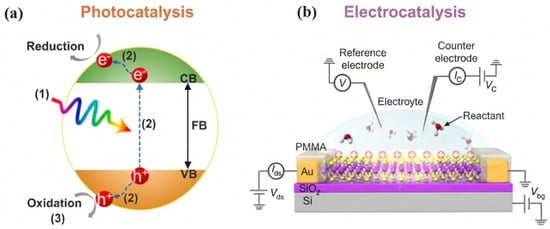
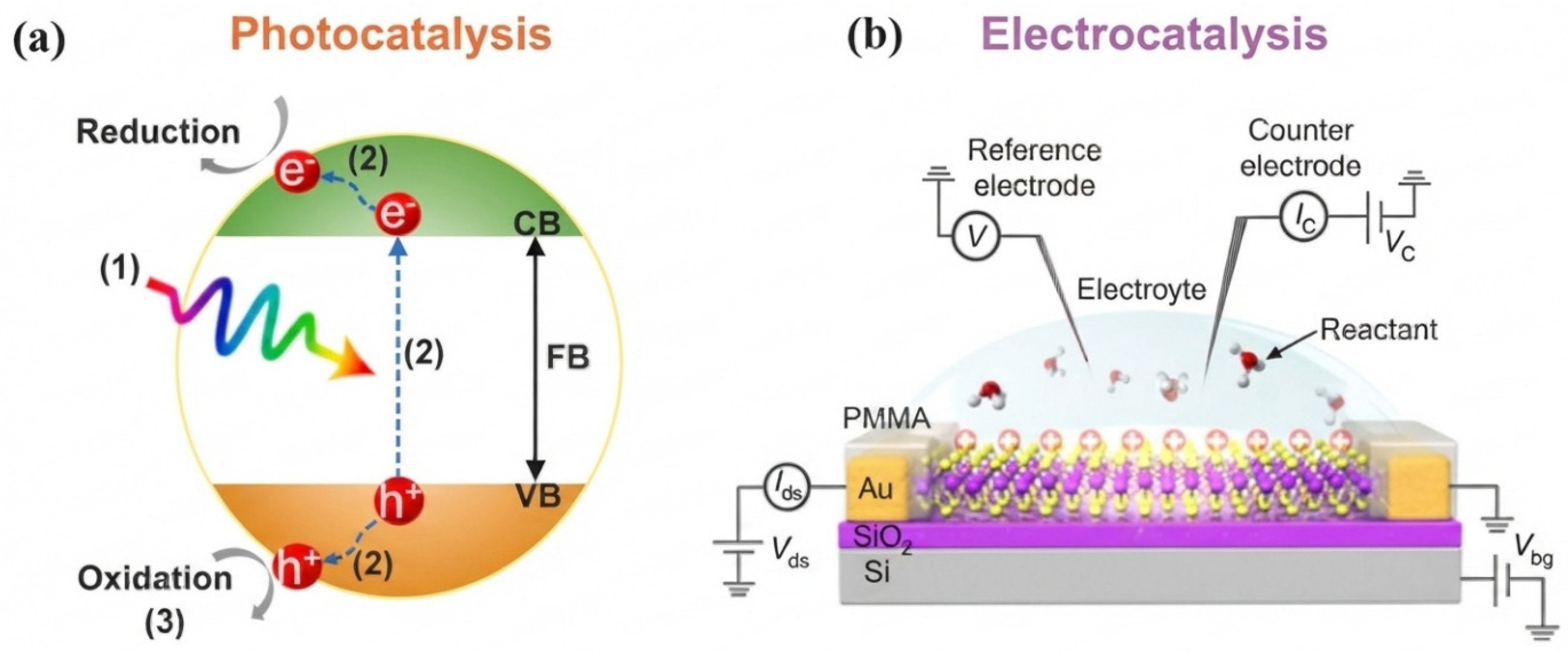
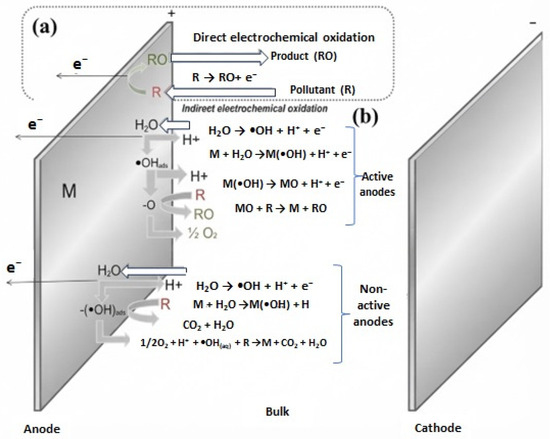
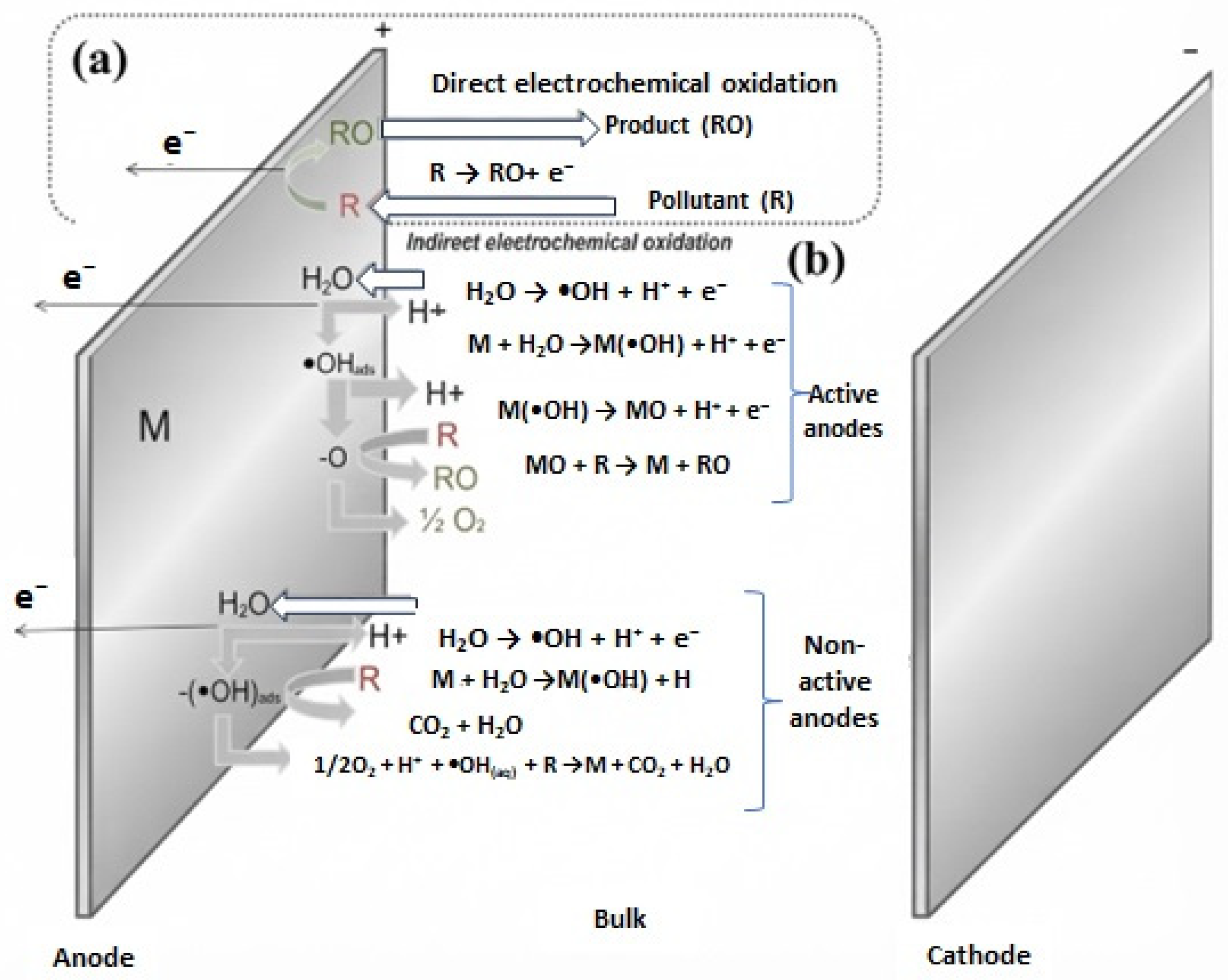
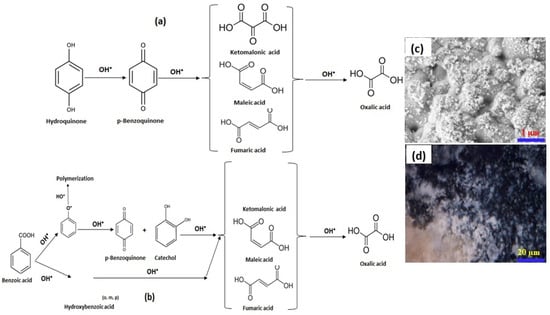
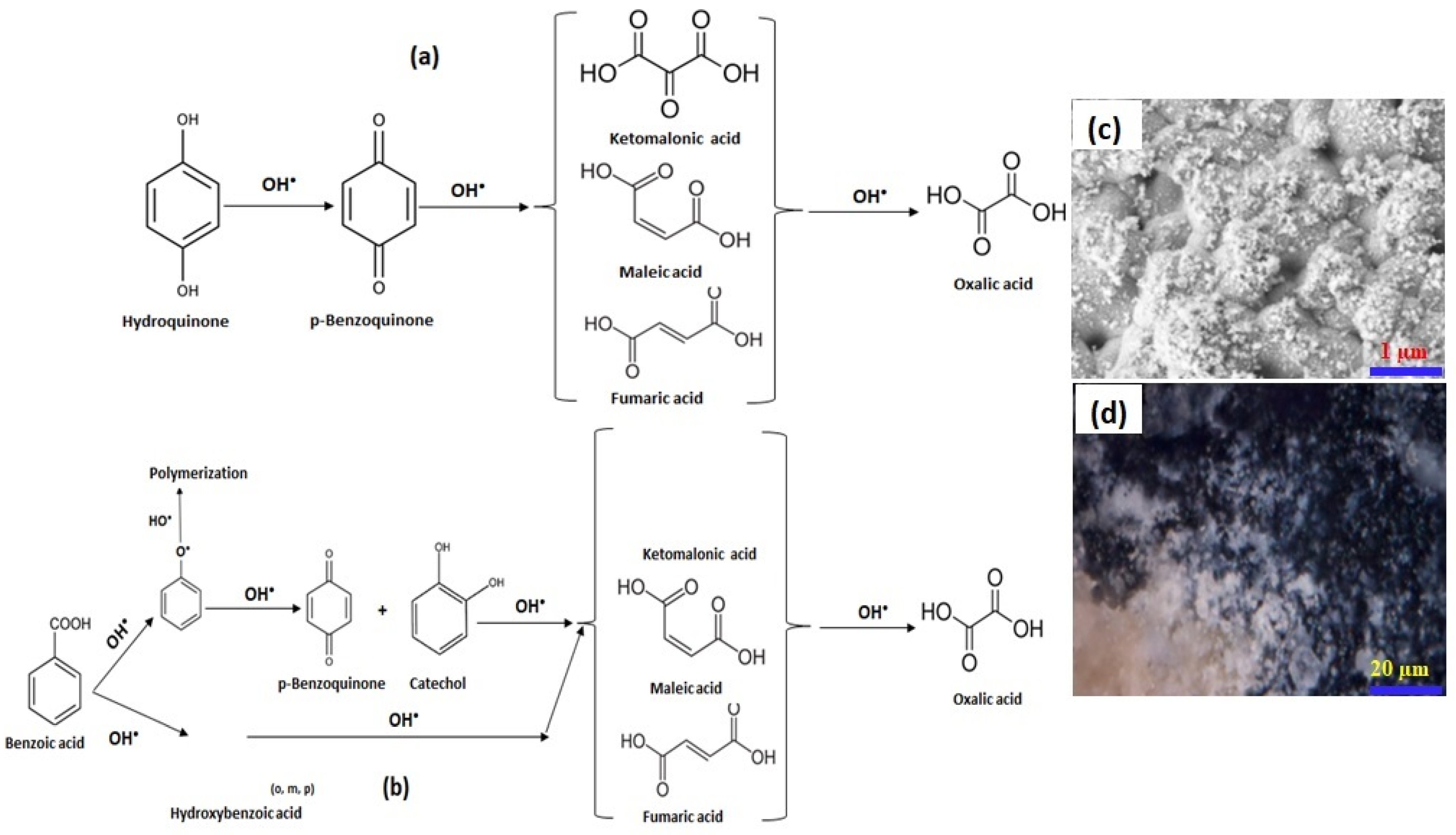
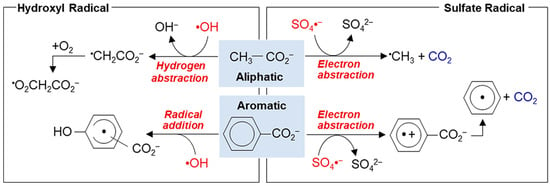
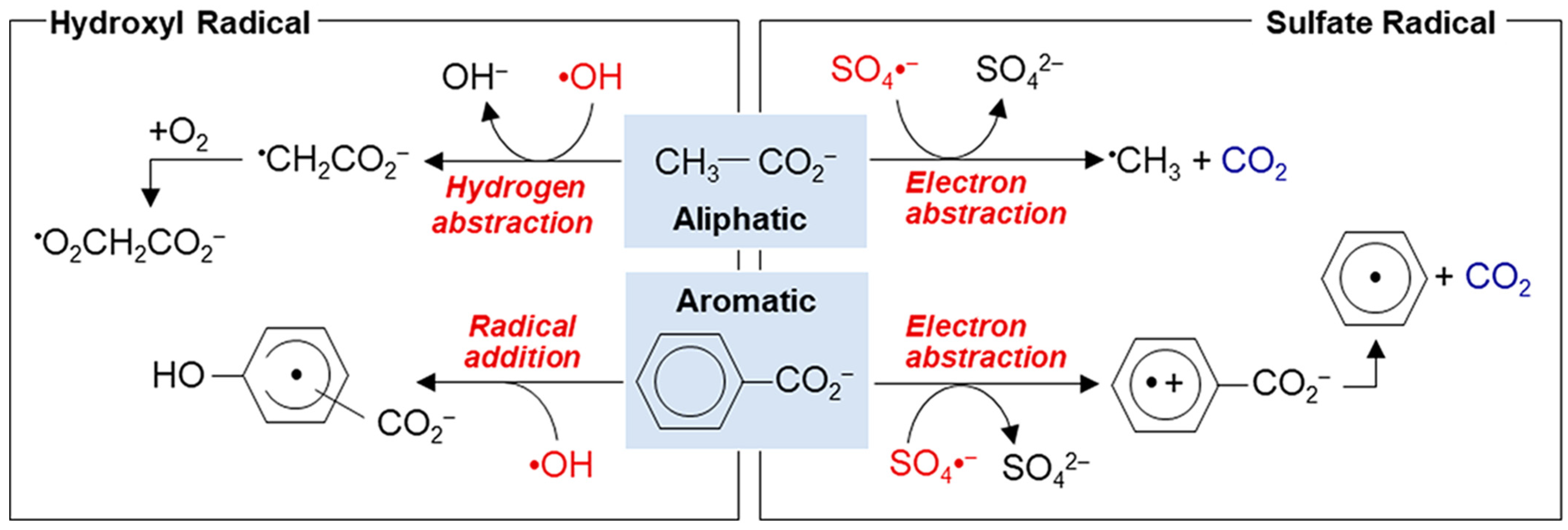
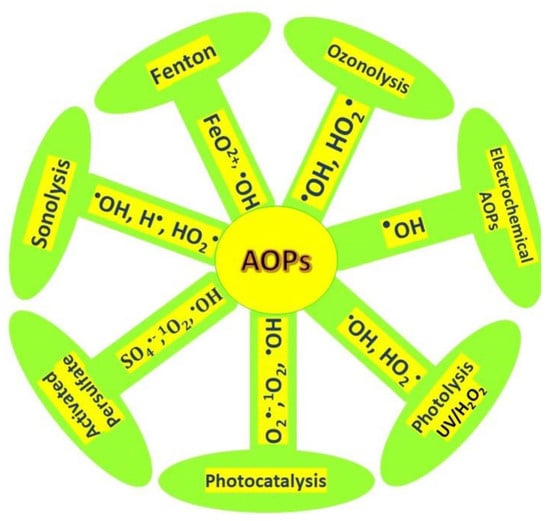
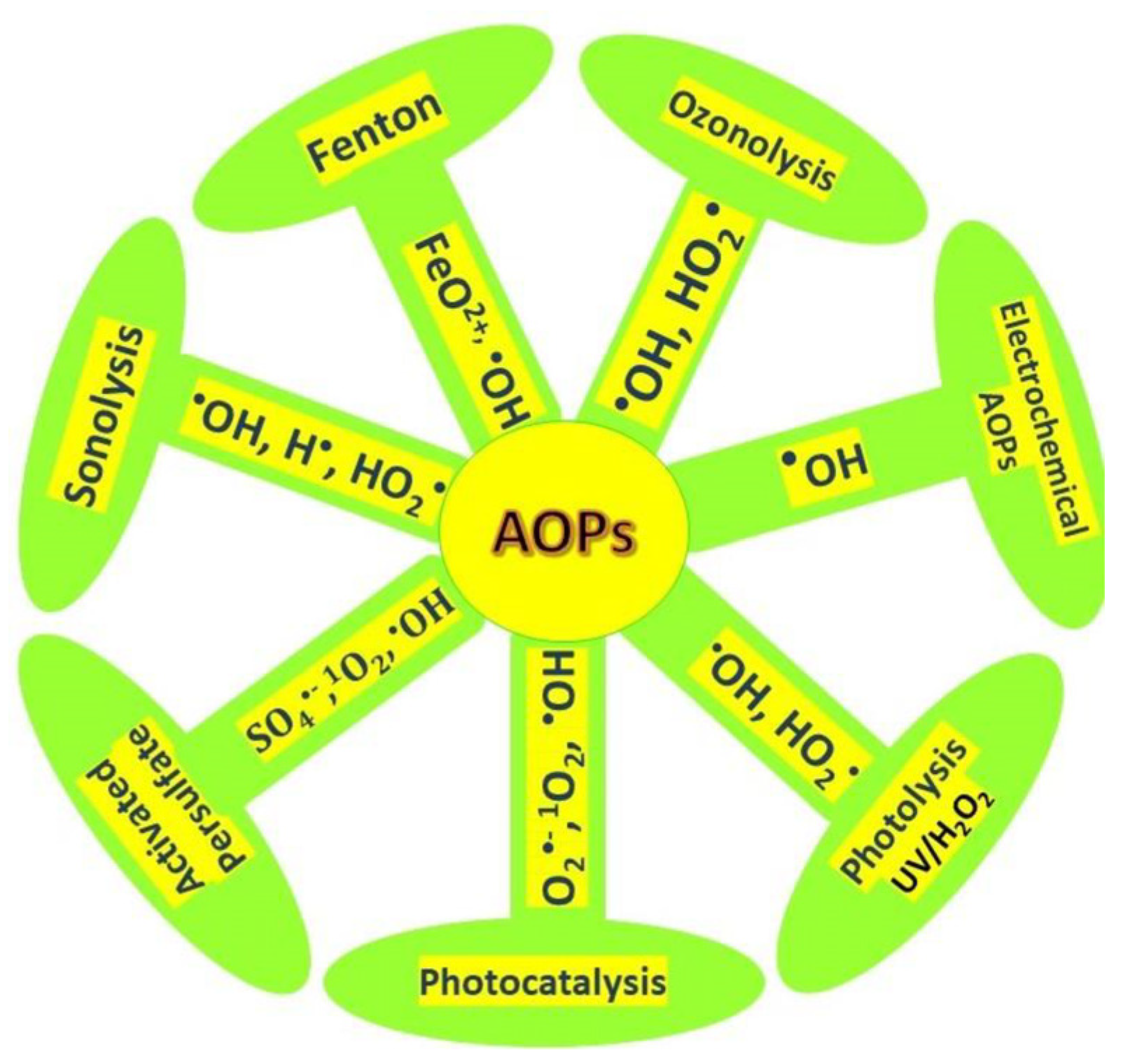
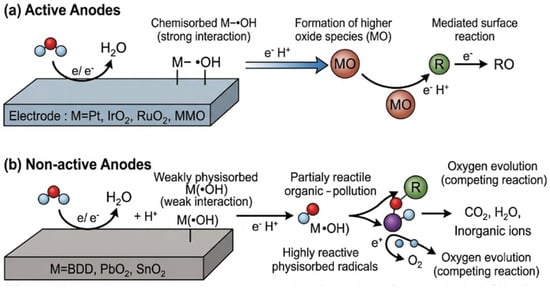
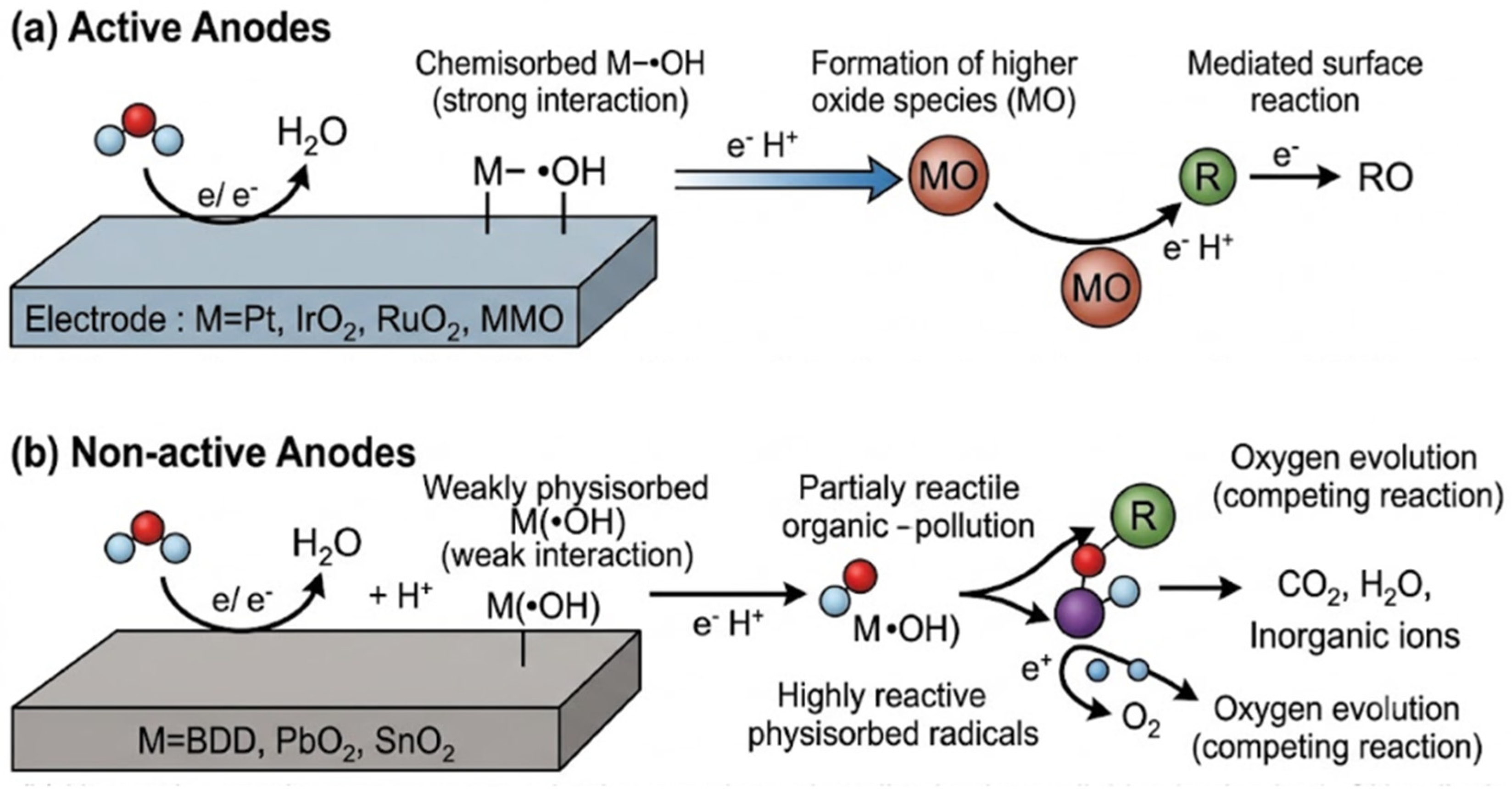
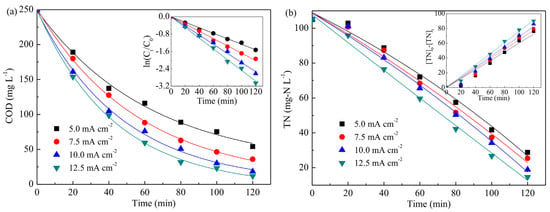
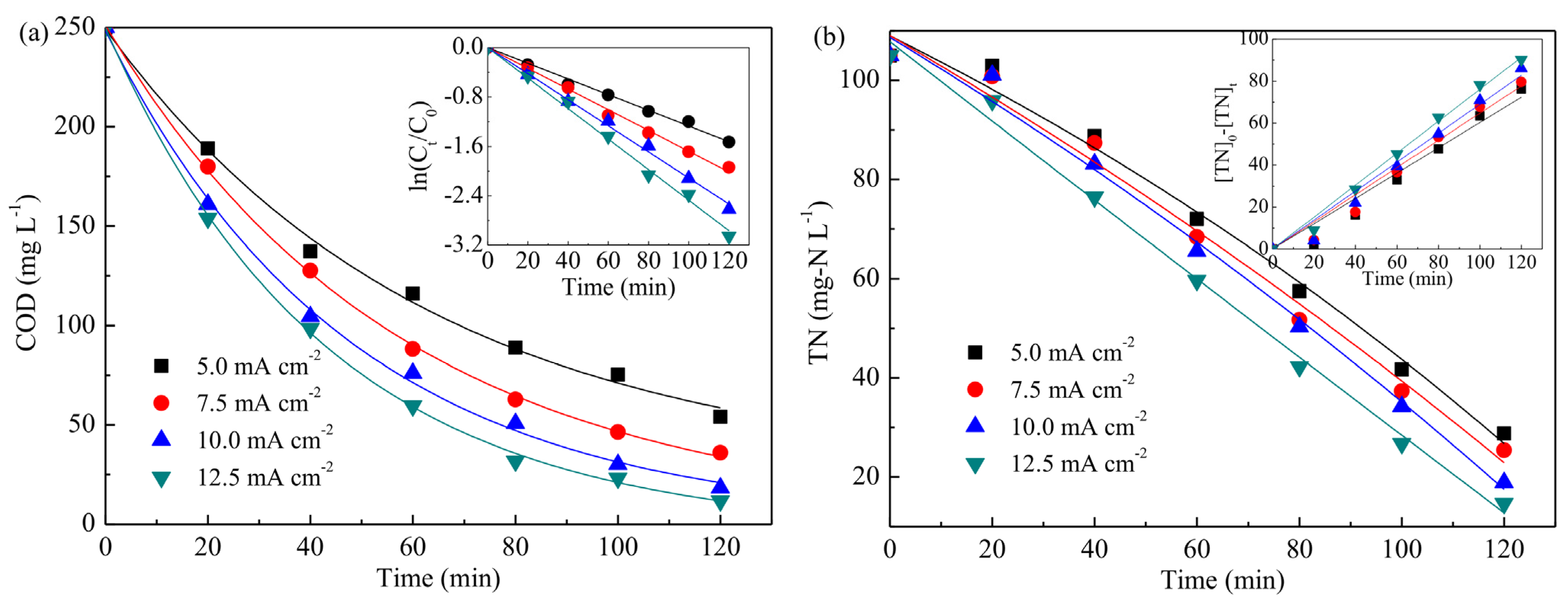
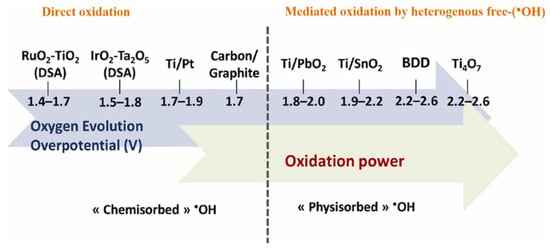
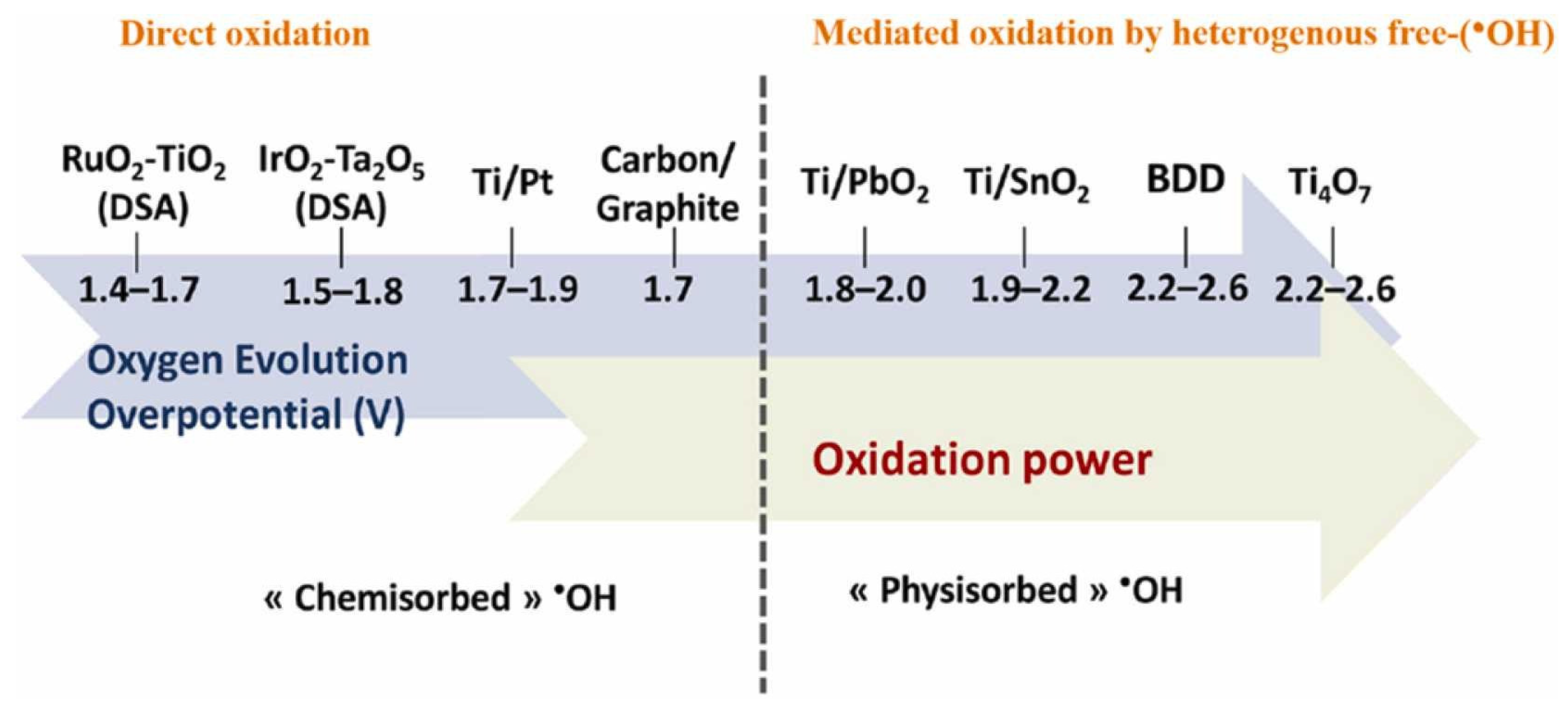
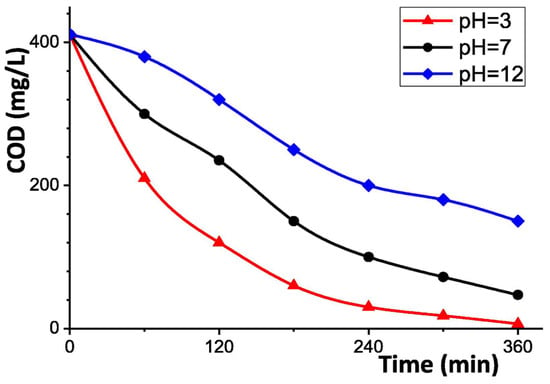
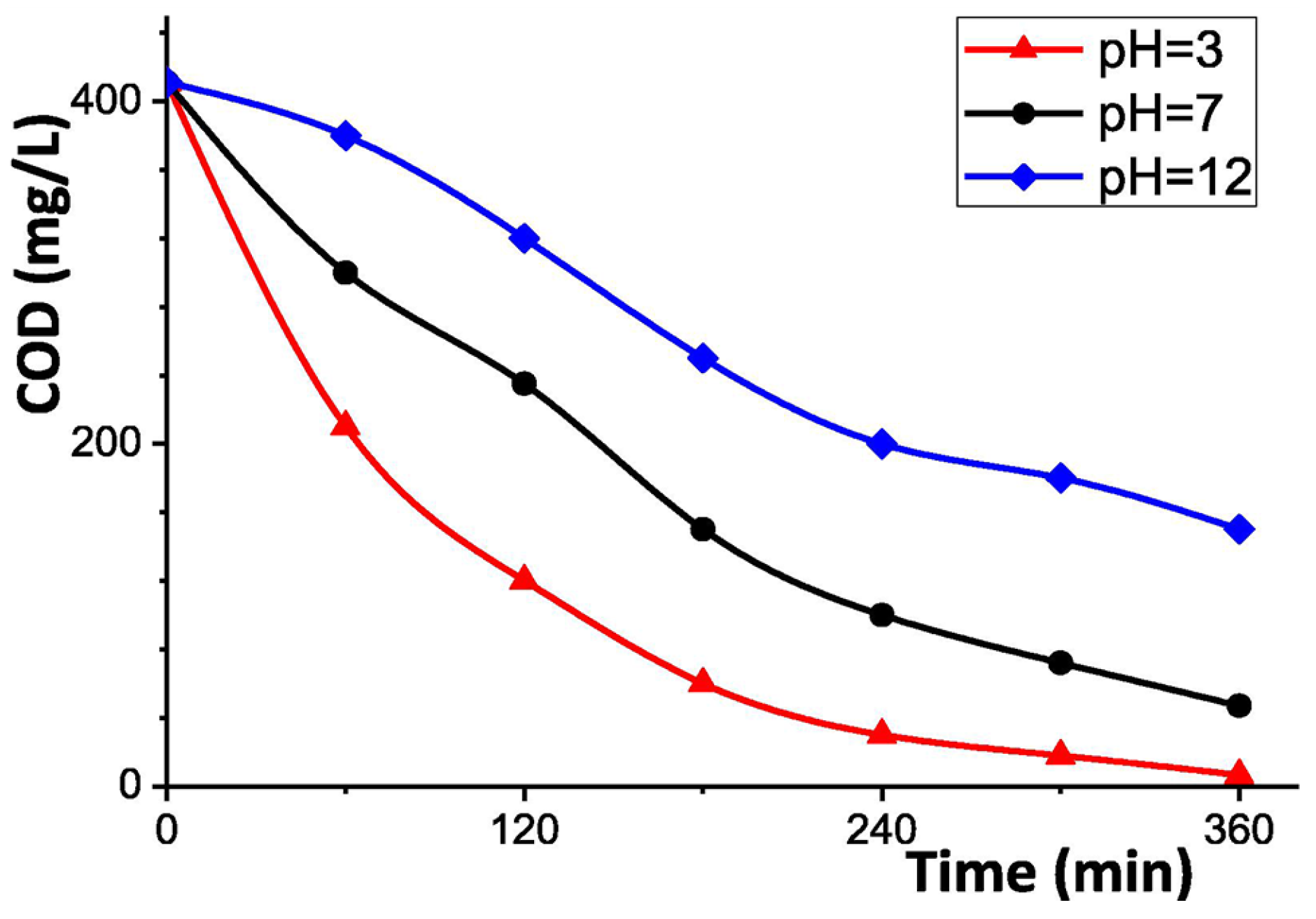
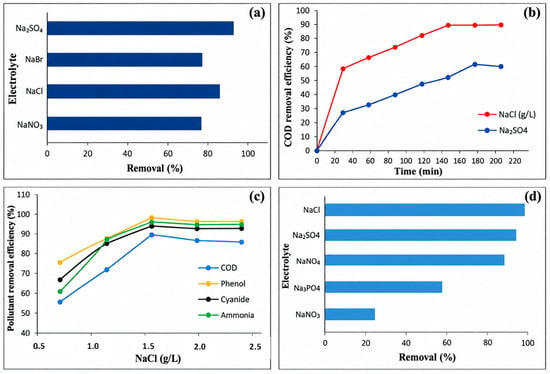
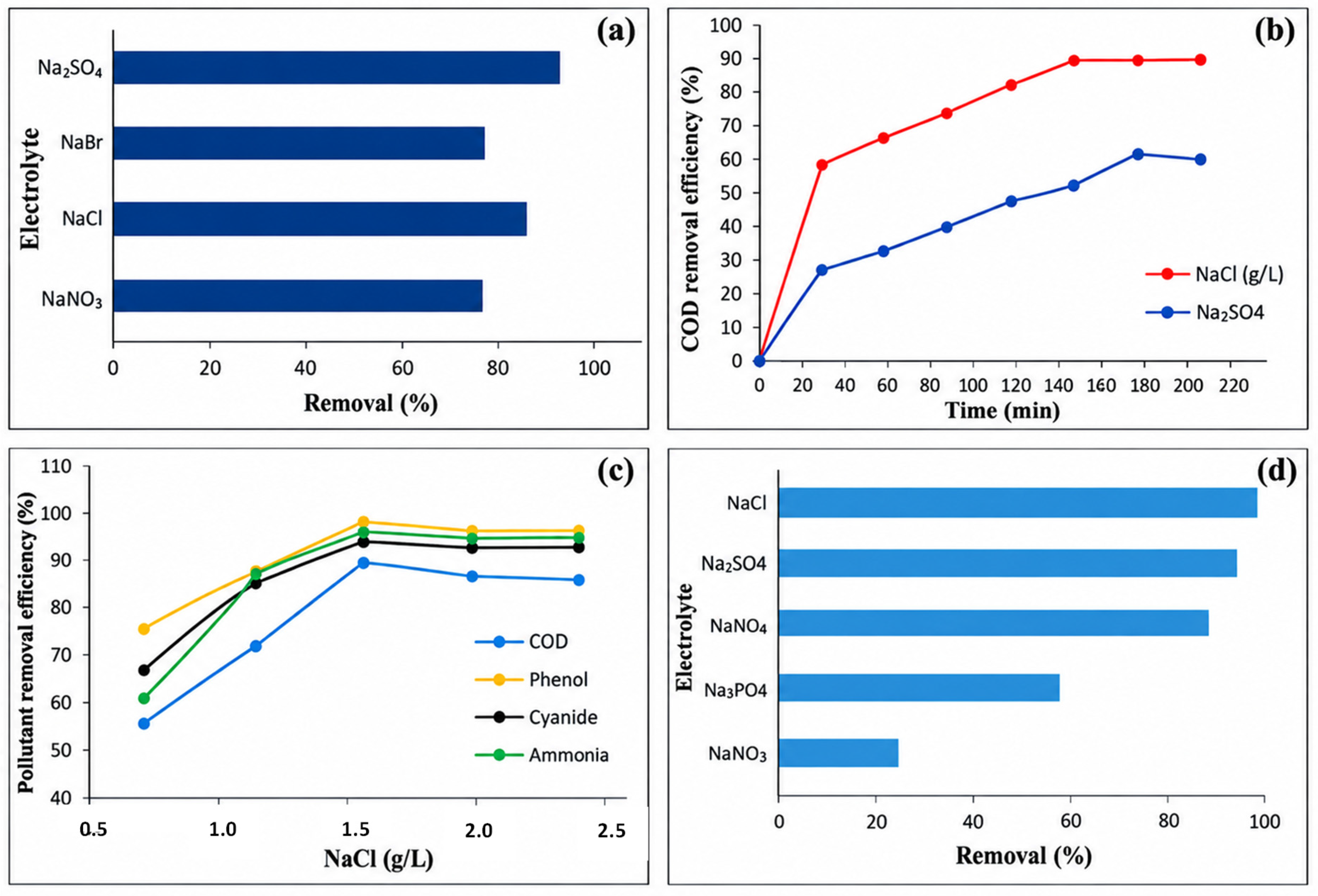
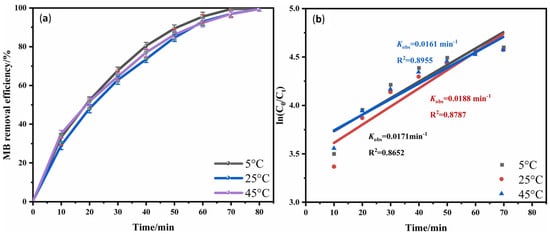
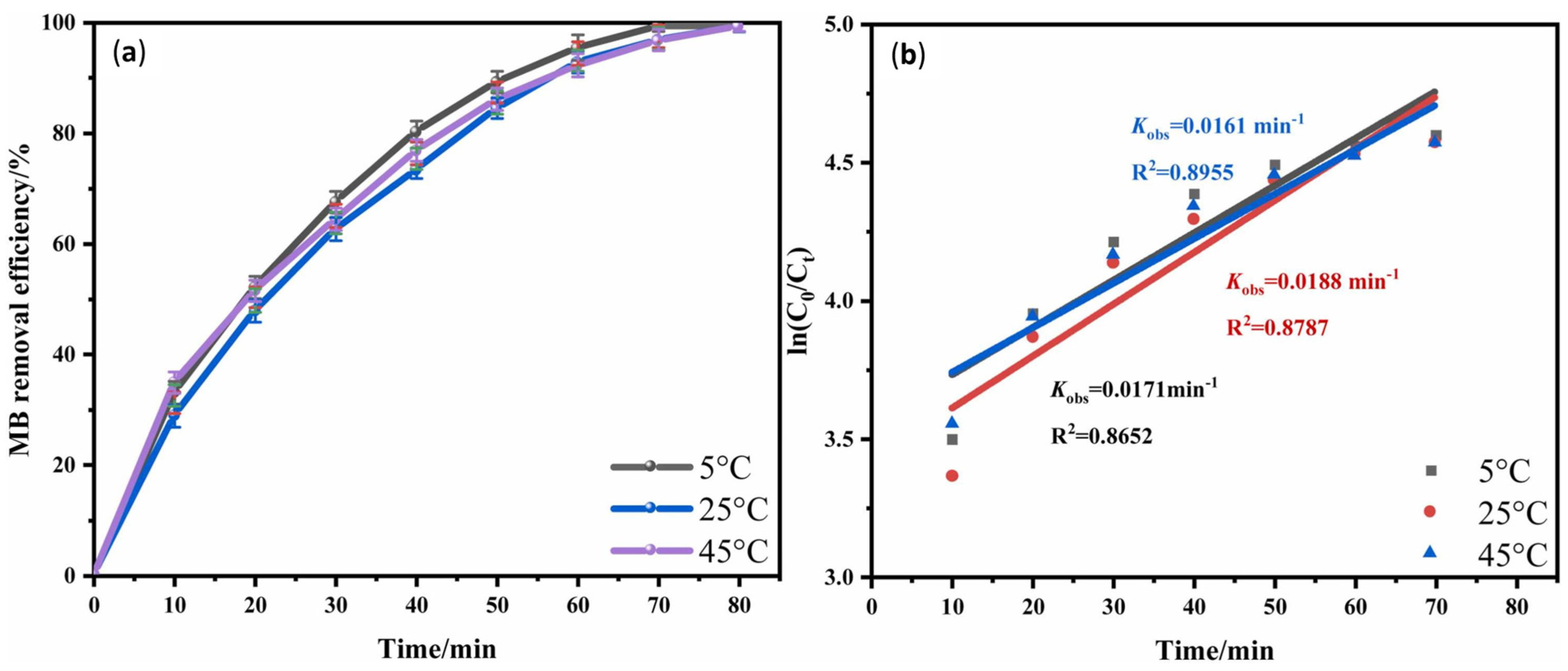
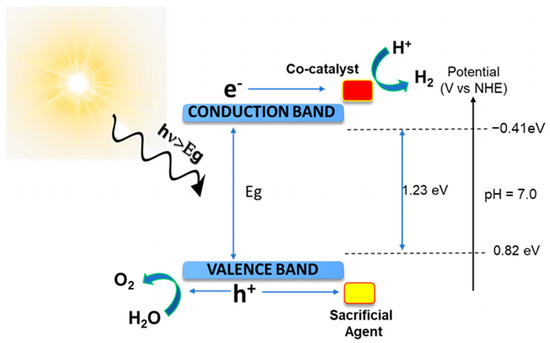
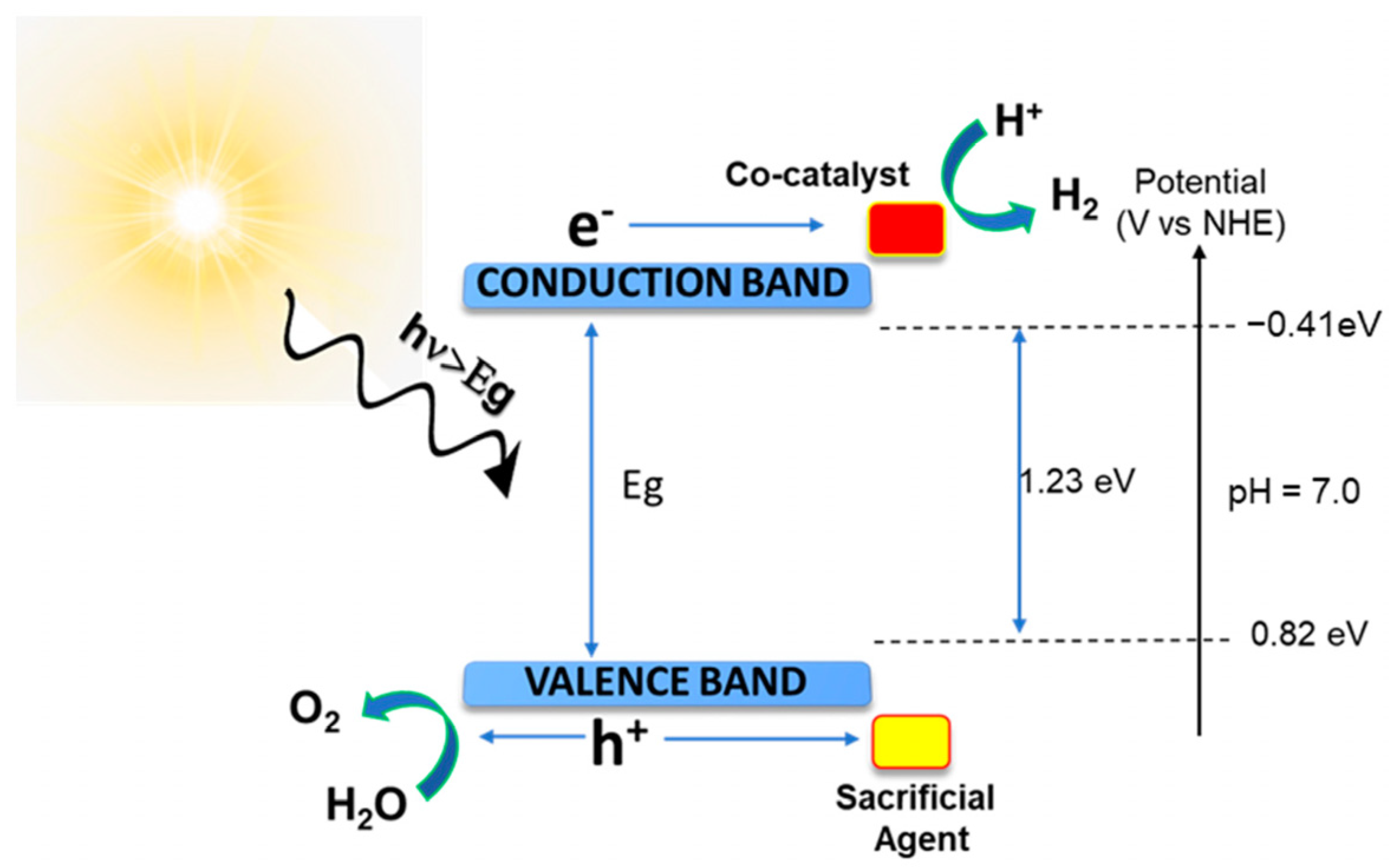
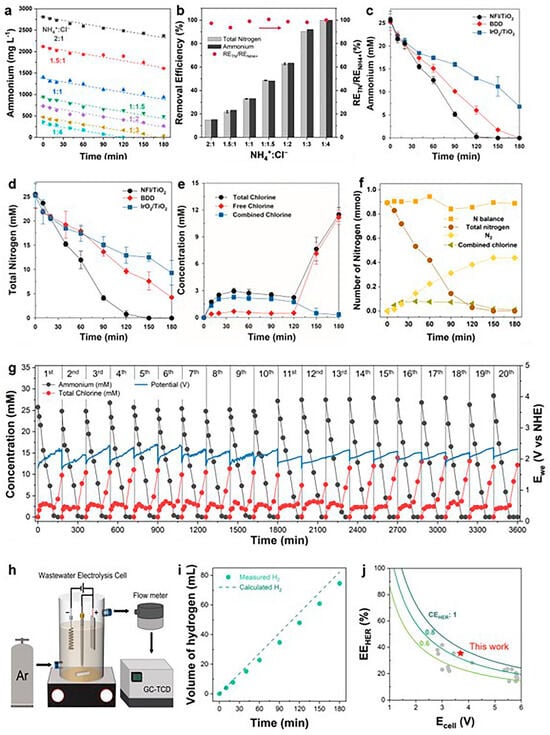
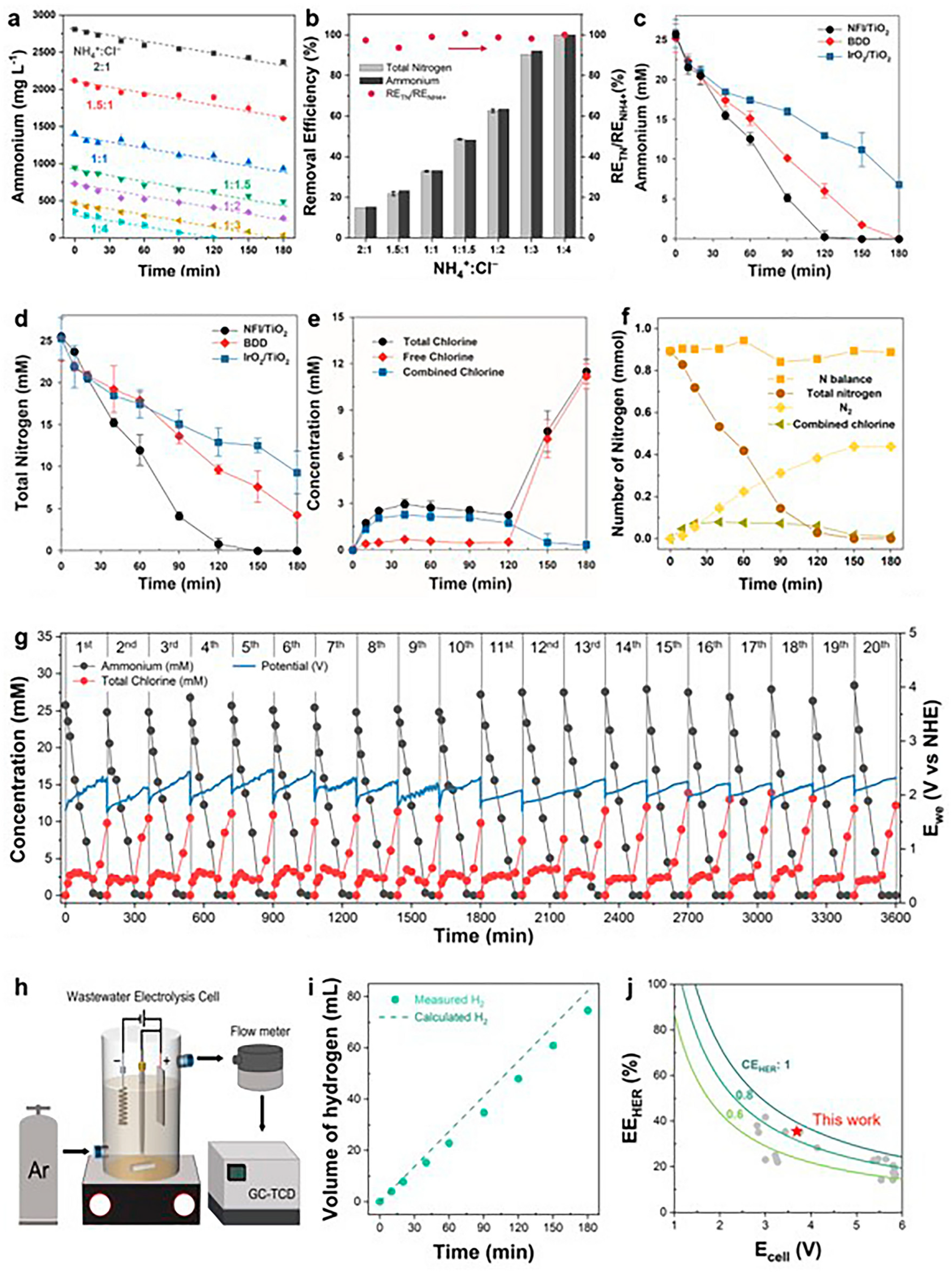
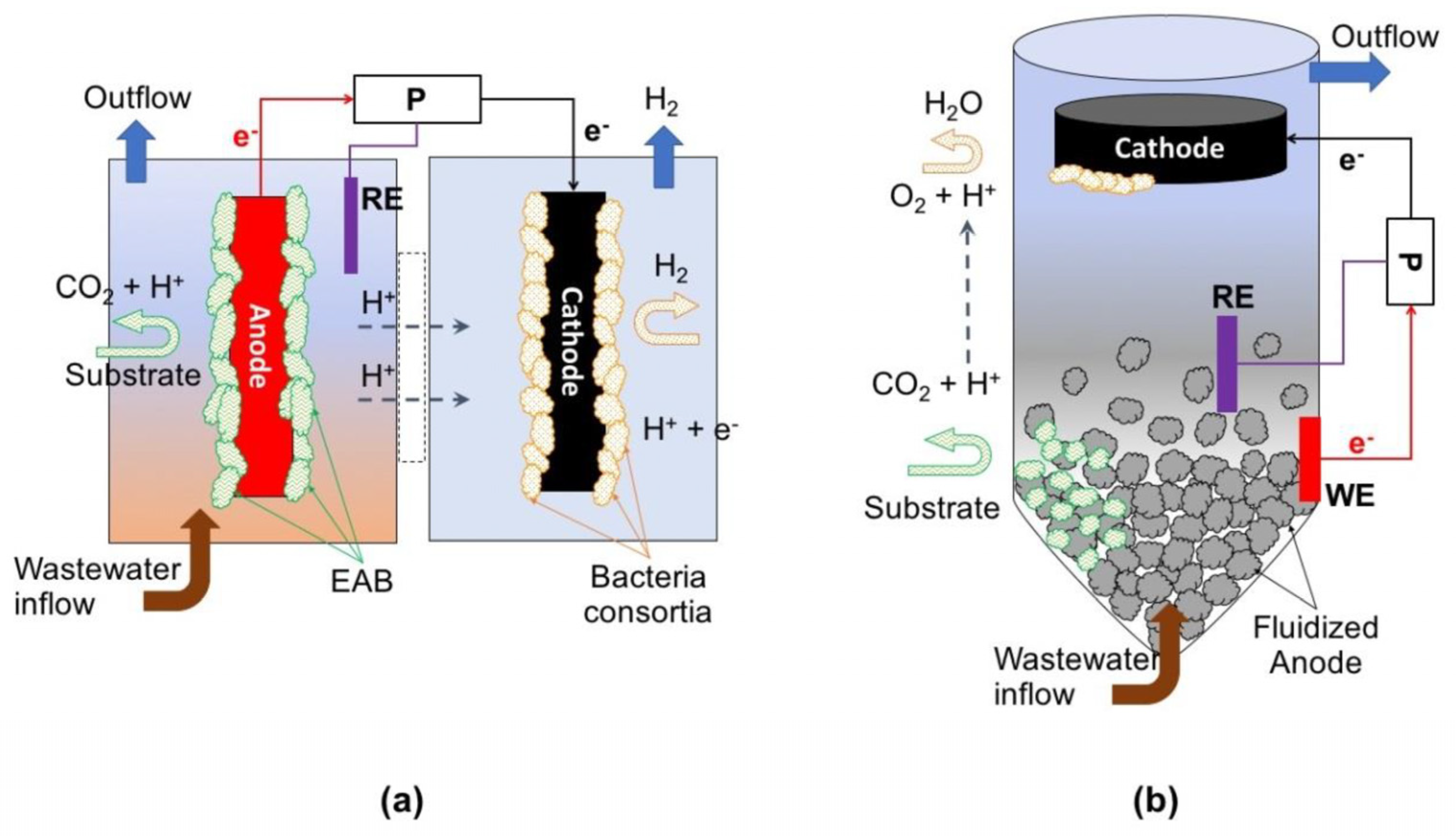
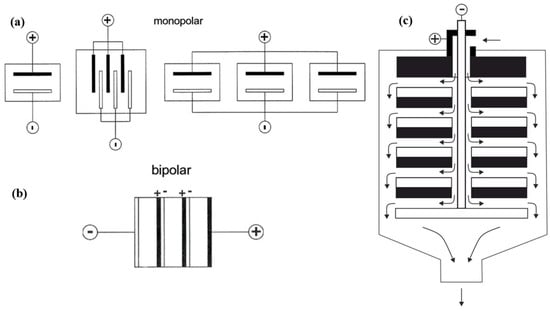
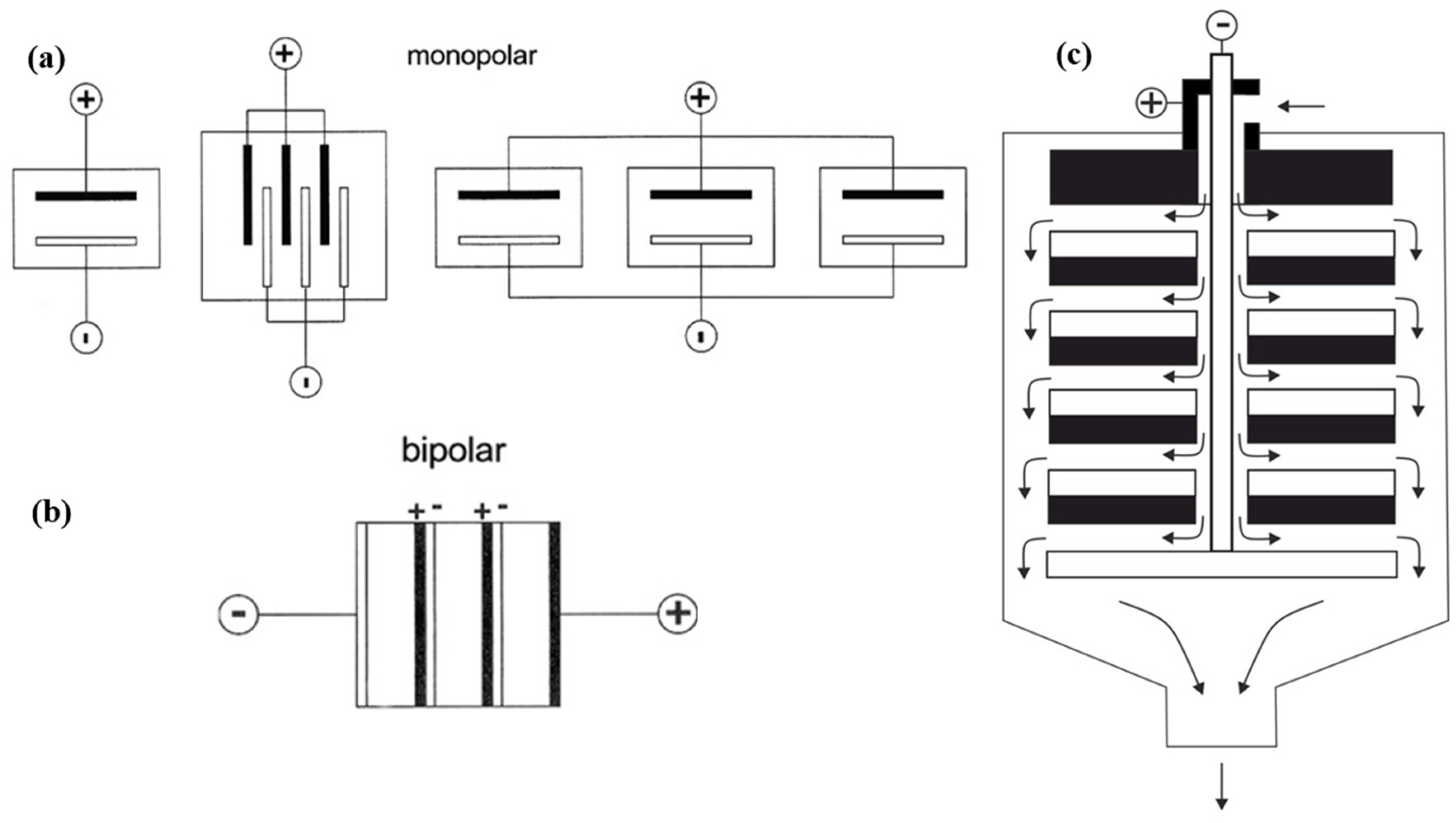
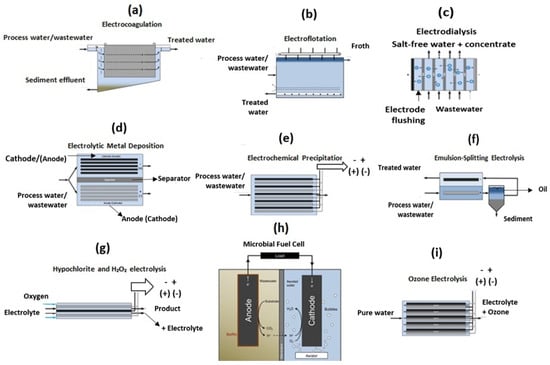
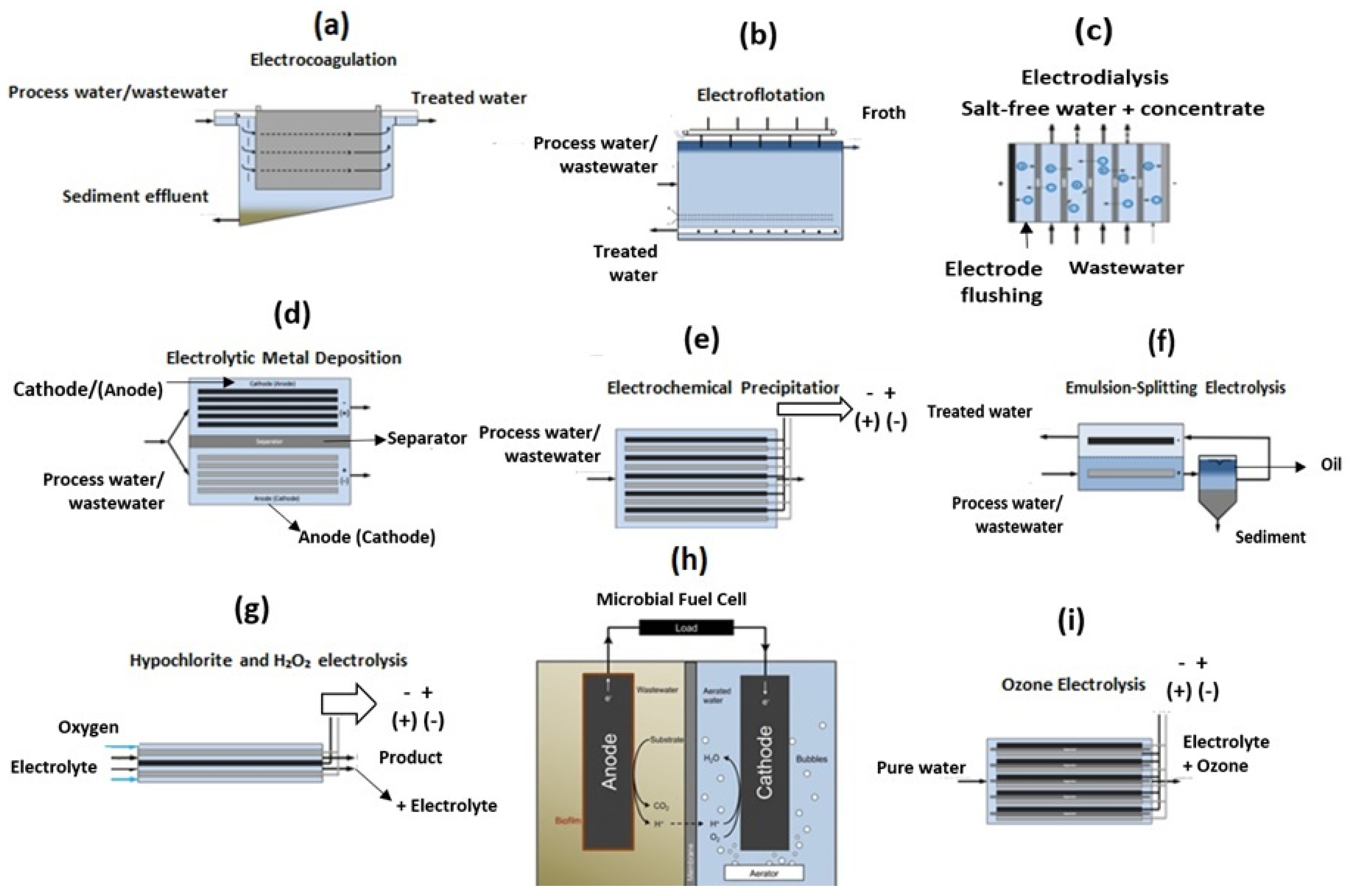

Disclaimer/Publisher’s Note: The statements, opinions and data contained in all publications are solely those of the individual author(s) and contributor(s) and not of MDPI and/or the editor(s). MDPI and/or the editor(s) disclaim responsibility for any injury to people or property resulting from any ideas, methods, instructions or products referred to in the content. |
© 2026 by the authors. Licensee MDPI, Basel, Switzerland. This article is an open access article distributed under the terms and conditions of the Creative Commons Attribution (CC BY) license.