


Abstract
Virgin olive oil (VOO) is highly valued for its nutritional, sensory, and health-promoting properties, which are strongly influenced by olive fruit maturity and extraction technology. This study evaluated the combined effects of fruit ripening stage and extraction system on the yield, physicochemical characteristics, bioactive compounds, fatty acid composition, and sensory quality of virgin olive oil obtained from the Jordanian Nabali Baladi cultivar. Olive fruits were harvested at four maturity indices (MI-3, MI-4, MI-5, and MI-6) during the 2024/2025 harvest season and processed using industrial two-phase and three-phase centrifugation systems under identical malaxation conditions (28–30 °C for 45 min). Oil yield, physicochemical quality parameters, total phenolic content, pigment concentrations, fatty acid composition, and sensory attributes were determined using standard analytical methods. Fruit ripening significantly increased oil yield (p < 0.05), reaching 27.80% and 30.00% at MI-6 in the two-phase and three-phase systems, respectively. However, increasing maturity was associated with higher free acidity and peroxide values and with significant reductions in phenolic compounds, chlorophyll, carotenoids, and sensory quality. Oils extracted using the two-phase system consistently exhibited lower acidity, lower peroxide values, and significantly higher concentrations of phenolic compounds than those obtained using the three-phase system. Sensory analysis showed progressive declines in fruitiness, bitterness, and pungency with advancing maturity, particularly in oils produced by the three-phase extraction system. Significant interactions between ripening stage and extraction technology confirmed that oil quality depends on both biological and processing factors. Although delayed harvesting improved oil recovery, it adversely affected the nutritional and sensory quality of virgin olive oil. The two-phase extraction system better preserved bioactive compounds and overall oil quality than the three-phase system. Harvesting olives at intermediate maturity stages (MI-4) combined with two-phase extraction provides the most suitable strategy for achieving an optimal balance between oil yield and quality under Jordanian growing conditions. Overall, this study provides a scientific basis for integrating harvesting and processing decisions within a unified quality-management framework for virgin olive oil production.
1. Introduction
Virgin olive oil (VOO) is one of the most valuable Agricultural products of the Mediterranean basin. It is obtained exclusively through a mechanical extraction of the fruit from olive trees (Olea europaea L.). Unlike refined vegetable oils, VOO retains a wide range of naturally occurring bioactive compounds that contribute to its nutritional value, sensory characteristics, and health-promoting properties. Consequently, the quality of VOO is determined not only by conventional physicochemical parameters but also by its composition of health-related bioactive constituents. According to the latest International Olive Council (IOC) Trade Standard, the classification of virgin olive oils is based on compliance with a comprehensive set of physicochemical and sensory quality parameters. These include free fatty acidity (FFA), peroxide value (PV), ultraviolet spectrophotometric indices (K232, K268/K270, and ΔK), fatty acid ethyl esters (FAEEs), moisture and volatile matter, insoluble impurities, wax content, alkyl esters, sterol composition, erythrodiol and uvaol content, as well as sensory evaluation based on the median of fruitiness and the median of defects. Together, these parameters provide a comprehensive assessment of olive oil authenticity, oxidative status, purity, and commercial quality according to the current IOC standards [1]. In the present study, the physicochemical parameters directly affected by fruit ripening and extraction technology, including FFA, peroxide value, UV absorbance indices (K232, K270, and ΔK), phenolic compounds, pigments, fatty acid composition, and sensory characteristics, were selected to evaluate the quality of virgin olive oils obtained from different maturity stages and extraction systems. However, increasing attention has been directed toward the role of phenolic compounds in determining oil quality, shelf life, oxidative stability, and consumer acceptance [2,3]. Free fatty acidity is widely recognized as an important indicator of triglyceride hydrolysis and olive fruit quality. Nevertheless, according to the current International Olive Council (IOC) Trade Standard, the commercial classification of virgin olive oils requires simultaneous compliance with all official physicochemical and sensory quality parameters rather than relying on any single analytical criterion. Among the numerous compounds that determine virgin olive oil (VOO) quality, biophenols represent one of the most important groups of bioactive constituents due to their significant influence on nutritional value, oxidative stability, and sensory characteristics. Although the terms phenols and biophenols are often used interchangeably, biophenols specifically refer to naturally occurring phenolic compounds present in olive fruits and olive oil, including hydroxytyrosol, tyrosol, oleuropein derivatives, ligstroside derivatives, and other secoiridoids [4,5]. These compounds are largely responsible for the antioxidant capacity of VOO and contribute to desirable sensory attributes such as bitterness and pungency, while also enhancing shelf life through protection against oxidative deterioration. Importantly, biophenol concentration is highly influenced by both fruit ripening and extraction conditions, making it a sensitive indicator of processing efficiency and final oil quality. During fruit maturation, substantial biochemical changes occur in the olive mesocarp, affecting the synthesis, transformation, and degradation of phenolic compounds. Likewise, extraction technologies can significantly influence the retention or loss of these bioactive molecules during oil processing. Consequently, understanding the effects of ripening stage and extraction technology on biophenol composition is essential for optimizing production practices and maximizing the nutritional, sensory, and commercial value of virgin olive oil. Furthermore, the European Food Safety Authority (EFSA) has recognized the health benefits of olive oil polyphenols, particularly their role in protecting blood lipids from oxidative stress, further emphasizing the importance of preserving these compounds throughout the production chain [5,6].
VOO is widely recognized as a cornerstone of the Mediterranean diet because of its favorable fatty acid composition and abundance of bioactive compounds. Its high concentration of monounsaturated fatty acids, particularly oleic acid, together with its biophenolic fraction, contributes to product stability and provides documented cardioprotective, anti-inflammatory, antioxidant, and metabolic health benefits [7,8]. Consequently, understanding the factors that influence these quality attributes is essential for improving olive oil production and maintaining competitiveness in increasingly quality-oriented global markets.
The chemical composition and quality of olive oil are influenced by multiple interacting factors, including cultivar, environmental conditions, agronomic practices, fruit maturity, and extraction technology [9,10]. Among these factors, cultivar genotype is one of the primary determinants of oil composition and quality potential. The Spanish cultivar Picual, which accounts for a substantial proportion of global olive oil production, is internationally recognized for its high oil yield, elevated oleic acid content, strong oxidative stability, and relatively high concentrations of phenolic compounds, making it a benchmark cultivar for quality evaluations [11]. In contrast, Nabali Baladi is the dominant traditional cultivar in Jordan and one of the oldest olive varieties cultivated in the Eastern Mediterranean. This cultivar is highly valued for its adaptation to semiarid environments, drought tolerance, and contribution to local food systems and rural livelihoods [12]. Despite its economic and cultural significance, Nabali Baladi remains less extensively characterized than Picual, particularly regarding the interactions between fruit ripening, extraction technologies, and the accumulation of biophenolic compounds [13].
According to the latest International Olive Council (IOC) trade standard for olive oils and olive-pomace oils, the quality classification of virgin olive oils is based on a combination of physicochemical and sensory criteria. Extra virgin olive oil (EVOO) must comply with the established limits for free acidity (≤0.8 g oleic acid per 100 g oil), peroxide value (≤20 meq O2 kg−1), ultraviolet absorption characteristics (K232, K270, and ΔK), together with the absence of sensory defects and the presence of positive fruitiness as determined by the official IOC sensory assessment method. These internationally recognized quality criteria provide the basis for evaluating the influence of agronomic and technological factors on olive oil quality and commercial classification [1].
Fruit ripening and extraction technology are among the most influential factors affecting the final quality of olive oil. Early harvesting generally produces oils richer in biophenols, antioxidants, and desirable sensory characteristics, whereas delayed harvesting tends to increase oil yield while reducing phenolic content and oxidative stability [14]. Similarly, extraction technologies such as two-phase and three-phase decanter systems differ in their efficiency for retaining phenolic compounds and volatile constituents, thereby influencing both the nutritional and sensory quality of the resulting oils [15]. Understanding how these factors interact with cultivar-specific characteristics is critical for optimizing olive oil production systems.
This issue is particularly relevant in emerging olive-growing regions facing increasing environmental pressures. Although traditionally overshadowed by major olive-producing countries such as Spain, Italy, and Greece, Jordan has emerged as an important olive-producing country in the Eastern Mediterranean, with olive cultivation representing a major component of its agricultural sector. However, the region is increasingly affected by climate change, including rising temperatures, prolonged drought periods, and water scarcity, all of which can influence olive fruit development and oil quality. Recent studies suggest that cultivar selection and optimized harvesting and processing strategies will be essential for maintaining olive oil quality and production sustainability under future climatic conditions [16,17]. In this context, understanding the traditional Jordanian cultivar Nabali Baladi, linking it to the internationally important cultivars, provides a valuable framework for understanding genotype-specific responses to ripening and processing conditions.
From a biotechnological and sustainability perspective, elucidating the relationships among cultivar genetics, fruit maturity, extraction technology, and biophenol accumulation is essential for developing resilient and high-quality olive oil production systems. Such knowledge can support the preservation of bioactive compounds, improve processing efficiency, reduce environmental impacts, and strengthen the sustainability of olive-based agroecosystems under changing climatic conditions [18]. Therefore, this study aimed to investigate the combined effects of olive fruit ripening stage and extraction technology (two-phase and three-phase centrifugation systems) on oil yield, physicochemical characteristics, biophenolic content, fatty acid composition, and sensory quality of virgin olive oil produced from the Jordanian Nabali Baladi cultivar. The findings are intended to identify the optimal combination of harvest maturity and extraction system for maximizing oil quality while improving processing efficiency and supporting sustainable olive oil production in Jordan and other Mediterranean olive-growing regions.
2. Materials and Methods
2.1. Olive Sampling
Olive fruits of the Nabali Baladi cultivar were hand-harvested under optimal sanitary conditions at four distinct ripening stages during the 2024/2025 olive harvest season. The sampling was conducted in non-irrigated commercial orchards located in two municipalities (Al-Karak and Al-Salt), which represent central and southern regions of Jordan and are characterized by a typical Mediterranean climate. Although olives were collected from two commercial orchards, both orchards were located within the same agroclimatic zone and cultivated under comparable agronomic conditions. Therefore, orchard-related variability was minimized and is unlikely to have significantly influenced the observed differences, which were primarily associated with fruit maturity and extraction technology.
The ripening stages were classified based on fruit skin and pulp coloration using a standardized maturation index scale. The maturity index of olives is calculated within 24 h of sampling, based on the sensory analysis of 100 randomly chosen olives from a one-kilogram sample. The olives are then divided into eight groups, ranging from vivid green or dark green to black and entirely dark pulped olives [4].
Class 0: Olives with a deep green or emerald skin tone.
Class 1: Olives having a bright yellow or greenish-yellow skin.
Class 2: Olives with crimson markings and a yellowish epidermis.
Class 3: Olives having light purple or reddish skin.
Class 4: Olives having a totally green mesocarp and a black epidermis.
Class 5: Olives with a purple mesocarp that is up to half as thick as its black epidermis.
Class 6: Olives with a purple mesocarp extending to the pit and a black epidermis.
Class 7: Olives having a wholly dark mesocarp and a black epidermis.
With n representing the frequency per hundred olives and n0, n1, …, n7 representing the number of olives in each category.
The maturity index is computed as follows:
IM = [(0n0) + (1n1) + (2n2) + (3n3) + (4n4) + (5n5) + (6n6) + (7n7)]/100.
2.2. Olive Oil Extraction
Although 36 olive fruit batches were initially collected from the orchards, only 24 independent olive oil samples corresponding to the experimental treatments (2 extraction systems × 4 maturity indices × 3 biological replicates) were included in the physicochemical and sensory analyses. Each treatment combination was represented by three independent technical replicates, ensuring the reliability and reproducibility of the analytical results. All olive batches were processed within 24 h of harvest to ensure oil quality preservation. Two continuous extraction systems were employed: a two-phase decanter and a three-phase decanter. For both systems, malaxation was performed at 28–30 °C for 45 min. For each treatment, approximately 100 kg of olive fruits were processed under identical operating conditions. No additional water was added during the two-phase extraction process. In the three-phase extraction system, potable water was supplied continuously during decantation in accordance with the manufacturer’s standard operating protocol to facilitate oil separation. Although the exact volume of added water was not recorded, the operating conditions were kept constant for all experimental treatments, thereby ensuring that all samples were processed under identical extraction conditions.
Virgin olive oil was extracted using two commercial extraction systems. The three-phase extraction system consisted of a continuous olive oil processing line manufactured by Hakki Usta Company (Izmir-Aydın, Turkey), with a processing capacity of 3.5 t h−1, expandable to 5.0 t h−1, model (HAUSD SDI 5000), under full operating conditions, the two-phase extraction system was a continuous processing line manufactured by Rapanelli (Foligno, Italy), with a processing capacity of 2.5 t h−1 per line, model 2750. Both extraction systems were operated according to the manufacturers’ recommended processing conditions throughout the experimental period.
The oil was directly filled into 16 kg containers made of stainless steel and coated with food-grade stainless steel. Samples were stored at room temperature, away from sunlight, light, and humidity.
During the olive oil extraction process, the actual malaxation temperature was continuously monitored using calibrated digital temperature sensors installed in the processing units. Temperature was maintained within the industrially accepted operating range used by commercial olive mills in Jordan, ensuring stable processing conditions throughout oil extraction. The temperatures applied in the participating mills reflect common industrial practices adopted by local olive oil producers, particularly during peak harvesting periods when maintaining optimal oil yield and processing efficiency is essential.
Although the concept of “cold extraction” is generally associated with temperatures below 27 °C according to the International Olive Council (IOC) and European Union regulations, slightly higher temperatures are sometimes employed in commercial olive mills to improve paste rheology, facilitate oil droplet coalescence, and enhance extraction efficiency without causing significant deterioration of oil quality when exposure time is carefully controlled [6,9].
The influence of malaxation temperature on virgin olive oil quality has been extensively investigated. Previous studies have demonstrated that increasing malaxation temperature may improve oil yield by enhancing the release of oil from olive tissues; however, excessive temperatures can promote oxidative reactions and enzymatic degradation, potentially reducing the concentration of phenolic compounds and volatile substances responsible for the nutritional and sensory quality of virgin olive oil [5,19]. Nevertheless, when malaxation temperatures remain within controlled industrial limits and processing times are optimized, high-quality virgin olive oils with satisfactory phenolic content and sensory characteristics can still be obtained [11]. Therefore, the operating conditions used in the present study were representative of commercial Jordanian olive oil production systems and are consistent with local industrial practices while maintaining acceptable quality standards.
2.3. Official Analytical Parameters (Physicochemical Analysis)
The quality parameters of virgin olive oil were determined using standardized analytical methods.
2.3.1. Physical and Chemical Parameters of Oil
The physicochemical quality parameters were determined using the corresponding official methods of the International Olive Council (IOC) or internationally validated standard analytical procedures. Free fatty acidity, peroxide value, and UV spectrophotometric indices (K232, K270, and ΔK) were determined according to the applicable IOC Trade Standard analytical methods, whereas fatty acid composition was determined following the IOC method for the preparation of fatty acid methyl esters (COI/T.20/Doc. No. 33/Rev.1) prior to gas chromatographic analysis [20].
All physicochemical quality parameters and olive oil classification were determined in accordance with the latest International Olive Council (IOC) trade standard for olive oils and olive-pomace oils (COI/T.15/NC No. 3/Rev. 20, 2024).
2.3.2. Fatty Acid Analysis
Fatty acid methyl esters (FAMEs) from the oil samples were prepared as described by the International Olive Council (IOC) method [20]. Individual FAMEs were separated and quantified by gas chromatography using a Model 5890 Series II instrument (Hewlett-Packard, Palo Alto, CA, USA) equipped with a flame ionization detector (FID) and an HP-Innowax fused-silica capillary column (30 m × 0.25 mm i.d., 0.25 μm film thickness; Agilent Technologies, Inc., Santa Clara, CA, USA). Helium was used as the carrier gas at a constant flow rate of 1.0 mL min−1. The oven temperature was initially maintained at 170 °C for 2 min, increased at 3 °C min−1 to 230 °C, and held at the final temperature for 15 min. The injector and detector temperatures were maintained at 250 °C and 260 °C, respectively. Samples (1 μL) were injected in split mode (1:50). Methyl heptadecanoate (C17:0 methyl ester) was used as the internal standard for FAME quantification. Fatty acids were identified by comparing their retention times with those of authenticated FAME standards, and the results were expressed as the percentage of total fatty acids.
2.3.3. Pigments
Oil (7.5 g) was accurately weighed, dissolved in cyclohexane, and brought to a final volume of 25 mL. Carotenoid and chlorophyll pigments were determined by measuring absorbance at 470 and 670 nm, respectively, using a UV–Visible spectrophotometer (UV-1800, Shimadzu Corporation, Kyoto, Japan). The results were expressed as mg of lutein and pheophytin α per kg of oil, respectively [16].
2.3.4. Total Phenols
The total phenolic content (TPC) of virgin olive oil samples was determined using the Folin–Ciocalteu colorimetric method as described by [21]. Briefly, phenolic compounds were extracted twice from olive oil samples using a methanol–water mixture (80:20, v/v) containing 2% Tween 20. The combined extracts were reacted with Folin–Ciocalteu reagent followed by the addition of sodium carbonate solution.
After incubation under dark conditions at room temperature, absorbance was measured at 765 nm using a UV–Visible spectrophotometer (UV-1800, Shimadzu Corporation, Kyoto, Japan). Total phenolic content was quantified using a hydroxytyrosol calibration curve and expressed as mg hydroxytyrosol equivalents per kg of oil (mg HTE kg−1 oil).
Total phenolic content was quantified using a hydroxytyrosol calibration curve and expressed as milligrams of hydroxytyrosol equivalents per kilogram of oil (mg HTE kg−1 oil).
2.3.5. Color Index
The color index was determined through a colorimetric method; the sample is heated to 25–30 °C, placed in a cuvette, and absorbance is read at the following wavelengths: 460, 550, 620, and 670 nm. The photometric color index is calculated as shown in Equation (1), AOCS Method Cc 13c [16].
where PCI—photometric color index;
PCI = 1.29 (A460) + 69.7(A550) + 41.2(A620) − 56.4(A670)
A—absorbance read at the following wavelengths: 460, 550, 620, and 670 nm.
Absorbance values were measured using a UV–Visible spectrophotometer (DR 5000, Hach Lange GmbH, Düsseldorf, Germany) equipped with 10 mm quartz cuvettes.
2.3.6. Refractive Index
The refractive index at 25 °C was determined using an Abbe refractometer (Model 2WAJ, Shanghai Optical Instrument Factory, Shanghai, China) according to AOAC Official Method 921.08 [18].
2.3.7. Saponification Value
The saponification value (mg KOH/g oil) was obtained using the titrimetric method as recommended by the AOAC/AOCS, involving the hydrolysis of the oil sample with alcoholic KOH and subsequent titration [12,13]. The saponification value (mg KOH/g oil) was obtained using the titrimetric method as recommended by the AOAC/AOCS, involving the hydrolysis of the oil sample with alcoholic KOH and subsequent titration [22,23].
2.3.8. Iodine Value
The iodine value (g I2/100 g oil) was determined using the Wijs method, an iodometric titration procedure recognized by the AOAC/AOCS. These methods are internationally validated and ensure the accuracy, reproducibility, and comparability of results in olive oil quality assessment [24]. The titration endpoint was determined using a digital burette (Titrette®, Brand GmbH, Wertheim, Germany) according to the Wijs method.
2.4. Organoleptic Evaluation
The evaluation of the single cultivar olive oils was performed under the conditions described in European Union Commission Regulation EEC/2568/91 and its subsequent modifications (Annex XII) by the CRA-OLI Panel recognized by the International Olive Oil Council (IOC) and the Ministry of Agricultural, Food and Forestry Policies (MI-PAAF). Each taster of the panel has smelled and tasted the oil under consideration, in order to analyze the olfactory and gustatory perceptions according to the devised profile sheet of Annex XII and to COI/T.20/DOC. 22-2005 [25]: “Method for the organoleptic assessment of extra virgin olive oil applying to use a designation of origin. The attributes evaluated were fruity, bitter, pungent, tomato, artichoke, apple-like, and green. The profile sheet uses a 10-point intensity scale that ranges from 0 (no perception) to 10 (extreme). To elaborate the sensory data, the method for calculating the median and confidence intervals was used, taking into account the attributes with a robust coefficient of variation of 20% or less.
2.5. Calculation Methods and Reproducibility
Statistical analyses were performed using Sigma Plot 15.0 statistical software (Sigma Plot 15.0, Systat Software, Inc., San Jose, CA, USA). The one-way analysis of variance (ANOVA) test was used to compare means between each qualitative variable. In contrast, the two-way analysis of variance (ANOVA) was employed for the two qualitative variables, followed by Duncan’s multiple range test to determine significant differences (p < 0.05) between treatment groups.
3. Results
3.1. Effect of Maturation Index on Olive Oil Yield and Quality
The results clearly demonstrate a strong influence of olive fruit maturation index (MI-) on both oil yield and quality parameters, regardless of the extraction system employed. As the maturation index increased from MI-3 to MI-6, a significant (p < 0.05) increase in oil yield on a fresh-weight basis was observed in both extraction systems. In the three-phase system, oil content increased from 19.0% at MI-3 to 30.0% at MI-6, while in the two-phase system it increased from 17.2% to 27.8% (Table 1). This trend is consistent with the physiological accumulation of lipids during olive fruit ripening and agrees with previous findings reported by [26,27,28].
Table 1.
Physicochemical characterization of olive oil produced at different stages of maturation using two- and three-phase extraction systems.
Oil yield increased significantly with fruit ripeness for both extraction systems. However, this increase was accompanied by a decline in quality indicators, particularly in free fatty acid content and peroxide value. Oils extracted using the two-phase system demonstrated higher polyphenol content and better sensory attributes compared to those from the three-phase system.
Statistical analysis revealed significant differences in most quality parameters due to both ripening stage and extraction method.
A pronounced increase in free acidity and peroxide value was recorded with advancing fruit maturity, particularly at MI-6. In the three-phase system, acidity increased sharply to 6.68%, exceeding the limits for extra virgin olive oil, while the two-phase system showed a more moderate increase (2.17%). Similarly, peroxide values rose significantly with maturation, reaching 37.67 meq O2/kg oil in the three-phase system compared to 17.77 meq O2/kg oil in the two-phase system % Table 1.
The ultraviolet absorption coefficients (K232 and K270) also showed an increasing trend with advancing fruit ripening, indicating progressive primary and secondary oxidation of the oils. Nevertheless, all values remained within the limits established by the International Olive Council (IOC) for the corresponding commercial classification. The two-phase extraction system consistently produced lower K232 and K270 values than the three-phase system, suggesting improved preservation of oxidative quality through reduced water addition during processing.
Beyond the observed differences in oil yield and conventional quality parameters, the extraction technology exerted a substantial influence on the retention of bioactive compounds and sensory quality throughout the ripening process. The two-phase extraction system consistently preserved higher concentrations of total phenolic compounds, chlorophylls, carotenoids, and sensory attributes than the three-phase system across all maturity indices. This effect can be attributed to the absence of dilution water during processing, which minimizes the partitioning of hydrophilic phenolic compounds into the vegetation water fraction. Previous studies have demonstrated that the addition of processing water during three-phase extraction may result in the loss of 30–50% of phenolic compounds depending on olive cultivar and processing conditions, thereby reducing both nutritional and oxidative stability characteristics of virgin olive oil [29,30].
Moreover, the superior preservation of pigments in the two-phase system indicates a lower degree of oxidative degradation during extraction. Chlorophylls and carotenoids play an essential role not only in determining oil color but also in enhancing antioxidant protection through the scavenging of reactive oxygen species. The marked decline in pigment concentration observed in oils extracted using the three-phase system suggests increased degradation and dilution effects associated with water addition and prolonged oil–water contact during separation processes [31].
These results indicate that advanced ripening negatively affects oxidative stability, especially when combined with three-phase extraction. This behavior has been previously attributed to enhanced enzymatic activity, cell membrane degradation, and increased exposure of oil to oxygen during processing, as reported by [32,33].
Total polyphenol content showed a significant decline with increasing maturation index in both systems. In the three-phase system, polyphenols decreased dramatically from 215.48 mg/kg at MI-3 to only 36.48 mg/kg at MI-6, while the two-phase system maintained substantially higher levels (from ~335 mg/kg at MI-3–4 to ~211 mg/kg at MI-6). This highlights the superior preservation of phenolic compounds in the two-phase system, likely due to reduced water addition and lower phenolic leaching, in agreement with [34,35]. Similarly, chlorophyll and carotenoid contents decreased significantly as fruits matured, reflecting pigment degradation during ripening. Oils extracted at lower MI exhibited higher chlorophyll and carotenoid levels, contributing to greener color indices and higher antioxidant potential. These trends are well documented in the olive oil literature [36].
Saponification and iodine values increased with fruit maturity, indicating changes in fatty acid composition and an increase in unsaturation levels at later stages of ripening. Refractive index values remained constant across all treatments, confirming oil purity and consistency. The observed increase in oil retained in pomace with maturity suggests reduced extractability efficiency in overripe fruits, particularly in the two-phase system.
The saponification value (SV) represents the amount of potassium hydroxide required to saponify one gram of oil and is expressed as mg KOH g−1 oil. This parameter provides an indirect indication of the average molecular weight of the fatty acids constituting the triacylglycerols; oils containing a relatively higher proportion of shorter-chain fatty acids generally exhibit higher SVs.
In the present study, SV ranged from 184.33 mg KOH g−1 in the MI-3 two-phase treatment to 201.00 mg KOH g−1 in the MI-6 three-phase treatment. A general increasing trend was observed with advancing fruit maturity and under the three-phase extraction system. Early maturity stages showed values between approximately 184 and 189 mg KOH g−1, whereas more advanced stages reached 190–201 mg KOH g−1.
This increase may be attributed to changes in fatty acid composition during fruit ripening. As olives mature, metabolic processes can alter the relative proportions of saturated and unsaturated fatty acids, as well as the distribution of fatty acids within triacylglycerols, thereby influencing the saponification value. The higher values recorded in some three-phase treatments may also reflect the effect of extraction conditions on the lipid fraction recovered from the fruit.
The SVs obtained in this study are generally consistent with the range commonly reported for virgin olive oil, which is approximately 184–196 mg KOH g−1 according to international standards and the reference literature [37]. Although the value recorded for the MI-6 three-phase treatment (201.00 mg KOH g−1) slightly exceeded this commonly cited range, it remains close to values reported in previous studies for oils obtained from late-harvest olives or under different processing conditions. Similar observations have been reported by [38], who demonstrated that olive fruit ripening can modify fatty acid composition and consequently influence the physicochemical characteristics of virgin olive oil, including the saponification value.
The iodine value (IV) expresses the amount of iodine absorbed by 100 g of oil and is therefore an indicator of the degree of unsaturation of the fatty acids. Higher IVs generally correspond to a greater proportion of unsaturated fatty acids, particularly oleic and linoleic acids.
In the present investigation, IV ranged from 79.33 g I2 100 g−1 in the MI-3 two-phase treatment to 86.33 g I2 100 g−1 in the MI-6 three-phase treatment. A progressive increase in IV was observed with advancing fruit maturity, with slightly higher values generally associated with the three-phase extraction system.
The increase in IV suggests a relative increase in the content of unsaturated fatty acids as the fruit ripened. This trend is consistent with the biochemical changes occurring during olive maturation, which may enhance the proportion of monounsaturated and polyunsaturated fatty acids, particularly oleic acid. The IVs obtained in the present study fall within the typical range reported for olive oil, generally 75–94 g I2 100 g−1 according to Codex Alimentarius standards [37]. Therefore, the values obtained confirm the reliability of the analytical results and indicate that the oils remained within the expected range for virgin olive oil.
The simultaneous increase in saponification value and iodine value with advancing fruit maturity, particularly under the three-phase extraction system, indicates that both maturity stage and extraction technology affected the lipid composition of virgin olive oil. The increase in iodine value reflects a higher degree of unsaturation, whereas the increase in saponification value may indicate modifications in the average molecular weight and distribution of fatty acids within the triacylglycerol fraction.
Overall, the obtained results clearly demonstrate that fruit ripening and extraction technology acted synergistically in determining virgin olive oil quality. While delayed harvesting significantly increased oil yield, it simultaneously accelerated hydrolytic and oxidative deterioration, as reflected by the progressive increase in free acidity, peroxide value, K232, and K270 together with the decline in total phenolic compounds, pigments, and sensory quality. Moreover, the significant interaction between ripening stage and extraction technology confirmed that the influence of fruit maturity depended strongly on the extraction process, with the two-phase system consistently preserving higher concentrations of bioactive compounds and better physicochemical quality than the three-phase system.
The results obtained in this study are consistent with previous reports and international standards, supporting the scientific validity of the observed trends. These findings confirm that fruit ripening and extraction technology can induce measurable changes in the physicochemical characteristics of virgin olive oil.
3.2. Fatty Acid Composition as Affected by Maturation Index and Extraction System
The results presented in Table 2 demonstrate that both the maturation index (MI) and the extraction system significantly influenced the fatty acid profile of olive oil.
Table 2.
Fatty acid composition of olive oil produced at different stages of maturation using two- and three- phase extraction systems.
Oleic acid (C18:1), the predominant monounsaturated fatty acid, showed a progressive decrease with fruit ripening in both extraction systems. In the two-phase system, oleic acid declined from 70.43% at MI-3 to 65.64% at MI-6, while a similar decreasing trend was observed in the three-phase system, where values decreased from 65.64% to 62.29% across the same maturation stages. This reduction in oleic acid with advancing ripeness is consistent with previous findings, which attribute this trend to enhanced desaturase activity and lipid metabolism during fruit maturation [27,39].
Conversely, polyunsaturated fatty acids (PUFAs), particularly linoleic acid (C18:2), exhibited variable behavior depending on both maturity stage and extraction system. In the two-phase system, linoleic acid showed a moderate increase at advanced maturity (MI-6), whereas in the three-phase system, linoleic acid reached its maximum at MI-4 (14.66%) before declining at later stages. These variations highlight the interaction between technological extraction parameters and fruit physiological status, as also reported by [16,40].
The saturated fatty acid (SFA) fraction increased slightly with ripening, particularly palmitic acid (C16:0), which remained within the typical range reported for extra virgin olive oil. Total SFAs ranged from 15.89% to 17.01% in the two-phase system and from 17.04% to 18.91% in the three-phase system, indicating a generally higher SFA content in oils extracted using the three-phase decanter. This observation aligns with earlier studies showing that three-phase extraction systems may enhance the partitioning of polar and minor lipid fractions, indirectly affecting fatty acid distribution [33,41].
Regarding monounsaturated fatty acids (MUFAs), the two-phase system consistently produced oils with higher total MUFA content compared to the three-phase system across all maturity stages. The highest MUFA value (71.93%) was recorded at MI-3 under the two-phase system, supporting previous reports that two-phase extraction preserves oil quality and oxidative stability by limiting water addition and phenolic losses [33].
The essential fatty acids (∑EFA), mainly linoleic and linolenic acids, showed significant differences among treatments. While moderate increases were observed at intermediate maturity stages, excessive fruit ripening (MI-6) tended to reduce nutritional balance due to the decline in MUFA/PUFA ratio. This shift may negatively impact oxidative stability, as documented by [42].
3.3. Sensory Evaluation
Beyond the official sensory classification parameters (fruitiness, bitterness, and pungency), the extended sensory profile revealed significant changes in secondary sensory descriptors throughout fruit ripening and according to extraction technology. Oils obtained from olives harvested at MI-3 and MI-4 exhibited the highest intensities of green fruity, fresh grass, tomato leaf, and almond notes, indicating a higher concentration of volatile compounds associated with early ripening stages. These sensory characteristics gradually declined as fruit maturity advanced toward MI-6 (Figure 1).
Figure 1.
(a) Sensory attribute profile of olive oil obtained from olives at the third ripening stage (MI-3); (b) sensory attribute profile of olive oil obtained from olives at the fourth ripening stage (MI-4); (c) sensory attribute profile of olive oil obtained from olives at the fifth ripening stage (MI-5); (d) sensory attribute profile of olive oil obtained from olives at the sixth ripening stage (MI-6). Data are presented as median ± SD (n = 3).
The reduction in green sensory notes was accompanied by a significant decrease in total phenolic content and pigment concentration, confirming the biochemical relationship between phenolic compounds, chlorophyll derivatives, and sensory quality. In contrast, oils extracted from more advanced maturity stages exhibited softer sensory profiles characterized by reduced bitterness and pungency, which may improve consumer acceptance in some markets but simultaneously indicate lower antioxidant capacity and reduced shelf-life stability.
The extraction system also significantly affected sensory performance. The two-phase extraction system consistently preserved higher intensities of positive sensory descriptors than the three-phase system, particularly for fruitiness, green notes, bitterness, and pungency. This behavior can be attributed to the reduced addition of process water during extraction, which minimizes the loss of phenolic compounds and aroma precursors. Similar findings have been reported in recent studies demonstrating that two-phase extraction systems better preserve volatile compounds and sensory-active phenolics compared with conventional three-phase systems.
Overall, the sensory profile results suggest that harvesting Nabali Baladi olives at intermediate maturity stages (MI-4) and processing them using two-phase extraction technology provides the most favorable balance between sensory complexity, antioxidant potential, and commercial olive oil quality (Figure 1).
The reduction in total phenolic content with advancing fruit maturity was strongly associated with the decline in bitterness and pungency scores observed in the sensory evaluation. Phenolic compounds, particularly secoiridoid derivatives such as oleuropein aglycone and ligstroside derivatives, are largely responsible for the characteristic bitterness and pungency of high-quality virgin olive oils. The parallel reduction in phenolic concentration and sensory intensity observed in the present study supports the biochemical relationship between these compounds and sensory perception. Similar observations have been reported for Mediterranean olive cultivars, where advanced ripening resulted in softer sensory profiles but reduced antioxidant potential and shelf-life stability [43,44].
Interestingly, the sensory deterioration was particularly pronounced in oils obtained from the three-phase system at MI-6, where fruity, bitter, and pungent attributes approached negligible values. This finding suggests that the combined effects of advanced fruit ripening and water-assisted extraction accelerate the depletion of sensory-active phenolic compounds (Figure 1).
These sensory trends were further supported by the physicochemical indicators measured in the present study. Oils obtained from advanced maturity stages, particularly those extracted using the three-phase system, exhibited higher acidity, peroxide value, K232, and K270 values, indicating a progressive increase in primary and secondary oxidation products. In parallel, the marked reduction in total phenolic content and pigment concentration was associated with a decline in the intensity of positive sensory attributes, especially green fruity, bitter, and pungent notes. Such changes are consistent with the reduced availability of phenolic compounds and aroma precursors that contribute to the characteristic sensory complexity of high-quality virgin olive oil.
The gradual increase in iodine value observed with fruit ripening also suggests a relative increase in the degree of unsaturation of the lipid fraction, while the variation in saponification value may reflect modifications in the fatty acid composition and triacylglycerol profile during maturation. These compositional changes may partially explain the softer sensory profile detected in oils obtained from late-harvest olives, as alterations in lipid composition can influence both oxidative susceptibility and the formation of volatile compounds responsible for flavor perception. Similar relationships between ripening stage, fatty acid composition, oxidative indicators, and sensory quality have been reported in previous studies on Mediterranean olive cultivars.
Moreover, the more pronounced sensory deterioration observed in the three-phase system at MI-6 can be attributed to the combined effects of advanced ripening and water-assisted extraction. The addition of process water may enhance the loss of hydrophilic phenolic compounds and volatile precursors, thereby reducing bitterness, pungency, and green sensory notes while simultaneously increasing susceptibility to oxidation. These findings reinforce the conclusion that intermediate maturity stages, particularly MI-4, combined with two-phase extraction technology, provide a more favorable balance between sensory complexity, antioxidant potential, and overall commercial quality of Nabali Baladi virgin olive oil.
Overall, the results demonstrate that both fruit ripening stage and extraction technology exerted significant and interactive effects on the yield and quality characteristics of virgin olive oil. Progressive fruit ripening resulted in higher oil yield but was generally associated with increased free fatty acid and peroxide values, together with a gradual reduction in total phenolic compounds, oxidative stability, and sensory quality. Conversely, oils extracted from earlier and intermediate maturity stages exhibited superior physicochemical characteristics and retained higher concentrations of quality-related bioactive compounds. The extraction system further influenced these responses, with the two-phase decanter consistently producing oils of higher quality than the three-phase system, particularly through better preservation of phenolic compounds and lower acidity. The interaction between ripening stage and extraction technology was especially evident at intermediate maturity indices (MI4–MI5), where the two-phase extraction system achieved the most favorable balance between oil yield and quality. These findings indicate that optimizing virgin olive oil production requires simultaneous consideration of harvest timing and extraction technology to maximize both processing efficiency and product quality (Figure 1).
The two-way ANOVA demonstrated that both fruit maturity index (MI) and extraction system significantly influenced the majority of the investigated physicochemical and sensory characteristics of virgin olive oil. Significant main effects (p < 0.001) were observed for olive oil content, free acidity, peroxide value, K232, total phenolic content, chlorophyll, carotenoids, saponification value, iodine value, oil content in pomace, and all evaluated sensory attributes (fruitiness, bitterness, and pungency). Moreover, significant interaction effects between fruit maturity and extraction technology (MI × Extraction System) were detected for most of these variables, indicating that the influence of the extraction system depended on the maturity stage of the olives.
Fruit maturity exerted the greatest influence on olive oil quality, as evidenced by the consistently high F-values obtained for oil yield, peroxide value, total chlorophyll, total phenolic content, and sensory characteristics. These findings confirm that progressive fruit ripening induces substantial biochemical changes affecting both the chemical composition and sensory quality of virgin olive oil. Likewise, the extraction system significantly affected most quality parameters, demonstrating that processing technology plays an important role in preserving or modifying oil composition during extraction.
The significant interaction between fruit maturity and extraction system observed for oil content, acidity, peroxide value, K232, phenolic compounds, pigments, saponification value, iodine value, pomace oil content, and sensory attributes indicates that the effect of extraction technology varied according to the ripening stage. In particular, differences between the two-phase and three-phase extraction systems became more pronounced at advanced maturity stages, where the three-phase system generally produced oils with higher oxidation indices and lower concentrations of phenolic compounds and pigments, accompanied by a deterioration in sensory quality. These results highlight the importance of considering both harvest timing and extraction technology simultaneously when optimizing virgin olive oil quality.
Conversely, ΔK, K270, refractive index, and color index showed no significant interaction between extraction system and fruit maturity (p > 0.05). Furthermore, neither the extraction system nor fruit maturity significantly affected ΔK and refractive index. At the same time, K270 was significantly influenced only by fruit maturity, and the color index was affected solely by maturity stage. These findings indicate that these parameters were comparatively less sensitive to extraction technology than the other quality attributes evaluated.
Overall, the statistical analysis confirms that the combined optimization of fruit maturity and extraction technology is essential for maximizing virgin olive oil quality. The significant interaction effects observed for most quality parameters emphasize that the response of olive oil characteristics to extraction technology is strongly dependent on the physiological maturity of the fruit.
The two-way ANOVA revealed that both fruit maturity index (MI) and extraction system significantly affected the fatty acid composition of virgin olive oil. Significant main effects (p < 0.05 or p < 0.001) were observed for the major fatty acids, including palmitic acid (C16:0), palmitoleic acid (C16:1), heptadecenoic acid (C17:1), stearic acid (C18:0), oleic acid (C18:1), linoleic acid (C18:2), linolenic acid (C18:3), lignoceric acid (C24:0), as well as the total saturated (∑SFAs), monounsaturated (∑MUFAs), polyunsaturated (∑PUFAs), and essential fatty acids (∑EFA). These findings indicate that both fruit maturation and extraction technology play important roles in determining the lipid composition of virgin olive oil.
Fruit maturity exerted the greatest influence on the major fatty acids, particularly oleic, palmitic, palmitoleic, stearic, and linoleic acids, confirming that biochemical changes occurring during ripening substantially modify fatty acid biosynthesis and accumulation. Such changes are associated with the physiological development of olive fruits and the progressive conversion of saturated fatty acids into monounsaturated and polyunsaturated fatty acids through enzymatic desaturation processes. Consequently, fruit maturity remains one of the principal factors governing olive oil fatty acid composition.
The extraction system also significantly influenced most major fatty acids, especially palmitic, palmitoleic, oleic, linoleic, stearic, and heptadecenoic acids. These results suggest that extraction technology can modify the relative recovery of lipid fractions and may influence the preservation of specific fatty acid groups during oil extraction. The significant interaction effects observed for palmitic, palmitoleic, heptadecenoic, stearic, oleic, linoleic, eicosenoic, and lignoceric acids demonstrate that the response of fatty acid composition to extraction technology varied according to fruit maturity. In particular, the differences between the two-phase and three-phase extraction systems became more evident at the advanced maturity stages, indicating that harvest timing and extraction technology should be optimized simultaneously to preserve the desirable fatty acid profile of virgin olive oil.
Conversely, myristic acid (C14:0), heptadecanoic acid (C17:0), arachidic acid (C20:0), and behenic acid (C22:0) showed limited or no significant response to the extraction system or interaction effects, although some of these fatty acids were significantly affected by fruit maturity. Likewise, linolenic acid (C18:3) was significantly influenced by both extraction system and maturity stage, whereas their interaction was not significant, indicating that the effects of both factors were largely independent for this fatty acid.
The total fatty acid groups further confirmed these observations. Significant effects of extraction system and fruit maturity were detected for total saturated (∑SFAs), monounsaturated (∑MUFAs), polyunsaturated (∑PUFAs), and essential fatty acids (∑EFA). Moreover, significant interaction effects were observed for ∑SFAs, ∑PUFAs, and ∑EFA, demonstrating that the combined influence of maturity stage and extraction technology plays a decisive role in determining the overall fatty acid balance of virgin olive oil. These findings emphasize that optimizing both harvest maturity and extraction technology is essential for maintaining the nutritional quality and compositional stability of virgin olive oil.
3.4. Oil Stability and Commercial Quality Implications
The simultaneous increase in peroxide value and free acidity observed at higher maturity indices provides important information regarding commercial oil classification and storage stability. While higher maturity stages improved oil recovery, they also accelerated hydrolytic and oxidative degradation processes. The extremely high peroxide value (37.67 meq O2 kg−1) and acidity level (6.68%) recorded in oils extracted by the three-phase system at MI-6 indicate substantial deterioration of oil quality and potential downgrading from virgin olive oil classification standards established by the International Olive Council (IOC, 2022).
These findings highlight the importance of selecting an optimal harvest window that balances oil yield with quality preservation. Based on the present results, maturity indices between MI-4 appear to represent the most suitable harvesting stage for the Nabali Baladi cultivar, particularly when coupled with two-phase extraction technology. Similar recommendations have recently been reported for several Mediterranean cultivars where intermediate ripening stages produced the best compromise between extraction efficiency, phenolic content, oxidative stability, and sensory quality [45,46].
3.5. Industrial and Sustainability Implications
From an industrial perspective, the results further support the growing adoption of two-phase extraction technology as a more sustainable processing system. Besides improving phenolic retention and sensory quality, two-phase systems reduce water consumption, decrease wastewater generation, and minimize the environmental burden associated with olive mill effluents. Recent life-cycle assessment studies have shown that two-phase extraction can reduce water use by more than 80% and significantly improve the environmental sustainability of olive oil production without compromising extraction efficiency [47,48].
Consequently, the combination of harvesting olives at intermediate maturity stages and utilizing two-phase extraction systems may provide an effective strategy for simultaneously enhancing olive oil quality, economic value, and environmental sustainability within Jordanian olive production systems.
3.6. Technological Implications
The interaction between ripening stage and extraction system highlights a critical trade-off:
Advanced ripening → higher yield but lower quality.
Two-phase system → better preservation of quality.
Therefore, optimal oil quality is achieved at intermediate ripening stages (MI-3 to MI-4) using the two-phase extraction system. This combination ensures:
- High phenolic content.
- Better oxidative stability.
- Superior sensory attributes.
4. Discussion
The results of the present study demonstrate that virgin olive oil yield and quality are significantly affected by the interaction between fruit ripening stage and extraction technology. Progressive fruit maturation and the choice of extraction system jointly influenced the physicochemical properties, bioactive compounds, fatty acid composition, and sensory characteristics of the oils, highlighting the importance of optimizing both biological and processing factors to achieve high-quality virgin olive oil. These findings are consistent with and further support those reported in recent studies [49,50].
The increase in oil content with advancing fruit ripening is attributed to the continued biosynthesis and accumulation of lipids within the olive mesocarp during fruit development. Despite the improvement in oil yield, progressive ripening resulted in a gradual decline in oil quality, as evidenced by the deterioration of physicochemical properties and the reduction in bioactive constituents. These findings confirm the well-established trade-off between oil quantity and quality during olive maturation and agree with recent studies demonstrating that delayed harvesting enhances oil recovery while compromising its nutritional, oxidative, and sensory characteristics [51].
Although the malaxation temperature (28–30 °C) was slightly above the threshold commonly associated with the “cold extraction” label (≤27 °C), it remained within the temperature range frequently adopted in experimental and industrial olive oil processing to improve extraction efficiency while preserving the major quality attributes [51,52]. Recent studies have shown that moderate increases in malaxation temperature can enhance oil recovery, although excessive temperatures may reduce phenolic compounds and oxidative stability, emphasizing the need to balance extraction efficiency with product quality.
The increase in free fatty acids (FFAs) observed at advanced ripening stages can be attributed to enhanced lipolytic activity and cellular degradation processes. Similarly, the increase in peroxide value (PV) indicates higher susceptibility to oxidative degradation, which is often associated with reduced antioxidant protection and increased enzymatic activity during ripening [53]. These findings are consistent with this study’s demonstration that oxidative stability decreases as ripening progresses.
The extraction system significantly influenced oil quality, with the two-phase system producing oils with lower acidity and higher stability compared to the three-phase system. This can be explained by the reduced addition of water, which limits the loss of phenolic compounds. In contrast, the three-phase system promotes the partitioning of phenolics into the aqueous phase, resulting in lower antioxidant capacity [54].
Furthermore, the observed decrease in phenolic compounds with increasing ripening stage is consistent with previous reports indicating a significant reduction in total phenolics during maturation [55]. Since phenolic compounds play a crucial role in oxidative stability and sensory quality, their reduction directly contributes to the observed deterioration in oil quality.
Changes in fatty acid composition, particularly the decrease in oleic acid at advanced ripening stages, may further reduce oxidative stability and shelf life. These compositional changes are influenced by enzymatic processes and environmental conditions during fruit development [50].
The significant interaction between fruit ripening stage and extraction technology indicates that the quality of virgin olive oil is determined by the combined influence of biological and processing factors rather than by either factor alone. The response of key quality attributes, including physicochemical properties, phenolic compounds, fatty acid composition, and sensory characteristics, varied according to both fruit maturity and the extraction system employed. Therefore, optimizing virgin olive oil production requires an integrated approach that considers the appropriate harvest maturity together with suitable extraction conditions. These findings are consistent with previous studies demonstrating that fruit ripening and extraction technology interact to influence the chemical composition, oxidative stability, and sensory quality of virgin olive oil rather than acting as independent factors [47,53]. Furthermore, the superior preservation of phenolic compounds and sensory attributes observed in the two-phase extraction system agrees with reports by [48,56], who attributed this effect to the reduced addition of process water, thereby minimizing the loss of hydrophilic antioxidants and aroma precursors. Consistent with these studies, the present findings indicate that harvesting olives at intermediate maturity stages (MI-4) and processing them using the two-phase extraction system provides the most favorable balance between maximizing oil yield and preserving bioactive compounds, oxidative stability, and sensory quality. Consistent with these studies, the present findings indicate that harvesting olives at MI-4, particularly when combined with the two-phase extraction system, provides the best compromise between maximizing oil yield and preserving bioactive compounds, oxidative stability, sensory quality, and compliance with extra virgin olive oil quality standards.
Recent investigations have further emphasized that optimizing virgin olive oil quality requires simultaneous consideration of cultivar characteristics, harvesting time, and extraction technology rather than evaluating each factor independently. Several studies published during the last three years have demonstrated that moderate fruit ripening stages generally preserve higher concentrations of phenolic compounds, tocopherols, and volatile aroma compounds while maintaining superior oxidative stability and sensory attributes. Conversely, delayed harvesting increases oil yield but accelerates the degradation of bioactive compounds and reduces resistance to oxidation. Likewise, advances in extraction technologies have shown that minimizing water addition during processing improves the retention of hydrophilic antioxidants and enhances the nutritional value of virgin olive oil. These findings are in close agreement with the present study, where the two-phase extraction system consistently preserved better physicochemical quality and higher stability than the three-phase system, particularly at intermediate ripening stages. From an industrial perspective, these results support the implementation of optimized harvesting schedules combined with low-water extraction technologies to maximize both oil quality and processing sustainability. Such an integrated strategy is particularly relevant under Mediterranean semi-arid conditions, where climate variability increasingly affects olive maturation dynamics and processing efficiency. Therefore, the present findings contribute to current efforts toward sustainable olive oil production by providing practical recommendations for balancing productivity, nutritional quality, and environmental performance [53,54,55,56].
The trends observed in the present study are in close agreement with recent investigations evaluating the combined effects of fruit maturity and extraction technology on virgin olive oil quality [49]. reported that olive ripening substantially increases oil accumulation but simultaneously promotes the degradation of phenolic compounds, pigments, and oxidative stability, leading to progressive deterioration of commercial quality. Similarly, [50] demonstrated that advanced maturity stages are associated with increased free acidity, peroxide value, and oxidation indices, whereas intermediate maturity stages provide the most favorable balance between oil yield and quality. Regarding extraction technology, [48,56] demonstrated that two-phase extraction systems preserve significantly higher concentrations of phenolic compounds and volatile constituents than conventional three-phase systems because little or no process water is added during extraction, thereby minimizing the loss of hydrophilic antioxidants. These findings are fully consistent with the present results, where oils extracted using the two-phase system maintained higher phenolic content, lower oxidation indices, and superior sensory characteristics throughout all maturity stages.
The present findings also confirm that the interaction between biological factors (fruit ripening) and technological factors (extraction system) should be considered simultaneously when optimizing virgin olive oil production. Although harvesting at advanced maturity increased extraction efficiency, the accompanying deterioration in oxidative stability and sensory quality indicates that maximizing oil yield alone cannot be considered an adequate production strategy. Similar conclusions have recently been reported by [46,47,52], who concluded that harvesting olives at intermediate maturity stages and applying optimized extraction conditions represent the most effective approach for preserving the nutritional, functional, and commercial quality of virgin olive oil. Therefore, the present study extends these observations to the Jordanian Nabali Baladi cultivar and demonstrates that the combination of MI-4 with two-phase extraction provides the most suitable compromise between oil recovery and quality preservation under commercial processing conditions.
5. Conclusions
This study demonstrates that virgin olive oil yield and quality are jointly determined by fruit ripening stage and extraction technology. Although progressive fruit ripening increased oil recovery, it was accompanied by a decline in phenolic content, oxidative stability, and key physicochemical and sensory quality attributes, confirming the trade-off between maximizing oil yield and preserving extra virgin olive oil quality.
The two-phase extraction system consistently produced oils with superior physicochemical characteristics, higher retention of bioactive compounds, and greater oxidative stability than the conventional three-phase system, highlighting the importance of extraction technology in preserving oil quality. Furthermore, the significant interaction between fruit maturity and extraction system emphasizes that optimum olive oil quality can only be achieved through the integration of appropriate harvest timing and processing conditions.
Under the conditions of this study, MI4 represented the optimum harvest stage for producing high-quality extra virgin olive oil while maintaining satisfactory oil yield, particularly when combined with the two-phase extraction system. This combination provided the best balance between processing efficiency, physicochemical quality, bioactive compound retention, and sensory characteristics.
These findings provide practical guidance for olive growers and processors seeking to optimize harvest scheduling and extraction practices to produce high-value virgin olive oil under Mediterranean conditions. Future research should evaluate cultivar-specific responses and integrate advanced analytical and biotechnological approaches to further improve olive oil quality, processing efficiency, and commercial competitiveness under diverse environmental conditions.
Future research should investigate the antioxidant activity of virgin olive oil and evaluate the influence of different storage container materials and storage conditions on its functional, chemical, oxidative, and sensory properties throughout storage.
Author Contributions
M.I.A.-M.: conceptualization, funding acquisition, investigation, methodology, research administration, resources, supervision, validation, writing—original draft, writing—review & editing, investigation, data curation, formal analysis, visualization, software. R.A.T.: original draft, writing—review & editing, investigation, data curation, formal analysis, visualization, software. M.S.A.-A.: investigation, methodology, software, data curation, formal analysis. R.L.A.: investigation, methodology, data curation, writing—original draft. A.E.: investigation, methodology. All authors have read and agreed to the published version of the manuscript.
Funding
This research received financial funding from the National Agricultural Center Research—The Hashemite Kingdom of Jordan.
Institutional Review Board Statement
Not applicable.
Informed Consent Statement
Not applicable.
Data Availability Statement
All data have been included in the manuscript.
Acknowledgments
The authors and researchers of this research extend their sincere thanks and appreciation to the National Agricultural Center Research for its financial support of this research and to Al-Ahliyya Amman University for its administrative and technical support and for facilitating the researchers’ work.
Conflicts of Interest
The authors declare no conflict of interest.
Abbreviations
The following abbreviations are used in this manuscript:
| VOO | Virgin Olive Oil |
| EVOO | Extra Virgin Olive Oil |
| FFA | Free Fatty Acids |
| PV | Peroxide Value |
| UV | Ultra Violet |
| IOOC | International Olive Oil Council |
| EC | European Commission |
| FAME | Fatty Acid Methyl Esters |
| PUFA | Polyunsaturated Fatty Acid |
| MUFA | Monounsaturated Fatty Acid |
| MI | Maturation Index |
| TPC | Total Phenolic Content |
| SV | Saponification value |
| IV | Iodine value |
References
- COI/T.15/NC No. 3/Rev. 20; Trade Standard Applying to Olive Oils and Olive-Pomace Oils. International Olive Council: Madrid, Spain, 2024.
- Lino, C.; Bongiorno, D.; Pitonzo, R.; Indelicato, S.; Barbera, M.; Di Gregorio, G.; Pane, D.; Avellone, G. Chemical Characterization, Stability and Sensory Evaluation of Sicilian Extra Virgin Olive Oils: Healthiness Evidence at Nose Reach. Foods 2024, 13, 2149. [Google Scholar] [CrossRef] [Scilit]
- Chabni, A.; Bañares, C.; Vázquez, L.; Torres, C.F. Chemical characterization and oxidative status of olive oils extracted by expeller pressing and supercritical CO2 extraction: Impact on quality standards and their regulatory recognition. J. Food Compos. Anal. 2025, 148, 108249. [Google Scholar] [CrossRef] [Scilit]
- Cherfaoui, M.; Cecchi, T.; Keciri, S.; Boudriche, L. Volatile compounds of Algerian extra-virgin olive oils: Effects of cultivar and ripening stage. Int. J. Food Prop. 2018, 21, 36–49. [Google Scholar] [CrossRef] [Scilit]
- Taticchi, A.; Esposto, S.; Veneziani, G.; Urbani, S.; Selvaggini, R.; Sordini, B.; Daidone, L.; Servili, M. The influence of the malaxation temperature on the quality of virgin olive oil. Food Chem. 2013, 136, 975–983. [Google Scholar] [CrossRef] [Scilit]
- Boselli, E.; Di Lecce, G.; Strabbioli, R.; Pieralisi, G.; Frega, N.G. Are virgin olive oils obtained below 27 °C better than those produced at higher temperatures? LWT—Food Sci. Technol. 2009, 42, 748–757. [Google Scholar] [CrossRef] [Scilit]
- Covas, M.I. Olive oil and the cardiovascular system. Pharmacol. Res. 2007, 55, 175–186. [Google Scholar] [CrossRef] [Scilit]
- Bendini, A.; Cerretani, L.; Carrasco-Pancorbo, A.; Gómez-Caravaca, A.M.; Segura-Carretero, A.; Fernández-Gutiérrez, A.; Lercker, G. Phenolic molecules in virgin olive oils: A survey of their sensory properties, health effects, antioxidant activity and analytical methods. An overview of the last decade Alessandra. Molecules 2007, 12, 1679–1719. [Google Scholar] [CrossRef] [Scilit]
- Clodoveo, M.L.; Camposeo, S.; Amirante, R.; Dugo, G.; Cicero, N.; Boskou, D. Research and innovative approaches to improve the quality and sustainability of the olive oil sector. J. Agric. Food Chem. 2014, 62, 4705–4718. [Google Scholar] [CrossRef] [Scilit]
- Beltrán, G.; Aguilera, M.P.; Del Rio, C.; Sánchez, S.; Martínez, L. Influence of fruit ripening and extraction conditions on the phenolic fraction of virgin olive oils. Food Chem. 2016, 190, 281–287. [Google Scholar] [CrossRef] [Scilit]
- Servili, M.; Sordini, B.; Esposto, S.; Urbani, S.; Veneziani, G.; Di Maio, I.; Selvaggini, R.; Taticchi, A. Biological activities of phenolic compounds of extra virgin olive oil. Antioxidants 2014, 3, 1–23. [Google Scholar] [CrossRef] [Scilit]
- Issaoui, M.; Mechri, B.; Echbili, A.; Dabbou, S.; Yangui, A.M.; Belguith, H.; Trigui, A.; Hammami, M. Chemometric Characterization of Five Tunisian Varietals of Olea europaea L. Olive Fruit According to Different Maturation Indices. J. Food Lipids 2008, 15, 277–296. [Google Scholar] [CrossRef] [Scilit]
- Beltrán, G.; Del Río, C.; Sánchez, S.; Martínez, L. Influence of harvest date and crop yield on the fatty acid composition of virgin olive oils from Cv. Picual. J. Agric. Food Chem. 2004, 52, 3434–3440. [Google Scholar] [CrossRef] [Scilit]
- Gómez-Rico, A.; Salvador, M.D.; Fregapane, G. Virgin olive oil quality according to harvest time and crop yield. Food Chem. 2009, 117, 82–89. [Google Scholar] [CrossRef] [Scilit]
- Clodoveo, M.L. Malaxation: Influence on virgin olive oil quality. Past, Present and Future—An Overview. Trends Food Sci. Technol. 2012, 25, 13–23. [Google Scholar] [CrossRef] [Scilit]
- Montedoro, G.F.; Garafolo, L.; Bertuccioli, M. Factors Shaping the Quality Characteristics of an Olive. Ind. Aliment. 1986, 25, 549–555. [Google Scholar] [CrossRef]
- AOAC International. Method 921.08: Index of refraction of oils and fats. In Official Methods of Analysis of AOAC International, 15th ed.; AOAC International: Arlington, VA, USA, 1990. [Google Scholar]
- Tous, J.; Romero, A. Olive growing in a time of change: Adapting practices to climate change. Acta Hortic. 2019, 1260, 25–36. [Google Scholar] [CrossRef] [Scilit]
- Inarejos-García, A.M.; Gómez-Rico, A.; Desamparados Salvador, M.; Fregapane, G. Influence of malaxation conditions on virgin olive oil yield, overall quality and composition. Eur. Food Res. Technol. 2009, 228, 671–677. [Google Scholar] [CrossRef] [Scilit]
- COI/T.20/Doc. No. 33/Rev.1; Preparation of Fatty Acid Methyl Esters from Olive Oils and Olive-Pomace Oils. International Olive Council: Madrid, Spain, 2017.
- Singleton, V.L.; Orthofer, R.; Lamuela-Raventós, R.M. Analysis of total phenols and other oxidation substrates and antioxidants by means of Folin–Ciocalteu reagent. Methods Enzymol. 1999, 299, 152–178. [Google Scholar] [CrossRef] [Scilit]
- AOAC International. Method 920.160: Saponification number of oils and fats. In Official Methods of Analysis of AOAC International, 15th ed.; AOAC International: Arlington, VA, USA, 1990. [Google Scholar]
- AOCS (American Oil Chemists’ Society). Methods Cd 3d-63 (Saponification value) and Cd 1-25 (Iodine value). In Official Methods and Recommended Practices of the AOCS, 5th ed.; AOCS Press: Champaign, IL, USA, 1998. [Google Scholar]
- AOAC International. Method 920.159: Iodine value of oils and fats (Wijs method). In Official Methods of Analysis of AOAC International, 15th ed.; AOAC International: Arlington, VA, USA, 1990. [Google Scholar]
- COI/T.20/DOC.22; Method for the Organoleptic Assessment of Extra Virgin Olive Oil Applying to Use a Designation of Origin. International Olive Oil Council: Madrid, Spain, 2005.
- Boskou, D.; Clodoveo, M.L.; Servili, M. Olive Oil Chemistry and Technology; Wiley-Blackwell: Chichester, UK, 2015. [Google Scholar]
- Dag, A.; Kerem, Z.; Yogev, N.; Zipori, I.; Lavee, S.; Ben-David, E. Influence of time of harvest and maturity index on olive oil yield and quality. Sci. Hortic. 2011, 127, 358–366. [Google Scholar] [CrossRef] [Scilit]
- Kalua, C.M.; Allen, M.S.; Bedgood, D.R.; Bishop, A.G.; Prenzler, P.D.; Robards, K. Olive oil volatile compounds. Food Chem. 2007, 100, 273–286. [Google Scholar] [CrossRef] [Scilit]
- Servili, M.; Taticchi, A.; Esposto, S.; Urbani, S.; Veneziani, G.; Di Maio, I. Technological aspects of olive oil extraction and their influence on phenolic compounds and quality characteristics. Antioxidants 2020, 9, 797. [Google Scholar] [CrossRef] [Scilit]
- Taticchi, A.; Esposto, S.; Urbani, S.; Veneziani, G.; Selvaggini, R.; Servili, M. Advances in olive oil extraction technology and their effects on quality attributes. Foods 2021, 10, 283. [Google Scholar] [CrossRef] [Scilit]
- Esposto, S.; Taticchi, A.; Di Maio, I.; Urbani, S.; Veneziani, G.; Selvaggini, R.; Servili, M. Effect of extraction technologies on the quality of virgin olive oil: Recent advances and perspectives. Food Res. Int. 2022, 157, 111389. [Google Scholar] [CrossRef] [Scilit]
- Servili, M.; Selvaggini, R.; Esposto, S.; Taticchi, A.; Montedoro, G.; Morozzi, G. Health and sensory properties of virgin olive oil hydrophilic phenols. J. Agric. Food Chem. 2004, 52, 4072–4079. [Google Scholar]
- Di Giovacchino, L.; Sestili, S.; Di Vincenzo, D. Influence of olive processing on virgin olive oil quality. Eur. J. Lipid Sci. Technol. 2002, 104, 587–601. [Google Scholar] [CrossRef]
- Beatriz, G.R.; María, R.; Isabel, M.M. Use of chlorophyll and carotenoid pigment composition to determine authenticity of virgin olive oil. J. Am. Oil Chem. Soc. 2000, 77, 853–858. [Google Scholar] [CrossRef] [Scilit]
- Minguez-Mosquera, M.I.; Gandul-Rojas, B.; Garrido-Fernandez, J.; Gallardo-Guerrero, L. Pigments present in virgin olive oil. J. Am. Oil Chem. Soc. 2006, 67, 192–196. [Google Scholar] [CrossRef] [Scilit]
- García, J.M.; Seller, S.; Pérez-Camino, M.C. Influence of fruit ripening on olive oil quality. J. Agric. Food Chem. 1996, 44, 3516–3520. [Google Scholar] [CrossRef] [Scilit]
- CODEX STAN 33-1981; Standard for Olive Oils and Olive Pomace Oils (CODEX STAN 33-1981, Latest Revision). Codex Alimentarius Commission: Rome, Italy, 2023.
- Ranalli, A.; De Mattia, G.; Patumi, M.; Proietti, P. Quality of virgin olive oil as influenced by origin area. J. Sci. Food Agric. 2001, 81, 587–593. [Google Scholar]
- Aparicio, R.; Roda, L.; Albi, M.A.; Gutiérrez, F. Effect of various compounds on virgin olive oil stability measured by Rancimat. J. Agric. Food Chem. 1999, 47, 4150–4155. [Google Scholar] [CrossRef] [Scilit]
- Salvador, M.D.; Aranda, F.; Fregapane, G. Influence of fruit ripening on Cornicabra virgin olive oil quality. Food Chem. 2011, 73, 45–53. [Google Scholar] [CrossRef] [Scilit]
- Ranalli, A.; Pollastri, L.; Contento, S.; Iannucci, E.; Lucera, L. Effect of olive paste kneading process time on the overall quality of virgin olive oil. Eur. J. Lipid Sci. Technol. 2011, 103, 792–797. [Google Scholar] [CrossRef] [Scilit]
- Servili, M.; Esposto, S.; Fabiani, R.; Urbani, S.; Taticchi, A.; Mariucci, F.; Selvaggini, R.; Montedoro, G.F. Phenolic compounds in olive oil: Antioxidant, health and organoleptic activities according to their chemical structure. Inflammopharmacology 2009, 17, 76–84. [Google Scholar] [CrossRef] [Scilit]
- Guerrini, L.; Parenti, A.; Bellumori, M.; Cecchi, L. Ripening stage effects on sensory and phenolic characteristics of virgin olive oil. Eur. J. Lipid Sci. Technol. 2023, 125, 2200314. [Google Scholar] [CrossRef]
- Peršurić, Ž.; Saftić Martinović, L.; Mašek, T.; Kraljić, K. Relationship between phenolic compounds and sensory characteristics of virgin olive oils during ripening. Molecules 2022, 27, 6471. [Google Scholar] [CrossRef] [Scilit]
- Camposeo, S.; Vivaldi, G.A.; Gattullo, C.E.; Gagliardi, A. Influence of harvest time on yield, quality and phenolic composition of virgin olive oils from Mediterranean cultivars. Foods 2023, 12, 1617. [Google Scholar] [CrossRef] [Scilit]
- De Santis, D.; Urbani, S.; Esposto, S.; Veneziani, G.; Servili, M. Effect of olive fruit ripening on virgin olive oil quality and bioactive compounds: Recent advances and industrial implications. Foods 2024, 13, 287. [Google Scholar] [CrossRef] [Scilit]
- Tamborrino, A.; Romaniello, R.; Leone, A.; Catalano, P. Environmental sustainability assessment of olive oil extraction systems through life cycle analysis. J. Clean. Prod. 2022, 338, 130626. [Google Scholar] [CrossRef] [Scilit]
- Clodoveo, M.L.; Crupi, P.; Muraglia, M.; Corbo, F. Sustainable innovations in olive oil extraction systems: Environmental and quality perspectives. Sustainability 2023, 15, 3568. [Google Scholar] [CrossRef] [Scilit]
- Gagour, J.; Bendini, A.; Cerretani, L.; Toschi, T.G. Effect of olive fruit ripening and extraction technology on the quality and composition of virgin olive oil: A review. Food Chem. 2024, 430, 137123. [Google Scholar] [CrossRef] [Scilit]
- Sakar, E.H.; El Yamani, M.; Boussakouran, A.; Rharrabti, Y. Effect of ripening stage on olive oil quality, fatty acid composition, and oxidative stability. Eur. Food Res. Technol. 2024, 250, 1123–1135. [Google Scholar] [CrossRef] [Scilit]
- Angeloni, G.; Spadi, A.; Corti, F.; Calamai, L.; Masella, P.; Parenti, A. Balancing Efficiency and Quality: Effects of Gradual Temperature Increase on Extra Virgin Olive Oil Extraction. AgriEngineering 2024, 6, 3553–3562. [Google Scholar] [CrossRef] [Scilit]
- Nardella, M.; Moscetti, R.; Bedini, G.; Bandiera, A.; Nallan Chakravartula, S.S.; Massantini, R. Impact of Traditional and Innovative Malaxation Techniques and Technologies on Nutritional and Sensory Quality of Virgin Olive Oil—A Review. Food Chem. Adv. 2023, 2, 100163. [Google Scholar] [CrossRef] [Scilit]
- Rego, D.; Pérez, A.G. Application of Pulsed Electric Fields to Pilot and Industrial Scale Virgin Olive Oil Extraction: Impact on Organoleptic and Functional Quality. Foods 2022, 11, 2022. [Google Scholar] [CrossRef] [Scilit]
- Olmo-Cunillera, A.; Ribas-Agustí, A.; Lozano-Castellón, J.; Pérez, M.; Ninot, A.; Romero-Aroca, A.; Lamuela-Raventós, R.M.; Vallverdú-Queralt, A. High Hydrostatic Pressure Enhances the Formation of Oleocanthal and Oleacein in ‘Arbequina’ Olive Fruit. Food Chem. 2024, 437, 137902. [Google Scholar] [CrossRef] [Scilit]
- Ferro, M.D.; Cabrita, M.J.; Herrera, J.M.; Duarte, M.F. A New Laboratory Scale Olive Oil Extraction Method with Comparative Characterization of Phenolic and Fatty Acid Composition. Foods 2023, 12, 380. [Google Scholar] [CrossRef] [Scilit]
- Malheiro, R.; Casal, S.; Rodrigues, N.; Pereira, J.A. Influence of Extraction System on Volatile Composition, Phenolic Content and Sensory Quality of Virgin Olive Oil. LWT 2023, 183, 114943. [Google Scholar] [CrossRef] [Scilit]
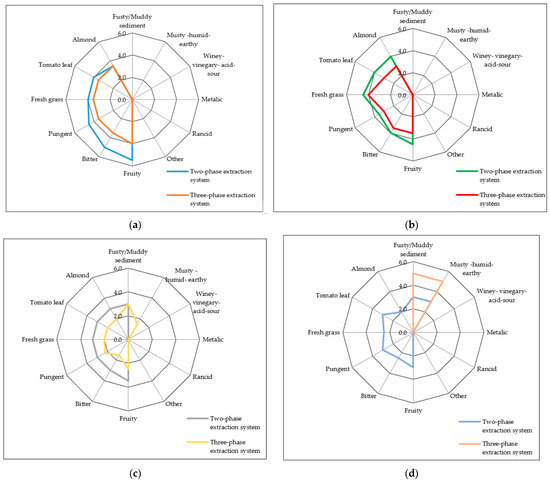
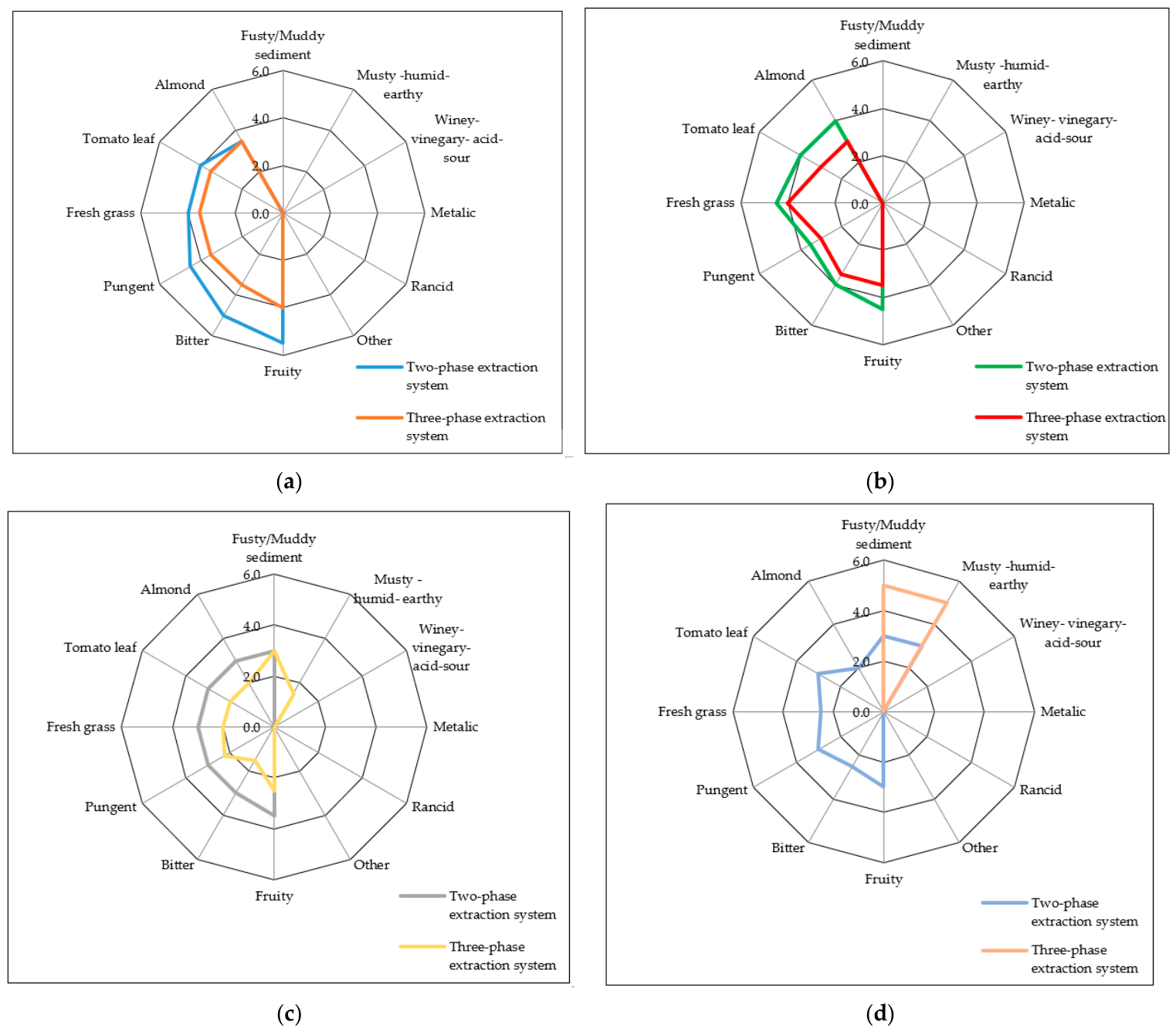

Disclaimer/Publisher’s Note: The statements, opinions and data contained in all publications are solely those of the individual author(s) and contributor(s) and not of MDPI and/or the editor(s). MDPI and/or the editor(s) disclaim responsibility for any injury to people or property resulting from any ideas, methods, instructions or products referred to in the content. |
© 2026 by the authors. Licensee MDPI, Basel, Switzerland. This article is an open access article distributed under the terms and conditions of the Creative Commons Attribution (CC BY) license.