


Abstract
Biometric authentication systems are increasingly deployed in critical security applications, yet the irreplaceable nature of biometric traits poses fundamental risks when templates are compromised. Unlike passwords or tokens, biometric data cannot be reissued, making template protection a paramount concern for preserving both security and privacy. This paper presents a novel multilayer framework for biometric template protection that integrates cancellability directly into the feature extraction stage, ensuring non-invertible and revocable templates while maintaining high recognition accuracy. The proposed method employs chaotic projection of Binarized Statistical Image Features (BSIF) filter banks, optimized through Particle Swarm Optimization (PSO), to generate discriminative yet irreversible biometric templates. To strengthen security against statistical and cryptanalytic attacks, dual-layer scrambling and diffusion processes driven by chaotic maps eliminate spatial correlations and produce uniform intensity distributions. Furthermore, Random Grid Visual Cryptography (RGVC) divides the encrypted template into two shares stored in separate databases, ensuring that the compromise of a single repository reveals no biometric information. Extensive experiments conducted on the PolyU multispectral palmprint database demonstrate exceptional authentication performance, achieving Equal Error Rate (EER) values as low as 0.0520% after applying the proposed protection framework, under optimal configurations. Comprehensive empirical security analysis demonstrates favorable statistical security characteristics, including near-zero pixel correlation, near-uniform intensity distributions, high entropy values approaching the theoretical maximum of 8 bits, favorable NPCR and UACI values, and high sensitivity to key variations under the considered experimental settings. The proposed framework satisfies the essential requirements of cancellable biometrics, including diversity, revocability, and non-invertibility, while providing a privacy-preserving biometric template protection approach.
1. Introduction
In the contemporary digital era, automatic human identification systems have become indispensable for securing sensitive infrastructures and safeguarding personal privacy across diverse applications. These systems are extensively deployed to control access at international borders, authenticate users at Automated Teller Machines (ATMs), monitor patient identities in healthcare facilities, and manage entry to restricted zones in governmental and corporate environments [1]. The proliferation of biometric technologies has been driven by the inherent limitations of traditional authentication mechanisms such as passwords, Personal Identification Numbers (PINs), and physical tokens, which are vulnerable to theft, disclosure, loss, and unauthorized transfer [2]. Biometric systems leverage unique physiological and behavioral characteristics including fingerprints, facial features, iris patterns, palmprints, voiceprints, and even electrocardiogram (ECG) signals to establish identity with higher reliability and user convenience [3].
Despite their advantages, biometric systems face critical security and privacy challenges that fundamentally distinguish them from conventional authentication methods. The most significant concern is the irreplaceability of biometric traits. Unlike passwords or cryptographic keys that can be reset or reissued upon compromise, biometric characteristics are permanent and immutable throughout an individual’s lifetime [4]. Once a biometric template is stolen or leaked, the affected individual faces irreversible identity exposure with potentially severe consequences across multiple applications and services. Furthermore, biometric traits are inherently non-secret by nature. Fingerprints can be easily obtained from surfaces, facial images can be captured without consent, and voiceprints can be recorded during conversations [5]. This accessibility makes biometric data particularly vulnerable to unauthorized collection and subsequent misuse. Additionally, the storage of raw or inadequately protected biometric templates in centralized databases creates attractive targets for malicious actors, raising serious concerns about mass surveillance, identity theft, and cross-database matching that violates user privacy [6].
To address these fundamental vulnerabilities, the research community has developed biometric template protection schemes that enable template replacement and ensure privacy without requiring storage of original biometric data [7]. Among these approaches, cancellable biometrics has emerged as a particularly promising paradigm. First introduced by Ratha et al. [8], cancellable biometrics applies intentional, non-invertible transformations to biometric features, ensuring that only distorted templates are stored in databases. The growing significance of this field is evidenced by the consistent increase in scholarly publications addressing cancellable and cancelable biometrics over recent years. The fundamental principle underlying cancellable biometrics is the generation of multiple distinct templates from the same biometric trait by varying transformation parameters, thereby enabling template renewal without requiring user re-enrollment [9].
Effective cancellable biometric systems must satisfy three essential security requirements [10]. First, diversity ensures that templates generated for different applications or services are computationally independent and cannot be cross-matched, thereby preventing unauthorized tracking of individuals across multiple systems. Second, revocability guarantees that compromised templates can be invalidated and replaced by generating new templates through modified transformation parameters, analogous to password reset procedures. Third, non-invertibility requires that the original biometric trait cannot be reconstructed from the protected template, even with complete knowledge of the transformation algorithm, thus preserving biometric secrecy in the event of database breach [11].
Existing approaches to cancellable biometrics generally fall into two categories: biometric salting and non-invertible transformations [12]. Biometric salting methods combine biometric features with auxiliary data such as user-specific passwords, random noise, or synthetic patterns to generate protected templates. While conceptually straightforward, these approaches inherit vulnerabilities from their dependence on external secrets, which themselves become targets for theft or social engineering attacks [13]. Non-invertible transformation methods project feature vectors into new spaces using random matrices or apply geometric distortions to biometric patterns. Although these techniques offer stronger theoretical security, they often suffer from performance degradation due to information loss during transformation and face challenges in achieving accurate template alignment during verification [14].
Despite the considerable progress achieved in cancellable biometrics, designing a template protection framework that simultaneously satisfies recognition accuracy, revocability, diversity, and non-invertibility remains a challenging task. A critical limitation of most existing cancellable biometric schemes is that security mechanisms are applied as post-processing operations after feature extraction. Resulting in two largely independent stages optimized separately. Consequently, improvements in security are frequently obtained at the expense of recognition performance, while methods preserving high accuracy often provide limited protection against sophisticated attacks. This separation creates a potential vulnerability window and limits the integration between recognition performance and security properties [15]. Moreover, many methods struggle to achieve an optimal balance between the competing objectives of maintaining high recognition accuracy and ensuring strong template protection. The integration of security layers frequently introduces noise or information loss that degrades matching performance, forcing system designers to make unfavorable trade-offs between security and usability [16], in addition, many existing frameworks rely on a single protection mechanism, making them more vulnerable to key compromise, statistical analysis, or database leakage. These limitations motivate the development of integrated security architectures capable of jointly optimizing biometric recognition and template protection.
To overcome these limitations, this paper introduces a novel multilayer framework for biometric template protection that embeds cancellability directly into the feature extraction stage. The proposed approach integrates chaotic systems, non-invertible transformations, and visual cryptography into a unified architecture that simultaneously achieves high recognition performance, while improving biometric template protection and privacy preservation. The key technical novelties of this work include the chaotic projection of Binarized Statistical Image Features (BSIF) filter banks optimized using Particle Swarm Optimization (PSO), dual-layer scrambling and diffusion mechanisms driven by chaotic maps, and secure template storage through Random Grid Visual Cryptography (RGVC).
The principal contributions of this research can be summarized as follows: first, the integration of cancellability into feature extraction. Unlike conventional approaches that apply template protection after feature extraction, this framework introduces chaotic projection directly at the BSIF filter bank level, thereby creating non-invertible transformations embedded within the feature generation process itself. Furthermore, Particle Swarm Optimization (PSO) is employed to optimize the chaotic filter design by fine-tuning the chaotic projection parameters, simultaneously maximizing discriminative power while ensuring template diversity and non-invertibility, thus achieving superior recognition performance without sacrificing security.
In addition, to further enhance security, a dual-layer protection scheme is integrated: chaotic scrambling operations are used to destroy spatial correlations among feature pixels, while feedback diffusion mechanisms eliminate statistical patterns, making visual interpretation difficult while reducing exploitable statistical patterns in the protected templates under the experimental conditions considered in this work. Finally, for privacy-preserving secure storage, Random Grid Visual Cryptography is utilized to divide encrypted templates into two shares stored in separate databases, ensuring that the compromise of a single repository reveals no information about the original biometric trait.
The remainder of this paper is organized as follows. Section 2 reviews related work in biometric template protection and cancellable biometrics. Section 3 presents the proposed methodology, including preliminary foundations, chaotic BSIF filter design, security enhancement mechanisms, and RGVC-based secure storage. Section 4 describes the experimental setup and presents the experimental results, including performance evaluation and empirical security analysis. Finally, Section 5 concludes the paper with a summary of contributions and their significance for practical biometric system deployment.
2. Related Work
Biometric systems face inherent security and privacy challenges stemming from the unique and irreplaceable nature of biometric traits. Unlike conventional credentials, certain biometric characteristics such as facial features, voiceprints, and fingerprints can be acquired without explicit user consent, exposing individuals to unauthorized data collection and identity theft [17]. To address these fundamental vulnerabilities, Biometric Template Protection (BTP) techniques have been developed to safeguard biometric templates during storage and transmission across networks. These techniques aim to enhance security and preserve privacy while maintaining the discriminative power necessary for accurate authentication. Crucially, BTP methods enable template renewability and cancelability through modification of transformation parameters, allowing compromised templates to be revoked and replaced without requiring user re-enrollment [18]. Cancellable biometric schemes can be broadly categorized into two approaches: methods employing external auxiliary data (biometric salting) and those applying non-invertible transformations directly to biometric features. Both paradigms generate distorted pseudo-biometric templates that prevent reconstruction of original traits while preserving matching capability in the transformed domain [19].
Ratha et al. [20] pioneered the field of cancellable biometrics by introducing non-invertible geometric transformations for fingerprint minutiae templates. Their initial work explored Cartesian and polar coordinate transformations, subsequently proposing surface folding techniques to mitigate performance degradation inherent in geometric distortions. Despite achieving template diversity and revocability, their approach remained vulnerable to record multiplicity attacks, where adversaries could exploit correlations between multiple transformed templates from the same individual. Building upon geometric transformation concepts, Lacharme et al. [21] proposed a PIN-based cancellable fingerprint system that combined user-defined Personal Identification Numbers with biometric features, reporting exceptional performance with 0% FAR and EER under controlled experimental conditions. However, the reliance on user-memorized PINs introduced vulnerabilities analogous to traditional password-based systems, including susceptibility to social engineering and the challenge of ensuring users select sufficiently random PINs. This dependency on external secrets represents a fundamental trade-off between cancelability and security robustness that has continued to challenge researchers in the field.
For iris biometrics, various transformation approaches have been explored to achieve template protection. Zuo et al. [22] proposed GRAY-COMBO and BIN-COMBO methods that applied combinatorial transformations to iris codes, successfully reducing both False Acceptance Rate (FAR) and False Rejection Rate (FRR). However, their approach faced challenges in maintaining iris region validity during the transformation process, particularly when dealing with partial occlusions or non-ideal acquisition conditions. Addressing dimensionality and cancelability requirements simultaneously, Pillai et al. [23] employed sectored random projection on Gabor-filtered iris feature vectors, achieving recognition accuracy of 97.7% while ensuring template diversity through randomized projection matrices. Uhl et al. [24] introduced block re-mapping and mesh warping techniques that mapped iris texture blocks onto randomized grids, achieving moderate Equal Error Rates (EER) of approximately 1.2%. Although demonstrating reasonable performance, their method remained vulnerable to reconstruction attacks if transformation parameters were compromised, underscoring the critical importance of secure key management in cancellable biometric systems. More recently, Rathgeb et al. [25] proposed adaptive Bloom filters for generating rotation-invariant iris templates, enabling efficient data compression and accelerated identification through probabilistic data structures, demonstrating computational advantages for large-scale deployment scenarios.
In face biometrics, Teoh et al. [26] conducted comprehensive analysis of BioHashing, a technique that combines biometric features with tokenized random vectors to generate protected templates. While BioHashing successfully provided template diversity and enabled revocability through token replacement, their analysis revealed significant vulnerabilities in protecting auxiliary data from theft or disclosure. This limitation is particularly concerning given that compromise of the token effectively compromises all templates derived using that token. Random projection techniques have been extensively explored to enhance template diversity, with sector-based projection methods demonstrating improved performance by preserving local discriminative information while ensuring global irreversibility. Extending template protection to multimodal systems, Paul et al. [27] employed random projection combined with k-means clustering to fuse facial and ear features, achieving high interclass variability through Linear Discriminant Analysis (LDA). Their multimodal approach significantly outperformed unimodal systems in terms of accuracy while providing enhanced protection against spoofing attacks, demonstrating that fusion of multiple biometric modalities increases both recognition performance and the computational complexity required for adversaries to successfully forge biometric traits. Recent optimization-assisted chaotic encryption frameworks, such as GJO-based chaotic image encryption and Rubik’s cube-inspired scrambling strategies [28], have demonstrated promising performance in improving randomness and encryption robustness. These approaches further confirm the growing importance of metaheuristic optimization in secure image protection systems. Unlike conventional image encryption schemes, the proposed framework specifically targets biometric template protection by integrating cancellability, revocability, and RGVC-based privacy preservation within a unified authentication-oriented architecture.
For behavioral biometrics, Maiorana et al. [29] introduced Bioconvolving for dynamic signature verification, leveraging sequence convolution operations to generate diverse templates with an EER of 6.33%. While this approach successfully achieved template diversity and renewability, the convolution operations introduced slight performance degradation compared to unprotected systems. Voiceprint-based systems have explored transformation techniques in the knowledge signature domain, facilitating template renewability by modifying security parameters such as random seeds or transformation keys. Recent advances have incorporated chaos theory into template protection schemes to enhance randomness and unpredictability. Nazari et al. [30] enhanced the BioHashing framework by incorporating chaotic maps to increase randomness in template transformations, leveraging the sensitivity to initial conditions characteristic of chaotic systems to strengthen security against cryptanalytic attacks. The integration of chaotic dynamics into biometric template protection has opened new avenues for generating non-invertible transformations with strong theoretical security foundations.
Despite significant advances in cancellable biometrics research, several critical challenges and research gaps persist that limit practical deployment of existing methods. First, many techniques exhibit an unfavorable trade-off between security and recognition performance, where strengthening template protection through aggressive transformations leads to increased information loss and corresponding degradation in matching accuracy [31]. This trade-off becomes particularly problematic in high-security applications that cannot tolerate elevated false rejection rates. Second, methods relying on auxiliary data such as PINs, passwords, or tokens inherit the security vulnerabilities of these external secrets, where compromise of auxiliary data potentially enables unauthorized generation of valid templates or facilitates attacks against the biometric system. Third, guaranteeing true irreversibility of transformations is difficult to verify formally, as many proposed schemes lack rigorous security proofs or have been subsequently shown vulnerable to sophisticated inversion attacks when adversaries possess sufficient computational resources or side-channel information. Fourth, and most critically, existing approaches predominantly apply template protection as a post-processing step after feature extraction, creating architectural separation between recognition and security components that limits opportunities for joint optimization and may introduce vulnerabilities during the transition from unprotected to protected representations. Finally, while multimodal fusion approaches offer enhanced security and accuracy, they introduce additional complexity in system design, enrollment procedures, and computational requirements that limit applicability in resource-constrained or mobile deployment scenarios.
The present work addresses these fundamental limitations through a novel architectural approach that integrates cancellability directly into the feature extraction stage rather than applying it as post-processing. By employing chaotic projection of BSIF filter banks optimized through Particle Swarm Optimization, the proposed framework achieves non-invertible transformations at the earliest computational stage, enabling joint optimization of recognition performance and security properties. The addition of dual-layer scrambling and diffusion mechanisms driven by chaotic maps eliminates spatial and statistical correlations, as a result improving the statistical security characteristics of the protected templates without relying on vulnerable auxiliary data. Furthermore, the integration of Random Grid Visual Cryptography for secure distributed storage ensures that compromise of a single database repository reveals no biometric information, addressing privacy concerns inherent in centralized template storage. This multilayer approach simultaneously satisfies the essential requirements of diversity, revocability, and non-invertibility while maintaining exceptional recognition accuracy, as demonstrated through experimental validation using the PolyU Multispectral Palmprint Database.
3. Proposed Method
The proposed framework establishes a comprehensive multilayer architecture for biometric template protection that integrates cancellability directly into the feature extraction process. Unlike conventional approaches that apply security transformations as post-processing operations on extracted features, this method embeds non-invertible transformations at the filter bank level of the Binarized Statistical Image Features (BSIF) descriptor. This fundamental architectural choice enables simultaneous optimization of discriminative power and security properties, avoiding the performance degradation typically associated with separated security layers. The framework combines the inherent unpredictability of chaotic dynamical systems with cryptographic scrambling, diffusion mechanisms, and visual cryptography to create a robust defense-in-depth strategy. By leveraging Particle Swarm Optimization (PSO) to fine-tune transformation parameters, the system achieves optimal balance between recognition accuracy and template protection strength. The overall architecture, illustrated in Figure 1, comprises four distinct yet synergistic layers: chaotic projection of BSIF filters, spatial scrambling, statistical diffusion, and secure share generation through Random Grid Visual Cryptography. Each layer addresses specific security vulnerabilities while preserving the biometric discriminative information necessary for accurate authentication.
Figure 1.
Overall architecture of the proposed biometric template protection framework.
3.1. Preliminary Foundations
Before presenting the proposed security framework, we establish the mathematical foundations of the underlying feature extraction method and the chaotic systems employed throughout the architecture. These preliminary concepts provide the theoretical basis for understanding how cancellability, non-invertibility, and revocability are achieved in the integrated system.
3.1.1. Binarized Statistical Image Features (BSIF)
The Binarized Statistical Image Features method, introduced by Kannala and Rahtu [32], has emerged as a robust and computationally efficient approach for texture analysis and local pattern description. BSIF generates compact binary codes that encode texture information by linearly projecting local image patches onto a learned subspace whose basis vectors are derived from natural image statistics through Independent Component Analysis (ICA). Unlike hand-crafted descriptors such as Local Binary Patterns (LBP), BSIF learns optimal filters directly from training data, enabling superior discriminative capability for texture classification tasks.
The BSIF encoding process operates on overlapping or non-overlapping image patches of size . Given an input image I and a set of n linear filters , each of the same spatial dimensions , the filter response at pixel location is computed as the inner product between the image patch whose upper-left corner is located at and the filter :
Here, I denotes the grayscale biometric image with pixel intensities in the range , where denotes the real filter coefficient at position within the i-th filter, and represents the pixel intensity value in the image patch. The summation spans all spatial locations within the neighborhood. In order to preserve spatial dimensions during convolution symmetric padding is applied at image boundaries.
Each filter response is then binarized by thresholding at zero to produce a binary feature bit :
The collection of n binary responses at each pixel location forms an n-bit binary code that characterizes the local texture pattern. These binary codes can be represented as a feature image F of the same spatial dimensions as the input image I, where each pixel value corresponds to the decimal interpretation of its n-bit binary string:
This encoding produces integer values in the range , creating a compact representation of local texture patterns. For practical biometric recognition systems, the feature image F is typically partitioned into non-overlapping blocks, and histograms of the binary codes within each block are computed and concatenated to form the final feature descriptor :
where represents the histogram of binary codes within the j-th block, and M denotes the total number of blocks. The histogram representation provides spatial locality while maintaining computational efficiency and robustness to minor spatial variations.
Two critical parameters govern BSIF performance: the filter size and the number of filters n. Larger filter sizes capture more contextual information but increase computational complexity, while a greater number of filters provides finer texture discrimination at the cost of longer code strings and potential overfitting. In this work, these parameters are empirically optimized through systematic evaluation on the target biometric modality, as detailed in Section 4.
3.1.2. Chaotic Maps and Dynamical Systems
Chaotic dynamical systems exhibit several properties that make them particularly suitable for cryptographic applications: extreme sensitivity to initial conditions, pseudo-random behavior, ergodicity, and deterministic generation from simple nonlinear equations. These characteristics enable the creation of unpredictable yet reproducible transformation sequences ideal for biometric template protection. In this framework, chaotic maps serve multiple roles including generation of random projection matrices, scrambling permutations, and diffusion key streams.
The one-dimensional logistic map, one of the most studied chaotic systems, is defined by the recurrence relation:
where represents the system state at iteration n, and is the control parameter. The map exhibits chaotic behavior when , producing sequences that appear random despite being deterministically generated. The initial condition and control parameter together constitute the secret key, where even infinitesimal variations in these parameters lead to drastically different trajectories.
The sine map provides an alternative one-dimensional chaotic system with similar properties:
where and the control parameter determines the dynamical regime. The sine map exhibits chaotic behavior across a broader parameter range compared to the logistic map, offering enhanced flexibility in key space design [33].
Despite their simplicity and widespread use, one-dimensional chaotic maps suffer from limited complexity and vulnerability to phase space reconstruction attacks, where adversaries can predict future states by analyzing short sequences. To address these limitations, higher-dimensional coupled chaotic systems have been developed. The two-dimensional Sine-Logistic Modulation Map (2D-SLMM), proposed by Hua et al. [34], combines the sine and logistic maps with cross-coupling to achieve enhanced chaotic performance:
where are the two coupled state variables, and are control parameters, and the index i denotes the iteration number. The modulation term introduces nonlinearity that enhances the randomness of the logistic map component. The two output sequences and are mutually dependent through the coupling terms, making trajectory prediction significantly more difficult compared to independent one-dimensional maps. When is set near 3, the 2D-SLMM demonstrates excellent chaotic properties including large Lyapunov exponents and uniform distribution in phase space. In this work, we adopt for all experiments involving the 2D-SLMM.
The security of chaotic cryptographic systems fundamentally depends on the size and complexity of the key space, defined by the precision and range of initial conditions and control parameters. For implementation in finite-precision computing environments, the effective key space must account for floating-point representation limitations while maintaining sufficient entropy to resist brute-force attacks.
3.2. BSIF-Oriented Security Through Chaotic Projection
The first security layer, illustrated in the leftmost component of Figure 1, embeds cancellability directly into the BSIF feature extraction process by projecting the standard filter bank onto chaotic random matrices. This approach fundamentally differs from conventional template protection schemes that apply transformations after feature extraction. By modifying the filters themselves rather than the extracted features, the system ensures that the feature generation process is inherently non-invertible, as the transformed filters cannot be recovered without knowledge of the chaotic parameters serving as secret keys.
Let denote the original set of n BSIF filters of size learned through ICA from natural image statistics. To introduce cancellability and prevent direct reconstruction of biometric traits, each filter is element-wise multiplied by a pseudorandom projection matrix of identical dimensions:
where ⊙ denotes the Hadamard (element-wise) product, and represents the secured filter used for actual feature extraction. The projection matrices are generated from chaotic sequences produced by the logistic map (Equation (5)) initialized with secret parameters.
The generation process for each projection matrix proceeds as follows. First, a chaotic sequence of length is produced by iterating the logistic map:
where is the initial condition serving as part of the secret key, and is the control parameter. To ensure independence among projection matrices for different filters, the initial condition for generating is derived from the base secret key through a deterministic function:
where is a small constant (e.g., ) that ensures sufficient separation in the chaotic phase space. The chaotic sequence is then reshaped into the two-dimensional projection matrix:
This operation transforms the one-dimensional sequence into an matrix where element of corresponds to the value from the chaotic sequence.
The secured filters are then employed in place of the original filters in the BSIF feature extraction pipeline described in Equations (1)–(4). Specifically, the modified filter response becomes:
The subsequent binarization and encoding steps proceed identically using the secured responses , producing a feature image that embodies the chaotic transformation at its core.
This chaotic projection achieves cancellability through parameter variation. To generate a new template for the same biometric trait (e.g., after compromise), the system simply changes the chaotic parameters to produce different projection matrices , which in turn yield distinct secured filters and ultimately different protected templates. Importantly, this revocation process requires no user re-enrollment, as the transformation is applied to the fixed original filters rather than the biometric sample itself.
However, arbitrary chaotic projections may degrade recognition performance by disrupting the discriminative structure carefully learned during ICA training. To address this challenge, the framework employs Particle Swarm Optimization (PSO) to identify chaotic parameters that maximize discriminative power while maintaining security properties.
Particle Swarm Optimization for Filter Parameter Tuning
Particle Swarm Optimization is a population-based metaheuristic algorithm inspired by the collective behavior of bird flocking and fish schooling [35]. In the context of optimizing chaotic projection parameters, each particle in the swarm represents a candidate solution comprising the initial condition and control parameter for the logistic map. The swarm explores the parameter space by balancing individual experience (cognitive component) with collective knowledge (social component).
Let the swarm consist of particles, where the k-th particle at iteration t is characterized by its position vector in the two-dimensional parameter space. Each particle maintains a velocity vector that determines its movement through the search space. The particle also records its personal best position (the position that yielded the best fitness value encountered by this particle) and has access to the global best position g (the position that achieved the best fitness across the entire swarm).
The fitness function J quantifies the quality of a given parameter set by combining the False Rejection Rate (FRR) and False Acceptance Rate (FAR) measured on a validation dataset:
where and are weighting coefficients satisfying , that balance the relative importance of the two error types. In high-security applications, may be set higher to prioritize minimization of false acceptances, while convenience-oriented systems may favor lower to reduce user frustration from false rejections. For the experiments reported in this work, we employ equal weighting to achieve balanced performance.
At each iteration, particle velocities and positions are updated according to:
where w is the inertia weight controlling the influence of the previous velocity, and are cognitive and social acceleration coefficients respectively, and are random numbers sampled independently at each iteration to introduce stochastic exploration. Typical parameter settings include , , which have been shown to provide good convergence properties across diverse optimization problems.
The optimization terminates after a predefined number of iterations or when the improvement in global best fitness falls below a threshold, indicating convergence. The final optimized parameters are then employed as the secret projection key for generating the chaotic projection matrices in the operational system. This PSO-based tuning ensures that the chaotic projection achieves non-invertibility and revocability without sacrificing recognition accuracy, addressing a critical limitation of many existing cancellable biometric schemes as discussed in Section 2. In the implemented PSO configuration, the swarm size was set to 30 particles and the maximum number of iterations was fixed at 100. The inertia weight was initialized to , while the cognitive and social acceleration coefficients were set to . The chaotic control parameters were optimized within experimentally predefined bounded intervals corresponding to the valid operating ranges of the employed chaotic maps. The optimization process was terminated either when the maximum number of iterations was reached or when successive fitness improvements became negligible.
3.3. Security Enhancement Through Scrambling and Diffusion
While chaotic projection of BSIF filters provides cancellability and non-invertibility at the feature extraction stage, the resulting feature images may still retain recognizable spatial structures and statistical patterns that could be exploited by sophisticated attackers. To eliminate these residual vulnerabilities, the framework incorporates two additional cryptographic transformations, shown in the middle components of Figure 1: chaotic scrambling to destroy spatial correlations and feedback diffusion to achieve statistical uniformity.
3.3.1. Chaotic Scrambling
Scrambling operations permute the spatial positions of pixels in the feature image, breaking spatial adjacency relationships and rendering visual patterns unrecognizable. The proposed framework employs the two-dimensional Sine-Logistic Modulation Map (2D-SLMM) defined in Equation (7) to generate permutation indices with strong chaotic properties.
Given a feature image of dimensions , the scrambling process begins by generating a chaotic sequence of length using the 2D-SLMM. Starting from initial conditions and control parameters that collectively serve as the scrambling key , the map is iterated N times to produce two sequences:
To generate the scrambling permutation, one of these sequences (e.g., ) is selected and sorted in ascending order. The permutation vector is obtained as:
where returns the indices that would sort the sequence in ascending order. Accordingly, denotes the original index of the element that occupies position j in the sorted sequence. The feature image is first vectorized into a one-dimensional array by concatenating its rows and then permuted according to:
Finally, the scrambled vector is reshaped back into a two-dimensional image of dimensions :
This scrambling transformation is bijective and can be inverted using the inverse permutation during template verification, provided the correct scrambling key is available. The use of 2D-SLMM ensures that the permutation exhibits strong randomness and resists statistical analysis, as the two-dimensional coupling prevents phase space reconstruction attacks that could compromise simpler one-dimensional maps.
3.3.2. Feedback Diffusion
While scrambling disrupts spatial structures, it does not alter pixel intensity distributions. An attacker analyzing the histogram of a scrambled image can still observe the statistical properties of the original feature image. To address this vulnerability, the framework applies a feedback diffusion mechanism that spreads intensity changes throughout the image, achieving a near-uniform histogram that reveals minimal information about the underlying features.
The diffusion process operates on the scrambled image by modifying each pixel intensity through a combination of three components: the original pixel value, a chaotic key stream value, and the previously encrypted pixel value. Let P denote the scrambled image linearized into a one-dimensional array , where is the total number of pixels. The encrypted pixel sequence is computed iteratively using:
where is the i-th plaintext pixel value, is the corresponding ciphertext pixel, is the previous ciphertext pixel (initialized as for ), is the i-th value in the chaotic key stream, and the modulo operation ensures pixel values remain in the valid range for 8-bit grayscale images.
The key stream is generated from a chaotic map initialized with a diffusion key independent of the scrambling key. The logistic map (Equation (5)) is employed for this purpose:
where is the initial condition, is the control parameter, and denotes the floor function that converts the real-valued chaotic output to an integer in .
The feedback term in Equation (20) creates an avalanche effect where changes in any plaintext pixel propagate to all subsequent pixels in the sequence. This interdependency ensures that even minor modifications to the input (such as single-pixel changes) result in drastically different encrypted outputs, satisfying the diffusion property critical for secure cryptographic systems.
The decryption process during template verification applies the inverse transformation:
The inverse transformation recovers recovers the scrambled image when provided with the correct diffusion key . The scrambled image is then descrambled using to obtain the secured feature image , which can be matched against enrollment templates using standard biometric comparison metrics.
The combination of scrambling and diffusion provides defense-in-depth against multiple attack vectors. Scrambling prevents visual recognition and spatial analysis, while diffusion eliminates statistical patterns observable through histogram analysis, entropy measurement, or correlation computation. Together, these layers significantly increase the computational effort required for successful cryptanalysis, as detailed in the security analysis of Section 4.
3.4. Privacy-Preserving Secure Storage via Random Grid Visual Cryptography
The final security layer, depicted in the rightmost component of Figure 1, addresses the critical vulnerability of centralized template storage. Even with encrypted templates, storing all biometric data in a single database creates an attractive target for attackers. Database breaches, insider threats, and compromised authentication servers pose serious risks to user privacy. To mitigate these concerns, the proposed framework employs Random Grid Visual Cryptography (RGVC) to split each encrypted template into two shares, stored in separate physical or logical databases, (See Figure 2). Each share, when considered separately, does not reveal any information about the protected template.
Figure 2.
Visual cryptography pixel expansion.
Visual cryptography [36] is a secret sharing scheme that divides a secret image into multiple shares such that the secret can only be revealed by superimposing a sufficient number of shares. Traditional visual cryptography schemes suffer from pixel expansion, where each pixel in the original image is encoded into multiple pixels in each share, increasing storage requirements. Random Grid Visual Cryptography, proposed by Kafri and Keren, eliminates pixel expansion by encoding each secret pixel into exactly one pixel in each share, maintaining the original image dimensions.
3.4.1. RGVC Encoding for Grayscale Templates
Let T denote the encrypted template image (the output of the diffusion stage) with dimensions and pixel values in the range . The RGVC algorithm generates two share images and of identical dimensions such that:
- 1.
- Each share, when considered individually, exhibits a random noise-like appearance and does not reveal meaningful information about T under the assumption of uniformly generated randomness during the share construction process.
- 2.
- The secret image T can be reconstructed by combining and through a simple Boolean operation.
For binary images where , the classical RGVC encoding rule is:
- If (black pixel): Generate randomly as 0 or 1 with equal probability, then set .
- If (white pixel): Generate randomly as 0 or 1 with equal probability, then set .
Reconstruction is performed by computing , where ⊕ denotes the XOR operation. When the secret pixel is black (), both shares have the same value, yielding or . When the secret pixel is white (), the shares have opposite values, yielding or .
For grayscale images with 8-bit pixel values, the encoding must be extended to handle 256 intensity levels. The proposed implementation processes each bit plane independently, generating two shares per bit plane and subsequently combining them to form the final grayscale shares. Specifically, each pixel intensity is decomposed into its 8-bit binary representation:
where is the k-th bit (with being the least significant bit). For each bit plane k, binary RGVC is applied to generate share bit planes and :
where is a uniformly distributed random variable used to introduce randomness in the share generation process for the k-th bit plane. Let denote a fixed decision threshold. The generation of the two binary share bit planes and is defined as follows:
This encoding rule ensures that when the secret bit equals one, the two share bits are complementary, whereas, when equals zero, the share bits are identical. As a result, neither share alone conveys any information about the underlying secret bit, since both values occur with equal probability. The reconstruction of the k-th bit plane is achieved through a bitwise exclusive OR operation:
where denotes the reconstructed bit. The final reconstructed grayscale template is obtained by recombining the recovered bit planes:
The resulting shares and are grayscale images of the same dimensions as the original encrypted template T and can be expressed as:
Each share individually exhibits a uniform noise-like appearance with near-maximal entropy, rendering it statistically indistinguishable from random noise. Consequently, possession of a single share does not allow reconstruction of any meaningful information regarding the encrypted biometric template, under the experimental conditions considered in this work.
3.4.2. Security and Privacy Implications of RGVC-Based Storage
The integration of Random Grid Visual Cryptography into the proposed framework provides an additional layer of privacy protection beyond conventional encryption-based storage approaches. Since the reconstruction of the encrypted template requires simultaneous access to both shares, the compromise of a single database does not reveal any usable biometric information. This property directly addresses the threat of large-scale biometric data breaches and thereby enhancing biometric template privacy in distributed storage environments.
Several deployment configurations are supported by the proposed RGVC-based storage model. In one scenario, the two shares are stored in physically or administratively separate databases, such as servers operated by independent entities. In another configuration, one share may be retained by the user on a personal device or smart card, while the second share is stored by the authentication server. A third option involves delegating one share to a trusted third party, enabling controlled verification workflows while preserving user privacy. In all cases, authentication is only possible when the required shares are correctly combined, ensuring that unauthorized access to partial information cannot compromise the system.
Importantly, RGVC does not introduce pixel expansion or additional spatial distortion, preserving the original resolution and dimensionality of the encrypted template. This property makes the scheme particularly suitable for biometric systems, where template size and computational efficiency are critical considerations. Moreover, the RGVC encoding and reconstruction operations involve only simple logical and arithmetic operations, imposing minimal computational overhead and making the approach viable for real-time authentication systems.
During the enrollment phase, the input biometric sample is transformed into a protected template using the proposed multilayer framework. The corresponding secret keys (, , ) are securely maintained by the authentication server throughout the enrollment and verification processes. The original biometric sample is securely retained in a protected local repository for revocation purposes, while the resulting encrypted template is subsequently decomposed into two RGVC shares, where one share may be stored on the authentication server and the second share is retained on a user-controlled device such as a smart card or mobile device. During verification, the required shares are first combined to reconstruct the encrypted template. The inverse diffusion and inverse scrambling operations are then applied using the corresponding secret keys to recover the protected template. In parallel, the same process is applied to the query biometric sample before matching is performed in the protected domain. In the event of template or key compromise, new optimized chaotic parameters are generated to derive a new secret projection key , while new secret scrambling and diffusion keys ( and ) are also generated. The retained biometric sample is then reprocessed through the complete protection pipeline using the renewed keys to generate a new protected template without requiring replacement of the user’s original biometric trait, thereby supporting revocability and template update capabilities. The revocability mechanism assumes that the original biometric sample remains securely stored in a protected local repository managed by the enrollment authority or authentication provider. Access to this repository is restricted to authorized enrollment and revocation operations. Consequently, the revocation capability of the proposed framework remains valid only while this retained biometric sample is securely preserved and available.
3.5. Proposed System Algorithm
Algorithm 1 summarizes the template protection process during the enrollment stage of the proposed framework. Starting from an input biometric sample, it describes the sequence of operations leading to the generation of two Random Grid Visual Cryptography (RGVC) shares. The verification and revocation procedures are described separately in Section 3.4.2. The process begins by embedding cancellability directly into the feature extraction stage through chaotic projection of the original BSIF filter bank. By modifying the filters themselves using chaos-driven projection matrices, the resulting feature representation becomes inherently non-invertible and revocable. The secured filters are then applied to the biometric image to generate a protected BSIF feature image, which is further hardened through chaotic scrambling that eliminates spatial correlations. Feedback diffusion subsequently enforces statistical uniformity by propagating pixel-level changes across the entire template, resulting in favorable statistical security characteristics, as demonstrated by the experimental results in Section 4. Finally, Random Grid Visual Cryptography decomposes the fully encrypted template into two noise-like shares, each of which individually reveals no information about the biometric data. Authentication is only possible when the required shares are correctly combined, thereby mitigating risks associated with centralized template storage. This tightly coupled sequence of operations is designed to jointly enhance security, recognition performance, and privacy preservation within a single coherent framework.
| Algorithm 1 Proposed Multilayer Biometric Template Protection Framework |
| Require: Input biometric image I, original BSIF filter bank , projection key , scrambling key , diffusion key . Ensure: Secure visual cryptographic shares and .
|
4. Experimental Results
To assess the robustness of the proposed framework, a series of experimental tests were conducted. The obtained results, along with their interpretation and analysis, are presented in the following section.
4.1. Database
The evaluation of the proposed biometric system was conducted using the palmprint database created by the Polytechnic University of Hong Kong (PolyU) [37]. This database comprises multispectral palmprint images collected from 250 volunteers, including students and staff, with ages ranging between 20 and 60 years. Each participant contributed images in two sessions, providing approximately 12 images per palm (six images per session), with an average interval of nine days between sessions. All images were captured under varying illumination conditions using a multispectral palmprint acquisition device.
The database contains four spectral bands: Red (R), Green (G), Blue (B), and Near Infrared (NIR), resulting in 6000 images per band and a total of 24,000 images. Original images had dimensions of 352 × 288 pixels and a resolution below 100 dpi; for analysis, images were cropped to 128 × 128 pixels at 96 ppi. The R, G, and B bands capture palm-skin features (palmprint, PLM), whereas the NIR band captures palm-vein patterns (PLV). For the experiments reported here, only the NIR band was utilized.
A dataset of 500 NIR palm images, with 12 images per palm, was employed to evaluate the system. The dataset, comprising 6000 images in total, was split into two groups: 25% (1500 images, 3 per palm) for enrollment and 75% (4500 images, 9 per palm) for testing. This split resulted in 4500 genuine match scores and 1,122,750 impostor match scores, for a total of 1,127,250 comparisons.
System performance was evaluated under the following scenarios:
- Biometric recognition performance under normal operating conditions, in which enrollment and verification used the same correct keys and configuration.
- Robustness against wrong-key authentication attempts, assessing system behavior when verification keys did not match those used during enrollment.
- Statistical security analysis of the protected templates.
This evaluation ensures an empirical assessment of the system’s reliability and security.
4.2. Results and Discussion
In all biometric systems, feature extraction methods have a significant impact on system performance. To optimize the chosen method, a series of empirical tests is usually performed to adjust the parameters for maximal effectiveness. For the BSIF method, performance depends on two parameters: (i) the number of filters n and (ii) the filter size . A series of experiments was conducted to determine the optimal configuration of these parameters. Various vectors of biometric characteristics (templates) were generated by varying the number and size of the filters, enabling empirical selection of parameters that maximize recognition precision.
Seven predefined filter numbers () and seven filter sizes () were tested. Two classifiers, Support Vector Machine (SVM) and k-Nearest Neighbors (KNN), were employed, and Equal Error Rate (EER) was used as the performance metric. The results are illustrated in Figure 3a,b.
Figure 3.
EER curves obtained for different BSIF filter numbers and filter sizes using two classifiers: (a) SVM-based classifier (b) KNN-based classifier.
Figure 3a illustrates the influence of both the BSIF filter size and the number of filters on the recognition performance achieved with the SVM classifier. A clear tendency can be observed: (i) increasing the filter size generally improves recognition accuracy, (ii) whereas increasing the number of filters beyond an optimal value leads to a gradual degradation in performance. This behavior can be explained by the ability of larger convolution filters to capture more discriminative palmprint texture information. In contrast, an excessive number of filters introduces redundant feature information, which slightly reduces interclass separability and consequently affects the classification performance. The optimal result was obtained with 5 filters of size 15 × 15 at a decision threshold of , yielding an EER of 0.0444% and Genuine Acceptance Rate (GAR) of 99.9556%. Although this configuration achieves the lowest EER, a slight overlap between genuine and impostor score distributions remains observable, indicating that perfect class separation is not completely achieved.
Considering both recognition accuracy and computational efficiency, configurations employing a moderate number of filters provide a more balanced solution. For example, configurations using 6 filters of size 17 × 17 or 7 filters of 15 × 15 achieved an EER of 0.0445%, while configurations employing 8 to 11 filters produced noticeably higher EER values (greater than 0.3%) with Genuine Acceptance Rates (GAR) below 97%. These observations indicate that increasing the descriptor dimensionality does not necessarily improve recognition performance and may even introduce redundant information that negatively affects the system accuracy. Consequently, the proposed framework adopts five BSIF filters of size 15 × 15 as an effective compromise between recognition accuracy and computational complexity. This configuration achieved an EER of 0.0444%, making it particularly suitable for the subsequent security evaluation.
The performance obtained with the KNN classifier, illustrated in Figure 3b, follows the same general tendency observed for SVM. In particular, larger filter sizes combined with a limited number of filters continue to provide the most discriminative feature representation. This consistency demonstrates that the observed performance improvements originate from the feature extraction stage rather than from the classification algorithm itself. Considering the EER values, six convolution filters of size 15 × 15 provided the best KNN performance, achieving an EER of 0.0667%. Although KNN exhibits slightly lower overall performance than SVM over most parameter configurations, it still provides competitive recognition accuracy.
The two BSIF configurations that yielded the highest classification performance with the SVM and KNN classifiers, namely, 5 filters of size 15 × 15 and 6 filters of size 15 × 15, respectively were selected as the foundation of the proposed secure BSIF framework. The filter banks used in the secure BSIF scheme are generated by projecting the original BSIF filters onto chaotic projection matrices derived from the logistic map using the secret key , as defined in Equation (5). To preserve the discriminative capability of the original system, the Particle Swarm Optimization (PSO) algorithm is employed to determine the optimal value of . This optimization identifies the projection matrices that guarantee the minimum possible performance degradation while maintaining the enhanced security provided by the projection process.
It is important to note that the optimization performed by PSO plays a vital role in the accuracy of the results to be obtained in the series of tests to be conducted. Rather than relying on randomly generated chaotic projection parameters, PSO searches for the optimal projection key combination that minimizes the authentication error ERR. Consequently, the generated secure BSIF filters preserve the discriminative characteristics of the original biometric system while simultaneously supporting the revocability mechanism introduced by the chaotic projection stage. To further investigate the robustness of the proposed framework, two authentication scenarios were considered. The first corresponds to normal operating conditions, where identical projection keys are employed during enrollment and verification. The second simulates a template compromise scenario in which enrollment is performed using the original key , whereas verification is attempted with a different chaotic key . This second experiment is specifically designed to evaluate the revocability and security properties of the proposed cancellable biometric framework under unauthorized authentication attempt.
The authentication performance depends on the degree of separation between the genuine and impostor score distributions at a fixed threshold. A larger separation results in lower False Acceptance Rate (FAR) and False Rejection Rate (FRR), whereas any overlap between the two distributions directly negatively affects the Equal Error Rate (EER). The operating threshold must be selected to achieve an appropriate balance between security and recognition performance according to the application requirements.
The authentication performance of the proposed framework under normal operating conditions and wrong-key attack scenarios is illustrated in Figure 4 and Figure 5 for the SVM and KNN classifiers, respectively. In the SVM case, the optimized solution obtained via PSO, defined by is employed as the secret key for the generation of projection matrices. After applying the proposed protection framework, the SVM classifier achieved an EER of 0.0520% at the decision threshold , under normal operating conditions using the same projection key during enrollment and verification producing a clear separation between genuine and impostor score distributions, as shown in Figure 4a. This result demonstrates that the proposed PSO-optimized chaotic BSIF projection successfully preserves the discriminative information of the original BSIF system despite the addition of the template protection stages. The obtained EER of 0.0520% indicates that the security transformations introduce only a slight degradation in biometric recognition performance.
Figure 4.
SVM score distributions under different operating conditions: (a) score distribution under normal operating conditions and (b) score distribution under attack conditions.
Figure 5.
KNN score distributions under different operating conditions: (a) score distribution under normal operating conditions and (b) score distribution under attack conditions.
A completely different behavior is observed when authentication is attempted using an incorrect chaotic key. As illustrated in Figure 4b, the genuine score distribution shifts entirely toward the impostor distribution, while the impostor scores remain practically unchanged. The new distribution crosses the original operating threshold, reaching . This displacement confirms that the generated biometric templates are intrinsically dependent on the chaotic projection parameters. Consequently, even if an attacker possesses the original biometric sample, successful authentication becomes impossible without the correct transformation key. Maintaining the original threshold is therefore sufficient to reject all authentication attempts performed with an incorrect key.
These observations provide strong experimental evidence of the revocability property of the proposed framework. Whenever a protected template is suspected to be compromised, a new secure template can be generated simply by changing the chaotic projection parameters without requiring the user to provide a new biometric sample. This capability represents one of the principal advantages of cancellable biometrics compared with conventional biometric systems, where compromised biometric traits cannot be replaced.
Figure 5 presents the corresponding experiments using the KNN classifier. The overall behavior remains consistent with that observed for the SVM classifier, confirming that the proposed template protection mechanism operates independently of the selected classification algorithm. Under normal authentication, the KNN classifier achieved an EER of 0.0903% at threshold using the optimal solution obtained through PSO, expressed as . Although the obtained recognition accuracy is slightly lower than that achieved by SVM, the separation between genuine and impostor distributions remains sufficiently large to provide reliable user authentication.
During wrong-key verification, the genuine score distribution shifts further toward the impostor distribution, reaching a new operating threshold of , as illustrated in Figure 5b. This behavior confirms that the proposed chaotic transformation consistently invalidates protected templates generated using different projection parameters. Consequently, the protected templates remain unusable whenever the correct transformation key is unavailable, thereby significantly limiting the impact of template leakage or database compromise.
Comparing Figure 4 and Figure 5, the SVM classifier provides better separation between genuine and impostor score distributions under normal conditions, resulting in lower EER values than KNN. Nevertheless, both classifiers demonstrate the same fundamental security property: successful authentication is only possible when identical chaotic projection keys are employed during enrollment and verification. This consistency confirms that the proposed multilayer framework effectively preserves recognition performance while simultaneously ensuring template revocability through key-dependent biometric transformations.
Overall, the authentication experiments demonstrate that the proposed framework successfully balances two conflicting requirements of biometric template protection: preserving high recognition accuracy under normal operating conditions while immediately invalidating protected templates generated with different transformation keys. The combination of accuracy preservation and revocability represents a key advantage of the proposed multilayer security architecture and provides an effective mechanism for mitigating the consequences of biometric template compromise.
4.3. Security and Statistical Analysis of the Proposed System
To evaluate the security of the proposed multilayer biometric template protection framework, a series of statistical and cryptographic analyses were conducted on the encrypted palmprint templates. Unlike recognition experiments, which evaluate the concept of biometric discriminability, the following analyses investigate the ability of the proposed framework to hide the statistical characteristics of the original biometric images and to resist various cryptanalytic attacks. The evaluation includes correlation analysis, information entropy, histogram analysis, differential attack analysis using the NPCR and UACI metrics. Together, these complementary analyses provide an experimental assessment of the confidentiality, randomness, and privacy-preserving capability of the proposed multilayer framework.
4.3.1. Correlation Analysis
Correlation analysis measures the dependency between adjacent pixels in both the original and encrypted images. Strong correlation is typical in natural images, reflecting spatial redundancy, whereas low correlation in encrypted images indicates effective pixel decorrelation, a key requirement for secure encryption. Correlation coefficients were computed along three directions: horizontal, vertical, and diagonal. Mathematically, for two adjacent pixels x and y, the correlation coefficient is defined as:
where and are the means, and and the standard deviations of x and y. The covariance measures the degree to which x and y vary together.
As reported in Table 1, original images exhibit strong horizontal, vertical, and diagonal correlations, with coefficients exceeding 0.82 in all evaluated samples. In contrast, the encrypted templates produced by the proposed framework exhibit correlation coefficients very close to zero in all the directions. This remarkable reduction demonstrates the effectiveness of the combined chaotic scrambling and feedback diffusion stages in eliminating the spatial redundancy present in original images. Consequently, adjacent pixels become weakly correlated, making it more difficult for an attacker to infer structural information from the encrypted templates.
Table 1.
Correlation Coefficients of Original and Encrypted Images.
Furthermore, 2D scatter plots of adjacent pixels pairs reinforce this conclusion (Figure 6). In original images, pixel intensities cluster along the diagonal, reflecting the strong correlation characteristic, whereas, after applying the proposed protection framework, the scatter plots become uniformly distributed over the entire intensity range, indicating that the encrypted templates exhibit random statistical behavior. Overall, the correlation analysis confirms that the proposed encryption process destroys successfully the intrinsic spatial relationships of the original images, while preserving the possibility of accurate authentication after authentic reconstruction.
Figure 6.
2D distribution of adjacent pixels: horizontal, vertical, and diagonal correlations for original and encrypted images.
4.3.2. Entropy Analysis
Entropy quantifies the degree of randomness or unpredictability in an image. For an image with gray levels , the entropy H is calculated as:
where is the probability of gray level i. Higher entropy reflects a more uniform pixel distribution and stronger encryption. A high entropy value indicates a uniform gray-level distribution and therefore a low amount of exploitable statistical information. For 8-bit grayscale encrypted image, the ideal theoretical entropy approaches 8 bits, corresponding to a perfectly random distribution.
The entropy of encrypted images shown in Table 2 is above 7.98 for all samples, and it is very close to the ideal value of 8 for 8-bit images, confirming that the chaotic scrambling and diffusion schemes successfully distribute pixel intensities uniformly across all gray scale levels, considerably increasing the uncertainty associated with the encrypted template, and effectively eliminates statistical patterns and enhances randomness. Furthermore, the high entropy values demonstrate that the proposed encryption stage effectively complements the revocable template generation process. While chaotic projection guarantees template diversity and revocability, the subsequent encryption stage maximizes statistical randomness, providing an additional layer of protection against information leakage.
Table 2.
Entropy of Original and Encrypted Images.
4.3.3. Differential Attack Analysis: NPCR and UACI
To evaluate the sensitivity of the proposed encryption framework to small variations in the plaintext, differential attack analysis was performed using the Number of Pixels Change Rate (NPCR) and the Unified Average Changing Intensity (UACI) metrics, defined as:
where and are ciphertext images differing by a single pixel in the plaintext, and is the image size. A robust image encryption algorithm should exhibit a strong avalanche effect, modifying a single pixel of the original image should produce significant changes throughout the encrypted template. High NPCR values together with UACI values close to their theoretical expectations indicate good resistance against differential cryptanalysis.
The obtained NPCR and UACI shown in Table 3 demonstrate that one-pixel modification in the original image propagates throughout the encrypted template, producing significant changes in pixel values after encryption [38]. Consequently, attackers cannot infer the encryption parameters by analyzing small differences between plaintext and ciphertext pairs. Moreover, the obtained NPCR and UACI values remain close to the theoretical expectations reported for secure image encryption algorithms, confirming the robustness of the the combined scrambling and feedback diffusion strategy against differential attacks.
Table 3.
Differential Attack Analysis of Encrypted Images.
4.3.4. Histogram Analysis
Histogram analysis provides a visual evaluation of the gray-level distribution before and after encryption. As shown in Figure 7, the histogram of the original image is mainly concentrated within the range of 60 to 120, with a dominant peak around the value 90. Such statistical regularities reveal useful information to an attacker. Therefore, an effective encryption algorithm should eliminate such regularities by producing a uniformly distributed histogram, thereby enhancing resistance against statistical attacks. The histogram of the encrypted template becomes nearly uniform over the gray-level range. This behavior demonstrates that the proposed diffusion method effectively masks the statistical characteristics of the original image. Unlike the original histogram, no dominant peaks or repetitive intensity distributions remain visible after encryption.
Figure 7.
Normalized histograms of original and encrypted images.
4.3.5. Random Grid Visual Cryptography (RGVC)
To strengthen security, Random Grid Visual Cryptography (RGVC) was employed. Two shares are generated such that no individual share reveals information about the original image. The original image can only be reconstructed by combining both shares using a bitwise XOR operation.
Visual examples of RGVC shares and reconstructed images are shown in Figure 8. The system demonstrates excellent reconstruction fidelity while maintaining security, as individual shares reveal no information.
Figure 8.
Random Grid Visual Cryptography: share and reconstructed image examples.
The combined statistical and visual analyses confirm that the proposed encryption and RGVC framework achieves:
- High decorrelation: Near-zero correlation coefficients in encrypted images confirm elimination of spatial redundancies.
- High randomness: Entropy values close to the ideal demonstrate uniform pixel distribution.
- Resistance to differential attacks: NPCR and UACI values approach theoretical maxima, indicating strong sensitivity to small plaintext changes.
- Robust visual cryptography: RGVC successfully reconstructs the original image while individual shares remain secure.
These results collectively demonstrate that the proposed system exhibits favorable statistical properties and provides high-quality reconstruction, thereby supporting biometric privacy protection under the evaluated experimental conditions.
The security of the proposed framework also depends on the size and sensitivity of the employed chaotic key space. The projection, scrambling, and diffusion stages rely on multiple floating-point chaotic parameters and initial conditions, including control parameters and initialization seeds associated with the logistic and 2D-SLMM chaotic maps. Assuming a computational precision of approximately for each floating-point parameter, the combined key space becomes sufficiently large, providing a very large number of possible key combinations under the adopted parameter precision. Furthermore, experimental observations indicate strong key sensitivity, where very small variations in the chaotic initialization parameters generate significantly different encrypted templates and matching score distributions, confirming the high sensitivity of the proposed framework to the secret chaotic parameters.
5. Conclusions
In this work, we presented a novel framework for biometric template protection that seamlessly integrates cancellability, security, and privacy within a unified architecture. Unlike conventional approaches that apply template protection after feature extraction, our method embeds security directly within the BSIF filter generation stage through chaotic projections optimized using Particle Swarm Optimization (PSO). This design not only preserves high discriminative capability but also makes reconstruction of the original biometric traits computationally difficult without access to the required keys and shares, enabling template diversity and revocability.
To further enhance security, the proposed framework incorporates chaotic scrambling and diffusion mechanisms, which effectively eliminate spatial correlations and generate statistically uniform encrypted templates. In addition, Random Grid Visual Cryptography (RGVC) is employed to partition the protected template into two shares, ensuring that no meaningful information can be recovered unless both shares are combined. This storage strategy reduces the risks associated with single-database compromise.
Extensive experiments on the PolyU palmprint database demonstrate that the framework maintains excellent recognition performance, achieving extremely low Equal Error Rate (EER) values while exhibiting robust empirical behavior under the evaluated attack scenarios, including key-substitution and statistical attacks. The high entropy values and near-zero correlations between adjacent pixels in encrypted templates further validate the effectiveness of the encryption layers.
Overall, the proposed framework provides an effective approach for privacy-preserving biometric template protection while maintaining high recognition performance under the evaluated experimental conditions. Its integration of cancellability, chaos-based template protection, and visual cryptography establishes a solid foundation for future research in revocable and privacy-aware biometric systems.
Author Contributions
Conceptualization, A.F., A.M. and A.F.M.; methodology, A.F.; software, A.F. and A.M.; validation, A.F.M. and A.M.; formal analysis, A.F. and A.M.; writing—review and editing, A.F.; supervision, A.F.M. All authors have read and agreed to the published version of the manuscript.
Funding
This research received no external funding.
Data Availability Statement
The raw data supporting the conclusions of this article will be made available by the authors on request.
Acknowledgments
Regarding the use of Generative Artificial Intelligence (GenAI) tools, we confirm that OpenAI’s ChatGPT (GPT-5 series) was occasionally used solely to assist English language editing, grammar correction, some sentences rephrasing and clarty. We confirm that the GenAI tool was not used to generate scientific results, perform experiments, analyze data, develop the methodology, or draw conclusions. All scientific content, experimental work, analyses, interpretations, and conclusions were conceived, conducted, verified, and approved by the authors. The authors carefully reviewed, edited, and validated all AI-assisted text and take full responsibility for the content, accuracy, and integrity of the manuscript.
Conflicts of Interest
The authors declare no conflicts of interest.
Abbreviations
The following abbreviations are used in this manuscript:
| RGVC | Random Grid Visual Cryptography |
| BSIF | Binarized Statistical Image Features BSIF |
| EER | Equal Error Rate |
| VC | Visual cryptography |
| PSO | Particle Swarm Optimization |
| SVM | Support Vector Machines |
| KNN | K-Nearest Neighbors |
| GAR | Genuine Acceptance Rate |
| NPCR | Number of Pixels Change Rate |
| UACI | Unified Average Changing Intensity |
References
- Abdullahi, S.M.; Sun, S.; Wang, B.; Wei, N.; Wang, H. Biometric template attacks and recent protection mechanisms: A survey. Inf. Fusion 2024, 103, 102144. [Google Scholar] [CrossRef] [Scilit]
- Vallabhadas, D.K.; Sandhya, M.; Reddy, S.D.; Satwika, D.; Prashanth, G.L. Biometric template protection based on a cancelable convolutional neural network over iris and fingerprint. Biomed. Signal Process. Control. 2024, 91, 106006. [Google Scholar] [CrossRef] [Scilit]
- Sumalatha, U.; Prakasha, K.K.; Prabhu, S.; Nayak, V.C. A comprehensive review of unimodal and multimodal fingerprint biometric authentication systems: Fusion, attacks, and template protection. IEEE Access 2024, 12, 64300–64334, Correction in IEEE Access 2025, 13, 136995–136995. https://doi.org/10.1109/ACCESS.2025.3595616. [Google Scholar] [CrossRef] [Scilit]
- Kim, J.; Jung, Y.G.; Teoh, A.B.J. Multimodal biometric template protection based on a cancelable SoftmaxOut fusion network. Appl. Sci. 2022, 12, 2023. [Google Scholar] [CrossRef] [Scilit]
- Baghel, V.S.; Ali, S.S.; Prakash, S. A non-invertible transformation based technique to protect a fingerprint template. IET Image Process. 2023, 17, 3645–3659. [Google Scholar] [CrossRef] [Scilit]
- Khan, M.S.; Li, H.; Zhao, C. Deep secure PalmNet: A novel cancelable palmprint template protection scheme with deep attention net and randomized hashing security mechanism. Comput. Secur. 2024, 142, 103863. [Google Scholar] [CrossRef] [Scilit]
- Xie, T.; Kang, W. A random-binding based bio-hashing template protection method for palm vein recognition. IEEE Trans. Inf. Forensics Secur. 2025, 20, 4243–4255. [Google Scholar] [CrossRef] [Scilit]
- Vallabhadas, D.K.; Sandhya, M. Securing multimodal biometric template using local random projection and homomorphic encryption. J. Inf. Secur. Appl. 2022, 70, 103339. [Google Scholar] [CrossRef] [Scilit]
- Prakasha, K.K.; Sumalatha, U. Privacy-preserving techniques in biometric systems: Approaches and challenges. IEEE Access 2025, 13, 32584–32616. [Google Scholar] [CrossRef] [Scilit]
- Khan, M.S.; Zhong, T.; Li, H.; Zhou, F. Multimodal biometric recognition with cancelable template protection using deep learning and an optimized bloom filter. Appl. Intell. 2026, 56, 6. [Google Scholar] [CrossRef] [Scilit]
- Rachapalli, D.R.; Dondeti, V.; Kalluri, H.K. Multimodal cancellable biometric template protection and person verification in transformed domain. IEEE Access 2024, 12, 173557–173582. [Google Scholar] [CrossRef] [Scilit]
- Menakadevi, B.; Kumar, D.S.; Nagasaratha, P.; Parimalam, K. Biometric System Attacks-A Case Study. In Proceedings of the 2025 International Conference on Computer, Electrical & Communication Engineering (ICCECE); IEEE: New York, NY, USA, 2025; pp. 1–7. [Google Scholar] [CrossRef] [Scilit]
- Imran, M.; Umar, M.S.; Ahmad, F. A non-invertible secure template generation using AES encrypted MCC and random triangle projection. IEEE Access 2025, 13, 78194–78213. [Google Scholar] [CrossRef] [Scilit]
- Ryu, R.; Yeom, S.; Herbert, D.; Dermoudy, J. From Fusion to Adaptation: Investigation on Enhancing Multimodal Biometric Authentication Systems. IEEE Access 2025, 13, 146169–146188. [Google Scholar] [CrossRef] [Scilit]
- Es-Sobbahi, H.; Radouane, M.; Nafil, K. Multimodal Biometrics: A Review of Handcrafted and AI–Based Fusion Approaches. IET Biom. 2025, 2025, 5055434. [Google Scholar] [CrossRef] [Scilit]
- Arepalli, G.S.; Boobalan, P. An Integration of Security Measures and the Generation of Facial Biometric Cancellable Templates. In ICT for Intelligent Systems; Chaudri, J., Mahalle, P.N., Perumal, T., Joshi, A., Eds.; Springer Nature: Singapore, 2026; Volume 1519, pp. 89–99. [Google Scholar] [CrossRef] [Scilit]
- Rizvi, S.; Roger, C.; Zuchelli, A. The Use of Biometrics to Prevent Identity Theft. In Intelligent Systems Technologies and Applications 2016; Rodriguez, J.M.C., Mitra, S., Thampi, S.M., El-Alfy, E.-S., Eds.; Springer International Publishing: Cham, Switzerland, 2016; Volume 530, pp. 367–381. [Google Scholar] [CrossRef] [Scilit]
- Jami, S.K.; Chalamala, S.R.; Jindal, A.K. Biometric template protection through adversarial learning. In 2019 IEEE International Conference on Consumer Electronics (ICCE); IEEE: New York, NY, USA, 2019; pp. 1–6. [Google Scholar] [CrossRef] [Scilit]
- Nagar, A.; Nandakumar, K.; Jain, A.K. Biometric template transformation: A security analysis. In Media Forensics and Security II; SPIE: Bellingham, WA, USA, 2010; Volume 7541, p. 237. [Google Scholar] [CrossRef] [Scilit]
- Ratha, N.K.; Chikkerur, S.; Connell, J.H.; Bolle, R.M. Generating cancelable fingerprint templates. IEEE Trans. Pattern Anal. Mach. Intell. 2007, 29, 561–572. [Google Scholar] [CrossRef] [Scilit] [PubMed]
- Lacharme, P.; Plateaux, A. PIN-based cancelable biometrics. Int. J. Autom. Identif. Technol. (IJAIT) 2011, 3, 75–79. [Google Scholar]
- Zuo, J.; Ratha, N.K.; Connell, J.H. Cancelable iris biometric. In 2008 19th International Conference on Pattern Recognition; IEEE: New York, NY, USA, 2008; pp. 1–4. [Google Scholar] [CrossRef] [Scilit]
- Pillai, J.K.; Patel, V.M.; Chellappa, R.; Ratha, N.K. Secure and robust iris recognition using random projections and sparse representations. IEEE Trans. Pattern Anal. Mach. Intell. 2011, 33, 1877–1893. [Google Scholar] [CrossRef] [Scilit] [PubMed]
- Hämmerle-Uhl, J.; Pschernig, E.; Uhl, A. Cancelable Iris Biometrics Using Block Re-mapping and Image Warping. In Information Security; Samarati, P., Yung, M., Martinelli, F., Ardagna, C.A., Eds.; Springer: Berlin/Heidelberg, Germany, 2009; Volume 5735, pp. 135–142. [Google Scholar] [CrossRef] [Scilit] [PubMed]
- Rathgeb, C.; Breitinger, F.; Busch, C.; Baier, H. On application of bloom filters to iris biometrics. IET Biom. 2014, 3, 207–218. [Google Scholar] [CrossRef] [Scilit]
- Teoh, A.B.; Kuan, Y.W.; Lee, S. Cancellable biometrics and annotations on biohash. Pattern Recognit. 2008, 41, 2034–2044. [Google Scholar] [CrossRef] [Scilit]
- Paul, P.P.; Gavrilova, M. Multimodal Cancelable Biometrics. In 2012 IEEE 11th International Conference on Cognitive Informatics and Cognitive Computing; IEEE: New York, NY, USA, 2012; pp. 43–49. [Google Scholar] [CrossRef] [Scilit]
- Zheng, S.; Liu, X. A novel multi-image encryption algorithm using chaotic map with GJO-assisted variables design and Rubik’s cube-inspired image scrambling. Expert Syst. Appl. 2026, 327, 132814. [Google Scholar] [CrossRef] [Scilit]
- Maiorana, E. Biometric cryptosystem using function based on-line signature recognition. Expert Syst. Appl. 2010, 37, 3454–3461. [Google Scholar] [CrossRef] [Scilit]
- Nazari, S.; Moin, M.; Kanan, H.R. A face template protection approach using chaos and GRP permutation. Secur. Commun. Netw. 2016, 9, 4957–4972. [Google Scholar] [CrossRef] [Scilit]
- Dong, N.; Zhang, L.; Yan, S.; Tang, H.; Tang, J. Erasing, Transforming, and Noising Defense Network for Occluded Person Re-Identification. IEEE Trans. Circuits Syst. Video Technol. 2023, 34, 4458–4472. [Google Scholar] [CrossRef] [Scilit]
- Kannala, J.; Rahtu, E. Bsif: Binarized statistical image features. In Proceedings of the 21st International Conference on Pattern Recognition (ICPR2012); IEEE: New York, NY, USA, 2012; pp. 1363–1366. Available online: https://ieeexplore.ieee.org/abstract/document/6460393/ (accessed on 1 July 2026).
- Rahman, Z.; Yi, X.; Billah, M.; Sumi, M.; Anwar, A. Enhancing AES using chaos and logistic map-based key generation technique for securing IoT-based smart home. Electronics 2022, 11, 1083. [Google Scholar] [CrossRef] [Scilit]
- Hua, Z.; Zhou, Y.; Pun, C.-M.; Chen, C.P. 2D Sine Logistic modulation map for image encryption. Inf. Sci. 2015, 297, 80–94. [Google Scholar] [CrossRef] [Scilit]
- Kennedy, J.; Eberhart, R. Particle swarm optimization. In Proceedings of the ICNN’95-International Conference on Neural Networks; IEEE: New York, NY, USA, 1995; Volume 4, pp. 1942–1948. [Google Scholar] [CrossRef] [Scilit]
- Blundo, C.; De Santis, A.; Naor, M. Visual cryptography for grey level images. Inf. Process. Lett. 2000, 75, 255–259. [Google Scholar] [CrossRef] [Scilit]
- Zhang, D.; Kong, W.-K.; You, J.; Wong, M. Online palmprint identification. IEEE Trans. Pattern Anal. Mach. Intell. 2003, 25, 1041–1050. [Google Scholar] [CrossRef] [Scilit]
- Saidi, R.; Cherrid, N.; Bentahar, T.; Mayache, H.; Bentahar, A. Number of Pixel Change Rate and Unified Average Changing Intensity for Sensitivity Analysis of Encrypted inSAR Interferogram. Ing. Syst. D’Inform. 2020, 25, 601–607. [Google Scholar] [CrossRef] [Scilit]
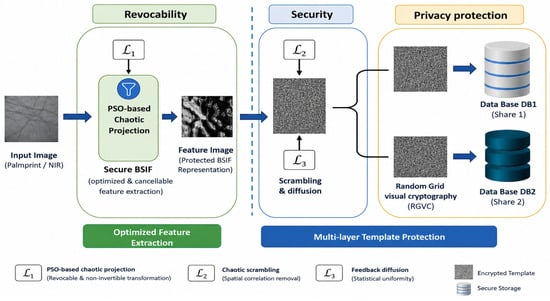
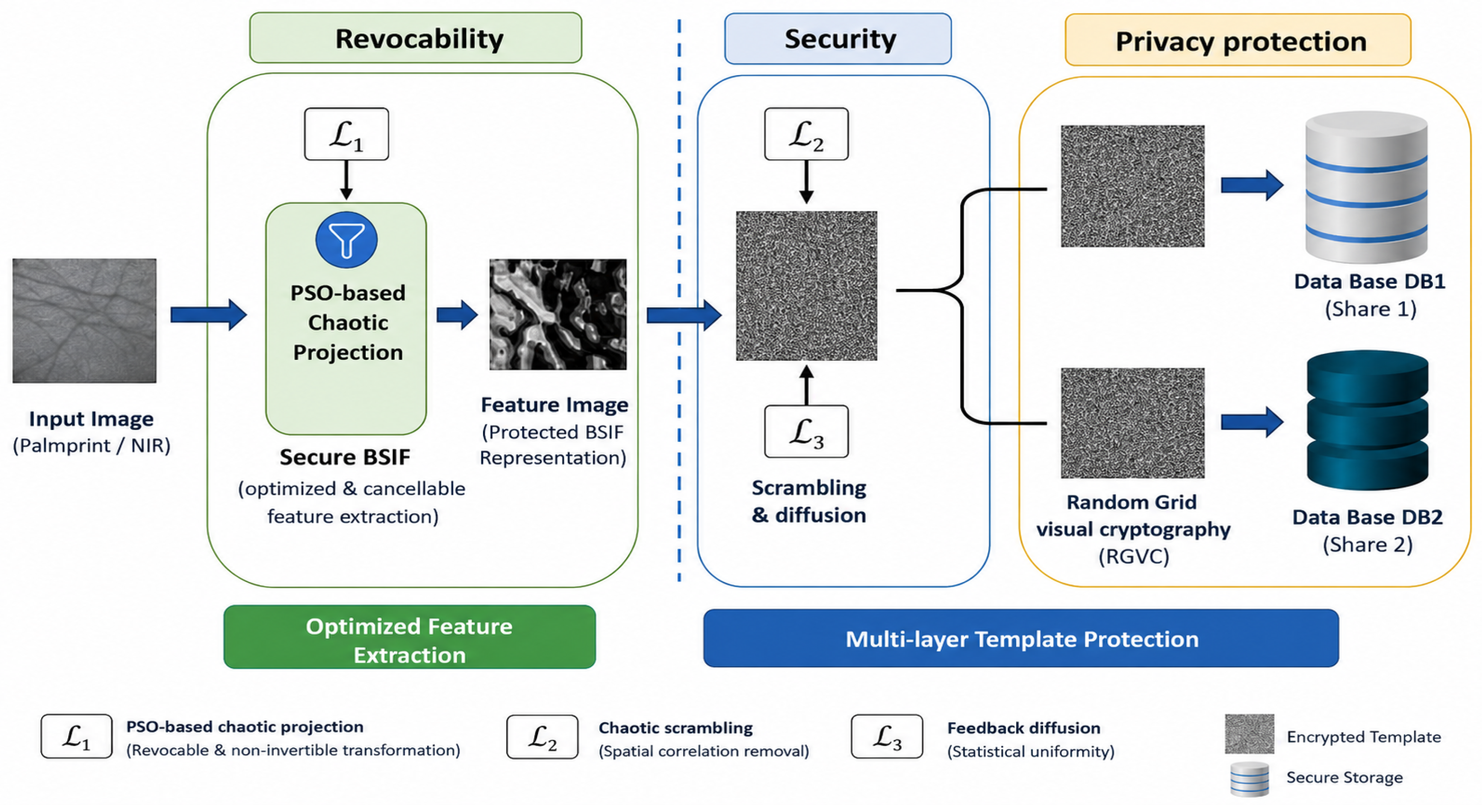
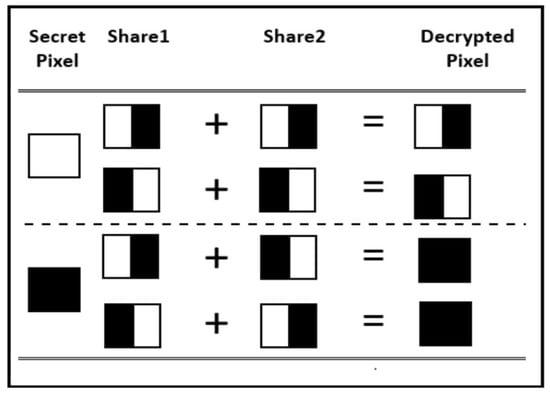
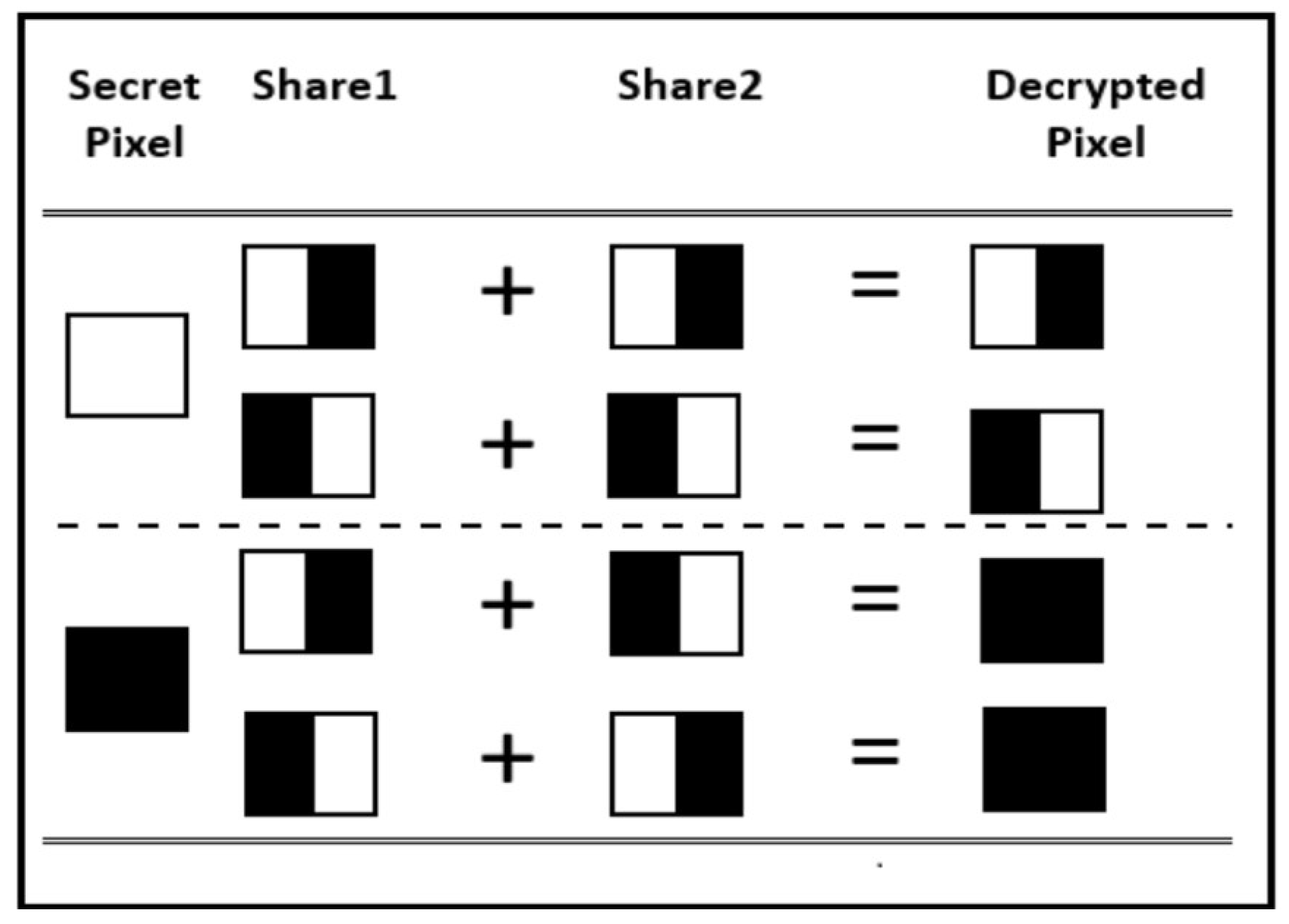
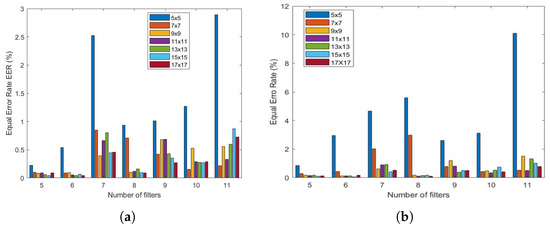
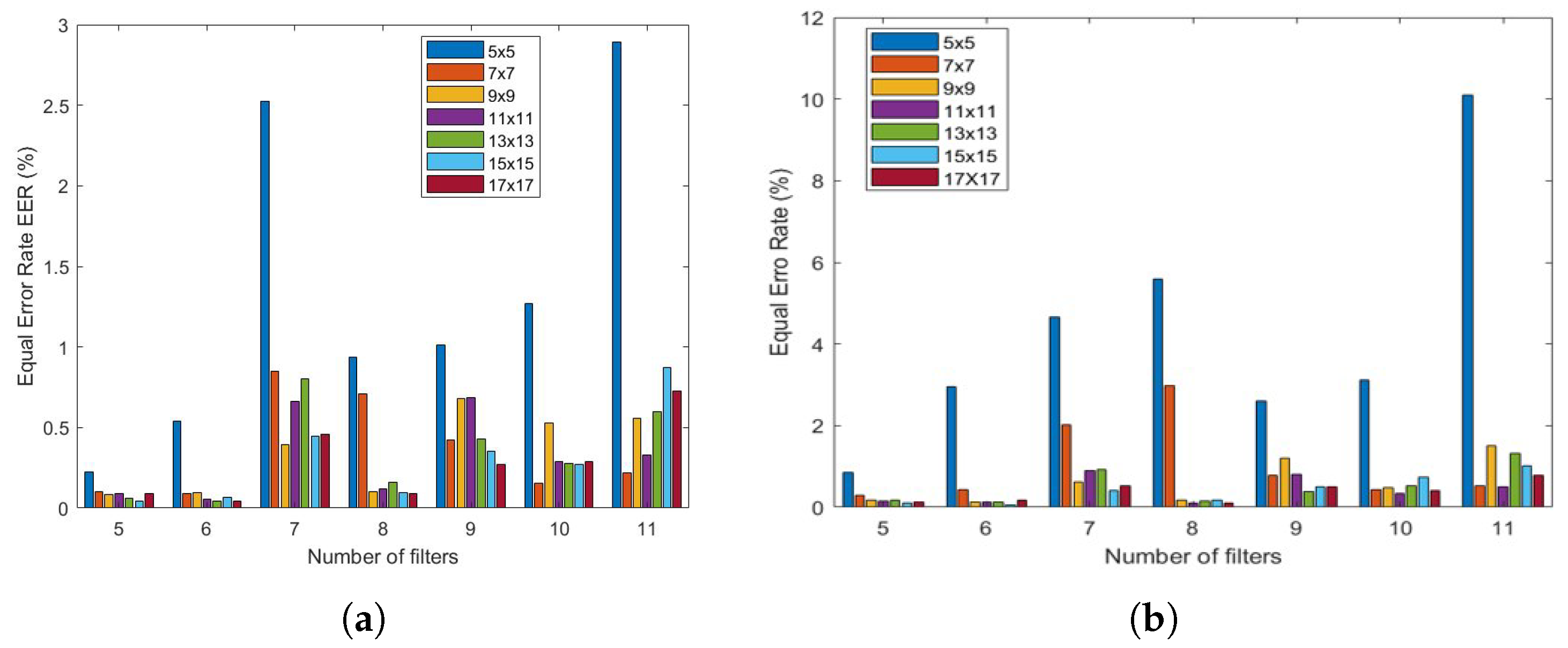
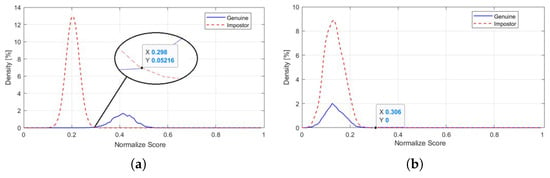
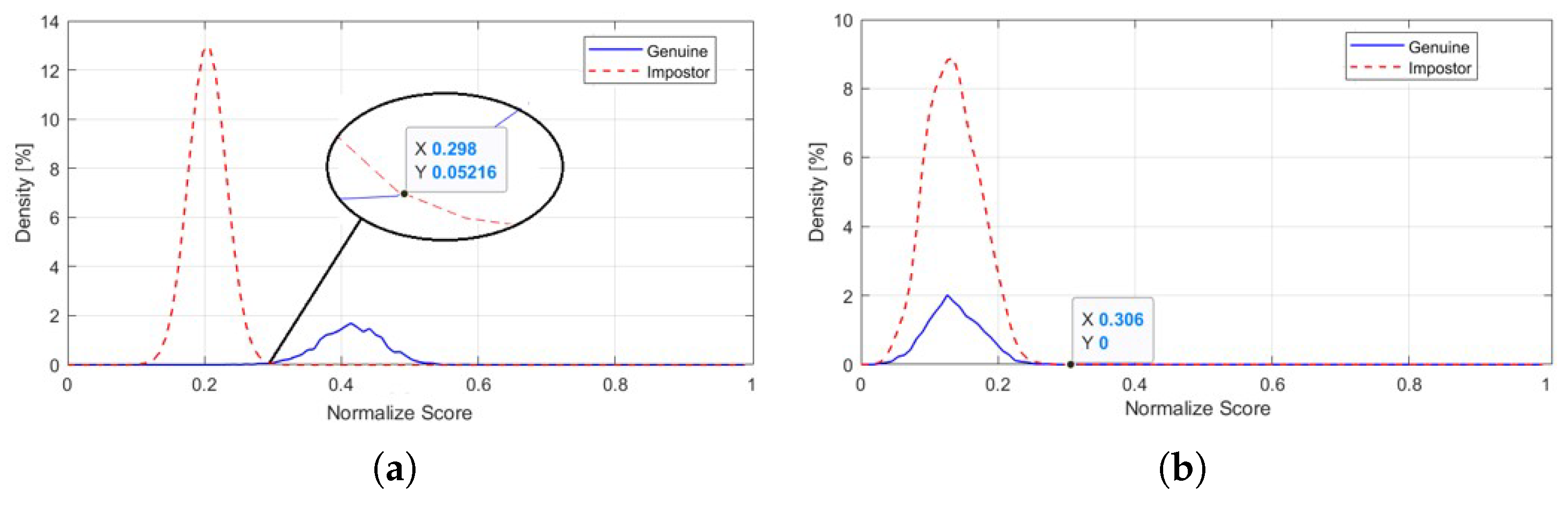
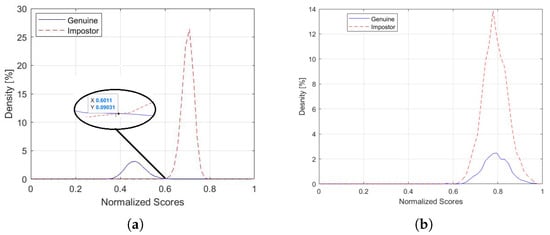
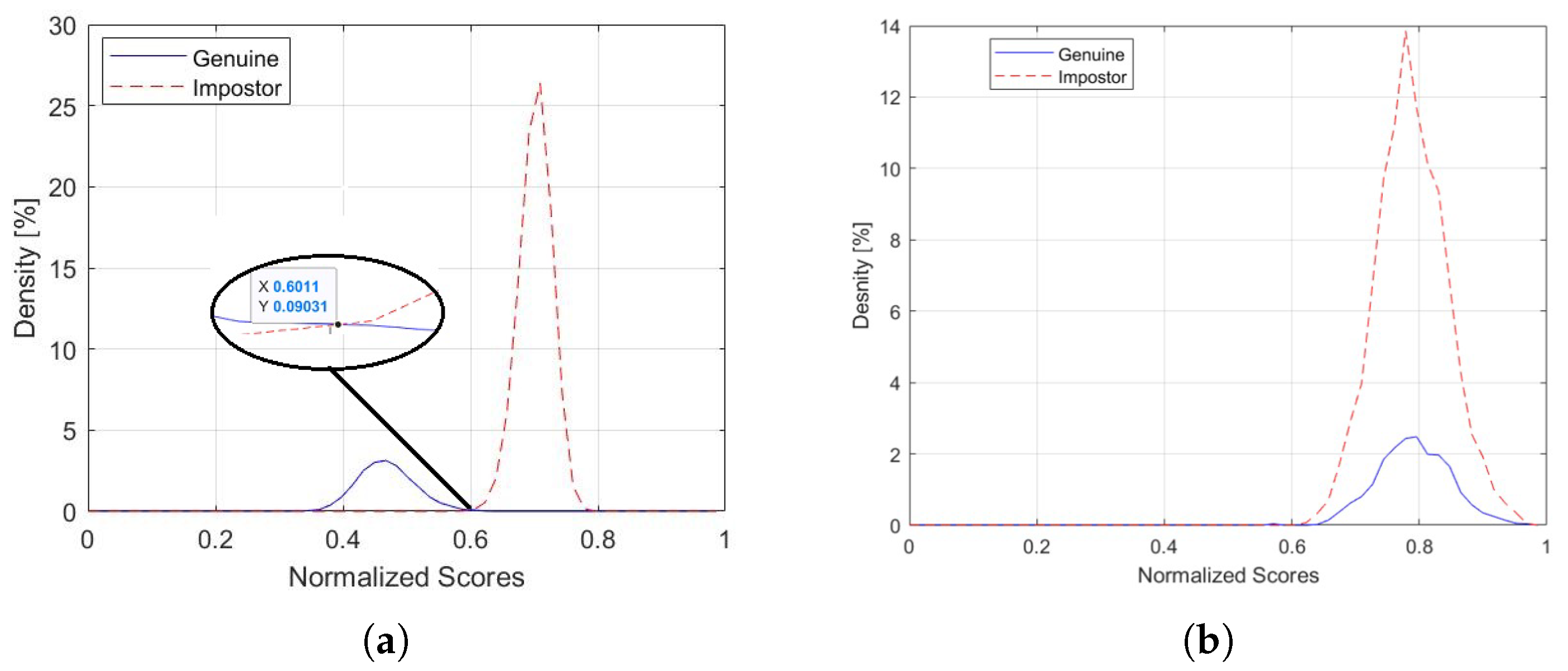
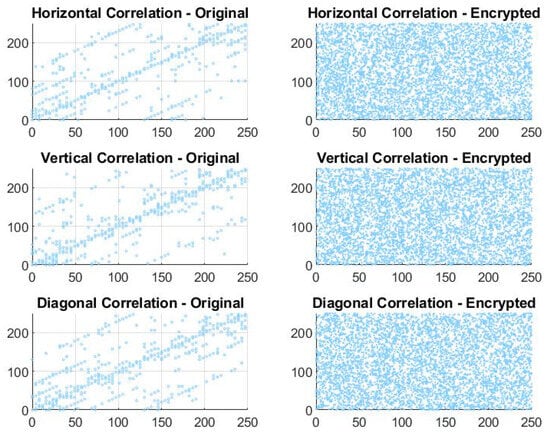
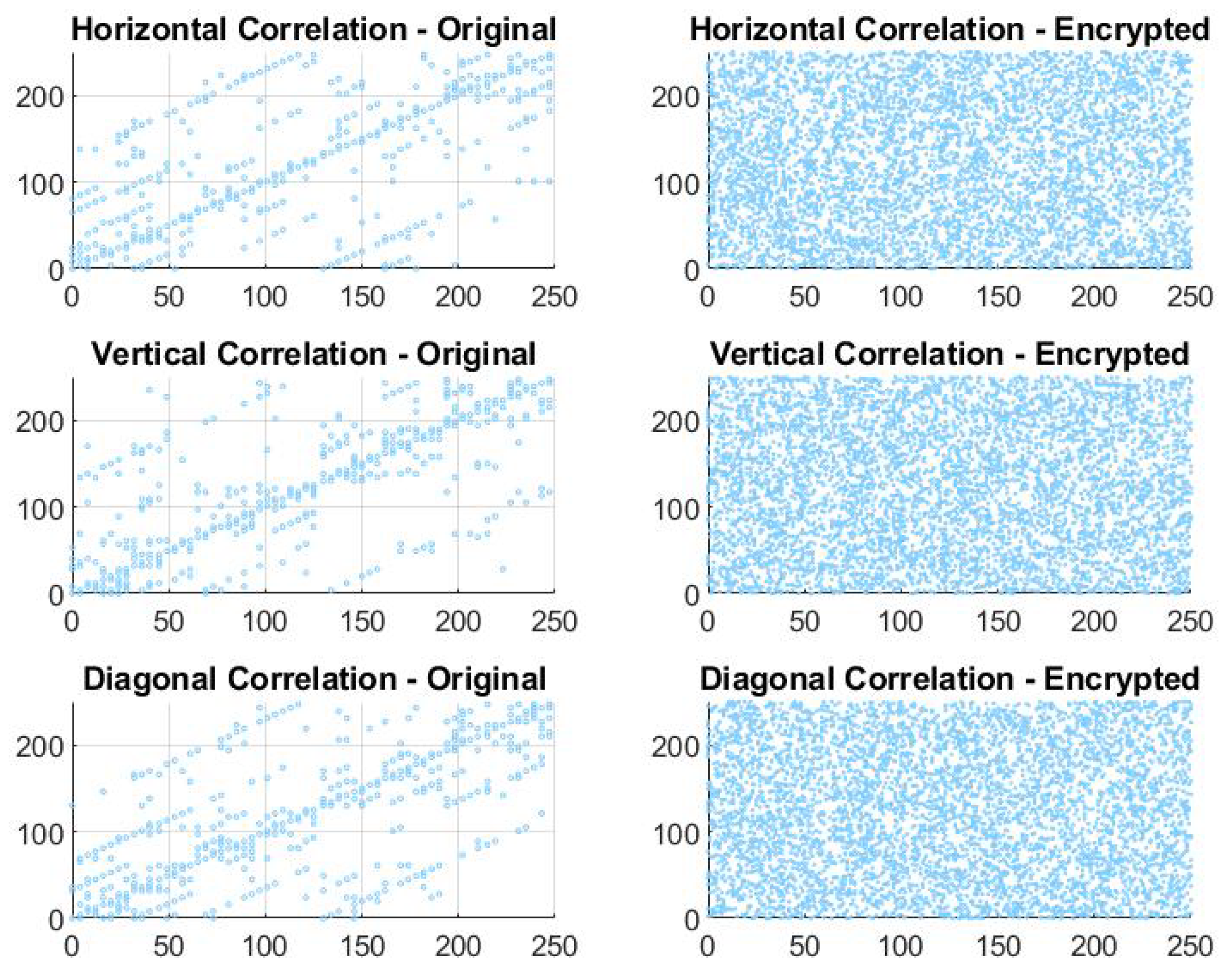
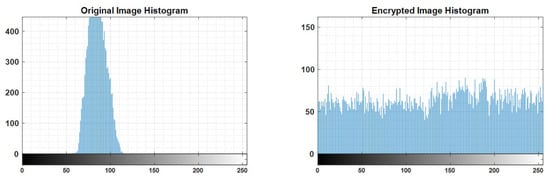
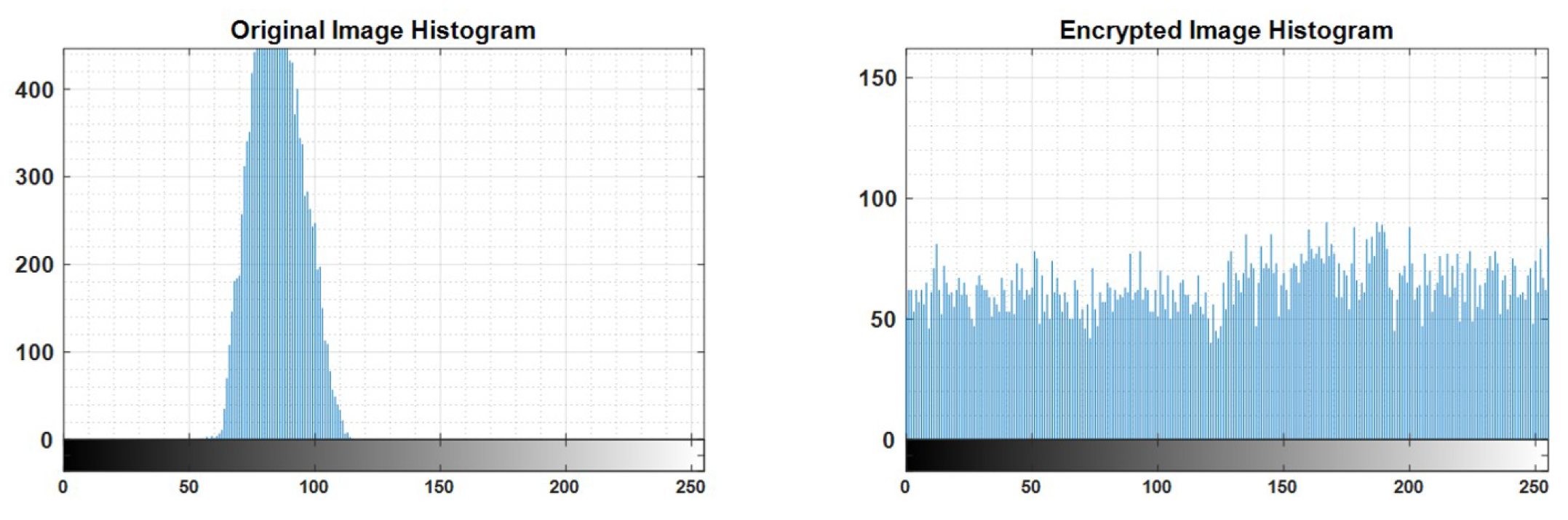
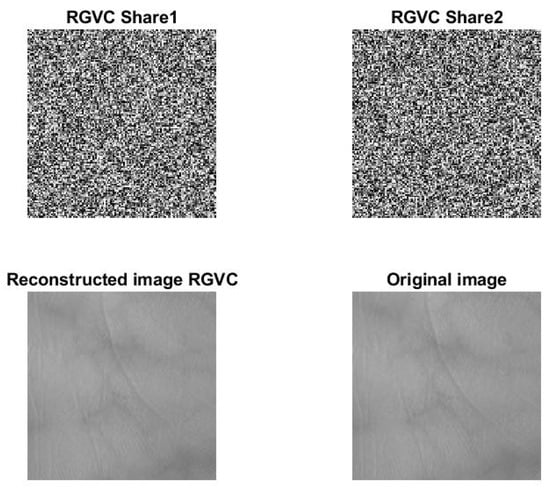
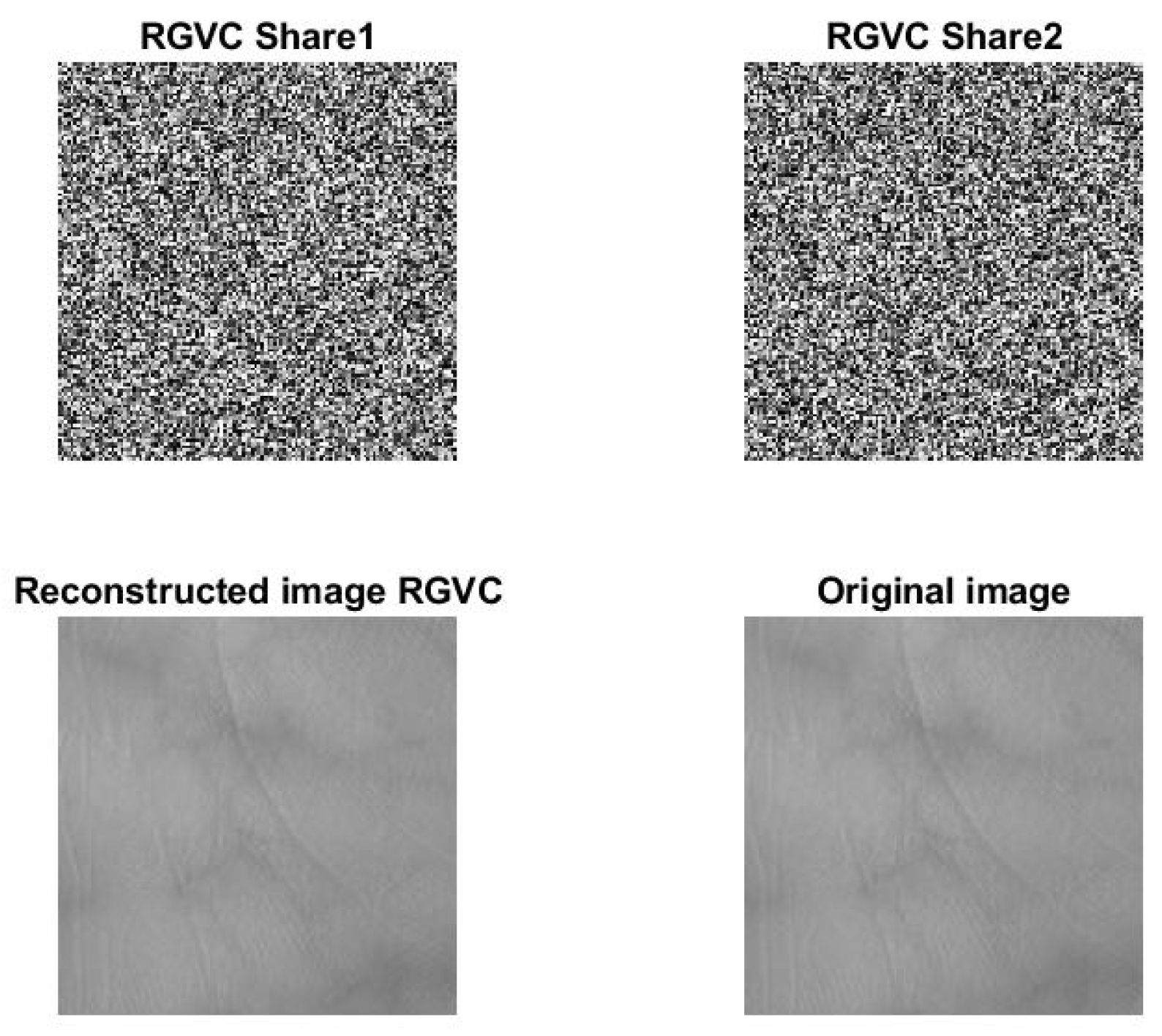

Disclaimer/Publisher’s Note: The statements, opinions and data contained in all publications are solely those of the individual author(s) and contributor(s) and not of MDPI and/or the editor(s). MDPI and/or the editor(s) disclaim responsibility for any injury to people or property resulting from any ideas, methods, instructions or products referred to in the content. |
© 2026 by the authors. Licensee MDPI, Basel, Switzerland. This article is an open access article distributed under the terms and conditions of the Creative Commons Attribution (CC BY) license.