


Abstract
Background: Dysbiosis, mucosal inflammation and increased intestinal permeability have been implicated in the pathophysiology of irritable bowel syndrome (IBS). Objective: To evaluate the effectiveness of a sequential butyrate–probiotic administration in reducing symptoms and improving stool consistency in patients with diarrhea-predominant (IBS-D) or mixed-type IBS (IBS-M). Methods: Two hundred adult patients were allocated to intervention (n = 105) or control (n = 95). The intervention group received ColonLife formulation (Εuro-Pharma S.r.l., Torino—Italy), consisting of two distinct capsules: the first containing butyric acid and grapefruit seed extract, and the second containing microencapsulated probiotic strains together with fructooligosaccharides (FOSs). Symptom severity, quality of life and stool consistency (Bristol Stool Scale) were assessed at baseline and three follow-up visits. Results: Baseline characteristics were comparable between groups (p > 0.05). Diarrhea severity decreased significantly in the intervention group (3.78 ± 1.01 to 3.31 ± 1.21; Δ − 0.47) compared with minimal change in controls (3.71 ± 1.05 to 3.62 ± 1.14; Δ − 0.08; p = 0.015). Stool consistency improved more in the intervention group (−1.18 ± 1.46 vs. −0.64 ± 1.41; p = 0.028), with normal stools increasing from 1.0% to 65.7% versus 4.2% to 36.8% in controls (p < 0.001). The degree of change in pain scores was similar between the two groups (p > 0.05). The degree of reduction in bloating scores was also similar between groups (p > 0.05). Quality of life improved in both groups (intervention: +0.68 ± 1.43; control: +0.71 ± 1.64; both p < 0.01), with no significant difference between groups (p > 0.05). Conclusions: Sequential butyrate–probiotic administration significantly improves diarrhea, stool consistency and gastrointestinal symptoms in IBS-D and IBS-M, supporting its role as a microbiota-targeted treatment.
1. Introduction
Irritable bowel syndrome (IBS) is a prevalent functional gastrointestinal disorder affecting a significant proportion of the population and is associated with impaired quality of life and increased healthcare utilization [1,2]. The diagnosis of IBS is based on specific symptoms, some of which include abdominal pain with a frequency of at least once a week for more than three months in combination with pain associated with intestinal motility and changes in the frequency and composition of feces. According to the ROME IV criteria the following types of irritable bowel syndrome are distinguished: (1) diarrhea as a predominant symptom (IBS-D: diarrhea-predominant), (2) constipation as a predominant symptom (IBS-C: constipation-predominant), (3) diarrhea–constipation alternations (mixed type, IBS-M: alternating between diarrhea and constipation) and (4) Unspecified (IBS-U: Unspecified) for patients who meet the IBS criteria, but whose bowel movements cannot be accurately categorized into any of the above types [2,3,4,5].
The pathophysiology of IBS is multifactorial. The main factors involved in the development of irritable bowel symptoms are: (i) change in the composition of the intestinal microbiome, (ii) consumption of foods that cause fermentation and increased gas production, (iii) development of local inflammation in the intestinal wall and (iv) disorder of normal bowel movement with contractions, diarrhea or constipation, abdominal distension and pain [6,7].
Microbiota-targeted therapies have emerged as promising approaches in IBS management. Probiotics have demonstrated beneficial effects on bloating, diarrhea and abdominal discomfort, while short-chain fatty acids such as butyrate seem to play a key role in the management of this disorder [8,9]. Specifically, butyric acid is the main source of energy for the cells of the colon, participates in immunoregulatory and anti-inflammatory processes, helps in the absorption of water and electrolytes, helps lower intestinal pH by creating an unfavorable environment for the growth of pathogenic bacteria and helps the probiotic mixture to join the intestinal epithelial tissue, enhancing colonization [10,11,12].
Given the above we designed a prospective study in order to determine whether a sequential butyrate–probiotic administration improves gastrointestinal symptoms and stool consistency compared with placebo in patients with IBS-D and IBS-M.
2. Results
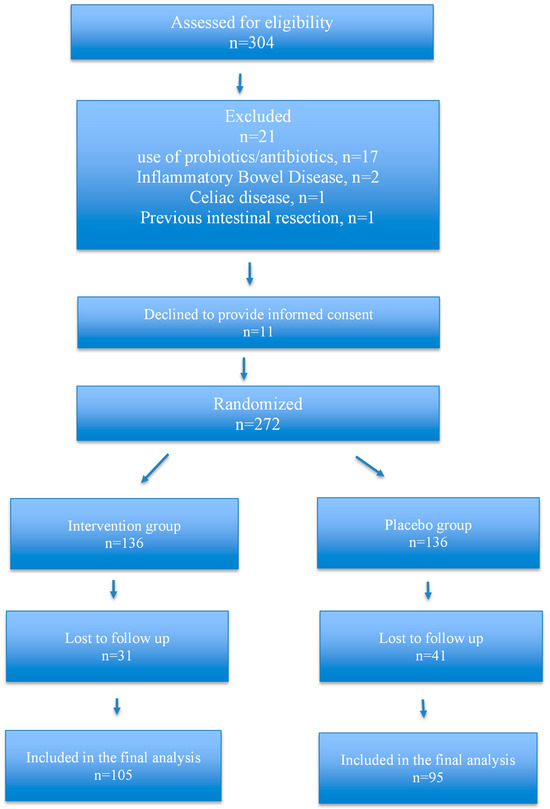
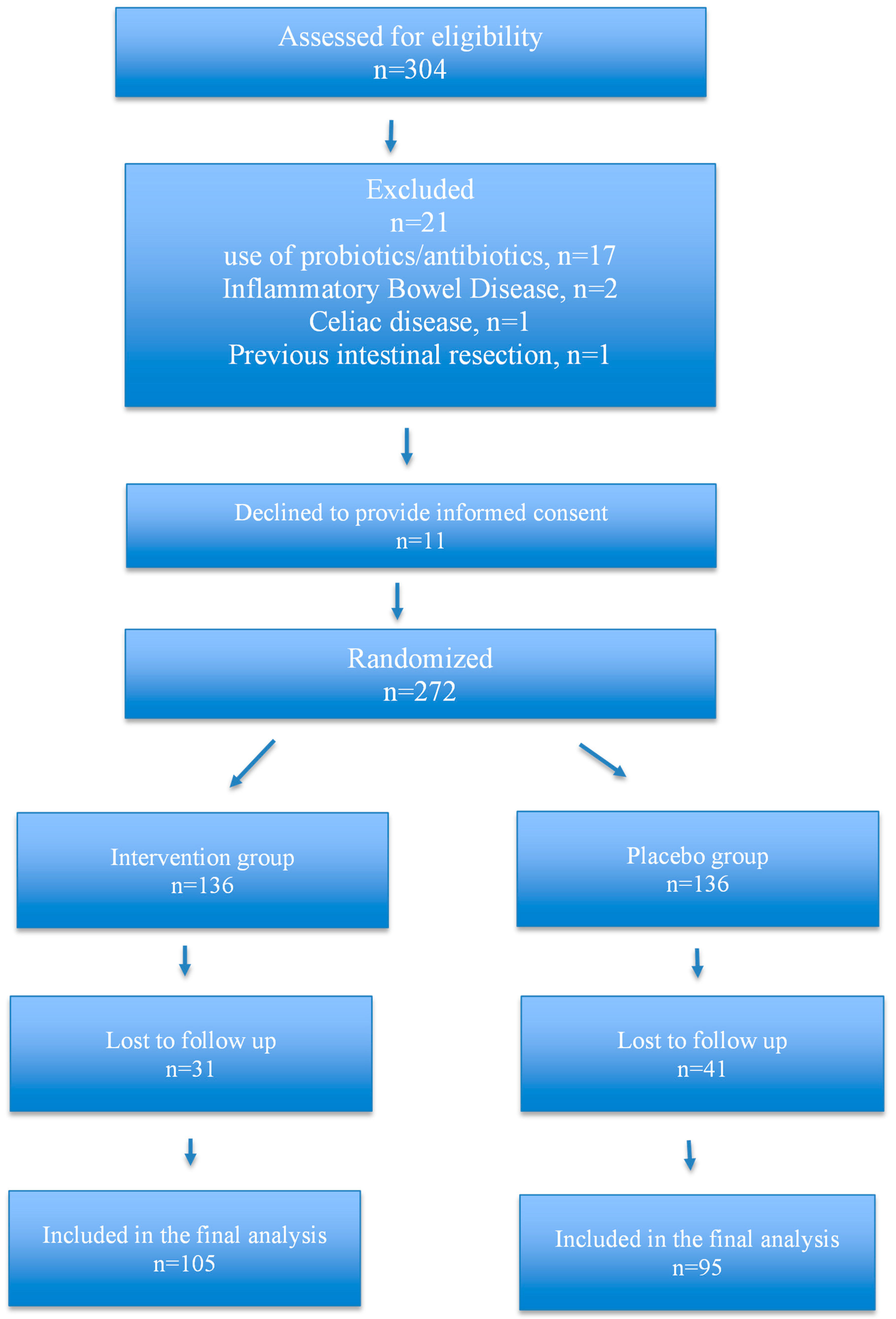
During the study period, 304 patients were screened for eligibility in the study; 21 patients were excluded (use of probiotics or antibiotics in the previous month: n = 17, inflammatory bowel disease: n = 2, celiac disease: n = 1, previous intestinal resection: n = 1), while 11 patients declined to provide the informed consent form. Therefore, 272 patients were randomized; 136 in the intervention group and 136 in the control group; however, 31 patients in the intervention group and 41 patients in the control group were lost to follow-up. Finally, 105 patients in the intervention group and 95 patients in the control group completed the study and are included in the final analysis (Figure 1).
Figure 1.
CONSORT 2010 flow diagram illustrating participant recruitment, randomization, follow-up, and inclusion in the final analysis.
Participants’ scores throughout follow-up are presented in Table 1. Baseline (M0) characteristics were comparable between the two groups, with no significant differences observed in any of the assessed variables (all p > 0.05).
Table 1.
Changes in under study scores, by group.
2.1. Diarrhea
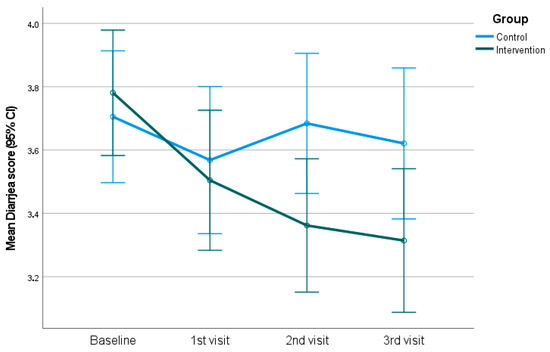
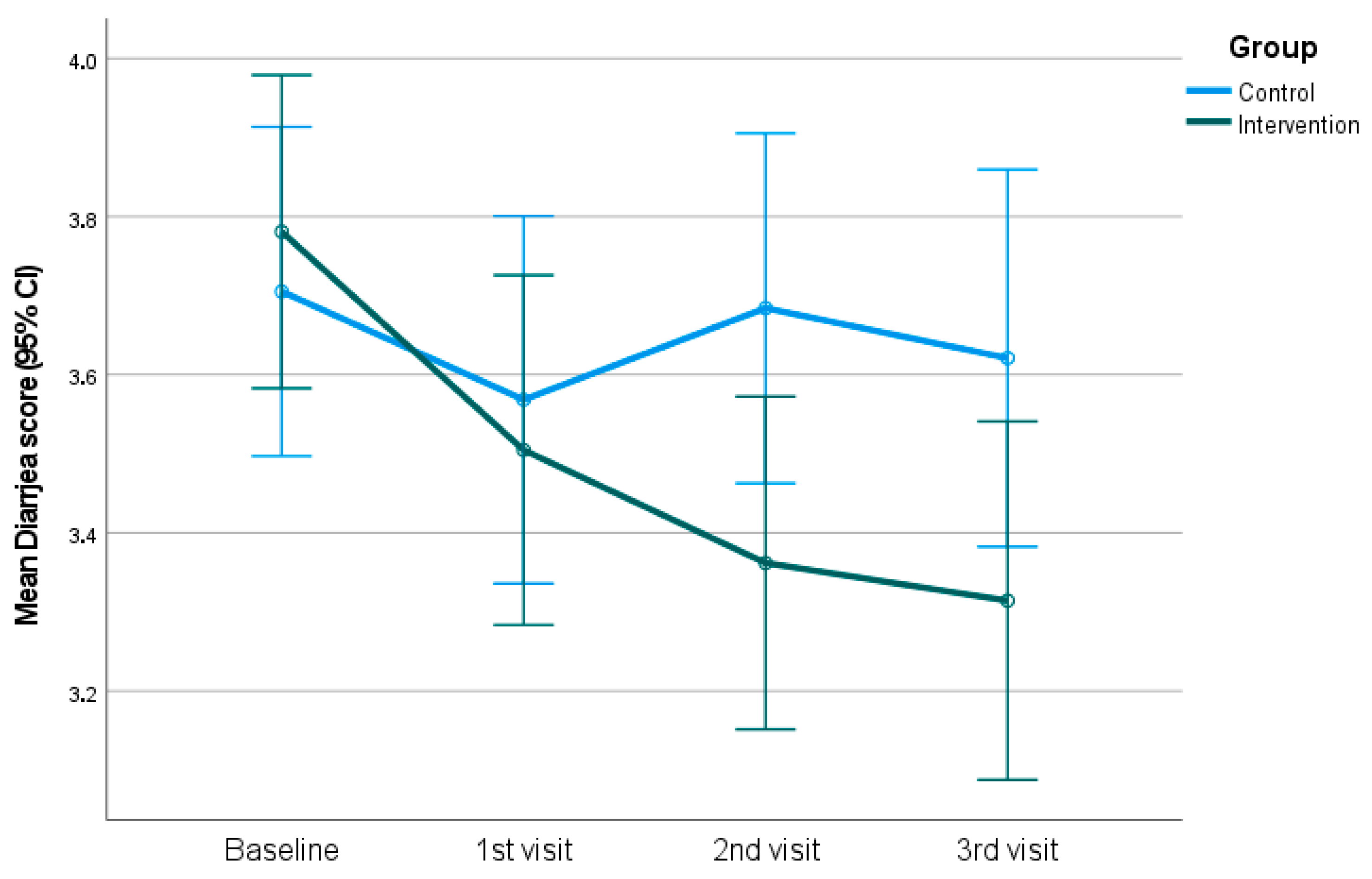
At Month 2 (M2), the intervention group had a significantly lower diarrhea score (p = 0.019; ηp2 = 0.03), indicating fewer diarrhea symptoms compared with the control group. Over time, diarrhea scores changed significantly only in the intervention group. More specifically, after Bonferroni correction, diarrhea scores in the intervention group were significantly lower at Month 2 (M2) (p < 0.001) and Month 3 (M3) (p < 0.001) compared with baseline (M0), indicating a significant reduction in diarrhea symptoms. The degree of change in the diarrhea score differed significantly between the groups (p = 0.015; ηp2 = 0.02), as the intervention group experienced a significant decrease over time whereas no significant change was observed in the control group. The mean change from baseline to Month 3 was −0.47 in the intervention group versus −0.08 in the control group (Figure 2).
Figure 2.
Change in diarrhea score, by group.
2.2. Stool Consistency
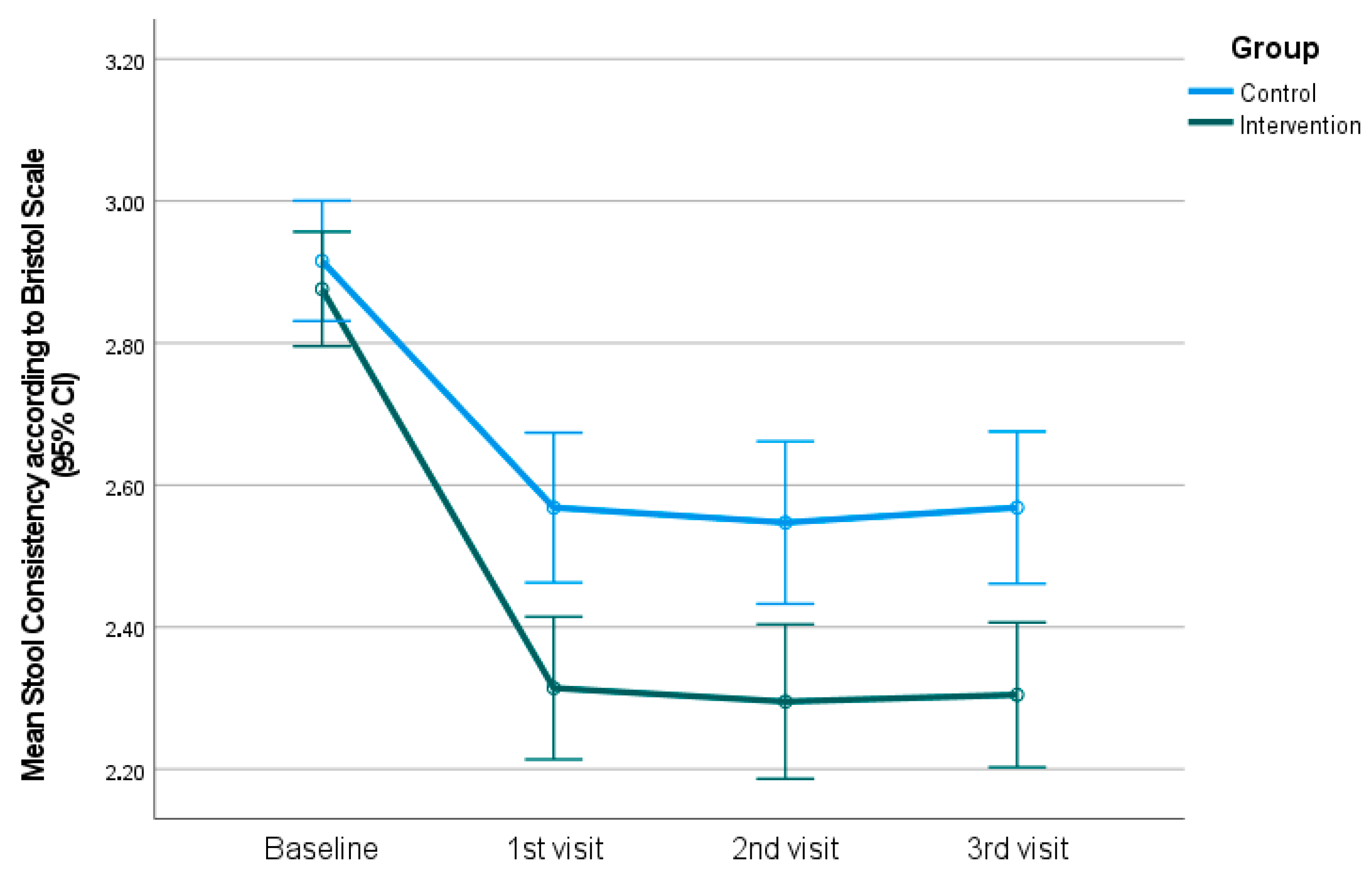
The Bristol Stool Consistency Scale score differed significantly between the two groups at Month 1 (M1) (p = 0.008; ηp2 = 0.04), Month 2 (M2) (p = 0.010; ηp2 = 0.03) and Month 3 (M3) (p = 0.009; ηp2 = 0.03), with the intervention group having significantly lower scores compared with the control group. Over time, stool consistency scores changed significantly in both groups. In the control group, Bristol stool consistency scores decreased significantly at Month 1 (M1) (p = 0.002), Month 2 (M2) (p < 0.001) and Month 3 (M3) (p < 0.001) compared with baseline, indicating a significant improvement in stool consistency. Similarly, in the intervention group, Bristol stool consistency scores decreased significantly at Month 1 (M1) (p < 0.001), Month 2 (M2) (p < 0.001) and Month 3 (M3) (p < 0.001) compared with baseline. Stool consistency improved significantly more in the intervention group (p = 0.028; ηp2 = 0.02) (Figure 3).
Figure 3.
Change in stool consistency according to Bristol Scale, by group.
The distribution of stool consistency according to the Bristol Stool Form Scale is presented in Table 2 for each assessment and study group. At baseline (M0), stool consistency categories were similar between groups (p = 0.170). At subsequent assessments, the percentage of patients with normal stool consistency was significantly higher in the intervention group compared with the control group (p < 0.05). In both groups, the proportion of patients with normal stool consistency was significantly higher at Month 1 (M1), Month 2 (M2) and Month 3 (M3) compared with baseline (all p < 0.001). No significant differences were observed between Months 1, 2 and 3 within either group. The proportion of patients with normal stool consistency increased from 1.0% to 65.7% in the intervention group compared with 4.2% to 36.8% in the control group (p < 0.001).
Table 2.
Bristol stool consistency levels for each measurement and each group separately.
2.3. Abdominal Pain
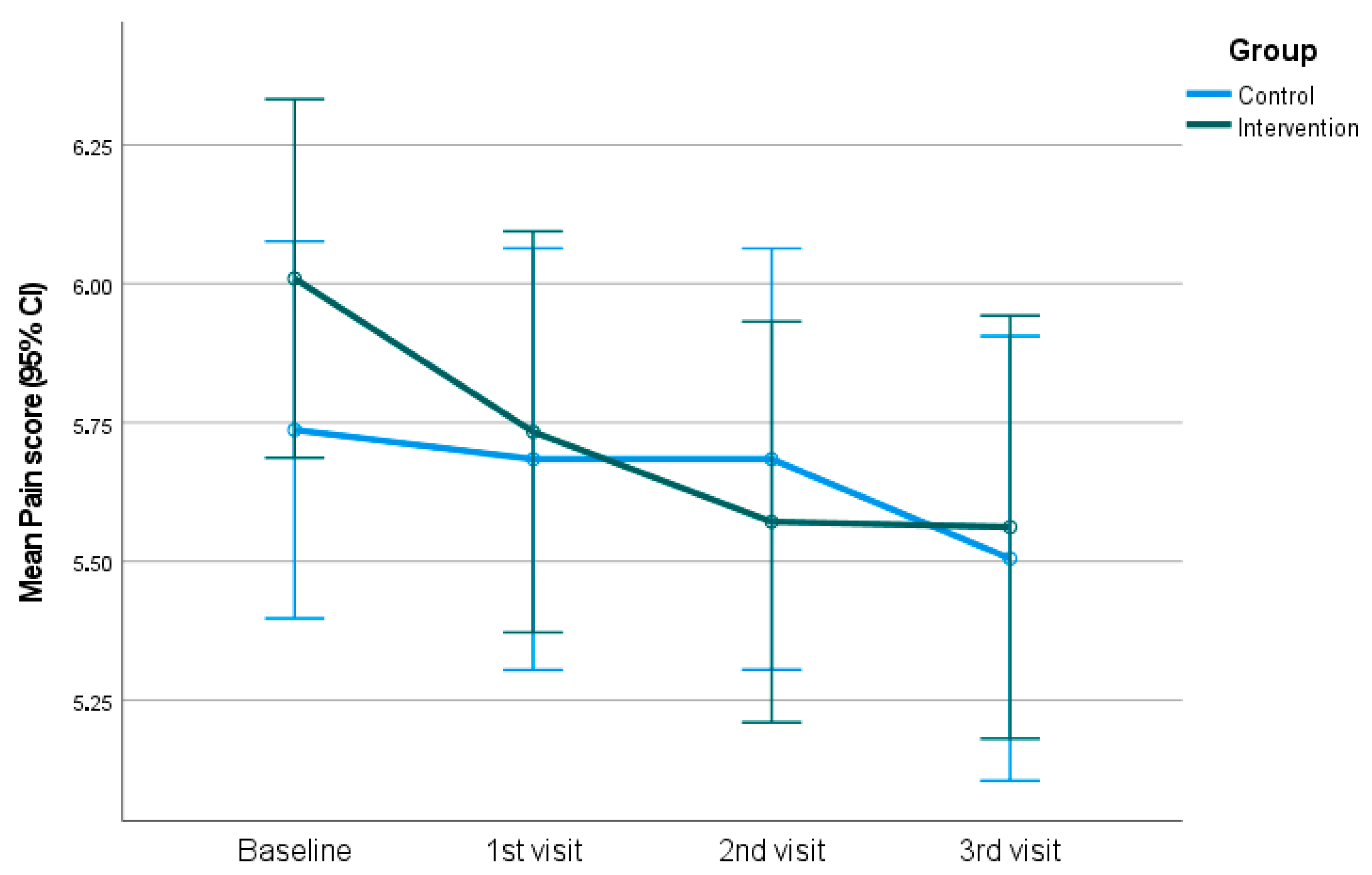
In the intervention group, pain scores decreased significantly at Month 2 (M2) (p = 0.029) and Month 3 (M3) (p = 0.009) compared with baseline. In the control group, pain scores did not change significantly over time (p > 0.05). The degree of change in pain scores was similar between the two groups (p > 0.05) (Figure 4).
Figure 4.
Change in pain score, by group.
2.4. Bloating
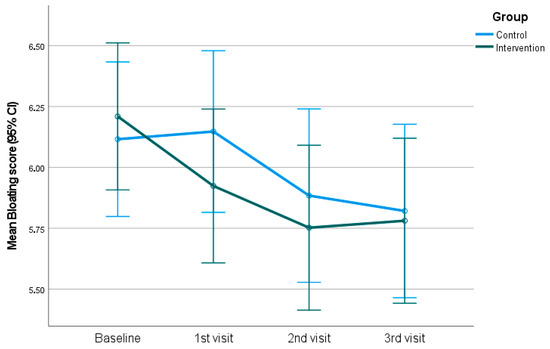
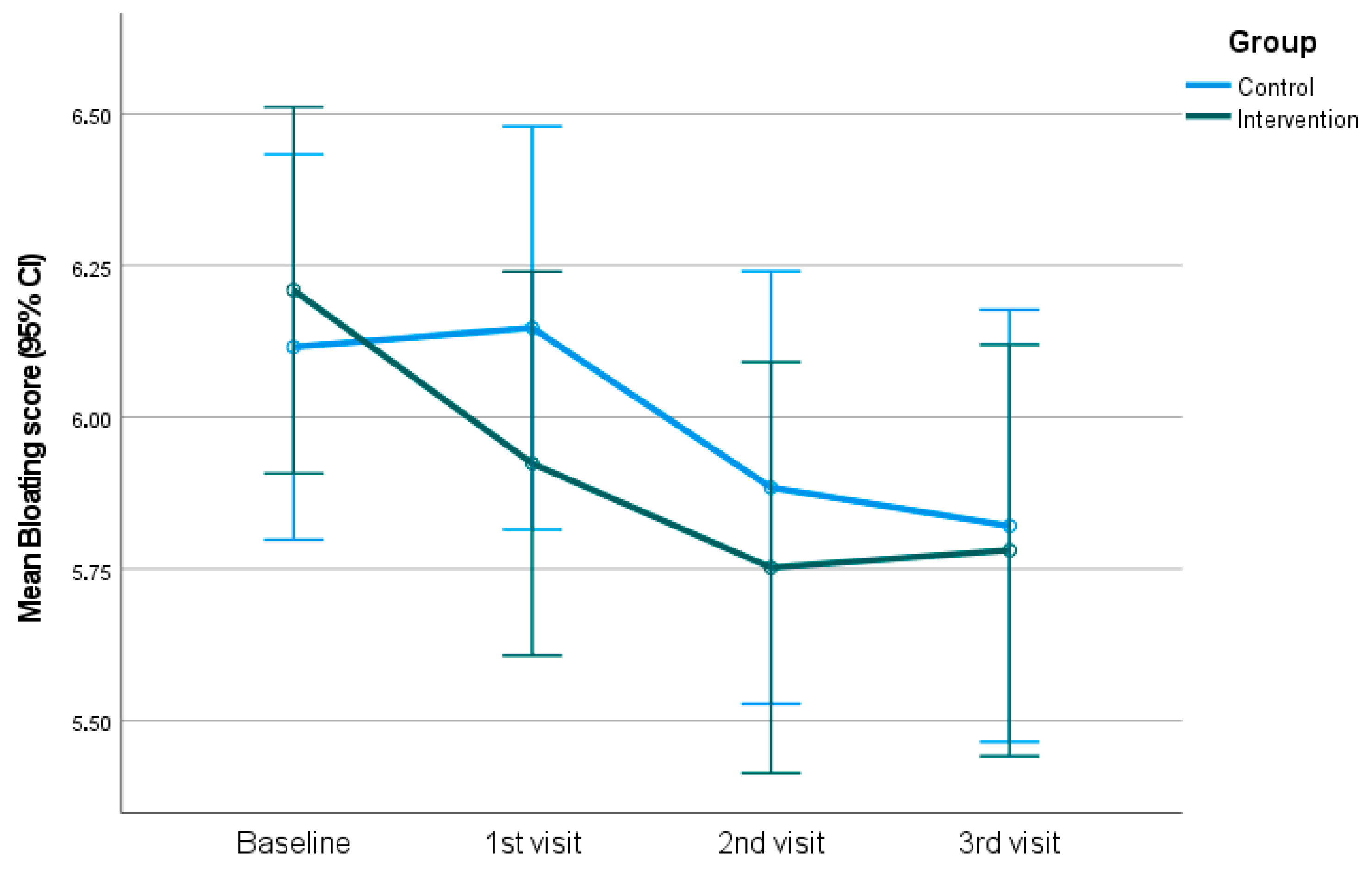
Bloating scores changed significantly over time in both groups. Improvement occurred earlier in the intervention group, where significant reductions were observed from Month 2 (M2), whereas improvement in the control group was observed later. In the control group, bloating scores decreased significantly at Month 3 (M3) compared with Month 1 (M1) (p = 0.009). In the intervention group, bloating scores decreased significantly at Month 2 (M2) (p = 0.002) and Month 3 (M3) (p = 0.032) compared with baseline. The degree of reduction in bloating scores was similar between groups (p > 0.05) (Figure 5).
Figure 5.
Change in bloating score, by group.
2.5. Quality of Life
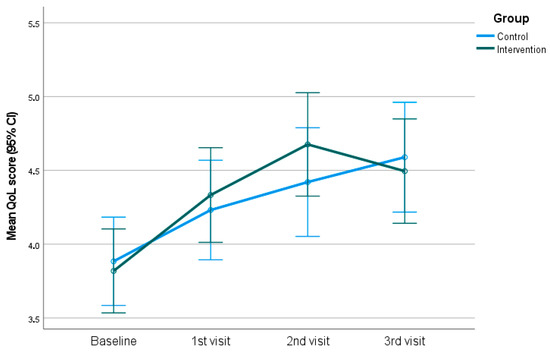
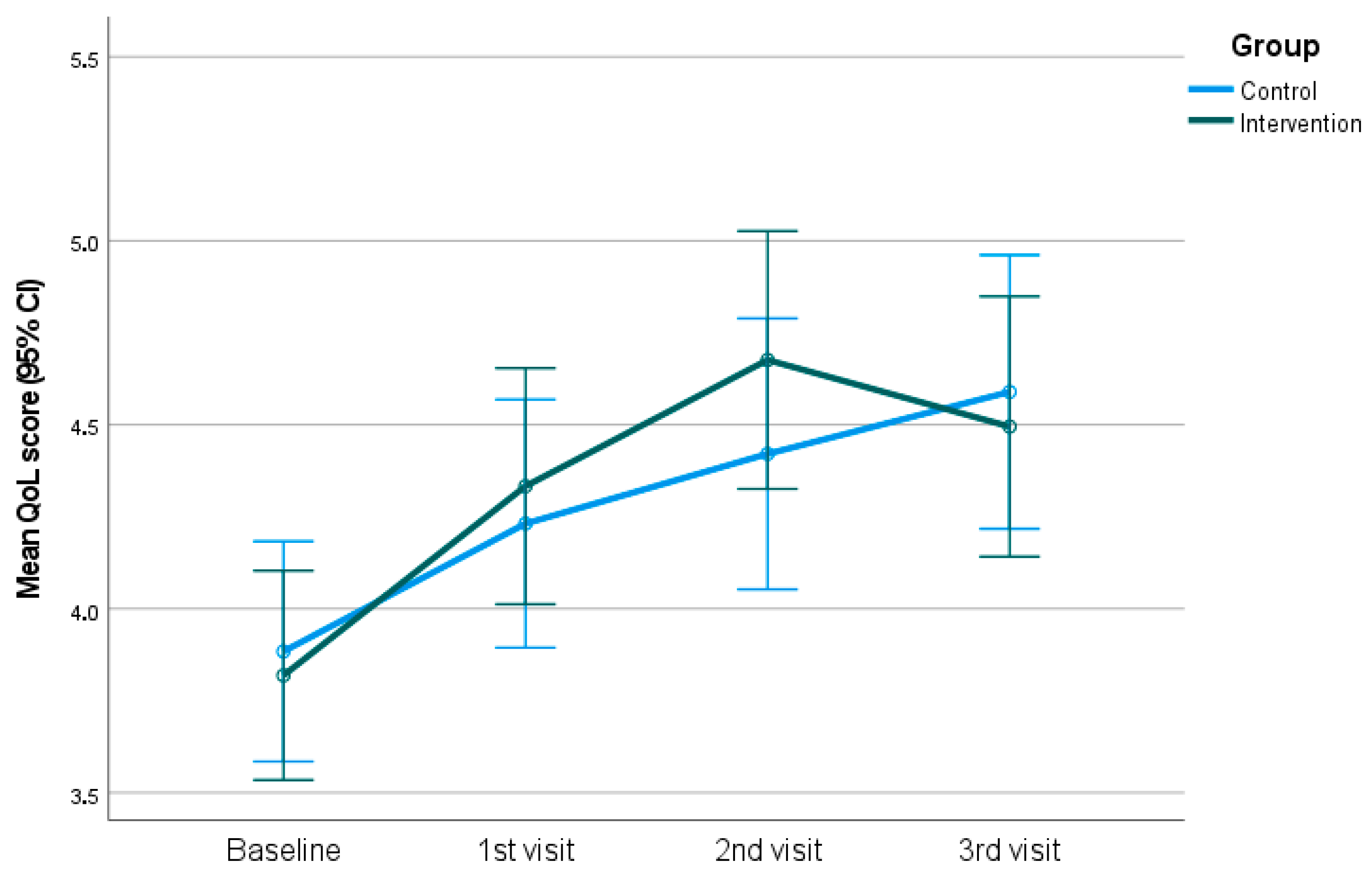
Quality of life scores increased significantly in both groups over time, with no significant differences between groups. In the intervention group, quality of life scores increased significantly at Month 1 (M1) (p = 0.009), Month 2 (M2) (p < 0.001) and Month 3 (M3) (p < 0.001) compared with baseline. In the control group, quality of life scores increased significantly at Month 2 (M2) (p = 0.017) and Month 3 (M3) (p = 0.007) compared with baseline. The magnitude of improvement was similar between groups (p > 0.05) (Figure 6).
Figure 6.
Change in QoL score, by group.
2.6. Withdrawal from Social Activities
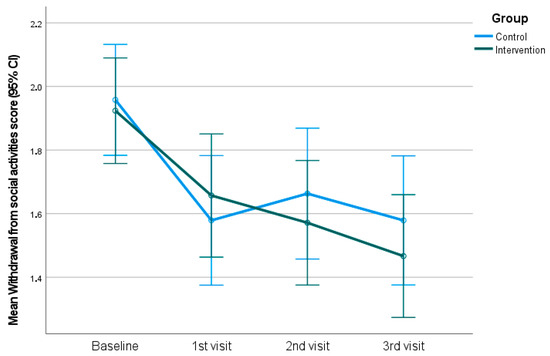
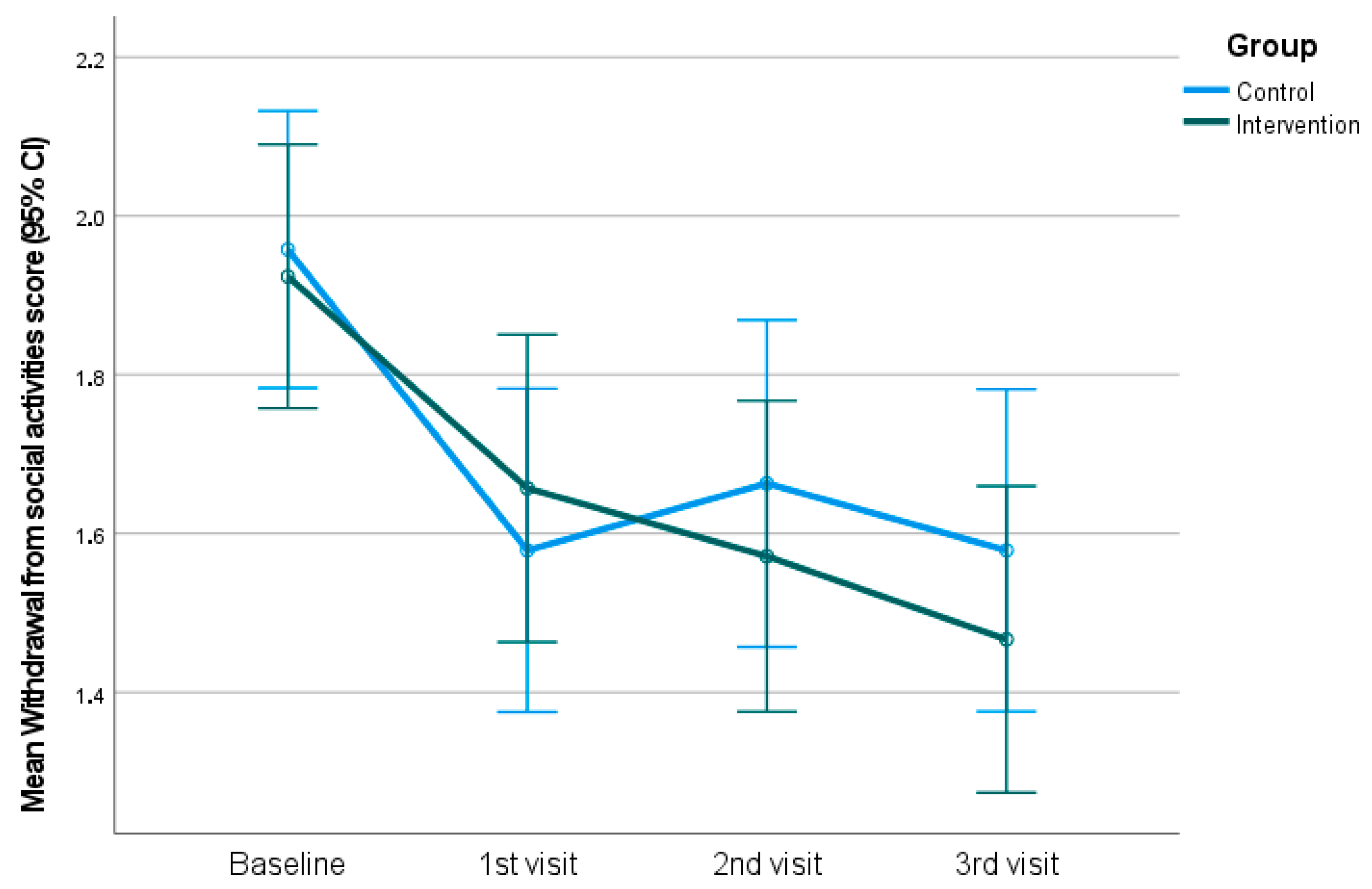
Both groups demonstrated significant reductions in social activity limitation without significant between-group differences. In the control group, withdrawal from social activities scores decreased significantly at Month 1 (M1) (p < 0.001), Month 2 (M2) (p < 0.001) and Month 3 (M3) (p < 0.001) compared with baseline. Similarly, in the intervention group, social activity limitation scores decreased significantly at Month 1 (M1) (p < 0.001), Month 2 (M2) (p < 0.001) and Month 3 (M3) (p < 0.001) compared with baseline. The degree of reduction was similar between groups (p > 0.05) (Figure 7).
Figure 7.
Change in withdrawal from social activities score, by group.
2.7. Constipation
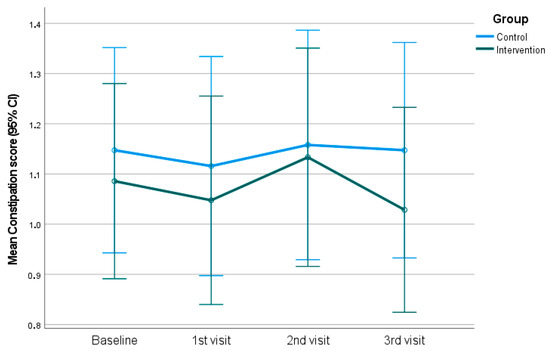
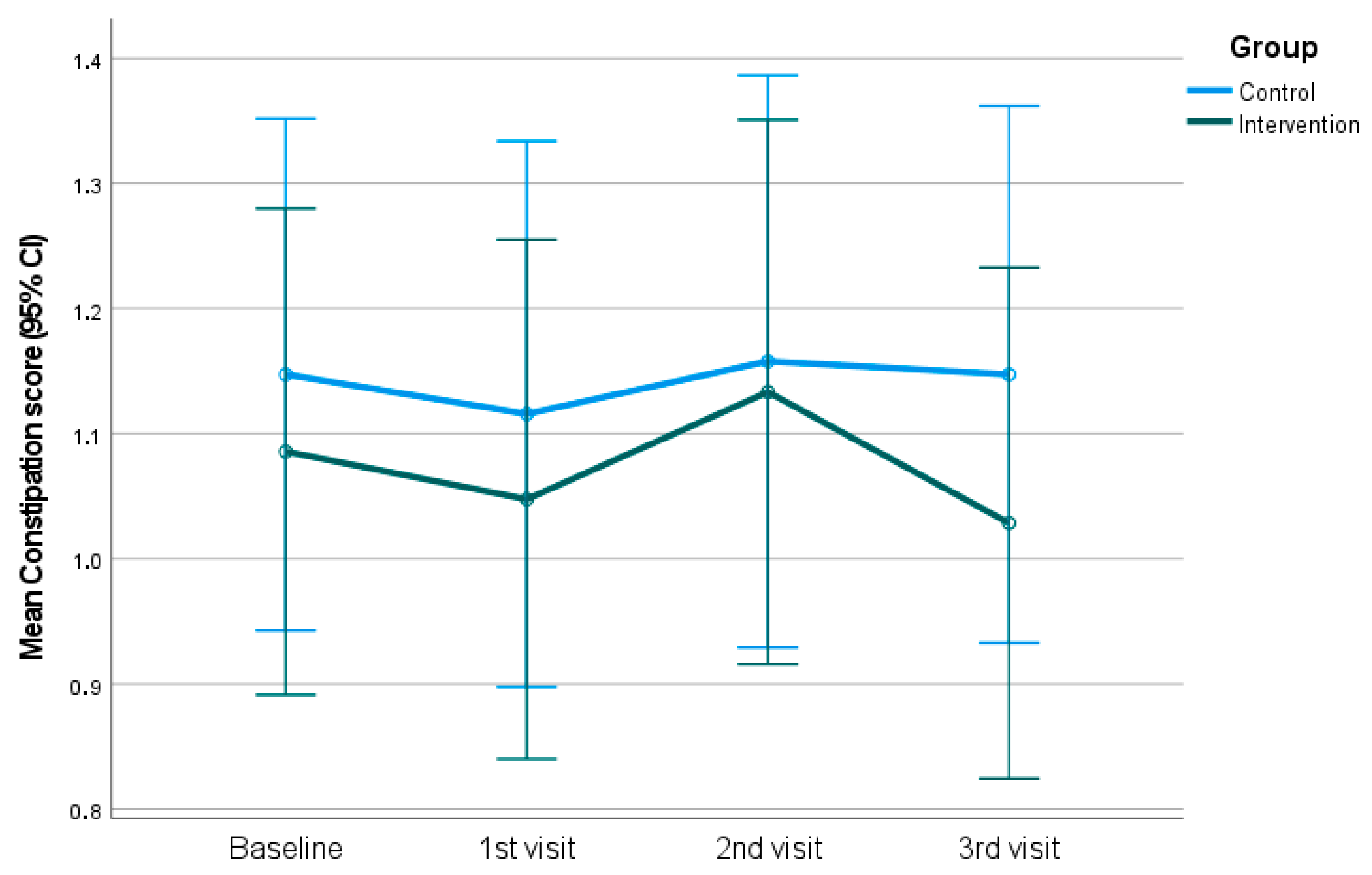
Constipation scores did not change significantly in either group throughout follow-up (p > 0.05) (Figure 8).
Figure 8.
Change in constipation score, by group.
3. Discussion
This randomized controlled study demonstrated that a sequential butyrate–probiotic administration significantly improved diarrhea severity, stool consistency and several gastrointestinal symptoms in patients with IBS-D and IBS-M. Compared with controls, patients receiving the active formulation experienced a greater reduction in diarrhea scores and a significantly higher proportion of normal stools according to the Bristol Stool Form Scale, suggesting a clinically meaningful benefit on bowel function.
The pathophysiology of IBS is multifactorial and involves alterations in intestinal motility, visceral hypersensitivity, epithelial barrier dysfunction, low-grade mucosal inflammation and disturbances of the gut microbiota [13]. Increasing evidence suggests that intestinal dysbiosis and altered microbial metabolite production contribute substantially to symptom generation and persistence in IBS [14]. In particular, reductions in beneficial bacterial populations and impaired production of short-chain fatty acids, especially butyrate, have been reported in patients with IBS [15]. These alterations may promote increased intestinal permeability, abnormal gut motility and enhanced visceral sensitivity [16].
The beneficial effects observed in our study may be explained by the complementary mechanisms of action of butyrate and probiotics. Butyrate serves as the primary energy source for colonocytes and plays a central role in maintaining epithelial barrier integrity and intestinal homeostasis. Experimental and clinical studies have demonstrated that butyrate exerts anti-inflammatory and immunomodulatory effects, supports epithelial repair and regulates intestinal motility [17]. Furthermore, butyrate has been shown to reduce visceral hypersensitivity, a key mechanism underlying abdominal pain in IBS [18]. These properties may explain the significant improvements observed in diarrhea severity, stool consistency and abdominal pain among patients receiving active treatment. To the best of our knowledge, the ColonLife formulation used in our study has not previously been evaluated in patients with irritable bowel syndrome. The rationale for its use was based on the potential complementary effects of butyric acid and probiotics on gut microbiota and gastrointestinal symptoms.
The probiotic component may have provided additional benefits through modulation of the intestinal microbiota and restoration of microbial balance. Probiotics have been shown to influence intestinal barrier function, inhibit the growth of potentially pathogenic microorganisms and regulate immune responses within the gut [19]. In addition, fermentation products generated by beneficial bacteria, including short-chain fatty acids, contribute to the maintenance of normal intestinal physiology and may influence gastrointestinal motility and sensory signaling through the microbiota–gut–brain axis [20]. The inclusion of fructooligosaccharides may have further enhanced these effects by promoting the growth and metabolic activity of beneficial bacterial populations [21].
An important finding of our study was the substantial increase in the proportion of patients achieving normal stool consistency. While improvements in quality of life and social activity limitation were observed in both groups, likely reflecting the well-recognized placebo response frequently reported in IBS trials [22], normalization of bowel habits and the greater reduction in diarrhea symptoms were significantly greater in the intervention group. The placebo response in IBS is known to be particularly pronounced and may be influenced by several factors, including patient expectations, the natural fluctuation of symptoms, and the close physician–patient interaction during clinical trials. Consequently, improvements in subjective outcomes are frequently observed even among placebo-treated participants [23]. Nevertheless, the greater improvement in diarrhea severity and stool consistency observed in the intervention group suggests that the ColonLife formulation may provide additional clinical benefits beyond the placebo response, particularly with respect to bowel habit normalization and diarrhea control.
The improvement in bloating and abdominal pain observed primarily in the intervention group is also noteworthy. These symptoms are often difficult to treat and substantially contribute to impaired quality of life in patients with IBS. The ability of butyrate and probiotics to modulate intestinal motility, visceral sensitivity and microbial composition may partly explain these observations [24].
Our findings are generally consistent with previous randomized studies and recent systematic reviews suggesting that butyrate supplementation and selected probiotic formulations may improve bowel habits and gastrointestinal symptoms in patients with IBS, although the magnitude of benefit has varied across studies due to differences in patient populations, probiotic strains, treatment regimens, and study designs. In this context, the present findings contribute additional evidence supporting the potential role of the ColonLife formulation in patients with IBS-D and IBS-M. The observed improvement in stool consistency and diarrhea severity may be clinically meaningful, as normalization of bowel habits represents a key therapeutic goal in patients with IBS-D and IBS-M and may translate into improved daily functioning and overall patient well-being.
Several limitations should be acknowledged. First, microbiome composition, microbial metabolites, biomarkers of inflammation or intestinal permeability were not assessed, preventing confirmation of the mechanisms underlying the observed clinical effects. Furthermore, no objective biomarkers or microbiota profiling or fecal calprotectin or serum/fecal zonulin have been measured. The physiological mechanisms claiming that butyrate reduces barrier permeability and modulates immunity have been proposed in previous experimental studies, but were not directly investigated in the present study. Another limitation of the present study is that the intervention consisted of the complete ColonLife formulation, which contains butyric acid, probiotics, grapefruit seed extract, and fructooligosaccharides (FOSs). The rationale for evaluating this formulation was primarily based on the proposed complementary effects of butyrate and probiotics; however, the contribution of the other ingredients to the observed clinical outcomes cannot be completely excluded. Consequently, the relative effect of each individual component cannot be determined from the present study and warrants further investigation. In addition, follow-up was limited to three months and therefore long-term efficacy and sustainability of symptom improvement remain unknown; furthermore, the study was not designed to evaluate differential responses according to specific IBS subtypes. Finally, although the IBS diagnostic criteria have been updated during the Rome V consensus [25], in the present study we used the Rome IV criteria, as they were the accepted diagnostic standard at the time of patient enrollment.
In conclusion, the present randomized controlled study suggests that the ColonLife formulation may improve stool consistency and reduce diarrhea severity in patients with IBS-D and IBS-M, while also contributing to improvements in quality of life and daily functioning. Although these findings are encouraging and support the potential clinical value of this formulation, they should be interpreted in light of the exploratory nature of the study, the relatively small sample size, and the short duration of follow-up. Larger, adequately powered randomized controlled trials with longer follow-up are warranted to confirm these findings and further define the role of the ColonLife formulation in the management of irritable bowel syndrome.
4. Materials and Methods
4.1. Study Design
This was a prospective, randomized, controlled, parallel-group study evaluating the effectiveness of a sequential butyrate–probiotic administration in patients with IBS. Two centers participated in the study, one university and one general hospital, both referral centers for gastrointestinal disorders in Greece. Patients were screened and randomized between June 2023 and June 2025.
4.2. Participants
We included adult patients (≥18 years) with a confirmed diagnosis of diarrhea-predominant irritable bowel syndrome (IBS-D) or mixed irritable bowel syndrome (IBS-M) according to the Rome IV criteria. IBS was diagnosed according to the Rome IV criteria following clinical evaluation by experienced gastroenterologists. Patients fulfilled the diagnostic criteria of recurrent abdominal pain occurring at least one day per week during the previous three months, associated with at least two of the required Rome IV features, with symptom onset at least six months before diagnosis. In addition, all participants underwent routine clinical assessment including medical history, physical examination, and laboratory investigations where clinically indicated. Organic gastrointestinal diseases were excluded according to current clinical practice. Patients with inflammatory bowel disease were excluded based on clinical history together with previous endoscopic and histological findings (within the past 24 months) when available. Celiac disease was excluded by negative serological testing and/or previous diagnostic work-up. Patients with other gastrointestinal disorders, recent antibiotic or probiotic use, or other predefined exclusion criteria were not enrolled.
4.3. Exclusion Criteria
- Inflammatory bowel disease;
- Celiac disease;
- Other gastrointestinal disorders;
- Use of probiotics or antibiotics within the previous month.
4.4. Randomization and Blinding
Participants were randomly assigned to the intervention or control group using a computer-generated randomization sequence with a 1:1 allocation ratio. The allocation sequence was generated before participant enrollment and was applied throughout the study to assign participants to each study group. Participants were blinded to treatment allocation through the use of placebo capsules that were identical to the active formulation.
4.5. Intervention
The intervention consisted of a sequential butyrate–probiotic administration, i.e., ColonLife formulation (Εuro-Pharma S.r.l., Torino—Italy) administered in two sequential phases:
- Phase 1: Butyric acid (500 mg) and grapefruit seed extract (50 mg) once daily for 10 days.
- Phase 2: Microencapsulated probiotic strains (Lactobacillus plantarum LP01: 1 × 10⁹ CFU, Bifidobacterium breve BR03: 1 × 10⁹ CFU, Lactobacillus reuteri LRE02: 2 × 10⁸ CFU) with fructooligosaccharides (236 mg) once daily for 10 days.
The cycle was repeated following a 10-day washout period.
The control group received placebo. The placebo capsules were identical in appearance, size, color, and packaging to the active formulation and were administered according to the same schedule. The exact chemical composition of the placebo capsules was as follows: microcrystalline cellulose (820.5 mg), hydroxypropyl methylcellulose (156.5 mg), Eudragit® Biotic (E 1207) (34 mg), Glyceryl dibehenate (Compritol®) (20 mg), Talc (14 mg), Vegetable magnesium stearate (F.U.) (3 mg), Triethyl citrate (E 1505) (2 mg).
4.6. Outcomes
Patients completed a standardized symptom questionnaire at baseline (M0) and at monthly follow-up visits performed at Month 1 (M1), Month 2 (M2), and Month 3 (M3).
At each assessment, diarrhea severity, constipation severity, abdominal pain, bloating, quality of life, limitation of social activities, and stool consistency were recorded. The symptom assessment was based on simple numerical rating scales (NRSs), which are widely used for the evaluation of gastrointestinal symptoms in routine clinical practice. Although these tools are not formally validated IBS-specific instruments, they allow consistent within-subject comparisons over time and are considered appropriate for exploratory clinical studies.
Diarrhea severity was assessed using a 6-point ordinal scale ranging from 0 (absence of diarrhea) to 5 (more than three diarrheal episodes daily).
Constipation severity was assessed using a 6-point ordinal scale ranging from 0 (absence of constipation) to 5 (bowel movements occurring at intervals greater than four days).
Abdominal pain and bloating were evaluated using a 0–10 numerical rating scale, where 0 represented absence of symptoms and 10 represented the highest symptom severity.
Quality of life was assessed using a patient-reported 0–10 scale, with higher scores indicating better quality of life.
Limitation of social activities was assessed using a 4-level ordinal scale (none, occasional, frequent, always).
Stool consistency was evaluated using the Bristol Stool Form Scale and categorized as constipation-predominant (types 1–2), normal stool consistency (types 3–4), or diarrhea-predominant stool consistency (types 5–7).
The primary endpoint was the change in diarrhea severity score from baseline (M0) to Month 3 (M3).
Secondary endpoints included changes in stool consistency according to the Bristol Stool Form Scale, abdominal pain score, bloating score, quality of life score, limitation of social activities score, and constipation score throughout the study period.
No additional dietary or lifestyle intervention was implemented during the follow-up period. Patients were asked to continue their usual lifestyle and their routine dietary habits during the two-month follow-up period and were instructed not to receive any probiotics or any new medication without notifying their treating physician. Treatment adherence was assessed at each scheduled follow-up visit through participant interviews and review of treatment completion. Participants were encouraged to follow the prescribed treatment schedule throughout the study period. Compliance was evaluated by the investigator at each visit based on participant reporting. Adverse events were actively monitored during all follow-up visits and were documented in the study records. Any reported adverse event was evaluated by the investigator regarding its severity and its potential relationship to the study intervention.
Power Analysis
The power analysis methodology represented a design, with two levels of the between-subject factor of two study groups and four levels of the within-subjects factor of time. For this design, 200 participants (100 per study group) achieve a power greater than 0.95 for the between-subjects main effect at an effect size of 0.25; a power of 0.93 for the within-subjects main effect at an effect size of 0.10; and a power of 0.93 for the interaction effect at an effect size of 0.10.
4.7. Statistical Analysis
Quantitative variables were tested for normality using the Kolmogorov–Smirnov criterion and were expressed as mean values (Standard Deviation) and as median (interquartile range), while categorical and ordinal variables were expressed as absolute and relative frequencies. Fisher’s exact test was used for the comparison of stool composition levels between the two groups. Cochran’s Q was used to compare the percentages of normal stool composition between the 4 measurements. Repeated measures analysis of variance (ANOVA) was adopted to evaluate the changes observed in scores over the follow-up period between intervention and control groups. Repeated measures analysis of variance (ANOVA) was conducted after having the scores logarithmically transformed, due to their asymmetric distribution. Bonferroni correction was used in the case of multiple testing in order to control for type I error. To further investigate the differences from repeated measures (ANOVA), partial eta-square (ηp2) effect sizes were used. All reported p values are two-tailed. Statistical significance was set at p < 0.05 and analyses were conducted accordingly.
4.8. Ethical Considerations
The study was conducted in accordance with the principles of the Declaration of Helsinki. All participants provided written informed consent prior to inclusion. The study was a prospective randomized controlled interventional study and the study protocol has been approved by the Evangelismos General Hospital Ethics Committee; approval code: 232, approval date: 31 May 2023. Εuro-Pharma S.r.l., Torino, Italy, provided to the two centers participating in the study the ColonLife formulation and the placebo capsules respectively. The authors have not received any funding from Euro-Pharma for this study.
Author Contributions
Conceptualization, N.V. and D.C.; Methodology, N.V., V.P. and D.C.; Software, K.M., P.I.K. and D.K.; Validation, N.V., V.P. and D.C.; Formal analysis, P.I.K. and V.P.; Investigation, N.V., K.M., P.I.K., D.K., D.P., A.A., A.S. (Athanasios Soukovelos), I.N.M. and A.S. (Alexandros Skamnelo); Resources, N.V., K.M., P.I.K., D.K., D.P., A.S. (Athanasios Soukovelos), I.N.M., A.S. (Alexandros Skamnelo) and D.C.; Data curation, N.V., K.M., P.I.K., D.K., D.P., A.A., V.P., A.S. (Athanasios Soukovelos), I.N.M., A.S. (Alexandros Skamnelo) and D.C.; Writing—original draft, N.V.; Writing—review & editing, N.V., K.M., D.K., V.P. and D.C.; Supervision, N.V. and V.P. All authors have read and agreed to the published version of the manuscript.
Funding
This research received no external funding.
Institutional Review Board Statement
The study was approved by the Evangelismos General Hospital—ethics committee (Approval code: 232, approval date: 31 May 2023).
Informed Consent Statement
Informed consent was obtained from all subjects involved in the study.
Data Availability Statement
The original contributions presented in this study are included in the article. Further inquiries can be directed to the corresponding author.
Conflicts of Interest
The authors declare no conflict of interest.
References
- Camilleri, M. Management Options for Irritable Bowel Syndrome. Mayo Clin. Proc. 2018, 93, 1858–1872. [Google Scholar] [CrossRef] [Scilit]
- Lacy, B.; Pimentel, M.; Brenner, D.; Chey, W.D.; Keefer, L.A.; Long, M.D.; Moshiree, B. ACG clinical guidelines: Management of Irritable Bowel Syndrome. Am. J. Gastroenterol. 2021, 116, 17–44. [Google Scholar] [CrossRef] [Scilit] [PubMed]
- Vasant, D.; Paine, P.; Black, C.; Houghton, L.A.; Everitt, H.A.; Corsetti, M.; Agrawal, A.; Aziz, I.; Farmer, A.D.; Eugenicos, M.P.; et al. British Society of Gastroenterology guidelines on the management of Irritable Bowel Syndrome. Gut 2021, 70, 1214–1240. [Google Scholar] [CrossRef] [Scilit] [PubMed]
- Adriani, A.; Ribaldone, D.G.; Astegiano, M.; Durazzo, M.; Saracco, G.M.; Pellicano, R. Irritable bowel syndrome: The clinical approach. Panminerva Med. 2018, 60, 213–222. [Google Scholar] [CrossRef] [Scilit] [PubMed]
- Lacy, B.E.; Patel, N.K. Rome Criteria and a Diagnostic Approach to Irritable Bowel Syndrome. J. Clin. Med. 2017, 6, 99. [Google Scholar] [CrossRef] [Scilit] [PubMed]
- Patel, N.; Shackelford, K. Irritable Bowel Syndrome; StatPearls: Treasure Island, FL, USA, 2021. [Google Scholar]
- Konturek, P.; Brzozowski, T.; Kpnturek, S. Stress and the gut: Pathophysiology, clinical consequences, diagnostic approach and treatment options. J. Physiol. Pharmacol. 2011, 62, 591–599. [Google Scholar] [PubMed]
- Didari, T.; Mozaffari, S.; Nikfar, S.; Abdollahi, M. Effectiveness of probiotics in irritable bowel syndrome: Updated systematic review with meta-analysis. World J. Gastroenterol. 2015, 21, 3072–3084. [Google Scholar] [CrossRef] [Scilit] [PubMed]
- Ju, X.; Jiang, Z.; Ma, J.; Yang, D. Changes in fecal short-chain fatty acids in IBS patients and effects of different interventions: A systematic review and meta-analysis. Nutrients 2024, 16, 1727. [Google Scholar] [CrossRef] [Scilit] [PubMed]
- Scharf, M.; Forsgård, R.; Prado, S.; Mall, J.-P.G.; Repsilber, D.; Brummer, R.J.; Marques, T.M.; Wall, R. Acute effects of butyrate on intestinal permeability in patients with irritable bowel syndrome assessed by a novel colonoscopy research model. Gut Microbes 2025, 17, 2545414. [Google Scholar] [CrossRef] [Scilit] [PubMed]
- El-Salhy, M.; Valeur, J.; Bronstad, I.; Gilja, O.; Hatlebakk, J. Possible Role of Butyric Acid in Long-Term Symptom Relief in Irritable Bowel Syndrome Patients Following Fecal Microbiota Transplantation. Neurogastroenterol. Motil. 2025, 37, e70115. [Google Scholar] [CrossRef] [Scilit] [PubMed]
- Canani, R.B.; Di Costanzo, M.; Leone, L.; Pedata, M.; Meli, R.; Calignano, A. Potential beneficial effects of butyrate in intestinal and extraintestinal diseases. World J. Gastroenterol. 2011, 17, 1519–1528. [Google Scholar] [CrossRef] [Scilit] [PubMed]
- Andoh, A.; Miwa, H. Association between the gut microbiota and the pathophysiology of irritable bowel syndrome: A narrative review. Digestion 2026, 1–10. [Google Scholar] [CrossRef] [Scilit] [PubMed]
- Pastras, P.; Aggeletopoulou, I.; Psalti, V.; Triantos, C. Gut microbiota in Irritable Bowel Syndrome and Inflammatory Bowel Disease: Differences in pathophysiology, biomarkers and treatment implications. Pharmaceuticals 2026, 19, 783. [Google Scholar] [CrossRef] [Scilit] [PubMed]
- Marchesi, J.R.; Adams, D.H.; Fava, F.; Hermes, G.D.; Hirschfield, G.M.; Hold, G.; Quraishi, M.; Kinross, J.; Smidt, H.; Tuohy, K.; et al. The gut microbiota and host health: A new clinical frontier. Gut 2016, 65, 330–339. [Google Scholar] [CrossRef] [Scilit] [PubMed]
- Flint, H.J.; Scott, K.P.; Louis, P.; Duncan, S.H. The role of the gut microbiota in nutrition and health. Nat. Rev. Gastroenterol. Hepatol. 2012, 9, 577–589. [Google Scholar] [CrossRef] [Scilit] [PubMed]
- Zaleski, A.; Banaszkiewicz, A.; Walkowiak, J. Butyric acid in irritable bowel syndrome. Prz. Gastroenterol. 2013, 8, 350–353. [Google Scholar] [CrossRef] [Scilit] [PubMed]
- Banasiewicz, T.; Kaczmarek, E.; Maik, J.; Stojcev, Z.; Marciniak, R.; Krokkowicz, P. Quality of life and the clinical symptoms at the patients with irritable bowel syndrome treated complementary with protected sodium butyrate. Gastroenterol. Prakt 2011, 5, 45–53. [Google Scholar]
- Martin, C.R.; Osadchiy, V.; Kalani, A.; Mayer, E.A. The brain-gut-microbiome axis. Cell. Mol. Gastroenterol. Hepatol. 2018, 6, 133–148. [Google Scholar] [CrossRef] [Scilit] [PubMed]
- Shrestha, B.; Patel, D.; Shah, H.; Hanna, K.S.; Kaur, H.; Alazzeh, M.S.; Thandavaram, A.; Channar, A.; Purohit, A.; Venugopal, S. The role of gut- microbiota in the pathophysiology and therapy of irritable bowel syndrome: A systematic review. Cureus 2022, 14, e28064. [Google Scholar] [CrossRef] [Scilit] [PubMed]
- Gasiorowska, A.; Ramanowski, M.; Walecka-Kapica, E.; Kaczka, A.; Chojnacki, C.; Padysz, M.; Siedlecka, M.; Bierła, J.B.; Steinert, R.E.; Cukrowska, B. Effects of microencapsulated sodium butyrate, probiotics and short chain fructooligosaccharides in patients with Irritable Bowel Syndrome: A study protocol of a randomized double-blind placebo-controlled trial. J. Clin. Med. 2022, 11, 6587. [Google Scholar] [CrossRef] [Scilit] [PubMed]
- Patel, S.M.; Stason, W.B.; Legedza, A.; Ock, S.M.; Kaptchuk, T.J.; Conboy, L.; Canenguez, K.; Park, J.K.; Kelly, E.; Jacobson, E.; et al. The placebo effect in irritable bowel syndrome trials: A meta-analysis. Neurogastroenterol. Motil. 2005, 17, 332–340. [Google Scholar] [CrossRef] [Scilit] [PubMed]
- Wang, Z.; Chen, Y.; Li, X.; Lin, L.; Chen, B.; Chen, M.; Zheng, H. Placebo response variability on health related quality of life outcomes in irritable bowel syndrome: An arm-based network meta-analysis. Qual. Life Res. 2025, 34, 1553–1568. [Google Scholar] [CrossRef] [Scilit] [PubMed]
- Roy, C.C.; Kien, C.L.; Bouthillier, L.; Levy, E. Short-chain fatty acids: Ready for prime time? Nutr. Clin. Pract. 2006, 21, 351–366. [Google Scholar] [CrossRef] [Scilit] [PubMed]
- Corsetti, M.; Shin, A.; Lacy, B.E.; Cash, B.D.; Simrén, M.; Schmulson, M.J.; Hou, X.; Lembo, A. Bowel Disorders. Gastroenterology 2026, 170, 1261–1282. [Google Scholar] [CrossRef] [Scilit] [PubMed]

Disclaimer/Publisher’s Note: The statements, opinions and data contained in all publications are solely those of the individual author(s) and contributor(s) and not of MDPI and/or the editor(s). MDPI and/or the editor(s) disclaim responsibility for any injury to people or property resulting from any ideas, methods, instructions or products referred to in the content. |
© 2026 by the authors. Licensee MDPI, Basel, Switzerland. This article is an open access article distributed under the terms and conditions of the Creative Commons Attribution (CC BY) license.