


Abstract
A new material poly-silk peptide was fabricated using the electropolymerization of Silk Peptide (SP) on the surface of a Carbon Paste Electrode (CPE) for the first time. The morphological feature of poly-silk peptide film was characterized by Scanning Electron Microscopy (SEM). The preparation conditions such as SP concentration, supporting electrolyte pH and scan cycles were optimized. A stable polysilk peptide film could be obtained with scanning 16 cycles in pH7.4 Phosphate Buffer Solution (PBS) containing 0.6 g·L−1 SP between −0.5 and +1.5V. In addition, a well-defined pair of oxidative and reductive peaks of poly-silk peptide was observed in 0.1M H2SO4 solution (pH 1.1), resulting from the successive redox reaction of —OH, —C==O and —COOH groups on poly-silk peptide.
1. Introduction
Silk fibroin is a natural protein material prepared by silkworm silk. The renewed interest in silk fibroin for biomedical applications [1] including surgery sutures [2], bone-compatible materials [3,4] and drug carrier [5,6] is because of its excellent biocompatibility, good permeability to oxygen and water vapor [7,8] as well as fine mechanical properties [9]. However, as silk fibroin is an indissoluble gel protein, it is easy to immobilize silk fibroin onto the surface of electrode through self-assembly [10], not electrochemical methods. On the other hand, compared with silk fibroin, the product of silk fibroin hydrolysis Silk Peptide (SP) not only dissolves in water, but also keeps the beneficial properties of silk fibroin. Using electrochemical polymerization, it is expected to be able to obtain new material poly-silk peptide (poly-SP) with various special functions. Therefore, in this paper, a new biocompatible film poly-SP was prepared with the electropolymerization of natural SP on the surface of carbon paste electrode. This poly-SP had stable voltammetric response in 0.1M H2SO4 solution (pH 1.1), originating from redox reaction of —OH, —C==O and —COOH groups on poly-SP. It will be electrochemical capacitor in the future.
2. Experimental
2.1. Apparatus and Reagents
All the voltammetric experiments were carried out by a CHI 660 electrochemical work station (CH Instrument Inc., USA) with a three-electrode configuration: a Saturated Calomel reference Electrode (SCE), a Pt wire auxiliary electrode and a carbon paste or modified carbon paste working electrode. SP (the purity >99.99%) was purchased from Zhejiang Silk Science Institute, China. Stock SP solution (2 g · L−1) was prepared by dissolving SP with twice distilled water and stocked in 4 °C refrigerator. Scanning Electron Microscopic (SEM) measurements were performed on a Field Emission Scanning Electron Microscope JSM-6700F (JEOL, Japan) at 10 kV voltage. All other chemicals were of analytical-reagent grade or better. Twice distilled water was used throughout the experiments.
2.2. Electrode Preparation
A bare Carbon Paste Electrode (CPE) was prepared as follows: graphite powder and di-methyl silicone oil in a ratio of 7:3 (m/m) was thoroughly mixed, and a portion of it was filled into the cavity of the plastic tube (3.0 mm diameter). Electrical contact to its inner side was established with a copper wire. The electrochemical modification of a CPE called poly-SP was performed in 0.04 M Phosphate Buffer (PBS) (pH 7.4) containing 0.6 g · L−1 SP with scanning 16 cycles between −0.5 and +1.5 V at a scan rate of 0.1 V · s−1. After the fabrication, the resulting electrodes were washed thoroughly with distilled water twice and dried at room temperature.
Self–assembled–SP–CPE (SA–SP–CPE) preparation: a bare CPE was immersed into 0.04 M PBS (pH 7.4) solution containing 0.6 g · L−1 SP for 24 h.
3. Results and Discussion
3.1. Fabrication of poly-SP Film
3.1.1. The Optimum of poly-SP Fabrication Conditions
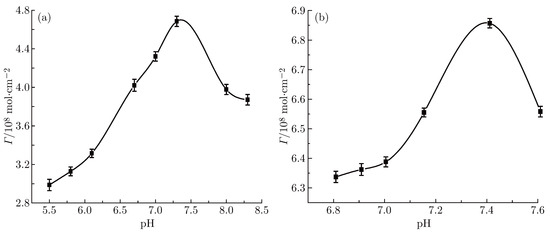
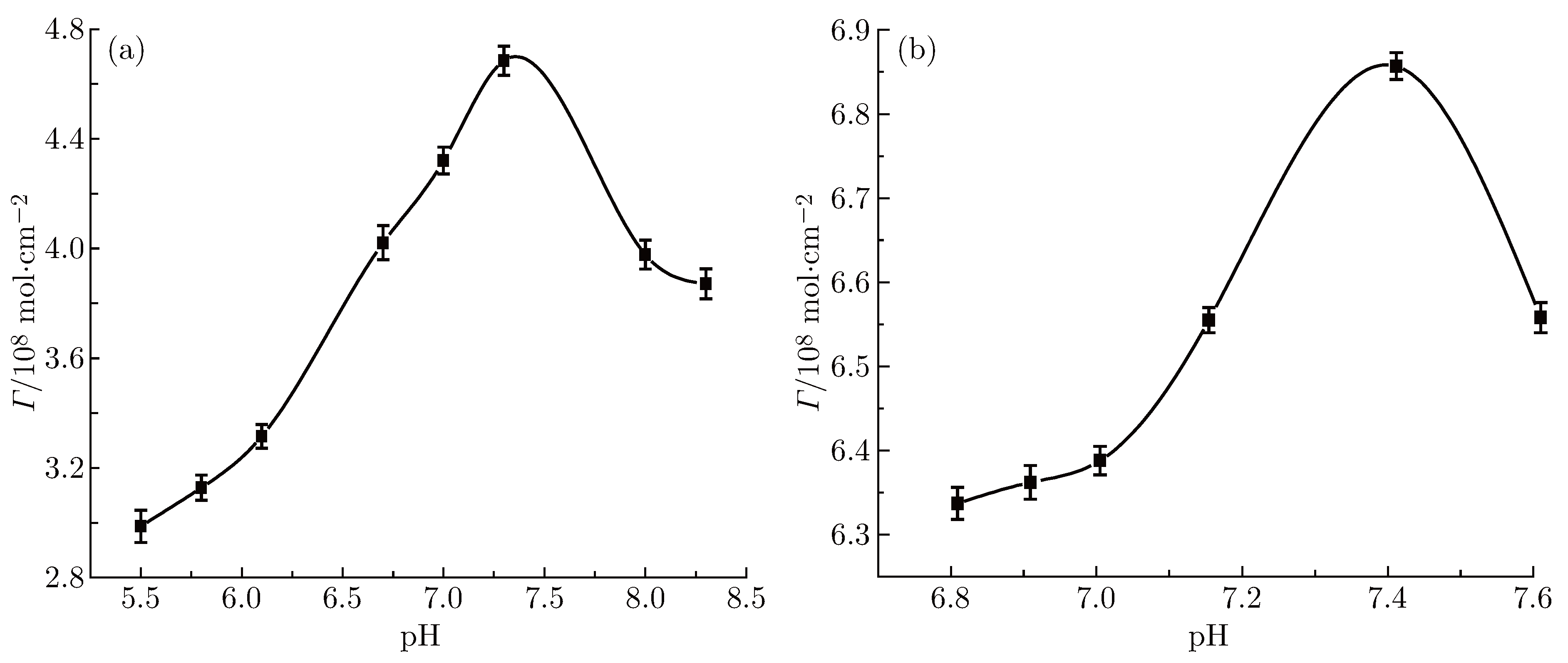
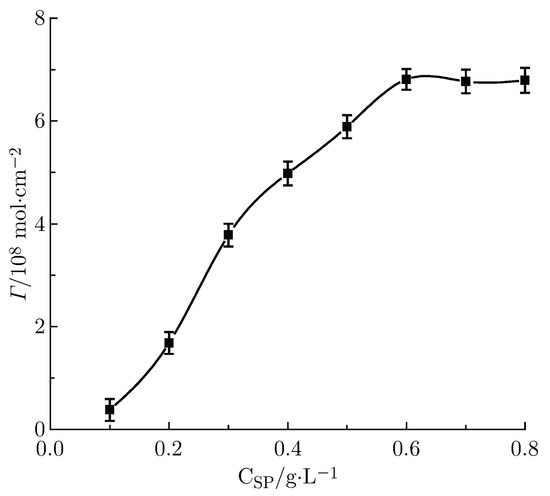
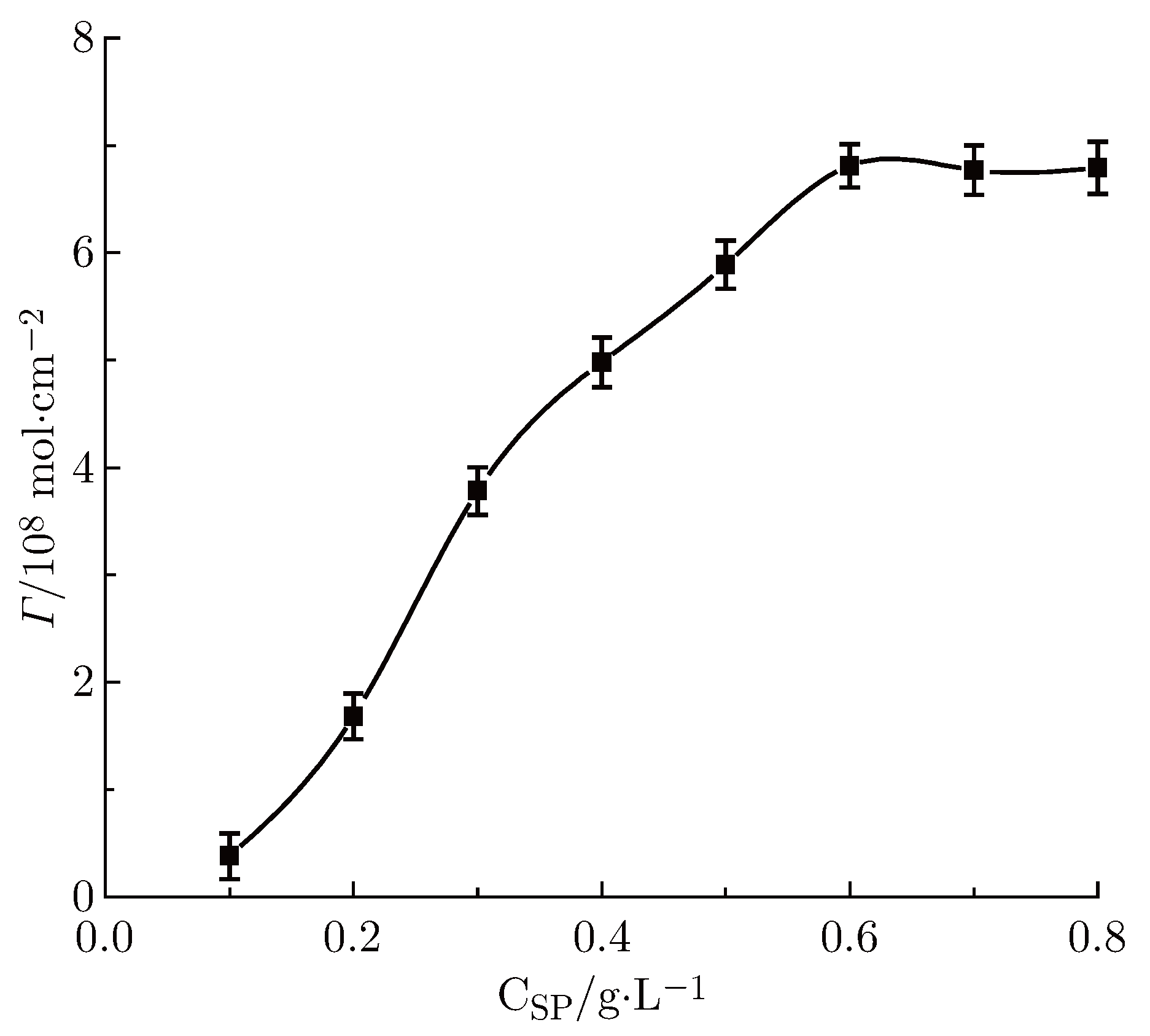
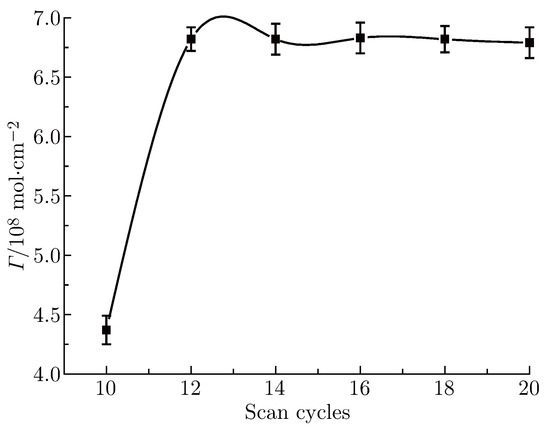
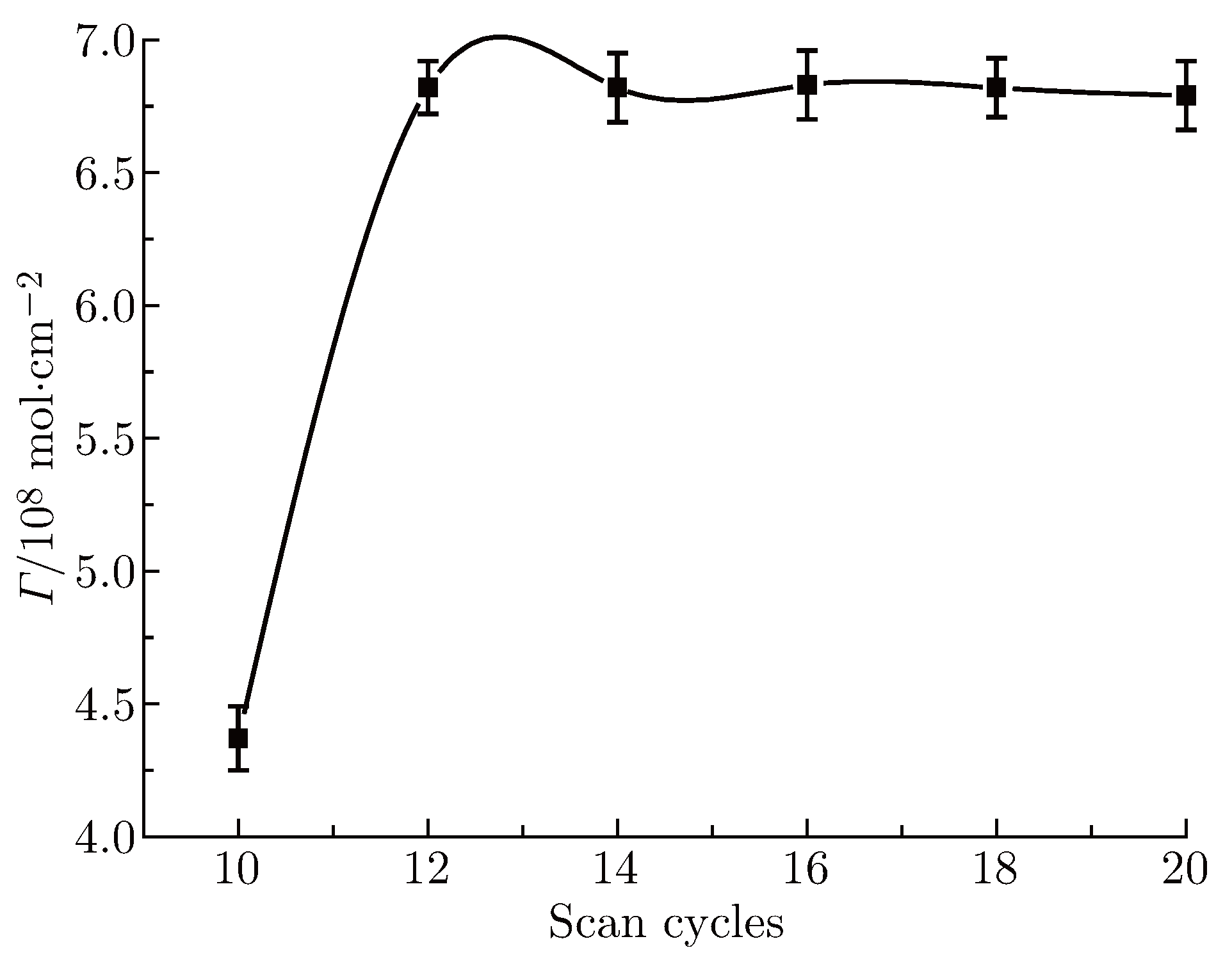
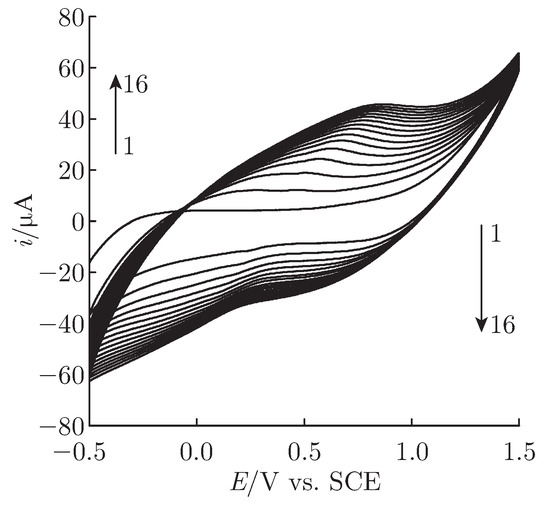
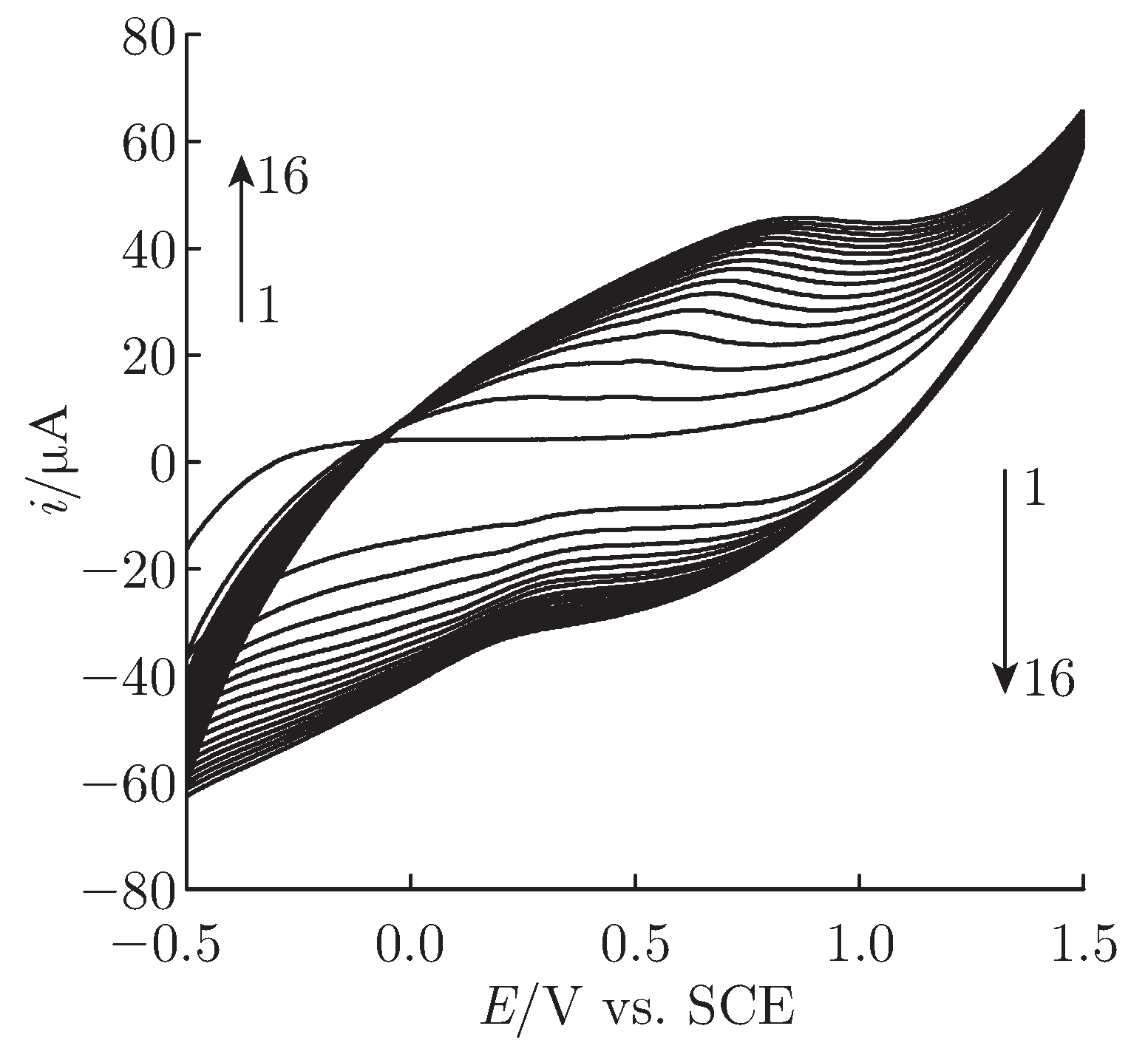
The electro polymerization condition such as SP concentration, type and pH of supporting electrolyte and cyclic times was investigated. The stable poly-SP was observed in PBS. According to the integration of the cyclic voltammetric oxidative peak and Faraday’s laws, the surface coverage concentration (Γ)’ of poly-SP could be estimated from the following formula: Q=nFAΓ, where’ Q is the total amount of charge passed through the electrode for the oxidative reaction, A is the electrode area, n and F were of their usual meanings. So the effect of PBS pH values on the surface coverage concentration Γ was investigated in a pH range of 5.5-8.3. As shown in Figure 1 (a),’ the surface coverage concentration increased gradually with the increase of pH values in the range of 5.5-7.3 and reached a maximum value at pH 7.3. When pH value was above 7.3, the surface coverage concentration Γ began to decrease. However, the higher surface coverage concentration’ was found in 0.04 M PBS (Figure 1 (b)). Thus, 0.04 M PBS (pH 7.4) was used to prepare poly-SP. The influence of SP concentration was tested in the range of 0.1-0.8 g·L−1 and the results were depicted in Figure 2. As shown, with the rising of the SP concentration, the surface coverage concentration increased and almost constant when SP concentration was above 0.6 g·L−1, indicating poly-SP was in saturation. Thus, 0.6 g·L−1SP was used to prepare poly-SP. Also, the scan cycles was studied from 10-20 cycles. As illustrated in Figure 3, when scan cycles overpassed 16 cycles, the surface coverage concentration remained almost a constant. So, the scan cycles was selected as 16 cycles. The electro polymerization of SP under the optimum condition was carried out and the results were shown in Figure 4. As seen from Figure 4, no redox peaks were found on the first cycle. However, with potential cycling successively, a pair of ill-defined oxidative and reductive peaks was observed and developed gradually. This implied that the formation and growth of poly-SP film on the electrode surface was performing.
Figure 1.
The effect of pH on the coverage concentration of poly-SP. (a) 0.02 MPBS; (b) 0.04 MPBS. SP concentration: 0.6 g · L−1.
Figure 2.
The effect of SP concentration on the coverage concentration of poly-SP. Supporting electrolyte: 0.04 MPBS (pH7.4).
Figure 3.
The effect of scan cyclics on the coverage concentration of poly-SP. Supporting electrolyte: 0.04 MPBS (pH7.4), SP concentration: 0.6 g · L−1.
Figure 4.
The electropolymerization voltammograms of 0.6 g · L−1 SP in 0.04 M PBS (pH 7.4). Scan rate: 0.1 V · s−1; Potential range: −0.5-1.5 V; Scan cyclics: 16.
3.1.2. Characterization of poly-SP Film
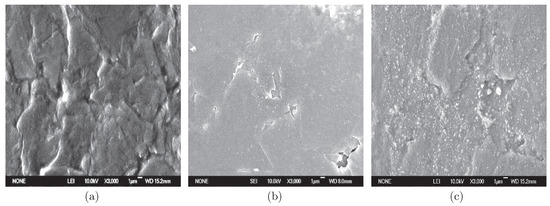
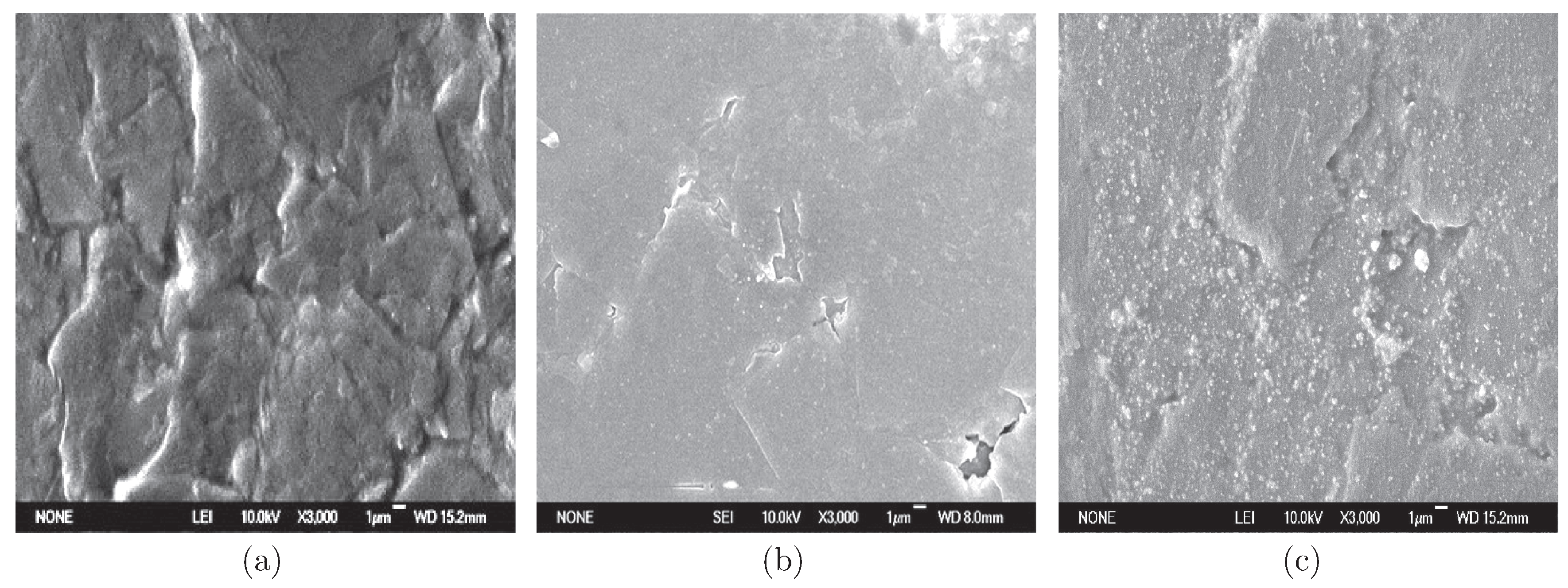
Figure 5 showed the morphological features of a bare CPE, a SA-SP-CPE and a poly-SP -CPE using SEM. Compared with irregular shapes of graphite layers for the surface of bare CPE (Figure 5 (a)), there were few particles on the surface of SA-SP -CPE (Figure 5 (b)), suggesting that SP was hardly attached to the CPE surface with self-assembled method. However, a variety of particles were observed on the graphite layers for poly-SP -CPE, indicating poly-SP had been polymerized to the CPE surface (Figure 5 (c)).
Figure 5.
SEM images of electrode surface. (a) Bare CPE; (b) SA-SP-CPE; (c) poly-SP -CPE.
3.2. Voltammetric Response of poly-SP Film
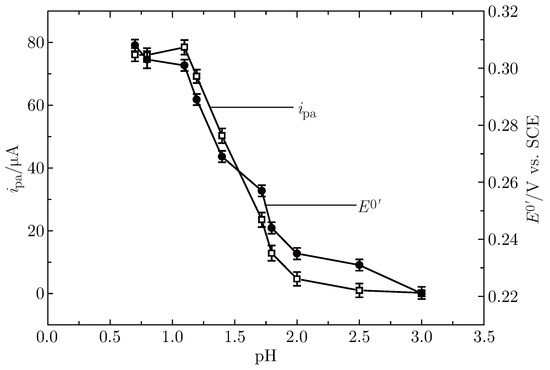
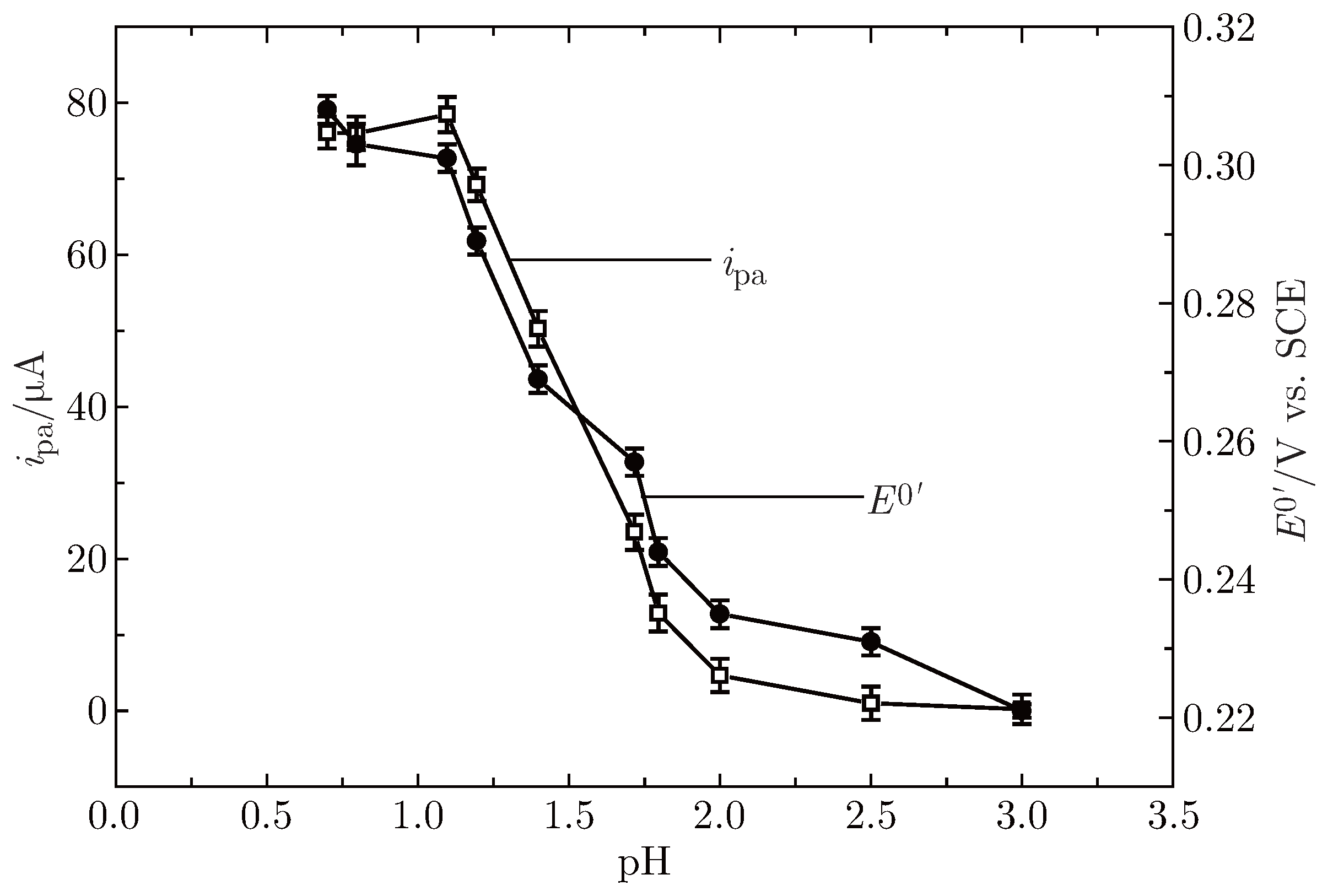
The voltammetric response of poly-SP was very sensitive to pH and type of solution. The higher and better response of poly-SP was found in H2SO4 solution rather than other acid solutions. Figure 6 was the effect of the pH values of H2SO4 solution on oxidative peak current ipa and the formal potential E0’. As shown in Figure 6, when the pH values of H2SO4 solution were in the range of 0.6 to 1.1, ipa increased slightly with the rising of pH values reaching a maximum at pH 1.1; when the pH values was above 1.1, ipa decreased rapidly and subsequently headed to zero. Moreover, the formal potential E0’ [E0’ = (Epa + Epc)/2] shifted to the negative direction with increasing pH value of H2SO4 solution. The relationship between formal potential E0’ and solution pH could be fit into the linear regression equation E0’ (V) =0.348-0.057pH (R = 0.9995, n=5). The slope of 57 mV per pH unit was close to the theoretical Nernst response of 59 mV per decade, suggesting that equal numbers of electron and proton transferred were involved in the electrode reactions.
Figure 6.
The effect of pH values on oxidative peak current ipa and form potential E0’.
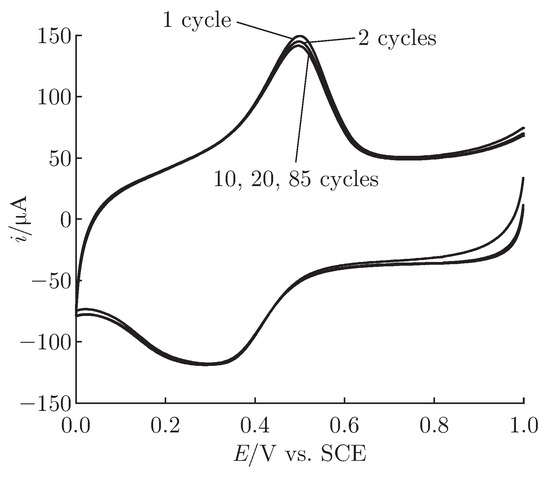
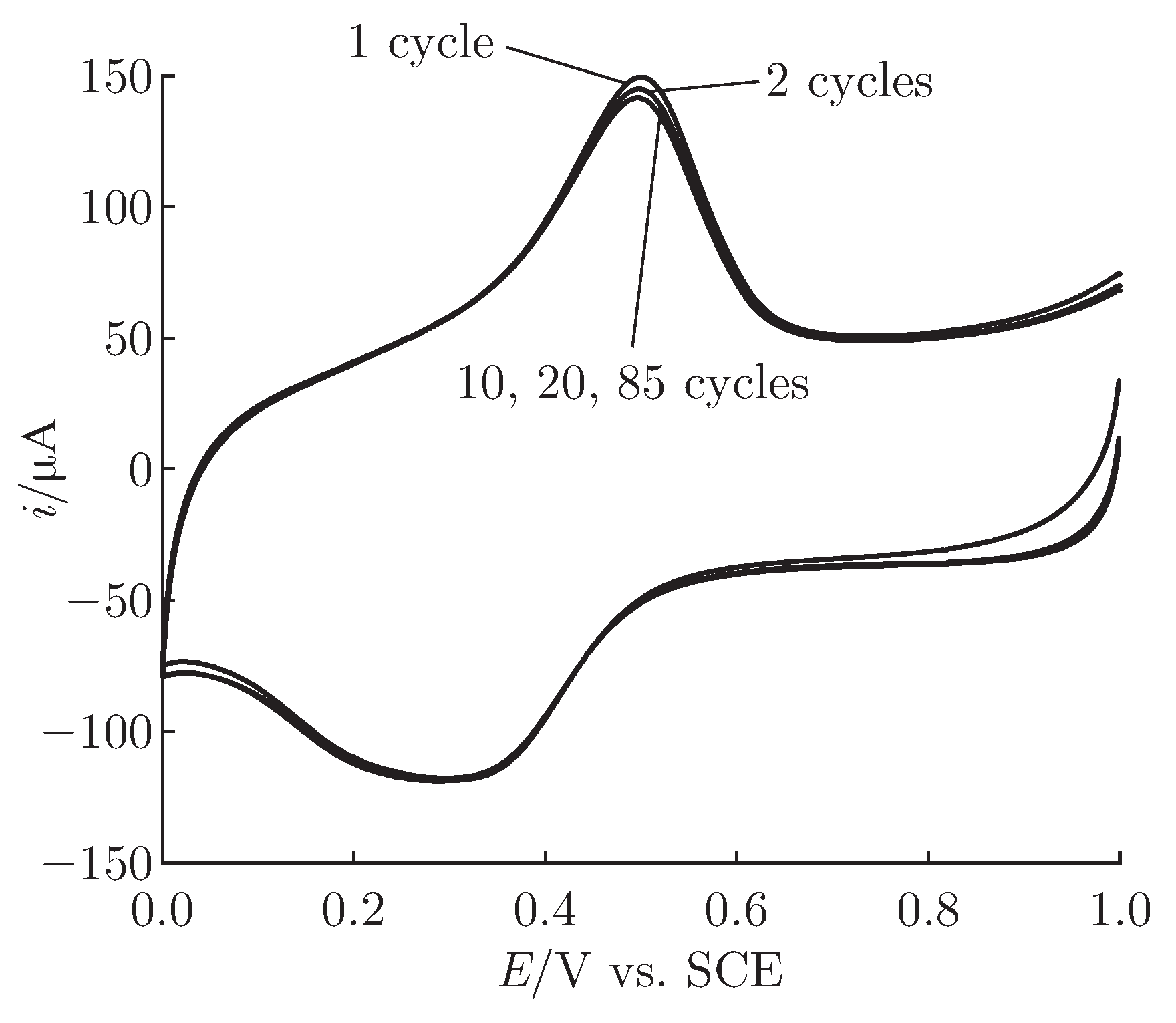
The stability of poly-SP was investigated with cyclic voltammetry. Figure 7 was the successive cyclic voltammograms of poly-SP in 0.1 M H2SO4 solution (pH1.1). As shown in Figure 7, the peak potential and peak current of poly-SP have remained basically unchanged, and the amount of peak current degradation after 85 cycles in supporting electrolyte was less than 2%.
Figure 7.
The successive cyclic voltammograms of poly-SP in 0.1 M H2SO4 (pH 1.1).
Also, the poly-SP film was found to have reserved its initial activity for more than 7 days when it was kept at room temperature. As a result, the storage stability of poly-SP was very effective.
3.3. The Reaction Mechanisms of poly-SP
The poly-SP had a large quantity of oxygen-containing functional groups such as —C==O, —COOH, and —OH. According to the reference [11], oxygen-containing functional groups under pH1.1 acid medium could be carried out of the redox. Therefore, we deduced that the redox mechanisms of voltammetric peaks of poly-SP was as following: —OH could be reduced as —C==O. And then —C==O and —COOH could be performed oxidative and reductive reaction again.

4. Conclusion
A new biocompatible interface material polySP was fabricated using the electropolymerization of natural biomaterial SP at the surface of carbon paste electrode. As oxygen -containing functional groups on polySP could be performed oxidation and reduction reaction consecutively, a pair of stable voltammetric peaks of polySP in 0.1 M H2SO4 solution (pH 1.1) had been found. Also, this polySP film had wonderful storage stability.
Acknowledgments
This work was supported by the funds of the scientific research project from ministry of science and technology of Shaanxi province (Grant No. 2013K07-24), the scientific research (Grant No. 09XG02) and the doctor start-up projects (Grant No. BS 0918) funds from Xi’an Polytechnic University.
References
- Lovett, M.L.; Cannizzaro, C.M.; Vunjak-Novakovic, G.; Kaplan, D.L. Gel spinning of silk tubes for tissue engineering. Biomaterials 2008, 29, 4650–4657. [Google Scholar] [CrossRef] [Scilit]
- Furuzono, T.; Ishihara, K.; Nakabayashi, N.; Tamada, Y. Chemical modification of silk fibroin with 2methacryloyloxyethyl phosphorylcholine. II. Graft-polymerization onto fabric through 2-methacryloyloxyethyl isocyanate and interaction between fabric and platelets. Biomaterials 2000, 21, 327333. [Google Scholar] [CrossRef] [Scilit]
- Yasushi, T.; Tsutomu, F.; Tetsushi, T.; Akio, K.; Mitsuru, A. Ca-adsorption and apatite deposition on silk fabrics modified with phosphate polymer chains. J. Biomed. Sci. Polym. Ed. 1999, 10, 787–793. [Google Scholar] [CrossRef] [Scilit]
- Furuzono, T.; Taguchi, T.; Kisshida, A.; Akashi, M.; Tamada, Y. J. Biomed. Mater. Res. 2000, 50, 344–347. [Google Scholar] [CrossRef] [Scilit]
- Hanawa, T.; Watanabe, A.; Tsuchiya, T.; Ikoma, R.; Hidaka, M.; Sugihara, M. Chem. Pharm. Bull. 1995, 43, 284–287.
- Esther, W.; Anne, J.W.; Hans, P.M.; Lorenz, M. Silk fibroin spheres as a platform for controlled drug deliver. J. Contr. Rel. 2008, 132, 26–34. [Google Scholar] [CrossRef] [Scilit]
- Minoura, N.; Tsukada, M.; Nagura, M. Physico-chemical properties of silk fibroin membrane as a biomaterial. Biomaterials 1990, 11, 430–434. [Google Scholar] [CrossRef] [Scilit]
- Minoura, N.; Tsukada, M.; Nagura, M. Fine structure and oxygen permeability of silk membrane treated with methanol. Polymer 1990, 31, 265–269. [Google Scholar] [CrossRef] [Scilit]
- Sukigara, S.; Gandhi, M.J.; Ayutsede; Micklus, M. Regeneration of bombyx mori silk by electrospinningpart 1: processing parameters and geometric properties. Polymer 1990, 44, 5721–5727. [Google Scholar]
- Wu, Y.H.; Shen, Q.C.; Hu, S.S. Direct electrochemistry and electrocatalysis of heme-proteins in regenerated silk fibroin film. Anal. Chim. Acta 2006, 558, 179–186. [Google Scholar] [CrossRef] [Scilit]
- Li, Q.; Li, K.X.; Sun, G. H.; Fan, H.; Gu, J.N. A new kind of redox electrolyte electrochemical capacitor system. Acta Phys. Chim. Sin. 2006, 22, 1445–1450. [Google Scholar] [CrossRef] [Scilit]
© 2013 Textile Bioengineering and Informatics Society. This article is an open access article distributed under the terms and conditions of the Creative Commons Attribution (CC BY) license (https://creativecommons.org/licenses/by/4.0/).