


Abstract
This study examines the electrical conductivity of multi-walled carbon nanotube (MWNT)/polyurethane (PU) nanocomposites film according to the dispersion conditions. For this purpose, various kinds of polyurethane block copolymer (PU)/multi-wall carbon nanotube (MWNT) with different MWNT contents were mixed and dispersed, and their characteristics related to the dispersion were investigated. Multi-walled carbon nanotubes (MWNT) are of interest in many areas of nanotechnology and used in a number of novel applications. However effective dispersion remains a problem and one solution is to functionalize the nanotubes. In this work, MWNTs are functionalized using an oxidative technique, including dry thermal treatment. The dispersion variation of the PU/MWNT nanocomposite films with MWNT content ranging from 0.1~5.0 wt% was examined. The various characteristics of the dispersed PU/MWNT nanocomposite film were characterized using thermo gravimetric analyser (TGA), scanning electron microscope (SEM) and measuring instrument of electrical conductivity. The degree of dispersion of PU/MWNT nanocomposite films according to the dispersion conditions was shown in various situations. The bad dispersion of PU/MWNT film was revealed during the phase separation between PU matrix and MWNT. Also PU/MWNT nanocomposite film shows good electro-conductivity on its surface because MWNT was collected on the surface of composite film due to its low density.
1. Introduction
Since the discovery of carbon nanotube (CNT) by Iijima [1], it has been attracting tremendous interest because of their unique combination of electronic, mechanical, chemical and thermal properties, which promises a wide range of potential applications [2,3,4]. For example, in electronic application, CNT are used to dissipate unwanted static charge build-up [2]. In the automotive industry, CNT are used as conducting agents to aid in electrostatic painting [3]. There are two main types of CNT most commonly in use, single-walled carbon nanotube (SWNT) and multi-walled carbon nanotube (MWNT). The walls of SWNT are lattices constructed from hexagons of carbon, whilst MWNT consist of a number of nested SWNT with strong van der waals forces between them. However, CNT can hardly disperse in polymer matrix because of its nonreactive surface. So, the CNT usually requires treatment before it can be applied, so as to obtain a better dispersion. With the aid of ultrasound, which helps the particles to overcome the van der waals forces of attraction among CNT, stable homogeneous aqueous dispersions were prepared with sodium dodecyl sulfate (SDS) as dispersing agent [5]. The use of ultrasound, however, has been shown to damage CNT [6]. In fact, appropriate chemical oxidation of CNT’s surfaces can dramatically raise the stability of aqueous suspensions and also introduce the carboxy-late groups onto the surface of CNT [7]. However, CNT often tend to aggregate up to a few tens of micrometers because of intrinsic van der waals forces of attraction among tubes and their high surface area and high aspect ratio, when they disperse in polymer or other matrix. Multi-walled carbon nanotube (MWNT) are of interest in many areas of nanotechnology and used in a number of novel applications. However effective dispersion remains a problem and one solution is to functionalize the nanotubes. In this work, MWNT are functionalized using oxidative techniques, including dry thermal treatment. This study surveys the electrical conductivity of multi-walled carbon nanotube (MWNT)/polyurethane (PU) nanocomposites film according to the dispersion conditions. This study surveys the functionalization of MWNT by chemically modifying it to improve its dispersion. The functionalised MWNT forms high molecule matrix with polyurethane to produce a film that has the characteristic of electrostatic dissipation. Finally the electrical characteristics according to dispersion conditions were analysed and discussed.
2. Experimental
2.1. Materials
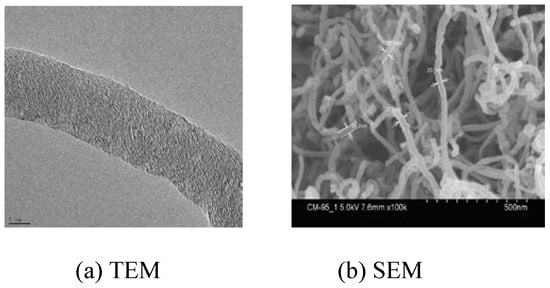
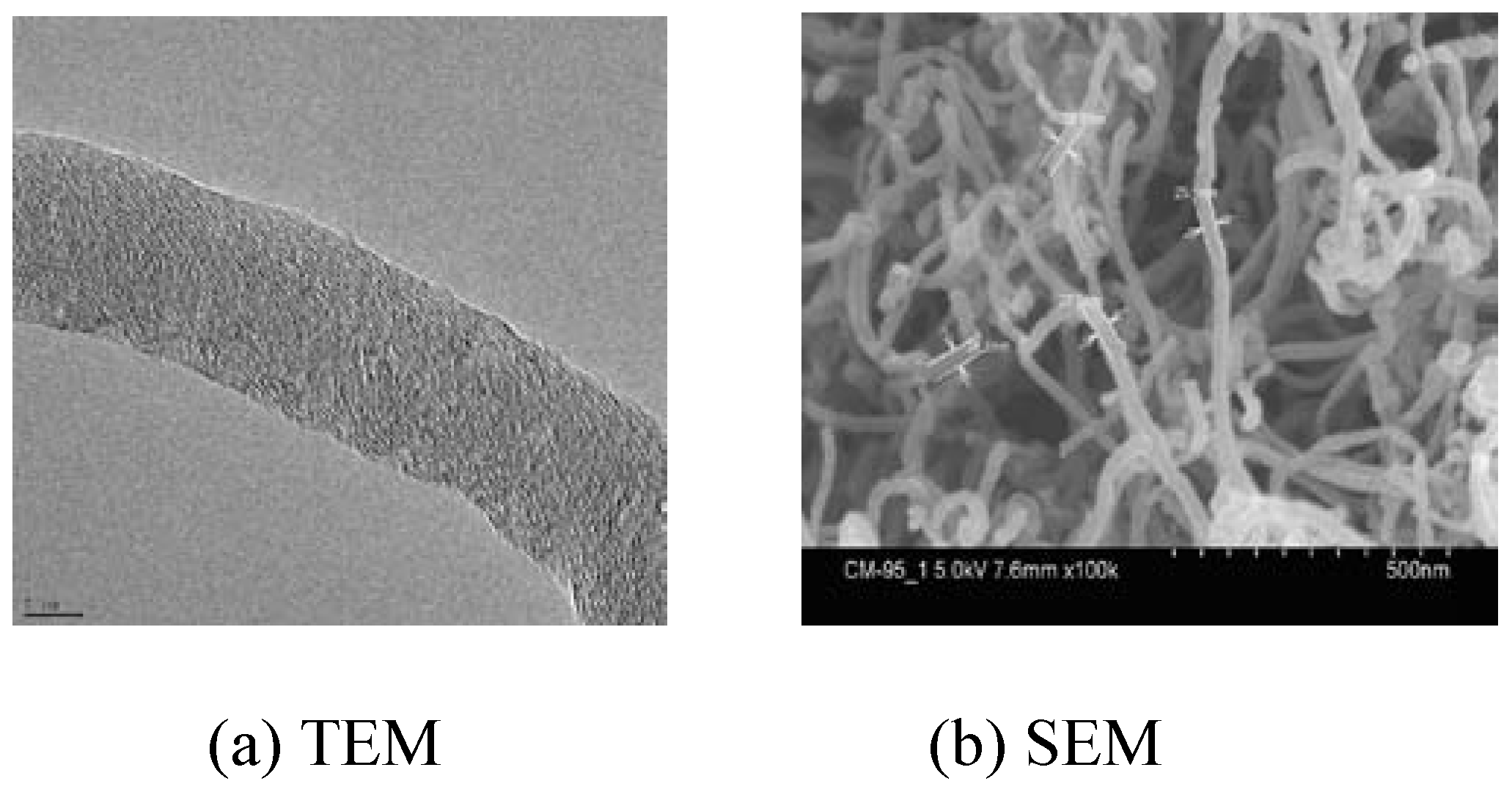
CM-95 multi-walled carbon nanotube, Hanwha Nanotech, Incheon, Korea was prepared. MWNT are produced via the catalytic carbon vapor deposition process. The synthesis process uses ethylene gas with an alumina supporting cobalt and iron as catalysts. The size and shape of MWNT was characterized using transmission electron microscopy (TEM) and scanning electron microscopy (SEM). The characteristics of MWNT are listed in Table 1. And, Figure 1 shows the images of TEM and SEM of MWNT.
Table 1.
Specification of MWNT.
Figure 1.
TEM and SEM images of MWNT.
The polyurethane was used as the material for the formation of MWNT/high molecule matrix. DMF (dimethylformamide) was used as dispersion solvent of MWNT. The characteristics of polyurethane are listed in Table 2.
Table 2.
Specification of polyurethane.
2.2. Dry heat treatment of MWNT
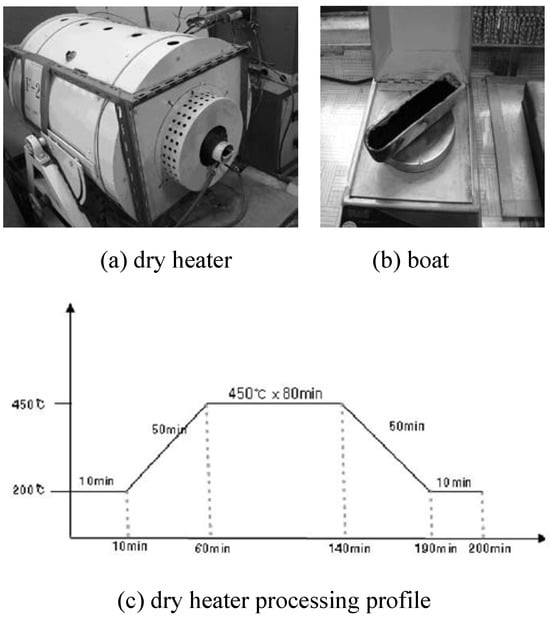
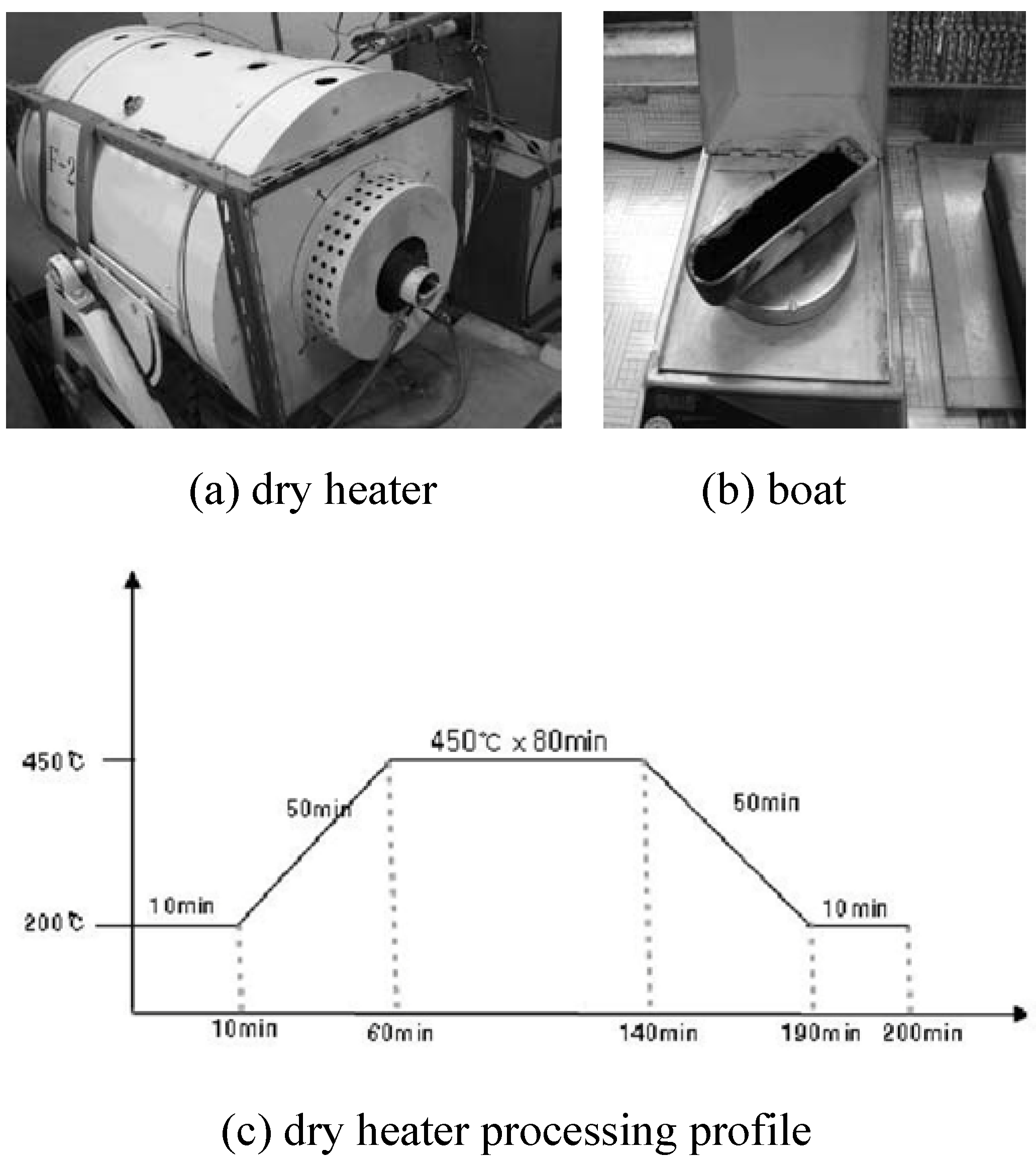
When performing dry heat treatment on water, organic matter, catalyst and other impurities during refining process of MWNT, it improves the dispersion efficiency. So dry heat treatment was performed for 80 minutes in the air furnace with the temperature of 450°C for the refinement of MWNT. Figure 2 shows the air furnace of dry heat treatment (a), the boat that includes carbon-nanotube (b) and heating graphs of air furnace (c).
Figure 2.
The dry heat treatment processing of MWNT.
2.3. Chemical modification of MWNT
MWNT includes impurities such as metal catalyst, cobalt and ion. So the acid solution was used to improve the purity by removing impurities such as metal catalyst that is included in MWNT. The mixed solution of HNO3 and H2SO4 in the ratio 3:1 was made to improve interfacial adhesion when producing high molecule matrix using MWNT and was treated with ultrasonic wave for 60 minutes under normal temperature. The chemically revised carbon-nanotube was washed with distilled water for more than five times to reach pH 7 and to remove impurities on its surface. Its neutralization was checked with pH measurement paper. The washed carbon nanotube was dried in vacuum dryer at 60°C for more than 12 hours.
2.4. Production of dispersion solution
The DMF was used as dispersion solvent to produce dispersion solution. The dispersion conditions of MWNT are listed in Table 3. When dispersing MWNT into DMF, 5 types of content of MWNT (0.1, 0.5, 1, 2, 5wt%) and 6 types of treating times (0.5, 1, 2, 4, 8, 24hr) were applied to produce 30 types of dispersion solutions. The Sonics (Sonics & Materials Inc., USA) of ultrasonic homogenizer was used as dispersion equipment. The dispersion of the produced MWNT dispersion solution was estimated. Then, the dispersion state before and after the chemical modification was compared and discussed.
Table 3.
Dispersion conditions of MWNT.
2.5. Production of PU/MWNT film
MWNT dispersion solution was mixed with polyurethane in a ratio of 1:3. The weight of polyurethane to produce the PU/MWNT film in a ratio of 1:3 was mixed for 1 hour at room temperature at a mixing speed of 500 rpm. Then, PU/MWNT paste was produced. The film maker Baker Applicator (YBA-4 type) was used to make the film using this paste, and then dried for 60 seconds at 150°C.
2.6. Measurement of the characteristics of the PU/MWNT film
The measured characteristics of PU/MWNT film are listed in Table 4.
Table 4.
Measured characteristics of PU/MWNT film.
3. Results and discussion
3.1. Analysis of MWNT impurity
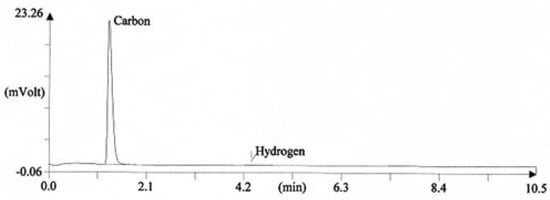
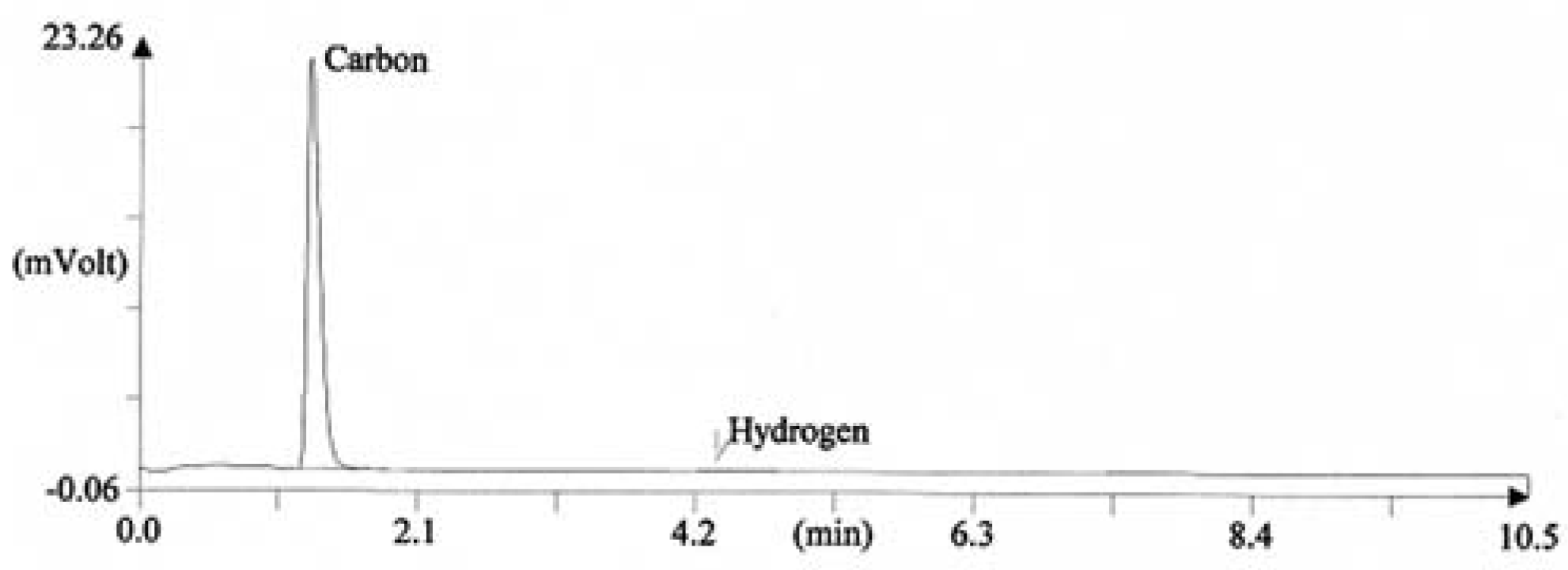
Figure 3 shows the analysis result measured by the elemental analyser. The purity of carbon nanotube is 95%. It includes 5% of iron, aluminium and cobalt that are used as metal catalysts when producing carbon nanotube. It can be confirmed by SEM and TEM measurement.
Figure 3.
Analysis of the element of MWNT.
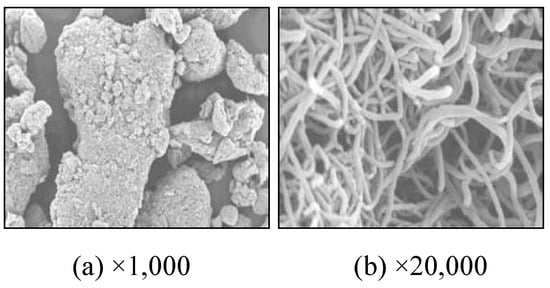
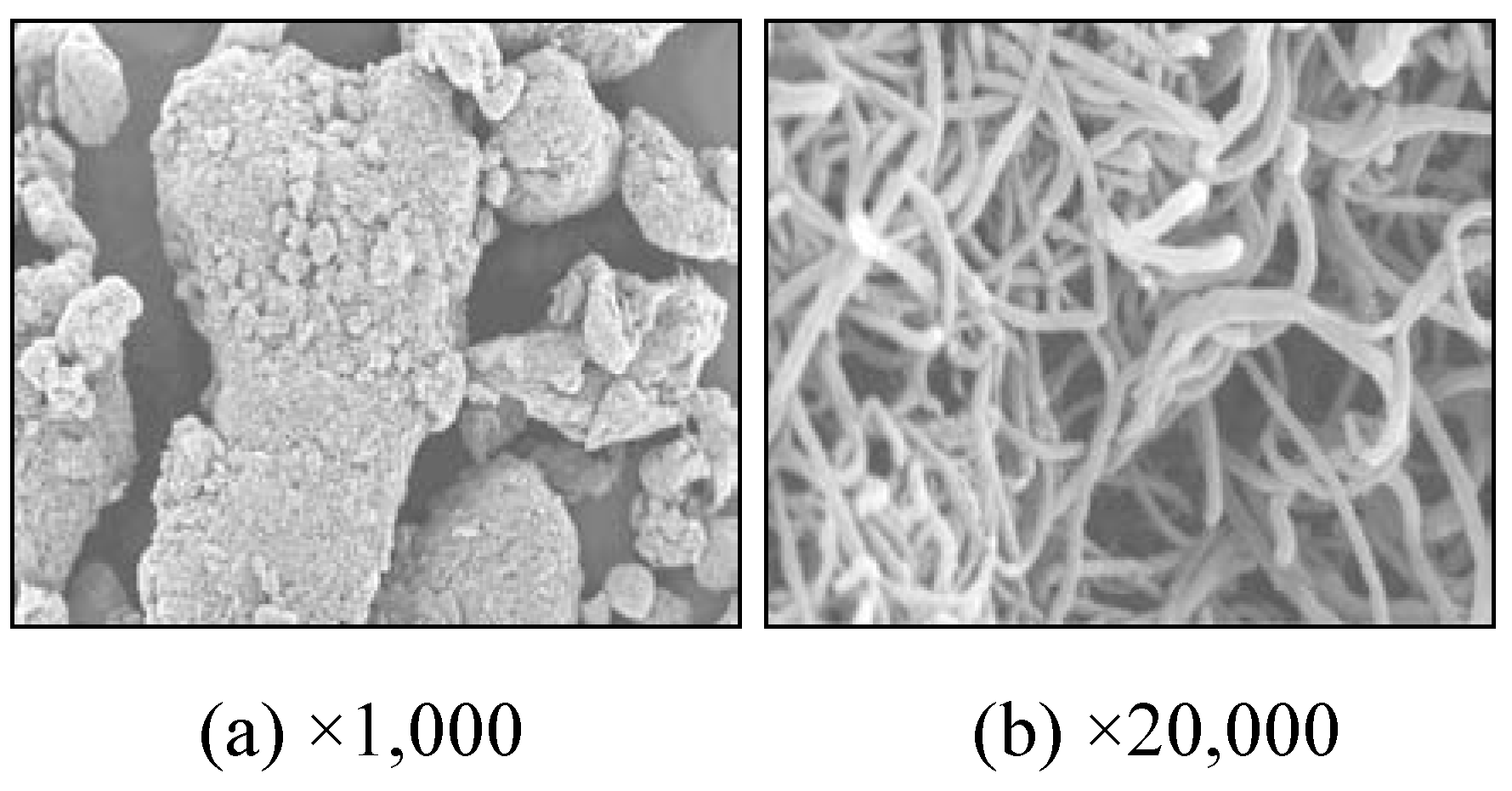
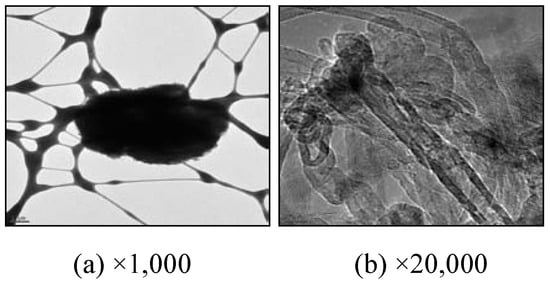
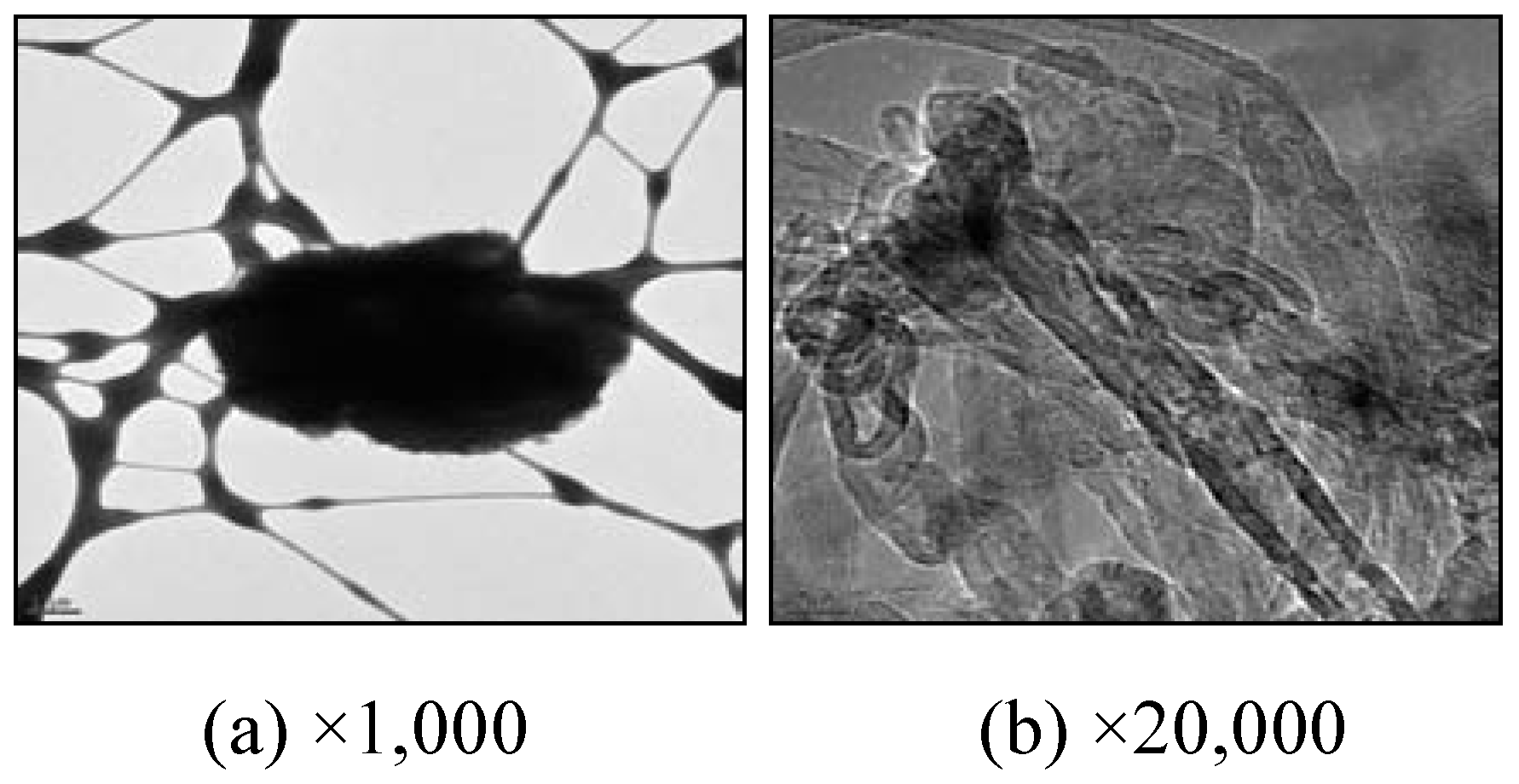
Figure 4 shows SEM measurement result of MWNT. It is confirmed that the microns like fibroin get tangled in the form of a big bundle. Figure 5 shows TEM measurement result. It is confirmed that the wall type of MWNT, catalyst and impurities are included in MWNT. These catalysts and impurities hinder the regular dispersion during the formation of nanotube complex and get tangled and condensed. So it is necessary to remove them.
Figure 4.
SEM images of the carbon nanotube.
Figure 5.
TEM images of the carbon nanotube.
3.2. Dry heat treatment of MWNT and pyrolysis characteristics
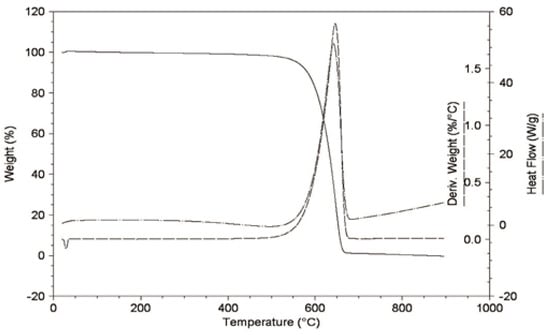
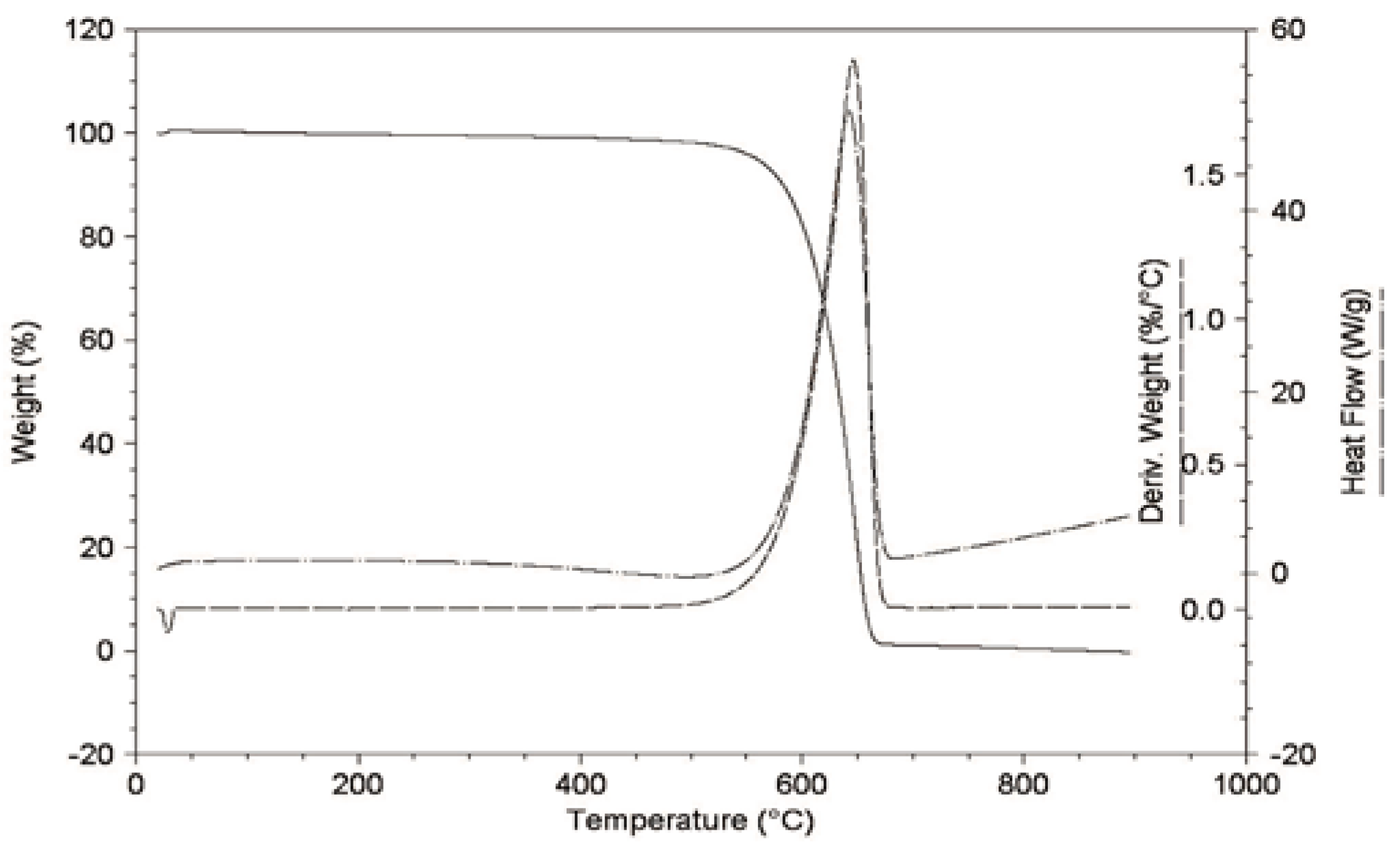
The DSC and TGA with TG-DTA were used to set up the dry heat treatment temperature of MWNT and the relevant dry heat temperature was analysed. The heating speed was 10°C/min. The heat analysis was done between 0~900°C of atmosphere. Figure 6 shows the result of DSC-TGA.
Figure 6.
DSC-TGA graph of the MWNT.
The water was vaporized between 0 and 200°C and the weight were slightly reduced. The catalyst and organic matter disappeared between 200 and 450°C. Organic matter and some MW NT meet oxygen between 450 and 550°C and these were oxidized between 550 and 650°C. Oxidization was the highest at 650°C. The residue was oxidized at temperatures higher than 650°C. The response ended around 800°C. It was found that the temperature of 450°C, at which the weight was rapidly reduced, was the adequate dry heat treatment temperature of MWNT.
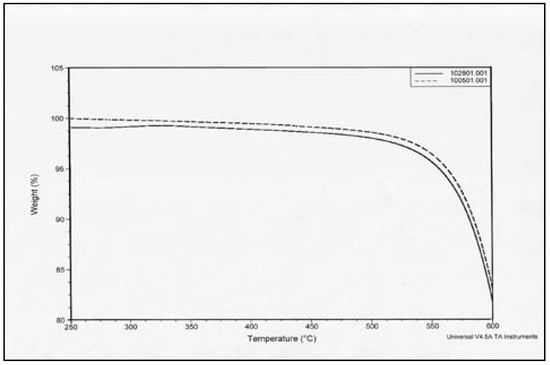
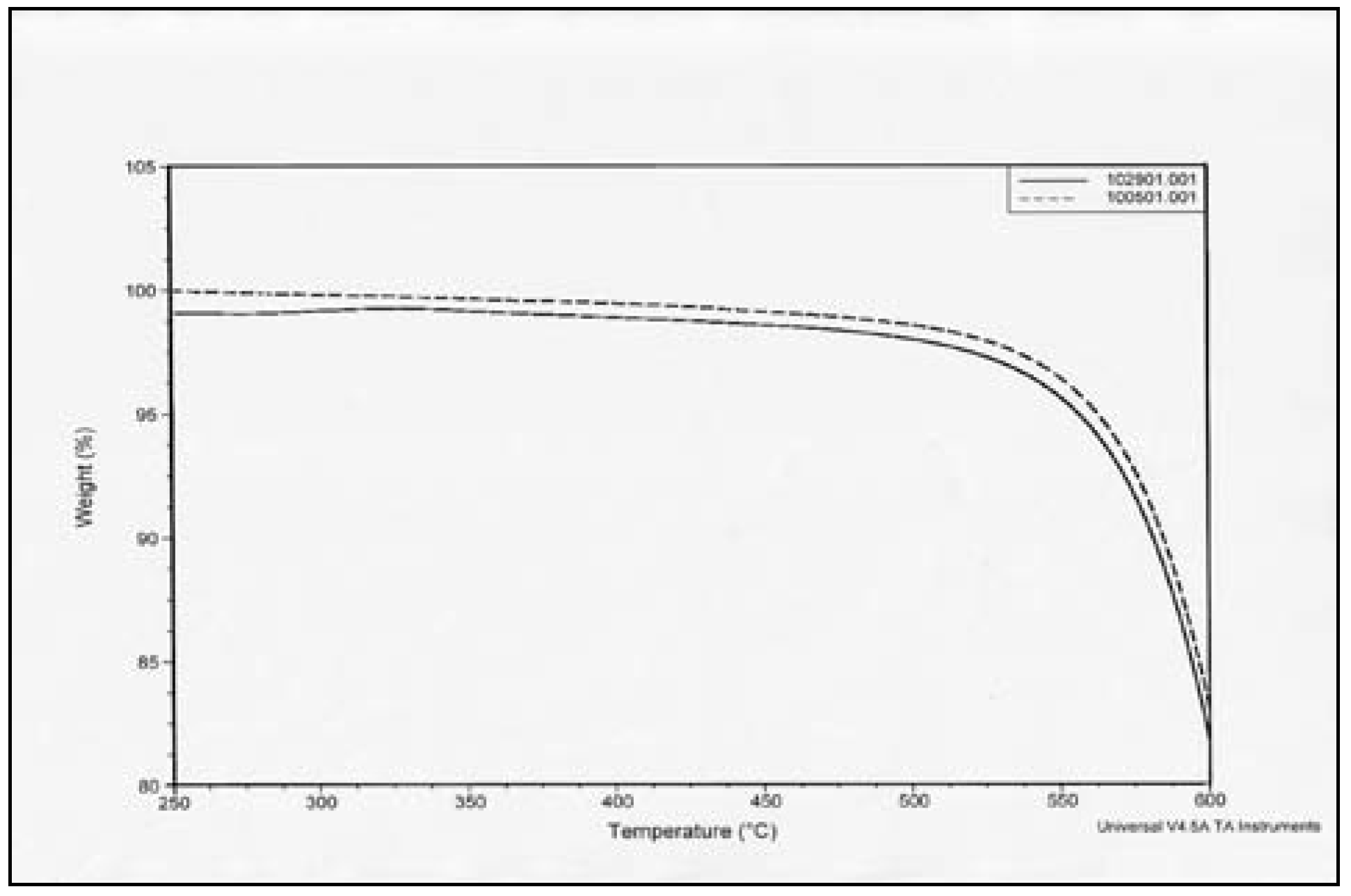
Figure 7 shows the characteristics of pyrolysis of MWNT before and after the dry heat treatment. It is confirmed through TGA wave that the weight of MWNT has reduced by 2% after the dry heat treatment. It means that the organic matter together with water was oxidized. So it was found that the dry heat treatment greatly contributed to the refinement of MWNT.
Figure 7.
TGA graph of the MWNT.
3.3. Dispersion characteristics with polyurethane according to the modification of the surface of MWNT
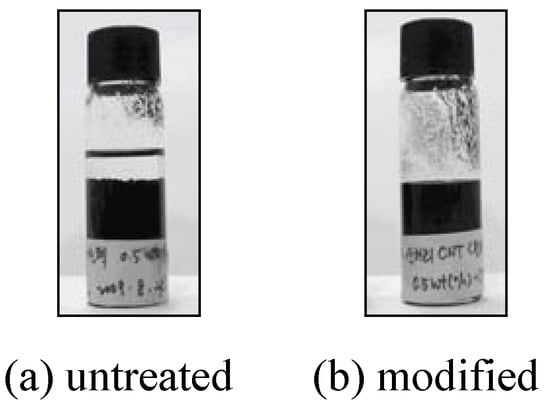
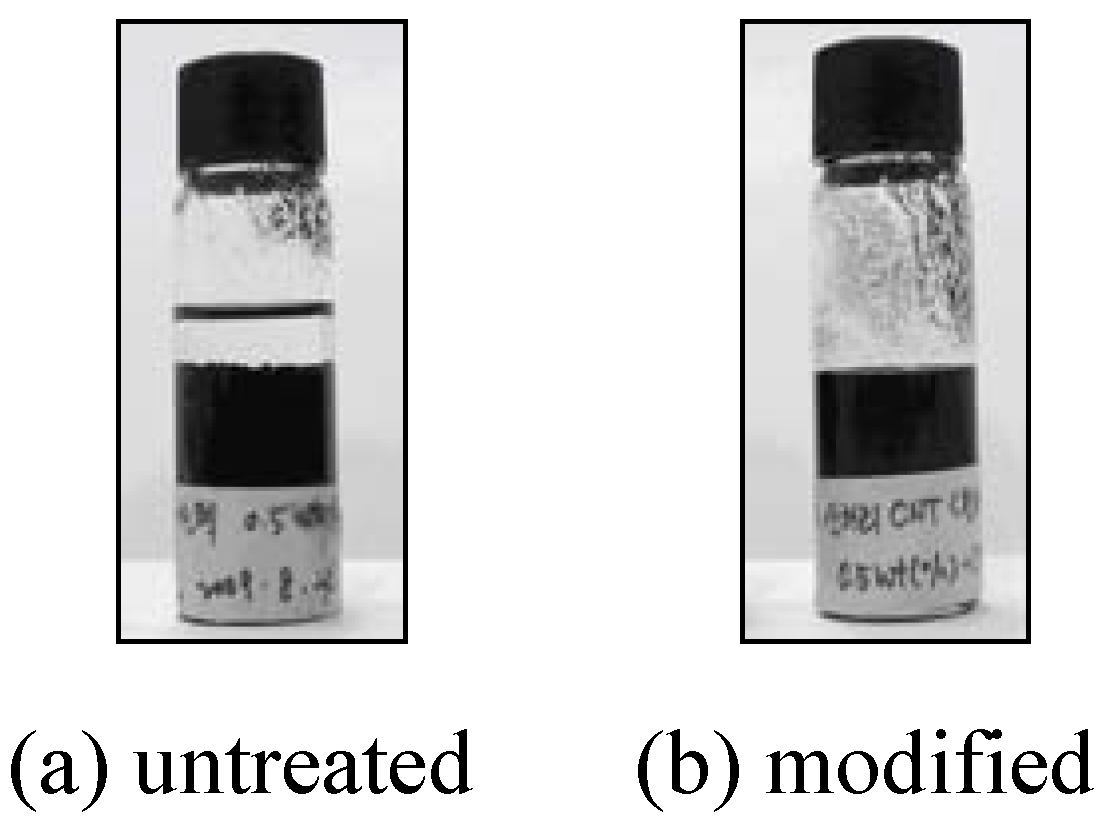
Figure 8 shows MWNT dispersion solution on DMF before and after chemical surface modification.
Figure 8.
Photo image of the MWNT dispersion solution with DMF.
Figure 8 (a) shows photo image of the MWNT dispersion solution before the chemical surface treatment, the separation layer was exposed between MWNT and DMF in the dispersion solution. Before the refinement, the metal catalyst and impurities in MWNT make the dispersion of MWNT deteriorate. As a result, it was condensed and got tangled. Figure 8 (b) shows that the separation layer was not formed and well dispersed while using chemically modified MWNT to produce dispersion solution with DMF.
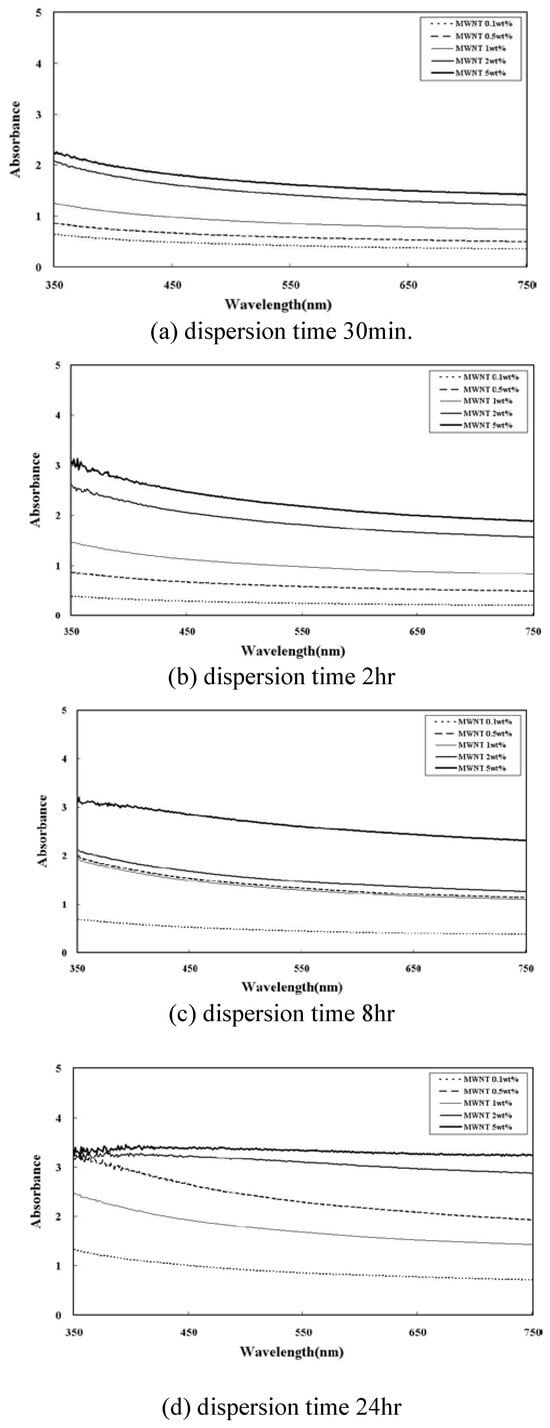
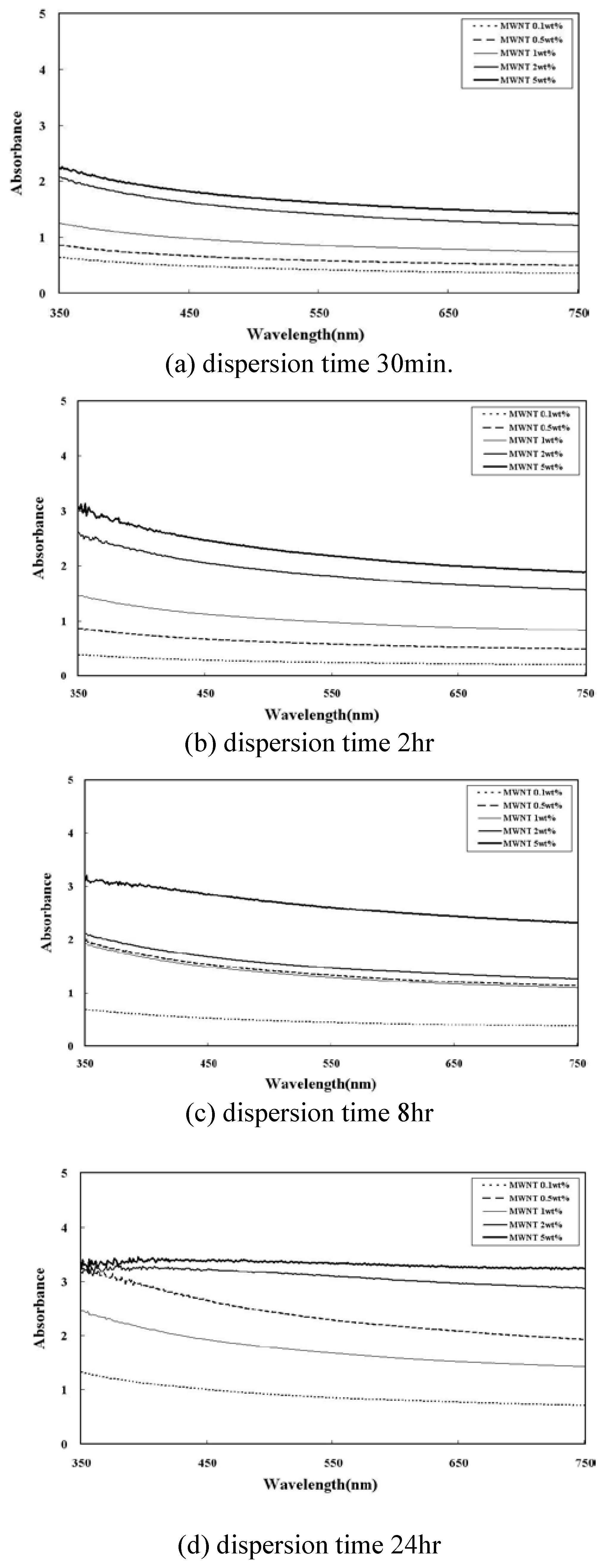
Figure 9 shows the measurement result of absorbance according to the content of MWNT being used and the dispersion time. Figure 9 (a), (b), (c) and (d) show the absorbance according to the weight content (%) of MWNT for every 30 minutes, two hours, eight hours and 24 hours dispersion time, respectively.
Figure 9.
Absorbance of PU/MWNT film according to the dispersion conditions.
When the dispersion time is 30 minutes, the absorbance of PU/MWNT film according to the weight content of MWNT was measured as 0.5-1.5%. For 2 hours dispersion time, it was 0.5-2.5% and was 0.5-3% for 8 hours. After 24 hours, the absorbance was increased by 1~3.5%. Especially, it was shown that, for 24 hours dispersion time, the dispersion itself was long and shows high absorbance compared to other conditions. Especially, low weight content of MWNT like 0.1, 0.5, and 1wt% as shown in Figure 9 (d), have higher absorption values than those of other dispersion times. It is confirmed with the film evaluation by naked eyes. It is concluded that when the dispersion time is long and the content of MWNT is large, the absorbance is high. If the value of absorbance is high, it is expected that MWNT is widely dispersed through the film.
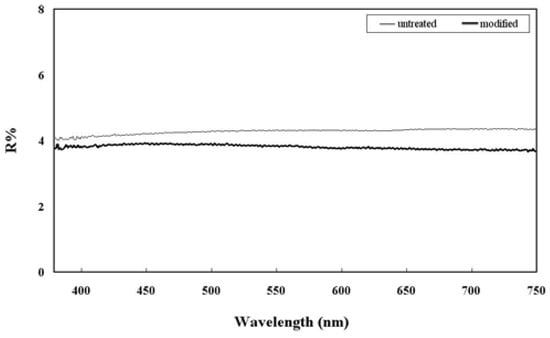
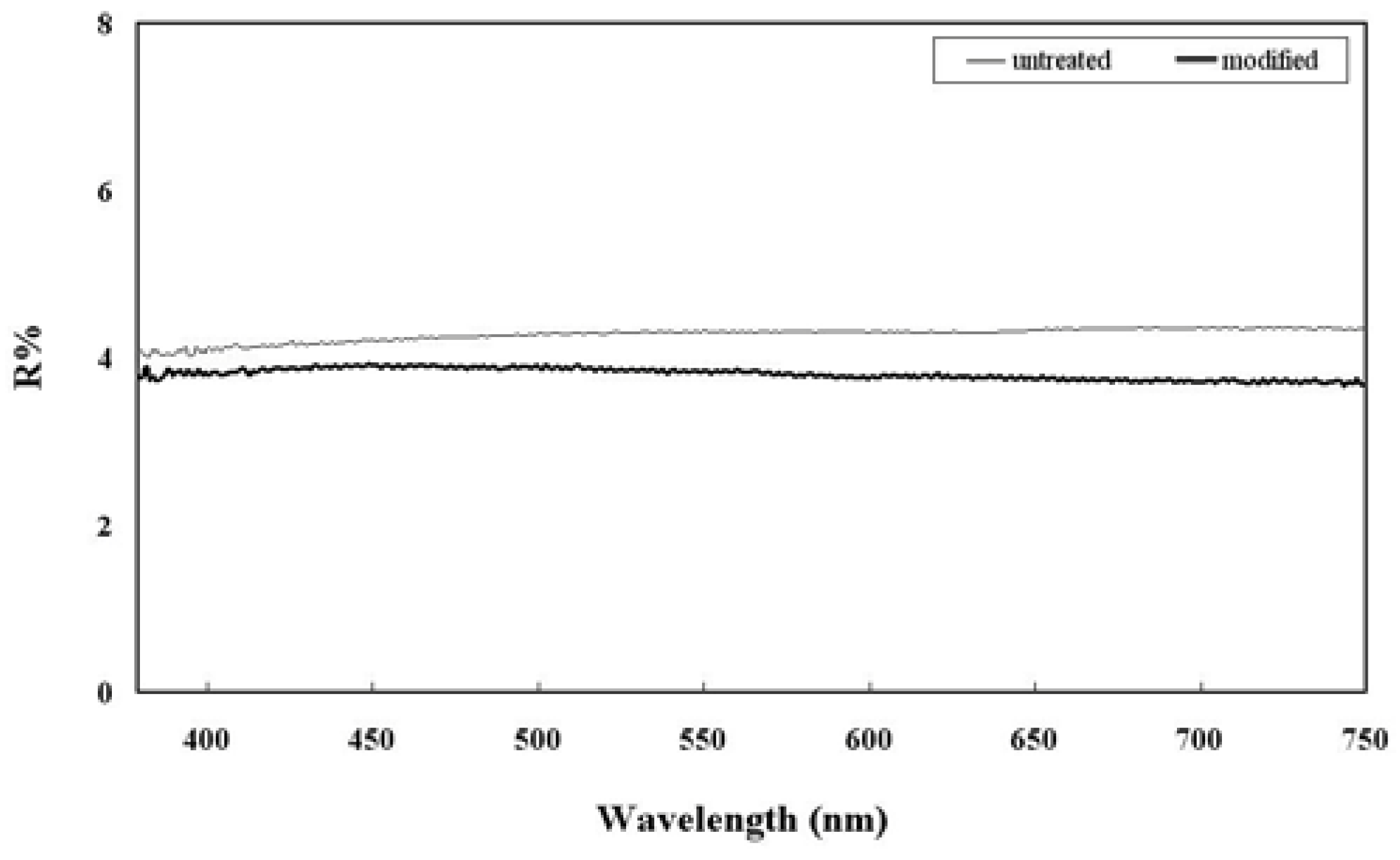
Figure 10 shows the measurement result of reflection rate of PU/MWNT film before and after the chemical modification that was measured with UV-Vis spectrometer. It shows the reflection rate when the dispersion time is two hours with 0.5wt% of the weight content of MWNT for DMF. The film that has chemically treated surface has lower reflection rate than the film that is untreated, as MWNT is well dispersed. As shown in Figure 10, the difference of reflection rate between treated and non treated film shows about 0.5%. The modification of MWNT with acid damages the array of the carbon group which is composed of regular net structure that is regularly formed throughout the surface of nanotube and results in surface opening of MWNT. So it was confirmed that the surface modification of MWNT with acid resulted in the improvement of dispersion while manufacturing dispersion solution of MWNT and DMF.
Figure 10.
Reflection rates of the PU/MWNT films.
3.4. Characteristics of electrostatic discharge of PU/MWNT film
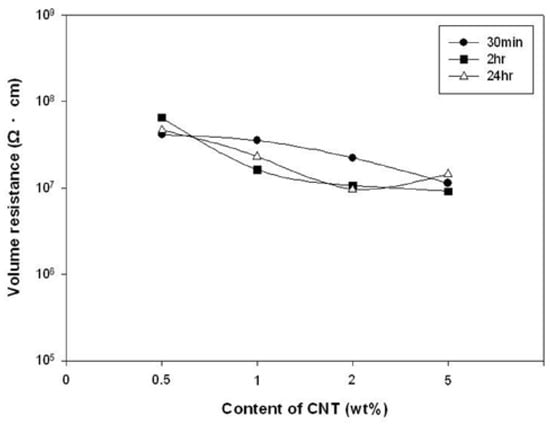
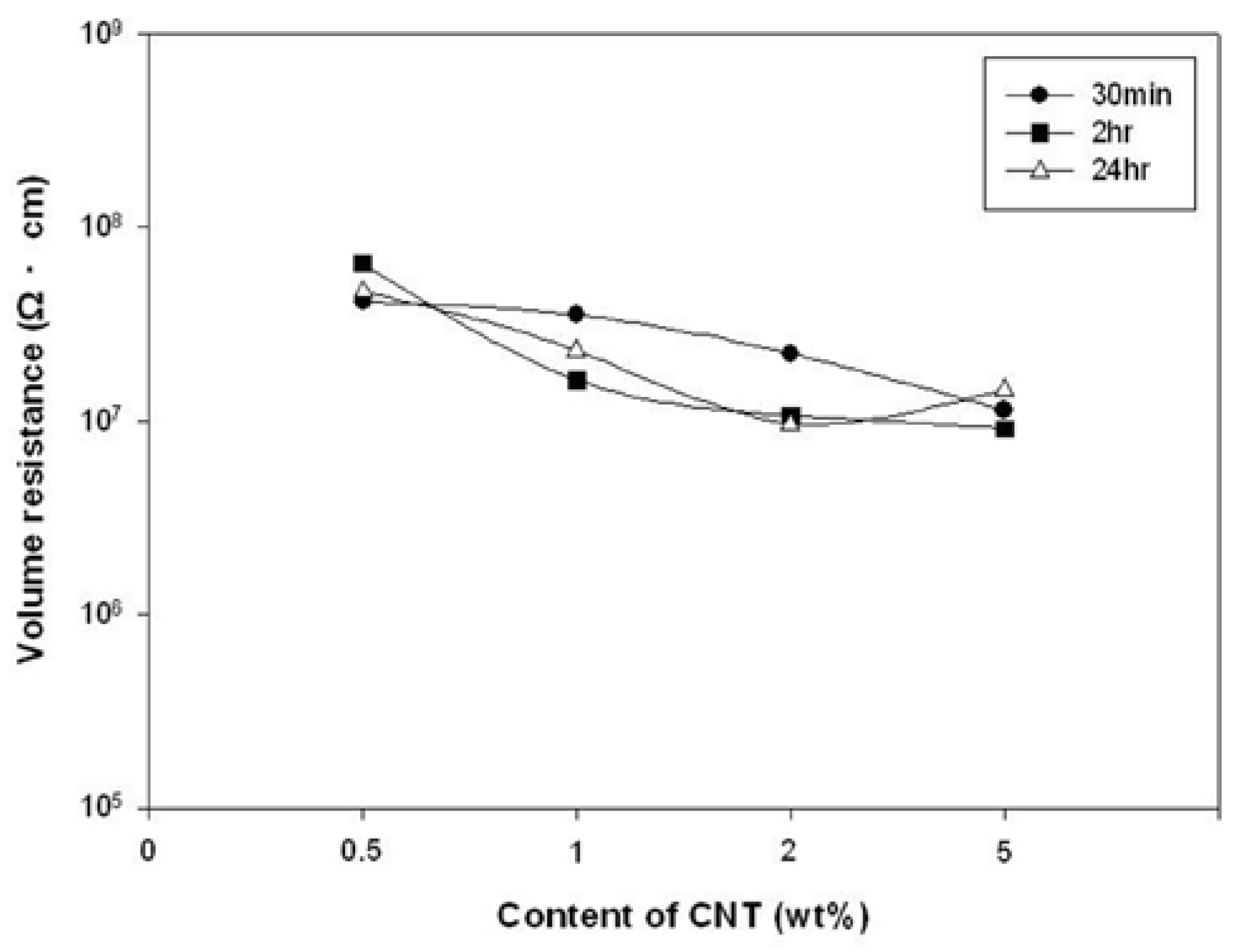
Figure 11 shows the volume resistance value of PU/MWNT film that is manufactured considering the dispersion time and the weight content of MWNT.
Figure 11.
Volume resistance of PU/MWNT film according to the dispersion conditions.
As shown in Figure 11, the volume resistance is found to linearly decrease with increasing weight content of the MWNT. The volume resistance value of the film shows low value when the dispersion time increases in case of 1 and 2 weight content (%) of MWNT. The reason why it seems so is that the dispersion time increases, the dispersion becomes easy, as a result, MWNT is regularly distributed on PU/MWNT film. A regularly distributed film has low resistance value. But, when MWNT content is more than 2wt%, the resistance value doesn’t show great difference regardless of the contents. The conductivity result of PU/MWNT film shows that as the dispersion time and the content of MWNT increases, the resistance value of PU/MWNT film decreases. When the resistance value is low, the conductivity is good. So in order to get the characteristics of electrostatic dissipation less than 106 ohm·cm in PU/MWNT film, the dispersion time should be more than four hours and the content of MWNT should be more than 2wt%.
3.5. Surface characteristics of PU/MWNT film
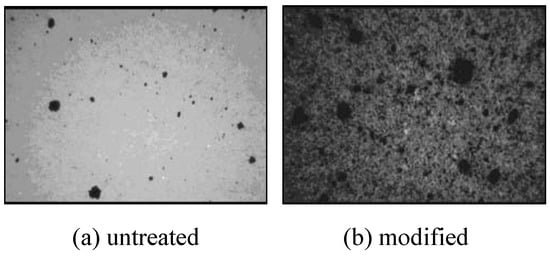
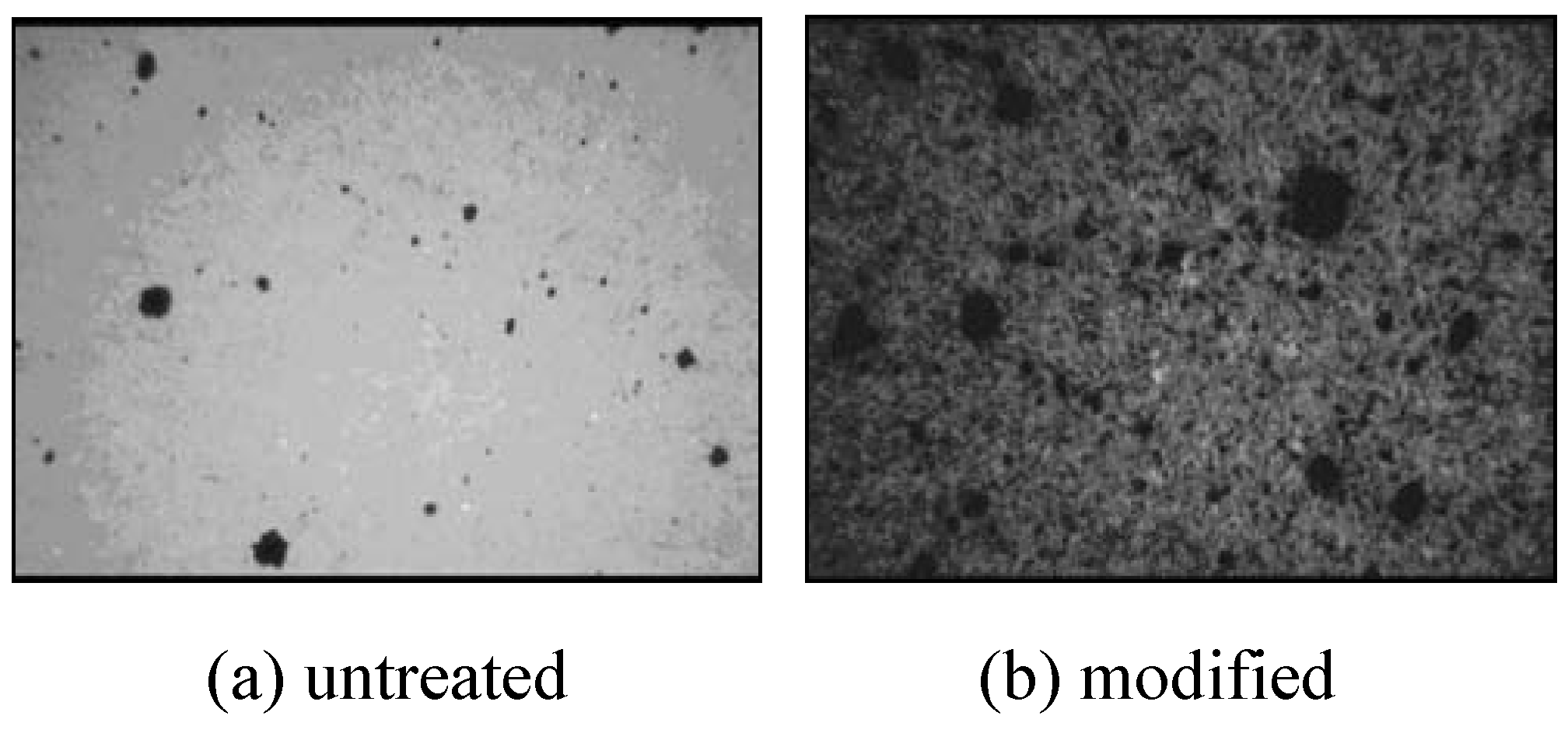
Figure 12 shows the surface picture of PU/MWNT film that was manufactured with dispersion solution before and after the chemical surface revision. It was confirmed that the dispersibility of the film that was manufactured after revising the surface (b) is more regular than the film that was manufactured before revising the surface (a).
Figure 12.
Surface images of the PU/MWNT films.
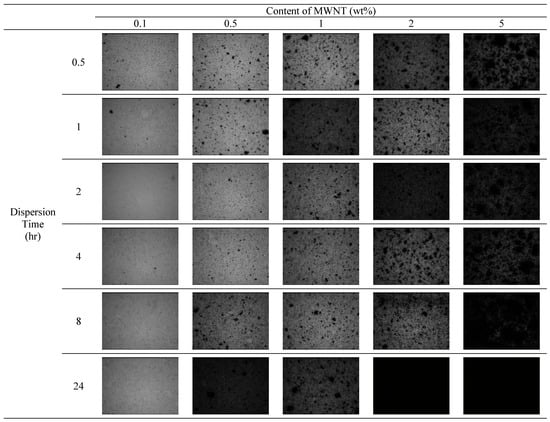
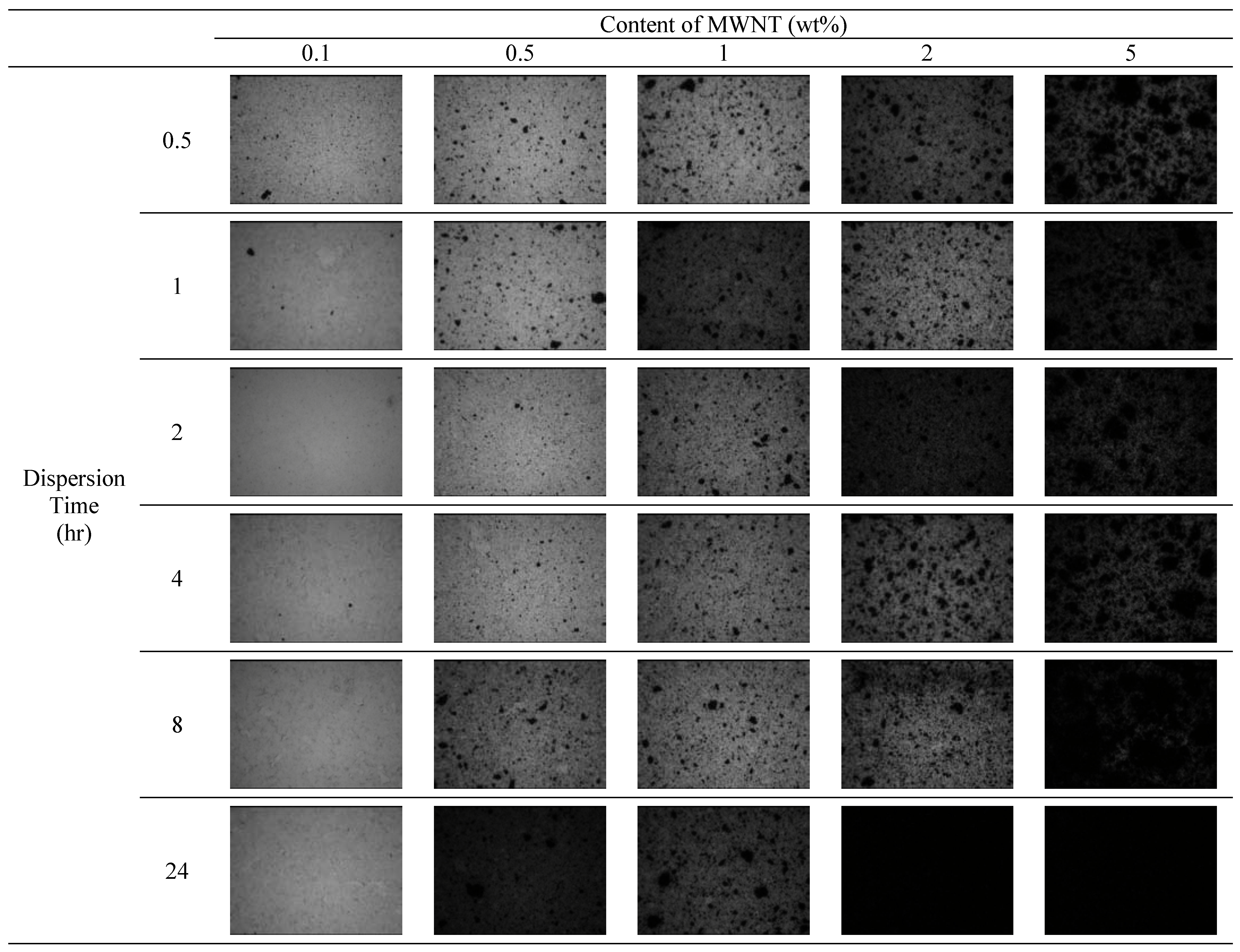
Figure 13 shows the surface of PU/MWNT film according to the dispersion time and MWNT weight contents. The film that has low MWNT weight content with short dispersion time is not well dispersed, as MWNT is not dissolved in DMF under these conditions. As shown in Figure 13, the dispersion of PU/MWNT film according to the dispersion time shows great difference. Especially when MWNT content is 0.1wt%, as the dispersion time is increased from 30 minutes to 24 hours, the dispersion seems good. The film that had large MWNT content with long dispersion time also shows good dispersion, as the condensation of MWNT was less. If MWNT weight content is too large, it was not dispersed well in the solution, gets condensed consequently tangled again.
Figure 13.
Surface images of the PU/MWNT film according to the dispersion conditions.
4. Conclusions
For improving the dispersion and electrostatic discharge of PU/MWNT film, the modification of MWNT was carried out by dry heat treatment and acid treatment with nitric and sulphuric acid mixed solution. And this modified MWNT was dispersed with PU according to the various kinds of dispersion treatment timings and MWNT weight content. PU/MWNT films were made and various characteristics of these films were measured and concluded as follows.
The metal catalyst and impurities were removed by dry heat treatment for 80 minutes at 450°C to improve the dispersion of MWNT.
The modified MWNT surface becomes an open structure by acid treatment using mixed solution of nitric and sulphuric acids to improve dispersion of MWNT.
As dispersion treatment time and MWNT weight content are increased, absorbance is increased, and dispersion becomes better. But when the dispersion treatment time was more than 2 hours and the MWNT weight content was more than 2wt%, there was not a great difference in dispersion.
When the dispersion treatment time and the MWNT content were increased, the volume resistance of the film were decreased, resulted in low resistance value of PU/MWNT film. To get good electrostatic characteristic film less than 106 ohm·cm, the dispersion treatment time should be more than 2 hours and MWNT content should be more than 2wt%.
Acknowledgments
This research was financially supported by the Ministry of Education, Science Technology (MEST) and Korea Institute for Advancement of Technology (KIAT) the Human Resource Training Project for Regional Innovation.
References
- Iijima, S. Helical microtubules of graphitic carbon. Nature 1991, 354, 56–58. [Google Scholar] [CrossRef] [Scilit]
- Sandler, J.; Shaffer, M.S.P.; Prasse, T.; Bauhofer, W.; Schult, K.; Windle, A.H. Development of a dispersion process for carbon nanotubes in an epoxy matrix and the resulting electrical properties. Polymer 1999, 40, 5967–5971. [Google Scholar] [CrossRef] [Scilit]
- Pötschke, P.; Fornes, T.D.; Paul, D.R. Rheological behavior of multiwalled carbon nanotube/polycarbonate composites. Polymer 2002, 43, 3247–3255. [Google Scholar] [CrossRef] [Scilit]
- Kong, J.; Franklin, N.R. Nanotube molecular wires as chemical sensors. Science 2000, 287, 622–625. [Google Scholar] [CrossRef] [Scilit]
- Jiang, L.Q.; Gao, L.; Sun, J. Production of aqueous colloidal dispersions of carbon nanotubes. J. Colloid Interf. Sci. 2003, 260, 89–94. [Google Scholar] [CrossRef] [Scilit]
- Lu, K.L.; Lago, R.M.; Chen, Y.K.; Chen, Y.K.; Green, M.L.; Harris, P.J.; Tsang, C.T. Mechanical damage of carbon nanotubes by ultrasound. Carbon 1996, 34, 814–816. [Google Scholar] [CrossRef] [Scilit]
- Ishizaki, C.; Martí, I. Surface oxide structures on a commercial activated carbon. Carbon 1981, 19, 409–412. [Google Scholar] [CrossRef] [Scilit]

© 2011 Textile Bioengineering and Informatics Society. This article is an open access article distributed under the terms and conditions of the Creative Commons Attribution (CC BY) license (https://creativecommons.org/licenses/by/4.0/).