


Abstract
Narathiwat Province, in Thailand’s southern border region, is a multicultural society with distinctive cultural heritage. Although cultural conflict has weakened cooperation in heritage preservation, some communities have successfully collaborated across ethnic boundaries to preserve the cultural heritage of all groups equally. This study examined the conditions that facilitate cross-cultural collaboration for inclusive cultural heritage preservation in Narathiwat Province. A qualitative research design was employed. Data were collected through in-depth interviews and observation with 30 purposively selected key informants representing three ethnic groups—Thai Siamese, Thai Chinese, and Malay Muslim Thais—from three culturally diverse communities. Data credibility was ensured through triangulation, and the data were analyzed using content analysis. The findings identified four conditions: (1) fostering mutual understanding and trust between government officials and local communities, and among people from different religious and cultural backgrounds; (2) creating shared spaces for cultural heritage learning through equal representation, joint planning, neutral venues, and respect for Islamic principles; (3) all groups recognizing the shared benefits of heritage preservation, including moral development, experiential learning, and income generation; and (4) promoting diverse cultural heritage through online media. These conditions strengthen social cohesion by fostering mutual trust, equitable participation, and shared ownership of cultural heritage.
1. Introduction
Cultural heritage preservation has emerged as a pressing global priority amid globalization, rapid development, social conflict, and environmental change. These forces increasingly threaten cultural expressions shaped by migration, settlement, and generations of intercultural interaction. In response, community-centered and collaborative approaches have gained recognition as essential to safeguarding cultural heritage and sustaining cultural diversity for future generations [1,2]. Cross cultural collaboration is particularly important because it facilitates knowledge exchange, broadens interpretations of heritage, and encourages innovative approaches to conservation [3]. In a comparative study of heritage sites in Indonesia, Malaysia, and Pakistan, Rosilawati, Rafique, Habib, and Nurmandi [4] found that cultural heritage can strengthen collective identity, foster a sense of social belonging, and mobilize communities to participate in conservation. These findings underscore the importance of viewing heritage as a shared community resource rather than as the exclusive responsibility of the ethnic or religious group from which it originates. Heritage preservation should therefore engage people across cultural and religious boundaries. Such an inclusive perspective challenges fragmented approaches in which Buddhists preserve temples while Muslims preserve mosques, with limited recognition of one another’s cultural heritage. When heritage is divided along cultural or religious lines, opportunities for shared belonging and community resilience may be diminished. Conversely, communities are more likely to remain cohesive and culturally vibrant when residents see themselves as collective custodians of the heritage embedded in the places they share. Consistent with this view, Tanveer, Naseer, Kanwal, and Wajid [5] emphasize that cultural heritage can strengthen community belonging and resilience while reducing social exclusion. In Thailand, the Ministry of Culture has similarly promoted public participation, social inclusion, and cross-sectoral cooperation in the conservation, transmission, and development of cultural heritage at local, national, and international levels [6].
Narathiwat Province, located in Thailand’s southern border region, is one of the country’s most culturally diverse provinces, with Thai Siamese, Thai Chinese, and Malay Muslim communities whose historical interactions have produced distinctive Thai, Chinese, and Malay Muslim cultural heritage. The region’s multicultural character developed over centuries, beginning with Hindu and Buddhist influences during the Langkasuka period, followed by the spread of Islam through Arab traders during the Pattani Sultanate and the settlement of Chinese migrants in southern Thailand and the Malay Peninsula [7,8]. Following the incorporation of the region into the Siamese state, Theravada Buddhism expanded while Islam remained deeply rooted and eventually became the religion of the majority population.
This historical interaction has produced a rich combination of tangible and intangible heritage. Examples include Taloh Manoh Mosque (see Figure 1), whose architecture incorporates Thai, Malay, and Chinese influences; Chonthara Singhe temple (see Figure 2), which similarly reflects multiple architectural traditions; and To Mo Goddess Shrine, where Chinese beliefs intersect with Thai religious traditions. Performing arts such as Thai long-drum dance, Chinese-inspired Eng Kor, and Malay Muslim Makyong further illustrate the province’s multicultural heritage. Narathiwat also preserves distinctive traditions that are rare or unique in Thailand, including Nora Khaek, Tari Inai, and Eng Kor. The coexistence of Buddhist archaeological sites and Chinese shrines within predominantly Muslim communities further demonstrates how cultural heritage can transcend ethnic and religious boundaries and provide spaces for intercultural interaction.
Figure 1.
Taloh Manoh Mosque is more than 200 years old and reflects a blend of Malay Muslim, Thai, and Chinese cultural influences. Source: Authors’ own work.
Figure 2.
Chonthara Singhe Temple is more than 150 years old and reflects a blend of Thai and Malay cultural influences. Source: Authors’ own work.
Despite this cultural richness, heritage preservation faces significant challenges. Kerdsiri [9] reports that traditional Malay architecture in Thailand’s southern border provinces is at risk because of inadequate conservation, restoration, and transmission of traditional knowledge. At the same time, the province’s prolonged conflict has weakened trust and social relationships between cultural communities. Studies by Tuansiri and Koma [10], Pathan, Tuansiri, and Koma [11], and Ockey [12] document persistent suspicion, resentment, and hostile narratives between Thai Buddhists and Malay Muslims. These conditions constrain community participation and make collaborative heritage preservation particularly difficult.
Nevertheless, Narathiwat also provides evidence that cultural heritage can create opportunities for cooperation. A community recognized as a national model of Community-Based Tourism demonstrates how Buddhist and Muslim residents can jointly transform historical and cultural heritage into community value [13]. Such examples, together with the coexistence of culturally diverse heritage sites, suggest that heritage can function not only as an object of preservation but also as a platform for rebuilding relationships across cultural boundaries. As Bouchenaki [14] argues, cultural heritage can contribute to peacebuilding and reconciliation by helping conflict-affected communities rebuild trust and recover a shared sense of identity and belonging.
However, preliminary field observations indicate substantial variation in the extent of cross-cultural collaboration among communities. Some demonstrate active cooperation in heritage preservation, whereas others remain limited in participation. These differences raise an important question: what conditions enable culturally diverse communities to collaborate in preserving heritage without marginalizing or privileging any particular group? Existing research has largely examined heritage preservation within individual cultural or ethnic communities, while comparatively little attention has been given to the conditions that enable collaboration across cultural and religious boundaries. Consequently, the mechanisms underlying inclusive and equitable heritage collaboration remain insufficiently understood. Identifying these conditions is particularly important in multicultural and conflict-affected settings, where heritage may simultaneously represent cultural identity, contested meanings, and opportunities for reconciliation.
Accordingly, this study examines the conditions that facilitate cross-cultural collaboration for inclusive cultural heritage preservation in Narathiwat Province. By identifying the social, cultural, institutional, and contextual conditions that support equitable participation among Thai Siamese, Thai Chinese, and Malay Muslim communities, the study seeks to contribute both theoretically and practically. Its findings may provide an evidence-based framework for strengthening collaborative heritage governance and promoting inclusive participation in other multicultural and conflict-affected societies.
2. Conceptual Framework
2.1. Concept of Cross-Cultural Collaboration
Ansell and Gash [15] identify face-to-face dialogue, trust-building, shared commitment, and common understanding as key conditions for effective collaboration. Consistent with this perspective, Maclachlan [16] proposes four interrelated dimensions essential to collaboration across cultural differences: attitude, awareness, knowledge, and skill. Attitude refers to openness and acceptance of cultural differences, which can reduce conflict and facilitate cooperation. Awareness involves recognizing both one’s own cultural perspectives and those of others, enabling individuals to anticipate and appropriately respond to cultural differences. Knowledge concerns understanding diverse cultural perspectives, values, and ways of thinking. Finally, skill involves applying cultural knowledge to behavior, allowing individuals to adapt their interactions and integrate diverse ways of working. Together, these dimensions provide a foundation for constructive and culturally responsive cross-cultural collaboration.
Malachlan further proposes the ABCDE framework as a set of alternative approaches to managing cross-cultural collaboration. Adapt (A) refers to modifying the working style of one cultural group to fit that of another. Although adaptation may facilitate collaboration, it is often difficult to achieve. Blend (B) refers to the deliberate effort of group members to reach a compromise between two different cultural approaches. Co-create (C) involves the collective development of a new cultural approach that is jointly constructed by all members and tailored to the needs of the group. Deny (D) refers to ignoring cultural differences altogether. This approach may lead to misunderstandings, communication failures, or resentment among group members. Enforce (E) refers to imposing decisions through the authority of the group leader, requiring all members to comply with the leader’s chosen approach. Although this strategy may achieve rapid decision-making, it is considered a high-risk option. Earley and Ang [17] argue that effective collaboration across cultural differences requires cultural intelligence (CQ), defined as an individual’s capability to function effectively in culturally diverse settings. CQ comprises four interrelated dimensions: metacognitive, cognitive, motivational, and behavioral cultural intelligence.
2.2. Concept of Intergroup Contact
Intergroup contact refers to interactions between members of different social groups, such as ethnic or religious communities. These interactions may occur in various forms, including commercial exchanges, collaborative activities, and close interpersonal friendships. Ramasubramanian and Costantini [18] argue that cross-group friendship represents a higher-quality form of intergroup contact than brief or superficial interactions with members of the same social group. They suggest that intergroup contact is most effective when interactions emphasize similarities at the individual level rather than group differences. However, intergroup contact may be hindered by anxiety and other negative emotions, particularly when groups have experienced longstanding conflict or deeply rooted prejudice. To enhance the effectiveness of contact, positive psychological factors, such as empathy and optimism, should be fostered. This perspective is consistent with the Intergroup Contact Theory proposed by Pettigrew and Tropp [19], who conclude that intergroup contact is an effective means of reducing prejudice. Their meta-analysis identifies three principal mechanisms through which contact produces positive outcomes. First, it increases knowledge and understanding of the perspectives, cultures, and ways of life of other groups. Second, it reduces intergroup anxiety, thereby making interactions more comfortable and less threatening. Third, it enhances empathy and perspective-taking, enabling individuals to better understand others’ experiences and facilitating adaptation and harmonious coexistence in multicultural societies.
Importantly, Pettigrew and Tropp demonstrated that reductions in intergroup anxiety and increases in empathy contribute more strongly to prejudice reduction than improvements in knowledge alone. This finding suggests that sustainable cross-cultural collaboration depends not only on increasing knowledge of cultural differences but also on fostering trust, empathy, and positive interpersonal relationships among members of different cultural groups. Similarly, Greenland [20] maintains that intergroup contact contributes significantly to reducing discrimination. This approach is based on the premise that prejudice, discrimination, and stereotyping often arise from limited experience, inadequate understanding, or poor communication between groups. More recently, Ali, Dupont, and McKeown [21] argue that the effectiveness of intergroup contact depends on four facilitating conditions. First, participating groups should enjoy equal status during the interaction. Second, the interaction should involve intergroup cooperation. Third, the groups should pursue common goals. Finally, intergroup contact should receive support from social institutions or relevant authorities, thereby creating a social environment that encourages and legitimizes positive relationships between different groups.
2.3. Conditions for Cultural Heritage Preservation
The success of cultural heritage preservation depends on a range of enabling conditions and contextual factors. Drawing on empirical research, Usmaedi et al. [22] identify community participation as a key determinant of successful heritage preservation. Their findings show that preservation outcomes are influenced by the extent and nature of community participation, its positive and negative effects, and barriers to meaningful public engagement. Effective communication, public education and awareness, and financial incentives can further encourage community involvement. Similarly, Sunthonkitcharak and Yuenyong [23] argue that heritage preservation is shaped by interconnected factors, including religion and beliefs, social networks, economic conditions, education, community relationships, geographical characteristics, and historical context. Together, these factors influence communities’ capacity to preserve and transmit cultural heritage across generations. In conflict-affected areas, however, heritage preservation becomes more complex because different ethnic, religious, and linguistic groups may attach different meanings to heritage. Tunbridge and Ashworth [24] argue that cultural heritage is interpreted differently across race, religious, and linguistic groups. Four key points emerge. First, heritage is not neutral or simply inherited from the past; it is continually constructed through the values, identities, interests, and aspirations of particular groups. Second, dissonance is inherent in heritage, as one group’s definition of heritage may marginalize or exclude the interpretations of others. Third, heritage can simultaneously promote inclusion and exclusion, as recognizing one group’s history and identity may reduce the recognition accorded to others. Fourth, heritage preservation need not seek to eliminate differences; rather, it should acknowledge diversity, facilitate negotiation, and manage competing interpretations and interests among groups.
Nugroho and Hardilla [25] contend that when local communities and their ways of life are threatened, collective efforts are required to safeguard cultural heritage through coordinated preservation initiatives and cooperation in preventing terrorism and violent conflict. They further argue that effective preservation requires local communities to understand the contextual conditions contributing to these threats, including the characteristics of surrounding environments, socioeconomic conditions, settlement patterns, prevailing social values, stressful life events, and limitations in available resources. Lessons learned from multicultural communities in Thailand also highlight the importance of contextual conditions in heritage conservation. Engelhardt, Horayangura, and Davies [26] identify three key conditions that contribute to successful cultural heritage preservation. First, communities should collaboratively develop cultural mapping, recognizing that social hierarchies, symbolic languages, and social relationships constitute essential foundations for appropriate and sustainable conservation. Second, preservation should involve revealing historical narratives, revitalizing cultural traditions, and recovering meanings embedded within overlapping bodies of knowledge, thereby enabling communities to reconnect with their shared heritage. Third, effective communication and dialogue regarding cultural heritage.
In Thailand, national cultural policies encourage public participation, providing incentives for citizens and relevant stakeholders, and creating mechanisms through which communities can contribute ideas and participate in decision-making related to heritage conservation. Moreover, cultural heritage preservation is closely integrated with community life. A commonly cited example is the Kayan (Long Neck Ka-ren) community in Mae Hong Son Province, Thailand, where cultural heritage has become closely linked with community-based tourism. The growing number of visitors has generated income and added economic value to local cultural practices. From a broader theoretical perspective, Szmelter [27] proposes four conditions that support a contemporary pluralistic paradigm for evaluating added value. First, cultural heritage should be understood comprehensively. Second, cultural heritage is inherently ambiguous and multi-dimensional. Third, heritage conservation should embrace reinterpretation and recontextualization. Finally, heritage values require continuous re-evaluation, as cultural heritage is becoming increasingly diverse and complex.
3. Methodology
This study employed a qualitative research design. Data were collected from both documentary and field sources. Documentary data included research articles, research reports, and other relevant academic publications. The field research was conducted as follows.
3.1. Research Sites
3.1.1. Geographical Characteristics
Narathiwat Province is located in southern Thailand and shares a border with Kelantan, Malaysia. The Su-ngai Kolok River and the Sankalakhiri Mountain Range constitute important geographical features of the border area. The province has a tropical climate characterized by high humidity and abundant rainfall throughout most of the year. Its landscape encompasses coastal areas, lowland plains, foothills, and mountainous terrain, forming an interconnected geographical system. This geographical diversity is associated with variations in natural resources, settlement patterns, and ways of life across different areas of the province.
3.1.2. Socio-Economic Characteristics
Narathiwat is characterized by a culturally diverse social structure, with a predominantly Malay Muslim Thai population alongside Thai Buddhists, Thai Chinese, and other groups living within the same geographical area. This diversity is reflected in language, religion, traditions, food, dress, the arts, and everyday practices. Religious institutions and community networks play important roles in organizing social life. In Malay Muslim communities, mosques and Islamic institutions are closely connected with family life, education, community relations, and public activities, while Buddhist temples and Chinese shrines serve as important social and cultural institutions within Thai Buddhist and Thai Chinese communities, respectively. Across many communities, relationships among families, kinship networks, religious leaders, community leaders, and local organizations contribute to social interaction and collective activities. Mosques, temples, Chinese shrines, schools, and community organizations also function as shared or semi-public spaces for social interaction, information exchange, and community engagement. Religious and community leaders consequently serve as important intermediaries in coordinating activities and connecting community members.
These social relationships are closely intertwined with the province’s border economy. As a Thai–Malaysian border area, particularly around Sungai Kolok, Narathiwat has long been connected to Malaysia through cross-border travel, trade, employment, and interpersonal networks. Such interactions link residents to both sides of the border through commerce, kinship, language, food, and Malay cultural practices. At the community level, livelihoods are also associated with agriculture, fisheries, border trade, and small-scale economic activities. Cultural resources, including handicrafts, local foods, indigenous knowledge, performing arts, and culturally distinctive ways of life, further support community products, tourism, and creative economic activities. The socio-economic context of Narathiwat is therefore shaped by the interplay of cultural diversity, social networks, border connectivity, natural resources, and cultural capital, particularly at the community and local levels.
3.1.3. Cultural Characteristics
The religious composition of Narathiwat is approximately 85.91% Muslim, 11.02% Buddhist, and 3.07% affiliated with other faiths. Its distinctive socio-cultural character is shaped by the lifestyles of Malay-Muslim, Buddhist, and Thai-Chinese communities. Cultural traditions are maintained through the preservation of group-specific identities and cultural practices, alongside ongoing interaction among these communities. Thai and local Malay dialects are used in different social and cultural contexts, while the Chinese language remains present within the Thai-Chinese community and in specific cultural activities. This diversity is expressed through customs, cuisine, attire, handicrafts, performing arts, and local knowledge. A notable feature of Narathiwat’s socio-cultural landscape is the coexistence of distinct cultural identities and shared social spaces. Markets, schools, government agencies, public spaces, community events, and economic activities bring people from different cultural backgrounds into contact and provide settings for everyday interaction. Narathiwat therefore represents a context in which cultural diversity coexists with shared social spaces, making it particularly relevant for examining intercultural relationships, cross-cultural learning.
3.1.4. Study Areas
Narathiwat Province is administratively divided into 13 districts. This study was conducted in three districts selected purposively according to three criteria: (1) the area has a relatively concentrated population representing one of the major cultural groups; (2) the area is located along the Thai–Malaysian border; and (3) the area possesses distinctive cultural heritage associated with one of the province’s major cultural groups. Tak Bai District was selected for its distinctive Thai cultural heritage, reflected in its relatively large number of Thai Buddhist temples, the continued use of a distinctive Southern Thai dialect, and the presence of a substantial Siamese Thai Buddhist population. Su-ngai Kolok District was selected for its distinctive Chinese cultural heritage, reflected in its well-known Chinese shrines, its historical role as a border-trade center, and its substantial Thai Chinese community. Waeng District was selected for its distinctive Malay Muslim cultural heritage (see Figure 3). The district is associated with the origins of several important cultural traditions and has a predominantly Malay Muslim population. The three study areas therefore represent distinct but interconnected cultural contexts within Narathiwat Province, enabling the study to examine cross-cultural collaboration in cultural heritage preservation across Thai Buddhist, Thai Chinese, and Malay Muslim settings.
Figure 3.
Location of Narathiwas province and selected district base map sourced from Google Maps and modified by researcher using Canva.
3.2. Key Informants
The study involved 30 key informants from three main cultural groups. Each group included local artisans, artists, cultural practitioners or bearers of local heritage knowledge, academics, cultural managers, youth, and members of the general public interested in cultural heritage. The sample size was determined primarily by the relevance and richness of the information obtained in relation to the research objectives rather than by a predetermined statistical requirement. Consistent with qualitative research principles, sample adequacy was considered in relation to the depth and sufficiency of the information obtained and the extent to which additional interviews contributed new insights to the research questions [28]. See Table 1.
Table 1.
Summary of Key Informants.
Participants were recruited through purposive sampling to identify information-rich cases directly relevant to the research objectives [29]. Four criteria guided participant selection: (1) having knowledge, experience, or an interest in cultural heritage; (2) possessing relevant and substantive information and voluntarily consenting to participate in an interview; (3) having resided in Narathiwat Province for at least five years; and (4) having participated in or supported projects related to multiculturalism.
Selection was further tailored to participants’ roles and areas of expertise. Artisans and local performers were selected based on their sustained involvement with specific forms of cultural heritage, such as traditional textiles, Makyong, and Chinese dragon dance. Academics were selected based on relevant expertise, particularly in local wisdom and cultural heritage. Cultural managers were selected from individuals with professional responsibilities for cultural heritage management in public or private organizations and at least five years of experience in their respective roles. Youth and members of the general public were selected based on their demonstrated interest in cultural heritage conservation.
During data collection, the researchers continuously reviewed the emerging information to assess its relevance and sufficiency for addressing the research questions. Interviews were conducted until the researchers judged that sufficient depth and breadth of information had been obtained across the three cultural groups and that further interviews were unlikely to make a substantive contribution to the study objectives. This process provided the basis for determining the final sample of 30 key informants.
3.3. Research Instruments
The research instruments consisted of a semi-structured in-depth interview guide and an observation guide. The interview questions were developed through an extensive review of relevant literature, concepts, and theoretical frameworks, and were subsequently refined to address the research objectives. The interview guide consisted of two sections. The first section included general demographic questions, such as gender, religion, and age. The second section comprised open-ended questions exploring issues such as: What conditions facilitate collaboration? What are the key conditions that enable collaboration among people of different religions and cultural backgrounds in preserving cultural heritage collectively without ethnic or religious divisions? What are the characteristics of such collaboration? Additional probing questions were used to obtain more detailed information whenever necessary. Observation focused on participants’ behaviors, cultural practices, artistic works, and approaches to cultural heritage preservation. Five experts reviewed the draft interview protocol to establish content validity. The expert panel consisted of two academics, one specialist in Thai cultural heritage, one specialist in Chinese cultural heritage, and one specialist in Malay Muslim cultural heritage. Their comments and recommendations were used to revise the interview guide. The revised instrument was subsequently pilot-tested with five participants to assess the clarity, comprehensiveness, and appropriateness of the interview questions.
The semi-structured interview guide was developed in Thai. Most Thai Malay Muslims and Thai Chinese participants were able to communicate in Thai. However, several Muslim cultural practitioners were not sufficiently fluent in Thai. In such cases, a Malay-speaking interpreter conducted the interviews and translated the participants’ responses into Thai for the researcher. The translated responses were subsequently rendered back into Malay and read to the participants for verification, thereby enhancing the accuracy and consistency of the interview data.
The interviews began with broad questions concerning the conditions that facilitate collaboration among people from different religious and cultural backgrounds in the collective preservation of cultural heritage without ethnic or religious discrimination. Participants were also asked to describe the characteristics of such collaboration. Once key issues emerged, the researcher used iterative probing questions to explore participants’ experiences, perceptions, and explanations in greater depth. The interview guide consisted of five main topics, with key issues explored under each topic as presented in Table 2.
Table 2.
Summary of Interview Questions and Probing Areas.
3.4. Data Collection
Two types of data were collected: documentary data and field data. Documentary data were obtained from research reports, academic articles, and books. Field data were collected through in-depth interviews and observations. Each interview began with the researcher introducing the study and explaining its objectives and interview procedures. An informal and comfortable atmosphere was established to facilitate open communication. Questions were asked sequentially, with follow-up and probing questions used throughout the interviews to obtain detailed and in-depth information. Each interview lasted no more than 30 min. Observations were conducted concurrently with the interviews. The researcher engaged in participant observation during community activities, including multicultural events, traditional festivals, and visits to local artisans’ workplaces. These observations provided additional insights into practices related to cultural heritage preservation. To protect participants’ confidentiality, all personally identifiable information was removed from the dataset, and pseudonyms were used when reporting the findings.
3.5. Data Credibility and Analysis
The credibility of the in-depth interview data was established through data triangulation, examining the consistency of information across different participants, settings, and time periods. Specifically, the researchers assessed whether similar information was obtained when interviewing different participants in different locations or at different times. Methodological triangulation was also employed by comparing data obtained through in-depth interviews and observations to determine whether different methods yielded consistent findings. The data were subsequently analyzed using content analysis, following the steps below.
(1) Familiarization with the data. Field notes containing interview and observational data were read repeatedly and thoroughly to develop an overall understanding of the content.
(2) Open coding. The data were examined word by word, sentence by sentence, line by line, or paragraph by paragraph. Words or phrases representing the meaning of each segment were identified and noted in the margins of the field notes. These labels were treated as codes. The coding followed the conventional content analysis approach, in which codes and categories are derived directly from the text data rather than predetermined by existing theoretical frameworks [30]. For example, “one field note described a teacher taking a group of students, including Muslim students, to visit a Thai temple. A heritage specialist provided information about the site, and a Muslim student asked about the presence of a crescent-and-star motif, prompting a discussion about similarities between the symbol and Islamic imagery. During a subsequent discussion, the teacher emphasized mutual understanding of religions and beliefs as important to cultural heritage preservation”. The passage was initially coded as mutual understanding, ethical learning, and cross-cultural learning activities. These open codes provided the basis for subsequent coding.
(3) Continuous coding and code refinement. The initial open codes were used as the basis for further coding. New codes were added, while existing codes were revised or consolidated as necessary to ensure that they adequately represented the data. Definitions were developed for selected codes to clarify their scope and ensure consistent application throughout the analysis.
(4) Categorization. The codes were grouped into categories according to their conceptual relationships and connections. The resulting categories served as clusters of related codes, facilitating interpretation and the development of analytical conclusions.
(5) Development of categories and subcategories. The categories were further organized according to their relationships and levels of abstraction, resulting in main categories and subcategories. Definitions were developed for both categories and subcategories to ensure conceptual clarity and consistency in interpretation. Throughout this process, the organization and interpretation of the data were guided primarily by the research objectives.
4. Results
The findings reveal that the conditions facilitating cross-cultural collaboration for cultural heritage preservation in the multicultural context of Narathiwat Province, in Thailand’s southern border region, are as follows:
4.1. Building Mutual Understanding and Trust
Mutual understanding and trust emerged as fundamental conditions for cross-cultural collaboration, particularly in Narathiwat Province, where prolonged conflict has contributed to mistrust between communities and between local people and the state. In this context, common ground for cultural heritage preservation was associated with knowledge and recognition of one another’s ways of life, religious beliefs, cultural values, and community contexts. The findings indicate that such understanding extended beyond the acquisition of information about other groups and developed through dialogue, interaction, and direct engagement. As one religious leader explained, the principle of “Understand, Reach Out, and Develop” associated with the late King Rama IX was relevant to coexistence and cooperation, while genuine understanding was described as requiring people, including government officials, to sit together and communicate face to face (Abroning, pseudonym, interview, 13 August 2024).
The findings indicate that mutual understanding and trust operated at two interconnected levels: between government officials and local communities, and among people from different religious and ethnic backgrounds. These two levels constituted an important social foundation for cultural heritage collaboration. At the first level, trust between government officials and local communities was particularly evident in interactions involving police officers, military personnel, teachers, academics, archaeologists, and cultural officers. Police and military personnel had especially frequent contact with residents during periods of unrest and consequently influenced perceptions of the state. Respect for local religious and cultural practices was reflected in everyday interactions. For example, the avoidance of dogs when searching Muslim homes was described as demonstrating sensitivity to Islamic principles and contributing to community confidence. Conversely, inappropriate behavior by individual officials was sometimes generalized to government institutions, affecting public trust and willingness to participate in heritage initiatives.
The findings further indicate that trust was associated with officials’ familiarity with local religion, language, customs, and ways of life. Some Thai Muslim participants expressed greater confidence in Muslim officials, while officials from outside the region were described as requiring more time to establish relationships with local communities. This pattern did not necessarily represent rejection of officials from different backgrounds; rather, it reflected the role of cultural knowledge, communication, and sustained interaction in the formation of interpersonal trust. Government personnel involved in heritage preservation were consequently described in relation to their familiarity with local contexts and their sensitivity to cultural differences.
At the second level, mutual understanding among Thai Siamese, Thai Chinese, and Thai Muslim communities was also evident as an important dimension of collaboration. Participants associated knowledge of one another’s religious practices and cultural traditions with greater recognition and respect for difference. For example, understanding the religious significance of the hijab for Muslim women and Buddhist alms-giving for monks provided a basis for interpreting these practices within their respective religious and cultural contexts rather than as matters of personal preference. The findings also revealed recognition of both cultural similarities and differences. The preparation of khao tom mat, for instance, was practiced by Thai Buddhists during the Tenth Month festival and by Thai Muslims during Hari Raya, while Buddhist temples and Muslim mosques represented distinct architectural and religious traditions. Such examples illustrate the coexistence of shared cultural elements and distinctive religious traditions within the same social environment.
As one Thai Muslim participant stated, “We understand one another. Without mutual understanding and trust, we cannot work together. We learn about and respect each other’s traditions.” (Kaning, pseudonym, interview, 13 August 2024). Another participant expressed a similar view: “The preservation of arts and culture begins with mutual understanding. When people understand one another’s religions and beliefs, misunderstandings and conflicts can be reduced. Schools play an important role in fostering an understanding of different ways of life from an early age.” (Jit, pseudonym, Thai Chinese participant, interview, 14 August 2024). The findings consequently identified education as one context in which mutual understanding was cultivated. Multicultural learning and shared activities exposed students to the histories, local wisdom, festivals, sports, arts, and heritage sites of different communities. Direct experiences created opportunities for intercultural interaction and were associated with greater trust, respect for cultural differences, and reduced prejudice. These experiences were also described as contributing to social cohesion and providing a foundation for continued cross-cultural interaction among younger generations. (See Figure 4).
Figure 4.
Thai Muslims and Thai Siamese enter ‘To Mo Goddess” Chinese shrines, gaining a better understanding of each other’s beliefs and religious practices. Source: Authors’ own work.
4.2. Creating Shared Learning Spaces for Cultural Heritage Activities
Shared learning spaces emerged as practical settings in which people from different cultural backgrounds met, exchanged knowledge, and participated in heritage activities together. The findings indicate that the effectiveness of these spaces was associated with four closely related conditions: equality among cultural groups, joint planning by community leaders, culturally appropriate venues, and the exclusion or adaptation of religious practices that could limit participation.
4.2.1. Promoting Equality Among Cultural Groups
Equality emerged as an important characteristic of cultural heritage activities involving different communities. Participants described inclusive activities as those in which Thai, Chinese, and Malay Muslim communities had meaningful opportunities to represent and celebrate their respective traditions without favoritism or discrimination (see Figure 5). No cultural group was perceived as inherently more important or legitimate than another. A local cultural festival organized by a municipality illustrates this pattern, with Thai, Chinese, and Malay Muslim communities presenting traditional clothing, food, and performing arts. For example, Thai Siamese participants presented Nora, while Thai Malay participants presented Mak Yong. Such activities created opportunities for intercultural learning and mutual appreciation. At the same time, participants noted that mainstream cultural traditions continued to receive greater institutional attention and resources than those of smaller communities. The visibility and representation of minority communities in public cultural activities were therefore associated with perceptions of equality and their willingness to participate in collective heritage preservation. As one participant observed, “No group regards its heritage as superior, inferior, or more important than that of others. Government agencies treat all cultural groups equally by providing opportunities for each community to present its own way of life” (Chai, pseudonym, personal communication, 23 July 2024).
Figure 5.
A cultural heritage event organized by Thai government agencies to provide a space for the presentation of the cultural heritage of diverse ethnic groups. Source: Authors’ own work.
4.2.2. Joint Planning by Leaders of All Ethnic Communities
The findings also identified the involvement of leaders from different cultural communities as an important feature of cross-cultural heritage activities. Participants referred to village headmen, subdistrict leaders, religious leaders, and respected informal community figures as actors involved in planning and decision-making. Religious leaders, in particular, were described as sources of knowledge concerning cultural and religious practices and as intermediaries between organizers and their respective communities. Leadership in this context was associated not only with formal representation but also with cultural openness, credibility, and the capacity to negotiate differences. Participants valued leaders who were respected within their communities, familiar with local conditions, receptive to cultural differences, and able to identify arrangements acceptable to different groups. During one Buddhist cultural festival, for example, Islamic leaders provided advice concerning arrangements for Muslim participants and their compatibility with Islamic principles. The planning process also provided opportunities for leaders to exchange knowledge about the meanings and practices associated with their respective traditions.
The findings further highlighted the role of local knowledge and cultural humility among leaders and officials from outside the region. Familiarity with the lived realities of multicultural communities was associated with greater sensitivity to cultural distinctiveness and shared community interests. As one participant explained: “To build understanding of each culture—Buddhist, Chinese, and Muslim—we first engage local leaders. We identify imams and other community leaders and invite them to exchange ideas. Cultural activities may integrate elements from different traditions. For example, when an event is held at a Buddhist temple, performances by Muslim community members can also be included to encourage their participation. Before organizing an event, religious leaders are consulted to ensure that everyone understands which activities are appropriate for Muslims and which are appropriate for Buddhists.” (Parila, pseudonym, personal communication, 16 August 2024).
4.2.3. Organizing Learning Activities in Neutral Spaces
The findings indicate that the choice of venue was closely associated with perceptions of inclusiveness in cross-cultural heritage activities. Community halls, public open spaces (see Figure 6), schools, government offices, museums, learning centers, tourist attractions, and traditional craft sites were identified as settings that enabled participants from different communities to engage around shared cultural interests. In contrast, Buddhist temples, mosques, Chinese shrines, private homes, and Islamic religious schools were sometimes perceived as less neutral because of their strong association with particular religious or cultural communities. Some Muslim participants, for example, expressed discomfort with activities held within Buddhist temple grounds when those activities could be interpreted as involving or supporting religious practices. However, the findings also indicate that neutrality was not regarded as an inherent characteristic of a physical venue. A place associated with one cultural group could function as a shared learning space when its use was mutually accepted and the activity was clearly distinguished from religious worship. An open area in front of a Chinese shrine, for example, was considered acceptable by some Muslim participants when activities did not involve worship or sacred objects.
Figure 6.
Tari Inai performers demonstrating traditional dance movements in a communal open space. Source: Authors’ own work.
Thus, the perceived neutrality of a venue was associated not only with its physical or religious identity but also with the purpose of the activity, the manner in which the space was used, and the degree of mutual agreement among participants. As one participant explained: “People in this subdistrict have worked together for a long time. Each group brings its own cultural identity—Buddhist traditions, Islamic traditions, and the arts of every community. We choose appropriate venues so that no group is placed at an advantage or disadvantage. This strengthens the shared foundation of our community.” (Usana, pseudonym, interview, 15 August 2024) The account illustrates how the use of shared spaces was understood in relation to the coexistence of distinct cultural identities rather than the elimination of cultural differences.
4.2.4. Refraining from Activities Involving Religious Rituals
The findings indicate a distinction between cultural practices and religious rituals in cross-cultural heritage activities. Thai Muslim participants generally did not reject cultural heritage originating from other communities; rather, their participation was associated with whether particular practices were compatible with Islamic principles. Some traditional performances, including certain forms of Nora, Makyong, Teri (Tueri), and Nang Talung, contained ritual or supernatural elements that raised religious concerns among some participants. At the same time, collaboration was evident when these elements were absent or modified in ways considered religiously acceptable. Cultural activities without religious rituals, including traditional crafts (see Figure 7), food, sports, and certain forms of performance, were more readily accessible to participants from different communities. Muslim participation in Likay Hulu and other cultural activities provided examples of cross-cultural engagement in contexts where religious rituals were not involved. These findings indicate that religious commitment did not necessarily correspond with rejection of cultural heritage from other communities. Rather, participation varied according to the religious content and perceived compatibility of particular activities with Islamic principles. As one participant explained “Muslims support activities that everyone can do together as long as they are unrelated to religion—for example, food, sports, or traditional games. During Thai cultural festivals, Muslims also participate by performing Likay Hulu alongside Thai and Chinese participants. As long as religious rituals are excluded, everyone can cooperate.” (Maew, pseudonym, interview, 12 August 2024) This account illustrates the distinction participants made between cultural participation and participation in religious practices, with the former representing a context in which cross-cultural engagement was more readily observed.
Figure 7.
Muslims tried weaving traditional textiles associated with Thai Buddhists of Siamese descent. Source: Authors’ own work.
4.3. Shared Recognition of the Benefits of Cultural Heritage
The findings indicate that sustained cross-cultural collaboration was associated with the extent to which communities recognized tangible and intangible benefits arising from cultural heritage preservation. Three major forms of benefit emerged from the data: moral development, experiential learning, and economic opportunities. Heritage was described not only as an expression of cultural identity but also as a resource associated with children’s development, knowledge acquisition, creativity, livelihoods, and community well-being.
4.3.1. Transforming Cultural Heritage into a Means of Promoting Moral Development
Participants from different religious and ethnic communities described cultural activities as constructive contexts for young people. Participation was associated with discipline, perseverance, responsibility, and productive use of leisure time, as well as with reduced exposure to delinquency, dishonesty, idleness, and drug-related risks. Eng Kor and dragon dance training provided examples of this pattern (see Figure 8). Muslim parents supported their children’s participation because the activities emphasized discipline, cultural learning, and regular practice rather than religious rituals. Some children attended training after school, replacing periods previously spent socializing informally with peers. As one participant explained “Some Muslim children come to practice Eng Kor (Chinese performance) every evening. They come after school because they used to spend their evenings hanging around with friends. Their parents encourage them to engage in the arts and participate in constructive activities so that they will stay away from delinquent behavior.” (Pairote, pseudonym, interview, 18 August 2022) The example illustrates how cultural heritage activities were associated with educational and moral benefits that extended across ethnic and religious boundaries. Heritage activities thus functioned not only as forms of cultural expression but also as contexts for youth engagement and social development.
Figure 8.
Dragon dance rehearsals involving youth from diverse cultural backgrounds working collaboratively to promote discipline. Source: Authors’ own work.
4.3.2. Transforming Cultural Heritage into a Source of New Experiences
The findings further indicate that direct participation provided an important context for experiencing and learning about cultural heritage. A Thai Chinese pottery workshop, for example, provided opportunities for visitors from different age groups and cultural backgrounds to observe and practice pottery making. Similarly, a Muslim-owned batik workshop welcomed visitors from different communities for hands-on learning. Participation in these activities was also associated with the emergence of new cultural expressions. A Muslim Banor drum village that provides opportunities for people from different cultural backgrounds to try playing the drums (see Figure 9). One participant created a batik design that combined Malay batik techniques with Thai motifs and a color associated with Chinese cultural traditions. Such combinations illustrate how interaction among cultural traditions generated new creative forms while maintaining connections with inherited knowledge. These examples indicate that heritage functioned not only as an object of preservation but also as a living resource through which participants acquired experiences, developed creative expressions, and interacted across cultural boundaries. As one Muslim interviewee explained “Young people learn by doing so that they develop a love for their hometown. They understand what has been passed down from the past and appreciate the valuable traditions inherited from their ancestors. Whenever there are community activities, we invite children to perform and participate. We encourage them to experiment and create. A Thai Buddhist participant designed a new batik pattern using Thai motifs on a red background, combining different cultural influences. This helps people appreciate the values of all communities—Muslim, Thai, and Chinese—and encourages them to work together in preserving our shared cultural heritage.” (Kayoh, pseudonym, interview, 14 August 2024) The account illustrates the relationship between experiential learning, creative adaptation, and recognition of cultural diversity within heritage activities.
Figure 9.
A Muslim Banor drum village that provides opportunities for people from different cultural backgrounds to try playing the drums and gain new experiences. Source: Authors’ own work.
4.3.3. Making Cultural Heritage Income-Generating
Economic value represented another dimension of the benefits associated with cultural heritage preservation. The findings identified two principal forms of economic activity: cultural products and community-based cultural tourism. In one case, a Muslim batik producer collaborated with Thai Chinese traders who contributed materials, market advice, and packaging support. The resulting products were marketed in Thailand and neighboring countries (Asmin, pseudonym, interview, 24 April 2024). Although handicraft production generally represented supplementary rather than primary income because of fluctuations in market demand, participants associated visible economic returns with increased community interest in heritage-related activities. Community-based tourism provided another context for cross-cultural economic collaboration. In one tourism initiative, an attraction centered initially on a Buddhist temple was expanded into a broader cultural route incorporating Buddhist textile weaving and Muslim handicrafts. Members of different communities participated as artisans, guides, homestay operators, and sellers of cultural products. Income generated through these activities was associated with greater recognition of cultural diversity as a shared economic resource.
The findings also revealed a broader dimension of heritage recognition. Some Muslim participants expressed concern about the decline of Thai Buddhist heritage in areas where the Buddhist population was decreasing. This perspective extended heritage preservation beyond the protection of a single group’s identity toward the maintenance of cultural diversity and historical continuity within the wider community. As one participant stated, “The benefits are shared among and recognized by all communities.” (Phakdi, pseudonym, interview, 23 July 2024). Taken together, these findings show that the benefits associated with cultural heritage extended across moral, educational, creative, and economic domains. The recognition of these shared benefits provided a basis for understanding heritage as a collective community resource rather than solely as an expression of individual group identity.
4.4. Communicating Diverse Cultural Heritage Through Online Media
Digital media emerged as an additional mechanism through which intercultural learning extended beyond physical community spaces. Government agencies, local organizations, and community members used websites, Facebook, YouTube, TikTok, podcasts, Line, and Instagram to document and communicate local histories, traditions, skills, and cultural practices. The findings indicate that these media expanded access to heritage knowledge through combinations of text, photographs, audio, video, and interactive communication. For example, a Muslim batik artisan used online media to explain traditional techniques and cultural knowledge. The content attracted audiences from other communities who learned batik-making techniques and incorporated their own cultural motifs into the practice. Digital communication thus functioned as a medium for both heritage transmission and creative intercultural exchange.
Online media also provided a context for dialogue concerning heritage that was contested, unfamiliar, or interpreted differently across communities. One local Muslim community member produced a program entitled Culture of Life, which featured Buddhist, Chinese, and Muslim community representatives discussing their histories and ways of life. Participants described the program as contributing to greater understanding of the historical presence of Chinese shrines and other cultural heritage within Muslim communities. Some local Muslims, including descendants of Chinese ancestors who later converted to Islam, continued to support the preservation of these sites as part of their community history while not participating in their religious rituals. As one participant remarked “After watching this program on my phone, I truly understood. I will do everything I can to help preserve the Chinese shrine in our village, even though I do not worship there. In fact, if the Chinese community had not settled here in the beginning, our village would never have prospered.” (Khalid, pseudonym, interview, 24 July 2024).
The findings further reveal that exposure to historical and cultural narratives through digital media was associated with broader understandings of heritage beyond individual religious or ethnic communities. This was particularly evident in contexts where cultural heritage was subject to different interpretations. Digital content provided additional channels through which historical information, cultural practices, and community perspectives circulated among groups. The use of local Malay alongside other languages also expanded the accessibility of such content among local audiences. Overall, digital media complemented face-to-face interaction by extending cultural learning across geographical and social boundaries. The findings associate online heritage communication with broader public exposure to cultural knowledge, greater recognition of cultural diversity, and participation in heritage-related activities. In this sense, digital media functioned not simply as channels for documenting heritage but also as spaces in which different communities encountered, interpreted, and exchanged knowledge about their shared local history. See Table 3.
Table 3.
Summary of Major Findings.
5. Discussion
The findings from Narathiwat demonstrate that cross-cultural collaboration in cultural heritage preservation does not arise spontaneously but depends on interconnected social, cultural, institutional, and economic conditions. At the foundation are mutual understanding, interpersonal trust, openness to cultural differences, and equitable participation. These conditions enable government officials and local communities to build constructive relationships and encourage cooperation across religious and ethnic boundaries. This finding is consistent with Chaiyai, Teping, and Laeheem [31], who emphasize understanding local cultural practices and creating opportunities for interaction and collaboration, and with Maclachlan [16], who identifies positive attitudes toward cultural differences as important for reducing prejudice and intergroup conflict. However, the findings suggest that positive attitudes alone are insufficient. Sustainable collaboration also requires equality, cultural justice, and equitable distribution of decision-making power and benefits. Where cultural heritage is devalued, appropriated, or interpreted without meaningful participation, collaboration may generate dissatisfaction and erode trust. Consistent with Ramasubramanian and Costantini [18], meaningful intergroup contact therefore requires participants to interact as equals. Sustainable collaboration should consequently be grounded in equality, equitable participation and benefit-sharing, and mutual respect for the cultural values and heritage of all communities.
A second important condition is the creation of shared learning spaces where different cultural groups can present, exchange, and learn about one another’s heritage on an equal basis. In Narathiwat, such spaces function not merely as venues for cultural display but as social environments for sustained interaction, mutual learning, and relationship building. Repeated contact can reduce social distance, strengthen trust, and transform cultural diversity from a potential source of division into a basis for cooperation. This finding supports Greenland [20], who demonstrates that intergroup contact under appropriate conditions can reduce prejudice and anxiety. The present study extends this perspective by showing that shared cultural heritage activities can provide an institutional context for meaningful intergroup contact. Their effectiveness, however, depends on inclusive planning and collective decision-making involving representatives of different religious and ethnic communities.
Community and religious leadership further shape these processes. In Narathiwat, trusted leaders can mediate between groups, reduce uncertainty, and enhance the legitimacy of collaborative initiatives. Yet leadership cannot eliminate disagreement within cultural communities. Some participants were concerned that collaboration might dilute their cultural identity, demonstrating that tensions may arise both between groups and within them. Sustainable collaboration therefore requires a dual process of social cohesion: strengthening internal consensus within each community while simultaneously developing constructive intergroup relationships. As Sunthonkitcharak and Yuenyong [23] suggest, heritage preservation depends partly on the quality of social relationships within communities; the present study extends this insight by emphasizing the interaction between intra- and intergroup cohesion.
Religion is another pivotal condition, particularly because Muslims constitute the majority of Narathiwat’s population. Decisions about the appropriateness of cultural heritage activities are therefore frequently negotiated through Islamic values and interpretations. Differences over practices such as traditional dress illustrate that cross-cultural collaboration is not simply a process of cultural accommodation but an ongoing negotiation between religious commitments and cultural identities. This supports Ben-hamouche and Mousselmal [32], who emphasize community participation and shared social values in heritage preservation, and Fabretti [33], who identifies religious heritage as a potential space for intercultural learning and dialogue. At the same time, the findings show that religion can both facilitate and constrain collaboration. Shared religious values may encourage solidarity and collective responsibility, while particular interpretations may reinforce symbolic boundaries. Religion should therefore be understood as a dynamic social institution whose influence depends on how values are interpreted and negotiated within specific historical, political, and cultural contexts. In Narathiwat, this process is further shaped by prolonged conflict, ethnic relations, and mistrust of state institutions. Thus, cultural inclusivity, community participation, and religious moderation, identified by Fahmi and Aswirna [34] and Rasyidi, Ngarawula, and Wahyudi [35], require supportive institutional and political conditions to become sustainable practices.
The findings further indicate that collaboration is strengthened when communities recognize values and interests that transcend cultural boundaries. Three shared dimensions were particularly evident: moral development, the creation of new cultural experiences, and economic benefits. Cultural heritage activities addressing common concerns, such as youth substance abuse, dishonesty, and declining social responsibility, can provide a shared moral foundation for collective action. Whereas previous studies have largely examined the moral functions of heritage within individual cultures [36,37], this study extends the discussion by showing that shared moral values can also connect culturally diverse communities. Heritage therefore serves both to transmit values within communities and to create common ethical ground for intercultural cooperation.
The creation of new cultural experiences represents another mechanism of collaboration. Intercultural activities enable participants to exchange knowledge, encounter unfamiliar traditions, and co-create new meanings. Cultural preservation should therefore not be understood as maintaining culture in a fixed form but as a dynamic process in which continuity and transformation can coexist. This extends Xuejia and Fwuyuan [38], whose work emphasizes experiential heritage learning, by demonstrating that such learning can also facilitate mutual recognition and cooperation across cultural boundaries. AND respected while communities are given opportunities to create new meanings together.
Economic value, particularly through multicultural tourism, can likewise provide incentives for collaboration. This finding supports Usmaedi et al. [22] and Sunthonkitcharak and Yuenyong [23], who identify economic benefits as important factors in heritage preservation. However, the findings caution against assuming that tourism automatically benefits heritage. Commercialization may conflict with religious values or commodify cultural practices, consistent with Liu et al. [39]. The compatibility of heritage preservation and economic development therefore depends on governance. When tourism is developed through meaningful participation, respects cultural and religious boundaries, and distributes benefits equitably, heritage can function simultaneously as cultural and economic capital without undermining cultural meaning or intergroup trust.
Digital communication constitutes another important enabling condition. Online platforms can expand access to heritage knowledge, support public participation, and create opportunities for intercultural dialogue, particularly where conventional communication channels are limited [38,39]. The findings from Narathiwat extend this literature by showing that digital communication should be designed specifically to promote cross-cultural understanding in increasingly diverse societies. This supports Pettigrew and Tropp [19], Engelhardt, Horayangura, and Davies [26], and Szmelter [27], who emphasize knowledge, appreciation, communication, and understanding as foundations of effective heritage conservation. However, digital communication is not effective simply because technology is available. Its impact depends on the quality of content and platforms, as well as the wider social and political context. Wang, Yang, and Shi [40] emphasize comprehensive, clear, current, and visually appropriate digital content, while Chen, Dang, and Wang [41] stress cultural sensitivity, historical accuracy, and stakeholder participation. In conflict-affected settings such as Narathiwat, competing historical narratives and mistrust may limit the effectiveness of digital initiatives unless communication is developed inclusively and sensitively.
The preceding discussion examined the findings thematically. The following section critically revisits selected concepts and theories to broaden the explanatory framework, drawing on empirical evidence from Narathiwat Province. Ansell and Gash [15] and Maclachlan [16] both emphasize the importance of building trust and mutual understanding among people from different cultural backgrounds through learning about their own and others’ cultures. These conditions are central to collaboration in cultural heritage preservation. However, the findings from Narathiwat identify another enabling condition that has received less attention: creating spaces for intergroup learning and interaction. Trust and mutual understanding do not emerge in isolation; they require spaces and facilitative conditions that allow people from different cultural backgrounds to meet, learn from one another, and develop direct relationships. The framework of cross-cultural collaboration may therefore be strengthened by recognizing joint learning and intergroup interaction spaces as enabling conditions for building trust and mutual understanding. This finding also extends Maclachlan’s ABCDE framework—Adapt, Blend, Co-create, Deny, and Enforce—by proposing an additional condition: F: Facilitate, referring to the provision and facilitation of spaces for intergroup learning and interaction. This is particularly relevant to the role of the state as an enabler. The Ministry of Culture and relevant agencies can support the preservation, transmission, research, development, and dissemination of diverse cultural heritages on an equitable basis, including cultural documentation and mapping, tourism promotion, and community participation. The multicultural heritage-learning spaces identified in Narathiwat illustrate this role: government agencies provided funding, personnel, and facilities that enabled communities to participate and interact across cultural boundaries.
At the same time, the relatively smooth pattern of cooperation observed in the findings raises a critical question: To what extent might cultural differences, disagreements, and tensions remain concealed within such collaborative processes? And how adequately does this framework capture the complex relationships among the heritages of different cultural groups? To examine these questions, the following discussion draws on Tunbridge and Ashworth’s [24] concept of Dissonant Heritage as a critical lens. It considers whether differences in meaning, identity, interests, and power over heritage definition persist within multicultural spaces, and how they are negotiated through collaborative heritage preservation.
The view that heritage is neither neutral nor simply inherited from the past, but is constructed and reinterpreted according to the identities, values, interests, and needs of different groups, is consistent with the findings of this study. This is particularly evident in religious heritage, where divergent meanings raise fundamental questions of “Whose heritage?” and “Heritage for whom?”, as well as issues of power, equality, and the right to define and access heritage. The findings from Narathiwat, however, suggest that differences in heritage meanings do not necessarily lead to conflict or exclusion. When heritage is presented in shared public spaces, people from different cultural backgrounds can encounter, learn from, and recognize one another despite differences in interpretation. The case of Tari Inai, a cultural heritage practice associated with local Muslim communities, illustrates this process. Although Buddhists may interpret the performance differently from their own heritage traditions, such differences do not necessarily prevent recognition. Government and private-sector support, together with performances in Bangkok and exposure through national media, have helped bring diverse cultural and religious heritages into shared public space as part of the broader national cultural heritage.
Differences in interpretation also occur within cultural groups. Debates over women’s dress and the influence of Buddhist cultural arts on certain forms of Muslim heritage demonstrate that heritage meanings are not fixed. They can be interpreted, negotiated, and adapted in response to contemporary contexts and social values. Public heritage spaces therefore function not only as sites of preservation but also as arenas for negotiating meaning and fostering shared ownership without erasing distinctive group identities. This process must also be understood in relation to the overlapping cultural positions of different groups at the local and national levels. Muslims constitute the majority in Narathiwat but a minority nationally, whereas Buddhists are a minority locally but the national majority. These intersecting contexts mean that cultural status cannot be reduced to a fixed relationship between dominant and subordinate groups. Providing equitable opportunities for different groups to articulate meanings, assign value, and access heritage-preservation resources is therefore important for creating a shared cultural space.
Heritage can function simultaneously as a mechanism of recognition and exclusion, since recognizing one group’s heritage may be perceived as privileging its identity, history, or interpretation over those of others. The findings from Narathiwat, however, suggest that recognition of one heritage does not automatically diminish another; its consequences depend on the context and on how people from different cultural backgrounds participate in the process. The joint presentation of Nora, associated with Thai Buddhists, and Makyong, associated with Thai Muslims, illustrates this dynamic. Although Nora has received international recognition through UNESCO’s inscription on the Representative List of the Intangible Cultural Heritage of Humanity and has been developed in ways that generate both cultural and economic value, this recognition has not necessarily displaced Makyong from the cultural sphere. On the contrary, Muslim participants expressed appreciation for the recognition of Nora. This response may partly reflect the cross-cultural character of the performance tradition. In Narathiwat, Nora Khaek incorporates elements of Nora and Makyong: its performers are Buddhist, yet it uses the Malay language and musical forms that differ from those of Nora in other areas. This illustrates that cultural heritage does not necessarily exist within fixed religious or ethnic boundaries; through exchange and co-creation, it can connect people across cultural and religious differences.
Nevertheless, the process is not free from tension. Some Muslims may question why Makyong has not received recognition comparable to Nora if the two traditions have interconnected cultural roots. The findings suggest, however, that this difference cannot be understood solely as the privileging of Nora over Makyong. It is also related to processes of value formation within Muslim communities themselves, as certain elements of Makyong, such as references to spirits or ancestors, may be considered inconsistent with Islamic beliefs. Differences in perception and valuation therefore reflect both intergroup negotiation and internal negotiation over the meaning and value of heritage. Overall, the findings from Narathiwat suggest that difference, dissonance, and tension can coexist with collaboration when processes and spaces enable groups to encounter, exchange, and engage with one another’s heritage while respecting cultural and religious dignity. Heritage preservation in multicultural contexts therefore need not seek to eliminate difference. Rather, it can create conditions in which differences are negotiated and accommodated, allowing heritage to function not as a boundary between groups but as a space that connects people across diversity.
6. Conclusions
This study demonstrates that cross-cultural collaboration for inclusive cultural heritage preservation in Narathiwat does not arise from cultural diversity alone. Rather, it develops through social, cultural, economic, and political conditions that enable diverse religious and ethnic groups to move beyond exclusive identities and recognize heritage as a shared public resource. Sustainable preservation therefore requires a shift from viewing heritage as “ours” or “theirs” toward understanding it as “our shared heritage,” in which all groups have equal rights, responsibilities, and opportunities to participate. This transformation contributes to sustainability in three interconnected dimensions. First, it supports cultural and environmental sustainability by transmitting local knowledge, traditions, and cultural wisdom across generations. Second, it promotes economic sustainability through cooperation in cultural production, product development, tourism, and the exchange of goods and services. Third, it strengthens social sustainability by fostering collective ownership and shared responsibility for heritage regardless of religious or ethnic origin. Cross-cultural collaboration also generates social capital, strengthens interpersonal and institutional trust, and reduces social distance. Heritage thus functions not only as something to be preserved but also as a shared civic space where communities interact, negotiate differences, and build cooperative relationships. In conflict-affected multicultural settings, these processes can contribute to reconciliation and sustainable peacebuilding. However, collaboration remains vulnerable to conflict, mistrust, prejudice, unequal power relations, and contested cultural identities. Such pressures can reinforce group boundaries and undermine shared ownership of heritage. The challenge therefore extends beyond conservation techniques to creating social and institutional conditions that foster trust, reduce prejudice, ensure equitable participation, and strengthen collective ownership.
Practically, the enabling conditions identified in this study may be relevant to other multicultural settings where Muslim, Buddhist, Chinese, and other ethnic and religious communities coexist, including Songkhla and Satun Provinces in Thailand and Kelantan in Malaysia. Their application, however, requires governments and local institutions to manage the heritage of different cultural groups equitably and inclusively while respecting local religious and cultural values.
At the policy level, governments should develop comprehensive heritage-preservation strategies for multicultural and conflict-affected areas. These should include training in local history, religious diversity, cultural heritage, and intercultural communication for frontline public officials, including military personnel, police officers, teachers, prosecutors, district administrators, and cultural officers. Because these actors influence policy implementation, law enforcement, public trust, and community engagement, their cultural understanding is essential to fair and effective heritage protection.
Future research should develop and evaluate collaborative governance models involving government agencies, security institutions, cultural organizations, and local communities in Thailand’s southern border provinces. Particular attention should be given to mechanisms for strengthening trust, cultural sensitivity, shared decision-making, and equitable responsibility. Research should also examine how security agencies can contribute not only to public safety but also to protecting cultural heritage from destruction, neglect, and conflict-related violence. Such research could strengthen the empirical foundation for inclusive, sustainable, and peace-oriented cultural heritage governance in multicultural societies.
7. Research Limitations
(1) Limitations concerning the informant sample. The study purposively recruited informants from culturally diverse communities who had experience in or demonstrated willingness to participate in cultural heritage preservation. Individuals who did not participate in, or were less supportive of, cross-cultural heritage preservation were not included. Their perspectives could have provided additional insights into the barriers and challenges to cross-cultural collaboration. However, accessing such individuals was difficult because some may have been reluctant to disclose their views to researchers from outside their communities. In addition, field access to certain areas involved security considerations, particularly in contexts where differing views regarding Malay identity and the Thai state’s multicultural policies may exist. Consequently, the findings primarily reflect the perspectives of individuals who were accessible and willing to engage in the research.
(2) Limitations concerning the research period and situational conditions. Data were collected over a period of approximately three to four months. This relatively limited period may have constrained the observation of variations in cross-cultural activities over time, particularly government-supported multicultural initiatives, which are often implemented intermittently and are influenced by local circumstances. Unexpected security incidents or other situational changes may also have affected the implementation of activities and researchers’ access to field sites. Therefore, the findings represent the conditions and experiences observed during the specific period of data collection rather than changes that may occur over a longer period.
Author Contributions
Conceptualization, P.T. and K.L.; methodology, P.T. and K.L.; validation, P.T. and K.L.; formal analysis, P.T. and K.L.; investigation, P.T. and K.L.; resources, P.T. and K.L.; writing—original draft preparation, P.T. and K.L.; writing—review and editing, P.T. and K.L.; project administration, P.T. All authors have read and agreed to the published version of the manuscript.
Funding
This study was financially supported by the Fundamental Fund from the Mid-Career Researcher Development Grant, National Research Council of Thailand (NRCT), and Prince of Songkla University. Fund for 2022, contract No. LIA6507001S.
Institutional Review Board Statement
This study received approval from the Institutional Review Board for Human Subjects Research at the Center for Social and Behavioral Science Institutional Review Board, Prince of Songkla University, Thailand, under certificate No. PSU IRB 2022-LL Librats-019, on 12 July 2022.
Informed Consent Statement
Informed consent was obtained from all subjects involved in the study.
Data Availability Statement
Data availability is restricted due to privacy reasons. However, data may be available by writing to the corresponding author.
Acknowledgments
We thank the participants of this study for their valuable contributions.
Conflicts of Interest
The authors declare no conflicts of interest.
References
- Wei, F. Preserving cultural heritage in a globalized world: Challenges and opportunities. Soc. J. 2024, 11, 1. Available online: https://www.purkh.com/articles/preserving-cultural-heritage-in-a-globalized-world-challenges-and-opportunities-110556.html (accessed on 3 August 2026).
- Hiswara, A.; Aziz, A.; Pujowati, Y. Cultural preservation in a globalized world: Strategies for sustaining heritage. West Sci. Soc. Humanit. Stud. 2023, 1, 98–106. [Google Scholar] [CrossRef] [Scilit]
- Noor, A. Shared Heritage in Southeast Asia Through Cross-Cultural Collaboration. Available online: https://greennetwork.asia/gna-knowledge-hub/reviving-shared-heritage-in-southeast-asia-through-cross-cultural-collaboration/ (accessed on 3 August 2026).
- Rosilawati, Y.; Rafique, Z.; Habib, S.; Nurmandi, A. Cultural psychology, social identity, and community engagement in world heritage conservation sites. Utopía Prax. Latinoam. 2020, 25, 81–93. [Google Scholar]
- Tanveer, R.; Naseer, M.; Kanwal, A.; Wajid, U. The role of cultural heritage preservation in maintaining social identity within immigrant communities. Soc. Sci. Humanit. Res. Rev. 2025, 3, 1135–1153. [Google Scholar] [CrossRef] [Scilit]
- Konkayan, P. Policies and Strategies Guidelines for Working on Spirituality, Art, and Culture in the Area; Strategy and Planning Division; Ministry of Culture: Bangkok, Thailand, 2022. [Google Scholar]
- Bracho, R. A Forgotten Side of Thailand: A History of the Patani Insurgence. Available online: https://www.expatinsurance.com/articles/a-forgotten-side-of-thailand-a-history-of-the-patani-insurgence (accessed on 3 August 2026).
- Sumarno, D. Langkasuka, the First Ever Kingdom in Malaysia. Available online: https://seasia.co/2025/05/12/langkasuka-the-first-ever-kingdom-in-malaysia (accessed on 3 August 2026).
- Kerdsiri, K. Knowledge management of local identity and wisdom concerning vernacular dwellings in southern Thailand: Songkhla, Pattani and Narathiwat. NAJUA Archit. Des. Built Environ. 2017, 32, 60–72. [Google Scholar]
- Tuansiri, E.; Koma, A. The fragile relationships between Buddhists and Muslims in Thai society. J. Islam. Stud. 2019, 10, 14–26. [Google Scholar]
- Pathan, D.; Tuansiri, E.; Koma, A. Understanding Anti-Islam Sentiment in Thailand; SAMILAN Press: Pattani, Thailand, 2018. [Google Scholar]
- Ockey, J. Pattani or Patani: Memory, forgetting, history, and the conflict in southern Thailand. Asia Pac. Viewp. 2020, 62, 179–192. [Google Scholar] [CrossRef] [Scilit]
- DASTA. Explore Chulabhorn Pattana Village 12 in Narathiwat, A Model Community-Based Tourism Village. Available online: https://www.dasta.or.th/th/article/693 (accessed on 3 August 2026).
- Bouchenaki, M. Preface. In Protecting Cultural Heritage in Times of Conflict; Lambert, S., Rockwell, C., Eds.; ICCROM: Rome, Italy, 2011; p. 9. [Google Scholar]
- Ansell, G.; Gash, A. Collaborative governance in theory and practice. J. Public Adm. Res. Theory 2007, 18, 543–571. [Google Scholar] [CrossRef] [Scilit]
- Maclachlan, M. Cross-Cultural Collaboration; Country Navigator: Guildford, UK, 2025. [Google Scholar]
- Earley, P.C.; Ang, S. Cultural Intelligence: Individual Interactions Across Cultures; Stanford University Press: Stanford, CA, USA, 2003. [Google Scholar]
- Ramasubramanian, S.; Costantini, R. Intergroup contact. In The International Encyclopedia of Media Psychology; Van den Bulck, J., Ed.; Wiley: Hoboken, NJ, USA, 2020. [Google Scholar]
- Pettigrew, T.F.; Tropp, L.R. How does intergroup contact reduce prejudice? meta-analytic tests of three mediators. Eur. J. Soc. Psychol. 2008, 38, 922–934. [Google Scholar] [CrossRef] [Scilit]
- Greenland, K. Discrimination and intergroup contact. In The Routledge International Handbook of Discrimination, Prejudice and Stereotyping; Tileagă, C., Augoustinos, M., Durrheim, K., Eds.; Routledge: London, UK, 2022; pp. 153–166. [Google Scholar]
- Ali, S.; Dupont, P.; McKeown, S. High conflict societies. In Encyclopedia of Adolescence, 2nd ed.; Elsevier: Amsterdam, The Netherlands, 2024; pp. 179–189. [Google Scholar]
- Usmaedi; Lansiwi, M.A.; Studyanto, A.B.; Gymnastiar, I.A.; Amin, F. Cultural heritage preservation through community engagement: A new paradigm for social sustainability. Indones. J. Stud. Humanit. Soc. Sci. Educ. 2024, 1, 50–59. [Google Scholar] [CrossRef] [Scilit]
- Sunthonkitcharak, W.; Yuenyong, T. Factors affecting the cultural inheritance of outdoor performances of Isan people. J. MCU Nakhondhat 2022, 9, 124–137. [Google Scholar]
- Tunbridge, J.; Ashworth, G. Dissonant Heritage: The Management of the Past as a Resource in Conflict; John Wiley & Son Ltd.: Bognor Regis, UK, 1996; pp. 70–128. [Google Scholar]
- Nugroho, A.; Hardilla, D. The importance of cultural heritage conservation in society: A review and prospect for future cities, with Bandar Lampung as a case study. IOP Conf. Ser. Earth Environ. Sci. 2020, 409, 012013. [Google Scholar] [CrossRef] [Scilit]
- Engelhardt, R.; Horayangura, M.; Davies, J. Lessons from the UNESCO Asia-Pacific Awards for Cultural Heritage Conservation: International Best Practices in Thailand. Available online: https://thesiamsociety.org/wp-content/uploads/2012/04/JSS_100_0u_EngelhardtMontiraDavies_LessonsFromTheUnescoAsiaPacificAwardsForCulturalHeritageConservation.pdf (accessed on 3 August 2026).
- Szmelter, I. New values of cultural heritage and the need for a new paradigm regarding its care. CeROArt 2013. [Google Scholar] [CrossRef] [Scilit]
- Hennink, M.; Kaiser, B. Sample sizes for saturation in qualitative research: A systematic review of empirical tests. Soc. Sci. Med. 2022, 292, 114523. [Google Scholar] [CrossRef] [Scilit]
- Braun, V.; Clarke, V. Using thematic analysis in psychology. Qual. Res. Psychol. 2006, 3, 77–101. [Google Scholar] [CrossRef] [Scilit]
- Hsieh, H.; Shannon, S. Three approaches to qualitative content analysis. Qual. Health Res. 2005, 15, 1277–1288. [Google Scholar] [CrossRef] [Scilit]
- Chaiyai, N.; Tepsing, P.; Laeheem, K. The development of a multicultural leadership model for chief subdistrict officers in southern border provinces of Thailand. Sch. Adm. Stud. Acad. J. 2024, 8, 3–19. [Google Scholar]
- Ben-Hamouche, M.; Mousselmal, B. Beyond the UNESCO intangible/tangible cultural heritage duality: Islamic principles as an intangible heritage—The case of north African Medinas. Conserv. Patrim. 2026, in press. [Google Scholar]
- Fabretti, V. Reconsidering the value of multi-religious spaces based on the notion of religious cultural heritage: Beyond a purely symbolic or entirely utilitarian function. Religions 2025, 16, 295. [Google Scholar] [CrossRef] [Scilit]
- Fahmi, R.; Aswirna, P. Bridging Cultures: Integrating Islamic and Positive Psychology in Educational Practices. Available online: https://www.researchgate.net/publication/399926599_INTEGRATION_OF_ISLAMIC_PSYCHOLOGY_AND_POSITIVE_PSYCHOLOGY_IN_EDUCATION?channel=doi&linkId=69703833c454e61a7f5b7190&showFulltext=true (accessed on 3 August 2026).
- Rasyidi; Ngarawula, N.; Wahyudi, C. Inclusive communities through religious moderation villages: Study of literature. KnE Soc. Sci. 2024, 9, 76–88. [Google Scholar] [CrossRef] [Scilit]
- Thu, H.N.T.; Phuong, N.T.T.; Linh, L.T.D.; Quyen, N.T.; Duong, N.T.T.; Diem, N.N. Using folktales in moral education for primary school students. Int. J. Educ. Soc. Sci. Res. 2025, 8, 47–55. [Google Scholar] [CrossRef] [Scilit]
- Hoang, K. The benefits of preserving and promoting cultural heritage value for the sustainable development of the country. In Proceedings of the International Conference on Innovation, Modern Applied Science & Environmental Studies, 2021; E3S Web of Conferences; EDP Sciences: Les Ulis, France, 2021; Volume 234, p. 00076. [Google Scholar]
- Xuejia, T.; Fwuyuan, W. The impact of the bai ethnic minority intangible cultural heritage teaching model on college students’ ethnic cultural identity. Int. J. Sociol. Anthropol. Sci. Rev. 2026, 6, 133–150. [Google Scholar] [CrossRef] [Scilit]
- Liu, Y.; Wang, Y.; Dupre, K.; McIlwaine, C. The impacts of world cultural heritage site designation and heritage tourism on community livelihoods: A chinese case study. Tour. Manag. Perspect. 2022, 43, 100994. [Google Scholar] [CrossRef] [Scilit]
- Wang, S.; Yang, Y.; Shi, W. Configuring Factors for Effective Dissemination of Intangible Cultural Heritage on Douyin: An fsQCA Approach. Humanit. Soc. Sci. Commun. 2025, 12, 979. [Google Scholar] [CrossRef] [Scilit]
- Chen, L.; Dang, L.; Wang, C. Digital media strategies for the global dissemination of intangible cultural heritage: A systematic review of communication approaches. Rev. Commun. Res. 2026, 14, 180–194. [Google Scholar] [CrossRef] [Scilit]
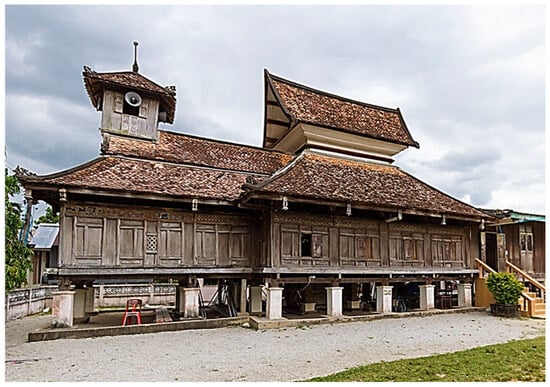
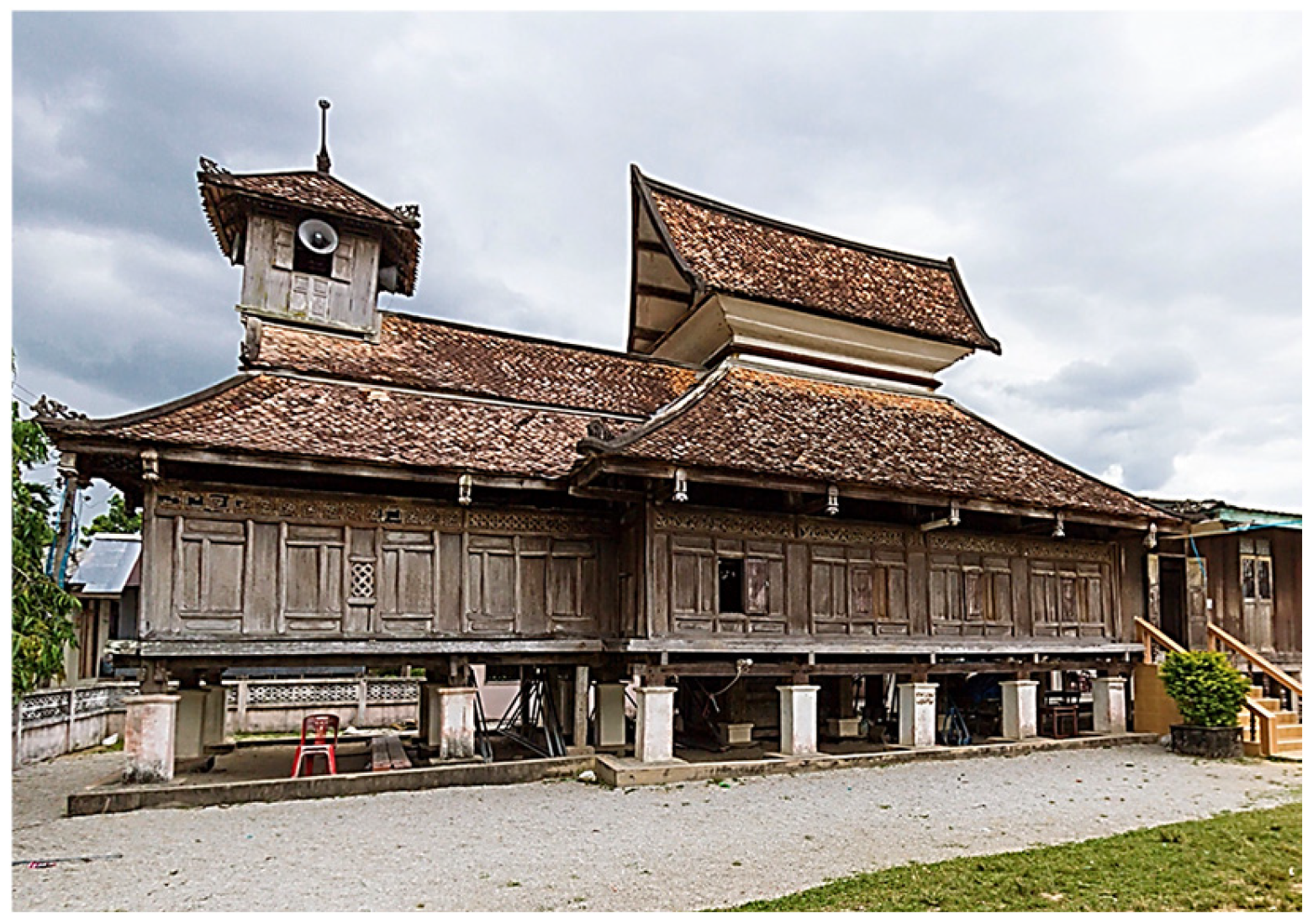
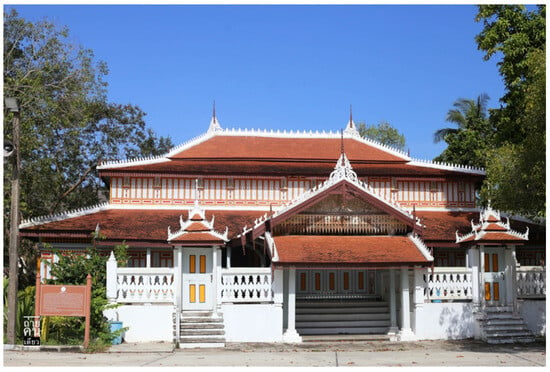
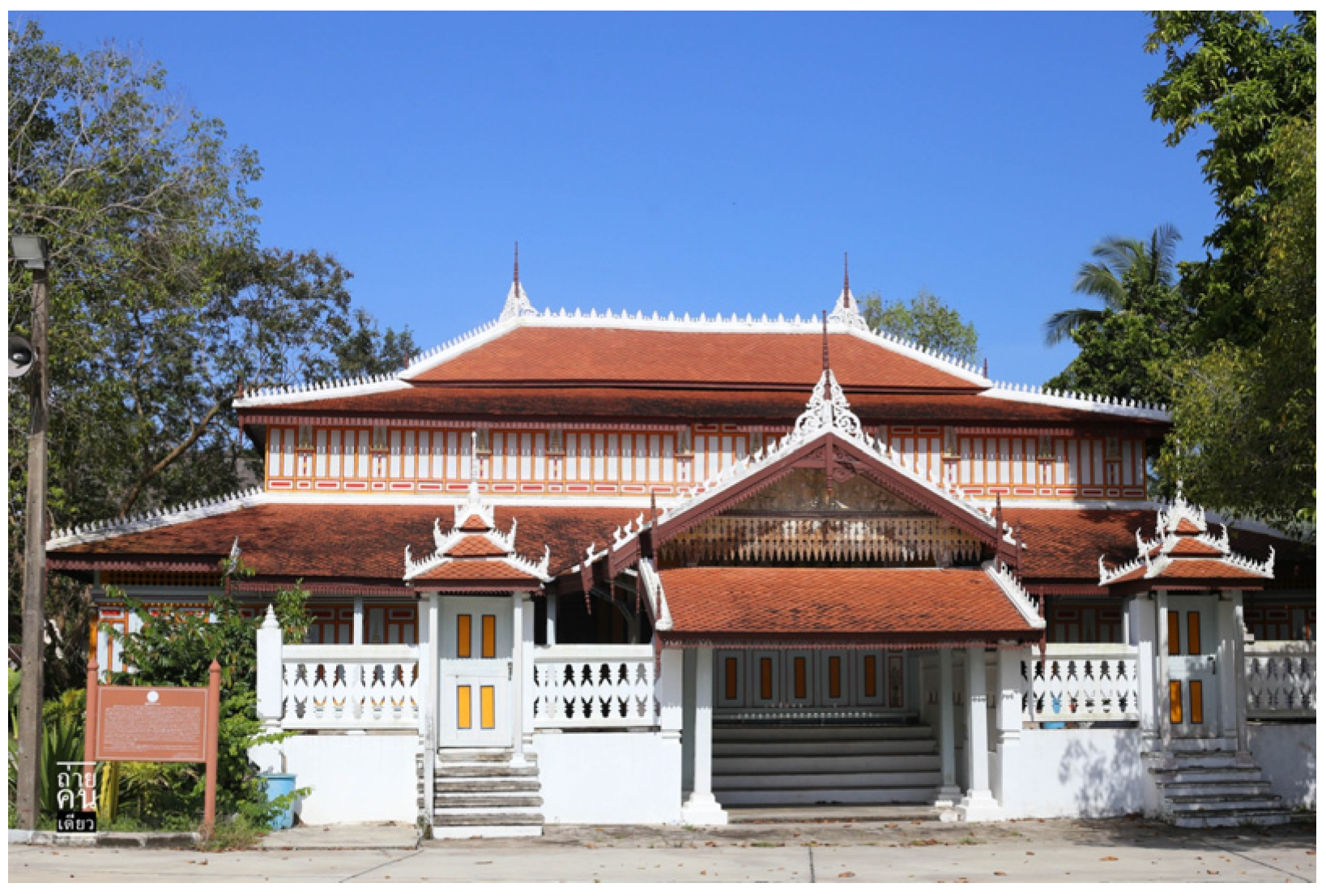
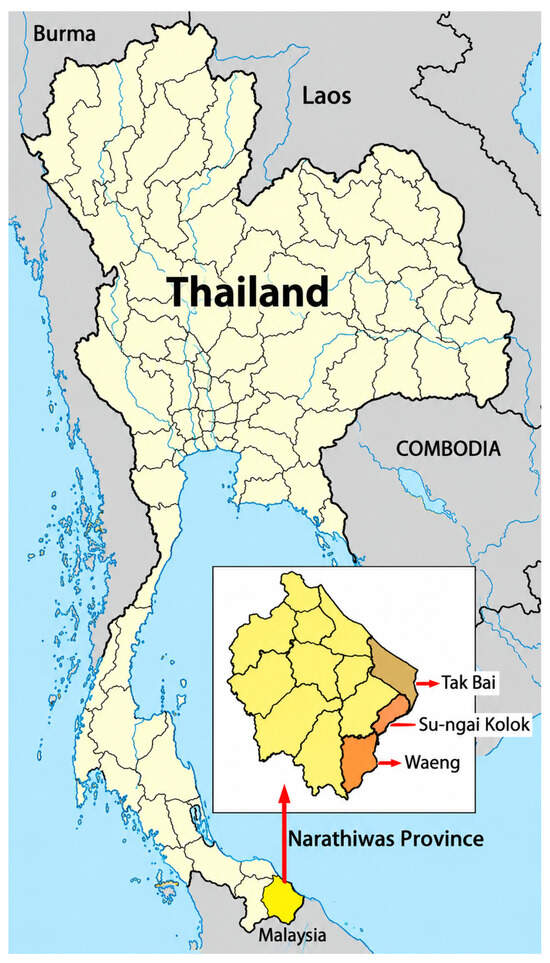
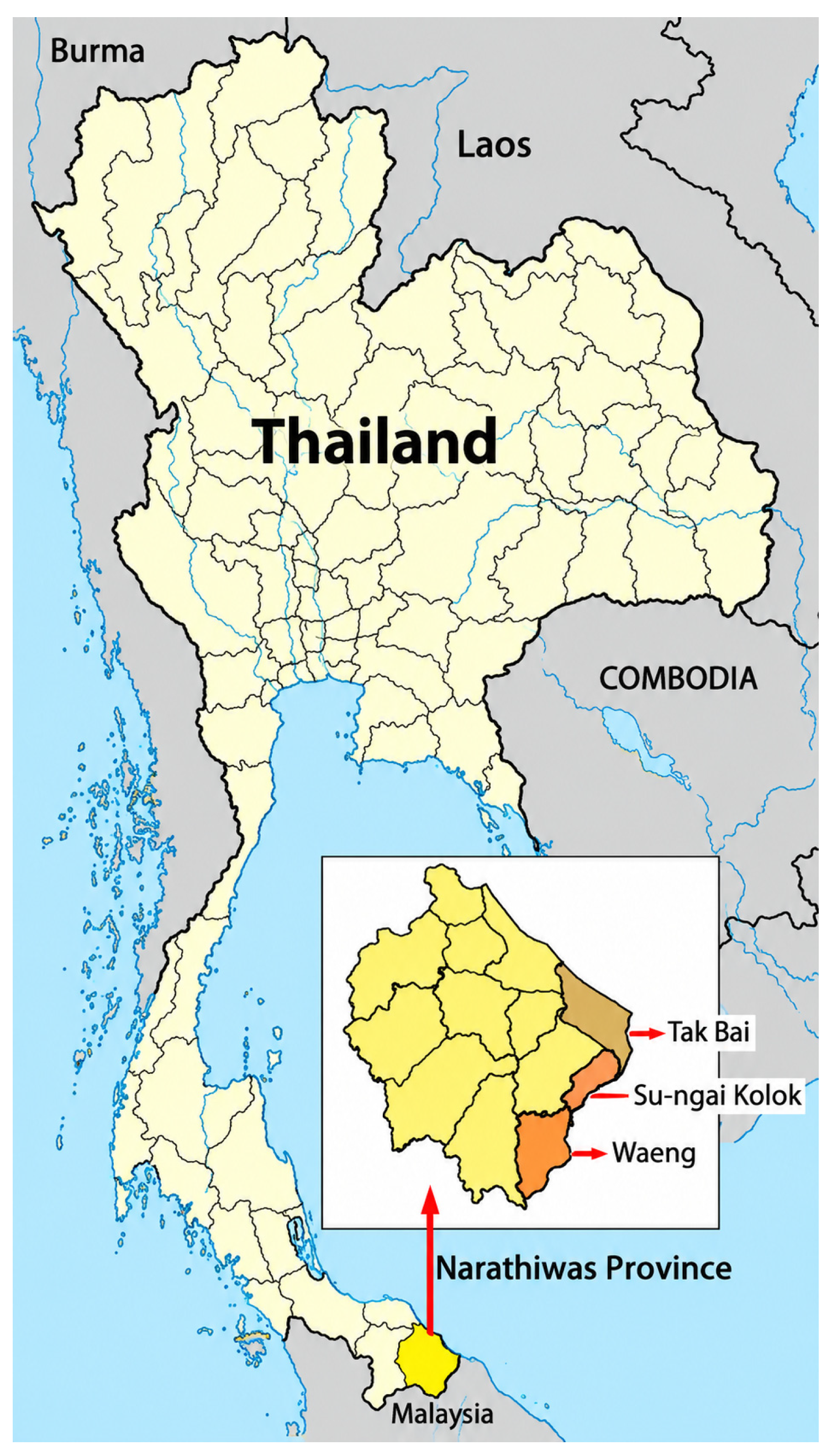
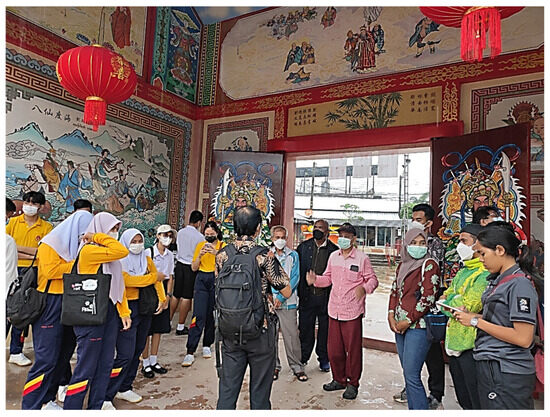
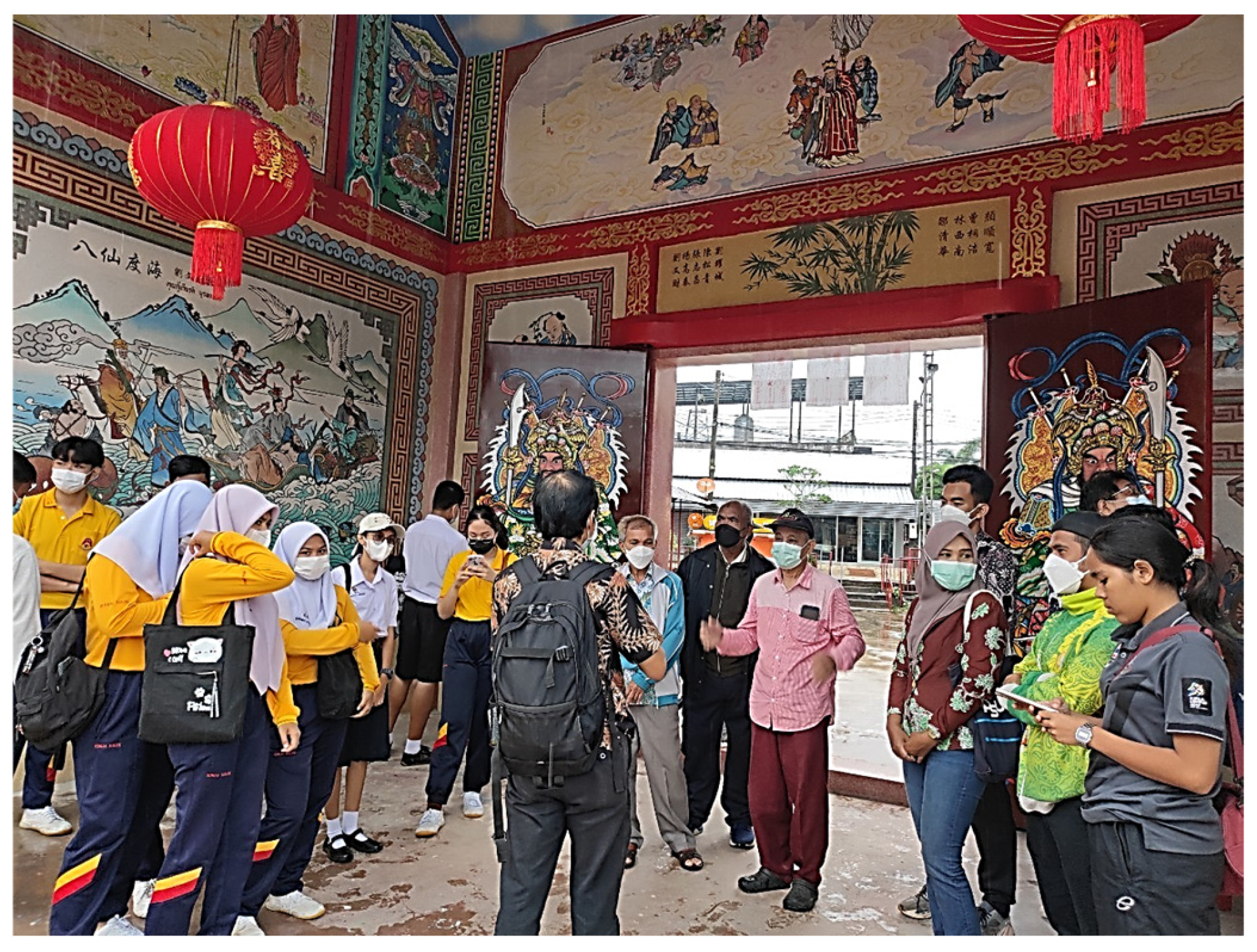
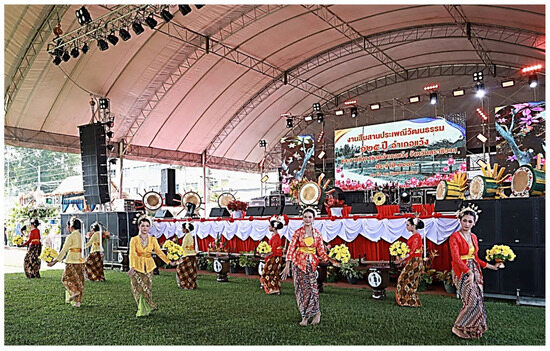
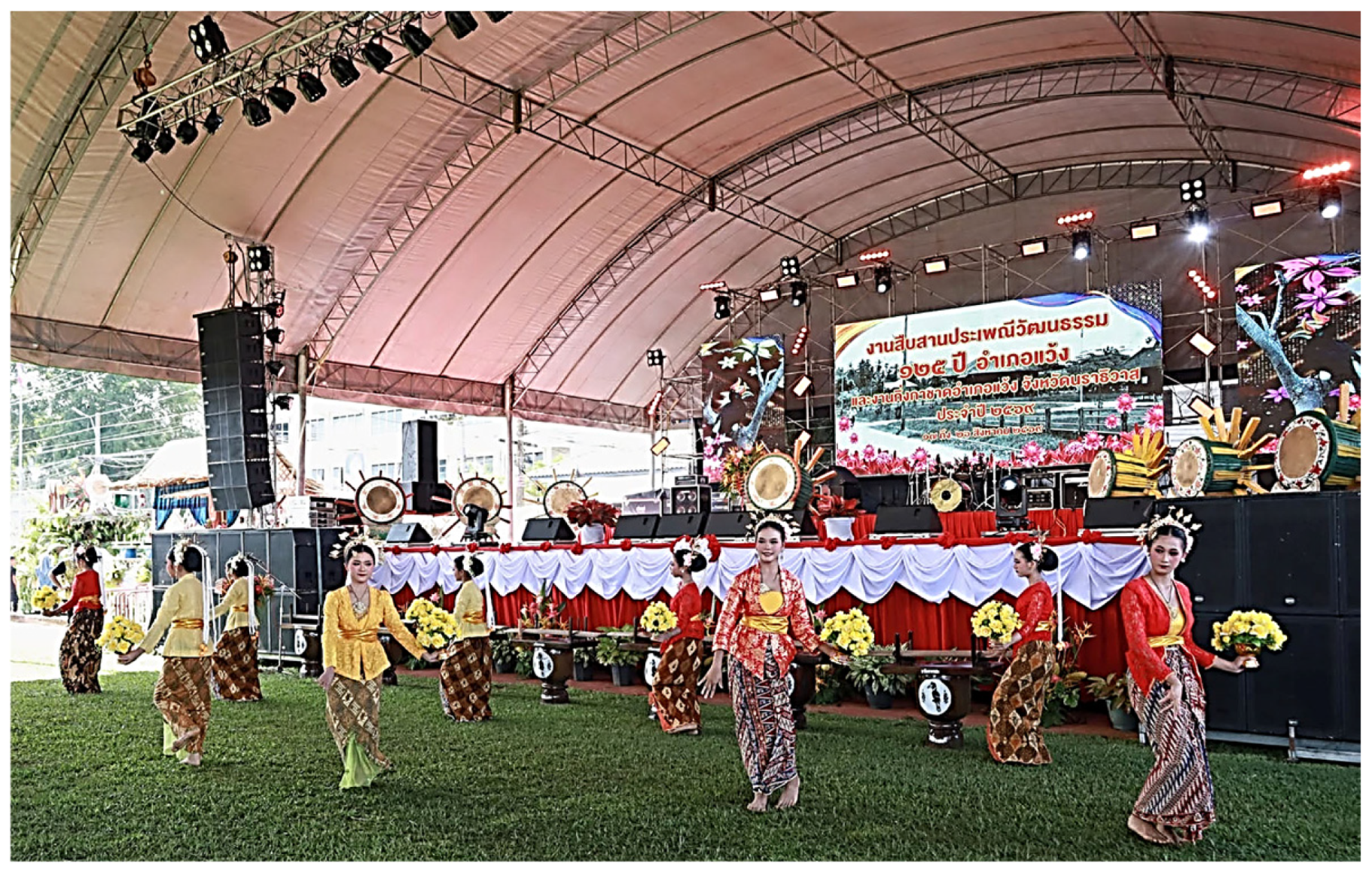
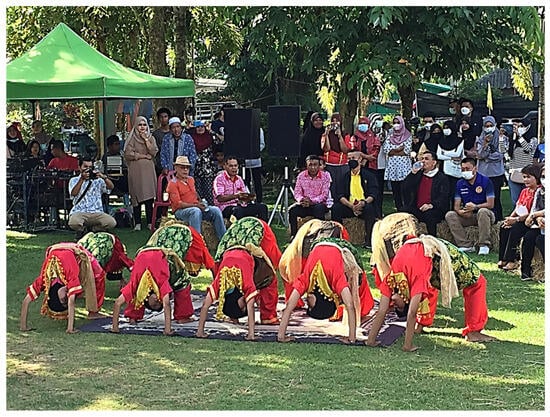
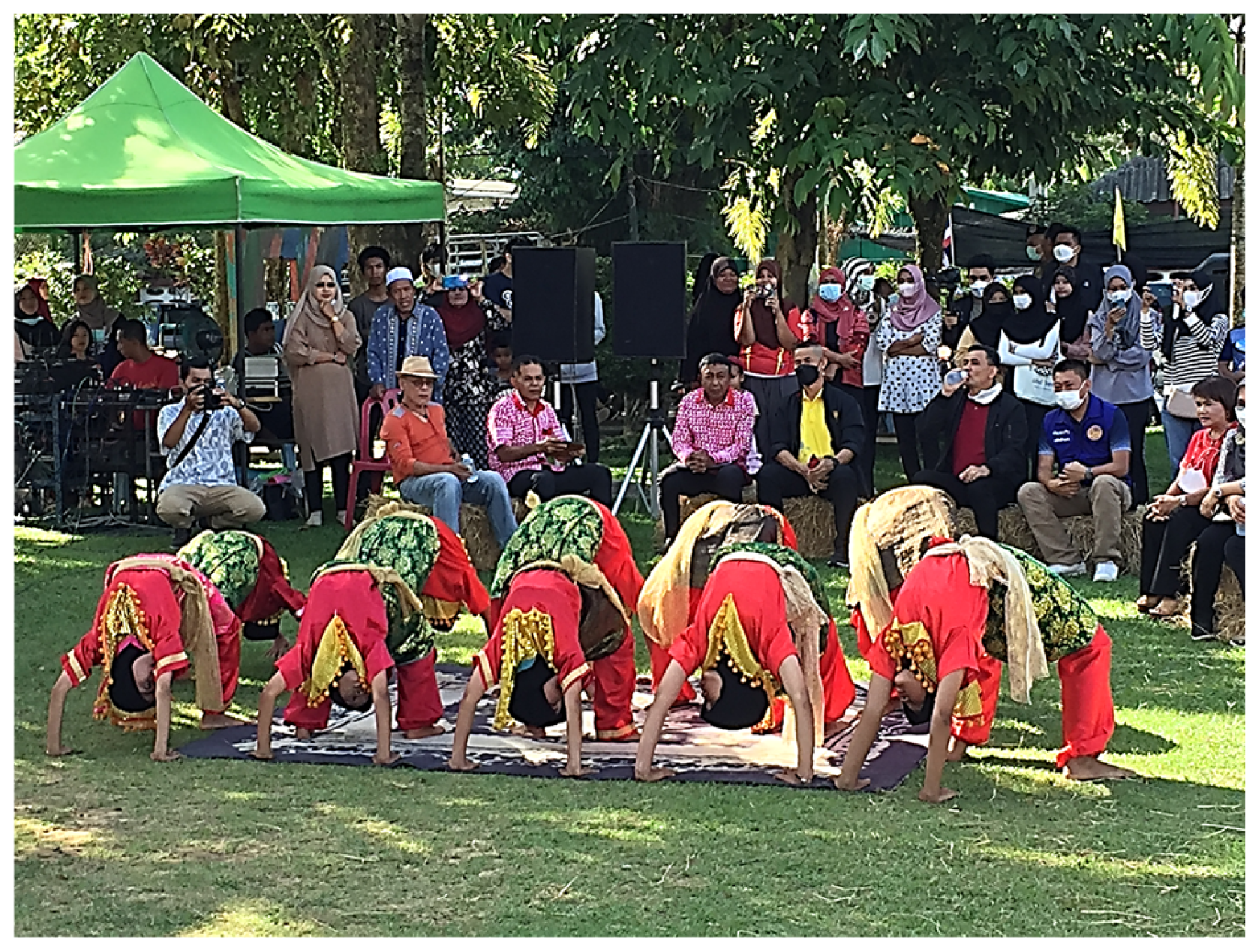
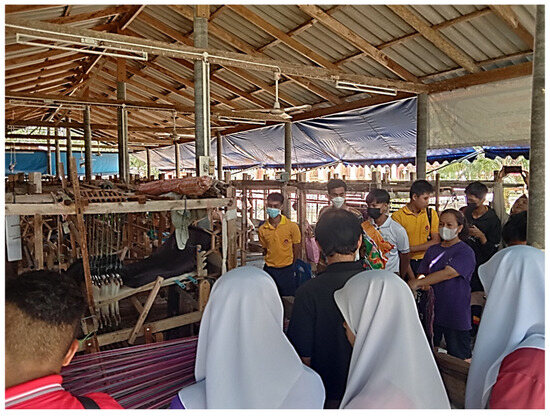
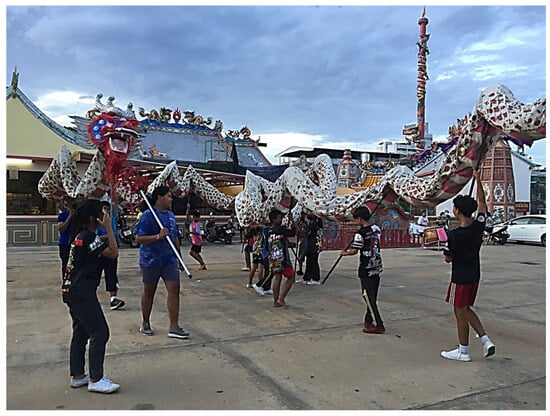
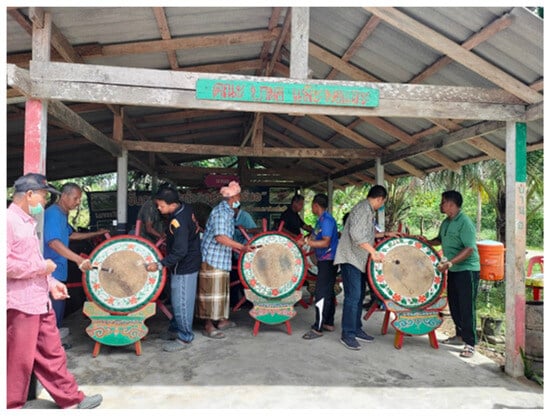
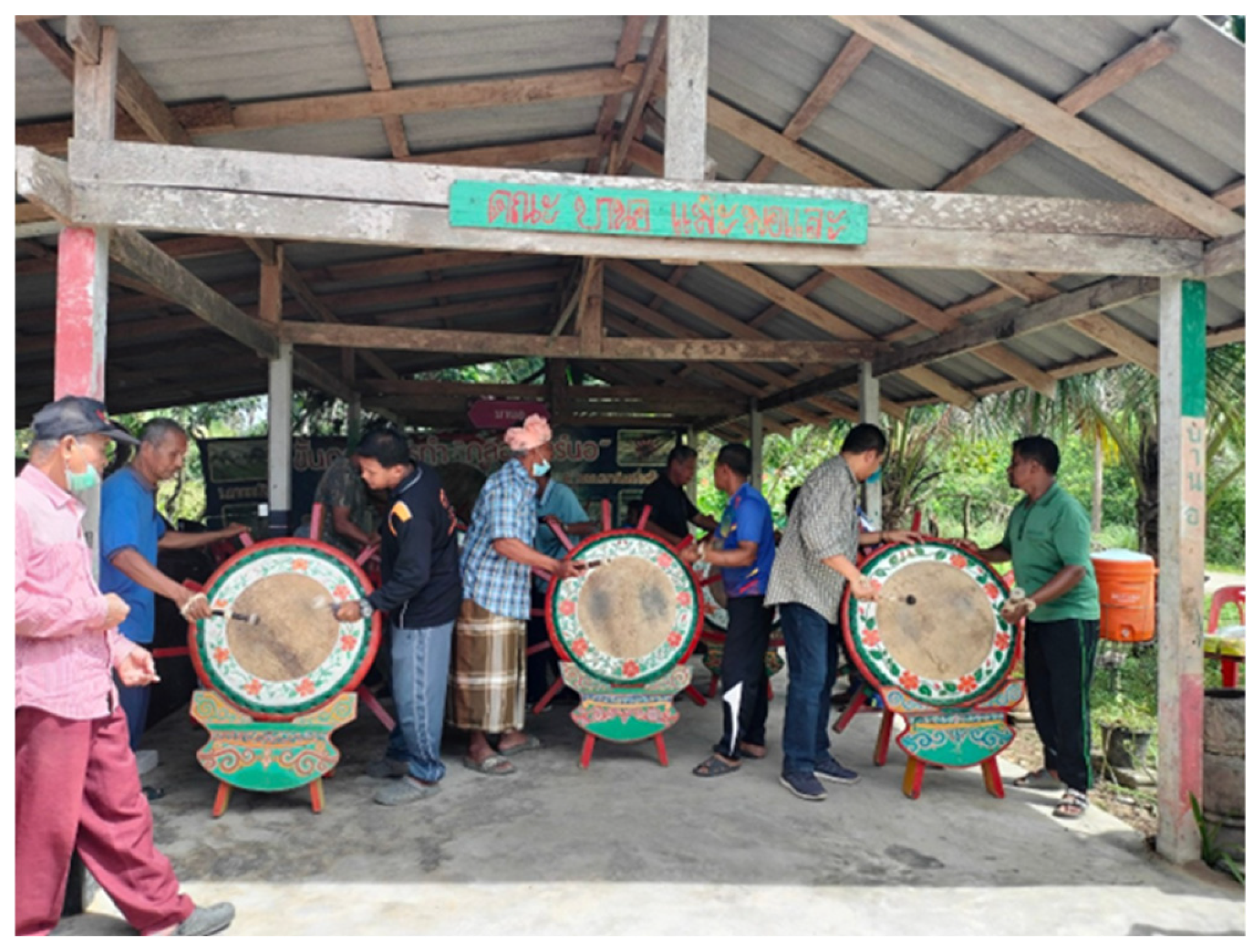

Disclaimer/Publisher’s Note: The statements, opinions and data contained in all publications are solely those of the individual author(s) and contributor(s) and not of MDPI and/or the editor(s). MDPI and/or the editor(s) disclaim responsibility for any injury to people or property resulting from any ideas, methods, instructions or products referred to in the content. |
© 2026 by the authors. Licensee MDPI, Basel, Switzerland. This article is an open access article distributed under the terms and conditions of the Creative Commons Attribution (CC BY) license.