


Abstract
Sustainable soil health management is a major challenge for modern agriculture, particularly under increasing water constraints and progressive soil degradation, prompting the evaluation of innovative soil conditioners such as water-soluble polymers. This study assessed the effects of the anionic copolymer SNF FLOBOND™ DI 2010 (FDI2010) on soil physical structure and microbial properties through three complementary experiments, including one lysimeter trial and two controlled microcosm incubations using contrasting agricultural soils under different moisture regimes. The results consistently showed a significant improvement in soil aggregate stability following polymer application, while effects on water retention were variable and dependent on soil type and moisture conditions, with clearer improvements observed under drought conditions and in lysimeter setups. Microbial responses were largely indirect, with increased respiration and enzymatic activities but no significant change in total microbial biomass. Under water-limited conditions, FDI2010 contributed to sustaining microbial activity, particularly for carbon and nitrogen mineralization. Overall, these findings indicate that FDI2010 primarily enhances soil structural stability and indirectly supports microbial functioning, highlighting its potential as a soil conditioner to improve soil resilience to hydric stress, although further field validation remains necessary.
1. Introduction
Soil degradation is a major global environmental problem, aggravated by intensive agriculture, climate change, and unsustainable practices. To ensure the sustainability of agricultural systems and the continuity of ecosystem services, maintaining soil health is essential. Soil health relies on a complex set of physical, chemical, and biological characteristics that support essential functions such as carbon sequestration, water regulation, nutrient cycling, and agricultural productivity [1,2]. In this context, polymeric materials used as soil conditioners have recently emerged as a promising tool for improving soil properties [3,4]. Soil physical and hydrological properties, such as structure, aggregate stability, water retention capacity, and nutrient dynamics, play a fundamental role in plant development and the sustainability of terrestrial ecosystems [1]. However, modern agricultural practices and climate-induced water stress contribute to progressive soil degradation, often resulting in reduced microbial diversity and impaired soil functioning [5,6].
The adoption of sustainable agricultural practices is essential for addressing current environmental challenges. Polymeric soil conditioners are becoming more widely acknowledged as useful instruments for enhancing soil structure and water dynamics because of their chemical and physical characteristics. These materials can lessen erosion, restrict water pollution, mitigate the effects of climate change, and aid in the management of plant diseases in agricultural systems [7,8]. Recent advances in polymer science have highlighted their potential for environmental and agricultural applications, particularly due to their tunable chemical structures and multifunctional properties. Braun et al.; (2021) [9] demonstrated that optimizing the life cycle of high-molecular-weight anionic polyacrylamide (PAM) polymers can significantly reduce CO2 emissions and water consumption in agricultural and industrial applications. These polymers degrade slowly through biological or abiotic processes without releasing significant levels of acrylamide monomer.
It is well established that high-molecular-weight PAMs increase soil aggregate stability, boost infiltration, and lessen erosion, all of which increase crop yield [3,4,10]. In addition to polymer features like molecular weight and charge density, their efficacy is highly dependent on soil properties like texture, clay mineralogy, organic matter concentration, and ionic composition [11,12]. In dry and Mediterranean agroecosystems, for instance, it has been demonstrated that high-molecular-weight PAMs with a moderate charge density improve infiltration, decrease runoff, and restrict erosion [13,14,15]. The effectiveness of these amendments depends strongly on soil moisture conditions [8]. The water status of the soil significantly influences the composition, and metabolic activities of microbial communities, which are essential for maintaining soil quality. Several studies report that PAM can promote the structural diversity of microflora by improving water content and regulating the carbon/nitrogen ratio [16,17]. Anionic PAM superabsorbent hydrogels can also optimize seed germination and positively modify microbial communities [18,19]. These materials differ substantially from FDI 2010 in molecular weight and mode of action; comparisons are therefore indicative rather than directly comparable. These polymers contribute to the increase in available nutrients, promoting the growth of beneficial microbial taxa [19]. Furthermore, soil enzyme activity, an indicator of microbial health and nutrient dynamics, is improved by the application of polymers. Increased activities of enzymes such as urease, invertase, and catalase have been documented, with direct effects on nitrogen availability and plant growth [20,21,22]. These observations confirm the positive impact of polymers on microbiological activity, physical structure, and soil fertility [22,23,24].
Among these materials, SNF FLOBOND™ DI 2010 (FDI2010) is an industrial anionic polyacrylamide-based polymer used as a low-molecular-weight soil conditioner. Unlike superabsorbent hydrogels, its primary role is not direct water absorption but rather the modification of soil physical properties. By improving aggregate stability and modifying pore architecture, FDI2010 can indirectly influence soil hydraulic properties and water retention [25,26]. Despite its increasing use in agricultural contexts, its effects under field-relevant soil conditions remain poorly documented, particularly regarding its potential interactions with soil microbial communities and soil physical properties [27].
To address this knowledge gap, we evaluated the effects of FDI2010 under representative agricultural soil conditions, selecting two contrasting French soils: an alkaline loam–clay from a Mediterranean vineyard and a slightly acidic sandy loam from an Alsatian plain. The two soils were intentionally used in different experimental setups to investigate both physical and biological responses to polymer application. While the sandy loam soil was utilized in two microcosm incubations to concentrate on microbial responses under controlled moisture regimes, the clay–loam soil was employed in the lysimeter experiment to assess water percolation and soil structural stability. Therefore, this study’s goal was to assess how FDI2010 affected microbial activity, water retention, and soil structural stability under regulated water circumstances. This work attempts to offer fresh perspectives on the potential function of polymeric soil conditioners in promoting soil resilience and sustainable agricultural management by fusing soil physical measures with microbial and enzymatic investigations.
2. Materials and Methods
2.1. Soil Sampling and Characterization
Two contrasting agricultural soils were used to evaluate the effects of the polymer FDI2010 on soil physical and microbial properties. The first soil was used for the lysimeter experiment. This soil was collected from the top 0–30 cm of a vineyard plot (Agde, Occitanie region, Mediterranean plain, 55 m a.s.l., 43°30′47.1″ N 4°39′08.6″ E). The climate is Mediterranean, with a mean annual precipitation of 489 mm and an average temperature of 14.8 °C. The loamy–clayey soil is alkaline (pH 8.6), corresponds to a saline Mediterranean coastal soil, and shows a high cation exchange capacity (CEC 102.5 meq·100 g−1) and 2.5% organic matter (14.8 g·kg−1 C, 1.06 g·kg−1 N, C/N 13.9). Major elements include K2O 0.359%, MgO 1.035%, and CaO 11.16 g·kg−1. The second soil, used for the microcosm experiment, was sampled from the top 0–20 cm (Guémar, Grand Est region, Alsace plain, 181 m a.s.l., 48°11′29.3″ N, 7°23′25.0″ E). The climate is semi-continental, with 600–700 mm annual rainfall and 10–11 °C average temperature. The sandy loam soil is slightly acidic (pH 5.6) with low CEC (7.3 meq·100 g−1) and 1.9% organic matter (1.09% C, 0.11% N, C/N 10.2). Its major elements are K2O 0.50%, MgO 0.42%, and CaO 1.677 g·kg−1.
2.2. Polymer Characteristics
The anionic copolymer FDI 2010 was synthesized via free-radical copolymerization in a solution in water of acrylamide and acrylic acid monomers (prop-2-enamide and prop-2-enoic acid monomers), initiated by a standard redox initiating system, followed by post-neutralization with sodium hydroxide (NaOH). The weight-average molecular weight (Mw) of FDI 2010 characterized by size exclusion chromatography was in the range of 50,000 to 100,000 g/mol, with a polydispersity index (PDI) between 2.0 and 2.5. The result corresponds to a relatively low-molecular-weight soil conditioner compared with conventional high-molecular-weight PAMs used for erosion control. The anionic charge density was 10 to 20 mol%. The formulation is supplied as a yellowish liquid with a non-volatile solids content of 26–30 wt% (corresponding to 70–74 wt% water and 26–30 wt% active polymer). Physicochemical properties include a specific gravity of 1.1–1.2, a pH of 4.0–5.0, and a bulk Brookfield viscosity ranging from 1000 to 3000 cP (at 25 °C). High-performance liquid chromatography (HPLC) analysis confirmed that the residual acrylamide monomer content is strictly controlled below 100 ppm relative to the active polymer dry weight. The loamy–clayey soil, characterized by a much higher specific surface and a greater density of reactive sites, received the higher dose (2 g·kg−1), and sandy loam soil, with a lower surface area and fewer contact points between particles, received only 1.4 g·kg−1.
2.3. Experimental Design
For clarity, the experimental design and the variables measured in the three experiments are summarized in Table 1 before the detailed description of each experiment. Three complementary experimental approaches were used to evaluate the effects of FDI2010 on soil aggregate stability, water dynamics, and microbial processes compared to a control sample: a lysimeter experiment, designed to investigate water percolation and nutrient leaching in a clay–loam Mediterranean soil under saturated conditions; a controlled microcosm incubation experiment, conducted on a sandy loam soil to evaluate the effects of FDI2010 on aggregate stability, water retention, and bacterial and fungal gene abundance under contrasting moisture regimes; and a controlled microcosm incubation experiment to quantify microbial metabolic activity and substrate-induced respiration.
Table 1.
Overview of the experimental design and measured variables for the three experiments conducted in this study.
2.3.1. Lysimeter Experiment Setting
A lysimeter experiment was conducted to evaluate the effect of FDI2010 on water percolation, water dynamics, soil structural stability and nutrient leaching. The experiment was conducted using lysimeters consisting of PVC columns (total height: 45.5 cm; internal diameter: 10 cm). Each lysimeter was sealed at the base with a PVC lid fitted with an O-ring and a high-density polyethylene (HDPE) tap for leachate collection. A drainage layer of gravel (1.73 kg; mean diameter: 1 cm) was placed at the bottom of each column and covered with a 2 mm plastic mesh to prevent clogging. The water-holding capacity (WHC) was determined by saturating the soil sample in a cylinder equipped with a filter, allowing excess water to drain for several hours, and then oven-drying the sample to a constant weight at 105 °C. Each column was filled with 2 kg of dry soil and was moistened to 70% of WHC with distilled water (≈420 mL per lysimeter). The single lysimeter experiment was conducted using eight lysimeter columns filled with saline soil. Four lysimeters were treated with FDI2010 and the other four served as controls. The following determinations were performed: percolation volume, leachate collection and chemical analysis (total N, K, Ca, Mg, Na), and microbial gene quantification (16S and 18S) at the end of the experiment. The ions were analyzed in an equivolumetric mixture of the four leachates. Before treatment application, the soil was allowed to equilibrate by maintaining the lysimeters at 70% of field capacity under semi-controlled greenhouse conditions to stabilize organic matter and reactivate microbial activity. After a one-week pre-incubation period, two treatments were applied: a control (no amendment) and a treatment with the polymer FDI2010 (2 g·kg−1 dry soil). For the amended treatment, the polymer FDI2010 was applied in liquid form, mixed with the irrigation water, and incorporated into the soil during moistening. Each treatment was replicated five times. Lysimeters were irrigated with distilled water to simulate cumulative rainfall between 200 and 400 mm (≈236 mL per lysimeter for 30 mm).
After each leaching event, each lysimeter column was weighed, and the volume of leachate was measured. The retained water mass was calculated from the difference between the amount of water applied and the amount of water recovered as leachate, assuming a water density of 1 g mL−1. Leachates were collected via HDPE taps, stored for analysis, and sampled four times over two weeks. Leachate pH and electrical conductivity were measured after each leaching event. Total Kjeldahl nitrogen (internal method of SADEF with a Kjeldahl kit–Photometry and a NANOCOLOR® VIS II spectrophotometer (MACHEREY-NAGEL, Düren, Germany). and major ions (P, K, Ca, Mg, Na; mineralization with aqua regia NF EN ISO15587-1 [28] and were analyzed by inductively coupled plasma mass spectrometry using an ICP-MS instrument (Thermo Fisher Scientific, Waltham, MA, USA) following the NF EN ISO 17294-2 standard [29] were performed by the SADEF laboratory (Aspach-le-Bas, France) following their accredited routine methods based on national and ISO standards.
2.3.2. Microcosm Incubation Experiment
Microcosms focused on bacterial and fungal gene abundance, respiration, enzyme activities, and aggregate stability. Agricultural soil from Guémar (France) was used to establish the microcosms. The soil was sieved (<5 mm) to remove coarse particles and ensure homogeneity. Incubations were carried out in 1 L square plastic trays (15 × 15 × 6 cm), with six trays prepared per treatment. Two water regimes were imposed: (i) a fluctuating regime simulating natural soil moisture dynamics, alternating between 70% and 30% of the water-holding capacity (WHC), and (ii) a severe drought regime maintained at 10% of WHC. The anionic polymer FDI2010 was applied by watering soil at 1.4 g·kg−1. Experimental treatments were: (1) control 30–70% WHC, (2) control 10% WHC, (3) FDI2010 30–70% WHC, and (4) FDI2010 10% WHC. Each treatment was replicated three times.
Microcosms were incubated in a phytotron under controlled conditions (16 h photoperiod; 25 °C day/20 °C night). The effects of FDI2010 on soil physical and microbiological properties were assessed over time. Soil samples were destructively and independent collected from microcosms at each sampling date (T0 for 24 h, T1 for 1 month, and T2 for 4 months after application) to perform the physical and microbiological analyses.
A second microcosm incubation series was conducted under the same experimental conditions as the first (soil preparation, polymer dose, moisture regimes, incubation environment, and sampling schedule). This second series specifically aimed to quantify the respective contributions of bacterial and fungal communities to soil respiration using selective microbial inhibitors. Chloramphenicol (100 mg·L−1) was applied to inhibit bacterial protein synthesis, and bronopol (78 mg·L−1) was used to inhibit fungal activity. Inhibitors were added 1 h before substrate addition (water, glucose, or urea), following the MicroResp™ (The James Hutton Institute, Dundee, UK) protocol. Respiration was then measured under the same analytical conditions as in the first series. This design allowed us to distinguish abiotic respiration from biologically driven CO2 production and to quantify the relative contributions of bacterial and fungal communities to total soil respiration. Each treatment was performed using four independent microcosm replicates. Technical replicates were additionally performed for specific analytical measurements, including two qPCR technical replicates for gene abundance analyses and three technical replicates for microbial respiration measurements using the MicroResp™ system (The James Hutton Institute, Dundee, UK).
2.4. Soil Analysis
2.4.1. Leachate Analysis in Lysimeter Experiment
The pH and electrical conductivity (EC) of the leachates collected from the lysimeters were measured using standardized laboratory procedures. pH was determined with an InoLab pH 7110 m (WTW, Weilheim, Germany) equipped with a Sentix® 41-3 electrode, calibrated prior to each measurement series. Electrical conductivity was measured with a WTW inoLab Cond Level meter (WTW, Weilheim, Germany) fitted with a TetraCon® 325 probe.
2.4.2. Aggregate Stability in Incubation Experiment
For each sampling time, soils were collected destructively from independent microcosms, air-dried, and sieved sequentially at 2 mm and 1 mm to obtain the 1–2 mm aggregate fraction. A known mass of this fraction was placed on a 200 µm sieve and gently immersed in deionized water using a structural stability apparatus to minimize disturbance. Aggregate stability was assessed following the method of [30], involving controlled wetting and shaking to simulate natural rainfall. Water-stable aggregates (>200 µm) were collected at defined intervals, oven-dried at 105 °C for 24 h, and weighed. The stability index (AGi/AGws) was calculated using the ratio of initial aggregates (AGi) and water-stable aggregates (AGws) method to quantify temporal variations in soil structural stability under controlled wetting conditions.
2.5. Microbial Response
2.5.1. DNA Extraction
Total DNA was extracted from 0.25 g of soil using the DNeasy® PowerSoil® Pro Kit (Qiagen, Hilden, Germany), according to the manufacturer’s protocol, and eluted in 50 µL of final buffer. DNA concentration and purity were assessed with a Nanodrop One spectrophotometer (Thermo Fisher Scientific, Wilmington, DE, USA). Purity was evaluated using A260/A280 (≈1.8 for pure DNA) and A260/A230 (≈2.0–2.2) ratios to detect protein and organic contaminants, respectively. DNA concentrations were calculated using the standard conversion factor of 50 ng·µL−1 per absorbance unit at 260 nm. Measured concentrations served as an indicator of total microbial biomass and were used to normalize DNA samples to 1 ng·µL−1 for quantitative PCR (qPCR) analyses.
2.5.2. Real-Time PCR Assays for 16S and 18S rRNA Genes
Quantification of bacterial and fungal gene abundances was performed using real-time PCR targeting the bacterial 16S rRNA and fungal 18S rRNA genes. Bacterial 16S rRNA genes were amplified using universal primers 968F (5′-AACGCGAAGAACCTTAC-3′) and 1401R (5′-CGGTGTGTACAAGACCC-3′), targeting the V6–V8 region [31,32]. Reactions (20 µL) contained 0.3 µL of each primer (20 µM), 10 µL of 4× SYBR Green, 5 µL of template DNA or plasmid standard (106–101 copies·µL−1), and 4.4 µL of H2O. Amplifications were carried out on an Agilent AriaMx Real-Time PCR System with the following program: 50 °C for 2 min, 95 °C for 10 min, 35 cycles of 95 °C for 30 s, 56 °C for 30 s, and 72 °C for 30 s. Melt curve analysis (51–95 °C, 0.5 °C increments) verified the specificity and absence of primer dimers. Fungal 18S rRNA genes were quantified using primers FU18S1 (5′-GGAAACTCACCAGGTCCAGA-3′) and Nu-SSU-1536 (5′-ATTGCAATGCYCTATCCCCA-3′) [33] under similar reaction conditions, except for an annealing temperature of 50 °C. Each assay was performed in triplicate, including plasmid standards and negative controls (no-template blanks). Standard curves (106–101 copies·µL−1) were used to determine amplification efficiency and absolute gene copy numbers.
2.6. Microbial Activity Assessment
2.6.1. Microbial Respiration
- OxiTop® System
Microbial activity was assessed using the OxiTop® system (WTW, Weilheim, Germany), which measures oxygen consumption as an indicator of total microbial respiration, following [34]. Approximately 50 g of dry soil was placed in sealed OxyTop® (WTW, Weilheim, Germany) bottles equipped with pressure sensors. A small beaker containing soda lime was inserted into each bottle to absorb CO2 produced during respiration. The decrease in headspace pressure, resulting from O2 consumption, was recorded continuously and converted to oxygen uptake. Three treatments were applied: (i) a non-induced control (no substrate addition), and (ii) a glucose-induced treatment (5 g·kg−1 dry soil, equivalent to ~2 g C·kg−1). Each treatment was replicated four times. Incubations were carried out for 15 days at 20 °C, and results were expressed as mg O2·g dry soil.
- MicroRespTM system
Basal and substrate-induced respiration (SIR) was measured using the MicroResp™ system ((The James Hutton Institute, Dundee, UK)) following the protocol of [35]. Three substrate treatments were tested: (i) basal respiration (water only) and (ii) glucose-induced and (iii) urea-induced respiration. Glucose (Merck, Darmstadt, Germany, CAS: 14431-43-7) and urea (Sigma, St. Louis, MO, USA, CAS: 57-13-6) were applied at 30 mg·g−1 soil water, corresponding to approximately 12 mg·g−1 soil water of C (glucose) and 6.36 mg·g−1 soil water of N (urea). Soil samples were placed in 96-well deep-well plates and amended with the respective substrate solutions. Each substrate treatment was combined with one of three microbial inhibition conditions: (1) no inhibitor, (2) chloramphenicol (20 µL; 100 mg·L−1) to inhibit bacteria, or (3) bronopol (20 µL; 78 mg·L−1) to inhibit fungi, both added 1 h prior to substrate addition. Detection plates were preloaded with agar–cresol red indicator gel, sealed, and incubated at 20 °C. CO2 evolution was determined by measuring absorbance changes at 570 nm using a Biotek Synergy 2 microplate reader (BioTek Instruments, Winooski, VT, USA). Respiration rates were expressed as µg CO2–C·g−1 dry soil·h−1. CO2 production was also expressed as % increase relative to control.
2.6.2. Potential Microbial Enzyme Activities
Enzymatic activities involved in phosphorus (P), carbon (C), and nitrogen (N) cycling were determined following ISO 20130:2018 [36] using colorimetric microplate assays. The analyzed enzymes were neutral phosphatase (NP), β-glucosidase (BG), and urease (URE). Composite soil samples were homogenized, sieved (<2 mm), and stored at –80 °C prior to analysis.
For NP and BG, 4 g of soil was suspended in 25 mL of buffer (Trizma pH 11 for PAK, Trizma pH 5.5 for PAC, or deionized water for NP and BG) and homogenized for 10 min. Aliquots (125 µL) were distributed in microplates (triplicates plus controls) and 25 µL of substrate was added: 4-nitrophenyl phosphate (50 mM) for NP and 4-nitrophenyl-β-D-glucopyranoside (50 mM) for BG. After incubation (30 min for NP; 1 h for BG) at 37 °C, reactions were stopped with 0.5 M CaCl2 and Trizma pH 12. Plates were centrifuged (5 min, 1500× g), and absorbance was read at 405 nm using a Biotek Synergy 2 microplate reader (BioTek Instruments, Winooski, VT, USA). Activities were quantified using p-nitrophenol standards (0–0.36 mM). Urease activity was determined by incubating 50 µL of soil suspension with 40 µL of 400 mM urea solution and 150 µL of deionized water for 3 h at 25 °C. Ammonium release was revealed by adding salicylate and cyanurate reagents, incubating for 30 min in the dark, and measuring absorbance at 650 nm after centrifugation. A calibration curve with ammonium chloride (0–0.31 mM) was used for quantification. All enzyme activities were expressed as potential activities, i.e., nanomoles of product released per minute per gram of dry soil (nmol·min−1 g−1 dry soil).
2.7. Statistical Analysis
All statistical analyses were conducted in Python (v3.12) using Google Colaboratory, with pandas 2.2.2 and numpy 2.0.2 for data processing, scipy.stats 1.16.2 and statsmodels 0.14.5 for statistical tests, and scikit-posthocs 0.11.4 for post hoc comparisons. Graphs were generated with matplotlib 3.10.0 and seaborn 0.13.2. Data normality was assessed using the Shapiro–Wilk test, and homogeneity of variances was evaluated with the Levene test. Depending on assumptions, comparisons were made using Student’s t-test (two groups), one-way ANOVA (multiple groups with normality and equal variance), or the Kruskal–Wallis test (non-parametric). When significant differences were detected (p < 0.05), post hoc analyses were performed: Tukey HSD after ANOVA and Dunn test with Bonferroni correction after Kruskal–Wallis. Results are presented with significance letters, where groups sharing the same letter do not differ significantly (α).
Because this study was exploratory and based on a limited number of biological replicates, three significance thresholds (α = 0.05, 0.10 and 0.15) were defined a priori. Results with α = 0.10 and α = 0.15 were interpreted as indicative of moderate and weak statistical evidence, respectively, and were used only to identify potential biological trends requiring further investigation.
3. Results
3.1. Lysimeter Experiment Measurements
3.1.1. Soil Water Dynamics Under Lysimeter Conditions
Cumulative water retention and leaching were evaluated in the lysimeter experiment, where soil depth allowed accurate quantification. The performance of FDI2010 was evaluated in saline soil subjected to four successive leaching events (Table 2). Treated soils consistently retained more water (880–915 g) than the untreated control (843–885 g), demonstrating a positive effect and significant effect for the second and fourth leaching of the polymer on cumulative water retention in the soil column. Initial electrical conductivity (EC) decreased progressively with each leaching cycle, reflecting salt removal. EC values were significantly higher in treated soils (30.9 ± 3.1 and 4.9 ± 1.3 µS·cm−1) compared with the control (26.4 ± 5.4 and 3.8 ± 0.8 µS·cm−1) for the first and third leaching, suggesting improved ion retention due to polymer-induced changes in soil structure and porosity. After adjusting the retained water volume, relative conductivity also decreased but remained marginally higher than the soil amended with FDI2010 at the beginning of the experiment compared with the control.
Table 2.
Effect of FDI2010 application on retained water mass and leachate electrical conductivity during four successive leaching events in the lysimeter experiment. Values are expressed as means ± standard deviation (n = 4). Statistical comparisons were performed between the treated and control groups. Different superscript letters within the same leaching event indicate significant differences between the untreated control and FDI2010-treated soils. The significance level (α) applied to each comparison is indicated in the corresponding table row (α = 0.15, 0.10, or 0.05). n.s., not significant.
Treatment with FDI2010 produced variable effects on the chemical composition of leachates compared with the untreated control from the point of view of the masses of leached ions (Table 3). Kjeldahl nitrogen was similar between treatments (1.57 to 1.41 mg·kg−1 dry soil). Total phosphorus increased markedly and significantly (0.11 to 0.36 mg·kg−1 dry soil), indicating greater phosphorus mobilization and transport in the soil column rather than enhanced plant-available phosphorus. No significant effects of FDI2010 were observed on potassium, calcium, magnesium or sodium concentrations. Mean values were 11.91 and 10.21 mg·kg−1 dry soil for potassium, 98.75 and 109.86 mg·kg−1 dry soil for calcium, 45.39 and 43.10 mg·kg−1 dry soil for magnesium, and 256.91 and 249.70 mg·kg−1 dry soil for sodium in the untreated control and FDI2010-treated soils, respectively.
Table 3.
Effect of FDI2010 application on retained water mass and leachate ions in the lysimeter experiment. The ions were analyzed in an equivolumetric mixture of the four leachates. Values are expressed as means ± standard deviation (n = 4). Statistical comparisons were performed between the treated and control groups. Different superscript letters within the same leaching event indicate significant differences between the untreated control and FDI2010-treated soils. The significance level (α) applied to each comparison is indicated in the corresponding table row (α = 0.05). n.s., not significant.
3.1.2. Soil Microbial Abundance and Community Balance Under Lysimeter Conditions
Microbial community diversity and abundance were estimated through qPCR quantification of 16S rDNA genes (for bacteria and archaea) and 18S rDNA genes (for microeukaryotes, including fungi), serving as representative taxonomic markers (Table 4).
Table 4.
Effect of FDI2010 application on bacterial and fungal gene abundance, quantified by 16S and 18S rDNA gene copy numbers, and on the 16S/18S ratio under different soil moisture conditions at the end of the lysimeter experiment. Values are expressed as means ± standard deviation (n = 4). The significance level (α) applied to each comparison is indicated in the corresponding table row (α = 0.05). n.s., not significant.
In the lysimeter experiment, 16S gene copy numbers did not differ significantly between the control and FDI2010 treatments at the end of the experiment, suggesting a limited effect on bacterial gene abundance under high-moisture conditions (100% WHC). In contrast, 18S gene abundance was slightly higher in the treated soils, indicating a modest but persistent stimulation of fungal communities. These observations differ from the microcosm experiment, where a significant increase in 16S gene copy number was detected at T1, highlighting that microbial responses to FDI2010 depend strongly on soil type and moisture regime.
3.1.3. Soil Microbial Respiration Responses Under Lysimeter Conditions
The OxyTop® system (WTW, Weilheim, Germany) measures biological activity by recording oxygen consumption through pressure changes, providing an indirect quantification of microbial respiration and thus of soil metabolic activity. In the lysimeter experiment (100% WHC) (Table 5), respiration remained uniformly high across substrates (111–119%). Slightly higher values were observed for water (119.1%) and glucose (118.6%), indicating that FDI2010 maintained or stimulated microbial activity at the end of the experiment. Biocide additions confirmed the biological origin of CO2 emissions: bronopol (antibacterial) and chloramphenicol (protein synthesis inhibitor) markedly reduced respiration, particularly in glucose-amended soils (up to 69% inhibition with bronopol).
Table 5.
Effect of FDI2010 application on relative CO2 production measured by the MicroResp™ (The James Hutton Institute, Dundee, UK) assay using water, urea and glucose substrates, with or without bronopol or chloramphenicol addition, at the end of the lysimeter experiment. Measurements were performed without substrate addition. Values are expressed as percentages of the untreated control (mean ± standard deviation; n = 4).
3.2. Microcosm Experiments
3.2.1. Soil Water Dynamics in Microcosm Incubations
In the first microcosm experiment assessing the effect of FDI2010 on soil water retention, the water loss under two water regimes is presented in Figure 1. The data show temporal variability in water loss, with a more pronounced reduction in treated soils maintained between 70% and 30% of their water-holding capacity (WHC). However, after several months of incubation, differences between treated and control soils diminished, possibly due to experimental limitations (e.g., tank height, restricted soil volume) or a decline in the polymer’s effectiveness over time. Under the driest condition (10% WHC), the water loss curves for treated and control soils were nearly identical, indicating minimal or negligible impact of FDI2010 on water retention in low-moisture environments.
Figure 1.
Temporal evolution of cumulative water loss (mL) in the microcosm experiment under two soil moisture regimes (10% WHC and 30–70% WHC) for untreated control and FDI2010-treated soils. Values represent the cumulative volume of water lost during the incubation period (mean; n = 4).
3.2.2. Soil Aggregate Stability in Microcosm Incubations
In the first microcosm experiment, soil structural stability was assessed using the AGi/AGws ratio, representing the proportion of water-stable aggregates larger than 200 µm at three incubation times (T0, T1, T2) under two moisture regimes (10–20% and 30–70% WHC), with and without FDI2010. At T0 (24 h post-application, 50% WHC) (Figure 2), FDI2010 markedly and significantly (α = 0.05) increased aggregate stability (+56.8% relative to the control). After one week, stability improvements reached +29.7% at 10–20% moisture and +76.4% at 30–70%. The strongest and most significant effects were observed after one month, with increases of +78.1% and +110.2% under low and high moisture, respectively. These results indicate a progressive, moisture-dependent enhancement of soil structure following polymer application.
Figure 2.
Effect of FDI2010 application on the AGs/AGt ratio under different soil moisture conditions during the microcosm experiment. Aggregate classes correspond to standard wet-sieving fractions. Values are expressed as means ± standard deviation (n = 4). Different letters indicate significant differences between the untreated control and FDI2010-treated soils. The significance level (α) applied to each comparison is indicated above the corresponding bars.
3.2.3. Soil Bacterial and Fungal Gene Abundance in Microcosm Incubations
In the first microcosm experiment, microbial community diversity and abundance were estimated using qPCR quantification of 16S rDNA genes (for bacteria and archaea) and 18S rDNA genes (for microeukaryotes, including fungi), serving as representative taxonomic markers (Table 6 and Figure 3).
Table 6.
Effect of FDI2010 application on bacterial and fungal gene abundance, quantified by 16S and 18S rDNA gene copy numbers, and on the 16S/18S ratio under different soil moisture conditions during the microcosm experiment. Values are expressed as means ± standard deviation (n = 4). The significance level (α) applied to each comparison is indicated in the corresponding table row (α = 0.05). n.s., not significant.
Figure 3.
Analysis of the 16S/18S report of the modalities for the microcosm experiment. Values are expressed as means ± standard deviation (n = 4). Different superscript letters within the same incubation time indicate significant differences between the untreated control and FDI2010-treated soils. The significance level (α) applied to each comparison is indicated in the corresponding table row (α = 0.15, 0.10, or 0.05). n.s., not significant.
The first microcosm incubation showed that soils treated with FDI2010 had 16S DNA concentrations for bacterial populations equal to or higher than those in the control. This difference in bacterial gene abundance, although not statistically significant (<1 log), was observed at all incubation times. The significant increase in 16S gene copy number observed 24 h after product application (T0) could indicate a change in the structure of microbial populations. This significant increase persisted for one month (T1), particularly in soils with a WHC of 30–70%. A slight increase was observed at T0 and T1, although this was not consistently significant across all replicates. Regarding the number of copies of the 18S gene, the application of the product also significantly stimulates the fungal gene abundance. This increase is maintained throughout the incubation, particularly under water stress conditions (10–20% WHC).
In contrast to the bacterial response (16S), the 18S gene data show that FDI2010 also stimulates fungal gene abundance. This increase persisted throughout the incubation period, particularly under water stress conditions (10% of the WHC), indicating a strong fungal resilience to moisture limitation.
3.2.4. Soil Microbial Respiration Responses in Microcosm Incubations
In the first microcosm experiment (Table 7), O2 consumption, measured by the OxyTop® system (WTW, Weilheim, Germany), varied markedly with soil moisture content, glucose addition (induced respiration), and incubation time (T0, T1, T2). At T0, glucose-enriched soils exhibited the highest respiration rates, reflecting the strong microbial response to a readily available carbon source. Over time, glucose-induced respiration decreased slightly, indicating progressive glucose utilization and microbial adaptation, with no difference between the control and FDI2010. In contrast, non-induced respiration was significantly higher at T2 in soils with 30–70% water retention capacity in the presence of FDI2010, highlighting the limiting effect of water deficit on microbial metabolism.
Table 7.
Effect of FDI2010 application on basal and glucose-induced soil respiration measured by the OxyTop® system (WTW, Weilheim, Germany) under different soil moisture conditions during the microcosm experiment (n = 4). Different superscript letters within the same incubation time indicate significant differences between the untreated control and FDI2010-treated soils. The significance level (α) applied to each comparison is indicated in the corresponding table row (α = 0.15, 0.10, or 0.05). n.s., not significant.
Microbial respiration, largely attributable to bacteria and strongly stimulated by glucose, was not significantly influenced by moisture regime alone. Glucose addition consistently enhanced metabolic activity relative to basal levels. FDI2010 did not generally increase O2 consumption, except under specific conditions (T1 at 30–70% WHC without glucose; T2 at 10% WHC without glucose; and T2 with glucose), suggesting that the polymer stimulates microbial activity only when moisture and substrate availability are jointly favorable.
Microbial respiration measured with the MicroResp™ system (The James Hutton Institute, Dundee, UK), for the first microcosm incubation, showed clear effects of moisture regime, substrate type, and FDI2010 application (Table 8). At T0 (50% WHC), respiration was highest with water (+106.9%) and urea (+99.7%), while glucose induced a lower response (+78.3%), reflecting initial variability in microbial activity. During microcosm incubation, urea consistently produced the strongest stimulation of respiration under water-limited conditions. At T1 under 10% WHC, respiration reached +132%, confirming that nitrogen addition rapidly activates microbial metabolism in dry soil. Under 30–70% WHC, urea-induced respiration was slightly lower (+118%) but still showed a clear stimulatory effect. At intermediate moisture, respiration values were more homogeneous (92–94%), indicating stabilization of microbial activity.
Table 8.
Effect of FDI2010 application on relative CO2 production measured by the MicroResp™ (The James Hutton Institute, Dundee, UK) assay using water, urea and glucose substrates during the microcosm experiment. Measurements were performed without substrate addition. Values are expressed as percentages of the untreated control (mean ± standard deviation; n = 4).
A second microcosm incubation series was used to partition bacterial and fungal contributions to soil respiration using selective inhibitors (Figure 4). At T1, FDI2010 increased respiration across all substrates and moisture conditions. The effect was particularly marked for glucose-induced respiration, with increases of +39% at 10% WHC and +28% at 30–70% WHC, while stimulation remained more limited for basal respiration and urea-induced respiration. Moisture effects at T1 (10% vs. 30–70% WHC) were still observable but less pronounced, confirming that intermediate moisture levels favor microbial activity.
Figure 4.
Effect of FDI2010 application on microbial respiration measured by the MicroResp™ (The James Hutton Institute, Dundee, UK) assay under different soil moisture conditions during the microcosm experiment at T1 (A) and T2 (B). Values are expressed as means ± standard deviation (n = 4). Green, purple and blue bars correspond to respiration measured without addition, with bronopol addition and with chloramphenicol addition, respectively. Water, urea and glucose were used as substrates. Asterisks (*) indicate significant differences between the untreated control and FDI2010-treated soils (α = 0.05).
Between T1 and T2, microbial respiration increased overall, particularly in the presence of urea or glucose, and more strongly under dry conditions (10% WHC). At this low moisture level, respiration rates no longer differed between control and FDI2010-treated soils, whereas increased water retention at T2 promoted higher respiration. FDI2010 continued to stimulate glucose-induced respiration at 10% WHC (3.72 µg·g−1 soil·h−1 in treated soil vs. 3.19 µg·g−1 soil·h−1 in the control), confirming its capacity to enhance metabolic responses under substrate-rich conditions.
At T1, the addition of biocides reduced microbial respiration in most cases, with chloramphenicol exerting stronger inhibitory effects than bronopol. Overall, microbial activity decreased by nearly 50%. Despite this inhibition, FDI2010 treated soils consistently maintained higher respiration than the untreated control. For instance, under urea with chloramphenicol, respiration reached 1.79 µg·CO2·g−1 soil·h−1 in treated soil compared to 0.84 µg·CO2·g−1 soil·h−1 in the control (+113%). Respiration increased markedly at T2 (30–50% on average), indicating enhanced microbial activity over the incubation period. This increase was more pronounced in chloramphenicol-treated samples. For glucose at 30–70% WHC, respiration reached 6.42 µg·CO2·g−1 soil·h−1 in the control and 5.76 µg·CO2·g−1 soil·h−1 in FDI2010-treated soil. A similar trend was observed in bronopol treatments, although the increase was not statistically significant.
3.2.5. Effects on Soil Enzymatic Activities in Microcosm Incubations
Enzyme activities are key indicators of microbial function and soil health. Table 9 summarizes potential activities of neutral phosphatase, β-glucosidase, and urease in soils treated with FDI2010 under varying moisture conditions in the second microcosm incubation. Overall, differences were generally modest, although phosphatase and urease showed moisture-dependent increases in treated soils. Neutral phosphatase (NP) catalyzes the hydrolysis of organic phosphoric esters at neutral pH and is commonly used as an indicator of phosphorus mineralization potential in soils. Under drought conditions (10% WHC) at T1, NP activity increased by ~63% in FDI2010-treated soils (4.05 nmol·min−1 g−1 vs. 2.48 nmol·min−1 g−1 in controls). A slight increase was also observed under 30–70% WHC. By T2, however, NP activity declined in treated soils, suggesting rapid substrate consumption or shifts in microbial community composition. BG activity was lower in FDI2010-treated soils at both T1 and T2, regardless of moisture (10% WHC: 0.53 vs. 0.75 nmol·min−1·g−1 dry soil; 30–70% WHC: 0.70 vs. 0.98 nmol·min−1·g−1 dry soil). Urease (URE) catalyzes the hydrolysis of urea into ammonium and CO2 and is a key enzyme involved in nitrogen mineralization. URE activity was consistently stimulated by FDI2010 across all tested water contents. Under drought conditions (10% WHC) at T1, urease activity more than doubled in treated soils (2.80 ± 1.15 nmol·min−1 g−1) compared to controls (1.21 ± 0.10 nmol·min−1·g−1). At 30–70% WHC, activity also tended to be higher in treated soils, although differences remained modest.
Table 9.
Effect of FDI2010 application on potential soil enzymatic activities during the microcosm experiment. Values are expressed as means ± standard deviation (n = 4). Different superscript letters within the same incubation time indicate significant differences between the untreated control and FDI2010-treated soils. The significance level (α) applied to each comparison is indicated in the corresponding table row (α = 0.05). n.s., not significant.
3.3. Integrative Interpretation of the Experimental Results
A summary of the key findings from the lysimeter experiment is given in Table 10. For each of the four leaching cycles in the lysimeter (saline soil), the polymer continuously raised the water retention mass, with increases of 3 to 4% over the control. A redistribution of ions within the matrix was suggested by volume adjustment, which confirmed the somewhat increased electrical conductivity in the soils treated in the first two cycles. The impact on important elements varied more: total phosphorus rose dramatically (up to +228% in the second cycle), but potassium, calcium, magnesium, and sodium showed only slight and irregular increases.
Table 10.
Integrative summary of the effects of FDI2010 on soil physical and biological properties and microbial indicators under different moisture conditions for lysimeter experiment in saline soil, showing the effects during successive leaching events on water retention, electrical conductivity (EC), nutrient dynamics (N, P), and exchangeable cations (Ca, Mg, Na, K). Green circle: increase compared with control; orange circle: decrease compared with control. Upward arrow indicates a positive change compared with the control treatment, downward arrow indicates a negative change compared with the control.
The microcosm experiment integrative summary (Table 11) shows that FDI2010 significantly and progressively improved the structural stability of the aggregates in both water regimes. Under severe drought (10% WHC), the improvement reaches +78% at T1 and +95% at T2. Under moderate humidity (30–70% WHC), the increase reaches +110% at T2. The effect on bacterial and fungal gene abundance is more limited: 16S genes show small variations, while 18S genes increase particularly under dry conditions. Respiratory and enzymatic activities also exhibit a trend dependent on the water context. Under high water stress, microbial respiration increases significantly, with a more marked increase for the hydrolysis of urea and orthophosphate. At intermediate humidity, the effects of the polymer on respiration remain but are more moderate, and β-glucosidase tends to decrease.
Table 11.
Integrative summary of the effects of FDI2010 on soil physical and biological properties and microbial indicators under different moisture conditions for microcosm experiments under controlled moisture regimes: dry soil (10% WHC) and moderate soil moisture (30–70% WHC). Values represent relative variations compared with the control treatment. Green circle: increase compared with control; white circle: no significant change. Upward arrow indicates a positive change compared with the control treatment, and equals sign indicates no significant variation compared with the control.
4. Discussion
4.1. Effects of Low-Molecular-Weight Polyacrylamide on Soil Water Dynamics
The lysimeter experiment allowed for the precise determination of cumulative water retention in the soil depth. Although the soil in the lysimeter trial was different from that used in the microcosms, the experiments are complementary as they assess the same polymer under conditions adapted to each aim. Overall, the results suggest that the effects of FDI2010 are strongly dependent on soil type and moisture regime, suggesting the importance of hydric conditions in modulating polymer–soil interactions. In the lysimeter experiment, FDI2010 significantly improved water retention and reduced the electrical conductivity of drainage water in saline soils compared with the untreated control, which indicates more efficient salt leaching together with improved soil structural stability. In this context, structural stability refers to the integrative role of the aggregate cohesion, pore connectivity and pore tortuosity in determining water transport through the soil profile. Thus, the simultaneous increase in water retention and decrease in drainage salinity suggests that FDI2010 changes the physical organization of the soil and not a single structural property. These findings are in agreement with former studies that demonstrated that soil conditioners based on polyacrylamide improve aggregate stability, decrease compaction and improve hydraulic properties [37,38]. The increase in soil water retention after application of FDI2010 is consistent with its behavior as a PAM, and its effects are due to its structural modification of aggregates and pore networks rather than hydrogel swelling as observed with cross-linked superabsorbent polymers.
FDI2010 is a water-soluble low-molecular-weight anionic polyacrylamide. Compared to cross linked superabsorbent polymers (SAPs), it does not form hydrogels and does not retain water by swelling. It influences pore organization and water flow by adsorption on mineral surfaces, by cation-mediated flocculation and by stabilizing microaggregates [25,26]. This is an important distinction as the increase in water retention observed in this study is attributed to changes in the soil structure, rather than direct water storage within the polymer matrix. PAMs with low molecular weight easily enter small pores and adsorb onto mineral and organic surfaces, favoring particle flocculation (by neutralizing/bonding surfaces and filling capillary spaces) and increasing interparticle cohesion [25,26]. The presence of exchangeable Ca2+ and Mg2+ further enhances this process. This can facilitate cation bridging between negatively charged polymer chains and mineral surfaces via interposed cations (electrostatic adsorption [25]). Soil texture and aggregate size also influence the efficiency of these mechanisms. Low-molecular-weight PAMs are particularly useful to improve infiltration and aggregate stability in sandy and silty soils, while polymers with higher molecular weights are usually more stabilizing in clay-rich soils [39].
The increase in total phosphorus concentrations in leachates indicates that more phosphorus is transported through the soil profile following FDI2010 application. However, the analysis was limited to total phosphorus, and therefore it was not possible to distinguish between dissolved phosphorus and particulate or colloid-bound phosphorus. The mechanisms underlying this response are therefore not known. The results rather suggest that changes in soil structure that were associated with modifications of water flow pathways have facilitated phosphorus transport under the experimental conditions, rather than indicating increased phosphorus availability. SAPs have been reported to improve soil water retention and reduce nutrient losses [40,41,42]. However, these effects are mainly due to the swelling of the hydrogel that slows down water movement and temporarily retains water and dissolved nutrients in the swollen polymer matrix. By contrast, the present results demonstrate that FDI2010 functions mainly by modulating aggregate organization and pore connectivity. Thus, comparisons with SAP studies are only useful to distinguish the underlying mechanisms, while the responses observed here should mainly be interpreted in the light of soluble PAM-induced changes in soil structure.
4.2. Implications of FDI2010 in Soil Aggregate Stability Processes
The results show that the FDI2010 gradually mixes in the soil matrix, strengthening interparticle bonds and favoring the formation of stable aggregates. This effect was more pronounced under higher-moisture conditions, where the increased water availability probably promoted polymer adsorption onto mineral surfaces and interactions between soil particles [3,37]. The performance of the polymer is highly dependent on the initial soil moisture and the physical contact between the polymer and the soil matrix, as the polymer functions by adsorption and flocculation and not by the formation of a hydrogel.
Under initial dry conditions, FDI2010 enhanced aggregate stability and capillary continuity, allowing early water retention after subsequent wetting. Similar responses for improving aggregate cohesion and facilitating the redistribution of water and nutrients within the root zone have been reported for other polyacrylamide-based soil conditioners [38]. However, rapid irrigation in very dry soil conditions may reduce the migration of the polymer and its interaction with soil particles. In such cases, slow wetting or mechanical incorporation will favor a more homogeneous distribution of the polymer and will maximize its stabilizing effect [43]. In contrast, when applied to wet soil, FDI2010 mainly helped to maintain the existing aggregates by restricting their disruption during successive wetting–drying cycles. This behavior is in good agreement with earlier observations, which indicated that PAM-based conditioners can stabilize the soil structure and maintain pore continuity for several hydration cycles [20]. The polymer also moderates changes in water flow pathways by reducing aggregate breakdown, and in turn influences infiltration and leaching dynamics.
The results of quantitative imaging studies further prove the significant influence of soil moisture on polymer efficiency. Morris et al. [44] demonstrated that dry aggregates are more prone to shrinkage and cracking and are therefore more sensitive to polymer-induced stabilization, while moist aggregates are already supported by continuous water films and hence experience smaller structural changes. These contrasting physical conditions may explain why the structural benefits of FDI2010 were most pronounced under water-limited conditions. Taken together, the current results indicate that the beneficial effects of FDI2010 are primarily related to changes in the overall organization and pore architecture, rather than the direct water storage. The increased aggregate stability provides a mechanistic explanation for the observed changes in water retention and solute transport and is the key process linking the physical and biological responses observed throughout this study. This interpretation is consistent with recent reviews highlighting the significance of soluble polyacrylamide-based conditioners and their long-lasting modifications of soil structure for improving soil resilience, particularly under drought conditions [45].
4.3. Implications of FDI2010 in Soil Microbial Processes
4.3.1. Bacterial and Fungal Gene Abundance
The results of soil bacterial and fungal gene abundance support the positive effects of polymer amendments on microbial activity as reported in the literature [23]. The quantification of bacterial (16S rRNA gene) and fungal (18S rRNA gene) abundance suggests that the biological effects of FDI2010 were indirect and strongly influenced by soil moisture. In the microcosm experiment, the abundance of bacterial genes at T1 was higher under 30% WHC, indicating that the enhancement of water availability and soil physical conditions was a short-term trigger for the growth of bacteria. Conversely, under severe water limitation (10% WHC) bacterial gene abundance decreased between T1 and T2 regardless of whether the polymer was applied. Thus, the prolonged drought was still the main environmental constraint.
Fungal gene abundance displayed an inconsistent response in time. The abundance of 18S genes increased rapidly during the first incubation period at 10% WHC, suggesting that fungal communities responded more rapidly than bacteria to the improved microscale conditions generated by FDI2010. This finding is consistent with the known role of fungi in the decomposition of organic matter and the formation of soil aggregates under water-limited conditions [19]. However, by the second sampling day, treatments exhibited fewer differences, indicating that microbial communities had been gradually adjusting towards a new equilibrium. This is also supported by the ratio of abundance of 16S/18S genes. Most values were between 15 and 18.5, which is typical for agricultural soils dominated by bacterial gene abundance. Lower ratios (4.6–6.7) indicated a relatively higher contribution of fungi, especially under drought conditions, where fungi are generally more tolerant of water stress than bacteria (Figure 3). The lysimeter experiment showed similar trends, with the abundance of bacterial genes always exceeding the abundance of fungal genes in all treatments. FDI2010 did not significantly alter the abundance of bacterial or fungal genes, indicating that the polymer’s primary impact was on the physical environment of the soil rather than on the total size of the microbial communities.
These results are consistent with previous work indicating that PAM-based conditioners generally have neutral or slightly positive effects on bacterial and fungal gene abundance, primarily through improving soil moisture, aeration and aggregate stability rather than a direct stimulation of microbial growth [21,23,46]. Though the slow biodegradation of PAM can be mediated by soil microorganisms via amidase activity [46], this mechanism is unlikely to explain the short-term responses observed here. To summarize, the results show that FDI2010 primarily modifies the physical environment of microorganism growth, while the effects on the abundance of bacterial and fungal genes are minor.
4.3.2. Microbial Respiration
Microbial respiration responded more rapidly to FDI2010 than bacterial and fungal gene abundance, suggesting that the polymer had a greater effect on microbial activity than on the size of microbial populations. Respiration was strongly controlled by soil moisture and substrate availability, with the greatest effects under water-limited conditions.
Urea induced the highest respiration rates under severe drought (10% WHC), in agreement with the stimulation of nitrogen mineralization under water stress [47,48]. The better water retention and aggregate stability of FDI2010 probably maintained continuous water films around soil particles, which facilitated substrate diffusion and microbial access to N sources. This effect was especially strong after the addition of urea, indicating that increased microscale hydration stimulated microbial processes involved in the cycling of nitrogen. The addition of glucose also caused a strong respiration pulse in the second incubation, especially at 10% WHC, where respiration increased by about 121%. This response suggests that the microbial community increasingly regained the capacity to utilize the available carbon with the advance of incubation. However, respiration under intermediate moisture conditions (30–70% WHC) remained close to the control, indicating a less important effect of FDI2010 when soil water availability was not limited. This behavior agrees with the moisture–respiration relationships described by [49], which indicates that soil water availability is one of the main controls of microbial metabolic activity. The response to glucose and urea reflects changes in microbial functional activity, not the size of the microbial population. While urea selectively boosted nitrogen-transforming microorganisms, glucose activated heterotrophic populations that rapidly consumed labile carbon. These substrate-dependent responses imply that FDI2010 modified substrate accessibility by improving physical microenvironment, rather than by directly stimulating microbial growth.
The biocide experiment provides further support for this interpretation. The sharp decrease in respiration following the addition of biocide indicated that CO2 production was mainly a result of active microbial metabolism and not abiotic processes. The partial inhibition by chloramphenicol showed that fungi were still involved in carbon mineralization, in agreement with the complementary ecological function of bacteria and fungi in soil organic matter decomposition [50]. Respiration increased unexpectedly in the second incubation following biocide application, in both treated and untreated soils. This response may be due to the proliferation of resistant populations of microorganisms after selective pressure or the ability of some microorganisms to metabolize degradation products derived from biocides. Alternatively, biocide-induced microbial mortality may have released easily available organic substrates that stimulated the surviving populations. FDI2010 may have favored the survival and activity of these resistant microorganisms, as it enhances aggregate stability and the connectivity of microsites. These mechanisms are still speculative, but they illustrate the complexity of the responses of microbes to simultaneous physical and chemical perturbations. Respiration remained relatively high under saturated conditions (100% WHC) despite the expected decrease in oxygen diffusion [51]. This observation can be explained by the persistence of oxygenated microsites within soil aggregates associated with the activity of facultative anaerobic or microaerophilic microorganisms capable of maintaining carbon mineralization under low-oxygen conditions.
To summarize, the respiration results suggest that FDI2010 acts primarily as a regulator of the soil physical environment, which in turn indirectly affects microbial metabolism via enhanced water availability, aggregate stability and substrate diffusion. Such observations are consistent with ecological models that identify water availability and substrate access as the primary controls of soil respiration [47,48,49,52]. The fact that there were no significant changes in bacterial and fungal gene abundance further supports the conclusion that FDI2010 mainly changes microbial functioning rather than microbial community size.
4.3.3. Soil Enzyme Activities
The impact of FDI2010 on soil enzyme activities was dependent on the biochemical function of each enzyme, indicating that the polymer did not directly influence enzymatic catalysis, but rather altered the physical and biological environment in which extracellular enzymes operate. Thus, the different responses of neutral phosphatase (NP), urease (URE) and β-glucosidase (BG) provide valuable insight into the effects of FDI2010 on nutrient cycling through changes in soil structure and microbial functioning.
Neutral phosphatase activity was stimulated in early stages of incubation, particularly under favorable moisture conditions. This response is consistent with the improved physicochemical conditions created by FDI2010 because NP catalyzes the hydrolysis of organic phosphorus esters and is highly sensitive to soil moisture, organic matter and aggregate stability. Studies have shown that the effects of PAM-based amendments on phosphatase activities vary depending on soil characteristics and the type of amendment [22,52,53]. The present results thus support the view that FDI2010 indirectly regulates phosphorus cycling through improving the microscale environment rather than directly affecting enzyme production. Moreover, urease activity increased after the application of FDI2010. PAM contains nitrogen in amide groups, but this nitrogen is not directly hydrolyzed by urease [54]. Alternatively, PAM may stimulate microbial amidase activity, and ammonium released subsequently can be utilized for microbial N transformations [46,55]. Better aggregate stability, water retention and aeration result in more favorable conditions for the microorganisms involved in nitrogen cycling [3,56]. Similar increases in urease activity following the application of PAM have been reported under laboratory and field conditions [16,22]. Thus, the stimulation observed here is more likely to reflect improved microbial functioning because of improved soil physical properties rather than a direct interaction of the polymer with the enzyme itself. However, the activity of β-glucosidase was always reduced after FDI2010 application. The decline cannot be explained by reduced microbial activity alone, as bacterial and fungal gene abundance remained largely unchanged, and BG is a key extracellular enzyme involved in cellulose degradation and carbon cycling. Instead, the findings suggest that FDI2010 altered the physical accessibility of enzyme substrates by changing soil microstructure.
The PAM-induced stabilization of microaggregates alters the connectivity of pores and spatial arrangement of organic substrates, which increases diffusion limitations and steric constraints for extracellular enzymes [57]. Under these conditions, enzymes and their substrates are less likely to meet each other, effectively resulting in less apparent activity of enzymes, while active microbial communities remain. Similar reductions in BG activity have been observed after PAM-induced aggregate stabilization, especially in the fine aggregate fractions where substrate accessibility is more limited [22,58]. Differential responses of BG and urease may also be explained by differences in enzyme localization and substrate accessibility. BG is a soluble extracellular hydrolase that degrades particulate organic matter and therefore depends on efficient diffusion through the soil pore network to reach cellulose-derived substrates [57,59]. However, a large portion of urease activity is associated with microbial cells or sorbed onto mineral and organic colloids, where access to the substrate is less constrained due to changes in pore structure [60,61,62,63]. Therefore, the modifications in the total organization caused by FDI2010 are more likely to impact BG activity than the activity of urease. Differences in enzyme molecular size alone cannot account for these differences, but they are likely a factor in the observed responses. Changes in pore size distribution due to PAM aggregation can have differential effects on enzyme diffusion and substrate accessibility depending on the enzyme location, molecular configuration, and the movement of the enzyme through networks of connected pores. FDI2010 therefore has no direct impact on enzymes but appears to modify the biophysical environment that controls extracellular enzymatic reactions.
Another possible reason for the temporary reduction in BG activity is the experimental disturbance caused by soil homogenization before the addition of PAM. Another aspect to consider is the disruption of fungal hyphal networks by mixing, which are important producers of extracellular enzymes such as β-glucosidase involved in cellulose degradation. Longer incubation periods than those used in this study are often necessary for the recovery of fungal mycelia and the accumulation of secreted extracellular enzymes [64]. This mechanism could partially account for the progressive convergence of BG activity observed at the last sampling date. In addition, the fungal necromass and the homogenization of the soil in the sense of the redistribution of organic matter from the litter might temporarily alter substrate availability and extracellular enzyme dynamics in the early stages of incubation.
In general, the enzymatic responses show that FDI2010 mainly changes the soil microenvironment and does not directly regulate the synthesis of enzymes. The polymer modifies aggregate stability, pore connectivity and water distribution, which in turn modifies substrate accessibility and the physical conditions under which extracellular enzymes operate. These mechanisms explain the positive response of enzymes involved in nitrogen and phosphorus cycling compared to β-glucosidase, which is more dependent on the accessibility of complex carbon substrates and has a lower apparent activity.
4.4. Integrated Interpretation of the Three Experiments
The lysimeter and microcosm experiments were not intended for direct quantitative comparison due to differences in soil type, experimental setup, polymer dose and measured variables. The objective was rather to check whether FDI2010 induced consistent responses in complementary experimental systems targeting different facets of soil functioning (Table 10 and Table 11). The three experiments, despite the variation in the magnitude of responses depending on soil properties, moisture regime and experimental conditions, all strongly suggest that FDI2010 mainly modifies the physical structure of the soil, with subsequent effects on water dynamics and microbial functioning. Hence, aggregate stabilization seems to be the critical process that connects the hydrological and biological responses observed in this whole study.
The lysimeter experiment showed that FDI2010 increased water retention and lowered electrical conductivity of drainage water, indicating a more efficient leaching of salt with increased availability of water in the soil. There were also increases in total phosphorus concentrations in the leachates. However, since phosphorus speciation was not determined, phosphorus from dissolved particulates could not be distinguished and the mechanisms controlling this response could not be elucidated. The increase is most probably related to changes in water flow pathways due to changes in soil structure, not a direct effect of FDI2010 on phosphorus mobility. Conversely, the small change observed for calcium and the other major cations suggests that the polymer has little direct effect on cation exchange processes.
The first microcosm experiment showed increased soil aggregate stability with FDI2010, especially in the case of water-limited environments. These structural changes provide a coherent explanation for the biological responses measured throughout the course of the study. Better aggregate structure and pore continuity likely enhanced water availability and substrate diffusion, stimulating microbial respiration and favoring enzymatic activities involved in N and P cycling. Conversely, the decreased β-glucosidase activity indicates that microaggregate stabilization also influenced the accessibility of complex carbon substrates, resulting in lower apparent enzyme activity, while bacterial and fungal gene abundance remained relatively constant. The lack of significant changes in bacterial and fungal gene abundance indicates that FDI2010 mainly affected the microbial functioning rather than the total size of microbial communities. Thus, the polymer seems to have an indirect effect by improving the physicochemical conditions that govern microbial activity, especially under drought conditions when water availability is the main limiting factor. This interpretation agrees with the general hypothesis that the observed biological responses in the present study are a consequence of polymer-induced changes in soil structure and not direct interactions between FDI2010 and soil microorganisms.
The three complementary experiments point towards the same mechanistic interpretation despite methodological differences. Rather than comparing absolute responses from experimental systems, the consistency of the trends observed adds strength to the conclusion that FDI2010 functions primarily as a soil structural conditioner. Improvements in aggregate stability lead to changes in soil hydraulic properties and indirectly control microbial processes, with the most benefit under water-limited conditions. These converging observations strengthen the potential agronomic value of FDI2010 to enhance soil resilience to drought.
However, there are several limitations in the present study. Experiments were conducted under control conditions with microcosms and lysimeters that cannot replicate the spatial heterogeneity and temporal complexity of field soils. Furthermore, in the microcosm experiment, the cumulative water loss could not be precisely quantified, and the mechanisms proposed to relate changes in pore architecture to extracellular enzyme activity are still indirect. Future studies that combine long-term field experiments with high-resolution imaging of soil pore networks, spatial characterization of microbial hotspots and fungal hyphal distribution, and improved monitoring of cumulative water losses would allow a more mechanistic understanding of how FDI2010 changes soil functioning over time. Nevertheless, the overall convergence of evidence from these complementary experiments shows that FDI2010 enhances soil structural stability and indirectly regulates soil water dynamics and microbial functioning. Results consistently support the potential of this low-molecular-weight soluble PAM as a soil conditioner to improve soil resilience under water-limited conditions, although further field validation is needed.
5. Conclusions
The results presented here indicate a marked improvement in aggregate stability with FDI2010 and more variable effects on water retention depending on soil type and moisture regime. While microcosm experiments with lower polymer doses did not show a measurable improvement in water retention, all analyses consistently pointed to a positive effect on aggregate stability, which is an important soil structural property and a key factor for resilience to water stress. The remarkable increase in soil stability under extreme moisture deficit points to the potential of FDI2010 in arid and semi-arid environments. Overall, the results validated the efficacy of FDI2010 as a soil conditioner for enhancing water retention, aggregate stability and water and ion dynamics, with tangible effects on microbial activity. The magnitude of these effects was strongly influenced by the moisture content and the time after application. Note that this study was performed under controlled conditions (lysimeters and microcosms) and therefore has inherent limitations in terms of soil volume explored. Although the interaction mechanisms between the polymer and the soil matrix have been demonstrated, further field trials are warranted to validate the sustainability of these benefits across several cropping cycles. The use of mesocosms and short-term incubations in this study limits the ability to fully encompass long-term field dynamics.
From a microbiological point of view, the effects of FDI2010 seem to be indirect through the improvement of soil physical properties, which enhance respiration and specific enzymatic activities without markedly changing total bacterial and fungal gene abundance. The amendment supports microbial metabolism (under water-limited conditions), especially the mineralization of readily available nitrogen and carbon pools. The responses of microbial activity were heterogeneous, suggesting shifts in specific metabolic pathways rather than a general rise in respiration.
To summarize, FDI2010 is a promising amendment for improving soil structure and resilience to hydric stress, while modulating the microbial community functioning without detectable long-term decreases in bacterial biomass. Future investigations should characterize the preferentially elicited microbial groups and elucidate the functional consequences of such shifts, particularly for fungal communities and related enzyme systems.
In addition, further research should elucidate the mechanisms of improved soil aggregate stability, including the interactions between FDI2010 and the possible contribution of the polymer to carbon stabilization within soil aggregates, to enhance the understanding of its modes of action. Field-scale experiments are needed to evaluate the persistence of these effects and their long-term ecological relevance in agricultural systems exposed to water constraints.
Future Research Perspectives
The mechanisms proposed here remain indirect and require extensive experimental validation. Future work should integrate enzymatic assays with direct analyses of pore size and distribution, as well as characterizations of soil pore architecture using three-dimensional imaging. This would make it possible to determine how FDI2010 alters pore size distribution, connectivity, and substrate bioavailability to microorganisms. Another avenue for research could be the spatial mapping of microbial activity hotspots and fungal hyphal networks (using transmission electron microscopy, TEM). Such analyses would also help assess whether the decline in BG activity stems primarily from limited enzyme–substrate interactions, slow recovery of the fungal community following soil disturbance, or changes in the spatial organization of microorganisms within aggregates. Field experiments and longer-term incubations would also help determine whether the observed responses represent transient adaptations or lasting changes in the soil carbon cycle. Finally, using lysimeters to complement controlled microcosm incubations—with continuous monitoring of gravitational water loss—would provide a more reliable assessment of cumulative water loss, enabling analysis of the relationships between soil structure, water dynamics, and microbial functioning, including substrate availability for enzymatic activities.
Author Contributions
Conceptualization, N.N. and C.C.; Methodology, C.C.; Writing—original draft, N.N. and M.-P.N.; Writing—review and editing, N.N., M.-P.N., L.S., R.S. and C.C.; Supervision, C.C. All authors have read and agreed to the published version of the manuscript.
Funding
This research received no external funding.
Data Availability Statement
The original contributions presented in this study are included in the article. Further inquiries can be directed to the corresponding authors.
Conflicts of Interest
Dr. Najat Nassr and Dr. Marie-Paule Norini are employees of RITTMO Agroenvironnement. M. Léo Seguy, Dr. Renaud Souzy and Dr. Clément Coquery are employees of SNF SA. The study was conducted under a research agreement between the two organizations and was funded by SNF SA. RITTMO Agroenvironnement performed the biological experiments, data collection and statistical analyses. SNF SA provided the commercial product (FLOBOND™ DI 2010) and its chemical characterization. SNF SA was not involved in biological testing or statistical analyses. The authors declare that these affiliations and the funding did not affect the conduct of the study or the interpretation of the results.
References
- Lehmann, J.; Bossio, D.A.; Kögel-Knabner, I.; Rillig, M.C. The concept and future prospects of soil health. Nat. Rev. Earth Environ. 2020, 1, 544–553. [Google Scholar] [CrossRef] [Scilit] [PubMed]
- Fierer, N. Embracing the unknown: Disentangling the complexities of the soil microbiome. Nat. Rev. Microbiol. 2017, 15, 579–590. [Google Scholar] [CrossRef] [Scilit] [PubMed]
- Sojka, R.E.; Bjorneberg, D.L.; Entry, J.A.; Lentz, R.D.; Orts, W.J. Polyacrylamide in agriculture and environmental land management. Adv. Agron. 2007, 92, 75–162. [Google Scholar] [CrossRef] [Scilit]
- Abrisham, E.S.; Jafari, M.; Tavili, A.; Rabii, A.; Zare Chahoki, M.A.; Zare, S.; Tahmoures, M. Effects of a super absorbent polymer on soil properties and plant growth for use in land reclamation. Arid Land Res. Manag. 2018, 32, 407–420. [Google Scholar] [CrossRef] [Scilit]
- Lal, R. Restoring soil quality to mitigate soil degradation. Sustainability 2015, 7, 5875–5895. [Google Scholar] [CrossRef] [Scilit]
- Banerjee, S.; Bissett, A.; Richards, S.A.; Siciliano, S.D. Agricultural intensification reduces microbial network complexity and abundance in the rhizosphere of wheat. Soil Biol. Biochem. 2016, 103, 48–55. [Google Scholar]
- Prats, S.A.; Rodríguez, J.A.; García, M.A. Polyacrylamide application versus forest residue mulching for erosion control on steep slopes. Sci. Total Environ. 2014, 493, 1170–1177. [Google Scholar]
- Green, V.S.; Stott, D.E.; Graveel, J.G. Polyacrylamide: A review of the use, effectiveness, and cost of a soil erosion control amendment. Soil Sci. Soc. Am. J. 2004, 68, 2003–2012. [Google Scholar]
- Braun, O.; Coquery, C.; Kieffer, J.; Blondel, F.; Favero, C.; Besset, C.; Mesnager, J.; Voelker, F.; Delorme, C.; Matioszek, D. Spotlight on the life cycle of acrylamide-based polymers supporting reductions in environmental footprint: Review and recent advances. Molecules 2021, 27, 42. [Google Scholar] [CrossRef] [Scilit] [PubMed]
- Kushwaha, D.P.; Kumar, A. Enhancing the effectiveness of soil amendments using anionic polyacrylamide: A review. Int. J. Plant Soil Sci. 2023, 35, 670–676. [Google Scholar] [CrossRef] [Scilit]
- Barvenik, F.W. Polyacrylamide characteristics related to soil applications. Soil Sci. 1994, 158, 235–243. [Google Scholar] [CrossRef] [Scilit]
- Seybold, C.A. Polyacrylamide review: Soil conditioning and environmental fate. Commun. Soil Sci. Plant Anal. 1994, 25, 2171–2185. [Google Scholar] [CrossRef] [Scilit]
- Cook, D.F.; Nelson, S.D. Effect of polyacrylamide on seedling emergence in crust-forming soils. Soil Sci. 1986, 141, 328–333. [Google Scholar] [CrossRef] [Scilit]
- Lentz, R.D.; Sojka, R.E. Field results using polyacrylamide to manage furrow erosion and infiltration. Soil Sci. 1994, 158, 274–282. [Google Scholar] [CrossRef] [Scilit]
- Trout, T.J.; Sojka, R.E.; Lentz, R.D. Polyacrylamide effect on furrow erosion and infiltration. Trans. ASAE 1995, 38, 761–765. [Google Scholar] [CrossRef] [Scilit]
- Xu, J.; Chen, X.; Zhang, G.; Yu, W.; Cai, C.; Wei, Y. Polyacrylamide-induced trade-offs in soil stability and ecological function: A multifunctional assessment in granite-derived sandy material. Agronomy 2025, 15, 2087. [Google Scholar] [CrossRef] [Scilit]
- Wang, J.; Liu, M.; Han, K.; Zhao, H.; Zhang, H.; Ma, Q.; Wu, L. Feasibility of agricultural utilization of river sludge as a planting substrate following treatment with polyacrylamide. J. Clean. Prod. 2022, 367, 132964. [Google Scholar] [CrossRef] [Scilit]
- Uysal, Y.; Doğaroğlu, Z.G.; Makas, M.N.; Çaylali, Z. Boosting water retention in agriculture: Vine biochar-doped hydrogels’ swelling and germination effects. Glob. Chall. 2024, 8, 2300254. [Google Scholar] [CrossRef] [Scilit] [PubMed]
- Rattan, B.; Banerjee, A.; Dhobale, K.V.; Garg, A.; Sreedeep, S.; Sahoo, L. Examining the soil bacterial community under the combined influence of water-absorbing polymer and plant subjected to drought stress. Plant Soil 2024, 504, 763–777. [Google Scholar] [CrossRef] [Scilit]
- Yang, Y.; Zhang, S.; Wu, J.; Gao, C.; Lu, D.; Tang, D.W. Effect of long-term application of super absorbent polymer on soil structure, soil enzyme activity, photosynthetic characteristics, water and nitrogen use of winter wheat. Front. Plant Sci. 2022, 13, 998494. [Google Scholar] [CrossRef] [Scilit] [PubMed]
- Ma, B.; Ma, B.L.; McLaughlin, N.B.; Mi, J.; Yang, Y.; Liu, J. Exploring soil amendment strategies with polyacrylamide to improve soil health and oat productivity in a dryland farming ecosystem: One-time versus repeated annual application. Land Degrad. Dev. 2020, 31, 1176–1192. [Google Scholar] [CrossRef] [Scilit]
- Fan, Q.; Li, N.; Geng, Y.; Dong, Y.; Zhang, C. Variation in soil enzyme activity with amendments of biochar and polyacrylamide in coal gangue soils. Sci. Rep. 2025, 15, 4596. [Google Scholar] [CrossRef] [Scilit] [PubMed]
- Tian, X.; Wang, K.; Liu, Y.; Fan, H.; Wang, J.; An, M. Effects of polymer materials on soil physicochemical properties and bacterial community structure under drip irrigation. Appl. Soil Ecol. 2020, 150, 103456. [Google Scholar] [CrossRef] [Scilit]
- Sun, Y.; Li, X.; Zhang, Y.; Li, R.; Zhang, S. Biodegradable microplastics enhance soil microbial network complexity and ecological stochasticity. J. Hazard. Mater. 2022, 439, 129610. [Google Scholar] [CrossRef] [Scilit] [PubMed]
- Levy, G.J.; Miller, W.P. Polyacrylamide adsorption and aggregate stability. Soil Tillage Res. 1999, 51, 121–128. [Google Scholar] [CrossRef] [Scilit]
- Albalasmeh, A.A.; Hamdan, E.H.; Gharaibeh, M.A.; El Hanandeh, A. Improving aggregate stability and hydraulic properties of sandy loam soil by applying polyacrylamide polymer. Soil Tillage Res. 2021, 206, 104821. [Google Scholar] [CrossRef] [Scilit]
- Xu, S.; Zhang, L.; Zhou, L.; Mi, J.; McLaughlin, N.B.; Liu, J. Effect of synthetic and natural water absorbing soil amendments on soil microbiological parameters under potato production in a semi-arid region. Eur. J. Soil Biol. 2016, 75, 8–14. [Google Scholar] [CrossRef] [Scilit]
- NF EN ISO 15587-1; Water Quality—Digestion for the Determination of Selected Elements in Water—Part 1: Aqua Regia Digestion. Association Française de Normalisation (AFNOR): La Plaine Saint-Denis, France, 2002.
- NF EN ISO 17294-2; Water Quality—Application of Inductively Coupled Plasma Mass Spectrometry (ICP-MS)—Part 2: Determination of Selected Elements Including Uranium Isotopes. Association Française de Normalisation (AFNOR): La Plaine Saint-Denis, France, 2023.
- Kemper, W.D.; Rosenau, R.C. Aggregate stability and size distribution. In Methods of Soil Analysis. Part 1: Physical and Mineralogical Methods, 2nd ed.; Klute, A., Ed.; Agronomy Monograph No. 9; American Society of Agronomy and Soil Science Society of America: Madison, WI, USA, 1986; pp. 425–442. [Google Scholar]
- Heuer, H.; Krsek, M.; Baker, P.; Smalla, K.; Wellington, E.M.H. Bacterial community analysis in soils by PCR-amplified 16S rRNA genes followed by denaturing gradient gel electrophoresis. Appl. Environ. Microbiol. 1997, 63, 3233–3241. [Google Scholar] [PubMed]
- Felske, A.; Wolterink, A.; van Lis, R.; Akkermans, A.D.L. Phylogeny of the main bacterial 16S rRNA sequences in Drentse A grassland soils (The Netherlands). Appl. Environ. Microbiol. 1998, 64, 871–879. [Google Scholar] [CrossRef] [Scilit] [PubMed]
- Borneman, J.; Hartin, R. PCR primers that amplify fungal rRNA genes from environmental samples. Appl. Environ. Microbiol. 2000, 66, 4356–4360. [Google Scholar] [CrossRef] [Scilit] [PubMed]
- ISO 16072:2002; Soil Quality—Laboratory Methods for Determination of Microbial Soil Respiration. ISO: Geneva, Switzerland, 2002. Available online: https://www.iso.org/standard/32096.html (accessed on 1 June 2026).
- Campbell, C.D.; Chapman, S.J.; Cameron, C.M.; Davidson, M.S.; Potts, J.M. A rapid microtiter plate method to measure carbon dioxide evolved from carbon substrate amendments to determine physiological profiles of soil microbial communities. Appl. Environ. Microbiol. 2003, 69, 3593–3599. [Google Scholar] [CrossRef] [Scilit] [PubMed]
- ISO 20130:2018; Soil Quality—Measurement of Enzyme Activity Patterns in Soil Samples Using Colorimetric Substrates in Micro-Well Plates. International Organization for Standardization (ISO): Geneva, Switzerland, 2018.
- Bai, W.; Zhang, H.; Liu, B.; Wu, Y.; Song, J. Effects of super-absorbent polymers on the physical and chemical properties of soil following different wetting and drying cycles. Soil Use Manag. 2010, 26, 253–260. [Google Scholar] [CrossRef] [Scilit]
- SNF. SNF Water Science Forum 2024: Enhancing soil water retention and structure with SNF FLOBOND™ DI 2010. In Proceedings of the Mediterranean Water Forum, Lyon, France, 22–24 January 2024. [Google Scholar]
- Sun, B.; Lyu, C.; Bi, R.; Xia, L.; Zhang, X.; Xu, C.; Wang, Y.; Guo, Y. Effects of polyacrylamide molecular weight and mass concentration on water transport characteristics of iron tailings. Sci. Rep. 2021, 11, 6252. [Google Scholar] [CrossRef] [Scilit]
- Lentz, R.D.; Sojka, R.E.; Carter, D.L. Influence of polymer charge type and density on polyacrylamide ameliorated irrigated furrow erosion. Trans. ASAE 1993, 36, 1643–1648. [Google Scholar]
- Islam, M.R.; Mao, S.; Xue, X.; Eneji, A.E.; Zhao, X.; Hu, Y. A lysimeter study of nitrate leaching, optimum fertilisation rate and growth responses of corn (Zea mays L.) following soil amendment with water-saving super-absorbent polymer. J. Sci. Food Agric. 2011, 91, 1990–1997. [Google Scholar] [CrossRef] [Scilit] [PubMed]
- Abulaiti, A.; She, D.; Liu, Z.; Sun, X.; Wang, H. Application of biochar and polyacrylamide to revitalize coastal saline soil quality to improve rice growth. Environ. Sci. Pollut. Res. 2022, 30, 18731–18747. [Google Scholar] [CrossRef] [Scilit] [PubMed]
- Zhuang, W.; Li, L.; Liu, C. Effects of sodium polyacrylate on water retention and infiltration capacity of a sandy soil. SpringerPlus 2013, 2, S11. [Google Scholar] [CrossRef] [Scilit] [PubMed]
- Morris, E.K.; Morris, D.J.P.; Vogt, S.; Gleber, S.-C.; Bigalke, M.; Wilcke, W.; Rillig, M.C. Visualizing the dynamics of soil aggregation as affected by arbuscular mycorrhizal fungi. ISME J. 2019, 13, 1639–1646. [Google Scholar] [CrossRef] [Scilit] [PubMed]
- Malik, S.; Chaudhary, K.; Malik, A.; Punia, H.; Sewhag, M.; Berkesia, N.; Nagora, M.; Kalia, S.; Malik, K.; Kumar, D.; et al. Superabsorbent polymers as a soil amendment for increasing agricultural production with reducing water losses under water stress conditions. Polymers 2022, 15, 161. [Google Scholar] [CrossRef] [Scilit] [PubMed]
- Kay-Shoemake, J.L.; Watwood, M.E.; Sojka, R.E.; Lentz, R.D. Polyacrylamide as a substrate for microbial amidase in culture and soil. Soil Biol. Biochem. 1998, 30, 1647–1654. [Google Scholar] [CrossRef] [Scilit]
- Manzoni, S.; Schimel, J.P.; Porporato, A. Responses of soil microbial communities to water stress: Results from a meta-analysis. Ecology 2012, 93, 930–938. [Google Scholar] [CrossRef] [Scilit] [PubMed]
- Schimel, J.; Balser, T.C.; Wallenstein, M. Microbial stress-response physiology and its implications for ecosystem function. Ecology 2007, 88, 1386–1394. [Google Scholar] [CrossRef] [Scilit] [PubMed]
- Moyano, F.E.; Manzoni, S.; Chenu, C. Responses of soil heterotrophic respiration to moisture availability: An exploration of processes and models. Soil Biol. Biochem. 2013, 59, 72–85. [Google Scholar] [CrossRef] [Scilit]
- Rousk, J.; Bååth, E. Fungal and bacterial growth in soil with plant materials of different C/N ratios. FEMS Microbiol. Ecol. 2007, 62, 258–267. [Google Scholar] [CrossRef] [Scilit] [PubMed]
- Linn, D.M.; Doran, J.W. Effect of water-filled pore space on carbon dioxide and nitrous oxide production in tilled and non-tilled soils. Soil Sci. Soc. Am. J. 1984, 48, 1267–1272. [Google Scholar] [CrossRef] [Scilit]
- Tang, X.; Fei, X.; Sun, Y.; Shao, H.; Zhu, J.; He, X.; Wang, X.; Yong, B.; Tao, X. Abscisic acid-polyacrylamide (ABA-PAM) treatment enhances forage grass growth and soil microbial diversity under drought stress. Front. Plant Sci. 2022, 13, 973665. [Google Scholar] [CrossRef] [Scilit]
- Hu, W.; Tan, J.; Shi, X.; Lock, T.R.; Kallenbach, R.L.; Yuan, Z. Nutrient addition and warming alter the soil phosphorus cycle in grasslands: A global meta-analysis. J. Soils Sediments 2022, 22, 2608–2619. [Google Scholar] [CrossRef] [Scilit]
- Tabatabai, M.A. Soil enzymes. In Methods of Soil Analysis. Part 2: Microbiological and Biochemical Properties; Weaver, R.W., Angle, J.S., Bottomley, P.S., Eds.; Soil Science Society of America: Madison, WI, USA, 1994; pp. 775–833. [Google Scholar]
- Kay-Shoemake, J.L.; Watwood, M.E.; Lentz, R.D.; Sojka, R.E. Soil amidase activity in polyacrylamide-treated soils and potential activity toward common amide-containing pesticides. Biol. Fertil. Soils 2000, 31, 183–186. [Google Scholar] [CrossRef] [Scilit]
- Conrad, R. Soil microorganisms as controllers of atmospheric trace gases (H2, CO, CH4, OCS, N2O, and NO). Microbiol. Rev. 1996, 60, 609–640. [Google Scholar] [CrossRef] [PubMed]
- Nannipieri, P.; Ascher, J.; Ceccherini, M.; Landi, L.; Pietramellara, G.; Renella, G. Microbial diversity and soil functions. Eur. J. Soil Sci. 2017, 68, 12–26. [Google Scholar] [CrossRef] [Scilit]
- Awad, Y.M.; Blagodatskaya, E.; Ok, Y.S.; Kuzyakov, Y. Effects of polyacrylamide, biopolymer and biochar on the decomposition of 14C-labelled maize residues and on their stabilization in soil aggregates. Eur. J. Soil Sci. 2013, 64, 488–499. [Google Scholar] [CrossRef] [Scilit]
- Eivazi, F.; Tabatabai, M.A. Glucosidases and galactosidases in soils. Soil Biol. Biochem. 1988, 20, 601–606. [Google Scholar] [CrossRef] [Scilit]
- Kracmarova, M.; Kratochvilova, H.; Uhlik, O.; Strejcek, M.; Szakova, J.; Cerny, J.; Tlustos, P.; Balik, J.; Demnerova, K.; Stiborova, H. The response of microbial communities and enzyme activities to organic amendments in agricultural soils. Appl. Soil Ecol. 2020, 154, 103659. [Google Scholar] [CrossRef] [Scilit]
- Nannipieri, P.; Giagnoni, L.; Renella, G.; Puglisi, E.; Ceccanti, B.; Masciandaro, G. Soil enzymology: Classical and molecular approaches. Biol. Fertil. Soils 2012, 48, 743–762. [Google Scholar] [CrossRef] [Scilit]
- Klose, S.; Tabatabai, M.A. Urease activity of microbial biomass in soils as affected by cropping systems. Biol. Fertil. Soils 2000, 31, 191–199. [Google Scholar] [CrossRef] [Scilit]
- Klose, S.; Tabatabai, M.A. Urease activity of microbial biomass in soils. Soil Biol. Biochem. 2000, 32, 183–189. [Google Scholar] [CrossRef] [Scilit]
- Burns, R.G.; DeForest, J.L.; Marxsen, J.; Sinsabaugh, R.L.; Stromberger, M.E.; Wallenstein, M.D.; Weintraub, M.N.; Zoppini, A. Soil enzymes in a changing environment: Current knowledge and future directions. Soil Biol. Biochem. 2013, 58, 216–234. [Google Scholar] [CrossRef] [Scilit]
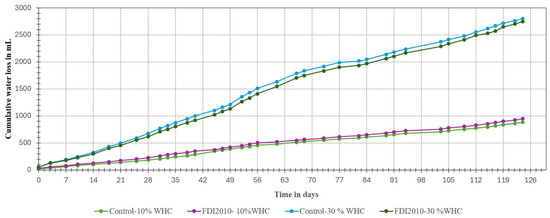
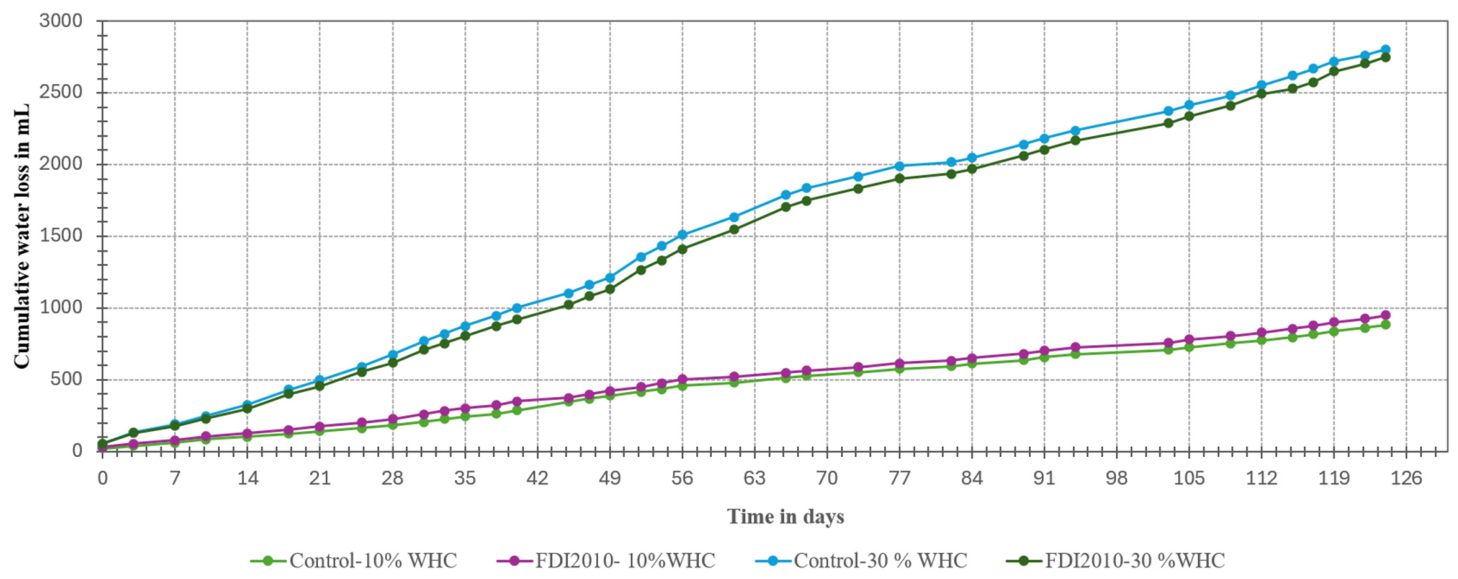
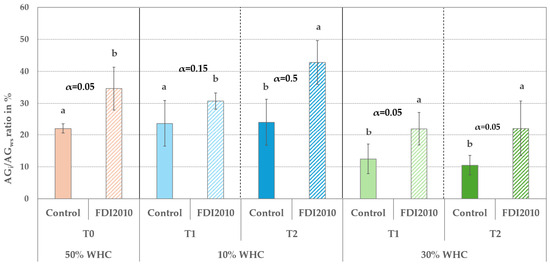
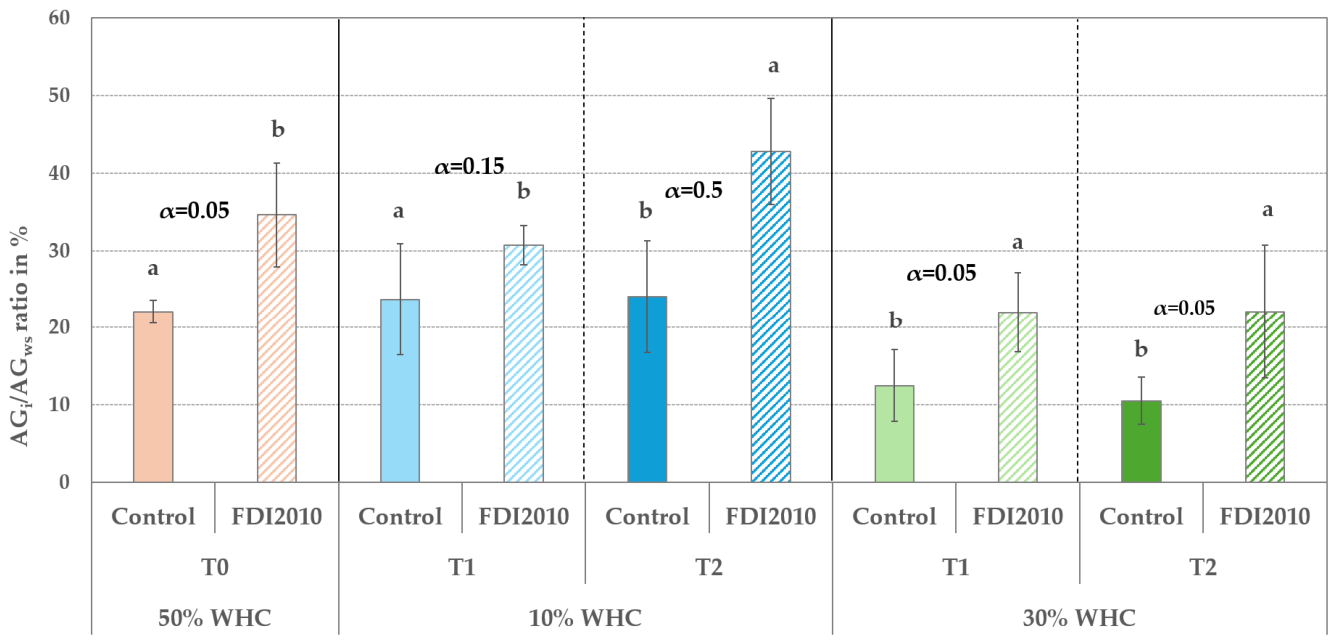
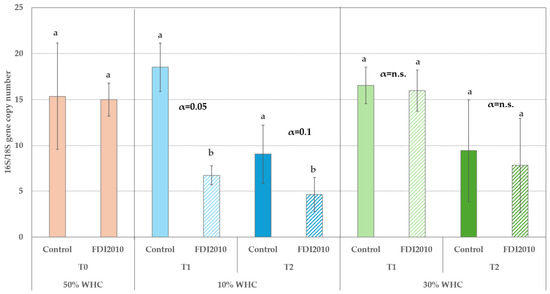
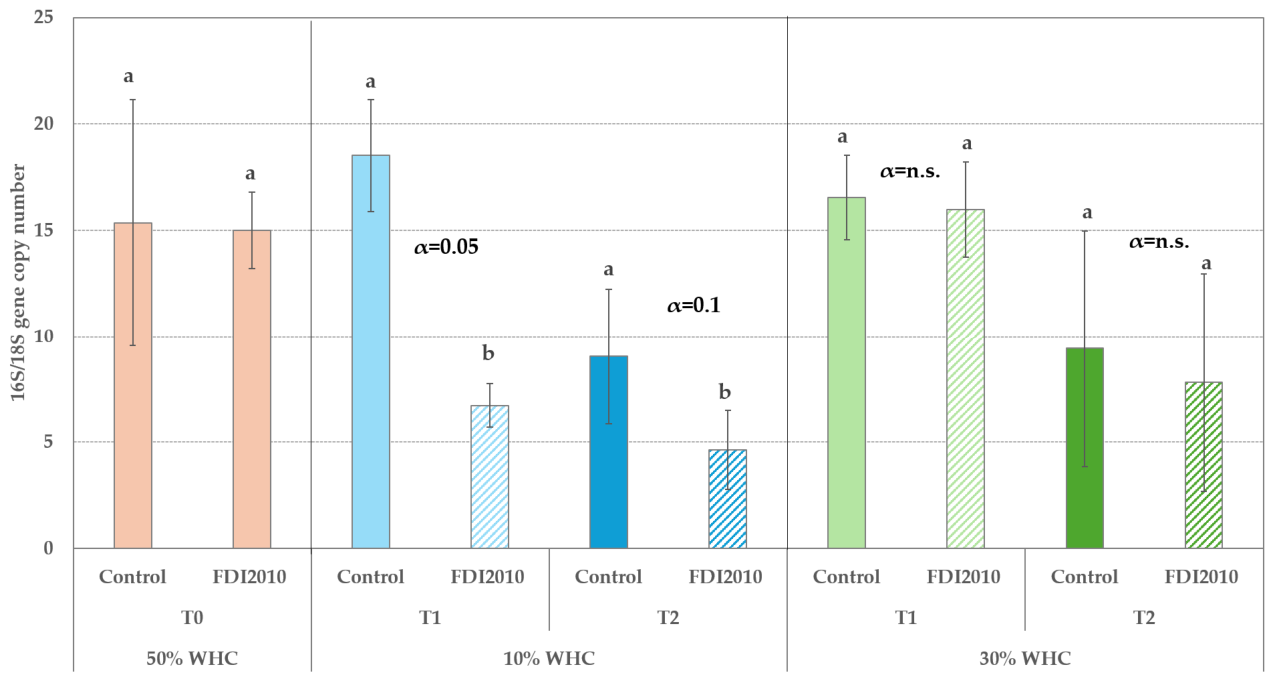
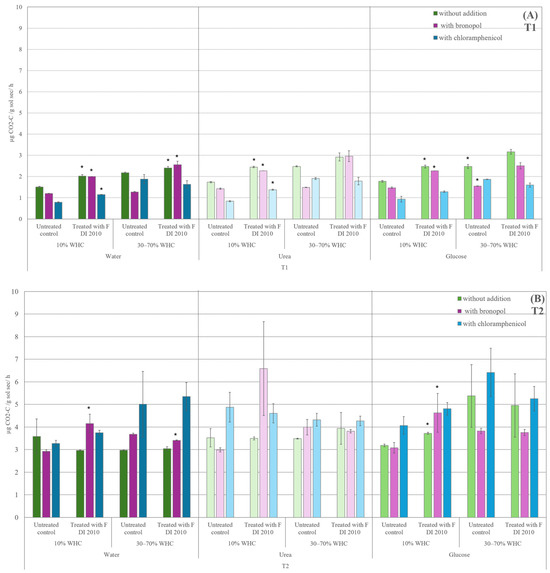
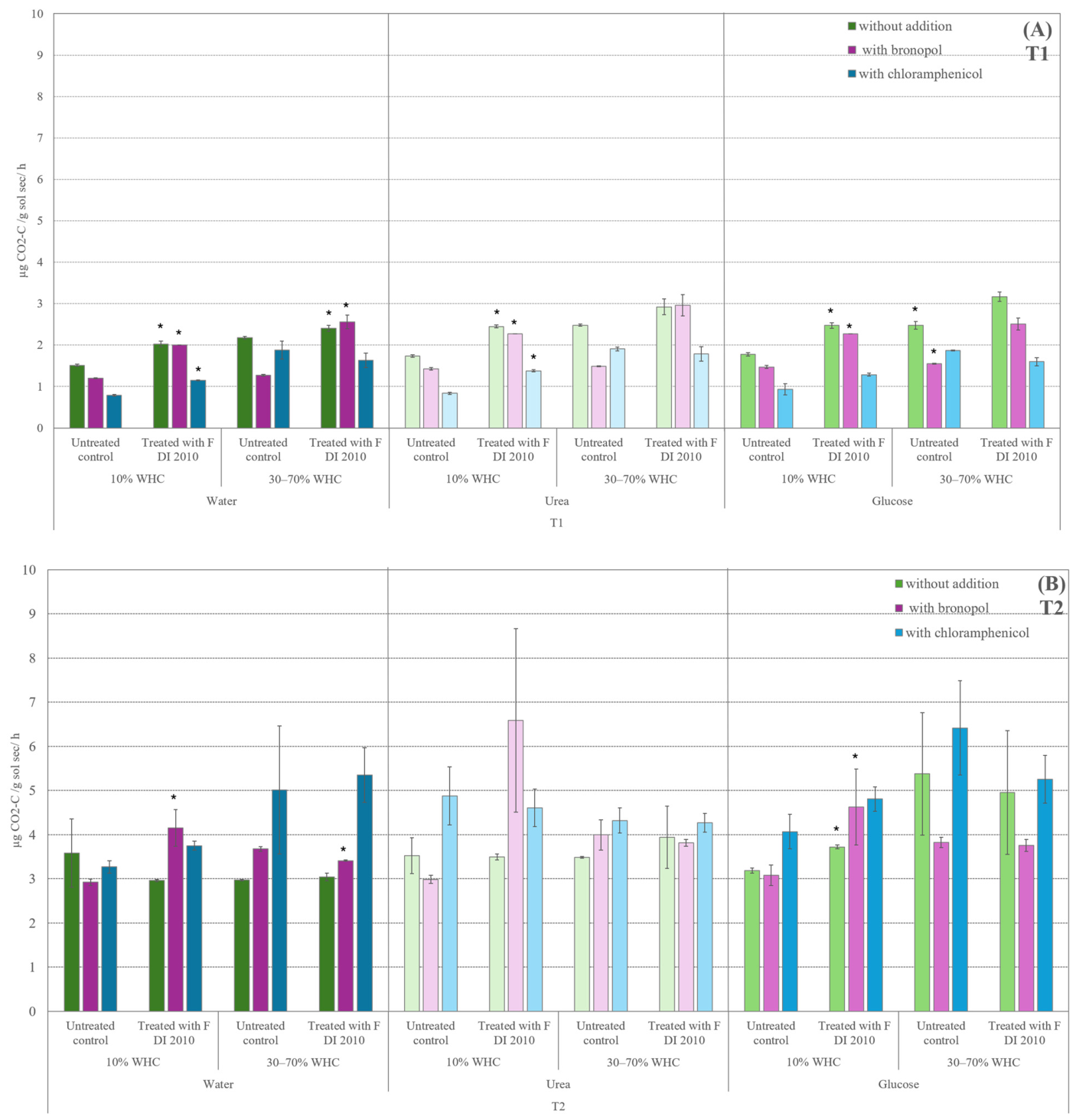

Disclaimer/Publisher’s Note: The statements, opinions and data contained in all publications are solely those of the individual author(s) and contributor(s) and not of MDPI and/or the editor(s). MDPI and/or the editor(s) disclaim responsibility for any injury to people or property resulting from any ideas, methods, instructions or products referred to in the content. |
© 2026 by the authors. Licensee MDPI, Basel, Switzerland. This article is an open access article distributed under the terms and conditions of the Creative Commons Attribution (CC BY) license.