


Abstract
Tungsten trioxide (WO3) and molybdenum trioxide (MoO3) are redox-active Group VI transition-metal oxides widely used in functional thin-film technologies. Many studies have examined single-phase WO3 and MoO3 films. However, WO3/MoO3 nanocomposite thin films and heterostructures have not yet been comprehensively reviewed as interface-engineered platforms for smart and sustainable technologies. This review addresses this gap by analyzing WO3/MoO3 thin-film nanocomposites through the concept of interfacial synergy. Particular attention is paid to the structural complementarity of WO3 and α-MoO3, oxygen nonstoichiometry, mixed W6+/W5+/W4+ and Mo6+/Mo5+/Mo4+ valence states, crystallographic-shear suboxides, W–O–Mo interfaces, and fabrication routes for mixed, graded, and multilayer films. The functional advantages of these systems do not arise from simply combining the two oxides. Instead, they result from charge and oxygen-vacancy redistribution, shortened ion–electron transport pathways, phase stabilization, and the formation of new active sites at interface boundaries. The review also emphasizes the need to distinguish genuine interfacial synergy from apparent improvements caused by surface area, film thickness, porosity, hydration, or measurement conditions. Finally, the review links structural features, defect chemistry, and interface-controlled properties to device-level functionality. This framework highlights promising directions for WO3/MoO3 nanocomposite films in a wide range of smart and sustainable technologies.
1. Introduction
1.1. Structural Complementarity of WO3 and α-MoO3
Thin films of transition metal oxides (TMOs) occupy a central position in modern functional electronics [1], electrochemistry [2], photonics [3], sensing [4], and energy-saving technologies [5]. Their importance stems from high chemical and thermal stability, potential radiation resistance, compatibility with low-temperature deposition on transparent and flexible substrates, widely tunable optical properties, and the ability to reversibly change cation valence states [6,7]. Unlike many narrowly functional materials, oxide films can simultaneously serve as an active optical layer [8], an ion-electron conductor [9], a surface catalyst [10], a buffer interlayer, or an electrode [11]. Consequently, developing thin-film oxide systems increasingly involves designing composite and heterostructured materials with controlled synthesis, defect structures, interface boundaries, and multilevel architectures rather than optimizing an individual oxide compound [12,13].
Tungsten trioxide (WO3) and molybdenum trioxide (MoO3) are redox-active Group VI TMOs widely employed in functional thin-film technologies (Figure 1a). Their W6+ and Mo6+ cations have a d0 electronic configuration [5,14,15,16]. Both oxides can form oxygen-deficient phases, WO3−x and MoO3−x (Figure 1b), in which oxygen vacancies and the associated mixed-valence states of the cations largely govern their electronic, optical, electrochemical, and catalytic properties [17,18,19]. Despite their similar local coordination—both crystal structures are built from MO6 octahedra—their crystallographic frameworks differ fundamentally (Figure 1).
Figure 1.
Crystallographic shear (CS) mechanism and phase families in WO3 and MoO3 systems: (a) crystal structures of WO3 and α-MoO3; (b) schematic representation of CS plane formation and the evolution of Magnéli phases.
WO3 adopts a three-dimensional framework structure derived from the ReO3-type lattice, whereas α-MoO3 possesses a layered orthorhombic structure (space group Pbnm/Pnma) with van der Waals gaps separating the bilayers [5,19,20,21]. Consequently, MoO3 exhibits pronounced anisotropy in ion transport and surface reactivity. However, it also suffers from intrinsically low electronic conductivity and a tendency toward structural rearrangement during deep ion intercalation [22,23,24].
The structural differences between WO3 and MoO3 play a pivotal role in determining ion transport, mechanical stability, cycling stability, and the overall functional performance of thin-film devices. The formation of oxygen vacancies and localized W5+/W4+ and Mo5+/Mo4+ states is particularly important. Changes in the coordination and connectivity of MO6 octahedra reinforce these effects. Together, these factors strongly influence electronic transport, optical absorption, surface chemical reactivity, and the intercalation of small cations such as H+, Li+, Na+, and K+ [24,25]. These structural and defect-related characteristics are particularly important for controlling broadband electrochromic modulation and for designing composite electrochromic films based on WO3/MoO3 heterostructures [19,22]. These combined structural and redox features make WO3 and MoO3 attractive for diverse functional applications, including electrochromic devices [22], gas sensors [26], lithium-ion batteries [27], adsorption technologies [28], photocatalysis [29], and other related technologies [20,30]. Consequently, WO3 and MoO3 provide complementary material platforms for the development of advanced ion-intercalation-based functional thin-film systems.
1.2. Beyond Single-Phase Thin Films: Interface-Engineered WO3/MoO3 Nanocomposites—Motivation and Scope of the Review
Despite these advantages, single-phase WO3 and MoO3 thin films still suffer from fundamental limitations [31]. For WO3, typical challenges include the trade-off among high optical modulation, fast electrochromic switching, and cycling stability, along with the need to balance electronic conductivity and ion diffusion. For MoO3, the main limitations are low electronic conductivity, anisotropic ion transport, sensitivity to hydration, and pronounced volume expansion during deep Li+ intercalation [32,33]. In photocatalysis and photoelectrochemistry, both oxides are limited by charge-carrier recombination and a narrow spectral response. In sensing applications, high sensitivity is often accompanied by insufficient selectivity, humidity interference, and slow recovery of the initial signal [19,20,21,22]. Thus, simply improving the morphology of a single-phase oxide does not necessarily produce a qualitative breakthrough in functional performance.
Consequently, increasing attention has shifted from single-phase WO3 and MoO3 thin films toward compositionally and interface-engineered WO3/MoO3 systems, including mixed oxides, nanocomposite coatings, compositionally graded films, heterostructures, and nanolaminated hybrid architectures [34]. Their superior performance arises not merely from the additive properties of the two constituent oxides but from interfacial synergy. This synergy involves charge redistribution across the W–O–Mo interface, modulation of oxygen-vacancy concentration, formation of mixed-valence W6+/W5+ and Mo6+/Mo5+ states, reorganization of H+/Li+ intercalation pathways, and modification of optical absorption [35]. Within these architectures, WO3 can serve as a relatively stable electrochromic framework, whereas MoO3 provides layered ion-transport channels, a high work function, surface redox activity, and additional adsorption sites [36,37]. However, improved functional performance requires precise control of the composition, phase state, and robust interfacial architecture of the WO3/MoO3 system [24,34,35].
However, WO3/MoO3 systems remain inherently complex to interpret because the nominal W:Mo ratio does not necessarily reflect the actual active phase composition. Hydration, annealing temperature, oxygen partial pressure, substrate characteristics, and film thickness can all shift the equilibrium among amorphous, crystalline, hydrated, substoichiometric, and mixed-phase structures. For WO3, oxygen-deficient suboxides and Magnéli phases, including W18O49, W20O58, W25O73, and related CS phases of the WO3−x system, are particularly important. Their CS planes generate new electronic states [38]. In the case of MoO3, suboxides such as Mo4O11, Mo8O23, Mo9O26, and other CS phases also play significant roles. However, their thermodynamic stability and Li+ intercalation behavior differ substantially from those of the tungsten-based phases [31]. Therefore, conclusions regarding interfacial synergy should be based not only on the evaluation of functional performance but also on direct characterization of the phase composition, oxidation states, and interfacial structure.
This review is motivated by the recognition that further improvements in WO3 and MoO3 thin films can no longer be achieved merely by optimizing the individual single-phase oxides. For electrochromic devices, it is essential to simultaneously achieve high coloration efficiency (CE), fast switching kinetics, and excellent cycling stability. In gas sensors, the respective contributions of oxygen vacancies, humidity, catalytic active sites, and phase composition must be distinguished. For energy-storage applications, the low electronic conductivity and mechanical degradation of MoO3 during deep Li+ intercalation must be overcome. In photocatalysis and photoelectrochemistry, efficient charge separation, controlled oxygen nonstoichiometry, and proper energy-band alignment are critical for maximizing performance [37]. These challenges require a transition from simply combining WO3 and MoO3 to rationally designing reproducible, interface-engineered WO3/MoO3 platforms. In such platforms, composition, oxygen-vacancy concentration, phase boundaries, and W–O–Mo interfacial contacts are interconnected parameters that govern functional performance.
Thus, the aim of this review is to establish a unified concept of interfacial synergy in WO3/MoO3 nanocomposite thin films and heterostructures as interface-engineered materials for smart windows, sensors, energy-storage devices, organic electronics, and photoactive systems. To achieve this aim, the article:
- Compares the structural and electronic features of WO3 and α-MoO3.
- Examines the role of oxygen vacancies, mixed-valence states, and CS-suboxides.
- Summarizes methods for fabricating mixed, compositionally graded, and multilayer WO3/MoO3 thin films.
- Analyzes the functional applications of WO3/MoO3 nanocomposite thin films.
- Identifies the limitations that hinder the transition from laboratory-scale demonstrations to reproducible devices.
2. Structural, Electronic, Defect, and Interfacial Fundamentals of WO3/MoO3 Nanocomposite Thin Films
This section discusses the physicochemical basis of interfacial synergy in WO3/MoO3 nanocomposite thin films. The main emphasis is placed on three interconnected levels: the structural complementarity of WO3 and α-MoO3; the defect chemistry of oxygen-deficient WO3−x/MoO3−x phases; and the role of W–O–Mo interfaces in coupled ion–electron transport. This approach allows WO3/MoO3 to be considered not as a mechanical mixture of two oxides but as a defect- and interface-engineered thin-film architecture.
2.1. Crystalline Architecture and Structural Complementarity of WO3 and α-MoO3
WO3 and MoO3 are closely related in terms of their chemical nature and redox activity, yet they represent distinct types of oxide frameworks [39]. WO3 adopts a distorted ReO3-type three-dimensional framework composed of corner-sharing WO6 octahedra. This framework readily accommodates tilting, displacement, and local rearrangement of the octahedra during the intercalation of small cations. Consequently, the properties of WO3 thin films are highly sensitive to crystallinity, the degree of hydration, oxygen nonstoichiometry, porosity, and annealing conditions. Each of these factors directly influences the optical response, electrochromic switching kinetics, and cycling stability [40].
In contrast to WO3, α-MoO3 possesses a layered orthorhombic crystal structure in which distorted MoO6 octahedra are arranged into bilayers separated by van der Waals gaps. The layered nature of α-MoO3 is clearly reflected in the morphology of its microcrystals and nanoplates. Figure 2 presents SEM images, reported by Martín-Ramos et al., of α-MoO3 with a multilayered plate-like architecture [41]. These micrographs clearly illustrate why α-MoO3 is widely regarded as a source of anisotropic ion-transport pathways and highly surface-active crystallographic planes.
Figure 2.
(a–c) SEM micrographs of α-MoO3 crystals exhibiting a multilayered stacked morphology acquired at magnifications of ×20,000, ×50,000, and ×120,000, respectively; (d) SEM image of MoO3 crystals obtained by calcination of commercial molybdic acid (MoO3·H2O); (e) high-magnification SEM image showing the layered stacking of an α-MoO3 crystal consisting of 44 individual layers. Reproduced from [41] (MDPI, CC BY 4.0).
This architecture increases the sensitivity of MoO3 to hydration, reduction, phase transformations, and mechanical degradation during deep Li+ insertion. In this respect, α-MoO3 can be compared with graphite, the classical layered anode material for lithium-ion batteries (LIBs). In graphite, lithiation mainly proceeds by reversible intercalation between graphene layers to form Lix C6, giving a theoretical intercalation capacity of approximately 372 mAh g−1. MoO3 must be treated differently because two electrochemical regimes are possible. Limited lithiation may involve comparatively reversible insertion and pseudocapacitive redox within the oxide framework, whereas deeper lithiation leads to conversion chemistry. The frequently quoted value of approximately 1117 mAh g−1 corresponds to the complete six-electron reaction:
MoO3 + 6Li+ + 6e− → Mo0 + 3Li2O (Mo6+ → Mo0)
It is therefore the theoretical limit of deep conversion, not a reversible electrochromic or intercalation capacity. Approaching this limit requires extensive Mo–O bond breaking, phase reconstruction, and large volume changes; therefore, the 1117 and 372 mAh g−1 values should not be compared as equivalent reversible intercalation capacities. Consequently, nanostructuring, carbon matrices, and interfacial stabilization are important for retaining the lower-depth reversible storage contribution and limiting conversion-induced mechanical damage [39,41,42,43,44,45,46].
The structural differences between the two oxides provide a fundamental design advantage for WO3/MoO3 nanocomposites. Within these WO3/MoO3 architectures, WO3 can serve as a structurally robust three-dimensional electrochromic or pseudocapacitive framework. MoO3, meanwhile, contributes layered ion-transport channels, a high work function, coordinatively unsaturated surface Mo–Ox sites, and additional Mo6+/Mo5+ redox couples capable of participating in charge transfer, adsorption, and catalytic reactions. Consequently, the rational design of WO3/MoO3 nanocomposites requires consideration of the nominal W:Mo ratio and phase connectivity. It must also account for the spatial distribution of the MoO3 phase, the continuity of coupled ion–electron transport pathways, and the structural stability of W–O–Mo heterointerfaces during prolonged electrochemical cycling. Figure 3 illustrates how the structural asymmetry of WO3 and α-MoO3 can be exploited to construct WO3/MoO3 heterointerfaces. The three-dimensional WO3 framework provides structural robustness and distributed intercalation sites, whereas the layered α-MoO3 matrix creates anisotropic ion-transport pathways together with a highly surface-active architecture.
Figure 3.
Structural complementarity of WO3 and α-MoO3 as a basis for WO3/MoO3 heterointerface formation and interfacial synergy.
Microscopic analysis of thin films confirms that the structural architecture of an oxide is directly related to its functional properties. Deposition and annealing conditions affect grain structure, thickness, crack formation, porosity, and the accessibility of active surface sites [42,43]. The relationship between fabrication method, composition, and morphology is illustrated in Figure 4 using data reported by Lábadi et al. [14].
Figure 4.
Photograph and SEM micrograph of a compositionally graded WO3/MoO3 thin-film structure: (a) photograph of a 30 × 30 cm2 substrate coated with compositionally graded WO3/MoO3 layers; the interference fringes reflect spatial variations in film thickness and composition; (b) SEM micrograph of a 4 × 4 μm2 area recorded from the central region of a 10 cm long Si substrate. Reproduced from [14] (MDPI, CC BY 4.0).
The compositionally graded WO3/MoO3 film deposited on a large-area substrate exhibits pronounced interference fringes (Figure 4a), reflecting spatial variations in coating thickness and composition. The corresponding SEM surface image shows a dense and relatively uniform thin-film morphology (Figure 4b), which is characteristic of coatings formed by reactive magnetron sputtering (RMS).
For WO3, the relationship among annealing temperature, film morphology, and electrochromic switching speed is fundamentally important. The switching process is governed by the intercalation and deintercalation of small cations and electrons. Figure 5 shows FE-SEM images of the surfaces and cross-sections of electrodeposited WO3 films after annealing at 50, 250, and 450 °C. According to the micrographs, the transition from 50 to 250 °C is accompanied by grain coarsening and densification of the coating, whereas annealing at 450 °C leads to the formation of cracks and agglomerated regions. Such morphological changes may deteriorate the uniformity of Li+/H+ insertion, increase local mechanical stresses, and reduce the cycling stability of the electrochromic response [43].
Figure 5.
FE-SEM surface and cross-sectional images of electrodeposited WO3 thin films annealed at different temperatures: (a1) surface morphology after annealing at 50 °C; (a2) corresponding cross-sectional morphology after annealing at 50 °C; (b1) surface morphology after annealing at 250 °C; (b2) corresponding cross-sectional morphology after annealing at 250 °C; (c1) surface morphology after annealing at 450 °C; (c2) corresponding cross-sectional morphology after annealing at 450 °C. The images illustrate the temperature-dependent evolution of grain structure, film densification, thickness, and crack formation. Reproduced from [43] (MDPI, CC BY 4.0).
Table 1 summarizes the key structural features of WO3 and α-MoO3 and illustrates how the differences between the three-dimensional framework-type and layered oxide matrices can be exploited in the design of composite thin films. Comparison of these parameters shows that the functional value of WO3/MoO3 systems is not determined by the properties of either oxide alone. Instead, it depends on their controlled integration within a stable architecture that jointly defines phase connectivity, interfacial W–O–Mo contacts, and coupled ion–electron transport pathways.
Table 1.
Structural features of WO3 and α-MoO3 governing the behavior of WO3/MoO3.
2.2. Oxygen Vacancies, Mixed-Valence States, and Crystallographic-Shear Suboxides
Oxygen vacancies are one of the key tools for tuning the properties of WO3, MoO3, and their nanocomposite heterostructures. Their formation disrupts the local coordination of MO6 octahedra, alters the electron density at the cations, and generates the mixed-valence states W6+/W5+/W4+ or Mo6+/Mo5+/Mo4+. In WO3, vacancies can act as donor defects, enhance n-type conductivity, and influence the electrochromic response [47]. In MoO3, oxygen vacancies can increase conductivity and surface activity, but in excess they initiate hydration, phase drift, and reduction to lower oxide states [48].
XPS provides one of the most direct methods for investigating valence states and oxygen nonstoichiometry. For WO3, the W 4f and O 1s regions allow the surface chemical state to be evaluated by tracking the relative contributions of stoichiometric W6+ centers, reduced W5+/W4+ states, and oxygen-containing surface components. In particular, deconvolution of the W 4f spectrum reveals the degree of tungsten reduction and the possible formation of oxygen vacancies. The O 1s region distinguishes lattice oxygen, hydroxyl groups, and adsorbed oxygen-containing species. Figure 6 presents a representative XPS analysis of a WO3 film, including the survey spectrum as well as detailed spectra of the W 4f and O 1s regions [43].
Figure 6.
XPS spectra of the electrodeposited WO3 thin film: (a) survey spectrum; (b) high-resolution W 4f core-level spectrum showing the W 4f7/2 (35.16 eV) and W 4f5/2 (37.41 eV) components; (c) high-resolution O 1s core-level spectrum containing the lattice-oxygen component at 530.68 eV and the higher-binding-energy OH− component at 532.35 eV. In the high-resolution spectra, the experimental signal is shown together with the overall fitted envelope and the individual deconvoluted peak components used to identify the corresponding chemical states. Reproduced from [43] (MDPI, CC BY 4.0).
Figure 7 compares the Mo 3d and O 1s XPS spectra of untreated and thermally annealed sputtered MoO3 films. The Mo 3d envelope is dominated by the Mo6+ spin–orbit doublet, confirming MoO3 as the principal surface phase. A minor Mo5+ contribution is present on the lower-binding-energy side and becomes slightly more pronounced after annealing at 300 °C, indicating increased oxygen deficiency. The narrowing of the Mo6+ peaks with increasing annealing temperature reflects a more uniform local chemical environment around molybdenum. In the O 1s region, the main component at approximately 530.4–530.6 eV is assigned to lattice oxygen, whereas the higher-binding-energy contribution is associated mainly with surface hydroxyl and contamination-related oxygen species.
Figure 7.
High-resolution XPS spectra of sputtered MoO3 thin films: (A) Mo 3d and (B) O 1s regions for the untreated film (a) and films annealed at 200 °C (b) and 300 °C (c). Reproduced from [49] (MDPI, CC BY 4.0).
Upon deeper reduction in WO3−x and MoO3−x, the defect structure evolves from dilute, statistically distributed oxygen vacancies toward more ordered CS suboxide phases. In such structures, oxygen deficiency is accommodated not merely as isolated point defects but through shear-plane formation. These planes alter the local connectivity of MO6 octahedra, creating edge-sharing regions in addition to corner-sharing linkages. Figure 8 integrates the oxygen-deficiency-driven phase evolution and defect-engineering pathways in WO3−x and MoO3−x. In Figure 8, the arrows indicate the progression from stoichiometric oxides toward increasingly oxygen-deficient and reduced states. The color coding distinguishes the WO3−x and MoO3−x structural-evolution pathways and the principal defect states, while the vacancy, electron/polaron, and mixed-valence symbols represent oxygen vacancies, localized charge carriers, and reduced W/Mo centers, respectively. With increasing reduction, WO3−x commonly forms relatively ordered crystallographic-shear suboxides, including W18O49, W20O58, W25O73, and W5O14, which can enhance electronic conductivity, near-infrared absorption, and electrochemical activity. In contrast, MoO3−x exhibits a more complex phase landscape: Mo8O23 and Mo9O26 are associated with shear structures, whereas Mo4O11 and related suboxides contain mixed Mo coordination environments and are not strict CS phases. Thus, the common MO3−x notation does not imply identical defect topologies or reduction mechanisms in the W–O and Mo–O systems. Oxygen vacancies, mixed-valence states, and small polarons may improve optical modulation, ion transport, surface reactivity, and charge conduction; however, excessive reduction can promote hydration, phase drift, irreversible ion trapping, and structural degradation.
Figure 8.
Oxygen-deficiency-driven structural evolution and defect-engineering pathways in WO3−x and MoO3−x systems, illustrating the formation of mixed-valence states, small polarons, crystallographic-shear or mixed-coordination suboxides, their functional contributions, and the associated stability risks.
The different phase-evolution pathways of oxygen-deficient WO3−x and MoO3−x systems have important consequences for the long-term stability of WO3/MoO3-based devices operating under repeated ion insertion/extraction or prolonged illumination conditions. Because tungsten- and molybdenum-based suboxides accommodate oxygen deficiency through different structural mechanisms, their responses to continuous redox cycling are not equivalent. WOx systems generally evolve through relatively ordered crystallographic-shear structures, which can preserve extended lattice connectivity and provide enhanced electronic transport. In contrast, MoOx exhibits a broader range of reduced phases, including mixed-coordination suboxides, which may induce stronger local structural rearrangement, lattice distortion, and phase instability during prolonged operation.
Therefore, the stability of WO3/MoO3 heterostructures is architecture-dependent and determined by the balance between defect activation and structural preservation. Under repeated H+/Li+ intercalation or prolonged photoexcitation, differences in oxygen-vacancy mobility, reduction pathways, and local lattice response can lead to asymmetric degradation mechanisms, including chemical strain accumulation, interlayer sliding, trapped charge formation, and interfacial stress development. Recent studies have demonstrated that coherent interfacial constraint can substantially suppress structural deformation. For example, coherent pinning reduced the b-axis expansion of α-MoO3 from approximately 16% to approximately 2%. This result highlights the importance of mechanical coupling at heterointerfaces [45]. Conversely, uncontrolled reduction and vacancy redistribution may accelerate phase drift and loss of functional reversibility [50].
Consequently, the long-term reliability of WO3/MoO3 devices should not be evaluated solely from the initial electrochemical, optical, or photocatalytic response. A comprehensive stability assessment requires monitoring phase retention, oxidation-state distribution, oxygen-vacancy evolution, impedance characteristics, and optical/electrochemical recovery after prolonged operation. Since WO3−x and MoO3−x follow inherently different phase-evolution pathways, degradation processes in WO3/MoO3 heterostructures are expected to be spatially and chemically asymmetric. Thus, stable device architectures should be designed not only to maximize interfacial activity but also to maintain phase compatibility, controlled defect mobility, and reversible W–O–Mo interfacial coupling during long-term operation.
For oxygen-deficient MoO3−δ thin films, δ denotes a slight deficiency of lattice oxygen and the associated oxygen-vacancy concentration. Variations in oxygen nonstoichiometry, molybdenum oxidation state, and the fraction of suboxide components directly affect electrode behavior in lithium microbatteries [51,52]. In oxygen-deficient MoO3−x, oxygen vacancies can enhance the pseudocapacitive contribution to charge storage by increasing the density of redox-active sites and facilitating coupled ion–electron transport [53]. Therefore, increased conductivity, changes in optical coloration, or improved capacity in WO3/MoO3 thin films should not automatically be interpreted as direct evidence of interfacial synergy. Such effects may originate not only from the formation of W–O–Mo interfaces, but also from changes in porosity, film thickness, hydration degree, oxygen-vacancy concentration, or the formation of suboxide phases.
To correctly distinguish these contributions, studies of WO3/MoO3 heterostructures should rely on comprehensive phase, valence-state, morphological, and electrochemical characterization, including XRD, Raman spectroscopy, XPS, XANES/EXAFS, EPR, TEM/EELS, and electrochemical impedance spectroscopy. Figure 8 summarizes the sequential evolution of oxide defect structures from stoichiometric MO3 to oxygen vacancies, mixed-valence states, small polarons, and CS suboxides. The lower part of the scheme highlights the dual role of defects. Moderate defect engineering can improve optical modulation, ion insertion, coupled ion–electron transport, and surface reactivity. Excessive reduction, however, increases the risk of irreversible phase degradation, mechanical instability, loss of optical transparency, and deterioration of long-term cycling durability. Thus, defect engineering in WO3/MoO3 nanocomposite thin films should be regarded as a controlled balance between functional activation and structural destabilization, rather than as a simple route toward maximizing oxygen-vacancy concentration.
Table 2 summarizes the key defect states governing the behavior of WO3- and MoO3-based oxide systems, including oxygen vacancies (VO), crystallographic-shear suboxides, and W–O–Mo interfacial contacts.
Table 2.
Defect states in WO3- and MoO3-based oxide systems.
Table 2 highlights the dual role of defect states in WO3/MoO3 systems. Oxygen vacancies, mixed-valence centers, and crystallographic-shear suboxides can enhance electronic conductivity, optical absorption, ion insertion, and pseudocapacitive charge storage. However, excessive defect formation may also cause phase instability, loss of transparency, poor cycling durability, and reduced reproducibility. W–O–Mo interfaces are therefore especially important because they can promote charge redistribution, oxygen-vacancy redistribution, and coupled ion–electron transport. Nevertheless, only complementary structural, valence-state, morphological, and electrochemical characterization can support an interpretation of these effects as true interfacial synergy. Relevant methods include XRD, Raman spectroscopy, XPS, XANES/EXAFS, EPR, TEM/EELS, and EIS [14,47,48,49,51,52,53].
2.3. W–O–Mo Interfaces: Composition, Charge Transport, and Interfacial Synergy
In WO3/MoO3 heterostructures, the heterointerface acts as an active functional region rather than a passive physical contact [14,54,55]. The intimate coupling between the two oxides promotes equilibration of their electrochemical potentials, which can induce interfacial charge redistribution, local band bending, modulation of oxygen-vacancy concentration, and the emergence of an internal electric field. In photocatalysis, such interfacial effects are crucial for promoting electron–hole separation. In electrochromic devices, they can govern the kinetics of coupled electron–cation injection. In gas sensors, they can modulate the depletion-layer width and the density of chemisorbed oxygen species.
Compositionally graded WO3/MoO3 thin films are of particular interest for analyzing W–O–Mo interfaces, because they allow the W/Mo ratio, coating thickness, and degree of interfacial interaction to be systematically varied within a single substrate. This architecture makes it possible to directly correlate the local film composition with its optical or electrochemical response and, therefore, to distinguish composition-driven effects from those associated with thickness, morphology, phase connectivity, and defect distribution. Figure 9a compares the Mo content determined by two independent methods: spectroscopic ellipsometry (SE) and Rutherford backscattering spectrometry (RBS). Such cross-validation is essential for reliable analysis of charge transport, interfacial synergy, and functional response. Conclusions should be based on the measured spatial distribution of Mo within the film rather than on the nominal composition of the target or precursor mixture [14].
Figure 9.
Compositionally graded WO3/MoO3 thin films: validation of Mo-content distribution and its effect on coloration efficiency: (a) verification of the Mo content in a compositionally graded WO3/MoO3 thin film using spectroscopic ellipsometry (SE) and Rutherford backscattering spectrometry (RBS); (b) coloration efficiency (CE) as a function of MoO3 atomic fraction in mixed WO3/MoO3 thin films with different thicknesses. Reproduced from [14] (MDPI, CC BY 4.0).
In this sense, compositionally graded WO3/MoO3 films provide a powerful model platform for separating genuine interfacial effects from apparent performance changes caused by variations in film thickness, morphology, or phase composition.
The coloration efficiency of WO3/MoO3 thin films further demonstrates that the maximum functional response is not necessarily achieved at the limiting compositions corresponding to pure WO3 or pure MoO3. Figure 9b shows the dependence of coloration efficiency on the MoO3 content in the film at different wavelengths in the 400–800 nm range. The most pronounced maximum is observed at an intermediate composition, close to approximately 60 at.% MoO3, indicating the existence of an optimal W/Mo ratio for the electrochromic response. This maximum cannot be explained by a simple additive combination of the individual properties of the two oxides. It most likely reflects the combined effects of local composition, film thickness, phase state, oxygen-defect concentration, and W–O–Mo interface formation. Therefore, composition is more than a chemical parameter in the analysis of WO3/MoO3 systems. It is also a key factor governing interfacial connectivity, coupled ion–electron transport, and the efficiency of optical modulation [14].
In WO3/MoO3 heterostructures, the interfacial region is important not only as a zone of charge redistribution, but also as a domain where coupled ion–electron transport pathways can be formed. For electrochromic and pseudocapacitive thin films, the functional response depends on electronic-level alignment and the W/Mo oxidation states. It also depends on the accessibility of reversible insertion and extraction channels for small cations such as H+, Li+, Na+, and K+. In this regard, WO3 can be regarded as a relatively stable three-dimensional framework for reversible ion insertion, whereas MoO3 is more effectively introduced as a thin layer, nanodomain, compositionally graded region, or interfacial modifier. This design strategy exploits the layered nature of MoO3 and additional Mo6+/Mo5+ redox centers while limiting deep irreversible intercalation and the associated structural deformation. A similar principle is realized in WO3/MoO3 nanohybrid electrodes, where short diffusion lengths, a large interfacial area, and shortened charge-transfer pathways contribute to an improved pseudocapacitive response [56]. The functional advantage of WO3/MoO3 architectures therefore does not arise from combining two redox-active oxides alone. It depends on controlling the spatial distribution of MoO3 to enhance interfacial charge transfer and reversible ion transport while avoiding deep structural degradation.
However, the interpretation of transport effects in WO3/MoO3 composites requires caution, because pronounced changes in the electrochemical response may also arise in other WO3-based heterostructures. Figure 10 shows scan-rate-dependent cyclic voltammograms of WTi-1, WTi-5, and WTi-10 WO3/TiO2 heterostructured thin films [57]. The increase in current density with increasing scan rate indicates active ion–electron transport and redox participation within the films. Among the presented samples, WTi-5 exhibits the strongest current response and the largest enclosed CV area, suggesting a more favorable balance between electroactive WO3 domains, TiO2 modification, morphology, and charge-transport pathways. In contrast, the lower response of WTi-10 indicates that excessive modification may reduce electrochemical accessibility or hinder charge transport. These results illustrate that variations in CV shape, current density, and apparent capacitance can originate from film architecture, grain structure, porosity, thickness, phase composition, and defect state, rather than from interfacial synergy alone.
Figure 10.
Scan-rate-dependent cyclic voltammograms of WO3/TiO2 heterostructured thin films: (a) WTi-1, (b) WTi-5, and (c) WTi-10 recorded at scan rates from 10 to 100 mV s−1 in the potential range from −1.0 to +1.0 V vs. Ag/AgCl. Reproduced from [57] (MDPI, CC BY 4.0).
When analyzing WO3/MoO3 systems, an increase in current or capacitance should be considered evidence of improved coupled ion–electron transport only after electrochemical data have been correlated with morphological, phase, and valence-state characterization. Enhanced electrochemical response in WO3/MoO3 architectures should not be assigned to interfacial synergy solely from CV behavior. Independent structural and chemical evidence must confirm the formation and functional role of W–O–Mo interfaces [57].
Figure 11 presents a qualitative scheme of band alignment and transport processes at the W–O–Mo interface in WO3/MoO3 heterostructures. The band alignment shown in Figure 11 should be regarded as preparation-specific rather than universal. In particular, the electronic levels of MoO3 depend strongly on the crystallographic polymorph, crystallographic orientation, oxygen stoichiometry, hydration state, and interfacial termination. Combined VB-XPS and DFT analyses showed that the valence-band edge of α-MoO3 is approximately 0.9 and 1.0 eV higher, respectively, than that of β-MoO3, whereas the conduction-band edges of these two phases remain close to −2.5 eV [58]. Phase-dependent band structures and work functions have also been demonstrated for polymorphic molybdenum oxides [59]. Metastable h-MoO3 possesses a structurally distinct framework, and its band-edge positions therefore cannot be assigned from those of α- or β-MoO3 without direct characterization [60]. Moreover, oxygen vacancies generate Mo 4d-derived polaronic states and progressively transform the electronic and structural properties of MoO3−x [61,62]. For one specifically prepared monoclinic WO3/defect-rich MoO3−x heterostructure, Mott–Schottky and optical analyses yielded CBE/VBE values of 0.43/3.08 V versus RHE for WO3 and 0.15/3.05 V versus RHE for MoO3−x. These values correspond to approximate CBO and VBO magnitudes of 0.28 and 0.03 eV, respectively, and support type-II alignment only for that particular architecture [63]. Accordingly, reliable band-offset assignment requires phase- and stoichiometry-resolved UPS/XPS measurements or geometry-matched first-principles interface calculations.
Figure 11.
Preparation-dependent electronic structure and coupled ion–electron transport in WO3/MoO3 heterostructures: (a) qualitative band-alignment schemes for WO3 interfaced with α-MoO3, β-MoO3, h-MoO3, and oxygen-deficient MoO3−x, illustrating the dependence of the conduction- and valence-band offsets on MoO3 polymorph and oxygen stoichiometry; the experimentally derived CBO ≈ 0.28 eV and VBO ≈ 0.03 eV for monoclinic WO3/defect-rich MoO3−x are shown only as a preparation-specific example [63]; (b) schematic representation of coupled ion transport and oxygen-vacancy/charge redistribution across WO3-rich domains, the W–O–Mo interfacial region, and MoO3-rich domains.
When favorable offsets are realized, interfacial charge redistribution and local band bending can assist carrier separation. At the same time, the W–O–Mo interfacial region may undergo oxygen-vacancy redistribution, thereby modifying the local defect structure and facilitating coupled ion–electron transport pathways. In this architecture, WO3-rich domains provide predominantly isotropic pathways for the insertion of small cations. By contrast, anisotropic ion transport is most characteristic of α-MoO3-rich layered domains, whereas transport in β-MoO3, h-MoO3, or MoO3−x—containing regions may differ because of their distinct structures and defect states. Thus, the functional behavior of WO3/MoO3 heterostructures does not arise from simple mixing of the two oxides. Instead, it requires coordinated control of band alignment, composition, oxygen-defect chemistry, phase connectivity, and the spatial organization of the W–O–Mo interface.
Thus, W–O–Mo interfaces in WO3/MoO3 heterostructures should be regarded as active regions in which composition, defect chemistry, oxidation states, and phase connectivity jointly determine the electronic structure and coupled ion–electron transport. However, band alignment in these systems cannot be reduced to a single universal type-I or type-II scheme. Instead, it depends strongly on oxygen nonstoichiometry, Mo content, hydration degree, phase state, layer thickness, substrate effects, and thermal-treatment conditions. Therefore, the specific interfacial scenario must be experimentally verified using XPS/UPS, Mott–Schottky analysis, photocurrent measurements, electrochemical impedance spectroscopy, and valence-state characterization [64].
Interfacial synergy in WO3/MoO3 systems is not an automatic consequence of mixing two oxides. Enhanced electrochromic efficiency, photocatalytic activity, or pseudocapacitive response may originate not only from W–O–Mo interfaces, but also from changes in porosity, thickness, phase composition, hydration, or oxygen-vacancy concentration. Therefore, true synergy can only be demonstrated by correlating composition, structure, W/Mo oxidation states, the presence of interfacial W–O–Mo contacts, and transport–functional response within the same series of samples. Consequently, high-performance WO3/MoO3 composite films should be designed as interface-engineered systems. Optimization should address the W/Mo ratio, phase connectivity, defect density, interfacial stability, and accessible ion–electron transport pathways. This conclusion leads directly to the next section. The synthesis method determines film thickness, morphology, porosity, phase composition, defect structure, and the quality of W–O–Mo interfaces.
2.4. Operational Criterion and Minimum Evidence for Interfacial Synergy
The rule-of-mixtures approach is commonly used to assess hybrid effects in composite materials [65,66,67,68]. On this basis, we introduce a first-order additive null model for evaluating the functional response of WO3/MoO3 nanocomposite thin films. For a composite containing a WO3 fraction x, the expected additive response is defined as
where PWO3 and PMoO3 are the normalized responses of matched single-phase reference films. The non-additive contribution is then operationally defined as
where Pobs is the experimentally observed response of the WO3/MoO3 composite or heterostructure. Equations (2) and (3) are used here as a first-order screening framework rather than as a universal mixing law. A positive ΔPsyn value exceeding the combined experimental uncertainty indicates positive non-additivity. However, its attribution to W–O–Mo interfacial synergy additionally requires correlation with an interface-sensitive parameter and the exclusion of differences in thickness, loading, porosity, roughness, hydration, phase composition, and oxygen nonstoichiometry.
A positive ΔPsyn value alone does not establish W–O–Mo interfacial synergy because an apparently non-additive response may also arise from differences in thickness, morphology, porosity, phase composition, hydration, or oxygen-vacancy concentration. Accordingly, four minimum conditions should be met before interfacial synergy is assigned. First, pure-WO3, pure-MoO3, physical-mixture, and heterostructure controls should be prepared using identical substrates, post-heat treatment parameters, and active-material loadings. Second, the functional response should be normalized by active mass, area, or film thickness, as appropriate. Third, phase composition, roughness, porosity, hydration, and oxygen nonstoichiometry should be quantitatively constrained. Finally, at least one interface-sensitive structural, chemical, electronic, or transport parameter should be measured, or the interfacial density should be systematically varied at fixed composition. Operando characterization substantially strengthens the mechanistic assignment but is not required to satisfy this minimum evidentiary standard. The complete evidence-based validation workflow is summarized in Figure 12.
Figure 12.
Minimum evidence-based workflow for assigning interfacial synergy in WO3/MoO3 nanocomposite thin films and heterostructures. The arrows indicate the sequential validation pathway from matched reference samples and normalized functional measurements to structural/chemical interface verification and, finally, evidence-supported assignment of genuine W–O–Mo interfacial synergy.
3. Synthesis Strategies for WO3/MoO3 Nanocomposite Thin Films and Heterostructures
The preceding analysis of structural, defect-related, and interfacial factors shows that the synthesis method determines both the coating process and the final thin-film architecture. Depending on the fabrication route, a WO3/MoO3 film may exist as an atomically mixed oxide, a compositionally graded layer, a nanolaminate, an island-like heterostructure, a porous electrode, or a hybrid film incorporating a conductive matrix. These architectures differ in thickness, phase state, oxygen nonstoichiometry, W/Mo distribution, defect density, and the stability of W–O–Mo interfacial contacts. Therefore, in this section, fabrication methods are considered not merely as technological procedures, but as tools for controlling interfacial architecture, defect chemistry, and coupled ion–electron transport. This perspective makes it possible to distinguish genuine W–O–Mo interfacial synergy from performance improvements caused only by variations in thickness, porosity, secondary phases, or the degree of oxide reduction [14,15].
3.1. Fabrication Strategy as a Tool for Engineering the Interfacial Architecture
Tungsten and molybdenum oxides have been studied individually for several decades. Their nanocomposite combinations, however, have attracted particular attention only recently. The growing interest in these systems arises from the possibility of integrating the three-dimensional WO3 framework with the layered α-MoO3 matrix, thereby enabling simultaneous control over oxygen vacancies, coupled ion–electron transport, and photoinduced conductivity modulation within a single heterostructure. This combination of mechanisms has opened a new research direction involving MoO3/WO3 heterojunctions for ultralow-power optoelectronic synaptic elements and neuromorphic devices. Although this field should still be regarded as an emerging application area, recent studies on artificial synapses based on MoO3/WO3 heterostructures already demonstrate its feasibility [55]. For this review, these results show that the W–O–Mo interface extends beyond electrochromic, sensing, and photocatalytic applications. It can also enable devices whose functional response depends on controlled and reversible conductivity modulation.
For WO3/MoO3 systems, the choice of fabrication method determines not only the morphology, but also the actual nature of the active phase. The same nominal W:Mo composition may correspond to a dense amorphous mixed oxide, a phase-separated coating, a nanolaminate with sharp interfaces, a compositionally graded layer, or a porous electrode material. Therefore, each fabrication route should be evaluated against four key criteria. These criteria include precise control of the W:Mo ratio and oxygen stoichiometry, reproducibility of W–O–Mo interfaces, and compatibility with the target substrate. Relevant substrates include ITO/FTO, glass, silicon (Si), metals, and flexible polymer supports [15,40,43,64,69,70,71].
MoO3 incorporation into WO3 is meaningful only when it generates a measurable interfacial effect, including faster coupled ion–electron transport, higher CE, enhanced pseudocapacitive response, improved charge separation, or the emergence of selective adsorption sites. When performance enhancement is governed mainly by porosity, thickness, or surface-area effects, the system should be considered morphologically optimized, rather than genuinely synergistic. Accordingly, Table 3 treats WO3/MoO3 thin-film fabrication methods as strategies for engineering interfaces, phase composition, and defect chemistry rather than merely as separate deposition techniques.
Table 3.
Systematization of fabrication methods for WO3/MoO3 composite thin films and their role in interfacial design.
Overall, no single method is universal. The optimal route must be selected according to the target architecture and application. To complement the method-by-method comparison in Table 3, Figure 13 presents a qualitative decision matrix for selecting fabrication routes for WO3/MoO3 thin films. The methods are compared using six practically relevant criteria: thickness control, large-area compatibility, processing cost, compatibility with low-temperature substrates, porosity and texture tunability, and interface cleanliness. The matrix highlights the trade-off between scalable, low-cost processing and precise interfacial control, supporting the development of hybrid fabrication strategies. The scores are comparative and should not be interpreted as universal quantitative rankings.
Figure 13.
Qualitative decision matrix for selecting fabrication routes for WO3/MoO3 thin films. Fabrication-route decision matrix for WO3/MoO3 films (scores: 1–5; 5 = favorable).
A technically feasible approach is a two-stage, interface-selective process. First, the bulk WO3/MoO3 layer is deposited by scalable reactive co-sputtering, spray/slot-die coating, or electrodeposition. A limited number of spatial ALD/PEALD cycles then form conformal W–O–Mo junctions, followed by mild oxidative annealing. This confines the costly self-limiting process to the nanoscale interfacial region while preserving high throughput. Spray coating has enabled ultrathin W–Mo oxide films from aqueous nanoparticle inks [66], whereas ALD has produced wafer-scale WO3–MoO3 heterostructures below 10 nm [57]. Scale-up should be benchmarked using equal-loading controls, in-line thickness, composition, and sheet-resistance monitoring, process yield, and cost per unit area. Most importantly, improved performance should be attributed to true W–O–Mo interfacial synergy only when synthesis conditions, W/Mo distribution, oxygen stoichiometry, phase connectivity, defect structure, and functional response are correlated within the same sample series.
3.2. Vacuum Deposition Methods
3.2.1. Reactive Magnetron Sputtering
Reactive magnetron sputtering (RMS) is one of the most versatile and reproducible methods for establishing composition–structure–property relationships in the WO3/MoO3 system. When separate W and Mo targets are used together with a controlled Ar/O2 plasma, a continuous composition gradient can be generated within a single substrate. This combinatorial strategy greatly accelerates the search for the optimal W:Mo ratio and enables direct correlation of local film thickness, composition, and optical response without the need to fabricate a large series of individual samples [14,15]. In RMS, the W:Mo ratio can be finely tuned by adjusting the power applied to each target. The oxygen partial pressure controls the oxidation state and oxygen stoichiometry of the deposited oxide, from substoichiometric WOx/MoOx phases to nearly stoichiometric WO3/MoO3. Compared with sol–gel processing or conventional CVD routes, this method provides higher reproducibility of composition and cleaner control over film architecture. This combinatorial approach is particularly important for WO3/MoO3 thin films. Their maximum functional response is often observed at intermediate compositions rather than at the limiting states corresponding to pure WO3 or pure MoO3. Nevertheless, the deposited-film composition must be independently verified, for example by SE/RBS analysis. Nominal target parameters do not always reproduce the actual spatial distribution of W and Mo within the coating.
Figure 14 presents a cross-sectional schematic of the RMS chamber used for WO3/MoO3 thin-film deposition. Two magnetron targets, W and Mo, are positioned inside the chamber and directed toward a glass substrate, with a target-to-target separation of 700 mm. The simultaneous supply of Ar and O2, combined with vacuum pumping, creates a controlled reactive plasma environment for oxide-film growth. By independently adjusting the power applied to each target, this configuration allows the fabrication of mixed, compositionally graded, or multilayer WO3/MoO3 coatings with controlled W/Mo distribution and tunable interfacial architecture.
Figure 14.
Cross-sectional schematic view of the sputtering chamber and W/Mo target arrangement used for combinatorial RMS of WO3–MoO3 thin films. The W and Mo targets are separated by 700 mm and positioned above a glass substrate, while Ar and O2 gas inlets and vacuum pumping provide a controlled reactive atmosphere for oxide-film deposition. Reproduced from [15] (MDPI, CC BY 4.0).
3.2.2. Pulsed Laser Deposition (PLD), Electron-Beam Evaporation, and Thermal Evaporation
PLD, electron-beam evaporation, and thermal evaporation are primarily suitable for fabricating dense layers, model heterostructures, and nanolaminated architectures. Their main advantages are high deposition purity and the ability to stabilize nonequilibrium states. However, oxygen pressure and subsequent phase diagnostics are critical for WO3/MoO3 systems. Insufficient oxygen activity may lead to the formation of WO3−x/MoO3−x suboxides, whereas high-temperature annealing can promote crystallization, mechanical stress accumulation, and phase segregation [53,70,75,78]. Therefore, these methods are particularly useful when fundamental interfacial effects need to be studied in a well-controlled architecture. However, their application to scalable electrochromic coatings and sensing films is limited by deposition area, equipment cost, and the need for strict control of oxygen activity.
3.2.3. Atomic Layer Deposition (ALD) and Chemical Vapor Deposition (CVD)
ALD and CVD are particularly important when interface precision is more critical than deposition rate. ALD is based on self-limiting surface reactions and is therefore well suited for fabricating ultrathin WO3/MoO3 nanolaminates, coating porous frameworks, and forming conformal oxide layers on three-dimensional substrates. In contrast to atomically mixed oxides, where the functional response is governed by the volume distribution of W–O–Mo bonds, nanolaminate architectures are controlled by the density, sharpness, and stability of interfacial boundaries. Decreasing the nanolaminate period increases the number of W–O–Mo interfaces, but also imposes stricter requirements on adhesion, mechanical compatibility, and diffusion stability during subsequent thermal treatment. For MoO3-based layers, precursor chemistry, deposition temperature, and plasma activation are especially important, as they determine whether amorphous MoOx, oriented α-MoO3, or partially reduced mixed phases are formed [54,75,76,79].
For WO3/MoO3 nanolaminates, precursor selection must be evaluated at the supercycle level rather than only for the individual oxides. A suitable precursor must be sufficiently volatile and thermally stable, exhibit self-limiting surface chemistry, and produce volatile reaction by-products; additionally, the Mo and W subcycles must share compatible substrate-temperature ranges, oxidants, plasma conditions, and purge requirements. Otherwise, precursor carry-over, unequal growth per cycle, ligand-derived impurities, interfacial etching, or phase-selective crystallization may convert an intended abrupt W–O–Mo boundary into a compositionally graded or chemically contaminated region. Table 4 summarizes representative precursor chemistries and the minimum controls required to assess their compatibility in WO3/MoO3 supercycles.
Table 4.
Representative Mo- and W-oxide precursor chemistries and their implications for WO3/MoO3 nanolaminate supercycles.
The comparison shows that no precursor pair can be assumed a priori to yield an abrupt and compositionally uniform WO3/MoO3 nanolaminate. The classical carbonyl processes have narrow and non-overlapping verified windows: 152–172 °C for Mo(CO)6 and 195–205 °C for W(CO)6. By contrast, β-diketonate and imido-amidinato routes may require heated delivery and can exhibit phase mixing or incomplete saturation. Imido-amido/O2-plasma chemistries offer a broader nominal temperature overlap, but the Mo and W subcycles still require independent calibration because their ligand removal, oxygen deficiency, incubation, and crystallization behavior are not equivalent. Halide chemistry enables low-temperature H:MoOx deposition but introduces additional concerns associated with chlorine-containing by-products, hydrogen incorporation, and possible interface corrosion. Consequently, reliable nanolaminate fabrication requires saturation testing on cross-nucleation surfaces, thickness-normalized rather than cycle-count-normalized subcycles, and direct verification of composition and interface abruptness by QCM or in situ ellipsometry, XRR, depth-resolved XPS, and cross-sectional STEM-EDS/EELS.
Hybrid architectures further expand the functionality of WO3/MoO3 systems beyond binary oxide films. The incorporation of reduced graphene oxide (rGO), carbon nanotubes (CNTs), or conductive nanoparticles can compensate for the intrinsically low electronic conductivity of MoO3 and accelerate pseudocapacitive processes. In gasochromic, photocatalytic, and transparent-electrode systems, additional components such as Pd, Pt, Ag, TiO2, ZnO, or carbon phases may also be introduced. However, their contribution must be clearly distinguished from genuine W–O–Mo interfacial synergy [89,90,91].
3.3. Solution-Based Fabrication Methods
Table 5 systematizes the main solution-based and electrochemical approaches used for the fabrication of WO3/MoO3 composite thin films. For each method, the key processing parameters, typical resulting architectures, and characteristic deposition-related challenges are identified. This comparison provides a practical basis for selecting an appropriate fabrication route depending on the required morphology, scalability, phase/interface control, and substrate-related limitations. In solution-based methods, parameters such as precursor chemistry, solvent composition, pH, viscosity, drying regime, and annealing temperature largely determine film uniformity, porosity, hydration degree, cracking tendency, and residual organic content. In electrochemical approaches, the applied potential or current density, electrolyte composition, pH, peroxo-complex stability, deposition charge, and substrate conductivity directly affect film thickness, oxygen deficiency, hydration state, and accessibility of ion-transport pathways. Accordingly, these methods are not merely low-cost alternatives to vacuum deposition. They are also flexible tools for controlling porosity, surface area, defect concentration, and electrochemically active interfaces in WO3/MoO3 thin-film architectures. The data summarized in Table 5 show that each fabrication method has a specific set of controllable parameters and associated risks. For example, sol–gel processing and spin coating enable molecular-level mixing of W and Mo components, but are highly sensitive to shrinkage, cracking, hydration, and residual organic species. Hydrothermal synthesis provides highly developed nanostructured surfaces but usually requires an additional transfer or fixation step, during which adhesion and film uniformity become critical. Electrochemical deposition allows film thickness to be precisely controlled through the deposition charge, but is limited to conductive substrates and is sensitive to the electrolyte composition, pH, and molybdenum oxidation state. Therefore, reproducible WO3/MoO3 composite films require careful reporting and control of all key processing parameters. This requirement includes parameters often omitted from brief experimental descriptions.
Table 5.
Critical processing parameters of solution-based and electrochemical methods for WO3/MoO3 composite thin films.
3.3.1. Sol–Gel Processing and Related Solution-Based Deposition Methods
Sol–gel processing (Figure 15) and related solution-based methods remain among the most accessible routes for fabricating WO3/MoO3 thin films. These approaches enable W and Mo precursors to be mixed at the molecular level and deposited by spin coating, dip coating, or spray coating. For WO3, commonly used precursors include peroxotungstic, tungstate, and alkoxide-based systems, whereas MoO3 films can be prepared from molybdates, peroxomolybdate complexes, or organosols. After deposition, mild thermal treatment is critical. It removes solvent and organic residues and also determines the hydration state, crystallinity, porosity, and possible formation of substoichiometric oxide regions [35,70,72,73,90].
Figure 15.
Schematic representation of the spin-coating route for WO3/MoO3 nanocomposite thin-film fabrication from a mixed W/Mo precursor solution.
The chief advantage of solution-based routes is their flexibility. Their key limitation is poor reproducibility. Small variations in pH, humidity, sol aging time, viscosity, or drying rate can lead to different degrees of hydration, shrinkage, cracking, and phase evolution. For solution-derived WO3/MoO3 films, performance is governed by the complete chemical and processing history rather than by the nominal deposition method alone. Key variables include precursor composition, solvent system, aging conditions, thickness per coating cycle, annealing temperature, and annealing duration.
Figure 15 schematically illustrates the spin-coating route for fabricating WO3/MoO3 nanocomposite thin films from a mixed W/Mo precursor solution. The process includes precursor dispensing onto the substrate, high-speed rotation driven by centrifugal forces, solvent evaporation, and thermal treatment, resulting in a mixed or interfacially coupled WO3/MoO3 oxide architecture. This scheme emphasizes that the final film uniformity, porosity, phase distribution, and degree of W–O–Mo interfacial contact are governed by precursor chemistry, viscosity, rotation speed, solvent evaporation kinetics, wetting behavior, and annealing conditions. The blue-to-yellow gradient schematically represents the spatial variation in the relative W/Mo precursor composition across the coating and is qualitative rather than a calibrated concentration scale; blue arrows indicate centrifugal spreading during spinning, whereas gray dashed arrows indicate solvent evaporation.
Although sol–gel processing is an economically attractive and versatile route, it often suffers from limited thickness control, film nonuniformity, shrinkage-induced defects, and difficulties in ensuring reproducible coating quality.
3.3.2. Hydrothermal Methods
Hydrothermal and solvothermal methods typically produce nanostructured active surfaces rather than dense, smooth coatings. These surfaces may comprise nanoribbons, nanorods, nanosheets, or hierarchical assemblies. This approach is particularly effective for α-MoO3, whose layered crystal structure provides enhanced accessibility to interlayer spaces and increases the density of surface-active sites. However, when hydrothermally synthesized materials are transferred onto a substrate, adhesion, layer uniformity, and mechanical stability must be carefully controlled [35,64,70].
Figure 16 presents SEM images of MoO3 samples obtained by hydrothermal synthesis using different additives. At the same scale of 500 nm, the micrographs reveal pronounced morphology changes depending on the type and concentration of the additive, ranging from loosely aggregated particles to more ordered nanoribbon- or rod-like structures. This comparison demonstrates that hydrothermal synthesis conditions strongly influence crystallite size, shape, aggregation degree, and surface accessibility, which are critical parameters for optimizing the active surface of MoO3-based and WO3/MoO3 nanocomposite materials.
Figure 16.
SEM images of MoO3 samples obtained by hydrothermal synthesis using different additives. The micrographs illustrate the effect of additive type and concentration on the morphology, size, and aggregation behavior of MoO3 nanostructures. Reproduced from [71] under the terms of the Creative Commons Attribution license (CC BY 4.0).
3.3.3. Electrochemical Methods
Electrochemical deposition, particularly cathodic deposition, and anodization should be considered separately because they provide low-temperature routes for forming hydrated WO3 and Mo-containing oxide layers directly on conductive substrates. Unlike in spin coating, where solution viscosity, rotation speed, and drying conditions mainly govern film thickness, the thickness deposited electrochemically is directly related to the charge passed. The potential, current density, pH, electrolyte composition, and electrode geometry control the morphology. These approaches are especially promising for electrochromic coatings, flexible electrodes, photoanodes, and pseudocapacitive systems, where short diffusion pathways and good electrical contact with the substrate are essential.
Figure 17 shows FE-SEM images of WO3 and WO3–MoO3 nanostructures obtained by electrochemical anodization with a molybdenum-containing additive [69,73,91]. The micrographs reveal a highly developed porous and granular surface morphology rather than a dense compact film. At lower magnification, the coatings exhibit continuous surface coverage with a rough, interconnected nanostructure. At higher magnification, they show fine grains, open pores, and locally aggregated nanoclusters. Such morphology is important because it increases the electrochemically active surface area and facilitates electrolyte penetration, thereby shortening ion-diffusion pathways and improving access to redox-active W/Mo centers.
Figure 17.
FE-SEM images of anodically formed oxide nanostructures: (a) WO3, (b) WO3 prepared with a 0.01 M molybdate-containing additive, (c) TiO2, and (d) TiO2 prepared with 0.01 M Zn(NO3)2. The comparison illustrates the effect of Mo- and Zn-containing additives on the surface morphology of anodically synthesized oxide nanostructures. Reproduced from Ref. [72] under the terms of the Creative Commons Attribution license (CC BY 4.0).
However, comparison of the different panels indicates that the addition of Mo species and variation in the electrochemical regime can substantially change surface porosity, grain size, particle packing, and the degree of structural uniformity. These changes may strongly influence the photocurrent, capacitance, or electrochromic response even without true W–O–Mo interfacial synergy. Therefore, increases in current, capacitance, or photocurrent in such systems should not automatically be attributed solely to W–O–Mo interfacial effects. They must be interpreted by correlating electrochemical data with SEM morphology, XRD/Raman phase analysis, and XPS-based evaluation of W/Mo oxidation states and oxygen-defect concentration. This is especially important for anodized WO3–MoO3 films, where the functional response can arise from a combined contribution of porosity, hydration, oxygen vacancies, Mo-induced surface modification, and interfacial charge-transfer pathways.
3.4. Post-Treatment
Post-treatment should be regarded as a critical and independent stage in the fabrication of WO3/MoO3 nanocomposite thin films. Annealing, mild reduction, plasma treatment, hydration, or re-oxidation can substantially modify the phase composition, oxygen nonstoichiometry, oxidation states of W and Mo, defect density, and stability of W–O–Mo interfaces. These changes directly affect the functional behavior of the films, including optical modulation, ion insertion, charge transport, sensing response, photocatalytic activity, and pseudocapacitive charge storage [35,40,43,73,89].
The key point is that the optimal post-treatment regime does not necessarily correspond to the highest crystallinity or the maximum concentration of oxygen vacancies. Excessive crystallization may reduce ion-accessible pathways, whereas over-reduction can generate unstable suboxide phases, charge traps, or irreversible optical and electrochemical degradation. Therefore, post-treatment must be optimized according to the intended application rather than treated as a universal final annealing step.
Table 6 summarizes how the choice of fabrication method and post-treatment strategy should be aligned with the target function of the WO3/MoO3 film. For electrochromic devices, the priorities are high optical modulation and cycling stability. For sensors, surface accessibility and humidity stability are critical. Energy-storage systems require control of ion transport, defect stability, and resistance growth. For photocatalytic or photoelectrochemical systems, phase composition, defect-mediated recombination, and band alignment are decisive. Thus, post-treatment serves as the final tool for balancing crystallinity, defect chemistry, interfacial stability, and functional performance in WO3/MoO3 thin-film architectures.
Table 6.
Selection of synthesis methods for WO3/MoO3 composite thin films according to target function.
Analysis of current fabrication strategies shows that there is no universal method for producing WO3/MoO3 composite thin films. When reproducible composition mapping and identification of the optimum electrochromic performance are required, RMS is the most rational approach. When porosity, low cost, and scalability are prioritized, solution-based methods are preferable. When short diffusion pathways and strong adhesion to conductive substrates are essential, electrodeposition and anodization are particularly suitable. If the key requirement is the density, sharpness, and stability of interfaces, ALD/CVD and nanolaminate architectures offer clear advantages.
For further discussion of WO3/MoO3-based devices, it is important to distinguish four major types of systems: atomically mixed oxides, compositionally graded coatings, nanolaminates/heterostructures, and hybrid composites incorporating conductive matrices. This classification makes it possible to link the fabrication route with the dominant functional mechanism and to distinguish genuine W–O–Mo interfacial synergy from apparent performance improvements caused by film thickness, porosity, secondary phases, or different degrees of oxide reduction.
4. Functional Devices and Properties of WO3/MoO3 Nanocomposite Films and Heterostructures
Building on the fabrication strategies discussed in Section 3, Section 4 moves beyond synthesis and addresses how WO3/MoO3 nanocomposite thin films and heterostructures translate structural complexity into device-relevant functionality. This section does not treat performance as a set of isolated peak values, such as optical modulation, sensitivity, capacitance, photocurrent, or charge-storage capacity. Instead, it emphasizes the mechanistic links among processing history, chemical composition, phase constitution, oxygen nonstoichiometry, defect chemistry, W–O–Mo interfacial coupling, and long-term operational durability. Within this framework, WO3/MoO3-based architectures are examined as multifunctional, defect- and interface-engineered platforms. Nanoscale heterogeneity is treated as a functional design principle for electrochromic devices, gas sensors, supercapacitors, lithium-ion energy-storage systems, photoelectrochemical cells, transparent electrodes, and organic electronic devices.
4.1. Technological Applications of WO3/MoO3 Nanocomposite Thin Films and Heterostructures
The principal application areas of WO3/MoO3-based nanocomposite thin films and heterostructures, summarized in Figure 18, demonstrate the broad multifunctionality of these architectures, spanning electrochromic devices, gas sensors, photocatalysts, supercapacitors, lithium-ion energy-storage systems, transparent electrodes, and organic optoelectronic devices.
Figure 18.
Multifunctional application landscape of WO3/MoO3 nanocomposite thin films and heterostructures.
WO3 and MoO3 thin films exhibit a broad range of chromogenic effects. Electrochromism involves reversible color and optical modulation under an applied potential. Other responses include UV-induced photochromism, gasochromism in reducing atmospheres such as H2 or H2S, and thermochromism driven by temperature changes [5,7,8,19,20,40,92]. The chromogenic response of WO3 and MoO3 is largely governed by the reversible intercalation and deintercalation of small cations coupled with electron injection. Under electrochemical polarization, for instance, H+ or Li+ ions enter the oxide lattice together with charge-compensating electrons. This process forms bronze-like phases such as HxWO3, LixWO3, HxMoO3, or LixMoO3. This coupled ion–electron insertion partially reduces W6+/Mo6+ to W5+/W4+ or Mo5+/Mo4+ states. The resulting electronic transitions produce intense blue or dark-blue coloration and pronounced changes in optical absorption [5,7,8,19,20,30,40,77,78,92,93,94,95,96,97]. In a generalized form, the electrochromic switching mechanism can be represented by the following reaction:
MO3 + x(A+ + e−) ⇌ AxMO3, where M = W or Mo; A+ = H+, Li+, Na+, or K+
Here, x denotes the degree of intercalation, i.e., the number of inserted cations and charge-compensating electrons per oxide formula unit. In an idealized case involving monovalent cations, x may vary over a relatively broad range. However, in real WO3 and MoO3 electrochromic thin films, the reversible intercalation window is typically much narrower and is limited by the onset of ion trapping, phase transformations, and structural degradation. Therefore, the kinetics and reversibility of reaction (4) critically depend on the crystallinity of the film, the density of oxygen vacancies, and the state of interfacial boundaries. These factors become particularly important when moving from single-phase oxides to nanocomposite and heterostructured architectures [5,14,78].
In this sense, nanocomposite and heterostructured WO3/MoO3 architectures should not be viewed merely as mixed-oxide systems, but as interfacially engineered materials in which crystallinity, oxygen-defect chemistry, and W–O–Mo boundary states collectively define the electrochromic response.
4.2. From Interface-Engineered WO3/MoO3 Materials to Functional Device Architectures
The transition from material to device requires identifying the true active region of a WO3/MoO3 architecture. Depending on the application, this region may correspond to the bulk of the mixed-oxide film, the surface accessible for adsorption and ion insertion, the W–O–Mo interface, oxygen-vacancy-rich domains, or the electrode/electrolyte contact. In electrochromic devices, both the bulk and surface participate in coupled cation–electron transport. In gas sensors, the response is governed mainly by the surface and depletion layer. In supercapacitors, accessible redox centers and ion-transport channels dominate. In photoelectrochemical systems, the active regions generate and separate charge, whereas energetically selective contacts govern optoelectronic devices.
Accordingly, device optimization cannot be reduced to selecting a nominal W:Mo ratio. It requires matching the active-layer geometry, phase constitution, oxygen-vacancy concentration, mixed-valence W5+/W4+ and Mo5+/Mo4+ states, and the quality of W–O–Mo interfacial contacts to the operating mechanism of each device.
Before discussing specific device classes, it is important to distinguish intrinsic WO3/MoO3 and Mo–W–O architectures from the broader family of WO3- or MoO3-based composites containing secondary oxides, sulfides, polymers, or carbonaceous phases. Mixed WO3–MoO3 electrochromic films have been studied since the late 1980s [95]. The modern field, however, has shifted from simple W–Mo oxide blending toward deliberate design of WO3/MoO3 interfaces, gradient coatings, nanolaminates, and defect-engineered Mo–W–O heterostructures. Table 7 summarizes representative architectures in which the functional response is directly associated with the coexistence of W- and Mo-oxide components or with the formation of a mixed Mo–W–O oxide matrix.
Table 7.
Main WO3/MoO3 and Mo–W–O architectures, fabrication methods, and device-oriented applications.
Electrochromic coatings and smart windows remain the most established and intensively studied application field for WO3/MoO3-based architectures. Their performance is primarily governed by the controlled design of W–O–Mo interfaces, porosity, and oxygen-defect chemistry, which together facilitate coupled ion–electron transport and improve switching kinetics. Beyond electrochromics, recent studies demonstrate a clear expansion of WO3/MoO3 systems toward energy storage, photocatalysis, and neuromorphic optoelectronics, indicating a gradual transition from conventional chromogenic coatings to multifunctional device platforms. Consequently, this functional diversification calls for application-specific design strategies that link interfacial architecture and defect-mediated transport to the dominant electrochemical, catalytic, or optoelectronic process.
4.3. Electrochromic Devices and Smart Windows
Electrochromic devices represent the most established application of WO3/MoO3-based composites, since both oxides participate in reversible coupled ion–electron processes. WO3 provides pronounced cathodic coloration through the reduction of W6+ to W5+ and/or W4+ during the intercalation of small cations, whereas MoO3 can modulate the work function, defect chemistry, charge transport, and chemical stability of the interface. For WO3- and WO3/MoO3-based electrochromic films, the key performance parameters are optical modulation, coloration efficiency, switching kinetics, and cycling stability [14,16,22,35,74,77,78,93,94,96,97,98,99,100,110].
The WO3/MoO3 composition should not be optimized by simply maximizing the content of either component. Combinatorial WO3/MoO3 thin films show that the highest coloration efficiency is achieved at an intermediate MoO3 content, where interfacial synergy reflects a balance among optical absorption, film thickness, electrical conductivity, and ion-insertion kinetics [14].
A representative example of an interface-oriented strategy is the work of Dong et al. [90]. In that study, an electrochromic device was fabricated without a conventional ITO-based transparent conducting electrode. In the multilayer MoO3–WO3/Ag/MoO3–WO3 architecture, the thin Ag interlayer provides electrical conductivity, whereas the MoO3–WO3 oxide layers contribute to the electrochromic response, optical transparency, and interfacial stability. This design demonstrates that WO3/MoO3 composite films can serve not only as active chromogenic materials but also as interface-engineered functional layers, enabling transparency, conductivity, and reversible optical switching to be integrated within a single ITO-free electrochromic device.
Historically, electrochromic smart windows have been the most developed application area for WO3, because dynamic modulation of transmittance in the visible and near-infrared regions enables effective control of light and heat fluxes through facade glazing [5,7,111,112,113]. Depending on climate, facade orientation, and control strategy, such systems can provide a substantial reduction in building energy consumption. For example, in an office building located in a hot and humid climate, electrochromic glazing was calculated to reduce energy use by 17–23% compared with conventional low-E glazing [112]. For more complex self-regulating electrochromic systems with integrated energy-storage functionality, building-scale calculations for the U.S. office stock indicate considerable potential for electricity savings and CO2-emission reduction. However, such quantitative estimates should be regarded as scenario-dependent values governed by device architecture, climatic zone, operating regime, and the assumed energy-generation model [114].
WO3 is regarded as one of the benchmark cathodic electrochromic materials owing to reversible cation intercalation, stable W6+/W5+ redox switching, and pronounced modulation of optical absorption [19]. These features allow WO3 to dynamically tune visible and near-infrared transmittance, which is important for energy-saving glazing, adaptive optical components, optical phase modulators, and optical-memory devices [5,7,8,19,40]. MoO3 also exhibits electrochromic and photochromic behavior. However, its practical use in the pristine state is often limited by low intrinsic electronic conductivity, sluggish charge transport, and increased sensitivity to structural changes during deep ion intercalation [23,24,32,39,44,115]. At the same time, MoO3 provides additional functionality. Its layered structure creates anisotropic ion-transport pathways, and its high work function makes it a valuable charge-selective buffer layer. The surface redox activity of the Mo6+/Mo5+ couple also opens opportunities for gas-sensitive coatings, photoactive heterojunctions, supercapacitors, and ion batteries [23,30,78]. Therefore, combining WO3 and MoO3 in nanocomposite films and heterostructures is particularly attractive. This approach integrates the strong electrochromic response of WO3 with the anisotropic ion transport, high work function, and surface redox activity of MoO3.
In recent years, electrochromic materials have increasingly been considered as both optical modulators and functional components of energy-storage devices. For WO3/MoO3-based systems, this concept is particularly natural, since the same H+/Li+ intercalation process that induces optical coloration can also contribute to pseudocapacitive charge storage. In hybrid smart-window devices, therefore, not only the transmittance modulation ΔT but also the ability of the active layer to store charge without losing optical reversibility becomes technologically important [96,101,102].
However, coupling electrochromism with energy storage imposes more stringent requirements on structural and cycling stability. When the intercalation depth becomes excessive, especially in MoO3-rich regions, the risk of volumetric stress, phase drift, and irreversible ion trapping increases. No universal MoO3 fraction or layer thickness can be prescribed. For dual-function smart windows, the optimum should be reported as a capacity–optical-contrast–cycle-life Pareto front within a reversible electrochromic window. A composition maximizing CE in one film library must not be interpreted as a universal stability limit. Thin MoO3-rich domains, a continuous WO3-rich framework, controlled moderate oxygen deficiency, and charge-limited cycling provide a more transferable design rule than a single atomic-percent threshold.
For this reason, such devices are better served by architectures based on thin MoO3 domains, nanolaminates, gradient coatings, or conductive carbon matrices, which shorten diffusion pathways while simultaneously buffering mechanical deformation. Thus, the optimal WO3/MoO3 architecture for electrochromic energy-storage windows should not maximize charge insertion, but rather balance optical contrast, reversible charge capacity, ion-transport kinetics, and long-term mechanical integrity.
4.4. Gas Sensors
In parallel with electrochromic technologies, gas-sensing applications of WO3-, MoO3-, and WO3/MoO3-based nanostructures and thin films are actively being developed. High specific surface area, defect-rich structures, oxygen vacancies, and heterojunction formation can enhance the chemiresistive response and sensitivity. These features may also improve selectivity toward NO2, H2S, CO, NH3, and volatile organic compounds [4,26,36,39,69,71,116]. For selected sensor architectures, ppb-level detection has been reported, which is particularly important for environmental monitoring, industrial safety, and air-quality diagnostics.
In gas sensing, WO3 is widely used to detect NO2, H2, H2S, CO, and NH3. MoO3 and MoO3−x are attractive because of their high surface acidity, tunable oxygen-vacancy concentration, and ability to interact selectively with water, oxygen, and reducing gas molecules [39,49,69,71,116,117]. In WO3/MoO3-based gas sensors, target molecules interact with surface oxygen species, oxygen vacancies, and W–O–Mo interfacial sites, leading to changes in the charge-carrier concentration and electrical resistance. Figure 19 illustrates this concept for a chemiresistive WO3/MoO3 nanocomposite sensing channel exposed to oxidizing and reducing gas molecules. In WO3/MoO3 nanocomposites, these effects can be further amplified through interfacial charge redistribution, modulation of the depletion-layer width, and the formation of additional adsorption-active sites at W–O–Mo boundaries. Thus, the gas-sensing performance of WO3/MoO3 heterostructures should be interpreted not only in terms of surface area or grain size, but also as the result of coupled surface chemistry, oxygen-defect engineering, and W–O–Mo interfacial electronic effects.
Figure 19.
Schematic illustration of a WO3/MoO3 nanocomposite chemiresistive gas sensor. Dashed arrows indicate the approach and adsorption of gas molecules onto the WO3/MoO3 sensing surface; the dashed circular callout highlights a representative W–O–Mo interfacial site; the source–drain circuit illustrates the chemiresistive electrical readout.
In WO3/MoO3 heterostructures, the gas-sensing response can be enhanced by modulation of the potential-barrier height at W–O–Mo interfaces and by redistribution of adsorbed oxygen species. However, an increased response does not by itself prove interfacial synergy. Similar improvements may arise from reduced grain size, increased porosity, a higher concentration of oxygen vacancies, or changes in humidity. Figure 20 compares the H2-sensing responses of different MoO3 phases. It demonstrates that the phase state and morphology of MoO3 can strongly affect the sensor signal even without a WO3 component. For WO3/MoO3 composites, this highlights the need to verify the phase state of the MoO3 component before attributing enhanced sensing performance to W–O–Mo interfacial synergy.
Figure 20.
Gas-sensing response of different MoO3 polymorphs toward H2: (a) MoO3-10, monoclinic phase (CrCl3, 240 °C, 6 h); (b) MoO3-8, orthorhombic phase (CTAB, 240 °C, 6 h); (c) MoO3-1, hexagonal phase (90 °C, 3 h); and (d) sensitivity of the MoO3 polymorphs. Reproduced from [71] under the terms of the Creative Commons Attribution license (CC BY 4.0).
For practical gas-sensing devices, a high response alone is insufficient. At present, stable operation under these conditions cannot be claimed for an unencapsulated, calibration-free chemiresistor. Without hydrophobic protection or active thermal stabilization, practical use would require a continuous WO3-rich conduction network, spatially confined MoO3 domains, independent humidity/temperature referencing, and multivariate drift compensation. Validation should include humidity cycling, mixed-gas interference, temperature variations, and long-term baseline stability. Although α-MoO3@WO3 nanosheets demonstrated enhanced triethylamine sensing at an optimum temperature of 200 °C, robust room-temperature operation in complex atmospheres was not established [56]. Operating temperature, baseline drift, selectivity in complex gas mixtures, and resistance to humidity must also be considered. WO3/MoO3 composites are particularly attractive because their sensing behavior can be tuned through the balance between MoO3-derived acidic surface sites and n-type electronic transport in WO3. Nevertheless, this interpretation requires mechanistic validation by DRIFTS, operando XPS, or at least systematic measurements under controlled humidity and mixed-gas atmospheres, since otherwise enhanced response may be incorrectly attributed to W–O–Mo interfacial synergy.
4.5. Supercapacitors and Lithium-Ion Batteries
In energy-storage applications, WO3 and MoO3 can participate in reversible pseudocapacitive and limited ion-insertion reactions, but deep lithiation of MoO3 may proceed by conversion rather than intercalation. WO3 is valuable as a comparatively stable pseudocapacitive framework. The layered structure of α-MoO3 provides accessible Li+-transport pathways, but the commonly cited theoretical value of approximately 1117 mAh g−1 is the six-electron deep-conversion limit for Equation (1). It is not a reversible electrochromic or intercalation capacity [22,39,45]. Therefore, high reversible capacity, specific capacitance, and optical charge storage must be discussed separately from the theoretical conversion limit. Developing WO3/MoO3 nanocomposites and hybridizing them with highly conductive carbon matrices such as rGO are effective strategies for increasing active-site accessibility, accelerating coupled electron–ion transport, buffering conversion-induced stress, and improving cycling stability. For example, a MoO3/WO3/rGO nanocomposite was reported to deliver a specific capacitance of 583 F g−1 while retaining 92.6% of its capacitance after 2000 cycles [103]. Such ternary WO3/MoO3/carbon architectures demonstrate that high-performance electrodes require electronically conductive and mechanically resilient frameworks capable of stabilizing repeated ion insertion/extraction and limiting irreversible conversion.
Performance analysis in supercapacitors and LIBs should therefore distinguish three contributions: surface-controlled pseudocapacitance, comparatively reversible limited intercalation, and deep conversion that is often only partially reversible. WO3 provides a relatively stable three-dimensional framework for reversible ion insertion, whereas α-MoO3 offers layered transport pathways but becomes a major source of mechanical degradation when lithiation progresses toward Mo0/Li2O formation. Capacities approaching the 1117 mAh g−1 theoretical limit indicate increasing participation of the Mo6+ → Mo0 conversion pathway, not a reversible electrochromic intercalation process. The design objective should therefore not be to maximize MoO3 content or lithiation depth. Instead, WO3/MoO3 architectures should combine mechanical stability, electronic connectivity, and ionic accessibility to sustain the genuinely reversible fraction of charge storage during long-term cycling [39,45,46].
Several architecture-level strategies are particularly promising for WO3/MoO3-based energy-storage electrodes. WO3/MoO3 nanolaminates can limit the thickness of MoO3-rich layers and thereby suppress deep intercalation and mechanical degradation. WO3/MoO3/rGO and related carbon-hybrid architectures improve electronic conductivity while buffering intercalation-induced stress. ALD-derived nanohybrids, in turn, provide precise control over oxide-layer thickness, a high density of W–O–Mo interfaces, and short ion-diffusion pathways [64,79,103,118,119].
For such devices, performance evaluation should not be limited to specific capacitance alone. A comprehensive assessment must include capacitance retention after cycling, charge-transfer resistance, post-cycling morphological changes, and preservation of the phase composition. When the increase in capacitance originates from uncontrolled reduction of MoO3 or the formation of suboxide phases, the initial improvement in electrochemical performance may be followed by accelerated degradation of the system. Therefore, composition alone does not govern the efficiency and durability of WO3/MoO3-based electrochemical devices. Electrode architecture, interfacial stability, phase integrity, and the ability of the active layer to maintain coupled ion–electron transport during long-term cycling are also critical.
Table 8 summarizes the key architectural requirements for WO3/MoO3-based electrodes, including film thickness, electrical conductivity, defect chemistry, porosity, and interfacial state, and relates them to their functional roles, potential degradation risks, and appropriate diagnostic methods. Such a framework provides a basis for moving beyond isolated performance metrics toward the rational design of mechanically stable, electronically connected, and ionically accessible electrode architectures.
Table 8.
Architectural requirements for WO3/MoO3 electrodes for energy storage.
The optimization of each parameter involves a trade-off between performance enhancement and unavoidable degradation risks. For example, increasing the active-layer thickness can improve capacitance, but it also lengthens ion-diffusion pathways and may promote mechanical failure. Similarly, excessive defect density may enhance redox activity but can also induce phase drift and structural instability. Here, interfacial synergy requires stable W–O–Mo interfaces. These interfaces facilitate charge transfer but may be susceptible to phase segregation. The proposed set of diagnostic methods, including SEM, EIS, XPS, and STEM-EDS, enables a comprehensive assessment of whether the electrode meets the required architectural criteria and allows degradation processes to be identified at an early stage.
4.6. Photoelectrochemical and Photocatalytic Devices
In photocatalytic and photoelectrochemical systems, WO3/MoO3 heterostructures are attractive because they provide a platform for tuning photogenerated charge separation, oxygen-defect chemistry, and interfacial band alignment. WO3 acts as a relatively stable n-type photoactive oxide, while oxygen-deficient MoO3−x can reshape the interfacial energy landscape and introduce defect-mediated charge-transfer pathways. Nevertheless, defect engineering must remain controlled, since excessive oxygen vacancies or deeply reduced Mo species may become recombination centers and compromise long-term photoactivity.
Figure 21 presents a conceptual framework for designing WO3/MoO3-based photocatalytic and photoelectrochemical architectures.
Figure 21.
Photocatalytic and photoelectrochemical design based on band alignment and interfacial effects.
The scheme emphasizes that device performance is governed not only by the energetic alignment of the constituent oxides but also by interfacial charge separation, surface-reaction kinetics, controlled defect chemistry, and resistance to photocorrosion. In this context, WO3 acts as the photoactive and chemically stable framework, whereas MoO3/MoOx is most effective as a confined interfacial modifier coupled with an additional oxide or co-catalyst. The diagram is qualitative and does not imply a universal band-offset configuration for all WO3/MoO3 heterostructures.
Oxygen-deficient WO3/MoO3−x heterostructures can reduce electron–hole recombination, promote molecular oxygen activation, and enhance the photocatalytic oxidation of organic pollutants. For the optimized WO3/MoO3−x composition designated WOM83%, RhB degradation reached 98% within 40 min. The same composition exhibited a photocatalytic H2 evolution rate of up to 4214.2 μmol h−1·g−1 [104]. Thus, interfacial synergy in WO3/MoO3−x heterostructures reflects the combined influence of oxygen-vacancy engineering, interfacial charge separation, band-structure modulation, and preservation of phase stability under illumination. Electrochemical impedance spectroscopy provides a useful tool for evaluating whether Mo modification reduces charge-transfer resistance. Figure 22 presents the EIS spectra of WO3 and WO3–MoO3 photoanodes. A decrease in the Nyquist-arc radius for the optimized composition indicates facilitated interfacial charge transfer; however, this interpretation should be supported by complementary analysis of morphology and phase composition.
Figure 22.
Electrochemical impedance spectroscopy (EIS) Nyquist plots of nanostructured photoanodes: (a) WO3 and WO3–MoO3 prepared with different molybdate concentrations; (b) TiO2 and TiO2–ZnO prepared with different Zn(NO3)2 concentrations. Reproduced from [72] under the terms of the Creative Commons Attribution license (CC BY 4.0).
Photocurrent provides a direct measure of photogenerated charge-carrier generation, separation, and collection efficiency. Figure 23 presents the photoelectrochemical response of WO3–MoO3 nanostructures under illumination at different applied potentials. These results indicate that Mo-containing modification can promote charge separation and interfacial transfer; however, the optimum performance is governed by the molybdate-additive concentration, film thickness, surface morphology, and defect state.
Figure 23.
Water-splitting photocurrent response curves recorded under chopped illumination for nanostructured photoanodes: (a) WO3 and WO3–MoO3 prepared with different molybdate concentrations; (b) TiO2 and TiO2–ZnO prepared with different Zn(NO3)2 concentrations. Reproduced from [72] under the terms of the Creative Commons Attribution license (CC BY 4.0).
In photocatalytic systems, WO3/MoO3−x heterostructures can enhance the degradation of organic pollutants through more efficient e−/h+ separation and activation of molecular oxygen. Nevertheless, dye-degradation kinetics alone are insufficient to confirm a heterojunction-driven mechanism. PL quenching, EPR detection of reactive oxygen species, Mott–Schottky analysis, photocurrent measurements, and carefully designed control samples with comparable morphology should support this interpretation. These methods distinguish the effects of band alignment and interfacial charge transfer from simple surface-area or defect-concentration effects [37,104,105,106,108,109,120].
4.7. Optoelectronics
The high work function of MoO3 makes it one of the most important hole-injection and charge-selective oxide interlayers in organic electronics. In such devices, MoO3 does not necessarily function as a bulk active layer; its key role is to provide energetic alignment at the electrode/organic-semiconductor interface. In this application, WO3–MoO3 interfacial synergy can improve chemical stability, enable optical tuning, and support the formation of multilayer oxide stacks [11,23,121].
For OLEDs and organic optoelectronic devices, the main performance criteria include low turn-on voltage, high luminance, external quantum efficiency, operational stability, and resistance to contact degradation. In this context, excessive oxygen nonstoichiometry can be detrimental because it modifies the work function and introduces trap states. Therefore, for MoO3/WO3 interlayers, UPS/KPFM analysis and nanometer-scale thickness control are particularly important.
4.8. Biomedical and Antibacterial Applications of Mo–W–O Systems
Biomedical and antibacterial applications provide another context in which Mo–W–O interfacial synergy may be explored. The antibacterial activity of these materials against Escherichia coli has been associated with local acidification, surface redox processes, and reactive oxygen species. Visible-light pathways involving oxygen-deficient W18O49 may also contribute [107,122]. Although this research direction remains less mature than electrochromic, sensing, and energy-storage applications, it demonstrates the expanding functional scope of WO3/MoO3-based composites beyond conventional thin-film device technologies [122].
4.9. Reliability, Scalability, and Criteria for Device Translation
For all WO3/MoO3-based device platforms, the key challenge is the long-term preservation of functional performance, structural integrity, and interfacial synergy under realistic operating conditions. Degradation manifests differently depending on the application. In electrochromic devices, it appears as loss of optical modulation and residual coloration. In gas sensors, it leads to baseline drift and humidity sensitivity. In energy-storage electrodes, it causes capacitance fading and resistance growth. In photoelectrochemical systems, it results in photocorrosion or enhanced charge recombination. These failure modes demonstrate that high initial performance is not sufficient for device relevance unless the W–O–Mo interfacial architecture remains chemically and mechanically stable during cycling.
Device translation therefore requires moving beyond laboratory-scale optimization toward reproducible control of composition, thickness, morphology, defect chemistry, and W–O–Mo interfacial connectivity over large areas. Particularly promising approaches include combinatorial sputtering, ALD-derived nanolaminates, spray-coating with optical monitoring, and electrodeposition combined with in situ diagnostics. In this context, the ability to fabricate larger films is not the only measure of scalability. Spatial uniformity, adhesion, optical/electrical response, and cycling durability must also be preserved across the entire active area. Regardless of the fabrication route, it is essential to verify that W–O–Mo interfacial contacts and the associated functional response are retained after cycling. Therefore, reliability testing, post-mortem structural analysis, and operando characterization should become mandatory criteria for translating WO3/MoO3 architectures from model materials into practical functional devices.
Table 9 summarizes the main degradation scenarios for electrochromic, sensing, energy-storage, photoelectrochemical, and optoelectronic WO3/MoO3-based devices, together with mitigation strategies and post-test diagnostic methods. This framework provides practical criteria for assessing device reliability and for selecting architectures suitable for scalable implementation.
Table 9.
Main degradation scenarios and mitigation strategies in WO3/MoO3-based devices.
Overall, the most promising WO3/MoO3 systems are not bulk mixed oxides, but thin-film architectures with controlled phase connectivity, such as gradient layers, nanolaminates, MoO3-rich interfaces, WO3 frameworks with Mo-modified surfaces, and hybrids with conductive matrices. These architectures make it possible to combine the strong electrochromic response of WO3, the layered ion-transport pathways of MoO3, and tunable W–O–Mo interfacial coupling within a single multifunctional platform. Their technological value is therefore defined by more than the intrinsic properties of the individual oxides. It also arises from interfacial charge redistribution, oxygen-vacancy regulation, modified ion-transport pathways, and the formation of new active sites. Consequently, the transition from single-phase oxide films to interface-engineered WO3/MoO3 nanocomposites represents a key strategy for developing smart windows, gas sensors, supercapacitors, lithium-ion storage systems, photoactive coatings, organic electronics, and other sustainable device technologies.
5. Outlook for WO3/MoO3 Nanocomposite Thin Films: From Interface Engineering to Sustainable Device Technologies
The future development of WO3/MoO3 nanocomposite thin films will be defined not by the simple mixing of two oxides, but by the controlled engineering of phase connectivity, defect chemistry, and W–O–Mo interfacial states. This shift is important because the same nominal W:Mo ratio can lead to fundamentally different architectures, including amorphous mixed oxides, phase-segregated composites, nanolaminates, gradient coatings, and oxygen-deficient suboxide systems. Therefore, a key scientific challenge is to establish reproducible links between synthesis conditions, interfacial structure, oxygen-vacancy concentration, valence-state distribution, and device-level functionality.
First-principles modeling provides an important foundation for understanding WO3/MoO3 systems. Representative calculations have addressed several aspects of the individual oxides. These include WO3 polymorph stability [123], oxygen-vacancy energetics [47], and polaron formation and transport [124,125]. For MoO3, calculations cover vacancy formation [126], defect-mediated adsorption [127], and Li adsorption, diffusion, and lithiation-induced deformation [128,129]. Related computational–experimental work on coherent α-MoO3/η-Mo4O11 lattice pinning [45] and experimental WO3/MoO3−x heterojunctions [104] further motivates explicit interface modeling. However, geometry-matched calculations for realistic WO3/MoO3 interfaces remain insufficient to establish universal W–O–Mo bonding configurations, vacancy-segregation energies, or valence- and conduction-band offsets. Future studies should therefore combine experimentally constrained interface models with calculations of defect energetics, band alignment, ion migration, and mechanically induced interfacial strain.
Among the different application areas, electrochromic coatings and smart-window devices remain the closest to practical implementation. WO3 provides strong cathodic coloration and reversible ion insertion, whereas MoO3 can modify charge transport, defect chemistry, optical response, and interfacial stability [130]. Future progress should therefore be assessed by more than record optical modulation or coloration efficiency. It also requires the combined optimization of optical contrast, switching kinetics, residual coloration, cycling durability, and large-area uniformity.
A particularly important direction is the integration of electrochromic and energy-storage functions within a single thin-film platform. Since optical switching and pseudocapacitive charge storage both rely on coupled ion–electron processes, WO3/MoO3 architectures can serve as multifunctional active layers for smart windows with energy-storage capability. Nanolaminates, porous but mechanically stable coatings, and hybrids with conductive carbon matrices are especially promising for this purpose. These architectures can shorten ion-diffusion pathways, improve electronic conductivity, and mitigate mechanical degradation during repeated insertion/extraction cycles.
Gas sensing, photocatalysis, and photoelectrochemical applications represent more complex but highly promising directions. In gas sensors, WO3/MoO3 composites can combine n-type transport, surface acidity, oxygen-vacancy chemistry, and W–O–Mo interfacial barriers. However, future studies must clearly distinguish true interfacial effects from changes caused by surface area, porosity, humidity, grain size, or phase composition. In photocatalysis and photoelectrochemistry, WO3/MoO3−x systems should be considered defect-engineered heterojunctions in which oxygen vacancies and band alignment govern charge separation, O2 activation, and surface reactivity. The central task is to enhance charge separation while avoiding excessive defect-mediated recombination and photocorrosion.
Organic electronics, transparent electrodes, and charge-selective interlayers represent another important application field. In these systems, WO3 and MoO3 are used not as bulk active materials, but as ultrathin interface-modifying layers. The decisive parameters are work-function tuning, energetic alignment, nanometer-scale thickness control, and long-term contact stability.
From a technological perspective, the transition from laboratory samples to functional devices requires reproducibility over large areas. Scalable processing must simultaneously control composition, thickness, morphology, valence state, oxygen-vacancy concentration, and functional response. Combinatorial sputtering, ALD/MLD nanolaminates, spray-coating with in situ optical monitoring, and electrodeposition with charge/current diagnostics are particularly promising in this regard. Future progress requires controlled synthesis, evidence-based interfacial diagnostics, standardized testing protocols, and long-term reliability assessment. Meeting these requirements could transform WO3/MoO3 nanocomposite thin films from model materials into practical platforms for smart, energy-efficient, and sustainable devices.
6. Conclusions
This review demonstrates that WO3/MoO3 nanocomposite thin films and heterostructures should not be viewed as a simple combination of two related Group VI oxides. Instead, they represent a distinct class of interface-engineered functional materials. Their properties are governed by the coupled effects of WO3 structural connectivity, the layered nature of α-MoO3, oxygen nonstoichiometry, mixed W6+/W5+ and Mo6+/Mo5+ redox states, and the quality of W–O–Mo interfacial contacts. In these systems, composition, phase state, defect chemistry, morphology, and interface structure are not secondary factors. They are key design parameters that determine ion–electron transport, optical absorption, surface reactivity, charge separation, and long-term functional stability.
- Improved performance in WO3/MoO3 films should not automatically be attributed to W–O–Mo interfacial synergy, as similar effects may arise from changes in thickness, porosity, grain size, hydration, oxygen-vacancy concentration, or suboxide formation. Therefore, reliable interpretation of WO3/MoO3 nanocomposites requires direct correlation between functional testing and structural, morphological, valence-state, and interfacial diagnostics. These measurements should be performed on the same sample series. Methods such as XRD, Raman spectroscopy, XPS/XANES, SEM/TEM, EIS, PL spectroscopy, Mott–Schottky analysis, UPS/KPFM, and operando or post-mortem characterization are essential for distinguishing true interfacial effects from morphology- or defect-driven enhancement.
- The synthesis route plays a decisive role in defining the active architecture of WO3/MoO3 systems. Magnetron sputtering and combinatorial co-sputtering are particularly suitable for constructing composition–structure–property maps. Sol–gel processing, spin-coating, dip-coating, and spray-coating are attractive for scalable coatings. Electrodeposition and anodization enable porous, hydrated, and substrate-adherent layers. ALD/CVD provide nanometer-scale control of interfaces and nanolaminate architectures, whereas PLD and evaporation are valuable for preparing dense model heterostructures. Thus, the fabrication method should be considered a functional design tool. It determines film thickness, W/Mo distribution, phase connectivity, oxygen-defect density, and the stability of W–O–Mo contacts.
- WO3/MoO3-based thin films offer a broad application landscape, including electrochromic smart windows, electrochromic energy-storage devices, gas sensors, supercapacitors, lithium-ion storage systems, photocatalytic and photoelectrochemical coatings, transparent electrodes, OLEDs, organic optoelectronics, and antibacterial surfaces. Across these applications, their main advantage lies in the possibility of simultaneously tuning optical modulation, ion insertion, electron transport, surface redox activity, charge selectivity, and interfacial stability. However, practical implementation is still limited by insufficient reproducibility, phase instability, MoO3 hydration, uncontrolled oxygen-defect formation, cycling-induced degradation, and the absence of standardized protocols for comparing device performance.
- The most promising future direction is the transition from uncontrolled mixed oxides to deliberately designed thin-film architectures. These include gradient coatings, nanolaminates, MoO3-rich interfaces, WO3 frameworks with Mo-modified surfaces, oxygen-deficient WO3/MoO3−x heterostructures, and hybrids with conductive matrices. Such architectures can integrate several key functions within a single multifunctional platform. These include the strong electrochromic response of WO3, the layered ion-transport pathways of MoO3, and tunable W–O–Mo interfacial coupling. If future studies combine controlled synthesis, evidence-based interfacial diagnostics, long-term reliability testing, and scalable processing, WO3/MoO3 nanocomposite thin films can progress from promising laboratory materials toward practical smart, energy-efficient, and sustainable device technologies.
Author Contributions
Conceptualization, A.V.S. (Aleksei V. Shchegolkov); methodology, I.A.K.; software, A.V.S. (Aleksei V. Shchegolkov); validation, A.V.S. (Alexandr V. Shchegolkov); formal analysis, A.V.S. (Alexandr V. Shchegolkov); investigation, V.V.K.; resources, V.O.M.; data curation, V.V.K.; writing—original draft preparation, A.V.S. (Aleksei V. Shchegolkov); writing—review and editing, A.V.S. (Aleksei V. Shchegolkov); visualization, A.V.S. (Aleksei V. Shchegolkov); supervision, A.V.S. (Alexandr V. Shchegolkov); project administration, A.V.S. (Aleksei V. Shchegolkov); funding acquisition, A.V.S. (Aleksei V. Shchegolkov). All authors have read and agreed to the published version of the manuscript.
Funding
This work was financially supported by the Moscow Polytechnic University within the framework of the grant named after Pyotr Kapitsa.
Data Availability Statement
No new experimental data were obtained; the qualitative comparative assessments are derived from the cited literature.
Acknowledgments
This work was financially supported by the Moscow Polytechnic University within the framework of the grant named after Pyotr Kapitsa.
Conflicts of Interest
The authors declare no conflicts of interest.
Abbreviations
The following abbreviations are used in this manuscript:
| Abbreviation | Definition |
| 3D | three-dimensional |
| ALD | atomic layer deposition |
| ALD/CVD | atomic layer deposition/chemical vapor deposition |
| ALD/MLD | atomic layer deposition/molecular layer deposition |
| CBP | 4,4′-bis(N-carbazolyl)-1,1′-biphenyl |
| CC BY | Creative Commons Attribution license |
| CE | coloration efficiency |
| CS | crystallographic shear |
| CTAB | cetyltrimethylammonium bromide |
| CV | cyclic voltammetry or cyclic voltammogram, depending on context |
| CVD | chemical vapor deposition |
| DFT | density functional theory |
| DRIFTS | diffuse reflectance infrared Fourier-transform spectroscopy |
| EDS | energy-dispersive X-ray spectroscopy |
| EELS | electron energy-loss spectroscopy |
| EIS | electrochemical impedance spectroscopy |
| EPR | electron paramagnetic resonance |
| EXAFS | extended X-ray absorption fine structure |
| FE-SEM | field-emission scanning electron microscopy |
| FTO | fluorine-doped tin oxide |
| GCD | galvanostatic charge–discharge |
| HRTEM | high-resolution transmission electron microscopy |
| IPCE | incident photon-to-current efficiency |
| ITO | indium tin oxide |
| J–V–L | current density–voltage–luminance characteristics |
| KPFM | Kelvin probe force microscopy |
| LIB | lithium-ion battery |
| LSPR | localized surface plasmon resonance |
| MLD | molecular layer deposition |
| NIR | near-infrared |
| OLED | organic light-emitting diode |
| PEC | photoelectrochemical |
| PL | photoluminescence |
| PLD | pulsed laser deposition |
| PVD | physical vapor deposition |
| PVP | polyvinylpyrrolidone |
| RBS | Rutherford backscattering spectrometry |
| rGO | reduced graphene oxide |
| RhB | rhodamine B |
| RMS | reactive magnetron sputtering |
| ROS | reactive oxygen species |
| SE | spectroscopic ellipsometry |
| SEM | scanning electron microscopy |
| STEM | scanning transmission electron microscopy |
| TEM | transmission electron microscopy |
| TMO | transition metal oxide |
| UPS | ultraviolet photoelectron spectroscopy |
| UV | ultraviolet |
| UV–Vis | ultraviolet–visible |
| UV–Vis–NIR | ultraviolet–visible–near-infrared |
| VOCs | volatile organic compounds |
| XANES | X-ray absorption near-edge structure |
| XPS | X-ray photoelectron spectroscopy |
| XRD | X-ray diffraction |
| Symbol/notation | Meaning in the manuscript |
| A+ | monovalent intercalating cation in the generalized electrochromic reaction; typically H+, Li+, or Na+ |
| AxMO3 | bronze-like intercalated oxide phase formed after coupled cation–electron insertion |
| Ag | silver |
| CO | carbon monoxide |
| d0 | zero d-electron configuration |
| E. coli | Escherichia coli |
| e− | electron |
| h+ | hole |
| H2 | hydrogen |
| H2S | hydrogen sulfide |
| H+ | proton |
| HxMoO3/HxWO3 | proton-intercalated molybdenum/tungsten oxide bronze-like phases |
| K+ | potassium ion |
| Li+ | lithium ion |
| LixC6 | lithiated graphite phase |
| LixMoO3/LixWO3 | lithium-intercalated molybdenum/tungsten oxide bronze-like phases |
| M | metal cation in the general formula MO3; here W or Mo |
| MO3 | general formula for transition-metal trioxides such as WO3 and MoO3 |
| MO6 | metal–oxygen octahedron used as a structural unit in WO3 and MoO3 |
| Mo4+, Mo5+, Mo6+ | molybdenum oxidation states involved in reduction/oxidation and defect chemistry |
| MoO2 | molybdenum dioxide |
| MoO3 | molybdenum trioxide |
| α-MoO3 | orthorhombic layered α phase of molybdenum trioxide |
| MoO3−x | oxygen-deficient molybdenum trioxide |
| MoO3−δ | slightly oxygen-deficient molybdenum trioxide; δ denotes a small oxygen deficiency |
| MoOx | generic notation for molybdenum oxides with variable oxygen content |
| Mo–Ox | surface molybdenum–oxygen sites with variable oxygen coordination/nonstoichiometry |
| Mo4O11 | reduced molybdenum oxide/molybdenum suboxide |
| Mo8O23 | molybdenum crystallographic-shear suboxide |
| Mo9O26 | molybdenum crystallographic-shear suboxide |
| Na+ | sodium ion |
| NH3 | ammonia |
| NO2 | nitrogen dioxide |
| O2 | molecular oxygen |
| O 1s | oxygen 1s core-level region in XPS spectra |
| OH− | hydroxyl group/ion |
| ReO3 | rhenium trioxide structure type used as a reference framework for WO3 |
| V2O5 | vanadium pentoxide |
| VO | oxygen vacancy |
| W4+, W5+, W6+ | tungsten oxidation states involved in reduction/oxidation and defect chemistry |
| W 4f | tungsten 4f core-level region in XPS spectra |
| W–O–Mo | interfacial tungsten–oxygen–molybdenum bond/contact |
| WO3 | tungsten trioxide |
| WO3−x | oxygen-deficient tungsten trioxide |
| WOx | generic notation for tungsten oxides with variable oxygen content |
| WO6 | tungsten–oxygen octahedron |
| W18O49 | oxygen-deficient tungsten oxide/Magnéli-type suboxide |
| W20O58 | oxygen-deficient tungsten oxide/crystallographic-shear suboxide |
| W25O73 | oxygen-deficient tungsten oxide/crystallographic-shear suboxide |
| W5O14 | oxygen-deficient tungsten oxide/crystallographic-shear suboxide |
| x | degree of oxygen deficiency or intercalation, depending on the formula |
| δ | small deviation from stoichiometric oxygen content |
| ΔT | optical transmittance modulation |
References
- Fortunato, E.; Barquinha, P.; Martins, R. Oxide Semiconductor Thin-Film Transistors: A Review of Recent Advances. Adv. Mater. 2012, 24, 2945–2986. [Google Scholar] [CrossRef] [Scilit] [PubMed]
- Simon, P.; Gogotsi, Y. Materials for Electrochemical Capacitors. Nat. Mater. 2008, 7, 845–854. [Google Scholar] [CrossRef] [Scilit]
- Boltasseva, A.; Atwater, H.A. Low-Loss Plasmonic Metamaterials. Science 2011, 331, 290–291. [Google Scholar] [CrossRef] [Scilit]
- Korotcenkov, G. Metal Oxides for Solid-State Gas Sensors: What Determines Our Choice? Mater. Sci. Eng. B 2007, 139, 1–23. [Google Scholar] [CrossRef] [Scilit]
- Granqvist, C.G. Electrochromics for Smart Windows: Oxide-Based Thin Films and Devices. Thin Solid Films 2014, 564, 1–38. [Google Scholar] [CrossRef] [Scilit]
- Granqvist, C.G. Transparent Conductors as Solar Energy Materials: A Panoramic Review. Sol. Energy Mater. Sol. Cells 2007, 91, 1529–1598. [Google Scholar] [CrossRef] [Scilit]
- Niklasson, G.A.; Granqvist, C.G. Electrochromics for Smart Windows: Thin Films of Tungsten Oxide and Nickel Oxide, and Devices Based on These. J. Mater. Chem. 2007, 17, 127–156. [Google Scholar] [CrossRef] [Scilit]
- Mortimer, R.J. Electrochromic Materials. Chem. Soc. Rev. 1997, 26, 147–156. [Google Scholar] [CrossRef] [Scilit]
- Riess, I. Mixed Ionic–Electronic Conductors—Material Properties and Applications. Solid State Ion. 2003, 157, 1–17. [Google Scholar] [CrossRef] [Scilit]
- Kudo, A.; Miseki, Y. Heterogeneous Photocatalyst Materials for Water Splitting. Chem. Soc. Rev. 2009, 38, 253–278. [Google Scholar] [CrossRef] [Scilit]
- Meyer, J.; Hamwi, S.; Kröger, M.; Kowalsky, W.; Riedl, T.; Kahn, A. Transition Metal Oxides for Organic Electronics: Energetics, Device Physics and Applications. Adv. Mater. 2012, 24, 5408–5427. [Google Scholar] [CrossRef] [Scilit]
- MacManus-Driscoll, J.L.; Zerrer, P.; Wang, H.; Yang, H.; Yoon, J.; Fouchet, A.; Yu, R.; Blamire, M.G.; Jia, Q. Strain Control and Spontaneous Phase Ordering in Vertical Nanocomposite Heteroepitaxial Thin Films. Nat. Mater. 2008, 7, 314–320. [Google Scholar] [CrossRef] [Scilit]
- Ramesh, R.; Schlom, D.G. Whither Oxide Electronics? MRS Bull. 2008, 33, 1006–1014. [Google Scholar] [CrossRef] [Scilit]
- Lábadi, Z.; Takács, D.; Zolnai, Z.; Petrik, P.; Fried, M. Compositional Optimization of Sputtered WO3/MoO3 Films for High Coloration Efficiency. Materials 2024, 17, 1000. [Google Scholar] [CrossRef] [Scilit]
- Fried, M.; Bogar, R.; Takács, D.; Lábadi, Z.; Horváth, Z.E.; Zolnai, Z. Investigation of Combinatorial WO3–MoO3 Mixed Layers by Spectroscopic Ellipsometry Using Different Optical Models. Nanomaterials 2022, 12, 2421. [Google Scholar] [CrossRef] [Scilit]
- Jittiarporn, P.; Sikong, L.; Kooptarnond, K.; Taweepreda, W.; Stoenescu, S.; Badilescu, S.; Truong, V.-V. Electrochromic Properties of MoO3–WO3 Thin Films Prepared by a Sol–Gel Method, in the Presence of a Triblock Copolymer Template. Surf. Coat. Technol. 2017, 327, 66–74. [Google Scholar] [CrossRef] [Scilit]
- Deb, S.K. Optical and Photoelectric Properties and Colour Centres in Thin Films of Tungsten Oxide. Philos. Mag. 1973, 27, 801–822. [Google Scholar] [CrossRef] [Scilit]
- Berggren, L.; Niklasson, G.A. Optical Charge Transfer Absorption in Lithium-Intercalated Tungsten Oxide Thin Films. Appl. Phys. Lett. 2006, 88, 081906. [Google Scholar] [CrossRef] [Scilit]
- Akbar, I.; Inamdar, Y.S.; Kim, B.U.; Jang, H.I.; Jung, W.; Kim, D.-Y.; Kim, H. Effects of Oxygen Stoichiometry on Electrochromic Properties in Amorphous Tungsten Oxide Films. Thin Solid Films 2012, 520, 5367–5371. [Google Scholar] [CrossRef] [Scilit]
- Hsu, C.-S.; Chan, C.-C.; Huang, H.-T.; Peng, C.-H.; Hsu, W.-C. Electrochromic Properties of Nanocrystalline MoO3 Thin Films. Thin Solid Films 2008, 516, 4839–4844. [Google Scholar] [CrossRef] [Scilit]
- Wang, D.; Li, J.-N.; Zhou, Y.; Xu, D.-H.; Xiong, X.; Peng, R.-W.; Wang, M. Van der Waals epitaxy of ultrathin α-MoO3 sheets on mica substrate with single-unit-cell thickness. Appl. Phys. Lett. 2016, 108, 053107. [Google Scholar] [CrossRef] [Scilit]
- Whittingham, M.S. Lithium Batteries and Cathode Materials. Chem. Rev. 2004, 104, 4271–4302. [Google Scholar] [CrossRef] [Scilit]
- Greiner, M.T.; Lu, Z.-H. Thin-Film Metal Oxides in Organic Semiconductor Devices: Their Electronic Structures, Work Functions and Interfaces. NPG Asia Mater. 2013, 5, e55. [Google Scholar] [CrossRef] [Scilit]
- Sivakumar, R.; Jayachandran, M.; Sanjeeviraja, C. Effect of Annealing on Structural, Surface and Optical Properties of PVD-EBE α-MoO3 Thin Films for Electrochromic Devices. Surf. Eng. 2004, 20, 385–390. [Google Scholar] [CrossRef] [Scilit]
- Chen, S.; Xiao, Y.; Xie, W.; Wang, Y.; Hu, Z.; Zhang, W.; Zhao, H. Facile Strategy for Synthesizing Non-Stoichiometric Monoclinic Structured Tungsten Trioxide (WO3−x) with Plasma Resonance Absorption and Enhanced Photocatalytic Activity. Nanomaterials 2018, 8, 553. [Google Scholar] [CrossRef] [Scilit]
- Wang, C.; Yin, L.; Zhang, L.; Xiang, D.; Gao, R. Metal Oxide Gas Sensors: Sensitivity and Influencing Factors. Sensors 2010, 10, 2088–2106. [Google Scholar] [CrossRef] [Scilit]
- Patil, S.B.; Udayabhanu, U.; Kishore, B.; Nagaraju, G.; Dupont, J. High Capacity MoO3/rGO Nanocomposite Anode for Lithium-Ion Batteries: An Intuition into the Conversion Mechanism of MoO3. New J. Chem. 2018, 42, 18569–18577. [Google Scholar] [CrossRef] [Scilit]
- Ma, Y.; Wang, L.; Liu, D.; Liu, Y.; Yang, G.; Qian, Y.; Lei, W. Functionalized MoO3 Nanosheets for High-Efficiency RhB Removal. Glob. Chall. 2023, 7, 2200154. [Google Scholar] [CrossRef] [Scilit]
- Lee, J.; Kim, S.K.; Sohn, Y. Understanding Photocatalytic Coupled-Dye Degradation, and Photoelectrocatalytic Water Splitting and CO2 Reduction over WO3/MoO3 Hybrid Nanostructures. J. Ind. Eng. Chem. 2018, 62, 362–374. [Google Scholar] [CrossRef] [Scilit]
- Zhou, D.; Shi, F.; Xie, D.; Wang, D.H.; Xia, X.H.; Wang, X.L.; Gu, C.D.; Tu, J.P. Bi-functional Mo-doped WO3 nanowire array electrochromism-plus electrochemical energy storage. J. Colloid Interface Sci. 2016, 465, 112–120. [Google Scholar] [CrossRef] [Scilit]
- Ramana, C.V.; Mauger, A.; Julien, C.M. Growth, Characterization and Performance of Bulk and Nanoengineered Molybdenum Oxides for Electrochemical Energy Storage and Conversion. Prog. Cryst. Growth Charact. Mater. 2021, 67, 100533. [Google Scholar] [CrossRef] [Scilit]
- Tang, K.; Farooqi, S.A.; Wang, X.; Yan, C. Recent Progress on Molybdenum Oxides for Rechargeable Batteries. ChemSusChem 2019, 12, 755–771. [Google Scholar] [CrossRef] [Scilit]
- Li, Y.; Fu, Z.-Y.; Su, B.-L. Hierarchically Structured Porous Materials for Energy Conversion and Storage. Adv. Funct. Mater. 2012, 22, 4634–4667. [Google Scholar] [CrossRef] [Scilit]
- Zhao, F.; Wang, B.; Zhang, W.; Cao, S.; Liu, L.; Elezzabi, A.Y.; Li, H.; Yu, W.W. Counterbalancing the Interplay between Electrochromism and Energy Storage for Efficient Electrochromic Devices. Mater. Today 2023, 66, 431–447. [Google Scholar] [CrossRef] [Scilit]
- Hsu, S.-C.; Chao, S.-H.; Wu, N.-J.; Huang, J.-H.; Kang, J.-L.; Weng, H.C.; Liu, T.-Y. Facile Synthesis of Hybrid WO3/MoOx Electrochromic Films for Application in Complementary Electrochromic Devices. J. Alloys Compd. 2023, 945, 169256. [Google Scholar] [CrossRef] [Scilit]
- An, F.; Zhou, A.F.; Feng, P.X. Effect of Tungsten Oxide Nanostructures on Sensitivity and Selectivity of Pollution Gases. Sensors 2020, 20, 4801. [Google Scholar] [CrossRef] [Scilit]
- Zhong, Y.; Peng, C.; He, Z.; Chen, D.; Jia, H.; Zhang, J.; Ding, H.; Wu, X. Interface Engineering of Heterojunction Photocatalysts Based on 1D Nanomaterials. Catal. Sci. Technol. 2020, 11, 27–42. [Google Scholar] [CrossRef] [Scilit]
- Pirker, L.; Višić, B.; Škapin, S.D.; Dražić, G.; Kovač, J.; Remškar, M. Multi-Stoichiometric Quasi-Two-Dimensional WnO3n−1 Tungsten Oxides. Nanoscale 2020, 12, 15102–15114. [Google Scholar] [CrossRef] [Scilit]
- da Silva Júnior, M.G.; Arzuza, L.C.C.; Sales, H.B.; Farias, R.M.d.C.; Neves, G.d.A.; Lira, H.d.L.; Menezes, R.R. A Brief Review of MoO3 and MoO3-Based Materials and Recent Technological Applications in Gas Sensors, Lithium-Ion Batteries, Adsorption, and Photocatalysis. Materials 2023, 16, 7657. [Google Scholar] [CrossRef] [Scilit]
- Tan, F.; Zhou, J.; Guo, Z.; Zhang, C.; Yu, S.; Yang, Y.; Xie, Y.; Cao, X.; Wu, X.; Gao, X.; et al. Research Progress on Electrochromic Properties of WO3 Thin Films. Coatings 2025, 15, 1310. [Google Scholar] [CrossRef] [Scilit]
- Martín-Ramos, P.; Fernández-Coppel, I.; Avella, M.; Martín-Gil, J. α-MoO3 Crystals with a Multilayer Stack Structure Obtained by Annealing from a Lamellar MoS2/g-C3N4 Nanohybrid. Nanomaterials 2018, 8, 559. [Google Scholar] [CrossRef] [Scilit]
- Mineo, G.; Ruffino, F.; Mirabella, S.; Bruno, E. Investigation of WO3 Electrodeposition Leading to Nanostructured Thin Films. Nanomaterials 2020, 10, 1493. [Google Scholar] [CrossRef] [Scilit]
- Morankar, P.J.; Amate, R.U.; Yewale, M.A.; Jeon, C.-W. Effect of Annealing Temperature on Morphology and Electrochromic Performance of Electrodeposited WO3 Thin Films. Crystals 2024, 14, 1038. [Google Scholar] [CrossRef] [Scilit]
- Guo, Y.; Robertson, J. Origin of the High Work Function and High Conductivity of MoO3. Appl. Phys. Lett. 2014, 105, 222110. [Google Scholar] [CrossRef] [Scilit]
- Sun, S.; Han, Z.; Liu, W.; Xia, Q.; Xue, L.; Lei, X.; Zhai, T.; Su, D.; Xia, H. Lattice Pinning in MoO3 via Coherent Interface with Stabilized Li+ Intercalation. Nat. Commun. 2023, 14, 6391. [Google Scholar] [CrossRef] [Scilit]
- Nikgoftar, K.; Reddy, A.K.M.R.; Reddy, M.V.; Zaghib, K. Carbonaceous Materials as Anodes for Lithium-Ion and Sodium-Ion Batteries. Batteries 2025, 11, 123. [Google Scholar] [CrossRef] [Scilit]
- Wang, W.; Janotti, A.; Van de Walle, C.G. Role of Oxygen Vacancies in Crystalline WO3. J. Mater. Chem. C 2016, 4, 6641–6648. [Google Scholar] [CrossRef] [Scilit]
- Noby, S.Z.; Fakharuddin, A.; Schupp, S.; Sultan, M.; Krumova, M.; Drescher, M.; Azarkh, M.; Boldt, K.; Schmidt-Mende, L. Oxygen Vacancies in Oxidized and Reduced Vertically Aligned α-MoO3 Nanoblades. Mater. Adv. 2022, 3, 3571–3581. [Google Scholar] [CrossRef] [Scilit]
- Methani, W.; Pál, E.; Lipcsei, S.; Ugi, D.; Pászti, Z.; Groma, I.; Jenei, P.; Dankházi, Z.; Kun, R. Nanomechanical, Structural and Electrochemical Investigation of Amorphous and Crystalline MoO3 Thin-Film Cathodes in Rechargeable Li-Ion Batteries. Batteries 2022, 8, 80. [Google Scholar] [CrossRef] [Scilit]
- Lee, Y.-J.; Lee, T.; Soon, A. Phase Stability Diagrams of Group 6 Magnéli Oxides and Their Implications for Photon-Assisted Applications. Chem. Mater. 2019, 31, 4282–4290. [Google Scholar] [CrossRef] [Scilit]
- Migas, D.B.; Shaposhnikov, V.L.; Borisenko, V.E. Tungsten Oxides. II. The Metallic Nature of Magnéli Phases. J. Appl. Phys. 2010, 108, 093714. [Google Scholar] [CrossRef] [Scilit]
- Lakshmi-Narayana, A.; Hussain, O.M.; Ramana, C.V.; Camacho-Lopez, M.; Abdel-Ghany, A.; Hashem, A.; Mauger, A.; Julien, C.M. Molybdenum-Suboxide Thin Films as Anode Layers in Planar Lithium Microbatteries. Electrochem 2020, 1, 160–187. [Google Scholar] [CrossRef] [Scilit]
- Vincent, R.C.; Luo, Y.; Andrews, J.L.; Zohar, A.; Zhou, Y.; Yan, Q.; Mozur, E.M.; Preefer, M.B.; Weker, J.N.; Cheetham, A.K.; et al. High-Rate Lithium Cycling and Structure Evolution in Mo4O11. Chem. Mater. 2022, 34, 4122–4133. [Google Scholar] [CrossRef] [Scilit]
- Kim, H.S.; Cook, J.B.; Lin, H.; Ko, J.S.; Tolbert, S.H.; Ozolins, V.; Dunn, B. Oxygen Vacancies Enhance Pseudocapacitive Charge Storage Properties of MoO3−x. Nat. Mater. 2017, 16, 454–460. [Google Scholar] [CrossRef] [Scilit]
- Wu, C.; Wang, L.; Shi, J.; Xie, S.; Hu, Z.; Luo, D.; Chang, C.-R. Collaborative Interface Engineering of the WO3–MoO3 Heterostructure Enabling Accelerated CO2 Cycloaddition with Epoxides. Inorg. Chem. 2026, 65, 5780–5790. [Google Scholar] [CrossRef] [Scilit]
- Yan, S.; Yang, F.; Dong, X.; Zhang, C.; Xu, X.; Chi, Z.; Yang, W.; Xie, W. Rational Construction of α-MoO3@WO3 Nanosheets and Its Triethylamine Sensing Performances. Ceram. Int. 2024, 50, 14238–14246. [Google Scholar] [CrossRef] [Scilit]
- Morankar, P.J.; Amate, R.U.; Bhosale, M.K.; Jeon, C.-W. PVP-Engineered WO3/TiO2 Heterostructures for High-Performance Electrochromic Applications with Enhanced Optical Modulation and Stability. Polymers 2025, 17, 1683. [Google Scholar] [CrossRef] [Scilit]
- Kodan, N.; Singh, A.P.; Vandichel, M.; Wickman, B.; Mehta, B.R. Favourable Band Edge Alignment and Increased Visible Light Absorption in β-MoO3/α-MoO3 Oxide Heterojunction for Enhanced Photoelectrochemical Performance. Int. J. Hydrogen Energy 2018, 43, 15773–15783. [Google Scholar] [CrossRef] [Scilit]
- Yun, J.; Jang, W.; Lee, T.; Lee, Y.; Soon, A. Aligning the Band Structures of Polymorphic Molybdenum Oxides and Organic Emitters in Light-Emitting Diodes. Phys. Rev. Appl. 2017, 7, 024025. [Google Scholar] [CrossRef] [Scilit]
- Zheng, L.; Xu, Y.; Jin, D.; Xie, Y. Novel Metastable Hexagonal MoO3 Nanobelts: Synthesis, Photochromic, and Electrochromic Properties. Chem. Mater. 2009, 21, 5681–5690. [Google Scholar] [CrossRef] [Scilit]
- Tahini, H.A.; Tan, X.; Lou, S.N.; Scott, J.; Amal, R.; Ng, Y.H.; Smith, S.C. Mobile Polaronic States in α-MoO3: An Ab Initio Investigation of the Role of Oxygen Vacancies and Alkali Ions. ACS Appl. Mater. Interfaces 2016, 8, 10911–10917. [Google Scholar] [CrossRef] [Scilit]
- Inzani, K.; Nematollahi, M.; Vullum-Bruer, F.; Grande, T.; Reenaas, T.W.; Selbach, S.M. Electronic Properties of Reduced Molybdenum Oxides. Phys. Chem. Chem. Phys. 2017, 19, 9232–9245. [Google Scholar] [CrossRef] [Scilit]
- Santos, H.L.S.; Bezerra, L.S.; Camargo, P.H.C.; Mascaro, L.H. Tailoring WO3 Photoelectrodes with Defect-Rich MoO3−x Nanosheets for Efficient Water Splitting Reaction. J. Solid State Electrochem. 2025, 29, 2157–2167. [Google Scholar] [CrossRef] [Scilit]
- Lopa, N.; Karbalaei Akbari, M.; Lu, H.-L.; Zhuiykov, S. ALD-Enabled WO3–MoO3 Nanohybrid Heterostructure for High-Performance Electrochemical Supercapacitors. J. Energy Storage 2024, 84, 110777. [Google Scholar] [CrossRef] [Scilit]
- Marom, G.; Fischer, S.; Tuler, F.R.; Wagner, H.D. Hybrid Effects in Composites: Conditions for Positive or Negative Effects versus Rule-of-Mixtures Behaviour. J. Mater. Sci. 1978, 13, 1419–1426. [Google Scholar] [CrossRef] [Scilit]
- Pazhamalai, P.; Krishnan, V.; Saleem, M.S.M.; Kim, S.; Seo, H. Investigating Composite Electrode Materials of Metal Oxides for Advanced Energy Storage Applications. Nano Converg. 2024, 11, 30. [Google Scholar] [CrossRef] [Scilit]
- Rajpurohit, A.; Joannès, S.; Singery, V.; Sanial, P.; Laiarinandrasana, L. Hybrid Effect in In-Plane Loading of Carbon/Glass Fibre Based Inter- and Intraply Hybrid Composites. J. Compos. Sci. 2020, 4, 6. [Google Scholar] [CrossRef] [Scilit]
- Phillips, M.G. Composition Parameters for Hybrid Composite Materials. Composites 1981, 12, 113–116. [Google Scholar] [CrossRef] [Scilit]
- Ciftyürek, E.; Šmíd, B.; Li, Z.; Matolín, V.; Schierbaum, K. Spectroscopic Understanding of SnO2 and WO3 Metal Oxide Surfaces with Advanced Synchrotron Based; XPS-UPS and Near Ambient Pressure (NAP) XPS Surface Sensitive Techniques for Gas Sensor Applications under Operational Conditions. Sensors 2019, 19, 4737. [Google Scholar] [CrossRef] [Scilit]
- Jiang, J.; Liu, Y.; Li, J.; Sun, A.; Li, S.; Guo, F.; Zhang, M.; Jie, W.; Hao, L. Multifunctional Ultralow-Power-Consumption Artificial Optoelectronic Synapses Based on the Heterojunctions of MoO3/WO3 for Neuromorphic Computing and Bionic Visual Systems. ACS Appl. Mater. Interfaces 2025, 17, 64743–64752. [Google Scholar] [CrossRef] [Scilit]
- Nagyné-Kovács, T.; Studnicka, L.; Lukács, I.E.; László, K.; Pasierb, P.; Szilágyi, I.M.; Pokol, G. Hydrothermal Synthesis and Gas Sensing of Monoclinic MoO3 Nanosheets. Nanomaterials 2020, 10, 891. [Google Scholar] [CrossRef] [Scilit]
- Cifre-Herrando, M.; Roselló-Márquez, G.; Navarro-Gázquez, P.J.; Muñoz-Portero, M.J.; Blasco-Tamarit, E.; García-Antón, J. Characterization and Comparison of WO3/WO3–MoO3 and TiO2/TiO2–ZnO Nanostructures for Photoelectrocatalytic Degradation of the Pesticide Imazalil. Nanomaterials 2023, 13, 2584. [Google Scholar] [CrossRef] [Scilit]
- Pinto, O.M.; Toledo, R.P.; Barros, H.E.S.; Gonçalves, R.A.; Nunes, R.S.; Joshi, N.; Berengue, O.M. Advances and Challenges in WO3 Nanostructures’ Synthesis. Processes 2024, 12, 2605. [Google Scholar] [CrossRef] [Scilit]
- Kotlarski, G.; Stoeva, D.; Dechev, D.; Ivanov, N.; Ormanova, M.; Mateev, V.; Marinova, I.; Valkov, S. Review on Metal (-Oxide, -Nitride, -Oxy-Nitride) Thin Films: Fabrication Methods, Applications and Future Characterization Methods. Coatings 2025, 15, 869. [Google Scholar] [CrossRef] [Scilit]
- Song, X.C.; Wang, X.; Zheng, Y.F.; Yin, H.Y. Electrochromic Properties of WO3–MoO3 Nanocomposite Films Prepared by Electrodeposition Method. Curr. Nanosci. 2013, 9, 330–334. [Google Scholar] [CrossRef] [Scilit]
- Xie, S.; Bi, Z.; Chen, Y.; He, X.; Guo, X.; Gao, X.; Li, X. Electrodeposited Mo-Doped WO3 Film with Large Optical Modulation and High Areal Capacitance toward Electrochromic Energy-Storage Applications. Appl. Surf. Sci. 2018, 459, 774–781. [Google Scholar] [CrossRef] [Scilit]
- Arvizu, M.A.; Granqvist, C.G.; Niklasson, G.A. Electrochromism in Sputter Deposited W1−yMoyO3 Thin Films. J. Phys. Conf. Ser. 2016, 682, 012005. [Google Scholar] [CrossRef] [Scilit]
- Li, H.; Chen, J.; Cui, M.; Cai, G.; Eh, A.L.-S.; Lee, P.S.; Wang, H.; Zhang, Q.; Li, Y. Spray Coated Ultrathin Films from Aqueous Tungsten Molybdenum Oxide Nanoparticle Ink for High Contrast Electrochromic Applications. J. Mater. Chem. C 2016, 4, 33–38. [Google Scholar] [CrossRef] [Scilit]
- Shchegolkov, A.V.; Lipkin, M.S.; Shchegolkov, A.V. Preparation of WO3 Films on Titanium and Graphite Foil for Fuel Cell and Supercapacitor Applications by Electrochemical (Cathodic) Deposition Method. Russ. J. Gen. Chem. 2022, 92, 1161–1167. [Google Scholar] [CrossRef] [Scilit]
- Diskus, M.; Nilsen, O.; Fjellvåg, H. Growth of Thin Films of Molybdenum Oxide by Atomic Layer Deposition. J. Mater. Chem. 2011, 21, 705–710. [Google Scholar] [CrossRef] [Scilit]
- Drake, T.L.; Stair, P.C. Vapor Deposition of Molybdenum Oxide Using Bis(ethylbenzene) Molybdenum and Water. J. Vac. Sci. Technol. A 2016, 34, 051403. [Google Scholar] [CrossRef] [Scilit]
- Mattinen, M.; King, P.J.; Khriachtchev, L.; Heikkilä, M.J.; Fleming, B.; Rushworth, S.; Mizohata, K.; Meinander, K.; Räisänen, J.; Ritala, M.; et al. Atomic Layer Deposition of Crystalline Molybdenum Oxide Thin Films and Phase Control by Post-Deposition Annealing. Mater. Today Chem. 2018, 9, 17–27. [Google Scholar] [CrossRef] [Scilit]
- Vos, M.; Macco, B.; Thissen, N.F.W.; Bol, A.A.; Kessels, W.M.M. Atomic Layer Deposition of Molybdenum Oxide from (NtBu)2(NMe2)2Mo and O2 Plasma. J. Vac. Sci. Technol. A 2016, 34, 01A103. [Google Scholar] [CrossRef] [Scilit]
- Lorenzo, D.; Tobaldi, D.M.; Tasco, V.; Esposito, M.; Passaseo, A.; Cuscunà, M. Molybdenum Precursor Delivery Approaches in Atomic Layer Deposition of α-MoO3. Dalton Trans. 2023, 52, 902–908. [Google Scholar] [CrossRef] [Scilit]
- Xu, Z.; Liu, X.; Zhou, J.; Yan, Y.; Song, Y.; Huang, Q.; Ren, H.; Ding, Y.; Zhang, X.; Zhao, Y.; et al. Atomic-Layer-Deposited H:MoOx Function Layer as Efficient Hole-Selective Passivating Contact in Silicon Solar Cells. Mater. Today Energy 2023, 36, 101362. [Google Scholar] [CrossRef] [Scilit]
- Malm, J.; Sajavaara, T.; Karppinen, M. Atomic Layer Deposition of WO3 Thin Films Using W(CO)6 and O3 Precursors. Chem. Vap. Depos. 2012, 18, 245–248. [Google Scholar] [CrossRef] [Scilit]
- Balasubramanyam, S.; Sharma, A.; Vandalon, V.; Knoops, H.C.M.; Kessels, W.M.M.; Bol, A.A. Plasma-Enhanced Atomic Layer Deposition of Tungsten Oxide Thin Films Using (tBuN)2(Me2N)2W and O2 Plasma. J. Vac. Sci. Technol. A 2018, 36, 01B103. [Google Scholar] [CrossRef] [Scilit]
- Mattinen, M.; Wree, J.-L.; Stegmann, N.; Ciftyurek, E.; El Achhab, M.; King, P.J.; Mizohata, K.; Räisänen, J.; Schierbaum, K.D.; Devi, A.; et al. Atomic Layer Deposition of Molybdenum and Tungsten Oxide Thin Films Using Heteroleptic Imido-Amidinato Precursors: Process Development, Film Characterization, and Gas Sensing Properties. Chem. Mater. 2018, 30, 8690–8701. [Google Scholar] [CrossRef] [Scilit]
- Vernardou, D. Progress and challenges in industrially promising chemical vapour deposition processes for the synthesis of large-area metal oxide electrode materials designed for aqueous battery systems. Materials 2021, 14, 4177. [Google Scholar] [CrossRef] [Scilit]
- Dong, W.; Lv, Y.; Xiao, L.; Fan, Y.; Zhang, N.; Liu, X. Bifunctional MoO3–WO3/Ag/MoO3–WO3 Films for Efficient ITO-Free Electrochromic Devices. ACS Appl. Mater. Interfaces 2016, 8, 33842–33847. [Google Scholar] [CrossRef] [Scilit]
- Ou, N.C.; Su, X.; Bock, D.C.; McElwee-White, L. Precursors for Chemical Vapor Deposition of Tungsten Oxide and Molybdenum Oxide. Coord. Chem. Rev. 2020, 421, 213459. [Google Scholar] [CrossRef] [Scilit]
- Ivanova, T.; Gesheva, K.; Hamelmann, F.; Popkirov, G.; Abrashev, M.; Ganchev, M.; Tzvetkova, E. Optical and Electrochromic Properties of CVD Mixed MoO3–WO3 Thin Films. Vacuum 2004, 76, 195–198. [Google Scholar] [CrossRef] [Scilit]
- Hasani, A.; Le, Q.V.; Nguyen, T.P.; Choi, K.S.; Sohn, W.; Kim, J.K.; Jang, H.W.; Kim, S.Y. Facile Solution Synthesis of Tungsten Trioxide Doped with Nanocrystalline Molybdenum Trioxide for Electrochromic Devices. Sci. Rep. 2017, 7, 13258. [Google Scholar] [CrossRef] [Scilit]
- Wei, C.-C.; Wu, T.-H.; Huang, J.-W.; Young, B.-L.; Jian, W.-B.; Lin, Y.-L.; Chen, J.-T.; Hsu, C.-S.; Ma, Y.-R.; Tsukagoshi, K. Nanoparticulate Films of WO3 and MoO3 Composites for Enhancing UV Light Electrochromic Transmittance Variation and Energy Storage Applications. Electrochim. Acta 2023, 442, 141897. [Google Scholar] [CrossRef] [Scilit]
- Donnadieu, A.; Davazoglou, D.; Abdellaoui, A. Structure, Optical and Electro-Optical Properties of Polycrystalline WO3 and MoO3 Thin Films Prepared by Chemical Vapour Deposition. Thin Solid Films 1988, 164, 333–338. [Google Scholar] [CrossRef] [Scilit]
- Wang, K.; Wu, H.; Meng, Y.; Zhang, Y.; Wei, Z. Integrated Energy Storage and Electrochromic Function in One Flexible Device: An Energy Storage Smart Window. Energy Environ. Sci. 2012, 5, 8384–8389. [Google Scholar] [CrossRef] [Scilit]
- Faughnan, B.W.; Crandall, R.S. Optical Properties of Mixed-Oxide WO3/MoO3 Electrochromic Films. Appl. Phys. Lett. 1977, 31, 834–836. [Google Scholar] [CrossRef] [Scilit]
- Madhavi, V.; Kondaiah, P.; Hussain, O.M.; Uthanna, S. Structural, Optical, and Electrochromic Properties of Pure and Mo-Doped WO3 Films by RF Magnetron Sputtering. Conf. Pap. Sci. 2013, 2013, 104047. [Google Scholar] [CrossRef] [Scilit]
- Chaichana, S.; Sikong, L.; Kooptarnond, K.; Chetpattananondh, K. The Electrochromic Property of MoO3/WO3 Nanocomposite Films. IOP Conf. Ser. Mater. Sci. Eng. 2018, 378, 012002. [Google Scholar] [CrossRef] [Scilit]
- Gillissen, F.; Lobet, M.; Dewalque, J.; Colson, P.; Spronck, G.; Gouttebaron, R.; Duttine, M.; Faceira, B.; Rougier, A.; Henrard, L.; et al. Mixed Molybdenum–Tungsten Oxide as Dual-Band, VIS–NIR Selective Electrochromic Material. Adv. Opt. Mater. 2025, 13, 2401995. [Google Scholar] [CrossRef] [Scilit]
- Li, H.; Li, J.; Hou, C.; Ho, D.; Zhang, Q.; Li, Y.; Wang, H. Solution-Processed Porous Tungsten Molybdenum Oxide Electrodes for Energy Storage Smart Windows. Adv. Mater. Technol. 2017, 2, 1700047. [Google Scholar] [CrossRef] [Scilit]
- Li, H.; McRae, L.; Firby, C.J.; Al-Hussein, M.; Elezzabi, A.Y. Nanohybridization of Molybdenum Oxide with Tungsten Molybdenum Oxide Nanowires for Solution-Processed Fully Reversible Switching of Energy Storing Smart Windows. Nano Energy 2018, 47, 130–139. [Google Scholar] [CrossRef] [Scilit]
- Askari, M.B.; Salarizadeh, P. MoO3/WO3/rGO as Electrode Material for Supercapacitor and Catalyst for Methanol and Ethanol Electrooxidation. Sci. Rep. 2024, 14, 9907. [Google Scholar] [CrossRef] [Scilit]
- Shao, Y.; You, D.; Wan, Y.; Cheng, Q.; Pan, Z. An Investigation on a WO3/MoO3−x Heterojunction Photocatalyst for Excellent Photocatalytic Performance and Enhanced Molecular Oxygen Activation Ability. React. Chem. Eng. 2024, 9, 70–81. [Google Scholar] [CrossRef] [Scilit]
- Liu, Y.; Dong, X.L.; Yuan, Q.; Liang, J.S.; Zhou, Y.L.; Qu, X.H.; Dong, B. In-Situ Synthesis of WO3−x/MoO3−x Heterojunction with Abundant Oxygen Vacancies for Efficient Photocatalytic Reduction of CO2. Colloids Surf. A Physicochem. Eng. Asp. 2021, 621, 126582. [Google Scholar] [CrossRef] [Scilit]
- Liu, Y.; Liu, Y.; Cheng, J.; Ma, L.; Xi, X.; Nie, Z. Preparation of WO3/MoO3−x Composites from W–Mo Alloy Scrap and Its Adsorption-Photocatalytic Properties. Opt. Mater. 2024, 157, 116024. [Google Scholar] [CrossRef] [Scilit]
- Mardare, C.C.; Hassel, A.W. Investigations on Bactericidal Properties of Molybdenum–Tungsten Oxides Combinatorial Thin Film Material Libraries. ACS Comb. Sci. 2014, 16, 631–639. [Google Scholar] [CrossRef] [Scilit]
- Yin, H.; Kuwahara, Y.; Mori, K.; Cheng, H.; Wen, M.; Huo, Y.; Yamashita, H. Localized Surface Plasmon Resonances in Plasmonic Molybdenum Tungsten Oxide Hybrid for Visible-Light-Enhanced Catalytic Reaction. J. Phys. Chem. C 2017, 121, 23531–23540. [Google Scholar] [CrossRef] [Scilit]
- Spetter, D.; Tahir, M.N.; Hilgert, J.; Khan, I.; Qurashi, A.; Lu, H.; Weidner, T.; Tremel, W. Solvothermal Synthesis of Molybdenum–Tungsten Oxides and Their Application for Photoelectrochemical Water Splitting. ACS Sustain. Chem. Eng. 2018, 6, 12641–12649. [Google Scholar] [CrossRef] [Scilit]
- Mateen, S.; Nawaz, R.; Qamar, M.T.; Ali, S.; Iqbal, S.; Aslam, M.; Raheel, M.; Awwad, N.S.; Ibrahium, H.A. Integration of WO3-Doped MoO3 with ZnO Photocatalyst for the Removal of 2-Nitrophenol in Natural Sunlight Illumination. Catalysts 2023, 13, 1262. [Google Scholar] [CrossRef] [Scilit]
- Cannavale, A.; Fiorito, F.; Ayr, U.; Martellotta, F. Smart Electrochromic Windows to Enhance Building Energy Efficiency and Visual Comfort. Energies 2020, 13, 1449. [Google Scholar] [CrossRef] [Scilit]
- Budaiwi, I.M.; Fasi, M.A. Assessing the Energy-Saving Potential and Visual Comfort of Electrochromic Smart Windows in Office Buildings: A Case Study in Dhahran, Saudi Arabia. Sustainability 2023, 15, 9632. [Google Scholar] [CrossRef] [Scilit]
- Sun, F.; Pal, R.; Eom, S.Y.; Choi, J.W.; Zhang, W.; Jeong, B.; Park, J.S. Fast-Switching Dual-Cathode Electrochromic Smart Windows for Year-Round Building Energy Savings. Nat. Commun. 2025, 16, 9569. [Google Scholar] [CrossRef] [Scilit]
- DeForest, N.; Shehabi, A.; O’Donnell, J.; Garcia, G.; Greenblatt, J.; Lee, E.S.; Selkowitz, S.; Milliron, D.J. United States Energy and CO2 Savings Potential from Deployment of Near-Infrared Electrochromic Window Glazings. Build. Environ. 2015, 89, 107–117. [Google Scholar] [CrossRef] [Scilit]
- Chang, C.-C.; Chi, P.-W.; Chandan, P.; Lin, C.-K. Electrochemistry and Rapid Electrochromism Control of MoO3/V2O5 Hybrid Nanobilayers. Materials 2019, 12, 2475. [Google Scholar] [CrossRef] [Scilit]
- Mirzaei, A.; Leonardi, S.G.; Neri, G. Detection of Hazardous Volatile Organic Compounds (VOCs) by Metal Oxide Nanostructures-Based Gas Sensors: A Review. Ceram. Int. 2016, 42, 15119–15141. [Google Scholar] [CrossRef] [Scilit]
- Gajarska, Z.; Zelenka, K.C.; Rathner, P.; Recktenwald, D.; Kollender, J.P.; Shahzad, K.; Müller, N.; Hassel, A.W.; Mardare, C.C. Insight into antimicrobial properties via self-acidification of compounds from the molybdenum–tungsten–oxygen system. ACS Appl. Bio Mater. 2019, 2, 1477–1488. [Google Scholar] [CrossRef] [Scilit]
- Gao, T.; Xiao, X.; Dong, Z.; Lu, X.; Mao, L.; Wang, J.; Liu, Y.; Hu, Q.; Xu, J. Application of defect engineering via ALD in supercapacitors. Batteries 2024, 10, 438. [Google Scholar] [CrossRef] [Scilit]
- Fleischmann, S.; Zeiger, M.; Quade, A.; Kruth, A.; Presser, V. Atomic Layer-Deposited Molybdenum Oxide/Carbon Nanotube Hybrid Electrodes: The Influence of Crystal Structure on Lithium-Ion Capacitor Performance. ACS Appl. Mater. Interfaces 2018, 10, 18675–18684. [Google Scholar] [CrossRef] [Scilit]
- Araújo, E.S.; Pereira, M.F.G.; da Silva, G.M.G.; Tavares, G.F.; Oliveira, C.Y.B.; Faia, P.M. A Review on the Use of Metal Oxide-Based Nanocomposites for the Remediation of Organics-Contaminated Water via Photocatalysis: Fundamentals, Bibliometric Study and Recent Advances. Toxics 2023, 11, 658. [Google Scholar] [CrossRef] [Scilit]
- Gao, Z.; Feng, Z.; Chen, W.; Qu, W.; Ao, W.; Yang, T.; Li, J.; Gao, F. The Application of a Non-Doped Composite Hole Transport Layer of [MoO3/CBP]n with Multi-Periodic Structure for High Power Efficiency Organic Light-Emitting Diodes. RSC Adv. 2019, 9, 4957–4962. [Google Scholar] [CrossRef] [Scilit]
- Yan, Z.; Fan, J.; Zuo, Z.; Li, Z.; Zhang, J. NH3 Adsorption on the Lewis and Brønsted Acid Sites of MoO3(010) Surface: A Cluster DFT Study. Appl. Surf. Sci. 2014, 288, 690–694. [Google Scholar] [CrossRef] [Scilit]
- Hamdi, H.; Salje, E.K.H.; Ghosez, P.; Bousquet, E. First-Principles Reinvestigation of Bulk WO3. Phys. Rev. B 2016, 94, 245124. [Google Scholar] [CrossRef] [Scilit]
- Bousquet, E.; Hamdi, H.; Aguado-Puente, P.; Salje, E.K.H.; Artacho, E.; Ghosez, P. First-Principles Characterization of Single-Electron Polaron in WO3. Phys. Rev. Res. 2020, 2, 012052(R). [Google Scholar] [CrossRef] [Scilit]
- Tao, J.; Liu, T. Electron and Hole Polaron Formation and Transport in Monoclinic WO3 Studied by Hybrid Functional Approach. J. Phys. Chem. C 2023, 127, 16204–16210. [Google Scholar] [CrossRef] [Scilit]
- Akande, S.O.; Chroneos, A.; Vasilopoulou, M.; Kennou, S.; Schwingenschlögl, U. Vacancy Formation in MoO3: Hybrid Density Functional Theory and Photoemission Experiments. J. Mater. Chem. C 2016, 4, 9526–9531. [Google Scholar] [CrossRef] [Scilit]
- Huan, C.; Wang, P.; He, B.; Cai, Y.; Ke, Q. Oxygen-Deficient α-MoO3 with Enhanced Adsorption and State-Quenching of H2O for Gas Sensing: A DFT Study. J. Mater. Chem. C 2022, 10, 1839–1849. [Google Scholar] [CrossRef] [Scilit]
- Li, F.; Cabrera, C.R.; Chen, Z. Theoretical Design of MoO3-Based High-Rate Lithium-Ion Battery Electrodes: The Effect of Dimensionality Reduction. J. Mater. Chem. A 2014, 2, 19180–19188. [Google Scholar] [CrossRef] [Scilit]
- Hu, R.; Liu, T.; Chen, B.; Zhou, J. Atomic Mechanical Properties of Structure and Diffusion in the MoO3 Anode Materials during Lithiation. Comput. Mater. Sci. 2018, 145, 8–13. [Google Scholar] [CrossRef] [Scilit]
- Shchegolkov, A.V.; Jang, S.-H.; Shchegolkov, A.V.; Rodionov, Y.V.; Sukhova, A.O.; Lipkin, M.S. A Brief Overview of Electrochromic Materials and Related Devices: A Nanostructured Materials Perspective. Nanomaterials 2021, 11, 2376. [Google Scholar] [CrossRef] [Scilit]
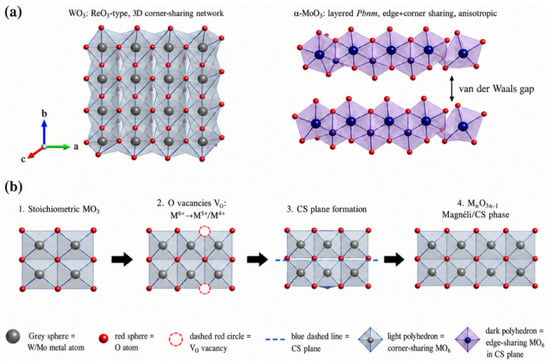
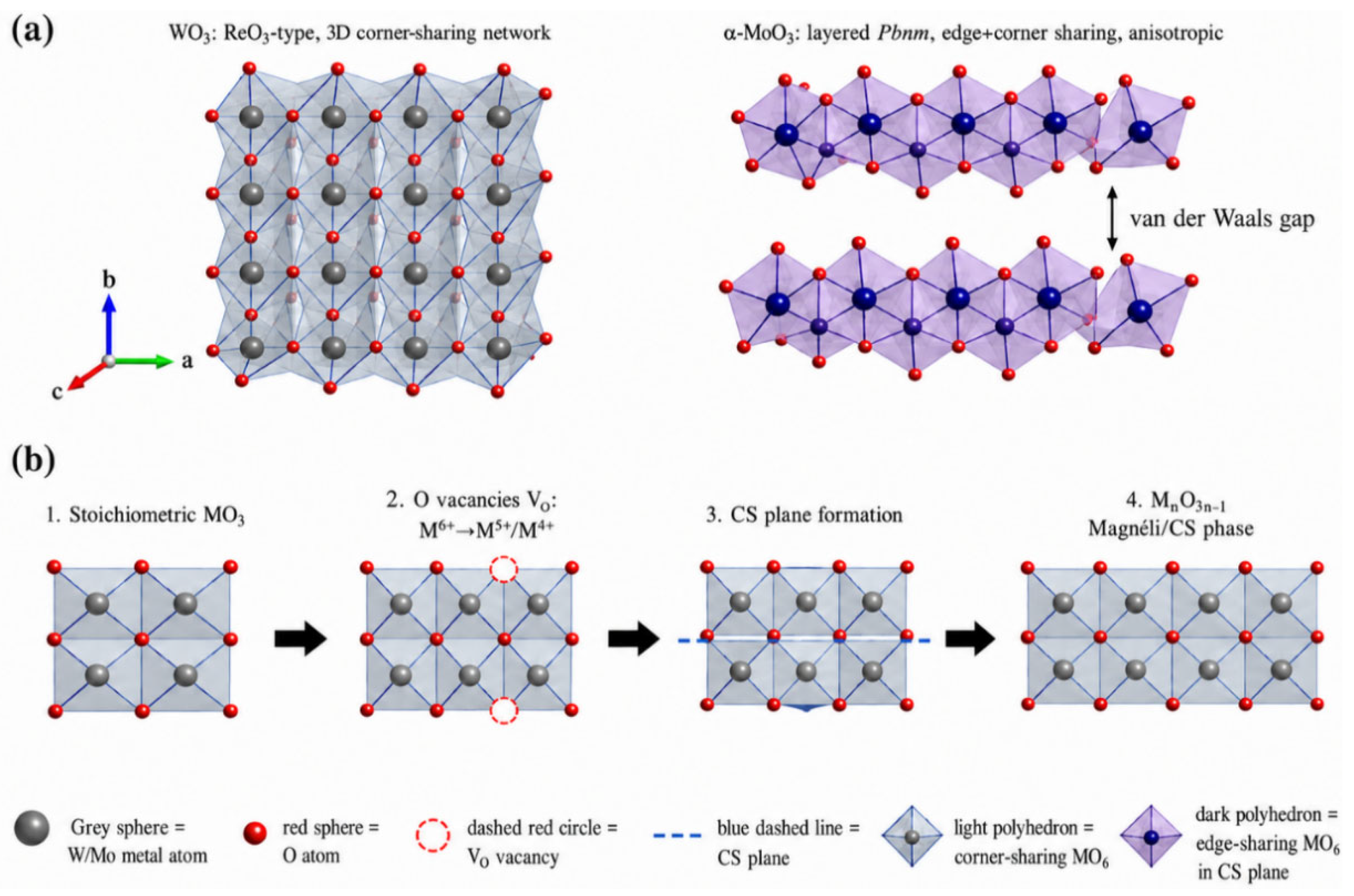
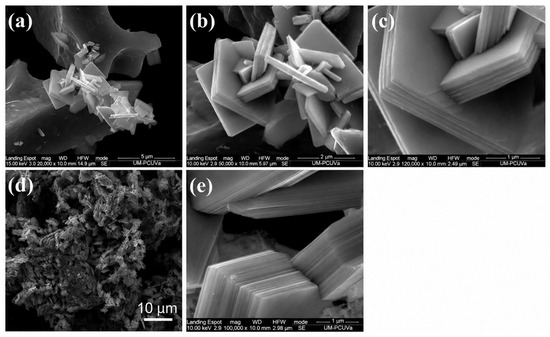
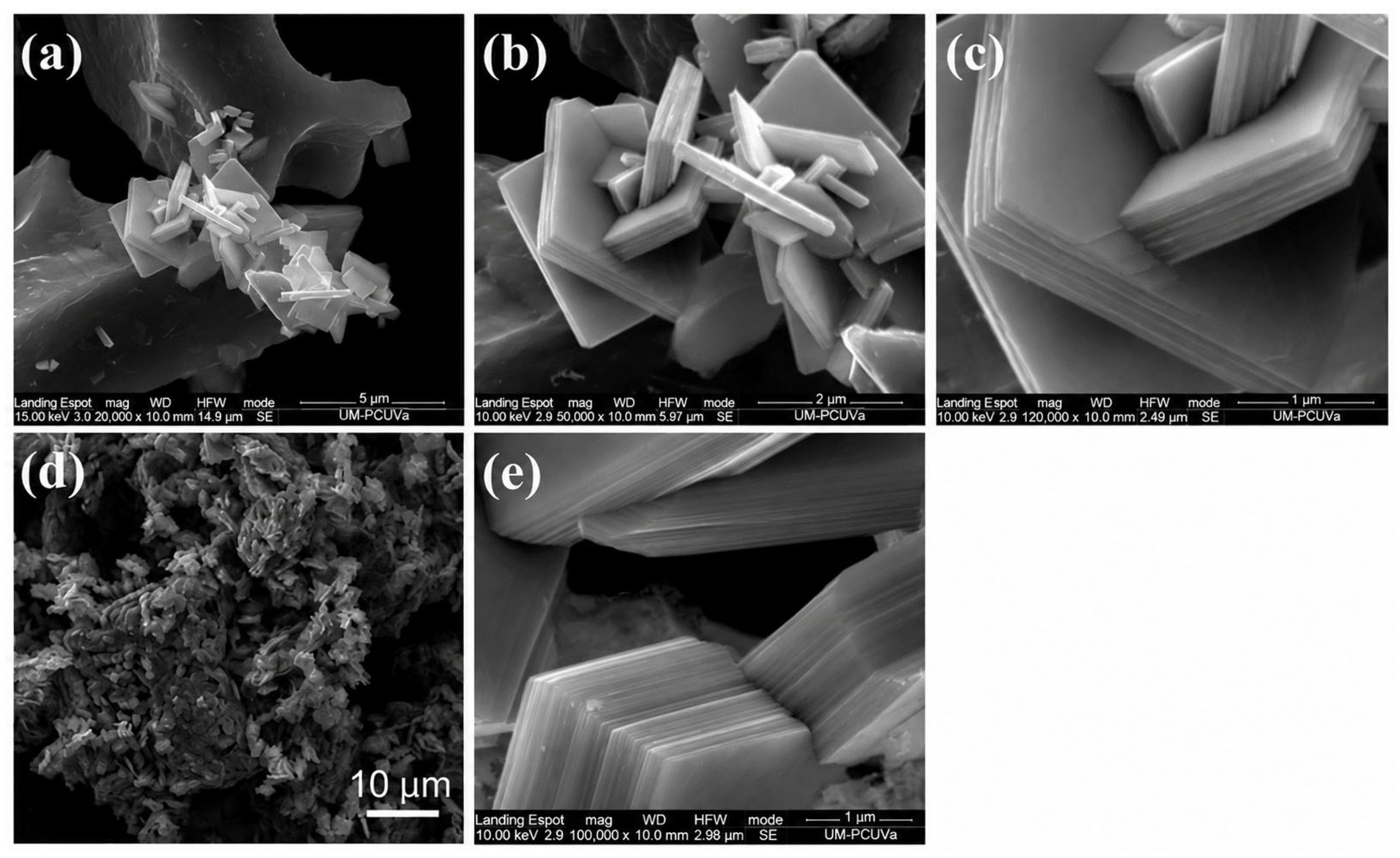
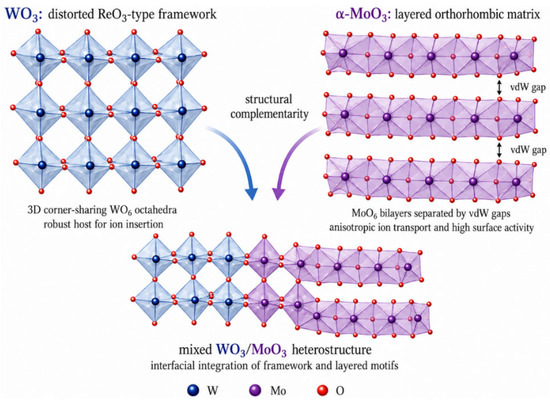
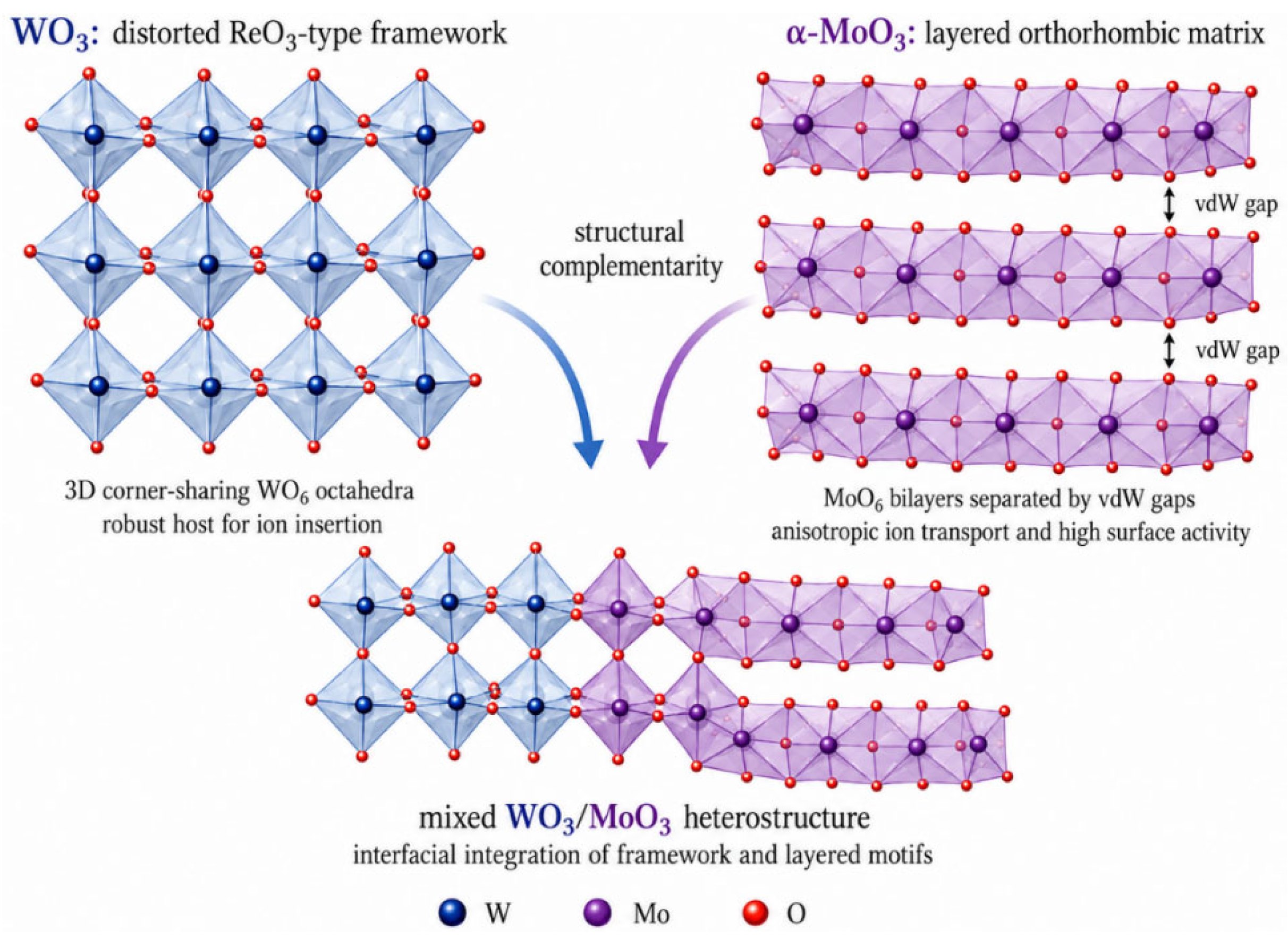
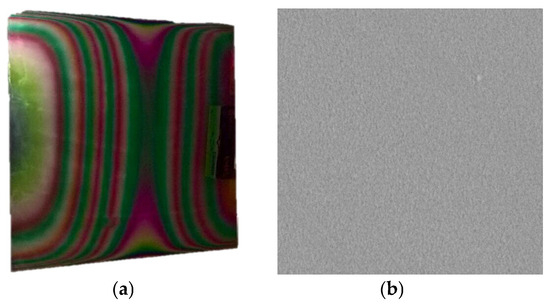
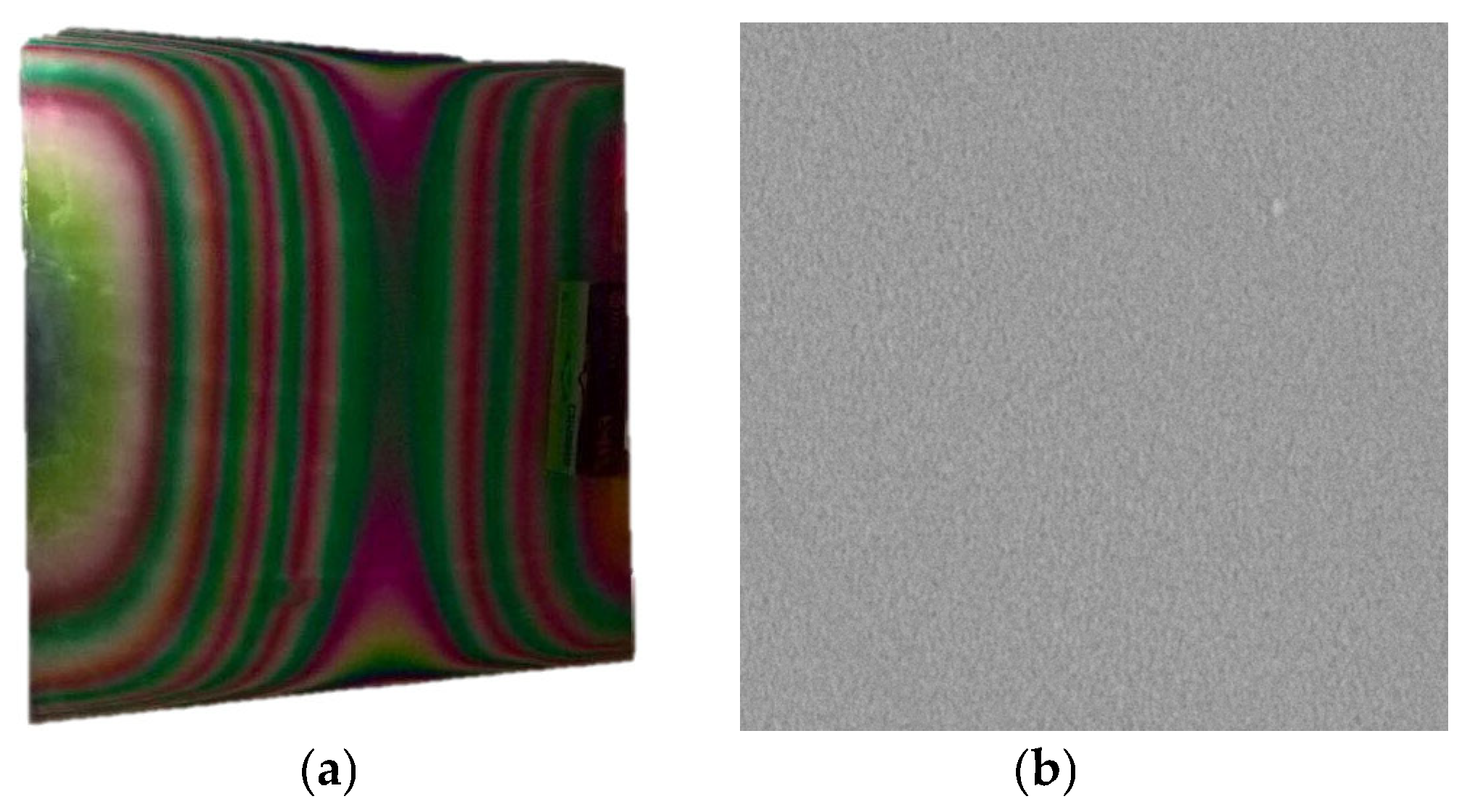
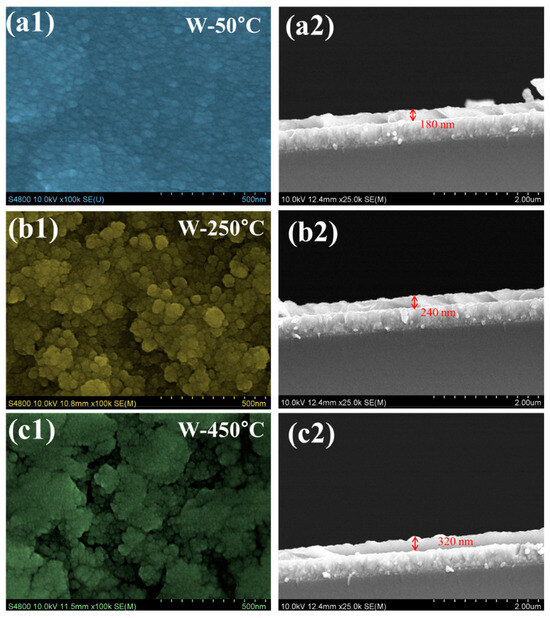
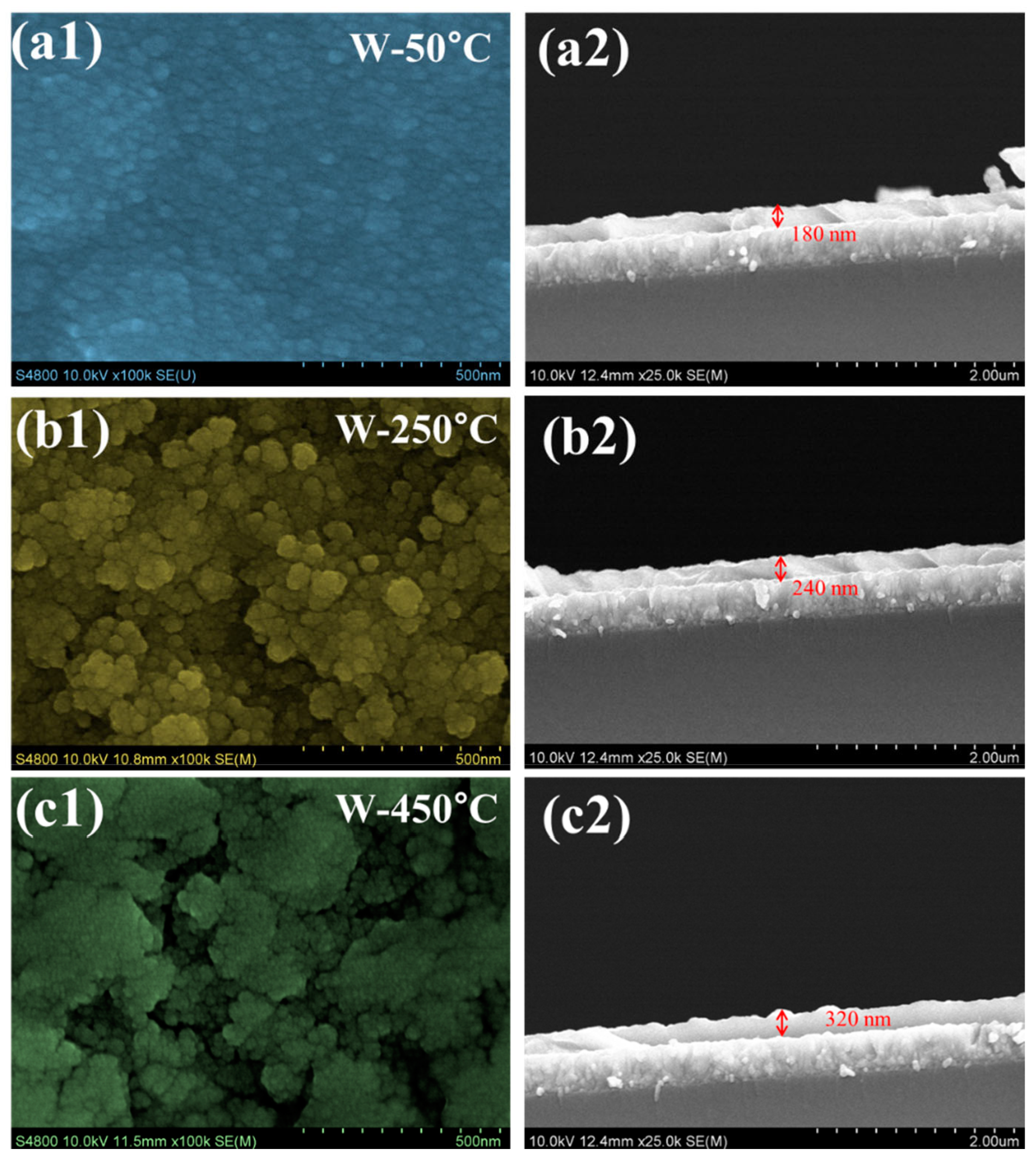
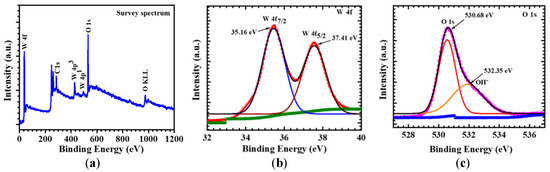
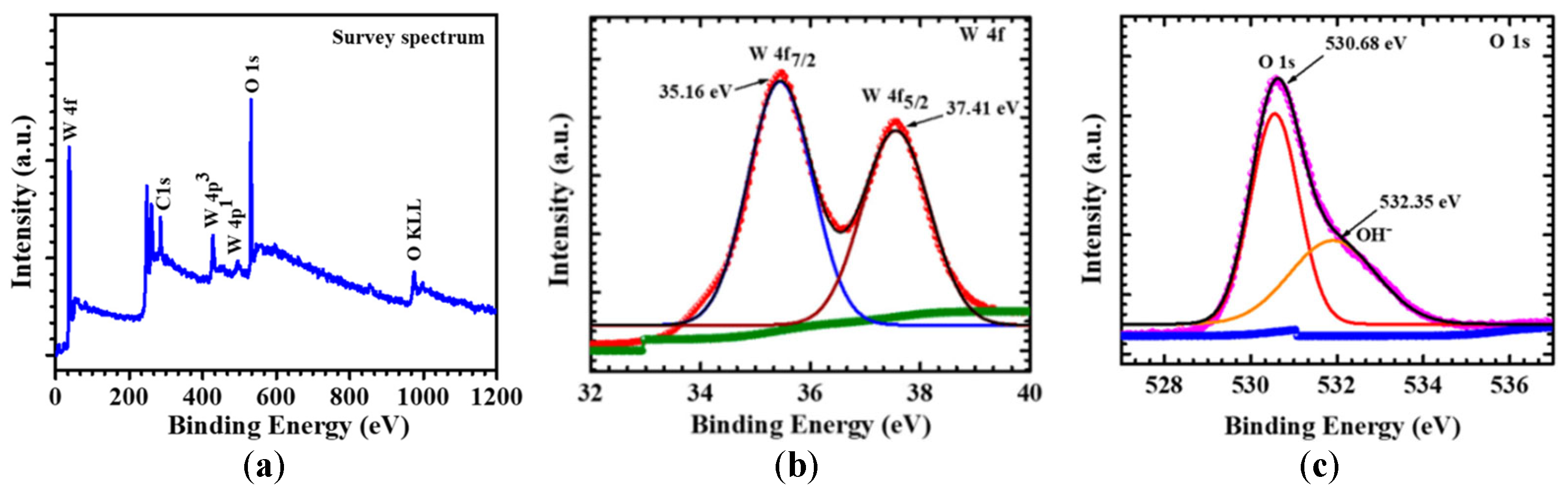
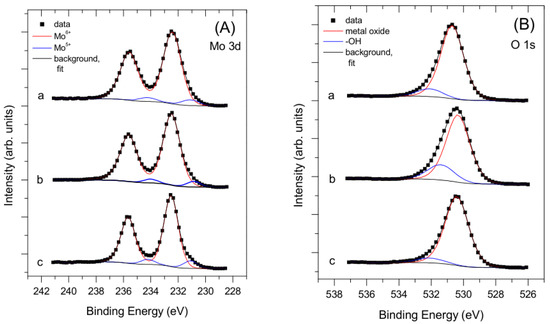
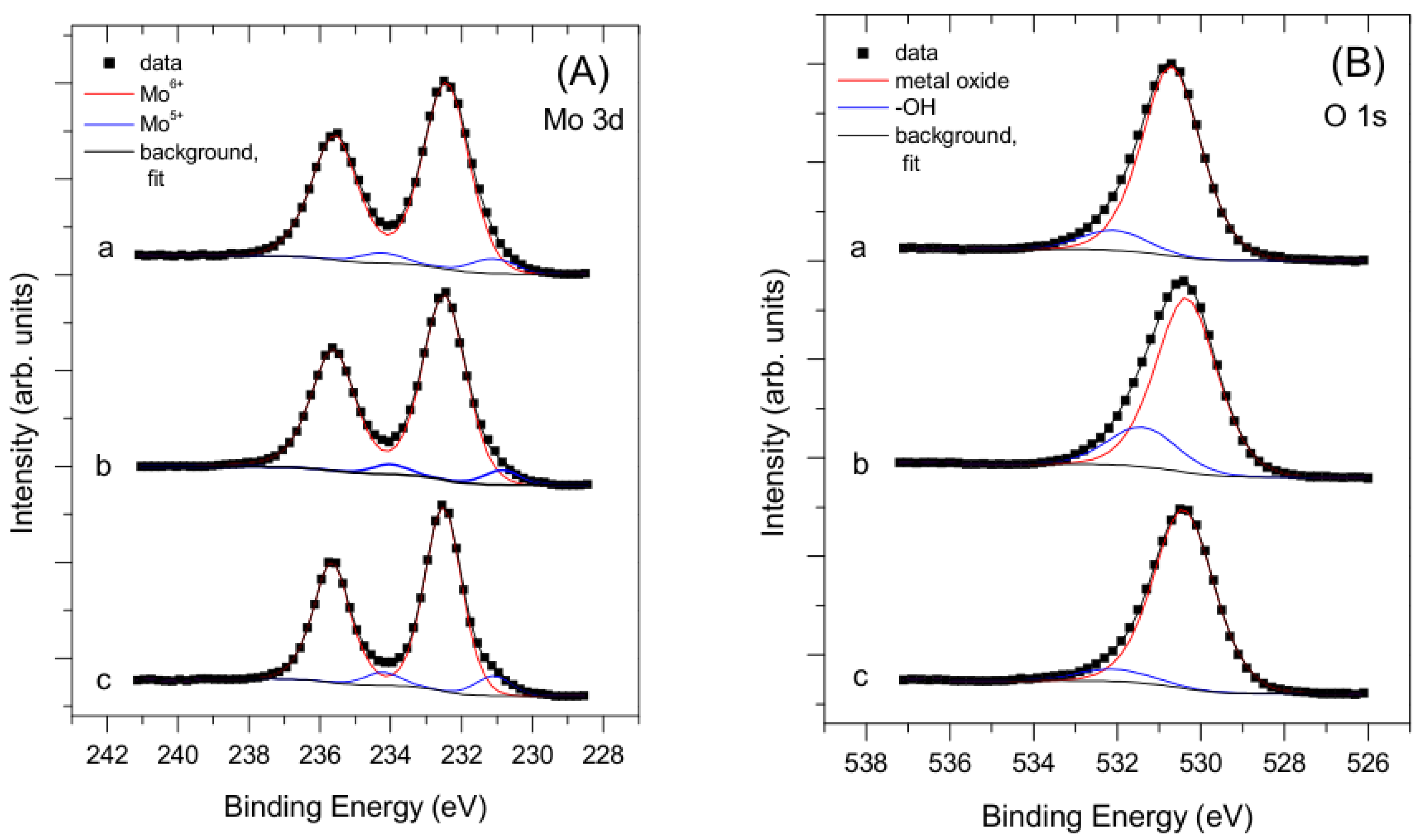
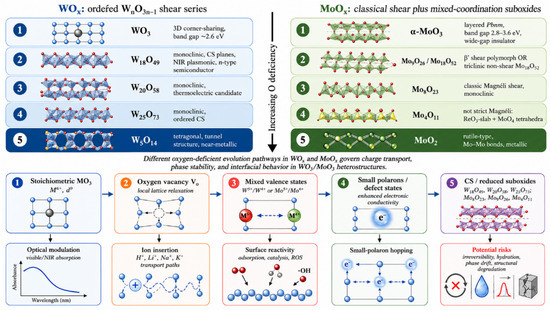
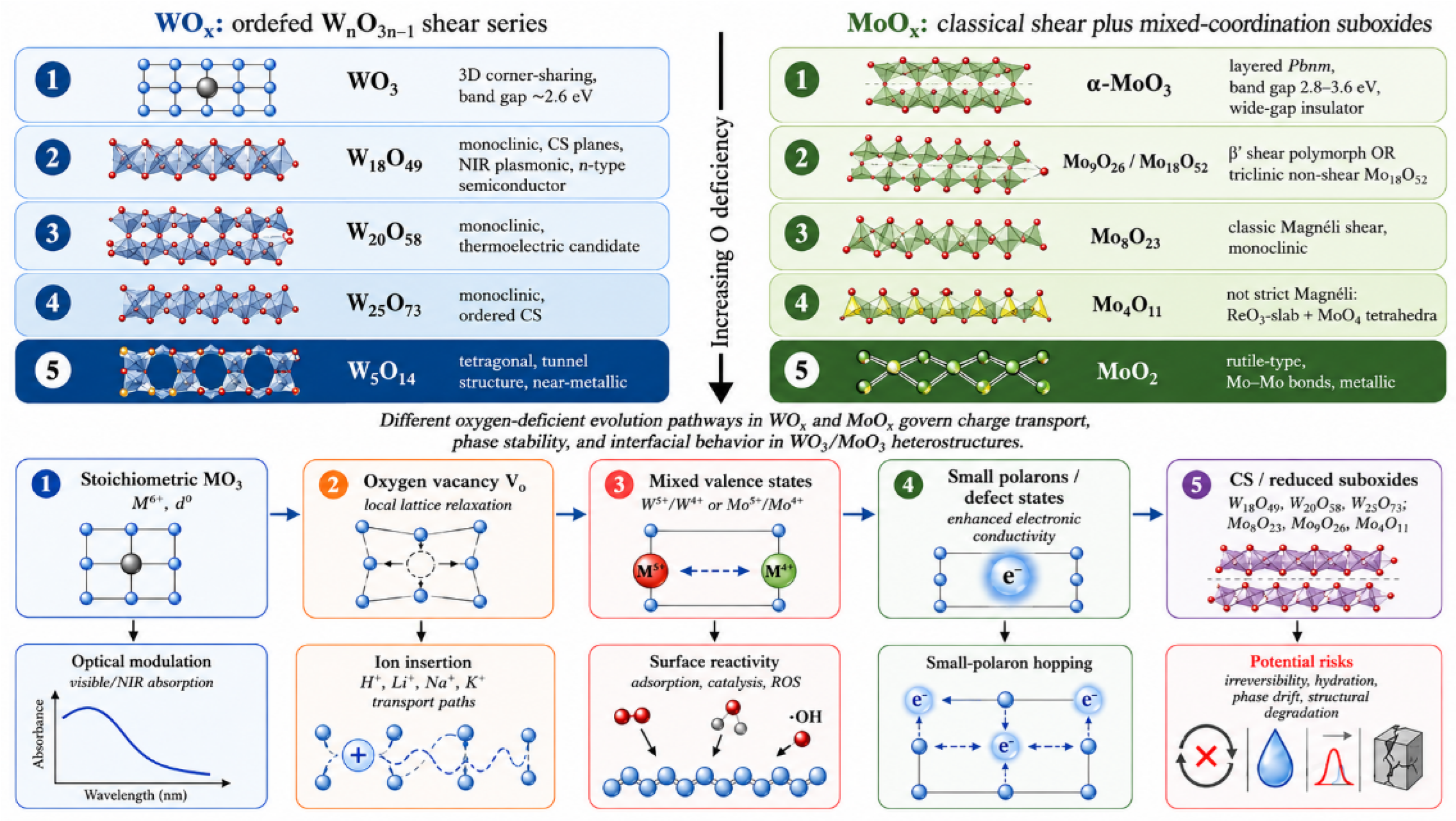
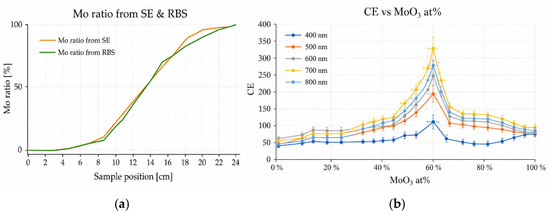
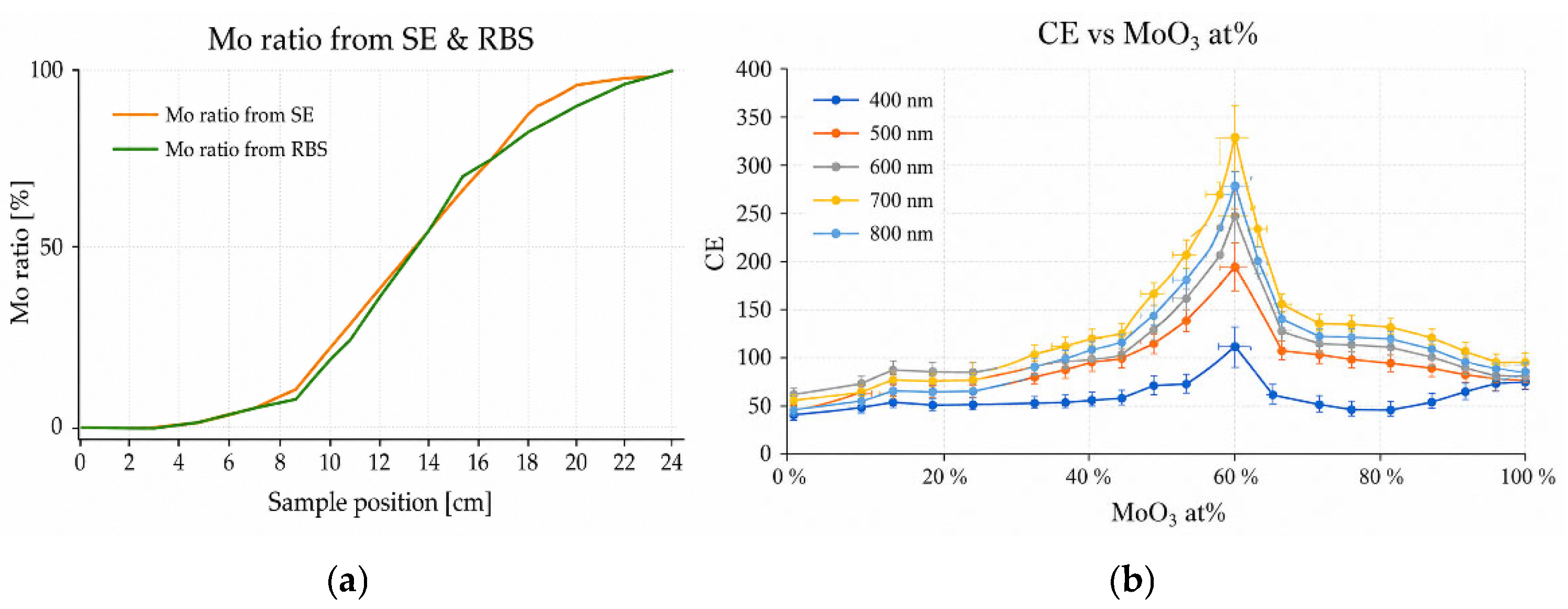
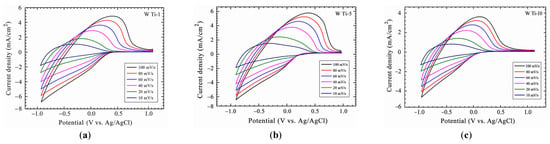
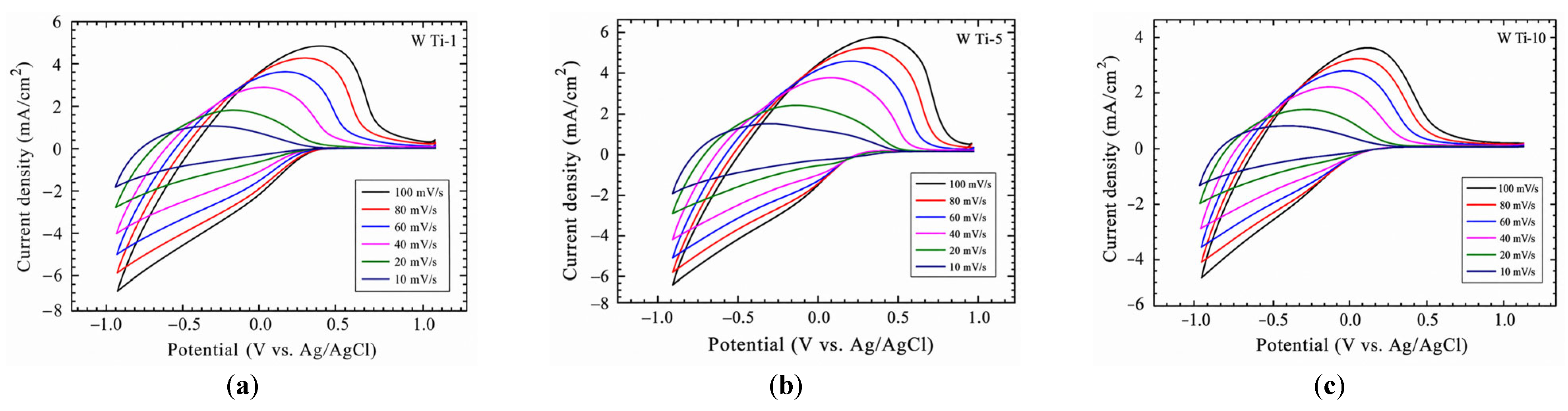
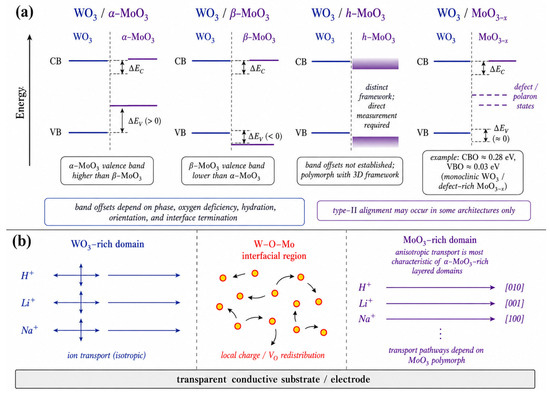
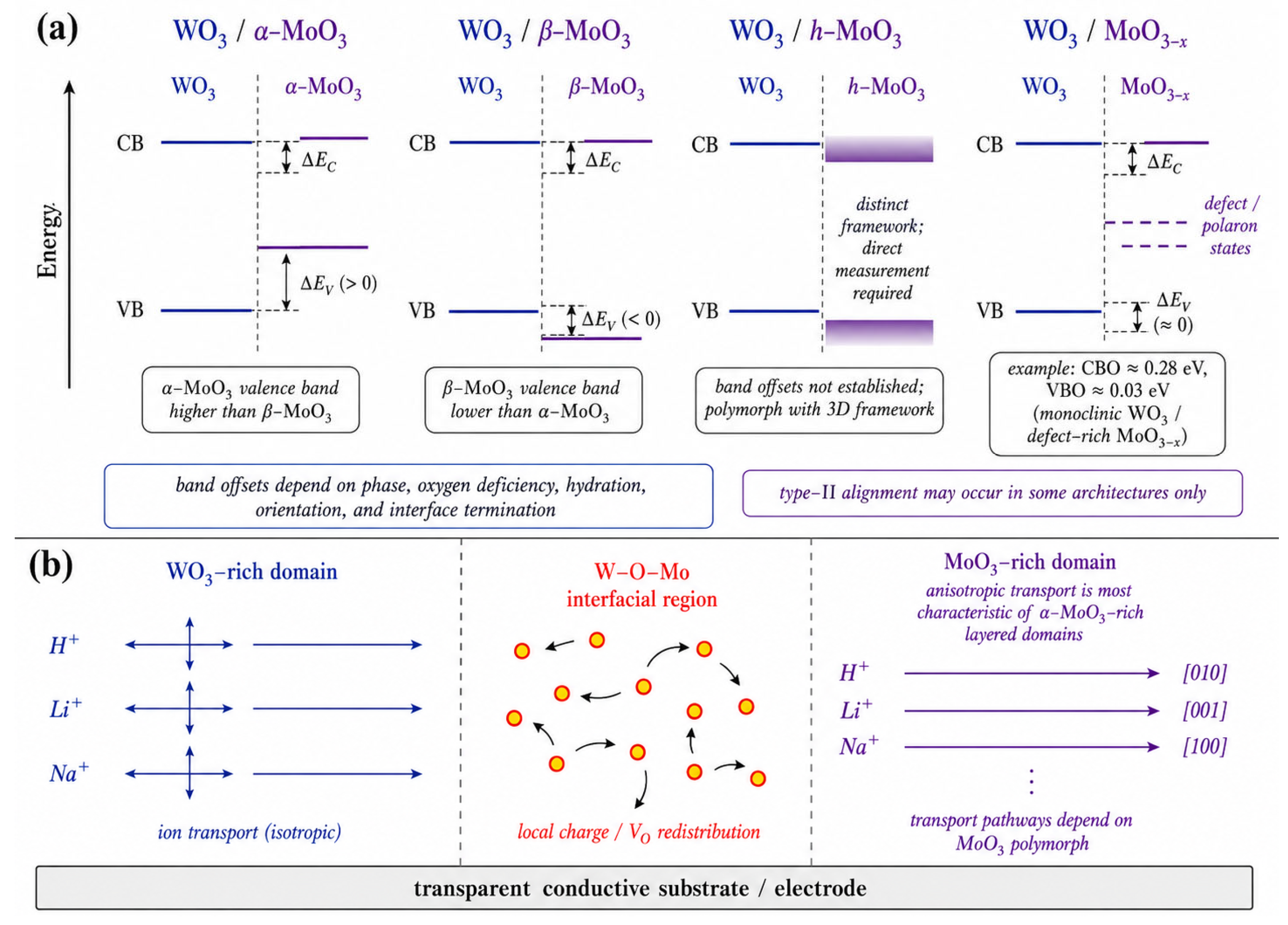
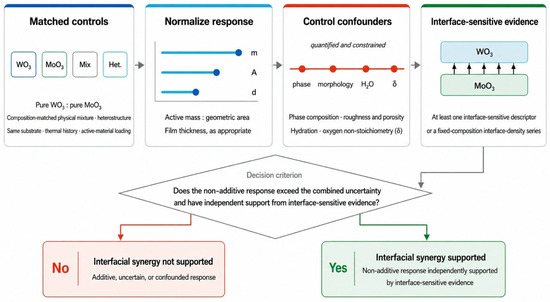
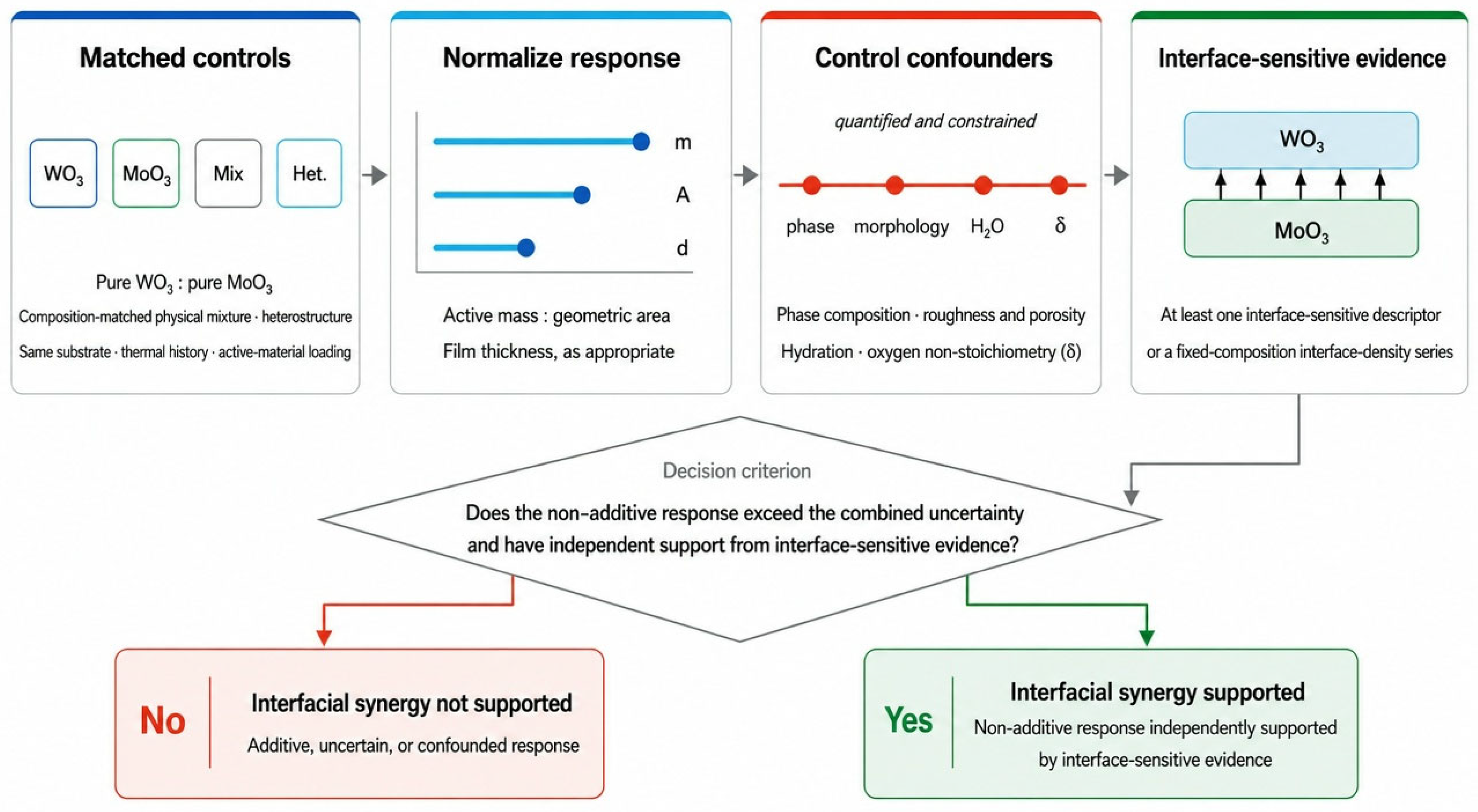
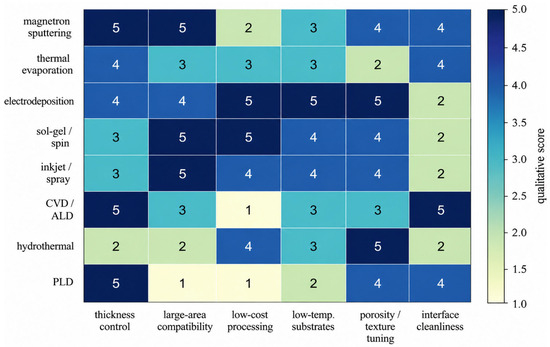
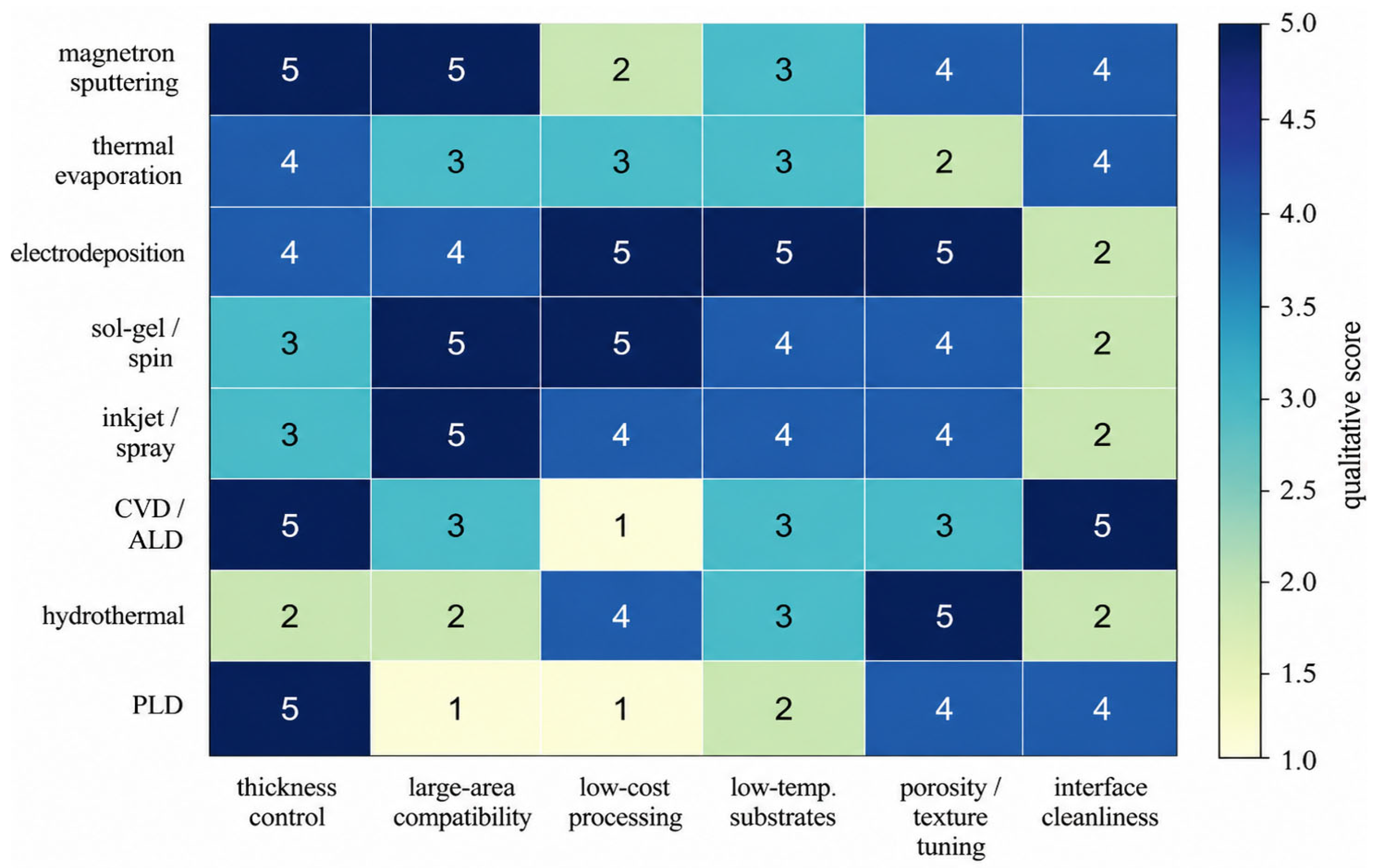
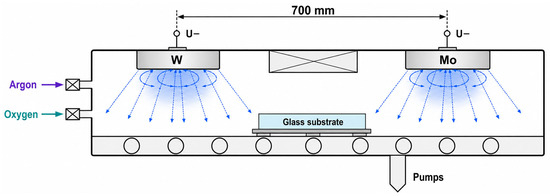
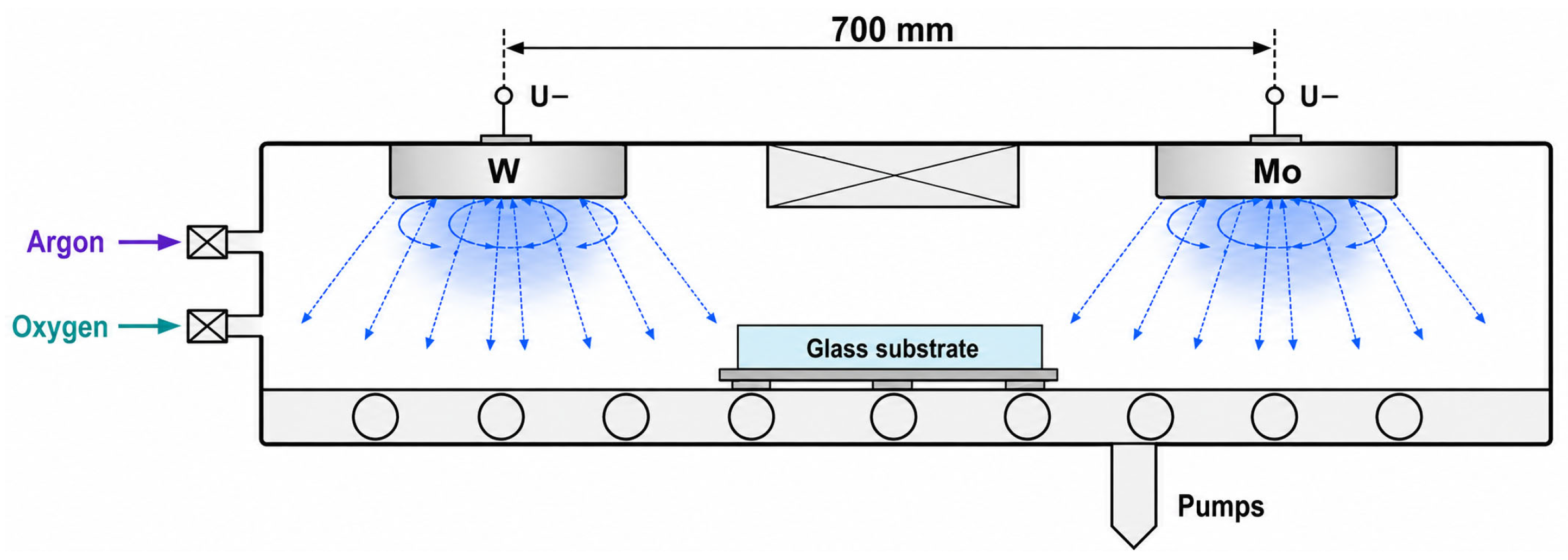
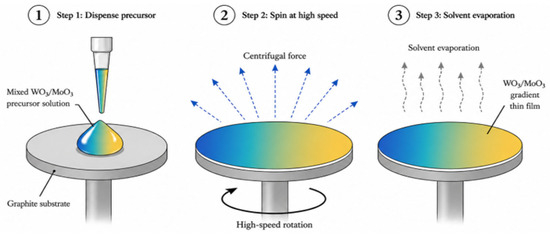
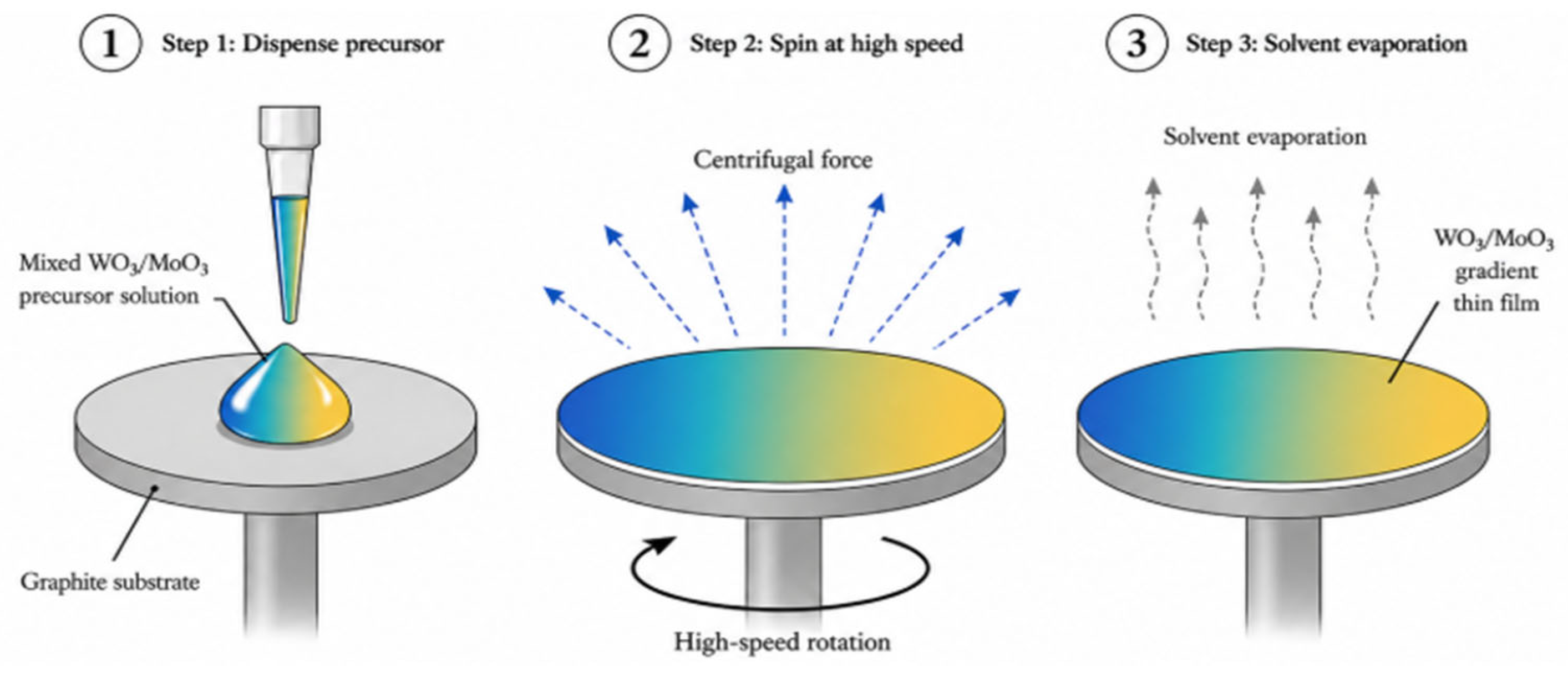
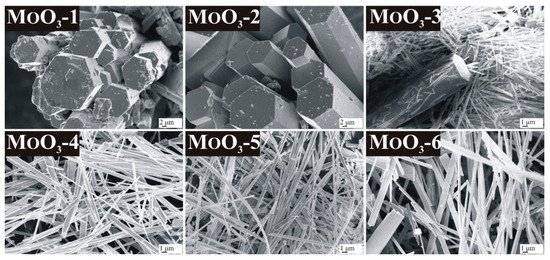
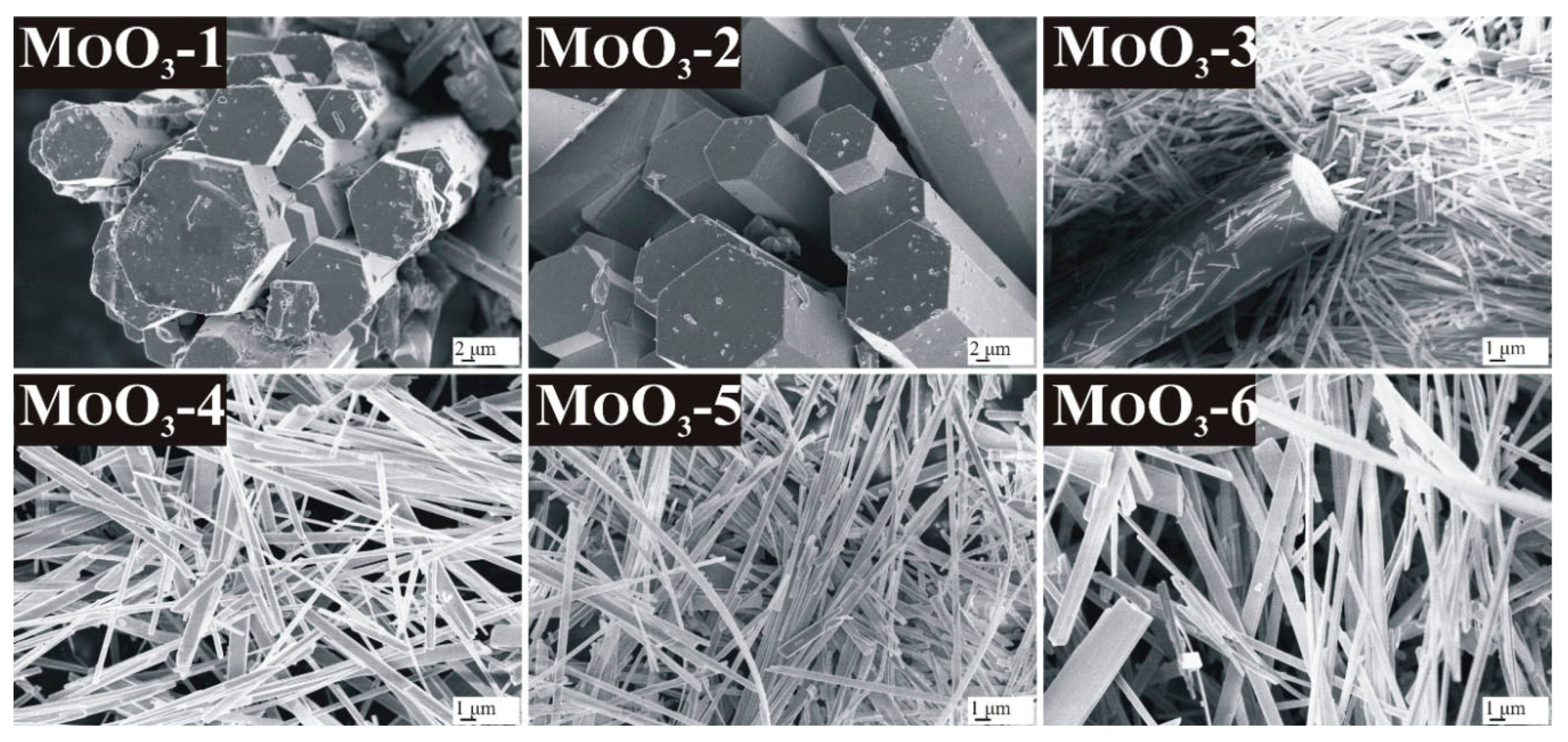
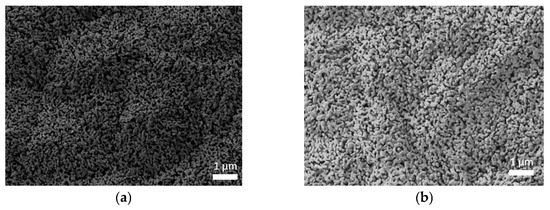
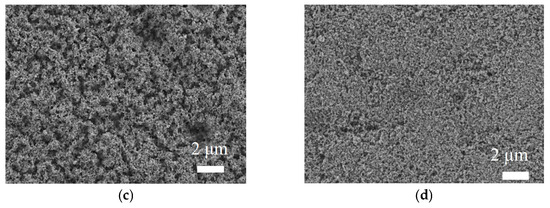
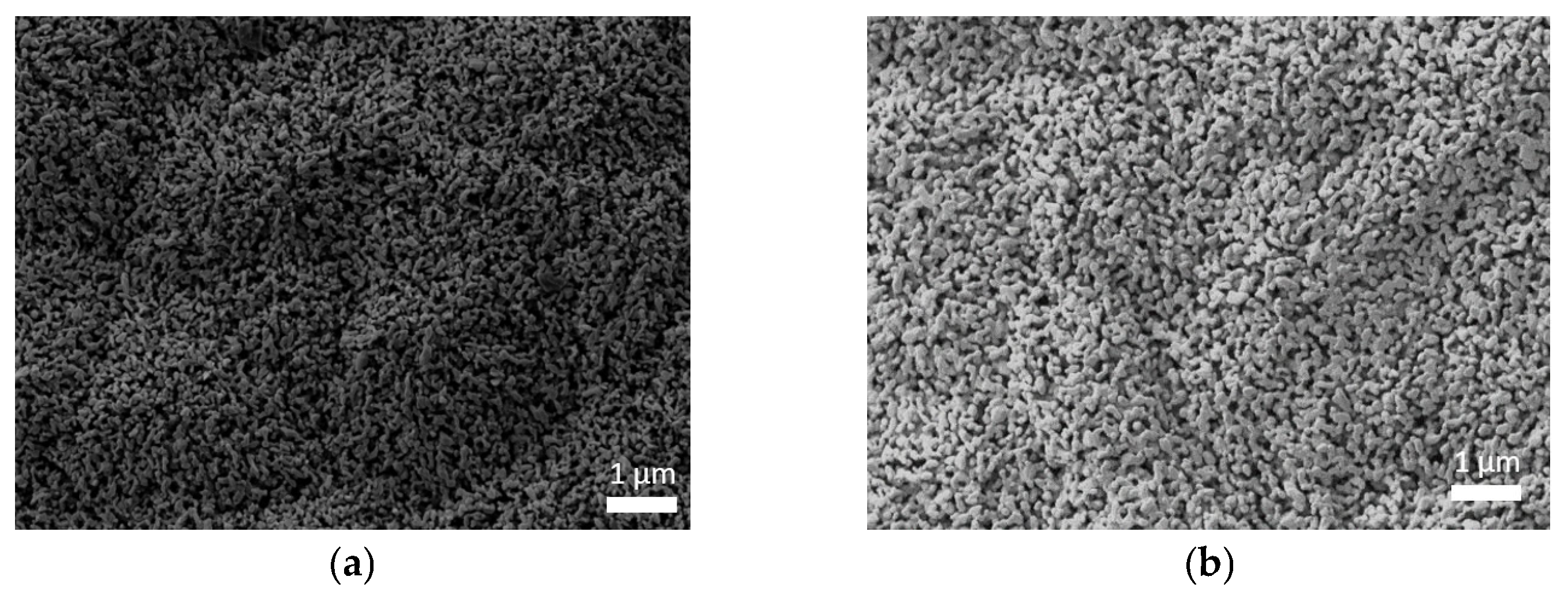
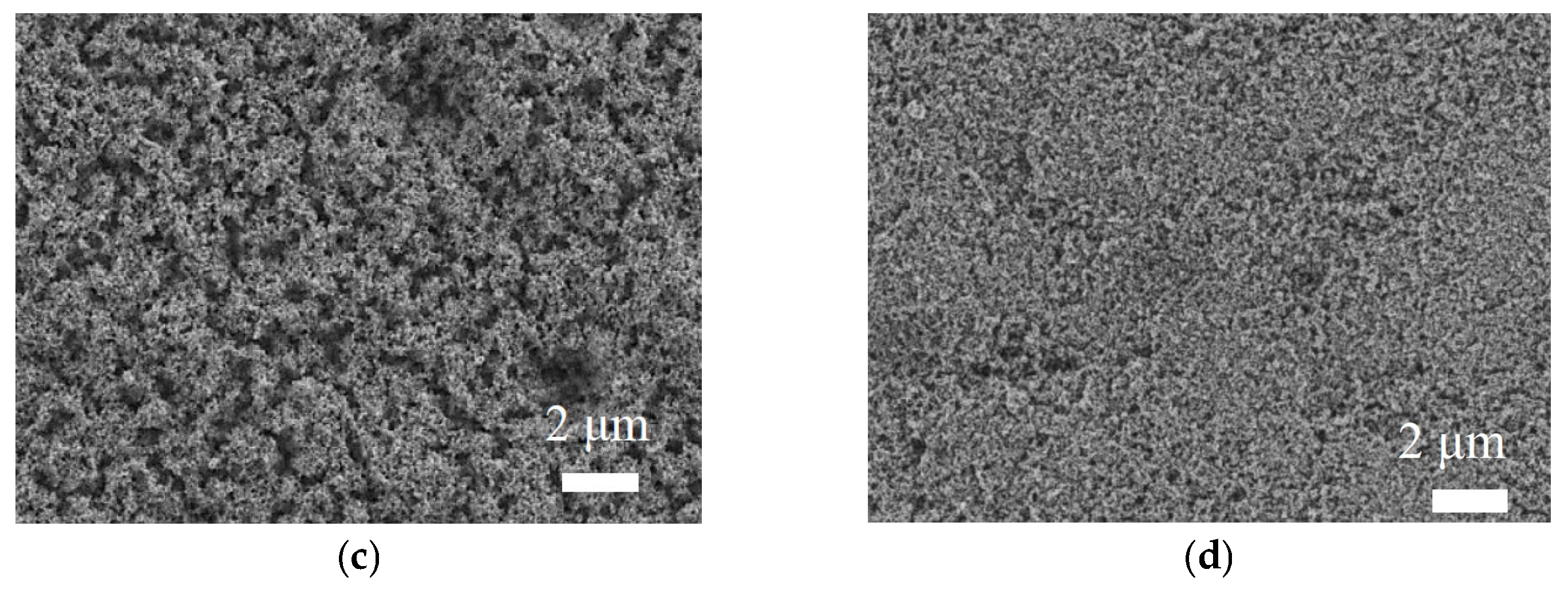
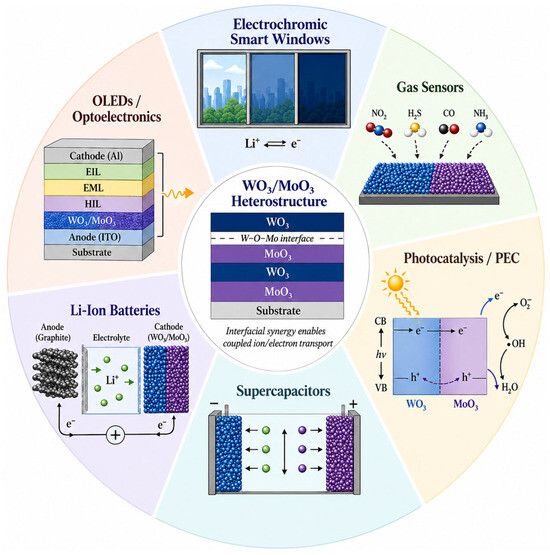
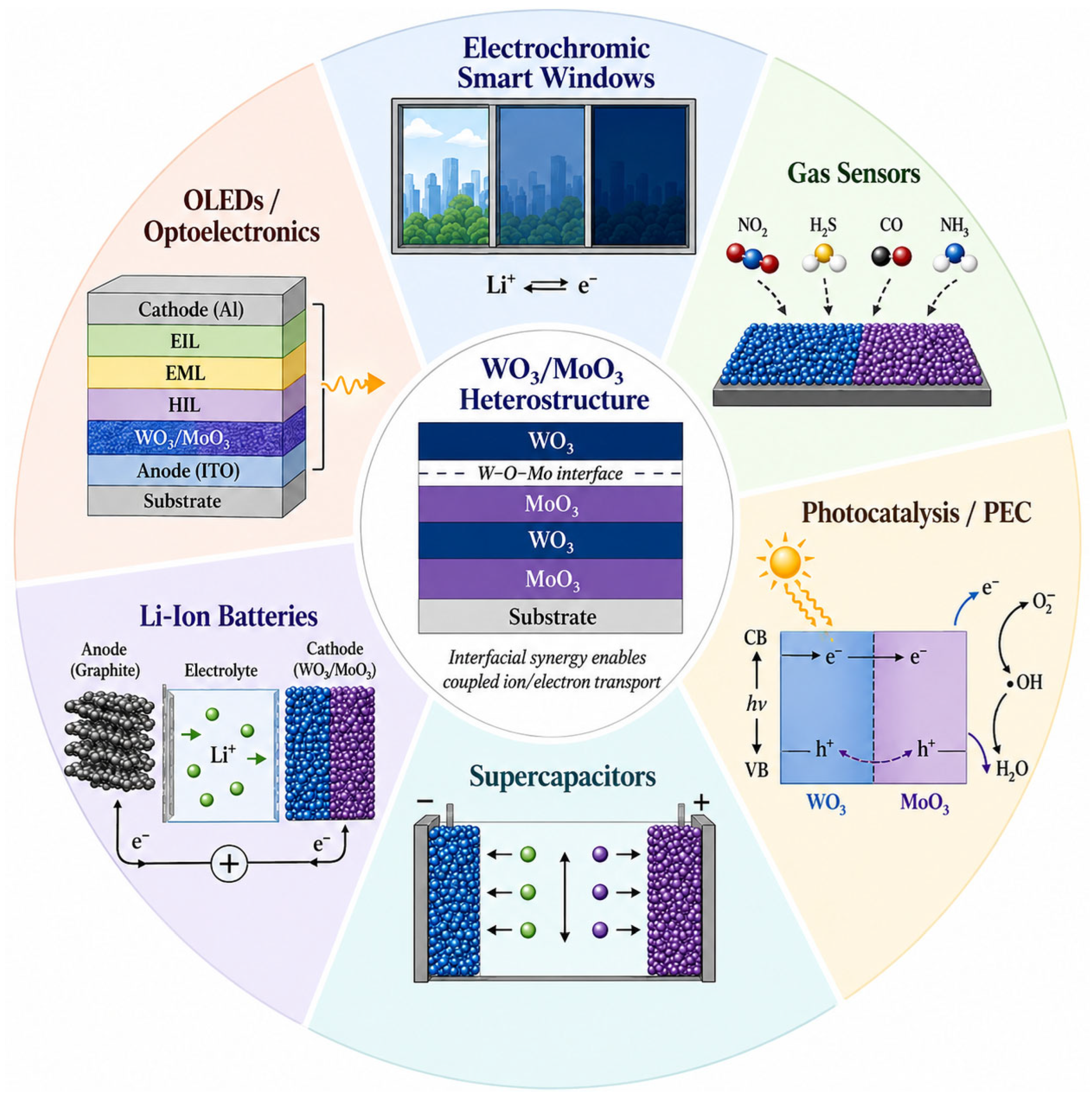
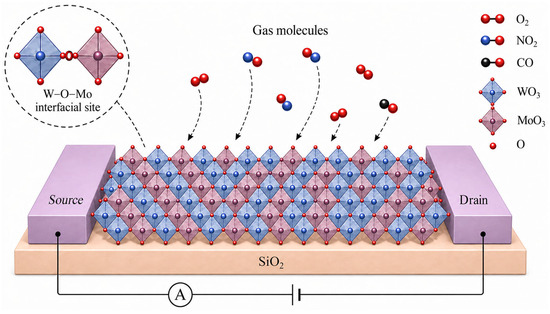
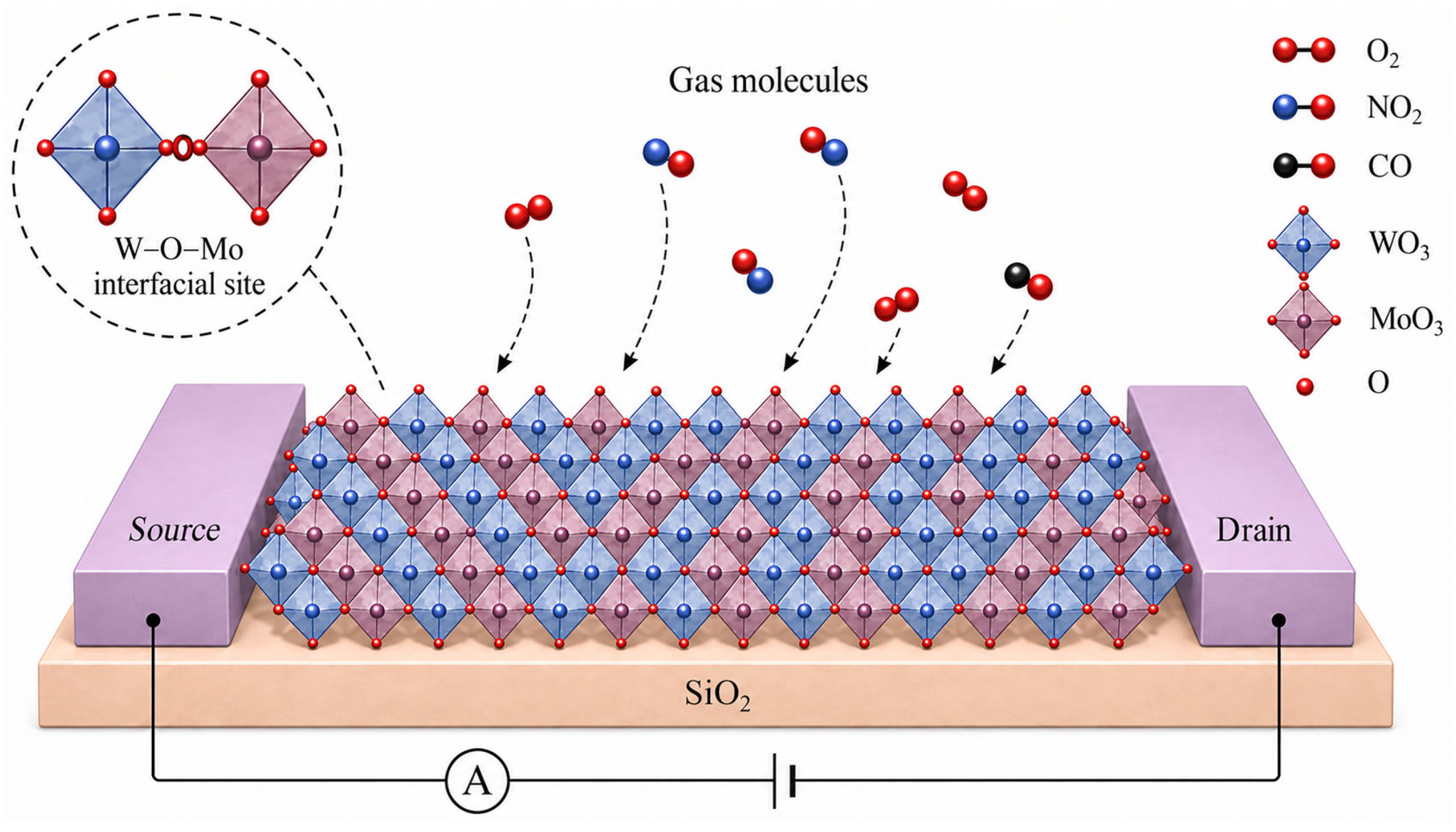
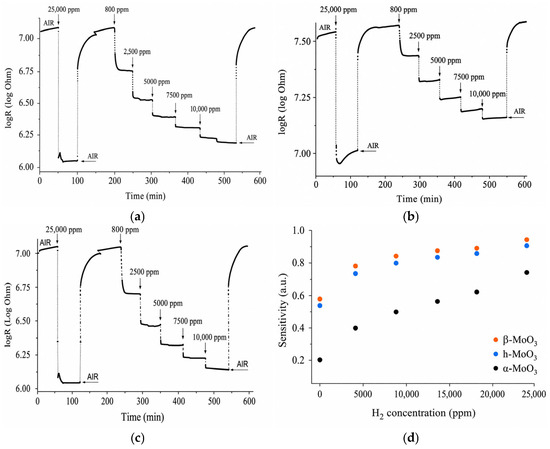
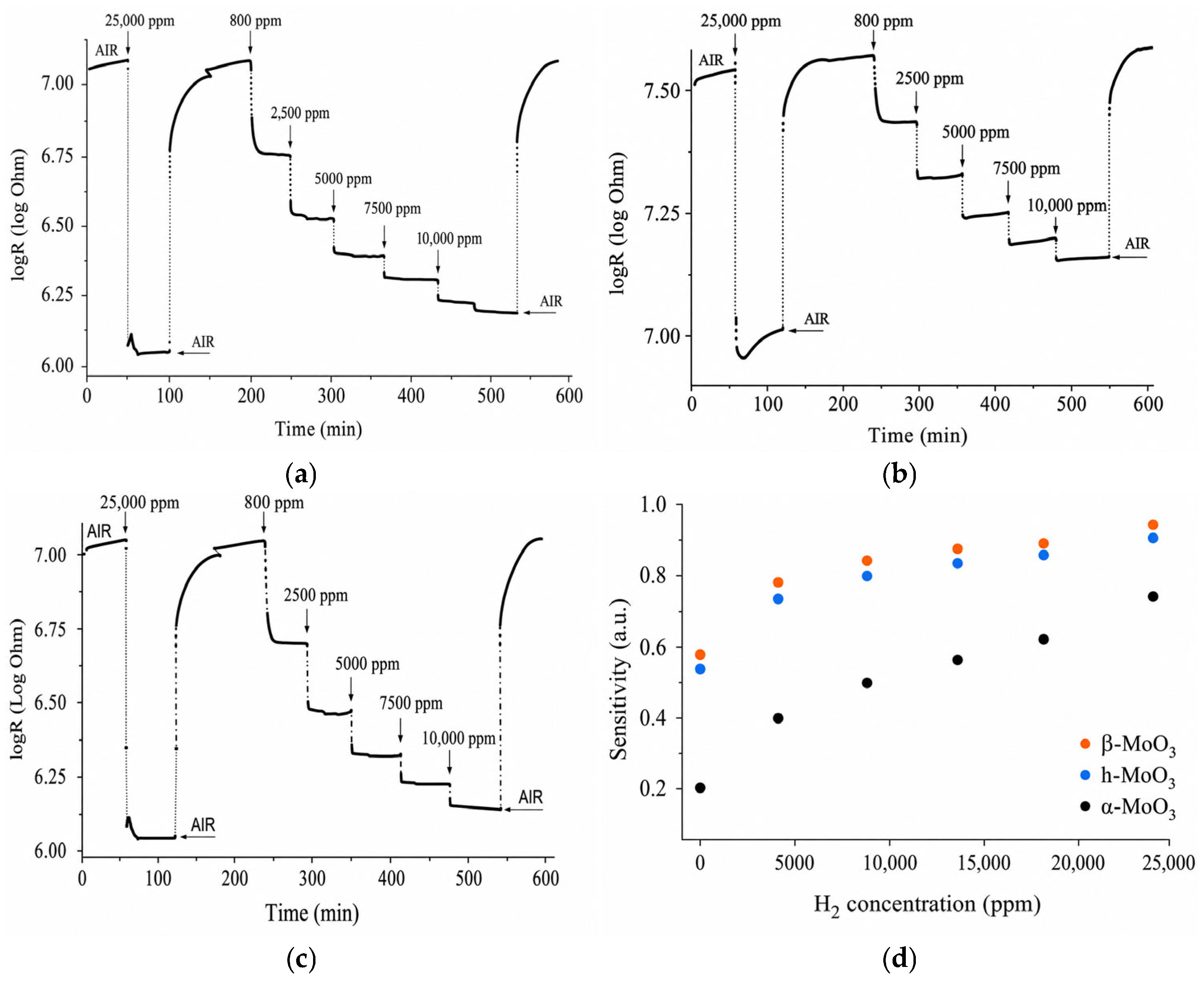
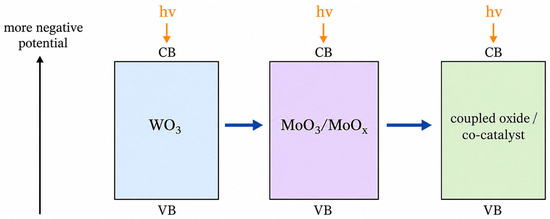
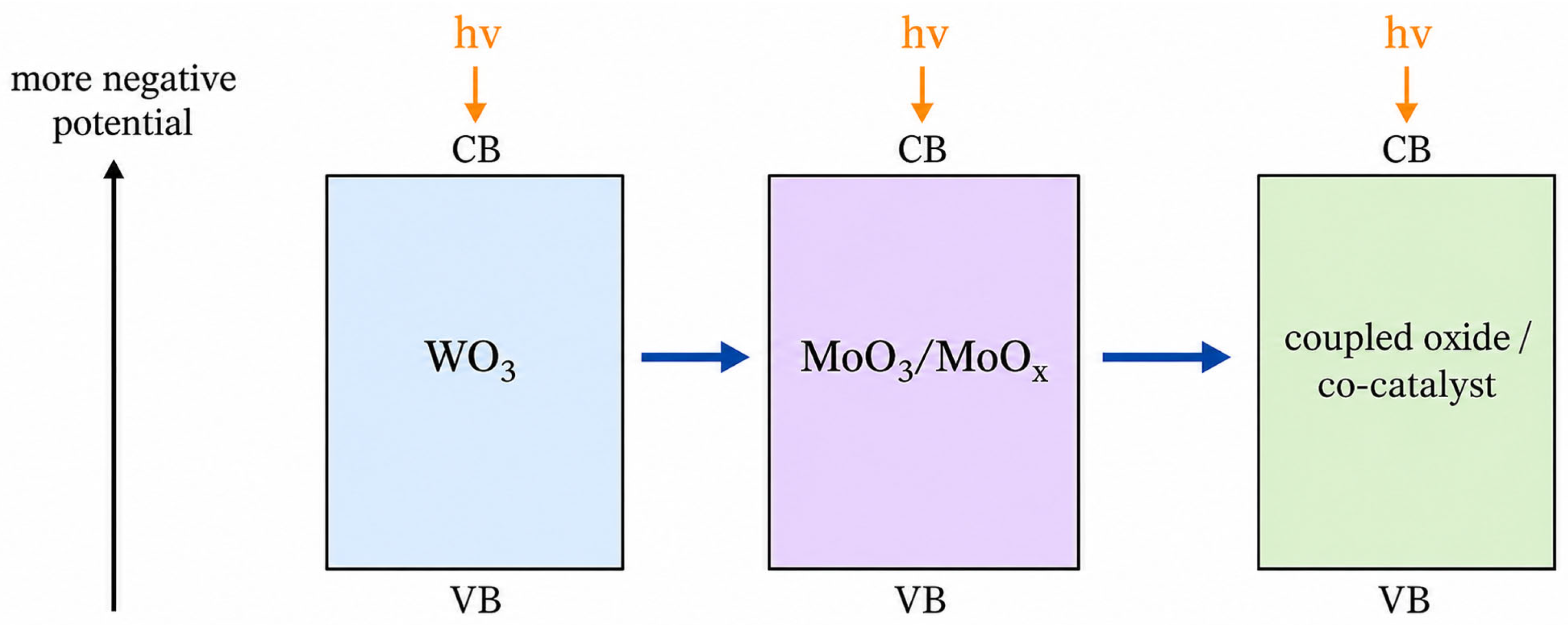
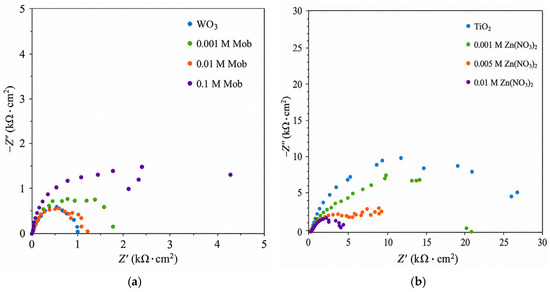
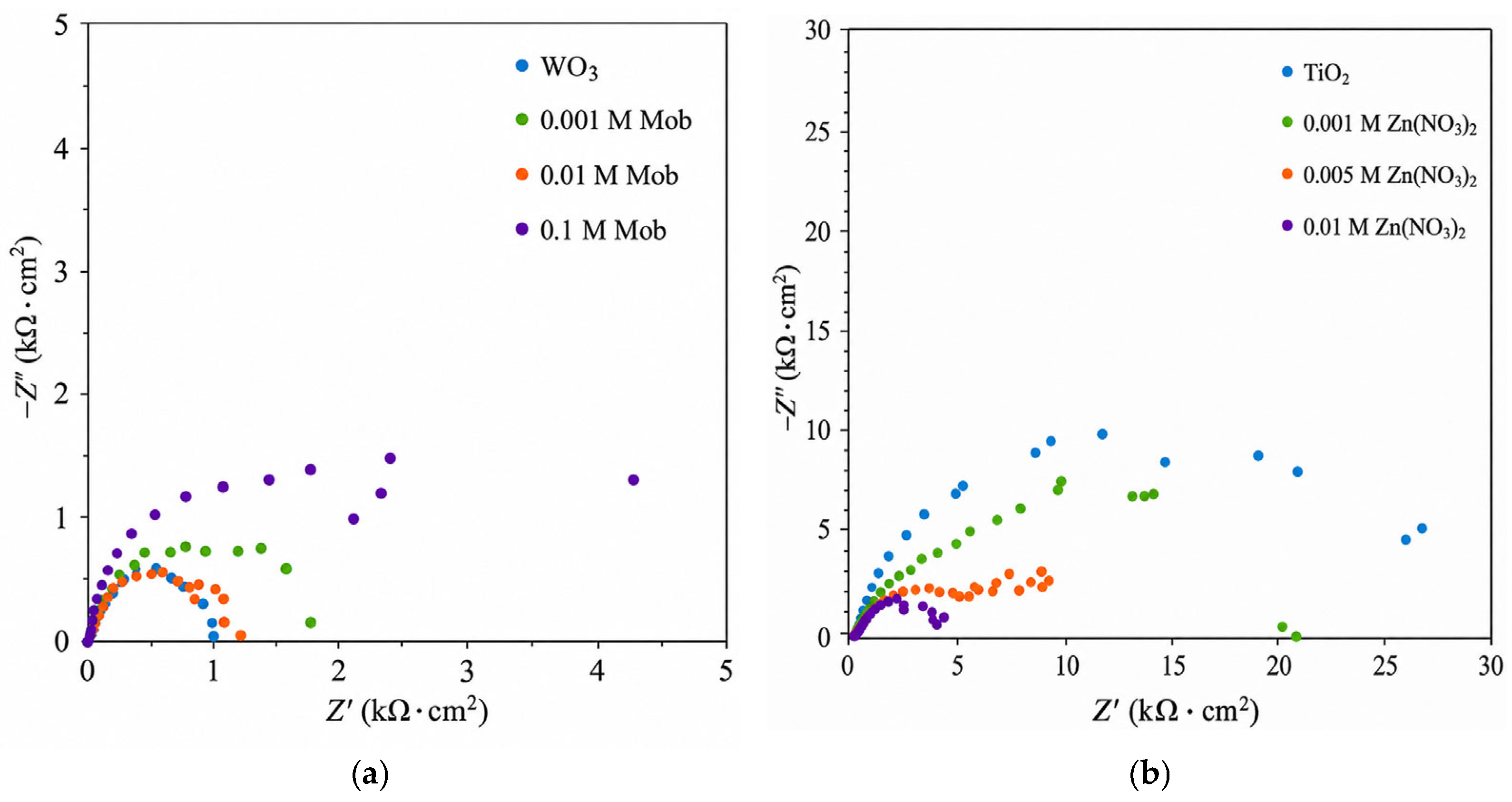
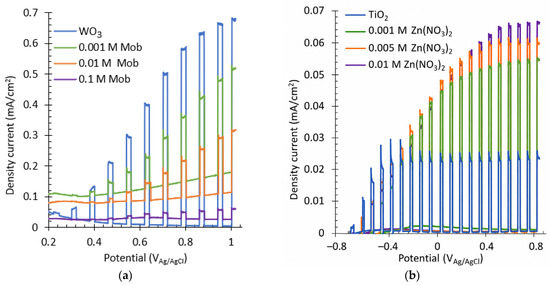
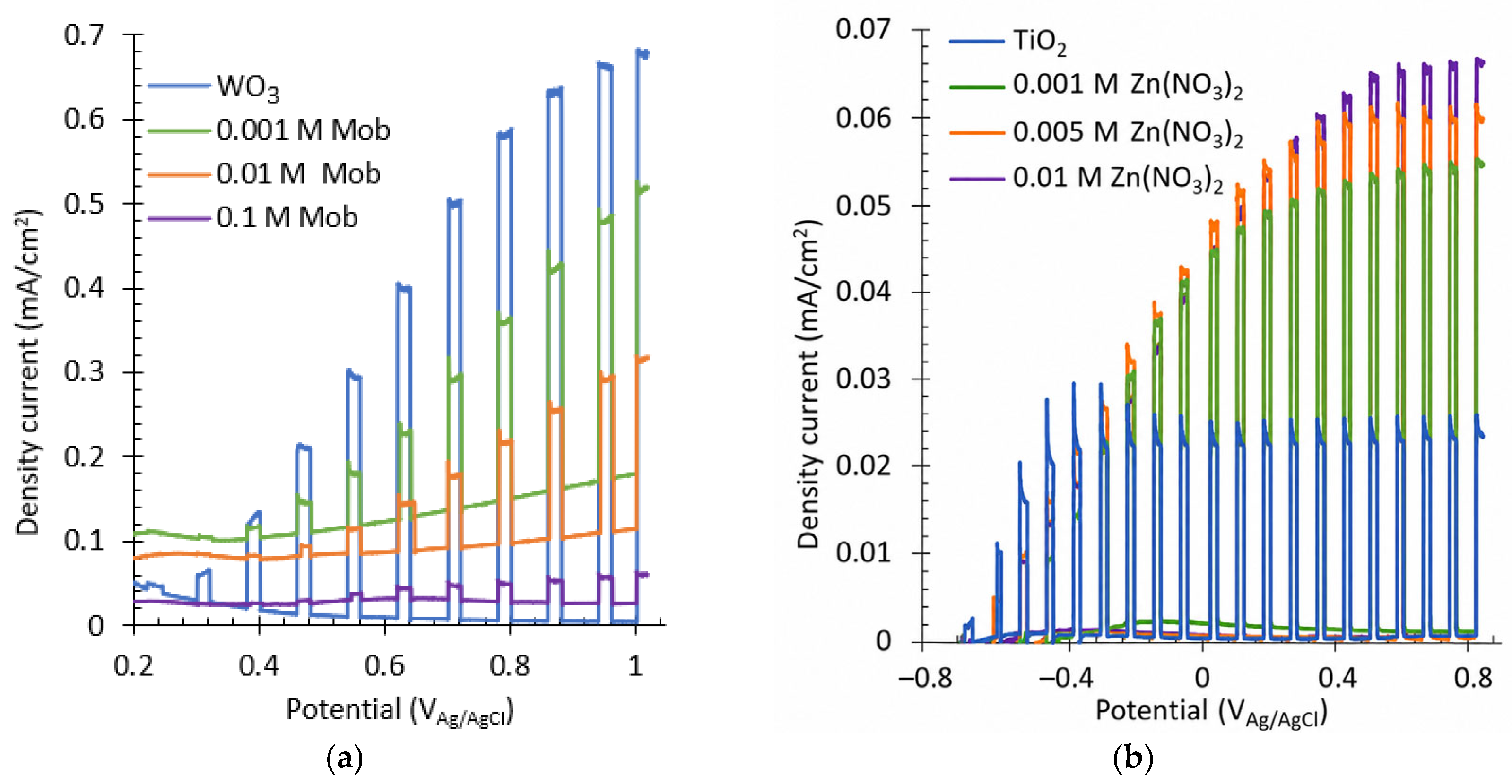

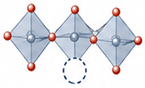
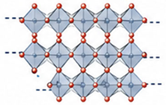
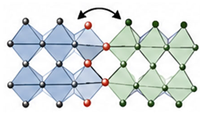
Disclaimer/Publisher’s Note: The statements, opinions and data contained in all publications are solely those of the individual author(s) and contributor(s) and not of MDPI and/or the editor(s). MDPI and/or the editor(s) disclaim responsibility for any injury to people or property resulting from any ideas, methods, instructions or products referred to in the content. |
© 2026 by the authors. Licensee MDPI, Basel, Switzerland. This article is an open access article distributed under the terms and conditions of the Creative Commons Attribution (CC BY) license.